In a statement released on Tuesday, MONUSCO said the assessment mission, running from February 23 to 27, follows consultations with Democratic Republic of the Congo President Félix Tshisekedi, who also serves as chairperson of the ICGLR.
The statement noted that the deployment is a preparatory step toward operationalising the agreed ceasefire architecture. The team is evaluating access, security, logistics, and engagement requirements to ensure that future monitoring and verification efforts are credible, safe, and operationally feasible.
The initiative comes amid sustained diplomatic efforts to stabilise eastern DRC. In October 2025, the DRC government and the AFC/M23 rebel alliance signed the Doha Framework for Comprehensive Peace Agreement in Doha, establishing a joint monitoring and verification mechanism to investigate and prevent ceasefire violations. Observers from the United States, the African Union and Qatar are also part of that mechanism.
MONUSCO recalled that under UN Security Council Resolution 2808 (2025), the mission is authorised to support the implementation of a permanent ceasefire. This includes backing the Ceasefire Oversight and Verification Mechanism as well as the Expanded Joint Verification Mechanism Plus (EJVM+), created following the Doha agreement.
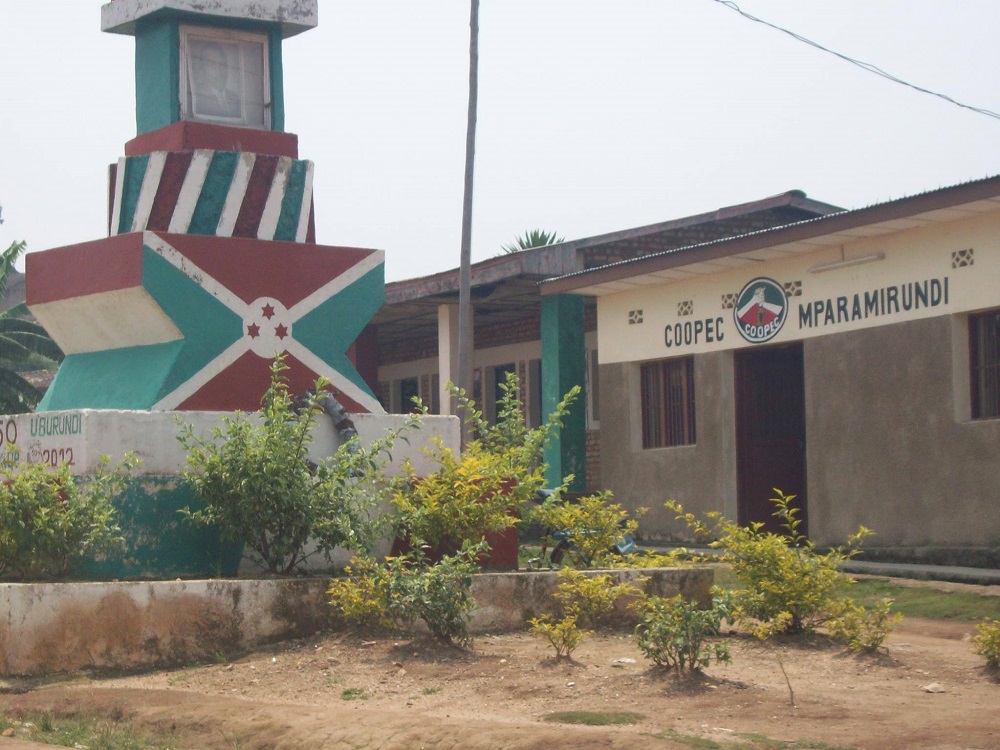
During their stay in and around Uvira, the joint team will assess political, security, logistical and socio-environmental conditions to inform comprehensive planning for a future deployment.
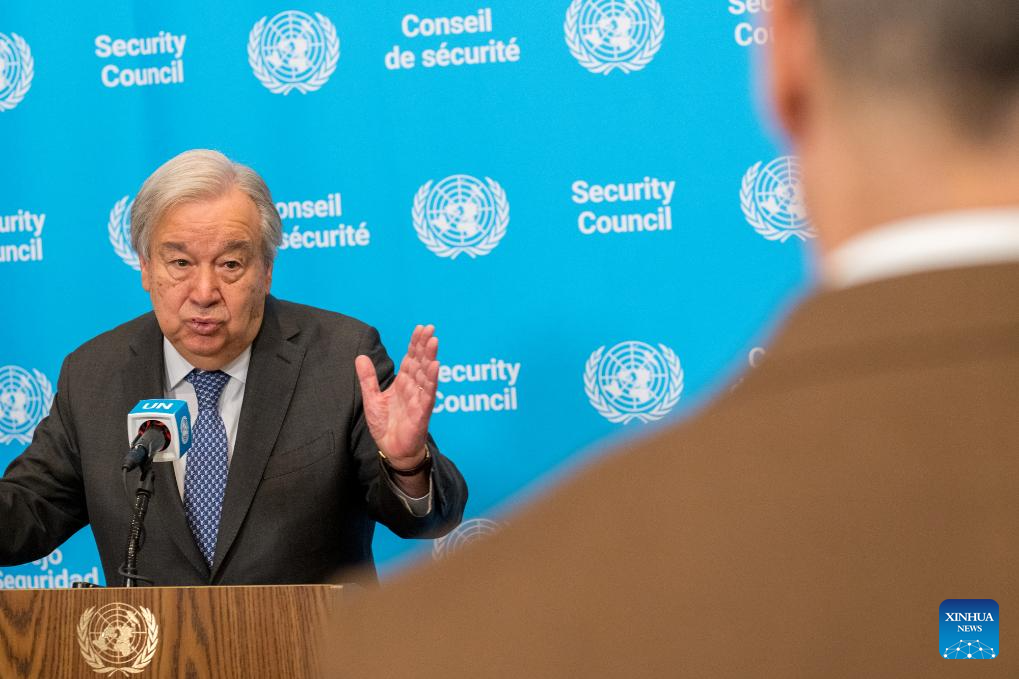
“Effective ceasefire monitoring is intended to reduce violence and create the necessary space for a durable political solution,” said Vivian van de Perre, Special Representative of the UN Secretary-General in the DRC and Head of MONUSCO ad interim.
She noted that, unlike in North Kivu and Ituri, MONUSCO’s mandate in South Kivu is limited to ceasefire monitoring and does not include Protection of Civilians responsibilities under Resolution 2808 (2025).
The mission emphasised that the current deployment is exploratory in nature. The scale and configuration of any subsequent ceasefire monitoring presence will depend on agreed parameters, security guarantees and operational requirements.
ICGLR Executive Secretary Dr. Mbita Luwabeha said regional cooperation remains key to lasting stability. “The Great Lakes region has vast potential for peace and prosperity. By uniting and cooperating, we can tackle challenges and create a brighter future for everyone,” he said.
Repeated ceasefire violations and ongoing hostilities have hampered efforts to stabilise the region, and it remains to be seen if the latest attempt to implement a lasting truce will succeed.
During their stay in and around Uvira, the joint team will assess political, security, logistical and socio-environmental conditions to inform comprehensive planning for a future deployment. The assessment mission runs from February 23 to 27.The team is evaluating access, security, logistics, and engagement requirements to ensure that future monitoring and verification efforts are credible, safe, and operationally feasible.
Under the revised structure, individuals in the first level are required to contribute Rwf4,000 annually, an amount fully covered by the Government. Those in the second level of social registry pay Rwf3,000 per year, supplemented by a Rwf1,000 government contribution. Members in the third, fourth and fifth categories contribute Rwf 5,000, Rwf8,000 and Rwf20,000 respectively per person per year.
The Order also maintains a co-payment system for services received through Mutuelle de Santé. Beneficiaries pay Rwf200 when receiving care at health centers and primary clinics, and 10 percent of treatment costs at hospital level. However, individuals classified as indigent are exempt from these co-payments.
The Prime Minister’s Order issued on February 16, broadens the range of contributors supporting the scheme. Banking institutions and general insurance providers have now joined the list of entities required to support Mutuelle de Santé financially. The order, published on February 23, 2026, had earlier been reviewed and approved by Cabinet on January 17, 2025.
The order confirms that funding for the scheme comes from multiple sources, including the Government, employees in both public and private sectors, health insurers, telecommunications companies, petrol and gas oil trade companies, general insurance providers and banks. Direct government support amounts to Rwf 6 billion annually from the national budget, in addition to targeted subsidies for people in the first and second levels of the social registry.
Further public contributions are drawn from a range of regulatory and service-related revenues. Half of the fees collected for the registration of pharmaceutical products, medical devices and food products are channeled into the scheme through the Rwanda Food and Drugs Authority.
Revenue from vehicle mechanisation inspection and a share of traffic fines collected by the Rwanda National Police also support the system, alongside penalties imposed on traders dealing in substandard goods. Additional funding is generated through parking fees collected by the City of Kigali, a share of tourism revenue, and charges applied to vehicle and motorcycle ownership transfers.
Employee participation remains a central component of the financing model. Workers in both public and private sectors contribute 0.5 percent of their net salary, which employers deduct and remit monthly to the Mutuelle de Santé fund.
Health insurance providers operating in Rwanda contribute five percent of their annual premiums, while telecommunications companies provide three percent of their yearly turnover. General insurance companies contribute five percent of annual pre-tax profits, and banking institutions contribute two percent of their annual profit before tax.
Institutions are required to transfer their contributions within 30 days following the close of their financial year. Where audits reveal underpayment, the concerned entity must settle the outstanding amount and may face an administrative fine equivalent to 200 percent of the unpaid contribution.
Together, the revised contribution levels and expanded funding base are intended to strengthen the sustainability of Rwanda’s community-based health insurance system.
Rwanda has revised contribution levels for community-based health insurance, Mutuelle de Santé, under a Prime Minister’s Order dated 16 February 2026.
The commitment was underscored during a high-level customer engagement forum hosted by NCBA in Musanze, which brought together senior government officials, provincial leadership, business owners, investors, faith leaders, and entrepreneurs from across the Northern Province.
Held at Grotta Resort, the engagement served both as a platform for dialogue and a reaffirmation of partnership as Musanze continues to emerge as one of Rwanda’s most dynamic growth centers.
The Governor of the Northern Province, Maurice Mugabowagahunde, graced the event and expressed appreciation for NCBA’s continued collaboration.
“In Musanze, we are proud to be the heart of the country’s tourism economy, but we have even bolder ambitions to become a commercial hub that attracts investment in real estate, trade, and hospitality. Partnering with NCBA will enable entrepreneurs to invest in new infrastructure while supporting implementation of our master plan, ultimately driving economic growth across the region,” he noted.
Addressing stakeholders during the engagement, Maurice Toroitich, Managing Director of NCBA Bank Rwanda, emphasized the bank’s role in aligning financing solutions with regional development priorities.
“NCBA’s role is to align financing solutions with Musanze’s development ambitions. We are here to reaffirm our readiness to support Musanze in scaling both rapidly and responsibly while contributing to Rwanda’s broader economic vision,” he said.
Within three years of operations in Musanze, NCBA has deepened relationships with customers and local institutions. The bank currently finances developers investing in hospitality infrastructure, SMEs expanding operations, contractors driving construction activity, and entrepreneurs building businesses that sustain the local economy.
Musanze’s growth reflects Rwanda’s broader national vision of balanced regional development, where secondary cities evolve into sustainable economic centers supported by investment, infrastructure, and enterprise.
As the city’s skyline continues to rise, and its economic potential expands, NCBA reiterated its commitment to working alongside government, investors, and communities to ensure the city’s growth remains structured, inclusive, and sustainable. The evening concluded with renewed partnership among stakeholders united by a shared vision for Musanze’s continued progress.
Connecting Musanze to regional opportunity
As part of a regional banking group operating across five African markets and serving over 60 million customers, NCBA encouraged entrepreneurs in Musanze to extend their ambitions beyond geographic boundaries.
The Bank’s Head of Business, Samuel Nkubito, highlighted NCBA’s strengthened regional trade and advisory capabilities, positioning Musanze-based enterprises to access cross-border trade opportunities and investment linkages across East and West Africa.
The engagement also provided an opportunity for NCBA leadership to reassure clients of ongoing investments aimed at improving service delivery and digital banking performance.
As businesses increasingly rely on digital transactions and real-time liquidity management, the bank confirmed that enhanced mobile and corporate internet banking platforms will soon be introduced to strengthen reliability, efficiency, and overall customer experience.
The open forum allowed customers to directly share feedback with senior leadership, reinforcing transparency, trust, and relationships built since the establishment of the Musanze branch. Mobile Money–to–Bank integration remains a strategic priority, particularly for SMEs and traders whose daily operations depend on seamless digital payments. NCBA confirmed continued collaboration with ecosystem partners to improve performance and stability across these critical transaction channels.
NCBA Bank Rwanda is a subsidiary of NCBA Group, a regional banking group providing a broad range of financial products and services to corporate, institutional, SME, and consumer banking customers.
NCBA Group operates 115 branches across five countries; Kenya, Uganda, Tanzania, Rwanda, and Côte d’Ivoire, serving over 60 million customers and ranking among Africa’s largest banking groups by customer numbers.
In Rwanda, NCBA operates branches in Kigali, Musanze, Nyagatare, Rubavu, Kayonza, and Rusizi. Through its partnership with MTN Mobile Money Rwanda Ltd on MoKash, NCBA has reached over 6 million customers, making it the country’s largest retail digital bank and a key catalyst for financial inclusion.
Maurice Toroitich, Managing Director of NCBA Bank Rwanda, emphasized the bank’s role in aligning financing solutions with regional development priorities. The engagement also provided an opportunity for NCBA leadership to reassure clients of ongoing investments.The open forum allowed customers to directly share feedback with senior leadership.The Bank’s Head of Business, Samuel Nkubito, highlighted NCBA’s strengthened regional trade and advisory capabilities.The Governor of the Northern Province, Maurice Mugabowagahunde, graced the event and expressed appreciation for NCBA’s continued collaboration.
Located in Huye’s academic heartland, the museum doesn’t overwhelm; it gently guides. A gift from Belgium’s King Baudouin in the late 1980s, it has grown into one of Africa’s finest ethnographic collections and remains a cornerstone of the Institute of National Museums of Rwanda.
Inside, Rwanda unfolds not through dates and timelines, but through the textures of daily life. The journey begins with the land itself, geology and geography that shaped how communities lived and thrived.
From there, visitors move through galleries filled with objects that once defined survival and creativity: farming tools worn smooth by use, finely woven baskets, elegant pottery, and woodwork that balances function with artistry.
There is a quiet poetry in the details. Traditional clothing reveals social identity; architectural models show how communities built harmony with their environment. One gallery explores the deep cultural significance of cattle, symbols of prosperity, social ties, and heritage that still resonate today. That living tradition continues nearby at the King’s Palace Museum, where descendants of the royal herd remain a powerful cultural link.
The final spaces shift from objects to meaning. Here, visitors encounter oral traditions, poetry, belief systems, and cosmology; the unseen threads that bind generations. It feels less like a museum room and more like listening to elders recount the foundations of a nation.
Outside, a vibrant craft centre brings continuity to the experience, showcasing artisans who carry tradition forward with contemporary expression.
For travelers exploring Rwanda beyond scenery, the Ethnographic Museum offers something deeper: context. It reveals how beauty, resilience, and identity are woven together, not only in landscapes, but in memory, craftsmanship, and living culture.
The Ethnographic Museum is located in Huye District. The Ethnographic Museum offers a glimpse into Rwanda’s cultural heritage. At the museum, visitors move through galleries filled with objects that once defined survival and creativity.
The rewards, equivalent to 10% of the VAT paid on Electronic Invoicing System (EBM) invoices requested during October, November, and December 2025, include 157,020 consumers from the final quarter of the year. An additional nine consumers received a combined Rwf 7,091,931 for invoices from July–September 2025, following verification for individual rewards exceeding Rwf 500,000.
To date, the VAT Reward programme, known as Tengamara Na TVA, has distributed more than Rwf 3.7 billion to 370,147 beneficiaries.
The programme has not only provided financial rewards but also reinforced tax compliance and civic responsibility, according to Assistant Commissioner for Taxpayer Services and Communications, Jean Paulin Uwitonze.
He noted that the 157,029 beneficiaries for this quarter have contributed to the collection of more than Rwf 13 billion toward national development.
“Since the launch of this programme, participants have continued to experience tangible benefits. Beyond the rewards, the initiative strengthens civic responsibility and reinforces a culture of tax compliance,” he stated.
Uwitonze emphasised that rewards are granted only for invoices accrued by final consumers in the relevant quarter, provided traders have declared and paid the VAT. He urged both consumers and traders to comply with invoicing requirements, noting that failure to issue or request EBM invoices is a legal violation.
Tengamara Na TVA encourages consumers to request EBM invoices for every purchase, offering a 10% VAT reward and a share of penalties from non-compliant traders. The programme aims to promote transparency and shared responsibility in national development.
To qualify, consumers must register for the VAT reward programme by providing their name, a Rwandan mobile phone number, a Mobile Money or bank account, and a national ID. Registration can be done by dialing *800# or through the MyRRA platform. The same channels allow users to check their reward accounts and track issued invoices.
To date, the VAT Reward programme, known as Tengamara Na TVA, has distributed more than Rwf 3.7 billion to 370,147 beneficiaries.
Mornings drift lazily here, as fishermen push wooden boats into the lake, their voices echoing across the water, while the air carries the fresh scent of water, pine, and earth.
Along the shores, small villages hum to life. Hidden trails, sandy beaches, and secret corners invite discovery. Whether you seek tranquil mornings, vibrant sunsets, flavorful local cuisine, or lakeside adventures, Lake Kivu, spanning 2,700 km², offers experiences that linger long after you leave, and always tempt you to return. With a maximum depth of 485 meters, it is Rwanda’s largest lake and the sixth largest in Africa.
In the north, the lakeside town of Rubavu, once known as Gisenyi, invites travelers to pause and savor life by the water. Its colonial-era mansions and vibrant bars line the shore, where sundowners can be enjoyed against the backdrop of fishermen paddling in harmony. A short drive from Volcanoes National Park, it is also the perfect retreat after gorilla trekking, offering both relaxation and lakeside charm.
Halfway along the lake, Karongi presents a serene beachside escape. Pine and eucalyptus-covered hills cascade down to the sparkling water, where dawn and dusk bring the hauntingly beautiful songs of local fishermen. Here, travelers can taste traditional Rwandan dishes such as grilled tilapia or fresh tropical fruits, and experience cultural performances that celebrate the region’s rich heritage.
For those drawn to adventure, Lake Kivu is a playground. Kayak across its placid waters, explore enchanting islands like Napoleon and Amahoro, or take to the legendary Congo Nile Trail—a 227-kilometre journey weaving along terraced hills, eucalyptus-lined paths, and panoramic viewpoints. Along the lakeshore, hospitality ranges from cozy guesthouses to luxury lodges among other facilities, all accompanied by the warmth and friendliness of Rwandan hosts.
Whether it’s the soft morning songs, the taste of local cuisine, or the thrill of exploring hidden corners of the lake, Lake Kivu unfolds like a secret gem waiting to be discovered.
Along the lakeshore, hospitality ranges from cozy guesthouses to luxury lodges among other facilities. With a maximum depth of 485 meters, Lake Kivuis Rwanda’s largest lake and the sixth largest in Africa..Lake Kivu, spanning 2,700 km², offers experiences that linger long after you leave.Mornings drift lazily at Lake Kivu as fishermen push wooden boats into the lake
The 21-year-old covered the 134.6 km from Nyamata in three hours, 10 minutes and 10.30 seconds (3:10:10.30), edging Eritrea’s Henok Mulubrhan by just two milliseconds in a thrilling finish.
The win marks back-to-back stage victories for NSN Development Team, following Itamar Einhorn’s triumph in Stage 1 from Rukomo to Rwamagana on Sunday.
The 21-year-old covered the 134.6 km from Nyamata in three hours, 10 minutes and 10.30 seconds.
Marti Pau also took the yellow jersey, gaining a 10-second advantage in a sprint at Imberabyombi, which propelled him ahead of his teammate Einhorn, who did not finish among the top 40 riders on Monday.
The stage saw the peloton tightly packed until the final kilometres, with Eritrean riders initially leading the charge into Huye. Riders positioned themselves for the decisive sprint in the last 2 km, with NSN and Soudal Quick-Step shaping the race for the finale.
Marti Pau’s win marks back-to-back stage victories for NSN Development Team, following Itamar Einhorn’s triumph in Stage 1 from Rukomo to Rwamagana on Sunday.
Top finishers in Stage 2 included Mauro Cuylits (Lotto-Groupe Wanty) in third, Hodei Muñoz Gabiña (Soudal Quick-Step Devo Team) in fourth, and Lucas Van Gils (Lotto-Groupe Wanty) in fifth.
The 2026 Tour du Rwanda will resume on Tuesday, February 24, with Stage 3 starting in Huye at 11:00 AM and finishing in Rusizi. The stage covers a distance of 145.3 kilometres.
Spanish rider Pau Soriano Martí powers past Eritrea’s Henok Mulubrhan to claim Stage 2 victory in Huye on Monday.The stage saw the peloton tightly packed until the final kilometresResidents turn up in large numbers along the road to witness the race.
The decision was announced on Monday, February 23, 2026, alongside updates for two other fixtures. The Rayon Sports–Al Hilal SC match had previously been postponed because Al Hilal SC was competing in the final stages of Group C in the CAF Champions League.
The game was initially rescheduled for Wednesday, February 25, 2026, at Stade Amahoro at 6:00 PM. However, it was later shifted to Kigali Pelé Stadium and brought forward to 3:00 PM due to recurring lighting issues, which the league cited as stemming from ongoing electricity supply problems.
In addition, the Kiyovu Sports vs. Marine FC match, originally set for Tuesday, February 24, 2026, has been postponed because Kigali Pelé Stadium will be closed. A new date for the match will be communicated in due course.
Another fixture affected is Al Merrikh SC vs. AS Muhanga, scheduled for Wednesday, February 25, 2026, at 3:00 PM, with the rescheduled date yet to be announced.
Currently, the league table is led by Al Hilal SC with 41 points, narrowly ahead of Al Merrikh SC, which trails by just one point.
Rayon Sports and Al Hilal SC will play at Kigali Pelé Stadium.
On a quiet afternoon in Kigali, the sound of traffic softens behind high compound walls. Inside, canvases lean against brick exteriors, paint dries in the sun, and artists move between studios with brushes still in hand. In a restored villa across town, visitors pause in front of layered abstract works, debating texture and meaning. Not far away, curators arrange lighting for an upcoming contemporary exhibition, fine-tuning how each piece will be encountered.
These are not isolated pockets of creativity. They are signs of a city steadily constructing its cultural identity.
Over the past decade, and more visibly in recent years, Kigali has developed a confident and increasingly structured contemporary art ecosystem. What began as collective studios driven by experimentation has expanded into a network that includes museums, research-based institutes, socially driven galleries, photography centres and private collector spaces.
Here are 10 art spaces at the heart of that transformation.
1. Inema Art Centre
More than a gallery, Inema, situated in the Kacyiru neighbourhood, functions as a living studio complex. Founded by brothers Emmanuel Nkuranga and Innocent Nkurunziza, the centre helped redefine what professional art practice could look like in Kigali.
Brothers Emmanuel Nkuranga and Innocent Nkurunziza founded Inema in 2012 in an effort to share their creative passion with Rwandans and visitors alike.
Visitors rarely encounter a silent, static space. Instead, they find artists actively working on large-scale canvases characterised by bold colour palettes, textured layers and recurring motifs that draw from Rwandan daily life. The centre regularly hosts themed exhibitions, dance performances, poetry evenings and workshops for young creatives.
Artworks on display at Inema Art Center.
Inema’s impact lies not only in the artwork it produces, but in how it normalised the idea that contemporary art could be visible, collaborative and commercially viable within Rwanda.
2. Ivuka Art
As Rwanda’s first contemporary art collective, Ivuka Arts, situated in Kacyiru, represents the roots of Kigali’s modern art movement. Its open compound model, where artists share space, critique each other’s work and collaborate across mediums, created an early support system in an otherwise limited infrastructure.
An artwork at Ivuka.
The space is known for its colourful murals and sculpture installations that spill into outdoor areas, blurring the line between exhibition and environment. Ivuka fostered experimentation at a time when contemporary art was still gaining recognition locally, helping shape a generation of artists who would later exhibit regionally and internationally.
3. Rwanda Art Museum
Set within the former Presidential Palace in Kanombe, the Rwanda Art Museum offers one of the most layered art experiences in the country. The building itself carries political history, and the preserved wreckage of the presidential plane in the garden serves as a reminder of the nation’s past.
The museum carries deep political history.
Inside, the museum houses more than 120 works by over 50 artists, providing a structured overview of Rwanda’s visual art evolution. The collection spans painting and sculpture, capturing shifts in style, subject matter and technique over time. Unlike studio spaces, the museum offers institutional framing, placing contemporary Rwandan art within a curated historical narrative.
4. Gihanga Institute of Contemporary Art(GICA)
Opened in December 2025, the Gihanga Institute of Contemporary Art (GICA) represents a decisive step toward institutional maturity in Rwanda.
The Gihanga Institute of Contemporary Art (GICA), Rwanda’s first non-profit institution dedicated to contemporary art, officially opened in Kigali on December 20, 2025.
Situated in Kimihurura, GICA is the country’s first independent, non-profit center dedicated to high-end contemporary art and Pan-African exchange.
Co-founded by international curator Kami Gahiga and artist Kaneza Schaal, the 777-square-meter facility, designed by architect Amin Gafaranga, moves beyond exhibition alone. It functions as a complete ecosystem, integrating curated shows with a reference library curated by Christian Nyampeta, a screening room, and artist residency studios.
Its inaugural exhibition, Inuma: A Bird Shall Carry the Voice, featured world-class talent and underscored a multidisciplinary mission that positions Kigali as a rigorous hub for global art dialogue and structured cultural infrastructure.
5. Niyo Art Gallery
At Niyo Art Gallery in Kacyiru, artistic production is directly tied to social impact. Founded by Pacifique Niyonsenga, the gallery operates as a social enterprise supporting vulnerable children through education and creative training funded by art sales.
The gallery doubles as a learning space, where young artists receive mentorship and exposure.
The artwork displayed often reflects scenes of rural and urban Rwandan life, rendered in vibrant tones and layered textures. The gallery doubles as a learning space, where young artists receive mentorship and exposure. Here, art functions as both livelihood and opportunity, reinforcing its social dimension within Kigali’s ecosystem.
6. Tongo Art Gallery
Tongo Art Gallery, located in Kacyiru, offers a quieter but deeply engaging experience. Known for abstract and mixed-media works, it provides space for experimentation in form and technique.
Exhibitions often rotate, allowing emerging and mid-career artists to test new ideas before an intimate audience. Live painting sessions and pop-up events keep the space fluid. Tongo’s strength lies in its accessibility; conversations between artists and visitors unfold naturally, demystifying the creative process.
7. Indiba Art Space
Indiba Art Space, nestled in the vibrant neighbourhood of Kimihurura, leans toward carefully curated exhibitions that explore identity, heritage and contemporary urban life. The gallery’s programming often includes workshops and discussions, reinforcing its role as more than a display venue.
Artists making murals.
Works presented at Indiba frequently engage with memory and transformation, reflecting Rwanda’s rapid social and economic evolution. The gallery contributes to a growing culture of critical engagement around art in Kigali.
Group of students visiting the gallery for ‘Mural Day’.
8. Choose Kigali
Choose Kigali introduces a different model, merging contemporary art with high-end dining. Founded by Emmanuel Nkuranga, the space located in the Kiyovu neighbourhood caters to collectors and patrons seeking a more exclusive setting.
Choose Kigali merges contemporary art with high-end dining.
Artworks are displayed within a refined interior, encouraging slower viewing and private acquisition. This hybrid concept reflects the expanding commercial dimension of Kigali’s art scene and the rise of a discerning local and international clientele.
9. Kigali Center for Photography
While painting dominates much of the city’s gallery landscape, the Kigali Center for Photography (KCP), situated in the creative heart of Kimihurura, anchors a different visual medium.
The centre aims to explore and promote Rwandan and foreign photography.
As the first dedicated space of its kind in Rwanda, the center prioritizes visual storytelling as a tool for social change and historical preservation. Beyond its gallery walls, KCP serves as a vibrant ‘learning lab’ where founder Jacques Nkinzingabo and local mentors provide free workshops, equipment access, and residencies for emerging talent.
By focusing on documentary and artistic photography, the center actively works to reclaim the Rwandan narrative, shifting the lens away from past trauma toward a multifaceted view of contemporary identity, resilience, and daily life.
10. Inkingi Arts Space
Inkingi, which translates to “pillar” or “support” in Kinyarwanda, lives up to its name by serving as a foundational space for both established and emerging artists.
Nestled within a lush, green compound, Inkingi is incredibly photogenic and welcoming.
Founded in 2023 by Olivier Kwitonda and located in Kacyiru, the gallery exudes a distinct atmosphere that feels more like an intimate garden sanctuary than a bustling, high‑traffic space.
Nestled within a lush, green compound, Inkingi is incredibly photogenic and welcoming. Like Inema, it functions as an active studio where visitors can often meet the artists at work, and many guests describe the hospitality here as among the warmest in Kigali, making every visit feel personal and engaging.
While bold acrylic paintings, a hallmark of Rwandan contemporary art, are on display, Inkingi distinguishes itself through diversity. Visitors encounter a mix of paintings, sculptures, intricate beadwork, and textiles, reflecting a wide range of creative practices.
The gallery also offers a strong connection to Rwanda’s cultural heritage. Every third Saturday of the month, storytelling sessions are paired with traditional food, allowing guests to engage with the country’s oral traditions while surrounded by modern visual interpretations of those same stories. In this way, Inkingi bridges the gap between heritage and contemporary expression, creating a space that is both reflective and forward-looking.
Hosted at the Paris Expo–Porte de Versailles, the exhibition runs from late February to early March each year, showcasing agricultural and livestock products, related value chains, farming technologies, partnerships, and innovation.
The 2026 edition opened on Saturday, February 21, and was officially inaugurated by French President Emmanuel Macron.
Rwanda is exhibiting at Stand 7, highlighting its progress in developing export-oriented agricultural and livestock products. The country is represented by the National Agricultural Export Development Board (NAEB) and the Embassy of Rwanda in France.
The event provides a platform for traders, farmers, entrepreneurs, and investors to exchange expertise and build partnerships to advance the agriculture and livestock sectors.
Fifteen Rwandan companies are participating, showcasing products such as coffee, tea, honey, and other value-added goods. The participation reflects Rwanda’s continued investment in strengthening agricultural value chains and expanding access to international markets.
Agricultural and livestock exports remain a key driver of Rwanda’s economy. In December 2025, the Ministry of Agriculture and Animal Resources announced that exports from the sector had generated more than $893.1 million in revenue.
Under the Second National Strategy for Transformation (NST2), Rwanda aims to increase annual foreign exchange earnings from agricultural and livestock exports to $1.5 billion by 2029.
Rwanda is taking part in international agriculture and livestock exhibition for the fith time. Rwanda is showcasing products including coffee, tea, honey and others.Rwanda is exhibiting at Stand 7, where it is highlighting the country’s continued progress in developing export-oriented agricultural produce. The 2026 edition of the trade fair opened on Saturday, February 21. Rwanda is represented by 15 companies.