Upon arrival, the RDF delegation was received by the Uganda People’s Defence Forces (UPDF), 2 Infantry Division Commander, Maj Gen Paul Muhanguzi along with subordinate commanders and staff.
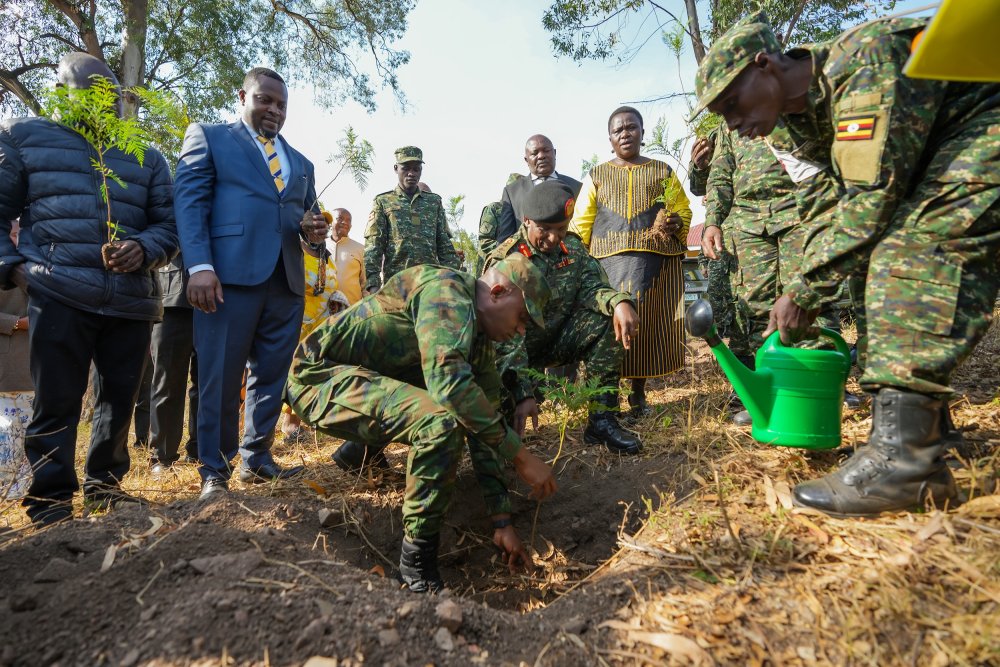
Prior to the meeting, the two delegations joined local leaders and community members in Kamwezi Sub-County, Rukiga District, for a joint tree-planting activity.
In his opening remarks, Maj Gen Paul Muhanguzi welcomed the RDF delegation and emphasized that Rwanda and Uganda share more than a physical border.
He stressed that peace in Rwanda contributes to peace in Uganda and vice versa, underscoring the importance of continued joint efforts to maintain security for communities on both sides of the border.
Maj Gen Muhanguzi concluded by expressing appreciation to the Commanders-in-Chief and Chiefs of Defence Staff of both countries for their visionary leadership and continued efforts to promote unity, cooperation, and good relations between Rwanda and Uganda.
His counterpart, Maj Gen Karusisi, thanked the hosts for the warm welcome. He emphasized that the common border should remain a space for peace, lawful movement, trade, and cooperation rather than a source of insecurity or misunderstanding.
He further noted that commanders have a responsibility to maintain open channels of communication, strengthen confidence between the two forces, and ensure that emerging issues are addressed through dialogue and appropriate coordination.
Maj Gen Karusisi highlighted that the strong relationship between Rwanda and Uganda provides a solid foundation for further cooperation at the military level.
The meeting is part of a series of quarterly engagements that bring together RDF and UPDF commanders whose units are deployed along the Rwanda–Uganda border.
It aims to assess the security situation, address cross-border security challenges, strengthen coordination, and develop lasting solutions to issues affecting communities on both sides of the border.
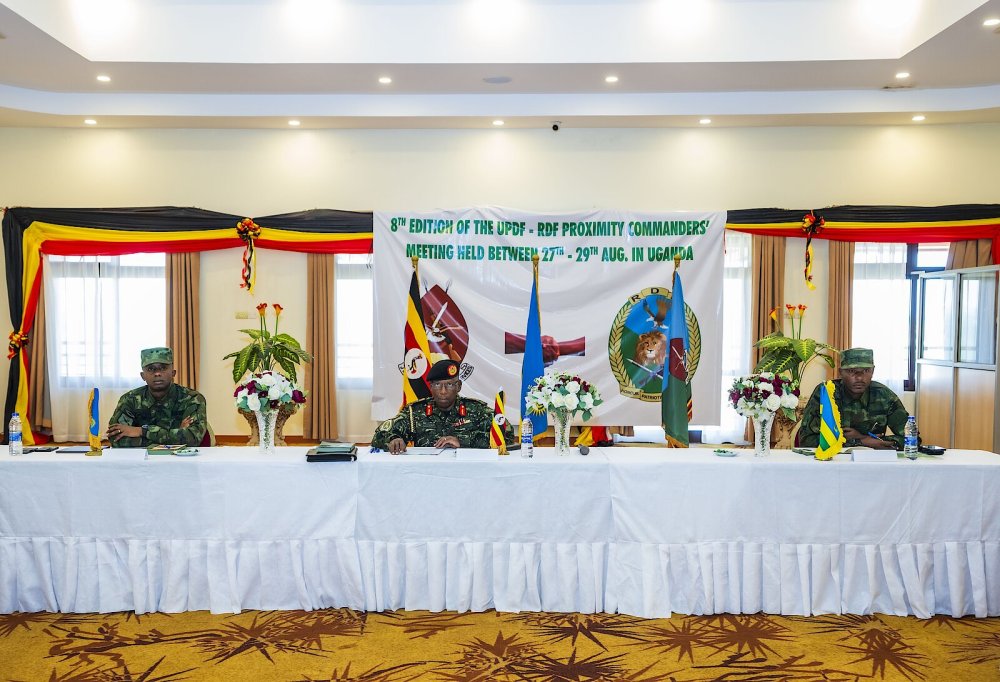
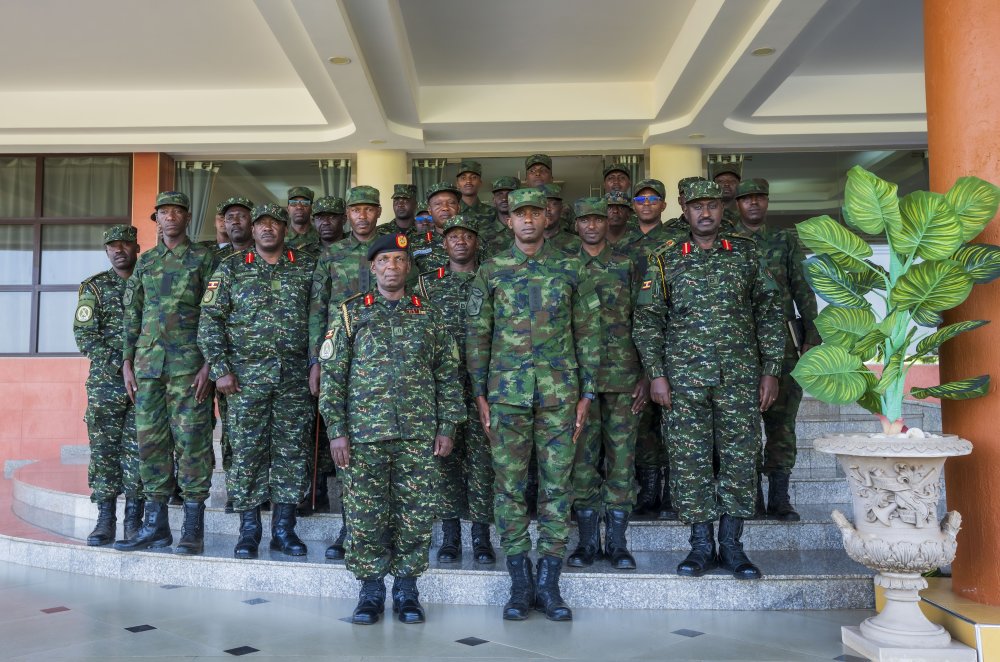
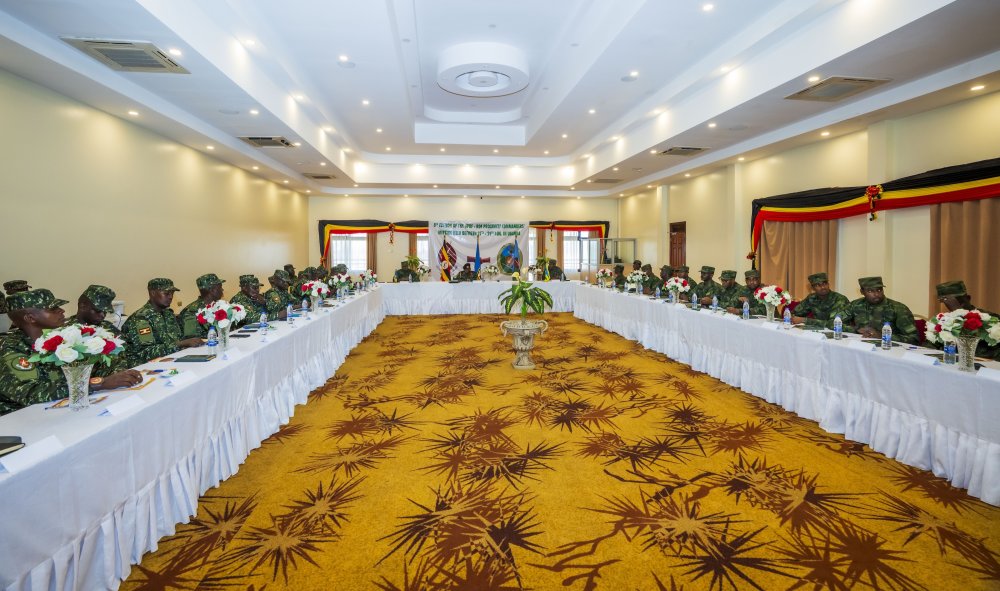
Maj Gen Ruki Karusisi (left), Commander of the RDF 5 Infantry Division, led the Rwandan delegation at the 8th Proximity Commanders’ Meeting with the UPDF in Mbarara, Uganda.RDF and UPDF commanders joined local leaders and community members in Kamwezi Sub-County, Rukiga District, for a joint tree-planting activity ahead of their meeting.The 8th Proximity Commanders’ Meeting brought together RDF and UPDF commanders deployed along the Rwanda–Uganda border to strengthen communication, confidence and cooperation.RDF and UPDF commanders convened in Mbarara for their 8th Proximity Commanders’ Meeting to discuss security, cross-border challenges and coordination along the Rwanda–Uganda border.
“The secretary-general is concerned about any new measures, any additional rhetoric that we see that could lead to an escalation. And we’re continuing to see disruptions in the flow of energy, disruption in the flow of food,” Stephane Dujarric, the spokesperson, said in response to a question about whether Guterres had received a letter from Iranian Foreign Minister Seyed Abbas Araghchi regarding new U.S. sanctions against Iran.
Dujarric said the letter had been received and distributed to the Security Council and the General Assembly as requested.
This conflict, even in somewhat of a frozen kinetic phase, continues to do a lot of harm to the region and to the global economy, said the spokesperson.
The only way to reach a durable settlement is through dialogue, and the secretary-general is very much appreciative of the mediation efforts by Qatar, Egypt, Pakistan and others who are doing their best to try to lead to a political solution, said the spokesperson.
U.S. Treasury Secretary Scott Bessent on Monday threatened Iran with “an economic D-Day,” announcing a wave of new sanctions against the country.
Iranian President Masoud Pezeshkian said Wednesday that the United States will not achieve anything through its economic pressure on Iran.
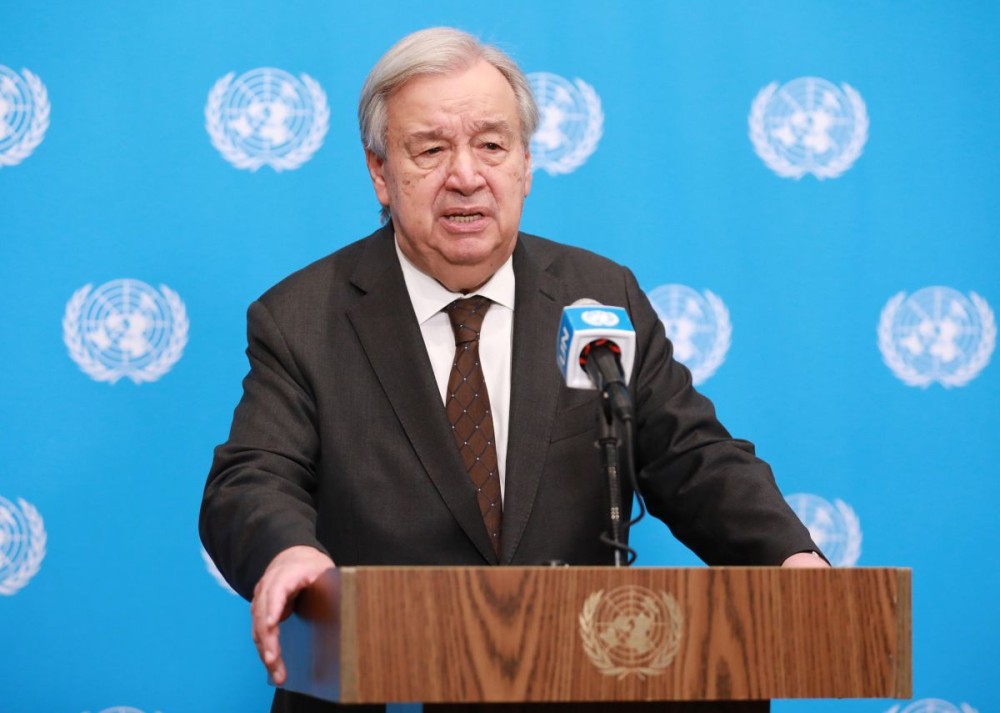
New York: UN Secretary-General Antonio Guterres speaks at a press encounter at the UN headquarters in New York on July 31, 2026. Guterres said Friday that fighting must stop on all fronts in the Middle East.
Hosted by the Embassy of Japan in Rwanda, the mission focused on investment opportunities, mineral processing and value addition, as well as responsible and traceable mineral supply chains.
During the visit, the delegation met with Rwanda Development Board (RDB) Chief Executive Officer Jean-Guy Afrika and Rwanda Mines, Petroleum and Gas Board (RMB) Chief Geo-Hazard Officer Barbara Akaliza.
The discussions provided an opportunity to examine Rwanda’s mining sector and potential areas for Japanese investment, particularly in mineral processing and value addition.
The delegation also held discussions with Minister of Trade and Industry Antoine Kajangwe and Virgile Rwanyagatare, Director General for Asia and the Pacific at the Ministry of Foreign Affairs and International Cooperation.
The meetings focused on strengthening economic relations between Japan and Rwanda and promoting cooperation in the mineral sector.
Welcoming the delegation, Akaliza said Rwanda was pleased to engage with Japanese partners on opportunities in the mining industry.
She highlighted Rwanda’s investment environment, opportunities in mineral processing and value addition, and its commitment to responsible and traceable mineral supply chains.
“We look forward to strengthening cooperation with Japanese partners in support of sustainable mineral development and shared economic growth,” she noted.
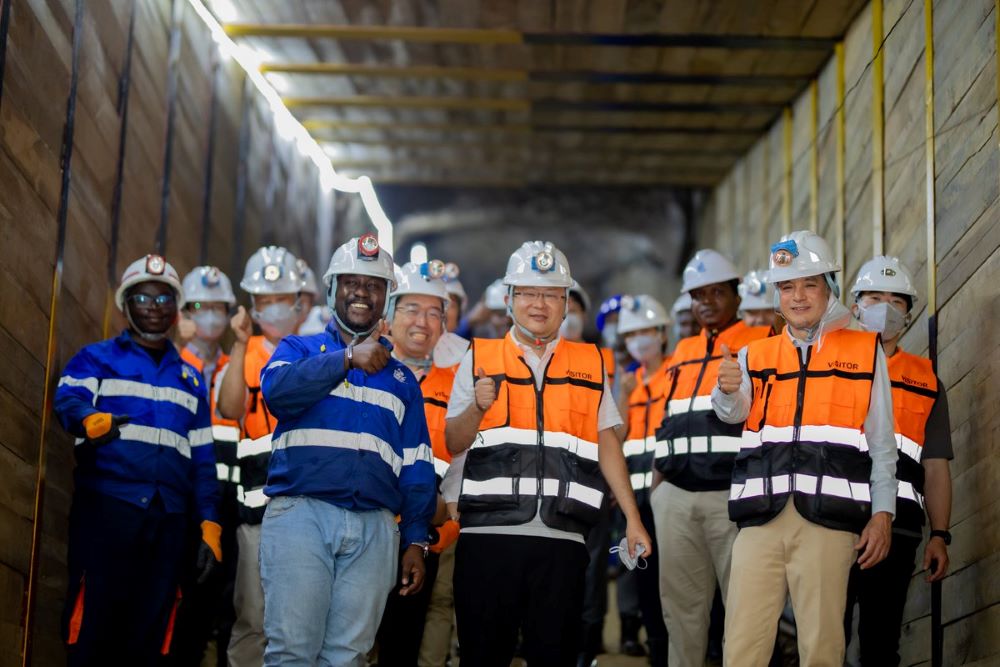
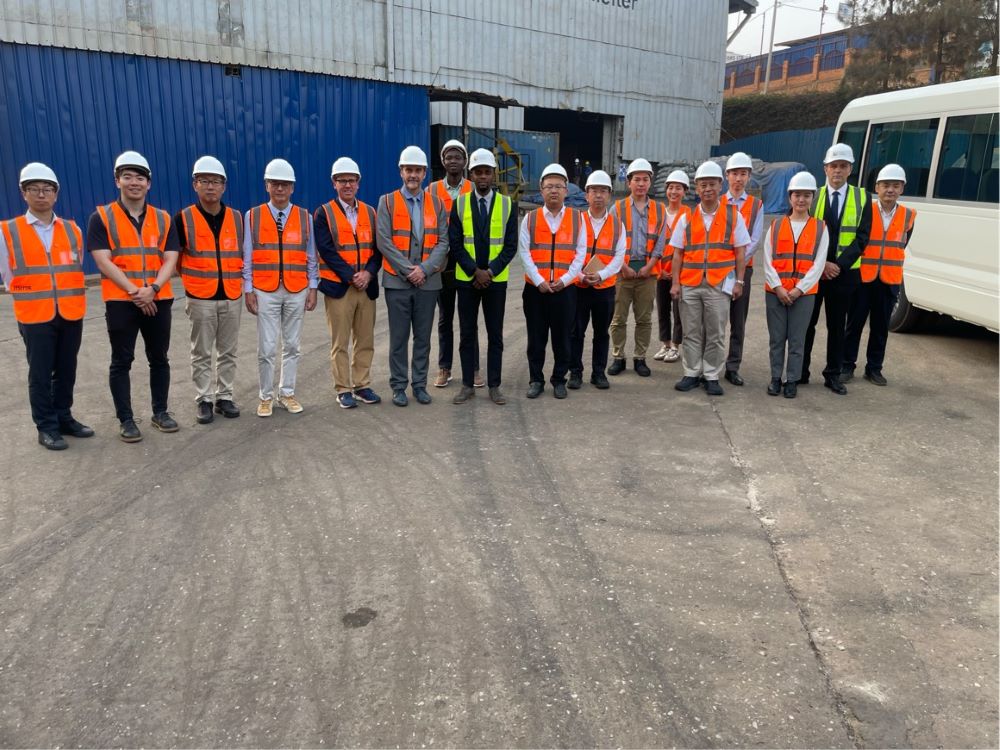
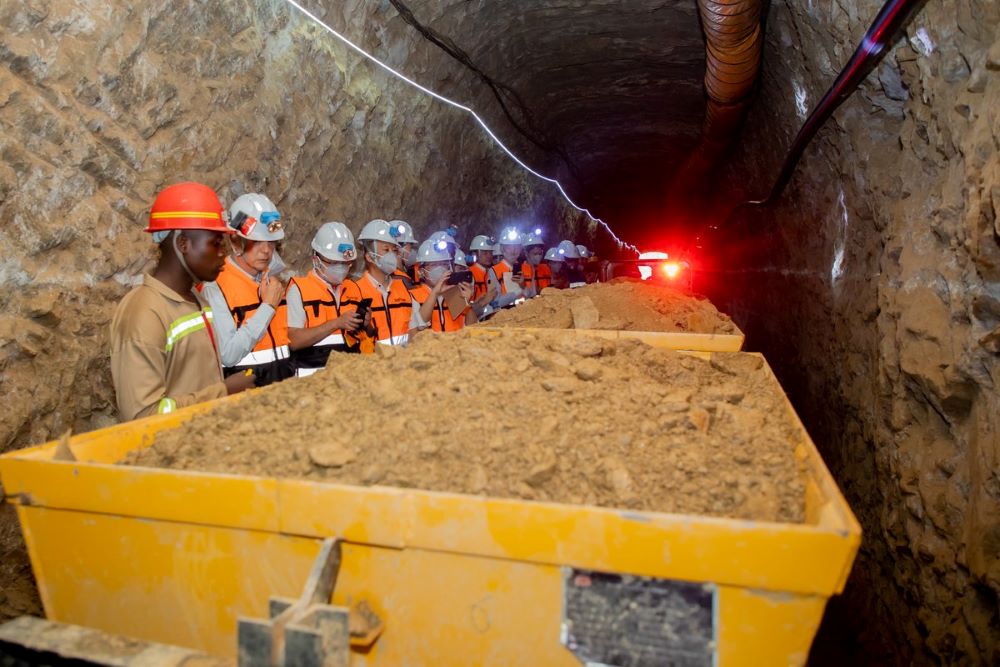
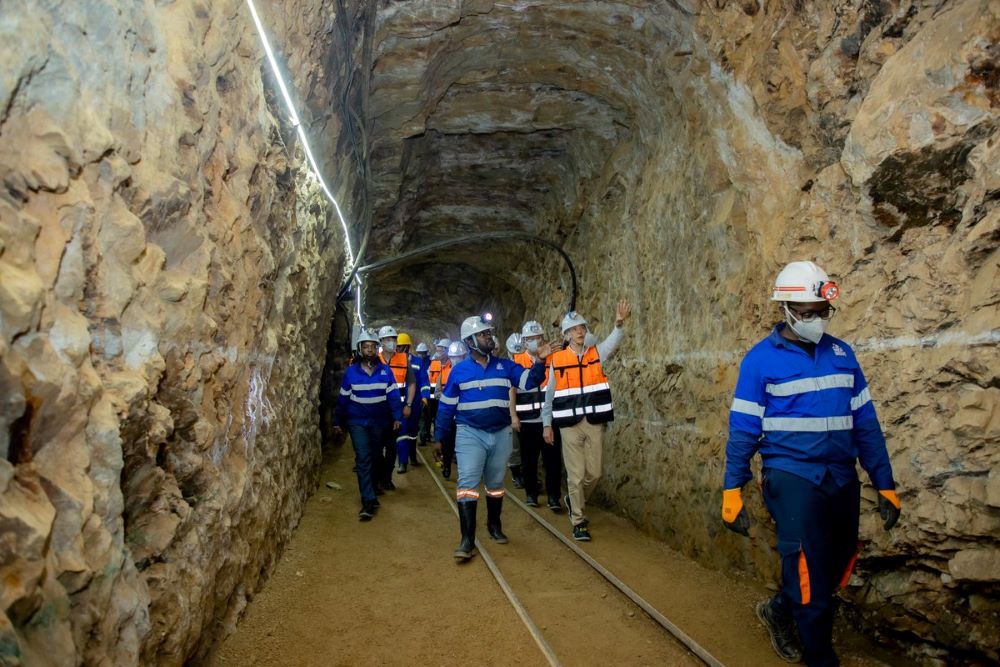
The delegation also visited several mining companies, mining sites and facilities, gaining first-hand insights into mining operations, mineral processing and the opportunities and challenges facing Rwanda’s mining industry.
The Embassy of Japan said the discussions and site visits allowed the delegation to explore potential areas for future investment and cooperation between Japanese and Rwandan stakeholders.
The embassy added it will continue supporting dialogue and cooperation between Japan and Rwanda in the mineral sector.
The Japanese mining delegation held discussions with Rwandan officials on mineral processing, value addition and responsible mineral supply chains.Japanese and Rwandan stakeholders explored potential areas for future investment and cooperation during the delegation’s three-day visit to Rwanda.The delegation visited mining companies and sites in Rwanda to gain first-hand insights into mining operations, mineral processing and the industry’s opportunities and challenges.Japanese companies and organisations specialising in mining visited Rwanda to explore investment and cooperation opportunities in the mineral sector.
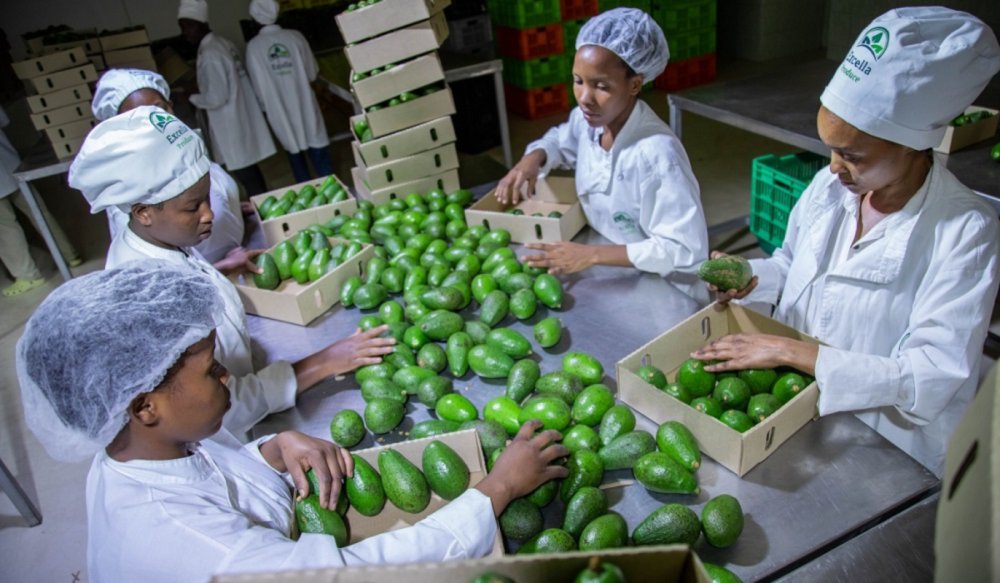
During the five-day period, the country exported 9,629 tonnes of agricultural and livestock products to international markets.
Coffee was the biggest contributor to export earnings, generating $4.94 million from 851 tonnes shipped abroad.
Tea exports generated more than $1.2 million from 426 tonnes. Rwanda also exported 657 tonnes of vegetables worth $497,200. The vegetables were sold in markets including the United Kingdom, the Netherlands, France and several African countries.
Fruit exports stood at 321 tonnes and generated $521,900. The produce was shipped to markets in the United Arab Emirates, Japan and Africa.
The country exported five tonnes of flowers worth $29,668, with the shipments going to the Netherlands and the United Kingdom.
Livestock products accounted for 300 tonnes and generated $515,200 in export revenue. These products were destined for markets across Africa.
Other agricultural products accounted for the largest export volume, with 7,069 tonnes generating more than $4.2 million. The shipments went to Bangladesh and various African markets.
Rwanda exported 9,629 tonnes of agricultural and livestock products to international markets within five days.
Shema was arrested by the Rwanda Investigation Bureau (RIB) on August 11, 2026. He is facing charges of issuing a cheque without sufficient funds and fraudulently obtaining another person’s property.
His hearing on provisional detention was initially scheduled for the morning of August 26, but the court adjourned it to the afternoon to allow Shema and his lawyer more time to prepare their evidence.
The hearing began at 3 p.m., with prosecutors telling the Nyarugenge Primary Court that the case arose from a contract between Africa Medical Supply, Shema’s company that trades in medical equipment, and ABZL International Trading.
The agreement, signed on January 23, 2024, required Africa Medical Supply to make payment within 60 days, according to the prosecution.
Prosecutors said the company failed to honour the agreement and repeatedly delayed payment to ABZL despite demands for settlement. They said Shema eventually promised to pay after ABZL contacted him by email.
On August 5, 2025, prosecutors said Shema issued ABZL two cheques, one for $400,000 and another for $200,000.
The prosecution told the court that the bank subsequently confirmed that the cheques were not backed by sufficient funds, noting that the Africa Medical Supply account did not contain enough money to cover them.
Prosecutors asked the court to remand Shema in provisional detention for 30 days, arguing that there are reasonable grounds to believe he committed the alleged offences and that he is considered a flight risk if released while investigations continue.
Shema denies charges
Shema denied the allegations and told the court that Africa Medical Supply had entered into a business agreement with ABZL, a UAE-based company that provides financial support services, and that the two companies had worked together previously.
He said previous agreements between Africa Medical Supply and ABZL had been successfully completed, with both sides fulfilling their contractual obligations.
Regarding the agreement at the centre of the case, Shema said his company paid ABZL $400,000 in May 2024 and another $400,000 in December of the same year.
He said ABZL did not receive the second payment because the bank reported a problem with the account designated to receive the funds.
According to Shema, Article 6 of the agreement required ABZL to provide an alternative account if there was a problem with the designated account.
“We asked them to amend the agreement and provide us with another account. We discussed it, and I suggested that while they were resolving the issue, I could give them a cheque, one without a date,” he told the court.
Shema said a dispute subsequently arose among ABZL shareholders, with the parties disagreeing over which account should receive the money.
He alleged that one of the shareholders, who is also the complainant in the case, took the cheque, added details to it and requested that it be paid into a US Bank account in the United States. The shareholder also added August 5, 2025 as the date, he said.
Shema questioned why a cheque intended for payment in Dubai, United Arab Emirates, would later be presented in the United States.
He also rejected the allegation that he knowingly issued a bounced cheque, saying his previous financial record demonstrated that he was a credible businessman.
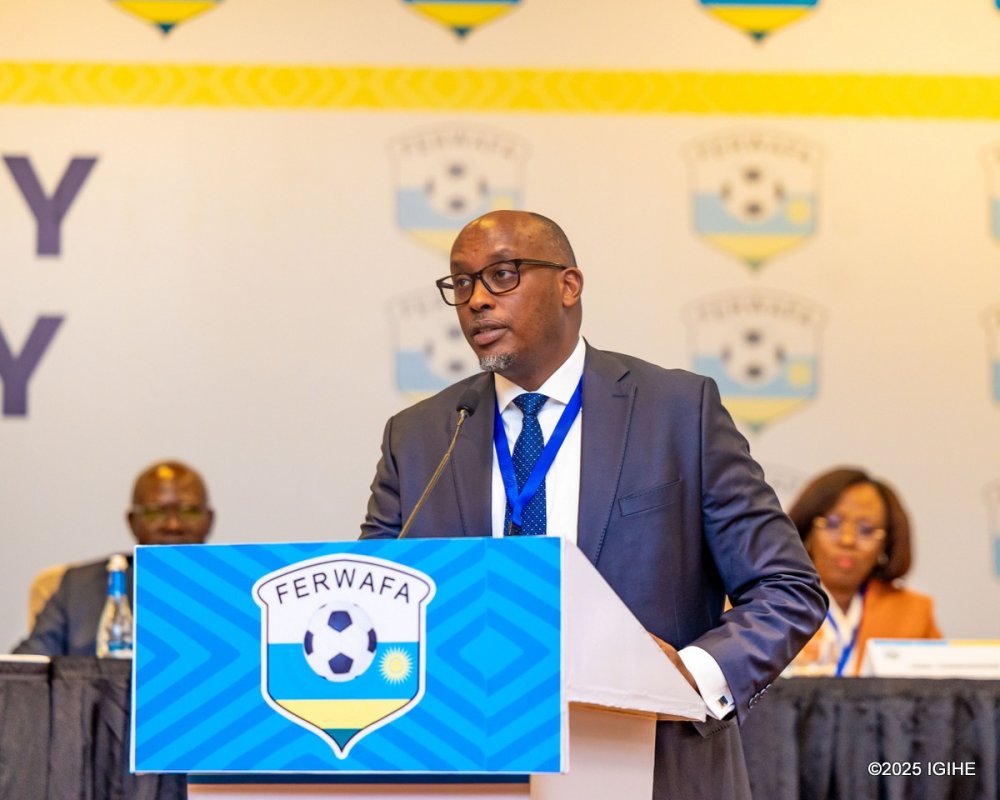
Shema further argued that his position as FERWAFA president demonstrated the level of trust placed in him and said he would not evade justice if granted provisional release.
“I am a leader who has been entrusted with responsibility, and I have been heading FERWAFA for a year. I have never abused that responsibility for my personal interests, and the charges against me have nothing to do with it,” he said.
He told the court that he owns assets worth about Rwf 5 billion that could be used as security for his release.
Lawyer challenges prosecution’s evidence
Shema’s lawyer challenged the prosecution’s evidence, questioning the timeline surrounding the cheques.
The lawyer said the bank dishonoured the cheques on July 16, 2025, while Shema is alleged to have committed the offence on August 5, 2025.
He also told the court that the cheque had originally been intended for payment in the UAE but was later presented to US Bank on June 25, 2025.
“We believe that one of the reasons I&M Bank rejected the cheques was that the account details had been unlawfully changed,” the lawyer said.
He argued that the dispute was essentially a commercial matter arising from a contractual relationship rather than a criminal case involving Shema in his capacity as head of Africa Medical Supply.
The defence also submitted proof of a $600,000 payment through Bank of Kigali (BK) and a document requesting RIB’s assistance in ensuring that the money reaches the intended account.
Prosecution maintains case
The prosecutor told the court that the case involves two cheques bearing the same number. He said the original cheque did not contain a date, while a copy contained a date that could be either August 5 or August 8, 2025.
The cheques, he said, had been submitted to the court and bore Shema’s signature.
The prosecutor also said RIB had contacted the bank to establish whether the cheques were backed by sufficient funds at the time. The bank reportedly responded that the account held only slightly more than $1,000.
He rejected the argument that offering property as security automatically entitled an accused person to provisional release.
The prosecutor further stressed that issuing a cheque without sufficient funds is a criminal offence separate from a person’s failure to meet a contractual payment obligation.
The prosecution maintained its request for Shema to be detained for 30 days as investigations continue.
Shema, however, questioned the prosecution’s account of the timeline.
“The prosecution should explain how a cheque can be issued in August and yet be declared invalid by the bank in June. I had no agreement with US Bank that would allow me to make the payment. The willingness to pay is there; it could be resolved within an hour,” he said.
Shema also told the court that he has a family and children in school, while his wife is employed, and questioned why prosecutors believed he might flee.
“I do not understand why the prosecutor is concerned that I might flee from justice when I also have other responsibilities entrusted to me by the country,” he added.
He maintained that he should be released because he had demonstrated his willingness to settle the outstanding amount owed to ABZL.
The court is expected to rule on the request for provisional detention.
Businessman and Rwanda Football Federation (FERWAFA) President Shema Fabrice is accused of issuing two cheques totalling $600,000 (about Rwf 883.5 million) without sufficient funds.
New research suggests that a person’s genetic makeup may help explain why low-carbohydrate diets affect cholesterol levels differently from one individual to another.
The findings indicate that people who are genetically predisposed to higher levels of low-density lipoprotein (LDL) cholesterol may be particularly sensitive to saturated fat while following a low-carb diet.
The study, presented at NUTRITION 2026 by researchers including Alexa Barad, a postdoctoral scholar at Stanford University School of Medicine, examined data from the DIETFITS trial.
The original study involved more than 600 adults who followed either a healthy low-carbohydrate or healthy low-fat diet for one year.
For the new analysis, researchers examined 431 participants who had available genetic information.
They looked at the relationship between participants’ genetic characteristics, their consumption of saturated fat, the type of diet they followed and changes in their LDL cholesterol after six months.
The results showed a notable pattern. Among people following the low-carb diet, those with a greater genetic tendency toward high LDL cholesterol were more likely to experience an increase in the cholesterol level.
The increase was particularly pronounced among those who consumed more saturated fat.
Researchers believe this may help explain why two people can follow seemingly similar diets yet experience very different results.
While one person may see little change in cholesterol, another could experience a substantial increase.
The researchers used thousands of genetic variations to create what is known as a polygenic score, allowing them to estimate an individual’s overall genetic tendency toward higher or lower LDL cholesterol.
In the future, such information could potentially help doctors identify people who may be more sensitive to certain dietary changes.
However, the researchers stressed that genetic testing is not necessary for people to take a practical lesson from the findings.
Instead, people should pay attention to how their bodies respond to dietary changes and monitor cholesterol levels when making significant changes to their diets.
For people following a low-carb diet, researchers suggest choosing healthier sources of fat, including nuts, seeds, olive oil and avocado, rather than relying heavily on butter, beef tallow, fatty cuts of meat and processed meats.
The researchers also cautioned that the findings are preliminary because they were presented as an abstract at NUTRITION 2026 and have not yet undergone the same peer-review process required for publication in a scientific journal.
Further studies will be needed to confirm the results and determine whether they apply to broader populations.
A new study suggests that a person’s genes may influence how their cholesterol levels respond to a low-carbohydrate diet.
For young entrepreneurs, women-led businesses and micro, small and medium enterprises, AfCFTA could open doors to markets far beyond their home countries. However, accessing those opportunities will require more than simply knowing that the agreement exists. Businesses will need quality products, market knowledge, innovation and an understanding of the rules governing cross-border trade.
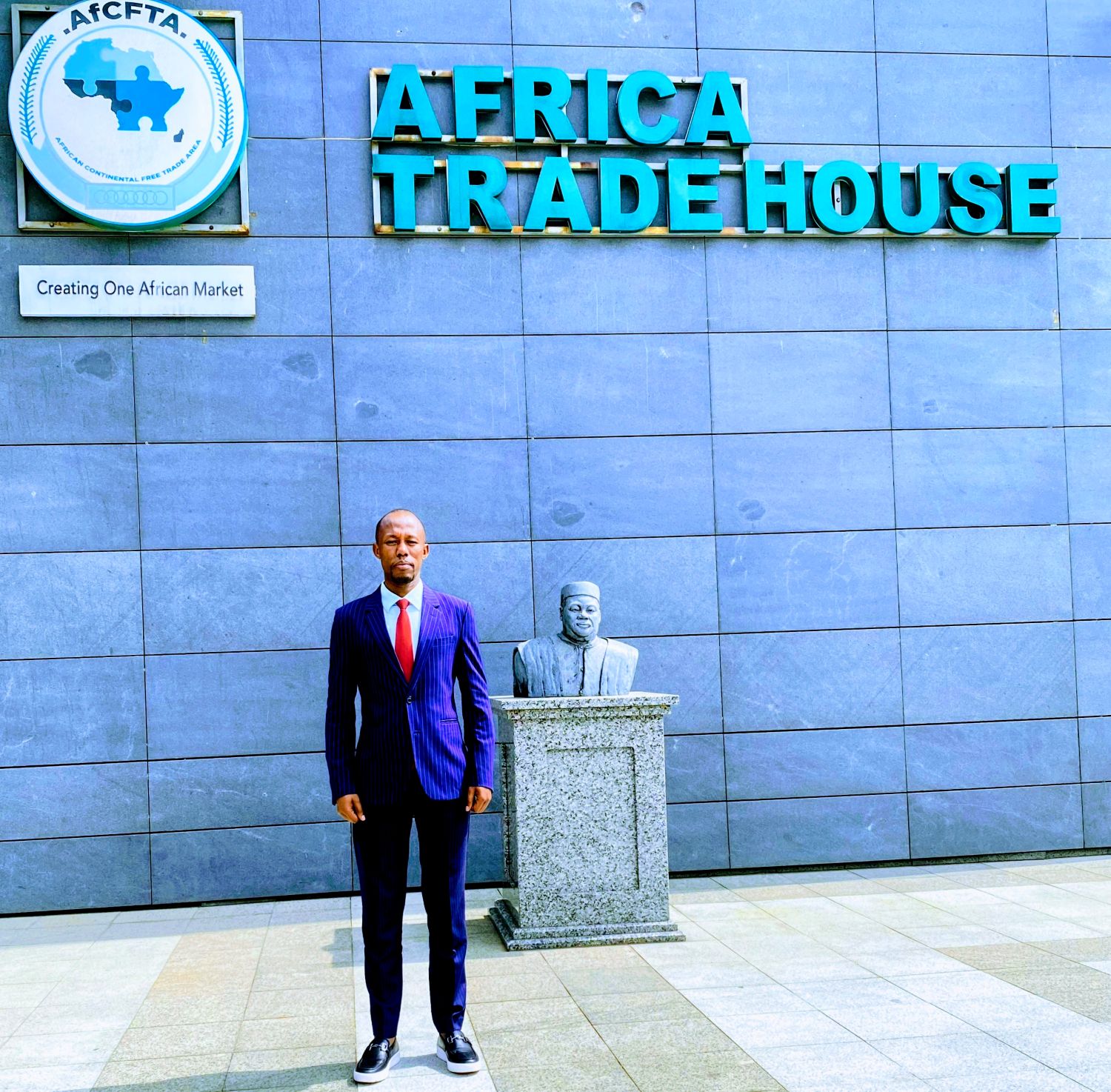
In an exclusive interview with IGIHE, National AfCFTA Youth and Women Champion Amos Akandwanaho Seromba encouraged young Africans to think beyond their domestic markets and take advantage of the opportunities presented by continental trade.
Seromba described AfCFTA as an important framework for strengthening trade among African countries by reducing barriers and making it easier for businesses to access markets across the continent.
“Governments sign agreements; it is businesses that actually trade,” Seromba said, stressing that the success of AfCFTA will ultimately depend on how effectively businesses use the opportunities created by the agreement.
Trading under the AfCFTA framework began in 2021, marking an important step from negotiations towards practical implementation. The agreement seeks to progressively reduce tariffs, facilitate trade in goods and services and strengthen economic integration among African countries.
For entrepreneurs, the potential is significant. A business established in Rwanda can seek opportunities in other African markets, provided its products meet the relevant rules, standards and requirements in the countries where it intends to operate.
Rwanda has played a prominent role in the AfCFTA process. The agreement was signed in Kigali in 2018, placing the country at the centre of an initiative considered one of Africa’s most important efforts towards economic integration.
The country has also worked to improve its business environment and facilitate the establishment and operation of businesses.
Seromba believes these efforts can provide a foundation for Rwandan entrepreneurs to expand beyond the domestic market.
He argues that businesses should not view Rwanda as the end of their commercial journey but as a starting point for reaching customers across Africa.
For young entrepreneurs, this requires a change in mindset. Rather than waiting for opportunities to come to them, they need to identify markets where their products or services can solve real problems.
AfCFTA is not only for governments and large companies
Seromba emphasised that AfCFTA is not an initiative meant exclusively for governments or large corporations.
Young people, women entrepreneurs, innovators and MSMEs have an important role to play in making the continental market a reality.
The agreement covers areas including trade in goods and services, intellectual property and digital trade, creating opportunities for businesses in a wide range of sectors.
Preferential tariff arrangements for qualifying products, improved customs procedures and efforts to address trade barriers could make it easier for businesses to reach customers in other African countries.
But access to a larger market does not automatically translate into success.
Entrepreneurs must first understand what consumers in their target markets need and whether their products can compete in terms of quality, price, packaging and reliability.
National AfCFTA Youth and Women Champion Amos Akandwanaho Seromba encouraged young Africans to think beyond their domestic markets and take advantage of the opportunities presented by continental trade.
Market research remains essential
Seromba urged African entrepreneurs to conduct proper market research before attempting to enter new markets.
A product that performs well in Rwanda, for instance, may not necessarily have the same demand in another African country.
Entrepreneurs therefore need to study consumer preferences, competitors, regulations, standards and purchasing power before investing in a new market.
Value addition is also critical.
Africa has significant natural resources, but much of the continent’s economic potential remains tied to the export of raw materials. By processing and packaging products locally, entrepreneurs can create greater value and improve their competitiveness.
Seromba also sees technology as an important tool for young businesses.
Artificial intelligence and other digital technologies can help entrepreneurs research markets, improve productivity, develop products, reach customers and make better business decisions.
His message to young entrepreneurs is centred on preparation and competitiveness.
“Focus first on high-quality products and genuine value addition,” he said, urging businesses to ensure that what they offer can compete in an increasingly connected African market.
Businesses still face barriers
Despite the opportunities created by AfCFTA, businesses still face significant obstacles when trading across African borders.
Non-tariff barriers remain among the challenges affecting intra-African trade. Businesses may encounter different regulatory requirements, product standards, documentation procedures and customs processes from one country to another.
The movement of people also remains an important issue for entrepreneurs who need to travel to meet customers, establish partnerships and develop markets.
Insecurity in some parts of the continent can further discourage investment and make the transportation of goods more difficult.
Seromba also identified limited awareness as a major challenge.
While many young Africans have heard about AfCFTA, fewer may understand the practical steps required to benefit from it.
Knowing about the agreement is not enough. Entrepreneurs need to understand issues such as certificates of origin, product standards, market access requirements and procedures for addressing trade barriers.
Seromba urged African entrepreneurs to conduct proper market research before attempting to enter new markets.
Governments and businesses must act together
Seromba believes governments and businesses must work together to ensure that AfCFTA delivers tangible benefits.
Governments have a responsibility to create supportive policies, simplify trade procedures, improve infrastructure and address barriers that make cross-border commerce difficult.
The private sector, on the other hand, must develop competitive products, comply with standards and actively seek opportunities in other African markets.
Regular engagement between policymakers and businesses is particularly important for youth, women and MSMEs because their experiences can help identify barriers that may not always be visible at the policy level.
“The private sector, particularly MSMEs, must be at the forefront of this opportunity,” Seromba noted, highlighting the importance of ensuring that smaller businesses are not left behind as continental trade expands.
Kagame calls for action on AfCFTA
President Kagame recently also stressed that the success of AfCFTA will depend on how effectively it is implemented.
Speaking during a press conference at the Kigali Convention Centre on Monday, Kagame said the agreement was an important step towards boosting trade among African countries, while acknowledging concerns over the slow pace of progress and persistent non-tariff barriers.
He called on African countries to work together to address the remaining challenges and deliver on the agreement’s ambitions.
“We can’t just keep complaining. We have to find a way of getting together and doing what we have to do,” Kagame said.
Looking beyond national markets
Looking towards the next five to 10 years, Seromba hopes to see further progress towards the free movement of people, goods and services across Africa.
He believes that reducing remaining trade barriers, improving security, closing regulatory gaps and strengthening implementation will be essential if the continent is to realise the full potential of AfCFTA.
A more integrated market could allow African businesses to expand more easily, increase production, create jobs and contribute to economic growth.
For Rwanda, the opportunity is particularly relevant to young entrepreneurs and women-led businesses seeking to move beyond a relatively small domestic market.
For Seromba, the success of AfCFTA will depend on whether African businesses, particularly young people, women and MSMEs, can turn the opportunities created by the agreement into real trade, investment and jobs.
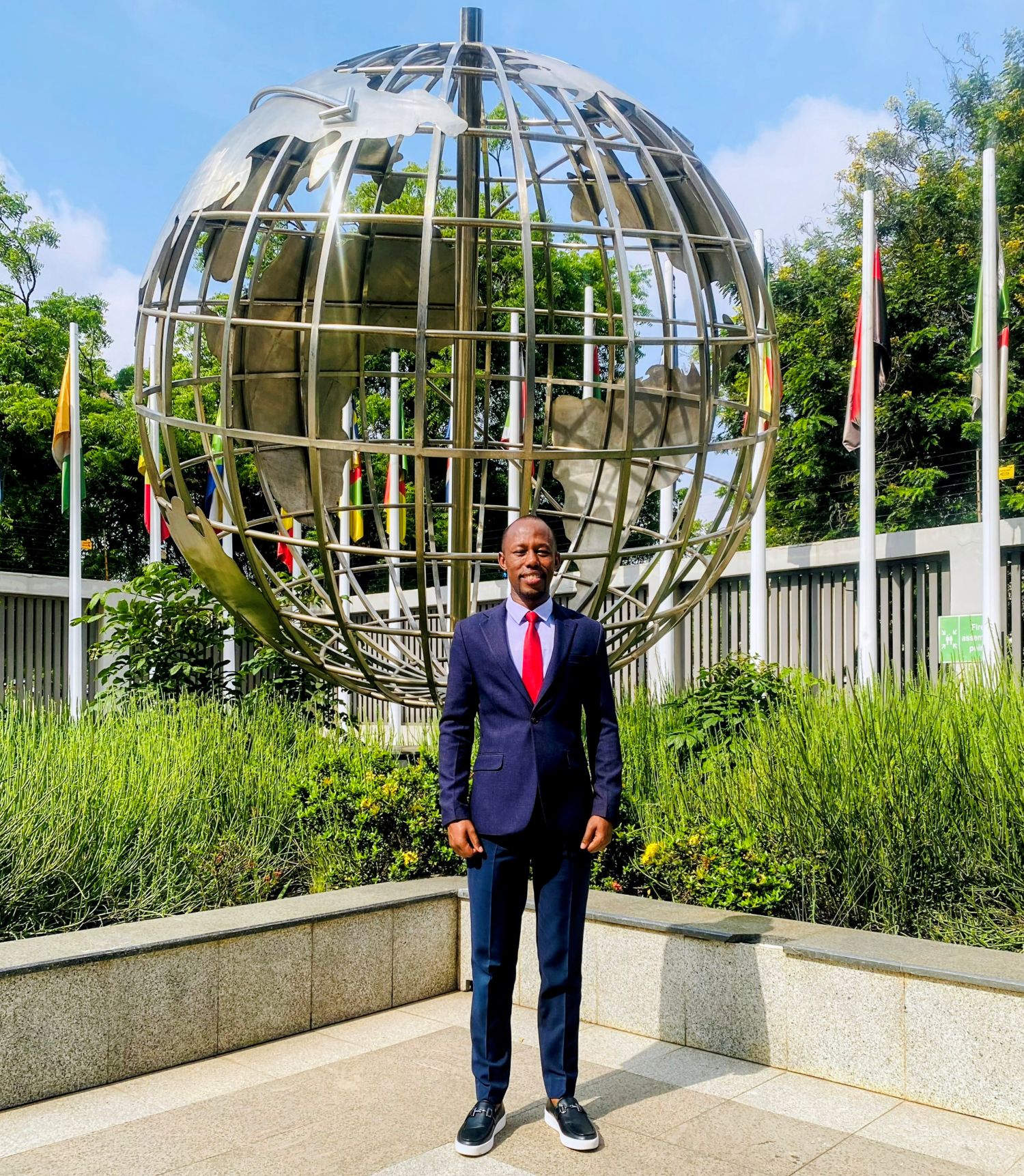
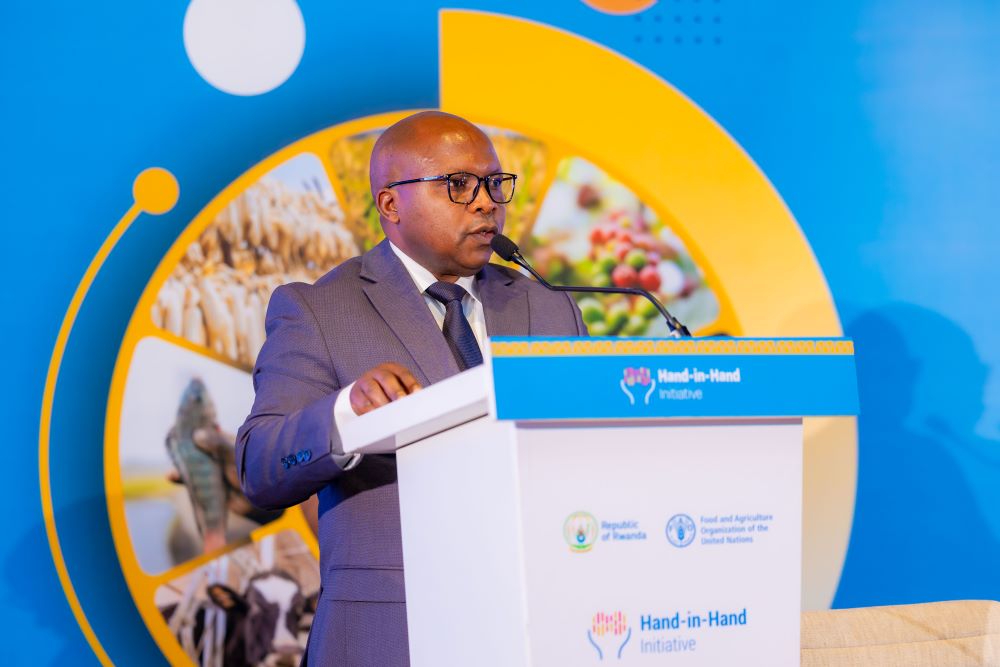
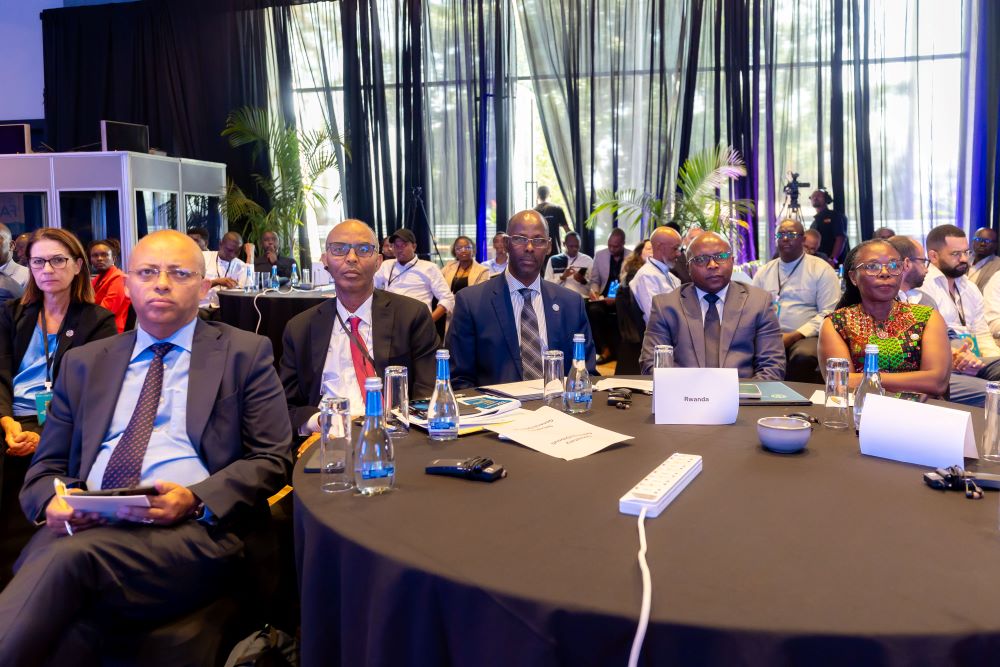
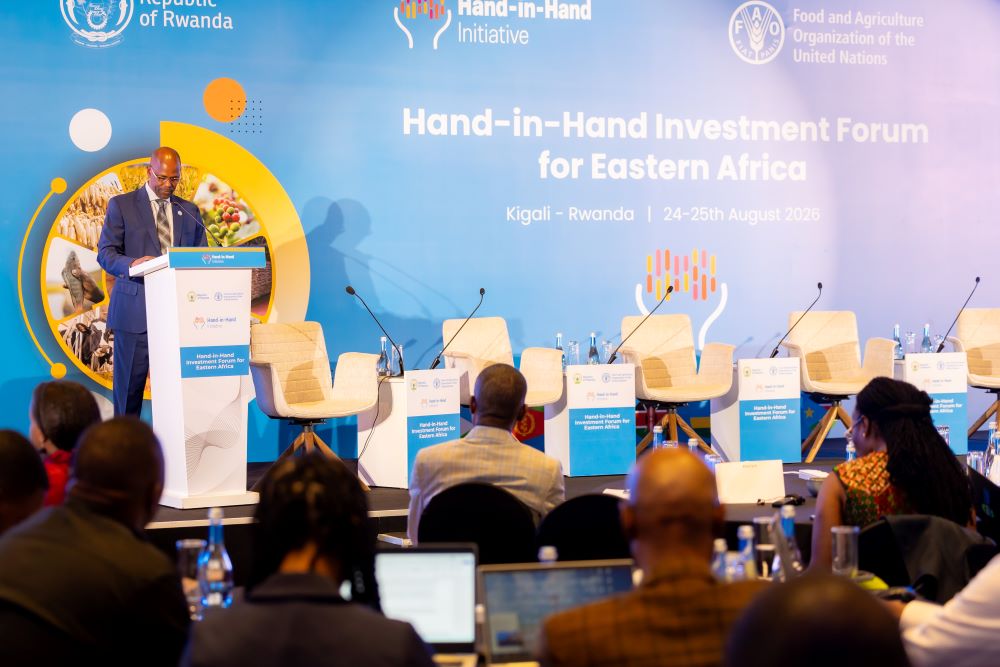
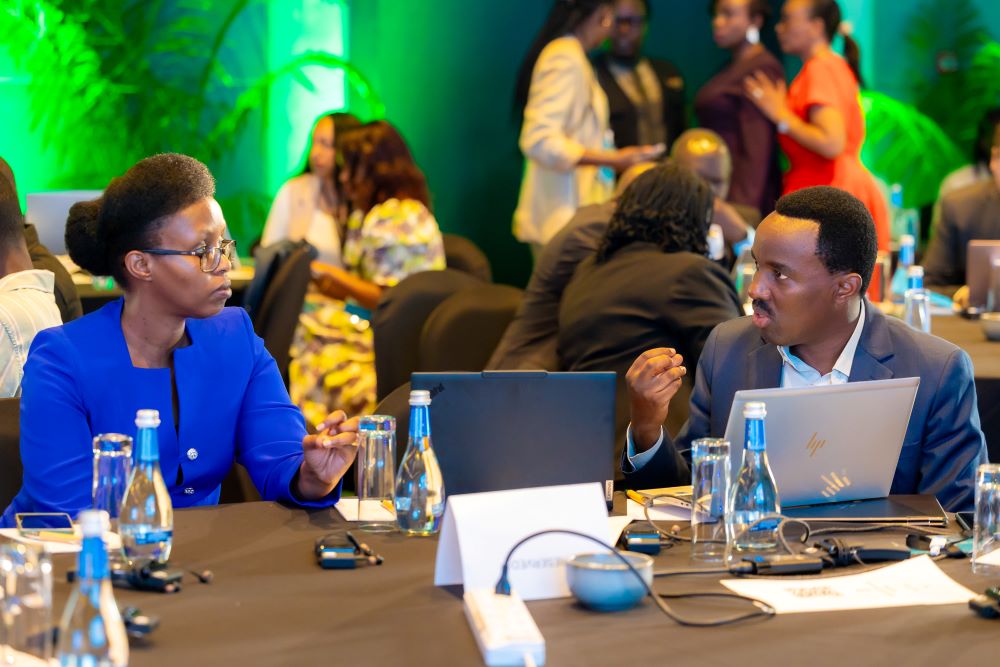
The Hand-in-Hand Investment Forum for Eastern Africa began on August 24, 2026, bringing together representatives from Djibouti, Eritrea, Ethiopia, Kenya, Rwanda, Somalia, South Sudan and Uganda.
FAO Representative in Rwanda Mohamed Aw Dahir said the success of the forum would not be measured by discussions alone, but by its ability to turn ideas into concrete investments that benefit farmers, businesses and rural communities.
“We need to move from discussions to concrete action, and the success of this forum will not be measured only by the discussions, but by our ability to turn ideas into investments that deliver tangible benefits to farmers, the private sector and rural communities,” Dahir said.
He said the Hand-in-Hand initiative seeks to help countries move beyond projects that rely mainly on aid towards sustainable investments capable of transforming agriculture and food processing.
Rwanda’s Minister of Agriculture and Animal Resources, Dr. Telesphore Ndabamenye, said the challenge was not a lack of projects, but ensuring that existing opportunities are converted into profitable investments.
“The opportunities are there. What remains is to turn them into investments that can generate returns, scale up and contribute to development,” he said.
Dr. Ndabamenye said Rwanda is working with FAO to identify investment opportunities across agricultural value chains and develop projects that can connect investors with the capital, technology and expertise they need.
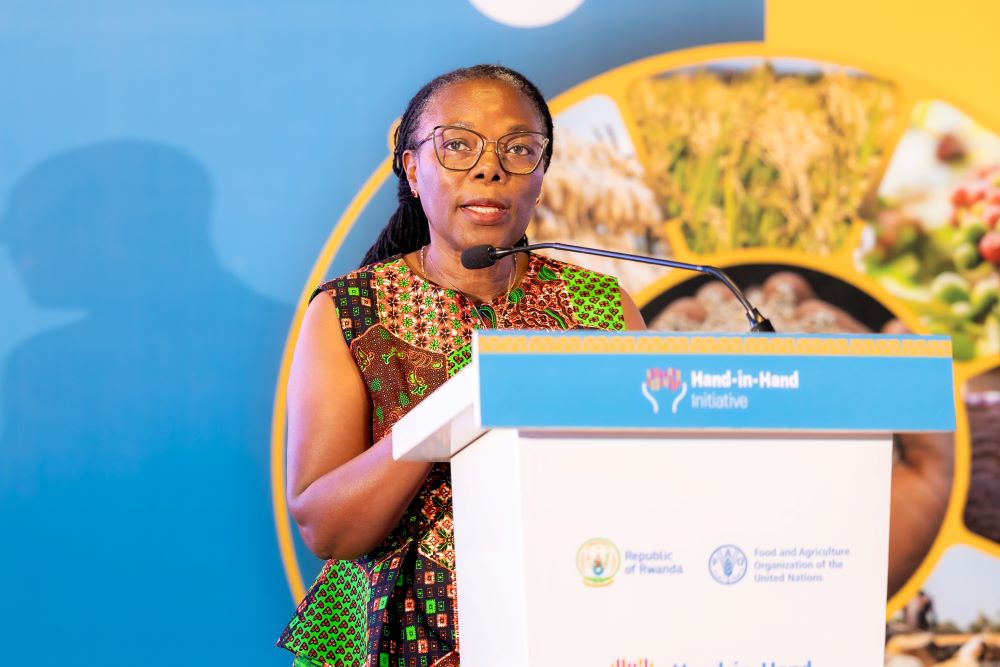
FAO Subregional Coordinator for Eastern Africa Farayi Zimudzi said opportunities exist in coffee, livestock and dairy, fisheries, horticulture, cereals and oil-producing crops.
However, she identified climate change, inadequate infrastructure, high transport costs and limited access to finance as some of the challenges constraining agricultural investment.
Zimudzi called for stronger cooperation among governments, the private sector, financial institutions, development partners and technology experts.
She said all eight participating countries are part of the Hand-in-Hand initiative, which seeks to attract investment that adds value to agricultural production, expand trade and strengthen regional cooperation.
The forum aims to showcase investment opportunities, connect investors with project developers and facilitate agreements that can accelerate transformation in East Africa’s agriculture and livestock sectors.
The meeting comes ahead of the Africa Food Systems Summit scheduled to take place in Kigali in the first week of September 2026, as well as the global FAO Hand-in-Hand Investment Forum planned for Rome, Italy, in October 2026.
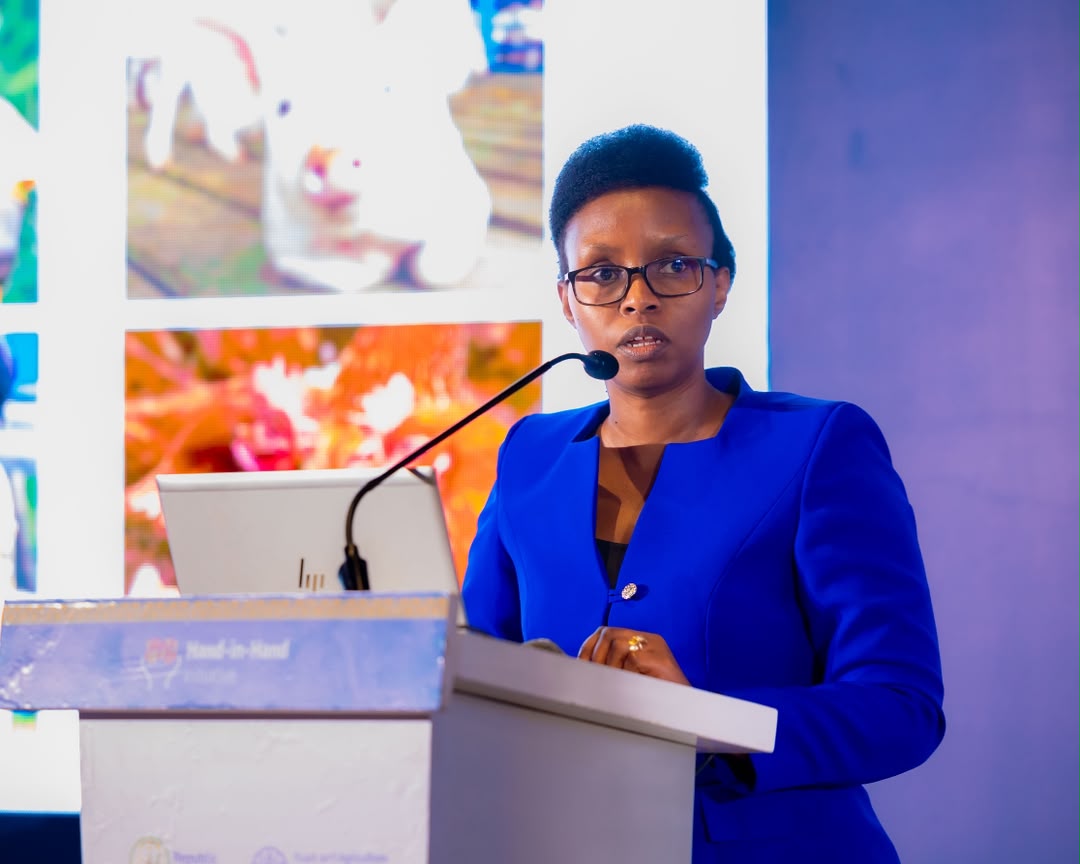
Eight East African countries have gathered in Kigali to explore investment opportunities in agriculture, livestock and agro-processing.FAO Representative in Rwanda Mohamed Aw Dahir has said rising food demand and the region’s young population have created significant opportunities for agricultural investment.Agriculture Minister Dr. Telesphore Ndabamenye has called for greater investment to transform Eastern Africa’s agrifood systems into engines of economic growth and job creation.FAO Subregional Coordinator for Eastern Africa Farayi Zimudzi has described the region as one of Africa’s most promising frontiers for agrifood investment.Participants of the forum posing for a group photo The Kigali forum has brought together governments and partners seeking to turn agricultural opportunities into concrete investments.The Hand-in-Hand Investment Forum has created a platform for countries to showcase agricultural investment opportunities.Dr. Chantal Ingabire, Director General of Planning at the Ministry of Agriculture and Animal Resources, also participated in the Kigali forum as stakeholders sought to showcase investment opportunities across its agricultural sector.
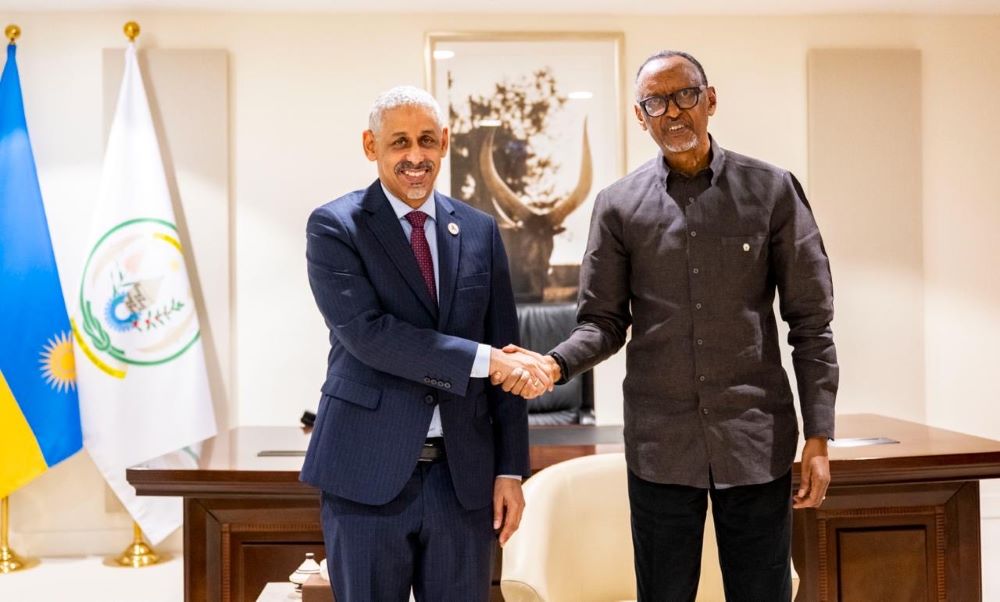
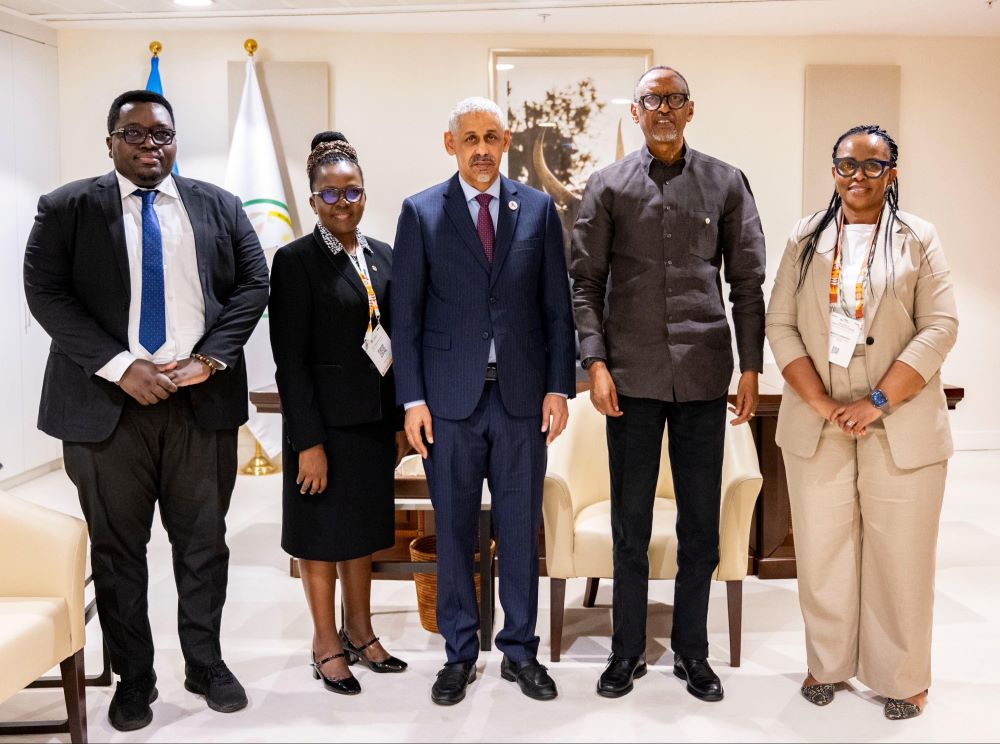
According to the Office of the President, the two discussed Rwanda’s partnership with the African Development Bank and exchanged priorities for accelerating investment, economic growth and Africa’s development.
The meeting came as the two-day Africa Mindset Reset Forum brought together African leaders, policymakers, young people and other participants in Kigali to discuss approaches to the continent’s development and leadership.
Speaking at the forum, Kagame said Africa has the people and resources needed to succeed but is held back by attitudes that Africans need to confront.
He urged Africans to recognise and support one another’s achievements instead of continually looking outside the continent for validation and inspiration.
The meeting with the AfDB president also comes against the backdrop of the Bank’s growing financial engagement with Rwanda.
The AfDB plans to invest more than $400 million, equivalent to about Rwf590 billion, in Rwanda’s agriculture sector over the next three years, according to its 2025 Country Portfolio Performance Review released on August 20.
The planned investment is part of efforts to rebalance the Bank’s Rwanda portfolio, which is currently dominated by infrastructure, accounting for 87% of total commitments.
The Bank’s active portfolio in Rwanda stood at $2.6 billion as of January 2026, covering 29 operations.
The agriculture sector currently represents a relatively small share of the portfolio, with agriculture, communications, social and urban development together accounting for 6% of its value.
A $348 million Climate Smart Agriculture Results-Based Financing programme is among the agriculture operations in the Bank’s pipeline.
President Paul Kagame met Dr. Sidi Ould Tah on the sidelines of the inaugural Africa Mindset Reset Forum in Kigali.President Paul Kagame and AfDB Group President Dr. Sidi Ould Tah held talks on investment, economic growth and Africa’s development.
Ntihanabayo appeared in court on Tuesday, August 25, 2026, alongside some of the other suspects in a case involving 80 people accused of offences related to the production, sale, distribution or importation of substandard alcoholic beverages commonly known as “Ibyuma.”
Sixteen of the suspects appeared before the court to argue their cases on provisional detention.
At around 10 a.m., the judge announced the start of the proceedings and explained that the suspects would be heard in groups of three or four.
Ntihanabayo appeared alongside Twahirwa Fulgence, Ingufu Gin’s quality control officer, and Katushabe Donias Donias, who is responsible for production at the company. They were among the first suspects to appear before the court.
Prosecution cites alleged quality and safety violations
Prosecutors told the court that investigations into the production of alcoholic beverages that have raised concerns among the public found that some manufacturers, including Ingufu Gin, had allegedly failed to comply with required quality and safety standards.
The prosecution said one of the grounds for seeking Ntihanabayo’s pre-trial detention was his alleged failure to ensure compliance with quality standards, resulting in the production of beverages that did not meet the required standards.
Prosecutors said manufacturers are expected to conduct tests to determine whether substances contained in their products could pose health risks to consumers, but alleged that such testing was not carried out at Ingufu Gin.
“When such testing is not conducted, it can have adverse health effects on people who consume these beverages over a long period,” the prosecutor told the court.
The prosecution also alleged that Ingufu Gin did not have documentation showing that the tanks used to store beverages at the factory were properly cleaned and sanitised.
It further alleged that ethanol was not stored in accordance with safety requirements. Investigators reportedly found that the ethanol was kept in an area where temperature levels were not controlled and whose conditions did not comply with applicable standards.
According to prosecutors, these conditions could cause the concentration of ethanol to rise to as high as 94%, potentially affecting the quality of the products.
The prosecution said ethanol at such a concentration could pose a significant fire risk.
It argued that improper storage increased the risk of fire and could expose factory workers to health risks through inhalation.
Another ground cited by prosecutors concerned the alleged improper storage of flavouring substances used to give alcoholic beverages their taste, aroma and colour.
The prosecution told the court that the flavours used in Ingufu Gin’s alcoholic beverages did not indicate their source or origin.
Investigators also allegedly found that some of the caps used to seal the beverages had exceeded their recommended period of use. Prosecutors said this could pose health risks to consumers.
Ntihanabayo denies personal responsibility
Ntihanabayo told the court that he is an investor whose role was to establish different departments within the company responsible for ensuring that operations were properly conducted and products met the required quality standards.
He argued that if violations had occurred, the employees responsible for the relevant areas should be held accountable because they had been given the authority to oversee them.
The judge questioned whether Ntihanabayo’s position as an investor and the existence of employees responsible for quality control meant that the alleged violations did not concern him personally.
“Does that mean that your company is separate from you as an individual?” the judge asked.
The judge further told Ntihanabayo that the prosecution was alleging that he had personally played a role in the violations, despite his argument that specific employees had been assigned responsibility for quality control.
Ntihanabayo asked the court to allow him to remain free while investigations continue, saying he had no intention of interfering with or obstructing the investigation.
Ntihanabayo’s lawyer challenged some of the grounds presented by the prosecution, including the allegation that the factory used expired caps to seal its alcoholic beverages.
The lawyer argued that liqueurs generally do not have an expiry period in the same way as some other products and questioned the prosecution’s claim that the caps had exceeded their permitted period of use.
The lawyer also asked the court to allow Ntihanabayo to remain free while the case proceeds, arguing that his detention could affect several other investments he has made.
These include a school and a project to build a market in Biryogo, which the lawyer said could be delayed if Ntihanabayo is remanded.
The court will consider the arguments from both sides before ruling on the prosecution’s request for 30 days of pre-trial detention.
Prosecution has sought 30-day remand for Ingufu Gin owner