Epstein’s cellmate stated that he discovered the note in a book after the financier’s failed suicide attempt, several weeks before his eventual death in August 2019.
“They investigated me for month — Found NOTHING!!!” the note reads. “It is a treat to be able to choose one’s time to say goodbye.”
“Watcha want me to do — Bust out cryin!! No fun — NOT WORTH IT!!” it continues.
The handwritten letter, undated and unsigned, has not yet been authenticated and was not included in the millions of pages of Epstein-related documents released earlier this year by the U.S. Justice Department.
U.S. District Judge Kenneth Karas ordered the note’s release following a request by The New York Times, which reported its existence last week and argued that there was no basis for keeping the document sealed.
Epstein pleaded guilty in 2008 to a state charge of soliciting a minor for prostitution. He was arrested again in July 2019 on federal sex trafficking charges and was found dead in his jail cell the following month.
Although federal authorities ruled his death a suicide, questions about the official account have persisted for years.
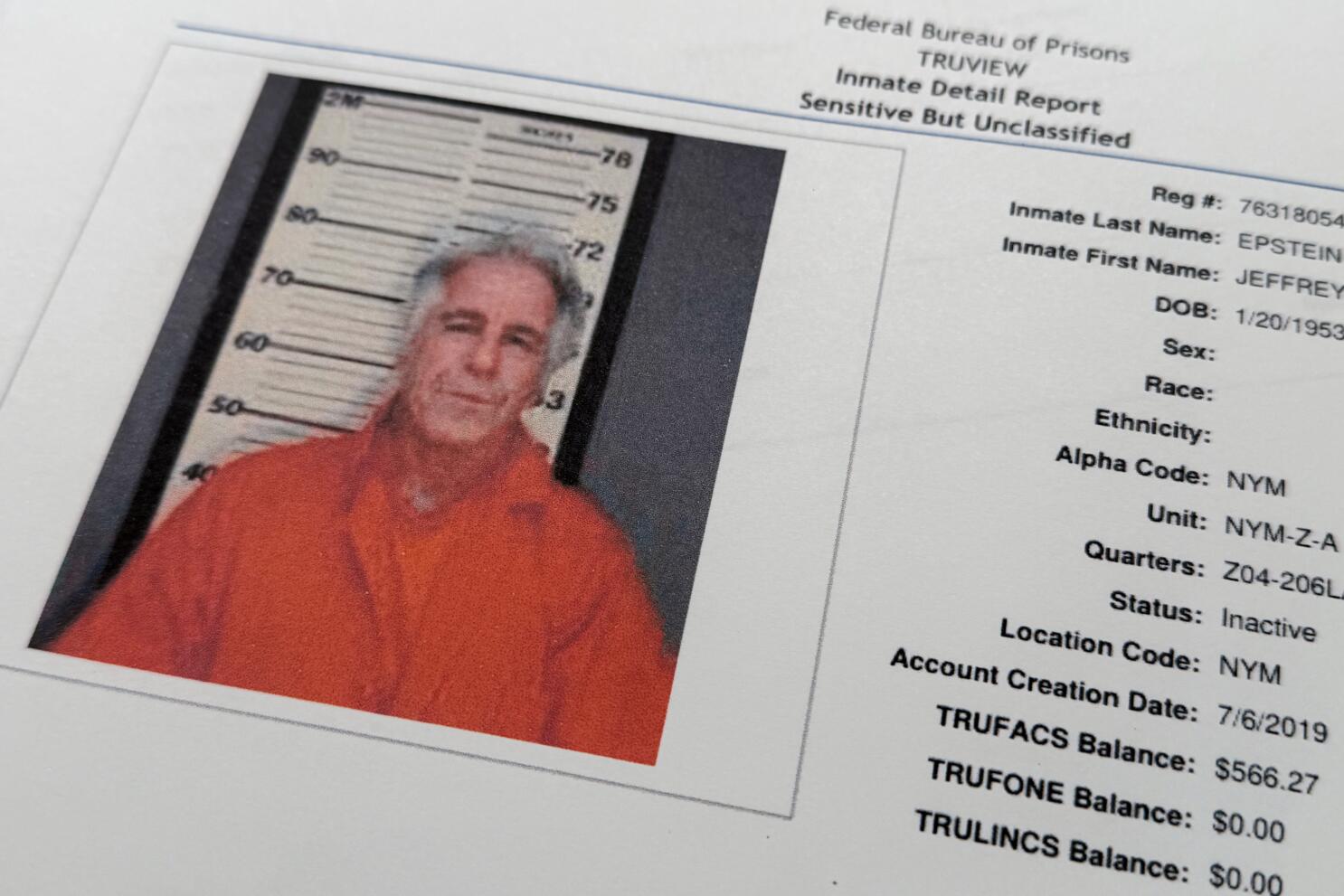
A document that was included in the U.S. Department of Justice release of the Jeffrey Epstein files, photographed Tuesday, Feb. 10, 2026, shows a photo of Epstein on a inmate report from the Federal Bureau of Prisons . (AP Photo/Jon Elswick)
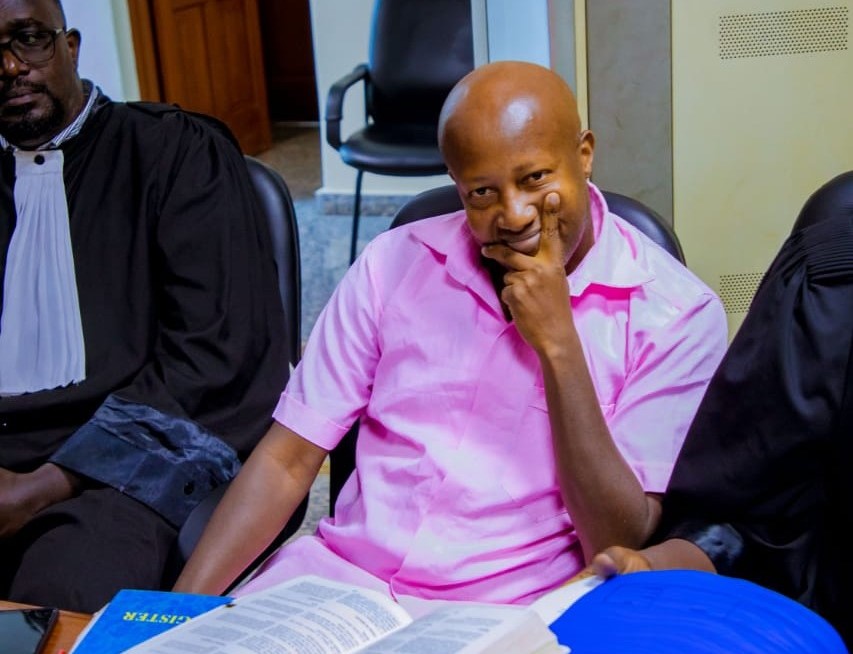
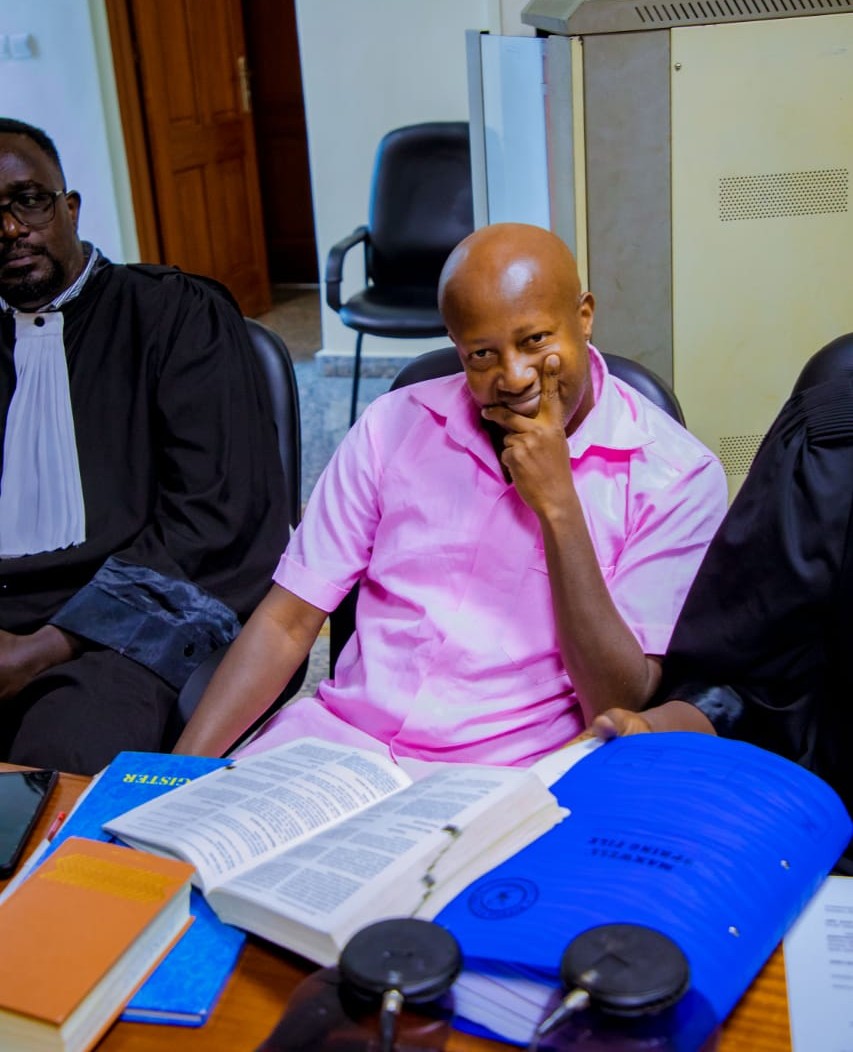
The spokesperson for Rwanda Correctional Service, CSP Sengabo Hillary, told IGIHE that on Wednesday, after all procedures related to Karasira’s release had been completed and only a few hours remained before he could leave prison, he took medication he normally used to manage a mental health condition.
“He would usually take the medicine and sleep for about six hours, as it helped him rest. However, because he took it in what appeared to be a suicide attempt, he consumed a large amount, which resulted in his death. He was taken to Nyarugenge Hospital, but doctors were unable to save him,” Sengabo said.
Sengabo added that Karasira died during the night at around midnight.
A medical report explaining the cause of his death is still expected, but preliminary findings indicate that he died after taking an excessive amount of medication.
Sengabo added, “All procedures required for his release had already been completed. What remained was the final search and exit process. That was the only step left when he took the medication and swallowed a large quantity of it.”
Karasira, widely known as Prof Nigga, had been convicted of inciting divisions among the public. He had completed the five-year sentence handed to him.
The sentence was issued on September 30, 2025, by the High Court Chamber for International and Cross-Border Crimes (HCCIC) based in Nyanza.
Based on the way prison sentence calculations are carried out within the correctional system, Karasira officially completed his sentence on May 6, 2026.
He had been charged with offenses including genocide denial, inciting divisions, and spreading false information.
Other charges included money laundering and failure to explain the source of his wealth, including cash found in his possession and funds held in various bank and Mobile Money accounts.
The prosecution had appealed the court’s decision to sentence him to five years in prison, but the appeal case had not yet been heard.
The correctional service stated that when releasing an inmate, it only follows the sentencing decision recorded in the electronic system used by the institution.
RCS has confirmed that Karasira Aimable died hours before scheduled release.
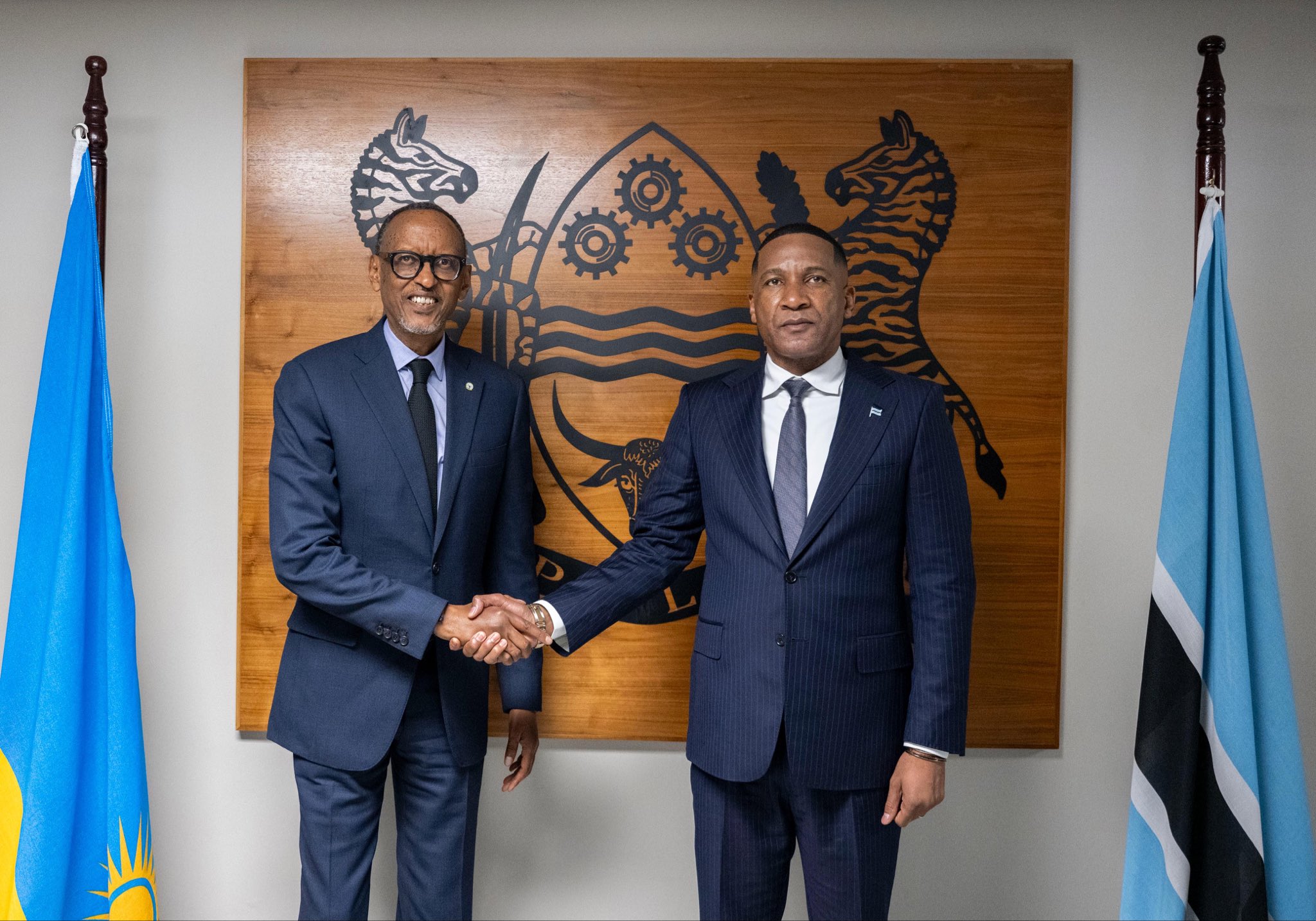
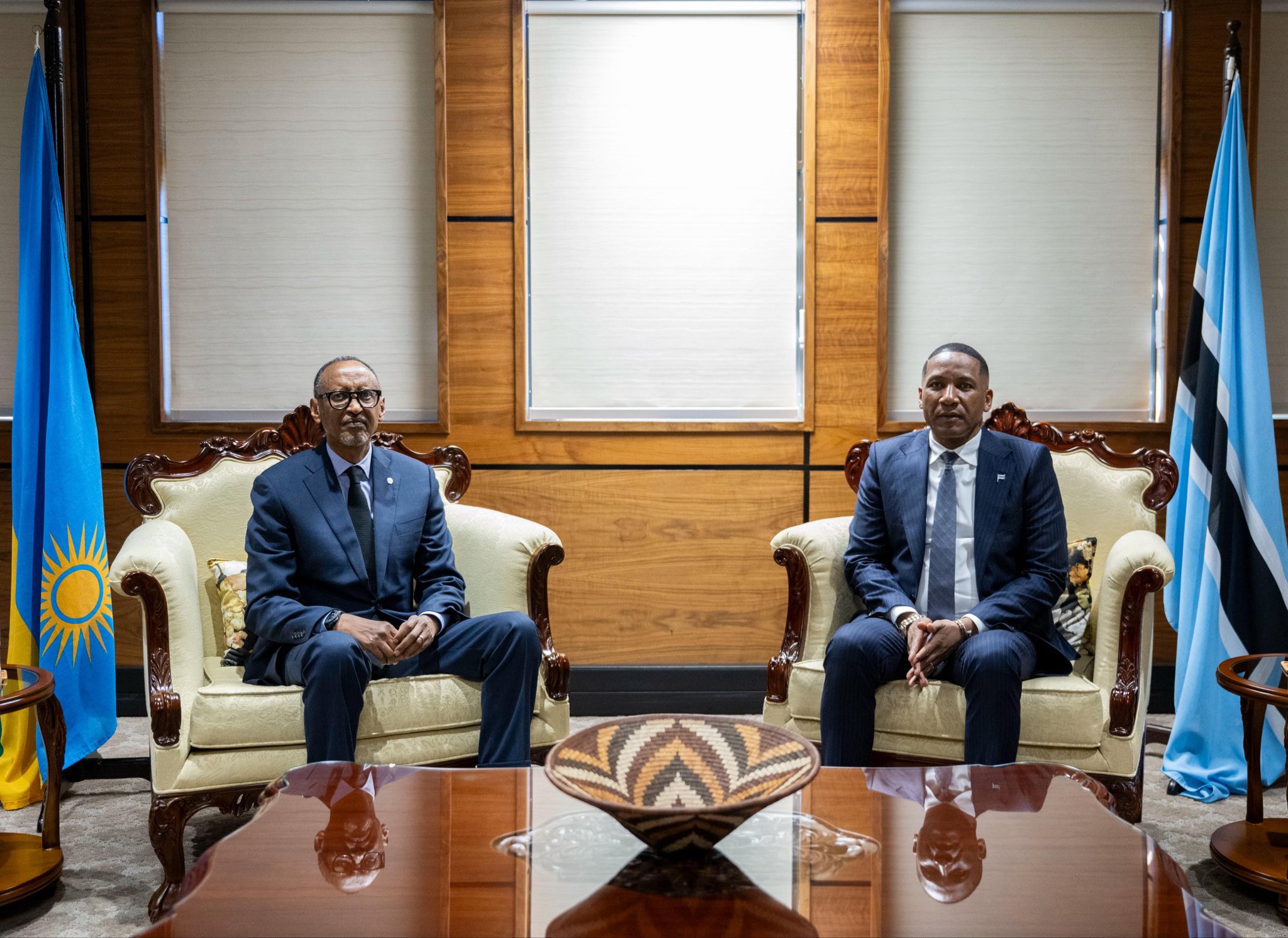
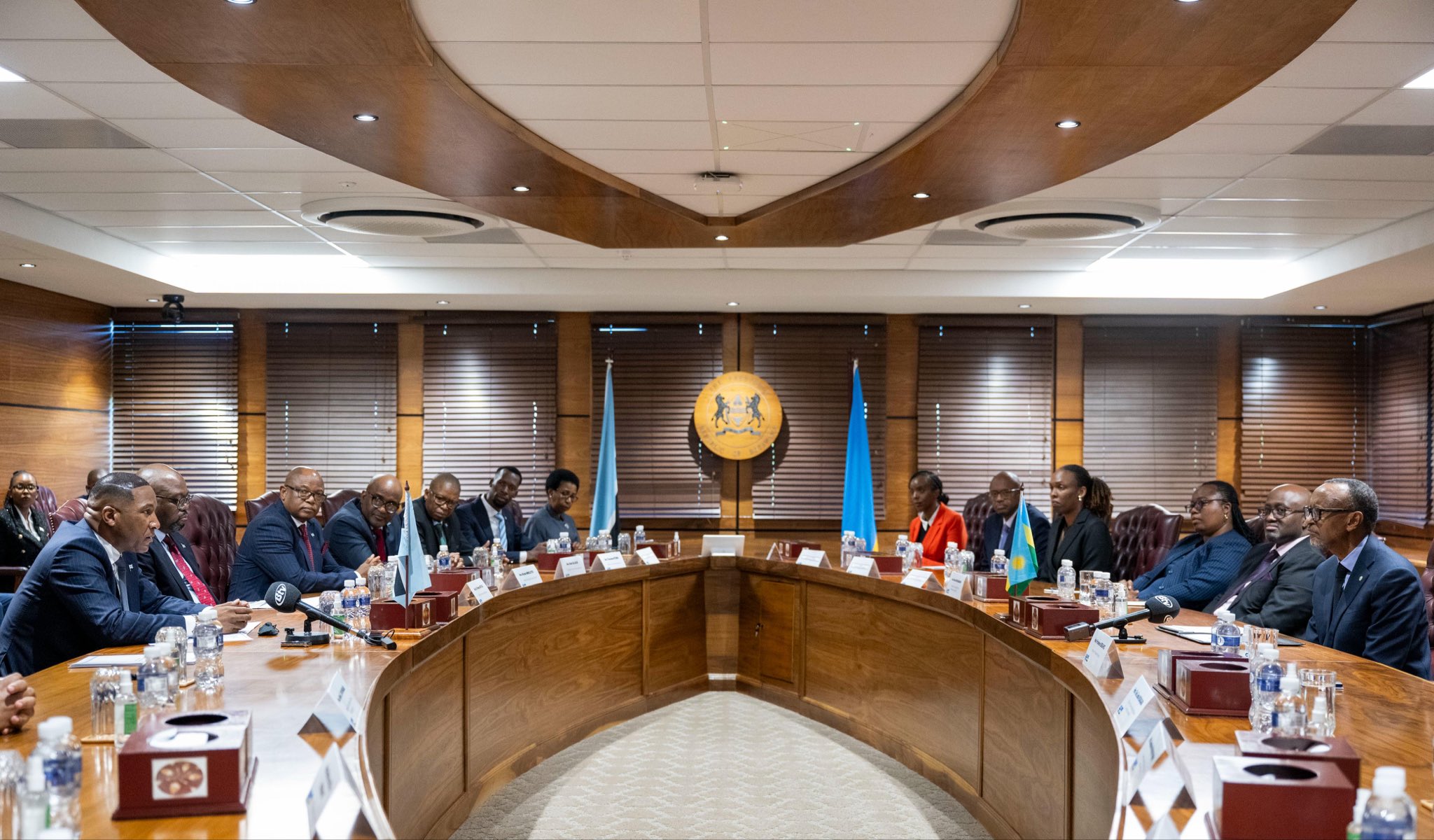
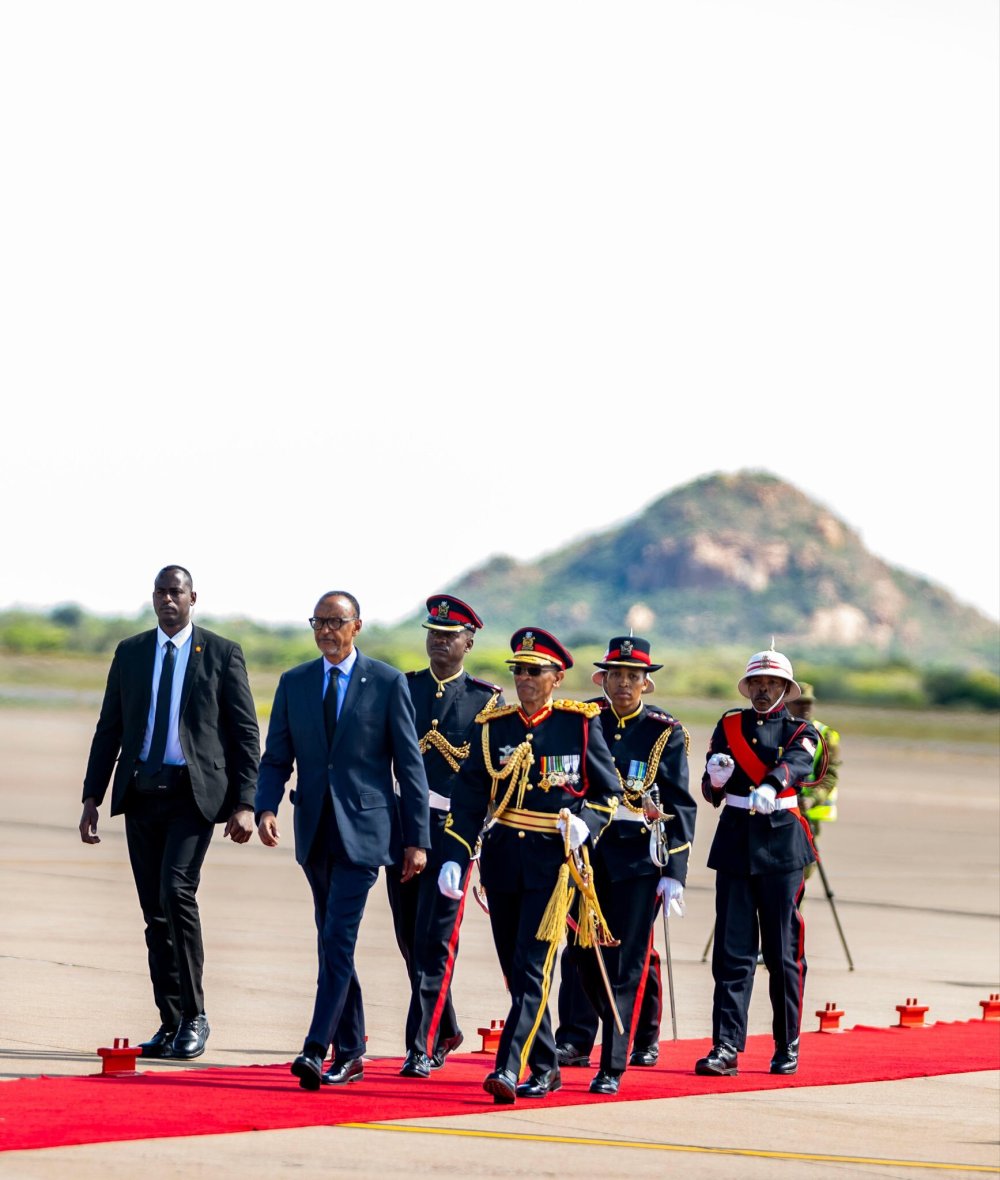
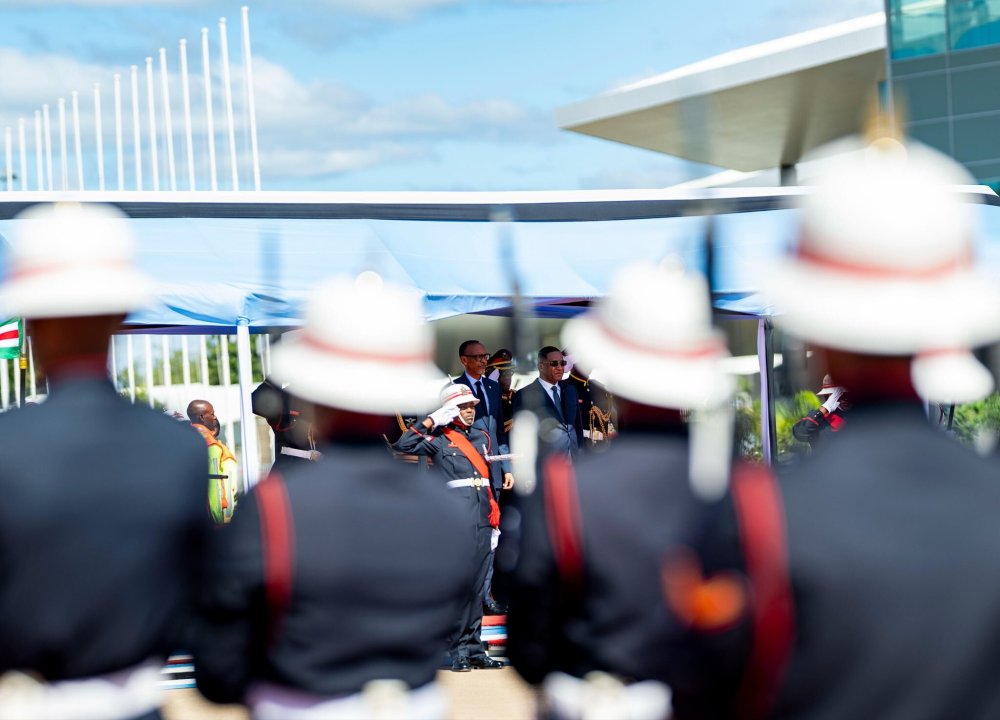
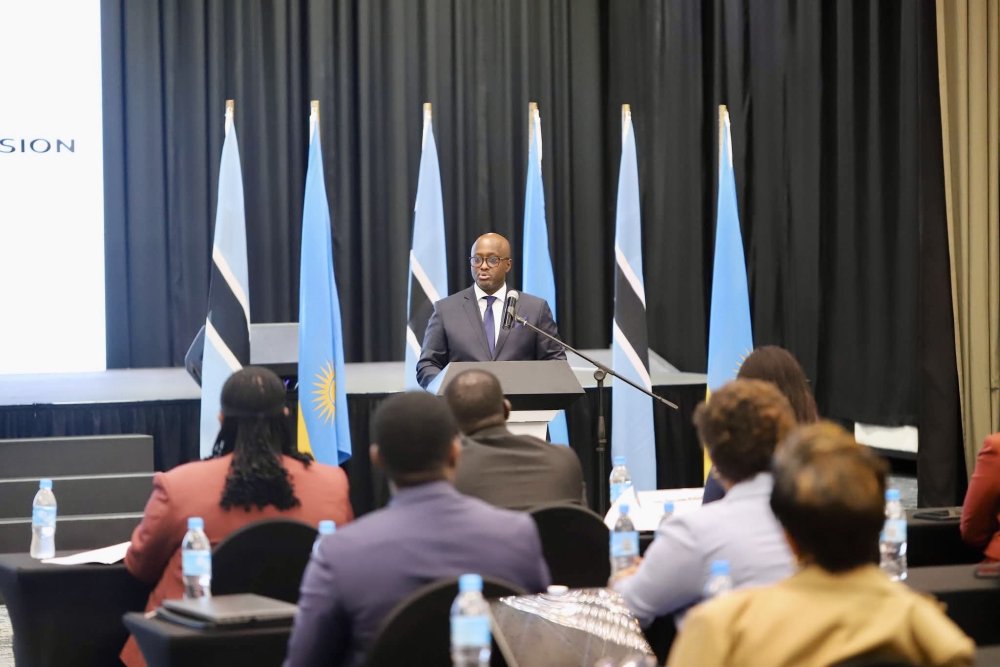
The engagements took place at the State House in Gaborone, where President Kagame is on a State Visit, his first since 2019, when Rwanda and Botswana agreed to establish the Joint Permanent Commission on Cooperation (JPCC) as a framework for structured bilateral engagement.
The visit began with a tête-à-tête between the two Heads of State, followed by expanded bilateral talks between their respective delegations. The leaders later oversaw the signing of agreements covering avoidance of double taxation, visa exemption for holders of diplomatic, official, and national passports, air services, health cooperation, and broader economic, trade, and investment partnerships.
Also signed was a cooperation framework between the Rwanda Development Board and the Botswana Investment and Trade Centre, aimed at promoting private sector collaboration and facilitating increased investment flows between the two countries.
In their remarks, both Presidents underscored the importance of moving beyond diplomatic engagement to practical implementation and measurable outcomes.
President Kagame thanked Botswana for the warm reception and reaffirmed Rwanda’s commitment to a results-driven partnership.
“What defines the relationship between Rwanda and Botswana is not only a friendship but also a shared sense of purpose,” Kagame said.
He emphasised the need to remove barriers to trade and investment, highlighting ongoing efforts in areas such as air connectivity, visa facilitation, and taxation frameworks.
He also commended Botswana’s leadership in natural resource management, particularly diamonds, and its efforts to strengthen health security through investment in pharmaceutical capacity, describing them as examples of forward-looking governance that resonate with Rwanda’s own priorities.
President Kagame further noted that cooperation in justice and security had continued to deepen, while new opportunities were emerging in trade and private sector engagement. He stressed that the success of the partnership would ultimately be measured by its impact on citizens’ livelihoods.
“Ultimately, what we agree here must translate into tangible improvements in the lives of our citizens. That is the true measure of success,” he said.
President Duma Boko welcomed President Kagame and his delegation, describing the visit as a moment of strategic realignment between the two countries.
“We did not meet to merely exchange diplomatic pleasantries. We met for strategic realignment, for a reaffirmation of our shared vision,” President Boko said.
He emphasised the importance of swift and disciplined implementation of agreements, noting that both countries were “in a race against time” to deliver results. He called for precision, strict timelines, and continuous innovation in executing agreed initiatives.
President Boko also highlighted the removal of visa barriers by Rwanda, which he said extended visa-free access for Botswana nationals to six months, describing it as an exemplary gesture. He said Botswana would respond with reciprocal measures effective immediately to further ease movement between the two countries.
“Rwanda has done something that had not been done before. And we are most grateful,” the president remarked.
He further noted that the partnership should expand across multiple sectors, including education, health, agriculture, youth empowerment, infrastructure development, and regional connectivity, adding that technology and science should be leveraged to bridge distance and enhance cooperation.
“We must be prepared to pioneer, to lead, to originate innovative approaches that may never have been tried before,” he said.
President Kagame’s visit marks a renewed high-level engagement between the two countries, building on progress made since the inaugural JPCC meeting held in Kigali in April 2022. His last visit to Botswana in 2019 laid the foundation for the institutional framework that is now guiding expanded bilateral cooperation.
The latest agreements are expected to further accelerate economic ties and strengthen collaboration in key sectors, as both countries move to translate diplomatic commitments into practical development outcomes.
Presidents Paul Kagame and Duma Boko witnessed the signing of a series of bilateral agreements aimed at strengthening cooperation between Rwanda and Botswana, as the two countries committed to deepening trade, investment, and connectivity ties.Both Presidents underscored the importance of moving beyond diplomatic engagement to practical implementation and measurable outcomes.The latest agreements are expected to further accelerate economic ties and strengthen collaboration in key sectors, as both countries move to translate diplomatic commitments into practical development outcomes.
Addressing foreign journalists via videoconference on Wednesday, May 6, Robert outlined the priorities of the summit, which will take place on May 11–12 at the Kenyatta International Convention Centre (KICC) and the University of Nairobi, co-hosted by Kenya and France.
The summit, which marks the first time such a high-level gathering is held in an English-speaking African nation, will host leaders from 30 African nations and over 2,000 CEOs, alongside youth leaders and development partners.
The forum aims to pivot away from the legacy of donor-recipient aid, moving beyond traditional diplomatic engagement to focus on “bankable investments”, projects designed to be commercially viable and attractive to private capital rather than reliant on state grants.
Investment, youth and technology at the centre
Robert said the summit will focus heavily on investment and financing mechanisms for African economies, bringing together governments, private sector actors, and financial institutions, including African multilateral banks and global partners such as the World Bank and the African Development Bank.
“The first priority is how to stimulate investment and improve financing for African economies through concrete results,” he said, adding that the private sector will play a central role in shaping outcomes.
Youth engagement will also be a key feature of the summit. Around 500 young leaders from across Africa are expected to take part in a dedicated dialogue with President Emmanuel Macron and Kenyan President William Ruto.
Discussions will focus on artificial intelligence, technology, and the role of young Africans in global decision-making.
The summit will also include roundtables on artificial intelligence, agriculture, health, rural development, and energy access, reflecting what organizers describe as a “results-driven development agenda.”
Rwanda is expected to feature prominently in the discussions on artificial intelligence, with President Paul Kagame set to co-chair a high-level roundtable on AI, underscoring the country’s growing role as a continental leader in digital innovation and technology-driven development.
The cultural and creative industries will also receive attention, with internationally recognised Rwandan artist Sherrie Silver expected to participate in discussions highlighting the role of African creativity in economic transformation and youth empowerment.
Culture, sports and creative industries as economic drivers
Robert highlighted culture and sports as emerging pillars of economic cooperation between Africa and France, describing them as “business tools” for inclusion and development.
France, he said, has increasingly supported cultural and creative industries in Africa since 2017, helping to connect African entrepreneurs with French companies and expand cultural production across the continent.
He pointed to the expansion of African content production through media partnerships, including the acquisition of MultiChoice by French media group Canal+, which he said would strengthen the distribution of African creative content both within Africa and in France.
Sport was also presented as a key development tool, with France positioning major international sporting events, including the 2024 Olympics, as part of a broader strategy. Upcoming African sporting events such as the Africa Cup of Nations in East Africa and the Youth Olympic Games in Senegal were cited as examples of growing sports diplomacy and economic opportunity.
Restitution and historical cooperation
The briefing also addressed cultural restitution, a sensitive but central theme in France’s Africa policy.
Robert said France had changed its legislation to allow the return of cultural artefacts and human remains that were proven to have been taken illegally during the colonial period. He cited previous restitutions to countries including Benin, Senegal, Côte d’Ivoire and Madagascar, and said similar requests continue to be processed where legal conditions are met.
He added that France’s approach has influenced similar restitution policies in other European countries.
Peace, security and African-led solutions
On security issues, Robert said France supports African-led solutions to regional conflicts, including ongoing mediation efforts in the Great Lakes region, Sudan and Somalia.
“We are not in the front seat; we are there to support,” he said, emphasising coordination with African Union-led initiatives and international partners.
Responding to questions about France’s evolving role in Africa, Robert stressed that the new approach is based on reciprocity and “win-win partnerships.”
“There is no free lunch. We are there to promote mutual interests and balanced cooperation,” he said, adding that African countries increasingly choose partners based on value, investment quality, and development impact.
The Africa Forward Summit is being positioned by its organisers as a shift away from traditional donor-recipient dynamics toward a unified African market approach, engaging both Anglophone and Francophone countries as part of a single economic space of 1.5 billion people.
According to the summit communiqué, the event will aim to address shared challenges, including food security, digital competitiveness, energy access, health systems, and connectivity, while strengthening Africa’s role in global decision-making structures.
A high-level youth and cultural programme, including a closing concert in partnership with Trace TV, will conclude the summit, showcasing African music and creative industries as part of what organisers describe as Africa’s growing global cultural influence.
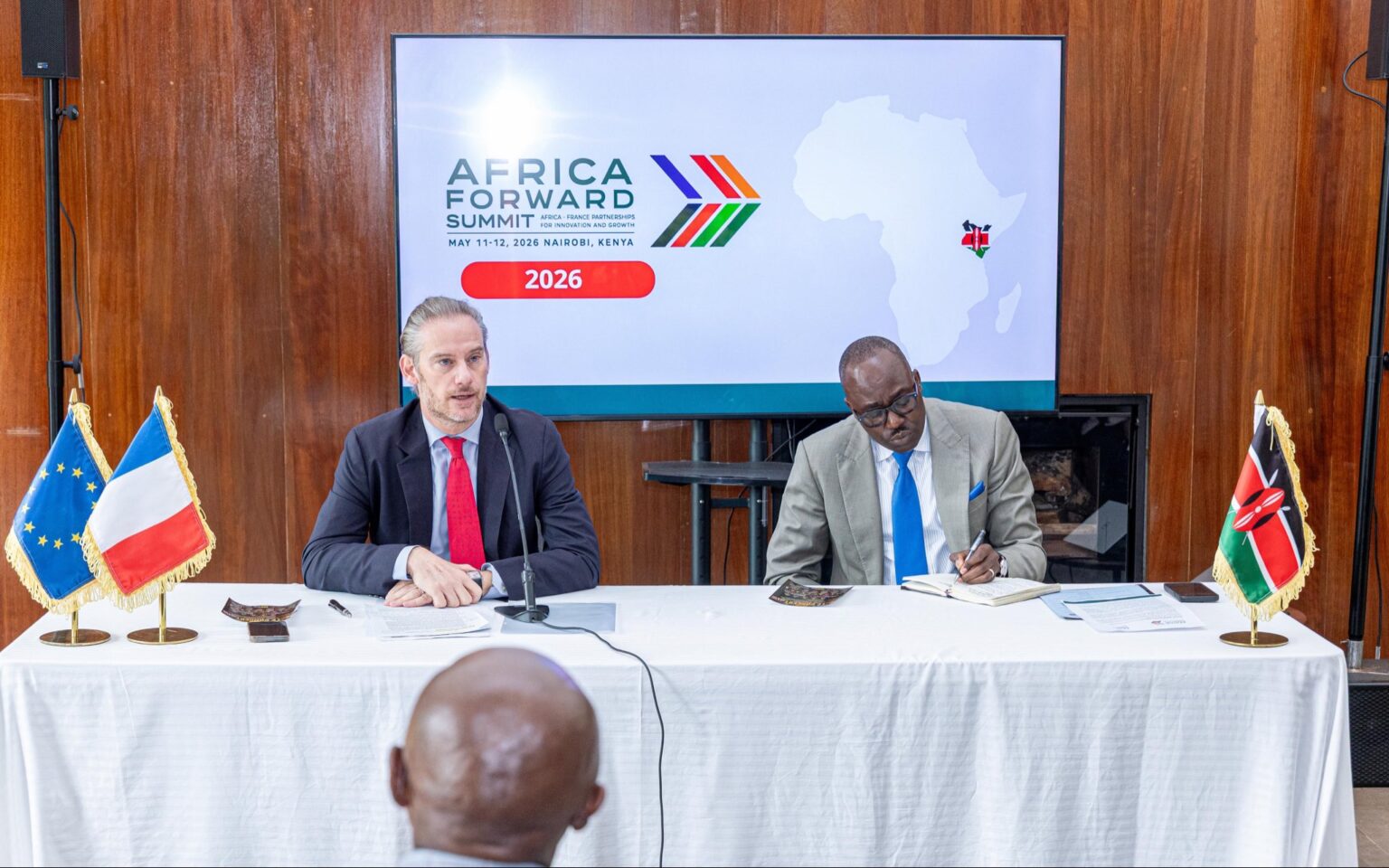
The upcoming Africa Forward Summit (AFS) 2026 in Nairobi is expected to redefine Africa–France relations around a more investment-driven, youth-focused and innovation-led partnership, according Jérémie Robert, advisor to French President Emmanuel Macron in charge of African affairs.Ambassador of France to Kenya Arnaud Suquet and Foreign Affairs PS Korir Sing’oei during an editors’ briefing at the French Embassy on April 16, 2026.
The decision, issued on Wednesday, May 6, 2026, overturns a previous ruling by investigative judges on August 21, 2025, which had ordered the closure of the case due to what they described as insufficient evidence linking Kanziga to the crimes.
Richard Gisagara, a lawyer representing civil parties in genocide-related cases in France, welcomed the ruling, describing it as “good news” and asserting that Kanziga would ultimately face justice. Writing on X, he stated: “She will not escape justice.”
France’s National Anti-Terrorism Prosecutor’s Office (PNAT), which has jurisdiction over genocide and crimes against humanity, had challenged the earlier decision, arguing that key evidence and witness testimonies had been overlooked. It called for further investigative steps to be undertaken.
The case dates back to 2008, when civil party organisations filed a complaint in France seeking an investigation into Kanziga, now aged 83, for alleged involvement in genocide and crimes against humanity.
In February 2022, judges had initially ordered the case closed, citing a lack of substantive evidence. That conclusion was reaffirmed in the August 2025 decision, before being overturned on appeal.
Kanziga was evacuated from Rwanda on April 9, 1994, under orders from then French President François Mitterrand. As a result, earlier investigations focused primarily on the first three days of the genocide.
In September 2024, PNAT criticised the scope of the inquiry, noting that it had been limited in duration, narrow in focus, and based on a relatively small number of witness accounts.
Prosecutors have since called for the investigation to be expanded to cover the period from March 1 to April 9, 1994, and have also raised allegations regarding Kanziga’s potential involvement in the planning of the genocide.
Following the 2025 decision to halt the investigation, civil party organisations expressed concern over the judges’ reasoning. They argued that it was inconsistent to conclude that Kanziga was not part of the so-called “Akazu”, an inner circle of family members and close associates of Habyarimana widely alleged to have played a key role in orchestrating the Genocide against the Tutsi, despite evidence suggesting her inclusion.
The organisations also criticised the reliance on testimony from controversial figures, including Gaspard Musabyimana, who was treated as an expert witness despite his known association with RTLM, a media outlet that broadcast hate propaganda during the genocide.
Musabyimana has also been described as having supported genocide denial and the Habyarimana government, including through a publishing house he established in Belgium.
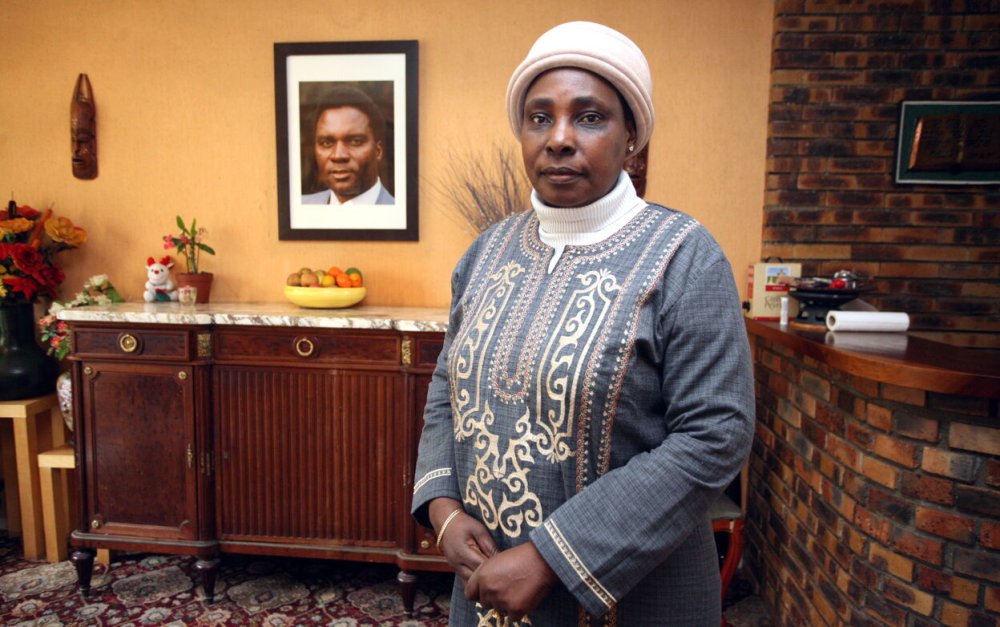
The Paris Court of Appeal has ruled that investigations must continue into the alleged role of Agathe Kanziga, the widow of Juvénal Habyarimana, in the 1994 Genocide against the Tutsi and its preparation.
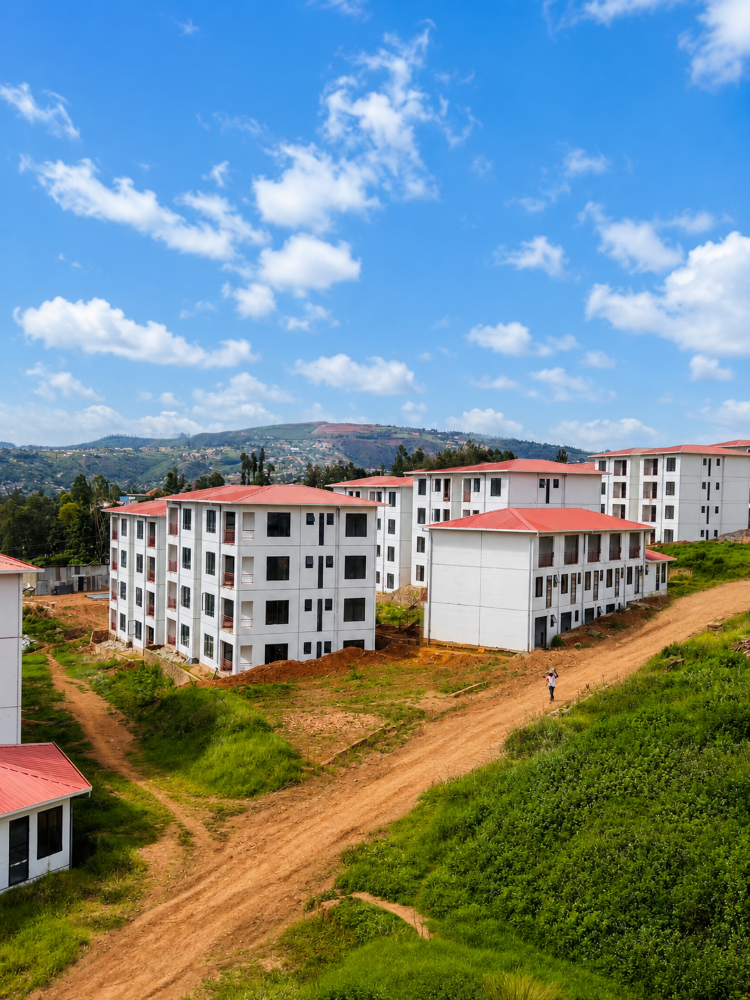
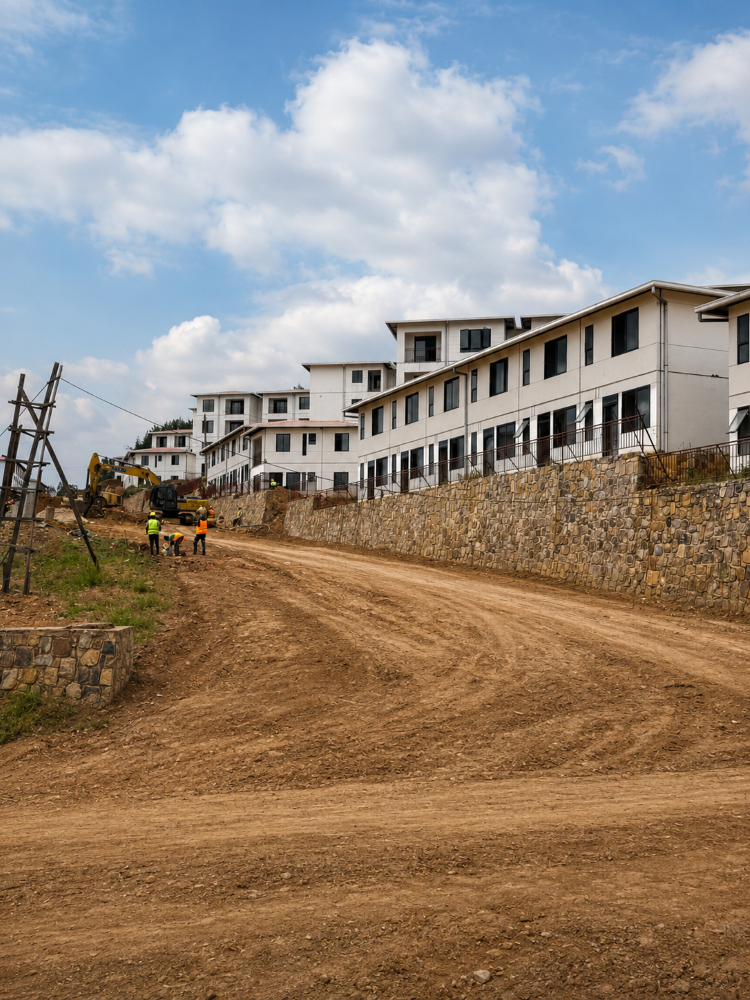
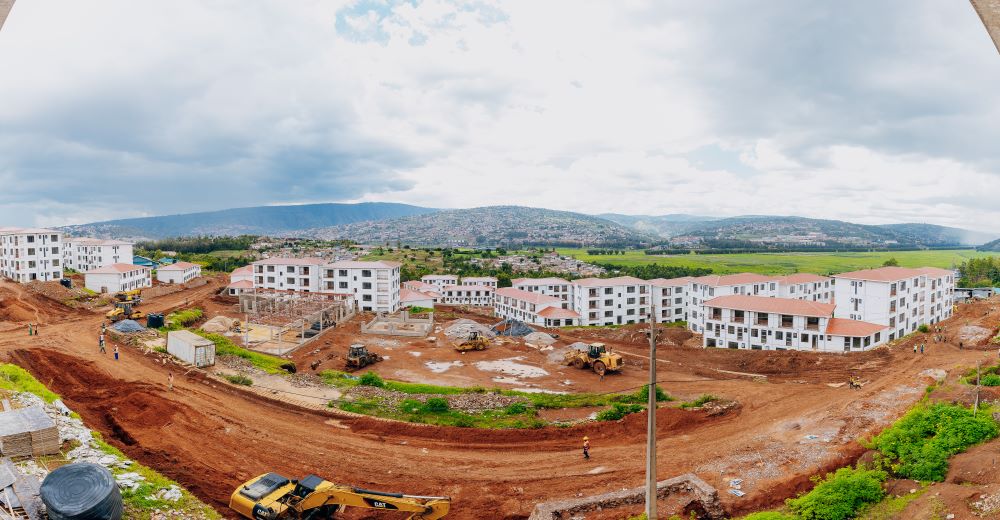
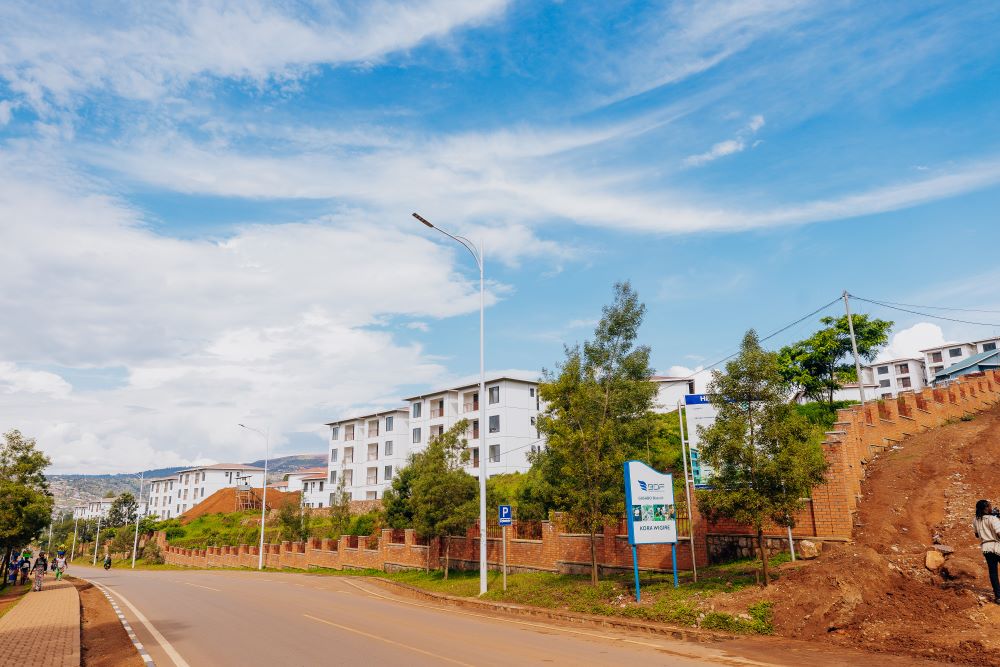
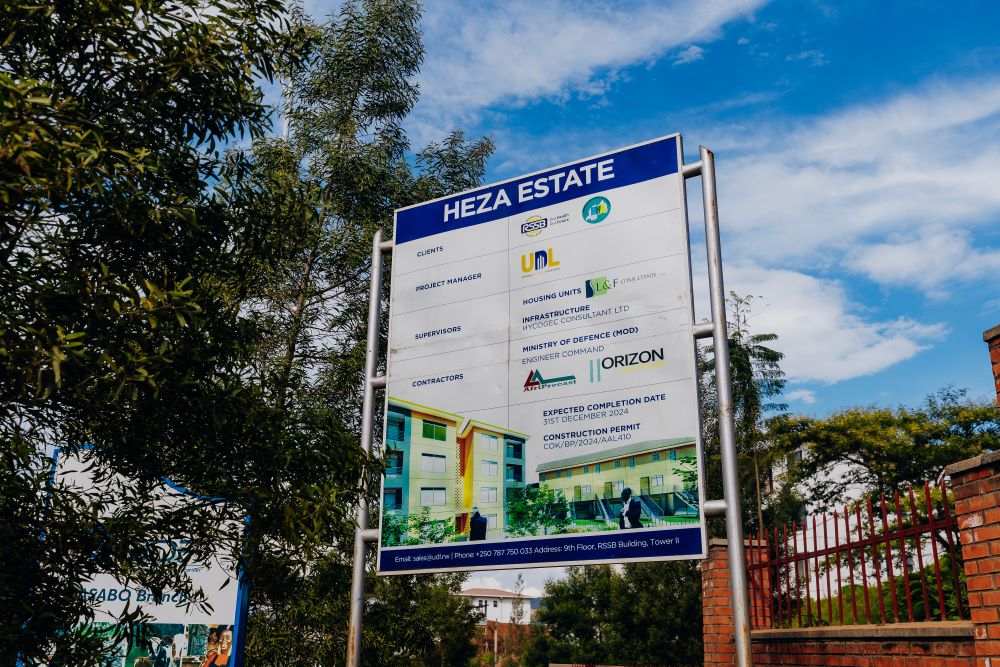
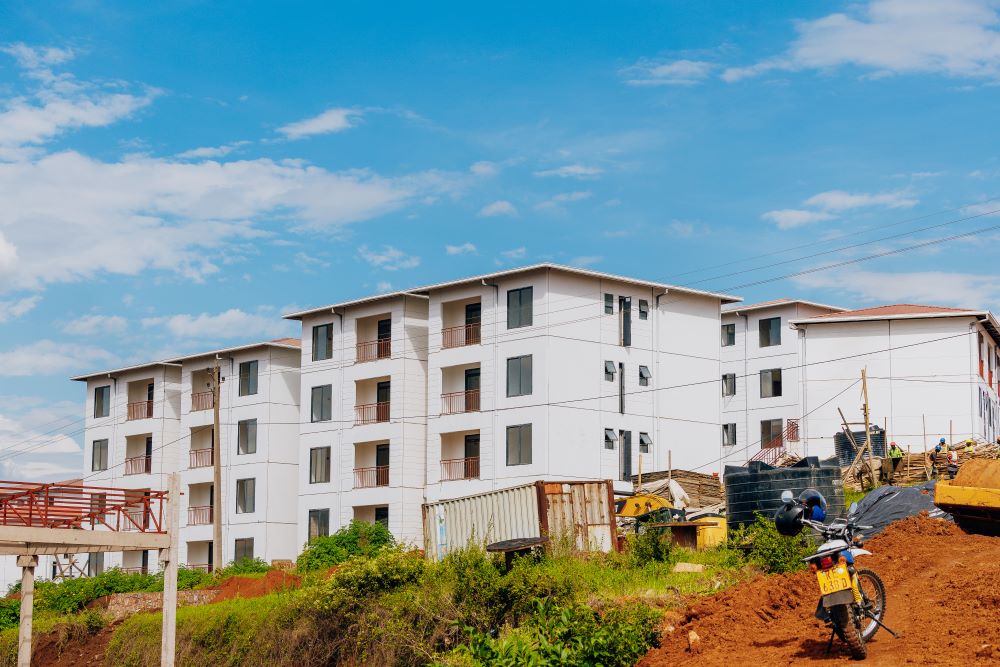
Heza Estate comprises 548 residential units across two categories, apartments and townhouses designed to meet the needs of working professionals, families, and members of the Rwandan diaspora seeking a secure, fully integrated community to call home.
Heza Estate comprises 548 residential units across two categories , townhouse and apartments designed to accommodate a range of household needs and budgets.
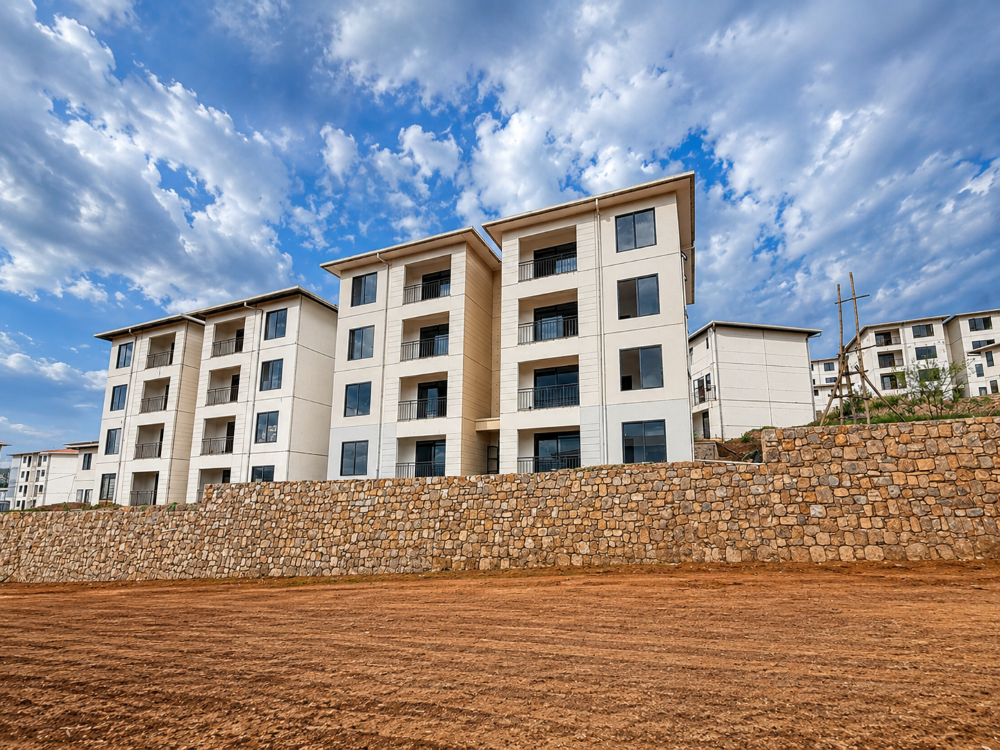
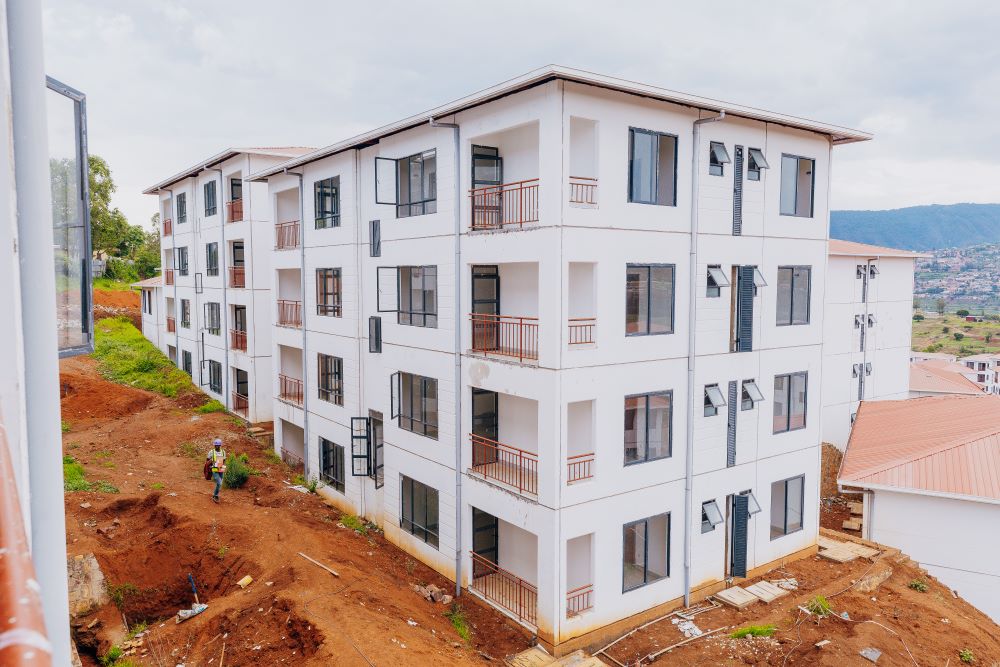
Apartments are available in two and three bedroom configurations, arranged across four-storey blocks with two units per floor. Townhouses are offered in two types: two and three bedroom duplex units with a 3 bedroom corner townhouse
Pricing
Unit prices are structured based on the type and size of the property. Townhouses start at Rwf 80 million for a two-bedroom unit and go up to Rwf 117 million for a three-bedroom unit.
Apartments, on the other hand, are priced between Rwf 101 million and RWF 111 million, depending on the specific configuration and features.
Buyers may purchase units through flexible installment payment plans. RSSB has also partnered with multiple banks to provide mortgage financing at competitive interest rates, making homeownership more accessible than ever.
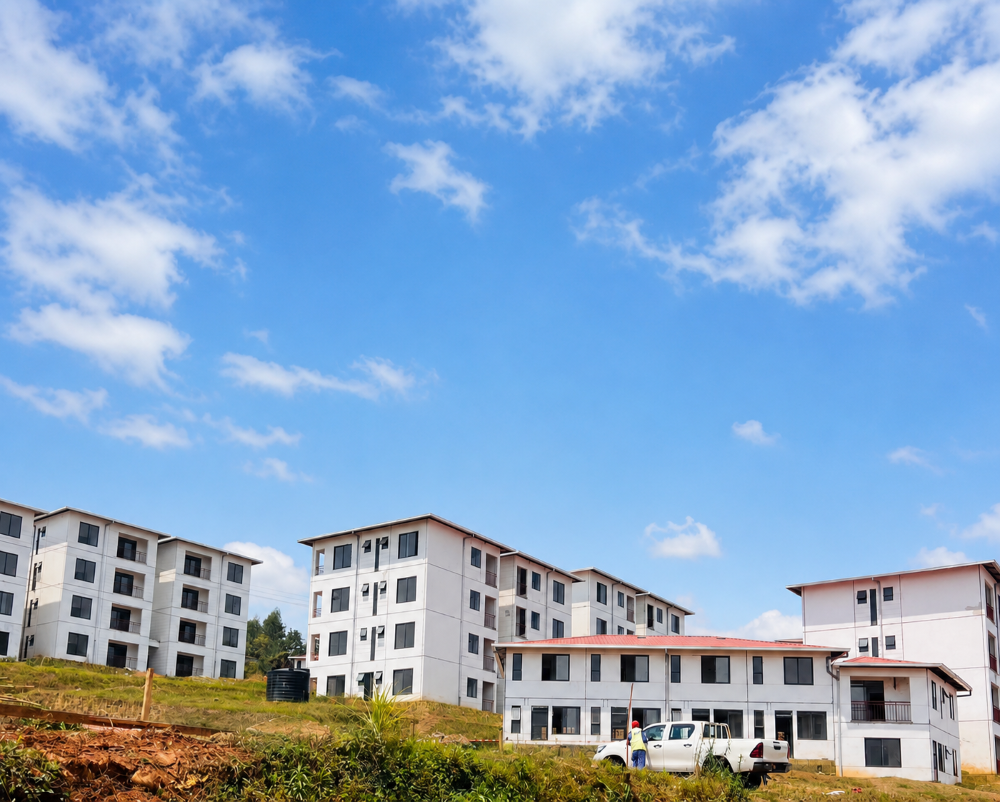
RSSB has launched Heza Estate, a residential community in Batsinda featuring 548 housing units.
A community built for modern living
Heza Estate is designed as a fully integrated community rather than a typical housing development.
It includes a nursery school, basketball and volleyball courts, landscaped gardens and family relaxation areas, as well as commercial spaces.
The estate also features paved internal roads with street lighting and dedicated parking for each unit.
Commenting on the development, Claudette Rubangura, RSSB’s Commercial Operation Manager, said: “Heza Estate was built with a clear purpose — to give middle-income Rwandans, young professionals, families, and diaspora members a place they can truly call their own. We wanted residents to have everything they need within reach: schools for their children, nearby shopping and everyday conveniences, spaces to relax, and a secure environment. This is not just a housing project; it is a community designed around how people actually live.”
Heza Estate is part of RSSB’s broader housing portfolio, which spans multiple market segments. The institution is also developing Vision City II , a project three times the scale of Vision City I, growing from 500 to approximately 1,500 units.
These developments directly support Rwanda’s housing goals. Current projections indicate that the country will require at least 5.5 million housing units by 2050, when the population is expected to reach 22.1 million.
Heza Estate is a 548-home housing project in Batsinda designed to provide modern, well-serviced living for middle-income Rwandans and diaspora buyers.
How to apply
Interested buyers are invited to take the first step towards owning their home by visiting hezaestate.rssb.rw to register online, calling sales team on +250 787 750 033
About RSSB
The Rwanda Social Security Board is a government institution responsible for social security administration in Rwanda.
Through its investment arm, RSSB develops housing and infrastructure projects that contribute to national development while generating sustainable returns for its members.
RSSB’s housing portfolio includes projects across multiple market segments, from Vision City to Heza Estate, serving a wide range of Rwandans seeking quality homes.
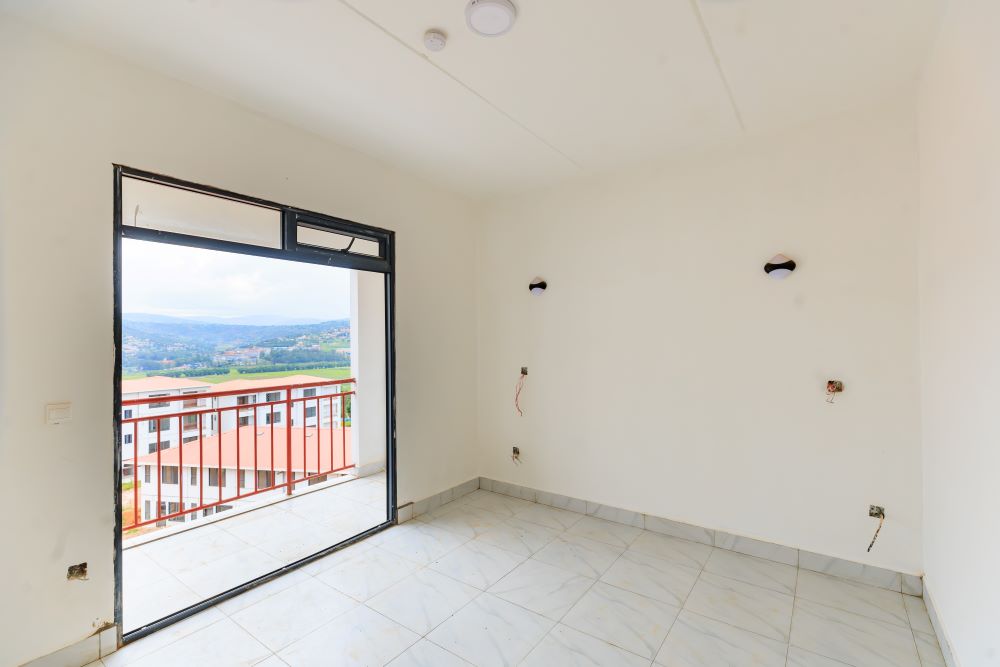
Heza Estate, developed by RSSB in Kinyinya Sector, Gasabo District, offers 548 apartments and townhouses as part of efforts to expand quality housing in Kigali.The Rwanda Social Security Board (RSSB) has unveiled Heza Estate in Batsinda, a 548-unit residential development aimed at middle-income buyers in Kigali, with construction now 90% complete.Heza Estate is a 548-unit residential project by RSSB featuring modern interior designs, green open spaces, and a secure environment tailored for middle-income homeowners.Heza Estate in Batsinda presents residents with a fully integrated living environment, featuring scenic views, green landscaped gardensHeza Estate forms part of RSSB’s broader housing portfolio aimed at expanding urban housing supply.The project combines housing with landscaped gardens and designated family relaxation spaces.Heza Estate features modern apartments and townhouses designed for middle-income homebuyers in Kigali.The 548-unit Heza Estate project by RSSB features apartments and townhouses with stylish interior designs and a focus on functionality, targeting middle-income buyers in Kigali’s growing housing market.
This afternoon, the two Heads of State will hold a tête-à-tête meeting followed by bilateral talks between their respective delegations, before addressing a joint press conference.
The discussions will culminate in the signing of bilateral agreements and Memorandums of Understanding in various areas, including a Double Taxation Avoidance Agreement; a Memorandum of Agreement on Visa Abolition for holders of Diplomatic, Official, and National Passports; a Bilateral Air Services Agreement; an MoU in the field of Health; an MoU on Economic, Trade and Investment; and an MoU between the Botswana Investment and Trade Centre and the Rwanda Development Board (RDB).
Later in the evening, President Kagame will attend a State Banquet hosted in his honour by President Duma Boko.
On the second day of the visit, President Kagame will tour the Botswana Diamond Trading Company.
The State Visit was preceded by the Second Joint Permanent Commission on Cooperation (JPCC) and the Second Rwanda–Botswana Business Forum.
The Joint Permanent Commission on Cooperation was established in 2019 during President Kagame’s previous visit to Botswana.
Rwanda and Botswana enjoy warm bilateral relations, strengthened through high-level exchanges and the signing of various agreements and Memorandums of Understanding.
The two countries cooperate in several sectors, including diplomacy, mineral resources, defence and security, police cooperation, investment promotion, and agriculture.
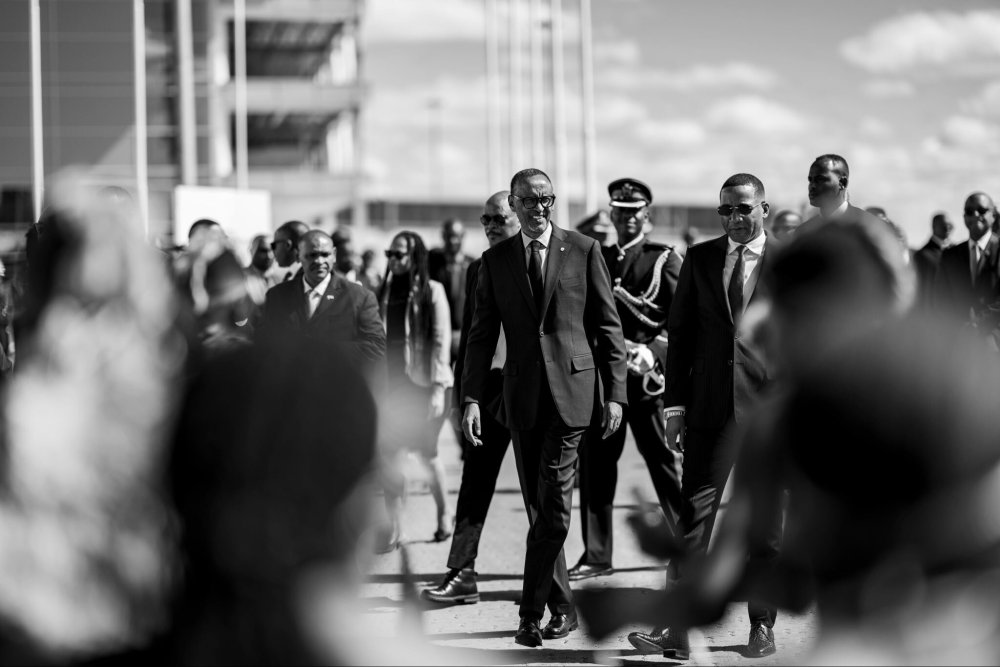
President Paul Kagame has arrived in Gaborone, Botswana for a two-day State Visit.President Kagame was welcomed by his counterpart of Botswana upon arrival
He also describes himself as a longtime friend of President Paul Kagame, dating back to the period when Kagame lived in Kampala.
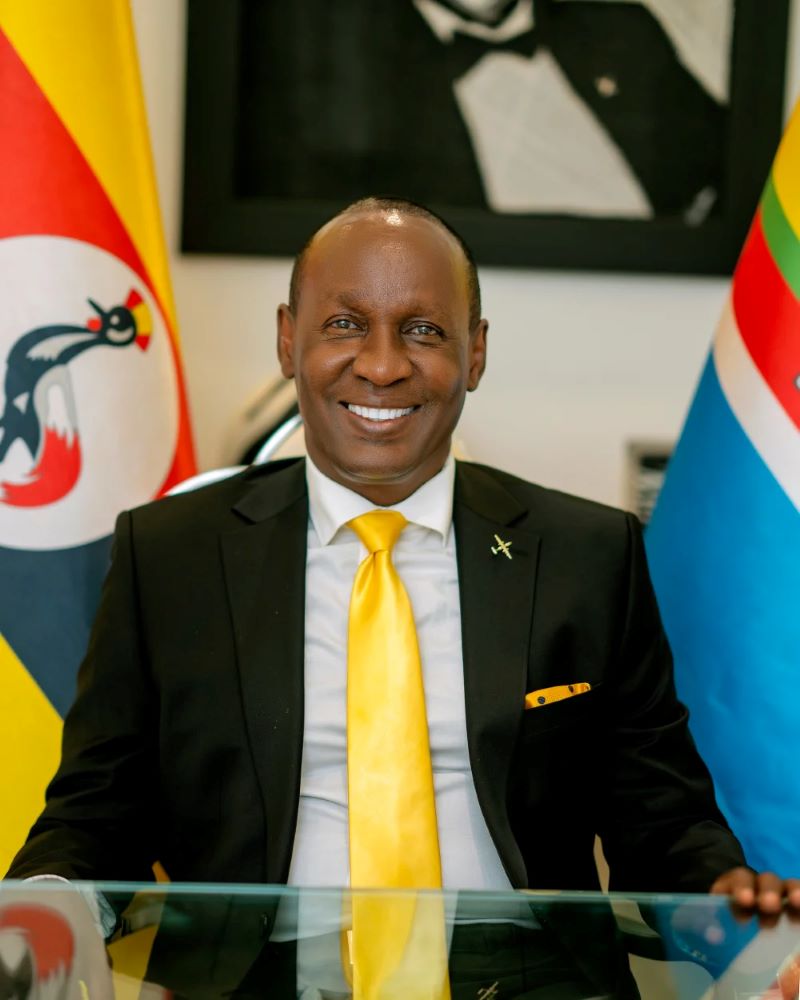
Capt Mike Mukula, now 69, is widely known for his 28 investment companies under the Mukula Group of Companies. He is also a former pilot.
Between 1996 and 2016, he represented Soroti constituency in the Parliament of Uganda and currently remains a prominent figure within Uganda’s ruling party, the National Resistance Movement (NRM).
Thirty-six years after the launch of the Rwandan liberation struggle and 32 years since the 1994 Genocide against the Tutsi was stopped, Capt Mukula reflects on his close and personal ties with both President Paul Kagame and Maj Gen Fred Rwigema.
In an interview on The Long Form Podcast with Sanny Ntayombya, Mukula recalls meeting Rwigema in 1985, a moment that quickly evolved into a deep friendship.
Captain Mike Mukula still remembers the night of September 30, 1990, with painful clarity. He was getting a haircut in Bugolobi when Major General Fred Rwigyema walked in.
“He came to me and said, ‘I just want to look at you. I wanted to see you and look at you,’” Mukula recalls. “That was the last time I saw him.”
The following day, Rwigema crossed into Rwanda to launch the Liberation Struggle. He was killed on the second day of fighting.
For Mukula, that quiet moment marked the end of a deep friendship that had grown over years—one shaped in Kampala’s social spaces, shared meals, and a shared revolutionary spirit.
Long before the Rwandan Patriotic Front launched the Liberation Struggle on October 1, 1990, Mukula and Rwigema moved in the same circles. At the time, Mukula, then a pilot and businessman, ran Bimbo Ice Cream, a popular hangout in Kampala.
“Fred loved to come to Bimbo,” Mukula says. “He used to come, order ice cream. He used to come home. I was very close to his mother—very, very close to his mother. Actually, we started speaking Kinyarwanda. She started teaching me Kinyarwanda because she didn’t know English, she didn’t know Luganda, she didn’t know Swahili.”
Their friendship grew so close that Mukula believed he would play a central role in Rwigema’s wedding.
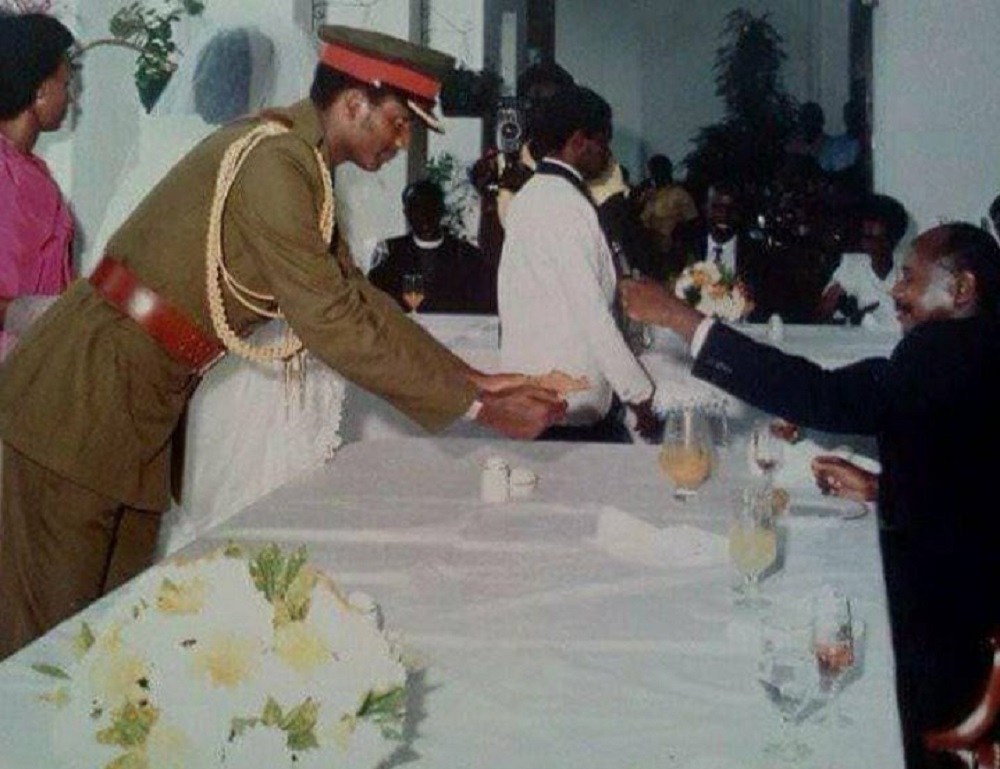
“We had even bought suits,” he recalls with a smile. “I thought I was going to be his best man. But then the hierarchy wanted to make it a military wedding, so they got General Ivan Koreta to be the best man. But we had already bought the suits—for both the Kasiki and the wedding.”
A Kasiki in Uganda is a traditional, celebratory party held on the eve of a wedding at both the bride’s and groom’s homes, acting as a farewell to bachelorhood.
The Kasiki ceremony was held in Bugolobi, not far from Mukula’s home. As he said, President Kagame was responsible for security at the time.
“We coordinated together to make sure that the function went very well,” Mukula says. Rwigema remained a frequent visitor to Bimbo, where he ate, drank, and interacted freely with Mukula.
“That’s how close we were,” he explains. “They would eat freely in my place, drink freely, and interact with me. That’s how free it was.”
Mukula also recalls a moment that revealed Rwigema’s calm bravery far from the battlefield. One evening, as they drove out of Bimbo along Jinja Road, they encountered an armed robber who had hijacked a vehicle and was exchanging fire with police officers who had frozen in place.
“Fred then took a brand new AK-47 from one of the policemen,” Mukula recounts. “He went into the corner—the act of bravery—fired I think two or three shots… As soon as [the robber] stopped, he entered in and fired rapidly. He had pinned where the man was. And the man was no more.”
Afterward, Rwigema calmly returned the gun to the policeman and drove away.
Mukula reflects on the moment with admiration: “General Salim Saleh and most of the soldiers of the NRA did not command from the rear. They breathed in engagement directly from the front.”
When news of Rwigema’s death reached him, Mukula says the pain was overwhelming. To this day, he marks October 2 as a personal day of remembrance.
“On the 2nd of October every year from the time he fell, I don’t work. I stay home… in memory of my brother,” he says. “It was very painful, very, very painful.”
Capt. Mike Mukula recalled how his close friendship with Gen. Fred Rwigyema extended to wedding preparations, where he had expected to serve as best man before military protocol changed the arrangement.Capt. Mike Mukula has shared personal memories of Maj Gen Fred Rwigema, highlighting their bond and the emotional weight of their last encounter.
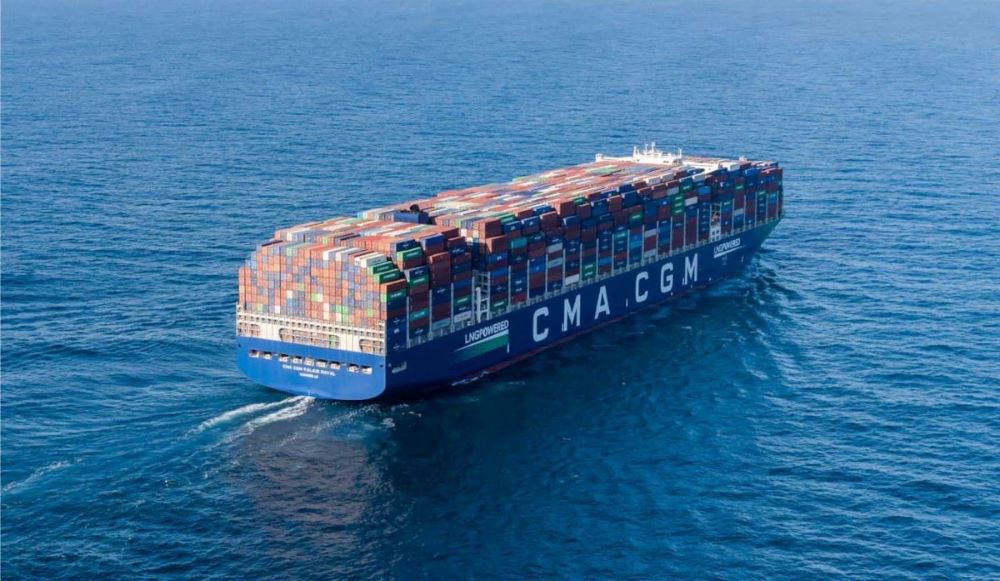
The vessel, named San Antonio, was attacked during its passage through the strategic waterway, according to French daily Le Figaro.
Crew members injured in the incident were evacuated and are currently receiving medical treatment, while the vessel sustained damage, the report said.
Iran’s Islamic Revolution Guard Corps Navy on Tuesday reiterated its warning to all vessels seeking to transit the Strait of Hormuz to solely take the corridor previously announced by the country.
French shipping company CMA CGM confirmed on Wednesday that one of its vessels was targeted in an attack on Tuesday while transiting through the Strait of Hormuz
The meeting marked the second session of the Joint Permanent Commission on Cooperation (JPCC), co-chaired by Rwanda’s Minister of Foreign Affairs, Olivier Nduhungirehe, and Botswana’s Minister of International Relations, Phenyo Butale.
In his remarks, Nduhungirehe highlighted the strong ties between Rwanda and Botswana and underscored the need to further deepen bilateral economic cooperation.
Rwanda’s delegation also included the Deputy CEO of the Rwanda Development Board, Juliana K. Muganza, along with other government officials and private sector representatives.
The discussions focused on finalizing new cooperation agreements aimed at strengthening and expanding relations between the two countries.
Both sides reviewed legal and regulatory frameworks that will guide the partnership, covering areas such as trade, agriculture, and the avoidance of double taxation.
Both ministers welcomed the finalisation of six key instruments, which are expected to be signed during President Kagame’s state visit to Botswana on May 6, 2026.
The Joint Permanent Commission on Cooperation was established in 2019 during President Kagame’s previous visit to Botswana.
During the visit, Kagame is expected to meet his counterpart, Gideon Boko, with discussions set to focus on cooperation in areas including trade and technology, tourism, animal vaccine production, transport, and the diamond sector.
The visit is also expected to result in the signing of multiple agreements covering trade and investment, institutional collaboration, and partnerships between the Rwanda Development Board and its counterpart institution in Botswana.
The meeting marked the second session of the Joint Permanent Commission on Cooperation (JPCC), co-chaired by Rwanda’s Minister of Foreign Affairs, Olivier Nduhungirehe, and Botswana’s Minister of International Relations, Phenyo Butale.