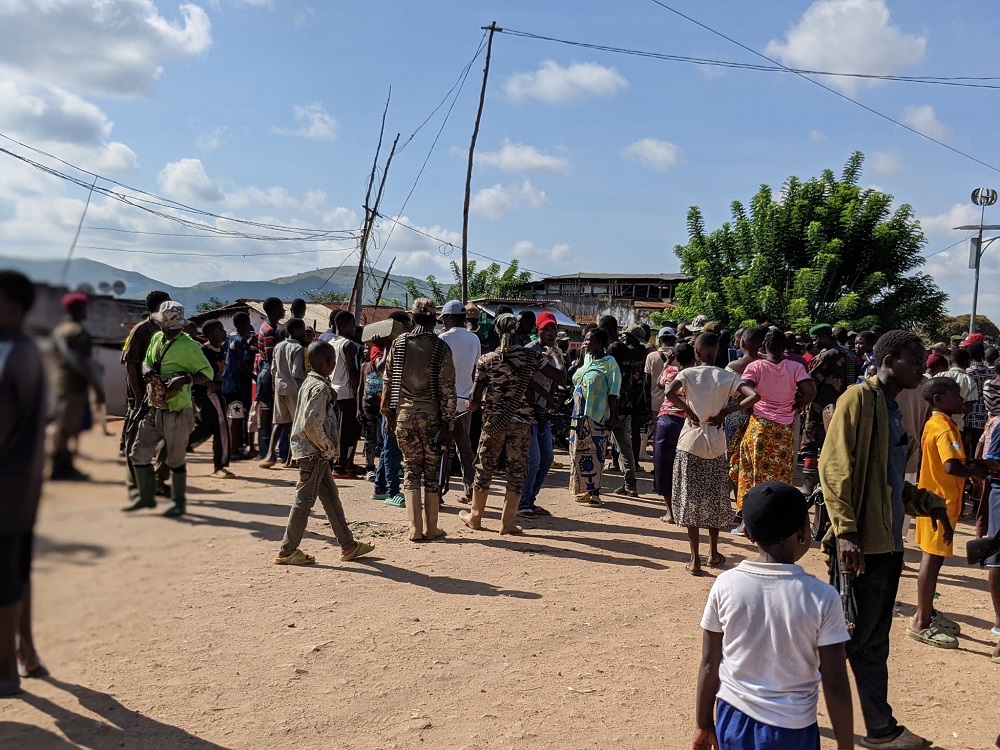
Video footage from the site shows a building heavily damaged by the strike. DRC authorities reportedly believed the home of a Belgian national named Pascal was sheltering several group leaders.
Lawrence Kanyuka, spokesperson for AFC/M23, confirmed that three people died in the attack, including a foreign national. Among the victims was French UNICEF staff member Carine Buisset, who worked in Goma.
Bertrand Bisimwa, deputy coordinator of AFC/M23 in charge of politics, diplomacy, and governance, condemned the attack, accusing the DRC government of violating ceasefire agreements.
“At this moment, the city of Goma is under attack by drones from the Kinshasa regime. This latest escalation of violence reflects Kinshasa’s ongoing pattern of ceasefire violations, coupled with the surprising inaction of peace process partners,” he said.
On Wednesday morning, United Nations peacekeeping forces in DRC (MONUSCO)arrived at the site to investigate the attack.
The DRC government has indicated that it intends to reclaim territories held by AFC/M23 through military means, despite calls from the international community to prioritize political dialogue.
The Congolese National Center for Cybersecurity (CNC) has reportedly been used to track the phones of some AFC/M23 leaders and former President Joseph Kabila to facilitate drone strikes.
On March 24, 2026, a subsequent strike near the Rubaya stronghold targeted top AFC/M23 leaders, including the group’s commander, Gen. Maj Sultani Makenga. The attack killed the group’s military spokesperson, Lt Col Willy Ngoma, along with other fighters including bodyguards.
DRC authorities reportedly believed AFC/M23 leaders were present in the targeted area.The building in Himbi was heavily damaged after a drone strike.The house reportedly belonged to a Belgian national named Pascal.
The ceremony marks the official beginning of the Rwandan envoy’s diplomatic mission in Austria. On this occasion, the exchanges between the two leaders reaffirmed the strong ties of friendship and cooperation between Kigali and Vienna, as well as their shared commitment to further strengthening bilateral relations.
During her visit to the Austrian capital, Amb. Bakuramutsa also held several meetings with Austrian officials. These discussions focused on prospects for cooperation in key sectors such as trade and investment, innovation, tourism, cultural diplomacy, and multilateral collaboration.
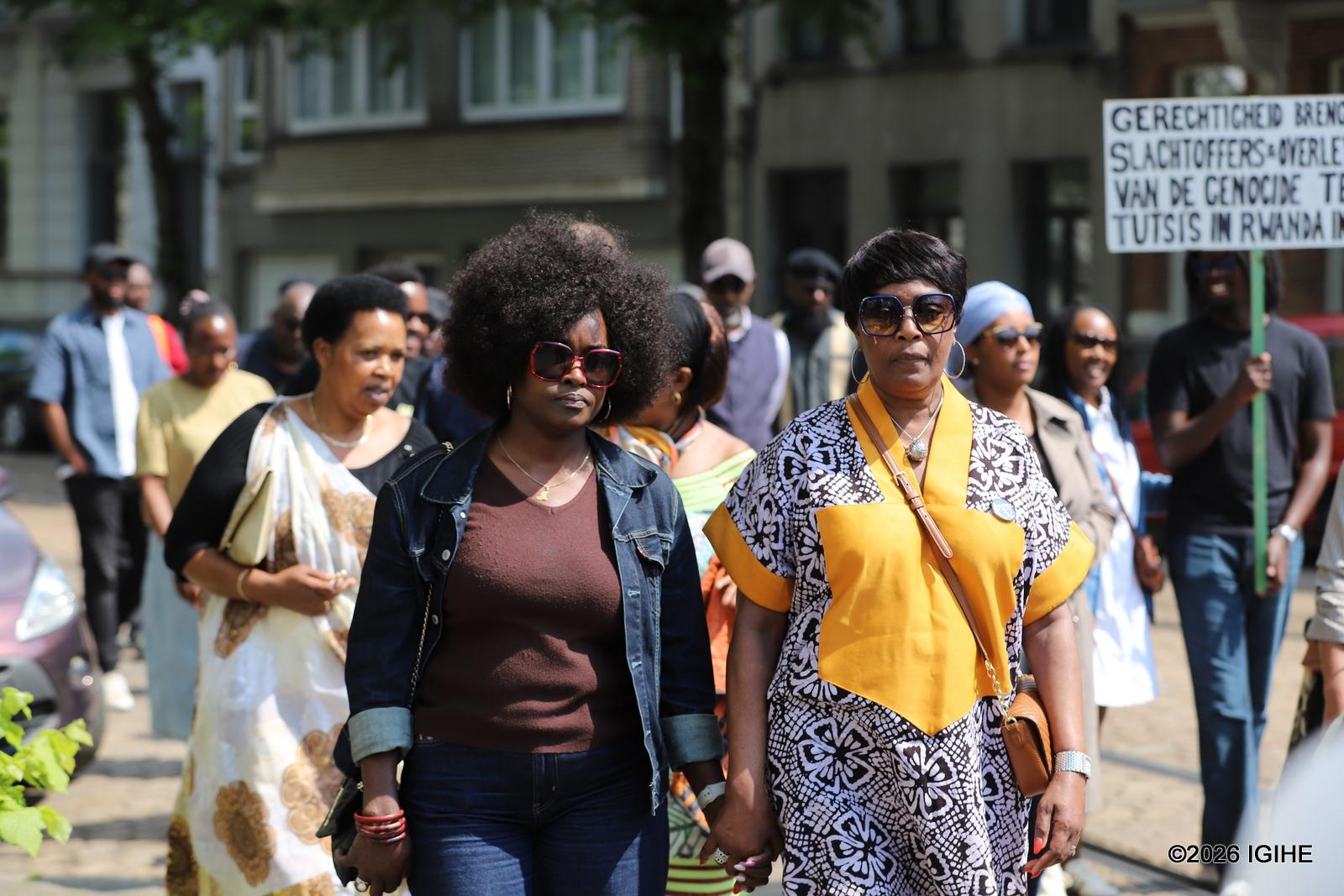
On the eve of the official ceremony, March 9, 2026, the Rwandan diplomat had already presented copies of her Letters of Credence to Ambassador Nikolaus Marschik, Secretary General of the Austrian Federal Ministry for European and International Affairs.
The meeting took place in the presence of Ambassador Maximilian Hennig, Chief of Protocol, and Dr Stefan Scholz, Head of the Department for Sub-Saharan Africa and the African Union.
During her stay in Vienna, Amb. Bakuramutsa also met with Peter Launsky-Tieffenthal, Special Envoy to the Federal Chancellor of Austria, to explore opportunities for further deepening relations between the two countries.
Rwanda and Austria maintain strong cooperative relations, notably through various development partnerships. Several initiatives supported by the Austrian Development Cooperation Agency (ADA) have contributed to projects in areas such as water and sanitation, youth empowerment, employability, and strengthening the justice sector.
Through this new diplomatic mission, Kigali and Vienna aim to continue consolidating their partnership and exploring new opportunities for collaboration for the benefit of both nations.
Rwanda’s Ambassador to Austria, Urujeni Bakuramutsa, with President Alexander Van der Bellen after presenting her Letters of Credence at the Hofburg Presidential Palace in Vienna.Urujeni Bakuramutsa presented her Letters of Credence to Alexander Van der Bellen, Federal President of Austria, during a ceremony at the Hofburg Presidential Palace in Vienna on March 10, 2026.President Alexander Van der Bellen welcomed Rwanda’s new ambassador, Urujeni Bakuramutsa, during the official credential presentation ceremony in Vienna.
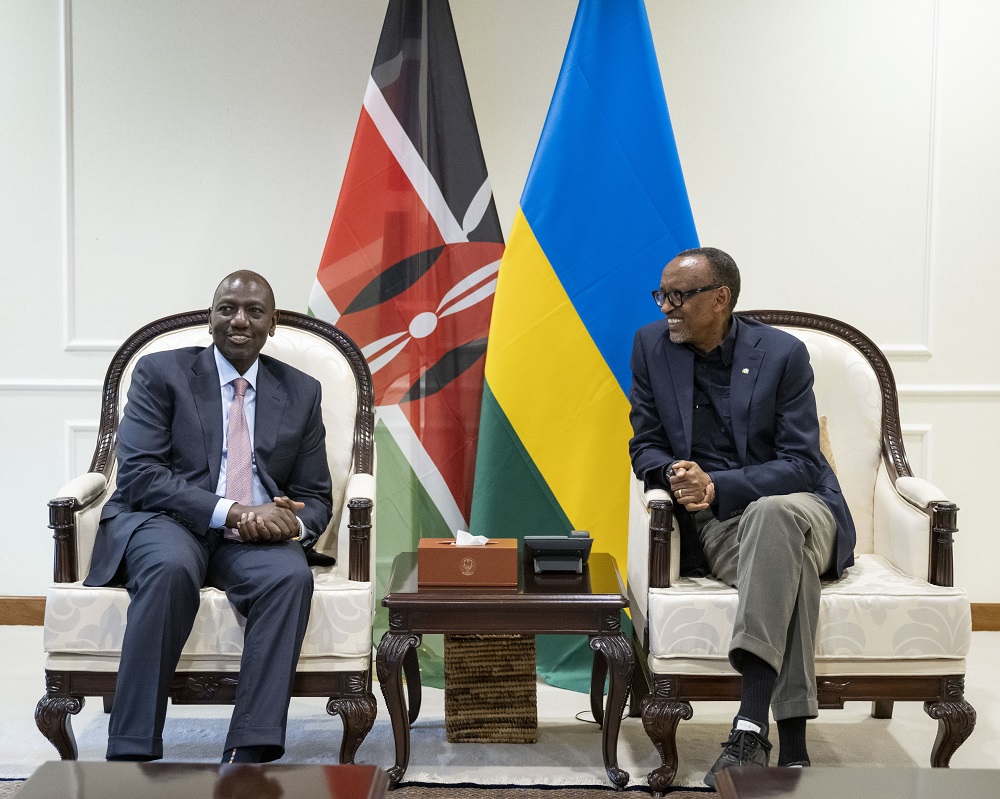
A brief statement released by the Office of the President indicated that the leaders discussed the strong and productive bilateral relations between Rwanda and France, as well as the security situation in the region, emphasising the need for sustained efforts to address its root causes.
The meeting comes against the backdrop of ongoing efforts to resolve the conflict in eastern Democratic Republic of the Congo, with Rwanda insisting that addressing the root causes is crucial to ending the decades-long conflict.
Meanwhile, the high-level summit in Paris brought together heads of state, government leaders, international organisations, financial institutions, nuclear industry representatives, and energy experts to discuss the future of civil nuclear energy. President Kagame attended the summit alongside a delegation from the Rwanda Atomic Energy Board (RAEB).
During his address at the summit, President Kagame reaffirmed Rwanda’s commitment to developing nuclear energy, describing it as a key pillar for powering the country’s industrial growth while meeting climate responsibilities.
He highlighted that Rwanda’s long-term ambition to become a high-income country by 2050 hinges on having a reliable and abundant electricity supply.
“Nuclear energy will play a central role in diversifying our energy mix and providing the stability needed for sustained economic transformation,” Kagame said.
President Kagame noted that nuclear power offers Rwanda a dependable source of electricity that can support industrial expansion while helping reduce carbon emissions.
“We have decided to make nuclear central to our strategy,” President Kagame said. “It will diversify our energy mix while providing the stability required for industrial growth and long-term transformation.”
President Paul Kagame and his French counterpart Emmanuel Macron met on the sidelines of the Nuclear Energy Summit in Paris on Tuesday afternoon.The two leaders discussed the strong and productive bilateral relations between Rwanda and France, as well as the security situation in the region.
The program is being implemented in partnership with the Rwanda Biomedical Center (RBC), targeting more than 140,000 households across nine sectors in the Gasabo, Kicukiro, and Nyarugenge districts.
The affected sectors include Masaka in Kicukiro; Kanyinya and Mageragere in Nyarugenge; and Rutunga, Gikomero, Rusororo, Ndera, Jabana, and Kinyinya in Gasabo.
The campaign was launched in Masaka Sector, which has over 30,000 residents. Kicukiro District, where Masaka is located, has reported more than 115,000 malaria cases, making it the district with the highest number of infections.
Alfred Nduwayezu, Masaka Sector Executive Secretary, attributed the high malaria rates to local environmental factors, including marshlands used for rice cultivation and areas with stagnant water.
He explained: “When we track the data, the increase in malaria cases is linked to the local environment — there are marshes, rice fields, and water accumulation. RBC and its partners recognised the problem and approved indoor spraying in our sector to help address it.”
In Masaka, around 20,000 households are expected to receive the insecticide treatment.
Nduwayezu added that, in collaboration with partners, the sector has implemented measures to curb malaria and reduce infection rates, particularly during and after the rainy season when cases typically spike.
Léopold Ruzibiza, Programs Manager at Strive Foundation Rwanda, said previous interventions, including mass testing, clearing bushes, and other measures, had limited impact. Indoor spraying was therefore chosen as the most reliable method.
He emphasised the importance of residents following proper procedures during spraying:
“Residents must vacate their homes, remove all belongings from the rooms, and allow health workers to mix and apply the insecticide at the approved dosage. Houses are then sealed for two hours.”
Residents are being urged to cooperate fully, as the campaign is being carried out by trained health workers.
In October and December 2025, the campaign will expand to 28 sectors most affected by malaria in the Gisagara, Nyanza, Bugesera, Kirehe, Rwamagana, and Nyagatare districts, covering 1,031,676 residents.
According to the Rwanda Biomedical Center (RBC), malaria claimed over 150 lives nationwide between 2024 and 2025.
The person applying the insecticide must wear full protective clothing to prevent exposure to its harmful effects.The program is being implemented in partnership with the Rwanda Biomedical Center (RBC), targeting more than 140,000 households across nine sectors in the Gasabo, Kicukiro, and Nyarugenge districts.Léopold Ruzibiza, Programs Manager at Strive Foundation Rwanda, urged residents to actively cooperate in the insecticide spraying campaign.Alfred Nduwayezu, Masaka Sector Executive Secretary, attributed the high malaria rates to local environmental factors, including marshlands used for rice cultivation and areas with stagnant water.
The event, held at M-Hotel, was the first such reception organized by the High Commission since its establishment in Rwanda in September 2024.
It brought together diplomats, Rwandan government officials, members of the Ghanaian community and their friends.
Speaking at the ceremony, Ghana’s resident High Commissioner to Rwanda, Ernest Yaw Amporful noted that the presence of members of the diplomatic corps and officials reflected the strong ties between Ghana, Rwanda and the wider international community.
Reflecting on Ghana’s history, the ambassador recalled that the country became the first sub-Saharan African nation to gain independence from colonial rule on March 6, 1957 under the leadership of Kwame Nkrumah, a moment that inspired liberation movements across the continent.
Nkrumah’s vision of Pan-African unity and his declaration that “Ghana’s independence is meaningless unless it is linked with the total liberation of the African continent” transformed the country into a hub and beacon of hope for freedom movements.
“Sixty-Nine years ago, Ghana blazed the trail as the first sub-Saharan African nation to break free from colonial rule, igniting a flame of freedom and self-determination across our continent,” he said.
Amb. Amporful said Ghana remains committed to democracy, peace and sustainable development, adding that the country continues to pursue economic transformation through new initiatives led by President John Dramani Mahama.
“This year’s celebration is anchored on the theme, ‘Building Prosperity, Restoring Hope’, a theme that speaks not only to Ghana’s aspirations but also to the collective yearning of Africa for economic transformation and a future of dignity and opportunity for all,” he said.
“They protected and saved lives during the Genocide against the Tutsis, even when ordered to withdraw. That act of courage and humanity forged a bond of trust and empathy between our peoples,” he said.
The ambassador noted that both countries are working toward their first Joint Permanent Commission of Cooperation, aimed at boosting trade, investment and innovation.
“Let us recommit ourselves to strengthening the bonds of friendship between our nations,” Amb. Amporful said, adding that such cooperation would help build prosperity and restore hope for both peoples.
Amb. Amporful also paid tribute to women, noting that the celebration came just a day after the world marked International Women’s Day.
“The prosperity of our nations and the hope of our continent rest upon the empowerment of women and girls, whose voices must be heard, whose rights must be protected, and whose dreams must be nurtured,” he said.
Speaking at the reception, the Permanent Secretary in the Ministry of Foreign Affairs, Amb. Fidelis Mironko, congratulated the government and people of Ghana on their 69th Independence Day and reflected on the broader meaning of such anniversaries. “I like to think of Independence Day as a call to action for the future. It is a reminder that the courage of our forebears must be matched by our determination today,” he said.
Amb. Mironko noted that the challenges facing the world today, including climate change, economic shocks and global uncertainty, require countries to work together with unity and strong leadership.
“As sister nations, Rwanda and Ghana will continue to stand shoulder to shoulder in advancing our shared vision of an Africa that is self-reliant, innovative, and globally competitive,” he said.
Rwanda and Ghana share long-standing relations that have grown over the years through cooperation in areas such as trade, defence and security, tourism, technology, culture and parliamentary exchanges.
The partnership also carries a strong historical dimension. In 1994, Ghanaian peacekeepers serving under the United Nations Assistance Mission for Rwanda (UNAMIR) were among the few who remained in the country to help protect civilians during the Genocide against the Tutsi, despite orders to withdraw.
Diplomatic ties have since deepened. Rwanda opened a resident High Commission in Accra in 2020 to strengthen political and economic cooperation, while Ghana established its High Commission in Kigali in 2024, marking another step in reinforcing relations between the two countries
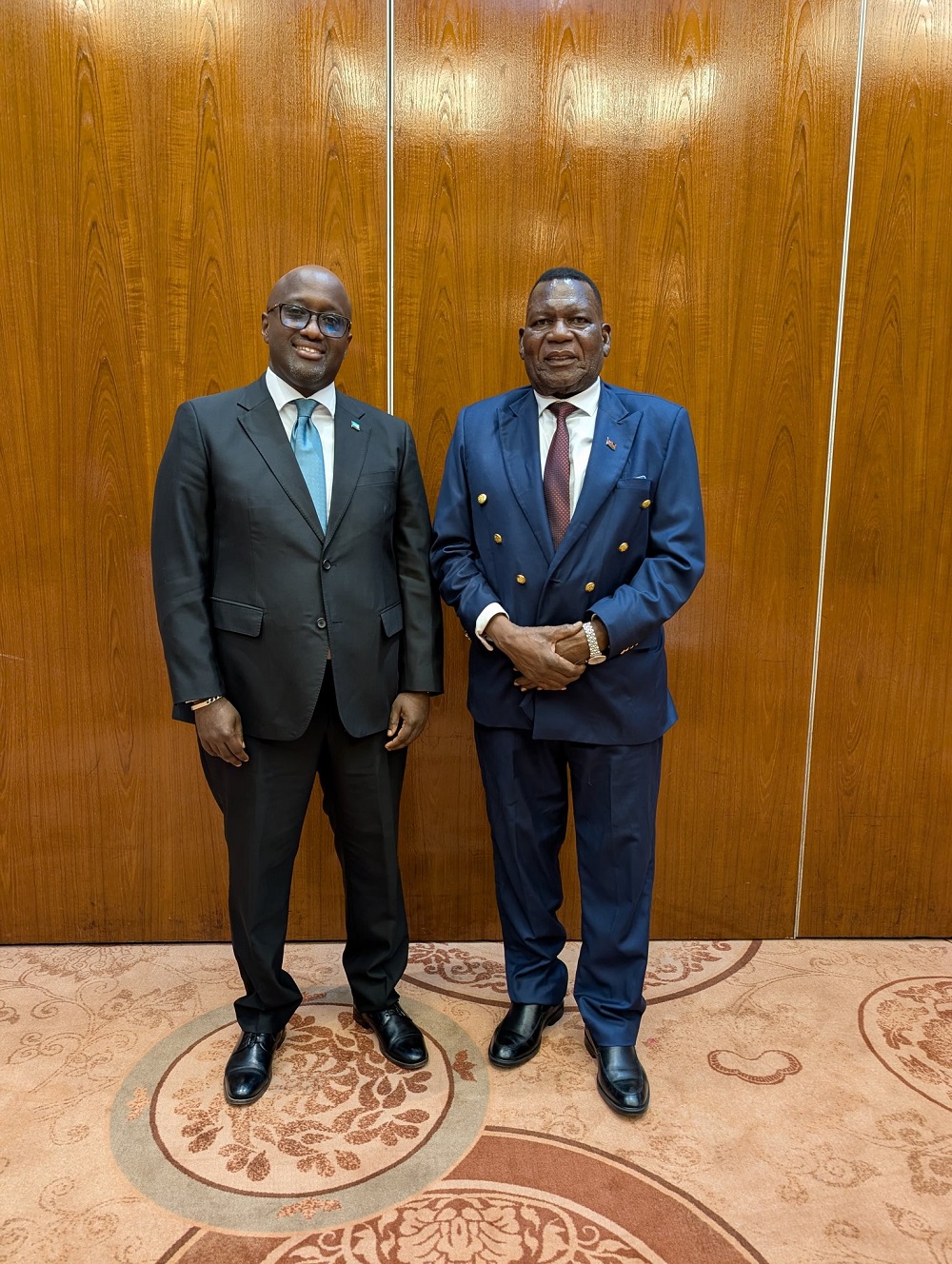
High Commissioner Amporful and Permanent Secretary in MINAFFET, Amb. Mironko pose together at the reception, symbolizing the strong ties between Ghana and Rwanda.High Commissioner Ernest Yaw Amporful and Permanent Secretary Fidelis Mironko toast to Ghana’s 69th Independence Anniversary at the Kigali reception on March 9, 2026.High Commissioner Amporful with Rwanda’s Permanent Secretary in the Ministry of Foreign Affairs, Amb. Fidelis Mironko, during the Independence Day reception at M-Hotel.Permanent Secretary Fidelis Mironko congratulated Ghana on its 69th Independence Day, emphasizing the importance of unity and shared action for Africa’s future.
Speaking at the Nuclear Energy Summit in Paris, France, on Tuesday, President Kagame said Rwanda’s long-term ambition to become a high-income country by 2050 requires a reliable and abundant electricity supply. He noted that nuclear energy will play a central role in diversifying the country’s energy mix and providing the stability needed for sustained economic transformation.
According to the Head of State, nuclear power offers Rwanda a dependable source of electricity that can support industrial expansion while helping reduce carbon emissions.
“We have decided to make nuclear central to our strategy,” Kagame said. “It will diversify our energy mix while providing the stability required for industrial growth and long-term transformation.”
The president highlighted the importance of building strong institutions, regulatory systems and a skilled workforce to support Rwanda’s nuclear ambitions. He praised the support provided by the International Atomic Energy Agency (IAEA), led by Director General Rafael Grossi, in helping strengthen the country’s nuclear governance framework.
Rwanda has already made progress in developing human capital for the sector. Kagame noted that hundreds of Rwandans have been trained in nuclear science and engineering through partnerships with leading international institutions. The University of Rwanda has also introduced a new academic programme in nuclear science to build local expertise.
Recently, the IAEA conducted an Integrated Nuclear Infrastructure Review in Rwanda and confirmed progress across key pillars required to establish a nuclear energy programme.
“Our country is prepared to proceed through the agency’s milestone approach to the next stage,” he revealed.
Notably, Rwanda plans to establish a nuclear research centre in collaboration with Russia. The centre will focus on producing radioactive materials for cancer diagnosis and treatment, improving agriculture through radiation technologies, and advancing industrial testing methods.
Additionally, Rwanda is preparing to host Africa’s first demonstration of a Dual Fluid nuclear reactor and is exploring small modular reactor (SMR) technology to meet the country’s growing energy demands sustainably.
In his remarks, President Kagame emphasised the growing potential of emerging nuclear technologies for Africa. In particular, he said SMRs are well-suited to countries with smaller electricity grids and could allow African nations to become early adopters of advanced nuclear systems.
“I’m confident that Africa will emerge as one of the most important global markets for SMRs in the years ahead,” he said.
The president called for stronger international cooperation in three key areas: financing, technology partnerships and clear regulatory frameworks. He noted that nuclear energy projects often require specialised financing models that development banks are still unfamiliar with.
Kagame welcomed recent shifts in international policy, including the World Bank’s decision to lift its long-standing ban on financing nuclear power projects. He also referenced commitments made during COP28, encouraging international financial institutions to include nuclear energy in their portfolios.
“Now is the time to work together to make this shift a reality in Africa,” he said.
Looking ahead, Rwanda is preparing to host the 2026 Nuclear Energy Innovation Summit for Africa (NESA) in Kigali this May. Kagame said the summit will bring together leaders from governments, financial institutions and the nuclear industry to advance discussions on Africa’s nuclear future.
He extended an invitation to global partners to attend the event and support Rwanda’s efforts to harness nuclear energy for development.
“Rwanda is determined to do what it takes to power our development with nuclear energy,” Kagame said. “We look forward to you being part of this journey.”
President Kagame said Rwanda’s long-term ambition to become a high-income country by 2050 requires a reliable and abundant electricity supply. President Paul Kagame joined Emmanuel Macron, Director General of the International Atomic Energy Agency (IAEA) Rafael Mariano Grossi, and other leaders for the opening of the 2nd Nuclear Energy Summit.
The international contest was held in Spain during the Coffee Fest Madrid exhibition on February 16, 2026.
The selection process begins with nominations, where coffee shops are proposed and voted for by people both locally and internationally. The first round of voting accounts for 30% of the total score, while the remaining 70% is awarded in the final stage, which determines the top 100 best coffee shops in the world.
In January 2026, coffee houses from Rwanda and around the globe competed in the contest, with Rubia Coffee Roasters emerging among the winners and earning the 54th spot worldwide.
This marks the first time a Rwandan coffee brand has entered the global top 100. Across Africa, only a few countries had coffee roasters featured in the ranking; namely Ethiopia, Egypt, and South Africa.
Robert Kabandana, Chief Operations Officer at Rubia Coffee Roasters, told IGIHE that winning the award signifies that the coffee meets international standards at every stage, from cultivation to the final cup, reflecting exceptional quality.
He noted that the recognition highlights the growth of Rwanda’s coffee farming sector and the increasing focus on processing coffee locally. He also emphasized that the achievement comes with greater responsibility.
“This award has given us extraordinary motivation because the world has recognized our capability,” Kabandana said. “We are planning to open another branch in Kigali, and there are international companies interested in using our brand name in their countries due to the uniqueness we have demonstrated.”
However, he stressed that while Rwanda’s coffee gaining international visibility is positive, it is equally important to strengthen local processing and expand roasting facilities within the country, as Rubia Coffee Roasters has done with its own roasting plant.
“We encourage Rwandans to continue supporting coffee farmers so that more value is added locally instead of exporting large quantities unprocessed. When domestic coffee consumption increases, we boost the economy because more revenue stays within the country, creating jobs and increasing tax revenues,” he added.
Rubia Coffee Roasters was established in 2017 as a small coffee processing shop and added a roasting plant a year later. The company now has the capacity to process between 500 and 600 kilograms of coffee per day. Its products are supplied to hotels and various institutions in Rwanda and exported to countries including Qatar, Egypt, and Dubai.
The company continues to sell coffee at its outlet in Kimihurura, Kigali. Rubia Coffee Roasters works closely with coffee farmers, purchasing their harvests and providing training on improving quality and productivity. It also supports other businesses in accessing coffee equipment, as a dealer for Italy’s Simonelli Group in Rwanda.
According to the National Agricultural Export Development Board (NAEB), Rwanda’s coffee production and export revenues continue to grow. In the 2024/25 fiscal year, the country produced 21,295 tonnes of coffee, up from 16,979 tonnes the previous year, an increase of 25%.
Coffee companies ranked among the world’s top 100 are considered globally competitive.Mbonyi Kalisa Mathias, founder of Rubia Coffee Roasters, received the award.Employees of Rubia Coffee Roasters celebrate the award won by the company.The facility processes and prepares coffee using modern equipment and techniques.Rubia Coffee Roasters also offers a space where visitors can taste its coffee.Rubia Coffee Roasters sells a variety of coffee it processes in-house.Rubia Coffee Roasters has the capacity to roast up to 600 kilograms of coffee per day.This coffee is grown and processed in Rwanda.
The high-level meeting brought together heads of state and government, leaders of international organizations, financial institutions, nuclear industry representatives and energy experts to discuss the future of civil nuclear energy.
Currently, nuclear energy generates about 10 percent of the world’s electricity. Many countries consider it a sustainable solution for increasing energy supply while reducing carbon emissions.
At the United Nations Climate Change Conference held in Belém, Brazil, in November 2025, Rwanda joined 32 other countries in committing to triple nuclear energy capacity worldwide by 2050.
President Kagame’s participation in the summit comes shortly after experts from the International Atomic Energy Agency (IAEA) visited Rwanda from March 2 to 9 to assess the country’s readiness to develop nuclear energy infrastructure.
The Chief Executive Officer of RAEB, Fidele Ndahayo, said Rwanda has been expanding the peaceful use of nuclear technology, particularly in sectors such as healthcare. He also noted that a university program dedicated to nuclear science has been introduced.
Last week, Dr. Ndahayo explained that Rwanda had completed a preliminary assessment identifying potential sites where small nuclear reactors could be built. According to the plan, the country hopes to have its first nuclear power plant operational in the early 2030s.
He added that studies have also been conducted to determine whether the existing electricity transmission network can accommodate power generated by future small modular reactors.
Rwanda aims to increase its electricity generation capacity to more than 3,000 megawatts, up from the current 447 megawatts. Authorities believe small nuclear reactors could play a key role because they require less land, produce low carbon emissions and generate significant power.
Feasibility studies estimate that building a nuclear power plant in Rwanda could cost between $5 billion and $6 billion. RAEB says the project would likely require a partnership between the government and private investors.
Currently, South Africa is the only African country operating a nuclear power plant. However, interest in nuclear energy is growing across the continent. Kigali is set to host the Nuclear Energy Innovation Summit on Africa from May 18 to 21, 2026.
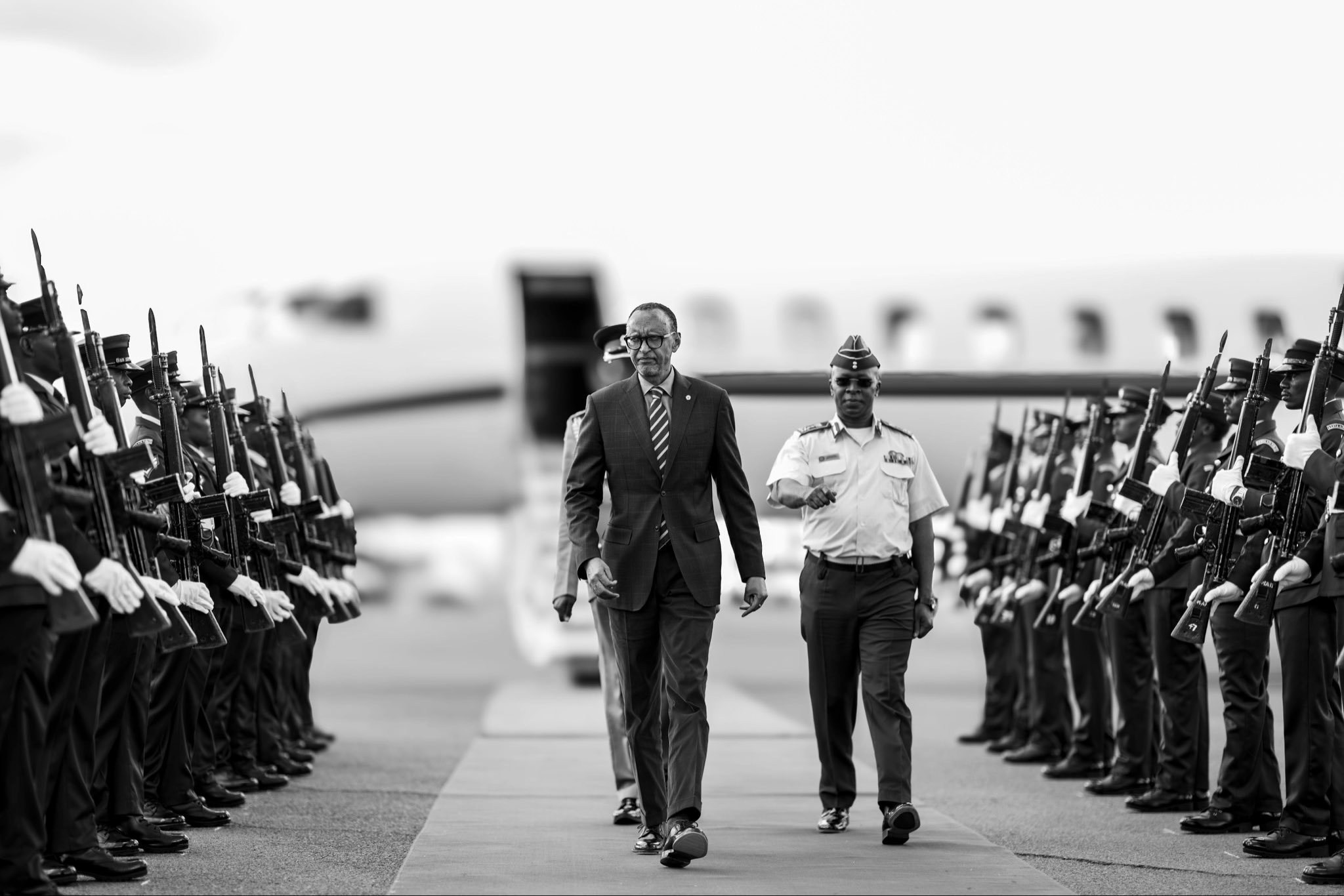
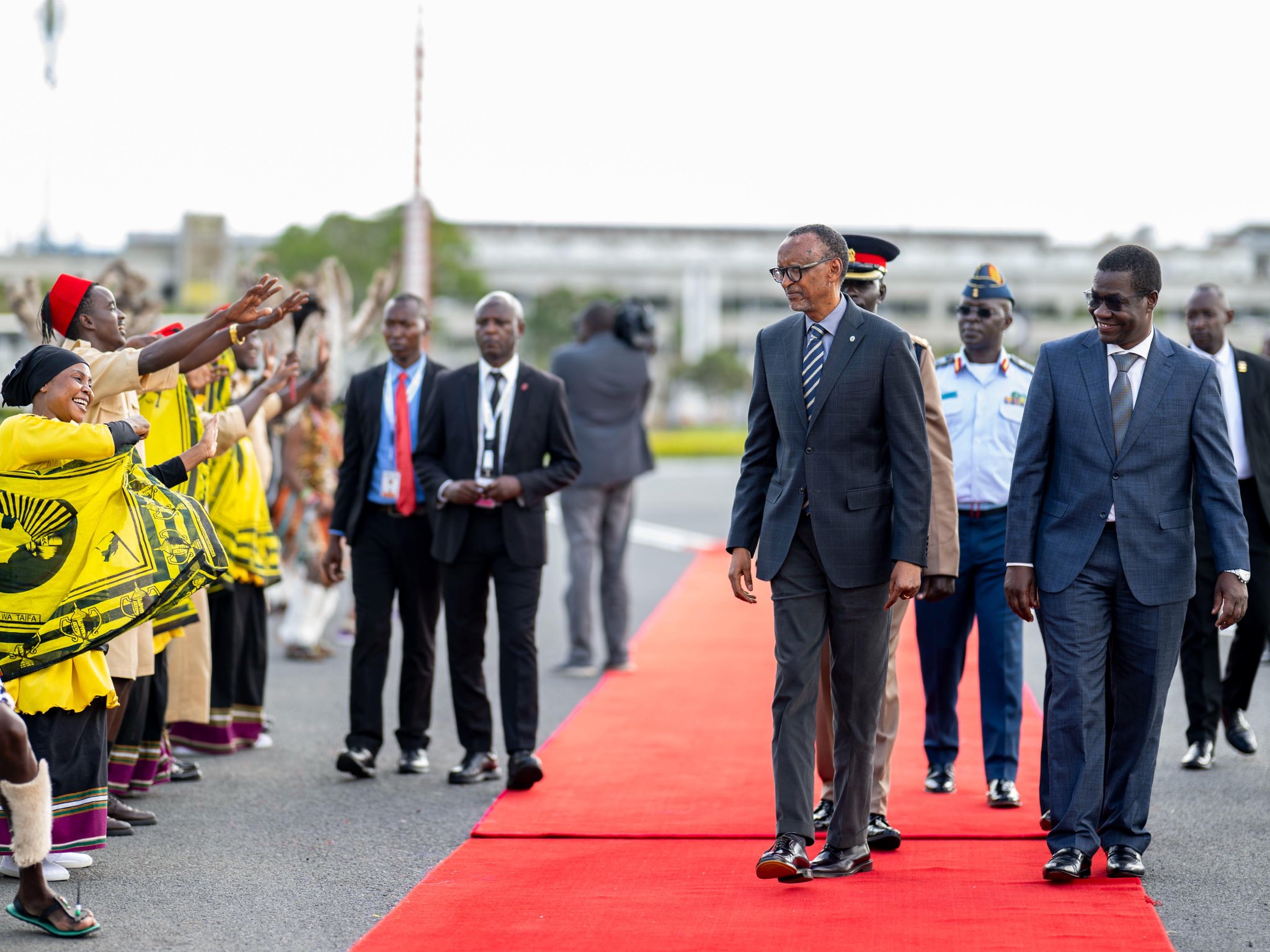
President Kagame was received by his French counterpart Emmanuel MacronPresident Kagame is among heads of state who attended the summit. Participants of the summit in a group photo.
Gen Muganga made the remarks on March 9, 2026, in Ngarama Sector of Gatsibo District, during the launch of three-month Defence and Security Citizen Outreach Programme 2026.
He explained that the core mission of the Rwanda Defence Force is to protect the country and its people, even if it means paying the ultimate price.
“Normally, it may not make sense mathematically, but to show how valuable Rwanda’s citizens are, we would accept sending even 1,000 soldiers into battle and have them fall there to protect one Rwandan citizen,” he said.
Gen Muganga’s statement comes at a time when some countries have been pressuring Rwanda to remove defensive measures deployed along its border. Rwanda says these measures are intended to prevent attacks from the FDLR terrorist group and allied forces.
Rwanda established the defensive measures following a series of attacks in Musanze District in March, May and June 2022, which Rwanda says involved the FDLR and allied forces from the Democratic Republic of Congo.
Authorities say the measures have helped reduce security threats. In January 2025, Rwanda intercepted several rockets fired toward Rubavu town, although the provocations left ten civilians dead.
Speaking to diplomats accredited in Rwanda on March 7, President Paul Kagame defended the country’s position, saying the defensive posture remains necessary because the government of the Democratic Republic of the Congo has not dismantled the FDLR genocidal group.
A 2025 governance scorecard by the Rwanda Governance Board (RGB) showed strong public confidence in security and stability in the country, with the security pillar scoring 90.02 percent.
Gen Muganga has reaassured Rwandan citizens on their safety noting that soldiers are ready to pay ‘ultimate price’.
The ceremony was attended by local administrative authorities from Macomia District, community members, teachers, students from this school, security forces, as well as members of the Rwanda Security Force.
On behalf of the Rwanda Security Forces leadership, Lt Col Frank Rwabugande, RSF Head Civil and Military Cooperation, highlighted that the support was provided as part of an effort to help promote education for students and to strengthen the collaboration between the Rwanda Security Force and local communities in Mozambique.
“This school is more than a building; rather a symbol of unity and cooperation that presents the enduring brotherhood and solidarity between the people of Rwanda and Mozambique. It presents shared commitment to peace, security and stability through unity, development and education,” remarked Lt Col Rwabugande.
He underscored that lasting peace goes beyond military operations and therefore requires empowering communities through the rebuilding of infrastructure, such as schools and markets, to secure a better future for all Mozambican people.
Tomás Badae, the Administrator of Macomia District, commended the rehabilitation of the school, noting that in previous years the school had not been in use because it had been damaged by terrorist activities. He therefore expressed appreciation to the Rwanda Security Forces for helping to restore confidence among the population.
He urged teachers, parents and students to take good care of the rehabilitated school.
The ceremony was attended by local administrative authorities from Macomia District, community members, teachers, students from this school, security forces, as well as members of the Rwanda Security Force.The school was handed over on March 9, 2026.The facilities were completed within three months and accommodate 150 pupils.Mozambican officials with representatives of RSF at the official inauguration.