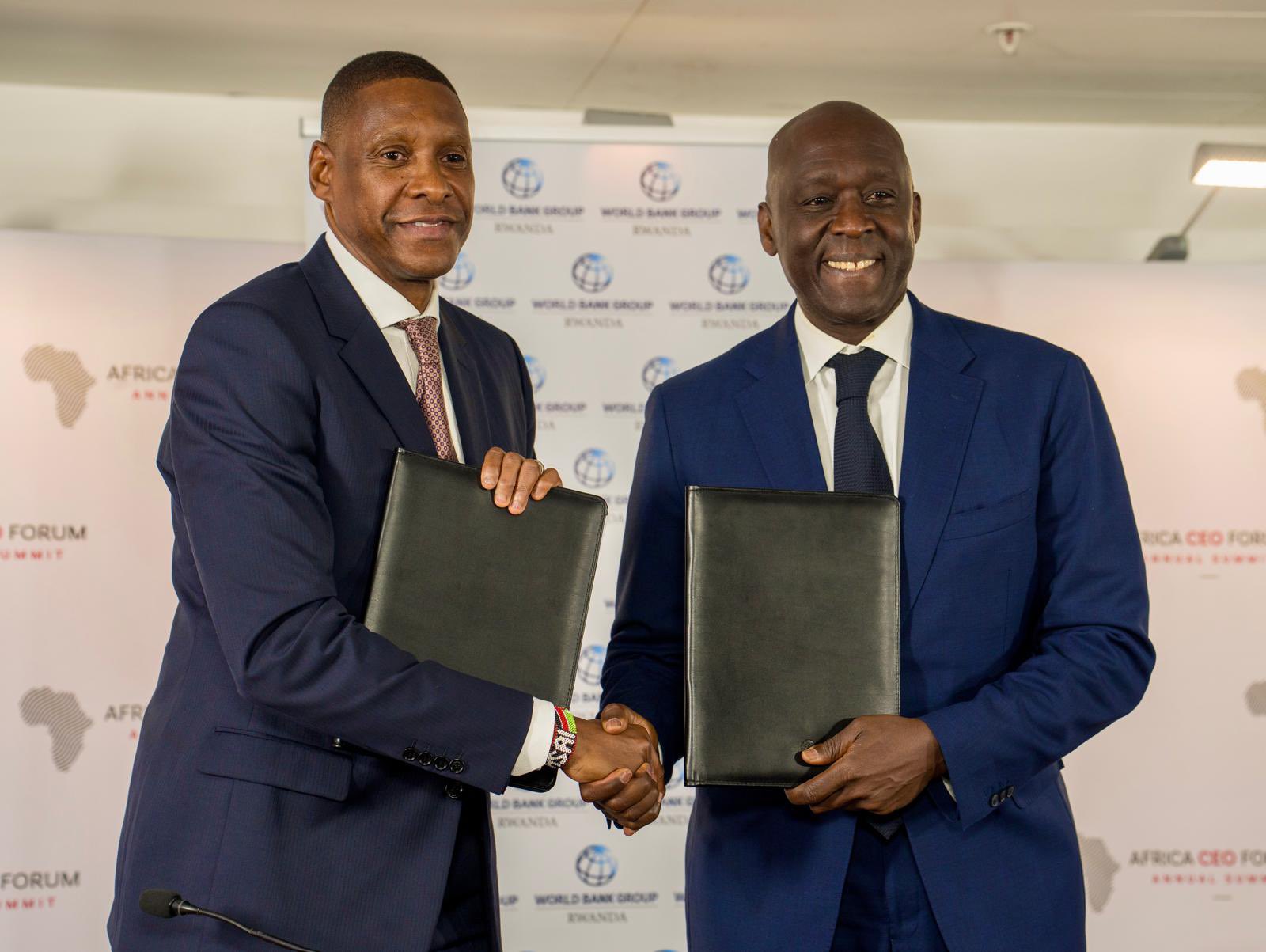
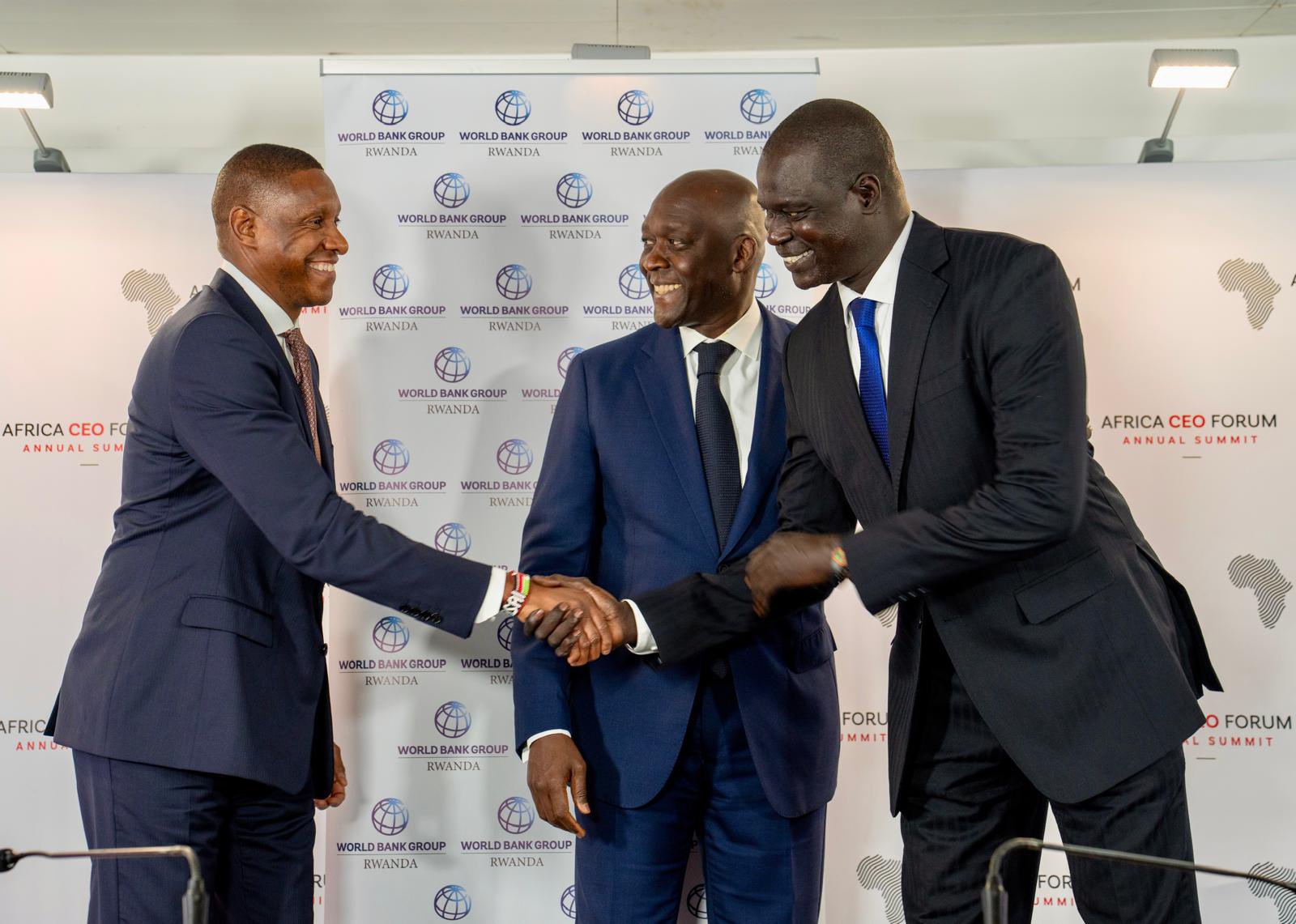
The agreement, signed on the sidelines of the Africa CEO Forum, aims to catalyse job creation for youth and unlock a new asset class within Africa’s rapidly growing creative economy. Through this partnership, the IFC and Zaria Group, co-founded by NBA Champion Masai Ujiri, will establish a “platform approach” to building commercially sustainable venues that serve as anchors for local industries.
While this new “Zaria District Platform” looks toward continental expansion, its foundation is built directly on the success of Rwanda’s sports-led development model.
The agreement, signed on the sidelines of the Africa CEO Forum, aims to catalyse job creation for youth and unlock a new asset class within Africa’s rapidly growing creative economy.
The Kigali blueprint
The new continental agreement comes less than a year after the grand inauguration of the flagship Zaria Court Kigali in July 2025. Officially launched by President Paul Kagame and Masai Ujiri, the $25 million state-of-the-art multi-purpose complex in Remera has quickly become the heart of the Kigali Sports City ecosystem, working alongside the BK Arena and Amahoro Stadium.
The impact of the Kigali facility provided the exact “proof of concept” the IFC, a member of the World Bank Group, needed to back the broader African rollout:
The construction phase employed over 700 workers (with 30% being women) and injected approximately 1 billion Rwandan Francs directly into the local workforce. Today, the operational hub provides permanent employment for nearly 500 people, primarily targeting women and youth.
The facility features an 80-room urban lifestyle hotel (now operating under the Tapestry Collection by Hilton), a 2,000-seat event space capable of hosting festivals for up to 5,000 people, standard-setting basketball and five-a-side football pitches, a podcast production studio, and retail incubation programs dedicated to women-owned small and medium enterprises (SMEs).
By leveraging Rwanda’s position as a regional hub for innovation and infrastructure, Zaria Court Kigali proved that underutilised urban assets can be successfully transformed into vibrant economic engines.
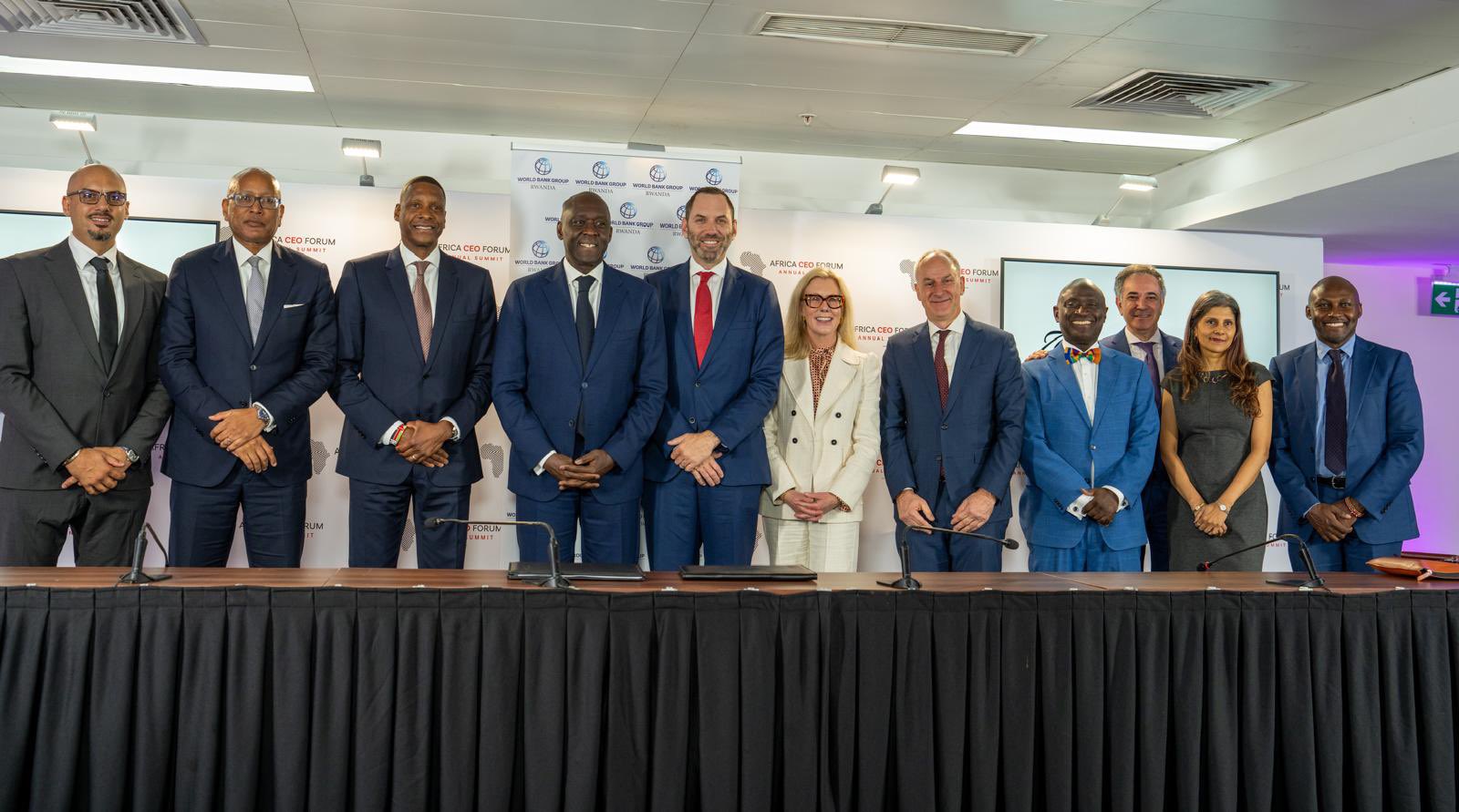
Officials pose for a group photo following the signing ceremony between IFC and Zaria Group on the sidelines of the Africa CEO Forum in Kigali on Friday, May 15.
Continental expansion and economic impact
With the Kigali model fully validated, initial focus areas for the new IFC-backed platform rollout include further developments in Kigali and a major expansion into Nairobi, with long-term ambitions to scale to other major African hubs like Lagos and Accra.
The economic footprint of this next phase is substantial. In Kenya, the development of the Nairobi project alone is projected to create 3,500 construction jobs during its development phase, followed by 1,500 permanent positions once operational. Additionally, the district is expected to generate approximately 25,000 event-based roles, significantly boosting seasonal employment and supporting urban development priorities under Kenya’s Vision 2030.
The IFC will play a pivotal role across these new sites by mobilising financing packages and providing upstream advisory engagement to de-risk these emerging infrastructure projects for private institutional investors.
Masai Ujiri emphasised that while the passion for sports in Africa is undeniable, physical infrastructure must step up to meet the demand.
“We’re incredibly proud to partner with IFC to deliver exactly that. When you build the right foundation with the right partners, extraordinary things happen. These districts will generate thousands of jobs, empower local businesses, and become hubs where African culture and talent thrive,” Ujiri said.
Ujiri added that the ultimate goal is to build sustainable models that “keep wealth on the continent and create opportunity at scale.”
IFC Managing Director Makhtar Diop highlighted the social importance of the deal, noting that creative industries are essential engines for inclusion and formalised growth.
“Sectors such as sports and entertainment already employ millions worldwide and provide accessible entry points into the formal economy, especially for young people and women,” Diop noted.
By leveraging Zaria Group’s proven execution in Kigali and the IFC’s financial reach, the partnership aims to turn Africa’s creative potential into a tangible economic reality for the next generation of talent across the continent.
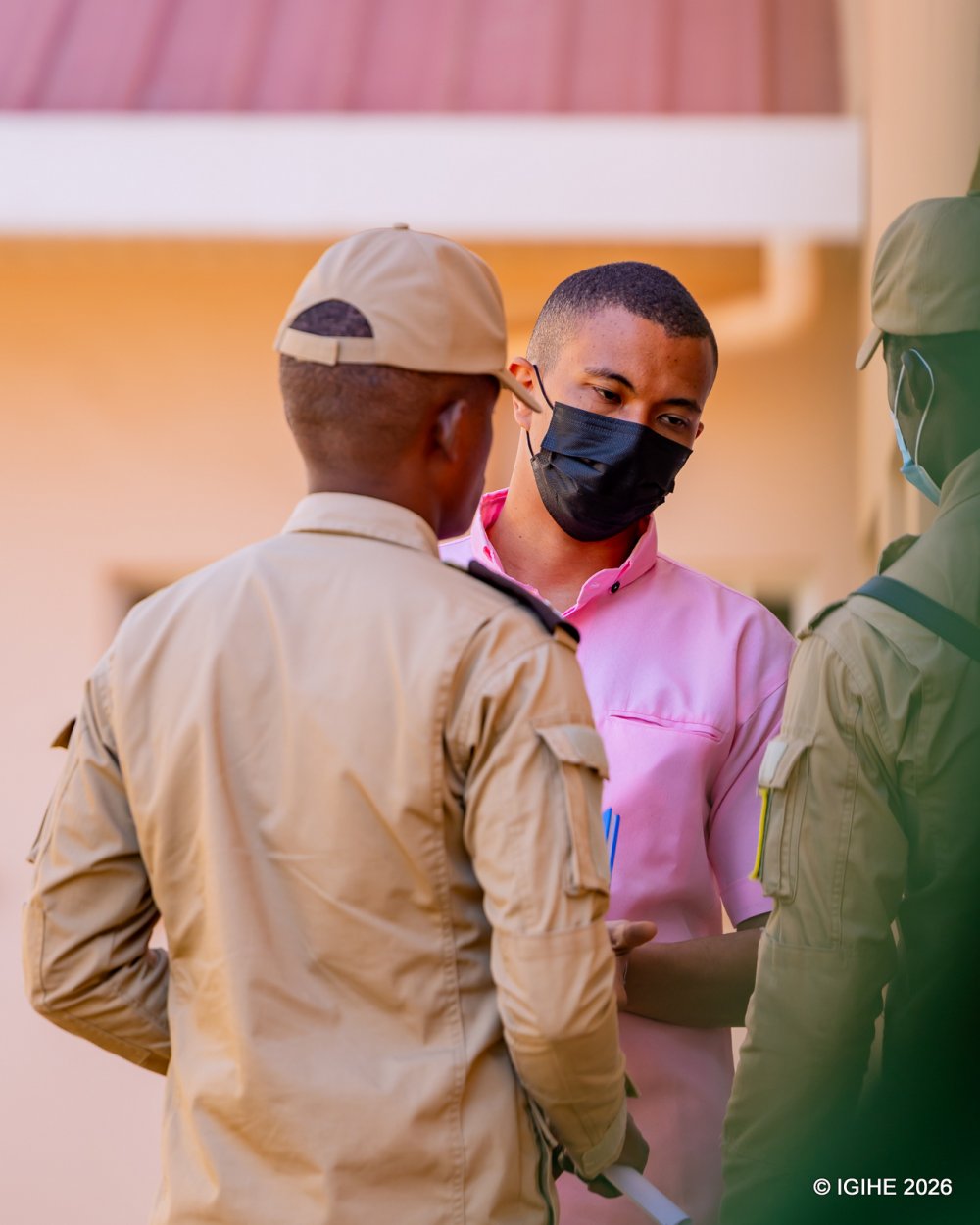
DJ Toxxyk was arrested on December 21, 2025, following a traffic accident that occurred in Nyarugenge District during the early hours of the previous day. The accident claimed the life of a police officer.
During the investigation that followed, authorities also reportedly discovered cannabis at his residence.
Prosecutors charged him with involuntary manslaughter, engaging in activities related to narcotic drugs and similar substances, fleeing the scene after causing an accident, and refusing to undergo an alcohol test.
On May 4, 2026, the Kicukiro Primary Court convicted DJ Toxxyk on all charges and sentenced him to three months of community service, suspended for six months, along with a fine of Rwf 1.05 million.
Following the ruling, DJ Toxxyk was released from Nyarugenge Prison in Mageragere. However, the prosecution expressed dissatisfaction with the sentence and immediately decided to appeal.
On May 6, the prosecution officially filed its appeal before Nyarugenge Intermediate Court. During the hearing held on May 15, prosecutors argued that the Primary Court failed to properly consider the gravity and consequences of the offenses committed by DJ Toxxyk, while also overlooking the purpose of criminal punishment and the relevant provisions of the law.
According to the prosecution, the sentence imposed did not meet the legal objectives of punishment, which are intended not only to rehabilitate offenders but also to serve as a warning and deterrent to others. Prosecutors maintained that the penalties handed down were insufficient to achieve those goals.
The prosecution further argued that the court failed to correctly apply Article 49 of the law, which requires judges to determine sentences based on the seriousness of the offense, the damage caused, and the circumstances surrounding the crime.
Prosecutors stressed that DJ Toxxyk’s actions resulted in severe consequences, including the death of a police officer who was on duty at the time of the accident. They therefore argued that the fines and community service sentences imposed by the Primary Court were disproportionately light.
As a result, the prosecution asked the intermediate court to review the sentence and impose a five-year prison term along with a fine of Rwf 2.21 million, citing the accumulation of multiple offenses.
Appearing before the court, DJ Toxxyk expressed remorse for all the offenses he committed and stated that he believed the sentence delivered by the Primary Court was fair and proportionate to his actions.
His lawyer, Marie Josée Uwamahoro, defended the ruling of the primary court, arguing that the penalties imposed were fully in accordance with the law and contained no legal irregularities. She urged the court to dismiss the prosecution’s appeal as baseless.
She explained that for the charge of involuntary manslaughter, her client received the legally prescribed fine of Rwf 1 million, while the offense of fleeing after causing an accident carried the legal fine of Rwf 30,000.
Regarding the refusal to undergo alcohol testing, DJ Toxxyk was fined Rwf 10,000, while the sentence of community service related to the drug-related offense was also provided for under Rwandan law, according to the defense.
Another defense lawyer, Faustin Murangwa, argued that judges have discretionary powers to impose the minimum penalties provided by law and, in certain circumstances, may even issue lighter sentences where justified.
He also criticized the prosecution for introducing harsher sentencing demands during the appeal process, arguing that such requests amounted to new claims that should not ordinarily be presented at the appellate stage.
The Nyarugenge Intermediate Court is expected to deliver its verdict on May 22, 2026, at 1:00 p.m.
Prosecution requests five-year prison sentence for DJ Toxxyk as he seeks to retain initial ruling.
The 2026 edition of the race will be held on June 13 and 14, 2026.
The Kigali International Peace Marathon, which was first introduced in 2005 with the support of President Paul Kagame, aims to promote peace through sport.
Organised by RAF in collaboration with the Ministry of Sports, the event will be staged for the 21st time this year.
The competition features three categories: the Full Marathon (42.195 km), the Half Marathon (21.097 km), and the Run for Peace (10 km), which is non-competitive.
For the first time, the event will be extended from a single day to a two-day format. On Saturday, June 13, participants will compete in the Run for Peace, while on Sunday, June 14, the Half Marathon and Full Marathon races for both men and women will take place.
All races will start and finish at Amahoro Stadium. Registration for participants is already open via the official marathon website.
In 2025, the Kigali International Peace Marathon was held for the second time under the World Athletics “Global Elite Label” status, attracting a record turnout of more than 13,000 participants, while over 14,480 runners registered.
Kenya’s Laban Kipngetich Korir won the men’s Full Marathon, while fellow Kenyan Teresiah Omosa claimed victory in the women’s race.
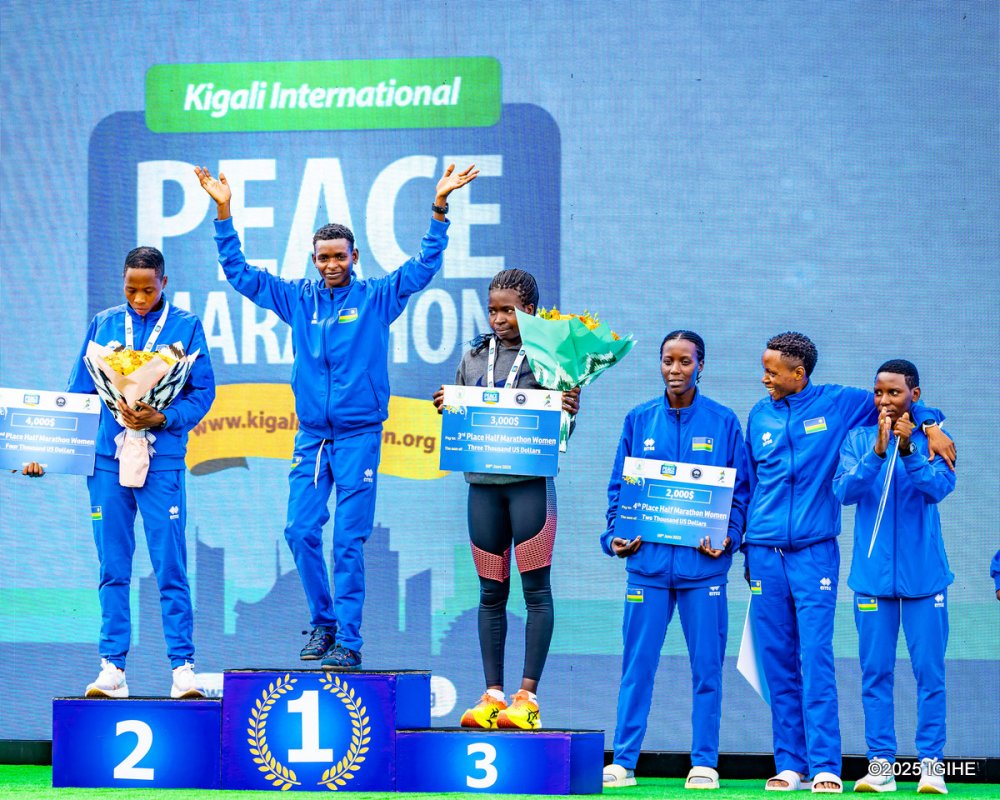
In the Half Marathon, Rwanda’s Niyonkuru Florence won gold in the women’s category, followed by Musabyeyezu Adeline, the first Rwandan to win the title in 2022.
In the men’s Half Marathon, Rwanda’s Bigirimana Théophile finished in third place.
In the 2025 Half Marathon, Rwanda’s Niyonkuru Florence won gold in the women’s category, followed by Musabyeyezu Adeline, the first Rwandan to claim the title in 2022.This year’s Kigali International Peace Marathon will take place over two days, marking a first in its history.
The AFC/M23 coalition, which is in conflict with government forces, said that since the morning of May 15, 2026, the DRC government ordered the deployment of attack helicopters from Kalemie in Tanganyika Province to South Kivu to support ongoing operations.
AFC/M23 spokesperson Lawrence Kanyuka said the helicopters, which are equipped with heavy weaponry, add to other military assets already being used in operations around Minembwe, including drones, heavy artillery, and Sukhoi-25 fighter jets.
He alleged that the DRC government intends to “wipe Minembwe off the map” and target its civilian population, adding that some of its alleged international supporters were enabling the operation both militarily and politically.
The group further claimed that while international actors continue to remain silent on the escalation, it would continue what it described as defending civilians using all available means.
The deployment of helicopters follows drone and airstrikes involving Sukhoi-25 jets and ground forces carried out on May 14 in areas around Minembwe, including Kalingi, Gakenke, Bidegu, and Rugezi.
AFC/M23 deputy coordinator Bertrand Bisimwa in charge of politics and diplomacy warned that if mediators do not respond to what he described as continued provocations by the DRC government, the group may no longer feel bound to uphold unilateral commitments to a ceasefire.
“It is unacceptable that mediators and those facilitating talks remain silent while Kinshasa continues its provocations. AFC/M23 cannot uphold agreements alone while the other side violates them,” he said.
On May 7, AFC/M23 leader Corneille Nangaa wrote to US Secretary of State Marco Rubio, expressing dissatisfaction with what he described as Washington’s open alignment with the DRC government, despite its stated commitment to peace in the region.
Nangaa also argued that a mineral resources agreement signed between the United States and the DRC in December 2025 was being used by Kinshasa as political cover while continuing military operations.
DRC army is reportedly preparing major offensive in Minembwe, according to AFC/M23. Minembwe came under a coordinated attack on May 14, 2026.
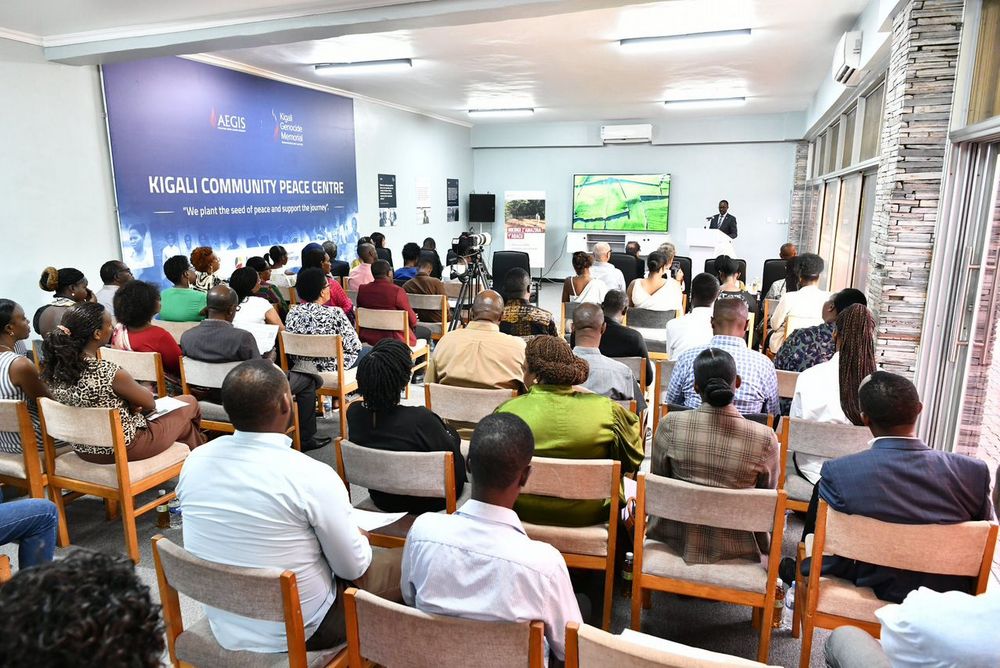
The project, titled “Inkingi z’Amazina y’Abacu”, was unveiled on May 14, 2026. It features names presented in a 3D digital structure, forming pillar-like columns that continuously display and honour the victims.
The initiative was inspired by Ancialla Umubyeyi, a resident of Vienna, Austria, who initially envisioned a physical wall bearing the names of victims of the Genocide against the Tutsi whose families live in Austria.
Although the idea was not approved in Austria, she later discussed it with memorial artists Béla Marx and Gilles Mussard, who are involved in remembrance projects combining art and memory. They advised her to transform the concept into a digital installation instead of a physical structure.
Umubyeyi explained that the project began with three digital pillars displaying 250 names provided by members of the Rwandan community in Austria. However, she said the number was too limited, prompting the team to collaborate with genocide memorials in Rwanda to ensure the use of verified names with clear historical records.
“We started with 250 names given by people living in Austria, but we realised this was not enough. We then requested to work with memorial sites in Rwanda so that we could use verified names with clear origins, which can help all Rwandans remember,” she said.
The Executive Secretary of Ibuka, Ahishakiye Naphtal, said the project represents another step forward in helping Rwandans, especially young people, to remember and learn about the history of the genocide.
“Genocide was not only about killing people, but also about erasing their identity, their history, and dehumanising them. This initiative restores dignity to each name and gives it a place in our shared history,” he said.
Aegis Trust, Rwanda Country Director Alphonse Munyantwali, said the project combines art, technology, and remembrance in a unique and meaningful way.
“This initiative will help us remember through technology by preserving and displaying the names of those killed in the 1994 Genocide against the Tutsi. It is a way of continuing to honour every name, every life, and every story. It also helps present the truth and counter genocide denial and distortion,” he said.
The project is expected to take five years to complete. It will eventually include all names recorded in genocide memorials across Rwanda, with plans to later add more personal details such as where victims lived, their families, and other historical information.
The project, titled “Inkingi z’Amazina y’Abacu”, was unveiled on May 14, 2026. The project features names presented in a 3D digital structure, forming pillar-like columns that continuously display and honour the victims. The Executive Secretary of Ibuka, Ahishakiye Naphtal, said the project represents another step forward in helping Rwandans, especially young people, to remember and learn about the history of the Genocide against the Tutsi.
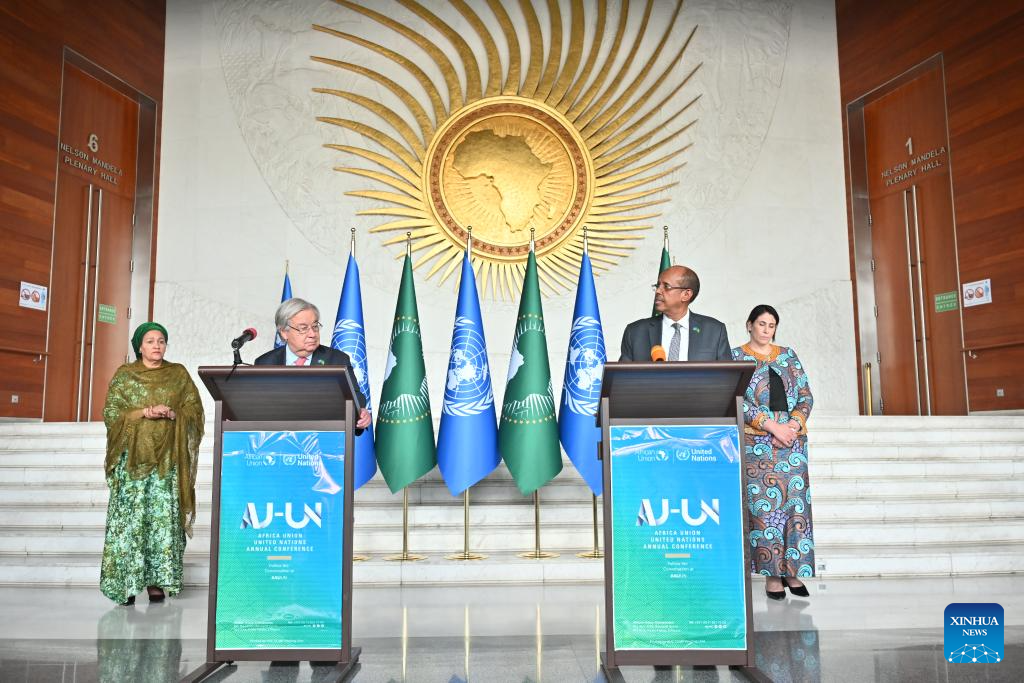
The two leaders made the allegation during a joint press conference on Wednesday at the AU headquarters in Addis Ababa, the capital of Ethiopia, after signing a new declaration to enhance the AU-UN partnership.
“Most of the security crises on the continent are fueled from abroad. Financial resources, ammunition, sometimes even fighters come to fight another war from other continents,” Youssouf told the press conference.
He said the interference goes to the extent of disrupting mediation and resolution processes, causing a serious challenge for AU and UN to address the security crisis on the continent, including in the Sahel, Sudan, the Horn of Africa and the eastern Democratic Republic of the Congo.
Youssouf said the interferences are requiring the AU, UN and other partners to deploy more efforts to contain the crises. “The AU must lead any peace negotiations on the continent, based on the principle of African solutions to African conflicts.”
Guterres, for his part, said it is absolutely intolerable that countries that are external to Africa interfere in African conflicts, providing weapons and political support with the objective of serving their strategic or economic interests.
“We need naturally to go on developing our common diplomacy, to make sure that we create the conditions for this kind of interference to cease and for other actors to be able to come to political agreements, able to end these conflicts,” he said.
According to Guterres, the world is witnessing a new kind of war where the military does not fight each other but launches drones against civilians.
“We also raise our voices, denouncing those countries that are providing drones that are not manufactured in Africa, as they are causing terrible sacrifice for the African people,” he added.
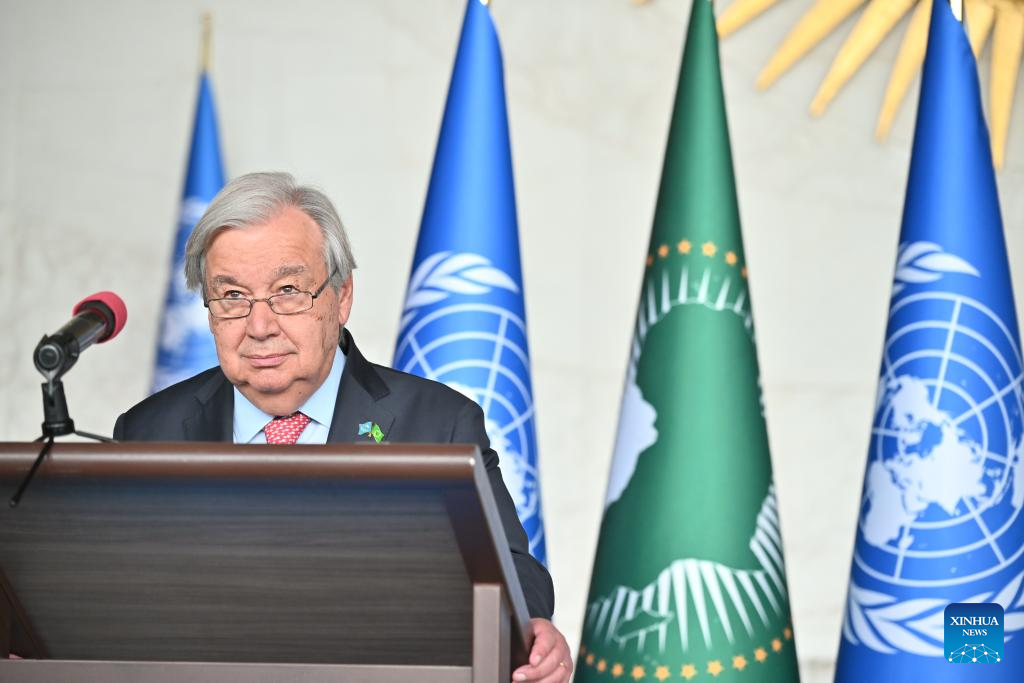
United Nations Secretary-General Antonio Guterres speaks at a joint press conference at the African Union headquarters in Addis Ababa, the capital of Ethiopia, May 13, 2026. African Union (AU) Commission Chairperson Mahmoud Ali Youssouf and United Nations (UN) Secretary-General Antonio Guterres have warned that external interferences are fueling the security crisis in Africa. United Nations Secretary-General Antonio Guterres (2nd L) and African Union Commission Chairperson Mahmoud Ali Youssouf (2nd R) attend a joint press conference at the AU headquarters in Addis Ababa, the capital of Ethiopia, May 13, 2026. African Union (AU) Commission Chairperson Mahmoud Ali Youssouf and United Nations (UN) Secretary-General Antonio Guterres have warned that external interferences are fueling the security crisis in Africa.
The initiative seeks to create a more inclusive and sustainable mobility ecosystem by enabling women to access electric motorbikes, entrepreneurship opportunities, and business support, while contributing to Rwanda’s green transport ambitions.
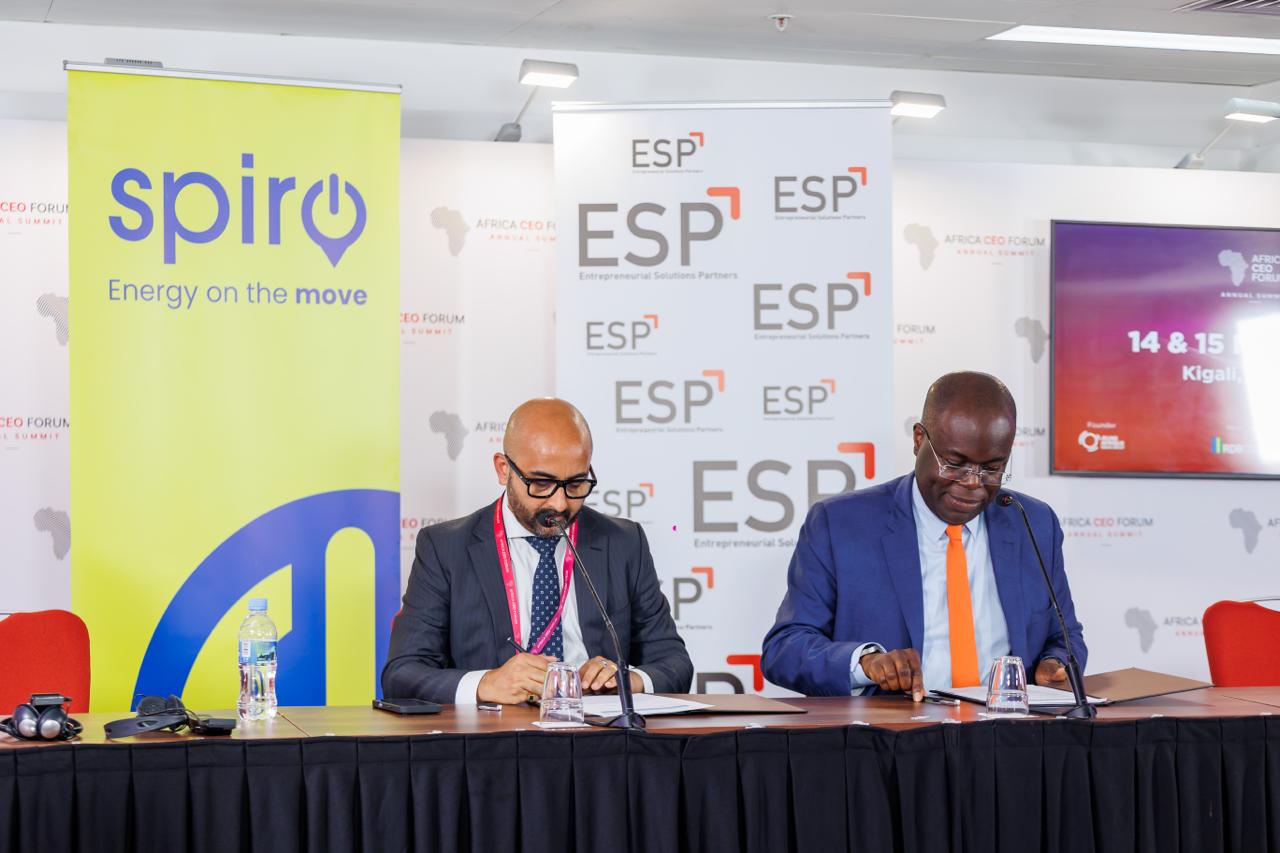
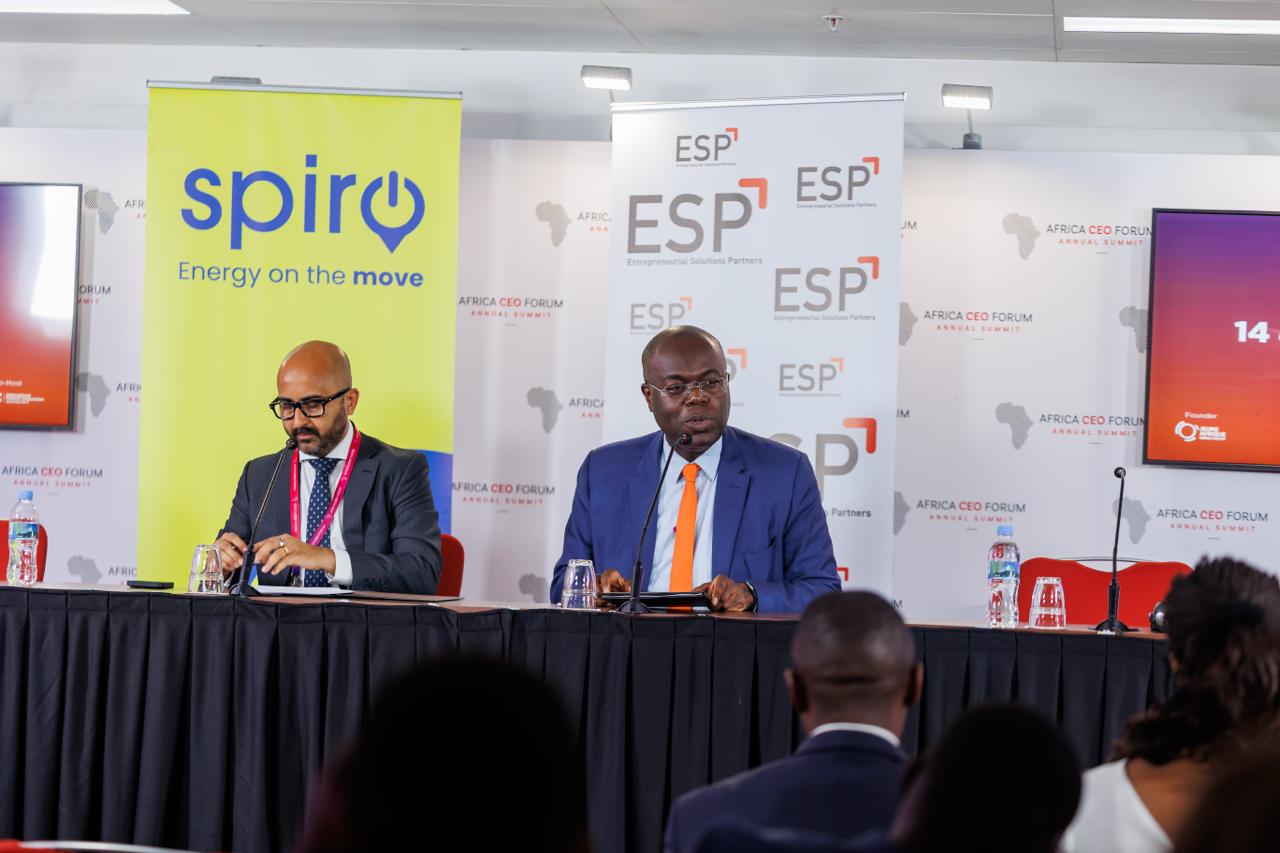
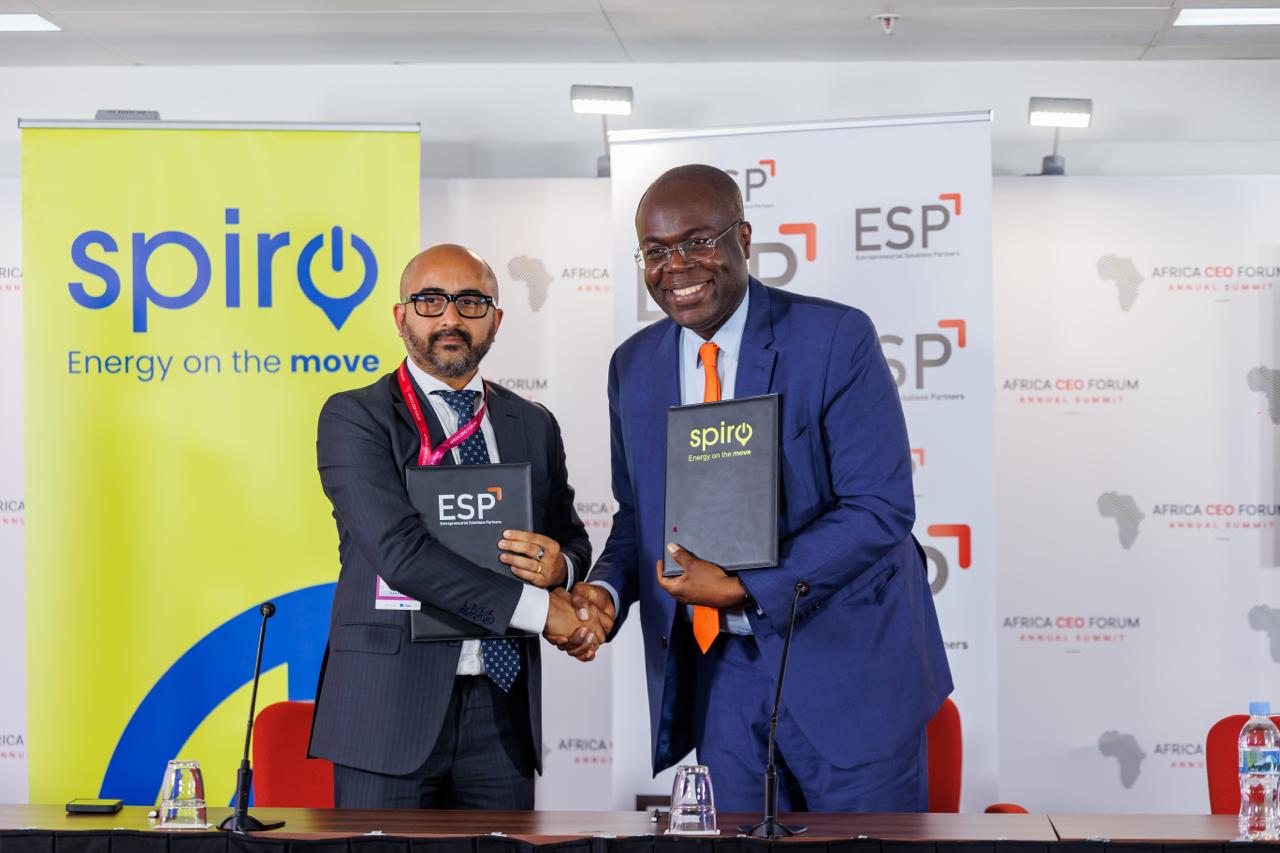
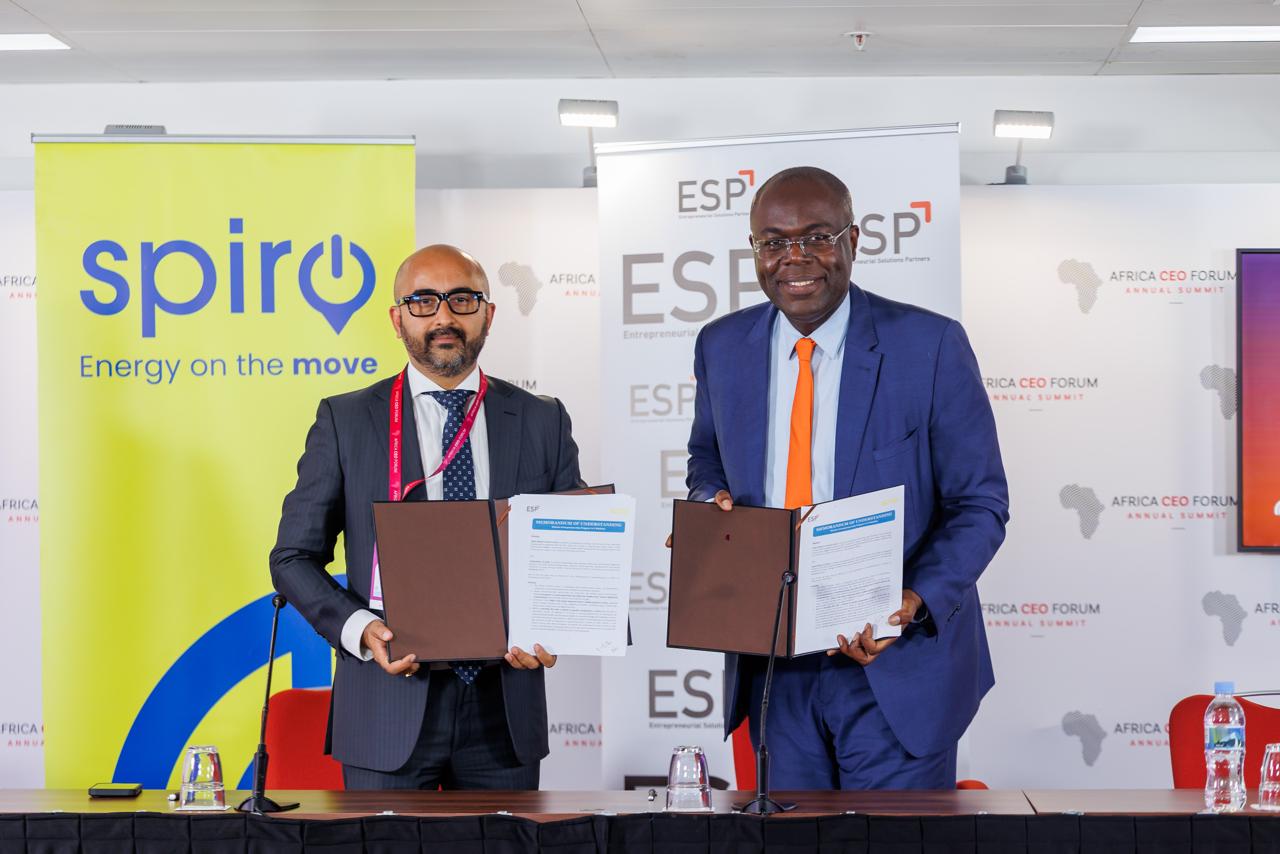
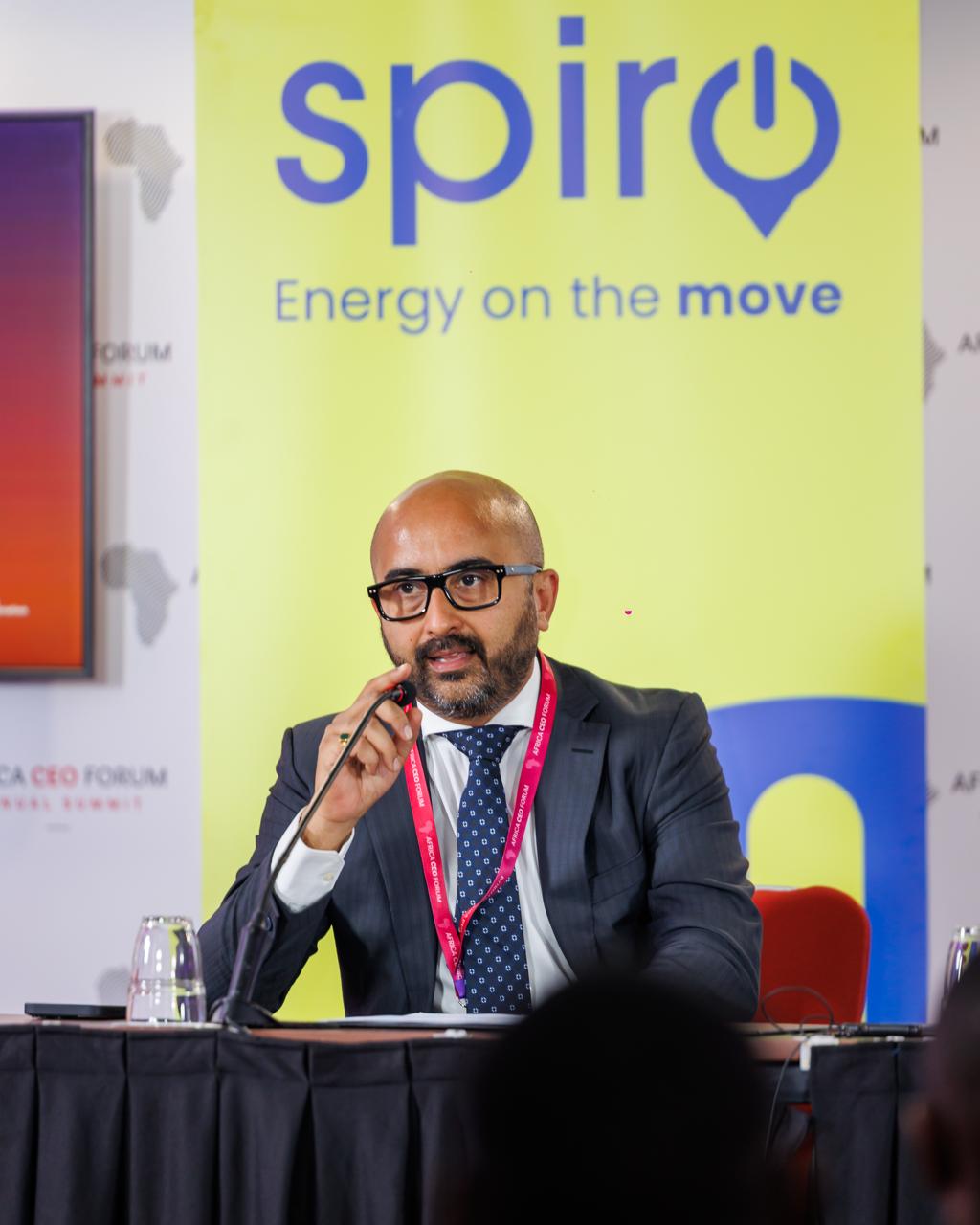
Speaking during the signing ceremony on the sidelines of the Africa CEO Forum in Kigali on Thursday, May 14, Spiro Chief Executive Officer Kaushik Burman described the partnership as a major step toward building a more inclusive e-mobility industry across Africa.
“This is a landmark milestone for us because women in the family are not just the caregivers. They are the actual doers,” Burman said.
“If we can empower women in the family to be mobile and go ahead and create, become successful entrepreneurs, it is going to create a massive flywheel of more women entrepreneurs.”
Burman said the initiative is about more than simply providing electric motorbikes, noting that Spiro envisions women participating across the entire value chain, including energy networks, sales, distribution, and manufacturing.
“It’s not just about the motorbikes. I think in future we can expand this partnership to inviting women entrepreneurs to become sales and distribution partners. They can run the energy network and create more jobs,” he said.
He added that women already make up around 40% of workers in Spiro’s assembly and manufacturing operations, including engineers, diploma holders, and blue-collar workers.
“The way I view this is not just about bike entrepreneurs, but entrepreneurship across the value chain and massive social impact,” Burman added.
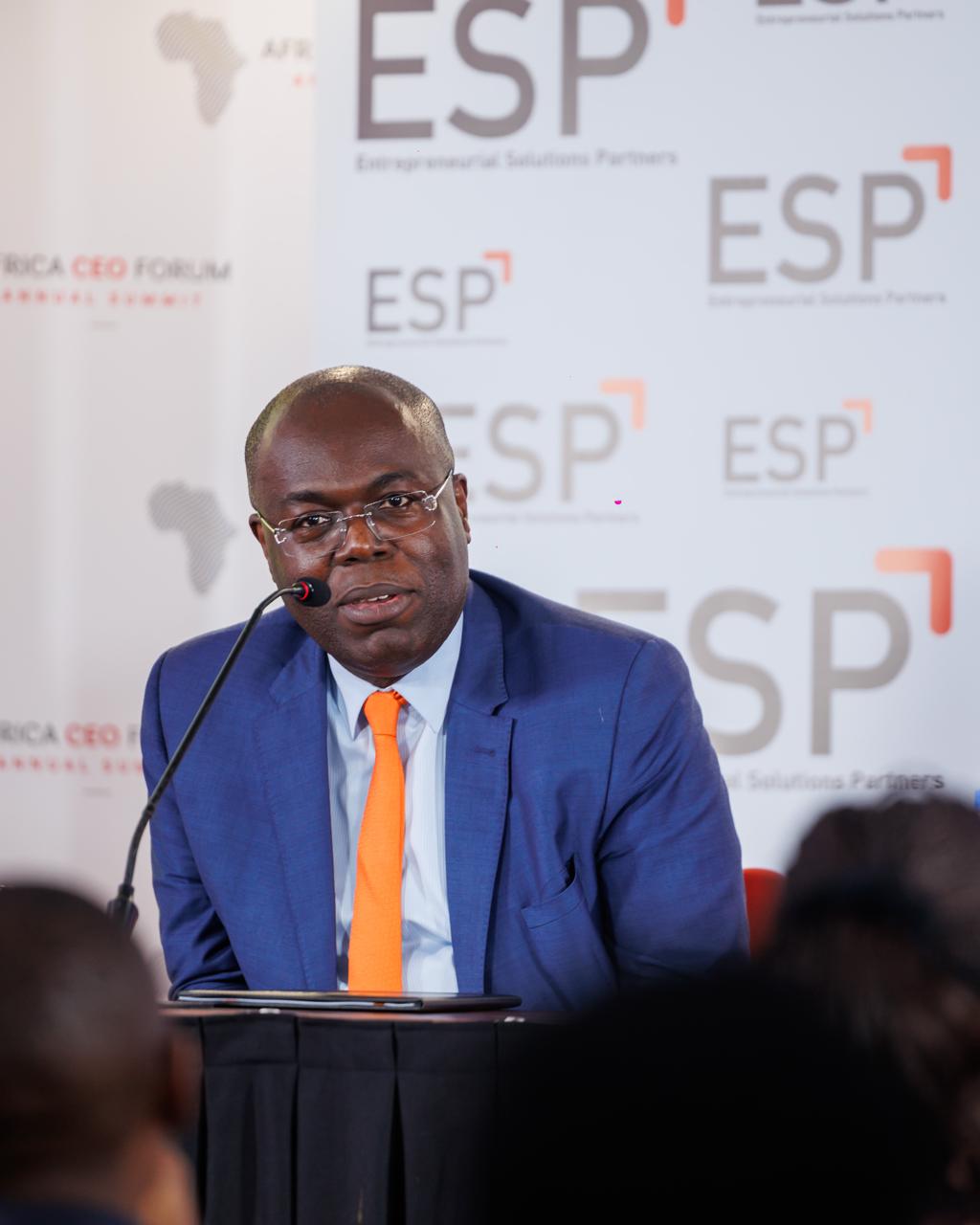
ESP Co-Founder and Chief Executive Officer Eric Kacou said the partnership combines Spiro’s electric mobility infrastructure with ESP’s expertise in entrepreneurship development and business support.
“The purpose of the MoU is to make sure that we can have a more equitable e-mobility industry in Africa by enabling young women to have the same opportunities as young men when it comes to having access to an electric bicycle,” Kacou said.
“Beyond the livelihoods, it is also an opportunity for these women to mature into entrepreneurs and to support the next generations of Africans.”
Kacou explained that ESP will help structure and implement the program through targeted recruitment, training, and financial support mechanisms aimed at helping women succeed in the sector.
According to him, the initiative will focus on three critical pillars: mindset, access to assets, and entrepreneurial skills.
“What makes the difference between a successful entrepreneur and one who struggles is what they know about financial education and what they know about growing their businesses,” he said.
ESP plans to roll out the initiative in phases, selecting participants through an application process before providing training in business management, financial literacy, and motorbike operations.
Kacou noted that Rwanda offers a strong environment for piloting innovative solutions that can later be expanded across Africa.
Burman said Spiro is already committed to investing in batteries and battery-swapping infrastructure to support deployment as the initiative scales.
“This is not a sprint, this is a marathon. This is a journey,” he said.
ESP is a Pan-African consulting and investment firm focused on supporting entrepreneurs through technical expertise, incubation, and financing support.
The organisation has previously managed programs supporting women- and youth-led businesses across sectors, including tourism, construction, and agribusiness.
The Women in E-Mobility initiative is expected to create new pathways for women to become riders, entrepreneurs, and technicians within Africa’s growing clean mobility ecosystem while supporting Rwanda’s broader climate and economic inclusion goals.
Spiro, Africa’s largest electric motorbike maker, and Entrepreneurial Solutions Partners (ESP) have signed a Memorandum of Understanding (MoU) to launch the Women in E-Mobility initiative in Rwanda, a program aimed at expanding women’s participation in Africa’s fast-growing electric mobility sector.The initiative seeks to create a more inclusive and sustainable mobility ecosystem by enabling women to access electric motorbikes, entrepreneurship opportunities, and business support, while contributing to Rwanda’s green transport ambitions.The MoU was signed on the sidelines of the Africa CEO Forum in Kigali on Thursday, May 14, 2026. Spiro Chief Executive Officer Kaushik Burman described the partnership as a major step toward building a more inclusive e-mobility industry across Africa.ESP Co-Founder and Chief Executive Officer Eric Kacou said the partnership combines Spiro’s electric mobility infrastructure with ESP’s expertise in entrepreneurship development and business support.
The planned investments will focus mainly on strategic sectors including energy, water supply, housing, and road infrastructure, all of which are considered vital drivers of the country’s economic growth and long-term development.
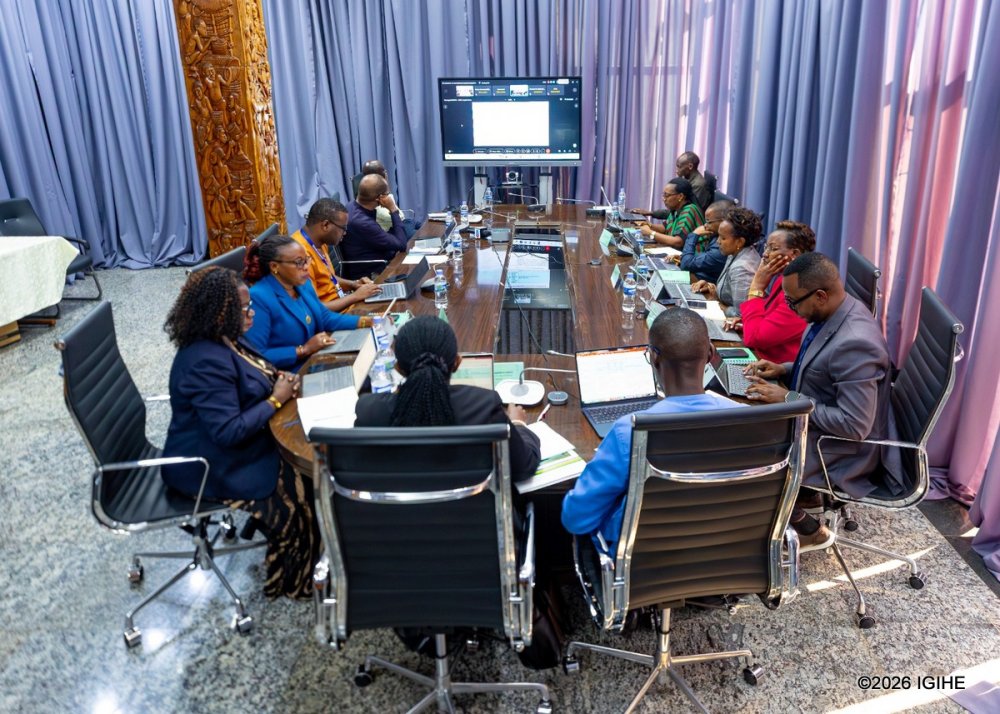
The details were presented during discussions between officials from the Ministry of Infrastructure and its affiliated agencies including the Rwanda Energy Group (REG), Water and Sanitation Corporation (WASAC), Rwanda Housing Authority (RHA), and Rwanda Transport Development Agency (RTDA) and Members of Parliament from the Parliamentary Committee on National Budget and State Property.
During the meeting, each institution outlined major projects expected to improve the welfare of citizens and accelerate national development.
The energy sector remains one of the government’s top priorities due to its crucial role in supporting economic activities and improving the quality of life for Rwandans.
Several projects are expected to be implemented during the 2026/2027 fiscal year to increase electricity generation and strengthen the country’s power supply capacity.
REG is expected to focus on 19 major projects, including ongoing initiatives that will continue until completion.
Among the flagship projects is the continued construction of the Nyabarongo II Hydropower Plant, which is expected to generate 43.5 megawatts of electricity. The project also includes a dam that will help store water and ensure stable electricity production throughout the year, while supporting irrigation activities in surrounding areas.
More than Rwf149.8 billion has been allocated to the Nyabarongo II project during the 2026/2027 fiscal year, with completion scheduled for December 2027.
The government will also continue expanding the national electricity transmission network through the Electricity Transmission Grid Expansion Project, which is funded with support from the Export-Import Bank of Korea (Exim Bank Korea). The project has been allocated Rwf15.2 billion for the upcoming fiscal year.
Additional initiatives aimed at increasing electricity access nationwide include the Accelerating Sustainable and Clean Energy Access Transformation (ASCENT) project, which will receive more than Rwf44.4 billion.
Another Rwf34.9 billion has been earmarked for strengthening the national electricity transmission grid, while Rwf1.1 billion will be invested in extending electricity access to communities in Nyamagabe and Nyaruguru districts.
The government also plans to expand the country’s strategic fuel storage infrastructure by increasing the capacity of state petroleum reserves to 60 million litres, alongside several other infrastructure projects expected to play a significant role in Rwanda’s future economic transformation.
The Nyabarongo II Hydropower Plant, currently under construction between Gakenke and Kamonyi, is expected to provide a significant solution to Rwanda’s growing energy demand.
The Water and Sanitation Corporation (WASAC) has announced a series of major infrastructure projects aimed at expanding access to clean water across Rwanda while reducing water losses within the distribution system.
The projects form part of the government’s broader efforts to improve public services, strengthen urban infrastructure, and ensure reliable water supply for both urban and rural communities.
In addition to constructing new water pipelines, WASAC plans to expand, rehabilitate, and modernize existing water distribution networks to meet the growing demand for clean water across the country.
Among the flagship projects is the expansion of the Nzove Water Treatment Plant, whose production capacity is expected to increase from 40,000 cubic metres per day to 65,000 cubic metres daily. The project has been allocated Rwf9.09 billion in the 2026/2027 fiscal year budget.
Another key initiative is the Kigali Bulk Water Supply Project, which has received Rwf14 billion. The project is expected to significantly improve water distribution in different parts of Kigali, particularly in Gisozi and Nyarutarama, while also supporting the expansion of the Karenge Water Treatment Plant.
WASAC is also set to construct the Mutobo Water Treatment Plant, which is expected to produce 40,000 cubic metres of water per day. According to the utility company, the project will help address persistent water shortages in the City of Musanze as well as in the districts of Burera, Nyabihu, and parts of Rubavu.
Other major projects include the Sake Water Treatment Plant and the continued construction of the Mwange Water Plant, which is expected to supply 23,000 cubic metres of water daily once completed.
In the Southern Province, the Nyaruguru-Huye-Gisagara Water Supply Project is expected to produce 24,000 cubic metres of water per day, further strengthening access to clean water in the region.
WASAC also plans to intensify efforts to reduce non-revenue water, commonly referred to as water lost through leakages, illegal connections, and inefficiencies within the distribution network.
Beyond water supply projects, the corporation is investing heavily in sanitation and hygiene infrastructure. Planned initiatives include the construction of wastewater treatment plants as well as the continued rehabilitation and management of the Nduba landfill, which has been allocated Rwf12 billion in the 2026/2027 budget.
The projects are expected to play a critical role in improving living standards, supporting economic growth, and ensuring sustainable access to clean water and sanitation services for communities across Rwanda.
The Nzove water treatment plant is among those set to have their production capacity expanded.
Rwanda to accelerate major road and housing projects in 2026/27
Rwanda is expected to implement extensive road construction and housing development projects during the 2026/2027 fiscal year as part of the government’s ongoing efforts to strengthen infrastructure and accelerate economic growth.
The projects will focus on upgrading major transport networks, improving urban mobility, expanding regional connectivity, and enhancing housing and settlement planning across the country.
Among the key road infrastructure projects planned is the rehabilitation of several major paved highways, including the 45-kilometre Kigali–Muhanga road, one of the country’s busiest transport corridors. Other roads scheduled for upgrading include the 63-kilometre Base–Butaro road, the 53-kilometre Ngoma–Ramiro road, and the 33-kilometre Kibaya–Rukira–Nasho road.
The government also plans to rehabilitate the 10-kilometre Prince House–Giporoso–Masaka road in Kigali to improve traffic flow and reduce congestion within the capital city.
Under the Kigali Urban Transport Improvement (KUTI) project, major road junctions will be constructed at Chez Lando, Gishushu, and Sonatube, areas widely known for heavy traffic congestion.
Additional road projects include the construction of the 10.1-kilometre Zindiro–Masizi–Birembo–Kami–Gasanze road and the Cyamitsingi–Bibare–Zindiro road. Other planned infrastructure works include the Sashwara–Rega–Kabuhanga road, the Busasamana–Muhato road, the Base–Butaro–Kidaho road, and the Ngoma–Nyanza road.
The government is also moving forward with the construction of the 11.6-kilometre expressway linking Kigali to Kigali International Airport. The strategic project is expected to ease transportation to and from the airport while supporting the growth of business and tourism activities.
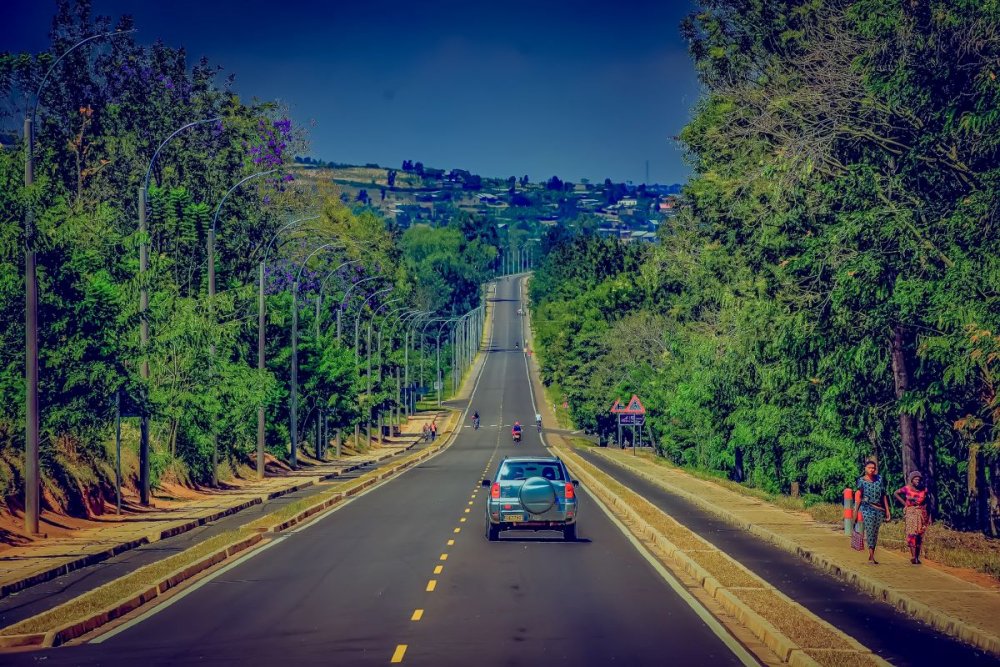
Additional investments will target cross-border roads connecting Rwanda to neighboring countries, as well as the rehabilitation of the Nyabugogo–Jabana and Nyacyonga–Mukoto roads, alongside several other transport infrastructure projects planned nationwide.
Authorities also announced that greater emphasis will be placed on maintaining and rehabilitating existing roads to ensure durability, improve road safety, and support efficient transportation services across the country.
Beyond road infrastructure, construction works on ports along Lake Kivu will continue, while feeder roads will also be developed in different parts of the country to improve mobility and facilitate trade in rural communities.
Meanwhile, the Rwanda Housing Authority (RHA) revealed that several large-scale housing and urban development projects are planned for the 2026/2027 fiscal year. The projects will mainly focus on improving settlement planning, modern housing infrastructure, and urban development in different parts of the country, particularly in the City of Kigali.
The planned investments are expected to play a significant role in advancing Rwanda’s urbanization agenda, improving transportation systems, and enhancing the overall quality of infrastructure nationwide.
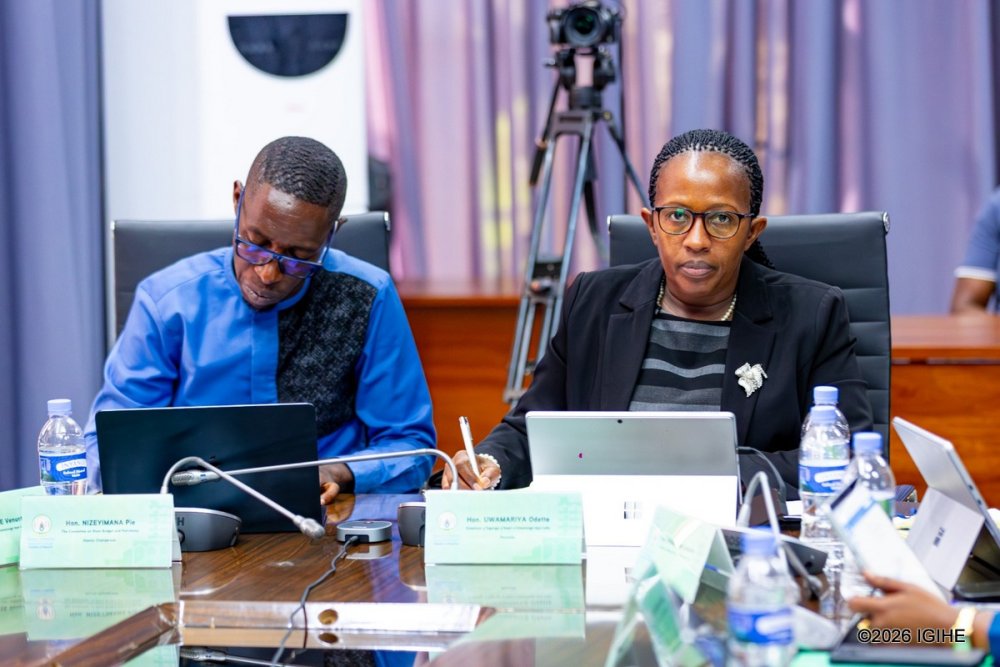
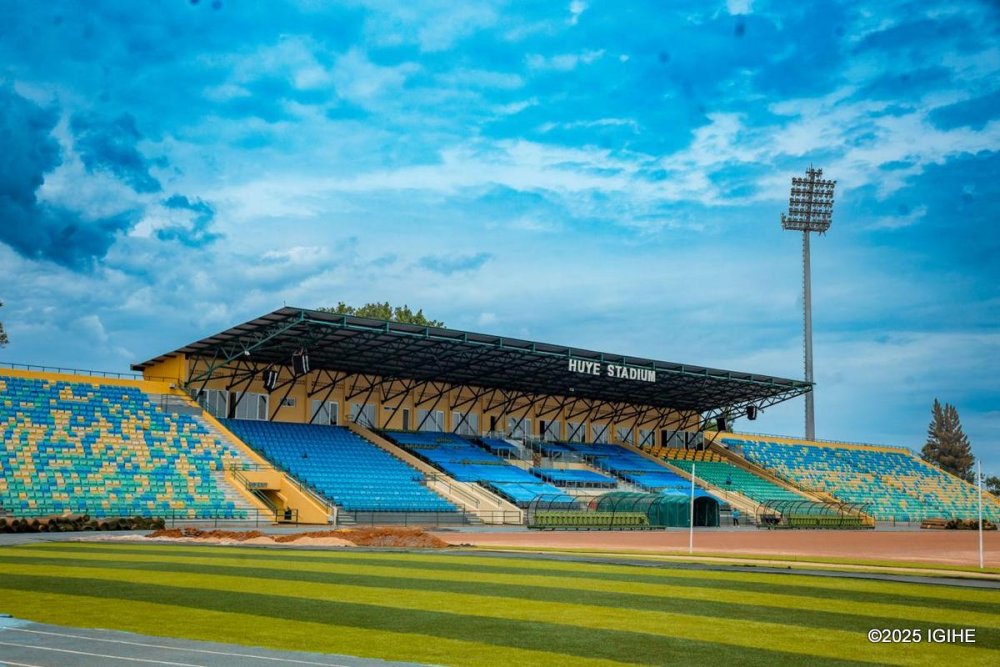
Members of Parliament in the Committee on Budget and State Assets are continuing their review of the draft national budget for the 2026/2027 fiscal year.Hon. Uwamariya Odette, Chairperson of the Parliamentary Committee on Budget and State Assets. RTDA will continue constructing roads that will facilitate trade and improve connectivity. Renovation works on Huye district international stadium will continue.
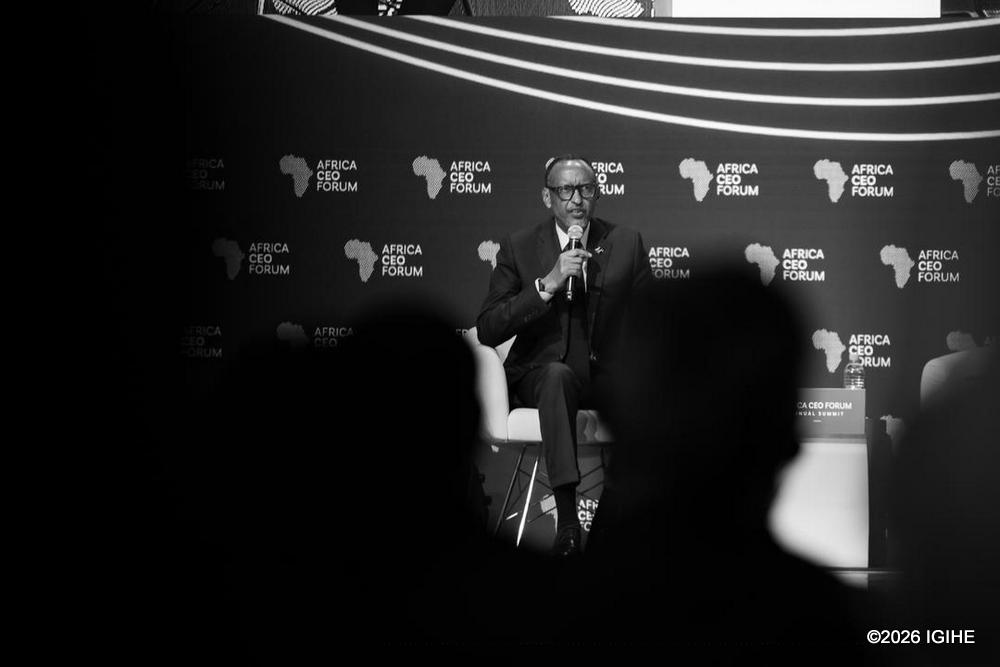
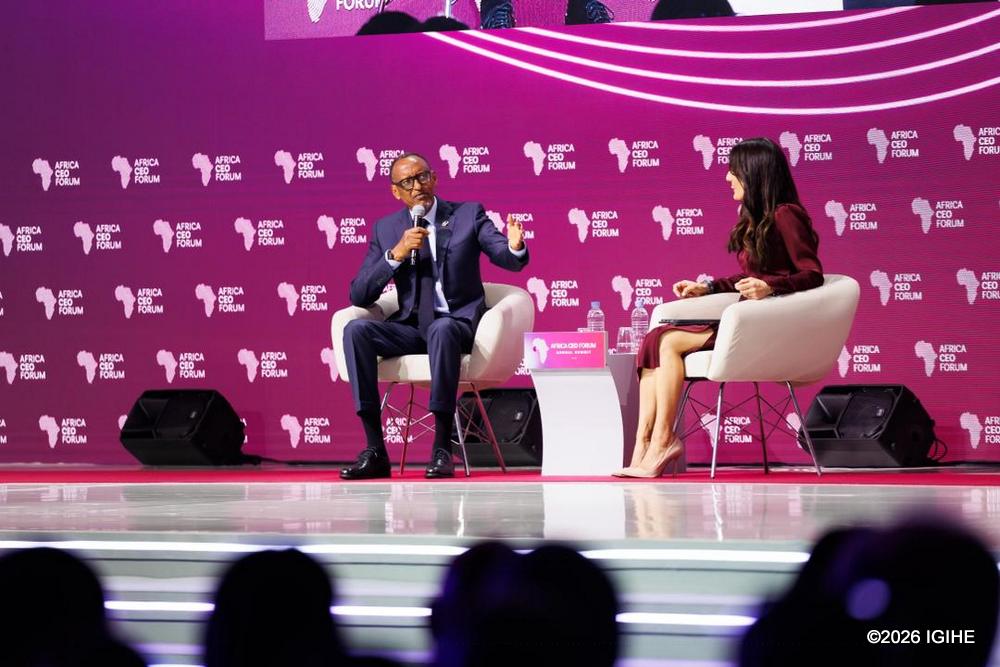
Kagame made the remarks during a conversation with CNN correspondent, Eleni Giokos at the opening of Africa CEO Forum 2026 in Kigali on Wednesday, May 14, 2026.
When asked about the often chaotic and undignified tone of social media used by global leaders, Kagame offered a calm and pragmatic view.
“The media has been democratized. I think it is important,” he said. “Everyone can express themselves and they will be heard. If you are wrong, there will be somebody to tell you, no, no, no, that’s not right. When it is right, people will say, wait a minute, I think there is a point here that we should be thinking about.”
Kagame acknowledged that social media lacks the decorum of traditional communication but argued it has opened up space and broken old conditioning.
He said the platform allows people to receive both criticism and advice directly.
“It has been so open that we have gone beyond having this narrow sense of being guided to things without sometimes thinking,” he noted.
When pressed on whether some of the things he sees on social media shock him, Kagame replied calmly: “I am not shocked. I said I have been immunized today. I am not shocked. I understand where the world we live in. It has changed.”
He added that after the last 30 years in leadership, he has come to accept that many things that would once have been shocking no longer are.
Leaders, he suggested, should scan information, make sense of it, and decide how to use it responsibly.
The President’s comments reflect a measured approach to the digital public square, contrasting with many leaders who often complain about or avoid social media altogether.
Kagame praised social media as a democratized platform for global expression and accountability during a conversation with CNN correspondent.
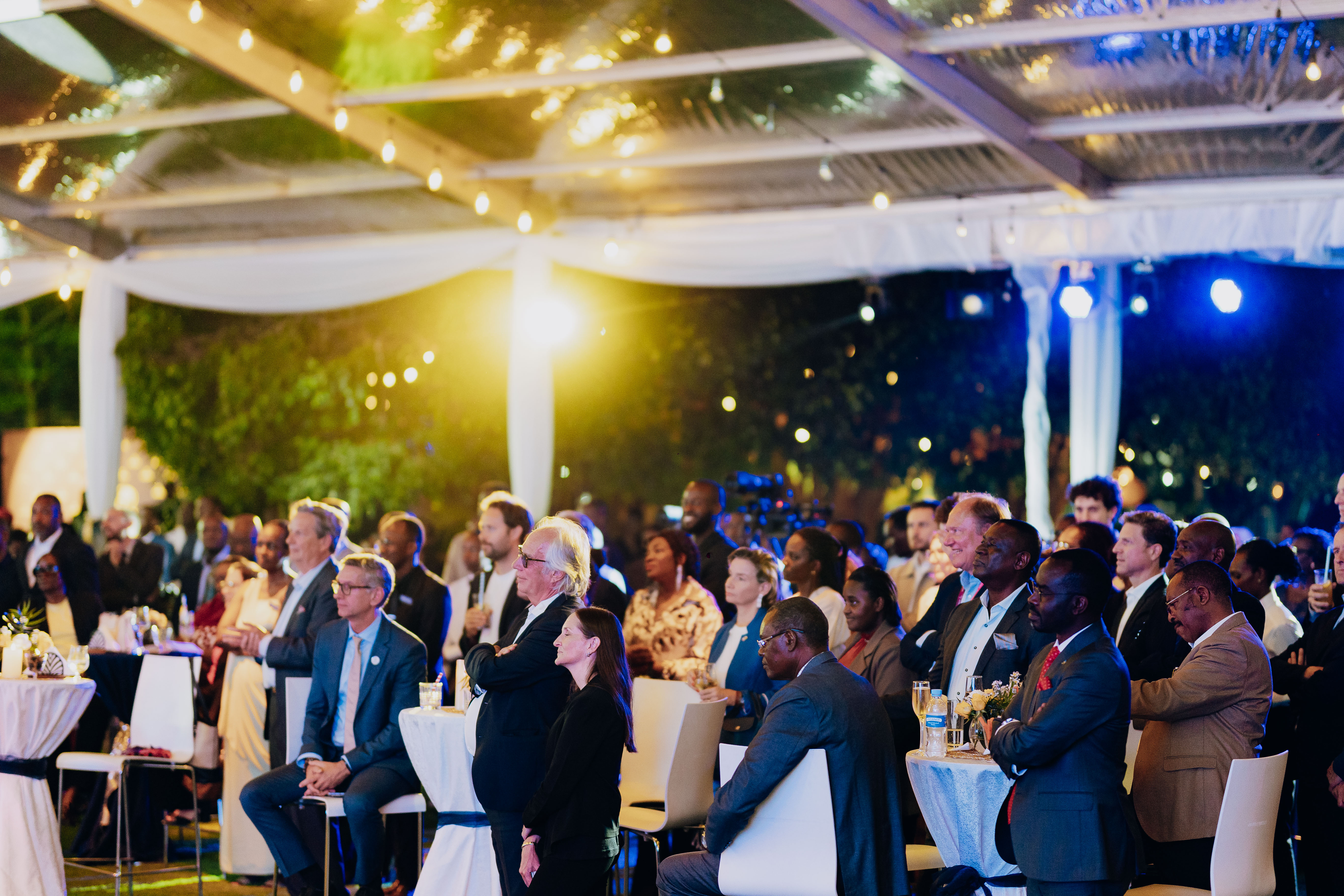
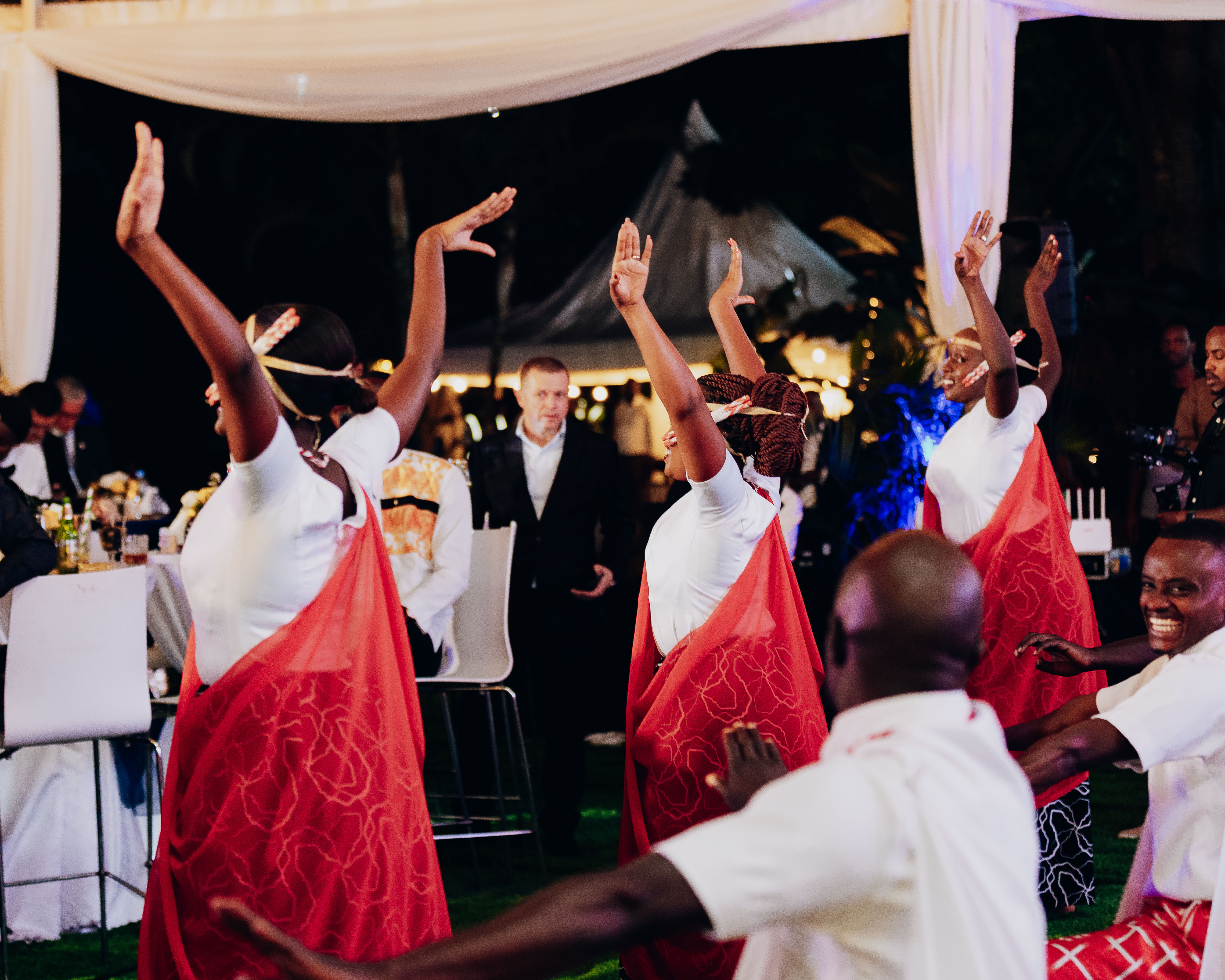
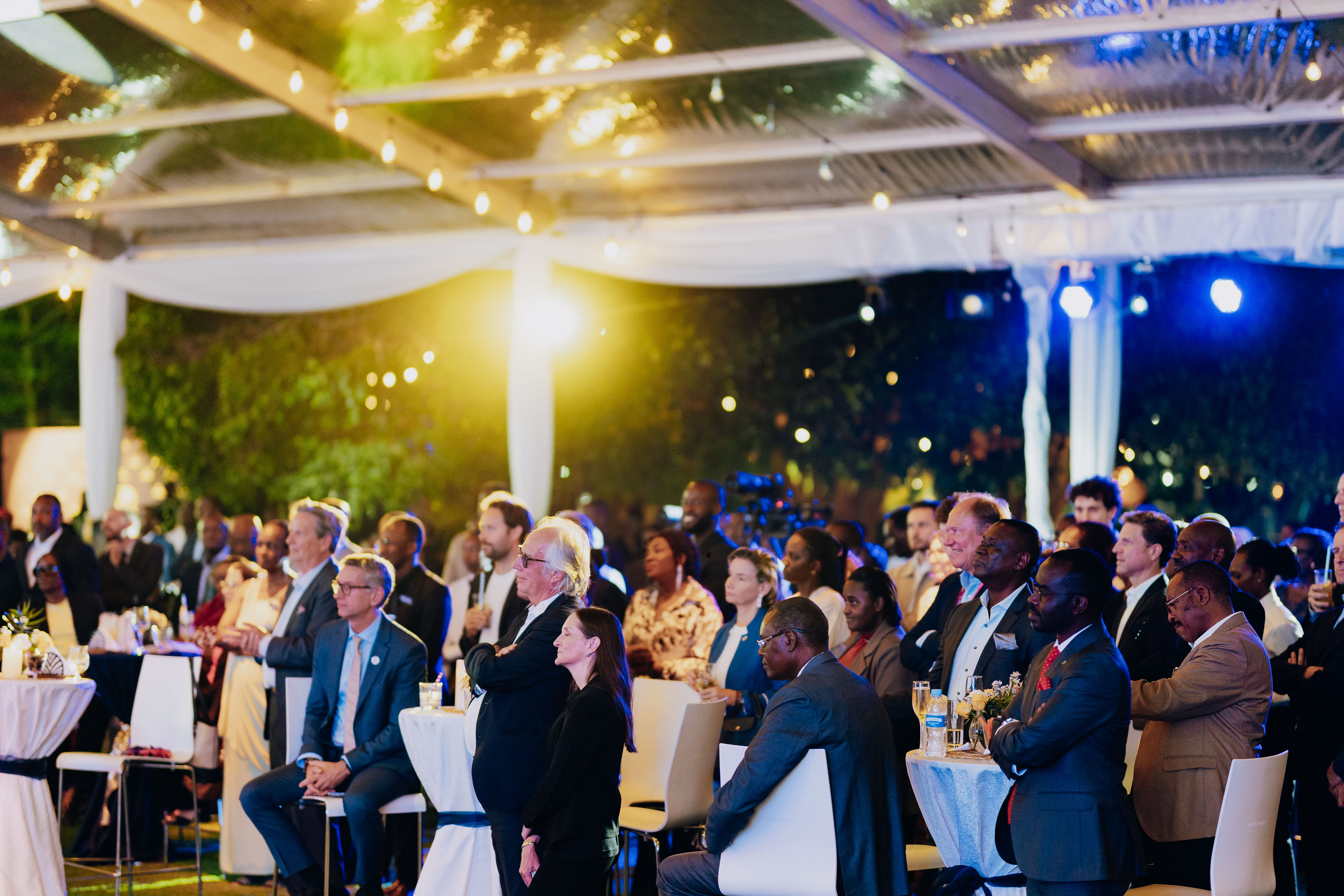
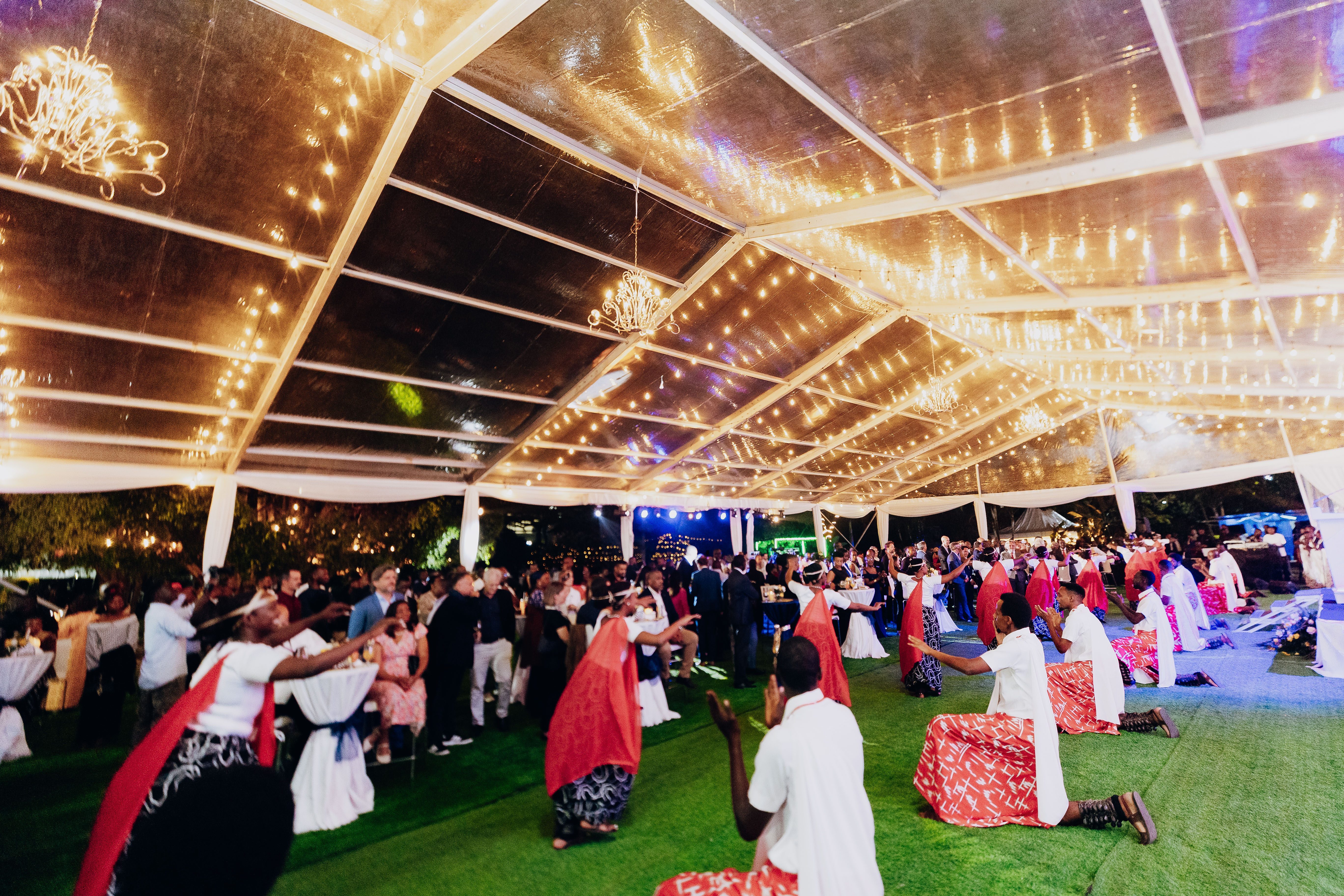
The event held in the garden of MAGERWA Ltd, a company that provides logistics services including inland port and bonded warehousing, served as a showcase of Rwanda’s shift from a landlocked country to a “land-linked” logistics gateway, with speakers highlighting the country’s progress in trade facilitation, infrastructure development and regional integration.
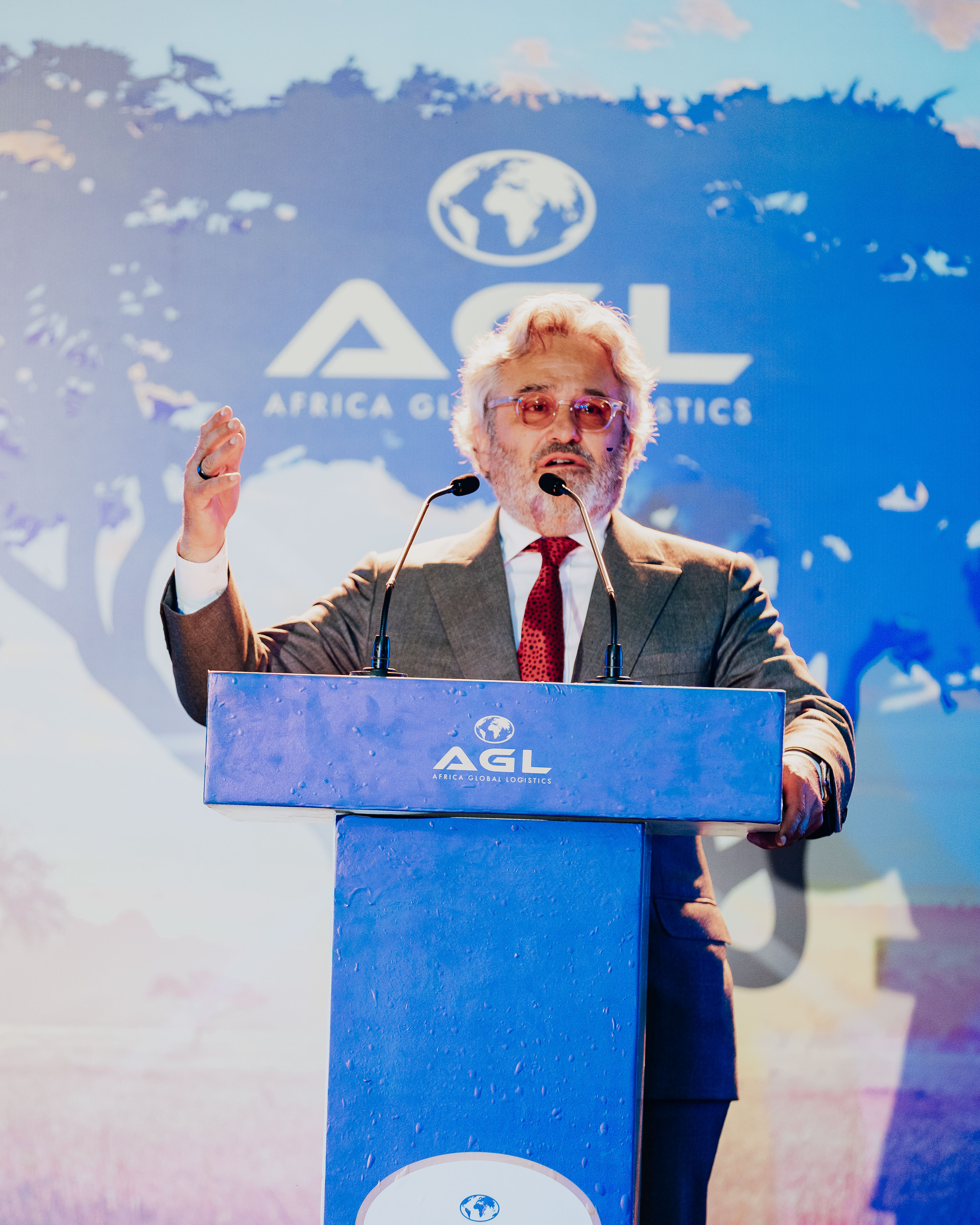
AGL President and Chief Executive Officer Philippe Labonne praised Rwanda’s operating environment and the company’s journey in the country, saying the firm had grown alongside Rwanda’s development ambitions despite early challenges.
“I think there are no words to express how proud I am of my Rwanda team,” Labonne said, reflecting on the resilience of staff and the company’s expansion in the country. He also commended Rwanda’s governance framework, noting, “Rwanda is an example of how proper governance can create value.”
Labonne emphasized that AGL’s investments in logistics, technology and human capital have contributed to strengthening Rwanda’s position as a strategic hub connecting East Africa and the wider continent.
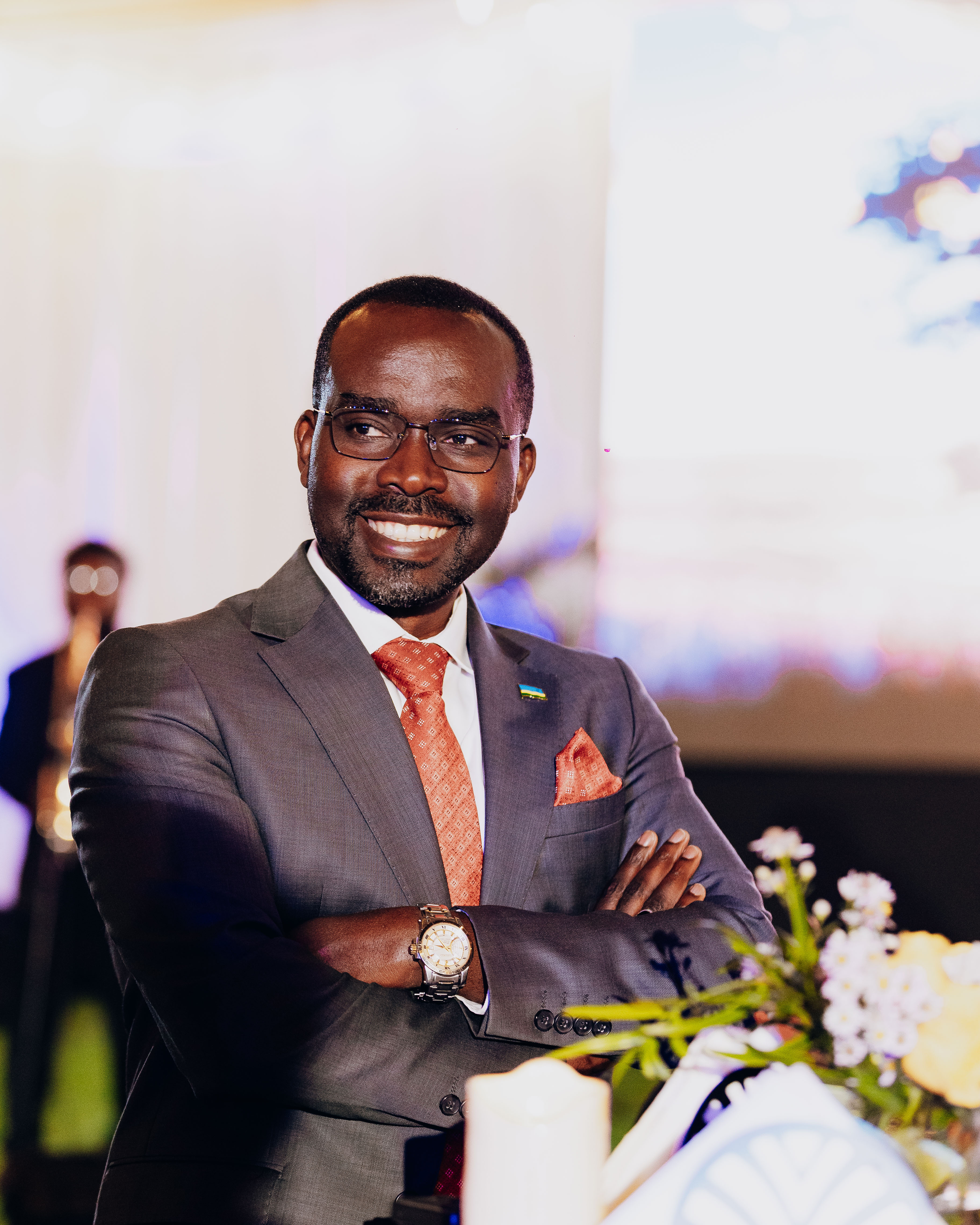
Rwanda’s Minister of Trade and Industry Prudence Sebahizi also addressed the gathering, reaffirming Rwanda’s ambition to become a leading logistics and trade centre under the African Continental Free Trade Area (AfCFTA).
“Tonight is yet another opportunity to listen to this story of success, to listen to this story of ‘Made in Rwanda,’” he said, highlighting the importance of partnerships in driving industrial growth.
The Minister noted that Rwanda’s logistics ambitions are closely tied to regional integration, pointing to the role of companies like AGL in strengthening supply chains and trade connectivity. He added that reducing logistics costs remains a key priority for boosting competitiveness across the continent.
“We hope to see in the near future that the cost of transportation and logistics is going to reduce from 40% to probably 20%,” Sebahizi said, calling for increased investment in technology and efficiency in the sector.
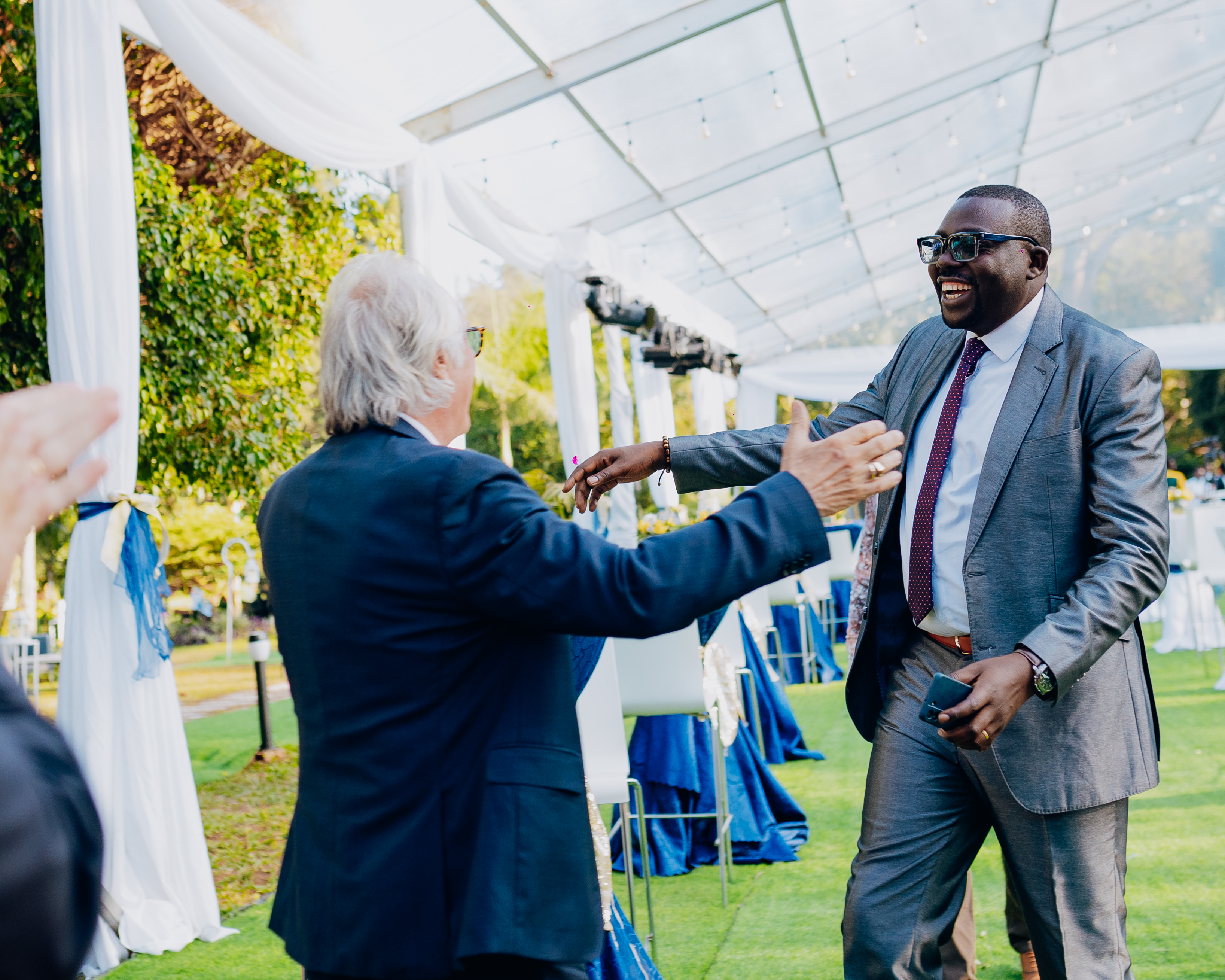
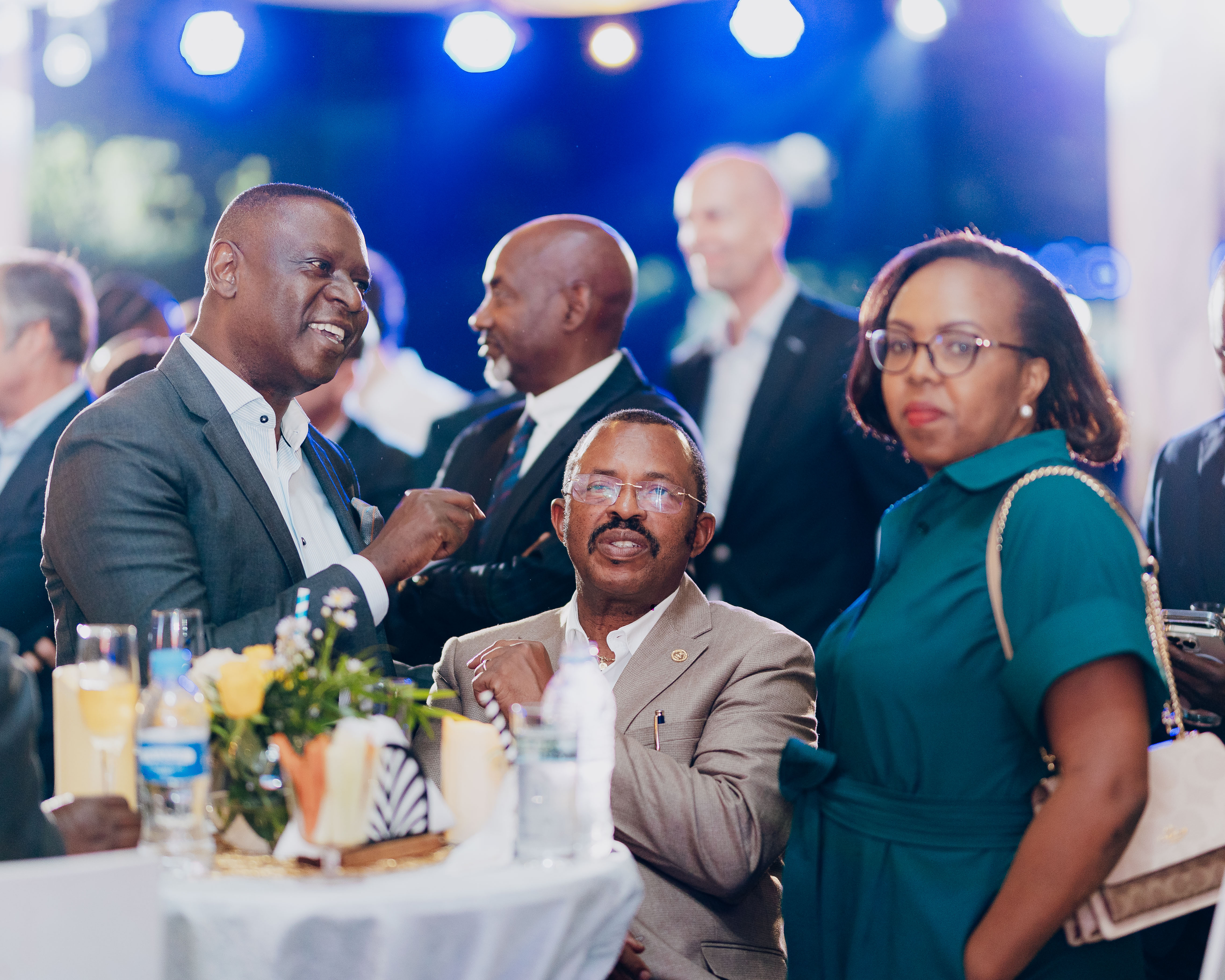
CEO Philippe Labonne expressed pride in Rwanda’s team during the AGL reception, highlighting the company’s growth alongside Rwanda’s development.Minister Prudence Sebahizi discussed Rwanda’s ambitions under the African Continental Free Trade Area (AfCFTA), emphasizing the country’s success story.Attendees networked at the AGL reception, showcasing Rwanda’s emergence as a prominent logistics hub in the region.AGL and MAGERWA Ltd. are leading efforts to position Rwanda as a central player in Africa’s logistics and trade infrastructure.