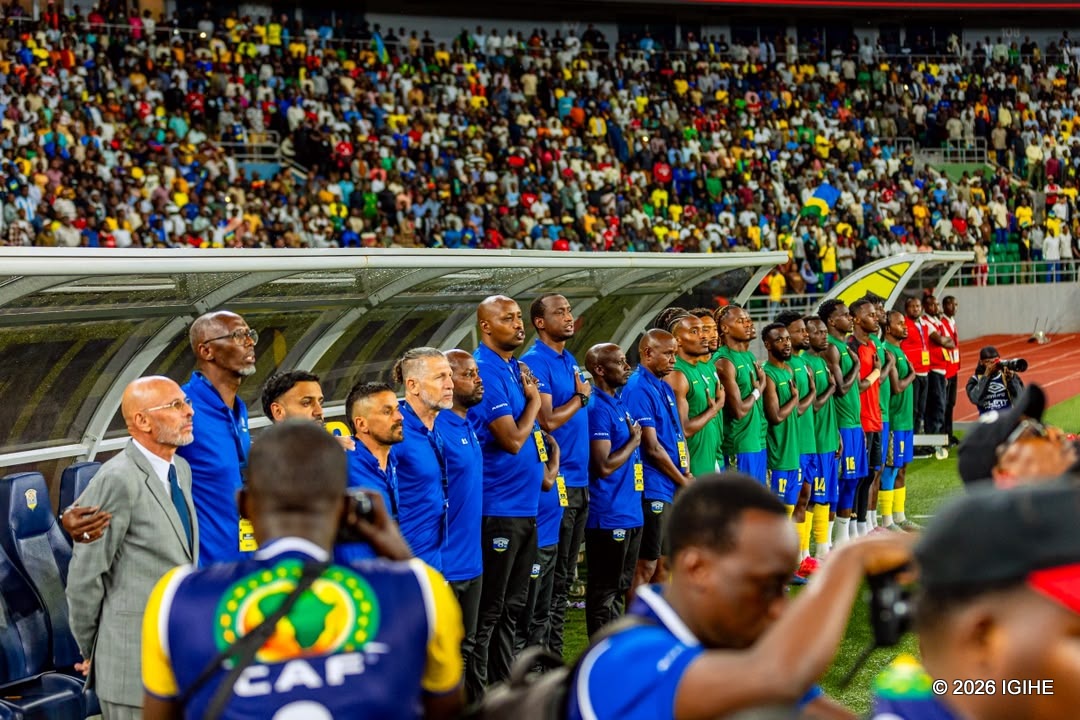
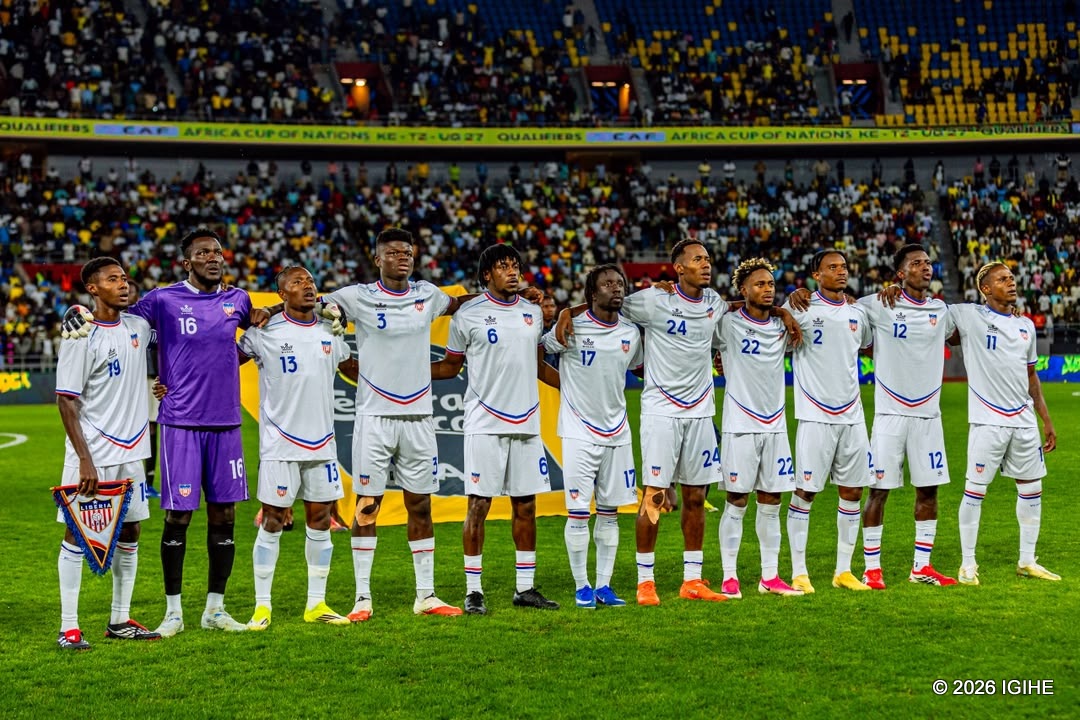
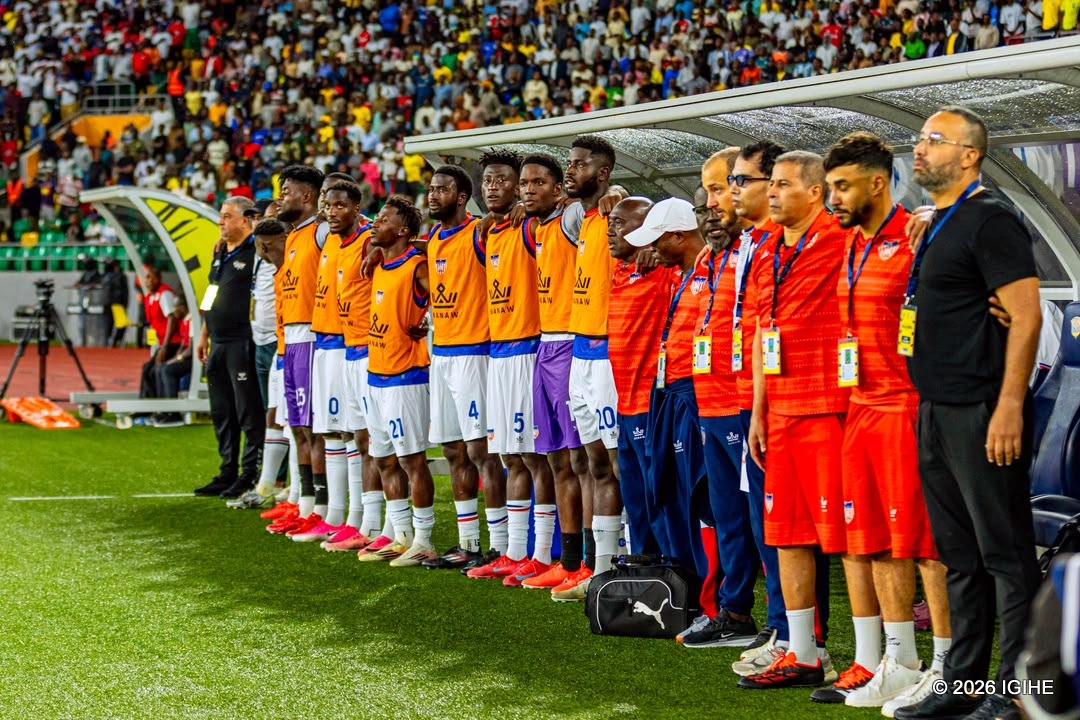
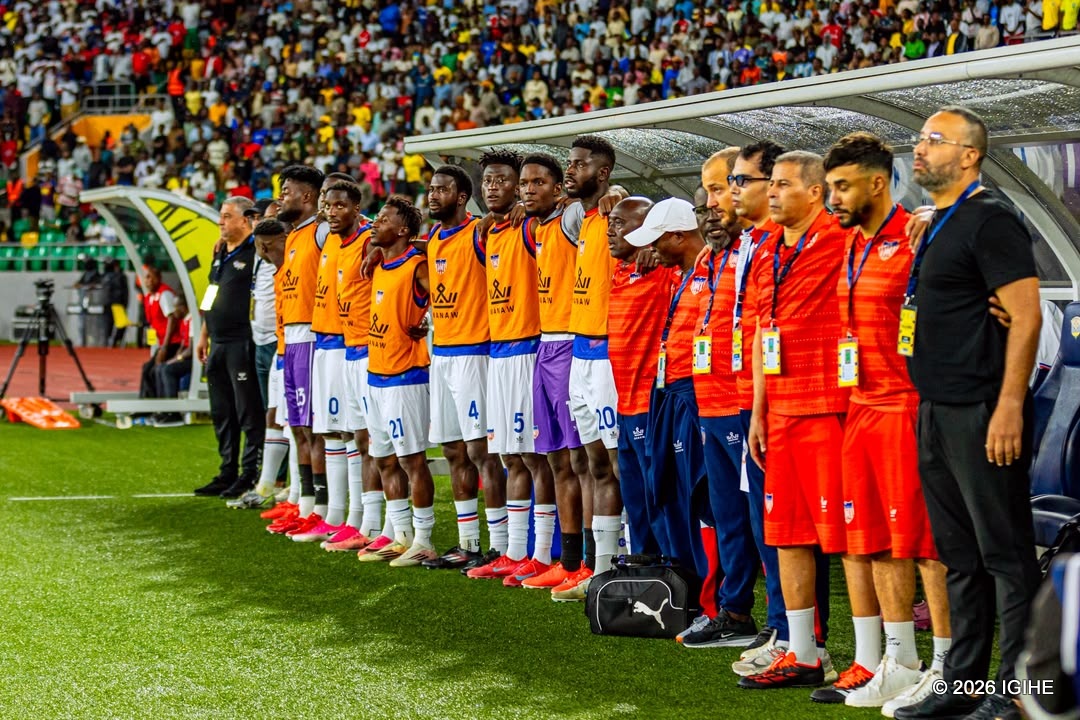
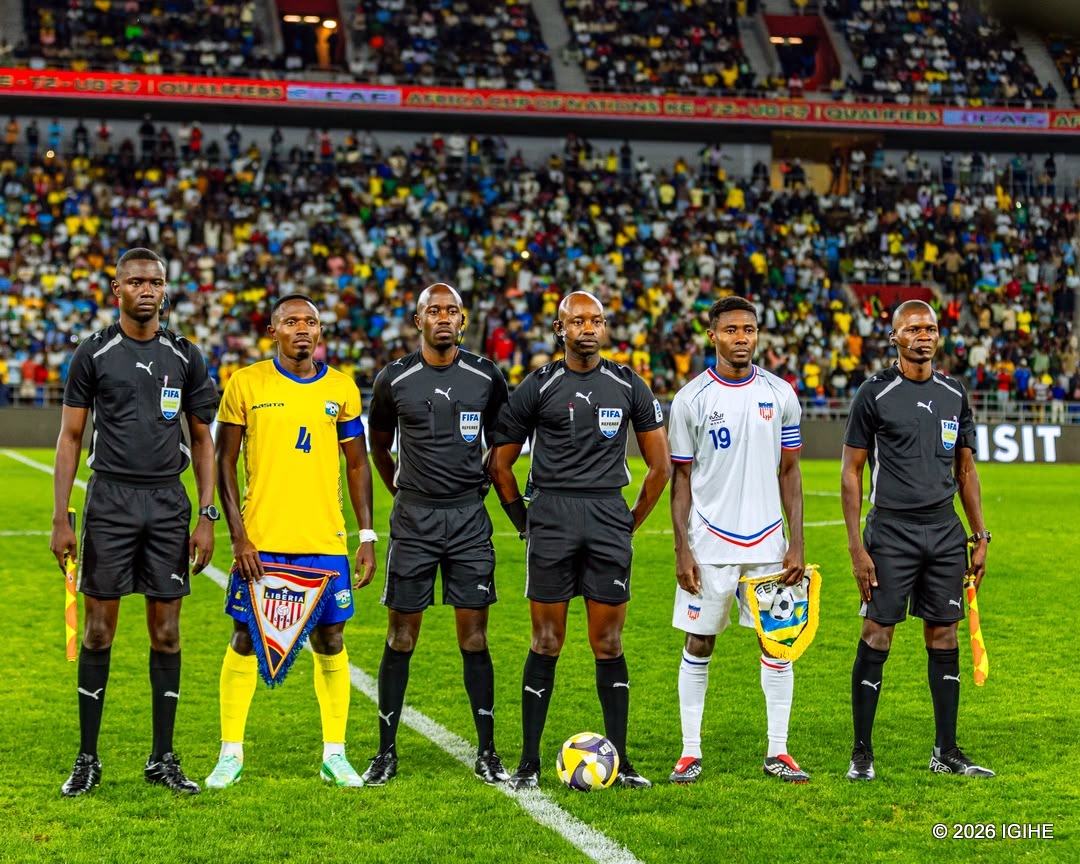
Sports Minister Nelly Mukazayire delivered the President’s message to the players in the dressing room following Rwanda’s 3-1 victory over Liberia in their opening Group K match on Friday, September 25, 2026.
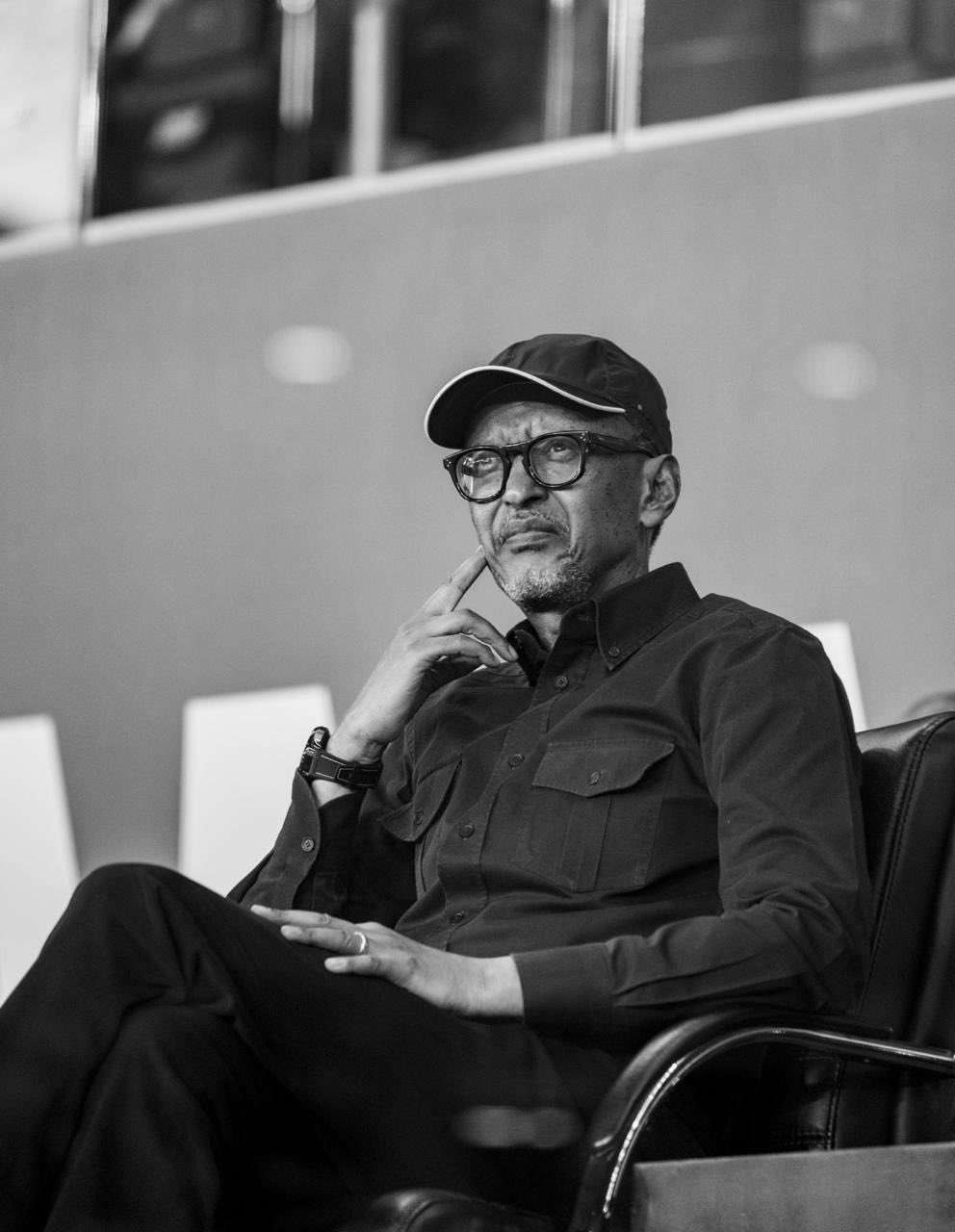
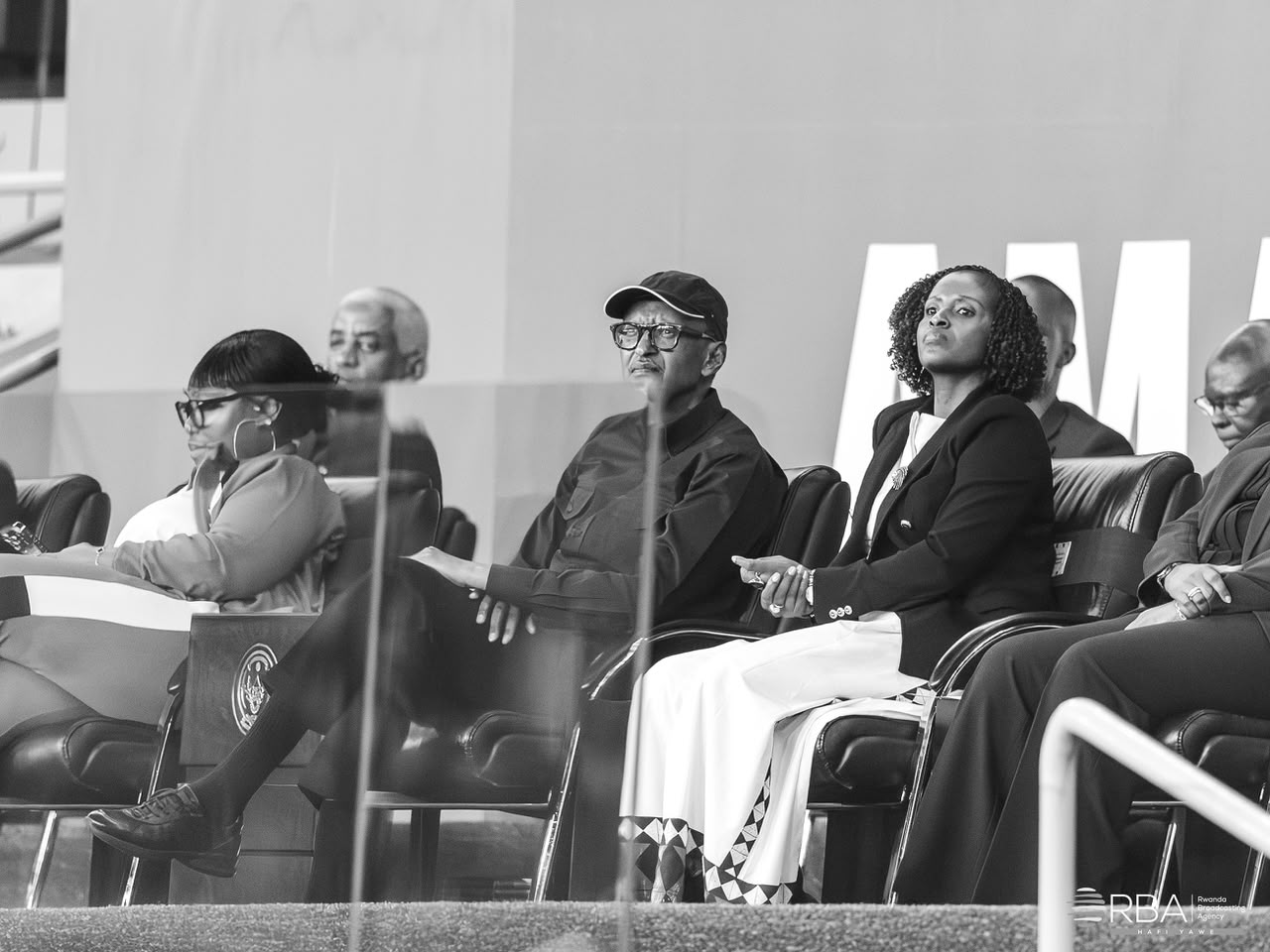
Kagame attended the match at Amahoro Stadium and was pleased with the team’s performance, according to Mukazayire.
“We believe that when we start well, we finish well. We are proud of you and the work you have done because it showed determination, commitment and teamwork, and that was reflected in the result you delivered,” Mukazayire told the players.
She encouraged the team to build on the victory while identifying areas where they could improve.
“This is the beginning. We believe you have seen where you need to put in more effort. The coach and the whole team did well. Whether those on the pitch or those outside it, we could see that everyone was supporting you,” she said.
Mukazayire also urged the players to remain focused and composed, reminding them of their ability to compete against strong opponents.
“Have a clear objective and remain calm. This is one of the messages I was asked to deliver to you. You have talent and ability in the way you play. Another message I was given is that we are all behind you, both the leadership and the fans,” she said.
She acknowledged that Cape Verde would present a difficult challenge but urged Amavubi to approach the match with determination.
“Cape Verde is a strong team, but compete against them, put in the effort and you will beat them,” Mukazayire added.
Rwanda opened its AFCON 2027 qualifying campaign with a 3-1 win over Liberia at Amahoro Stadium, with goals from Abeddy Biramahire, Leroy-Jacques Mickels and Joy-Lance Mickels. Liberia scored through Sylvanus Nimely.
After the first round of matches in Group K, Rwanda and Mali lead the group with three points each, with both teams having a goal difference of plus two. Liberia and Cape Verde are yet to earn points.
Amavubi left Kigali International Airport late on Friday night, heading to Cape Verde for their second qualifying match.
Four players who had been part of the training camp did not travel with the team. They are Mbonyumwami Taiba, Uwiyaremye Fidali, Niyongira Patient and Mugisha Yves.
Rwanda will face Cape Verde on Tuesday, September 29, at the Estádio Nacional de Cabo Verde in Praia.
Amavubi received a message of encouragement from President Kagame following their 3-1 victory over Liberia.President Kagame has sent a message of encouragement to Amavubi ahead of their AFCON 2027 qualifier against Cape Verde.President Kagame urged Amavubi to remain focused and composed as they prepare to face Cape Verde.Sports Minister Nelly Mukazayire delivered President Kagame’s message to Amavubi players ahead of their match against Cape Verde.
Abeddy Biramahire opened the scoring just two minutes into the match, giving Rwanda an early advantage in front of a large home crowd. Leroy-Jacques Mickels doubled the lead in the 33rd minute before Liberia pulled one back through Sylvanus Nimely five minutes later.
Rwanda restored its two-goal advantage shortly before half-time when Joy-Lance Mickels converted a penalty in the 44th minute.
Liberia’s task became more difficult in the second half when forward Kpah Sean Sherman was shown a straight red card in the 61st minute for a foul on Rwanda’s Bonheur Mugisha, leaving the visitors with 10 players for the remainder of the match.
Rwanda managed the game in the second half to secure three points and begin its qualification campaign on a winning note.
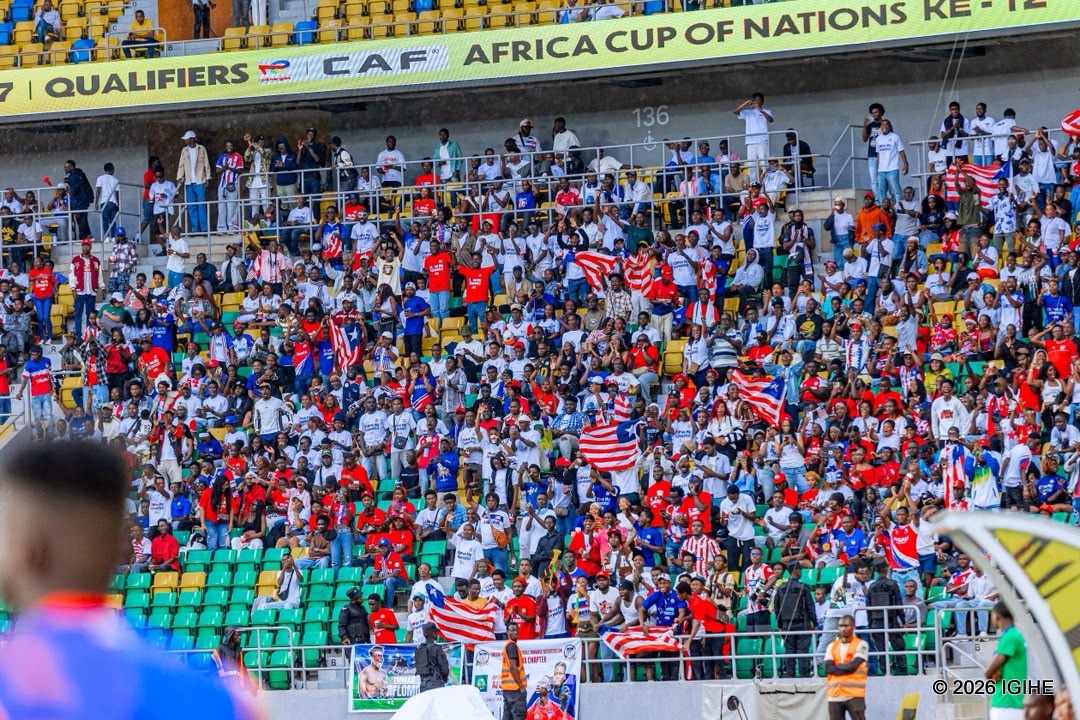
The match attracted thousands of supporters to the newly renovated Amahoro Stadium. President Paul Kagame was also among those who attended the game.
The victory is significant for Rwanda as the team seeks to return to the continental tournament for the first time since its historic debut at AFCON 2004 in Tunisia.
Rwanda came close to ending that wait during the qualifiers for the 2025 edition. The Amavubi finished level with Benin on eight points but missed out on qualification after Benin took the second qualifying position based on their head-to-head record.
The 2027 AFCON finals will be hosted jointly by Kenya, Tanzania and Uganda, with the qualification campaign featuring 48 teams divided into 12 groups. The top two teams from nine groups will qualify for the finals, while the qualification arrangements in the groups containing the three host nations differ.
Rwanda will next face Cape Verde in Praia on September 29 in their second Group K fixture.
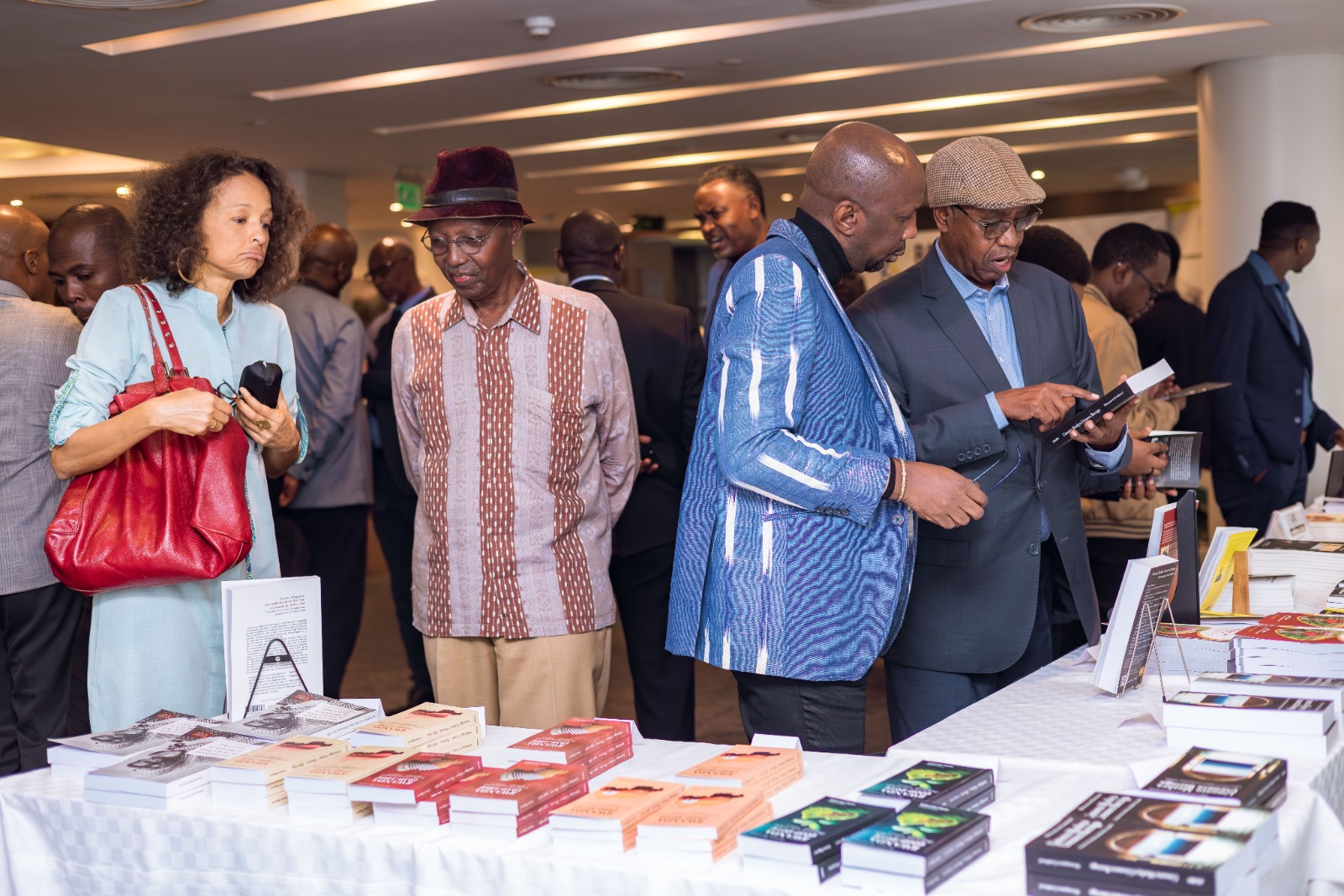
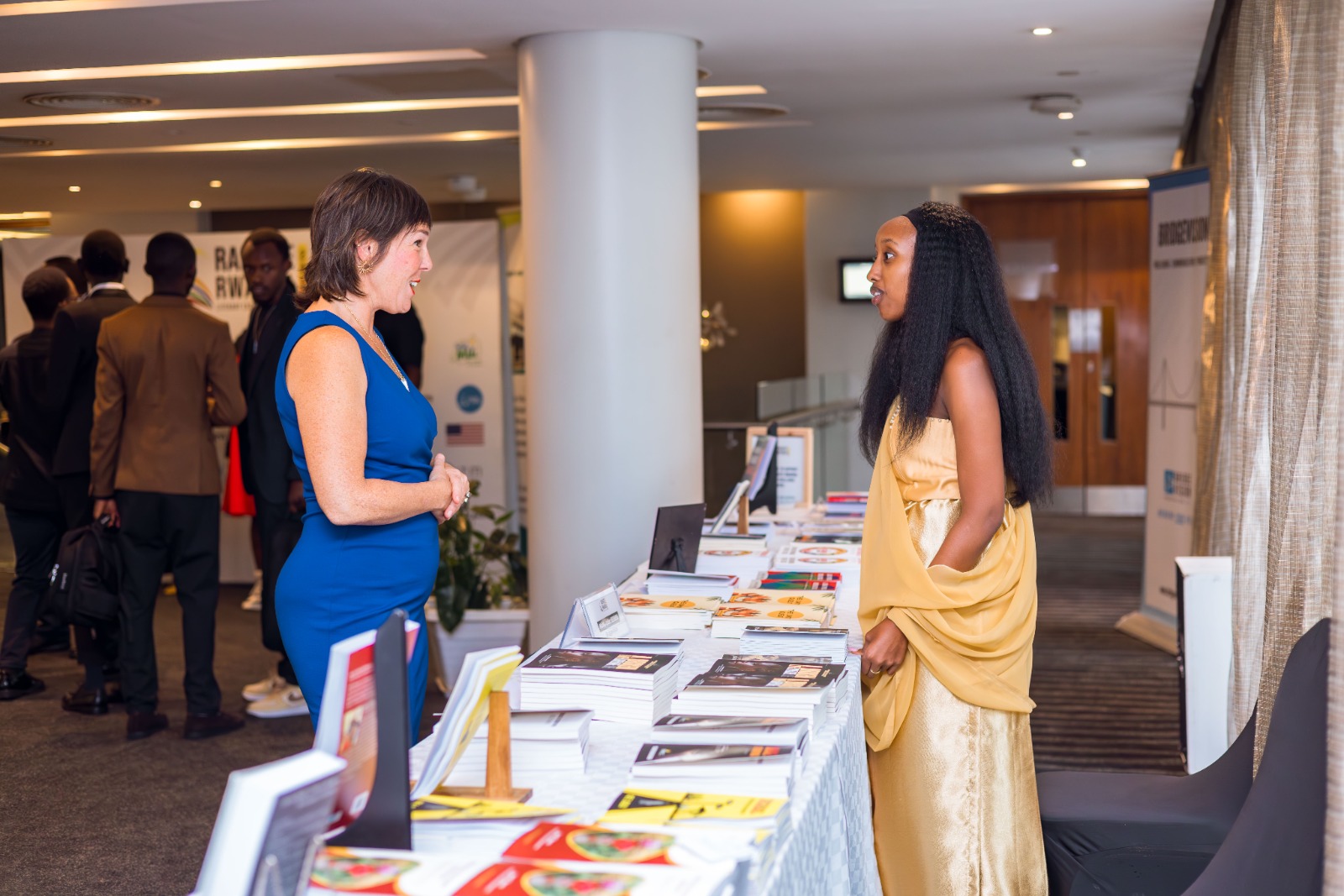
The finalists were selected by a five-member judging panel with expertise in writing, education and other fields related to the promotion of literature.
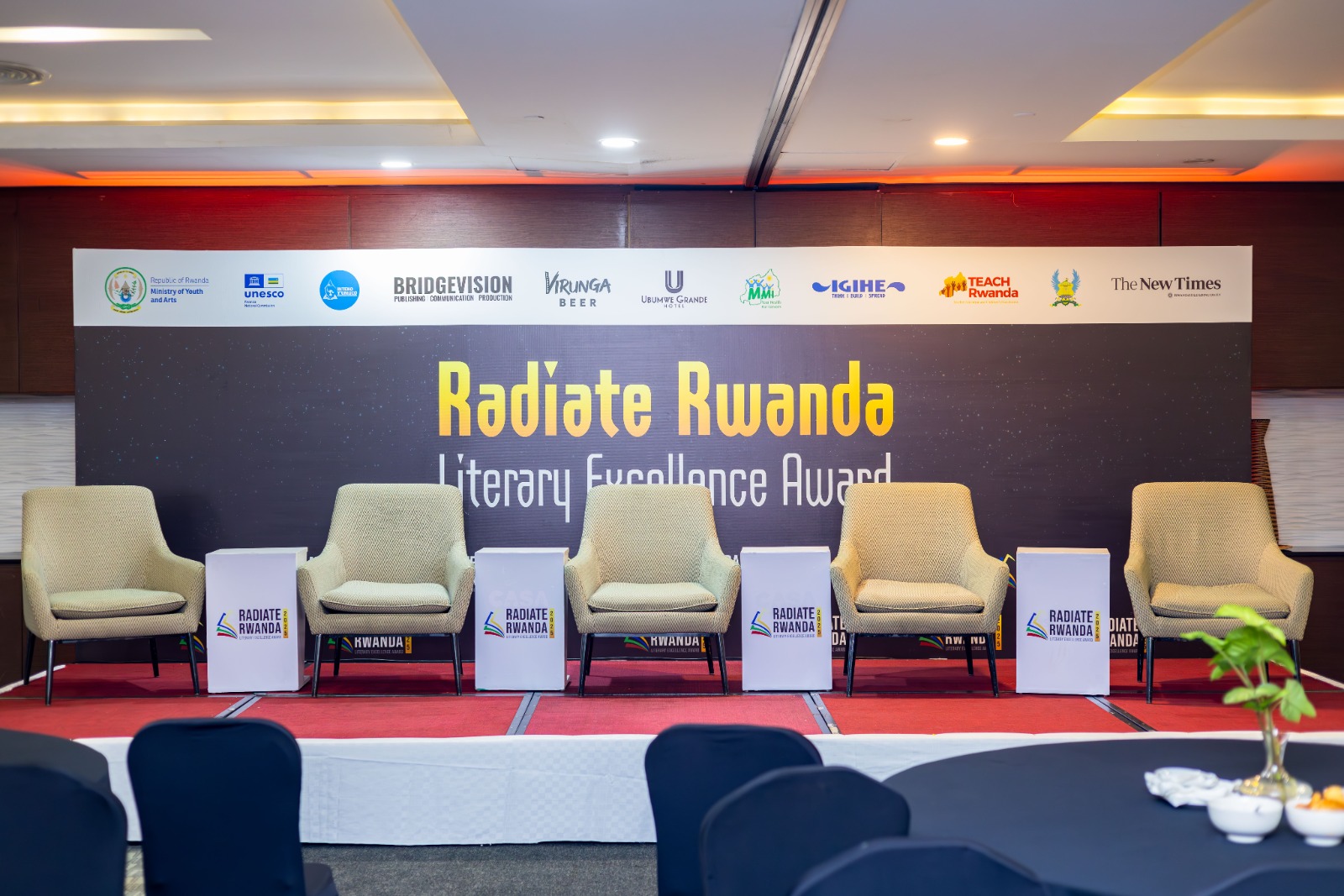
Now in its third edition, the Radiate Rwanda Literary Excellence Awards are organised by Bridgevision in partnership with various institutions and organisations in Rwanda and internationally.
The awards recognise the contribution of writers to promoting a reading culture and advancing literature.
This year’s edition is being held in partnership with the American Chamber of Commerce in Rwanda (AmCham Rwanda), with support from organisations and institutions including BK Foundation, IGIHE, MoYA, UNESCO Rwanda, the Rwanda Cultural Heritage Academy and East African University.
The judging panel comprises five professionals with experience in writing, education and other areas related to the development of literature.
It is chaired by Prof. Dr. Calixte Kabera, a writer and Vice Chancellor of East African University. Other members are Prof. Dr. Viateur Ndikumana, a writer and Deputy Vice Chancellor in charge of Academics and Research at Kibogora Polytechnic; Thais Ruboneka, Director of American Spaces at the US Embassy in Rwanda; Jerome Kajuga, Director of Culture, Social and Human Sciences at the Rwanda National Commission for UNESCO; and Mathilde Kayitesi, Executive Director of UMUHUZA, an organisation that promotes reading and writing in Rwanda.
The awards feature several categories. The Lifetime Achievement Award has been given to Senegalese writer Boubacar Boris Diop, following a decision by Bridgevision in recognition of his outstanding contribution to literature, his immense body of work.
In the Outstanding Young Rwandan Writer category, the finalists are Fred Mfuranzima, author of Ribrika: A Move Afrika Xperience, and Patrick Nzabonimpa, author of A Thread of Silent Echoes.
The Outstanding Female Rwandan Writer category features Tete Loeper, author of Shut Up and Hide: Memoir of a Genocide Survivor, and Dimitri Sissi Mukanyirigira, author of Do Not Accept to Die.
In the Outstanding Male Rwandan Writer category, the finalists are Jean de Dieu Nsanzabera, author of Umuco mu Buvanganzo, and Valens Kabarari, author of Les Muzungus ne craignent rien.
The Outstanding African Writer category has Toni Kan, author of Riding the Storm, and Donica Merhazion, author of Born at the End of the World, as finalists.
Bridgevision CEO Joe E. Sully said the judging panel brought together experts capable of carefully assessing the shortlisted books.
“Our judging panel comprises experts representing five respected institutions in Rwanda and internationally, and we believe they have done a great job selecting books that contribute to educating, informing, teaching and comforting Rwandan and African readers across different parts of the continent,” he said.
Sully said the involvement of the experts in assessing the shortlisted books was an important achievement for the awards.
“We are fulfilling our goal of making Kigali a literary hub in Africa,” he said.
Boubacar Boris Diop has already been confirmed for the Lifetime Achievement Award, while the winners in the other four categories will be announced during the Radiate Rwanda Awards ceremony on November 6, 2026, in Kigali.
The five-member judging panel comprises professionals with experience in writing, education and the promotion of literature.The 2026 Radiate Rwanda Literary Excellence Awards have entered the final stage, with eight writers shortlisted across four categories.The winners in the four competitive categories will be announced at the Radiate Rwanda Awards ceremony on November 6, 2026, in Kigali.
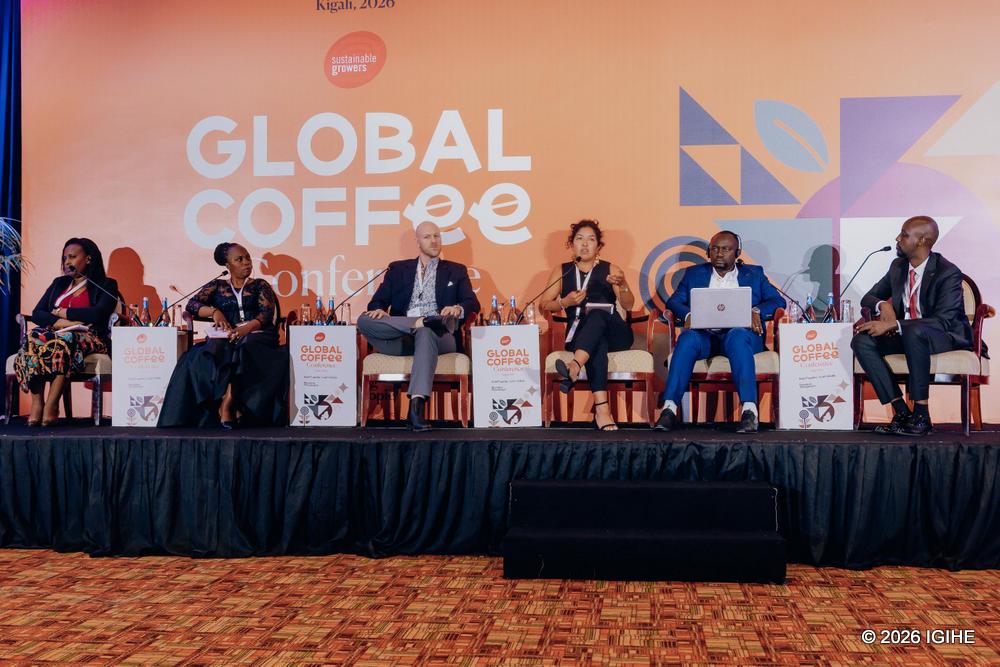
The call was made during a two-day Global Coffee Conference held in Kigali from September 24, 2026.
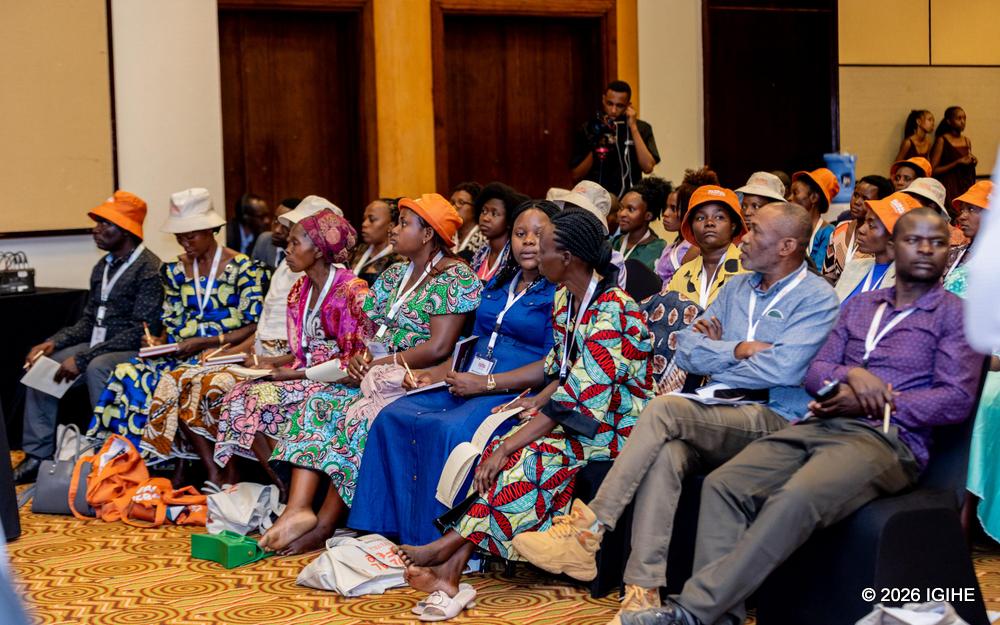
Organised by Sustainable Growers, the conference brings together farmers, buyers, coffee processors, private-sector players, investors and other stakeholders involved in the coffee value chain.
It was preceded by visits to two coffee cooperatives involved in growing and processing coffee in Rwanda: Nyampinga Cooperative in Nyaruguru District and KOPAKAKI DUTEGURE in Karongi District.
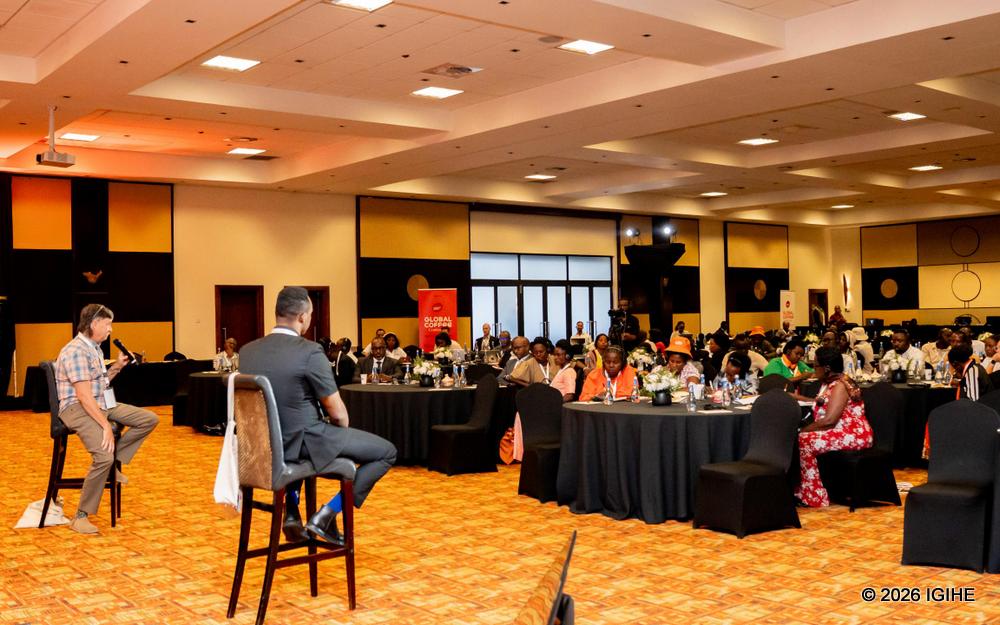
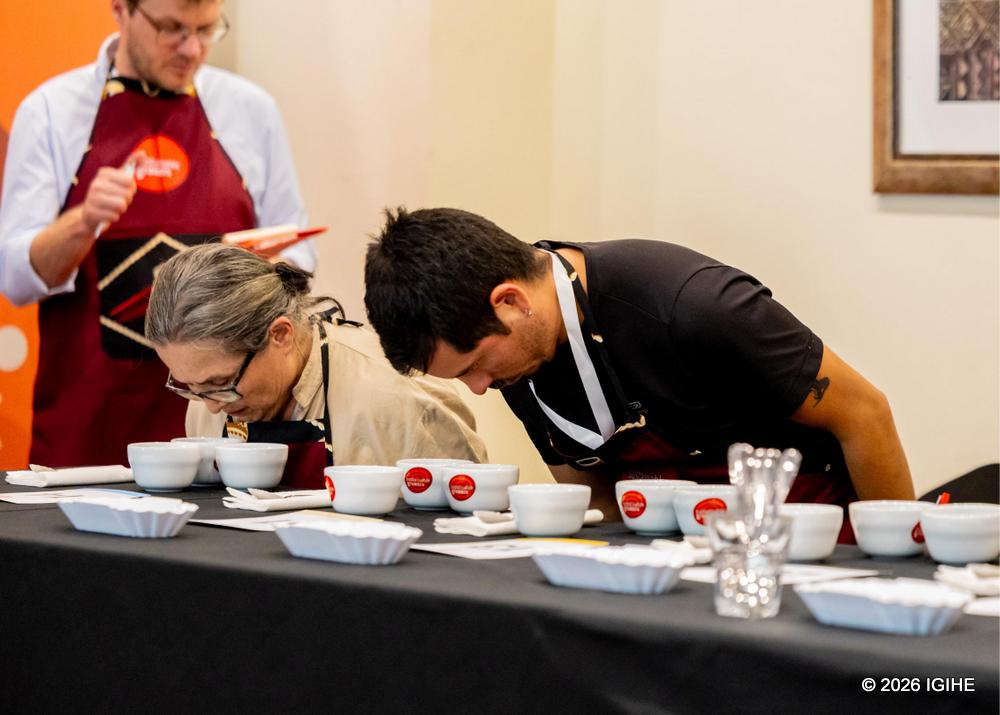
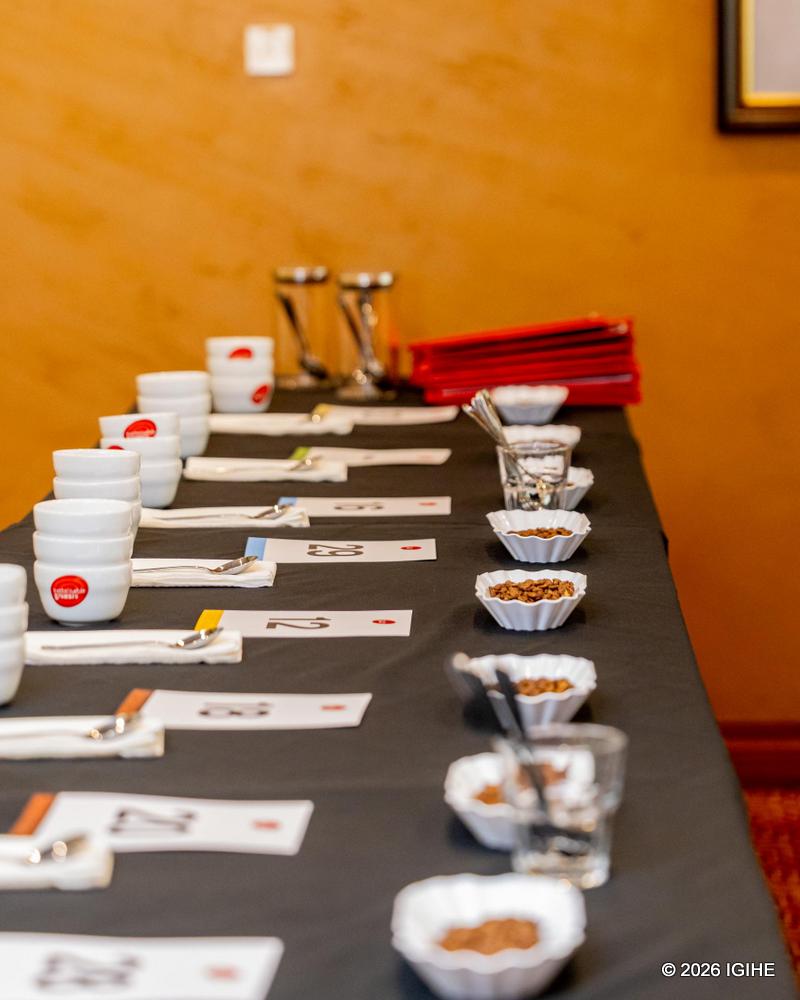
The conference has attracted participants from more than 17 countries and also featured coffee tasting sessions showcasing specialty coffees from different countries.
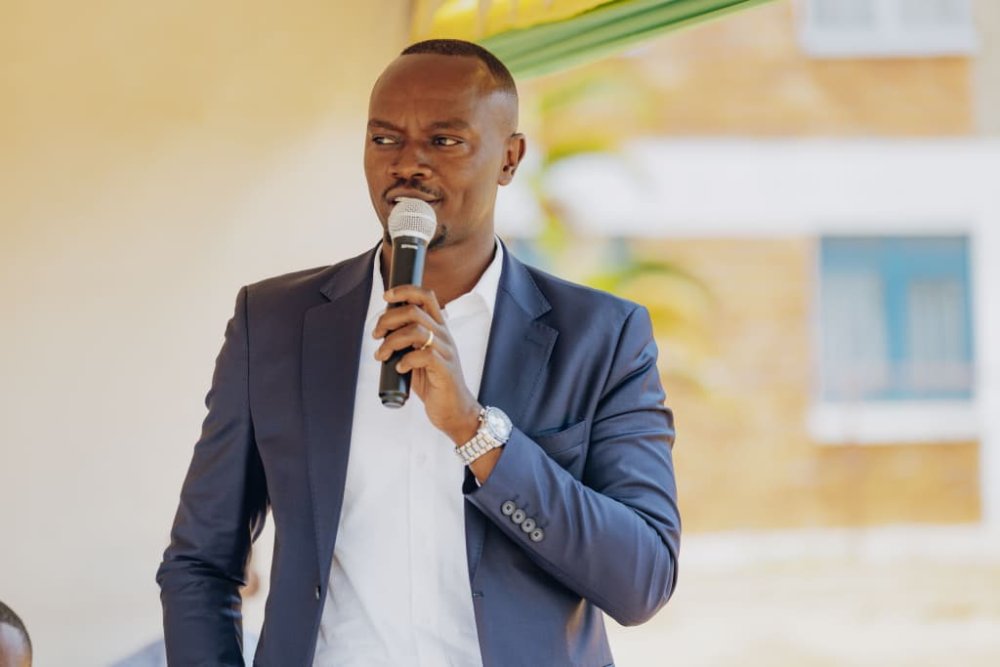
Minister of Gender and Family Promotion Uwimana Consolée, who officially opened the conference, said Rwanda’s coffee sector has made significant progress and generated substantial export revenues, but women involved in the sector should also benefit more from its growth.
“Rwanda’s exports reached more than $1.1 billion in the 2025-2026 financial year, with coffee generating a record $148.6 million. These figures demonstrate the strength and potential of our coffee sector. But this growth must be reflected in the pockets of our women,” she said.
“Women may produce coffee and create its value, yet remain excluded from the decisions, capital, and market that determine who benefits. Participation is not ownership, and producing value is not the same as having a stake in it. This is where our next phase of transformation must focus,” Uwimana added.
She said women coffee farmers around the world continue to face challenges in accessing financial services, markets and decision-making opportunities, calling for stronger collaboration to address them.
“It requires strong and coordinated partnership among governments, the private sector, financial institutions, producer organizations, and the global trade network,” she said.
NAEB Chief Operations Officer Urujeni Sandrine said Rwanda’s coffee value chain has made progress through partnerships supporting the sector, but more needs to be done to strengthen collaboration across the entire chain.
“We grow coffee and there are partnerships in different projects related to the sector, but we need to go beyond that and establish collaboration across the coffee value chain,” she said.
“As NAEB, we are there on the government side, development partners are there, and coffee processors and farmers are also there. What is missing is bringing everyone together and working with a business-oriented approach that can attract adequate and sustainable investment.”
She said stronger collaboration would help coffee farmers improve production while ensuring that increased productivity translates into higher incomes.
Brazilian Ambassador to Rwanda Irene Vida Gala also stressed the importance of cooperation between coffee-producing countries and international partners.
Highlighting that coffee connects countries, communities and people by strengthening cooperation between coffee-producing countries and international partners, the envoy stressed the need to build a sustainable value chain that benefits farmers, fosters innovation and gives farmers a stronger role in shaping the future of the coffee sector.
Dr. Innocent Ndikumana, Chairperson of the Board of Sustainable Growers, said the organisation has trained more than 77,000 women in Rwanda, Tanzania and the Democratic Republic of Congo on improved coffee farming and value addition.
He said 97% of the women trained have applied the knowledge they acquired.
According to Dr. Ndikumana, the programme has also contributed to improvements in access to financial services and health insurance, while some women have been able to acquire personal assets and contribute to the development of their households.
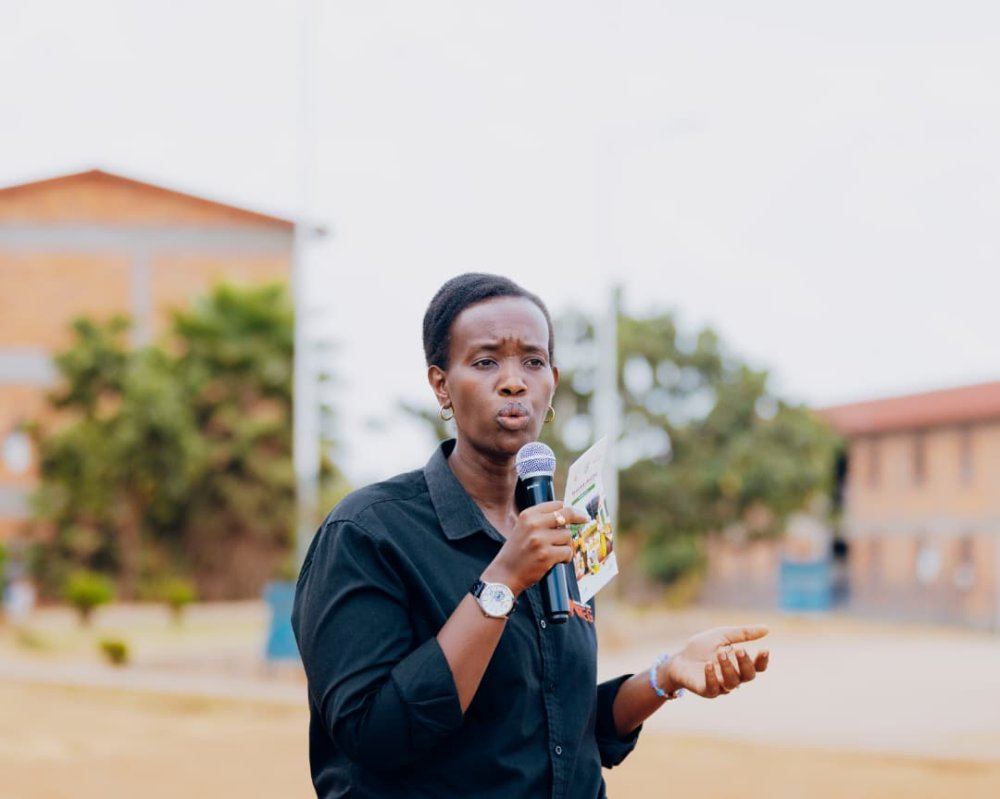
Nyirandimubanzi Jacqueline, who heads Association Hingakawa, a women coffee growers’ association in Gakenke District, said women coffee farmers in Rwanda have made progress compared with the past.
“In the past, a woman in Rwanda would grow coffee and simply harvest it. Today, we know how to process our coffee and take it to the market, and we understand what it generates and how the income can be used in household planning,” she said.
Participants at the conference are drawn from countries including Rwanda, Tanzania, Brazil, Nicaragua, Mexico, Costa Rica, Honduras, Peru, Puerto Rico, the United States, the United Arab Emirates, Japan, France, Switzerland, Finland and Italy.
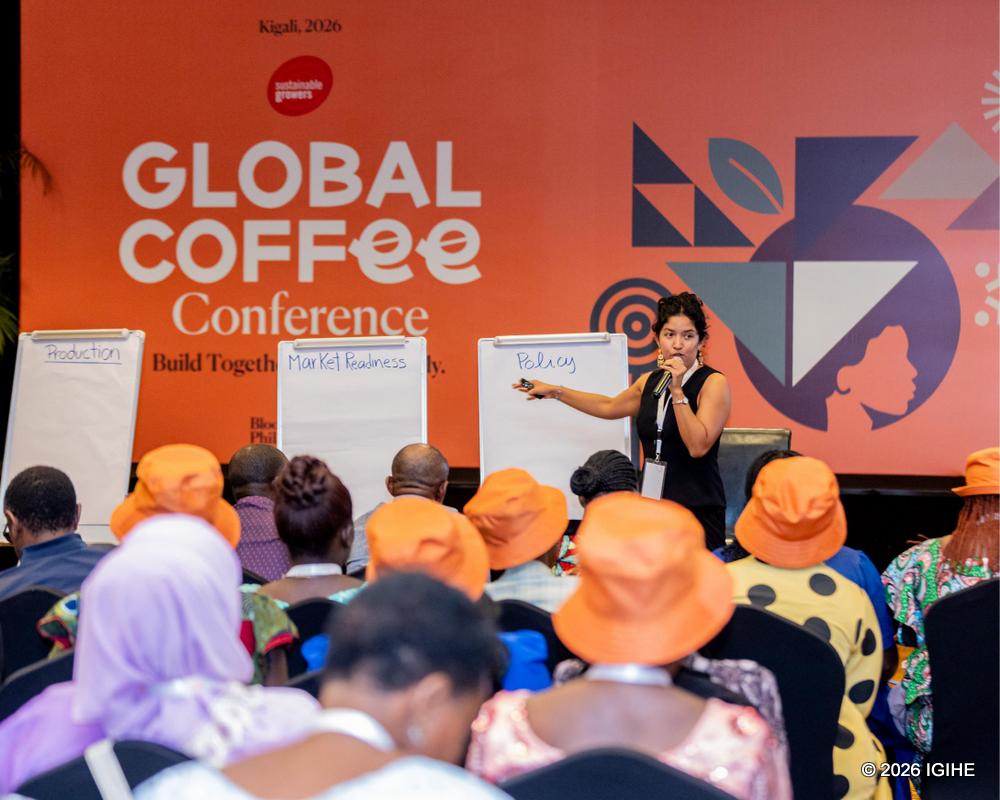
The conference brought together participants from more than 17 countries.Experienced coffee growers shared their knowledge and expertise with fellow participants.Participants discussed ways to advance the coffee sector.Minister of Gender and Family Promotion Uwimana Consolée said Rwanda’s coffee sector is making significant progress.Brazilian Ambassador to Rwanda Irene Vida Gala stressed the importance of cooperation between coffee-producing countries and international partners.Nyirandimubanzi Jacqueline, head of Association Hingakawa, said women coffee farmers in Rwanda have made significant progress compared with the past.Participants were trained on how to market coffee to generate greater returns.
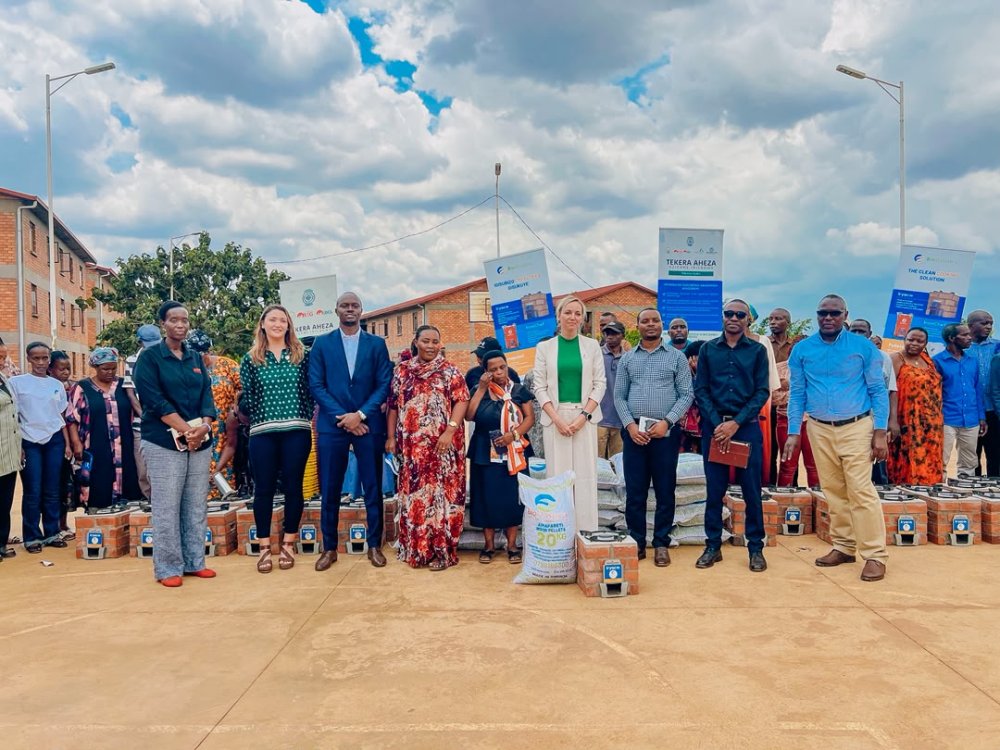
The beneficiaries are residents of the model villages of Busanza, Mpazi, Karama, Ayabaraya and Rugendabari.
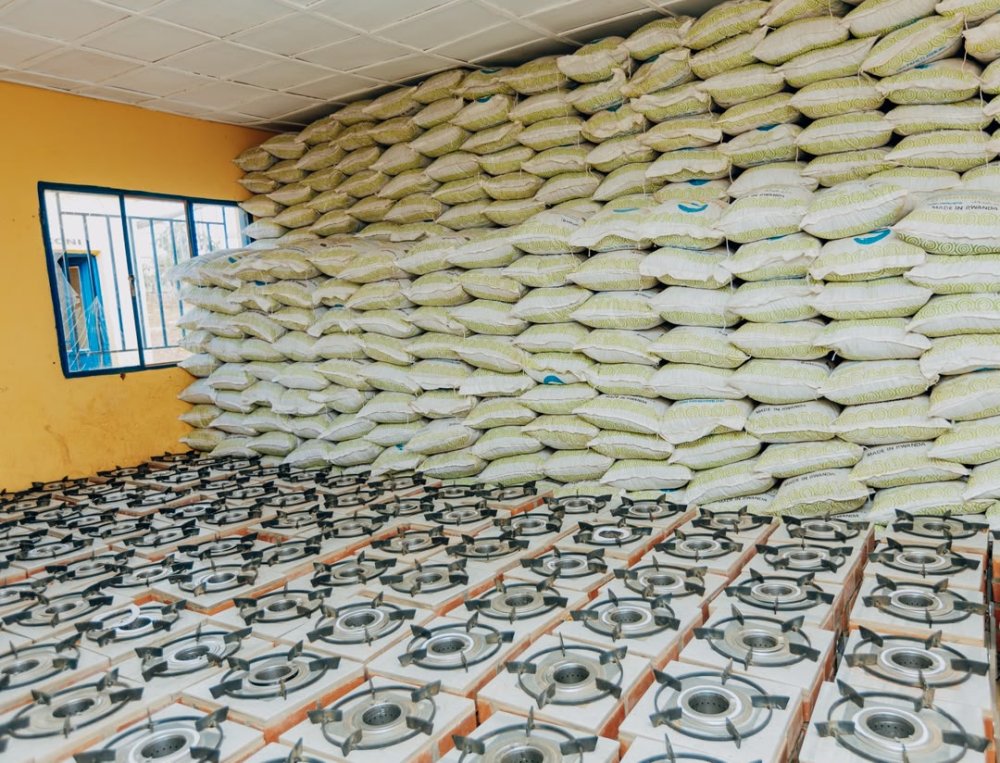
The distribution programme began on September 23, 2026, in Busanza Model Village, where 450 households received modern cookstoves and 20 kilogrammes of pellets each.
The initiative is being implemented in partnership with the Government of Rwanda, the Rwanda Housing Authority (RHA), the Energy Development Corporation Limited (EDCL), the City of Kigali and Innovate UK.
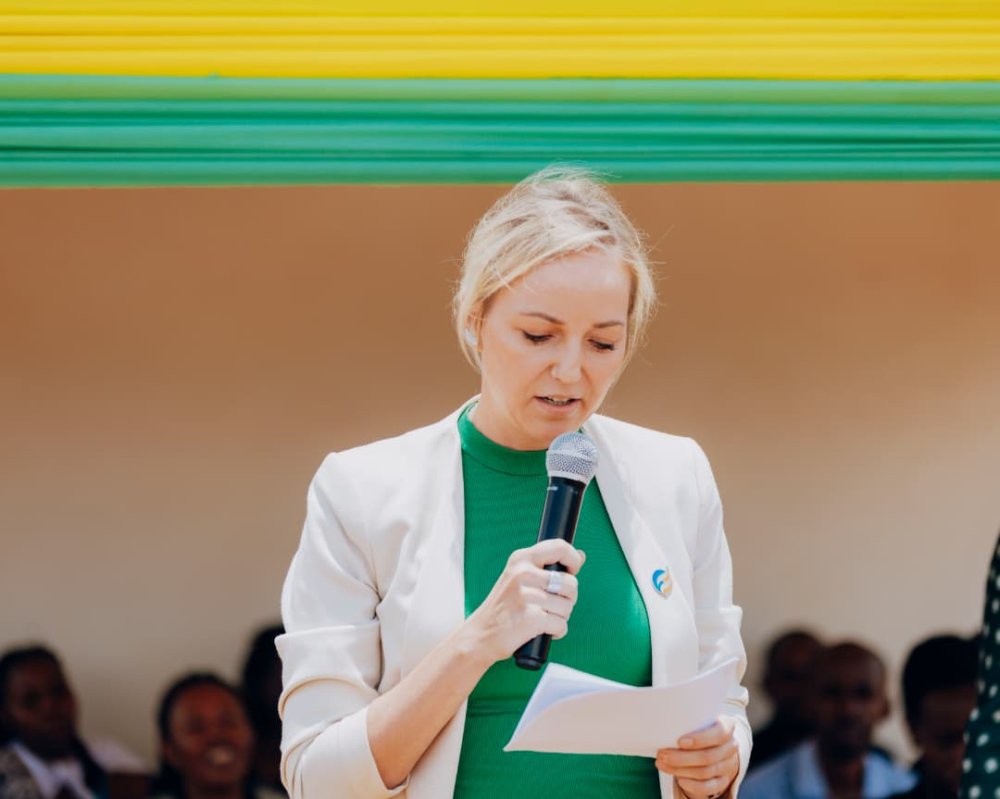
BioMassters Chief Executive Officer Claudia Muench said the cookstoves are designed to last for years while helping households reduce their cooking expenses.
“Our goal is to replace charcoal with a better and more affordable alternative. The pellets are made from sawdust and can reduce by nearly half the amount households normally spend on charcoal each month. When used in a BioMassters stove, they produce no smoke and also reduce cooking time,” she said.
Muench added that the company provides repair services for its cookstoves and offers a three-year warranty for each unit.
BioMassters currently has more than 40 outlets selling its pellets and is expanding its distribution network through company-owned shops and franchises in Kigali and other parts of the country. Each model village covered by the programme will also have a shop selling the fuel.
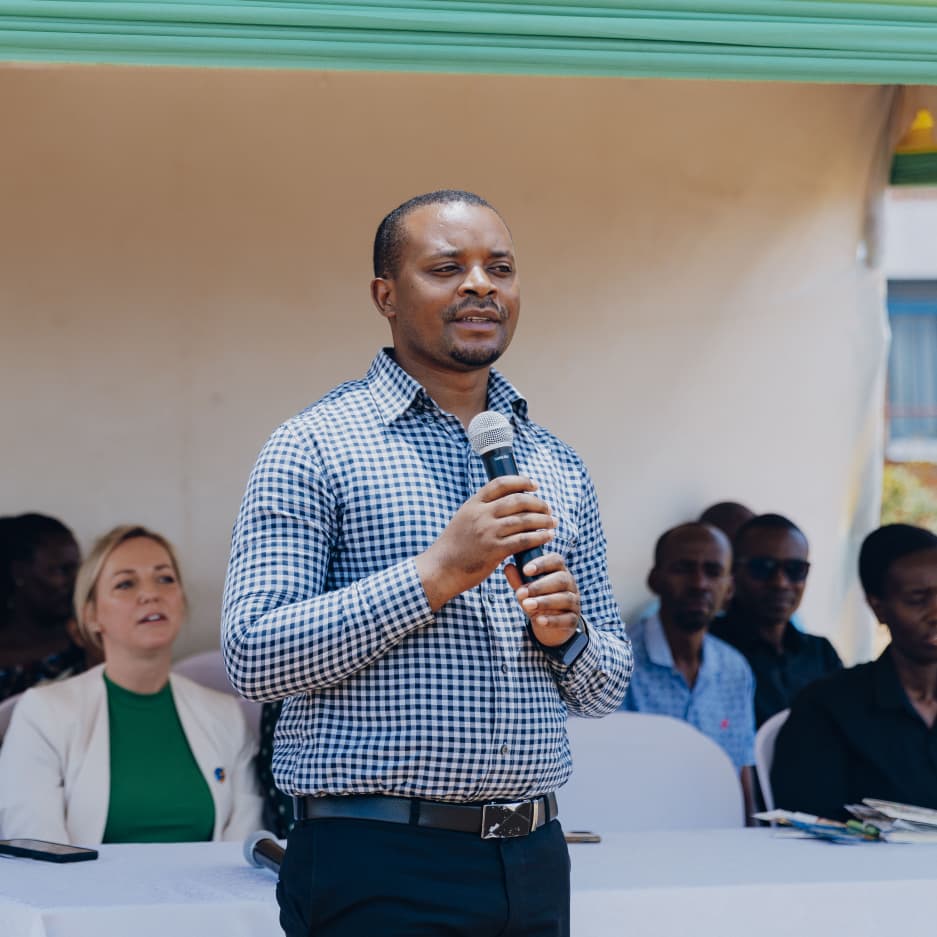
Director of Business Development & Sales at BioMassters, Sylvain Rucyaha said the company is investing in expanding its network of outlets to make the fuel more accessible to customers.
“We are not just selling cookstoves. We are building a system that ensures people can access the fuel they need,” he said.
Hitimana Jean Pierre, an official from the Rwanda Housing Authority, said the cookstoves were being provided to residents of model villages to promote cooking solutions suited to their modern housing.
“In these modern housing units, the kitchen is close to the living room. When a traditional charcoal stove is used in the kitchen, smoke can spread into the living room and settle on clothes and other household items, creating a problem. These cookstoves will address those challenges,” he said.
Mukarutesi Beatha, one of the beneficiaries, said the new stove would help keep her home cleaner.
“I had painted my kitchen and kept it in good condition, but it became dirty again because of the charcoal stove. Now I will have to repaint it. If I had this stove earlier, I could have used that money for other things,” she said.
She said she previously spent about Rwf32,000 a month on charcoal, using two bags, but expects to spend about Rwf8,000 on one bag of pellets under the new system.
Another beneficiary, Iyakaremye Jean Pierre, said charcoal was not suitable for their homes because it generated dirt and smoke, adding that the new cookstoves would help improve living conditions.
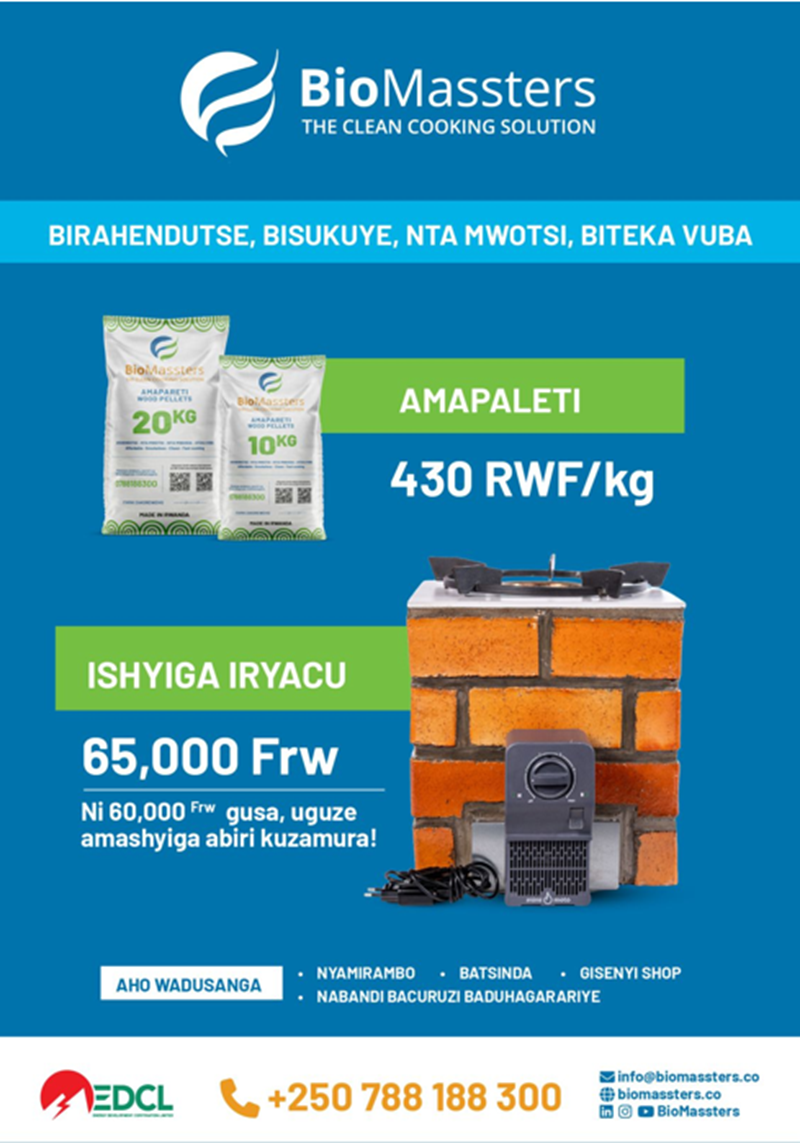
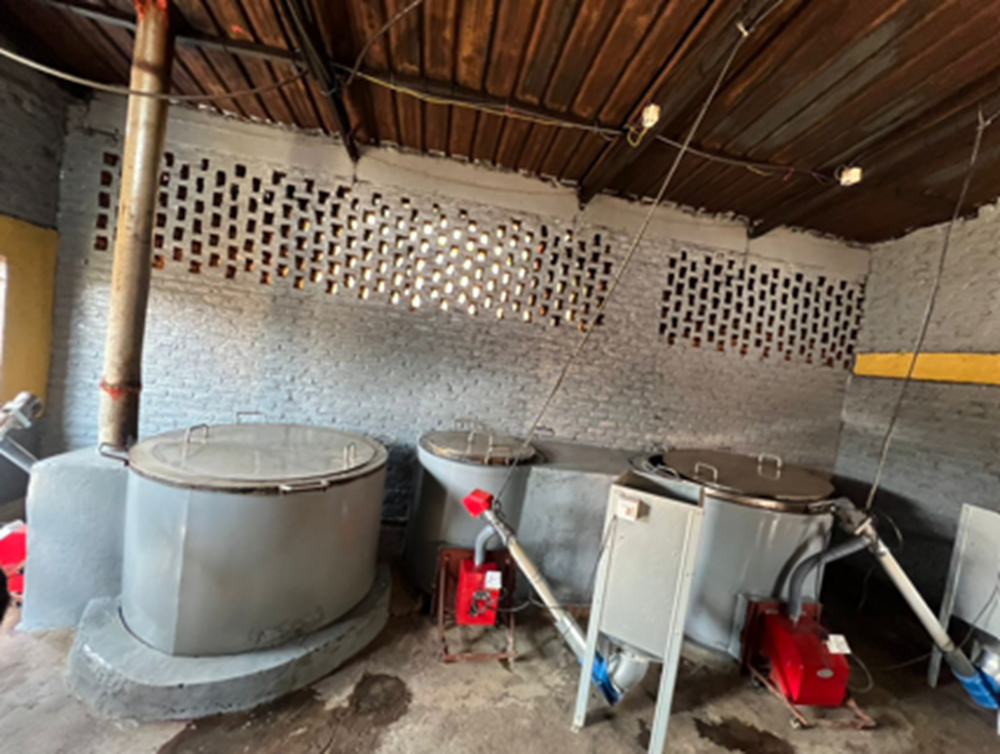
A BioMassters cookstove normally costs Rwf65,000, while its pellets are sold at Rwf430 per kilogramme. The pellets are produced using technology designed to minimise smoke emissions when they are burned.
BioMassters also provides repair and maintenance services for cookstoves that develop faults.
The initiative is being implemented with support from the Government of Rwanda, through the Energy Development Corporation Limited (EDCL), under the Rwanda Energy Access and Quality Improvement Project (EAQIP), as well as support from the World Bank and Innovate UK.
Sylvain Rucyaha added that, in partnership with the Ministry of Education (MINEDUC), BioMassters has already converted the kitchens of 10 schools to use pellets and plans to extend the programme to 250 schools in the coming years.
BioMassters is set to distribute more than 1,200 cookstoves and their pellets worth over Rwf94 million.BioMassters CEO Claudia Muench said the company aims to provide households with cooking stoves that are easy to use, affordable and environmentally friendly.BioMassters cookstoves are designed to minimise air pollutionBioMassters has helped 10 schools adopt cleaner cooking solutions.
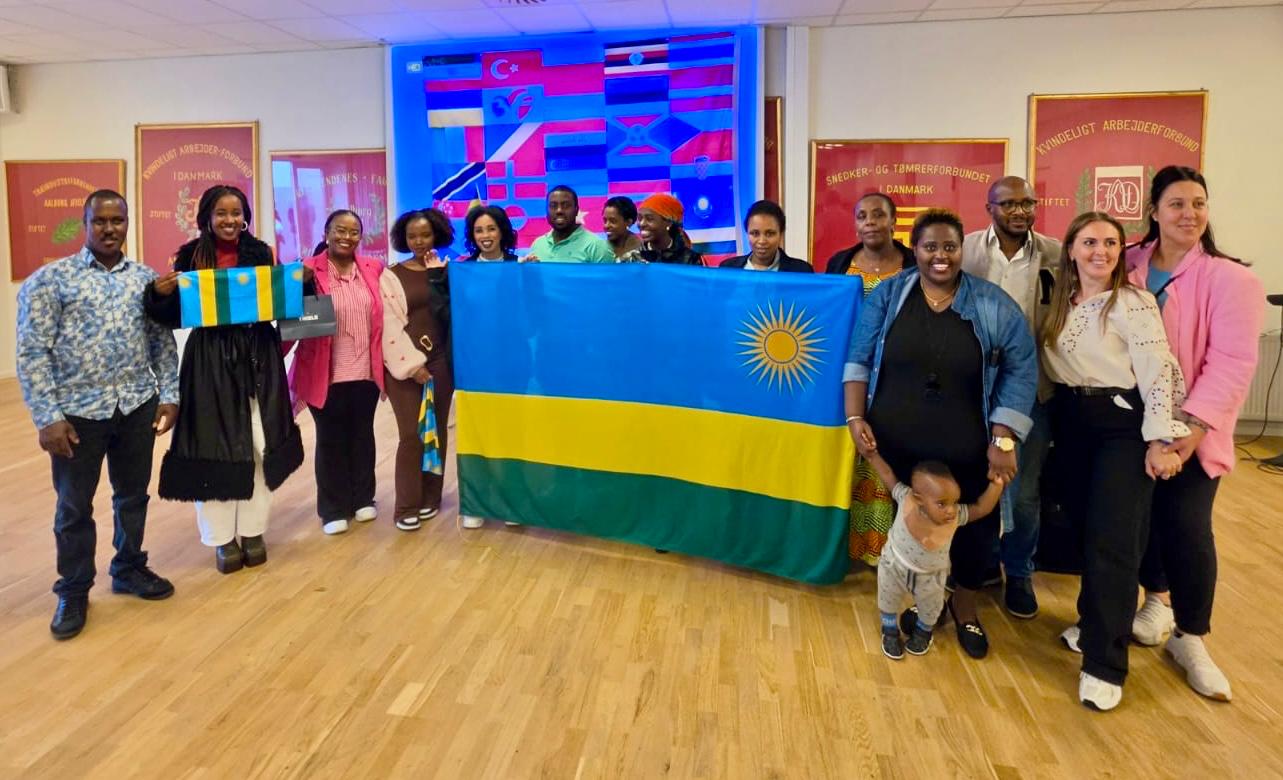
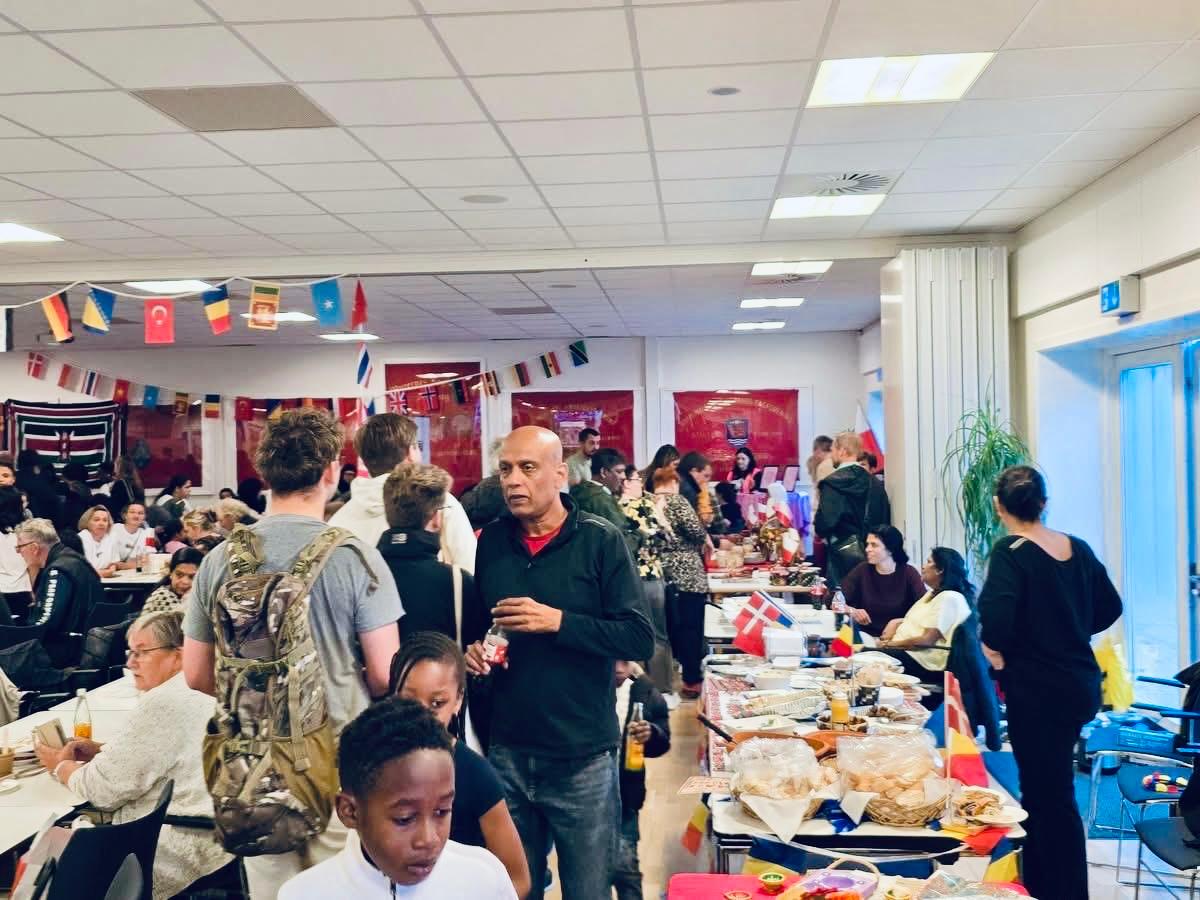
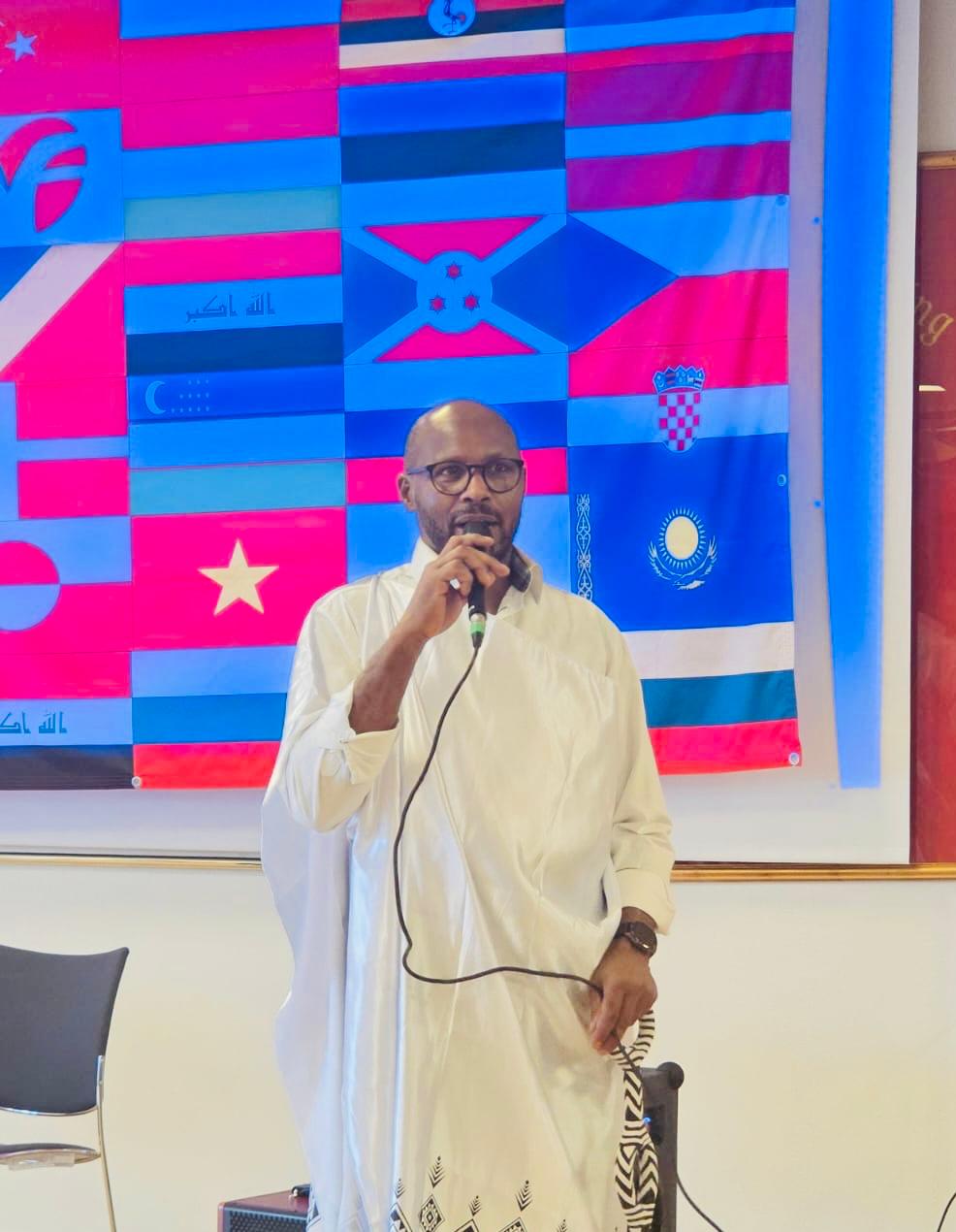
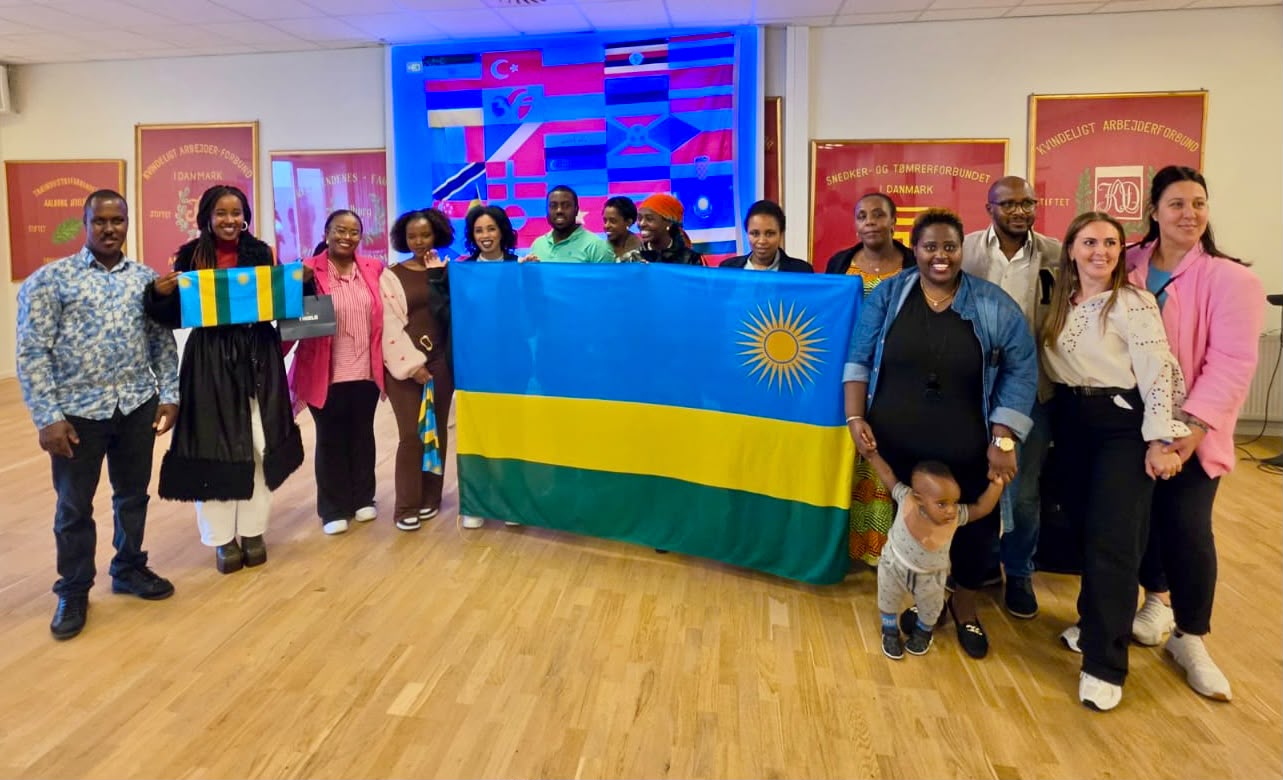
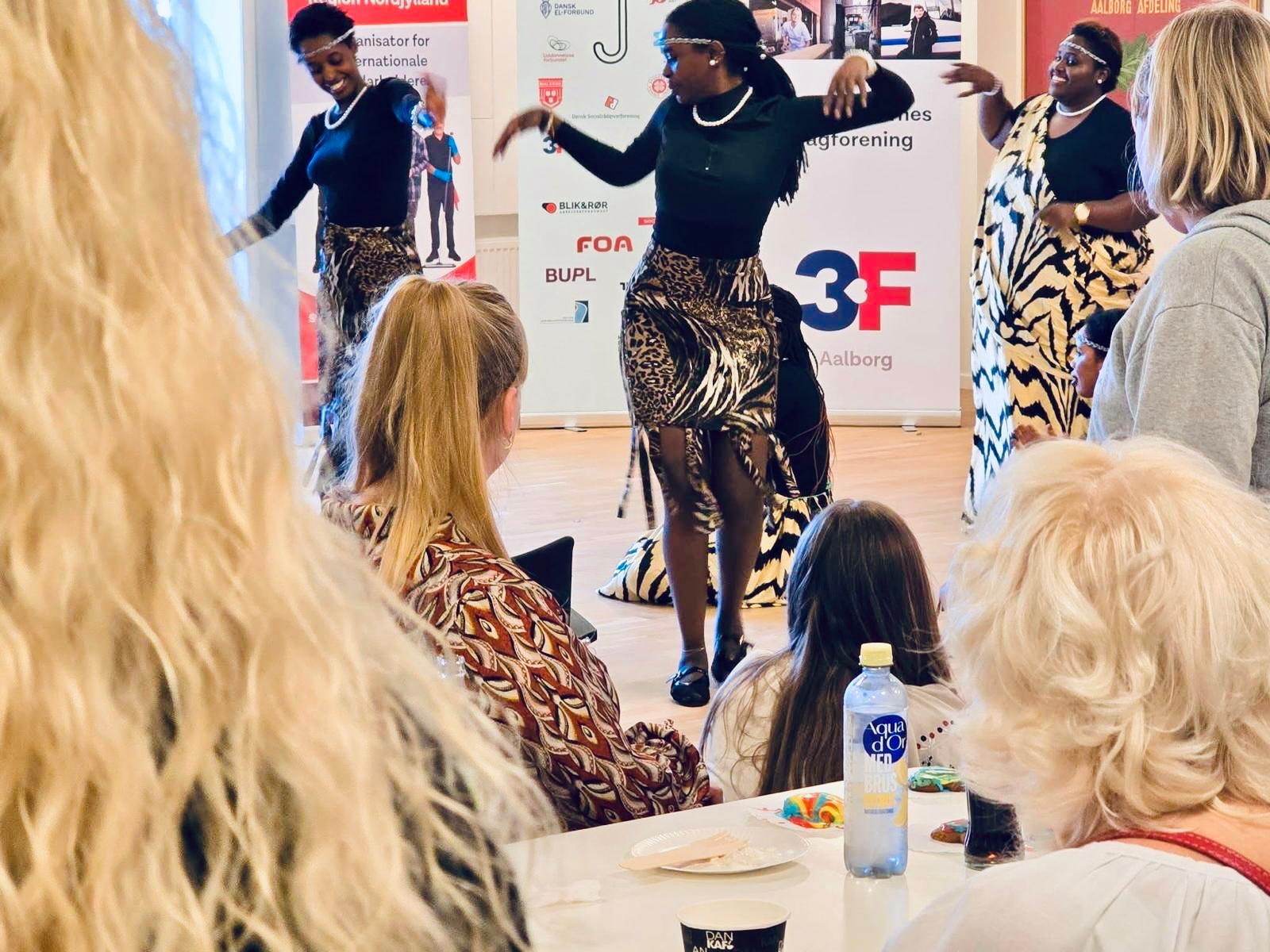
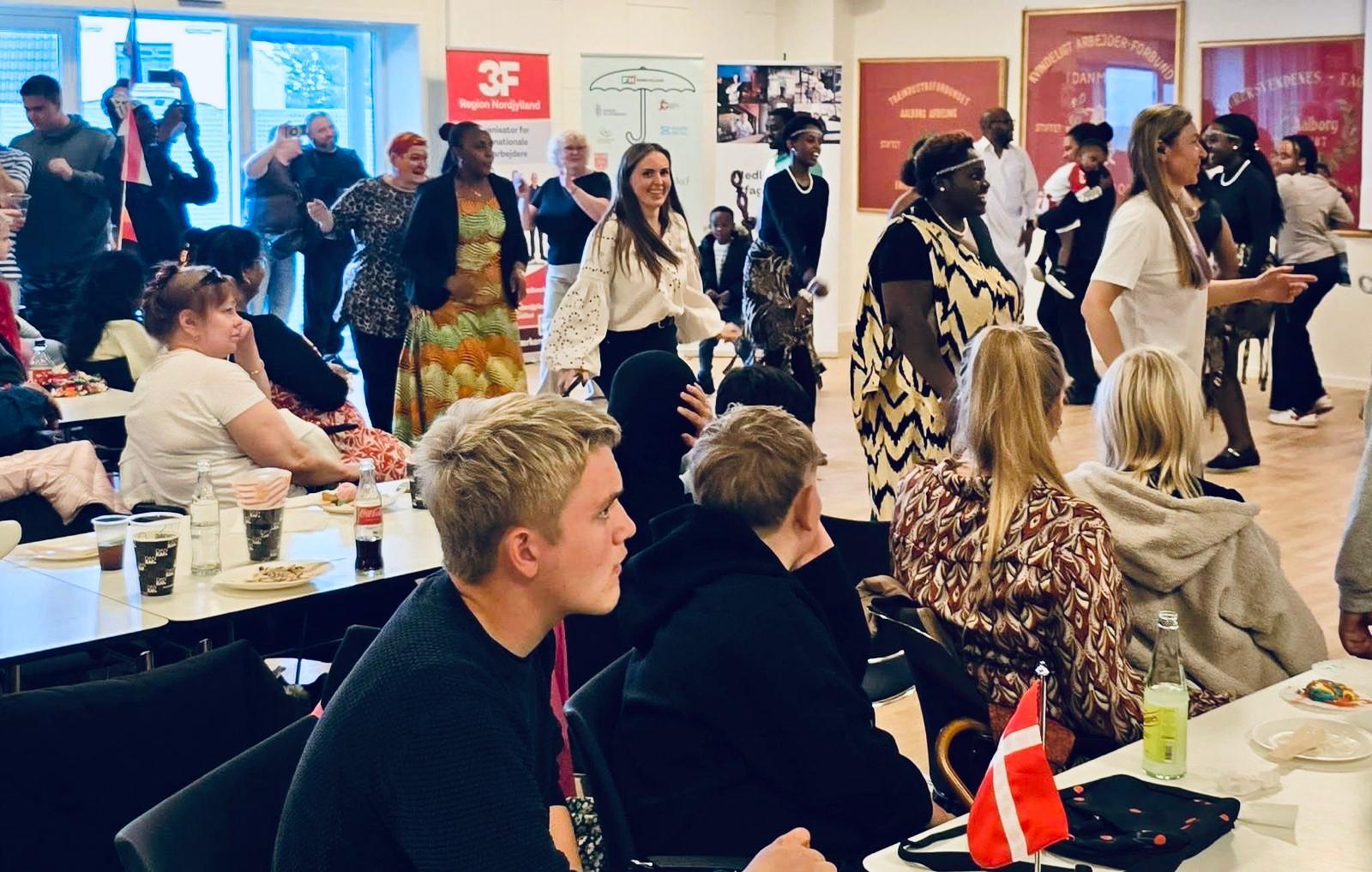
The celebration of the harvest festival by Rwandans living in Northern Europe was held as part of a major regional event organised by the 3F trade union. The event brought together union members living in Denmark, including people from different countries around the world.
Nkubana Paul, the representative of the Rwandan Diaspora in Jutland and Funen, told IGIHE that the gathering provided a valuable opportunity for the different communities to showcase their cultures.
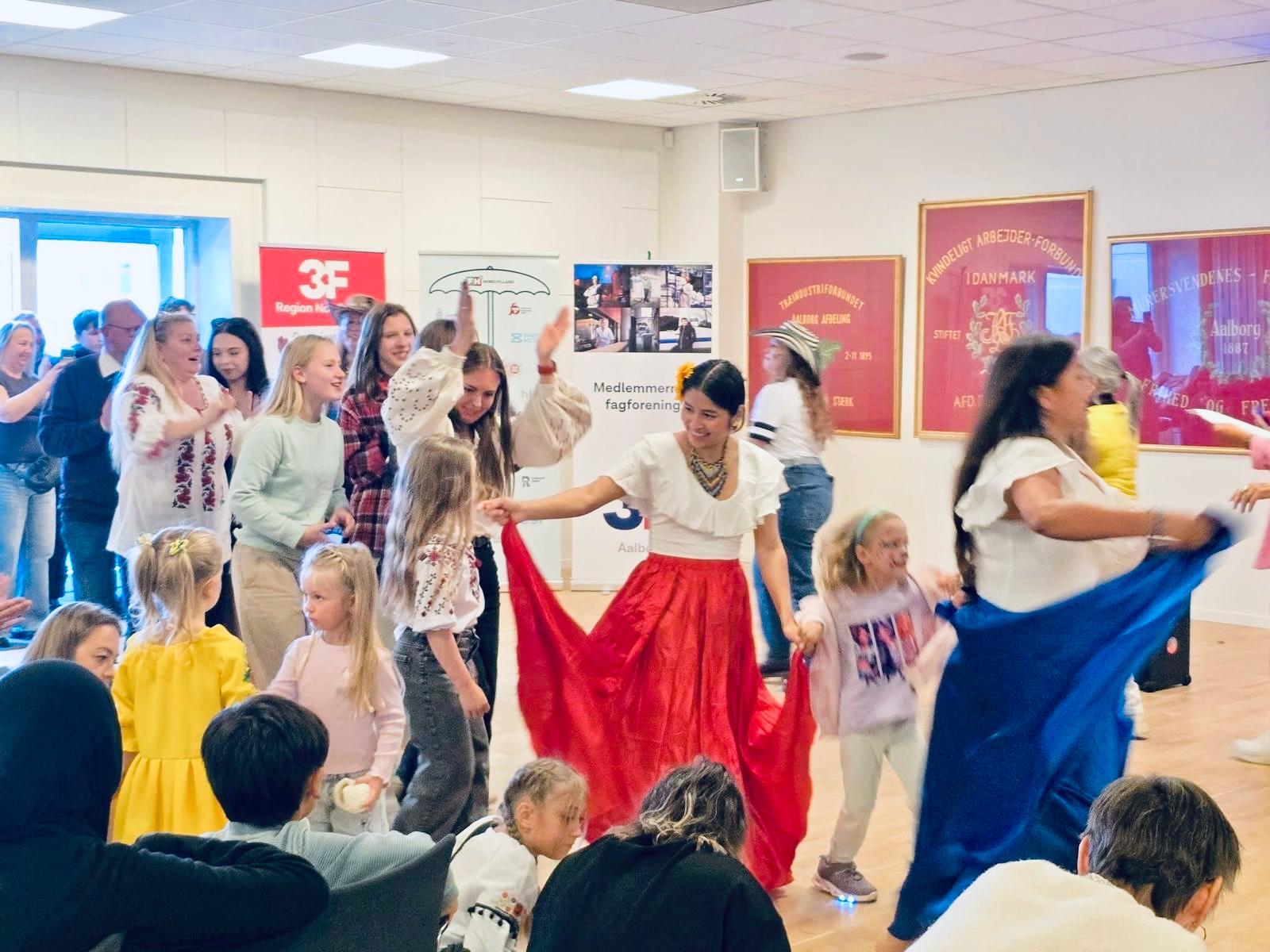
“It was a great opportunity to come together, with each community presenting its culture through traditional cuisine, songs, dances, traditional clothing and other cultural expressions.”
Nkubana said Rwandans showcased their culture through traditional dances as well as agricultural products prepared as local dishes.
“We had the opportunity to talk about today’s Rwanda. We realised that quite a number of people already knew Rwanda and asked us many questions because they were interested in what we were presenting,” he explained.
He also said that participants from other African countries had asked Rwandans to represent them, believing that greater cooperation among African communities would help showcase the continent in a stronger and more united way.
According to him, the African communities present agreed to strengthen their cooperation through various activities, with the aim of promoting greater awareness and understanding of their respective countries and cultures.
During the event, the Rwandans also presented the Visit Rwanda programme, explaining to participants the ease of travelling to Rwanda, including the possibility of obtaining a visa upon arrival at the airport.
They also highlighted some of Rwanda’s main tourist attractions, including its national parks and the diverse wildlife found there.
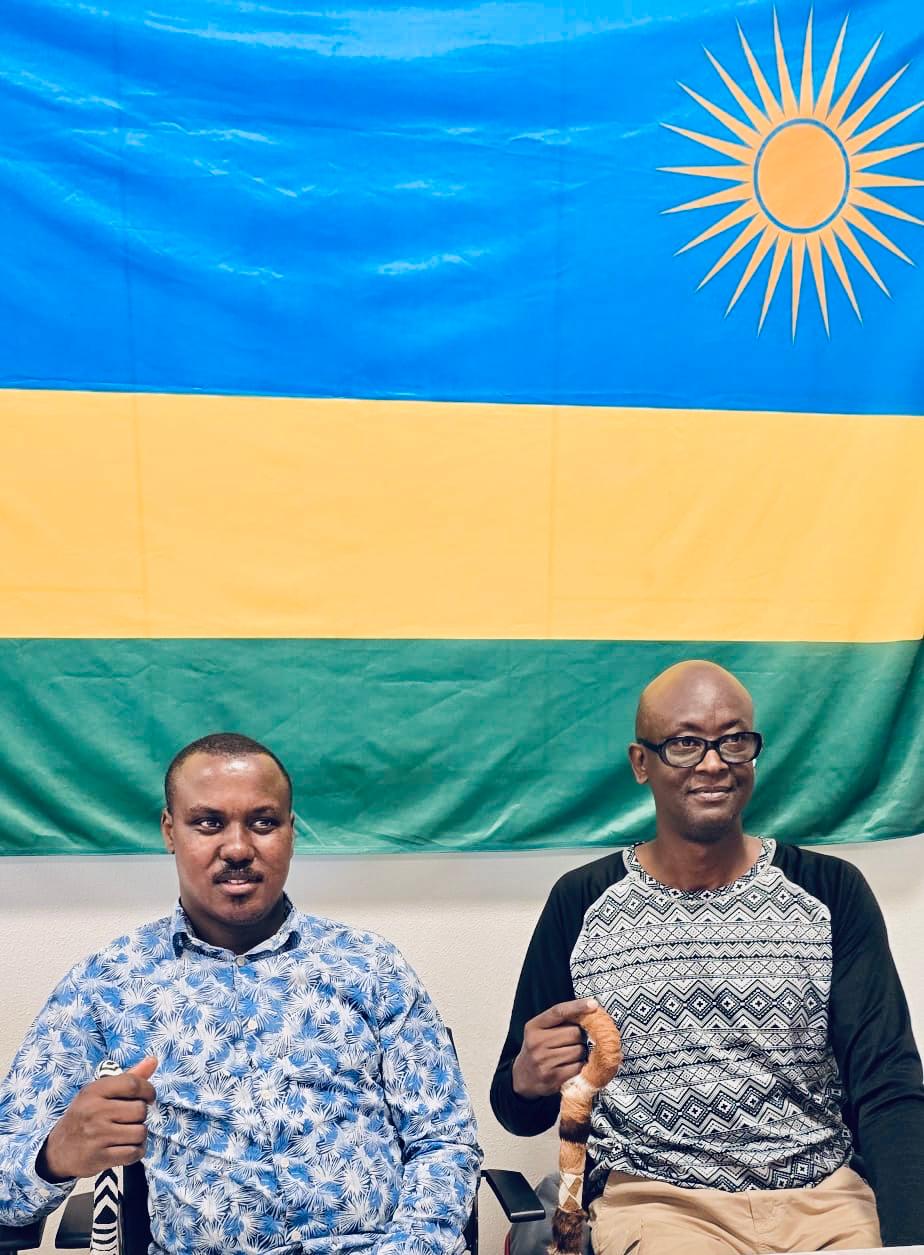
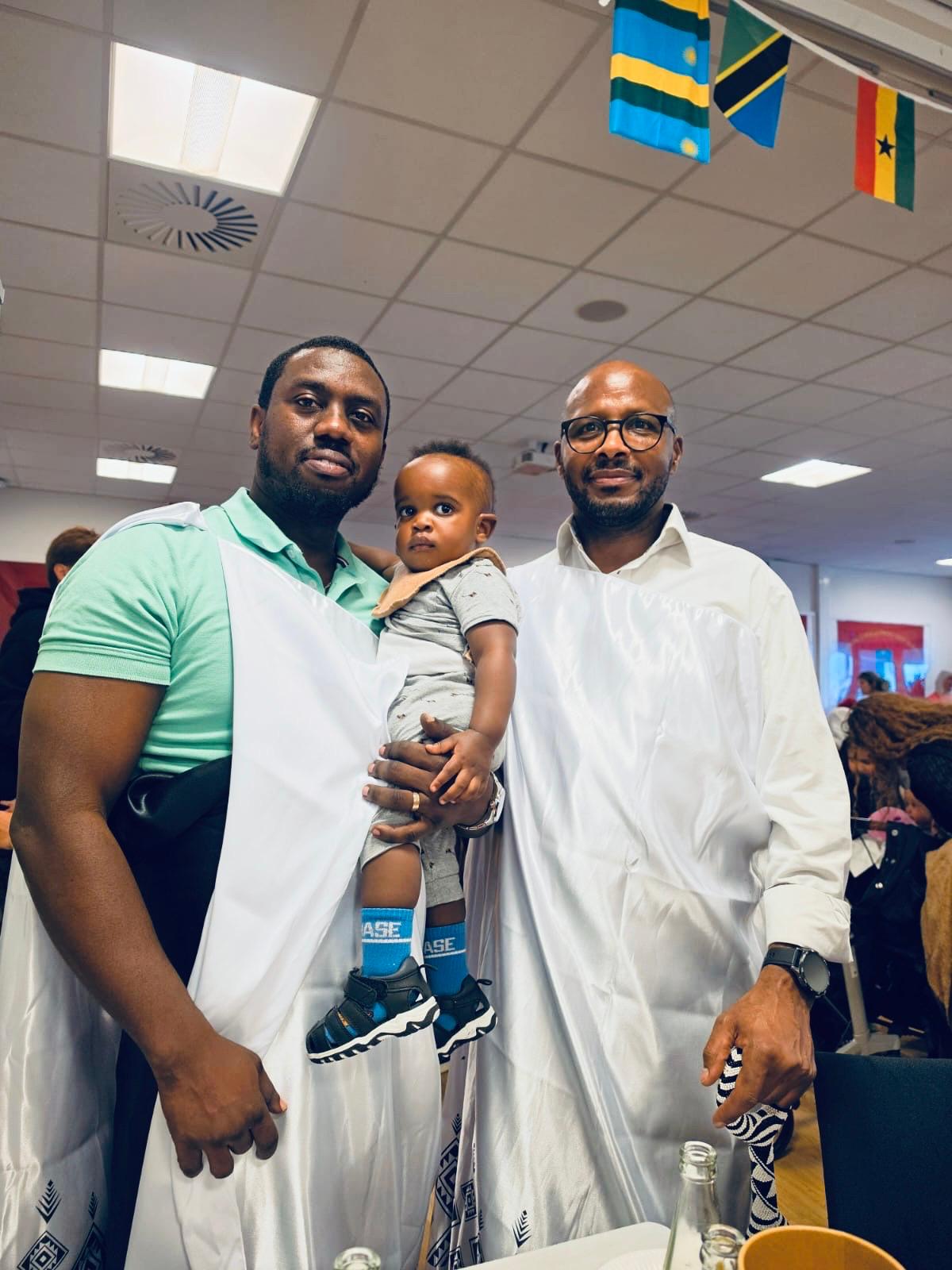
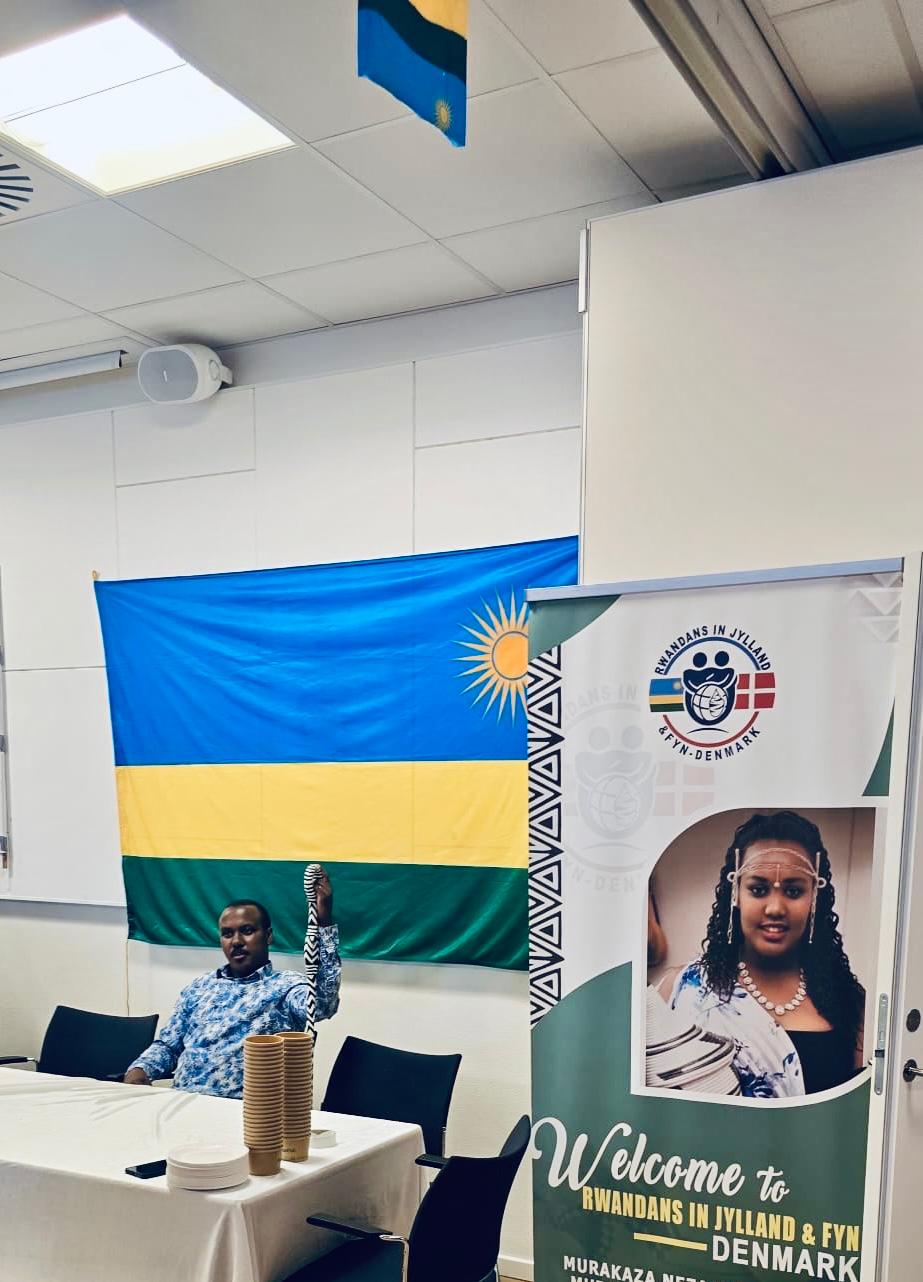
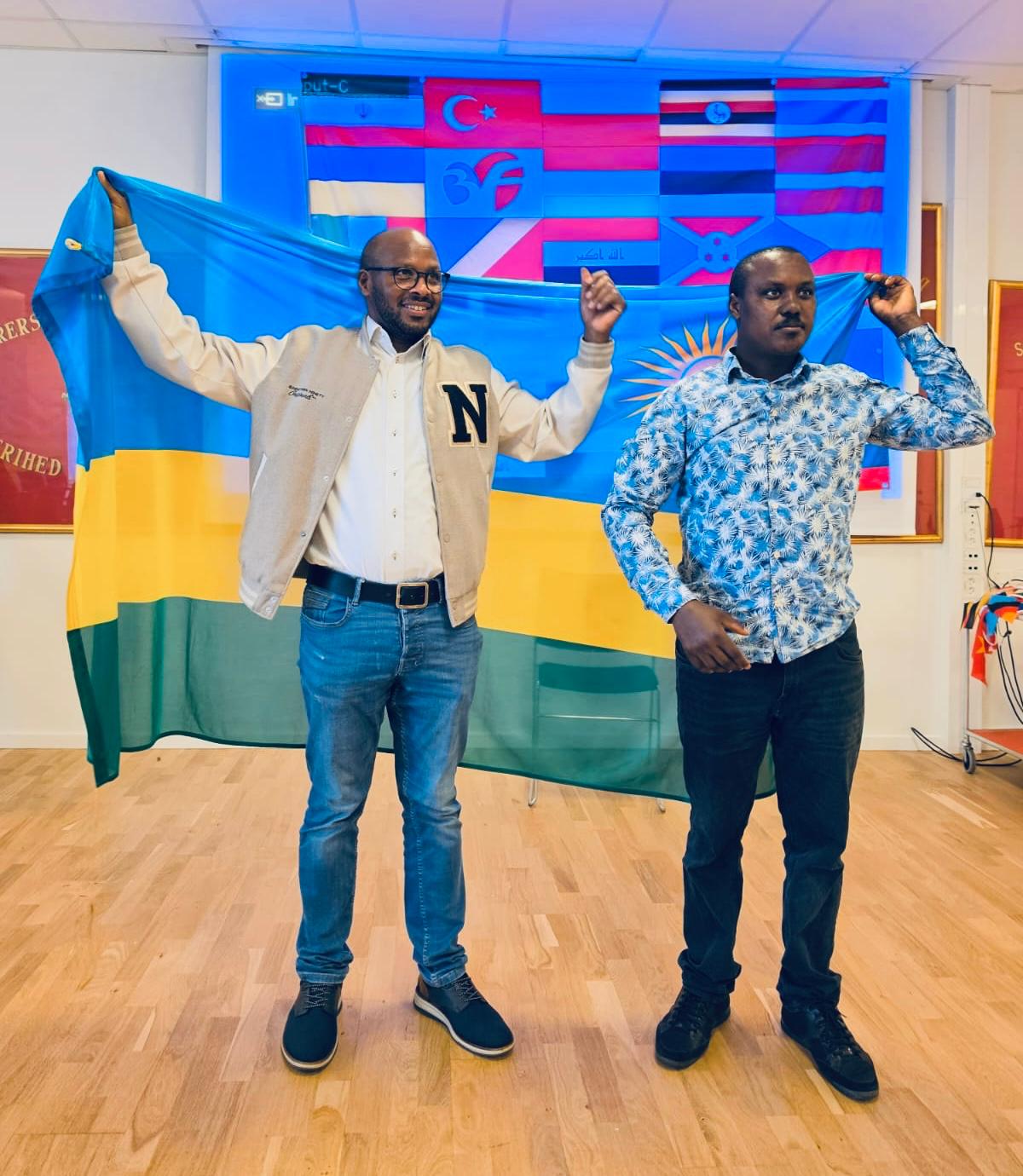
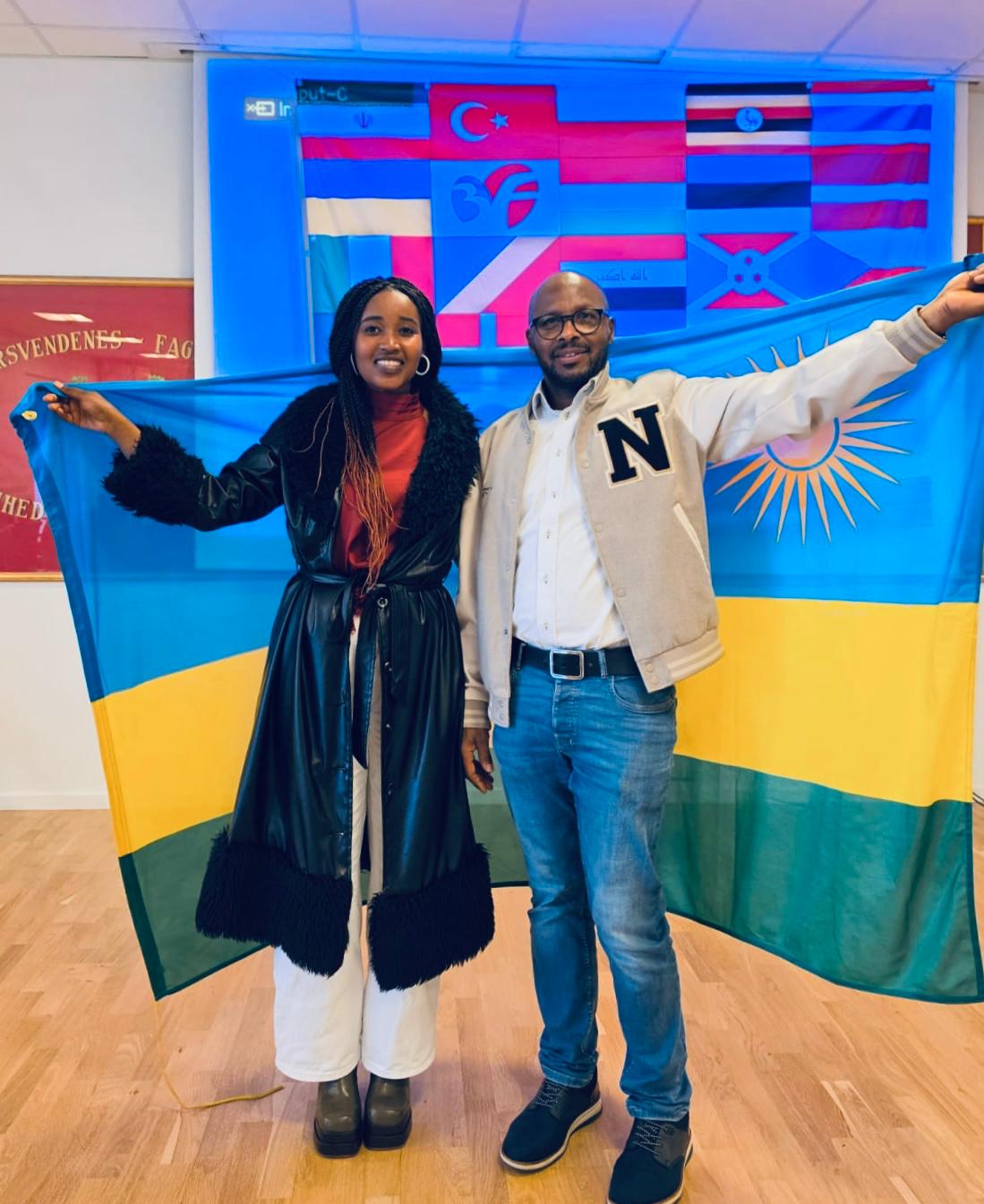
People from different countries came together to celebrate their diverse cultures at the cultural festival.Nkubana Paul, the representative of the Rwandan Diaspora in Jutland and Funen, told IGIHE that the gathering provided a valuable opportunity for the different communities to showcase their cultures.The Rwanda stand displayed the national flag and welcomed visitors interested in learning more about the country.The day brought together both young and old, dressed in traditional cultural attire.Members of the Abarerwa ba Danmark cultural troupe perform during the event.
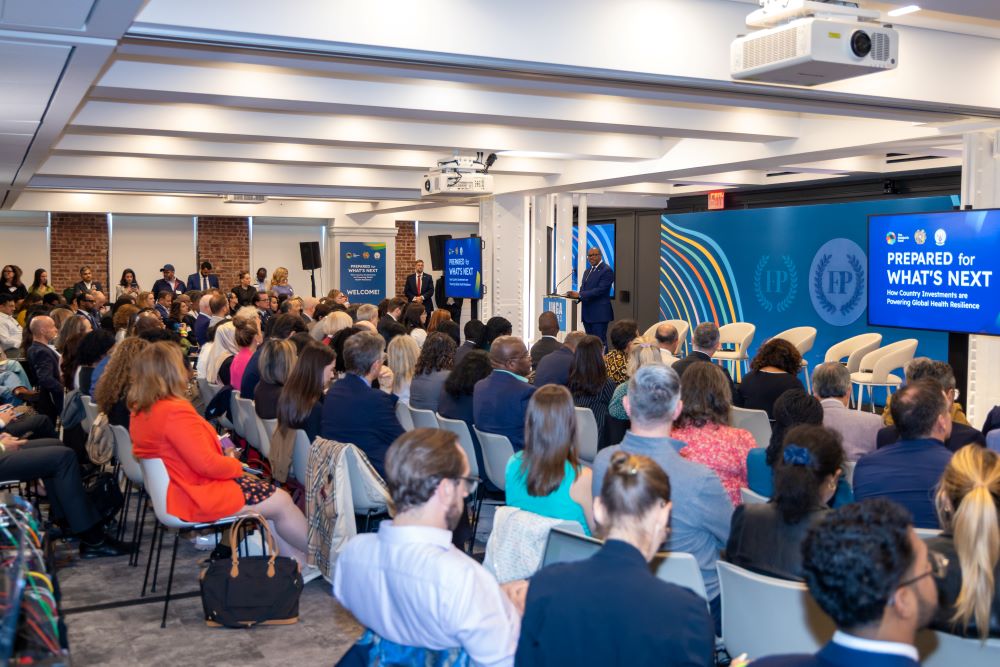
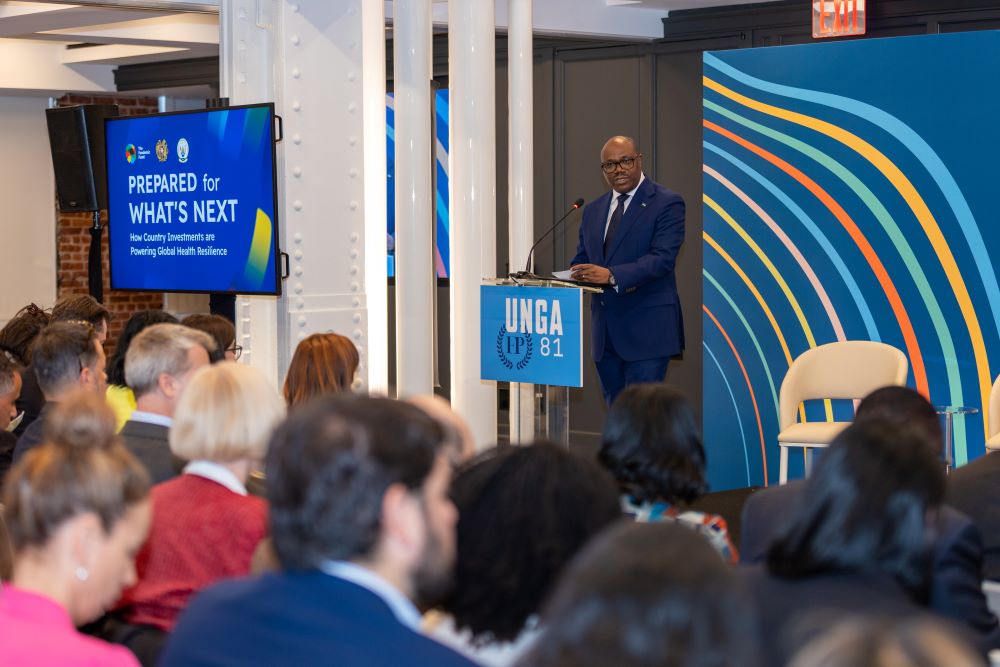
Dr. Nsengiyumva made the remarks in New York on September 23, 2026, during a high-level side event titled “What’s Next: How Country Investments are Powering Global Health Resilience,” held ahead of the United Nations High-Level Meeting on Pandemic Prevention, Preparedness and Response.
He said the world faces increasing health risks as climate change, pressure on land and growing movement of people and animals increase opportunities for pathogens to cross the species barrier.
At the same time, development assistance for health is declining, while the global attention that followed the COVID-19 pandemic has eased.
“Put simply, we are being asked to build more preparedness with less financing,” Dr. Nsengiyumva said, describing this as a challenge that requires a collective response.
For Rwanda, he said, pandemic preparedness has been shaped by experience with COVID-19, mpox, the country’s first Marburg outbreak and the continuing regional threat of Ebola.
Dr. Nsengiyumva pointed to Rwanda’s response to the Marburg outbreak in 2024 as an example of how investments in routine health systems can support emergency response.
During the outbreak, community health workers screened more than 9.5 million people in a country of about 14 million, helping bring the outbreak under control within three months. The outbreak was the third-largest Marburg outbreak recorded, with a case fatality rate of 22.7%, among the lowest ever recorded for this disease.
He said the response was possible because Rwanda already had community health workers, surveillance networks, laboratories and hospitals that could be mobilised when the new threat emerged. “Preparedness, in our experience, is not a specialised capability held in reserve for emergencies. It is the everyday strength of a health system,” Dr. Nsengiyumva said.
Rwanda is also using its partnership with the Pandemic Fund to strengthen its One Health systems and establish a National Veterinary Reference Laboratory, which is expected to improve the country’s ability to detect zoonotic diseases and reduce reliance on testing abroad.
Dr. Nsengiyumva said countries need predictable domestic resources to sustain preparedness between outbreaks, while international partners should provide financing that allows governments to plan and maintain these systems.
He urged countries to translate international commitments into concrete investments, including dedicated preparedness funding in national budgets.
“The next threat may emerge anywhere,” he said. “What we can determine in advance is whether the systems it encounters are ready.”
He added that Rwanda will continue investing in preparedness domestically while working with neighbouring countries, regional institutions and global partners to strengthen health security across the region.
1. Prime Minister Dr. Justin Nsengiyumva speaks at a high-level side event on global health resilience in New York on September 23, 2026.The high-level side event titled “What’s Next: How Country Investments are Powering Global Health Resilience,” was held in New York on September 23, 2026 ahead of the United Nations High-Level Meeting on Pandemic Prevention, Preparedness and Response.
Dr. Frank Habineza, spokesperson for the National Consultative Forum of Political Organizations, told IGIHE that Gasamagera was nominated by the Rwandese Patriotic Front (RPF-Inkotanyi) and was the only candidate.
“Hon. Gasamagera Wellars was nominated by the RPF-Inkotanyi. No other person competed against him. We had agreed that if there was only one candidate, he would be elected unopposed. We all therefore voted for him,” Habineza said.
Habineza explained that after the Forum designated Gasamagera, his file was submitted to the Supreme Court for final approval, as provided for by law.
He described Gasamagera as an experienced public official who has held various senior positions in Rwanda at different times.
Gasamagera recently left his position as Secretary General of the RPF-Inkotanyi, a role he had taken up in early 2023 before stepping down in December 2025.
He has previously served as Rwanda’s Ambassador to Angola and São Tomé and Príncipe, as a senator from 2003 to 2011, and as Director General of the Rwanda Management Institute (RMI).
Gasamagera holds a PhD from Monarch Business School in Switzerland and a Master’s degree in Public Administration from the University of Quebec in Canada.
Between 1997 and 2001, he served as Prefect of the former Kigali Ngari Prefecture.
Amb. Gasamagera Wellars has been nominated as senator to represent political parties’ forum.
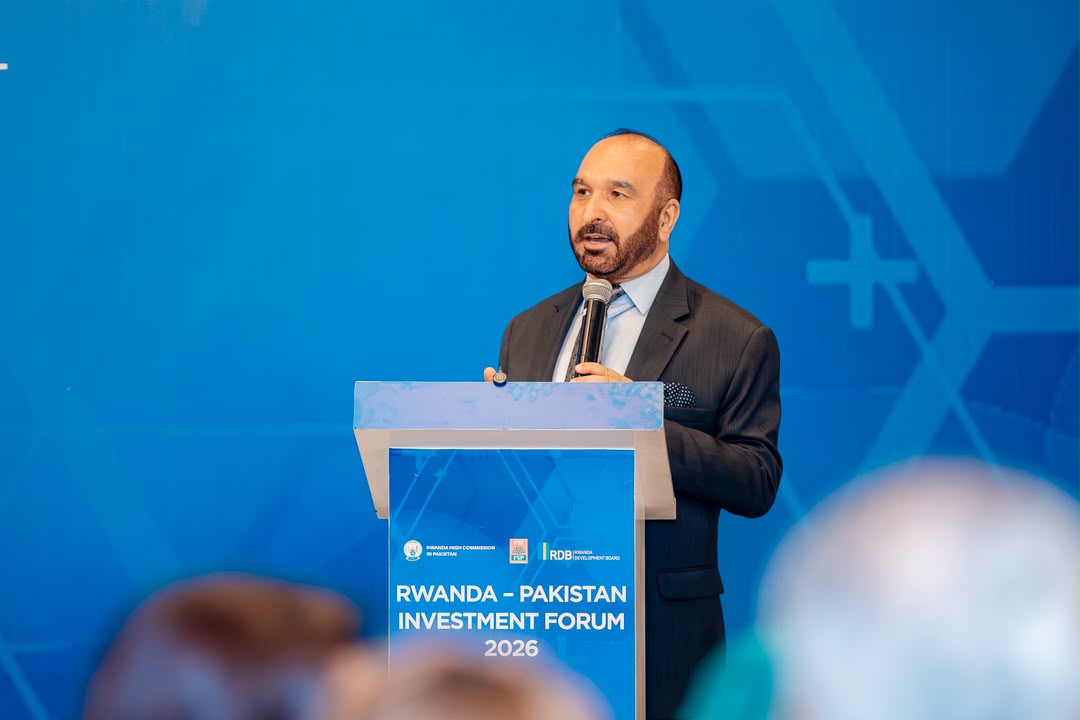
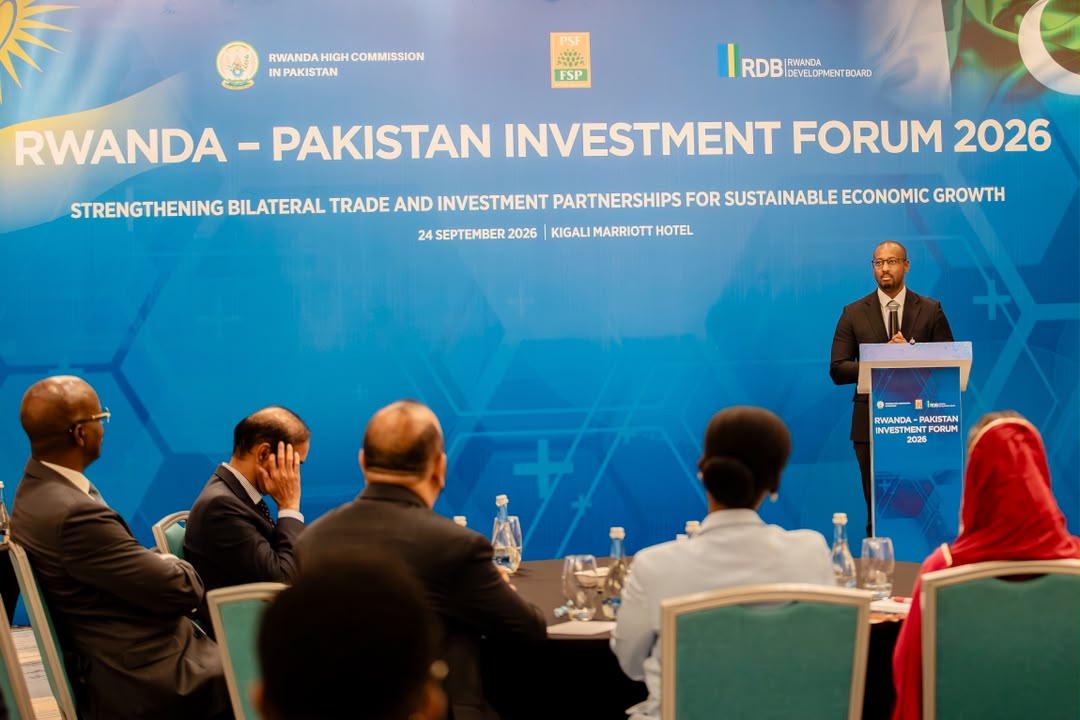
Pakistan’s High Commissioner to Rwanda, Naeem Khan, revealed that the two countries are working on an aviation memorandum of understanding that could pave the way for direct air connectivity.
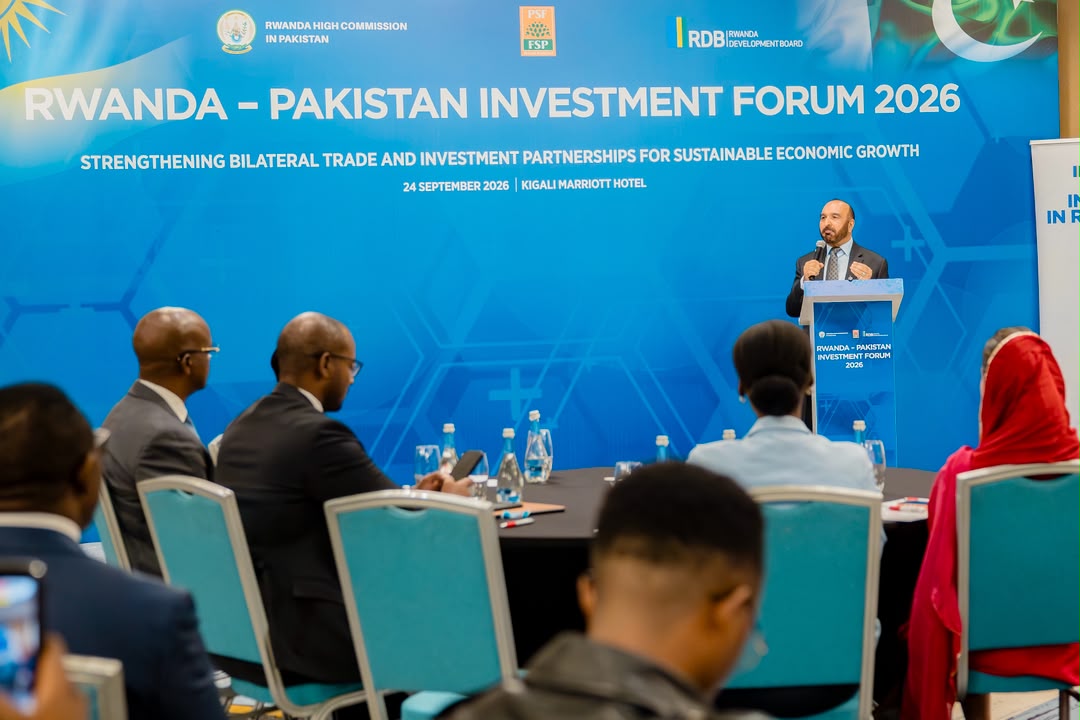
“We are working on an MoU in the aviation sector,” Naeem told journalists on the sidelines of the Rwanda-Pakistan Investment Forum held in Kigali on Thursday, September 24, 2026.
He highlighted that the proposed air link could benefit not only Rwanda and Pakistan but also facilitate connections between wider markets in Africa and South Asia.
“RwandAir already flies to Qatar. From Qatar, Pakistan is just two or three hours away. Why not extend that connection to Pakistan?” Naeem remarked, referring to the possibility of extending existing connections through the Middle East.
He cited the model used by airlines such as Ethiopian Airlines, which connect Pakistan to Addis Ababa and then serve other African destinations, saying a similar model could be developed through Rwanda.
Naeem noted that the aviation agreement is still under discussion and could be concluded within the next few months to a year.
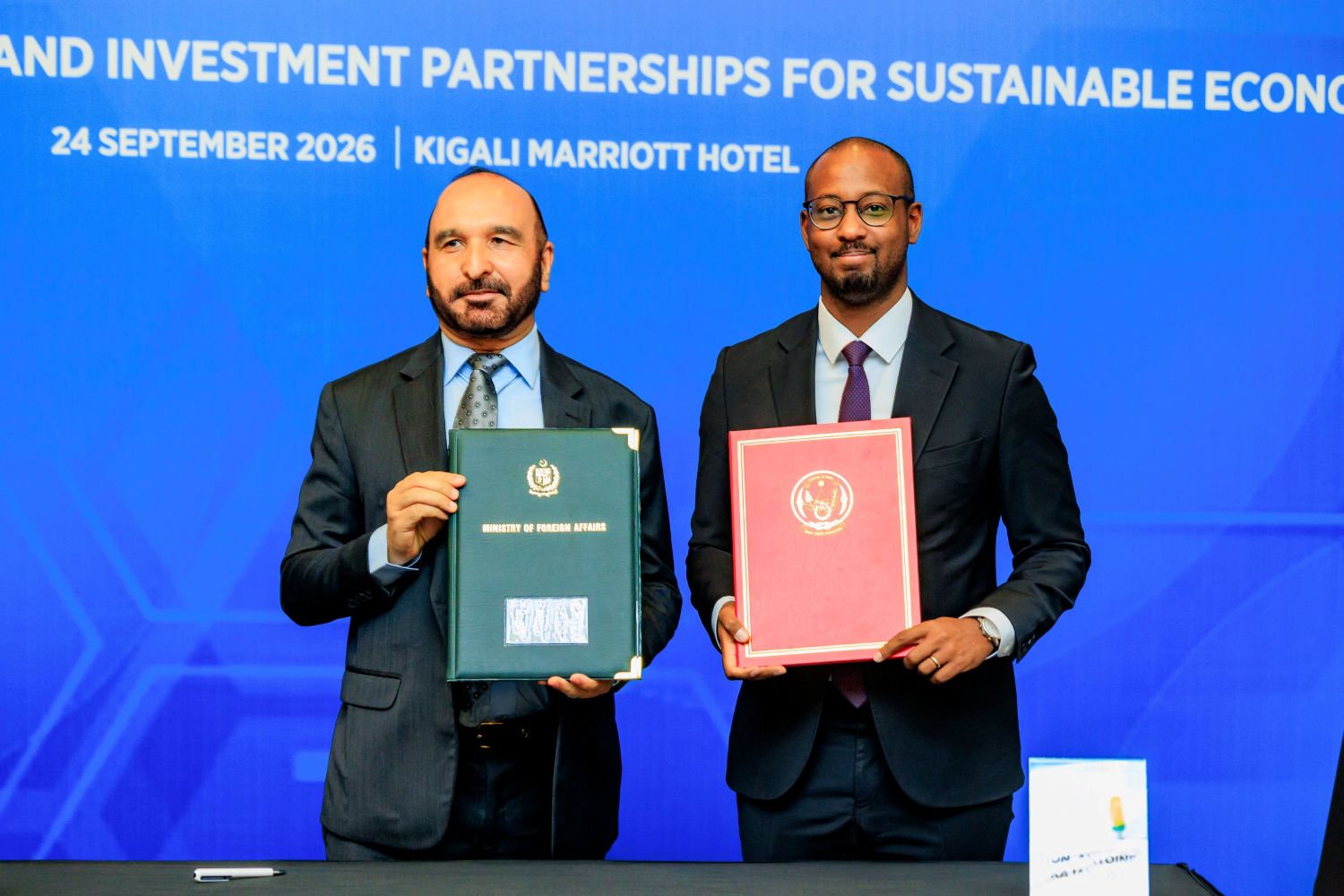
The proposed direct flights come as Rwanda and Pakistan seek to increase trade and investment following the signing of a bilateral trade agreement at the forum.
The agreement, signed by Rwanda’s Minister of Trade and Industry, Antoine Kajangwe, and Naeem, is intended to strengthen trade facilitation, business-to-business partnerships, joint ventures and cooperation in sectors including manufacturing, agriculture, tourism and transport.
Naeem emphasised that stronger air connectivity would support growing commercial links between the two countries by making it easier for businesspeople, investors and tourists to travel between Rwanda and Pakistan.
He also pointed to opportunities for Pakistani airlines and aviation-related companies to participate in Rwanda’s growing aviation market.
Rwanda is developing the new Kigali International Airport, which is expected to have a long-term capacity of up to 14 million passengers and serve as an anchor for a wider airport city focused on trade, logistics, tourism and investment.
Rwanda Development Board Deputy CEO Juliana Muganza told the forum that the airport development forms part of Rwanda’s broader ambition to strengthen its position as a regional hub.
Trade between Rwanda and Pakistan reached $236 million between 2023 and 2025, according to the RDB Deputy CEO, as the two countries seek to deepen commercial ties and expand investment.
Naeem said the proposed connectivity could also position Rwanda as a link between South Asia and the wider African market.
“It will not be only Rwanda and Pakistan. They can cater to the whole of Africa and South Asia from Pakistan,” he added.
Rwanda and Pakistan have also identified several areas for stronger commercial cooperation, including manufacturing, agriculture, healthcare, ICT, tourism, construction and logistics.
Naeem said Pakistani companies are interested in investing in Rwanda while also using the country as a base to serve other African markets.
He cited construction, real estate, tourism and hospitality among the sectors where Pakistani investors could participate.
The two countries are also seeking to increase trade in agricultural products. Naeem highlighted Pakistani interest in importing Rwandan tea, coffee, avocados, beans, lentils and other pulses directly from Rwanda.
He emphasised that direct air connectivity could complement these efforts by improving links between businesses and markets in the two countries.
The proposed aviation cooperation is therefore part of a broader push by Rwanda and Pakistan to move beyond diplomatic relations and expand practical economic ties through trade, investment, transport and private-sector partnerships.
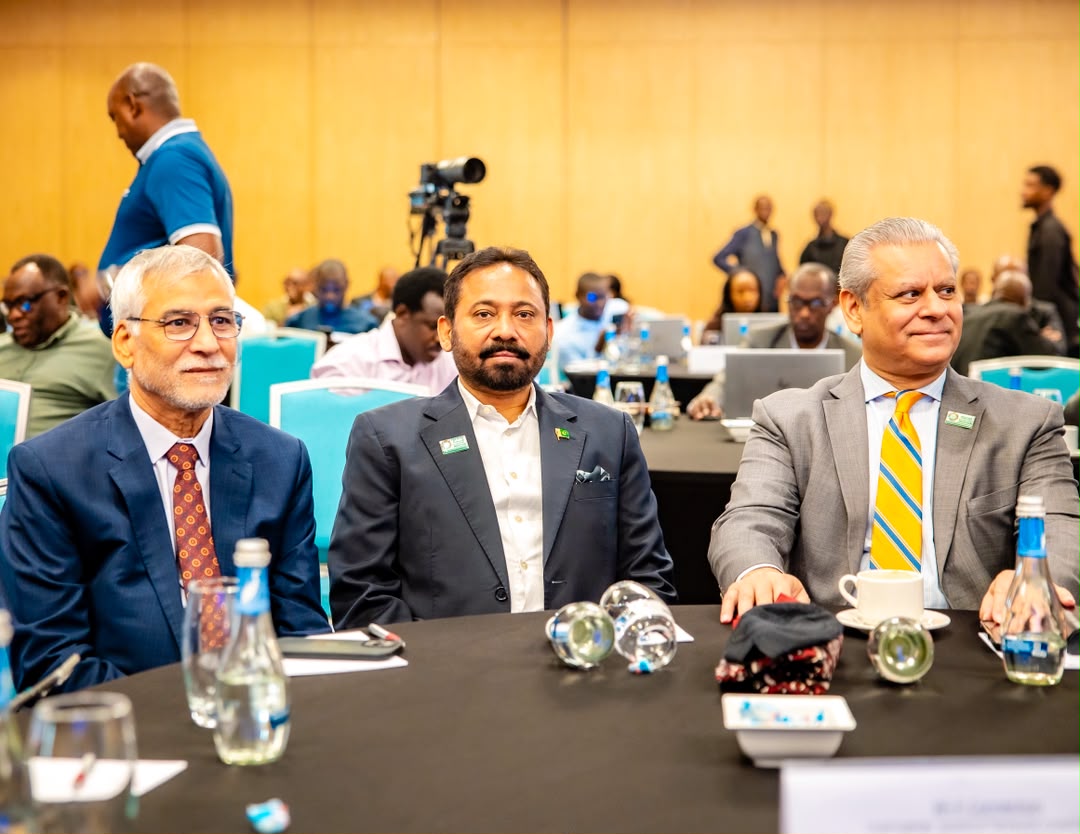
The proposed direct flights come as Rwanda and Pakistan seek to increase trade and investment following the signing of a bilateral trade agreement at the forum.Pakistan’s High Commissioner to Rwanda, Naeem Khan, revealed that the two countries are working on an aviation memorandum of understanding that could pave the way for direct air connectivity.Minister Kajangwe said the new trade agreement would help deepen cooperation in priority sectors. The forum brought together about 30 Pakistani business leaders and more than 40 Rwandan business representatives.
Ishimwe, who was born in Gikondo, Kicukiro, studied International Business with a specialization in Modern Logistics at WSG University in Poland. He now works for Thales Alenia Space, a Franco-European company specializing in satellite and space technologies.
Together with fellow students Shema Aime Cesar and Ishimwe Byiringiro Etienne, he developed Gerayo App, a mobile application designed to help passengers plan journeys and track Kigali’s bus services.
The idea emerged while the students were observing how technology was being used in Poland’s transport system.
“We are a group of three students who developed the application after observing how the transport system works here. We thought, ‘Couldn’t it be good if we applied technology to improve transportation in Rwanda?’” Ishimwe told IGIHE.
The team used knowledge acquired at university to develop the application and financed its initial online hosting and other costs through their personal savings.
Gerayo allows users to enter their current location and destination and receive information on available buses, routes and expected travel times.
According to Ishimwe, the application uses bus timetables provided by Ecofleet to determine departure intervals, distances and estimated travel times. It also uses Google Maps to estimate how long a passenger may take to walk to a bus stop.
The app can be particularly useful for people unfamiliar with Kigali’s public transport network, allowing them to plan their trips before leaving home.
“If you are walking on foot, the application uses Google Maps to show you how long it may take to reach the bus station,” he said.
The application has been in use for four months and has already attracted about 1,500 users in a week, equivalent to roughly 228 users per day.
Ishimwe said the users are mainly young people, students and other commuters, with a survey showing that people aged between 16 and 32 form the largest user group.
He believes the service can help passengers reduce waiting time and transport costs while making it easier to arrive at their destinations on time.
“I hope many people can take advantage of the app, spend less on transport and reach their destinations on time. It can also help people who may not be able to afford private transport,” he said.
The team is now looking beyond journey planning, with plans to introduce payment and e-ticketing features.
“We first want to integrate a payment system into the application based on feedback from users,” Ishimwe said.
The developers are also considering partnerships with existing payment providers and transport companies to eventually enable passengers to book seats and pay for tickets through the platform.
Ishimwe said collaboration with public institutions and private companies will be important as the project develops. He cited Ecofleet as one of the companies whose publicly accessible transport information can help improve the application.
The team also hopes to eventually expand Gerayo beyond Kigali to other cities across Rwanda.
For Ishimwe, the project was partly inspired by a personal experience. After a relative was involved in a motorcycle accident in 2023, he encouraged the person to use public transport. The experience later contributed to discussions that led to the development of the application in 2024.
Gerayo is currently available on Google Play and the Apple Store.
Shema Aime Cesar, one of the three students behind Gerayo App, contributed to developing the technology aimed at making Kigali’s public transport network easier for passengers to navigate.Ishimwe Byiringiro Etienne, a member of the Gerayo development team, is part of the group working to use technology to improve how passengers access information about public transport in Kigali.Kevin Ishimwe, Managing Director of Gerayo App, leads the team behind the public transport application and its development.IGIHE journalist during an interview with Kevin Ishimwe, one of the developers of Gerayo App, about how lessons from Poland inspired the team to develop a digital solution for Kigali’s public transport system.