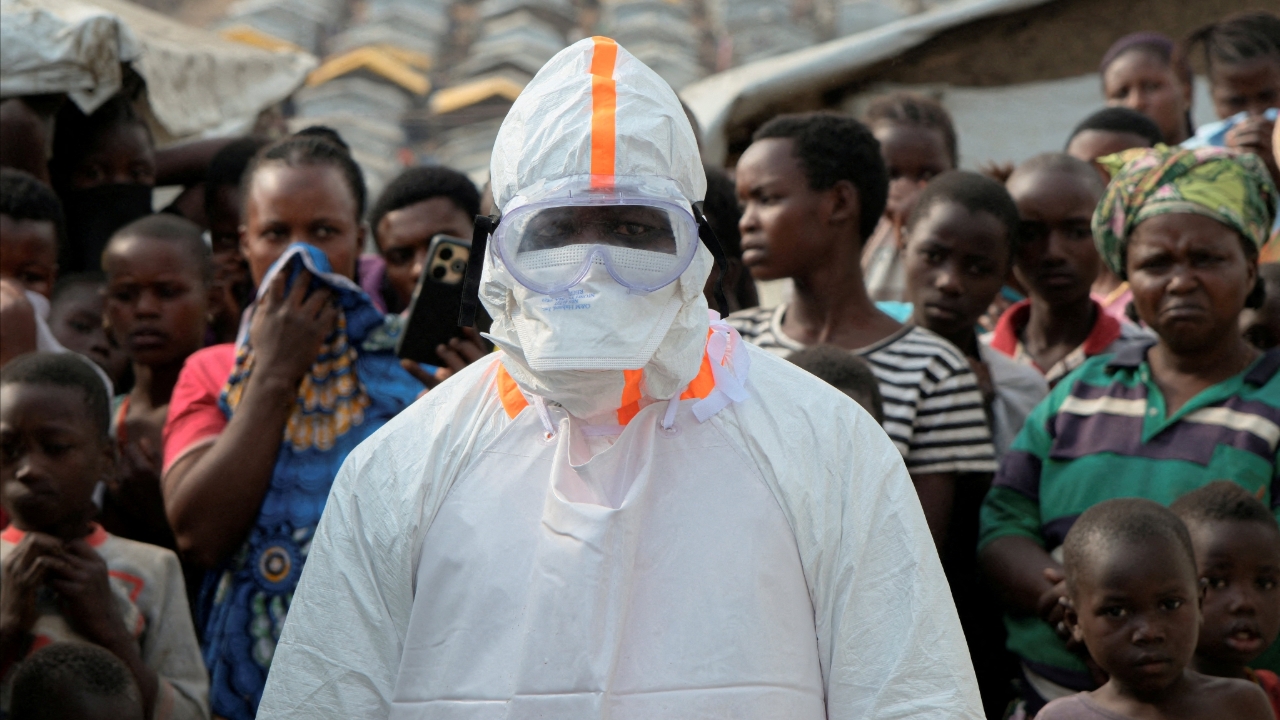
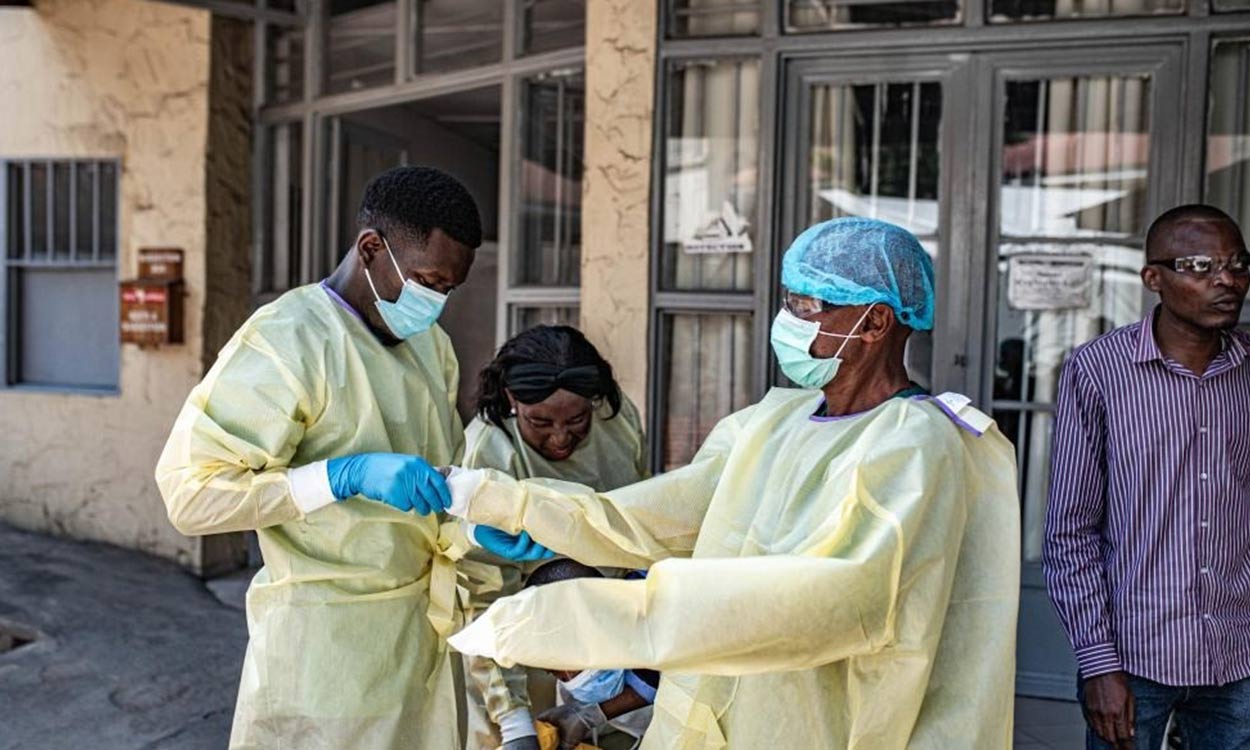
The figures showed that 192 patients had recovered, while 609 others were receiving treatment or under care.
The outbreak remains concentrated in the eastern provinces of Ituri, North Kivu and South Kivu, where surveillance, medical care and response operations are continuing.
The government said response capacity is being strengthened through the deployment of vehicles and ambulances, the supply of medicines and personal protective equipment, and intensified communication and community mobilization efforts.
The DRC declared the outbreak in mid-May. Health authorities and international partners have repeatedly warned that insecurity, population movement, pressure on health facilities and incomplete contact tracing continue to complicate the response.
The outbreak remains concentrated in the eastern provinces of Ituri, North Kivu and South Kivu, where surveillance, medical care and response operations are continuing.
According to the figures released Tuesday by the government, 609 patients were in isolation or hospitalized, while 189 people had recovered. The contact follow-up rate in the three affected provinces reached 82.7 percent.
The outbreak, caused by the Bundibugyo virus, remains “active” in the DRC, with transmission continuing in several hotspot areas, the World Health Organization (WHO) said in its report released on Tuesday.
Important operational gains had been made, including better contact follow-up, expanded decentralized laboratory capacity, increased treatment capacity and strengthened cross-border coordination, the WHO said.
However, the WHO warned that the response “remained below the level required to interrupt transmission rapidly,” citing the continued increase in cases and deaths, near-saturation of treatment facilities and insufficient infection prevention and control readiness in health facilities as signs that a stronger operational surge was urgently needed.
Beyond the health emergency, the outbreak is also raising alarms over its economic and social impact. A new assessment by the United Nations Development Programme (UNDP) warned on Tuesday that the Ebola crisis could push 985,000 more people into poverty in the DRC, with women disproportionately affected by the economic and health fallout.
The UNDP also warned that the crisis risks eliminating tens of thousands of jobs, disrupting education and healthcare services, and costing African economies up to 3.6 billion U.S. dollars if broader regional and global shocks intensify.
Even under a baseline scenario in which the virus is contained in the DRC and Uganda, the DRC could face real GDP losses of more than 1 billion dollars and the loss of 55,000 jobs, according to the UNDP assessment.
Meanwhile, the Africa Centers for Disease Control and Prevention (Africa CDC) on Tuesday called for urgent funding to support clinical trials for candidate therapeutics against Bundibugyo Ebola virus.
It said trials evaluating candidate therapeutics were being launched this week in Bunia, capital of DRC’s Ituri Province, epicenter of the outbreak, marking an important step in the response to a strain for which there is currently no licensed vaccine or therapy.
Africa CDC said financing for vaccine trials was largely in place, but a funding gap remained for therapeutic trials, which only secured 10 million dollars. It appealed for immediate additional financing, including 16 million dollars for a post-exposure prophylaxis study among exposed contacts and another 2 million to 3 million dollars to strengthen contact tracing needed for the trial.
“We have the science. We now need the funding to use it. Clinical trials must start this week, and every day of delay costs lives we could save,” Africa CDC Director General Jean Kaseya said in a statement on Tuesday.
The DRC declared the outbreak in mid-May. Health authorities and international partners have repeatedly warned that insecurity, population movement, pressure on health facilities and incomplete contact tracing continue to complicate the response.
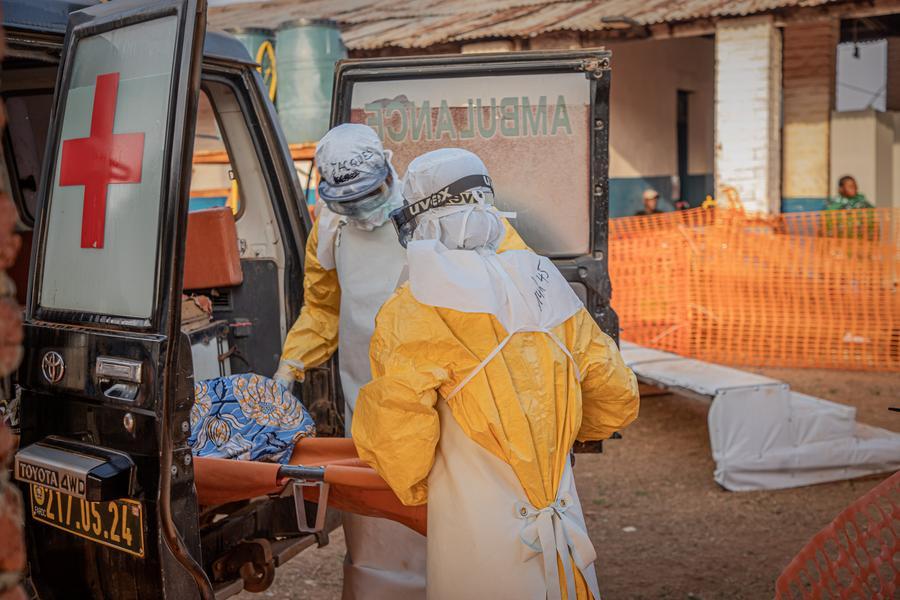
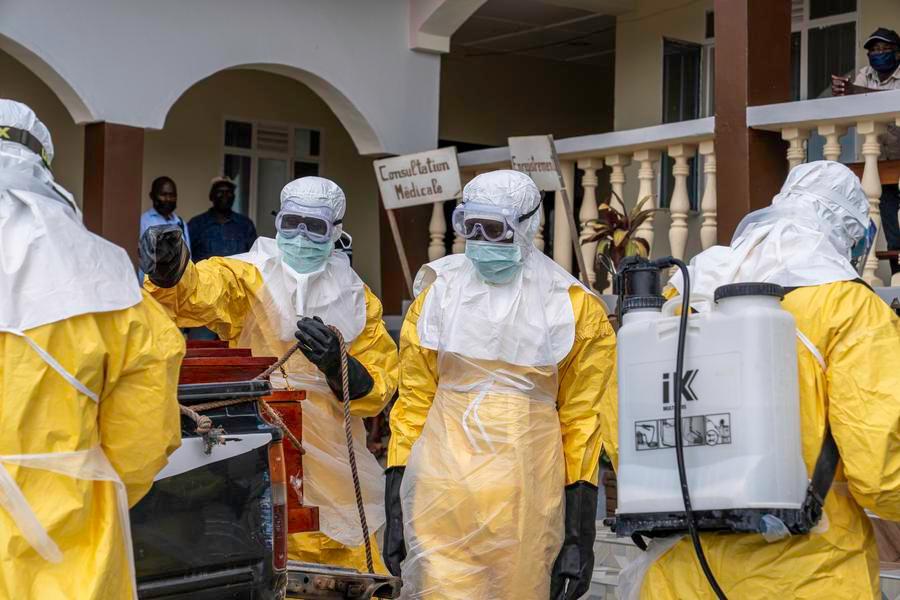
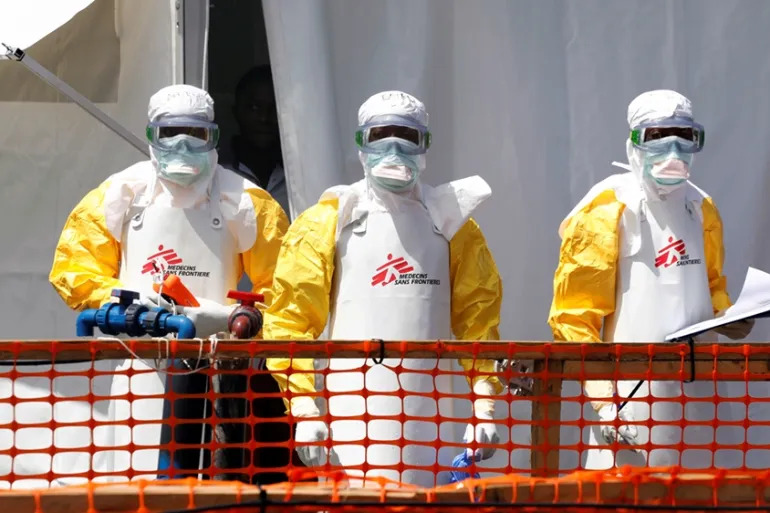
Medical workers escort an Ebola patient to an Ebola treatment center in Mongbwalu, Ituri Province, the Democratic Republic of the Congo, June 20, 2026. (Xinhua)
Security Council resolutions have imposed an arms embargo on armed groups in the DRC, a travel ban on individuals, and an asset freeze on individuals and entities designated by the DRC Sanctions Committee.
Resolution 2825, which won the unanimous support of the 15-member council, also extends the mandate of the group of experts assisting the DRC Sanctions Committee until Aug. 1, 2027.
The resolution requests the group of experts to submit to the Security Council a midterm report no later than Dec. 30, 2026, and a final report no later than June 15, 2027.
The resolution calls for enhanced cooperation between all states and the group of experts, and reaffirms the importance of ensuring the safety and security of the members of the group.
It recalls the UN secretary-general’s commitment that the United Nations will do everything possible to ensure that the perpetrators of the March 2017 killing of two members of the group of experts and the four Congolese nationals accompanying them are brought to justice.
DRC has been accused of long-term collaboration with FDLR terrorist group responsible for the 1994 Genocide against the Tutsi.
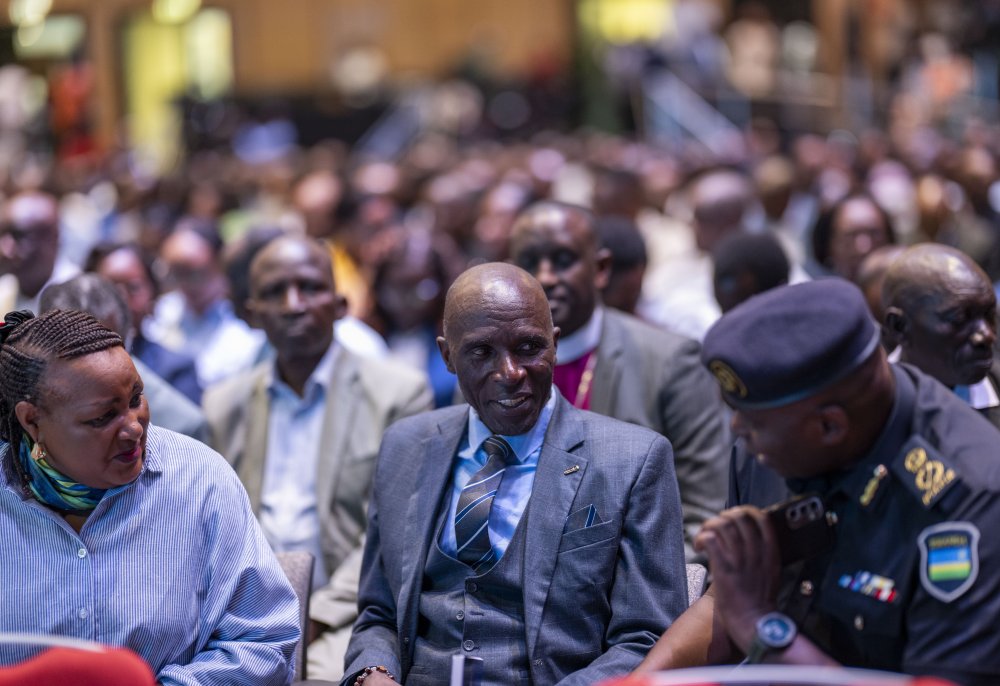
He made the revelations on June 27, 2026, during a symposium on the history of the Genocide against the Tutsi and the Liberation Struggle held at Intare Arena. The event was attended by President Paul Kagame, First Lady Jeannette Kagame, members of Unity Club, and other senior officials.
In his testimony, Bora described how he joined the FDLR and detailed the group’s alleged planning and operations aimed at destabilizing Rwanda and targeting Tutsi communities.
He stated that children raised in forest-based FDLR camps, including those born there, are currently being sent for military training in Kananga.
“They move as Congolese. There is someone called Calendo Padiri; his military connection is Rwarakabije, who provided him with trainees. After completing training, he became confident and went to Kinshasa. He is now in charge of retired soldiers in Kinshasa,” he said.
Bora further testified that some officers within the Congolese army (FARDC) were formerly affiliated with the FDLR, including Brig. Gen. Mugabo Hassan.
“While we were still in the camps, he was a fighter. Even in the camps that had not yet been dismantled, former FAR elements sent people to train combatants. Mugabo’s thinking was no different from that of the former FAR or ours. Today, he is in Kinshasa,” he added.
He also mentioned Chief Bigembe Turikunkiko, saying he was originally a hunter in Gatoyi who later received training and rose to become a political figure.
Bora further revealed that the FDLR’s influence extends beyond armed structures to political representation. He said members of parliament at both provincial and national levels in areas once under FDLR influence were effectively aligned with the group.
He said elections in such areas were controlled, with voters reportedly being shown preferred candidates in advance. He named several deputies, including Serubuga, Safari Nganizi, and Safari Nyagatare, whom he said represented FDLR-aligned interests in Masisi and other regions.
On relations between the FDLR and Burundian actors, Bora said that after the defeat of the former FAR, they fled with Rwanda’s national radio equipment through Gitarama and into Zaire. He said the equipment was later taken to Burundi, where it is now associated with REMA radio under CNDD-FDD control.
He further argued that the CNDD-FDD shares ideological similarities with the FDLR, tracing connections back to its formation in Lubumbashi with the involvement of Col. Renzaho and former FAR networks.
Regarding ongoing conflict in eastern DRC, Bora said that during fighting in Goma between FARDC and the AFC/M23 coalition, MONUSCO was responsible for technical intelligence, the FDLR handled ground intelligence, and FARDC supplied military equipment.
He also revealed that, under international pressure, President Félix Tshisekedi integrated FDLR elements with Wazalendo forces, making it difficult to distinguish between the groups as they now operate alongside FARDC.
According to him, the FDLR continues to receive weapons from certain military actors and has established control over large agricultural areas in parts of the DRC.
“We used the population. They had two days of community work per week to farm for us, and they would also farm for themselves in allocated areas. We charged $80 per hectare, and when the crops matured, they would give us 40 kilograms,” he said.
He added that in Nyakagina, land was reportedly sold extensively, with even local authorities purchasing plots.
Bora concluded that dismantling the FDLR would require more than military force from the FARDC, arguing that the group is deeply embedded within local structures. He also warned that its ideology remains focused on expanding influence across Rwanda, Burundi, Kenya, Uganda, and Somalia with the aim of targeting Tutsi populations.
Colonel (Rtd) Augustin Nshimiyimana, also known as “Bora,” a former FDLR officer, made the revelations on June 27, 2026, during a symposium on the history of the Genocide against the Tutsi and the Liberation Struggle held at Intare Arena.
The outbreak has been reported in the eastern provinces of Ituri, North Kivu, and nearby areas. Health authorities report a case fatality rate of 26.7%.
So far, 148 patients have recovered and returned to their families, while 326 others remain under medical care in designated treatment centres. Between 24 and 25 June, health teams screened 1,175 people showing symptoms similar to Ebola, while 142,503 travellers were tested at border points.
Authorities also report progress in contact tracing, which has now reached 82.8%. This improvement is expected to strengthen efforts to contain the spread of the virus.
The outbreak was first declared on May 15 in Mongbwalu, in Ituri. This marks the 17th recorded Ebola outbreak in the country, and one of the most significant in recent years.
The current outbreak is caused by the Bundibugyo strain of Ebola, which has also spread to Uganda, where 20 cases have been confirmed, including two deaths. In France, one case has also been reported, involving a doctor who recently travelled from eastern DRC.
The World Health Organization (WHO) has warned that the Bundibugyo strain poses a serious international concern, noting that there is currently no confirmed treatment or vaccine for it.
Officials further stress that ongoing conflict and insecurity in eastern DRC are making response efforts more difficult, as medical teams struggle to access affected areas. Limited public awareness in some communities is also slowing down efforts to control the outbreak.
Over 1,200 Ebola cases have been confirmed in the DRC, with 321 deaths reported.
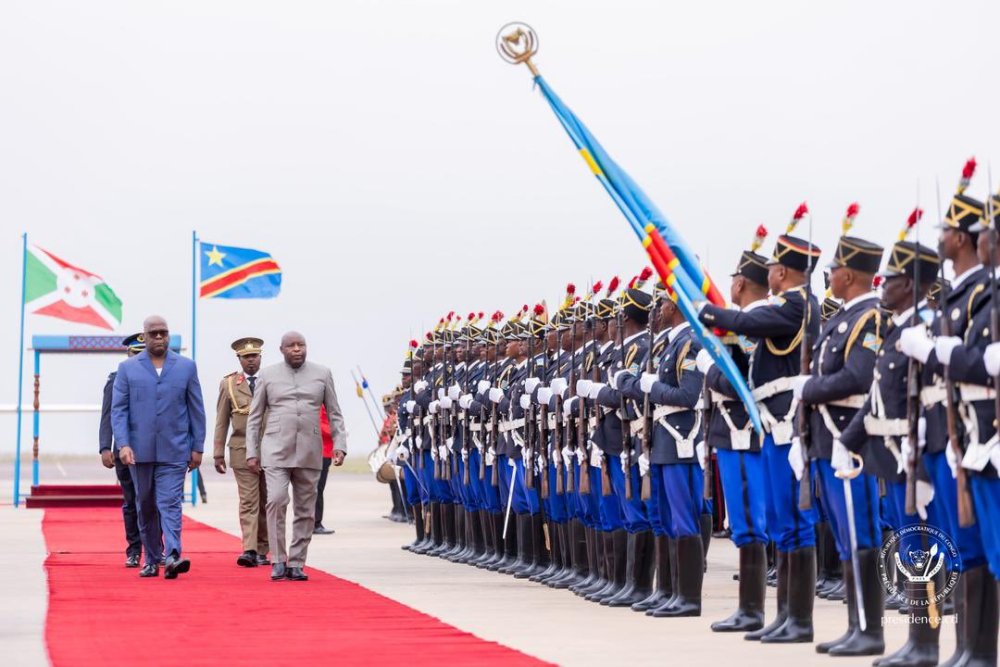
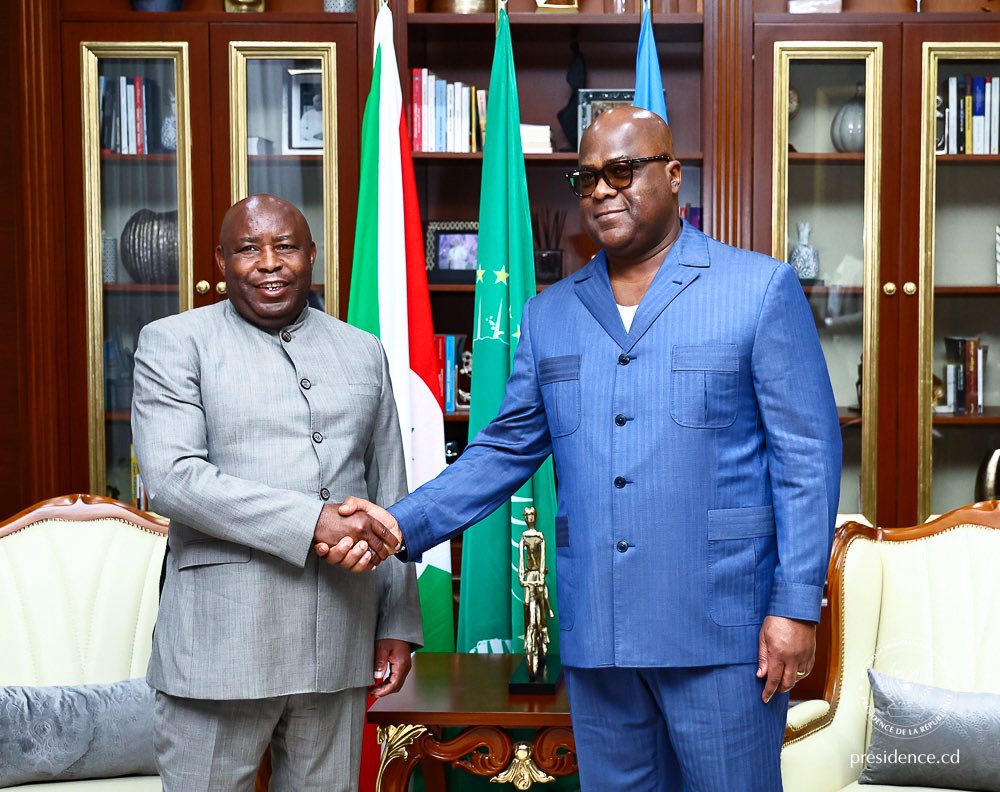
Addressing a Congolese audience alongside President Félix Tshisekedi, Ndayishimiye declared: “You must have confidence that you have a common enemy. When you have a common enemy, to fight it, unity is required.”
There is little doubt that this message is directed against Tutsi communities, particularly the Banyamulenge and other Congolese Tutsi populations who have long faced discrimination, exclusion, and violence in eastern DRC.
The context only reinforces this interpretation: Burundian forces are currently operating alongside a coalition that includes the Armed Forces of the DRC (FARDC), the FDLR genocidal group, Wazalendo militias, and foreign mercenaries.
Ndayishimiye’s remarks are neither a message of reconciliation nor de-escalation. On the contrary, they directly undermine diplomatic efforts led by the United States, Qatar, and the African Union.
The Washington peace agreement between Kigali and Kinshasa, as well as ongoing discussions between the Congolese government and the AFC/M23, are centered on peaceful conflict resolution and political dialogue, not military confrontation. Yet Ndayishimiye’s intent is to stir conflict and incite further violence against Congolese Tutsi communities.
Ndayishimiye’s remarks are neither a message of reconciliation nor de-escalation.
Shortly after his meeting with Tshisekedi, Ndayishimiye recommitted to sending several hundred additional Burundian troops to the DRC. This development coincides with reports that the FARDC-FDLR-Burundian coalition is reorganizing following recent battlefield setbacks. Military units are reportedly being reassembled around Minembwe, Kamanyola, and the Rusizi Plain, potentially in preparation for renewed large-scale operations.
Ndayishimiye has increasingly positioned himself as a central actor in policies and military actions that contribute to the marginalization and displacement of Tutsi communities in eastern DRC. Burundi has already deployed more than 20,000 troops, operating primarily in South Kivu, including Fizi, Mwenga, and areas surrounding Minembwe.
Concerns regarding Ndayishimiye’s stance toward the Congolese Tutsi, or Banyamulenge, are not new. In previous statements, he questioned the existence of the Banyamulenge as a distinct ethnic community, arguing that they lack a traditional chieftaincy, a claim that is historically inaccurate and politically significant, as it challenges the identity and legitimacy of a community that has lived in the region for centuries.
The Burundian president has also argued that the Banyamulenge issue emerged only after Rwanda’s intervention in Zaire in 1996. Historians and regional experts dispute this characterization, noting that disputes over the citizenship, identity, and political status of the Banyamulenge long predate the wars of the mid-1990s. The roots of these tensions stretch back decades and are deeply intertwined with colonial-era policies, questions of nationality, and local power struggles.
Ndayishimiye’s reference to a “common enemy” carries significant weight. In a region where ethnic tensions have repeatedly fuelled cycles of violence, such language cannot be interpreted as a simple call for unity. Instead, it reinforces narratives that portray entire communities as threats, inciting ethnic violence at a moment when political dialogue and reconciliation are urgently needed.
As peace initiatives continue to gain international support, the key question remains: will regional leaders pressure the Ndayishimiye-Tshisekedi alliance to embrace inclusive political solutions, or will they stand by as military escalations continue and eventually spiral out of control?
Shortly after his meeting with Tshisekedi, Ndayishimiye recommitted to sending several hundred additional Burundian troops to the DRC. This development coincides with reports that the FARDC-FDLR-Burundian coalition is reorganizing following recent battlefield setbacks.
An update released Wednesday by the government showed that 122 people have recovered, while 408 patients are under care. The fatality rate stood at 26.0 percent. Epidemiological surveillance remains active, leading to the identification of 138 suspected cases. The contact follow-up rate stood at 77.1 percent.
The latest figures came as WHO officials said the response had made visible progress in recent weeks, but remained constrained by insufficient contact tracing, limited treatment and isolation capacity, challenges in safe burials, insecurity and weak humanitarian access in the affected eastern provinces.
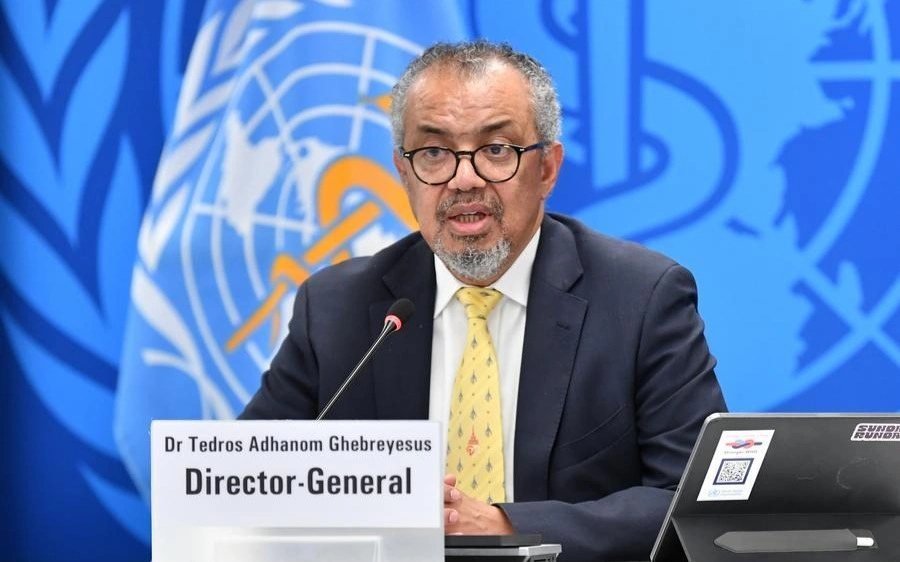
WHO Director-General Tedros Adhanom Ghebreyesus told a press briefing in Geneva that the Ebola response had “scaled up significantly” under the leadership of the DRC government since the outbreak was first reported five weeks ago.
According to Tedros, treatment capacity has increased from fewer than 10 beds to more than 500 beds across 19 health centers, while laboratory capacity has risen from about 30 tests a day at the central laboratory in Kinshasa to more than 2,000 tests a day across nine laboratories in three provinces.
Tedros noted that early detection and supportive care can save lives. But he cautioned that “the outbreak is continuing to outpace the response.”
“Contact tracing is still not at the level needed. Capacity at treatment and isolation centers is insufficient. Safe and dignified burials remain a major challenge. The health system is under pressure,” he said.
In neighboring Uganda, Tedros said a new case was reported on Sunday, the first in two weeks, bringing the country’s total to 20 confirmed cases and two confirmed deaths. All cases in Uganda are linked to the outbreak in the DRC.
Marie Roseline Belizaire, WHO regional emergency director for Africa, said at the briefing that each confirmed case could have between 120 and 200 contacts based on previous experience, while some community deaths could generate even larger numbers.
The challenge is particularly acute in Mongbwalu, in Ituri province, the mining area considered the epicenter of the outbreak, where many patients are young men who travel from different provinces in search of work and may move again when they become ill.
Chikwe Ihekweazu, executive director of the WHO Health Emergencies Programme, said the response was in “a much better place” than four weeks ago, but “nowhere where we need to be.”
Tedros also said preparations had been completed for a clinical trial expected to start in the DRC next week to evaluate whether two antivirals, MBP134 and remdesivir, can reduce mortality among patients with Bundibugyo virus disease, either alone or in combination. The current outbreak is caused by the Bundibugyo Ebola virus, for which there is no approved vaccine or specific treatment.
Vasee Moorthy, senior adviser in the office of the WHO chief scientist, said about 1,000 participants would need to be involved. “It means that we are looking at around 1,000 that would need to be enrolled in the trial before we expect that there will be an answer about the safety and efficacy of any of these options.”
France reported Wednesday its first confirmed Ebola case after a humanitarian worker tested positive upon returning from the DRC. France has identified and isolated five people who may have been exposed to Ebola after sharing a flight with the health worker.
The patient is an “experienced doctor returning from a mission” who was unaware that he had contracted the virus, said French Health Minister Stephanie Rist. “He had no symptoms when he boarded the plane, and he was not contagious (…) As he is a doctor and developed headaches on the plane, he raised the alert” so that he could be taken care of upon arrival in Paris, Rist noted.
The man was placed in isolation at a hospital as soon as his flight landed. He will remain there “for 21 days, the duration of the incubation period,” Rist added. The incubation period for Ebola is typically between two and 21 days.
In a statement on Wednesday, the DRC government said the doctor had been deployed by the humanitarian organization ALIMA and worked from May 22 to June 19 at an Ebola treatment center in Rwampara, Ituri province, one of the epicenters of the outbreak, where he served as an “intensive-care” physician.
After completing his rotation, he left Ituri on June 19 and transited through the capital, Kinshasa, where he stayed until June 22 before traveling to France on June 23, said the statement.
The statement also stressed that a person infected with Ebola “becomes contagious only after the onset of symptoms,” and that the disease is transmitted only through direct contact.
Abdirahman Mahamud, director for WHO’s Health Emergency Alert and Response Operations, said the patient was “doing well,” with “mild symptoms and fever.” He praised the French authorities for taking rapid action and said the risk to France and the global population remained low.
The global risk posed by the ongoing Ebola outbreak in Africa remains low despite rising case numbers in the affected region, said Tedros. He also urged against panic, saying Ebola cases detected outside Africa had remained below 30 in the past 50 years.
“No need for panic,” Tedros said. “The risk is low. I repeat, the risk is low.”
The French case nevertheless underscores the risks faced by frontline responders. Tedros said over 80 health workers had been infected while responding to the outbreak.
The Democratic Republic of the Congo (DRC) on Wednesday reported 1,118 confirmed Ebola cases, including 291 deaths, as the WHO warned that the outbreak continues to outpace the response.
Official data released Tuesday showed 387 cases were under quarantine or receiving treatment, and 115 recoveries. DRC authorities have also reported 131 suspected cases, including 44 suspected deaths.
In its daily epidemiological report, the health ministry noticed an increase in confirmed cases on a weekly basis, consistent with ongoing community transmissions.
It said intensified public health measures, including stronger epidemiological and laboratory surveillance as well as the decentralization of diagnostic capacity, have contributed to earlier detection, confirming expanded community transmission.
“This is the largest number of confirmed cases in the first month of an Ebola disease outbreak in Africa,” Abdirahman Mahamud, director of Health Emergency Alert and Response Operations at the WHO, told a press briefing in Geneva on Tuesday.
Mahamud pointed to encouraging signs that the response was expanding to keep pace with the spread. Treatment capacity has increased over the past two weeks, “going from a handful to over 500 beds across 19 health zones,” he said.
Laboratory capacity has also been sharply expanded, from around 30 tests per day in the capital Kinshasa at the start of the outbreak to more than 2,000 tests per day through a network of eight decentralized laboratories across Ituri, North Kivu and South Kivu provinces, he said.
DRC President Felix Tshisekedi said Tuesday that he would soon travel to Ituri province, the epicenter of the outbreak, to follow up on response operations on the ground.
He made the remarks at a joint press conference in Kinshasa with visiting Burundian President Evariste Ndayishimiye, whose country currently holds the rotating presidency of the African Union.
Prior to the press conference, the two leaders were briefed on the DRC’s epidemiological situation and response measures at a meeting with the Central African country’s national Ebola response task force.
To contain the Ebola outbreak, Tshisekedi also called for stronger regional cooperation based on prevention, epidemiological surveillance and rapid information-sharing.
Ndayishimiye urged African countries and the wider international community not to close borders.
Uganda, which borders the DRC’s Ituri province that has accounted for about 90 percent of the infections, has confirmed one more Ebola case, bringing its total number of confirmed cases to 20, including 14 recoveries and two deaths, showed the latest data from its health ministry.
Fifteen of the reported cases were imported, it said.
Also on Tuesday, Uganda and the DRC launched cross-border collaboration to fight the Ebola outbreak, covering shared surveillance and joint deployment of rapid response teams, mobile laboratories, and Ebola treatment centers.
According to a WHO update released on Friday last week, the Ebola-related health risk in the DRC remained very high because of ongoing transmissions and continued expansion of the outbreak into new health zones, increasing the potential for further national and regional spread.
Meanwhile, the risk in Uganda remained high due to confirmed cross-border spread through imported cases and the epidemiological links along the eastern DRC-western Uganda corridor.
Official data released Tuesday showed 387 cases were under quarantine or receiving treatment, and 115 recoveries. DRC authorities have also reported 131 suspected cases, including 44 suspected deaths.
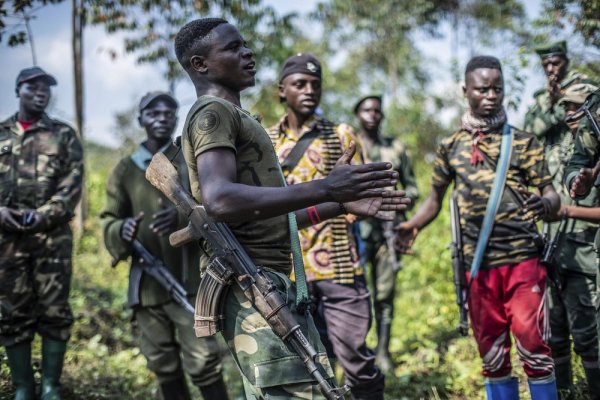
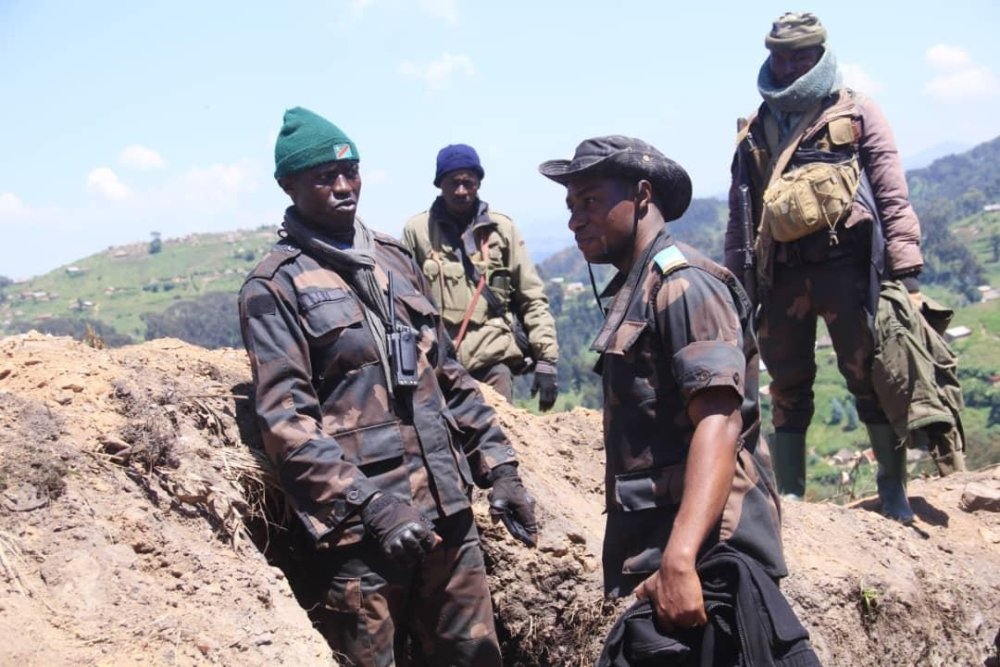
Last week, a coalition of the DRC armed forces, Burundian troops, the FDLR group, and Wazalendo militias launched coordinated attacks in the outskirts of Minembwe. The operations were aimed at capturing the area, which has been under the control of the MRDP-Twirwaneho group for nearly a decade.
On June 18, 2026, the spokesperson for the DRC armed forces in South Kivu Province, Lt. Reagan Mbuyi Kalonji, announced that government forces had taken control of Minembwe. However, both the military and civilian leadership of Twirwaneho rejected the claim, saying the area remained under their control.
Dr. Freddy Kaniki, president of MRDP-Twirwaneho and deputy head of AFC/M23 in charge of economy and finance, said the government coalition would not succeed in capturing Minembwe.
According to MRDP-Twirwaneho, its fighters, supported by AFC/M23 forces using combat drones, repelled advancing government troops and regained control of several positions near Minembwe.
AFC/M23 spokesperson Lawrence Kanyuka said that following the reported defeat of government forces in Minembwe, troops carried out attacks against civilians in Bidegu, Gakenke, and Mikenke beginning on the night of June 22, allegedly using drones.
Kanyuka stated that the attacks were widespread and repeated, resulting in civilian deaths, multiple injuries, and the displacement of thousands of residents.
AFC/M23 further stated that it would continue what it described as efforts to protect civilians as long as the attacks persist.
AFC/M23 spokesperson Lawrence Kanyuka said government forces attacked civilians in Bidegu, Gakenke, and Mikenke after a reported defeat in Minembwe, starting June 22, using drones.
According to figures released by the DRC health ministry, the country has reported 1,003 confirmed cases, including 254 deaths, with an overall case fatality rate of 25.3 percent.
A total of 365 patients are currently in isolation or hospitalized, while 100 patients have recovered, the update said. The contact follow-up rate across the three affected provinces stood at 58 percent.
Despite the rise in cases, Ebola response efforts remain active, with heightened surveillance, intensified community outreach, and ongoing efforts to strengthen case management and diagnostic capacity, authorities said.
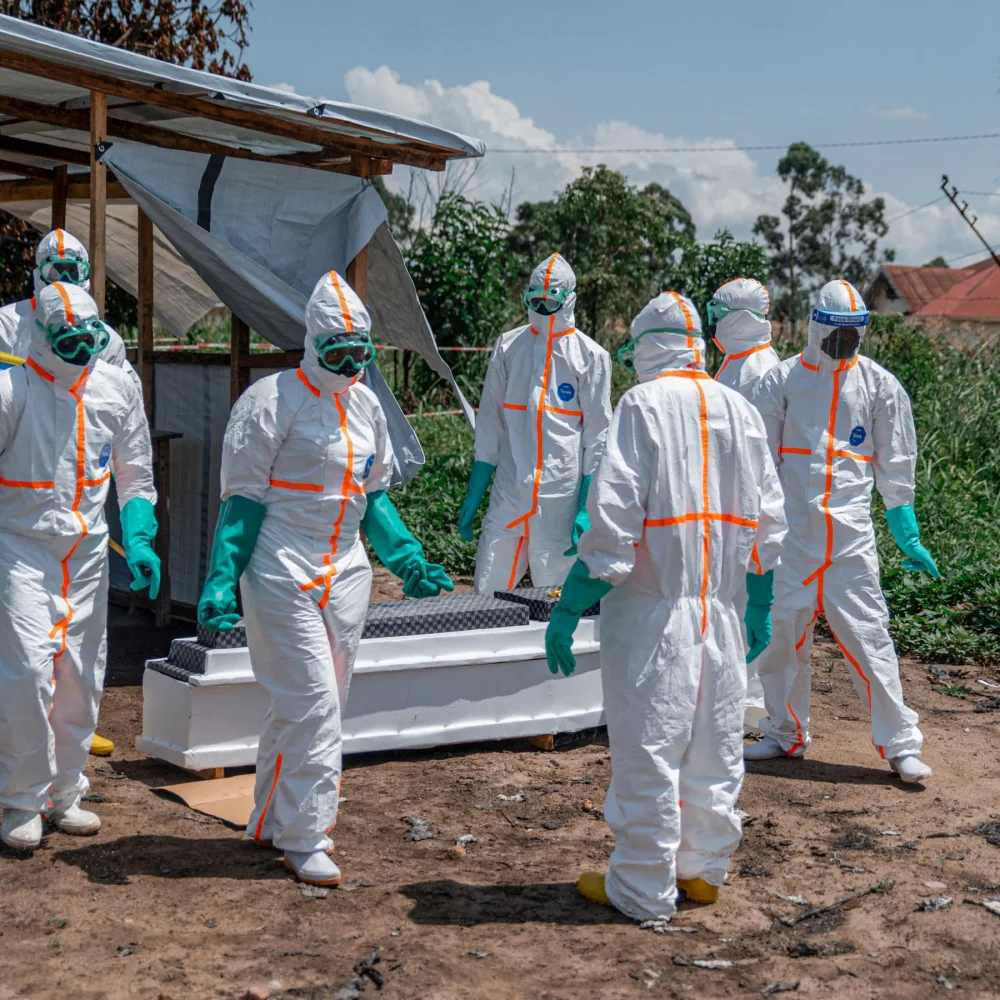
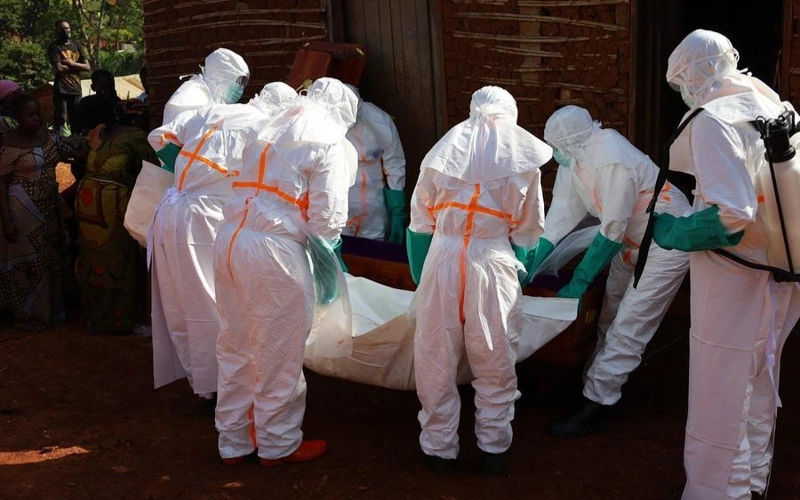
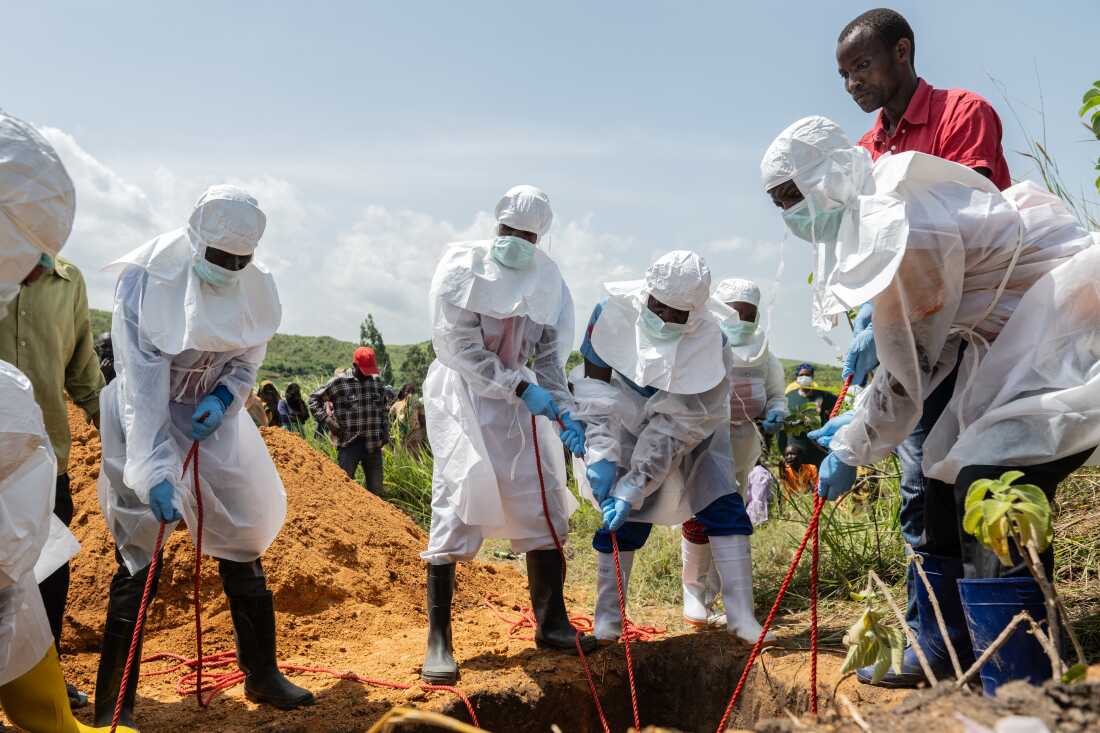
Red Cross workers bury an Ebola victim at the Rwampara Cemetery, in Rwampara, Congo, Saturday, May 23, 2026.