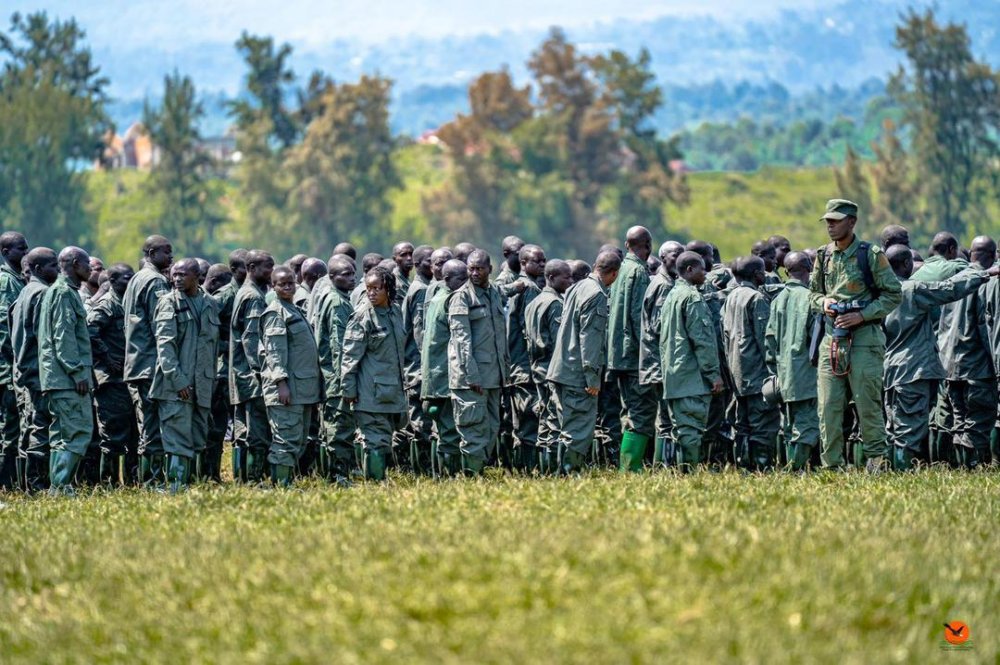
The request follows South Africa’s recent decision to withdraw its troops from eastern DRC, where they had been deployed under a Southern African regional mission against the AFC/M23 rebel alliance. Pretoria has also announced the withdrawal of its contingent serving under the United Nations peacekeeping mission, MONUSCO.
South Africa’s Presidency said the decision to pull its troops out of MONUSCO was driven by the “need to consolidate and realign the resources of the South African National Defence Force”, following 27 years of supporting UN peacekeeping efforts in the DRC.
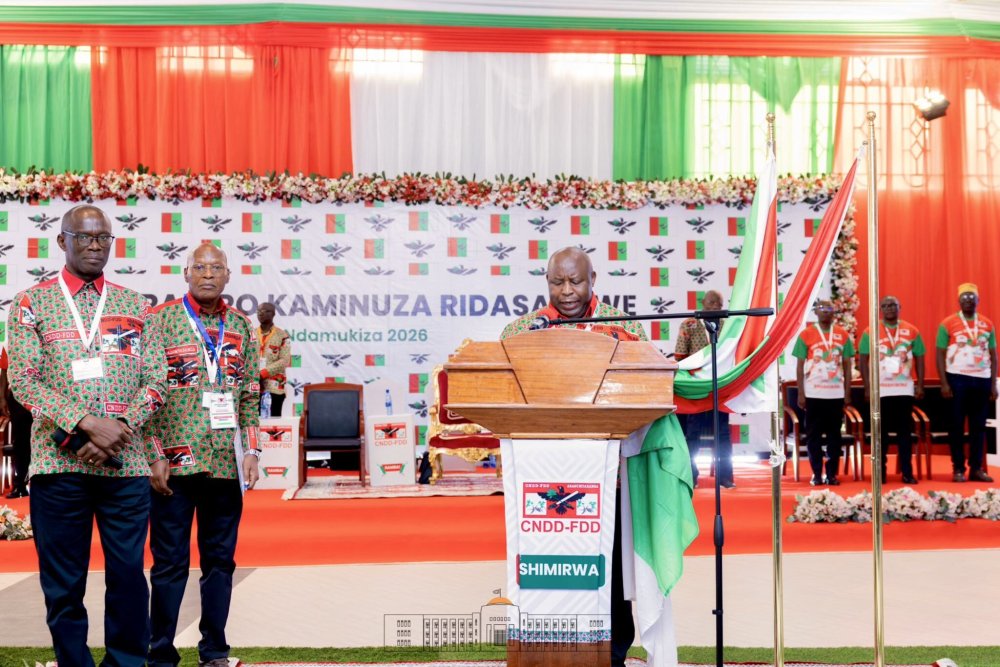
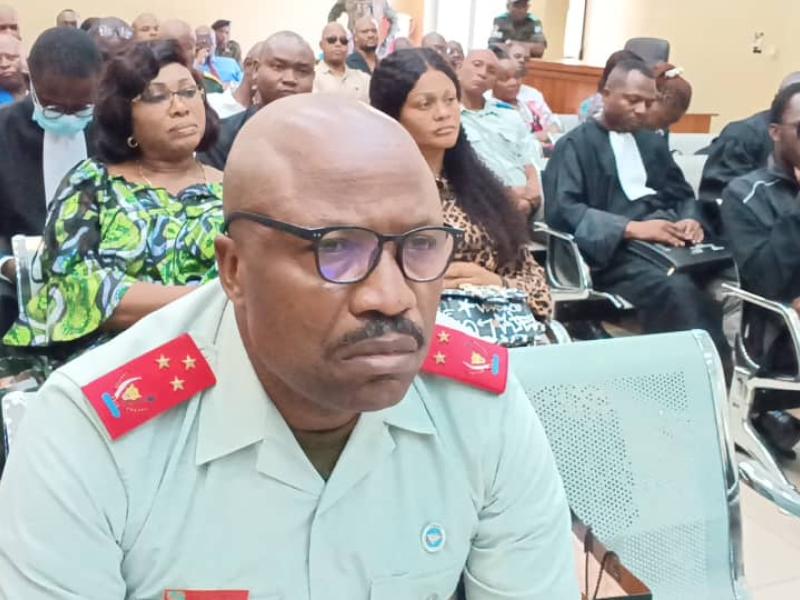
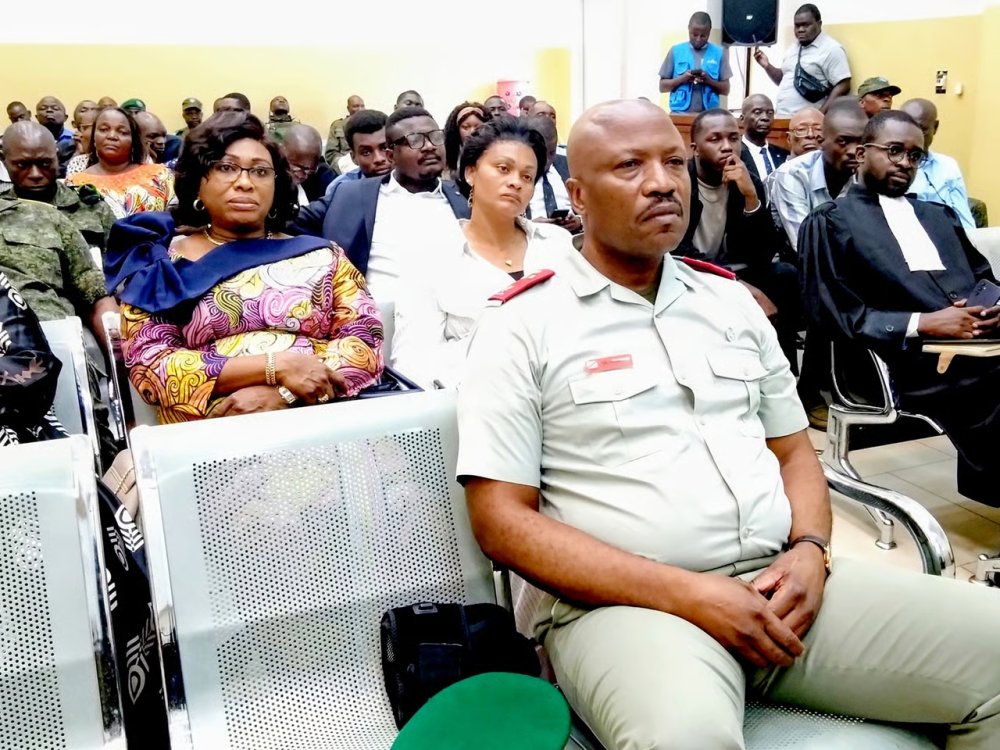
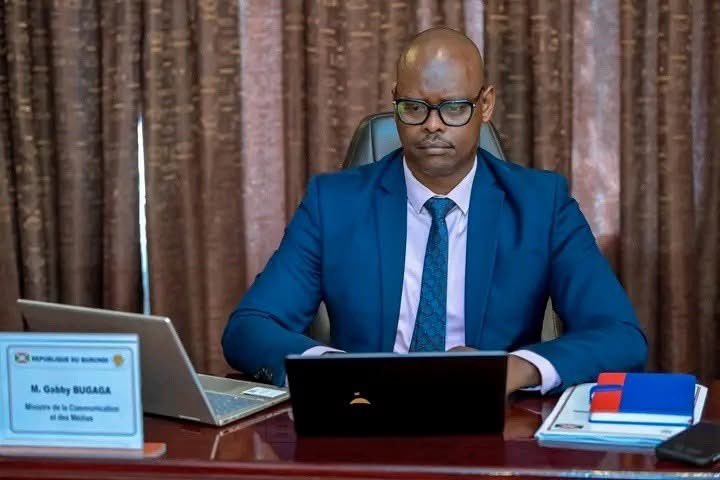
DRC Minister of Defence Guy Kabombo Muadiamvita visited Pretoria on February 21, 2026, where he held talks with his South African counterpart, Angie Motshekga. The discussions focused on strengthening bilateral military cooperation.
In a statement, the DRC Ministry of Defence said the two officials met in a closed-door session to review various aspects of military and strategic cooperation between the two countries. Revisiting the 2004 military agreement between Kinshasa and Pretoria was among the key items on the agenda.
Both sides agreed to establish a joint team of experts to examine potential areas of renewed cooperation, drawing on the provisions of the 2004 accord. The outcome of these consultations could inform the negotiation and signing of a new agreement.
The original Pretoria Agreement was signed in June 2004, shortly after the DRC emerged from years of armed conflict. At the time, the accord was part of broader efforts to stabilise the country and rebuild its security institutions and economy, particularly in a nation endowed with vast mineral resources.
Then South African Defence Minister Mosiuoa Lekota pledged that South Africa would support the professionalisation of Congolese forces through training programmes, supply of military equipment and technical assistance.
However, unlike in 2004, when peace processes were underway to integrate former armed groups into a unified national army, the current security context remains marked by ongoing hostilities in parts of eastern DRC.
Kinshasa is now actively seeking multiple international partners to strengthen a military widely seen as under-resourced and structurally weak. Should the discussions advance, the United States is also expected to provide support, including training, equipment and intelligence cooperation.
Ministers Guy Kabombo Muadiamvita and Angie Motshekga held talks on strengthening military cooperation. South Africa’s recently announced decision to withdraw its troops from eastern DRC.
Tanzania has completed its first large-scale solar power project in Kishapu District of the northwestern Shinyanga region, marking a milestone in the country’s energy transformation agenda, the Ministry of Energy said in a statement on Sunday.
According to the statement, Lazaro Twange, managing director of the Tanzania Electric Supply Company Limited, said during a site inspection on Saturday that the project reflects the government’s commitment to expanding access to reliable electricity nationwide.
Twange described the project as a new chapter in the country’s history, saying it is the first solar project of such magnitude since independence. He said electricity has already been generated at the site, with 50 megawatts set to be connected to the national grid by March 1.
Kishapu District Commissioner Peter Masindi said the solar plant is a catalyst for local economic growth, particularly benefiting youth engaged in mining and agriculture.
Mariana Mrosso, acting manager of the power generation plant, said the facility would enhance the stability of the national grid and improve electricity supply, especially across the Lake Zone regions.
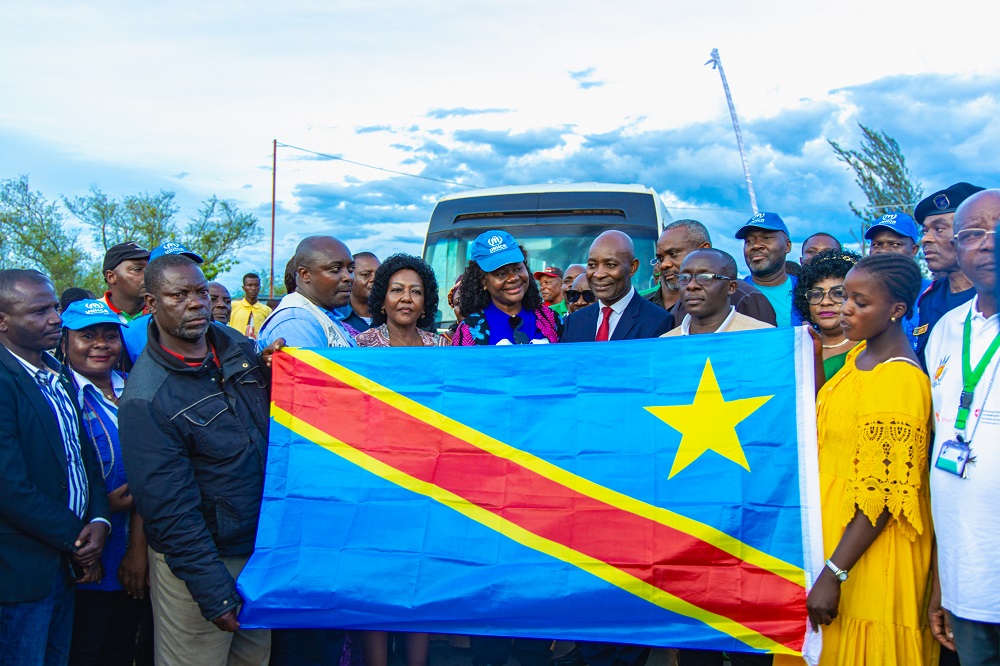
Coalition leader Corneille Nangaa Yobeluo made the announcement after meeting Hadja Lahbib, the European Union Commissioner for Crisis Management, who visited Goma on February 20, 2026.
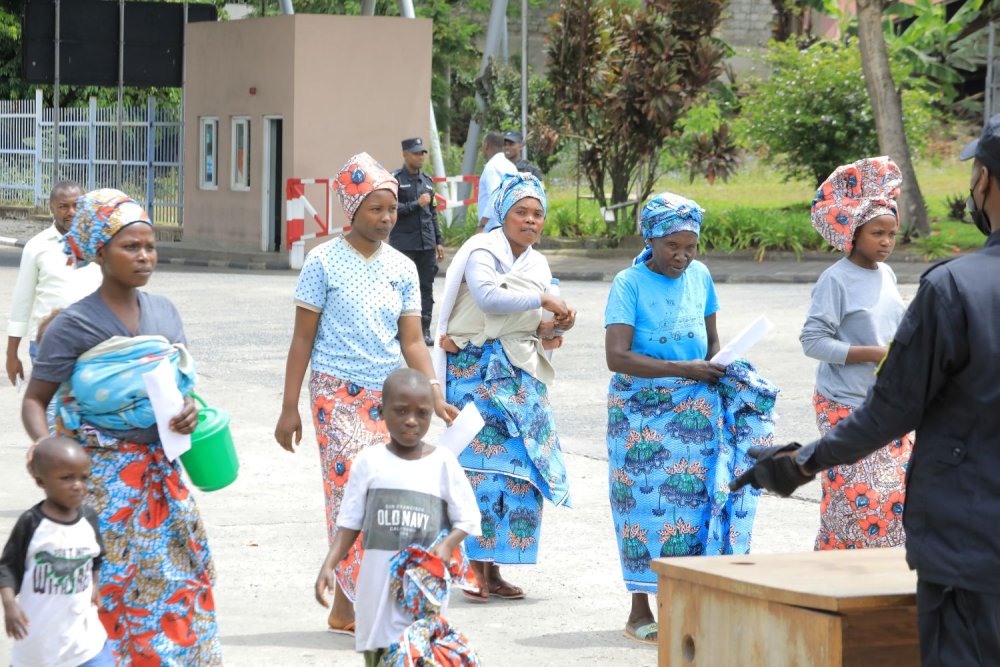
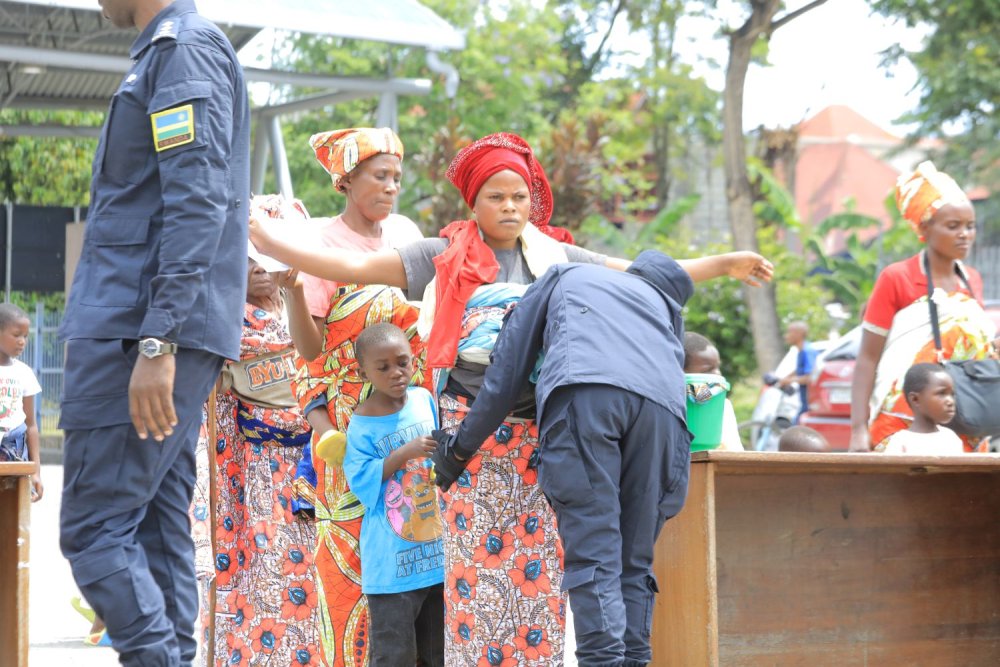
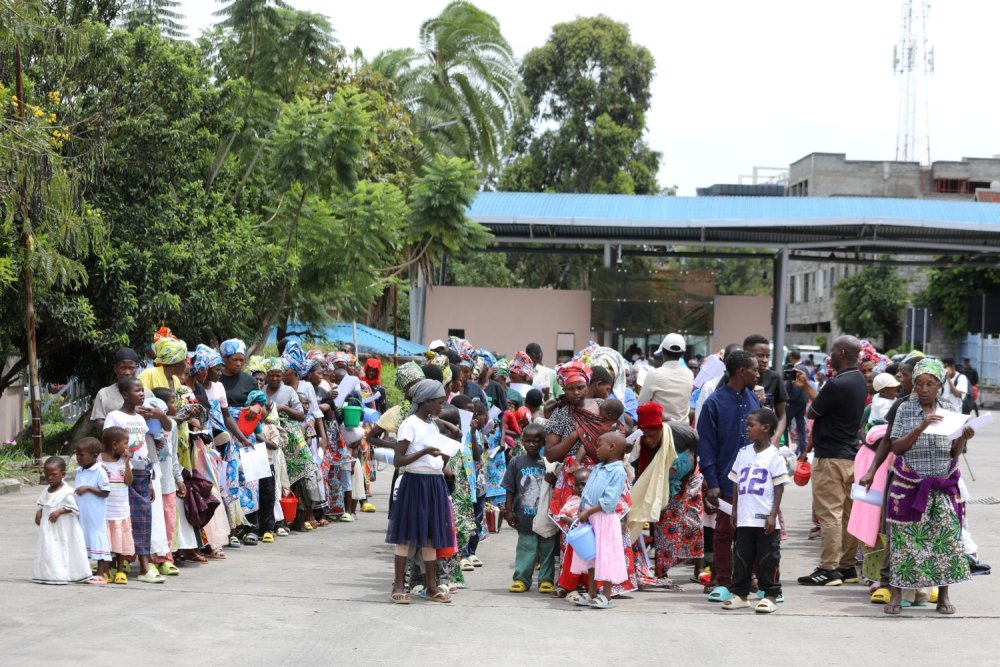
“We have 41 minors formerly associated with FARDC and Wazalendo captured in Goma. Today we decided to release them,” Nangaa said. He added that about 100 women linked to FARDC and Wazalendo captured in Rumangabo would also be freed.
He further stated that 230 FARDC soldiers receiving treatment at Katindo Military Barracks will be released “to demonstrate our commitment to peace.”
In April 2025, 1,359 Congolese soldiers and police who had taken refuge at bases of the UN peacekeeping mission MONUSCO near Goma were transferred to Kinshasa following negotiations between AFC/M23 and the International Committee of the Red Cross.
Nangaa said the coalition prioritizes political dialogue as the path to peace but warned it would continue to defend itself if the government of the Democratic Republic of the Congo pursues further fighting.
Corneille Nangaa announced that AFC/M23 will free several individuals linked to the DRC government.Nangaa revealed the decision after holding discussions with Hadja Lahbib.
The appeal was made in an official communiqué released on February 19, 2025, in which the movement expressed concern over what it termed sustained silence from global and regional actors.
According to the statement, civilian populations in Minembwe, Mikenge, Karingi, and across the Hauts Plateaux of South Kivu have been subjected to “daily, systematic, and unpunished massacres.”
The group attributed the alleged attacks to coalition forces aligned with the Kinshasa government, including FARDC units, local armed groups, and foreign mercenaries.
The communiqué further claimed that women, children, and elderly civilians are among the primary victims, describing the situation as a humanitarian catastrophe and alleging repeated violations of international humanitarian law.
The movement also warned that continued inaction could heighten instability across the wider Great Lakes region, urging international institutions and regional leaders to take what it called decisive measures.
AFC/M23 has been controlling Goma city since January 2025.
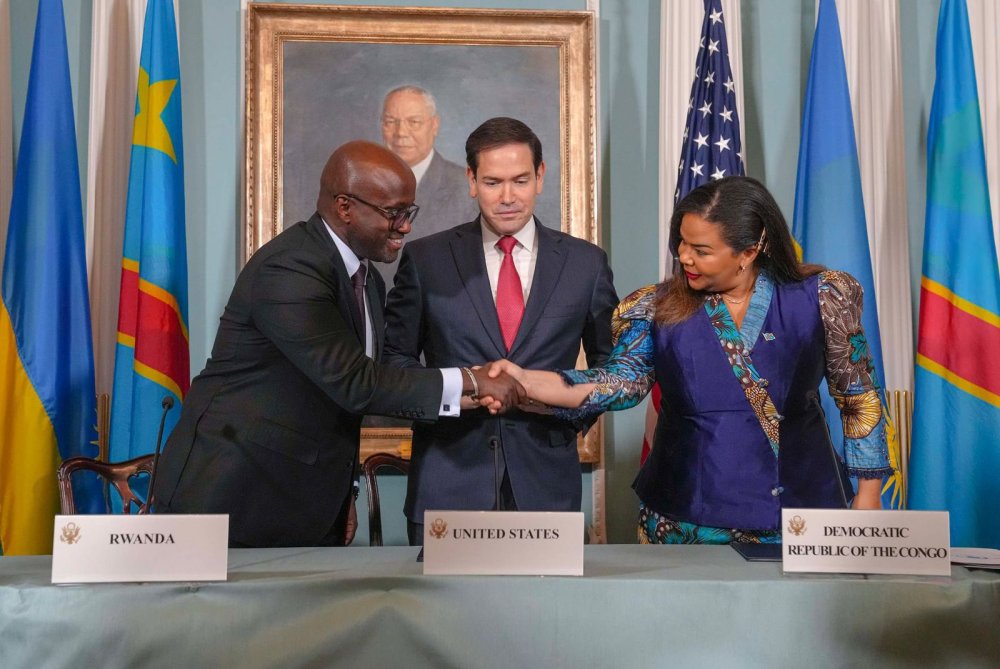
Reuters reports that the list was presented at a DRC-U.S. meeting in Washington on February 5 to advance their strategic minerals partnership agreed in December.
The proposal offers Washington access to highly sought tantalum, a heat-resistant metal processed from coltan ore used in semiconductors, aerospace components, computers, mobile phones and gas turbines.
Congo estimates that Rubaya needs $50 million to $150 million to restart and ramp up commercial output. The mine accounts for around 15% of the world’s coltan output, all dug manually by locals earning a few dollars a day.
The deal puts the U.S. at the center of Congo’s strategic minerals push. However, with the Rubaya mine and surrounding hills still under the control of the M23 rebels, it remains unclear how Washington could exercise control over the site or secure its operations, given ongoing fighting and the possibility of disputes over mining rights.
AFC/M23 political coordinator, Corneille Nangaa, has in the past criticised the deal, calling it “deeply flawed and unconstitutional” and highlighting concerns over transparency and legal procedures. He said mining sites offered to Washington “could later become the subject of disputes because they may already have been granted to other partners.”
This file photo shows miners at work at a coltan mining site in the town of Rubaya.
The Kenya Aviation Workers Union (KAWU) agreed to resume work following a meeting involving relevant government ministries and airport authorities. The strike had caused flight cancellations, delays, and diversions affecting both domestic and international travelers.
The return-to-work deal was reached after negotiations involving the Ministry of Roads and Transport, the Ministry of Labor, the Kenya Airports Authority (KAA), and KAWU. The parties committed to addressing workers’ grievances through a collective bargaining agreement.
“Aviation contributes immensely to the economy of the country, and we are committed to ensuring that the sector remains stable,” said Davies Chirchir, cabinet secretary for the Ministry of Roads and Transport, in a joint statement issued in Nairobi.
Under the agreement, airport operations at JKIA and other facilities resumed immediately.
“Immediate action includes reviewing the level of representation of Kenya Civil Aviation Authority (KCAA) staff to consider grades previously proposed and agreed upon but not included,” the statement said.
Kenya Airways and other international carriers had reported schedule adjustments and extended delays due to air traffic control operational constraints.
The Ministry of Labor will assist in a conciliatory process to discuss all issues raised and reach an amicable solution. KAWU is committed to a roundtable dialogue aimed at resolving workers’ concerns while ensuring that ongoing discussions prioritize passengers, aviation reliability, and national interests.
KAA welcomed the decision, noting that the disruption had paralyzed airport operations, raised safety and security concerns, and prompted the activation of contingency measures.
“Operations are now normalizing across all airports. Passengers are advised to contact their airlines for the latest flight schedules,” KAA said in a statement.
The labor dispute between the union and KCAA was driven by unresolved grievances, including delays in implementing a collective bargaining agreement dating back a decade, as well as concerns over pay and working conditions. KAWU said the strike was prompted by demands for better pay and improved working conditions.
Passengers were stranded in terminals, and some remained onboard aircraft for extended periods awaiting clearance for takeoff at JKIA. Airport authorities and the KCAA activated contingency measures to manage congestion and clear backlogs.
Kenya’s aviation sector is a key driver of economic growth, supporting tourism, trade, cargo, and employment. With millions of passengers and billions of U.S. dollars in annual freight, a swift resolution helps safeguard investor confidence and livelihoods.
Earlier, Rebecca Miano, cabinet secretary for the Ministry of Tourism and Wildlife, had called for an immediate resolution, highlighting the importance of reliable aviation infrastructure for tourism recovery and national commerce.
“The uninterrupted operation of our aviation infrastructure is vital to traveler safety, national commerce, and the livelihoods of countless Kenyans who depend on tourism. I respectfully urge all parties involved in the air traffic control strike to return to dialogue in good faith and resolve their outstanding issues swiftly,” Miano said.
“It is the first time we are announcing this, but we submitted a bid late last year and now we have experts in the country to carry out evaluation of the facilities to determine if we meet all that is required,” Patrick Ogwel, General Secretary of the National Council of Sports (NCS), told Xinhua.
“The comments from the evaluators are very promising,” he added.
Ogwel also pointed out that Uganda is already preparing to co-host the CAF Africa Cup of Nations 2027 alongside Kenya and Tanzania, and that hosting the African Games would further demonstrate the country’s capacity to stage major international competitions.
“The government of Uganda is ready to host as many international competitions as possible because this will also help boost tourism in the country,” added Ogwel.
Previously known as the All Africa Games and later the Pan African Games, the African Games are held every four years and are organized by the African Union in collaboration with the Association of National Olympic Committees of Africa (ANOCA) and the Association of African Sports Confederations (AASC).
The funding appeal, launched under the Regional Migrant Response Plan for the Horn of Africa to Yemen and Southern Africa, was unveiled in Nairobi, the Kenyan capital.
IOM Director General Amy Pope stressed in a video message that sustainable financing is key to tackling the migration crisis in the Greater Horn of Africa and southern Africa regions, fueled by climate change, instability, and poverty.
Pope said the migrant response plan aims to protect the rights, dignity, safety, and livelihoods of migrants and host communities in a region grappling with sporadic conflicts, climate shocks, and high youth unemployment.
Adequate funding is required to provide humanitarian support to these migrants and their host communities, and to enhance stability, resilience, and inclusive growth across the region, Pope said.
“This support is not just humanitarian; it is an investment. We must turn this migrant response plan into protection, solutions, and hope for the people who depend on us,” Pope added.
Migrants traveling from the Horn of Africa to the Southern Africa region, including women, children, and youth, face significant risks of violence, trafficking, abduction, torture, dehydration, and forced labor, according to IOM.
IOM Chief of Staff Mohammed Abdiker noted that both regions have become global hotspots for risky and irregular migration, adding that the new funding will support livelihood projects for migrants, as well as their return and reintegration into their countries of origin.
The International Organization for Migration (IOM) on Tuesday launched a 91 million U.S. dollar funding appeal to support about 1.2 million migrants and host communities in the Greater Horn of Africa and southern Africa regions.
Bahati Musanga Erasto, the AFC/M23-appointed governor of North Kivu Province, made the announcement on Monday during a visit to Kitshanga trading center in Masisi Territory.
According to Bahati, the government in Kinshasa cut off telecommunications services in areas controlled by the group, a decision he said has negatively affected civilians. He stated that AFC/M23 is working on measures to ensure communication services are restored and cannot be disrupted again.
“The Kinshasa government is the one that shut down the network,” he said. “We are working to ensure that the network will no longer be shut down. We are in the process of introducing another network provider that will be under our control. It will reach Goma, Kitshanga and all other areas. No one will be able to interfere with these towers again in a way that disrupts connectivity.”
He added that currently only residents in the cities of Goma and Bukavu are able to access mobile phone services, while people in other areas remain without reliable telecommunications access.
It remains unclear whether AFC/M23 intends to launch a newly created telecommunications company or partner with an existing operator active in other countries.
Eliot, “who initiated the policy of white supremacy in the British East Africa Protectorate (now Kenya),” according to the Encyclopaedia Britannica website, was referring to the meter gauge railway built by British colonialists in East Africa between 1896 and 1901.
The railway, emblematic of Western civilization’s expansive reach, piped white settlers to the African continent in pursuit of adventure and colonial conquest and witnessed Kenya’s awakening process and struggle for independence.
“There are those who praised it (the railway) as a key component in Kenya’s birth, or we called the birth of a nation, and those who are more of saying that it played a role in colonizing Kenya,” Dennis Munene, executive director of the China-Africa Center, told Xinhua in a recent interview.
“We’re celebrating now our independence 60 years. And we will always continue to look behind on what happened. We are going to heal from the wounds and now push for Kenya to attain more development,” Munene said.
{{European partition of Africa}}
At the entrance of the Nairobi Railway Museum, the century-old railway, initially named the Uganda Railway after its destination, was displayed on a map of East Africa.
Built between 1896 and 1901, it started in the port city of Mombasa on the coast of the Indian Ocean and extended northwest to stop at Port Florence, now Kisumu, on the shores of Lake Victoria.
To understand the birth of the railway, it’s necessary to mention the Berlin Conference of 1884-1885. During the conference, Britain and other Western powers discussed rules for colonizing and partitioning Africa, such as “effective occupation.”
Ironically, not a single African representative attended this decisive conference about Africa’s fate. A week before it closed, the Lagos Observer commented, “the world had, perhaps, never witnessed a robbery on so large a scale.”
“Following the close of the conference, European powers expanded their claims in Africa such that by 1900, European states had claimed nearly 90 percent of African territory,” wrote the Encyclopedia of Africa.
Russian revolutionary leader Vladimir Lenin pointed out in his 1917 book Imperialism, the Highest Stage of Capitalism that “when nine-tenths of Africa had been seized (by 1900) when the whole world had been divided up, there was inevitably ushered in the era of monopoly possession of colonies and, consequently, of particularly intense struggle for the division and the redivision of the world.”
To tighten control over the “British East Africa,” the British government laid a railway to control the entire Nile River basin originating from Lake Victoria.
However, the project earned much resentment in the British parliament and media as its estimated cost of 5 million pounds was deemed exorbitant. British politician Henry Labouchere even wrote a poem mocking the railway as a “lunatic line.”
Yet, in the eyes of the colonizers, it was all worth it. The construction of the railway was not only a step in the partition of Africa but also a part of building the imperialistic colonial system.
“Whatever power dominates Uganda masters the Nile, the master of the Nile rules Egypt, the ruler of Egypt holds the Suez Canal,” wrote Charles Miller in his 1971 book The Lunatic Express: An Entertainment in Imperialism, from which the railway derived its well-known nickname.
{{Blood tainted ‘iron snake’ }}
In the eyes of the local tribes, the Lunatic Express was an “Iron Snake.” An ancient tribal prophecy said the iron snake would someday cross their land and be a bad omen, creating trouble as it went.
In the main exhibition hall of the museum, a row of wood-framed photographs reproduces the birth of the “Iron Snake”: British engineers and officers in helmets, uniforms and riding boots standing on the roof of the locomotive, surrounded by ragged, barefoot laborers.
The railway’s construction was far more complex than the British had imagined, while the actual cost of life was immeasurable.
Without the assistance of machinery, the 931 km-long railway was built by workers holding simple tools. Supplies such as construction materials and fresh water had to be transported from elsewhere. Man-eating lions wandering in the savanna, tropical diseases like malaria and attacks by locals resisting the “Iron Snake” invasion all became the Death Reaper.
According to the museum, 2,493 workers had died by the time the railway was completed or four deaths for each mile of track laid.
This would probably surprise the British noblemen who later boarded the trains to chase fun as depicted in railway advertisements in the 1920s, one of which bid East Africa the “winter home for aristocrats.”
Setting foot on the African continent, the settlers aspired to turn the vast fertile land of Kenya into a “white man’s paradise,” racing horses and hunting on the rolling green hills and lush forests. They also established plantations of cash crops such as coffee and tea to process and sell in Europe.
Local pastoralists, such as the Maasai, were affected the most by the colonial expansion, and their resistance was brutally suppressed. In her book Moving the Maasai: A Colonial Misadventure, British author Lotte Hughes describes how many Maasai were forcibly moved into two reserves and robbed of the best part of their land. It was the same fate for the Kikuyu, another prominent tribe in the region.
This colonial economy has left a lasting impact on Kenya, and the pain is still felt.
In 2022, a group of Kenyans filed a case against the British government at the European Court of Human Rights over colonial-era land theft, torture and mistreatment, claiming that the local tribes from Kericho county were forcibly evicted in the early 20th century from their ancestral lands, a major tea-growing region farmed today by large multinationals. “The UK Government has ducked and dived, and sadly avoided every possible avenue of redress,” said the group’s lawyer Joel Kimutai Bosek.
“There is blood in the tea,” said Godfrey Sang, a historian whose grandfather’s land was doled out to white farmers.
{{Anti-colonial movements}}
After World War I, as more and more Europeans settled in the East African colony, little land was left that belonged to the indigenous people. “It is more than their land that you take away from the people whose native land you take. It is their past as well, their roots and their identity,” wrote Karen Blixen in her famous book Out of Africa.
In the 1930s and 1940s, a storm of resistance was brewing among local communities who had been stripped of lands. Their discontentment fed into various Kenyan nationalist movements, ultimately leading to the Mau Mau movement.
The Mau Mau, a militant anti-colonial group primarily composed of the Kikuyu people, convened under the slogan of “land and freedom” and quickly gained support among local communities.
Using the railway, nationalists could travel from one end of Kenya to the other to join political rallies to encourage Kenyans to fight for independence. It was also said people were using the railway to transport guns to those fighting for independence.
In October 1952, the British colonial government declared a state of emergency over the Mau Mau insurgency, which marked the beginning of a bloody oppression.
In 1956, the capture of rebel leader Dedan Kimathi marked the defeat of the Mau Mau movement, but the rebellion survived into the early 1960s. By the end of 1956, more than 11,000 rebels had been killed in the fighting, according to the website of Encyclopaedia Britannica.
On Dec. 12, 1963, Kenya became fully independent from colonial rule. A wave of decolonization swept across Africa in the 1950s and 1960s, leading to the independence of some 30 African countries.
{{From Lunatic Express to Madaraka Express }}
Kenya broke the shackles of colonial rule sixty years ago, but the legacy of the colonial economy continued to constrain the country’s development for decades.
Today, when looking out of the train windows of the old railway, tourists can enjoy Kenya’s beautiful landscape and diverse wildlife while spotting tea plantations, some of which are still owned by Western multinationals.
Meanwhile, a notable change captured their attention: The new Mombasa-Nairobi Standard Gauge Railway (SGR) built by China runs mainly in parallel with the old one.
The SGR, dubbed the Madaraka Express, was launched on May 31, 2017, a day before Madaraka Day, which commemorates Kenya’s internal self-rule on June 1, 1963.
The new train drastically reduced travel time and the costs of freight service. It emerged as the preferred choice for commuters, pivotal in stimulating commerce and empowering smaller towns along its corridor.
In the railway museum, a locomotive miniature of the SGR is on display, bearing a slogan on the side of the carriages that reads “connecting nations, prospering people.”
“The old Kenya-Uganda railway was more of an extractive railway where colonial masters used to get raw materials from the hinterland to the Indian Ocean for shipping to their countries,” Munene said.
“The SGR, which is a partnership between China and Kenya, is development-oriented. It helps Kenya to integrate with the other East African countries. It’s helping Kenya to grow in terms of its economic expansion. It’s creating what we call a fast and efficient mode of transport for goods and passengers,” he said.
The new railway has operated seamlessly for over 2,300 days, ferrying millions of passengers and tons of goods, contributing significantly to Kenya’s socio-economic growth. Local drivers, technicians and attendants, trained by Chinese professionals, ensure the smooth operation of the railway.
The Madaraka Express epitomizes the Belt and Road cooperation between China and Kenya. Over the past years, such cooperation projects have helped enhance infrastructure connectivity across the continent and boost intra-African trade.
From the Lunatic Express to the Madaraka Express, the colonial past represented by the old railway is gradually fading away. A bright future brought by the new railway is emerging.