U.S. Centers for Disease Control and Prevention (CDC) and the Department of Homeland Security (DHS) are currently working together on a DO NOT BOARD (DNB) process with regard to the DRC, DHS said in a post on X.
“American citizens who are departing from the DRC may be subject to a DO NOT BOARD (DNB) order. Americans are able to return to the United States 21 days after leaving the DRC,” it added.
The latest announcement came one day after the CDC announced temporarily restricting U.S. entry for all travelers who were recently in DRC and certain travelers who were recently in Uganda or South Sudan.
“Air passengers who have been in Uganda and South Sudan in the past 21 days and are allowed to enter the United States will have their travel rerouted to a designated airport for public health entry screening,” the CDC said in the update Tuesday.
Since May, the DRC has been fighting an outbreak caused by the Bundibugyo Ebola virus, for which there is no approved vaccine or specific treatment. As of Tuesday, the number of confirmed Ebola cases in the DRC has reached 2,011, including 754 deaths.
Since May, the DRC has been fighting an outbreak caused by the Bundibugyo Ebola virus, for which there is no approved vaccine.
A total of 2011 confirmed cases, including 754 deaths, were reported, according to the latest report released by the country’s health authorities on Tuesday.
The announcement came as the WHO warned earlier in the day that undetected transmission, community deaths and rapid geographic expansion threatened to keep the response behind the epidemic curve.
Chikwe Ihekweazu, executive director of the WHO Health Emergencies Programme, said the current outbreak, caused by the Bundibugyo Ebola virus, was growing faster than any Ebola outbreak.
The outbreak, declared in mid-May, has spread to five provinces and is already the third-largest Ebola outbreak ever recorded, according to the WHO.
Fastest growth
“We’ve seen the fastest growth in a single month since the outbreak started and of all the Ebola outbreaks that we have managed,” said Ihekweazu.
“This is a fire,” he said, describing the epidemic that is being fuelled in its core areas while simultaneously spreading outward.
The outbreak appears to be entering a “new phase” characterized by progressive geographic expansion beyond its original epicentre in the Ituri province, said a weekly situation report by the WHO regional office for Africa released Tuesday.
The outbreak has newly spread to two more provinces, namely Tshopo and Haut-Uele, increasing the complexity of the response and elevating the risk of further national and cross-border spread, the report said.
DRC health authorities said on Tuesday that the emergence of new cases in Haut-Uele, which has so far reported 14 cases, including 13 deaths, indicated a further geographical spread, requiring an immediate strengthening of surveillance, diagnostic capacity and operational preparedness.
The detection of cases in Kisangani, a city of more than 1.6 million people and a major transport hub linking east and west of the country, highlighted the risk of wider transmission along key transport corridors, including the Congo River, the UN Office for the Coordination of Humanitarian Affairs warned on Tuesday.
Hidden transmission
Despite improvements in laboratory capacity and contact monitoring, around 80 percent of newly confirmed patients were not previously listed as contacts of known cases, which means they were emerging from “unknown chains of transmission,” Ihekweazu said.
As of Monday, 12,430 contacts of confirmed cases have been under surveillance, with the follow-up rate at 67.4 percent, health authorities said, well below the recommended operational target of 95 percent.
The mortality pattern points to the same delays. During the reporting period, 205 confirmed deaths were recorded, nearly 68 percent of which occurred outside treatment facilities, indicating that delayed presentation for care continues to contribute substantially to mortality, said the WHO report.
The current outbreak is caused by the Bundibugyo Ebola virus, for which there is no approved vaccine or specific treatment, unlike the better-known Zaire species.
On Tuesday, a first clinical trial was launched to assess whether the antiviral obeldesivir can prevent Bundibugyo Ebola infection after exposure.
The trial is being conducted in the DRC and Uganda and aims to enroll nearly 1,000 adults and children aged over 12, said the WHO. Eligible participants must have had direct contact with a confirmed patient, an infected body or a contaminated needle within the previous five days. Recruitment will continue in line with the evolution of the outbreak.
A separate WHO-backed trial, PARTNERS, was launched in the DRC on July 2 to evaluate treatments for patients already infected, as the trial is assessing the monoclonal antibody MBP134 and the antiviral remdesivir, individually and in combination.
Wider crisis
The Ebola response is unfolding against the backdrop of a much broader humanitarian emergency in eastern DRC, where armed violence, mass displacement, food insecurity and multiple disease outbreaks are competing for already limited resources.
Treatment capacity is under mounting strain. As of Monday, 753 patients were in isolation or hospitalization, while Ebola treatment and care facilities were operating at an average of 87.4 percent occupancy nationwide and at or near full capacity in several high-transmission areas, said authorities.
The response has been further complicated by insecurity, attacks on health workers and facilities, community mistrust, patients leaving treatment centers before completing care, and protests by frontline responders over working conditions and unpaid allowances.
A total of 114 health workers had been infected, and 36 had died, authorities said, underscoring persistent gaps in infection prevention and control at health facilities.
Ihekweazu said reducing resistance and preventing further attacks would require greater transparency, the early involvement of community leaders and clear assurances that patients would not be isolated and abandoned.
Beyond the treatment centers, the outbreak is spreading through provinces already deeply affected by conflict and displacement. UN humanitarian figures showed that the DRC had hosted about 5.8 million internally displaced people by the end of March, including some 923,000 in Ituri and 1.2 million in North Kivu, the two provinces bearing the heaviest burden of Ebola transmission. Around 307,000 people had been newly displaced nationwide since the beginning of the year.
The outbreak is also competing for attention and resources with other major public health emergencies. During the first 26 weeks of 2026, the country reported about 32,100 cholera cases, 99,200 measles cases and 22,800 mpox cases, according to UN humanitarian data released on Tuesday.
Despite the pace of transmission, Ihekweazu urged governments and international partners not to become resigned to the outbreak.
“We need the world to come together, not just out of charity or out of support for the DRC, but in our own enlightened best interest,” he said. “The more we do right now, the better placed we will be in the future.”
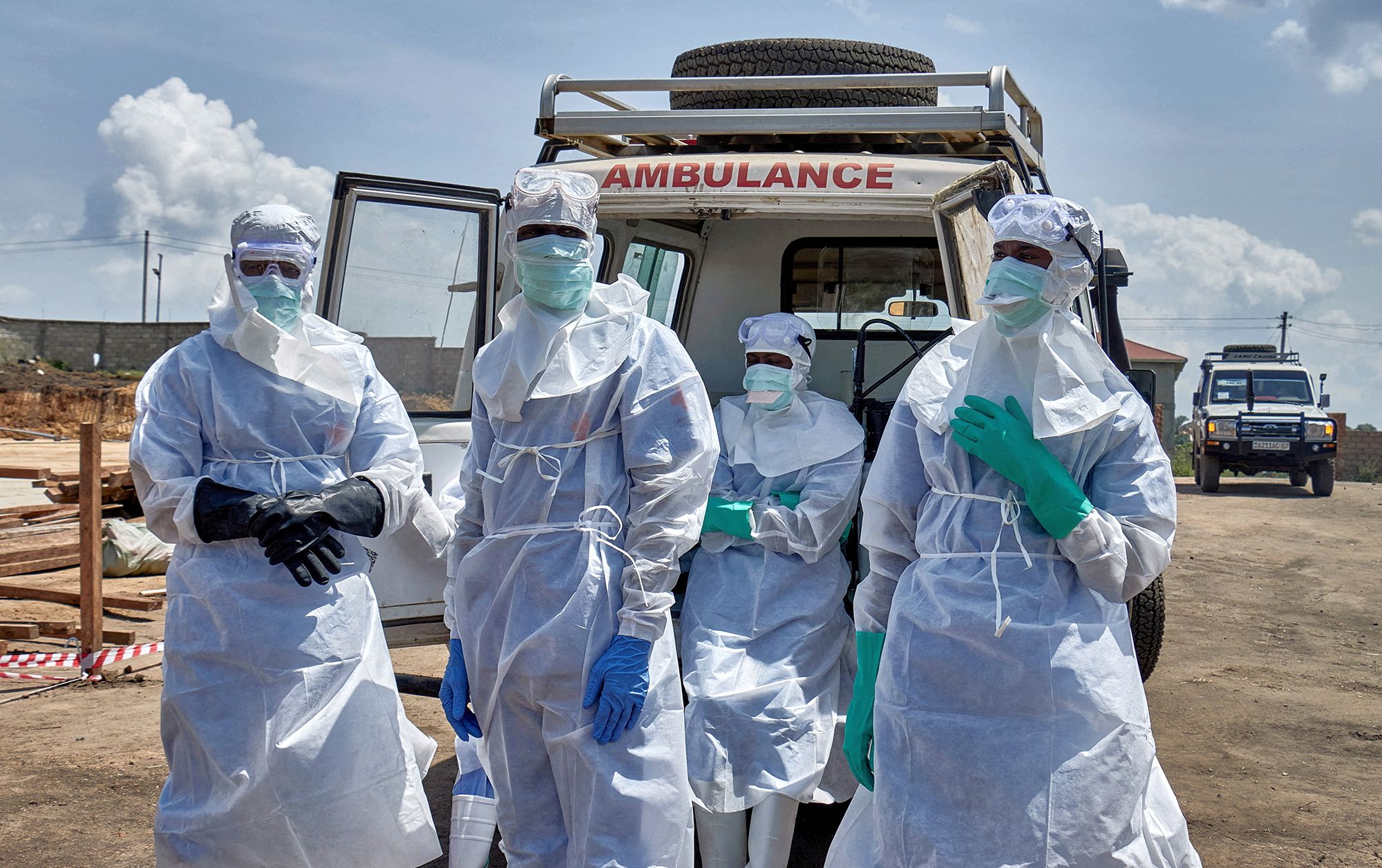
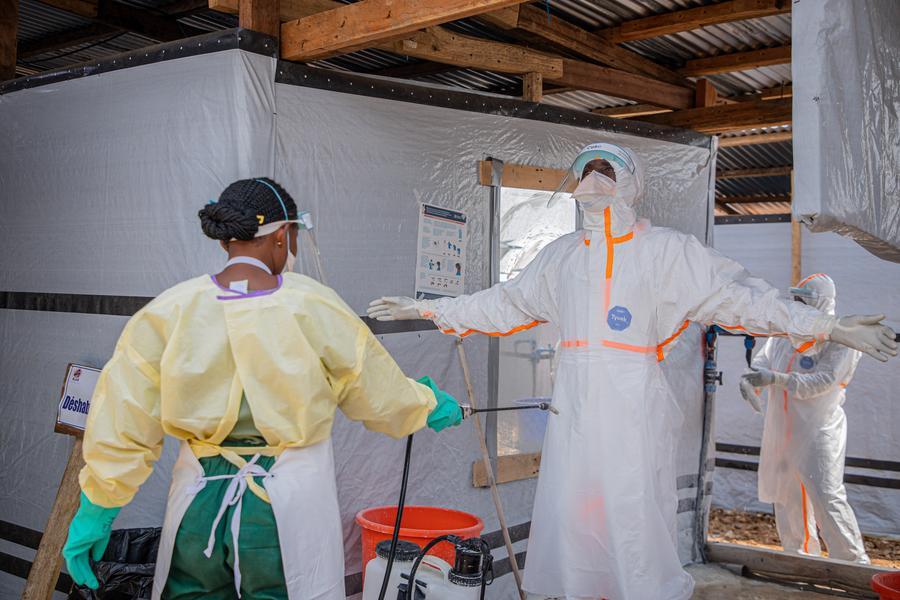
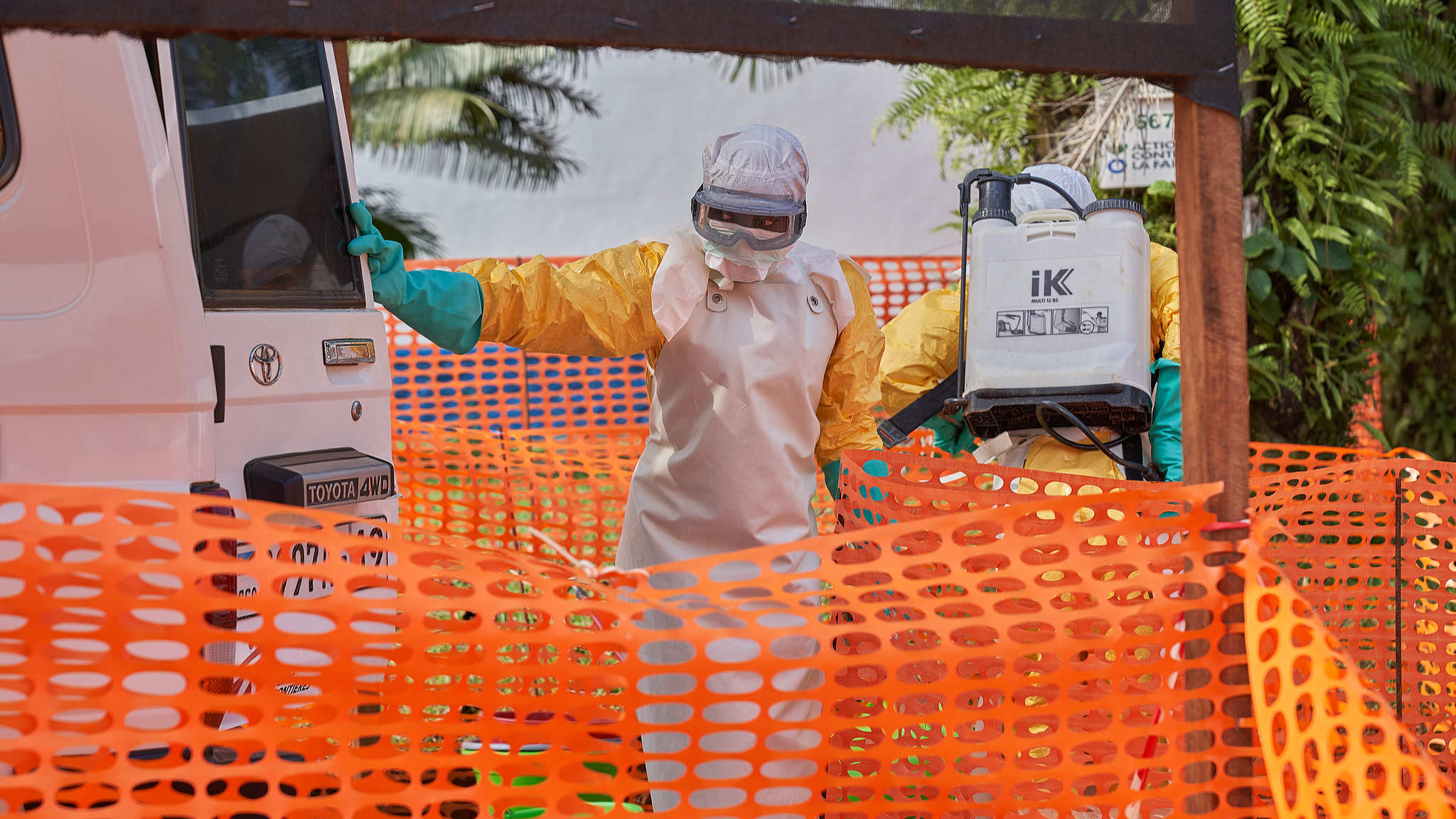
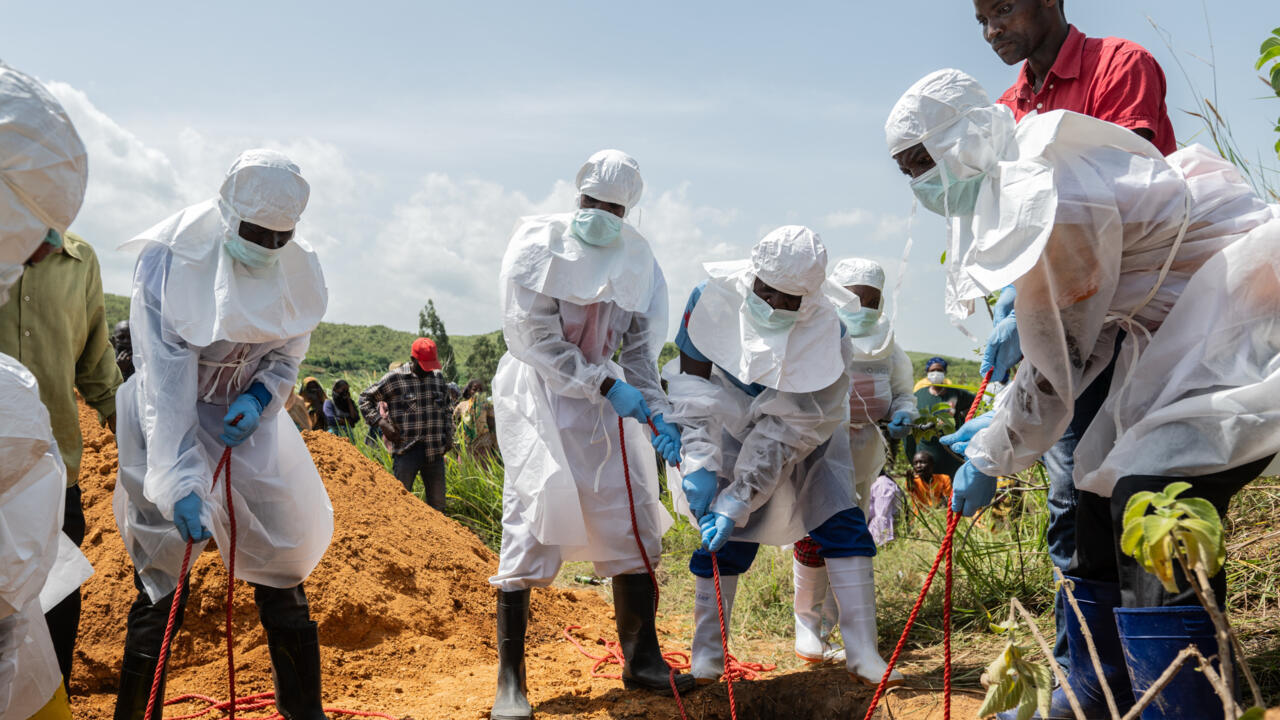
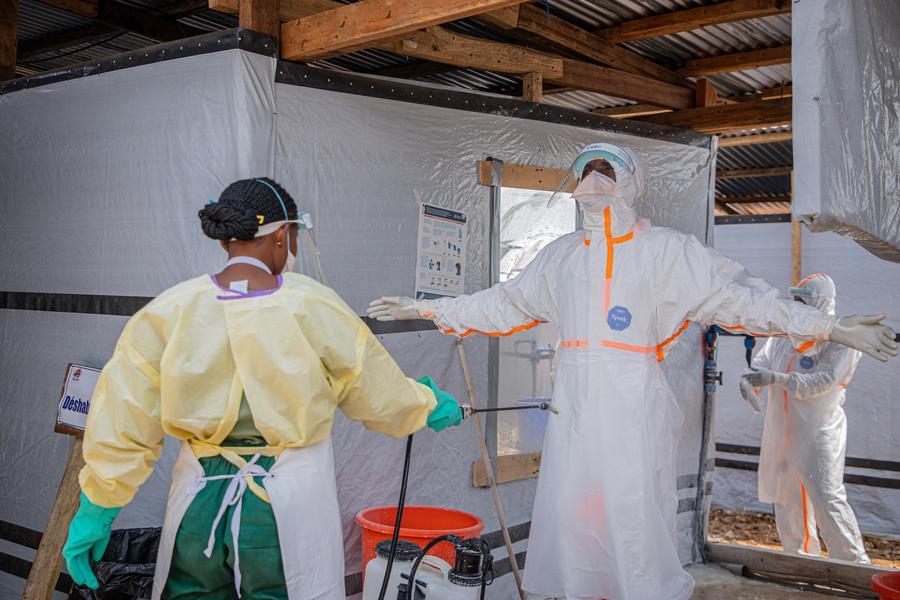
Medical workers carry out disinfection work at an Ebola treatment center in Bunia, the capital of Ituri Province in the Democratic Republic of the Congo, July 6, 2026. (Xinhua) Medical workers bury a deceased person in accordance with epidemic prevention protocols in Bunia, the capital of Ituri Province in the Democratic Republic of the Congo, July 9, 2026. (Xinhua)
The complaint, submitted on July 10, 2026, details a series of actions by state authorities and individuals linked to the ruling establishment that the legal team avers amount to crimes against humanity in different parts of the country. The ICC prosecutor’s office is expected to assess the submission before deciding whether any further action, including a possible preliminary examination, is warranted.
The lawyers cited 11 incidents, including deaths and injuries at Kinshasa’s Makala prison during a 2024 attempted prison break, as well as killings in Lubumbashi, Kolwezi and other parts of the former Katanga region.
Hervé Diakiese, one of the lawyers involved in the case, accused the youth movement Force du Progrès, which has been associated by critics with President Félix Tshisekedi’s ruling UDPS party, of involvement in some of the cited abuses. Human Rights Watch has previously raised concerns over violence involving members of the group during political unrest, while the UDPS has rejected accusations linking the party to such acts and said individuals may have been misusing the group’s name.
Diakiese also accused some political actors of promoting ethnic-based rhetoric favouring members of the Luba community, President Tshisekedi’s ethnic group.
“There are statements showing a sense of superiority among some people from the President’s community,” he said, alleging that some officials and individuals close to power have used language suggesting that the Luba are not simply holders of political power but represent power itself.
Another lawyer involved in the complaint, Bernard Maingain, said the decision to seek international justice was motivated by Congolese institutions’ to address the said abuses.
“Article 15 of the Rome Statute has been respected,” Maingain said, referring to the provision that allows individuals or groups to submit information to the ICC prosecutor. He argued that the complaint had been properly filed and should be examined according to ICC procedures.
The complaint was also submitted in Belgium because some of the individuals mentioned in the case are said to hold Belgian nationality.
Following the filing of the complaint, the next stage will involve reviewing the
allegations and determining whether they fall within the court’s jurisdiction and meet the criteria for further action.
Bernard Maingain, one of the lawyers involved in the complaint, said the decision to seek international justice was motivated by Congolese institutions’ failure to address the abuses in question.The complaint, submitted on July 10, 2026, details a series of actions by state authorities and individuals linked to the ruling establishment that the legal team avers amount to crimes against humanity in different parts of the country.
The report, covering data through Friday, listed Ituri, North Kivu, South Kivu, Haut-Uele and Tshopo as affected provinces. Haut-Uele and Tshopo were included in the national situation report for the first time.
Investigations indicate that the cases detected in the two provinces were epidemiologically linked to the outbreak epicenter in Ituri province through contacts and population movements.
The report said 763 patients were in isolation or receiving hospital treatment, while the overall bed occupancy rate at treatment facilities stood at 95.1 percent.
A total of 306 people have recovered, while 299 suspected cases, including 91 deaths, have been recorded.
The outbreak, caused by the Bundibugyo ebolavirus, was declared on May 15.
A staff wears personal protective equipment (PPE) while working at the hospital in Mongbwalu, Ituri, Democratic Republic of Congo, June 26, 2026. /VCG
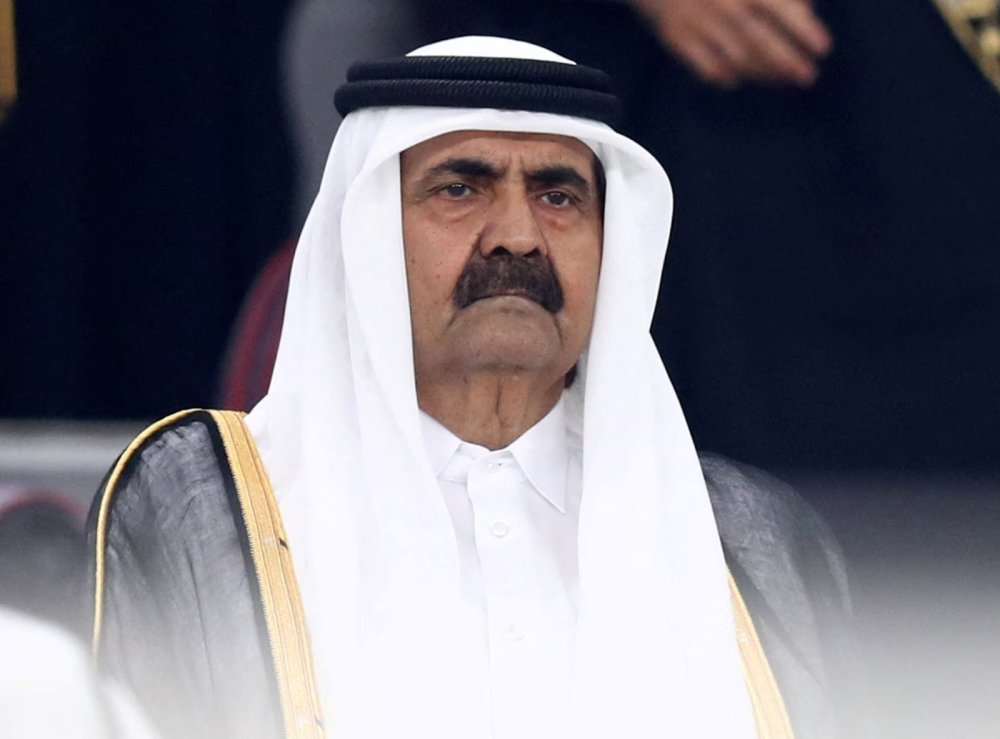
Sheikh Hamad bin Khalifa Al Thani, who ruled Qatar from 1995 to 2013 before handing over power to his son, died at the age of 74. His death was announced in an official statement released on Sunday.
In its message of condolence, AFC/M23 conveyed sympathy to Sheikh Tamim bin Hamad Al Thani, the Qatari royal family, the government, and the people of Qatar following the passing of the former Emir.
“His Highness Sheikh Hamad bin Khalifa Al Thani will be remembered as an exceptional statesman and visionary who, through his leadership, transformed Qatar into a respected global actor committed to peace, dialogue, development, and international cooperation,” the statement read.
AFC/M23 said the legacy of Sheikh Hamad bin Khalifa Al Thani would continue to inspire future generations in Qatar and far beyond
The movement added that, as one of the parties involved in the mediation talks facilitated by Qatar between AFC/M23 and the Government of the Democratic Republic of Congo (DRC), it had witnessed Qatar’s commitment to encouraging dialogue, peaceful conflict resolution, and efforts aimed at achieving lasting peace and stability.
“These efforts reflect the values and vision that His Highness the Father Amir helped to establish and promote,” AFC/M23 added.
As Qatar continues to mourn the former Emir, AFC/M23 said it stands in solidarity with Sheikh Tamim bin Hamad Al Thani, the royal family, the government, and citizens of Qatar during this period of loss.
Since early 2025, Qatar has been leading mediation efforts aimed at facilitating dialogue between the Democratic Republic of Congo and AFC/M23 in an effort to find a peaceful solution to the conflict in eastern DRC.
AFC/M23 has accused the Congolese government of repeatedly failing to respect commitments made during the negotiations, while alleging that violence and human rights abuses have continued, particularly affecting communities of Congolese Tutsi origin.
Former Qatar leader Sheikh Hamad bin Khalifa Al Thani died at the age of 74.AFC/M23 conveyed sympathy to Sheikh Tamim bin Hamad Al Thani, the Qatari royal family, the government, and the people of Qatar following the passing of the former Emir.
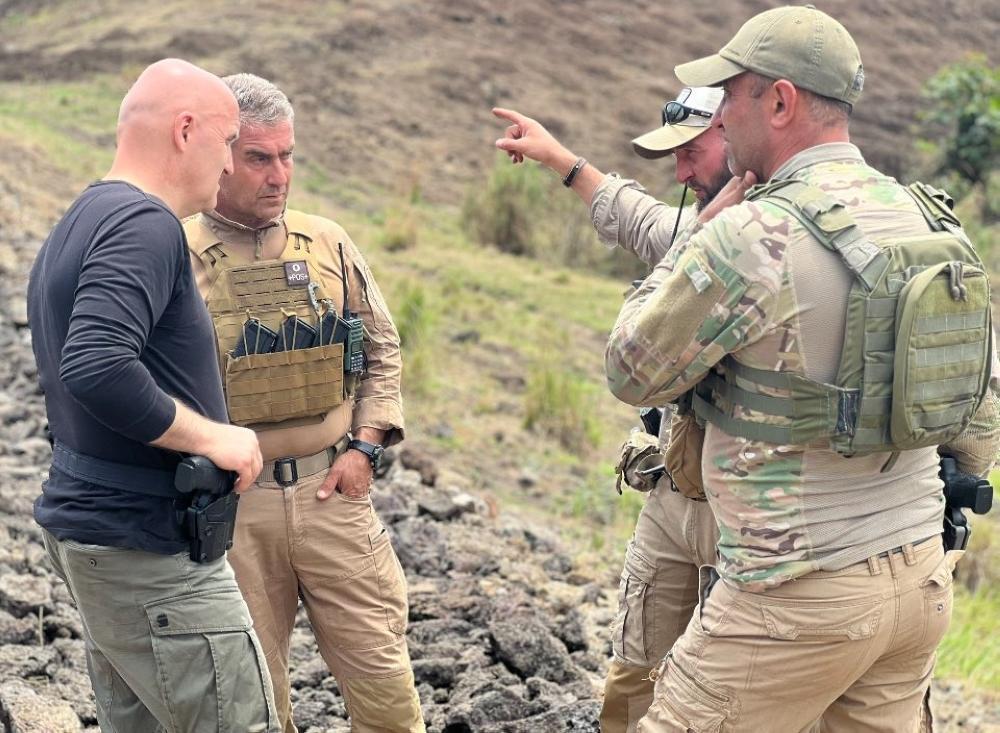
According to the report presented to the UN Security Council Sanctions Committee on June 5, 2026, mercenary groups provide battlefield support, maintain military assets including combat aircraft, and train members of the Armed Forces of the Democratic Republic of the Congo (FARDC) in advanced drone operations, radar systems, jungle warfare, intelligence gathering, operational planning, secure communications and target identification.
Despite the longstanding cooperation, the UN experts say coordination between FARDC and the various mercenary groups has been undermined by weak command structures, resulting in confusion over lines of authority and responsibility.
Advanced training and cooperation with Wazalendo
The report says foreign mercenaries maintain operational bases in Kisangani, Kinshasa, Walikale, Kalemie in Tanganyika Province and Kindu in Maniema Province. Testimonies and other evidence gathered by the UN indicate they continue to play an active role in military operations across North and South Kivu.
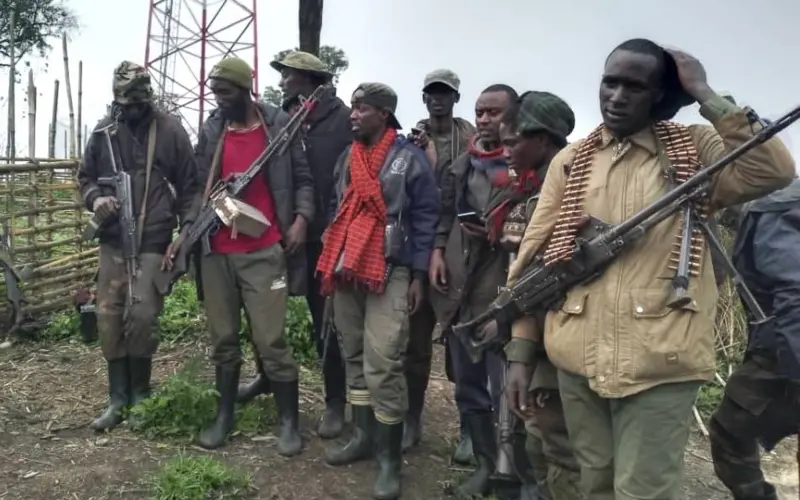
In Walikale, North Kivu, and the town of Baraka in South Kivu, foreign mercenaries reportedly provided advanced military training to members of the Wazalendo militias. The programme covered reconnaissance techniques, including identifying enemy positions and operating surveillance drones.
According to testimonies cited in the report, participants were selected based on their level of education. Upon completing the training, many were deployed alongside FARDC troops, with some reportedly issued sniper rifles for operations against the AFC/M23 coalition.
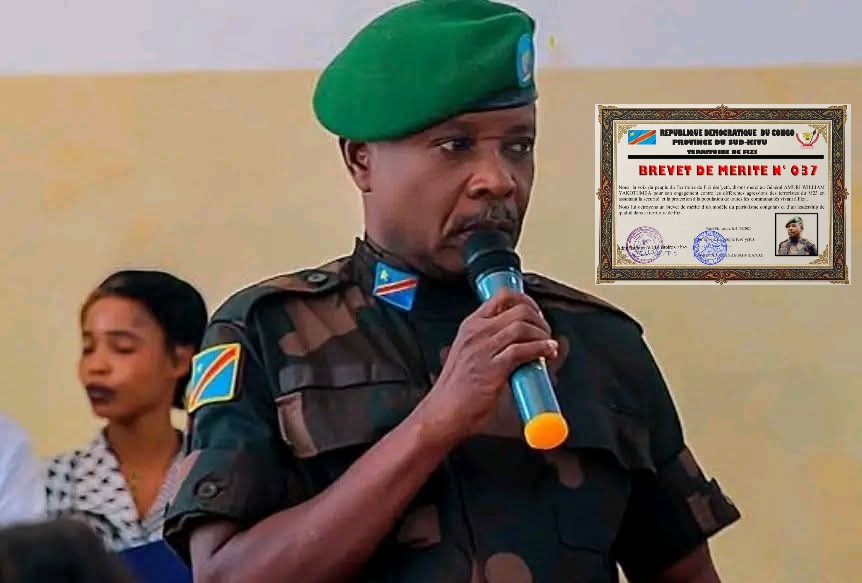
Among those who benefited from the training were fighters under commanders sanctioned by the United Nations, including Guidon Shimiray, leader of the NDC-R armed group operating in Walikale, and members of the CNPSC led by William Yakutumba.
Foreign mercenaries trained fighters under William Yakutumba.
Operations in South Kivu
Between January and March 2026, mercenaries fought alongside FARDC during heavy fighting in South Kivu, participating in coordinated drone and ground operations in several areas, including Minembwe Commune and its surrounding areas.
During the same period, Wazalendo fighters were ordered to withdraw from the highlands of South Kivu and were replaced by a FARDC special forces unit known as “Hiboux” together with foreign mercenary contingents.
The report says the mercenaries were not deployed across all operational areas. Instead, they were assigned to specialised missions, including coordinating heavy artillery fire, drone strikes and intelligence support. They were also deployed to the city of Uvira in January 2026.
On February 1, 2026, multiple drone strikes involving foreign mercenaries targeted positions held by the MRDP-Twirwaneho armed group in Minembwe.
Foreign mercenaries participated in major offensives against MRDP-Twirwaneho.
Between February 2 and 8, mercenary units reportedly assisted the Hiboux special forces in recapturing the strategic Point-Zéro junction, a key crossroads linking the roads to Uvira, Baraka and Minembwe.
Secret agreement with Erik Prince
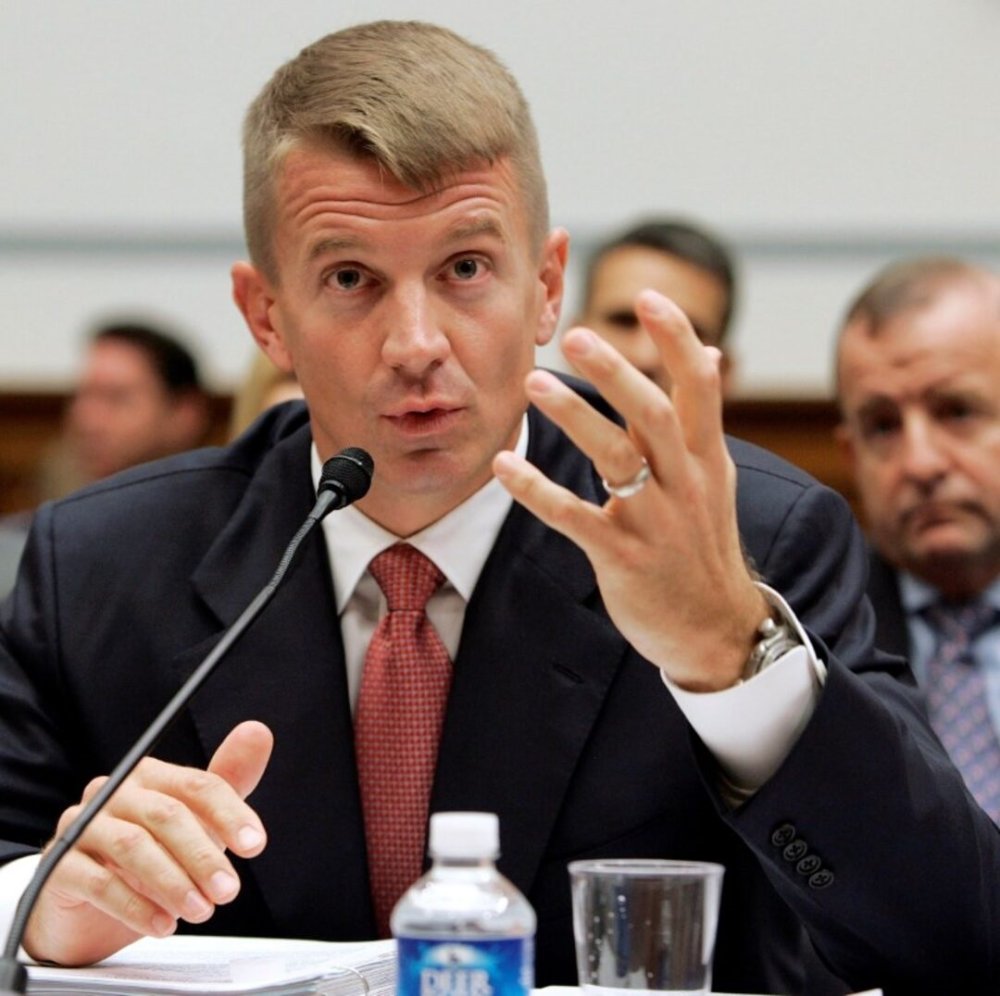
The report also details a confidential five-year cooperation agreement signed between the DRC government and American security contractor Erik Prince in December 2024. Prince is best known as the founder of the private military company Blackwater.
Under the agreement, Prince committed to providing military assistance to FARDC and overseeing security at mining sites across the country through contractors working under his companies.
Prince is best known as the founder of the private military company Blackwater.
In June 2025, Prince’s United Arab Emirates-based company, Quantum Global Consulting, registered a subsidiary in the DRC known as Quantum Global Consulting Africa.
The company also established another entity, Vectus Global, headed by Christophe Sirot, a dual French-American national.
According to the report, Vectus Global signed a contract with the DRC Ministry of Finance to help increase state revenues from mining, combat cross-border smuggling, tackle corruption and reduce tax evasion.
At the end of April 2026, the Ministry of Finance announced the creation of a special unit tasked with securing mining sites, replacing soldiers and police officers previously assigned to those duties. The UN experts say the unit appears to be linked to Vectus Global.
The report further states that the agreement contained confidential military provisions assigning Vectus Global responsibility for strengthening border security, particularly in areas near Rwanda and Zambia.
The contract also authorised the company to advise FARDC on the acquisition and operation of combat aircraft and to recruit former foreign military personnel to support the Congolese armed forces.
According to the UN experts, the broader objective was to strengthen FARDC’s military capabilities against Rwanda through advanced military technology, specialised training, strategic advice and the acquisition of modern weapons.
By late 2025, one Vectus employee told the UN investigators that the company’s priorities had shifted from securing mining operations to supporting military activities as the conflict intensified.
In February 2026, another employee reportedly told the experts that the DRC government had enlisted Vectus Global to help plan an operation to retake the city of Uvira after it fell to AFC/M23 fighters, with company personnel deployed to South Kivu to support the operation.
However, during an interview with the UN experts in March 2026, Sirot denied that Vectus Global had participated in combat operations, insisting that the company’s contract did not include any battlefield role.
The report nevertheless says multiple witnesses, including Vectus employees, identified Sirot as the individual responsible for coordinating the company’s military-related activities.
More than 300 recruits from El Salvador
Another major finding concerns the recruitment of former soldiers and police officers from El Salvador.
According to the report, former Salvadoran military personnel and police officers began arriving in the DRC from July 2025 to support the government’s coalition in its conflict against AFC/M23.
Initially assigned to maintain military equipment in Kisangani, Tshopo Province, many were later redeployed to Walikale, Baraka and Kalemie.
The UN experts found that a company known as Importaciones de Productos Americanos S.A. de C.V. coordinated the recruitment of more than 300 mercenaries in El Salvador for deployment to the DRC.
The company is registered in El Salvador and is owned by Juan Emilio Velasco Alfaro, a retired colonel in the Salvadoran military, and Rodrigo Antonio Tejada Alvarengar, a former lieutenant.
Most recruits signed one-year contracts that came into effect in July 2025, with each promised a monthly salary of US$4,225.
The report says some of the recruits returned to El Salvador before completing their contracts because of delays in salary payments by the DRC government or injuries and illnesses sustained during deployment.
The Government of El Salvador told the UN experts that it was unaware its citizens had travelled to fight in the DRC and had never authorised their deployment.
In Bunia, the capital of the eastern Ituri Province and the epicenter of the outbreak, Health Minister Samuel Roger Kamba said the steady rise in reported cases partly reflected expanded community surveillance rather than a sudden worsening of transmission.
“When many resources are mobilized, especially community health workers who go to find patients in the community, the number of cases will indeed increase,” he said. “But this increase also gives us information about the real situation in the community.”
According to epidemiological data released late Thursday, the DRC has reported 1,792 confirmed cases, including 625 deaths and 295 recoveries. A total of 764 patients are currently in isolation or receiving hospital care.
Kamba said it remained too early to predict when infections would plateau because health officials were still identifying previously undetected cases, while population mobility and challenges in community engagement continued to complicate containment efforts.
The minister also warned that infected patients from Ituri had carried the virus into neighboring areas. He said imported cases had been detected in Kisangani, the capital of Tshopo Province, and in Wamba in Haut-Uele Province, expanding the response perimeter.
DRC health authorities said investigations into the reported cases in Tshopo, a major economic and transport hub in northeastern Congo, were continuing. Several health experts told Xinhua that the spread of the outbreak into new provinces has raised concerns about wider geographic spread.
Meanwhile, the Africa Centers for Disease Control and Prevention (Africa CDC) provided new details on therapeutic research against the Bundibugyo Ebola virus, the strain driving the current outbreak.
Mosoka Fallah, an Africa CDC official, said a clinical trial launched on July 2 is evaluating the monoclonal antibody MBP134 and the antiviral remdesivir, both individually and in combination. The trial, which began at one treatment center, is expected to expand to additional sites as enrollment increases.
Fallah added that a separate prophylaxis trial evaluating obeldesivir, an orally administered broad-spectrum antiviral drug, among about 800 high-risk contacts is expected to begin next week.
Trump made the remarks on July 8 while speaking to reporters aboard Air Force One after attending a NATO summit in Türkiye, where he portrayed the DRC conflict as one of eight wars he had helped bring to an end.
Responding to a question about Venezuelan opposition figure María Corina Machado, who he said had credited him with resolving conflicts around the world, Trump cited the tensions between the DRC and Rwanda among disputes he claimed to have settled.
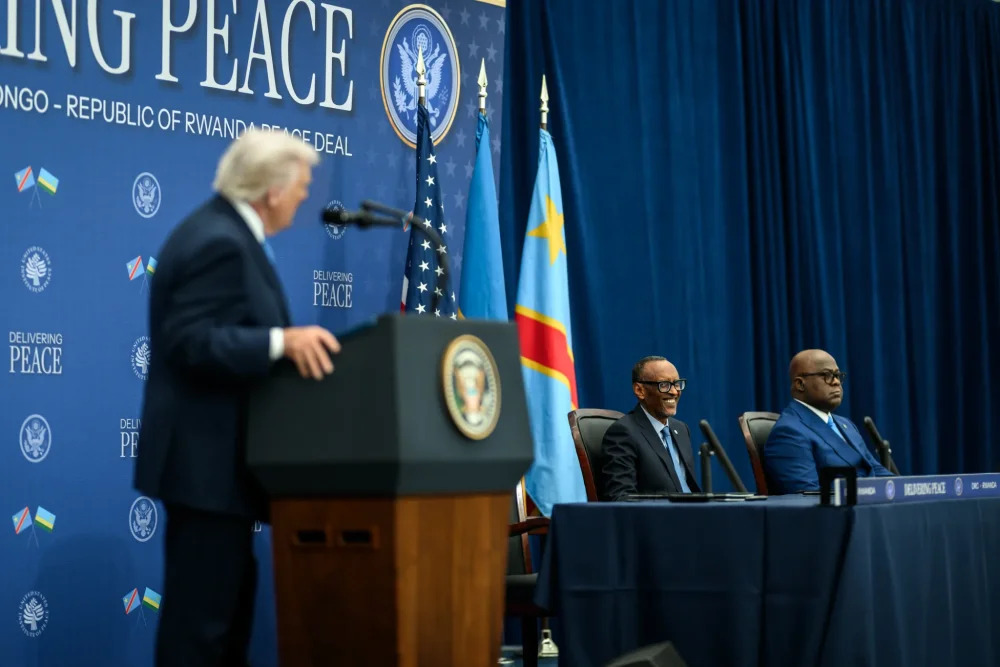
“Think of the wars settled, eight wars that were going to last 30 years. Even if you look in the Congo, the Congo versus Rwanda. I settled it. After 14 years and about 15 million people had their heads chopped off. I settled that one,” Trump said.
Trump’s remarks appear to refer to the peace agreement signed by Rwanda and the DRC in Washington, which was designed to address years of tensions between the two neighbours.
The agreement outlines steps including the dismantling of the Democratic Forces for the Liberation of Rwanda (FDLR), an armed group linked to the 1994 Genocide against the Tutsi that Rwanda maintains remains a security threat and operates with support from elements within the Congolese security system.
Implementation of the agreement has faced significant challenges, with Kigali accusing Kinshasa of failing to honour its commitments, particularly regarding the neutralisation of the FDLR, while also questioning the neutrality of the US mediation.
Rwanda’s Foreign Minister Olivier Nduhungirehe recently expressed disappointment, arguing that peace cannot be achieved if only one party implements its obligations under the agreement, following sanctions imposed on Rwanda.
The agreement was built on two key pillars: the neutralisation of the FDLR and the lifting of Rwanda’s defensive measures. However, Nduhungirehe argued that implementation has stalled mainly due to what he described as a lack of political will from Kinshasa.
“The main issue is the political will by the government in Kinshasa to cease fire,” Nduhungirehe said, adding that drone attacks had intensified after the signing of the agreement.
He further accused the Congolese side of failing to take action against the FDLR, instead citing continued collaboration with the group.
Nduhungirehe said that while US officials had acknowledged partial progress by Rwanda, Washington had overlooked the DRC’s failure to fulfil its commitments under the agreement.
“So for us, we are disappointed by the increasingly biased U.S. mediation,” he said, stressing that peace agreements require both parties to implement their obligations simultaneously.
He questioned why sanctions had been imposed only on Rwanda, including recent measures targeting Rwanda’s Gasabo Oil Refinery and the Rwanda Defence Forces, while similar action had not been taken against the DRC.
According to the minister, sanctions risk undermining the mediation process.
“Those sanctions are unfair, one-sided and counter-productive,” he said, warning that applying pressure on only one party could embolden the other and worsen insecurity.
Trump’s claim also comes against the backdrop of continued clashes in eastern DRC, where the AFC/M23 rebel group and forces aligned with the Kinshasa government remain engaged in fighting despite diplomatic efforts.
At the end of last week, MRDP-Twirwaneho fighters allied with AFC/M23 announced that they had captured areas including Point-Zéro, Kalingi, Mikenke, Gitavi, Ilundu, Kalongi, Gakenke, Lubemba, Bicumbi and Baruta Rwitsankuku, locations previously held by forces comprising the Congolese army, Burundian troops, FDLR, Wazalendo fighters and foreign mercenaries.
On July 8, 2026, intense clashes were again reported in the same areas, involving FARDC-aligned forces and Twirwaneho fighters. The fighting was concentrated around Rugezi, Mulima, Point Zero, Kazaroho, Bilalo Mbili and Mikenke.
This followed heavy fighting in late June 2026 between Wazalendo militias and AFC/M23 near Ngungu town in Masisi territory, as well as in Rubaya, Bibwe, Minjenje and Pinga.
United States President Donald Trump’s claim that he “settled” the conflict in the eastern Democratic Republic of Congo (DRC) has drawn fresh questions over the state of the peace process, as continued tension in the region suggests that the crisis remains far from resolved.
A total of 750 patients are currently in isolation or hospitalization, with an overall bed occupancy rate of 94 percent, health authorities said in an update released late Wednesday.
Caused by the Bundibugyo Ebola virus, the outbreak, declared on May 15, is the country’s 17th Ebola outbreak.
It has affected 37 health zones in three provinces, namely Ituri, North Kivu and South Kivu.
Response to the outbreak continues to face multiple constraints, including community resistance to post-mortem sampling, insufficient treatment capacity, gaps in contact tracing, limited supplies, insecurity and restricted access in areas affected by armed groups.
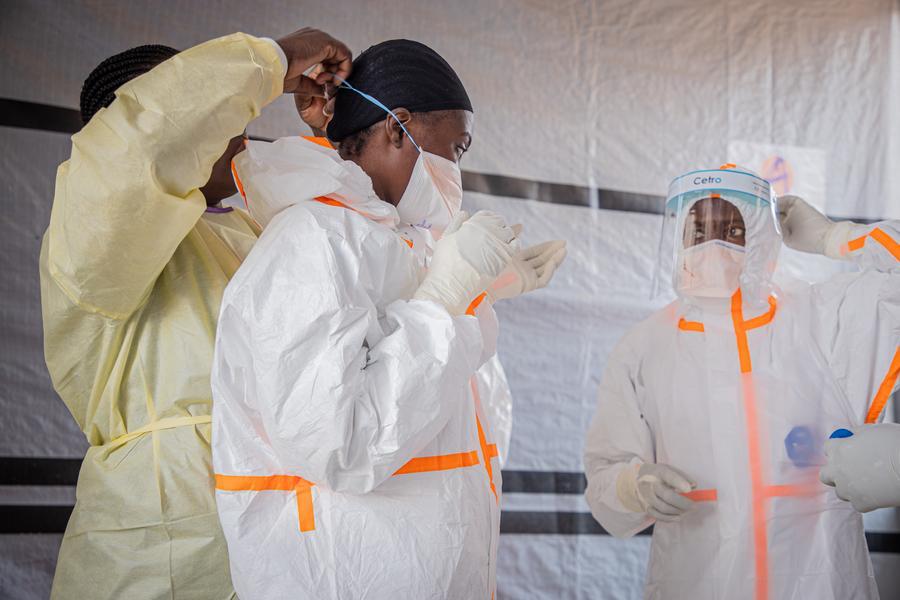
Medical workers put on protective suits at an Ebola treatment center in Bunia, the capital of Ituri Province in the Democratic Republic of the Congo, July 6, 2026. (Xinhua)
As of Monday, the DRC had reported 1,708 confirmed cases, including 580 deaths, said authorities late Tuesday.
According to a WHO Regional Office for Africa report released Tuesday, the outbreak in the DRC “continues to intensify,” driven by sustained transmission in hotspot health zones of Ituri and North Kivu provinces, growing numbers of community deaths and the spread of infection into previously unaffected health zones.
The public health risk in the DRC remains “very high,” the WHO said, warning that sustained and widespread transmission continued to outpace the current response capacity.
“The true scale has not yet been fully established,” Anne Ancia, WHO’s representative to the DRC, told reporters in Bunia, capital of Ituri province, epicenter of the outbreak.
“We would like to say it is stabilizing, but frankly, we cannot say it yet,” she said.
Hidden chains of transmission
The WHO report said deaths before admission to treatment facilities remain a major concern in the country, suggesting delays in case detection, referral and isolation.
Among 430 confirmed deaths investigated as of Sunday, 397, or 92.3 percent, occurred in the community or before admission to a treatment facility, according to the report.
For health workers, community deaths are a critical warning sign, which suggests that surveillance, referral and isolation systems are still lagging behind the virus, allowing transmission to continue before patients reach care, it said.
Contact tracing has improved but remains insufficient to quickly interrupt transmission. As of Monday, 12,412 contacts were under follow-up in the DRC.
However, only 32.4 percent of confirmed cases had been detected through contact follow-up, indicating many infections outside known contact lists and “ongoing gaps in surveillance.”
In support of the government-led response, WHO teams are working to reconstruct the history of each infection “so that we can really understand the chain of transmission” and isolate every contact case, Ancia said.
The outbreak, declared on May 15, is unfolding in areas already marked by armed conflicts, mass displacement and overstretched health services. It has mainly affected Ituri, North Kivu and South Kivu provinces in eastern DRC.
Jean Kaseya, director-general of the Africa Centers for Disease Control and Prevention (CDC), said compared with previous Ebola outbreaks in Africa at the same stage, the current outbreak ranked first in terms of the number of cases and deaths.
Healthcare nearing saturation
The surge in cases is placing growing pressure on Ebola treatment and isolation facilities.
The DRC has about 700 treatment and isolation beds across more than 22 Ebola treatment centers and care facilities. As of Sunday, 646 patients were in isolation nationwide, with official isolation occupancy standing at about 94.2 percent, according to the WHO report.
Ancia said that treatment centers were “at saturation point” and that not all needs in Ituri province could currently be met.
Still, WHO officials pointed to some gains in the response. Testing capacity has risen sharply from about 30 tests per day in Kinshasa to more than 2,000 per day, thanks to 10 decentralized laboratories established in affected provinces, including the latest one opened in Bunia, Ancia said.
The response is also complicated by the wider humanitarian emergency in eastern DRC, where insecurity, displacement, poor water access and weak health infrastructure have increased vulnerability to diseases.
Kaseya said the Ebola response could not be separated from the broader humanitarian crisis in eastern DRC.
He said that Africa CDC and partners had expanded their funding appeal from an initial request focused on Ebola response to a wider package covering health and humanitarian needs, and that addressing displacement, sanitation and insecurity would help contain multiple crises at once.
“If we resolve these humanitarian aspects, we will defeat not only Ebola, but also measles and cholera, and also fight insecurity and give opportunities to young people,” Kaseya said.
Search for treatment
The current outbreak is caused by the Bundibugyo Ebola virus, for which there is no approved vaccine or specific treatment, unlike the better-known Zaire species.
The WHO-sponsored PARTNERS clinical trial was officially launched in the DRC on Thursday, becoming the first clinical trial specifically evaluating therapeutics for the disease caused by the Bundibugyo species.
The trial is assessing the monoclonal antibody MBP134 and the antiviral remdesivir, individually and in combination.
“These drugs will be administered alone or in combination to assess their potential to improve survival among people with the Bundibugyo virus disease,” Ancia said, adding that more than 1,200 treatment doses were available, and that additional therapies could be incorporated as new evidence emerges.
Kaseya said clinical trials had come “very late,” nearly two decades after the Bundibugyo species was first identified.
He said Africa CDC was pushing to ensure that vaccines and treatment options could be available “before the end of the year.”
A mixed regional picture
Uganda has reported no new Ebola cases during the past two weeks. As of Sunday, the country had recorded 20 confirmed cases, including two deaths. Sixteen patients had recovered and two remained hospitalized. All contacts under follow-up in Uganda had completed the required 21-day monitoring period without new linked cases being detected, the WHO reported.
In France, the imported laboratory-confirmed case reported to WHO on June 24 had recovered and was discharged from hospital on Saturday after two consecutive negative laboratory tests. Five passengers who had traveled on the same flight as the patient were quarantined and remained asymptomatic.
The WHO said Uganda still faced a high risk of importation due to population movement from eastern DRC, while the imported case in France underscored the need for sustained surveillance, traveler awareness and cross-border preparedness.
Medical workers put on protective suits at an Ebola treatment center in Bunia, the capital of Ituri Province in the Democratic Republic of the Congo, July 6, 2026. (Xinhua)Medical workers carry out disinfection work at an Ebola treatment center in Bunia, the capital of Ituri Province in the Democratic Republic of the Congo, July 6, 2026. (Xinhua)