During an online press briefing on Thursday evening, Africa CDC Director-General Jean Kaseya stressed that the continued outbreak “is the fastest-growing Ebola outbreak ever recorded” and is now the second-largest by total confirmed cases.
“It is a very serious outbreak. We are now fighting because we don’t want this outbreak to become the (largest ever) Ebola outbreak,” he said.
According to Kaseya, he will join World Health Organization (WHO) Director-General Tedros Adhanom Ghebreyesus to visit Bunia, the capital of the eastern DRC’s Ituri Province and the epicenter of the outbreak, on Aug. 2. They are scheduled to meet with national authorities, frontline health workers, affected communities, and response partners.
“We really need to strengthen our capacity to stop the spread of this outbreak to other new zones. We need to continue to strengthen the capacity to detect early, and to respond appropriately,” he said.
According to the latest data from the Africa CDC and the DRC health authorities, since the DRC declared its 17th Ebola outbreak on May 15, the country has recorded a total of 3,442 confirmed cases and 1,521 deaths, representing a case fatality rate of more than 44 percent. A total of 48 health zones are now affected by the outbreak across five provinces in the country.
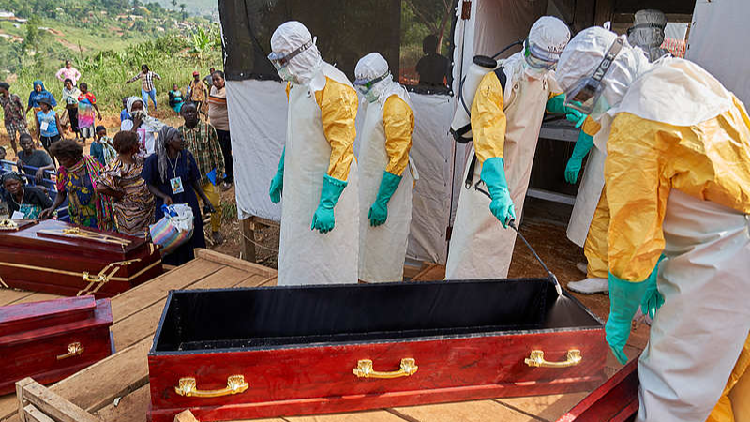
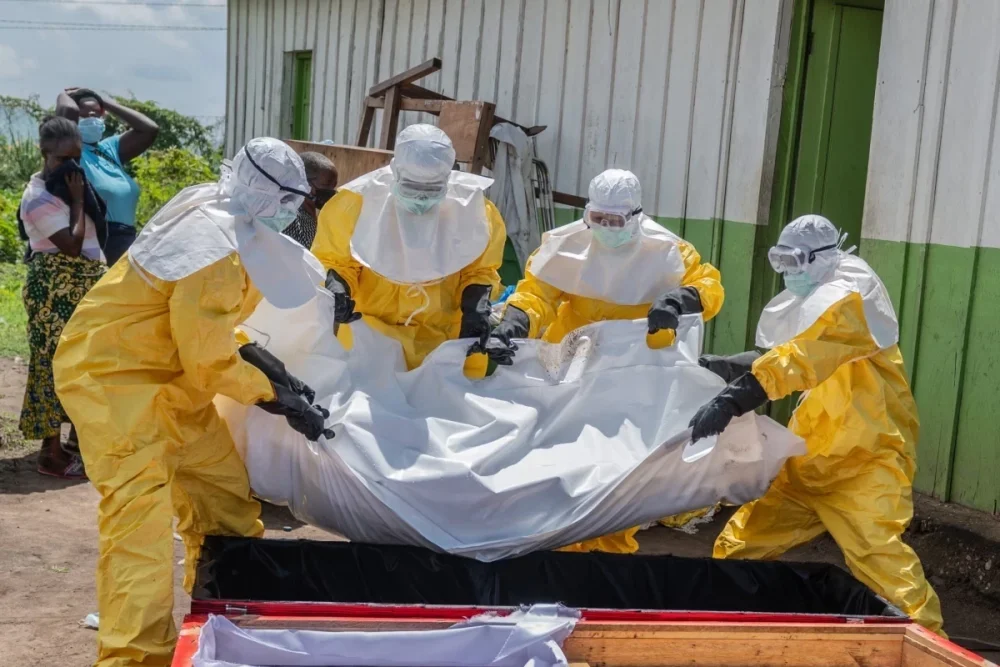
Kaseya expressed concern over critical constraints hindering the response efforts in the DRC, citing limited contact tracing capabilities, climbing community cases and deaths, a rising case fatality rate, and inadequate bed capacity. He also noted persistent funding shortages, insecurity, unsafe burial practices, and infections and deaths among healthcare workers as major obstacles to containing the outbreak.
Despite challenges, the Africa CDC highlighted progress in several areas of the response, including improvements in laboratory testing capacity. Currently, 19 laboratories are actively engaged in testing, marking a notable boost from only two active laboratories at the onset, while daily testing capacity has now surpassed 3,000 samples.
The recent launch of clinical trials of therapeutics targeting the Bundibugyo strain is also considered a breakthrough, given the lack of licensed vaccines or targeted medical countermeasures for this particular Ebola variant.
Despite the worsening situation in the DRC, Kaseya recognized Uganda’s decisive national leadership and response in effectively containing the outbreak’s transmission after the country officially declared the outbreak over on Tuesday.
Uganda’s Ministry of Health officially said that advances in epidemiological investigations and the fully characterized nature of the outbreak provided sufficient scientific evidence that transmission had been interrupted.
“Uganda’s success sends a clear message: when political leadership, communities, and public health move together, outbreaks can be stopped,” said Kaseya, adding that the country’s achievement reflects the commitment and dedication of health workers, communities, national authorities, and partners who worked tirelessly to detect, contain, and overcome this outbreak.
Meanwhile, Kaseya urged the United States to lift its Ebola-related entry restrictions on Uganda as he underscored the country’s successful outbreak containment efforts.
The Africa CDC also called on Uganda’s health authorities to remain fully engaged with continued vigilance and infection prevention measures, alongside enhanced risk communication and community surveillance efforts as the outbreak evolves in parts of the DRC, which borders Uganda.
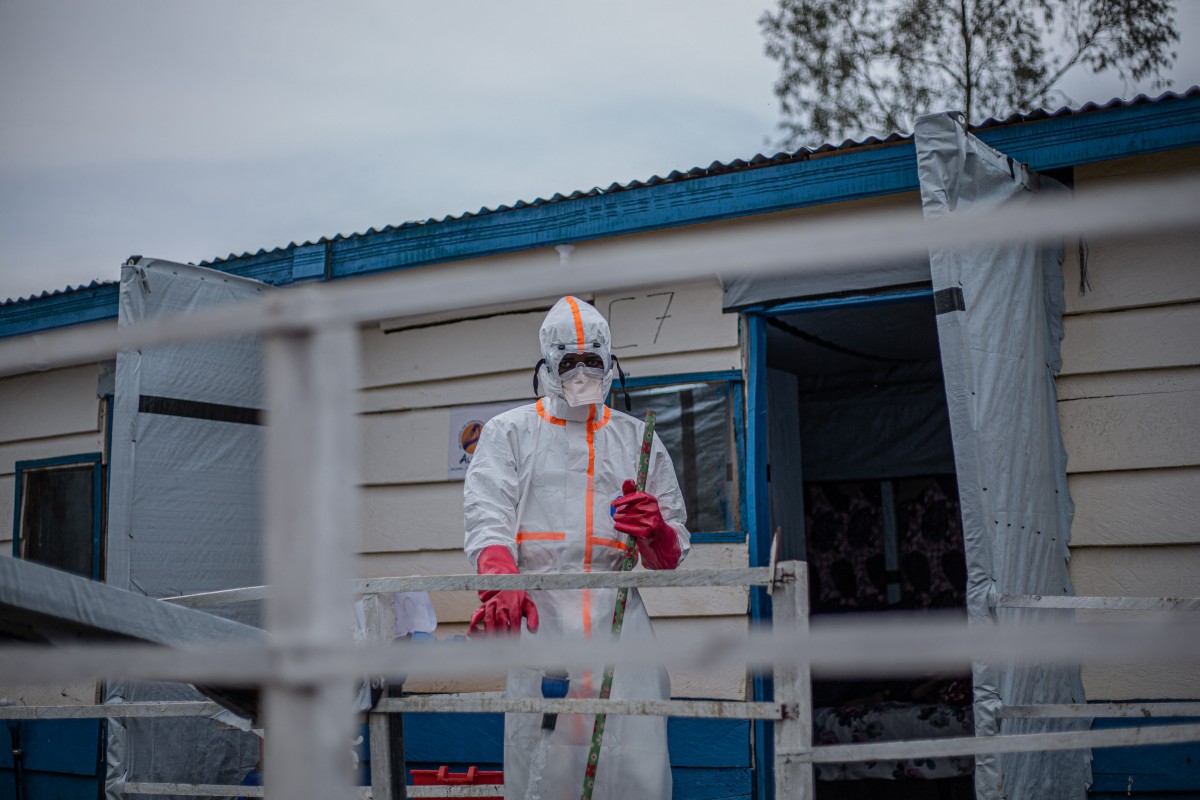
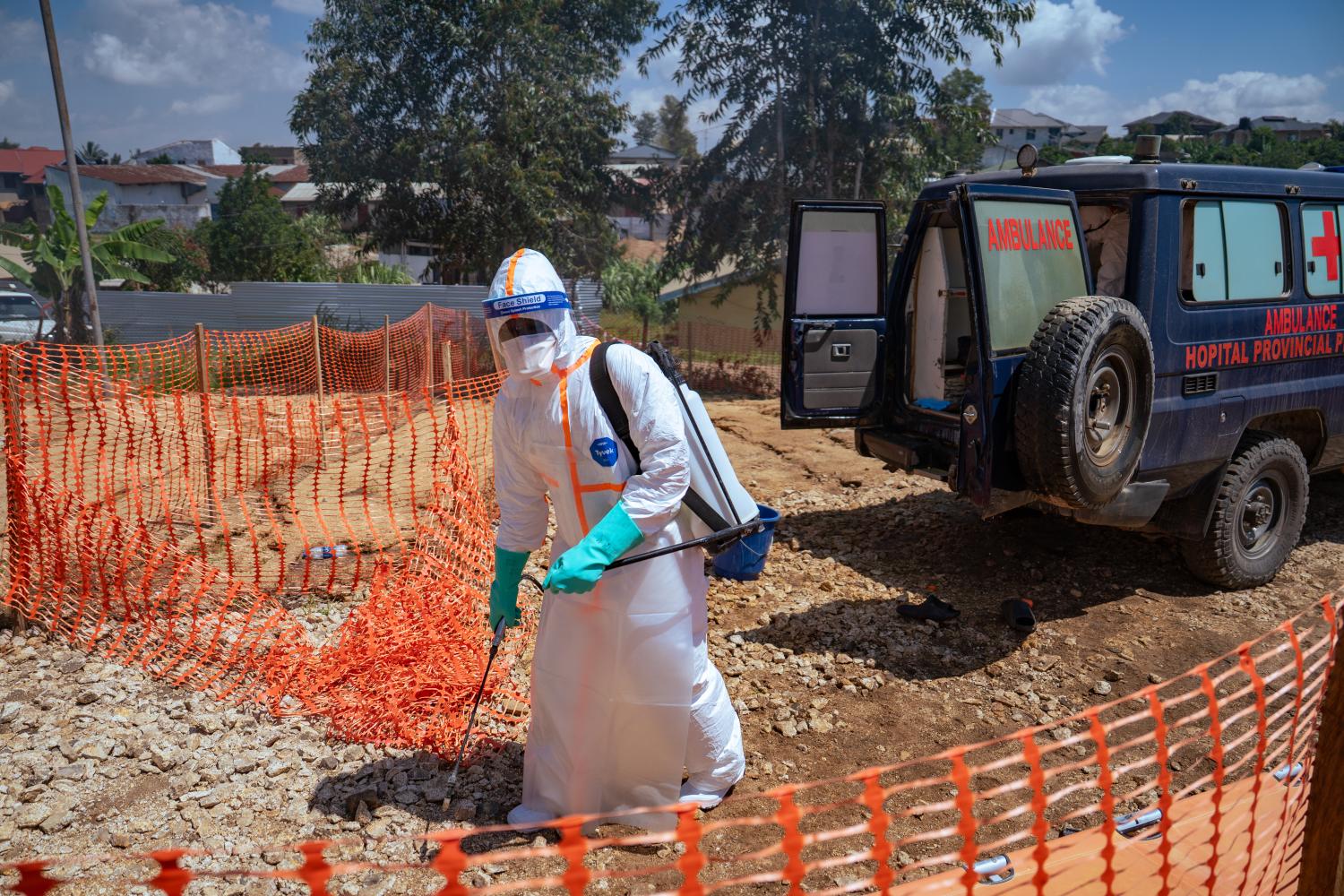
A hygienist wearing personal protective equipment (PPE) begins cleaning and disinfection operations at the Rwampara Ebola Treatment Centre (ETC) in Bunia, Ituri, in the east of the Democratic Republic of Congo on July 13, 2026.
Uwimana, who was born in the Democratic Republic of Congo, said he spent three years with the FDLR, an armed group formed by perpetrators of the 1994 Genocide against the Tutsi who fled to eastern DR Congo following the genocide.
He shared his experience after being reunited with his family on Wednesday, July 29, 2026, following a rehabilitation programme by the Rwanda Demobilisation and Reintegration Commission (RDRC). He was among 22 children who were reunited with their families.
Uwimana told IGIHE that he was abducted in Masisi Territory, in the Ironga area where his family lived.
“I had gone to visit relatives when FDLR soldiers who were heading to Pinga airfield to collect ammunition captured me. They forced me to carry the ammunition. After we delivered it, we arrived at their military camp, but they refused to allow us to return home,” he said.
He said they were later taken to the battlefield after spending three days at the camp, where they were forced to support the group’s operations.
“Whenever we asked why we could not go home, they told us we would only leave after the ammunition we had carried had been used up,” he said.
Uwimana said that once they reached the battlefield, they were given weapons and forced to participate in fighting.
The experience separated him from his family, who later fled and eventually settled in Rwanda’s Nyabihu District.
He revealed that he was unable to continue his education beyond Primary Three because of the conflict, adding that during his time with FDLR, he was subjected to training aimed at carrying out violent acts.
“We would go to the battlefield like other fighters. We were also sent to steal food, including cassava and beans, from civilians. They trained us to attack people, destroy property, rape and kill,” he said.
Uwimana said that at one point, as hunger worsened, FDLR members directed them to steal livestock from communities near Goma. However, they were attacked upon arrival, forcing them to flee, and he eventually found himself inside a national park.
He later decided to surrender after communicating with a former FDLR member who had already left the group and completed rehabilitation at the Mutobo Demobilisation Centre.
The former colleague encouraged him to surrender, after which Uwimana was taken through the La Corniche border crossing and transferred to Mutobo, where he underwent a three-month reintegration programme before being reunited with his family.
Uwimana said FDLR leaders had repeatedly warned them against returning to Rwanda, claiming they would either be killed or imprisoned if they did so.
“We were given false information by our leaders, and at times we believed what they said. But I was surprised by the way I was received in Rwanda. We were given clothes, food, and lessons that helped us return to normal life,” he said.
Now reunited with his family, Uwimana said he hopes to return to school and build a better future, noting that education provides opportunities that are difficult to access for those who cannot read and write.
He also called on other young people still in armed groups in the forests of DR Congo to surrender, saying many of the messages they receive from their leaders are based on falsehoods.
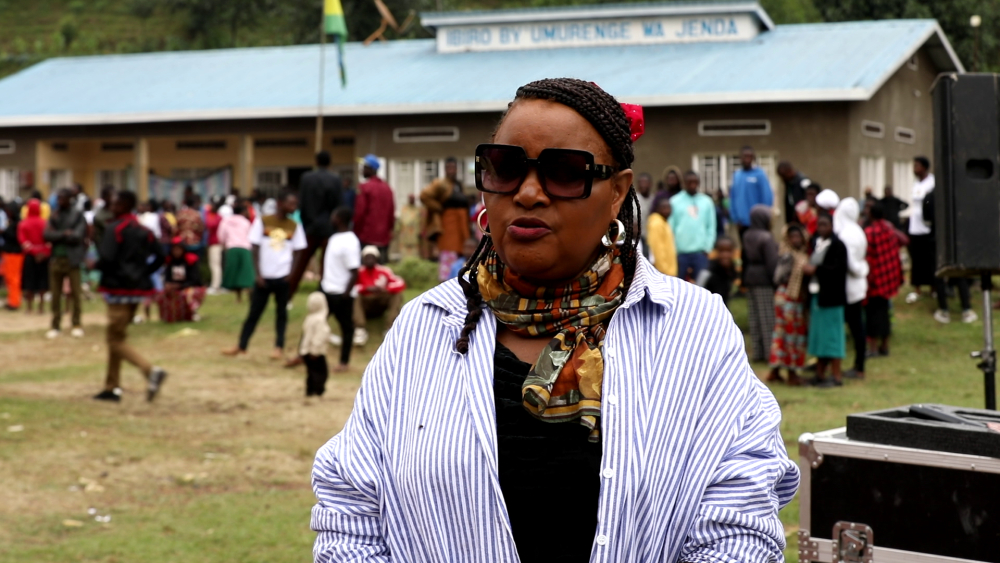
Valerie Nyirahabineza, Chairperson of the Rwanda Demobilisation and Reintegration Commission (RDRC), said 22 of the 24 children who completed the rehabilitation programme had been reunited with their families, while efforts were ongoing to trace the families of the remaining two.
The children reunited with their families are aged between 16 and 18 years.
Since its establishment, the commission has helped reintegrate 1,029 children who were previously associated with armed groups.
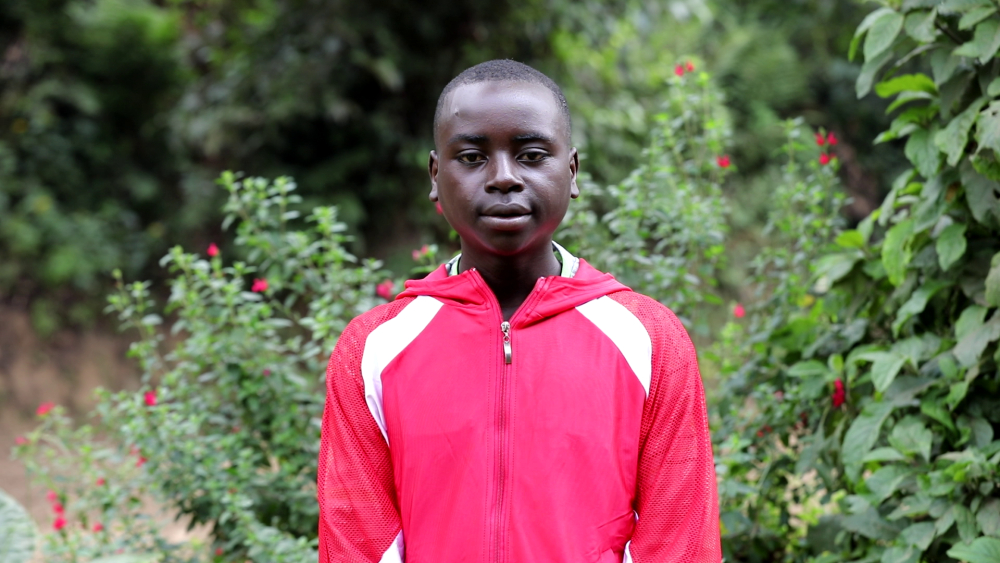
David Uwimana, who spent three years with the FDLR, said he hopes to return to school and build a better future for himself.Valerie Nyirahabineza, Chairperson of the Rwanda Demobilisation and Reintegration Commission (RDRC), said 22 of the 24 children who completed the rehabilitation programme had been reunited with their families.
However, more questions have emerged over President Félix Tshisekedi’s decision to send his Special Envoy on a diplomatic tour across Africa and Europe, with allegations that the mission was used to promote the position of the armed group.
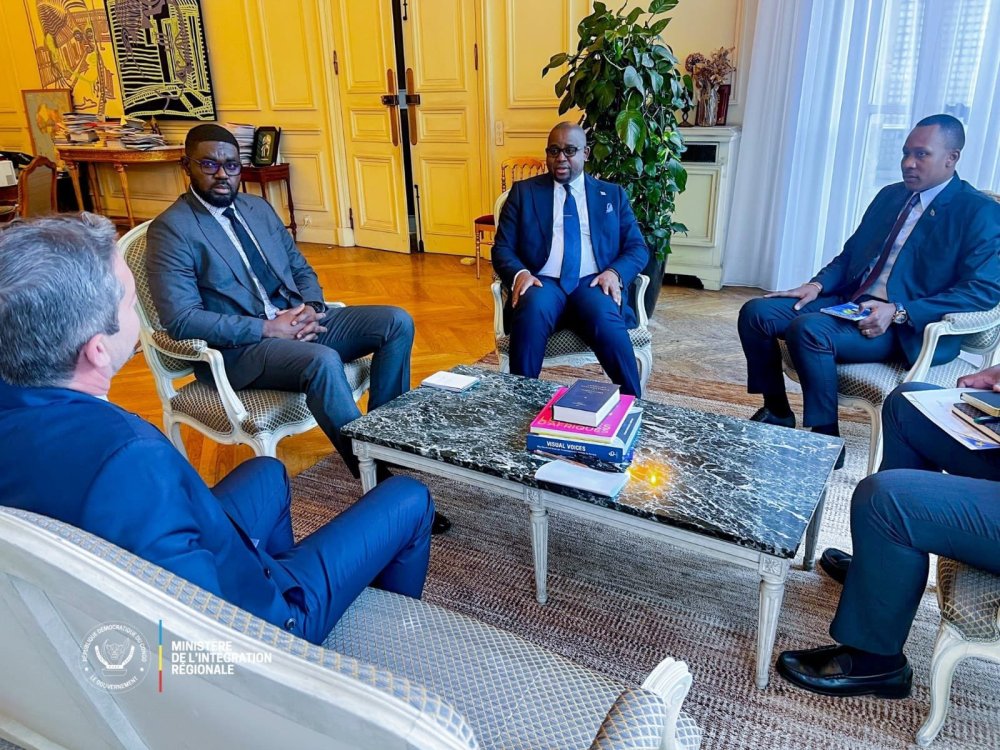
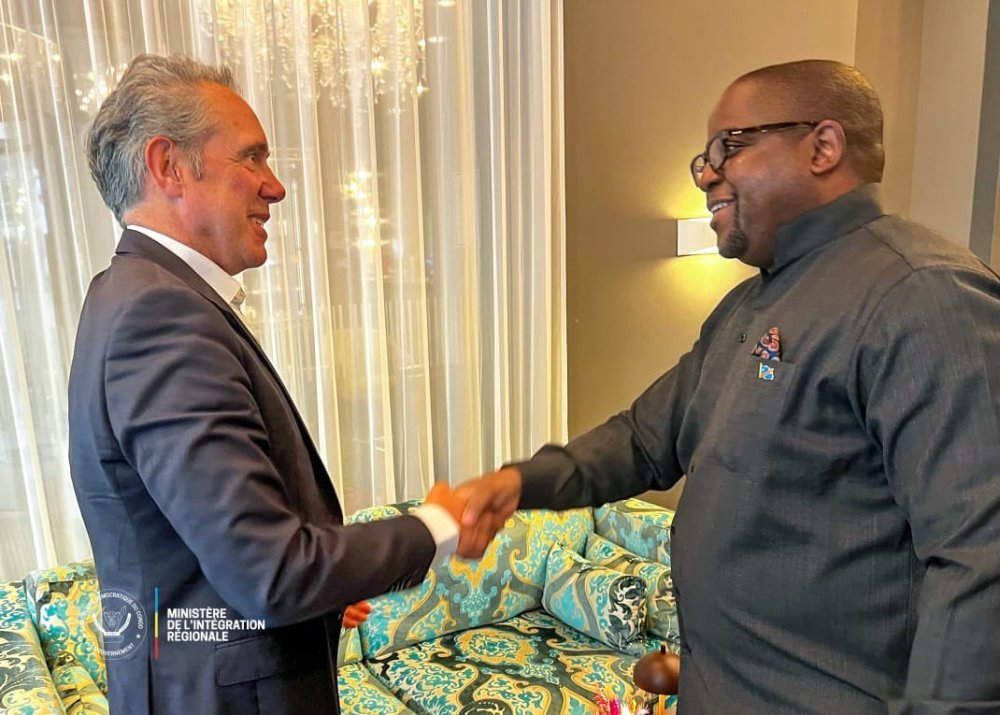
Between July 13 and July 26, 2026, DRC Minister for Regional Integration and Special Envoy to President Tshisekedi, Floribert Anzuluni, visited eight countries, Togo, Uganda, Burundi, Tanzania, Belgium, France, South Africa and Equatorial Guinea, where he held meetings with heads of state and senior government officials.
Officials from some of the countries visited said Anzuluni delivered confidential messages from President Tshisekedi. French publication Jeune Afrique reported that, during the meetings, the envoy also presented leaders with a letter reportedly signed by FDLR President Victor Byiringiro outlining the group’s proposed roadmap for its future.
If confirmed, the development would suggest that the FDLR leadership directly communicated with President Tshisekedi, who then tasked his Special Envoy with sharing the group’s views with leaders from countries that hold influential positions within regional and international organisations, including the African Union (AU), Southern African Development Community (SADC), East African Community (EAC), European Union (EU) and Economic Community of Central African States (ECCAS).
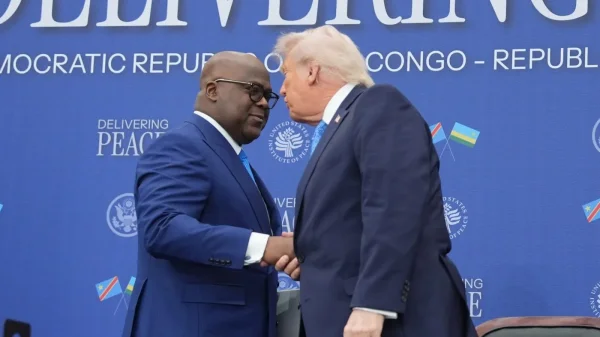
The mission was defended during a July 28, 2026 press conference, where Anzuluni and DRC Government Spokesperson Patrick Muyaya said the FDLR letter reflected Kinshasa’s commitment to implementing the Washington Peace Agreement signed on December 4, 2025.
However, critics argue that the agreement does not envisage the FDLR as a stakeholder in the peace process. Instead, they point out that one of its key provisions requires the DRC to dismantle the armed group, after which Rwanda would lift defensive measures.
Under the agreement, the FDLR is considered part of the security problem that must be addressed rather than an actor whose demands should shape the implementation process.
The diplomatic tour has also raised questions over why none of the countries visited publicly challenged what critics describe as the involvement of a government institution in promoting the position of a sanctioned armed group.
The FDLR was formed by remnants of the former Rwandan army and Interahamwe militia members who participated in the 1994 Genocide against the Tutsi in Rwanda. The group remains under sanctions imposed by the United Nations, the United States and the European Union.
Critics argue that President Tshisekedi’s alleged engagement with FDLR leaders contradicts the commitments made under the Washington Peace Agreement, which requires Kinshasa to dismantle the group within 90 days.
A 2026 report by the United Nations Group of Experts on the DRC stated that senior Congolese military and government officials had provided assurances to the FDLR that they would continue protecting the group and that it should not fear the implementation of the Washington Agreement.
Following the release of the report in June, allegations also emerged that some FDLR fighters had been absorbed into various Wazalendo militia groups in an effort to conceal their numbers and locations.
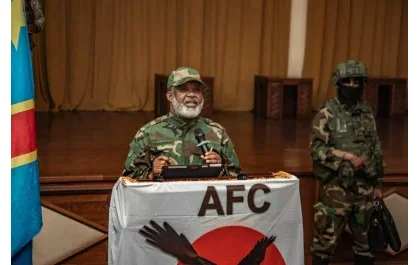
During the July 28 press conference, Muyaya and Anzuluni said that, among the six main areas where the FDLR maintains positions, the Congolese government only has effective control over Walikale, while the remaining five are controlled by the AFC/M23 movement.
Critics argue that this explanation has become Kinshasa’s repeated justification for failing to dismantle the FDLR. They also point to what they describe as inconsistent official positions, noting that some officials have previously denied the group’s existence, portraying it as a justification created by Rwanda, while others have dismissed it as too weak or insignificant to pose a security threat.
President Tshisekedi has sought to present himself as a leader committed to restoring peace while allegedly maintaining links with the FDLR, which critics accuse Kinshasa of supporting with resources and assistance in its fight against AFC/M23.
The accusations come amid broader political challenges facing Tshisekedi, including insecurity in eastern DRC, economic difficulties and growing opposition to his leadership.
Opposition parties grouped under the Coalition Article 64 (C64) have intensified pressure on the President, accusing him of seeking to amend the Constitution to extend his stay in power beyond his legally permitted two terms.
The pressure increased after demonstrations on June 12, 2026, during which opposition leader Martin Fayulu was shot and Delly Sesanga sustained serious injuries. Following the protests, Tshisekedi reportedly requested religious leaders to mediate with C64 and encourage the coalition to suspend nationwide demonstrations planned for July 22 in favour of dialogue.
The coalition agreed to postpone the protests but gave the President until August 15, 2026, to begin meaningful discussions and clarify whether he would abandon plans to amend the Constitution. It warned that demonstrations would resume if no progress was made.
Critics accuse Tshisekedi of repeatedly using dialogue initiatives as a way to reduce political pressure while continuing to pursue his objectives.
On July 28, 2026, the Constitutional Court ruled that a proposed constitutional referendum met legal requirements. The decision came after both chambers of Parliament had already approved the process, clearing what critics describe as the final legal hurdle toward a possible extension of Tshisekedi’s rule.
When Tshisekedi came to power in January 2019, he pledged that restoring peace in eastern DRC would be his main priority. However, critics argue that continued insecurity has instead become a justification for constitutional changes and efforts to remain in office.
After nearly eight years in power, opponents say Tshisekedi has failed to deliver on key promises made during the 2018 presidential election. They also continue to cite allegations by Martin Fayulu supporters that he was the legitimate winner of that election.
Political observers argue that Congolese citizens have had sufficient time to evaluate Tshisekedi’s leadership and question whether his current priorities are focused on addressing the country’s challenges or preserving political power.
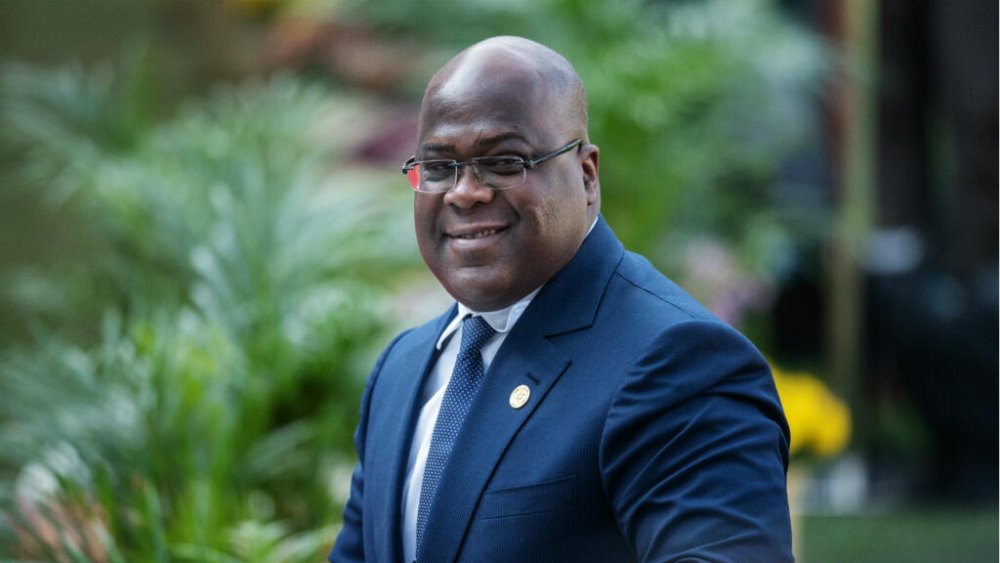
President Félix Tshisekedi has faced growing scrutiny over his political ambitions, security challenges in eastern DRC and the country’s handling of the FDLR issue.
The ruling is expected to open the door for Tshisekedi to run again when his second and constitutionally mandated final term ends in 2028.
The decision was announced on July 28, 2026, by the President of the Constitutional Court, Dieudonné Kamuleta Badibanga, who said the referendum law complies with the country’s Constitution.
Tshisekedi has been in office since January 2019. Under the current Constitution, the President is limited to two terms, after which power is expected to be transferred to another Congolese citizen.
The referendum law, which was approved by both chambers of Parliament, establishes the procedures for amending certain provisions of the Constitution.
In its ruling, the Constitutional Court affirmed that the President has the authority to initiate the constitutional amendment process through a special parliamentary procedure, which would then be followed by a national constitutional referendum.
Opposition leaders, including Martin Fayulu, Jean-Marc Kabund, Moïse Katumbi and Delly Sesanga, have strongly opposed the initiative, arguing that it is designed to enable Tshisekedi to secure a third presidential term despite the current constitutional limit.
The opposition had planned nationwide demonstrations to protest the proposed constitutional changes but postponed the protests after the government announced plans to organise an inclusive national dialogue bringing together stakeholders from across the country.
In early May 2026, Tshisekedi said he had never requested a third term. However, he added that he would accept if the Congolese people wanted him to continue leading the country. He also stated that if the conflict in eastern DRC remains unresolved by 2028, the country would not hold presidential elections.
The Constitutional Court has cleared path for Tshisekedi’s bid for a third term
The demonstrations were organized by civil society organizations operating in the two cities, which are under the control of AFC/M23. Organizers described the sanctions imposed by the UN Security Council on AFC/M23 Coordinator Corneille Nangaa, the coalition’s intelligence chief, Col. Nzenze Imani, and MRDP Twirwaneho commander Brig. Gen. Charles Sematama as biased.
The civil society groups also accused President Tshisekedi of seeking to remain in power beyond the constitutional two-term limit by changing the Constitution. They argued that his administration has failed to govern effectively and called for him to step down in favor of new leadership.
Ahead of the demonstrations, on July 27, representatives of the civil society organizations formally notified the mayors of Goma and Bukavu, requesting authorization to hold the protests and ensure the safety of participants. Local authorities reportedly assured them that security would be provided.
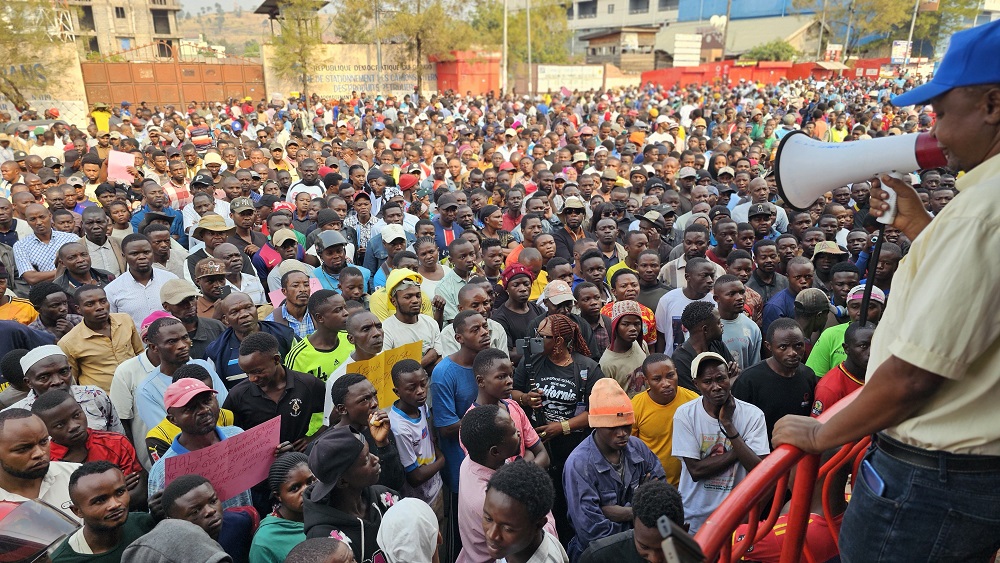
Following days of mobilization, large crowds gathered in both cities, with demonstrators expressing support for AFC/M23 and seeking to show that areas under the coalition’s control have remained peaceful since early last year. Protesters contrasted the security situation in those areas with territories controlled by the Kinshasa government.
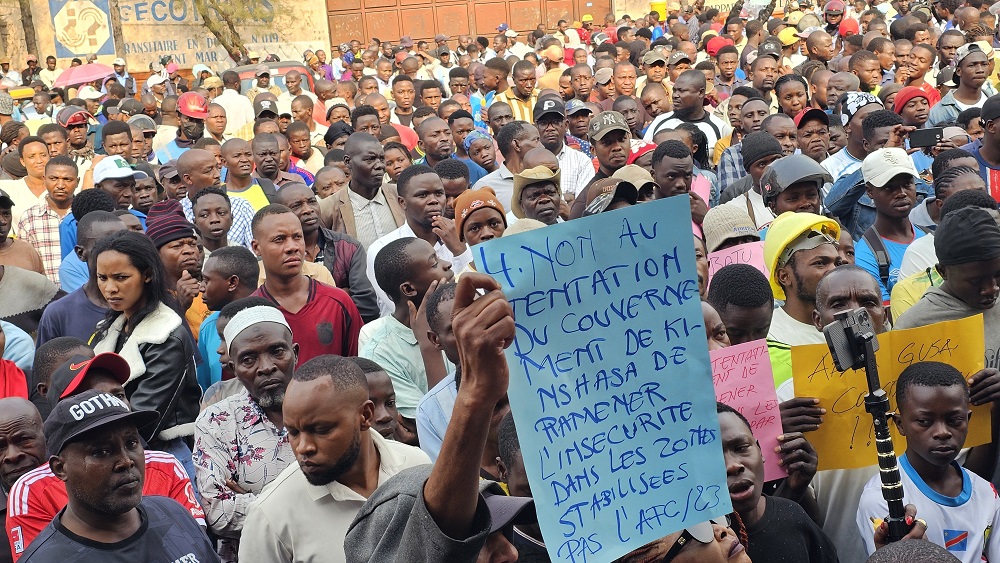
Many demonstrators carried placards denouncing President Tshisekedi’s administration, the long-running attacks by the Allied Democratic Forces (ADF) in Beni, North Kivu Province, and military operations by the Congolese government in Minembwe Commune in South Kivu Province.
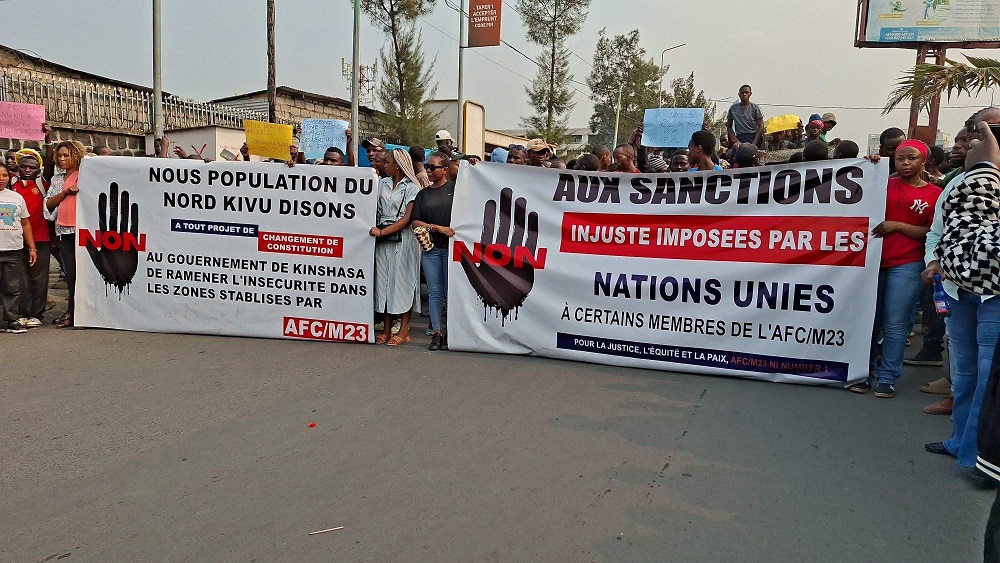
Some banners read, “We reject the UN sanctions imposed on AFC/M23 members without any valid justification.” Others claimed that since AFC/M23 took control of Goma and Bukavu, the cities have become more secure and united, with improved access to clean water, electricity and continued development.
In Goma, protesters displayed banners stating: “We, the people of North Kivu Province, reject the constitutional amendment project and the Kinshasa government’s actions aimed at destabilizing areas where AFC/M23 has restored security.”
Speaking during the protest in Bukavu, one civil society representative said the demonstrators opposed constitutional changes and wanted peace through dialogue.
“We are demonstrating because we reject any amendment to the Constitution and we want peace. We want negotiations to begin as soon as possible so that lasting peace can be achieved,” she said.
She also criticized the UN sanctions, saying: “How can you sanction a citizen in a sovereign country? It is unacceptable for this to happen to a Congolese citizen who is fighting for his rights, seeking peace and advocating peaceful coexistence.”
North Kivu Deputy Governor Manzi Willy expressed support for the demonstrations, arguing that what he described as one-sided sanctions would not contribute to peace in the DRC.
“A conflict involves two parties, yet only one continues to face punitive measures while the other is spared comparable scrutiny,” Manzi said.
“Such an approach is unlikely to advance peace; it risks deepening divisions and undermining confidence in the negotiation process.”
Demonstrators display banners during protests against Tshisekedi and sanctions targeting AFC/M23 leaders.Civil society-led protests in Goma and Bukavu draw thousands opposing Tshisekedi’s policies and UN sanctions on AFC/M23.Demonstrators expressing support for AFC/M23 and seeking to show that areas under the coalition’s control have remained peaceful since early last year.
The DRC government has been lobbying African and European partners with a proposal that would see the FDLR dismantled through a political process rather than military action.
Rwanda and political analysts argue that the initiative is a diversionary tactic that fails to address what they describe as the root cause of the threat posed by the group, its genocidal ideology.
Since July 13, 2026, the DRC’s Minister for Regional Integration, Floribert Anzuluni Isiloketshi, has visited Uganda, Togo, Burundi, Tanzania, Belgium, France and South Africa, in addition to holding meetings at the European Union headquarters in Brussels.
Although the tour was officially presented as consultations on the security situation in eastern DRC, reports indicate that President Félix Tshisekedi’s envoys were also carrying a proposal aimed at persuading international partners to support Kinshasa’s new approach to addressing the FDLR issue.
According to Jeune Afrique, the Congolese government is seeking to convince regional and Western partners that it is making genuine efforts to dismantle the FDLR, even as it faces mounting pressure over what critics say is its failure to implement obligations under the Washington Peace Agreement.
That diplomatic push intensified after Washington publicly raised concerns over the pace of implementation. On June 27, U.S. President Donald Trump’s Senior Advisor for Africa, Massad Boulos, told the United Nations Security Council that the DRC had failed to fulfill its commitment to dismantle the FDLR.
On July 13, Minister Anzuluni and his delegation were received in Uganda.
FDLR proposes voluntary disbandment
During his diplomatic tour, Minister Anzuluni presented a document outlining what Kinshasa describes as a new framework for the voluntary disarmament, demobilization and reintegration of FDLR fighters.
Signed by Victor Byiringiro, a senior political figure within the FDLR, the document proposes the group’s voluntary disarmament and self-dissolution following an awareness campaign conducted by the Congolese government.
The proposal, submitted by Byiringiro to President Tshisekedi on May 30, 2026, argues that dismantling the FDLR should be achieved through political engagement rather than military operations. It further proposes that FDLR combatants be housed in a secure, protected facility where they would not be subjected to military attacks.
Byiringiro also argues that FDLR members should not be forcibly repatriated to Rwanda. Instead, those unwilling to return should be assisted in resettling in third countries together with their families currently living in the DRC.
FDLR political leader Victor Byiringiro drafted the proposal for the group’s dissolution and sent it to President Félix Tshisekedi.
Kinshasa has presented the proposal as a major step forward, arguing that it removes what it describes as Rwanda’s justification for supporting the AFC/M23 coalition. Rwanda, however, rejects that characterization, insisting that the AFC/M23 movement is a Congolese rebel group whose members are fighting against marginalization and exclusion within the DRC.
Rwanda has rejected the proposal, describing it as an attempt to circumvent the Washington Peace Agreement, which requires the DRC to dismantle the FDLR following the agreement signed on June 27, 2025.
According to Belgium’s La Libre, Rwanda’s Minister of Foreign Affairs and International Cooperation, Ambassador Olivier Nduhungirehe, dismissed the proposal as an effort to distract from the agreement’s core obligations.
“We remain committed to the agreement we signed. Any attempt to introduce additional elements aimed at portraying the FDLR as a party to the agreement is unacceptable. Such efforts are intended to undermine the document signed in Washington,” Nduhungirehe said.
He added: “The Washington Agreement is a sound document. If all its provisions are implemented, we would have genuine hope for lasting peace and development in the Great Lakes region.”
Analysts question the proposal
Political analysts say this is not the first time the FDLR has proposed voluntarily dissolving itself, arguing that similar initiatives in the past failed to produce meaningful results.
Professor Bob Kabamba, a political scientist at the University of Liège in Belgium, said the proposal was unlikely to succeed.
“This is not the first time such an initiative has emerged. One has to examine the history of the FDLR to understand the nature of this issue,” he said.
Kabamba noted that in July 2000, then-DRC President Laurent-Désiré Kabila oversaw the dissolution of the ALiR rebel movement before the FDLR later emerged.
He argued that even if the FDLR were formally dissolved under the current proposal, another armed group with the same ideology and objectives could emerge.
“The new plan allows the FDLR to dissolve itself. That is difficult to understand, and Kigali will not accept it because it has not forgotten ALiR and the subsequent creation of the FDLR, which it says continues to receive support from Kinshasa. Based on this proposal, history could repeat itself, with another armed group emerging after the FDLR’s dissolution.”
Since early 2026, Tshisekedi has also reportedly considered the renaming of the FDLR in what analysts describe as an attempt to improve its international image. Under the reported proposal, the group would become the Front Commun pour la Libération Rwandaise (FCLR) while retaining its ideology and military structure.
Ideology remains the central concern
Both Nduhungirehe and Kabamba argue that the principal concern surrounding the FDLR is not simply the number of fighters it commands but the genocidal ideology embraced by its leadership and members.
“This issue goes far beyond the number of FDLR fighters,” Kabamba said. “Today they number only around 2,000 to 3,000, which is insufficient to militarily threaten the Rwandan state. The real concern is the extremist ideology that continues to target a particular ethnic group with the objective of extermination while promoting violence. This proposal addresses none of that.”
According to the latest report by the UN Group of Experts, published in late June 2026, the FDLR claims to have more than 10,000 fighters, about half of whom are permanent combatants. Its elite military wing, known as CRAP, claims to have 20,000 fighters.
Meanwhile, beyond Minister Anzuluni’s diplomatic campaign, the DRC government continues military preparations in North and South Kivu provinces. Although the Congolese army announced in late March 2026 that it would dismantle the FDLR, Rwanda says that commitment was never implemented and that, two days later, the group instead received additional weapons from the Congolese military to continue supporting government forces.
Rwanda has continued to present evidence of cooperation between the DRC government and the FDLR. Kinshasa, however, maintains that its contacts with the armed group are intended solely to persuade it to lay down its arms, a claim disputed by Rwanda.
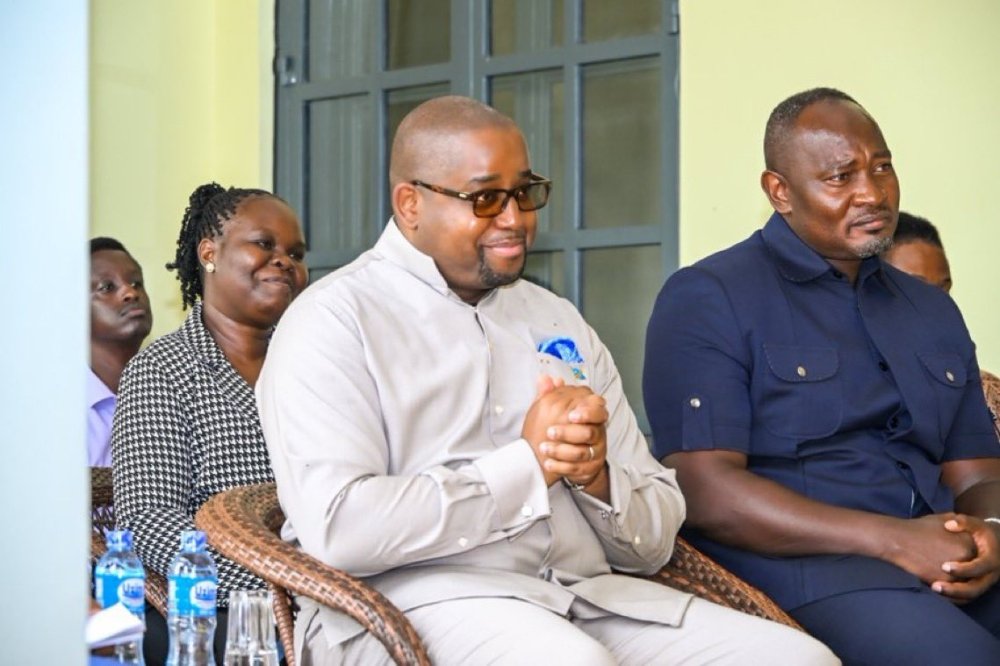
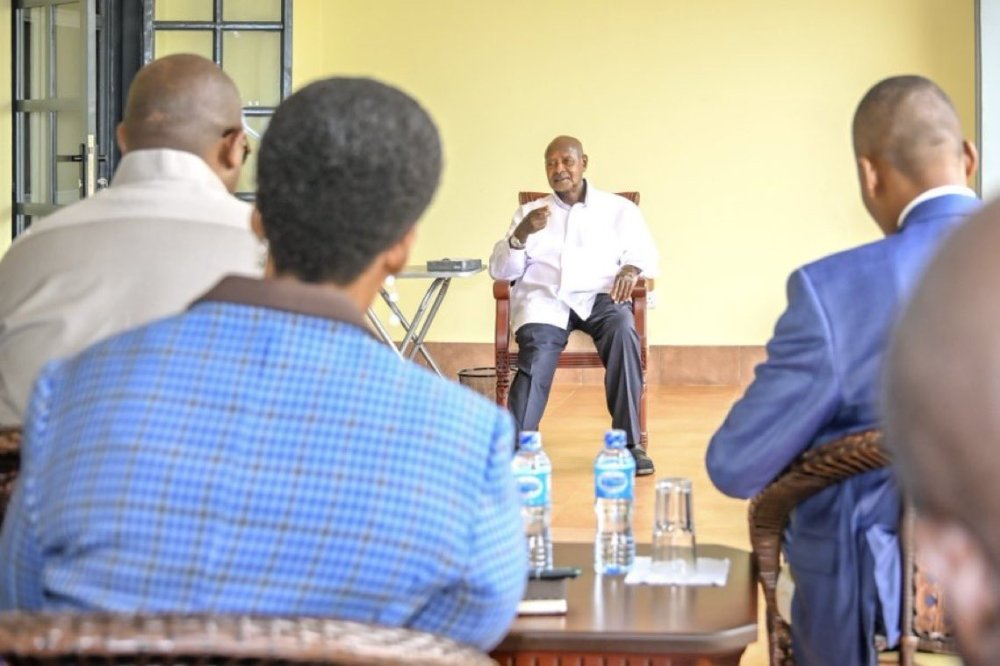
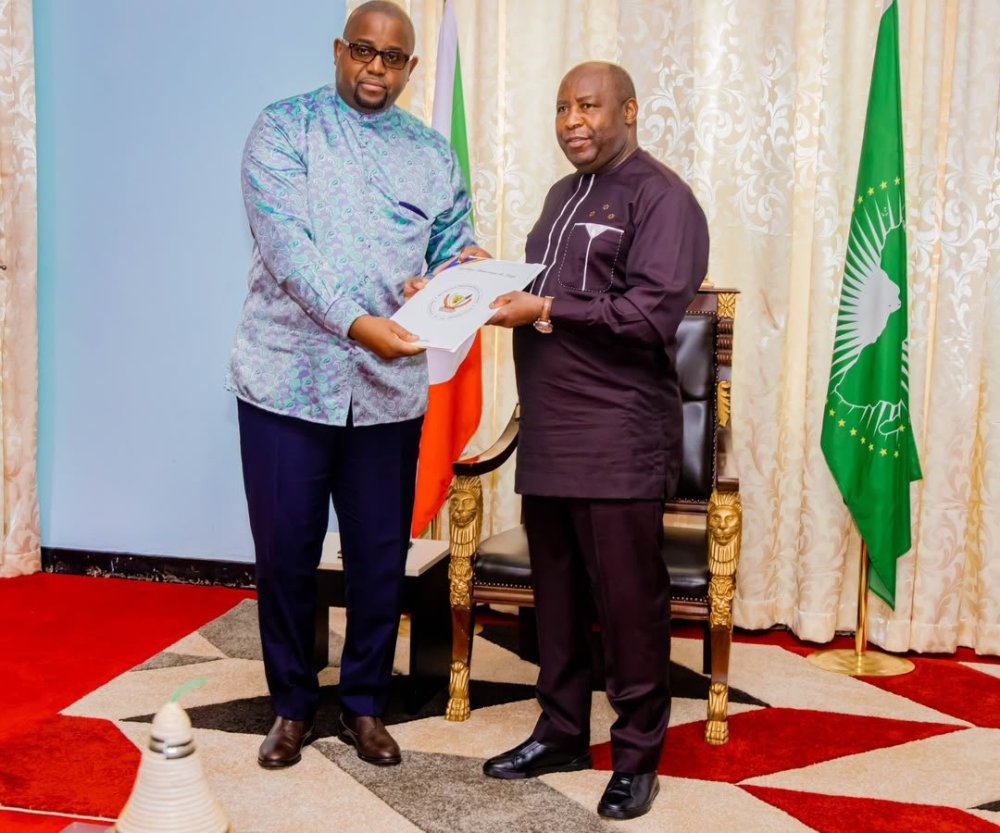
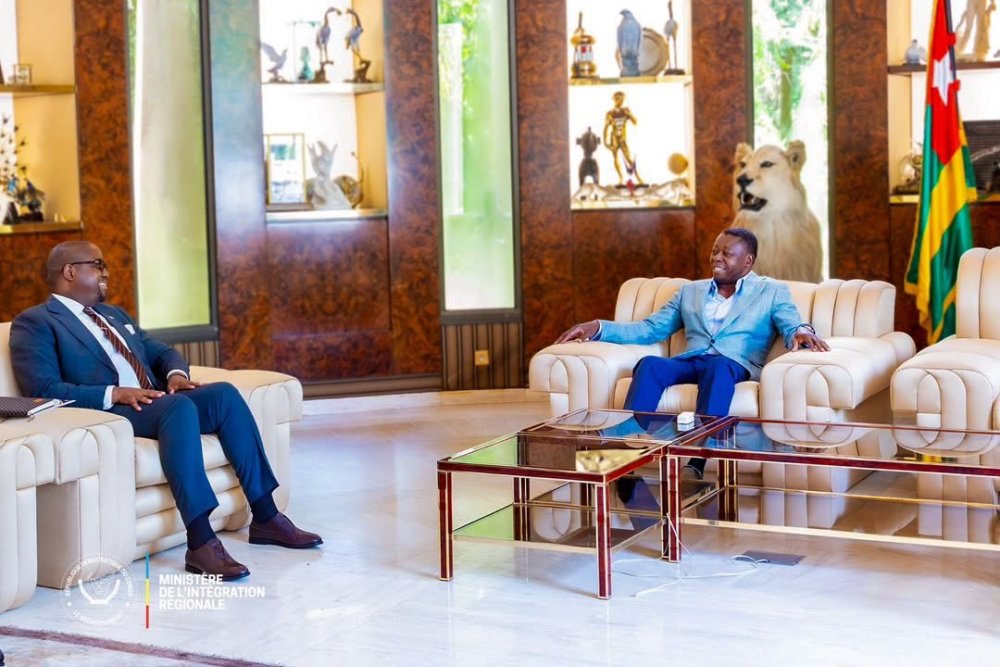
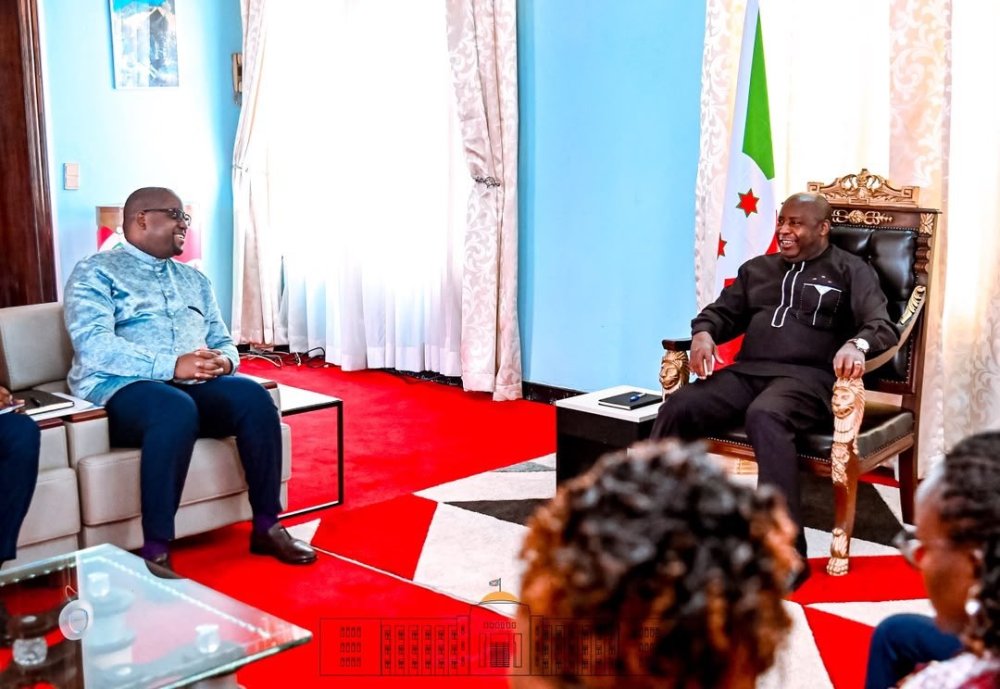
Minister Anzuluni and his delegation were received by Uganda’s President Yoweri Kaguta Museveni.On July 15, 2026, Burundi’s President Évariste Ndayishimiye received Minister Anzuluni, who presented him with the FDLR proposal. On July 15, Minister Anzuluni was received by Togo’s President of the Council of Ministers, Faure Essozimna Gnassingbé. Minister Anzuluni presented the proposal to Ndayishimiye, a close ally of the DRC who currently serves as the Chairperson of the African Union (AU).
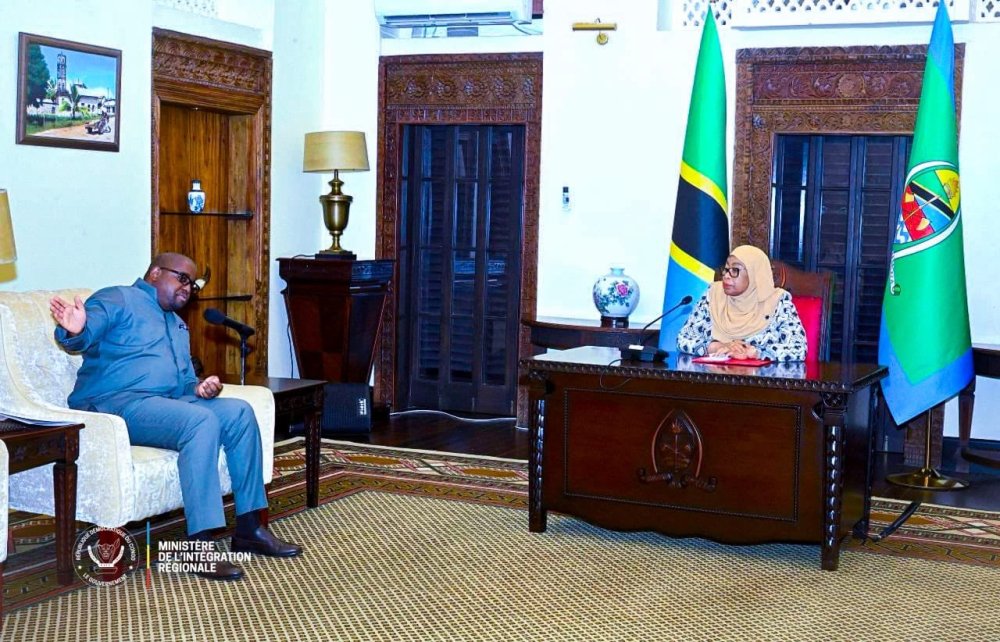
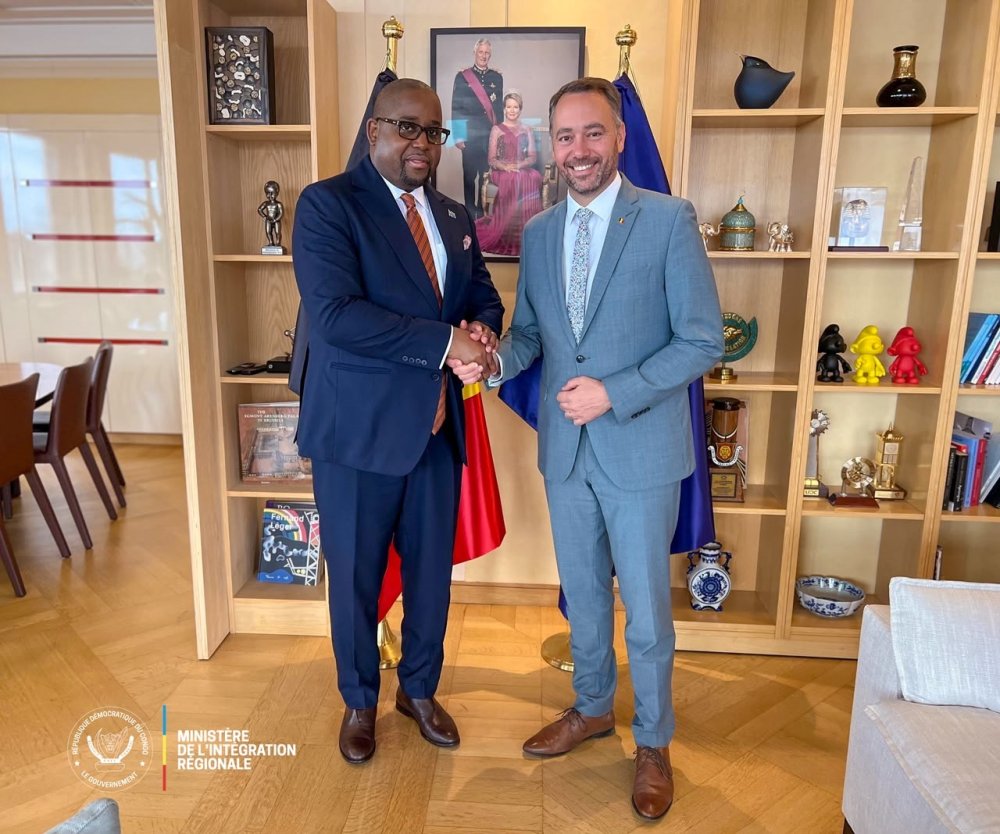
On July 19, Minister Anzuluni was received by Tanzania’s President Samia Suluhu Hassan.On July 20, Minister Anzuluni was received by Belgium’s Minister of Foreign Affairs, Maxime Prévot.
On July 22, Minister Anzuluni met with the French President’s Advisor for Africa.
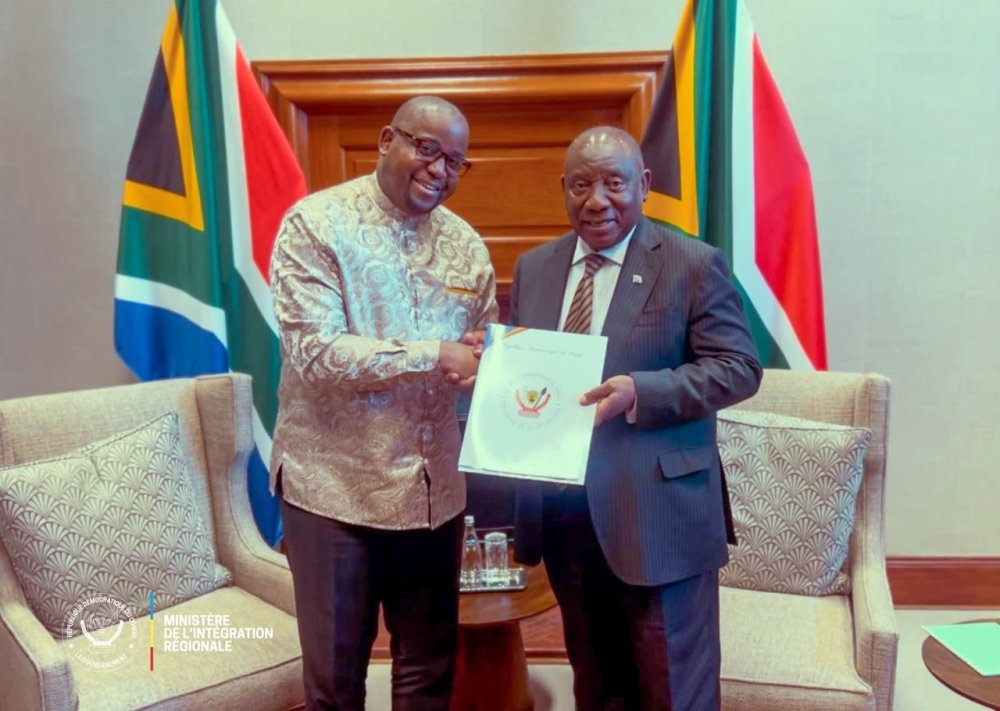
On July 23, Minister Anzuluni met with Johan Borgstam, the European Union Special Representative for the Great Lakes Region, in Brussels and presented him with the proposal.On July 24, Minister Anzuluni met with South African President Cyril Ramaphosa.
The sharp rise in cumulative figures was mainly due to the integration of harmonized databases from the eastern provinces of Ituri and North Kivu into the national database on Wednesday, including previously uncounted cases, the ministry said, adding that the increase did not solely reflect newly reported cases from the past 24 hours.
It said 97 confirmed cases and 62 deaths were reported on Wednesday. A total of 519 patients have recovered, while 722 others remain in isolation or are receiving treatment.
During a visit on Thursday to Kisangani, capital of the newly affected Tshopo province, Prime Minister Judith Suminwa Tuluka said many patients were arriving at health facilities only after developing severe symptoms, making treatment more difficult.
She said the government would strengthen community training and awareness campaigns to encourage suspected patients to seek medical care at an earlier stage.
The government had allocated 50 million U.S. dollars to the Ebola response, with priority given to laboratories, medical equipment, community surveillance and patient care, she added.
Meanwhile, the University of Oxford announced Friday that the first volunteer had been vaccinated in the world’s first human trial of a vaccine designed to protect against the Bundibugyo ebolavirus strain responsible for the current outbreak.
The candidate vaccine, ChAdOx1 BDBV, was developed by the university’s Oxford Vaccine Group and Pandemic Sciences Institute. The Serum Institute of India has manufactured and stockpiled about 620,000 doses, including 4,000 investigational doses supplied for the trial, according to the university.
The first-stage study is expected to recruit about 50 healthy adults and will primarily assess the vaccine’s safety and immune responses. Subject to regulatory approval, further clinical studies are being prepared in cooperation with partners in Uganda, the university said.
The Democratic Republic of the Congo (DRC) has recorded 2,905 confirmed Ebola cases with 1,269 deaths.
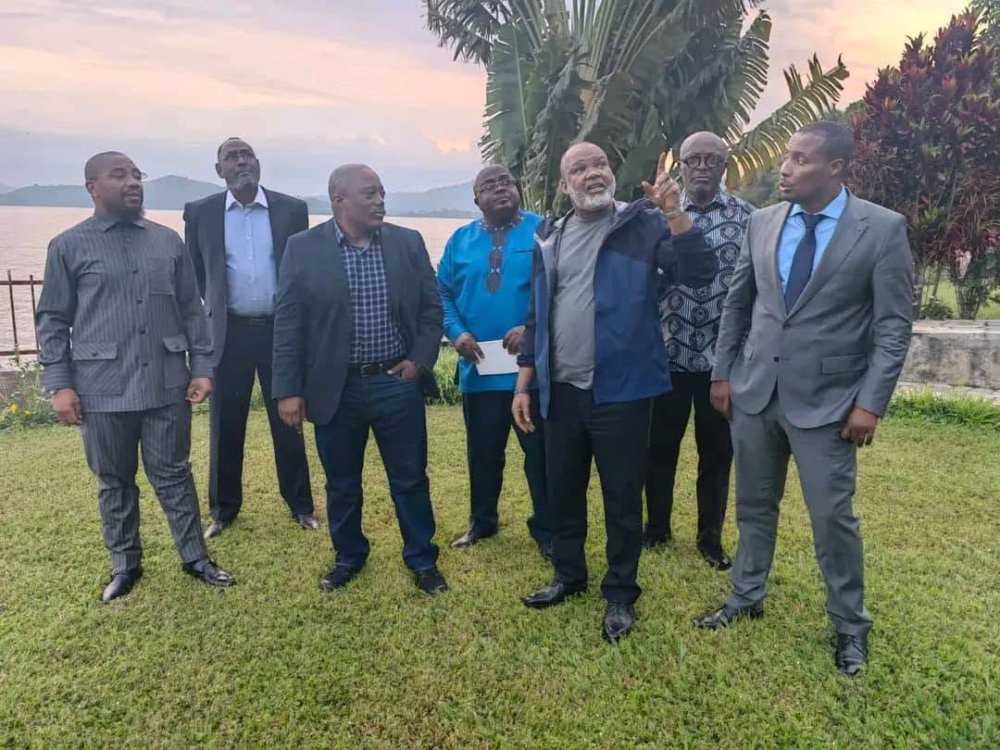
Speaking in an interview with Grand Lacs News on YouTube, Nangaa was asked about his relationship with Kabila, who has been residing in territory controlled by the AFC/M23 alliance, as well as the role the former president could play in addressing the DRC’s current political crisis.
Nangaa argued that in many countries, former heads of state are regarded as valuable national assets whose experience continues to benefit their nations long after they leave office.
“In other countries, a former head of state is considered a national asset. Look at how former presidents are treated in Kenya, Ghana and South Africa. They continue to contribute to their countries and are respected for their experience,” he said.
He said the DRC has failed to make full use of the expertise of its former leaders, adding that Kabila’s years in office have given him unique knowledge that could help the country overcome its current challenges.
Nangaa also questioned why African countries often rely on former foreign presidents to mediate conflicts while overlooking their own former leaders, who have a better understanding of the political and historical realities on the ground.
“When mediation efforts are launched, former heads of state from other countries are invited to help solve our problems, yet they are unfamiliar with our realities. We already have someone with that experience. Why not make use of him?” he wondered.
On his relationship with Kabila, Nangaa said they maintain a strong working relationship and insisted that the former Congolese president deserves respect.
“We have a very good relationship. He is our former head of state and former president, and he deserves respect,” he said.
Nangaa further argued that Kabila continues to wield significant influence in Congolese politics.
“Does he still have influence? The answer is yes,” he said.
He added that Kabila’s 18 years in office placed a responsibility on him to contribute to the country’s future, expressing hope that the former president would take part in efforts aimed at restoring peace and stability in the DRC.
Responding to reports of divisions within the AFC/M23 alliance, Nangaa dismissed suggestions of a serious rift, saying any disagreements that may exist are limited to individual members and do not affect the unity of the movement.
“M23 and AFC are not two separate entities,” he said.
Nangaa’s remarks come despite a ruling by the DRC’s High Military Court in September 2025, which found Kabila guilty of involvement in the conflict in the eastern part of the country and sentenced him to death.
His comments also come as President Félix Tshisekedi prepares what he has described as inclusive national dialogue aimed at bringing together Congolese stakeholders to discuss the country’s future.
However, reports indicate that representatives of the AFC/M23 alliance and former President Joseph Kabila are not expected to participate in the talks.
Corneille Nangaa says Joseph Kabila should help resolve DR Congo’s crisis
As of July 18, 2026, health authorities had confirmed a total of 2,344 Ebola cases, including 930 deaths, highlighting the continued impact of the outbreak despite ongoing efforts to control its spread.
Within a 24-hour period, the country recorded 77 new Ebola cases and 37 additional deaths, a development that shows the virus remains a major public health challenge for authorities and response teams working to contain it.
Ituri Province remains the epicentre of the outbreak, with Ebola cases reported in 27 of its 36 health zones. North Kivu Province is the second most affected area, with infections recorded in 11 of its 34 health zones.
In Haut-Uélé Province, the virus has been detected in four health zones, including Wamba, Boma Mangbetu, Pawa, and Isiro, out of the province’s 13 health zones. In Tshopo Province, Ebola cases have been reported in three health zones: Makiso-Kisangani, Lubunga, and Mangobo, out of 23 health zones.
The Ministry of Health said no new Ebola cases have been reported in South Kivu Province since May 26, 2026. It also confirmed that no new infections are currently being detected in Tshopo and Haut-Uélé provinces, indicating progress in controlling transmission in those areas.
The DRC government has confirmed that 930 people have died from the Bundibugyo Ebola outbreak.
Speaking at a press briefing in Geneva, WHO Director-General Tedros Adhanom Ghebreyesus said active armed conflict, insecurity and community resistance were hampering access to affected areas and limiting the effectiveness of response operations.
He warned that transmission continues to outpace response efforts despite significant gains in surveillance, treatment and research.
“Despite the progress we have made, the Ebola outbreak in DRC is continuing to outpace the response,” Tedros said, noting that a treatment center in the Ituri province and the epicenter of the outbreak was attacked earlier this week.
According to the latest situation report released by the DRC health authorities on Thursday, the country had recorded 2,124 confirmed cases, including 828 deaths.
The outbreak caused by the Bundibugyo Ebola virus has now spread to five provinces: Ituri, North Kivu, South Kivu, Haut-Uele and Tshopo.
Ituri accounts for nearly 90 percent of all confirmed infections. A first confirmed case reported in the border health zone of Mahagi has heightened concerns over potential cross-border transmission into neighboring Uganda, according to the report.
Tedros said Thursday marked two months since the DRC government officially declared the epidemic on May 15. During that period, the outbreak expanded from a localized cluster in northeastern DRC into the third-largest Ebola outbreak ever recorded.
“In the past month, it has expanded faster than any previous outbreak,” he said.
Tedros said intense transmission in Ituri remains the greatest concern. More than 80 percent of newly detected cases are not linked to known contact lists, indicating that significant transmission chains remain undetected. Roughly two-thirds of deaths occur in communities before patients reach health facilities.
At the same time, response capacity has continued to expand. Treatment capacity now exceeds 800 beds, while laboratory infrastructure has grown from a single facility at the start of the outbreak to 16 laboratories across affected areas, according to the WHO.
The DRC situation report showed that 725 patients were in isolation or hospitalization as of July 15, while 390 others have recovered. Overall bed occupancy stood at 85.6 percent, although several treatment facilities in Ituri and North Kivu remained severely overcrowded.
A WHO-backed trial, PARTNERS, was launched in the DRC on July 2 to evaluate treatments for patients already infected, assessing the monoclonal antibody MBP134 and the antiviral remdesivir, individually and in combination.
A vaccine candidate, developed by the University of Oxford, began Monday, while a separate study led by the DRC’s National Institute for Biomedical Research started Tuesday, testing the antiviral obeldesivir as post-exposure prophylaxis among high-risk contacts, said Tedros.
The WHO chief also appealed for additional international support, warning that the Joint WHO-Africa CDC Continental Preparedness and Response Plan still faces a funding shortfall of more than 400 million U.S. dollars.
“This is not charity,” Tedros said. “It’s an investment in national security.”
Meanwhile, Uganda’s outbreak linked to cross-border transmission is nearing its conclusion. Tedros said the country’s last confirmed Ebola patient was discharged from care on Thursday, triggering the start of the 42-day countdown required before an outbreak can be officially declared over. Uganda has recorded 20 confirmed cases, including two deaths, from the current event.
However, the DRC report said population movements, insecurity, artisanal mining activities and cross-border exchanges with Uganda and South Sudan continued to facilitate transmission.
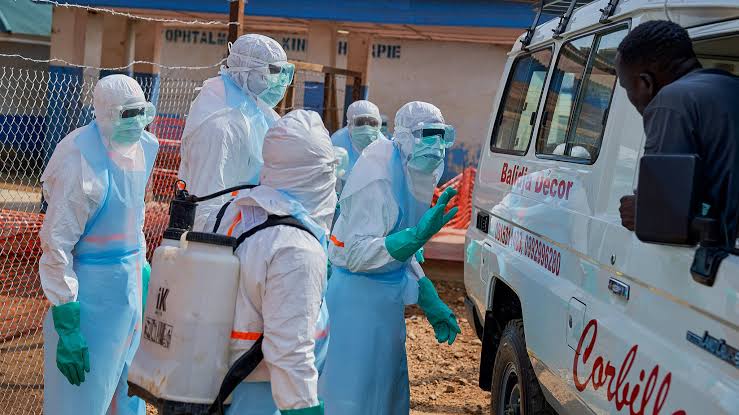
Health workers disinfect a vehicle during the Ebola outbreak in the eastern DR Congo.