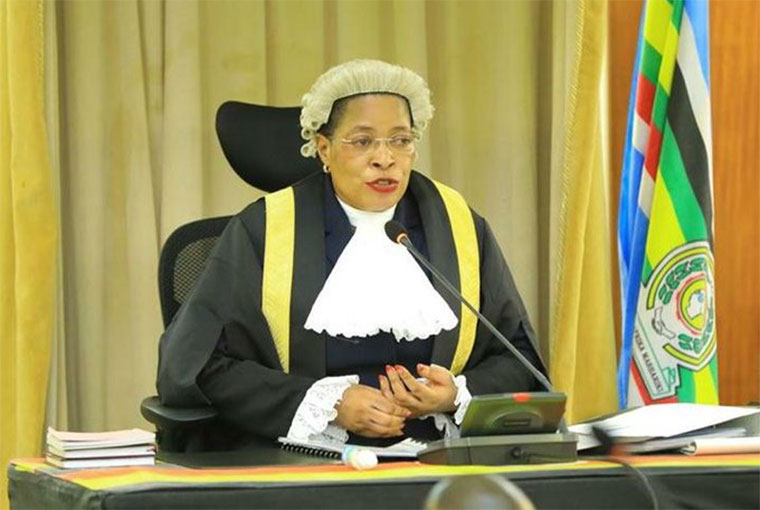
The military said the airstrikes now focus mainly on government targets in Tehran.
Earlier on Wednesday, Iran said 1,045 people had been killed in the country since Saturday as a result of the U.S.-Israeli operation.
Meanwhile, according to Israel’s Magen David Adom rescue service, Iranian missiles have killed at least 10 people in Israel.
The joint U.S.-Israeli military operation against Iran, entering its fifth day, has triggered a sharp escalation across the Middle East, setting off waves of missile exchanges, mounting casualties, and far-reaching political, security, and economic repercussions.
Iran said at total of 1,045 people had been killed in the country since Saturday as a result of the U.S.-Israeli operation.
The initiative aimed at promoting domestic tourism while giving participants an immersive experience in the rich biodiversity of one of Rwanda’s most iconic wildlife destinations.
Participants expressed excitement as they explored Akagera’s scenic landscapes and diverse wildlife.
Celebrities, including Ish Kevin and DiezDola, joined fans for an unforgettable safari adventure at Akagera National Park.
The tour, held on Saturday, February 28, followed a successful inaugural trip to Nyungwe National Park. Organisers have since announced a third excursion scheduled for April in Bigogwe, Nyabihu District, as part of ongoing efforts to encourage Rwandans to discover the country’s natural attractions.
The highlight of the trip was the game drive, which took participants deep into the park’s wilderness. Akagera, renowned for its diverse wildlife species including lions, giraffes, zebras and elephants, offered guests an opportunity to observe animals in their natural habitat.
The group was fortunate to spot elephants, one of the iconic Big Five, during their adventure at Akagera National Park.
Although the group did not spot the complete Big Five, they encountered elephants, buffaloes and a rhinoceros during the drive.
Babu Rugemana, the event organiser, described wildlife viewing as a matter of chance.
“You may see them today, and you may not see them tomorrow,” he said, noting that safari experiences vary from one visit to another.
Families with their children had an amazing time at Akagera National Park, enjoying the beauty of nature and the thrill of wildlife sightings.
In addition to the game drive, participants enjoyed a boat safari on Lake Ihema, where they observed hippos, crocodiles and various bird species. The boat cruise provided a unique vantage point of the park’s ecosystem.
The tour also featured a guided nature walk led by conservation experts, who educated participants on Akagera’s ecological significance, conservation efforts and historical background.
Speaking to IGIHE, Amen Babu Rugemana expressed appreciation to the sponsors, partners and celebrities who supported and amplified the initiative.
He specifically acknowledged IGIHE and Choice Live for their sponsorship, and commended Coach Gael for backing the event, particularly in its appeal to young people.
“I’m thankful to everyone who made this trip a success, from our sponsors to the celebrities who shared their experiences. Their engagement plays a key role in promoting Rwanda’s wildlife and tourism potential,” he said.
The group was treated to the sight of giraffes gracefully roaming through Akagera National Park, adding to the awe of the safari experience.
Looking ahead, Rugemana reaffirmed plans for the upcoming April trip to Bigogwe in Nyabihu District.
“This is just the beginning. We want to continue creating opportunities for more people to explore Akagera and other unique destinations across Rwanda,” he added.
Akagera National Park continues to play a vital role in Rwanda’s conservation and tourism sectors. Located in eastern Rwanda, the park is home to the Big Five, lions, elephants, buffaloes, rhinos, and leopards, making it one of the region’s premier wildlife destinations.
In recent years, visitor numbers have steadily grown, reaching 59,538 in 2025, a 5.4% increase over the previous year.
This growth, alongside ongoing conservation and restoration initiatives and the park’s achievement of 100% operational self-sufficiency in 2025, underscores Akagera’s importance as both a cornerstone of Rwanda’s natural heritage and a key driver of the country’s ambition to become a global leader in sustainable tourism.
Osmarito, the popular TikToker, was also part of the adventure at Akagera National Park, sharing his experience with fans and capturing the beauty of Rwanda’s wildlife.IGIHE journalists were also on the ground at Akagera National Park, capturing the essence of the adventure and sharing the unforgettable moments of the safari.The group was thrilled to spot zebras during the safari tour at Akagera National Park. The day at Akagera National Park offered a variety of entertainment activities.
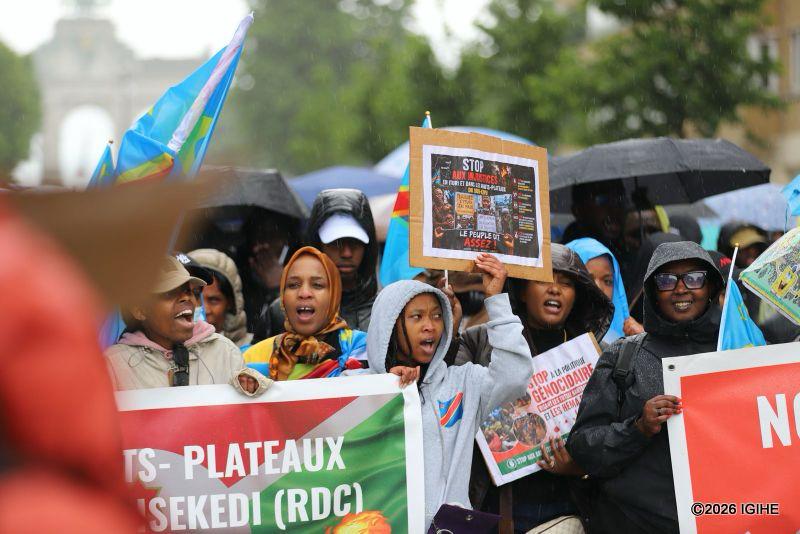
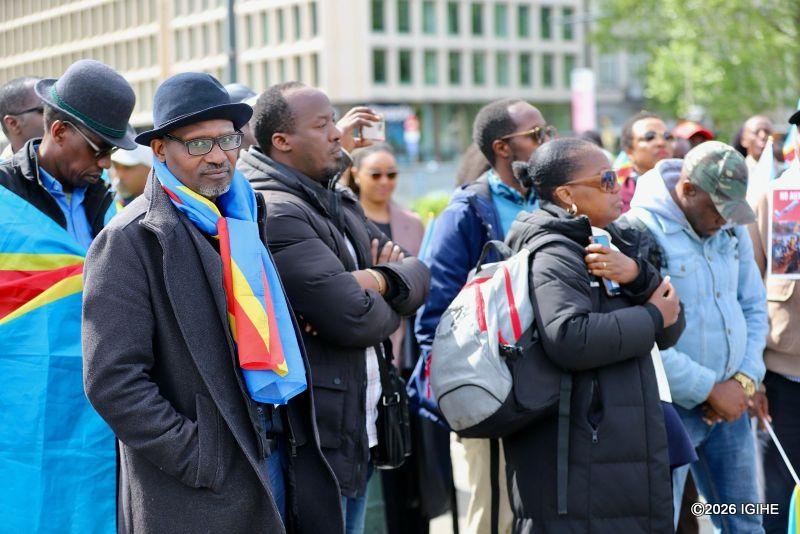
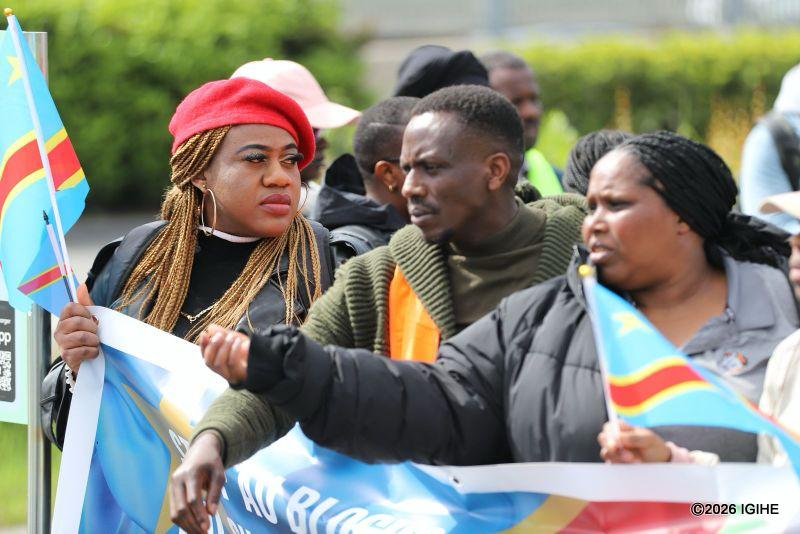
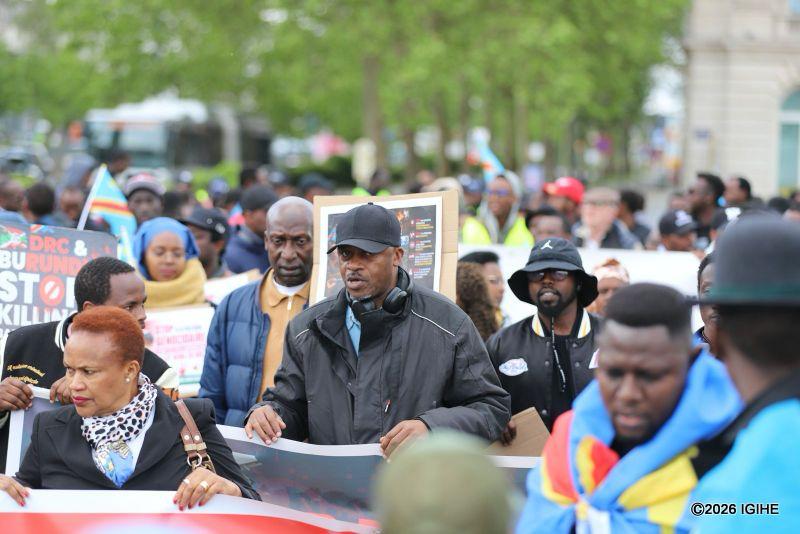
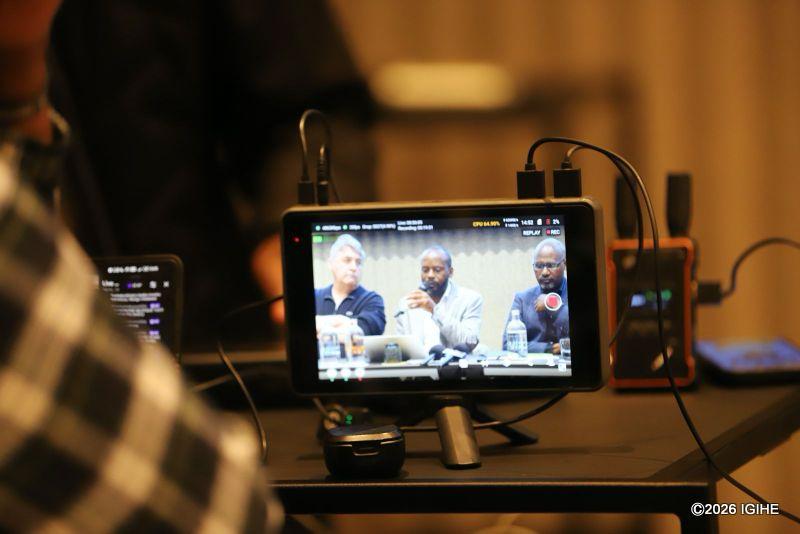
In a post published on X, Destexhe criticised recent U.S. sanctions imposed on Rwanda’s military and defended Kigali’s position in the ongoing eastern Congo conflict.
“It is the DRC (Congo) that should be sanctioned, not Rwanda,” he wrote. “The DRC ignited this conflict by persecuting Congolese Tutsis.”
Destexhe accused Kinshasa of failing to uphold its commitments under international agreements, including United Nations Security Council Resolution 2773, and of maintaining ties with the Democratic Forces for the Liberation of Rwanda (FDLR), a militia group formed by individuals responsible for the 1994 Genocide against the Tutsi who fled to the DRC. He further pointed out that the Congolese government finances extremist Wazalendo militias and collaborates with foreign mercenaries.
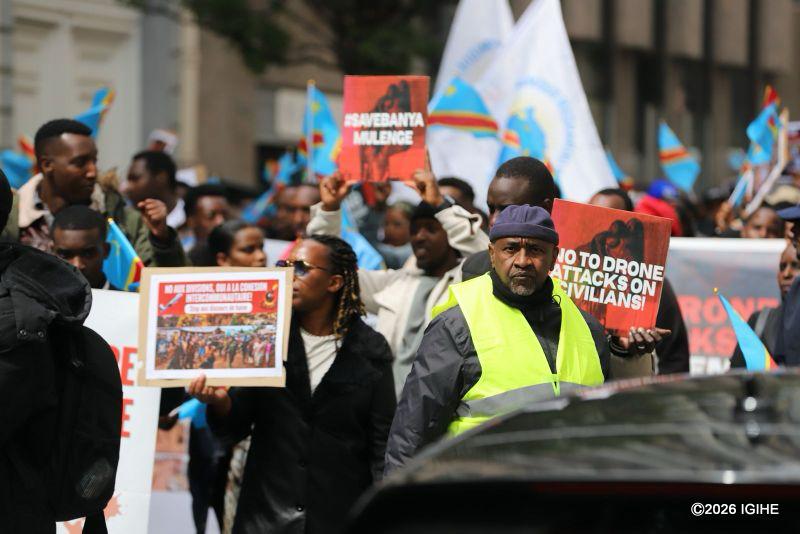
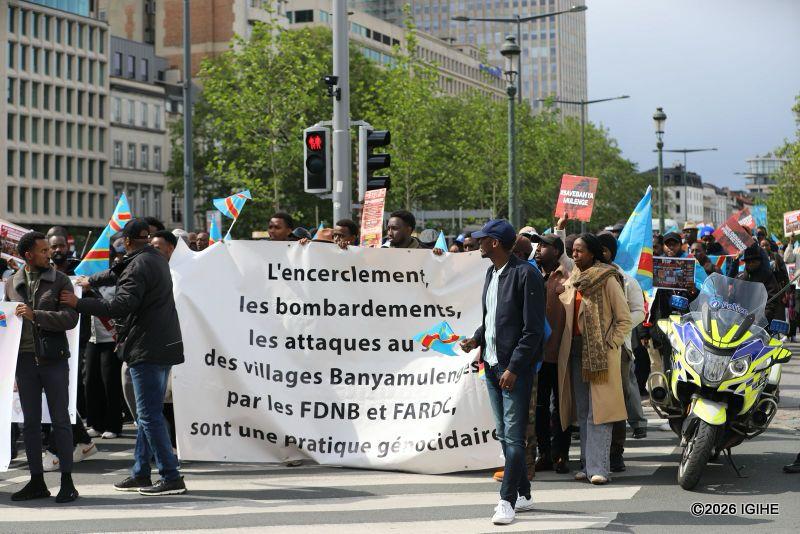
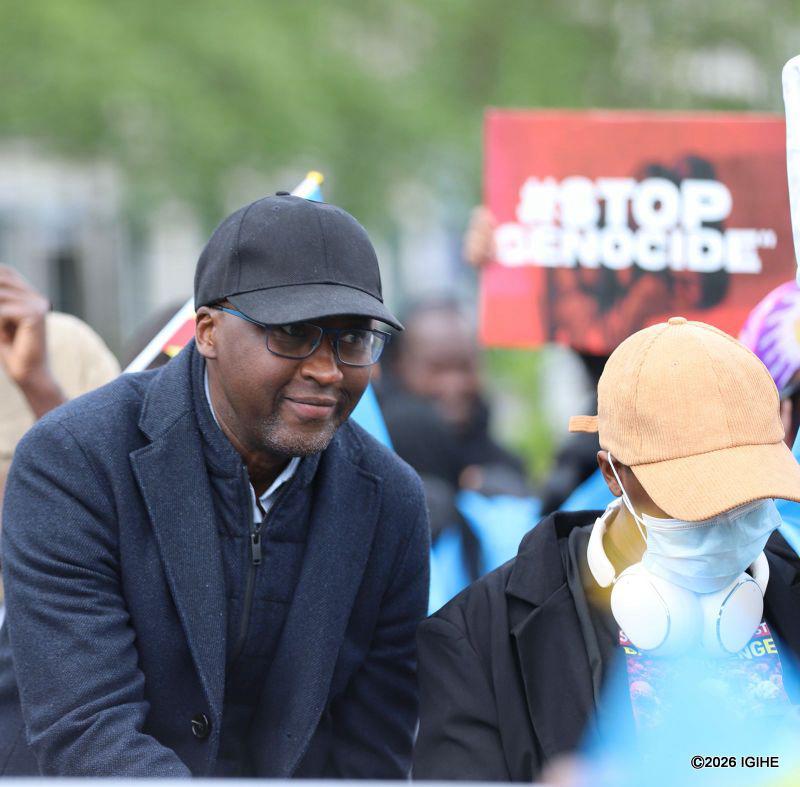
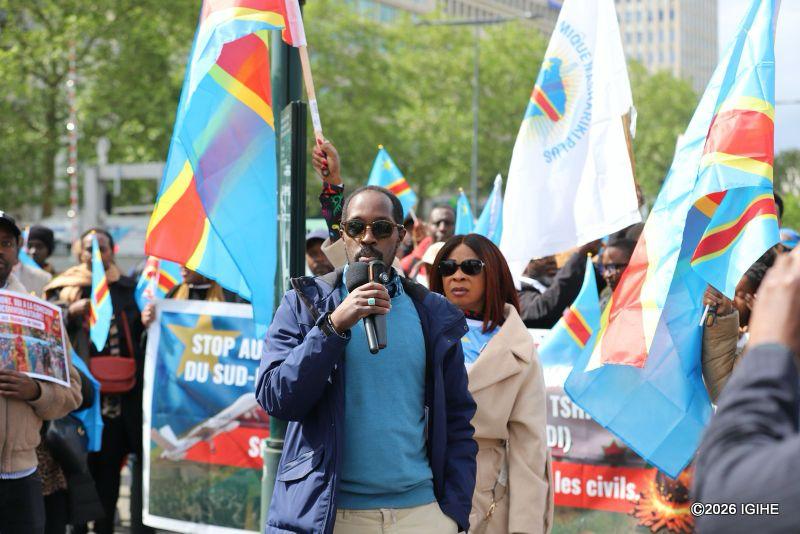
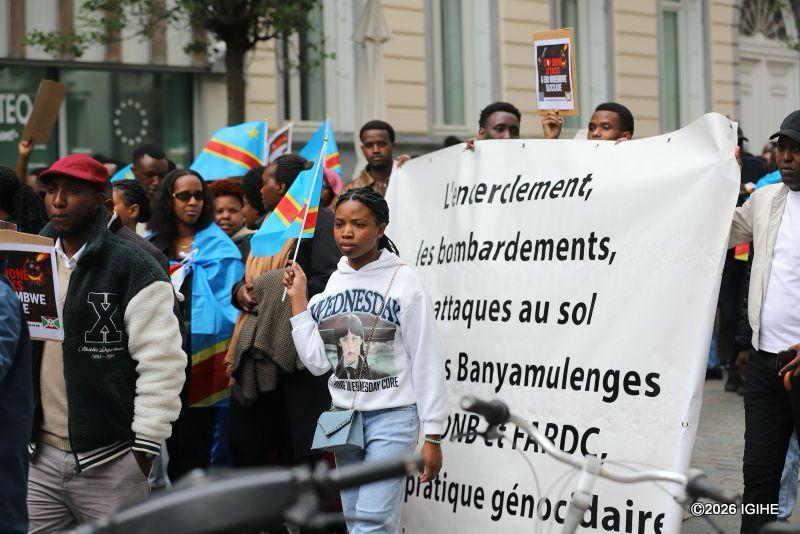
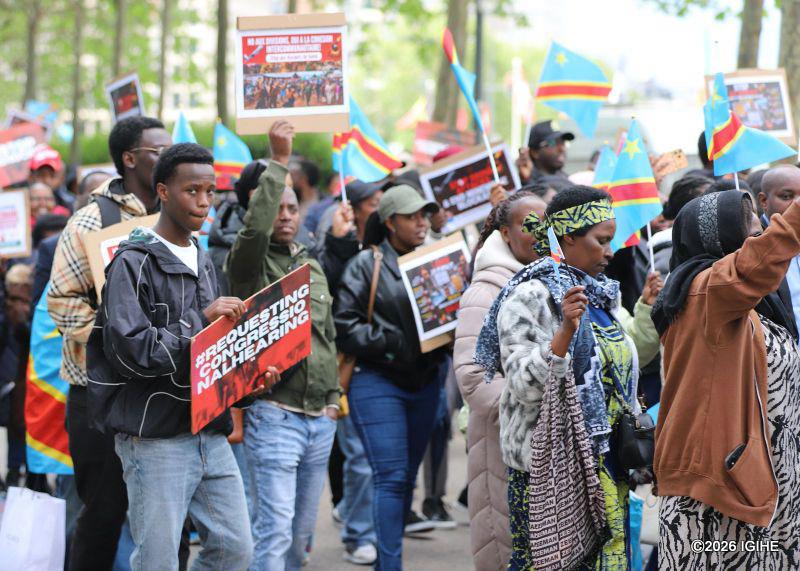
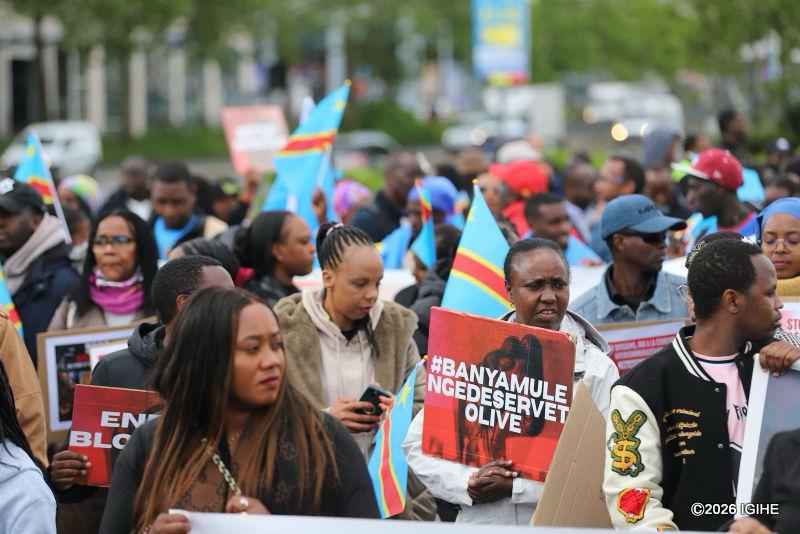
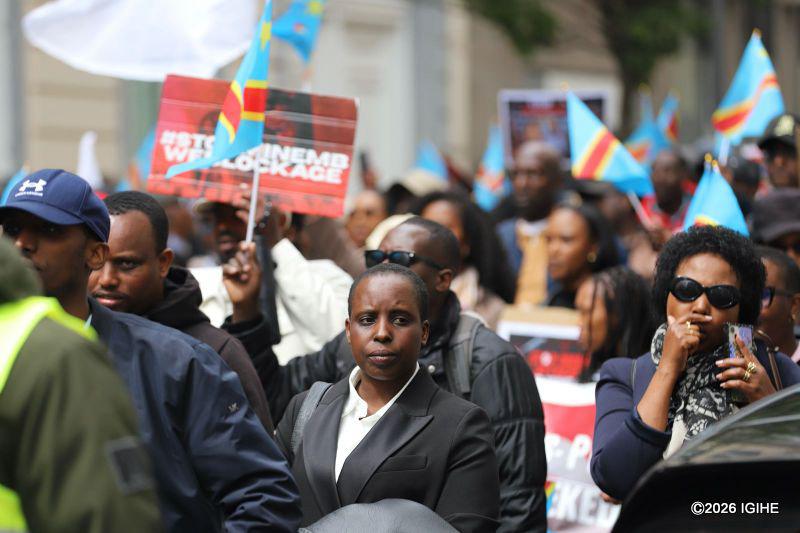
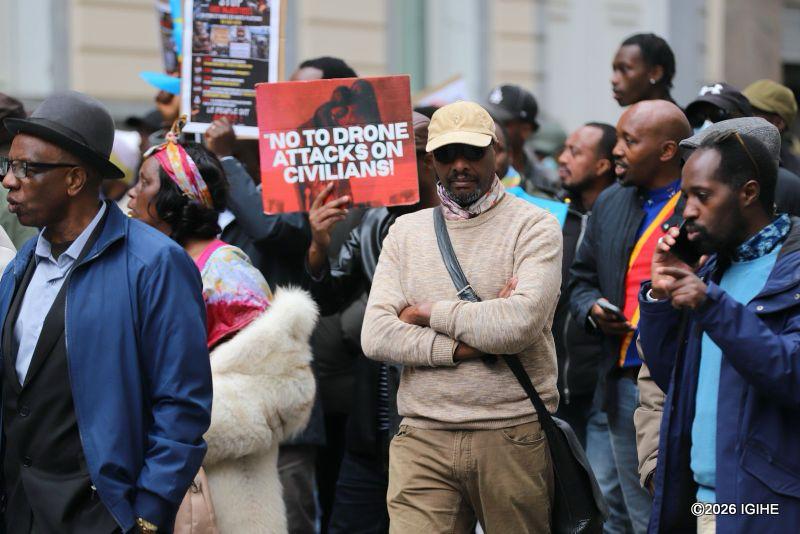
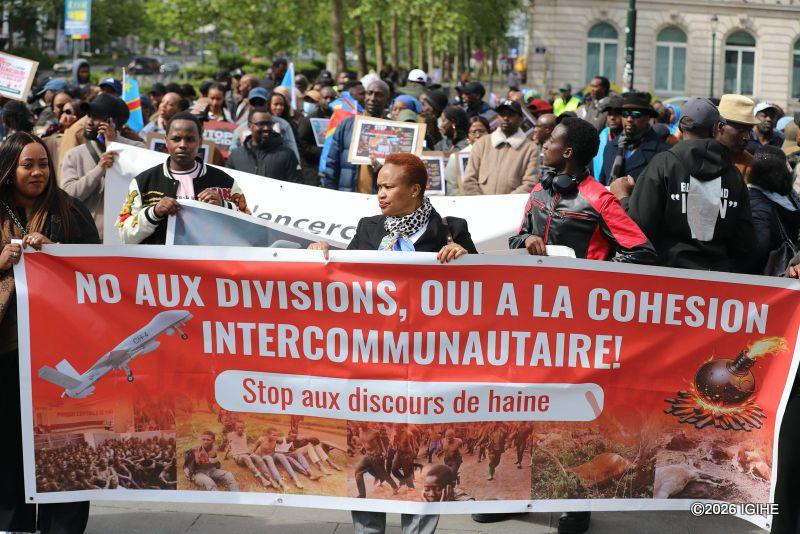
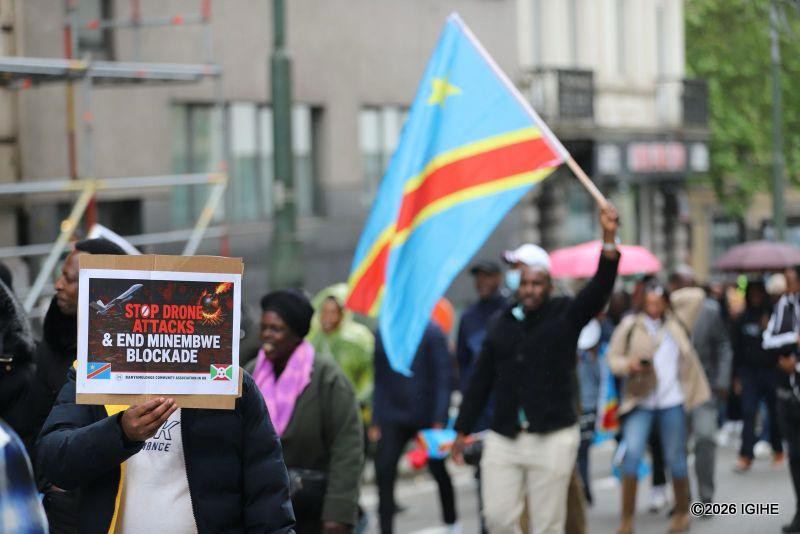
According to Destexhe, ongoing bombings in Minembwe and drone strikes in eastern Congo demonstrate what he described as indiscriminate attacks affecting civilians. He argued that the ultimate objective of Kinshasa’s military posture appears to be confrontation with Rwanda.
His comments come days after the U.S. Department of the Treasury’s Office of Foreign Assets Control (OFAC) announced sanctions against the Rwanda Defence Force (RDF) as an institution and four senior military officials, including Chief of Defence Staff Gen. Mubarakh Muganga and other top commanders. Washington accused Rwanda of backing the AFC/M23 rebel coalition operating in eastern Congo, allegations Kigali has consistently denied.
The Rwandan government expressed regret over the March 2, 2026, sanctions, calling them “unjust” and “one-sided.” In a statement, Kigali said the measures misrepresent the conflict and unfairly target only one party to the peace process.
Rwanda and the Democratic Republic of the Congo signed the Washington Accords in Washington, D.C., on December 4, 2025, aimed at restoring stability in eastern Congo. Under the agreement, Kinshasa committed to an irreversible and verifiable end to state support for the FDLR. However, the militia group remains active in the region despite the commitments outlined in the agreement.
Rwanda maintains that its actions along the border are defensive measures prompted by repeated attacks, including cross-border incidents.
In his post, Destexhe sharply criticised Congolese President Félix Tshisekedi, alleging corruption and mismanagement, and arguing that the Congolese military is incapable of securing a decisive victory against M23. He urged U.S. policymakers to reconsider their approach.
“Wake up, America!” he stated.
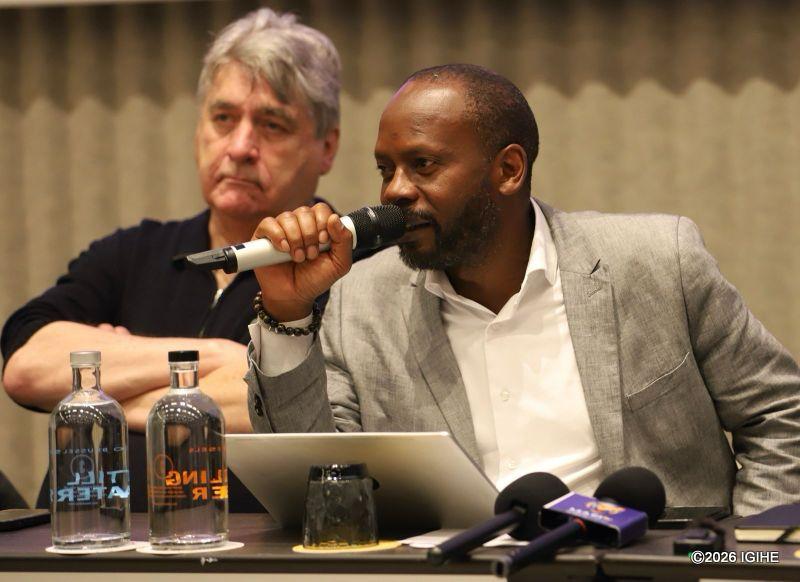
Alain Destexhe, a former Belgian senator and researcher, has criticised recent U.S. sanctions imposed on Rwanda’s military and defended Kigali’s position in the ongoing eastern Congo conflict.
Known for a lifetime of overland journeys with her husband Alan, 85, Cooper has recently returned from Rwanda, after 14 years since her husband first visited and she initially declined to join him.
In an interview with BBC, she recounted her experiences in the East African nation, painting a vivid picture of its natural beauty and warm hospitality.
“I was really surprised. It was like one vast botanical garden. Green, lush plants and flowers everywhere, the people were friendly, the food terrific,” Cooper said.
Her description highlights Rwanda’s lush landscapes, often dubbed the “Land of a Thousand Hills,” where rolling green vistas, vibrant flora, and a welcoming atmosphere create an almost garden-like serenity.
Cooper and her husband Alan, have been backpacking the globe together since shortly after their marriage, embracing a spontaneous, off-the-beaten-path style of travel that has taken them across continents.
Their adventures began with overland journeys, including a memorable route through India, Iran, Afghanistan, and Pakistan.
Over the decades, they have ventured into the Middle East and South Asia extensively, often booking flights to a destination and then relying on local hotels, public transport, and a sense of adventure to navigate from there.
Reflecting on their nomadic lifestyle, Cooper explained how external events sometimes extended their stays in unexpected ways.
“We decided we would go to Canada or Australia. We were going to go overland to India and get a boat to Australia. But when we got to India, there was the Arab-Israeli War. That trip was about eight months!” she recalled.
Cooper also reflected on how recent conflicts in the region reminded her of times past.
“That was when the Shah was in power in Iran. It was very civilized. As we approached a town, there was always a big roundabout planted with trees and flowers to welcome you. And people were lovely, friendly, educated,” she recalled, drawing a connection between past travels and present news.
Ann Cooper started backpacking with her husband Alan two years after they got married and the couple have maintained their wanderlust ever since.
Researchers from UC Santa Barbara, UC San Francisco, and the City University of New York have linked decades of climate and weather data to a multinational cohort of 2.2 million people living with or at risk for HIV.
The study, published in GeoHealth and supported by the National Institutes of Health, highlights how EWEs affect HIV treatment and public health.
“People living with HIV are an especially vulnerable population, many of whom live in areas that are historically and/or increasingly prone to severe weather events,” said UCSB geographer Frank Davenport.
The research focused on 777 HIV clinics in the NIH-funded IeDEA network, tracking drought exposure from 1981 to 2023 and flood exposure from 2006 to 2023.
Lead author Sophia Arabadjis explained, “But when you have disruptions like floods and droughts, where people may not have access to the right drugs, care or basic food/water supplies, the viral load begins to build in these patients.”
Droughts typically have indirect effects, increasing food insecurity and prompting migration or transactional work that can disrupt treatment.
Floods often cause immediate damage to infrastructure, displacing patients and making clinic access difficult, while also raising the risk of waterborne or mosquito-borne diseases.
Southern Africa’s IeDEA sites are currently most exposed to both drought and flood risks. Arabadjis emphasized that “pinpointing which clinics are at-risk helps us target resources and mitigation efforts across the network.”
While the study does not examine patient-specific outcomes, it provides a foundational record for future research and could inform policies to protect HIV patients during extreme weather events.
In a statement, the Embassy reassured that all Rwandans in both countries remain safe.
“The Embassy and Consulate team is in close contact with Rwandans within our jurisdiction and is coordinating with relevant entities to ensure our citizens receive the necessary services and support,” the statement read.
The advisory comes in the context of a critical escalation in the region following heavy strikes by the United States and Israel against Iran, which began on February 28, 2026. Iran has retaliated against neighbouring countries, including Qatar, Saudi Arabia, Kuwait, and Bahrain, causing disruptions to air traffic and widespread panic.
The Embassy urged all Rwandan citizens to follow the safety instructions issued by local authorities and particularly called on tourists stranded in the UAE to register their presence with the Embassy to facilitate necessary assistance.
The advisory comes in the context of a critical escalation in the region following heavy strikes by the United States and Israel against Iran, which began on February 28, 2026.
According to media reports, his nomination was put forward by Burundi, which currently chairs the African Union (AU).
The President of the General Assembly has acknowledged receipt of the nomination, formally placing Sall among the candidates seeking to lead the global body.
The next Secretary-General will serve a five-year term starting January 1, 2027, succeeding António Guterres, whose second term ends in December 2026.
Sall, who led Senegal from 2012 to 2024, joins what is shaping up to be a competitive field. Other reported contenders include former Chilean President Michelle Bachelet and Rafael Grossi, Director General of the International Atomic Energy Agency.
Under UN procedures, the Secretary-General is appointed by the General Assembly on the recommendation of the Security Council.
The Council first conducts informal straw polls before forwarding a name for approval. Any of its five permanent members; China, France, Russia, the United Kingdom, and the United States, can block a candidate by veto.
Sall’s candidacy comes amid renewed calls for regional rotation in the UN’s top post, with Africa yet to produce a Secretary-General since the organization was founded in 1945.
The selection process is expected to gather momentum in the months ahead as more nominations emerge and consultations among member states intensify.
The passout ceremony marking the completion of military training for the recruits was held in Lumangabo on March 2, 2026.
Addressing the new fighters, AFC/M23 military commander Maj Gen Sultani Makenga sharply criticized the Kinshasa administration, accusing it of misrule and fueling insecurity across the country.
He alleged that President Tshisekedi has weakened state institutions and allowed armed groups and irregular forces to operate with impunity.
Maj Gen Makenga claimed that the movement’s objective is to “liberate the country” and end what he described as targeted violence against civilians.
He accused the government of arming militias and incorporating foreign fighters, including elements linked to the FDLR terrorist group, into the national army. He further alleged that such actions had contributed to ethnic tensions and civilian suffering.
According to Maj Gen Makenga, large numbers of Congolese refugees fled to neighboring countries due to violence attributed to FARDC troops and allied groups.
“That is why our movement decided to rise and bring an end to these problems,” he told the recruits. “By joining this force, you must be ready to liberate Congo and protect its people. You must demonstrate discipline and prove that you are different from what the population experienced before.”
He urged former FARDC soldiers now integrated into AFC/M23 to uphold strict ethical standards and avoid misconduct.
“Wherever you pass, civilians should see a difference. They must see protectors, not looters,” he said. “Our people have endured years of suffering; displacement, killings, and exile. It is your responsibility to help end that hardship.”
Maj Gen Makenga reiterated that the coalition seeks what it describes as a reformed and inclusive state, and called on the fighters to remain committed to that objective.
During the ceremony, the recruits responded affirmatively when asked whether they were prepared to remove the current leadership in Kinshasa.
Eastern Democratic Republic of Congo has faced prolonged conflict involving FARDC, Wazalendo local militias, fighters linked to the FDLR, Burundian troops, foreign mercenaries, and AFC/M23 forces.
The coalition maintains that its struggle is aimed at defending communities it says have faced discrimination and violence, while pursuing political change.
The new special force recruits include former members of the Armed Forces of the Democratic Republic of the Congo (FARDC).
The decision, confirmed in a series of statements culminating on Wednesday, March 4, 2026, follows coordinated U.S. and Israeli airstrikes on Iran that began on February 28. Subsequent retaliatory strikes across the Gulf have led to the widespread closure of regional airspace and the suspension of international travel hubs in Qatar and the United Arab Emirates.
The suspension impacts all three tiers of the AFC’s revamped club ecosystem. While the confederation initially deferred only the first-leg matches earlier this week, the continued volatility has forced a blanket postponement of the return legs originally scheduled for March 9 through March 11.
This wide-reaching freeze affects the AFC Champions League Elite knockout stages, as well as the quarter-final fixtures for both the AFC Champions League Two and the AFC Challenge League. In its official statement, the AFC emphasised that the safety and security of all stakeholders, including players, teams, officials, and fans, remains the highest priority.
This regional instability sidelines some of the continent’s most high-profile clubs and players during a critical juncture of the season. Among the key Elite Round of 16 matches now on hold are the highly anticipated matchups between Shabab Al Ahli of the UAE and Iran’s Tractor FC, as well as the high-stakes clash between Qatar’s Al Duhail and Saudi Arabia’s Al Ahli.
Other major fixtures facing indefinite delays include Al Wahda versus Al-Ittihad and the marquee meeting between Al Sadd and Al-Hilal. The disruption extends beyond the continental stage, as both the Qatar Football Association and the Iran Football Federation have moved to suspend all domestic sporting activities indefinitely.
The domestic halt in Qatar has also placed the 2026 Finalissima between Spain and Argentina, scheduled for March 27 at Lusail Stadium, in significant doubt. Despite the chaos in the West, the AFC confirmed that matches in the East Region involving clubs from Japan, South Korea, Australia, and China are currently proceeding as scheduled.
While the governing body is exploring the possibility of moving the West Region’s knockout stages to a centralised format later in April, no official dates have been set. Meanwhile, the conflict has cast a long shadow over the 2026 FIFA World Cup, with Iranian football officials publicly questioning their participation in the upcoming tournament hosted in North America this June.
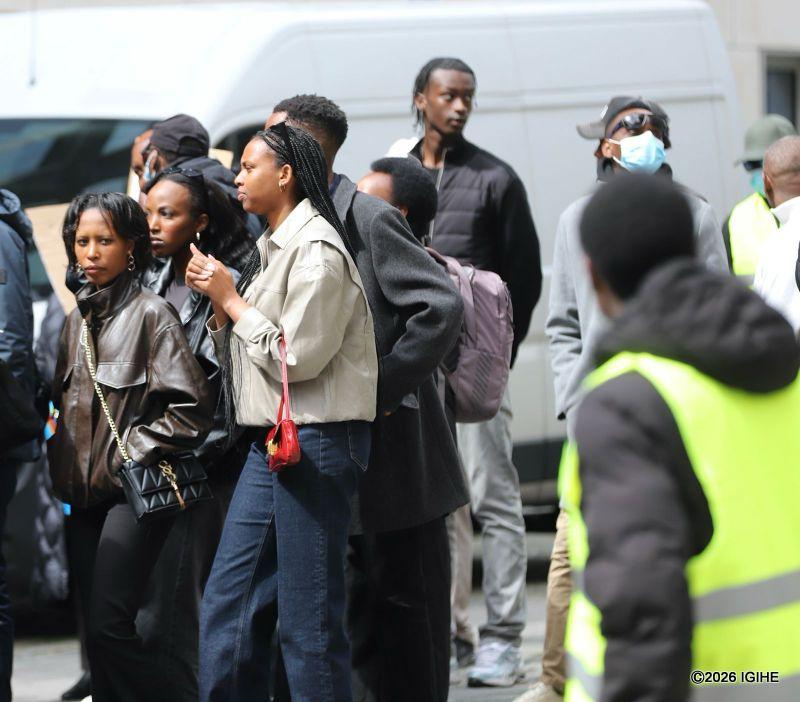
According to the federation, the suspension impacts all three tiers of the AFC’s revamped club ecosystem.
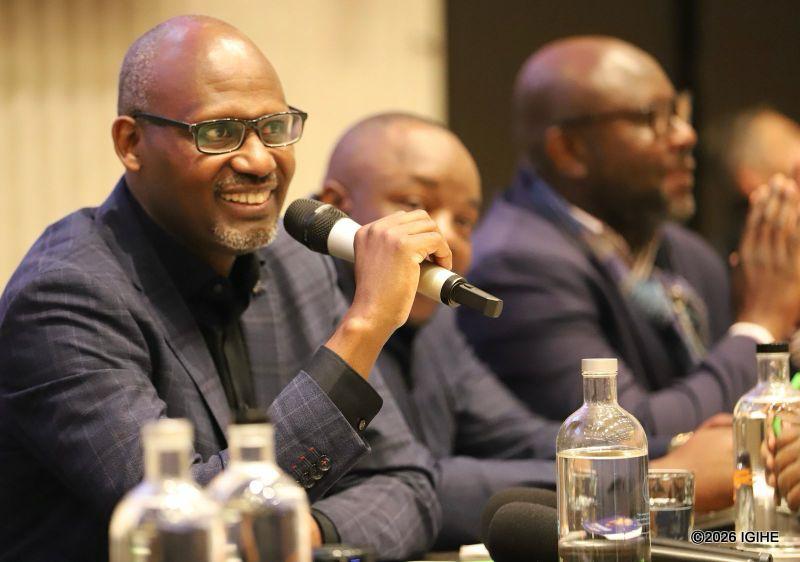
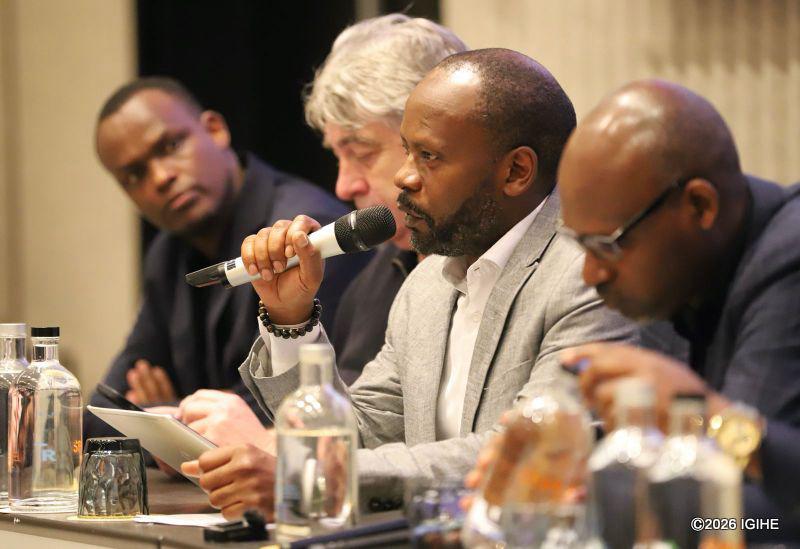
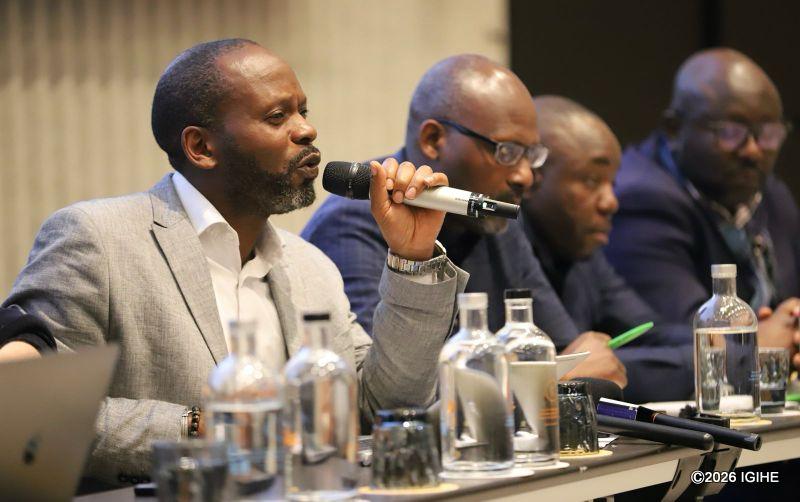
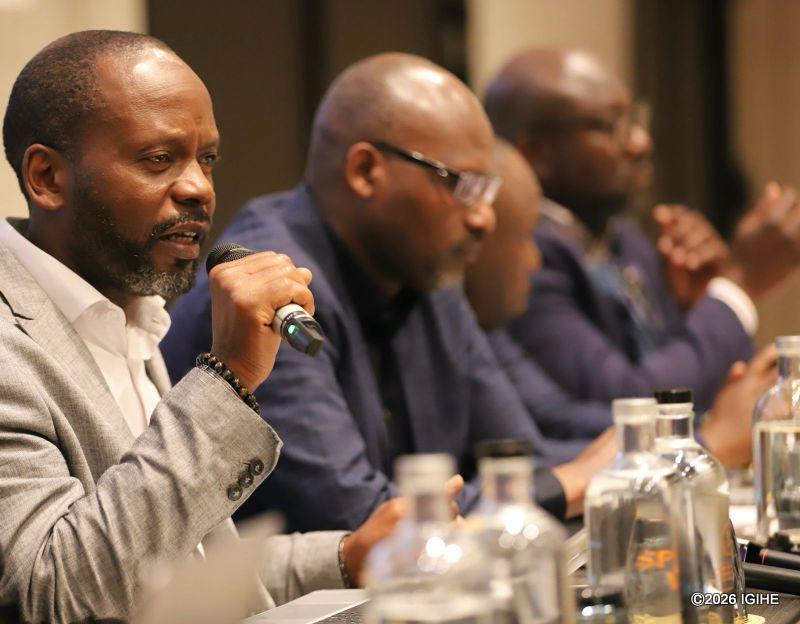
The review, conducted by a team of experts from the IAEA, started on March 2, 2026, and will run until March 9, 2026. Throughout the week, the experts will examine whether Rwanda meets the key requirements needed to embark on a nuclear power programme.
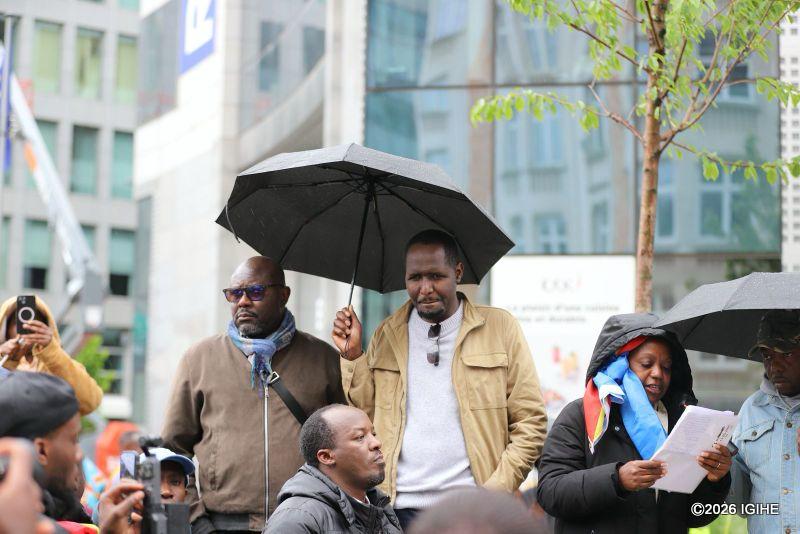
Among the critical areas under review are the country’s national policy framework on nuclear energy, financing mechanisms for constructing nuclear facilities, and the overall regulatory and institutional setup.
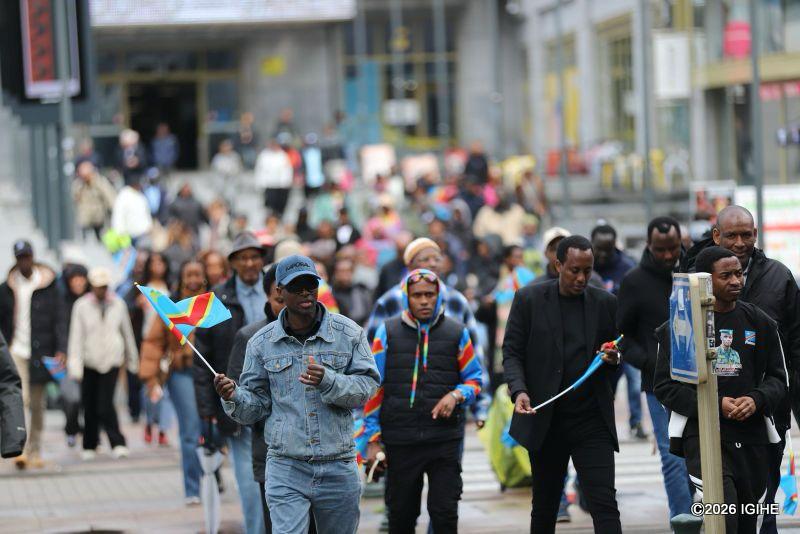
The team will also assess Rwanda’s capacity to prevent and manage potential risks associated with nuclear power plants, including safety, security, and environmental protection measures.
Dr. Fidele Ndahayo, Chief Executive Officer of the Rwanda Atomic Energy Board (RAEB), said the country has for years been investing in nuclear energy development.
He noted that Rwanda has established academic programmes in nuclear science, imported nuclear-based medical equipment, and implemented other initiatives aimed at building national capacity.
He explained that undergoing such a review is a crucial step in determining whether Rwanda is on the right track toward building a nuclear power plant.
“We want them to assess us based on the 19 infrastructure issues they use to determine a country’s level of preparedness,” he said. “They will evaluate where we stand as a country. We are confident that the process will go well and that, if the basic requirements are met, we will be able to move to the second phase.”
Dr. Ndahayo added that a positive assessment can strengthen Rwanda’s credibility internationally and improve its chances of securing financing for nuclear projects.
“This review will help build international confidence by showing that Rwanda is following the proper procedures. That will support us in mobilizing funding to construct these plants,” he said.
Aline des Cloizeaux, Director of the IAEA’s Division of Nuclear Power who is leading the expert team, clarified that the role of the mission is to promote the safe and peaceful use of nuclear technologies in line with its global mandate.
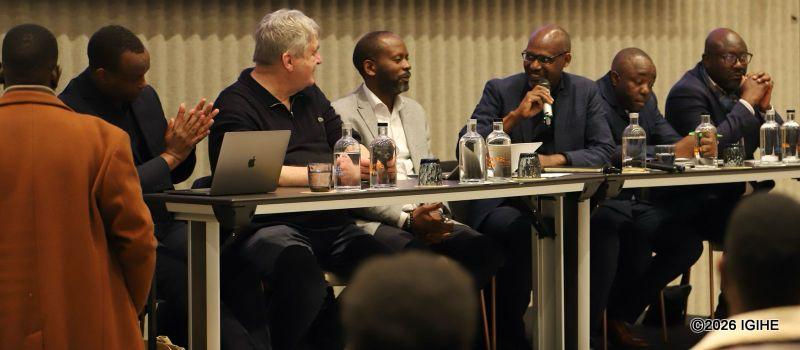
This week, she said, their work mainly focuses on providing advice on areas that need improvement and identifying where further efforts are required so the country can continue implementing its nuclear power programme.
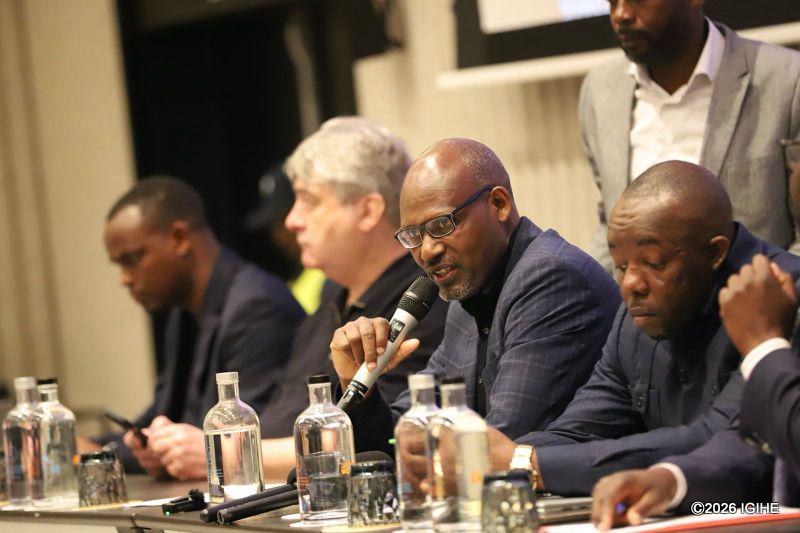
Rwanda has set a target to have a nuclear power plant operational by 2030. To achieve this goal, the country has been working with various international partners.
In 2023, Rwanda signed an agreement with Dual Fluid Energy Inc to pilot a nuclear reactor project in the country. The initiative is part of broader cooperation with institutions from Russia and the United States focused on developing Small Modular Reactors (SMRs).
SMRs are smaller-scale nuclear power plants capable of generating up to 100 megawatts of electricity or less. They can be installed on relatively small sites, typically covering between 15 and 50 hectares, and can operate with a workforce of around 230 employees. Their compact design allows them to be deployed even in remote areas.
According to research by the World Nuclear Association, nuclear energy significantly reduces carbon emissions.
Studies indicate that nuclear power can cut approximately 29 tonnes of carbon dioxide emissions per gigawatt-hour (GWh) of electricity generated, making it one of the low-carbon energy options available.
Rwanda has set a target to have a nuclear power plant operational by 2030.