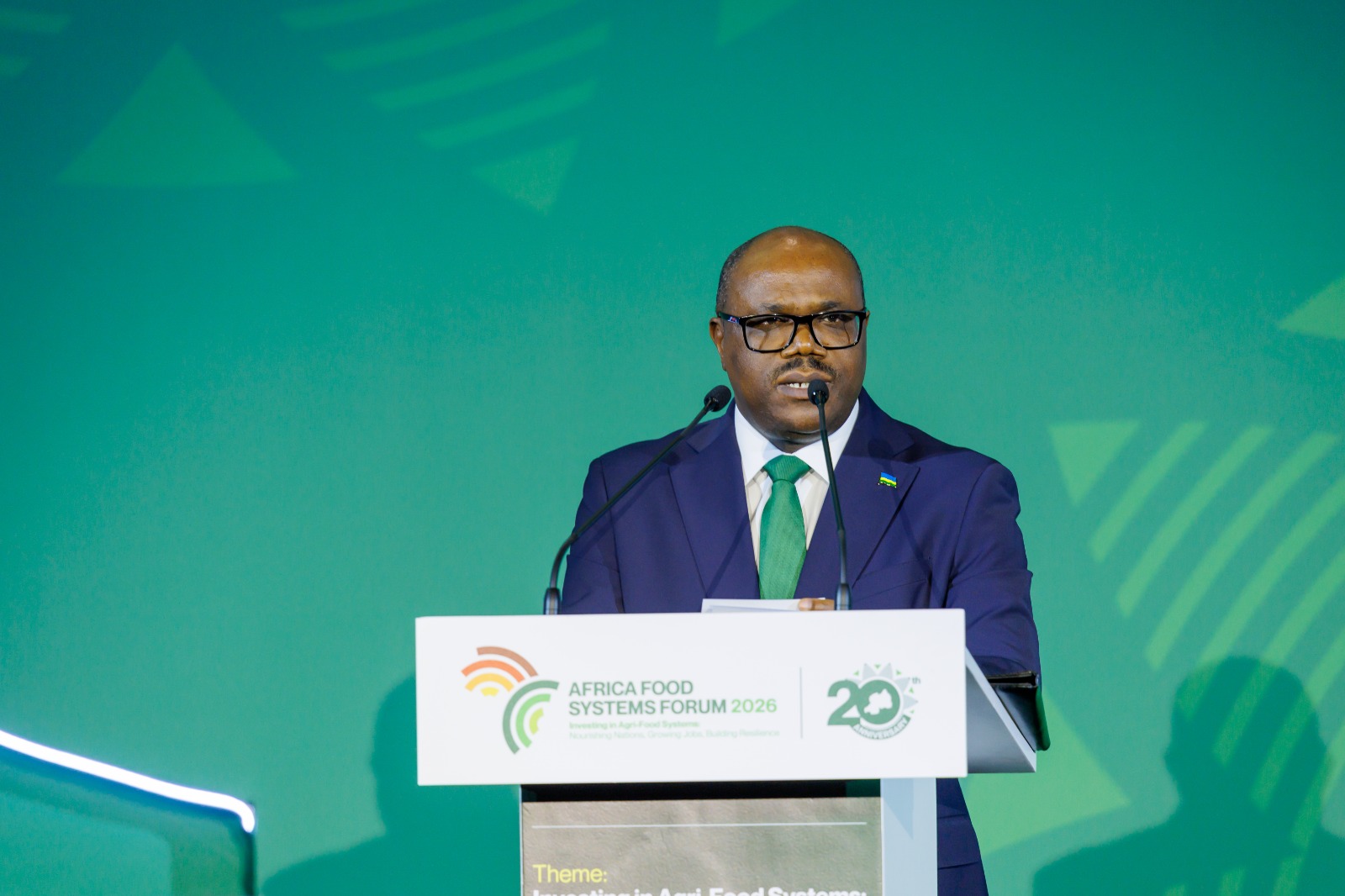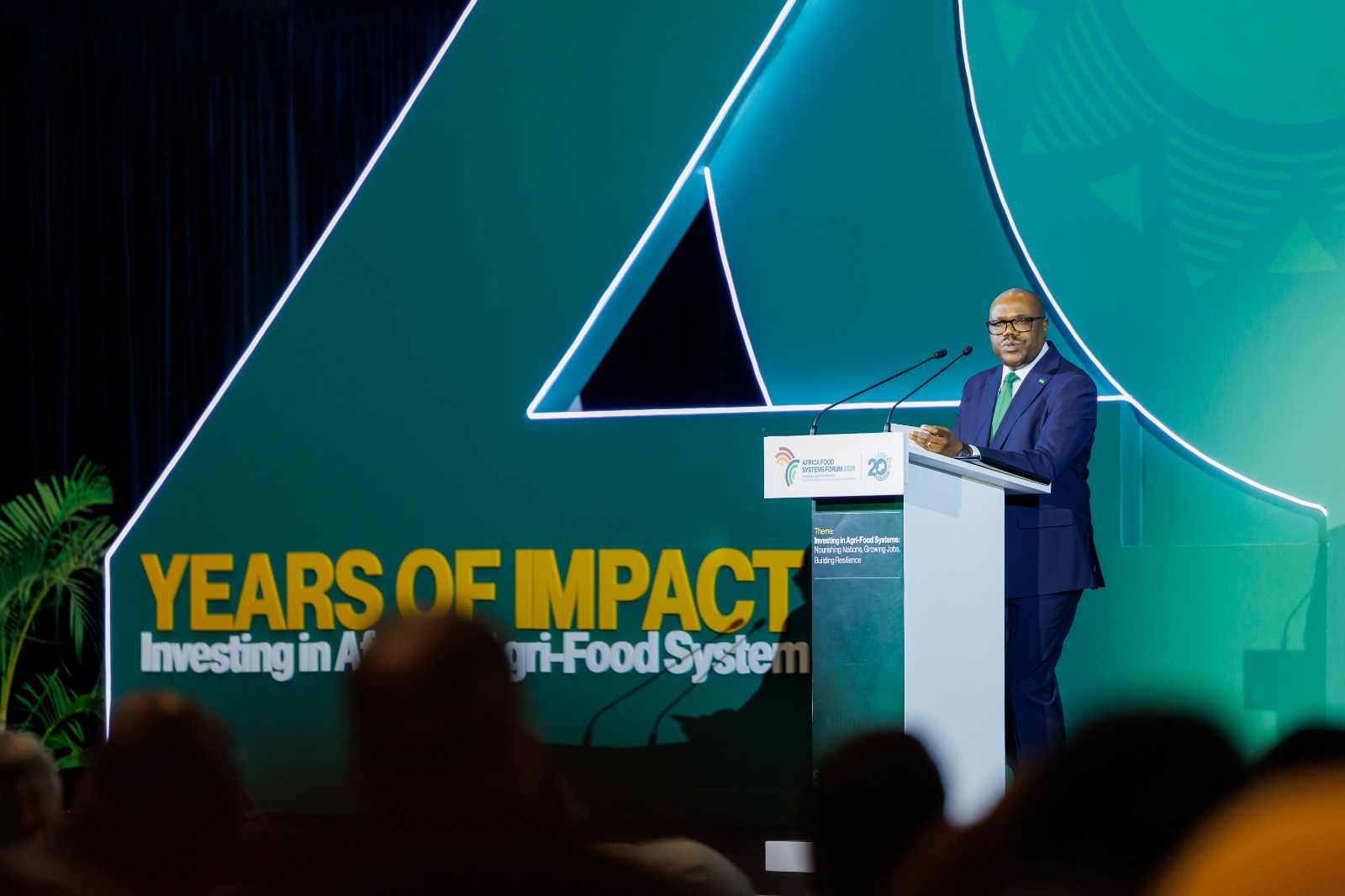
The facility was announced by Dr. Gérardine Mukeshimana, Vice-President of the International Fund for Agricultural Development (IFAD), during the forum’s opening ceremony. It brings together IFAD, Equity Bank, the Nordic Development Fund (NDF), Finland and the Green Climate Fund (GCF) as partners.
Mukeshimana said public finance alone cannot deliver the transformation Africa’s food systems need, and that public resources must be used to reduce risks and unlock private capital. She cited IFAD’s own evidence showing that projects with private sector participation generate income gains of over 64%, four times greater than projects without private sector involvement.
“Public resources must be used strategically to remove constraints, to reduce risks and to unlock private sector capital,” she said, adding that IFAD focuses its investments on “the first mile of the food systems where risks are greatest, finance is the scarcest and impact is greatest.”
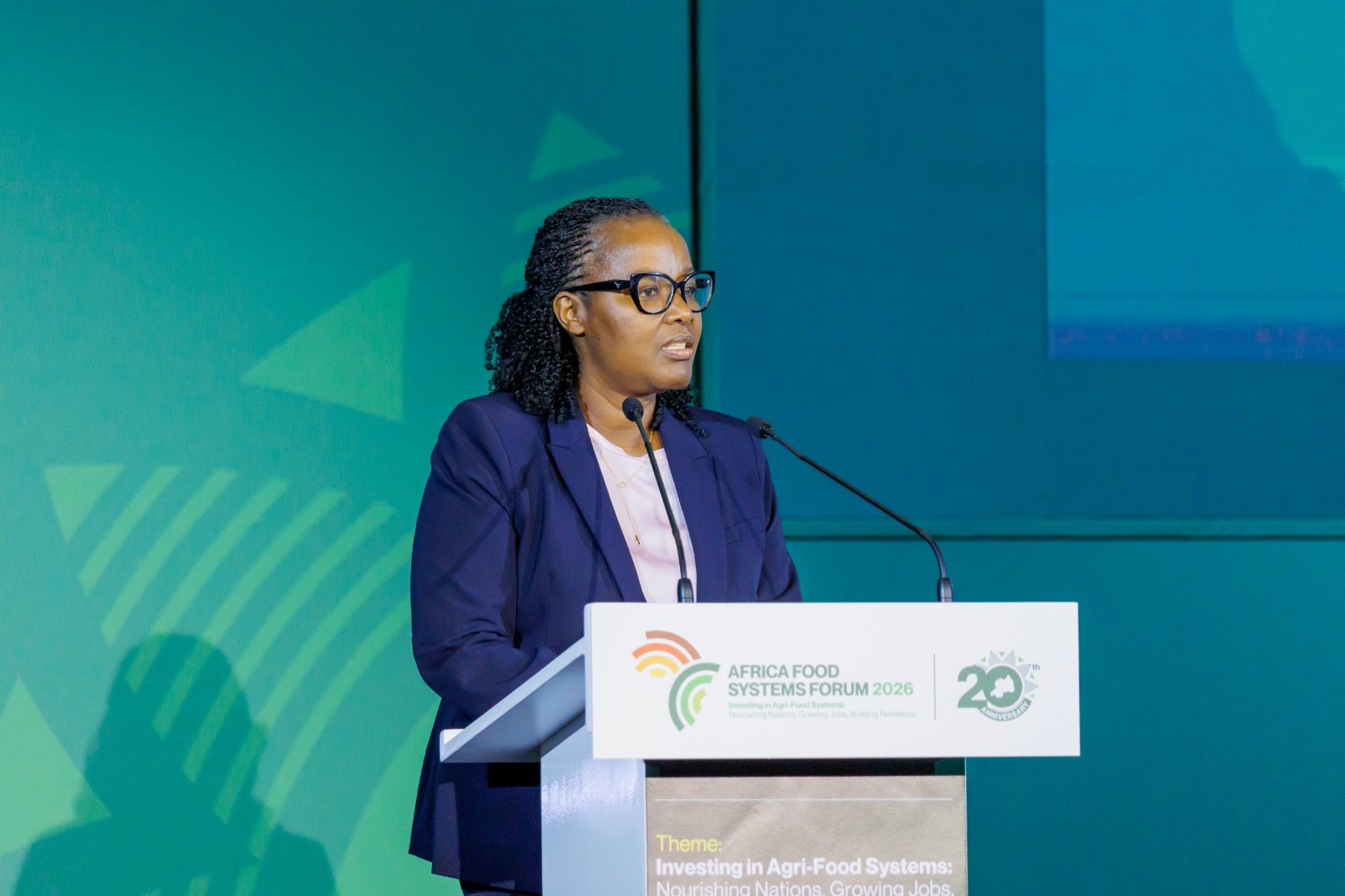
The announcement was one of several financing commitments made at the forum. IFAD also announced a $10 million facility, in partnership with AGDV, to support the growth of small agribusinesses across the continent. Separately, the Bank of Kigali and IFAD are set to sign a $21 million blended finance agreement on Friday to support farmers’ organisations.
Mukeshimana said approximately 60% of IFAD’s core resources are currently invested in Africa, and linked the new commitments to IFAD’s ongoing 14th replenishment process, known as IFAD14, which aims to strengthen the institution as an investment platform that scales proven approaches and attracts private capital to underserved areas.
She also referenced a recent report by the Food and Agriculture Organization (FAO), the State of Food Security and Nutrition in the World, which found that the rise of hunger in Africa has halted. She described this as encouraging news, but said the task now is to turn that progress into lasting transformation by making nutritious diets more affordable, creating decent jobs and building resilience.
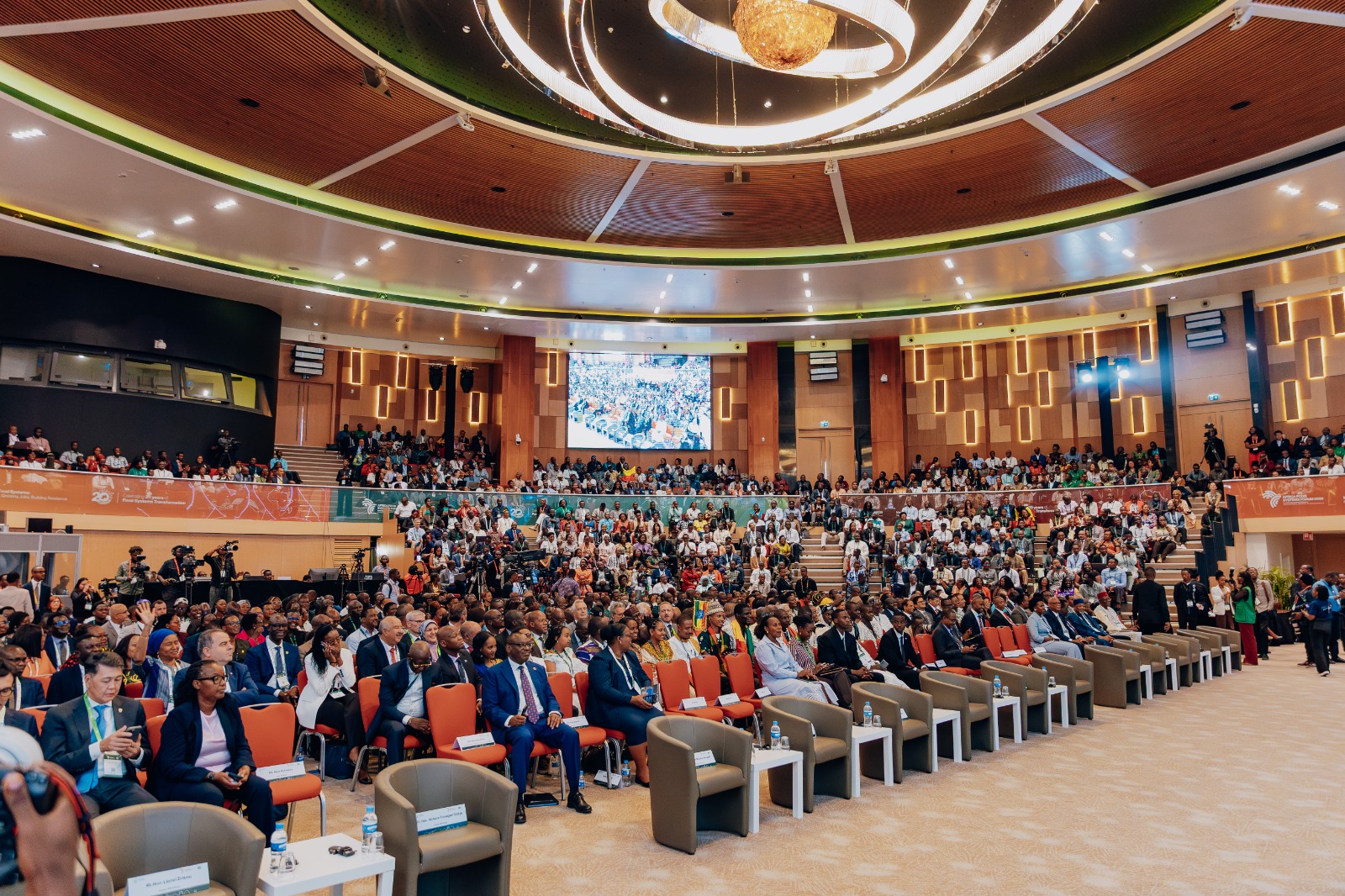
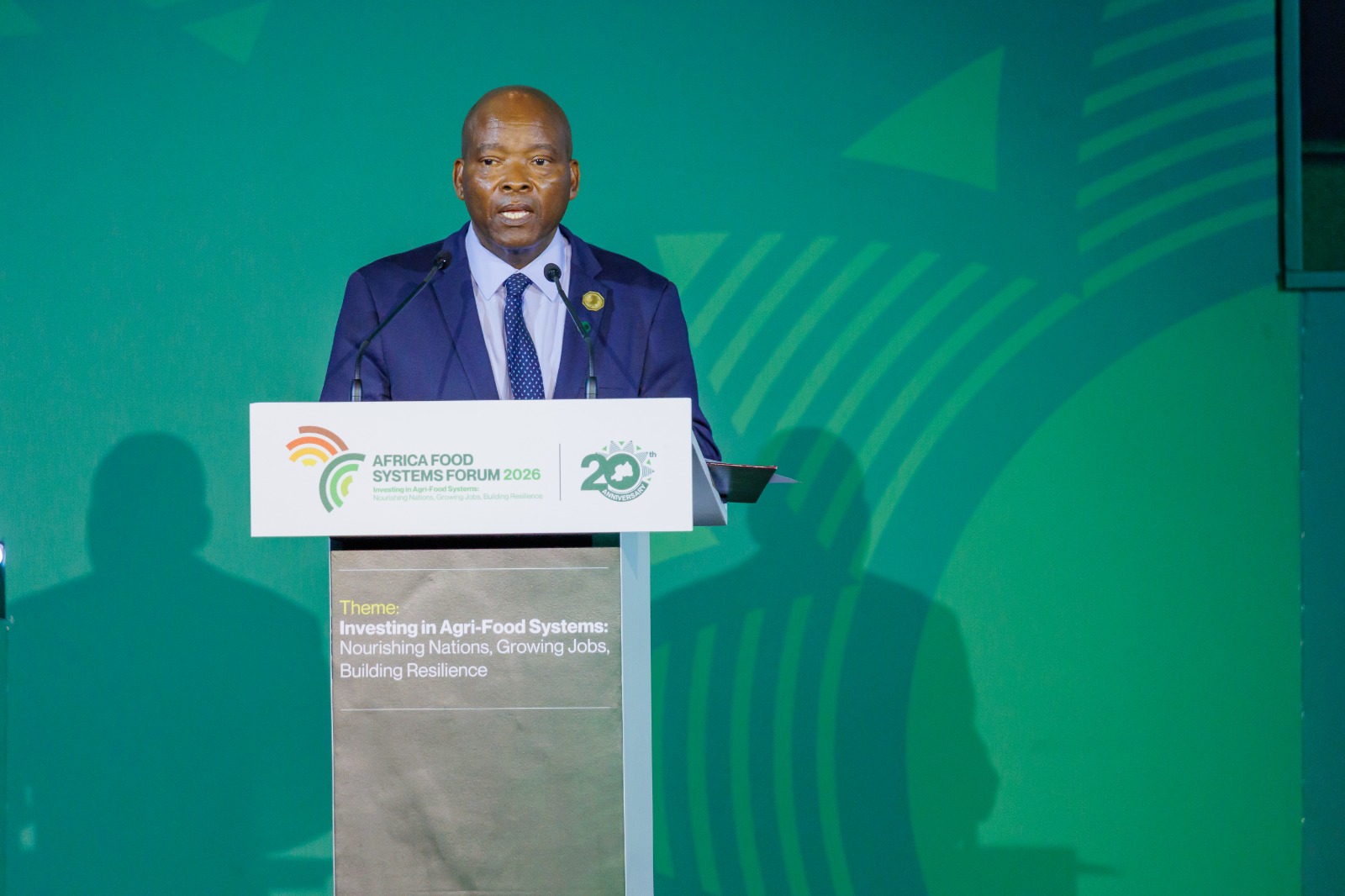
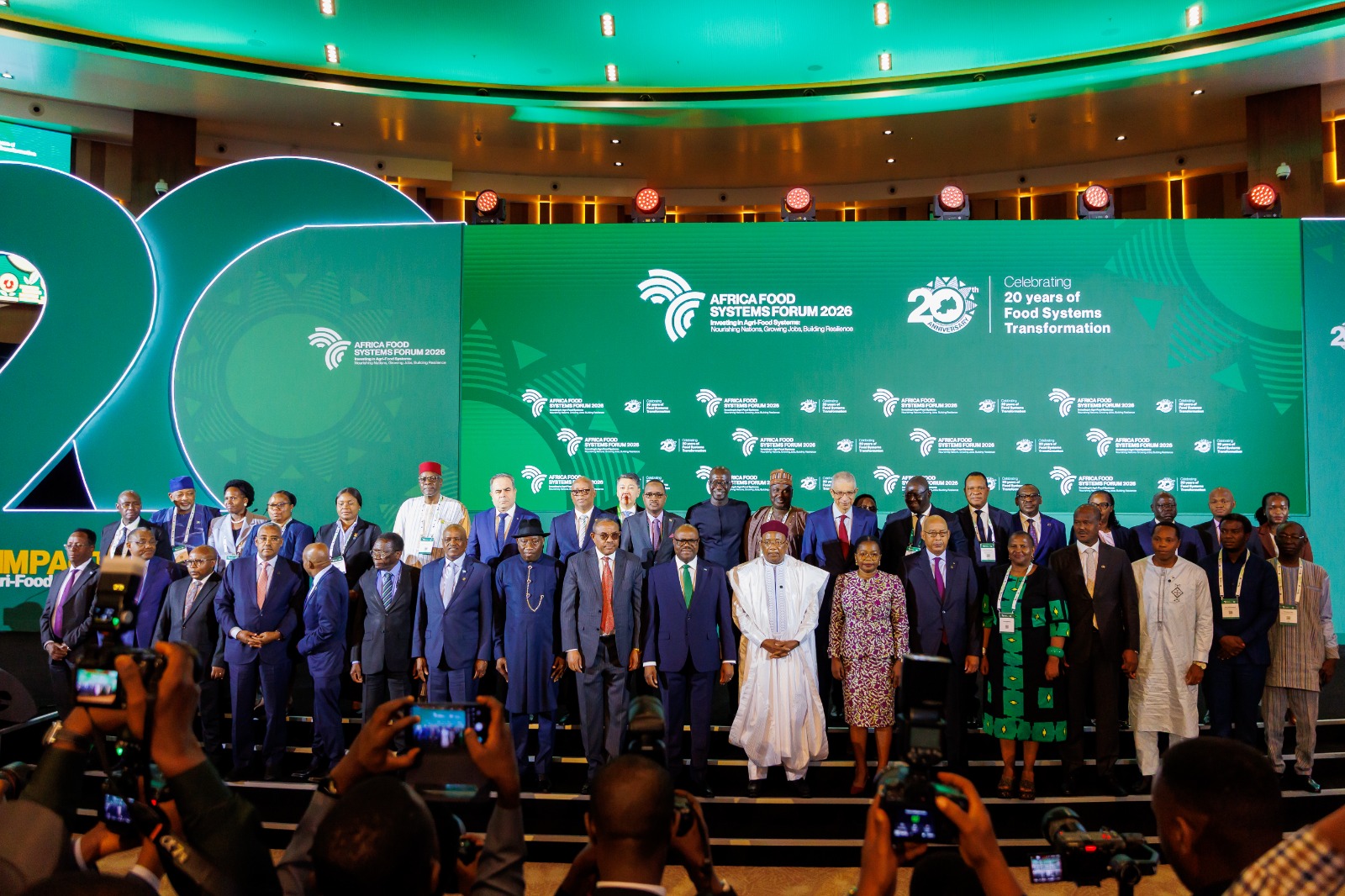
The announcement came on the opening day of the AFSF 2026, held under the theme “Investing in Africa’s Agri-Food Systems: Nourishing Nations, Growing Jobs, Building Resilience.” The forum, marking its 20th anniversary this year, has drawn more than 5,000 stakeholders from over 50 countries to Kigali.
In his opening remarks, Prime Minister Dr. Justin Nsengiyumva said about 309 million Africans were affected by hunger in 2025, representing roughly 20% of the continent’s population, while about 57% of Africans experience moderate or severe food insecurity. He called on the forum to help translate commitments into investable plans, strengthen entire food value chains, and scale successful innovations across the continent.
Minister of Agriculture and Animal Resources Dr. Telesphore Ndabamenye said Rwanda’s experience shows what is possible when policy, investment, institutions and partnerships are aligned under effective governance, pointing to the country’s Vision 2050 and National Strategy for Transformation as frameworks guiding its agricultural transformation.