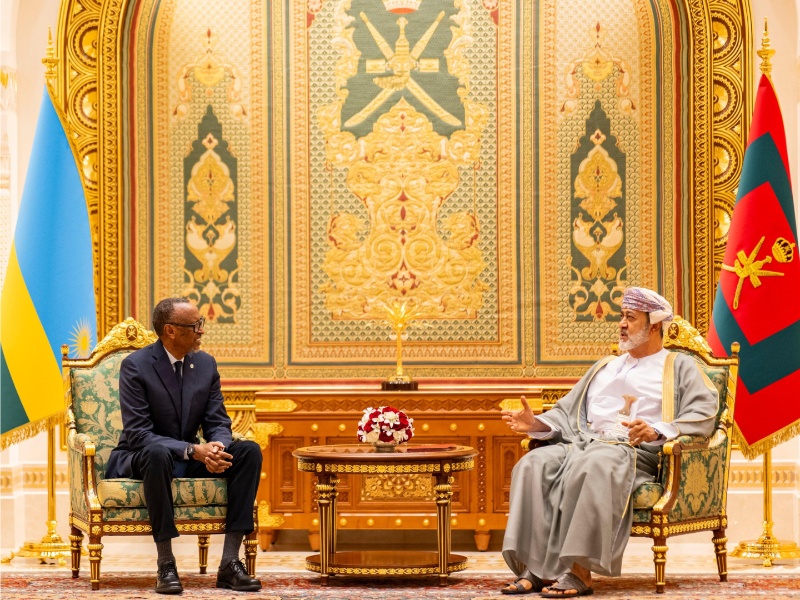
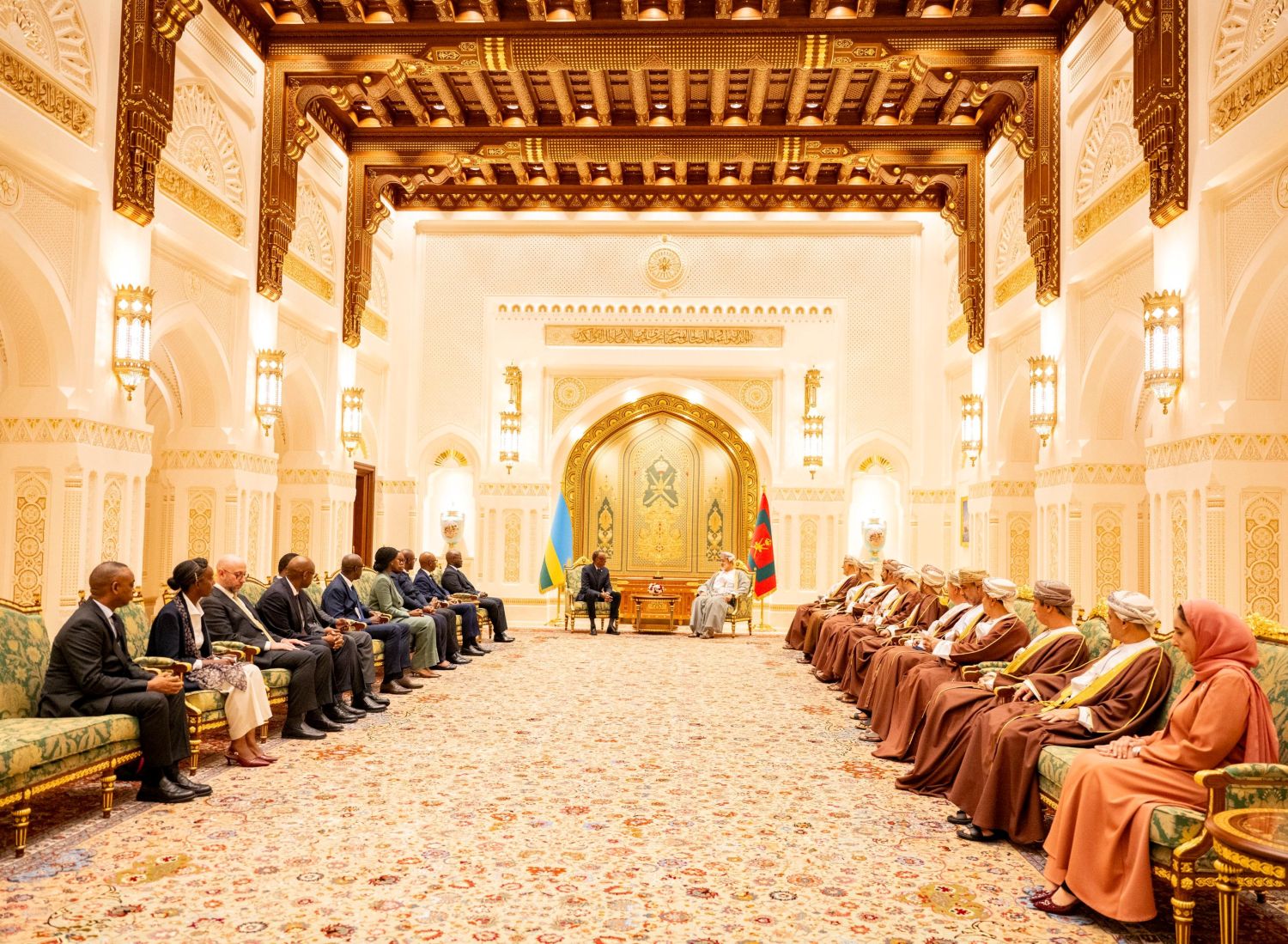
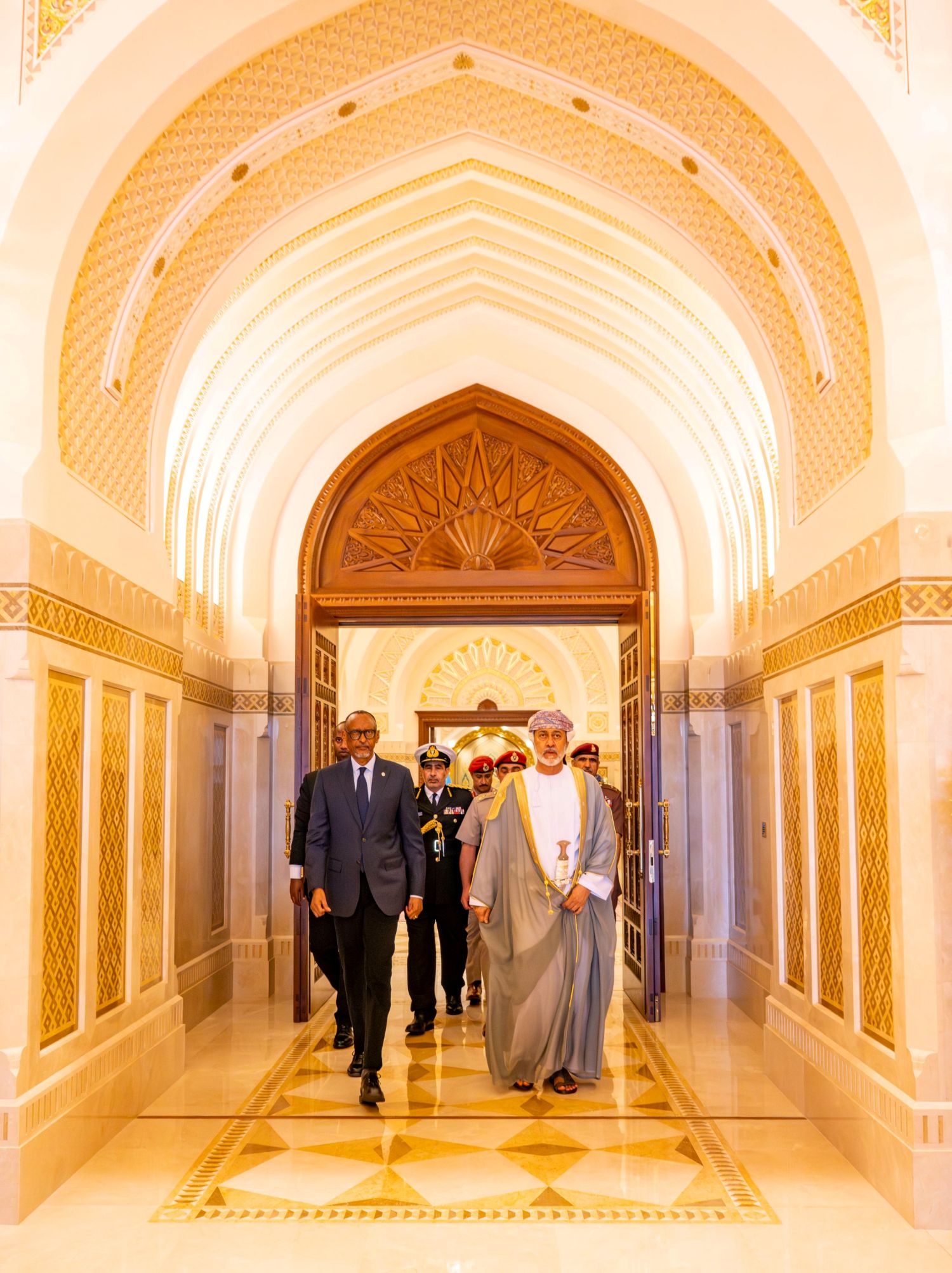
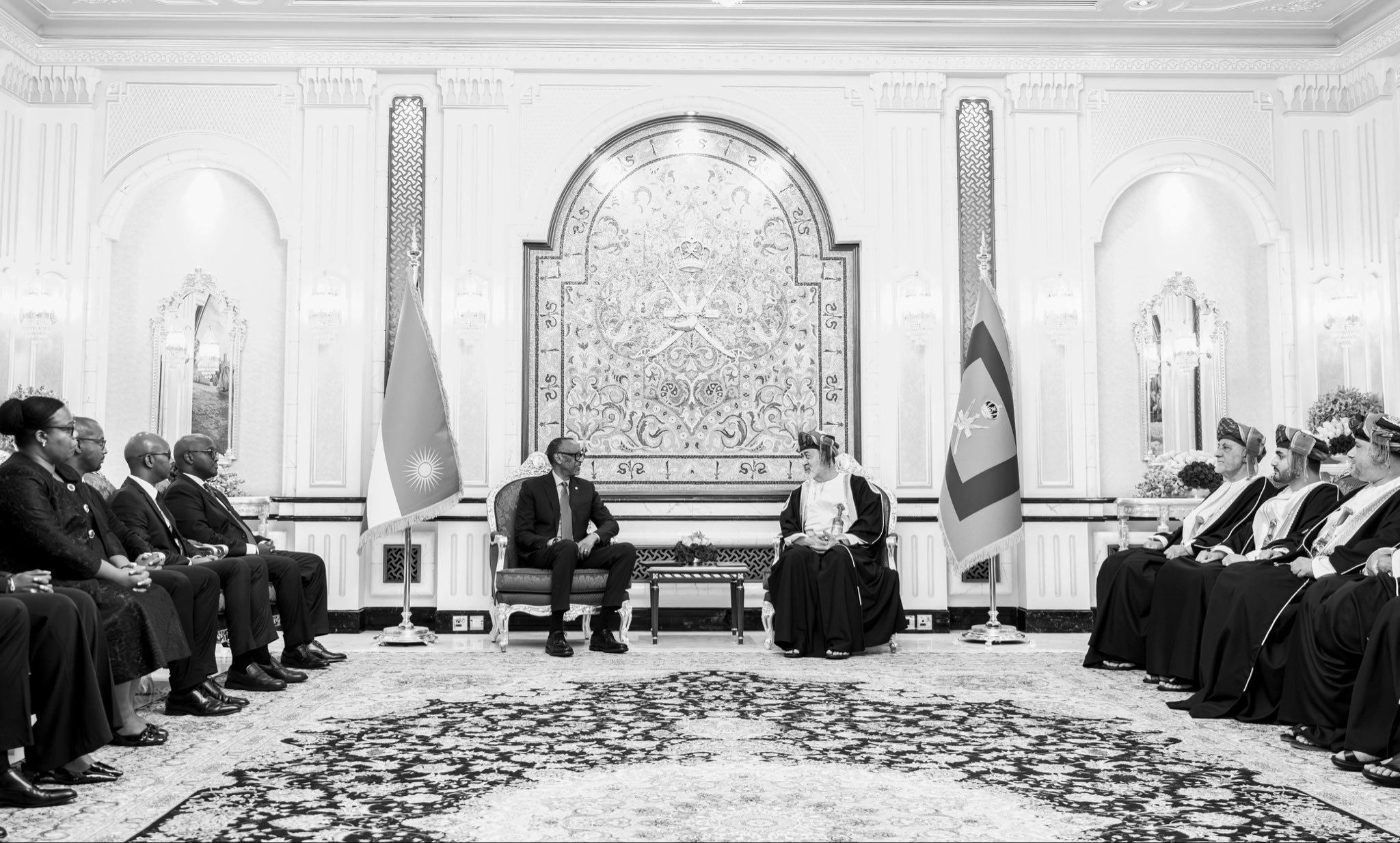
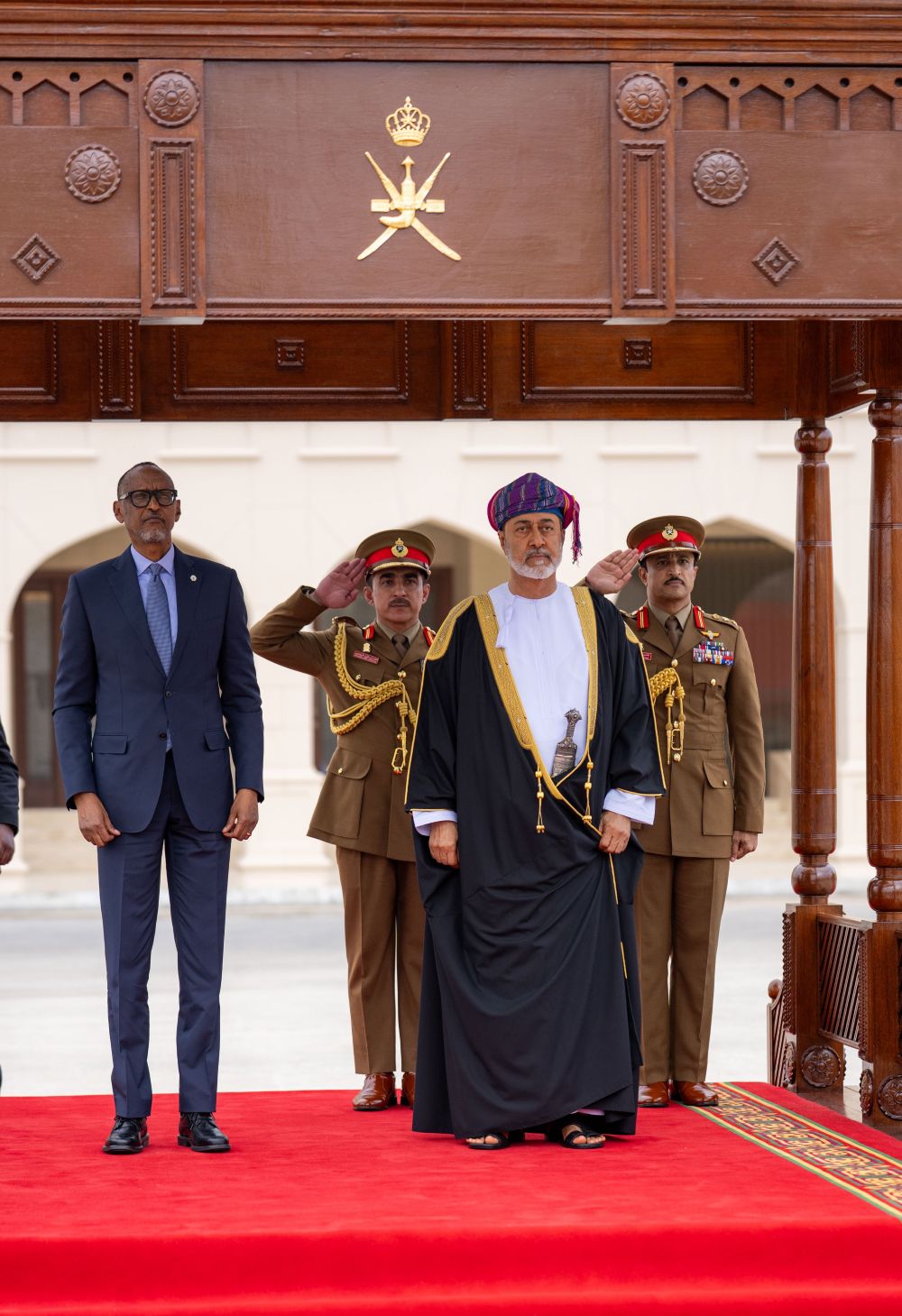
The decision was among the key outcomes of Kagame’s two-day official visit to Oman, held from September 7 to 8, 2026, at the invitation of Sultan Haitham bin Tarik.
Currently, Oman’s ambassador to Rwanda, Nasra bint Salim bin Mohammed Al Hashmi, is a non-resident ambassador based in Nairobi, Kenya, while Rwanda’s ambassador to Oman, Dan Munyuza, is based in Cairo, Egypt.
Establishing resident embassies is expected to strengthen the diplomatic presence of both countries and provide a closer institutional framework for advancing growing cooperation.
Rwanda and Oman agreed to establish resident embassies during President Kagame’s September 7–8 official visit to Oman.
In a joint statement issued at the conclusion of Kagame’s visit, Rwanda and Oman said they had also agreed to establish a Joint Committee and a Joint Business Council, as well as implement a technical cooperation programme.
The new mechanisms are intended to support the implementation and follow-up of cooperation between the two countries as they seek to expand their partnership.
During talks between Kagame and Sultan Haitham, the two leaders reaffirmed their commitment to strengthening bilateral relations and identified investment, transport, energy, mining, tourism, logistics and communications among the sectors with potential for deeper cooperation.
The two countries also highlighted opportunities in banking and finance, while encouraging greater partnerships between public and private sector institutions and efforts to increase trade.
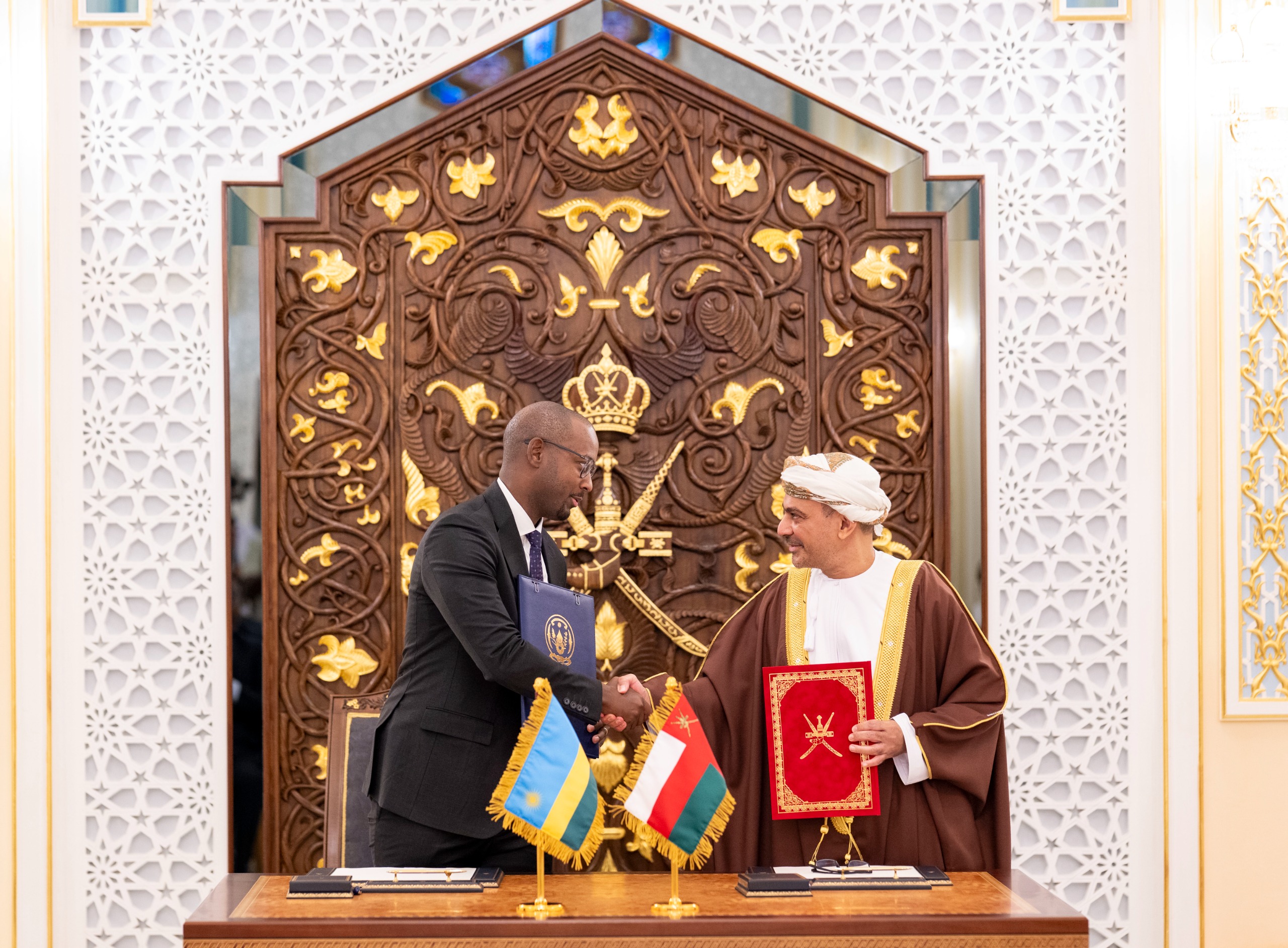
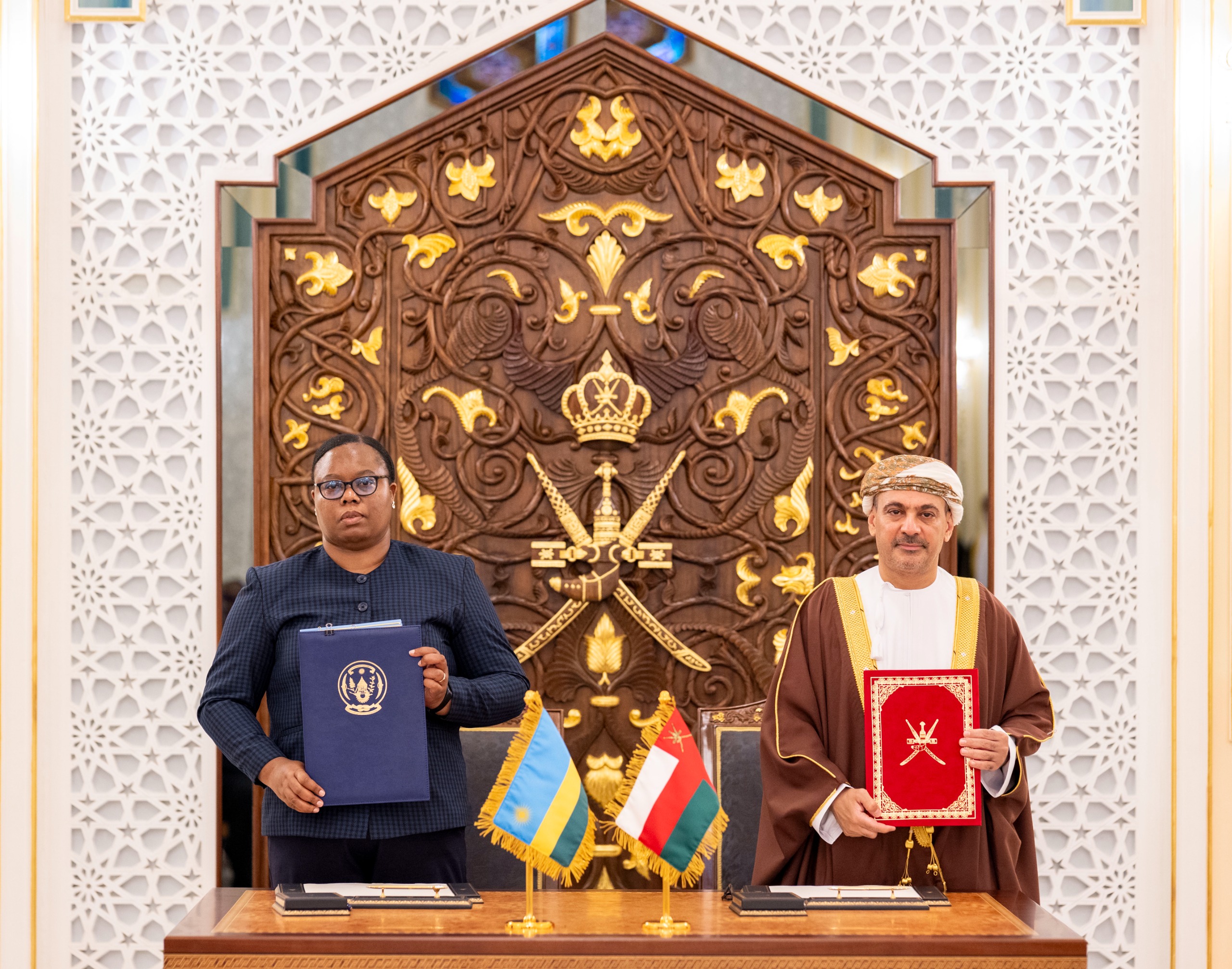
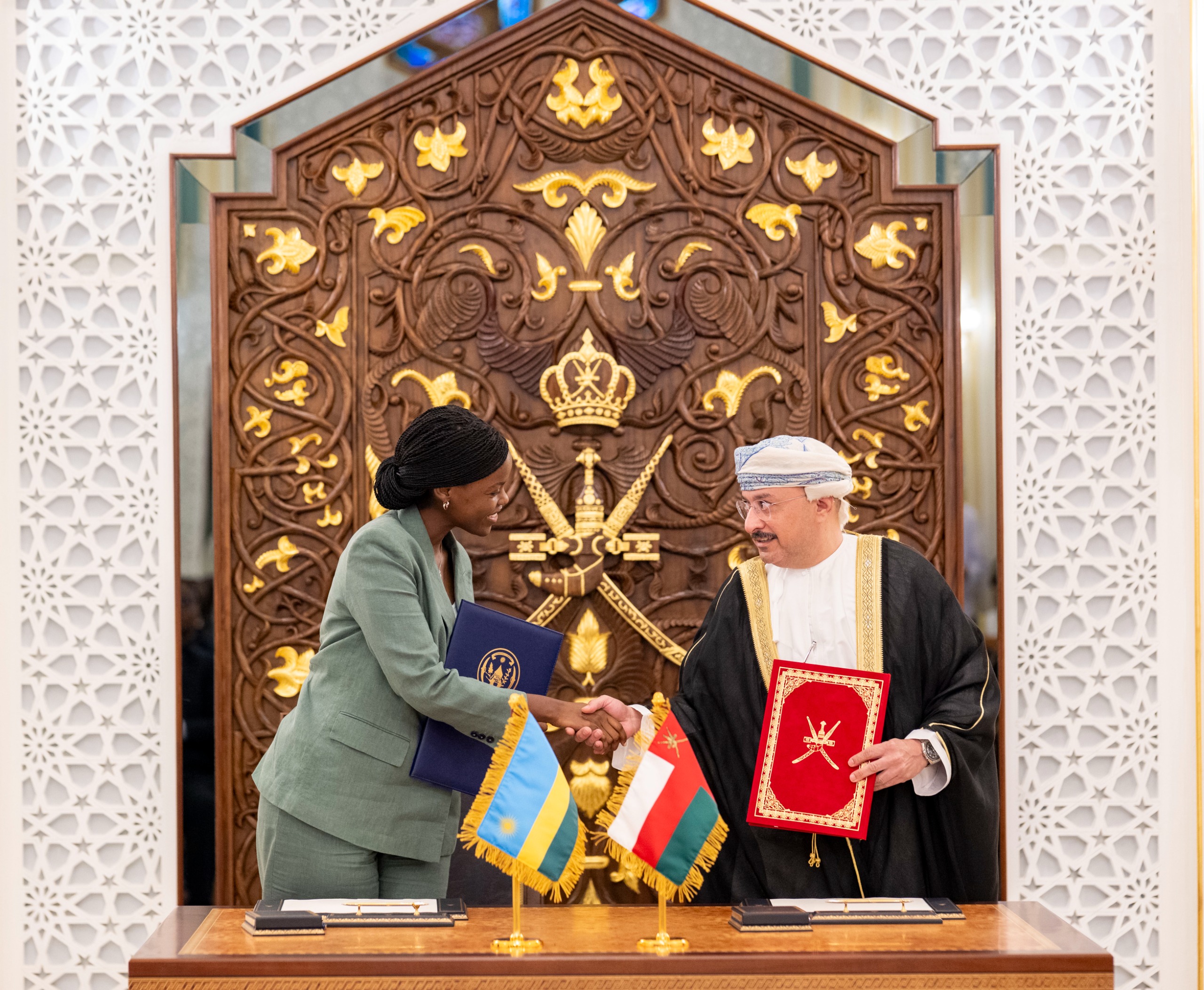
The visit further witnessed the signing of two agreements and six memoranda of understanding (MoUs) aimed at expanding bilateral cooperation across areas including trade, investment, agriculture, logistics and food security.
Among them was an agreement on mutual visa exemption for holders of diplomatic, special and service passports, as well as an agreement on the avoidance of double taxation.
The six memoranda of understanding provide a framework for cooperation in political consultations, labour, trade and investment, logistics and the development of inland and dry ports, agriculture, investment promotion, and strategic partnership and investment activation.
The two leaders also praised the growth of bilateral cooperation, particularly in transport, communications and information technology.
The two leaders reaffirmed their commitment to supporting efforts aimed at promoting security and stability and resolving disputes through peaceful means in accordance with international law.
Rwanda and Oman’s economic relationship has gained momentum in recent years, with the two countries expanding cooperation in trade, energy, transport and investment.
A key development is an arrangement under which Rwanda will receive direct shipments of refined petroleum products from Oman through Tanzania’s Port of Tanga.
Prime Minister Justin Nsengiyumva has said Rwanda expects to receive one shipment each month, with the imports aimed at strengthening fuel supply security and helping stabilise prices.
Air connectivity between the two countries has also improved following SalamAir’s launch of direct flights between Muscat and Kigali on July 21, 2026.
The route is expected to support travel, trade, tourism and investment while giving passengers from Rwanda access to SalamAir’s wider network across the Gulf, Asia and Europe.
During their discussions, Kagame and Sultan Haitham also exchanged views on regional and international issues of common interest.
The two leaders reaffirmed their commitment to supporting efforts aimed at promoting security and stability and resolving disputes through peaceful means in accordance with international law.
Kagame praised Oman’s role in supporting regional dialogue and peace, while Sultan Haitham expressed appreciation for Rwanda’s role in promoting stability, dialogue and peaceful solutions in its region.
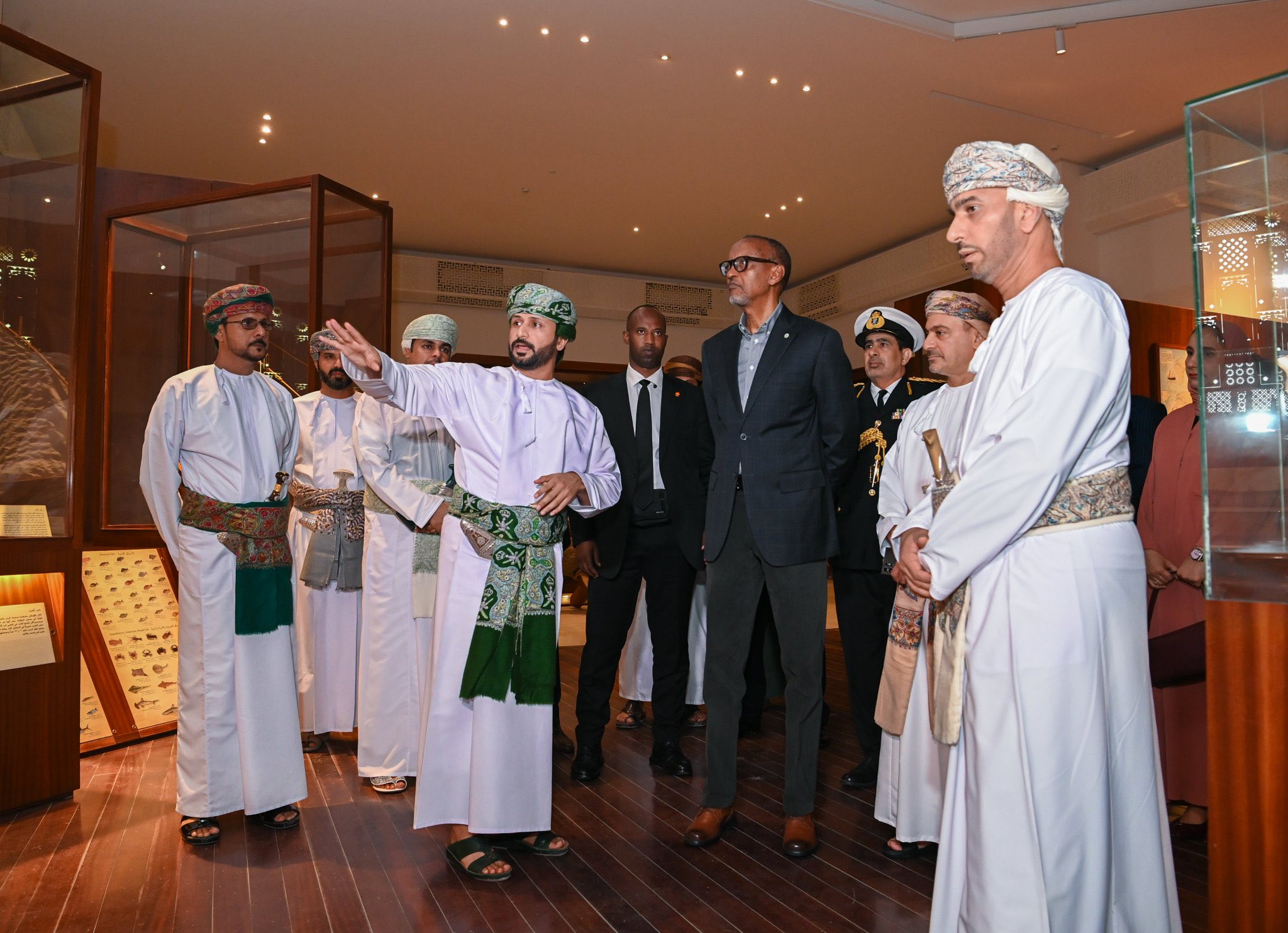
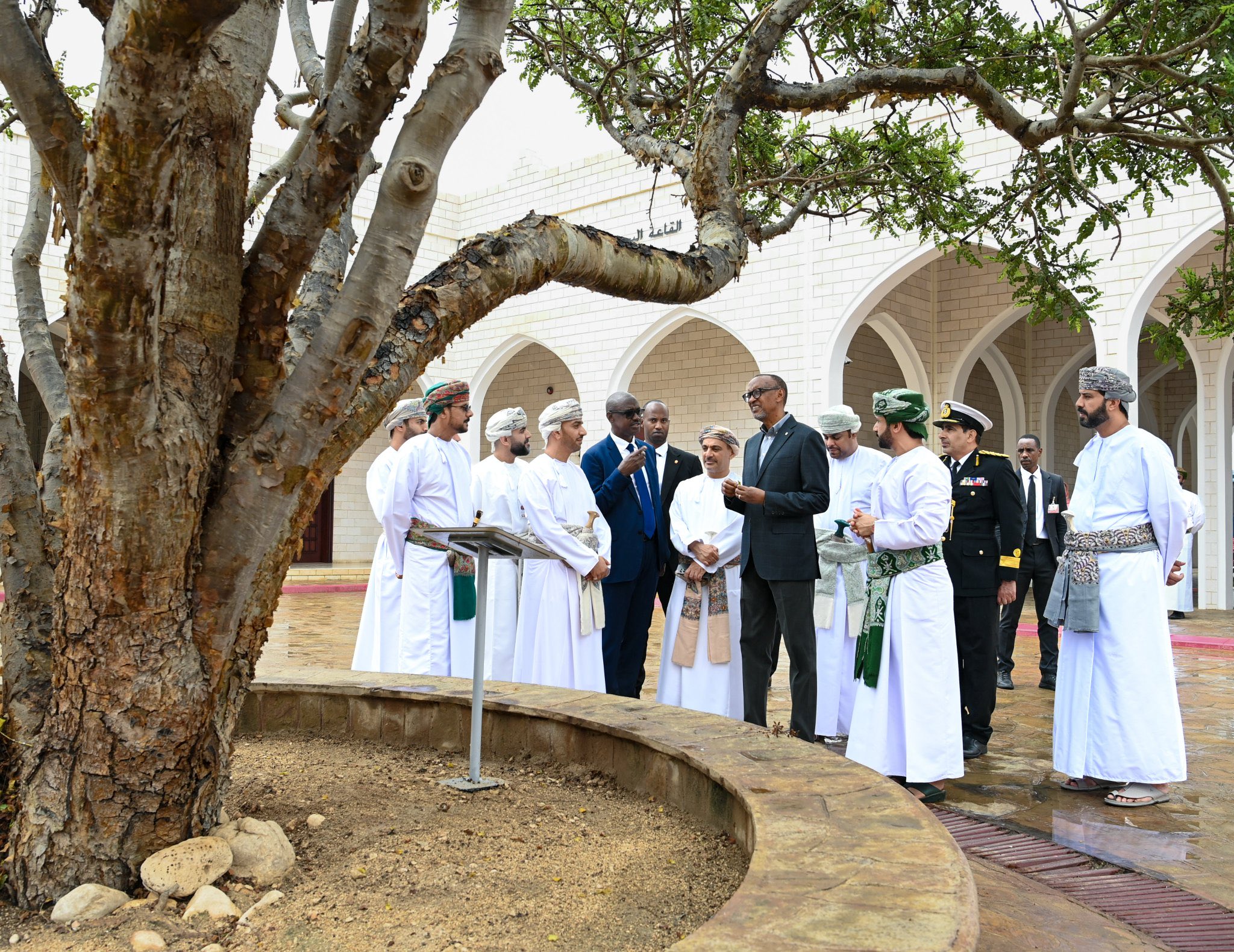
During the visit, Kagame also toured the Museum of the Frankincense Land, located within the Al Baleed Archaeological Park, a UNESCO World Heritage Site, as well as the Kagame Razat Royal Farm in Dhofar Governorate.
At the conclusion of the visit, Kagame expressed appreciation for the hospitality extended to him and his delegation and invited Sultan Haitham to visit Rwanda.
President Kagame concluded his official visit to Oman on Tuesday.
In a statement issued on September 8, State House said the government would conduct an “orderly regularisation exercise” over the next 90 days to allow affected foreign nationals to comply with the law.
The exercise will be coordinated by relevant government agencies in consultation with the embassies concerned.
“At the conclusion of the 90-day regularisation period, immigration, work-permit, registration and licensing requirements will be enforced firmly and strictly in accordance with the law and due process,” State House Spokesperson Hussein Mohamed said.
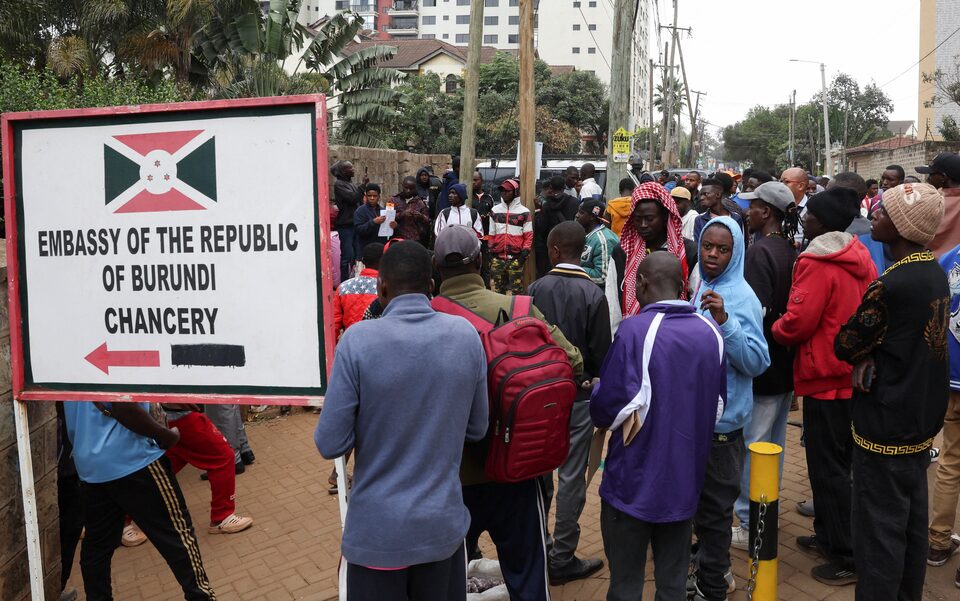
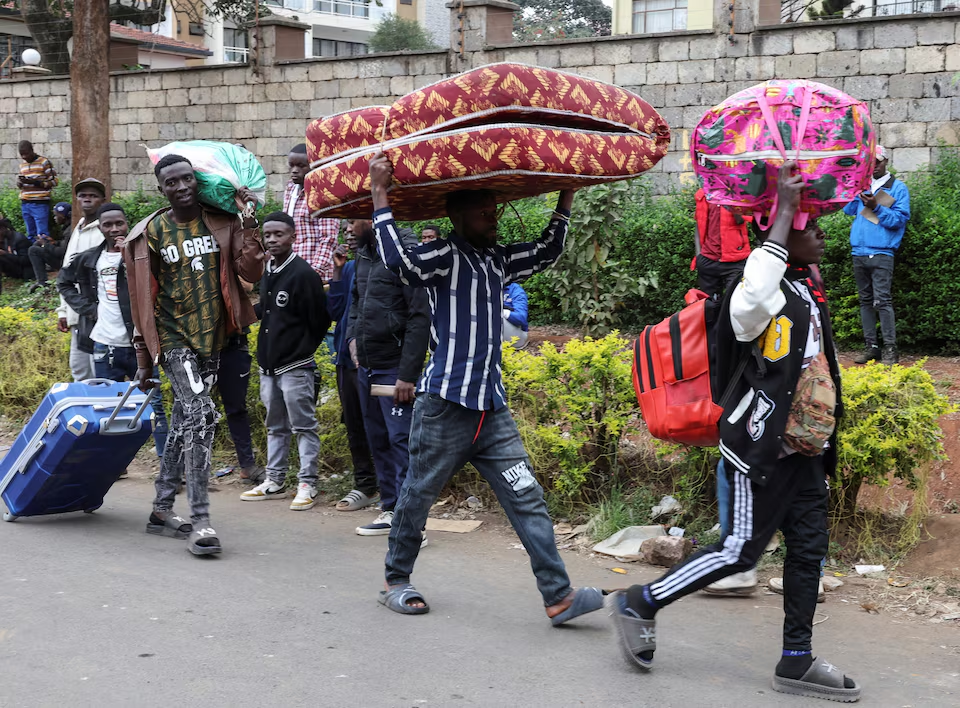
The announcement comes after days of uncertainty among foreign traders, particularly Burundians living in Kenya, following concerns that Ruto’s directive targeting foreign participation in small-scale businesses could force them to shut down their operations or leave the country.
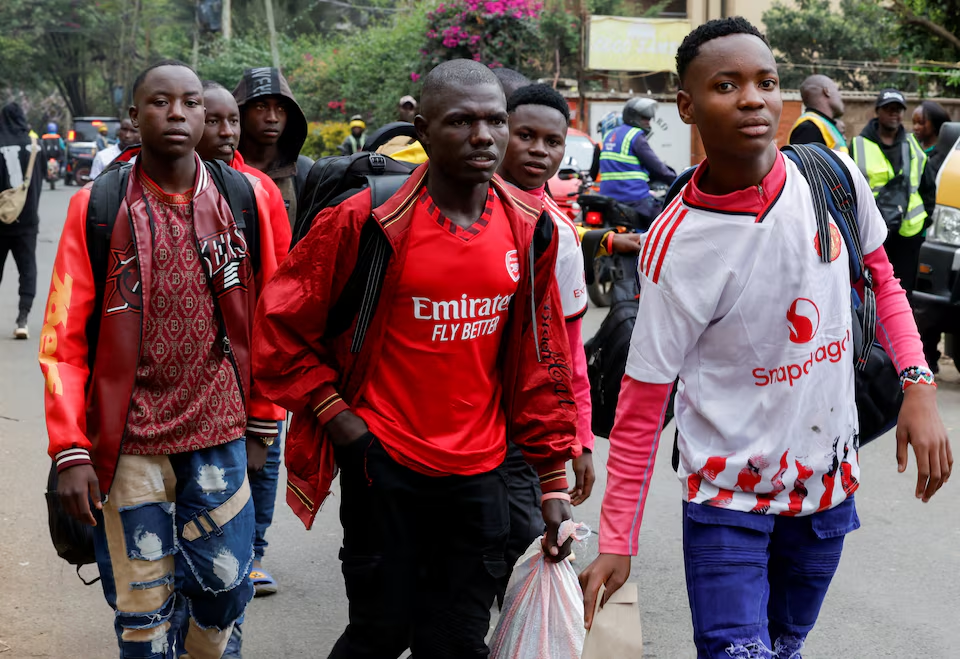
Long queues were reported outside Burundi’s embassy in Nairobi on Monday as some Burundian nationals sought emergency travel documents amid uncertainty over their future in Kenya. Some were also seen trying to secure transport back home.
The Kenyan government has, however, sought to reassure foreign nationals that there is no blanket ban on foreign traders.
State House said Ruto had received representations from Kenyan traders over the growing participation of foreign nationals in small-scale businesses and informal trade, and the impact this was having on Kenyans who depend on such activities for their livelihoods.
The President subsequently directed that the Local Content Bill, 2025, currently before Parliament, be expanded to establish a clear framework governing participation in small-scale trade and enterprise.
Under the proposed framework, some categories of economic activity could be reserved for Kenyan citizens, while foreign nationals legally entitled to work, invest or conduct business in Kenya would continue to receive protection.
“Kenya will protect economic opportunities for its citizens, especially within the micro and small-enterprise sector, while remaining open to lawful foreign investment, enterprise and employment,” Mohamed said.
The government stressed the two objectives were complementary and would be pursued in line with Kenya’s Constitution, laws and international obligations.
It also warned against harassment or attacks targeting foreign nationals and their businesses, saying the enforcement and interpretation of the law remained the responsibility of authorised State agencies.
“No individual or group has the authority to harass, intimidate, threaten or interfere with foreign nationals or their businesses,” the statement said, warning that those engaging in such conduct would face action under the law.
The clarification follows reports of growing anxiety among Burundians and other East African nationals living in Kenya, with concerns that hostility towards foreign traders could escalate into xenophobic attacks similar to those witnessed in South Africa.
Burundi’s Foreign Affairs Minister Edouard Bizimana had raised concerns over reports of harassment and warned that continued hate speech against Burundians could have wider consequences.
A senior Kenyan foreign affairs official, Korir Sing’oei, also apologised to Burundian nationals who had faced harassment, saying the President’s directive had been misunderstood.
The Kenyan government has now said the 90-day regularisation period will be administered fairly, consistently and without discrimination, while reaffirming the country’s commitment to the East African Community, regional integration and the free movement of people, labour, services and capital within applicable legal frameworks.
The government is also expected to use the period to clarify which categories of small-scale businesses could eventually be reserved for Kenyan citizens under the proposed legislative framework.
Long queues were reported outside Burundi’s embassy in Nairobi on Monday as some Burundian nationals sought emergency travel documents amid uncertainty over their future in Kenya.
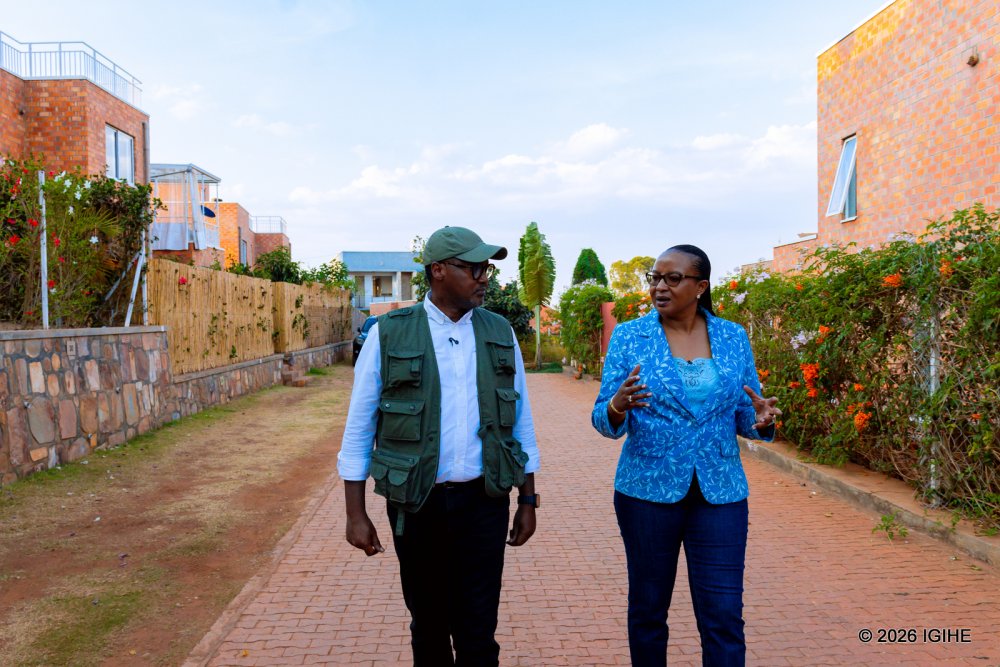
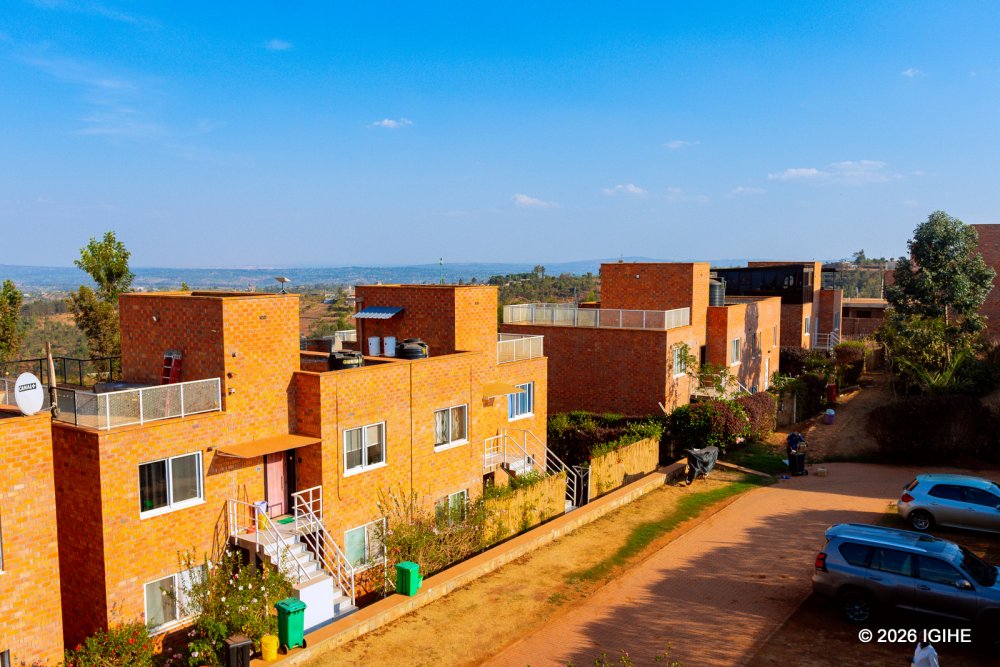
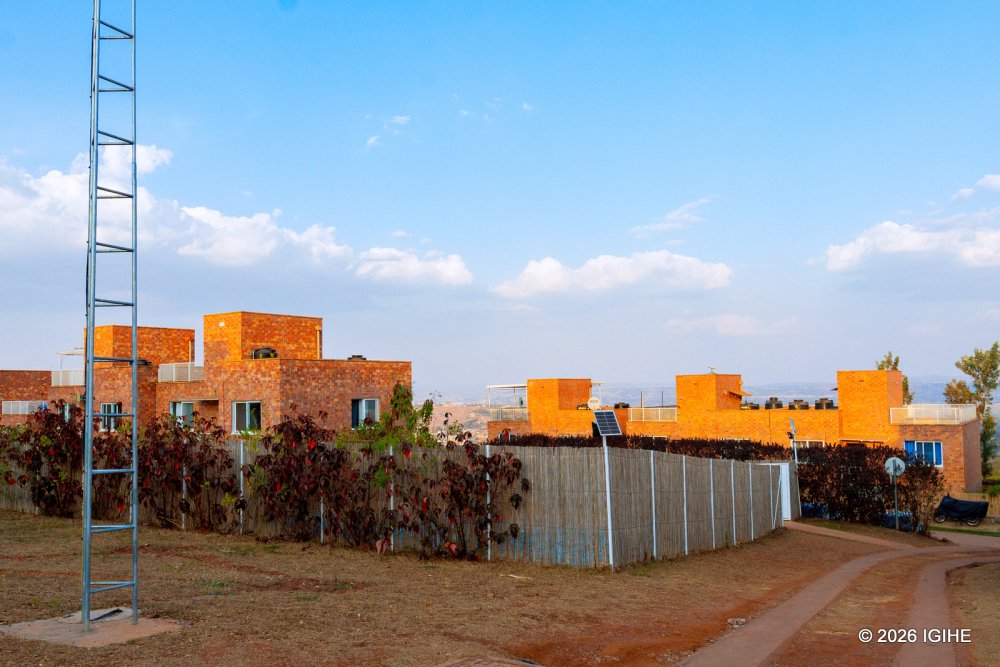
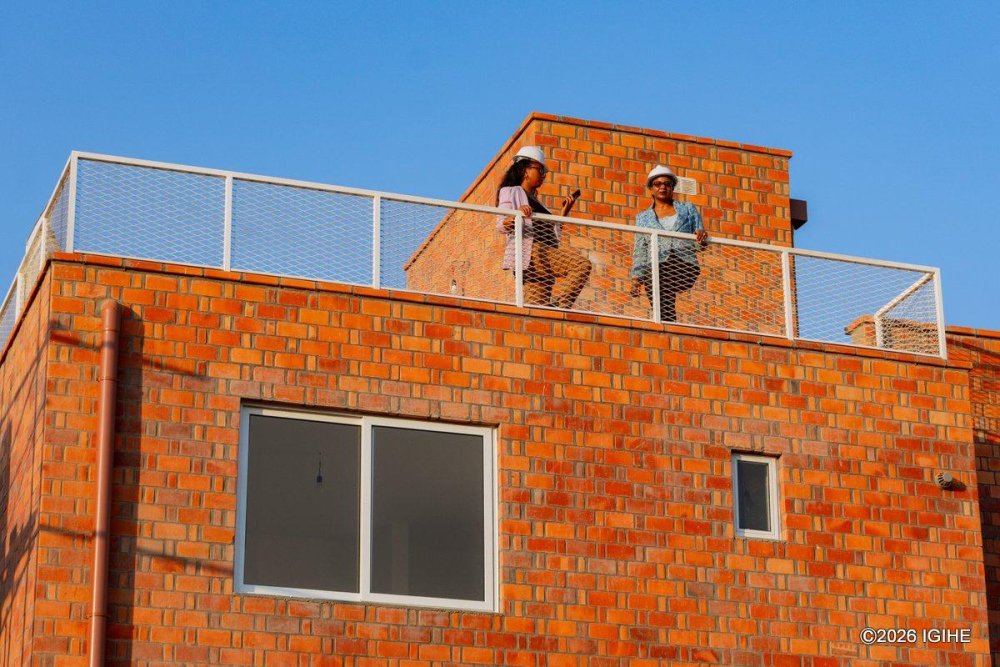
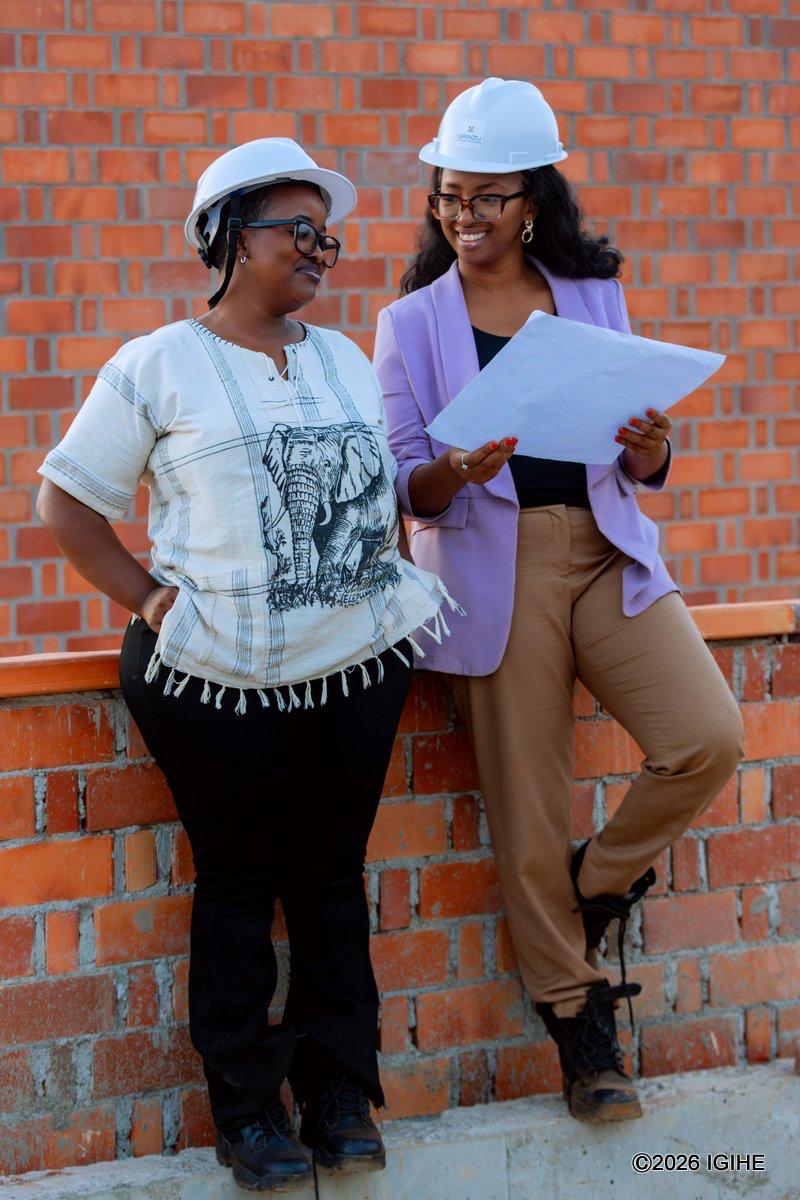
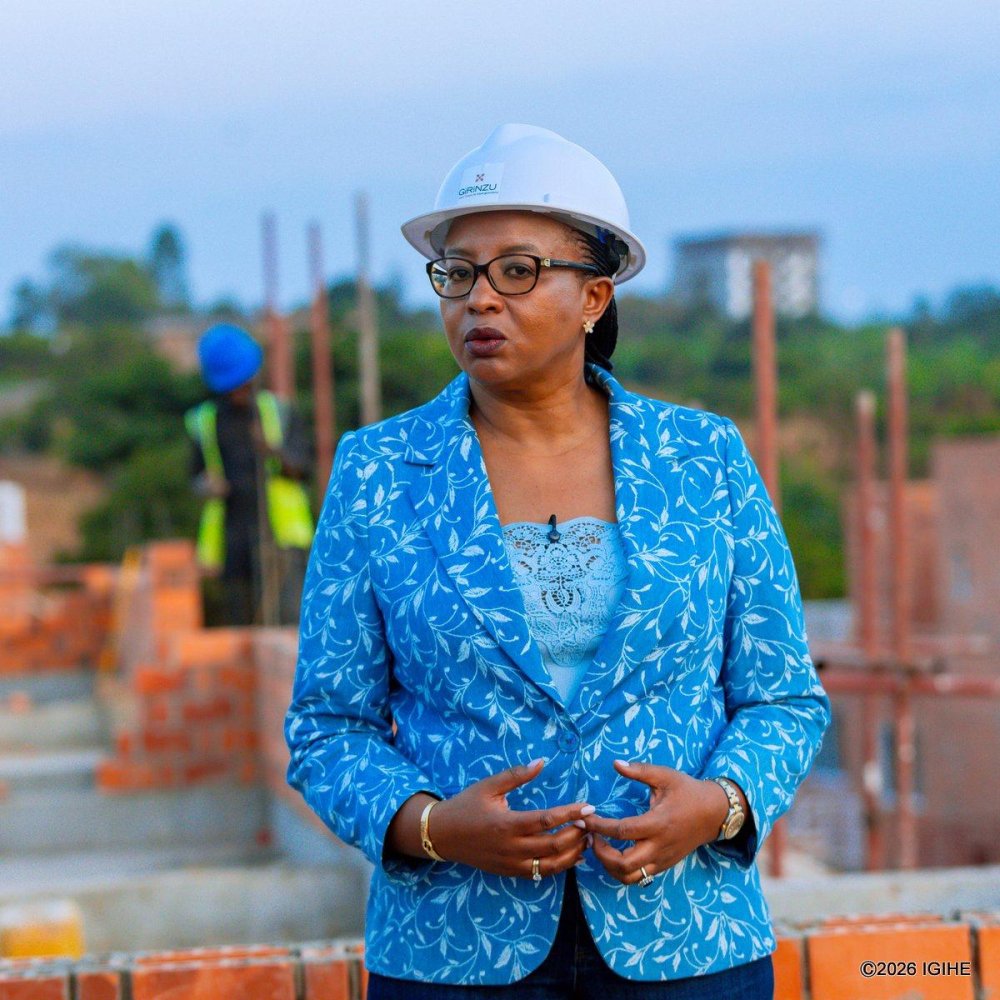
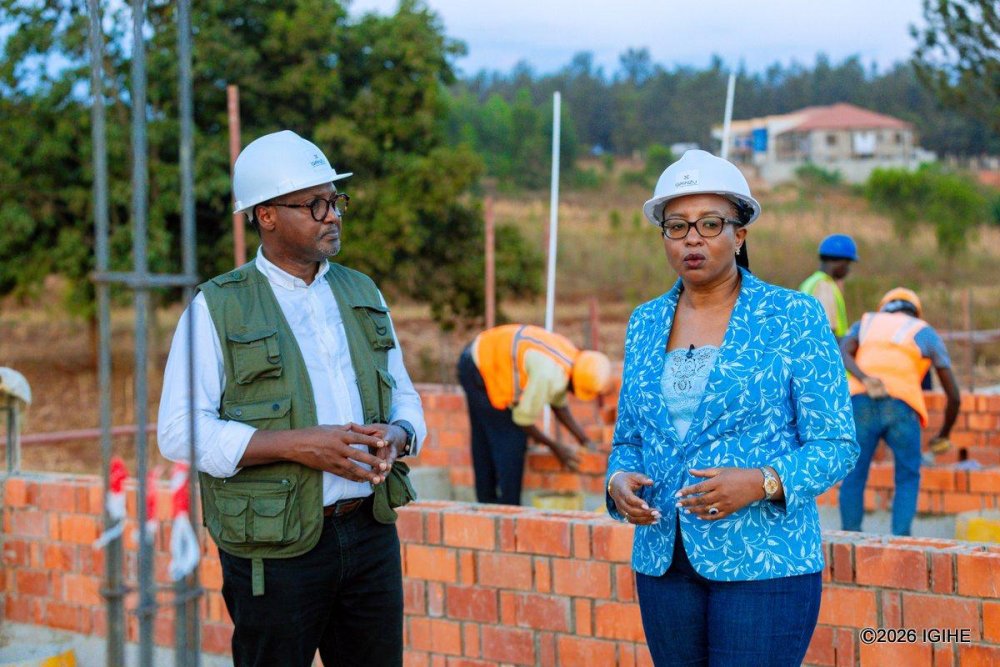
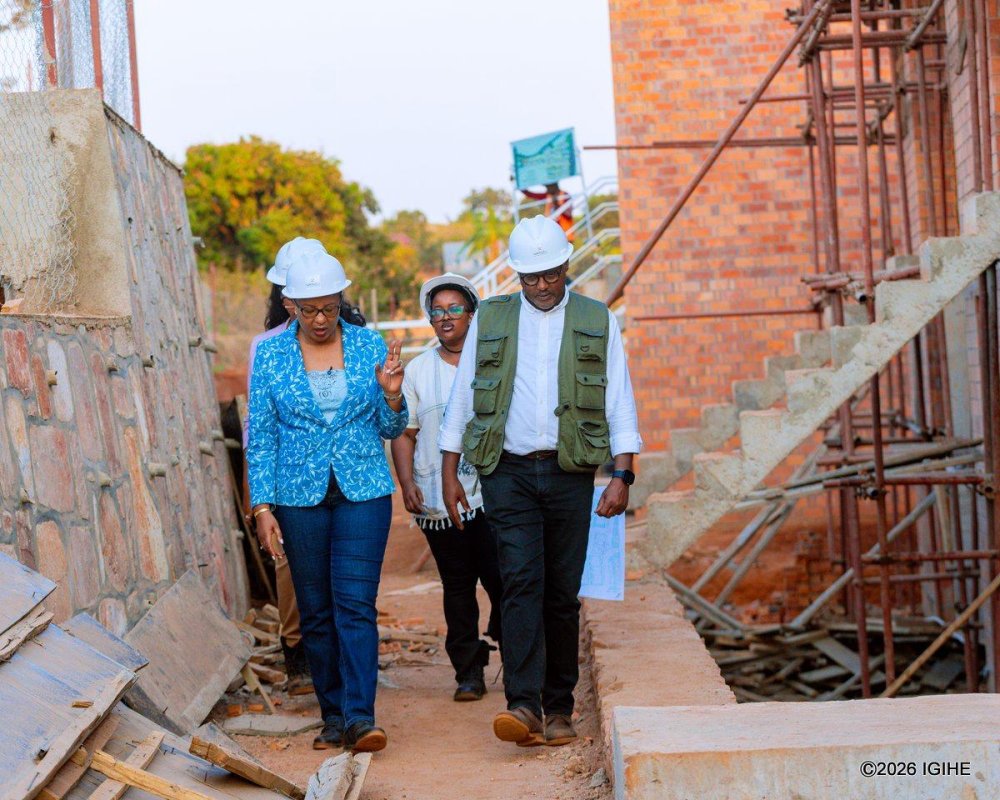
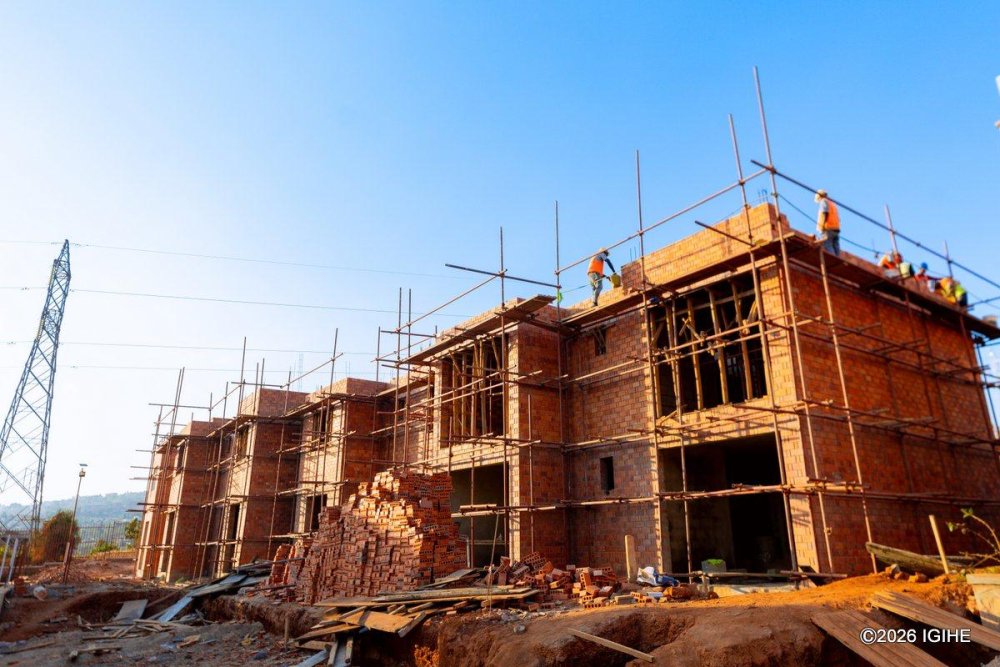
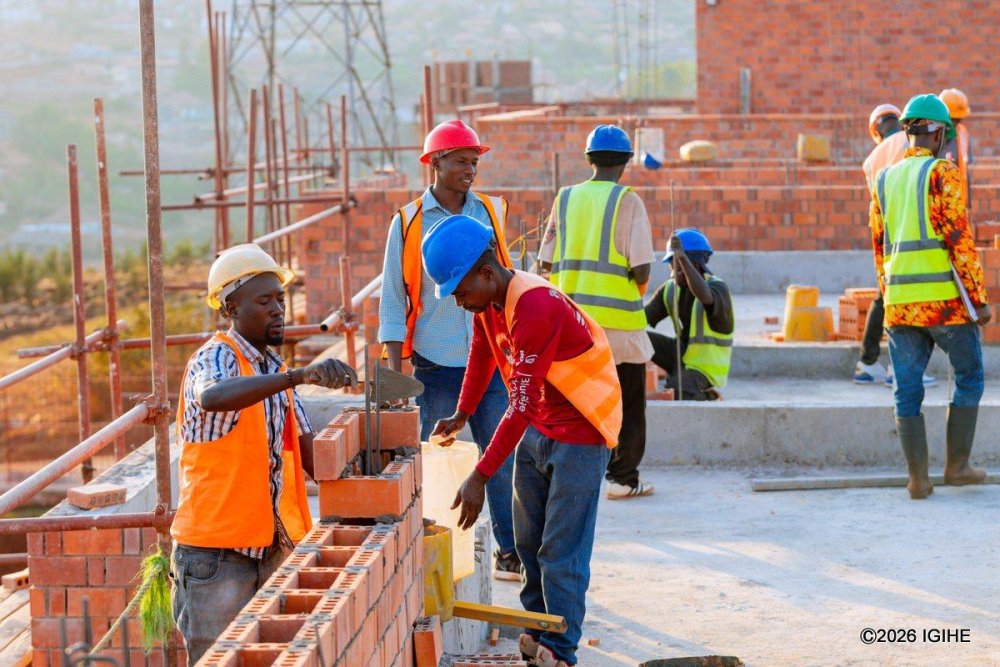
The company’s founder and Chief Executive Officer, Jackeline Wibabara, said the first project, located in Gahanga Sector, Kicukiro District, was successfully completed, with all 90 homes sold and occupied.
GIRINZU is a five-year-old real estate company involved in construction and helping people living in Rwanda and abroad access quality housing.
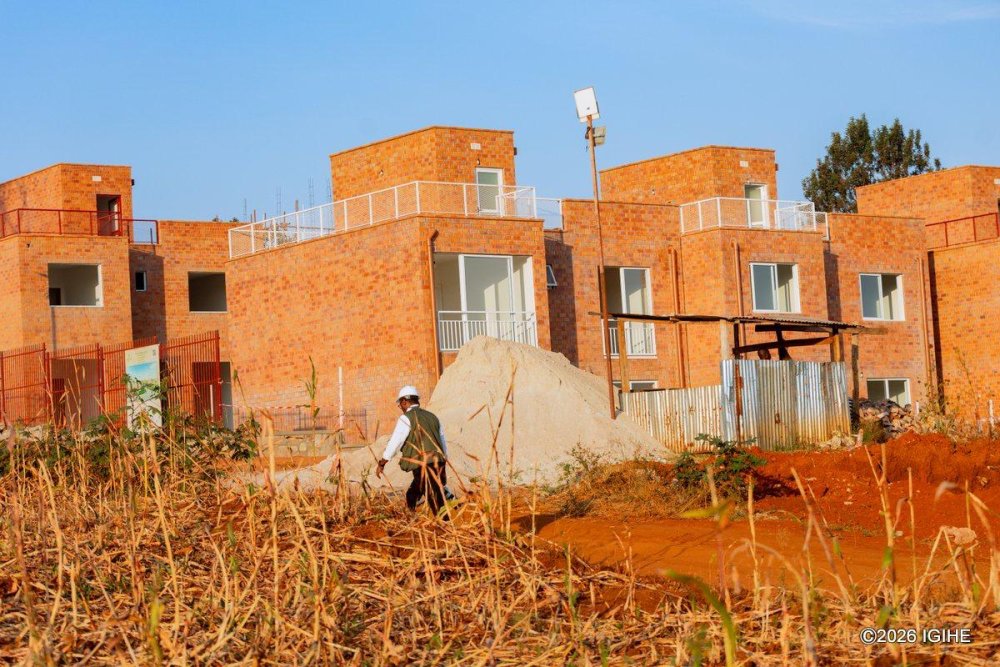
Wibabara said the successful completion and sale of all homes in Umutuzo had encouraged the company to begin a second project, known as Aheza.
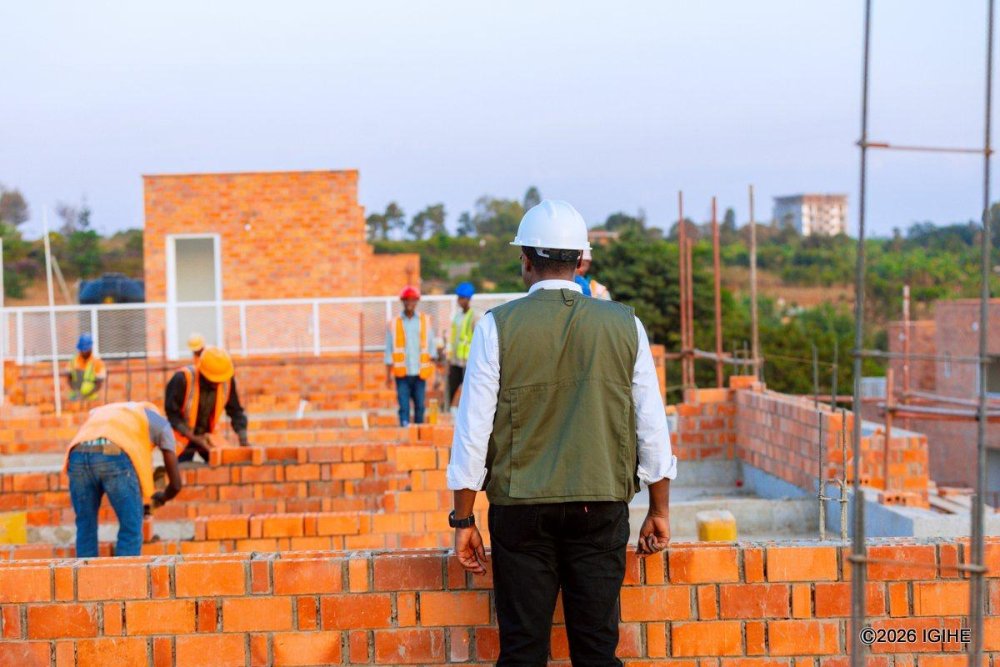
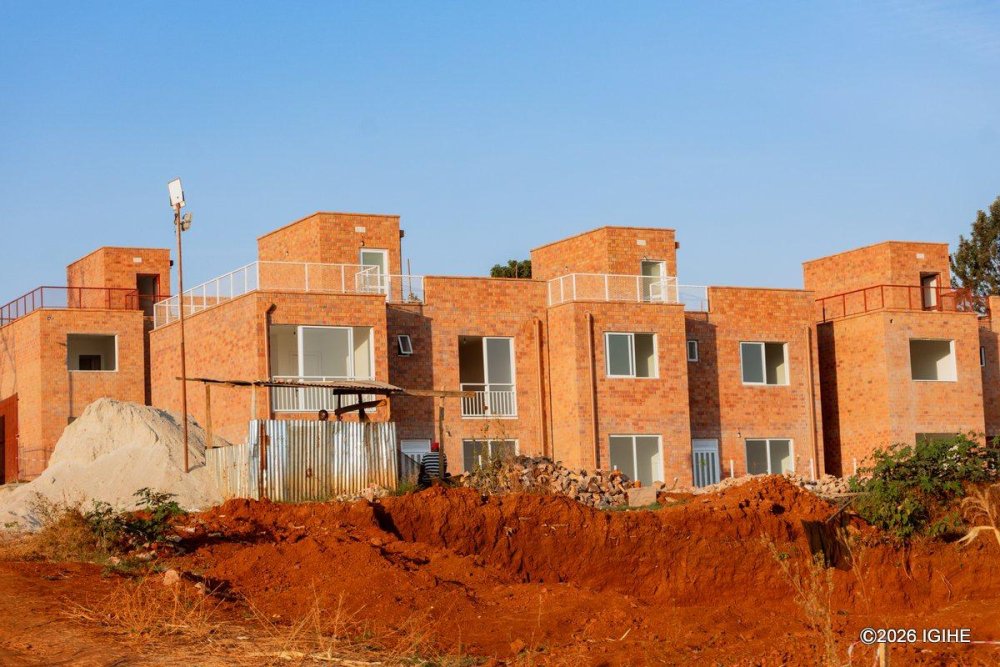
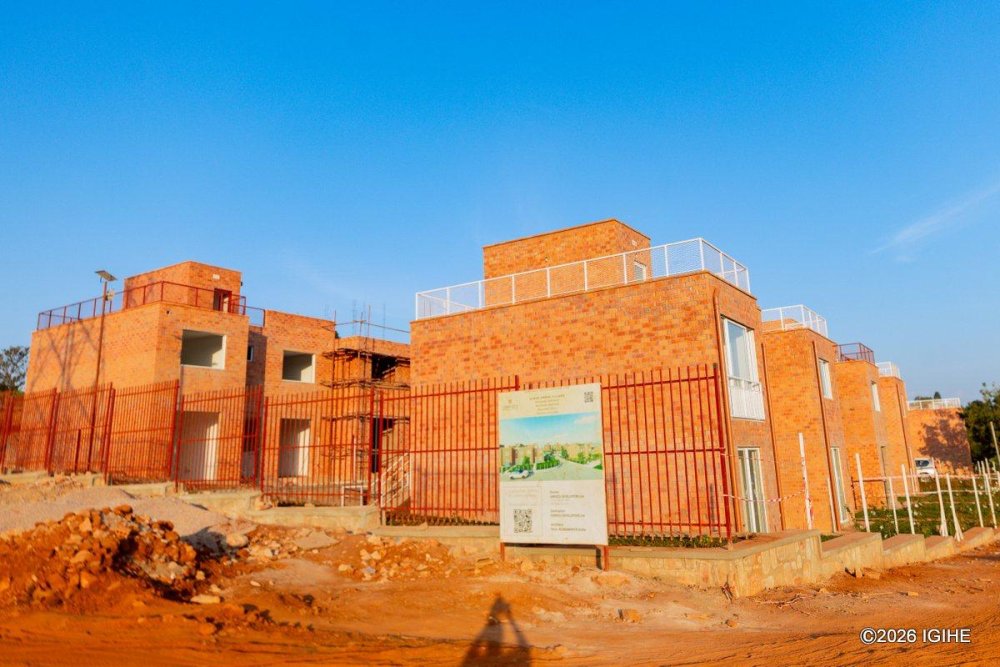
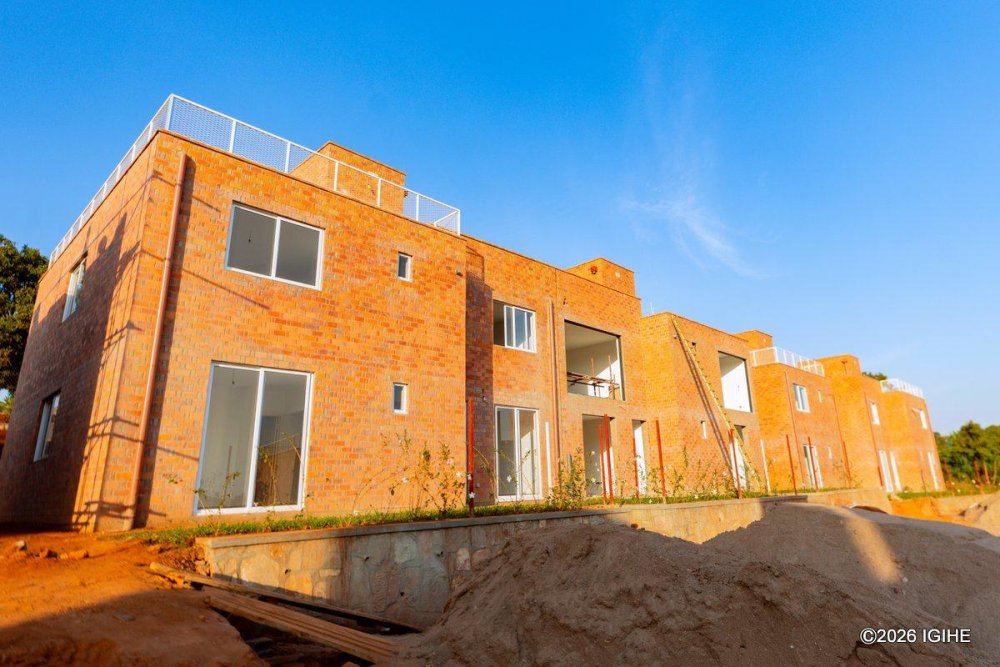
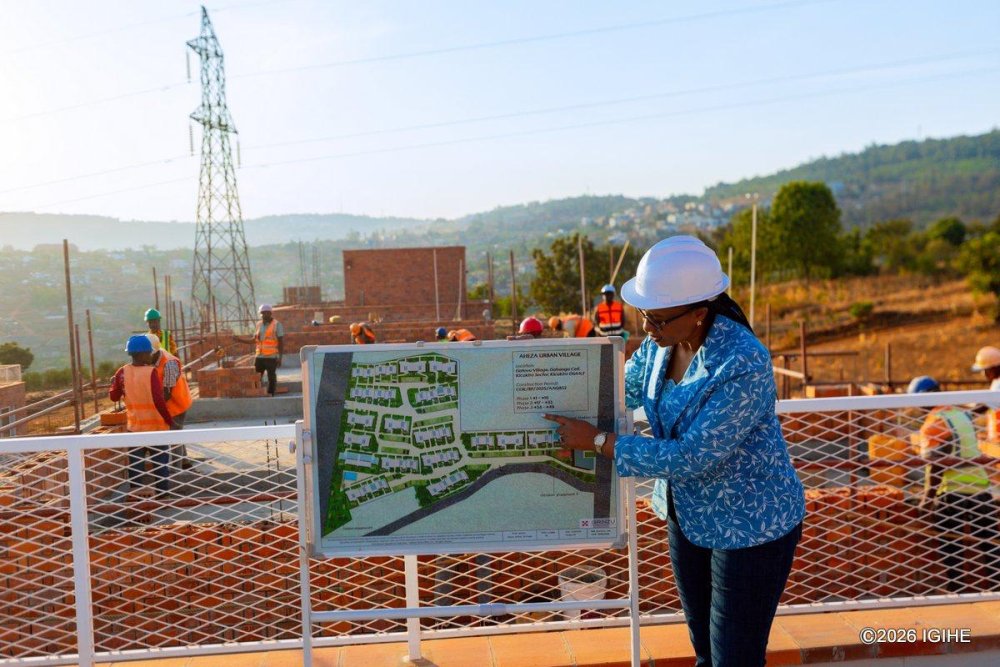
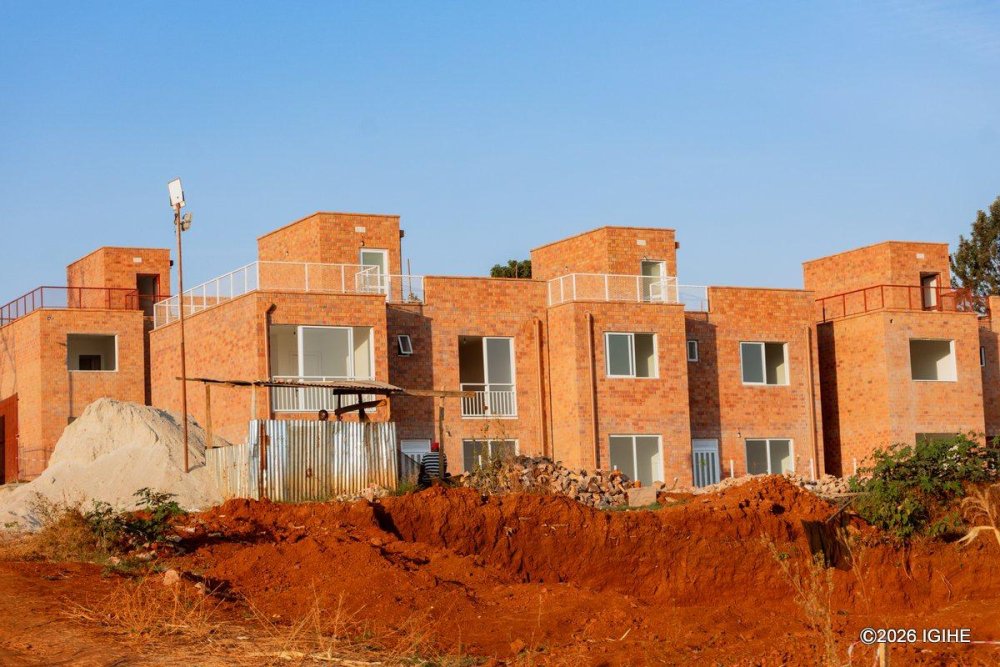
“At GIRINZU, as usual, we first conducted an in-depth feasibility study for the Gahanga 2 project, just as we did for the first project. In that study, we pay particular attention to how water flows through the land and the terrain before beginning construction. In Gahanga 2, which we call Aheza, we have already built 33 houses. So far, 85% of the homes have been sold, and the project is planned to have 114 houses,” she said.
She explained that the homes attract buyers even before construction is completed because early buyers can benefit from lower prices.
“The earlier people buy, the greater the opportunity to buy at lower prices. You can see how the international market is performing; transportation has been affected by the war in Iran, causing prices to rise. Although we use many locally produced construction materials, some materials are sourced from abroad,” Wibabara said.
She added that property investment can generate significant returns over time.
“Someone recently sold their house and made a 40% profit. No bank would give you an interest return of that level. Therefore, someone who buys a house early is effectively saving for themselves. For example, in this new Aheza Village that we are building in Gatovu, a 400-square-metre plot used to cost Rwf 15 million, but it now costs at least Rwf 42 million, with some going for Rwf 45 million, without anything else built on them,” she said.
Wibabara said Aheza Village would, like the first Gahanga development, provide adequate parking for residents and their visitors, electric vehicle charging facilities and recreational spaces for children, including different playgrounds.
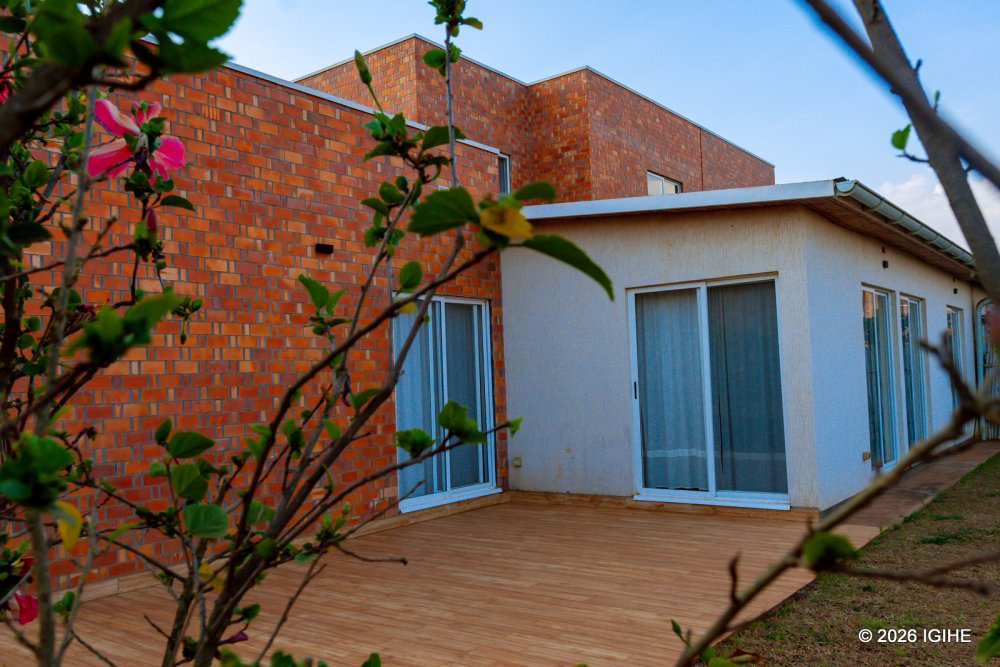
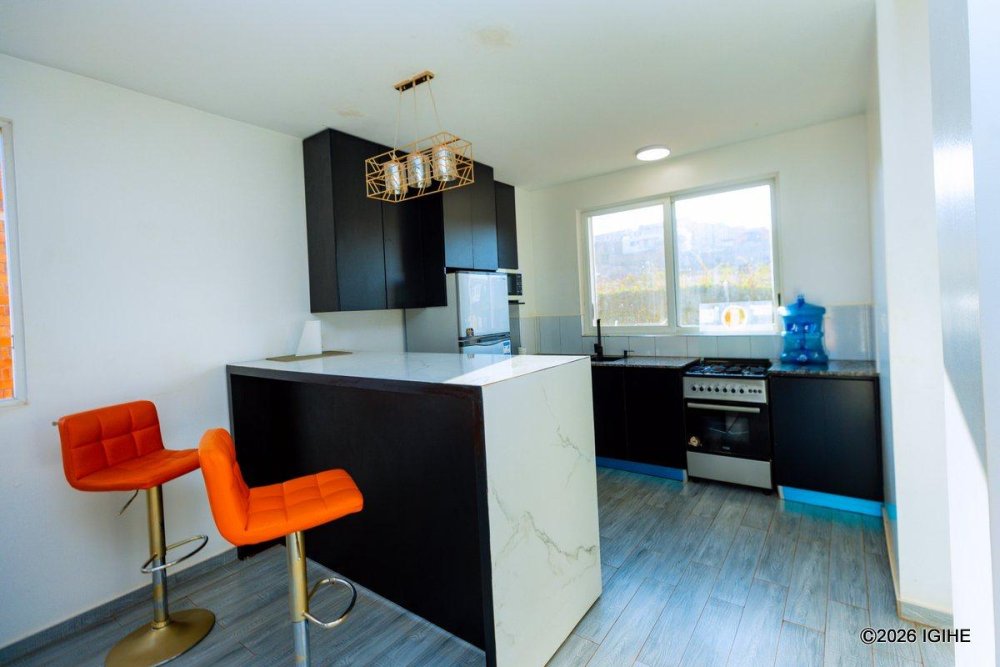
Aheza will comprise homes with between two and four bedrooms. All houses will have kitchens, indoor toilets and bathrooms, as well as outdoor gardens. Prices start at Rwf 86.8 million.
“When we build estates, we divide them into phases so that a completed phase is not disrupted by other phases that are still under construction. We want people to get their homes as early as possible. In Aheza too, the first phase has been completed and someone has already moved in,” Wibabara said.
Buyers from Rwanda and abroad
Alice Durand Gahunga, who lives in France, is among the people who bought a home early in Umutuzo Village. She said she chose GIRINZU because she wanted to have a home in Rwanda.
“My husband and I wanted to have a place we could call home in this country. But when you live far away, in Europe, building a house is not easy. After learning about the GIRINZU project, we took time to gather enough information and conduct thorough due diligence before buying. We are now living there,” she said.
Gahunga said she was happy to once again live in a community where she could interact with neighbours, hear children playing and enjoy a safe environment, particularly in Rwanda, her home country.
She added that she was also pleased to invest her money in a secure country. According to her, many Rwandans who have lived abroad for years want to own homes in Rwanda, either to live in when they return home or to rent out and generate income.
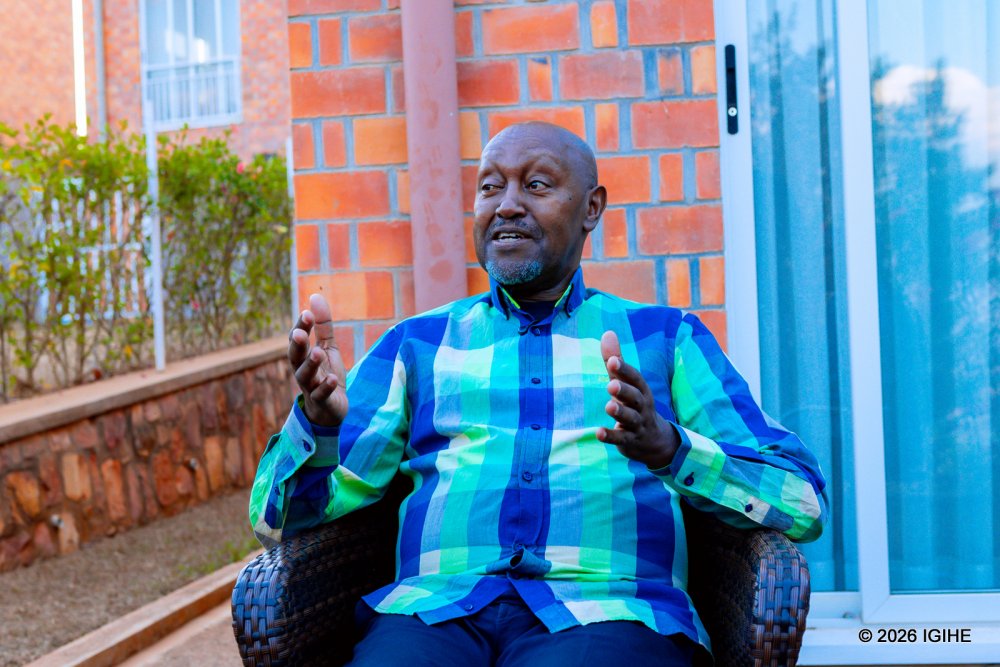
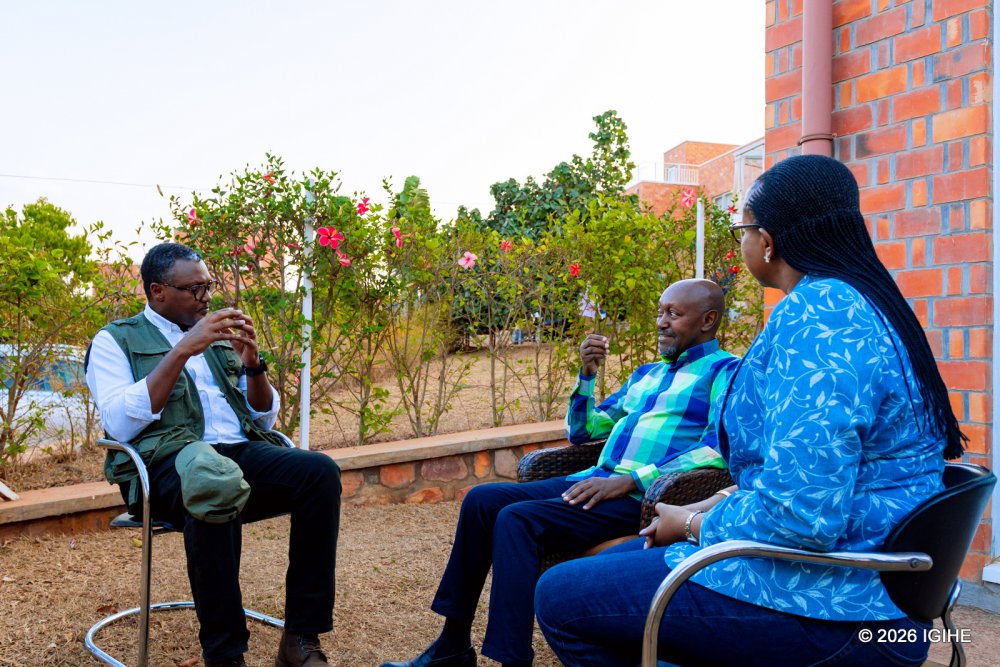
Mukunzi Rupia Jean, another resident of Umutuzo Village, shared his experience with IGIHE.
He said he had lived in different places and countries but had never found a community quite like Umutuzo because of the many advantages it offers.
“I am getting older, and I wanted a place where I could have neighbours, and I found them here. GIRINZU has brought us together; many of us participate in different activities that we organise. We also share many common values, even though we come from different parts of the world,” he said.
“The challenge we currently have is the road coming from the upper side, but the main tarmac road will also reach here before long.”
Different housing options
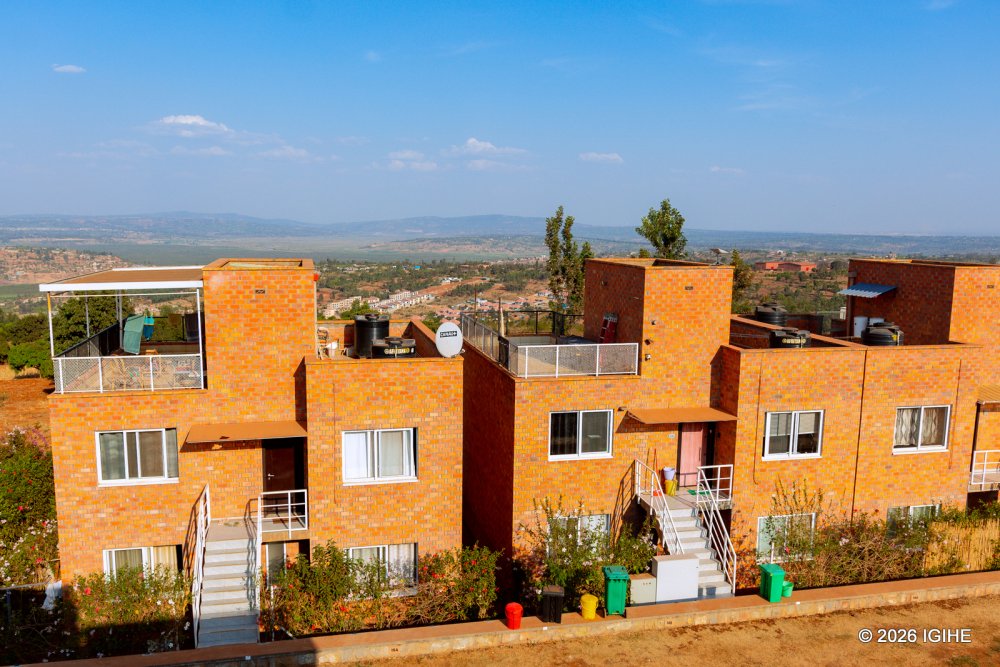
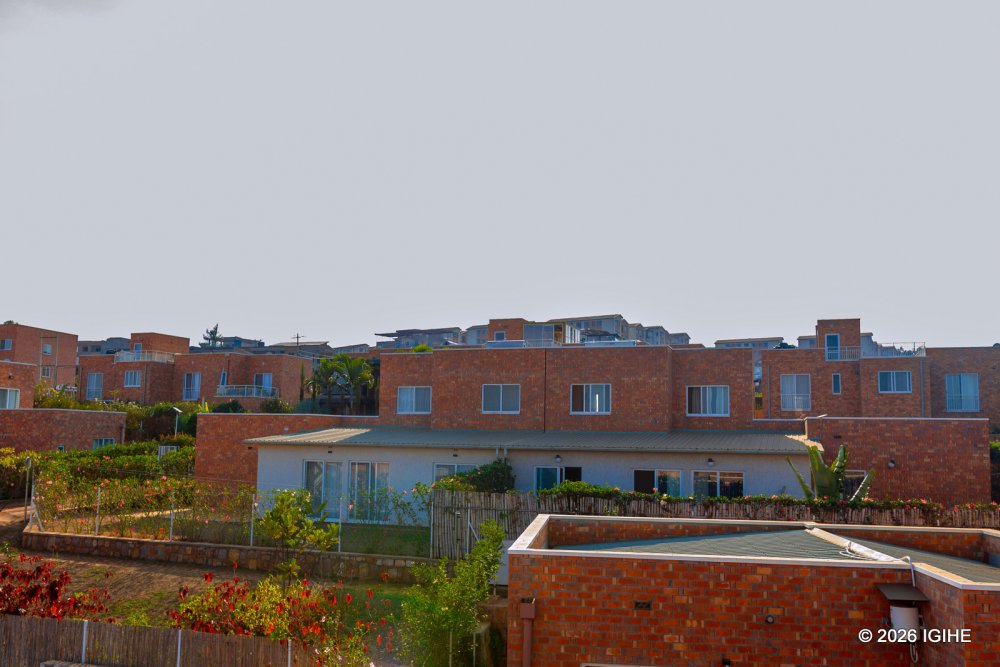
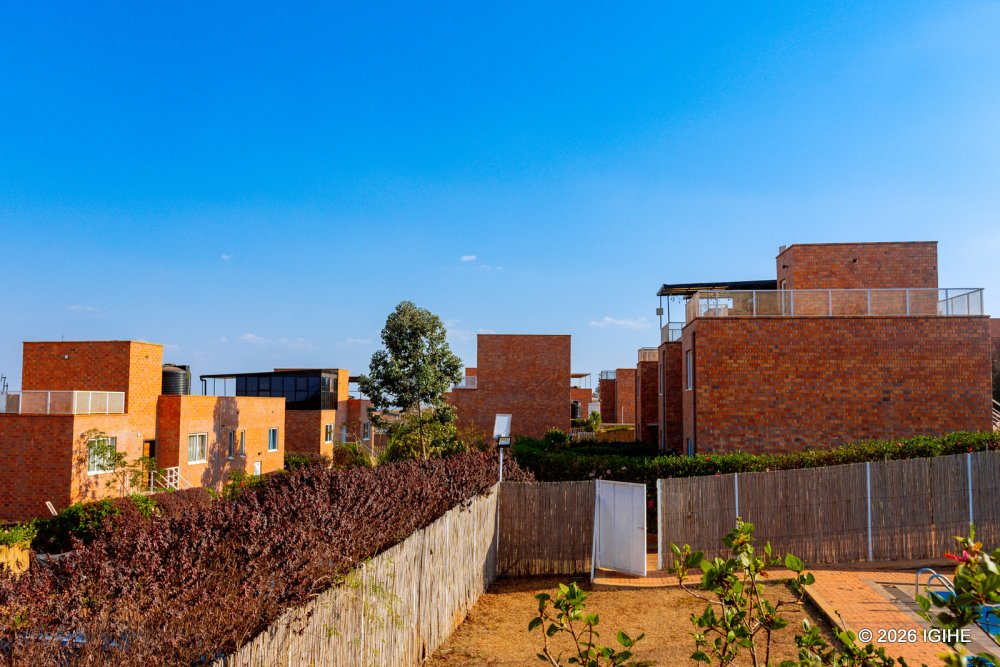
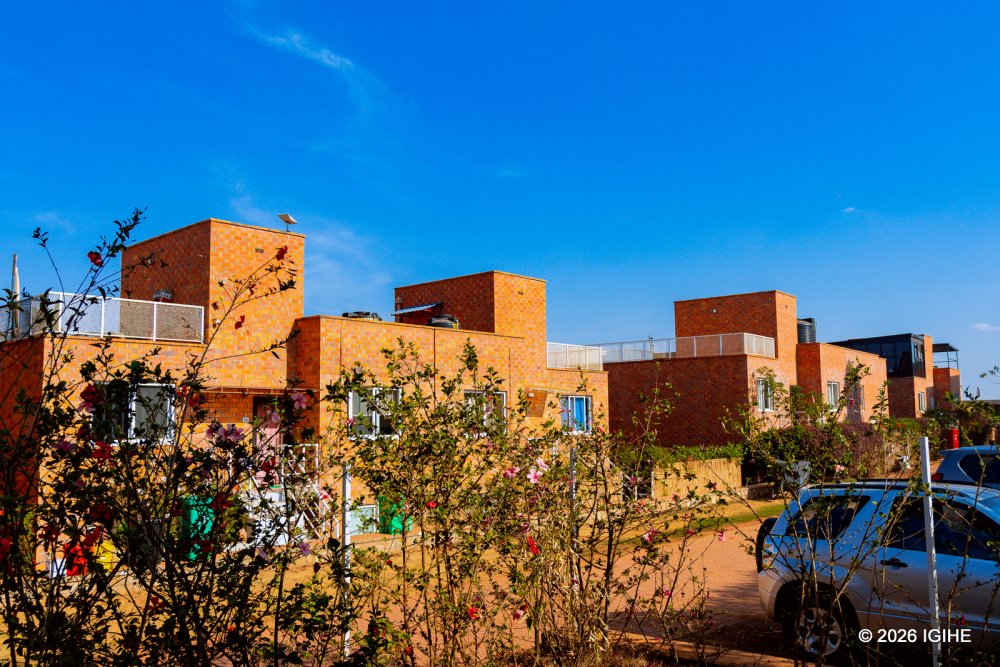
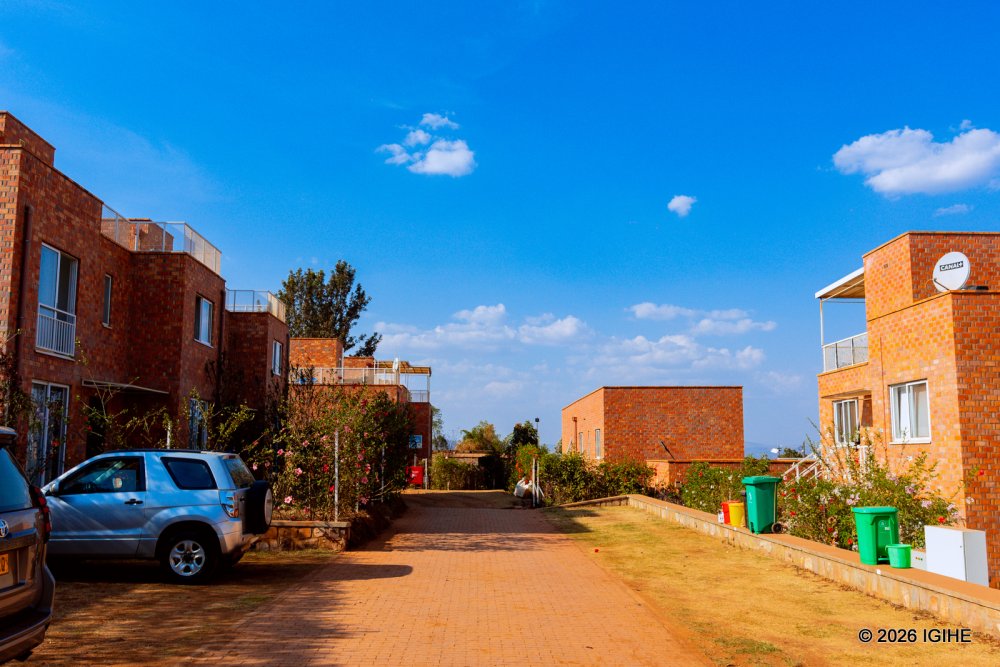
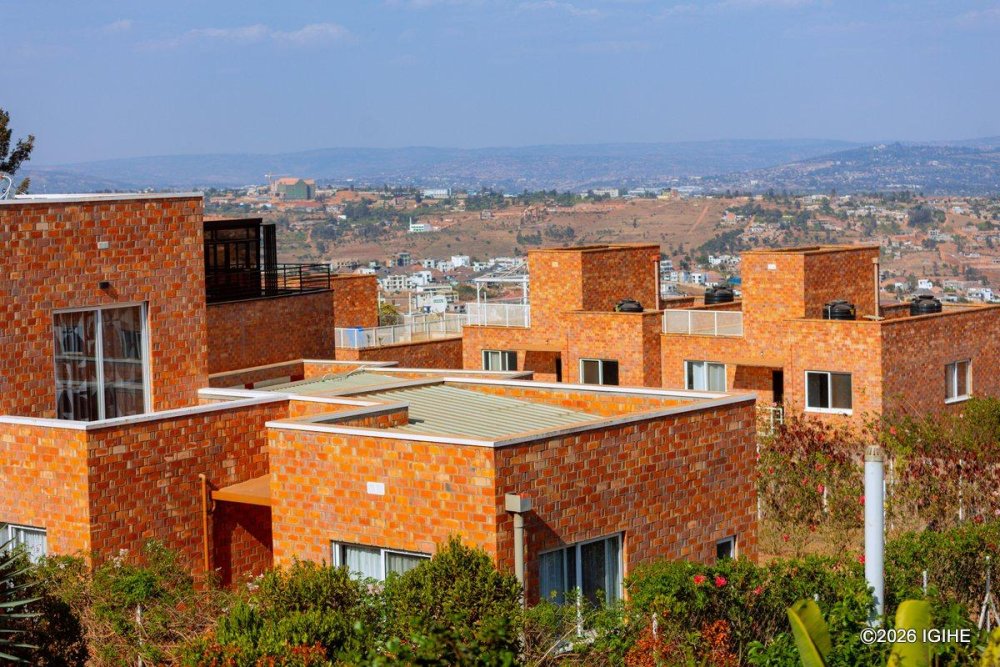
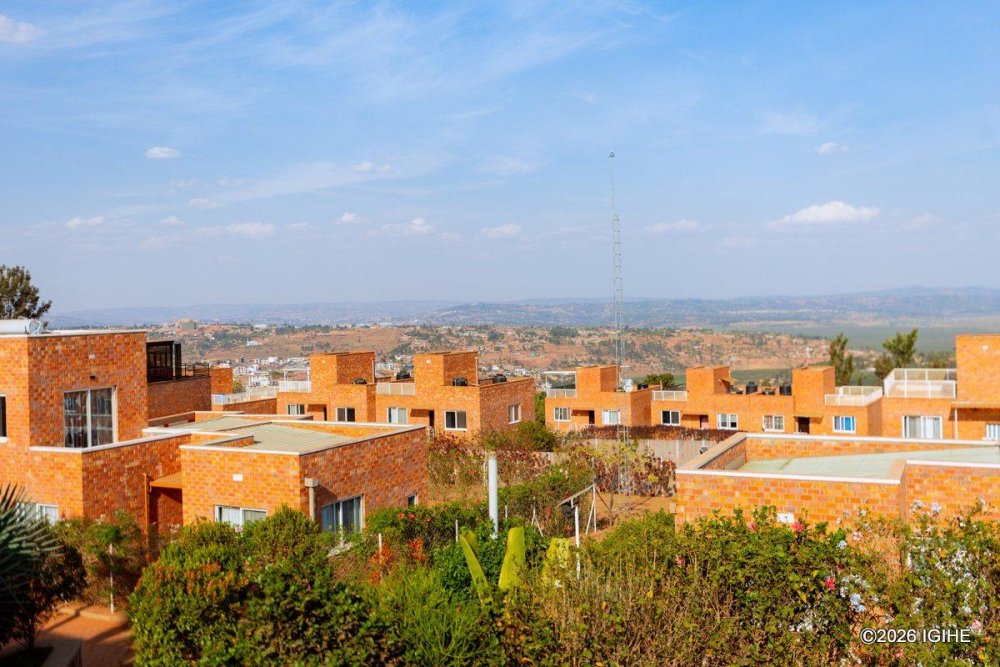
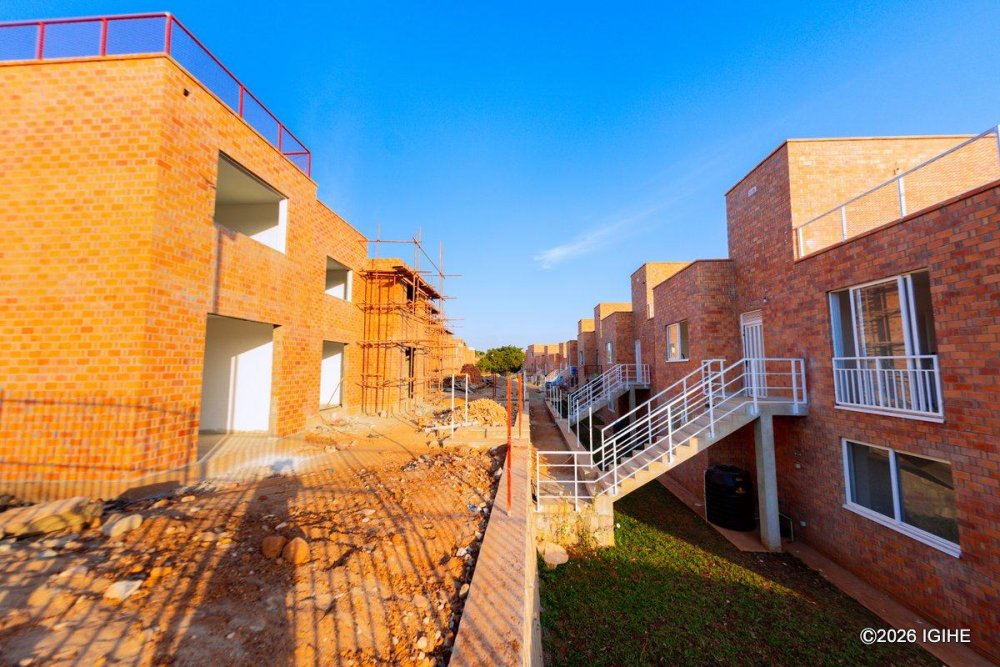
Umutuzo Village occupies two hectares and consists of three categories of homes designed to give buyers options based on their needs and financial capacity.
The first category comprises two-bedroom homes with a living room, one modern bathroom, a kitchen and a landscaped garden.
The second category consists of two-storey homes, each with three bedrooms, a living room, a bathroom and a landscaped garden.
The third category comprises four-bedroom homes with a living room, two bathrooms, a modern kitchen and a spacious garden.
At Aheza Estate, most homes in the first phase have already been sold, while registration for buyers interested in the second phase has started. Buyers are required to make an initial payment of 10% of the home’s value.
The project offers different housing options, ranging from two-bedroom homes starting at $59,800 to four- or five-bedroom villas priced at $175,000.
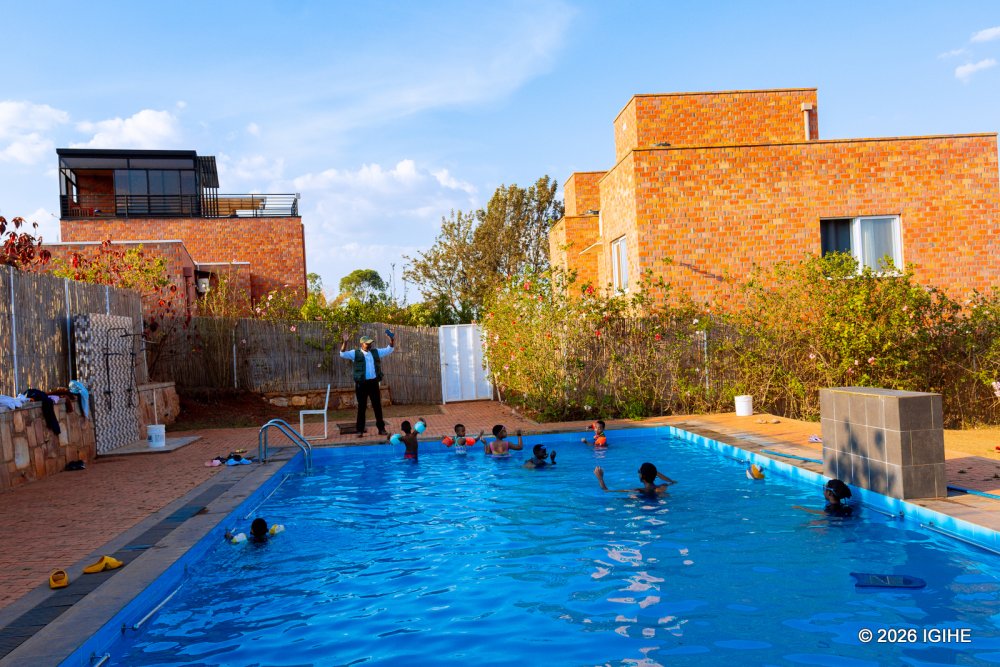
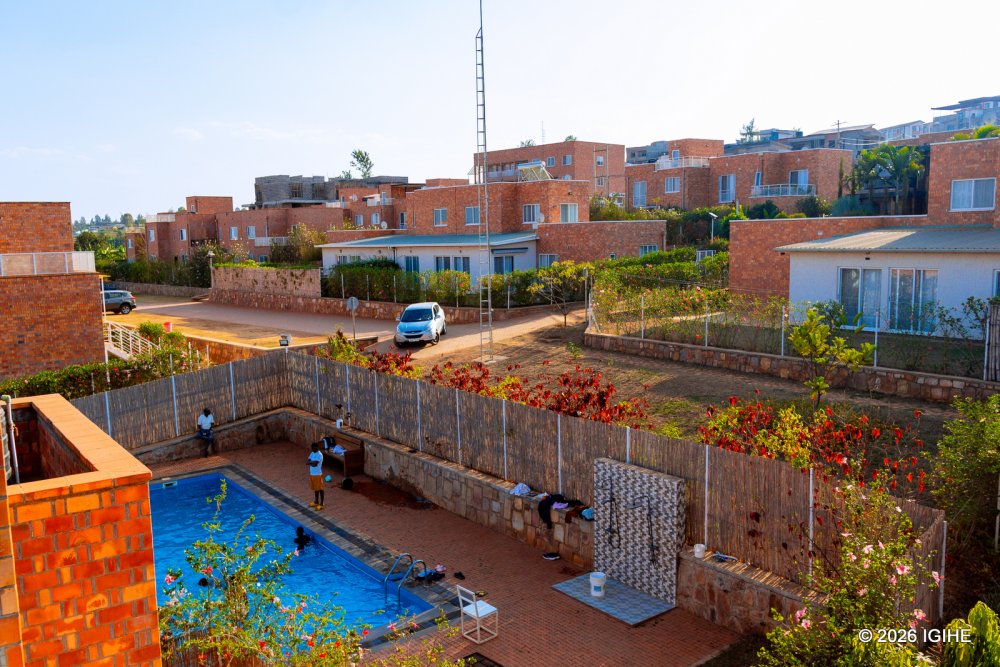
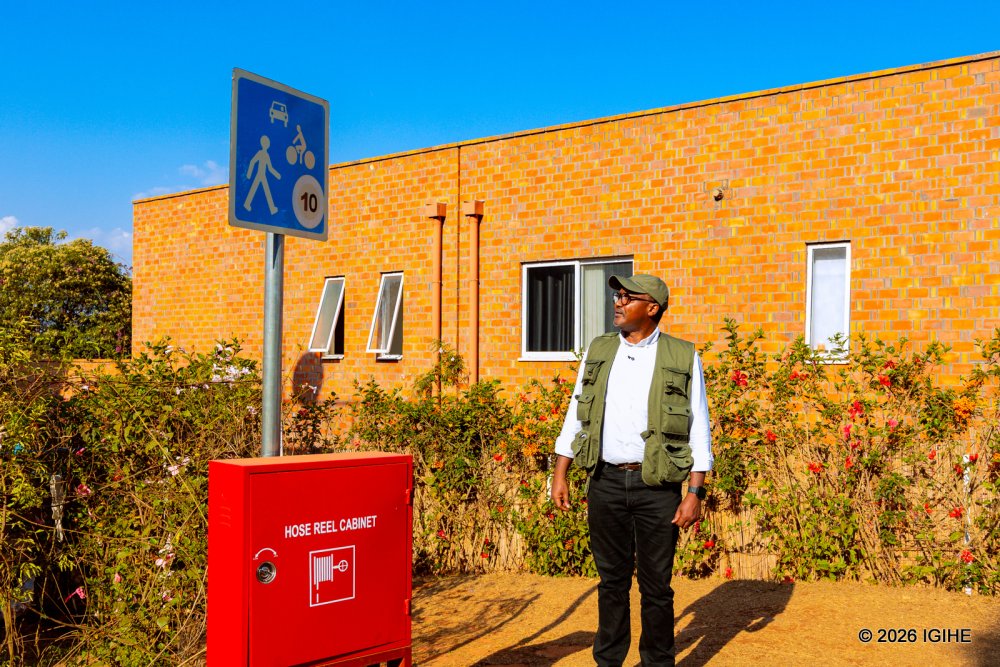
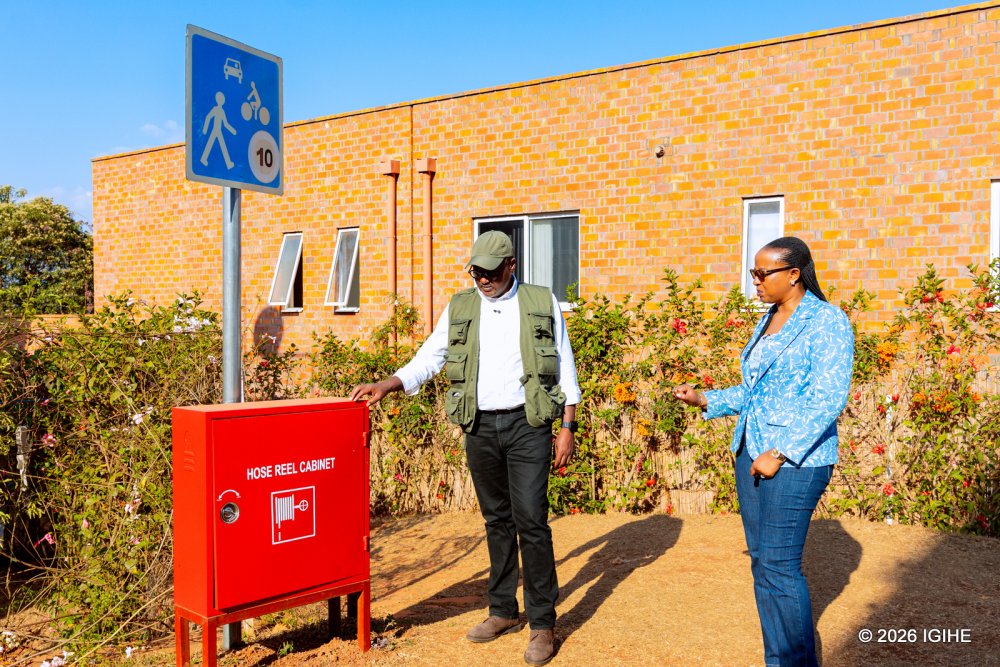
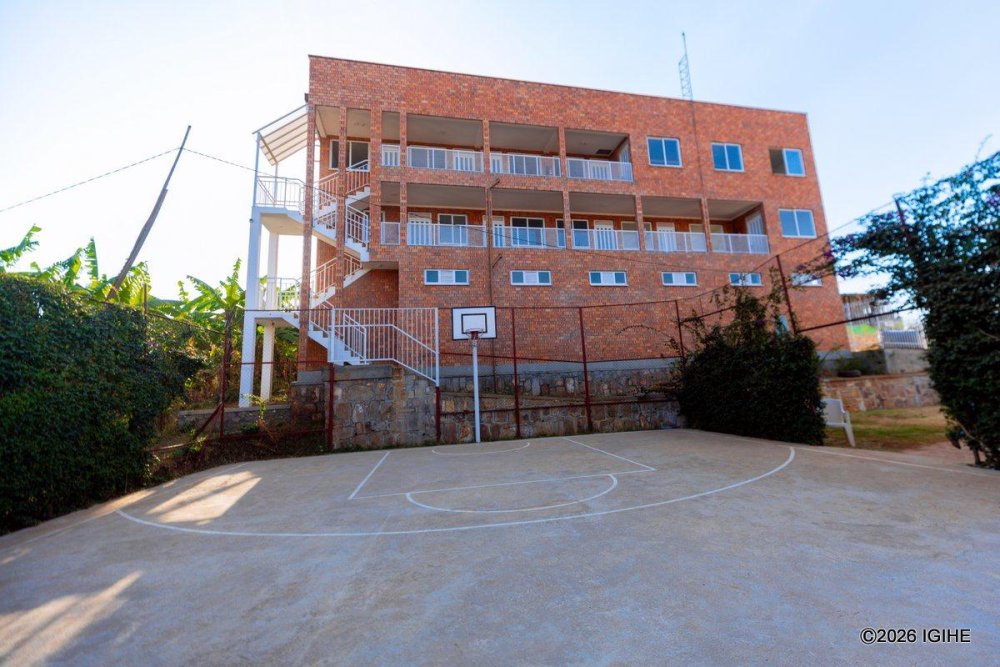
Aheza Estate has been designed as a modern and environmentally conscious residential community. It will include a swimming pool, basketball court, outdoor gym, children’s playground, shops, pedestrian and cycling paths, a car wash and electric vehicle charging facilities.
The estate will also have 24-hour security and two access gates. GIRINZU offers flexible payment arrangements while homes are under construction. Construction of an individual house takes between seven and eight months.
The company also has partnerships with Rwandan banks, including Bank of Kigali and I&M Bank, to help buyers access housing loans at preferential interest rates.
To make it easier for buyers, particularly Rwandans living abroad, GIRINZU offers virtual home viewing and allows contracts to be signed electronically. Plots and houses are allocated based on the order in which buyers make their requests.
The company also offers discounts to buyers who pay at least 75% of the home’s value upfront when signing the purchase agreement, as well as buyers who purchase an entire building comprising two homes.
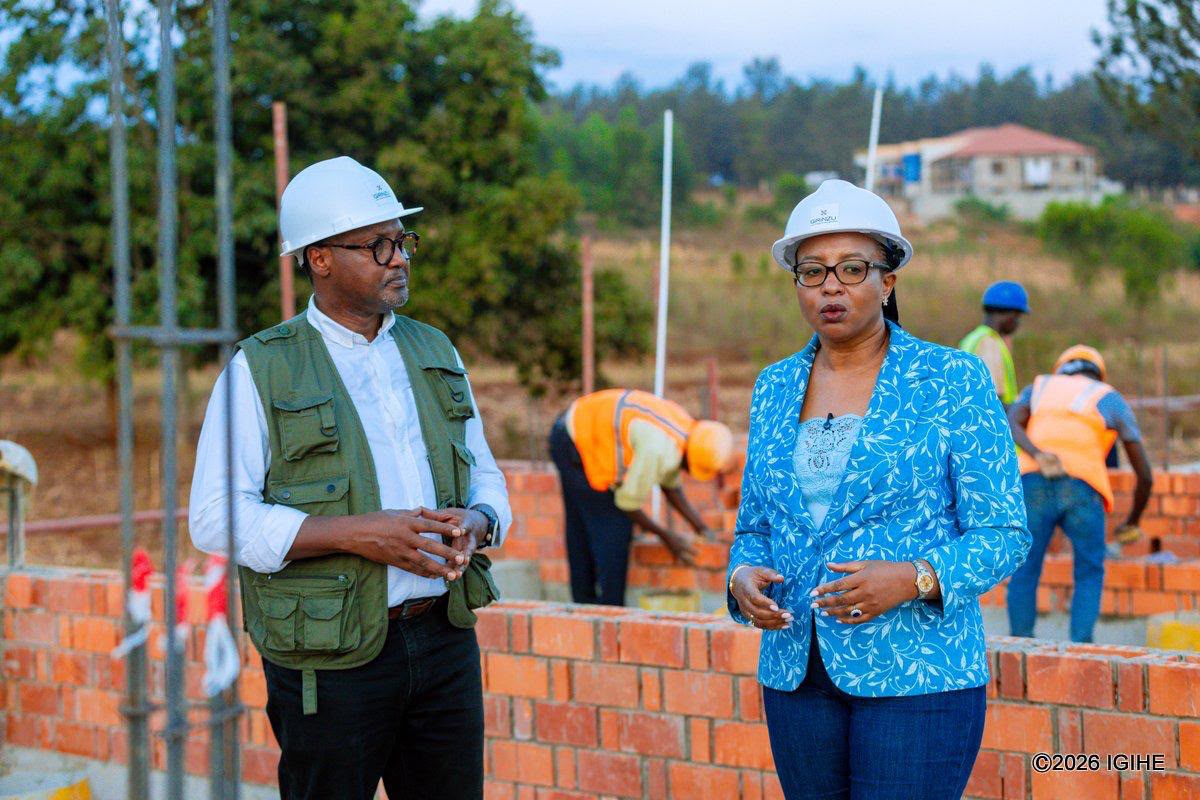
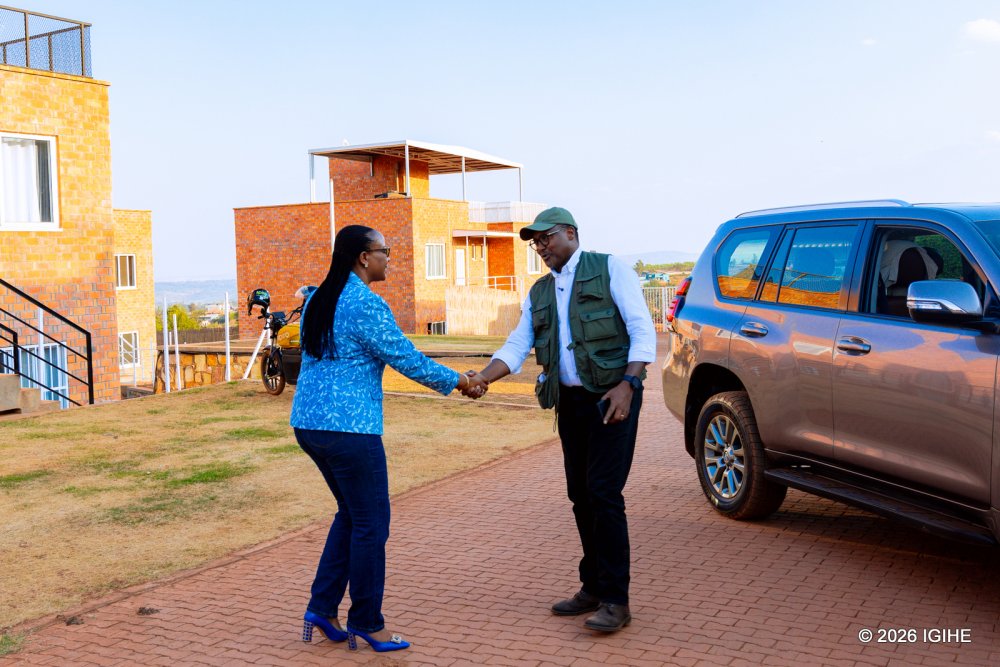
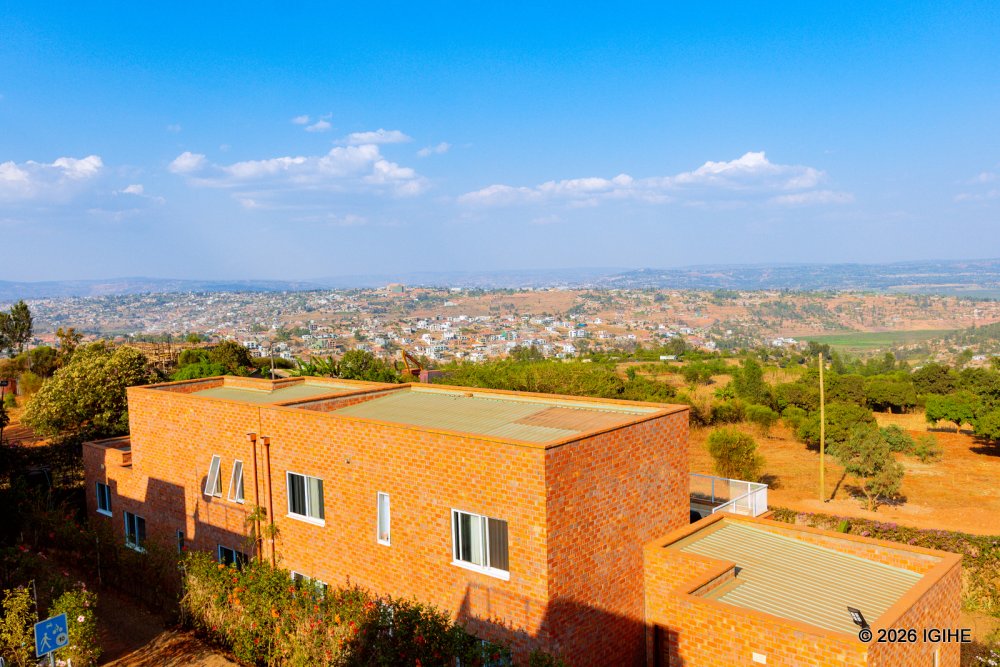
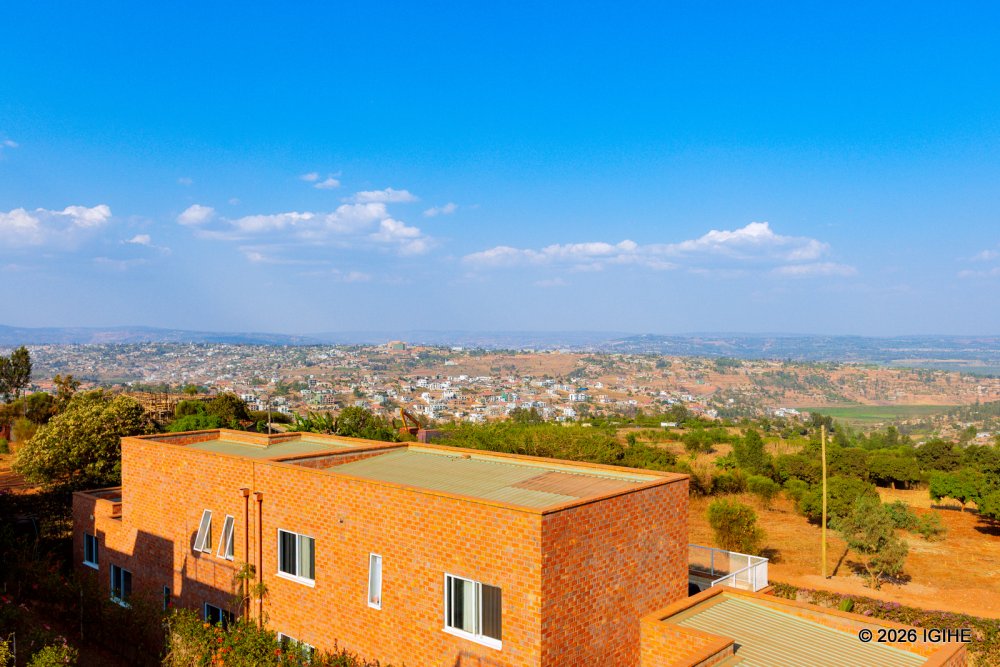
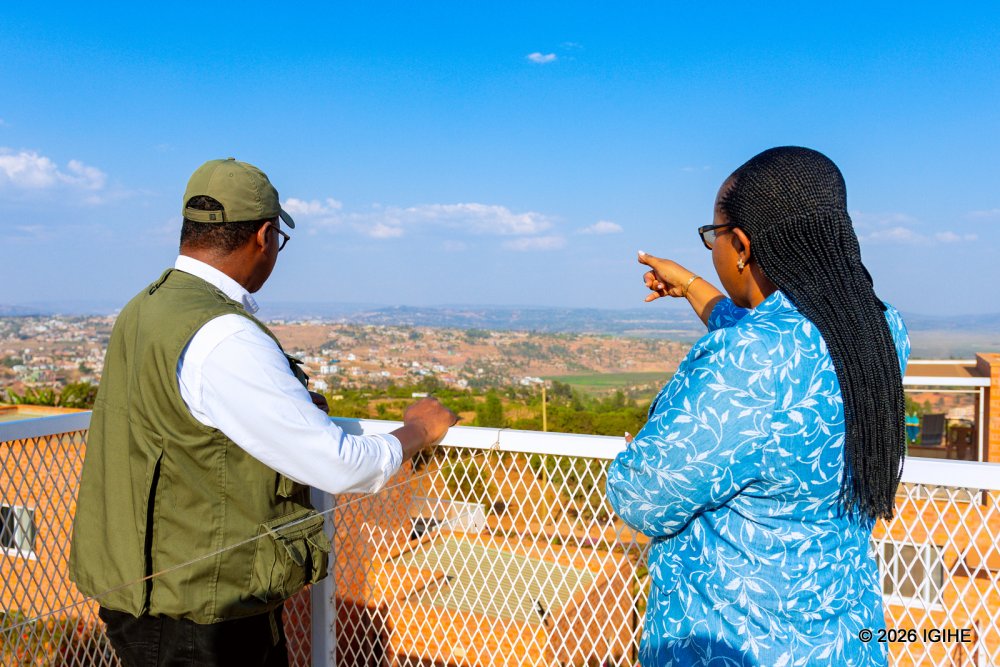
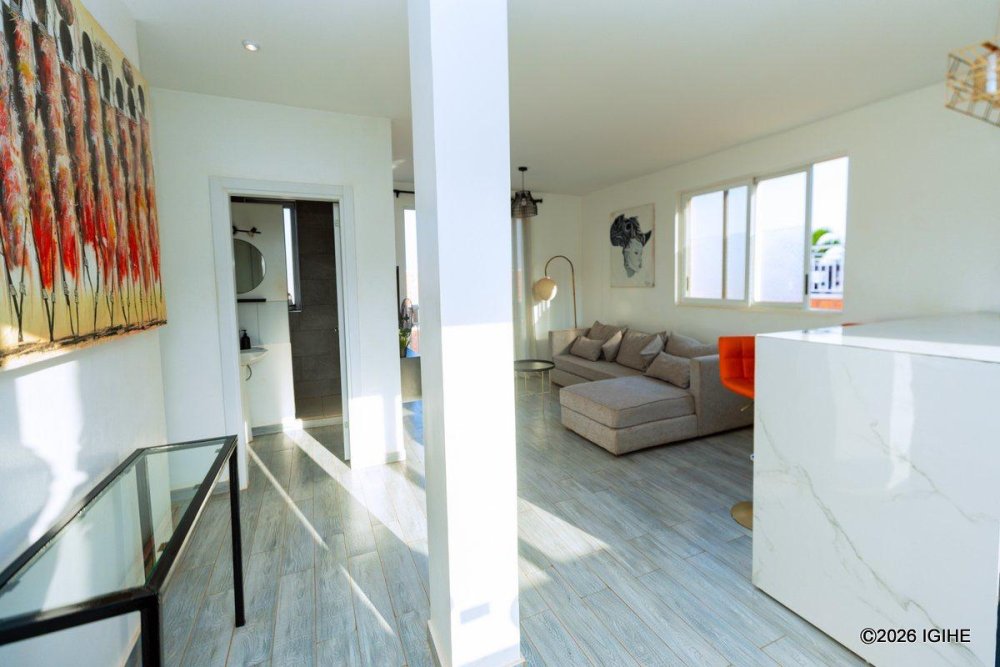
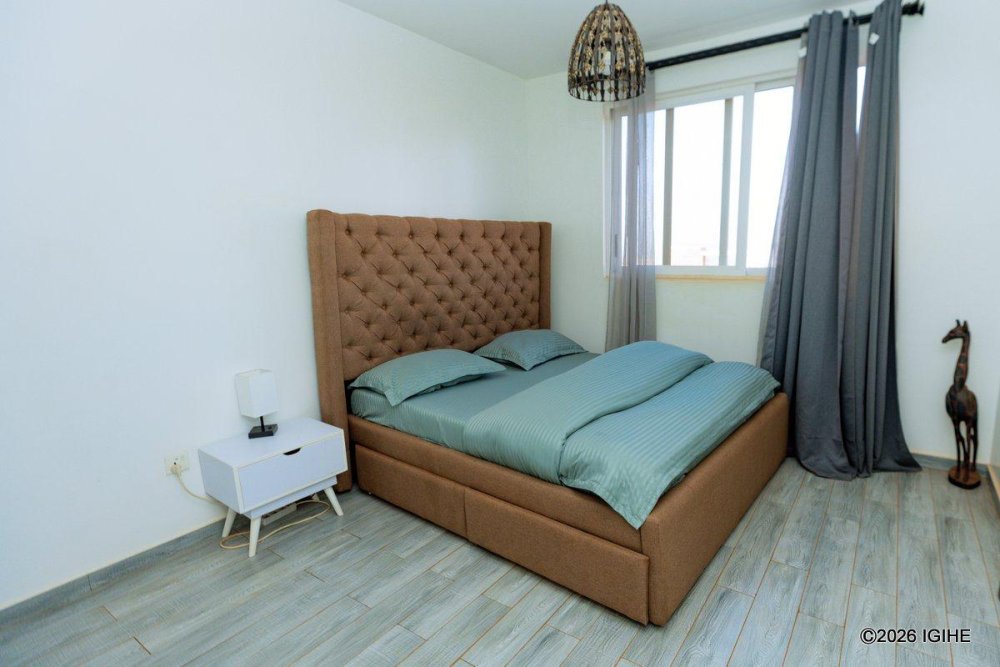
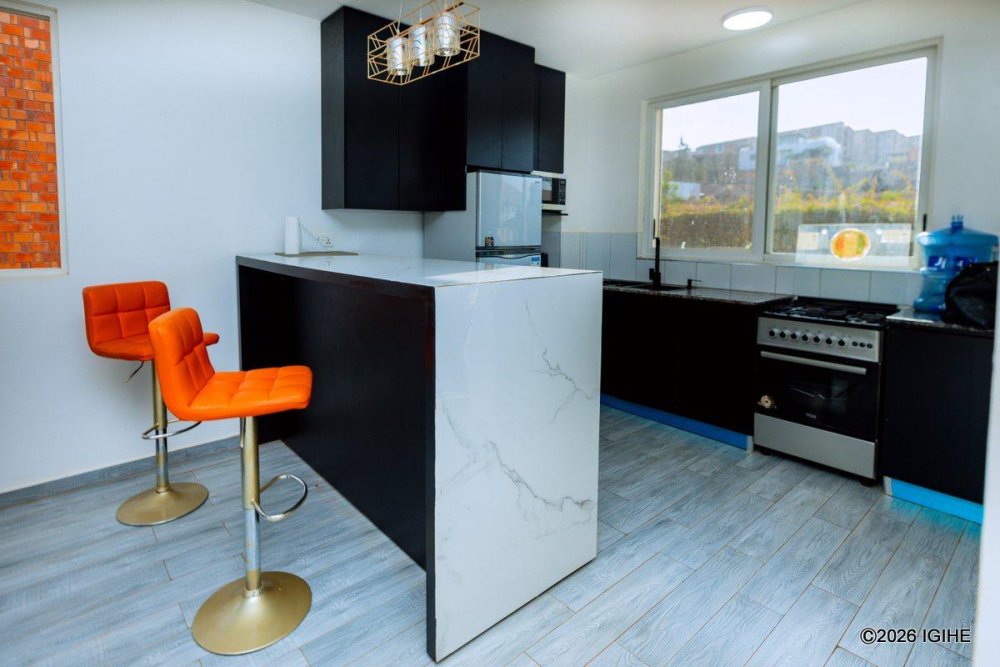
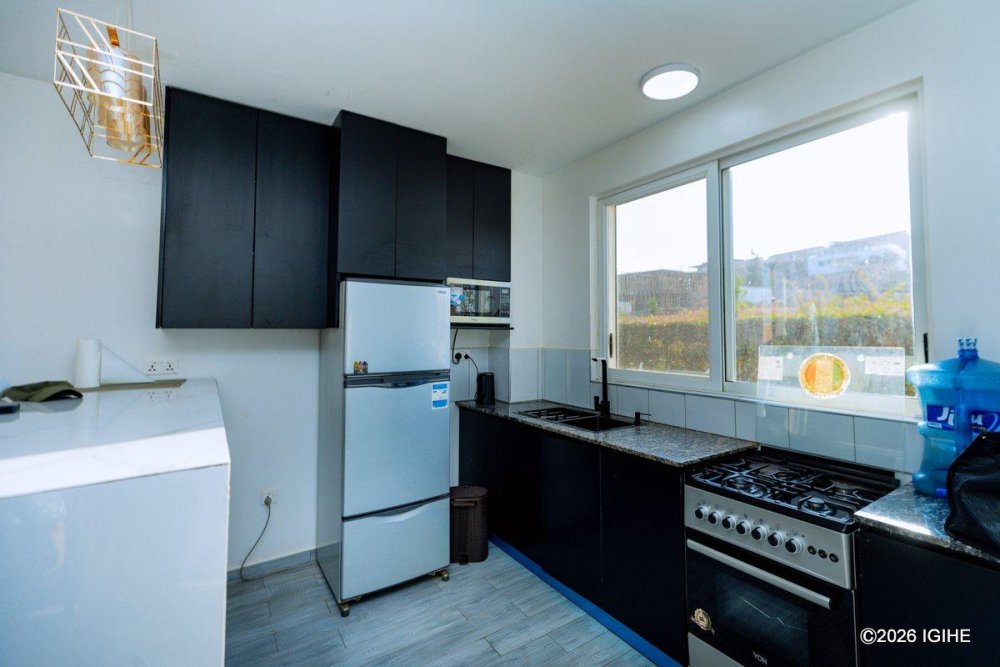
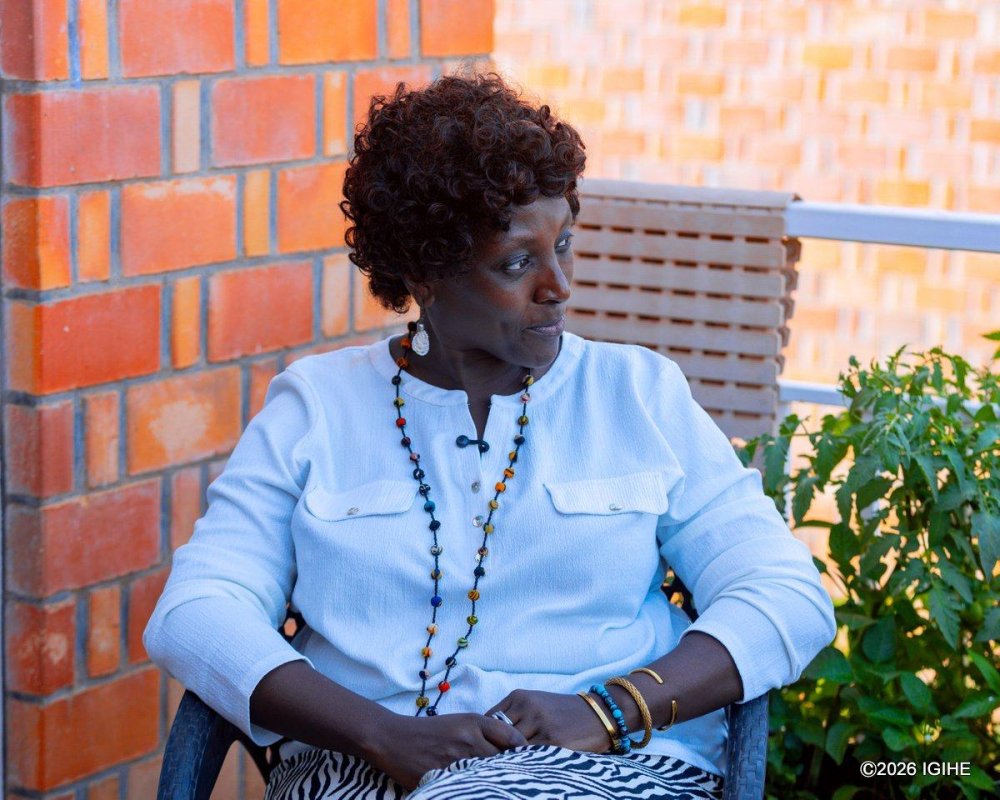
GIRINZU founder and CEO Me Jackeline Wibabara welcomes IGIHE journalist on siteChildren and adults can be seen enjoying the swimming pool and other shared facilities at the village.Residents of GIRINZU homes can enjoy views of different parts of Kicukiro District, Bugesera District and beyond.GIRINZU places the safety and security of residents and their property among its priorities.Mukunzi Rupia Jean, head of residents’ association at Umutuzo Village, speaks to IGIHE.The interior of one of the homes purchased at Umutuzo Village.Alice Durand Gahunga, a resident of Umutuzo Village, is pleased with her home in the GIRINZU community. She lives in France.Alice Durand Gahunga, who lives in France, was among the early buyers at Umutuzo Village. GIRINZU CEO Me Jackeline Wibabara explains the Gahanga 2 development to IGIHE journalist.
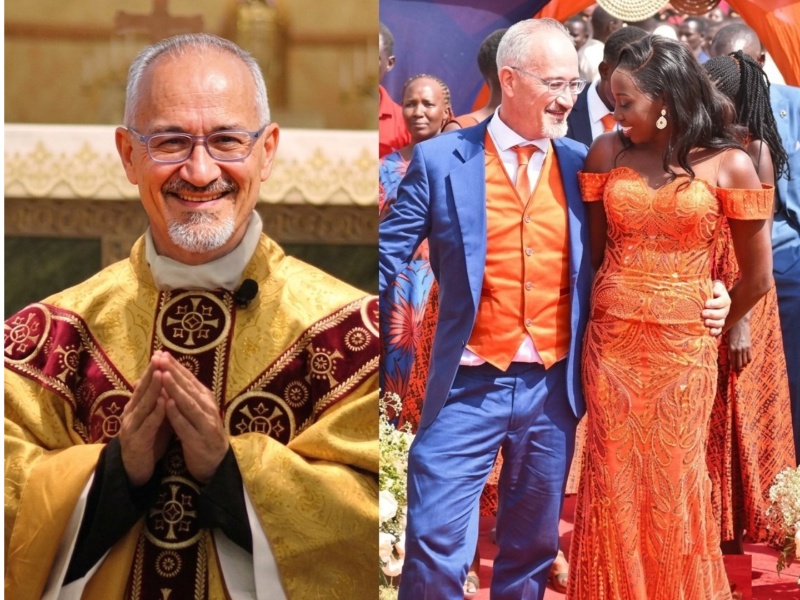
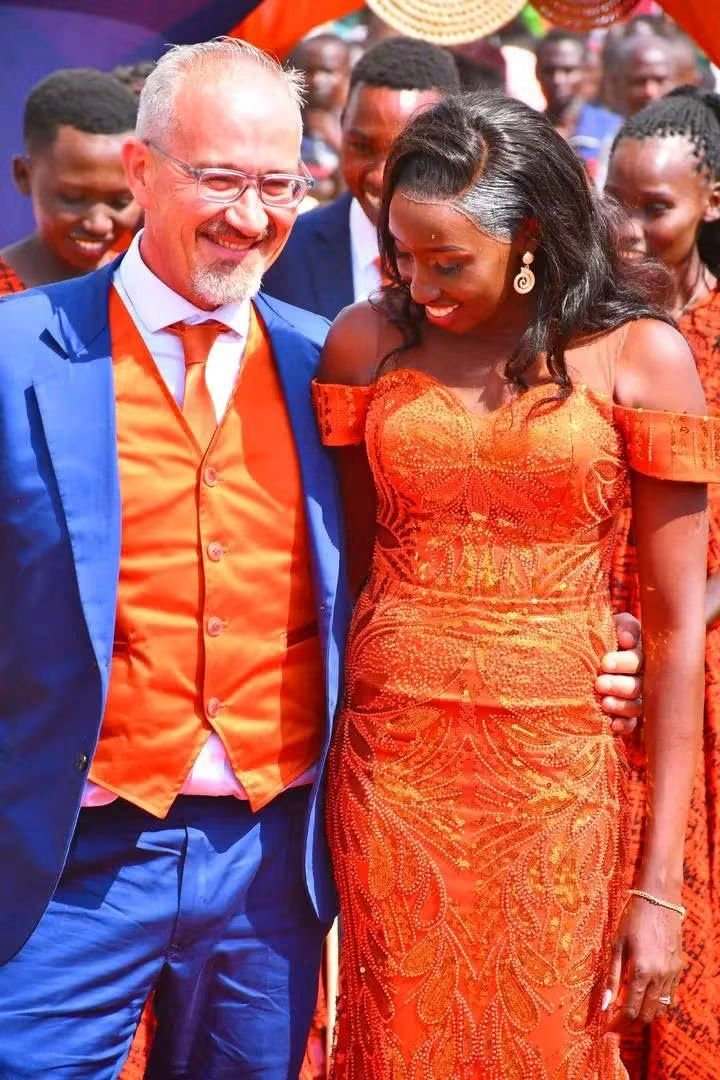
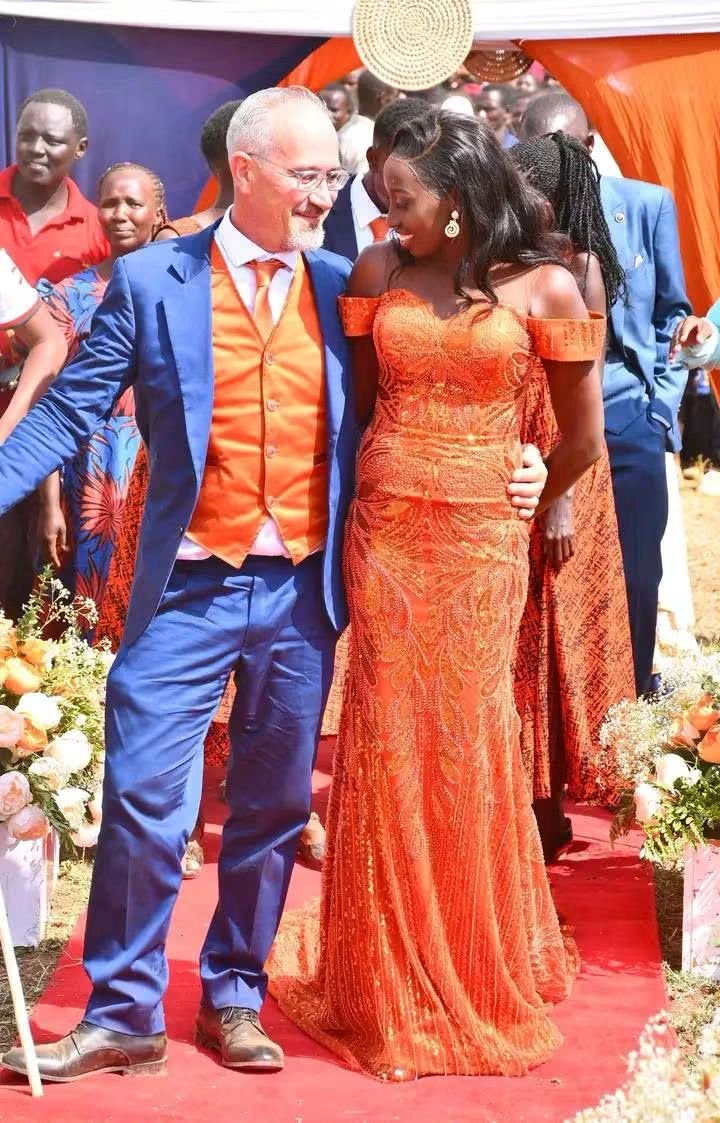
Sandro Ferretto, 55, married Sharon Jepng’ok in a traditional Koito ceremony held on Sunday, September 6, 2026, at Seretion Village in Kasiela, Baringo South.
The ceremony brought together the couple’s families, elders, local leaders and Jepng’ok’s colleagues, as they took part in traditional proceedings that included family meetings, dowry discussions and blessings.
Ferretto, who spent about 12 years serving as a Catholic missionary in Kenya, was ordained for the Diocese of Padua in Italy before travelling to the country in 2008.
He served under the Diocese of Nyahururu, working as a parish priest in Kasiela and Mochongoi in Baringo County, where he became known locally as Father Sandro.
His work extended beyond parish duties, with Ferretto taking part in pastoral activities, youth programmes and community projects. It was during his years working in Baringo that he met Jepng’ok.
From Kenya back to Italy
Ferretto returned to Italy in December 2020 alongside fellow missionary Father Mariano Dal Ponte, according to Italian newspaper Il Gazzettino.
By 2023, he was overseeing a pastoral unit covering eight churches in Saletto, Borgo Veneto, in the Diocese of Padua.
Later that year, however, Ferretto stepped away from parish duties after celebrating what was reported as his final Mass.
At the time, Il Gazzettino reported that he wanted to take a break from parish work. The Diocese of Padua clarified that he remained a priest and that his decision was not connected to any controversy.
He subsequently volunteered with the Levante cooperative in Padua, an organisation involved in supporting migrants.
A return to Kenya
Ferretto eventually returned to Kenya, where he reunited with Jepng’ok, the woman he had met during his missionary years in Baringo.
Their relationship eventually led to marriage, with the couple choosing to formalise their union through a traditional Koito ceremony.
The ceremony featured traditional attire, family gatherings, negotiations over dowry and blessings from elders, with Ferretto taking part in the proceedings alongside his bride and their families.
Images from the event showed the former priest embracing the celebrations and participating in the traditions of his bride’s community.
The unusual journey has attracted attention on Kenyan social media, with many users commenting on Ferretto’s transformation from a Catholic missionary known as Father Sandro to a groom returning to Kenya to marry the woman he met during his years of service.
Italian missionary priest Fr. Sandro Ferretto has quit the Catholic priesthood after 12 years serving Baringo County, Kenya — and married Sharon Jepng’ok, a local Tugen woman he met during his ministry. The couple wed in a traditional Koito ceremony in Kasiela on Sept 6. 🇮🇹 pic.twitter.com/D8P5KpLkCj
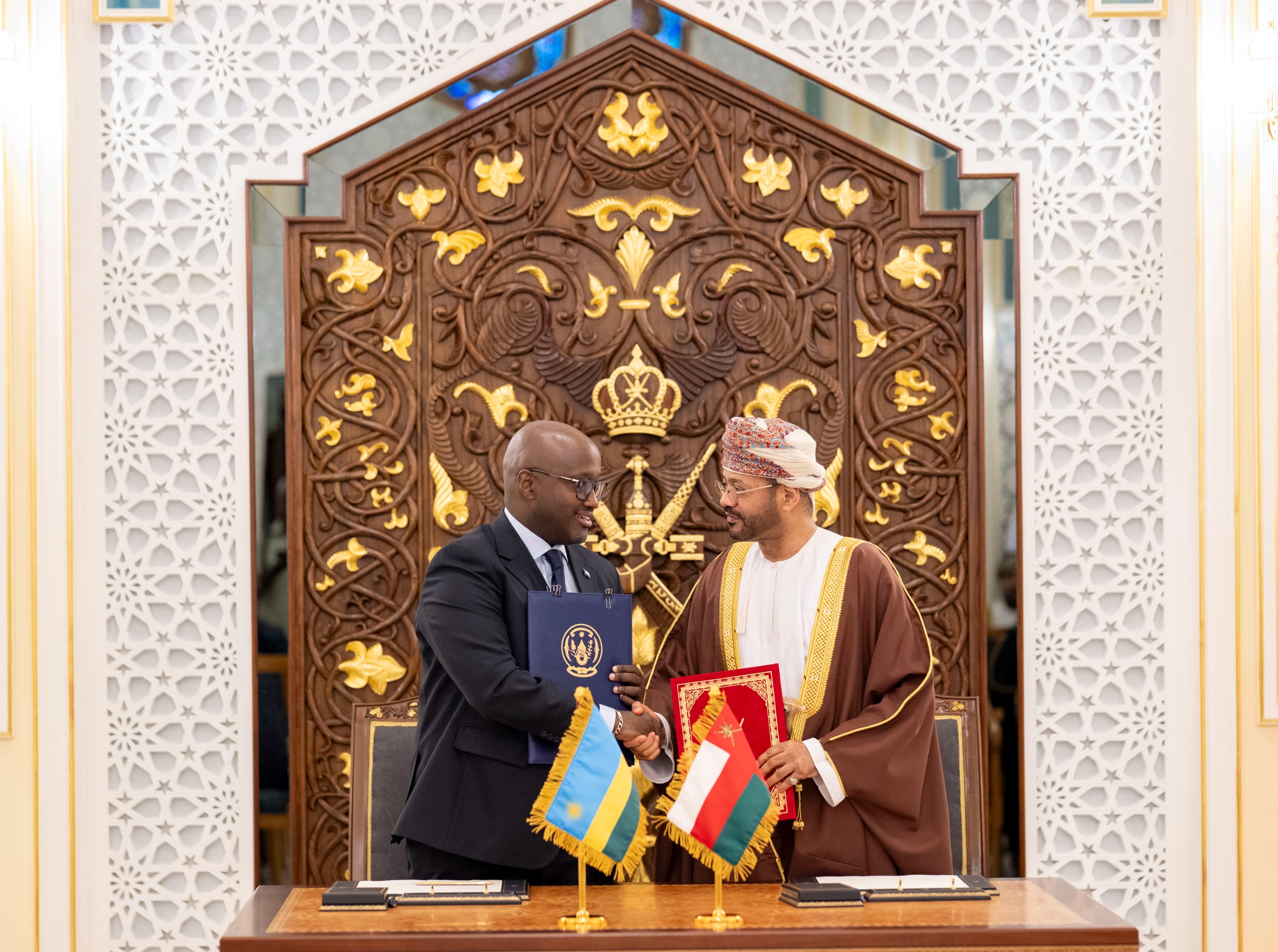
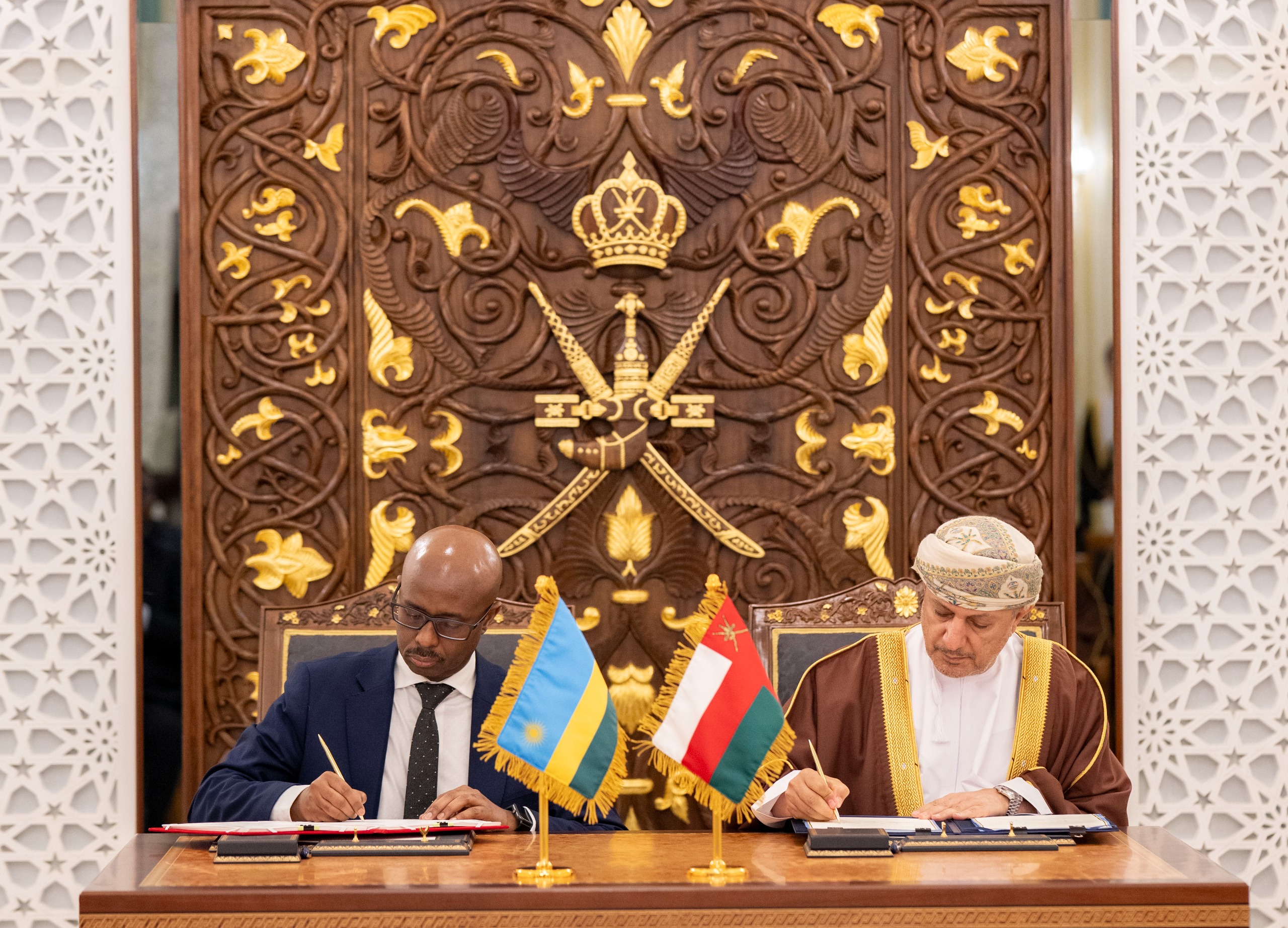
The deals were signed at Al Hosn Palace in Salalah during President Paul Kagame’s two-day official visit to Oman, the first visit by a Rwandan head of state to the Gulf country.
The agreements cover visa exemption for holders of diplomatic, special and service passports, as well as the avoidance of double taxation between the two countries.
The six MoUs provide a framework for cooperation in political consultations, labour, trade and investment, logistics, agriculture, and strategic partnership and investment activation.
The deals were signed at Al Hosn Palace in Salalah during President Paul Kagame’s two-day official visit to Oman.
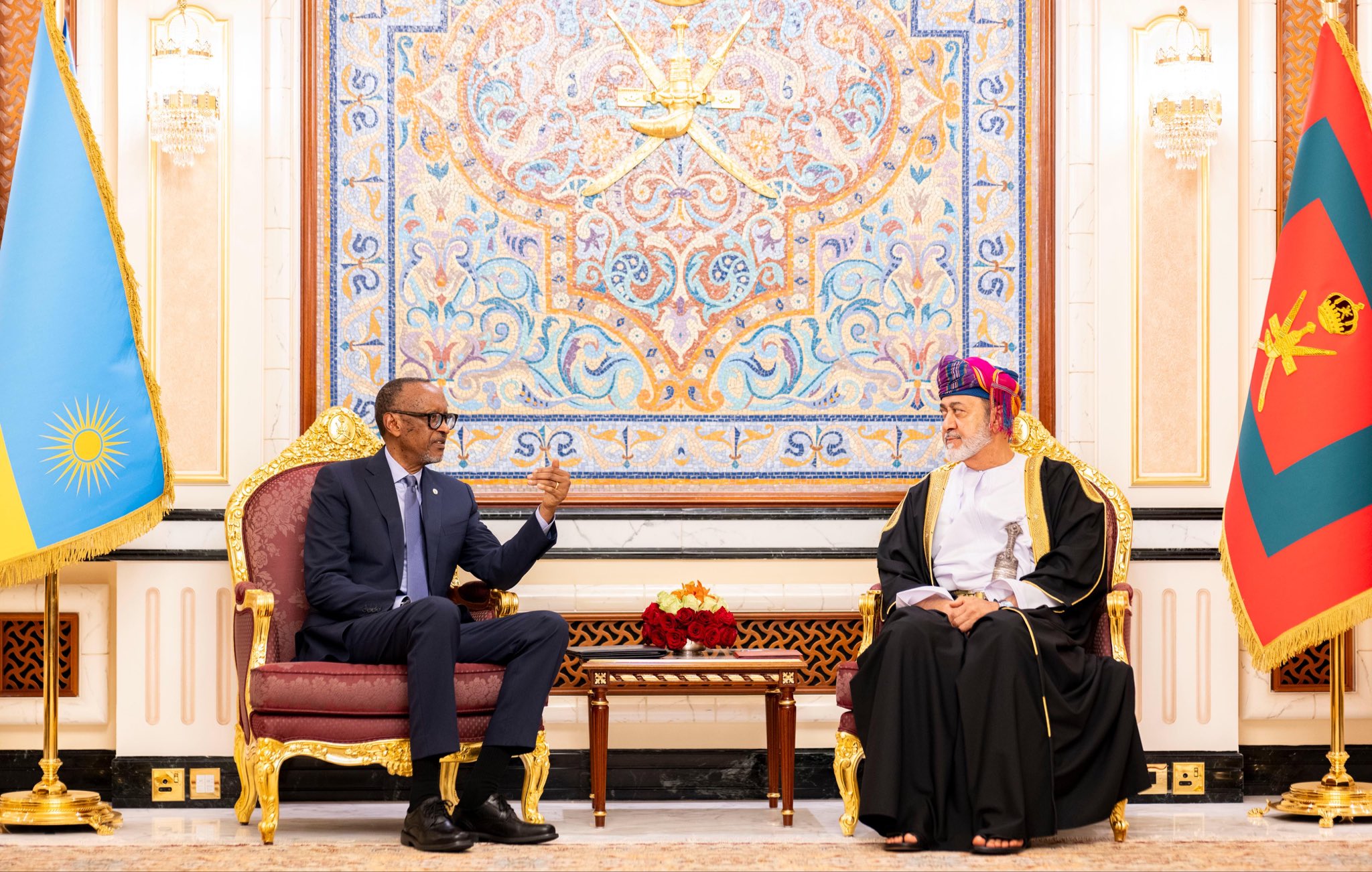
The signing of the eight deals comes a day after Kagame held bilateral talks with Oman’s Sultan Haitham bin Tariq as the two countries explored ways to strengthen cooperation in sectors of mutual interest.
According to the Office of the President, the two leaders highlighted the longstanding ties between Rwanda and Oman and opportunities to build on them through closer collaboration.
“Both leaders highlighted the historical ties between Rwanda and Oman, and the opportunity this visit offers to build on that strong foundation, including through closer collaboration in multiple sectors including energy, logistics, and food security,” the Office of the President said.
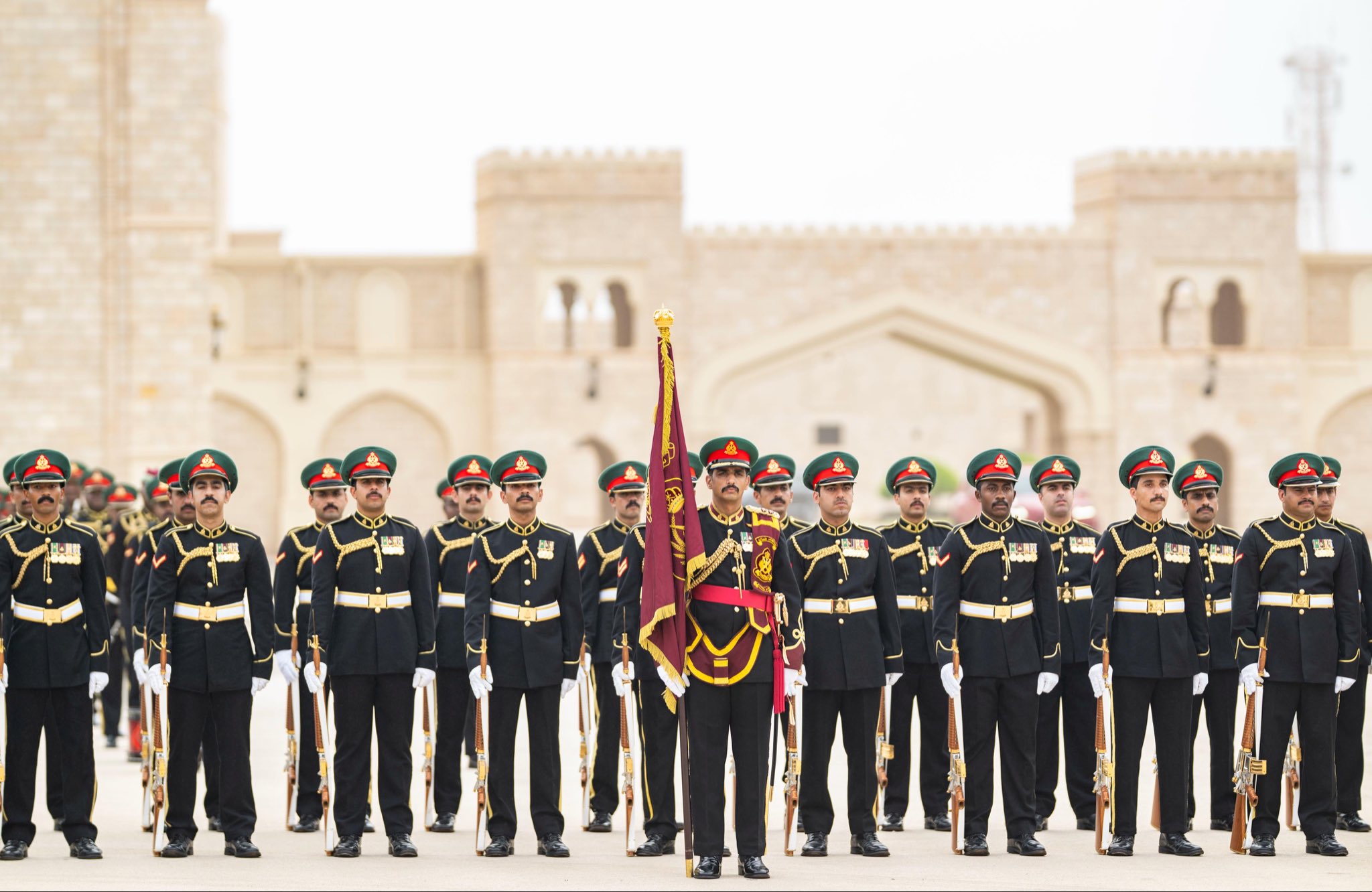
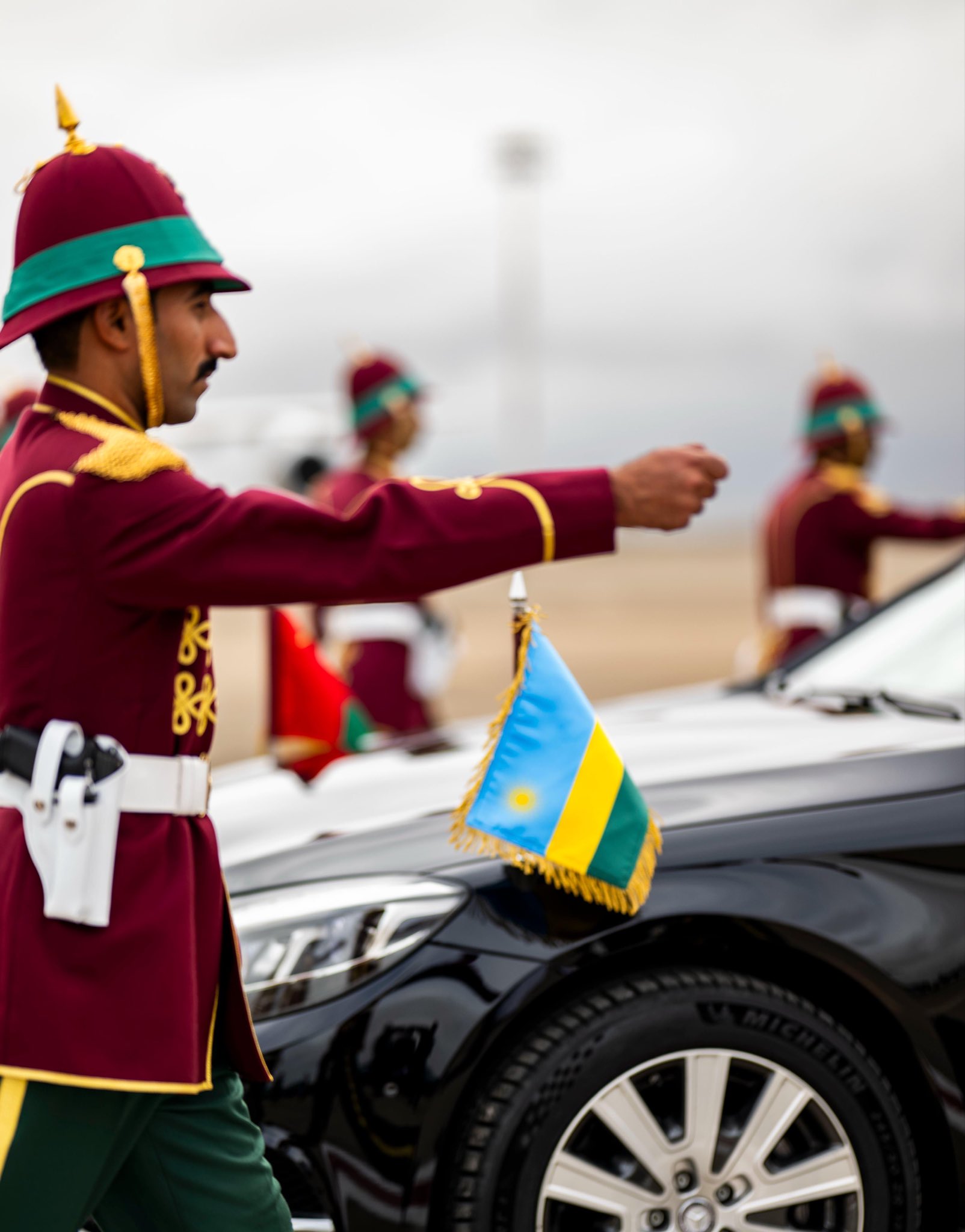
Kagame arrived in Salalah on Monday and was received by Sultan Haitham at Al Hosn Palace, where he was accorded an official welcoming ceremony before the two leaders held talks, later joined by their respective delegations.
During the second day of his visit, President Kagame toured the Museum of the Frankincense Land, located within the Al Baleed Archaeological Park, a UNESCO World Heritage Site.
President Kagame tours the Museum of the Frankincense Land, located within the Al Baleed Archaeological Park.
The museum documents the history and heritage of the Dhofar region, including the role of the frankincense trade in shaping its social and economic development, as well as Oman’s long history of seafaring and maritime trade.
Rwanda’s relations with Oman have gained momentum in recent years, with the two countries expanding cooperation in areas such as trade, energy, transport and investment.
A key development is an arrangement under which Rwanda will receive direct shipments of refined petroleum products from Oman through Tanzania’s Port of Tanga.
Prime Minister Justin Nsengiyumva has said Rwanda expects to receive one shipment each month, with the imports aimed at strengthening fuel supply security and helping stabilise prices.
The two countries have also strengthened air connectivity. Oman’s SalamAir launched direct flights between Muscat and Kigali on July 21, 2026, creating a direct link between the two countries for travellers, businesses and tourists.
The route is expected to support trade, tourism and investment while giving passengers from Rwanda access to SalamAir’s wider network across the Gulf, Asia and Europe.
The agreements cover visa exemption for holders of diplomatic, special and service passports, as well as the avoidance of double taxation between the two countries.The six MoUs provide a framework for cooperation in political consultations, labour, trade and investment, logistics, agriculture, and strategic partnership and investment activation.
The apparently AI-generated map, posted on his Truth Social platform, shows the American flag covering the United States along with Canada, Mexico, Cuba, as well as Greenland — a self-governing territory within the Kingdom of Denmark — and several other countries and territories in North America and the Caribbean.
Trump offered no caption or explanation for the image.
The post followed a message on Sunday, in which Trump shared an image bearing the words “THE MOON IS OURS” alongside a U.S. flag.
In another post on Sunday evening, the president labeled New Mexico, a mountain state in the U.S. Southwest, as “New America,” though a president lacks unilateral authority to rename a state.
Trump signed an executive order last month directing the Department of the Interior to rename Lake Ontario “Lake America” amid heightened trade tensions with Canada.
The change does not alter Canada’s usage or constitute an internationally binding renaming.
In January 2025, Trump signed a separate executive order directing the renaming of the Gulf of Mexico as the “Gulf of America,” a move that remains unrecognized internationally.
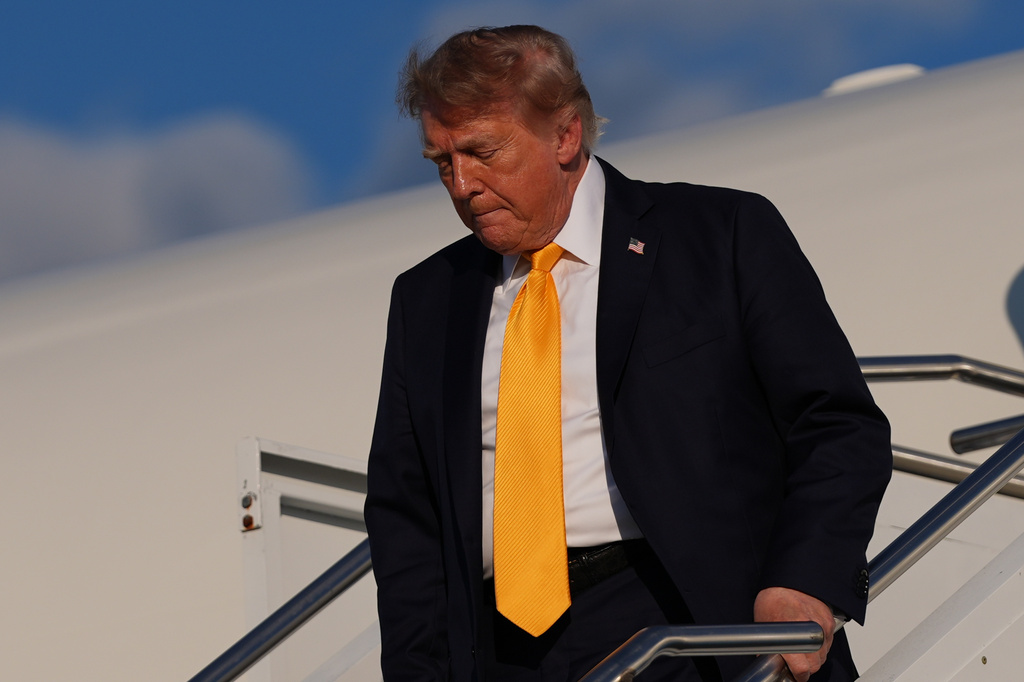
President Donald Trump arrives on Air Force One at Morristown Airport, Friday, Sept. 4, 2026, in Morristown, N.J. (AP Photo/Julia Demaree Nikhinson)
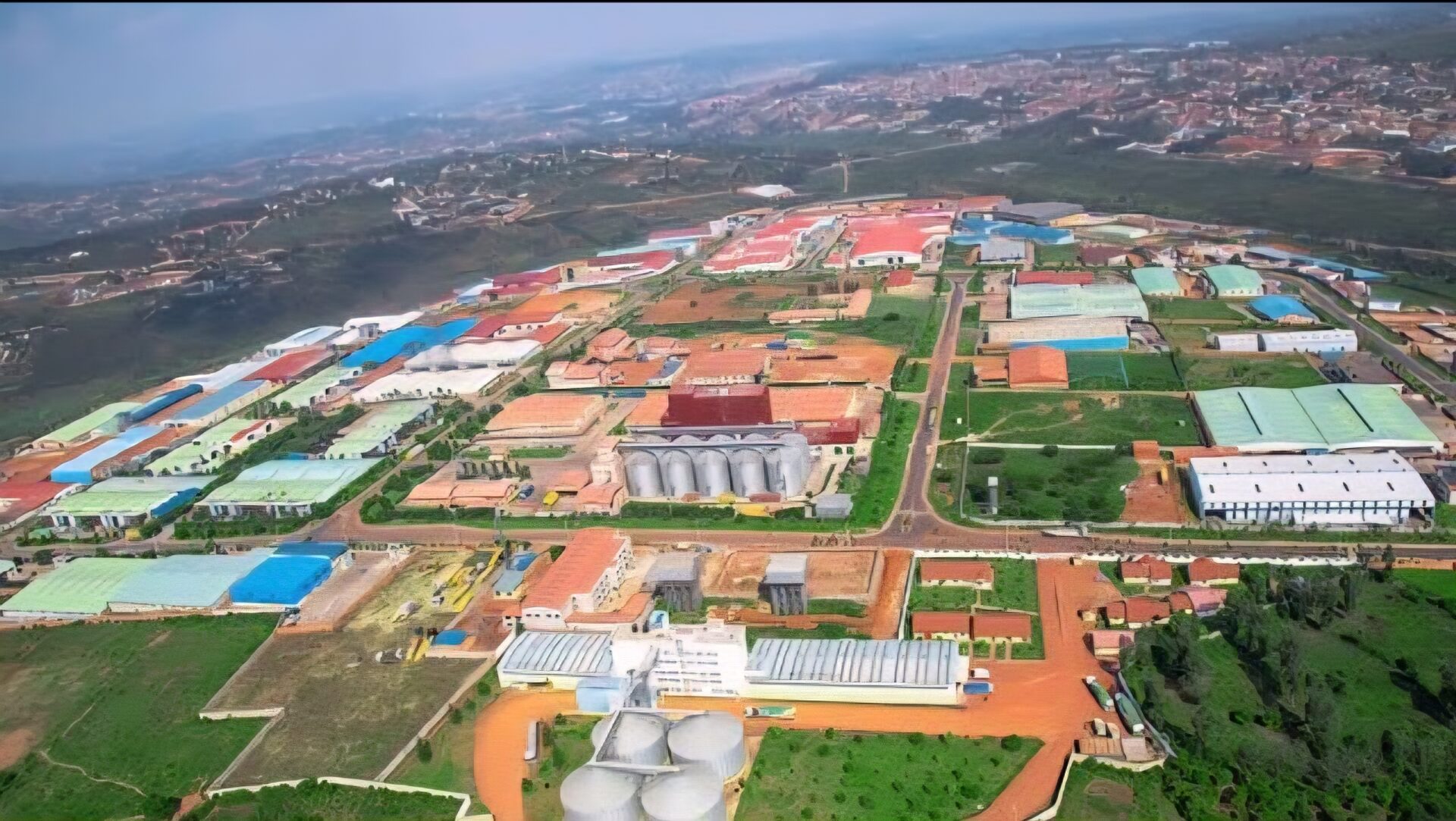
The latest Index of Industrial Production (IIP) report shows that industrial output also increased by 3.6 percent compared with June 2026, while the annual average growth rate stood at about 6.4 percent.
Manufacturing was the strongest contributor to the July performance, recording a reported 49.2 percent year-on-year increase. The sector accounts for 68.1 percent of the industrial production index, making it the largest component of Rwanda’s formal industrial activity.
NISR attributed developments within manufacturing to increases in several subsectors, including food processing, non-metallic mineral products, and metal products, machinery and equipment. Food processing increased by 6.1 percent, while non-metallic mineral products rose by 8.9 percent and metal products, machinery and equipment increased by 3.5 percent.
Other manufacturing activities also recorded mixed results. Furniture and other manufacturing increased by 8.2 percent, while wood, paper and printing grew by 1.5 percent and chemicals, rubber and plastic products rose by 1.2 percent.
However, some subsectors experienced declines. Manufacturing of beverages and tobacco decreased by 1.9 percent, while textiles, clothing and leather goods declined by 0.5 percent.
Electricity and utilities record strong growth
Electricity production was another major source of industrial growth, increasing by 18.5 percent year-on-year in July. The sector also grew by 6.4 percent compared with June, with an annual average growth rate of 13.9 percent.
Water and waste management recorded 12.6 percent year-on-year growth and increased by 5.2 percent compared with June 2026. Its annual average growth rate stood at 7.6 percent.
Mining and quarrying, which represents 15.8 percent of the industrial production index, recorded more moderate annual growth of 4.7 percent. However, mining output increased sharply by 22.8 percent compared with June 2026, indicating a strong monthly improvement.
Overall, the industrial production index reached 114.2 in July 2026, up from 107.0 in July 2025, based on the 2024=100 index series.
Industrial economy expands over the longer term
Beyond the July figures, the NISR report highlights the significant expansion of Rwanda’s industrial economy in recent years.
The report’s 2024 rebasing exercise shows that total industrial Gross Value Added (GVA) increased from Rwf 442.1 billion in 2017 to Rwf 1.14 trillion in 2024, representing a 158.4 percent increase.
Several sectors recorded particularly large increases over the period. Water and waste management grew by 508.1 percent, chemicals, rubber and plastic products by 359.2 percent, and wood, paper and printing by 328.7 percent.
Mining and quarrying increased by 213.9 percent, while manufacturing of non-metallic mineral products rose by 204 percent and beverages and tobacco by 203.5 percent.
The figures indicate a substantial expansion and changing composition of Rwanda’s industrial economy, with manufacturing remaining the dominant component of industrial activity.
Manufacturing was the strongest contributor to the July performance, recording a reported 49.2 percent year-on-year increase. The sector accounts for 68.1 percent of the industrial production index, making it the largest component of Rwanda’s formal industrial activity.
The discussions were held on Monday evening in Salalah as President Kagame began his two-day official visit to Oman, the first such visit by a Rwandan head of state.
According to the Office of the President, Kagame and Sultan Haitham began the visit with talks involving delegations from both countries.
“Both leaders highlighted the historical ties between Rwanda and Oman, and the opportunity this visit offers to build on that strong foundation, including through closer collaboration in multiple sectors including energy, logistics, and food security,” the Office of the President said in a post on X.
President Kagame arrived in Salalah on Monday, where he was received by Sultan Haitham at Al Husn Palace.
His visit began with an official welcoming ceremony before the two leaders held discussions, later joined by their respective delegations, on advancing cooperation in areas of mutual interest.
The visit comes as Rwanda and Oman look to broaden their bilateral relationship and explore new opportunities for economic and sectoral cooperation.
During the visit, the two countries are also expected to sign agreements and memoranda of understanding in various sectors as part of efforts to deepen ties.
On the second day of his visit, President Kagame is scheduled to tour the Museum of the Frankincense Land, located within the Al Baleed Archaeological Park, a UNESCO World Heritage Site.
The museum documents the history and heritage of the Dhofar region, including the role of the frankincense trade in shaping its social and economic development, as well as Oman’s long history of seafaring and maritime trade.
President Kagame will also visit Razat Royal Farm, one of the major agricultural establishments in Dhofar Governorate. The more than 404-hectare facility is also used for agri-tourism and educational activities.
The trip marks a new milestone in relations between Rwanda and Oman, with both countries seeking to build on their longstanding ties through closer cooperation in sectors considered important to their economic development and future growth.
The discussions were held on Monday evening in Salalah as President Kagame began his two-day official visit to Oman, the first such visit by a Rwandan head of state.According to the Office of the President, Kagame and Sultan Haitham began the visit with talks involving delegations from both countries.
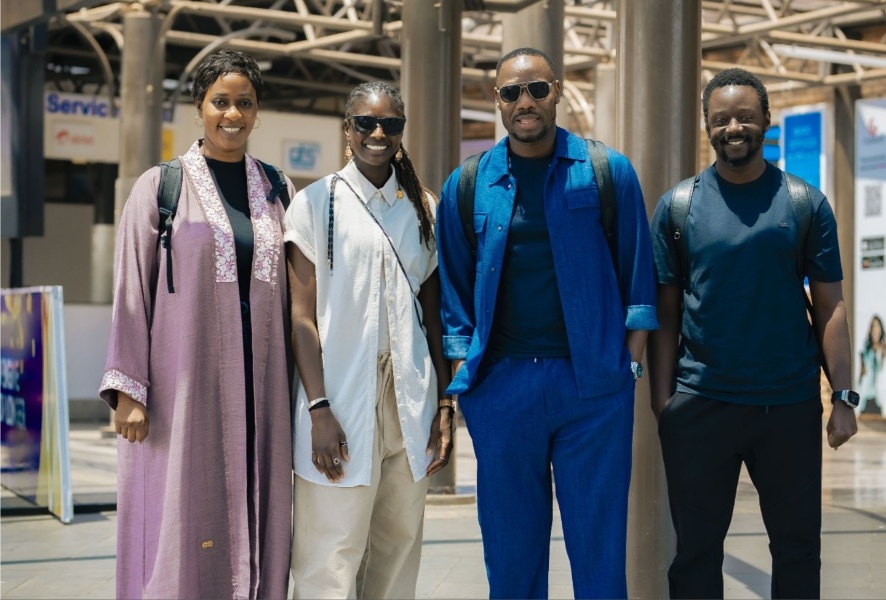
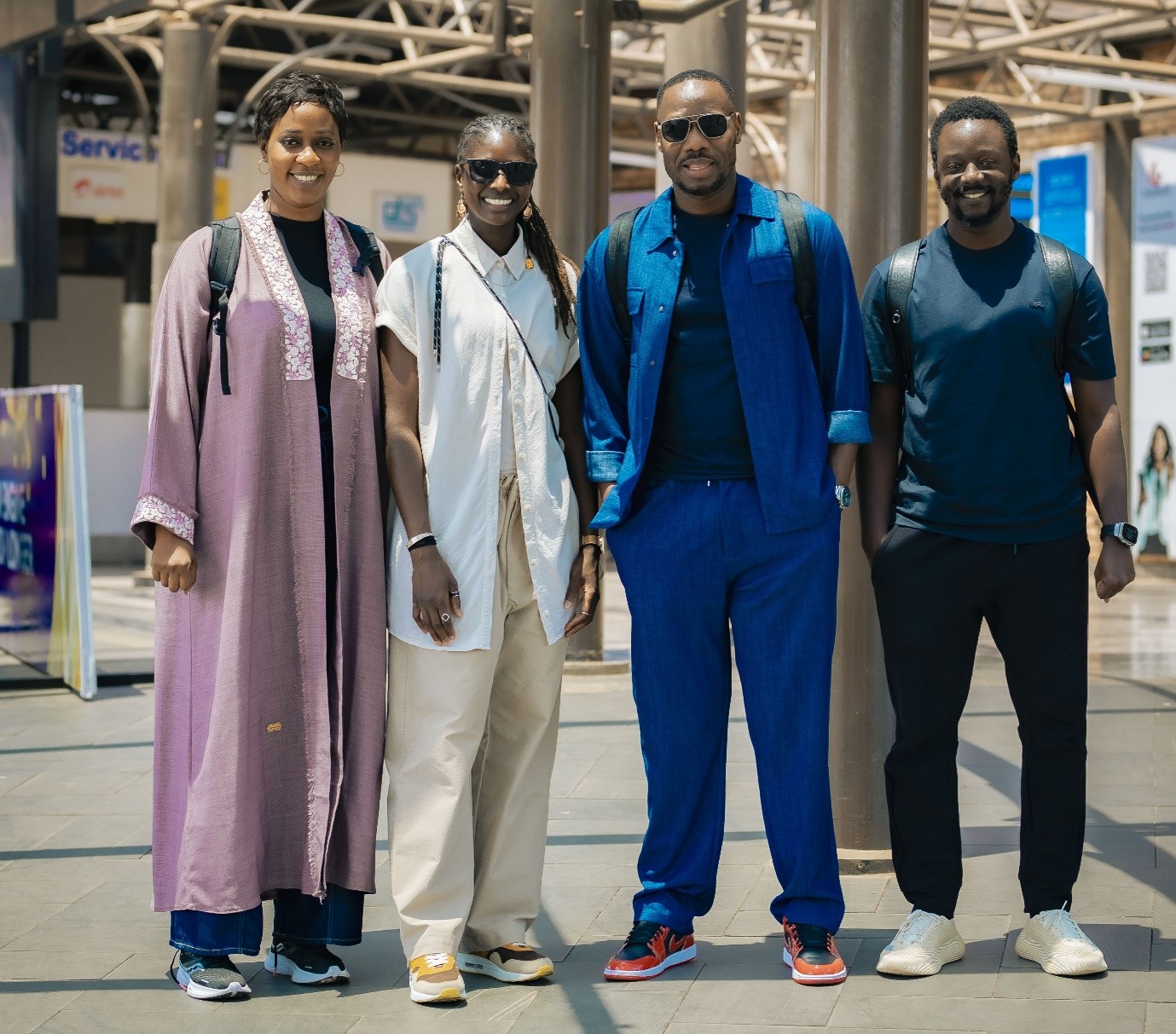
Thiaw landed at Kigali International Airport on Monday ahead of the forum, which brings together figures from across Africa’s sports industry.
The former Senegal international will feature in a session focusing on leadership and resilience in African sport, drawing on a career that has taken him from the football pitch to the highest levels of coaching.
Thiaw was part of Senegal’s celebrated 2002 generation that reached the quarter-finals of the FIFA World Cup in South Korea and Japan and finished runners-up at the Africa Cup of Nations the same year.
As a player, he also became the first Senegalese footballer to feature in Spain’s La Liga. His playing career included spells in France, Switzerland, Russia and Spain, while he earned 16 international caps for Senegal.
After retiring from playing, Thiaw turned to coaching and earned both UEFA A and CAF A coaching licences.
He began his managerial career with ASC Niarry Tally before taking charge of Senegal’s local national team, known as Team A’. Under his leadership, Senegal returned to the African Nations Championship (CHAN) in 2022 after more than a decade away from the competition.
Thiaw then guided the team to the CHAN title in his debut tournament, strengthening his reputation as one of the country’s promising homegrown coaches.
He was appointed head coach of the senior Senegal national team in late 2024 and subsequently guided the Lions of Teranga through an unbeaten qualifying campaign for the 2026 FIFA World Cup.
His tenure also saw Senegal claim the 2025 Africa Cup of Nations title on the pitch against hosts Morocco in January 2026. However, the final status of the result remains subject to a Court of Arbitration for Sport ruling expected in October 2026.
Beyond his achievements on the pitch, Thiaw’s journey from international player to senior national team coach has highlighted the potential of African coaches and locally developed football talent.
His appearance at the SportsBiz Africa Forum is expected to provide an opportunity to discuss the pressures facing coaches, leadership, accountability and the structures needed to develop competitive football systems on the continent.
Thiaw’s story also reflects the growing conversation around investing in African coaches and strengthening domestic football pathways as countries seek to build sustainable sporting success.
The SportsBiz Africa Forum, scheduled to take place from 10–11 September 2026 at the Kigali Convention Centre, will bring together stakeholders from across the sports ecosystem to discuss opportunities, challenges and the future of the industry on the continent.
Thiaw landed at Kigali International Airport on Monday ahead of the forum, which brings together figures from across Africa’s sports industry.
The network is part of a wider plan by the Inter-University Council for East Africa (IUCEA) to establish a federated regional Centre of Excellence in Artificial Intelligence, linking universities across the East African Community through specialised institutional nodes.
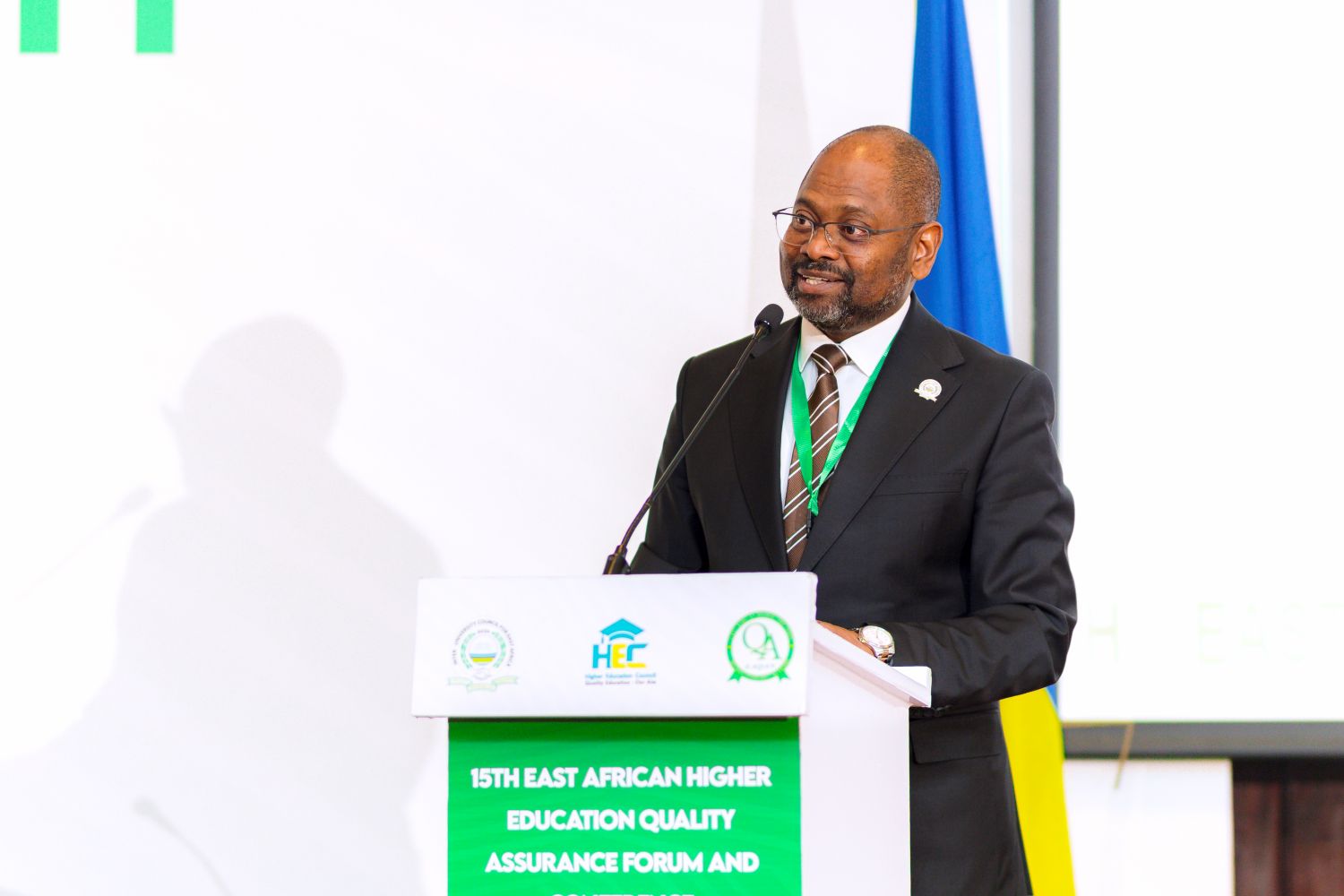
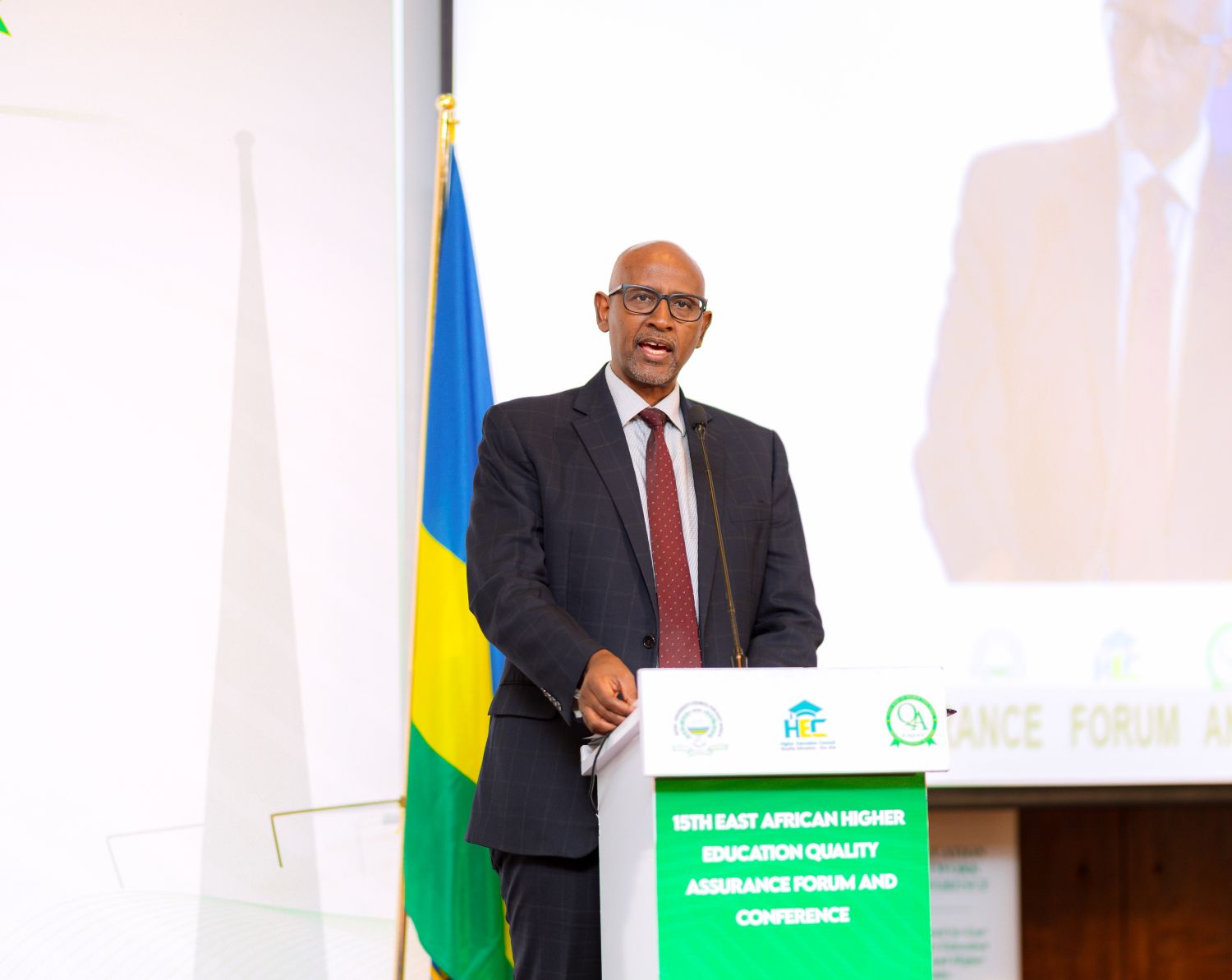
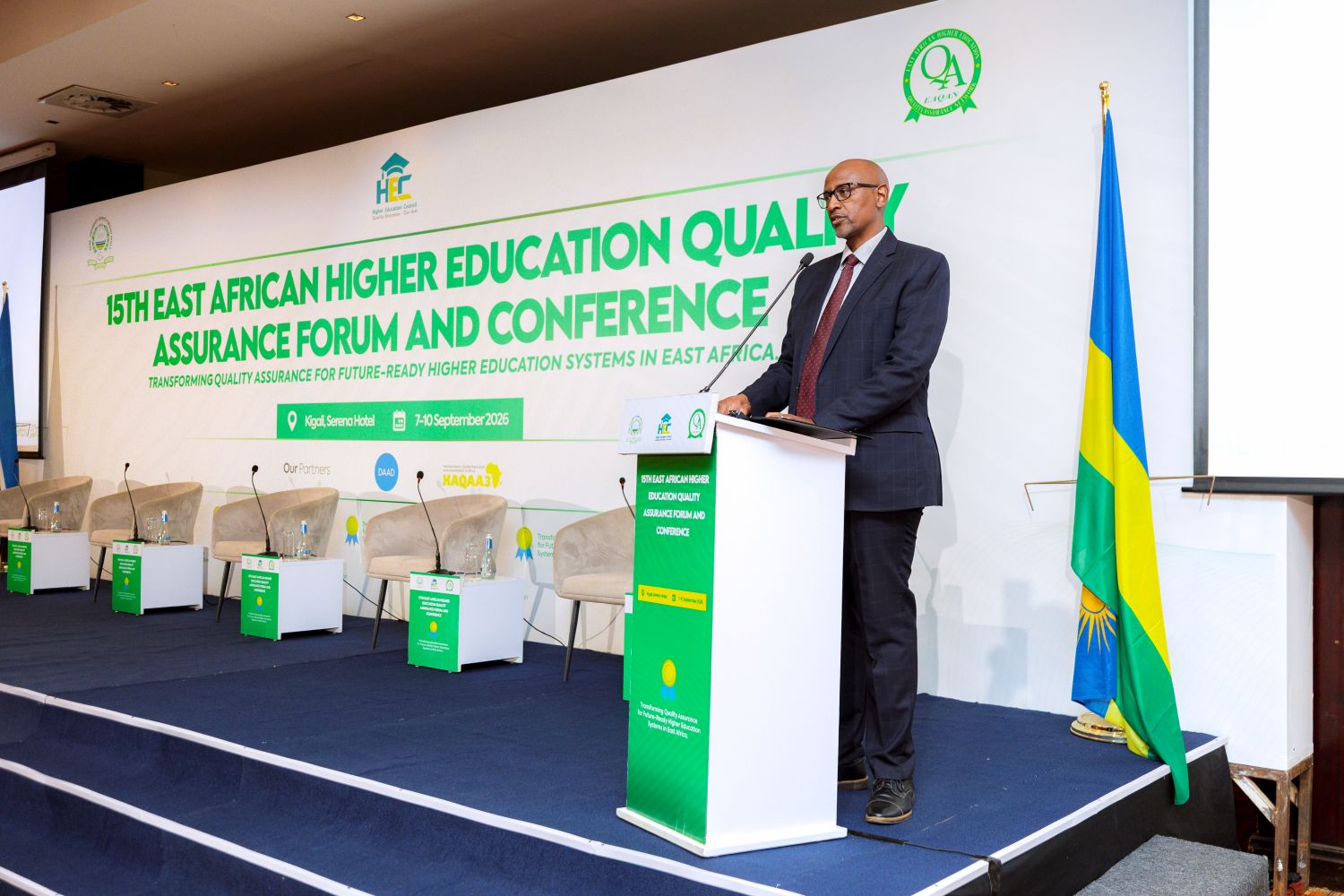
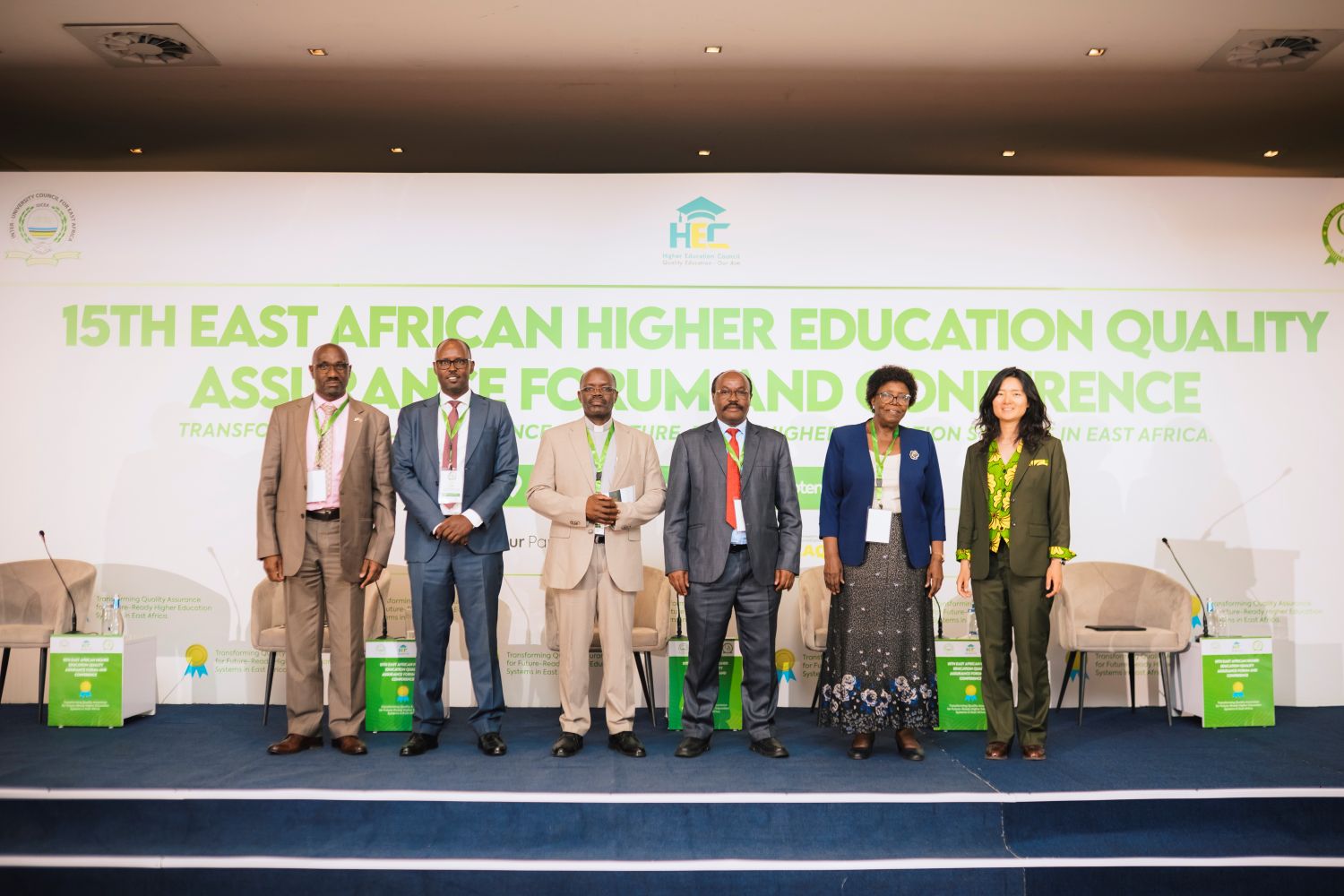
The Acting Executive Secretary of IUCEA, Prof. Idris Rai, highlighted the development on Monday, September 7, 2026, during the 15th East African Higher Education Quality Assurance Forum and Conference in Kigali.
The institutions named include the University of Rwanda, the University of Dodoma in Tanzania, Dedan Kimathi University in Kenya, SIMAD University in Somalia, the University of Burundi and Kabale University in Uganda.
The Acting Executive Secretary of IUCEA, Prof. Idris Rai, speaks on Monday, September 7, 2026, during the 15th East African Higher Education Quality Assurance Forum and Conference in Kigali.
Prof. Rai said discussions were still ongoing with two EAC partner states that are yet to identify representative institutions to join the collaborative network.
The regional network was officially launched in Nairobi in July and is expected to form the foundation for the future East African Centre of Excellence in AI Education and Research.
Prof. Rai said the initiative builds on discussions held during an IUCEA conference in Kigali in 2023, which focused on higher education in the age of artificial intelligence and data science.
The discussions identified the need for universities to build institutional capacity while developing a collaborative platform for teaching, research and innovation in AI.
“In 2024, our Executive Committee approved the establishment of a regional centre of excellence in AI — a federated regional centre of excellence, whereby each partner state will identify one node or university to take part in developing that regional collaborative framework on AI,” Prof. Rai said.
He revealed that the network will support the development of benchmarks and curricula in areas including data science, artificial intelligence and robotics, covering both undergraduate and postgraduate education.
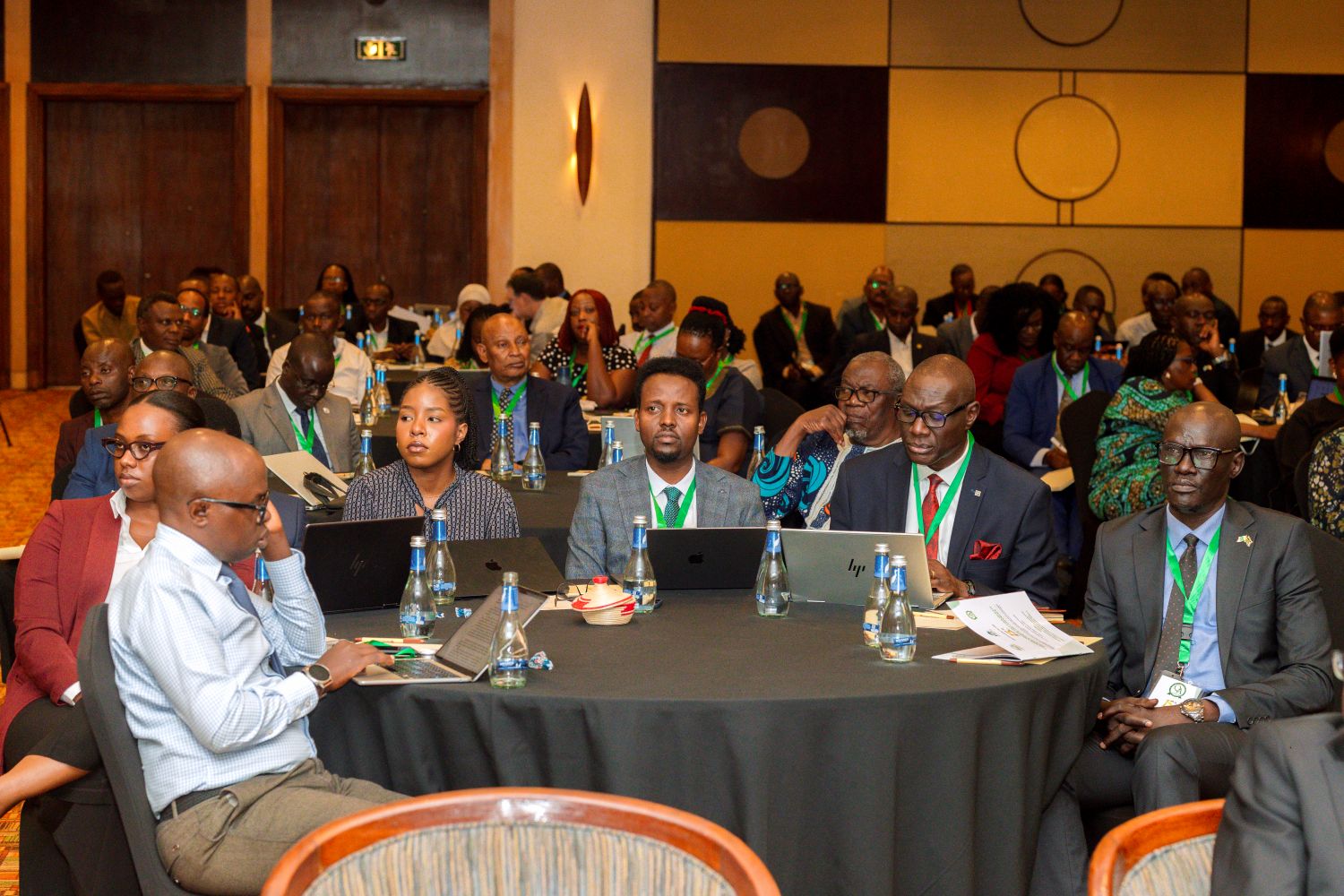
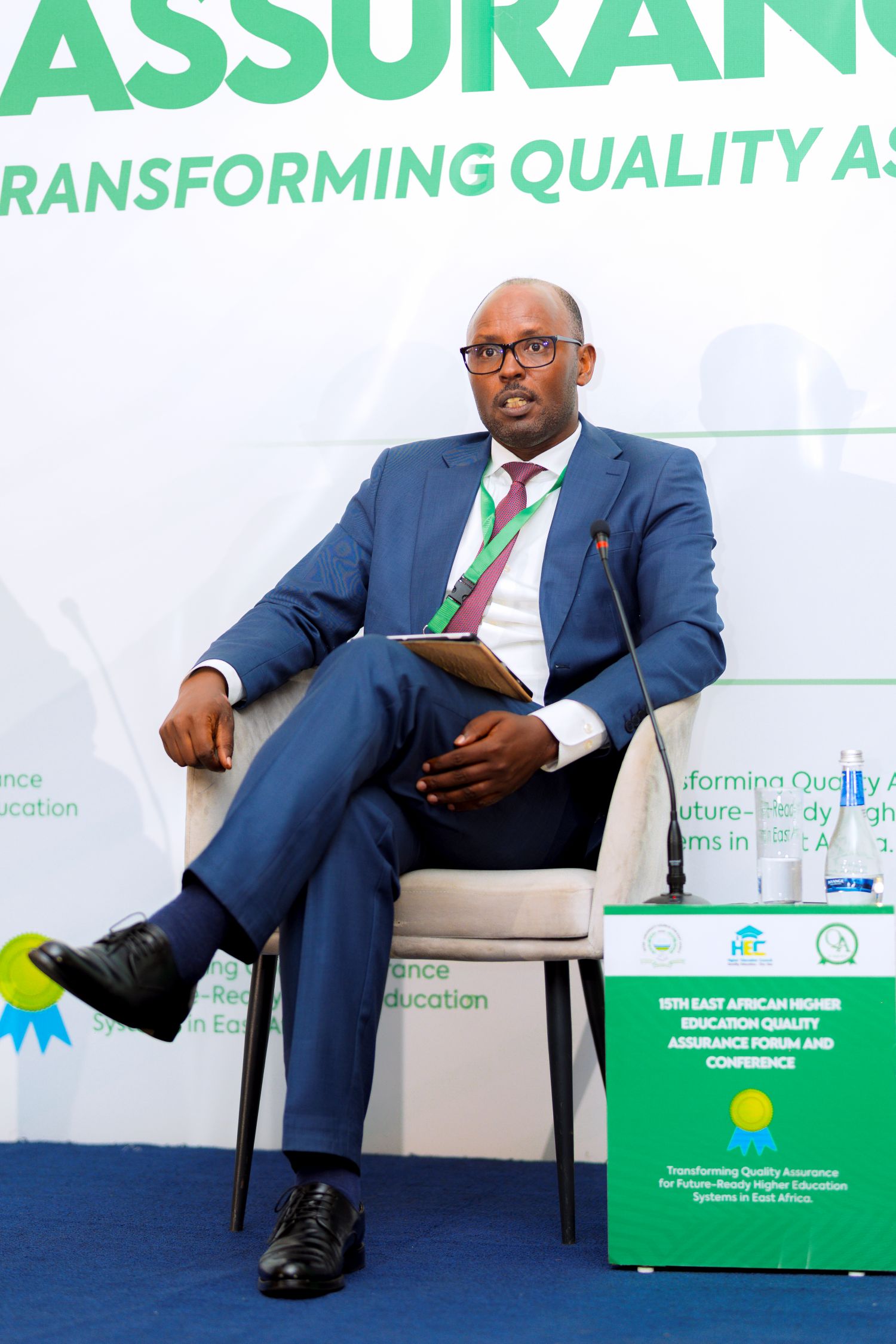
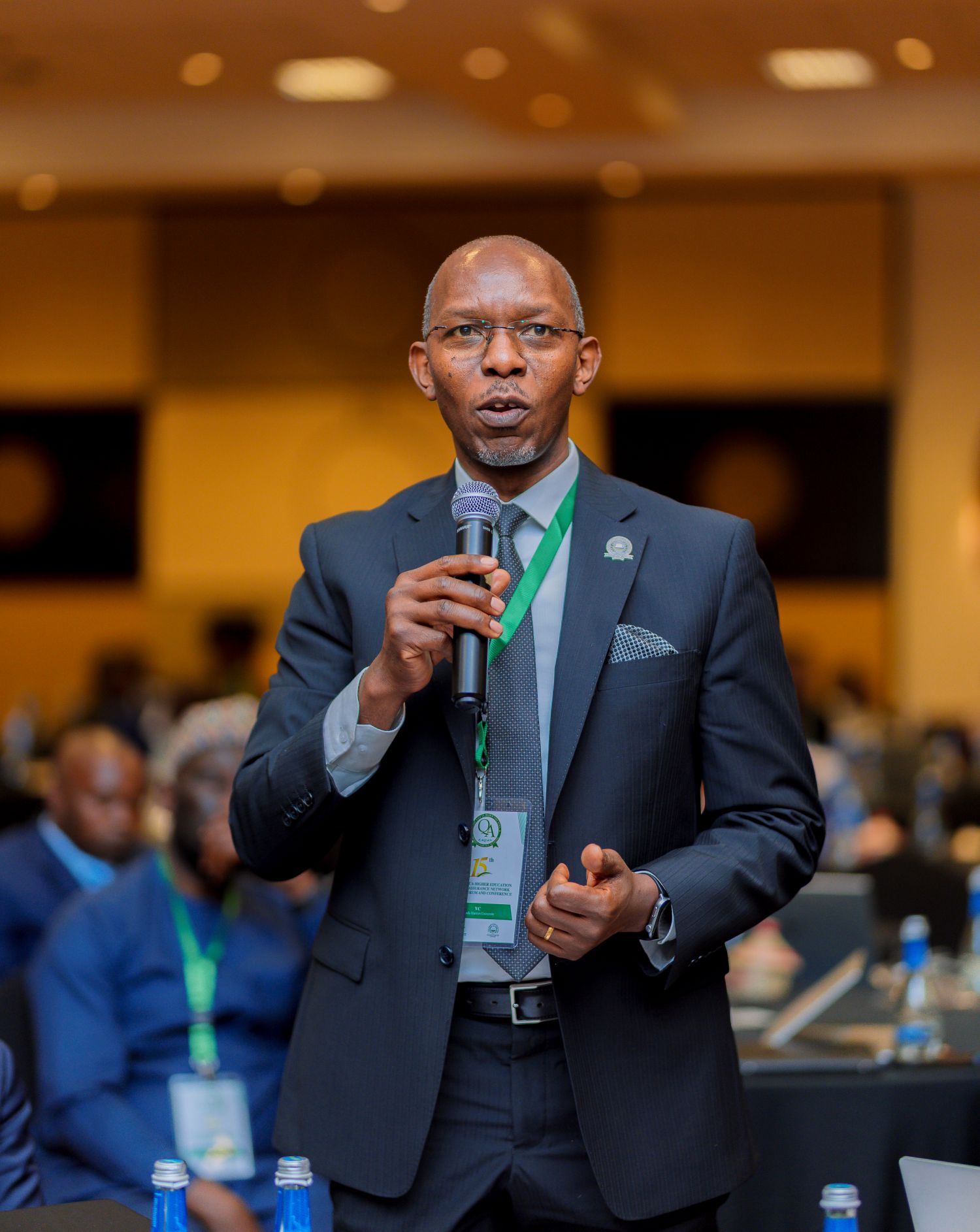
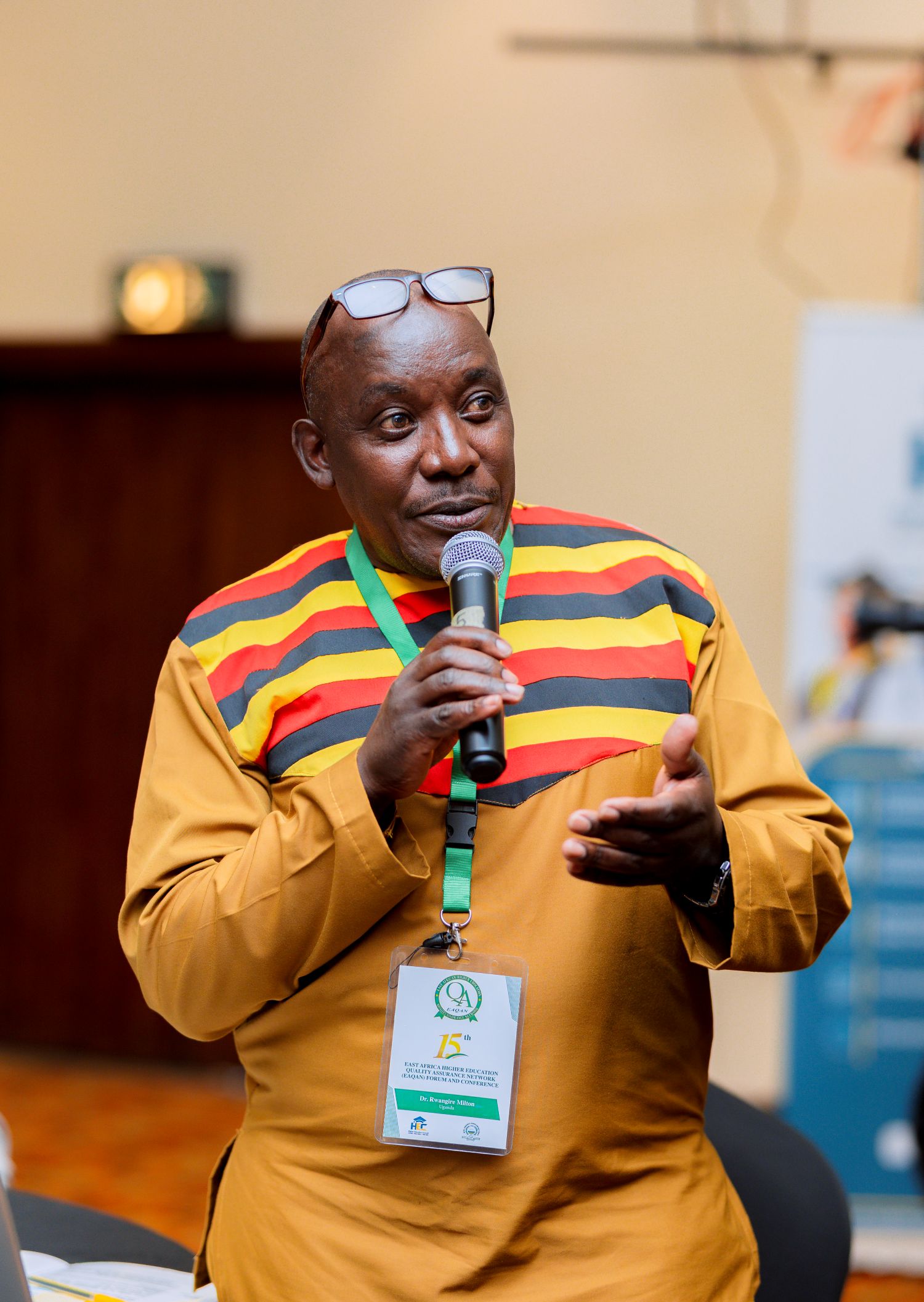
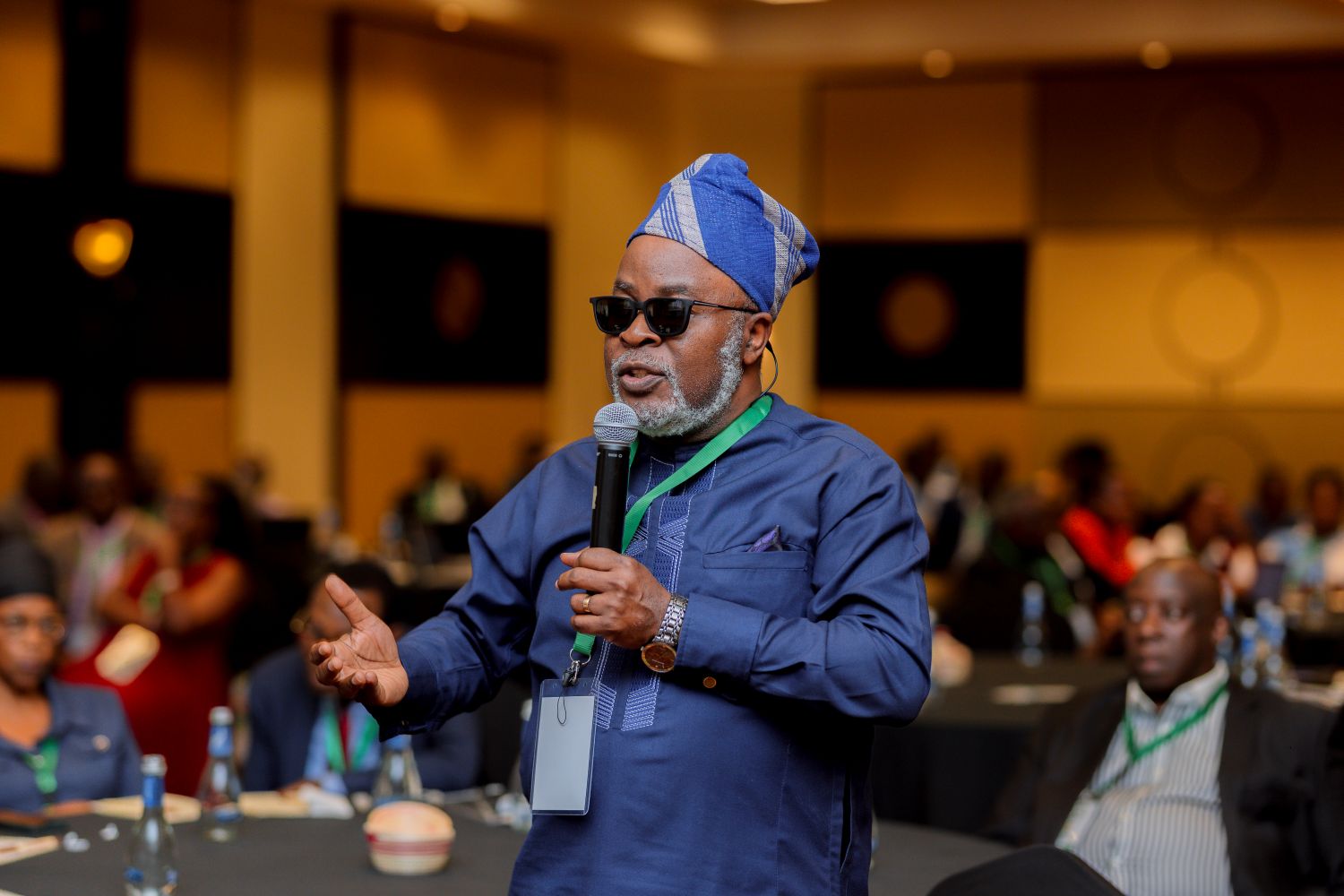
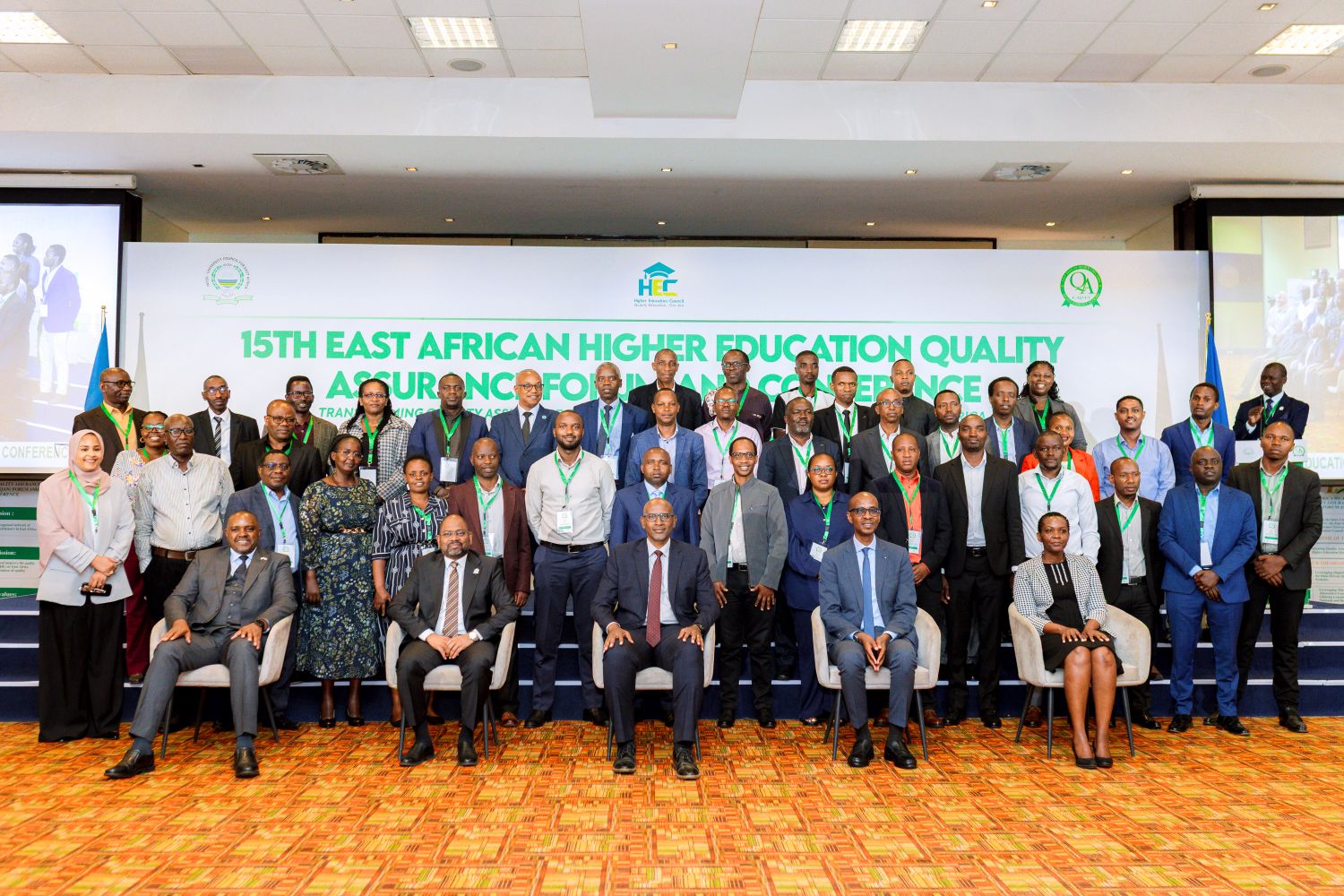
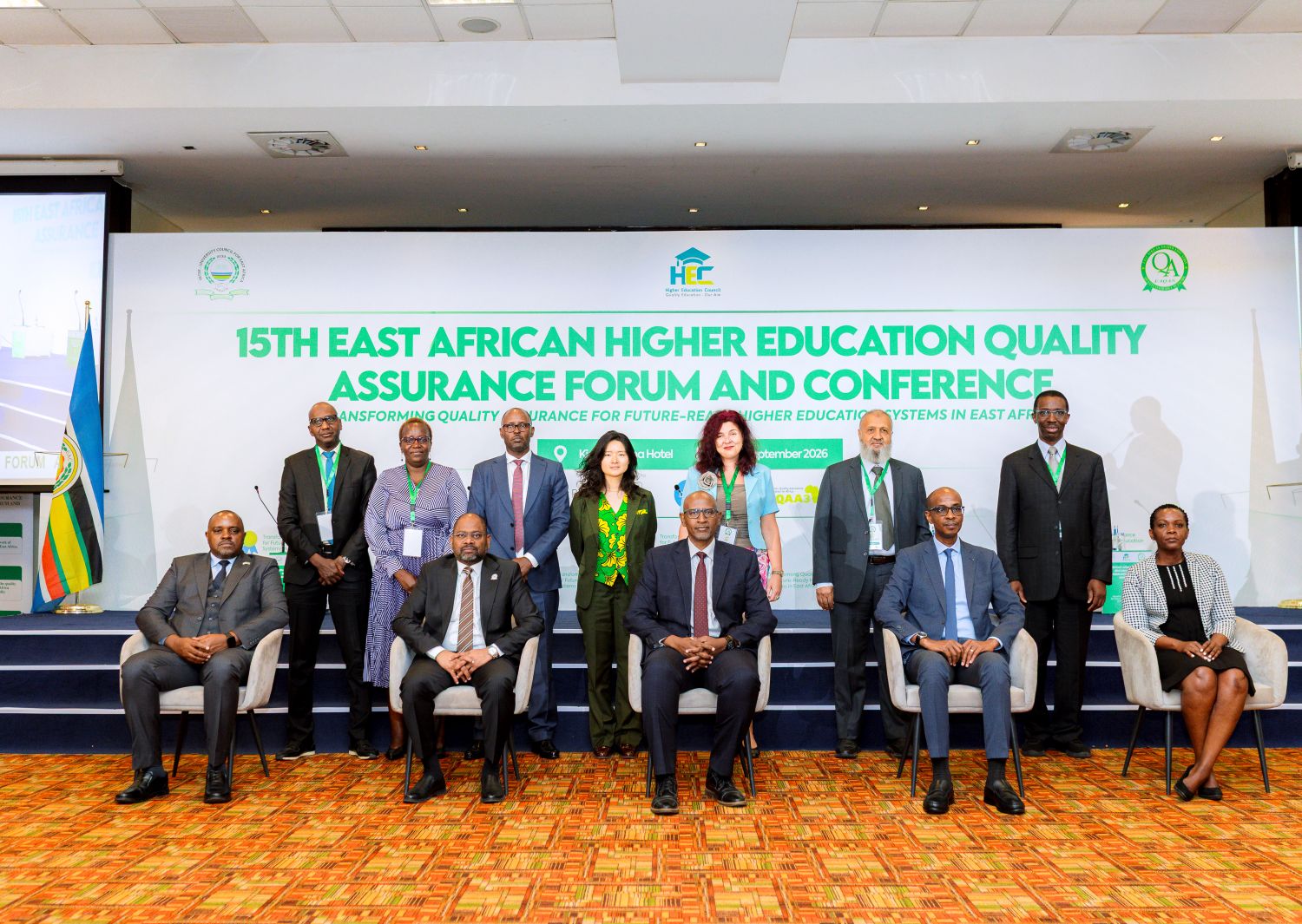
The forum has brought together university leaders, higher education regulators, academics and development partners.
AI literacy for university students
Among the major initiatives being developed is an AI foundational module that could introduce basic artificial intelligence literacy to university students across East Africa.
Prof. Rai said the module is in its final stages of development and could eventually become part of university education across the region.
“We are in the final stages of development of what we call an AI foundational module,” he said.
“Imagine you have a foundational module in AI whereby all students who go through our universities must take it, so that they know about AI, provide AI literacy.”
IUCEA is also developing learning pathways for lecturers who will teach the module and a policy framework to guide the use of AI in teaching, learning and other areas of higher education.
The network will further support collaborative and multidisciplinary research among participating universities.
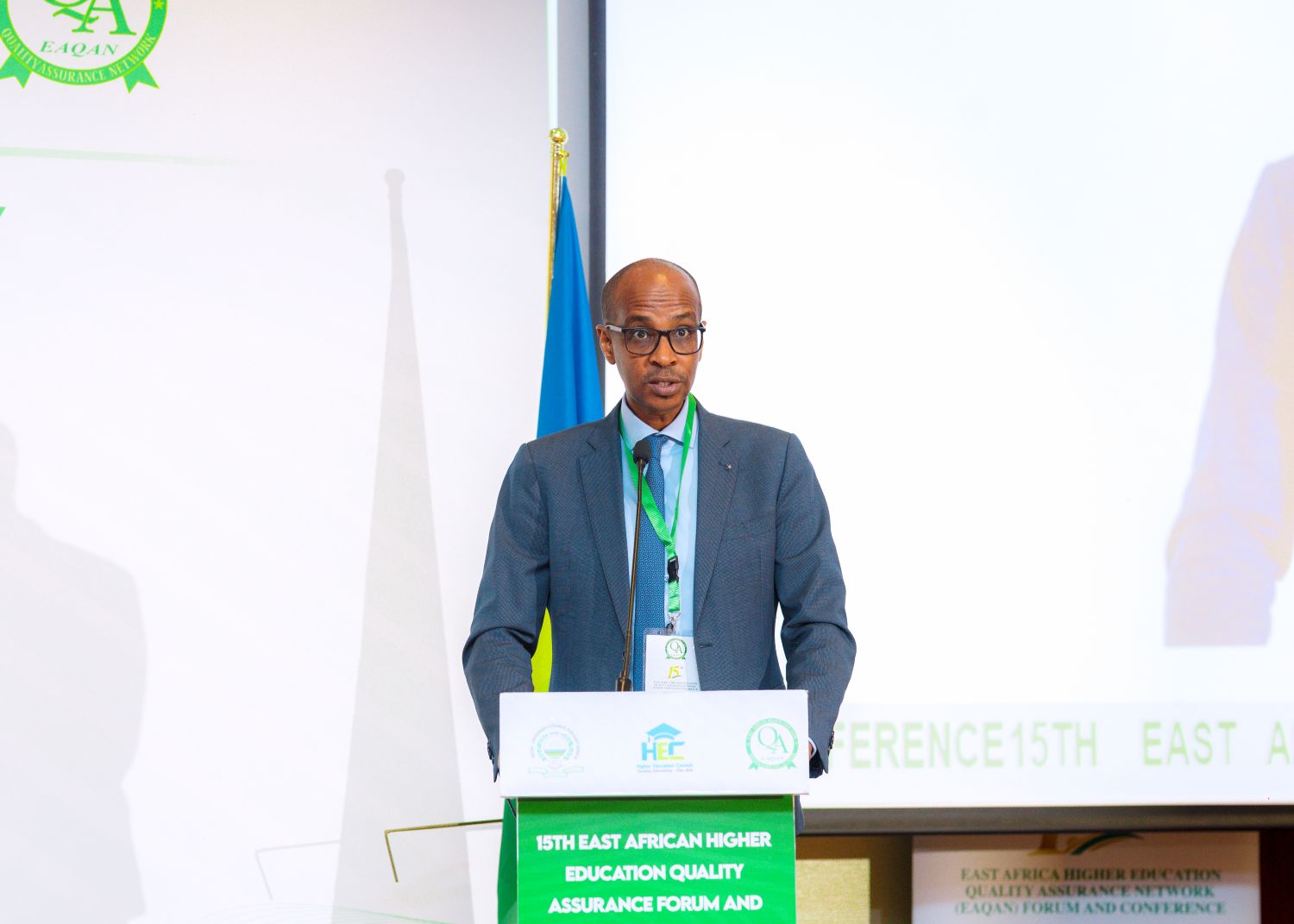
For Rwanda’s Minister of Education, Joseph Nsengimana, the rapid growth of AI is raising fundamental questions about whether universities are adequately preparing students for a changing world.
“The world for which our universities are preparing our graduates is changing rapidly. Artificial intelligence is transforming how knowledge is produced, taught and applied,” Nsengimana said.
Rwanda’s Minister of Education, Joseph Nsengimana, said the rapid growth of AI is raising fundamental questions about whether universities are adequately preparing students for a changing world.
He noted that the urgency was particularly significant for East Africa, where more than 60 percent of the population is under the age of 25, saying higher education will play a major role in determining whether the region’s young people are equipped to turn their talent into opportunities in a rapidly changing economy.
“Will the education we receive today prepare us for the world of tomorrow?” Nsengimana said, referring to what he described as an urgent question facing young people across the region.
“Our answer must be a resounding yes.”
He said digital transformation and artificial intelligence should be central to efforts to modernise higher education, while universities and regulators must ensure that technology is used responsibly.
“Technology alone is not enough,” he stated, stressing the need to equip academic staff and regulators with the capacity to use emerging technologies responsibly while protecting data, maintaining ethical standards and ensuring equitable access.
Future-ready universities
Dr. Edward Kadozi, the Director General of Rwanda’s Higher Education Council, said universities could no longer focus only on preparing students for the jobs that exist today.
“Higher education is no longer preparing students simply for the jobs of today. It must prepare them for jobs, technologies and challenges that are still emerging,” he remarked.
Kadozi said technological development, digitalisation and AI were changing how knowledge is created and delivered, while also reshaping the skills required by economies.
He warned that qualifications alone would not be enough if graduates leave universities without the practical skills, adaptability and critical thinking required in the workplace.
“If graduates leave our institutions with qualifications but without practical skills, adaptability and critical thinking required by the workplace, then we have not fully delivered on our responsibilities to them,” Kadozi said.
He added that quality assurance systems must also evolve alongside changes in higher education.
“We must modernise our evaluative tools. We must strengthen our technical capacities. We must embrace appropriate technologies. And we must continuously review our regulatory processes to ensure that they keep pace with the sector we oversee.”
Dr. Edward Kadozi, the Director General of Rwanda’s Higher Education Council, said universities could no longer focus only on preparing students for the jobs that exist today.
The regional push for AI-ready higher education has also attracted support from international partners.
A representative of the German Academic Exchange Service, DAAD, announced plans to establish a new African Centre of Excellence for Applied and Responsible Artificial Intelligence in Kenya, which is expected to serve the wider East African region.
Dr. Dorothee Weyler, Regional Director, DAAD, said the centre will focus on strengthening institutional capacity in applied and responsible AI research while integrating teaching, research, early-career development and knowledge transfer.
The development comes as Rwanda’s higher education sector increasingly positions itself within regional efforts to strengthen digital skills, research and innovation.
Through its role in the new network, the University of Rwanda is expected to contribute to the development of AI expertise and collaborative research while helping build the institutional capacity needed to support the responsible adoption of the technology across East Africa.
Prof. Didas Kayihura, Vice Chancellor of the University of Rwanda, said such regional collaboration has already proven valuable for staff and institutions engaging with partner universities across East Africa.
“That exposure itself changes the staff quite a lot,” he said, adding that lessons learned abroad are typically brought back and shared with colleagues at home.
Prof. Didas Kayihura, University of Rwanda Vice Chancellor, said regional university collaboration is already benefiting staff and institutions across East Africa.
The Regional AI Network follows a federated model in which participating universities contribute their individual strengths while collaborating on joint programmes, research and other regional initiatives.
Meanwhile, DAAD also announced plans to host a Master of Science in electrical power systems scholarship programme at the University of Rwanda for the next three years, with applications opening on September 24.
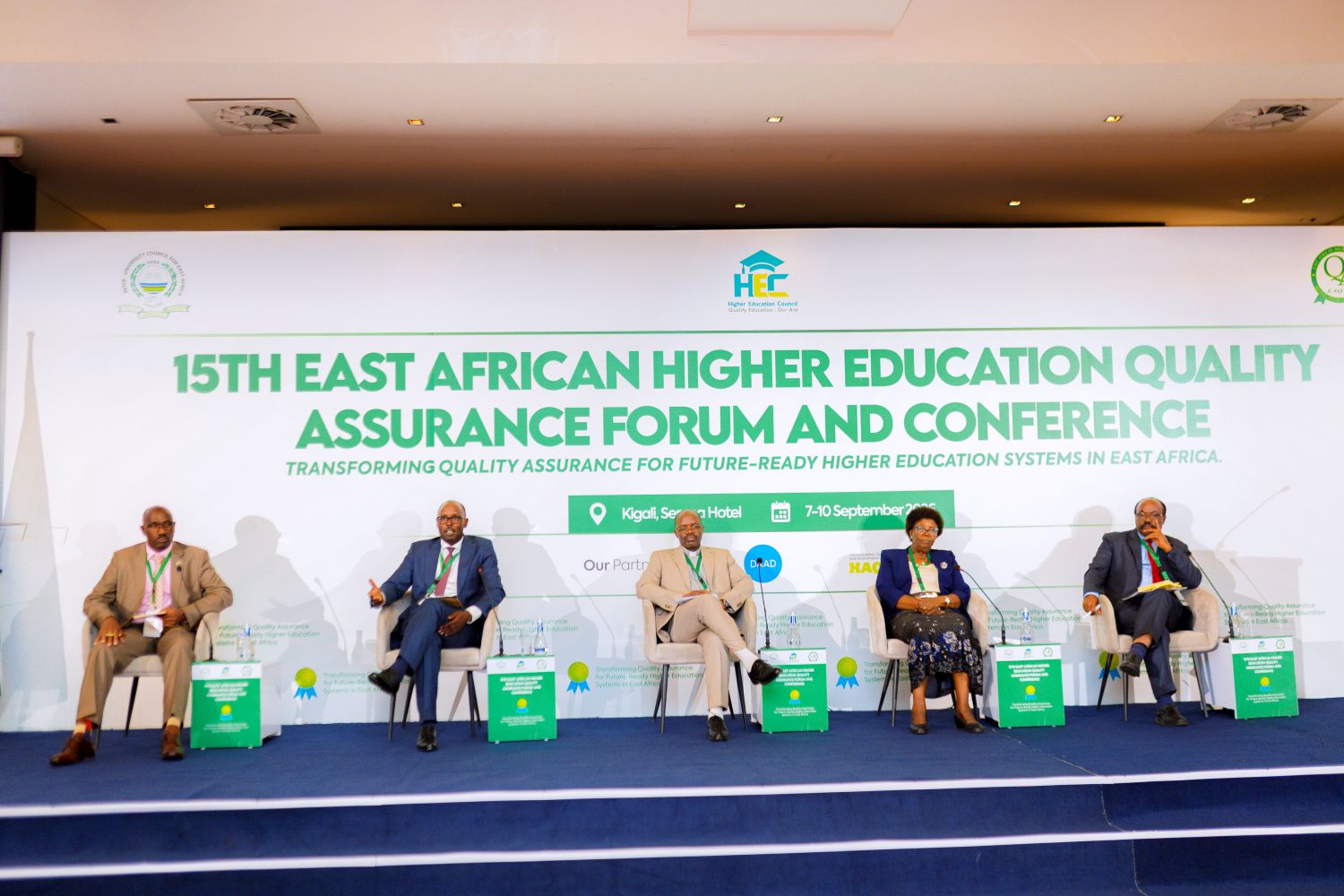
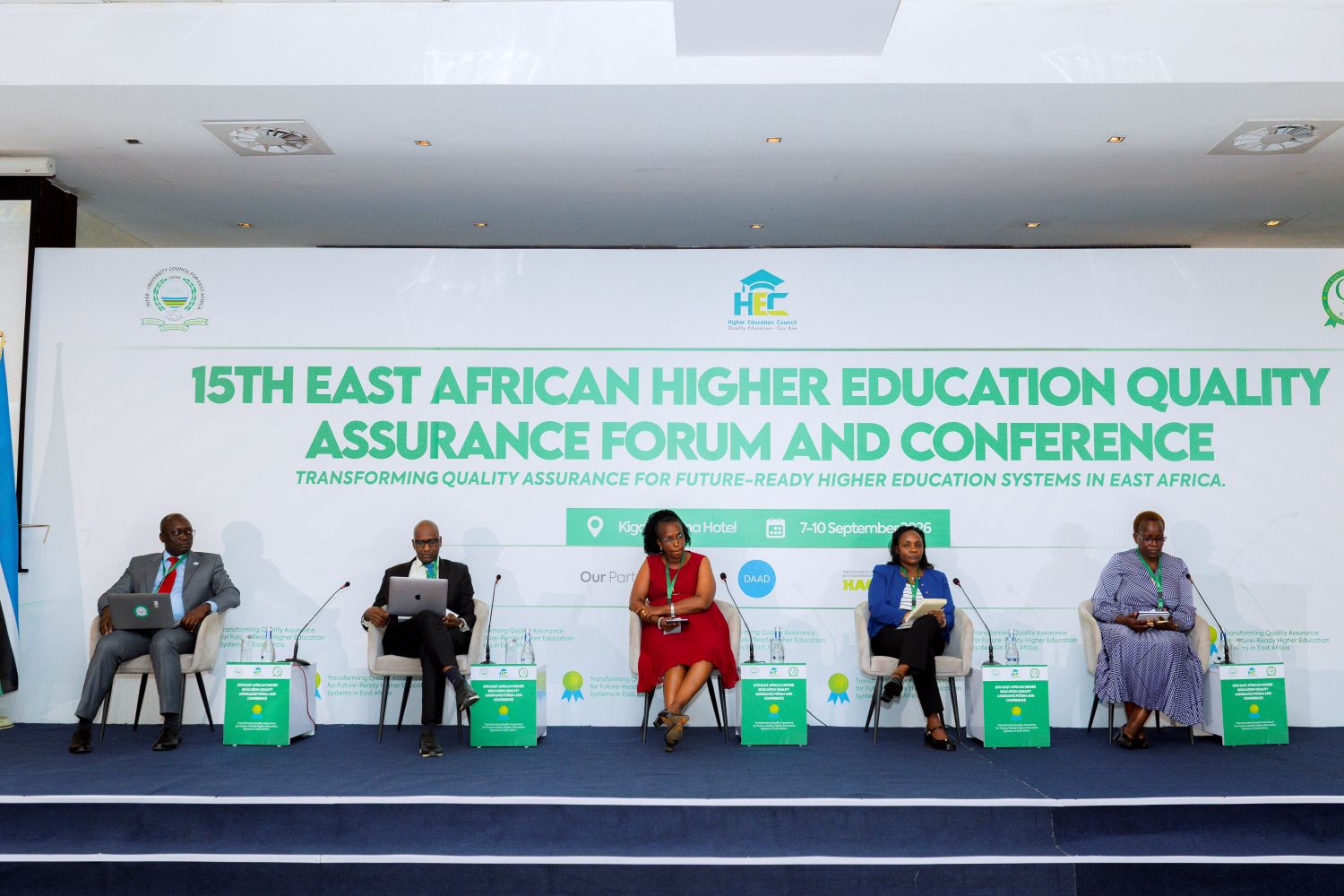
The 15th East African Higher Education Quality Assurance Forum and Conference is being held at the Kigali Serena Hotel under the theme, “Transforming Quality Assurance for Future-Ready Higher Education Systems in East Africa.”
The four-day forum has brought together university leaders, higher education regulators, academics and development partners to discuss how East Africa can prepare its universities and graduates for emerging technologies and the changing demands of the labour market.
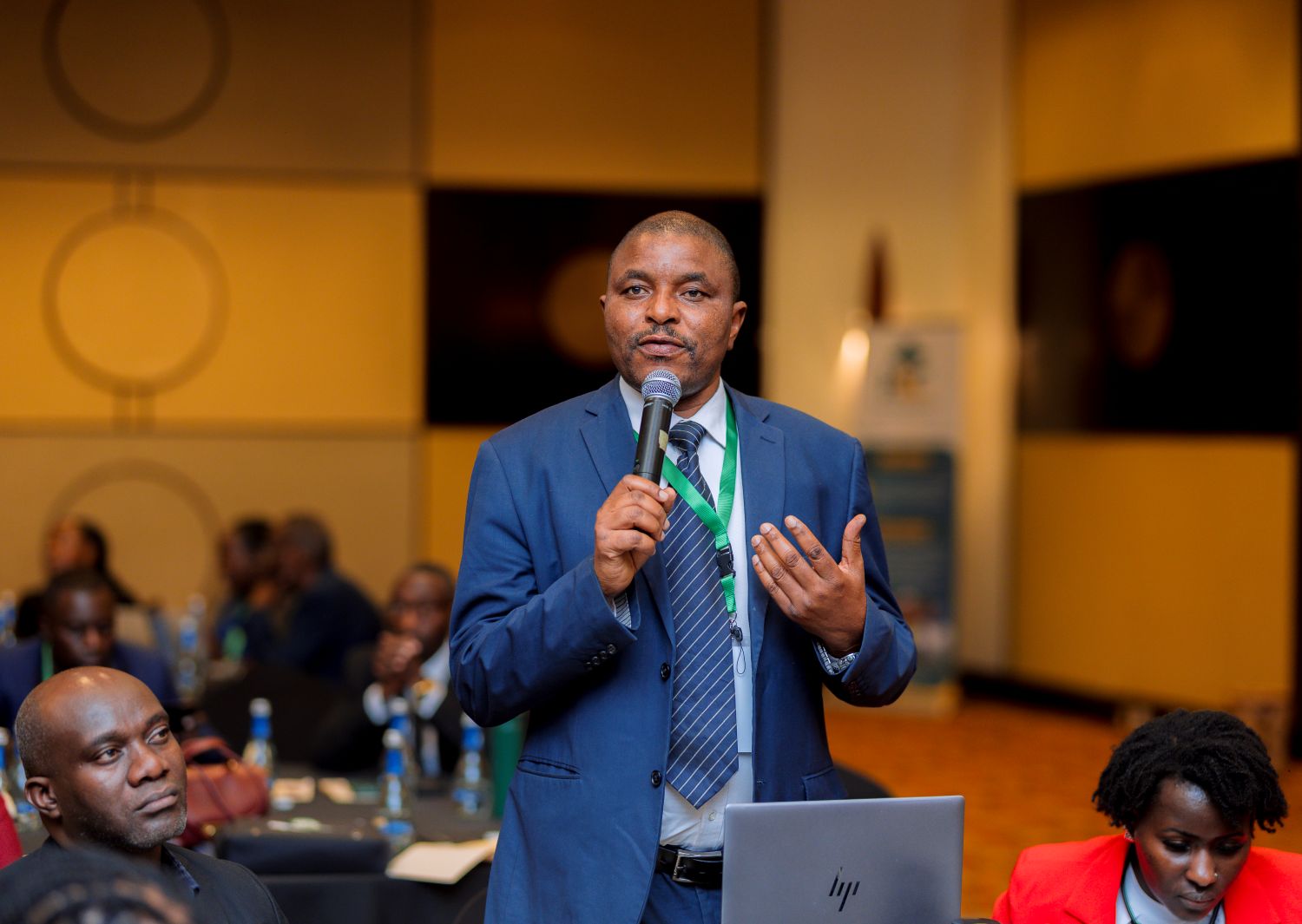
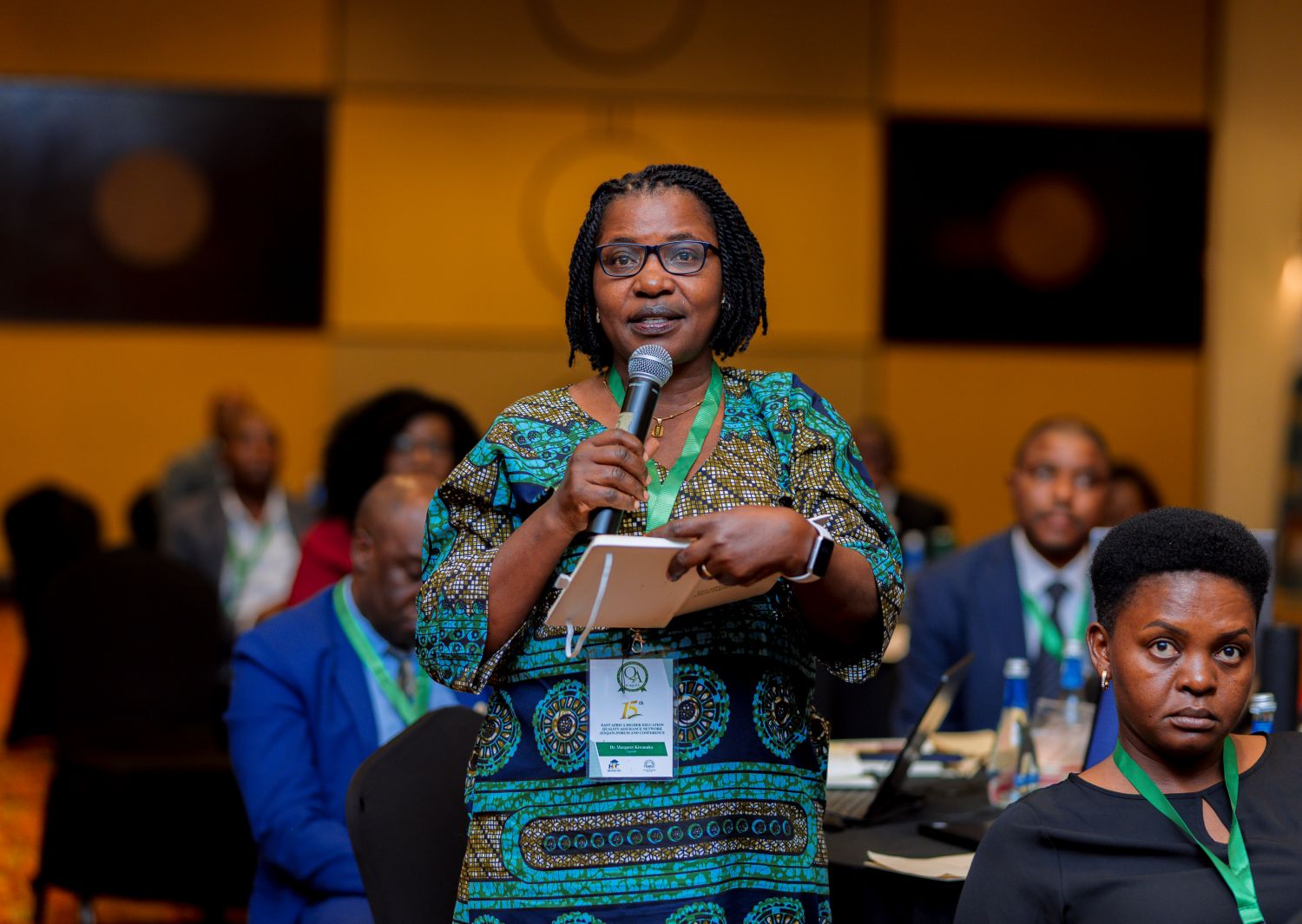
The forum has brought together university leaders, higher education regulators, academics and development partnersThe stakeholders are discussing how East Africa can prepare its universities and graduates for emerging technologies and the changing demands of the labour market.