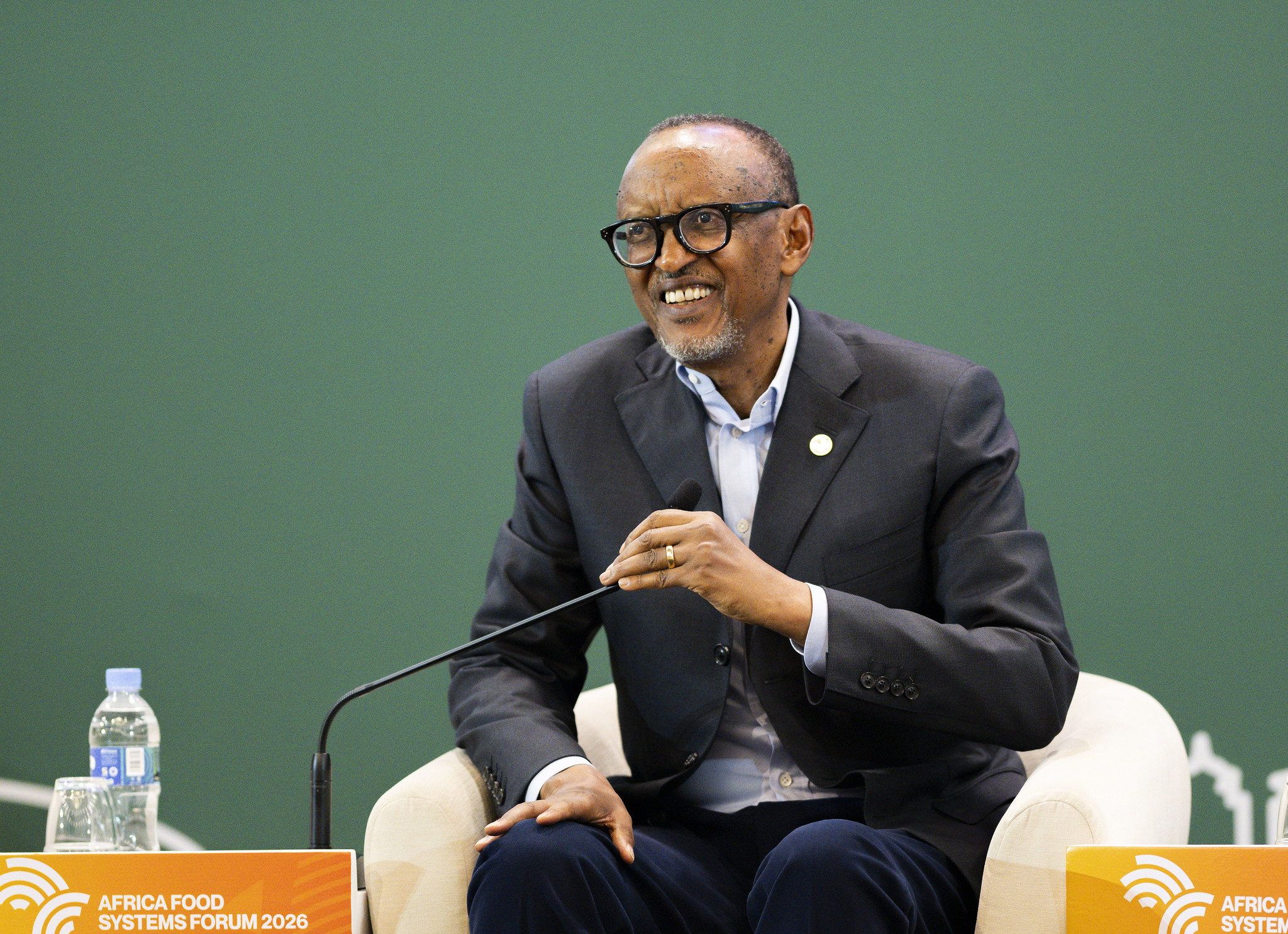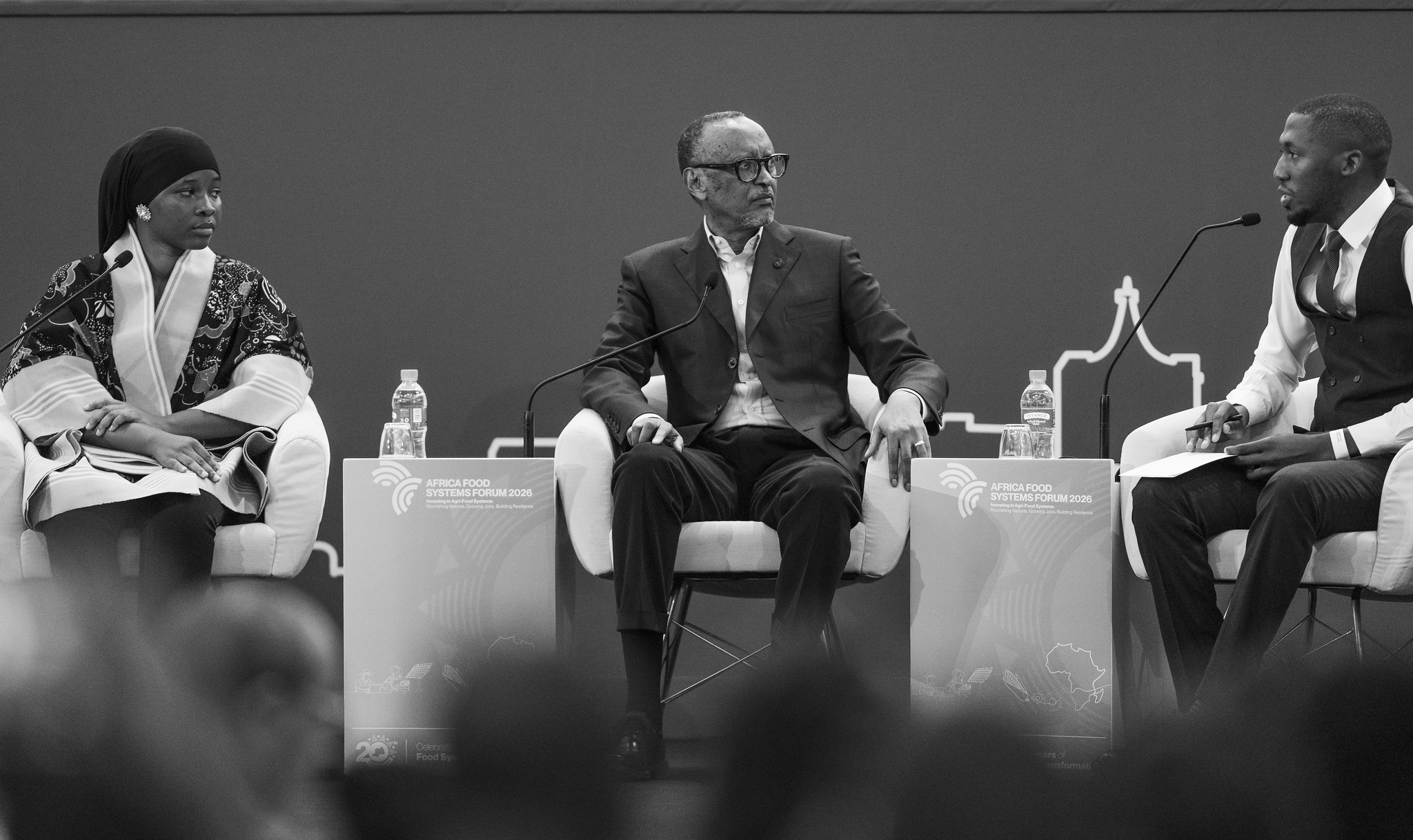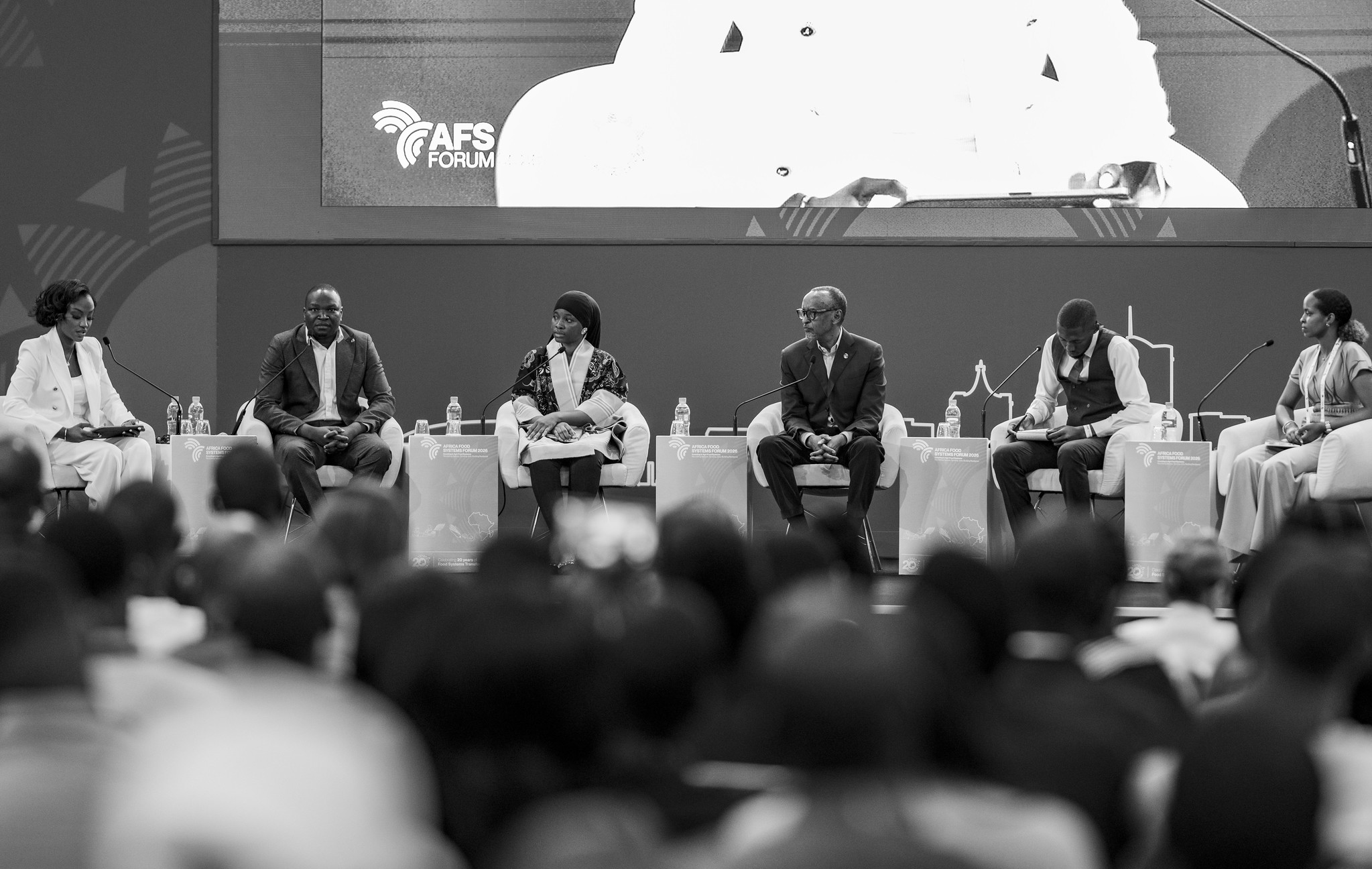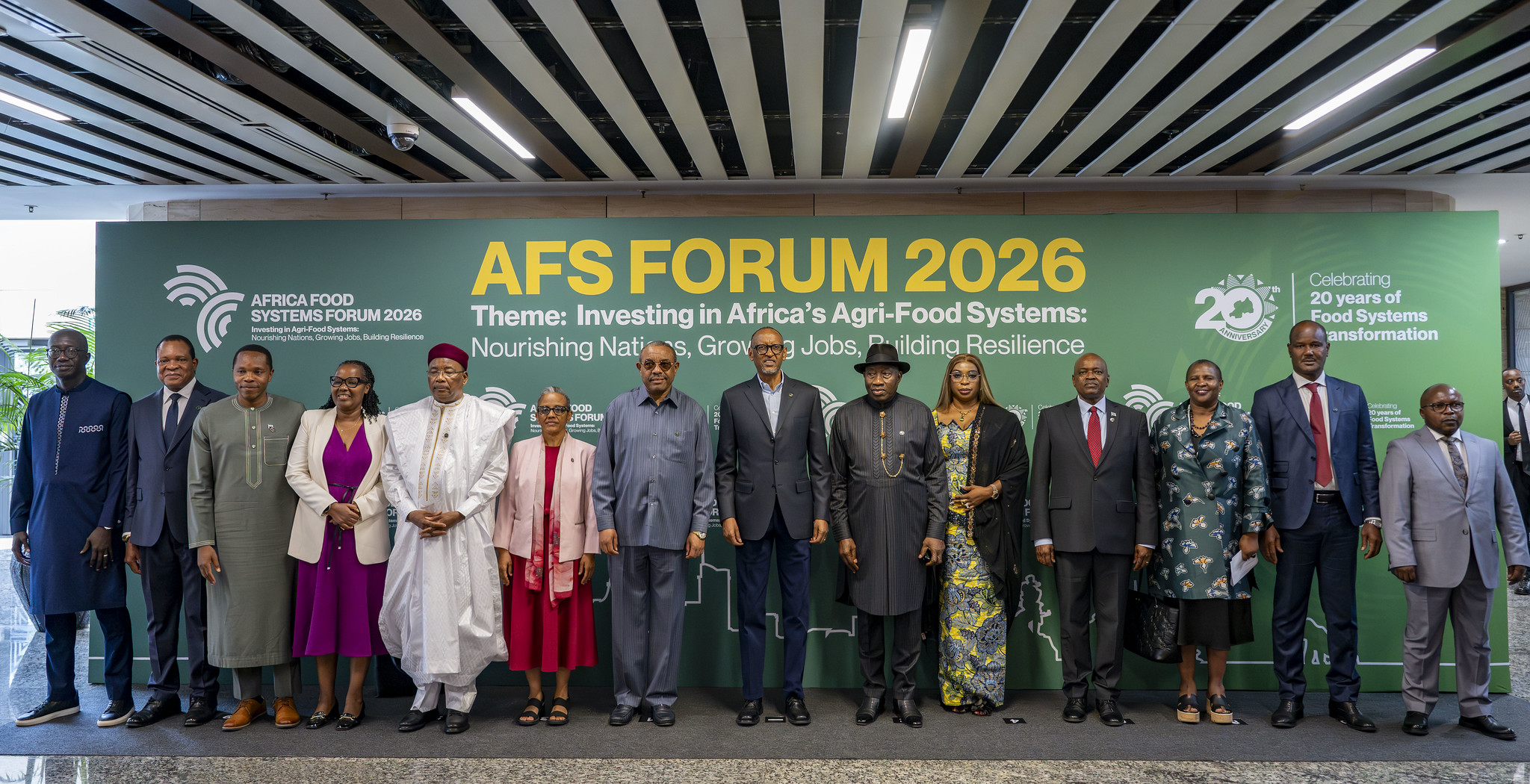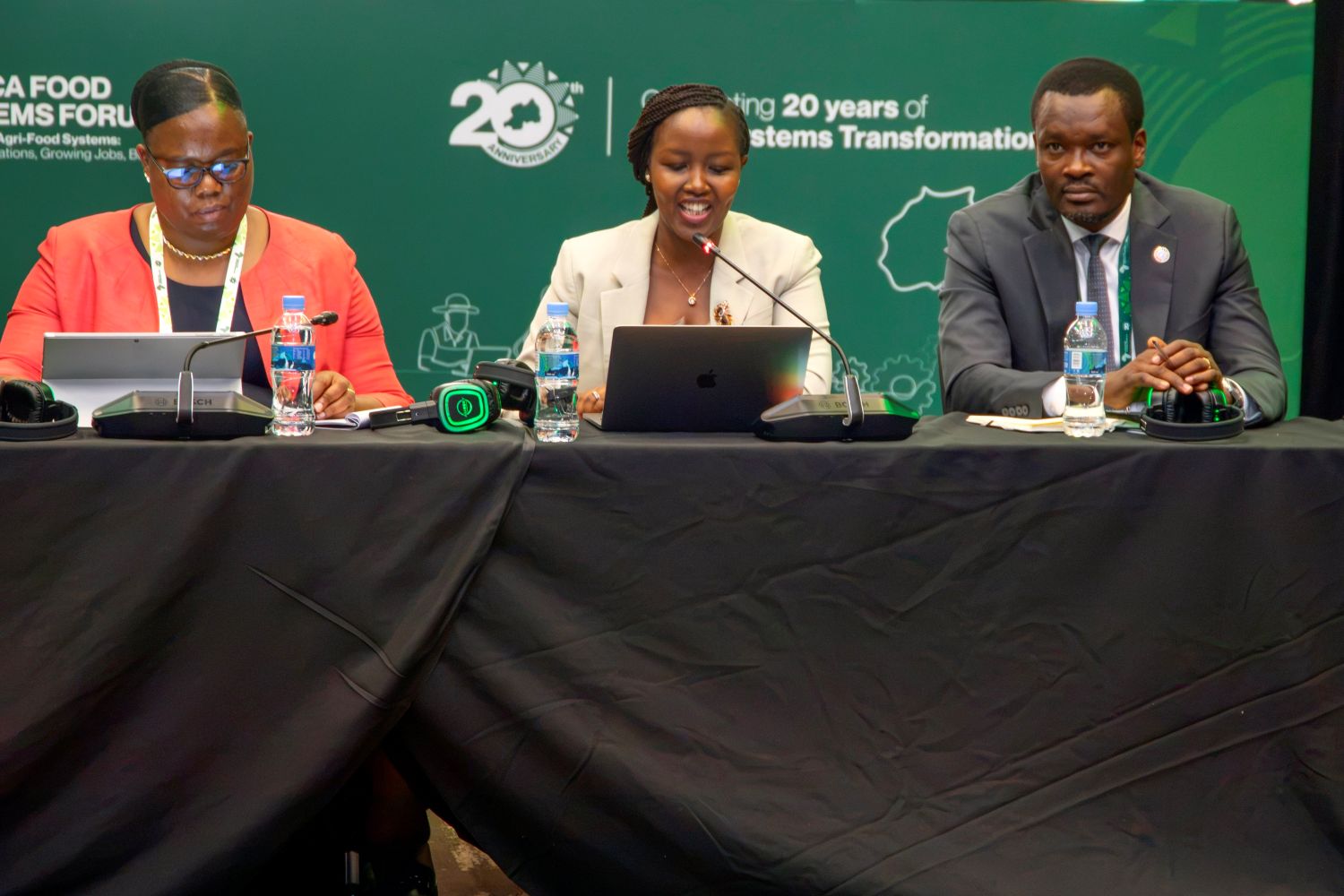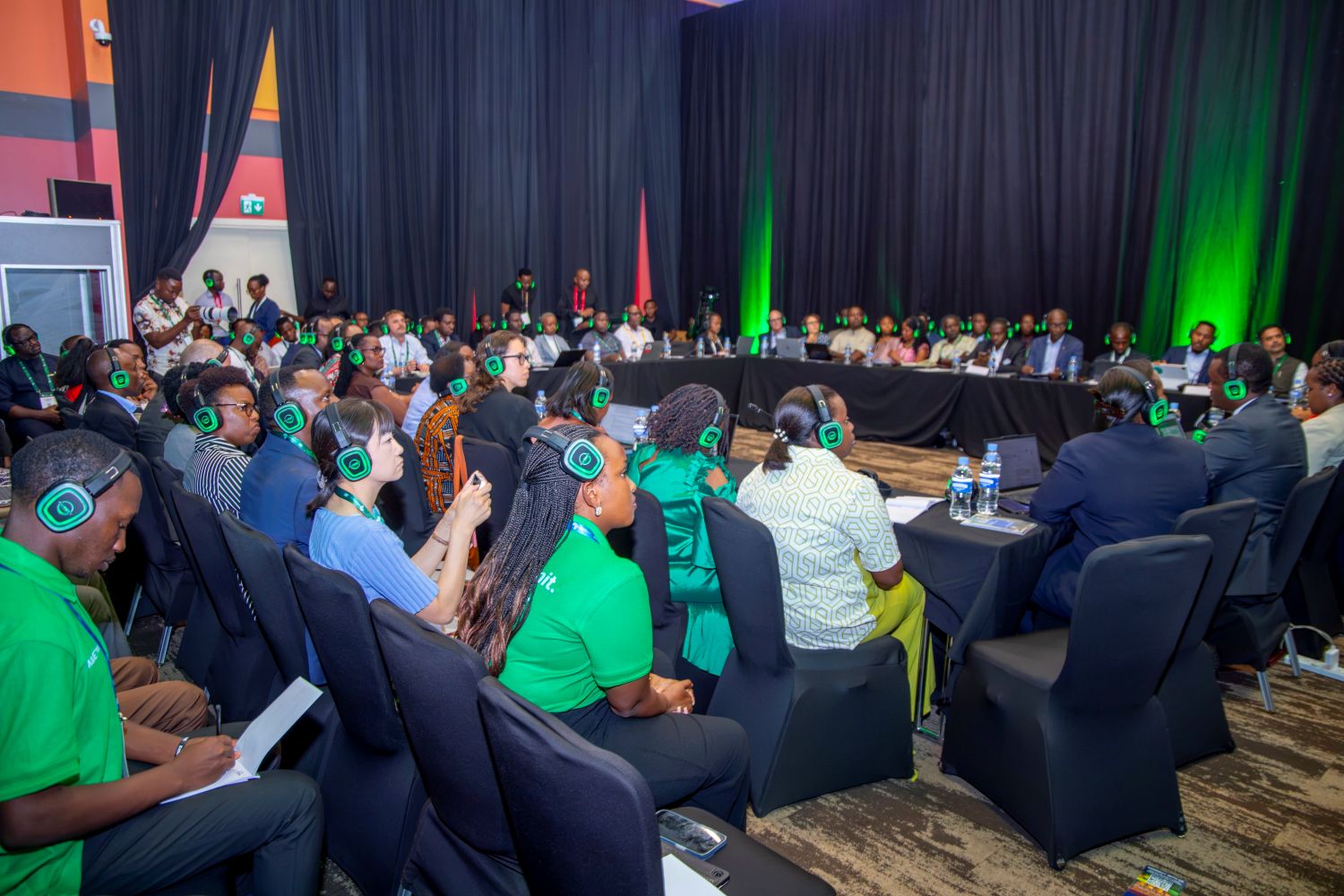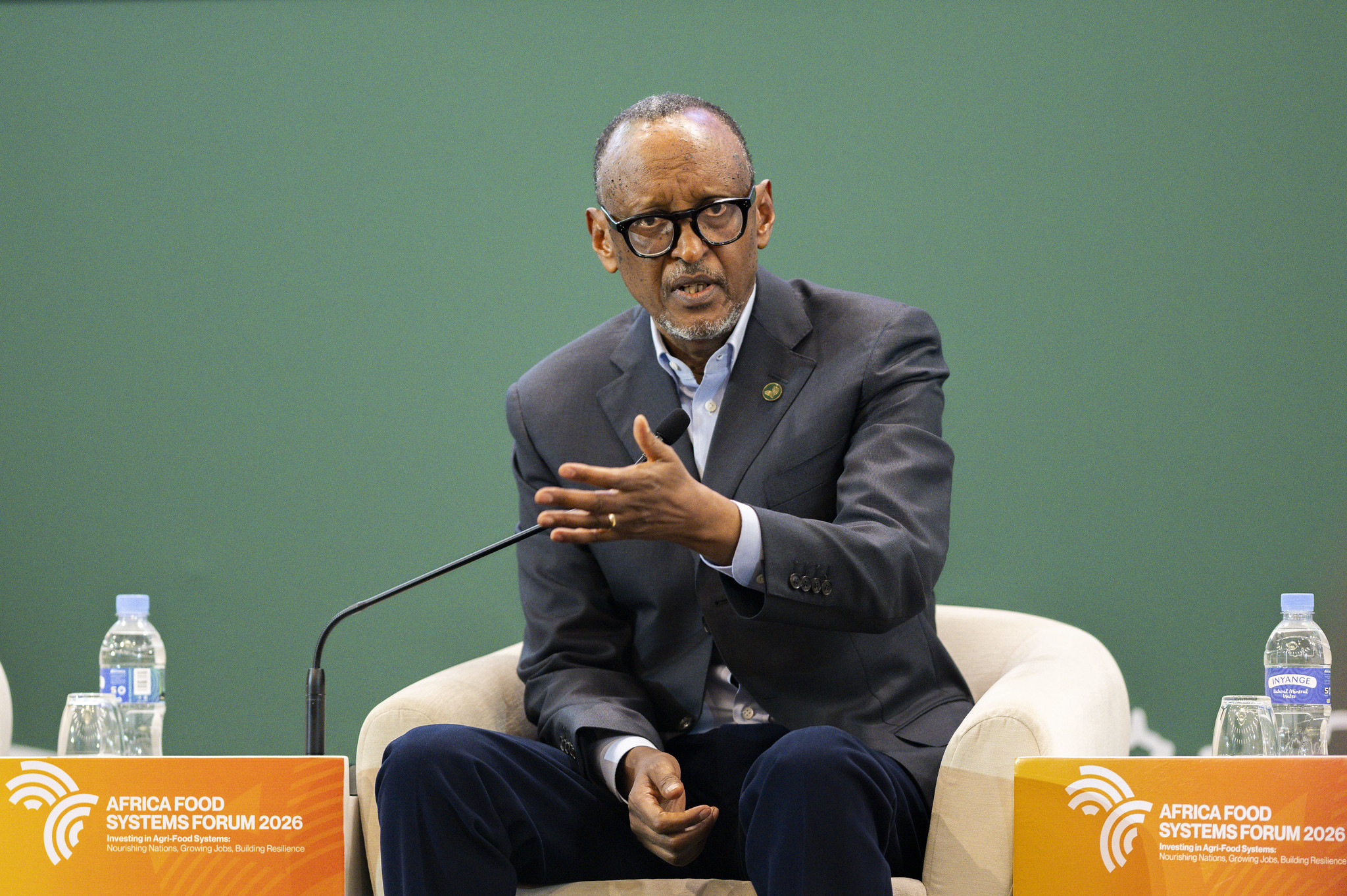
Speaking during a presidential conversation with young entrepreneurs at the Africa Food Systems Forum 2026 in Kigali on Thursday, President Kagame said financial systems across the continent are often structured in ways that make capital more accessible to people who already have the resources and collateral required to secure financing.
“Unfortunately, a number of parts of financial systems on our continent are framed in such a way that they mostly avail capital to those who have collateral,” Kagame noted.
He argued that governments have a role to play in reducing the risks faced by financial institutions when lending to young entrepreneurs who may have viable businesses but lack sufficient collateral.
Kagame pointed to Rwanda’s experience with development financing as an example of how public resources can help make capital available to groups that would otherwise struggle to access it.
According to the President, the government and its partners had put resources into a development fund aimed at ensuring capital reaches a wider section of the population, particularly young people who cannot easily afford financing.
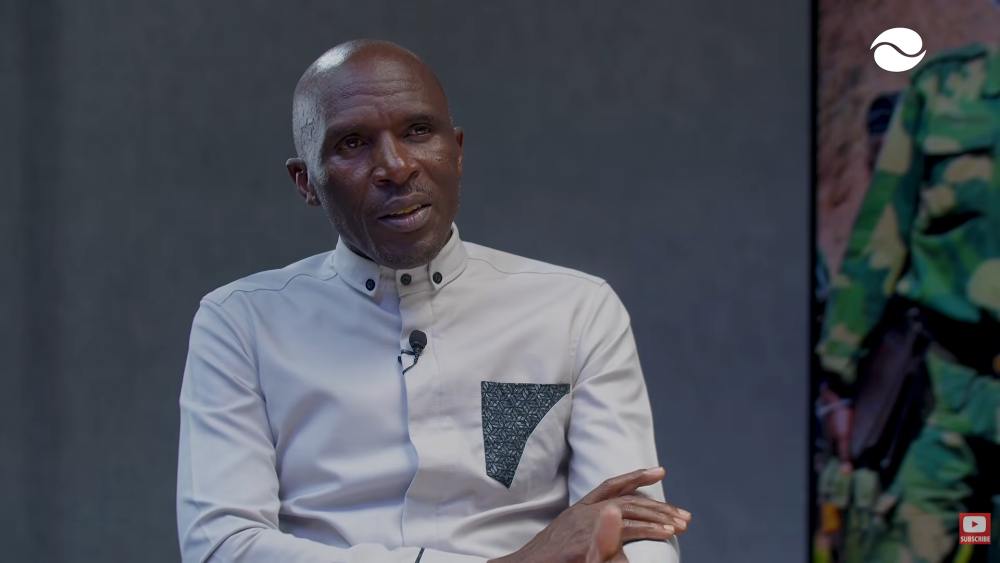
The President was responding to a question from Mussa Mishamo, a 34-year-old agricultural engineer and founder of Rada360 from Tanzania, who told him that young Africans have brilliant ideas and innovations in agriculture but often lack access to capital and collateral.
Mishamo explained that Rada360 maps farms and uses digital solutions to monitor farmers from planting to harvesting, including crop health and climate shocks such as flooding, drought and wildfires. The company also provides traceability services to help farmers meet emerging market requirements.
He asked what should change in Africa’s existing financial institutions to enable them to take greater risks on young entrepreneurs.
In response, Kagame linked the issue to the broader responsibility of governments to create an environment in which young people can turn their capabilities and ideas into businesses.
Earlier in the conversation, Fareeda Mustapha, co-founder and CEO of PureLube Ghana, asked Kagame what governments must do differently to make agri-food systems a major engine of job creation.
Kagame stressed that governments must find ways to support people who have the capacity and desire to contribute to the economy but lack some of the resources needed to do so.
He also highlighted the breadth of opportunities available across Africa’s food economy, urging young entrepreneurs to look beyond farming itself and consider gaps in areas such as logistics, technology, irrigation, storage and markets.
“If we had the opportunity to think about that now, there is actually a whole long chain of things you can think about,” Kagame remarked.
The President encouraged young entrepreneurs to identify opportunities that match their passions and skills, while recognising that Africa’s food system extends from the farm through communities and national markets to international markets.
The conversation also focused on leadership, with Lydia Murekatete, co-founder of Rwanda-based All Greens, asking Kagame what lesson from Rwanda’s transformation young African leaders and entrepreneurs should carry with them.
Kagame stressed that leadership ultimately requires action, rather than simply ideas or inspiration.
He advised young people to begin by examining themselves before attempting to solve problems around them, saying self-reflection can help entrepreneurs identify and prioritise the challenges they are best positioned to address.
“Before you set out to go and address problems out there, think about yourself first,” the Head of State advised.
Murekatete said All Greens grows vegetables in climate-controlled greenhouses and distributes them through company-owned stores and direct business-to-business supply channels. She added that the company has provided market access to more than 200 farmers.
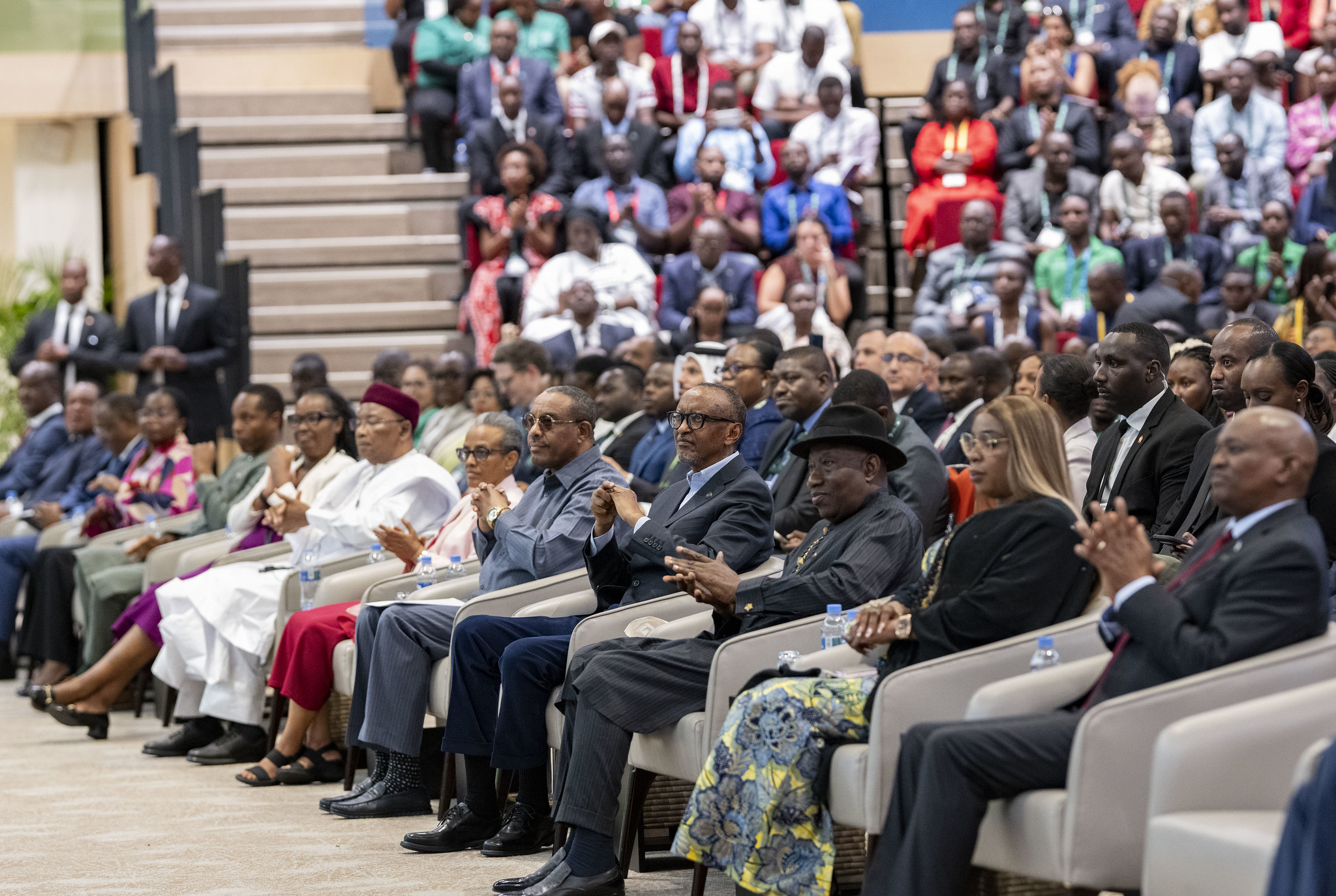
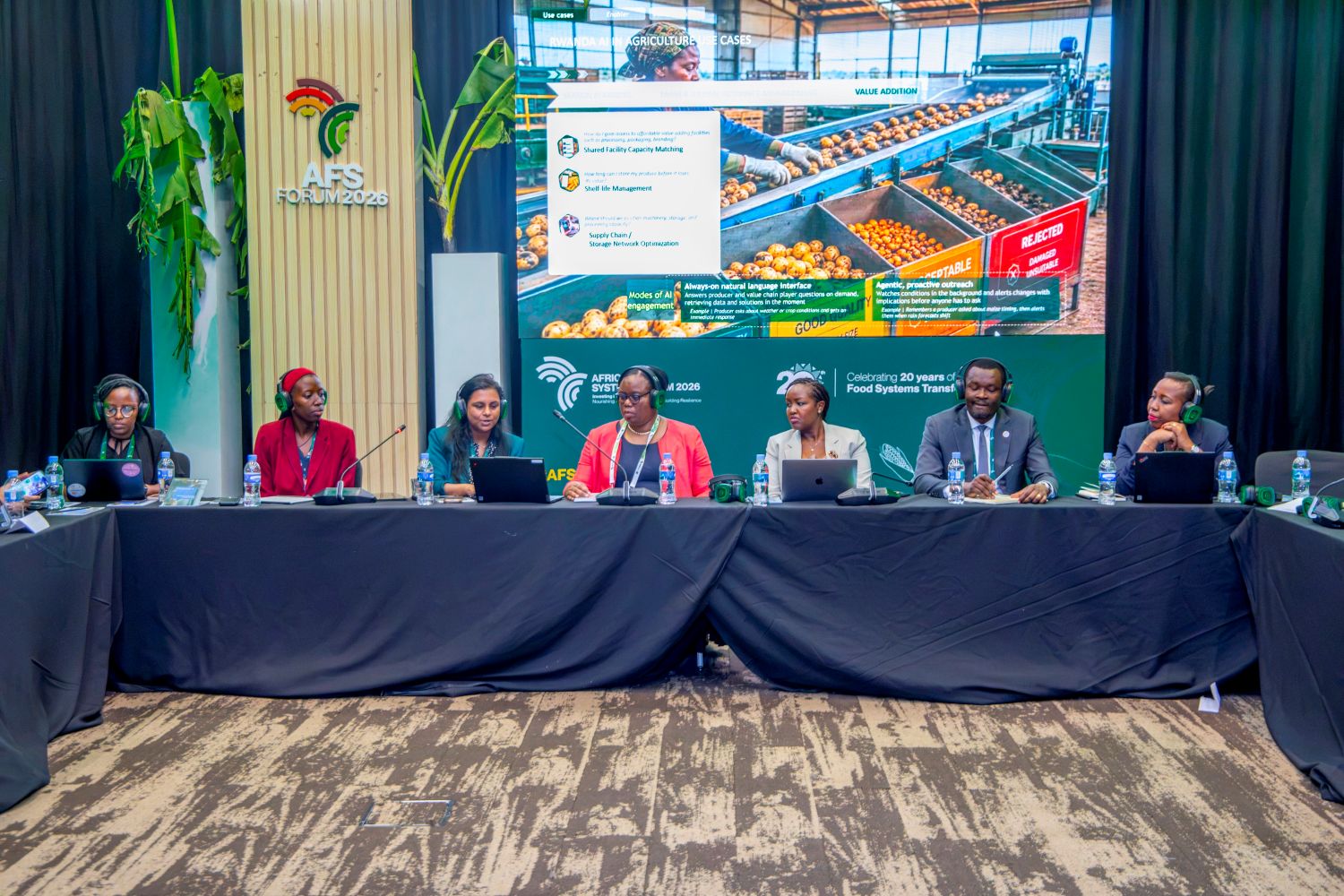
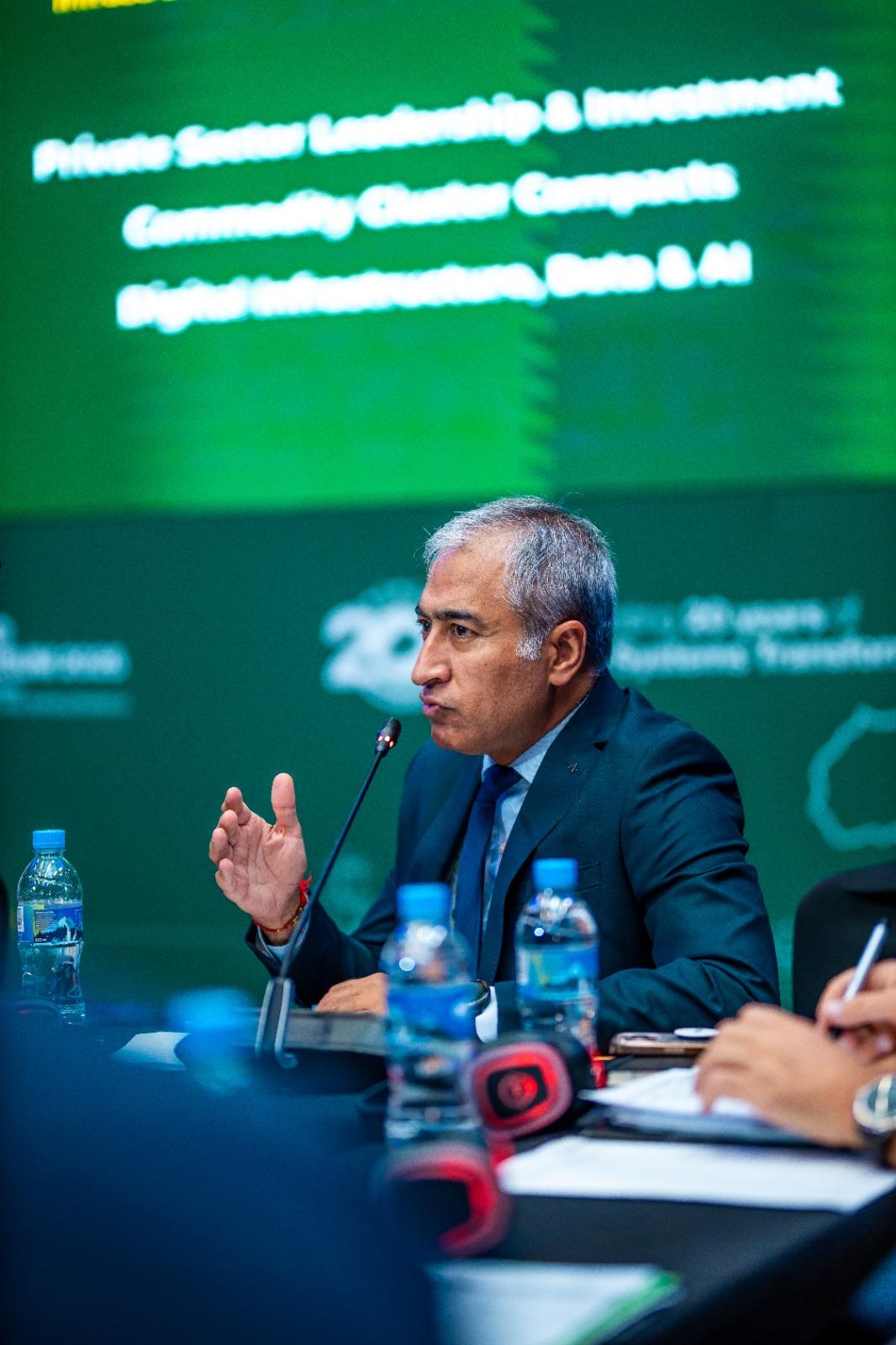
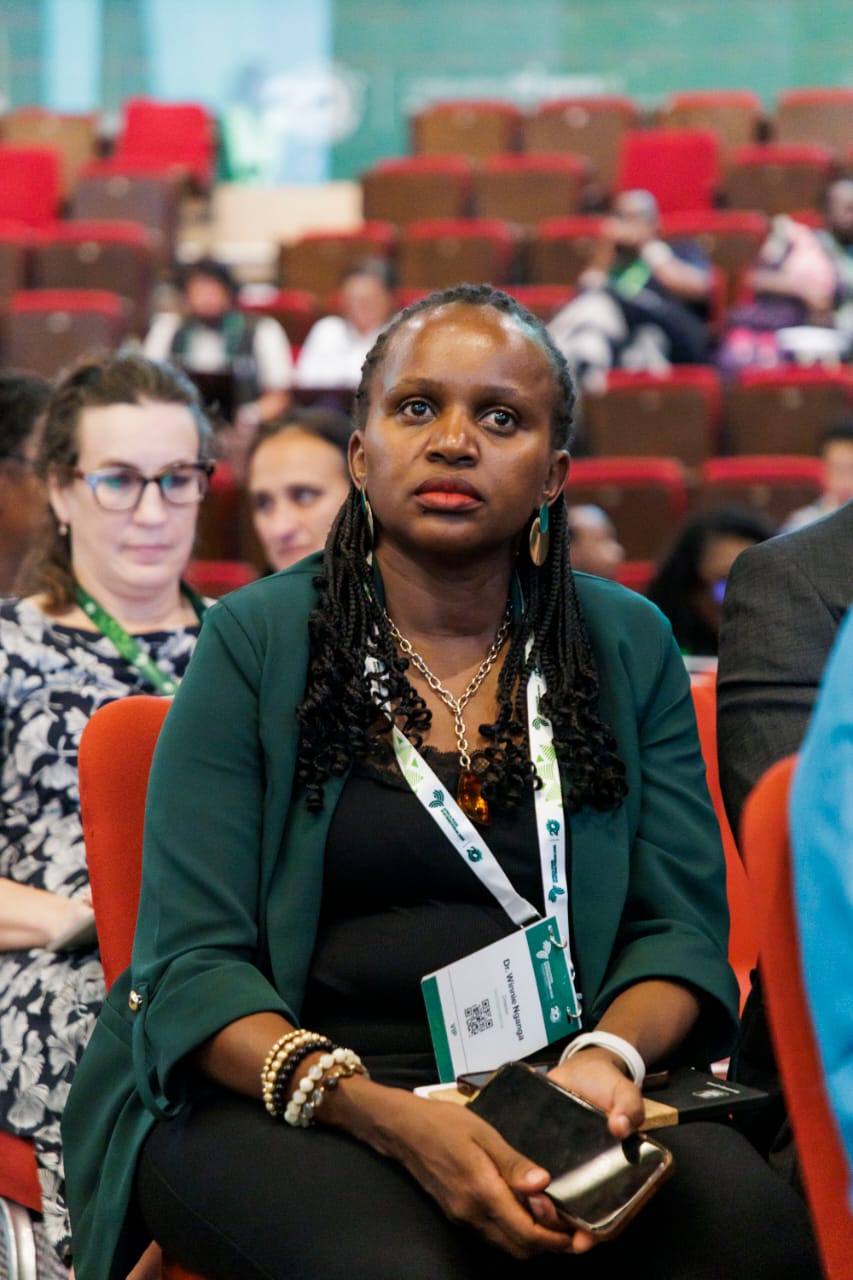
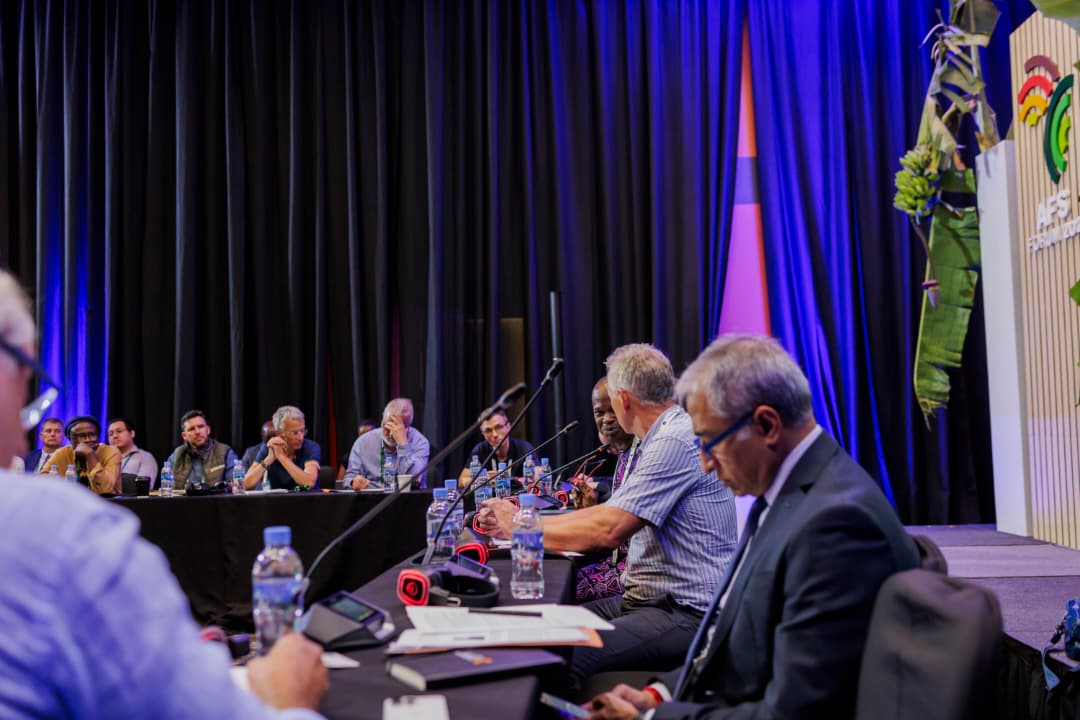
The presidential conversation brought together young entrepreneurs from across Africa and formed part of the weeklong Africa Food Systems Forum 2026, which closes on Friday, September 4, in Kigali.
The forum has brought together more than 5,000 delegates from 50 countries, including government leaders and policymakers; investors and financial institutions; farmers and smallholder representatives; scientists and researchers; youth entrepreneurs and innovators; private-sector executives and business leaders; civil society organisations; and academia.
The broader forum has focused on accelerating the transformation of Africa’s food systems, with discussions around investment, innovation, climate resilience, trade, technology and the role of young people in creating jobs and transforming agricultural economies.
In a video message to the forum, United Nations Deputy Secretary-General Amina Mohammed also called for greater investment in Africa’s food systems, including responsible private investment and affordable finance for smallholder farmers and small businesses.
She highlighted that the African Continental Free Trade Area offers an opportunity to strengthen regional value chains, expand intra-African trade and create more jobs on the continent.