The firm-fixed-price contract has a maximum potential value of approximately 700 million U.S. dollars. Under the contract, Blue Origin will deliver a high-performance telecommunications orbiter for Mars to NASA no later than Dec. 31, 2028, according to NASA.
Blue Origin will design, develop, integrate, launch, and operate the network as part of NASA’s broader space communications and navigation infrastructure.
The network will include a high-performance telecommunications spacecraft orbiting Mars to transmit science data, imagery, navigation information, and critical mission communications for spacecraft operating on and around the planet.
The network, managed by NASA’s Space Communications and Navigation program, is expected to be operational at Mars by 2030 and will support both current and future missions to the Red Planet, according to NASA.
NASA said the contract award marks a milestone in its strategy to expand communications and navigation services beyond Earth and the Moon, laying the foundation for sustained exploration of Mars in the coming decades.
This illustration released on Sept 6, 2024, shows the twin spacecraft of NASA’s Escape and Plasma Acceleration and Dynamics Explorers entering Mars’ orbit. (PHOTO/ROCKET LAB USA)
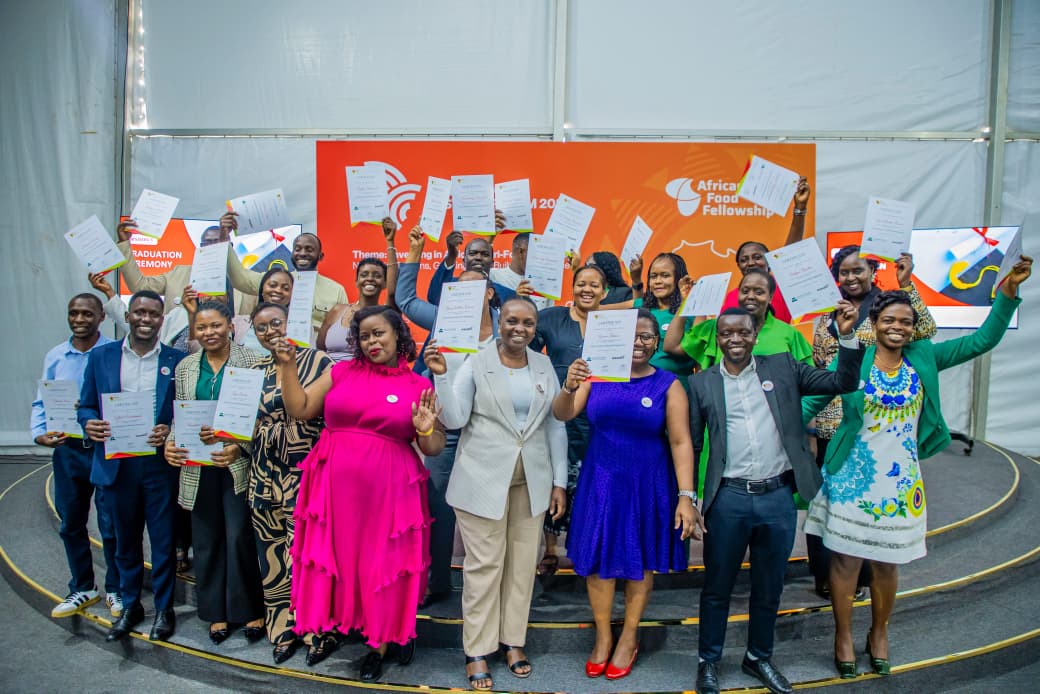
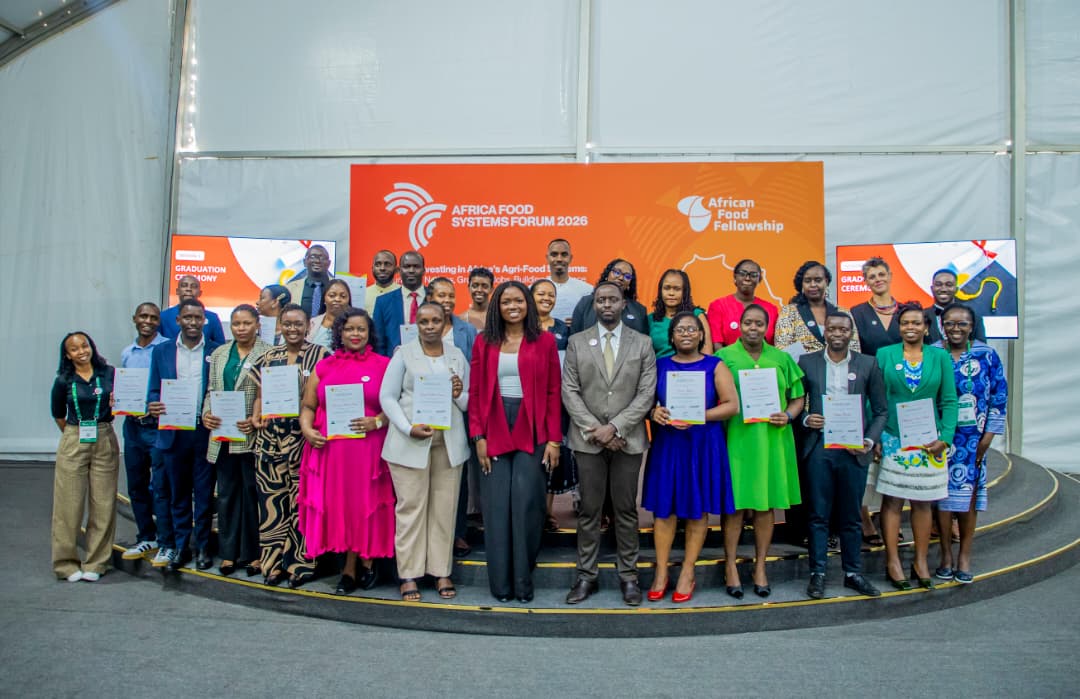
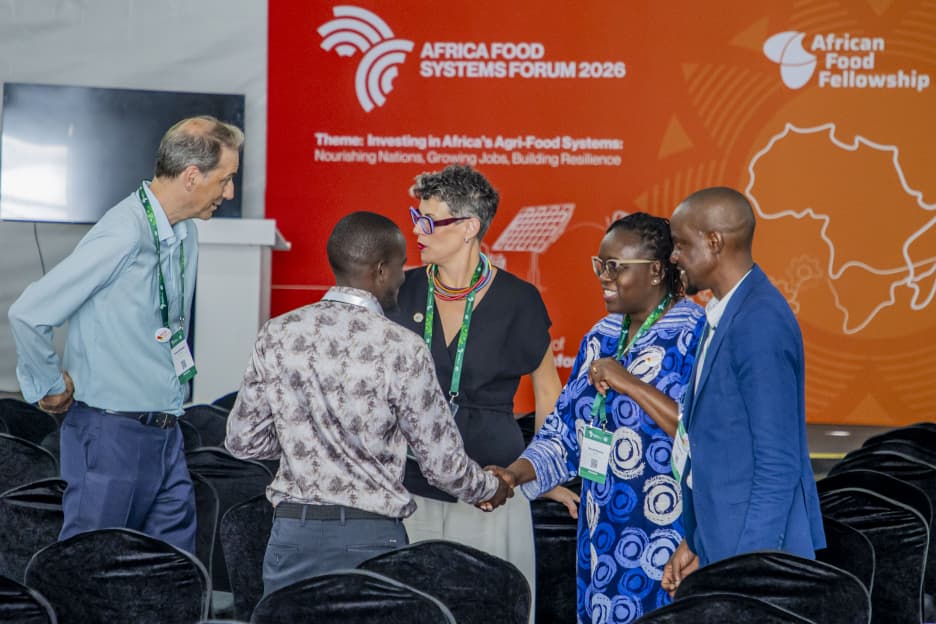
The latest graduates completed a 10-month programme focused on equipping leaders to address complex challenges facing Africa’s food systems, including food waste, food safety, market access, agricultural financing and climate-smart agriculture.
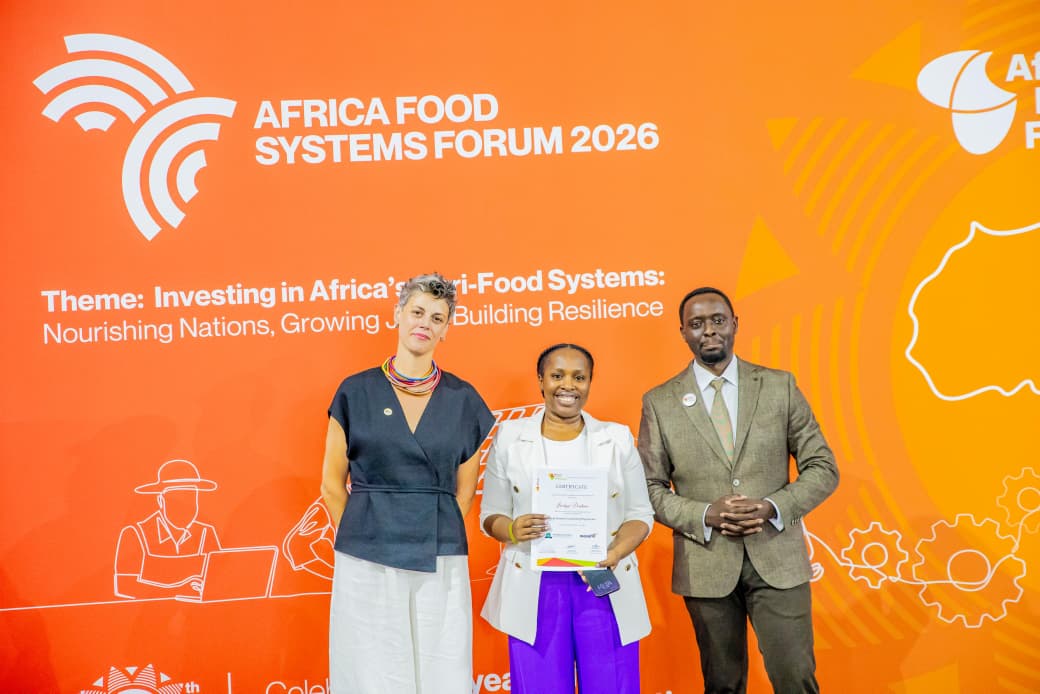
The graduation ceremony was held on Monday in Kigali as part of the launch of the Africa Food Festival, organised on the sidelines of the 2026 Africa Food Systems Forum.
The new graduates join a growing network of nearly 400 fellows from Rwanda, Kenya and Zambia, representing more than 200 organisations working across Africa’s food systems.
The latest graduates completed a 10-month programme focused on equipping leaders to address complex challenges facing Africa’s food systems.
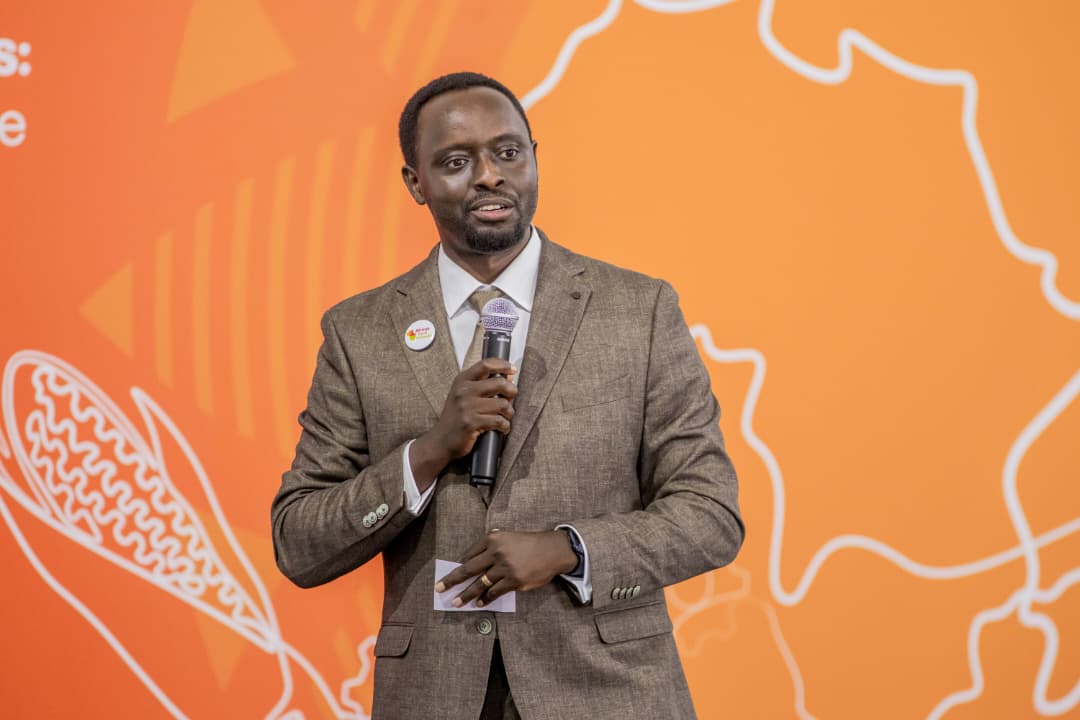
Pascal Murasira, Executive Director of the African Food Fellowship, said the organisation plans to significantly expand the network over the next decade.
“Today we have about 400 fellows who come from 203 organisations in three countries. We are targeting that by 2035 we will be in 15 African countries and will be a network of 2,750 leaders,” he said.
Murasira said the fellowship’s next phase would focus on strengthening leadership and infrastructure while using technology and partnerships to expand its reach.
He highlighted that the programme had evolved from a leadership initiative launched in 2021 into a wider alumni network that is increasingly becoming a critical mass within food systems in the countries where it operates.
An evaluation published in July found that fellows reported improvements in their leadership skills and ability to act, although it also identified a gap in translating those gains into the next stage of impact.
Murasira said the fellowship would therefore place greater emphasis on leverage, including the use of technology to enable a small team and its partners to achieve more, as well as partnerships at national, continental and global levels.
“We are trying to achieve much more as a network,” he said.
Murasira said the fellowship’s next phase would focus on strengthening leadership and infrastructure while using technology and partnerships to expand its reach.
Turning leadership into action
Anysie Ishimwe, Lead of the African Food Fellowship in Rwanda, stressed that the programme was built on the belief that investing in leaders is critical to transforming complex food systems.
She said Africa’s food systems face problems that cannot be addressed by a single institution or programme because they often have multiple causes and require coordinated action among different actors.
Ishimwe pointed to childhood malnutrition as an example, noting that responsibility for the problem cuts across health, education, families, farmers, markets and other actors.
She highlighted that fellows are therefore trained in systems thinking, foresight and scenario planning to help them understand both current challenges and how food systems could evolve in the future.
“Every ecosystem leader eventually encounters a problem larger than themselves,” Ishimwe said, explaining that such challenges often exceed the capacity, budgets or expertise of individual organisations.
The fellowship seeks to bring leaders from different parts of the food system together so they can identify shared challenges and build partnerships rather than attempting to solve complex problems independently.
Ishimwe cited the experience of a fellow who had spent years promoting regenerative and conservation agriculture but struggled to increase adoption.
Fellowship brings food systems leaders together to tackle shared challenges and build partnerships.
The fellow later brought together 14 organisations into a coalition, which helped shape a national target to increase land under conservation agriculture from about 1,200 hectares to nearly 100,000 hectares by 2028–2029.
For Ishimwe, the example demonstrates the value of networks in turning individual ideas into broader action.
She said the fellowship is not intended to produce “brilliant individuals working alone” but to build a network that allows leaders to identify who they need to work with when tackling complex challenges.
From training to practical action
The fellows are also leaving the programme with projects targeting specific challenges across Rwanda’s food system.
Among the initiatives is Kamanzi Jean Pierre’s project to strengthen market access for smallholder farmers by linking them with agribusiness buyers and expanding contract farming in the chilli value chain.
The project targets more than 500 smallholders over two to five years, while its maize component has recorded an estimated 25–35% increase in farmer incomes and payments made two to four weeks faster.
Manasseh Manirakinga is developing a Poultry Centre of Excellence to equip secondary-school graduates with practical poultry production, business management and entrepreneurship skills.
The initiative aims to train more than 500 young people over two to five years and support the creation of youth-led poultry enterprises.
For Manirakinga, the fellowship has changed how he approaches food systems challenges.
“The FSA journey has been challenging but strengthened my systems-thinking approach, refined the Centre of Excellence concept, expanded my network, and increased my confidence in designing a scalable solution,” he said.
Other fellows are also tackling specific challenges. Joselyne Dushime is developing a hydroponic agriculture investment playbook to help investors, financial institutions and entrepreneurs evaluate and finance hydroponic projects in Rwanda. The project seeks to address gaps in local investment evidence, business models and risk assessment tools.
In nutrition, Pacifique Umuhire is developing NutriRwanda, a Kinyarwanda-first, offline-friendly nutrition application offering local meal ideas, voice tips and household guidance to help users make healthier food choices. The project aims to reach 200,000 users over two to five years.
The graduation ceremony was held on Monday in Kigali as part of the launch of the Africa Food Festival, organised on the sidelines of the 2026 Africa Food Systems Forum.
129 Rwandans have graduated
The latest cohort brings the total number of people who have graduated from the African Food Fellowship programme in Rwanda to 129.
The fifth Rwanda cohort is part of the fellowship’s broader network spanning Kenya, Rwanda and Zambia, with nearly 400 fellows representing more than 200 organisations.
Ishimwe urged the new graduates to take the knowledge and connections gained through the 10-month programme into their organisations and wider networks.
She said the transformation of Africa’s food system would require multiple leaders working across institutions rather than relying on a single organisation or intervention.
“The effect we mentioned, hopefully, will start to show the changes, because we all believe this: Africa’s food system will not be transformed by one institution, and definitely not by one innovative programme,” she said.
The fellowship now plans to use its growing network, technology and partnerships to scale its work beyond the three countries where it currently operates, with the long-term goal of reaching 15 African countries and 2,750 leaders by 2035.
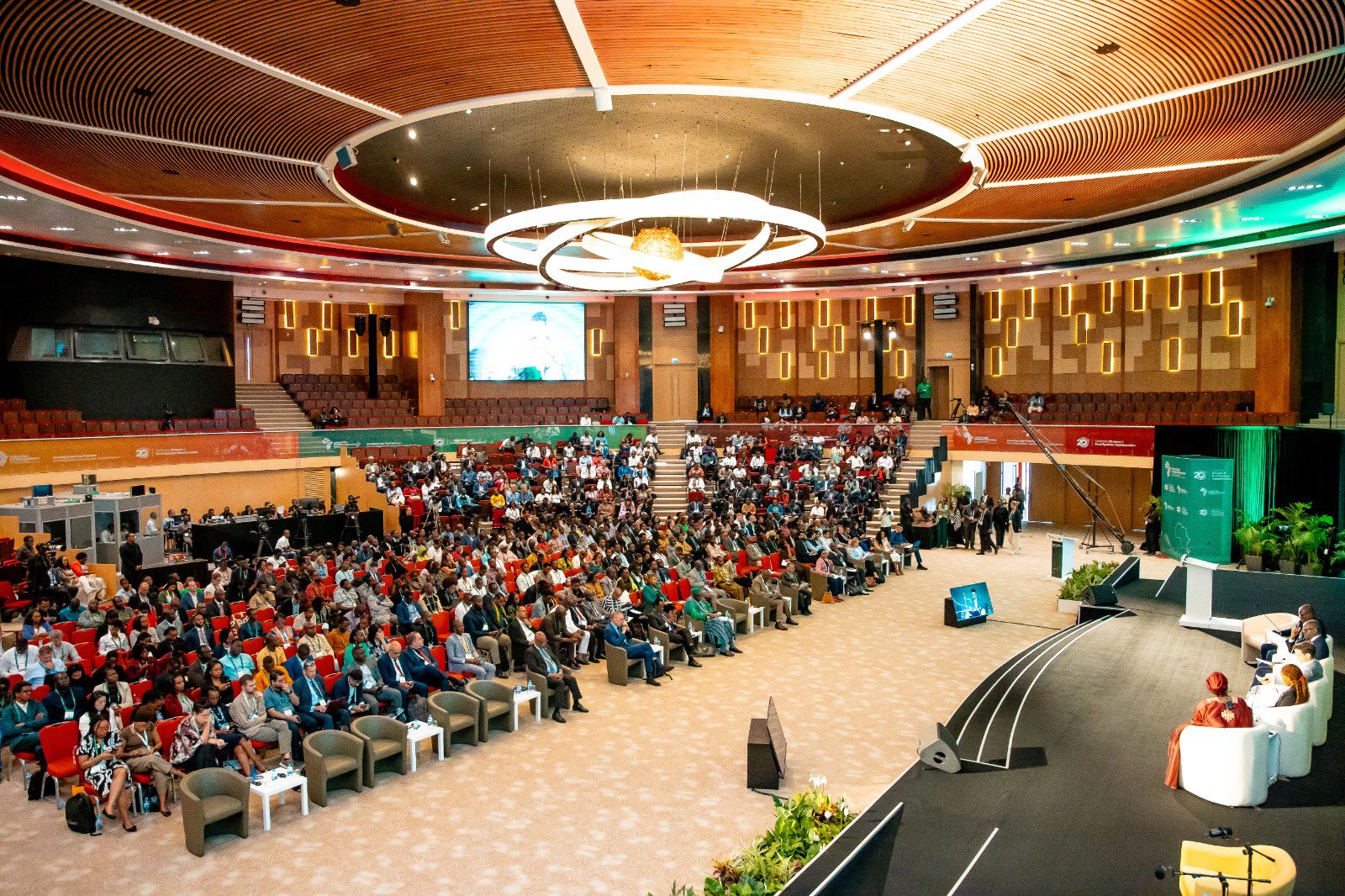
The 2026 edition of the AFS Forum, which is also celebrating its 20th anniversary, has brought together more than 5,000 delegates from over 50 countries, including government leaders, investors, farmers, scientists and young entrepreneurs.
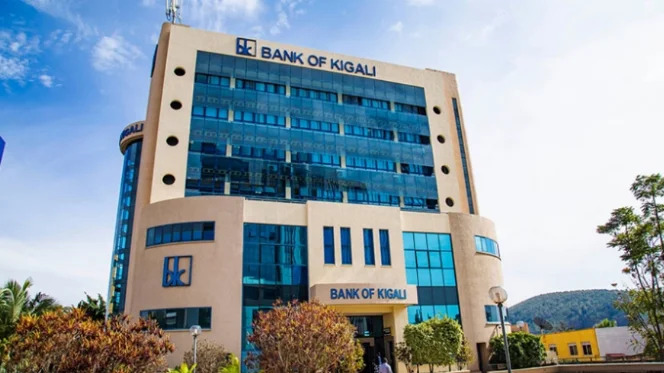
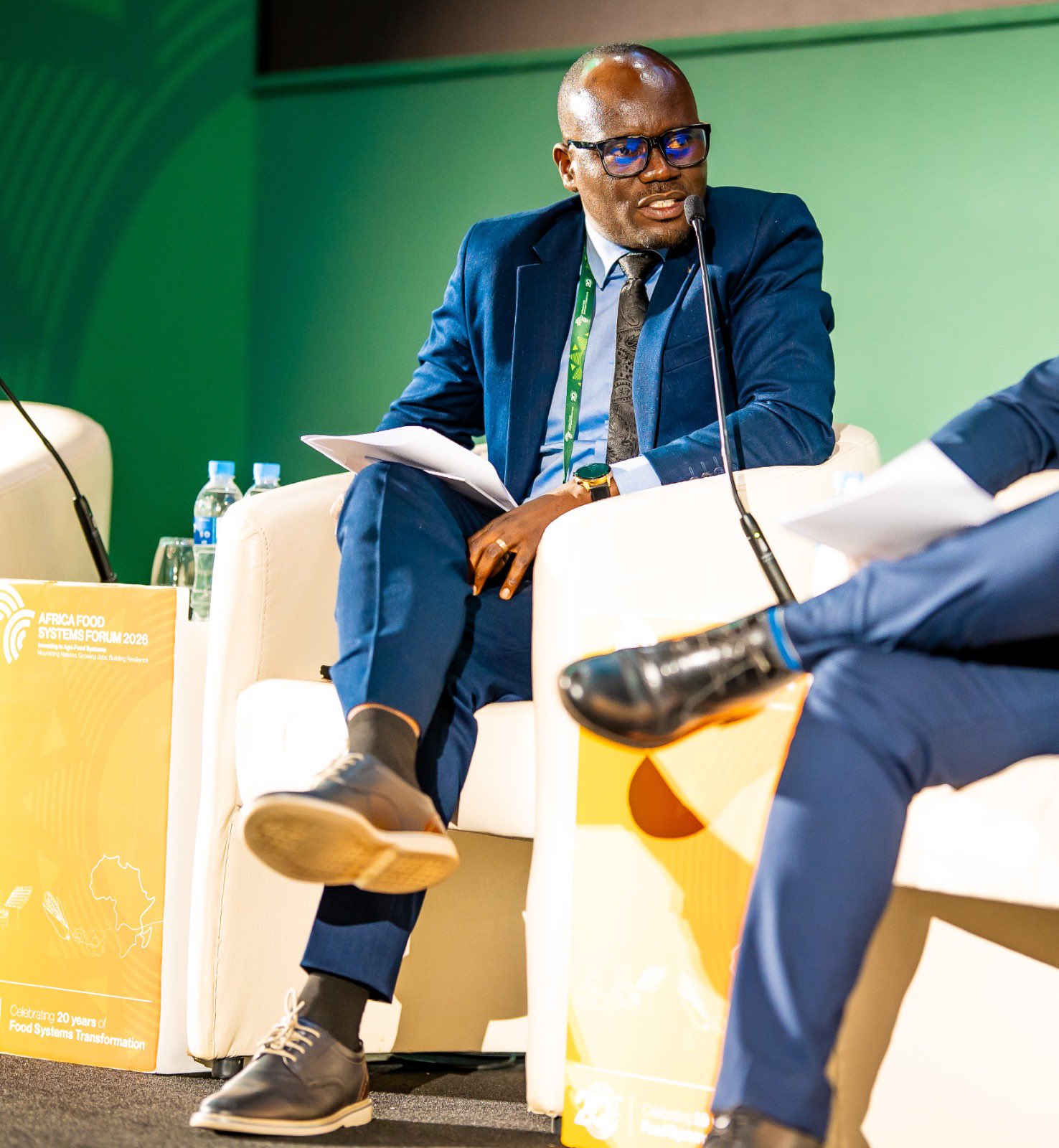
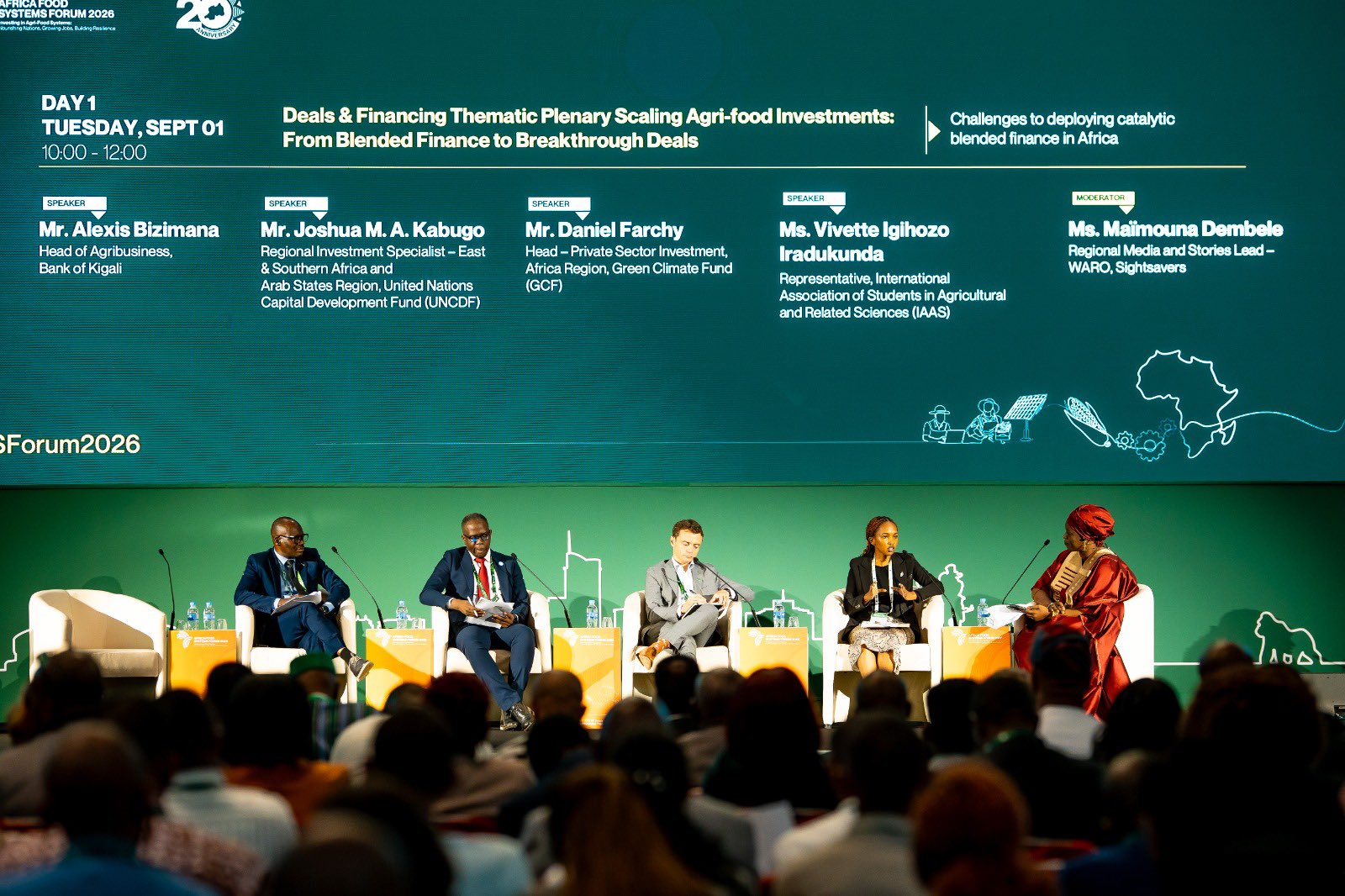
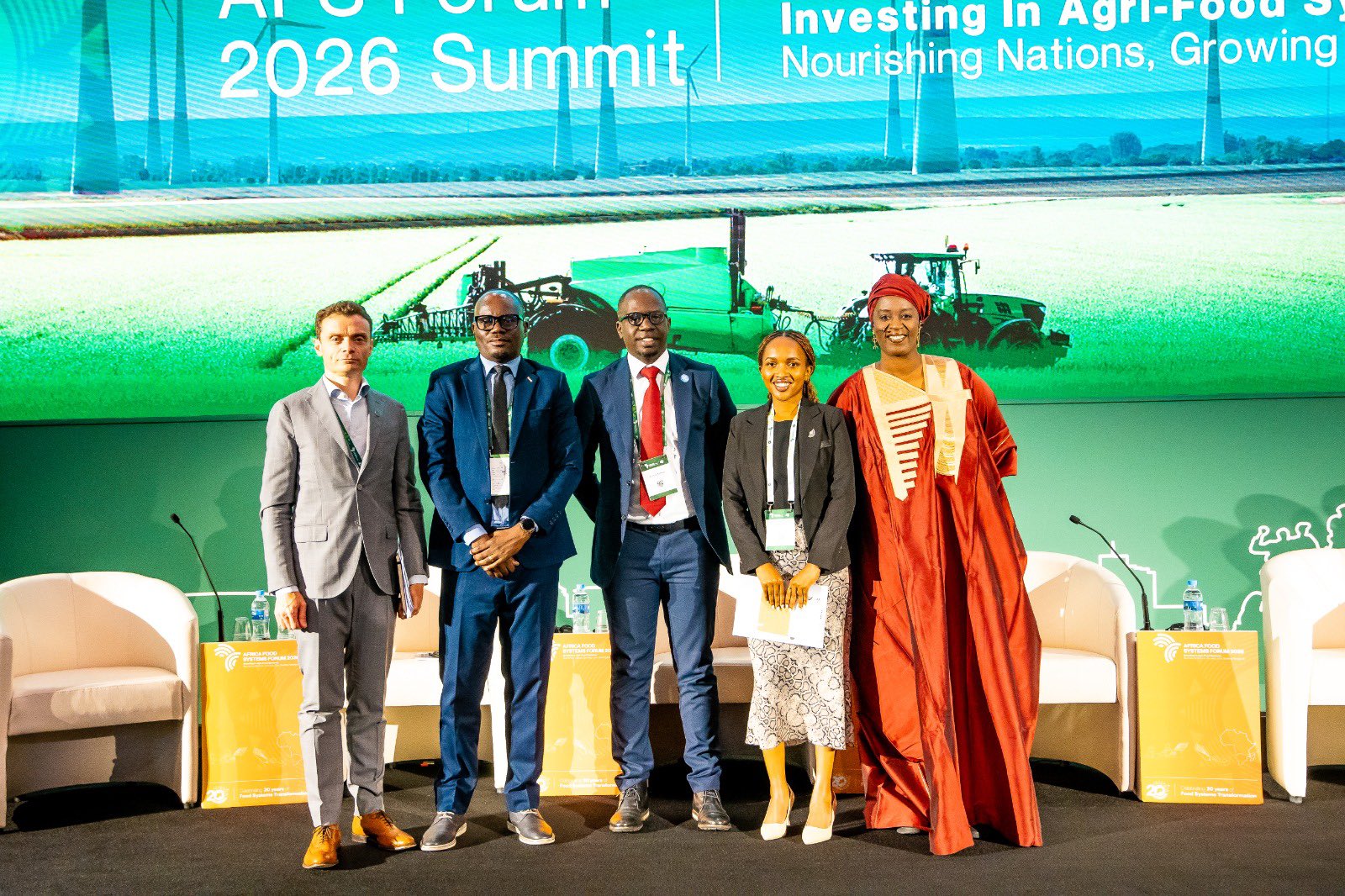
Alexis Bizimana, Head of Agribusiness at Bank of Kigali, announced the facility while speaking on a panel at the Africa Food Systems Forum (AFS Forum) 2026 in Kigali on Tuesday, during a session titled “Scaling Agri-Food Investments: From Blended Finance to Breakthrough Deals.”
“The $21 million facility will combine concessional finance with technical assistance and risk-sharing mechanisms, as well as a digital component,” he revealed, adding that the facility will be unveiled this week.
Bizimana said no single blended-finance instrument can address the full range of challenges facing agribusinesses, arguing that different tools need to be combined depending on the specific financing gap.
“I think one blended finance facility cannot solve the issue,” he noted. “We need to combine different [blended] finance facilities because they have different issues to tackle.”
He told the delegates attending the forum that concessional finance can help address challenges related to loan tenor and affordability, but does not necessarily solve collateral requirements, which may instead require risk-sharing and guarantee mechanisms.
Similarly, he said, gaps in visibility, knowledge and business capacity among beneficiaries are better addressed through technical assistance.
“We believe we need to combine different [blended] finance facilities, depending on the mandate and what we need to achieve,” he said.
Guarantees expanding access to agribusiness finance
Bizimana said Bank of Kigali’s guarantee-backed lending has already enabled the bank to expand into segments of the agribusiness sector that were previously difficult to serve.
He attributed the expansion to partnerships with a local guarantee scheme and the International Finance Corporation (IFC), saying guarantees now cover close to 48% of the bank’s relevant portfolio.
Looking ahead, Bizimana said blended finance must evolve alongside the changing needs of the agricultural sector and the wider country context.
He called for a shift “from grant to catalytic and thematic financing” to sustain investment in agribusiness over the long term, while also developing a “graduation pathway” that can bring in greater volumes of private capital.
“We need to graduate from blended to private, that’s where the sustainability is,” he said. “That’s how the future will look.”
Financing tools need to match businesses’ needs
Bizimana spoke alongside Joshua M.A. Kabugo, Regional Investment Specialist for East and Southern Africa and the Arab States at the United Nations Capital Development Fund (UNCDF); Daniel Farchy, Head of Private Sector Investment for the Africa Region at the Green Climate Fund (GCF); and Vivette Igihozo Iradukunda, representing the International Association of Students in Agricultural and Related Sciences (IAAS).
Kabugo said UNCDF uses a mix of instruments, including lending, repayable grants, concessional grants and guarantees, tailored to the size and financing profile of individual agribusinesses.
He cited a transaction in Kenya that financed cold storage for smallholder producers, while also highlighting currency mismatch as a hidden cost that can add several percentage points to agricultural lending prices in some markets. Farchy identified fragmentation among millions of small-scale producers as one of the biggest barriers to scaling catalytic capital.
He pointed to a facility in Tanzania that combined technical assistance, a line of credit and a guarantee to help develop a parametric insurance product, which has since scaled to around $200 million.
Iradukunda outlined the challenges facing young agripreneurs, including high collateral requirements, revenue cycles that often lag behind production costs, climate-related production risks, limited market access and gaps in business skills.
She cited programmes such as the Rwanda BRIDGE programme, implemented by the United Nations Capital Development Fund (UNCDF) and the World Food Programme (WFP) with support from the Mastercard Foundation, as examples of efforts to share risk and improve young entrepreneurs’ readiness to attract investment.
The 2026 edition of the AFS Forum, which is also celebrating its 20th anniversary, has brought together more than 5,000 delegates from over 50 countries, including government leaders, investors, farmers, scientists and young entrepreneurs.
The forum is being held under the theme, “Investing in Africa’s Agri-Food Systems: Nourishing Nations, Growing Jobs, Building Resilience,” with discussions focused on mobilising investment and accelerating solutions across Africa’s food systems.
Alexis Bizimana, Head of Agribusiness at Bank of Kigali, announced the facility while speaking on a panel at the Africa Food Systems Forum (AFS Forum) 2026 in Kigali on Tuesday, during a session titled “Scaling Agri-Food Investments: From Blended Finance to Breakthrough Deals.”Bizimana said no single blended-finance instrument can address the full range of challenges facing agribusinesses, arguing that different tools need to be combined depending on the specific financing gap.
A report by the AfricaNenda Foundation, an organisation that promotes instant payment systems across Africa, shows that the continent currently has 36 IPS platforms operating in 31 African countries.
The report indicates that total transaction volumes increased by an average annual growth rate of 35%, reaching over 64 billion transactions in 2024. Total transaction values increased by an average annual rate of 26% from $775.5 billion in 2020 to $1.98 trillion in 2024.
The rise of digital payments in Africa
Instant Payment Systems (IPS) are among the innovations introduced across Africa to make financial services easier and more accessible. Previously, making payments, depositing money, or withdrawing cash often required physical visits to banks or financial institutions.
This process was time-consuming and inconvenient. However, as technology advanced, financial institutions introduced various digital solutions for transferring money.
This led to the growth Mobile Money services, Mobile banking applications, USSD-based financial services, all of which have made it easier for people to send and receive money.
However, while these solutions reduced the need for frequent trips to financial institutions, they also created another challenge: the emergence of multiple payment systems operated separately by different financial institutions.
To address this challenge, banks, telecommunications companies, and other financial service providers began working together to enable interoperability, allowing customers to transfer money between different banks and mobile money platforms.
The Deputy Chief Executive Officer of AfricaNenda Foundation, Sabine F. Mensah, said Africa’s digital payment sector has reached an encouraging stage of development.
“Between 2024 and 2025, five new IPSs came live, which is the highest number of IPS in a given year since we’ve started tracking the ecosystem with the first SIPS 2022 report,” she said.
However, Mensah noted that challenges remain, with more than 400 million Africans still relying on traditional methods of transferring and payment methods.
She explained that this is mainly because some countries have not yet introduced modern payment systems, while in countries where such systems exist, many are still not fully interconnected.
“The inclusivity and interoperability journey remains a challenge. Although we already have 50% of the systems that are cross-domain, 18 out of 36, it also means that there are still 18 more that are not,” she said
“That is the reason why we are focused on driving inclusivity of this instant payment system and working with the different countries and IPSs to ensure that inclusivity is top of mind and is being developed across here in time to meet the needs of consumers and ensure that all have access to financial services through instant payment systems,” she added
Rwanda has addressed the interoperability challenge
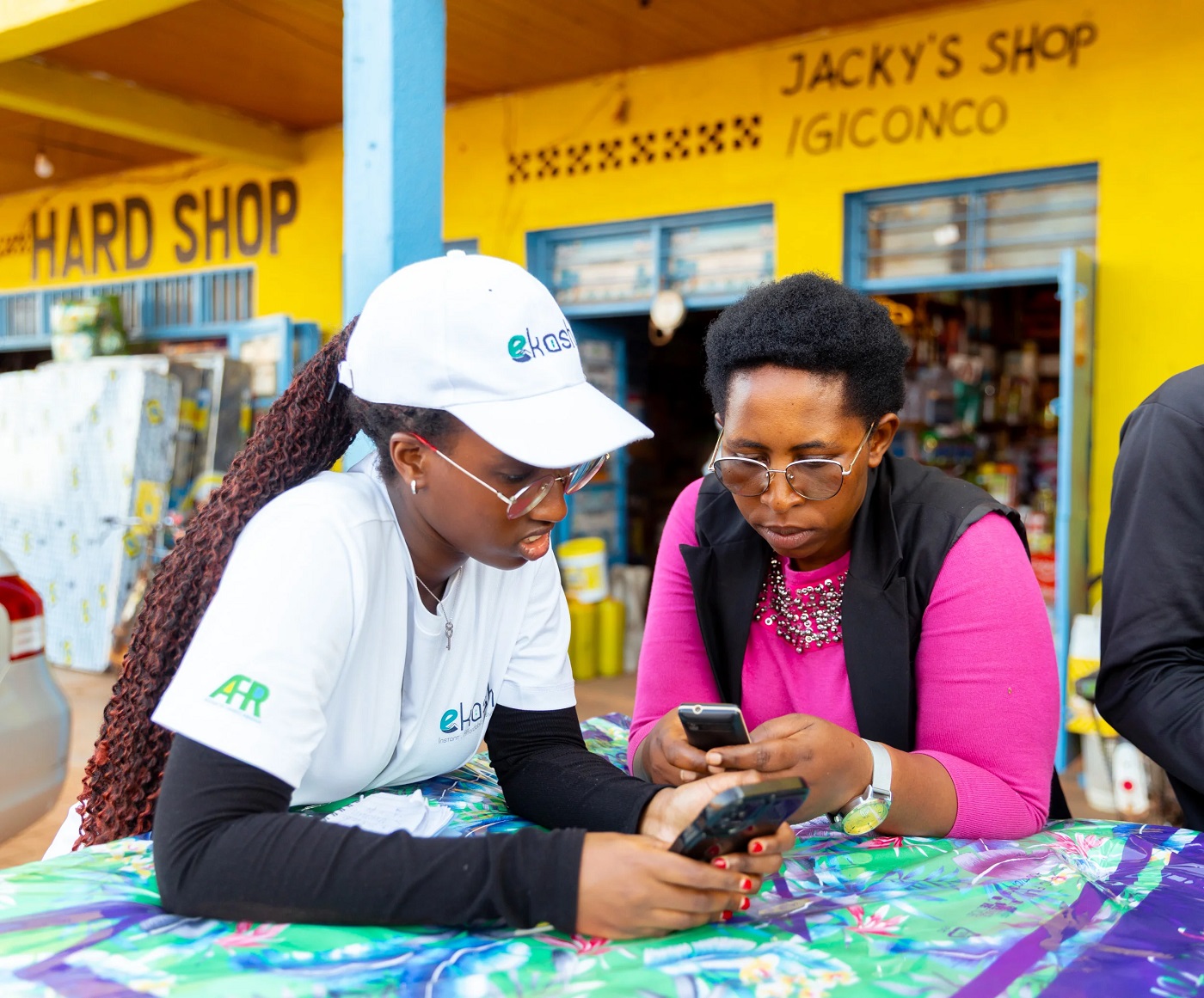
On July 14, 2026, Rwanda rolled out eKash, a new fast and fully interoperable payment system.
eKash is a digital payment platform that connects different financial institutions, allowing customers to send and receive money and make payments between licensed financial service providers.
The system aims to make digital payments more accessible, secure, affordable, and available to everyone.
The platform has gained significant adoption. By August 6, 2026, eKash had processed more than 10.5 million transactions, with the total value exceeding Rwf 960 billion.
The number of users making payments between different financial institutions increased by 166%.
Digital payments are reducing costs and boosting economic activity
Economic analyst Teddy Kaberuka said increased adoption of digital payment services helps countries reduce the costs associated with producing and managing physical money.
“Using cash has a high cost because producing banknotes and coins is expensive. In some cases, producing money can cost up to 20% of its value. However, with digital payments, such costs are significantly reduced because fewer physical notes and coins are needed,” he said.
He added that digital payments also increase the movement of money within the economy.
“Another advantage of instant payment systems is that they increase liquidity flow. Money moves faster, economic activities continue without interruption, and more transactions can happen within a shorter period,” he explained.
Kaberuka, however, stressed that protecting users’ financial information and educating citizens about fraud prevention remain key priorities as digital payments continue to grow.
The FinScope 2024 survey showed that 96% of Rwandans have access to financial services.
Rwanda’s national digital payment system, eKash, aims to make digital payments more accessible, secure, affordable, and available to everyone.
RSSB announced on August 27, 2026 that it had acquired the remaining shares in Inyange Industries Ltd, one of Rwanda’s leading food and beverage processors, and Ruliba Clays Ltd, a manufacturer of clay-based construction materials.
The transactions brought RSSB’s ownership in both companies to 100 percent, after it previously held 40 percent of Inyange and 50 percent of Ruliba.
Five days later, on September 1, RSSB announced that it had completed the acquisition of the entire shareholding in BK General Insurance Ltd (BKGI) for Rwf31.7 billion. BKGI will now be integrated with RSSB’s existing insurance businesses, SONARWA General Insurance and SONARWA Life Assurance.
In an exclusive interview with IGIHE, RSSB Chief Executive Officer Regis Rugemanshuro said the acquisitions reflect a broader shift in how the pension fund intends to manage its growing investment portfolio.
“The short answer is that RSSB is entering its next phase as an investor, and these businesses are entering theirs,” Rugemanshuro said.
RSSB’s assets under management reached Rwf3.9 trillion at the end of June 2026, having doubled over the previous five years. The institution generated investment returns of 15.06 percent, equivalent to about Rwf401 billion, in 2024–2025 and 12.8 percent, or approximately Rwf438 billion, in 2025–2026.
Rugemanshuro said the growth has given RSSB greater capacity to invest, but also places greater responsibility on the institution to ensure members’ money is deployed prudently.
Under its new five-year strategy, RSSB is seeking to get more value from businesses it already owns while identifying investments capable of generating sustainable, long-term, risk-adjusted returns.
Why take full ownership?
For Inyange and Ruliba, RSSB was already familiar with the businesses and had participated in financing their productive capacity.
Inyange’s revenues increased from Rwf28 billion in 2021 to Rwf68.9 billion in 2025, while its profit after tax reached Rwf1.35 billion last year.
Its milk powder plant can process up to 650,000 litres of fresh milk per day into products including milk powder, butter, ghee and UHT milk. RSSB sees significant room to increase utilisation, develop new products, improve distribution and expand exports.
Ruliba, meanwhile, has more than doubled its annual production capacity following the construction of a second plant, from roughly 62,000 tonnes to more than 126,000 tonnes.
Rugemanshuro said the timing of the acquisitions is important because the companies are moving from investing heavily in production capacity to generating greater commercial value from those investments.
“That is why the timing matters. We are acquiring greater control just as these businesses move from building capacity to realising its full commercial value,” he said.
Full ownership, he added, will allow RSSB to make decisions faster, align capital allocation with strategy and establish clearer accountability for performance.
But RSSB does not necessarily intend to remain the sole owner forever.
Once the companies become stronger, the institution could bring in strategic or institutional investors or consider public listings.
“Full ownership is not a trophy. It is a platform for value creation and gives us the freedom to choose the future ownership structure that best serves members,” Rugemanshuro said.
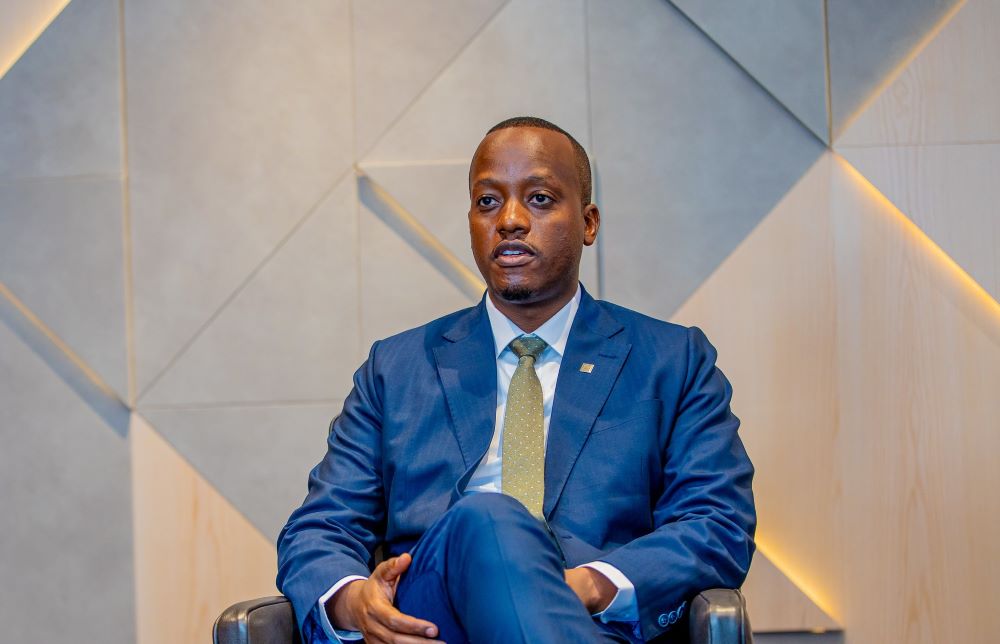
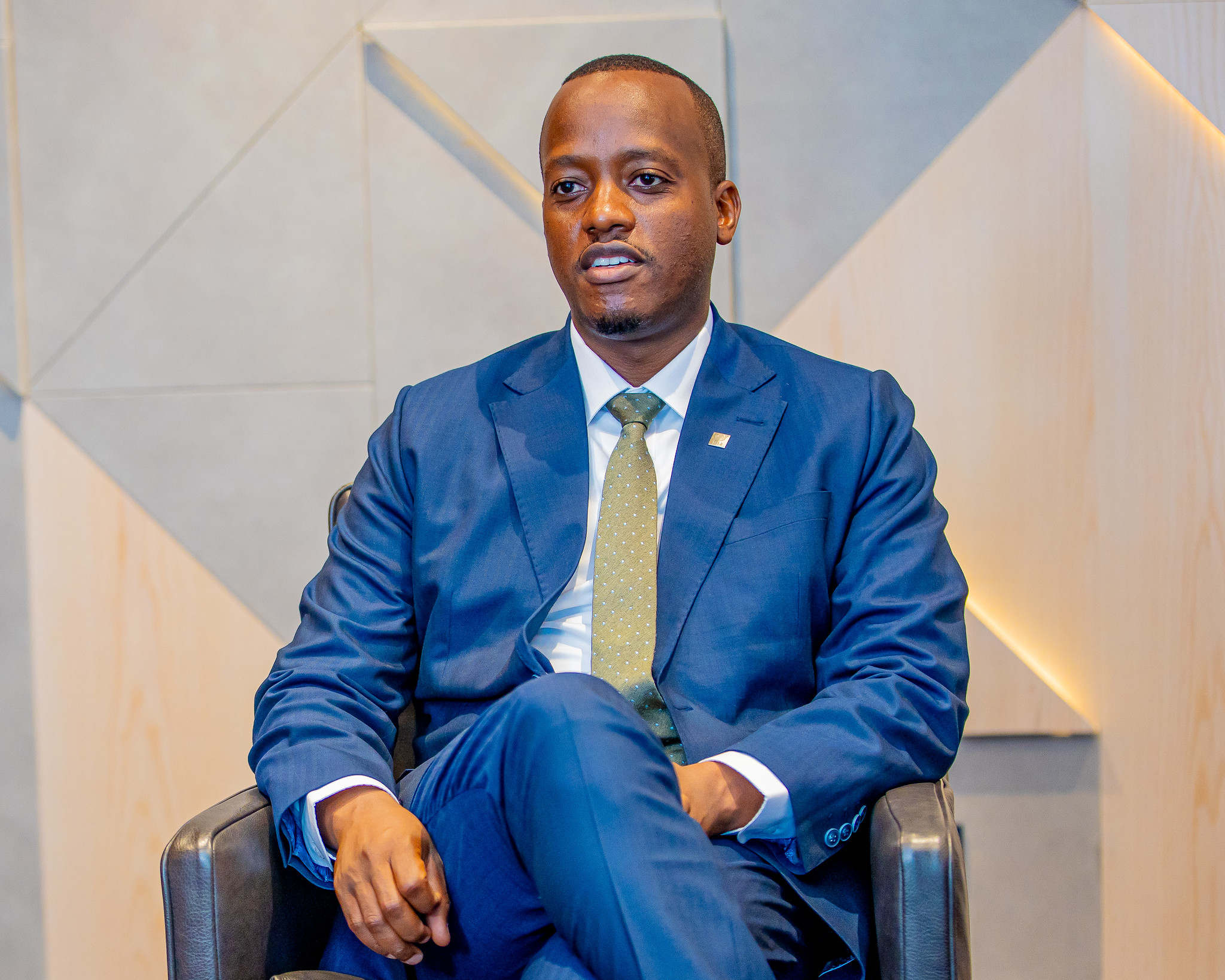
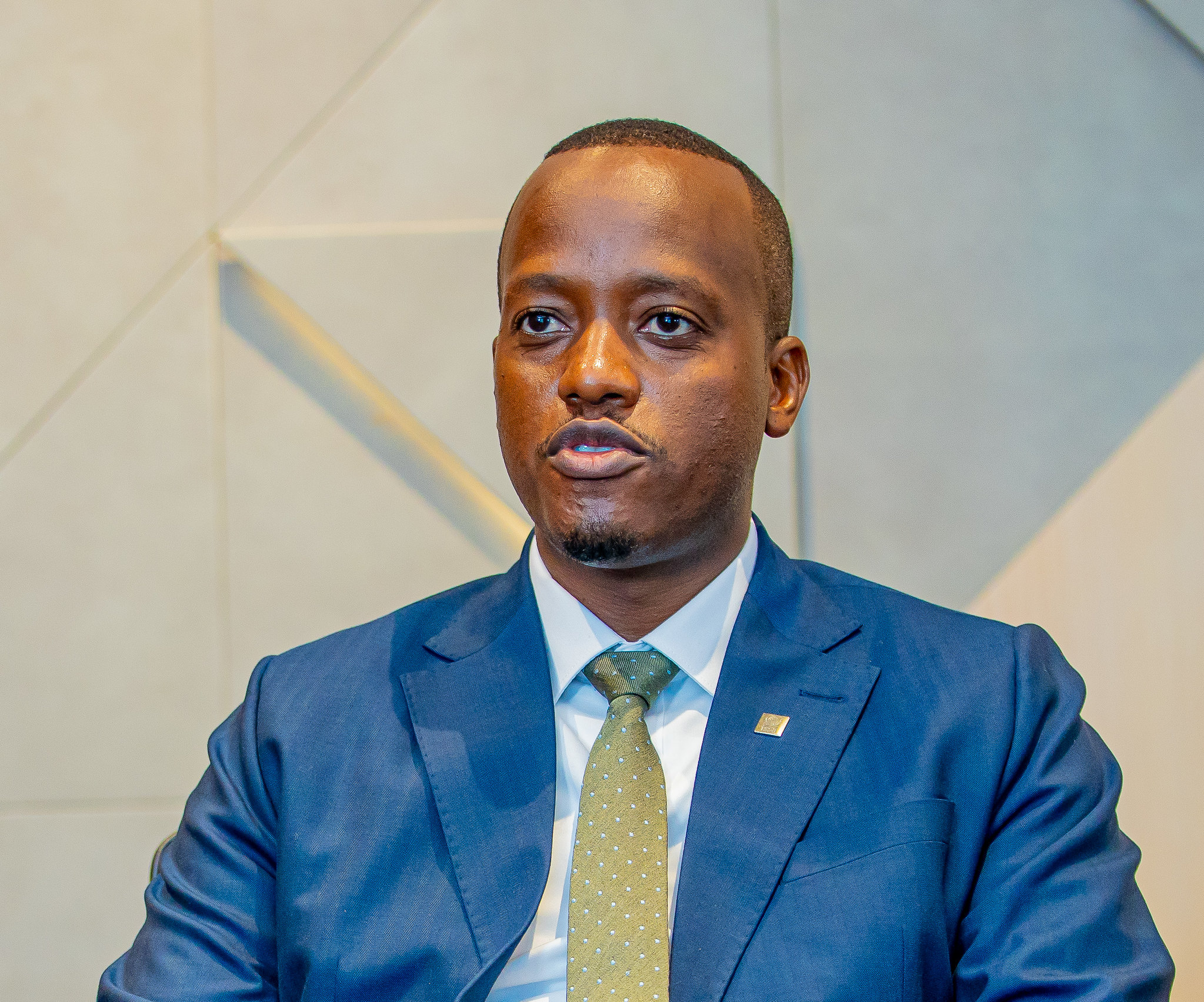
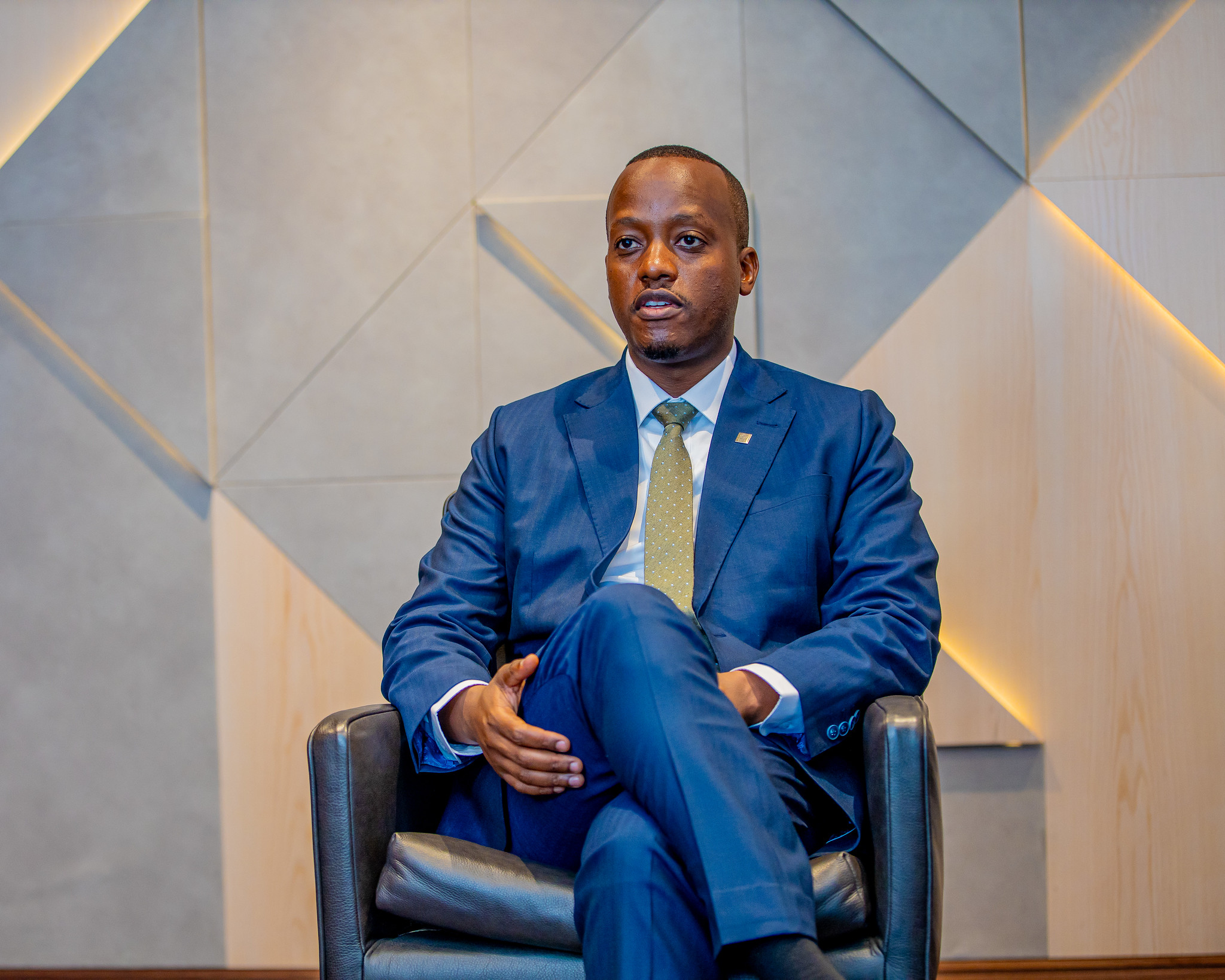
RSSB CEO Regis Rugemanshuro says the institution’s next phase will focus on active ownership, regional growth and prudent investment of members’ savings.
Building a larger insurance business
BKGI presents a different opportunity. The insurer’s profit after tax increased from Rwf2.7 billion in 2021 to Rwf4.7 billion in 2025. RSSB valued the company at approximately Rwf32 billion and subjected the transaction to independent valuation and scrutiny.
Rugemanshuro said the objective is not simply to combine insurance companies to reduce costs, but to build a stronger Rwandan insurer capable of handling larger risks.
“The ambition goes well beyond combining businesses to reduce costs. We want to build a Rwandan insurance champion with the scale, capital, expertise and technology to compete at a much higher level,” he said.
The larger group could participate more meaningfully in risks linked to infrastructure, energy, aviation, manufacturing and construction, while also developing new products and improving customer service. RSSB ultimately wants the insurance platform to compete regionally, potentially with the involvement of a strategic partner.
What does this mean for members?
Rugemanshuro says the central test for all three acquisitions remains whether they protect and grow members’ savings.
“A pension fund does not protect your savings by putting them in a vault. It protects them by investing them prudently so that they grow and are available when benefits fall due,” he said. Diversifying across sectors also reduces RSSB’s dependence on a single industry or source of returns.
The fund expects the businesses to improve their performance over time, but Rugemanshuro cautioned against judging every investment by the headline return of the entire RSSB portfolio.
A manufacturing company, insurer and government bond have different risk and cash-flow characteristics, he explained. What matters is whether each investment produces an appropriate return relative to its risk.
Over the next 12 to 24 months, Rugemanshuro said, members should look for higher capacity utilisation and broader product availability at Inyange, increased production and market reach at Ruliba, and a disciplined execution of the insurance consolidation.
In less than one month, the Rwanda Social Security Board (RSSB) has taken full ownership of three major businesses, including Inyange Industries Ltd, Ruliba Clays Ltd and BK General Insurance Ltd (BKGI).
From Rwanda to regional markets
RSSB’s ambitions extend beyond strengthening the companies’ positions in Rwanda.
For Inyange, the immediate focus is on increasing production, strengthening the agricultural supply chain and expanding exports. Greater utilisation of the milk powder plant is expected to create additional demand for quality milk, potentially giving farmers more predictable markets.
At Ruliba, the new production capacity is expected to serve Rwanda’s construction industry while opening greater opportunities for exports.
The same regional ambition applies to insurance, although through a different model involving regional corporate clients, partnerships and potentially direct market entry.
“Regional expansion must improve returns, diversify earnings and strengthen the business,” Rugemanshuro said.
Regis Rugemanshuro has outlined how RSSB plans to turn its growing investment portfolio into stronger businesses, higher returns and lasting value for members.
A more active RSSB
The acquisitions point to a broader ambition for RSSB to become a more sophisticated institutional investor while remaining focused on its core social-security mandate.
Rugemanshuro said RSSB will become more active as an owner where intervention can genuinely improve performance, but it will not seek control simply for the sake of control.
As its asset base grows, RSSB also expects to gradually increase investment outside Rwanda to reduce concentration risk and strengthen portfolio resilience.
“We will be active where active ownership can genuinely change the outcome. We will not seek control where it adds complexity without adding value,” he said.
Ultimately, Rugemanshuro says the success of the latest acquisitions will be judged not by the number of companies RSSB owns, but by whether those businesses become more profitable, more competitive and more valuable while generating sustainable returns for members.
“Ultimately, the test is simple: did we protect members’ capital, grow it meaningfully and build businesses that are more valuable because RSSB owned them?”
Five years from now, he wants to see Inyange supporting a stronger agricultural value chain and expanding into regional markets, Ruliba contributing to Rwanda’s industrial and construction capacity, and the insurance group becoming financially stronger, more innovative and capable of underwriting larger risks.
For RSSB, the wider objective is to build an institution capable of protecting today’s members while ensuring it has the financial strength to meet the obligations of future generations.
RSSB CEO Regis Rugemanshuro says the fund’s latest acquisitions are aimed at creating greater long-term value for members while strengthening the businesses it owns.
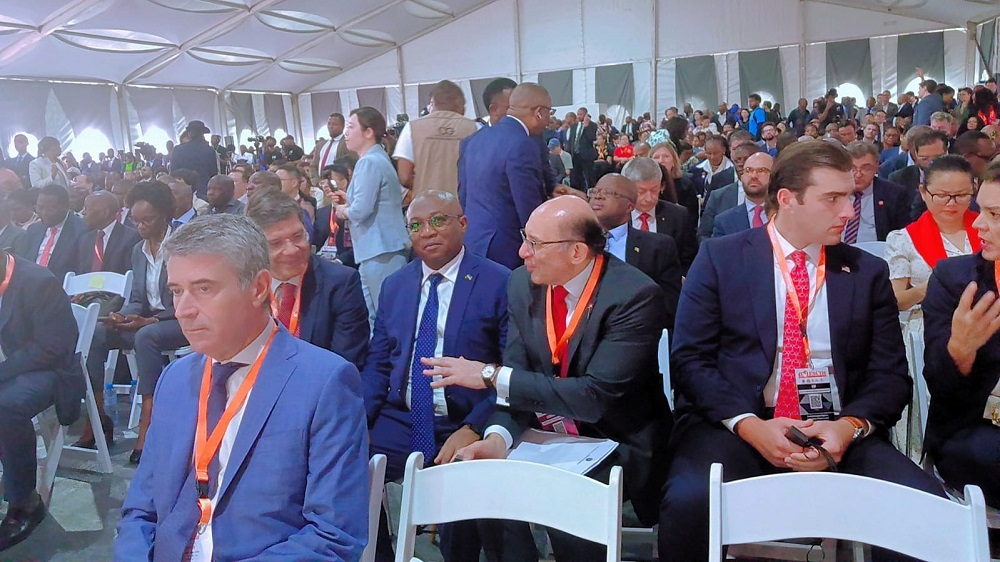
The six-day trade fair was officially opened by Mozambique’s President, Daniel Francisco Chapo, at a ceremony attended by Rwanda’s High Commissioner to Mozambique, Col (Rtd) Donat Ndamage.
The exhibition has brought together 29 countries, including Rwanda, with products and services from more than 500 foreign companies and 1,950 Mozambican businesses on display.
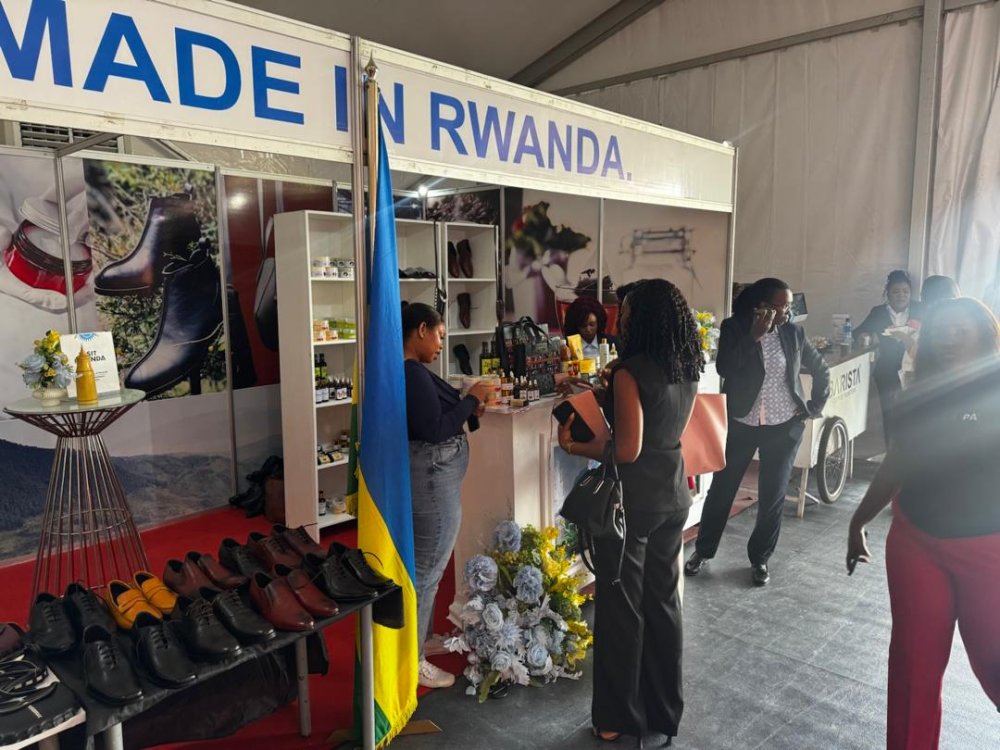
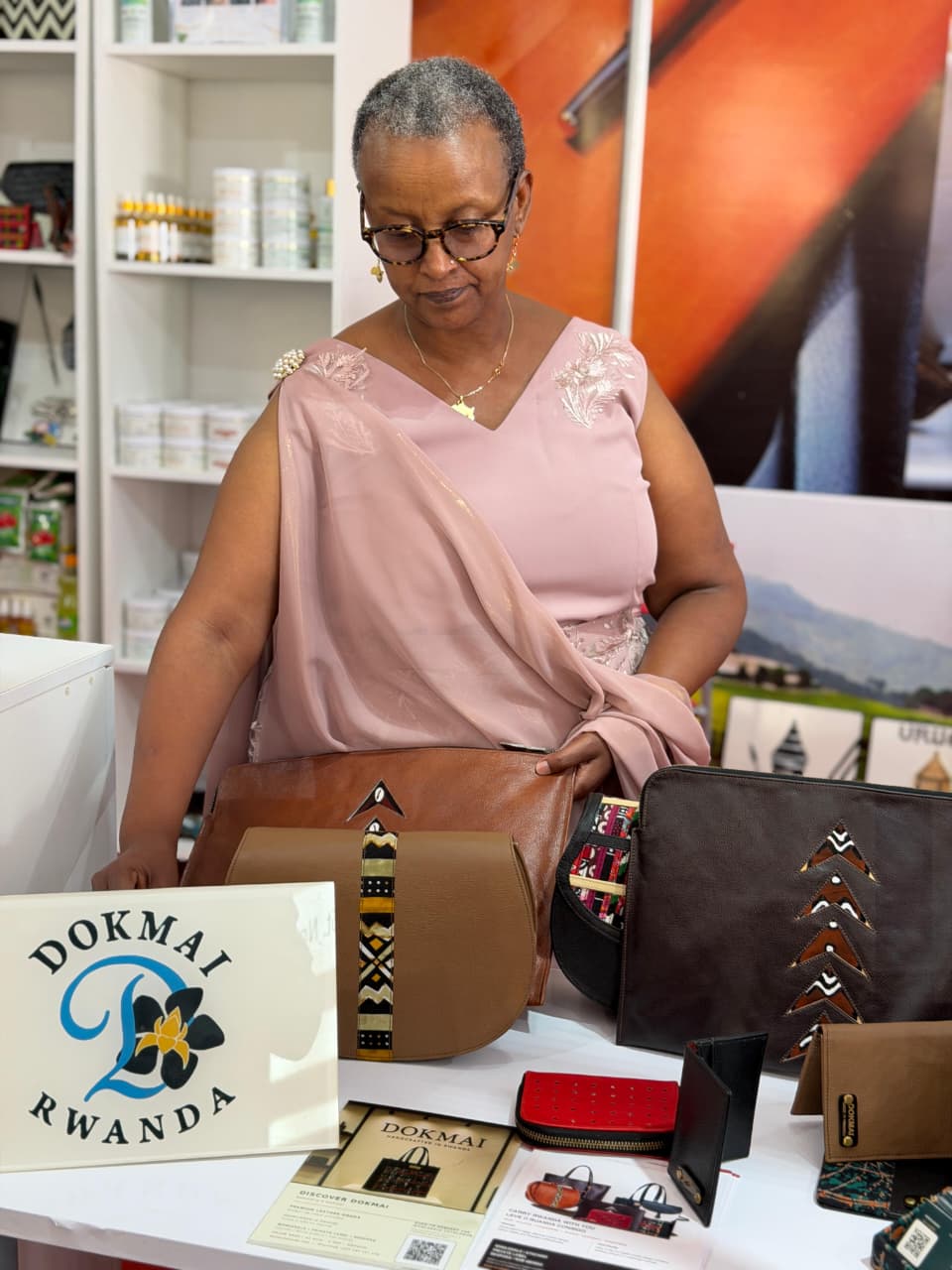
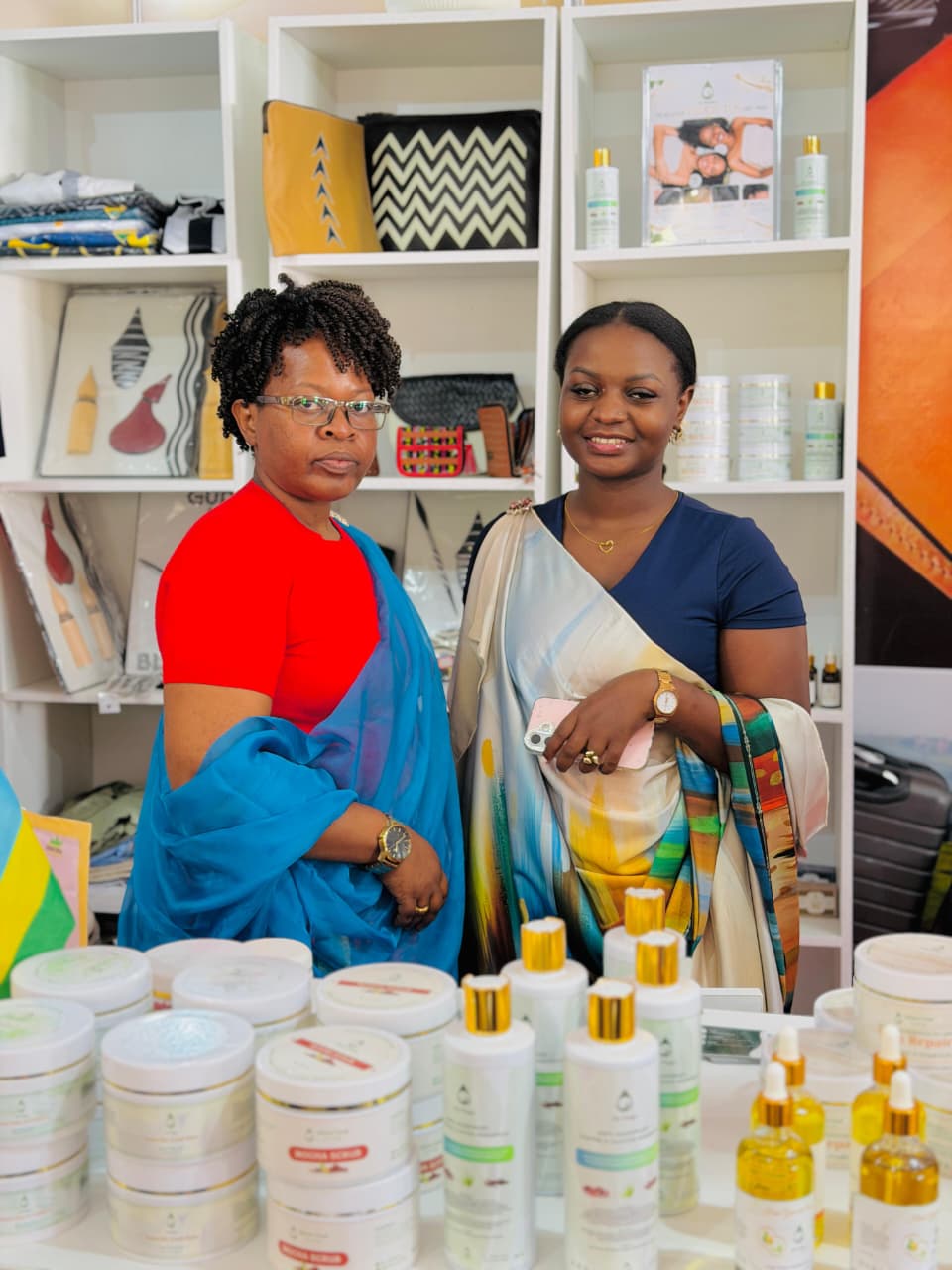
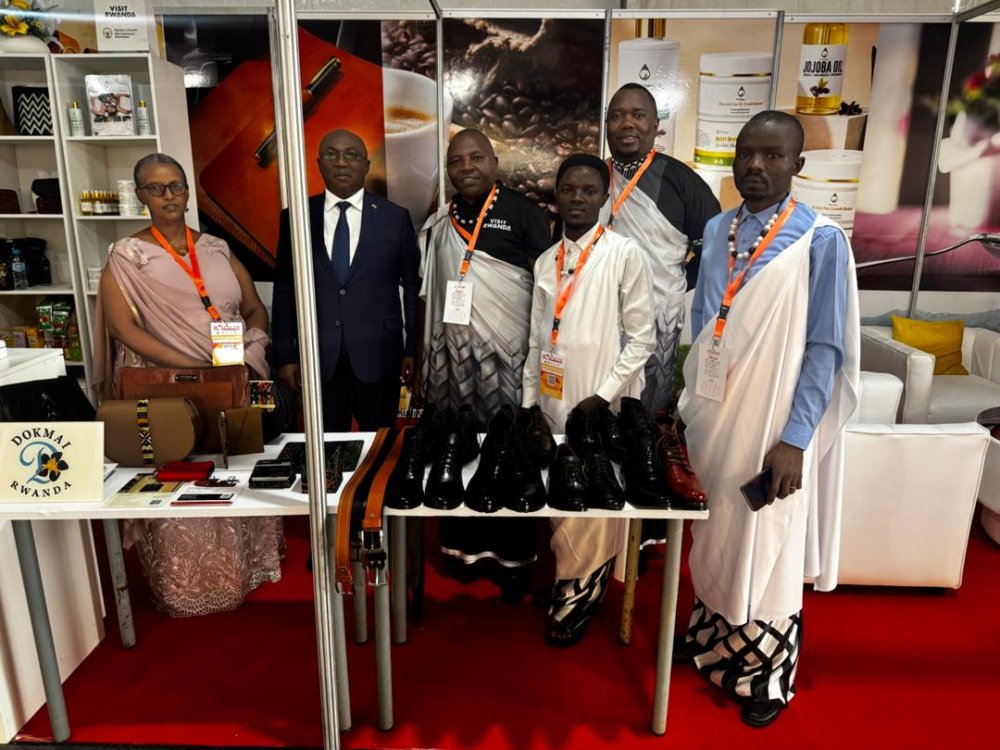
The Rwandan delegation comprises entrepreneurs involved in processing agricultural products, manufacturing leather shoes and bags, and producing hair oils.
The businesses travelled from Kigali with the aim of expanding their market presence in Mozambique and exploring investment opportunities in the country.
President Chapo visited various exhibitors at the fair, learning about the products and the distinctive activities of each business.
He also visited the Rwandan exhibitors accompanied by High Commissioner Ndamage and was briefed on their products.
Mozambique’s President officially opened the Maputo International Trade Fair.Government officials and diplomats attended the opening ceremony.Rwandan exhibitors showcased products made in Rwanda.Leather-made bags were among the products displayed by Rwandan exhibitors.A variety of oils and fragrances were also showcased at the fair.Rwanda’s High Commissioner to Mozambique, Col (Rtd) Donat Ndamage, joined Rwandan exhibitors to support their participation at the fair.
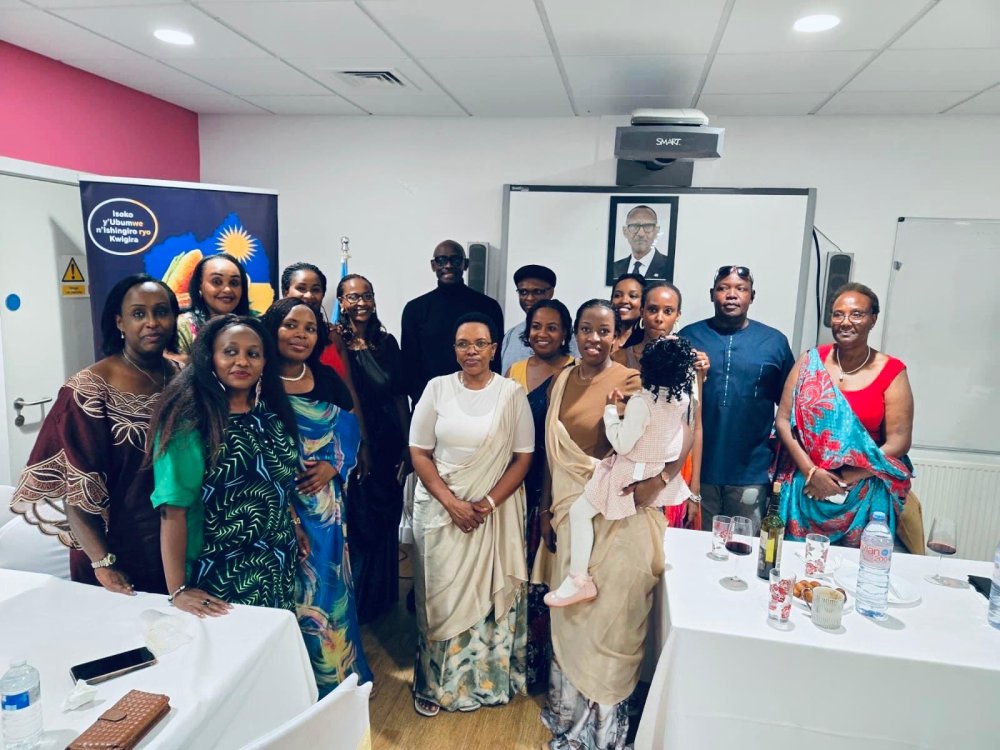
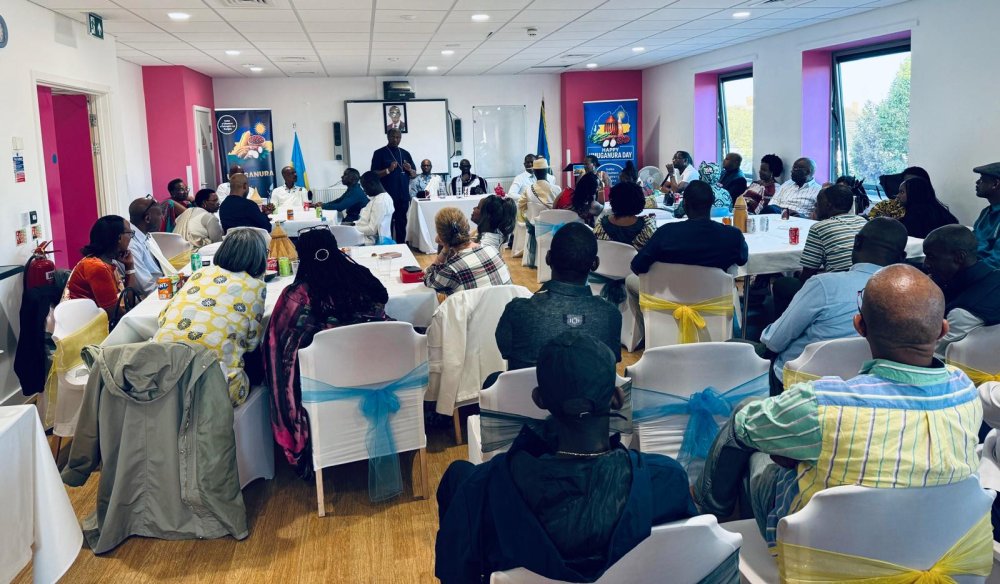
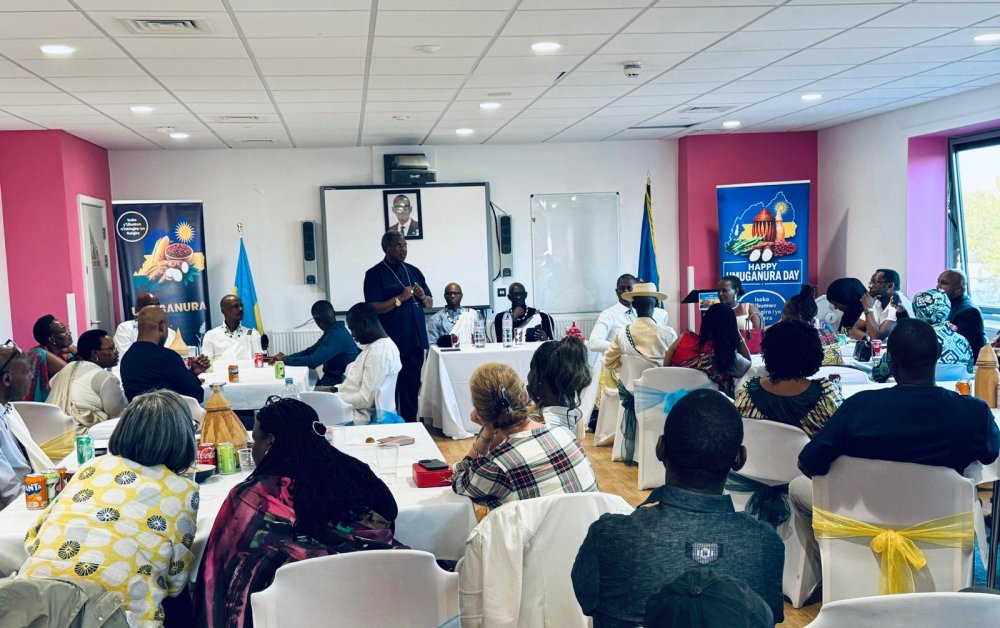
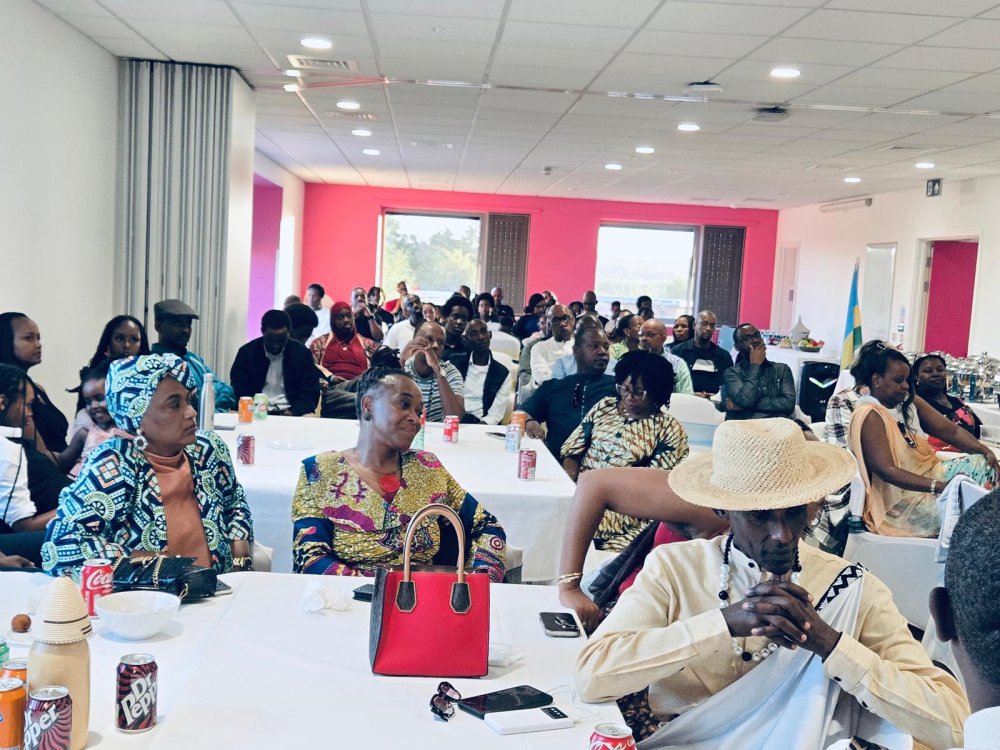
The celebration was held on August 29, 2026, and was attended by Rwanda’s High Commissioner to the United Kingdom, Johnston Busingye, who joined members of the Rwandan community and friends of Rwanda.
Held in Oxford, the event provided an opportunity for Rwandans living in the UK to come together, preserve their cultural heritage and share Rwanda’s values with friends and other members of the wider community.
Umuganura is traditionally known as a celebration of the harvest. Today, however, it carries a broader meaning, providing an opportunity to reflect on achievements, express gratitude and remind individuals of their role in the development of their families, communities and country.
For Rwandans living in the UK, the celebration also served as an opportunity to preserve Rwandan culture and its values while passing them on to younger generations.
High Commissioner Johnston Busingye stressed the importance of preserving Rwanda’s values.
“Umuganura reminds us that wherever Rwandans live, our values of unity, gratitude, hard work and shared responsibility remain with us,” he said.
He added that as Rwandans celebrate their achievements, they should also reflect on the contribution each person can make to the wider community and Rwanda’s development.
Young people were given particular attention during the celebration, with children and Rwandans who grew up in the UK given an opportunity to learn about the traditions, values and history passed down by their parents and elders.
Organisers said preserving Rwandan culture does not prevent Rwandans from integrating into the wider UK community. Instead, they said, it helps them maintain a connection with their roots and better understand their cultural identity.
Friends of Rwanda also attended the celebration, giving them an opportunity to learn more about Rwandan culture and its values while engaging with a community whose members come from diverse backgrounds but are connected by their life in the UK.
Participants learned more about Rwanda through its culture, values and the experiences of its people.
Community leaders thanked those who attended and encouraged Rwandans living in the UK to continue organising activities that bring people together and strengthen connections between generations.
The Umuganura celebration also highlighted the role of the Rwandan diaspora in strengthening ties between Rwanda and the United Kingdom.
Rwandans living in the UK continue to contribute to different sectors, including business, education, healthcare, technology, entrepreneurship and community development.
The celebration also provided an opportunity to look ahead, with participants emphasising the importance of continued cooperation, contribution and collective efforts for the benefit of future generations.
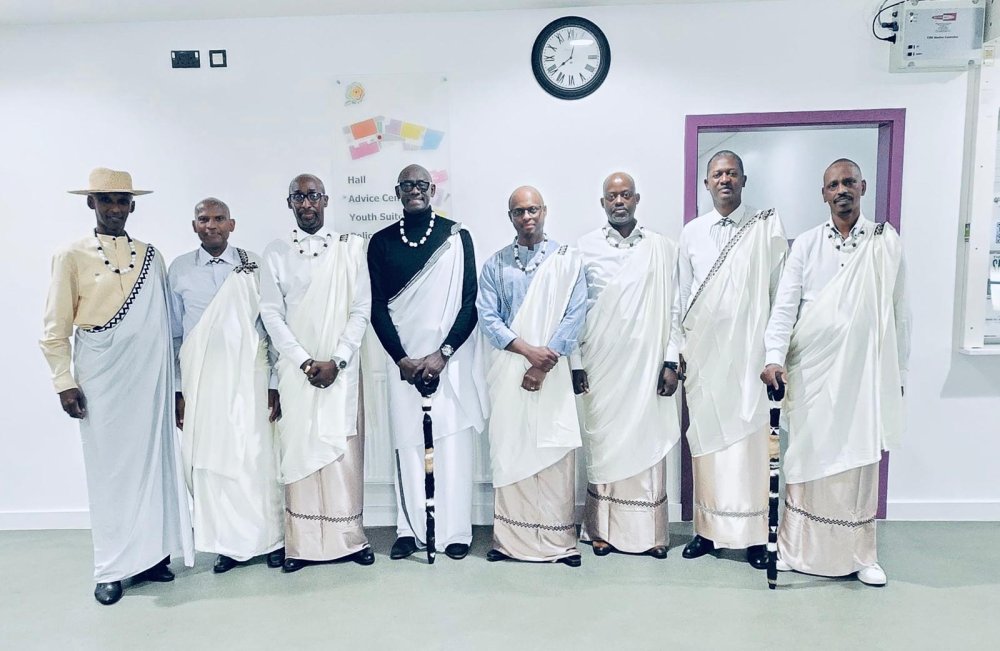
Rwandans in Oxford marked Umuganura with a celebration that highlighted culture, community and the importance of preserving connections between generations.Rwanda’s High Commissioner to the UK, Johnston Busingye, joined Rwandans in Oxford as they celebrated Umuganura and reflected on the importance of preserving the country’s cultural values.The celebration in Oxford provided an opportunity for Rwandans in the UK to come together and reflect on unity, gratitude and shared responsibility.Rwandans living in the United Kingdom gathered in Oxford to celebrate Umuganura and honour their cultural heritage.Young Rwandans growing up in the UK took part in Umuganura celebrations aimed at strengthening their connection to Rwandan culture and heritage.The Umuganura celebration brought together members of the Rwandan community in the UK, alongside friends of Rwanda.
Researchers at Columbia University’s Zuckerman Institute found that microglia, immune cells that play an important role in protecting and developing the brain, take several years to mature in humans.
The findings suggest that the unusually slow development of these cells could be one of the factors behind the complexity and cognitive abilities of the human brain.
Microglia are the brain’s most abundant immune cells. Besides protecting the brain from harmful substances and helping remove damaged cells, they also play an important role in shaping developing brain circuits.
Researchers found that human microglia can take approximately four to eight years to mature. By comparison, microglia in mice reach maturity in about three weeks.
The study focused on SRGAP2, a gene with copies that emerged specifically in humans.
Earlier research had shown that these human-specific copies influence neurons by increasing the number of connections between them while slowing the process through which those connections mature.
In the latest study, scientists made an unexpected discovery. The human-specific copies of SRGAP2 were found to be nearly 10 times more abundant in microglia than in neurons.
Experiments involving mice and human cells showed that the gene significantly slows the development of human microglia.
Scientists believe this slow developmental process may allow microglia and neurons to develop in coordination, helping shape the sophisticated networks found in the human brain.
The researchers linked the finding to a process known as neoteny, in which human development occurs over a much longer period compared with many other mammals.
The extended development of the human brain is believed to contribute to the emergence of advanced cognitive abilities.
The researchers now want to understand more precisely how SRGAP2 controls the development of microglia and other brain cells.
They also hope the findings could provide new insight into conditions involving brain development and degeneration, since microglia have been linked to neurodevelopmental disorders and neurodegenerative diseases.
The study, published in the journal Neuron, provides new evidence that the distinctive development of the human brain may depend not only on neurons but also on the immune cells that help organize and maintain brain circuits.
Scientists have identified gene linked to the unique development of the human brain
BK Group said the transaction covers its entire shareholding in the insurance company and values each of the 3 million ordinary shares at Rwf 10,567, based on an independent valuation. The initial price was Rwf 1,000 per share.
The completion of the transaction is part of BK Group’s consolidation strategy, under which the Group is focusing on two core businesses: commercial banking through Bank of Kigali Plc and investment banking through BK Capital Ltd.
According to the notice, the strategy places emphasis on “product diversification, market expansion, cross-collaboration synergies and a strengthened capital markets offering.”
BK Group said the sale of BKGI reflects this shift as it concentrates its operations on banking and investment banking.
The Group has also completed the integration of BK Techouse Ltd (BKTH) into Bank of Kigali Plc.
Under the integration, BKTH’s assets, technology platforms and relevant contracts have been transferred to Bank of Kigali, while the technology functions previously performed by the company will continue under the bank’s Digital division.
BK Group said the change will not disrupt customer services and that BKTH has ceased to operate as a separate subsidiary.
Proceeds from the transaction enabled BKTH to settle all its liabilities, with any surplus remaining at the closure of the company to be transferred to BK Group.
The integration will have no effect on BK Group’s consolidated net asset value, according to the notice.
Both transactions received the required regulatory clearances, including non-objections from the National Bank of Rwanda.
BK Group said the two developments are aligned with its efforts to streamline the Group and strengthen its focus on its core banking and investment banking businesses.
The move follows RSSB’s acquisition last month of all the remaining shares in Inyange Industries and Ruliba Clays, two companies that were subsidiaries of Crystal Ventures Ltd (CVL).
Commenting on the acquisition, RSSB Chief Executive Officer Regis Rugemanshuro highlighted that the institutions remains committed to deploying capital responsibly and strategically by investing in opportunities that deliver long-term value for its members.
“Completing the acquisition is a significant milestone in our ambition to build a strong and competitive insurance group.
“By bringing these businesses under a unified ownership and management structure, we are creating a platform that can create greater value to customers, support innovation and contribute to the continued development of Rwanda’s insurance sector,” he said.
RSSB has completed the acquisition of BK General Insurance from BK Group for Rwf 31.7 billion, marking another major investment by the pension fund as it expands its presence across key sectors of Rwanda’s economy.
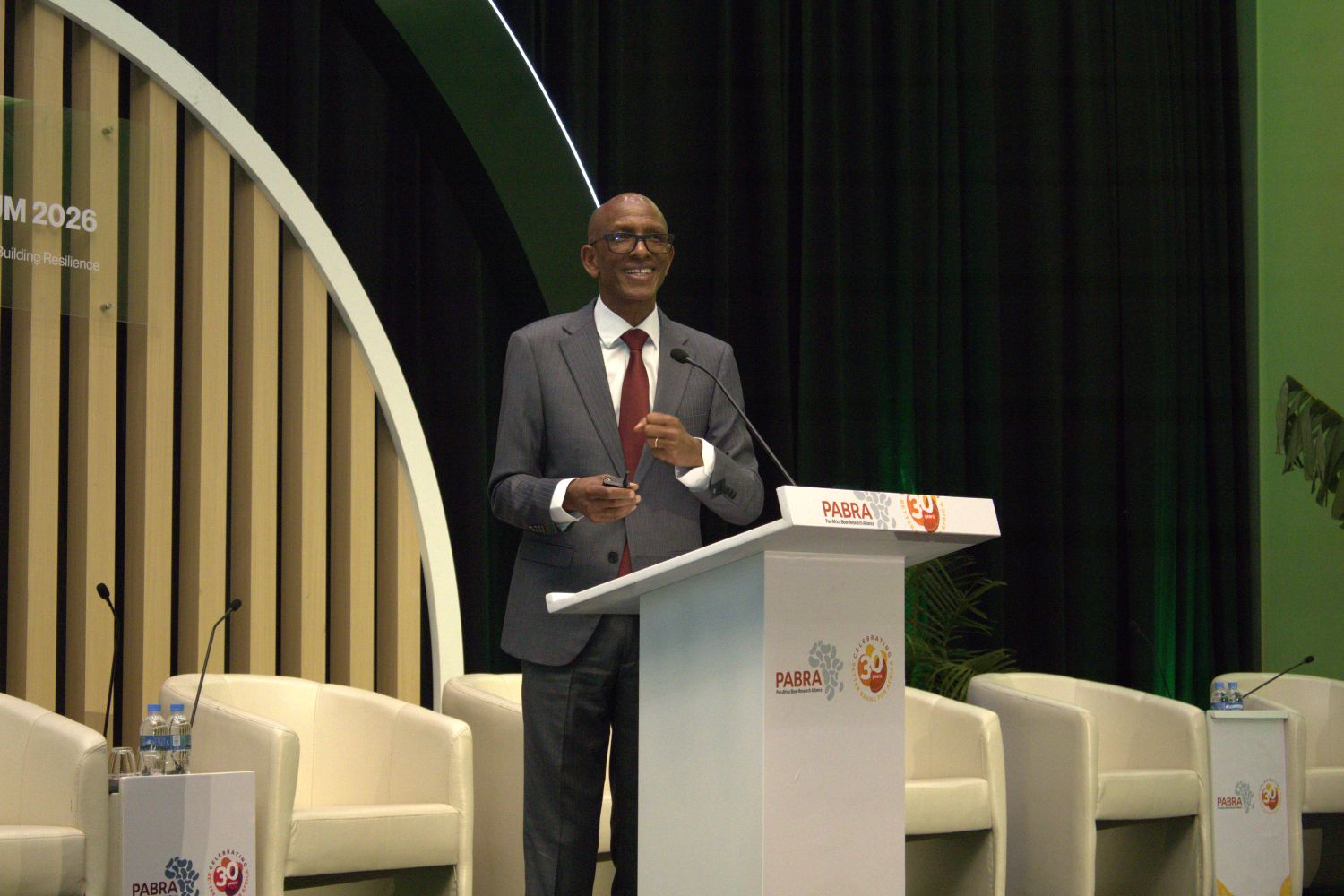
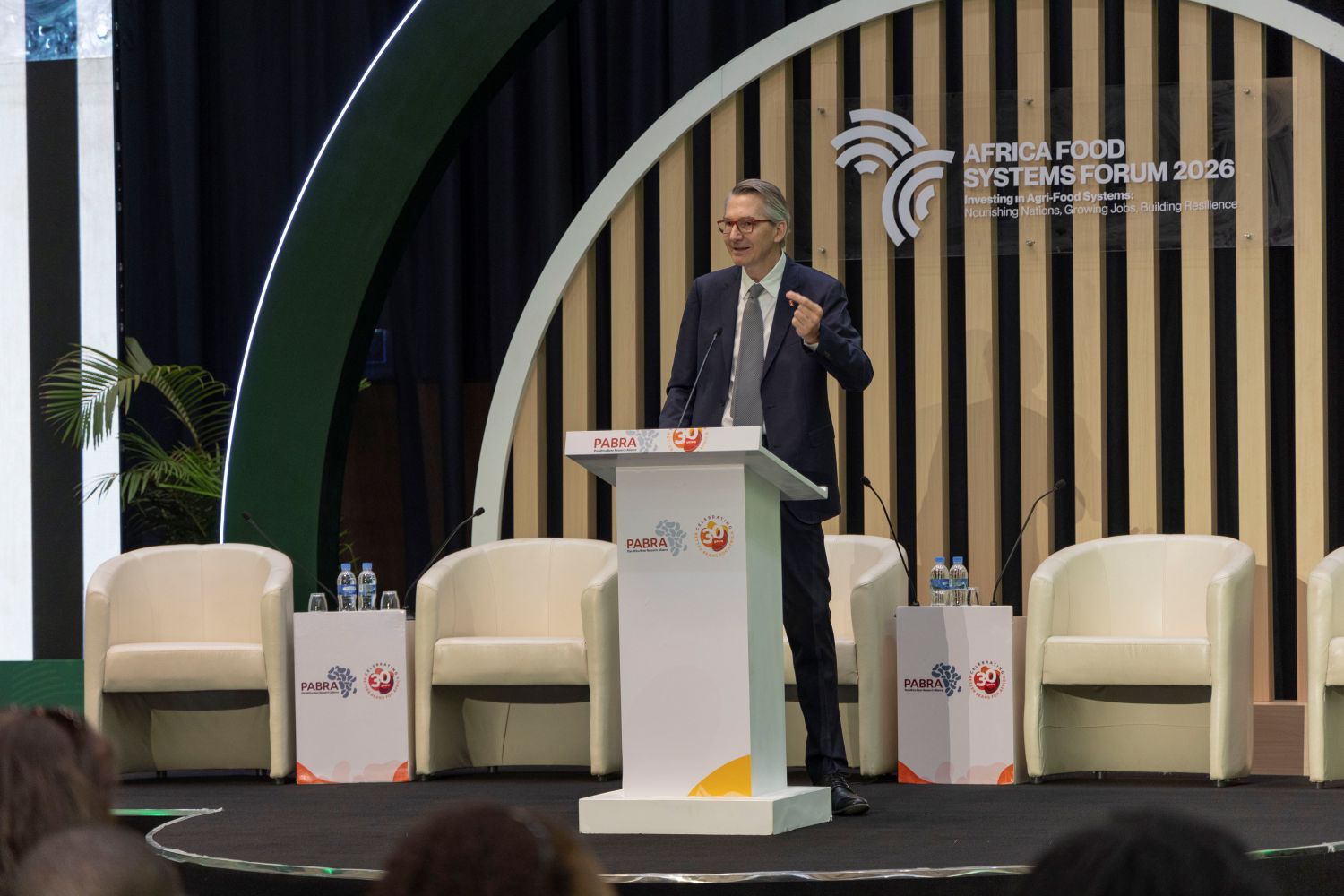
Jean Claude Rubyogo, Director of PABRA and Global Bean Program Leader at the Alliance of Bioversity International and CIAT, told the gathering that around 150 million people in Africa consume beans regularly, and that PABRA’s roots stretch back further than its formal 1996 founding, to three regional bean research networks that had already been operating for nearly a decade with support from the Swiss Agency for Development and Cooperation (SDC).
“Why don’t we come together?” Rubyogo recalled asking at the time. “Today we have a strong network of national programmes working as one regional system.”
He said PABRA has released 624 improved bean varieties over the past 30 years, now reaching more than 46 million farmers across the continent, 58 percent of them women.
Juan Lucas Restrepo, Director General of the Alliance of Bioversity International and CIAT, said the alliance’s strength lies in bringing together public sector, private sector and farming communities around shared goals.
“It is not about beans per se,” he said at the Kigali Convention Centre. “It is about the economic opportunities they create, allowing more women to participate in business, opening opportunities for youth, and connecting producers to expanded markets.”
Rwanda’s own bean story
Florence Uwamahoro, Director General of the Rwanda Agriculture and Animal Resources Development Board (RAB), said Rwanda has both benefited from and contributed to the wider African bean sector. She cited varieties such as RWR 2245, RWR 3194, RWR 2154 and RWR 1129, bred in Rwanda and shared through PABRA’s regional networks for adoption elsewhere. With bean consumption in Rwanda exceeding 100 grams per person per day, she said, “investment in beans means investing in healthy populations, food security and economic well-being.”
Rubyogo pointed to the same shift from Rwanda’s side of the story: climbing beans, which occupied only about 5 percent of Rwanda’s bean-growing area in 1985, now account for around 45 percent. Six or seven varieties bred in Rwanda are now grown as far afield as Tanzania, Uganda, Cameroon and Burundi, he said, while a recent study found farmers who adopted the new varieties cut the number of days they went without beans in their meals by about 20 days a month.
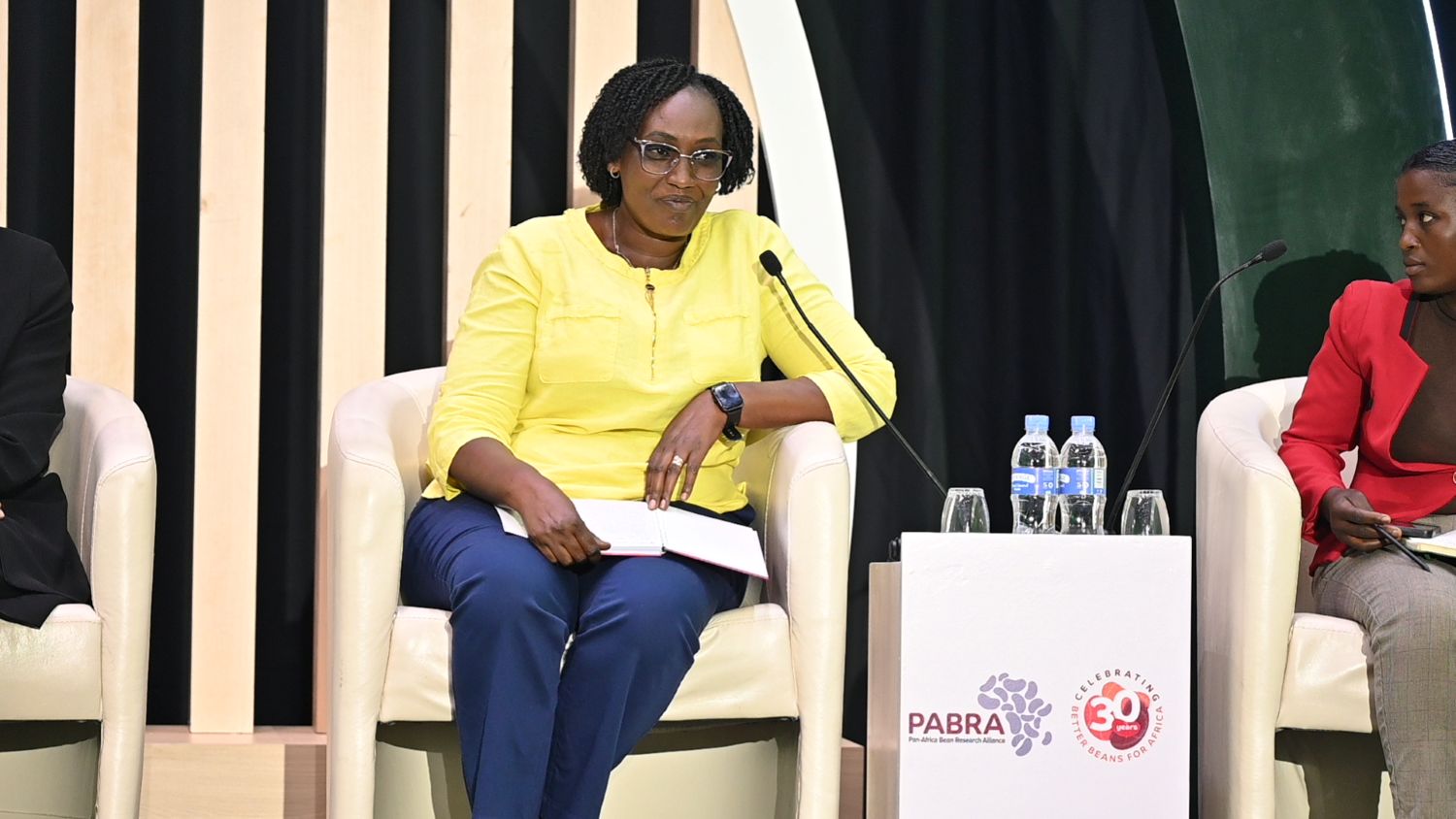
Rwandan entrepreneurs described how that research reaches the field. Emma Uwera, founder of I&JJ Harvest Seed Company, said PABRA and RAB’s Bean Programme shaped her career from her undergraduate studies onward and helped her grow from supplying seed in eastern Rwanda to marketing nationwide.
“Farmers believe what they see,” she said, describing demonstration plots where 100 to 200 farmers at a time watch new varieties grow from planting to maturity before deciding to buy the seed.
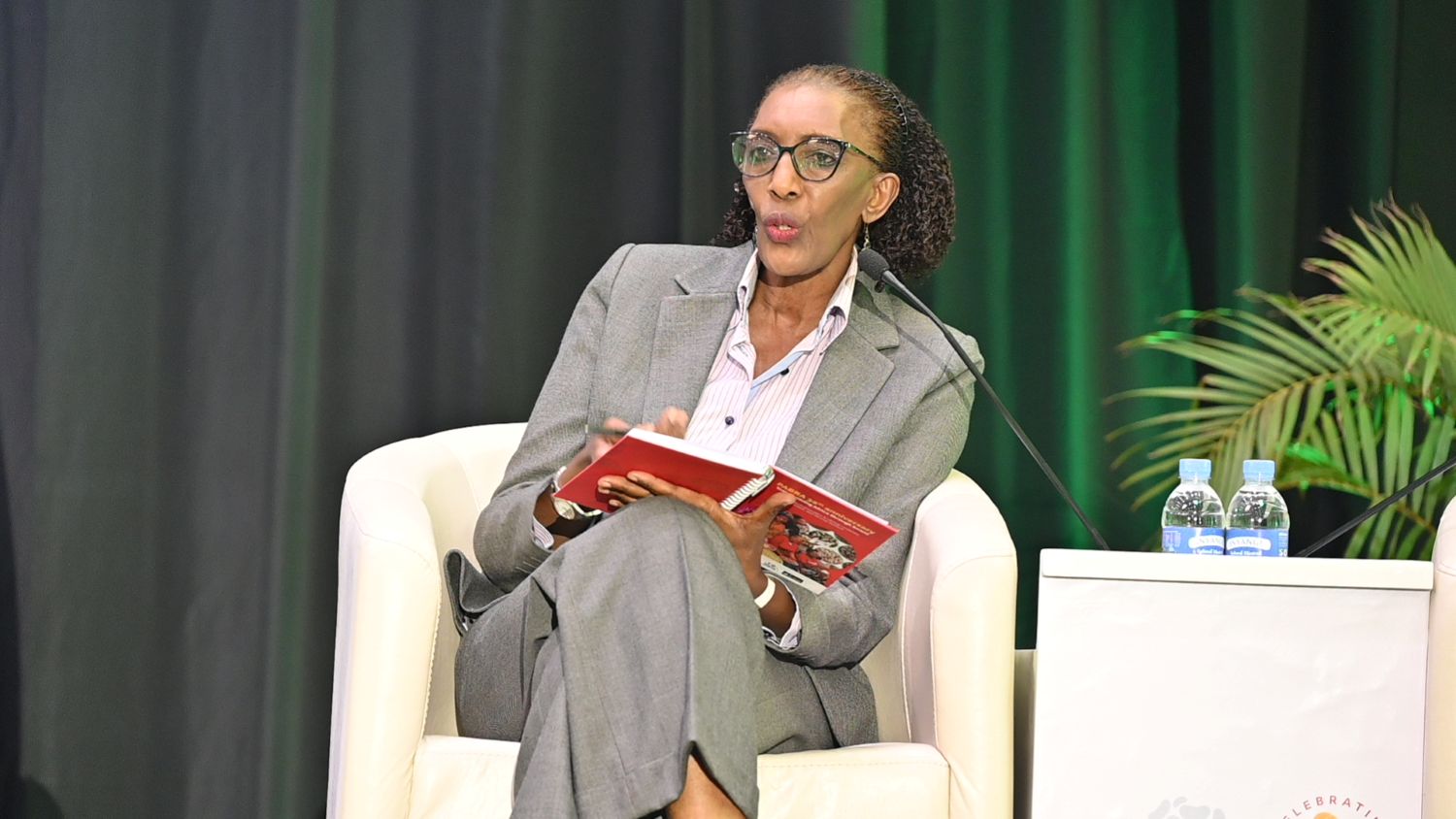
Rose Kabuye, a retired Rwandan lieutenant colonel, grain trader and off-taker who has worked in bean exports since 2020, said the market increasingly rewards varieties that cook quickly and generate higher returns for farmers and traders. She said poor-quality grain still undercuts the market, particularly in school feeding programmes, where nutrition is a key consideration, and called for continued investment in post-harvest handling.
School meals link farms to classrooms
A major theme of the day was the link between bean research and school nutrition. Jean Damascène Nsengiyumva, Director General of School Health and Wellness at Rwanda’s Ministry of Education, said the Scale Sustainable School Feeding Innovation Project is being implemented in 509 schools across Karongi, Nyamasheke and Rusizi districts, with the ambition of reaching more than 445,000 schoolchildren, supported by the SDC and implemented by the Alliance of Bioversity International and CIAT with MINEDUC, MINAGRI, RAB and other partners.
“A nutritious school meal begins long before it reaches the plate,” Nsengiyumva said. “It begins with the soil, the seed, the farmer, the school garden, the knowledge of the teachers and the communities.”
Today, more than 1,000 school staff and 1,000 teachers, including agronomists and community health workers, have been trained under the project in high-iron bean and vegetable production, nutrition, fertilizer application and post-harvest management.
Dr. Olivier Kamana, Permanent Secretary at the Ministry of Agriculture and Animal Resources, said the model aligns with Rwanda’s Agricultural Transformation agenda and called for continued investment in biofortified crops, school garden programmes and climate-smart farming. Rubyogo added that governments in Rwanda, Kenya and Tanzania have all prioritised school feeding, with new varieties bred to cut cooking time by around 30 percent, easing pressure on firewood and the time women spend preparing meals.
Markets, jobs and research gains
Eliud Birachi, Project Leader for Markets and Business Development at the Alliance of Bioversity International and CIAT, said PABRA’s commodity corridor approach now spans about ten corridors across Eastern, Southern, Central and West Africa, drawing in around 200 enterprises collaborating within the bean system.
Rubyogo added further detail on research outcomes: in Ethiopia, nationally developed varieties have almost tripled yields compared with older ones, while yellow bean varieties popular in East Africa have doubled yields in places. He said the time between a variety’s release and its widespread use by farmers has fallen from 10-15 years in the network’s early period to roughly three years today. Mobile threshers introduced through PABRA’s partnerships with local artisans have reached 152,000 smallholders since 2018 and created close to 6,500 jobs, while bean exports from Ethiopia have grown from about $8 million to more than $100 million a year.
Looking ahead, Rubyogo said climate resilience will remain central to PABRA’s work as rising temperatures and shifting rainfall patterns threaten production, and pointed to Africa’s rapid urbanization, with cities such as Lagos and Kinshasa expected to reach tens of millions of residents by 2050, as a reason to keep developing affordable, nutritious bean varieties.
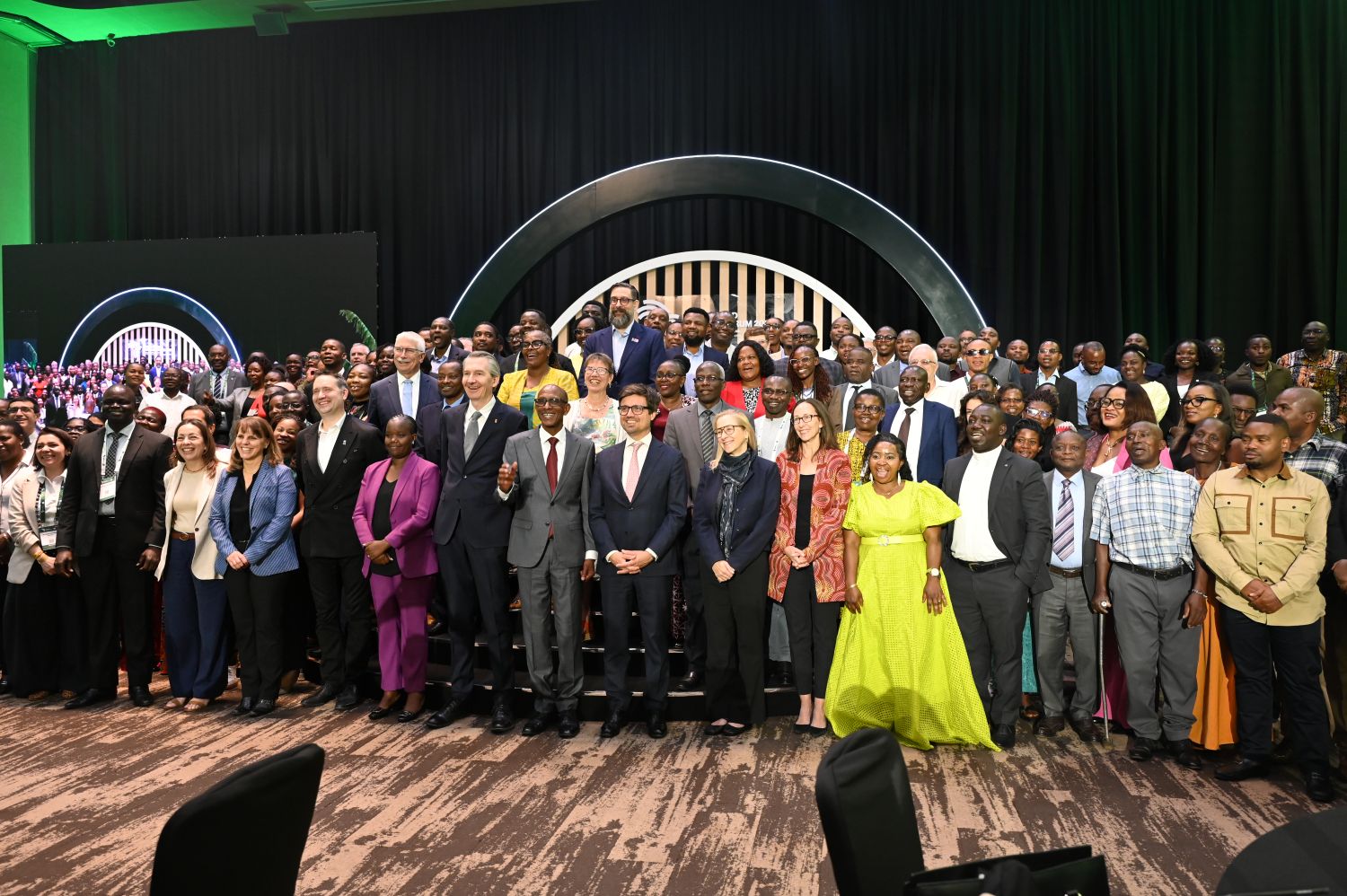
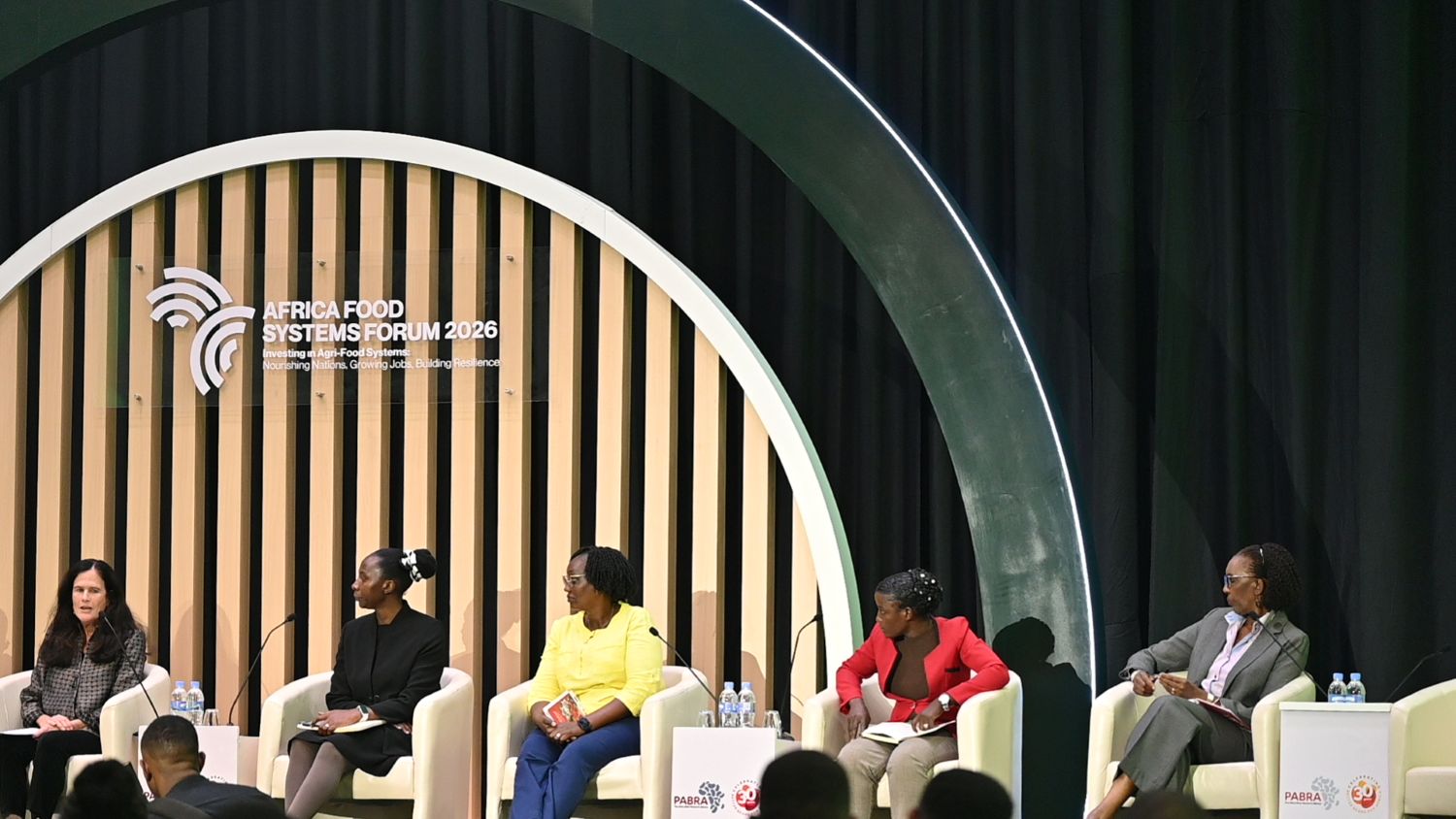
The event, themed “PABRA beyond #30, and beyond Beans,” was organised by CGIAR through the Alliance of Bioversity International and CIAT on behalf of PABRA, a partnership of more than 934 partners across 31 countries. Discussions also touched on extending PABRA’s demand-led, corridor-based model to other crops, including groundnuts and sorghum, and on the launch of PABRA’s 10-year strategy for 2027-2037.
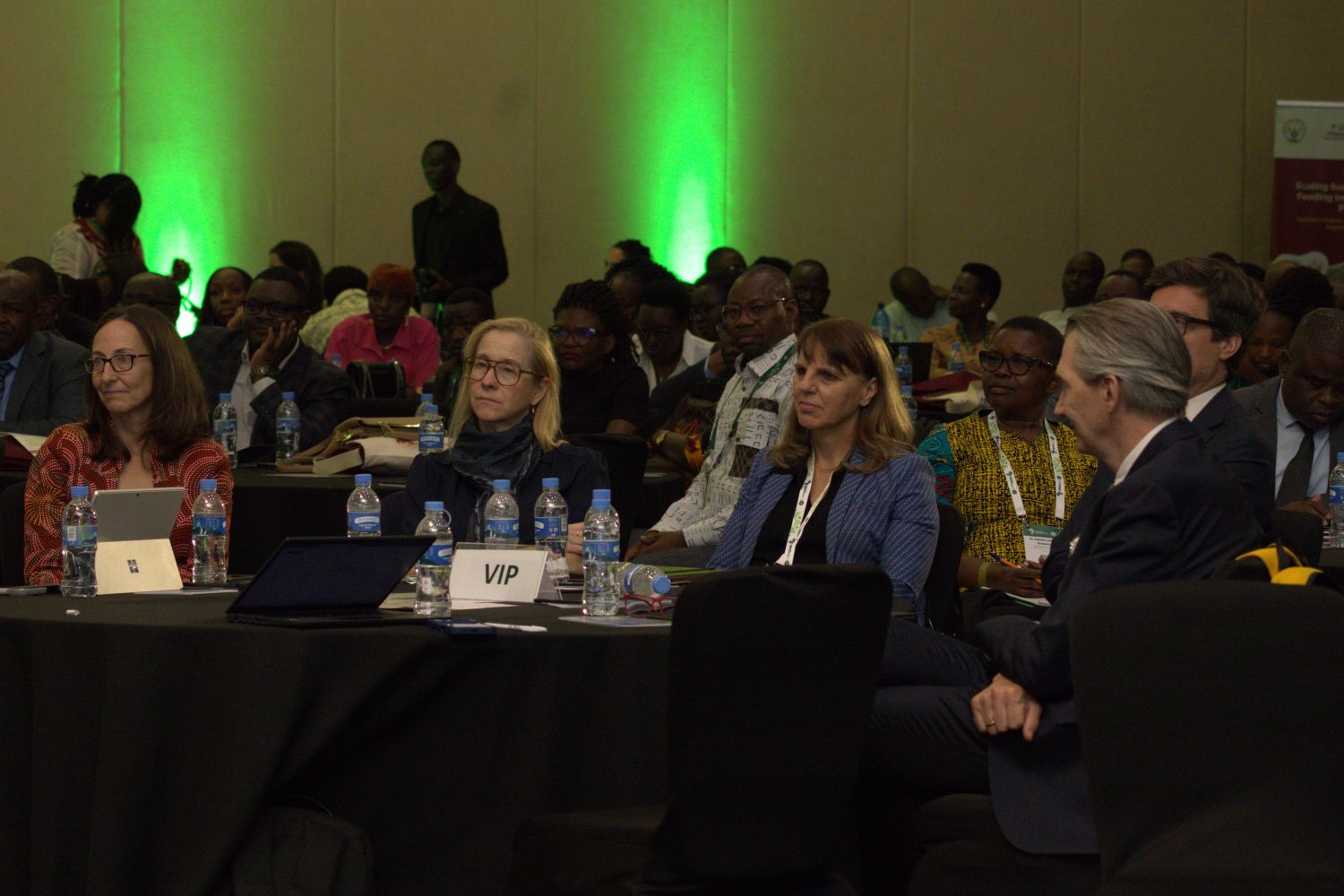
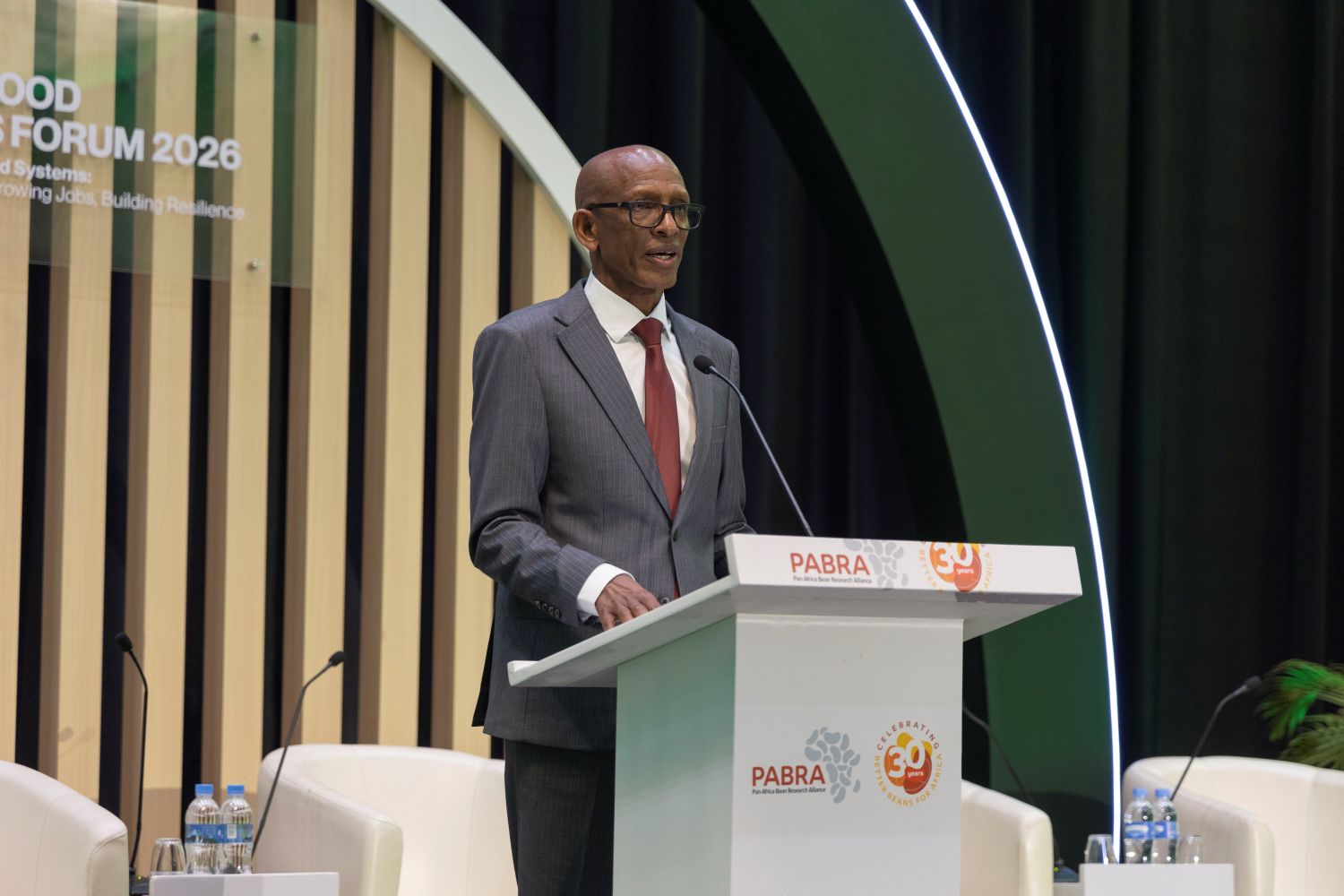
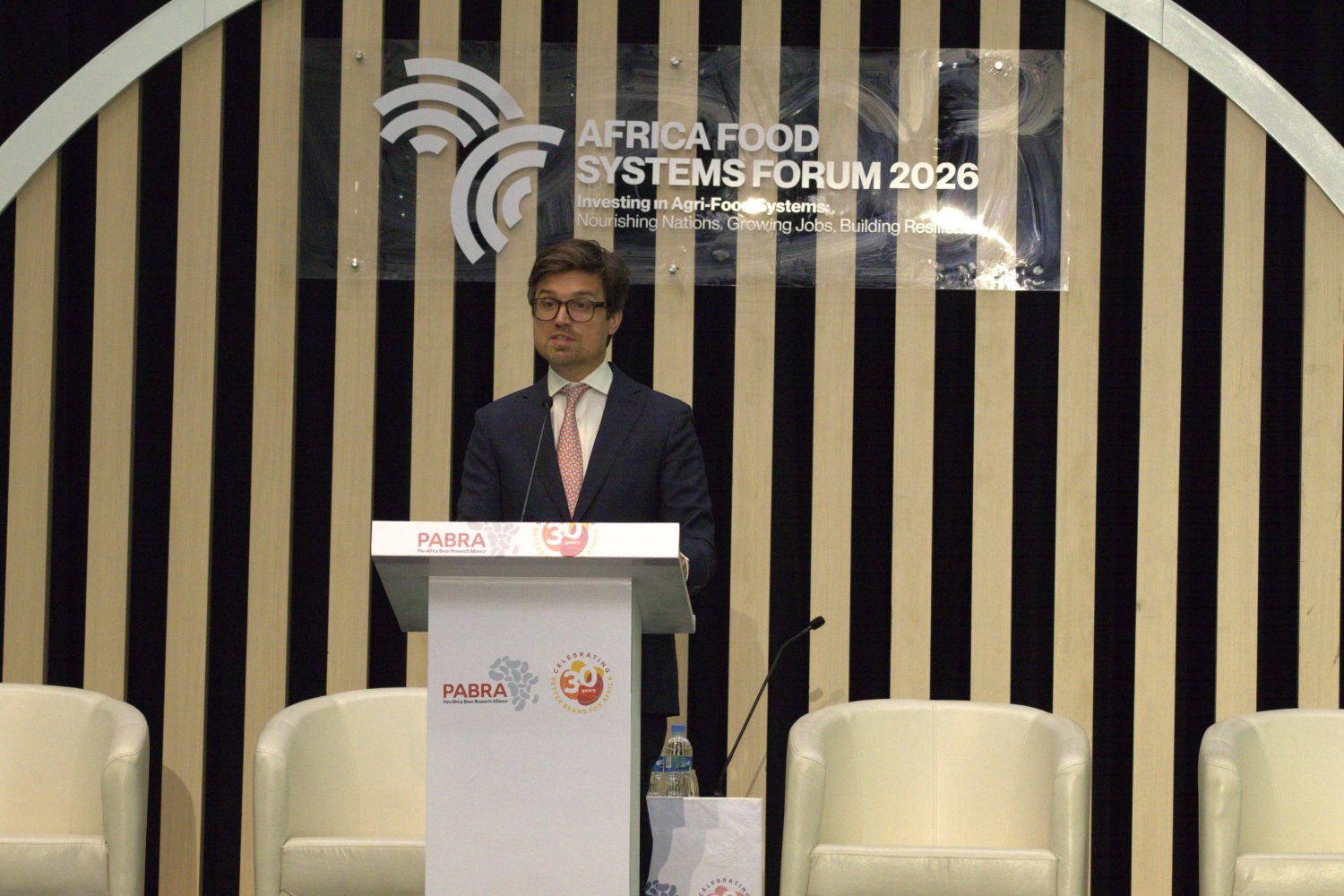
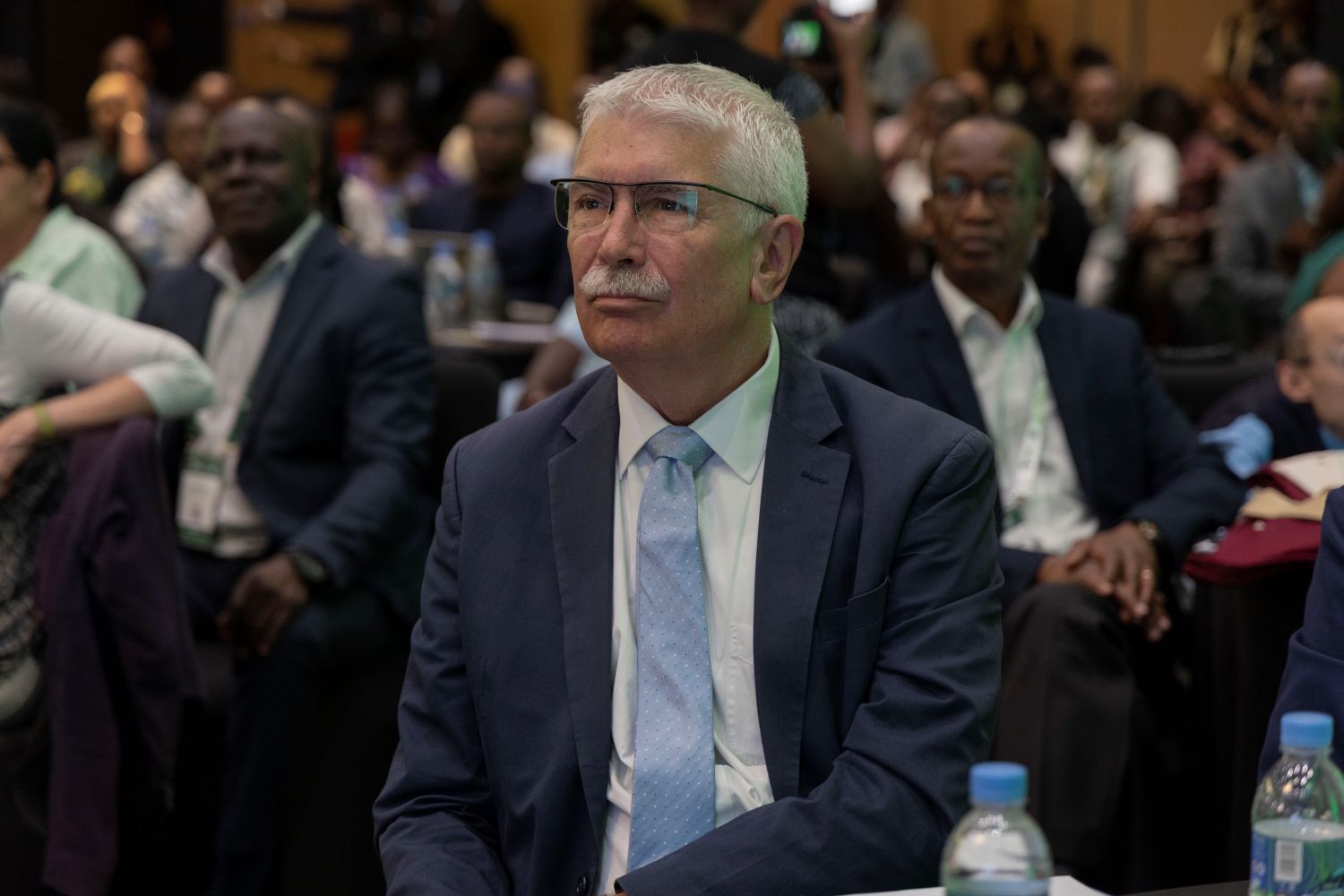
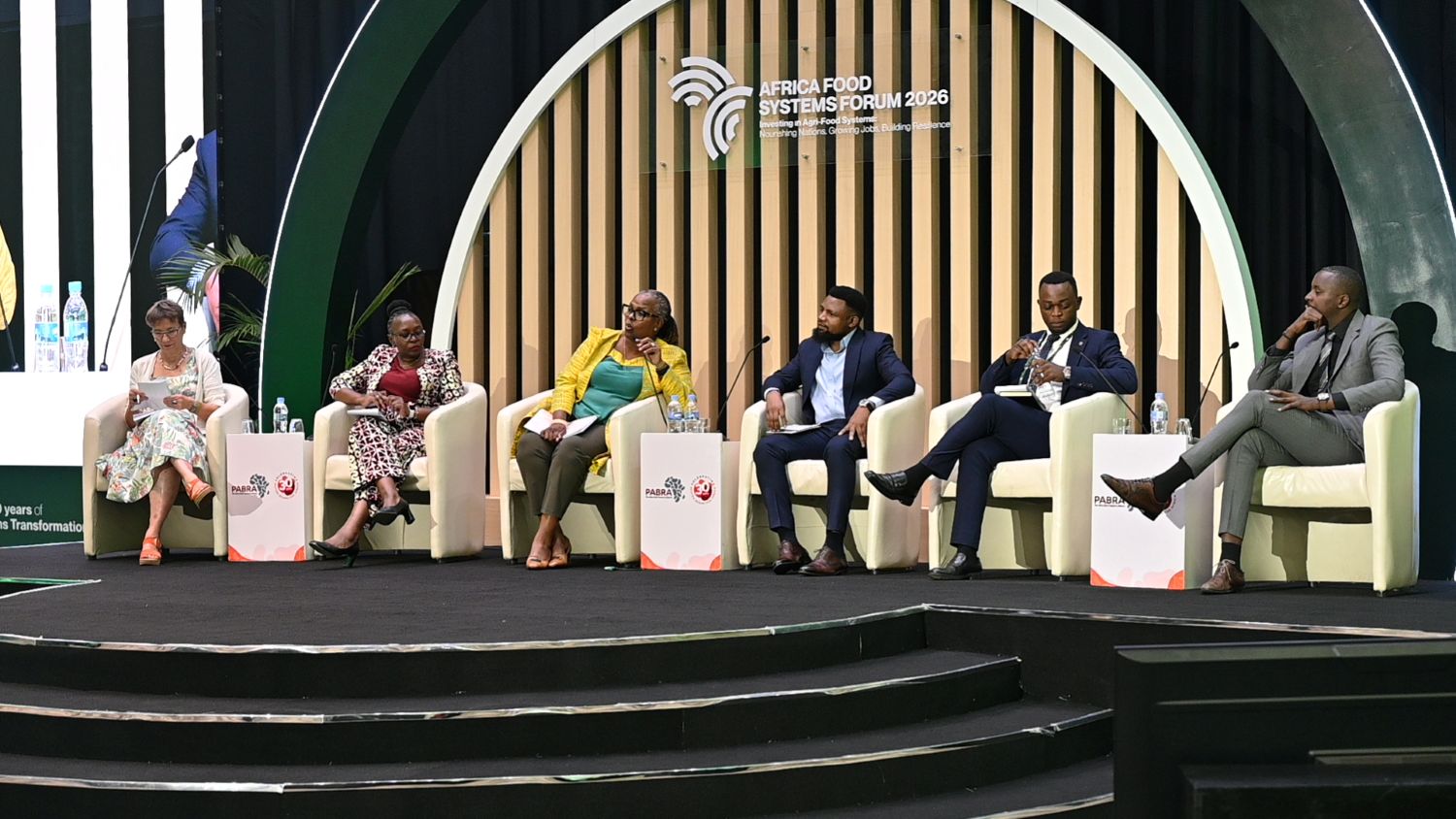
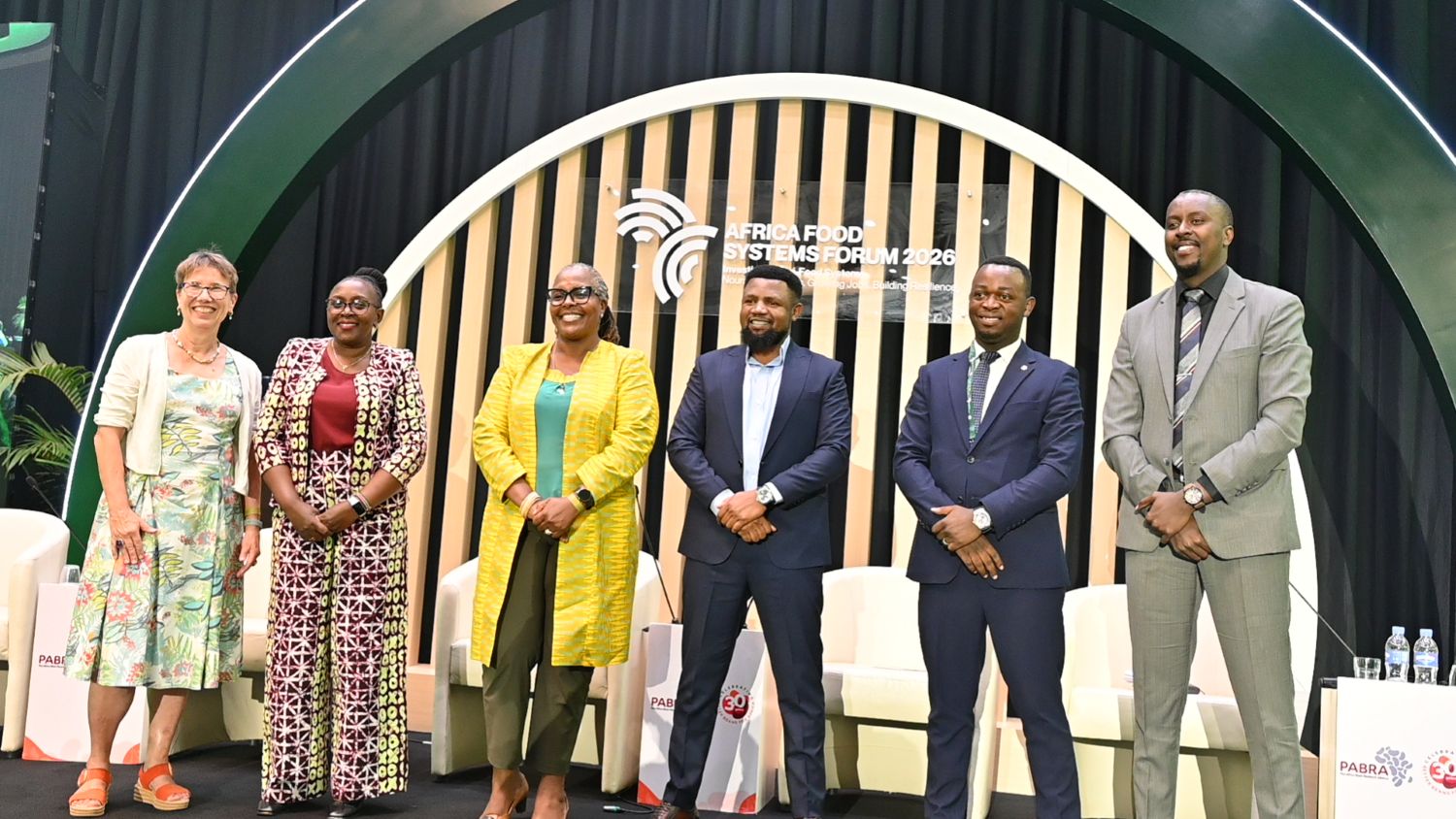
Jean Claude Rubyogo, Director of PABRA and Global Bean Program Leader at the Alliance of Bioversity International and CIAT, speaks during PABRA’s 30th anniversary event in Kigali.The event brought together government officials, researchers, farmers, development partners and other stakeholders to mark PABRA’s 30th anniversary in Kigali.Rubyogo pointed to the same shift from Rwanda’s side of the story: climbing beans, which occupied only about 5 percent of Rwanda’s bean-growing area in 1985, now account for around 45 percent.A major theme of the day was the link between bean research and school nutrition. The event featured rich panel discussions.Emma Uwera, founder of I&JJ Harvest Seed Company, said PABRA and RAB’s Bean Programme shaped her career from her undergraduate studies onward and helped her grow from supplying seed in eastern Rwanda to marketing nationwide.Rose Kabuye, a retired Rwandan lieutenant colonel, grain trader and off-taker who has worked in bean exports since 2020, said the market increasingly rewards varieties that cook quickly and generate higher returns for farmers and traders.