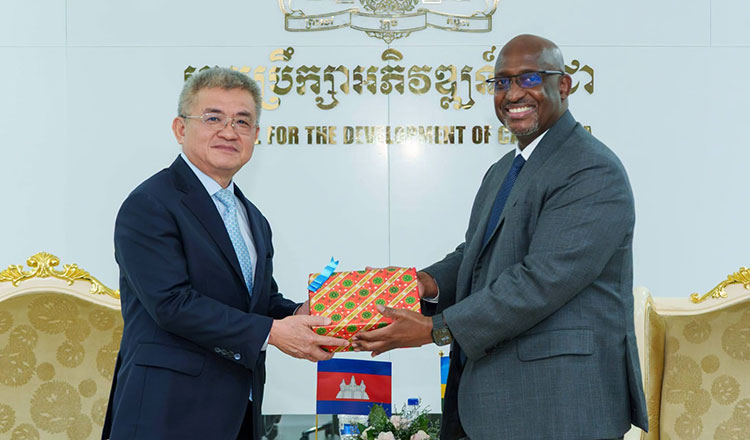
The Ministry of Interior announced on Saturday morning that Guelleh defeated his opponent, Mohamed Farah Samatar, presidential candidate for the Unified Democratic Center, who won 2.19 percent of the vote in Friday’s presidential election.
Guelleh, 78, declared victory in a social media post a few hours ahead of the official results, after early results gave him a huge lead.
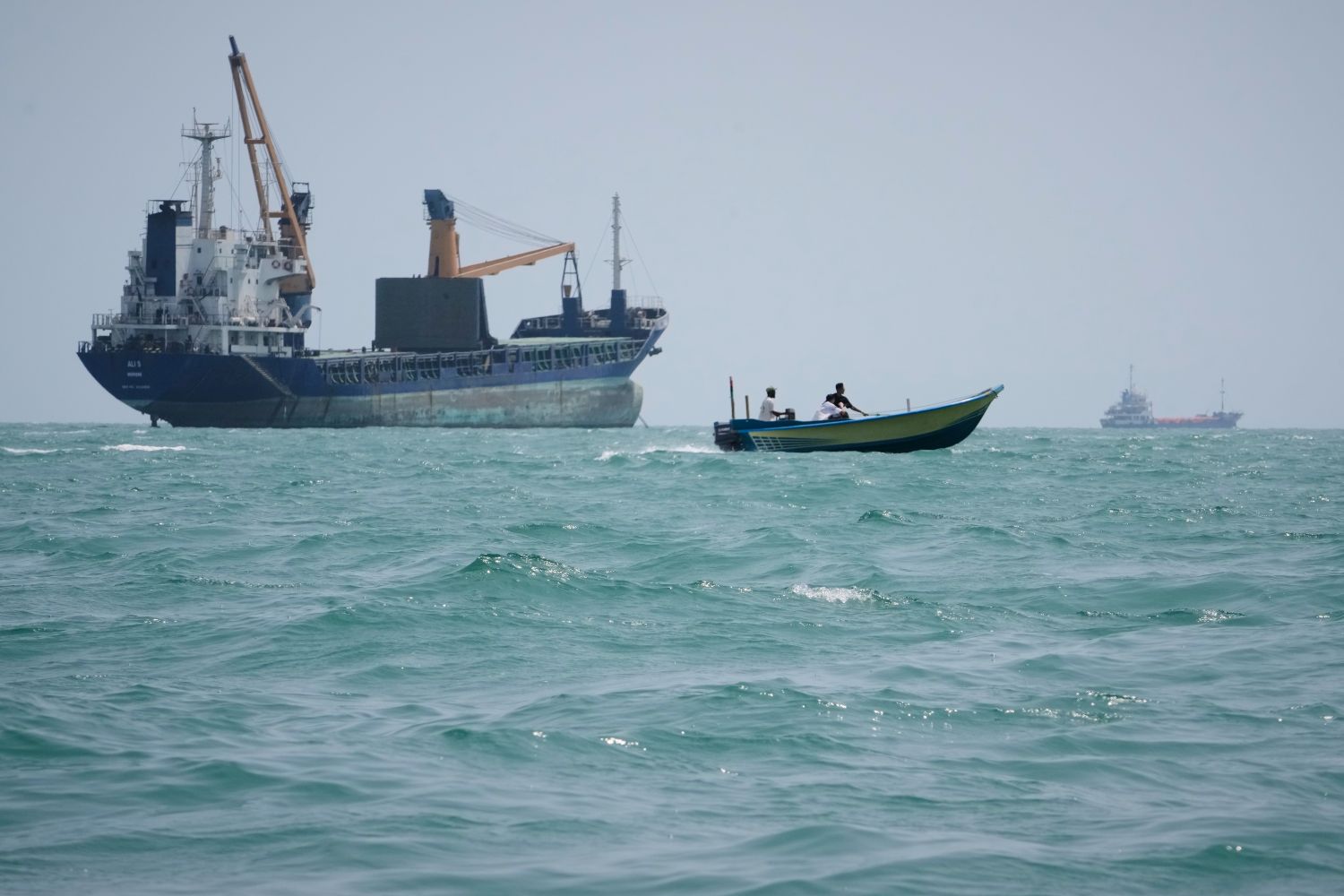
Djibouti, a small country at the mouth of the Horn of Africa, is a major hub for international commerce and a key partner in the fight against sea piracy and transnational terrorism.
The Red Sea nation, with a population of about 1 million, is also the main foreign trade outlet for neighboring landlocked Ethiopia.
Djibouti’s incumbent President Ismail Omar Guelleh was re-elected for a sixth term with 97.81 percent of the vote
He made the remarks during the 32nd commemoration of the Genocide against the Tutsi held at the Ngororero Genocide Memorial in Ngororero Sector on April 10, 2026.
The memorial site holds the remains of more than 14,500 victims, most of whom were killed on April 10, 1994, after they had sought refuge in the former MRND party headquarters located at the site where the memorial now stands.
The Prime Minister noted that although Rwanda continues to make progress in rebuilding itself after the genocide, complacency must be avoided, as there are still individuals intent on dragging the country back into its tragic past.
“We must not be complacent because there are those who do not wish our country well. As you know and continue to hear, those who participated in the 1994 Genocide against the Tutsi continue to deny it and spread genocide ideology in the region where Rwanda is located, especially in the Democratic Republic of Congo,” he said.
He added that such actions often take place while the international community looks on, as was the case in Rwanda in 1994 and before.
“The choices we made as Rwandans, as the President of the Republic has emphasized, are that the Genocide against the Tutsi will never happen again in Rwanda,” he said.
He stressed that this commitment goes hand in hand with closing all possible paths that could allow genocide ideology to take root again, as well as strengthening self-reliance through hard work.
The Prime Minister also called on young people to take the lead in understanding the country’s history so they can effectively confront those who still promote genocide ideology, especially through online platforms. He also urged parents to be truthful with their children about what happened.
He commended the bravery of the Nyange students, who refused to be divided when they were attacked by infiltrators, saying their courage remains a powerful symbol of national unity.
Ngororero District Mayor Christophe Nkusi said that killings in the area began as early as 1990, and that more than 57,000 Tutsi were killed in the district and are laid to rest in seven memorial sites across different sectors. Mayor Nkusi expressed concern that some victims’ remains have still not been recovered, urging residents to continue sharing information about their locations.
“I once again strongly urge the residents of Ngororero District not to hide information about whereabouts of remains that have not yet been recovered and buried with dignity. This helps bring comfort to families who lost their loved ones and strengthens the unity and resilience we have committed to as Rwandans,” he said.
He added that even after the genocide was stopped, Ngororero was later affected by attacks from “infiltrators” led by former political and military leaders originally from the district. He said these were eventually defeated by the unity government, and the area is now peaceful and developing.
Annoncée Manirarora, a commissioner in IBUKA, the genocide survivors’ organization, said that Ngororero’s genocide history is unique because killings began as early as 1990.
Ngororero District today comprises the former Kabaya and Ngororero sub-prefectures.
The former Ngororero sub-prefecture included the communes of Kibilira, Ramba, Satinsyi, and Gaseke, where killings began well before 1994.
In Kibilira Commune, more than 400 Tutsi were killed between October 10 and 13, 1990. Additional killings were recorded in February 1992.
In Satinsyi Commune, killings had been going on before 1994, while in Ramba Commune, atrocities were intensified by speeches and mobilization efforts, including those of Dr. Léon Mugesera, who is accused of inciting violence during a public meeting in Birembo.
Similar patterns of violence were also reported in Gaseke Commune before 1994.
Premier Nsengiyumva joined residents of Ngororero during the commemoration event. The event was also marked by laying of wreaths at mass graves at the memorial. Prime Minister Dr. Justin Nsengiyumva has said that Rwanda’s choices following the Genocide against the Tutsi have provided strong assurance that such atrocities will never happen again. Ngororero District Mayor Christophe Nkusi said that killings in the area began as early as 1990. Annoncée Manirarora, a commissioner in IBUKA, the genocide survivors’ organization, said that Ngororero’s genocide history is unique because killings began as early as 1990.
He made the remarks on the evening of April 10, 2026, during a commemoration marking the 32nd anniversary of the Genocide against the Tutsi.
The event, organized by the Rwanda Media Commission, brought together journalists and media leaders to honor media professionals who were killed during the genocide simply because of their identity.
The Director General of the Rwanda Broadcasting Agency, Cléophas Barore, emphasized that the journalists who were killed were not targeted for professional misconduct.
“They did not broadcast or write anything that incited violence, nor did they violate any journalistic ethics. They were well-known and respected, yet that did not protect them. Instead, it made them targets, because to genocidaires, a Tutsi life had no value,” he said.
Barore also noted that some journalists were later prosecuted in international courts for their role in the genocide.
Diane Uwadede Isimbi, daughter of Vincent Shabakaka, the founder of the former Kiberinka publication, said her father used journalism to counter the hate and misinformation being spread, particularly propaganda directed at the Rwandan Patriotic Front.
The Chairperson of the Rwanda Journalists Association, Dan Ngabonziza, called on journalists to reject hate and actively fight genocide ideology.
“Our country’s painful history has shown us that the pen and the spoken word can either destroy or build. Today is a moment to renew our commitment and ensure we never become channels for messages that fuel division,” he said.
Ngabonziza urged journalists to deny a platform to individuals who promote or deny genocide, stressing the importance of safeguarding national unity.
“We must honor our colleagues who were killed by standing firm against genocide ideology, refusing space to denial and distortion, and protecting the unity and progress Rwandans have achieved,” he added.
He further emphasized that journalism should serve as a force for unity, reconciliation, and resilience, while actively rejecting divisive narratives.
The commemoration event brought together various officials.
The President of IBUKA, Philbert Gakwenzire, also highlighted how media outlets contributed to spreading anti-Tutsi hatred.
However, he commended the post-genocide transformation of Rwanda’s media into a sector that supports nation-building.
Dr. Bizimana explained that genocidal propaganda in the media was rooted in extremist political movements. He outlined how, prior to the genocide, various media outlets systematically spread hatred and encouraged Hutus to kill Tutsis.
He cited cases of media figures prosecuted internationally, including Ferdinand Nahimana, Jean-Bosco Barayagwiza, and Hassan Ngeze, who were tried together for their role in inciting genocide.
The minister described different categories of media at the time: state-owned outlets, so-called independent outlets aligned with the government, and others that did not openly promote hatred.
He pointed out that the infamous Radio Télévision Libre des Mille Collines recruited skilled journalists and former officials to effectively disseminate its extremist agenda.
He further explained that RTLM’s operations were closely linked to the presidency, underscoring its political importance. Government officials were integrated into its leadership structures, while intelligence officials were tasked with supplying information and identifying loyal, hardline journalists.
Among those involved were Donath Hakizimana, then Secretary General of the national intelligence service, who helped source information and personnel for RTLM, and Gaspard Musabyimana, now based in Belgium, who managed programming and collaborated with intelligence networks.
Musabyimana is also linked to Radio Inkingi, which continues to spread genocide ideology.
The President of IBUKA, Philbert Gakwenzire, also highlighted how media outlets contributed to spreading anti-Tutsi hatred.
Dr. Bizimana also identified Ferdinand Nahimana as one of the key architects of genocide ideology, including the concept of “civilian self-defense,” which encouraged collective violence against Tutsis.
He noted that media houses such as ORINFOR, Imvaho, Kangura, and Kinyamateka played varying roles in spreading divisive narratives at different times. He specifically highlighted how Kinyamateka contributed to shaping anti-Tutsi sentiment through its publications.
According to Bizimana, RTLM strategically recruited charismatic journalists known for engaging content, including music, sports, and general news, to attract a wide audience while subtly embedding hate messages. These included figures such as Georges Ruggiu and Valérie Bemeriki, among others.
Dr. Bizimana stated that journalists played a role in the Genocide against the Tutsi through the words they used on radio, television, and in other media outlets.
“They did not pick up machetes to kill, they did not throw grenades into crowds, they did not use guns, nor did they engage the enemy in combat. They killed through words and through their publications,” he said.
He added, “Killing can also be carried out through writing and speech, and that is often where genocide begins.”
Dr. Bizimana emphasized that no one in a country that has experienced genocide should afford themselves the luxury of forgetting its history or acting as if they are unaware of the country’s past.
“In a country that has gone through genocide, with a painful history of ethnic politics, discrimination, and the Genocide against the Tutsi, no journalist, politician, or any individual should behave as though they are in a country without such a background. It is clear that there are journalists and self-proclaimed politicians who act carelessly, ignoring the unique history of ethnic division and genocide in this country,” he said.
He urged journalists to learn from those who upheld professionalism and integrity, to avoid aligning themselves with hate, division, and genocide ideology, and instead commit to playing a constructive role in building society.
List of some journalists killed during the Genocide against the Tutsi and their respective media houses
ORINFOR
1. RUBWIRIZA Tharcisse 2 .MWUMVANEZA Médard 3. GASANA Cyprien 4 .KARAKE Claver 5. KARAMBIZI Gratien 6. KARINDA Viateur 7. RUDAHANGARWA J. Baptiste 8. SEBANANI André 9. KALISA Calixte 10. NSABIMANA Emmanuel 11. BUCYANA Jean Bosco 12. MBUNDA Félix 13. MUNYARIGOGA Jean Claude 14. NSHIMIYIRYO Eudes 15. Byabagamba Stratton (killed in 1992, he worked for teh Catholic Church hosting a show at Radio Rwanda)
LE PARTISAN
15. HABINEZA Aphrodice (SIBO)
LE TRIBUN DU PEUPLE
16. MUKAMA Eugène 17. HATEGEKIMANA Wilson 18. GAKWAYA Eugène 19. RUGAJU Jean Claude
LE FLAMBEAU
20. BAZIMAZIKI Obed 21. KARINGANIRE Charles 22 .MUNANA Gilbert
The Director General of the Rwanda Broadcasting Agency, Cléophas Barore, emphasized that the journalists who were killed were not targeted for professional misconduct.
Bishop Nzakamwita, 82, retired since 2022 after 27 years of service as Bishop of Byumba Diocese. When he assumed the role, the diocese had 13 parishes, a number that has since grown to 21.
In a recent interview on IGIHE’s program ‘Ingingo Nkuru‘, Bishop Nzakamwita reflected on how hatred was deeply rooted in society and eventually spread into the Church. He spoke about the situation in seminaries, where even those preparing for priesthood were affected by ethnic divisions.
His testimony also addressed the role of the Church during that period, including the conduct of some priests who were influenced by ethnic divisions.
Bishop Nzakamwita has been in retirement since 2022 after requesting it in 2018.
IGIHE:You have now spent four years in retirement, having requested to retire in 2018 and receiving approval in 2022. How has life been?
Bishop Nzakamwita: In reality, one no longer holds specific responsibilities during retirement, but continues to offer support. I remain active trough teachings related to the priestly ministry, lead retreats, and respond to invitations such as weddings or times when people have lost loved ones and need support. So, I continue to serve both as a priest and as a bishop, although I no longer hold any formal or specific duties.
IGIHE:During retirement, you chose to settle in Rwesero, near the lake. Why did you choose this place?
Bishop Nzakamwita: It is a peaceful place, and I am very familiar with it. I studied here from 1958 to 1963, after which I moved to Kabgayi. In 1965, I went to Nyakibanda, where I spent six years.
In 1971, I was ordained as a priest and began my pastoral work. I started in Ruhengeri at the cathedral. In 1975, I was sent to Janja as a parish priest, where I served for a long time. I left in 1986 to come here to Rwesero as a formator, and in 1987 I was appointed to succeed our previous rector, Thaddée Nsengiyumva, who had been appointed as Bishop of Kabgayi Diocese.
In 1989, I was sent for further studies in Belgium, where I spent two years. Upon my return in 1991, I was assigned to the Major Seminary of Rutongo. Later, in 1996, I was appointed Bishop of Byumba.
Shortly before the Genocide against the Tutsi, some students were arrested on accusations of being accomplices at Rwesero Junior Seminary.
IGIHE:How would you assess Catholic Church education, particularly in seminaries, compared to the past?
Bishop Nzakamwita: Seminary education remains fundamentally the same. Its purpose is to prepare young men for the priesthood while supporting their overall formation. At the same time, they pursue academic studies just like other students.
IGIHE:What proportion of seminary students eventually become priests compared to those who pursue other paths?
Bishop Nzakamwita: Only a small number go on to become priests. The majority choose to pursue other careers and ways of life.
IGIHE:Does that mean they lack a genuine calling?
Bishop Nzakamwita: The choice ultimately belongs to each individual. We are aware from the beginning that not all of them will become priests. Those who clearly choose the priesthood are the ones who proceed to the major seminary.
IGIHE:Does this suggest that the number of people choosing religious vocations is declining today?
Bishop Nzakamwita: Yes, it is declining significantly. People are increasingly choosing different paths in life. However, this is something we accept. What matters is that even those who pursue other careers leave with a strong moral and Christian foundation, so our efforts are not in vain.
IGIHE:Do you think Rwanda could eventually face a shortage of priests, as seen in some other countries?
Bishop Nzakamwita: Rwanda still has many vocations. We have not yet reached a point where choosing the priesthood is disappearing, especially since the Christian faith remains strong among the population.
IGIHE: Let us revisit the period before the Genocide. You were present and serving as a priest at the time. How did Rwandan society move from the values of love taught by the Church and other religions to such deep hatred?
Bishop Nzakamwita: First, we must understand that in this world and in our lives, we are constantly engaged in a struggle to overcome evil and uphold good, to defeat hatred and promote love. This is a universal struggle.
There was a period in Rwanda when the country’s leadership fell into the tragedy of dividing its people. Some were turned against others, and it escalated to the point where certain groups, particularly the Tutsi, were targeted and killed. These events were deeply painful for all of us and continue to have lasting consequences.
This was not caused by Christianity. Rather, it was the result of political leadership that chose to divide Rwandans for political interests prevailing at the time.
Bishop Nzakamwita is aged 82, having retired since 2022.
IGIHE:At that time, you were actively teaching. How did you manage to teach love when people would leave and encounter politicians spreading a different message?
Bishop Nzakamwita: That is precisely the mission of the Catholic Church to teach love, which is the legacy we received from Jesus Christ Himself. That is what we continued to teach.
When the problem of division emerged in Rwanda, where leaders encouraged citizens to hate one another, we intensified our efforts to guide the faithful. We urged them not to be carried away by hatred, but instead to choose what is good and to live peacefully with others.
However, many people were ultimately overwhelmed, especially because those in leadership were actively promoting division. Many succumbed to this influence, which eventually led to the Genocide against the Tutsi, aimed at eliminating one group so that another could dominate both political power and life in Rwanda.
IGIHE:You mentioned that, as religious leaders, you continued teaching despite being overpowered by other influences. Yet some priests were involved in the Genocide. How do you explain this?
Bishop Nzakamwita: Priests, like all members of society, included both Hutu and Tutsi, and they too were affected by divisionism. Some were overcome by hatred and betrayed their religious commitments.
While some failed, others resisted. That resistance is part of why Rwanda did not completely collapse or fully achieve the destructive goals set by those in power. There were individual priests, religious figures, and ordinary Christians who courageously opposed these actions and stood firm in their responsibilities.
IGIHE:While you were in Janja, divisive ideology was already spreading. What did you personally witness?
Bishop Nzakamwita: The atmosphere was tense. The culture of hatred and violence was already present. At times there would be brief periods of calm, but then violence would resurface openly, people being expelled from schools, dismissed from their jobs, and even killed.
This cycle continued, but from 1990, when the Inkotanyi launched their struggle, the situation worsened significantly and escalated steadily until 1994.
IGIHE:What memories from that period have remained with you and continue to stand out?
Bishop Nzakamwita: One significant period was in 1973, when President Habyarimana took power from Kayibanda. It was a difficult year marked by killings and expulsions from jobs. Although the situation later appeared to stabilize, discrimination persisted. Tutsi children, for example, did not have equal access to education compared to Hutu children.
That year was particularly painful. Students were expelled from schools, and many people fled the country to Burundi, Uganda, and Congo.
Another period I remember clearly began around 1989, when a new wave of expulsions and division emerged, especially among students.
At that time, I was transferred for further studies, but tensions remained high, and children were increasingly influenced by divisive ideologies.
IGIHE:Did such divisions also exist within seminaries?
Bishop Nzakamwita: Yes, they did. However, we made efforts to contain them. By 1990, when the war began, the situation worsened. Some students were imprisoned, others were killed, and many were expelled. There were also casualties among both students and staff.
IGIHE:Were these actions carried out by seminary teachers?
Bishop Nzakamwita: No, they were carried out by local administrative authorities, prefectures and communal leaders. However, the divisions also spread among students themselves, with some harassing others and even attempting violence.
Some students fled for safety, while others remained and tragically lost their lives. Others were arrested and taken to Byumba during the period when people accused of being “accomplices” were being detained.
IGIHE:How many seminarians were taken?
Bishop Nzakamwita: Initially, four seminarians were taken, but one of them was killed. He had helped others escape by taking them to his home, which was nearby. Later, when the seminary temporarily closed due to the unrest, he was arrested and accused of being an accomplice. He was ultimately killed along with others who were similarly accused.
Before becoming a Bishop, Nzakamwita taught at Rwesero Junior Seminary.
IGIHE:When you returned in 1991, how did things unfold? When and how were your siblings killed?
Bishop Nzakamwita: When I returned to Rwanda in 1991, it was not easy. I was hesitant because there was already war in the country. During that time, my family was targeted, some of my siblings were persecuted, and in 1990, several of them were killed in Gatsirima, in Kiyombe Sector, then part of Kiyombe Commune. They were accused of being accomplices and were killed by local residents.
At the time, I was still in Belgium. When I received the news of their deaths, I went into mourning. Returning home was difficult. I kept asking myself, “Where would I go?” I feared that if I had been at home, I too might have been killed. Others also warned me about the risks I could face upon returning.
When I consulted my bishop about whether I should come back, he reassured me, saying that the situation had calmed down and that negotiations were underway.
After that reassurance, I returned and was assigned to Rutongo. We were there when events of 1994 unfolded. During the years from 1991 to 1994, tensions persisted, even among our students. Some held divisive and hateful ideologies, but we worked to counter them, and in the seminary, they often listened to us.
I recall that at one point, we even suspended classes to engage in dialogue with the students, as the environment had become very challenging. Education itself was affected by ethnic divisions.
IGIHE:What kind of discussions did you have with the students?
Bishop Nzakamwita: We emphasized that unity and good relationships were the right path, and that hatred had no place. Some students would claim that the Tutsi were at war and fighting against the Hutu.
Our role was to correct such views, teaching them that such thinking was wrong and not compatible with Christian values or the calling of seminarians.
IGIHE:You mentioned that your siblings were killed in 1990 after being labeled accomplices. How many were killed?
Bishop Nzakamwita: My younger brother, my elder brother, and my elder brother’s wife were killed. The children were not there; some were studying in Kigali, while others had been sent to Congo because access to education in Rwanda was very limited at the time. My younger brother’s wife had already passed away in 1989 due to illness.
So, it was my younger brother, my elder brother, and my elder brother’s wife who were killed there.
Two of his siblings were killed after being accused of being cccomplices.
IGIHE:What happened where you were during that time?
Bishop Nzakamwita: In 1994, shortly after Easter, the plane carrying President Habyarimana was shot down. Authorities instructed everyone to remain where they were, assuring us that our security would be protected.
From April 6th to 9th, we remained in hiding at the seminary. During that time, we also received refugees fleeing from surrounding sectors. Many arrived wounded, while others came seeking safety.
By April 9th, we were still in hiding and trying to defend ourselves, as Interahamwe militia were attacking us. We set up barriers on the roads leading to the church and the seminary and resisted them by throwing stones.
On that same day, RPF forces (Inkotanyi), advancing toward Kigali from Byumba, passed through Rutongo and rescued us. Had they not arrived, we would all have been killed.
When they reached the area, they encountered Interahamwe militias who had arrived in trucks and buses intending to kill both us and those who had taken refuge with us. Fighting broke out, and the attackers were driven away, allowing us to survive.
Later, on April 18th, due to ongoing fighting, we fled from Rutongo to Byumba.
At the time, I was serving as the bursar (Econome), and since we had livestock and property belonging to seminarians who were on holiday, I initially remained behind in Rutongo while others fled. RPF soldiers occasionally passed through on their way to Kigali, and a unit was stationed there to maintain security, as the area was strategically important.
However, on April 28th, I was advised to leave due to heavy shelling coming from areas like Murambi and Shyorongi. I was told it would be safer for me to evacuate. We then fled to Byumba and later returned after Kigali had been taken in July.
IGIHE: Before the RPF arrived in Rutongo, were there Tutsi refugees who were killed by Interahamwe, or were you able to continue defending yourselves?
Bishop Nzakamwita: In surrounding areas, many Tutsi were indeed killed. Those who were fortunate managed to reach the seminary or the parish for protection.
IGIHE:Were any people killed at the seminary?
Bishop Nzakamwita: No. We resisted from the beginning, defending ourselves by throwing stones. Before 1994, there had been killings elsewhere, but at the seminary, we managed to protect those who had taken refuge there. When the RPF arrived, they reinforced our defense. No one who had sought refuge at the church was killed.
IGIHE:After the Genocide, people had to live together again, with unity and reconciliation, and perpetrators were expected to ask for forgiveness. Was this process easy?
Bishop Nzakamwita: What was easy? Even after Kigali was taken and the RPF began stopping the Genocide in the areas they controlled, the situation remained extremely difficult.
In reality, the conflict did not end immediately. Fighting continued until around 1997. The war between the RPF, the Interahamwe, and the former government forces evolved into an insurgency, as infiltrators continued to wage attacks.
According to Bishop Nzakamwita, evil exists within people, and some are overtaken to do wrong.
IGIHE:I would like to focus particularly on your personal experience during those difficult times. Did you forgive those who killed your family during the Genocide?
Bishop Nzakamwita: When I returned to Rwanda in 1991, in our home area of Mutara and much of Byumba, many residents had fled due to the war with the Inkotanyi. I was unable to reach my home because there were hardly any people left, some had fled, while others had been killed.
I only managed to return there in 1996, after I had been appointed Bishop of Byumba. When I went back, the area had become overgrown with bush. I did not even know where my relatives had been buried. I had to search for them, and eventually discovered that their remains had been thrown into a latrine. By that time, only bones remained. We did our best to give them a decent burial.
That same year, 1996, I began my ministry in Byumba as bishop, living among the people.
At that time, many residents were still in exile, some in Tanzania, Congo, and Uganda. Those who remained or had returned were very few, and many parishes were closed. I believe only about four parishes were functioning, and even those had very small congregations.
As people gradually began to return, especially in 1997 when refugee camps in places like Benako (Tanzania) and Congo were dismantled, many came back to their homes.
IGIHE:How did you respond to that situation?
Bishop Nzakamwita: It was a very difficult challenge. Some of the people who had killed my relatives returned to their communities. At the same time, earlier refugees who had fled in 1959 had already returned with the Inkotanyi between 1994 and 1996 and settled on land that had been abandoned.
When the 1994 refugees began returning, tensions arose. Coexistence became difficult. Many who returned from Benako in Tanzania were afraid to live alongside those who had already settled there, particularly returnees from Uganda, so they set up camps nearby instead.
We had to address this situation by working with local authorities, including the mayor, to find ways for people to live together again. There was deep fear on both sides; some feared attacks from Interahamwe, while others feared revenge from the Inkotanyi, who were now in power.
To resolve this, we focused on bringing people together both the older returnees and those who had fled in 1994.
IGIHE: How did you manage to reunite them? Is this the origin of the housing initiative?
Bishop Nzakamwita: Yes. We started by bringing together young people, aged roughly 15 to 30. Initially, we gathered about 150 youth, then brought in more. We provided them with guidance and education, supported by priests and educators.
These young people became a bridge for reconciliation, helping to bring their parents together. While many parents were still in camps, we connected them with those who had already begun rebuilding on their land.
We first united the youth through shared activities, games, teachings, and cultural events. We then invited their parents to participate, encouraging dialogue and mutual understanding. We emphasized that both groups, those who had fled long ago and those who had fled more recently were all returning to their rightful homes and needed to share the land and live side by side.
Since many houses had been destroyed, we helped provide construction materials such as roofing sheets and tools, as well as skilled builders. At the same time, we encouraged the communities to work together to rebuild their homes.
We told them that neighbors who live in conflict cannot coexist peacefully, but those who choose unity can rebuild together. They accepted this message.
Local authorities then allocated plots of land, reorganizing settlements into villages, as people had previously been scattered. With support in materials and labor, communities worked together to rebuild homes and ultimately lived side by side in peace.
IGIHE:Did individuals who killed your relatives ever ask you for forgiveness?
Bishop Nzakamwita: No, none of them ever asked me for forgiveness. Perhaps they felt that I had already forgiven them, as I did not seek revenge. We resumed living together as before. They do not avoid me, and I do not avoid them.
IGIHE:Were those involved in the killings held accountable?
Bishop Nzakamwita: Yes, they were arrested and imprisoned.
IGIHE:Are they still in prison?
Bishop Nzakamwita: Some remain imprisoned, while others have passed away.
IGIHE:Have any of those who were released come to ask for your forgiveness?
Bishop Nzakamwita: Some have been released and are now living on their land. We live together peacefully.
IGIHE:Have they ever asked you for forgiveness?
Bishop Nzakamwita: No one has ever directly asked me for forgiveness. However, I hear them say that the war led them into wrongdoing. People express regret, but no one has personally come to me to confess their actions or ask for forgiveness. Those identified as responsible were prosecuted, but we have not had direct conversations about it.
IGIHE:Among those you helped rebuild homes, were there individuals who had taken part in the killings?
Bishop Nzakamwita: Possibly, yes. But I did not choose people based on that. Land was distributed to everyone, and they all rebuilt their homes. I never sought to identify who specifically killed my relatives. Those who were identified were reported to authorities, arrested, and some were later released.
Those who admitted their crimes and sought forgiveness through the justice process were released, while others remained imprisoned or died in prison. Some fled to Uganda. I neither know all of them nor sought to find out.
What matters is that those we helped rebuild their lives still appreciate that gesture. They are even able to visit me freely, and we coexist peacefully. In fact, when the government sought individuals who had demonstrated exemplary conduct, these same community members testified that I had not sought revenge. As a result, I was recognized nationally and included among the Guardians of the Covenant (Abarinzi b’Igihango).
This recognition came from those very people we lived alongside, some who had participated in the attacks and others who had failed to intervene. The act of helping rebuild their lives and choosing not to seek revenge deeply moved them. Even though they never explicitly asked for forgiveness, they showed remorse and acknowledged my forgiveness through their actions.
IGIHE:Beyond your role as a religious leader teaching love and forgiveness, do you think it is appropriate for someone who committed such serious crimes to remain silent without explicitly asking for forgiveness?
Bishop Nzakamwita: I believe we made it easier for them, and they felt that forgiveness had already been granted. That is how I see it. Many express that the killings, especially of the Tutsi, brought them pain and shame. However, some still carry traces of hatred and may even avoid you. In certain circumstances, if provoked, some could relapse into violence.
IGIHE:Do you still observe such attitudes today?
Bishop Nzakamwita: Yes, in some cases. For example, at a memorial site we established, a photograph of the victims was once destroyed. I was told it was done by “mad people,” but it shows that some individuals still harbor hatred. If given the opportunity, they might act on it again.
IGIHE:What should be done to eliminate hatred completely?
Bishop Nzakamwita: We must practice humility, patience, and mutual understanding. We must demonstrate that love still exists, the love God created us with. Using that love is a constant struggle, as evil exists within people and affects everyone.
We must continue fighting that inner battle and overcome it. If you look at places like Congo, you still see violence being allowed by leadership. This reminds us that we must remain vigilant and actively resist evil, understanding that it can influence anyone.
IGIHE:When you interact with students here at the seminary, what do you observe in their mindset?
Bishop Nzakamwita: The students here live together in harmony. Even though some come from families that may still hold divisive ideologies, such attitudes are not visible here. Most of them were born after 2000 and are not directly familiar with the events of 1959 or 1994.
Of course, conflicts can still arise among young people, as is natural. But such disagreements are not based on ethnic divisions. Students may argue or fight, but it is not about being Hutu or Tutsi, it is simply part of human interaction.
In the seminary, we teach them to strive for love and unity, values they are expected to carry forward as future priests.
She made the call on April 10, 2026, during a solemn ceremony marking the 32nd commemoration of the 1994 Genocide against the Tutsi, held in Budapest.
The event, organized by the Embassy of Rwanda in Hungary, brought together diplomats, Hungarian officials, members of the Rwandan community, survivors, and friends of Rwanda in a moment of remembrance and reflection.
In her address, Amb. Nyagahura stressed that genocide denial and distortion require urgent and coordinated global responses, including stronger education systems, justice mechanisms, and legal frameworks to safeguard historical truth.
“Genocide is never spontaneous. It is prepared, taught, and enabled by silence,” she said, warning that denial represents a continuation of that silence and a threat to remembrance itself.
She further emphasized that remembrance must go beyond symbolism and be treated as a shared global responsibility to confront hatred, protect human dignity, and prevent future atrocities. The ceremony paid tribute to more than one million victims of the genocide, while also honoring survivors and those who risked their lives to save others.
April 7, recognized by the United Nations as the International Day of Reflection on the 1994 Genocide against the Tutsi in Rwanda, marks the beginning of the annual commemoration period.
The term Kwibuka, meaning “to remember,” also reflects renewal, learning, and a commitment to preventing future atrocities.
Amb. Nyagahura recalled that the genocide was not a spontaneous event, but the result of decades of division, discrimination, and dehumanization rooted in colonial history and reinforced in the post-independence period.
She cited earlier waves of violence in 1959, 1963, and 1973, and the mass exile of Tutsi as warning signs that were not acted upon by the international community.
She highlighted Rwanda’s recovery journey under the leadership of President Paul Kagame, noting that the country chose a path of unity and reconciliation grounded in justice, social cohesion, and a shared national identity expressed through Ndi Umunyarwanda.
Today, she said, Rwanda stands as a symbol of resilience, with a new generation growing up in a country defined by unity and hope.
However, she warned that genocide ideology remains a persistent threat, particularly in eastern Democratic Republic of the Congo, where armed groups such as the FDLR continue to operate. She called on the international community, including Hungary, to support efforts aimed at dismantling such groups and strengthening regional peace and security.
The ceremony also featured remarks from Hungarian officials, including Attila Koppány, as well as testimonies from genocide survivors Freddy Mutanguha and Judence Kayitesi, who shared personal accounts underscoring the human dimension of the tragedy and the importance of preserving memory.
Amb. Nyagahura also urged renewed international commitment to truth, justice, and human dignity, stressing that the promise of “Never Again” must be actively upheld.
“Rwanda remains steadfast in its commitment to peace, unity, and reconciliation. We invite all nations and people of goodwill to join us in this mission,” she said.
During the event, Freddy Mutanguha, Chief Executive Officer of the Aegis Trust and a genocide survivor, delivered a powerful and deeply personal message calling for sustained vigilance against genocide ideology and denial.
Sharing his personal story, Mutanguha revealed that while he survived alongside his sister, his parents and four sisters were brutally murdered.
Despite the failure of the international community at the time, he paid tribute to the bravery of RPA soldiers who stopped the genocide, rescuing civilians and dismantling the genocidal regime.
In the aftermath, through strong leadership and homegrown solutions, the country embarked on a path of recovery and reconciliation.
Measures such as the abolition of ethnic identity cards, the establishment of community-based Gacaca courts, and the creation of memorials like the Kigali Genocide Memorial have played a crucial role in justice, healing, and education.
Today, Rwanda stands as a testament to resilience and transformation. With a National Unity Barometer exceeding 95%, the country has made remarkable progress in rebuilding trust and social cohesion.
Rwanda’s Ambassador to Hungary, Margueritte Francoise Nyagahura delivering her remarks. Freddy Mutanguha, Chief Executive Officer of the Aegis Trust and a genocide survivor sharing his testimony. Ambassador Attila Koppány, Guest of Honor and Head of the Africa Department at Hungary’s Ministry of Foreign Affairs and TradeJudence Kayitesi shared her testimony. Benedicto Nshimiyimana, Minister-Counsellor facilitated discussions. The CEO of Aegis Trust, Freddy Mutanguha during an interview with IGIHE
Zeaxanthin is already known for its role in eye health, especially in protecting the retina and supporting good vision. However, the new research suggests this nutrient can also enhance the performance of important immune cells called CD8+ T cells. These cells are a type of white blood cell that recognize and kill cancer cells. According to the study, zeaxanthin helps strengthen the T‑cell receptor, which allows T cells to detect and attack tumors more effectively.
In laboratory experiments, researchers saw that mice fed diets containing zeaxanthin showed stronger immune responses against cancer. When combined with immunotherapy drugs called checkpoint inhibitors, which are already used in some cancer treatments, the nutrient appeared to make these therapies work even better. In simple terms, zeaxanthin seemed to “turbo‑charge” the immune system’s ability to find and destroy tumor cells when used alongside existing treatments.
The scientists also tested human‑engineered T cells in lab conditions and found that zeaxanthin helped these human immune cells kill various cancer cells more powerfully than without the nutrient. This suggests that the nutrient may have benefits for human immune function, although more research is needed to confirm this in real patients.
One of the most exciting aspects of this discovery is that zeaxanthin is generally safe and well‑tolerated. Because it is already available as a dietary supplement and a normal part of many people’s diets, researchers believe it could be tested more quickly as a supportive therapy compared to brand‑new drugs. The idea would be to combine zeaxanthin with modern cancer immunotherapies to increase their effectiveness and give patients better outcomes.
However, experts emphasize that this research is still in early stages. So far, most of the evidence comes from animal studies and lab tests. Larger human clinical trials are needed before doctors can confidently recommend zeaxanthin as part of regular cancer treatment.
This study offers a promising new direction in cancer research. It highlights how everyday nutrients might play important roles in helping the immune system fight disease, especially when used with advanced medical therapies.
Zeaxanthin: A Common Nutrient That Holds Promise for Enhancing Cancer Treatment.
He made the remarks on April 10, 2026, at State House, Nairobi, during the signing of a lease agreement between the Kenya Railways Corporation and Zaria Group for the development of a modern arena and entertainment district under the Nairobi Railway City project.
President Ruto said the agreement marks a turning point in the transformation of Nairobi into a globally competitive capital, driven by structured planning, public-private partnerships, and coordinated urban regeneration.
He noted that the Nairobi Railway City master plan is designed to convert underutilised land in the city centre into a mixed-use district integrating transport, commerce, culture, sports, and public life, with the aim of establishing a vibrant 24-hour economy.
“It is true that this arena should have been built before the one in Kigali, and Ujiri would have wanted that to happen,” Ruto said. “But we thank God that finally we are doing it.”
He added that Nairobi’s slow decision-making processes had previously held back major opportunities for the city.
Ruto further revealed that he personally intervened in negotiations to finalise the agreement, including adjusting financial terms to ensure consensus was reached.
President William Ruto acknowledged that delays in decision-making and fragmentation slowed Kenya’s progress despite early conceptualisation of the project.
The President emphasised that the project reflects a shift toward private-sector-driven development, noting that government alone cannot finance all infrastructure needs.
He added that the Nairobi Railway City project will serve as a model for integrated urban development, supported by broader improvements in infrastructure, including roads, lighting, security systems, and cleanliness within the capital.
Ruto said the arena will not only serve sporting purposes but will also support music, arts, and the wider creative economy, positioning Nairobi as a regional hub for entertainment and international events.
He further said the project will complement other flagship developments such as the Talanta Stadium and the Bomas of Kenya conference facility, creating a comprehensive ecosystem for sports, culture, and business tourism.
The project, which is expected to be completed within 12 months, is projected to create up to 25,000 jobs annually across construction, operations, hospitality, and the creative economy.
President William Ruto witnessed the signing of a lease agreement between the Kenya Railways Corporation and Zaria Group for the development of a modern arena and entertainment district under the Nairobi Railway City project.
Zaria Group co-founder Masai Ujiri described the project as a historic milestone, saying it goes beyond sports to become a major driver of Africa’s creative economy.
“I’m actually overwhelmed, Your Excellency. This is historical. This is momentous,” Ujiri said.
He emphasised that the arena will not be limited to basketball, but will serve as a business hub for sports, entertainment, and the creative industry across Africa.
“In Africa, we don’t understand sports, entertainment, and the creative industry as a business. This is a business. This is going to become an economic driver,” he said.
Ujiri noted that the facility will provide young people with space to express themselves, adding that sports and the creative industry play a role in promoting peace, unity, and opportunity.
He also acknowledged Rwanda’s role in pioneering such developments, referencing Zaria Court and President Paul Kagame’s leadership in advancing sports infrastructure on the continent.
“President Kagame and Kigali and the Kigali arena have done an incredible job of at least starting this for us,” Ujiri said, adding that the Nairobi project will strengthen continental exchange in sports and entertainment.
The Nairobi Railway City arena is expected to become a key anchor for regional cultural and sporting exchanges, with plans for artists, athletes, and performers to circulate between African cities for events and competitions.
The Kigali complex was inaugurated by President Kagame in July 2025.
The $25 million world-class sports and lifestyle complex in Kigali was inaugurated by President Kagame in July 2025, during the Giants of Africa Festival, a pan-African celebration of youth, creativity, and sport. The event drew notable figures, including Nigerian billionaire Aliko Dangote, business leaders, creatives, and young talents from across the continent. The property recently joined Hilton’s Tapestry Collection as a franchised partner.
Zaria Court features an 80-room hotel, multiple restaurants, a rooftop lounge, a gym, co-working spaces, a podcast studio, a broadcast centre, and a large multipurpose arena for sports, concerts, and cultural events.
Outside, the facility includes five-a-side football pitches, a callisthenics area, children’s play zones, and open green spaces. A modular retail park, built from stacked shipping containers, provides affordable space for Kigali’s rising designers, food vendors, and small business owners.
The complex features an 80-room hotel, multiple restaurants, a rooftop lounge, a gym, co-working spaces, a podcast studio, a broadcast centre, and a large multipurpose arena for sports, concerts, and cultural events.
Scientists from Osaka Metropolitan University have discovered that dragonflies can see a type of light that humans cannot detect, giving them a unique visual advantage. While human vision is limited to a certain range of colors, dragonflies are able to perceive extremely deep red light, close to near-infrared.
This allows them to experience a broader visual world and detect details that are invisible to humans. The study highlights how even small insects can possess highly advanced sensory abilities that rival or exceed our own.
This ability comes from special proteins in their eyes called opsins, which are also present in humans. In people, these proteins allow us to see basic colors such as red, green, and blue. However, the researchers found that dragonflies have a modified version of these proteins that is sensitive to longer wavelengths of light.
One of these proteins responds to light at around 720 nanometers, which lies beyond normal human vision. According to the research, dragonflies and humans share a surprisingly similar biological mechanism for detecting red light, despite being very different species.
This finding is an example of parallel evolution, where unrelated organisms develop similar features independently. As the research team led by Professors Mitsumasa Koyanagi and Akihisa Terakita at OMU’s Graduate School of Science explains, this discovery unveils an extraordinary parallel in evolutionary biology.
“This is one of the most red-sensitive visual pigments ever found,” Professor Terakita said. “Dragonflies can likely see deeper into red light than most insects.”
The researchers also noted that this enhanced vision plays an important role in the survival of dragonflies. Because they fly at high speeds, they need to quickly identify other dragonflies, especially potential mates.
Their ability to detect subtle differences in light reflection helps them distinguish between males and females while in motion. This gives them a strong advantage in reproduction and survival within their environment.
Beyond biology, the findings have important implications for medicine and technology. Red and near-infrared light can penetrate deeper into the human body than other types of light, making them useful in medical treatments.
The researchers were able to modify the dragonfly’s light-sensitive proteins so they respond to even longer wavelengths and demonstrated that cells can be controlled using this light. This could be especially useful in optogenetics, a field where light is used to control cells inside the body.
Overall, the study shows how nature can inspire scientific innovation. By studying dragonflies, researchers may develop new tools for treating diseases and exploring the human body, proving that even the smallest creatures can lead to major breakthroughs in science and medicine.
Dragonflies can perceive a color invisible to humans, and it may transform medicine.
The book focuses on the historical truth of the 1994 Genocide against the Tutsi in Rwanda, a subject that has defined much of Mibirizi’s artistic work, particularly through his commemorative songs.
In an interview with IGIHE, the artist revealed that his book, titled “100 Songs, 100 Hills,” is now expected to be released during the 100-day commemoration period marking the 32nd anniversary of the Genocide against the Tutsi.
Mibirizi explained that the inspiration behind the book stems from his extensive body of musical work. Since 1995, he has composed songs about more than 100 hills across Rwanda, each carrying messages of remembrance. However, he noted that music alone may not fully convey the depth of these messages.
“I realized that although people hear these messages through songs, they may not fully grasp them. Writing a book will allow the message to reach a wider audience and be better understood,” he said.
Addressing the missed publication timeline initially set for May to June 2025, Mibirizi cited unforeseen challenges. These included the need for more in-depth research and documentation, as well as travel commitments during the year.
He emphasized that the project required more than just written content. “I discovered that words alone were insufficient. The book needed to include photographs of the hills and genocide memorial sites where victims are laid to rest. Sourcing high-quality images suitable for publication significantly slowed the process,” he explained.
Additionally, Mibirizi highlighted that in 2025 he was invited to the United States, where he participated in commemoration activities across six states. These engagements further disrupted his planned schedule.
The artist noted that he has dedicated nearly three years to developing the book and now aims to publish it in May 2026 in Kinyarwanda. He also plans to release translated editions in English, Swahili, and French in 2027.
Mibirizi also called upon Rwandans to remain committed to ensuring that such a tragedy never recurs. He urged collective vigilance and unity in resisting any efforts that could lead the nation back to painful history.
Munyanshoza Dieudonné has confirms his book will be released this year.
In a statement following a conversation with Rwanda’s Minister of Foreign Affairs and International Cooperation, Olivier Nduhungirehe, on Friday, Sa’ar said he conveyed support to Rwanda on behalf of the Government and people of Israel during the ongoing commemoration week.
“I expressed solidarity with Rwanda, on behalf of the Government and people of Israel, during the week marking 32 years since the Genocide against the Tutsi,” Sa’ar said.
Rwanda began the annual commemoration period on April 7 and will observe remembrance week through April 13. The Genocide against the Tutsi claimed more than one million lives in 100 days in 1994.
Beyond the commemoration message, the two foreign ministers also discussed security developments in their respective regions.
Sa’ar said he briefed his Rwandan counterpart on the security situation in the Middle East and reiterated Israel’s position that Iran must not acquire nuclear weapons.
“I emphasised that the Iranian terror regime must not obtain nuclear weapons,” he said, adding that the removal of enriched nuclear material from Iran and the cessation of uranium enrichment remain key objectives.
He noted that Israel would welcome the achievement of those goals through diplomatic means.
The remarks come amid heightened tensions in the Middle East following extensive military strikes carried out by the United States and Israel against Iran between February 28 and April 8, 2026. According to officials, the operations targeted Iran’s nuclear programme and long-range missile capabilities.
Iran later launched retaliatory strikes against Israel and several Middle Eastern countries hosting U.S. military installations, including Qatar, United Arab Emirates, Kuwait, Bahrain, Saudi Arabia and Iraq.
Sa’ar also said he invited Nduhungirehe to visit Israel, underscoring the continued strengthening of bilateral relations between the two countries.
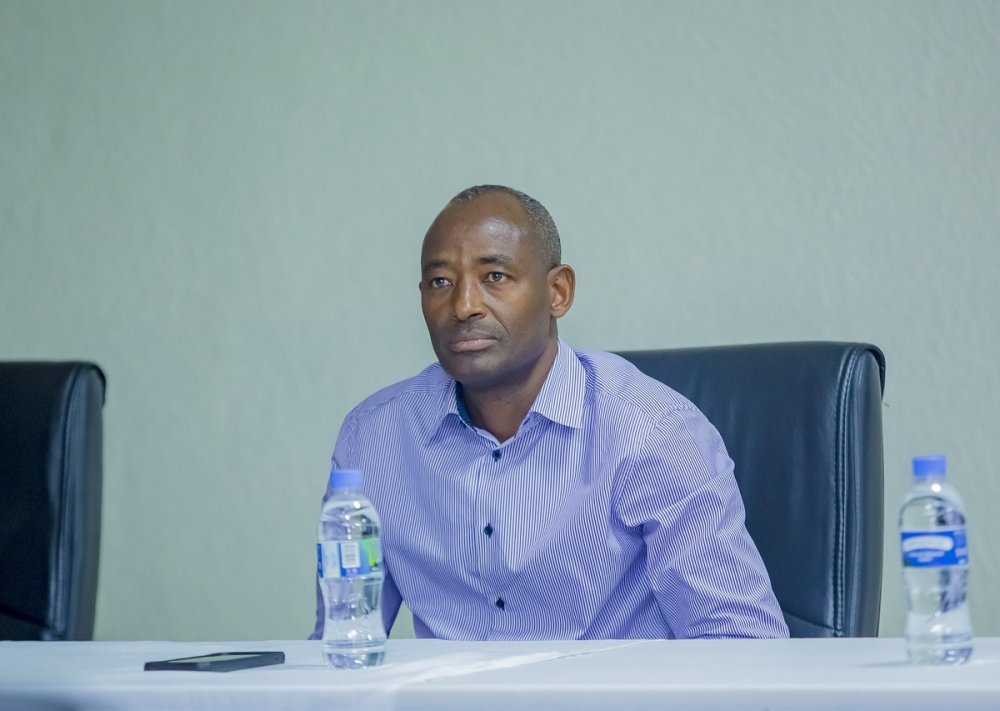
“We’ll continue strengthening our friendship with Rwanda,” he said.
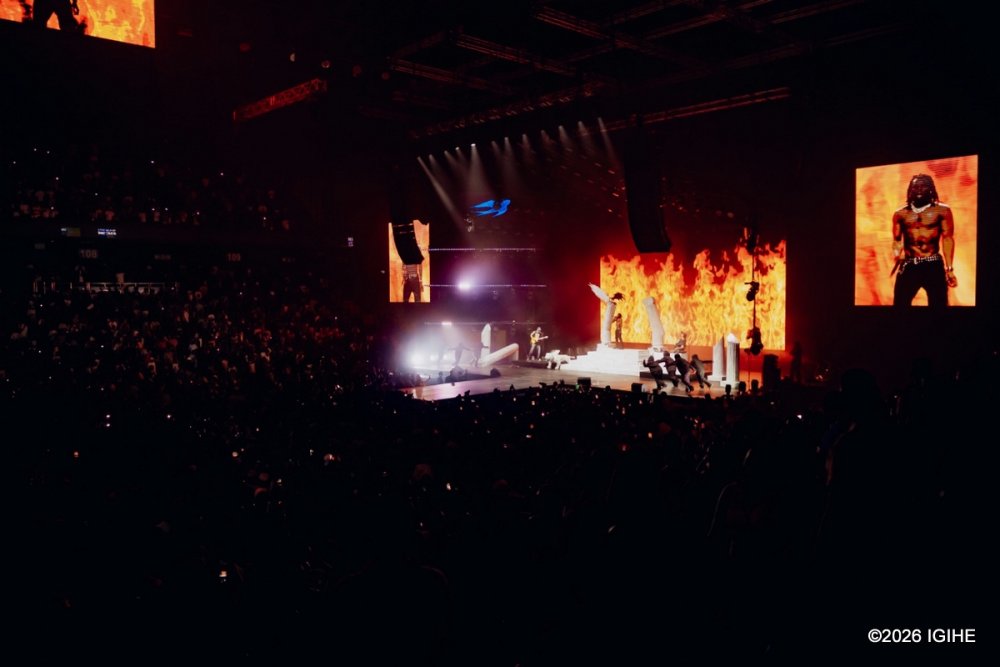
Israel’s Minister of Foreign Affairs, Gideon Sa’ar, reaffirmed his country’s solidarity with Rwanda as the nation marks the 32nd commemoration of the Genocide against the Tutsi.