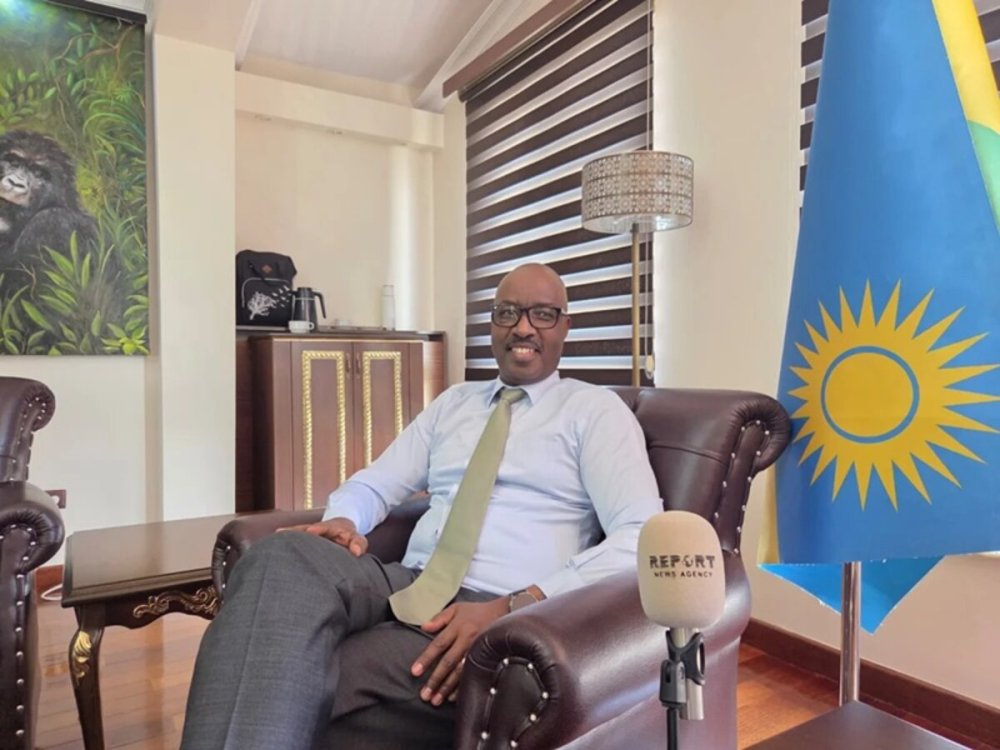
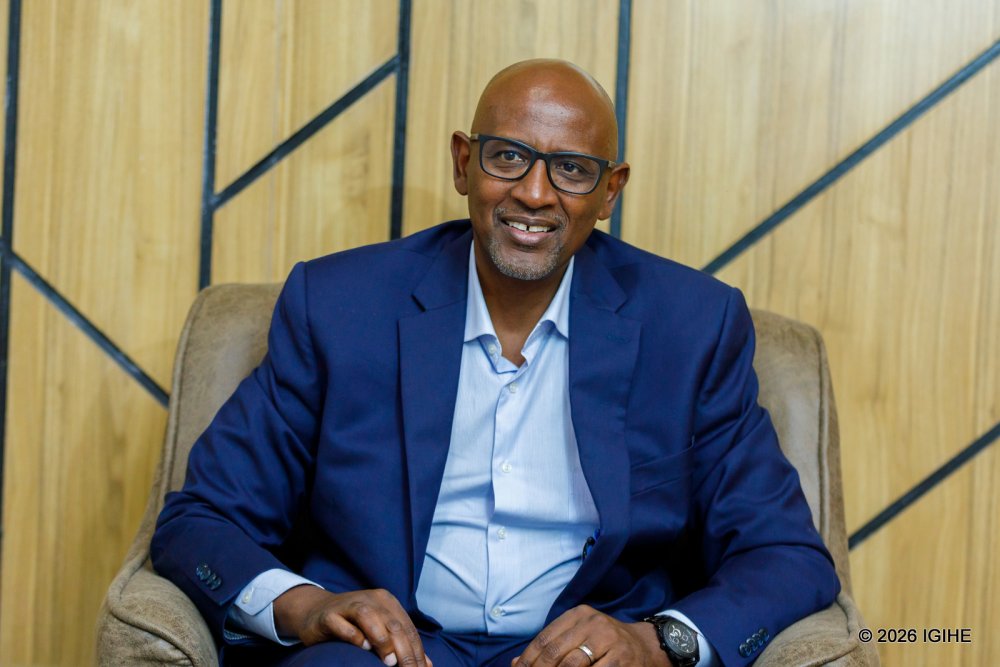
Amb. Kayonga made the remarks in an interview with Report’s Türkiye bureau after attending an international conference in Baku organised by the Baku Initiative Group (BIG), which focused on the legacy of Belgian colonialism and calls for reparations.
Asked whether Rwanda plans to establish an embassy in Azerbaijan, Kayonga said the plan was already being considered.
“It will definitely happen in the future, and we are currently planning it. Azerbaijan is a very important country,” he said.
“Azerbaijan is in the South Caucasus, in Eurasia, while Rwanda is in Central Africa. We want Rwanda and Azerbaijan to be brotherly countries,” Amb. Kayonga added.
Amb. Kayonga, who is based in Ankara, has represented Rwanda in Azerbaijan since 2024. He said relations between the two countries have developed significantly, particularly at the political level.
“Our relations with Azerbaijan are very good at the political level,” he said.
Amb. Kayonga noted that President Paul Kagame has visited Azerbaijan twice since he began his diplomatic assignment there — in November 2024 for the COP29 climate summit and in September 2025.
During Kagame’s 2025 visit, Rwanda and Azerbaijan signed five agreements to strengthen bilateral cooperation in areas including public service delivery through the ASAN Service model, agriculture, education, trade and air services.
The implementation of the ASAN Service model in Rwanda is currently being studied, while Azerbaijan has allocated 20 scholarships for Rwandan students in military education, Amb. Kayonga said.
He added that the two countries are also discussing cooperation in oil, trade and other sectors.
Beyond political and economic ties, Amb. Kayonga said Rwanda wants to promote its tourism and products among Azerbaijani citizens.
He highlighted the Virunga Mountains, home to mountain gorillas, Nyungwe Forest, which hosts chimpanzees, primates and diverse bird species, and Akagera National Park, where tourists can see the Big Five.
Rwanda also plans to organise a Rwanda Culture Day in Baku next year to showcase the country’s culture and deepen people-to-people ties.
“We are planning to organize a Rwanda Culture Day in Baku next year,” Amb. Kayonga said.
Rwanda’s Ambassador to Azerbaijan, Gen (Rtd) Charles Kayonga, has said Rwanda plans to open an embassy in Azerbaijan to strengthen bilateral relations.
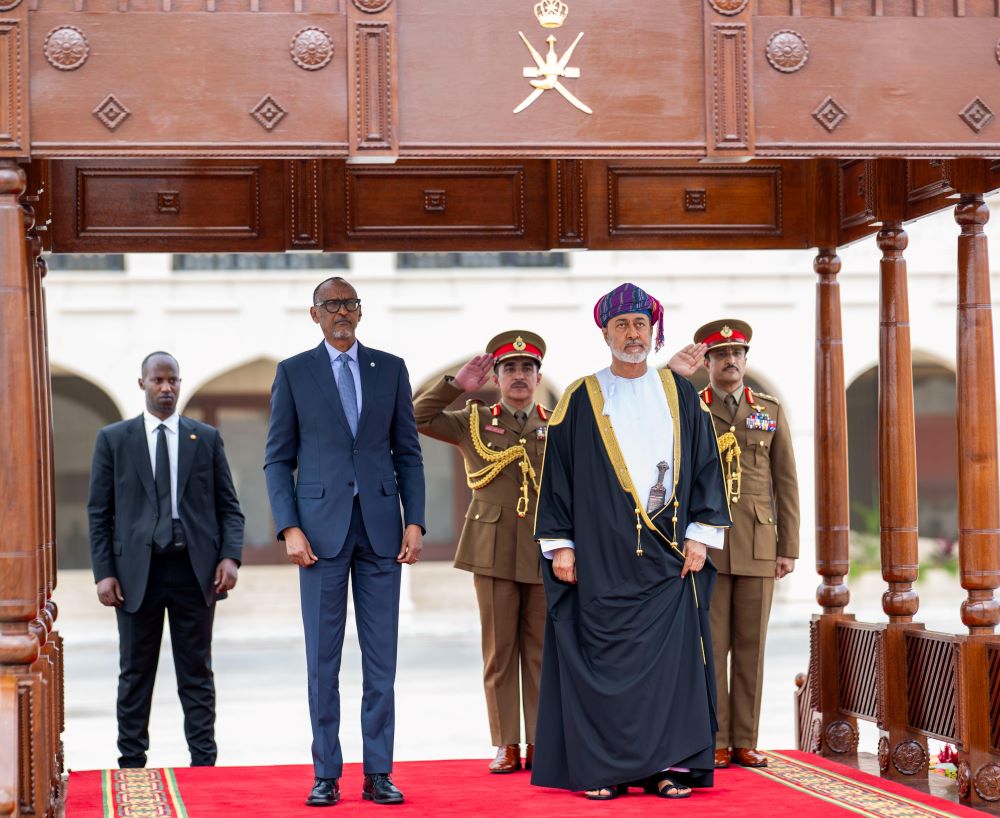
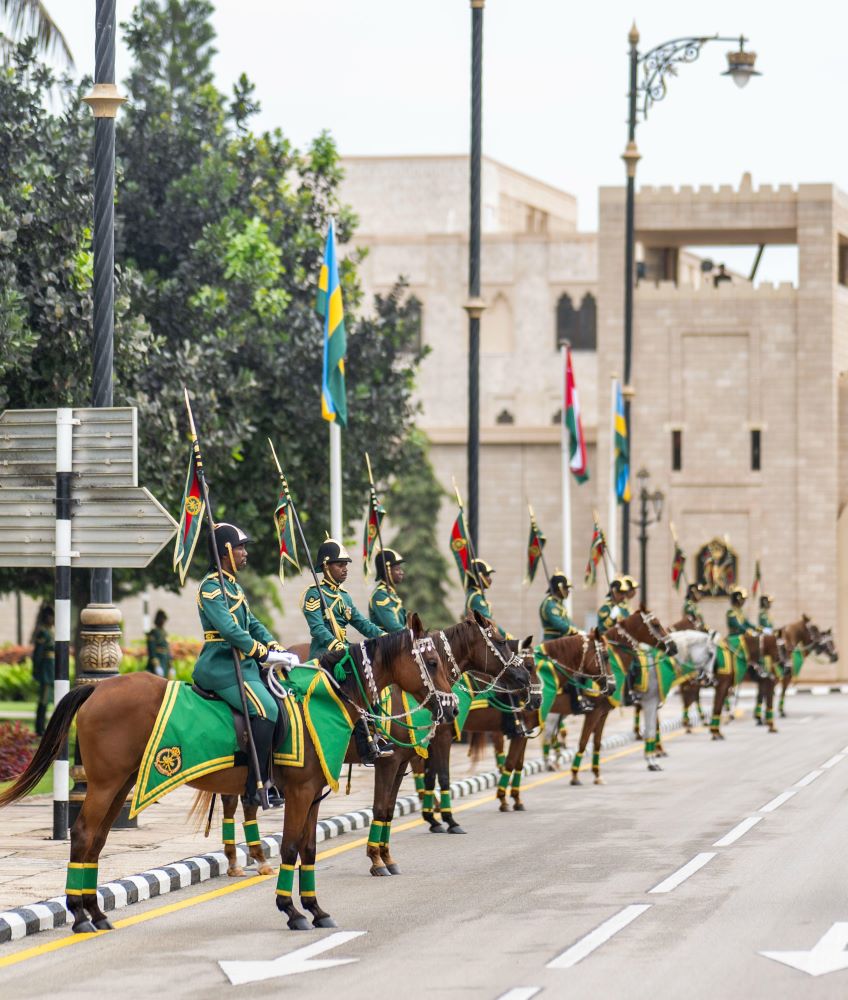
The visit marks the first official visit by a Rwandan president to Oman.
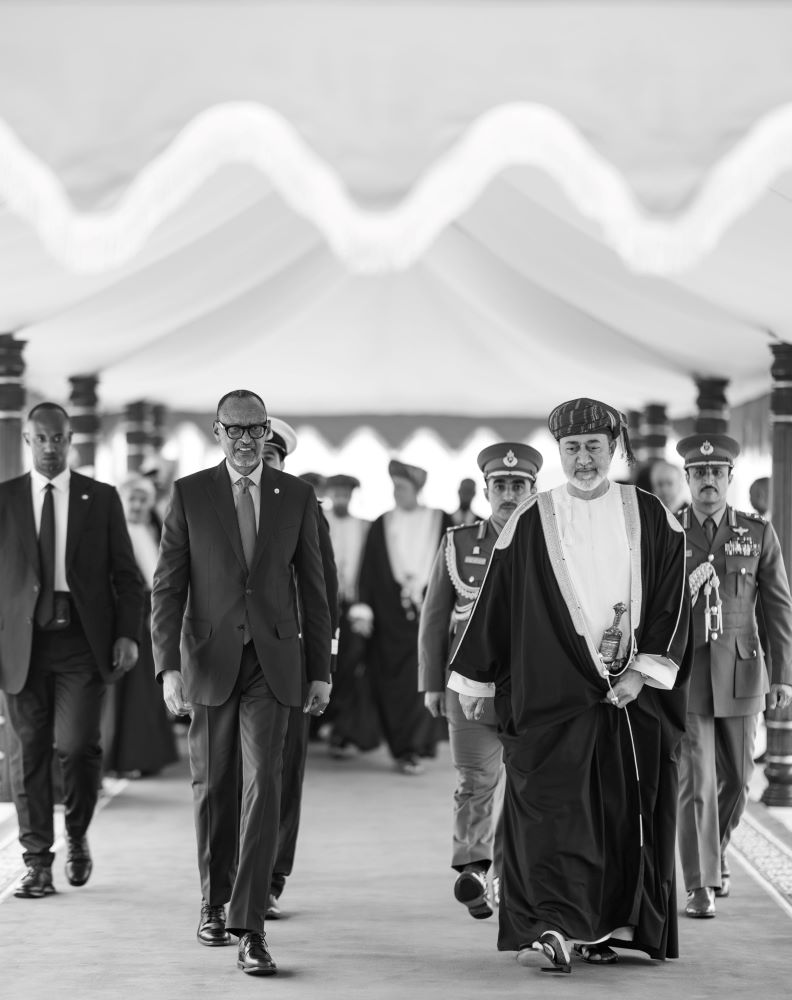
Kagame’s visit began with an official welcoming ceremony before he held talks with Sultan Haitham bin Tariq.
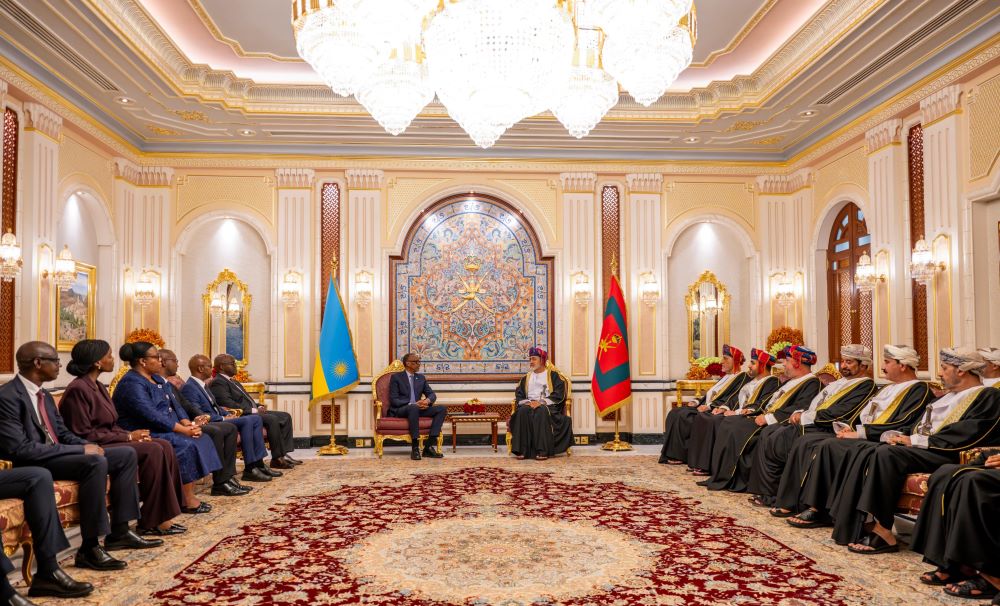
The two leaders were later joined by delegations from both countries for bilateral talks aimed at advancing cooperation in areas of mutual interest.
On the second day of his visit, Kagame is scheduled to tour the Museum of the Frankincense Land, located within the Al Baleed Archaeological Park, a UNESCO World Heritage Site.
The museum has two main sections. The Heritage Hall explores Dhofar’s archaeological history, the region’s heritage and the role of the frankincense trade in shaping the area’s social and economic development. The Maritime Hall presents Oman’s history of seafaring and maritime trade.
Kagame will also visit Razat Royal Farm, which covers more than 404 hectares. The facility is among the major agricultural establishments in Dhofar Governorate and is also used for agri-tourism and educational activities.
Sultan Haitham will host Kagame and his delegation at a dinner during the visit.
Rwanda and Oman have longstanding ties. During the visit, the two countries are also expected to sign agreements and memoranda of understanding in various sectors as part of efforts to broaden bilateral cooperation.
Rwanda and Oman are expected to sign agreements and memoranda of understanding aimed at expanding cooperation in various sectors.President Paul Kagame began his first official visit to Oman with a formal welcome ceremony in Salalah.Rwandan and Omani delegations hold bilateral talks during President Kagame’s official visit to Oman.
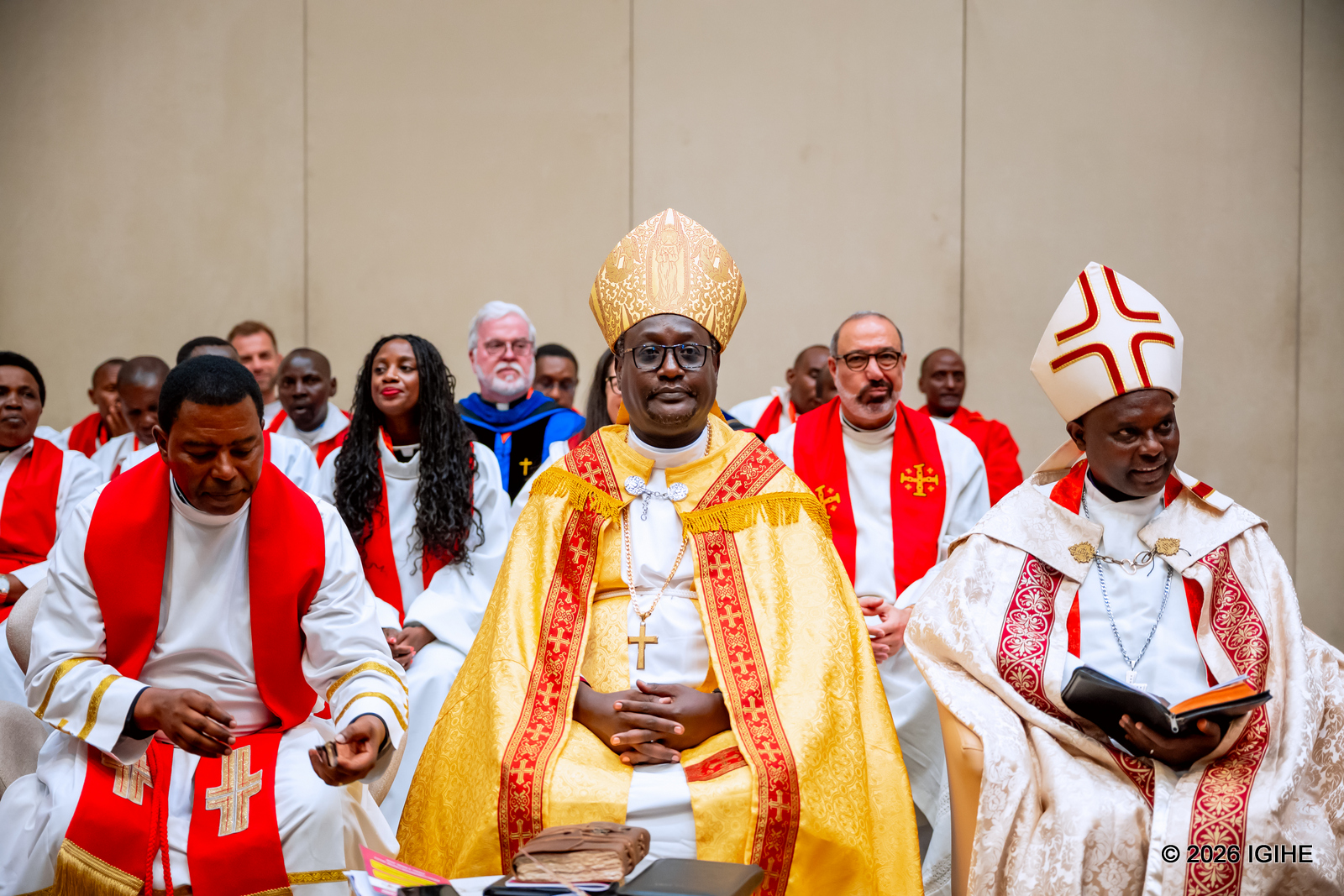
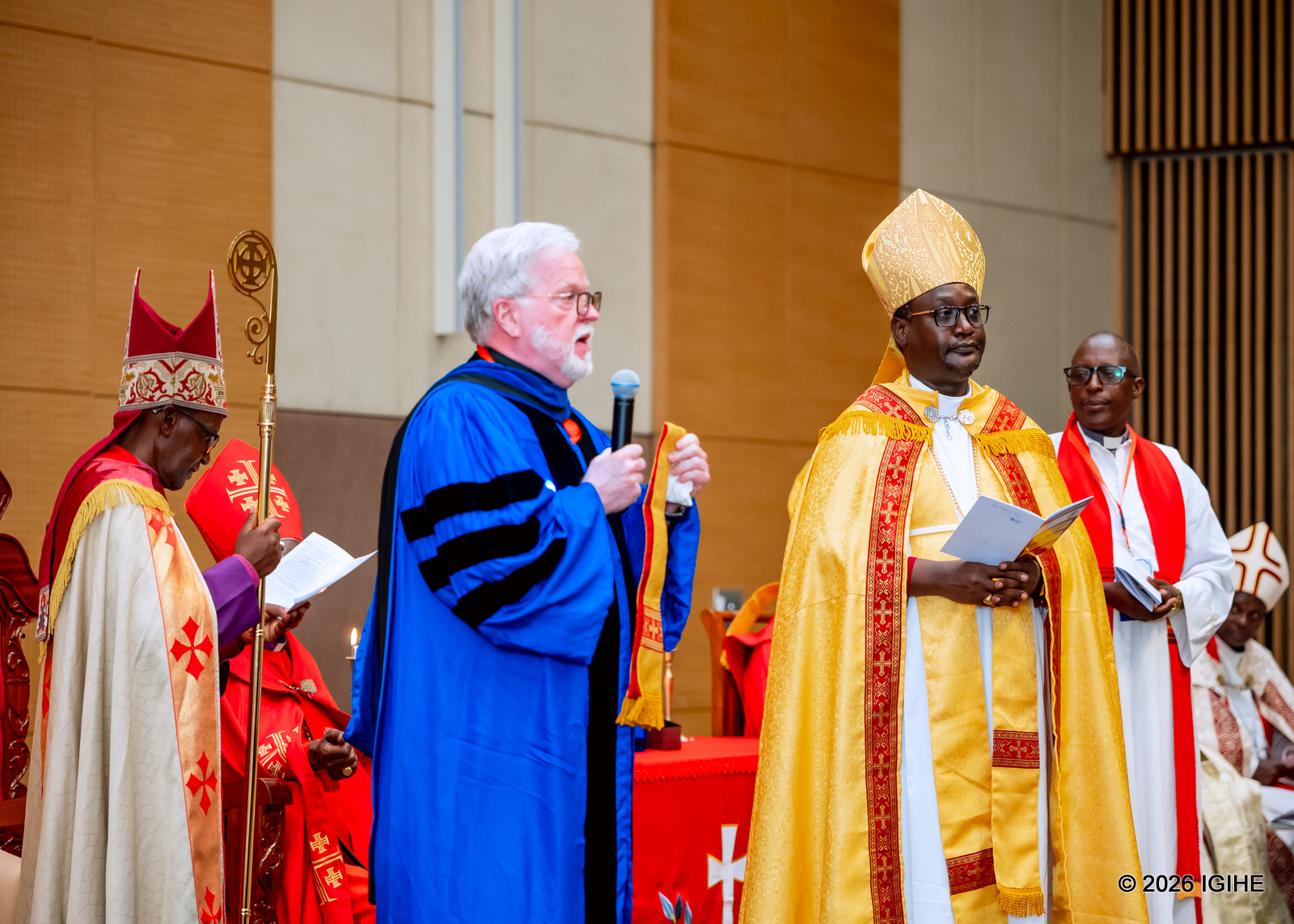
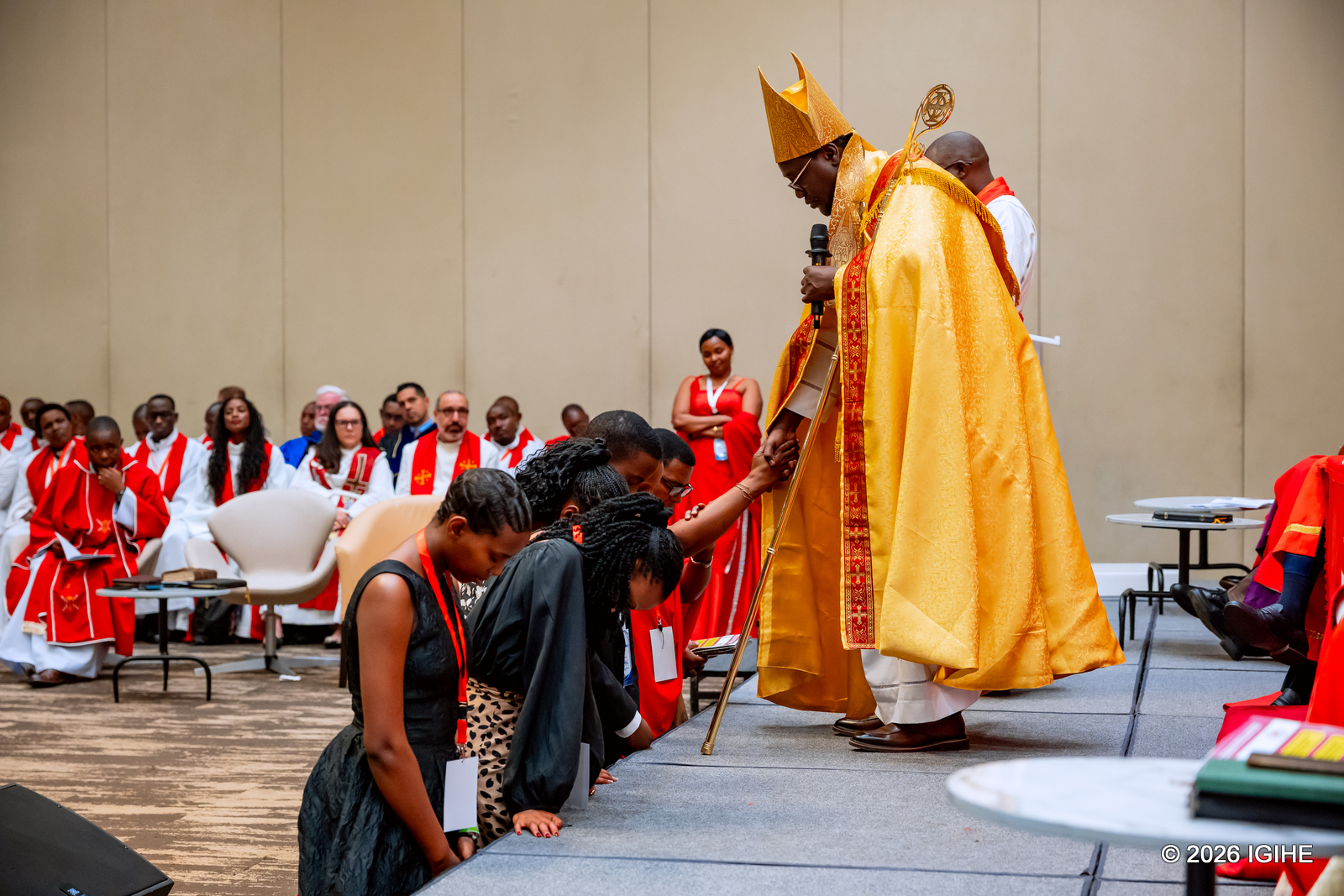
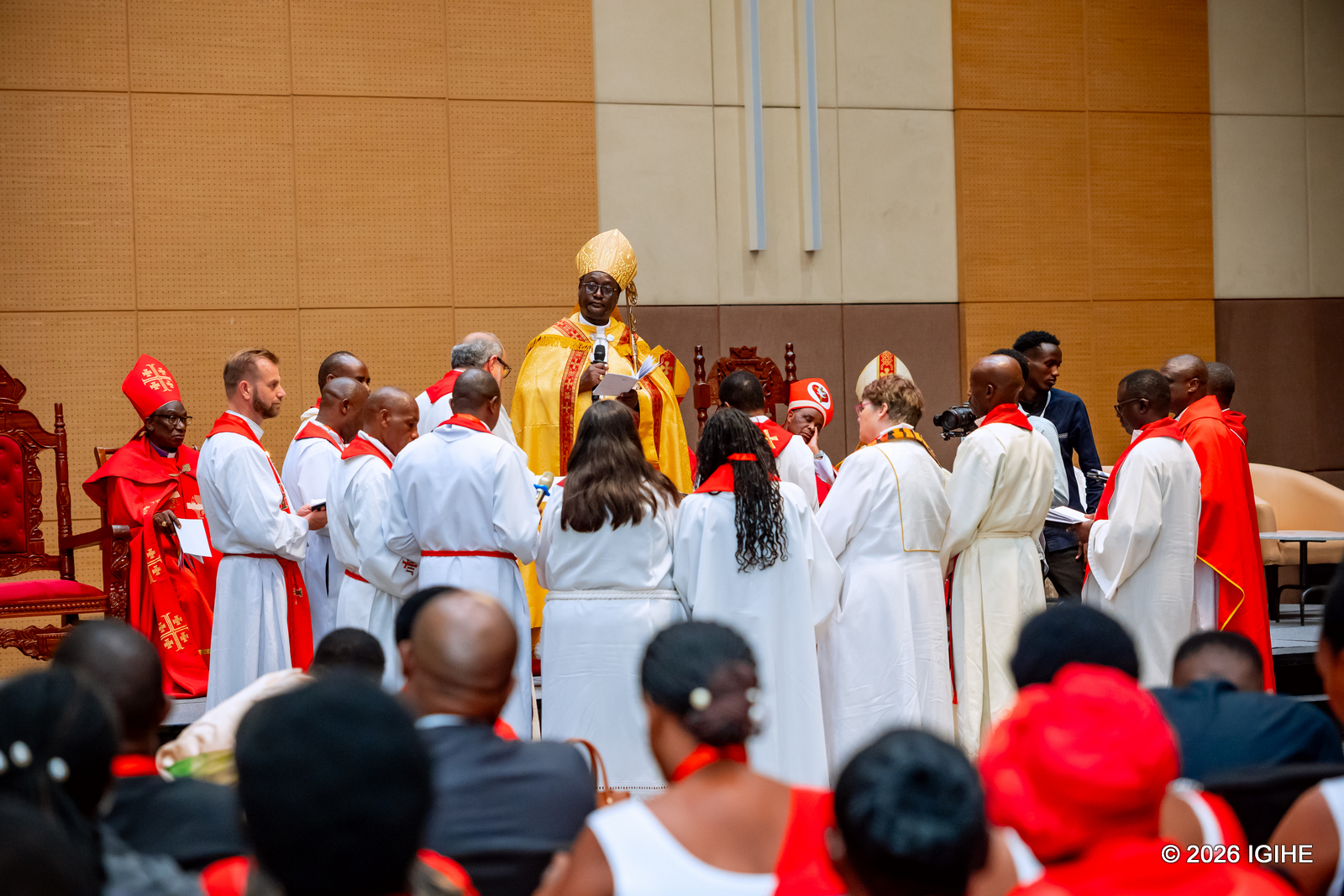
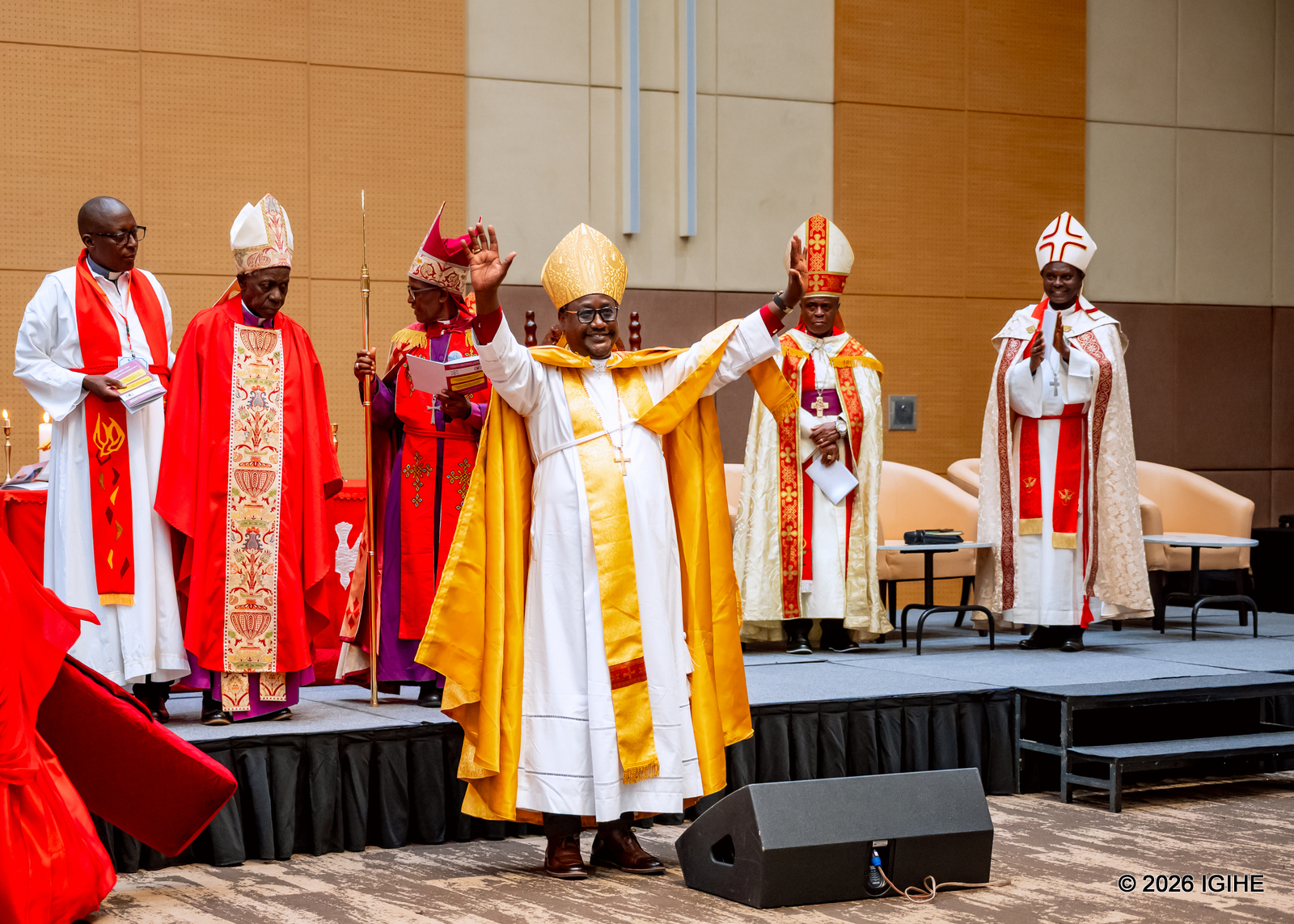
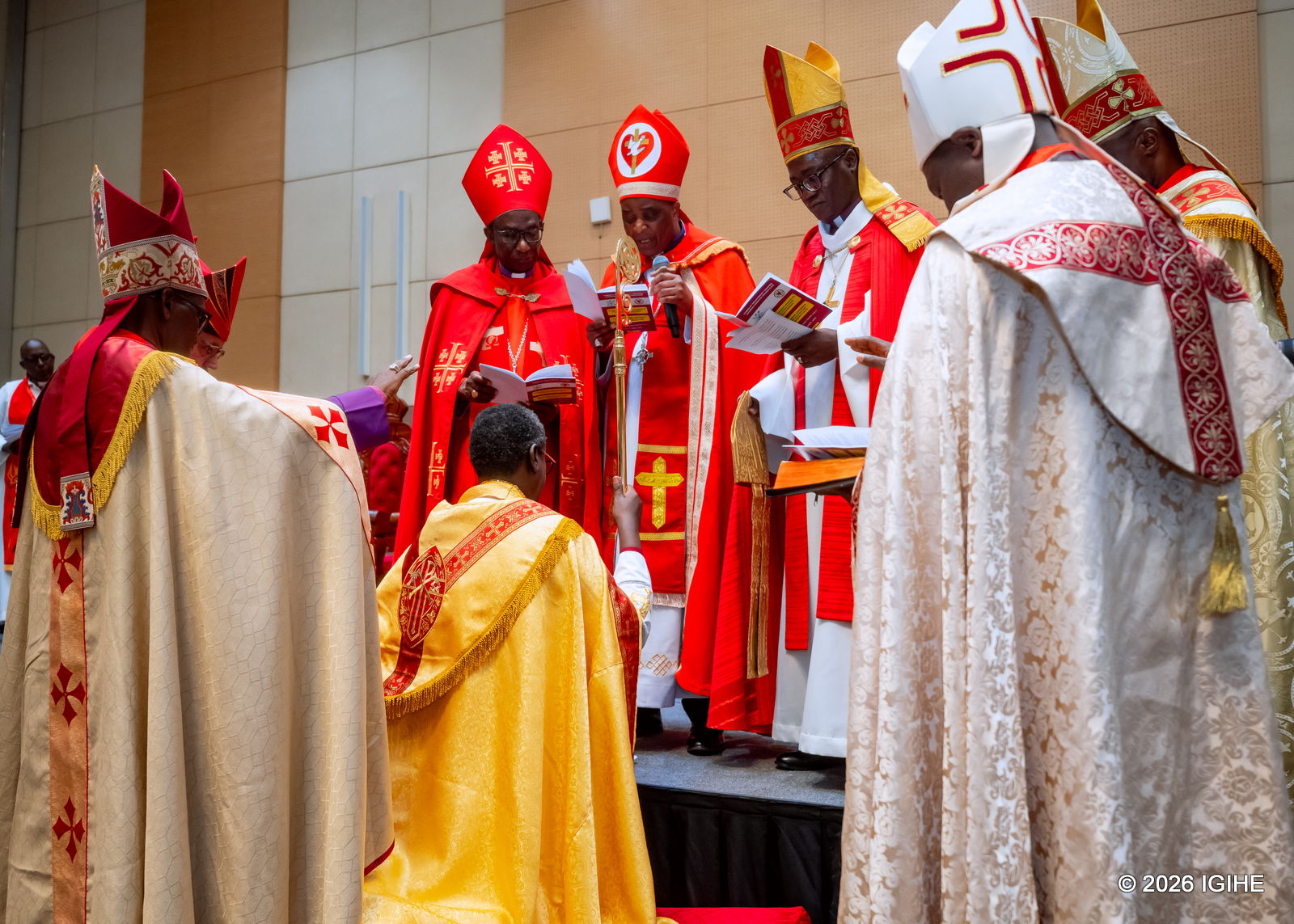
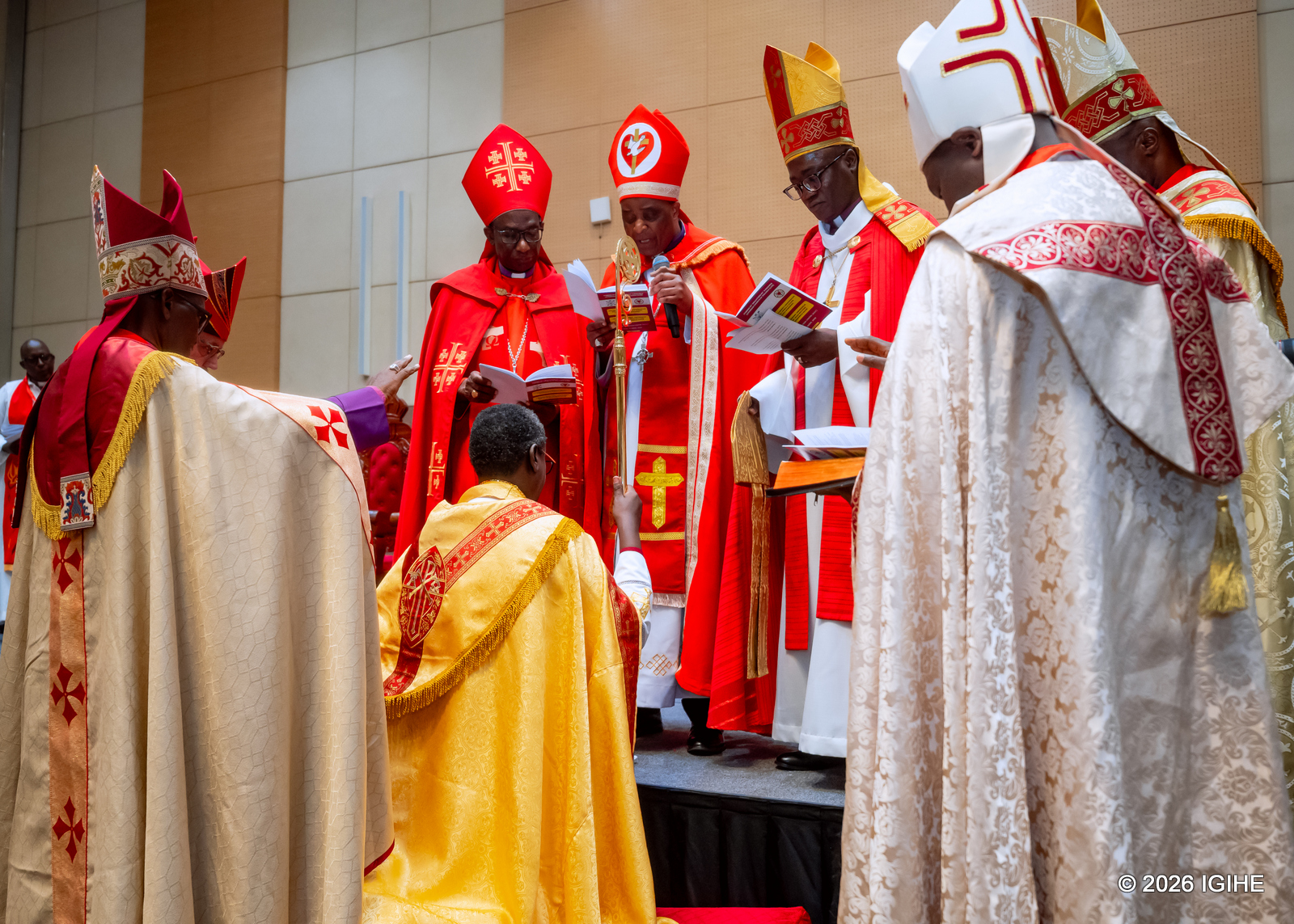
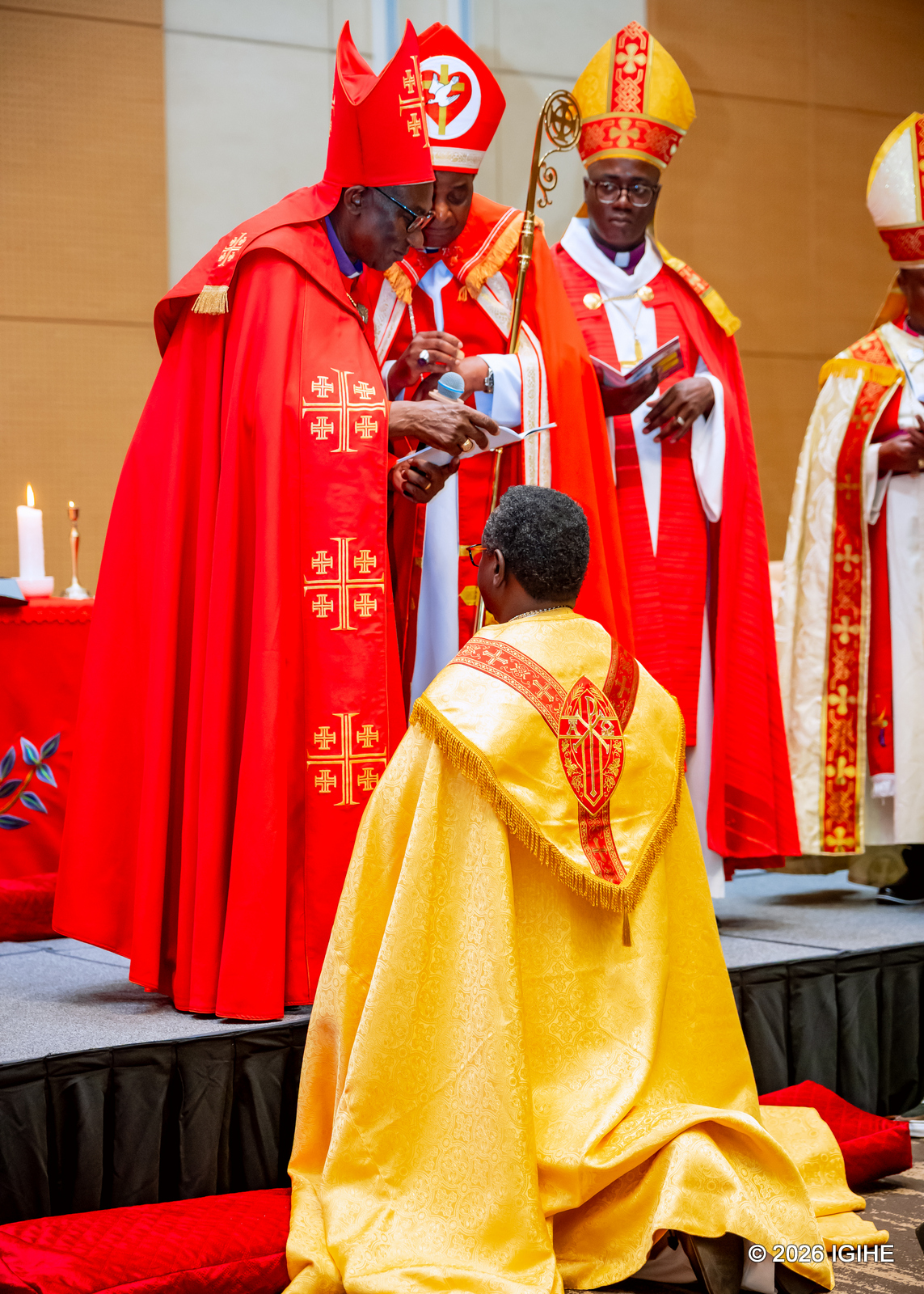
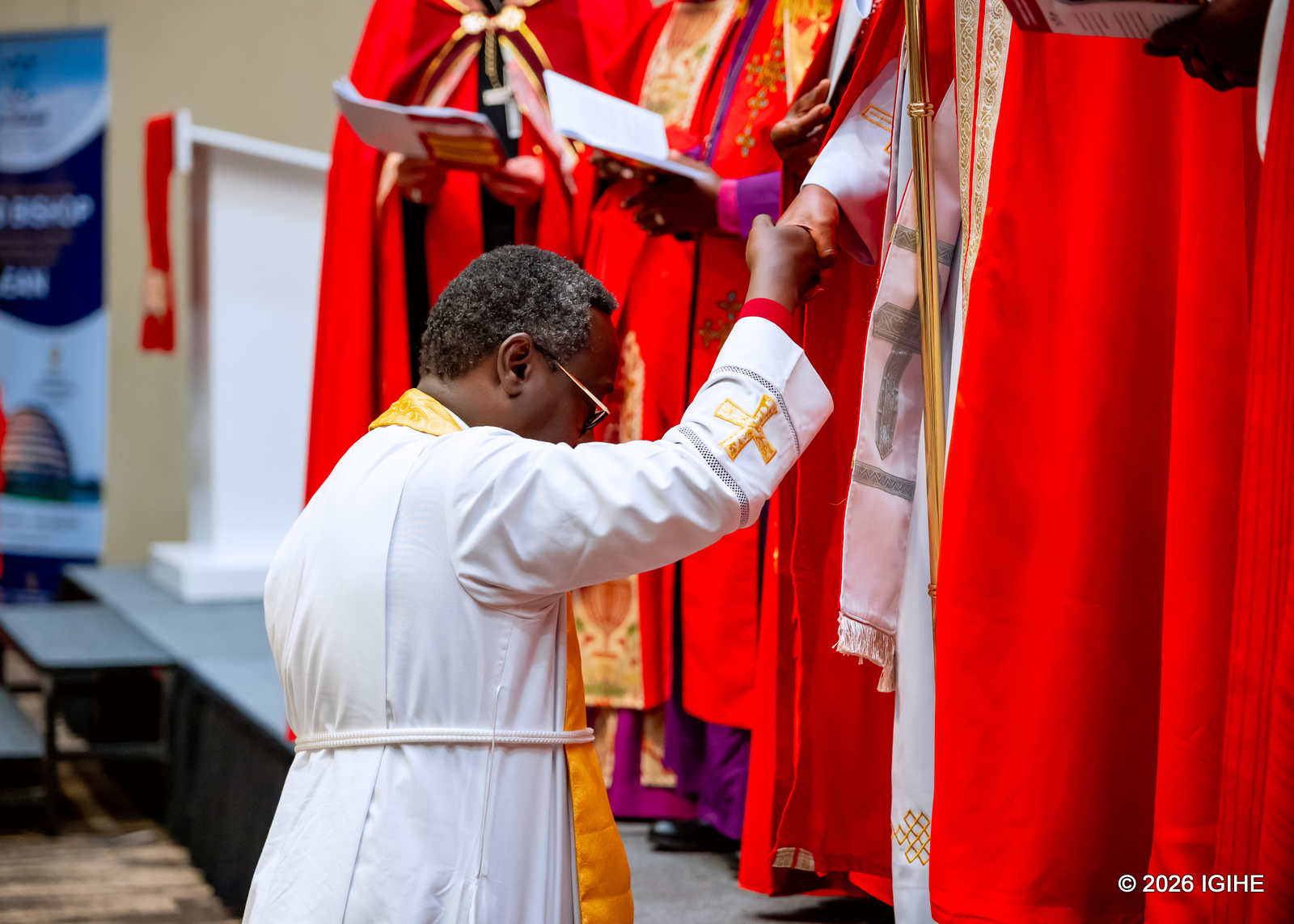
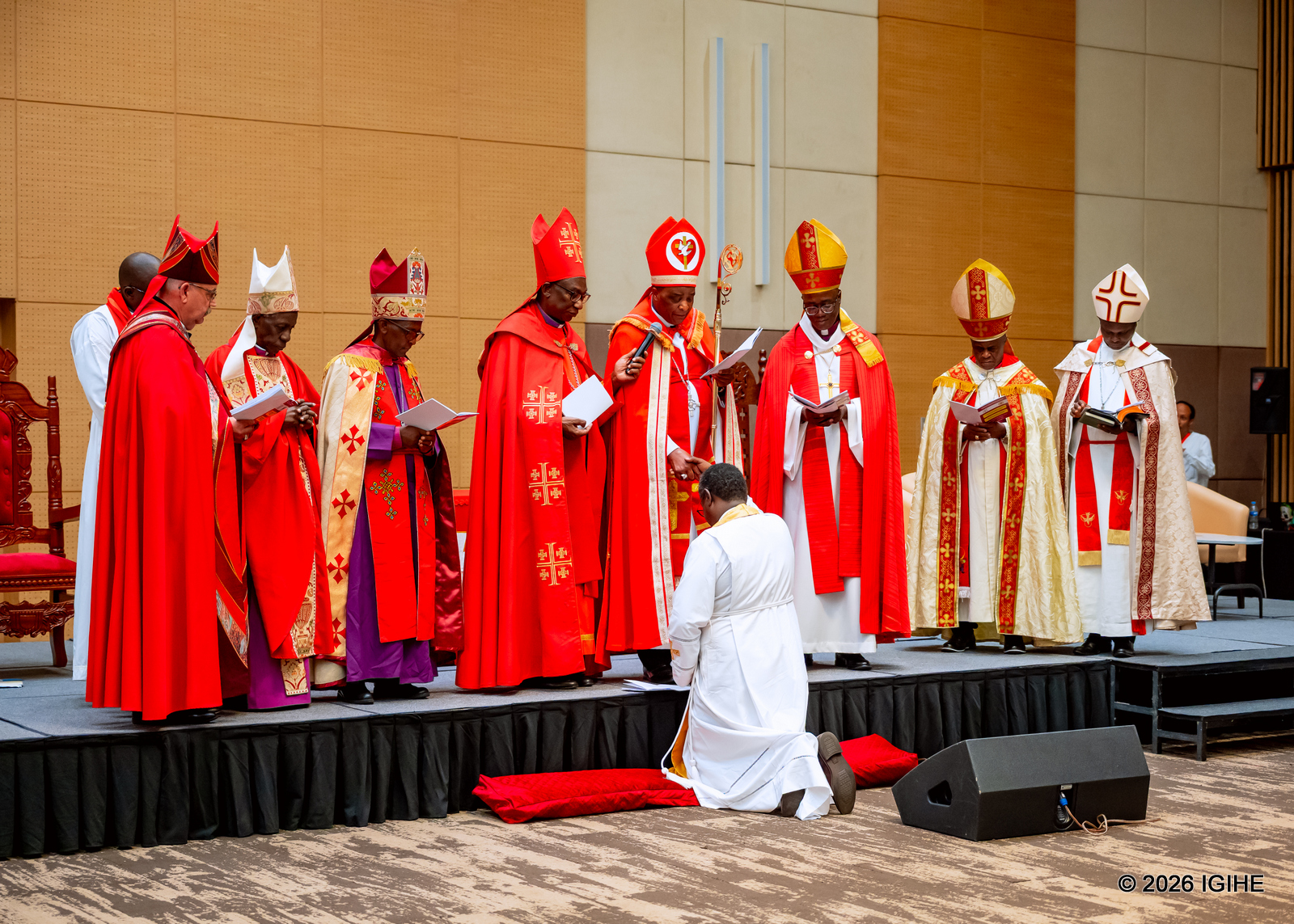
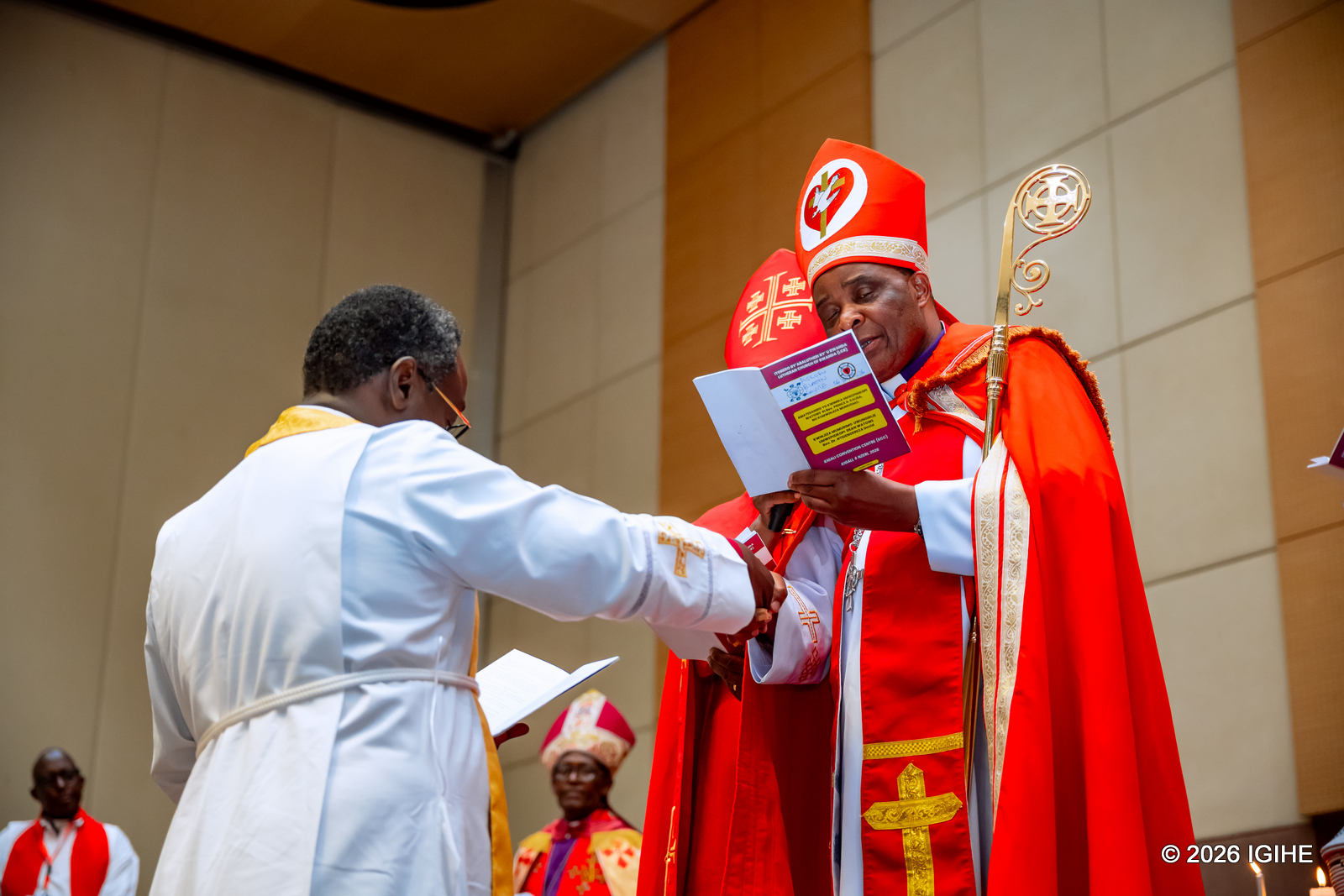
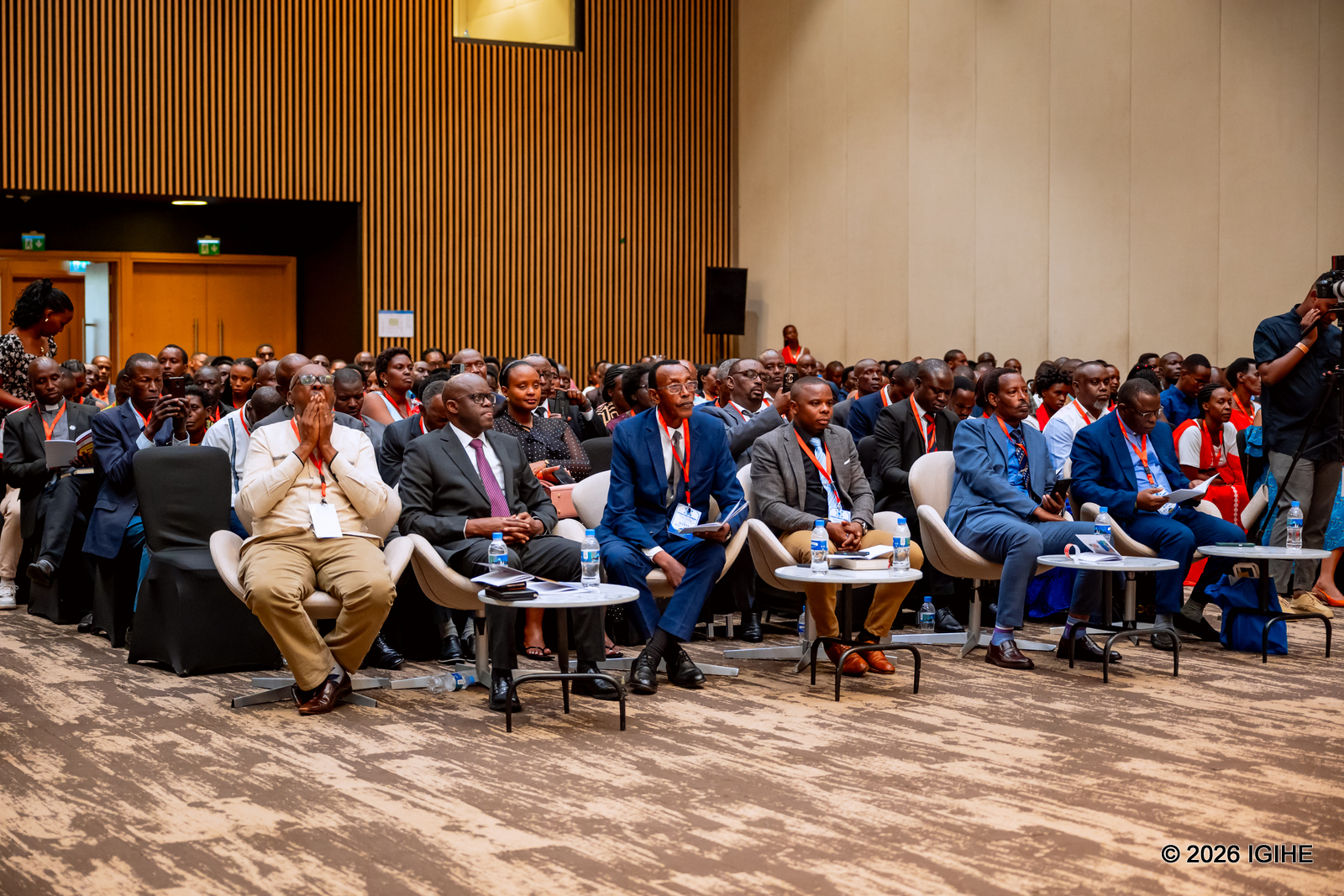
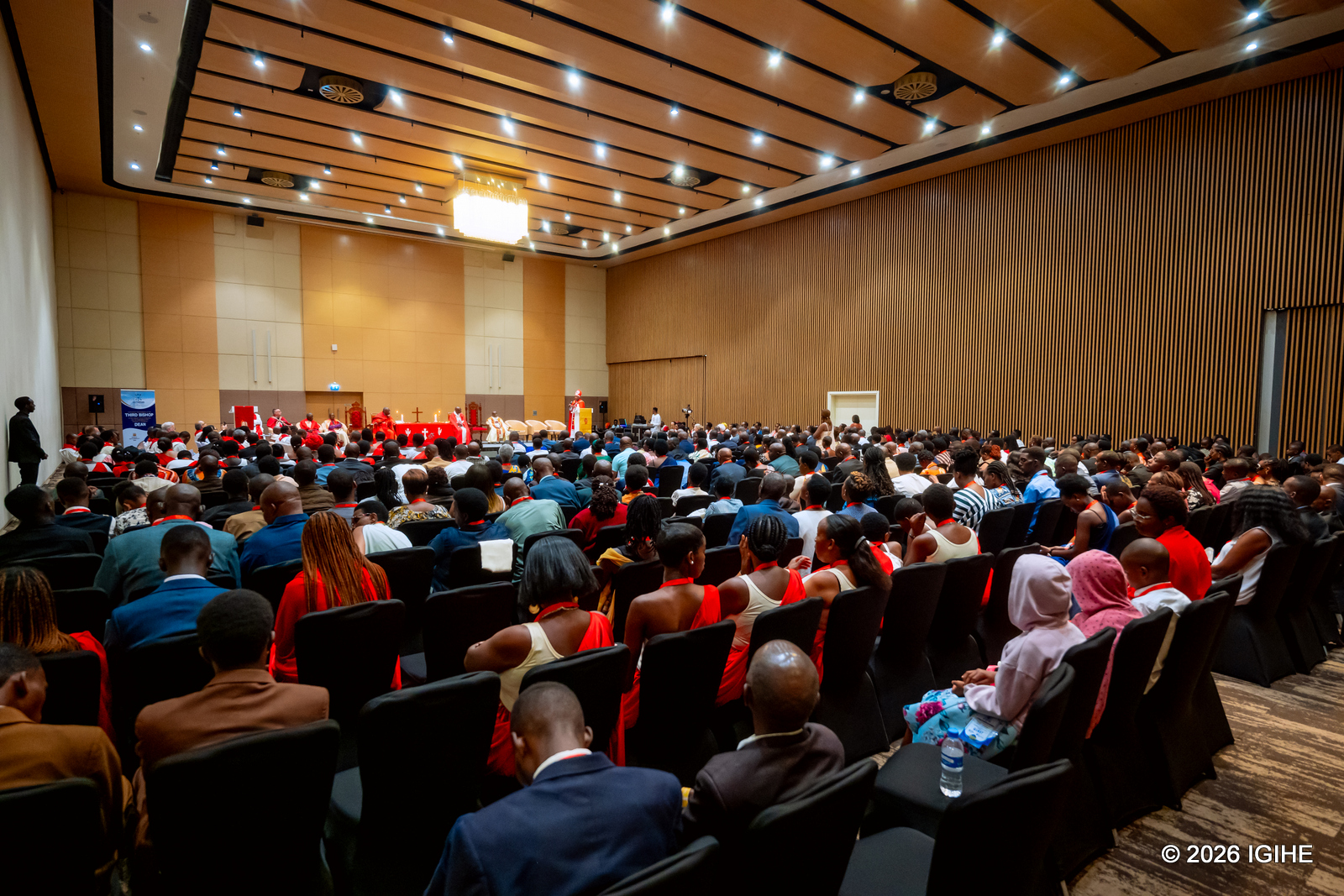
Bishop Kalisa was installed during a ceremony held at the Kigali Convention Centre (KCC), attended by Christians, church leaders and guests from Rwanda and other countries, including Tanzania, Burundi, the Democratic Republic of Congo and the United States.
The ceremony was marked by prayers, praise and worship as Christians gathered to celebrate the beginning of Bishop Kalisa’s leadership.
The installation was also attended by church leaders, including Dean Dr. Ntidendereza David.
Speaking to IGIHE after the ceremony, Bishop Kalisa said one of his key priorities will be building a church that can sustain itself rather than depending heavily on support from churches in Western countries.
“Our vision is to equip members with education and build infrastructure for the church. We want to be a self-sustaining church,” he said.
He noted that African churches have historically relied on financial and other forms of support from Western churches, but said his leadership would seek to change this approach by empowering church members to contribute to the development of their communities and the church.
Empowering members instead of creating dependency
Bishop Kalisa identified dependency among some church members as one of the major challenges facing churches today.
He explained that some Christians expect the church to provide them with direct financial or material assistance, a situation he believes can create long-term dependency.
“We want to teach them to support themselves,” he said, adding that assistance should focus on giving people the ability to become independent rather than simply providing temporary help.
He compared the approach to teaching people how to fish rather than continually giving them fish.
According to the bishop, the Lutheran Church in Rwanda will therefore seek to support its members in developing skills and opportunities that can help them become self-reliant.
Focus on young people and community development
Bishop Kalisa also highlighted the importance of young people in the future of the Lutheran Church in Rwanda.
He said the church is already implementing programmes that involve youth in areas including gender equality and justice, environmental protection and education.
The church also supports young people who want to pursue education in different fields beyond theology.
“We send young people for, not only for theology, but in different areas. That’s how we engage young people,” he said.
He added that young people have representation on the church’s executive council, allowing them to contribute their views to decisions affecting the church.
The bishop also said the church is open to young people expressing themselves through music, provided that their artistic choices remain consistent with the Christian faith.
As he began his new responsibility, Bishop Kalisa encouraged Christians and Rwandans to combine prayer with action.
He said faith should be accompanied by practical action and responsibility in addressing challenges facing individuals, communities and the country.
The bishop also expressed appreciation to President Paul Kagame for his leadership and for encouraging churches to improve their infrastructure and ensure that church buildings meet required standards.
He said the Lutheran Church in Rwanda has been renovating its churches to meet those standards, arguing that places of worship should be well maintained and provide an appropriate environment for Christians.
Bishop Kalisa also welcomed recent efforts to address the consumption of illicit alcohol among young people.
He said churches should have been among the first institutions to speak out on the issue, acknowledging that religious institutions had sometimes remained silent when they should have raised their voices.
He pledged that the Lutheran Church in Rwanda would seek to be more active in offering advice and contributing to solutions whenever issues affecting society arise.
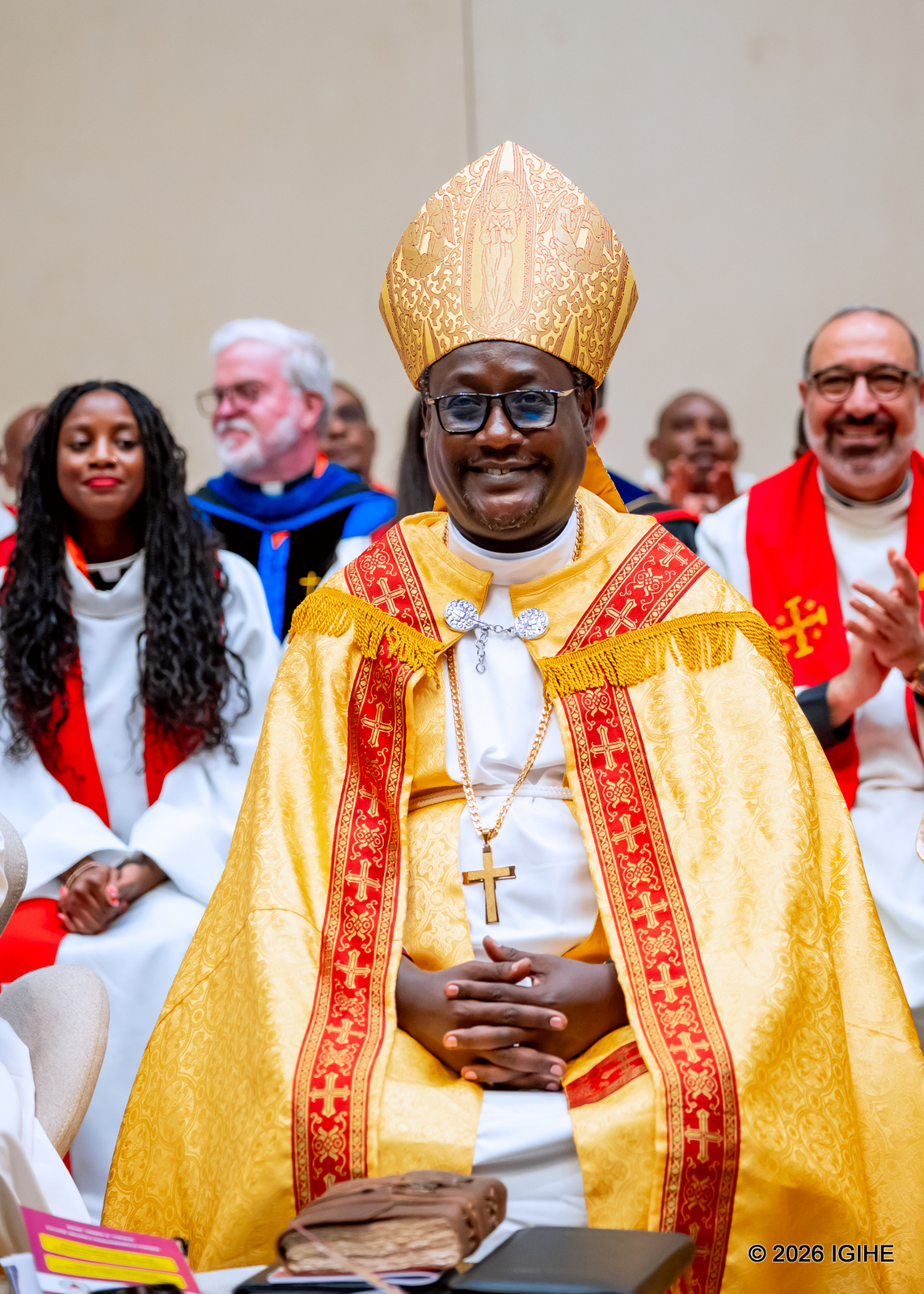
The installation of Bishop Kalisa Atupenda Prince marks a new chapter for the Lutheran Church in Rwanda, with his leadership expected to focus on strengthening the church’s capacity, empowering members, engaging young people and increasing its contribution to community development.
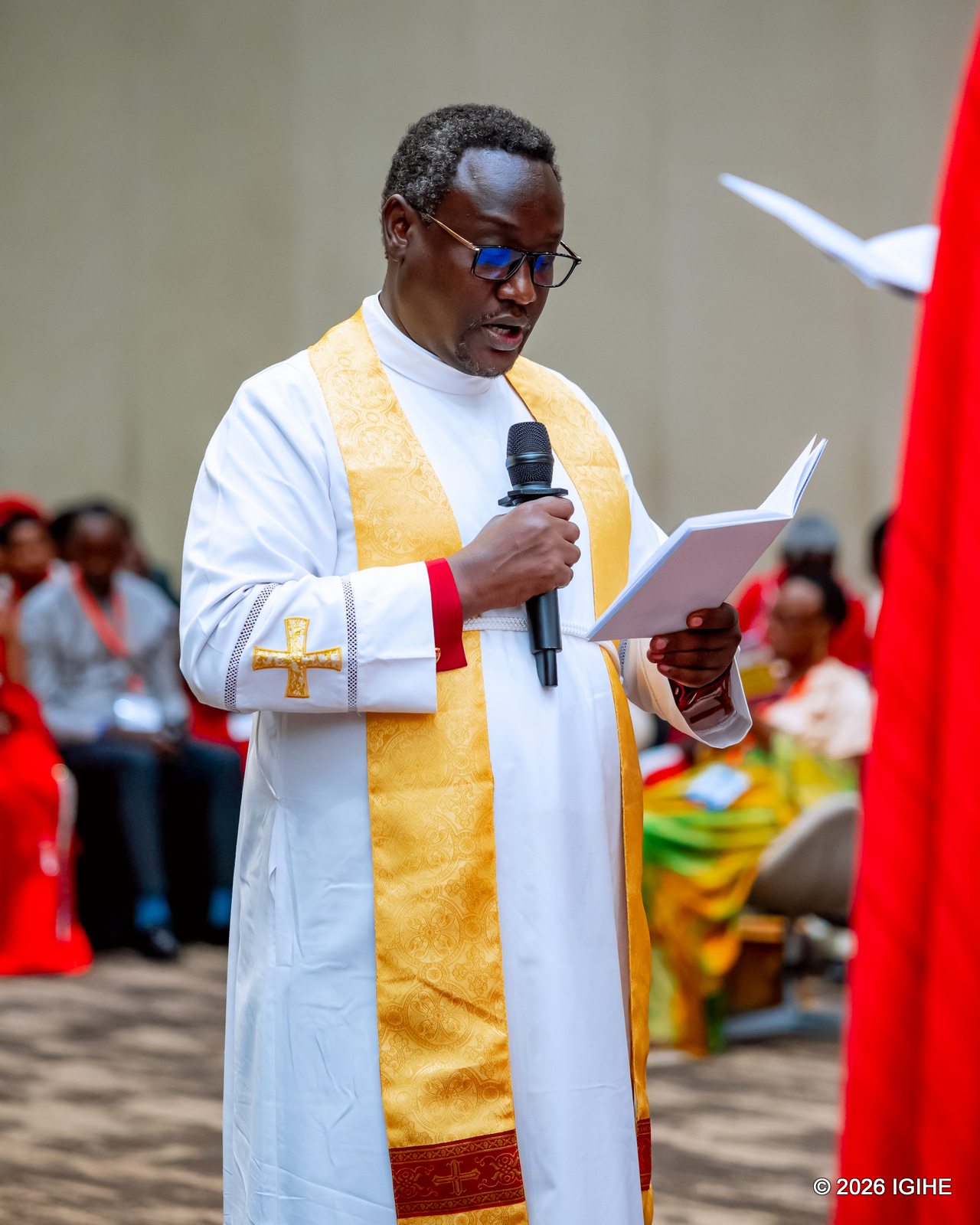
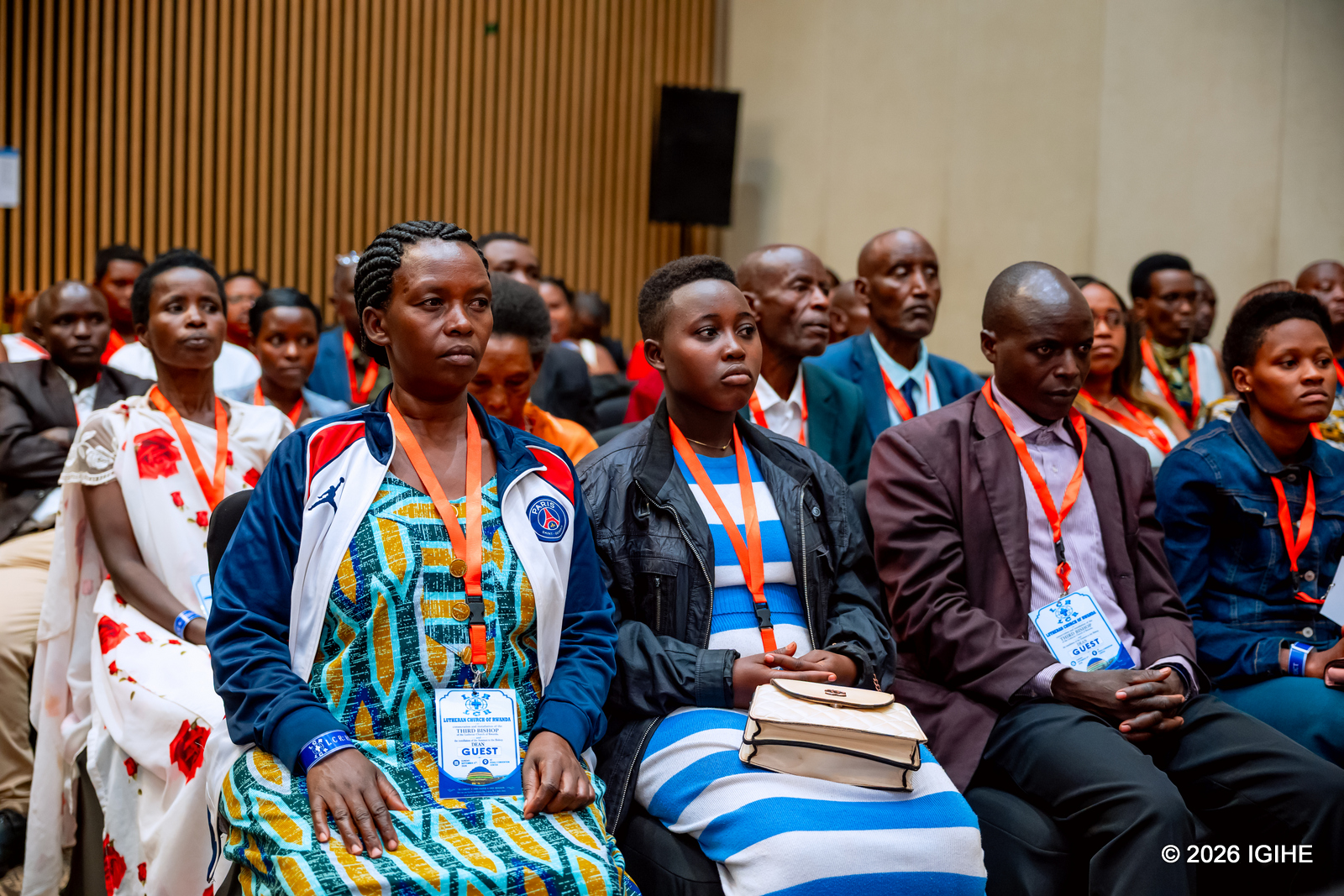
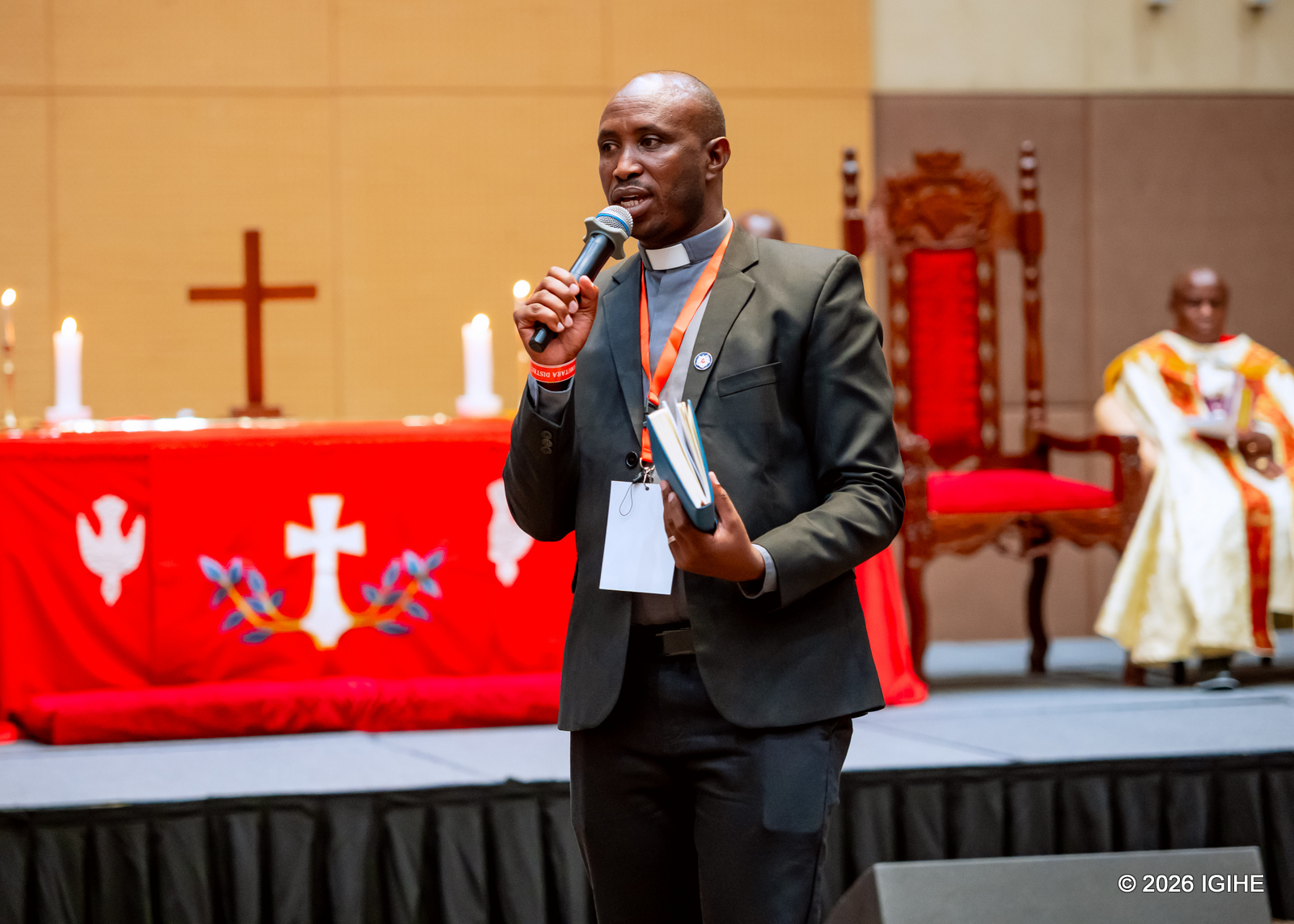
Bishop Kalisa Atupenda Prince was officially installed as a bishop of the Lutheran Church in Rwanda on September 6, 2026.Bishop Kalisa Atupenda Prince speaks to Christians during his installation ceremony at Kigali Convention Centre.Guests from Rwanda and abroad, including the United States, Tanzania, Burundi and the Democratic Republic of Congo, attended the ceremony.Bishop Kalisa Atupenda Prince says empowering church members is key to building a self-sustaining Lutheran Church in Rwanda.
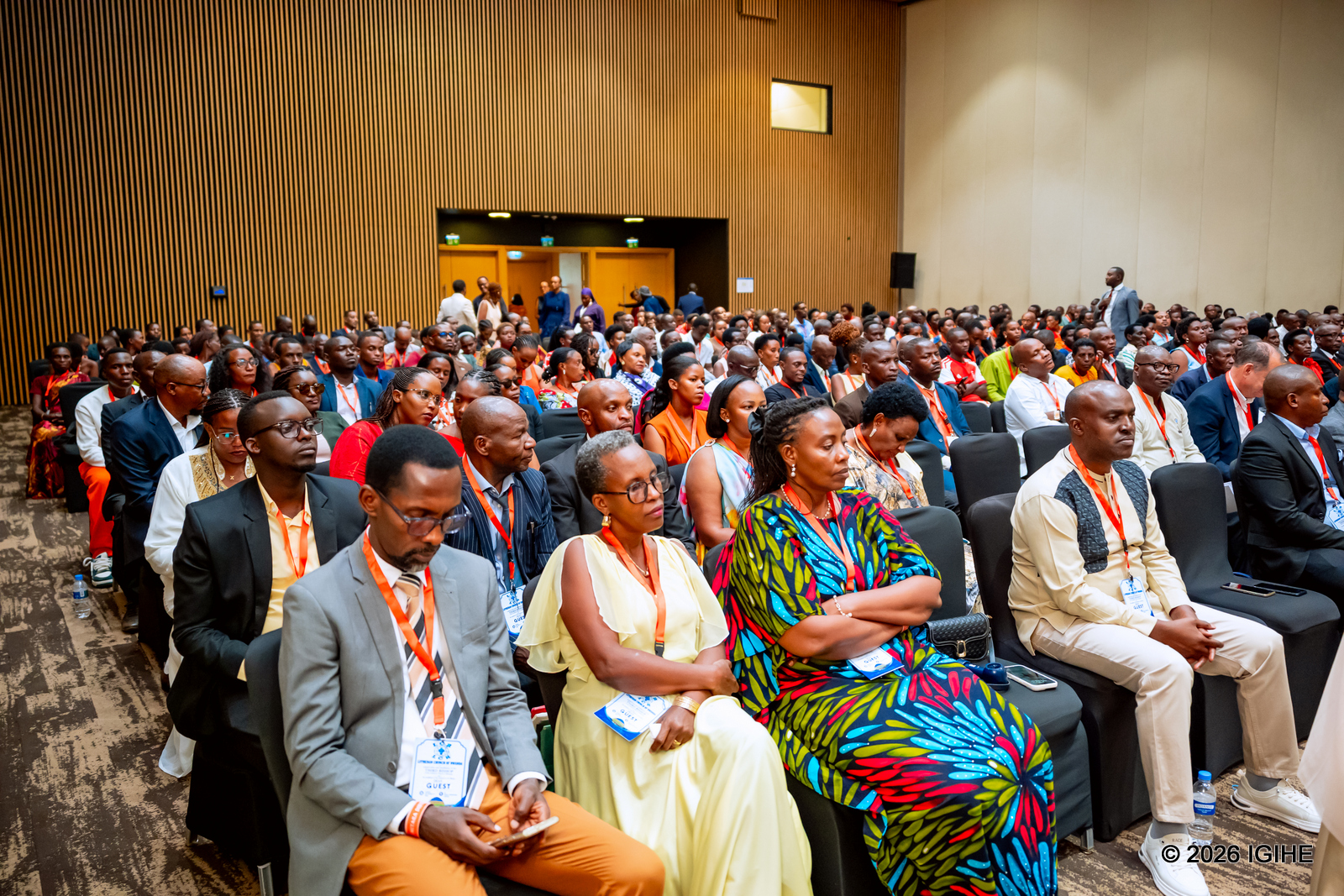
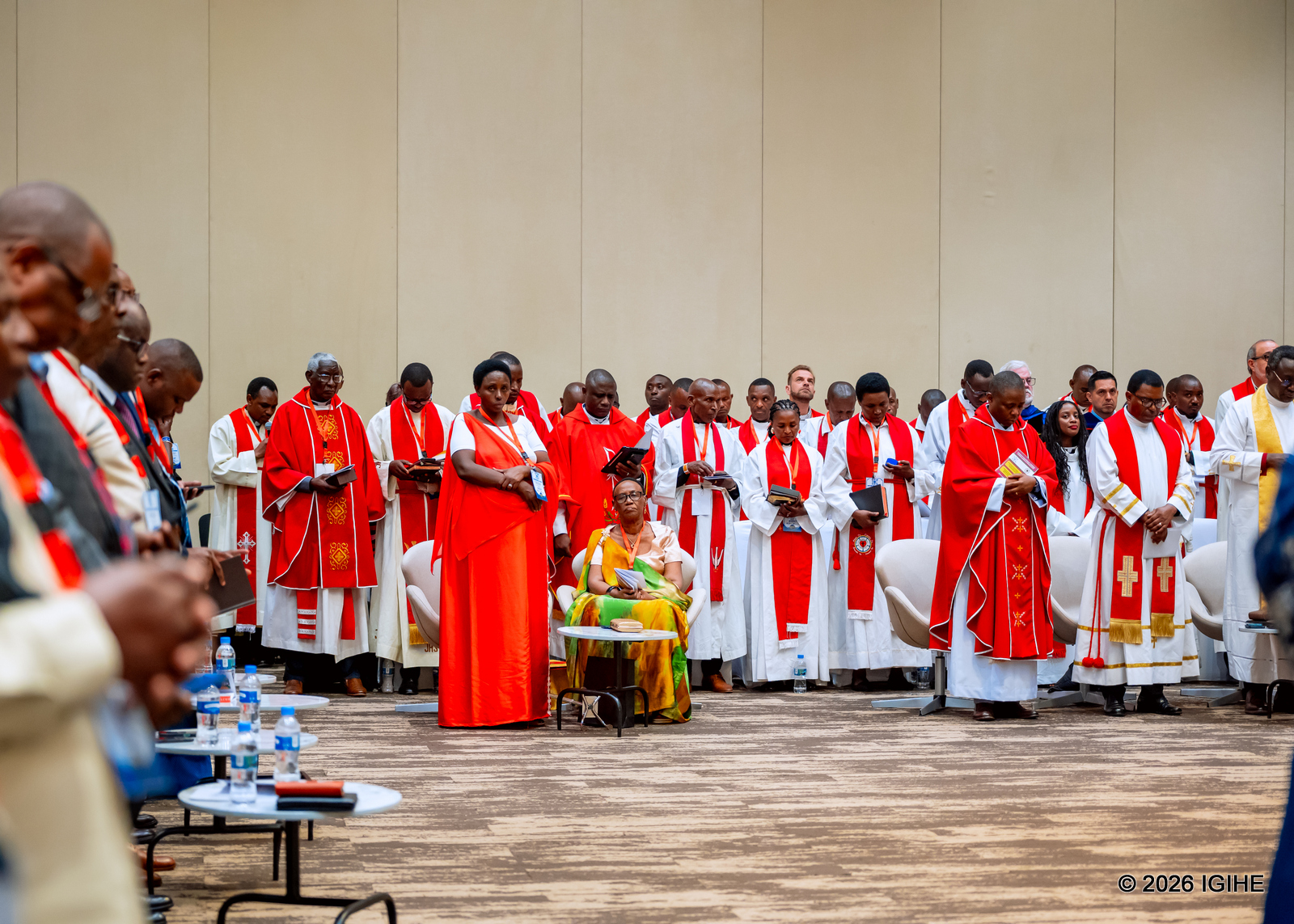
Church leaders and guests attend the installation ceremony of Bishop Kalisa Atupenda Prince.
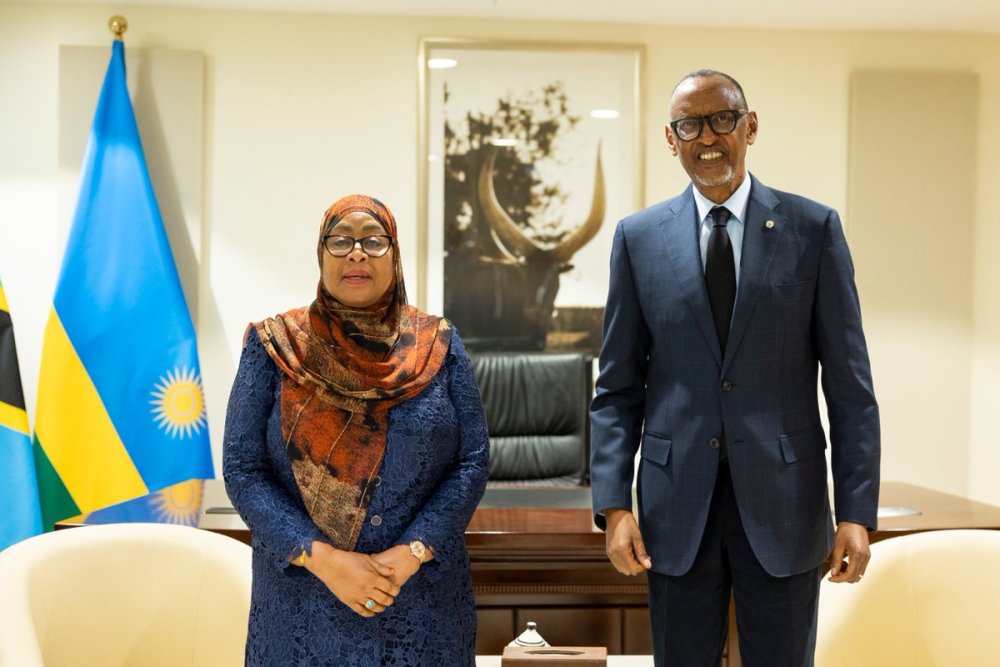
In a message posted on X on Monday, Kagame extended his sympathy to President Samia, her family and the people of Tanzania.
“My sincere condolences to my sister, President Samia Suluhu, her family, and the people of Tanzania on the passing of H.E. Hafidh Ameir Hassan,” Kagame said.
“The Government and people of Rwanda stand in solidarity with President Samia Suluhu and our brothers and sisters in Tanzania as they honour the life and legacy of H.E. Hafidh Ameir Hassan,” he added.
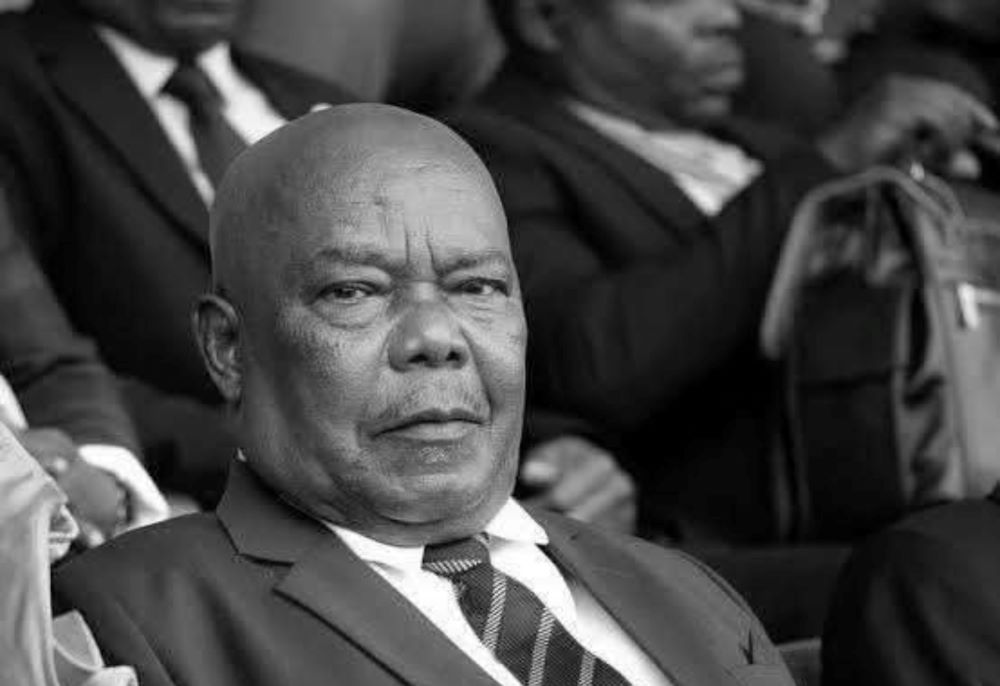
Hafidh Ameir Hassan died on Monday, September 7, at the age of 76 while receiving treatment for a heart condition at Emilio Mzena Memorial Hospital in Zanzibar.
His death was announced by Tanzania’s Vice President Deogratius Ndejembi.
He said funeral arrangements were underway in Kizimkazi, Zanzibar, where the family was preparing to honour the late First Gentleman.
Hafidh became Tanzania’s First Gentleman in 2021 when Samia assumed the presidency following the death of President John Magufuli. He largely maintained a low public profile and was known as an agriculturalist.
He and President Samia married in 1978 and had four children; three sons and a daughter. Their daughter, Wanu Hafidh Ameir, is a politician who has served in the Zanzibar House of Representatives.
President Paul Kagame has expressed condolences to Tanzanian President Samia Suluhu Hassan following the death of her husband.
Shema, 48, is accused of issuing unfunded cheques and obtaining another person’s property through fraud. He denies the charges.
The court ordered his detention on September 2, 2026, citing the ongoing investigation and the fact that the offences he is accused of carry prison sentences of more than two years.
IGIHE has learned that Shema filed his appeal at the Nyarugenge Intermediate Court on September 4. A hearing date has not yet been set.
During the August 26 hearing, prosecutors argued that there were strong grounds linking Shema to the alleged offences and that he could flee if released while investigations were ongoing.
The case relates to an agreement worth more than €1 million between Shema’s company, Africa Medical Supplier Plc, and UAE-based ABZL International General Trading LLC. The agreement, signed in January 2024, involved supplying medical equipment under a World Bank-funded contract for the Democratic Republic of Congo.
Prosecutors said Shema’s company failed to meet its payment obligations and later issued two cheques worth $400,000 and $200,000 in August 2025. They said the bank confirmed the cheques were not backed by sufficient funds, with the company’s account holding only $1,183 during the relevant period.
Shema told the court that the dispute arose from problems with ABZL’s bank account and disagreements among its shareholders. He said his company had previously paid $800,000 under the agreement and maintained that he had acted in good faith.
His lawyer, Sangano Yves, argued that the matter was fundamentally a commercial dispute and questioned the evidence surrounding the cheques.
Shema also told the court that he owns assets worth more than Rwf5 billion that could be used as bail security and pledged not to evade justice if released.
Shema Fabrice has appealed a 30-day provisional detention order.
The Burundi government has begun preparations to facilitate the return of its citizens, including sending buses to Kenya and issuing free laissez-passer documents through its embassy in Nairobi.
“Burundi is preparing to send buses to Kenya, and the Embassy of Burundi in Nairobi will issue free laissez-passer documents to facilitate the return to Burundi for those who wish to leave Kenya,” the Ministry of Foreign Affairs, Regional Integration and Cooperation for Development said.
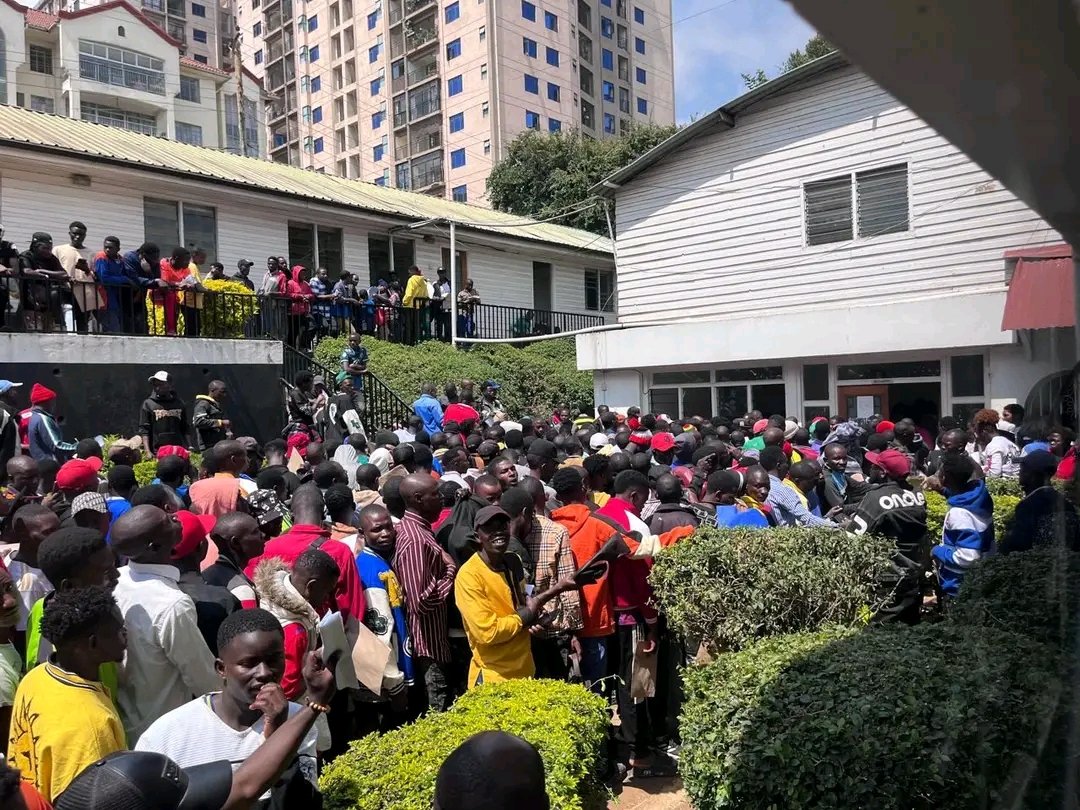
Footage obtained by Kenyan media on Monday, September 7, showed large groups of Burundian nationals with luggage at Nairobi’s Machakos Country Bus Station as they sought transport home.
Burundians flock a cybercafé in Kilimani, Nairobi, as they rush to process travel documents amid threats to leave Kenya pic.twitter.com/dMn8pwKhyy
Similar scenes were reported at the Kenya-Uganda border in Malaba, where travellers were scrambling for bus tickets, while others gathered at the Burundi Embassy in Nairobi to obtain travel documents.
The rush follows remarks by Ruto on September 2, when he directed authorities to dismantle small-scale retail and hawking operations run by foreign nationals, effective September 7.
Addressing small-scale traders at State House in Nairobi, Ruto said Kenya remained open to foreign investment but argued that foreign investors should establish businesses that create jobs and expand production rather than compete with Kenyans in small-scale trading.
“It cannot be that a person comes from China or elsewhere to be a hawker or open a small shop,” Ruto said.
Trade Cabinet Secretary Lee Kinyanjui later said most foreign small-scale traders had violated visa or regulatory requirements. Those meeting the relevant immigration requirements, he said, would need an operating licence to resume their businesses.
The directive has particularly unsettled Burundian traders, with their government raising concerns over reports of violence and the loss of property among its citizens, while also fuelling fears of xenophobic attacks similar to those witnessed in South Africa.
The Burundi Foreign Affairs Ministry said several Burundian traders engaged in small-scale businesses had faced dispossession and what it described as unjustified violence.
It also accused Ruto’s remarks of worsening tensions.
“The Kenyan government will be held responsible for anything that happens to Burundian citizens, and Burundi reserves the right to take the necessary measures under the framework of reciprocity,” the ministry said.
Burundi, however, said it respected Kenya’s right to determine its trade policies, while urging authorities to protect the dignity and safety of its nationals.
The developments have also sparked criticism over the implications of Kenya’s crackdown for the East African Community, which promotes the free movement of people and closer economic integration among member states.
Critics argue that targeting foreign nationals engaged in small-scale trade could undermine the spirit of regional integration, particularly as citizens of EAC member states routinely move across borders for work, trade and business.
The issue has also revived concerns about tensions between local traders and migrants from neighbouring countries, with Burundian nationals among those who have faced accusations of competing with Kenyans for jobs and business opportunities.
The EAC comprises eight member states, including Kenya, Burundi, Rwanda, Uganda, Tanzania, South Sudan, the Democratic Republic of Congo and Somalia.
Kenya hosts hundreds of thousands of refugees and migrants, many of whom live and work outside refugee camps. Government figures showed that the country had about 857,000 registered refugees and asylum seekers by the end of June, with nearly 14 percent living in urban areas.
Kenyan law allows refugees to work and operate businesses provided they obtain the required documentation.
Ruto’s directive has therefore raised questions over how the crackdown will be implemented and how it will affect foreign nationals who are legally authorised to work or operate businesses in Kenya.
For Burundi, the immediate priority has shifted to facilitating the safe return of citizens who no longer feel secure remaining in Kenya.
Sections of the Burundian community have also appealed to Ruto to reconsider or relax the directive, arguing that the announcement left many traders unprepared for its implementation.
Hundreds of Burundians scramble for emergency travel documents at their embassy in Nairobi as President William Ruto’s crackdown on foreign traders sparks panic and a diplomatic row.
Hassan died at about 8 a.m. at Emilio Mzena Memorial Hospital, where he had been undergoing treatment, Vice President Deogratius Ndejembi announced.
“With great sadness, I inform you of the death of Mr Hafidh Ameir Hassan, husband of the President of the United Republic of Tanzania, Samia Suluhu Hassan,” Ndejembi said.
He offered condolences to President Samia, her family, relatives and friends, as well as Tanzanians, adding that funeral arrangements had begun in Kizimkazi, Zanzibar.
Tributes followed from across the region, including from Kenyan President William Ruto, who said he received the news with “great sorrow.”
Ruto described Hassan’s death as a personal loss for the Tanzanian president and their family.
“President Samia has lost a lifelong companion, her children a beloved father, and Tanzania a distinguished son,” he said.
“Kenya stands with our Tanzanian brothers and sisters in this moment of grief,” Ruto added, wishing President Samia and her family strength and comfort during the difficult period.
The Africa Centres for Disease Control and Prevention also expressed condolences to the Tanzanian president and her family.
Hassan, a Tanzanian agriculturalist, became Tanzania’s First Gentleman after his wife assumed the presidency in 2021. The couple married in 1978 and had four children, three sons and a daughter.
Their daughter, Mwanu Hafidh Ameir, is a politician serving in the Zanzibar House of Representatives.
Hassan maintained a relatively low public profile throughout his wife’s political career and was rarely seen alongside her at public events.
Hafidh Ameir Hassan, husband of Tanzanian President Samia Suluhu Hassan, has died in Zanzibar while receiving treatment for a heart condition.
In an interview with IGIHE, Nsengimana said improving the quality of education remains his main priority after two years at the Ministry of Education, building on efforts that have expanded access to schooling.
“Improving the quality of education is the area in which I have committed myself to delivering results,” he said.
Among the changes introduced are adjustments to the curriculum in the first three years of primary school, new Learning Pathways in secondary education and efforts to improve how examination results are communicated.
The ministry is also working to reduce repetition. Nsengimana said the repetition rate among pupils in the first three years of primary school has fallen from about 30% to 20% following the introduction of a programme designed to improve learning outcomes.
Teachers given two years to improve English
English remains a major concern because it is the language of instruction in Rwanda’s schools. Nsengimana said teachers must improve their proficiency to ensure they can effectively teach the subjects assigned to them.
“We found that many teachers were not at the level they should be,” he said, explaining that a two-year programme was introduced last year to improve teachers’ English skills.
He warned that the requirement would have consequences for those who fail to improve.
“Within those two years, we hope that all of them will know English, but those who do not may lose their jobs,” Nsengimana said.
The ministry is also raising the academic qualifications of primary school teachers, with plans to move them progressively from secondary-school level to university-level qualifications.
No repeat cheating arrangement
The minister also defended the decision to allow 7,188 students whose national examinations were compromised by adults to retake the tests.
He said the students had been cheated by adults responsible for administering and protecting the examinations, rather than initiating the malpractice themselves.
“We found that these children were cheated by adults, and those adults are being prosecuted because they betrayed these children,” he said.
Nsengimana said punishing thousands of students by making them repeat an academic year would have been unfair, while allowing them another opportunity to sit the examination would enable them to continue with their education.
However, he stressed that the decision should not be interpreted as setting a precedent.
“This is the first and the last time this will be done,” he said. “Next time, if it happens, the regulations will be followed.”
More than 99% of the affected students reportedly sat the retake examination. Their results are expected on September 11, allowing them to join their colleagues by September 14.
Tackling overcrowding, mathematics and discipline
Nsengimana acknowledged that overcrowded classrooms remain a challenge to education quality. Between 2017 and 2024, the government built 27,500 classrooms, but the ministry continues to add more as resources become available.
“There is no other solution than building classrooms,” he said, adding that in some schools with more than 60 pupils in a classroom, two teachers have been assigned to work together.
He also pointed to improvement in mathematics results, which rose from 23% last year to 50% this year. However, he said the figure was still far from satisfactory.
“I don’t believe that mathematics is too difficult,” he said, arguing that greater attention should be paid to how it is taught and learned.
The new school year also brings stronger expectations on discipline. Students involved in fighting, alcohol, drugs and other prohibited behaviour will face disciplinary measures.
Nsengimana urged parents, teachers and school leaders to reinforce discipline, saying a small number of students should not undermine an entire school.
The ministry has also changed the structure of the school day, seeking to reduce prolonged classroom learning and increase practical activities.
“For example, if you are learning about Rwandan culture, you can go outside, dance and practise it,” he explained, arguing that students learn better when they actively engage with what they are studying.
Rwanda also participated in the Programme for International Student Assessment (PISA) for the first time in 2025, with more than 7,000 15-year-old students assessed on their ability to apply knowledge in real-life situations.
Nsengimana said such assessments will help Rwanda understand whether students are simply memorising information or genuinely understanding and applying what they learn.
“Our goal is to build a knowledge-based economy,” he said.
Minister Nsengimana has said improving the quality of education remains his main priority after two years at the Ministry of Education, building on efforts that have expanded access to schooling.
The visit follows a series of high-level exchanges and agreements that have expanded cooperation beyond diplomacy into aviation, logistics, technology, infrastructure, trade and investment.
For Rwanda, the relationship offers an opportunity to deepen access to the Gulf and attract investment from Omani businesses. For Oman, Rwanda provides a foothold in a fast-growing East African market and a potential gateway into the wider region.
The two countries established diplomatic relations in 1982 and have maintained ties through non-resident diplomatic missions. Oman is currently represented in Rwanda through its embassy in Nairobi, while Rwanda handles its diplomatic representation to Oman through its embassy in Cairo.
But the relationship has gained fresh momentum in recent years.
From diplomacy to economic cooperation
A major step came in January 2026, when Rwanda’s Foreign Affairs Minister Olivier Nduhungirehe led a high-level delegation to Muscat.
The visit produced agreements covering aviation, logistics, dry ports, supply chains, digital infrastructure, data centres, cloud computing and artificial intelligence.
One of the agreements brought together the Rwanda Development Board and Oman Airports Management Company, with the two sides agreeing to cooperate on airport development and management, exchange expertise and explore investment opportunities in aviation infrastructure.
Another cooperation programme focuses on logistics services, including the development and operation of dry ports and supply-chain services.
For Rwanda, which is landlocked and relies heavily on regional transport corridors to move imports and exports, logistics is a particularly important area of cooperation.
The two countries had already signed a memorandum of understanding on telecommunications, information technology and digital-economy development in April 2025, during Oman’s participation in the Global Summit on Artificial Intelligence in Africa in Kigali.
A new air bridge
Perhaps the most visible sign of the growing relationship is now in the sky.
SalamAir launched direct flights between Muscat and Kigali on July 21, 2026, creating a direct connection between Rwanda and Oman.
SalamAir launched direct Muscat-Kigali flights on July 21, 2026.
The airline operates the route twice a week, with a flight time of about five hours. The connection is expected to facilitate tourism, trade, investment and business exchanges between Rwanda, Oman and the wider Gulf region.
The new route followed an Air Services Agreement signed by the two countries in 2023 that entered into force in January 2026. Oman Air had also announced plans earlier this year to introduce direct Muscat-Kigali flights.
Beyond making travel easier, the route could become an important piece of economic infrastructure.
Direct flights reduce the time and complexity involved in moving businesspeople, tourists and investors between the two markets. They can also make it easier for companies to explore opportunities before committing capital.
For Kigali, the connection strengthens its ambition to position itself as a regional aviation and business hub. For Muscat, it creates another link to East Africa and a market with growing tourism and investment activity.
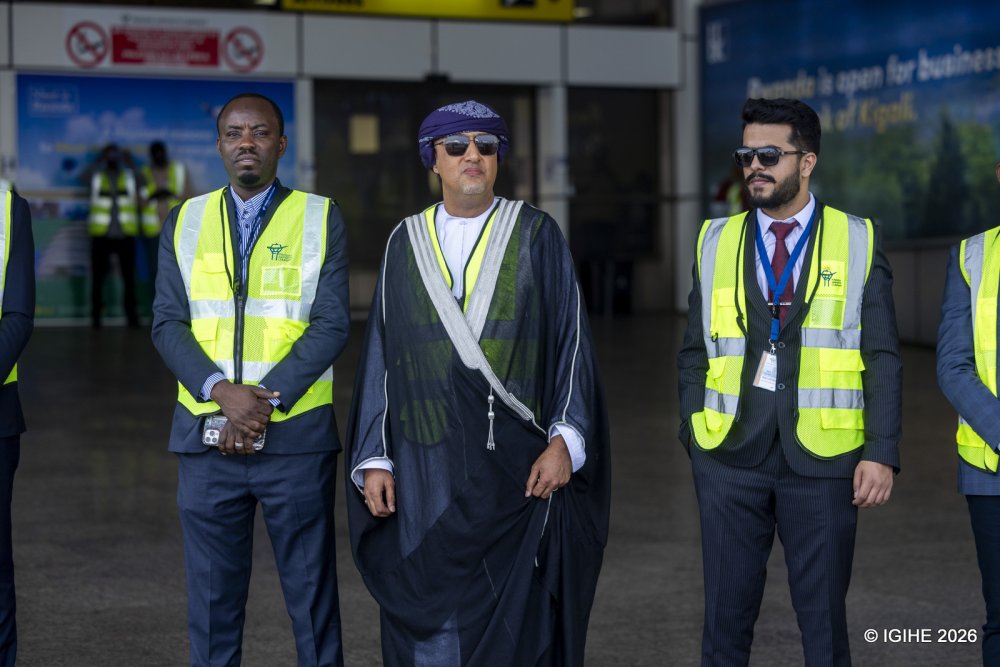
Oman and Rwanda officials during the launch of SalamAir’s direct Muscat-Kigali flights on July 21, 2026.
Where the investment opportunities lie
The two countries have identified a wide range of sectors in which they could deepen cooperation.
These include energy, renewable energy, mining, logistics, aviation, hospitality, healthcare, education and technology.
Rwanda is seeking investment that can support its transformation from an economy traditionally dependent on agriculture towards one increasingly driven by services, technology, tourism, finance and industry.
The country is also positioning itself as a regional centre for conferences, investment and business services.
Oman, meanwhile, is seeking to diversify its economy beyond oil and gas while expanding its international economic partnerships.
That creates potential areas of complementarity.
Omani companies have already shown interest in the Rwandan market.
In March 2020, more than 80 Omani companies participated in the Omani Products Exhibition, or OPEX, in Kigali. The companies showcased products including food, plastics and construction materials as they explored opportunities in the Rwandan market.
The exhibition also resulted in commercial agreements involving Omani industrial and pharmaceutical companies.
The latest push could take the relationship beyond individual commercial deals towards larger cooperation in infrastructure, logistics, technology and investment.
Why Oman matters to Rwanda
Oman occupies a strategically important position on the Arabian Peninsula, overlooking the Gulf of Oman and the Strait of Hormuz, through which around 20% of the world’s oil supplies pass.
Its location gives it connections to markets in the Gulf, Asia and beyond.
For Rwanda, the relationship offers additional access to Gulf markets and international destinations connected through Muscat. For Oman, Rwanda provides an entry point into an East African economy that is positioning itself as a regional business and investment hub.
The two countries therefore have potentially complementary economic interests.
From trade to logistics
The January agreements specifically included cooperation on dry ports and supply-chain services, with the two countries seeking to exchange expertise and improve logistical integration.
This is particularly relevant to Rwanda because of its position at the heart of the Great Lakes region.
As a landlocked country, Rwanda depends on transport corridors linking it to ports in neighbouring countries. Improving logistics can reduce the cost and time involved in moving goods, making the country more competitive as a regional distribution and investment hub.
Oman’s experience as a maritime and logistics centre could therefore provide opportunities for knowledge exchange and commercial partnerships.
The cooperation also comes as Rwanda continues to invest in infrastructure intended to strengthen its role in regional trade.
Technology adds another dimension
The relationship is also moving into areas that are less visible than trade but potentially more transformative.
Data centres, cloud computing and artificial intelligence are now part of the bilateral cooperation agenda.
The January agreement envisages collaboration in infrastructure, skills development, knowledge exchange and policy development in these fields.
This fits Rwanda’s broader ambition to build a knowledge-based and innovation-driven economy under Vision 2050.
For Oman, partnerships in Africa’s emerging digital markets can support its own economic diversification ambitions.
The result is a relationship that is no longer defined only by conventional trade in goods. It increasingly encompasses the digital infrastructure needed to support modern economies.
A relationship built over decades
Despite the recent acceleration, Rwanda-Oman relations are not new.
Diplomatic ties date back to 1982, while the two countries have historical links connected to Oman’s long-standing commercial and cultural presence in East Africa.
Political contacts have continued alongside the growing economic relationship.
Oman’s Foreign Minister, Sayyid Badr bin Hamad Al Busaidi, met Nduhungirehe in New York in September 2025 on the sidelines of the United Nations General Assembly to discuss bilateral relations and issues of mutual interest.
Kagame’s visit therefore comes at a moment when Rwanda and Oman are seeking to turn decades of diplomatic relations into a more practical and commercially focused partnership. It remains to be seen what new agreements will be signed during the visit and what new opportunities and results it will bring for the two countries.
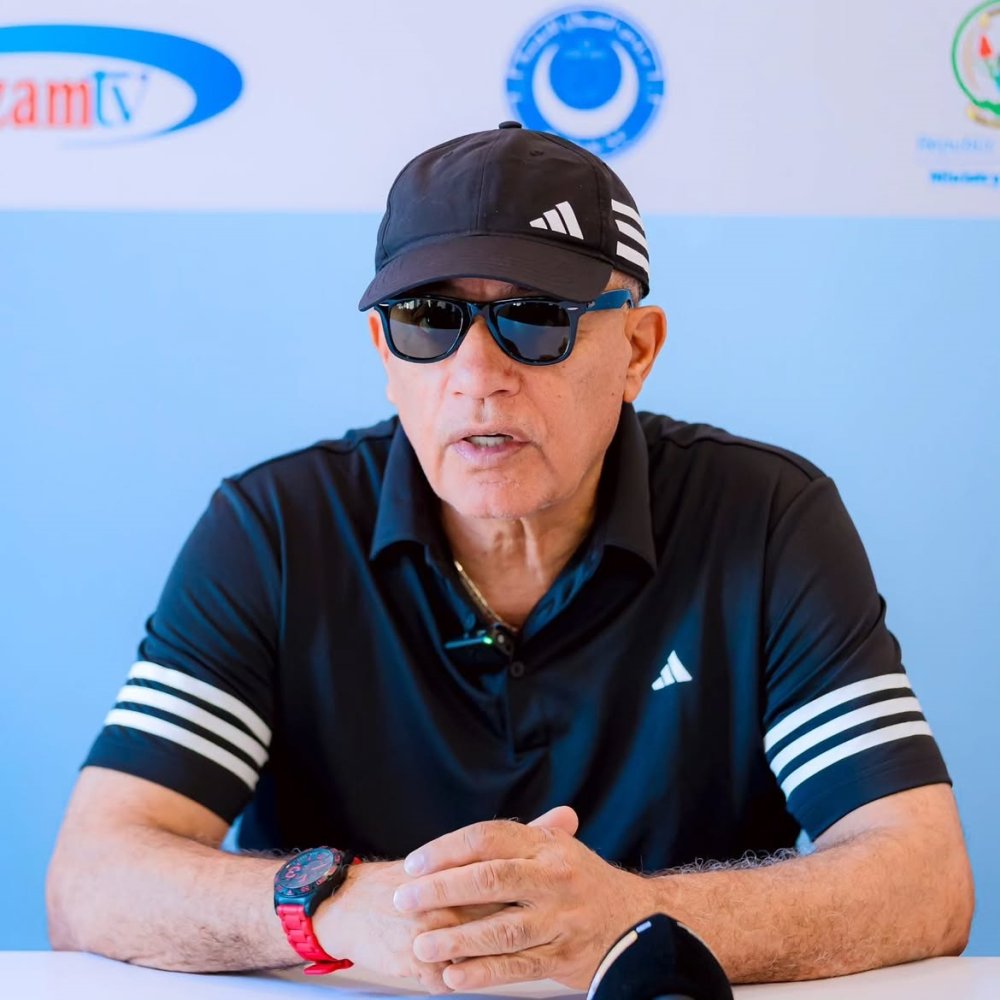
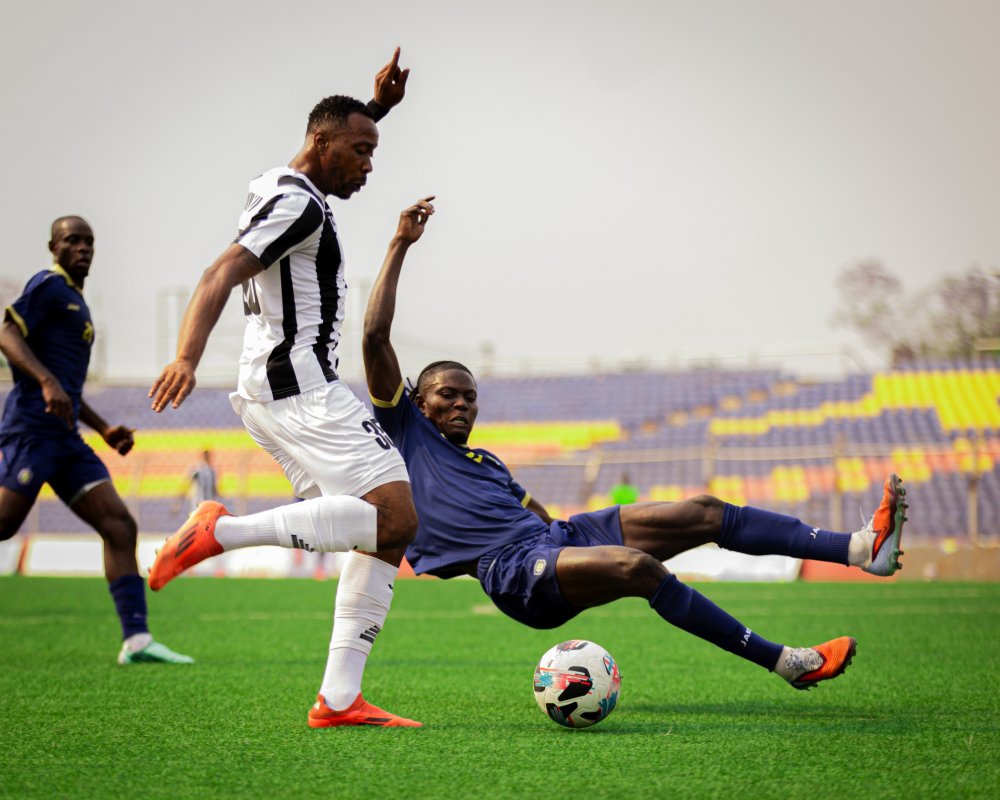
APR FC head coach Taleb Abderrahim has blamed poor officiating for his side’s 1-0 defeat to Les Aigles du Congo in the first preliminary round of the CAF Champions League, accusing the match officials of making questionable decisions and favouring the hosts.
APR FC travelled to the Democratic Republic of Congo on Sunday, September 6, 2026, to face Les Aigles du Congo at Frédéric Kibassa Maliba Stadium in Lubumbashi.
Speaking to reporters after the match, Taleb said the encounter was always expected to be difficult, particularly because the two coaches were familiar with each other and had prepared tactical approaches to counter their opponents.
“We came here with the responsibility of getting a good result. We tried to control the midfield and also use long balls because we had watched their friendly matches,” Taleb said.
“However, they are a good team with players who are individually strong.”
The APR FC coach, however, argued that the officiating had played a significant role in the outcome of the match. He accused the officials, led by Beninese referee Idissa Abdul, of making questionable decisions, including denying APR FC two penalty appeals and issuing what he described as unnecessary cards to his players.
“We tried to stop them and create chances whenever we had the ball. What surprised me was not the defeat, but the referee’s performance,” Taleb said.
“Football cannot develop while it still has referees like these. Forgive me for saying that.”
“I have coached many Champions League matches and worked with great players, but I have never seen a team treated as badly as we were today. We were denied two penalties, there were inexplicable foul decisions and unnecessary cards shown to our players.”
Taleb also raised concerns about an incident involving APR FC player Djibril Ouattara, whom he said was subjected to a dangerous challenge by a Les Aigles du Congo player and could require hospital treatment.
According to the coach, the referee did not take action over the incident, while attempts to raise concerns about the decision were met with threats of disciplinary action.
Taleb further questioned the red card shown to APR FC midfielder Ronald Ssekiganda, arguing that the decision was unjustified. He said the referee followed the player before eventually showing him the card after the final whistle.
APR FC will now seek to overturn the 1-0 deficit when they host Les Aigles du Congo in the return leg at Amahoro Stadium on September 11.
The Rwandan champions will need to win the match to keep their CAF Champions League campaign alive, while avoiding conceding an away goal that could further complicate their chances of progressing.
The winner between APR FC and Les Aigles du Congo will face either Egypt’s Zamalek SC or Djibouti’s AS Port in the second preliminary round, scheduled for October 2026.
APR FC travelled to the Democratic Republic of Congo on Sunday, September 6, 2026, to face Les Aigles du Congo at Frédéric Kibassa Maliba Stadium in Lubumbashi.
Speaking to reporters after the match, Taleb said the encounter was always expected to be difficult, particularly because the two coaches were familiar with each other and had prepared tactical approaches to counter their opponents.
“We came here with the responsibility of getting a good result. We tried to control the midfield and also use long balls because we had watched their friendly matches,” Taleb said.
“However, they are a good team with players who are individually strong.”
The APR FC coach, however, argued that the officiating had played a significant role in the outcome of the match. He accused the officials, led by Beninese referee Idissa Abdul, of making questionable decisions, including denying APR FC two penalty appeals and issuing what he described as unnecessary cards to his players.
“We tried to stop them and create chances whenever we had the ball. What surprised me was not the defeat, but the referee’s performance,” Taleb said.
“Football cannot develop while it still has referees like these. Forgive me for saying that.”
“I have coached many Champions League matches and worked with great players, but I have never seen a team treated as badly as we were today. We were denied two penalties, there were inexplicable foul decisions and unnecessary cards shown to our players.”
Taleb also raised concerns about an incident involving APR FC player Djibril Ouattara, whom he said was subjected to a dangerous challenge by a Les Aigles du Congo player and could require hospital treatment.
According to the coach, the referee did not take action over the incident, while attempts to raise concerns about the decision were met with threats of disciplinary action.
Taleb further questioned the red card shown to APR FC midfielder Ronald Ssekiganda, arguing that the decision was unjustified. He said the referee followed the player before eventually showing him the card after the final whistle.
APR FC will now seek to overturn the 1-0 deficit when they host Les Aigles du Congo in the return leg at Amahoro Stadium on September 11.
The Rwandan champions will need to win the match to keep their CAF Champions League campaign alive, while avoiding conceding an away goal that could further complicate their chances of progressing.
The winner between APR FC and Les Aigles du Congo will face either Egypt’s Zamalek SC or Djibouti’s AS Port in the second preliminary round, scheduled for October 2026.
APR FC head coach Taleb Abderrahim has blamed poor officiating for his side’s 1-0 defeat to Les Aigles du Congo in the first preliminary round of the CAF Champions League.The coach accused the officials, led by Beninese referee Idissa Abdul, of making questionable decisions, including denying APR FC two penalty appeals and issuing what he described as unnecessary cards to his players.