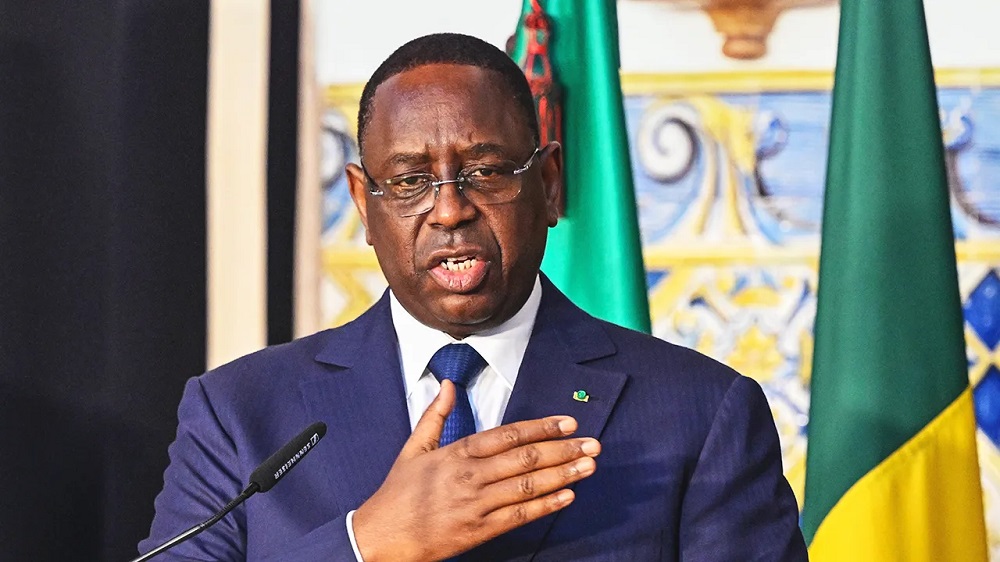
According to media reports, his nomination was put forward by Burundi, which currently chairs the African Union (AU).
The President of the General Assembly has acknowledged receipt of the nomination, formally placing Sall among the candidates seeking to lead the global body.
The next Secretary-General will serve a five-year term starting January 1, 2027, succeeding António Guterres, whose second term ends in December 2026.
Sall, who led Senegal from 2012 to 2024, joins what is shaping up to be a competitive field. Other reported contenders include former Chilean President Michelle Bachelet and Rafael Grossi, Director General of the International Atomic Energy Agency.
Under UN procedures, the Secretary-General is appointed by the General Assembly on the recommendation of the Security Council.
The Council first conducts informal straw polls before forwarding a name for approval. Any of its five permanent members; China, France, Russia, the United Kingdom, and the United States, can block a candidate by veto.
Sall’s candidacy comes amid renewed calls for regional rotation in the UN’s top post, with Africa yet to produce a Secretary-General since the organization was founded in 1945.
The selection process is expected to gather momentum in the months ahead as more nominations emerge and consultations among member states intensify.
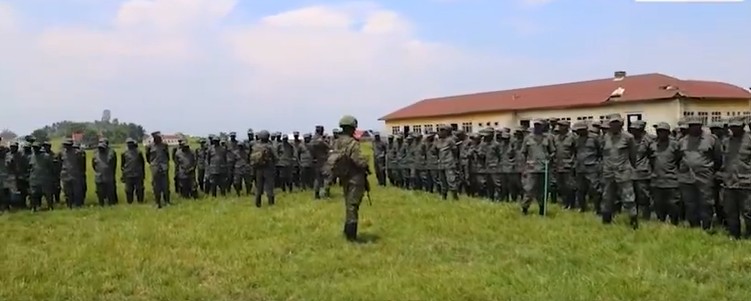
The passout ceremony marking the completion of military training for the recruits was held in Lumangabo on March 2, 2026.
Addressing the new fighters, AFC/M23 military commander Maj Gen Sultani Makenga sharply criticized the Kinshasa administration, accusing it of misrule and fueling insecurity across the country.
He alleged that President Tshisekedi has weakened state institutions and allowed armed groups and irregular forces to operate with impunity.
Maj Gen Makenga claimed that the movement’s objective is to “liberate the country” and end what he described as targeted violence against civilians.
He accused the government of arming militias and incorporating foreign fighters, including elements linked to the FDLR terrorist group, into the national army. He further alleged that such actions had contributed to ethnic tensions and civilian suffering.
According to Maj Gen Makenga, large numbers of Congolese refugees fled to neighboring countries due to violence attributed to FARDC troops and allied groups.
“That is why our movement decided to rise and bring an end to these problems,” he told the recruits. “By joining this force, you must be ready to liberate Congo and protect its people. You must demonstrate discipline and prove that you are different from what the population experienced before.”
He urged former FARDC soldiers now integrated into AFC/M23 to uphold strict ethical standards and avoid misconduct.
“Wherever you pass, civilians should see a difference. They must see protectors, not looters,” he said. “Our people have endured years of suffering; displacement, killings, and exile. It is your responsibility to help end that hardship.”
Maj Gen Makenga reiterated that the coalition seeks what it describes as a reformed and inclusive state, and called on the fighters to remain committed to that objective.
During the ceremony, the recruits responded affirmatively when asked whether they were prepared to remove the current leadership in Kinshasa.
Eastern Democratic Republic of Congo has faced prolonged conflict involving FARDC, Wazalendo local militias, fighters linked to the FDLR, Burundian troops, foreign mercenaries, and AFC/M23 forces.
The coalition maintains that its struggle is aimed at defending communities it says have faced discrimination and violence, while pursuing political change.
The new special force recruits include former members of the Armed Forces of the Democratic Republic of the Congo (FARDC).
The decision, confirmed in a series of statements culminating on Wednesday, March 4, 2026, follows coordinated U.S. and Israeli airstrikes on Iran that began on February 28. Subsequent retaliatory strikes across the Gulf have led to the widespread closure of regional airspace and the suspension of international travel hubs in Qatar and the United Arab Emirates.
The suspension impacts all three tiers of the AFC’s revamped club ecosystem. While the confederation initially deferred only the first-leg matches earlier this week, the continued volatility has forced a blanket postponement of the return legs originally scheduled for March 9 through March 11.
This wide-reaching freeze affects the AFC Champions League Elite knockout stages, as well as the quarter-final fixtures for both the AFC Champions League Two and the AFC Challenge League. In its official statement, the AFC emphasised that the safety and security of all stakeholders, including players, teams, officials, and fans, remains the highest priority.
This regional instability sidelines some of the continent’s most high-profile clubs and players during a critical juncture of the season. Among the key Elite Round of 16 matches now on hold are the highly anticipated matchups between Shabab Al Ahli of the UAE and Iran’s Tractor FC, as well as the high-stakes clash between Qatar’s Al Duhail and Saudi Arabia’s Al Ahli.
Other major fixtures facing indefinite delays include Al Wahda versus Al-Ittihad and the marquee meeting between Al Sadd and Al-Hilal. The disruption extends beyond the continental stage, as both the Qatar Football Association and the Iran Football Federation have moved to suspend all domestic sporting activities indefinitely.
The domestic halt in Qatar has also placed the 2026 Finalissima between Spain and Argentina, scheduled for March 27 at Lusail Stadium, in significant doubt. Despite the chaos in the West, the AFC confirmed that matches in the East Region involving clubs from Japan, South Korea, Australia, and China are currently proceeding as scheduled.
While the governing body is exploring the possibility of moving the West Region’s knockout stages to a centralised format later in April, no official dates have been set. Meanwhile, the conflict has cast a long shadow over the 2026 FIFA World Cup, with Iranian football officials publicly questioning their participation in the upcoming tournament hosted in North America this June.
According to the federation, the suspension impacts all three tiers of the AFC’s revamped club ecosystem.
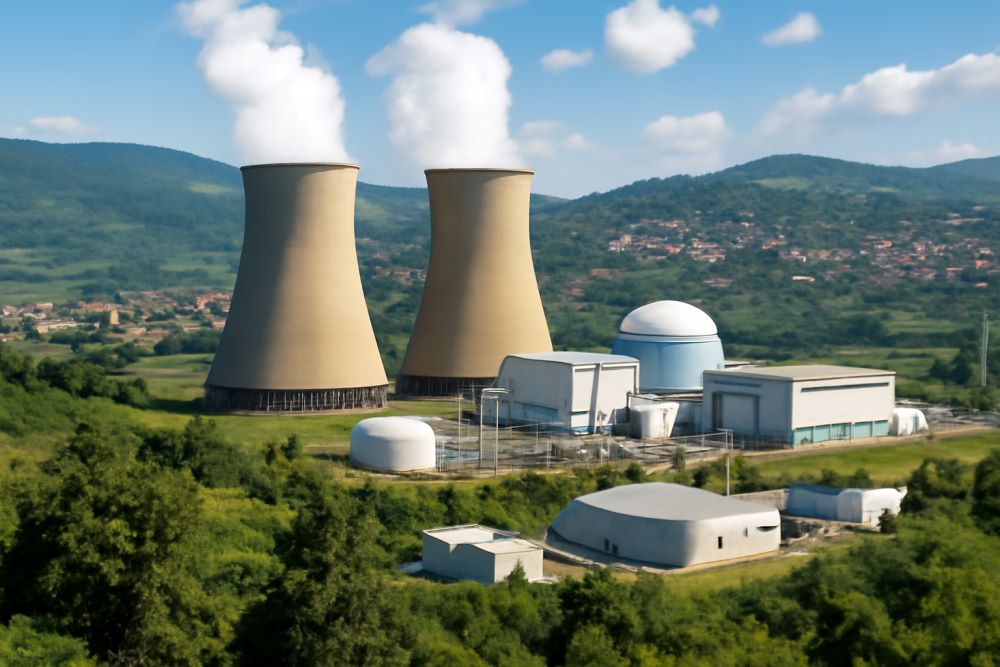
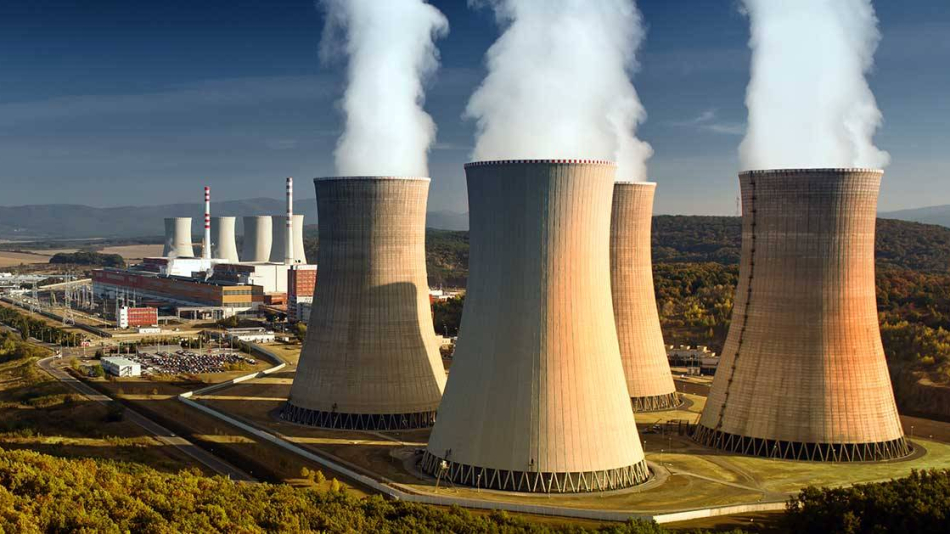
The review, conducted by a team of experts from the IAEA, started on March 2, 2026, and will run until March 9, 2026. Throughout the week, the experts will examine whether Rwanda meets the key requirements needed to embark on a nuclear power programme.
Among the critical areas under review are the country’s national policy framework on nuclear energy, financing mechanisms for constructing nuclear facilities, and the overall regulatory and institutional setup.
The team will also assess Rwanda’s capacity to prevent and manage potential risks associated with nuclear power plants, including safety, security, and environmental protection measures.
Dr. Fidele Ndahayo, Chief Executive Officer of the Rwanda Atomic Energy Board (RAEB), said the country has for years been investing in nuclear energy development.
He noted that Rwanda has established academic programmes in nuclear science, imported nuclear-based medical equipment, and implemented other initiatives aimed at building national capacity.
He explained that undergoing such a review is a crucial step in determining whether Rwanda is on the right track toward building a nuclear power plant.
“We want them to assess us based on the 19 infrastructure issues they use to determine a country’s level of preparedness,” he said. “They will evaluate where we stand as a country. We are confident that the process will go well and that, if the basic requirements are met, we will be able to move to the second phase.”
Dr. Ndahayo added that a positive assessment can strengthen Rwanda’s credibility internationally and improve its chances of securing financing for nuclear projects.
“This review will help build international confidence by showing that Rwanda is following the proper procedures. That will support us in mobilizing funding to construct these plants,” he said.
Aline des Cloizeaux, Director of the IAEA’s Division of Nuclear Power who is leading the expert team, clarified that the role of the mission is to promote the safe and peaceful use of nuclear technologies in line with its global mandate.
This week, she said, their work mainly focuses on providing advice on areas that need improvement and identifying where further efforts are required so the country can continue implementing its nuclear power programme.
Rwanda has set a target to have a nuclear power plant operational by 2030. To achieve this goal, the country has been working with various international partners.
In 2023, Rwanda signed an agreement with Dual Fluid Energy Inc to pilot a nuclear reactor project in the country. The initiative is part of broader cooperation with institutions from Russia and the United States focused on developing Small Modular Reactors (SMRs).
SMRs are smaller-scale nuclear power plants capable of generating up to 100 megawatts of electricity or less. They can be installed on relatively small sites, typically covering between 15 and 50 hectares, and can operate with a workforce of around 230 employees. Their compact design allows them to be deployed even in remote areas.
According to research by the World Nuclear Association, nuclear energy significantly reduces carbon emissions.
Studies indicate that nuclear power can cut approximately 29 tonnes of carbon dioxide emissions per gigawatt-hour (GWh) of electricity generated, making it one of the low-carbon energy options available.
Rwanda has set a target to have a nuclear power plant operational by 2030.
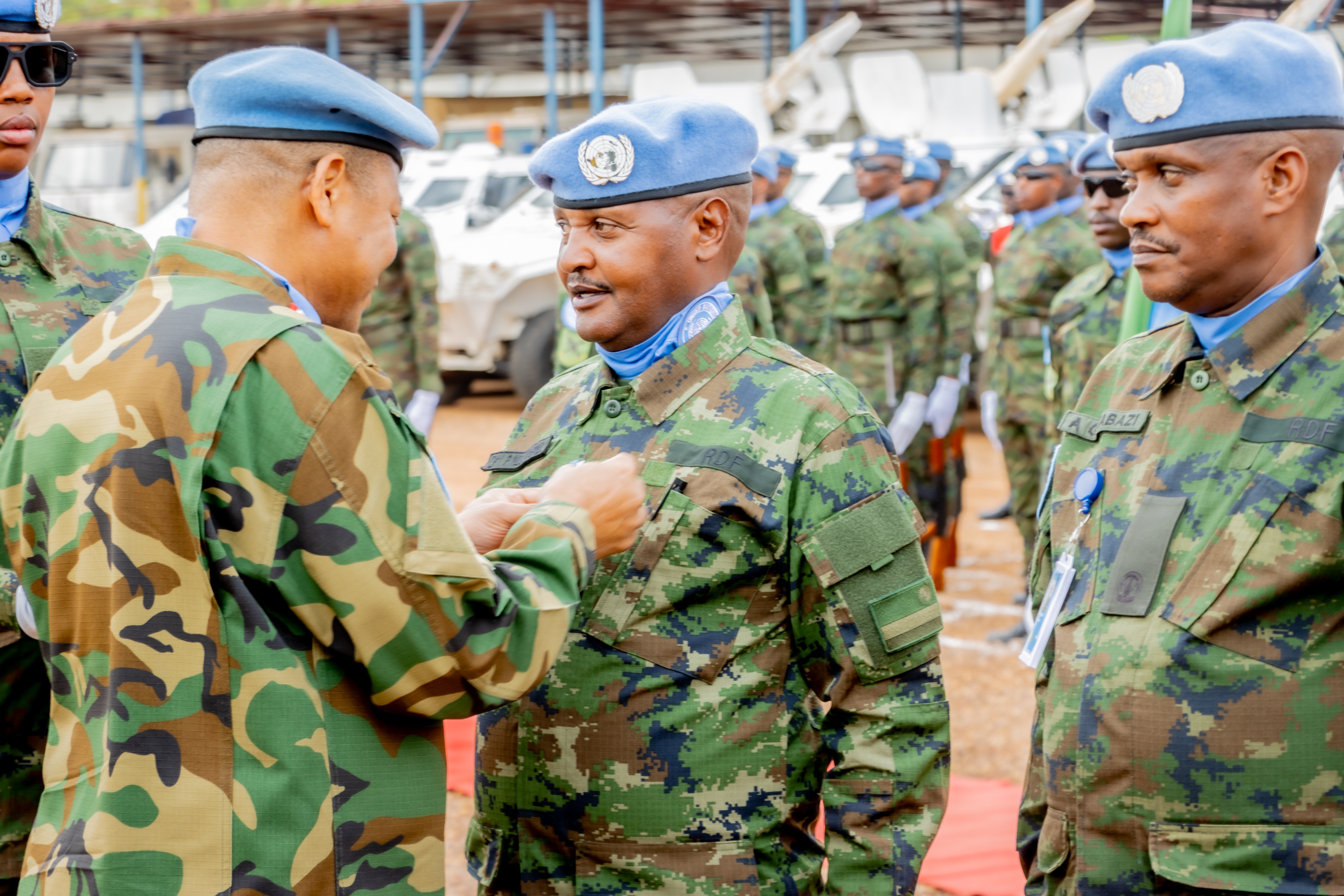
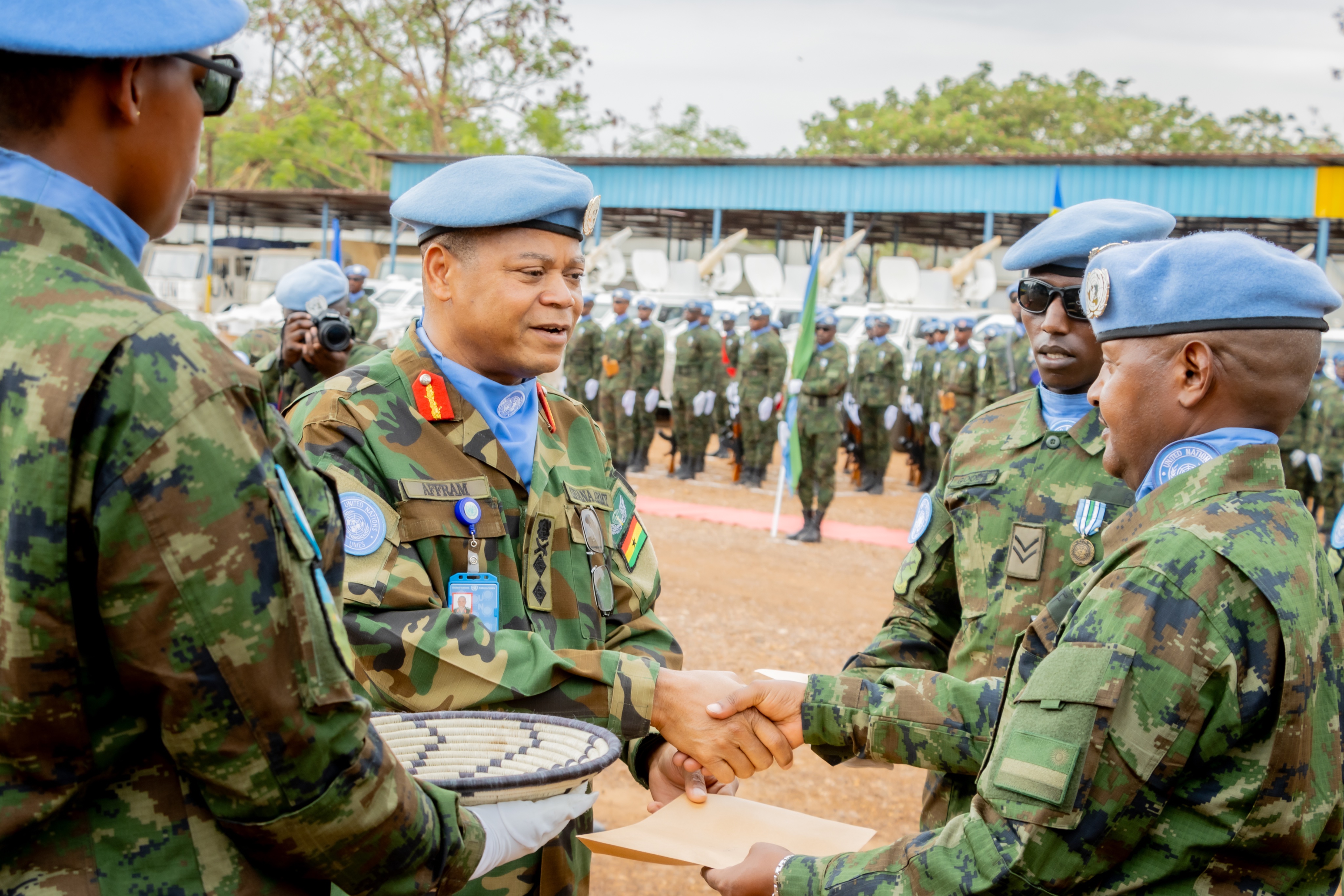
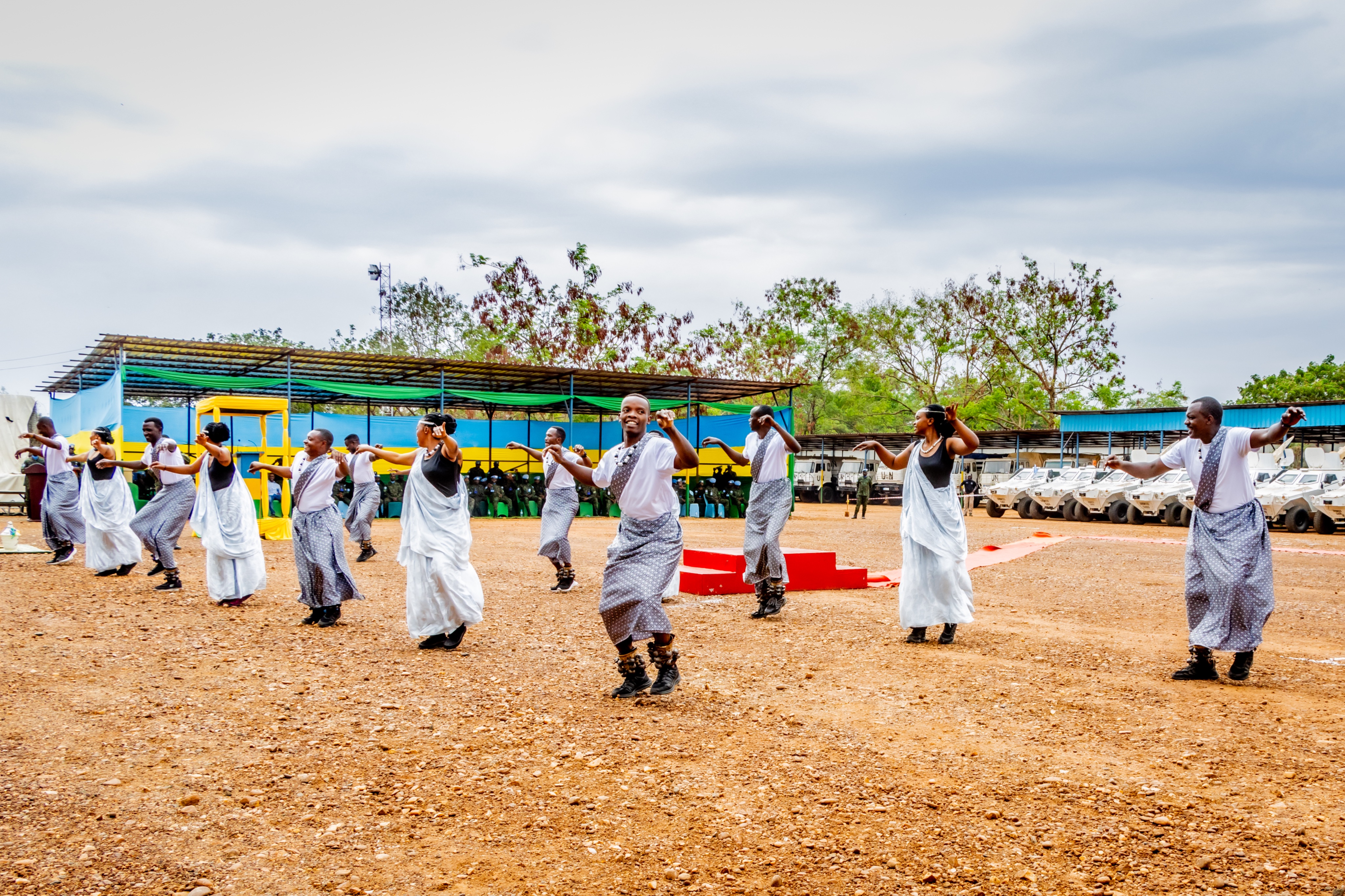
The Rwandan contingent, known as Rwanbatt-1, received the honours during a medal-pinning ceremony held at the UN Tomping Compound in Juba. The colourful event brought together military personnel and UN officials to celebrate the battalion’s dedication and service over the past ten months.
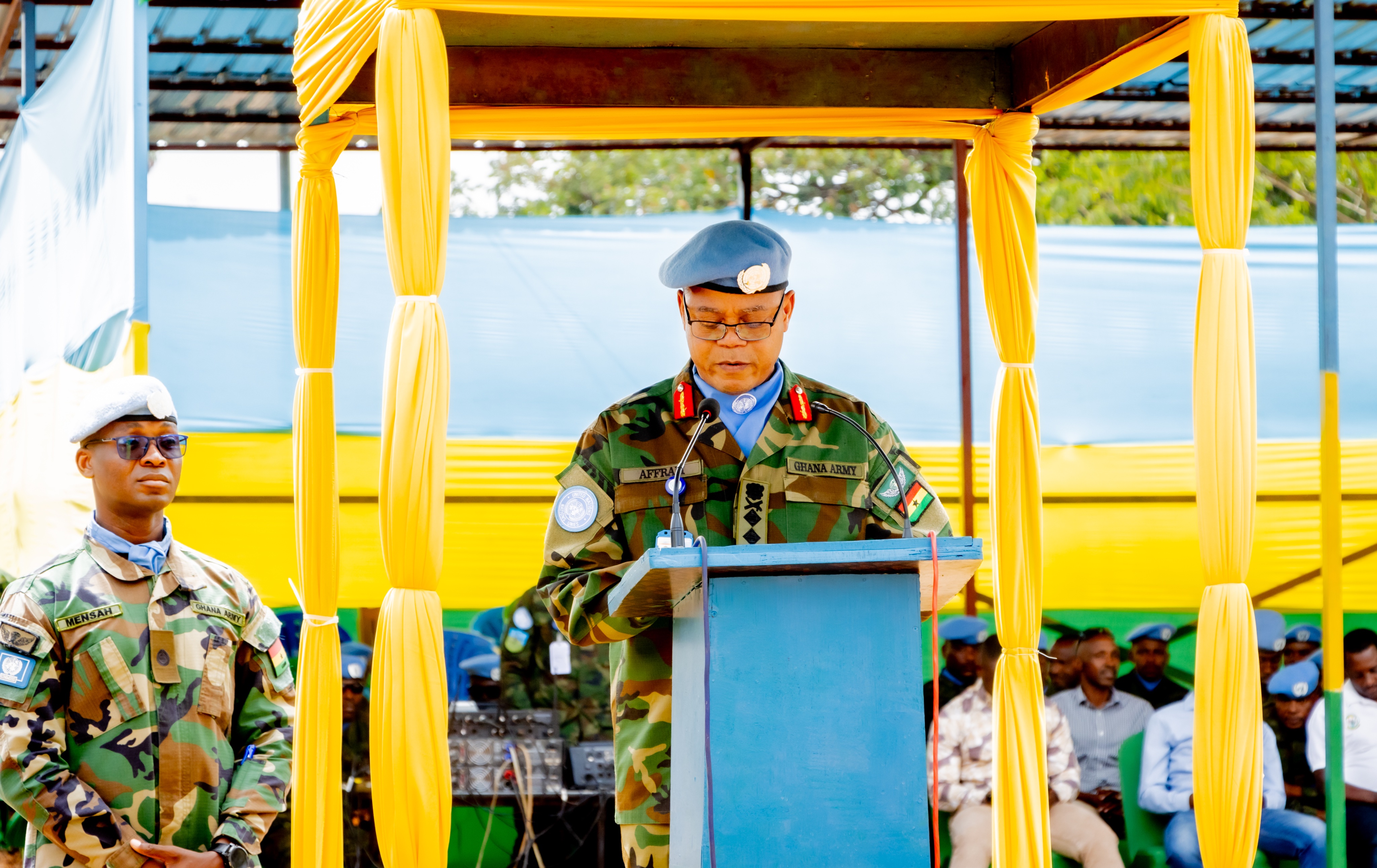
Presiding over the ceremony was Major General Robert Yaw Affram, Deputy Force Commander of UNMISS, who underscored the deep significance of the award. He described the United Nations Medal as a powerful symbol of professionalism, discipline, sacrifice, and steadfast commitment to peace.
The Rwandan contingent, known as Rwanbatt-1, received the honours during a medal-pinning ceremony held at the UN Tomping Compound in Juba.
“The United Nations Medal you have received today is a symbol of professionalism, discipline, sacrifice, and steadfast dedication to peace. It represents long days under challenging conditions, sleepless nights on operations, and the courage to stand firm in the face of uncertainty. It is earned, never given,” he said.
Major General Affram also conveyed appreciation to the Government of Rwanda and the Rwanda Defence Force for their continued support to UNMISS through the deployment of disciplined and capable troops.
Rwanbatt-1 Contingent Commander, Lieutenant Colonel Paul Ndushabandi, commended the men and women of the battalion for their resilience, courage, and selfless service throughout their deployment. He urged them to sustain their commitment during the remainder of their mission.
“I urge the Rwanbatt-1 to maintain this momentum for the remainder of the deployment. Today’s medal-pinning ceremony marks yet another significant milestone in our noble service to humanity,” he stated.
The colourful event brought together military personnel and UN officials to celebrate the battalion’s dedication and service over the past ten months.
The ceremony featured a colourful military parade, during which the Rwanbatt-1 cultural troupe showcased both their discipline and Rwanda’s rich cultural heritage.
Rwanda is currently the second-largest contributor of uniformed personnel to UN peacekeeping operations after Nepal, with more than 5,000 military and police officers deployed across missions.
Presiding over the ceremony was Major General Robert Yaw Affram, Deputy Force Commander of UNMISS, who described the United Nations Medal as a powerful symbol of professionalism, discipline, sacrifice, and steadfast commitment to peace.Rwanbatt-1 cultural troupe showcased both their discipline and Rwanda’s rich cultural heritage.
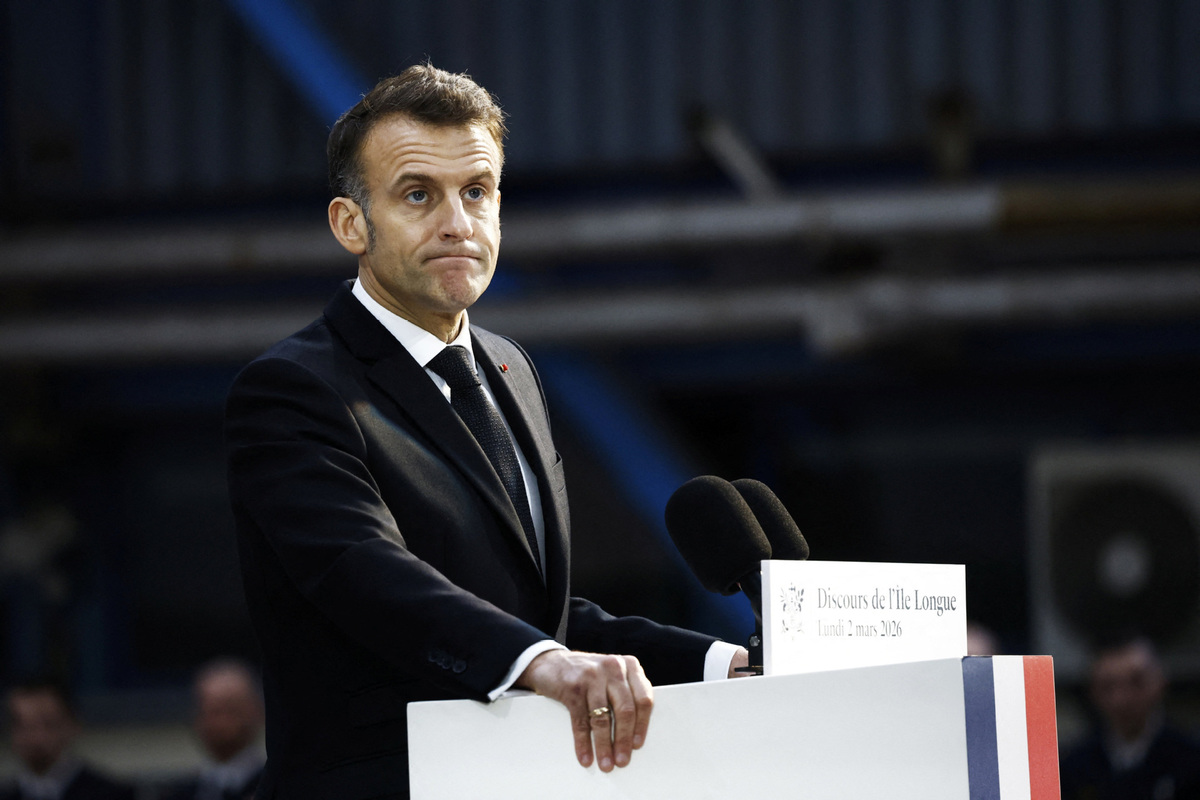
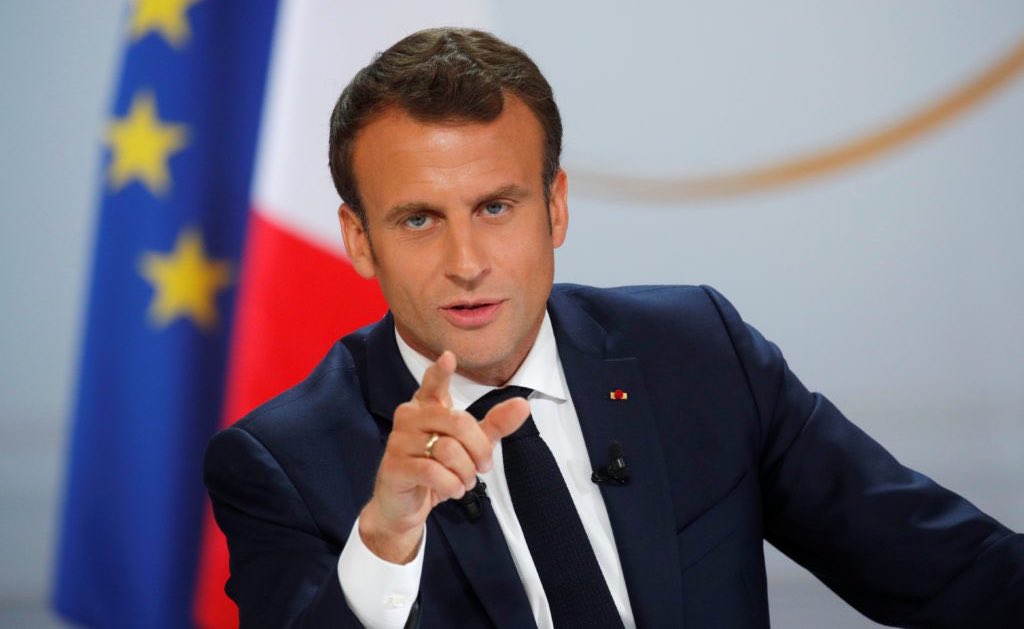
In a televised address on the situation in Iran and the Middle East, Macron said the conflict triggered by the strikes carried out by the United States and Israel was now spreading across the region, posing serious consequences for peace and security.
Macron confirmed that the French aircraft carrier Charles de Gaulle is being dispatched to the Mediterranean Sea in response to the deteriorating situation in the region. The vessel had been in Sweden for military exercises.
He said the frigate Languedoc and additional air defense assets are also being deployed to Cyprus. The British air base at Akrotiri on the southern coast of Cyprus was hit by a drone early Monday.
The French president added that France had responded immediately, shooting down drones “in legitimate defense” from the “very first hours of the conflict” involving Israel, the United States and Iran.
On Sunday, French Minister of the Armed Forces Catherine Vautrin said on social media that a hangar at France’s naval base, located adjacent to an Emirati base, was struck in a drone attack targeting the port of Abu Dhabi. The damage was limited to material losses, and no injuries were reported.
Macron also announced that the first two flights repatriating French nationals from the war-affected Middle East would arrive in Paris on Tuesday evening.
French President Emmanuel Macron confirmed that the French aircraft carrier Charles de Gaulle is being dispatched to the Mediterranean Sea in response to the deteriorating situation in the region.
“We’re going to cut off all trade with Spain. We don’t want anything to do with Spain,” Trump told reporters at the beginning of his talks with German Chancellor Friedrich Merz in the Oval Office.
“By the way I’m not happy with the UK either,” Trump said. “This is not Winston Churchill that we’re dealing with.”
British Prime Minister Keir Starmer told Parliament on Monday that Britain is not joining the U.S.-Israeli “offensive strikes” on Iran.
Merz is the first foreign leader to meet Trump in person since the U.S. administration launched large-scale airstrikes against Iran on Saturday morning. The two leaders said the Iran operation will be a major topic during their closed-door meeting.
U.S. President Donald Trump on Tuesday threatened to “cut off all trade with Spain” for Spain’s refusal to allow the U.S. military to use its base for attacks on Iran.
“There was indeed a landslide following heavy rainfall on the mountain known as Kasasa. The earth swallowed many people. We are awaiting the official death toll,” David Kasereka, an artisanal miner and resident of Rubaya, told Xinhua.
The Rubaya mines in North Kivu Province are a crucial global source of coltan and have been controlled by the March 23 Movement (M23) rebel group since 2024.
The M23 has yet to comment on the tragedy.
In January 2026, at least 200 miners were killed after several shafts collapsed at coltan mining sites in Rubaya. Local media reported that the death toll may have exceeded 400, excluding those still missing.
Coltan, or columbite-tantalite, is the main source of tantalum, a rare metal used in the production of advanced electronic devices. The United Nations estimated that the Rubaya mines alone account for about 15 percent of the global tantalum supply.
But beyond the ward rounds and clinical consultations, another mission has been steadily unfolding, one that could reshape the future of medical research in Rwanda.
A question that changed everything
Like many young doctors, Dr. Munyaneza entered medicine driven by curiosity and a desire to serve. Science fascinated him. So did the power of evidence, how data and research could shape decisions, strengthen health systems, and influence national policy.
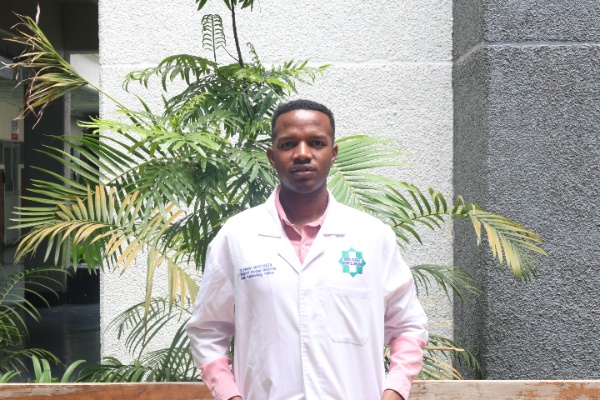
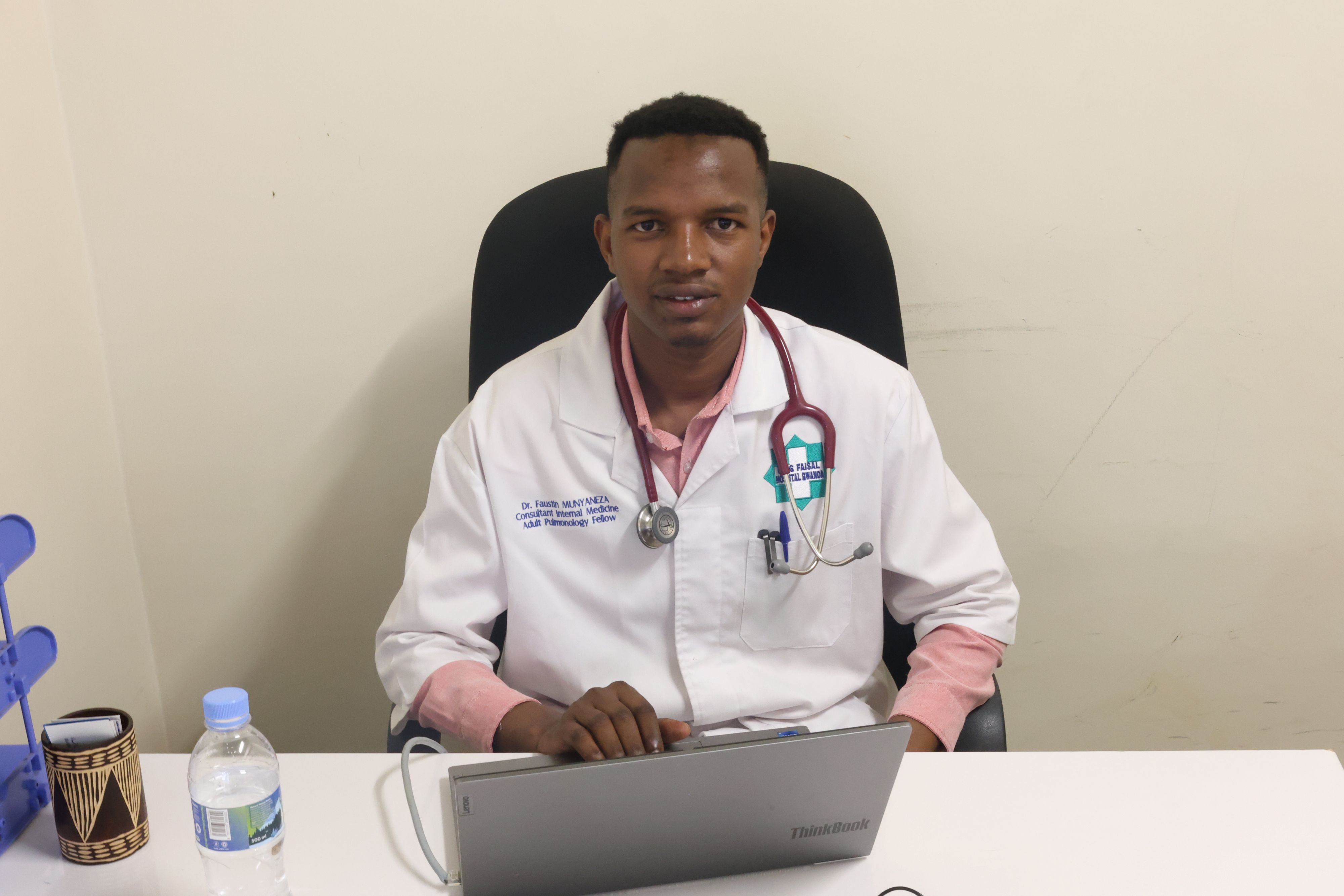
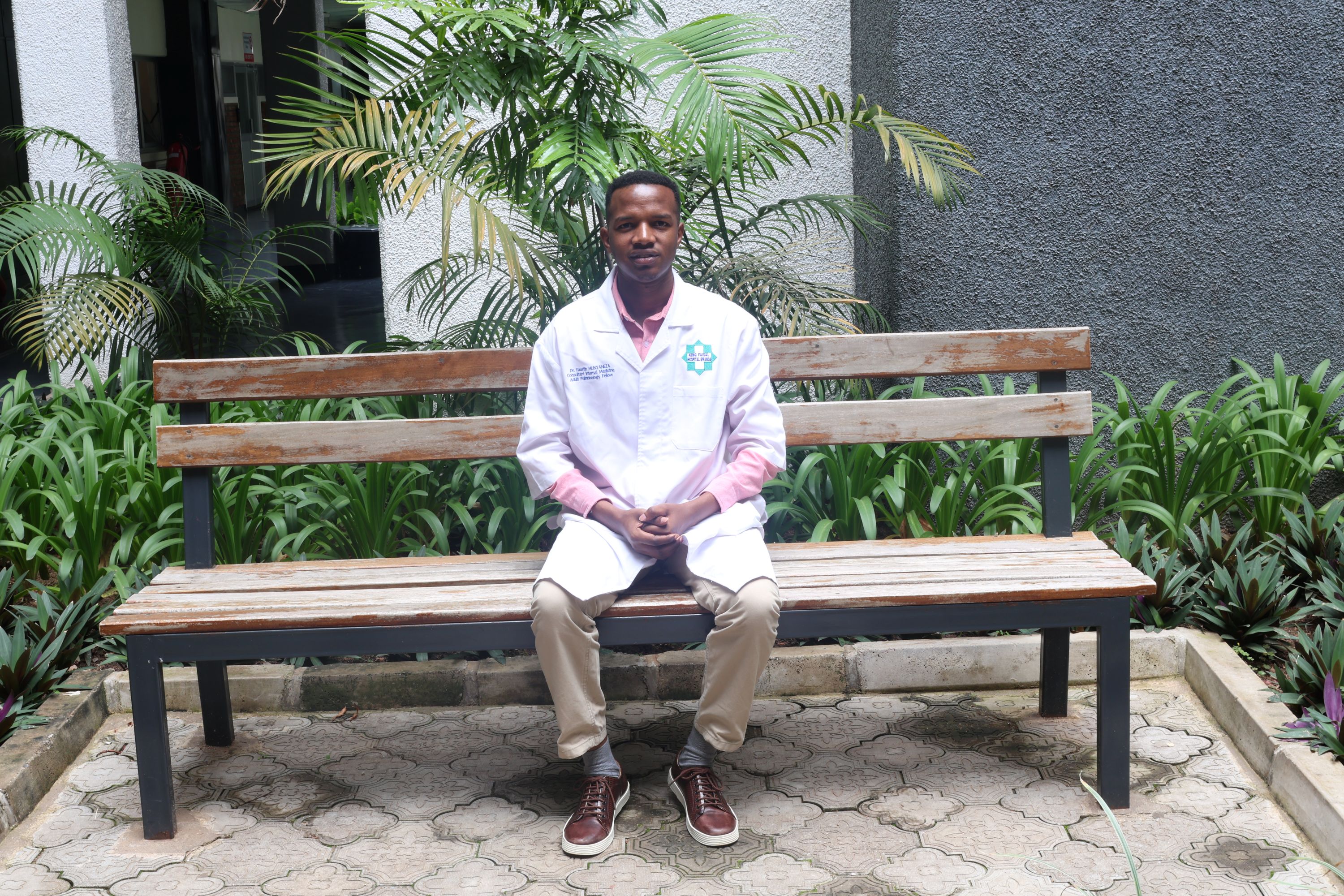
Dr. Faustin Munyaneza is an Internal Medicine Specialist and Pulmonology Fellow at King Faisal Hospital Kigali.
During his residency training at the University of Rwanda, he began to observe opportunities to further strengthen practical research mentorship for medical trainees.
Like any tertiary institution, research was a graduation requirement. Every resident had to complete a dissertation. As Dr. Munyaneza began shaping his own research topic, he sought guidance from senior colleagues, hoping to learn from their experience.
What he found was that many residents were navigating similar challenges themselves, balancing clinical duties while trying to translate research theory into practical project design, data analysis, and scientific writing. Some projects progressed more slowly than expected, occasionally extending training timelines. It became clear to him that the issue was not a lack of ability or dedication, but the need for more structured, hands-on mentorship throughout the research journey.
“We were taught research methodology once, mostly in theory, and then left to navigate complex projects largely on our own,” he explains.
Curious and concerned, he examined the university repository of medical Master’s theses dating back to 2014. Fewer than 10 percent had been published in peer-reviewed journals. In conversations and needs assessments with fellow residents, more than 85 percent cited lack of mentorship and practical research skills as major barriers.
Valuable local data was being generated, but rarely reaching the global scientific community.
Dr. Munyaneza founded NextGen MedResearch, an initiative designed to strengthen practical research mentorship for medical trainees.
Rather than accepting the gap, Dr. Munyaneza decided to build something to fill it.
He founded NextGen MedResearch, an initiative designed to strengthen practical research mentorship for medical trainees. Its flagship program, the Resident Research Space (RRS), offers structured, step-by-step guidance from the earliest stages of idea development all the way to journal submission.
Residents receive support in designing strong protocols, navigating ethical approvals, planning statistical analyses, interpreting their own data, and writing manuscripts that meet publication standards.
Importantly, the program does not replace academic supervisors. It complements them, reducing supervisory burden while strengthening residents’ independence and confidence.
The transformation, he says, has been striking.
“Residents who consistently participate show remarkable growth. They don’t just complete dissertations. They understand their data. They defend their methodology. They think like researchers.”
A shift in identity
Perhaps the most powerful change has been less technical and more personal.
Residents who once viewed research as an academic hurdle now see it as part of their professional identity. They begin to imagine futures that include academic medicine, doctoral training, conference presentations, and independent projects.
“They no longer see themselves only as clinicians,” Dr. Munyaneza notes. “They see themselves as contributors to knowledge.”
That shift matters. In a country like Rwanda, with its unique epidemiological patterns, environmental factors, and health system realities, relying solely on external data can limit effectiveness. Local research ensures that clinical guidelines and policies reflect lived realities.
For Dr. Munyaneza, strengthening research output is not about prestige. It is about patient care.
“Without strong local evidence, we make decisions based on assumptions that may not fully apply to our context,” he says. “Research improves outcomes.”
Collaboration and vision
The initiative has grown through collaboration. Partnerships with the University of Rwanda, teaching hospitals, and international collaborators like Oli Health Magazine Organization are expected to expand mentorship networks and create new opportunities for publication and conference engagement.
Rwanda’s policy environment, including its emphasis on innovation and evidence-based healthcare, provides fertile ground. Still, Dr. Munyaneza sees room for growth: protected research time for residents, stronger infrastructure, access to statistical tools and journals, and sustainable funding.
Looking ahead, he envisions expanding the Resident Research Space nationally, developing AI-powered mentorship tools, and launching a digital mentor–mentee matching platform to connect Rwandan trainees with experts across Africa and beyond.
“Africa does not lack talent,” he often says. “It lacks systems that nurture that talent.”
Ask him where he hopes Rwanda will stand in a decade, and his answer comes without hesitation.
He sees hospitals generating high-quality, clinician-led research. Residents graduating not only as competent specialists but as confident researchers. Local data shaping national health policy. Rwanda emerging as a continental hub for scientific innovation.
But if his journey proves anything, it is that systems can be built. Gaps can be addressed. And change often begins with one person who refuses to accept that things must remain as they are.
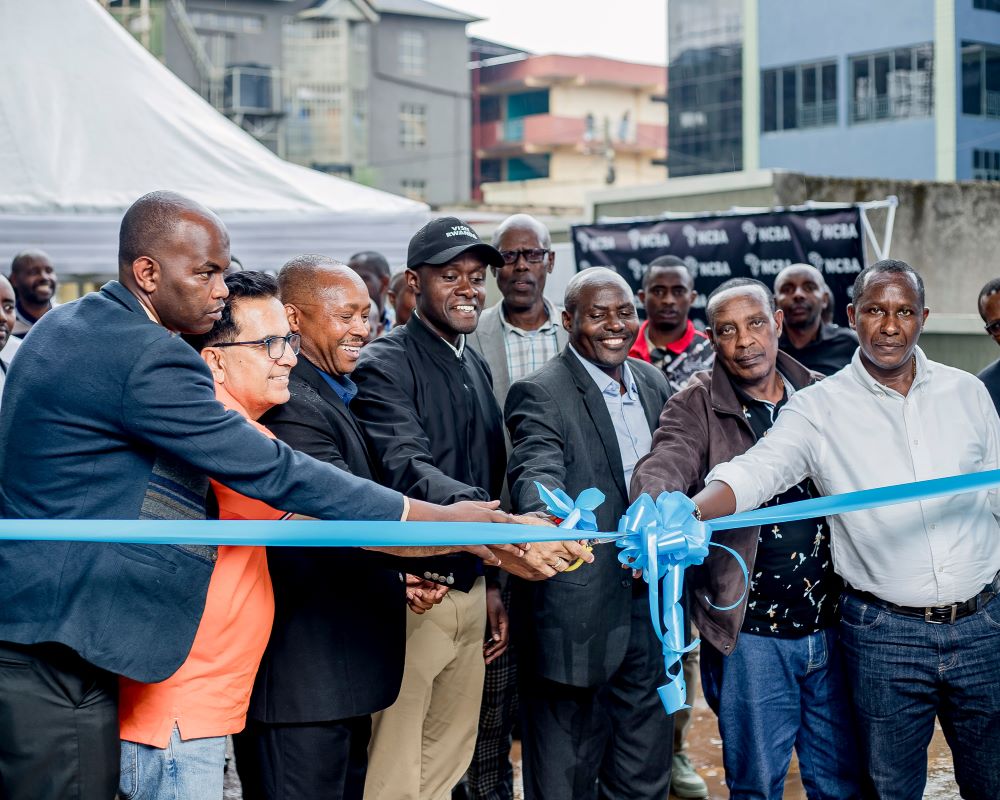
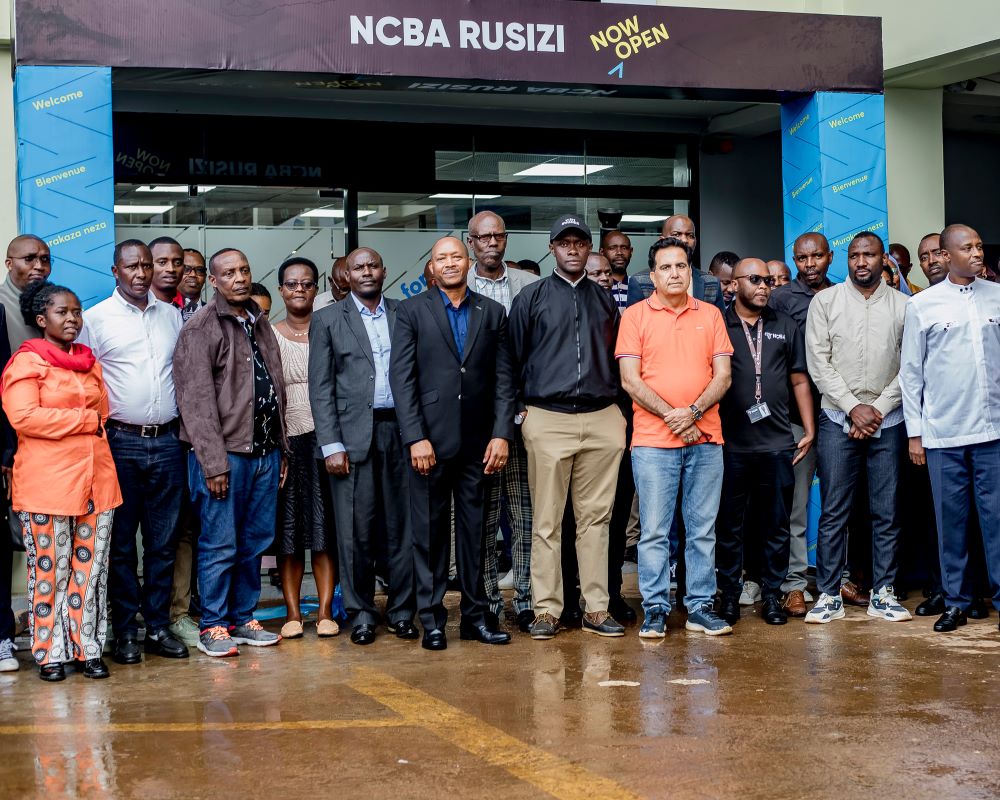
Located near Rusizi’s main commercial area, the new branch is strategically positioned to serve small and medium enterprises, cross-border traders, farmers, hospitality operators, and growing households.
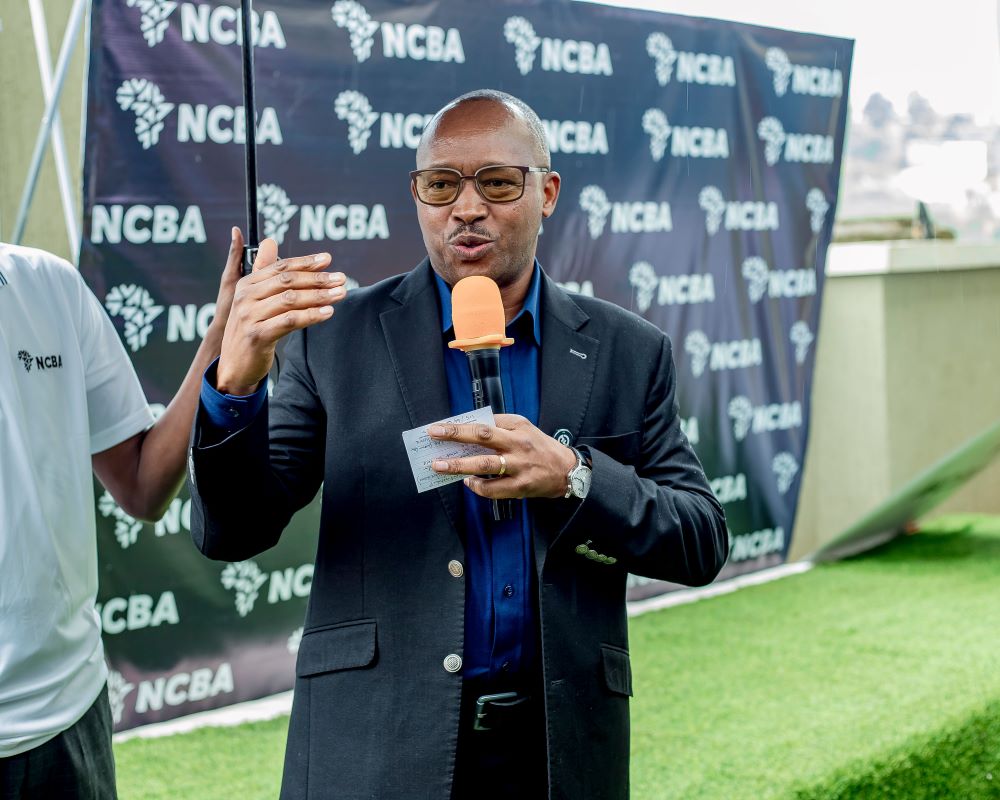
Speaking at the opening ceremony, NCBA Bank Rwanda Managing Director Maurice Toroitich thanked the community for the warm reception and described the move as a long-term partnership rather than a transactional expansion.
“We come here as a capable partner in the transformation of Rusizi — ready to listen, ready to support, and ready to grow alongside the businesses and people who work hard every day to develop themselves, their families, this district, and the country at large,” he said.
Rusizi’s strategic location as a gateway to Bukavu in the eastern Democratic Republic of Congo positions it as a dynamic commercial hub. However, bank officials emphasized that their support will extend beyond trade flows to the sectors shaping the district’s broader economic transformation.
The bank has already made commitments and attracted commercial farmers investing in the district’s fertile agricultural land, hoteliers expanding the hospitality sector along Lake Kivu, and developers responding to growing demand for residential and commercial real estate.
NCBA indicated it will continue focusing on enabling agribusiness growth, property development, and SME expansion across key value chains.
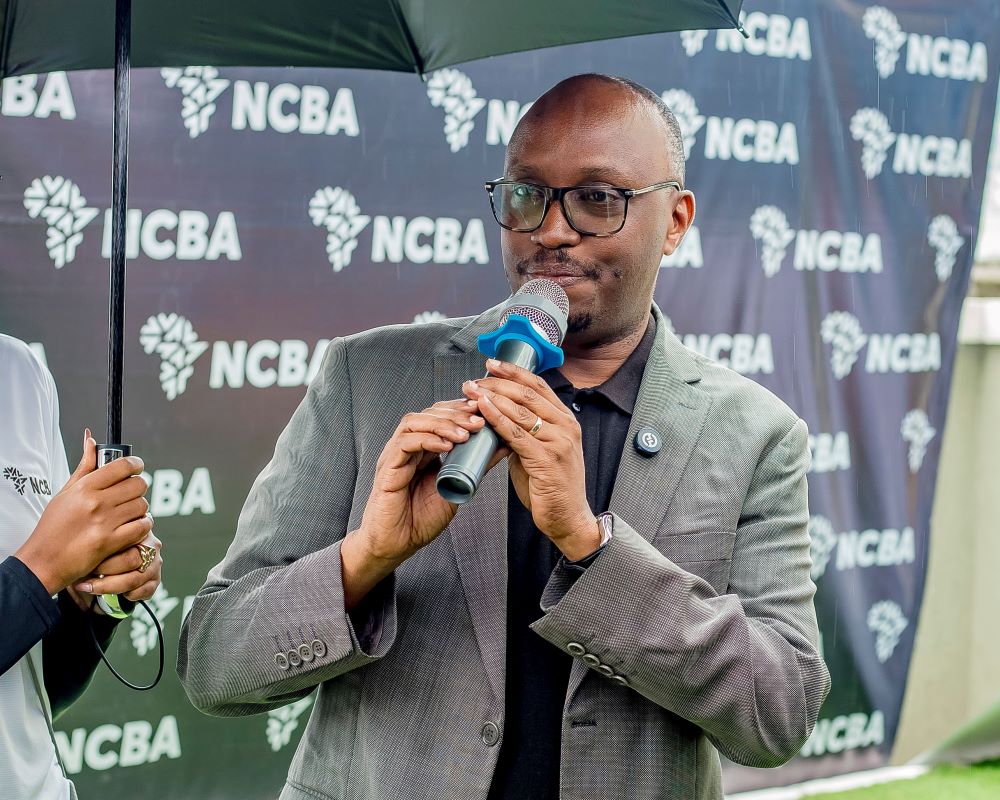
Head of Business at NCBA Bank Rwanda, Samuel Nkubito, said the branch was deliberately located close to the market to remain accessible to everyday entrepreneurs.
“Smal and medium enterprises are the backbone of Rwanda’s economy. From shop owners and boutique operators to agro-processors and service providers, these businesses create livelihoods for the majority. Our presence here is about giving them the financial tools to scale sustainably.”
The opening of the Rusizi branch also strengthens NCBA’s national and regional integration strategy.
As part of a banking group operating in five African countries; Kenya, Uganda, Tanzania, Rwanda, and Côte d’Ivoire, with over 115 branches and more than 60 million customers, NCBA connects clients to a wider East African financial network.
“When a client in Rusizi grows beyond one market, we are able to support that journey,” Toroitich added.
In addition to its physical expansion, NCBA highlighted its digital reach through MoKash, the mobile savings and lending platform operated in partnership with MTN Rwanda.
Through MoKash, the bank serves nearly six million customers nationwide, positioning it as Rwanda’s largest retail digital bank by customer numbers.
The Rusizi branch is expected to deepen that relationship by combining digital convenience with on-the-ground advisory and financing capabilities.
Local business leaders welcomed the bank’s arrival, noting that improved access to structured credit and responsive banking services will support enterprise growth across the district.
With existing branches in Kigali, Musanze, Nyagatare, Kayonza, and Rubavu, the addition of Rusizi signals NCBA’s continued expansion into high-potential and regionally connected markets.
Similar branch expansions have been executed by the bank in the various markets where it operates. The bank reaffirmed that its investment in Rusizi reflects confidence in the district’s future and a commitment to building lasting relationships with the community.
NCBA Bank Rwanda has expanded its footprint in Rwanda’s Western Province with the official opening of its Rusizi branch,. Speaking at the opening ceremony, NCBA Bank Rwanda Managing Director Maurice Toroitich described the move as a long-term partnership rather than a transactional expansion. Head of Business at NCBA Bank Rwanda, Samuel Nkubito speaking at the inauguration.