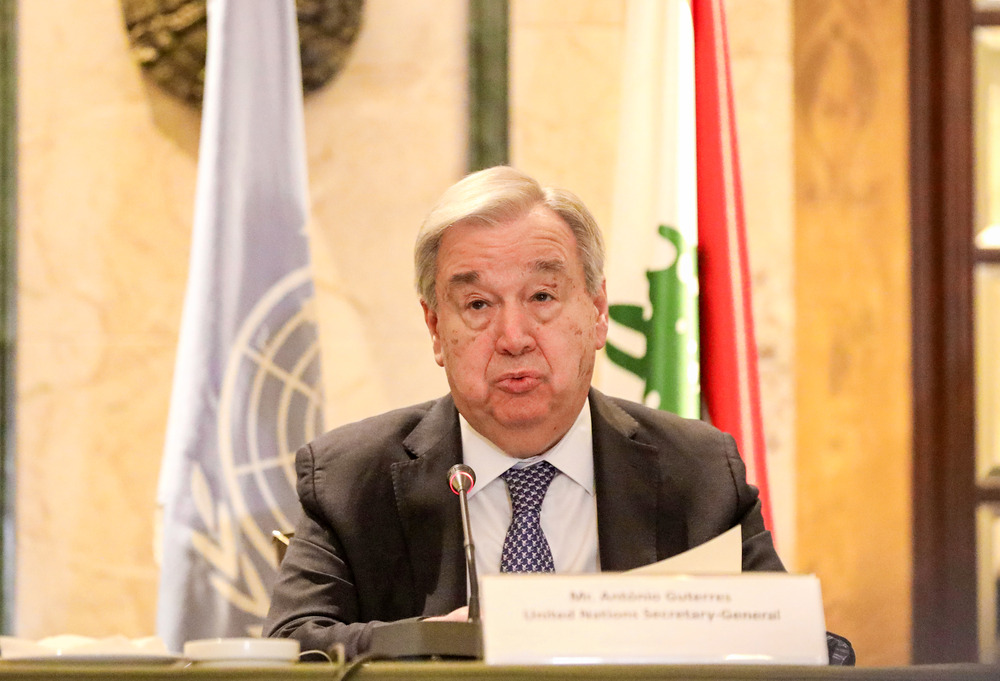
“This is a meeting that is taking place to find solutions, and once again summon the political will to accelerate and finish the global HIV fight,” Guterres said in a statement delivered by UN Deputy Secretary-General Amina Mohammed at the Opening Plenary of the High-level Meeting on HIV/AIDS.
Guterres said that in the 45 years since the first case of AIDS was reported, the world has demonstrated uncommon resolve and solidarity, which “wasn’t easy.”
Thanks to the political commitment and resolve shown by governments and investments by global partners, AIDS-related deaths have been reduced by 70 percent since their peak in 2004, and by 54 percent in 2010, he said.
According to the secretary-general, HIV prevention and treatment services have reduced new infections by 40 percent since 2010, and today more than 32 million people living with HIV are receiving lifesaving antiretroviral therapy.
However, “AIDS is not over,” with 9.2 million people in need still lacking access to HIV treatment at the end of 2024, said Guterres.
He proposed five “essential” acceleration pathways: closing the widening gaps in access to prevention, treatment and care services; continuing to ensure the leadership of communities in the HIV response; protecting human rights; securing financing; and reviving the multilateral spirit that has driven the HIV response from the very start.
“The HIV response has shown that solidarity across borders and sectors can overcome fear, inequality and injustice. And it has proven that global, regional and local institutions are all essential to deliver together,” he said.
Noting that the meeting is a chance to demonstrate that the international community can rally once again around science, human dignity, solidarity and shared responsibility, the UN chief said that “the responsibility to end AIDS as a public threat by 2030 belongs to each and every one of us.”
UN Secretary-General Antonio Guterres on Monday called for political will to accelerate and finish the global HIV fight at a high-level meeting of the UN General Assembly.
At least 1,232 households in Rusizi District, Western Province, are set to receive compensation as Rwanda advances land acquisition for the Ruzizi III Regional Hydropower Project.
The households have been identified following completion of the inventory and valuation of affected land and assets, including houses, crops, trees, and other property. A published list confirms those eligible for compensation under the project’s resettlement process.
The $800 million Ruzizi III project is a 206-megawatt regional hydropower scheme developed as a public-private partnership between Rwanda, Burundi, and the Democratic Republic of the Congo. It also involves private sector partners Industrial Promotion Services, the infrastructure arm of the Aga Khan Fund for Economic Development, and SN Power, owned by TotalEnergies.
It is being implemented by Ruzizi III Energy Limited, a special-purpose vehicle responsible for developing, financing, constructing, and operating the facility. Once completed, electricity generated will be shared equally among the three countries to improve access to affordable renewable energy.
A cut-off date of June 8, 2026 has been set, meaning any land developments or assets added after that date will not be eligible for compensation.
“The recent declaration of the land acquisition cut-off date in Rwanda is an important milestone in the implementation of the Resettlement Action Plan on the Rwandan side,” Mohsin Tahir, Project Director at Ruzizi III Energy Limited, told The New Times.
He added that compensation figures are based on verified assessments. “On the Rwandan side, based on the land and asset inventory undertaken, it is expected that approximately 1,232 affected households will be eligible for compensation. This will be finalised and confirmed following the cut-off process, including landowners, crop owners, tenants, and sharecroppers.”
Project officials said the measure is intended to ensure fairness and transparency in the compensation process while preventing opportunistic developments aimed at increasing payouts after notification of land acquisition.
An estimated $21 million will be spent on compensation in Rwanda. While the figure for Rwanda is confirmed, assessments in the Democratic Republic of the Congo are still ongoing, and Burundi is not expected to have any displaced households.
The project is backed by several international financiers, including the World Bank, African Development Bank, European Union, European Investment Bank, and International Finance Corporation.
Construction is expected to begin in the first quarter of 2027, with Ruzizi III expected to significantly boost regional power supply once operational.
Officials say at least 1,232 households in Rusizi District, Western Province, are set to receive compensation as Rwanda advances land acquisition for the Ruzizi III Regional Hydropower Project.
According to RIB spokesperson Dr. Murangira B. Thierry, the complaint has been officially registered and an investigation has begun. He also confirmed that the complainant underwent medical examinations.
“We have received the complaint and investigations have begun. The complainant also underwent medical examinations at Isange One Stop Center,” the spokesperson revealed.
On June 22, 2026, Shaddy Boo publicly appealed to RIB via social media, later stating that she had been advised to proceed with medical testing as part of the investigation process.
Shaddy Boo alleges that the rape incident occurred during the night of June 21, 2026, at her residence. She claims that the suspect, a former friend, visited her home carrying alcohol, which they consumed together.
She further alleges that after drinking, she became intoxicated and later woke up to find herself undressed, with the man beside her, suggesting that sexual intercourse had taken place without her consent.
She stated that the situation caused her significant distress, emphasising that the encounter was not consensual and that she believed she had been taken advantage of while she was vulnerable.
RIB has stated that investigations into the case are ongoing.
The Rwanda Investigation Bureau (RIB) has confirmed that it has received a complaint filed by socialite Shadia Mbabazi, commonly known as Shaddy Boo, who accuses Iradukunda Aimable, popularly known as Yugi Umukaraza, of sexual assault.Shaddy Boo claims Yugi Umukaraza took advantage of her on the night of June 21, 2026.
The findings are contained in the Rwanda First Biennial Report, which examines greenhouse gas emissions between 2006 and 2022. The report tracks four key greenhouse gases that contribute to global warming and are covered under international climate agreements: carbon dioxide (CO₂), methane (CH₄), nitrous oxide (N₂O), and hydrofluorocarbons (HFCs).
Carbon dioxide emissions largely stem from human activities such as cooking with firewood and charcoal, which drives deforestation, as well as industrial processes and the use of petroleum-based fuels. Methane is primarily produced by livestock farming, decomposing organic waste, and oil extraction activities. Nitrous oxide emissions result mainly from agricultural fertiliser use, while hydrofluorocarbons are released from cooling equipment such as refrigerators and air conditioners.
To standardise measurement, all greenhouse gases are converted into carbon dioxide equivalent (CO₂e), allowing for consistent comparison despite differences in their atmospheric impact.
According to the report, emissions stood at 2.395 million tons in 2006 before rising to 4.017 million tons in 2010. Between 2011 and 2014, emissions stabilised at slightly above 3 million tons annually, reflecting a temporary decline.
However, emissions rose sharply in 2015, reaching 5.031 million tons. After a slight decline in 2016 and 2017, when levels remained just above 4 million tons, emissions increased again, reaching 5.314 million tons in 2018 and 6.731 million tons in 2019. In 2020, emissions slightly decreased to 6.434 million tons.
The upward trend resumed in subsequent years, with emissions reaching 7.095 million tons in 2021 and 7.832 million tons in 2022.
The report attributes the increase in emissions to several factors, including the growing use of ozone-friendly refrigerants and cooling gases, which, despite replacing ozone-depleting substances, still contribute to greenhouse gas emissions. These emissions from cooling technologies are estimated to be increasing by around 12% annually.
Another major driver is the country’s reliance on biomass for cooking energy, with approximately 83% of households using firewood and charcoal, both of which significantly contribute to carbon emissions. Petroleum products used in transport and machinery account for 9.7% of emissions, while electricity generation contributes 1.3%.
Despite the upward trend, the report highlights ongoing mitigation efforts. These include government initiatives to promote electric mobility and reduce reliance on fossil fuels.
Rwanda has also set a national target to reduce the use of firewood and charcoal to 42% by 2030. These measures are part of a broader climate strategy aimed at reducing carbon dioxide emissions by 38%, equivalent to approximately 4.6 million tons, by the year 2030.
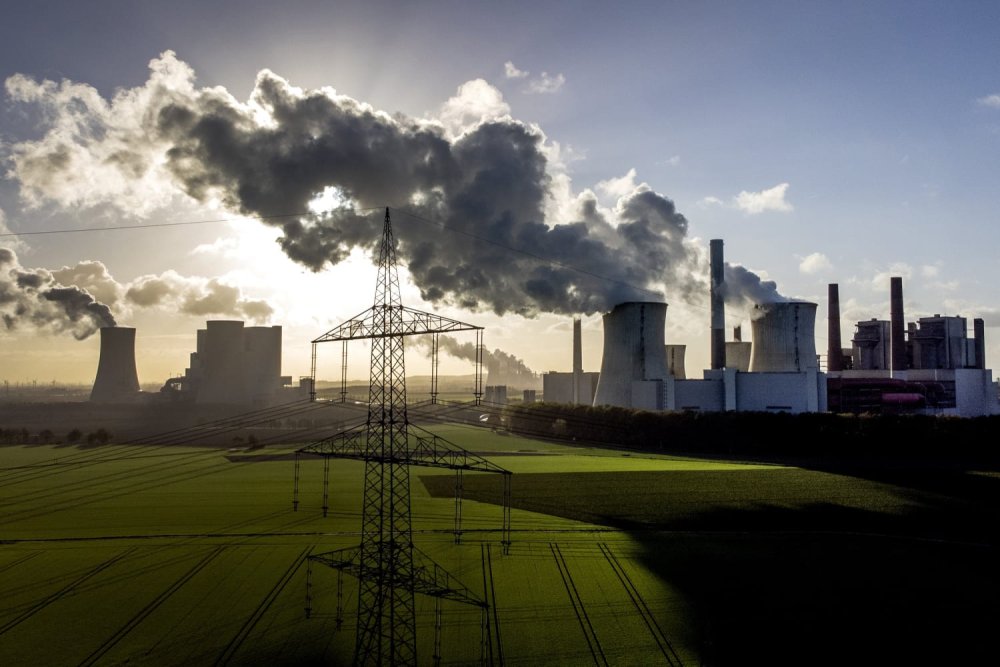
Rwanda’s greenhouse gas emissions have risen sharply over the past 16 years, increasing from 2.395 million tons in 2006 to 7.832 million tons in 2022, according to a new report by the Rwanda Environment Management Authority (REMA).
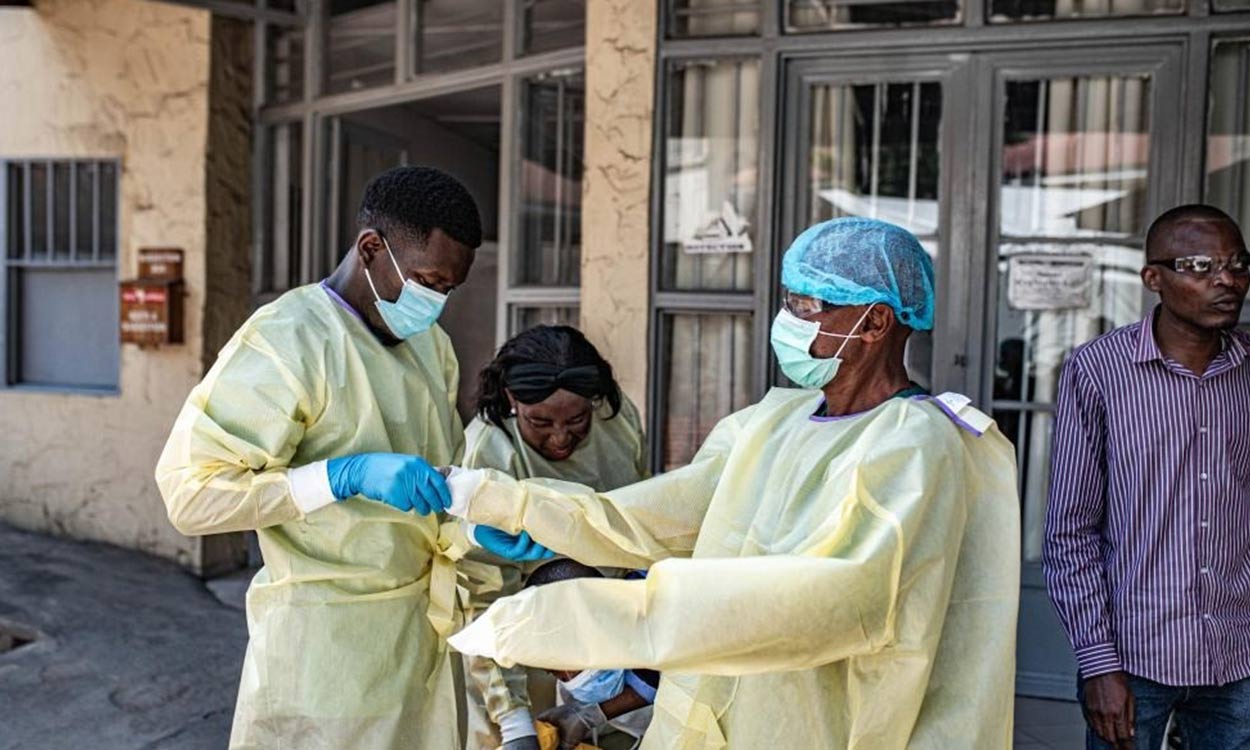
According to the report, covering data as of Sunday, 371 patients were in isolation or hospitalized, while 112 people had recovered. A total of 202 suspected cases, including 60 deaths, were identified as of Sunday. The overall case fatality rate stood at 25.5 percent.
The report said the number of confirmed cases has continued to rise week by week, indicating ongoing community transmission. It warned that a rapid geographic spread remains possible if public health measures are not implemented promptly.
The current outbreak, caused by the Bundibugyo ebolavirus, was officially declared on May 15 by the DRC’s health ministry.
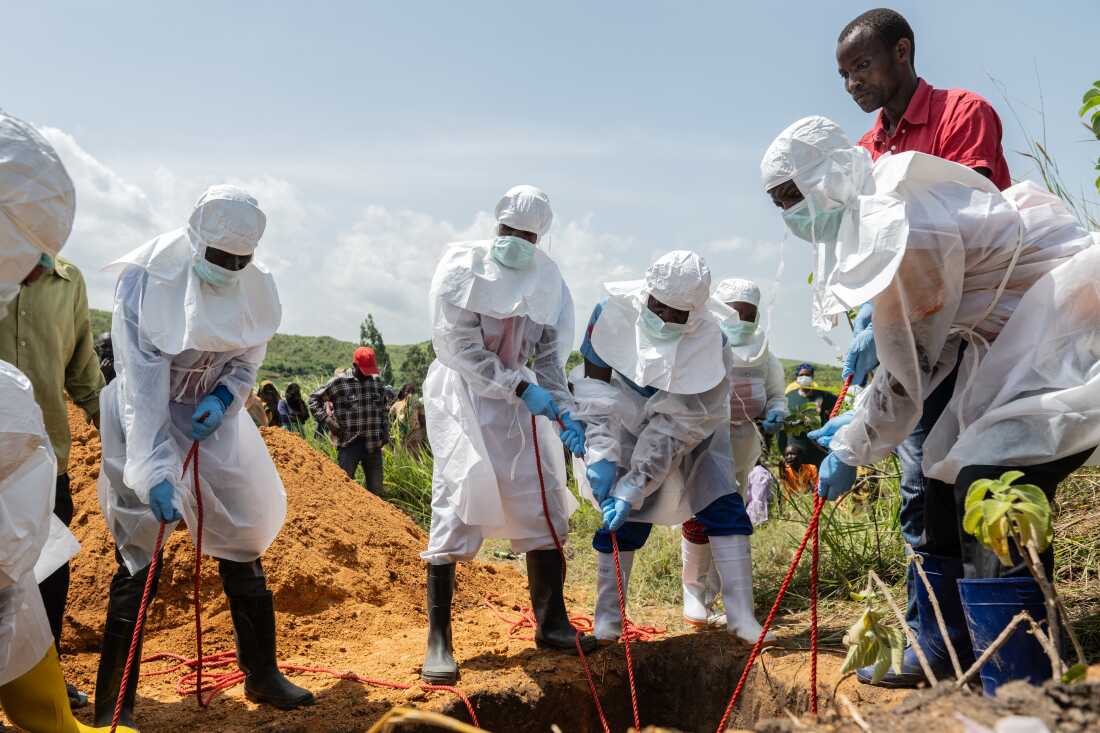
Red Cross workers bury an Ebola victim at the Rwampara Cemetery, in Rwampara, Congo, Saturday, May 23, 2026.
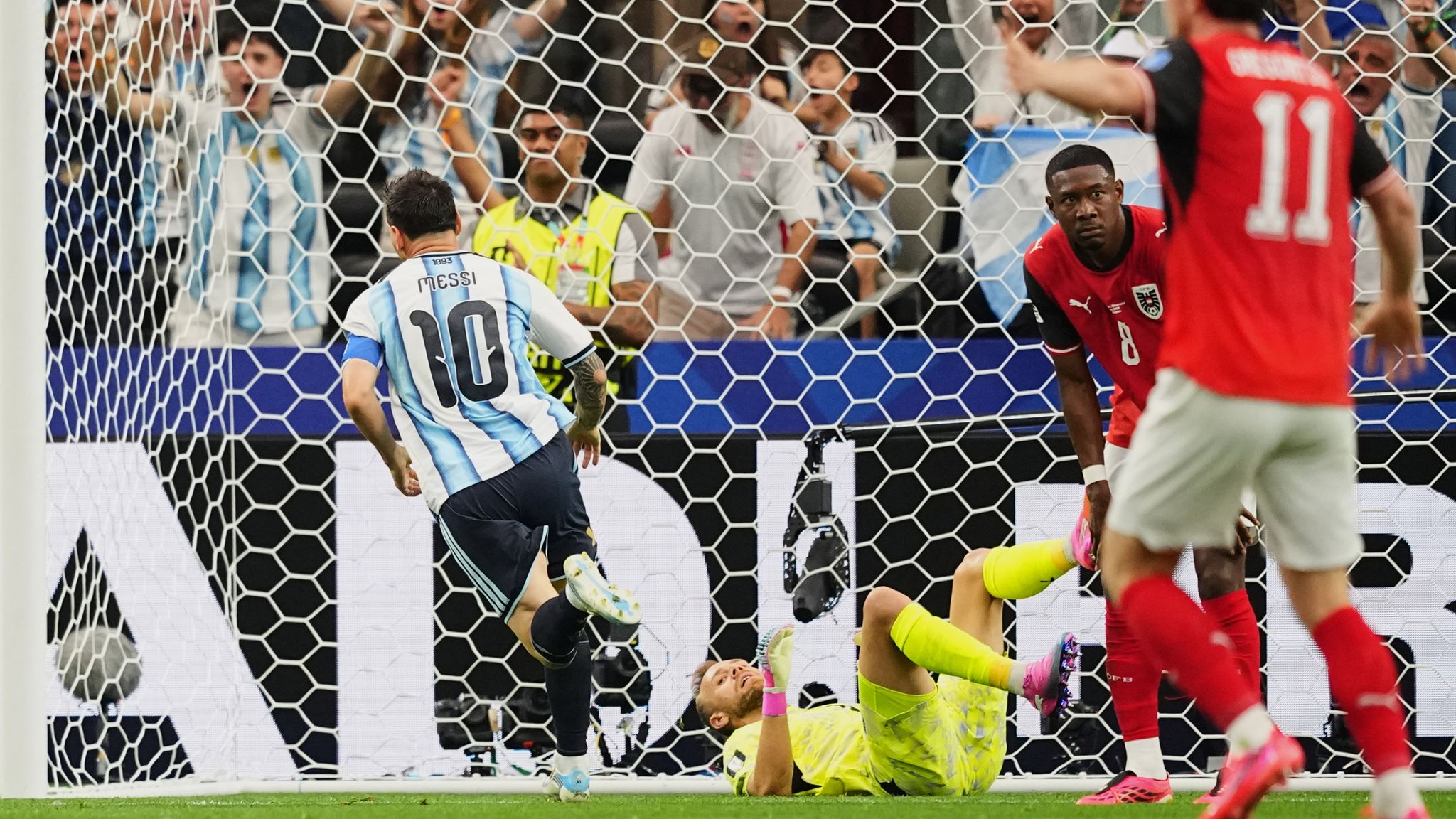
The Argentine captain scored twice in the Group J clash in Dallas to move onto 18 World Cup goals, surpassing former Germany striker Miroslav Klose’s long-standing record of 16. The brace also took Messi’s tally at the tournament to five goals in just two matches, following his hat-trick in Argentina’s opening 3-0 win over Algeria.
The historic evening did not begin smoothly for the 38-year-old. Messi had an early opportunity to break the record after Argentina were awarded a penalty in the eighth minute following a foul on Lautaro Martinez. However, the Inter Miami forward fired his effort wide, leaving the record temporarily out of reach.
Messi responded in trademark fashion. In the 38th minute, Thiago Almada cleverly allowed Facundo Medina’s pull-back to run through his legs, giving Messi the chance to sweep a first-time finish into the net from inside the penalty area. The goal sparked celebrations and confirmed his place alone at the top of the World Cup scoring charts.
Austria, managed by Ralf Rangnick, threatened to equalise in the second half, but goalkeeper Emiliano Martinez produced a fine save to deny Marcel Sabitzer’s powerful free-kick on his 100th international appearance.
Messi then put the result beyond doubt in stoppage time. After Julian Alvarez’s effort was blocked by goalkeeper Alexander Schlager, the Argentine star reacted quickest to fire home from a tight angle and seal victory.
The goals marked another milestone in an extraordinary career. Twelve of Messi’s 18 World Cup goals have come after turning 35, while he also became only the third player to score in six consecutive World Cup matches.
The victory lifts Argentina to six points and guarantees their progress to the knockout stage. They conclude their group campaign against Jordan on June 28, with Messi now aiming to extend a record that may stand for years to come.
World Cup top goalscorers
18 Lionel Messi (Argentina, 2006-2026)
16 Miroslav Klose (Germany, 2002-2014)
15 Ronaldo (Brazil, 1994-2006)
15 Kylian Mbappe (France, 2018-2026)
14 Gerd Muller (West Germany, 1970-1974)
13 Just Fontaine (France, 1958)
12 Pele (Brazil, 1958-1970)
11 Sandor Kocsis (Hungary, 1954)
11 Jurgen Klinsmann (West Germany and Germany, 1990-1998)
10 Helmut Rahn (West Germany, 1954-1958)
10 Gary Lineker (England, 1986-1990)
10 Gabriel Batistuta (Argentina, 1994-2002)
10 Harry Kane (England, 2018-2026)
10 Teofilo Cubillas (Peru, 1970-1982)
10 Thomas Muller (Germany, 2010-2022)
10 Grzegorz Lato (Poland, 1974-1982)
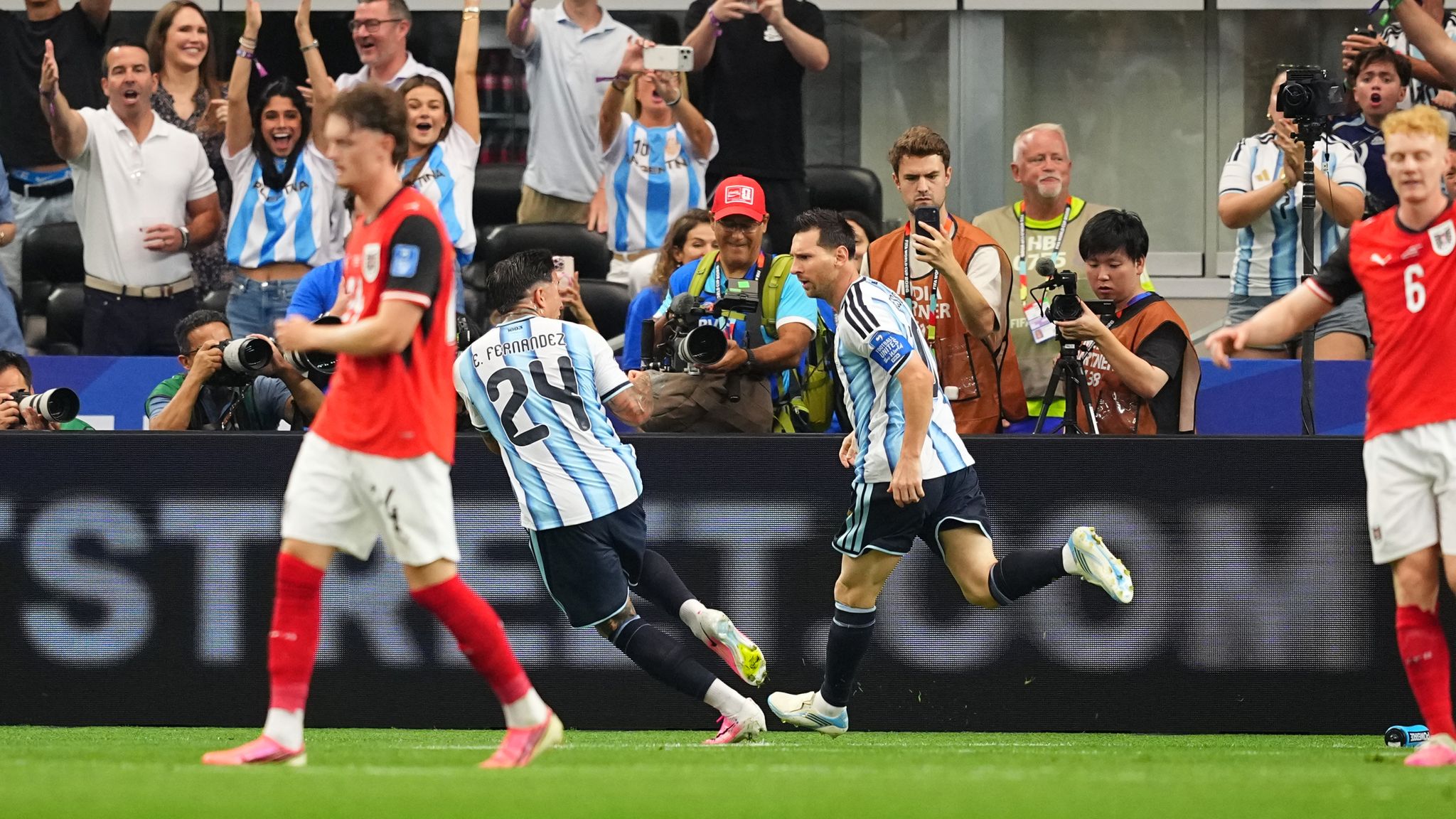
The Argentine captain scored twice in the Group J clash in Dallas to move onto 18 World Cup goals, surpassing former Germany striker Miroslav Klose’s long-standing record of 16. Messi celebrates after scoring his first goal against Austria.
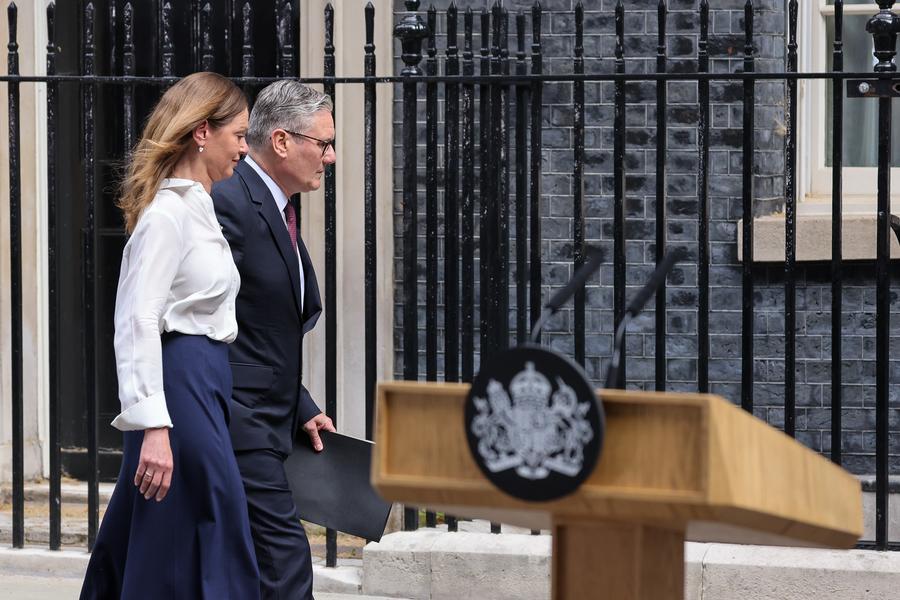
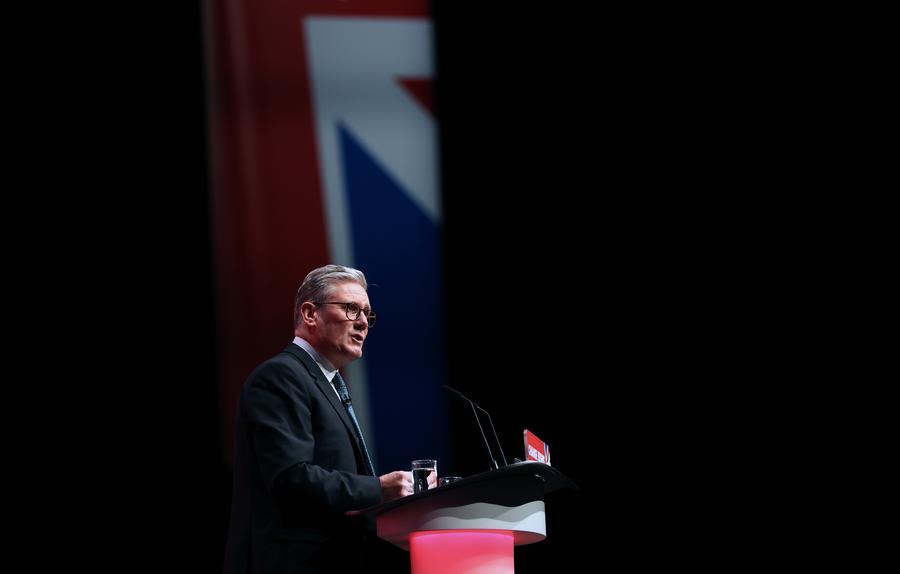
British Prime Minister Keir Starmer announced on Monday that he would resign as leader of the governing Labour Party and leave office once a successor is chosen.
Less than two years ago, Starmer led Labour to a landslide election victory that ended 14 years of Conservative rule. His early departure under mounting pressure from within Labour exposed the party’s governing difficulties and adds uncertainties to a prolonged political instability in Britain.
Analysts said the emphatic victory of Andy Burnham, then the mayor of Greater Manchester, in the recent Makerfield parliamentary by-election triggered Starmer’s resignation, but Britain’s deeper economic and political problems will confront whoever succeeds him.
From winner to loser
Starmer entered Downing Street in July 2024 promising “change,” faster economic growth, better public services and tighter control of illegal immigration. Yet his government soon became caught between efforts to limit public spending and demands from Labour lawmakers, trade unions and traditional supporters for greater social investment.
Moves to restrict winter fuel payments for pensioners and reform disability benefits provoked strong opposition. Subsequent concessions and policy reversals brought further criticism that the government lacked a clear direction.
The controversy surrounding former British Ambassador to the United States Peter Mandelson’s links with the late U.S. financier Jeffrey Epstein also raised questions about Starmer’s political judgment. The departure of senior Downing Street aides further weakened confidence in his administration.
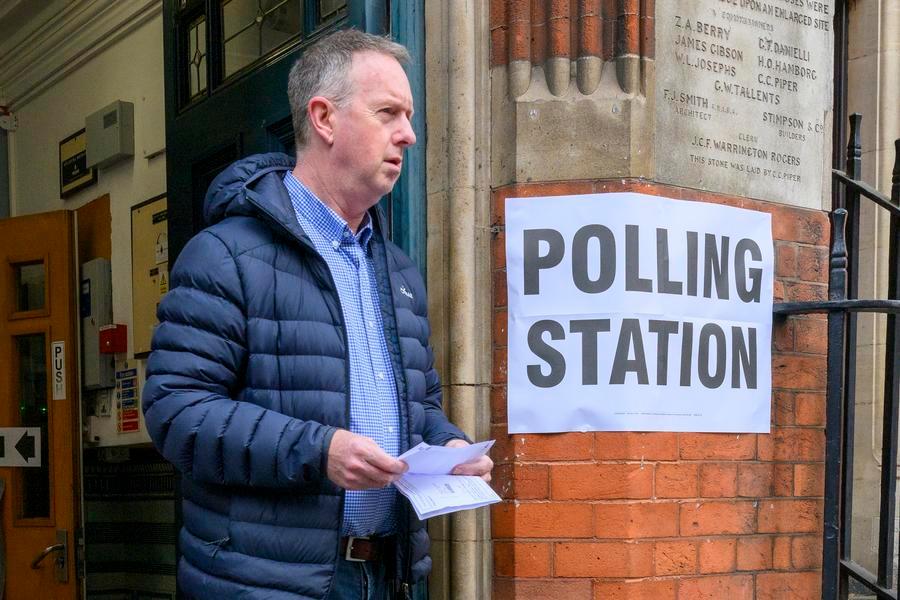
A man leaves a polling station after voting for local elections in London, Britain, May 7, 2026.
What dealt another critical blow to Starmer were Labour’s heavy losses in May’s local and regional elections as Reform UK challenged it from the right, particularly on immigration, while the Green Party attracted some disillusioned voters on the left.
Stuart Wilks-Heeg, a political expert at the University of Liverpool, told Xinhua that Starmer could no longer remain in office once large numbers of Labour lawmakers and senior cabinet members concluded that he had to go.
“If you don’t have the command of your parliamentary party, you really are in trouble as a prime minister,” he said.
Wilks-Heeg said Starmer had succeeded in transforming Labour from a party widely considered unelectable after its 2019 defeat into the 2024 general election winner. However, he was unable to transfer that success into governance, with repeated policy reversals and “unforced errors” steadily eroding his authority.
Burnham emerges as front-runner
Burnham is widely regarded as the front-runner to succeed Starmer. He previously served as culture secretary and health secretary under former Prime Minister Gordon Brown and twice ran for the Labour leadership.
Burnham has returned to the House of Commons after winning the Makerfield by-election on Friday. On Monday, he voiced willingness to be “part of this process,” referring to the selection of Starmer’s successor.
This file photo taken on September 24, 2024, shows Keir Starmer in Liverpool, Britain. British Prime Minister Keir Starmer announced in a speech outside No. 10 Downing Street on Monday that he would resign as leader of the governing Labour Party and set out a timetable for his departure from the government.
Former Health Secretary Wes Streeting, previously regarded as a potential contender, expressed support for Burnham and called on other Labour figures to back him.
Burnham’s victory in Makerfield, where he defeated the Reform UK candidate Nigel Farage by a wide margin, strengthened his claim that he could halt the adversary’s advance. “It was almost like a jolt of electricity back into the Labour Party,” said David Bailey, an economics professor at the University of Birmingham.
Ian Scott, a professor at the University of Manchester, said Burnham combines long political experience, strong regional popularity and a direct style that resonates with voters. However, moving from Greater Manchester to Downing Street would be a major test. “He’s got an awful lot to prove,” Scott said.
Burnham’s policy agenda may distinguish him from Starmer, but it also raises questions about how additional investment and public service reform would be financed.
“The new prime minister faces a lot of the same constraints that the previous one faced,” Steve Nolan, a senior lecturer in economics at Liverpool John Moores University, said, adding, “There is wiggle room to play with, but not much.”
Britain’s Office for Budget Responsibility forecast in March that the country’s economy would grow by just 1.1 percent in 2026. Official statistics also showed that output per worker fell by 0.1 percent year on year in the first quarter.
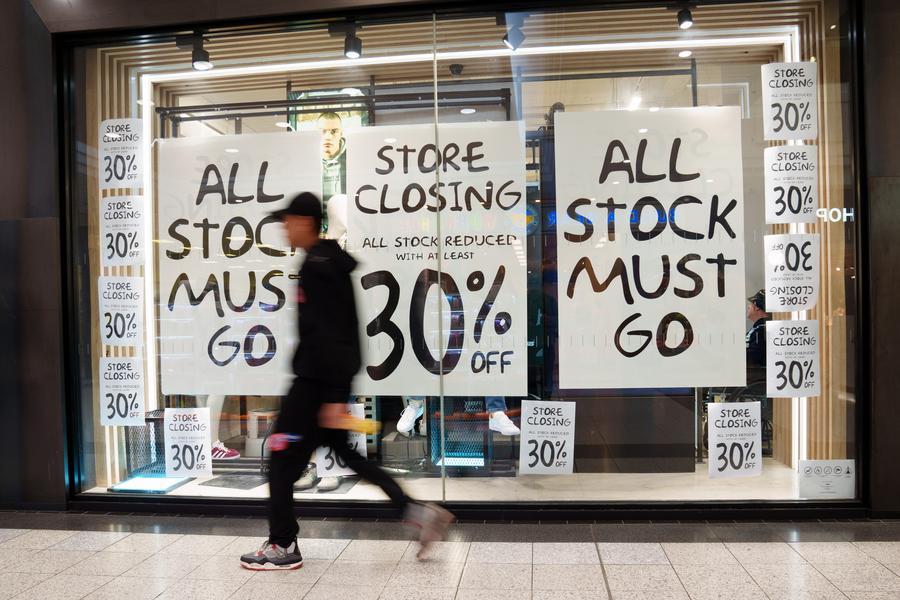
A man walks past a shop in Manchester, Britain, May 11, 2023.
Nolan also noted bond markets would pay particular attention to whether the next government remained committed to Britain’s fiscal rules. High public debt and elevated borrowing costs would make any attempt to loosen those rules a “serious constraint” for a new leadership.
Set for seventh PM in decade
Starmer’s stepping down means his successor will become the seventh prime minister to enter Downing Street in roughly a decade since the 2016 Brexit referendum, highlighting the instability at the top of British politics.
Nolan said such frequent changes “do not signal a stable political economy.” He argued that replacing the prime minister does not alter Britain’s underlying conditions, as any new leader will face the same constraints of weak growth and public services.
Yang Fang, a researcher at the China Institutes of Contemporary International Relations, said tensions between Britain’s political system and party culture and the needs of its modern economy and society have weakened governance and fueled public dissatisfaction.
“Both Labour and the Conservatives have responded to crises by changing leaders to preserve power, but this approach cannot resolve deeper structural problems and instead risks creating ‘a low-efficiency cycle of repetition,’” she said.
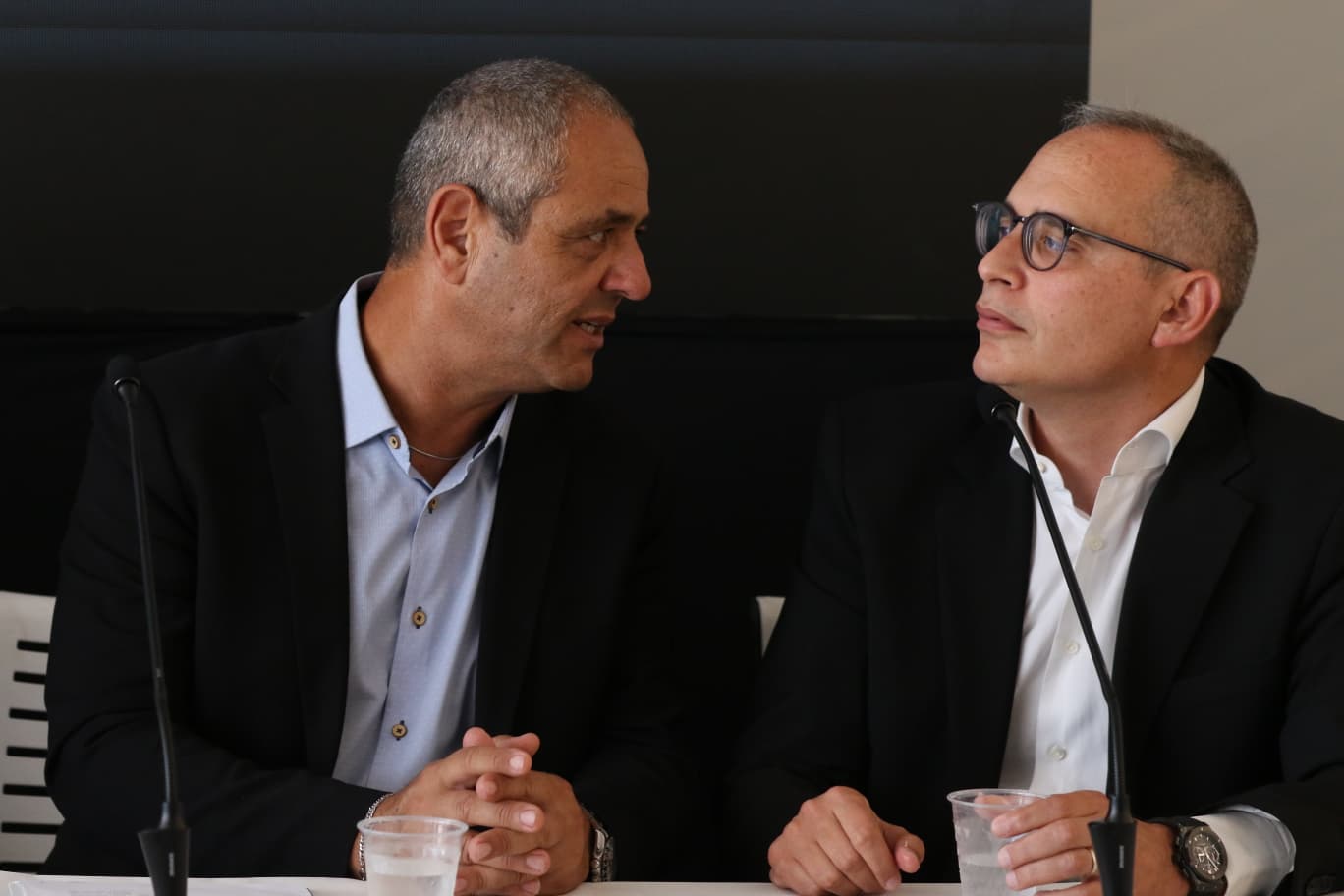
The agreement was formalised on Sunday in Israel, bringing together Hapoel Hadera, Benfica Lisbon and the Tony Rwanda project in a partnership focused on youth development, professional training and creating opportunities for young players.
The signing in Israel also comes at a time when Tony Rwanda and Benfica have been discussing a wider project with the Government of Rwanda.
Sources involved in the talks said Tony Rwanda and Benfica have been in discussions with Rwandan authorities since early last year, following a visit to Portugal by Minister of Sports Nelly Mukazayire, over a broader partnership that would establish a large campus in Rwanda to serve as a regional hub for football talent development.
Some people close to the process say that, as the discussions with Hapoel Hadera have now materialised, Benfica and Tony Rwanda are also holding talks with other African countries over the possibility of establishing the proposed regional hub.
For Rwanda, the Hapoel Hadera and Benfica deal is important because it gives young talents connected to Tony Rwanda a possible pathway into a more competitive football environment outside the country.
In the first phase, a player from Rwanda is expected to join Hapoel Hadera’s youth setup, with the hope that more players could follow if the project succeeds.
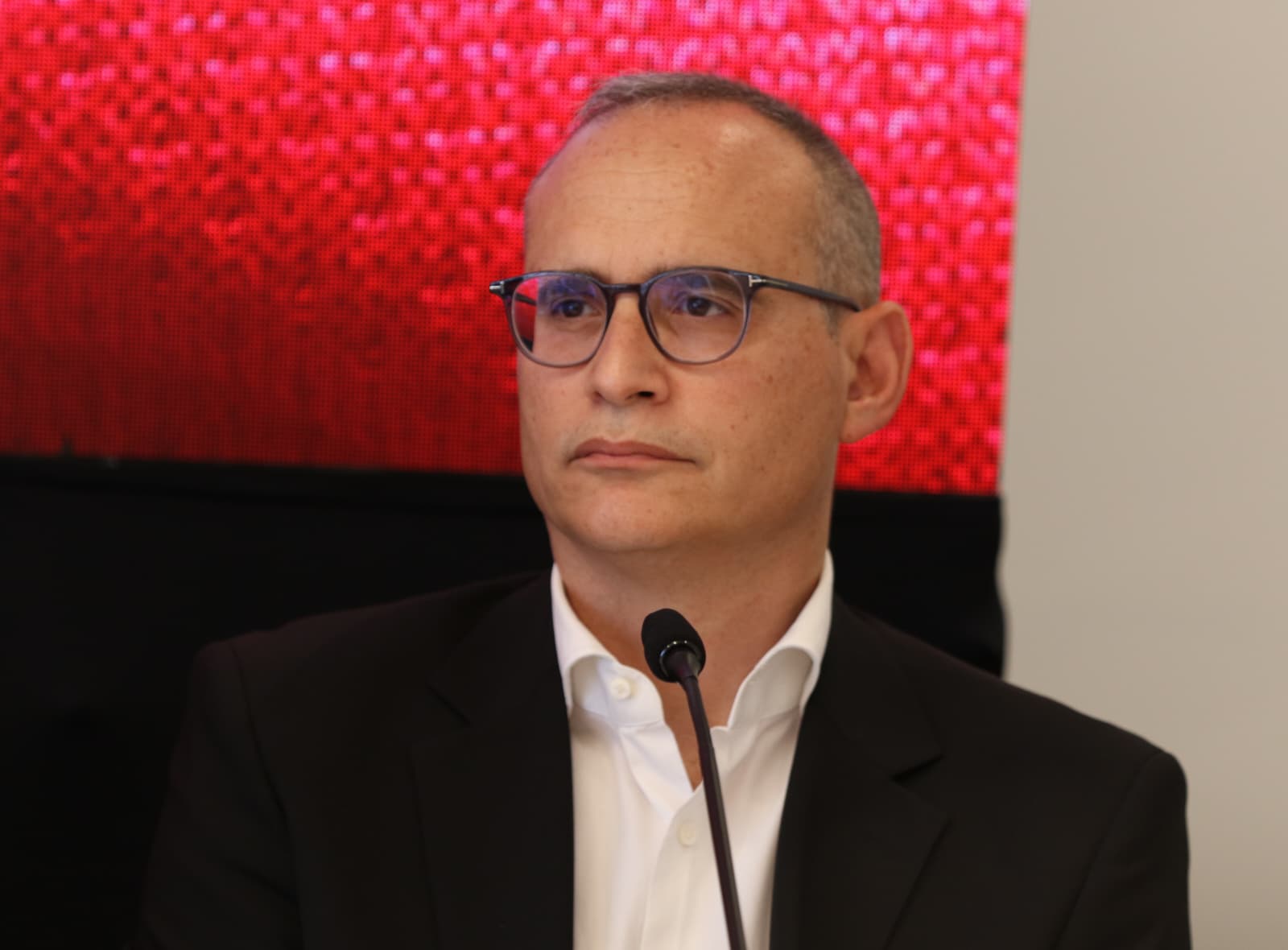
The partnership comes as Hapoel Hadera enters a new phase under the leadership of Itay Ben-Zeev, the CEO of the Israel Stock Exchange, who recently bought the club. Asi Rahamim will serve as the owner’s representative, while continuing his role as sporting director of Tony Rwanda. He will also help strengthen Hapoel Hadera’s professional and operational structure.
Ben-Zeev said the idea was to connect different pieces of the same vision.
“For the past three years, Benfica Lisbon has been working together with Tony Rwanda,” he said during the launch. “When I spoke with Assi Rahamim and Hapoel Hadera, I said: ‘Why don’t we connect everything?’”
He said the project should not only benefit young players in Rwanda, but also create opportunities for children in Israel.
“Now this project will not only affect youth in Rwanda, but also in Israel, in Hadera,” he said.
The agreement was formalised on Sunday in Israel, bringing together Hapoel Hadera, Benfica Lisbon and the Tony Rwanda project in a partnership focused on youth development, professional training and creating opportunities for young players.The signing in Israel also comes at a time when Tony Rwanda and Benfica have been discussing a wider project with the Government of Rwanda.In the first phase, a player from Rwanda is expected to join Hapoel Hadera’s youth setup, with the hope that more players could follow if the project succeeds.
For Rwanda, the Hapoel Hadera and Benfica deal is important because it gives young talents connected to Tony Rwanda a possible pathway into a more competitive football environment outside the country.
The collaboration marks a major shift in digital retail, transforming conversational AI into a native commerce engine that touches consumer experiences, digital advertising, scientific research, and internal production.
The rollout integrates Maybelline’s Makeup Virtual Try-On, powered by L’Oréal’s ModiFace augmented reality (AR) technology, directly into standard ChatGPT threads.
Instead of switching to an external app, users will be able to upload a photo or use their camera directly within the chat window to view makeup shades mapped onto their own face while chatting about a desired aesthetic or skin tone.
L’Oréal’s beauty-tech services already see over 120 million global uses annually, but this integration scales exponentially across ChatGPT’s massive ecosystem, which OpenAI reports has reached 900 million weekly active users.
L’Oréal is also pioneering “AI-native advertising.” Its top brands, including Lancôme and Kérastase, are optimizing how they surface during organic product searches in the U.S. Simultaneously, brands like Garnier, CeraVe, and SkinCeuticals are participating in OpenAI’s exclusive ChatGPT global advertising pilot.
This strategy drops highly relevant brand interventions into conversational feeds precisely when users ask for beauty advice, capturing consumers at the peak moment of intent.
Beyond the consumer-facing tech, the partnership reaches into the scientific lab. L’Oréal is deploying GPT-Rosalind, OpenAI’s specialized life sciences model, to map the skin microbiome for its La Roche-Posay brand.
By leveraging AI to decode bacterial and cellular behaviors, L’Oréal intends to drastically accelerate the development of advanced skincare formulas.
Internally, OpenAI’s newest models are feeding into CreAItech, L’Oréal’s secure platform for creative teams. The system generates high-fidelity marketing visuals while protecting unique brand identities.
This builds on a heavy internal tech push: L’Oréal has already upskilled 73,000 employees in generative AI and rolled out internal tools like L’OréalGPT to streamline operations.
Asmita Dubey, L’Oréal’s Chief Digital and Marketing Officer, emphasized that AI now enhances every stage of the company’s value chain, supporting both consumers and employees.
By weaving its beauty ecosystem directly into the world’s most popular AI assistant, L’Oréal is demonstrating exactly how legacy brands can claim the future of AI-native retail.
The rollout integrates Maybelline’s Makeup Virtual Try-On, powered by L’Oréal’s ModiFace augmented reality (AR) technology, directly into standard ChatGPT threads.
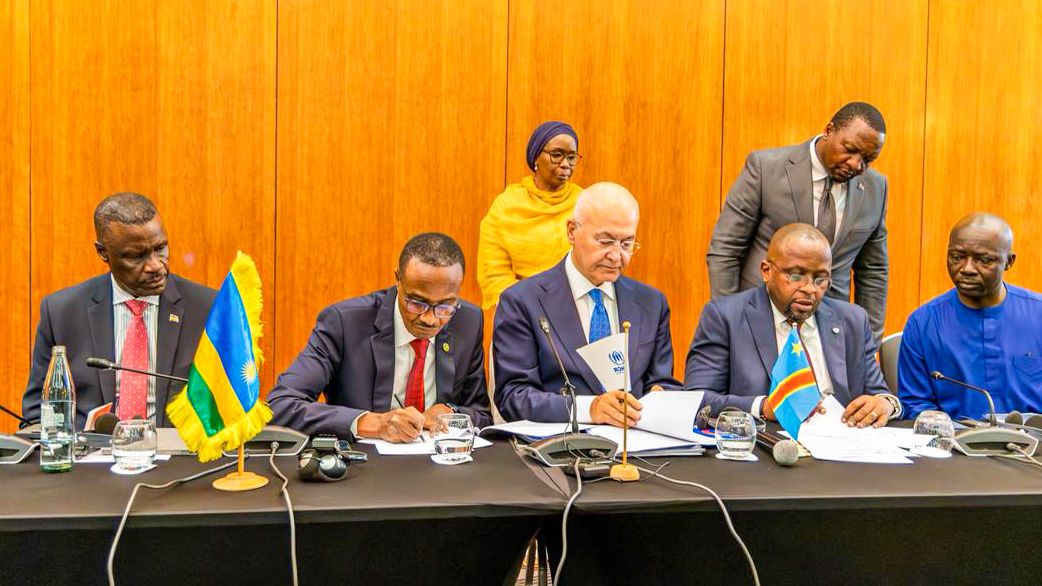
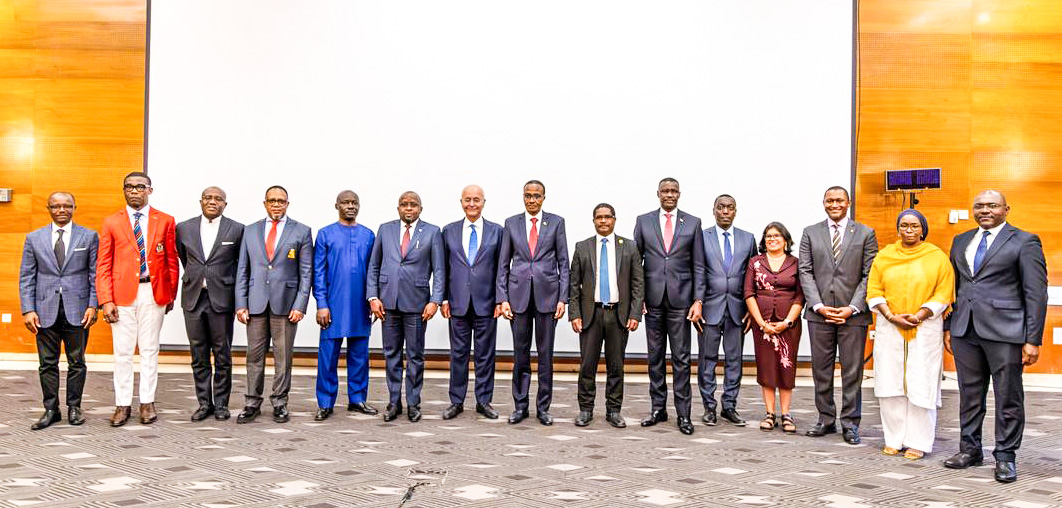
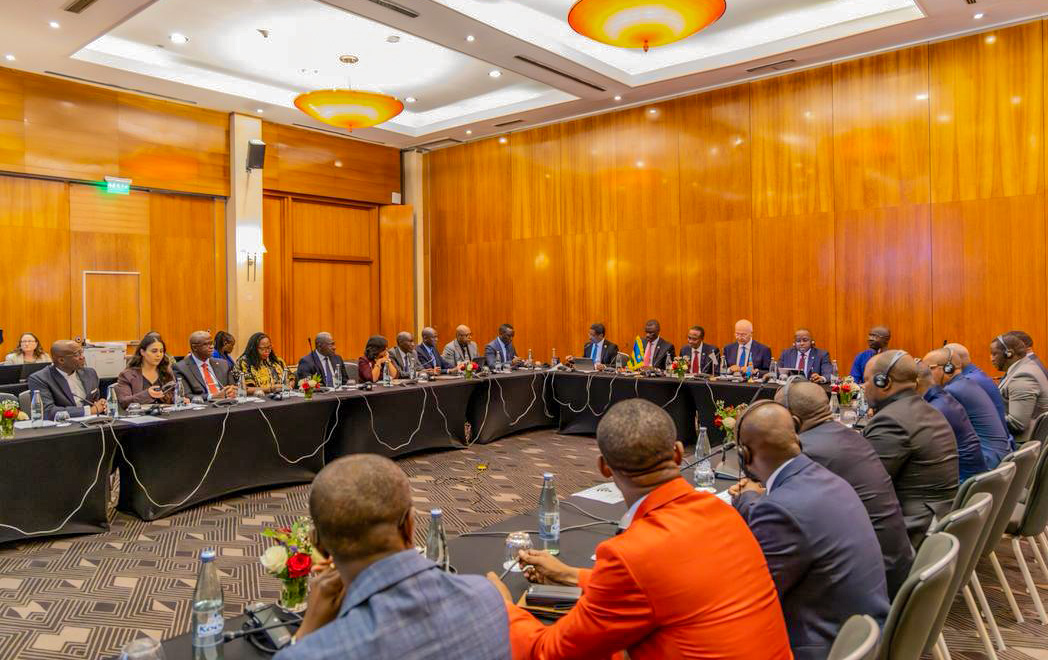
The commitment was announced following a Tripartite High-Level Ministerial Meeting held in Addis Ababa on Monday, June 22. There, the three parties reviewed progress under existing repatriation frameworks and adopted the 2026–2027 Tripartite Technical Working Group Road Map on Voluntary Repatriation and Reintegration.
The meeting was convened under the framework of the Tripartite Agreements signed in 2010 and comes amid efforts to improve relations between Kigali and Kinshasa following the signing of the Accords for Peace and Prosperity in Washington in December 2025.
In a joint communiqué issued after the meeting, the parties reaffirmed their commitment to durable displacement solutions, stating that the “voluntary, safe, dignified, and informed return” remains “a cornerstone of durable solutions and a contribution to peacebuilding and regional stability.”
According to UN data presented during the meeting, the DRC database holds records for 196,289 Rwandan nationals and asylum seekers, including 75,421 who have been biometrically registered, while Rwanda hosts 84,456 Congolese refugees and asylum seekers.
The parties noted steady progress in facilitating the return of Rwandan returnees from eastern DRC. Since January 2025, a total of 8,394 Rwandans have voluntarily returned home, including 2,347 repatriated during the first half of 2026. Encouraged by this momentum, the parties endorsed an operational planning target of 10,000 voluntary repatriations for 2026 and agreed on measures aimed at accelerating implementation.
Among the decisions taken was the organization of formal quarterly cross-border meetings to strengthen coordination among the governments and UNHCR, with the first meeting scheduled for September 2026.
The parties also agreed to utilize the Kamanyola border crossing in South Kivu and the Bugarama border post in Rwanda to facilitate the return of more than 3,600 Rwandan citizens currently dispersed across the southern part of South Kivu Province who have expressed a willingness to return home. To support the process, the DRC committed to establishing a viable transit route to the border crossing point for candidates located in outlying areas of southern South Kivu.
The communiqué further noted the situation of more than 400 Rwandan nationals who have been waiting for over a month in transit centres in North and South Kivu pending repatriation. Rwanda pledged to continue receiving these returnees while strictly observing the prevailing regional health situation and public health guidelines related to Ebola virus disease management.
The meeting also addressed the future return of Congolese refugees living in Rwanda. While no voluntary repatriation of Congolese refugees has yet taken place, the parties agreed that beginning in October 2026, the DRC will identify priority areas of return based on refugee intention surveys and location data provided by the Rwandan authorities.
The ministers welcomed recent political and technical developments between the two countries and acknowledged the support of the African Union, the United Nations, and the Office of the Special Envoy of the UN Secretary-General for the Great Lakes Region in advancing peace, security, and durable solutions for displaced populations.
The next Tripartite High-Level Ministerial Meeting is scheduled for June 2027, with the date and venue to be communicated through diplomatic channels.
The commitment to continue repatriation processes was announced following a Tripartite High-Level Ministerial Meeting held in Addis Ababa on Monday, June 22.
The meeting was convened under the framework of the Tripartite Agreements signed in 2010 and comes amid efforts to improve relations between Kigali and Kinshasa following the signing of the Accords for Peace and Prosperity in Washington in December 2025.