Researchers from the University of California, Santa Barbara, the Smithsonian’s National Zoo and Conservation Biology Institute, and Yale University analysed GPS tracking data from 4,581 mammals and birds across the United States.
The study, published in the journal Science, combined animal tracking information with anonymised cellphone location data to examine how wildlife responds to people themselves, rather than only to the landscapes humans have changed.
Researchers compared animal movements during matching periods in 2019 and 2020, a period that provided a rare opportunity to study changes in human activity during COVID-19 lockdowns.
The analysis found that 57 percent of the species studied were affected by both human presence and changes to the landscape.
Human presence was linked to changes in the amount of territory animals used or the size of their environmental niche for 67 percent of mammal species and 68 percent of bird species.
The researchers also found that wildlife responses varied greatly between species.
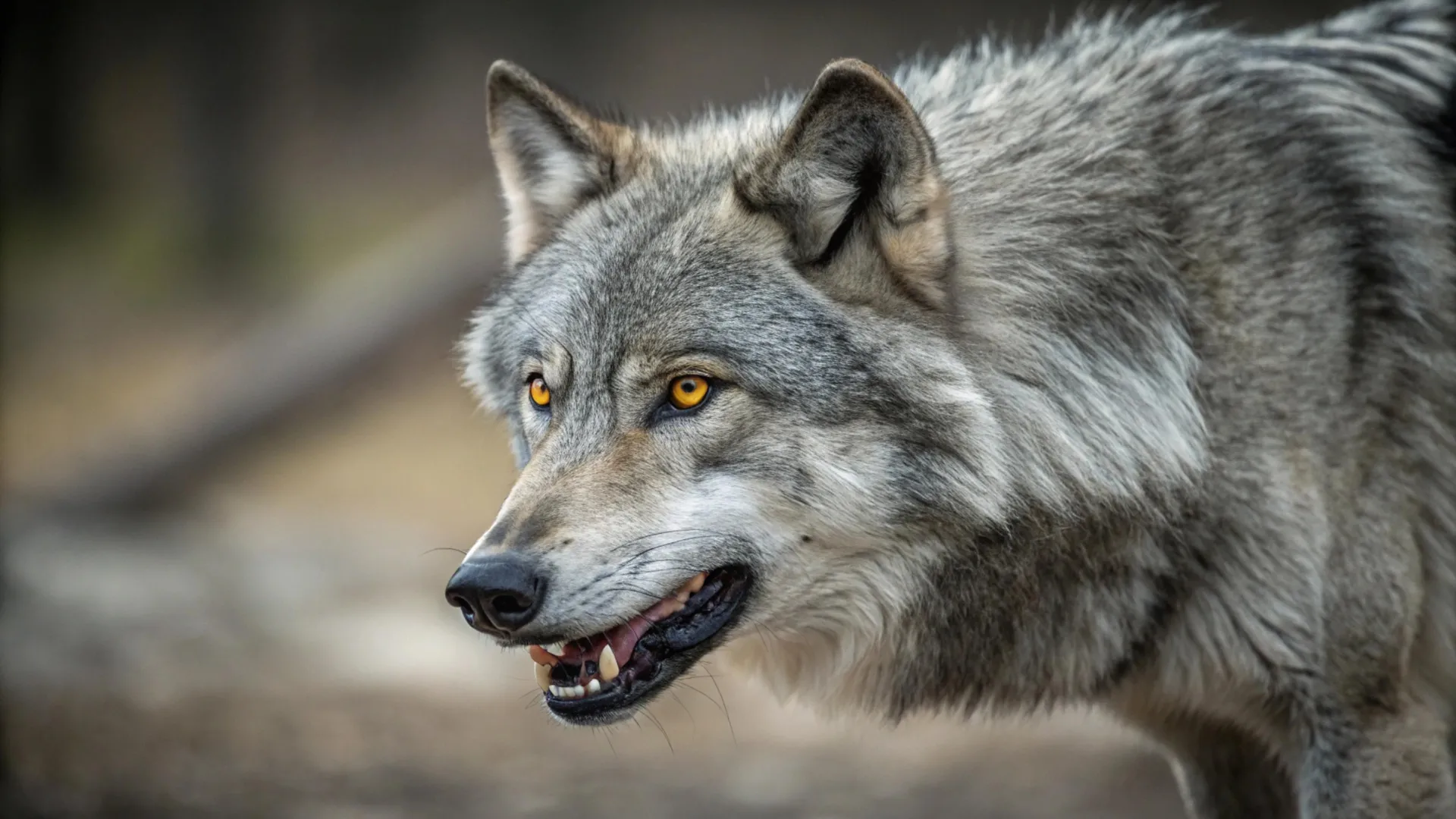
For example, wolves expanded their habitat use in response to human presence, while white-tailed deer reduced their environmental niches as human presence increased. Sandhill cranes showed an opposite pattern to deer.
The effects were particularly noticeable in areas with relatively little development, including national parks.
This suggests that even when landscapes remain largely natural, the presence of people can influence how animals use available habitats.
Researchers said the findings show that conservation efforts should not focus only on protecting natural landscapes from roads, cities and other forms of development.
Understanding where and when people are present could also be important for protecting wildlife.
Ruth Oliver, an assistant professor at UCSB’s Bren School of Environmental Science and Management and co-lead author of the study, said the findings highlight the need for conservation strategies that take into account the specific needs and behaviours of individual species.
The research was part of the COVID-19 Bio-Logging Initiative, an international collaboration that used the unusual reduction and changes in human activity during the pandemic to study how wildlife responded.
The wider initiative brought together about 600 partners and collected one billion location records from roughly 13,000 animals.
Researchers are now investigating whether changes in animal behaviour caused by human activity and environmental changes help wildlife adapt or instead indicate increased stress and a greater risk of death.
The scientists say the findings could help conservationists develop more targeted policies that identify when and where wildlife needs greater protection from human activity.
Leave a Reply