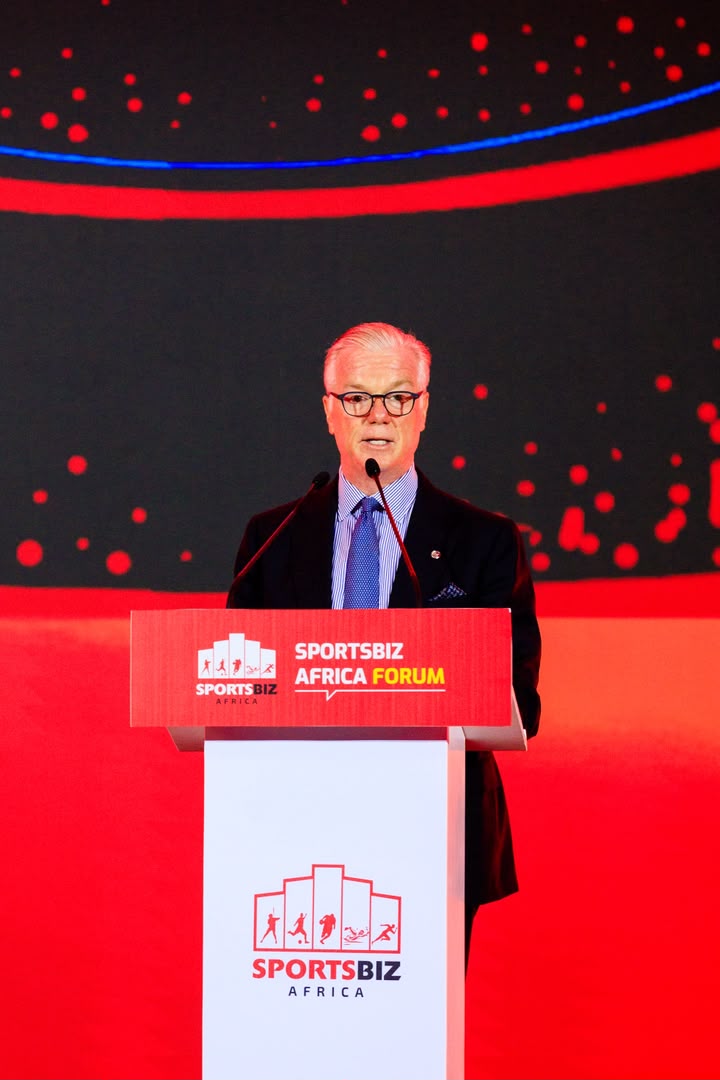
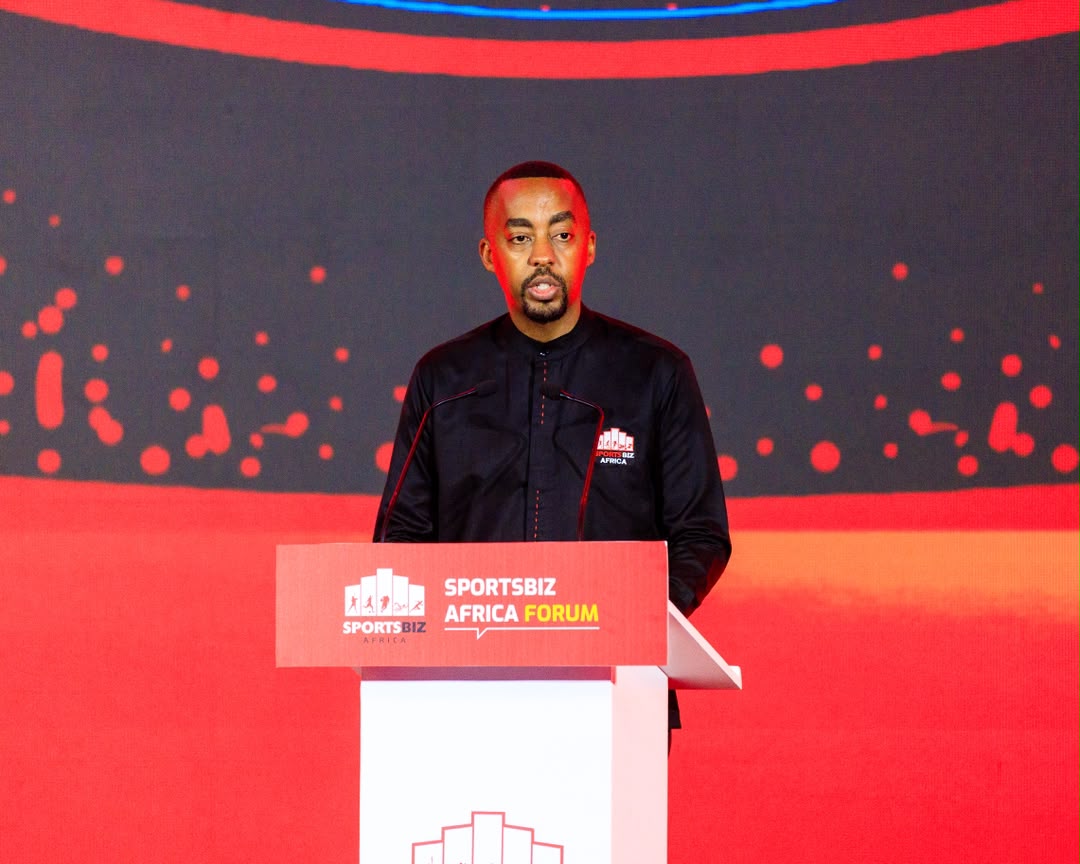
Christian Gakwaya, Chief Executive Officer of Rwanda Events Group, announced the shift as the third SportsBiz Africa Forum opened in Kigali on September 10, arguing that Africa needs to move beyond discussions about sporting talent and trophies to capturing more of the economic value generated by the sector.
“It’s time for a shift,” Gakwaya told delegates at the Kigali Convention Centre.
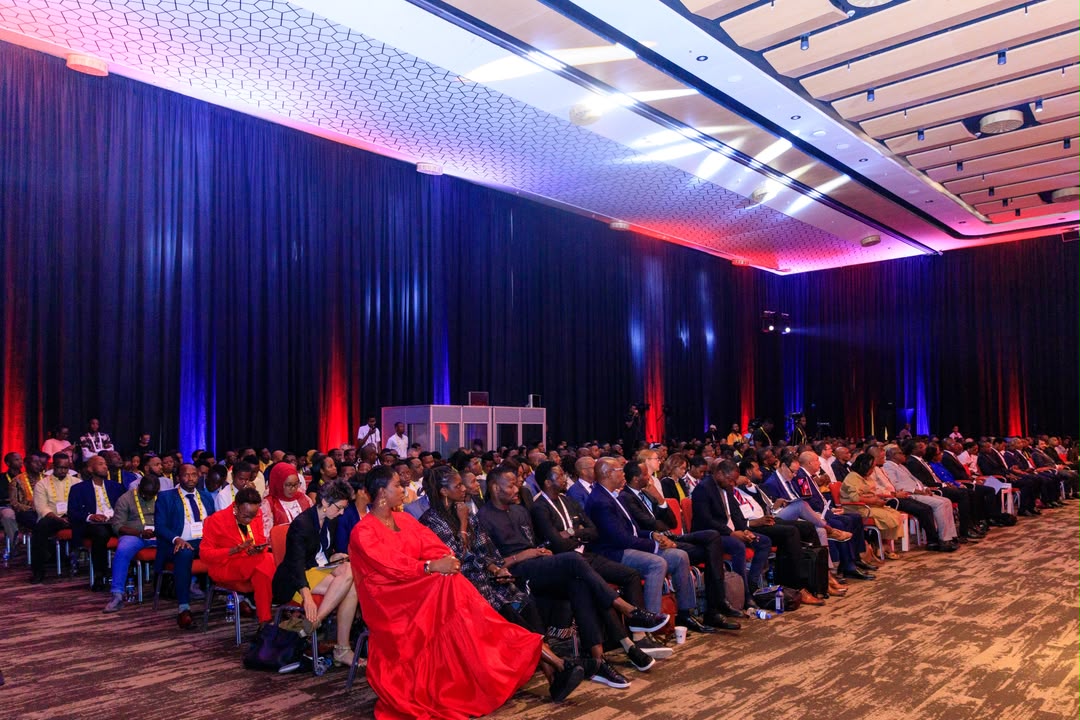
The event, which runs from September 10 to 11, is bringing together policymakers, investors, sports administrators, business leaders, entrepreneurs, athletes and development partners to discuss investment, innovation, governance and business opportunities in sport.
Gakwaya argued that Africa has long supplied talent, coaches, stories and other resources to the global sports industry, while much of the economic value has been captured elsewhere.
He challenged stakeholders to consider who owns the media rights, intellectual property and data generated by African sport, as well as who manufactures the apparel, technology and other products used by athletes and fans.
“Who owns our needs? Who owns the media rights to our needs? Who owns the intellectual property in the sports sector on the continent?” he asked.
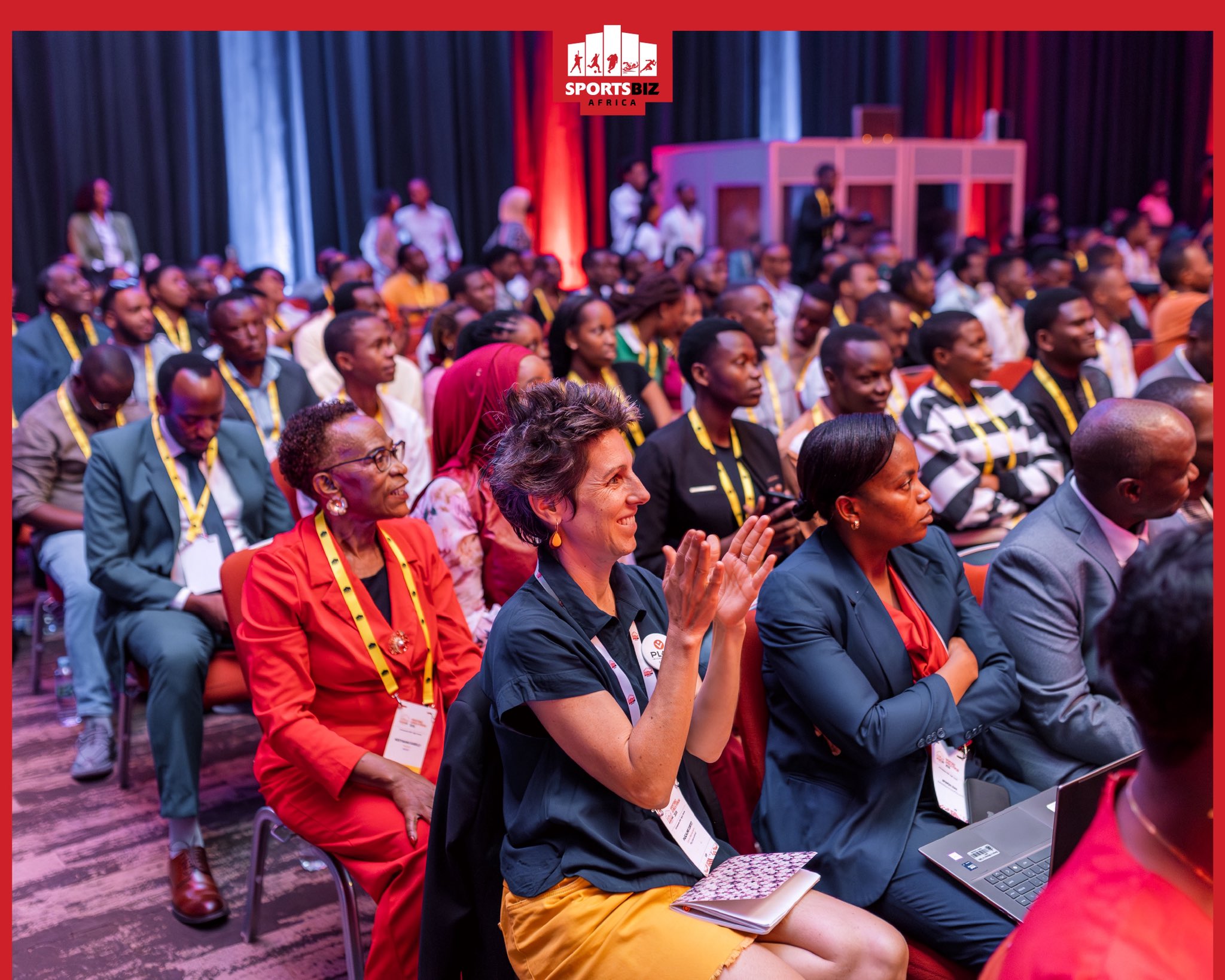
The new SportsBiz Africa Platform is intended to address some of these gaps by focusing on investment facilitation, business development, market intelligence, entrepreneurship, policy engagement, talent development and cross-border participation.
Unlike the forum, which brings stakeholders together for a few days each year, the platform is designed to operate throughout the year.
“A forum brings people together. A platform will help them to do something together,” Gakwaya explained. “A forum can last three days… But we want a platform that will create value throughout the 365 days.”
The initiative will seek to connect startups with investors, leagues with technology companies, brands with communities and African athletes and entrepreneurs with global opportunities.
Gakwaya acknowledged that significant barriers remain, including limited sports data, difficulties commercialising sports assets and events, and inadequate access to structured financing.
“Too many promising ideas remain disconnected from institutional investors and markets that can help them grow,” he noted.
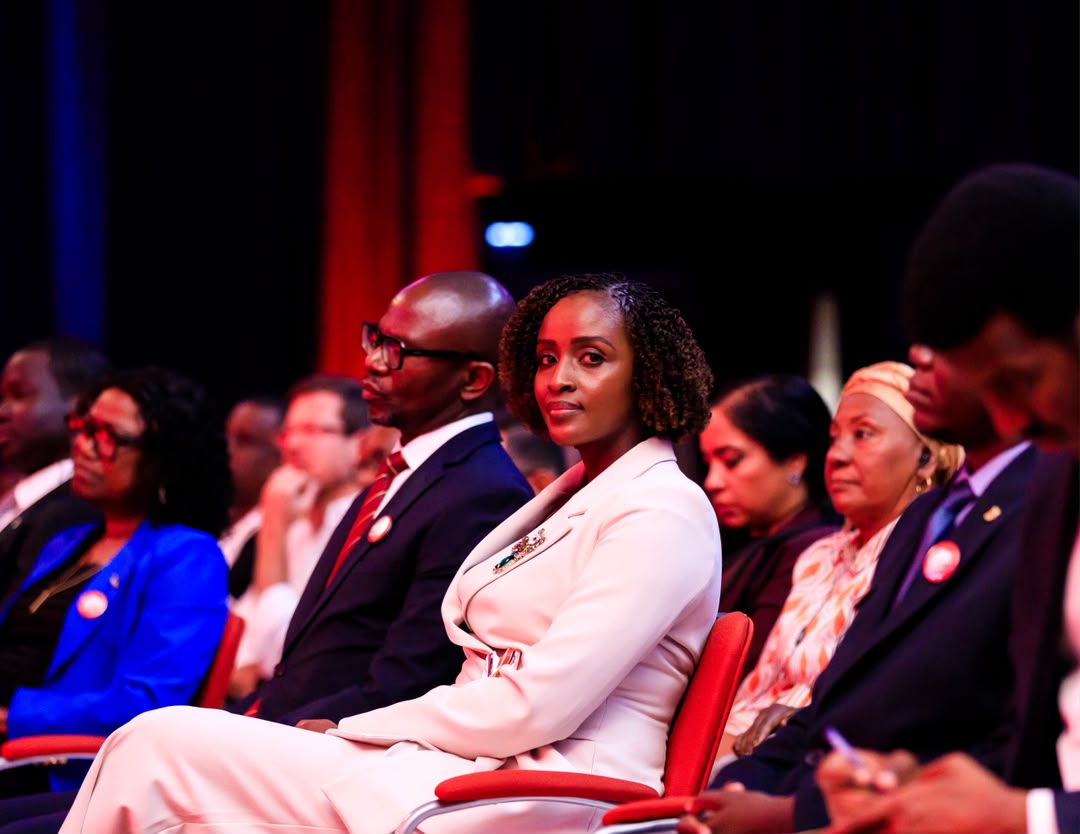
Rwanda’s Minister of Sports, Nelly Mukazayire, also called for a stronger focus on the commercial side of sport, arguing that Africa’s share of the global sports economy remains disproportionately small despite its large pool of talent and young population.
Mukazayire estimated the global sports industry at between $2.3 trillion and $2.65 trillion, while Africa accounts for about 0.5% of the sector.
She identified data, people and the commercialisation of sport as three areas requiring greater attention if Africa is to close the gap.
The minister called for more African-owned data on athletes and sports markets, greater investment in athletes’ physical and mental wellbeing, and stronger commercial structures around broadcasting rights, merchandise, manufacturing and sports infrastructure.
She also argued that sports facilities should be designed as broader commercial and community hubs rather than simply venues for talent development.
“By building pitches you’re creating community. By adding all those services you’re creating value,” Mukazayire said.

Her remarks echoed the broader objective of the SportsBiz Africa Platform, which is to create an ecosystem around sport rather than focus solely on competition.
Dr Decius Hikabwa Chipande, Coordinator and Head of the African Union Sports Council, backed greater collaboration between governments, the private sector, sports organisations and development partners to expand the continental sports economy.
He urged participants to move from dialogue to investment and measurable outcomes, noting that sport can contribute to youth employment, entrepreneurship, innovation and social development.
Félicité Rwemarika, an International Olympic Committee member, similarly stressed that Africa’s sporting potential will require investment in organisations, skills and people alongside physical infrastructure.
She pointed to the Dakar 2026 Youth Olympic Games as an example of how major sporting events can leave a legacy through skills development and professional training.
Meanwhile, Sir Paul J. Foster, President and CEO of the Global Esports Federation, urged African stakeholders to build stronger connections between local talent and global markets.
He argued that technology can connect African creators, entrepreneurs and intellectual property to international audiences and capital, but warned that connectivity alone is insufficient without the systems and infrastructure to support it.
The SportsBiz Africa programme also includes a Dealroom designed to match investors with sports-related ventures, alongside a career fair, Gamers Garage and the SportsBiz Africa Esports Cup.
Gakwaya said the ambition is for the platform to demonstrate measurable progress by the time stakeholders reconvene next year.
“We want to make sure that next year, around the same date as we host SportsBiz Africa again, we will be able to say that we have constructed an ecosystem,” he said.
Leave a Reply