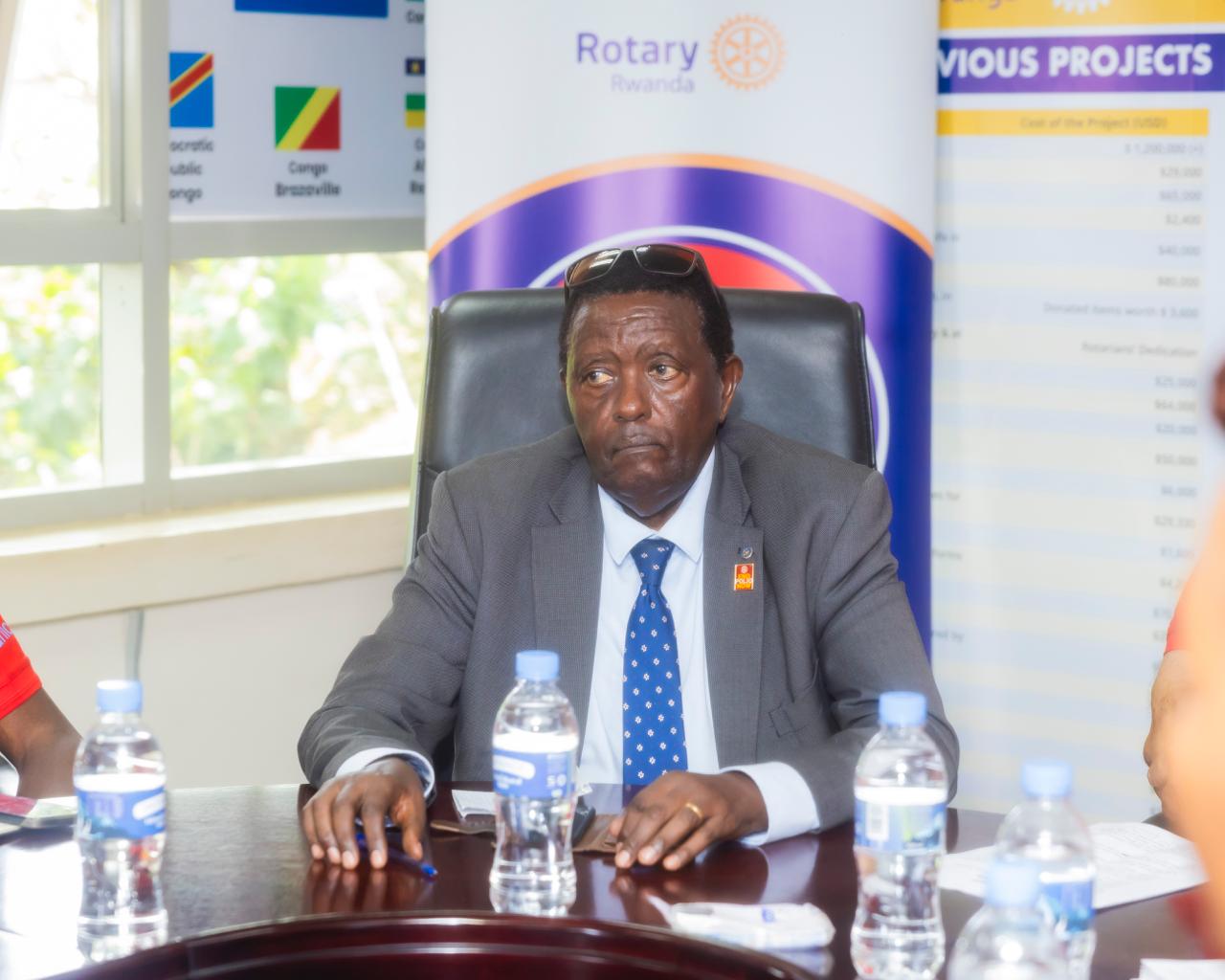
Marc F. D’Haenen, President of PolioPlus Rwanda, said the contribution, equivalent to approximately Rwf3.5 billion, supports international efforts to eliminate the disease.
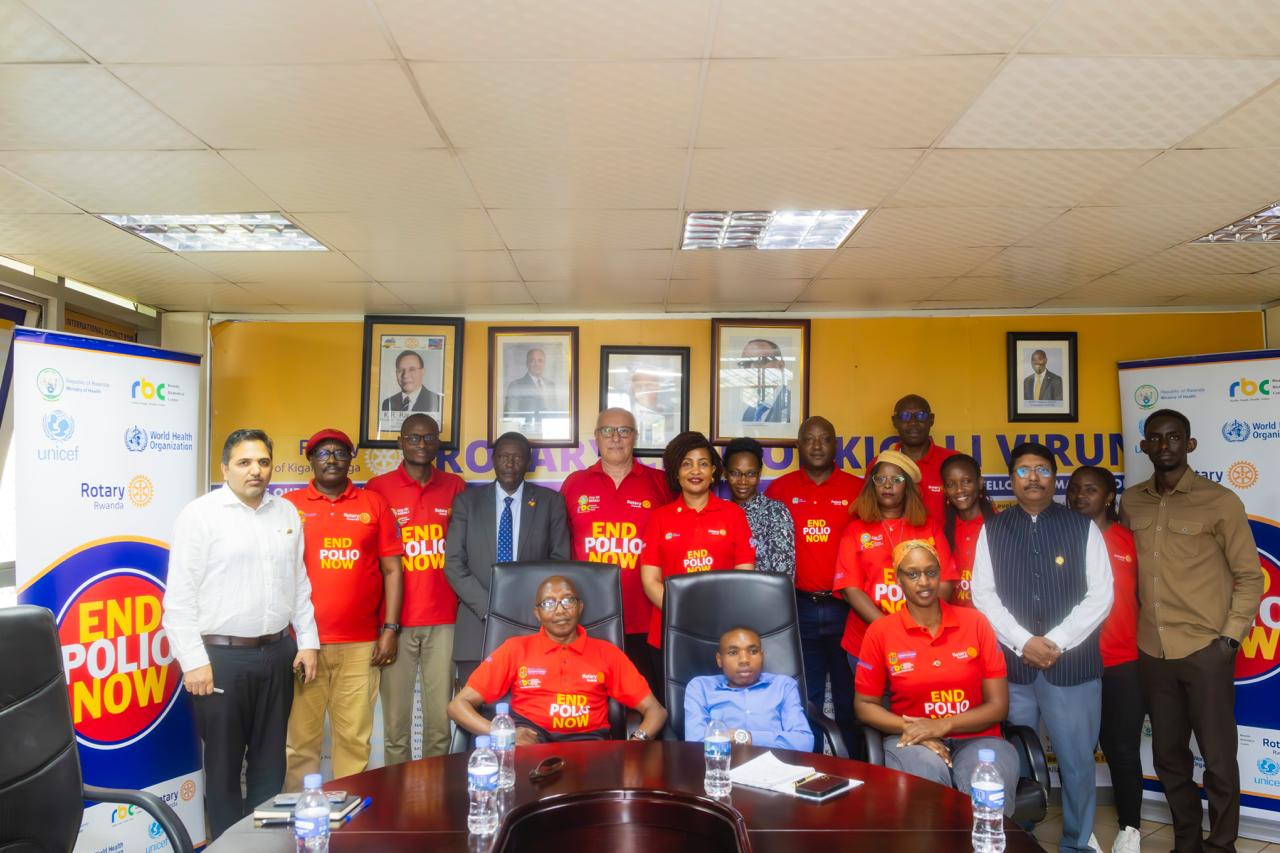
Rotary members in Rwanda and their partners are preparing a public awareness walk from BK Arena to the junction near the Kigali Convention Centre as part of activities to mark World Polio Day on October 24.
The annual event highlights the importance of vaccination in preventing polio, a viral disease that can cause permanent paralysis and, in severe cases, death. Children under five are particularly vulnerable.
Rwanda has not recorded a polio case since 1993 and was certified polio-free in 2004. However, the continued presence of the virus in Pakistan and Afghanistan poses a risk of its spread to other countries if vaccination and surveillance efforts are not sustained.
The risk is not merely theoretical. Polio cases have been reported in the Democratic Republic of Congo in recent years, underscoring the importance of maintaining preventive measures across the region.
D’Haenen, a consultant at La Croix du Sud private hospital who has lived in Rwanda for more than 10 years, said some parents still do not fully understand the importance of vaccinating their children.
“Rwanda has gone a long time without recording polio infections. We urge parents to continue participating in the Rwanda Biomedical Centre’s vaccination programme for newborns,” he said.
The PolioPlus programme is one of Rotary International’s key initiatives, implemented in partnership with the World Health Organization (WHO) and other organisations to support global polio eradication.
There are three types of wild poliovirus: WPV1, WPV2 and WPV3. WPV2 and WPV3 have been eradicated globally in their wild forms, while WPV1 remains endemic in Pakistan and Afghanistan.
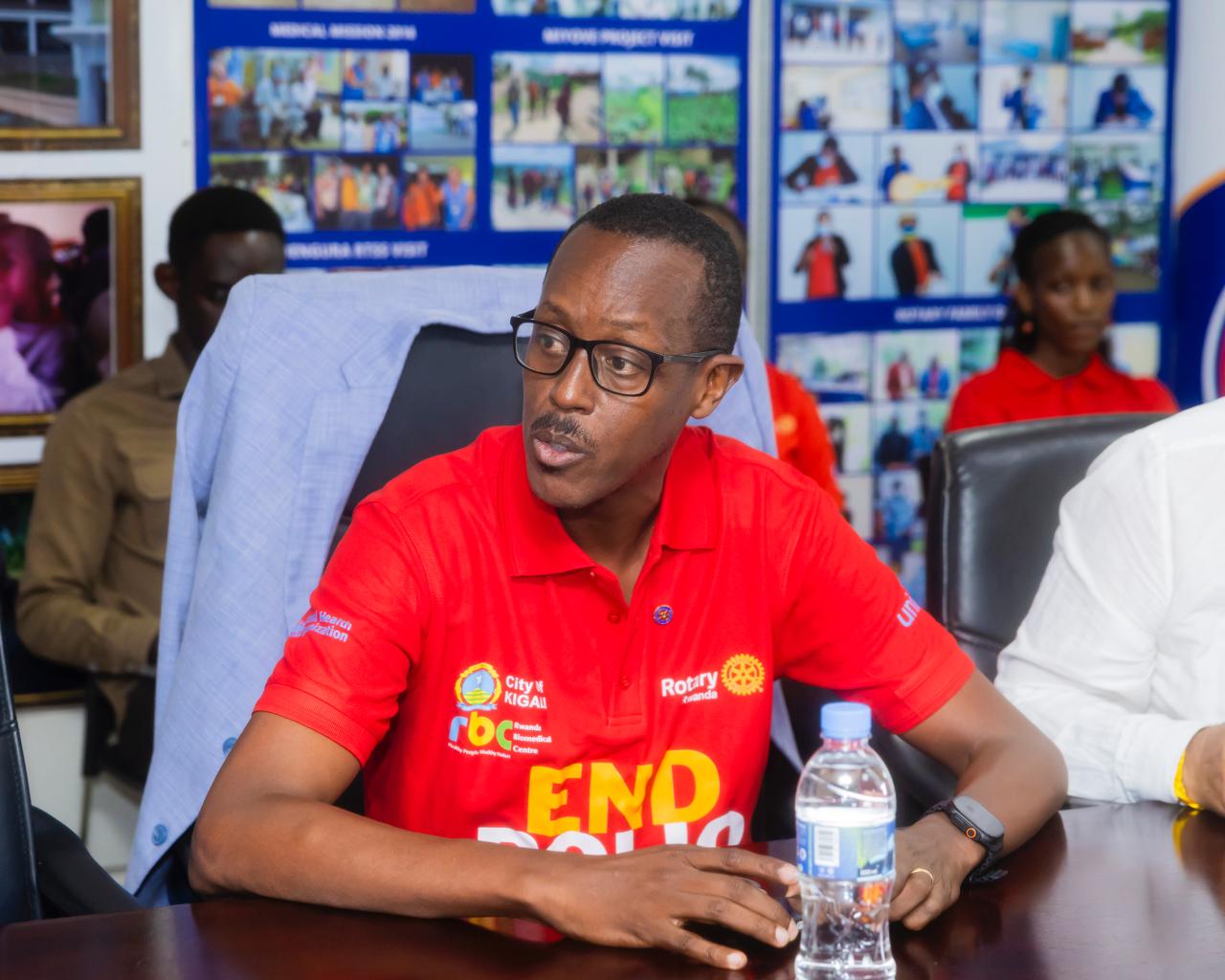
Dr Alexis Muderevu, a surgeon who previously led Rotary’s polio eradication programmes in Rwanda and now heads the organisation’s Hepatitis B and C programme in the country, said vaccination remains the most effective way to prevent polio.
He also emphasised the importance of hygiene and seeking medical attention promptly when symptoms appear.
“Rwanda’s Ministry of Health programme to combat polio has made significant progress. Data published by the Rwanda Biomedical Centre (RBC) in 2026 shows that vaccination coverage among newborns against polio stands at 97%,” he said.
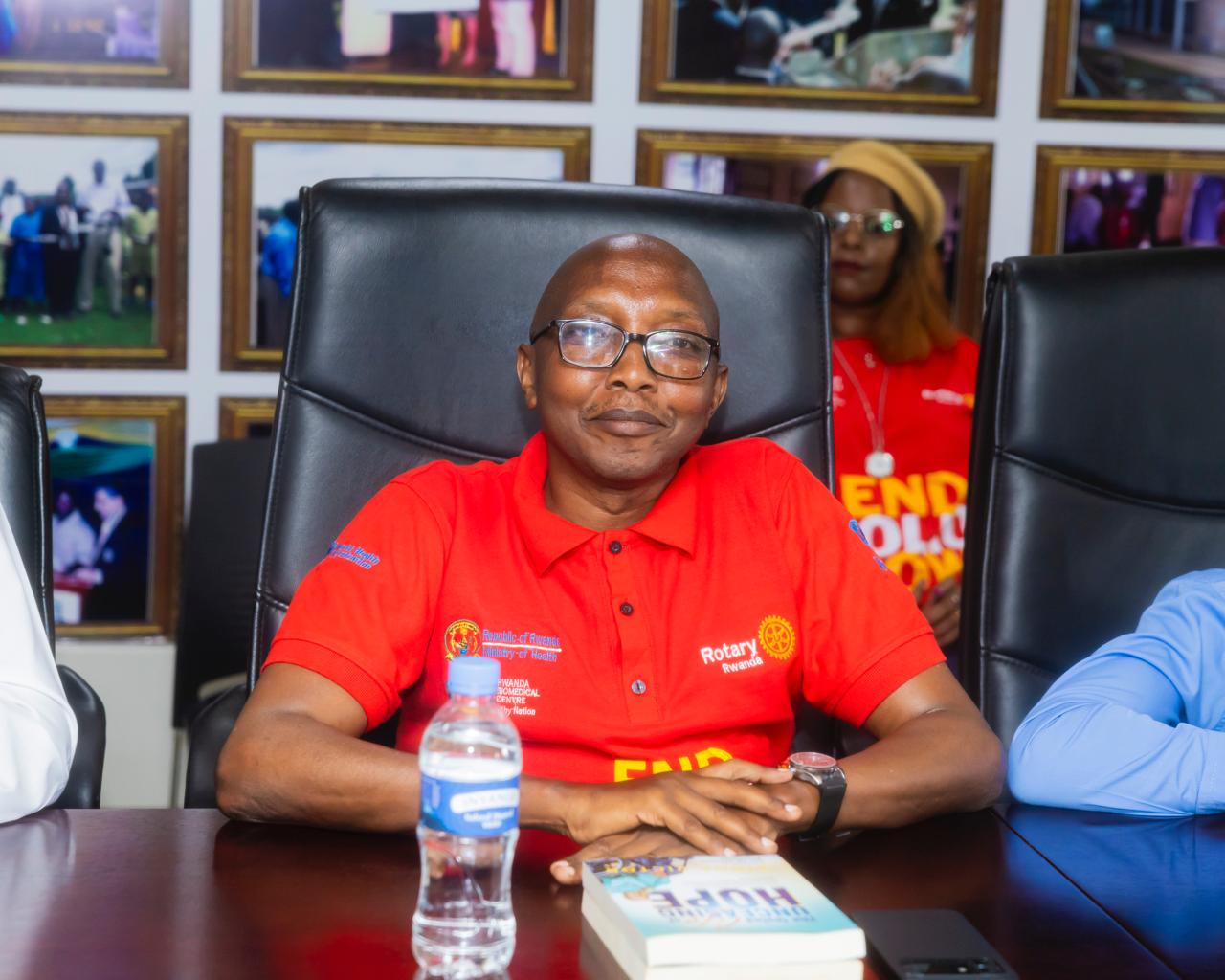
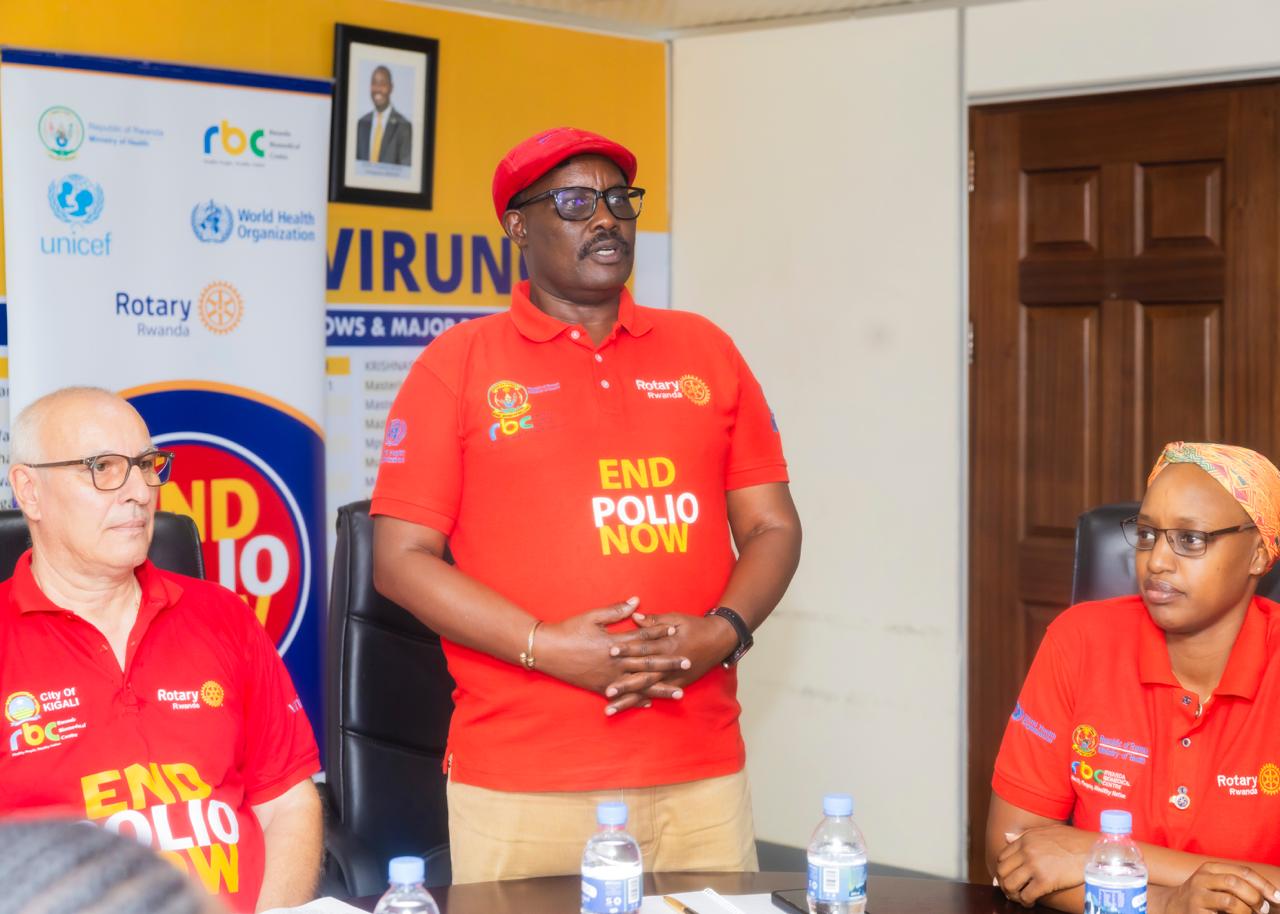
Masterjerb Birungi Paul, who served as Deputy Governor of Rotary District 9150 in 2017 and President of Rotary Club Kigali Virunga in 2004, called on Rwandans to join Rotary and participate in its activities, which support communities in Rwanda and around the world.
He said the organisation contributes to national development through its partnership with the government, citing the Kigali Public Library in Kacyiru as an example of a project established through their collaboration.
Leave a Reply