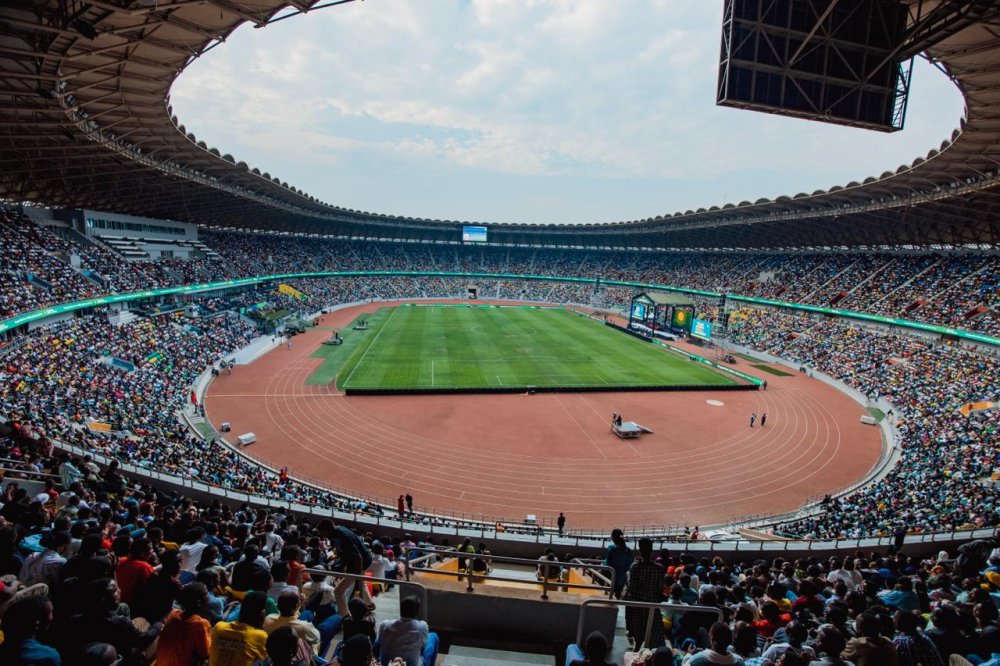
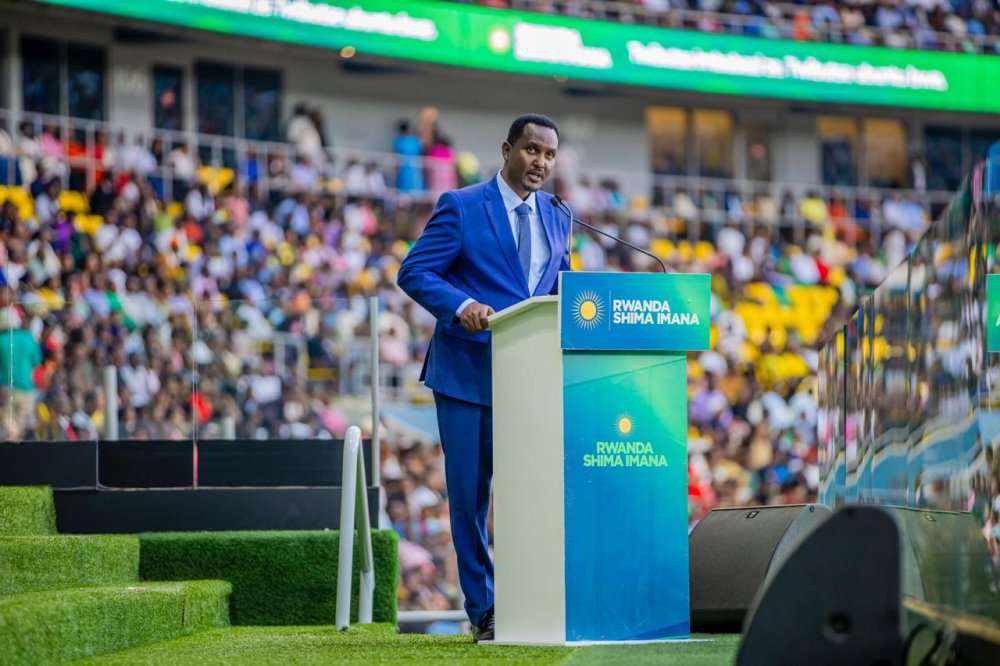
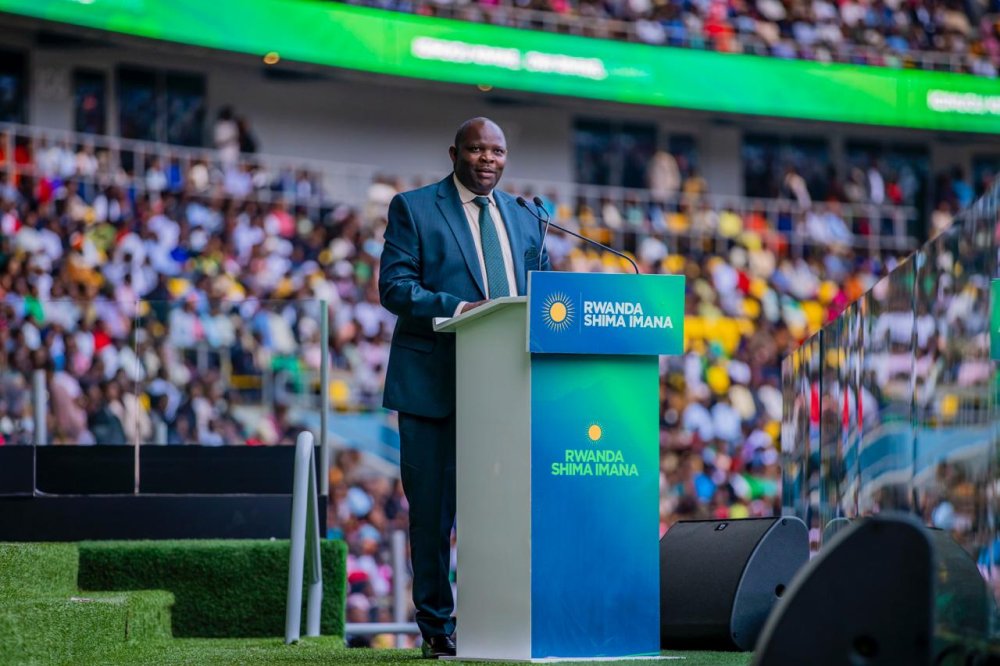
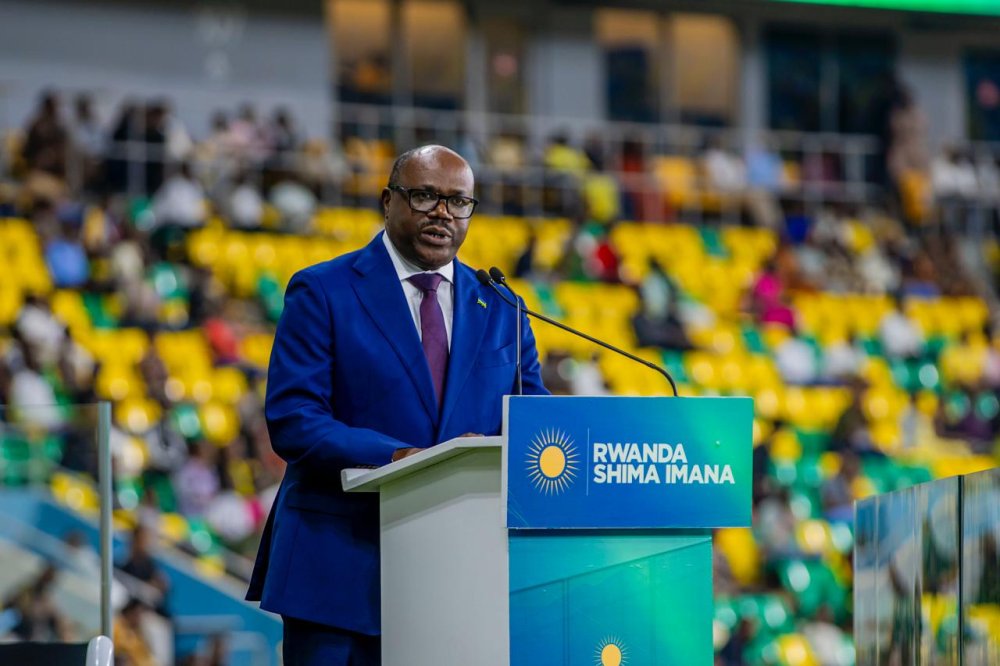
The Prime Minister spoke at the 14th annual Rwanda Shima Imana interfaith gathering at Amahoro Stadium on August 16, 2026.
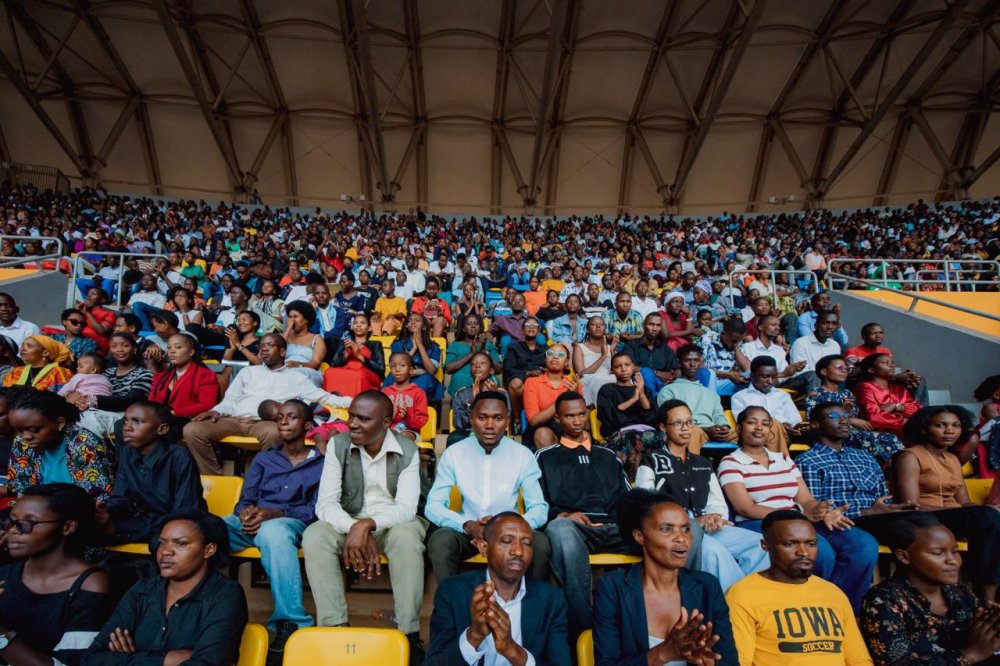
The event brought together Rwandans from across the country, including members of different religious organisations and churches, to pray for the country and thank God for protecting Rwanda and its people.
The gathering also marked 32 years since the 1994 Genocide against the Tutsi was stopped and provided an opportunity to reflect on Rwanda’s progress over the past three decades.
Dr. Nsengiyumva thanked religious organisations and churches for their contribution to Rwanda’s development over the past 32 years, saying their partnership with the government has been important in the country’s transformation.
He said the Rwanda Shima Imana gathering was an opportunity to recognise the contribution, achievements and cooperation between the Government and religious organisations in building the country.
“If the Government had worked alone, what we have achieved and are thanking God for today would not have been possible,” he said.
The Prime Minister said religious organisations have contributed to Rwanda’s development by promoting strong values among citizens, strengthening families, promoting love, unity, peace and forgiveness, encouraging transparency and fostering patriotism.
He also recognised their role in contributing to the national economy, helping heal Rwandans and addressing wounds resulting from the country’s past.
However, he urged religious leaders and churches to maintain their efforts and continue contributing to the country’s development.
“We ask you to continue educating Rwandans about what can help them develop and move out of poverty, while protecting them from people who deceive them and lead them in the wrong direction,” he said.
Dr. Nsengiyumva said Rwanda continues to face challenges related to alcohol abuse and drug use, which particularly affect young people but also concern Rwandans more broadly.
He urged religious organisations to step up efforts to address the problems, saying alcohol abuse and drug use are inconsistent with Rwandan values and Christian values in general, amid a recent nationwide crackdown on toxic liquor that has seen hundreds of manufacturers shut down and dozens of people arrested.
He said the problems not only harm the health of young people but can also contribute to the breakdown of families and trigger conflicts within households.
“As we gather here to thank God, we ask you to continue using your voices to teach the values that should define us as Rwandans and to fight the harmful culture of alcohol abuse that often affects our youth,” he said.
The Prime Minister noted that religious organisations reach large numbers of people, giving them an important role in improving the lives of citizens, as they have done over the past 32 years.
He said the government’s efforts to combat alcohol abuse and drug use are intended to help Rwandans protect the gift of life that God has given them.
“We want all Rwandans to continue protecting the gift of life that God has given us, so that we can also use the strength God has given us to care for our families,” he said.
Jimmy Muyango, head of Peace Plan Rwanda, which organizes Rwanda Shima Imana, and pastor of Potter’s Hand Ministries Church, thanked God for giving Rwandans good leadership that has guided the country on a path of unity and protected it from division.
“It is not something ordinary that God has given us good leadership that loves its people and has transformed the history of this country, leading Rwandans on the path of unity and reconciliation under the leadership of our respected President of the Republic,” he remarked.
Pastor Ndayizeye Isaïe, head of the committee organising the Rwanda Shima gathering, said Rwandans should thank God for the progress the country has made since emerging from the difficult period that characterised its past.
“We should thank God that we have emerged from the darkness marked by a history of division, poverty, conflict, bad leadership, killings and other evils,” he urged.
Leave a Reply