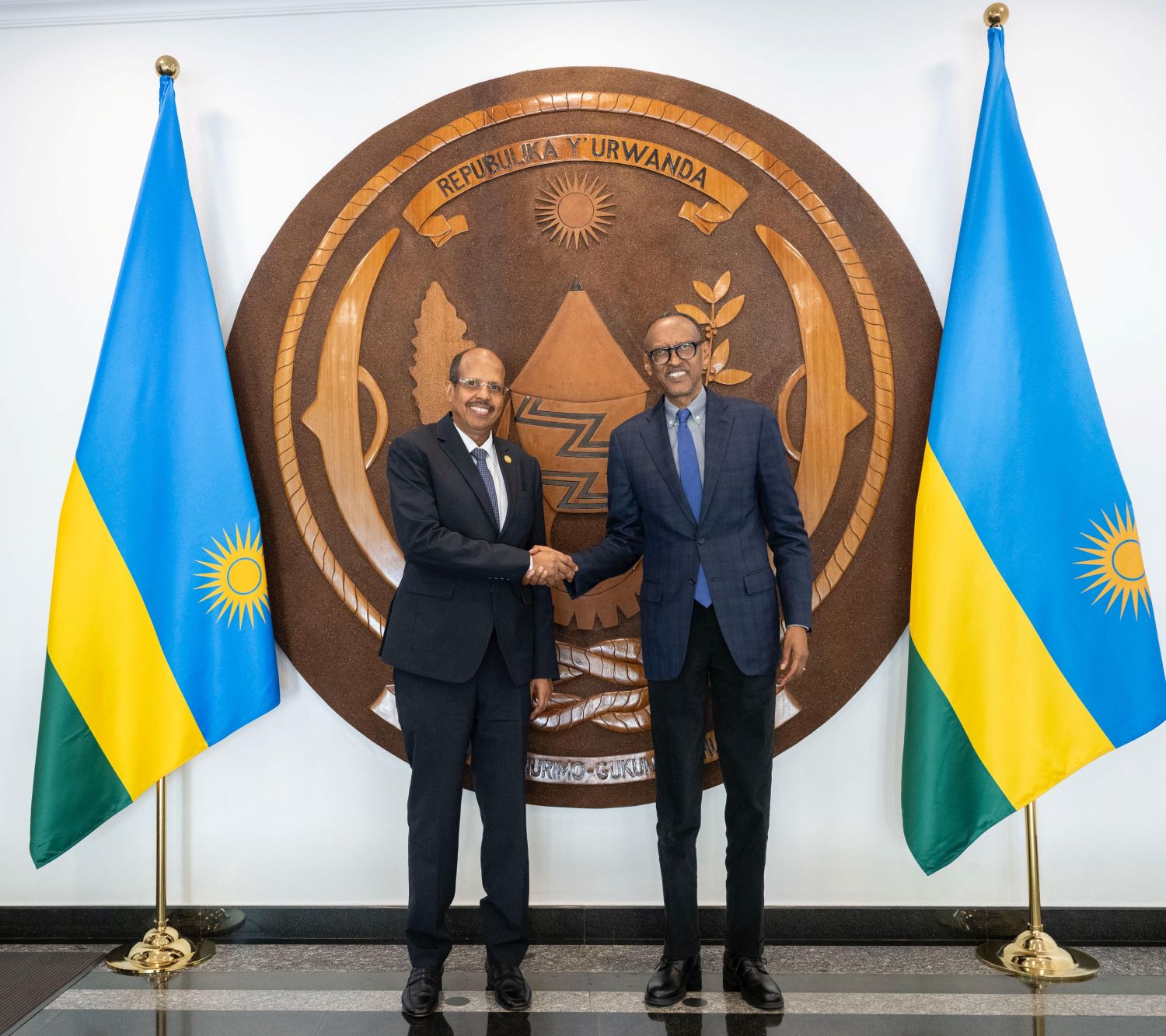
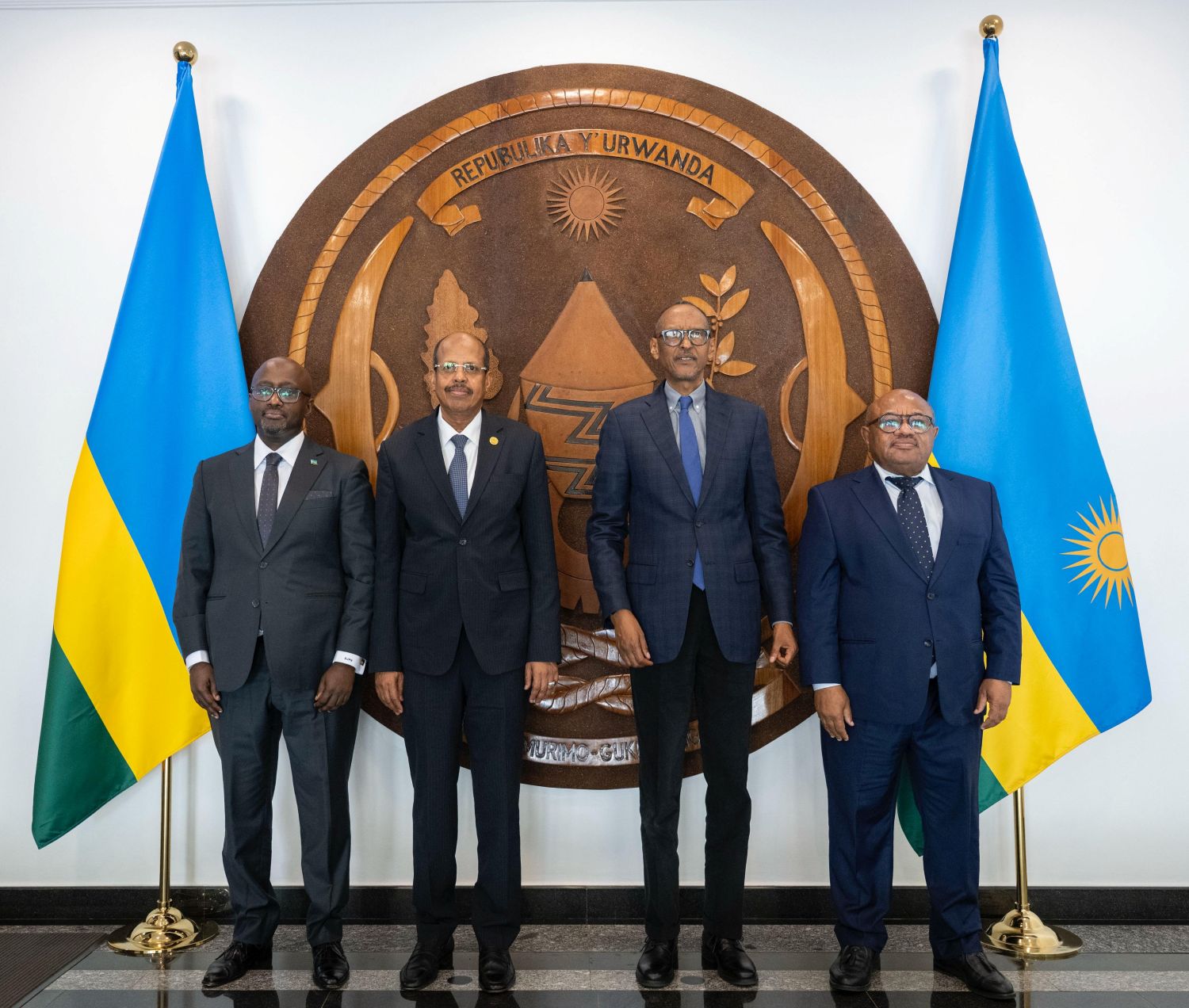
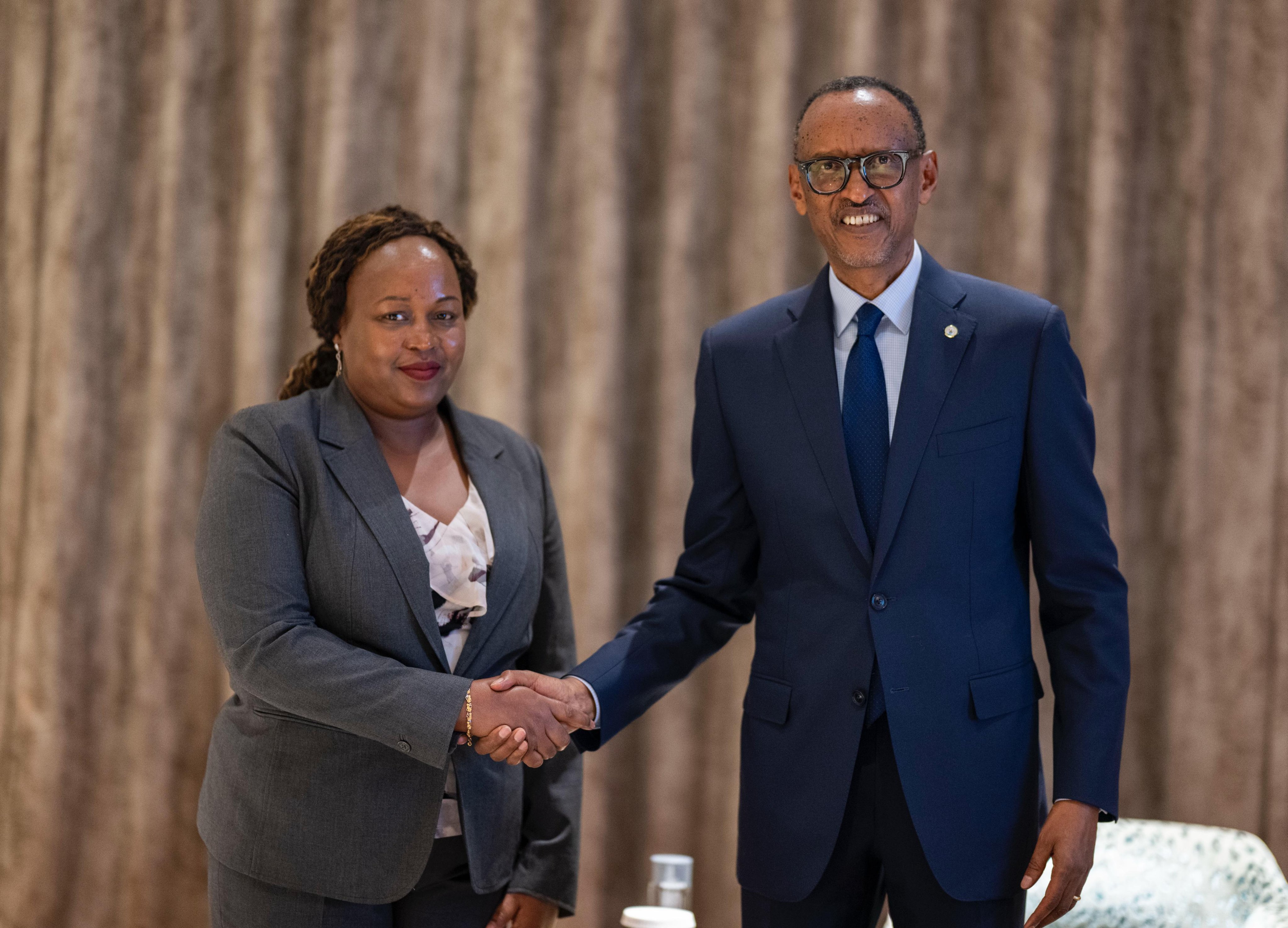
The AU Commission Chair is in Kigali to participate in the Global AI Summit on Africa.
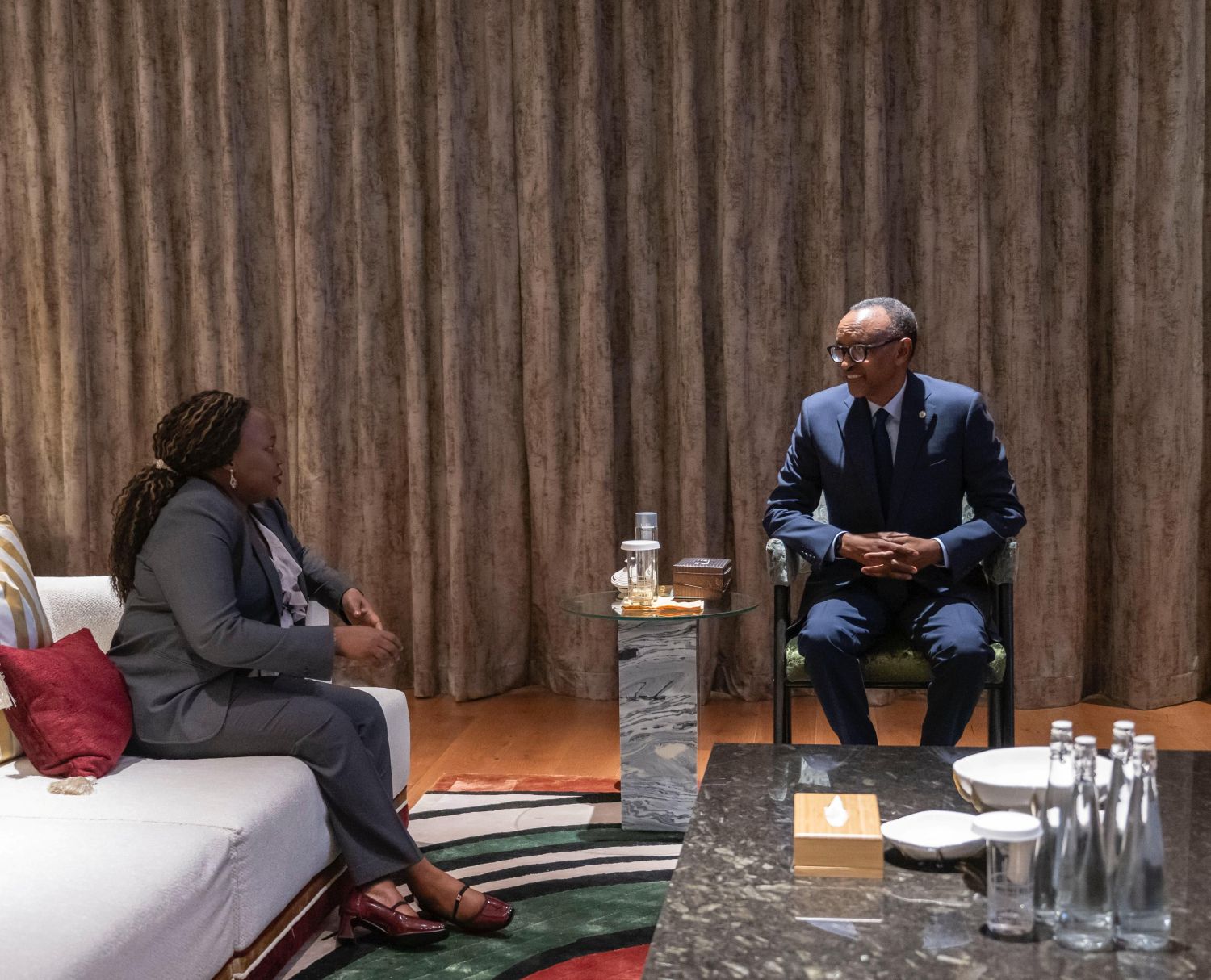
During their meeting, the two leaders discussed ongoing regional efforts to promote peace and security across the continent. The talks took place against the backdrop of renewed efforts to resolve the conflict in eastern DRC, led by joint teams from the East African Community (EAC) and the Southern African Development Community (SADC), which recently [appointed a five-member panel to facilitate the peace process->https://en.igihe.com/politics-48/article/three-former-african-presidents-join-drc-peace-facilitators-panel].
Friday’s talks also highlighted Rwanda and the African Union’s shared ambition to position Africa as a key player in the global artificial intelligence revolution.
“They discussed the progress of regional-led processes in advancing peace and security in the region, as well as Rwanda and the AU’s mutual commitment to ensuring Africa’s place in the global AI revolution,” a statement released by the Office of the President reads.
President Kagame also held talks with Olivier Cadic, a French Senator and Vice-President of the Foreign Affairs, Defence and Armed Forces Committee, who was in Kigali to attend the AI Summit.
The two-day Global AI Summit on Africa brought together leaders, policymakers, and technology experts from across the continent and beyond to explore opportunities for harnessing AI for Africa’s development.
While officiating the opening session of the conference on Thursday, Kagame emphasized the transformative power of artificial intelligence in decision-making and innovation.
“AI is driving innovation, accelerating technological advancements, and proving its benefits across various sectors. It enhances productivity, supports evidence-based decision-making, and reduces human errors,” he stated.
Rwanda has already integrated AI into key sectors such as healthcare and education, significantly improving service delivery and efficiency. Kagame stressed that technology should be harnessed for positive change.
“Technology is supposed to be a force for good, and we have a responsibility to use it accordingly,” he remarked.
“Certainly, it would be a dangerous place if we involved artificial intelligence too much in our politics. We may have something good come out of it, but I think we might also experience terrible things happening to us,” he added.
With over a decade of experience in creating socio-economic impact across Rwanda and West Africa, her story inspires countless others to follow their dreams, even when the path seems uncertain.
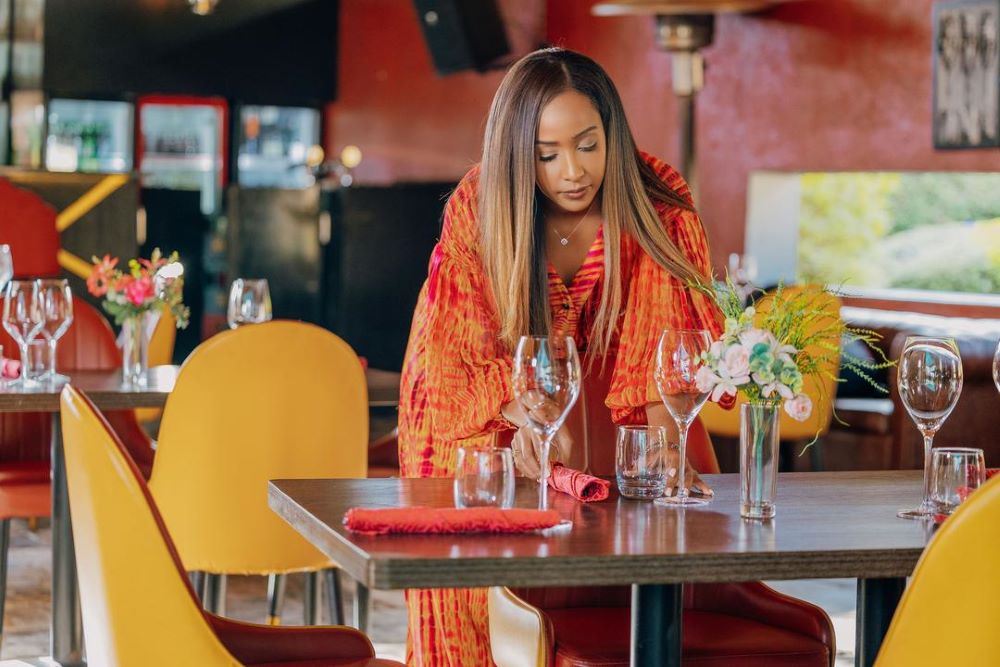
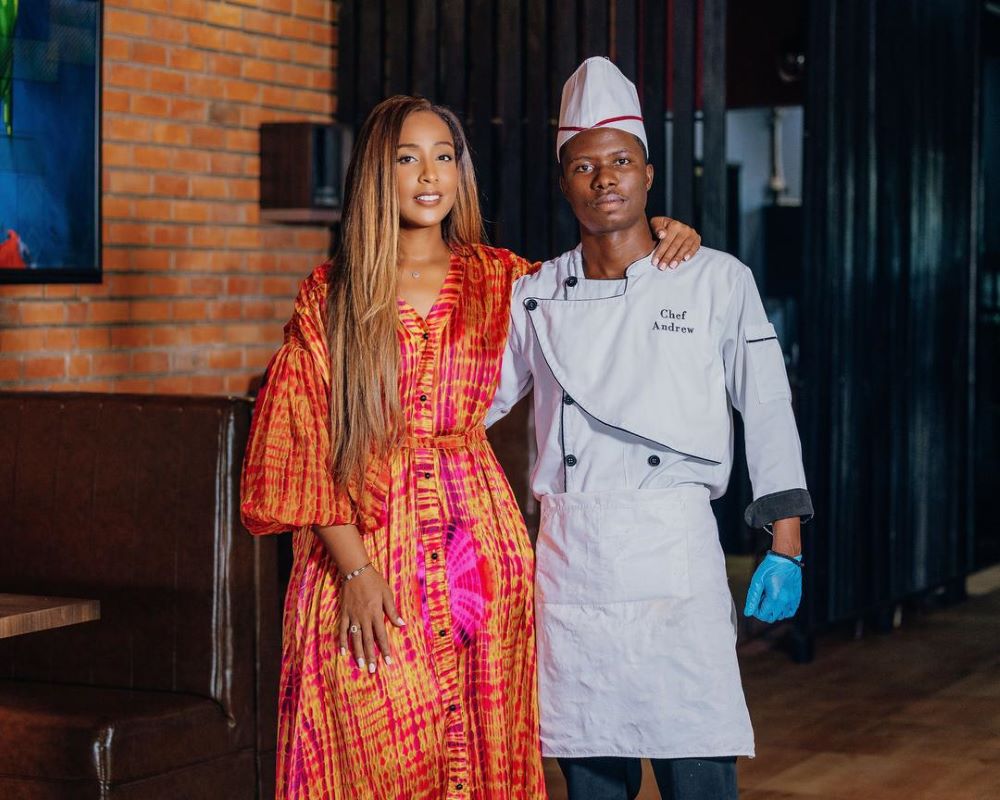
Nicole is a young Rwandan entrepreneur who began her journey with a completely different career trajectory in mind. Originally trained in political science and international relations, she had a clear path toward a career in diplomacy.
However, a series of events, bolstered by guidance from mentors, led her to a bold decision, to become an entrepreneur. “I was set to have a career in diplomacy, but I pivoted completely. Luckily, I was young enough to make that choice, to go from studying political science to becoming self-employed,” Nicole recalls.
She admits that the transition was not an easy one. “It took a lot of mentorship. I was fortunate that my cousins and brothers, who were entrepreneurs themselves, rallied around me. They helped me understand the value I could contribute to Rwanda’s business sector.”
Her shift into entrepreneurship came with many challenges, particularly in the hospitality sector, which was still emerging in Rwanda at the time. But she had a strong belief in the power of mentorship and passion-driven work.
“What I believe in most is mentorship. I’m the product of mentorship, and I want to offer the same opportunity to others, especially young women who want to enter hospitality but don’t know where to begin,” she explains.
Despite her educational background being far apart from the business world, Nicole made a conscious decision to focus on her passion for food and hospitality. She knew that in order to succeed, she had to build a strong foundation around the industry.
Her focus became clear; to create businesses that not only thrive but also contribute positively to the community. However, the lack of infrastructure in Rwanda’s hospitality sector in the early days presented a significant challenge.
“In the beginning, we worked with an unreasonable amount of suppliers because there was no centralized supply chain and barely any suppliers specifically geared towards the hospitality/wholesale industry. You’d have to run all over town to find what you needed for your business, and purchase retail instead of wholesale which affected our cashflow” Nicole recounts.
This logistical nightmare was compounded by the lack of trained human resources in Rwanda’s hospitality and tourism sectors, with students who had the theory but not the hands-on experience.
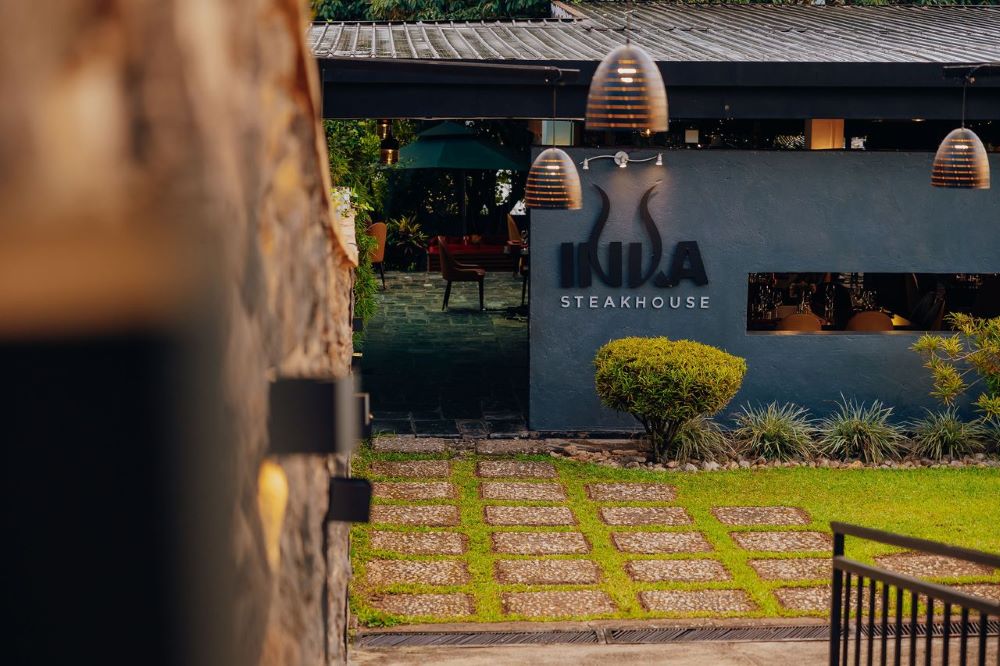
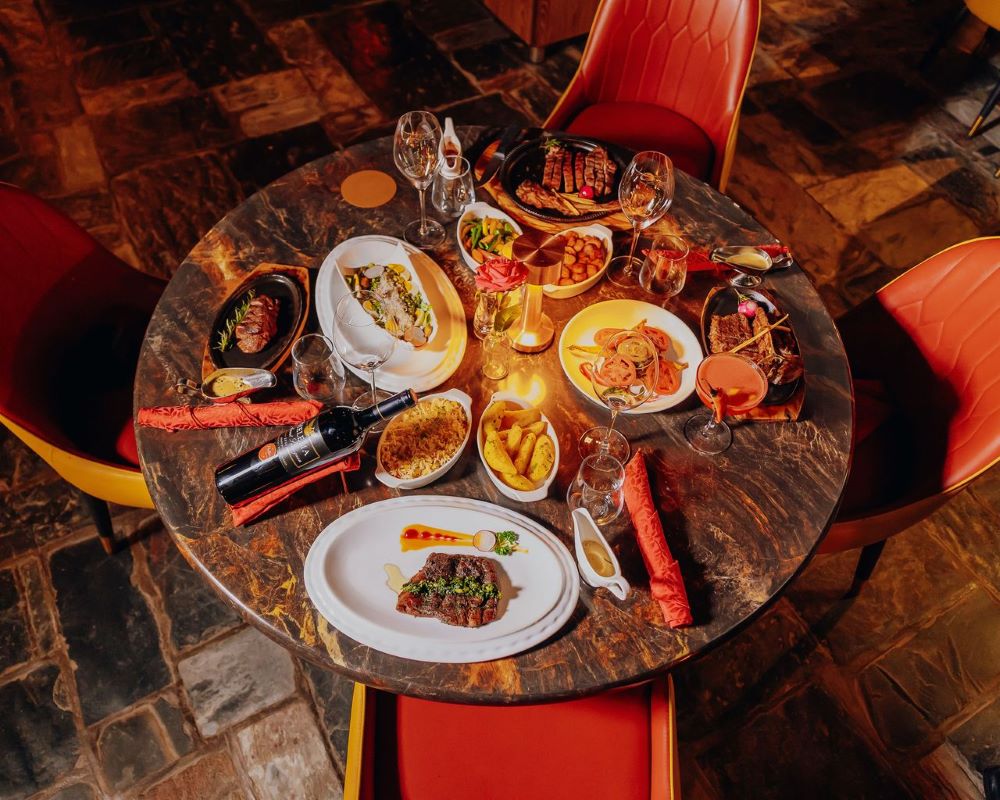
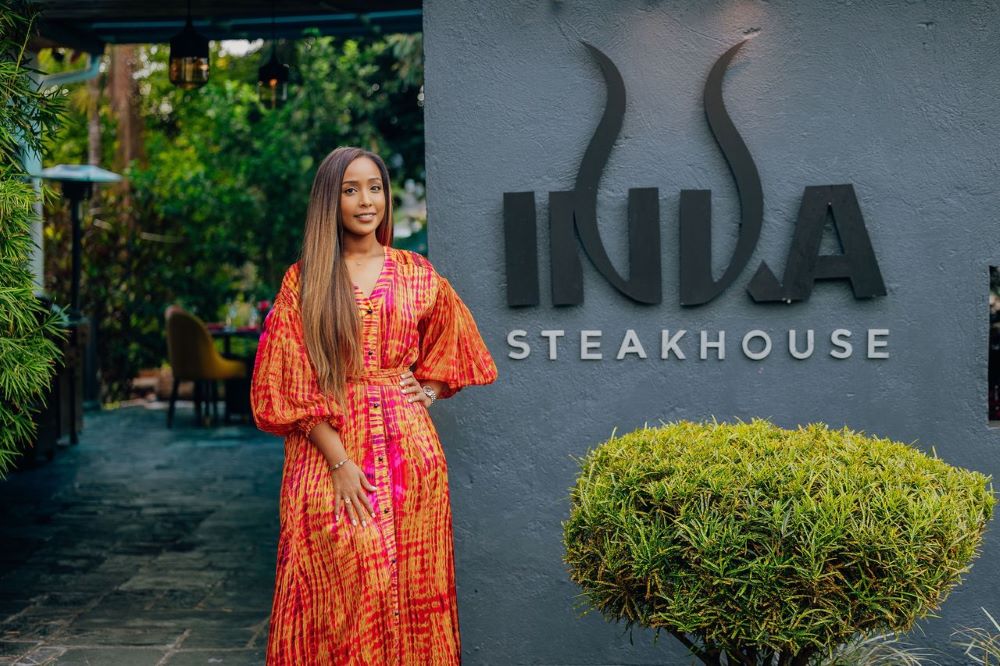
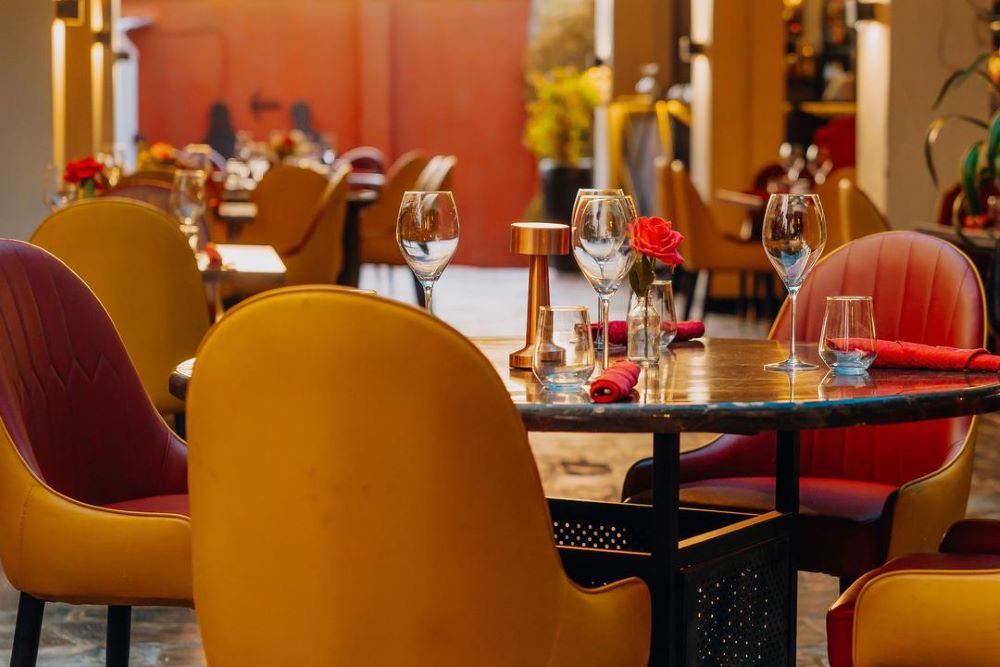
Despite these challenges, Nicole was determined to make her business work. One of her major breakthroughs came with the creation of Inka Steakhouse, a restaurant that would go on to become a symbol of Rwanda’s growing hospitality scene.
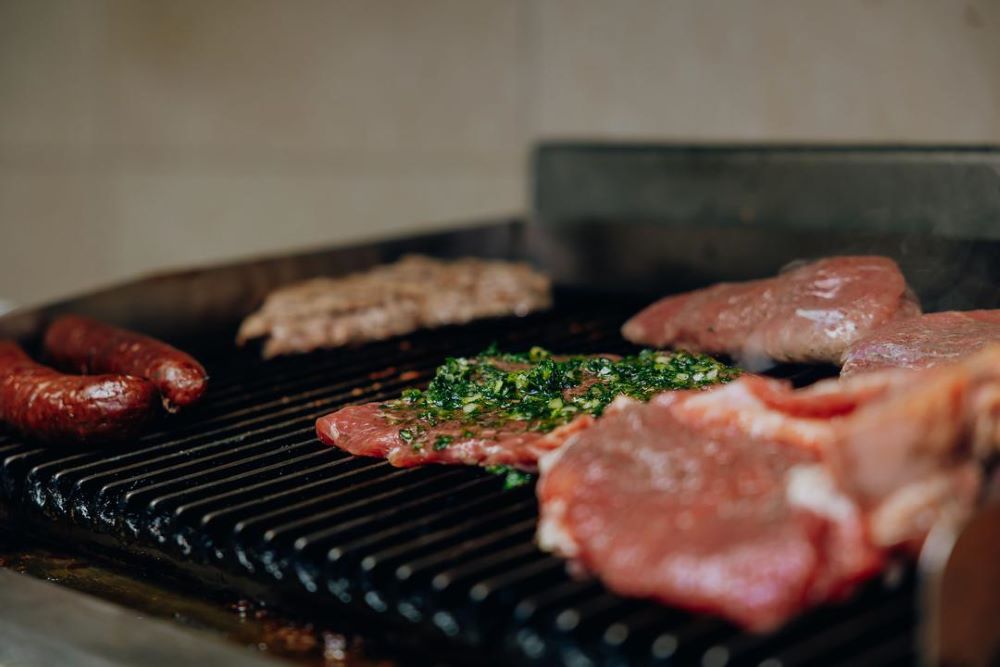
“When I decided to open a restaurant, I wanted something authentic. I didn’t want an Italian or French restaurant, because I am neither of the two. I wanted to create a place where people could enjoy locally sourced meat and produce in a setting that celebrated Rwanda,” she reveals.
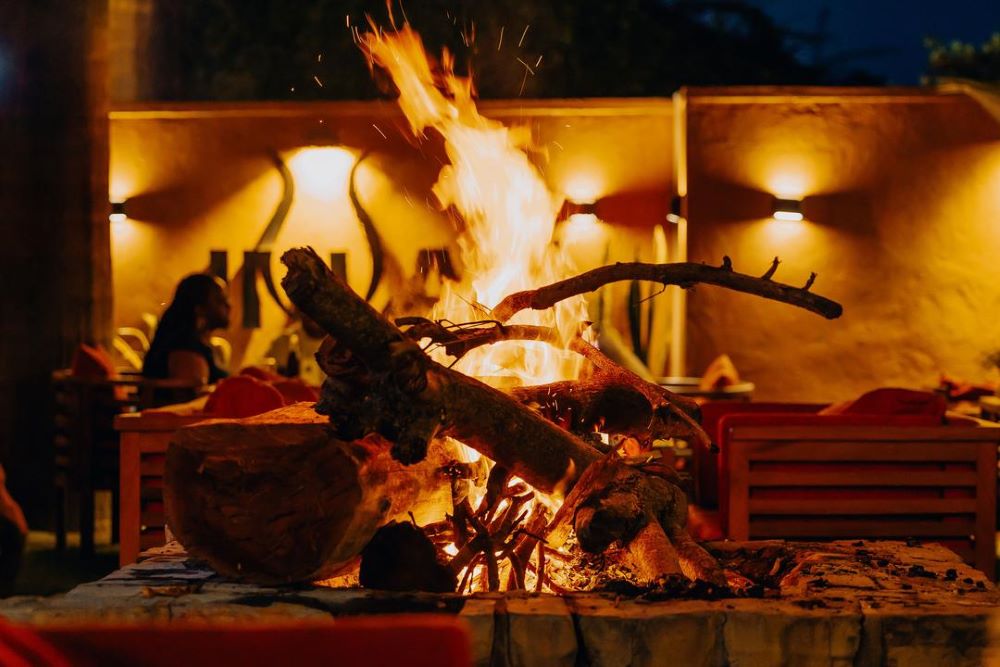
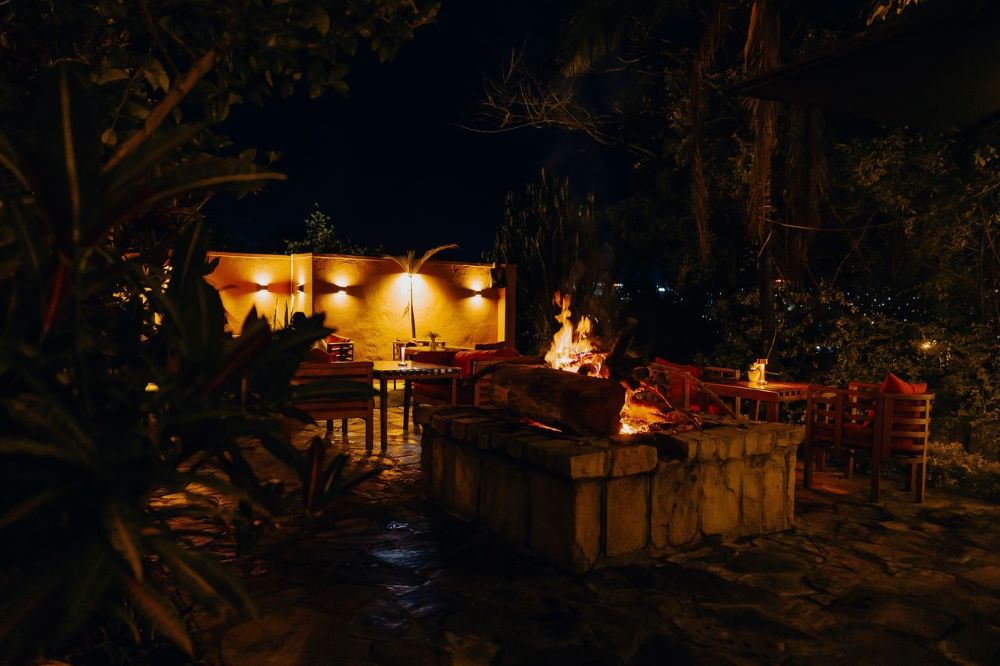
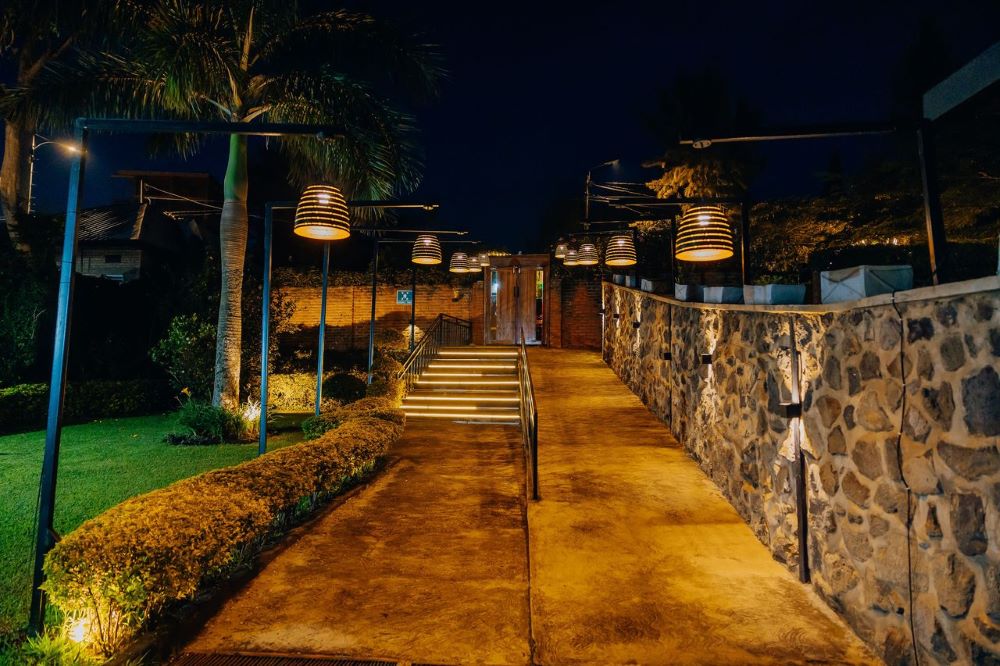
Inka Steakhouse became a passion project for Nicole, a way to elevate Rwandan beef and support local farmers. The name “Inka,” which means “cow” in Kinyarwanda, was chosen as a tribute to Rwanda’s agricultural heritage. For her, Inka is a love letter to Rwanda. It represents dignity and nobility.
Inka Steakhouse is not just about food, it’s about community. The restaurant has become a platform to showcase the country’s agricultural potential and raise awareness about the importance of supporting local farmers.
As a result, Nicole’s restaurant became part of a larger movement that changed the face of cattle farming in Rwanda, helping farmers improve their practices and increase the quality of their products.
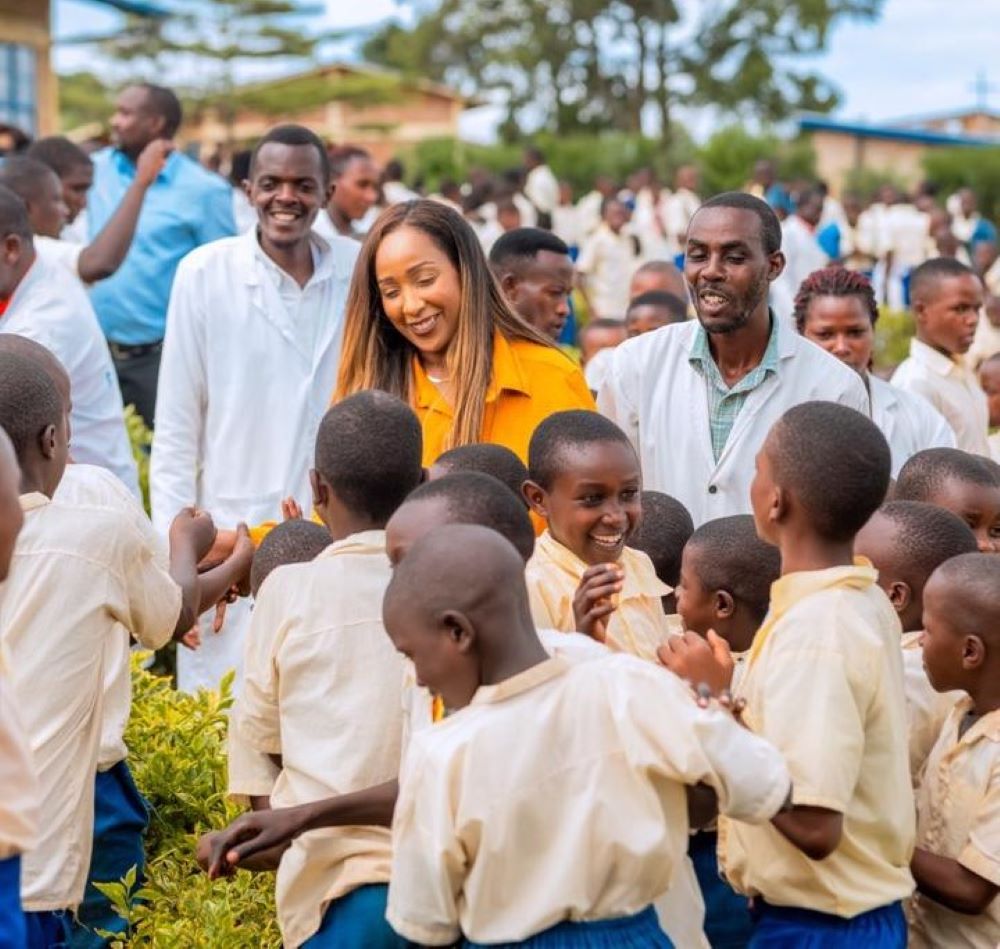
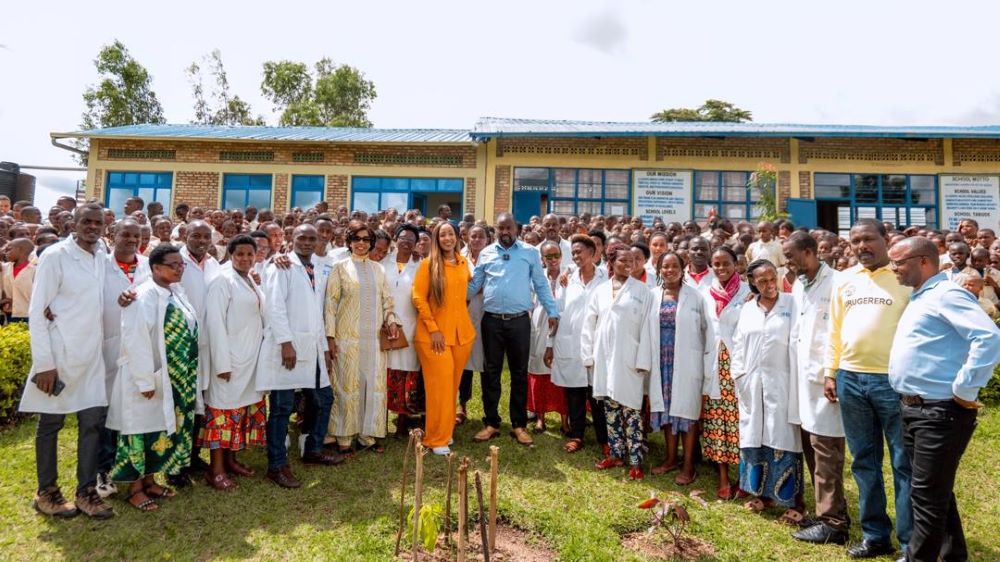
Her commitment to empowering others is not limited to her business ventures. Her philanthropic work, through the Ansoni Foundation, has been a major part of her journey.
“When we started the foundation seven years ago, I wanted to support schools by providing them with books. But when I visited schools, I realized that the real issue wasn’t the books, it was that the children weren’t coming to school because they didn’t have enough to eat, their families couldn’t afford the school lunch and meals” Nicole explains.
One of the foundation’s accomplishments this year already was donating over 200,000 meals to a school in Huye, district, Southern Province. With a conviction of education as a key pillar for development, Nicole was very passionate about helping kids access it.
“I’ve been given so much in my life, and I believe that those who are fortunate have a responsibility to give back,” she states. This belief is reflected in both her business practices and her philanthropic efforts.
Looking ahead, Nicole is focused on continuing her entrepreneurial journey, expanding her businesses, and supporting the next generation of leaders. She is especially committed to helping Rwanda’s youth harness the opportunities available to them.
“We need an educated and focused youth. We need more discipline and rigor. Entrepreneurship is not glamorous, it requires hard work, self-discipline, and perseverance,” she advises.
An award winning entrepreneur, Nicole has numerous accolades to her name including restaurant of the year (five times), young entrepreneur of the Year (three times, best steakhouse in East Africa and was recently nominated for the Forty under 40 global awards slated for April 12, 2025 in Dubai.
Her message to young Rwandans is simple but powerful: “There are endless opportunities here. Keep dreaming, keep learning, and take the time to prepare yourself for success.”
Nicole Ansoni’s journey is a testament to the power of mentorship, passion, and the willingness to embrace change. She continues to inspire a generation of Rwandans to believe in their dreams, pursue their passions, and use their success to uplift others.
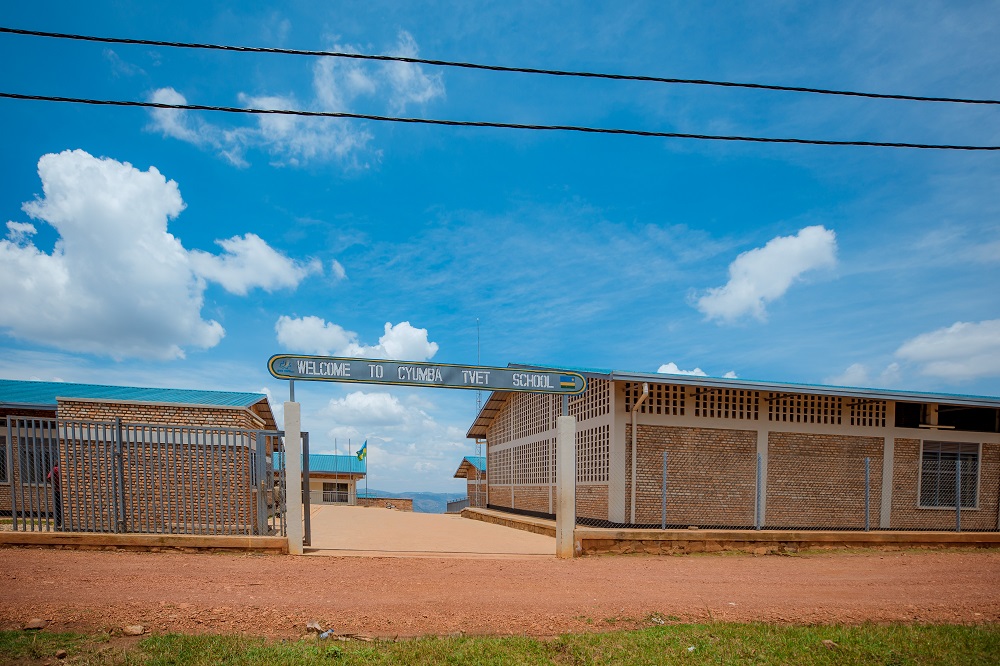
This initiative was highlighted on April 4, 2025, as the Senate’s Committee on Social Affairs and Human Rights presented its report following visits to vocational and technical schools across the country.
The government’s target is to have at least one short-term vocational training school—offering programs lasting from six months to one year—in each of Rwanda’s administrative cells by 2029.
According to the report, a total of 2,044 VTCs are planned to be built by 2029. Additionally, 30 model vocational and technical schools will also be established.
The 2024/2025 inspection report from the National Examination and School Inspection Authority (NESA) revealed that Rwanda currently has 558 TVET schools.
Of these, 272 technical secondary schools (TSS)—representing 59.4%—meet the required standards, while 186 TSS schools (40.6%) fall short. For vocational training centers (VTCs), 66 schools (41.8%) meet the standards, while 92 schools (58.2%) do not.
Senator John Bonds Bideri emphasized that since 2008, the government has significantly strengthened support for vocational and technical education. He stressed the importance of aligning vocational schools with local resources to enhance their effectiveness.
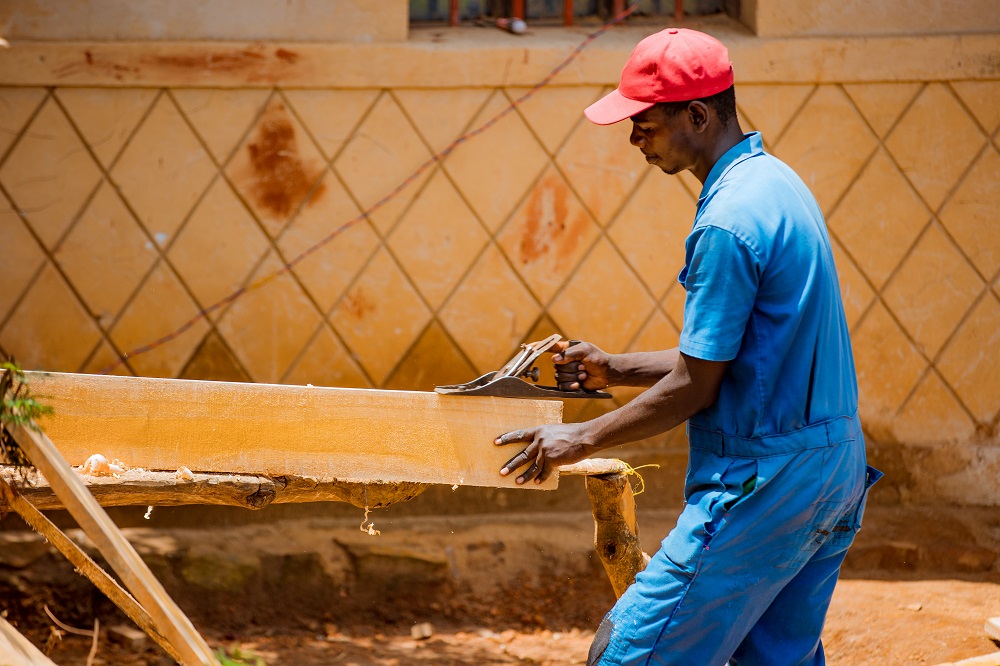
“We recommend that VTCs be tailored to local resources. For example, in areas with many forests, the focus could be on carpentry or wood-based construction so that graduates can use what’s locally available,” he said.
Committee Chairperson Umuhire Adrie also highlighted the real impact of these schools, noting that VTCs are helping many, including A2 diploma holders and school dropouts, to gain hands-on skills.
“These schools serve many learners. For instance, someone with an A2 diploma might decide to learn cooking and can train for six months or a year. We’ve also met students who came from rehabilitation centers and young mothers who had dropped out of school and chose to attend VTCs to acquire new skills and find employment,” he noted.
The nationwide VTC rollout is intended to give Rwandans the chance to acquire practical skills in a short time without being limited by their previous education.
Statistics show that more than 115,000 students are currently enrolled in technical, vocational, and professional training institutions, including 51,557 girls (44.6%) and 63,959 boys (55.4%). Over the past five years, the proportion of students in these programs has risen from 31% to 43%.
Led by Ruben Atoyan, the IMF team held discussions with Rwandan authorities from March 24 to April 4, 2025, and reached a staff-level agreement, affirming the country’s strong economic fundamentals and commitment to structural reforms despite a challenging global economic environment.
Rwanda recorded an impressive GDP growth rate of 8.9% in 2024, making it one of the fastest-growing economies in sub-Saharan Africa. The growth was fueled by strong performances in agriculture, construction, trade, tourism, transport, and telecommunications sectors. Labour market indicators also improved, with increased participation and a reduction in the unemployment rate.
Inflation remained stable at 4.8% by the end of 2024—within the National Bank of Rwanda’s target range—thanks to improved food production and effective monetary policy.
The fiscal deficit was lower than anticipated, as the government collected more tax revenues than projected and implemented well-targeted capital spending and VAT refunds.
Rwanda’s financial sector was described as sound, with robust credit growth and a decline in non-performing loans. The country also saw external pressures ease, with Q4 exports improving and sustained inflows from development partners helping to stabilise the Rwandan franc, which depreciated by 9.4%—a marked improvement from 18% in 2023.
International reserves rose to the equivalent of 5.4 months of import cover, reinforcing Rwanda’s ability to withstand future external shocks.
“All quantitative targets under the PCI were met,” Atoyan noted, adding that key structural reforms—particularly in domestic revenue mobilisation, state-owned enterprise oversight, corporate governance, and transparency in financial statistics—were successfully implemented.
The IMF also highlighted the February 2025 completion of Rwanda’s Standby Credit Facility (SCF), which was instrumental in addressing external imbalances and shoring up foreign reserves.
Looking ahead, the IMF welcomed Rwanda’s newly [approved tax package->https://en.igihe.com/business/article/inside-rwanda-s-new-tax-policy-changes?var_mode=calcul], which is expected to further boost domestic revenue and increase the tax-to-GDP ratio.
Some of the new taxes approved by the Cabinet in February include a 15% excise duty on cosmetic and beauty products, a 15% adjustment in the fuel levy per litre, and an 18% Value Added Tax (VAT) on mobile phones. There is also an increase in taxes on gambling activities, with the tax on Gross Gambling Revenue (GGR) rising from 13% to 40%, and the withholding tax on winnings increasing from 15% to 25%. A tourism levy was also introduced, among other fiscal measures.
Major strategic projects—including the second phase of Bugesera International Airport and the expansion of RwandAir, in partnership with the Qatar Investment Authority—are set to reinforce long-term growth and enhance regional connectivity.
The IMF Executive Board is expected to consider the fifth review of Rwanda’s PCI in May 2025.
The PCI was introduced in December 2022 to support Rwanda’s reform agenda without requiring financial resources from the IMF.
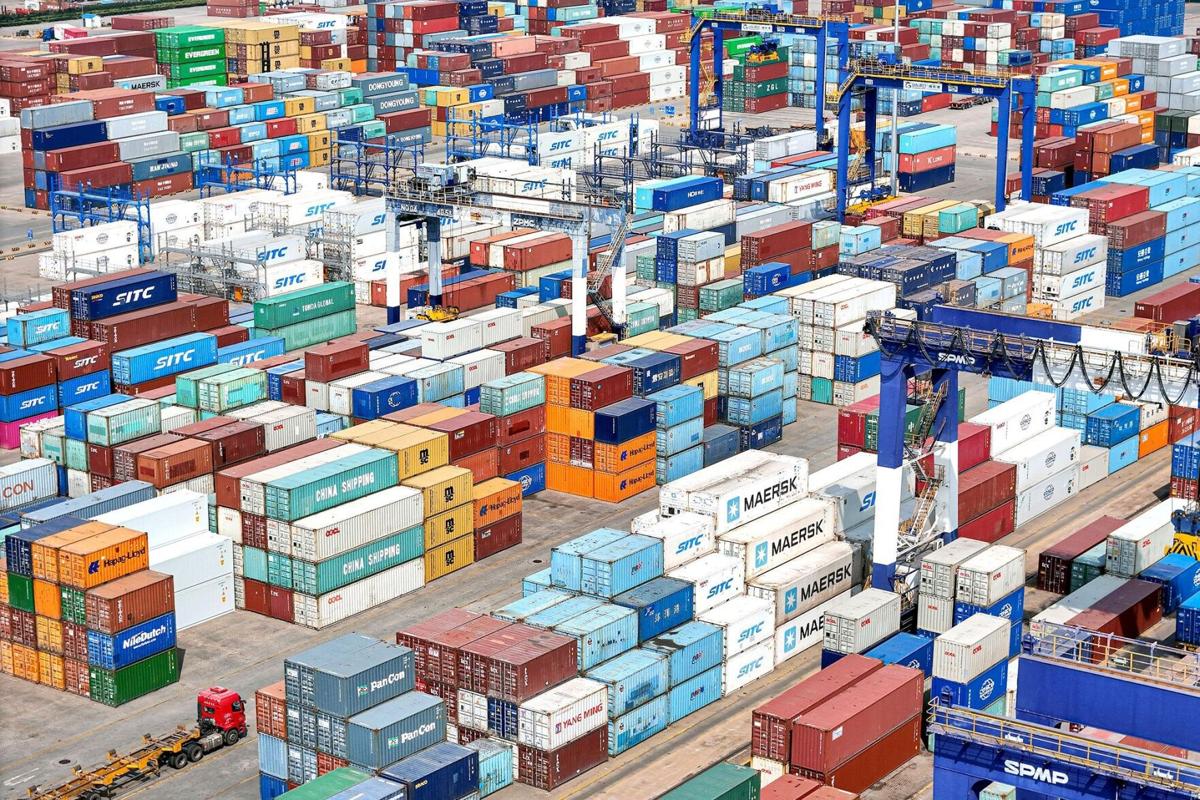
The announcement follows the U.S. decision to impose “reciprocal tariffs” on Chinese exports to the United States, a move that the commission said does not conform to international trade rules, seriously undermines China’s legitimate rights and interests, and represents a typical act of unilateral bullying.
Amid widespread opposition, President Trump signed an executive order Wednesday imposing a 10% minimum tariff, with higher rates on select countries.
China faces a 34% tariff, the EU 20%, Vietnam 46%, Japan 24%, India 26%, South Korea 25%, Thailand 36%, Switzerland 31%, Indonesia 32%, Malaysia 24%, and Cambodia 49%.
Trump argued that other nations impose “non-monetary barriers” on the U.S.
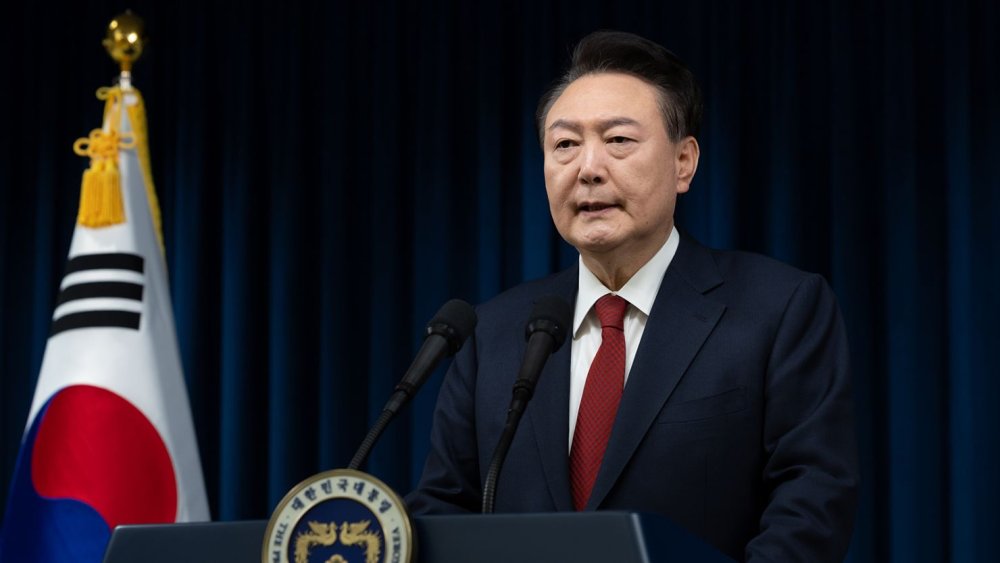
Moon Hyung-bae, acting chief of the court, read a ruling on Yoon’s impeachment, which was broadcast live nationwide, saying it was a unanimous decision of eight justices.
Moon said Yoon broke his duty of protecting the constitution as he damaged the constitutional institutions, such as the National Assembly, and violated the basic rights of people by mobilizing the military and the police.
Moon stressed that the benefit of protecting the constitution through Yoon’s dismissal will overwhelmingly exceed the national loss from his dismissal.
Yoon declared an emergency martial law on the night of Dec. 3 last year, but it was revoked by the opposition-led National Assembly hours later.
Throughout the midnight hours of the botched martial law attempt, military helicopters landed at the National Assembly and hundreds of armed special forces troops broke into the parliamentary building.
By law, the ruling comes into force immediately after the reading, and a snap presidential election is required to be held within 60 days. The election is expected to fall in late May or early June.
The conservative leader officially lost all presidential power, becoming the country’s second sitting president to be forcibly removed from power following former conservative President Park Geun-hye’s ouster through impeachment in 2017.
Yoon also became the third leader to be impeached by the National Assembly in the country’s constitutional history. Late liberal President Roh Moo-hyun was reinstated in the presidency after impeachment in 2004.
Since the passage of Yoon’s impeachment motion on Dec. 14 last year, a total of 11 hearings have been held in the constitutional court until Feb. 25.
It took 111 days before the court’s final verdict, compared to 92 days for Park’s impeachment and 64 days for Roh’s impeachment.
Yoon was apprehended in the presidential office on Jan. 15 and was indicted under detention on Jan. 26 as a suspected ringleader of insurrection, becoming the country’s first sitting president to be arrested and prosecuted.
If convicted of the insurrection ringleader, Yoon could face the death penalty or life imprisonment.
He was released on March 8 as the prosecution decided not to appeal against a court’s release approval.
Yoon will be stripped of most privileges granted to a former president, including a monthly pension, one chauffeur and three secretaries. Free medicine and the cost of a personal office will not be given to him.
For the forcibly ousted president, the period during which the presidential security service provides guards will be reduced from 10 years to five years. After the five-year period, police officers will guard Yoon and his wife.
Kwon young-se, interim chief of the ruling People Power Party, apologized to people over the constitutional court’s decision, saying his party will take it seriously and humbly accept it.
He emphasized that there should never be violence or extreme action in any case, calling on supporters to overcome the current crisis in peace and order.
Lee Jae-myung, chief of the main liberal opposition Democratic Party, expressed his sincere respect for and gratitude to ordinary people who stood against soldiers and armored vehicles at the time of martial law imposition.
The most-favored presidential hopeful added that the unarmed people dramatically revived democracy by peacefully confronting the armed forces, vowing to do his best to prevent the repeated tragedy of the constitution’s destruction.
Following the impeachment verdict, anti-Yoon demonstrators were seen crying tears of joy, hugging each other and cheering in celebration near the constitutional court, with some holding signs that read “Immediately dismiss Yoon, the ringleader of insurrection.”
Yoon’s supporters, who rallied just hundreds of meters away on the street, reacted furiously. A man wearing a helmet and a gas mask was caught red-handed after breaking the window of a police bus, parked for a police line along the court, with a club.
Hemmed in by police officers, other supporters burst into tears, rocked barricades and even swore at riot policemen.
A recent Gallup Korea survey showed that almost six out of 10 South Koreans consented to Yoon’s ouster while 37 percent objected to his impeachment.
It was based on a poll of 1,001 voters conducted from Tuesday to Thursday. It had a plus and minus 3.1 percentage points in margin of error with a 95 percent confidence level.
Security was ramped up nationwide. The police issued the highest level of emergency order to deploy about 20,000 riot policemen across the country for expected protests and crowd control.
Of the total, some 14,000 riot policemen were deployed in Seoul to prevent possible conflicts near the constitutional court, the presidential residence and the parliament.
Police commandos, as well as paramedics and ambulances, were on standby around the court to respond to possible emergencies.
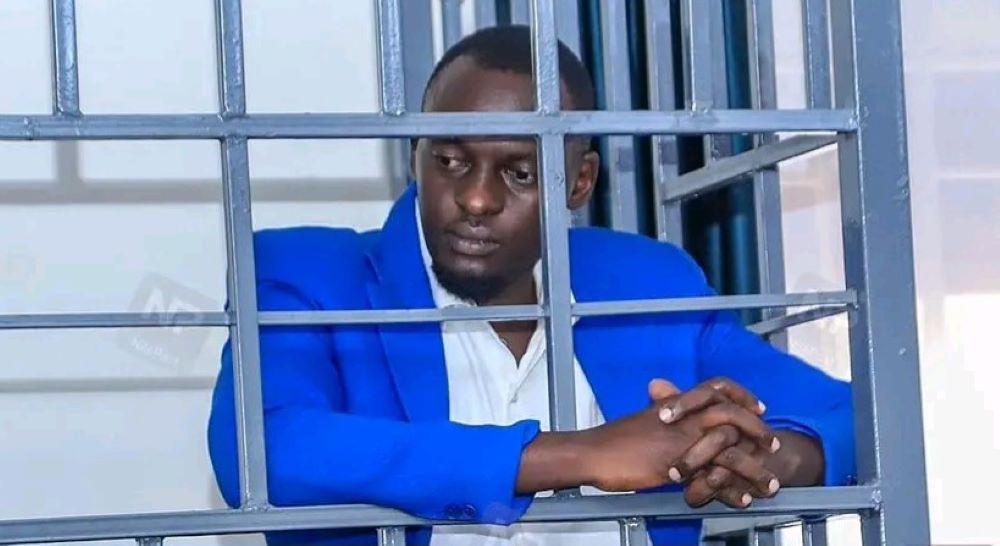
Kiiza, known for representing opposition figure Dr. Kizza Besigye, was summarily sentenced to nine months in Kitalya Prison by the General Court Martial on January 7, 2025, for contempt of court.
Kiiza’s arrest occurred at the General Court Martial in Makindye while he was representing Dr. Besigye and his aide, Obeid Lutale, during their trial.
He was reportedly prevented from accessing the defense section of the courtroom, leading to a confrontation with military personnel. Subsequently, he was arrested, convicted of contempt of court without a formal hearing, and sentenced to nine months in prison.
Human rights organizations, including Amnesty International and the International Bar Association’s Human Rights Institute (IBAHRI), condemned the manner of Kiiza’s arrest and sentencing.
They highlighted violations of due process and fair trial standards, noting that Kiiza was denied the opportunity to defend himself and was allegedly subjected to torture during his detention.
The General Court Martial’s decision to sentence Kiiza without a formal hearing has raised concerns about the treatment of legal professionals in Uganda and the independence of the judiciary.
Legal experts and human rights advocates have called for reforms to ensure that lawyers can perform their duties without fear of intimidation or arbitrary detention.
Kiiza’s release on bail is a significant development in this case, but it also underscores ongoing concerns about the rule of law and human rights in Uganda.
The legal community continues to monitor the situation closely, advocating for the protection of legal practitioners and the upholding of judicial independence.
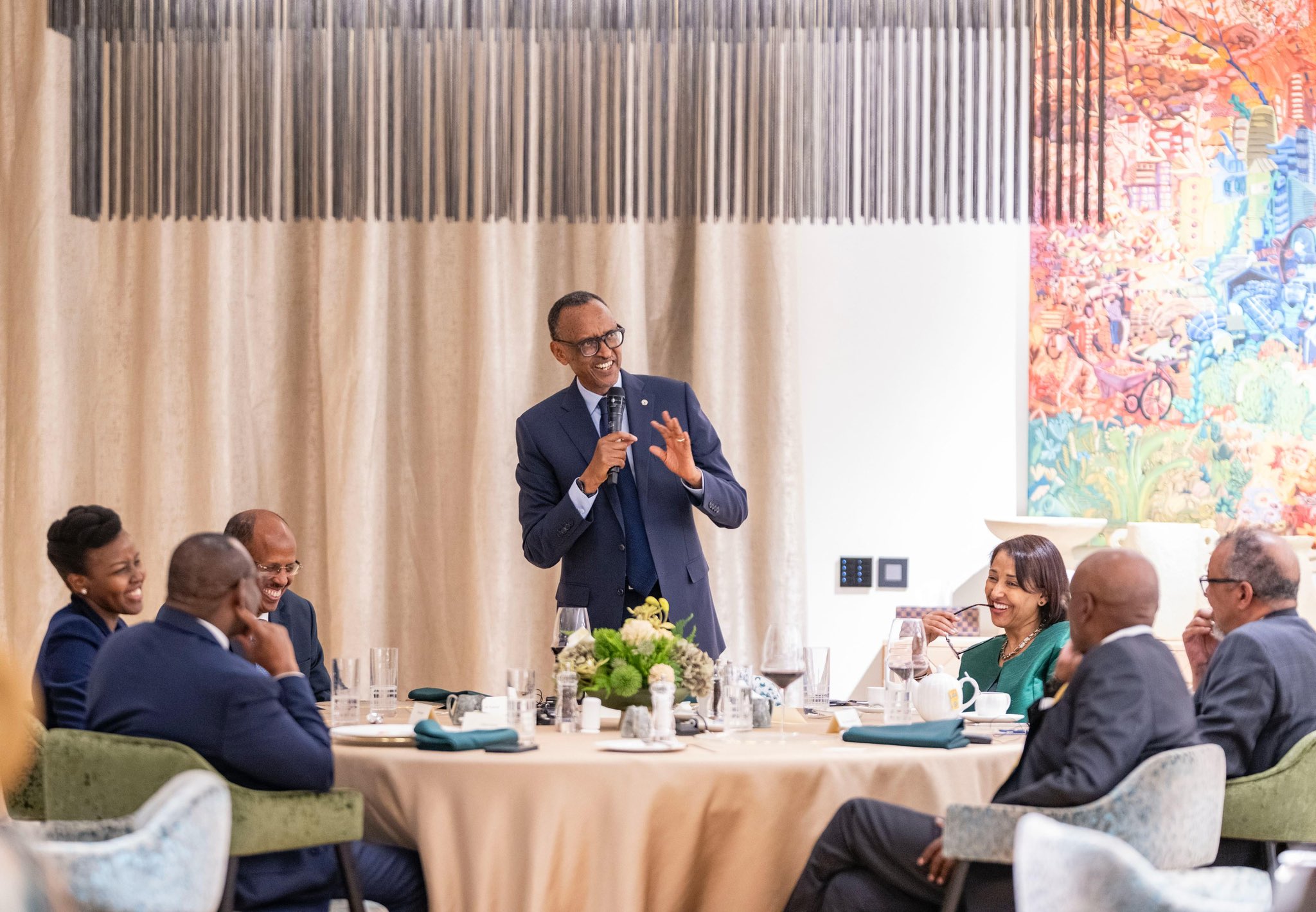
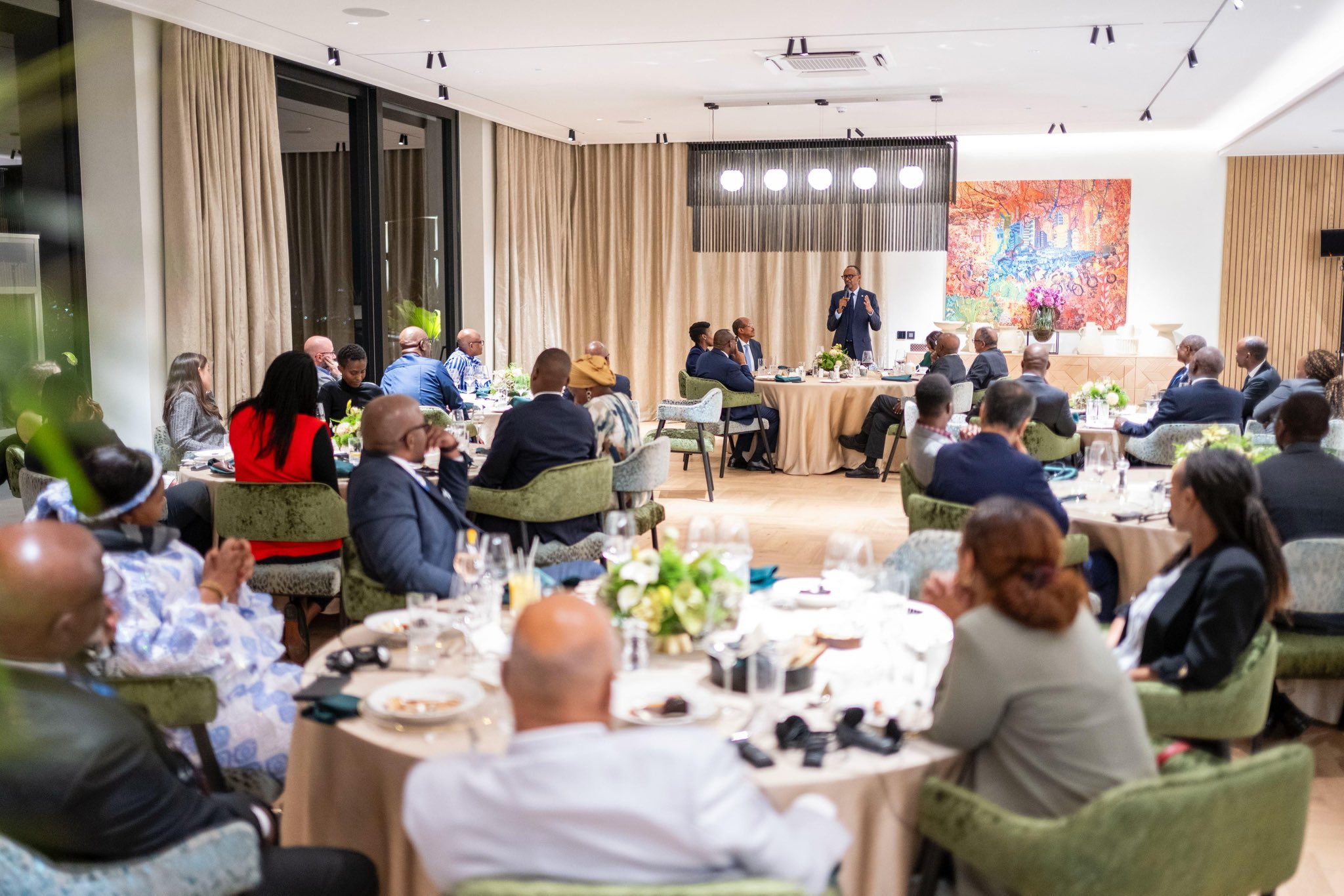
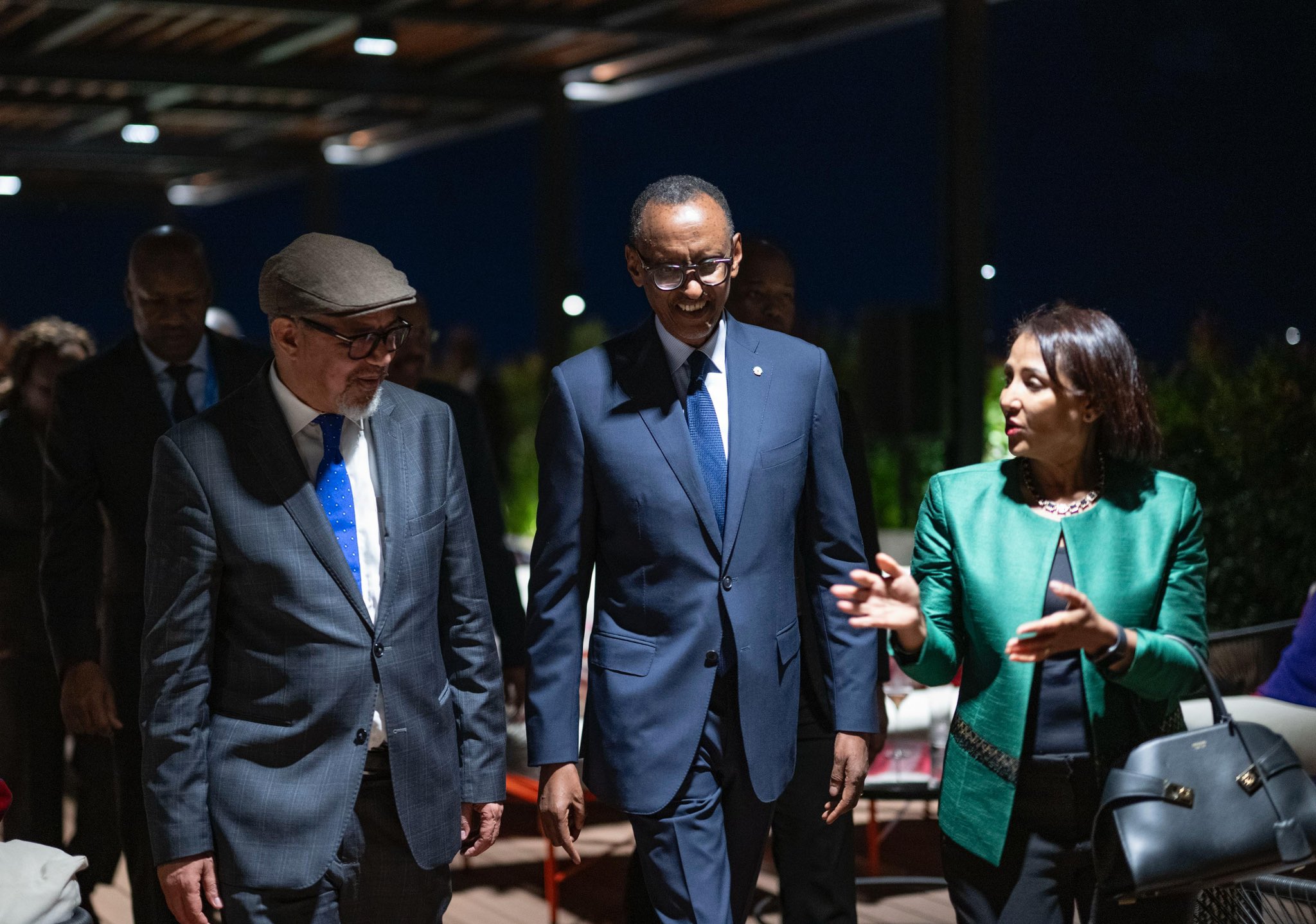
The dinner meeting was hosted by Professor Senait Fisseha, Vice President of Global Programs at the Susan Thompson Buffett Foundation, and brought together regional and continental health leaders to discuss sustainable health financing. Among the leaders present was AU Commission Chairperson Mahmoud Ali Youssouf.
The discussions centered on the importance of strengthening national health systems through domestic financing and fostering mutually beneficial partnerships.
Leaders emphasized the need for sustainable healthcare investments to ensure long-term improvements in service delivery and public health outcomes across the continent.
As part of the engagements, participants attended the official launch of Rwanda’s Health Intelligence Center, an advanced facility designed to enhance healthcare management using artificial intelligence.
The center gathers real-time health data from communities and medical facilities nationwide, enabling better resource allocation and improving national health system efficiency.
The hub was launched on April 3, 2025, on the sidelines of the Global AI Summit on Africa by Rwanda’s Minister of Health, Dr. Sabin Nsanzimana, alongside Minister of State Dr. Yvan Butera.
A statement released by the Office of the President indicates that the two met on the sidelines of the ongoing Global AI Summit on Africa in Kigali.
The meeting comes months after President Kagame hosted the EAC Secretary-General at Urugwiro Village in September last year.
Their discussions then centered on regional integration and other matters relating to the East African Community.
This was the first time President Kagame received Secretary-General Nduva, who was sworn into office on June 7, replacing Dr. Peter Mutuku Mathuki.
Meanwhile, on Thursday, the Head of State also met with Tanzania’s Minister of Health, Jenista Mhagama, whose office stated she “delivered a message from President Samia Suluhu Hassan.”
The President also held discussions with Doreen Bogdan-Martin, the Secretary-General of the International Telecommunication Union (ITU), focusing on leveraging technology to drive sustainable development, and Amandeep Singh Gill, the United Nations Secretary-General’s envoy on technology, who was in Rwanda for the AI conference.
While officiating the opening session of the conference on Thursday, Kagame emphasized the transformative power of artificial intelligence in decision-making and innovation.
“AI is driving innovation, accelerating technological advancements, and proving its benefits across various sectors. It enhances productivity, supports evidence-based decision-making, and reduces human errors,” he stated.
Rwanda has already integrated AI into key sectors such as healthcare and education, significantly improving service delivery and efficiency. Kagame stressed that technology should be harnessed for positive change.
“Technology should be used for good, and we have a responsibility to ensure that happens. I believe we can work together to achieve that. Regarding politics and diplomacy, AI can be a tool for productivity, but relying too much on it in governance could lead to serious consequences,” he cautioned.
“We are deeply saddened to announce the passing away of our colleague, Alain Mukuralinda, Deputy Government Spokesperson,” reads part of a statement released on the morning of Friday, March 4, 2025.
“The Government of Rwanda extends its sincere condolences to his family, loved ones, and all those who had the honour of working alongside him,” adds the statement.
Mukuralinda, who once served as a Prosecutor and later as the Spokesperson for the National Public Prosecution Authority, died aged 55 at King Faisal Hospital.
In addition to his work in justice and politics, Mukuralinda was known for his humility. He was also a well-known figure in the entertainment industry, having been a celebrated musician under the stage name “Alain Muku.”
He was born in 1970 and attended primary school in Rugunga. He completed his secondary education in Rwamagana, where he studied accounting. In 1991, he joined the University of Rwanda but didn’t stay long, as he moved to Belgium to study law.
During his time as a prosecutor, he handled major cases in the country, including those involving perpetrators of the 1994 Genocide against the Tutsi.
He was a cheerful person who loved socializing and making people laugh. He also had a deep passion for football and even managed a youth football team.
He composed the Rwandan national football team’s anthem “Tsinda Batsinde” , along with several other popular songs.
ANNOUNCEMENT
We are deeply saddened to announce the passing away of our colleague Alain Mukuralinda, Deputy Government Spokesperson. —
ITANGAZO
Tubabajwe no gutangaza urupfu rw’Umuvugizi wa Guverinoma wungirije, Bwana Alain Mukuralinda. —