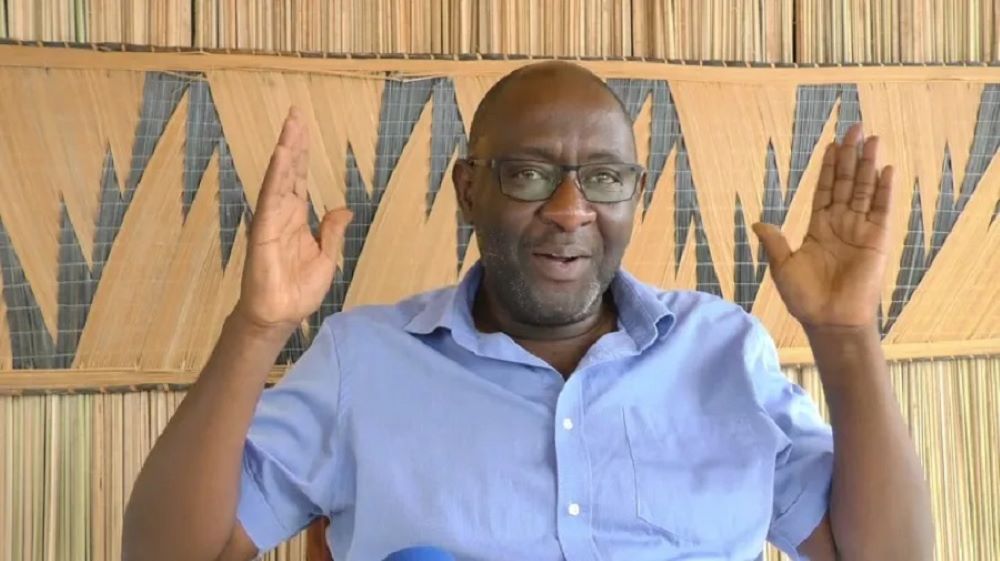
“We are deeply saddened to announce the passing away of our colleague, Alain Mukuralinda, Deputy Government Spokesperson at the KFH Hospital, following complications from heart attack,” reads a statement released on the morning of Friday, March 4, 2025.
“The Government of Rwanda extends its sincere condolences to his family, loved ones, and all those who had the honour of working alongside him,” adds the statement.
Mukuralinda, who once served as a Prosecutor and later as the Spokesperson for the National Public Prosecution Authority, died aged 55 at King Faisal Hospital.
In addition to his work in justice and politics, Mukuralinda was known for his humility. He was also a well-known figure in the entertainment industry, having been a celebrated musician under the stage name “Alain Muku.”
He was born in 1970 and attended primary school in Rugunga. He completed his secondary education in Rwamagana, where he studied accounting. In 1991, he joined the University of Rwanda but didn’t stay long, as he moved to Belgium to study law.
During his time as a prosecutor, he handled major cases in the country, including those involving perpetrators of the 1994 Genocide against the Tutsi.
He was a cheerful person who loved socializing and making people laugh. He also had a deep passion for football and even managed a youth football team.
He composed the Rwandan national football team’s anthem “Tsinda Batsinde” , along with several other popular songs for local teams.
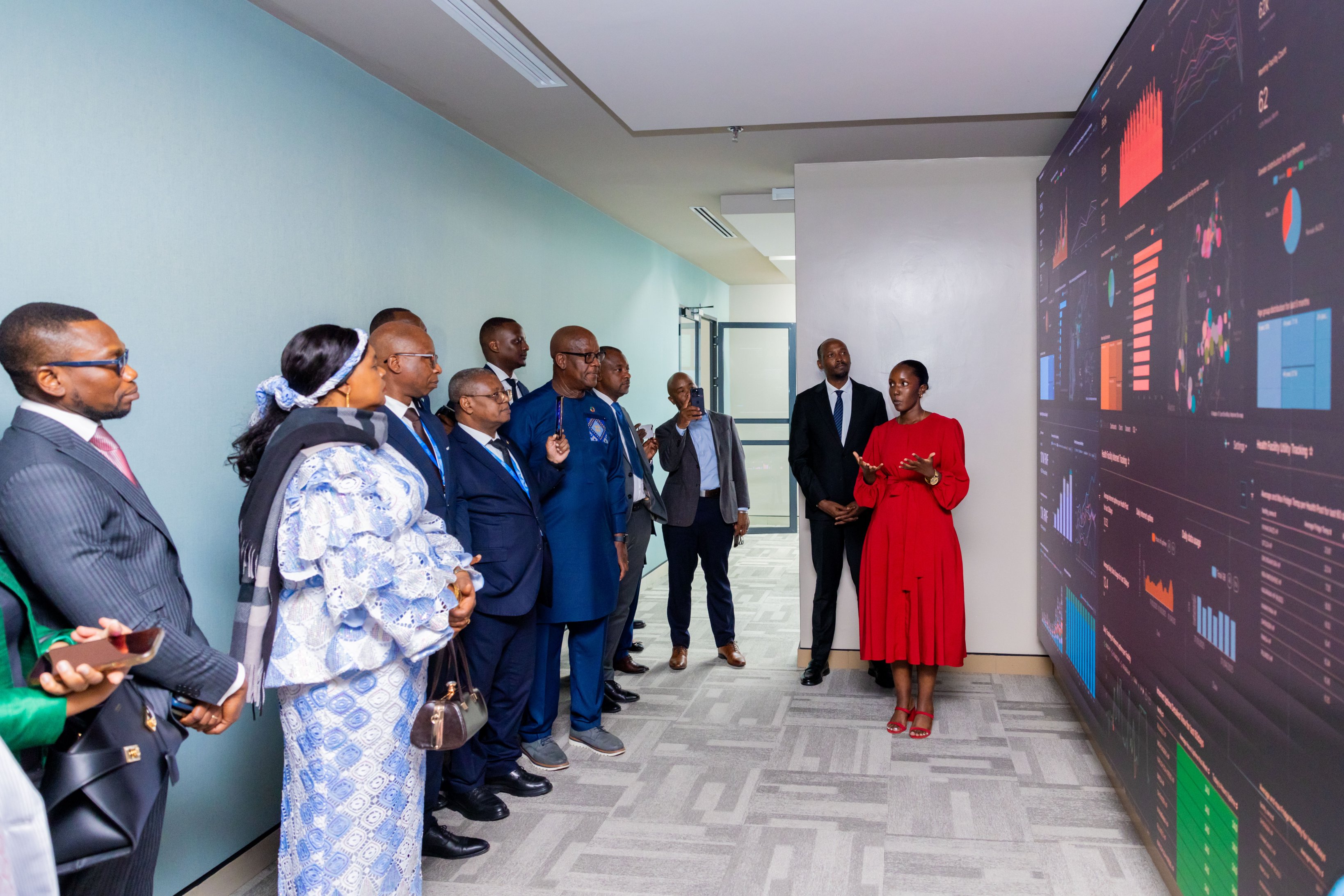
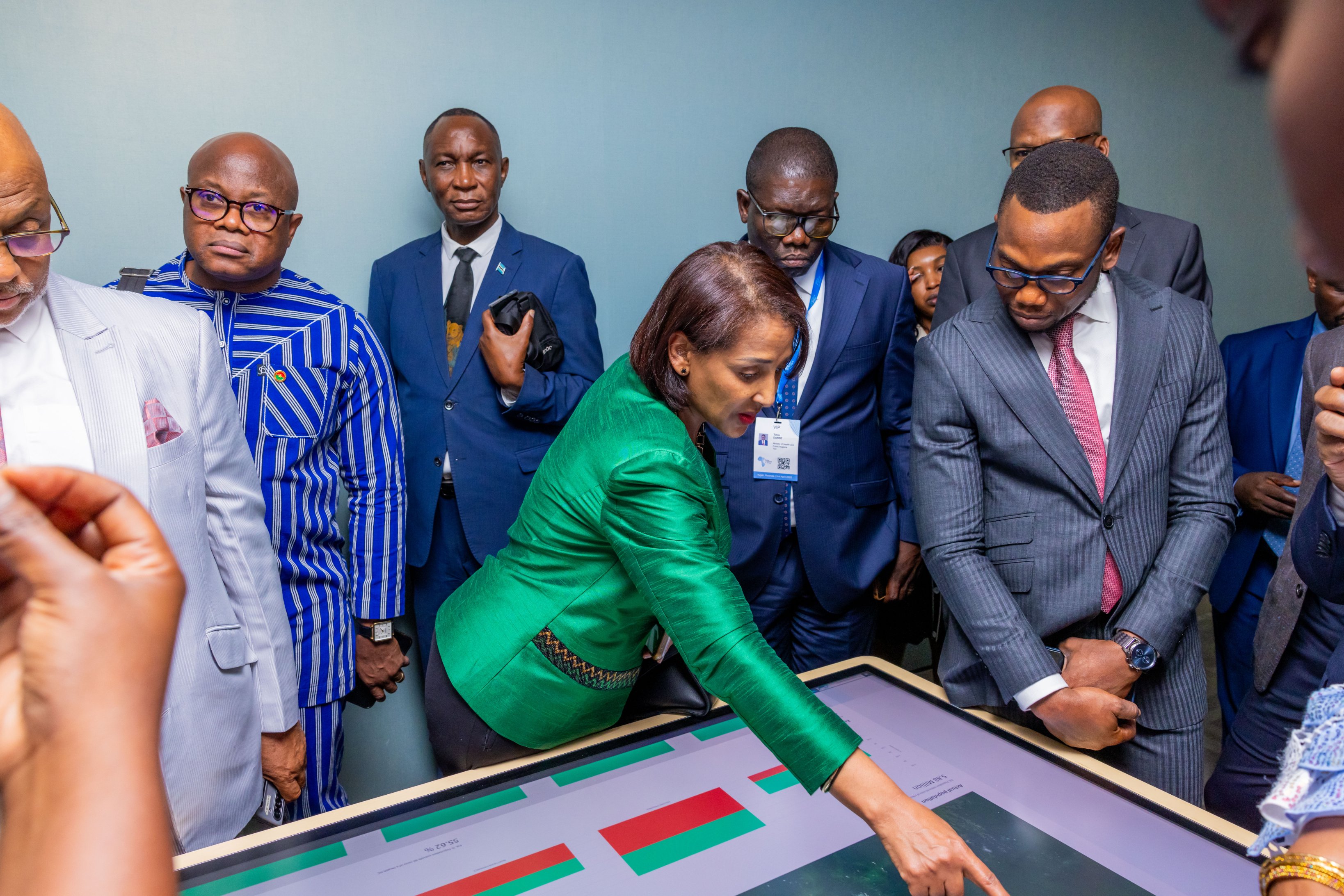
The hub was launched on the sidelines of the Global AI Summit on Africa on April 3, 2025, by the Minister of Health, Dr. Sabin Nsanzimana, and Minister of State Dr. Yvan Butera. They were joined by fellow African Health Ministers and esteemed partners.
According to the officials, the facility leverages real-time data from communities and health facilities to track trends, enhancing evidence-based disease surveillance. It will enable timely decision-making, efficient resource allocation, and policy adjustments to drive impactful change in healthcare.
Located in Kiyovu within the Rwanda Utilities Regulation Authority (RURA) building, the center employs a diverse team, including medical doctors, data scientists, software developers, and programmers.
The initiative focuses on tracking the efficiency of public health equipment such as ambulances and hospital refrigeration systems while also collecting and analyzing medical procedure outcomes to inform policies.
A key feature of the facility is its data warehouse, which stores patient care records, routine reports from healthcare facilities, and feedback from community health workers and the public.
This data is used to assess service delivery, monitor hospital performance, and improve health system efficiency.
Advanced technological solutions, including machine learning and artificial intelligence (AI), play a crucial role in predicting health trends and improving service delivery. For instance, AI-driven models can analyze maternal health data to anticipate pregnancy complications and issue early warnings to healthcare providers.
The hub also integrates telemedicine services, allowing remote consultations and enhancing access to healthcare. Additionally, real-time monitoring systems have been deployed to track hospital equipment functionality.
Refrigeration units in health facilities are now fitted with sensors that relay temperature data to the intelligence facility, ensuring vaccines and other temperature-sensitive medical supplies are stored safely.
“We can see the fridges and the exact temperature at which they are in real time. We can put the sensors on all of the equipment,” Muzungu Hirwa, a data scientist and medical doctor, remarked.
Similarly, ambulances are equipped with tracking systems that provide real-time data on their locations and operational efficiency.
Muhammad Semakula, head of the Planning, Monitoring, Evaluation, and Health Financing Department at the Ministry of Health, emphasized the importance of leveraging big data to optimize resource allocation and improve healthcare outcomes.
He highlighted that data from Rwanda’s 58,000 community health workers would be integral to the facility’s operations, feeding into a centralized digital system for streamlined service delivery.
Health Minister Dr. Sabin Nsanzimana praised the initiative, stating that it will facilitate data-driven decision-making, reducing delays in policy implementation.
The move aligns with Rwanda’s broader digital health strategy, which includes the upcoming launch of e-Ubuzima, a platform designed to provide patients with online access to their medical records and appointment scheduling.
The prime minister said his government will also impose the tariff on non-Canadian content of any CUSMA-compliant vehicles from the U.S., adding that Mexico won’t be impacted.
Carney said that the global economy “is fundamentally different today than it was yesterday.”
“Yesterday’s actions by the U.S. administration, while not specifically targeting Canada, will rupture the global economy and adversely impact global economic growth,” he said.
“Our old relationship of steadily deepening integration with the United States is over. The 80-year period when the United States embraced the mantle of global economic leadership is over,” said Carney.
Carney also said his government has gone to the World Trade Organization to argue the tariffs violate international trade law.
Canada was spared from the 10 percent baseline tariffs, but a 25 per cent U.S. tariff on imported autos went into effect at midnight.
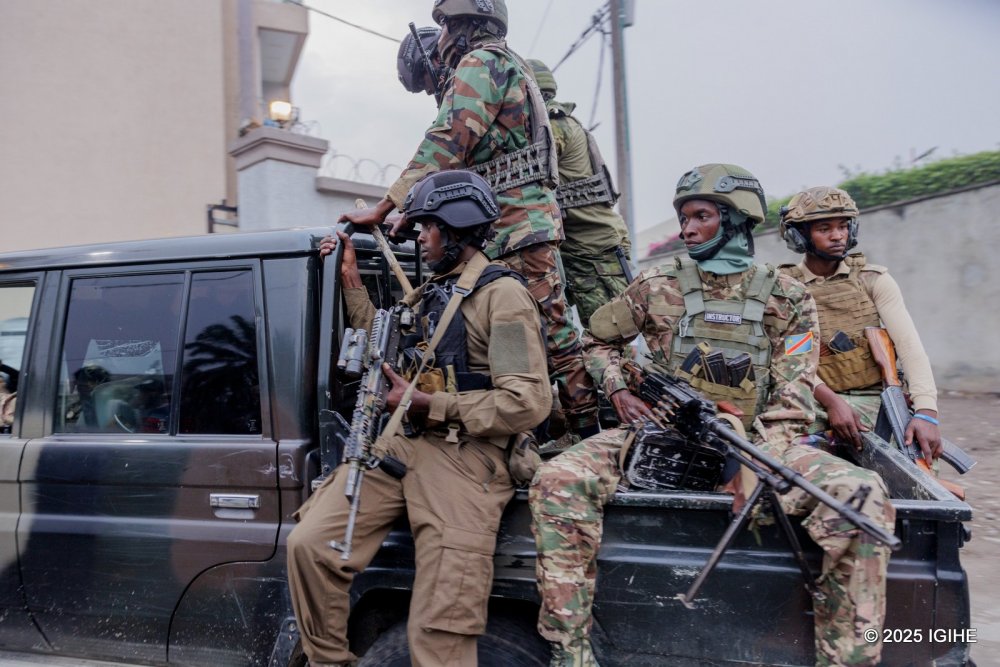
In a statement released on Thursday, April 3, 2025, AFC/M23 spokesperson Lawrence Kanyuka stressed that the rebel group had repositioned its forces in the area but warned that any aggression from Kinshasa would lead to immediate retaliation.
“The Congo River Alliance (AFC/M23) informs the Congolese people that, contrary to what is circulating on social media, we have implemented our decision to reposition our forces in Walikale and its surrounding areas, in accordance with our press release.
“If the Kinshasa regime forces continue their provocations or attacks against civilians in the liberated areas as well as against our positions, this gesture of goodwill will be automatically rescinded, and we will eliminate the threat at its source,” Kanyuka stated.
The warning follows accusations made by M23 on March 23, alleging that the Armed Forces of the Democratic Republic of Congo (FARDC) violated the ceasefire by deploying attack drones in Walikale — a move the rebels insist poses a direct threat to peace efforts in eastern DRC.
“Contrary to what was stated in the press release of Sunday, March 23, 2025, the FARDC and its coalition forces have not withdrawn their attack drones from Walikale. This situation is delaying the repositioning of AFC/M23 forces in the area,” Kanyuka emphasized.
He further described the continued presence of attack drones as a “major obstacle to compliance with the ceasefire,” warning that it could derail ongoing peace negotiations.
M23 had seized control of Walikale on March 19, 2025, including the strategic Kigoma airstrip, after capturing surrounding areas such as Ngora, Kisima, and Mubanda.
The decision to withdraw was described by the group as a “strategic decision aimed at creating a favorable environment for political dialogue.”
Despite the withdrawal, M23 urged local authorities and residents to maintain security in the region. Kanyuka further warned that the rebels would reconsider their decision and reoccupy Walikale if the Congolese forces resumed attacks on civilians or M23 positions.
Meanwhile, the Congolese government and M23 rebels are scheduled to hold direct talks on April 9 in Doha, the capital of Qatar as part of ongoing efforts to restore peace in the eastern Congo.
The meeting will mark the first direct negotiations between the two sides since the rebels captured two provincial capitals in eastern Congo.
Previously, Kinshasa had dismissed the idea of dialogue with the group.
An earlier meeting planned in Angola on March 18 was abruptly canceled after M23 withdrew in protest against European Union sanctions imposed on its leaders.
However, diplomatic efforts gained momentum after a surprise meeting in mid-March between Congolese President Felix Tshisekedi and President Paul Kagame in Doha.
Qatar has since facilitated separate meetings with delegations from both the Congolese government and the rebels, paving the way for the upcoming direct negotiations.
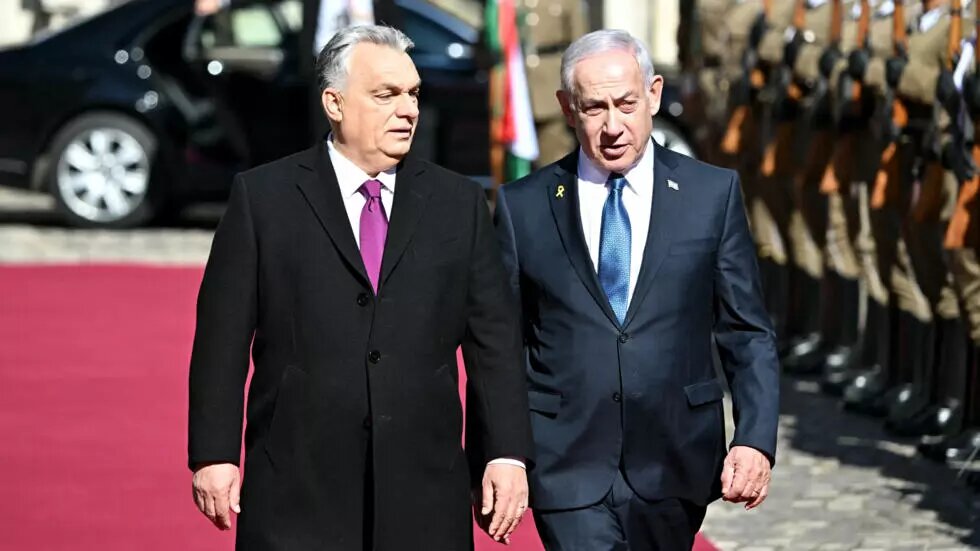
Netanyahu arrived in Hungary on Thursday for a four-day state visit following an invitation from Prime Minister Viktor Orbán. This is his first European visit since 2023.
A senior Hungarian official confirmed the decision to exit the ICC, making Hungary the first European Union member to take such a step.
Orban has previously dismissed the court’s ruling against Netanyahu, stating that it would have “no effect” in Hungary.
During a joint press briefing, Orban reiterated his criticism of the ICC, calling it a “political institution” and questioning its impartiality.
Netanyahu, in response, welcomed Hungary’s decision, describing it as a stand against what he called a “corrupt organization.” He argued that the ICC had lost credibility and accused it of targeting Israel unfairly.
“It’s crucial for democratic nations to push back against this injustice,” Netanyahu said during the conference.
Israel’s Foreign Minister Gideon Sa’ar also voiced support for Hungary’s withdrawal, thanking Orban for what he described as a “principled and strong stance.”
The ICC issued arrest warrants for Netanyahu and former Israeli Defence Minister Yoav Gallant in November 2024, citing allegations of war crimes and crimes against humanity during Israel’s military operations in Gaza.
The court stated that there were reasonable grounds to believe that Israeli officials were responsible for the use of starvation as a method of warfare and the obstruction of humanitarian aid.
Israel has rejected the allegations, with Netanyahu condemning the ICC’s actions as “outrageous.” The Israeli government is currently appealing the arrest warrants, while maintaining its stance that the court lacks jurisdiction over Israel, as it is not a member of the ICC.
Hungary’s exit from the ICC requires formal notification to the United Nations Secretary-General, with the withdrawal taking effect in a year as stipulated under Article 127 of the Rome Statute.
Until then, Hungary remains bound by its obligations to cooperate with the court. ICC spokesperson Fadi El-Abdullah reaffirmed this, stating, “Hungary continues to have a duty to comply with ICC procedures until the withdrawal process is complete.”
While Hungary’s departure does not impact ongoing ICC investigations, it’s likely to elicit mixed reactions across Europe.
Some European nations have signalled willingness to enforce the ICC’s arrest warrant if Netanyahu were to visit, while others, including Germany, have stated they would not detain him.
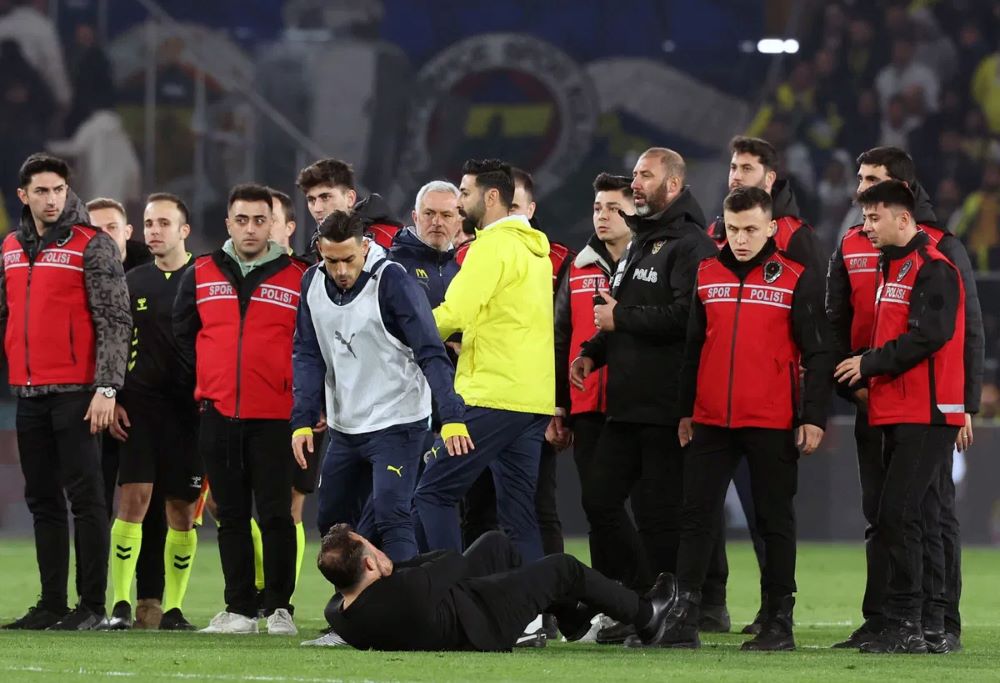
The heated Istanbul derby saw three red cards issued in stoppage time before the final whistle. However, the drama didn’t end there.
After the match, Mourinho approached Buruk from behind and appeared to pinch his nose, prompting the Galatasaray boss to fall to the ground. Mourinho was quickly escorted out of the area, while Buruk grabbed at his face before being tended to.
Galatasaray posted a photo on its official X account afterward with the quote, “You should not attack, you should digest!” along with a shushing emoji.
Wednesday’s incident is the latest for Mourinho, a no stranger to controversy, who was handed a four-match ban and fined by the Turkish Football Federation (TFF) following his comments about Turkish referees after a match at Galatasaray in February.
The Portuguese coach was also accused of making “racist statements” by the rival club, which at the time planned to seek criminal charges against the world-renowned coach.
The 62-year-old is considered one of the best coaches of his generation, winning two Champions Leagues, two Europa Leagues, one Conference League and eight league titles after previously managing Real Madrid, Chelsea, Manchester United, Inter Milan and AS Roma, among others.
The four are Barbra Banda, Rachael Kundananji, Prisca Chilufya and Grace Chanda, will not be able to compete at the Yongchuan International Tournament, an invitational women’s event.
“Their failure to owes to additional travel measures introduced by the new administration in the United States”, Zambia Football Association general secretary Reuben Kamanga said in a statement, without specifying the “travel measures” referred to.
Recently, the Trump administration’s crackdown on illegal immigration, stepped-up checks of foreign student visa holders and a potential ban on travel from some countries, has made many foreigners who live in the U.S. question whether they should travel abroad in case they have difficulty re-entering the country.
Banda, the team captain, Chanda and Chilufya play for Orlando Pride, and Kundananji was under contract with San Jose-based Bay FC in the National Women’s Soccer League.
In an executive order signed in January, Trump told his Cabinet members to submit a report within 60 days that identifies countries with vetting so poor that it would “warrant a partial or full suspension” of travelers from those countries to the US.
US State Department spokeswoman Tammy Bruce said last month that the review was continuing and no list had been finalized. It is unclear whether China will be on the list.
The decision was approved during a joint session of the provincial council and the House of Bishops in which the church undertook to increase awareness and adaptation of practices that promote environmental protection and mitigate the evident impacts of climate change.
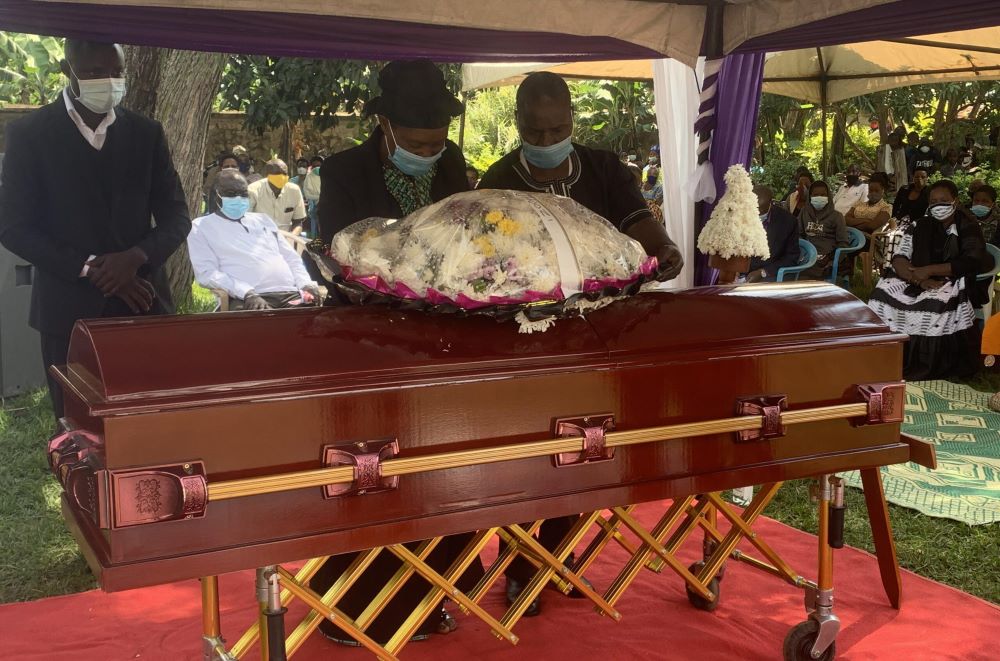
Tree planting is seen as a lasting tribute that benefits the environment. Trees help absorb carbon dioxide, improve air quality, and provide habitats for wildlife and priests will lead this new practice across the Church of Uganda’s provincial areas.
The CoU believes that planting trees in memory of loved ones is a meaningful way to contribute to the environment and leave a positive legacy for future generations.
The framework is instructive to all the 39 dioceses of the Church of Uganda, to step up responses towards environmental conservation, climate change adaptation and developing church-tailored preparedness and responses to disasters.
Similarly, all priests are instructed to regularly integrate environmental conservation and climate change messages in their sermons, and sensitize Christians on the dangers of polythene bags to the soil and environment.
Each diocese is also required to institute an environmental protection coordination taskforce and appoint focal persons at the diocese and each parish, promote the use of renewable energy and other alternative sources of cooking, to cut down on the use of firewood for cooking.
Part of the obligations of the task force include ensuring that all the idle Church land and institutions are planted with a mix of fruit trees and other indigenous varieties for food and carbon generation.
Reverend Canon William Ongeng, the Church of Uganda Provincial Secretary, indicates that the new strategic planning framework was developed to guide responses to the emerging challenges that communities are facing, due to habits of environmental destruction.
“This framework was informed by the end-line evaluation of the strategic plan for 2016-2025, the process involved wide consultations with all Bishops, the staff and leaders of key ministries of government,” he said.
The other interventions include using the church structures to train farmers on climate-smart agriculture practices such as conservation farming, agroforestry, integrated pest management, promoting the use of simple irrigation technologies and disease management right from household levels.
On the other hand, the Dioceses are also required to link and strengthen farmers’ organizations and cooperatives, as key drivers for supporting climate-smart agriculture adoption, and endeavor to strengthen extension services to provide farmers with regular support and guidance.
While launching the new strategic planning framework, Dr. Stephen Kazimba Mugalu, the Archbishop of the Church of Uganda, expressed hope that if well implemented, it will enable the dioceses to adapt to the dynamic changing environment and promptly address emerging issues.
He urged the Bishops to collaborate with government ministries and departments, civil society actors, nongovernment organizations and church structures to achieve the intended strategic objectives.
To actualize the developed planning framework, the Church instituted a 24-member steering committee to oversee its effective implementation across all dioceses.
According to Kazimba, they have also developed a monitoring and evaluation tool and templates that will guide the performance assessment in each diocese.
The other areas of focus in the approved strategic planning framework include mission and evangelism to bring salvation and spiritual transformation, promoting socio-economic development, focusing on institutional development and community engagement.
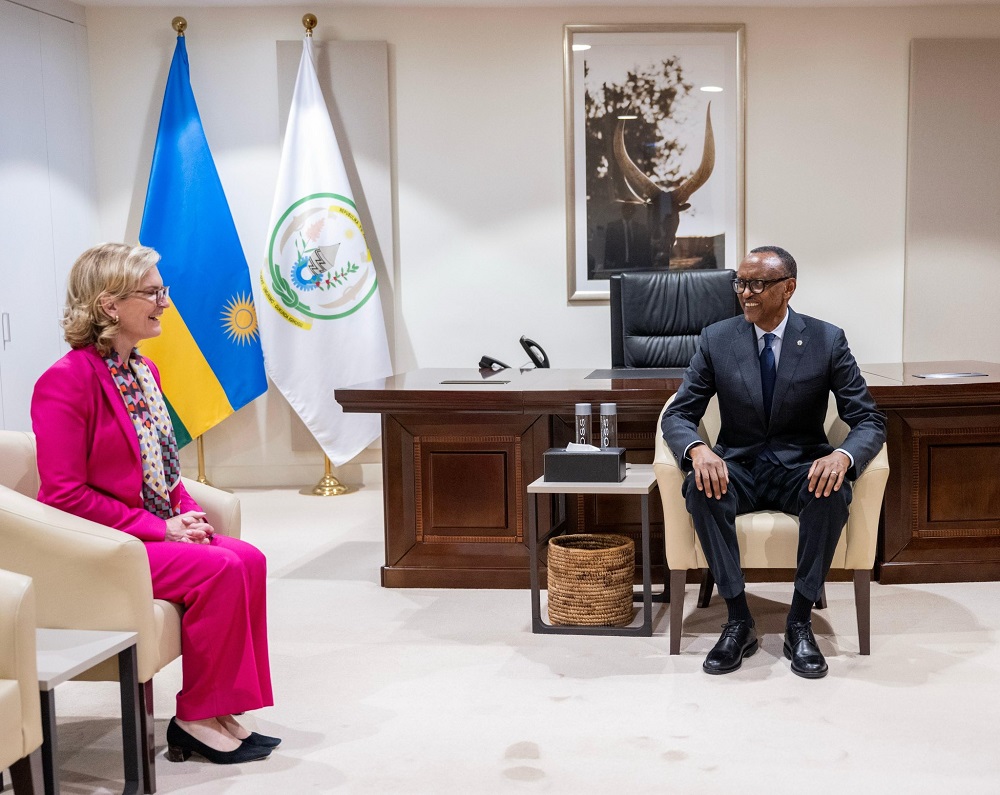
The high-level meeting took place on April 3, 2025, following the International Conference on Artificial Intelligence (AI) in Africa held in Kigali.
According to the Office of the President, “President Kagame received ITU Secretary-General Doreen Bogdan-Martin for discussions centered on strengthening collaboration in finding technology-driven solutions for sustainable development.”
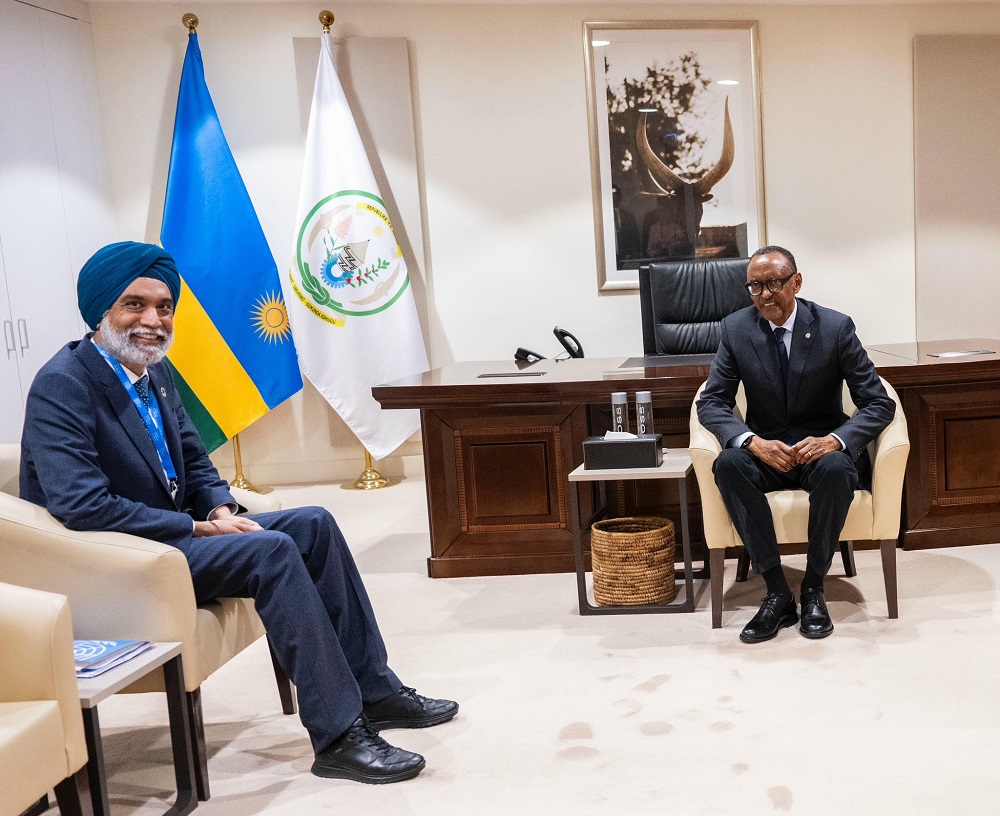
During the meeting, Kagame also welcomed Amandeep Singh Gill, the United Nations Secretary-General’s envoy on technology, who was in Rwanda for the AI conference.
While officiating at opening session of the conference, Kagame emphasized the transformative power of artificial intelligence in decision-making and innovation.
“AI is driving innovation, accelerating technological advancements, and proving its benefits across various sectors. It enhances productivity, supports evidence-based decision-making, and reduces human errors,” he stated.
Rwanda has already integrated AI into key sectors such as healthcare and education, significantly improving service delivery and efficiency. Kagame stressed that technology should be harnessed for positive change.
“Technology should be used for good, and we have a responsibility to ensure that happens. I believe we can work together to achieve that. Regarding politics and diplomacy, AI can be a tool for productivity, but relying too much on it in governance could lead to serious consequences,” he cautioned.
By 2029, Rwanda aims to significantly increase the number of students pursuing technology-related studies, equip them with the necessary skills and tools, and train at least 500,000 people in digital technologies.
Additionally, the government plans to fully digitize all its public services, ensuring seamless access for citizens and businesses.
A report from MINEMA indicates that the Northern and Western provinces are the most prone to disasters. Available data shows that 522 areas, home to approximately 22,000 households, are particularly vulnerable to disasters, especially during the rainy season.
In specific districts, the number of households at high risk includes 88 in Rusizi, 452 in Rubavu, 424 in Rutsiro, 364 in Nyabihu, and 100 in Nyamasheke.
During a discussion with members of the Senate on April 2, 2025, Murasira emphasized that the government closely monitors these areas to warn residents in advance and respond swiftly in case of emergencies.
Senator Marie Rose Mureshyankwano inquired whether research is conducted to determine the type of soil in different regions to help guide land use planning.
“For example, Nyabihu district frequently experiences natural disasters, and researchers have indicated that its soil is shallow, with rocky layers underneath, steep slopes, and fragile composition. Sometimes, areas are settled or cultivated when they would be better suited for pasture or forests. What measures are in place to conduct thorough research and ensure appropriate land use?” she asked.
In response Murasira responded by informing the house that each district has a land use master plan outlining what activities should be carried out on different types of land.
He stated that while the government collaborates with universities for research, they aim to integrate technology for better land analysis and disaster preparedness.
“We want to use drones to assess land conditions because there are areas like Shyira where the soil frequently shifts, and we currently lack the capability to determine the exact cause. If we had satellite imaging, we could receive detailed insights into the soil’s structure,” he explained.
MINEMA reports that Rwanda’s disaster resilience level stands at 46%, partly due to the slow reconstruction of infrastructure affected by disasters. The country has 14 designated relocation sites for people displaced by natural disasters.
In 2023 alone, disasters in Rwanda caused damages worth over Frw222.3 billion.