Both have escaped UEFA bans over “indecent” postgame celebrations in the Champions League last-16 win at Atletico Madrid.
Mbappe and Rudiger are both subject to a one-year probationary period. Madrid are away to Arsenal in the first leg of the quarter-finals on Tuesday, April 8, 2025
The charges followed Madrid players celebrating a penalty shootout win over Atletico on March 12. Video clips emerged of Mbappe grabbing his crotch on the field.
Rudiger has been handed a 40,000 euros fine and Mbappe 30,000 euros. Dani Ceballos was fined 20,000 euros with no suspended ban.
UEFA have also confirmed no charges were made against Vinicius Junior, who also had been under investigation.
This comes after the Ministry of Defense discovered that seven of them were still active-duty soldiers who had been on a family leave of up to two years. It was found that they violated military regulations by leaving the country without authorization and engaging in activities unrelated to their military duties. Three of them remain on leave.
The Ministry also revealed that among these mercenaries were 466 former members of Romania’s reserve forces, who had previously been discharged from active military service due to age, resignation, or medical reasons.
A case file for one of the seven soldiers on leave has already been submitted to the military prosecutor’s office, and it is expected that files for the remaining six will also be submitted, according to Euractiv.
Romanian Defense Minister Angel Tîlvăr stated that he had ordered a full investigation into how this situation arose and that measures would be taken to prevent such incidents in the future.
European mercenaries began collaborating with the DRC government in 2022 to fight against the M23 rebel group, which was rapidly taking control of vast territories. A large number of these mercenaries were from Romania.
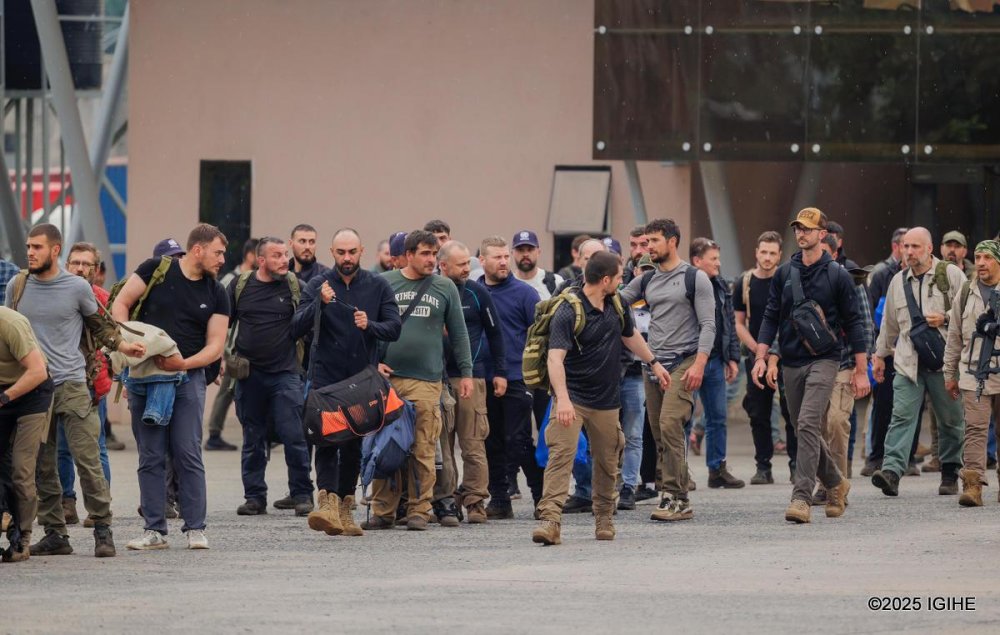
Before M23 captured the city of Goma in late January 2025, the mercenaries, led by Horatiu Potra, a figure well known across Africa, ceased fighting operations.
M23 captured 280 of the mercenaries and repatriated them through Rwanda on January 29, 2025. Reports indicated that some had fled before the rebel group entered Goma.
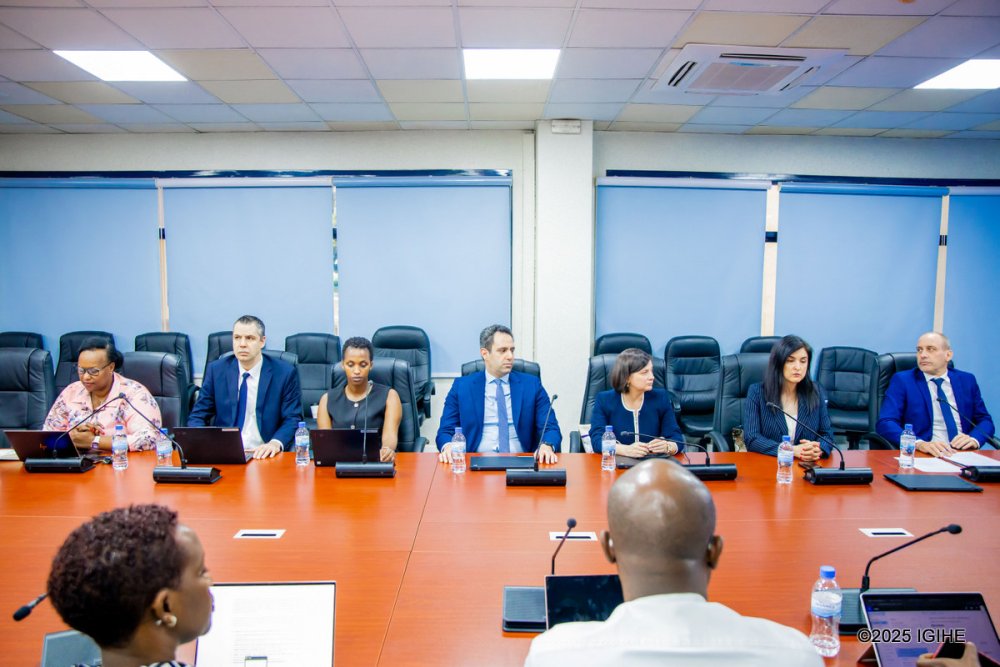
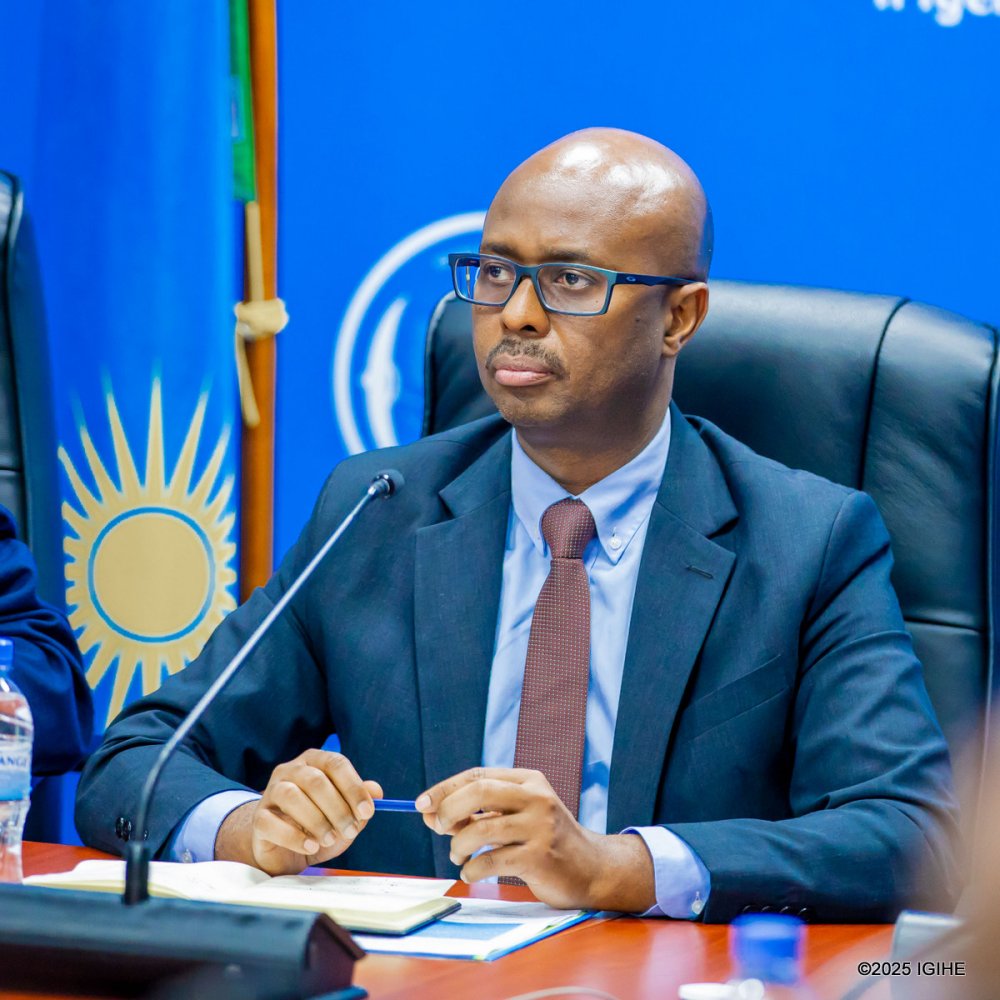
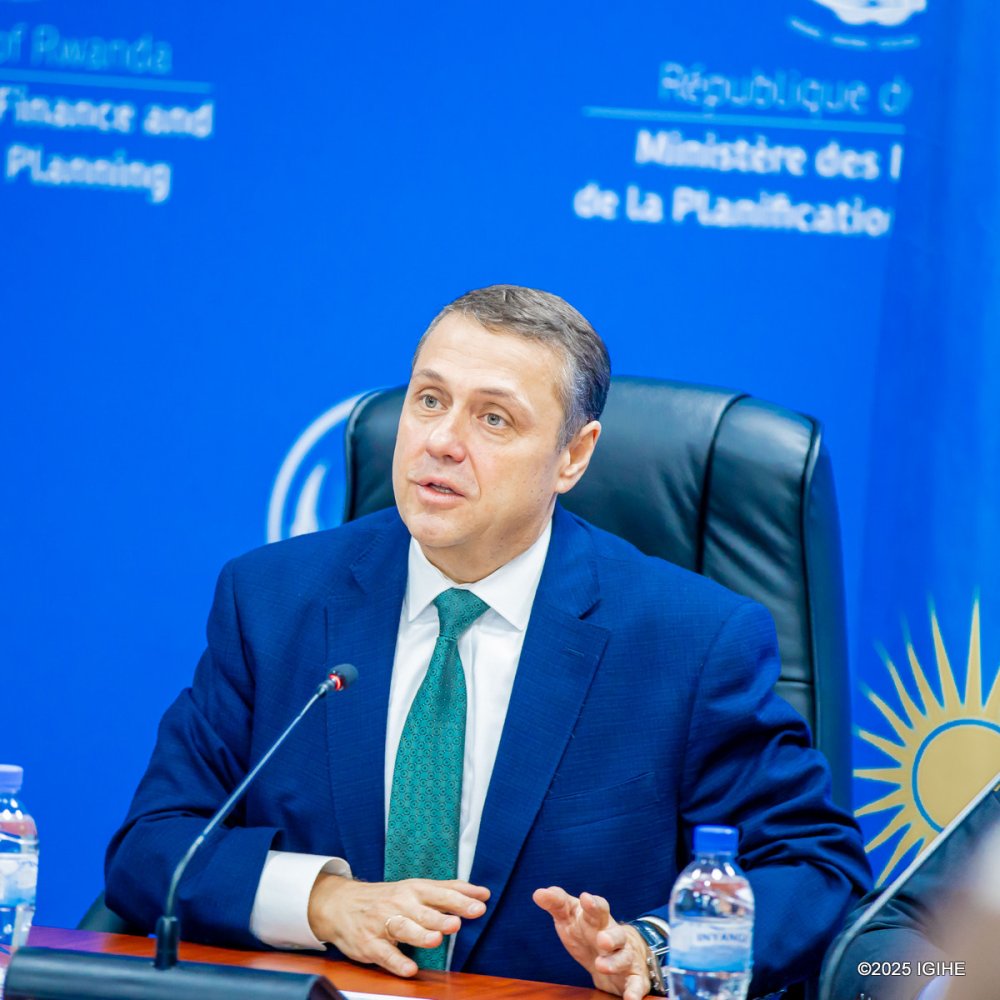
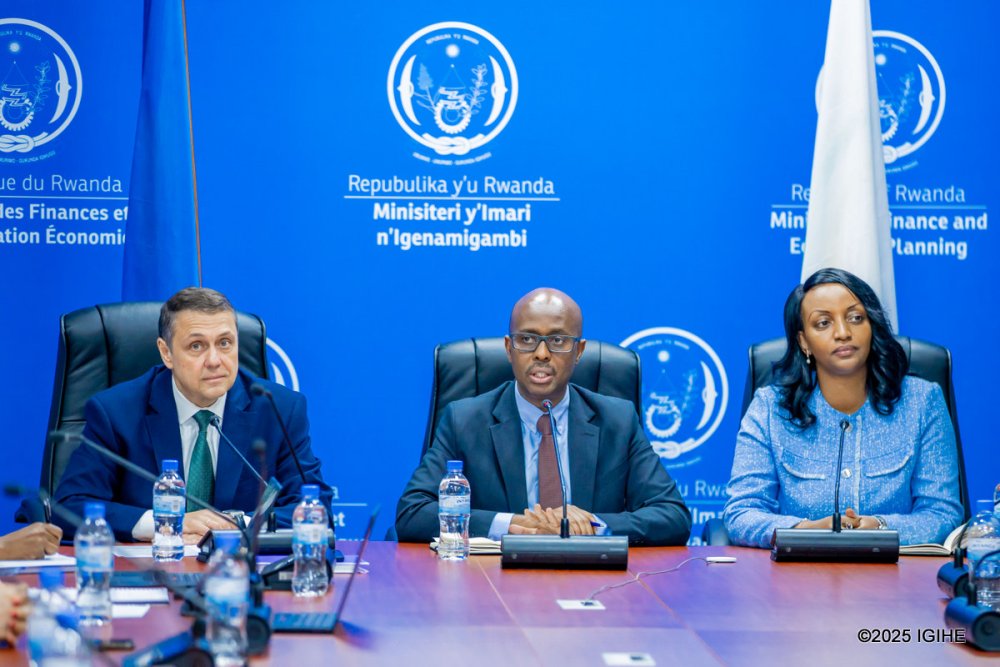
He made the remarks on April 4, 2025, during the presentation of findings from a two-week review conducted by the International Monetary Fund (IMF).
In recent weeks, countries such as Canada, the United Kingdom, and Germany have imposed economic sanctions on Rwanda, accusing it of supporting the M23 rebel group, allegations Rwanda has consistently denied as baseless.
The situation escalated when Rwanda severed diplomatic ties with Belgium and terminated cooperation agreements on development projects valued at €95 million for the 2024–2029 period. At the time of cancellation, about €80 million remained unused.
Murangwa emphasized that while those aid contributions had been beneficial, their loss would not severely destabilize Rwanda’s economy, particularly because the country still has support from its core partners.
“The countries that have imposed sanctions on us are not many. Our main partners such as the World Bank, IMF, AfDB, and other nations have not imposed any sanctions, meaning the overall impact is minimal,” he said.
In 2024, Rwanda’s Gross Domestic Product (GDP) reached RWF 18.785 trillion, up from RWF 16.626 trillion in 2023. Services contributed 48% to this growth, while agriculture accounted for 25%.
Murangwa further explained that Rwanda’s current economic standing is strong, and the reliance on foreign aid has significantly decreased compared to past years, thereby reducing the impact of these sanctions.
“We are investing heavily in self-reliance. Based on our current progress and preparedness, there is no major threat. We will continue assessing any potential impacts,” he added.
During the two-week review conducted with the IMF, it was found that Rwanda’s economy had grown at a solid rate of 8.9%. The Minister also mentioned that projections for the coming years show Rwanda’s economy is expected to grow at a rate of 7%.
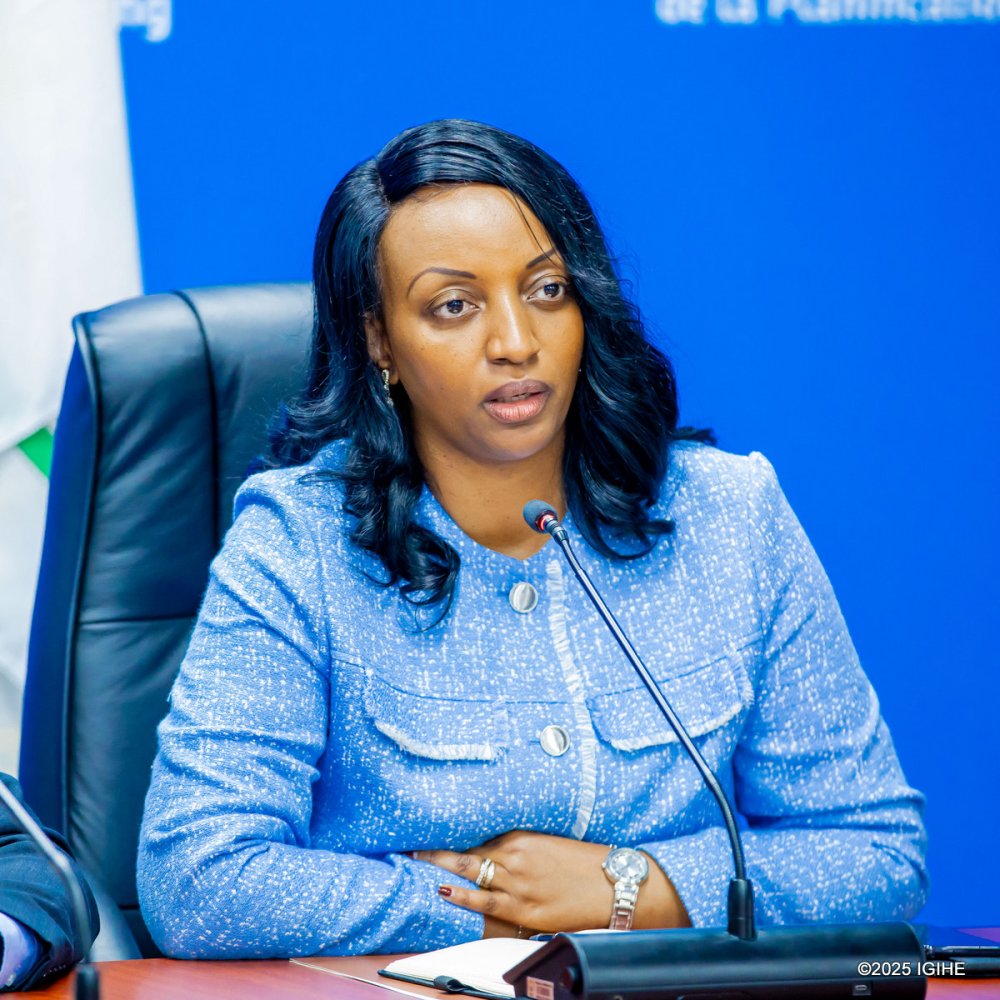
The Governor of the National Bank of Rwanda (BNR), Soraya Hakuziyaremye, noted that the IMF forecasted inflation rates between 2% and 8% for 2025 and 2026, which aligns with the central bank’s own figures.
In March 2025, BNR had projected inflation to reach 6.5% in 2025, dropping to 4.3% in 2026. Hakuziyaremye confirmed that the IMF used the same projections.
She added that although global economic uncertainty persists, such as rising import taxes in the United States, there is currently no cause for concern for Rwanda. However, they will continue monitoring the situation closely.
“There’s no need for alarm because our exports to the US were already limited and subject to taxes. However, global price hikes, especially for food and petroleum products, could be indirectly affected by those tax changes,” she said.
The IMF’s review also looked at the performance of the Rwandan Franc against the US Dollar. The fund confirmed Rwanda’s figures.
“The Rwandan Franc depreciated by 9.8% compared to the US Dollar, a notable improvement from the 18% depreciation seen in 2023. The slower rate of depreciation, and our goal of returning to the 5% level in the coming years, is reassuring,” Governor Hakuziyaremye said.
The IMF assessment also found that Rwanda’s foreign reserves increased, reaching the equivalent of 5.4 months of imports by the end of 2024.
The Ministry of Finance and Economic Planning also announced that in 2025, Rwanda will unveil the second phase of the Bugesera International Airport project, alongside the expansion of Kigali International Airport, in partnership with the Qatar Investment Authority.
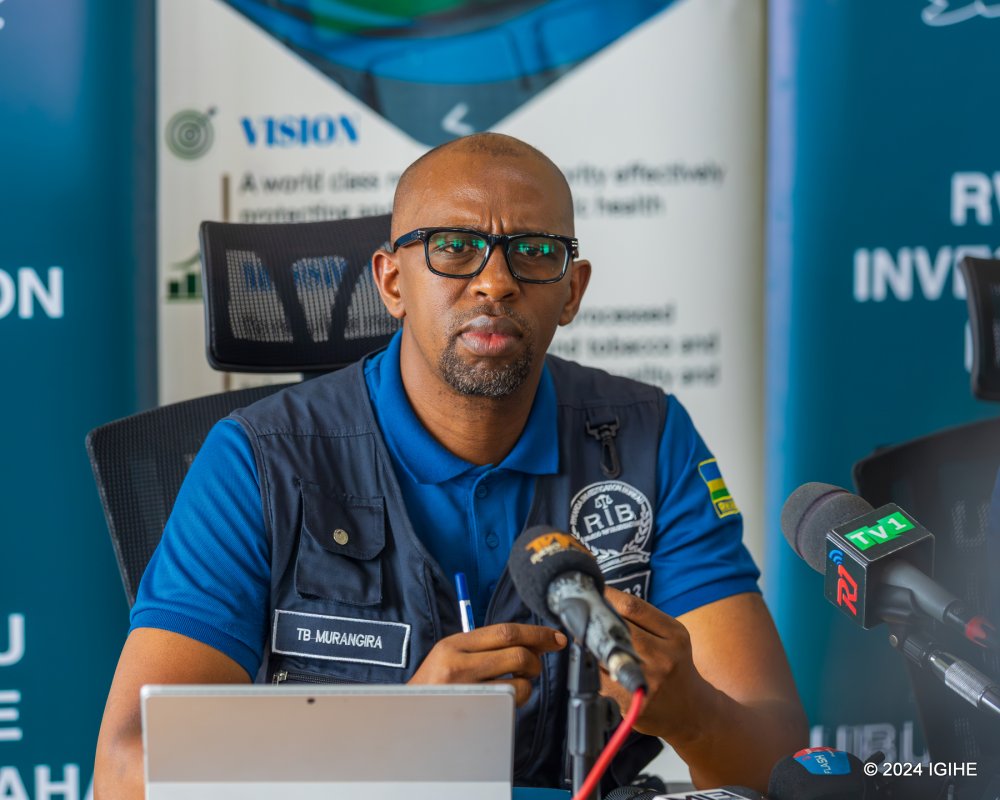
The spokesperson for the Rwanda Investigation Bureau (RIB), Dr. Murangira B. Thierry, noted that from past experience, about 40% of all crimes recorded in a year occur in April, with a significant number linked to genocide ideology and related offenses.
He called on Rwandans to act responsibly and avoid engaging in such acts. Murangira was speaking on Thursday, April 3, 2025, during an interview with the national broadcaster, RBA.
He emphasized that this period calls for unity and reflection rather than division. “April is the month where genocide ideology and related crimes tend to be more prevalent. Over the years, we have observed that a significant number of offenses committed annually take place during this period,” he said.
Murangira pointed out that crimes recorded during this time often include genocide ideology, discrimination, divisionism, and denial of the genocide, with many cases involving the harassment of genocide survivors.
“It is deeply concerning that, even after all these years, some individuals still hold such harmful beliefs. We want to make it clear that the law will not tolerate such actions, and those involved will be held accountable,” he stated.
He warned against those who take advantage of the commemoration period to revisit past personal disputes, using them as an excuse to spread hate speech or engage in acts that promote genocide ideology.
“As we mark the 31st commemoration of the Genocide against the Tutsi, it is regrettable that some individuals still engage in such behavior. We urge them to stop because the law will not turn a blind eye,” he said.
The spokesperson also cautioned against dismissing dangerous rhetoric as mere jokes. “There are statements that are simply not jokes. Some people we arrest claim they were only joking, but no one jokes by giving justification for genocide. That is not humor,” he stressed.
Additionally, he expressed concern over cases where children are taught genocide ideology or discriminatory beliefs, calling such actions unacceptable and punishable under the law.
As Rwanda embarks on the 31st commemoration of the Genocide against the Tutsi, authorities urge the public to uphold the values of unity, respect, and accountability while ensuring that hate speech and division have no place in society.
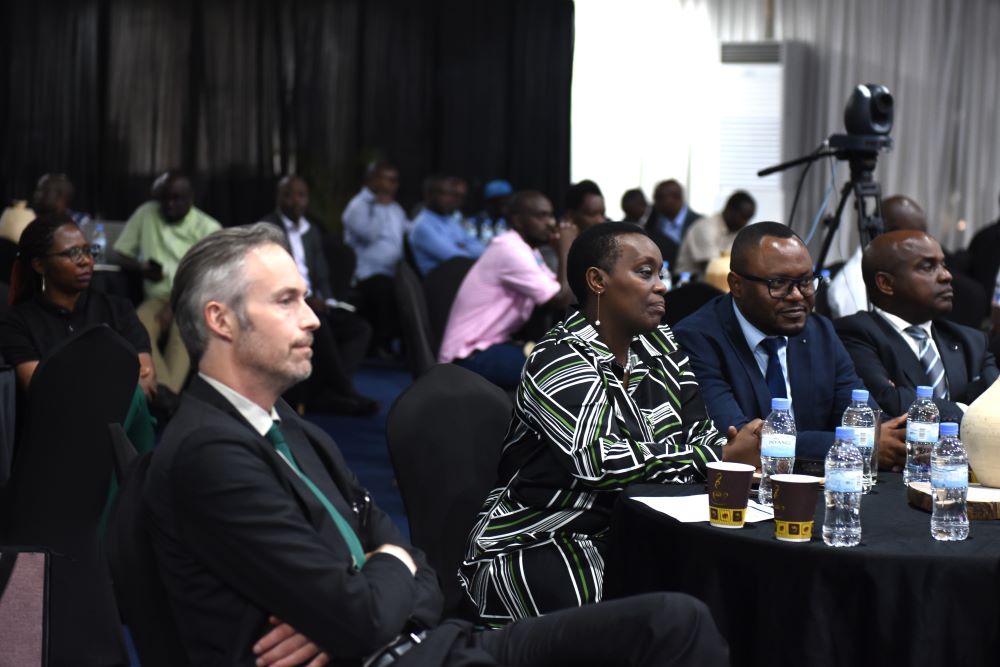
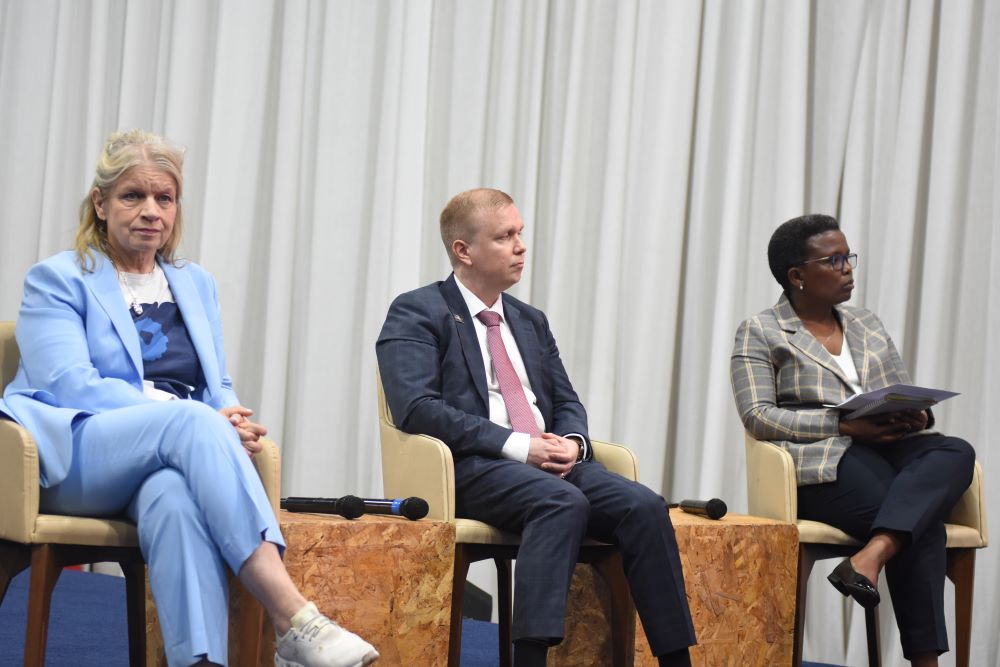
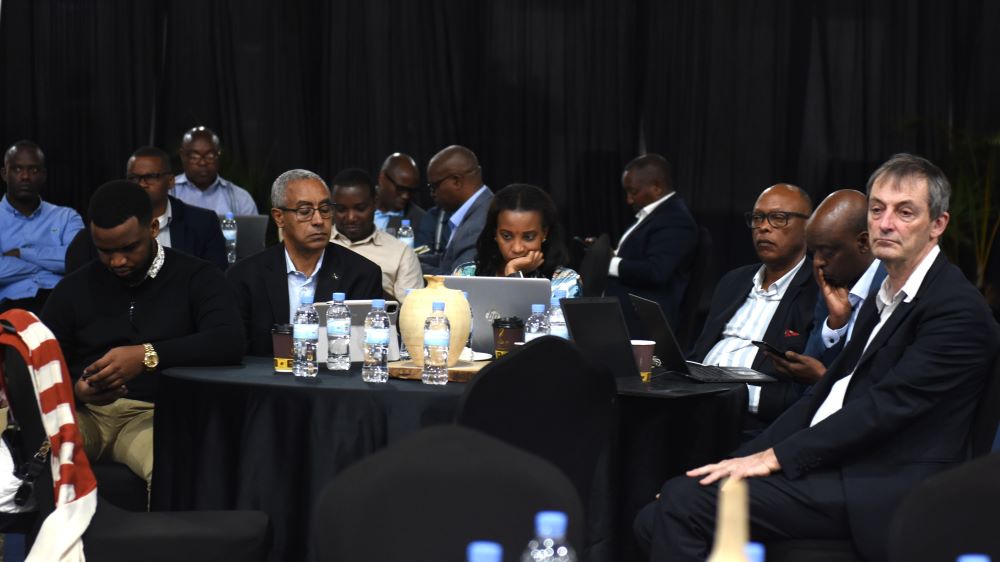
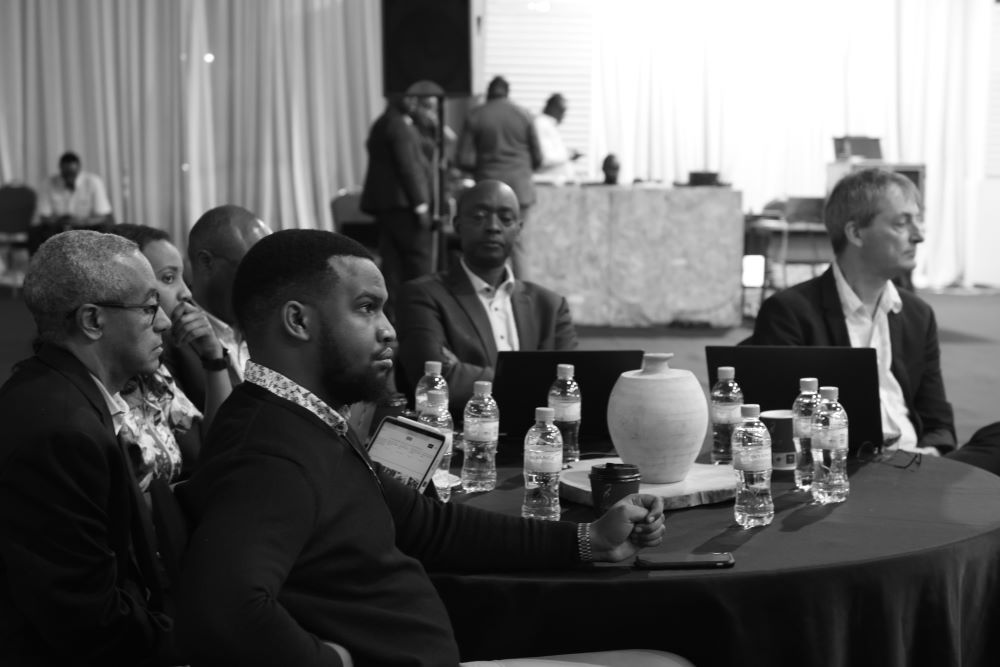
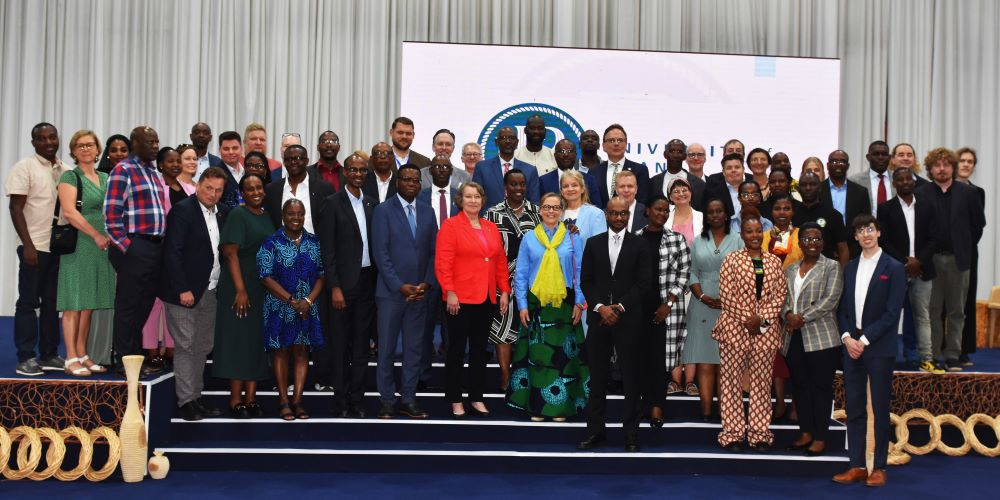
The high-level forum, hailed as a pivotal step in strengthening international collaboration, unfolded in Kigali and served as a platform for signing significant academic partnerships and exploring mutual opportunities in higher education and innovation.
It brought together prominent institutions from Nordic countries, including Finland, Sweden, and their Rwandan counterparts, including the University of Rwanda (UR), Rwanda Polytechnic, the Catholic University of Rwanda, and the African Institute for Mathematical Sciences (AIMS Rwanda).
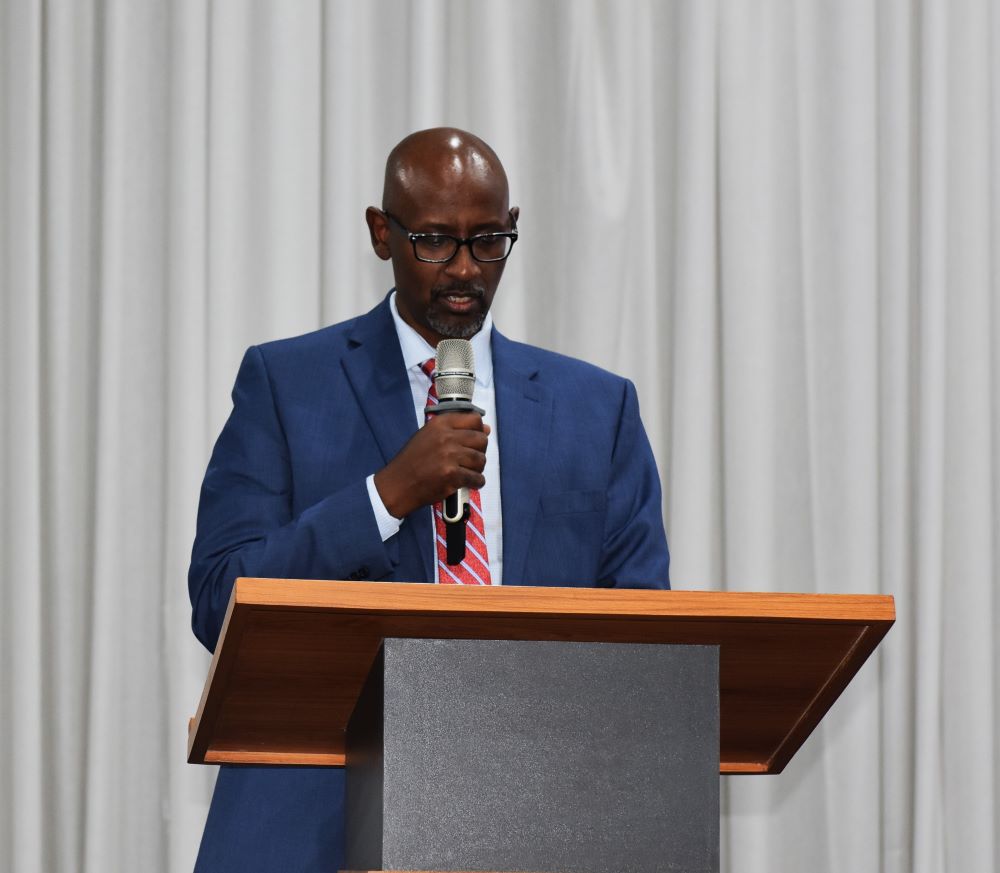
Speaking at the forum’s conclusion, Rwanda’s Minister of Education, Hon. Joseph Nsengimana, warmly acknowledged the significance of their presence.
“It is an absolute honor to stand before you today at this remarkable gathering of academic leaders from Nordic and Rwandan universities, coming together to foster partnerships and collaborations to advance a shared vision of quality education for social economic transformation of our people,” he said.
Nsengimana praised the Nordic nations for their globally admired education systems, emphasizing their progressive values and innovative practices.
“The Nordic model offers valuable insights into fostering inclusive education, leveraging technology for learning, and ensuring that no child is left behind. Likewise, Rwanda’s resilience, innovation, and commitment to homegrown solutions provide a strong foundation for collaboration,” he emphasized.
Rwanda has placed education at the center of its development strategy with the government investing heavily in STEM education, technical and vocational training (TVET), and digital learning to ensure that its youth are equipped for the rapidly evolving global landscape.
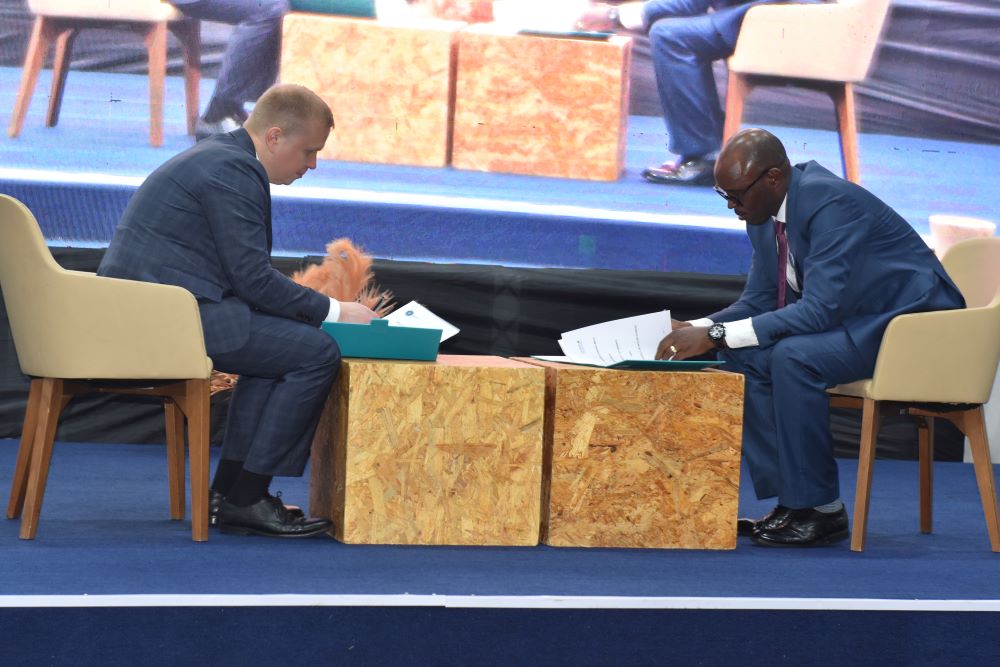
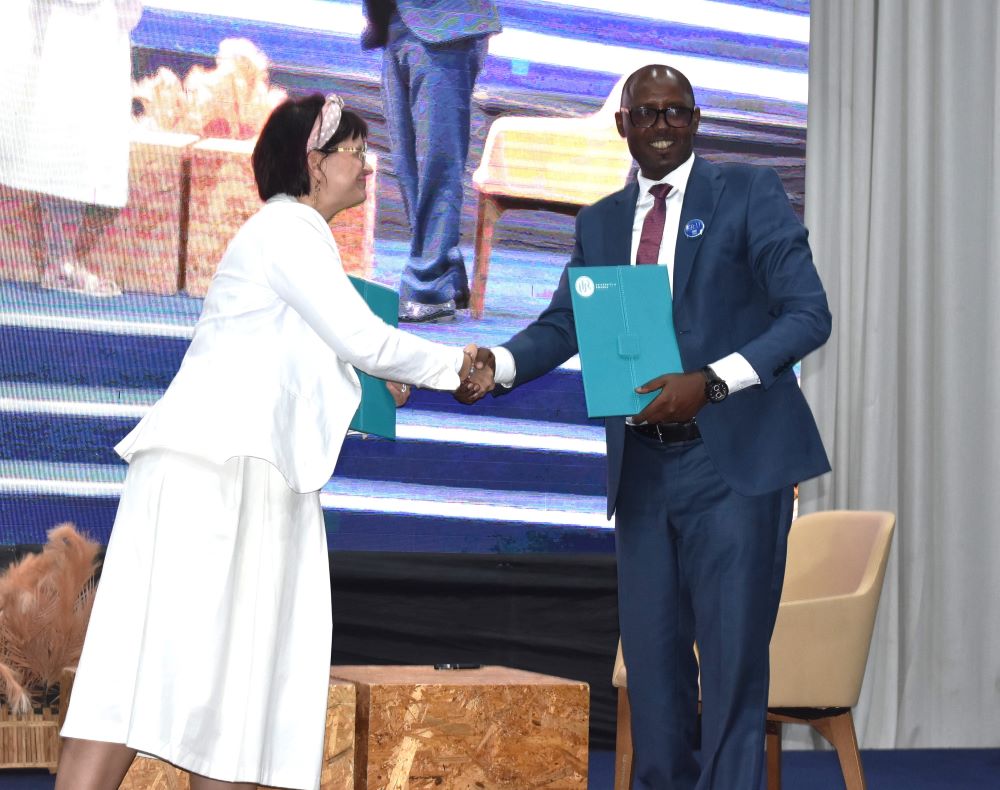
In this spirit, the forum celebrated new collaborations set to shape the future of education across both regions. Eight MoUs were signed between various Nordic and Rwandan institutions.
Among these, LAB University of Applied Sciences signed agreements with both UR and the Catholic University of Rwanda, while Seinäjoki University of Applied Sciences also entered into partnerships with the Catholic University of Rwanda, UR, and Rwanda Polytechnic.
The forum also saw Mälardalens University and AIMS Rwanda formalizing a collaboration with AIMS as the Campus Company Co, represented by CEO Laura Nevanlinna, signed partnerships with both UR and the Catholic University of Rwanda.
Prof. Didas Kayihura Muganga, the Vice Chancellor at the University of Rwanda, underscored the long-standing history and benefits of Rwanda-Nordic partnerships.
“At the UR, we believe in partnerships as one of the drivers for higher education growth in research, innovation, and capacity building,” he remarked. “This forum therefore represents an invaluable opportunity to initiate new partnerships but also deepen existing ones.”
He cited the 20 year UR–Sweden program as a testament to the enduring nature of Nordic-Rwanda cooperation, which has produced 98 PhD graduates to date. Muganga also emphasized the critical role higher education institutions play in addressing global challenges.
“Higher education institutions, in close collaboration with industries, are at the forefront of this journey. The relationships we build here today could lead to huge impacts in terms of both their reach and period,” he said.
The forum closed with renewed optimism and a shared commitment to building education systems that are inclusive, innovative, and responsive to the needs of an ever-changing world.
Both the Rwandan and Nordic delegates left with a vision to shape not just national, but global academic landscapes, united by purpose, strengthened by partnerships, and driven by a mutual pursuit of educational excellence.
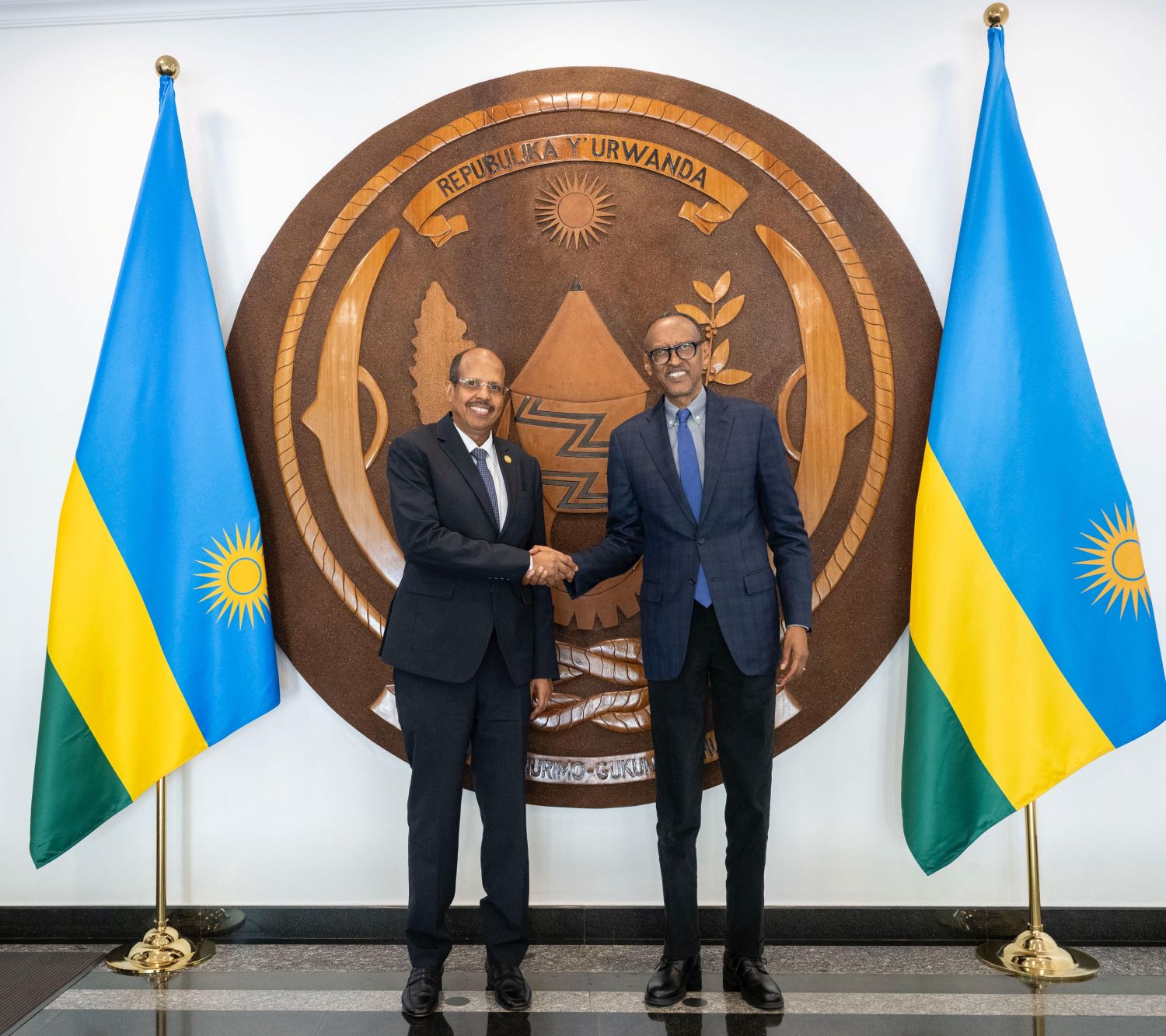
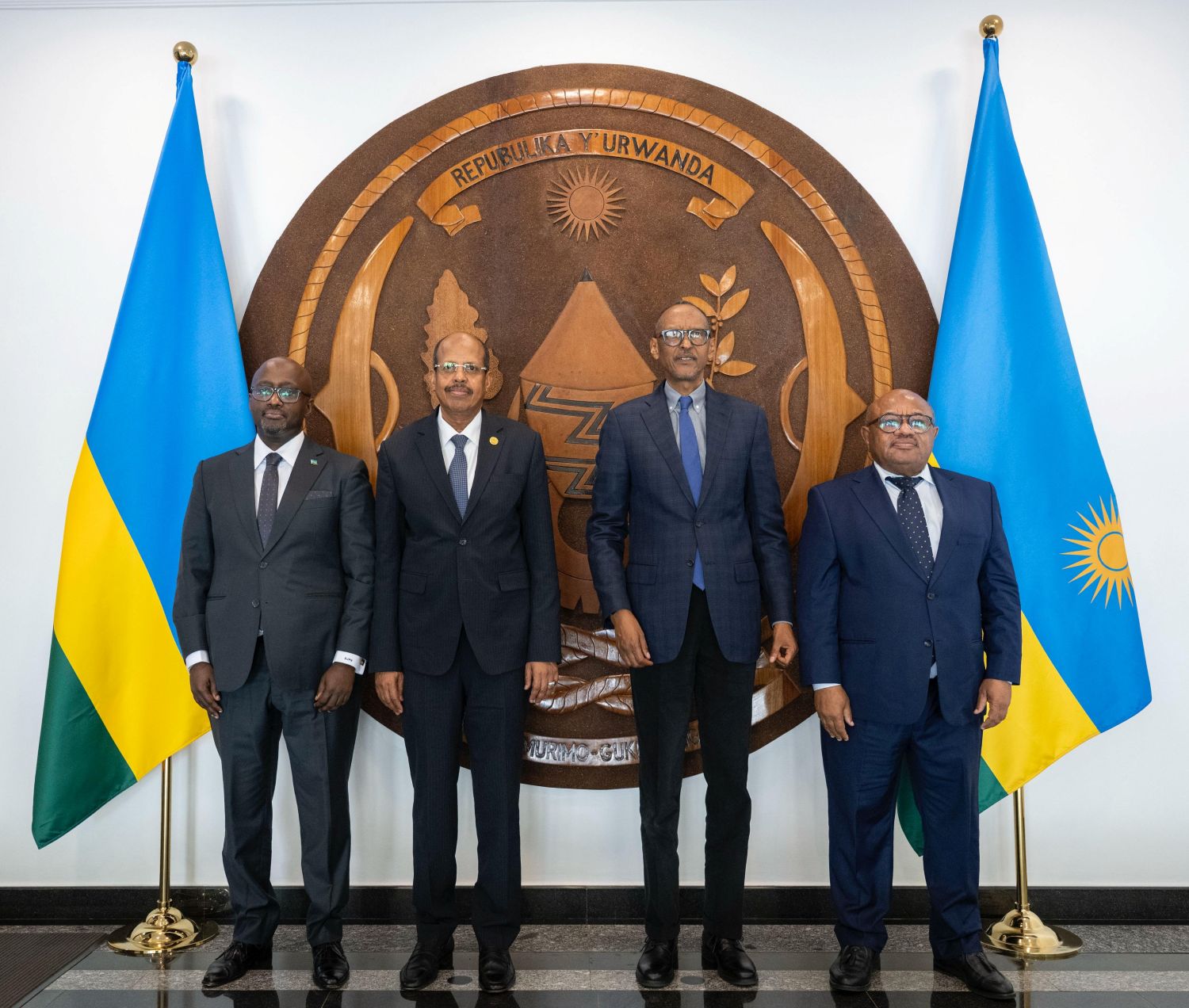
The AU Commission Chair is in Kigali to participate in the Global AI Summit on Africa.
During their meeting, the two leaders discussed ongoing regional efforts to promote peace and security across the continent. The talks took place against the backdrop of renewed efforts to resolve the conflict in eastern DRC, led by joint teams from the East African Community (EAC) and the Southern African Development Community (SADC), which recently [appointed a five-member panel to facilitate the peace process->https://en.igihe.com/politics-48/article/three-former-african-presidents-join-drc-peace-facilitators-panel].
Friday’s talks also highlighted Rwanda and the African Union’s shared ambition to position Africa as a key player in the global artificial intelligence revolution.
“They discussed the progress of regional-led processes in advancing peace and security in the region, as well as Rwanda and the AU’s mutual commitment to ensuring Africa’s place in the global AI revolution,” a statement released by the Office of the President reads.
President Kagame also held talks with Olivier Cadic, a French Senator and Vice-President of the Foreign Affairs, Defence and Armed Forces Committee, who was in Kigali to attend the AI Summit.
The two-day Global AI Summit on Africa brought together leaders, policymakers, and technology experts from across the continent and beyond to explore opportunities for harnessing AI for Africa’s development.
While officiating the opening session of the conference on Thursday, Kagame emphasized the transformative power of artificial intelligence in decision-making and innovation.
“AI is driving innovation, accelerating technological advancements, and proving its benefits across various sectors. It enhances productivity, supports evidence-based decision-making, and reduces human errors,” he stated.
Rwanda has already integrated AI into key sectors such as healthcare and education, significantly improving service delivery and efficiency. Kagame stressed that technology should be harnessed for positive change.
“Technology is supposed to be a force for good, and we have a responsibility to use it accordingly,” he remarked.
“Certainly, it would be a dangerous place if we involved artificial intelligence too much in our politics. We may have something good come out of it, but I think we might also experience terrible things happening to us,” he added.
With over a decade of experience in creating socio-economic impact across Rwanda and West Africa, her story inspires countless others to follow their dreams, even when the path seems uncertain.
Nicole is a young Rwandan entrepreneur who began her journey with a completely different career trajectory in mind. Originally trained in political science and international relations, she had a clear path toward a career in diplomacy.
However, a series of events, bolstered by guidance from mentors, led her to a bold decision, to become an entrepreneur. “I was set to have a career in diplomacy, but I pivoted completely. Luckily, I was young enough to make that choice, to go from studying political science to becoming self-employed,” Nicole recalls.
She admits that the transition was not an easy one. “It took a lot of mentorship. I was fortunate that my cousins and brothers, who were entrepreneurs themselves, rallied around me. They helped me understand the value I could contribute to Rwanda’s business sector.”
Her shift into entrepreneurship came with many challenges, particularly in the hospitality sector, which was still emerging in Rwanda at the time. But she had a strong belief in the power of mentorship and passion-driven work.
“What I believe in most is mentorship. I’m the product of mentorship, and I want to offer the same opportunity to others, especially young women who want to enter hospitality but don’t know where to begin,” she explains.
Despite her educational background being far apart from the business world, Nicole made a conscious decision to focus on her passion for food and hospitality. She knew that in order to succeed, she had to build a strong foundation around the industry.
Her focus became clear; to create businesses that not only thrive but also contribute positively to the community. However, the lack of infrastructure in Rwanda’s hospitality sector in the early days presented a significant challenge.
“In the beginning, we worked with an unreasonable amount of suppliers because there was no centralized supply chain and barely any suppliers specifically geared towards the hospitality/wholesale industry. You’d have to run all over town to find what you needed for your business, and purchase retail instead of wholesale which affected our cashflow” Nicole recounts.
This logistical nightmare was compounded by the lack of trained human resources in Rwanda’s hospitality and tourism sectors, with students who had the theory but not the hands-on experience.
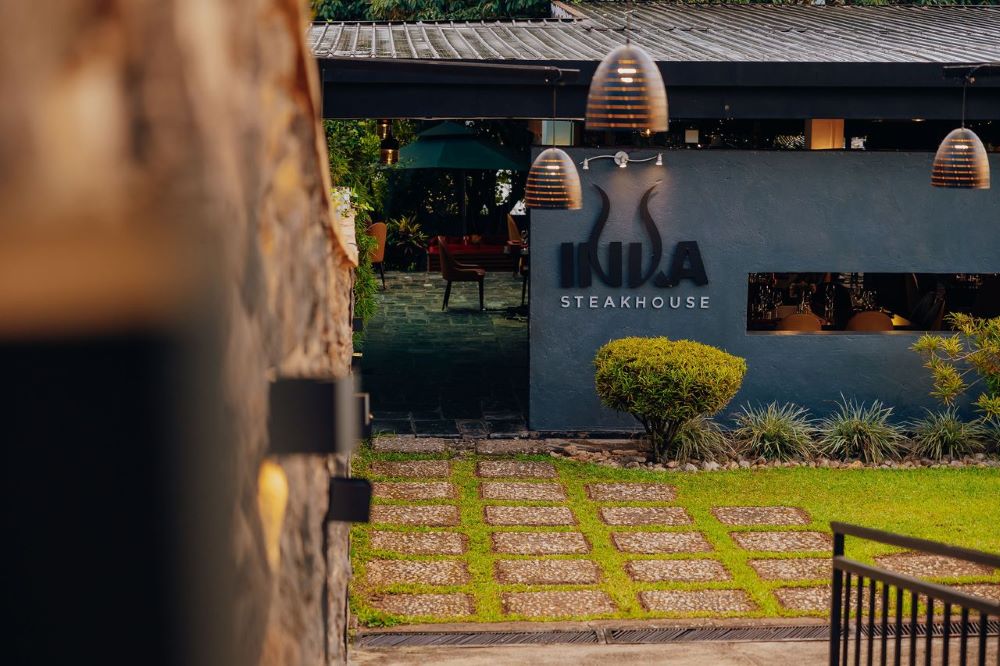
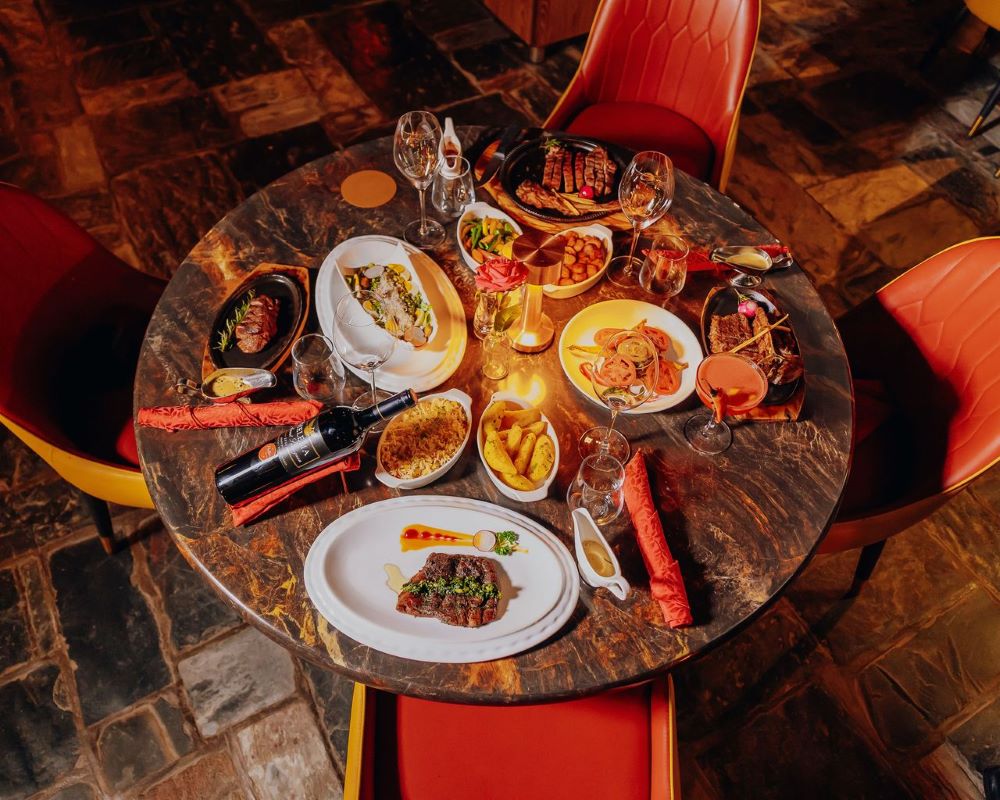
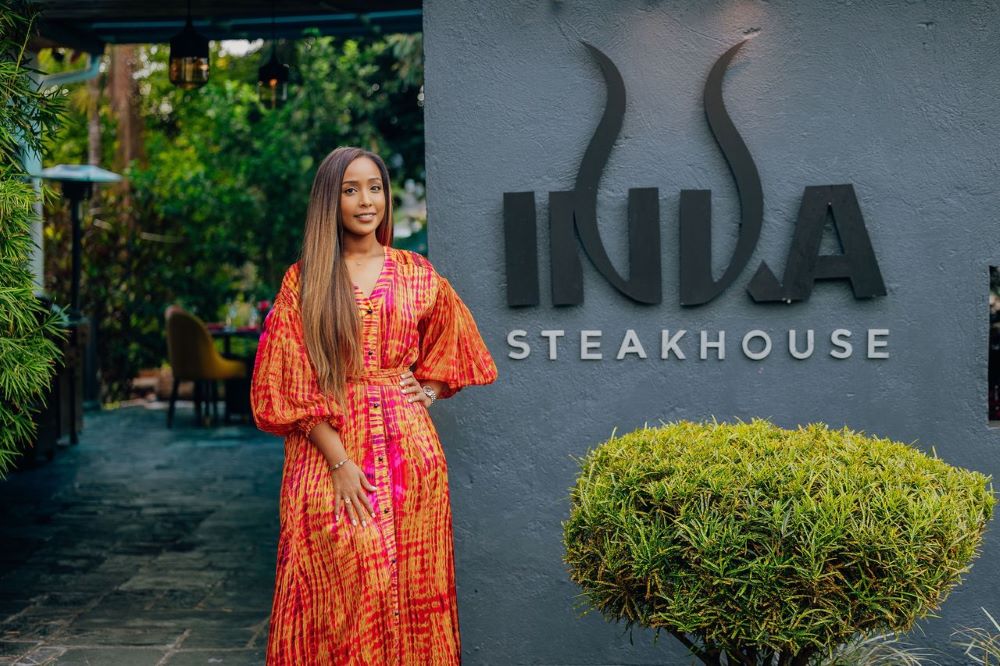
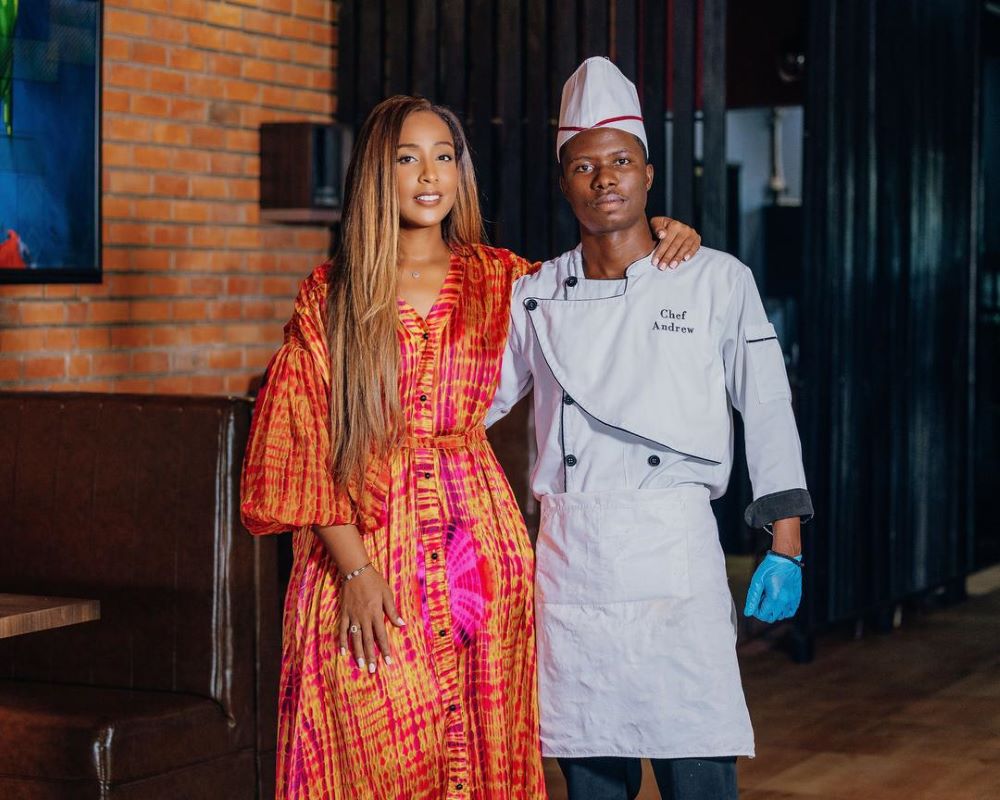
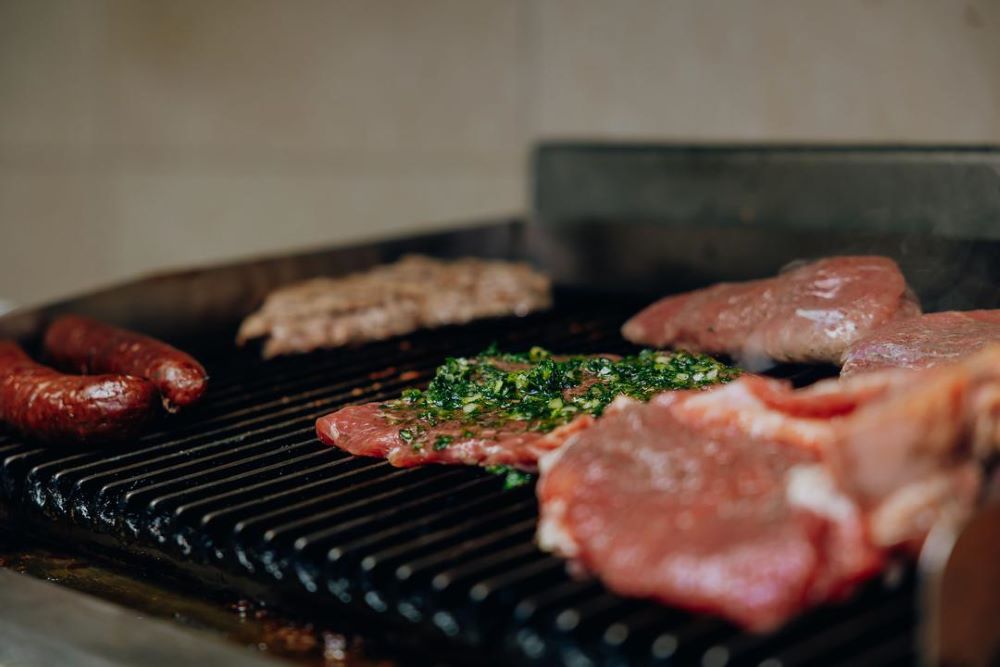
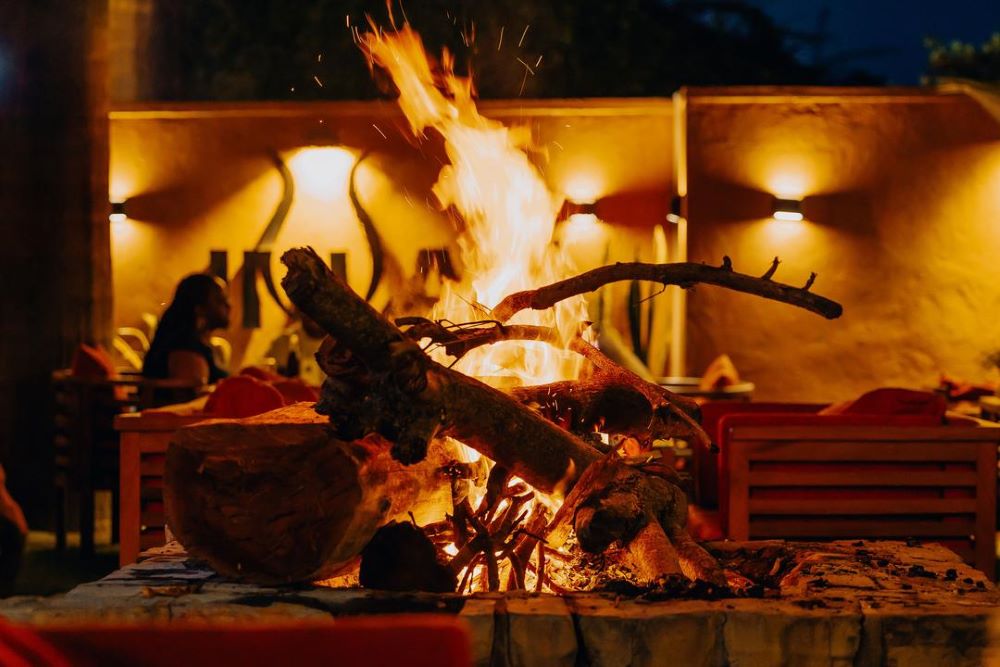
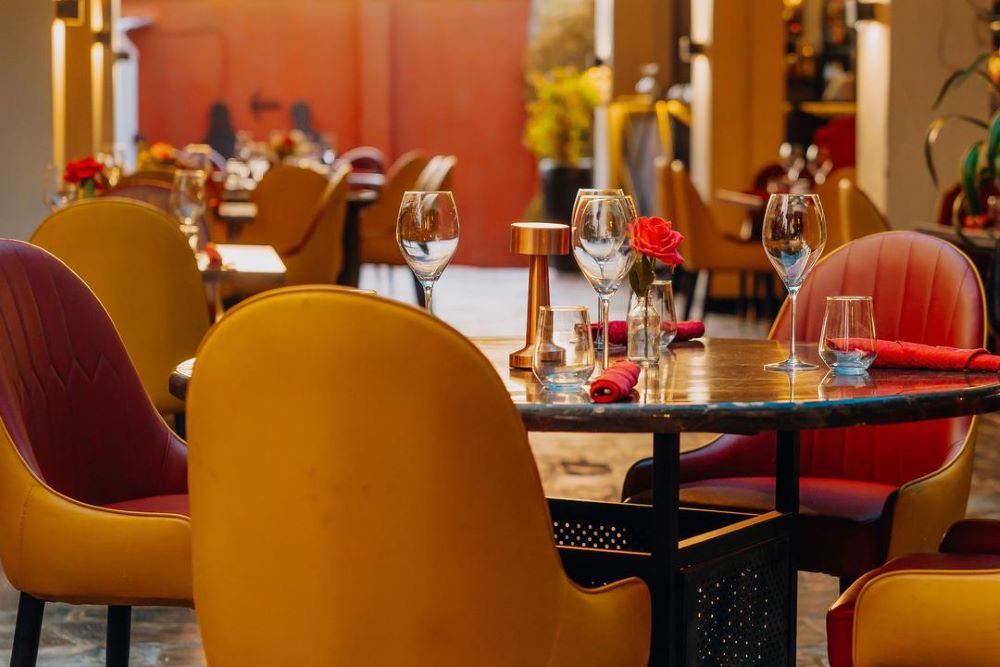
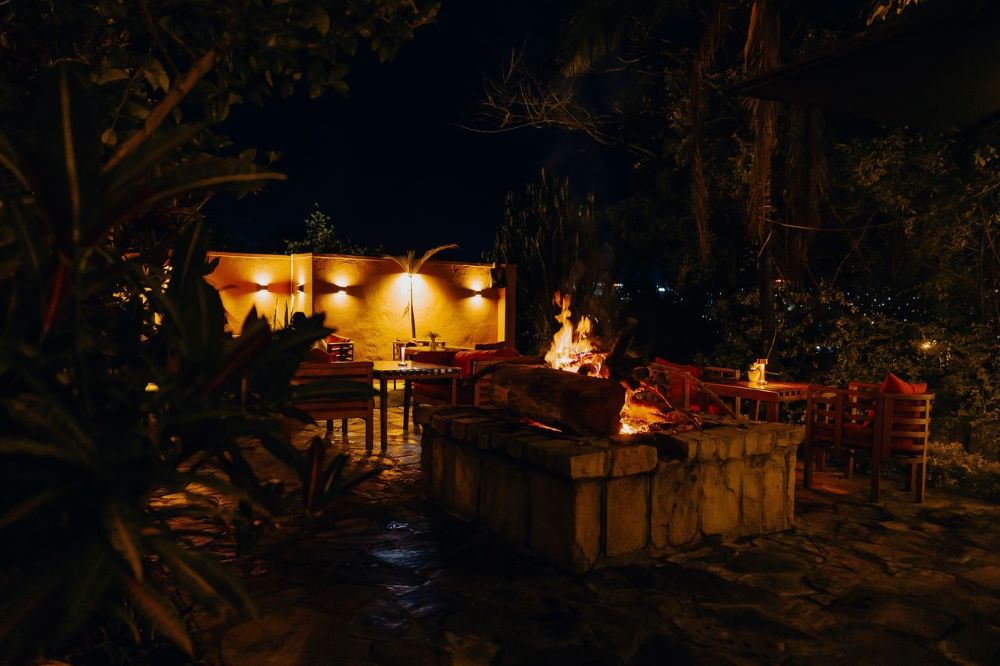
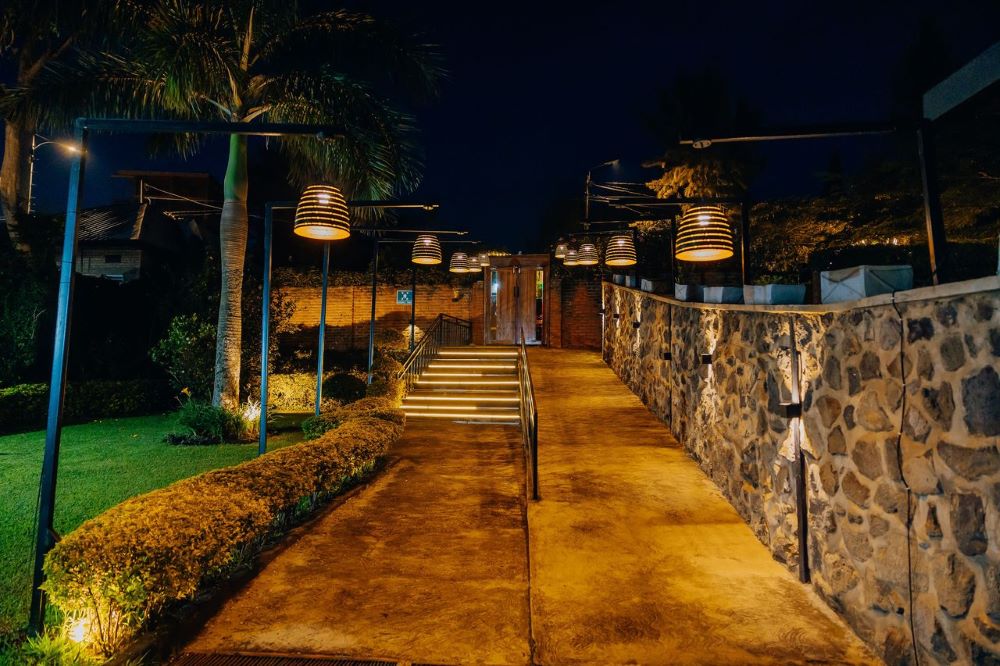
Despite these challenges, Nicole was determined to make her business work. One of her major breakthroughs came with the creation of Inka Steakhouse, a restaurant that would go on to become a symbol of Rwanda’s growing hospitality scene.
“When I decided to open a restaurant, I wanted something authentic. I didn’t want an Italian or French restaurant, because I am neither of the two. I wanted to create a place where people could enjoy locally sourced meat and produce in a setting that celebrated Rwanda,” she reveals.
Inka Steakhouse became a passion project for Nicole, a way to elevate Rwandan beef and support local farmers. The name “Inka,” which means “cow” in Kinyarwanda, was chosen as a tribute to Rwanda’s agricultural heritage. For her, Inka is a love letter to Rwanda. It represents dignity and nobility.
Inka Steakhouse is not just about food, it’s about community. The restaurant has become a platform to showcase the country’s agricultural potential and raise awareness about the importance of supporting local farmers.
As a result, Nicole’s restaurant became part of a larger movement that changed the face of cattle farming in Rwanda, helping farmers improve their practices and increase the quality of their products.
Her commitment to empowering others is not limited to her business ventures. Her philanthropic work, through the Ansoni Foundation, has been a major part of her journey.
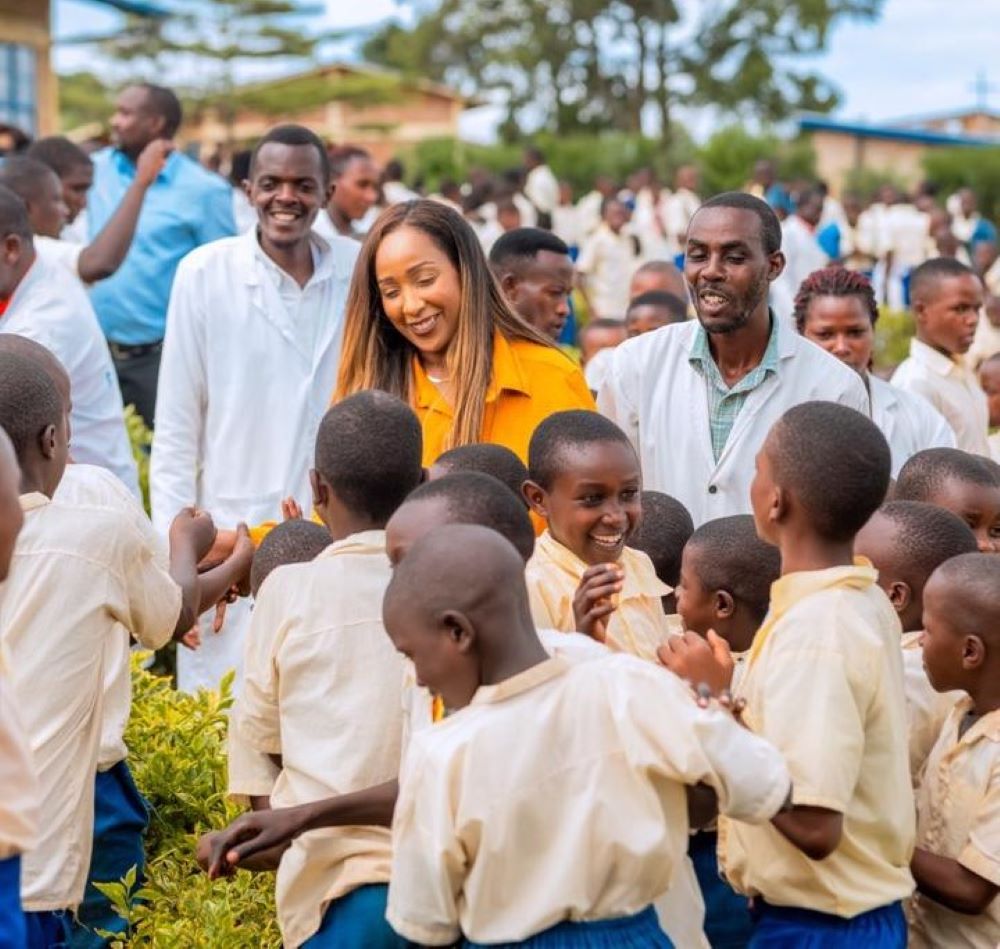
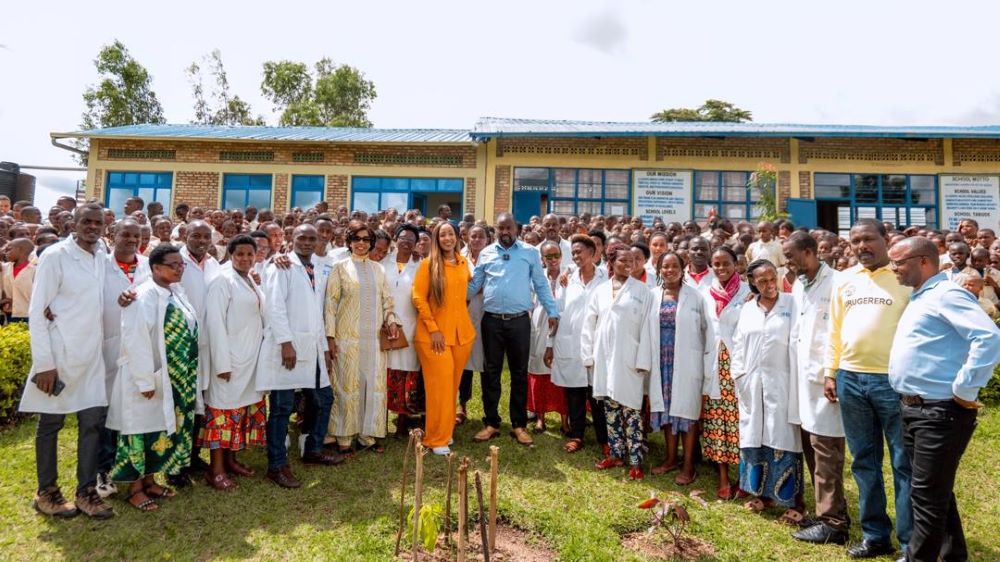
“When we started the foundation seven years ago, I wanted to support schools by providing them with books. But when I visited schools, I realized that the real issue wasn’t the books, it was that the children weren’t coming to school because they didn’t have enough to eat, their families couldn’t afford the school lunch and meals” Nicole explains.
One of the foundation’s accomplishments this year already was donating over 200,000 meals to a school in Huye, district, Southern Province. With a conviction of education as a key pillar for development, Nicole was very passionate about helping kids access it.
“I’ve been given so much in my life, and I believe that those who are fortunate have a responsibility to give back,” she states. This belief is reflected in both her business practices and her philanthropic efforts.
Looking ahead, Nicole is focused on continuing her entrepreneurial journey, expanding her businesses, and supporting the next generation of leaders. She is especially committed to helping Rwanda’s youth harness the opportunities available to them.
“We need an educated and focused youth. We need more discipline and rigor. Entrepreneurship is not glamorous, it requires hard work, self-discipline, and perseverance,” she advises.
An award winning entrepreneur, Nicole has numerous accolades to her name including restaurant of the year (five times), young entrepreneur of the Year (three times, best steakhouse in East Africa and was recently nominated for the Forty under 40 global awards slated for April 12, 2025 in Dubai.
Her message to young Rwandans is simple but powerful: “There are endless opportunities here. Keep dreaming, keep learning, and take the time to prepare yourself for success.”
Nicole Ansoni’s journey is a testament to the power of mentorship, passion, and the willingness to embrace change. She continues to inspire a generation of Rwandans to believe in their dreams, pursue their passions, and use their success to uplift others.
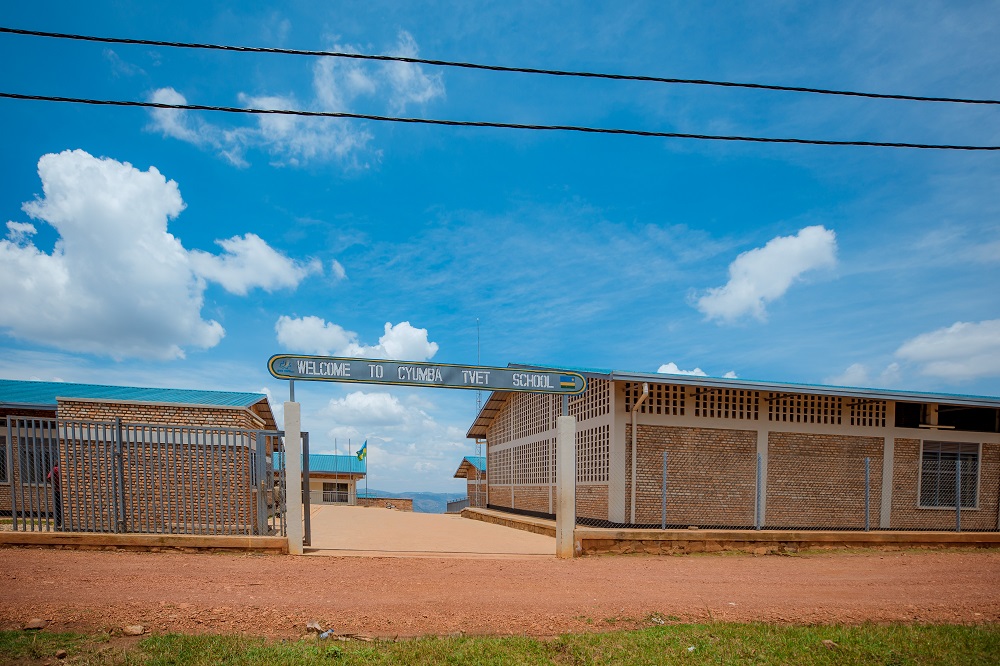
This initiative was highlighted on April 4, 2025, as the Senate’s Committee on Social Affairs and Human Rights presented its report following visits to vocational and technical schools across the country.
The government’s target is to have at least one short-term vocational training school—offering programs lasting from six months to one year—in each of Rwanda’s administrative cells by 2029.
According to the report, a total of 2,044 VTCs are planned to be built by 2029. Additionally, 30 model vocational and technical schools will also be established.
The 2024/2025 inspection report from the National Examination and School Inspection Authority (NESA) revealed that Rwanda currently has 558 TVET schools.
Of these, 272 technical secondary schools (TSS)—representing 59.4%—meet the required standards, while 186 TSS schools (40.6%) fall short. For vocational training centers (VTCs), 66 schools (41.8%) meet the standards, while 92 schools (58.2%) do not.
Senator John Bonds Bideri emphasized that since 2008, the government has significantly strengthened support for vocational and technical education. He stressed the importance of aligning vocational schools with local resources to enhance their effectiveness.
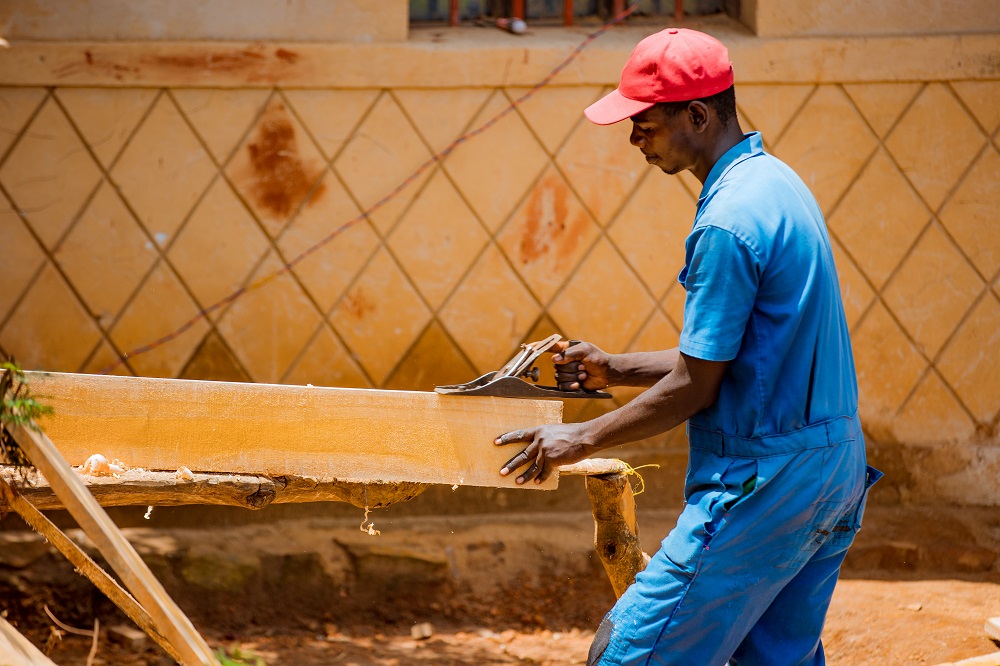
“We recommend that VTCs be tailored to local resources. For example, in areas with many forests, the focus could be on carpentry or wood-based construction so that graduates can use what’s locally available,” he said.
Committee Chairperson Umuhire Adrie also highlighted the real impact of these schools, noting that VTCs are helping many, including A2 diploma holders and school dropouts, to gain hands-on skills.
“These schools serve many learners. For instance, someone with an A2 diploma might decide to learn cooking and can train for six months or a year. We’ve also met students who came from rehabilitation centers and young mothers who had dropped out of school and chose to attend VTCs to acquire new skills and find employment,” he noted.
The nationwide VTC rollout is intended to give Rwandans the chance to acquire practical skills in a short time without being limited by their previous education.
Statistics show that more than 115,000 students are currently enrolled in technical, vocational, and professional training institutions, including 51,557 girls (44.6%) and 63,959 boys (55.4%). Over the past five years, the proportion of students in these programs has risen from 31% to 43%.
Led by Ruben Atoyan, the IMF team held discussions with Rwandan authorities from March 24 to April 4, 2025, and reached a staff-level agreement, affirming the country’s strong economic fundamentals and commitment to structural reforms despite a challenging global economic environment.
Rwanda recorded an impressive GDP growth rate of 8.9% in 2024, making it one of the fastest-growing economies in sub-Saharan Africa. The growth was fueled by strong performances in agriculture, construction, trade, tourism, transport, and telecommunications sectors. Labour market indicators also improved, with increased participation and a reduction in the unemployment rate.
Inflation remained stable at 4.8% by the end of 2024—within the National Bank of Rwanda’s target range—thanks to improved food production and effective monetary policy.
The fiscal deficit was lower than anticipated, as the government collected more tax revenues than projected and implemented well-targeted capital spending and VAT refunds.
Rwanda’s financial sector was described as sound, with robust credit growth and a decline in non-performing loans. The country also saw external pressures ease, with Q4 exports improving and sustained inflows from development partners helping to stabilise the Rwandan franc, which depreciated by 9.4%—a marked improvement from 18% in 2023.
International reserves rose to the equivalent of 5.4 months of import cover, reinforcing Rwanda’s ability to withstand future external shocks.
“All quantitative targets under the PCI were met,” Atoyan noted, adding that key structural reforms—particularly in domestic revenue mobilisation, state-owned enterprise oversight, corporate governance, and transparency in financial statistics—were successfully implemented.
The IMF also highlighted the February 2025 completion of Rwanda’s Standby Credit Facility (SCF), which was instrumental in addressing external imbalances and shoring up foreign reserves.
Looking ahead, the IMF welcomed Rwanda’s newly [approved tax package->https://en.igihe.com/business/article/inside-rwanda-s-new-tax-policy-changes?var_mode=calcul], which is expected to further boost domestic revenue and increase the tax-to-GDP ratio.
Some of the new taxes approved by the Cabinet in February include a 15% excise duty on cosmetic and beauty products, a 15% adjustment in the fuel levy per litre, and an 18% Value Added Tax (VAT) on mobile phones. There is also an increase in taxes on gambling activities, with the tax on Gross Gambling Revenue (GGR) rising from 13% to 40%, and the withholding tax on winnings increasing from 15% to 25%. A tourism levy was also introduced, among other fiscal measures.
Major strategic projects—including the second phase of Bugesera International Airport and the expansion of RwandAir, in partnership with the Qatar Investment Authority—are set to reinforce long-term growth and enhance regional connectivity.
The IMF Executive Board is expected to consider the fifth review of Rwanda’s PCI in May 2025.
The PCI was introduced in December 2022 to support Rwanda’s reform agenda without requiring financial resources from the IMF.
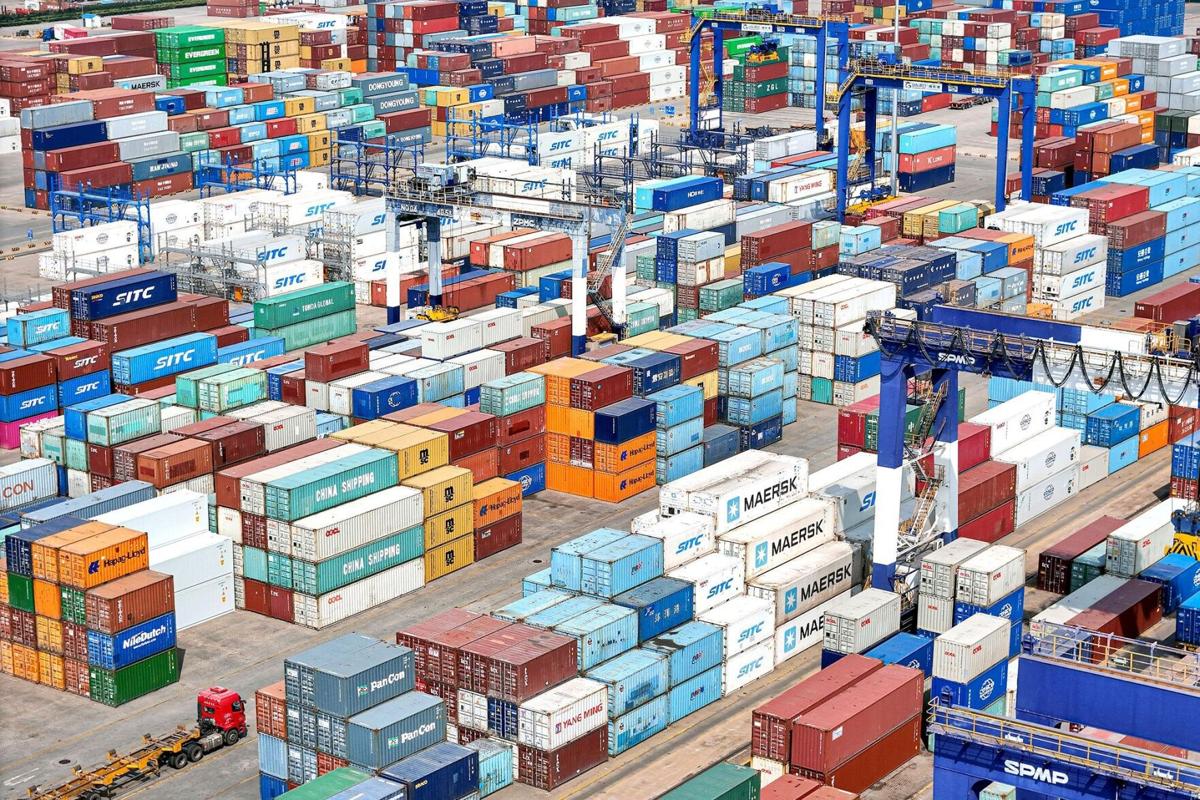
The announcement follows the U.S. decision to impose “reciprocal tariffs” on Chinese exports to the United States, a move that the commission said does not conform to international trade rules, seriously undermines China’s legitimate rights and interests, and represents a typical act of unilateral bullying.
Amid widespread opposition, President Trump signed an executive order Wednesday imposing a 10% minimum tariff, with higher rates on select countries.
China faces a 34% tariff, the EU 20%, Vietnam 46%, Japan 24%, India 26%, South Korea 25%, Thailand 36%, Switzerland 31%, Indonesia 32%, Malaysia 24%, and Cambodia 49%.
Trump argued that other nations impose “non-monetary barriers” on the U.S.