In a social media post on Saturday, Makolo attributed the claims to a small group of individuals who resist change and seek to maintain the economic dominance of a few wealthy nations in global sports.
Makolo’s response came after renowned Kenyan media personality Jackie Lumbasi questioned the meaning and use of “sportswashing” in relation to Rwanda’s growing sports presence.
“Hi Jackie, these people brought this term ‘sportswashing’—it’s a cabal that swims against the tide. They want all the benefits of the sports business to remain the preserve of the few rich countries that have historically reaped the profits. But this is 2024—things have taken a different turn,” Makolo wrote on X.
Bite Jackie, hawa watu walileta this term “sportswashing” ni cabal ina swim against the tide. Wanataka benefits zote za business of sports, zibaki the preserve of those few rich countries that have historically reaped the profits. Lakini this is 2024 – ibintu byafashe indi ntera.…
The term “sportswashing” surfaced after Rwanda made history on Friday, December 13, 2024, by hosting the 2024 FIA Awards, the first to be held in Africa. The prestigious awards ceremony brought together key figures in motorsport, including four-time Formula 1 World Champion Max Verstappen, to Kigali.
Rwanda’s critics often use the term “sportswashing” to discredit the government’s initiatives that have placed the country on the world map, especially through high-profile sports partnerships and events. These include significant sponsorship deals with global football clubs like Arsenal and Paris Saint-Germain (PSG) through the “Visit Rwanda” branding.
In addition to football, Rwanda has invested heavily in basketball, with the country hosting events such as the Basketball Africa League (BAL) and focusing on strengthening its ties with the NBA.
Other notable events Rwanda has bid for include the IRON MAN 70.3 race, the ATP Challenger 50 Tennis Tour, the Kigali International Marathon, and the Rwanda Mountain Gorilla Rally.
The government disputes the ‘sportswashing’ narrative and has often affirmed that Rwanda’s involvement in sports is not about hiding wrongdoing but rather about boosting the country’s international profile and capitalizing on the opportunities that hosting sports events presents.
The dialogue, held recently, addressed long-standing challenges such as the lack of dedicated agroforestry extension services, low tree survival rates, and insufficient resources for farmers and forestry officers.
Discussions centered on embedding agroforestry into Twigire Muhinzi, the country’s flagship agricultural extension system, which currently focuses on crops and livestock. Experts believe this integration will be pivotal in advancing agroforestry adoption and achieving Rwanda’s ambitious environmental restoration goals.
Athanase Mukurarinda, Country Director of the World Agroforestry Centre (ICRAF), highlighted the historical oversight that left agroforestry out of key agricultural programs. “When the Ministry of Agriculture designed Twigire Muhinzi, they didn’t include agroforestry. Agroforestry means integrating trees with crops or livestock, and this gap has hindered its adoption,” he said.
Mukurarinda emphasized the importance of introducing incentives to encourage farmers to plant and care for trees on their farms. “We’ve seen incentives work in food security, where farmers receive support for mineral fertilizers, compost, improved seeds, and pesticides. Similarly, we need a system that incentivizes tree planting and ensures higher survival rates in agricultural landscapes,” he explained.
Rwanda is committed to restoring two million hectares of degraded land by 2030, a target that experts say requires a radical shift in current practices. Dr. Ivan Gasangwa, Division Manager of Research at the Rwanda Forestry Authority (RFA), explained how the new guidelines would address existing gaps.
“We’re now working with the Ministry of Agriculture and the Rwanda Agriculture and Animal Resources Board to integrate agroforestry into the existing extension framework. This will bring more focus to tree planting on farms and provide farmers with the tools, skills, and incentives they need to succeed,” Gasangwa said.
The guidelines will include a comprehensive package for farmers, covering capacity building, nursery management, tree care, and data recording. Gasangwa believes this structured approach will not only increase tree survival rates but also make monitoring more effective.
“For too long, we’ve relied on ad-hoc monitoring. With these changes, farmers will be trained to record data, and we’ll have a clear framework for tracking progress. This will completely change the way trees are managed on farms,” he added.
Going forward, there is need for collaboration among various stakeholders, including government agencies, local authorities, and development partners. Gasangwa expressed optimism about the impact of these efforts, noting that the integration of agroforestry into Twigire Muhinzi would create a ripple effect.
“Farmers will now have the training, resources, and incentives to plant and sustain trees, which will not only improve tree cover but also contribute to sustainable farming practices,” he said.
As the country approaches the 2030 deadline for its restoration commitments, the urgency to act is clear. “This is why we need to do things differently, business as unusual. These guidelines and incentives are not just about planting trees; they’re about ensuring that those trees survive and thrive,” Gasangwa said.
There is a shared commitment to prioritize agroforestry as a critical component of Rwanda’s agricultural and environmental strategy. With the right policies, resources, and collaborative efforts, agroforestry could play a transformative role in building a more sustainable and resilient future for the country.
The talks are being mediated by Angolan President João Lourenço, who has been acting as a facilitator in efforts to resolve tensions between the two nations.
The discussions aim to address ongoing conflicts and foster lasting peace, particularly in light of strained relations between the DRC and Rwanda. Angola, committed to mediating the situation, hopes the talks will lead to agreements, including a ceasefire and strategies to restore security in the eastern regions of the DRC.
This meeting follows preliminary discussions held on Saturday, December 14, 2024, when representatives from both countries met in Luanda.
Ministers of Foreign Affairs from Angola, Rwanda, and the DRC worked on a draft agreement that will be reviewed by the heads of state during the summit.
President Tshisekedi’s trip to Angola comes days after he accused Rwanda of displacing Congolese citizens in North Kivu and replacing them with foreigners. His remarks, delivered on December 11, 2024, to a joint session of the Congolese parliament, were met with strong criticism from Rwanda.
Rwandan Foreign Minister Amb. Olivier Nduhungirehe described Tshisekedi’s comments as inflammatory, expressing concern that they could incite hatred against Congolese Tutsis in eastern DRC.
Rwanda also refuted the allegations, emphasizing that Congolese refugees returning to North Kivu—estimated at over 1.45 million—had fled violence during clashes between the DRC armed forces and the M23 rebel group. Rwanda reiterated its stance that those individuals are Congolese citizens and not foreigners.
The peace talks follow agreements from the sixth ministerial meeting held on November 25, 2024, which outlined a three-month strategy to dismantle the FDLR, a militia group comprising individuals responsible for the 1994 Genocide against the Tutsi. This operation will proceed in three stages: assessing the militia’s threats and resources, launching direct operations against the FDLR, and reviewing the progress of these measures.
Both parties have expressed cautious optimism that these efforts could lead to a breakthrough in resolving the security crisis in the region.
Angola’s leadership remains central to coordinating these efforts and encouraging the neighboring nations to prioritize peacebuilding over conflict.
Verstappen participated in a grassroots motorsport development program organized by the Rwanda Automobile Club on Friday, December 13, 2024, during his visit to Kigali to collect his fourth consecutive Formula One World Championship trophy.
The initiative, though part of a disciplinary measure imposed by the FIA following inappropriate remarks made during a press conference at the Singapore Grand Prix, offered Verstappen a chance to engage directly with aspiring drivers and engineers.
For the Red Bull driver, the experience was much more than fulfilling a penalty.
Speaking afterwards, Verstappen expressed his enthusiasm for the potential of motorsport in Africa and the power of such programs to break down barriers faced by young drivers in developing nations.
“In the whole world, everything is getting more and more expensive, so the more you can build [motorsports] in your own country, the more you make it affordable for kids,” the 63-time Grand Prix winner said.
“I think it’s great to have that possibility, and I hope it stimulates all these kids so that they want to be a racing driver, an engineer, in the future.”
He emphasized his belief in the transformative potential of initiatives like this one.
“It has massive potential and that is what I think everyone is working on… trying to make everyone very enthusiastic. It doesn’t matter where in the world you come from, anything is possible,” he added.
“That’s why I also think it’s important that we’re here. I’m very excited to see that hopefully in five to ten years, there are more people coming through [into motorsports].”
After a day focused on community service, Verstappen made his way to the iconic BK Arena for the FIA Prize-Giving Gala, where he was awarded his fourth consecutive Formula 1 World Championship trophy.
This achievement places him among the sport’s all-time greats, tying him with legends such as Alain Prost and Sebastian Vettel.
Reflecting on his impressive accomplishments, Verstappen stayed true to his characteristic humility.
“As a kid, when you grow up, you don’t think about these things. You look at the names and think, ‘Wow, that’s really impressive. I hope one day I can be on the podium!’” he said during the ceremony.
He noted that his success has been a combination of preparation and seizing opportunities.
“But, sometimes you get lucky in life… you’re in the right place at the right time! Luckily, I’ve been able to do that. It’s amazing. Four titles is incredible,” he added, a smile lighting up his face.
Looking to the future, Verstappen remains driven both on and off the track.
“Winning four titles is incredible, but I hope it’s just the beginning. For now, it’s important to celebrate what we’ve achieved as a team and keep pushing for more success—not just for us, but for the sport worldwide.”
The 2024 FIA Prize-Giving Gala in Kigali was a historic event, marking the first time the ceremony was held in Africa.
Earlier, President Paul Kagame had confirmed Rwanda’s formal bid to host a Formula 1 Grand Prix, a move that would [bring the thrill of racing back to the continent->https://en.igihe.com/news/article/president-paul-kagame-confirms-rwanda-s-bid-for-formula-1-grand-prix?var_mode=calcul] for the first time in three decades.
The BK Arena in Kigali transformed into a grand stage, glittering with elegance and excitement, to honor the brightest stars in motorsport. The event also marked the 120th anniversary of the Fédération Internationale de l’Automobile (FIA), a milestone that added an extra layer of significance to an already monumental evening.
Among the dignitaries in attendance was President Paul Kagame, whose sharp black suit and bowtie matched the evening’s elegance.
Joined by FIA President Mohammed Ben Sulayem, Kagame played a central role in awarding the night’s top honorees. The event celebrated achievements across FIA Championships, including the Formula One World Championship, the FIA World Rally Championship, and the FIA World Endurance Championship, among others.
At the heart of the celebration was Red Bull’s Max Verstappen, who clinched his fourth consecutive Formula One World Championship. Verstappen, one of only six drivers in history to achieve four or more titles, received his trophy from the Head of State.
Standing under the spotlight, the Dutch driver reflected on the challenges of the season: “It’s amazing. Four titles is definitely incredible. This year the competition was very close, but my team and I pushed through,” he said.
Despite a less dominant car compared to previous seasons, Verstappen’s unparalleled consistency and skill secured his place at the pinnacle of the sport. McLaren’s resurgence in 2024 was another highlight of the evening. The British team claimed their ninth Constructors’ Championship—a title they had last won 26 years ago.
Lando Norris, who finished second in the drivers’ standings, congratulated Verstappen while expressing hopes for a more competitive 2025 season: “If we had a better car at the beginning of the year, we would have been fighting him a lot more. But hats off to Max; his achievements this year were phenomenal.”
The FIA’s inaugural Lifetime Achievement Award was bestowed upon Michèle Mouton, a trailblazer in motorsport whose career has inspired generations. Her award was a moment of pride, underscoring the FIA’s commitment to honoring legends who have shaped the sport’s history.
The ceremony also spotlighted rising stars. Brazilian Gabriel Bortoleto, the 2024 Formula 2 champion, was named Rookie of the Year as he prepares to step up to Formula One with Sauber next season.
In karting, Ethan Jeff-Hall and Kenzo Craigie were crowned champions in the OK and Junior categories, respectively, showcasing the future of motorsport.
Toyota Gazoo Racing emerged as a dominant force, securing multiple titles, including the FIA World Endurance Championship and the World Rally-Raid Championship. Nasser Al-Attiyah, representing the team, claimed the World Rally-Raid driver’s title, while Thierry Neuville was celebrated as the FIA World Rally Champion.
Formula E, a championship that continues to grow in prestige, saw Pascal Wehrlein crowned as the ABB FIA Formula E World Champion, with Jaguar TCS claiming the Team Championship. Meanwhile, Johan Kristoffersson added another accolade to his illustrious career by winning the FIA World Rallycross Championship.
The evening was not just about the winners but also about Rwanda’s growing prominence on the global stage. The FIA Awards coincided with the closure of the FIA General Assembly, which brought over 800 delegates from around the world to Kigali.
The culmination of this gathering, the awards ceremony, was a powerful statement of Rwanda’s ambition to become a hub for motorsport. President Kagame hinted at the nation’s future in the sport, announcing Rwanda’s bid to host a Formula One Grand Prix as the series eyes a return to Africa.
Hosted by Kigali-based Rwandan-Jamaican media personality Makeda Mahadeo, the ceremony combined elegance with electrifying energy. The BK Arena was transformed into a visual spectacle, with dazzling lights and massive screens showcasing highlights from the year.
The winning cars, wheeled onto the stage, served as a vivid reminder of the innovation and determination that define motorsport. For the 53,000 viewers who tuned in live and the hundreds in attendance, the night was more than an awards ceremony; it was a celebration of excellence, resilience, and the unifying power of sport.
As the crowd roared in applause for each honoree, it was clear that the spirit of motorsport had found a perfect home in Rwanda.
The evening’s success underscores the FIA’s vision of making motorsport more inclusive and globally accessible. It also reflects Rwanda’s ability to host world-class events, further solidifying its position as a leader in innovation and ambition on the continent.
As the lights dimmed and the ceremony came to an end, the echoes of a historic night lingered. For the drivers, teams, and fans, it was a moment to celebrate the past year and look forward to the possibilities of the future.
For Rwanda, it was a statement to the world: the country is ready to take its place at the heart of global motorsport. What an evening to remember!
She was awarded runner-up in the Print and Online Category at the Africa-wide competition focused on science reporting in agricultural biotechnology. Earlier this year, Byukusenge was also named the overall winner of the 2024 OFAB Rwanda Media Awards.
Upon winning his feat, the Science and Environmental journalist The Fore Front Magazine expressed her excitement. “I am honored to be recognized for my work in science reporting, particularly in agricultural biotechnology. This award highlights the importance of showcasing scientific advancements in agriculture and their impact on communities,” an ecstatic Byukusenge said.
She further highlighted the importance of promoting science communication and encouraging women to pursue journalism careers. “As a female journalist in Rwanda, I am proud to represent my country and inspire other women to join science reporting. It is vital to raise awareness about the role of technology in agriculture and its potential to enhance food security and livelihoods,” she added.
Byukusenge’s achievement underscores her dedication to science journalism and serves as a call to action for diversifying voices in this field. Her success inspires aspiring journalists, particularly women, to break barriers and elevate the quality of reporting on science and technology in agriculture.
The OFAB Media Awards, organized by the African Agricultural Technology Foundation (AATF), aim to celebrate exemplary journalism that fosters public understanding of modern biotechnology’s role in transforming African agriculture.
Launched in 2006, OFAB operates in ten African countries, including Rwanda, to enhance knowledge-sharing on agricultural biotechnology and facilitate stakeholder engagement.
Byukusenge’s recognition is a milestone for Rwandan journalism and a testament to the power of responsible science reporting in driving sustainable agricultural development across the continent.
President Tshisekedi, on December 11, 2024, addressed both chambers of the Congolese Parliament, accusing Rwanda of repopulating North Kivu by replacing Congolese citizens with foreign nationals.
In an interview with DW, Minister Nduhungirehe expressed surprise at President Tshisekedi’s remarks, calling them dangerous and fueling xenophobia against Congolese Tutsi communities in Eastern DRC.
He questioned the logic behind the claim that Rwandans would leave their peaceful country to settle in North Kivu, a region where security is severely compromised by ongoing armed conflicts and violence from over 200 militia groups, including the FDLR and Wazalendo.
“It doesn’t make any sense to claim that Rwandan citizens would leave a country in peace for a war zone, where civilians are facing daily violence and ethnic persecution by a hundred local militias, including the Wazalendo, and by the FDLR genocidaires, supported by Kinshasa,” he noted.
Minister Nduhungirehe also deemed Tshisekedi’s statements irresponsible, especially on the eve of the Luanda talks scheduled for December 15.
These talks, aimed at addressing the security crisis in eastern DRC and the region, will be led by Angola’s President, who is also serving as the African Union (AU)-appointed mediator.
Both Tshisekedi and Rwanda’s President Paul Kagame are expected to participate in the discussions, with Angola emphasizing the potential for a lasting peace agreement.
Amb. Nduhungirehe clarified that the primary focus of the talks will be to ensure the DRC government is committed to engaging in direct negotiations with the M23, which represents the marginalized Congolese Tutsi community.
According to United Nations reports, over 1.45 million internally displaced persons have returned to North Kivu.
Rwanda has consistently rejected accusations from the DRC that it supports the M23 rebel group, calling such claims unfounded.
Instead, Rwanda has accused the DRC government of collaborating with the FDLR in the ongoing conflict in North Kivu, a group which poses a threat to Rwanda’s security.
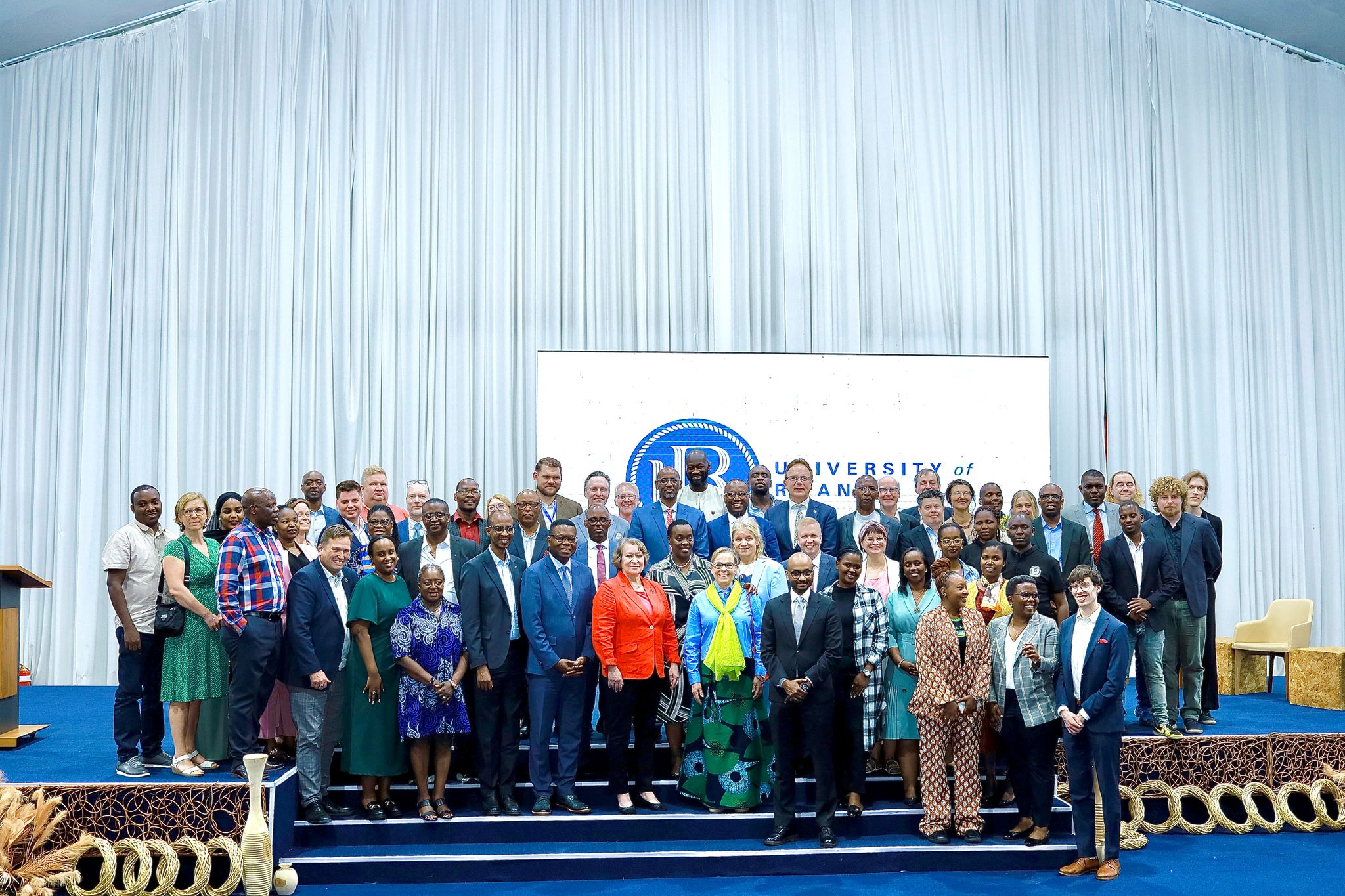
This landmark initiative brings together a diverse range of stakeholders, including public sector representatives, private businesses, civil society organizations, and development partners, all united in their efforts to address the country’s critical water security issues.
The launch of the MSP is a significant milestone in the implementation of the Prime Minister Order N°031/03 of November 30, 2022, which governs the National Water Consultative Committee (NWCC).
The NWCC is made up of two main bodies: a high-level Policy Consultative Committee and the MSP, which focuses on technical coordination, strategic planning, and fostering collaborative action to address Rwanda’s growing water resource challenges.
The MSP is designed to support Rwanda in achieving water security for economic growth and sustainable development. One of its key objectives is to facilitate dialogue among stakeholders from different sectors to co-design solutions for pressing water-related challenges.
Additionally, it aims to enhance coordination across public, private, and civil society sectors, ensuring a holistic and unified approach to managing the country’s water resources. The MSP also seeks to pilot innovative interventions, such as the Payment for Ecosystem Services (PES) initiative, which will reward communities for conserving ecosystems that help manage water resources.
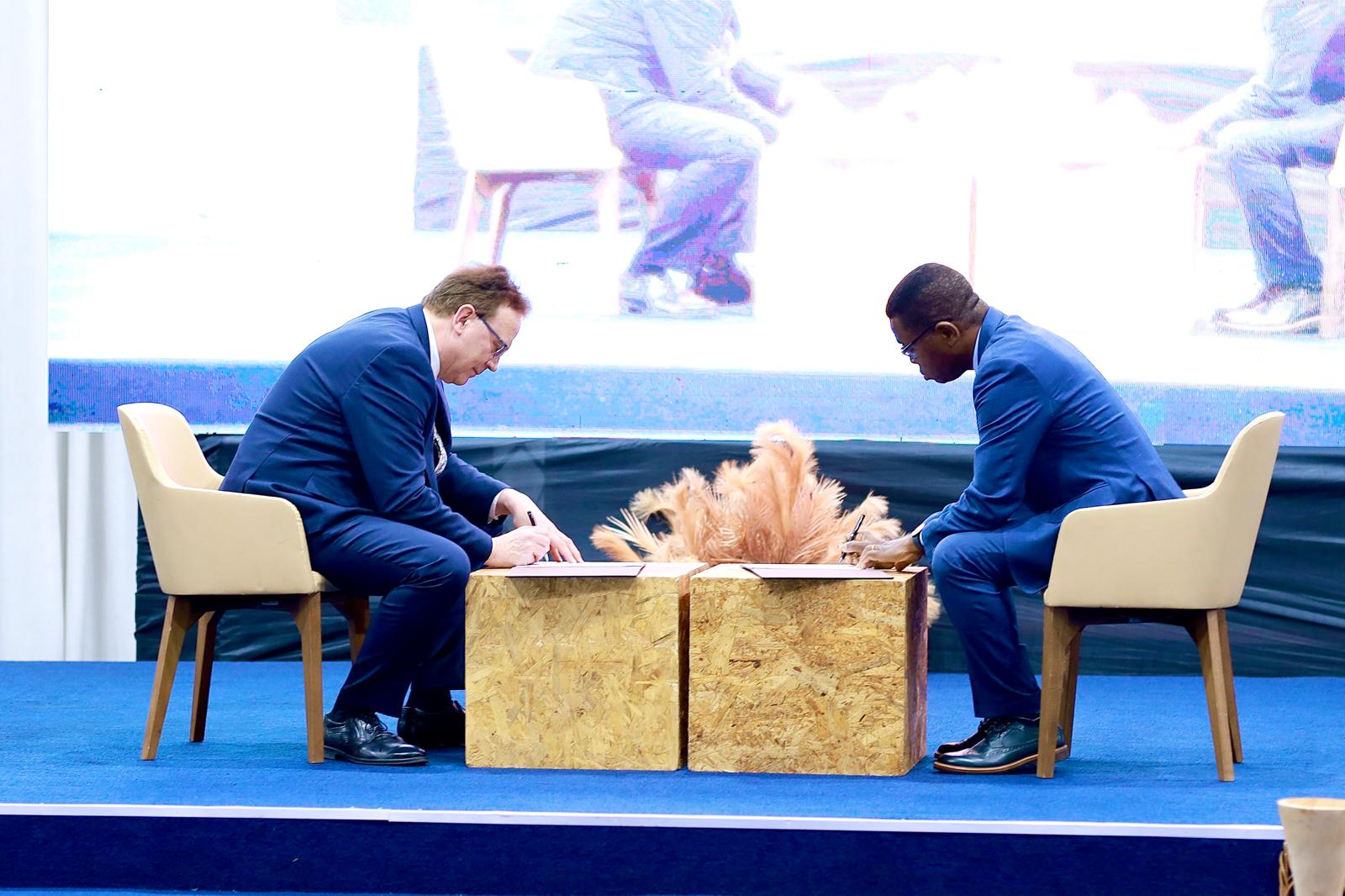
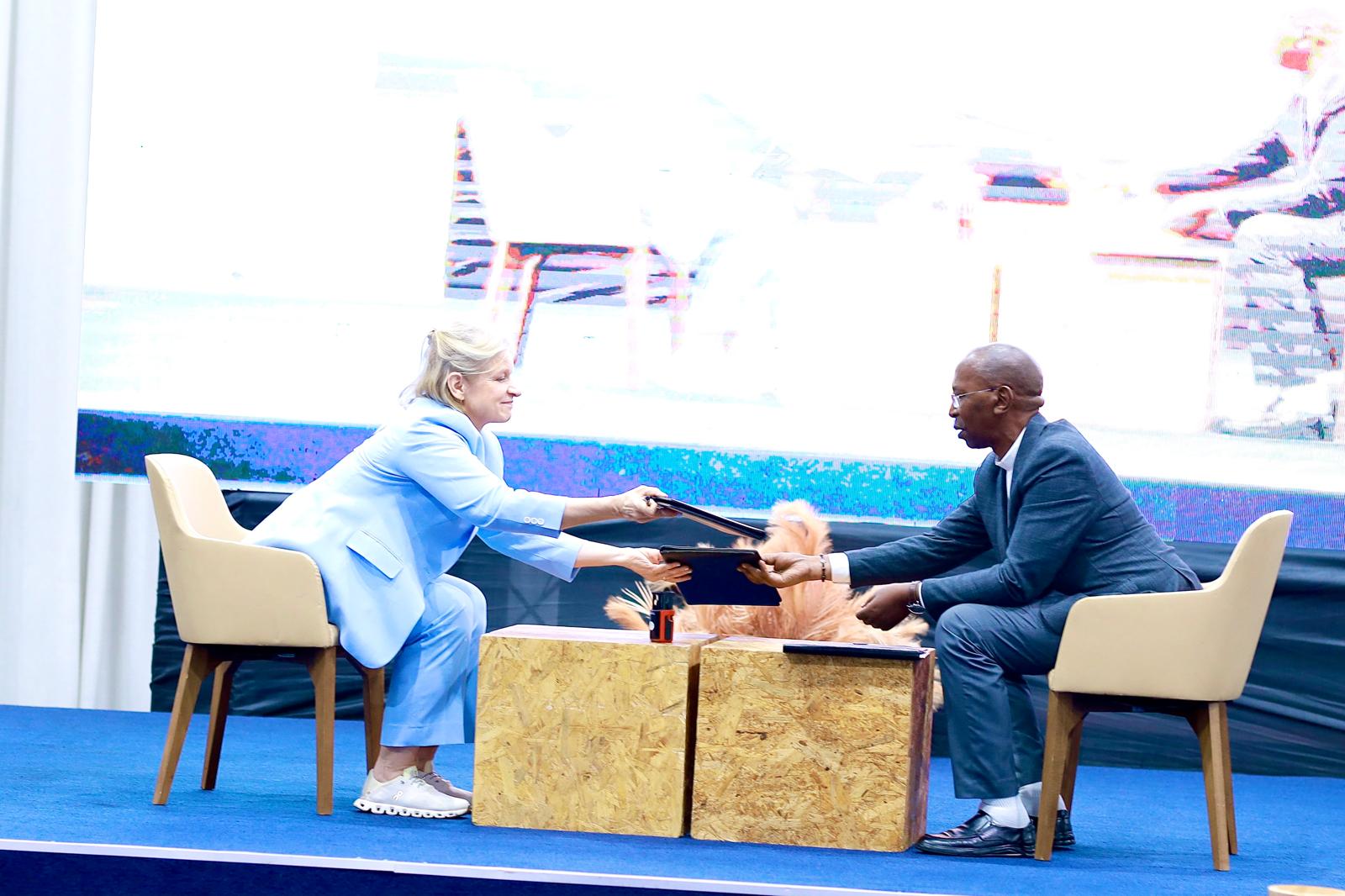
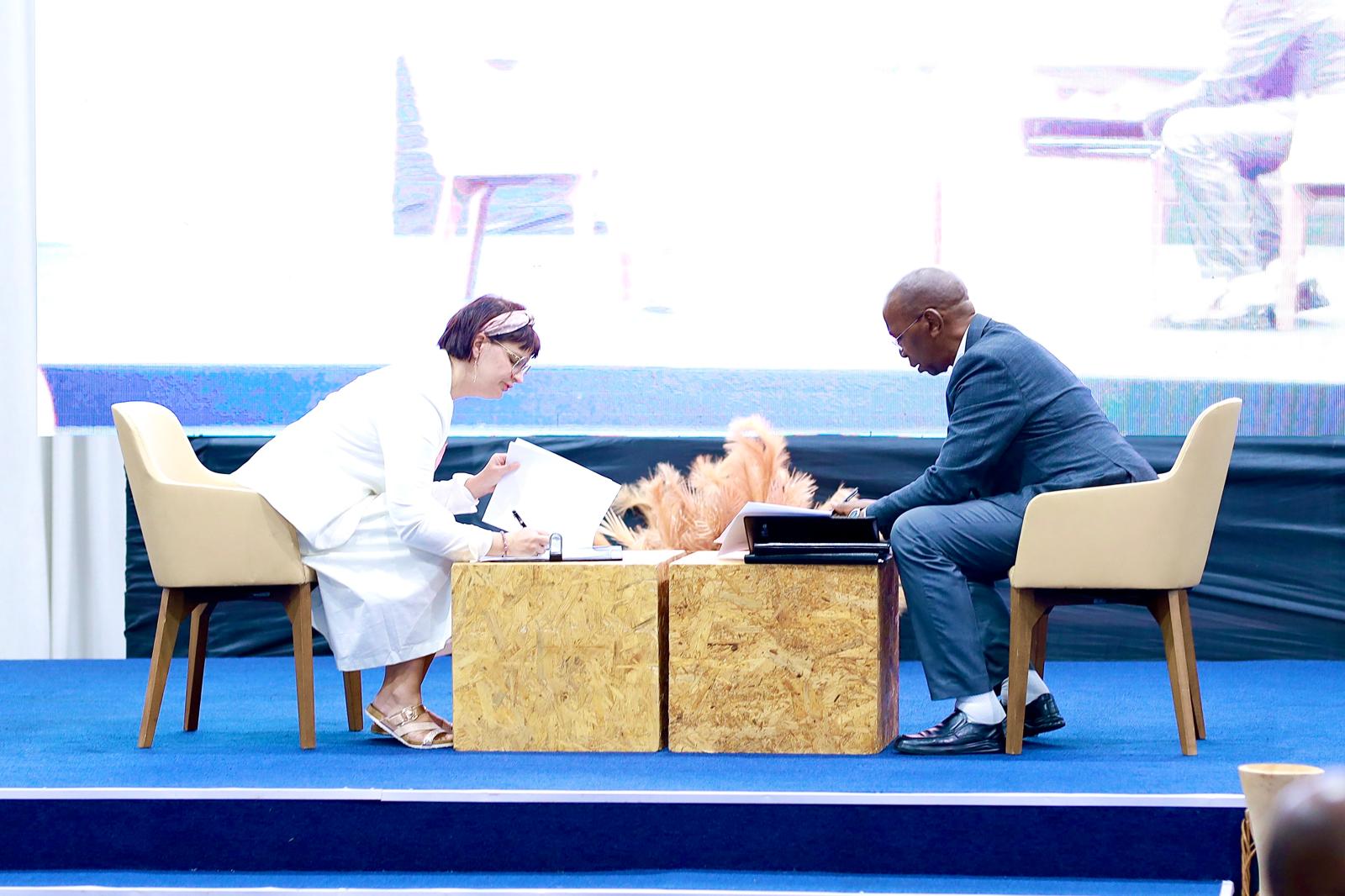
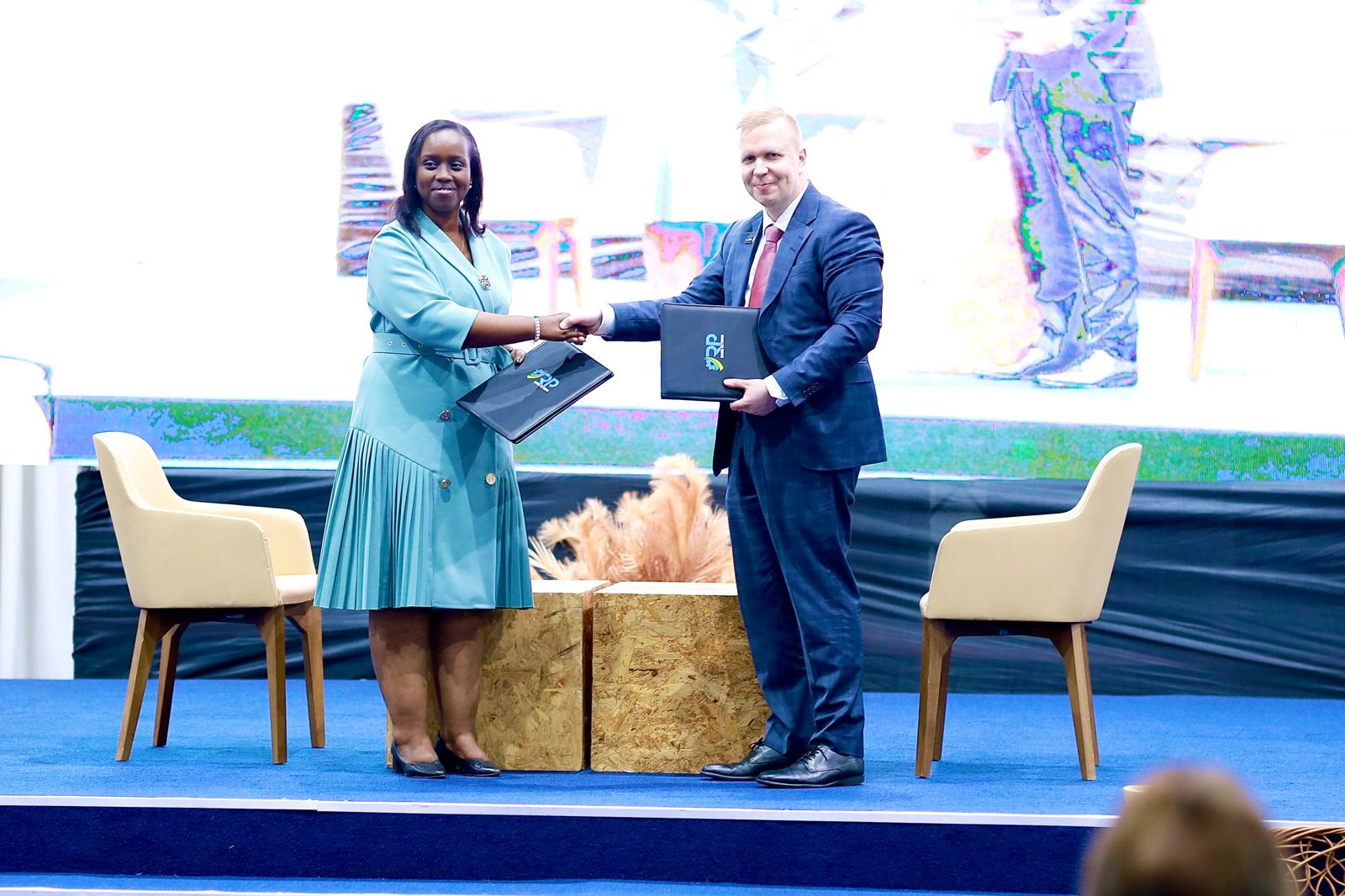
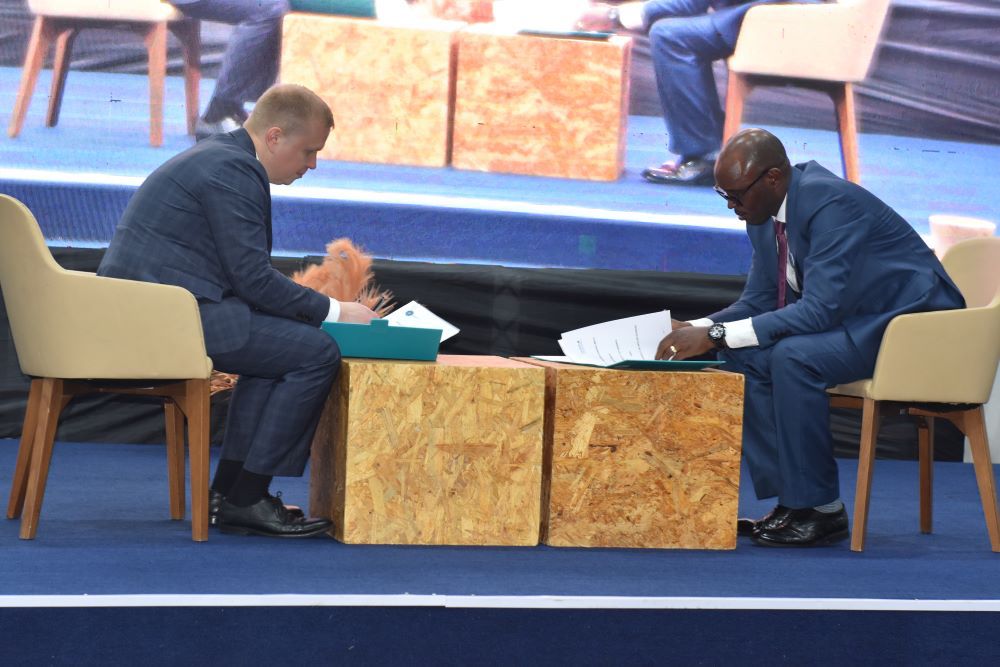
The operationalization of the MSP has been supported by the 2030 Water Resources Group (2030 WRG), a global initiative hosted by the World Bank Group. The launch event also marked the signing of a historic partnership framework between the Rwanda Water Resources Board, Rwanda Mountain Tea Ltd, ARCOS Network, and IUCN for a PES pilot project at the Giciye Catchment.
Speaking at the launch, Beatrice Cyiza, the Permanent Secretary of the Ministry of Environment, expressed her optimism about the MSP’s role in advancing Rwanda’s water security efforts.
“The launch of this platform marks a new chapter in Rwanda’s commitment to water security and sustainability. By bringing together diverse stakeholders, we are building a foundation for collaboration, innovation, and practical solutions to our water challenges. This is a collective victory for Rwanda’s development agenda,” she said.
Dr. Emmanuel Rukundo, Director General of the Rwanda Water Resources Board (RWB), highlighted the transformative potential of partnerships in addressing water challenges.
“Through initiatives like the Payment for Ecosystem Services pilot, we are not only addressing water security but also creating economic and environmental benefits for communities. This partnership framework is a testament to what we can achieve when we work together,” he said.
With increasing pressure on water resources from population growth, urbanization, and climate change, Rwanda’s approach to water security is critical for its sustainable development. The MSP offers a collaborative space for stakeholders to address the complex challenges surrounding water management through shared knowledge and joint action.
The platform will bring together a broad range of key institutions, with the Rwanda Water Resources Board (RWB) serving as the chair of the MSP.
Other participating entities include WASAC Group, the Rwanda Energy Group (REG), the Rwanda Environment Management Authority (REMA), and the Rwanda Agriculture and Animal Resources Development Board (RAB).
Additional stakeholders include the Rwanda Transport Development Authority (RTDA), the Rwanda Housing Authority (RHA), the National Land Authority (NLA), and the Rwanda Meteorology Agency (RMA).
The platform also brings in critical private sector partners, such as the CEO of the Private Sector Federation (PSF), as well as civil society representatives, including the Executive Secretary of the Forum of Non-Governmental Organizations on Environment (RENGONF).
The funding was approved by the Executive Board of IMF following the completion of the fourth reviews under the Policy Coordination Instrument (PCI) and the Resilience and Sustainability Facility , as well as the second review under the Standby Credit Facility.
These reviews confirm that Rwanda has made significant progress in areas like fiscal consolidation, inflation control, and climate policy integration.
According to the IMF, Rwanda’s economy grew by 8.2% in 2023, driven by strong performance in services, construction, and a recovery in food crop production.
For 2024, the IMF projects growth will remain strong at 8.3%, with a slight decrease to 7% expected in 2025. Growth is projected to remain steady at 7% in 2026, with an increase to 7.2% in 2027 and a further rise to 7.3% in 2028 and 2029.
Despite a positive growth outlook, external challenges, including inflation and a widening current account deficit, have been a concern.
In 2023, inflation rose to 14%, but the IMF projects that, starting in 2024 and continuing through 2029, inflation will stabilize at around 5%.
This is in line with Rwanda’s strong monetary policies and efforts to keep inflation within the central bank’s target range.
The funding will be vital for maintaining Rwanda’s macroeconomic stability and ensuring fiscal sustainability. It will also help the government accelerate domestic revenue mobilization, which is key to expanding fiscal space and improving Rwanda’s ability to respond to economic shocks.
Additionally, the funding will support further reforms aimed at increasing public investment efficiency, reducing fiscal risks from state-owned enterprises (SOEs), and managing financial sector stability.
The IMF has also recognized Rwanda’s progress in integrating climate considerations into its economic policies.
By establishing frameworks to attract climate financing, Rwanda is positioning itself to address climate challenges and promote sustainable investment. The government is developing a green project pipeline to help attract additional climate resources, enhancing the overall impact of the funding.
Mr. Bo Li, IMF Deputy Managing Director, highlighted Rwanda’s economic resilience, noting its strong growth in key sectors and effective monetary policies.
However, he emphasized the continued need for fiscal reforms, improved revenue mobilization, and oversight of state-owned enterprises to ensure long-term economic stability.
He also praised the country’s work in advancing its climate policy, positioning Rwanda as a leader in integrating climate goals with economic development.
“We carried out two military operations, the first of which targeted a military target in the occupied Ashkelon city, while the second targeted a target in the occupied Jaffa city,” Houthi military spokesperson Yahya Sarea said in the statement, referring to Israeli cities.
“The two operations were carried out with two drones that were able to bypass Israeli air defenses,” he said.
“We also carried out a joint military operation with the Islamic Resistance in Iraq, targeting vital targets in the south of occupied Palestine with a number of drones,” he said.
The Houthi spokesperson didn’t specify the date of those attacks nor identify the targets. There were no comments yet from the Israeli side on the Houthi claim.
The Houthi militant group, which controls much of northern Yemen, has been launching rockets and bomb-laden drones toward Israeli cities and disrupted “Israeli-linked” shipping in the Red Sea since November 2023 to show solidarity with Palestinians in Gaza amid the ongoing Israeli-Palestinian conflict.