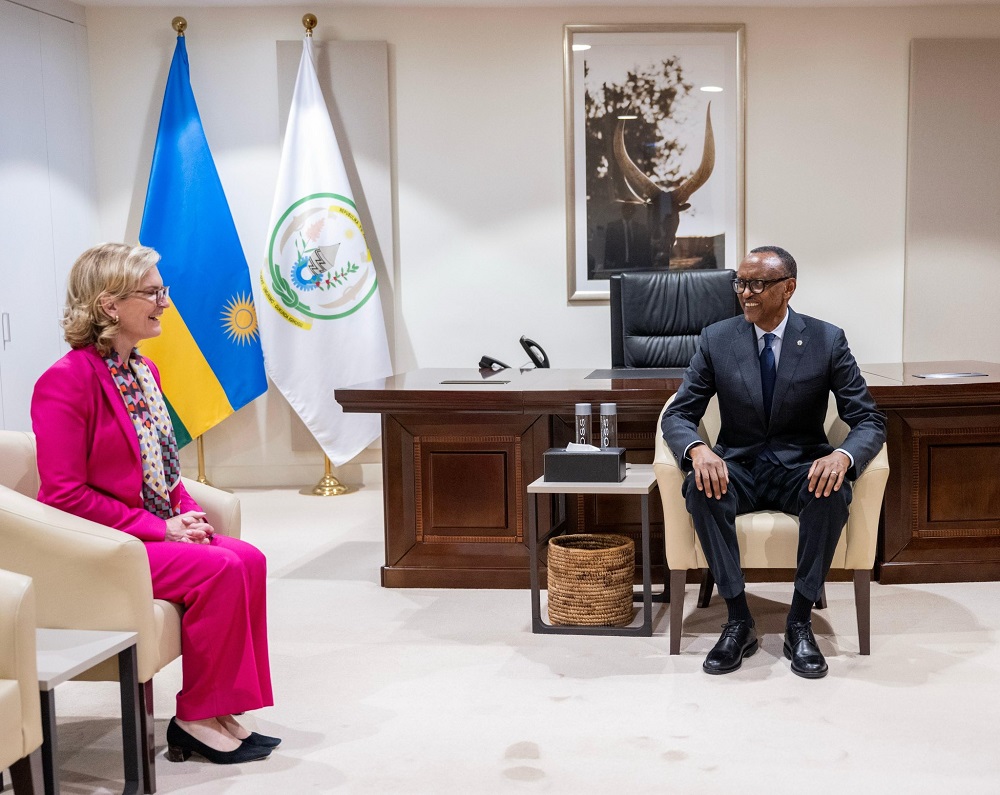
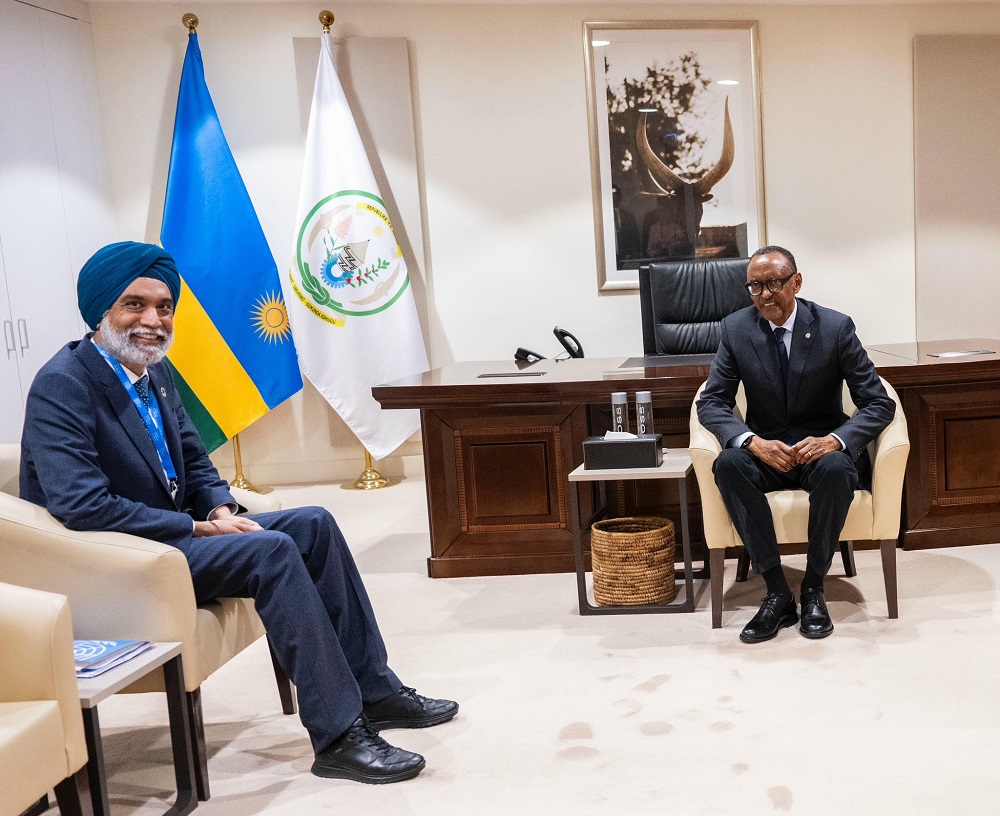
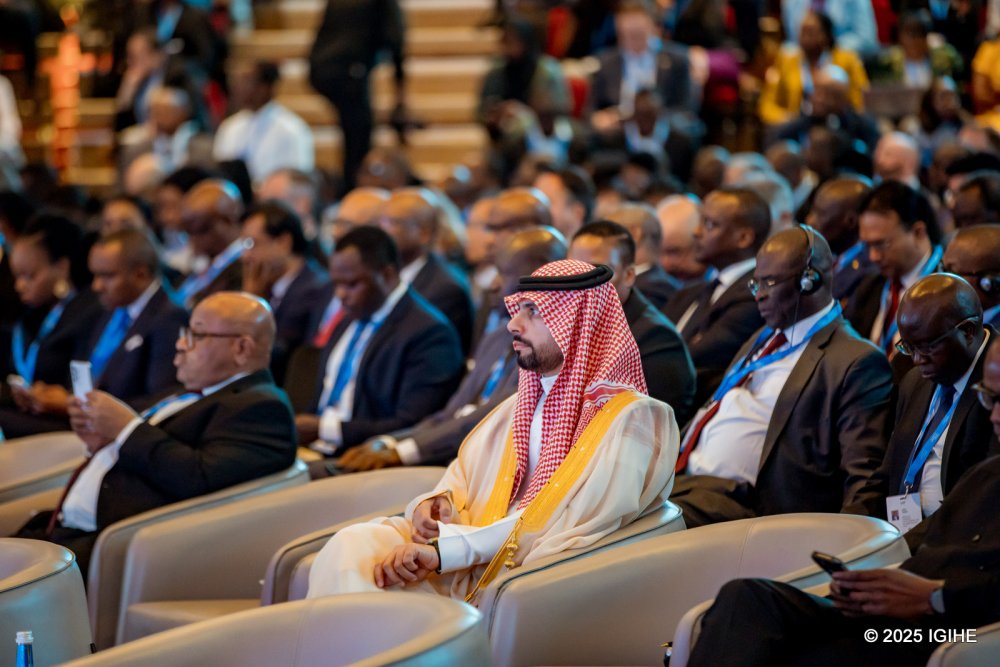
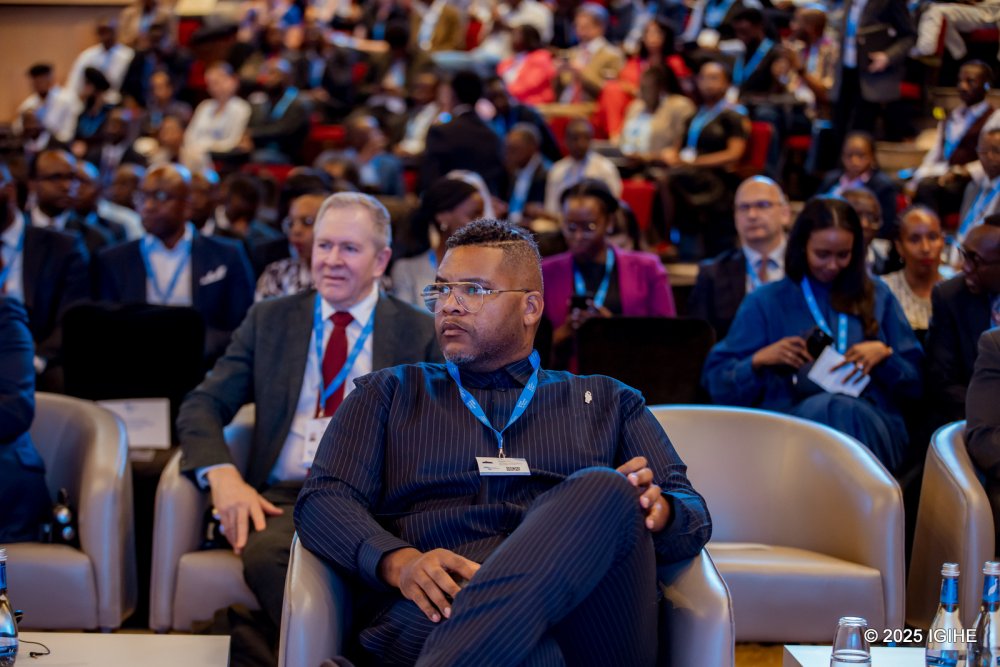
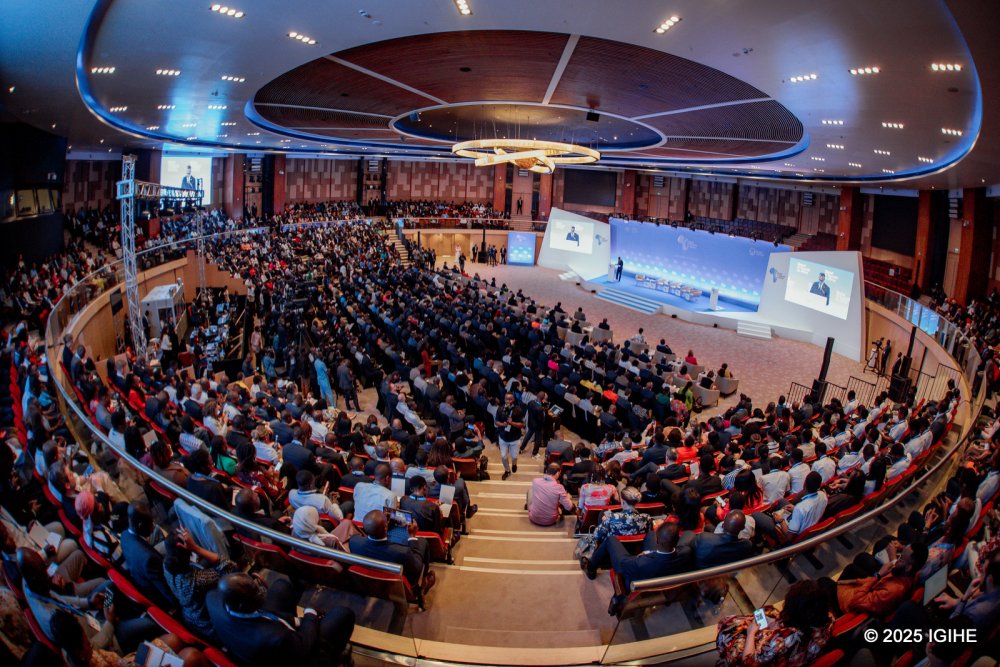
The high-level meeting took place on April 3, 2025, following the International Conference on Artificial Intelligence (AI) in Africa held in Kigali.
According to the Office of the President, “President Kagame received ITU Secretary-General Doreen Bogdan-Martin for discussions centered on strengthening collaboration in finding technology-driven solutions for sustainable development.”
During the meeting, Kagame also welcomed Amandeep Singh Gill, the United Nations Secretary-General’s envoy on technology, who was in Rwanda for the AI conference.
While officiating at opening session of the conference, Kagame emphasized the transformative power of artificial intelligence in decision-making and innovation.
“AI is driving innovation, accelerating technological advancements, and proving its benefits across various sectors. It enhances productivity, supports evidence-based decision-making, and reduces human errors,” he stated.
Rwanda has already integrated AI into key sectors such as healthcare and education, significantly improving service delivery and efficiency. Kagame stressed that technology should be harnessed for positive change.
“Technology should be used for good, and we have a responsibility to ensure that happens. I believe we can work together to achieve that. Regarding politics and diplomacy, AI can be a tool for productivity, but relying too much on it in governance could lead to serious consequences,” he cautioned.
By 2029, Rwanda aims to significantly increase the number of students pursuing technology-related studies, equip them with the necessary skills and tools, and train at least 500,000 people in digital technologies.
Additionally, the government plans to fully digitize all its public services, ensuring seamless access for citizens and businesses.
A report from MINEMA indicates that the Northern and Western provinces are the most prone to disasters. Available data shows that 522 areas, home to approximately 22,000 households, are particularly vulnerable to disasters, especially during the rainy season.
In specific districts, the number of households at high risk includes 88 in Rusizi, 452 in Rubavu, 424 in Rutsiro, 364 in Nyabihu, and 100 in Nyamasheke.
During a discussion with members of the Senate on April 2, 2025, Murasira emphasized that the government closely monitors these areas to warn residents in advance and respond swiftly in case of emergencies.
Senator Marie Rose Mureshyankwano inquired whether research is conducted to determine the type of soil in different regions to help guide land use planning.
“For example, Nyabihu district frequently experiences natural disasters, and researchers have indicated that its soil is shallow, with rocky layers underneath, steep slopes, and fragile composition. Sometimes, areas are settled or cultivated when they would be better suited for pasture or forests. What measures are in place to conduct thorough research and ensure appropriate land use?” she asked.
In response Murasira responded by informing the house that each district has a land use master plan outlining what activities should be carried out on different types of land.
He stated that while the government collaborates with universities for research, they aim to integrate technology for better land analysis and disaster preparedness.
“We want to use drones to assess land conditions because there are areas like Shyira where the soil frequently shifts, and we currently lack the capability to determine the exact cause. If we had satellite imaging, we could receive detailed insights into the soil’s structure,” he explained.
MINEMA reports that Rwanda’s disaster resilience level stands at 46%, partly due to the slow reconstruction of infrastructure affected by disasters. The country has 14 designated relocation sites for people displaced by natural disasters.
In 2023 alone, disasters in Rwanda caused damages worth over Frw222.3 billion.
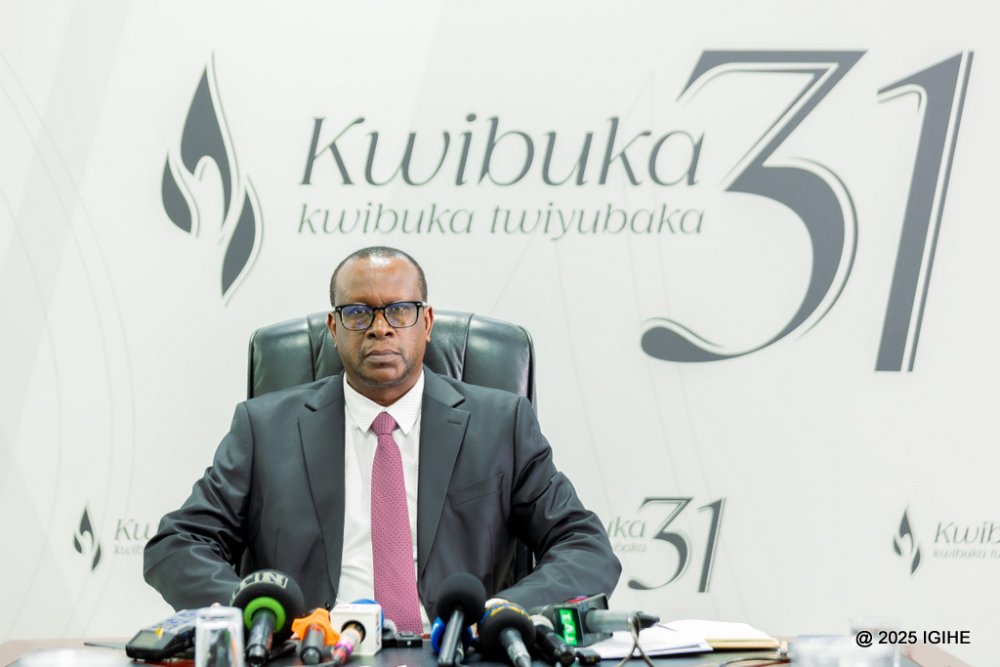
The Minister of National Unity and Civic Engagement, Dr. Jean Damascène Bizimana shared this update during a press conference ahead of the 31st Commemoration of the 1994 Genocide against the Tutsi.
While he acknowledged that some individuals exploit hate speech and genocide denial for personal gain, Dr. Bizimana emphasized the challenge of monitoring such content, as many platforms cite difficulties in interpreting messages written in Kinyarwanda.
To counter this, Minister Bizimana said, requires translating and reporting such content, despite the complexity of the task.
“We will continue working with the owners of these platforms to ensure that those individuals are held accountable, without restricting people’s right to express their opinions,” he noted.
The minister reaffirmed Rwanda’s commitment to freedom of expression, as enshrined in the Constitution, but emphasized that hate speech and genocide denial constitute crimes that will not be tolerated.
Dr. Bizimana urged social media users to engage in respectful discussions and refrain from insults or misinformation. He also stressed the importance of educating younger generations to resist genocide ideology, noting that many young people are misled by distorted historical narratives.
The minister linked genocide ideology to Rwanda’s colonial past, where divisive teachings fueled ethnic tensions.
He also pointed out that over 60,000 genocide perpetrators have been reintegrated into society, contributing to national development, and warned against repeat offenses, which would be met with severe consequences.
As Rwanda continues to promote unity, social media accountability remains a crucial tool in preventing the spread of harmful rhetoric.
According to AP, the 7.7 magnitude earthquake struck near Mandalay, Myanmar’s second-largest city, causing widespread destruction of buildings, roads, and bridges across multiple regions.
Hospitals and health centers were severely damaged, leaving thousands in urgent need of medical care.
The World Health Organization reported that four hospitals were completely destroyed, with 32 more partially damaged. Mobile hospitals from India and a Russian-Belarusian medical unit have been deployed to assist.
With many survivors left homeless or avoiding unsafe buildings, temporary shelters are being set up in open fields under extreme heat. More than 1,550 international rescuers from 17 countries are working alongside local teams to provide aid.
The disaster has worsened Myanmar’s already dire humanitarian crisis. Even before the quake, over 3 million people were displaced, and nearly 20 million were in need of assistance due to ongoing conflict. In response, the military declared a temporary ceasefire until April 22, though reports indicate continued fighting in some areas.
Meanwhile, in Bangkok, where the earthquake caused the collapse of a high-rise under construction, the death toll has reached 22, with 35 others injured. Rescue teams continue searching for possible survivors.
With communication down and some areas still inaccessible, authorities fear the death toll could rise further as more information emerges.
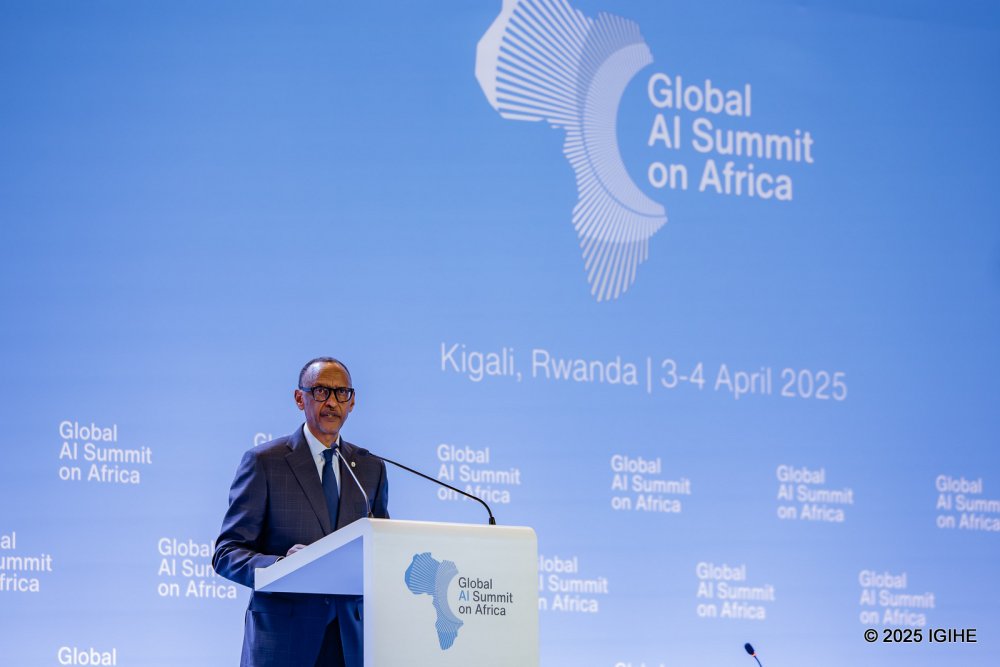
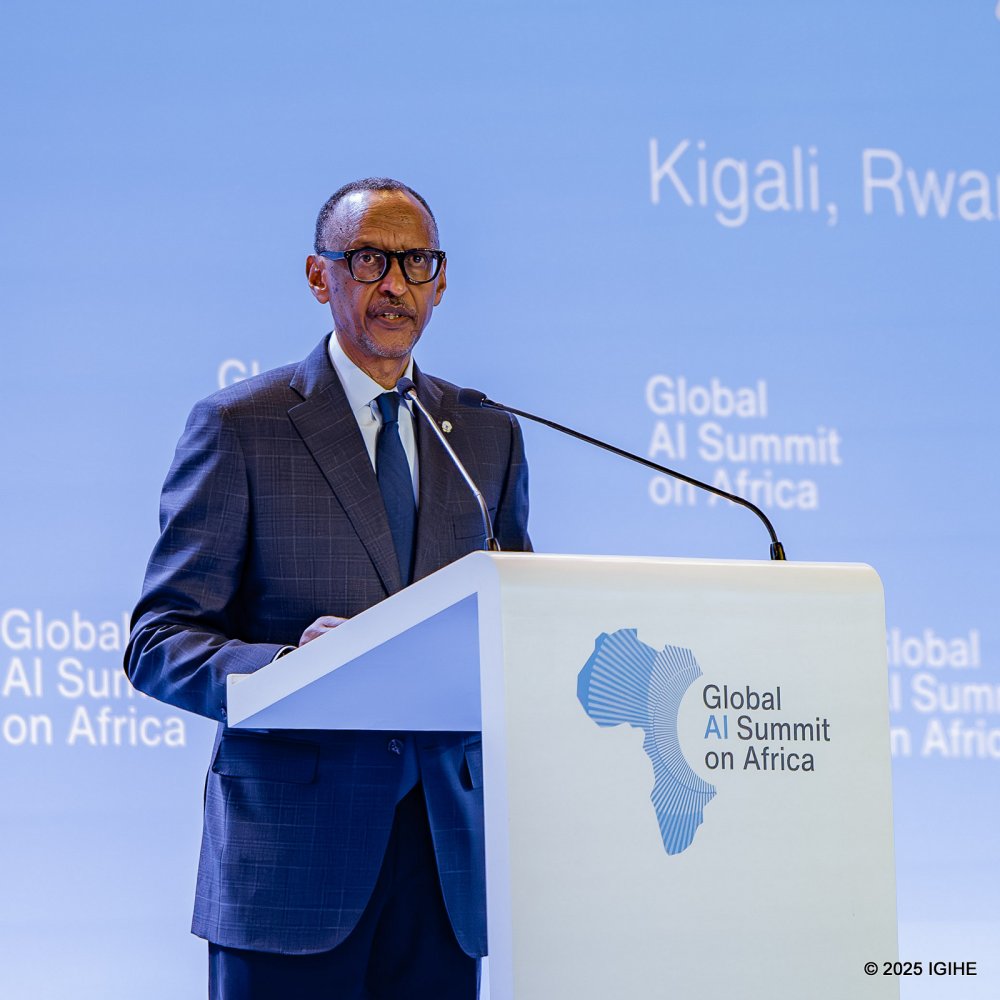
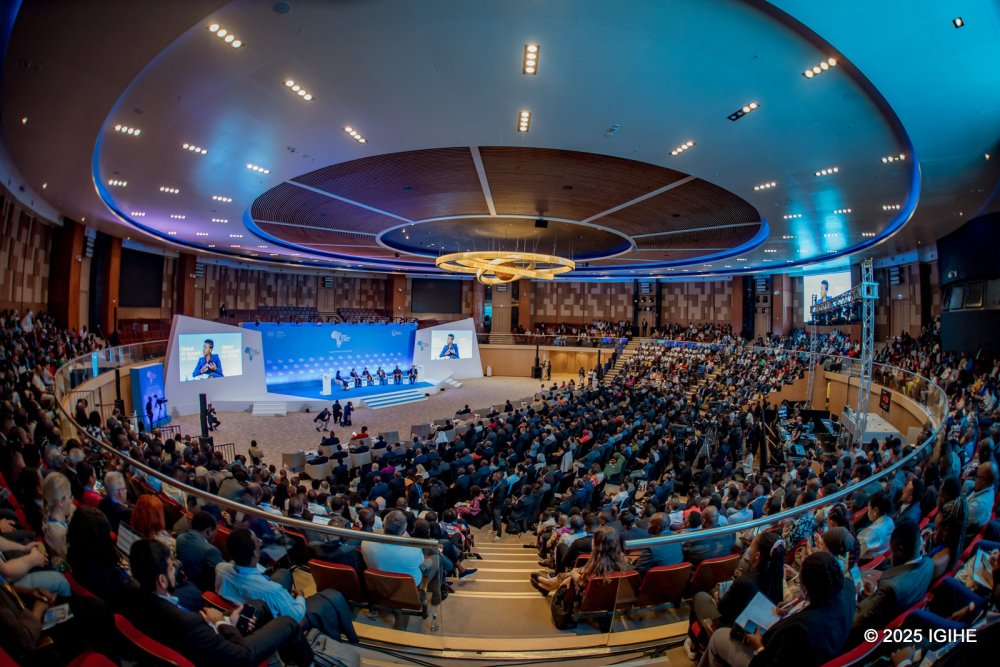
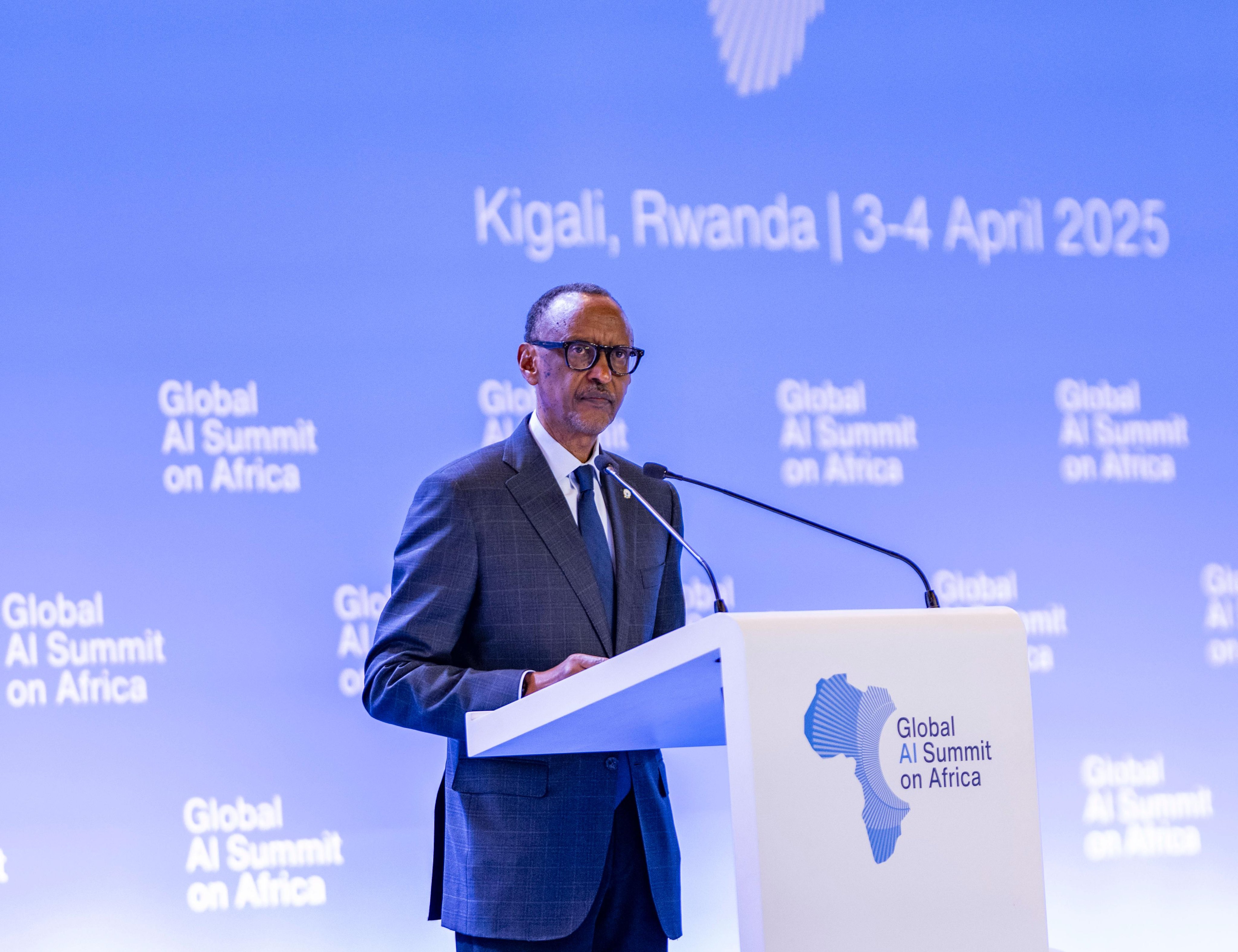
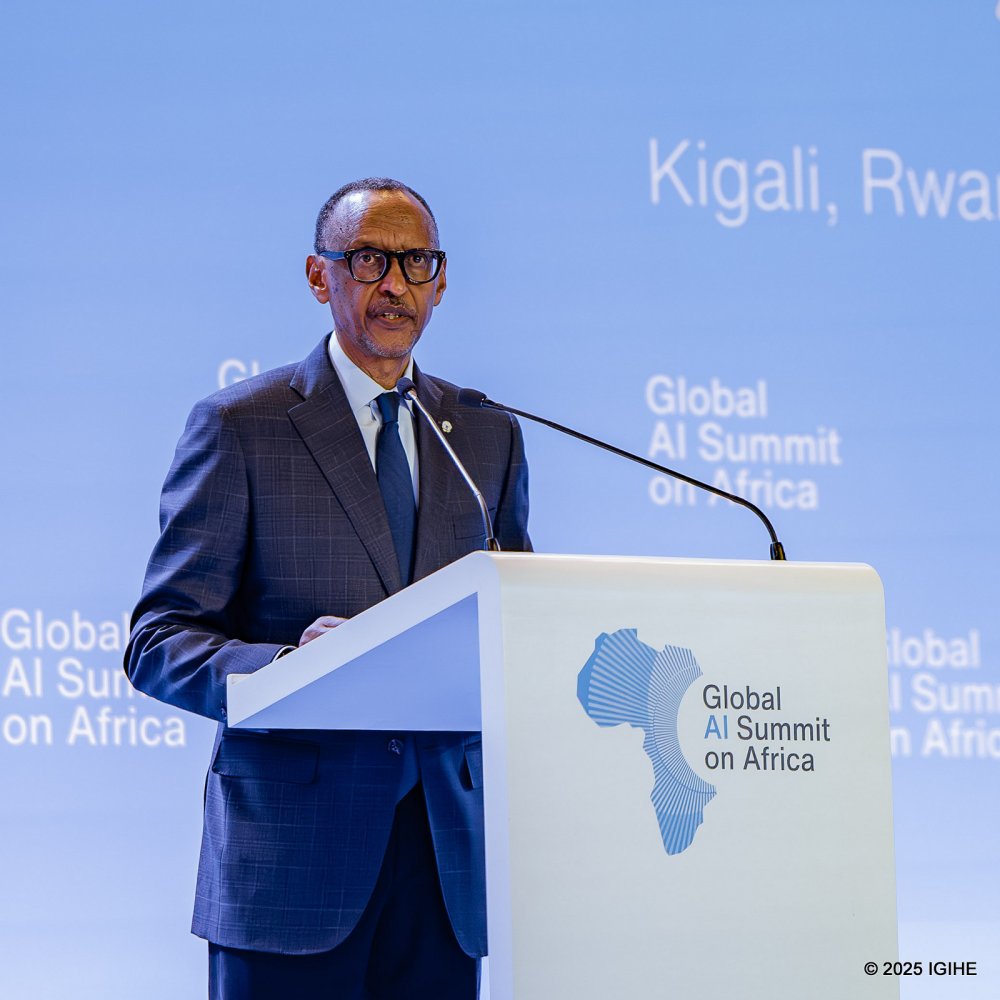
Speaking at the Global AI Summit on Africa in Kigali on Thursday, April 3, Kagame underscored the transformative potential of AI but warned that its unchecked involvement in political processes could lead to unintended consequences.
“Certainly, it would be a dangerous place if we involved artificial intelligence too much in our politics. We may have something good come out of it, but I think we might also experience terrible things happening to us,” Kagame said.
He stressed the need for Africa to actively participate in AI development rather than remain on the sidelines, playing catch-up to global technological advancements.
Kagame noted that AI is currently dominated by a few countries, a situation he believes Africa must address by promoting cooperation, investment in digital infrastructure, and workforce development.
“Artificial intelligence is driving some of the most groundbreaking innovations of our time and accelerating the pace of digital transformation across industries,” he stated. “However, it’s unfortunate that the rise of this new technology is being overshadowed by geopolitical competition.”
To ensure Africa is not left behind, Kagame outlined three key areas of focus: enhancing digital infrastructure, strengthening the continent’s skilled workforce, and expediting regional integration.
He highlighted Rwanda’s investment in centers of excellence to equip young people with AI-related skills, emphasizing that Africa’s growing workforce presents a unique opportunity for innovation.
Furthermore, Kagame called for harmonization of AI governance frameworks across Africa, warning that regulatory fragmentation is stifling entrepreneurship and technological growth.
He urged policymakers to work together to address concerns over privacy and security while leveraging AI to reduce inequality and promote shared prosperity.
“Technology is supposed to be a force for good, and we have a responsibility to use it accordingly,” he remarked.
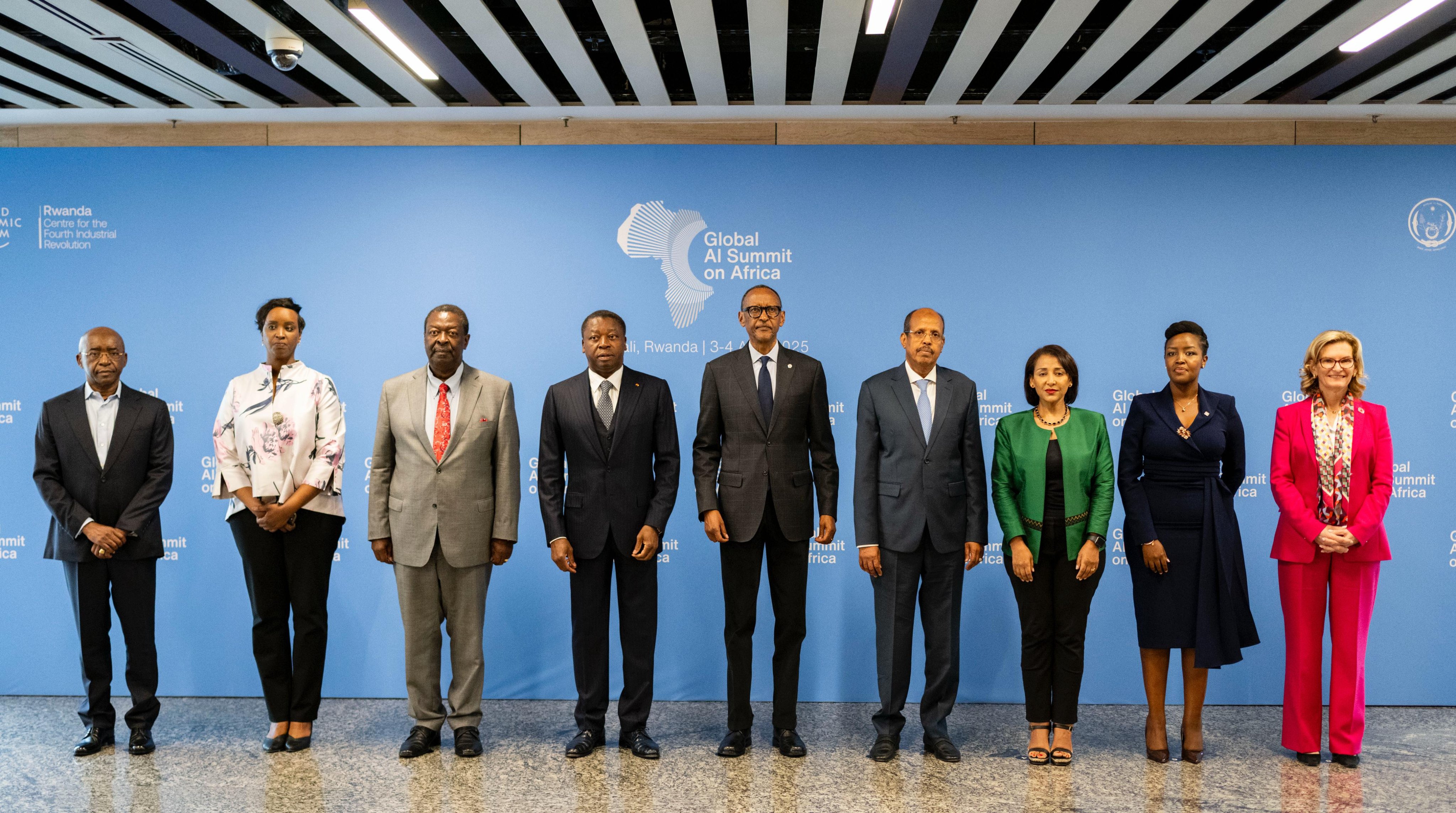
Togo’s President Faure Gnassingbé also weighed in on the discourse, emphasising the need for Africa to safeguard its strategic assets in the AI era. He highlighted the continent’s wealth of resources, including a youthful population, rich genomic and cultural data, and critical rare minerals essential for AI development.
Gnassingbé warned that these assets would become highly sought after by external entities, underscoring the importance of ethical governance and inclusion. He urged African nations to take proactive steps in structuring, valuing, and protecting their data to prevent exploitation.
“The temptation for external entities to exploit these resources without ethics and inclusion will be immense,” he said, calling for a concerted effort to ensure Africa maximises the benefits of its unique advantages in the global AI landscape.
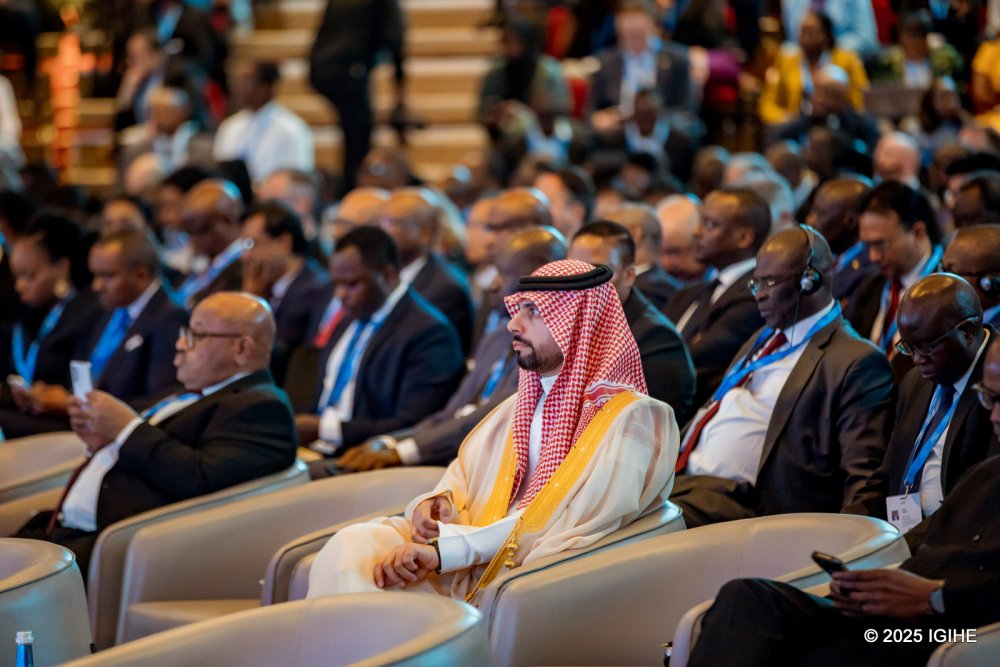
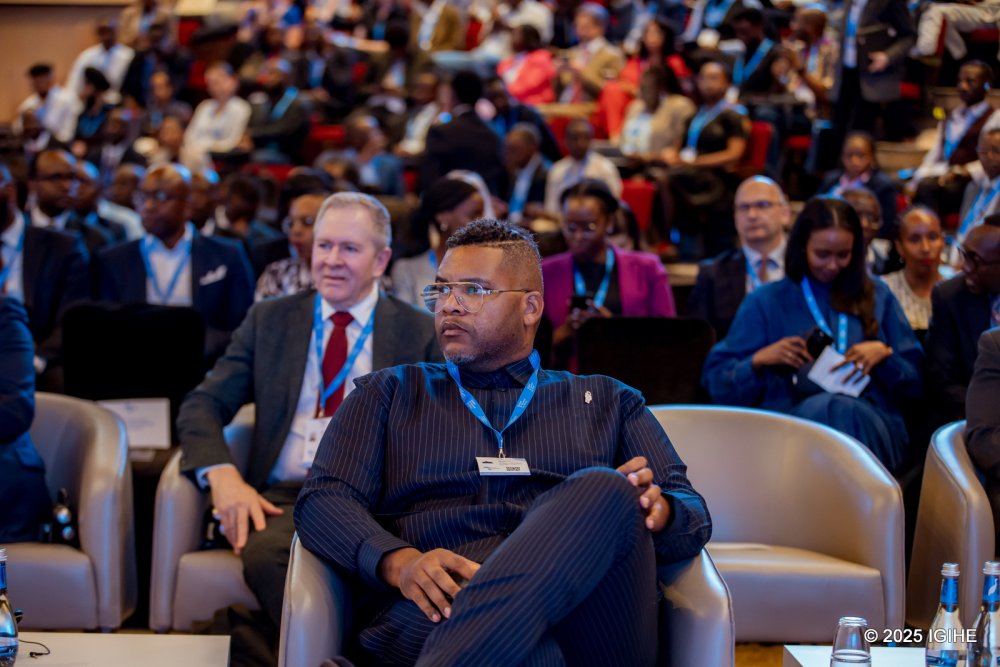
The two-day summit brings together African and global leaders, tech experts, and policymakers to discuss AI’s role in shaping the continent’s future.
Other high-ranking leaders who graced the opening ceremony included Mahamat Ali Youssouf, Chairperson of the African Union Commission (AUC), and Musalia Mudavadi, Prime Cabinet Secretary of Kenya.
Speaking at the opening ceremony of the inaugural Global AI Summit on Africa in Kigali on Thursday, April 3, 2025, President Kagame called for bold investments in digital infrastructure, workforce development, and continental integration to position Africa as a key player in AI innovation.
“We have to adapt, cooperate, and compete—because it is in our best interest to do so. That’s why we are here,” Kagame said.
“Technological development is concentrated in a few countries, and Africa cannot afford to be left behind, once again playing catch-up,” he added.
{{AI as a force for good
}}
While acknowledging AI’s transformative potential, Kagame cautioned against the risks of allowing AI to influence political and diplomatic affairs.
“If we work together—even in what was stated as geopolitics, diplomacy, and politics—we may drive AI to serve us well, rather than allowing AI to drive our politics, diplomacy, and cooperation,” he stated.
“Certainly, it would be a dangerous place if we involved artificial intelligence too much in our politics. We may have something good come out of it, but we might also experience terrible consequences.”
Instead, Kagame urged African leaders and innovators to leverage AI for economic growth, social progress, and reducing inequalities across the continent.
The Head of State outlined three priority areas that Africa must focus on to ensure that artificial intelligence drives meaningful progress across the continent.
First, Kagame emphasized the need to strengthen digital infrastructure, highlighting that reliable high-speed internet and stable power are essential for AI deployment. He urged governments and the private sector to invest in modernizing these systems to support technological growth.
Second, Kagame highlighted the importance of building a skilled workforce to meet the demands of the AI-driven economy.
“Africa needs its own data scientists, engineers, and cybersecurity experts,” he stated.
President Kagame pointed to Rwanda’s efforts in establishing centers of excellence designed to equip young people with the necessary skills to participate in and shape the future of AI.
He emphasized that empowering the next generation with digital expertise is key to ensuring that Africa remains competitive in the evolving technological landscape.
Finally, he called for fast-tracking continental integration to facilitate AI development. Kagame underscored the need for harmonized AI governance frameworks that would enable African countries to work together in shaping policies and regulations.
He also stressed the importance of stronger collaboration among nations to accelerate innovation and investment in AI, ensuring that African entrepreneurs and businesses can scale their solutions beyond national borders.
Kagame commended the African Union, Smart Africa, and the International Telecommunication Union (ITU) for their efforts in championing AI development on the continent. He specifically praised the establishment of the Africa AI Council, which aims to guide the continent’s AI policies and strategies.
Kagame noted that Africa’s young population is a major advantage in the global AI revolution.
“Africans will soon represent the majority of the growth in the global workforce,” he said, stressing the importance of equipping them with the right skills to harness AI for economic transformation.
In closing, President Kagame called for unity in ensuring AI becomes a tool for development rather than division.
“Let’s remain committed to working together and driving AI to reduce inequality and allow more of our citizens to benefit from the good AI can deliver,” he urged.
The two-day summit brings together African and global leaders, tech experts, and policymakers to discuss AI’s role in shaping the continent’s future.
Some of the high-ranking leaders who graced the opening ceremony included Faure Gnassingbé, President of Togo; Mahamat Ali Youssouf, Chairperson of the African Union Commission (AUC); and Musalia Mudavadi, Prime Cabinet Secretary of Kenya, among others.
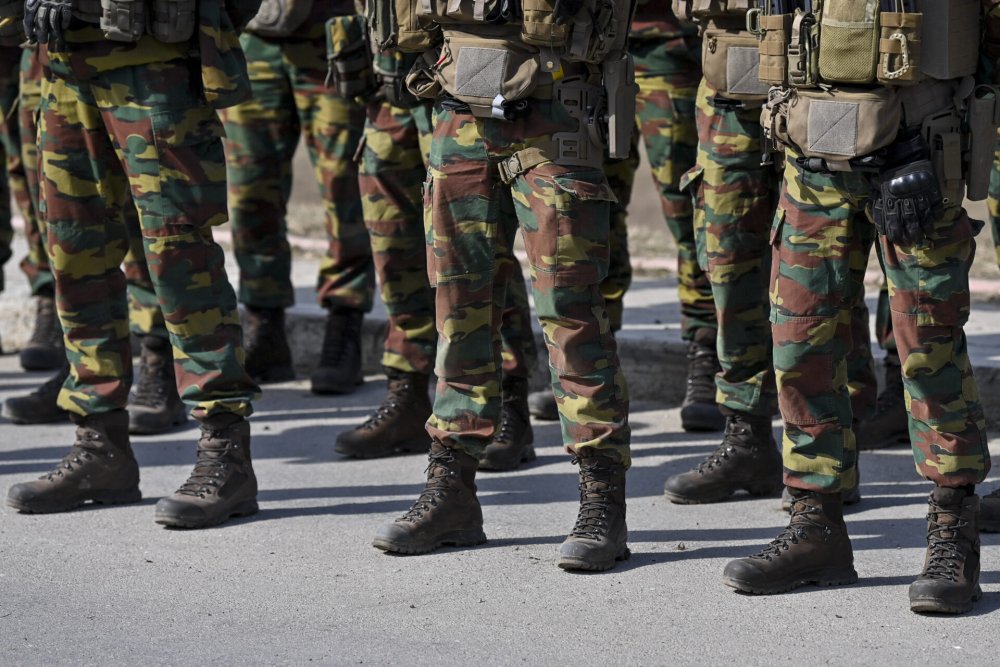
Last month, media outlets began circulating reports that Belgium had deployed between 300 and 400 troops to Maniema Province to support the DRC’s forces in battling M23.
It has now been revealed that these soldiers were stationed at the Lwama military base in the city of Kindu, Maniema, and were accompanied by weaponry, including tanks and combat drones, to assist in the fight against M23.
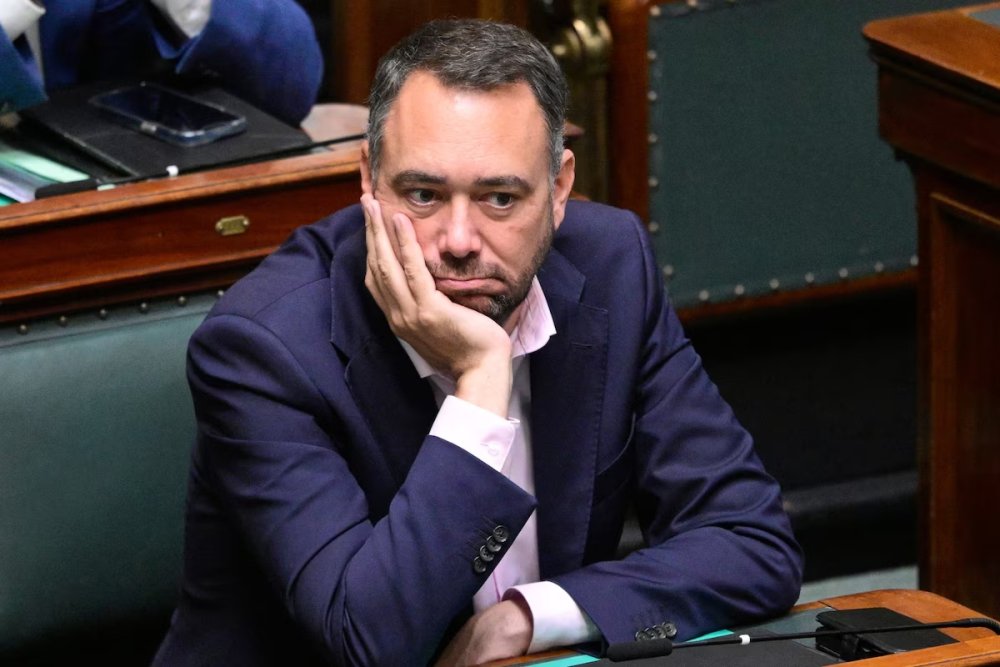
Belgium’s Minister of Foreign Affairs, Maxime Prévot, dismissed these claims as false, stating that his country had only six soldiers in Kindu, whose role was limited to training activities under a European Union (EU) mission.
Despite Minister Prévot’s denial, Belgium has already suffered the loss of eight soldiers who were fighting alongside the DRC army in operations against M23 in Walikale Territory, North Kivu Province, near the Maniema border, according to The Great Lakes Eye newspaper.
Among the fallen Belgian troops was Sgt. Jimmy Luis Flander, who was shot while operating a drone to launch an attack on M23 positions. The armored vehicle he was in was also destroyed.
M23 fighters stationed in Walikale have been facing repeated drone attacks. One such drone recently set fire to a civilian aircraft at Kigoma Airstrip near Walikale Center last week.
Reports from Walikale confirm that Belgian soldiers have been operating these drones with the goal of dislodging M23 fighters from the mineral-rich territory, which contains valuable resources like cassiterite. M23 has reportedly shot down two of these drones.
Even as Minister Prévot denied Belgium’s involvement in this conflict, there appeared to be an underlying military strategy by his country in the region, particularly in eastern DRC.
On March 17, 2025, a Belgian military aircraft, the Falcon 8x, departed from Brussels for Kinshasa, continuing to Kindu the next day before returning to Kinshasa on March 20.
On March 21, the 16-passenger aircraft returned to the Great Lakes region, landing in Bujumbura. It is well known that Belgium, Burundi, and the DRC are collectively opposing M23, either directly or indirectly.
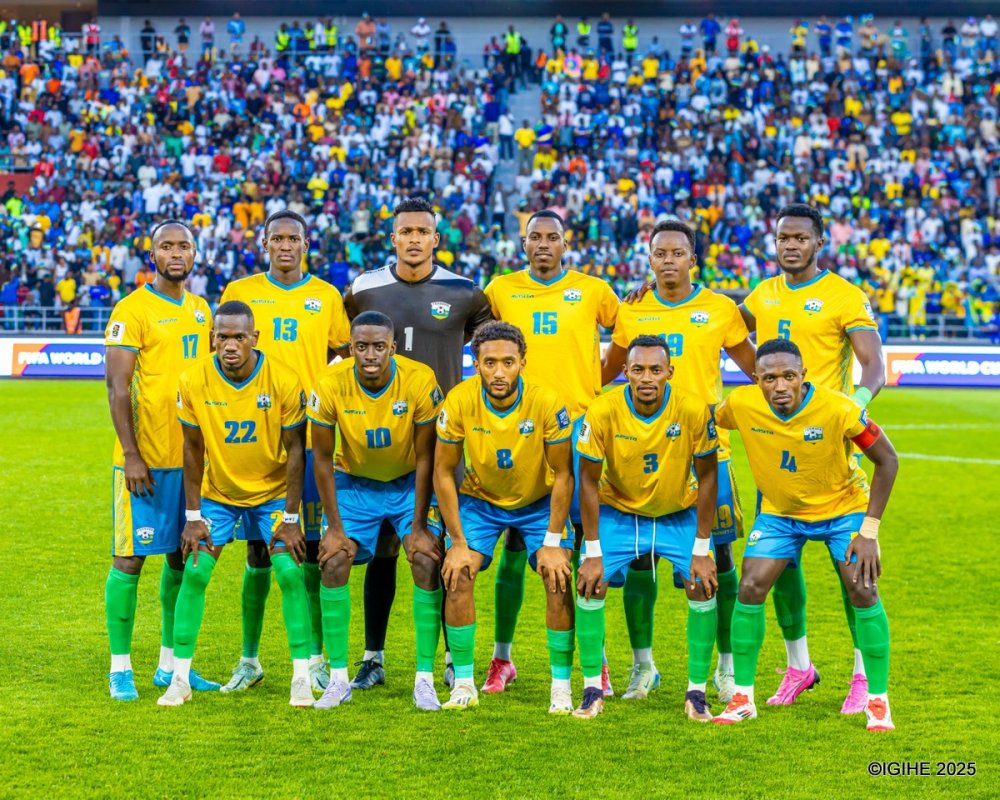
On Thursday, April 3, 2025, FIFA released its updated rankings for the month, showing Rwanda’s decline from 124th to 130th place.
In the previous rankings published in December 2024, Amavubi was ranked 124th. However, the team struggled in its two March 2025 World Cup qualifying matches, losing 2-0 to Nigeria and drawing 1-1 against Lesotho.
Additionally, Rwanda had played two matches in the qualifiers for the 2025 African Nations Championship (CHAN), securing a 2-1 victory over South Sudan but suffering a 3-2 defeat in the second leg. These results led to an 8.7-point loss, contributing to the team’s six-place drop. This is the lowest ranking for Amavubi since September 2024.
At the top of the rankings, Argentina remains the world’s number one team, while Spain has moved up to second place, overtaking France.
In Africa, Morocco now leads the continent, climbing from third to 12th place globally, followed by Senegal, Egypt, Algeria, and Côte d’Ivoire.
Myanmar recorded the biggest jump, climbing seven spots to 162nd, while Guinea-Bissau suffered the biggest drop, falling to 128th place.
These rankings were based on 245 matches played by FIFA teams, including 58 games held in late 2024. Vietnam and Thailand played the highest number of matches during this period.
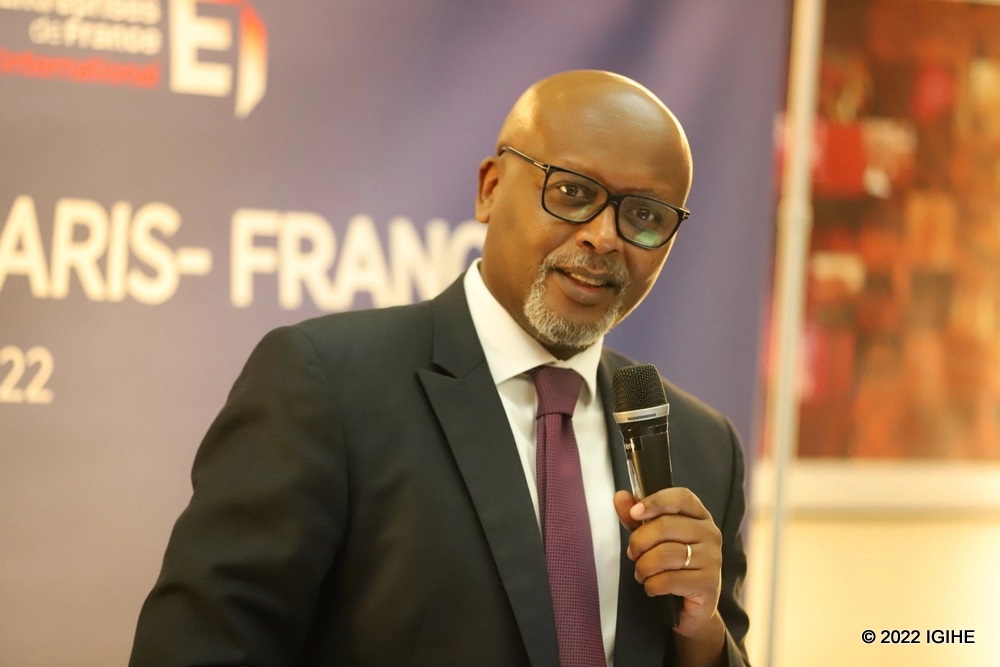
He explained that these measures were necessary due to ongoing security threats posed by the FDLR, a terrorist group formed by individuals responsible for the 1994 Genocide against the Tutsi.
Amb. Nkulikiyimfura illustrated the severity of the threat by comparing the distance between Kigali and FDLR’s bases, 170 kilometers, to the distance between Paris and Reims. For three decades, he noted, Rwanda has faced a persistent security challenge along its border, necessitating strong defensive actions to protect its sovereignty.
Despite sanctions imposed by the U.S., the United Nations, and the European Union, FDLR continues to operate freely with the support of the Congolese government.
Amb. Nkulikiyimfura emphasized that instead of dismantling the group, the Congolese army (FARDC) collaborates with it, further endangering Rwanda’s security.
He also criticized MONUSCO, the UN peacekeeping mission in DRC, for failing to neutralize FDLR despite its decades-long presence in the region.
Referring to recent security incidents, he highlighted that after the M23 rebels took control of Goma on January 27, 2025, FARDC forces launched artillery strikes into Rwanda’s Rubavu district, killing 16 civilians.
He revealed that intelligence reports confirmed a coordinated plan involving FDLR, FARDC, Burundian forces, SAMIDRC troops, and European mercenaries to carry out a large-scale attack against Rwanda.
Additionally, weapons—including missiles, drones, and heavy artillery—were discovered less than five kilometers from Rwanda’s border, indicating an imminent threat.
In light of these developments, the ambassador reaffirmed that Rwanda’s defensive measures are necessary and justified to ensure national security.
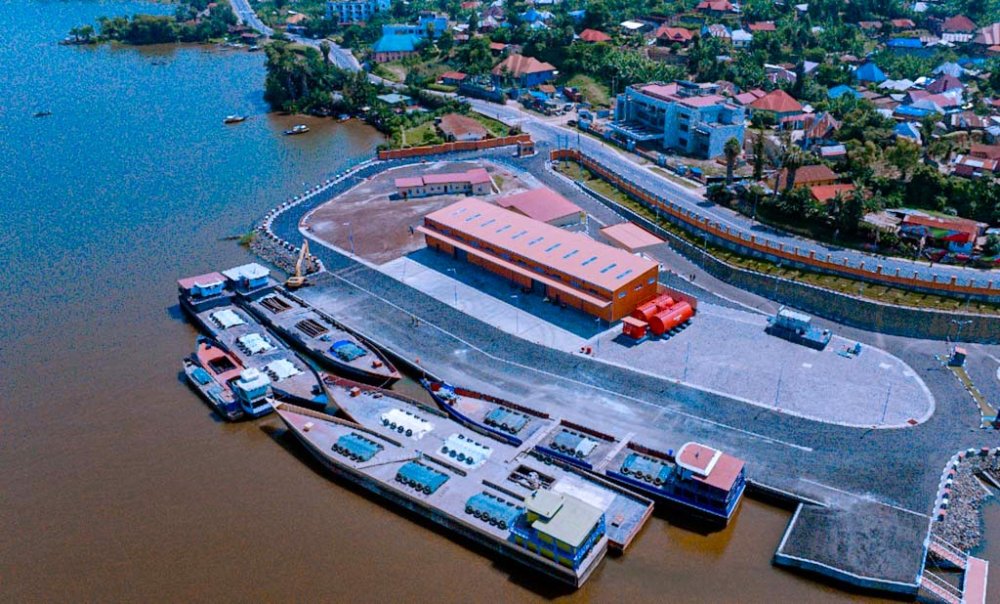
Rubavu Port was inaugurated on December 6, 2024, with a total construction cost of $9.17 million. It is the largest port in Rwanda and will be connected to other ports, including the nearly completed Rusizi Port and future ports planned for Karongi and Nkora in Rutsiro District.
The port was built on a two-hectare area and has the capacity to accommodate two large boats, each measuring 60 meters in length and capable of carrying 500 tons of cargo. It also features 12 docking pillars for large cargo boats and a dedicated docking area for passenger boats.
The port facilitates the transportation of various goods, including cement produced in Rwanda, food products from Kenya and Tanzania destined for the Democratic Republic of Congo (DRC), and other commodities.
Nzabonimpa Deogratias, the Vice Mayor of Rubavu District in charge of economic development, told IGIHE that Lake Kivu was like an untapped goldmine for the region.
“Rubavu Port, built on Lake Kivu, has enabled our residents to trade more efficiently with neighboring districts and the DRC. Currently, it handles 1,400 tons of goods daily, meaning it is operating at 70% of its full capacity,” he stated.
He added that many traders are utilizing the port, and they expect to reach the full capacity of 2,000 tons per day soon.
Nzabonimpa sees the port as a major business opportunity for Rwanda and urged the private sector to maximize its potential. Currently, the port facilitates the movement of 40 trucks daily, each carrying 35 tons of goods, and employs 200 permanent workers engaged in loading and unloading activities through five cooperatives.
“This efficiency ensures that traders can quickly offload their goods and return for more shipments without delays, which is why they should take full advantage of this infrastructure,” Nzabonimpa said.
He also encouraged investors to purchase modern boats for tourism purposes, allowing visitors to explore Rwanda’s scenic beauty.
Discussing the port’s economic impact on Rubavu District, Nzabonimpa highlighted the significant increase in tax revenue and the growth of private sector investments in Nyamyumba Sector, where the port is located.
He revealed plans to develop additional infrastructure, including a cross-border market near the port.
Dieudonné Mabete Niyonsaba, Chairman of the Private Sector Federation in Rubavu District, stated that the port has eased business operations by reducing transportation costs.
“Water transport is cheaper and can carry more goods, which has significantly lowered expenses for traders who previously relied on land transport. Rubavu District has become more accessible, as the port connects us to other areas along Lake Kivu and facilitates trade with the DRC,” he said.
He emphasized that stakeholders are committed to fully utilizing the port’s capacity and maximizing its economic benefits. He also encouraged users to improve their operations and cooperation to ensure mutual profitability.
Rubavu Port, located in Nyamyumba Sector on Lake Kivu, has a total capacity of handling 700,000 tons of goods and 2.7 million passengers annually.
The port comprises key facilities, including a cargo terminal, a tourism section, immigration offices, a police station, a vehicle repair area, and restaurants.
It also hosts services from the Rwanda Transport Development Agency (RTDA), immigration and security authorities, and institutions typically found at land border crossings, such as MAGERWA and the Rwanda Revenue Authority (RRA).
Additionally, the port features designated areas for tourists visiting Rwanda’s Western Province attractions, as well as storage facilities where traders can temporarily keep their goods after unloading.