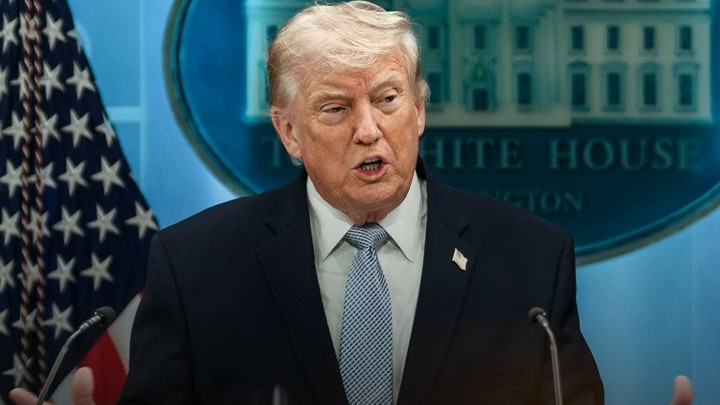
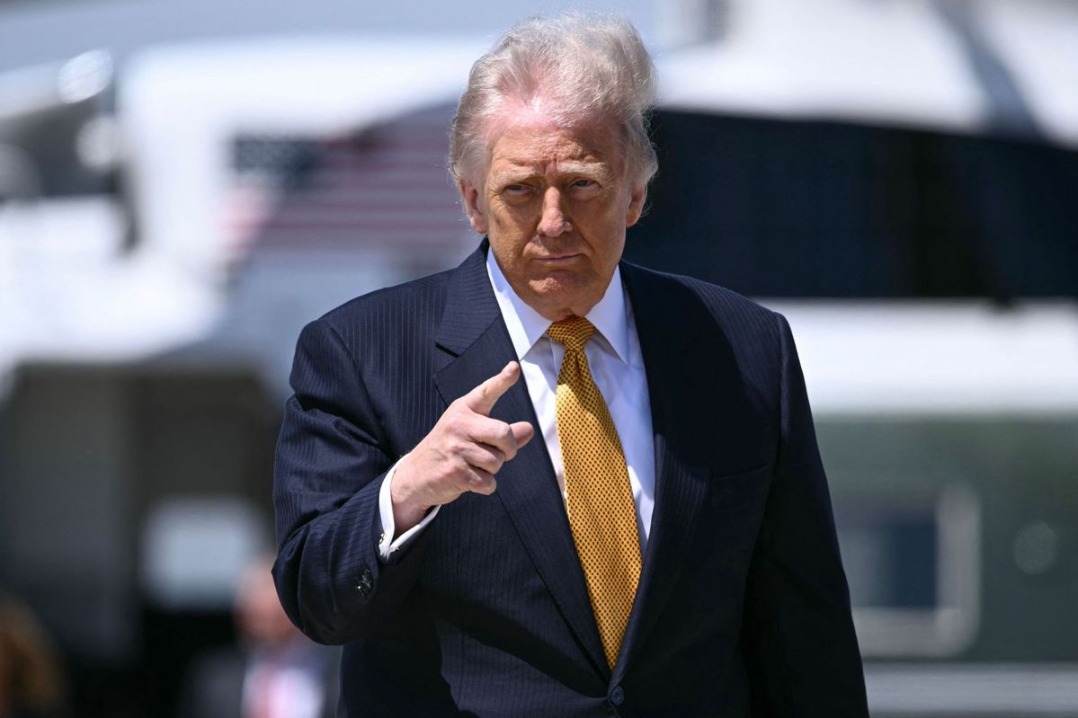
“The Situation Room meeting has concluded and lasted approximately two hours. President Trump will only make a deal that is good for America and satisfies his redlines. Iran can never possess a nuclear weapon,” a White House official said in a statement.
It was not immediately clear why Trump did not reach a decision.
Earlier on Friday, Trump outlined conditions for a deal with Iran in a post on Truth Social, claiming he will be meeting his national security team “to make a final determination” on the day.
Among the U.S. key demands are the elimination of Iran’s enriched nuclear materials, reopening the Hormuz Strait with no tolls and removing water mines left.
“Iran must agree that they will never have a Nuclear Weapon or Bomb. The Hormuz Strait must be immediately open, no tolls, for unrestricted shipping traffic, in both directions. All water mines (bombs), if any, will be terminated,” Trump wrote.
The U.S. Naval blockade “will now be lifted,” said Trump.
Iran’s enriched nuclear material, the so-called “nuclear dust” which has been buried deep underground due to U.S. bombing in June last year, will be unearthed by the United States in close coordination and conjunction with Iran and the International Atomic Energy Agency and destroyed, said Trump.
Iranian Foreign Ministry spokesperson Esmail Baghaei said in a phone interview with Iranian state media on Friday that current negotiations were limited in scope and did not include “the nuclear issue.”
Earlier on Friday, Trump outlined conditions for a deal with Iran in a post on Truth Social, claiming he will be meeting his national security team “to make a final determination” on the day.
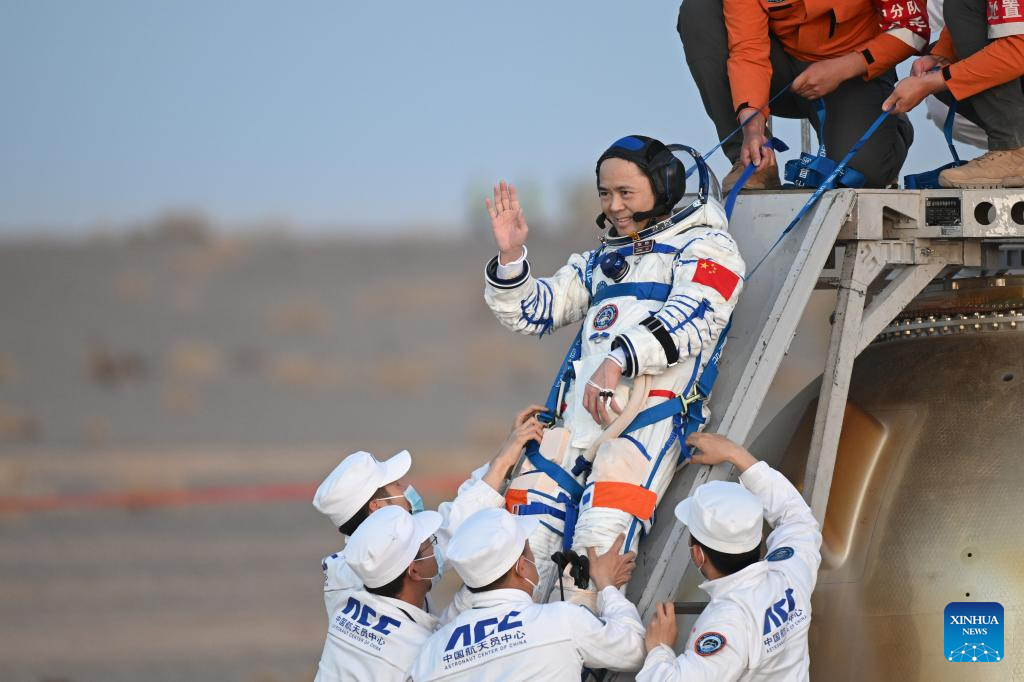
The trio consisting of Zhang Lu, Wu Fei and Zhang Hongzhang are all in good health, said the China Manned Space Agency (CMSA), noting that the Shenzhou-21 spaceflight mission is a complete success.
At 7:20 p.m. (Beijing Time), the Beijing Aerospace Control Center issued a return command via the ground station, and in response the orbital capsule of the Shenzhou-22 spaceship separated from the return capsule.
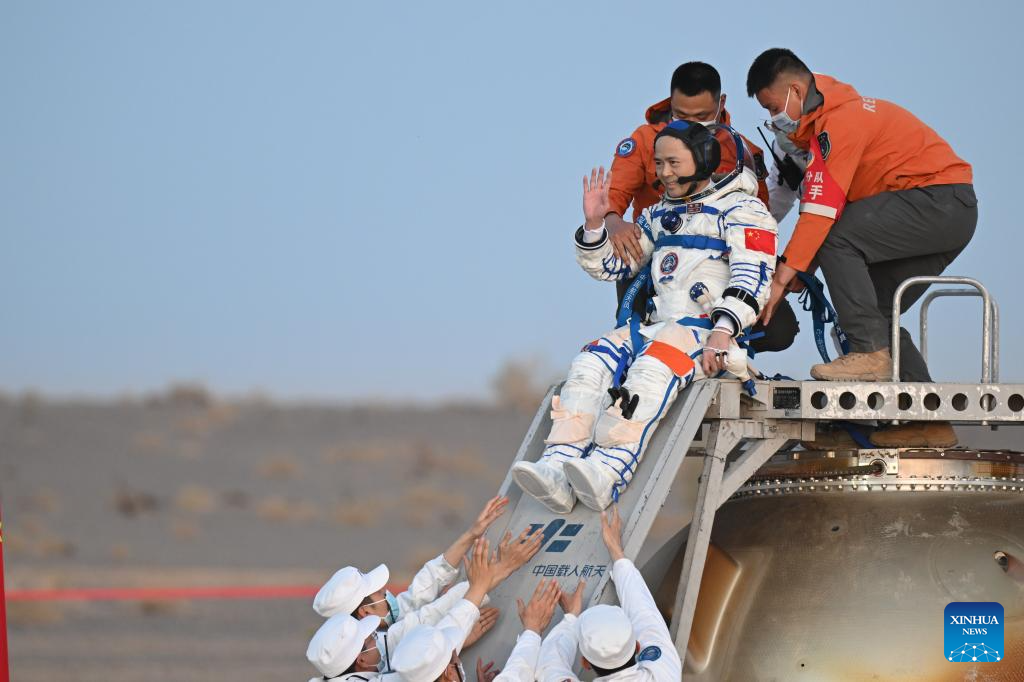
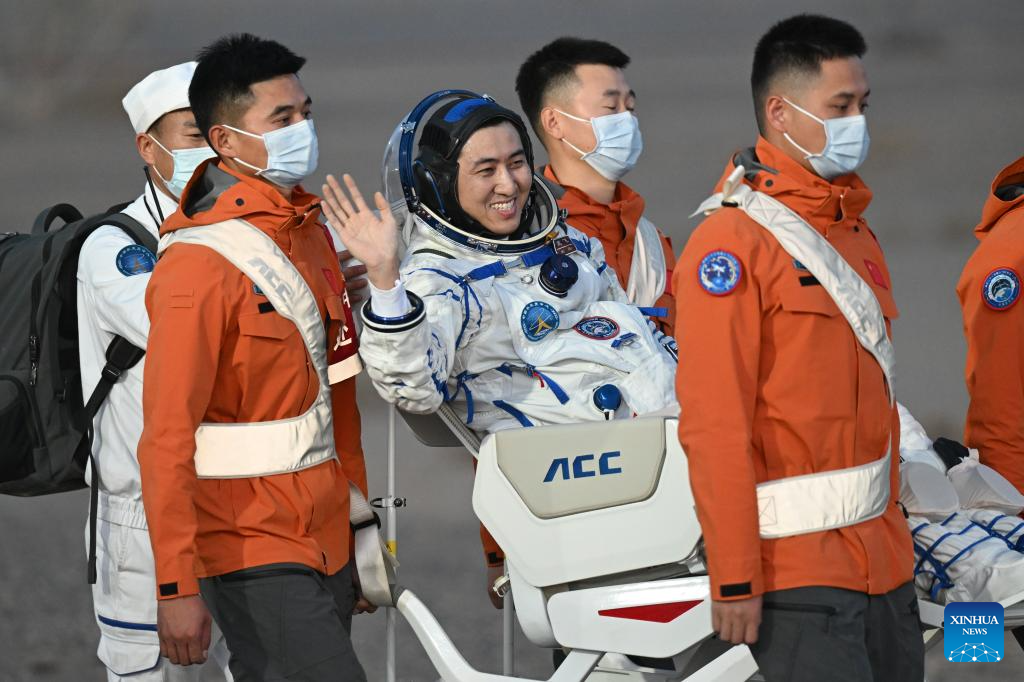
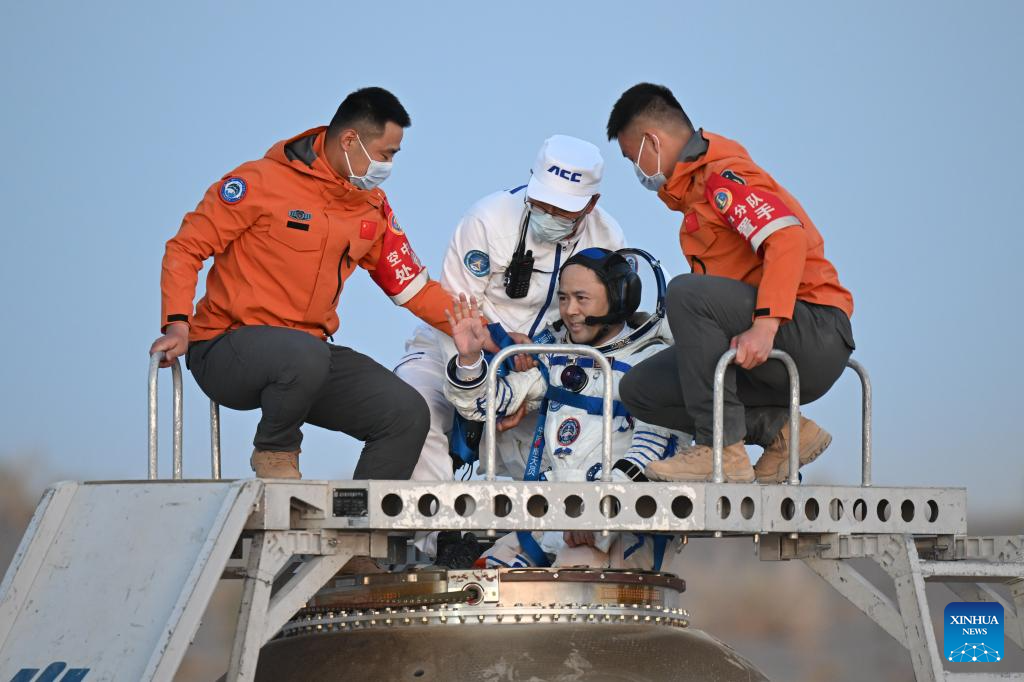
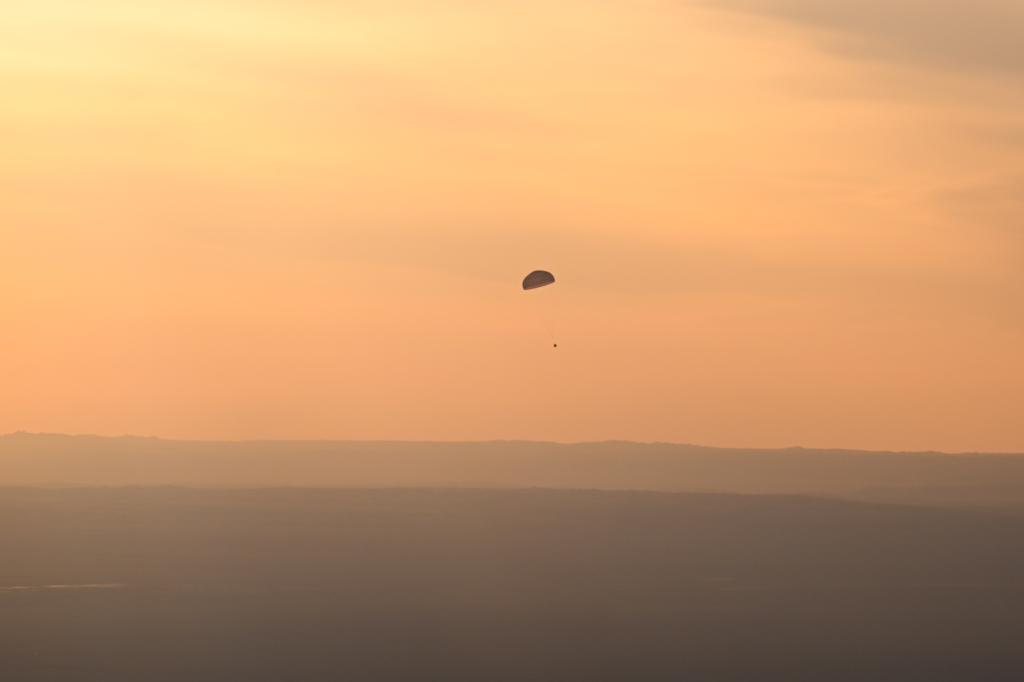
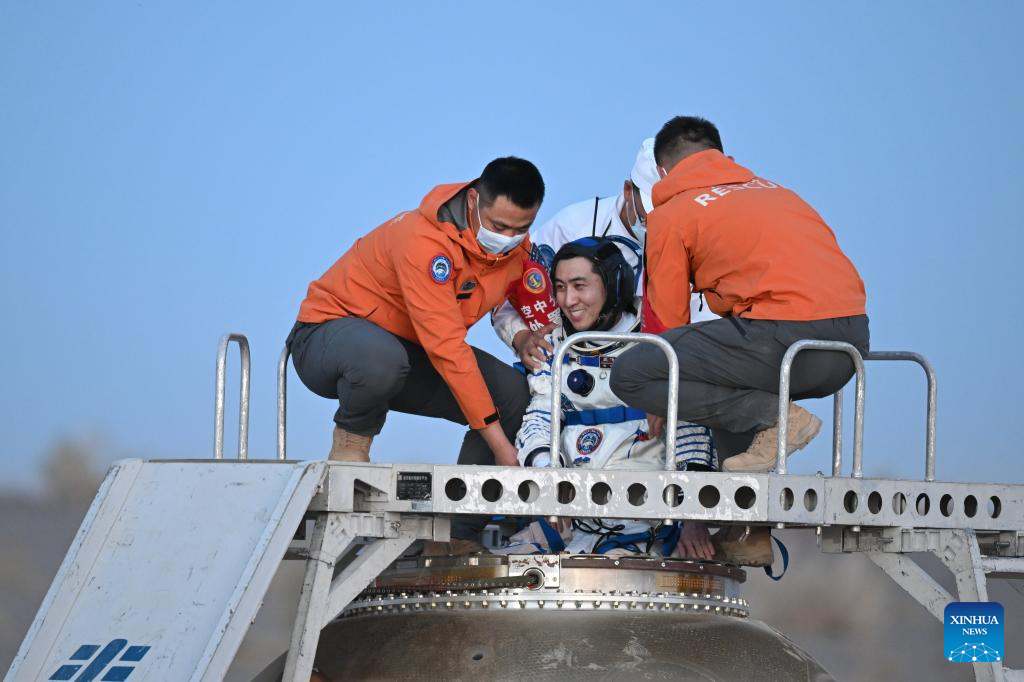
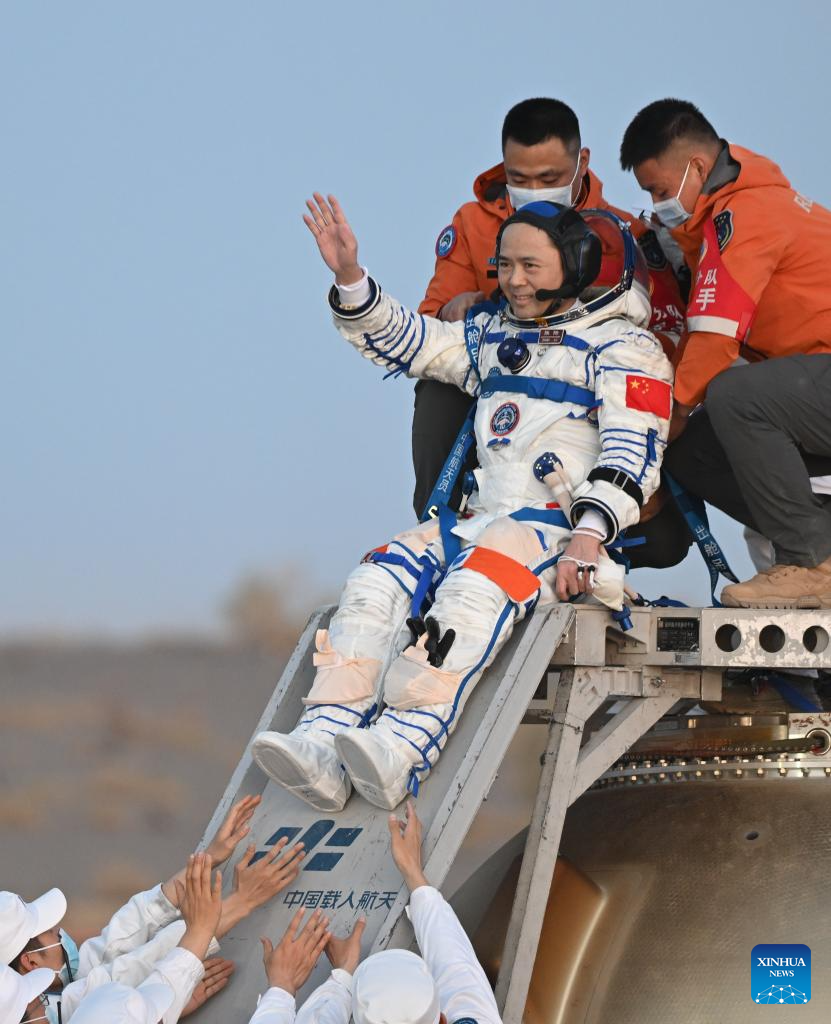
The brake engine then ignited, and the return capsule separated from the propulsion capsule. The return capsule touched down at 8:11 p.m. at the Dongfeng landing site in north China’s Inner Mongolia Autonomous Region, the CMSA said, while by 8:59 p.m., the Shenzhou-21 crew had all left the return capsule.
“One person’s voyage to the sea of stars rests on a whole team’s absolute devotion and loyalty,” said Zhang Lu, mission commander of the crew and a veteran astronaut on his second spaceflight, expressing his gratitude for the support of his family, all staff participating in the manned space program, and most importantly, the motherland and the Chinese people.
Zhang Lu has completed a total of seven extravehicular activities (EVAs) so far, becoming the Chinese astronaut who has performed the most spacewalks to date.
Ahead of China’s National Science and Technology Workers Day on May 30, Zhang also brought a carefully preserved apple back to Earth as a tribute to all science and technology workers across the country.
“On the launch day of the Shenzhou-21 space mission, the ground support team gave us an apple to wish us a safe and smooth mission,” he said. “So when we departed the Tiangong space station, we deliberately brought an apple back to give to all sci-tech workers, and say to them: thank you for your tireless hard work.”
Wu, the spaceflight engineer of the crew, who completed three spacewalks during his 210-day maiden mission to the Chinese space station, is the youngest Chinese astronaut so far to carry out EVAs.
“Being entrusted with such an important responsibility on my first spaceflight is the result of my motherland’s trust, my predecessors’ guidance, and the entire crew’s concerted efforts, which enabled me to fulfill the mission successfully,” said Wu.
Zhang Hongzhang, payload specialist of the crew, oversaw a slew of scientific experiments in the space station, including the projects he co-designed.
“Moving from a ground-based laboratory to the space station, it is our great motherland that has allowed me to realize the perfect integration of my scientific aspirations and spaceflight dream,” he said.
During the Shenzhou-21 mission, the crew conducted three spacewalks and completed tasks such as the inspection and photographing of the Shenzhou-20 spaceship return capsule’s viewport window and the installation of space debris shielding devices on the space station, while they also carried out multiple cargo in-and-out operations.
China launched the Shenzhou-21 spaceship on Oct. 31, 2025 to send the Shenzhou-21 crew to its space station for rotation with the Shenzhou-20 crew. However, the Shenzhou-20 crew later found that the Shenzhou-20 spaceship’s return capsule viewport window had suffered a suspected impact from space debris during its mission and was unfit for the crew return mission.
On Nov. 14, 2025, the Shenzhou-20 crew returned safely aboard the Shenzhou-21 spacecraft. On Nov. 25, 2025, China launched the Shenzhou-22 spaceship to provide an emergency return vessel for the Shenzhou-21 crew.
Diverse space experiments
The Shenzhou-21 crew achieved new results in an array of scientific experiments and technological tests covering microgravity fundamental physics, space material science, space life sciences, aerospace medicine and new space technologies.
The crew completed electrochemical optical in-situ research of lithium-ion batteries in terms of space applications, as well as related experiments in the fields of life sciences, fluid and combustion experiments.
The crew also achieved, for the first time aboard China’s space station, the closed-environment breeding of mice, laying a technical foundation for future space mammal experiments. In addition, they grew low-defect indium selenide crystals in orbit, which have been used to prepare high-performance field-effect transistor prototype devices on the ground, demonstrating significantly superior performance.
In the field of space medicine, the crew achieved non-contact detection of in-orbit physiological indicators through intelligent recognition of facial micro-movements, and constructed a preliminary model for astronaut exercise fatigue.
They realized the aeroponic cultivation of cherry tomatoes and wheat for the first time on China’s space station, validating related key technologies. They also successfully achieved in-orbit ignition of a new ionic liquid propellant, obtaining dynamic optical information on the catalytic ignition and sustained combustion processes.
Astronaut Wu Fei, a member of the Shenzhou-21 crew, is out of the Shenzhou-22 spaceship’s return capsule after it touched down at the Dongfeng landing site in north China’s Inner Mongolia Autonomous Region, May 29, 2026. The return capsule of the Shenzhou-22 spaceship, carrying the Shenzhou-21 astronauts Zhang Lu, Wu Fei and Zhang Hongzhang, touched down at the Dongfeng landing site on Friday.Astronaut Zhang Lu, commander of the three-member Shenzhou-21 crew, is out of the Shenzhou-22 spaceship’s return capsule after it touched down at the Dongfeng landing site in north China’s Inner Mongolia Autonomous Region, May 29, 2026. The return capsule of the Shenzhou-22 spaceship, carrying the Shenzhou-21 astronauts Zhang Lu, Wu Fei and Zhang Hongzhang, touched down at the Dongfeng landing site on Friday. The return capsule of the Shenzhou-22 spaceship, carrying the Shenzhou-21 astronauts Zhang Lu, Wu Fei and Zhang Hongzhang, is about to touch down at the Dongfeng landing site in north China’s Inner Mongolia Autonomous Region, on May 29, 2026. The return capsule of the Shenzhou-22 spaceship, carrying the Shenzhou-21 astronauts Zhang Lu, Wu Fei and Zhang Hongzhang, touched down at the Dongfeng landing site on Friday.
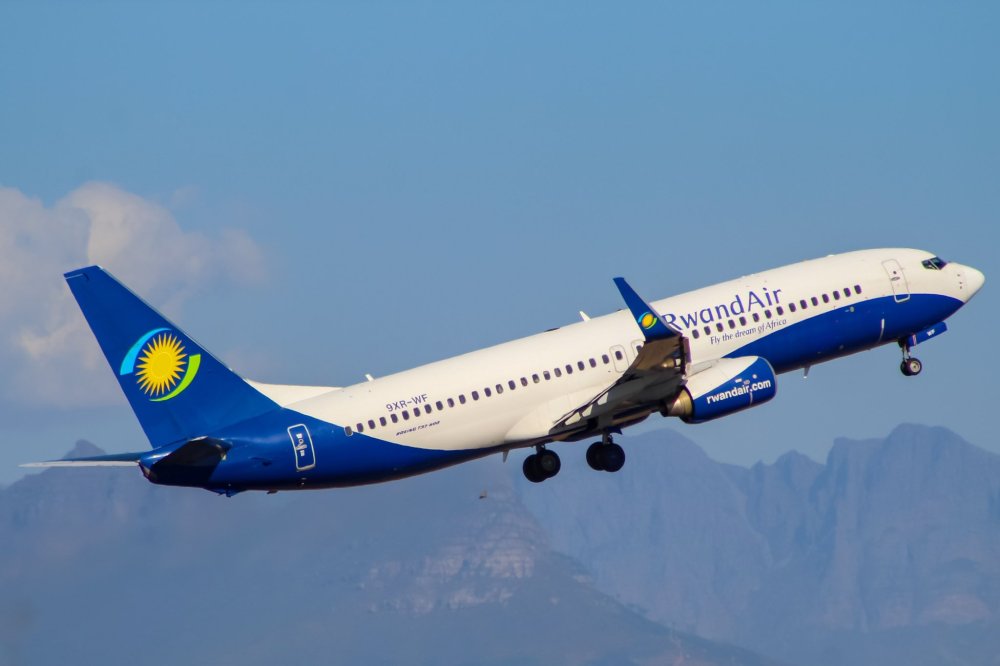
In a statement on Friday, May 29, RwandAir said it recognises the importance of the routes to its customers and remains committed to restoring connectivity while maintaining high operational standards.
“As services resume, the safety, security, and comfort of our passengers and crew remain our highest priority,” the airline said.
Customers have been advised that they can book, manage, or update their travel arrangements through the airline’s official website, www.rwandair.com, or contact the reservations team via reservations@rwandair.com for assistance.
RwandAir suspended its flights to Dubai and the broader Middle East in February.
The suspension was introduced following escalating military tensions and widespread airspace disruptions across the Middle East. The decision came after coordinated military strikes by the United States and Israel on Iran, which triggered retaliatory missile and drone responses in the region.
In response to the heightened security situation, several countries, including Qatar, the United Arab Emirates (UAE), and Kuwait, temporarily restricted or closed their airspace to commercial aviation, disrupting regional and international flight operations.
At the time, RwandAir said the suspension was a precautionary measure taken to ensure the safety of passengers and crew amid active security risks.
With conditions gradually stabilising, the airline has opted to restore operations on a phased basis, signalling a cautious return to one of its most important international markets.
Held from May 18 to 21 in Rwanda’s capital, the summit brought together African leaders, policymakers, energy experts, and international nuclear industry stakeholders to discuss the future of nuclear power on the continent.
At the centre of Rosatom’s participation was its promotion of small modular reactors and floating nuclear technologies, which the company says are particularly suited for remote regions and developing economies with rising energy demand.
The Russian corporation highlighted its operational experience in the SMR segment, including the Akademik Lomonosov, the world’s first floating nuclear power plant commissioned in Russia in 2020. Rosatom also pointed to its first export SMR project currently under implementation in Uzbekistan since 2024 as evidence that the technology is commercially viable and deployment-ready.
Beyond small-scale technologies, Rosatom used the Kigali summit to demonstrate its broader experience in delivering large-scale nuclear infrastructure projects worldwide. The company says it is currently constructing 22 export nuclear power units globally, making it one of the leading players in the international nuclear energy market.
In Africa, Rosatom’s flagship project remains Egypt’s El Dabaa Nuclear Power Plant, where construction is ongoing on all four units simultaneously. The project is considered the largest nuclear construction initiative currently underway on the continent.
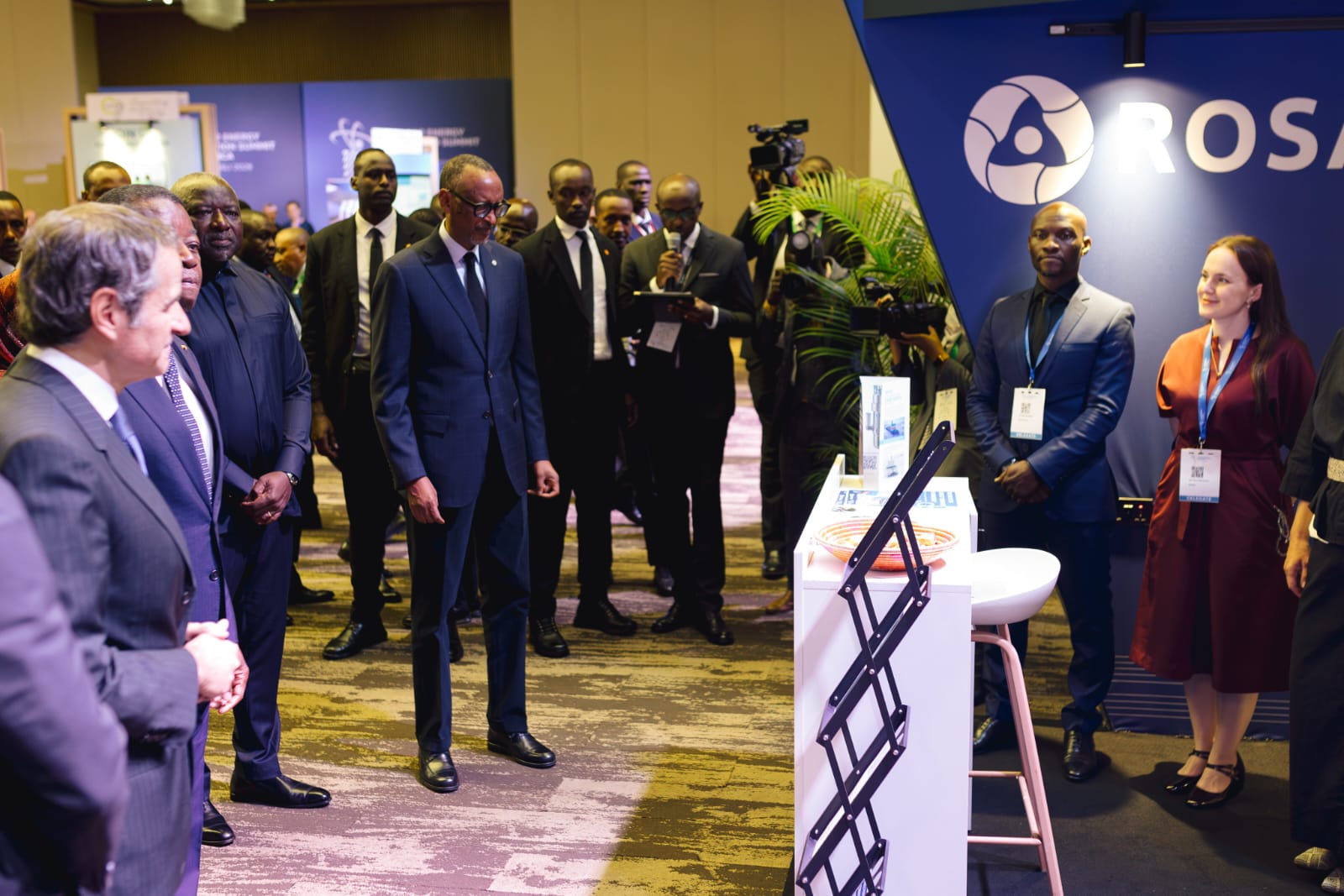
Rosatom’s exhibition booth was visited by several high-profile leaders attending the summit, including Rwanda’s President Paul Kagame, Tanzanian President Samia Suluhu Hassan, Togolese Prime Minister Faure Essozimna Gnassingbé, and International Atomic Energy Agency (IAEA) Director General Rafael Mariano Grossi.
During the summit’s business sessions, Rosatom representatives outlined the company’s strategy for expanding nuclear cooperation across Africa, with discussions focusing on practical deployment of SMRs, advanced nuclear technologies, and long-term industry development.
The summit also provided an opportunity for Russia and Rwanda to discuss next steps related to potential SMR projects and the planned Centre for Nuclear Science and Technology (CNS&T).
“The Rwanda Atomic Energy Board sincerely appreciates Rosatom’s participation in Nuclear Energy Innovation Summit 2026 and the continued collaboration in advancing nuclear energy development in Rwanda,” said Dr. Fidele Ndahayo, Chief Executive Officer of the Rwanda Atomic Energy Board.
Ryan Collyer, CEO of Rosatom Central and Southern Africa, said small modular reactors could offer African countries flexible and scalable energy solutions capable of supporting industrialisation while reducing carbon emissions.
“For many African countries, small modular reactors can become an optimal solution due to their scalability, flexibility of use, and relatively short deployment timelines,” Collyer said.
Rosatom also used the summit to highlight its human capital development programmes aimed at supporting national nuclear industries across Africa. The company showcased partnerships with Rwanda that have already enabled more than 100 students to participate in nuclear-related training programmes, including studies at Russian universities.
Some graduates of these programmes are already working in Rwandan institutions involved in developing the country’s nuclear sector.
By combining technology transfer, infrastructure development, and workforce training, Rosatom is increasingly positioning itself as a long-term strategic partner for African countries pursuing nuclear energy as part of their future power mix.
Rosatom’s exhibition booth was visited by several high-profile leaders attending the summit, including Rwanda’s President Paul Kagame, Tanzanian President Samia Suluhu Hassan, Togolese Prime Minister Faure Essozimna Gnassingbé, and International Atomic Energy Agency (IAEA) Director General Rafael Mariano Grossi.
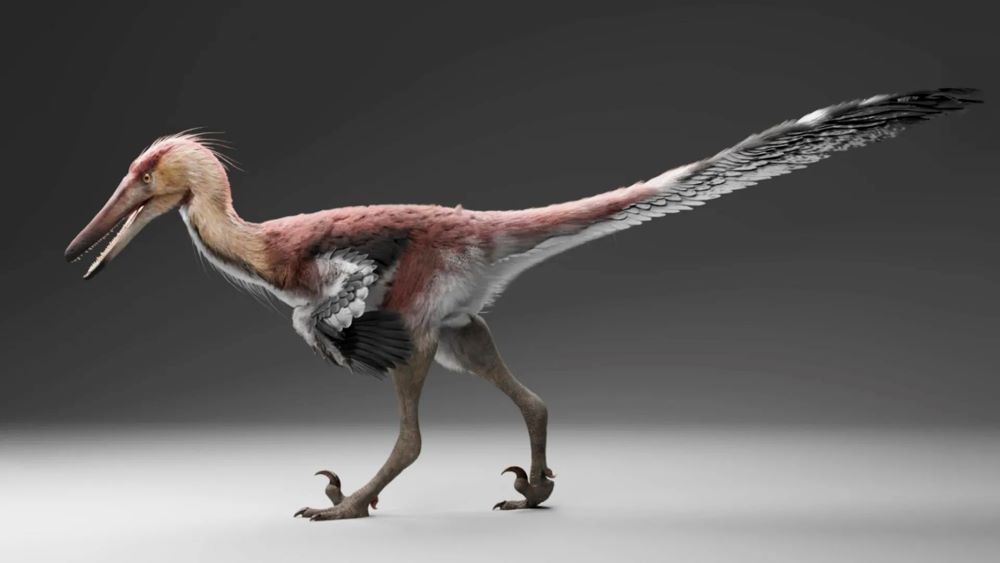
The dinosaur, named Kank australis, lived around 70 million years ago during the Late Cretaceous period. Fossils including teeth, vertebrae and toe bones were found near El Calafate in Argentina’s Santa Cruz Province.
Researchers say the animal belonged to a group of dinosaurs known as unenlagiids, relatives of the famous Velociraptor. Unlike the fast land predators often shown in movies, Kank may have spent much of its time catching fish in rivers and ponds.
Paleontologist Dr. Matías Motta, who led the study published in the Journal of Vertebrate Paleontology, said the dinosaur lived in a humid environment filled with winding rivers, seasonal ponds, fish, insects and aquatic plants.
Scientists estimate Kank reached between 2.5 and 3 meters long. Its neck bones showed unusual features linked to strong and flexible neck movements, similar to those seen in modern herons that strike quickly to catch prey.
Researchers also found fish fossils alongside Kank remains, strengthening the idea that it specialized in fishing. However, it likely also hunted frogs, lizards and small mammals while sharing its habitat with giant predators such as the 10-meter-long Maip macrothorax.
The dinosaur’s name comes from Aonikenk Indigenous mythology. “Kank” refers to a giant rhea whose footsteps were believed to form the Southern Cross constellation, while “australis” means “from the south.”
The first fossils were discovered in 2018, but additional remains found in later excavations helped scientists confirm it as a new species.
A reconstruction of Kank by the artist Gabriel Díaz Yantén. Credit: Gabriel Díaz Yantén
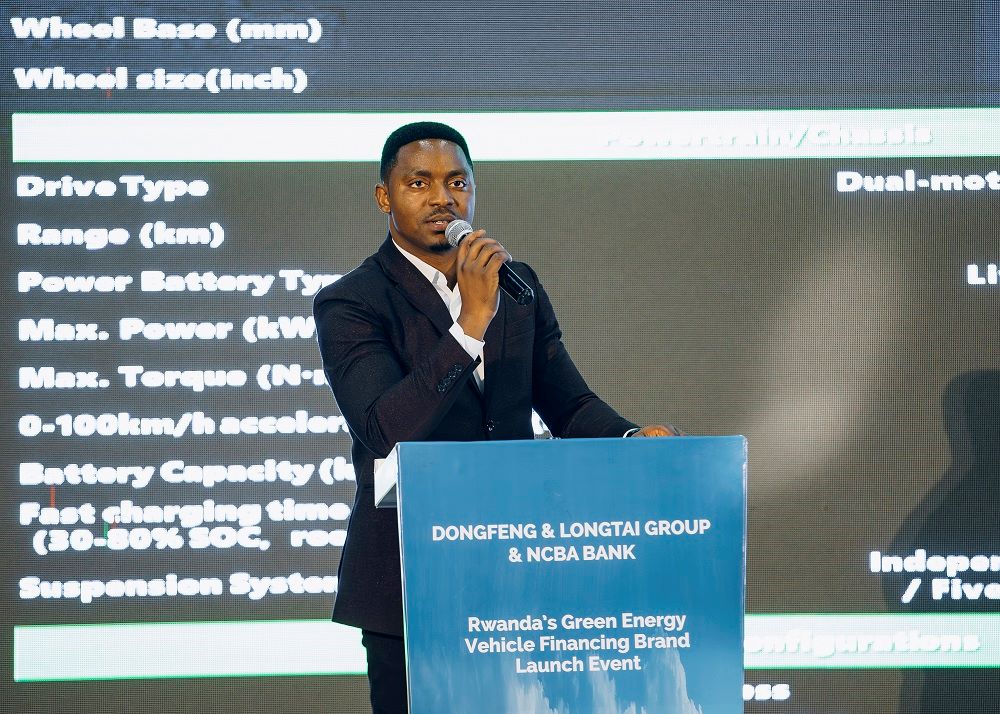
Longtai Group began operations in Rwanda in June 2025 and focuses mainly on electric and hybrid vehicles powered by both electricity and fuel.
Speaking to IGIHE, the company’s Head of Sales, François Regis Irareba, said the decision follows positive market reception for the company’s vehicles in Rwanda.
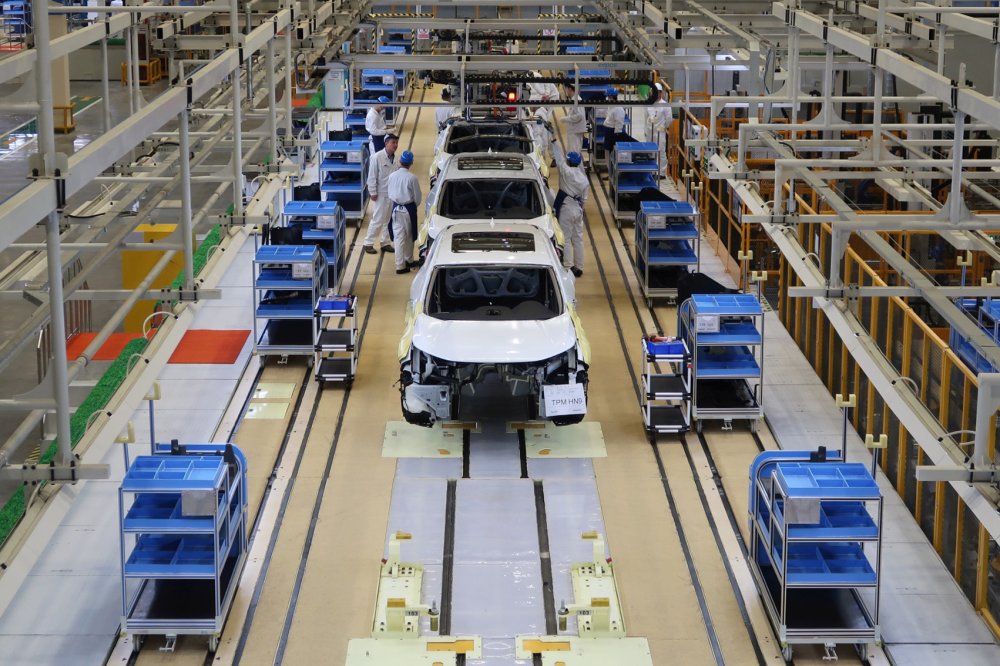
He explained that the planned facility would assemble Dongfeng vehicles locally for both the Rwandan market and exports across the region.
“We want to build a vehicle assembly plant here in Rwanda. Naturally, it will create jobs for Rwandans and also contribute to reducing the amount of money the country spends importing vehicles. Once completed, vehicles will be assembled locally and distributed across the region. We expect the factory to start operations by 2030,” he said.
Longtai Group Rwanda is also planning to establish what it describes as the country’s largest electric vehicle charging station.
According to Irareba, the charging hub will be located in Kigali and will have the capacity to charge between 50 and 80 vehicles simultaneously, with each vehicle taking around 30 minutes to fully recharge.
He noted that existing charging stations in the country currently accommodate between two and six vehicles at a time, adding that the new facility is expected to be operational before the end of 2026.
Longtai Group operates in China, Rwanda, Tanzania and Angola, specialising in electric vehicles. Outside China, Rwanda has emerged as one of the company’s strongest markets.
In Rwanda, one of the most popular models is the Dongfeng Nammi Vigo, also known as the Nammi 06. The company says that about 246 units have been sold in the past four months alone.
The vehicles are supplied with home charging equipment, allowing users to recharge without relying entirely on public charging stations. Their batteries are said to last between 15 and 20 years.
Depending on the model, a fully charged vehicle can travel between 330 kilometres and 1,000 kilometres.
According to the company, a round trip between Kigali and Rubavu using one of its electric vehicles costs around Rwf18,000 in electricity, compared to approximately Rwf90,000 currently required for fuel-powered vehicles, up from about Rwf60,000 before the rise in fuel prices.
Dongfeng Motor was founded in 1969 in Wuhan City, Hubei Province, and is currently among the five largest automobile manufacturers in China. The company produces vehicles under several brands including Venucia, Fengdu, Aeolus, Forthing, Voyah and Dongfeng.
Through partnerships with other manufacturers, Dongfeng also produces vehicles for brands such as Honda, Nissan and KIA.
Earlier this May, Dongfeng Motor entered into a partnership with the Dutch-based automotive giant Stellantis, one of Europe’s major vehicle manufacturers.
The partnership aims to establish a joint company responsible for the production, distribution and sale of new Dongfeng vehicles in Europe.
Under the agreement, Stellantis will hold a 51% stake in the venture, while Dongfeng will own the remaining 49%.
François Regis Irareba, the Head of Sales at Longtai Group Rwanda, said that a Dongfeng vehicle assembly plant will be built in Rwanda before 2030.Rwanda could host Dongfeng vehicle assembly plant by 2030.
The San Francisco-based company announced the funding round on Thursday, saying the investment would help it meet growing global demand for its AI technologies and expand deployment of its flagship assistant, Claude.
The latest valuation places Anthropic ahead of OpenAI, whose most recently reported valuation stood at about $852 billion following a major fundraising round earlier this year. Anthropic also reported annualized revenues of $47 billion, driven largely by businesses and organizations using Claude for coding, research, and workplace automation.
Founded in 2021 by former OpenAI executives, Anthropic has rapidly emerged as one of the leading firms in the increasingly competitive global AI industry. The company also unveiled a new AI model, Claude Opus 4.8, which it says delivers improved performance in coding and professional tasks.
The funding round was led by investment firms including Altimeter Capital, Dragoneer Investment Group, Greenoaks Capital, and Sequoia Capital.
“This funding will help us serve the historic demand we are experiencing, stay at the research frontier, and bring Claude to more of the places where work happens,” Anthropic chief financial officer Krishna Rao said in a statement.
Anthropic’s rise comes as countries around the world race to integrate artificial intelligence into critical sectors such as education, healthcare, and public services.
In Rwanda, the company signed a three-year Memorandum of Understanding with the Government of Rwanda in February to support the responsible use of AI in health, education, and public sector service delivery.
The partnership includes plans to strengthen AI capacity within government institutions, support health initiatives such as cervical cancer elimination and malaria reduction, and expand AI-powered learning tools for educators and public servants.
Rwanda’s Minister of ICT and Innovation, Hon. Paula Ingabire, described the partnership as “an important step in Rwanda’s AI journey,” emphasizing the country’s focus on deploying AI solutions that align with local priorities and public needs.
The San Francisco-based company announced the funding round on Thursday, saying the investment would help it meet growing global demand for its AI technologies and expand deployment of its flagship assistant, Claude.
The conservatory orders, issued by High Court Judge Patricia Nyaundi, also prohibit Kenyan authorities from admitting, receiving, transferring or facilitating the entry of persons exposed to or infected with Ebola under the disputed arrangement until the case is fully heard and determined.
The ruling followed an urgent petition filed by the Katiba Institute, a Kenyan rights organisation, which challenged the legality and constitutionality of the reported agreement between Nairobi and Washington concerning the handling of Ebola-exposed US nationals.
The court directed the petitioner to serve all respondents within 24 hours, while the respondents were ordered to file their responses within 48 hours. The matter is expected to return to court next week for further directions.
The decision effectively suspends plans to establish Ebola-related quarantine and treatment facilities in Kenya pending a full hearing.
The controversy emerged after the United States announced a commitment of $13.5 million (about Rwf 20 billion) to strengthen Kenya’s Ebola preparedness amid a worsening outbreak in Central Africa.
According to a statement attributed to US State Department spokesperson Tommy Pigott, Secretary of State Marco Rubio held discussions with Kenyan President William Ruto on regional Ebola response efforts and medical preparedness.
“The United States Government intends to commit $13.5 million toward Kenya’s Ebola preparedness efforts and has already committed to providing $112 million in bilateral assistance to the regional response,” the statement said.
Reports indicated that a 50-bed isolation facility for US nationals exposed to Ebola was due to open at Laikipia Air Base, approximately 200 kilometres north of Nairobi, and would be managed by American medical personnel.
The proposed arrangement triggered criticism from health workers, legal experts and rights activists, who warned that Kenya lacked adequate high-containment infrastructure to safely manage such a facility.
The Katiba Institute argued in court filings that the agreement had been pursued “secretively” without public participation or parliamentary oversight and posed “grave and imminent risks” to public health.
The Kenya Medical Practitioners, Pharmacists and Dentists Union also threatened industrial action, accusing the government of jeopardising national biosecurity.
Union secretary-general Davji Atellah said Kenya should not become a “dumping ground” for Ebola-exposed individuals rejected elsewhere.
The dispute comes amid a deadly Ebola outbreak centred in eastern Democratic Republic of Congo, where more than 220 deaths and over 1,000 suspected cases have been reported since mid-May. Uganda has also confirmed at least seven cases linked to the outbreak.
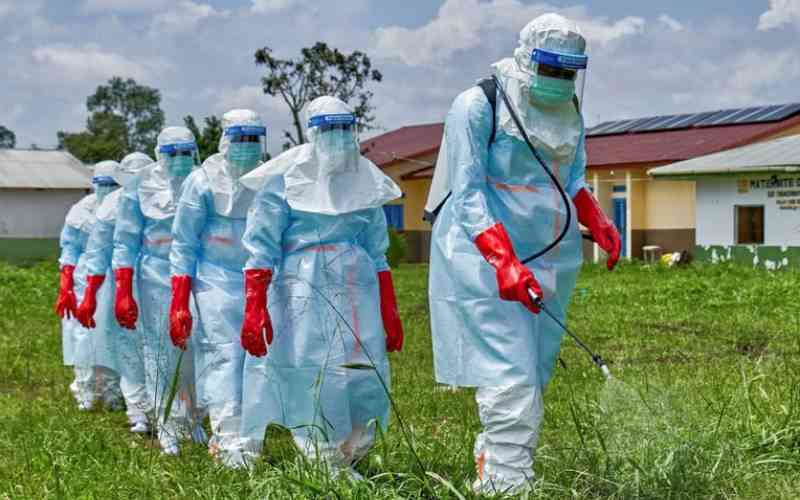
Medical officers sanitise areas in Ebola-prone areas in the DRC. A Kenyan High Court has temporarily barred the government from establishing or operationalising any Ebola quarantine, isolation or treatment facility in the country under arrangements involving the United States or any other foreign government.
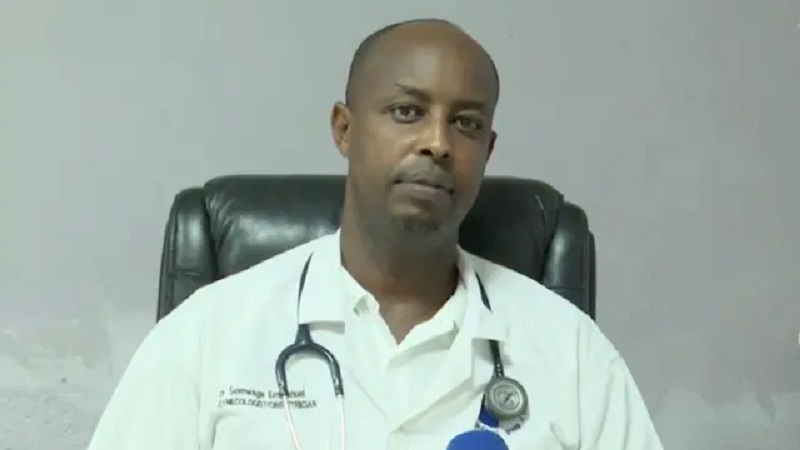
An investigation by IGIHE indicates that Dr. Semwaga’s case is connected to a private organization founded by Frederick Nsabimana. The organization allegedly connected infertile couples seeking children with women willing to act as surrogate mothers.
Nsabimana is said to have operated a residential facility where women who agreed to become surrogates were housed after embryo transfer procedures. They reportedly remained there until they gave birth.
Seven women were accommodated in this facility. They had reportedly agreed to act as surrogates for clients, including individuals based in the United States, Tanzania, and Uganda. Nsabimana is said to have promised each woman 5 million Rwandan francs, with an advance payment of 1 million francs.
Reliable sources indicate that from this advance, Nsabimana told the women that 500,000 francs would be deducted as commission, and 100,000 francs would be allocated to his wife, Géraldine Mukahigiro, to support the women during their stay.
Some of the women are reported to have spent up to eight months in the facility. However, they did not receive the conditions they were promised. Instead, they were subjected to poor living conditions, including inadequate food and limited financial support, despite payments having been made by intended parents.
Nsabimana is accused of engaging in human trafficking and exploiting individuals in vulnerable situations, particularly poverty, under the guise of fertility support services.
Reports further indicate that the women later confronted Nsabimana over unmet promises. He allegedly responded with threats, warning that he could have them killed “without physically touching them” if they continued speaking out. These allegations form part of the charges related to intimidation and threats.
His wife is accused of threatening the girls by telling them they could die after they complained that she was not taking care of them as promised. They also allege that she once told them their deaths would not affect her, saying that even when one of her livestock died, life simply went on.
It is further reported that the women were given injections and medication at Nsabimana’s residence. He claimed that a specialist doctor sent from a clinic administered the treatments.
Local authorities stated that they were unaware of the existence of a residential facility housing surrogate mothers under such conditions. This discovery contributed to charges of unlawful detention and confinement.
According to reports, the women eventually reported their situation to authorities after experiencing severe hardship, including hunger. On April 29, 2026, officials visited the site and found that five of the women were already pregnant, while two were awaiting embryo implantation.
How Dr. Semwaga became involved
Dr. Semwaga has spent approximately eight years working in infertility treatment. He is now being investigated for several offenses, including document forgery, alteration and use of falsified documents, failure to report a serious crime, and complicity in human trafficking.
Nsabimana and Dr. Semwaga reportedly knew each other previously, as the doctor had once helped Nsabimana’s relative conceive, which later facilitated their cooperation in this arrangement involving the seven women.
Prosecutors allege that Dr. Semwaga agreed to perform embryo transfers on the women even when the intended parents were not physically present, in violation of medical regulations governing assisted reproduction.
Nsabimana, however, argues that he acted as a representative of the intended parents and had their authorization. He stated that it was impractical for clients living abroad to travel and remain present throughout the procedures.
Although he is alleged to have received payments on multiple occasions, including an advance of 3 million francs in February 2026, he claims his only benefit was charging each woman 50,000 francs per month for accommodation in his facility.
Dr. Semwaga is also accused of agreeing to carry out embryo transfers through Nsabimana due to the involvement of clients residing abroad.
Investigators allege that he benefited financially from the arrangement, including sending approximately 3 million francs to Nsabimana for the care of the women.
It is further alleged that without financial interest in Nsabimana’s operations, Dr. Semwaga would not have transferred funds, and would instead have provided standard medical care as an experienced gynecologist with over 15 years in practice.
Additional reports suggest that the women informed the doctor of their difficulties, including being denied promised payments, but he did not take action.
Dr. Semwaga, however, stated that he “lent” Nsabimana money after being informed that the intended parents had not yet transferred funds. He argued that without this assistance, both the pregnant women and unborn babies could have suffered due to lack of basic necessities.
He also claims that Nsabimana later repaid the money.
He is further accused of falsifying and altering documents by assigning identification “codes” to unborn babies linked to intended parents who had never directly met the surrogates, attributing this system to the hospital where he worked.
In his defense, it is argued that these codes were used solely to prevent confusion at birth and are a standard administrative practice in medical settings.
Dr. Semwaga, his wife, and Nsabimana are all currently in detention. On May 26, 2026, the Kicukiro Primary Court rejected their request for provisional release, ruling that they remain in custody pending investigation.
Dr. Semwaga Emmanuel is detained at Nyarugenge Prison in Mageragere.
They had requested release on the grounds that they would not flee justice, would not interfere with the investigation, and wished to care for the women who are close to delivery. Dr. Semwaga also reportedly offered bail of 20 million Rwandan francs.
*What Rwanda’s medical law prohibits*
On September 18, 2025, Rwanda enacted a law regulating medical services, including provisions governing surrogacy through assisted reproductive technology.
The law states that a surrogate mother must be between 21 and 40 years old and must undergo comprehensive medical and reproductive health screening confirming she is fit to carry a pregnancy.
Individuals aged 18 to 20 may donate reproductive material only with a written justification submitted to the Minister of Health.
The law requires that surrogacy arrangements be formalized through a written contract between parties, signed before a notary prior to any medical procedures.
Intended parents must also provide medical certification from a specialist confirming infertility or medical conditions that make pregnancy impossible or dangerous.
The law prohibits medical professionals from implanting embryos or reproductive materials that do not meet legal requirements, as well as from using non-human material or engaging in unauthorized import or export of reproductive material.
It also criminalizes procedures performed without full identification of donors or involving reproductive material from closely related individuals.
In addition, the law prohibits assisted reproduction procedures intended for
genetic manipulation or sex selection.
Penalties vary depending on the severity of the offense, ranging from six months’ imprisonment and fines of 2 million Rwandan francs for minor violations to up to 25 years in prison and fines of 50 million francs for serious offenses, along with possible suspension from medical practice.
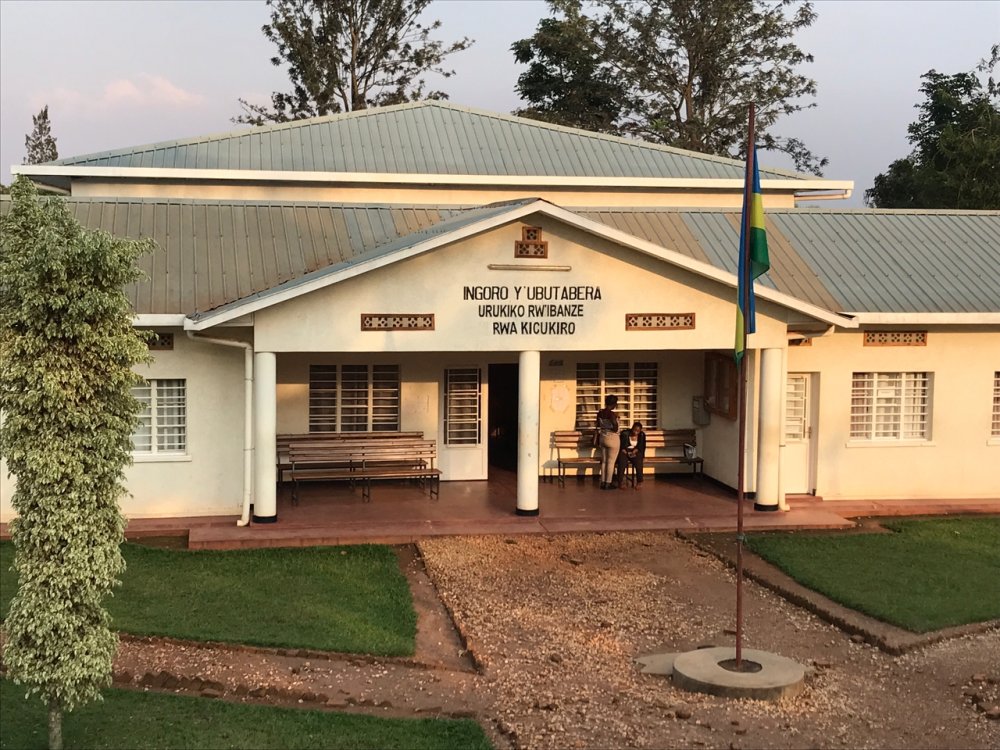
The case of Dr. Semwaga, Nsabimana, and Mukahigiro regarding their provisional detention and release was heard at the Kicukiro Primary Court.
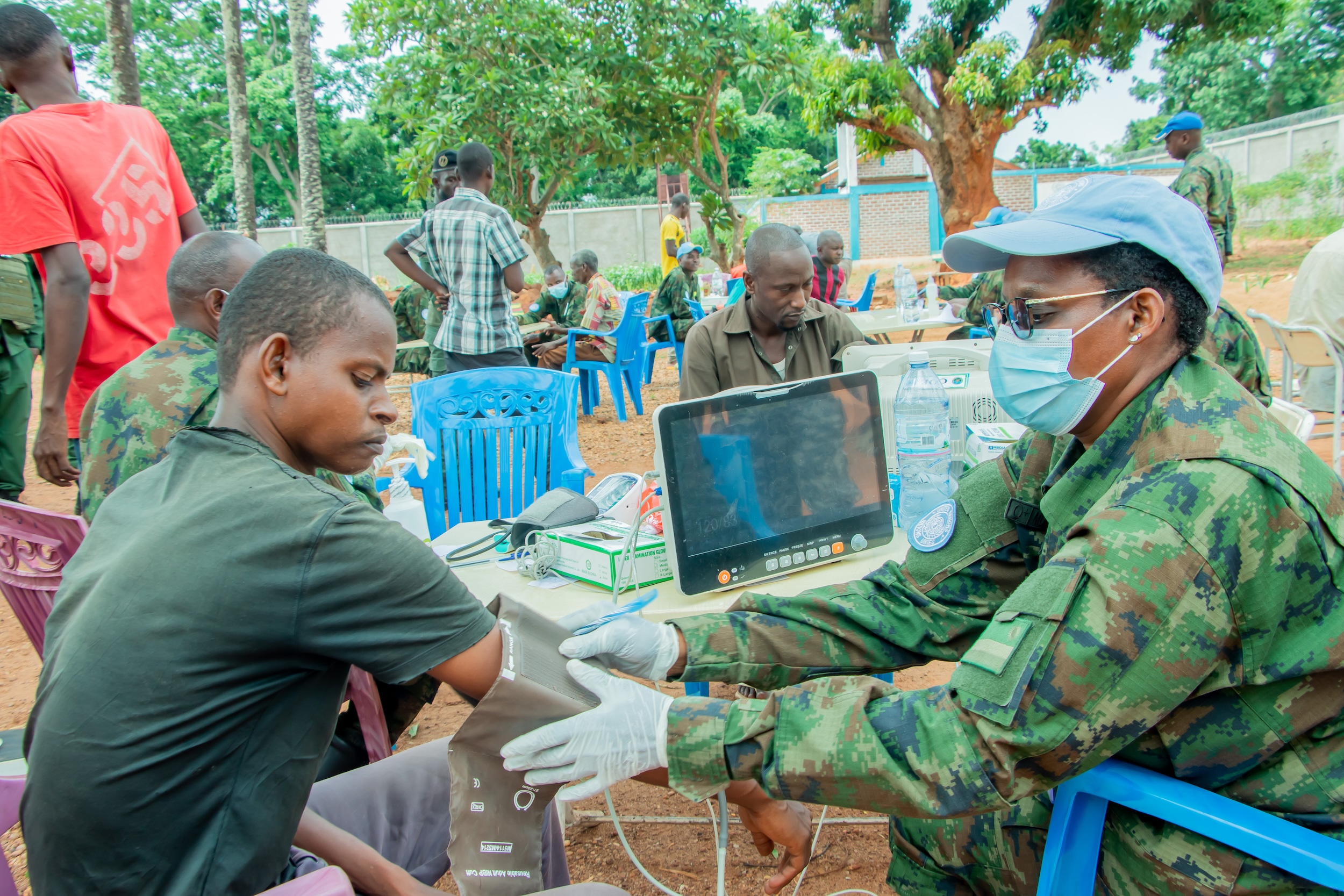
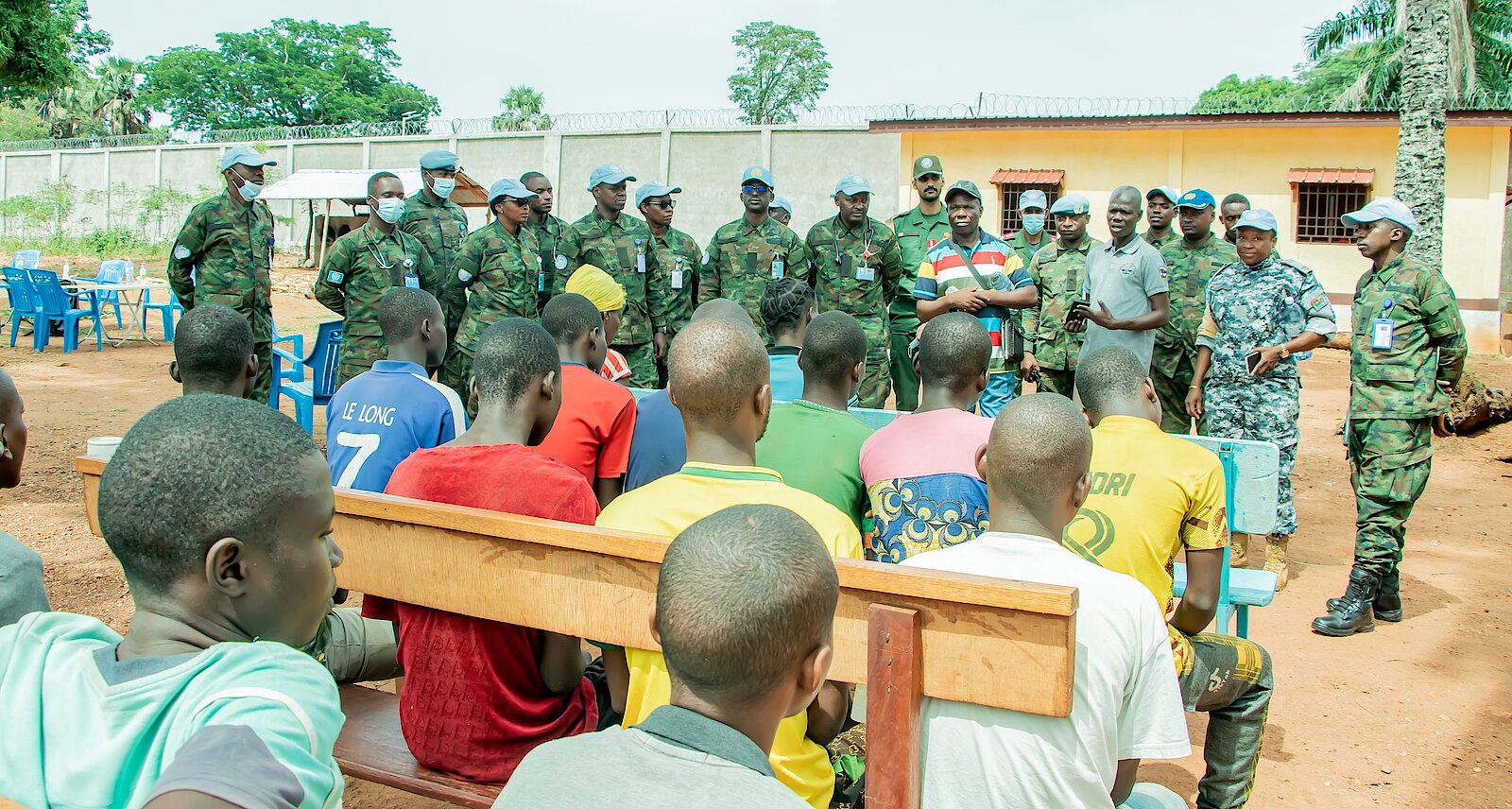
The medical outreach activity forms part of the community support initiatives carried out by Rwandan peacekeepers during this week leading up to the UN Day celebrations on 29 May 2026.
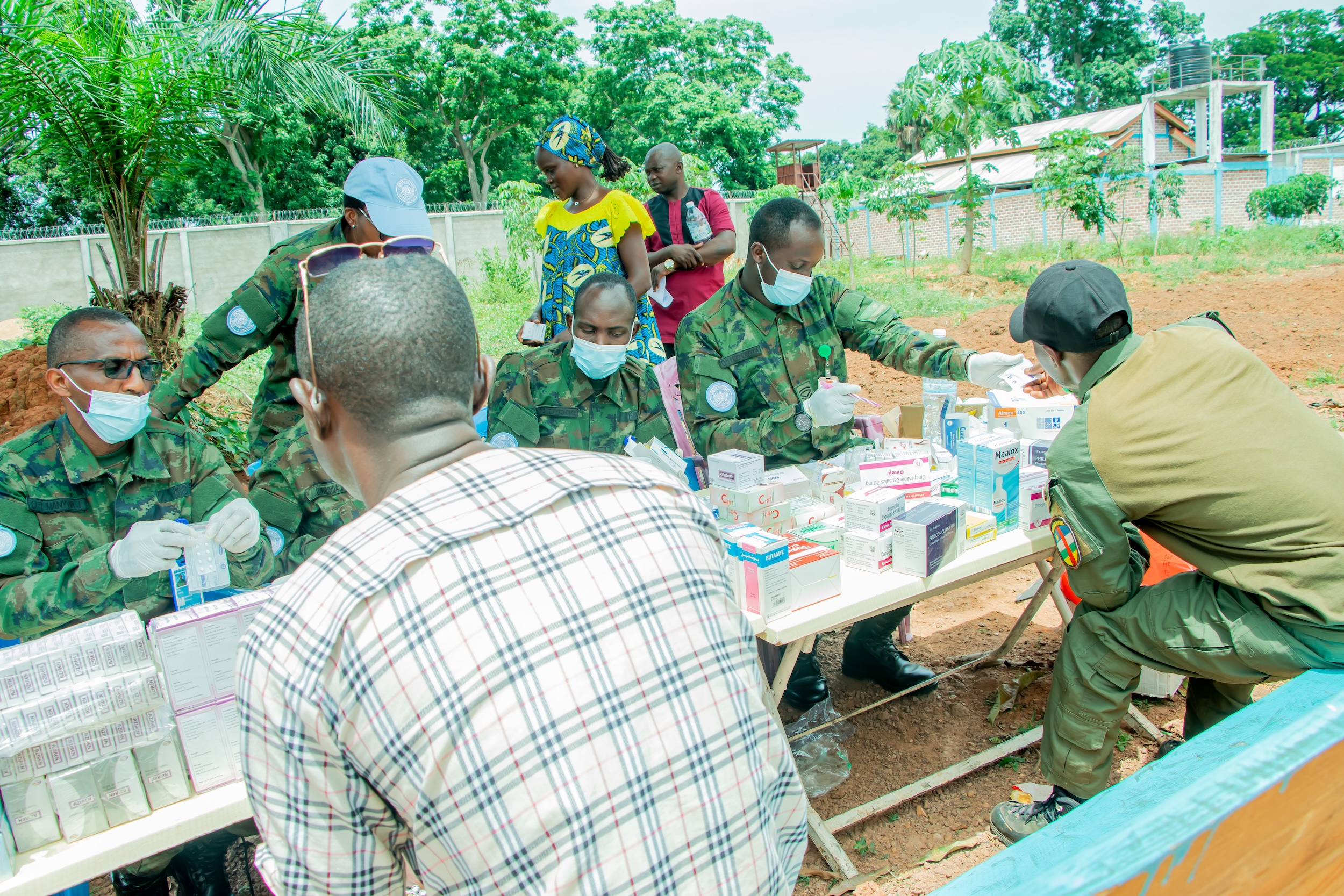
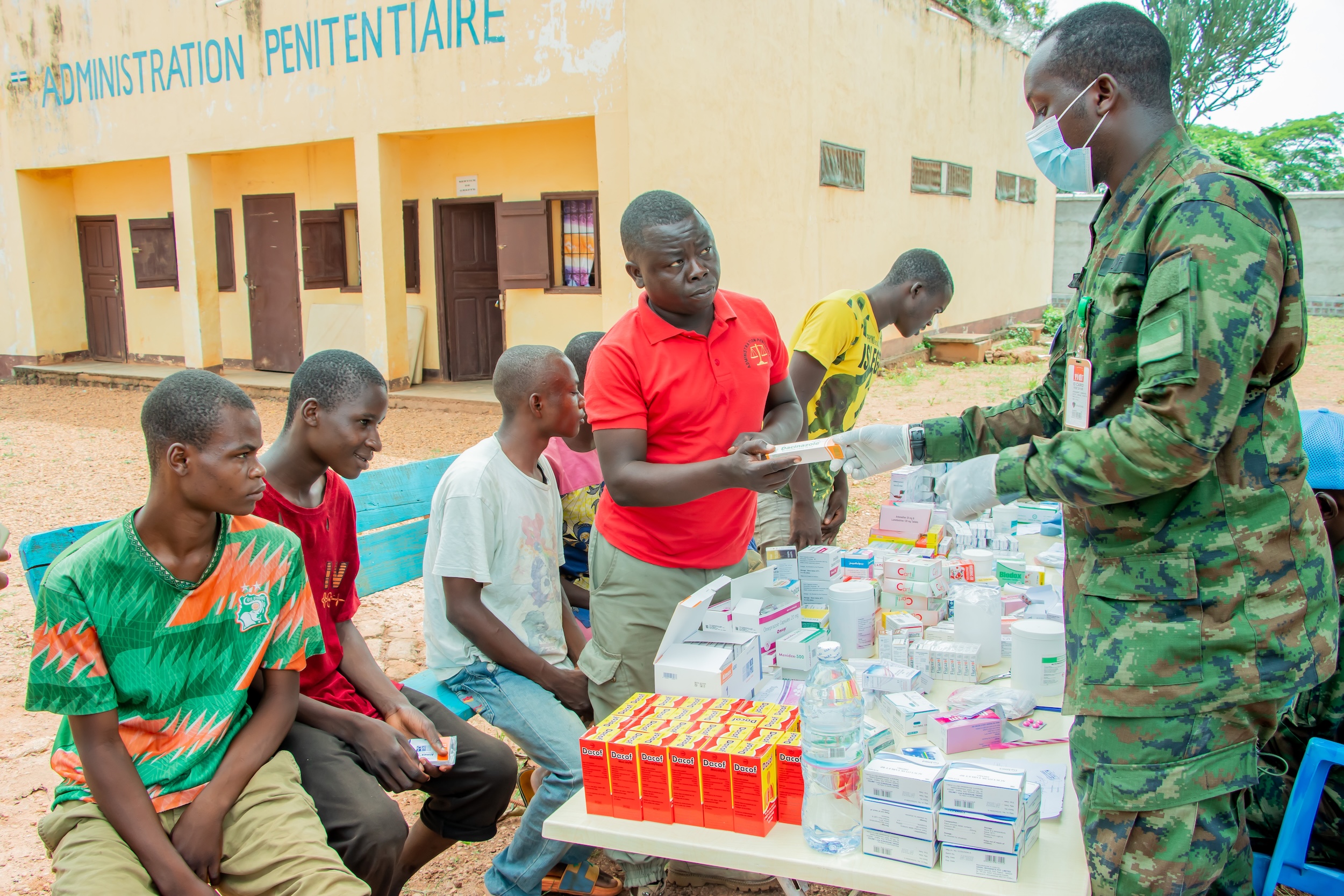
The medical services offered during the outreach included internal medicine, dental care, eye care and dermatology among others. Free medicines were also distributed to the inmates.
Speaking during the activity, Lt Col Dr. Isaiah Nzayisenga, deputy Commander of Rwanda Level 2+ hospital said that the initiative aimed to support prisoners who face limited access to healthcare services, noting that health care is essential to human life, especially for people living in difficult conditions.
The Director of Bria Prison, Mahamai Adoum Salle, expressed gratitude to the Rwandan Contingent for their continued medical support to prisoners.
“This is not the first time Rwandan peacekeepers have come to provide medical care and medicines to prisoners here in Bria. Normally, when prisoners are taken to outside clinics, medicines must be purchased. However, when the Rwandan contingent conducts such outreach activities, inmates receive treatment and medicines free of charge. We sincerely thank MINUSCA and the Rwandan peacekeepers particularly for this valuable support and hope this cooperation will continue,” he said.
Chief of the Supervision and Health Care Quality Section at the District Sanitary Office of the Haute-Kotto Region, Ponombo Felix, also praised the initiative, highlighting the challenges faced by prisoners in accessing proper healthcare.
“The prison faces serious healthcare challenges, including the absence of a clinic and limited medical capacity. The provision of medicines and specialist doctors by Rwandan Contingent is indeed commendable and I hope it will continue,” he said.
The outreach activity reflects the continued commitment of Rwandan peacekeepers under MINUSCA to supporting local communities and improving humanitarian conditions in the Central African Republic (CAR).
Prison authorities and local health officials commended Rwanda’s peacekeepers for improving access to healthcare for vulnerable inmates in Bria.Rwandan peacekeepers under MINUSCA provided free medical treatment and medicines to dozens of inmates at Bria Prison in the Central African Republic.Medical personnel from Rwanda Level 2+ Hospital attended to prisoners in Bria with services including dental care, eye treatment and dermatology consultations.Inmates at Bria Prison received free healthcare services from Rwandan peacekeepers as part of activities marking the 2026 UN Day celebrations.