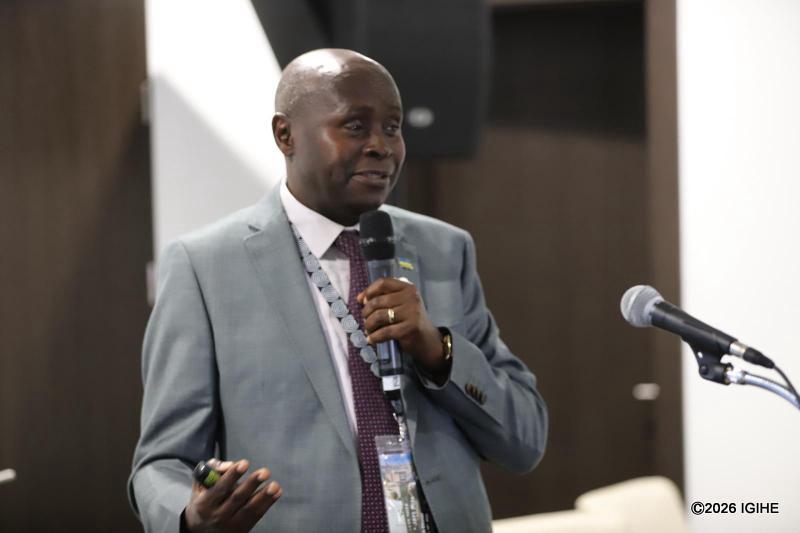
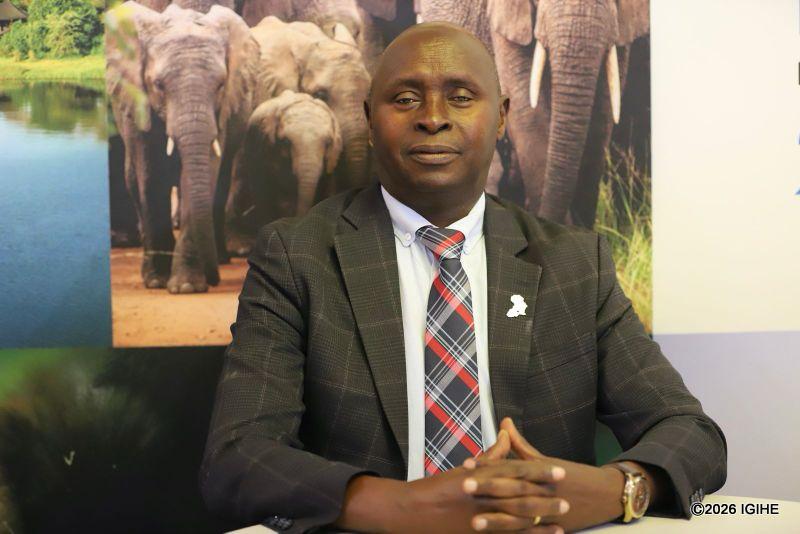
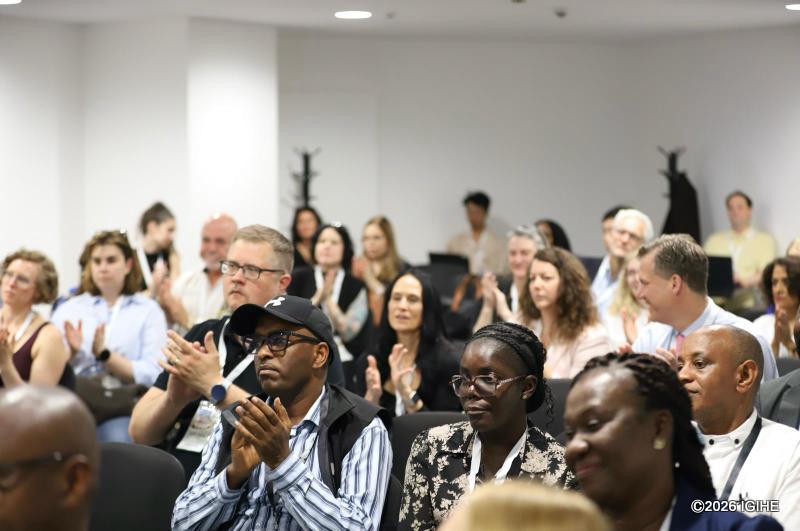
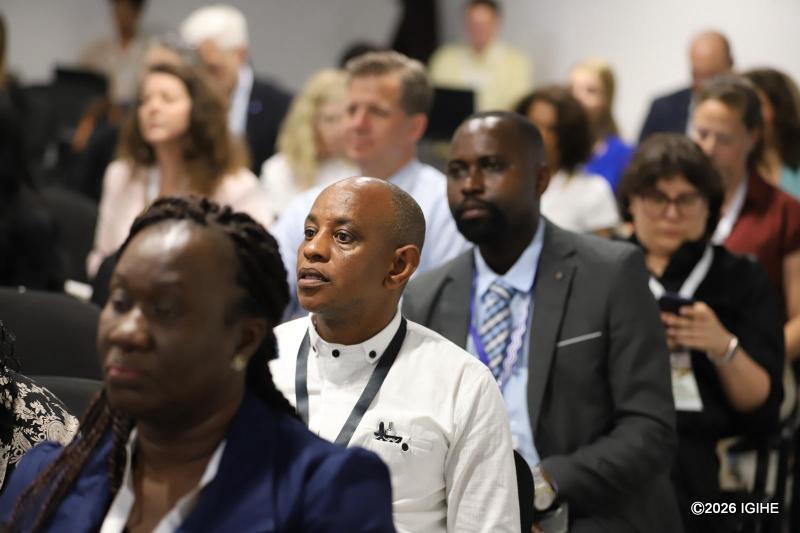
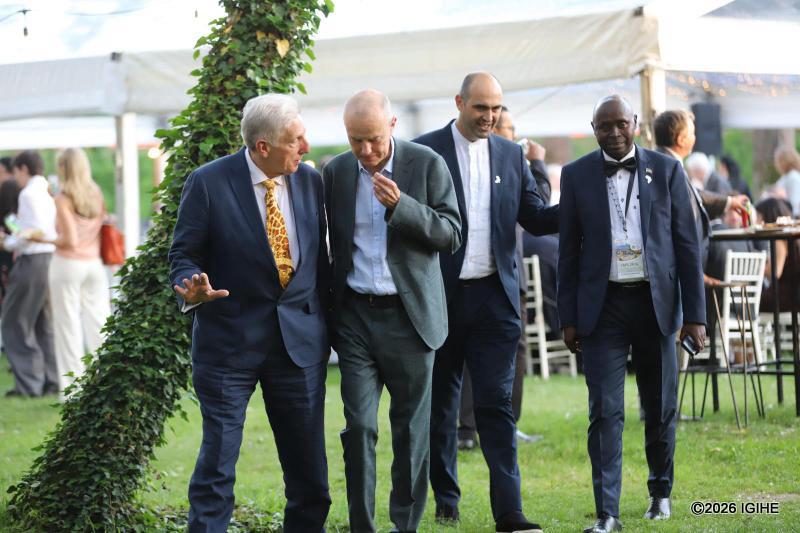
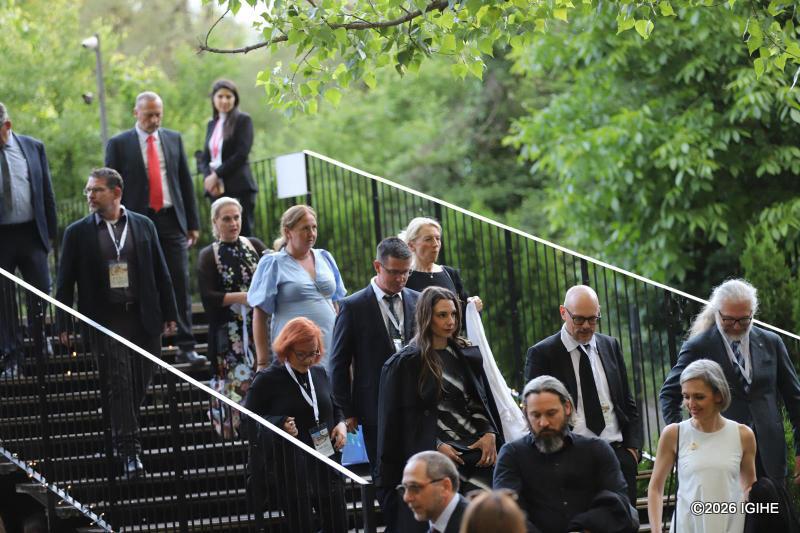
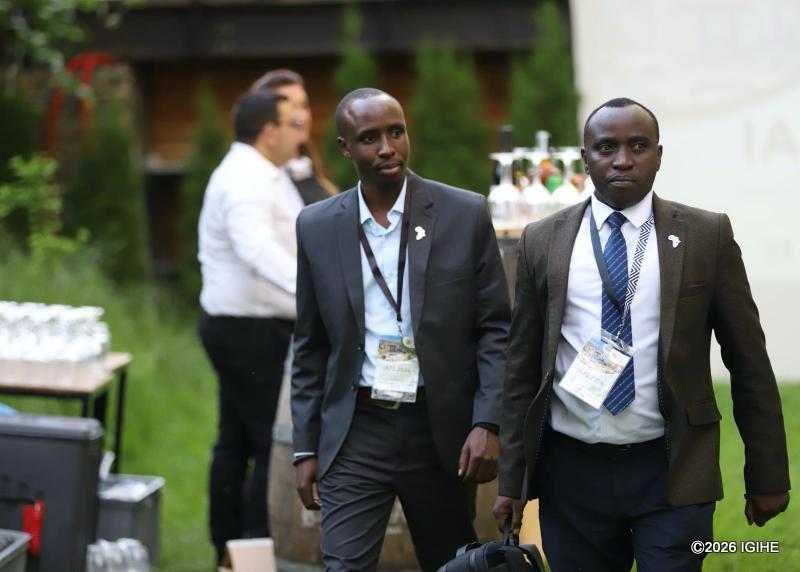
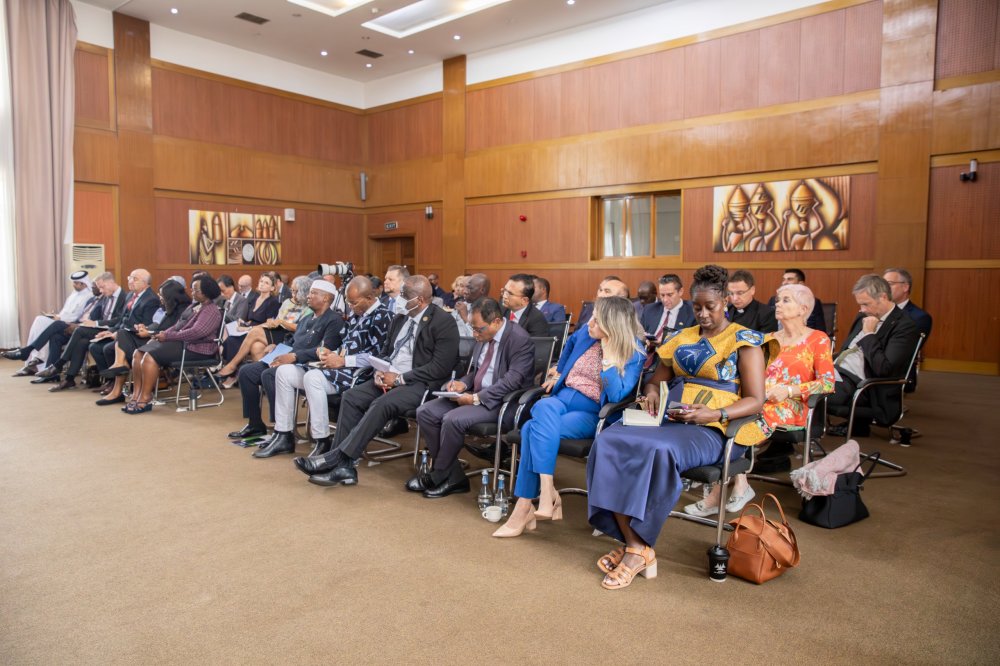
Opening the 14th WTO Ministerial Conference in Yaoundé, Ngozi Okonjo-Iweala delivered a stark message about the future of global trade.
“The world order and multilateral system we used to know has irrevocably changed. We will not get it back… we must look to the future,” she told ministers and delegates.
She said the current disruptions from geopolitical tensions to climate pressures are not temporary shocks, but part of a broader transformation shaping the global economy.
The WTO chief also outlined a cautious outlook for global trade, noting that growth is expected to slow significantly in the coming year.
“For 2026, our economists are forecasting slower growth… reflecting geopolitics, energy prices, and policy uncertainty,” she said.
According to WTO projections, goods trade growth is set to decline from 4.6% in 2025 to 1.9% in 2026, with risks of dropping further to 1.4% if high oil prices persist. Services trade is expected to grow by 4.8%, though this could fall to 4.1% if disruptions in transport and travel continue.
Despite these pressures, she stressed that the system remains resilient.
“Our latest analysis shows that around 72% of global goods trade still remains on WTO terms… providing global trade with a stable core,” she noted.
Okonjo-Iweala also highlighted growing structural challenges within the WTO, particularly a lack of transparency among members.
“Lack of transparency leads to a lack of trust, and that breeds suspicions of unfairness and anti-competitive behaviour,” she warned.
She noted that only 64 members had submitted subsidy notifications, undermining confidence in the system and contributing to delays in reform.
At the same time, she pointed to the growing role of technology in global trade, noting that digitally delivered services reached $5.26 trillion, accounting for about 15% of global trade, while AI-related products contributed significantly to recent growth.
She urged ministers to use the conference to push forward reforms and restore trust in the system.
“We cannot forever complain and then miss the opportunity to fix the problems,” she said, calling for stronger political will among member states.
During the meeting, Rwanda called for a more balanced and development-driven global trading system, warning that without meaningful reforms, smaller economies risk being left behind.
“WTO reform must remain development-centred, ensuring that the interests and capacities of developing countries and Least Developed Countries are fully reflected,” said Rwanda’s Minister of Trade and Industry, Prudence Sebahizi, urging members to translate ongoing reforms into tangible gains, particularly in agriculture, digital trade and access to a fair dispute resolution system.
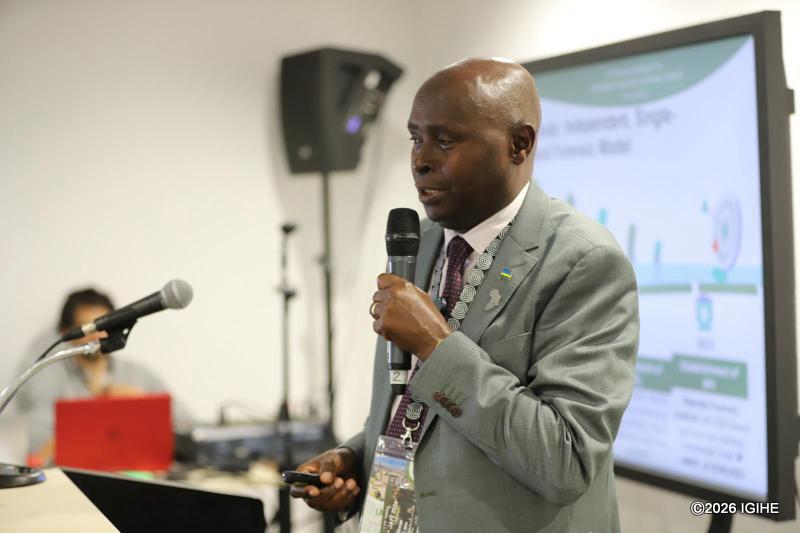
WTO Director-General Ngozi Okonjo-Iweala delivering remarks at the 14th WTO Ministerial Conference in Yaoundé.
Oral diseases are a global issue, not just limited to Rwanda. According to the World Health Organization (WHO), about 3.5 billion people worldwide suffer from some form of oral health problem. Over 2.5 billion people experience tooth decay, and many others struggle with gum disease.
Additionally, an estimated 350 million people lose at least one tooth, and $380 billion is spent annually on treating these issues globally.
In honor of World Oral Health Day, KFH has committed to assess the oral health of its staff, patients, and visitors to evaluate their oral hygiene and needs.
Dr. Madeleine Uwamahoro, the Head of the Oral and Dental Surgery Department at KFH, emphasized that oral health affects not only the teeth but also the surrounding tissues, and these conditions are becoming increasingly prevalent.
“During routine examinations, it is rare to find a person without dental problems or oral health issues. You could examine people for a month and hardly encounter someone with perfect oral health,” she said.
Consequences of neglecting oral health
A 2021 study by Rwanda Biomedical Centre (RBC) found that 57% of people do not regularly seek dental checkups, with 92.8% only visiting a dentist when they experience pain. Only 1% of individuals engage in routine dental visits.
Dr. Uwamahoro stressed that untreated oral health issues can lead to serious health complications, such as miscarriage and stroke.
“Oral diseases have a direct impact on the bloodstream. Pregnant women with poor oral health are at risk of giving birth to underweight babies, and in some cases, this could lead to miscarriage. Hormonal changes during pregnancy can exacerbate gum issues, and combined with inadequate nutrition, it becomes a significant health risk for both mother and child.”

She also pointed out the challenges children face, particularly with severe dental issues that often go untreated. Some young children lose all their teeth, requiring anesthesia for proper treatment, which complicates care.
Dr. Uwamahoro further highlighted the social stigma faced by individuals with crooked teeth, who may have difficulty eating, speaking, or facing other challenges, including heart-related issues.
“Certain bacteria in the mouth can contribute to heart disease. Some people develop swelling due to bacteria in the mouth, which can enter the bloodstream and cause a stroke. These infections can also affect the respiratory system.”
The need for advocacy and timely treatment
Dr. Uwamahoro noted that issues like gum disease and jawbone problems are long-term conditions that require consistent care.
With over 10 years of experience at KFH, Dr. Uwamahoro shared that tooth decay and gum diseases are the most common oral health concerns in Rwanda.
“On average, we treat between 700 and 800 patients each month, including returning patients. This is a high number, and it shows that people need to be more proactive about their oral health,” she added.
She encouraged the public to adopt proper oral hygiene practices, such as brushing their teeth at least twice a day, changing toothbrushes every three months, and scheduling regular dental visits every six months.
KFH has pledged to assess the oral health of over 500 individuals to provide them with the necessary guidance and recommendations for maintaining good oral hygiene.
A woman who recently visited KFH for a dental checkup shared her thoughts on the initiative: “I’ve had dental issues for a while, mainly due to sugary drinks, but this initiative has been incredibly helpful. I’ve been considering seeing a dentist but was concerned about the costs. I encourage others to take advantage of this opportunity.”
Focusing on prevention and early diagnosis
KFH is not only focused on diagnosing oral health problems but also on preventive measures. The hospital is dedicated to educating the public about proper oral care, identifying early signs of disease, and making treatments more accessible.
The hospital is working to ensure that dental care services are readily available, particularly for common issues such as tooth decay, gum disease, tooth replacement, and restoring appearance with prosthetics.
KFH provides specialized care, including treatments for damaged teeth, oral surgeries to correct dental problems, cleaning, aligning teeth, advanced diagnostic tools for detecting serious diseases, and gum disease treatment. The hospital also offers surgeries for abscesses and other dental issues.
Additionally, KFH offers special services for children, which may require full or partial anesthesia to ensure they receive the necessary care and support.
King Faisal Hospital’s new campaign aims to screen 500 people for oral health diseasesKing Faisal Hospital is equipped with state-of-the-art technology for oral health checkupsState-of-the-art equipment at King Faisal Hospital ensures comprehensive oral health screeningsKing Faisal Hospital has intensified efforts in the fight against oral health diseasesKing Faisal Hospital is located in Kacyiru
Fighters from across Africa, including Nigeria, Algeria, Uganda, Tanzania, DRC, Gabon, and more, have arrived in Rwanda, with many experiencing the country for the first time. Their reactions have been overwhelmingly positive, with many praising Kigali as a welcoming, well-organized, and beautiful destination for training and competition.
In an exclusive interview with IGIHE, Lamrani Abderrazeek, the Algerian cruiserweight, shared his excitement about his first visit to Rwanda. Having passed through Dubai before arriving in Kigali.
“This is my first time in Rwanda, and I really like it. The people here are nice. Everything is easy. Everything is straight. The weather is amazing. It’s the best place to visit. It’s the best place to do your camp, and it’s the best place to fight.”
Abderrazeek’s words reflect the sentiments of many international athletes who have praised Rwanda’s clean environment, modern gyms, and friendly atmosphere.
Lamrani Abderrazeek shared his excitement about his first visit to Rwanda.
Nene Joy Ojo, the Nigerian female boxer making waves on the card, also called on her fellow Nigerians and supporters to show up in force:
“If you’re here, come support your girl. Get your ticket from KCC Roundabout on the 28th of this month.”
Ojo’s message highlights the growing visibility of women’s boxing at Kigali Fight Night, which will feature several high-profile female matchups.
Nene Joy Ojo highlighted the growing visibility of women’s boxing at Kigali Fight Night.
The excitement is shared by matchmaker Khaled, who hails from both Uganda and Dubai. He sees Kigali Fight Night as a landmark moment for African boxing.
“I’m excited to be in Rwanda simply because it’s a beautiful country, first of all, and yeah, it is a fresh market for boxing, especially pro boxing… Silverback says it is redefining African boxing. So we’re doing a great job, like putting fighters together and stuff like that.”
He added that the matchmaking for the event is strong, with international fighters on the card, and urged fans, “Definitely everybody has to come and watch.”
One fighter expressed pure confidence ahead of the main card:
“Fight night is on the 28th of this month. I’m ready. I’m ready to conquer. My opponent will have to be ready for me.”
Matchmaker Khaled, from Uganda and Dubai, sees Kigali Fight Night as a pivotal moment for African boxing.
Returning as the official ring announcer and MC, Rocky Try shared her pride in the event’s growth:
“Honestly, I was also the ring speaker last year, and being there is just electric. You can see the fighters’ real sportsmanship, their talent, and their hunger. This time, it’s going to be even bigger.”
Rocky emphasized the cultural significance of bringing professional boxing to Rwanda, especially with strong female participation both in the ring and behind the scenes:
“My pride for the Kigali Fight Night is the fact that we’re bringing the boxing culture to Rwanda… We have female athletes, we have male athletes, we have the young ones… Having something so new in Rwanda is exciting.”
To women still hesitant about boxing, she offered powerful encouragement:
“Do you know what? Let me speak to you. I started boxing at a time in my life when I had a lot of anger. But as I trained, it wasn’t about the anger anymore; it became about discipline. So, just do it. It’s like free therapy, you just pay a little more than a therapist.”
Kigali Fight Night 2026 promises to be a major milestone in Rwanda’s boxing culture, shining a spotlight on the continent’s rising boxing talent and highlighting Rwanda’s growing significance as a host for major sporting events.
Returning as the official ring announcer and MC, Rocky Try expressed her pride in Kigali Fight Night’s growth.
The company aims to assist those with small businesses who have previously struggled to obtain loans from traditional financial institutions.
The official launch event took place in Kigali on March 24, 2026. Small business owners who previously found it difficult to access loans from banks are now able to apply for loans via a digital platform without having to leave their locations.
Using Numida’s mobile app, applicants can fill out the required forms and receive loans ranging from 800,000 Rwandan Francs(Rwf) to Rwf12 million. The approval process takes less than 24 hours.
To qualify for the loan, applicants need to have a smartphone to download the Numida app, provide their national ID, a photo, and have a business that has been operating for at least six months in Rwanda.
They must also have the necessary registration documents from the Rwanda Development Board (RDB) proving ownership.
Mina Shahid, the CEO of Numida, stated that the loan process for small business owners is part of a broader initiative to align with Rwanda’s Vision 2050, which aims to speed up development and ensure financial services are accessible to all.
He said, “Our company’s goal aligns with Rwanda’s Vision 2050, to ensure everyone has easy access to financial services. Numida’s mission is to make the dreams of one million people across Africa come true.”
James Rwagasana, Manager of Supervision of Non-Deposit Taking Lending Financial Institutions at the National Bank of Rwanda (BNR), reassured potential clients of Numida’s legitimacy.
He emphasized that the company is fully licensed by BNR and does not require deposits for the loans.
“This new institution is authorized by the National Bank of Rwanda and operates legally. It is part of the national strategy to increase access to financial services, especially loans, so that Rwandans can grow their businesses,” Rwagasana explained.
One of the beneficiaries, Teddy Nishimwe, a Rwandan entrepreneur, received a loan of Rwf3.5 million from Numida. She confirmed that the process was simple and quick, and the loan would help her expand her business.
Since its launch in Rwanda in March 2026, Numida has already disbursed over Rwf120 million in loans to 150 Rwandans using its digital platform.
Numida has been operating in Uganda since 2017 and in Kenya since 2023. The company has provided over $150 million in loans to support the growth of more than 100,000 businesses across these three countries. The goal is to have disbursed loans to 5,000 businesses in Rwanda by the end of 2026.
Numida’s CEO, Mina Shahid, emphasized that the company will help small businesses in Rwanda grow and expand.Numida aims to have granted loans to at least 5,000 business owners in Rwanda by the end of 2026.Numida is committed to bridging the gap in loan distribution in Rwanda.James Rwagasana, Manager of Supervision of Non-Deposit Taking Lending Financial Institutions at the National Bank of Rwanda (BNR), reassured potential clients of Numida’s legitimacy. At the launch event, some attendees received the loans they had applied for.Jean Marie Vianney Bana was also granted a loan he requested from Numida.Numida is also committted to supporting women-owned businesses in Rwanda.
This discovery changes scientists’ understanding of how sudden climate shifts occurred near the end of the last Ice Age.
The study focuses on an unusual spike in platinum levels found deep within ice cores taken from Greenland’s massive ice sheet.
For years, this platinum anomaly puzzled researchers because platinum is often associated with extraterrestrial debris, leading many to believe a meteorite or comet strike triggered abrupt cooling at the end of the Bølling‑Allerød warm period, a climatic event known as the Younger Dryas.
However, an international team led by Professor James U. L. Baldini and colleagues from university earth sciences departments have now demonstrated that the platinum signal does not match space dust signatures and instead more closely resembles material from volcanic eruptions on Earth.
Importantly, the platinum spike appears to have occurred decades after the onset of cooling, which strongly suggests that the cooling was not caused by an impact event.
Instead, researchers propose that volcanic activity, possibly from large eruptive events, may have sent aerosols and particles into the atmosphere, affecting Earth’s climate and contributing significantly to the temperature drop known as the Younger Dryas.
This volcanic explanation fits both the chemical evidence in the ice cores and the timing of climate changes.
In explaining the new finding, scientists emphasize that while platinum anomalies remain striking signals in ice core records, they should no longer be automatically linked to extraterrestrial impacts.
The mistake of assuming space rocks were responsible has shaped climate debates for decades, and this research offers a more grounded and testable explanation.
Professor Baldini and his team argue that their work helps refine scientists’ tools for reading Earth’s climate history: rather than relying on dramatic cosmic scenarios, researchers can now consider Earth’s own volcanic system as a powerful driver of abrupt climate change during the last Ice Age.
Volcanic Eruptions, not Meteorite impacts, explained Ancient climate shift in Greenland.
The report shows that the employment-to-population ratio increased to 55.9% in 2025, up from 53.5% in 2024, signalling a growing capacity of the economy to absorb workers. About 4.77 million Rwandans were employed during the year.
This growth comes alongside an expansion of the labour force, which reached 5.4 million people, out of a working-age population of approximately 8.5 million.
Unemployment declines as more jobs are created
The survey indicates that unemployment fell to 12.4% in 2025, down from 14.9% the previous year, continuing a downward trend from pre-COVID-19 levels of around 15%.
This means that roughly one in eight people in the labour force was unemployed, reflecting improved job creation and labour market recovery.
Employment gains were recorded across both men and women, with the employment rate increasing by 1.4 percentage points among males and 3.1 percentage points among females. However, disparities remain, with men still more likely to be employed than women.
Services sector drives job growth
The report highlights a gradual structural shift in Rwanda’s economy, with the services sector emerging as the largest employer, accounting for 44.4% of total employment in 2025, up from 42.9% in 2024.
Agriculture remains a major source of jobs, employing 39.1% of the workforce, while the industry sector accounted for 16.5%, showing little change.
Sectors such as wholesale and retail trade, transport, manufacturing, and hospitality recorded notable increases in employment, reflecting expanding economic activity beyond traditional agriculture.
More people entering the labour market
The labour force participation rate rose slightly to 63.8%, indicating that more Rwandans are either working or actively seeking employment.
At the same time, about 3.1 million people remained outside the labour force, many of whom are engaged in subsistence agriculture, studying, or not actively seeking jobs.
Despite the overall improvement in employment outcomes, the report highlights areas where further gains can be made, particularly in expanding opportunities for youth and women. Youth unemployment stood at 14.7%, slightly above the national average, while female unemployment was estimated at 14.2% compared to 10.8% among men.
These figures suggest that targeted interventions, including skills development, entrepreneurship support and improved job matching, could help unlock additional employment potential, especially as more young people enter the labour market.
Encouragingly, the survey shows a continued upward trend in incomes, with the average monthly salary increasing to Rwf 82,996 in 2025, up from Rwf 73,948 in 2024.
While differences across sectors remain, the overall rise in earnings reflects improving economic activity and growing opportunities, particularly in higher-paying sectors such as services and industry.
Technicians at the Volkswagen assembly plant in the Kigali Special Economic Zone meticulously assemble a vehicle. A new labour force report shows that the employment-to-population ratio increased to 55.9% in 2025, up from 53.5% in 2024, signalling a growing capacity of the economy to absorb workers.
This discovery, led by scientists at the University of Cologne, focuses on the role of caspase‑8, a protein involved in programmed cell death, and how its absence contributes to cancer progression.
SCLC is known for its aggressive nature, and while patients often respond to chemotherapy initially, the cancer typically relapses quickly, showing resistance to further treatment.
For years, the mechanism behind this rapid recurrence has remained unclear. The research team, led by Professor Dr. Silvia von Karstedt, used a genetically engineered mouse model lacking caspase‑8 to mimic human cancer behavior and gain deeper insights into the disease.
Their findings revealed that without caspase‑8, cancer cells die in a necrotic, inflammatory manner known as necroptosis. This form of cell death creates a hostile environment within the lungs, even before full tumors develop.
As Dr. von Karstedt explained, “The absence of caspase‑8 leads to a type of inflammatory cell death called necroptosis that creates a hostile, inflamed environment even before tumors fully form.”
What was most surprising is that this inflammation actually promotes cancer growth. Instead of preventing tumor development, the inflammation weakens the immune system’s ability to fight the cancer, making it easier for cancer cells to survive and spread.
Furthermore, the inflammation pushes cancer cells into a more immature, neuron‑like state, enhancing their ability to metastasize and fueling the recurrence of the disease.
The study also demonstrated that this process of pre‑tumoral necroptosis contributes to a cancer-promoting environment, conditioning the immune system in a way that aids the cancer’s spread.
Dr. von Karstedt emphasized, “We were also intrigued to find that pre‑tumoral necroptosis can in fact promote cancer by conditioning the immune system.”
Although these findings have not yet been confirmed in all human SCLC patients, they represent a crucial step in understanding SCLC biology.
By identifying the role of caspase‑8 loss and inflammation, the study opens up potential pathways for improving treatments and early detection, offering hope for better outcomes in the future.
New insights into why small cell lung cancer keeps coming back.
Ivana Lisette Ortiz, 35, appeared briefly on Wednesday at Los Angeles Superior Court wearing yellow prison attire. Through her attorney, she entered a plea of not guilty to 14 charges, including one count of attempted murder and 10 felony counts of assault with a semiautomatic firearm.
Judge Theresa McGonigle denied a request to reduce Ortiz’s $1.875 million (approximately Rwf 2.7 billion) bail and ruled that she cannot work as a licensed speech therapist in California while the case is pending. If convicted on all charges, Ortiz faces a maximum sentence of life in prison.
Prosecutors said Ortiz drove to the Beverly Crest neighborhood home on Sunday, March 8, and fired approximately 20 rounds. At the time, Rihanna and her partner A$AP Rocky were in a trailer on the property, while their three children, Rihanna’s mother, and staff members were inside the main house. No one was injured.
Deputy District Attorney Alexander Bott described the incident in court as “the kind of conduct that easily could have resulted in numerous homicides.”
Authorities said Ortiz fled the scene but was arrested a short time later in Los Angeles, found in a car with a rifle, extra ammunition, and a wig she had intended to use as a disguise.
Ortiz’s lawyer, deputy public defender Derek Ray Dillman, spoke on her behalf as she appeared behind glass in the custody area. She also waived her right to a speedy preliminary hearing, the next stage where evidence is reviewed to determine whether a trial is warranted.
Public records show Ortiz has been a licensed speech pathologist for more than a decade.
Rihanna, a nine-time Grammy winner with hits including We Found Love, Umbrella, and Diamonds, is also the founder of the make-up brand Fenty Beauty.
Bullet holes are seen as workers repair the exterior of Rihanna’s Beverly Hills home on March 17, 2026 in Los Angeles.
The researchers found the remains of at least 16 species, including birds and frogs.
Among the most significant discoveries was a newly identified parrot species, Strigops insulaborealis, believed to be an ancestor of the flightless kākāpō, though this ancient bird may have had the ability to fly.
Other findings include extinct ancestors of the takahē and a pigeon species closely related to the Australian bronzewing.
The fossils were embedded in two distinct layers of volcanic ash, dated to 1.55 million years ago and 1 million years ago, which helped the researchers establish a precise timeline for the remains.
These layers acted as natural time markers, giving scientists a clear snapshot of life during this ancient period.
The discovery challenges previous assumptions about New Zealand’s wildlife. Prior fossil records were either from millions of years ago or from the time after humans arrived.
The new findings fill a crucial gap in understanding the environmental forces shaping wildlife long before humans arrived. According to Associate Professor Trevor Worthy, the fossils represent a “missing volume” in the natural history of New Zealand.
The team also pointed out that climate shifts and volcanic eruptions may have caused significant extinctions before humans, with as many as 33-50% of species disappearing in the million years before human settlement.
Dr. Paul Scofield from Canterbury Museum emphasized that these natural events played a pivotal role in the extinction of species, adding that this discovery “proves that dramatic climate changes and volcanic activity were already reshaping wildlife”, long before human impact.
Scientists open a million-year-old time capsule beneath New Zealand.
The event was designed to provide an understanding of modern access control, biometric systems, and intelligent surveillance solutions. With the theme “Effective, Reliable, and Efficient Security through Smart Access Systems”, the conference offered a deep dive into technologies that are redefining how organisations protect people, property, and information.
The conference was designed to provide understanding of modern access control, biometric systems, and intelligent surveillance solutions.
Orbit Solutions, a Rwandan company known for providing advanced electronic security equipment since 2014, has played a key role in bringing smart security solutions to businesses across Rwanda and the wider East African region. Through its exclusive partnership with ZKTeco, a global leader in biometric verification, AI-driven access control, and smart office platforms, the company offers everything from facial recognition and fingerprint devices to smart locks, fire detection systems, and CCTV solutions.
The conference also highlighted the long-standing partnership between the two companies, with the signing of a new agreement that strengthens Orbit Solutions’ role as ZKTeco’s official distributor in Rwanda. The agreement lays out plans to continue providing technical training, after-sales support, and expert guidance, ensuring clients not only access advanced security technology but also the knowledge to use it effectively.
Orbit Solutions Ltd Managing Director Jenipher Ingabire and ZKTeco East Africa Managing Director Mostafa Kamel signed a new partnership agreement during the Kigali conference.
Bridging technology and training
Organisers split the programme into two tracks. The morning session targeted technical teams, giving engineers and technicians a chance to handle the equipment, explore configurations, and understand integration with existing systems.
The technical sessions provided training on ZKTeco’s security ecosystem, covering access control, time and attendance systems, smart locks, parking solutions, and inspection technologies. Attendees gained insights into integrating biometric verification, AI, and advanced analytics into organisational security strategies.
Attendees were trained on ZKTeco’s access control, smart locks, and AI-powered security solutions.
The afternoon session focused on decision-makers, helping them grasp the strategic benefits of smart security, including improved efficiency, faster response times, and safer work environments.
A standout feature discussed throughout the day was ZKTeco’s AI-enabled CCTV technology. Unlike conventional cameras, these systems can detect fights, unauthorised access, or unusual behaviour in real time and send alerts directly to security control rooms, allowing teams to respond immediately rather than relying on manual monitoring or post-event review.
“With AI, CCTV moves from being a passive observer to an active partner in security,” explained Mostafa Kamel, Managing Director of ZKTeco East Africa.
Orbit Solutions MD Jenipher Ingabire highlighted the company’s modern security solutions in Rwanda.
For Orbit Solutions’ Managing Director, Jenipher Ingabire, the conference was an opportunity to showcase the company’s approach to modern security in Rwanda.
“Access automation is no longer a luxury; it is a necessity. From residential developments to commercial facilities and critical infrastructure, the demand for secure, efficient, and intelligent access systems continues to grow,” she said.
Ingabire highlighted Orbit’s role as a distributor of a wide range of electronic security solutions, including biometric access devices, fire detection and suppression systems, CCTV cameras, metal detectors, and smart locks, all available locally and backed by technical support.
“We are a one-stop shop with everything available in stock. If we don’t have something, we can get it quickly through our strategic partnerships with suppliers. We have credit facilities available, so there is no project we cannot execute at any scale.”
Global expertise, local impact
Kamel highlighted how ZKTeco’s technology has been adopted globally, including by governments, multinational corporations, and logistics companies. He explained that the company’s research and development focuses on AI, biometrics, and cloud-enabled access control, ensuring solutions meet both international standards and local requirements.
Mostafa Kamel highlighted how ZKTeco’s technology has been adopted globally, including by governments.
He reminded organisations that only genuine ZKTeco products come with proper support, warranties, and compliance with privacy laws, cautioning that counterfeit devices could compromise security and create operational challenges.
Kamel also noted Rwanda’s growing role as a regional hub for technological innovation, highlighting the country’s openness to new solutions.
“Rwanda is a land of opportunity. By combining local expertise with global innovation, we aim to deliver comprehensive security solutions tailored to the region’s needs,” he said.
He further emphasised ZKTeco’s commitment to research and development, highlighting cutting-edge technologies such as visible-light 3D facial recognition, palm recognition from up to 30 metres, and AI-powered integration across security systems.
Conversations on the floor
Panel sessions were lively, with participants exploring practical applications of AI and smart access systems. From corporate offices to public institutions, attendees discussed how technology can reduce reliance on traditional security personnel while increasing overall safety. One example: AI CCTV detecting a fight in real time can alert security, lock or unlock doors as needed, and even integrate with other systems such as fire alarms.
Panel sessions were lively, with participants exploring practical applications of AI and smart access systems.
The discussions also covered challenges, including budget constraints, integration with existing infrastructure, and staff training. Panellists encouraged organisations to view security as an investment in efficiency, rather than a cost.
Government support and collaboration
Decision-makers in attendance, including representatives from the Ministry of ICT and Innovation, underscored the importance of interoperable, reliable systems for Rwanda’s evolving digital infrastructure.
Thomas Ndayambaje, representing Minister Paula Ingabire, highlighted the strategic role of smart security technologies in safeguarding personal data and enabling safe access to digital services, particularly as Rwanda rolls out its national digital ID initiative.
“Even the smartest systems still require informed users,” emphasising the need for capacity building alongside technological deployment.
Thomas Ndayambaje represented ICT Minister Paula Ingabire at the event.
Ndayambaje further stressed that smart technologies, such as biometric authentication and access control systems, are essential in building trust within Rwanda’s digital ecosystem, enabling secure and seamless interactions across both public and private services.
He acknowledged the vital role of private-sector partnerships, pointing to the collaboration between organisations such as Orbit Solutions Ltd and ZKTeco as an example of how innovation can be brought closer to institutions and citizens.
The conference closed with a clear message for Rwanda’s growing security sector from Christine Uwase, Admin Manager at Orbit Solutions Ltd. Highlighting the skills, knowledge, and networks attendees had gained, she framed the event not just as a training session but as a catalyst for raising standards across the industry.
“As we leave this evening, kindly be the brand ambassador of effective, reliable, and efficient smart security equipment and accessories,” Uwase urged, positioning professionals as key drivers of a more secure, technology-enabled future.
Uwase’s remarks also underscored Orbit Solutions’ commitment as ZKTeco’s official distributor, ensuring that businesses and institutions across Rwanda have access to genuine products, local support, and the capacity to implement advanced security solutions, a message that resonates amid Rwanda’s push for digital innovation and modern infrastructure.
The conference brought together security professionals and decision-makers at Kigali Serena Hotel to explore modern security solutions transforming workplaces and institutions.Attendees explored security devices firsthand at the event.Participants represented various organisations, including banks and other key sectors.Participants actively engaged in interactive and practical sessions.From corporate offices to public institutions, attendees discussed how technology can reduce reliance on traditional security personnel while increasing overall safety.The conference also highlighted the long-standing partnership between the two companies, with the signing of a new agreement that strengthens Orbit Solutions’ role as ZKTeco’s official distributor in Rwanda. Participants were awarded attendance certificates.