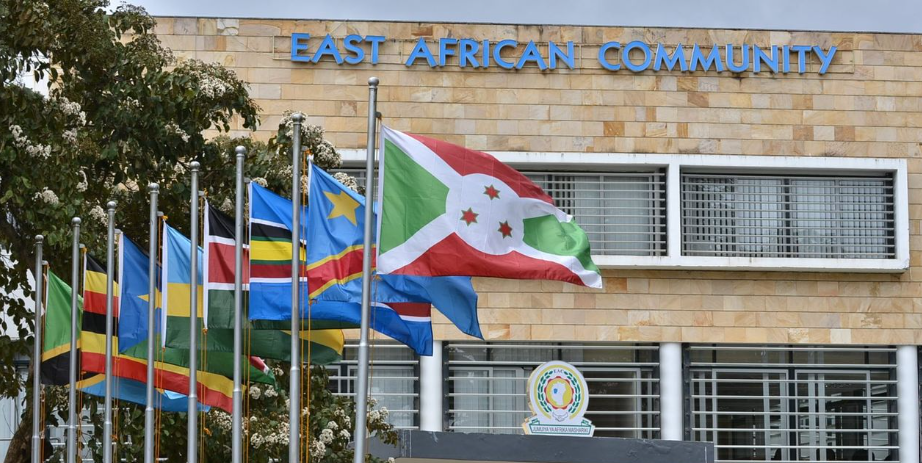
In a statement issued on Sunday, May 31, the EAC Secretariat announced that the Extra-Ordinary Virtual Meeting of the Sectoral Council of Ministers responsible for Health will focus on reviewing and adopting proposed regional actions to curb the outbreak caused by the Bundibugyo virus strain.
The emergency meeting comes amid growing concern over the spread of the disease in the Democratic Republic of Congo (DRC) and Uganda, where authorities continue to intensify surveillance, preparedness and response efforts.
According to the EAC Secretariat, the ministerial meeting forms part of a broader series of urgent interventions initiated by the regional bloc following confirmation of Ebola cases linked to the Bundibugyo strain in the two neighbouring countries.
“The convening of this high-level meeting is part of a series of urgent actions the EAC Secretariat has initiated, having already intensified regional coordination and preparedness measures,” the Secretariat said.
The regional body noted that several emergency engagements have already been held, including an EAC Crisis Meeting and meetings of the Technical Working Group (TWG) on Communicable and Non-Communicable Diseases.
The Secretariat has also convened the TWG on Harmonisation of Regulations to explore pathways for the potential approval and deployment of Ebola vaccines, therapeutics and diagnostic tools.
The planned ministerial discussions are expected to strengthen cross-border coordination and ensure member states maintain a unified approach to disease surveillance, information sharing and outbreak response.
The EAC’s announcement comes a day after World Health Organisation (WHO) Director-General Tedros Adhanom Ghebreyesus urged countries that have imposed travel bans or closed borders because of the outbreak to reconsider such measures.
Speaking during a joint press conference in Bunia, the capital of Ituri Province in eastern DRC and the epicentre of the outbreak, Tedros warned that travel restrictions could undermine efforts to contain the disease.
“I call on countries that have imposed travel bans or border closures to reconsider. These measures make the response harder, and they discourage transparency and trust that saves lives,” he said.
Tedros noted that despite the absence of approved vaccines and specific medicines for the Bundibugyo strain, patients can recover if they receive timely and quality medical care.
The WHO chief also revealed that his visit to Bunia was intended to engage directly with affected communities as health authorities respond to an outbreak that has generated more than 1,000 suspected cases.
Meanwhile, Uganda has reported nine confirmed Ebola cases after detecting two new infections in the capital, Kampala, according to the country’s Ministry of Health.
Health officials across the region are hoping that the upcoming EAC ministerial meeting will accelerate collective action against the outbreak and bolster preparedness measures to prevent further cross-border transmission.
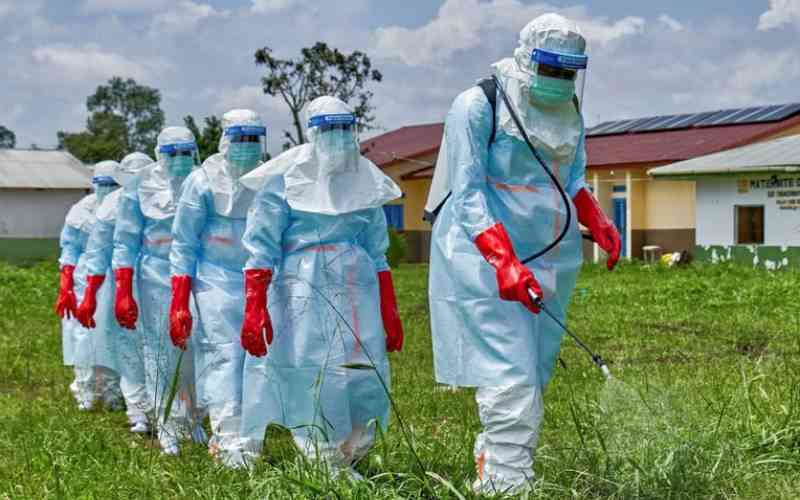
Medical officers sanitise areas in Ebola-prone areas in the DRC.
Speaking at a joint press conference in Bunia, the capital of the northeastern Ituri Province and the epicenter of the Ebola outbreak, Tedros said such restrictions could complicate response efforts and risk discouraging transparency and trust, which are essential to saving lives.
“I call on countries that have imposed travel bans or border closures to reconsider. These measures make the response harder, and they discourage transparency and trust that saves lives,” Tedros said.
Despite the lack of approved vaccines and specific medicines, the WHO chief said patients could still recover if they receive timely, quality medical care.
Tedros said his visit to Bunia was also aimed at engaging directly with affected communities in this outbreak, in which over 1000 suspected cases have been reported.
Uganda has also reported nine confirmed cases after detecting two new infections in the capital, Kampala, the Ugandan health ministry said on Friday.
DRC Health Minister Roger Kamba said the country aims, “in the best-case scenario,” to contain and end the outbreak within “four to six months,” based on its experience in responding to epidemics and the known course of the Ebola virus disease.
He said the immediate priority is to contain the virus within the three affected provinces, Ituri, North Kivu and South Kivu, and prevent further spread.
Kamba also highlighted the country’s strengthened laboratory testing capacity, with no backlog of samples remaining. Around 900 samples had been tested, of which about 260 were positive, he said, adding that the country now has the capacity to process all incoming samples, even if daily testing rises to 200 or 300 samples.
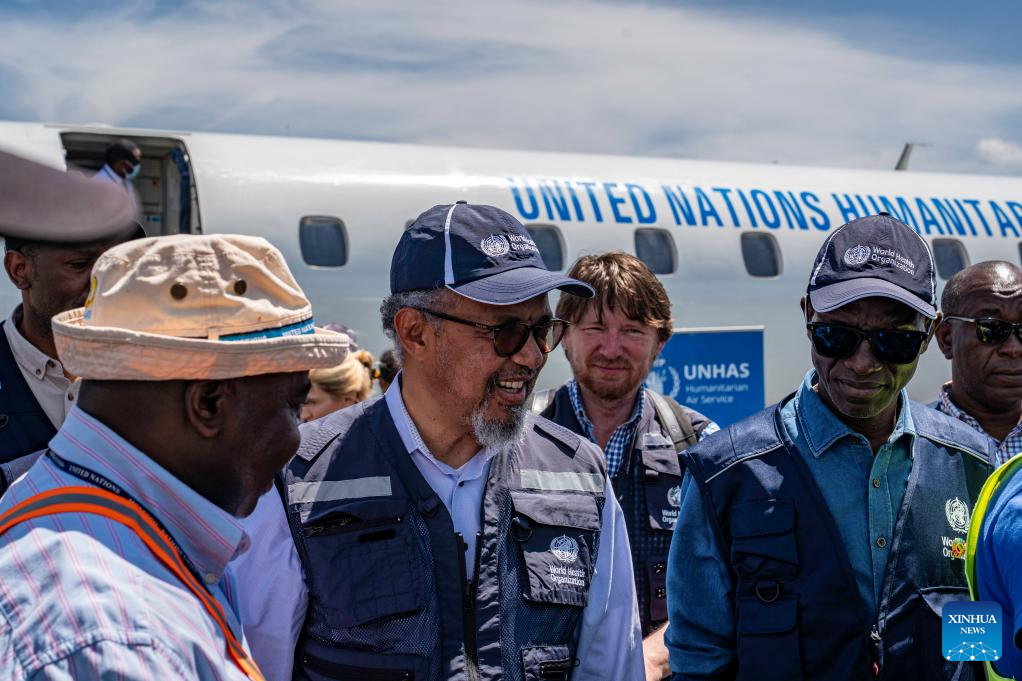
World Health Organization (WHO) Director-General Tedros Adhanom Ghebreyesus (C) arrives in Bunia, the capital of Ituri Province in the Democratic Republic of the Congo, May 30, 2026. Tedros on Saturday called on countries that have imposed travel bans or closed borders in response to the Ebola outbreak in the Democratic Republic of the Congo and Uganda to reconsider such measures.
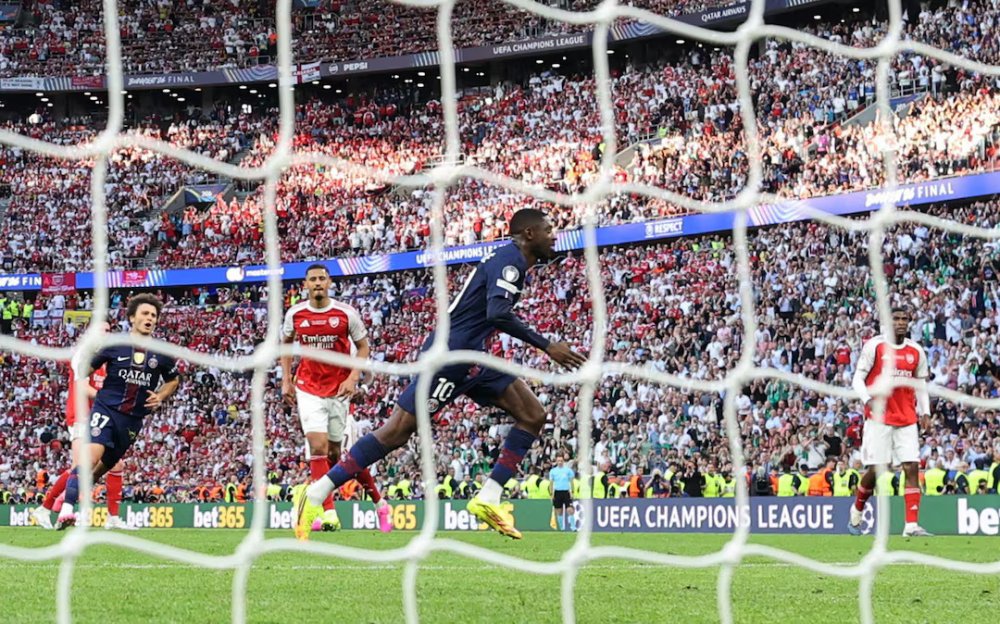
The tense final, held at the neutral Puskás Aréna in Budapest, saw the French giants defend their European title in a nerve-shredding penalty shootout after the match ended 1-1 following extra time.
Writing on the social media platform X shortly after the final whistle on Saturday night, President Kagame extended warm congratulations to both clubs, noting their shared connection to the country’s global tourism initiative, Visit Rwanda.
“Congratulations to our #VisitRwanda partner Paris Saint-Germain on their well-deserved UEFA Champions League title and on being crowned champions for the second consecutive year,” Kagame wrote. “Congratulations as well to Arsenal on reaching the final and fighting with determination until the very end. Both clubs have made their supporters proud, but tonight, PSG proved to be the better team!”
The tense final, held at the neutral Puskás Aréna in Budapest, saw the French giants defend their European title in a nerve-shredding penalty shootout after the match ended 1-1 following extra time.
A night of heartbreak and drama in Budapest
The highly anticipated final pitted Luis Enrique’s attacking Paris Saint-Germain lineup against Mikel Arteta’s resilient, tactically structured Arsenal. The English side started the match with lightning intensity, catching the Parisian defense off guard in just the 5th minute. Arsenal’s Leandro Trossard picked out German forward Kai Havertz in the half-space, who clinicaly thrashed a sharp left-footed strike high into the top corner past PSG goalkeeper Matvey Safonov to make it 1-0.
Following the early setback, PSG gradually took total control of the momentum, suffocating the Gunners with high pressing and dominating possession. Despite a barrage of first-half attempts from Fabián Ruiz and driving wide play by Ousmane Dembélé, Arsenal’s defense, anchored by William Saliba and Gabriel Magalhães, held firm until the break.
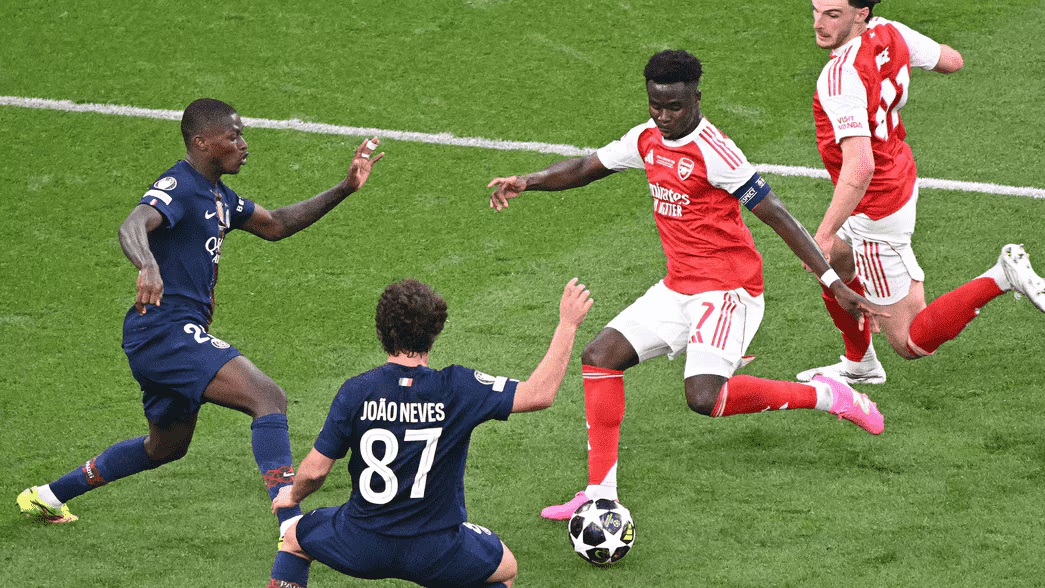
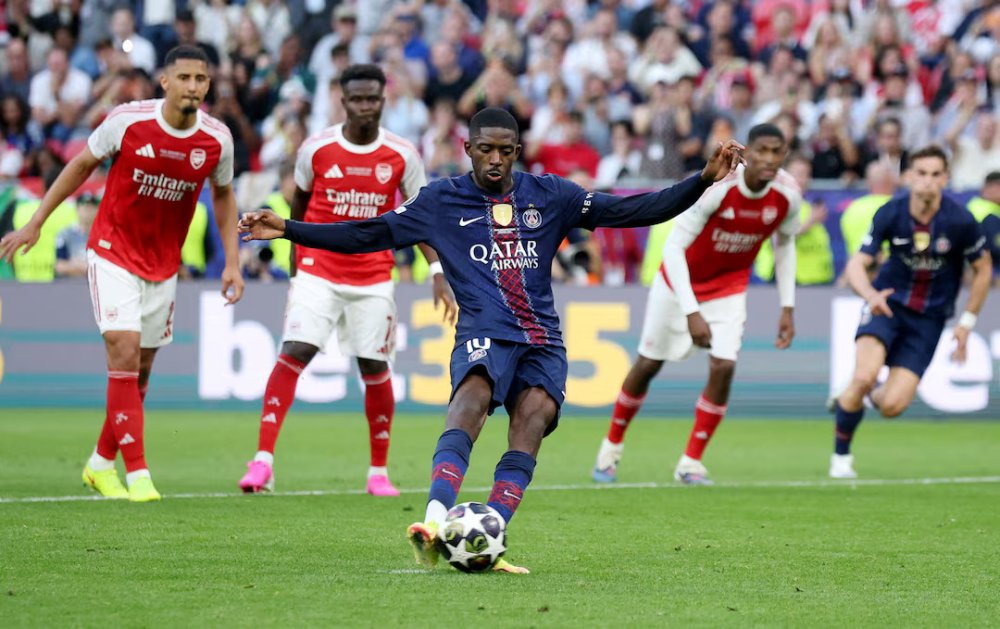
The turning point arrived in the 61st minute of the second half when Khvicha Kvaratskhelia drew a foul inside the penalty box. Following a tense VAR confirmation, the referee upheld the penalty decision. Dembélé stepped up to the spot in the 64th minute, restoring parity with a precise, low finish into the bottom-left corner.
Both managers empty-handed their benches in the final stages of normal time and extra time, introducing fresh legs like Bradley Barcola and Warren Zaïre-Emery for PSG, and Viktor Gyökeres and Eberechi Eze for Arsenal, but neither side could break the 1-1 deadlock, forcing the final into a penalty shootout.
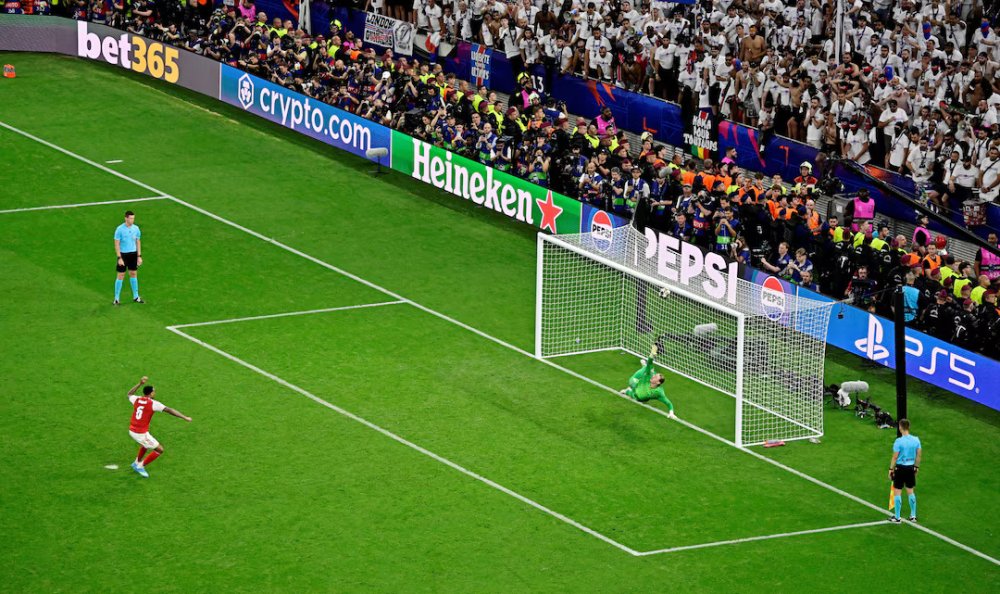
The shootout provided standard-setting drama. After early conversions from both sides, Arsenal suffered a setback when Eze missed his spot-kick, though hope was briefly restored when PSG’s Nuno Mendes missed his shortly after. Tensions peaked in the final round: substitute defender Lucas Beraldo calmly dispatched PSG’s fifth penalty to make it 4-3. The immense pressure then fell to Arsenal’s Gabriel Magalhães, whose subsequent attempt failed to find the net, sealing back-to-back European glory for Paris Saint-Germain.
Arsenal centre-back Gabriel was brilliant in keeping PSG’s forward line quiet.
‘Visit Rwanda’ wins big
Saturday’s clash between PSG and Arsenal also put a major spotlight on the “Visit Rwanda” brand, which continues to position Rwanda as a premium tourism destination.
The “Visit Rwanda” campaign launched its foundational partnership with Arsenal in 2018, becoming the club’s official tourism partner and its first-ever sleeve sponsor. The collaboration was designed to showcase Rwanda as a vibrant luxury tourism destination and a hub for eco-adventure, leveraging the Premier League’s massive global television footprint.
Building on the success of the Arsenal deal, Rwanda expanded its sports diplomacy footprint in December 2019 by signing a multi-year partnership with Paris Saint-Germain. The agreement grants Visit Rwanda premium visibility at the Parc des Princes stadium, opens avenues for cultural and artistic collaborations, and focuses on developing youth football academy programs within Rwanda.
By integrating tourism promotion with top-tier European football, the partnerships have driven significant increases in leisure travel and foreign investment to Rwanda, making Saturday’s final a historic “Visit Rwanda derby” on club football’s grandest stage.
President Paul Kagame has hailed Paris Saint-Germain’s UEFA Champions League triumph while praising the relentless determination displayed by runners-up Arsenal F.C.Ousmane Dembélé converted a second-half penalty to get Paris Saint-Germain on the scoresheet.Gabriel Magalhães’ missed penalty sealed PSG’s trophy triumph.
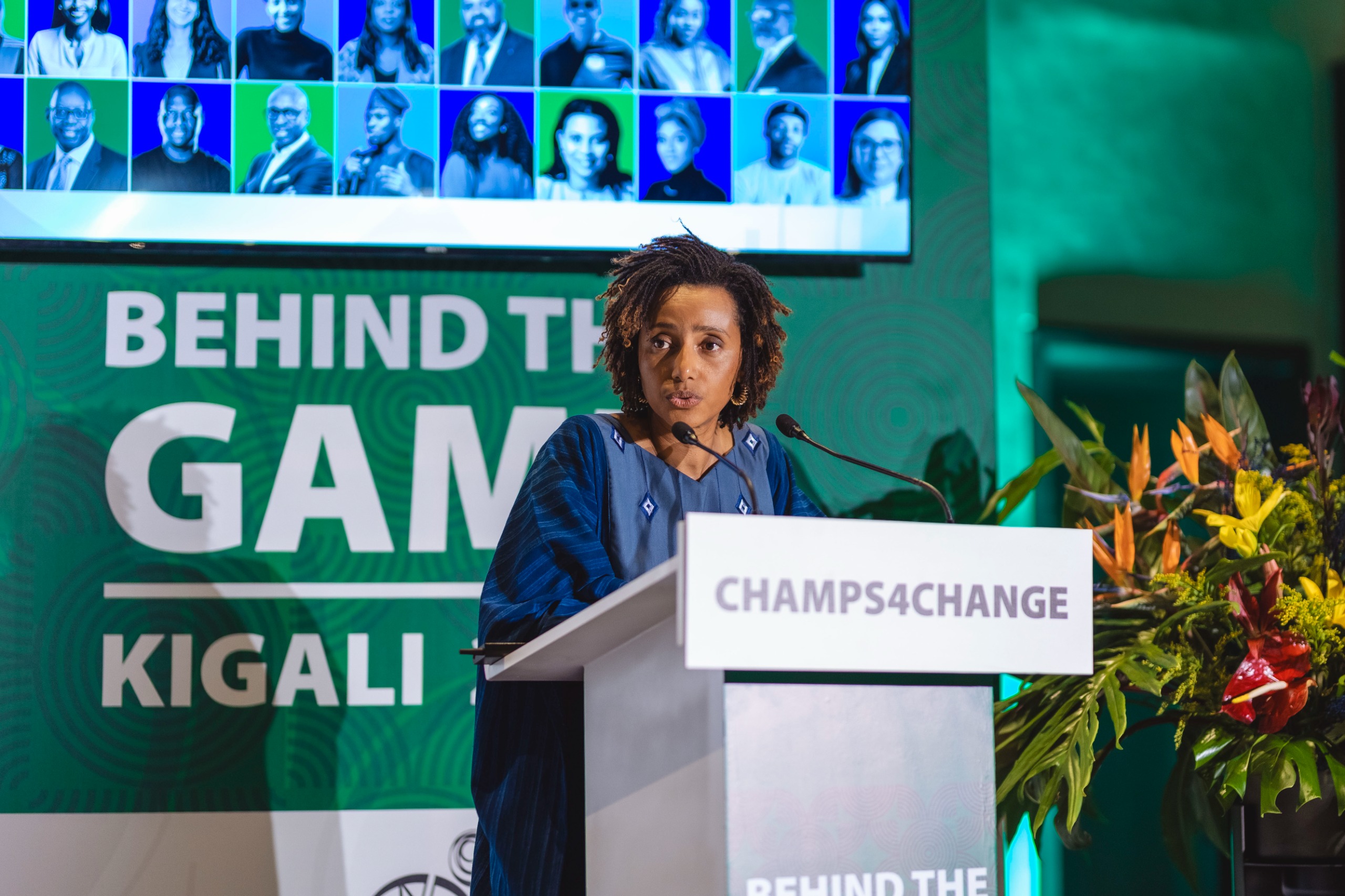
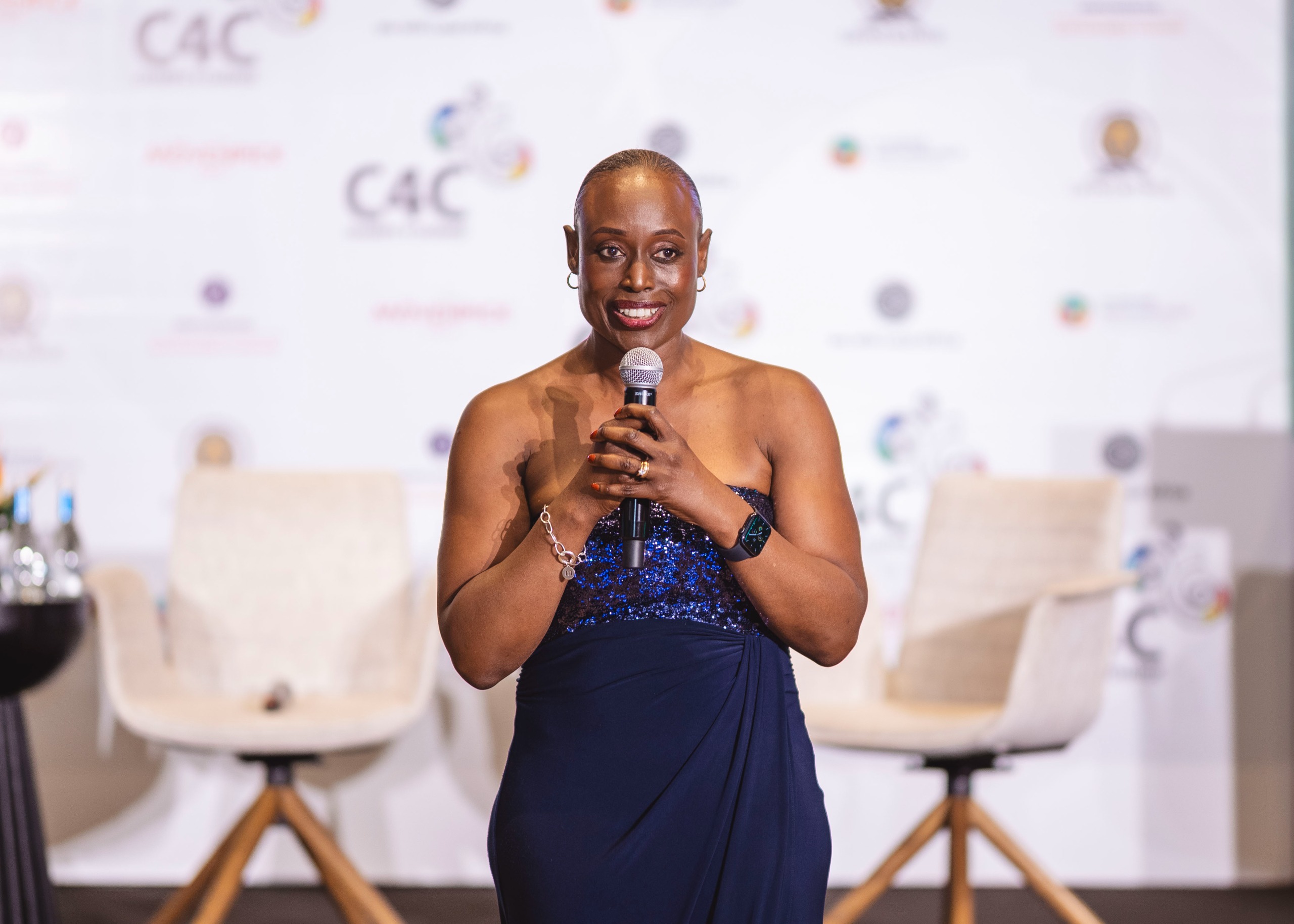
Held under the theme “Behind the Game” on the sidelines of the ongoing BAL Season 6 in Kigali, the event explored how sports can serve as a catalyst for economic growth, innovation, job creation, and youth empowerment across the continent.
Speaking during the event at Mövenpick Kigali, Rwanda’s Permanent Secretary in the Ministry of Sports, Candy Basomingera, said sport should be viewed as more than entertainment, describing it as a vehicle for opportunity, identity, innovation and national development.
“Behind every athlete we celebrate, there is a system. Behind every championship, there is infrastructure. Behind every successful sports economy, there are teachers, coaches, physiotherapists, analysts, investors and event organisers,” she remarked.
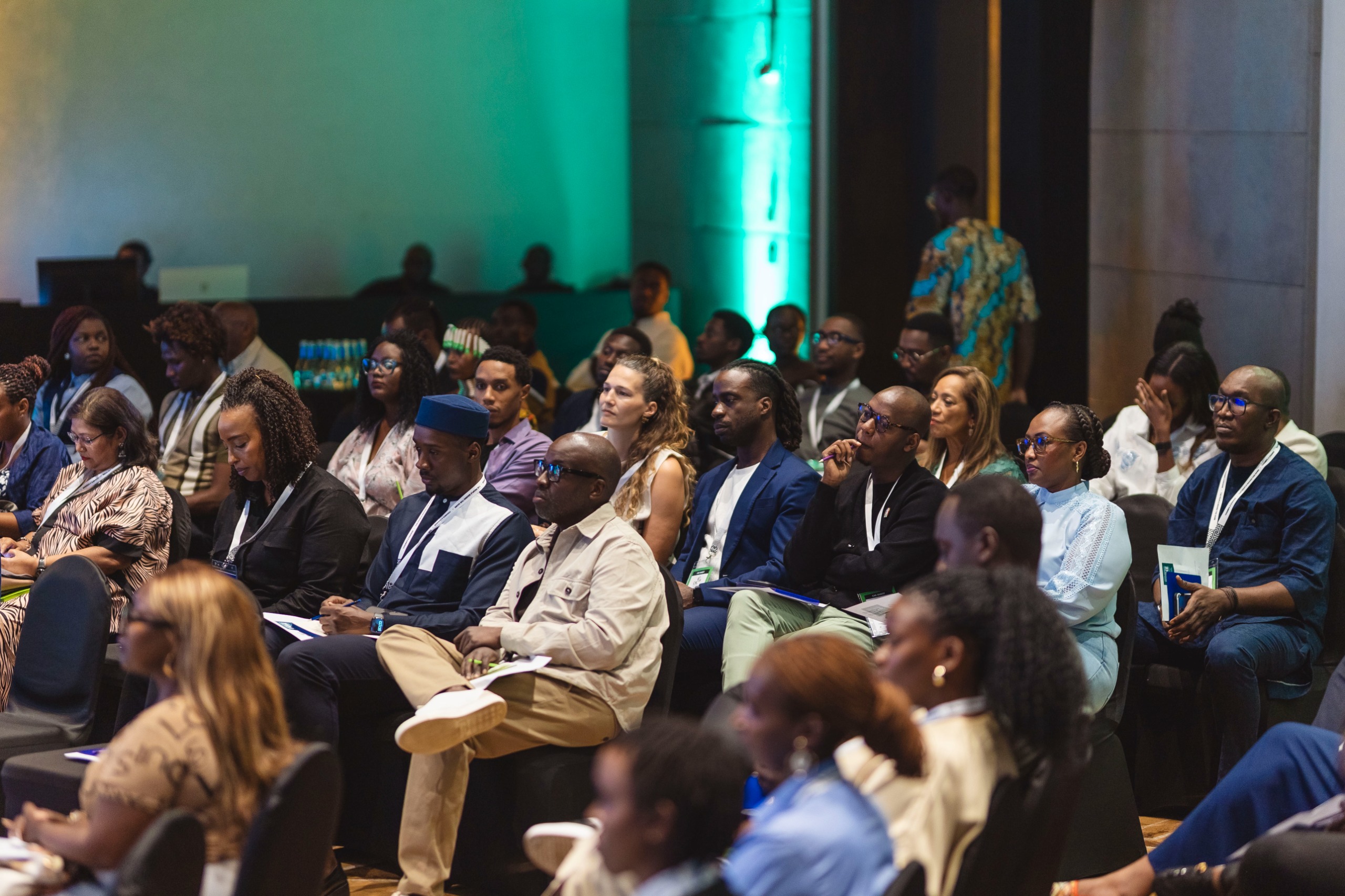
The event brought together sports leaders, investors, policymakers and young people from across Africa.
Basomingera highlighted Rwanda’s investments in sports infrastructure, including BK Arena and Amahoro Stadium, as part of the country’s broader strategy to position sport as a pillar of national transformation. She noted that Rwanda’s ambition extends beyond hosting events to building an ecosystem that connects sport with tourism, technology, education, health and youth employment.
With nearly 70 percent of Africa’s population under the age of 30, she said the continent’s young people represent its greatest asset and that sport can help bridge the gap between talent and economic opportunity.
“Globally, the sports economy contributes roughly 5 percent of GDP, yet in Africa the sector still represents only a small fraction of that. That gap should inspire us because it shows how much room there is to grow,” the PS noted.
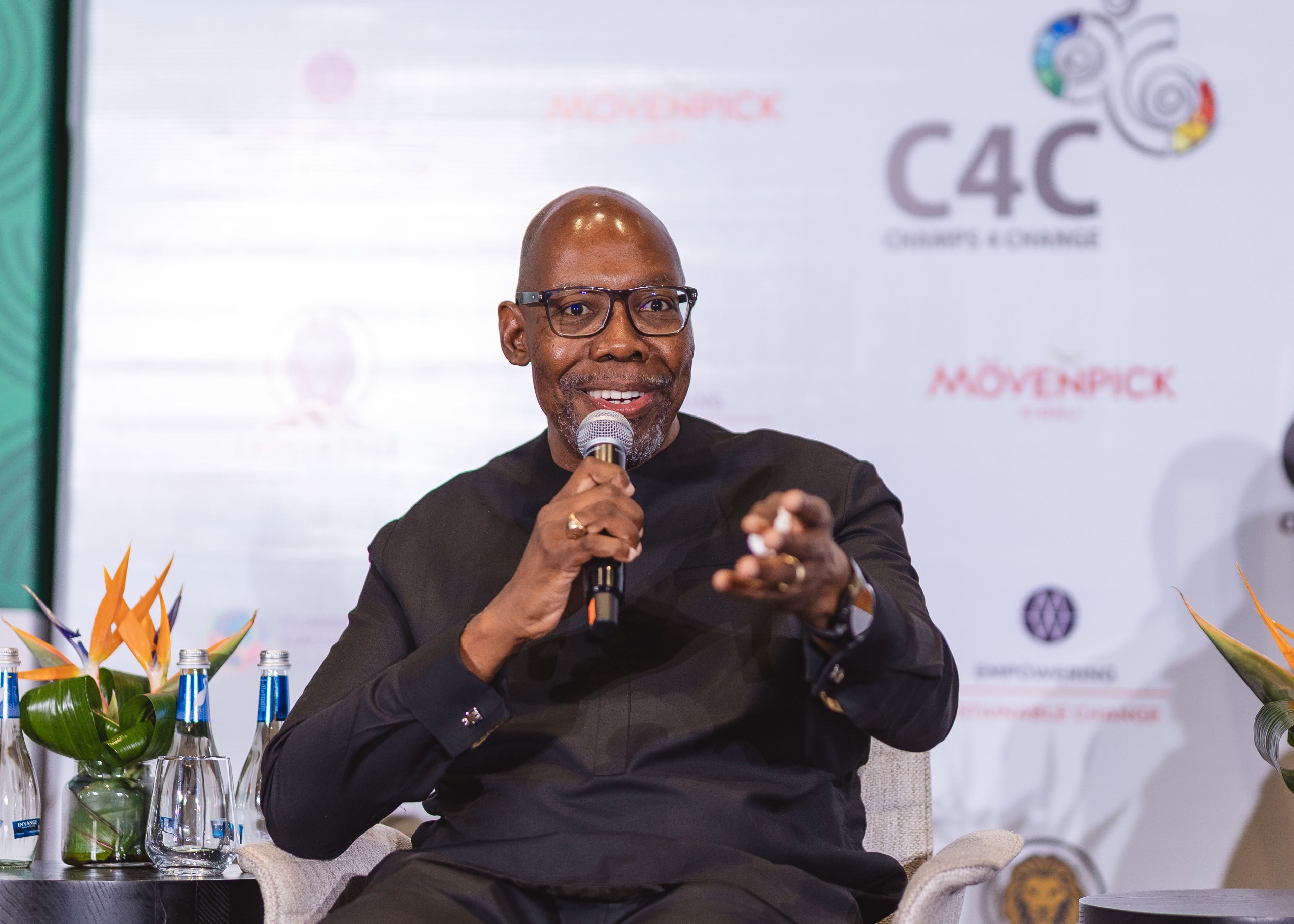
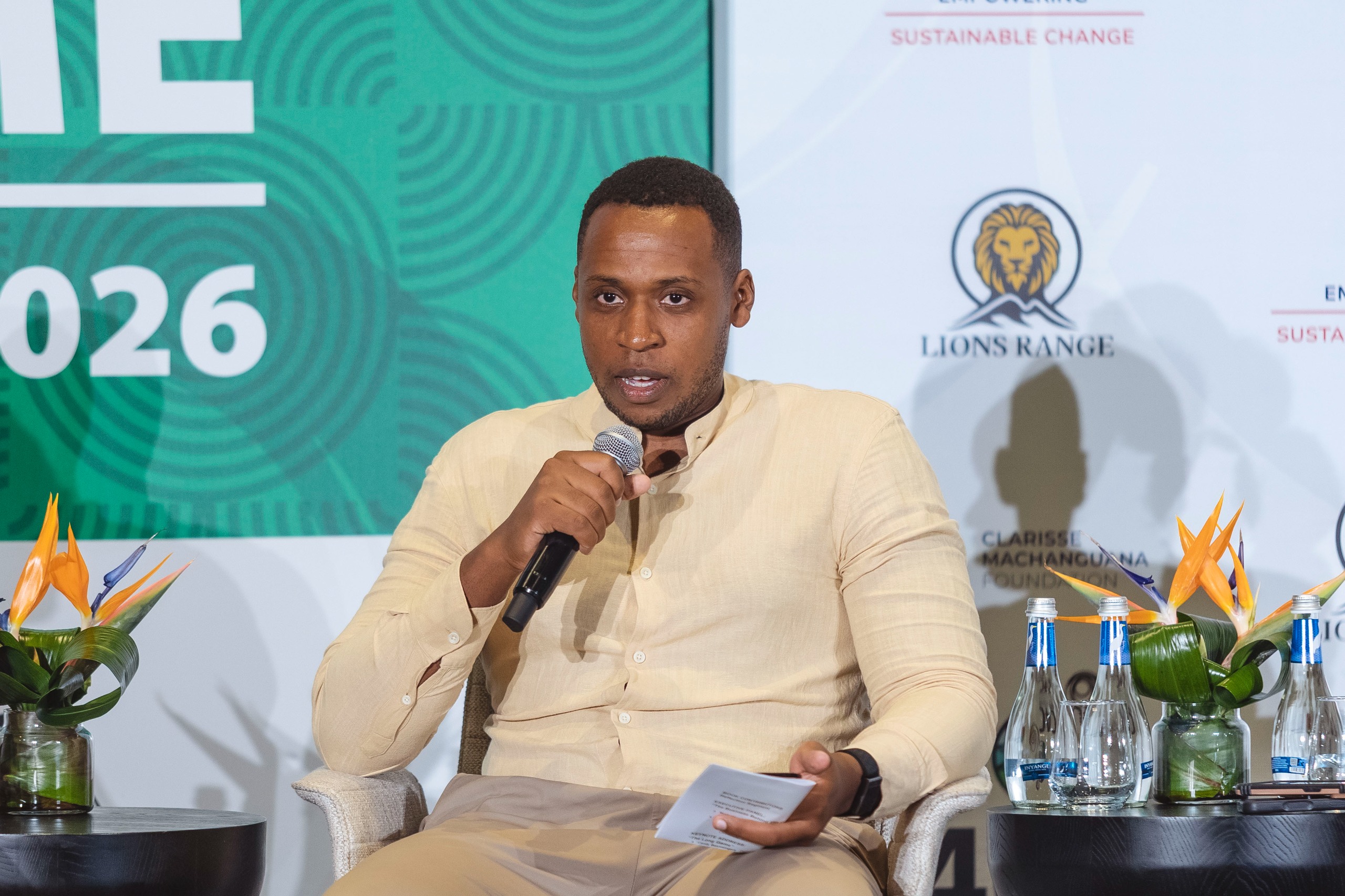
The event featured a fireside discussion with Victor Williams, Managing Partner at Lions Range and former CEO of NBA Africa, who shared lessons from helping build the Basketball Africa League (BAL).
Victor Williams, Managing Partner at Lions Range and former CEO of NBA Africa, highlighted the importance of vision, partnerships and investment in building Africa’s sports ecosystem.
Williams identified four ingredients that have driven the league’s growth: vision, resources, partnerships and people. He credited collaboration between organisations such as the NBA, International Basketball Federation (FIBA), governments and private investors for helping transform a concept into one of the continent’s most visible sports properties.
“We have reached a major inflection point,” Williams stated, noting that investors who previously paid little attention to African sports infrastructure are increasingly viewing the sector as a viable opportunity.
Panel discussions also focused on the business potential of sport. Former NBA player and investor Ian Mahinmi revealed that Africa’s growing sports ecosystem presents opportunities not only for athletes but also for entrepreneurs, investors and innovators.
“The opportunity is to compete at a different level, not just on the court,” Mahinmi said. “We’re going to create champions off the court too.”
Former NBA player and investor Pops Mensah-Bonsu emphasised the importance of consistency in building sustainable sports ecosystems.
“Consistency builds community,” Mensah-Bonsu reiterated. “That is why I’m not surprised by where the BAL is today. Every year it has grown. By Year 6, the atmosphere, energy, fan engagement and social media response feel like an NBA playoff game.”
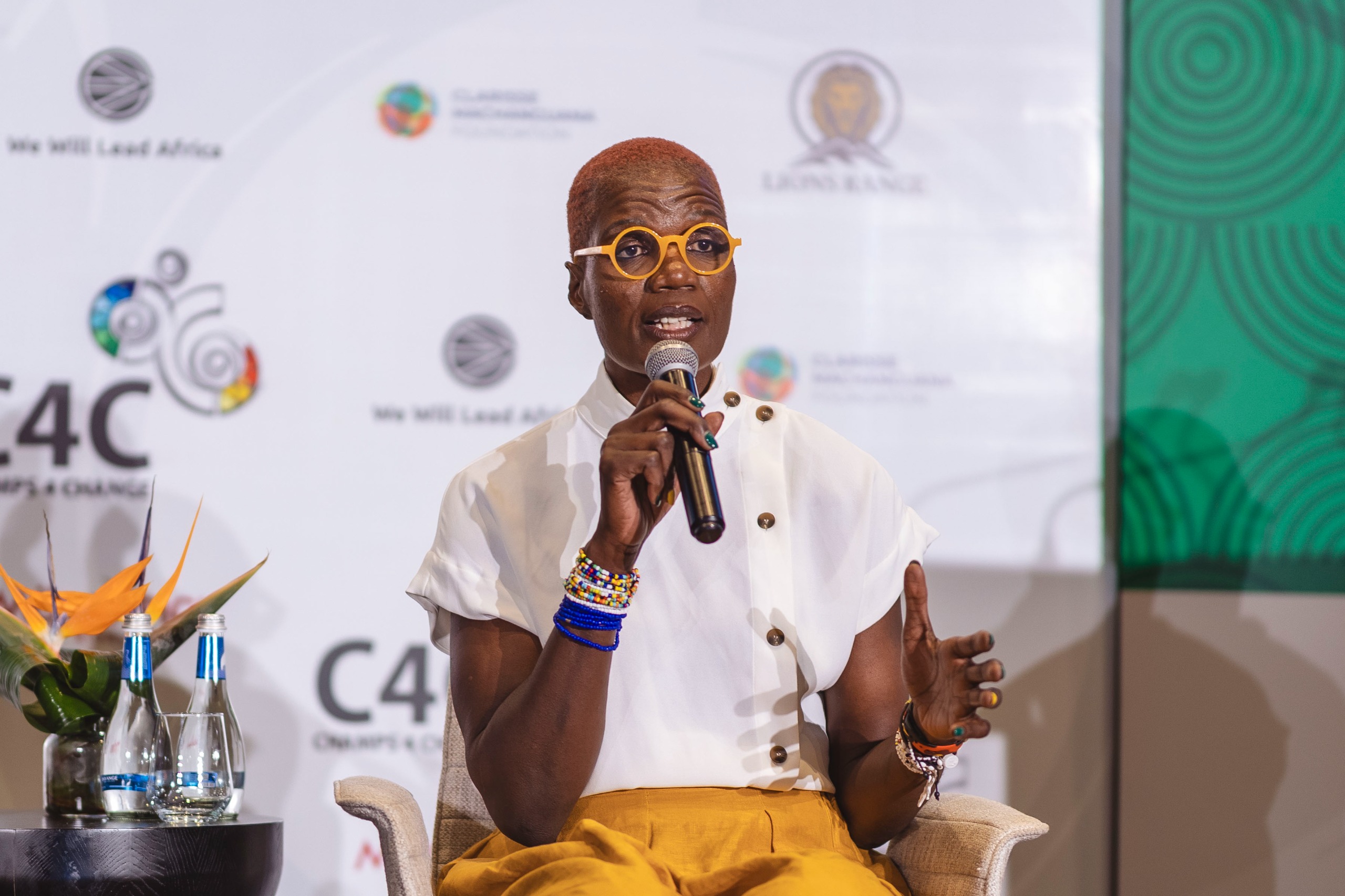
Former WNBA star, FIBA Hall of Famer and Champs for Change co-founder Clarisse Machanguana used the event to emphasise that the future of sport in Africa extends far beyond athletes and competition.
Former WNBA star, FIBA Hall of Famer and Champs for Change co-founder Clarisse Machanguana called on young Africans to explore the wide range of careers behind sport.
Speaking during the executive panel, Machanguana observed that one of the biggest opportunities for young Africans lies in understanding the many professions that make sporting events possible.
“The beauty of sport is that it opens people’s eyes to every layer required to make the game happen,” she stated. “When young people say, ‘I don’t play,’ the answer is that sport is not only about what already exists, it’s also about what you can bring.”
She encouraged young people to pursue careers in areas such as technology, event management, data analytics, media, marketing, administration and entrepreneurship, arguing that innovation would play a critical role in shaping the next phase of Africa’s sports industry.
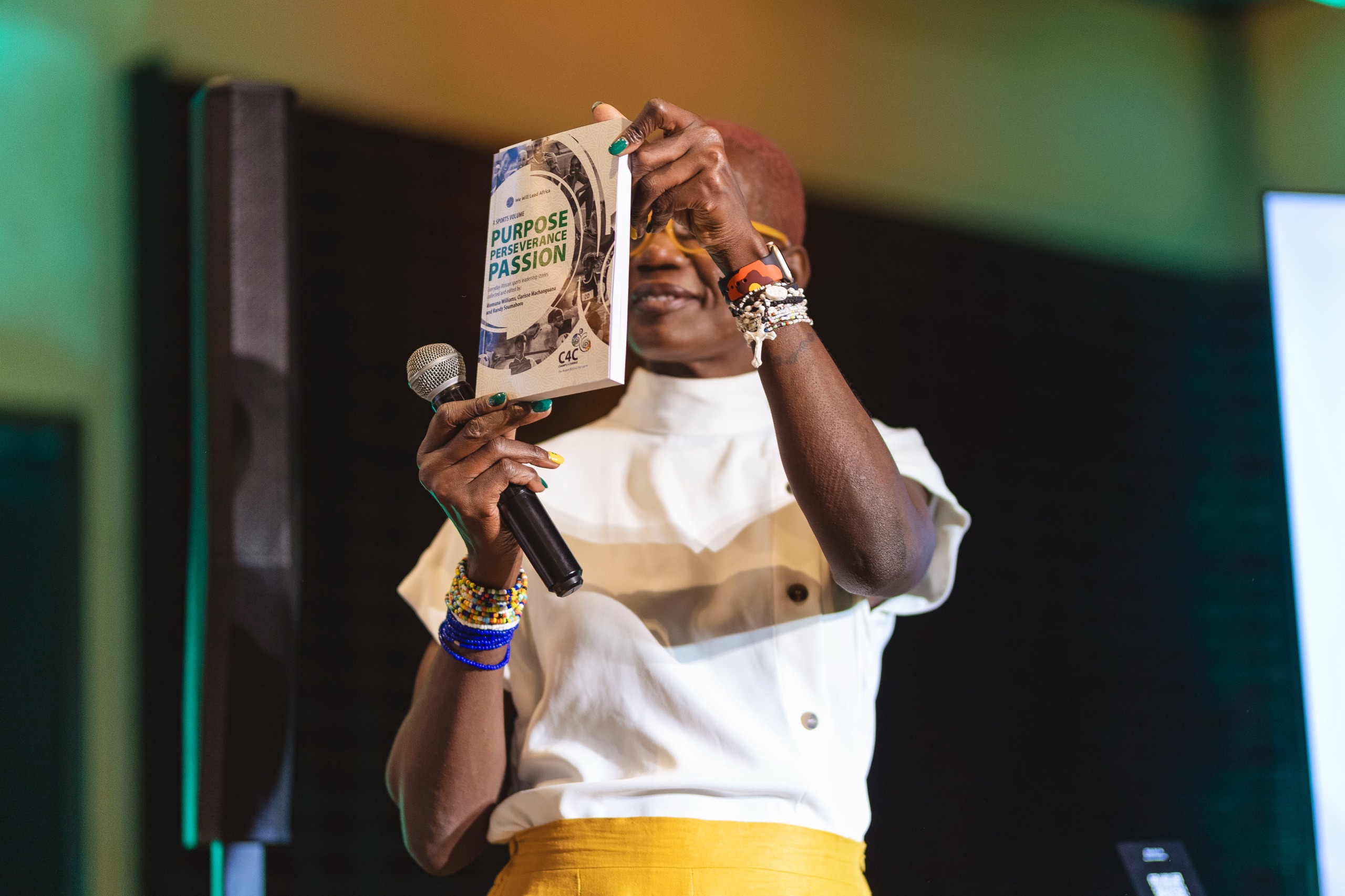
Machanguana signed copies of Champs for Change (C4C): The C4C and We Will Lead Africa (WWLA) Sports Volume, which features 40 inspirational stories from African athletes, executives, and advocates across the sports industry.
Machanguana emphasised that the continent’s youth must take ownership of emerging opportunities and use technology to create new solutions for the industry.
“We are in a time where innovation is welcome,” she pointed out. “The more young people take ownership, the more they will shape the future.”
Reflecting on the mission behind Champs for Change, Machanguana highlighted that the initiative was created to help young Africans transform their passion for sport into meaningful careers, businesses and leadership opportunities.
“Behind the game is all the preparation that leads to the entertainment on game day,” she noted. “There are data analysts, engineers, team managers, event organisers, and many other professionals who make sport possible. We want young people to understand that there is a whole world of opportunities behind the game.”
The former basketball star, who returned to Africa after a successful international career, said one of her proudest achievements has been creating a platform that equips young people with the training, mentorship, guidance and networks needed to succeed in the sports industry.
Looking ahead, she hopes to see young leaders emerging from C4C programmes and taking up decision-making roles within Africa’s growing sports ecosystem.
The event also featured youth-focused discussions, reflections from sports leaders and the presentation of Champs for Change’s one-year accountability report.
Bashir Ntwari, President of the Rwanda Boxing Federation, said Rwanda’s growing sports ecosystem is helping unlock local talent, but called for more investment in infrastructure and coaching.
Founded in 2025, Champs for Change is a pan-African social enterprise that equips young Africans aged 16 to 30 with mentoring, training, networks, and resources to turn their passion for sport into careers and enterprises. The organisation, co-founded by Machanguana, Dr. Memuna Williams, and Randy Soumahoro, aims to reach 20,000 young leaders by 2035 through programmes and hubs across the continent.
As discussions concluded, speakers agreed that Africa’s future in sport extends far beyond the field of play. The challenge now, they reiterated, is ensuring that young people are equipped to help build and lead the industries that power sport across the continent.
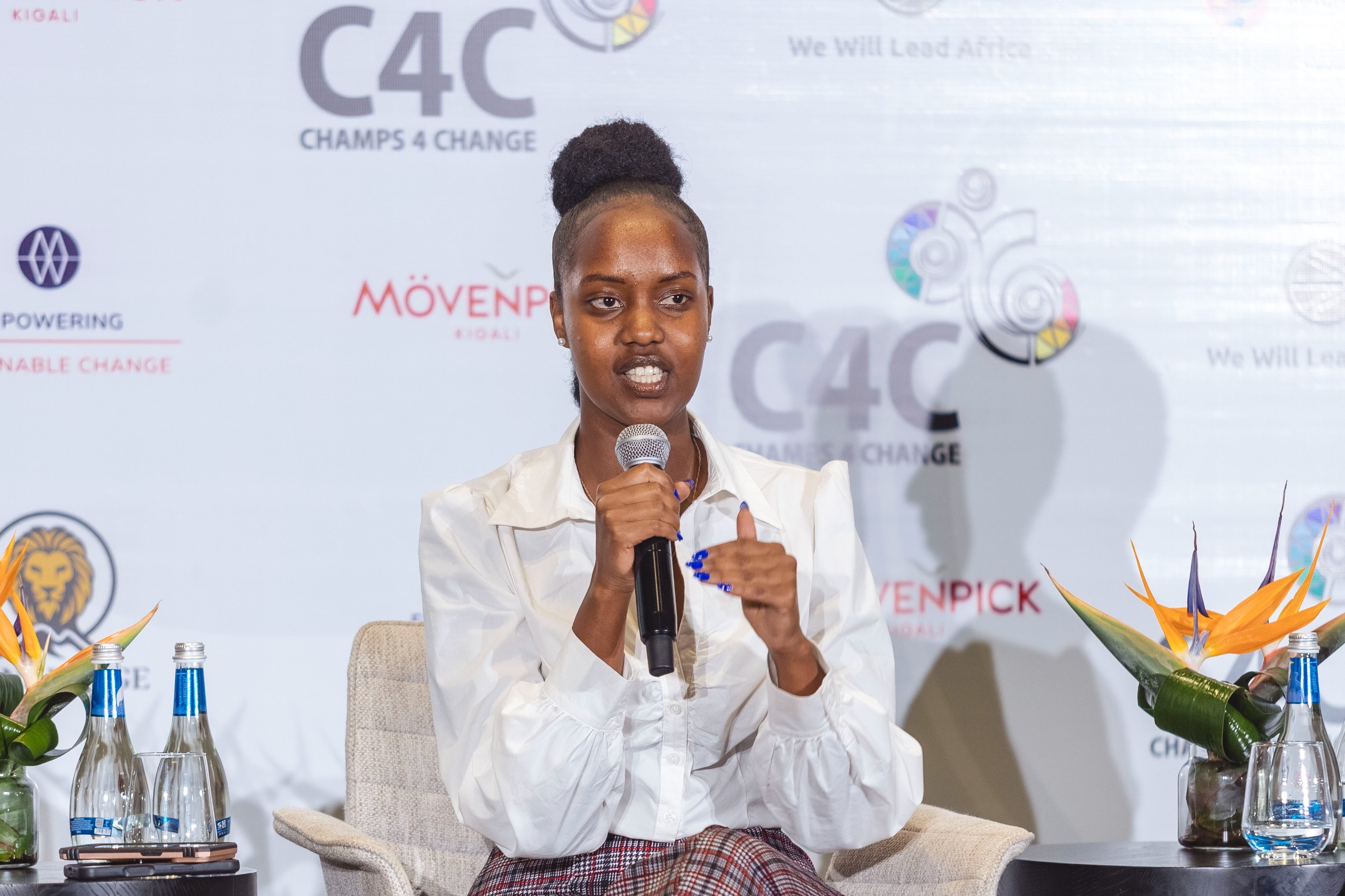
Rwanda’s Permanent Secretary in the Ministry of Sports, Candy Basomingera, said sport should be viewed as more than entertainment, describing it as a vehicle for opportunity, identity, innovation and national development.Dr. Memuna Williams, co-founder of C4C, is a lifelong sports enthusiast and executive focused on sustainable change and entrepreneurship.Bashir Ntwari, President of the Rwanda Boxing Federation, said Rwanda’s growing sports ecosystem is helping unlock local talent, but called for more investment in infrastructure and coaching.Paula Kami, Event Manager at the Ministry of Sports, Rwanda, encouraged young people to pursue their passions and dare to dream, sharing her journey from volunteering with Giants of Africa to interning at the Ministry of Sports and later being hired.
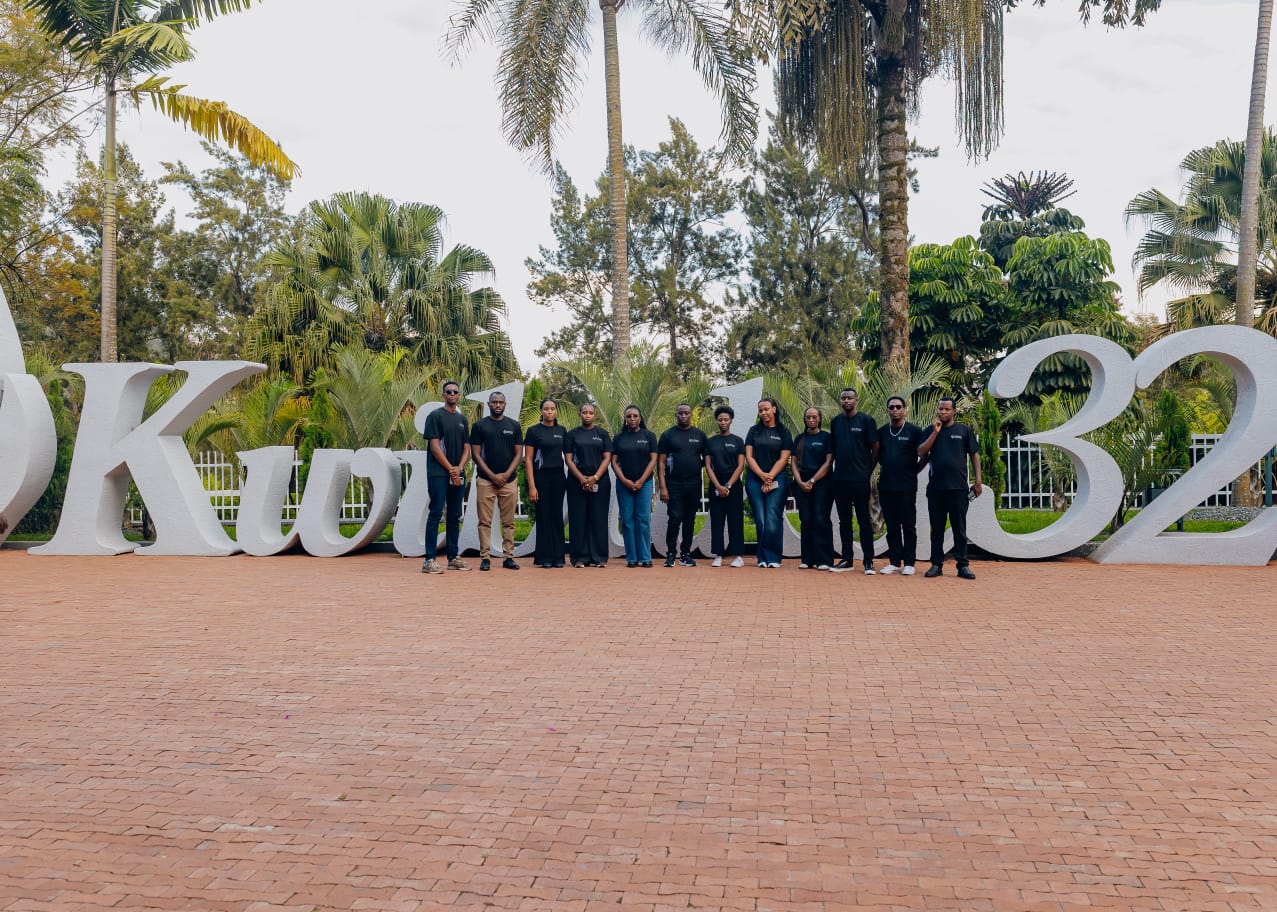
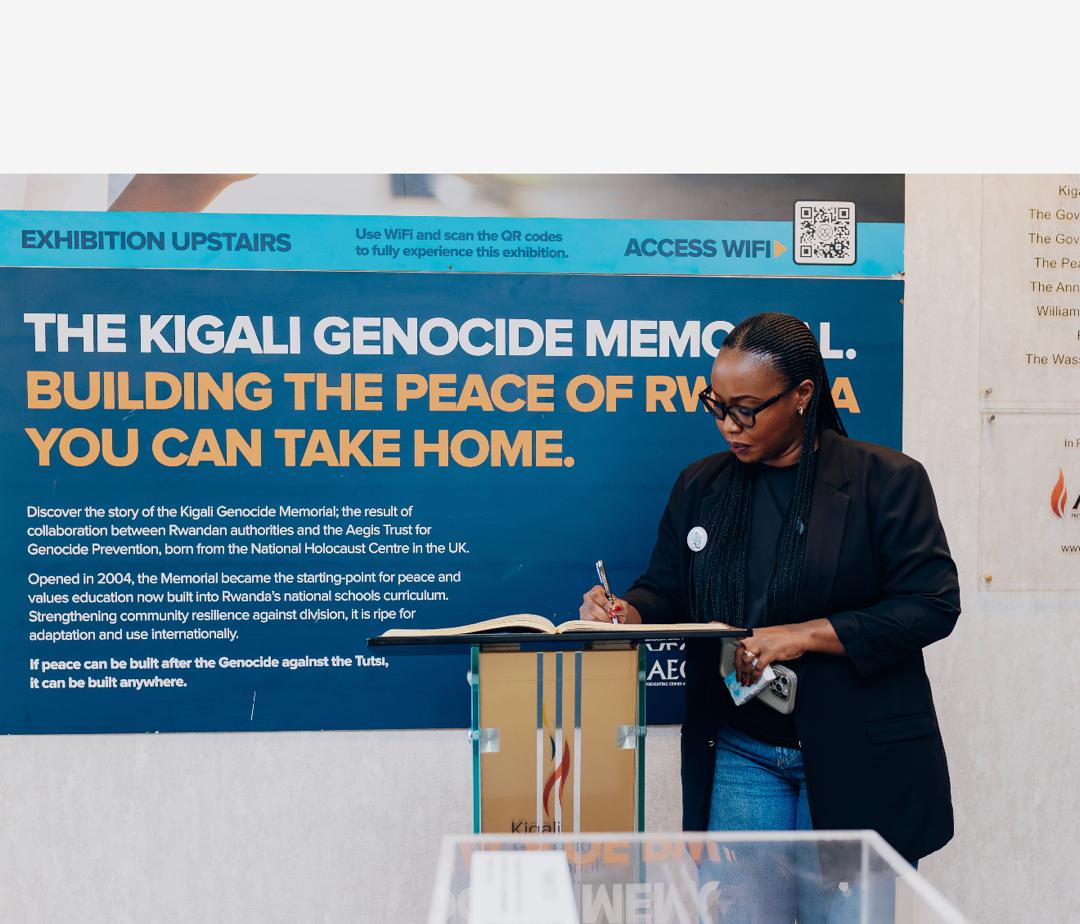
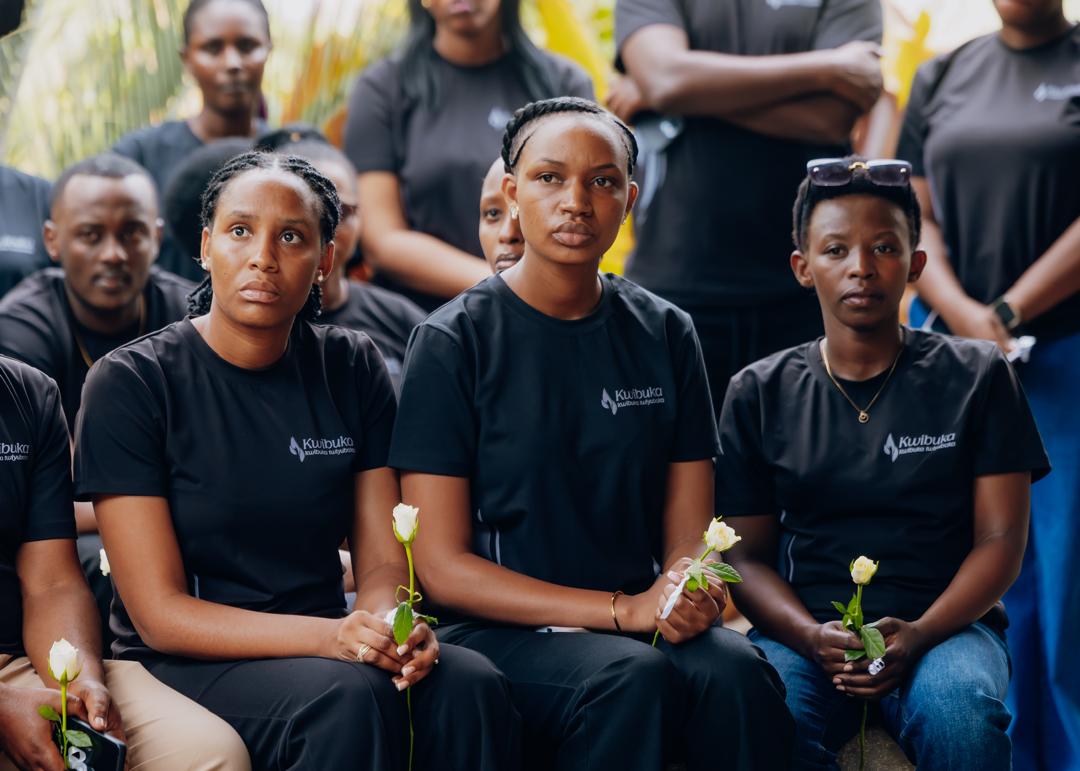
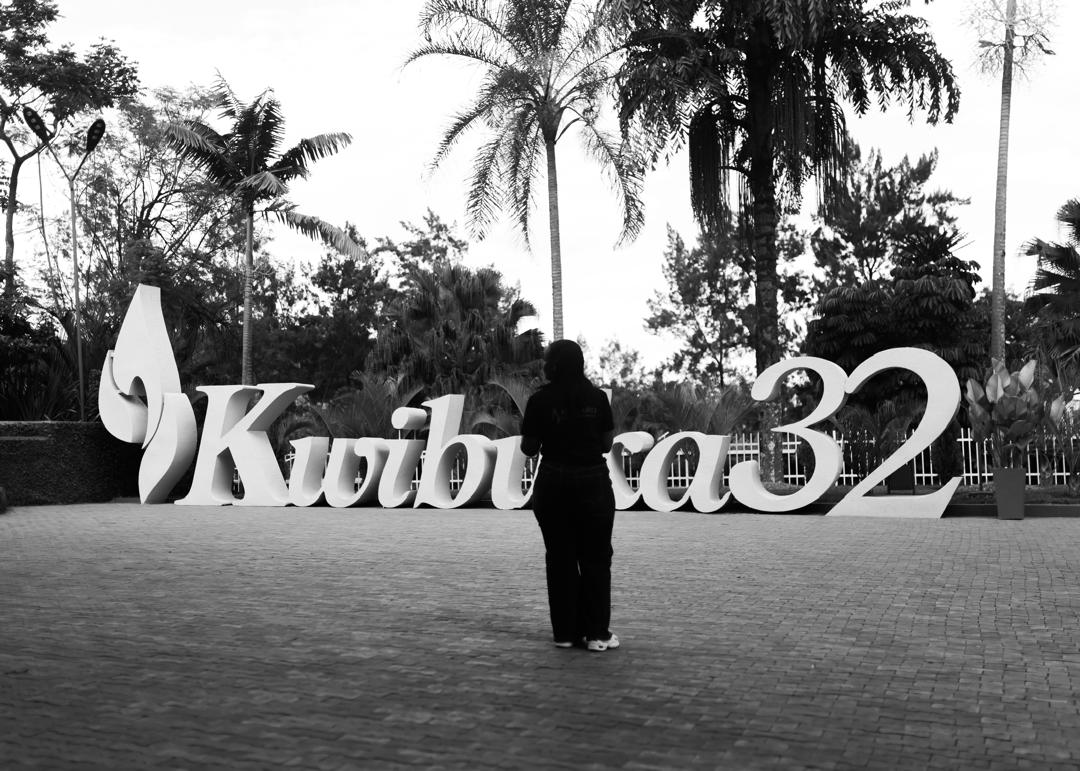
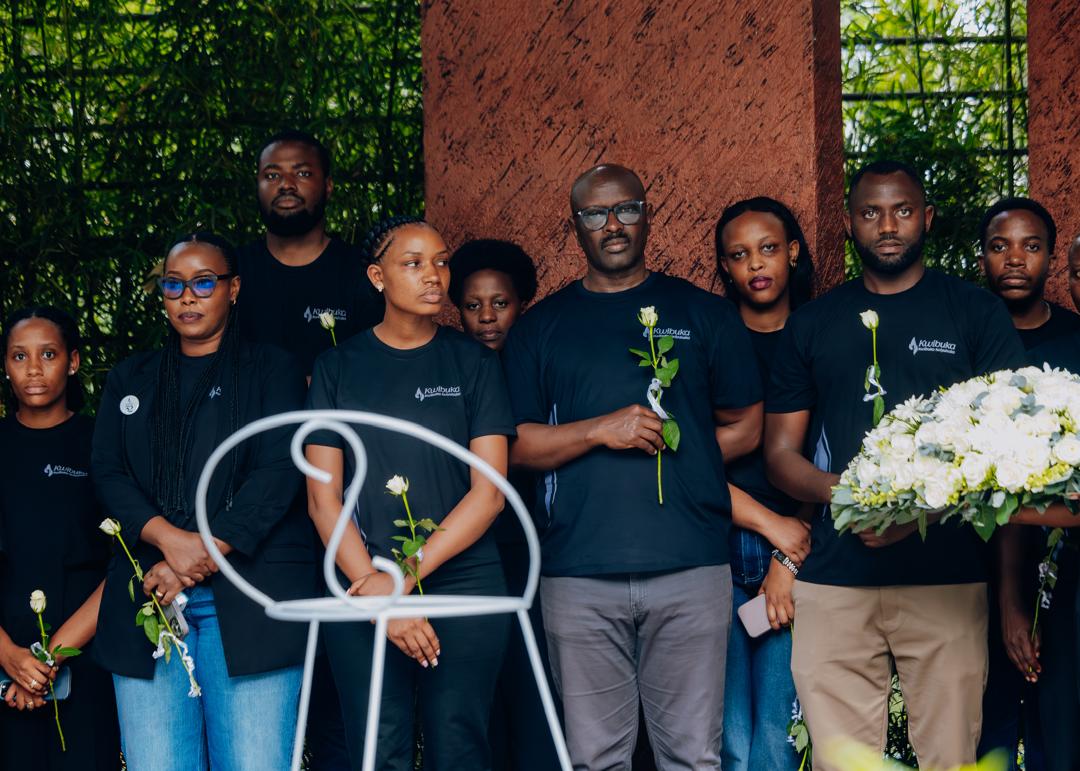
The two activities took place on May 29, 2026. The staff first toured the Kigali Genocide Memorial, where they were taken through the history of the 1994 Genocide against the Tutsi, including how it was planned and executed.
They were guided through different exhibition sections that document the events leading up to and during the genocide.
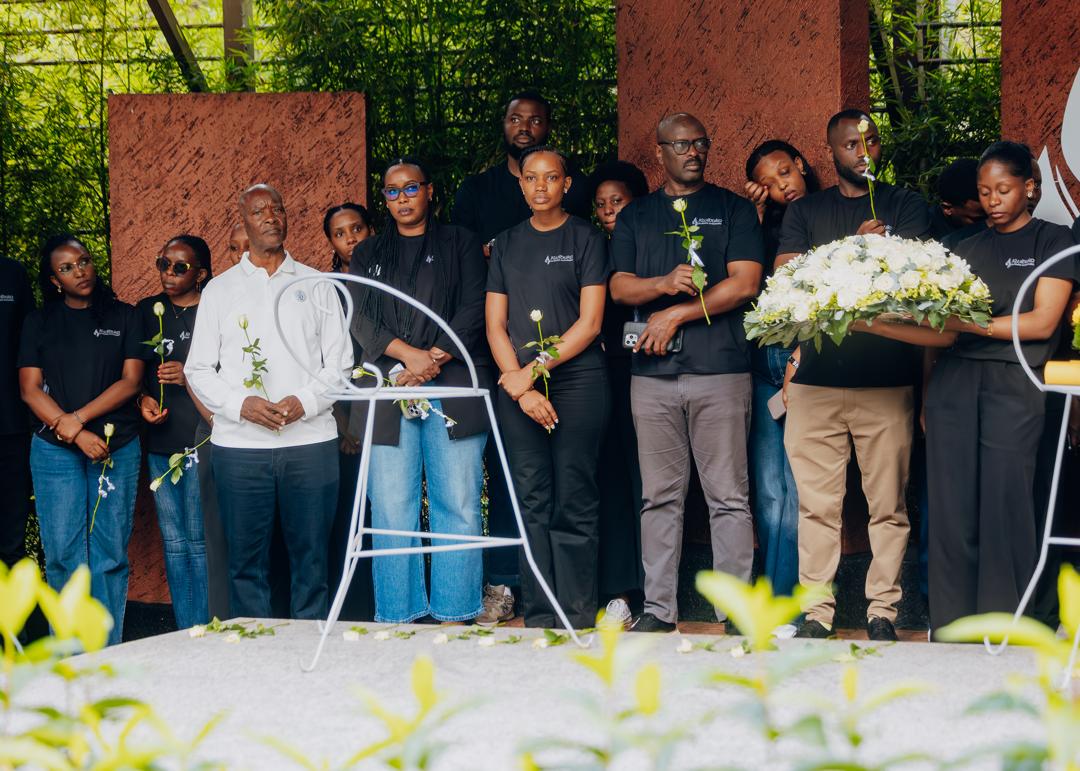
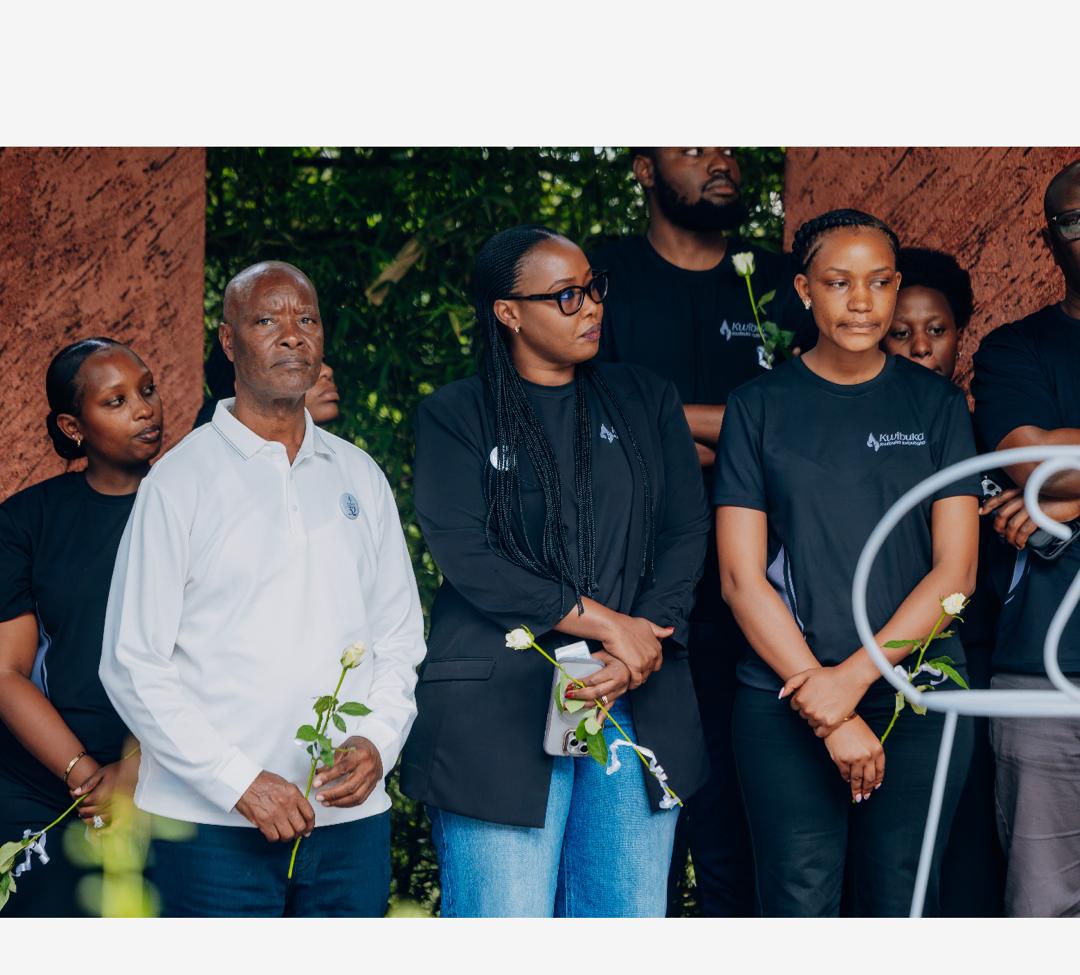
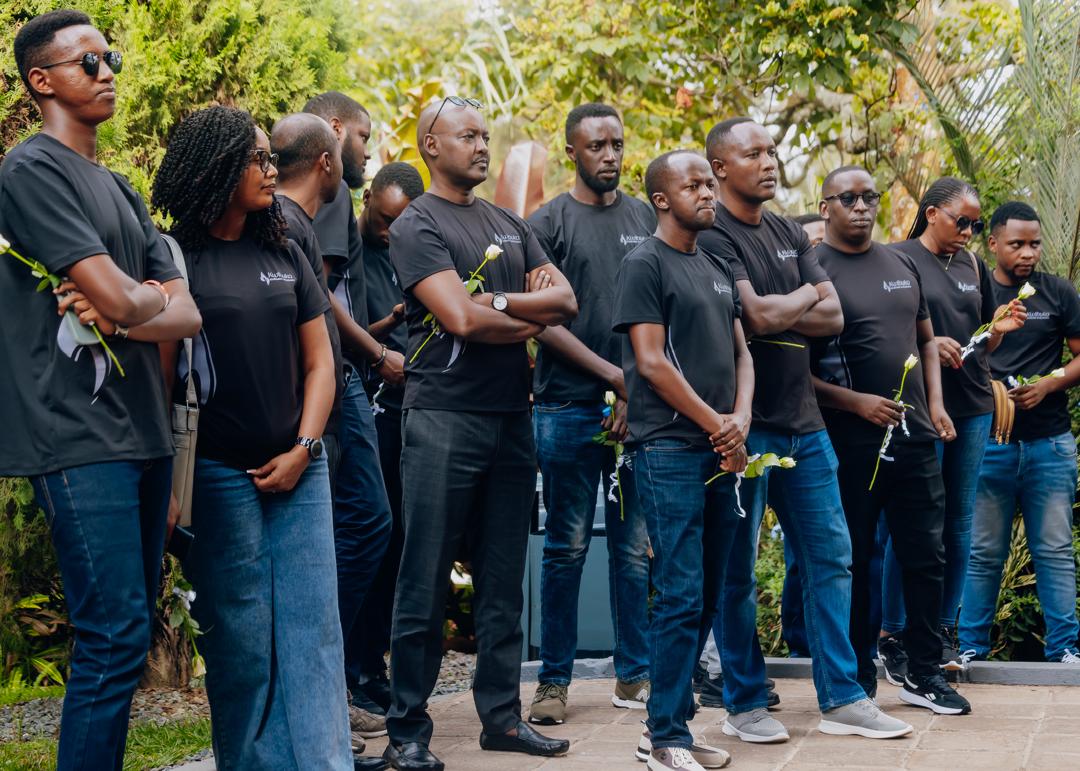
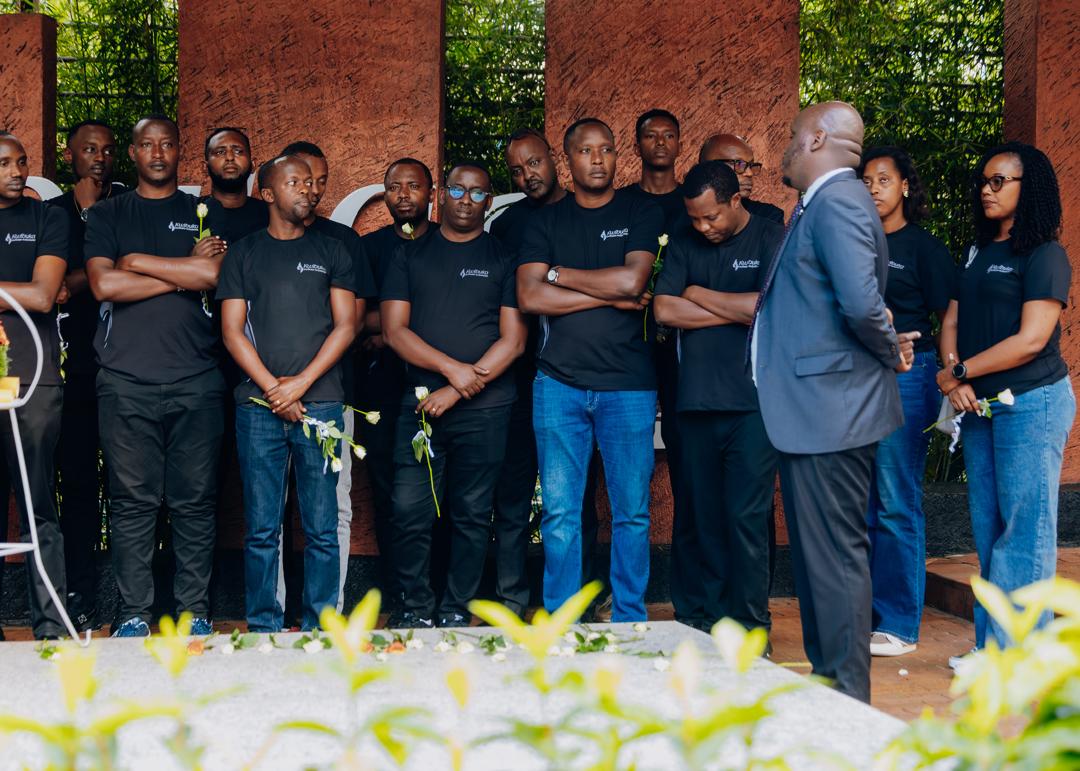
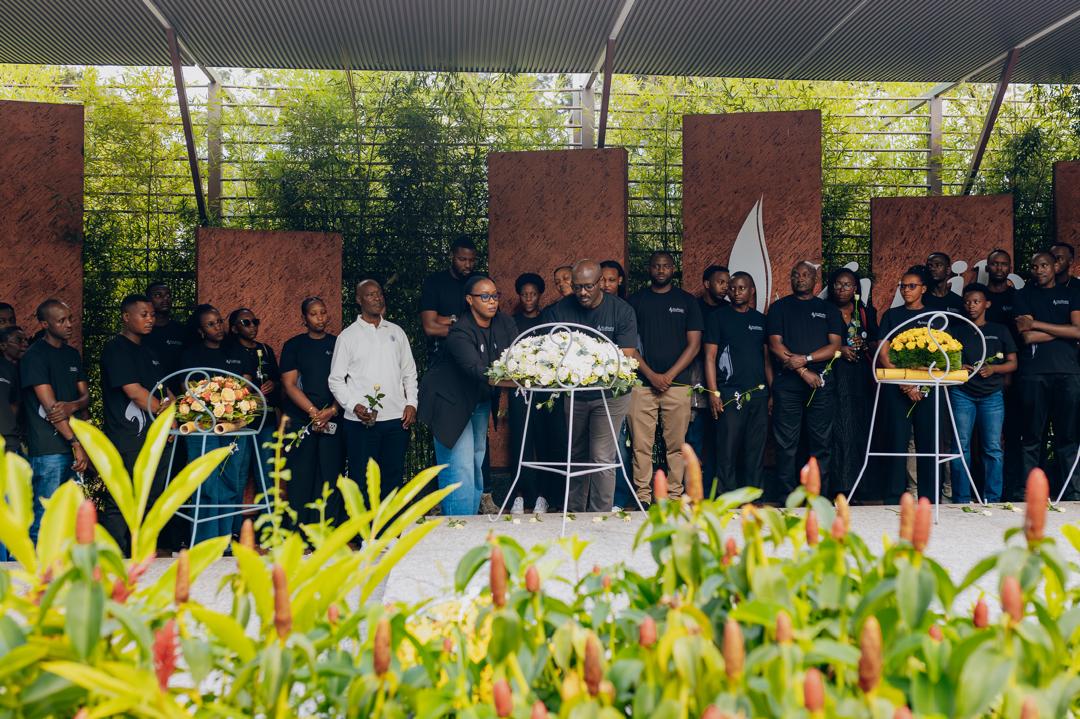
They then observed a moment of silence in honor of more than 250,000 victims buried at the memorial and laid wreaths at the burial site as a sign of respect.
After the memorial visit, employees of Prime International Carriers Ltd proceeded to Remera Sector in Gasabo District, where they visited a house they are constructing for Iribagiza Chantal, a genocide survivor.
The housing project, which is nearing completion, is intended to provide improved living conditions for the survivor and her family.
Speaking during the visit, Prime International Carriers Ltd Rwanda Managing Director Akimana Audrey said commemorating the Genocide against the Tutsi is an important duty, but added that it should also be accompanied by efforts to support survivors and contribute to rebuilding their lives.
“We also think about people who were affected by the Genocide against the Tutsi, so each year we try to support at least one survivor in order to stand with them on this journey and show them that the future is bright,” she said.
Akimana also noted that visiting the memorial offers an important opportunity to learn from history, especially for young people and foreign employees working at the company, helping them understand the past and build a better future based on those lessons.
She added: “The most important thing we must do is to move forward without forgetting. In particular, we must fully understand this history of genocide and teach it to young people and future generations so that it never happens again.”
Prime International Carriers Ltd provides logistics services including international freight forwarding for imports and exports, customs clearance support, and facilitation of trade for Rwandan businesses.
Beyond Rwanda, the company also operates in Burundi, Tanzania, Uganda, and Kenya.
Employees of Prime International Carriers Ltd observed a moment of silence at the Kigali Genocide Memorial in honor of victims of the 1994 Genocide against the Tutsi.Company staff reflected on lessons from history during a visit to the Kigali Genocide Memorial. Prime International Carriers Ltd Rwanda Managing Director Akimana Audrey said commemorating the Genocide against the Tutsi is an important duty, that should also be accompanied by efforts to support survivors and contribute to rebuilding their lives. Company staff toured exhibitions at the Kigali Genocide Memorial, learning about the history and events of the 1994 Genocide against the Tutsi.Prime International Carriers Ltd management and staff laid wreaths at the Kigali Genocide Memorial as part of their remembrance activities.Staff of Prime International Carriers Ltd pay tribute at the Kigali Genocide Memorial in Gisozi during a commemorative visit on May 29, 2026.
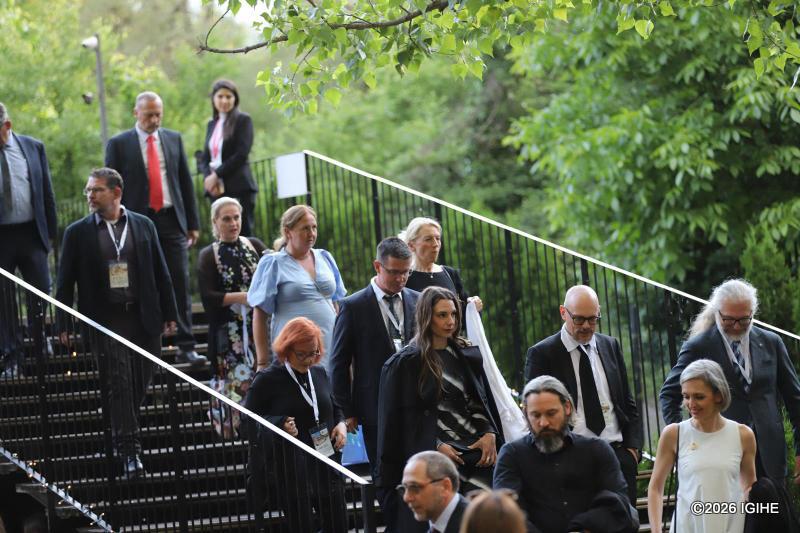
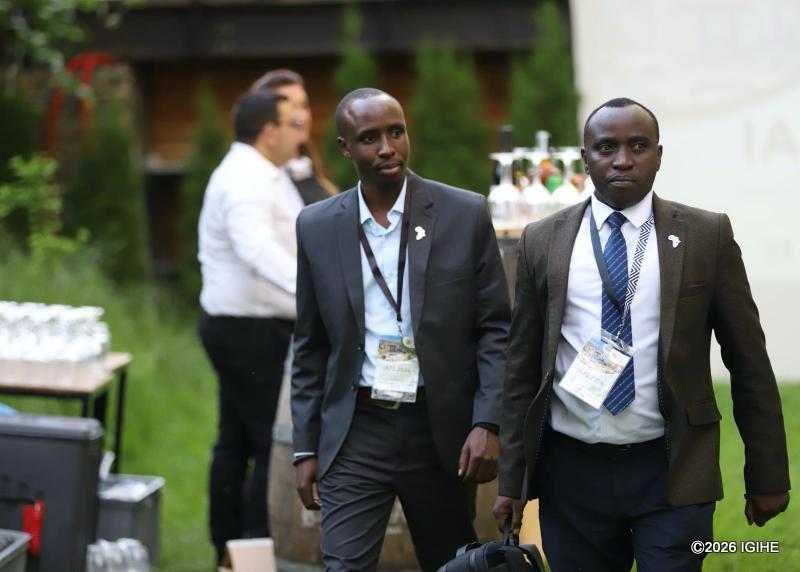
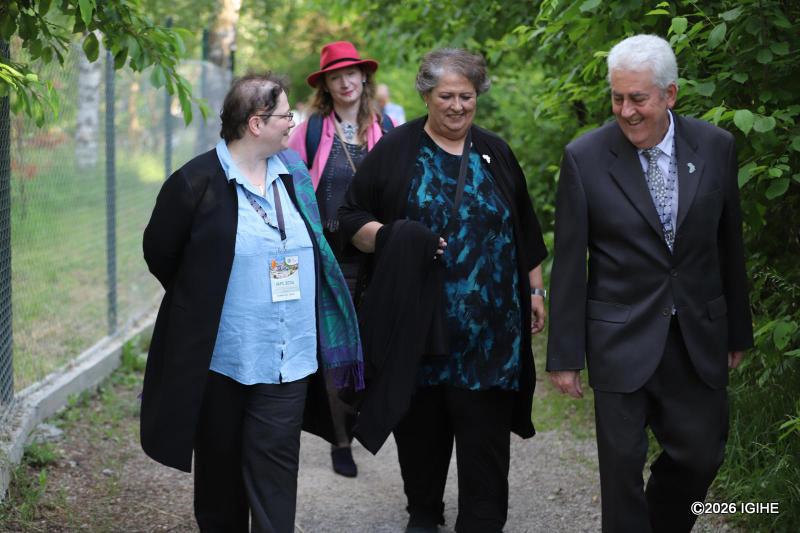
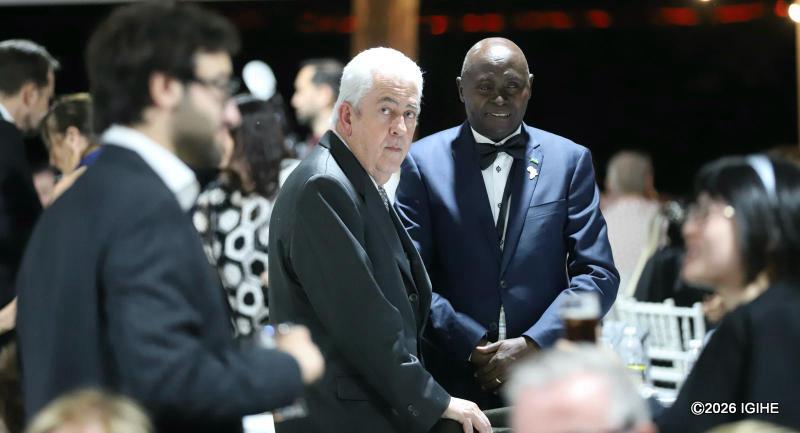
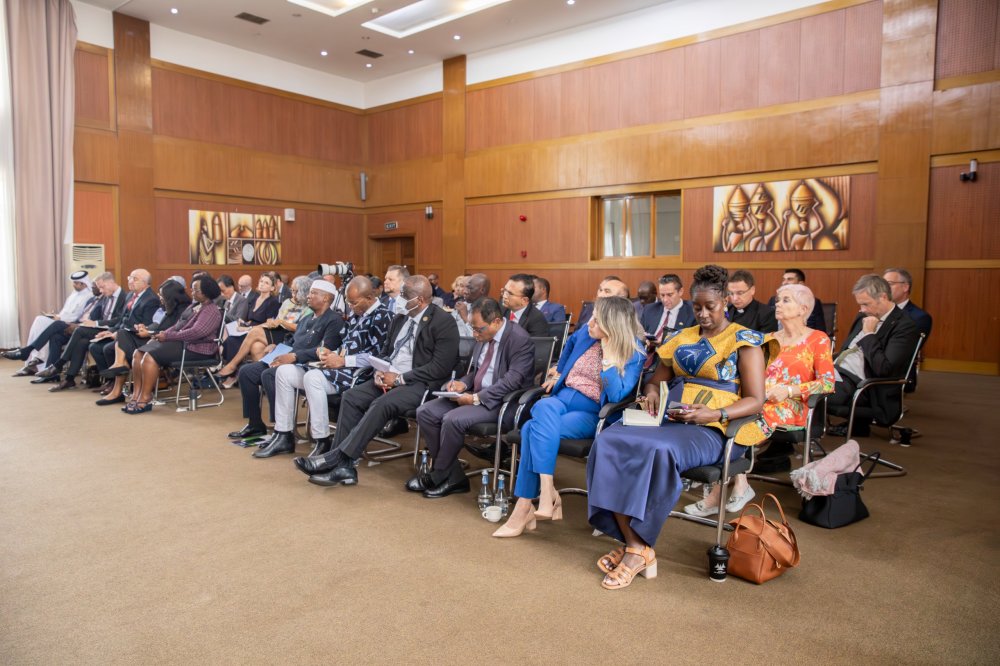
The agreements were concluded during the International Association of Forensic Sciences (IAFS 2026) conference, currently taking place in Sofia, Bulgaria. The global forum brings together researchers, scientists, and forensic experts to exchange knowledge and address challenges facing the sector.
Rwanda is represented at the conference by the Rwanda Forensic Institute (RFI), in collaboration with the African Forensic Sciences Association (AFSA), which has been headquartered in Kigali since 2022.
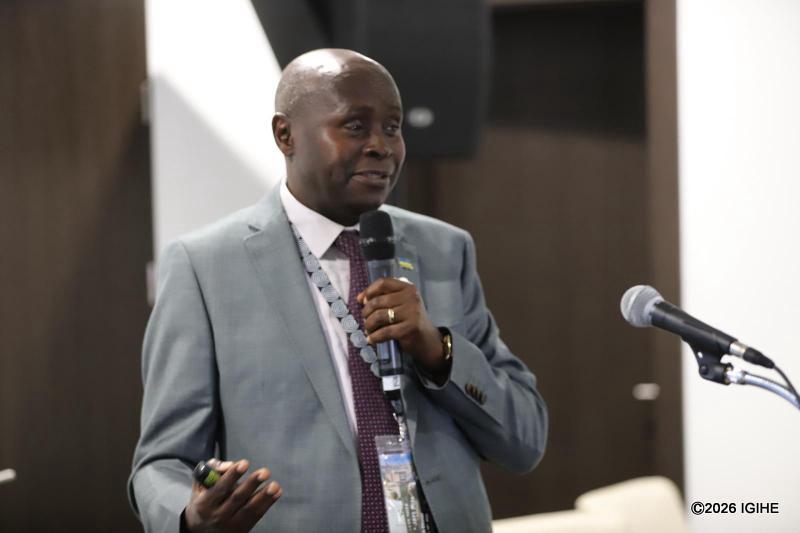
Speaking to IGIHE, RFI Director General Dr. Charles Karangwa said the event, which opened on May 25, 2026, provided Rwanda with valuable exposure, expertise, and new partnerships.
He noted that RFI continues to expand its footprint in forensic science, adding that its services are no longer limited to Rwandans but are increasingly attracting international clients.
“For example, last year we received people from 45 countries. Many of them come as tourists, but also take advantage of the services offered by RFI,” he said.
Dr. Karangwa highlighted that RFI’s uniqueness lies in its integrated structure, housing more than 10 laboratories under one institution, unlike in many countries where forensic labs are scattered across different security agencies and often inaccessible or expensive for civilians.
He added that Rwanda’s growing visibility in international conferences has increased global awareness of gaps in forensic services, attracting more people to seek services in the country.
“They say these services are usually within security institutions and are expensive elsewhere. I will go on holiday to see Rwanda’s beauty and at the same time access testing services at RFI,” he said, adding that government subsidies help make services more affordable for foreigners and Rwandans alike.
He noted that continued demand could eventually reduce costs for Rwandans as well.
Participation in IAFS 2026 is considered a major milestone for RFI, as it strengthens international collaboration and opens doors for future expansion. The institute also used the forum to secure partners that will support its ongoing projects.
RFI is currently implementing a five-year strategic plan that includes expanding its presence across Rwanda’s provinces and scaling its operations across Africa.
Dr. Karangwa said the conference also provided an opportunity to promote Rwanda’s model of integrated forensic services.
“Today we held a meeting bringing together Africans. It is an opportunity to showcase what we have so that others can understand and collaborate with us,” he said. He added that many participants were surprised by Rwanda’s advanced forensic capabilities, comparable to those in Europe and the United States.
He explained that Rwanda’s approach to forensic science was partly shaped by its history.
“As a country that suffered the 1994 Genocide against the Tutsi, there was a need to use scientific evidence to deliver unquestionable justice,” he said. “Every Rwandan should feel that the justice they receive is based on science and cannot be challenged.”
Beyond partnerships, Rwanda also used the conference to promote its ambition of establishing a model African training school for forensic science professionals.
RFI said the event helped raise visibility for the project and attract support from potential partners.
The IAFS, founded in 1957, is considered one of the world’s leading platforms for forensic science cooperation. Its conferences have been hosted across Europe, North America, Asia, and Oceania, but never in Africa or South America.
Rwanda had submitted a bid to host the 2029 edition of the conference. Competing with the United Kingdom, Brazil, Mexico, and Saudi Arabia, Rwanda lost to Brazil.
Dr. Karangwa said Brazil won after multiple bids and due to the rotation principle, with Africa and South America still awaiting their first hosting opportunities.
He added that Rwanda was encouraged to reapply in the future once Africa’s turn becomes more favorable.
In addition to networking and promotion, Rwanda also secured cooperation agreements with a Turkish justice ministry-affiliated institution and a French forensic organization.
Dr. Karangwa said preparations are also underway for the 2027 AFSA conference, for which Rwanda is actively promoting participation, with several partners already confirming attendance.
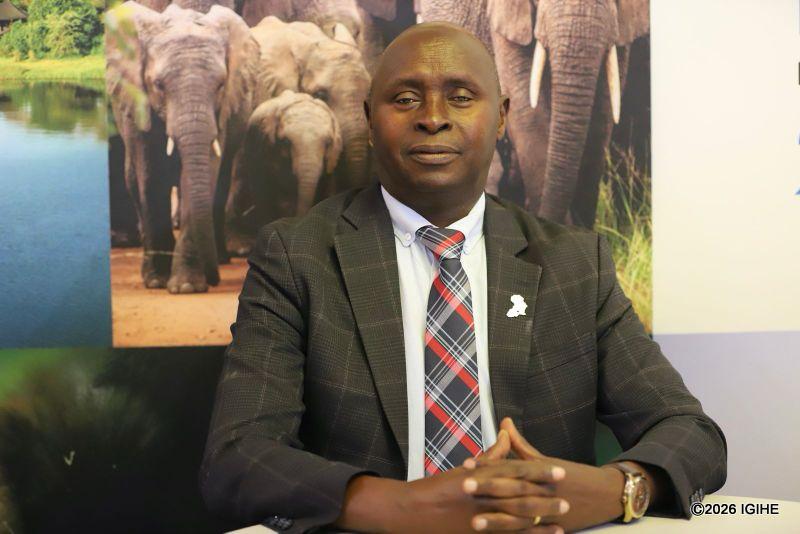
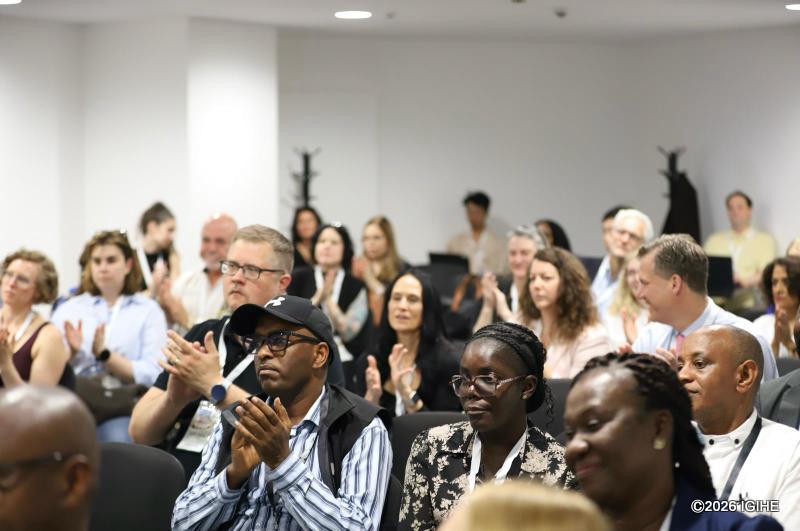
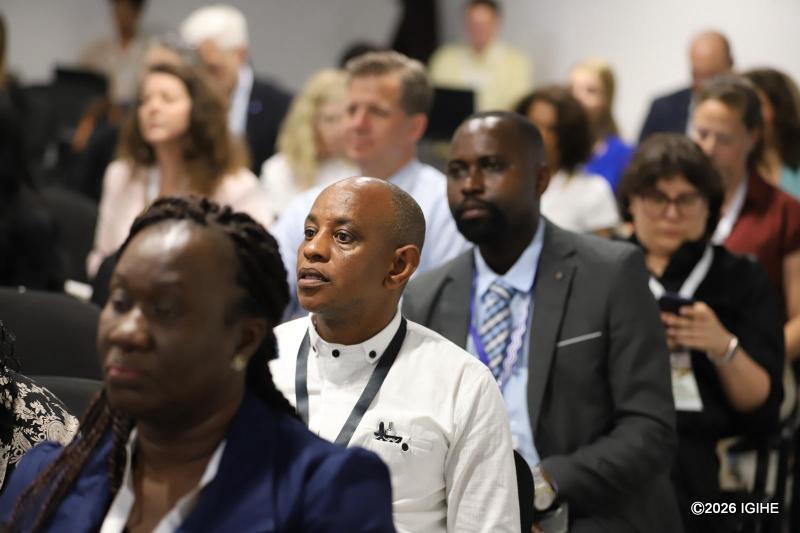
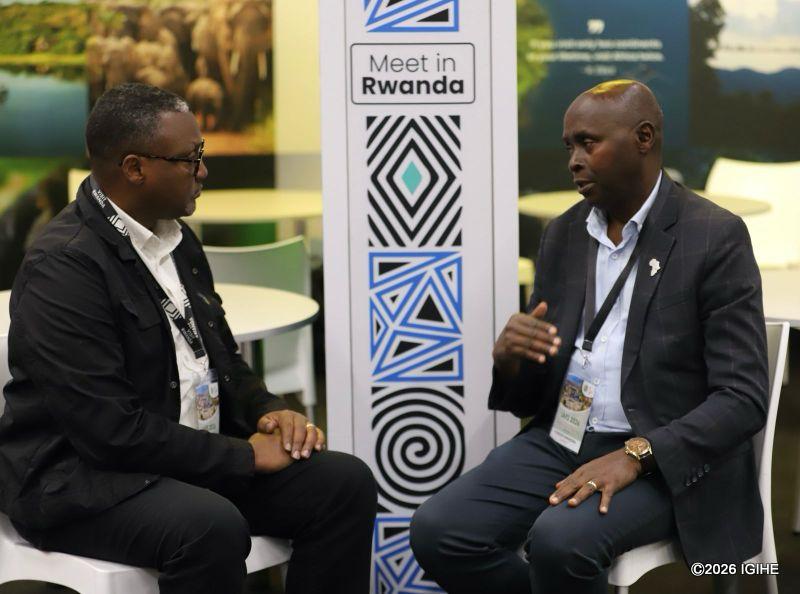
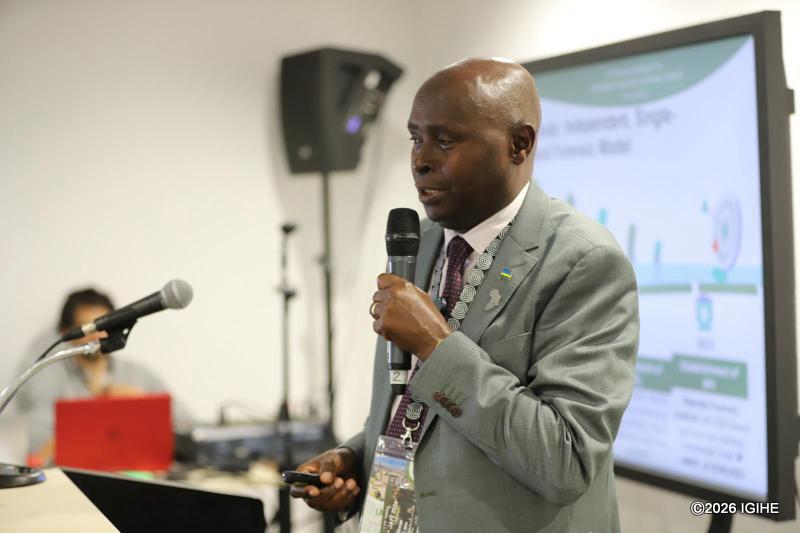
RFI Director General Dr. Charles Karangwa says the institution is ready to expand its operations across African countries.Participants at IAFS 2026 commend Rwanda for the progress made in advancing forensic science used in the justice system.RFI Director General Dr. Charles Karangwa delivered a presentation at IAFS 2026, highlighting Rwanda’s significant progress in the sector.Participants at IAFS 2026 follow a presentation delivered by RFI Director General Dr. Charles Karangwa.RFI Director General Dr. Charles Karangwa during an interview with IGIHE.
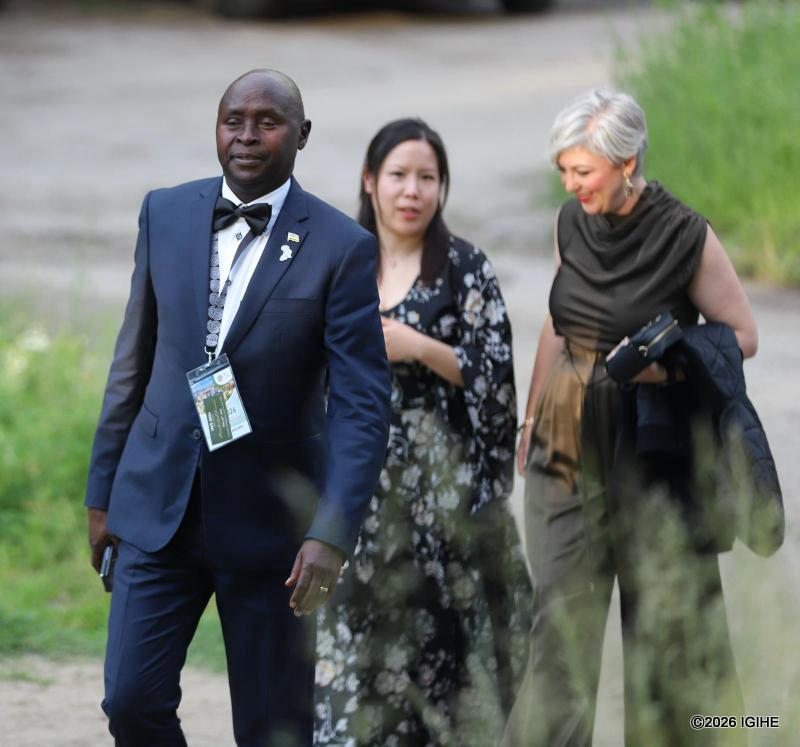
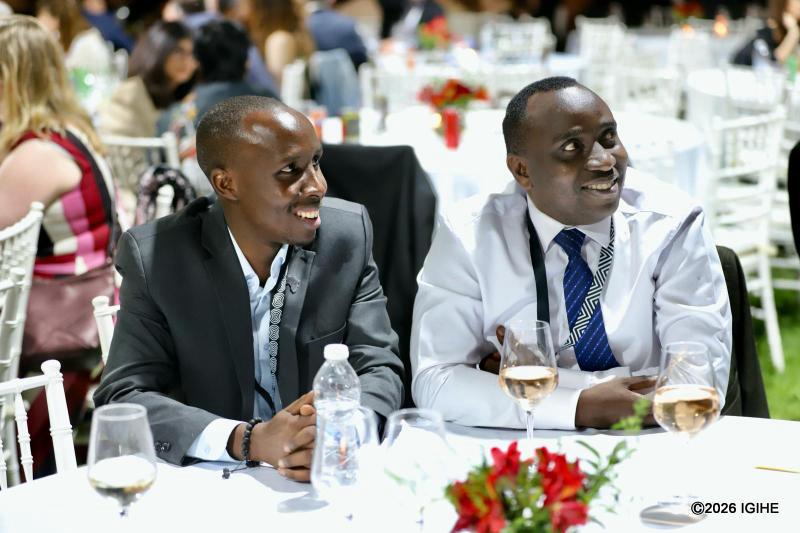
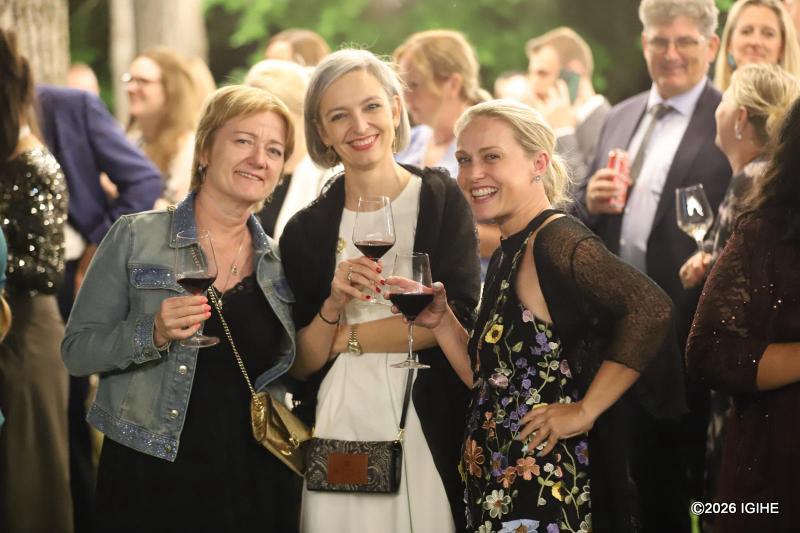
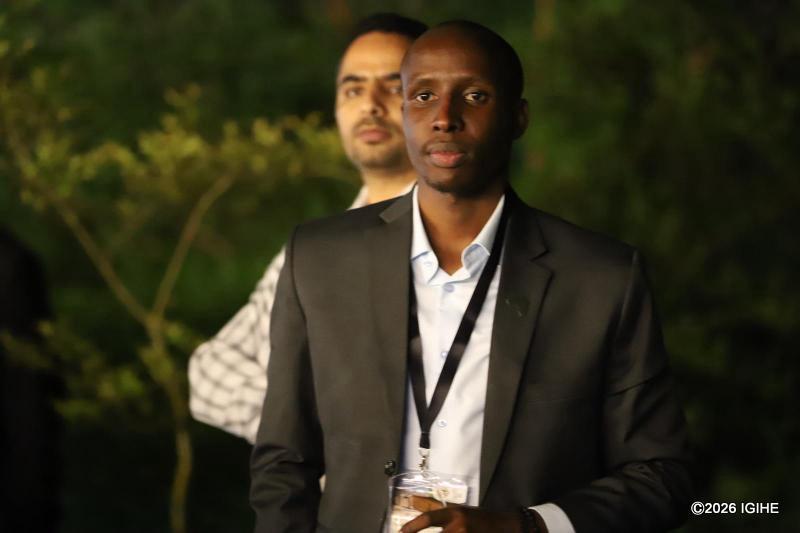
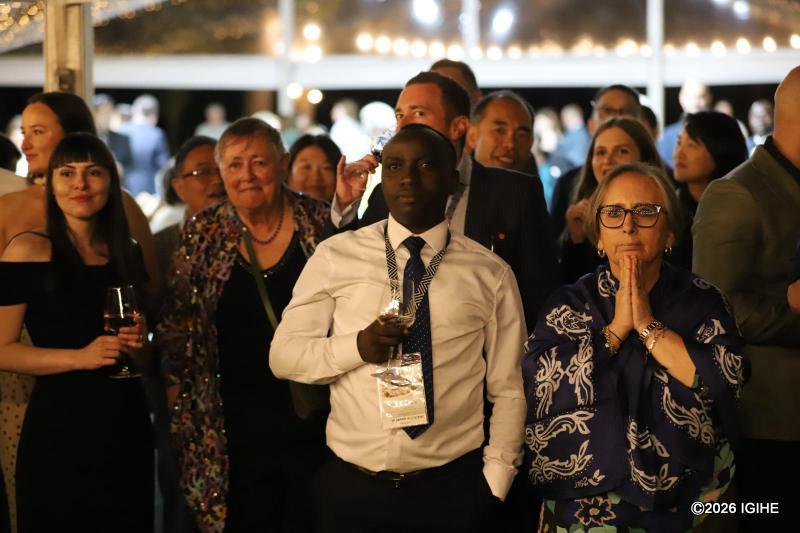
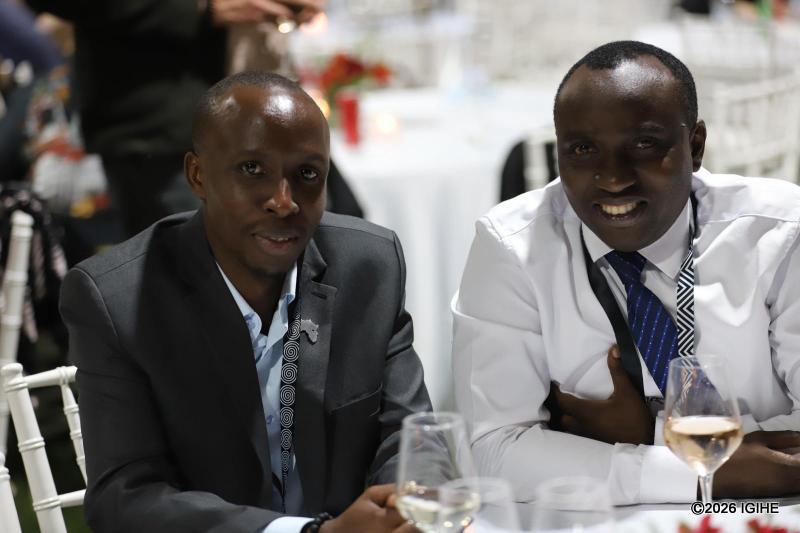
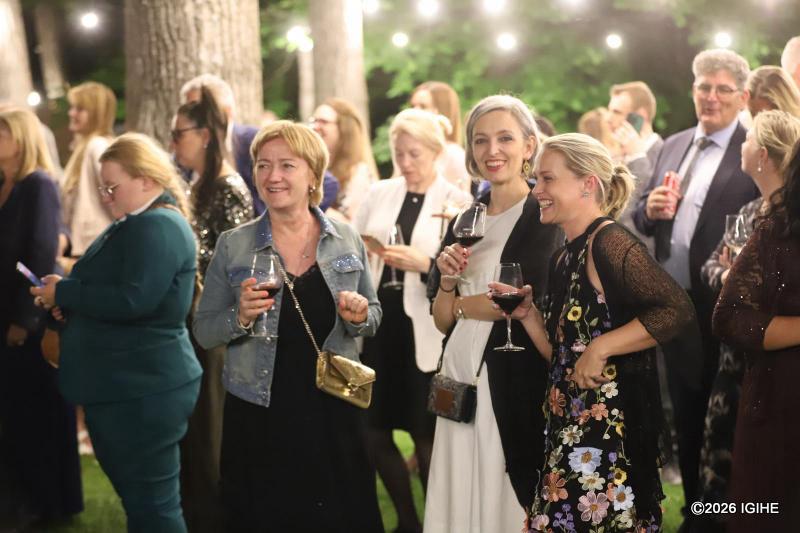
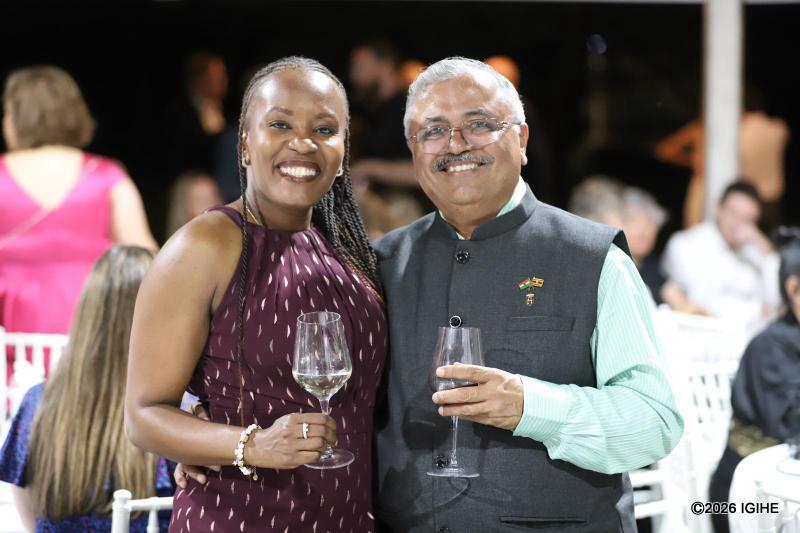
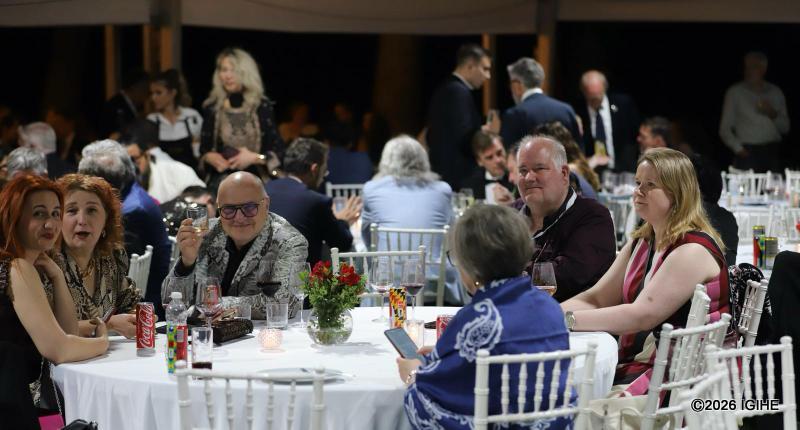
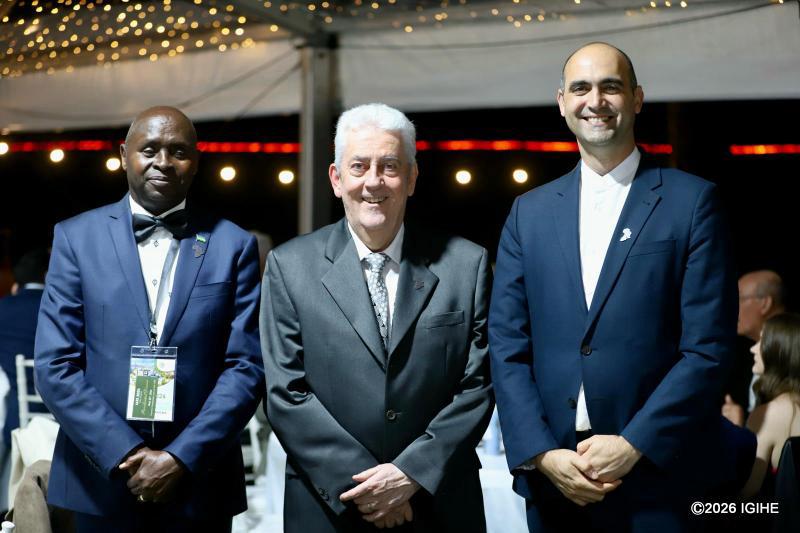
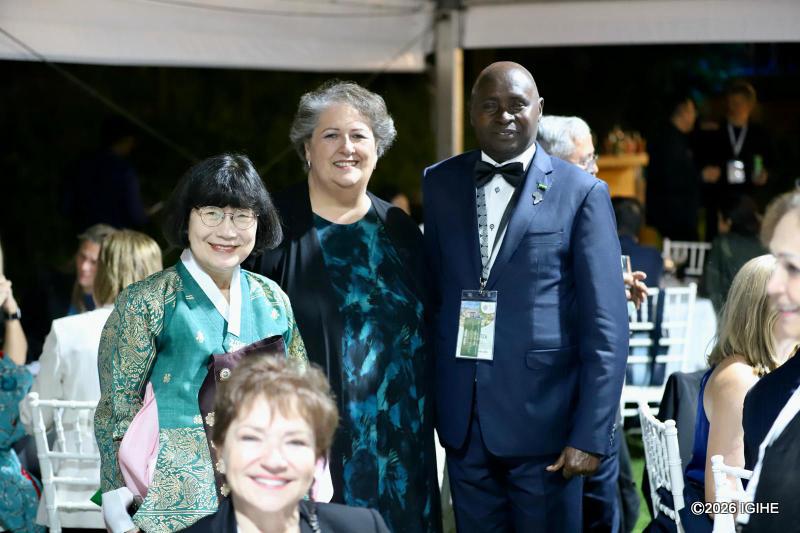
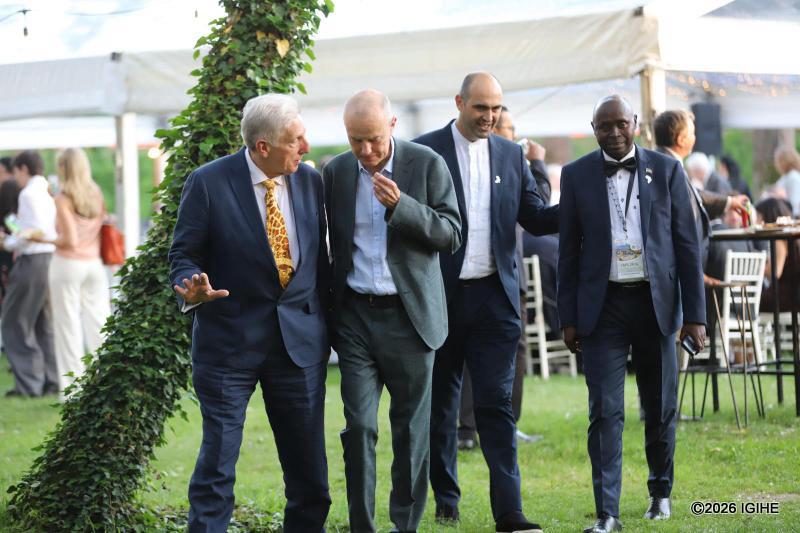
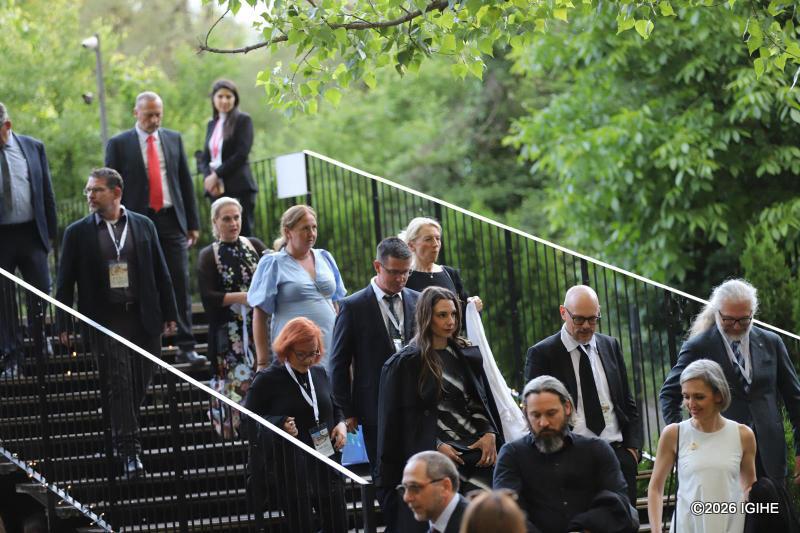
Evening reception photos featuring invited participants of IAFS 2026 in Sofia, Bulgaria
Speaking at a diplomatic briefing, Amb. Nduhungirehe highlighted Rwanda’s position on the upcoming Francophonie elections, regional security and cooperation with Mozambique.
He also briefed diplomats on measures Rwanda has put in place to prevent the spread of Ebola from the Democratic Republic of Congo (DRC) and Uganda.
Mushikiwabo, who has led the OIF since 2018 and was re-elected in 2022, is seeking a third term. Elections are scheduled for November in Cambodia.
Amb. Nduhungirehe praised her leadership, saying Louise Mushikiwabo elevated La Francophonie to another level.
“Ms Louise Mushikiwabo has elevated La Francophonie to greater heights. Under her leadership the organisation has secured its rightful place at decision-making tables on issues related to youth employment, democratic governance, the economy, culture, gender and the promotion of the French language,” he noted.
On regional security, Amb. Nduhungirehe reiterated Rwanda’s support for peaceful solutions to tensions with the DRC and urged international partners to encourage Kinshasa to honor commitments made under existing peace processes.
“ Rwanda calls on the international community and all partners to engage the DRC in a constructive manner that produces tangible results in implementing its end of the bargain,” he said.
He warned that failure to apply impartial pressure could encourage a military approach rather than dialogue.
“Failing to do so would amount to supporting the DRC’s never-ending military approach. Without even-handed pressure and follow up, we cannot create the conditions and incentives necessary for lasting peace in the Great Lakes region,” Minister,” the minister added.
Amb. Nduhungirehe also addressed Rwanda’s security cooperation with Mozambique, confirming that Kigali will continue working directly with the Mozambican government to support the deployment of Rwandan troops and police in Cabo Delgado.
“Rwanda decided this year to work exclusively with the Government of Mozambique, which has secured and will continue to secure the necessary funding for the Rwandan Security Forces in Cabo Delgado.
Collaboration between the two governments has been successful so far and will continue to remain so in the future,” he stated.
This follows a decision by the European Union, influenced by Germany and Belgium, to block €20 million in funding that had been allocated to support counter-terrorism operations in Mozambique.
Rwanda deployed soldiers and police officers to Mozambique at the invitation of the Mozambican government in July 2021. The mission aims to help the country combat terrorist and insurgent groups operating in Cabo Delgado Province.
Over the past five years, the deployment has recorded significant gains, with insurgents largely pushed back from areas secured by Rwandan forces. The improved security situation has enabled many residents who had fled the violence to return to their homes.
Envoys accredited to Rwanda during discussions with Foreign Minister Nduhungirehe. Amb. Nduhungirehe reiterated Rwanda’s support for peaceful solutions to tensions with the DRC and urged international partners to encourage Kinshasa to honor commitments made under existing peace processes.
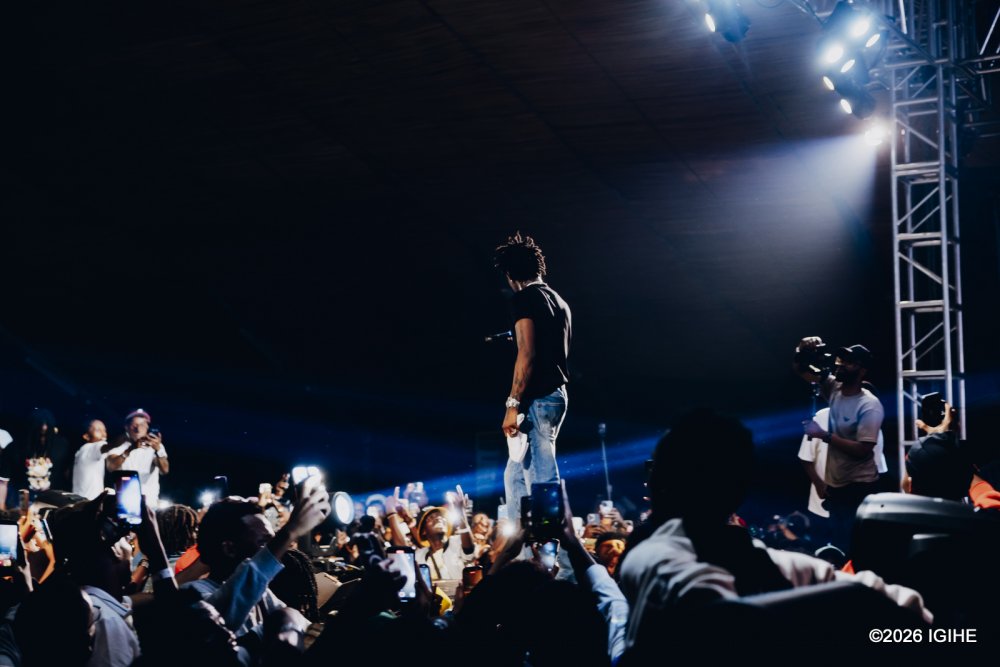
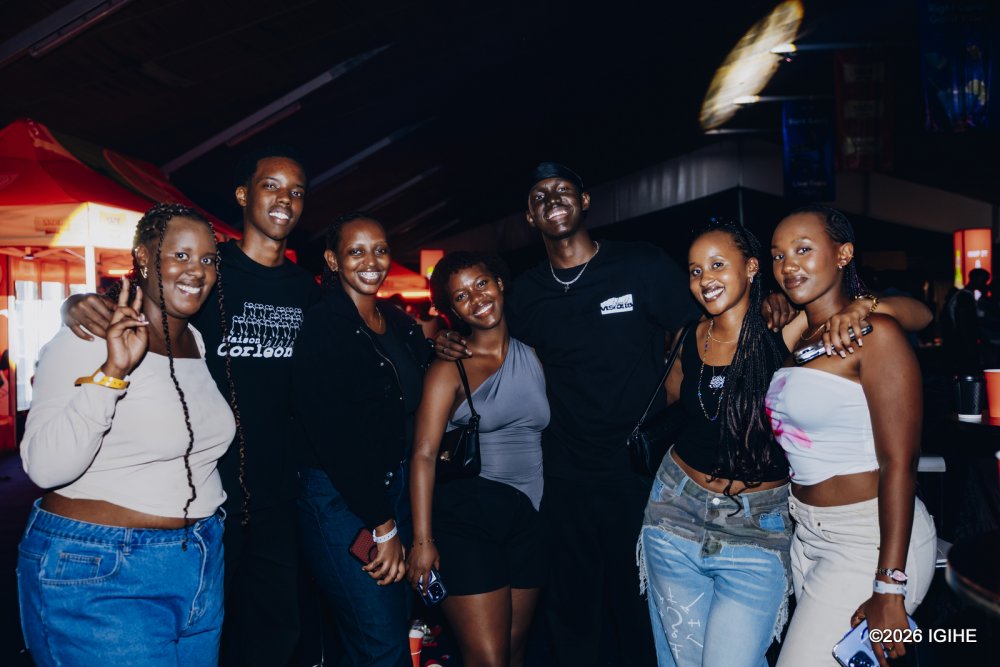
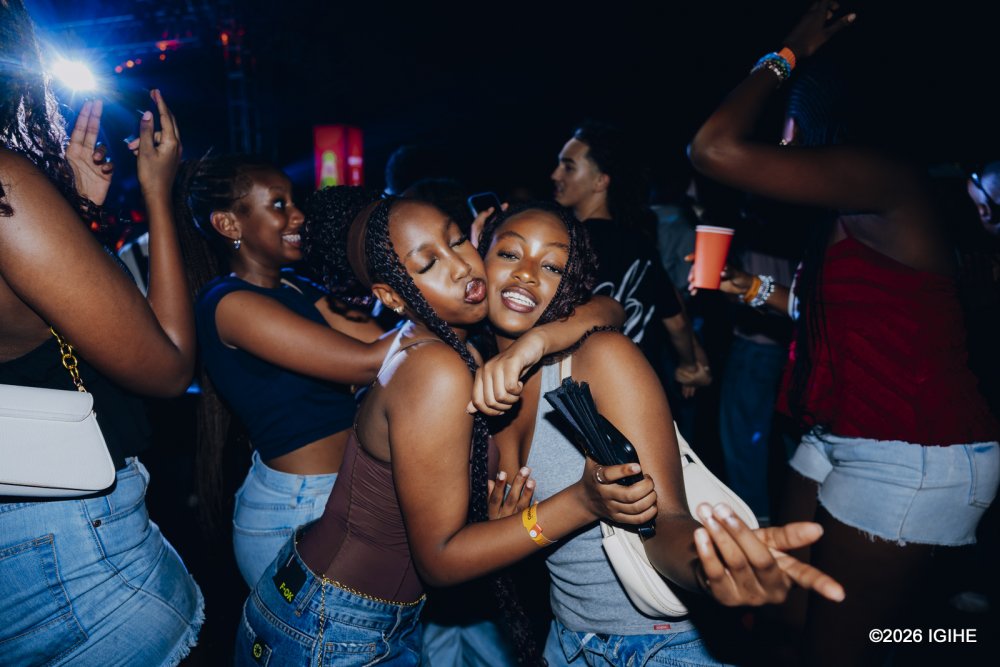
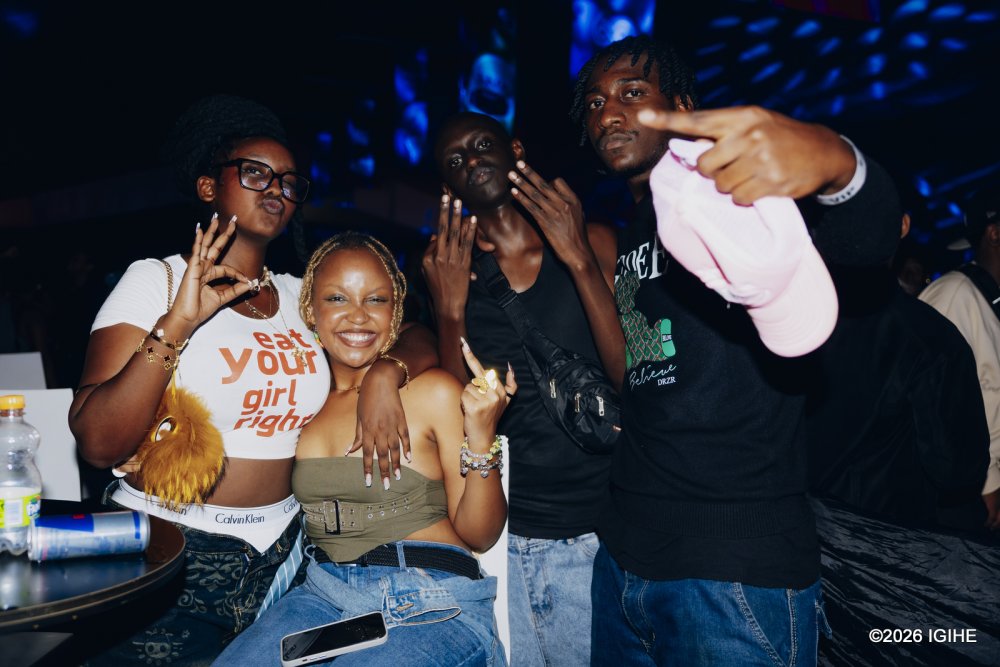
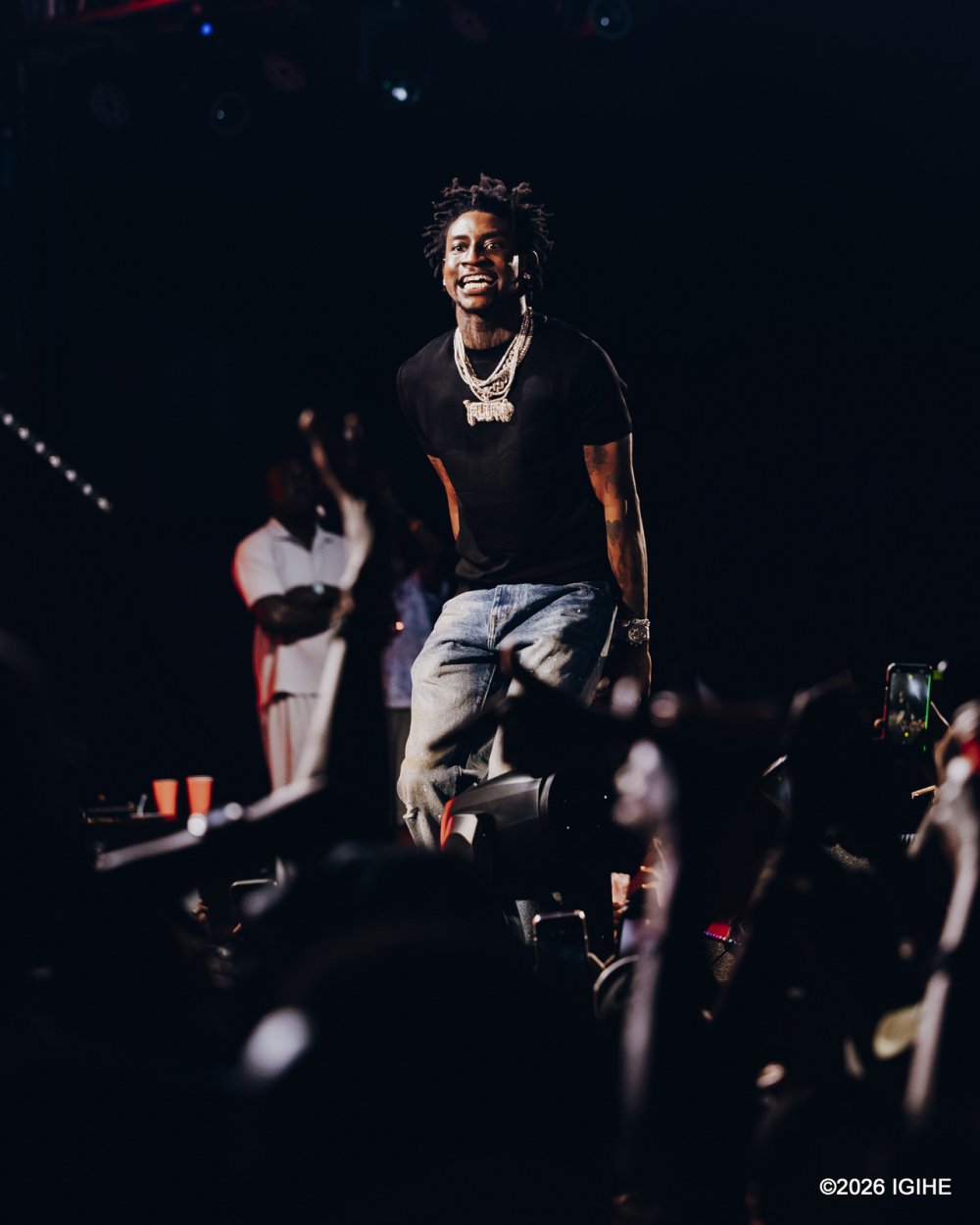
Dubbed “Africast Fest: A Shallipopi Xperience,” the event was held at Camp Kigali and was organized in partnership with beverage manufacturer Skol Rwanda through its Skol Malt brand.
The concert was preceded by a series of promotional entertainment activities under the banner “Shallipopin’ Ahandi,” which helped build anticipation ahead of the main event.
Fans began arriving early, with many paying special attention to their outfits for the occasion. However, the concert started later than scheduled as attendees continued to stream into the venue between 7 p.m. and 11 p.m.
At around 10:20 p.m., MC Policy took to the stage to warm up the crowd, repeatedly assuring concertgoers that they were in for an unforgettable night.
A few minutes before midnight, Rwandan artist Kid From Kigali was invited onto the stage to kick off the performances. He opened with “Rich,” his collaboration with Arnaud Gray and Ish Kevin, before treating fans to other popular songs including “Inyota.”
The singer also brought rising artist Mwiza onto the stage, a move that was well received by the audience. His energetic performance kept the crowd engaged and set the tone for the rest of the night.
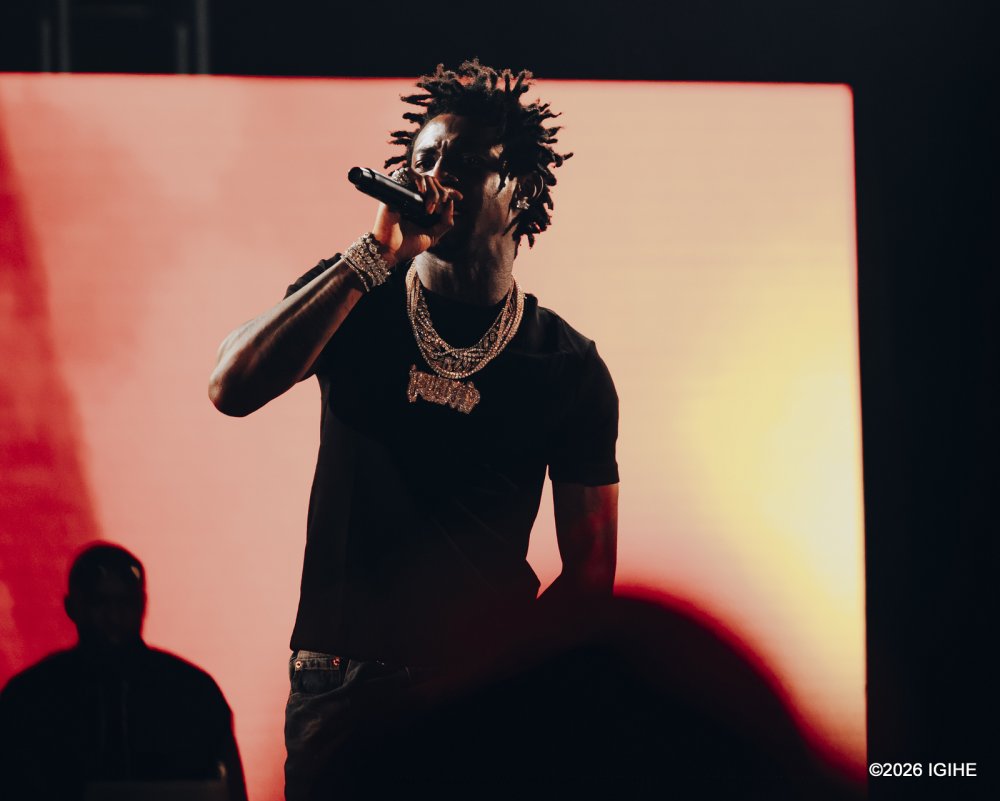
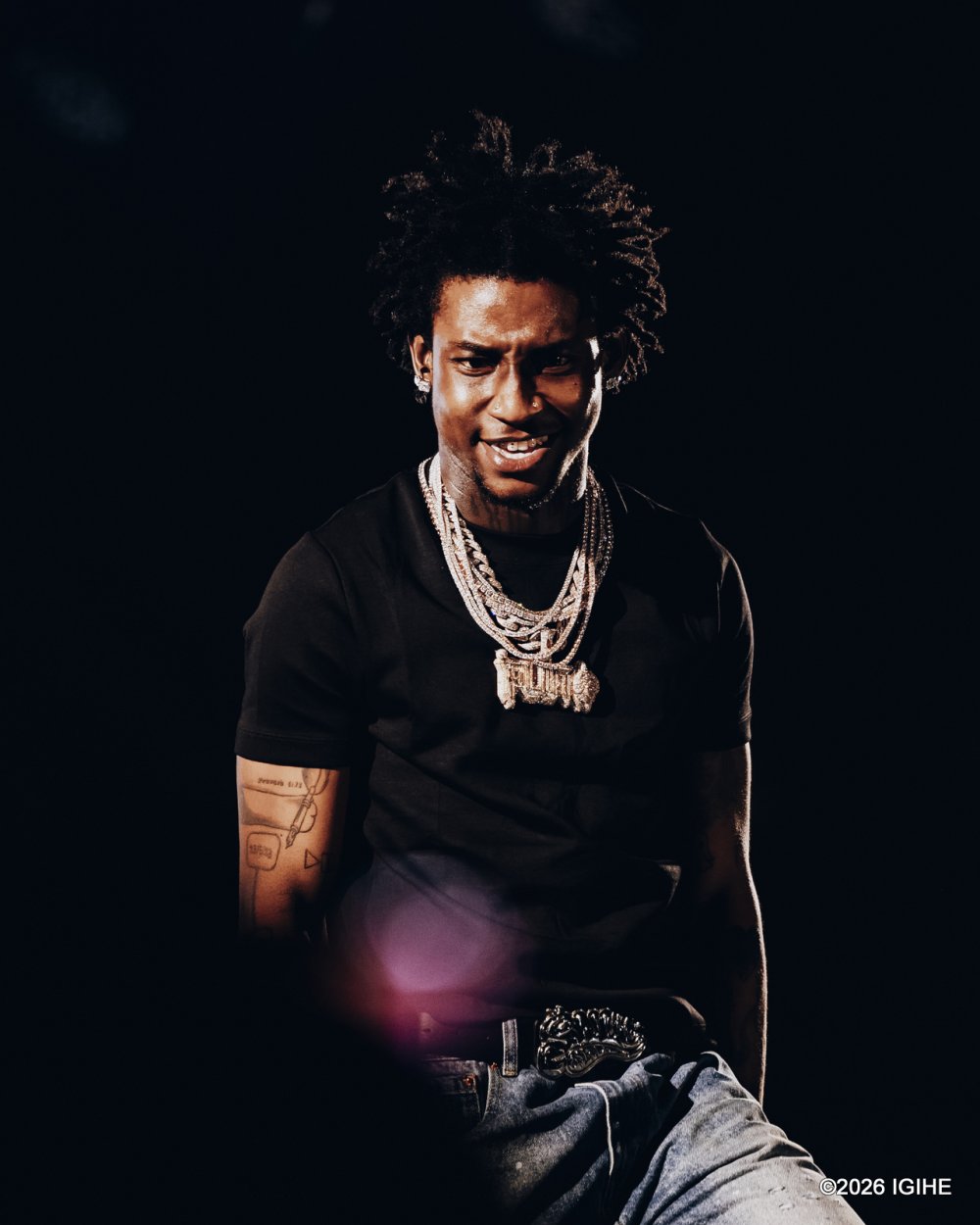
At around 12:30 a.m., the moment many had been waiting for finally arrived as Shallipopi stepped onto the stage. The Nigerian star opened his set with “Sharpiru,” one of his most popular songs, before performing several other hits including “High Tension.”
After about 25 minutes on stage, Shallipopi closed his performance with “Laho,” widely regarded as his signature song. Before ending the show, he invited fans to sing along with him, and the crowd responded enthusiastically, bringing the concert to a memorable conclusion.
Shallipopi engaged the audience during his performance, with fans joining him in singing his signature song, ‘Laho.’Music lovers from across Rwanda filled Camp Kigali for Africast Fest, where Shallipopi headlined his first performance in the country.Concertgoers sing and dance along as Shallipopi performs some of his biggest hits during his debut show in Rwanda.Nigerian singer Shallipopi performed before a packed crowd at Camp Kigali during his first-ever concert in Rwanda on May 29, 2026.
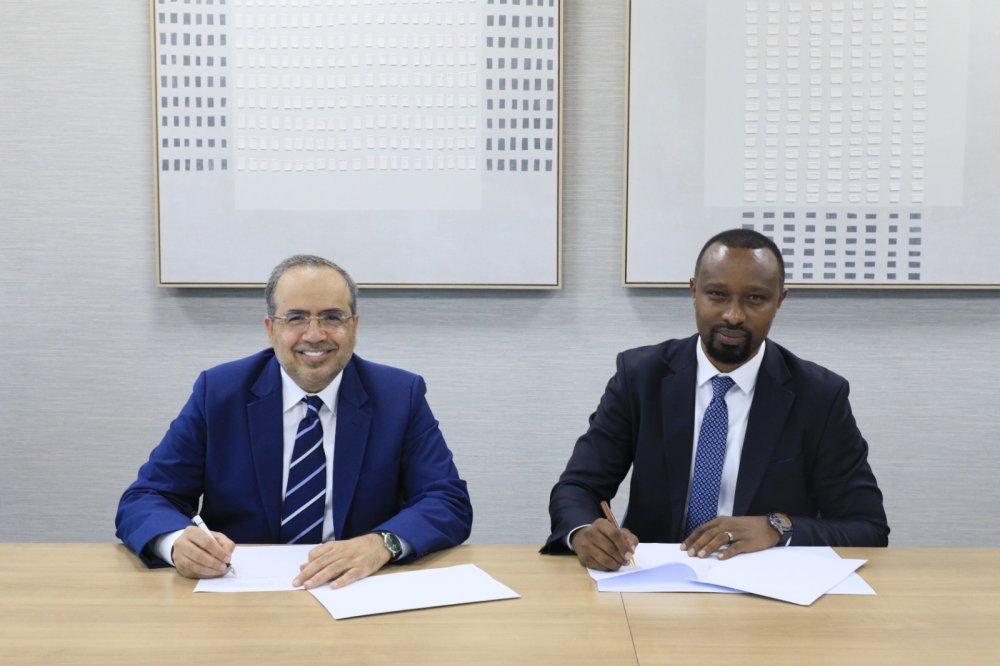
The agreement, signed on May 23, 2026, forms part of broader cooperation between Rwanda and Oman in the fields of technology and innovation.
Under the partnership, the two companies will work together to develop a modern data center, expand cloud and data storage services, strengthen digital infrastructure, and support the adoption of artificial intelligence technologies.
The planned facility will be built to Tier III standards, offering high levels of reliability, redundancy, and operational resilience for critical digital services. It is expected to provide continuous operations even during maintenance or upgrades, with an availability rate of 99.982 percent.
Designed to be AI-ready, the data center will support advanced computing applications, cloud services, and data-intensive technologies, enabling faster data processing and analysis while improving digital service delivery.
The project reflects Rwanda’s continued efforts to position itself as a regional technology hub and accelerate its digital transformation agenda through investments in secure and future-ready infrastructure.
The signing ceremony was witnessed by Minister of ICT and Innovation Paula Ingabire, State Minister Yves Iradukunda, and Rwanda Information Society Authority (RISA) Chief Executive Officer Antoine Sebera.
Officials said the initiative is expected to strengthen data resilience, promote innovation, and support the development of smarter digital systems across the country. It will also help reduce reliance on foreign data-hosting facilities while creating an environment capable of attracting major global technology investments.
BSC, which has operated in Rwanda since 2008, has deployed more than 8,000 kilometers of fiber-optic infrastructure nationwide, providing internet connectivity to schools, healthcare facilities, government institutions, and private businesses.
Founded in 2012 and headquartered in Muscat, Oman Data Park has become one of the leading providers of data center and cloud services in the Middle East, serving hundreds of organizations across multiple sectors.
The partnership comes as Rwanda continues to expand its data center industry. Earlier this year, Minister Ingabire said the sector is growing by approximately 35 percent annually, with the country seeking to attract up to $5 billion in investments in data center infrastructure powered by 100 megawatts of electricity.
The agreement also highlights the growing economic and technological cooperation between Rwanda and Oman. In January 2026, the two countries signed several cooperation agreements covering cargo transport, logistics infrastructure, aviation, and investment around the future Bugesera International Airport.
The agreement was signed between Broadband Systems Corporation (BSC) and Oman Data Park. Minister of ICT and Innovation Paula Ingabire, State Minister Yves Iradukunda witnessed the signing if the agreement. The agreement, signed recently, forms part of broader cooperation between Rwanda and Oman in the fields of technology and innovation.Under the partnership, the two companies will work together to develop a modern data center.
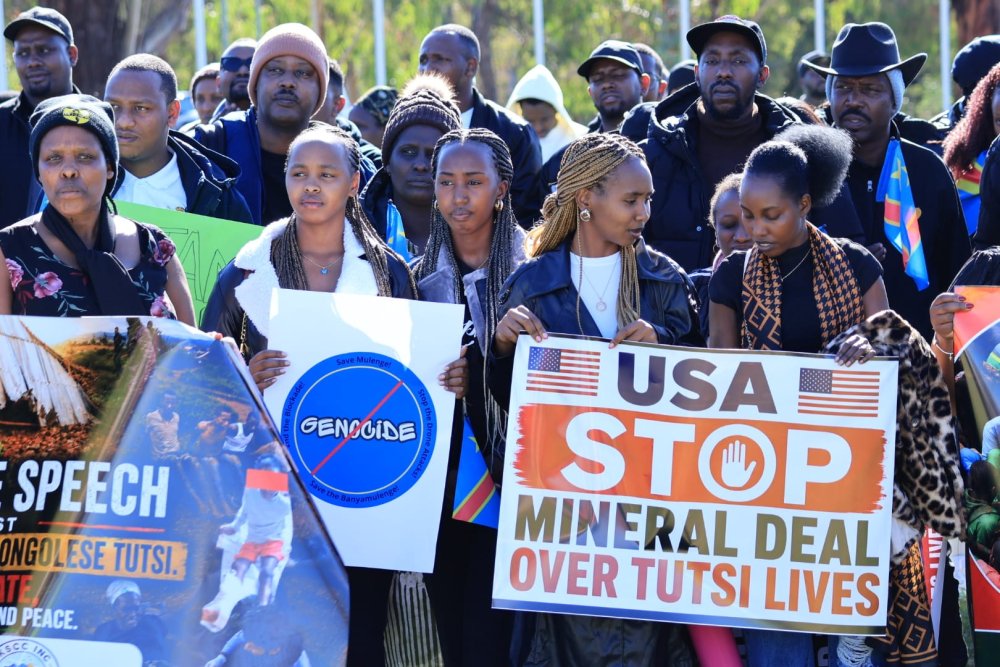
The demonstrators denounced what they described as targeted violence against Banyamulenge and Congolese Tutsis based on their ethnic identity.
They accused several actors, including the Congolese government, Burundian troops operating in eastern DRC, the FDLR terrorist group, Wazalendo militia, and other armed groups, of involvement in the attacks.
The protest also highlighted what participants called growing hate speech, discrimination, and persecution directed at Banyamulenge and Tutsi communities across the DRC.
Organizers said the demonstration comes amid continued reports of attacks in South Kivu, including drone strikes, the burning of villages, and restrictions on humanitarian access to Banyamulenge communities living in the highlands of Minembwe.
They argued that these conditions have contributed to the deaths of civilians, including children, the elderly, and other vulnerable groups.
The protest was organized by the Banyamulenge Congolese Community of Australia (BCCA) and the Kinyarwanda Speaking Congolese Community (KSCC).
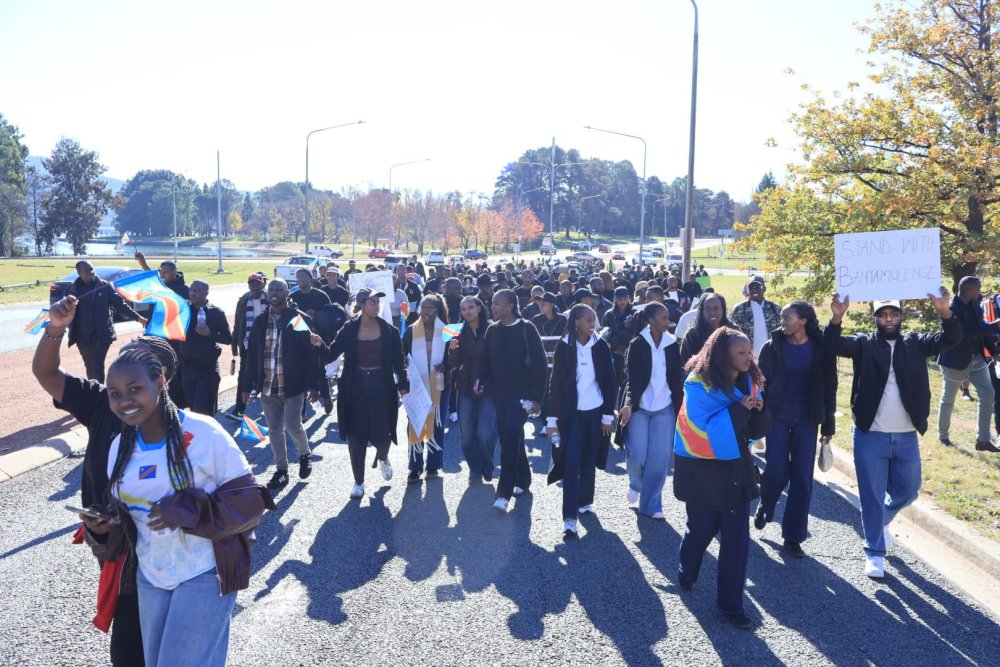
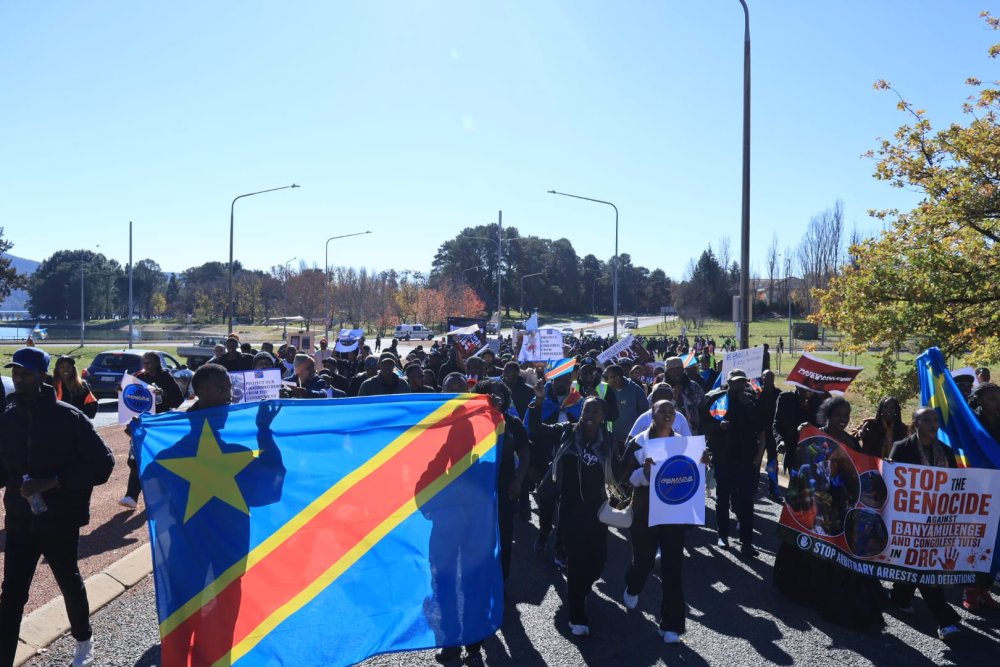
Participants marched through Canberra and delivered written messages to the embassies of the United States and Belgium, calling for greater international attention to the situation in eastern Congo.
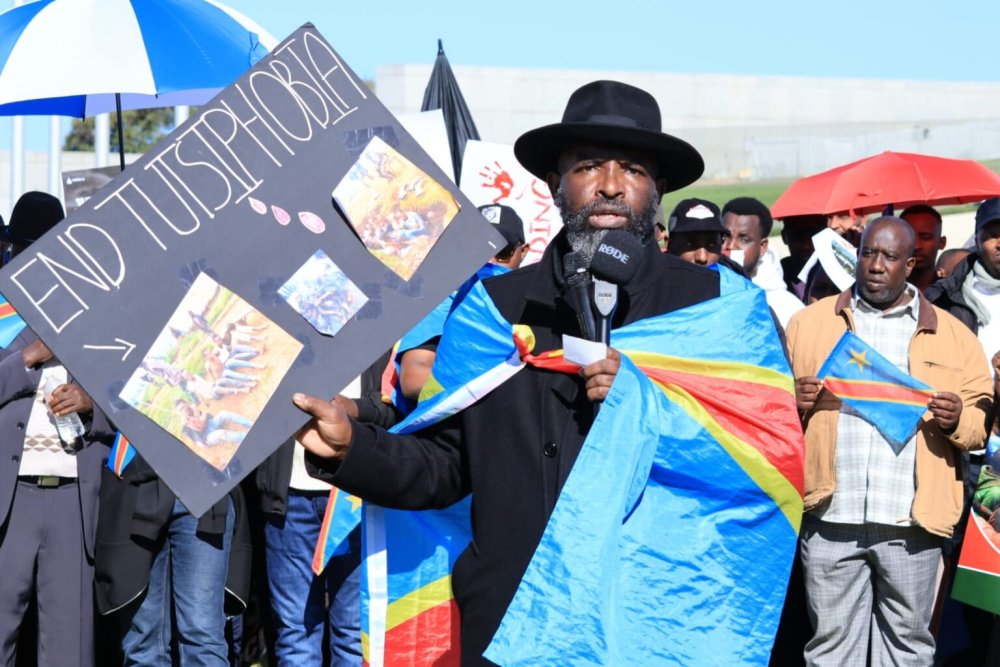
Speaking during the protest, BCCA President Birori Zawadi Munyaruhanga said demonstrators were demanding justice, peace, and equal rights for affected communities.
“We are calling for justice, peace, and the right to live like everyone else,” he said, while also appealing for protection from both the Congolese government and the United States.
KSCC President Innocent Amini Yuhi said Canberra was chosen to ensure that the protesters’ message reached policymakers. He noted that similar advocacy efforts were underway among Banyamulenge communities in the United States and Belgium.
The protest follows demonstrations held earlier this year by Banyamulenge communities in Washington, D.C., and Kenya, where participants also called on the international community to intervene and address violence affecting civilians in South Kivu.
Protest organizers argued that lasting peace will require stronger international engagement and the implementation of peace agreements signed between the Congolese government and AFC/M23, which they say have yet to be fully implemented.
Members of the Banyamulenge community in Australia have staged a peaceful protest in Canberra, calling for justice and an end to violence against their communities in eastern DRC.Community leaders addressed protesters during a rally in Canberra, urging stronger international engagement to help restore peace and security in eastern Congo.Protesters march through Canberra on May 29, 2026, raising concerns over killings, discrimination, and insecurity affecting Banyamulenge community in eastern Democratic Republic of Congo.Demonstrators gather in Australia’s capital to raise awareness of attacks, displacement, and humanitarian challenges facing Banyamulenge communities in South Kivu.