The conservatory orders, issued by High Court Judge Patricia Nyaundi, also prohibit Kenyan authorities from admitting, receiving, transferring or facilitating the entry of persons exposed to or infected with Ebola under the disputed arrangement until the case is fully heard and determined.
The ruling followed an urgent petition filed by the Katiba Institute, a Kenyan rights organisation, which challenged the legality and constitutionality of the reported agreement between Nairobi and Washington concerning the handling of Ebola-exposed US nationals.
The court directed the petitioner to serve all respondents within 24 hours, while the respondents were ordered to file their responses within 48 hours. The matter is expected to return to court next week for further directions.
The decision effectively suspends plans to establish Ebola-related quarantine and treatment facilities in Kenya pending a full hearing.
The controversy emerged after the United States announced a commitment of $13.5 million (about Rwf 20 billion) to strengthen Kenya’s Ebola preparedness amid a worsening outbreak in Central Africa.
According to a statement attributed to US State Department spokesperson Tommy Pigott, Secretary of State Marco Rubio held discussions with Kenyan President William Ruto on regional Ebola response efforts and medical preparedness.
“The United States Government intends to commit $13.5 million toward Kenya’s Ebola preparedness efforts and has already committed to providing $112 million in bilateral assistance to the regional response,” the statement said.
Reports indicated that a 50-bed isolation facility for US nationals exposed to Ebola was due to open at Laikipia Air Base, approximately 200 kilometres north of Nairobi, and would be managed by American medical personnel.
The proposed arrangement triggered criticism from health workers, legal experts and rights activists, who warned that Kenya lacked adequate high-containment infrastructure to safely manage such a facility.
The Katiba Institute argued in court filings that the agreement had been pursued “secretively” without public participation or parliamentary oversight and posed “grave and imminent risks” to public health.
The Kenya Medical Practitioners, Pharmacists and Dentists Union also threatened industrial action, accusing the government of jeopardising national biosecurity.
Union secretary-general Davji Atellah said Kenya should not become a “dumping ground” for Ebola-exposed individuals rejected elsewhere.
The dispute comes amid a deadly Ebola outbreak centred in eastern Democratic Republic of Congo, where more than 220 deaths and over 1,000 suspected cases have been reported since mid-May. Uganda has also confirmed at least seven cases linked to the outbreak.
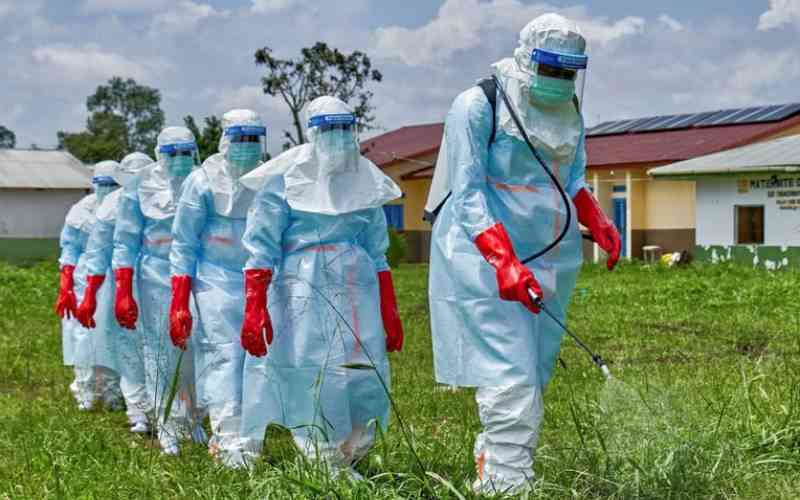
Medical officers sanitise areas in Ebola-prone areas in the DRC. A Kenyan High Court has temporarily barred the government from establishing or operationalising any Ebola quarantine, isolation or treatment facility in the country under arrangements involving the United States or any other foreign government.
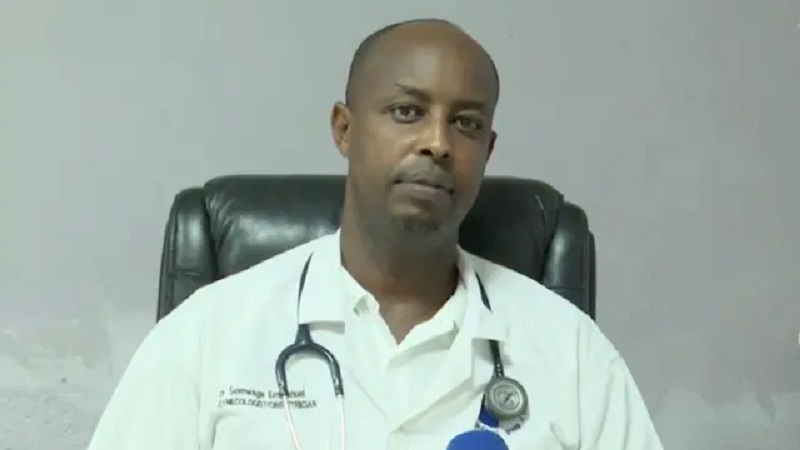
An investigation by IGIHE indicates that Dr. Semwaga’s case is connected to a private organization founded by Frederick Nsabimana. The organization allegedly connected infertile couples seeking children with women willing to act as surrogate mothers.
Nsabimana is said to have operated a residential facility where women who agreed to become surrogates were housed after embryo transfer procedures. They reportedly remained there until they gave birth.
Seven women were accommodated in this facility. They had reportedly agreed to act as surrogates for clients, including individuals based in the United States, Tanzania, and Uganda. Nsabimana is said to have promised each woman 5 million Rwandan francs, with an advance payment of 1 million francs.
Reliable sources indicate that from this advance, Nsabimana told the women that 500,000 francs would be deducted as commission, and 100,000 francs would be allocated to his wife, Géraldine Mukahigiro, to support the women during their stay.
Some of the women are reported to have spent up to eight months in the facility. However, they did not receive the conditions they were promised. Instead, they were subjected to poor living conditions, including inadequate food and limited financial support, despite payments having been made by intended parents.
Nsabimana is accused of engaging in human trafficking and exploiting individuals in vulnerable situations, particularly poverty, under the guise of fertility support services.
Reports further indicate that the women later confronted Nsabimana over unmet promises. He allegedly responded with threats, warning that he could have them killed “without physically touching them” if they continued speaking out. These allegations form part of the charges related to intimidation and threats.
His wife is accused of threatening the girls by telling them they could die after they complained that she was not taking care of them as promised. They also allege that she once told them their deaths would not affect her, saying that even when one of her livestock died, life simply went on.
It is further reported that the women were given injections and medication at Nsabimana’s residence. He claimed that a specialist doctor sent from a clinic administered the treatments.
Local authorities stated that they were unaware of the existence of a residential facility housing surrogate mothers under such conditions. This discovery contributed to charges of unlawful detention and confinement.
According to reports, the women eventually reported their situation to authorities after experiencing severe hardship, including hunger. On April 29, 2026, officials visited the site and found that five of the women were already pregnant, while two were awaiting embryo implantation.
How Dr. Semwaga became involved
Dr. Semwaga has spent approximately eight years working in infertility treatment. He is now being investigated for several offenses, including document forgery, alteration and use of falsified documents, failure to report a serious crime, and complicity in human trafficking.
Nsabimana and Dr. Semwaga reportedly knew each other previously, as the doctor had once helped Nsabimana’s relative conceive, which later facilitated their cooperation in this arrangement involving the seven women.
Prosecutors allege that Dr. Semwaga agreed to perform embryo transfers on the women even when the intended parents were not physically present, in violation of medical regulations governing assisted reproduction.
Nsabimana, however, argues that he acted as a representative of the intended parents and had their authorization. He stated that it was impractical for clients living abroad to travel and remain present throughout the procedures.
Although he is alleged to have received payments on multiple occasions, including an advance of 3 million francs in February 2026, he claims his only benefit was charging each woman 50,000 francs per month for accommodation in his facility.
Dr. Semwaga is also accused of agreeing to carry out embryo transfers through Nsabimana due to the involvement of clients residing abroad.
Investigators allege that he benefited financially from the arrangement, including sending approximately 3 million francs to Nsabimana for the care of the women.
It is further alleged that without financial interest in Nsabimana’s operations, Dr. Semwaga would not have transferred funds, and would instead have provided standard medical care as an experienced gynecologist with over 15 years in practice.
Additional reports suggest that the women informed the doctor of their difficulties, including being denied promised payments, but he did not take action.
Dr. Semwaga, however, stated that he “lent” Nsabimana money after being informed that the intended parents had not yet transferred funds. He argued that without this assistance, both the pregnant women and unborn babies could have suffered due to lack of basic necessities.
He also claims that Nsabimana later repaid the money.
He is further accused of falsifying and altering documents by assigning identification “codes” to unborn babies linked to intended parents who had never directly met the surrogates, attributing this system to the hospital where he worked.
In his defense, it is argued that these codes were used solely to prevent confusion at birth and are a standard administrative practice in medical settings.
Dr. Semwaga, his wife, and Nsabimana are all currently in detention. On May 26, 2026, the Kicukiro Primary Court rejected their request for provisional release, ruling that they remain in custody pending investigation.
Dr. Semwaga Emmanuel is detained at Nyarugenge Prison in Mageragere.
They had requested release on the grounds that they would not flee justice, would not interfere with the investigation, and wished to care for the women who are close to delivery. Dr. Semwaga also reportedly offered bail of 20 million Rwandan francs.
*What Rwanda’s medical law prohibits*
On September 18, 2025, Rwanda enacted a law regulating medical services, including provisions governing surrogacy through assisted reproductive technology.
The law states that a surrogate mother must be between 21 and 40 years old and must undergo comprehensive medical and reproductive health screening confirming she is fit to carry a pregnancy.
Individuals aged 18 to 20 may donate reproductive material only with a written justification submitted to the Minister of Health.
The law requires that surrogacy arrangements be formalized through a written contract between parties, signed before a notary prior to any medical procedures.
Intended parents must also provide medical certification from a specialist confirming infertility or medical conditions that make pregnancy impossible or dangerous.
The law prohibits medical professionals from implanting embryos or reproductive materials that do not meet legal requirements, as well as from using non-human material or engaging in unauthorized import or export of reproductive material.
It also criminalizes procedures performed without full identification of donors or involving reproductive material from closely related individuals.
In addition, the law prohibits assisted reproduction procedures intended for
genetic manipulation or sex selection.
Penalties vary depending on the severity of the offense, ranging from six months’ imprisonment and fines of 2 million Rwandan francs for minor violations to up to 25 years in prison and fines of 50 million francs for serious offenses, along with possible suspension from medical practice.
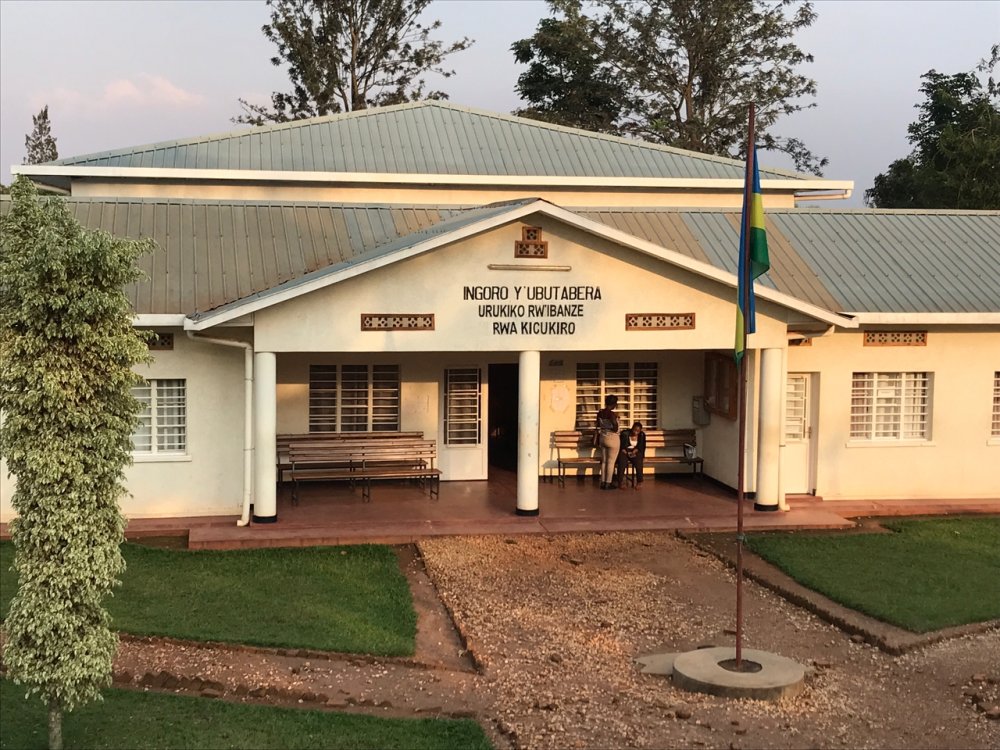
The case of Dr. Semwaga, Nsabimana, and Mukahigiro regarding their provisional detention and release was heard at the Kicukiro Primary Court.
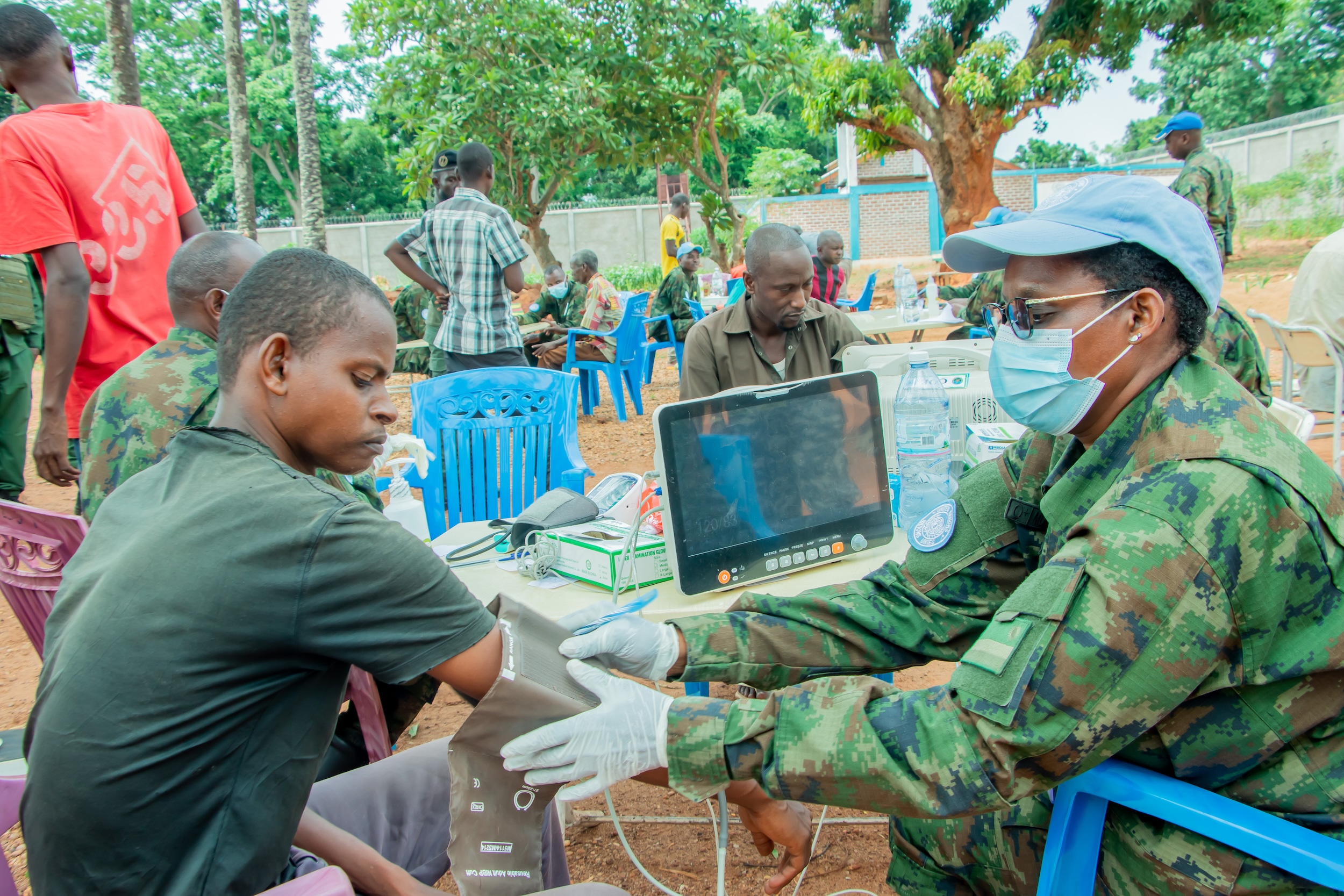
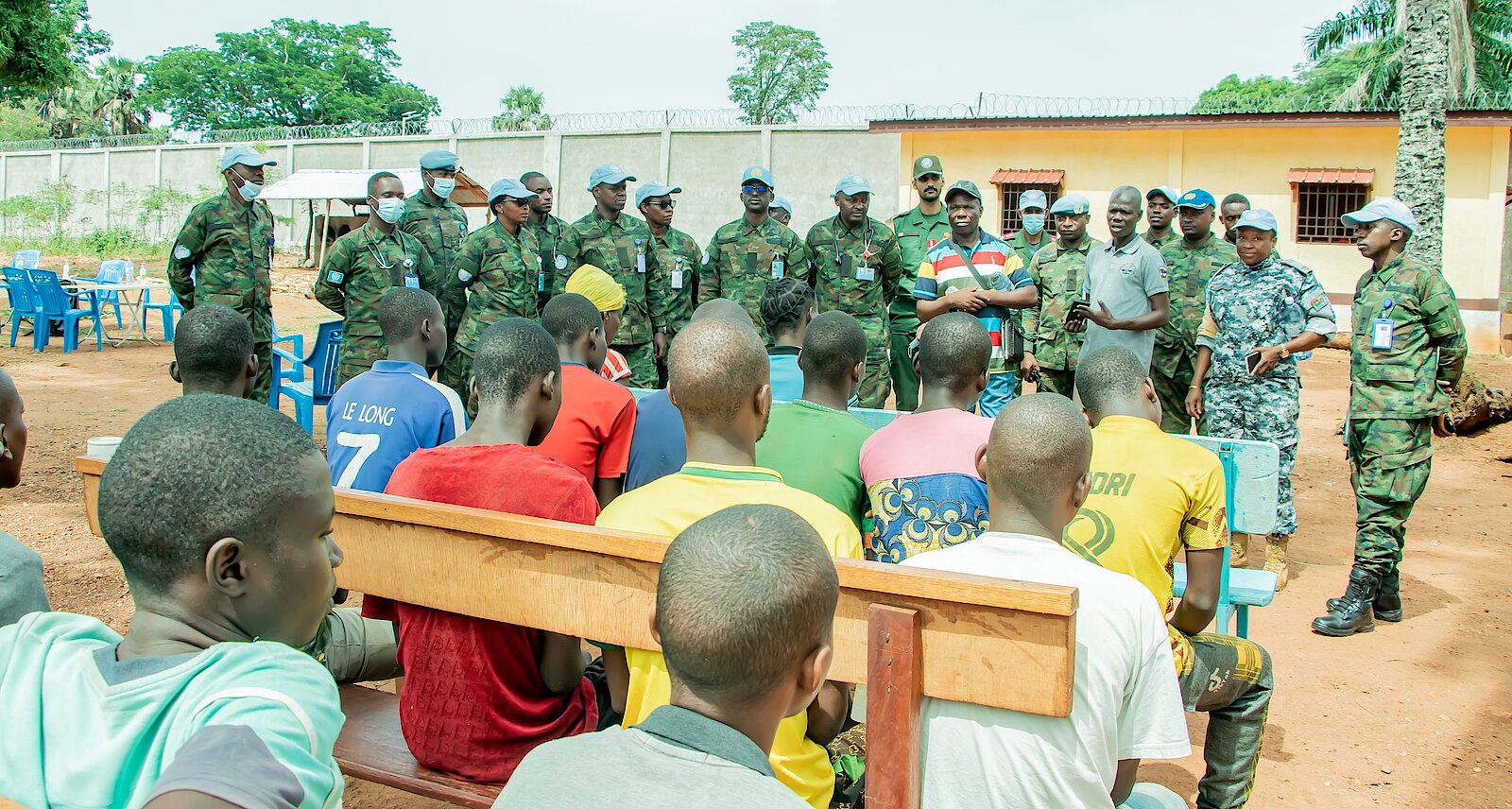
The medical outreach activity forms part of the community support initiatives carried out by Rwandan peacekeepers during this week leading up to the UN Day celebrations on 29 May 2026.
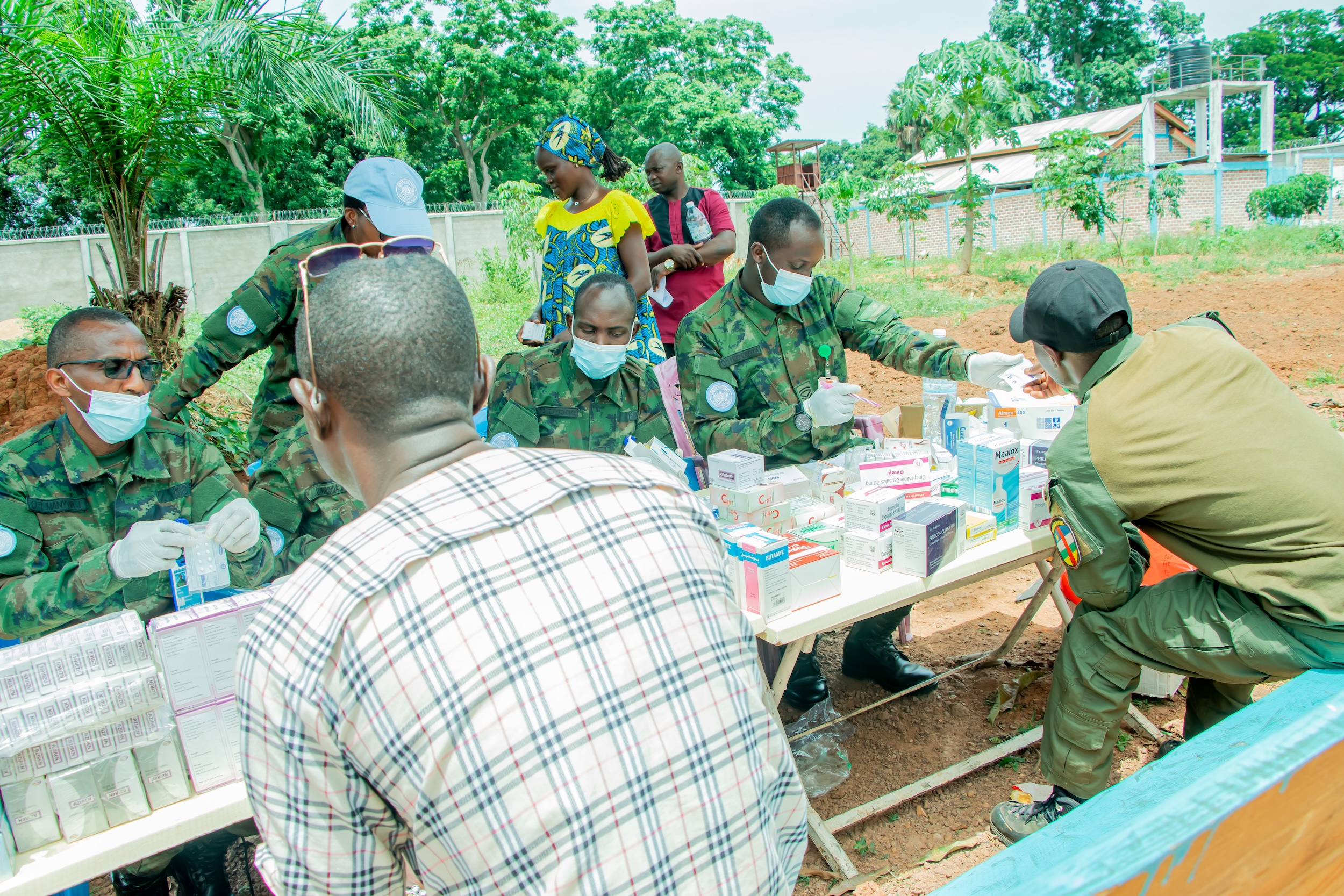
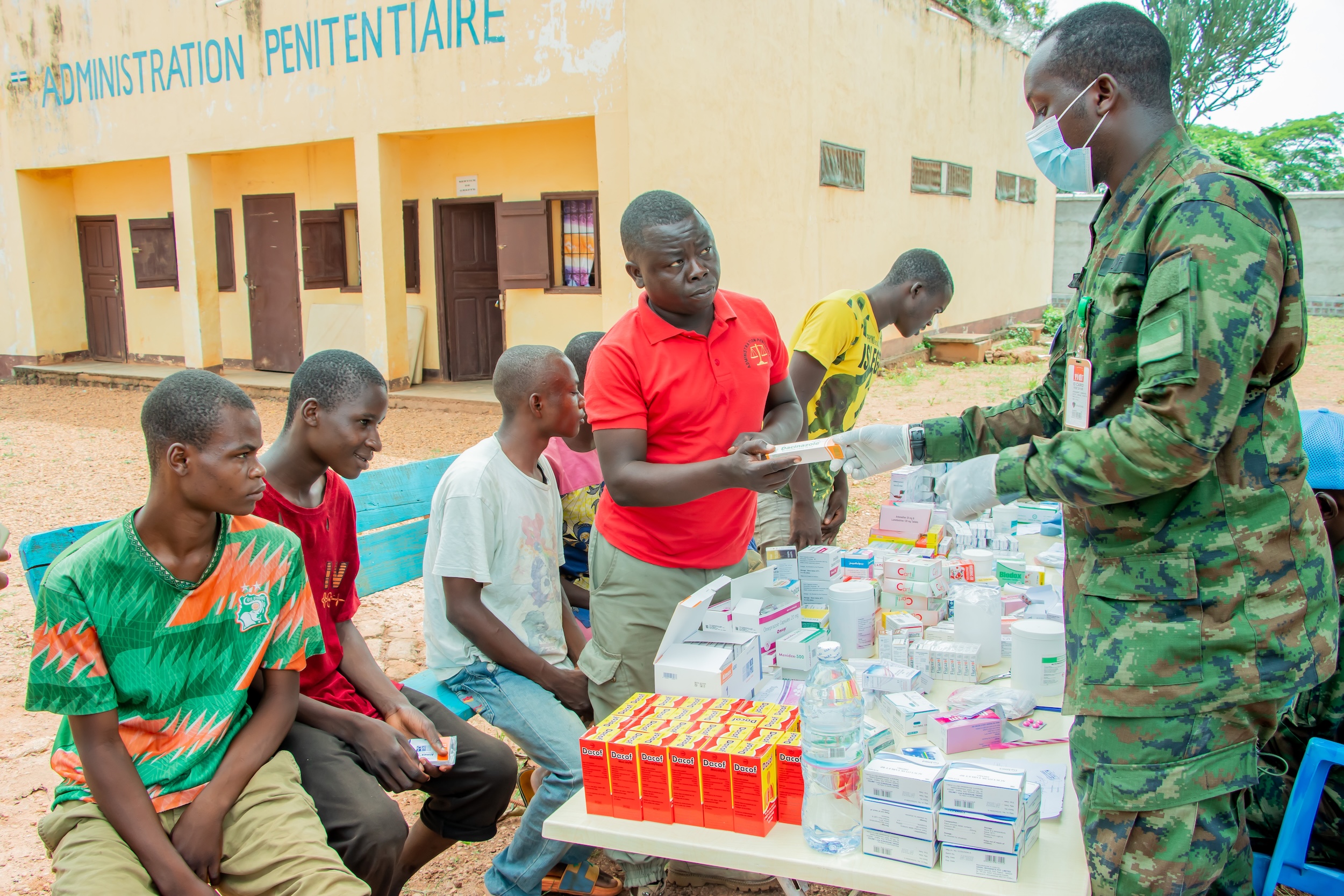
The medical services offered during the outreach included internal medicine, dental care, eye care and dermatology among others. Free medicines were also distributed to the inmates.
Speaking during the activity, Lt Col Dr. Isaiah Nzayisenga, deputy Commander of Rwanda Level 2+ hospital said that the initiative aimed to support prisoners who face limited access to healthcare services, noting that health care is essential to human life, especially for people living in difficult conditions.
The Director of Bria Prison, Mahamai Adoum Salle, expressed gratitude to the Rwandan Contingent for their continued medical support to prisoners.
“This is not the first time Rwandan peacekeepers have come to provide medical care and medicines to prisoners here in Bria. Normally, when prisoners are taken to outside clinics, medicines must be purchased. However, when the Rwandan contingent conducts such outreach activities, inmates receive treatment and medicines free of charge. We sincerely thank MINUSCA and the Rwandan peacekeepers particularly for this valuable support and hope this cooperation will continue,” he said.
Chief of the Supervision and Health Care Quality Section at the District Sanitary Office of the Haute-Kotto Region, Ponombo Felix, also praised the initiative, highlighting the challenges faced by prisoners in accessing proper healthcare.
“The prison faces serious healthcare challenges, including the absence of a clinic and limited medical capacity. The provision of medicines and specialist doctors by Rwandan Contingent is indeed commendable and I hope it will continue,” he said.
The outreach activity reflects the continued commitment of Rwandan peacekeepers under MINUSCA to supporting local communities and improving humanitarian conditions in the Central African Republic (CAR).
Prison authorities and local health officials commended Rwanda’s peacekeepers for improving access to healthcare for vulnerable inmates in Bria.Rwandan peacekeepers under MINUSCA provided free medical treatment and medicines to dozens of inmates at Bria Prison in the Central African Republic.Medical personnel from Rwanda Level 2+ Hospital attended to prisoners in Bria with services including dental care, eye treatment and dermatology consultations.Inmates at Bria Prison received free healthcare services from Rwandan peacekeepers as part of activities marking the 2026 UN Day celebrations.
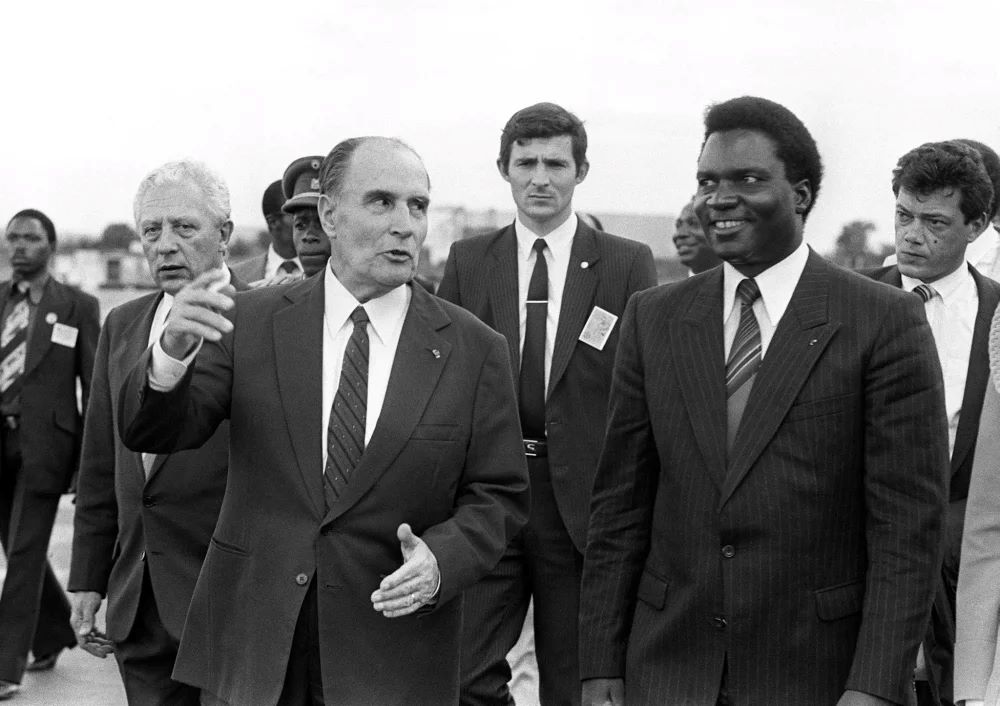
In 1993, during a meeting with senior members of his government, Mitterrand reportedly argued that France should continue supplying weapons to the former Rwandan Armed Forces (Ex-FAR), insisting that a victory by the Rwanda Patriotic Army (RPA) forces of the FPR would not serve French interests.
Habyarimana’s government relied heavily on France, particularly during Mitterrand’s presidency, when France provided military training and weapons to Rwanda’s armed forces.
According to records from a special council meeting held on March 3, 1993, attended by President Mitterrand, the Prime Minister, the Ministers of Foreign Affairs, Defence and Cooperation, alongside senior military officials, discussions focused on the ongoing war in Rwanda.
Marcel Debargue, then Minister for Cooperation, who had just returned from Uganda and Rwanda, told the meeting that Habyarimana had been misinformed and was facing serious difficulties.
He explained that the Rwandan army was fighting in a disorganised manner. As RPA troops advanced toward Byumba, Belgium was already preparing to evacuate its citizens, raising concerns over where French troops stationed in Rwanda would reposition themselves.
He stressed that the Rwandan army was fighting in a disorganised manner, to the extent that RPA troops’ attack on Byumba, would push Belgium to evacuate its nationals, leaving uncertainty over where the French troops stationed in Rwanda would be redeployed.
At a time when discussions had begun around deploying United Nations peacekeepers to Rwanda, Mitterrand reportedly said it would be preferable for French troops to withdraw before they were reduced to mere spectators while incoming international forces would later be celebrated as heroes.
Mitterrand reportedly stated: “We have no interest in seeing the Tutsis take large territories quickly. We must buy time, delay them through every possible diplomatic channel, and continue supporting the Rwandan army by supplying all the weapons it needs.”
France continued maintaining troops in Rwanda through various military operations officially presented as missions aimed at protecting French nationals living in the country.
Mitterrand’s hostility toward the Tutsi was not new. On October 17, 1990, he reportedly said that even if the rebels of the FPR won militarily, Hutu populations in Rwanda and neighbouring countries would eventually unite to overthrow them.
The French-established Turquoise Zone in Gikongoro later became an escape corridor for Interahamwe militia members and FAR soldiers fleeing into Zaire, now the Democratic Republic of the Congo, where they reorganised with the aim of regaining power.
Several former officials linked to the previous regime were also granted refuge in France, where some continue to live to this day.
François Mitterrand, who served as President of France between 1981 and 1995, was considered a close ally of former Rwandan President Juvénal Habyarimana.
The source told Tasnim that reports suggesting the text was merely awaiting formal announcement by the two sides were “not consistent with the facts,” adding that the document “has not yet been finalized.”
Earlier on Thursday, U.S. media Axios reported, citing U.S. officials and a regional source, that U.S. and Iranian negotiators have reached an agreement on an MoU to extend the ceasefire by 60 days and launch talks on Iran’s nuclear program, but U.S. President Donald Trump has yet to give his final approval.
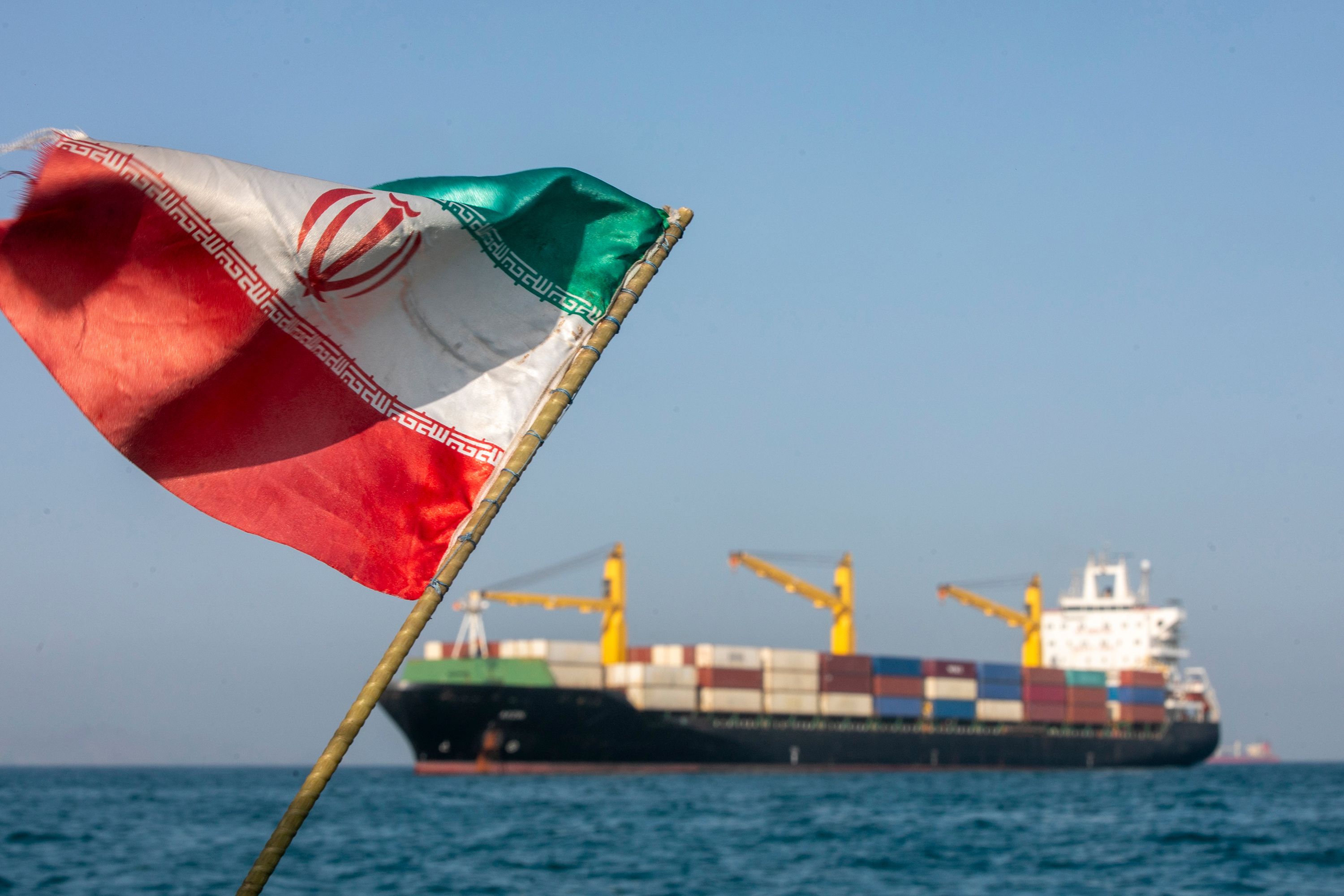
According to the report, the proposed 60-day MoU would state that shipping through the Strait of Hormuz would be “unrestricted.” A U.S. official was quoted as saying this would entail no tolls or harassment, and that Iran would be required to remove all mines from the strait within 30 days.
The MoU would reportedly include an Iranian commitment not to pursue nuclear weapons. It would also state that the first issues to be negotiated during the 60-day window will be how to dispose of Iran’s highly enriched uranium and how to address Iranian enrichment.
The White House would, according to the report, commit to discussing sanctions relief and the release of frozen Iranian assets as part of the talks. It would also consider establishing a mechanism to facilitate Iranian access to goods and humanitarian supplies.
The Iranian source, rejecting the Axios account, stressed that if an agreement text is ultimately finalized, Iran will formally notify Pakistani mediators and make the matter public.
Until then, any Western reports claiming the agreement has already been completed “lack credibility,” the source added.
Speaking on Thursday evening, U.S. Vice President JD Vance said negotiators were “going back and forth on a couple of language points,” including the “question of enrichment.”
“We’re not there yet, but we’re very close and we’re going to keep on working at it,” he told reporters, adding that the United States believed the Iranians were negotiating in “good faith.”
Also on Thursday evening, the U.S. Central Command rejected Iranian media reports that an “invading” U.S. drone had been destroyed by Iran’s air defense.
“No U.S. aircraft were shot down. All U.S. air assets are accounted for,” the command said on X.
Tasnim news agency, citing a military source, said Iran’s air defenses were activated Thursday evening local time and intercepted the drone near Bushehr using missiles.
Since the initial ceasefire between the United States and Iran took effect on April 8, Trump has repeatedly said the two sides are close to a deal and that talks are making progress.
On Wednesday, the U.S. president said that Washington was not yet satisfied with the terms under discussion and remained prepared to resume military action if its demands were not met.
“We’re not satisfied with it, but we will be,” Trump said. “Either that or we’ll have to just finish the job.”
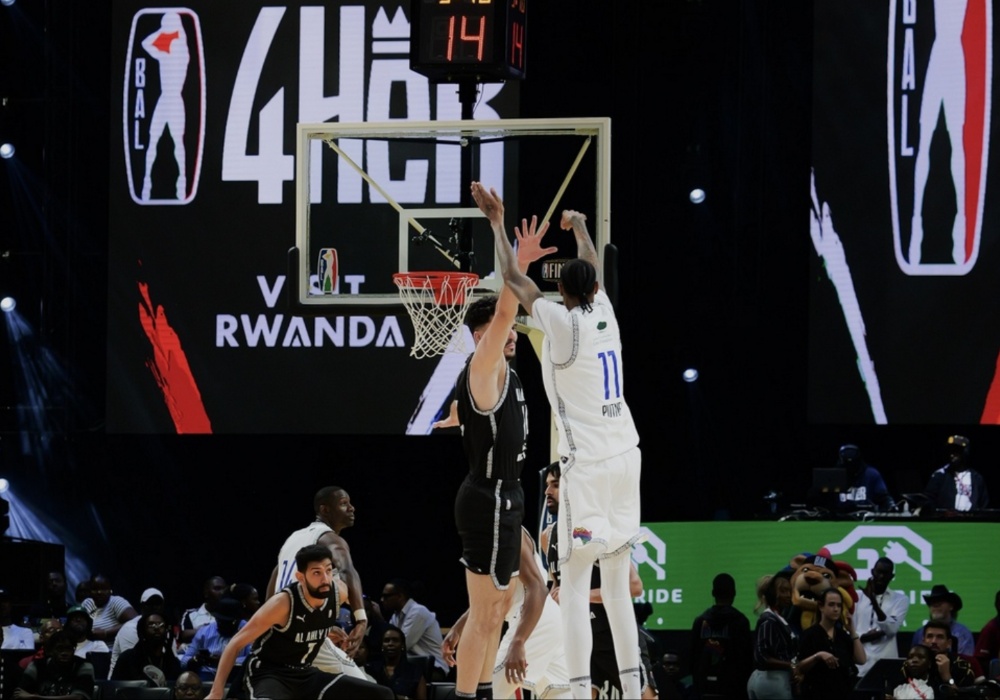
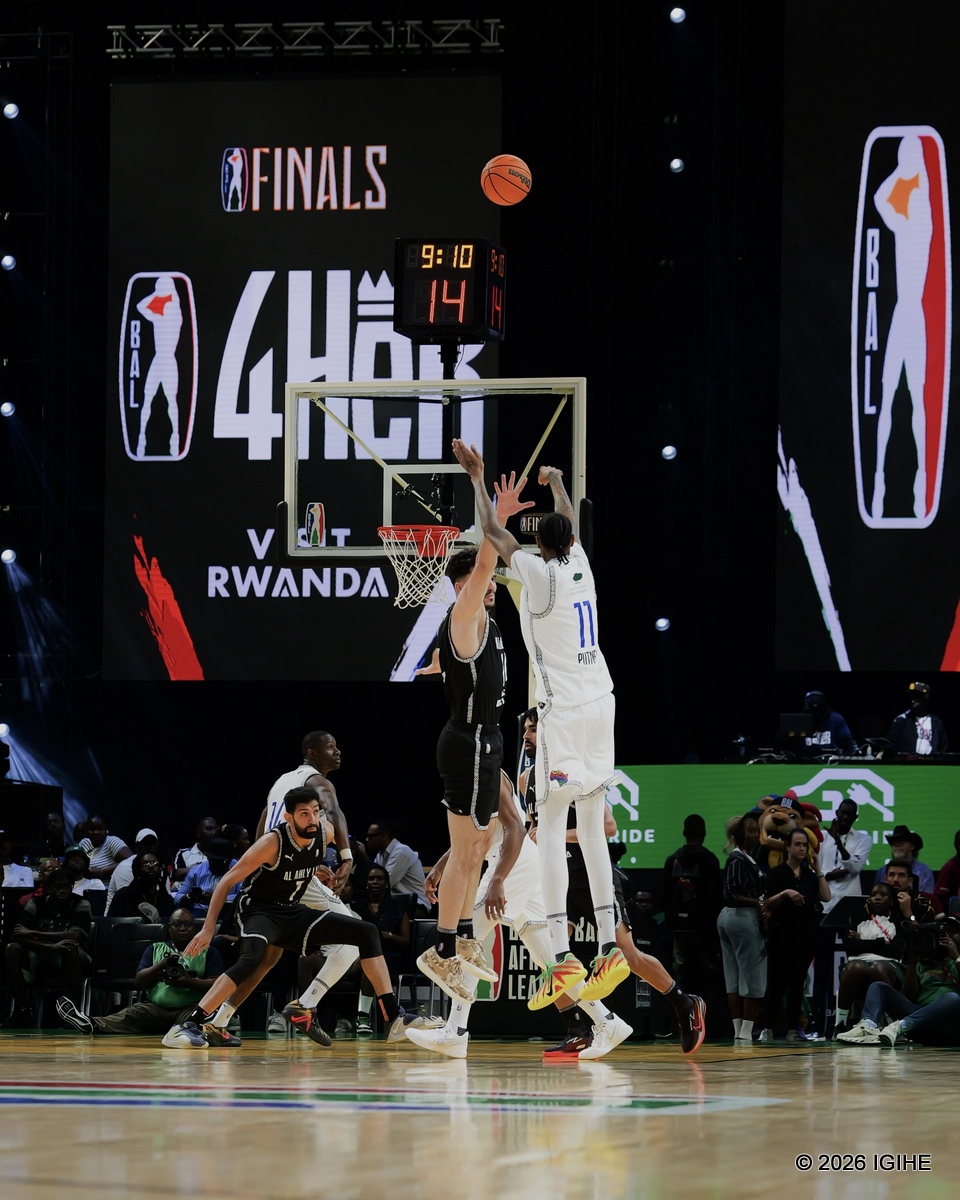
The Angolan side overturned a five-point deficit in the final quarter, with Lukeny Gonçalves and Childe Dundao leading the comeback in a thrilling semifinal clash.
Al Ahly Benghazi made the brighter start to the game, with Donovan Williams inspiring the Libyan side offensively as they established an early advantage. However, Gonçalves helped Petro de Luanda reduce the gap late in the opening quarter, which ended with Al Ahly narrowly leading 24-23.
The second quarter remained closely contested, with both teams exchanging baskets throughout. Dundao and Lual Acuil played key roles for their respective sides as neither team managed to create significant separation. Al Ahly went into halftime holding a slim 48-43 advantage.
After the break, Charles Edward Moore and Raphael Putney continued to drive the scoring for both teams in another evenly balanced quarter. Each side scored 22 points in the third period, allowing Al Ahly to maintain a 70-65 lead heading into the final quarter.
Petro de Luanda, however, showed their experience and composure when it mattered most. Gonçalves and Dundao stepped up with crucial baskets as the Angolan champions dominated the closing minutes to complete the comeback victory.
The win sends Petro de Luanda into the BAL 2026 final, where they will face Rwanda’s RSSB Tigers on Sunday, May 31. Meanwhile, Al Ahly Benghazi will take on Egypt’s Al Ahly in the third-place playoff.
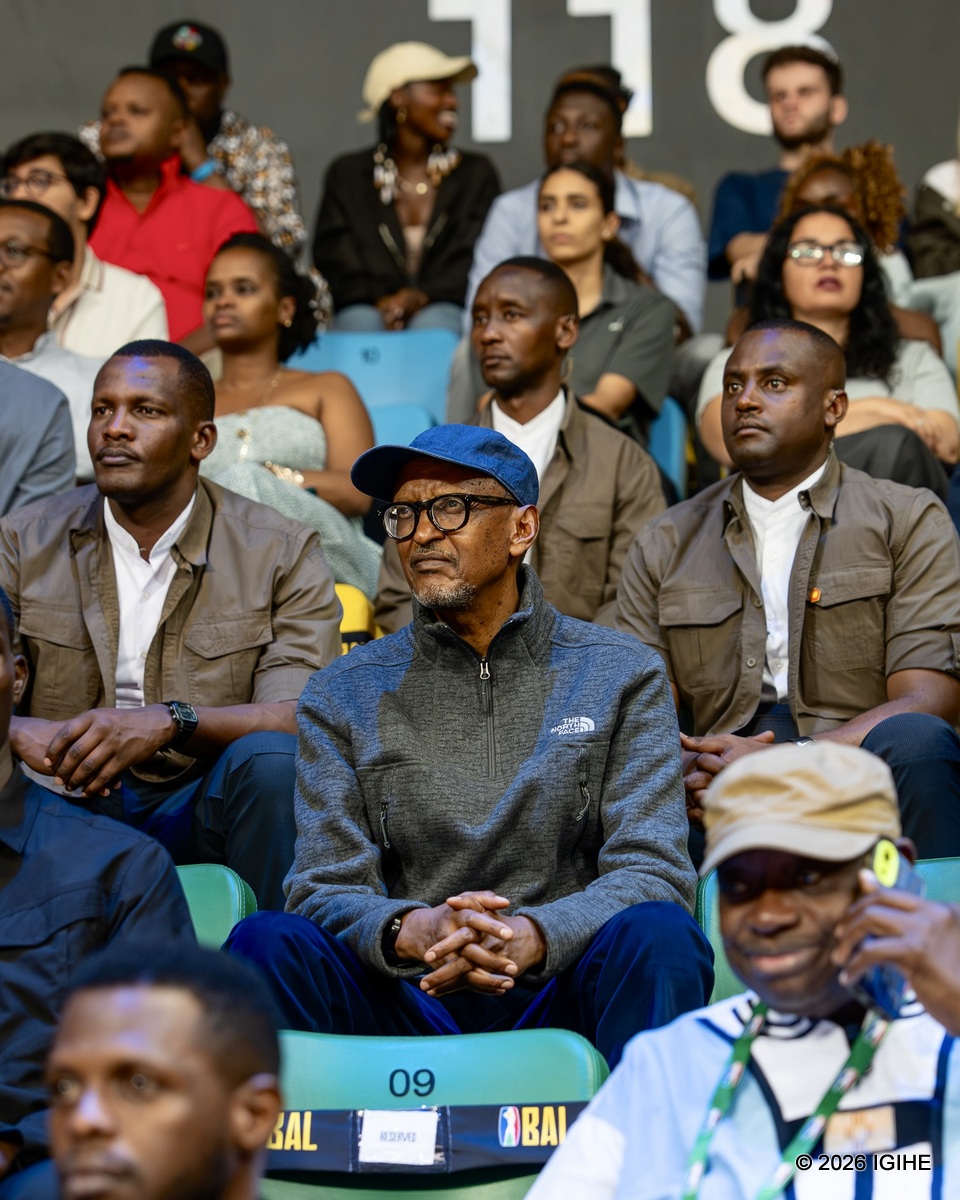
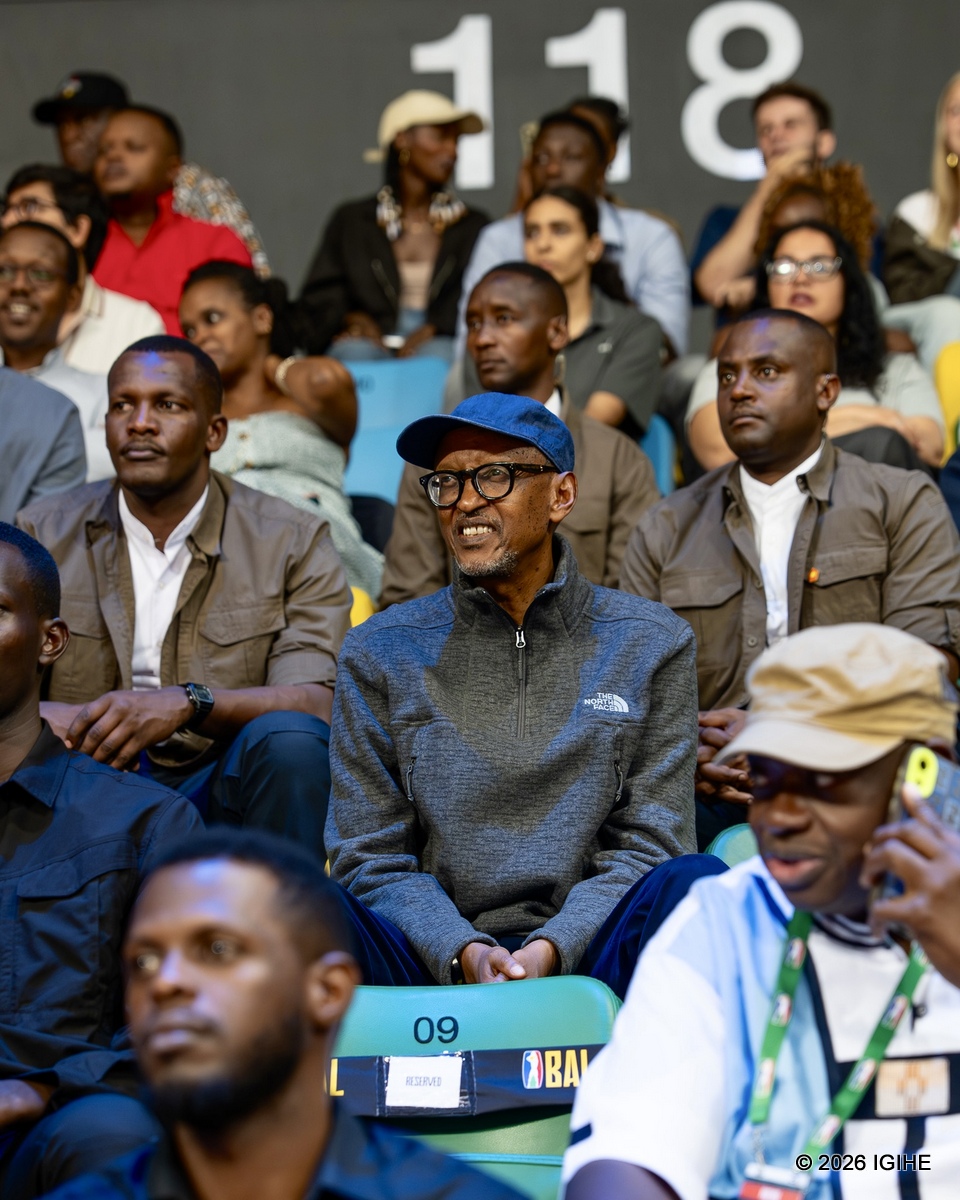
President Paul Kagame and several other dignitaries attended the semifinal at BK Arena.
The final is expected to deliver another exciting contest, pitting an impressive RSSB Tigers side against one of the most experienced clubs in BAL history.
Petro de Luanda won the BAL title in 2024 and have consistently remained among the tournament’s top-performing teams, having finished third in 2021, runners-up in 2022, fourth in 2023, and runners-up again last season in 2025 after losing the final to Al Ahli Tripoli.
The Angolan side overturned a five-point deficit in the final quarter, with Lukeny Gonçalves and Childe Dundao leading the comeback in a thrilling semifinal clash.President Paul Kagame and several other dignitaries attended the semifinal at BK Arena.The win sends Petro de Luanda into the BAL 2026 final, where they will face Rwanda’s RSSB Tigers on Sunday, May 31. Meanwhile, Al Ahly Benghazi will take on Egypt’s Al Ahly in the third-place playoff.
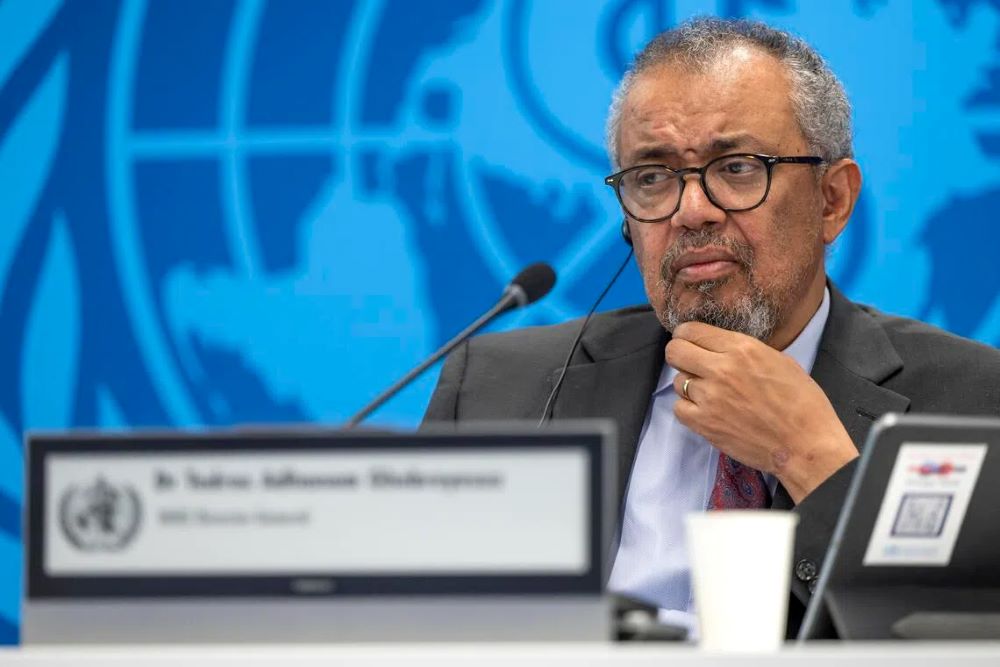
Speaking to reporters at the airport upon arriving in the DRC capital of Kinshasa, Tedros said he had come to show affected communities that “they are not alone” and that the WHO was there to support the response.
WHO teams are already working on the ground in Bunia, the capital of the eastern Ituri province, he said, adding that he would travel there on Friday to assess the situation.
Tedros said conflict and insecurity were among the main factors hampering the response and reiterated his call for a ceasefire in affected areas plagued by armed attacks.
Asked about travel restrictions imposed by some countries on travelers from the DRC, Tedros said “a travel ban is not advised by WHO,” explaining that such measures may only delay transmission by a few days.
“The best approach is to intensify measures at the source and provide support,” he said.
Travel bans could also have negative public health consequences, Tedros added, warning that countries reporting outbreaks transparently may feel they are being penalized, potentially discouraging early reporting.
More than 1,000 suspected cases and 238 suspected deaths have been reported as the latest outbreak continues to spread across the DR Congo’s eastern provinces, according to a situation report released Wednesday by the country’s Ministry of Health.
The current outbreak marks the country’s 17th Ebola epidemic. Laboratory tests identified the Bundibugyo strain of the virus, a relatively rare form of Ebola.
The WHO declared the outbreak a public health emergency of international concern on May 17, while the Africa Centers for Disease Control and Prevention later declared a continental public health security emergency.
More than 1,000 suspected cases and 238 suspected deaths have been reported as the latest outbreak continues to spread across the DR Congo’s eastern provinces.Speaking to reporters at the airport upon arriving in the DRC capital of Kinshasa, Tedros said he had come to show affected communities that “they are not alone” and that the WHO was there to support the response.
According to a joint statement released by Global Affairs Canada, the coordinated approach aims to protect citizens as well as the millions of visitors, fans, athletes and tourists expected to arrive for the upcoming FIFA World Cup 2026.
The three North American nations said the measures are also designed to maintain travel and commerce across their borders.
“The health and safety of every person in the region remains our highest priority as we welcome the world to North America,” the trilateral statement said.
Canada banned residents from the Democratic Republic of Congo, Uganda and South Sudan from entering the country for 90 days, a measure that started Wednesday, asking arrivals from these countries to observe a 21-day quarantine.
The FIFA World Cup will be jointly hosted by the United States, Mexico, and Canada, starting June 11.
The Toronto City Hall sports a FIFA World Cup banner during the Trophy Tour before the 2026 edition of the tournament. The United States, Mexico and Canada on Thursday announced aligned public health travel measures for individuals arriving from African regions at the highest risk from the Ebola virus.
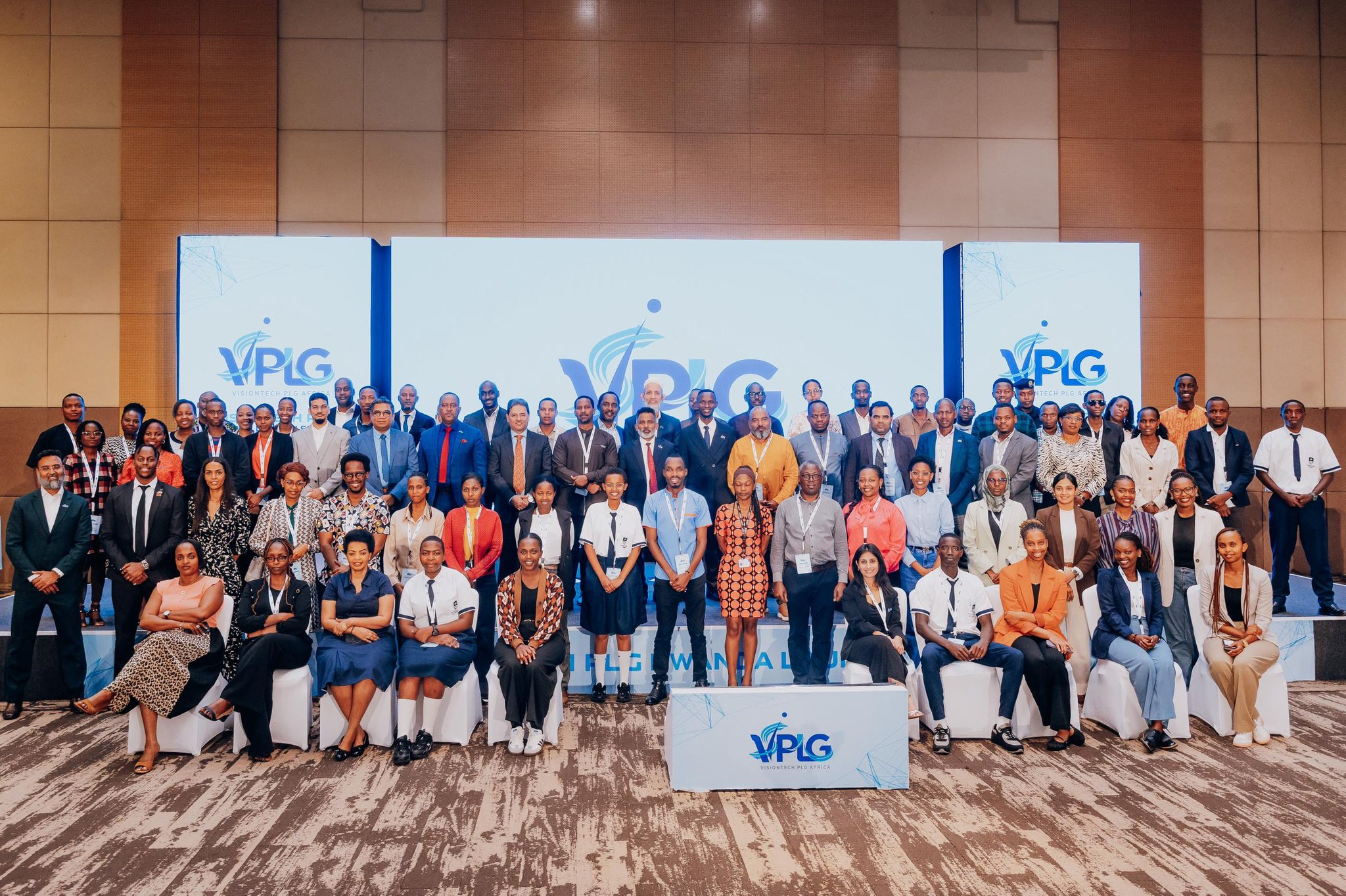
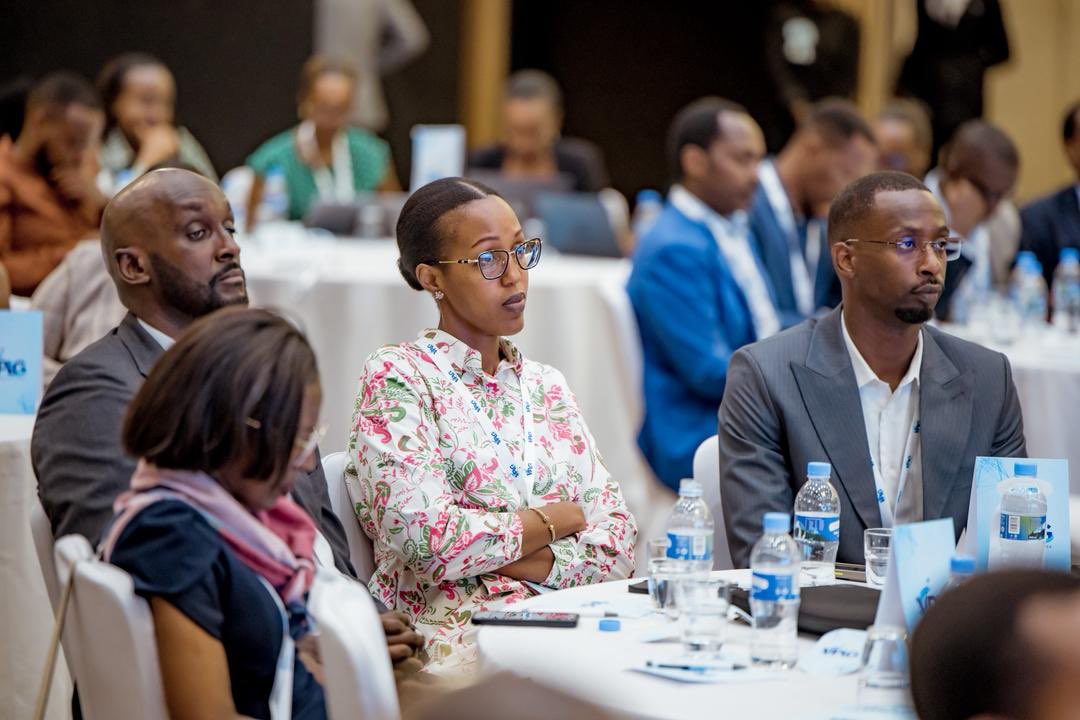
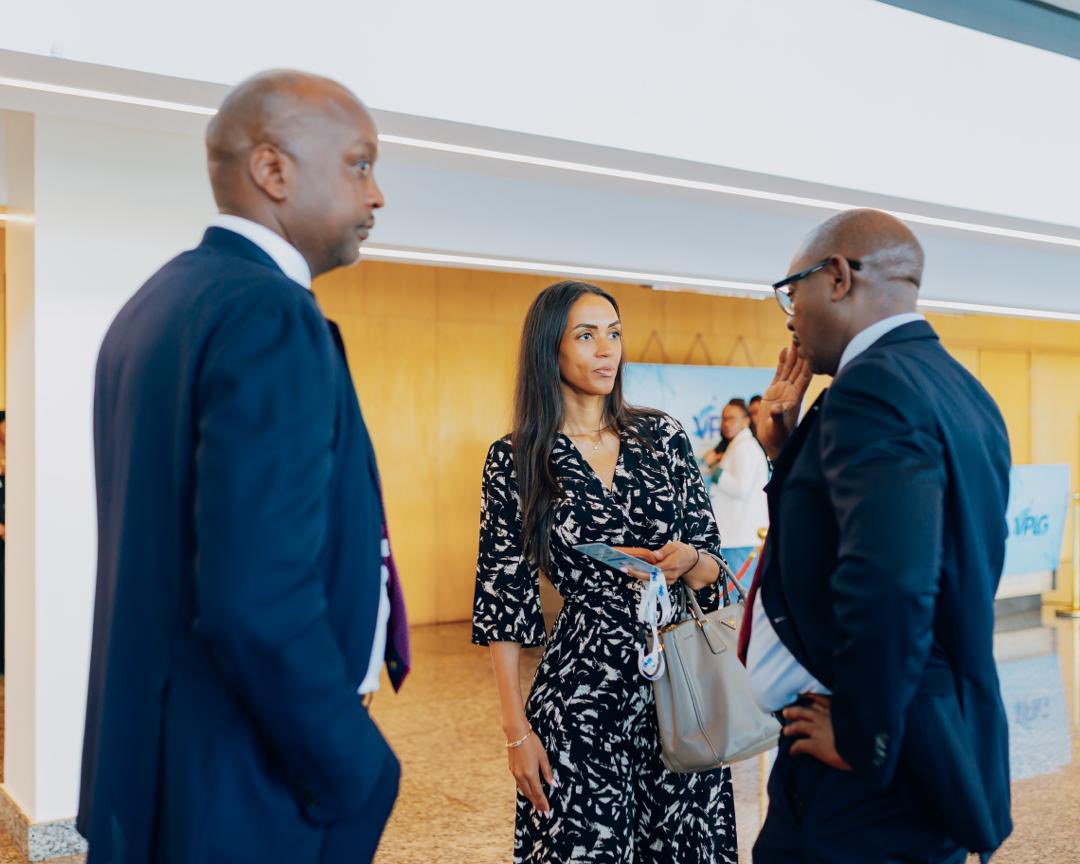
The launch summit, held at the Kigali Convention Centre (KCC), brought together senior government officials, enterprise leaders, global technology partners, and members of Rwanda’s innovation ecosystem to discuss the future of AI-driven transformation in Africa.
The event marked a major milestone in Visiontech’s African expansion strategy, with Rwanda as its launchpad.
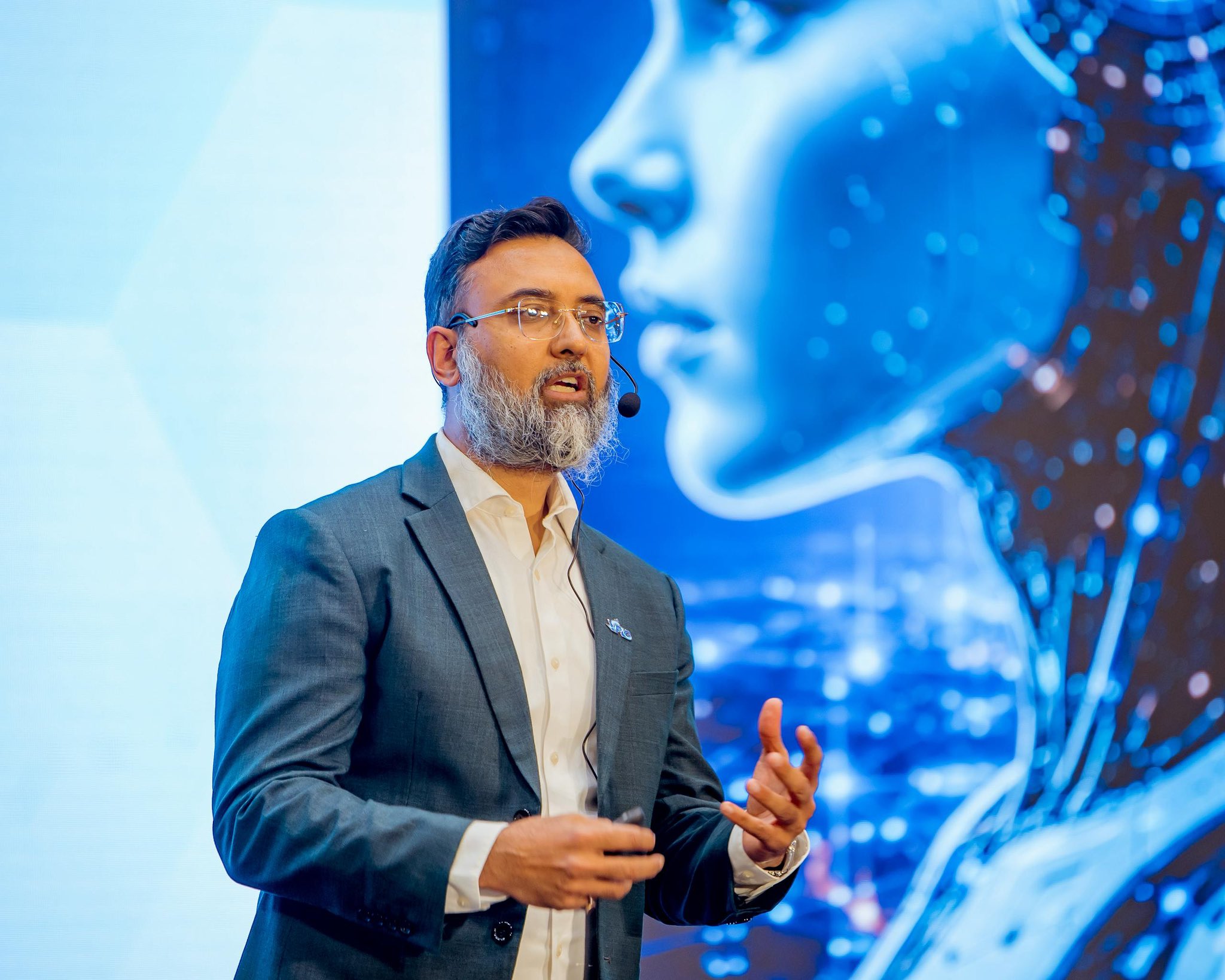
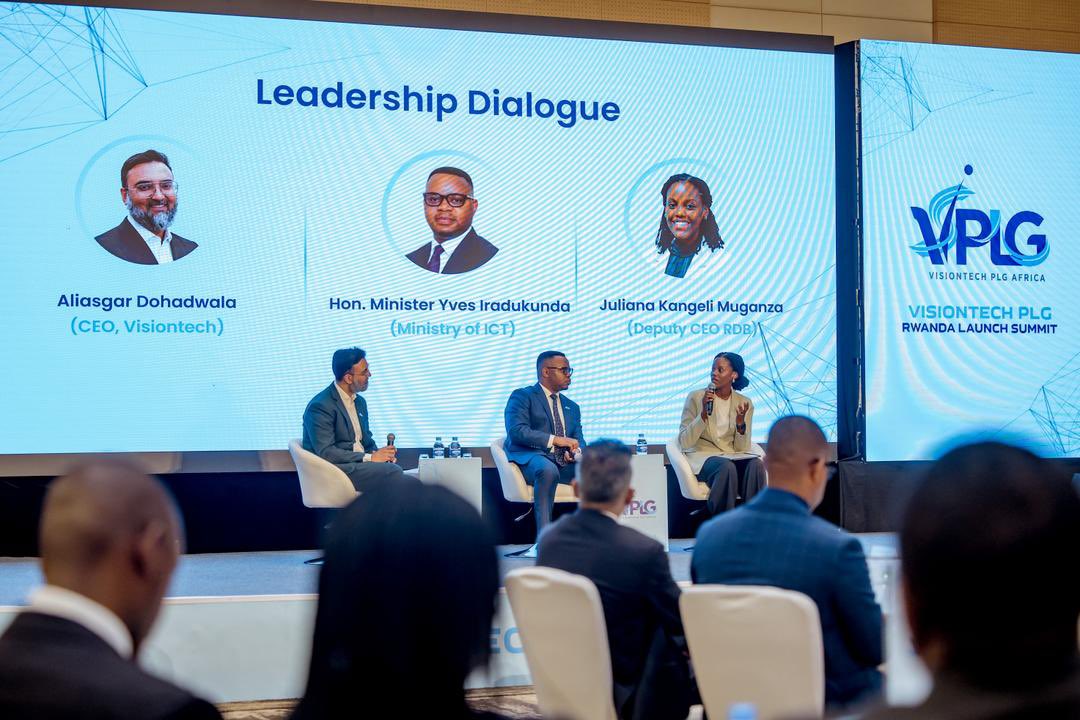
Speaking during the summit, Visiontech PLG Chief Executive Officer Aliasgar Dohadwala said the company’s decision to establish operations in Rwanda was driven by the country’s strong leadership, progressive digital vision, and growing reputation as a regional technology hub.
“We are living in a defining moment where artificial intelligence and intelligent operations are becoming central to everything nations and organisations do,” Dohadwala said. “Visiontech comes with a clear mission, to become Rwanda’s trusted digital and AI partner and help build resilient technology systems that create real impact.”
Visiontech PLG CEO Aliasgar Dohadwala said Rwanda was chosen for its strong leadership, progressive digital vision, and rising status as a regional technology hub.
Founded in Dubai in 2003, Visiontech Systems International LLC has expanded across more than 17 countries, delivering digital transformation projects in sectors including healthcare, education, defence, oil and gas, and government services.
The company said Rwanda will serve as its strategic operational base for expansion into Central, East, and West Africa.
During the summit, Dohadwala announced plans to establish a Centre of Excellence and demonstration centre in Rwanda aimed at developing local technical capacity, showcasing AI and cybersecurity solutions, and supporting regional knowledge sharing.
He said Visiontech’s long-term focus in Rwanda would include AI-powered public services, intelligent government systems, cybersecurity infrastructure, real-time monitoring solutions, predictive analytics, and secure digital platforms designed to protect national data and strengthen digital sovereignty.
“Digital sovereignty is now a critical priority for every country,” he remarked. “Your data and information must be protected and managed in ways that serve national interests.”
The launch summit was held at the Kigali Convention Centre (KCC).
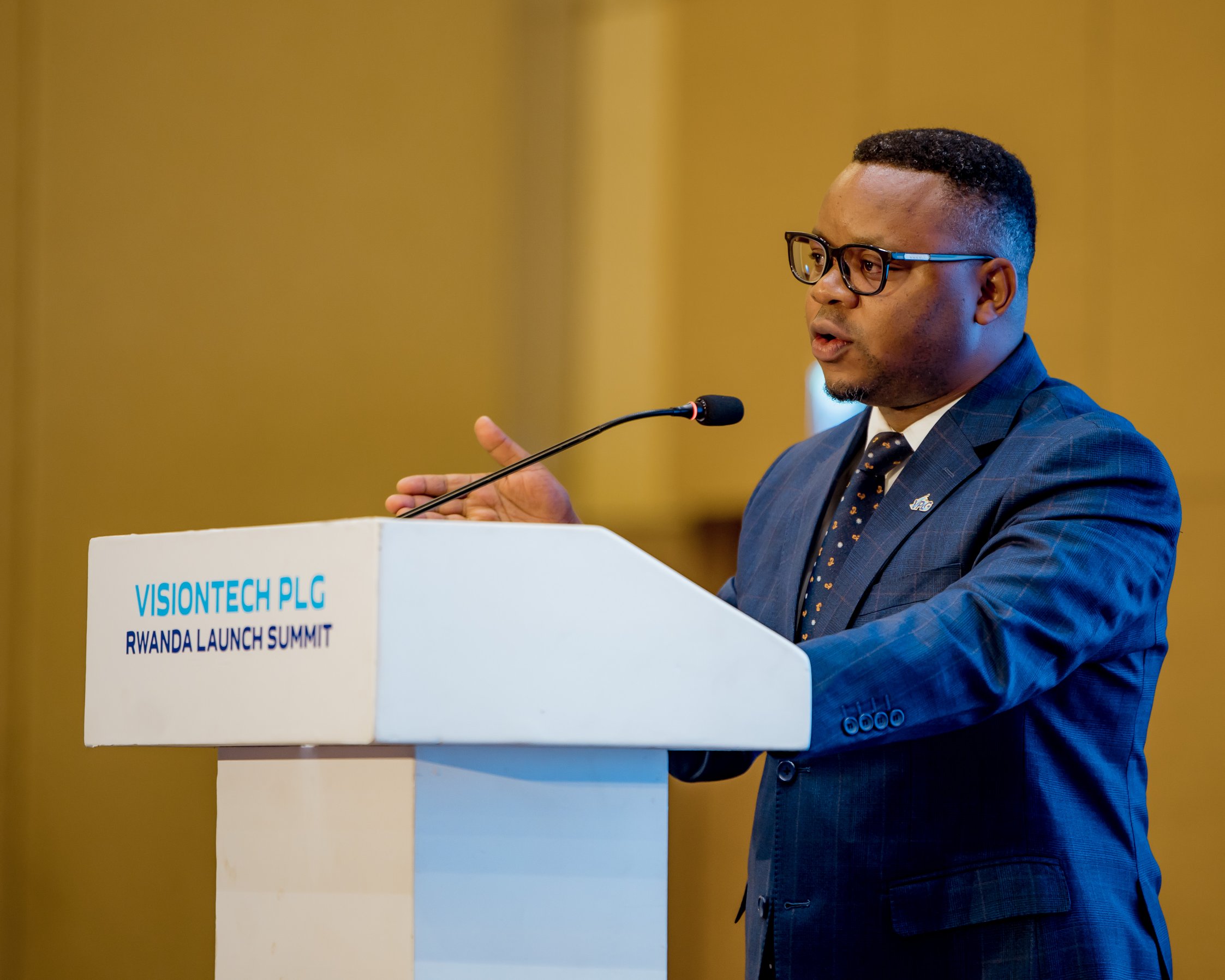
The launch received strong backing from the Government of Rwanda, with Minister of State for ICT and Innovation Yves Iradukunda describing Visiontech as an important strategic partner in Rwanda’s digital transformation journey.
Addressing participants at the summit, Iradukunda said Rwanda’s investments in connectivity, digital infrastructure, and inclusive technology adoption were designed to improve service delivery and position the country for the next phase of AI-driven growth.
“At the dawn of the AI era, the demands on our infrastructure are growing rapidly,” he stated. “To achieve true digital sovereignty, we must be able to develop, train, and run AI models right here at home.”
Minister of State for ICT and Innovation Yves Iradukunda described Visiontech as an important strategic partner in Rwanda’s digital transformation journey.
He added that Rwanda continues to strengthen its digital ecosystem through resilient infrastructure, interoperable API platforms, cybersecurity frameworks, and expanded digital access across the country.
According to the minister, Rwanda now has more than 95 percent 4G coverage and offers over 250 government services online.
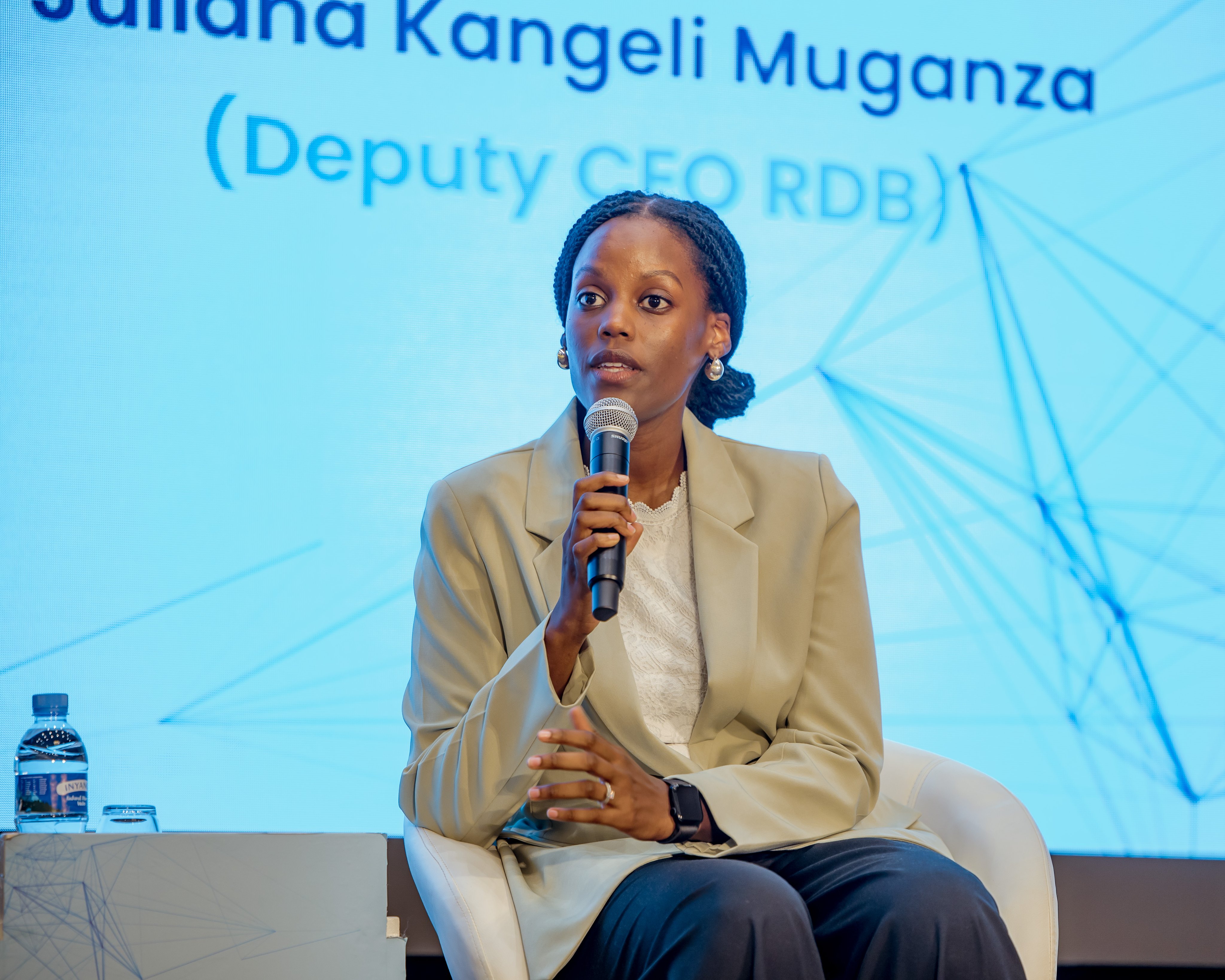
Rwanda Development Board (RDB) Deputy CEO Juliana Muganza welcomed Visiontech PLG’s entry, describing it as a strong signal of investor confidence in Rwanda’s technology ecosystem.
“For us at RDB, when companies like Visiontech come, explore, register, and establish operations here, it is a huge success,” she noted.
She emphasised Rwanda’s goal of becoming the easiest and most coordinated market in Africa for technology and innovation investors, supported by a stable regulatory environment, strong public-private coordination, and robust digital infrastructure.
“Our job is to help investors identify opportunities, translate them into projects, and support them to scale regionally and continentally,” she added.
RDB Deputy CEO Juliana Muganza welcomed Visiontech PLG’s entry, describing it as a strong signal of investor confidence in Rwanda’s technology ecosystem.
Juliana also noted that Rwanda attracted approximately $870 million in foreign direct investment last year, with ICT and ICT-enabled services playing a growing role in that performance.
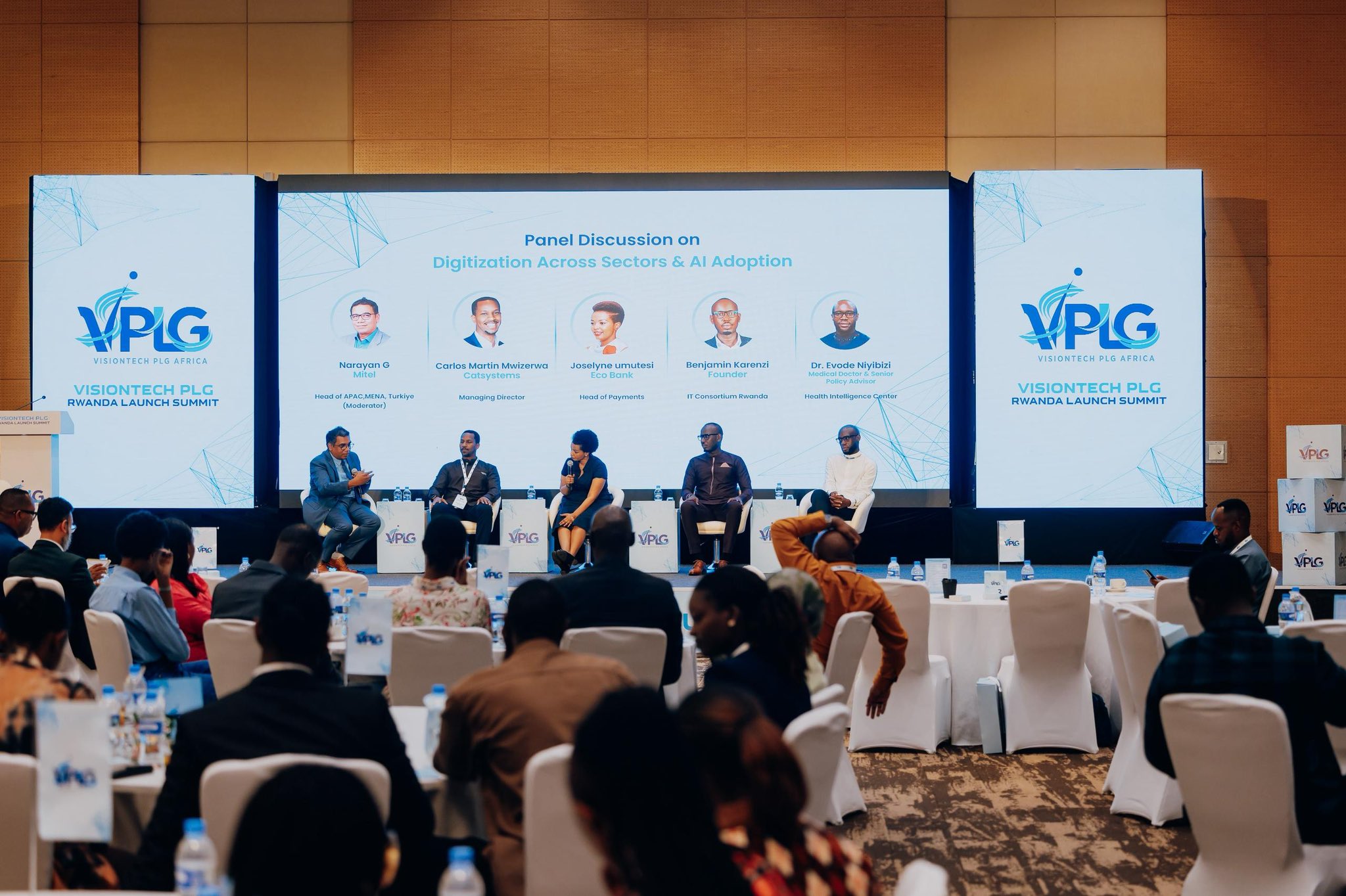
The summit also featured panellists from Hitachi, Rwanda Information Society Authority (RISA), Irembo, and Visiontech PLG, who highlighted Rwanda’s progress in delivering seamless digital services while exploring how resilience and intelligent infrastructure will power the next phase of national digital transformation.
The summit also highlighted Visiontech’s partnerships with several global technology firms expected to support Rwanda’s growing digital economy.
Canadian telecommunications company Mitel, cybersecurity firm Sophos, Hitachi Vantara, and cybersecurity solutions provider Netviss all reaffirmed their collaboration with Visiontech during the event.
Narayan G, Business Head for Asia Pacific, Middle East, Turkey and Africa at Mitel, described Rwanda as one of Africa’s most promising digital economies.
“Rwanda is far ahead of many markets in terms of digital adoption,” he said. “We want to be part of Rwanda’s growth story, which is set to become a world-class success.”
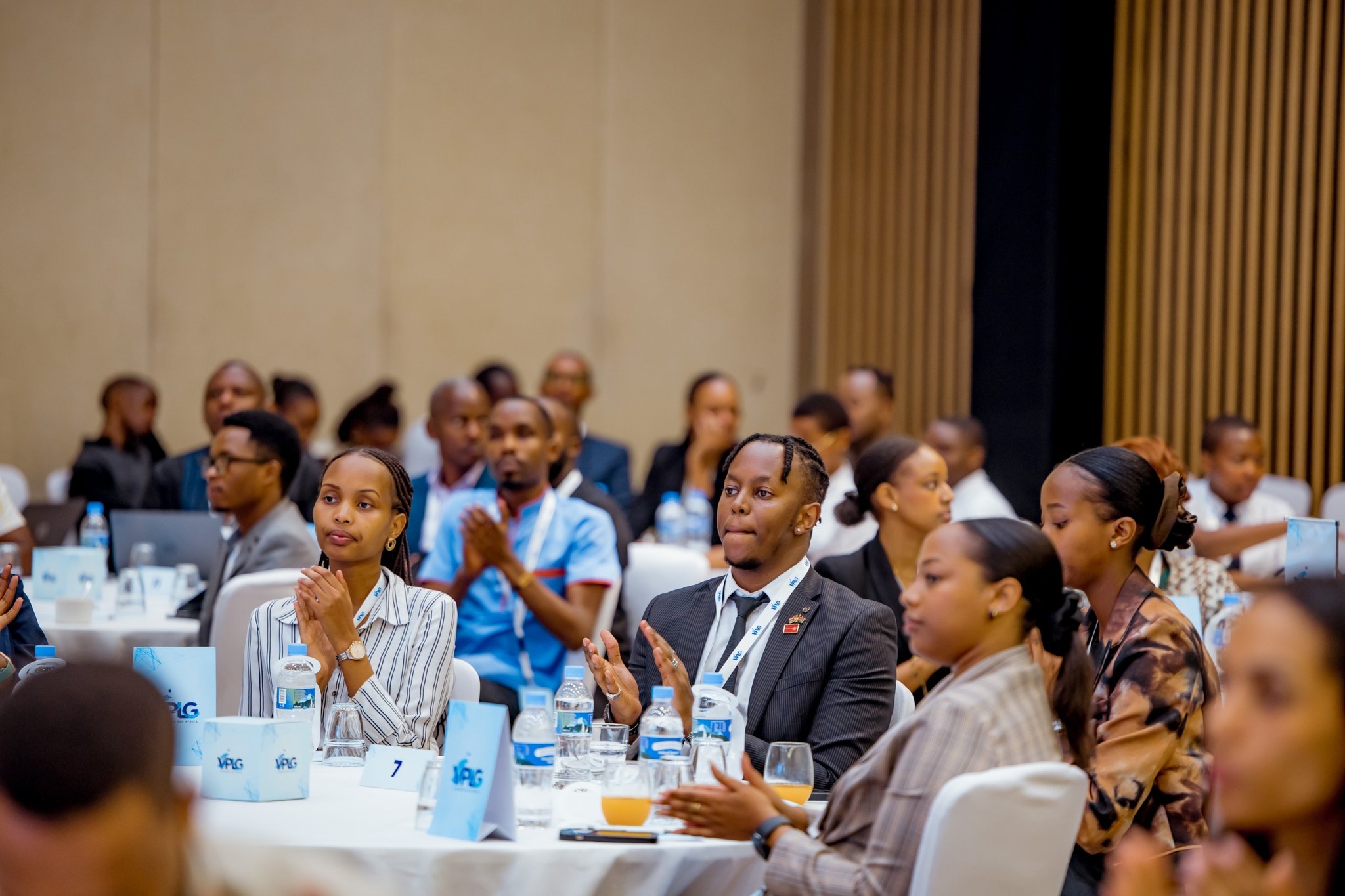
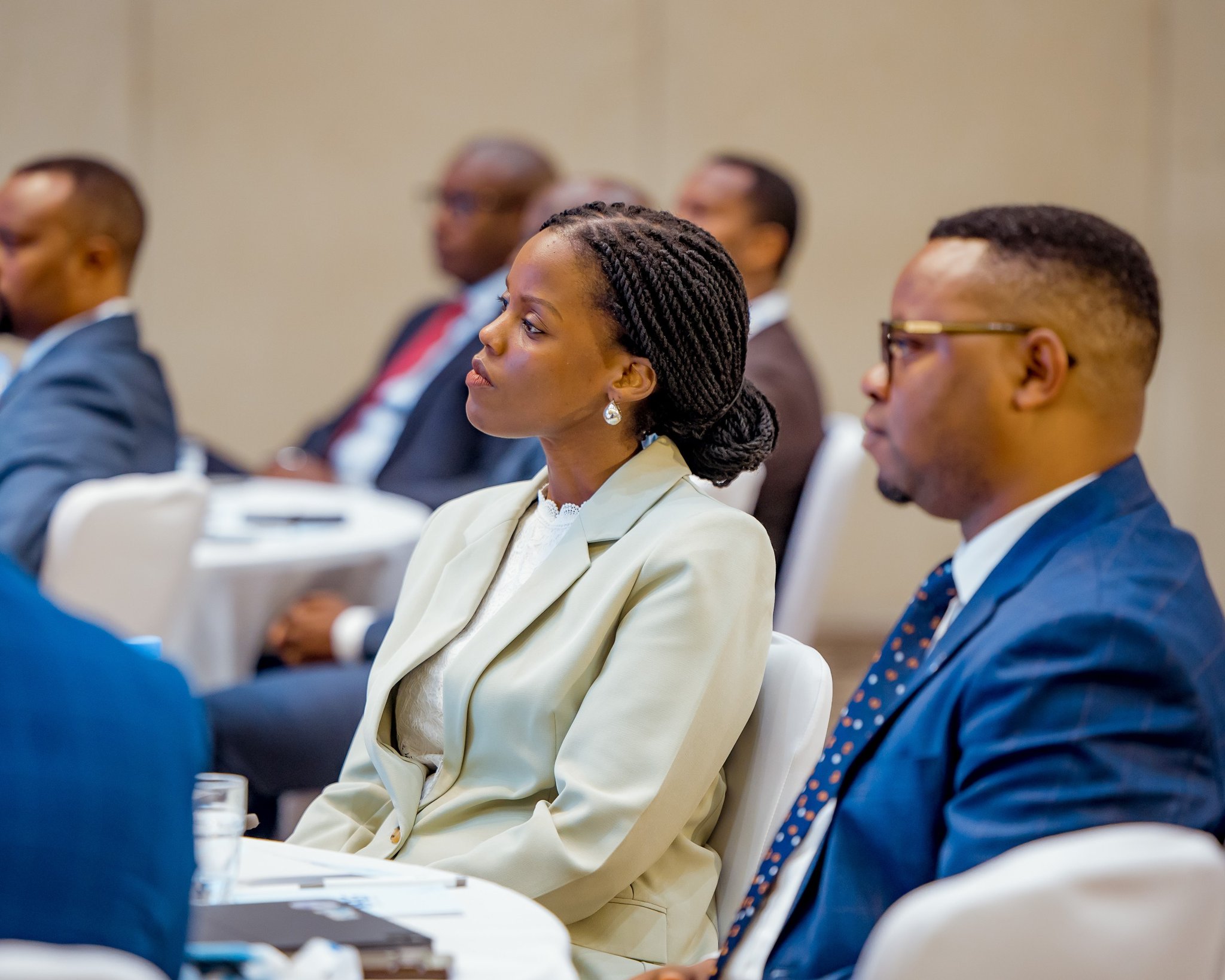
The event brought together senior government officials, enterprise leaders, global technology partners, and members of Rwanda’s innovation ecosystem to discuss the future of AI-driven transformation in Africa.
Hitachi Vantara Regional Channel and Distribution Head Rehan Shahid said the partnership would combine Visiontech’s local presence with Hitachi’s advanced digital infrastructure and AI technologies to accelerate transformation across both public and private sectors.
“This initiative will accelerate Rwanda’s progress by many years,” Shahid said. “It will also create new opportunities and technology-focused jobs for local youth.”
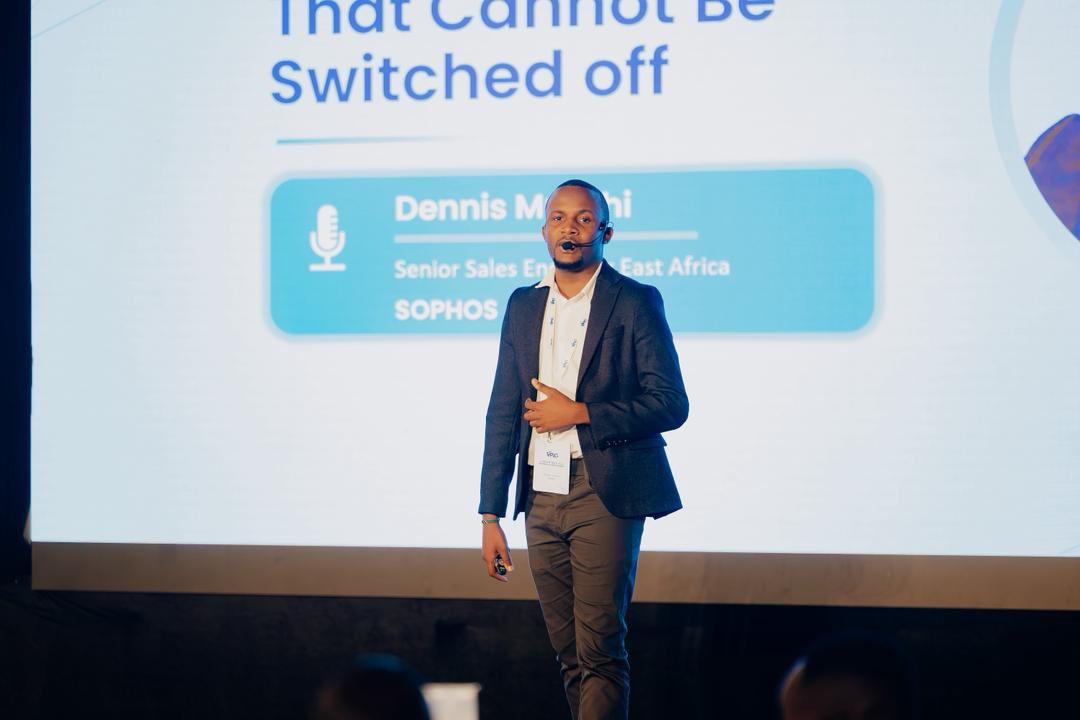
Sophos Senior Sales Engineer for East Africa Dennis Murithi said the partnership would strengthen Rwanda’s cyber resilience as demand for secure digital infrastructure continues to rise.
“We intend to invest heavily in enablement within the country through training, skills development, and collaboration,” he said.
Sophos Senior Sales Engineer for East Africa Dennis Murithi said the partnership would strengthen Rwanda’s cyber resilience as demand for secure digital infrastructure continues to rise.
Meanwhile, Netviss Founder and CEO Aliasgar Bohra emphasised the growing importance of secure AI adoption and localised cybersecurity systems in Africa’s digital transition.
“Our AI operates through a local LLM that does not connect to the internet,” Bohra explained. “This ensures complete data sovereignty, where customer data never leaves the organisation.”
The summit also underscored the role of collaboration between government, private sector players, and innovators in driving Africa’s digital future.
Martin Carlos Mwizerwa, Managing Director of Rwanda-based systems integrator Centurion CatSystems, described the Visiontech partnership as aligned with Rwanda’s broader ambition of building a knowledge-based economy capable of serving the wider continent.
“Working with a company like Visiontech, with over 20 years of experience, can only strengthen our position and help lift everyone up across the country,” he said.
Visiontech PLG said it has already begun establishing local offices and building a Rwanda-based team, including the appointment of a Chief Technology Officer who will lead local operations as the company scales its activities across the region.
The company indicated that it aims to prioritise long-term partnerships, localisation, skills development, and sustainable digital transformation across Africa.
Panelists from Hitachi, RISA, Irembo, and Visiontech PLG highlighted Rwanda’s progress in delivering seamless digital services while exploring how resilience and intelligent infrastructure will power the next phase of national digital transformation.The event brought together senior government officials, enterprise leaders, global technology partners, and members of Rwanda’s innovation ecosystem to discuss the future of AI-driven transformation in Africa.
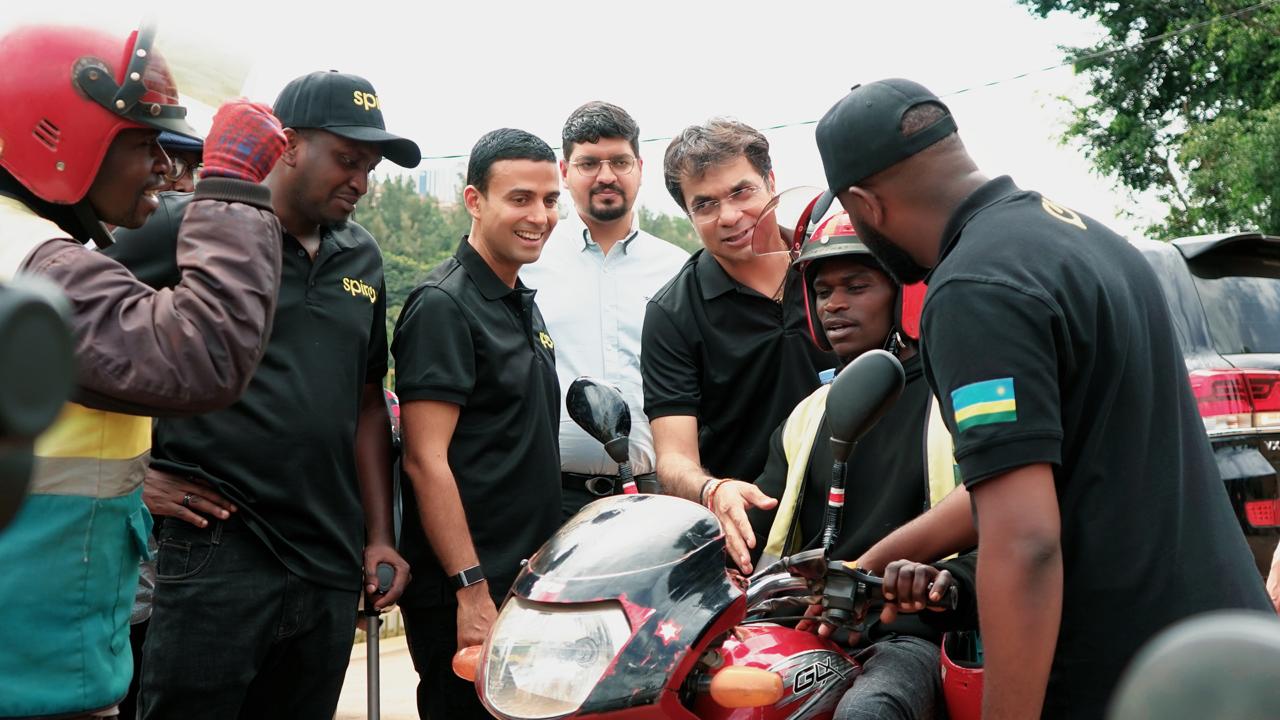
Niyibizi’s journey toward the electric motorcycle began a week earlier, on May 19, 2026, when he met the SPIRO founder along the Kinamba–Gisozi road in Gasabo District. At the time, he was riding a fuel-powered motorcycle and had stopped at one of SPIRO’s battery swap stations, where the two struck up a conversation.
During the exchange, the SPIRO Chairman asked him why he was not yet using an electric motorcycle.
“I have always wished to own one, but I could not afford it,” Niyibizi responded.
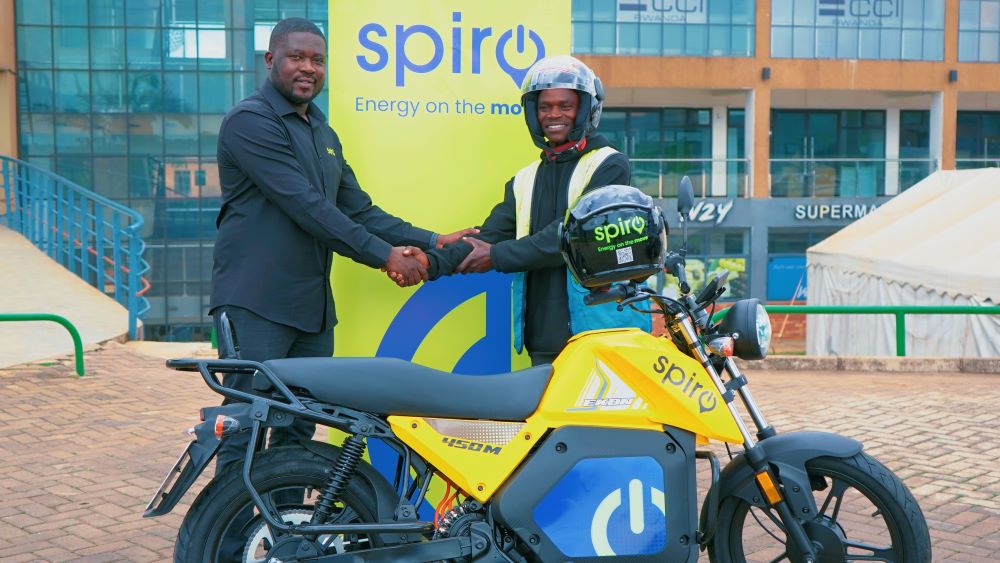
After listening to his story and learning about his aspirations as a rider, Gagan Gupta decided to support him in acquiring an electric motorcycle, turning what Niyibizi described as a long-held dream into reality.
Speaking during the handover ceremony, Niyibizi said the gesture marked a turning point in his life, both professionally and personally.
“As fuel prices kept increasing, my desire to own a SPIRO motorcycle became even stronger because I could clearly see that riders using electric motorcycles are earning more compared to those still operating fuel-powered bikes,” he said.
He added that transitioning to an electric motorcycle represents a major step forward in his career.
“I sincerely thank SPIRO’s founder for giving me this motorcycle. I promise to take good care of it and encourage fellow riders to embrace electric motorcycles because they are more profitable and environmentally friendly.”
Speaking at the ceremony, SPIRO Rwanda’s Head of Commercial Department, Shanton Ngabire, encouraged Niyibizi to make the most of the opportunity.
“This motorcycle is a valuable investment you have received. Take good care of it and use it productively,” he said.
The initiative reflects SPIRO’s broader commitment to improving riders’ livelihoods while promoting environmentally friendly transport solutions in Rwanda and across Africa.
Currently, SPIRO operates across all 30 districts of Rwanda, expanding its footprint through electric motorcycles and a growing network of battery swap stations designed to enable riders to quickly and conveniently exchange batteries.
Over the next five years, the company aims to scale up to between 75,000 and 80,000 electric motorcycles in Rwanda, expand its workforce to nearly 3,000 employees, and establish close to 1,000 battery swap stations supported by between 65,000 and 70,000 batteries.
The brand-new SPIRO M2 electric motorcycle is valued at Rwf 1,075,000 Rider receiving SPIRO electric motorcycle after chance meeting with company chairman.Niyibizi’s journey toward the electric motorcycle began a week earlier, on May 19, 2026, when he met the SPIRO founder along the Kinamba–Gisozi road in Gasabo District.