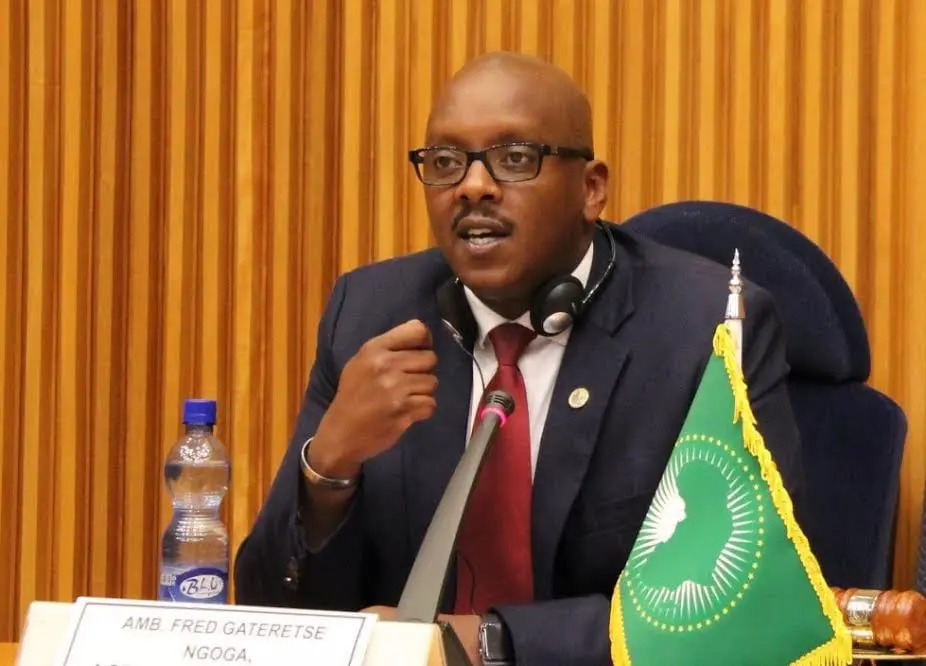
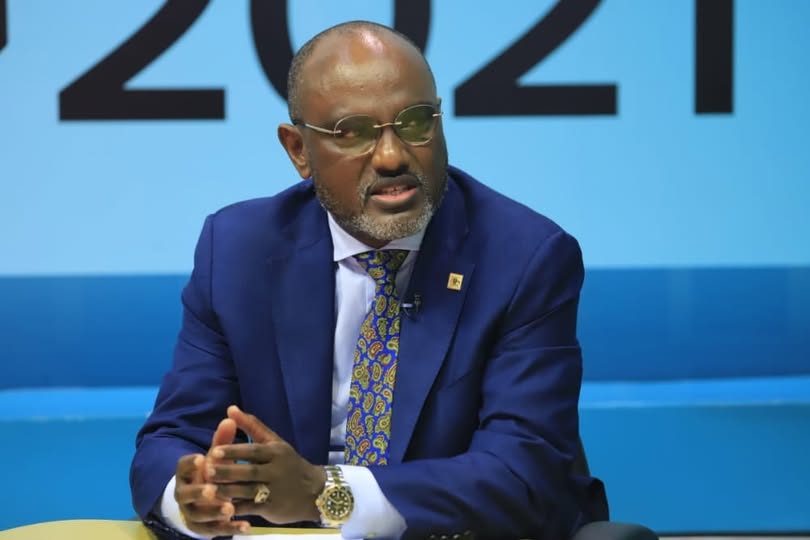
Ngoga, who serves as a senior adviser on international partnerships and regional security mechanisms at the African Union, stressed that confronting structural ethnic divisions is the only viable path to genuine long-term stability and national reconciliation.
The diplomatic friction ignited following a statement published by Ngoga on the social media platform X, where he challenged the status quo regarding ethnic relations inside the country.
“Unfortunately, in Burundi, I wish I was wrong, but discrimination against Tutsi communities still exists,” Ngoga stated.
“Acknowledging this reality is important if we are to promote justice, reconciliation, and equal dignity for all. I expect insults, but will tell you what everyone thinks.”
Under Burundi’s current constitutional framework, state and institutional positions are allocated according to ethnic quotas between Hutu and Tutsi. The system also includes specific provisions for the Twa minority, including reserved representation in parliament.
Ngoga’s remarks quickly drew sharp condemnation from high-ranking Burundian state officials. Willy Nyamitwe, Burundi’s Ambassador to the African Union, Ethiopia, and neighbouring countries, led the public pushback.
Ambassador Nyamitwe rejected Ngoga’s assessment, labelling the comments as “unprofessional” and “divisive”.
This public disagreement marks the latest chapter in an ongoing ideological clash between the two diplomats.
The pair previously sparred online following controversial statements made by Thérèse Kayikwamba Wagner, the Minister of Foreign Affairs for the Democratic Republic of the Congo (DRC).
Minister Wagner had publicly claimed that a genocide against ethnic Hutus had taken place in Burundi in 1994.
At the time, Ambassador Ngoga vigorously disputed the Congolese Foreign Minister’s historical accuracy.
He countered that Burundian Hutus were not victims of a recognised genocide in 1994, emphasising that Burundi was firmly under the governance of a Hutu president during that period.
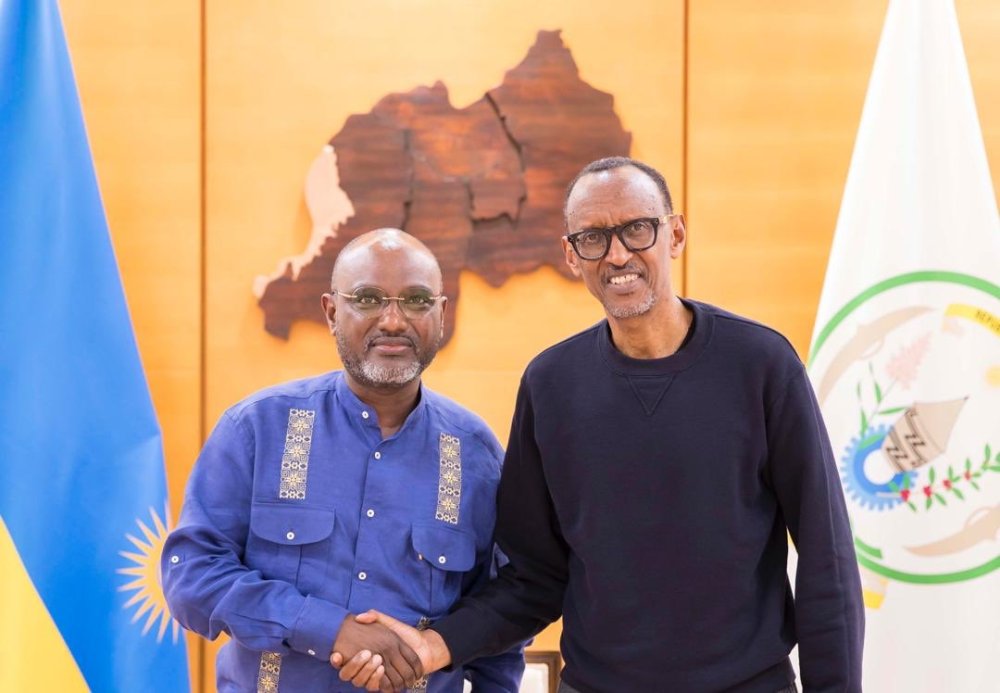
Frédéric Gateretse Ngoga, a prominent former Burundian diplomat and current African Union (AU) official, has publicly reiterated grave concerns over ongoing, unresolved discrimination targeting Tutsi communities in Burundi.
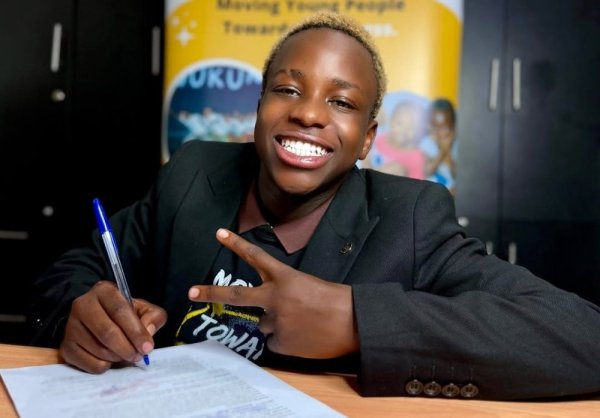
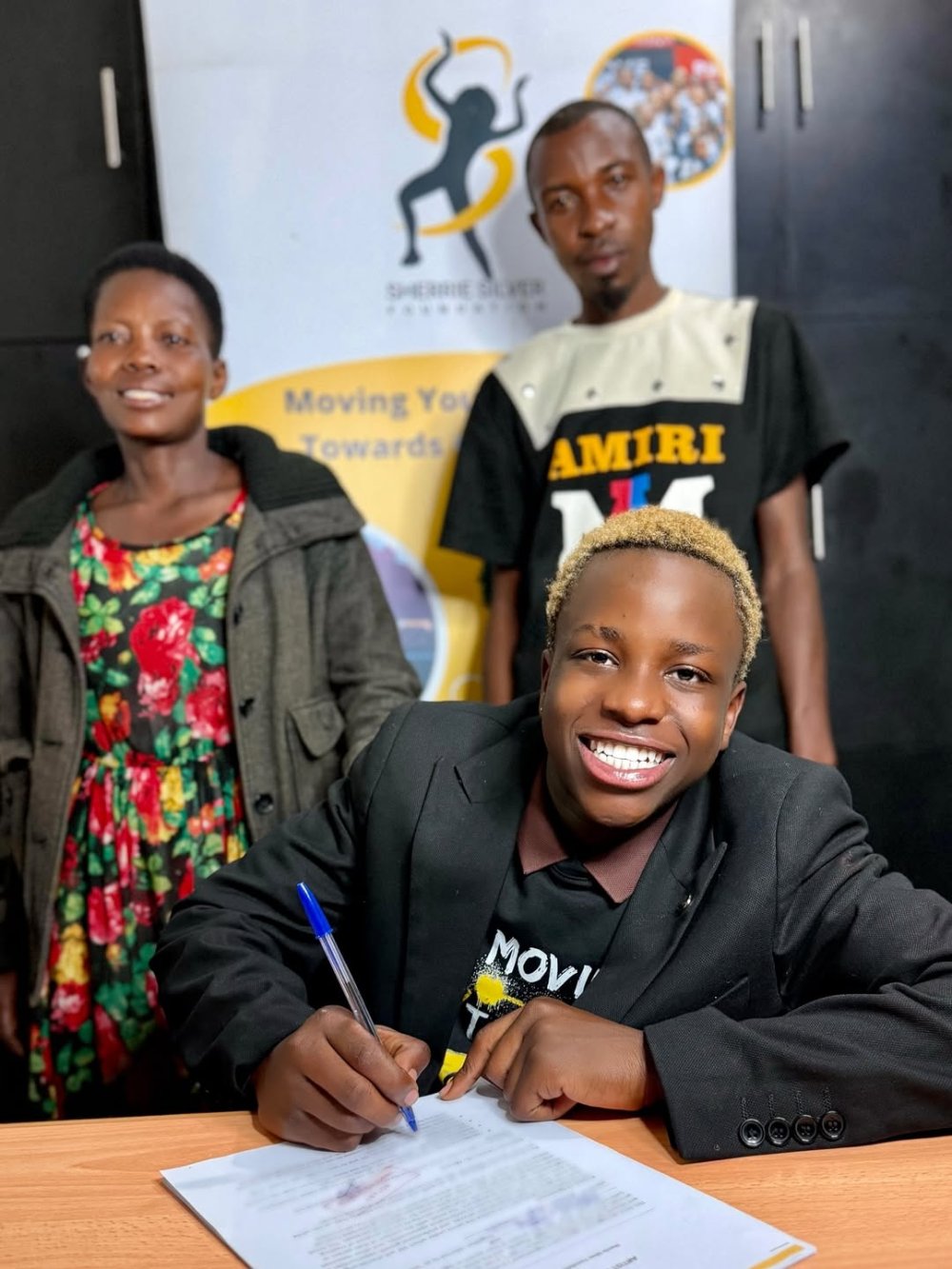
In a statement released on Thursday, Iranzi admitted that he acted out of anger and immaturity, saying he now regrets his earlier public remarks about the Foundation.
“I apologise to the Sherrie Silver Foundation for the interview that misrepresented me. I was immature, I acted hastily,” he said.
The apology comes a day after the Sherrie Silver Foundation confirmed that it had parted ways with Iranzi effective May 2, 2026, citing a mismatch in values despite efforts from both sides to resolve internal disagreements.
In earlier statements, the Foundation and its founder, Sherrie Silver, said their core mission remains grounded in “education, discipline and integrity,” and confirmed it would no longer represent or be responsible for Iranzi’s actions or public views going forward.
“They helped me and cared for my family”
In his latest message, Iranzi expressed appreciation for the Foundation’s support during his time under its care, saying he holds no resentment toward its leadership.
“I have no issues with Sherrie; they helped me, cared for my family, made you know me, you love me,” he said.
He added that he had failed to understand the advice given to him at the time, but now recognises its value.
“I did not understand the advice they gave, but the time came when I realised I should listen to the advice of elders because I am still young,” he noted, adding that he was “misled by anger and bad friends.”
Iranzi also appealed for the removal of online content related to his earlier comments about the Foundation, saying some of the material contained “mistakes and wrongdoing.”
He further called on individuals who could assist in reconciling him with the Foundation’s founder, Sherrie Silver, to step in and help rebuild the relationship.
“I also ask those who can help me reconcile with my mother, Sherrie, to assist me,” he said.
Focus on education and discipline
The young artist also signalled a shift in priorities, saying he intends to focus more on his studies in line with the Foundation’s long-standing emphasis on education.
“I must love school, listen, and put music aside to focus on studying, as the Foundation always asks us. I do not engage in any bad behaviour,” he said. “Hear me, I am yours. Pray for Sherrie for forgiveness.”
Iranzi, who released his first song titled “Basalee” a few days ago, had previously told the media that his exit was influenced by frustrations over limited creative freedom. He claimed that some of his music projects were not released and that he felt restricted in his growth as an artist.
He also said that tensions increased when he was enrolled in a boarding school in Musanze, even as he was already working on music projects, which he interpreted as limiting his ability to fully pursue his artistic development.
In his latest message, Iranzi expressed appreciation for the Foundation’s support during his time under its care, saying he holds no resentment toward its leadership.
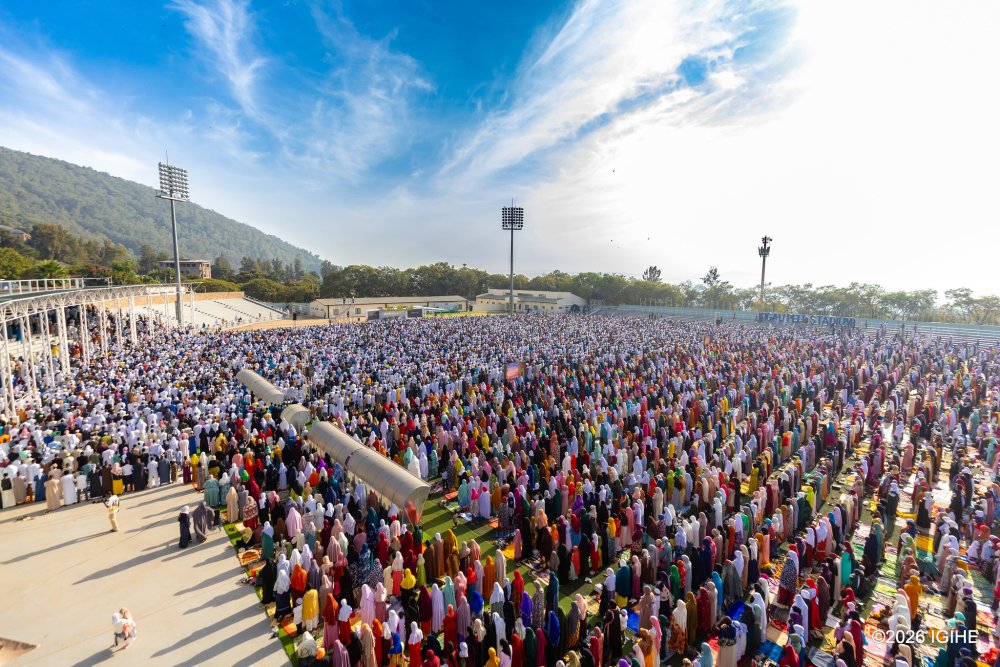
He made the remarks during a press conference held on May 27, 2026, as Muslims across Rwanda celebrated Eid al-Adha, one of the most important holidays in Islam.
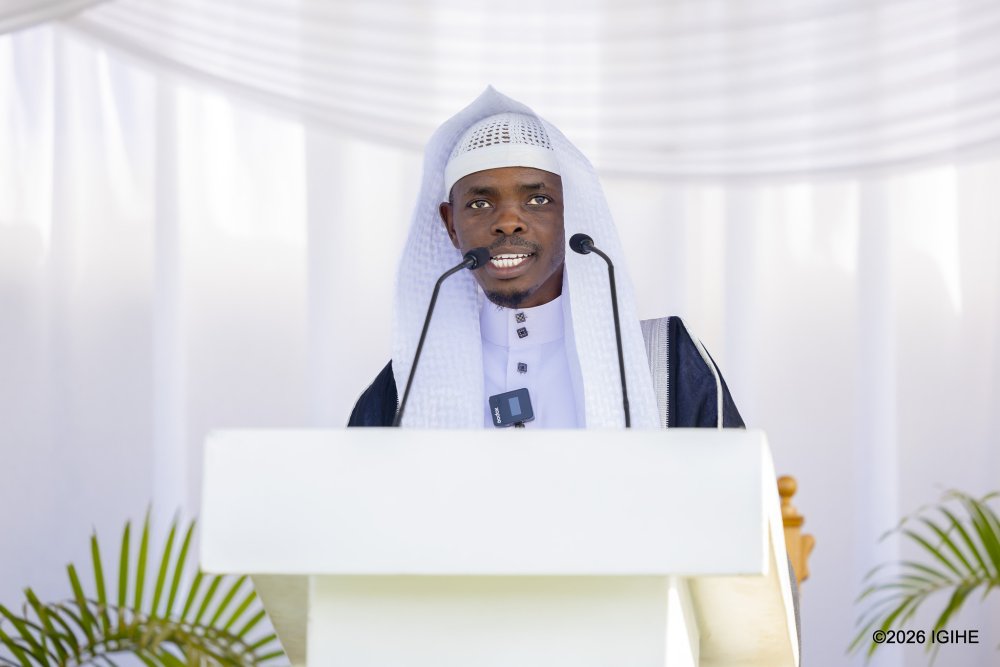
Speaking to journalists, Sheikh Sindayigaya was asked about the progress of a request submitted earlier this year by the Muslim community seeking permission for the Adhan to be publicly broadcast through mosque loudspeakers.
The request was presented to Paul Kagame on March 25, 2026, during his meeting with Muslim faithful at BK Arena.
The Mufti explained that the Adhan continues to be recited inside mosques, while loudspeakers remain authorized for the other daily prayer calls except the one performed before sunrise.
“The issue concerns the morning prayer call being broadcast through loudspeakers. The other prayer calls are already allowed to use loudspeakers, but the early morning one remains restricted,” he said.
According to Sheikh Sindayigaya, President Kagame received the request positively and asked relevant institutions to examine the matter further.
During the March meeting, President Kagame encouraged authorities to assess the issue.
The Mufti added that he has since held several discussions with the Minister of Local Government regarding the matter and was informed that authorities are still assessing possible ways forward.
“I have spoken several times with the Minister of Local Government, who was also present during the meeting. We remain in discussions, and he asked us to be patient as they continue examining how it could be implemented,” Sheikh Sindayigaya said.
In March 2022, authorities suspended the broadcasting of the Adhan in Kigali, citing Article 267 of Rwanda’s law governing offenses and penalties.
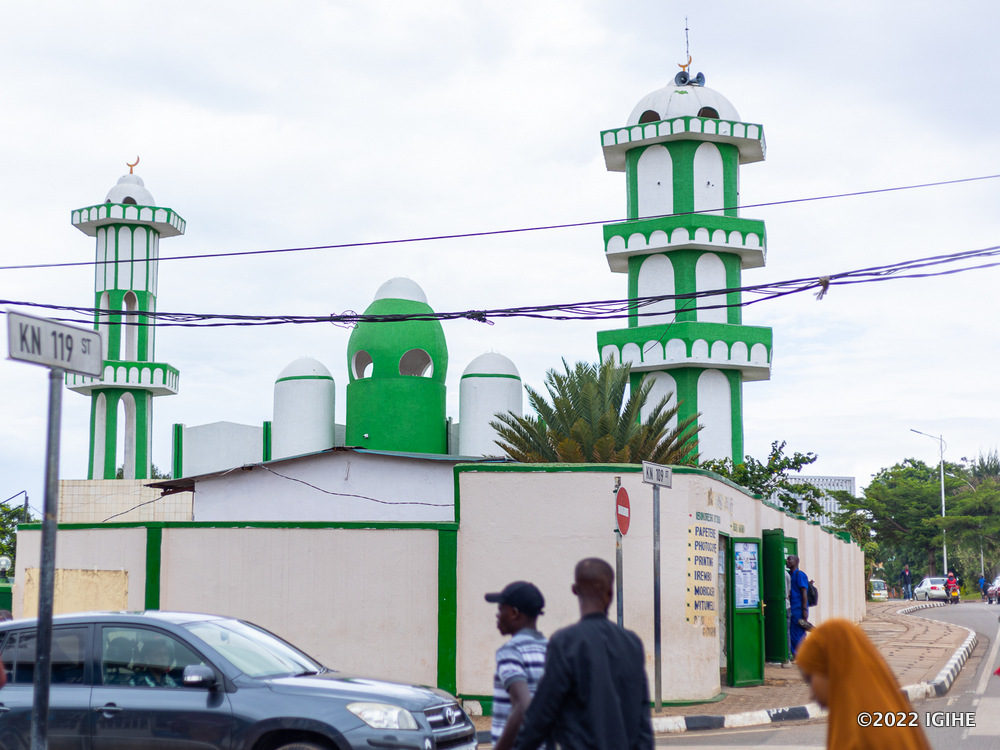
Muslims across Rwanda turned up in a large numbe as they celebrated Eid al-Adha, one of the most important holidays in Islam. The Mufti of Rwanda, Sheikh Sindayigaya Musa, has said discussions with authorities have given hope that the early morning Muslim call to prayer, known as the Adhan, could resume.
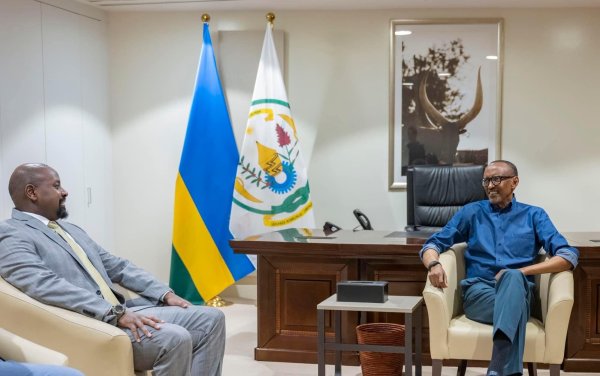
Gen Muhoozi, the son of President Yoweri Museveni, is widely credited with helping reopen diplomatic channels between Kigali and Kampala during a period of strained relations that culminated in the closure of the common border.
Following Ayebare’s appointment as Foreign Affairs Minister, Gen Muhoozi congratulated him in a message posted on X.
“I want to congratulate my big brother, H.E Adonia Ayebare, for the appointment as Minister of Foreign Affairs. From now on, I will wait for guidance on all matters foreign affairs from Mzee and Adonia,” Gen Muhoozi wrote.
Ayebare responded by thanking Gen Muhoozi for the trust and cooperation they have shared over the years, describing their collaboration on various diplomatic and security matters as an important learning experience.
“Afande. Thank you for your trust and support over the years. It has been a learning experience working with you on different files. It is the other way round, I will be waiting for instructions from Mzee and you,” Ayebare said.
He added that diplomacy remains central to national security and credited Gen Muhoozi for helping avert a deeper crisis in relations with Rwanda.
“Diplomacy serves as the first line of Defense for national security. Your achievements in Diplomacy speak for themselves. We were on a collision course with our friends in Rwanda; you prevented disaster. Our relations with DRC, South Sudan, I can go on and on. I am ready for marching orders, Afande,” he added.
Ayebare is regarded as one of Uganda’s most experienced diplomats on Rwanda-Uganda relations. He previously served as Uganda’s ambassador to Rwanda and later acted as President Museveni’s special envoy to Kigali during efforts to mend ties between the two countries.
Beyond diplomacy, Ayebare also has personal ties to Rwanda through his family background, with a Ugandan father and a Rwandan mother.
During the height of tensions, Ayebare undertook several visits to Kigali carrying messages from President Museveni aimed at restoring bilateral relations. Those engagements were later followed by high-profile visits by Gen Muhoozi to Rwanda, which paved the way for renewed cooperation between the two governments.
In previous remarks about the reconciliation process, Ayebare indicated that progress only became possible after Gen Muhoozi became directly involved, arguing that earlier diplomatic efforts had stalled. He said Gen Muhoozi’s understanding of the historical, political and social ties between Rwanda and Uganda, combined with his close relationship with both President Museveni and President Paul Kagame, helped unlock the impasse.
Gen Muhoozi intensified his involvement in the process in late 2021, stepping in after formal diplomatic tracks had stalled. His subsequent visit to Kigali on January 22, 2022, was followed days later by the reopening of the Gatuna border crossing, marking a major breakthrough in the normalisation of relations between the two countries.
Adonia Ayebare, Uganda’s newly appointed Minister of Foreign Affairs, has praised Gen Muhoozi Kainerugaba for his role in improving relations between Rwanda and Uganda.Adonia Ayebare has made several visits to Rwanda, where he was received by President Paul Kagame.Ayebare is regarded as one of Uganda’s most experienced diplomats on Rwanda-Uganda relations. He previously served as Uganda’s ambassador to Rwanda and later acted as President Museveni’s special envoy to Kigali during efforts to mend ties between the two countries.
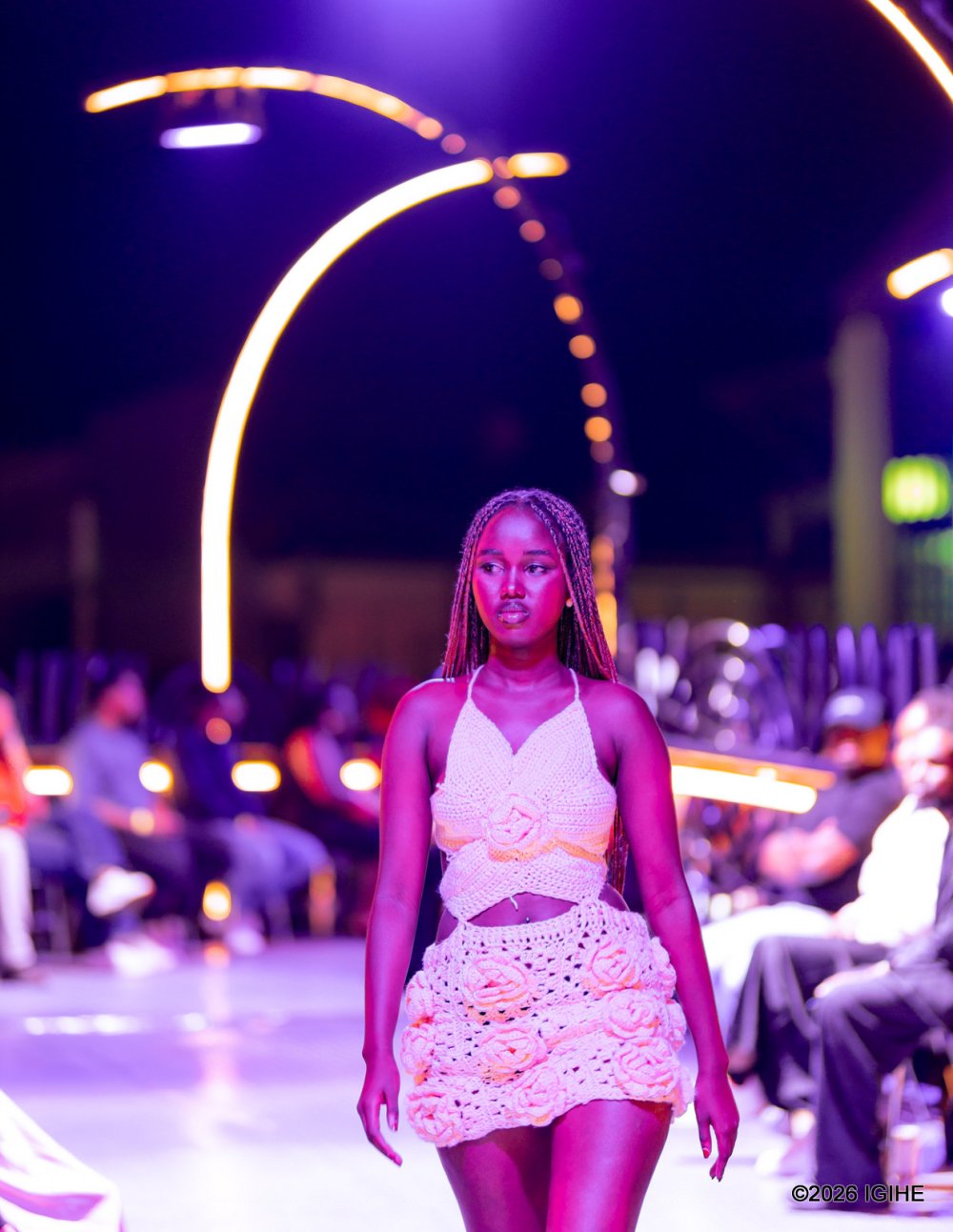
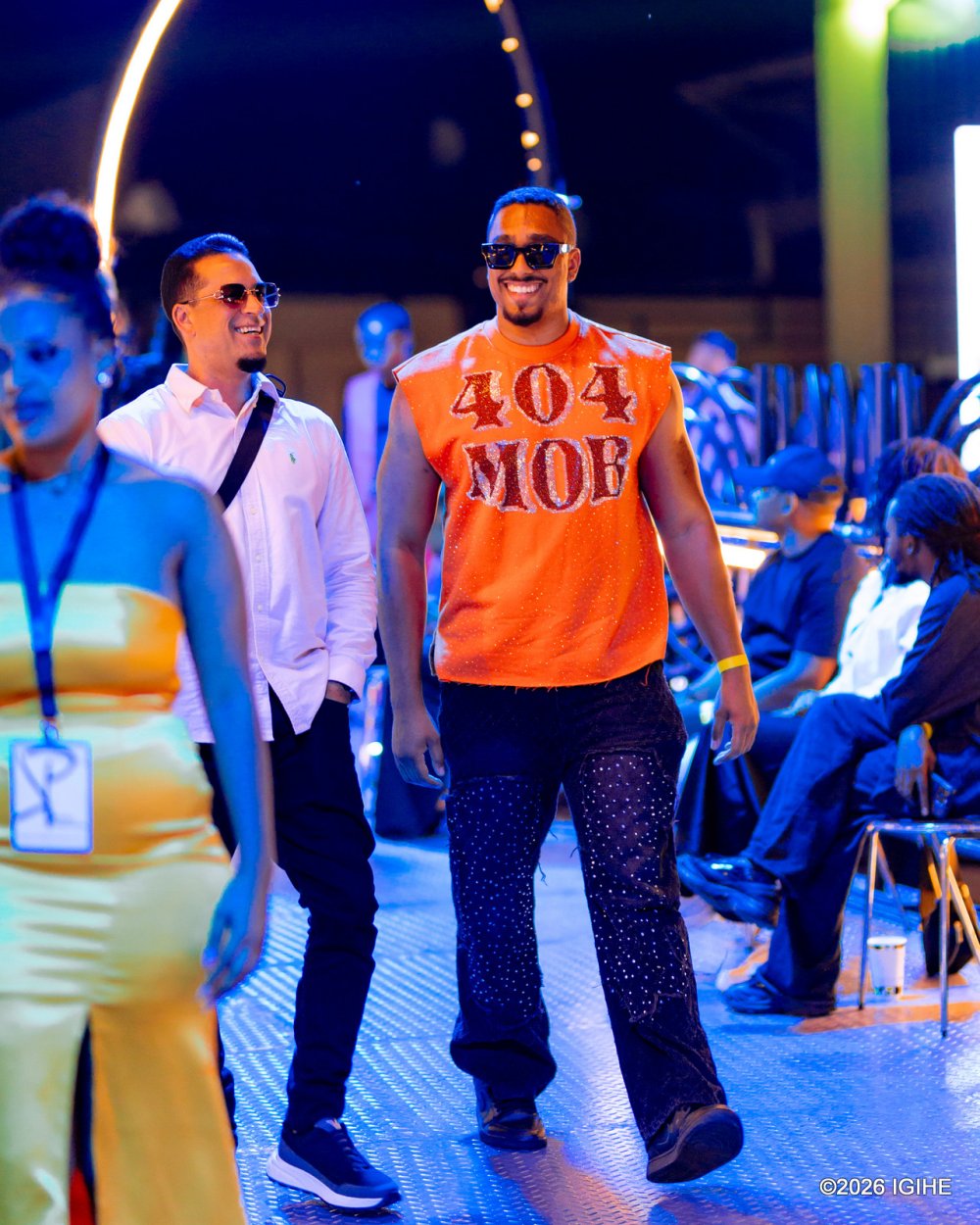
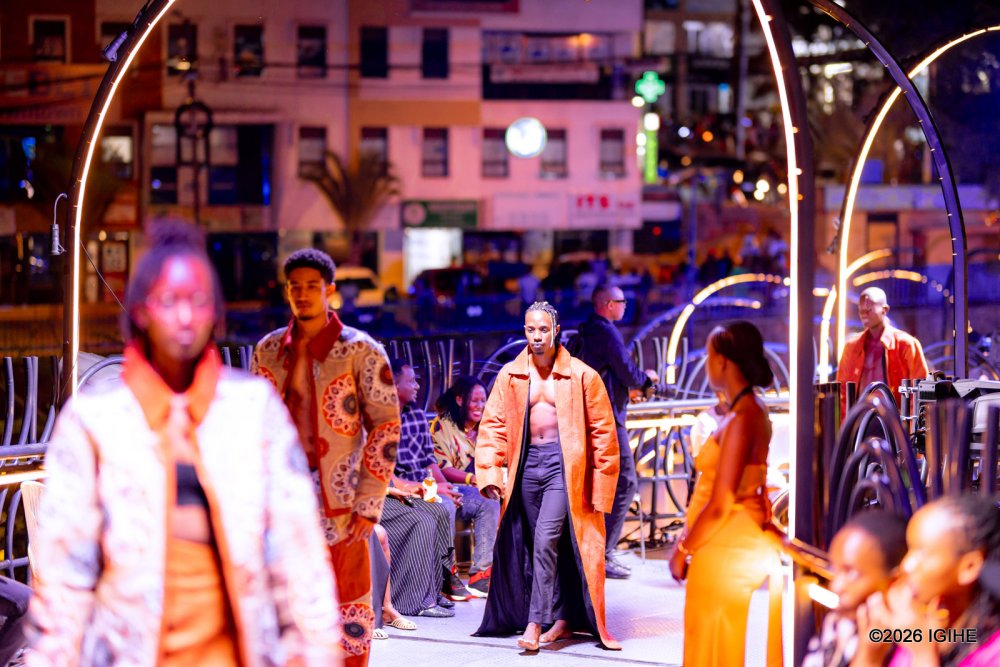
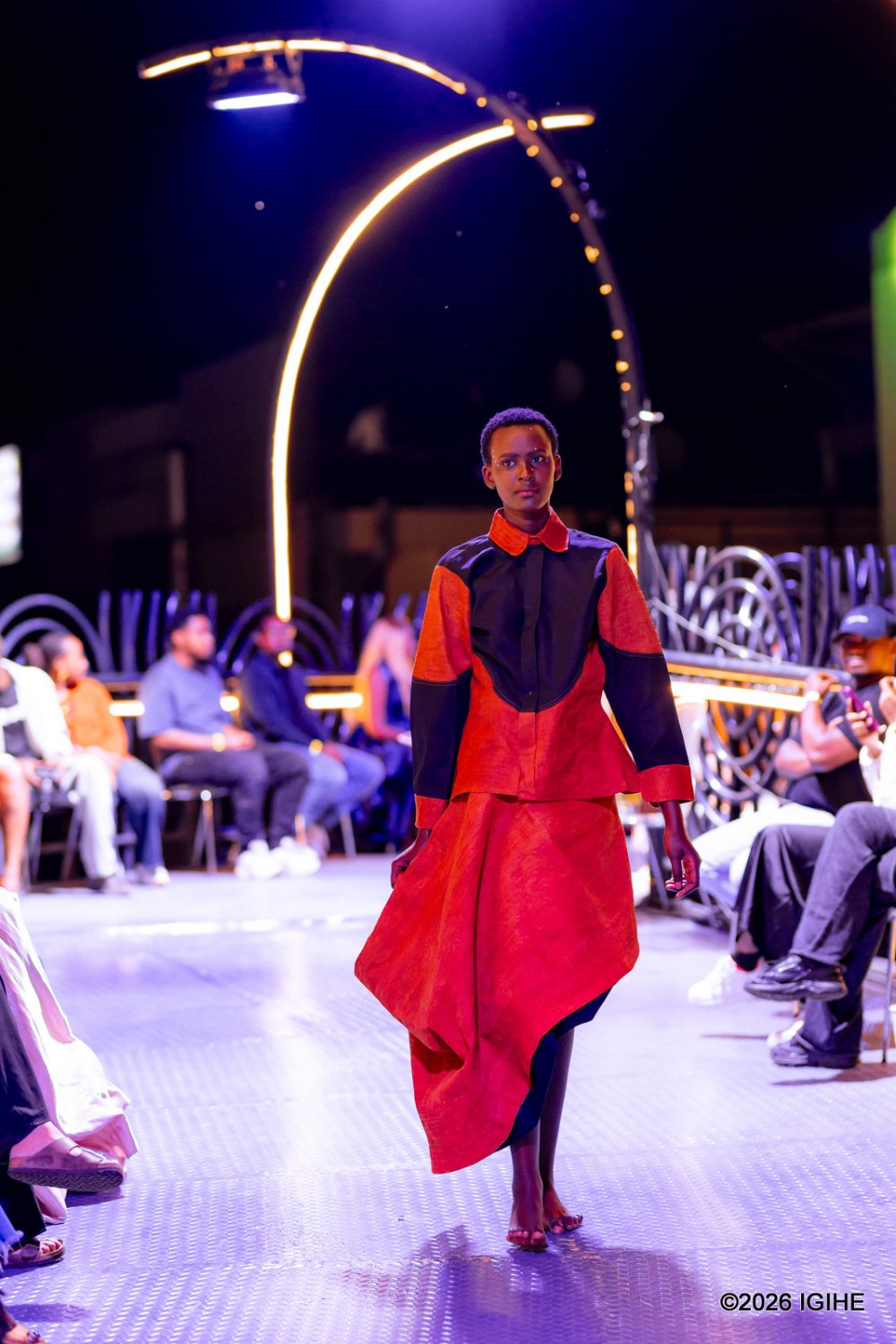
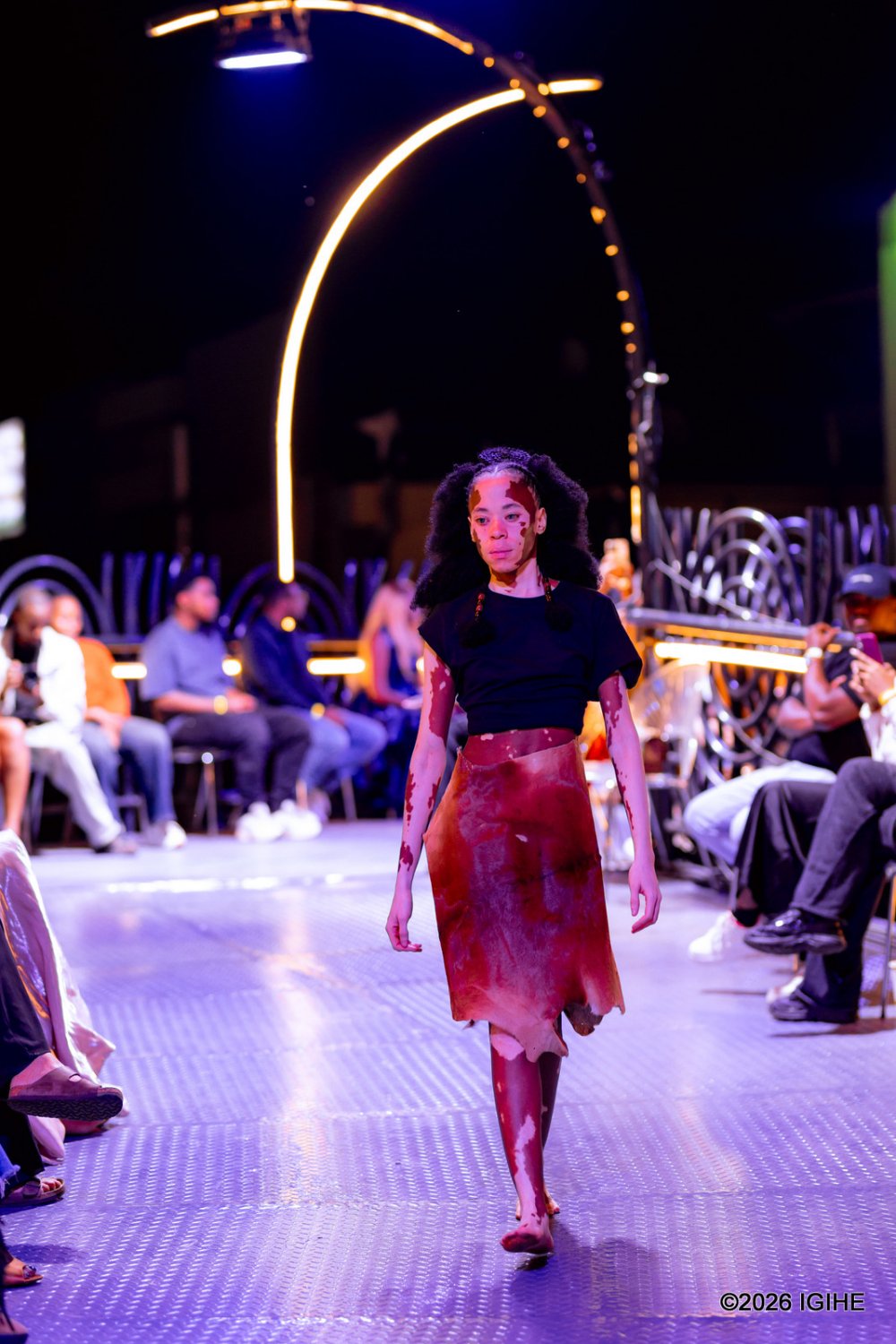
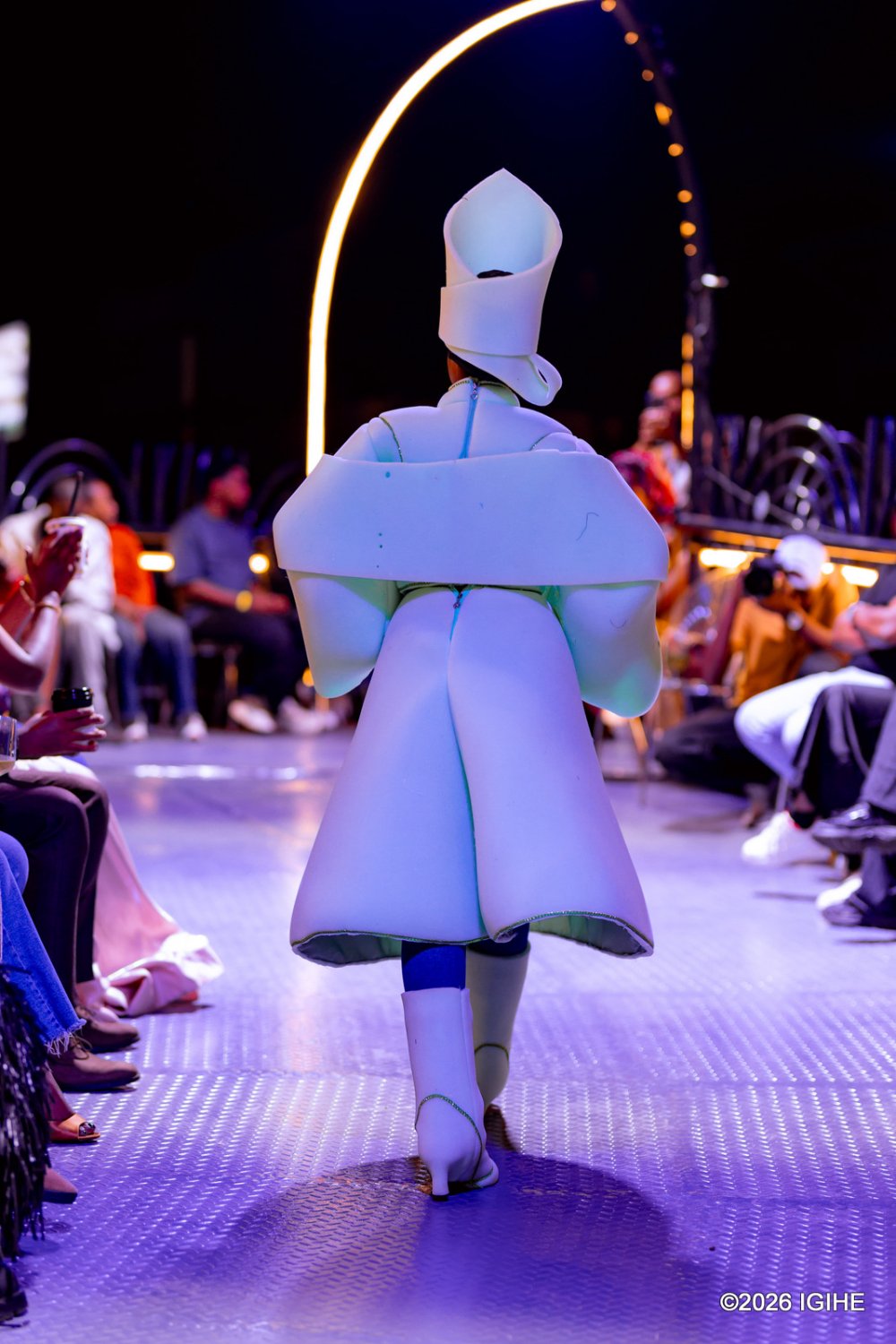
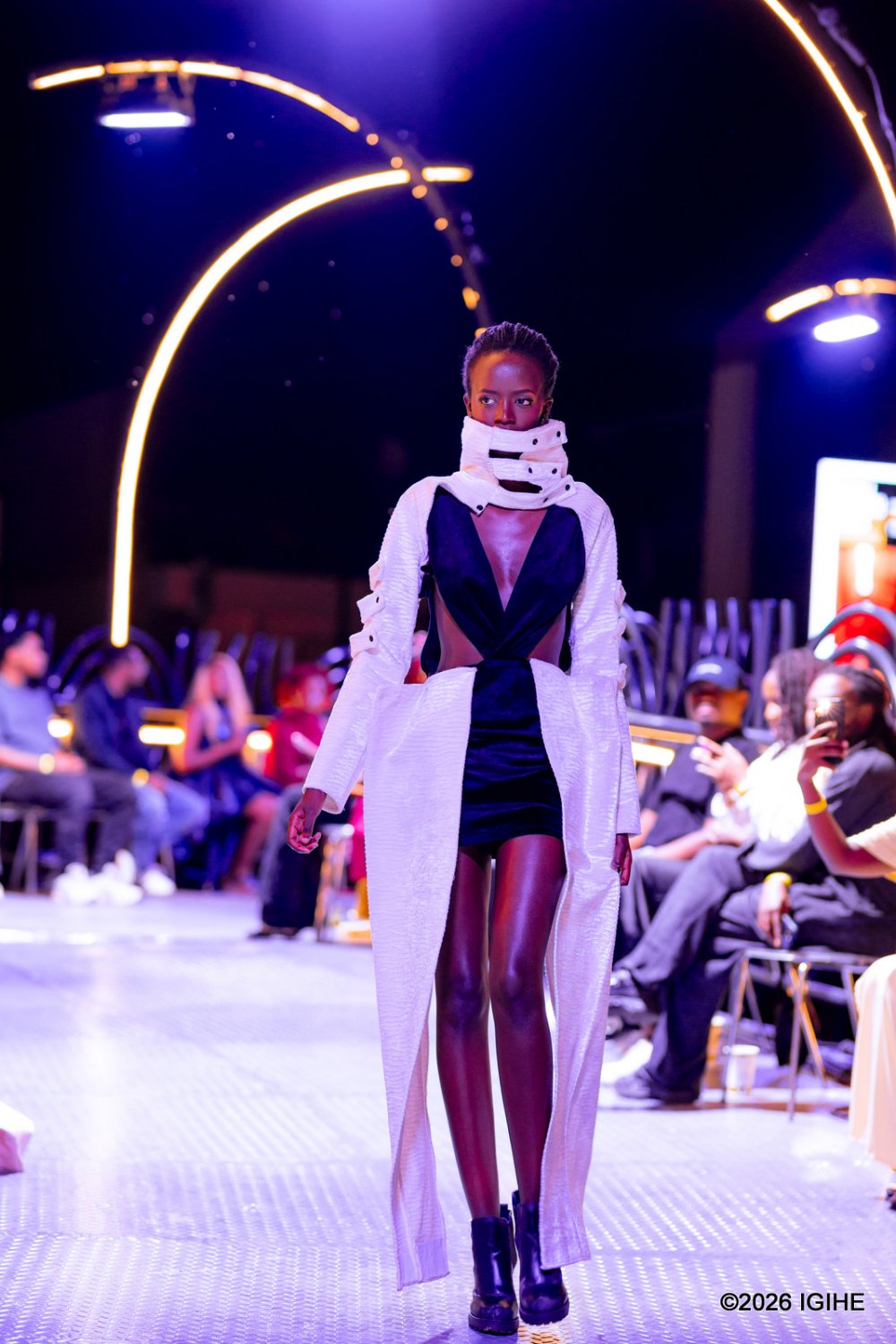
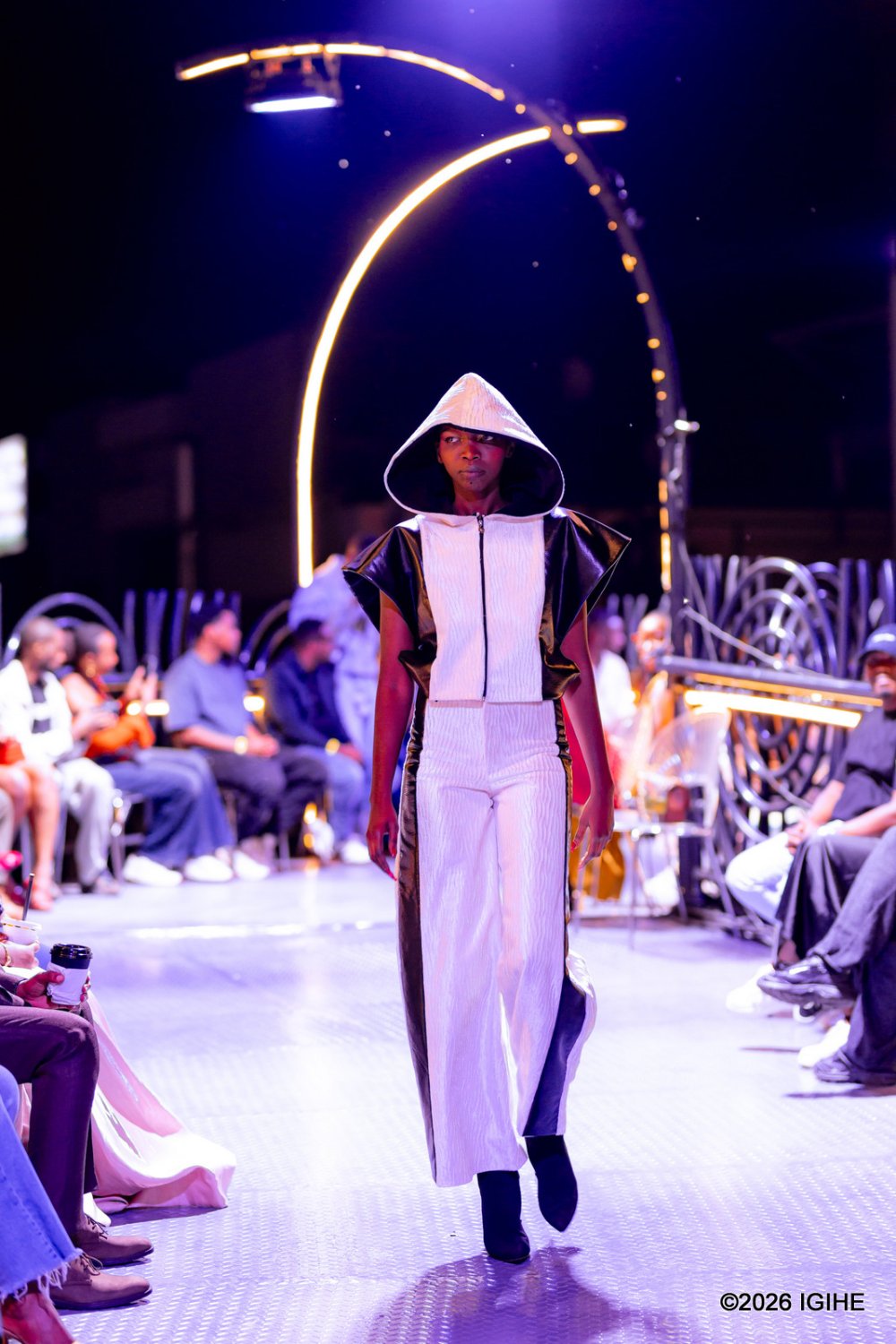
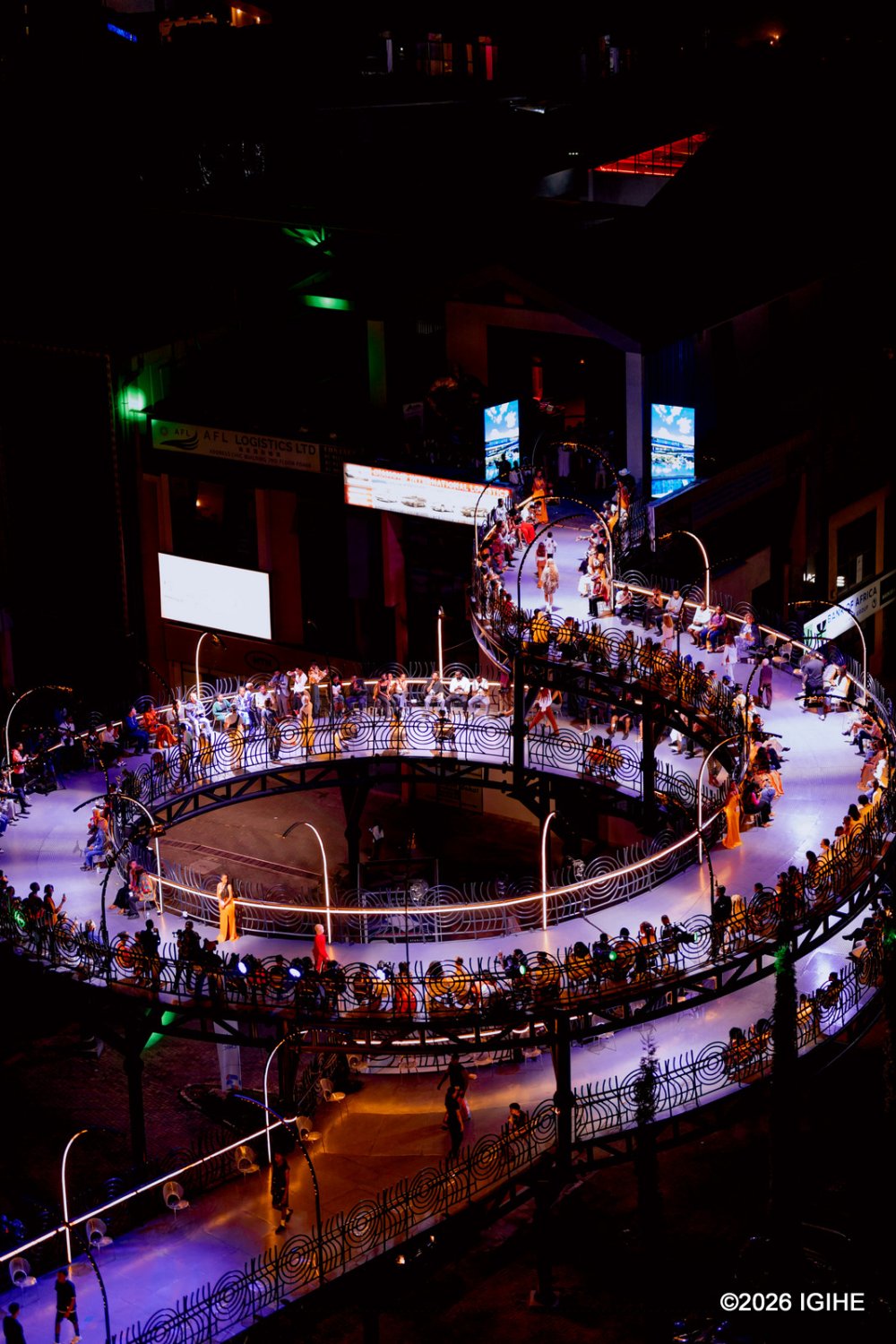
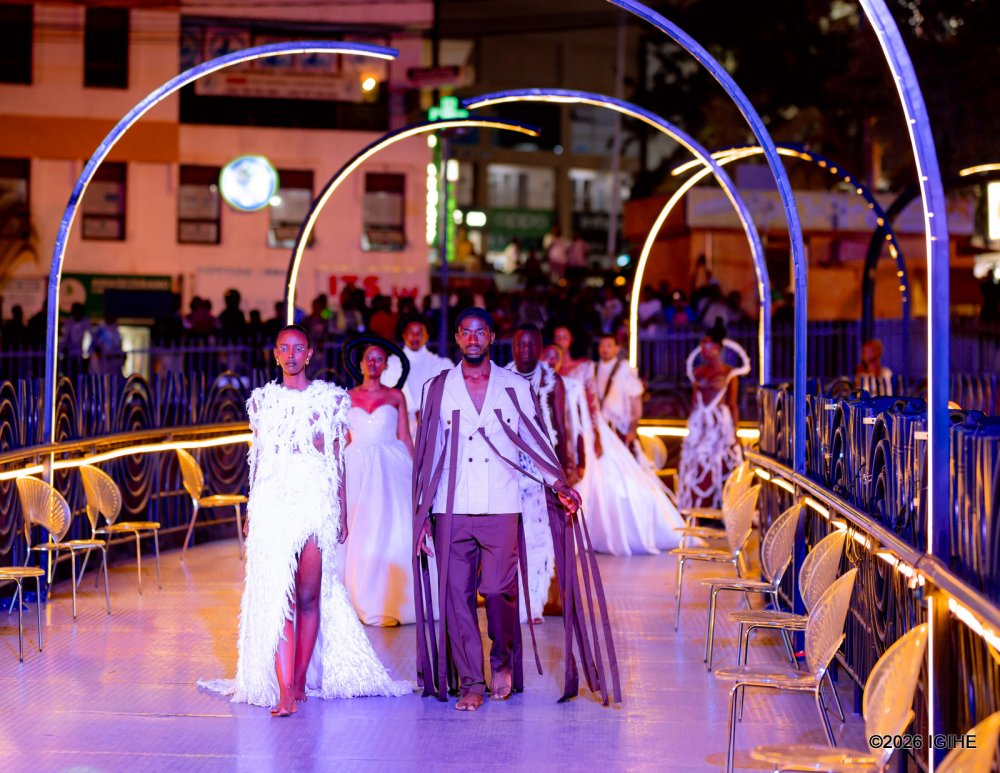
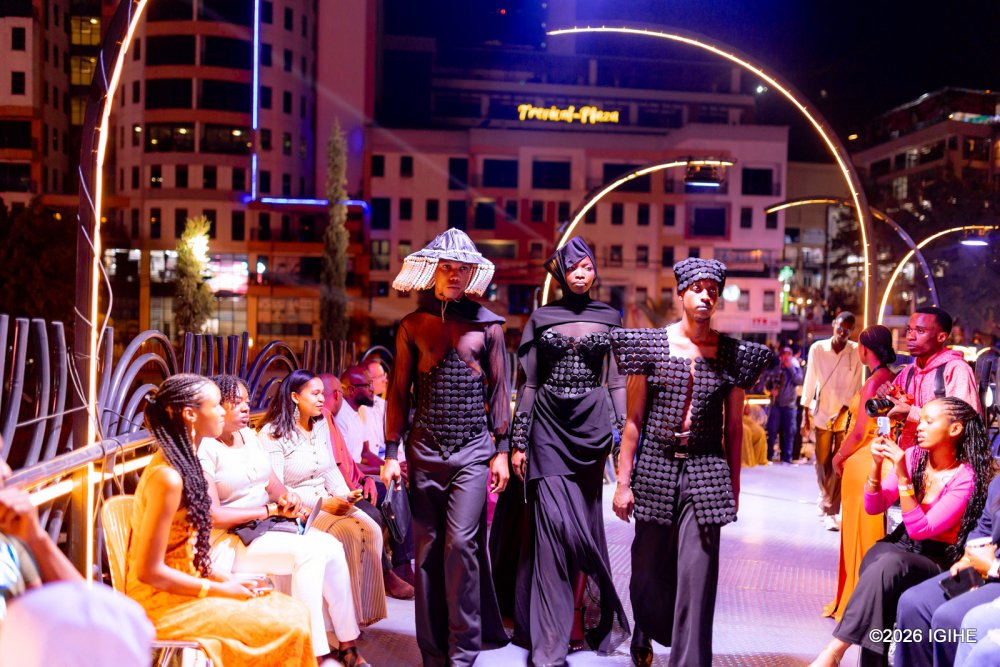
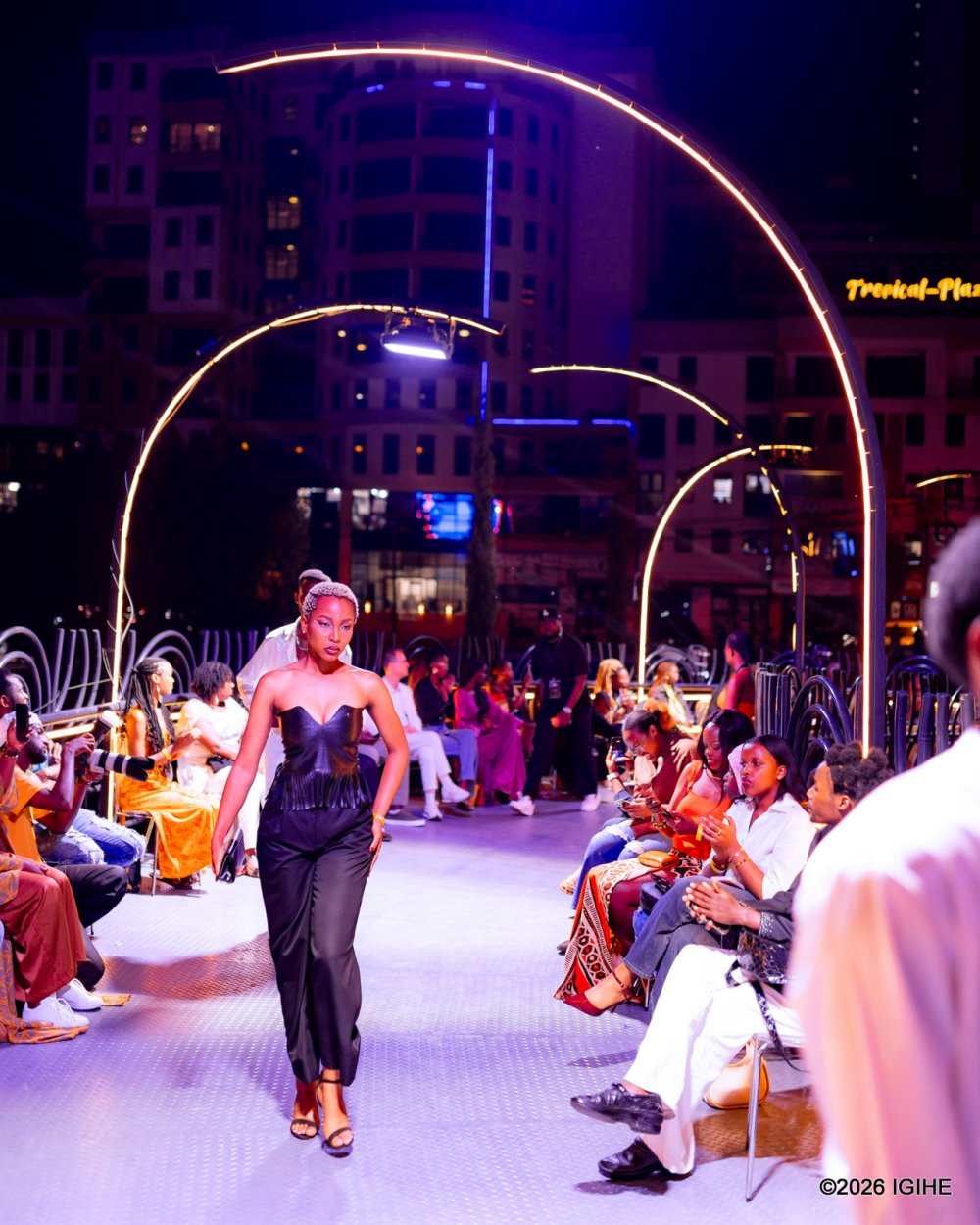
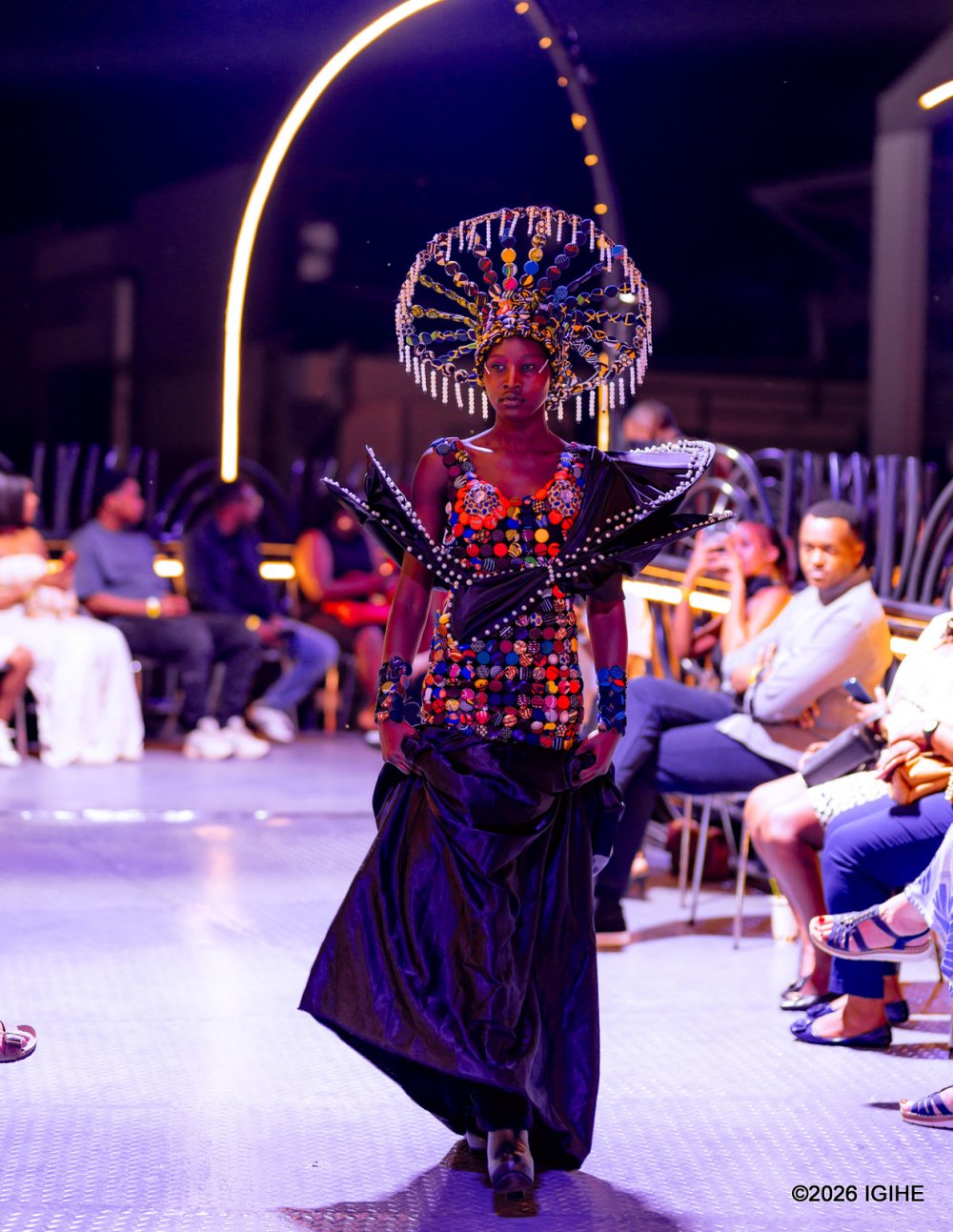
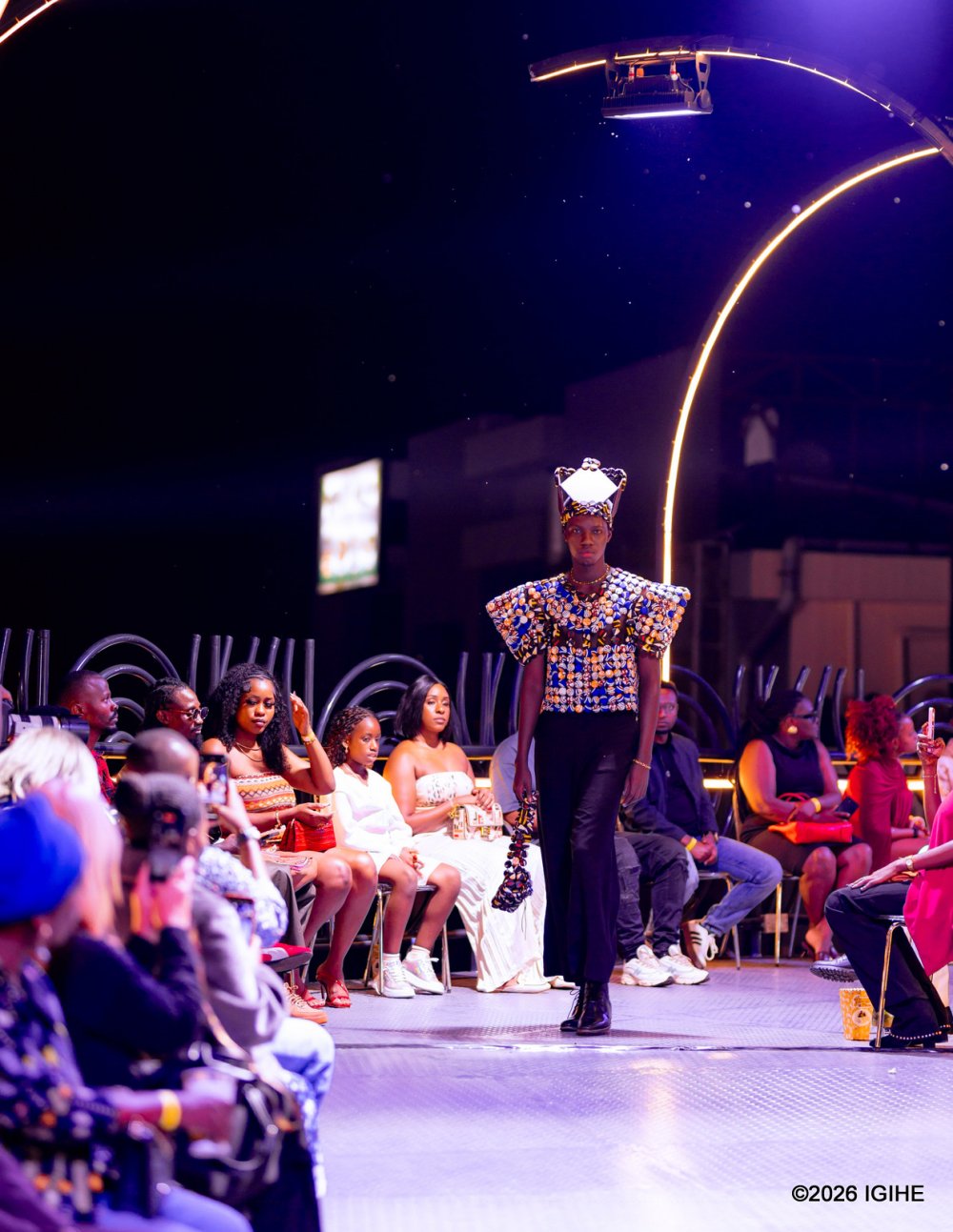
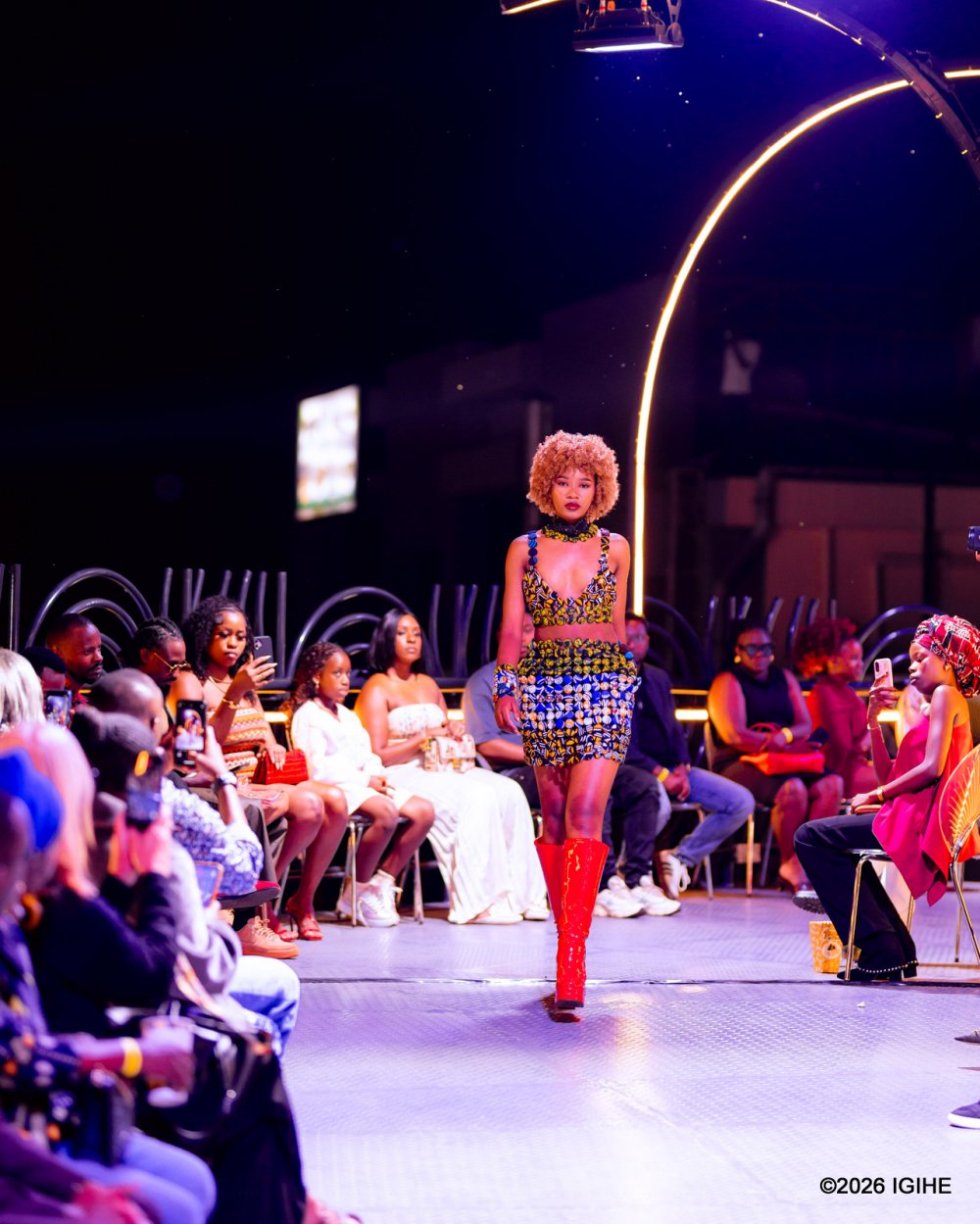
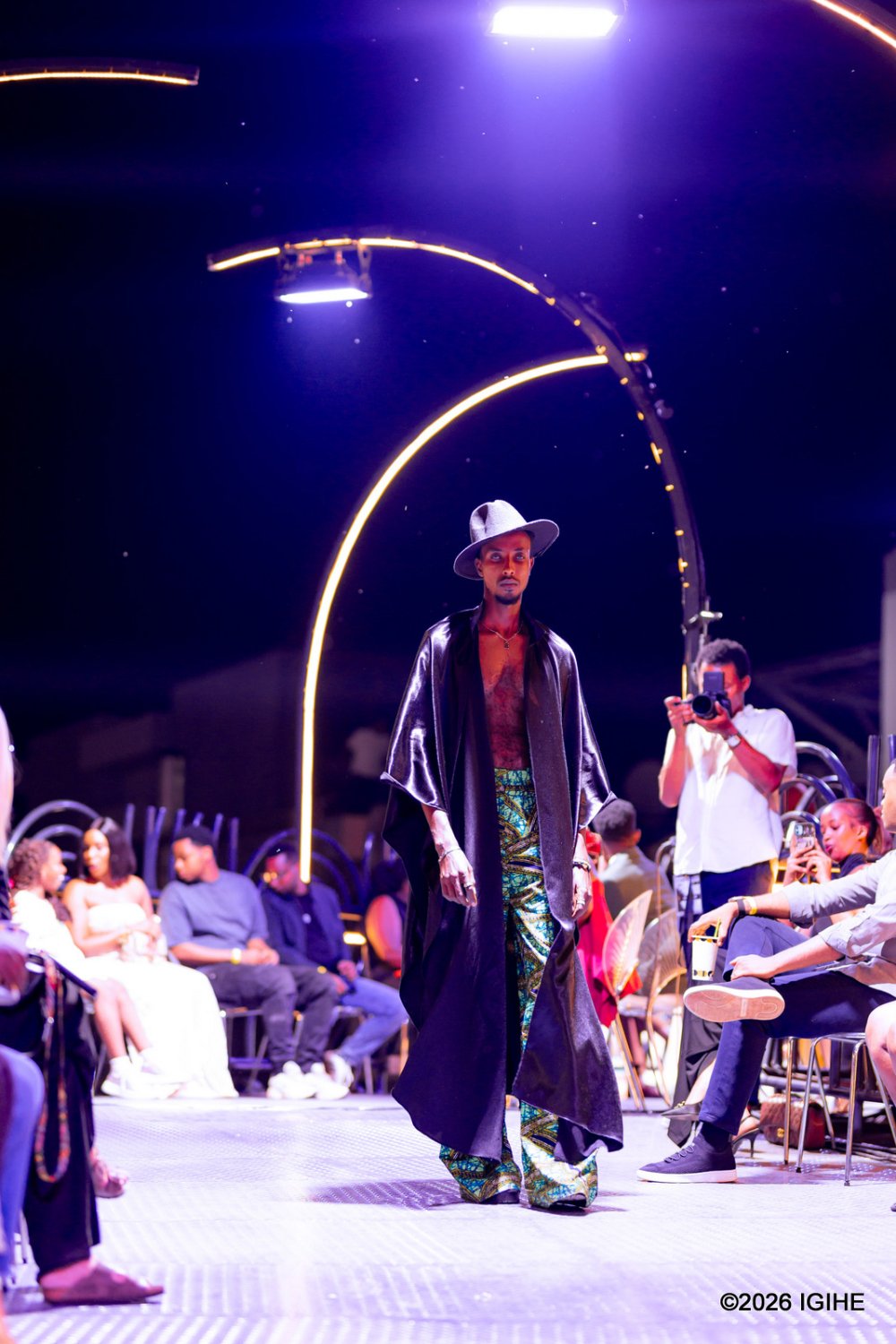
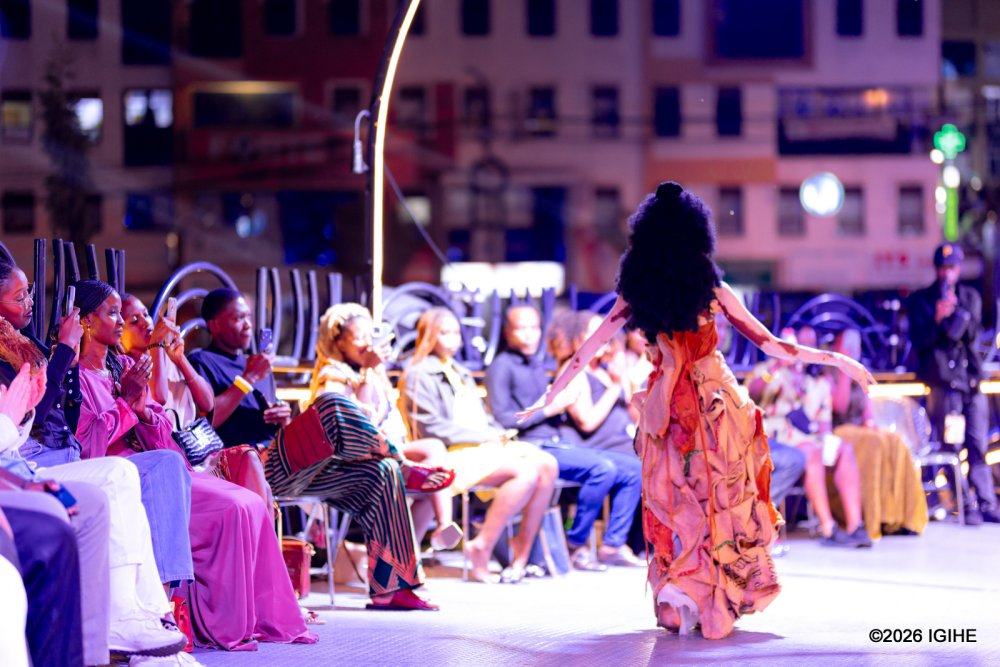
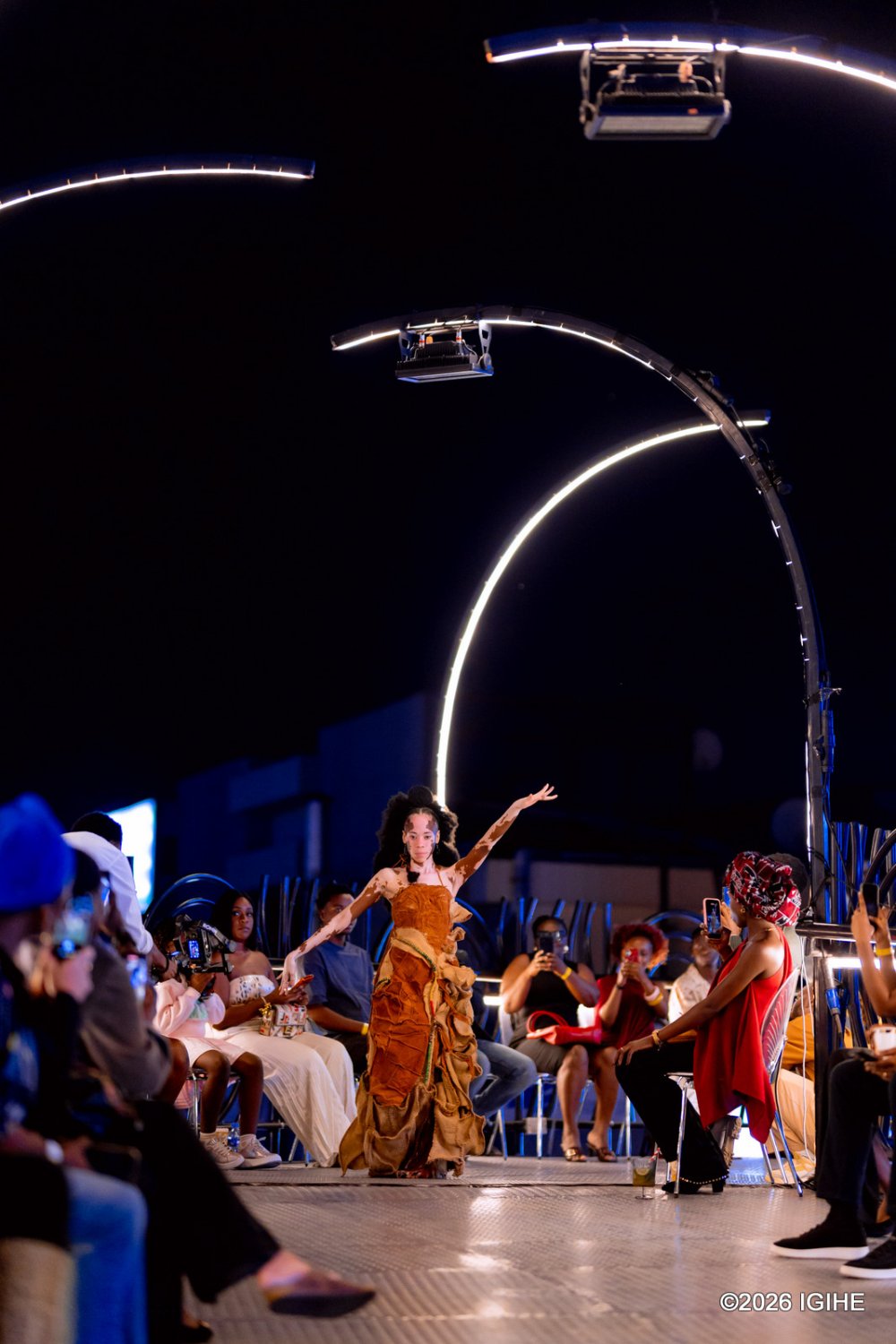
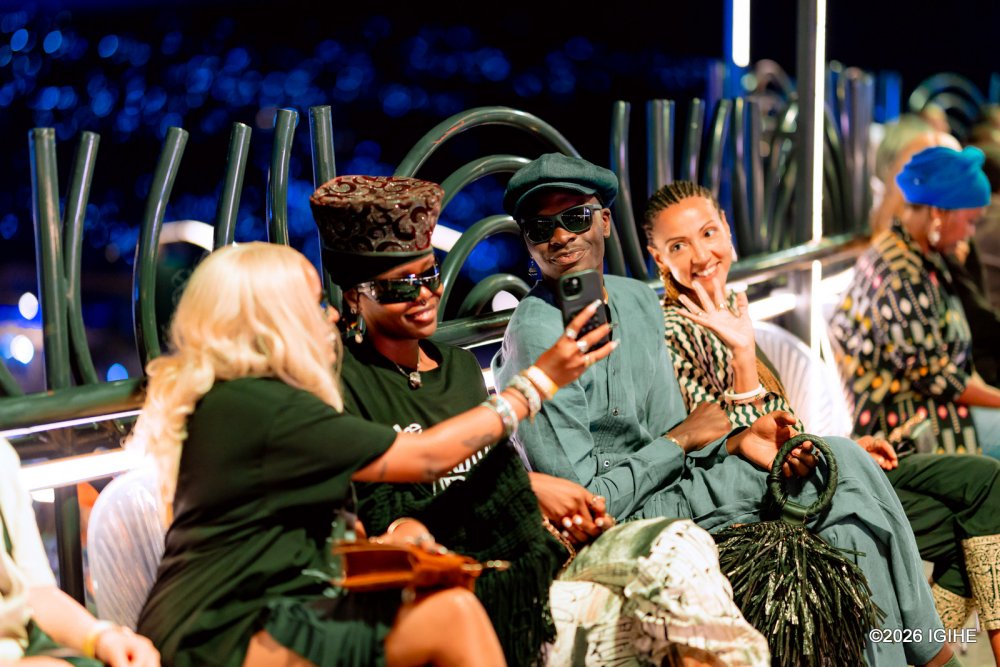
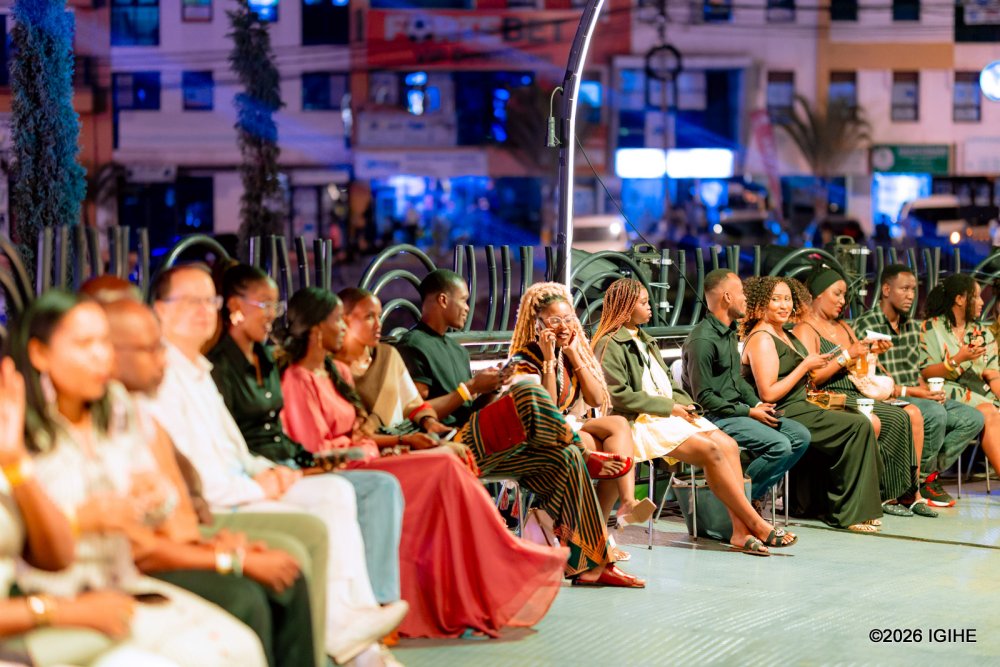
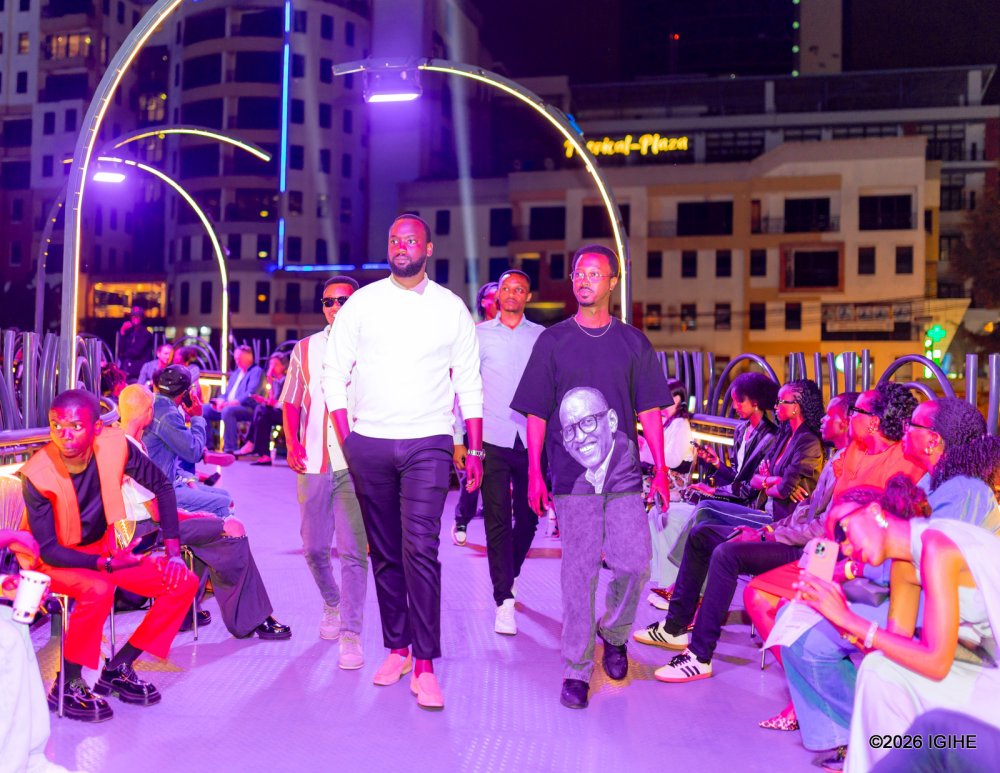
The event brought together around 15 fashion designers from Rwanda, Uganda, and other countries.
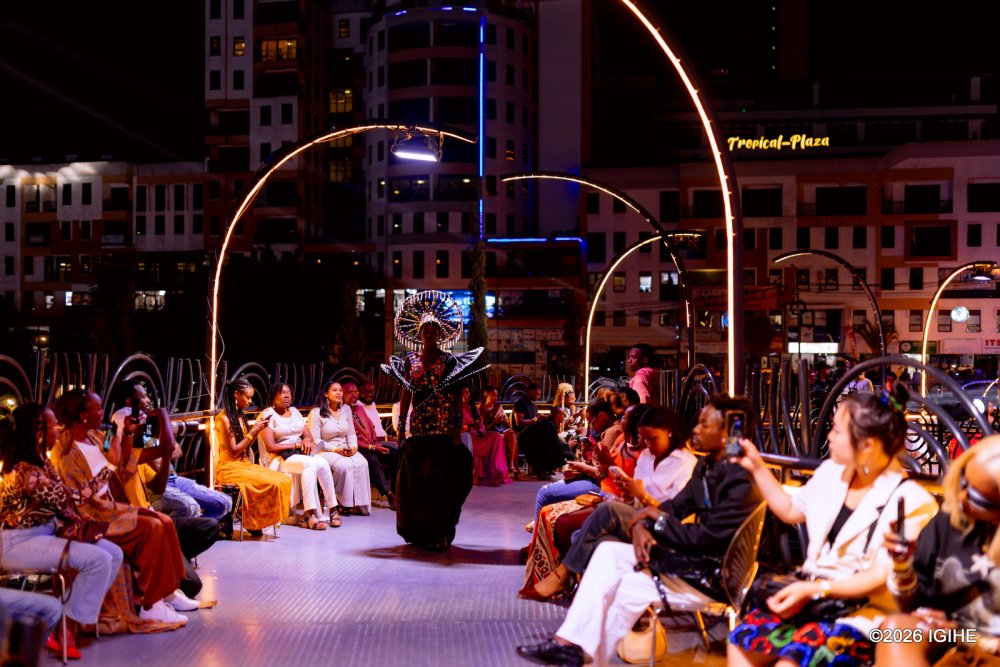
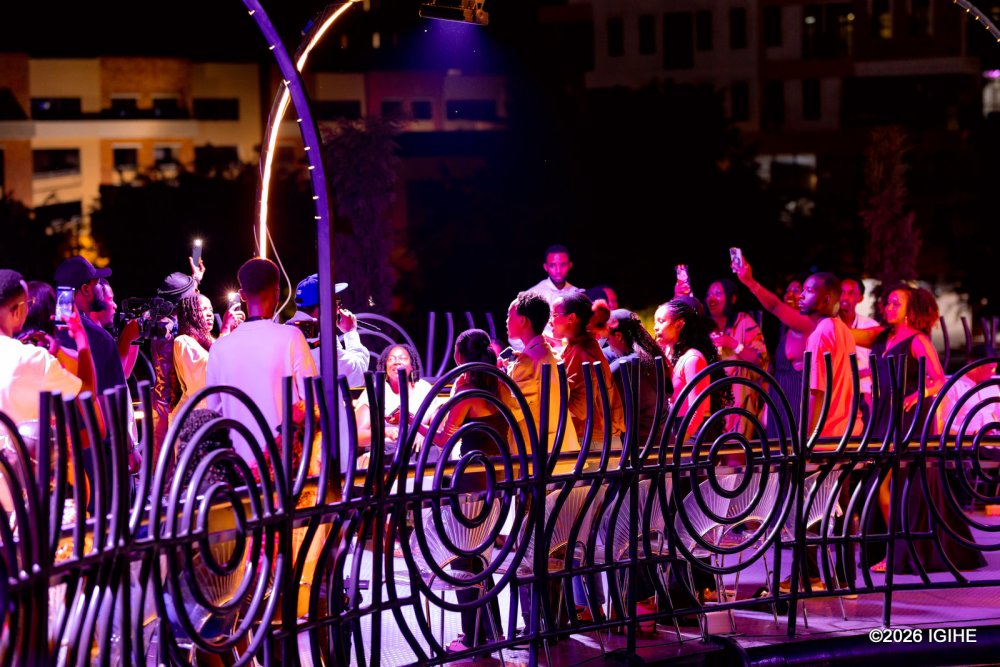
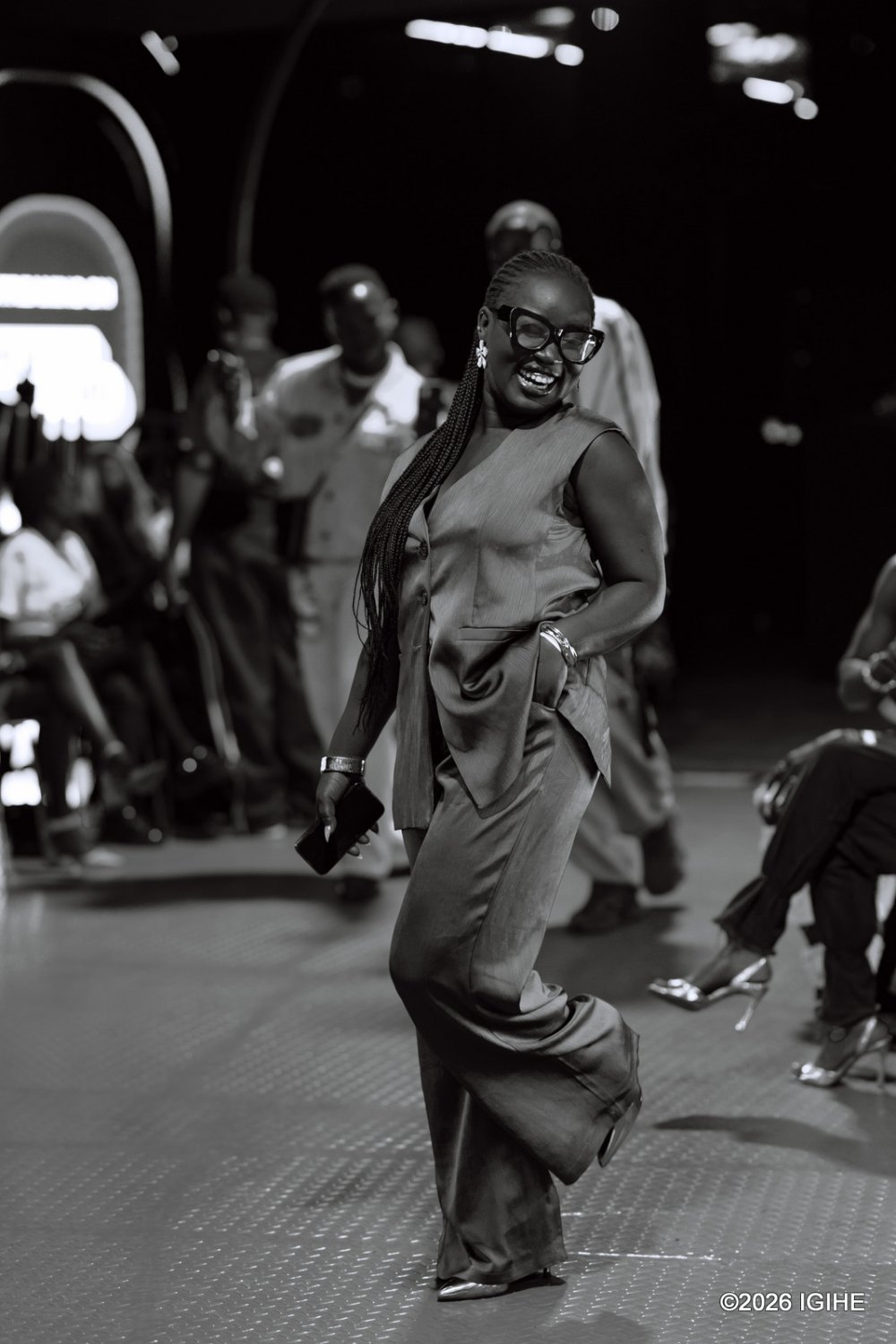
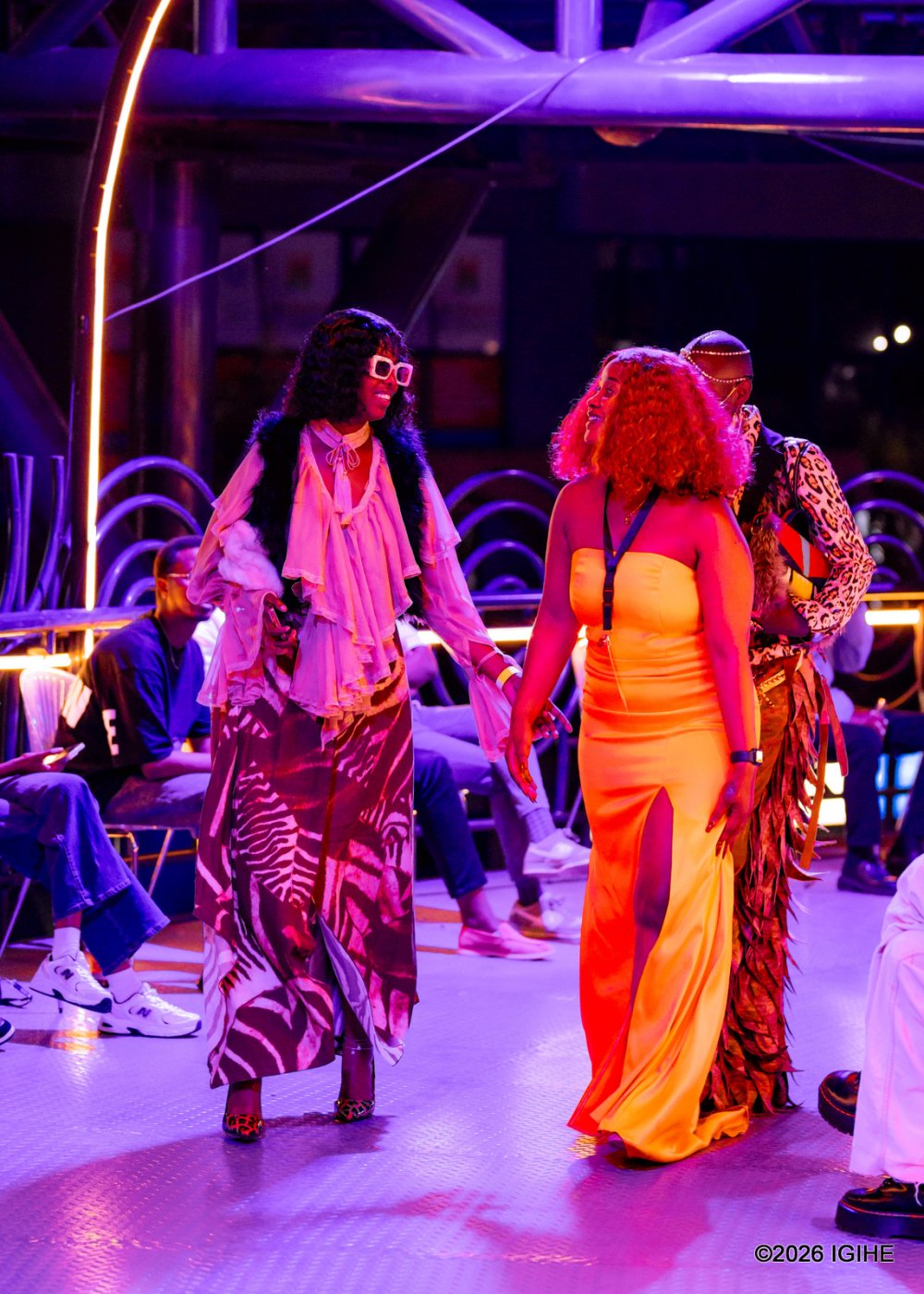
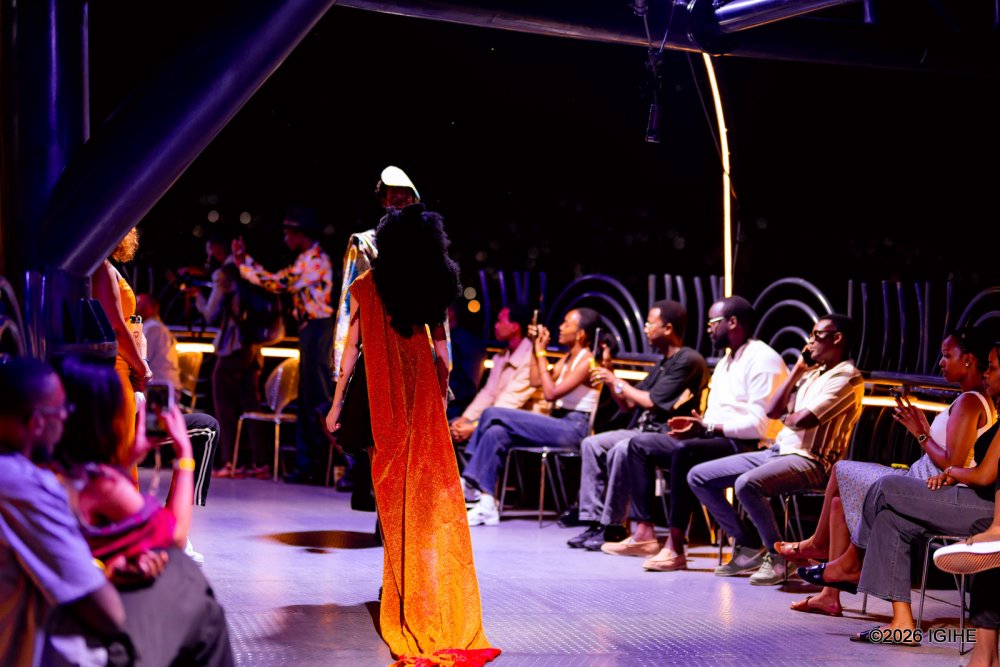
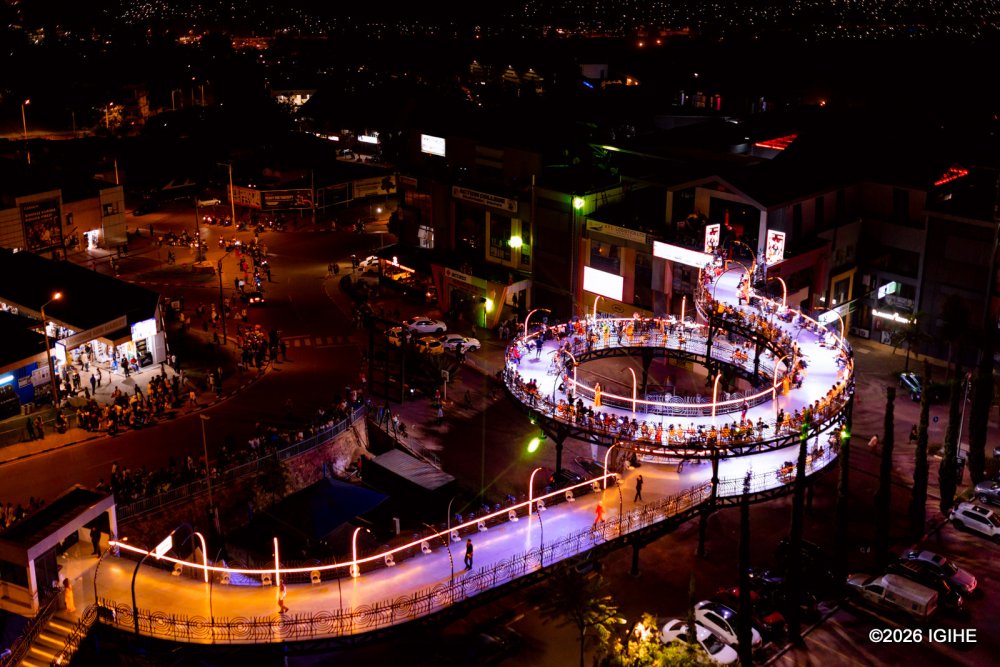
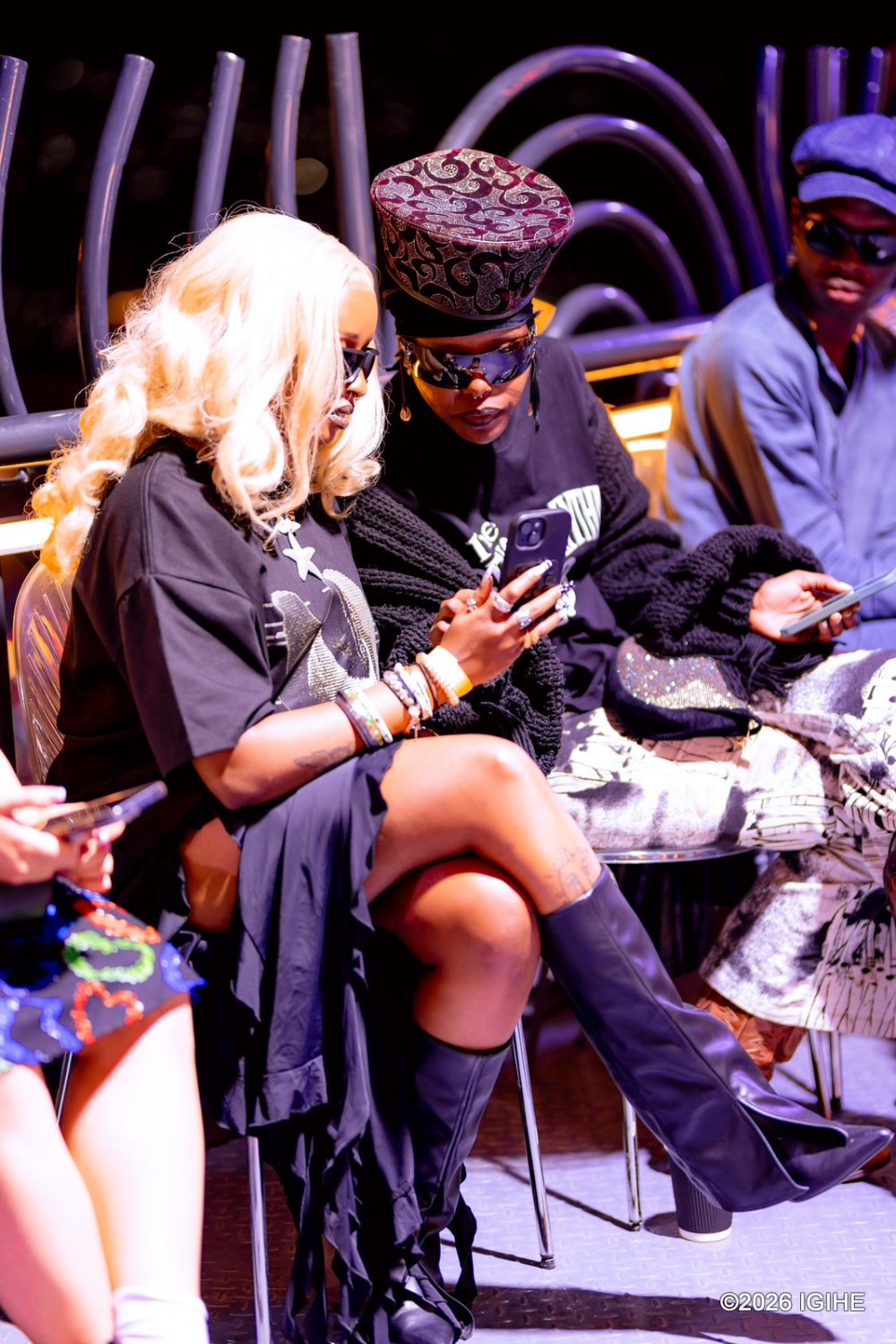
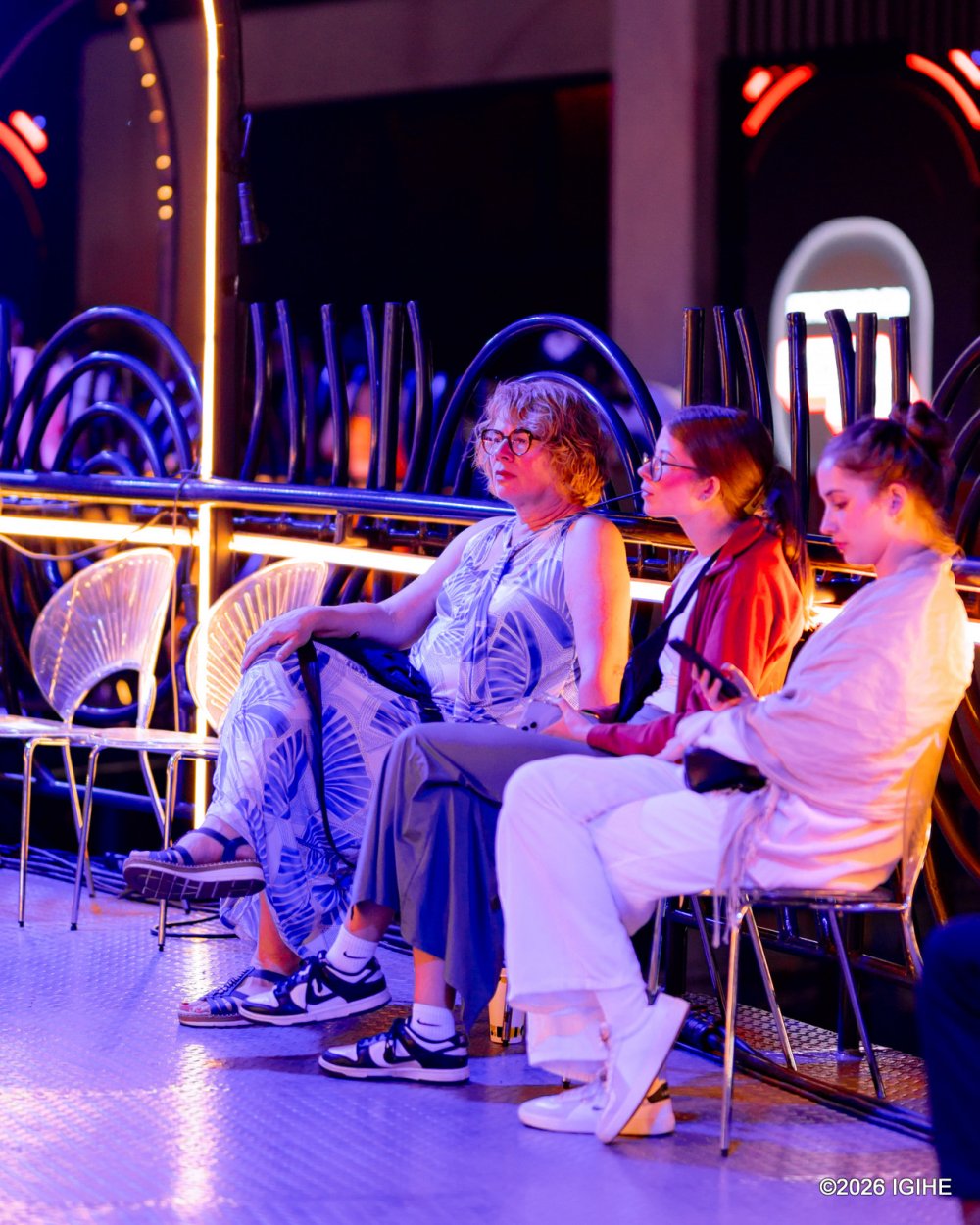
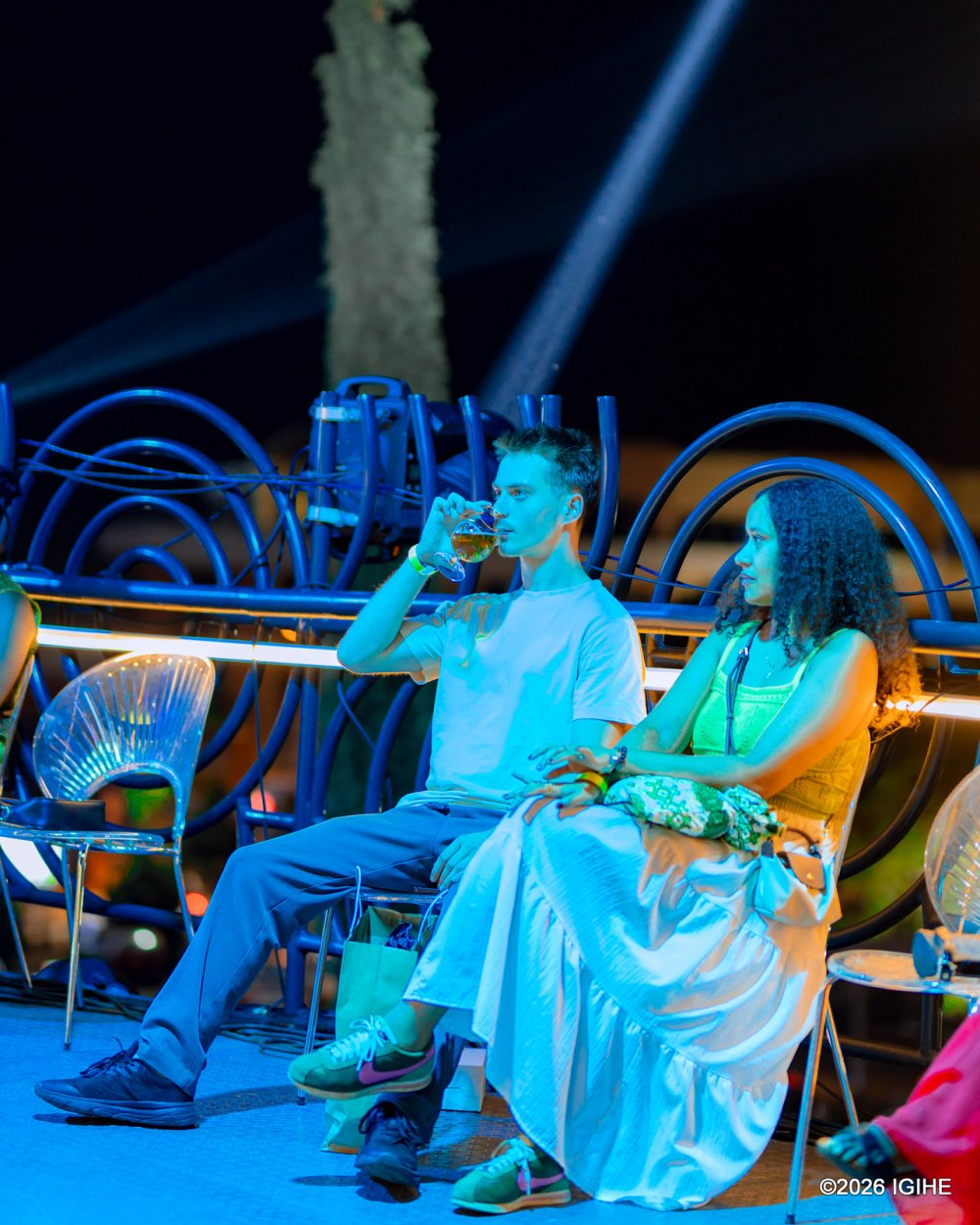
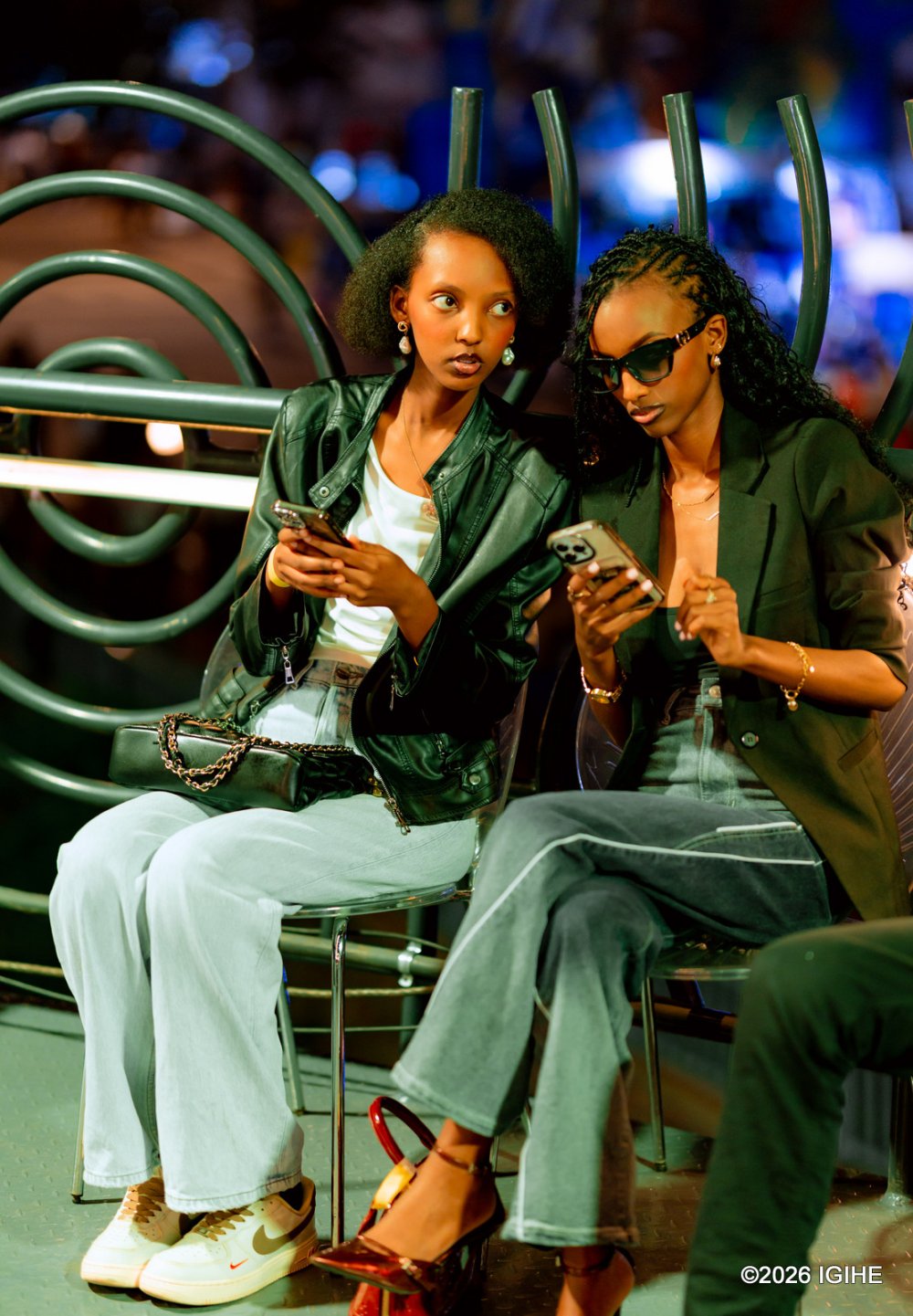
The show attracted strong interest from Kigali residents, who gathered to witness a fashion experience staged in an open-air urban setting for the first time on this structure.
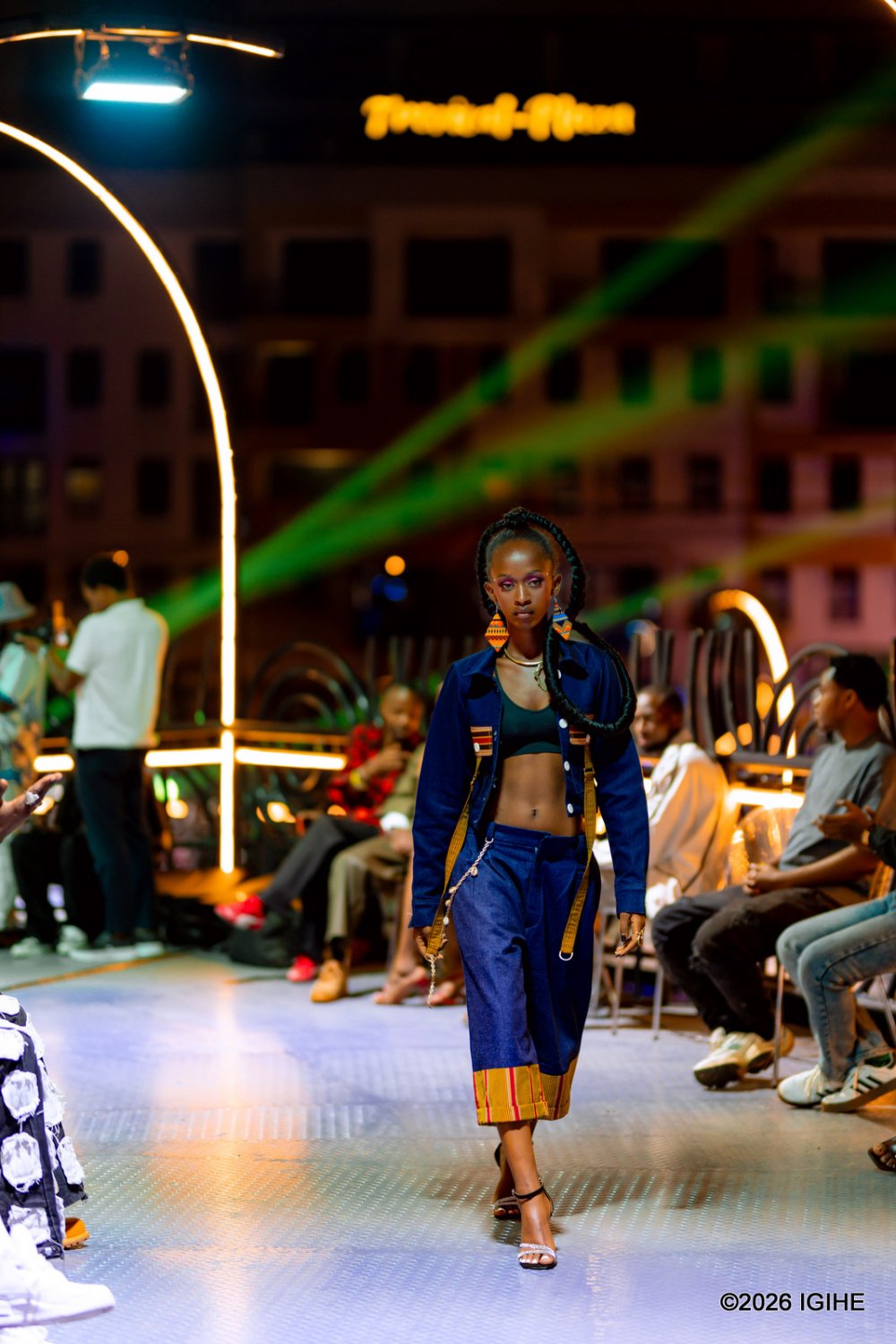
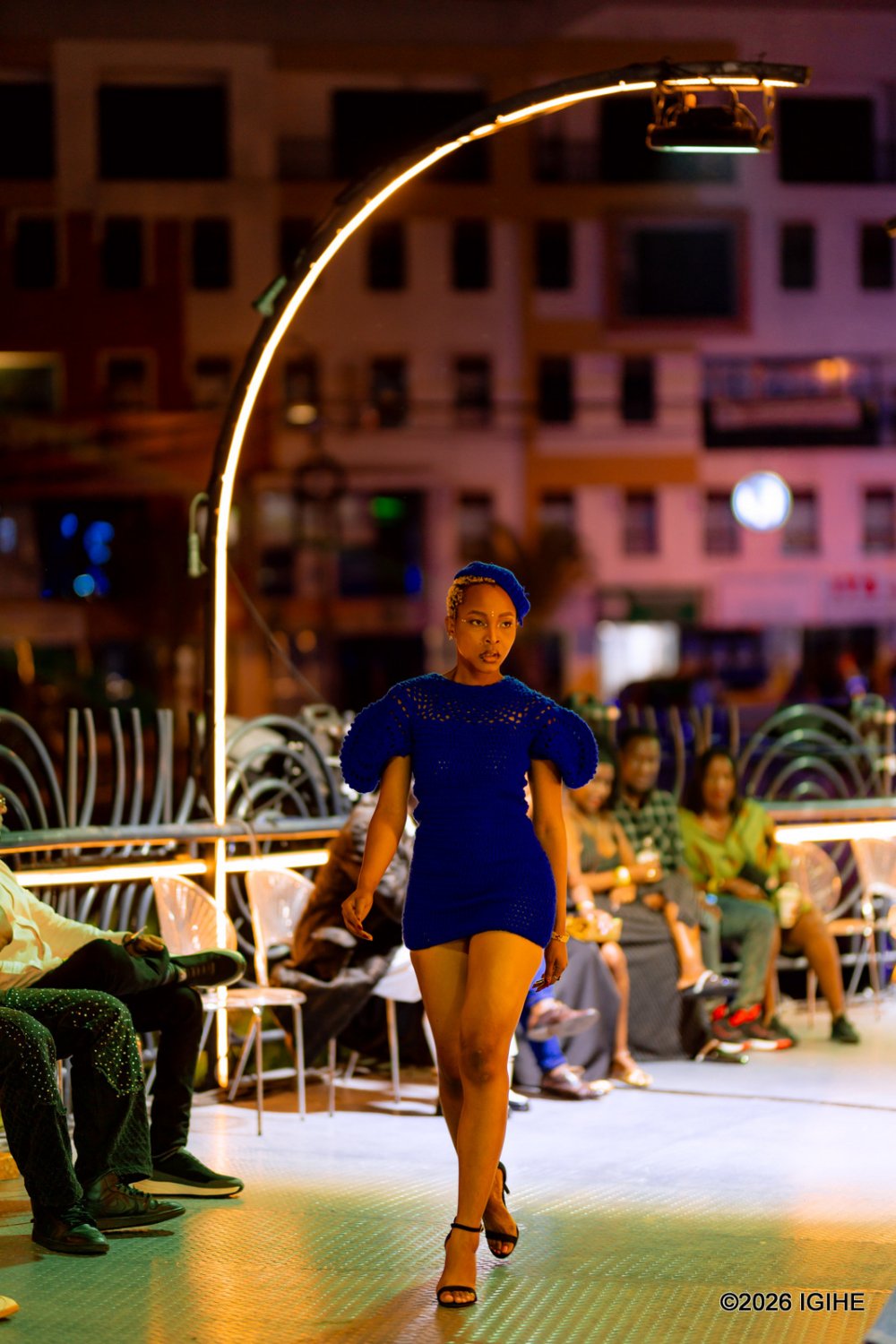
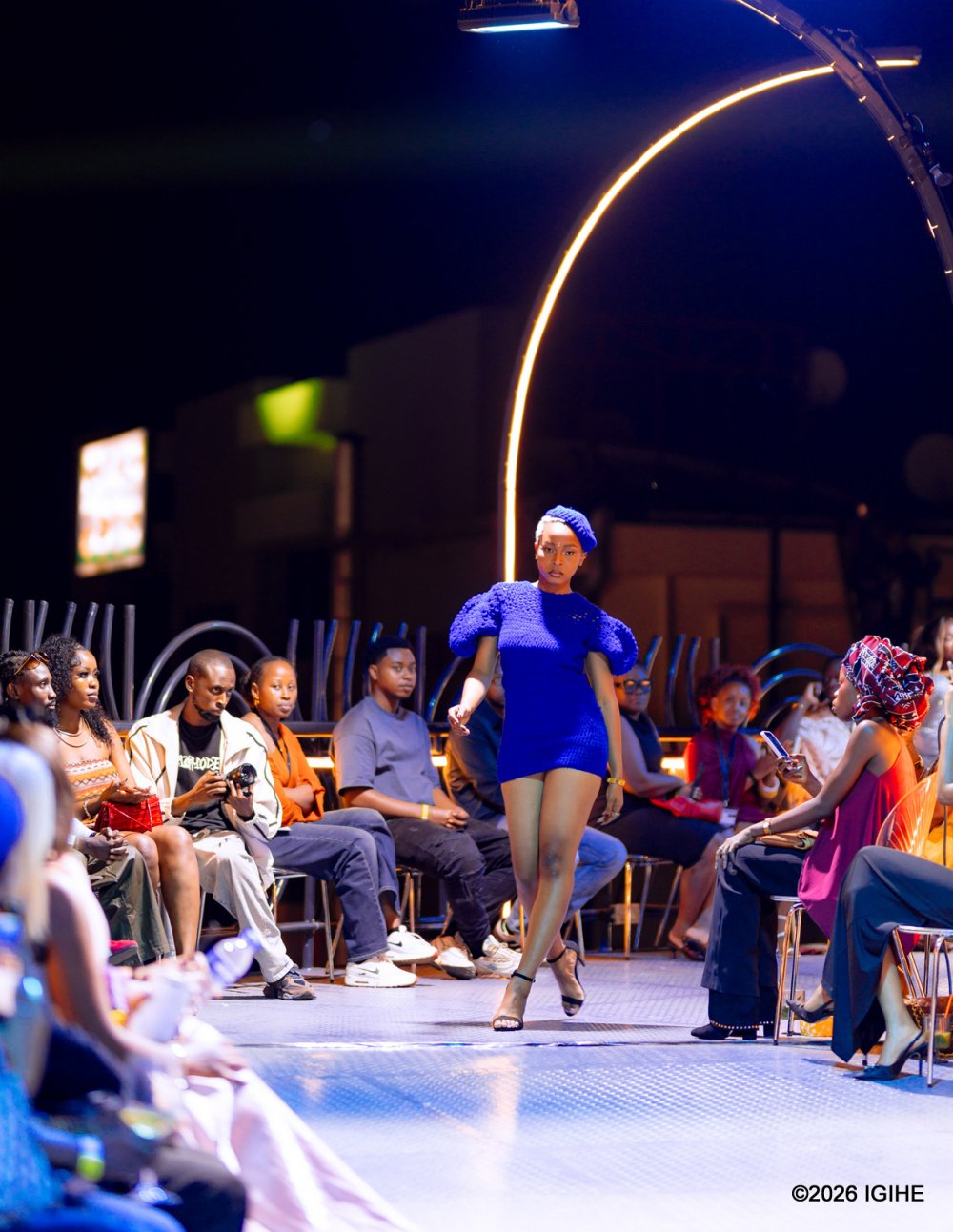
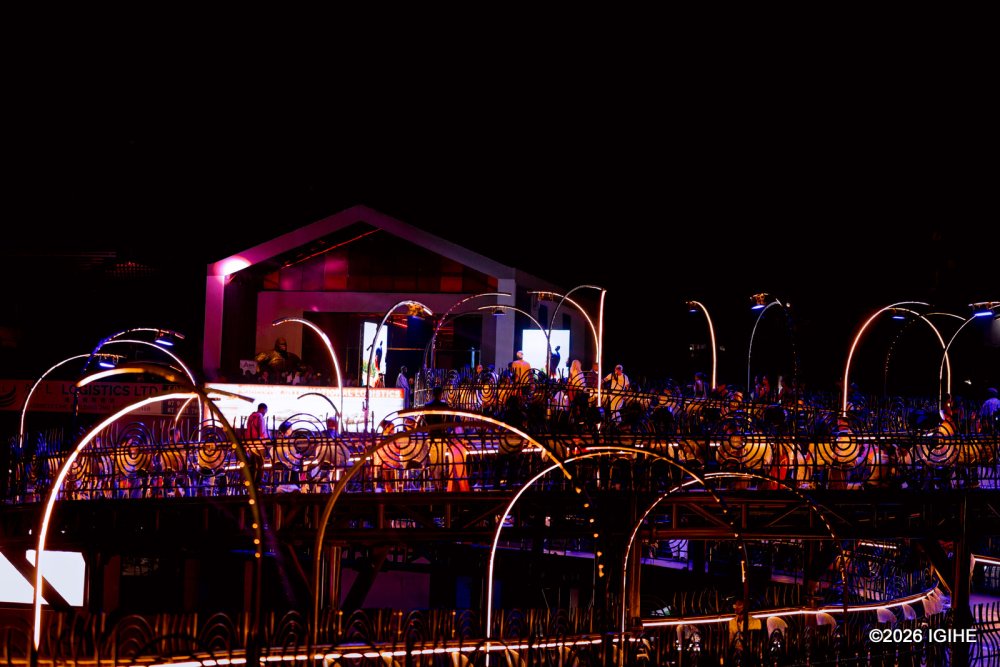
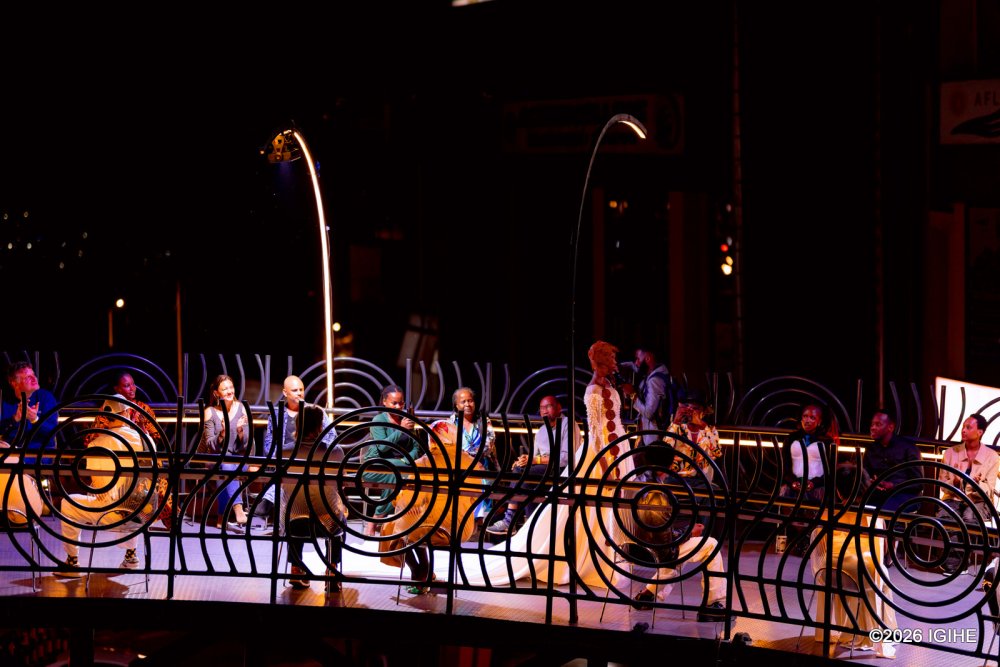
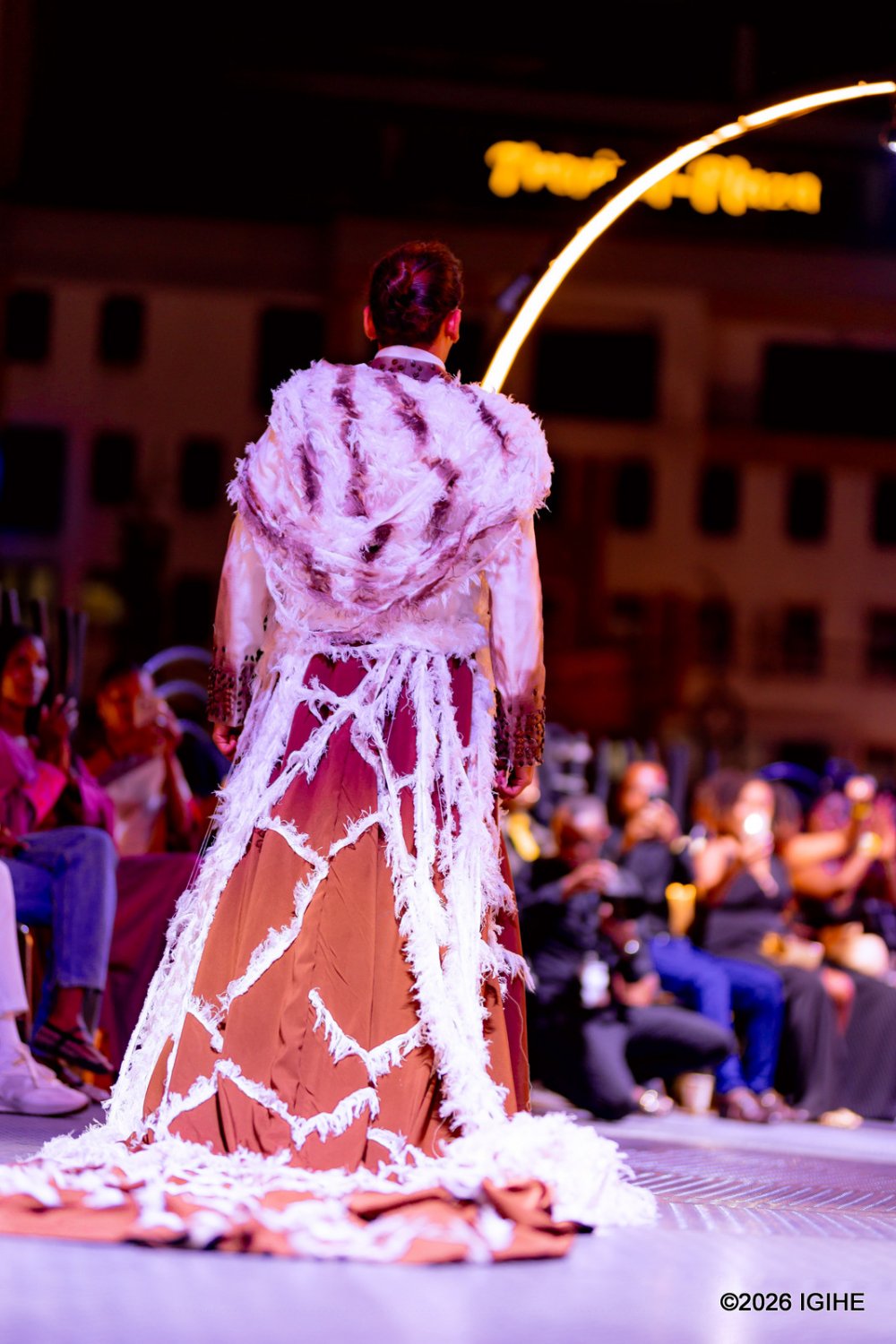
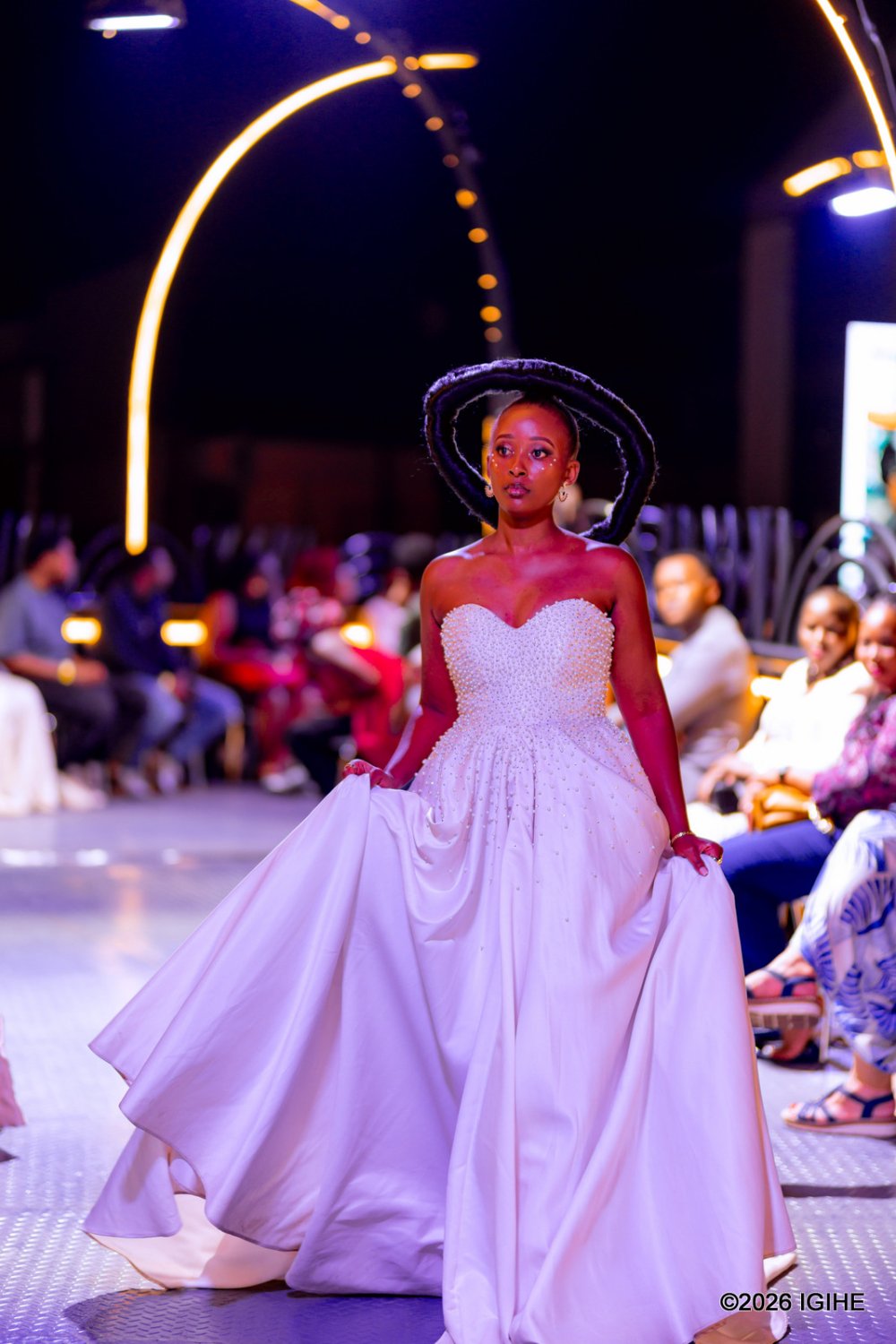
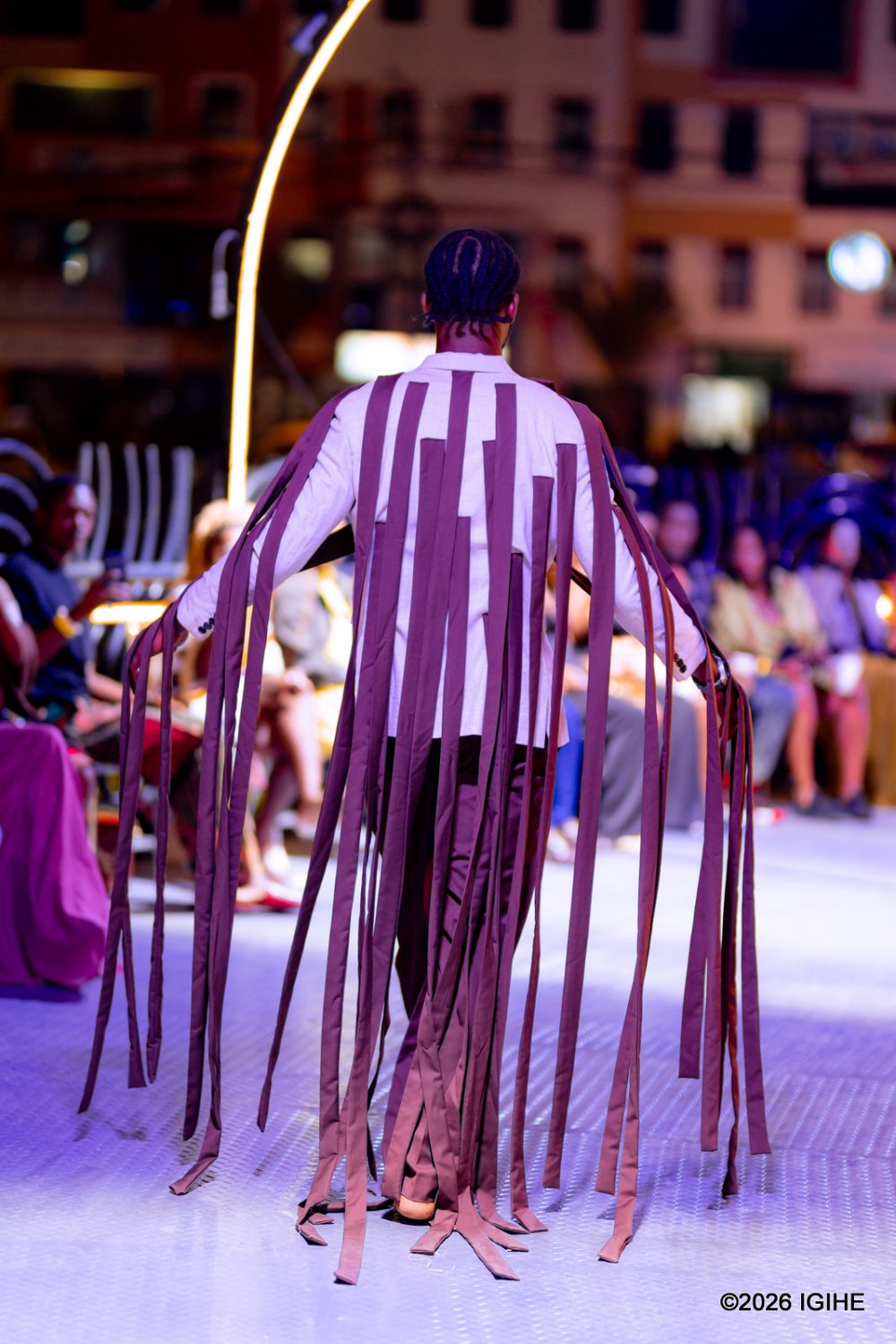
Set against the illuminated bridge, the runway created a distinctive atmosphere as models walked between seated guests, presenting a variety of designs that highlighted creativity, modern styling, and emerging fashion trends in the region.
The setting itself became part of the experience, blending architecture, light, and fashion into a single visual presentation.
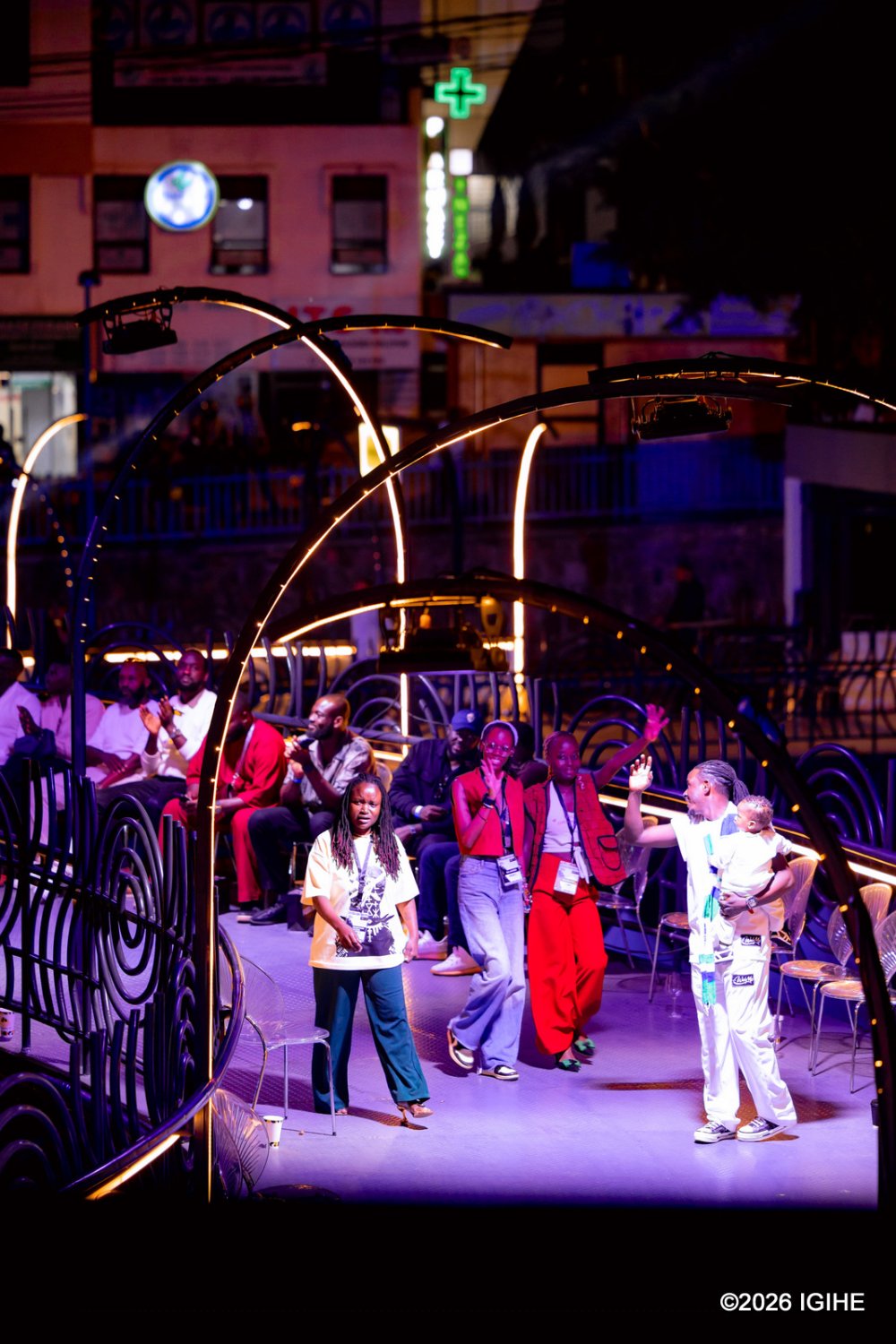
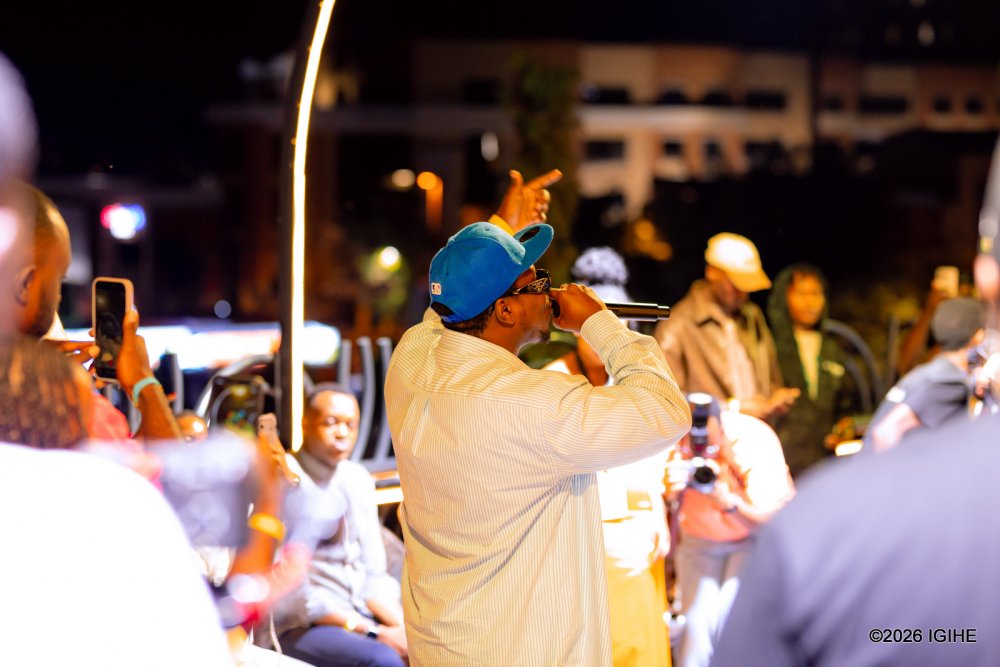
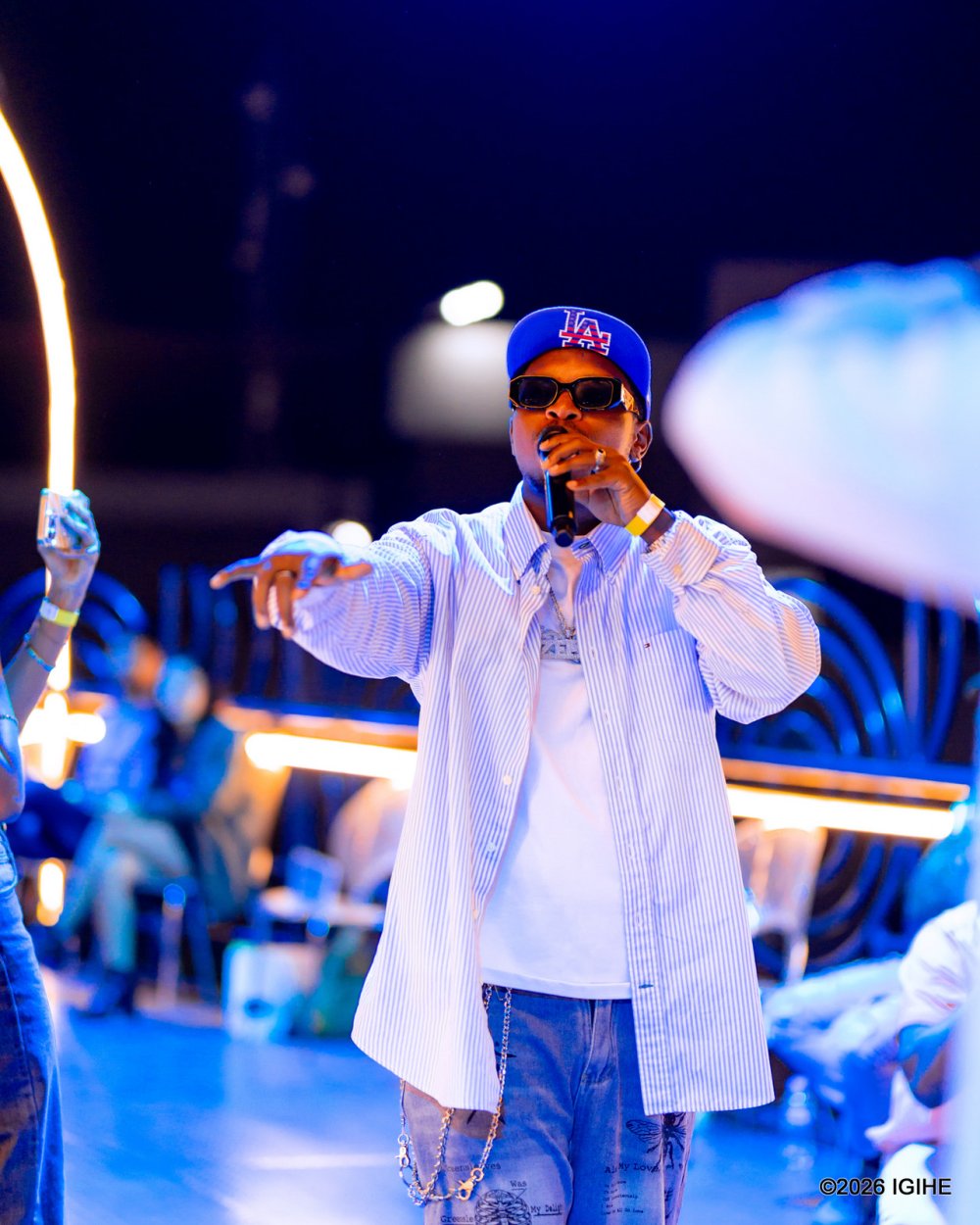
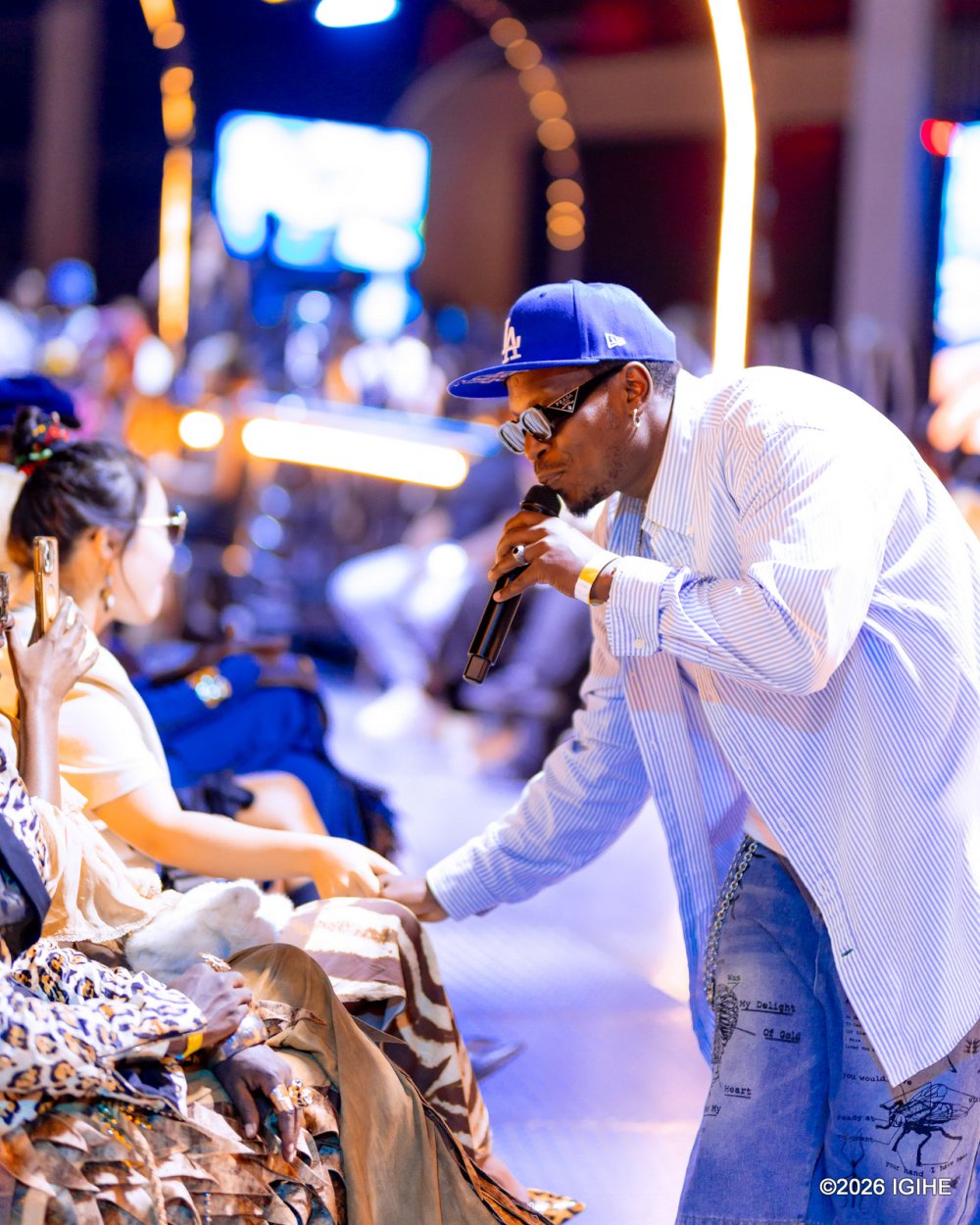
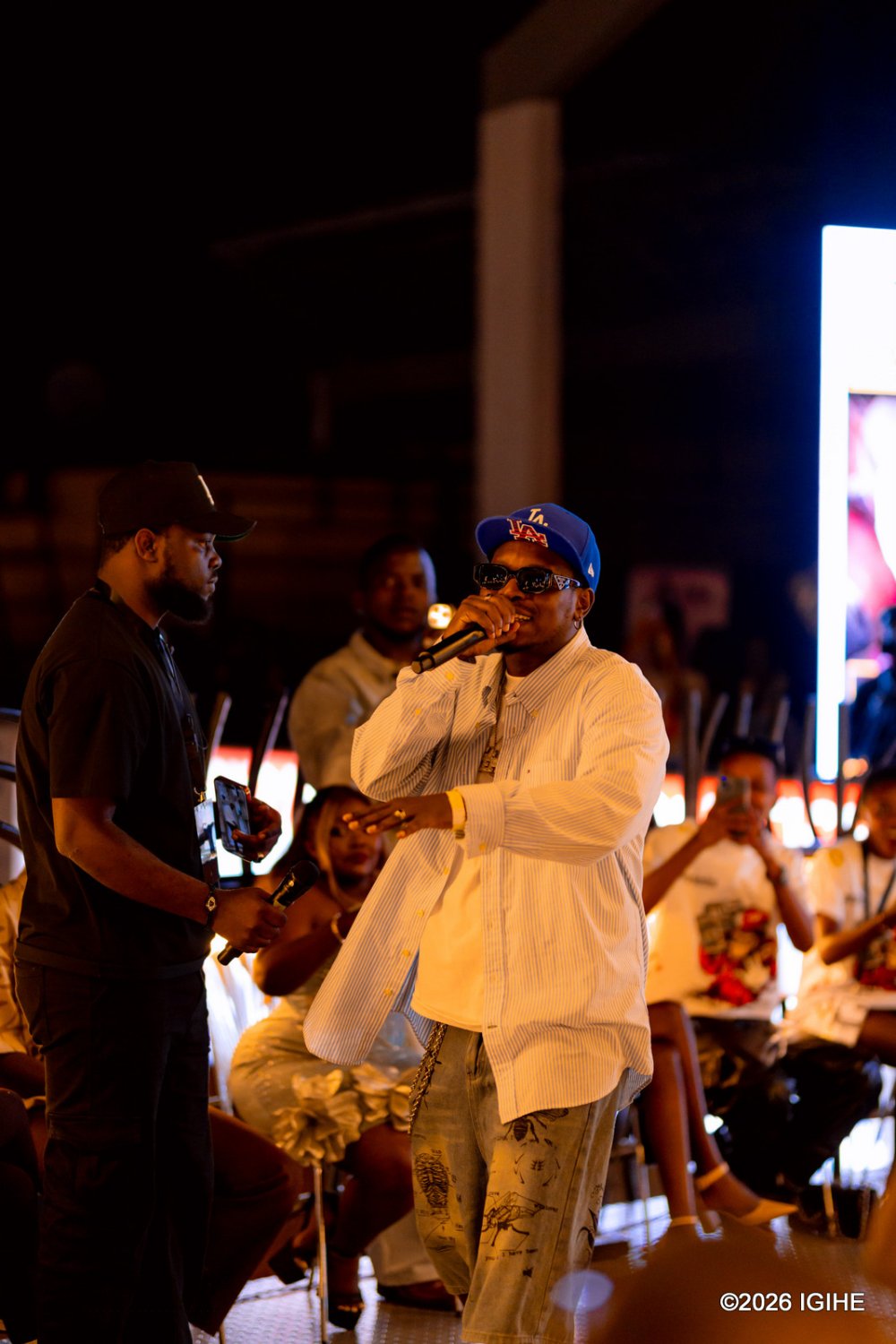
The evening also featured a musical performance by artist Bull Dogg, who energized the audience as the event approached its conclusion, adding an entertainment layer that complemented the fashion showcase.
The event also marked one of the first major public activities hosted on the Kigali Universe bridge, which has not yet been officially inaugurated. Although construction has been completed, the official opening is still being prepared.
According to Kenny Mugarura, Global Entertainment, Sports & Events Director at Kigali Universe, preparations for the inauguration are still ongoing.
“We have not officially inaugurated it yet but it will happen in the coming days. We know it will be something beautiful, which is why we are taking time to prepare properly,” he said.
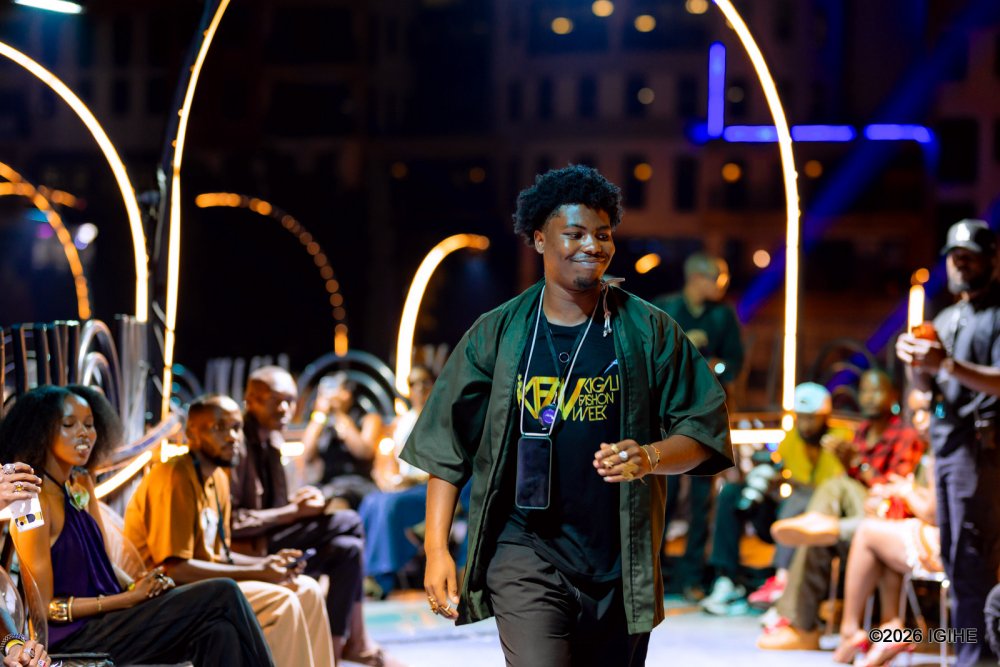
Kigali Fashion Week has been running in Kigali since May 25, 2026, with activities expected to conclude on May 30, 2026, bringing together designers, creatives, and fashion enthusiasts as the event continues to re-establish its presence on the city’s cultural calendar.
Kigali Fashion Week transformed Kigali Universe Bridge into a striking open-air runway during a showcase that blended fashion, light, and architecture.Kigali residents gathered at Kigali Universe Bridge to witness a fashion showcase unlike any previously staged in the city.Kigali Fashion Week brought together fashion, entertainment, and urban architectureFashion enthusiasts gathered on Kigali Universe Bridge as Kigali Fashion Week highlighted emerging regional trends and creativity. Bull Dogg energized the crowd as Kigali Fashion Week’s runway showcase approached its conclusion Models lit up Kigali Universe Bridge as Kigali Fashion Week returned with a unique runway experience after seven years.Models walked between seated guests on Kigali Universe Bridge during one of Kigali Fashion Week’s most visually striking showcases. Kigali Fashion Week delivered an open-air fashion experience that combined urban design with contemporary African style.Kigali Fashion Week used the newly completed Kigali Universe Bridge as a platform for fashion, culture, and entertainment.Kigali Universe Bridge hosted one of its first major public events through a runway showcase organized under Kigali Fashion Week.The illuminated Kigali Universe Bridge provided a dramatic backdrop for Kigali Fashion Week’s latest runway showcase. Fashion designers from Rwanda, Uganda, and beyond showcased their creativity during Kigali Fashion Week on Kigali Universe Bridge.Kigali Fashion Week turned Kigali Universe Bridge into a center of creativity as designers unveiled modern and innovative collections.Designers from across the region presented bold and creative collectionsThe fashion showcase at Kigali Universe Bridge reflected Kigali’s growing reputation as a hub for creative industries.The open-air setting of Kigali Universe Bridge added a distinctive visual identity to Kigali Fashion Week’s runway presentation.Kigali Universe Bridge served as an unconventional yet memorable venue for Kigali Fashion Week’s runway experience.The atmosphere at combined elegance and urban culture during Kigali Fashion Week’s latest event.Kigali Fashion Week created a unique atmosphere on Kigali Universe Bridge with lights, music, and runway presentations.The return of Kigali Fashion Week brought fresh energy to Kigali’s fashion and entertainment scene.
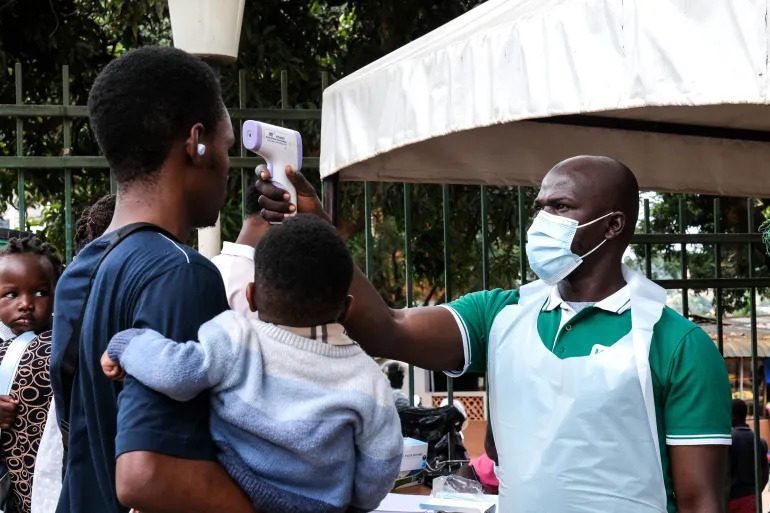
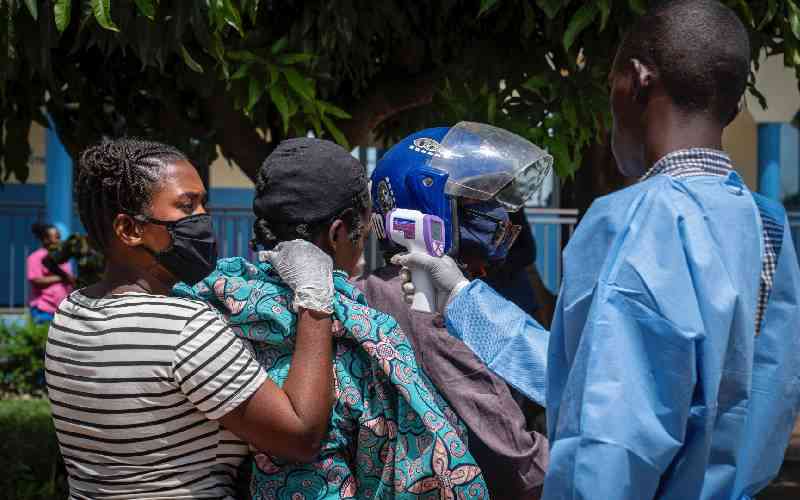
In a circular issued late Wednesday, the Ministry of Health said activities that attract large crowds, including music concerts, cultural festivals, public rallies, political mobilization events, marathons, and cross-border marketing activities, are prohibited.
“These activities increase risk by promoting close physical interaction, uncontrolled crowd mixing and unnecessary movement, which may facilitate transmission of Ebola infection where an infected person is present,” the statement said.
The ministry said official, institutional, and other essential gatherings may still be permitted, provided organizers strictly adhere to the standard operating procedures on Ebola prevention.
For approved gatherings, organizers are required to ensure controlled attendance to avoid overcrowding, enforce mandatory handwashing or the use of alcohol-based hand sanitizers, conduct temperature screening before entry, and designate a focal person to oversee compliance with Ebola prevention and control measures.
Security agencies and district authorities have been directed to strictly enforce the measures, particularly in high-risk and border areas, in order to limit non-essential movement and prevent further spread of the disease.
According to the ministry, the number of confirmed Ebola cases in Uganda remains at seven, although the number of contacts linked to the cases has increased.
According to the Ministry of Health, the number of confirmed Ebola cases in Uganda remains at seven, although the number of contacts linked to the cases has increased.
Suspected cases refer to individuals showing symptoms such as high fever, vomiting, diarrhoea, and bleeding, but who are still awaiting laboratory confirmation. All patients under investigation are isolated and receive medical care while tests are processed.
The outbreak remains largely concentrated in Ituri Province, with confirmed infections recorded in areas including Mongbwalu, Rwampara, and Bunia. Health teams continue testing, with hundreds of samples sent to national laboratories for analysis.
Neighbouring Uganda has also confirmed cases linked to the outbreak and has strengthened surveillance measures, including temporary border restrictions with the DRC and mandatory quarantine for returning travellers.
Humanitarian organisations have raised concern over the speed of transmission, warning that response efforts are struggling to keep pace with new infections and that stronger coordination is needed to reduce further loss of life.
Health experts also point to insecurity in affected regions as a major challenge, noting that ongoing conflict is limiting access for medical teams and slowing containment efforts.
The outbreak was officially declared in mid-May 2026 after the first confirmed death, with response operations ongoing to contain its spread.
Suspected Ebola cases in DRC have reached 1077The outbreak remains largely concentrated in Ituri Province, with confirmed infections recorded in areas including Mongbwalu, Rwampara, and Bunia
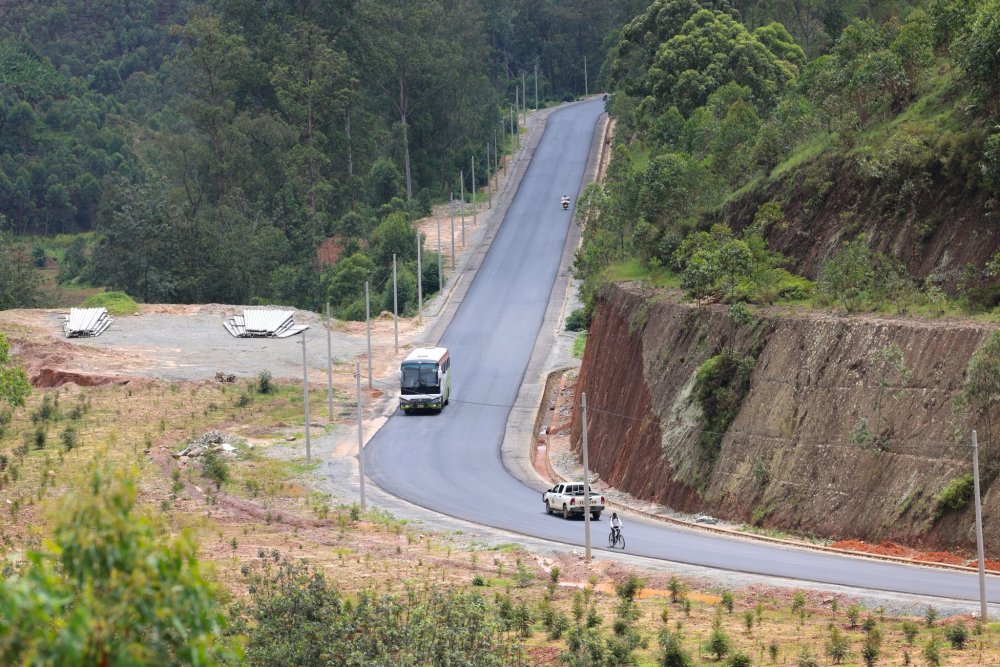
RTDA shared the update on May 25, 2026 via its official X account, highlighting steady progress on the project aimed at restoring and upgrading the long-serving highway, which had deteriorated after years of heavy use.
The agency also confirmed that works on the Rubengera–Rambura–Nyange section have already been fully completed.
The Muhanga–Karongi road stretches for 128 kilometres and was constructed in phases, with the first section completed in 2000 and the second in 2002.
RTDA notes that roads built to standard in Rwanda are generally designed to last at least 20 years, although many exceed this lifespan and can remain in good condition for up to 30 years when properly maintained.
The highway remains an important transport corridor linking Rwanda’s Western and Southern regions with Kigali, while also serving tourism traffic heading to destinations such as Karongi, Rutsiro, and Nyamasheke.
Road users and residents along the route have welcomed the progress, saying travel has become easier and the road more passable compared to previous years, when movement was slower and conditions were more challenging.
Road users along the Muhanga–Karongi corridor report improved travel conditions as rehabilitation works near completion.The rehabilitation of the Muhanga–Karongi road has reached 91.5% completion.
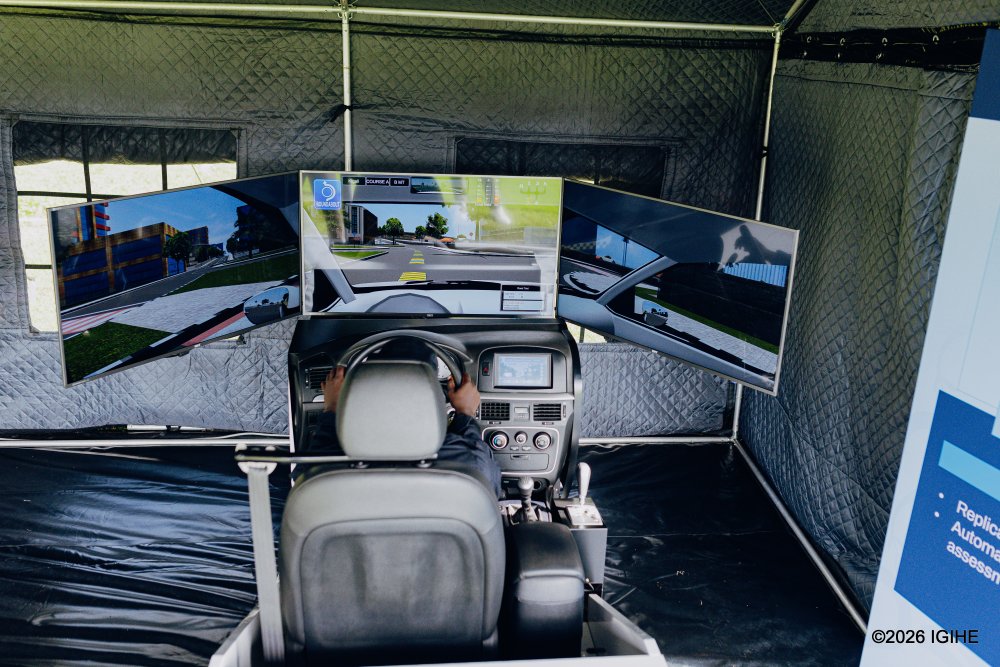
Over the past quarter-century, the institution has grown significantly in both human capacity and technological capability. Today, RNP officers not only play a central role in maintaining security within Rwanda but also contribute to peacekeeping and security operations beyond the country’s borders.
A key feature of this transformation is the wide range of modern equipment now used in daily policing operations. These tools support all police departments, each depending on its specific mandate, and are increasingly driven by advanced technology to match global standards of law enforcement.
Water, air, and land operations
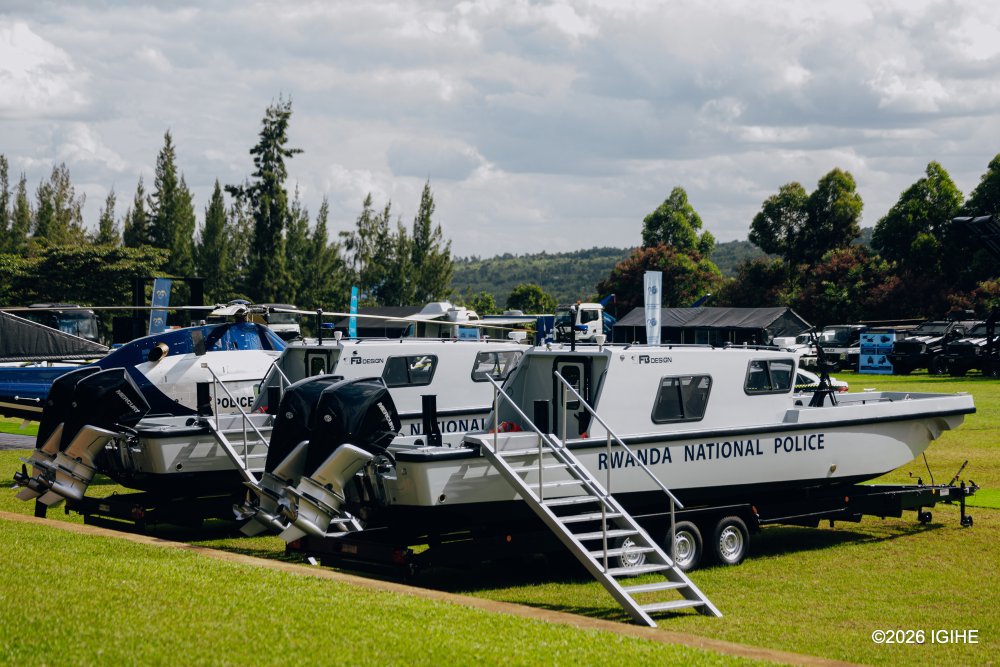
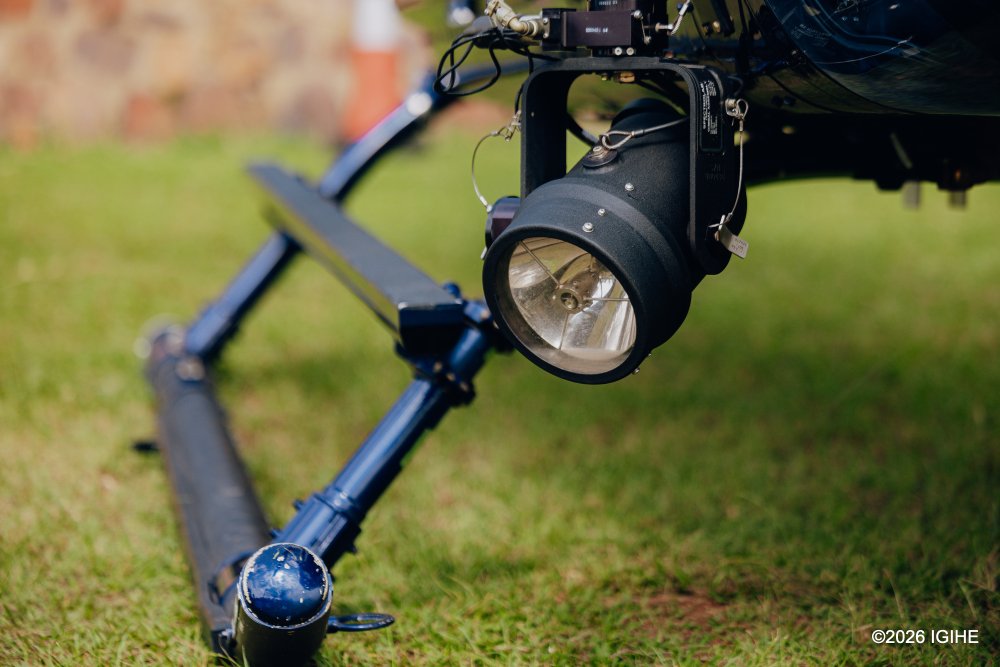
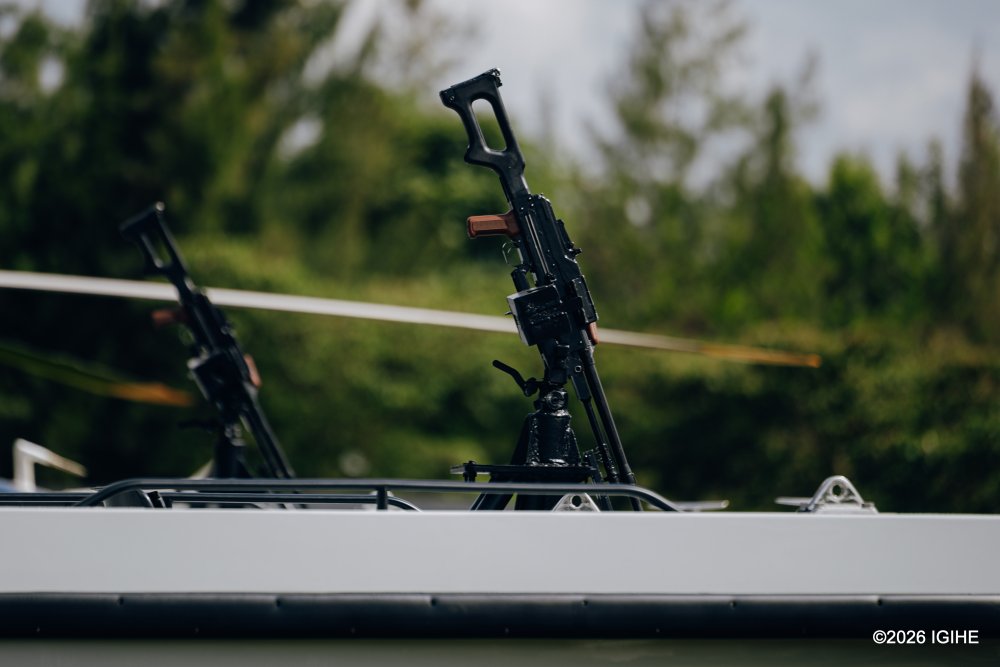
The marine policing unit is equipped with modern boats designed with advanced technology. These vessels are used for transporting personnel, conducting patrols, and carrying out rescue operations on large water bodies. They are fitted with cameras capable of capturing real-time images, as well as powerful lighting systems that allow clear visibility during night operations or emergencies.
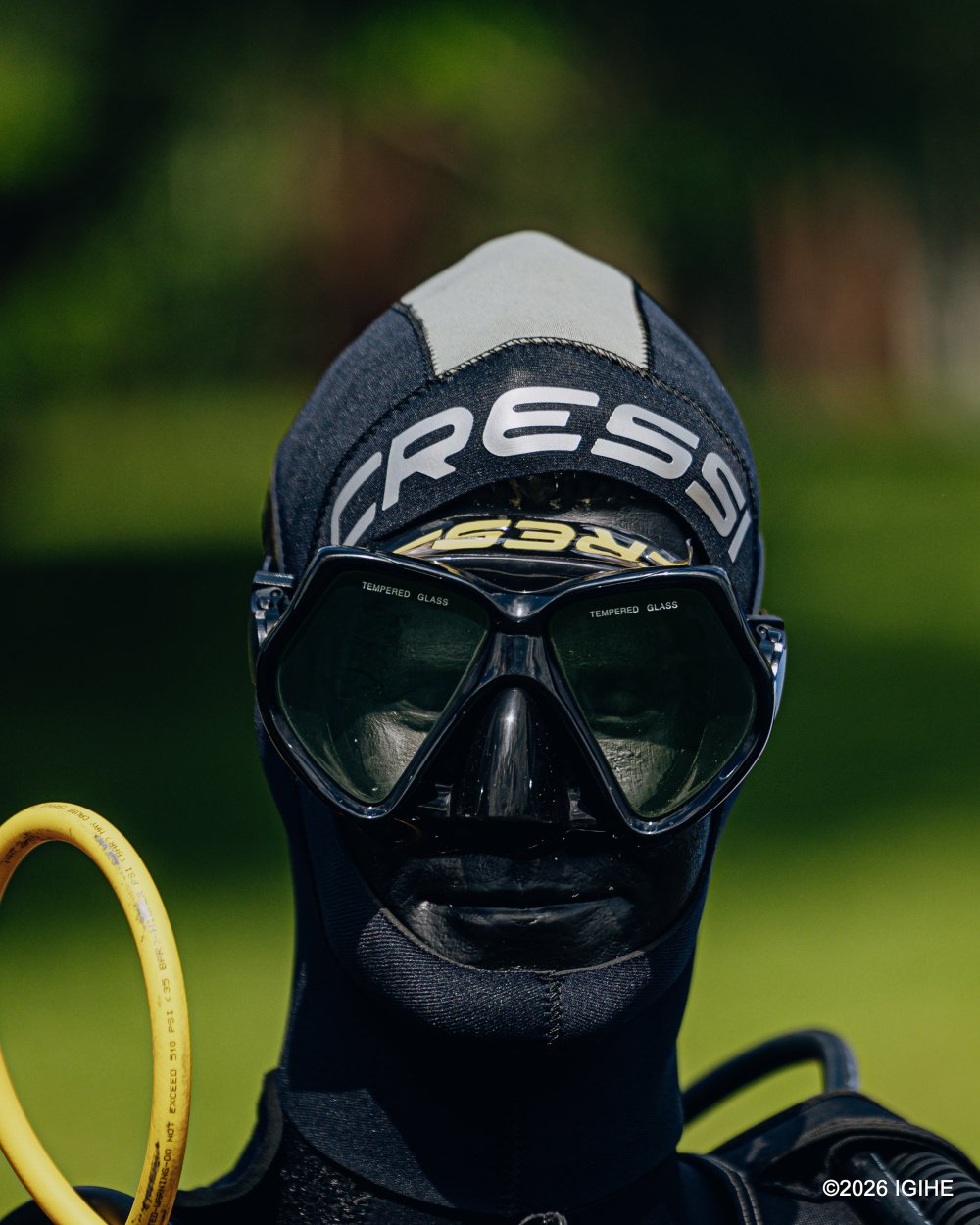
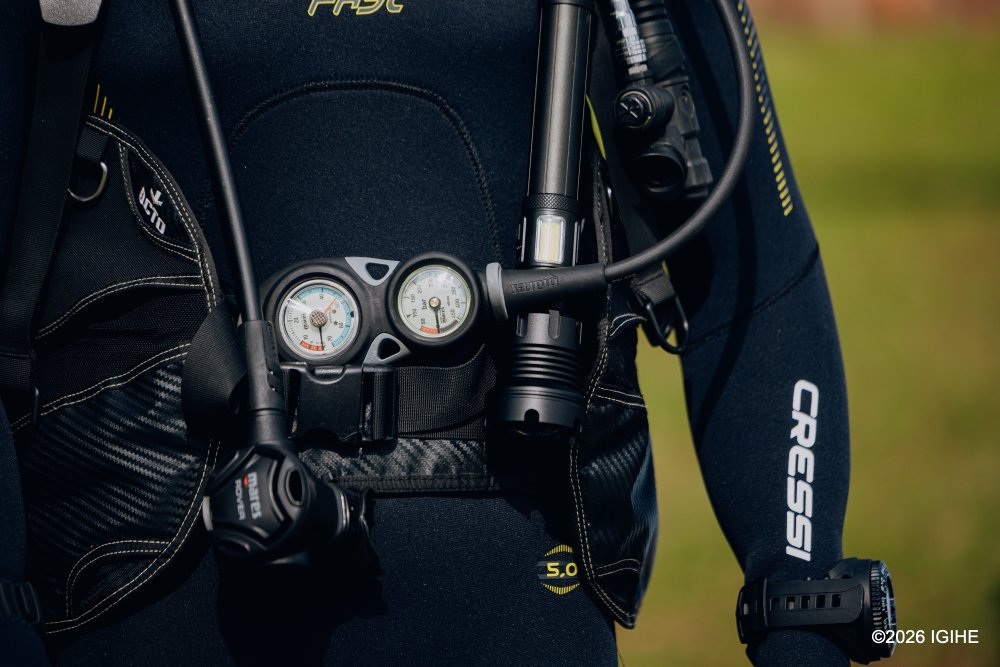
Police officers assigned to water security also use specialized diving equipment. This allows them to conduct underwater search operations, retrieve objects, and rescue individuals who may have drowned or be in distress.
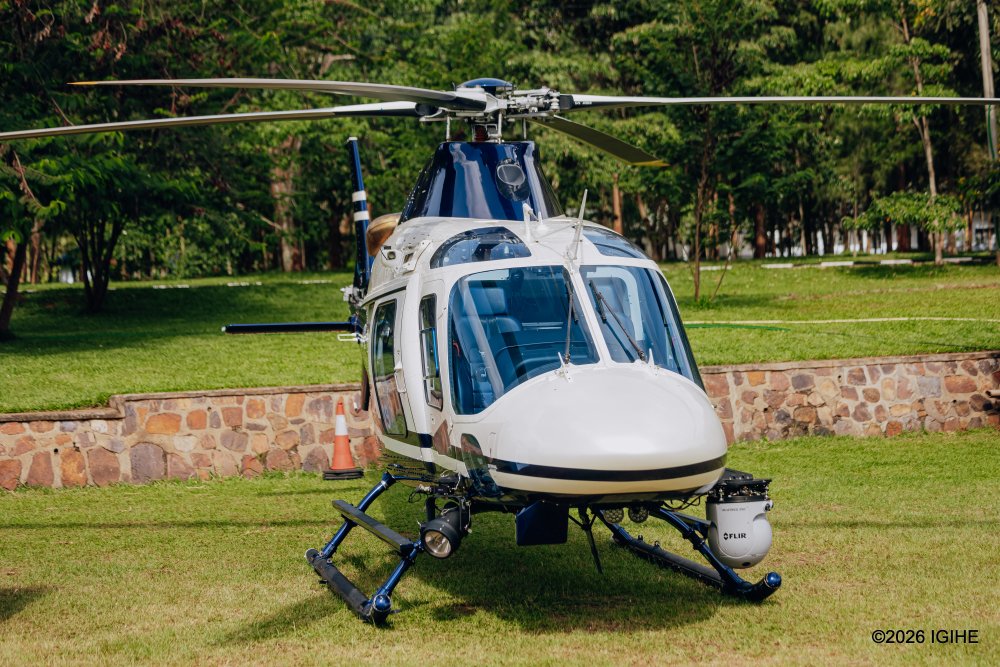
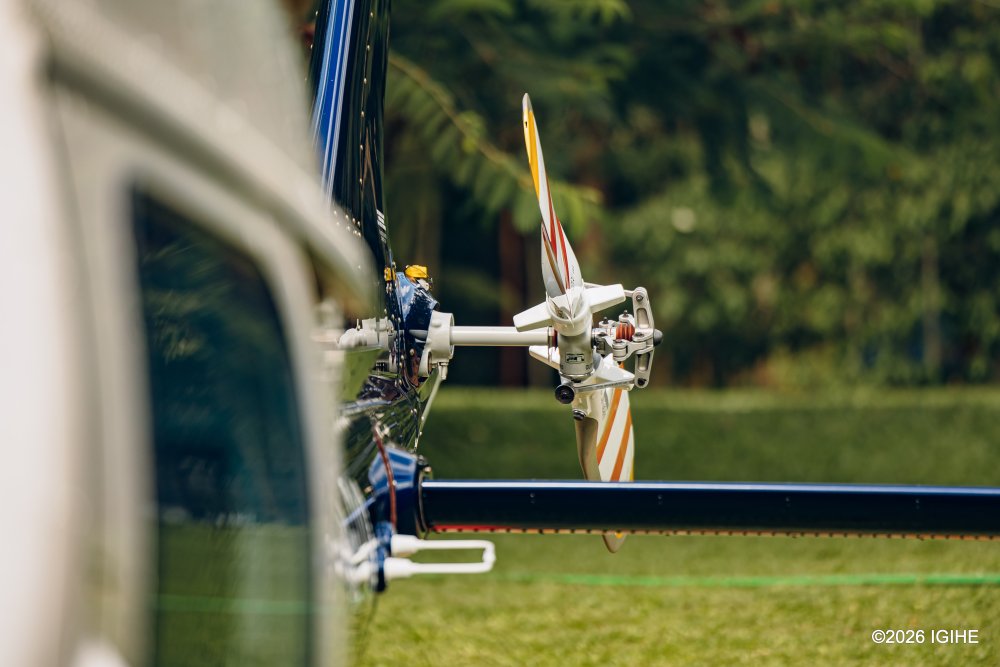
In aerial surveillance, the police rely on helicopters that patrol different areas of the country. These aircraft are used to monitor security situations, capture aerial images, and transmit real-time information to ground units for quick response.
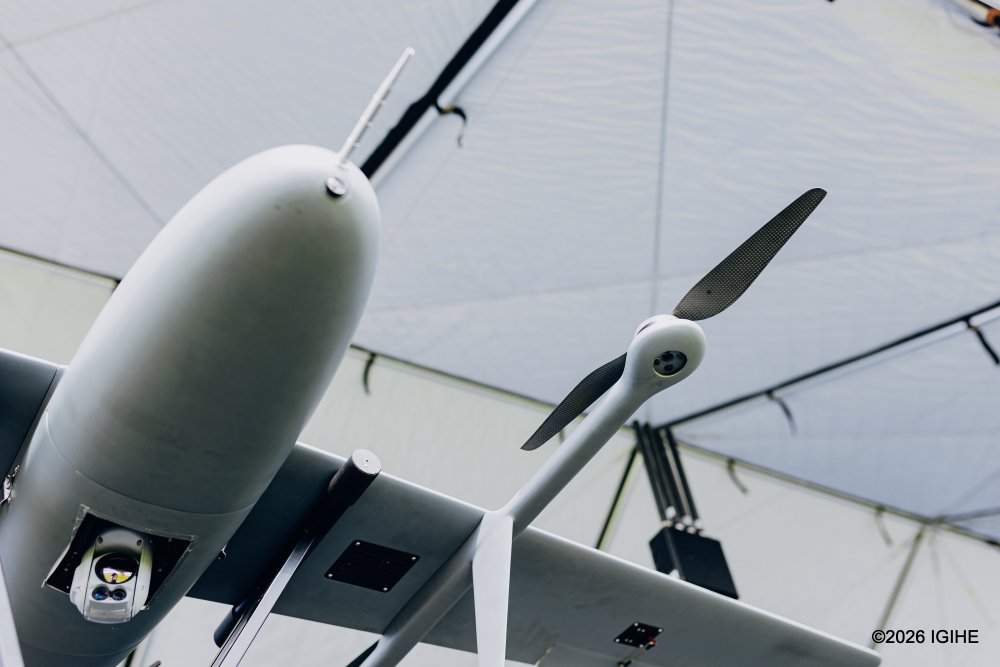
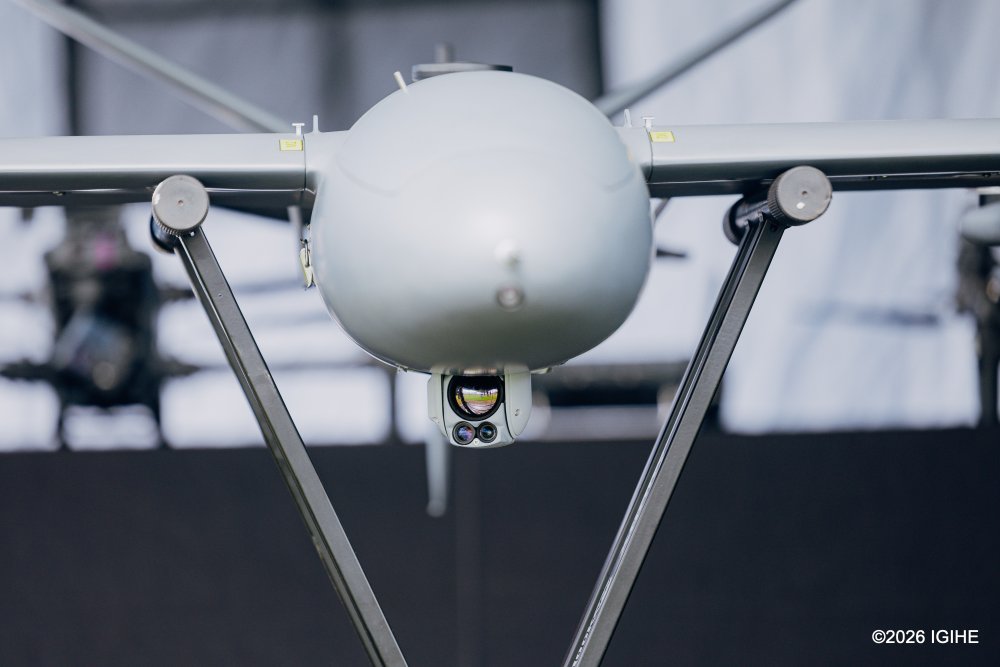
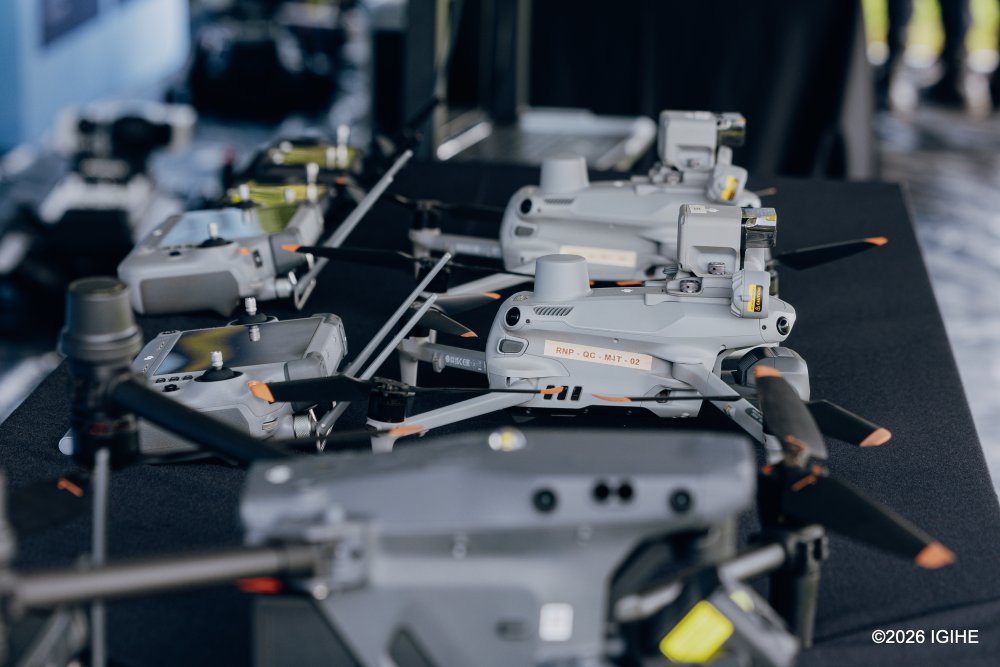
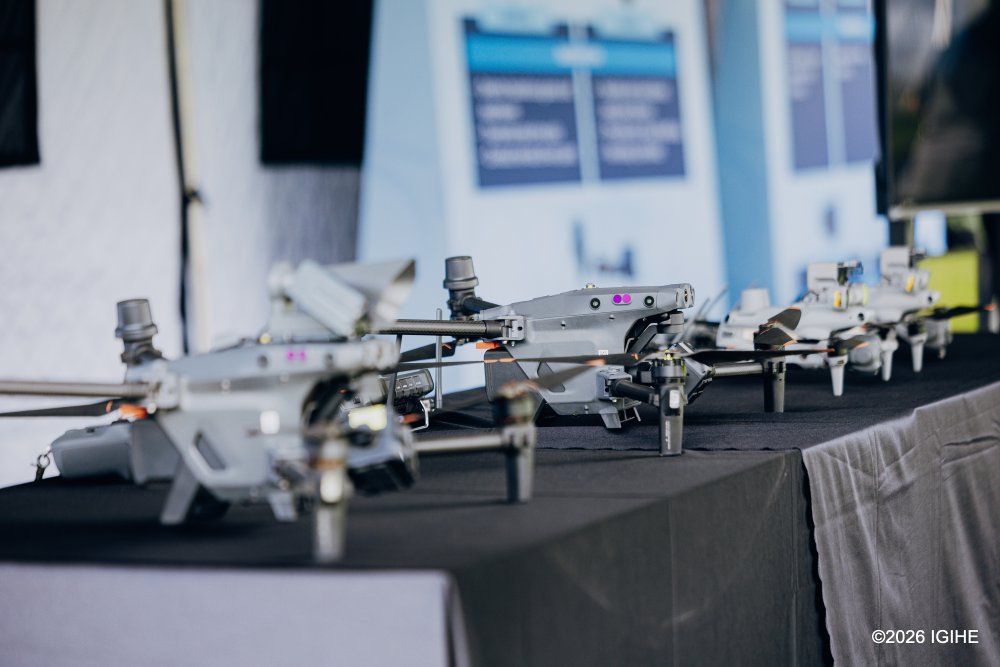
Alongside helicopters, drones have become one of the most widely used tools in modern policing. More unmanned aerial vehicles are expected in the near future to be deployed for various purposes.
According to CIP Félicien Kanamugire, head of the drone operations unit in the Rwanda National Police, drones perform multiple tasks depending on their design and purpose.
Some drones are high-speed, capable of flying up to 100 kilometers per hour and remaining airborne for up to four hours without recharging.
They are equipped with high-resolution cameras that transmit live footage directly to operators on the ground.
Other types are designed for low-speed and short-duration missions but are equipped with advanced night-vision cameras and strong lighting systems, making them effective for nighttime surveillance.
“These drones can even detect a person hiding under trees. For example, in areas like Nyungwe Forest, they can identify individuals, track movement, and even help estimate numbers,” CIP Kanamugire explained. “They can also follow vehicles and monitor their movement until the end destination.”
Some drones are also fitted with loudspeakers used for public communication and awareness campaigns. These allow police to broadcast messages while in flight, making them useful in crowd control and public information dissemination.
The police also plan to expand their drone fleet with new models designed for specialized missions, including firefighting support. These drones are expected to assist in extinguishing fires in high-rise buildings or areas that are difficult for fire trucks to reach.
Future additions also include drones capable of assisting in public order management. These will be able to spray water or non-lethal substances such as paint to disperse unlawful gatherings, while also providing live aerial monitoring.
Robotics and explosive disposal
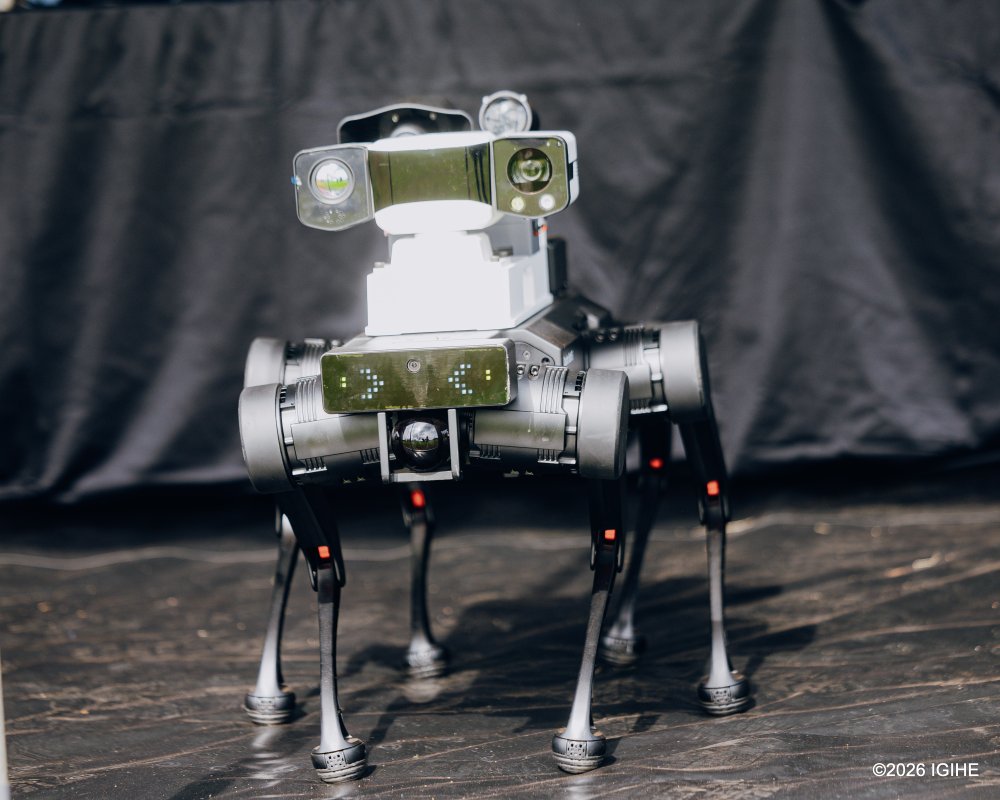
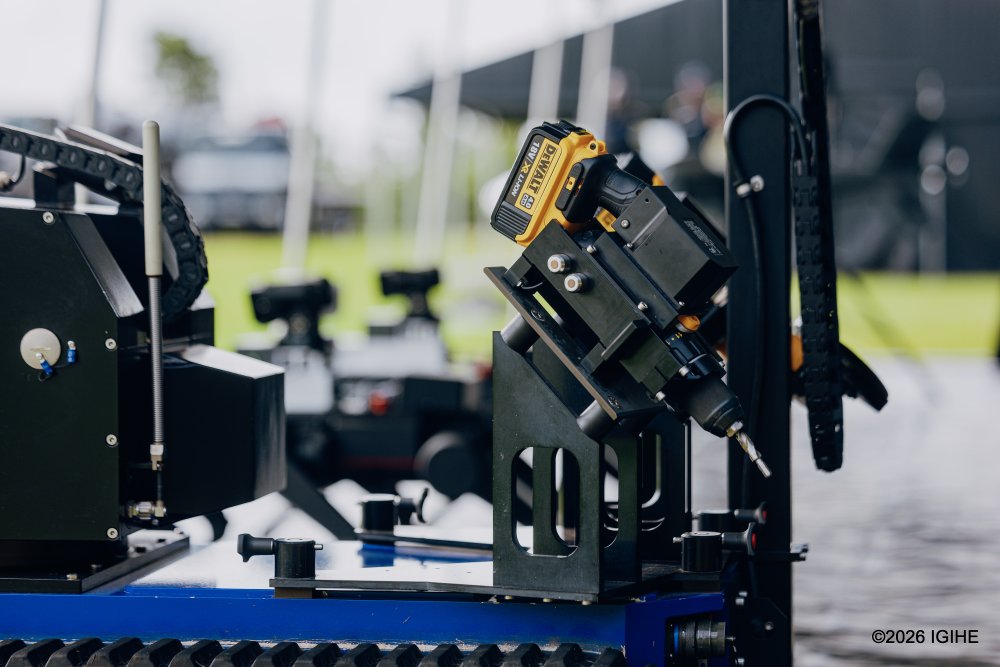
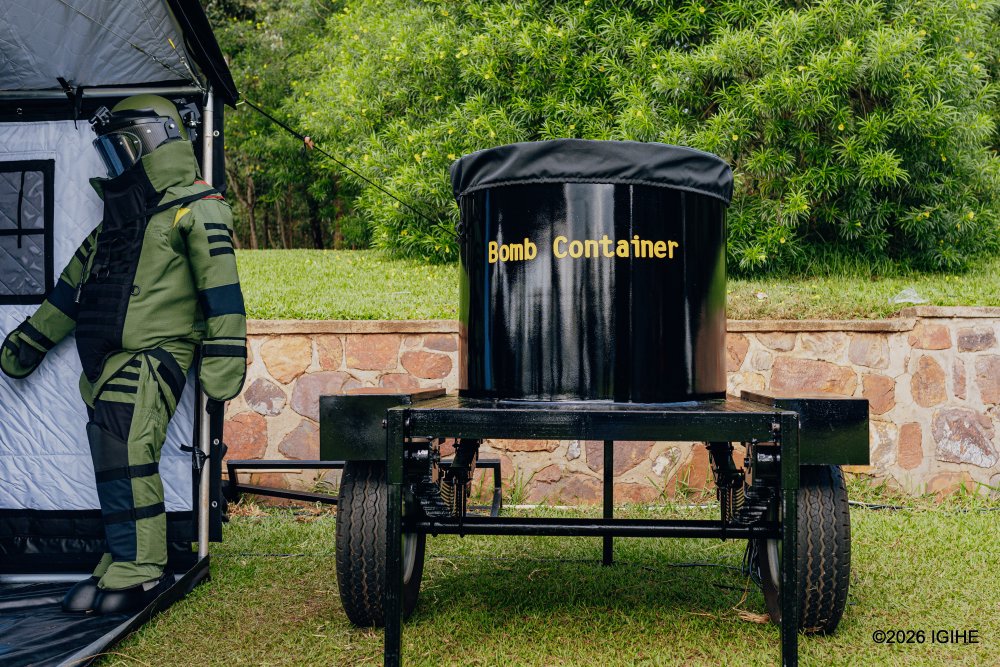
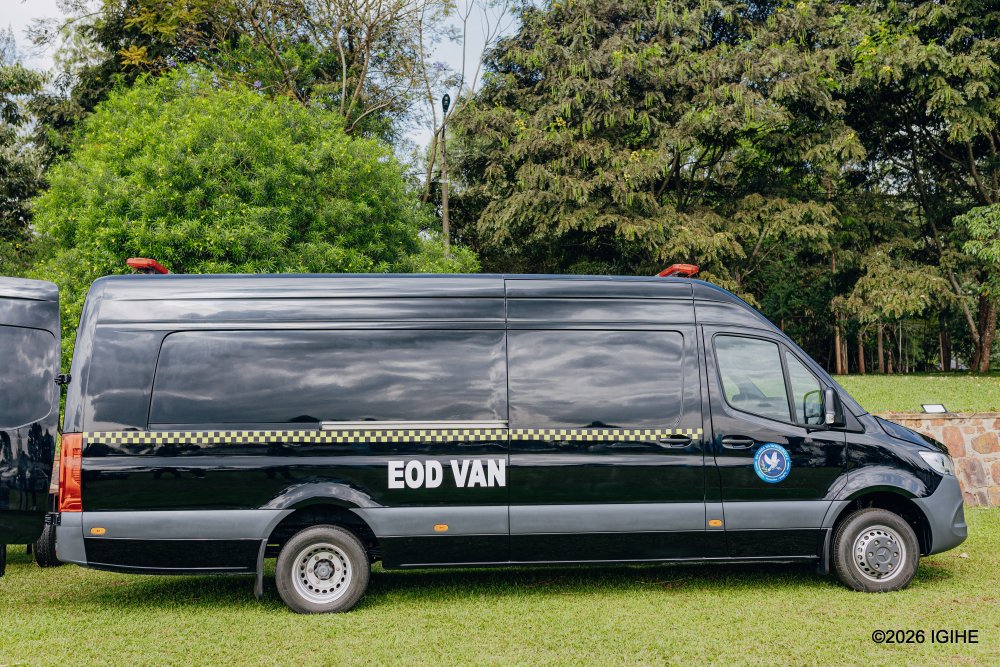
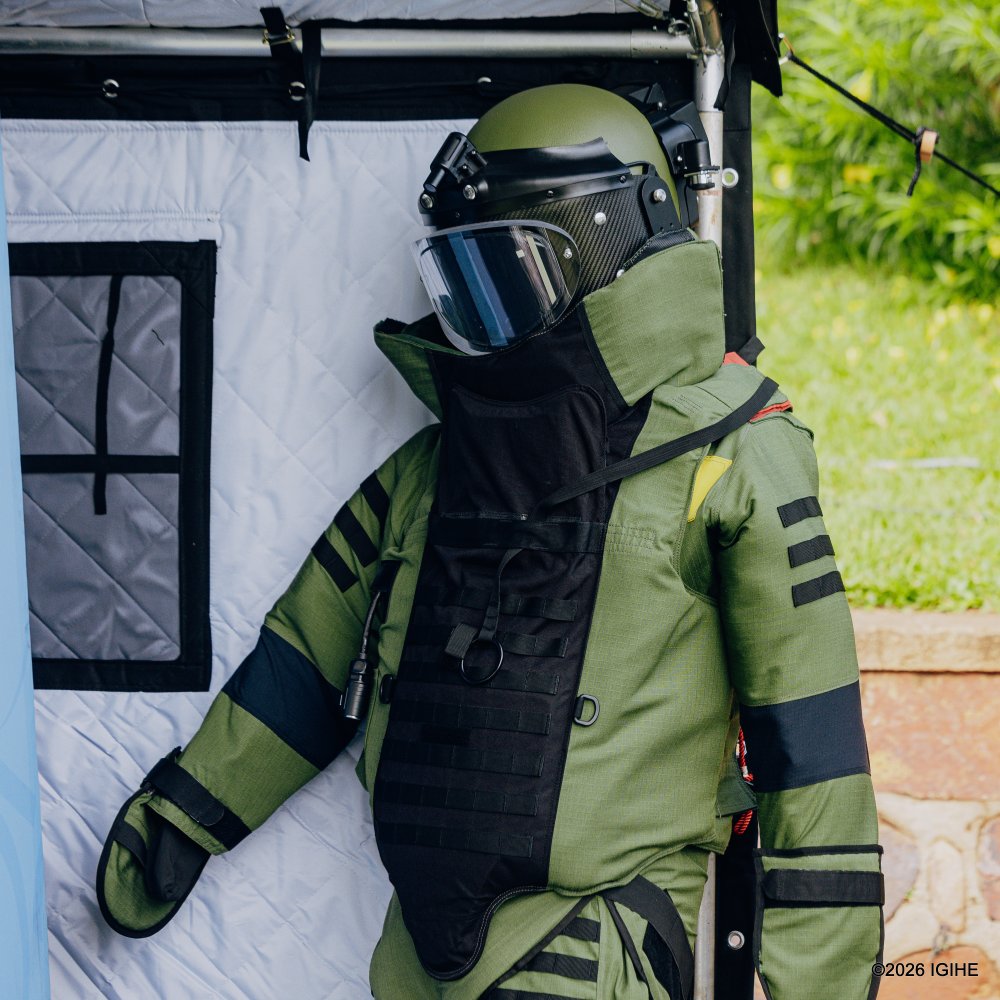
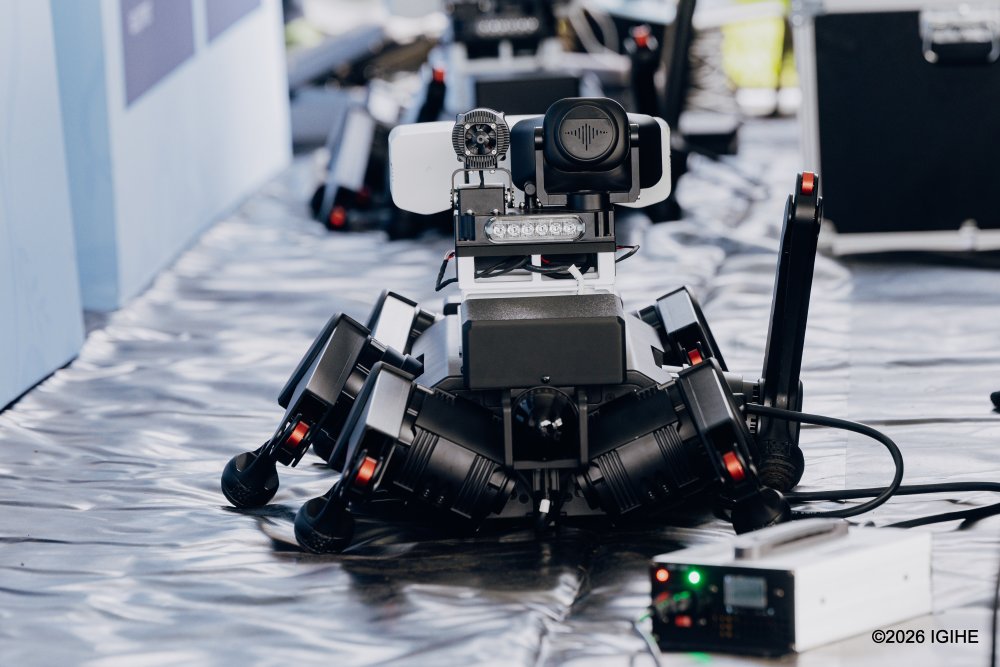
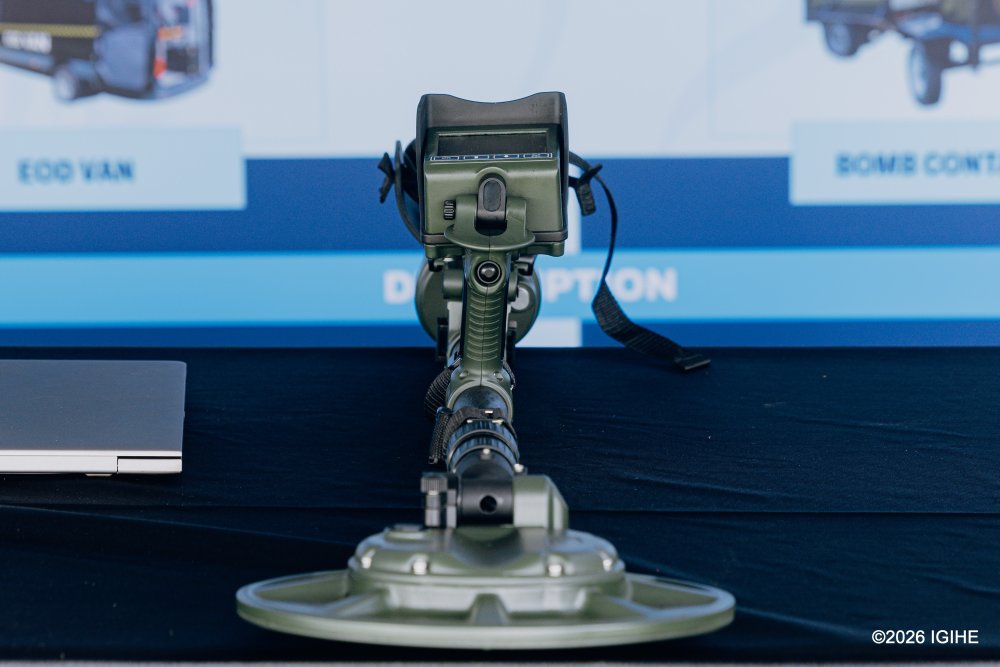
The Rwanda National Police also uses advanced robotics technology in explosive ordnance disposal. These robots are designed to detect and neutralize explosive devices without exposing officers to danger.
According to CIP Joseph Biziyaremye, head of the explosives unit, some of these machines—known as “robotic security dogs”—are capable of detecting explosives and toxic substances. They transmit information to operators who remain safely inside armored vehicles.
There are also robots designed specifically for bomb disposal operations. These machines can enter buildings, conduct searches, and handle suspicious objects that may pose a threat to public safety.
Some are even equipped with firearms, allowing them to neutralize armed threats when necessary. Canine unit and training systems
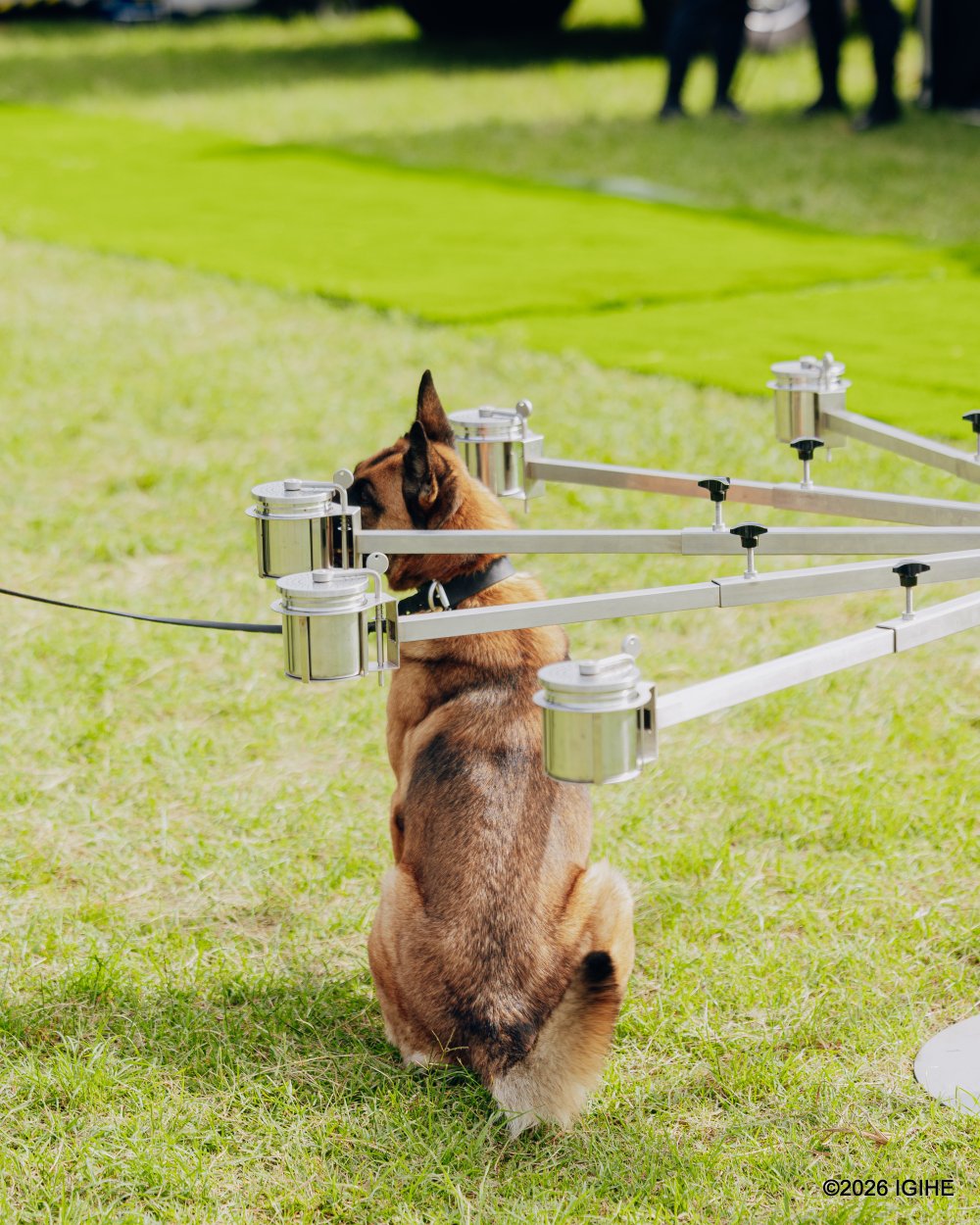
The police canine unit plays an important role in security operations. Trained dogs assist in searching, detecting narcotics, identifying explosives, and supporting various policing tasks.
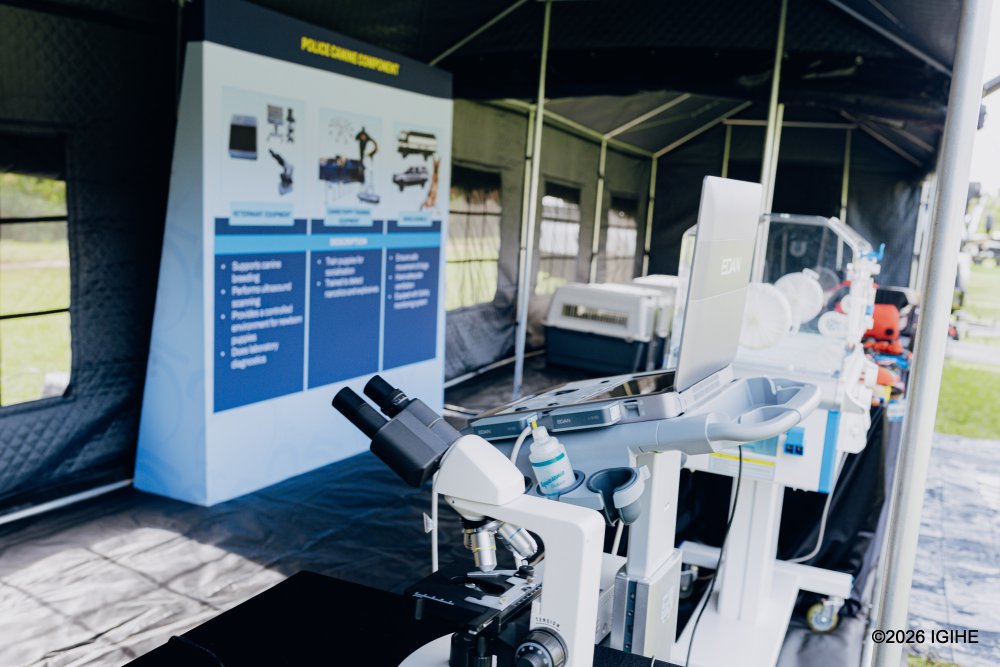
RNP currently has a program to expand its dog breeding and training capacity locally, reducing the need to import trained dogs from abroad.
This initiative aims to strengthen internal capacity and improve efficiency in canine operations.
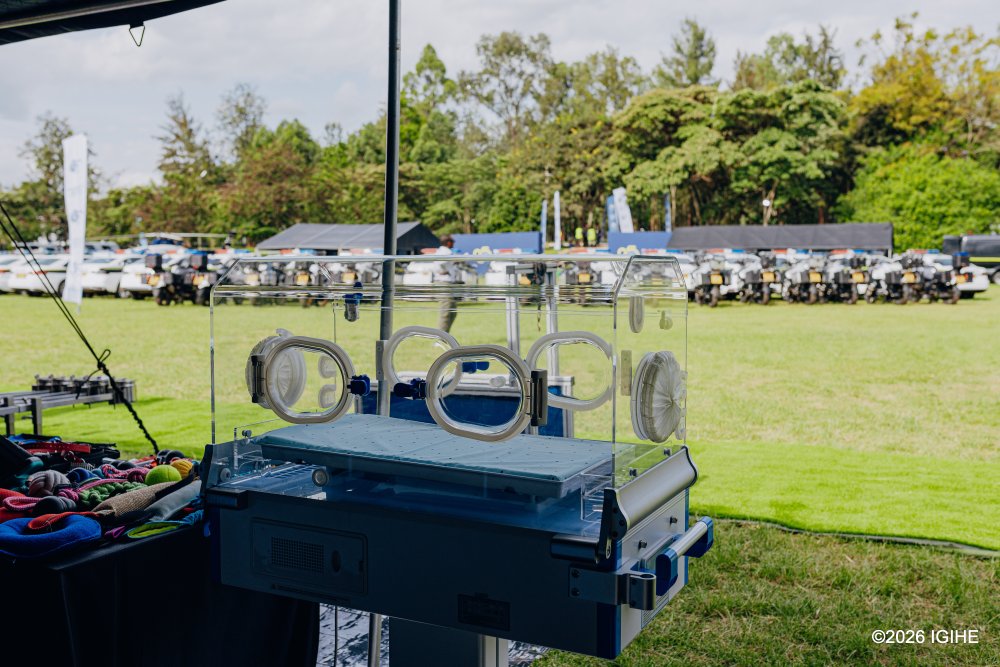
The training process is highly structured. It begins from birth, where puppies are carefully monitored and cared for using veterinary equipment, including systems similar to incubators when necessary.
As the dogs grow, they undergo physical training and continuous development programs to prepare them for operational duties in different security environments.
Public order and transport equipment
Rwanda National Police also uses specialized equipment for crowd control during demonstrations or public disturbances.
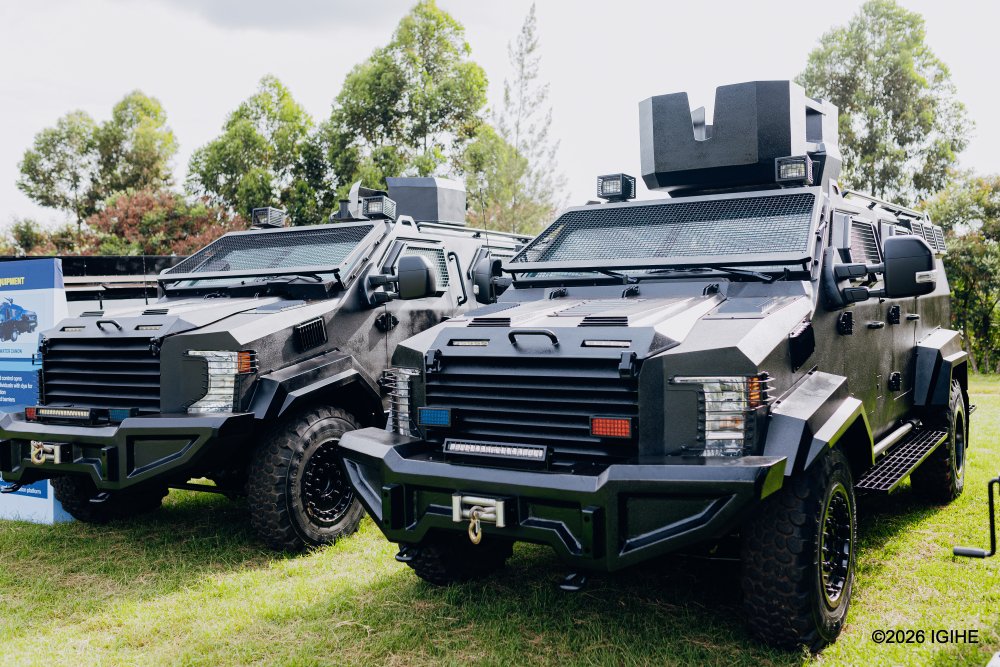
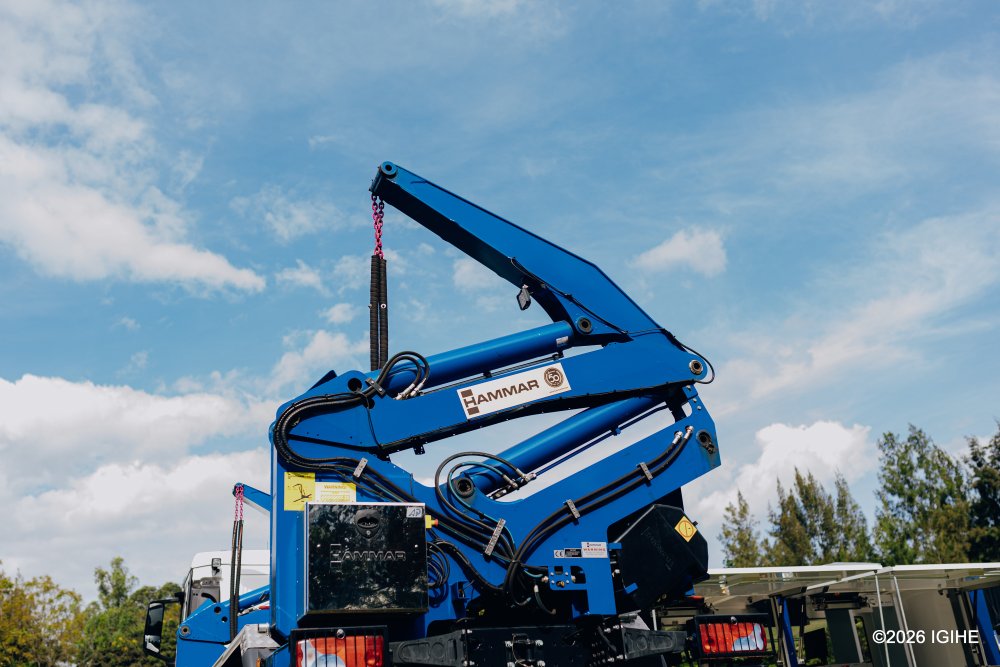
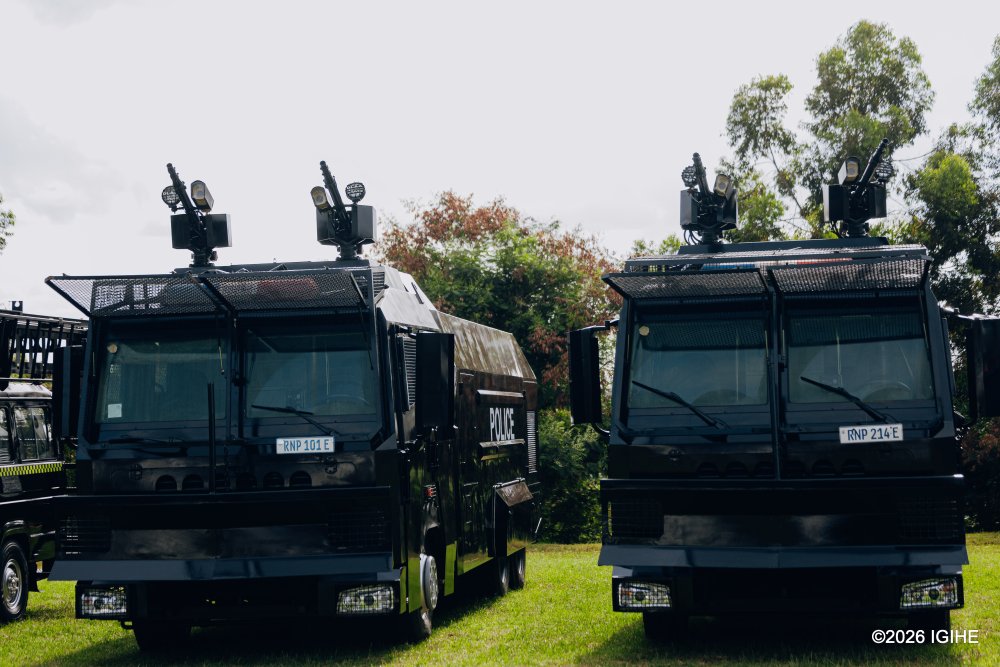
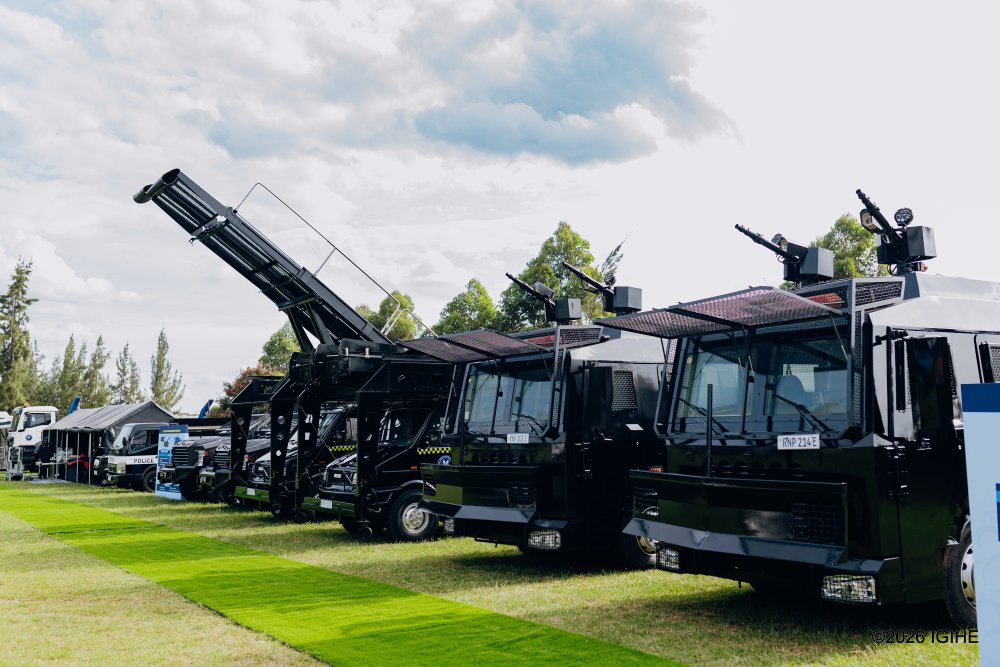
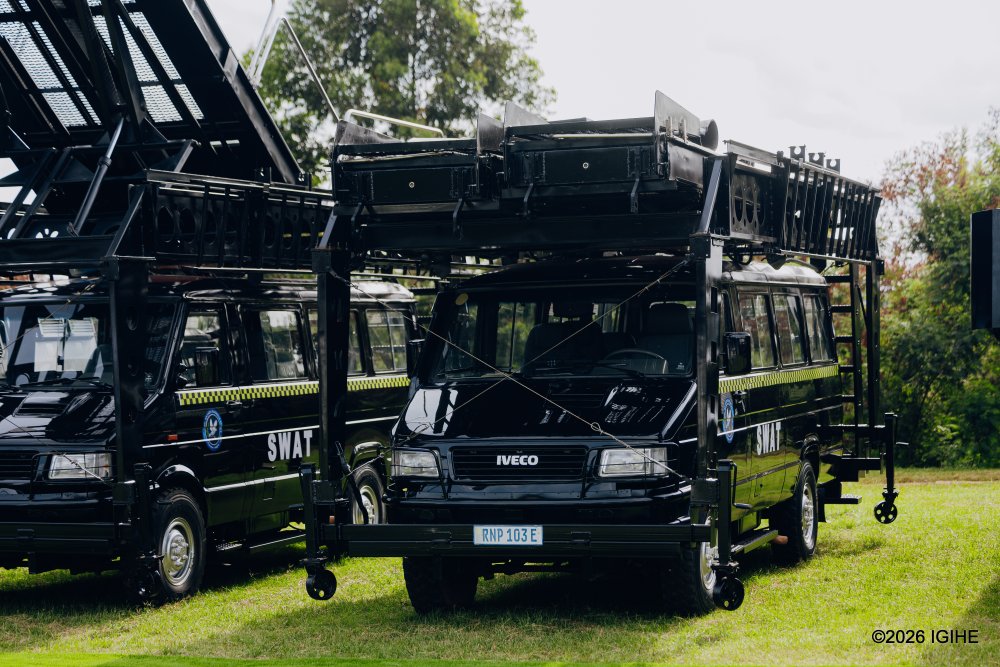
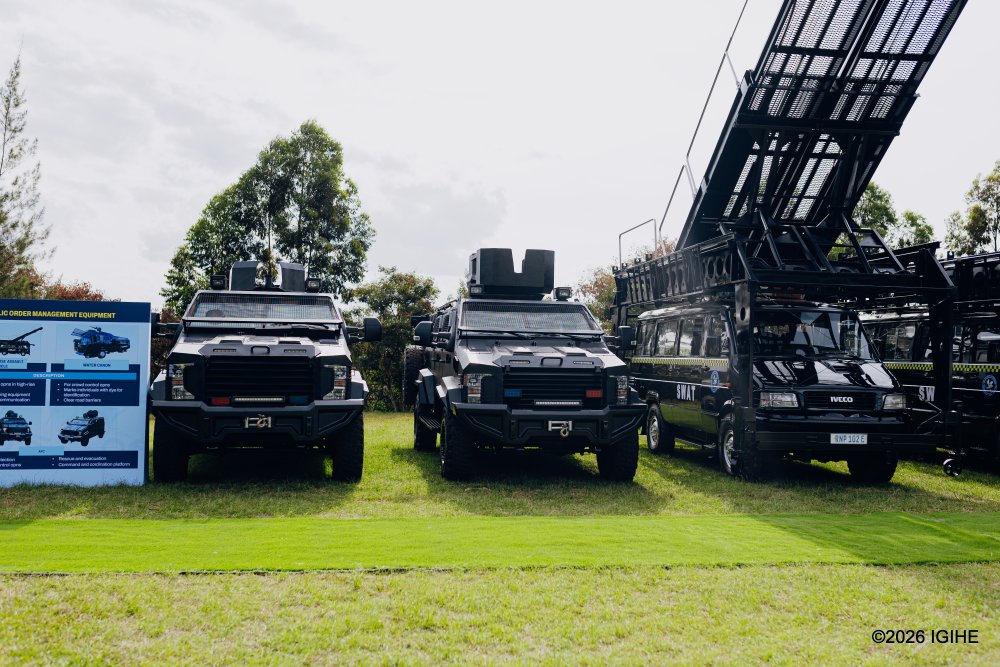
These include armored vehicles capable of transporting officers safely, as well as water cannon trucks and systems designed to disperse crowds using water or irritant sprays.
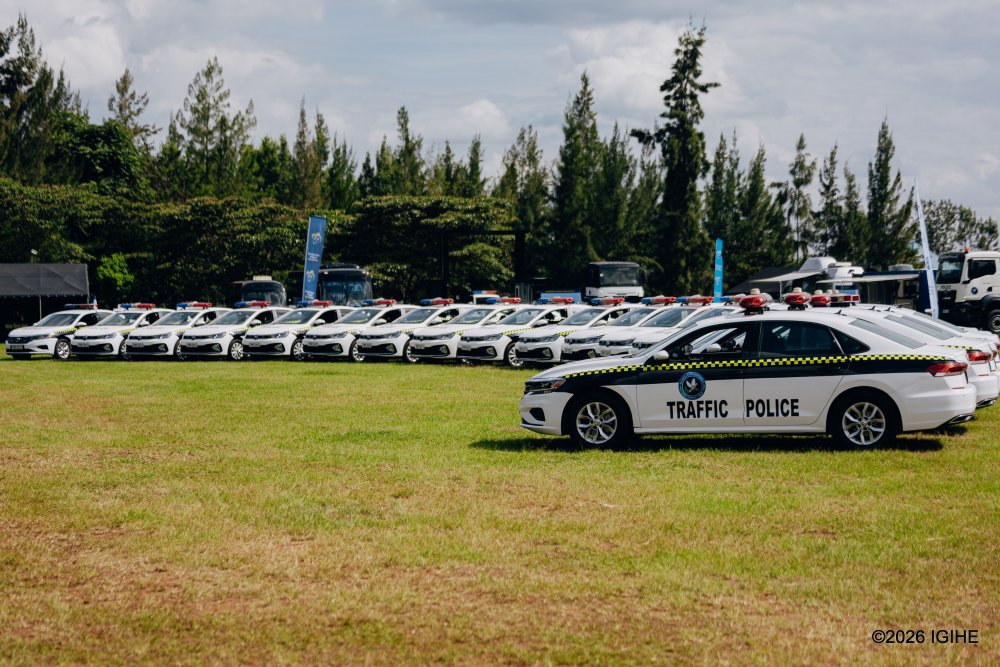
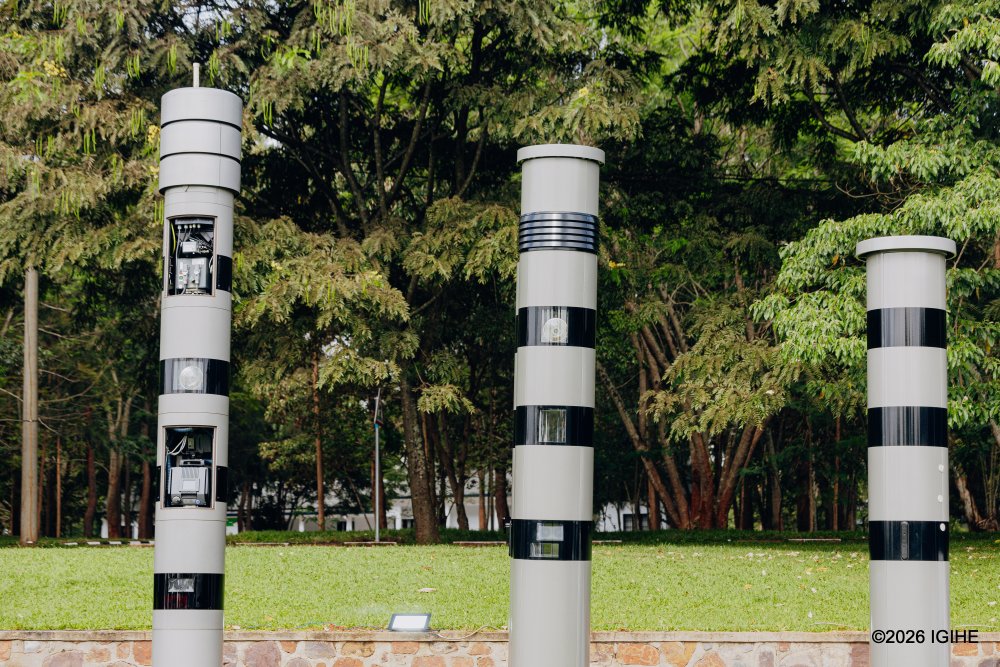
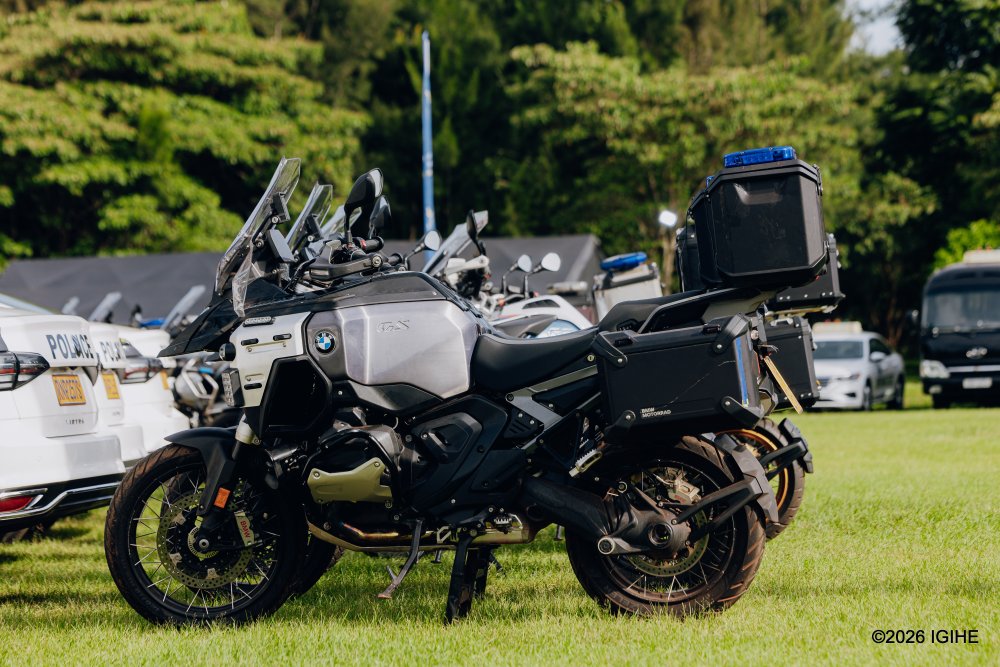
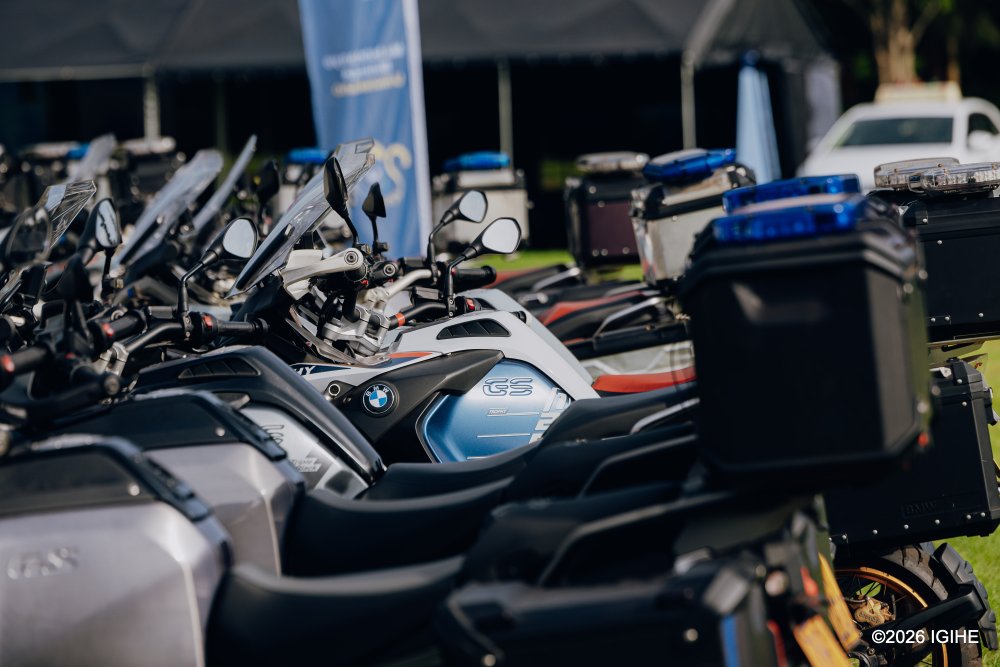
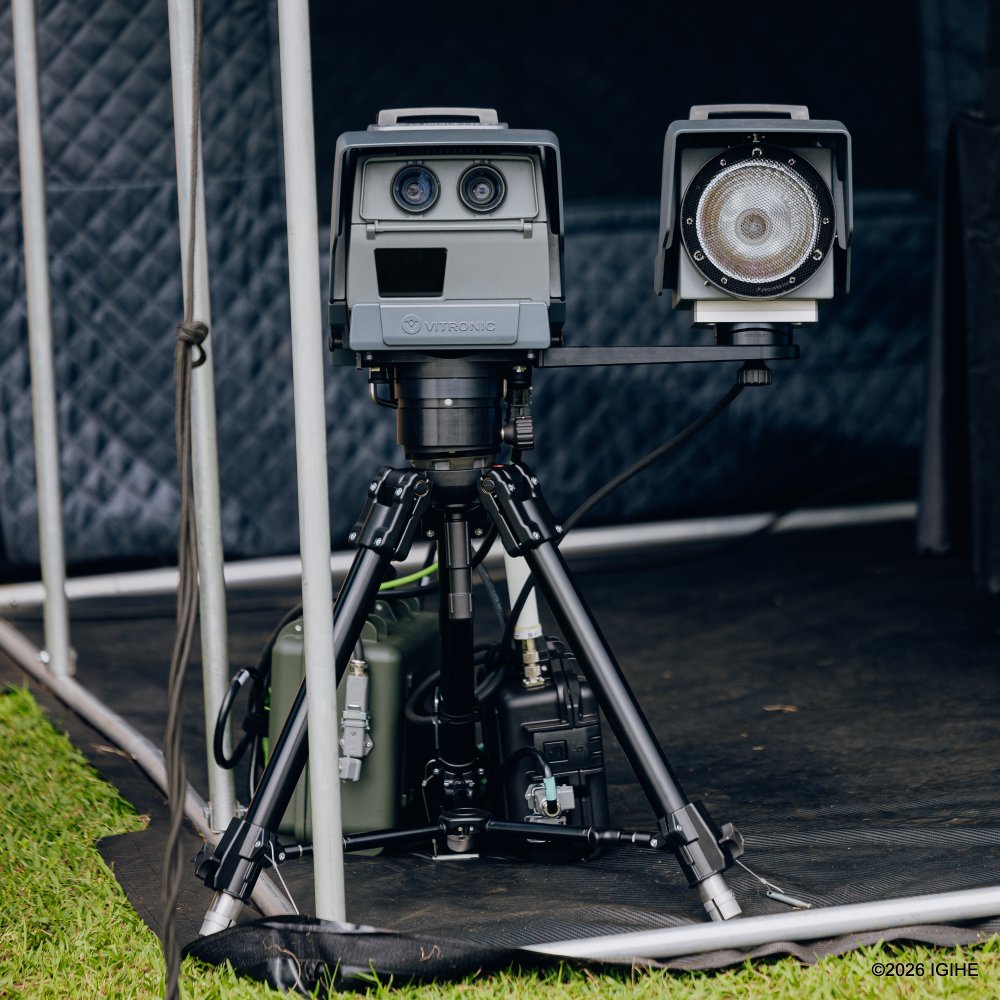
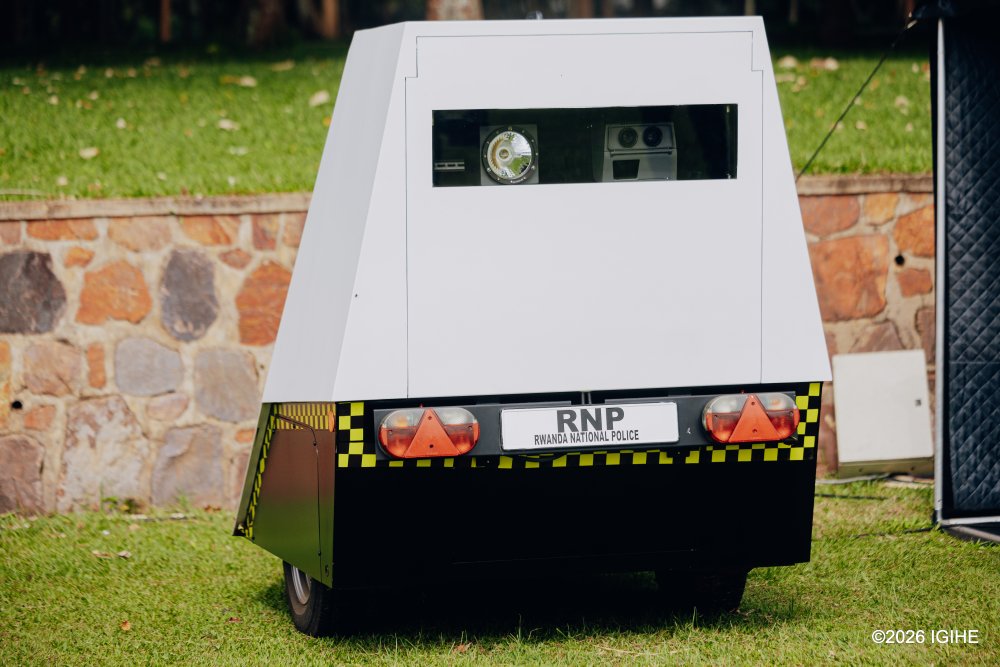
The traffic police unit is equipped with motorcycles, patrol vehicles, and advanced surveillance cameras used to monitor road safety and enforce traffic regulations.
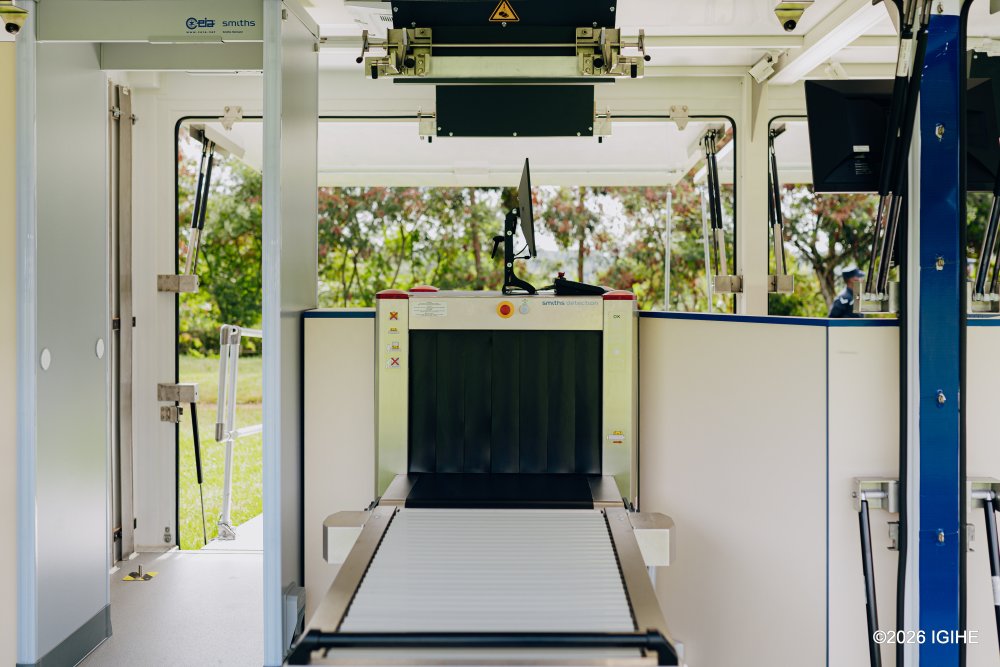
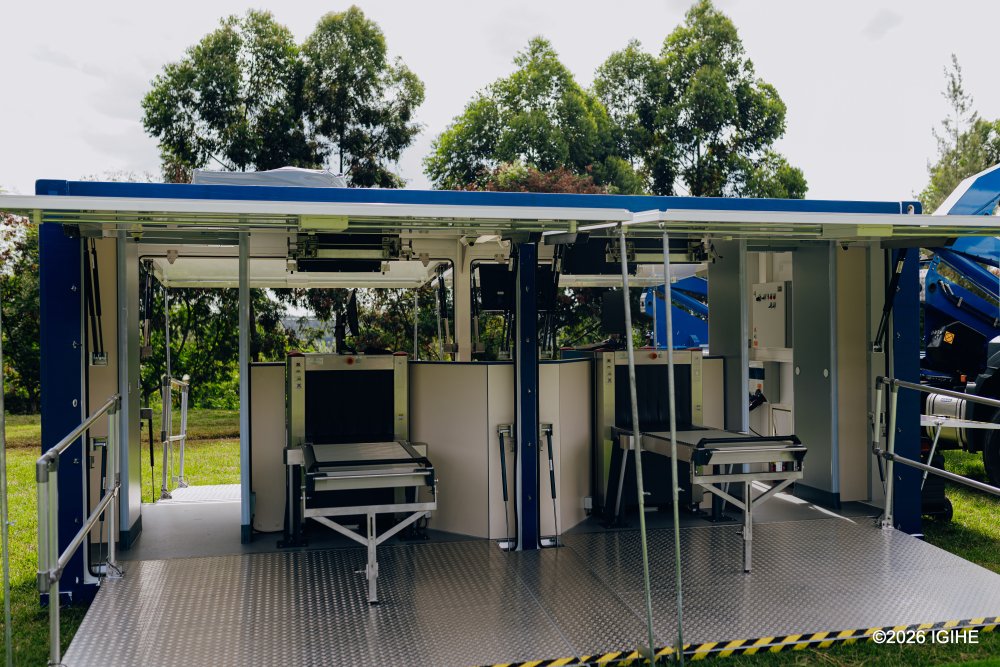
In addition, modern screening technologies allow large groups of people to be searched efficiently without requiring physical contact with officers.
Fire and rescue services
The fire and rescue department has also undergone major transformation since its establishment in 2002.
At its inception, the unit had only one fire truck nationwide, during a period when the country was still recovering from the aftermath of the 1994 Genocide against the Tutsi.
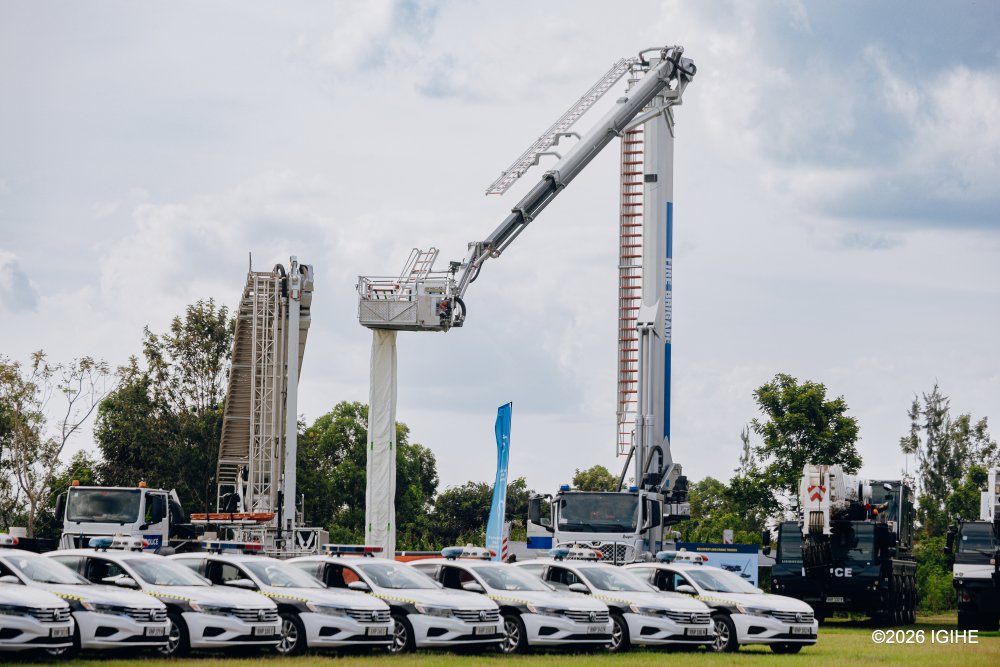
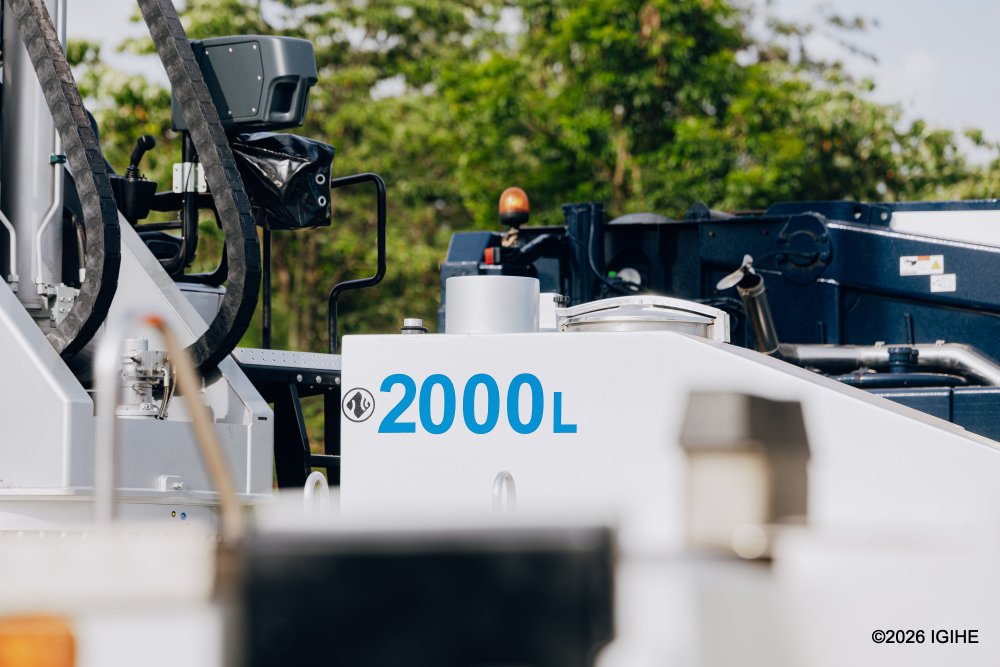
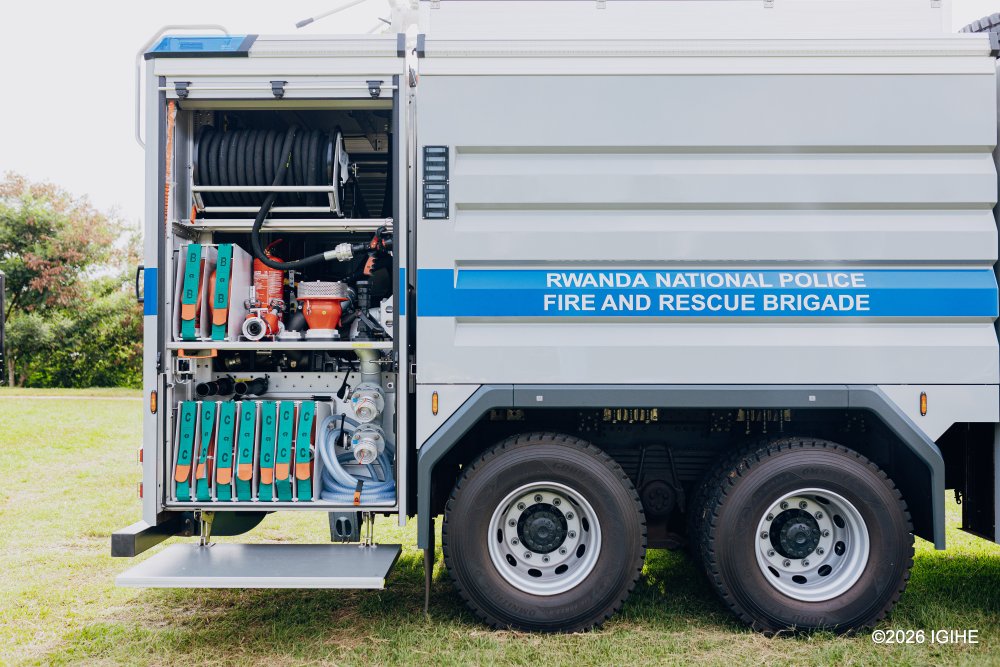
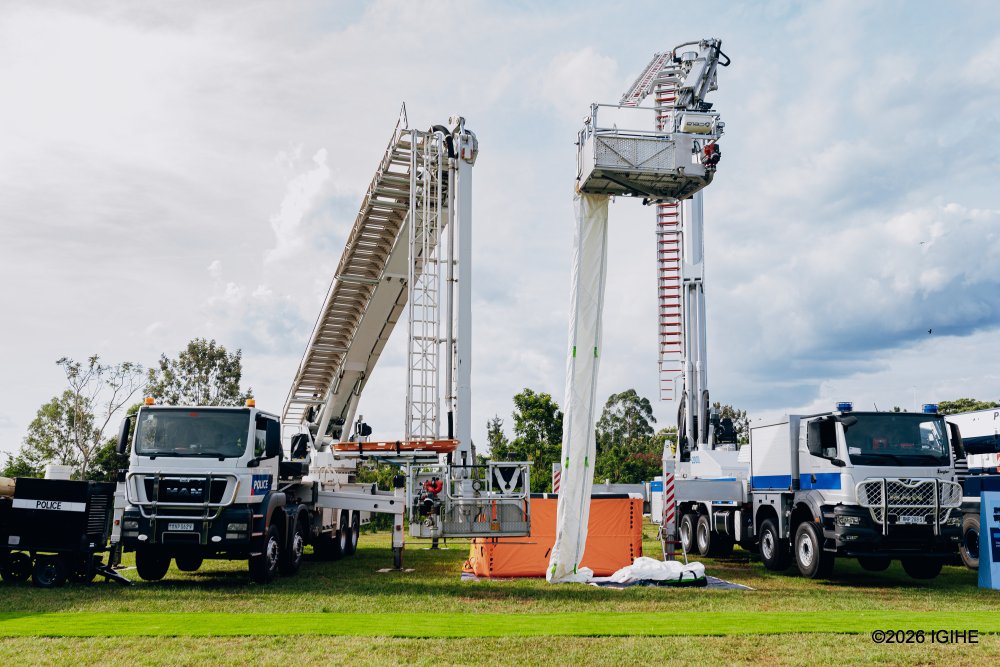
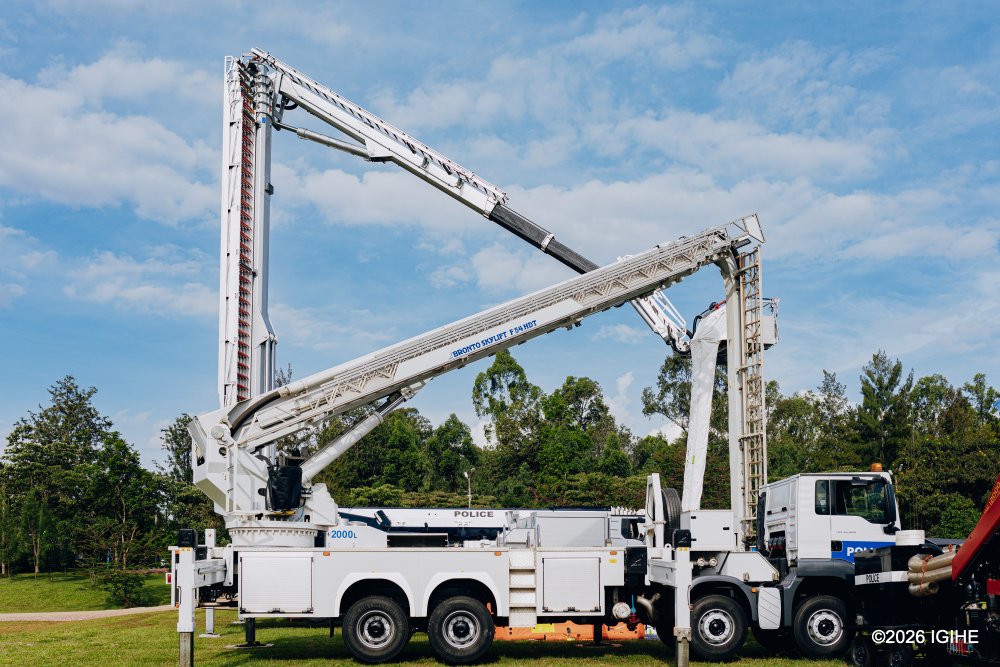
Today, the department has a fleet of fire trucks stationed across the country. Some are capable of extinguishing fires in high-rise buildings exceeding 50 meters in height and can also assist in rescuing people trapped in tall structures.
In Kigali, fire trucks are strategically positioned in key locations such as UTC, Remera, Masoro industrial zone, and Kacyiru at police headquarters, ensuring rapid response in case of emergencies anywhere in the city.
Over 25 years, the Rwanda National Police has evolved into a modern, technology-driven institution equipped with advanced tools across land, air, and water operations.
This evolution reflects a broader transformation in Rwanda’s security sector, where innovation and technology now play a central role in ensuring public safety and national development.
The police marine unit uses modern boats equipped with cameras and lighting systems for rescue and patrol missions.Rwanda National Police officers use specialized diving equipment for underwater search and rescue operations.Helicopters are deployed by RNP for aerial surveillance and real-time security monitoring across the country.Some RNP drones can fly at high speeds and remain airborne for several hours during missions.Drones have become essential tools in Rwanda Police operations for surveillance and public safety management.High-resolution drone cameras provide real-time footage to operators on the ground for quick decision-making.Night-vision drones are used by police to monitor security situations during low-light conditions.Rwanda National Police uses robotics technology for safe and effective explosive ordnance disposal.Bomb disposal robots are used to enter buildings and neutralize potential threats safely.The RNP canine unit plays a vital role in detecting narcotics, explosives, and supporting security operations.RNP uses incubator-like systems to care for young puppies when necessary.Armored vehicles are used by RNP for safe transport of officers during crowd control operations.The traffic police unit uses motorcycles and patrol vehicles to enforce road safety regulations.Advanced surveillance cameras are used by RNP to monitor traffic and improve road safety.Some fire trucks in Rwanda can extinguish fires in buildings over 50 meters high.Fire trucks are strategically positioned in Kigali to ensure rapid emergency response.Rwanda National Police continues to expand its technological capacity across all security units.Rwanda National Police seeks expansion of its local dog breeding and training program to strengthen capacity.Modern screening technologies allow police to search large crowds without physical contact.These machines can be used in the event of an accident to save human lives.These vehicles can spray water or tear gas to disperse protesting crowds.These vehicles are equipped with cameras that can record footage, allowing the police to identify every individual who took part in protests.These motorcycles are used in traffic security and road safety operations.
“Spain reported a new case among the passengers who are in quarantine, which brings the total number of cases to 13,” WHO chief Tedros Adhanom Ghebreyesus said in a post on X.
There are no new deaths reported since May 2,the total number of deaths remains three out of 13 reported cases so far, Tedros said.
“The situation remains stable. Passengers who got sick are receiving needed care, while others remain in quarantine,” Tedros said, noting that WHO is in close contact with all the relevant governments.
Previously, a hantavirus outbreak aboard the Dutch-flagged cruise ship MV Hondius raised fears. However, WHO has said that the overall risk to the public remains low, and has recommended that all evacuated passengers undergo active health monitoring for 42 days from their last exposure date, either in designated quarantine facilities or at home, with the monitoring period lasting until June 21.
Boats approach the Dutch flagged hantavirus-stricken cruise ship MV Hondius after it arrived at the industrial port of Granadilla de Abona on the island of Tenerife in Spain’s Canary Islands, May 10. AFP-Yonhap