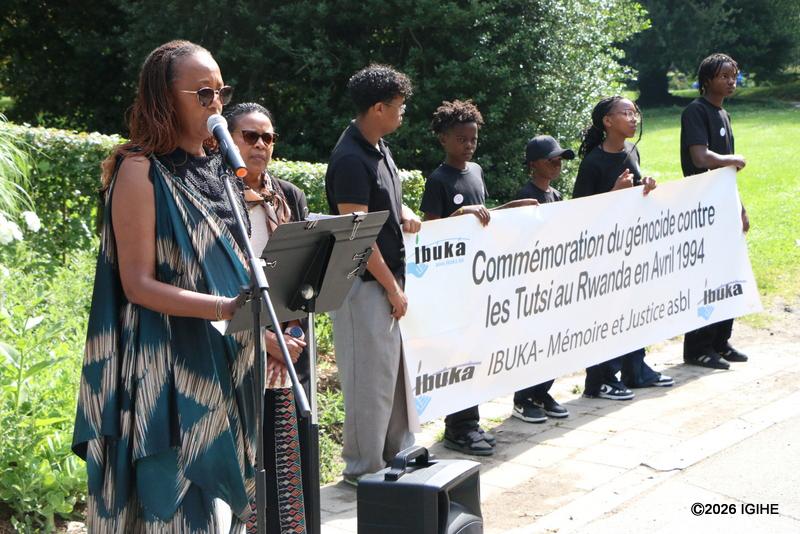
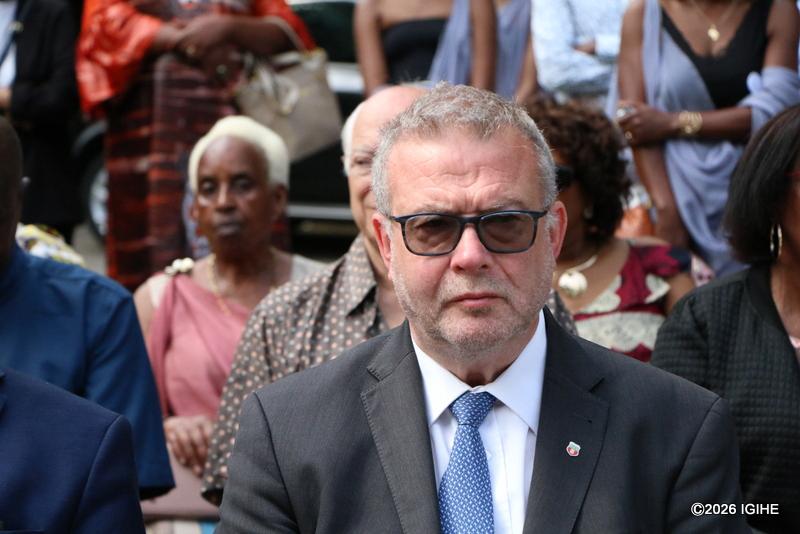
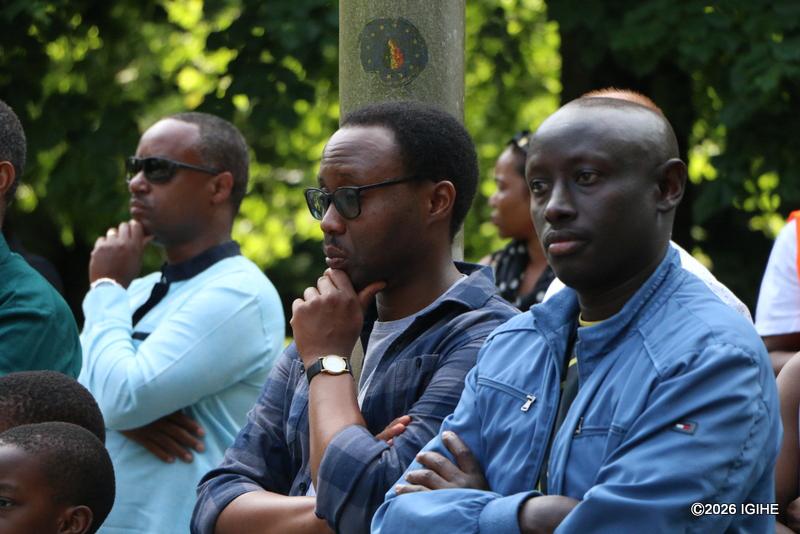
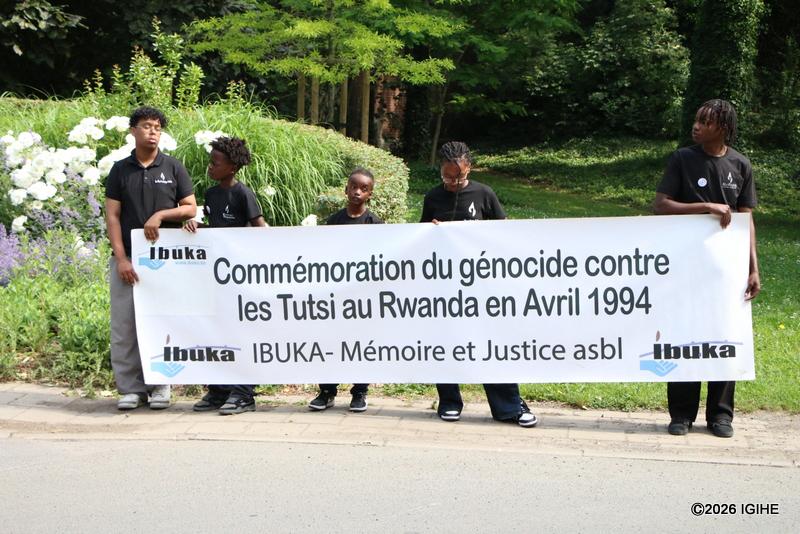
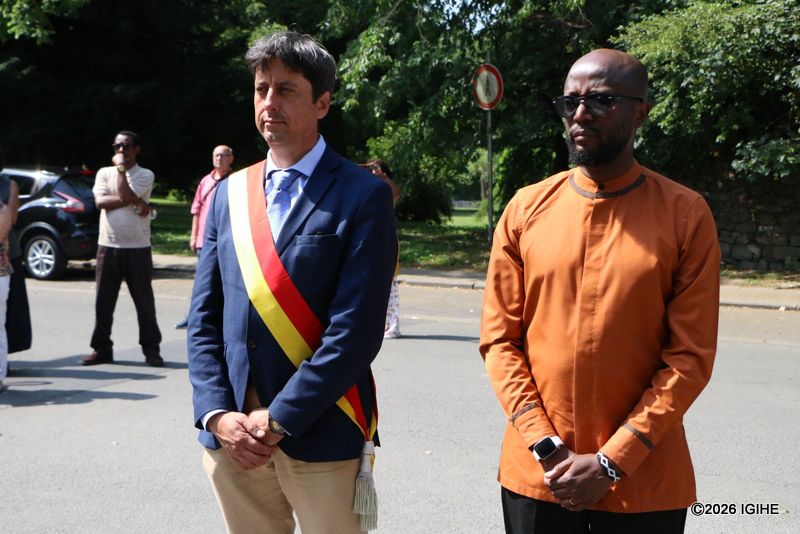
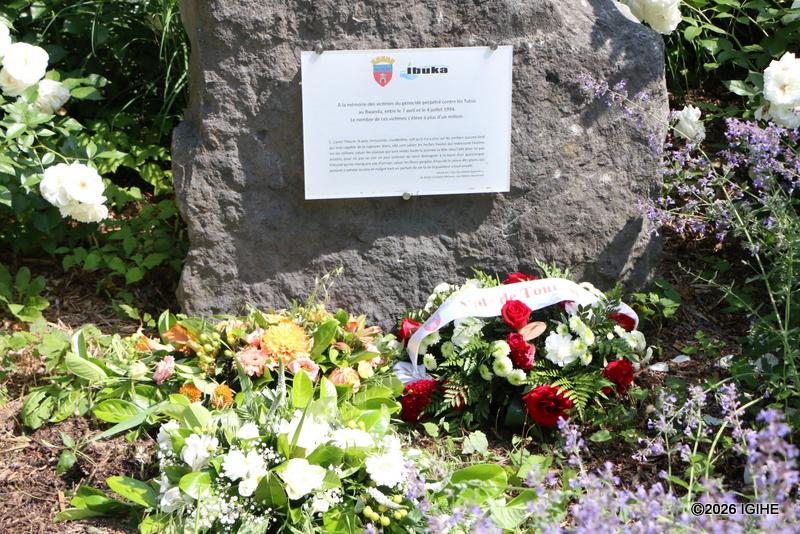
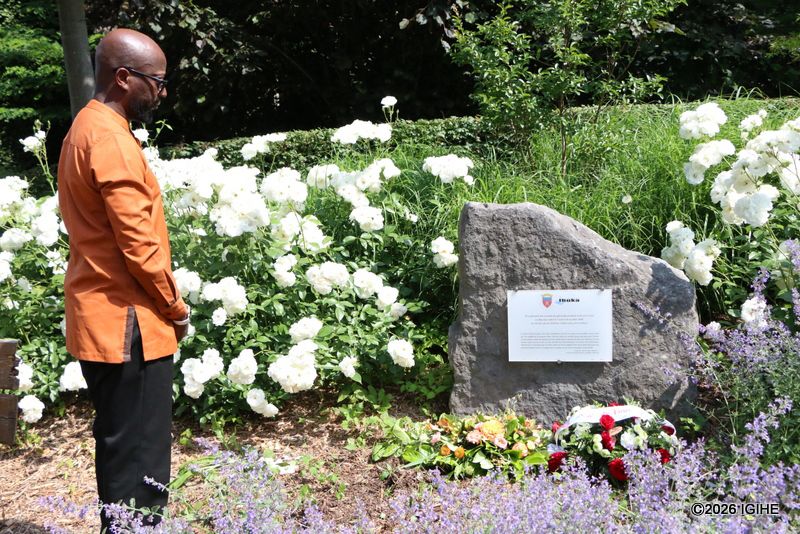
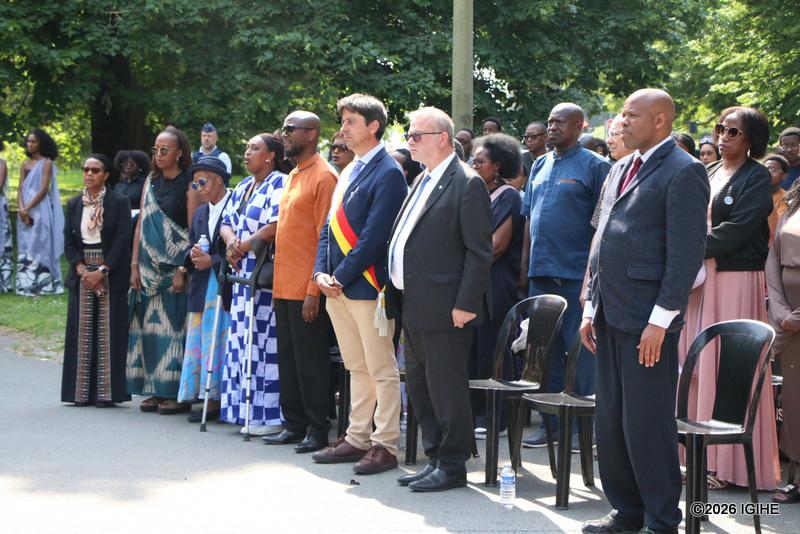
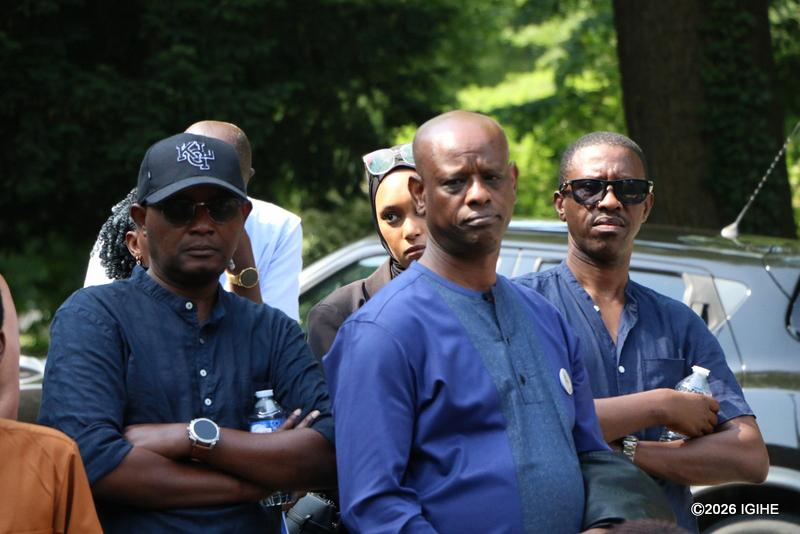
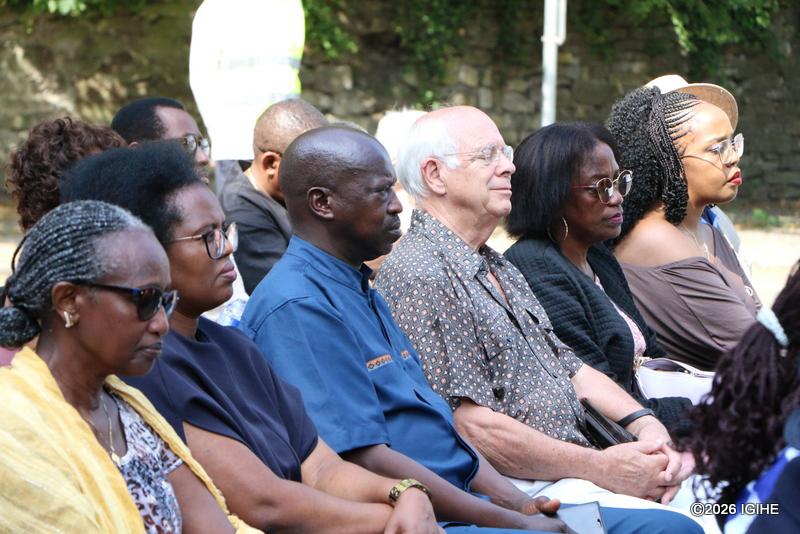
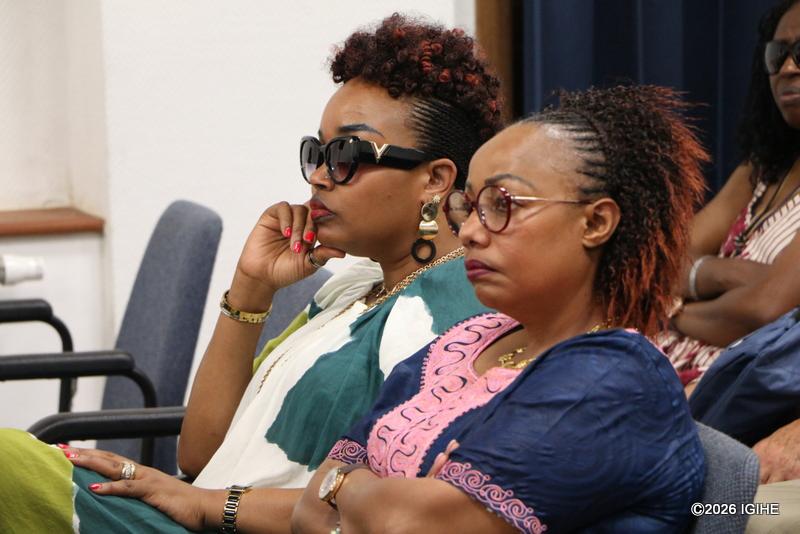
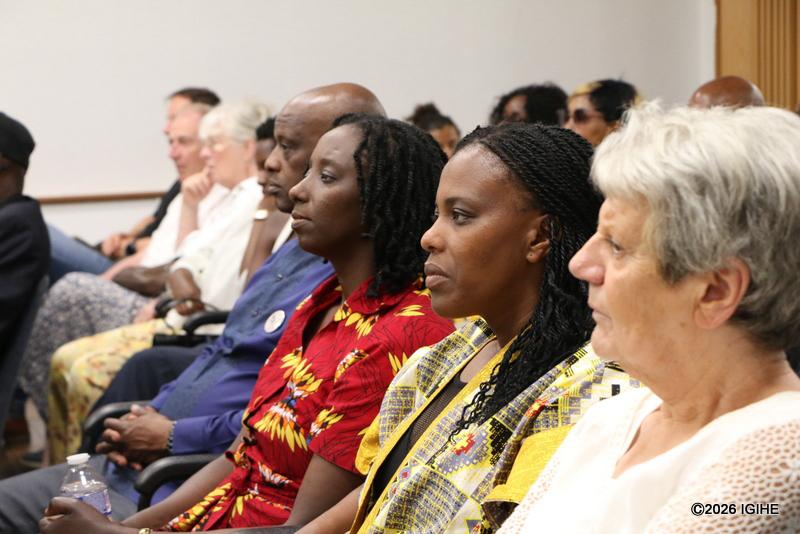
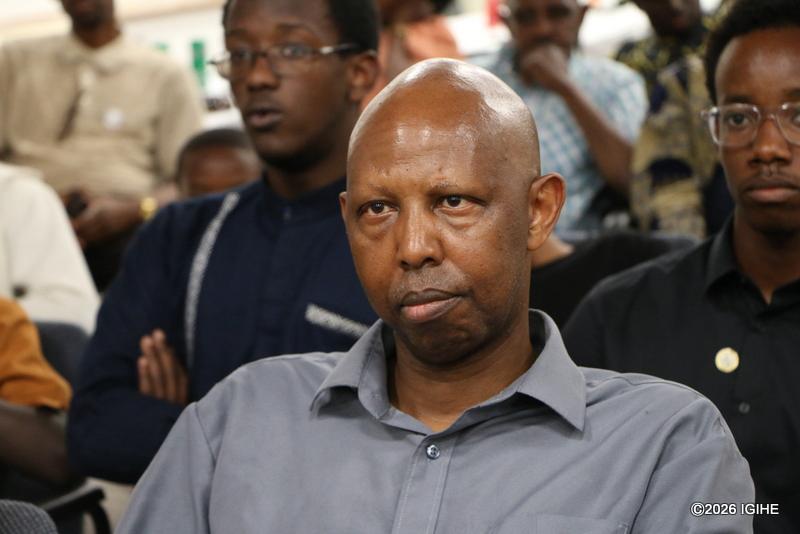
On this occasion, they were called upon to confront those who deliberately seek to distort the tragic history Rwanda experienced.
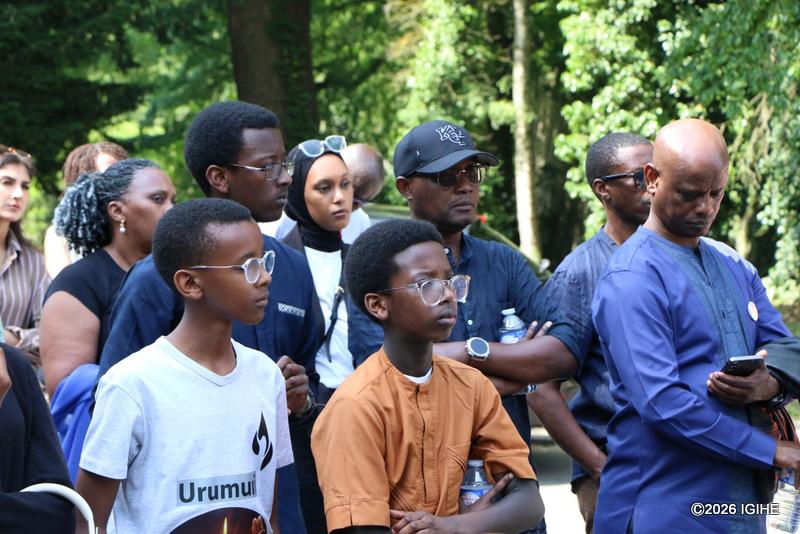
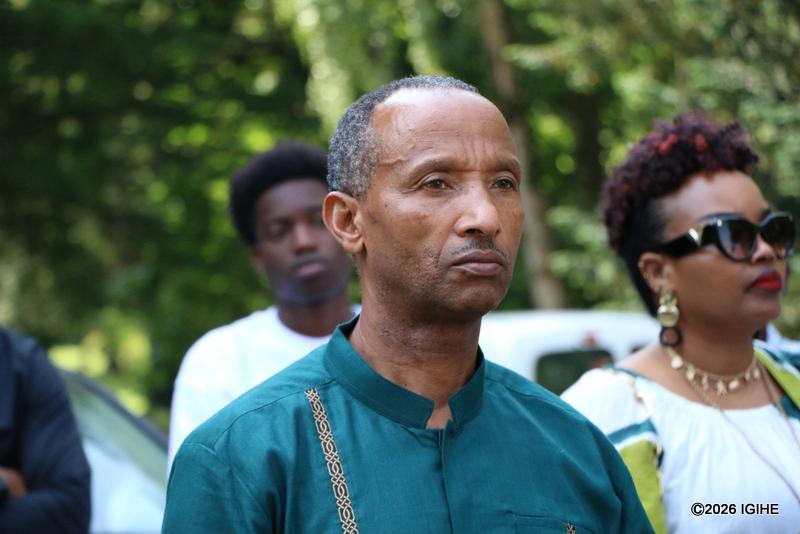
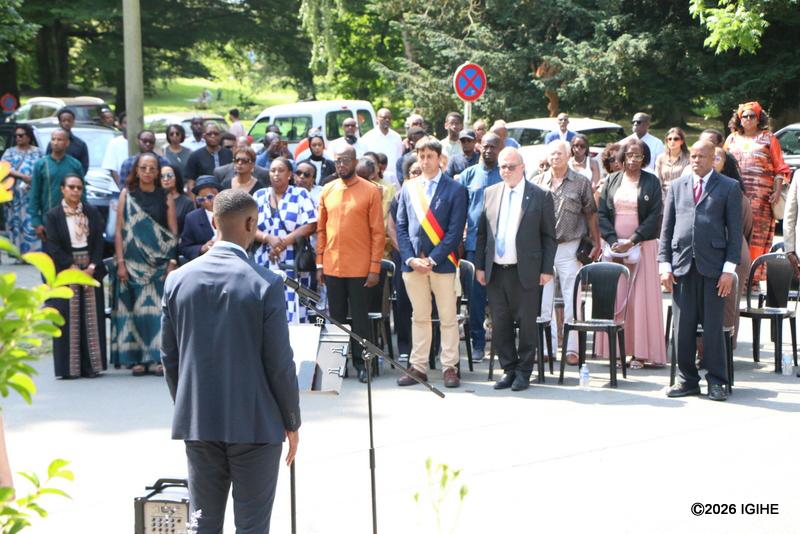
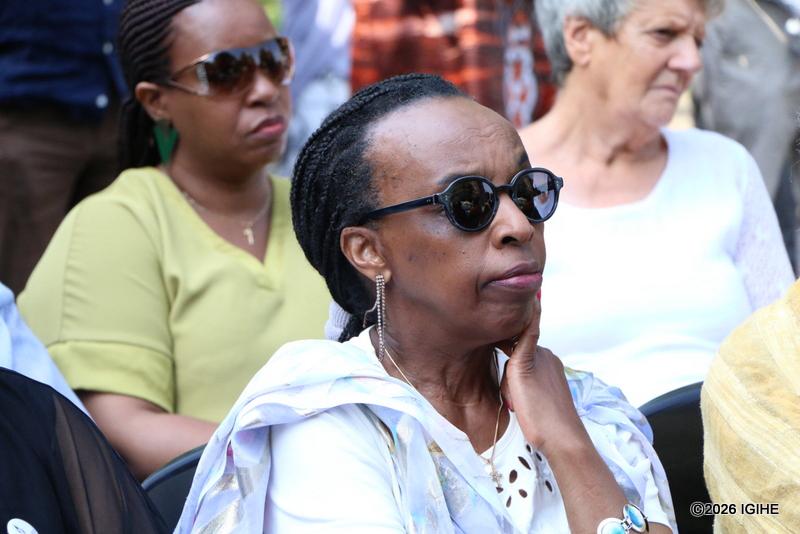
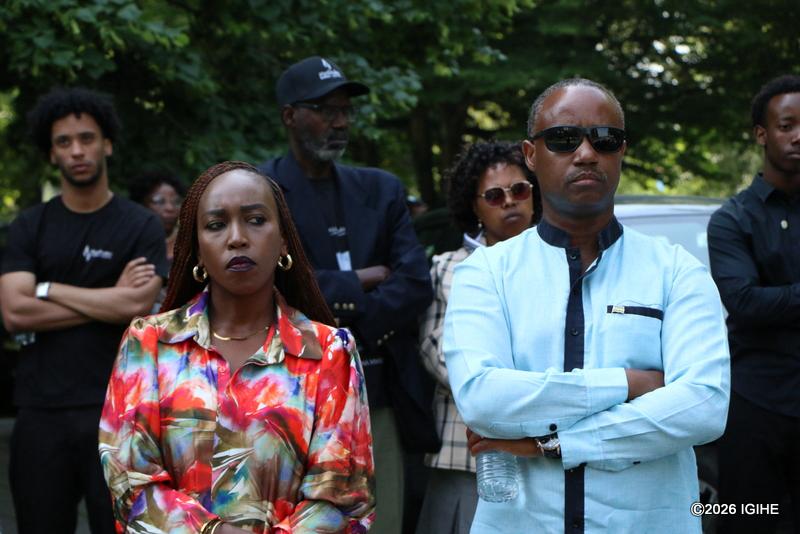
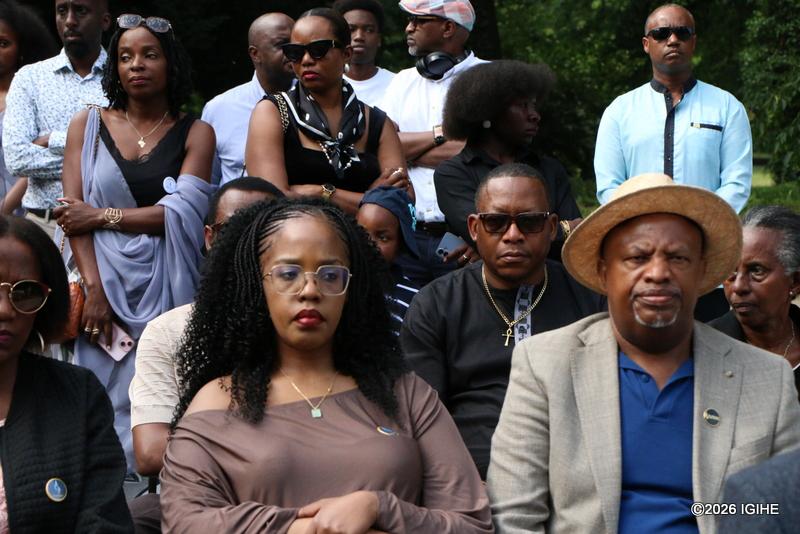
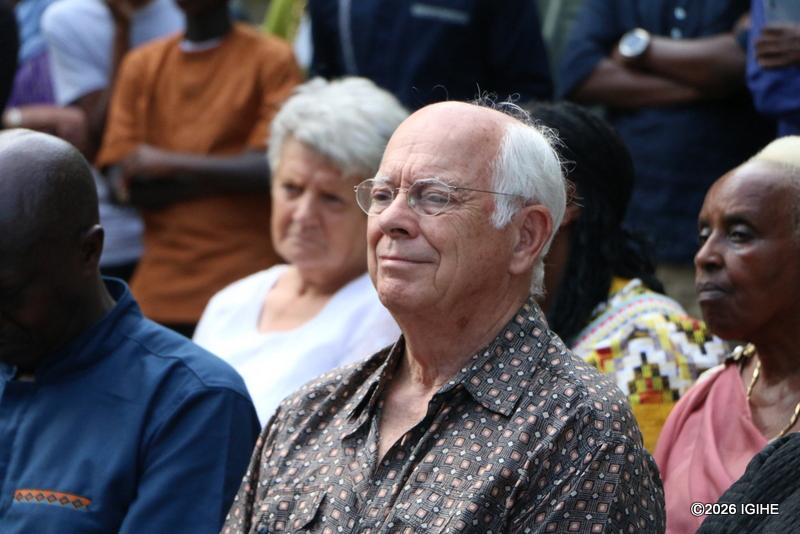
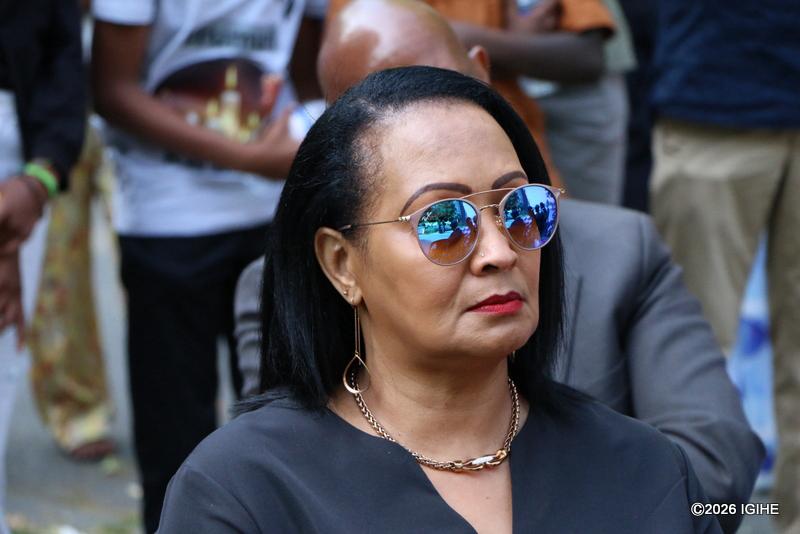
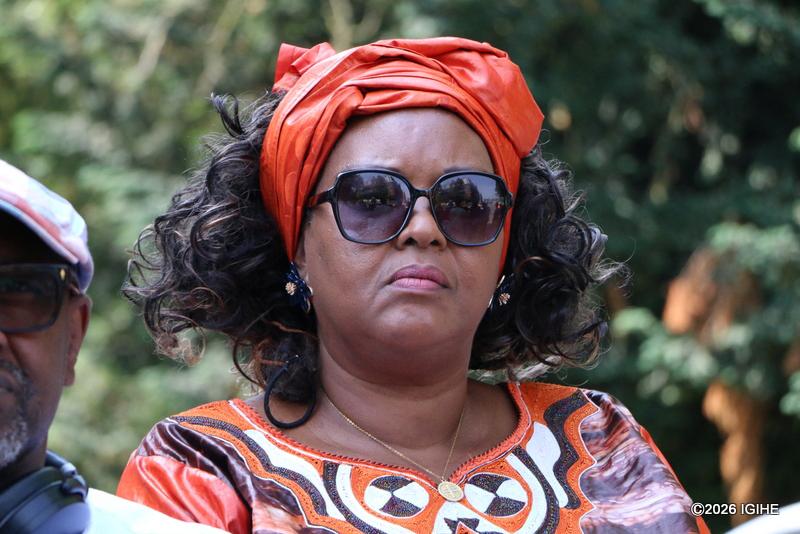
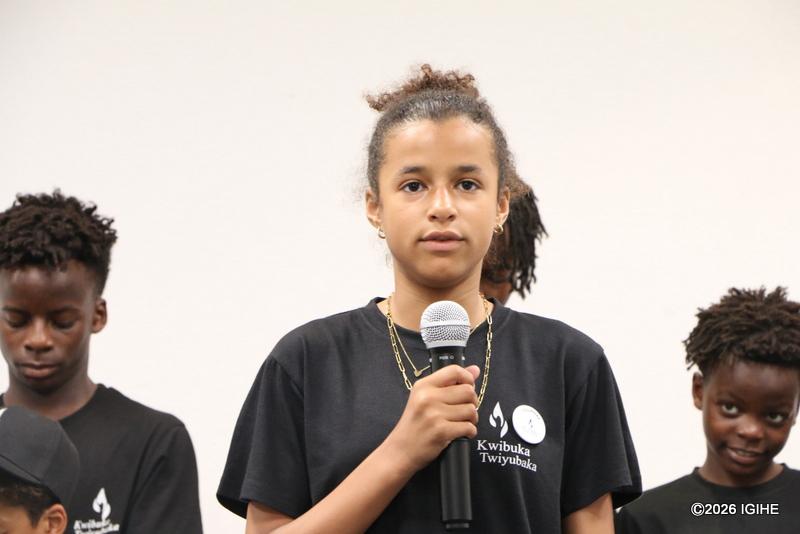
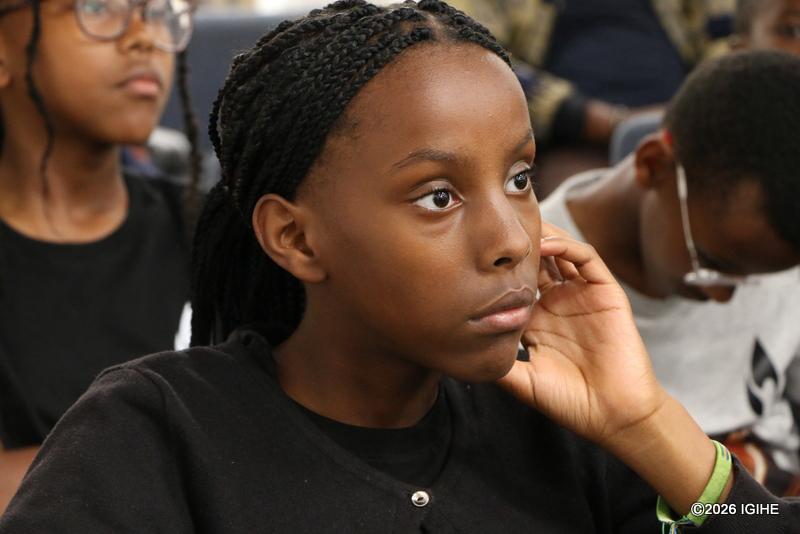
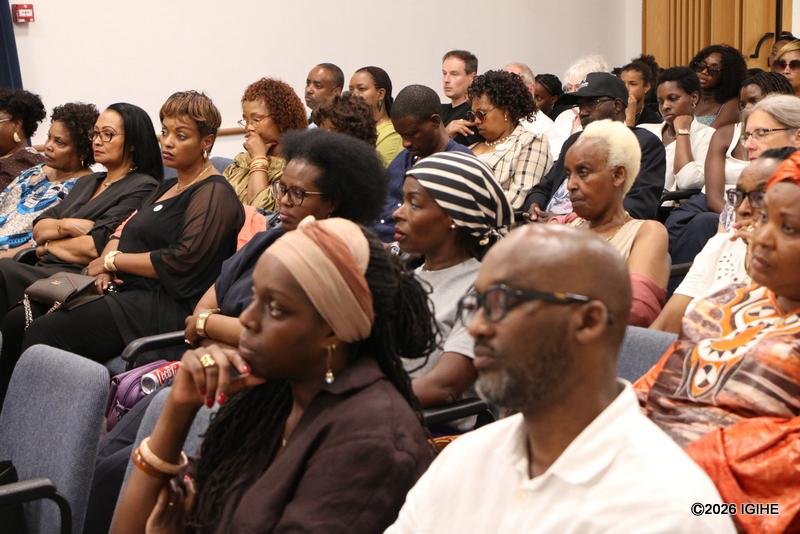
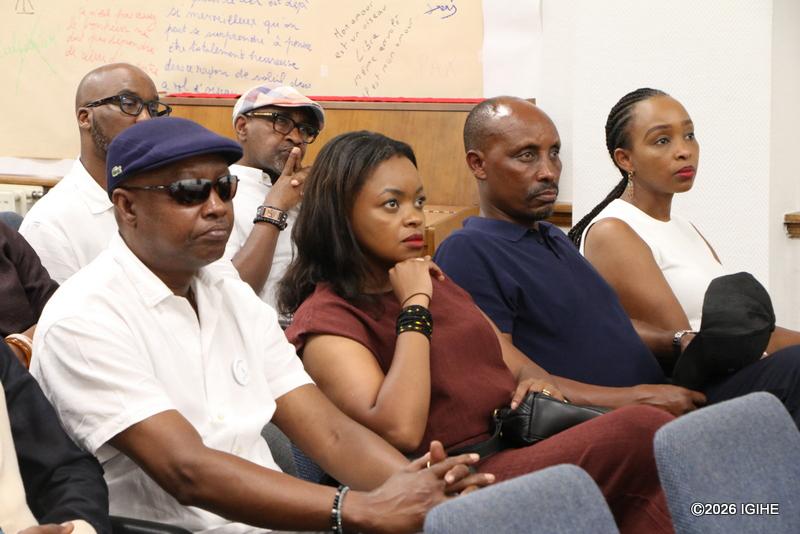
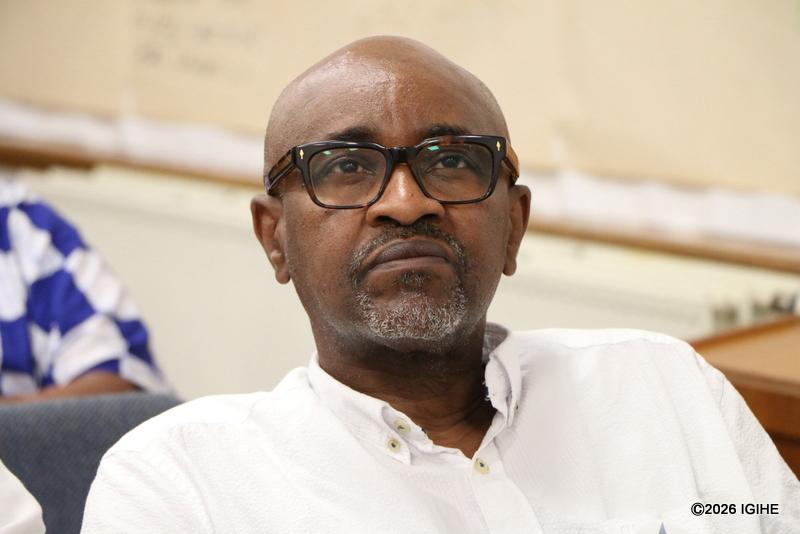
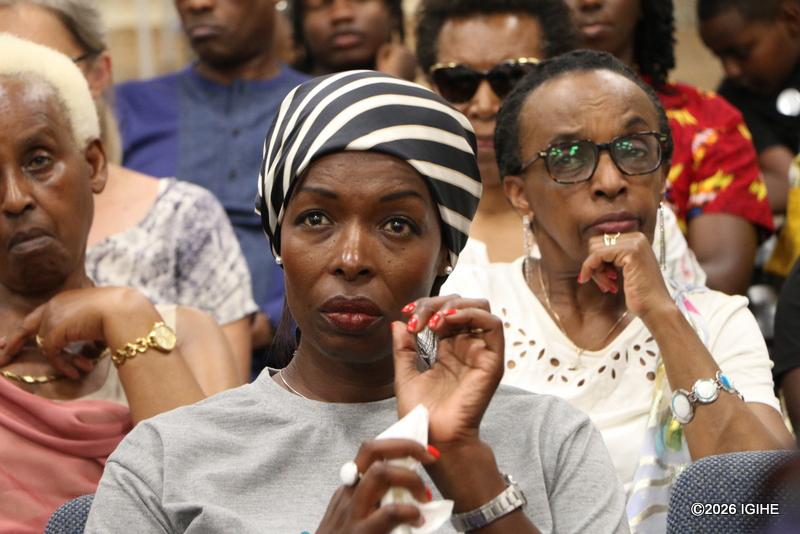
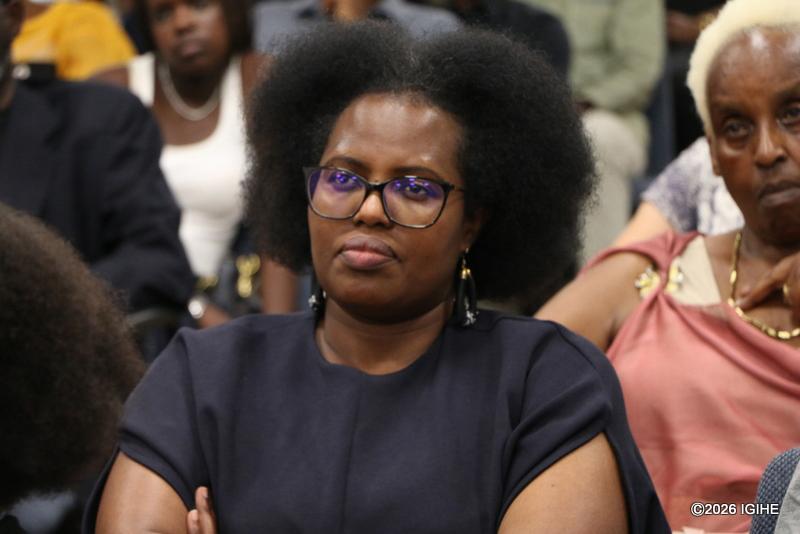
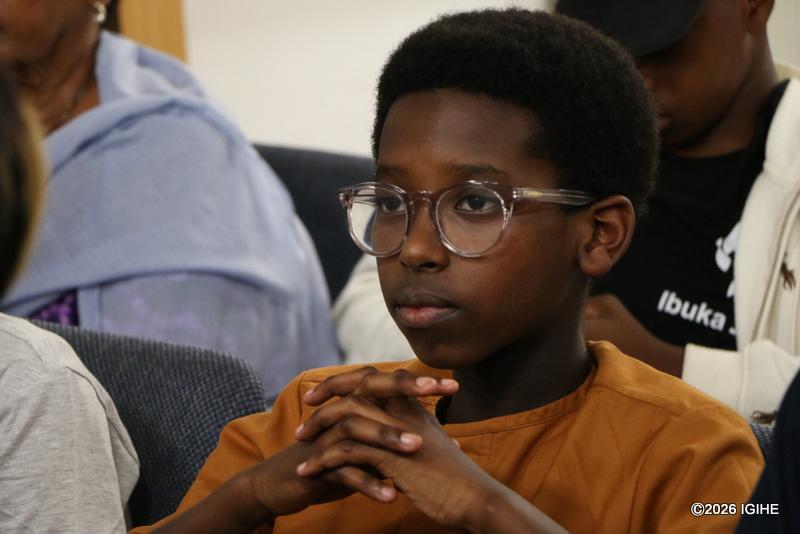
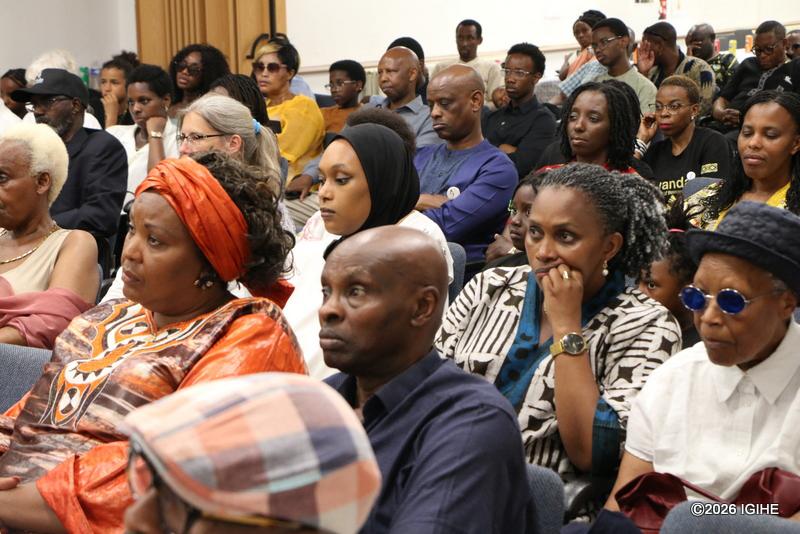
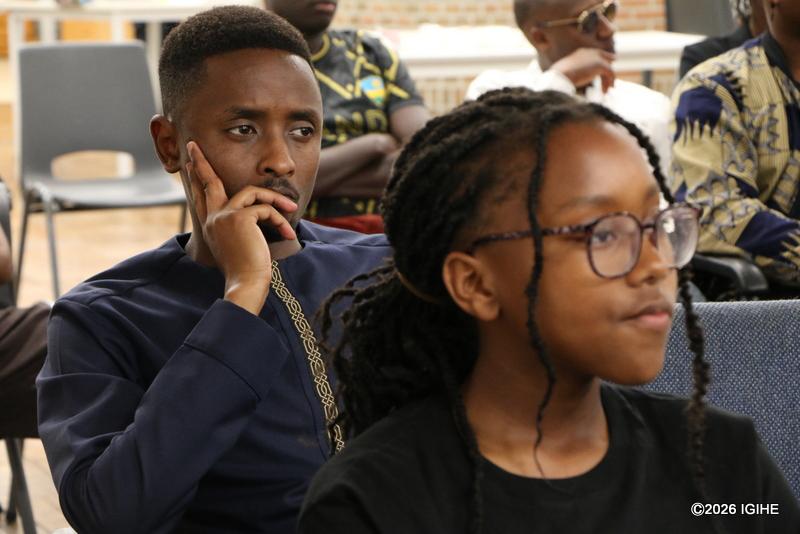
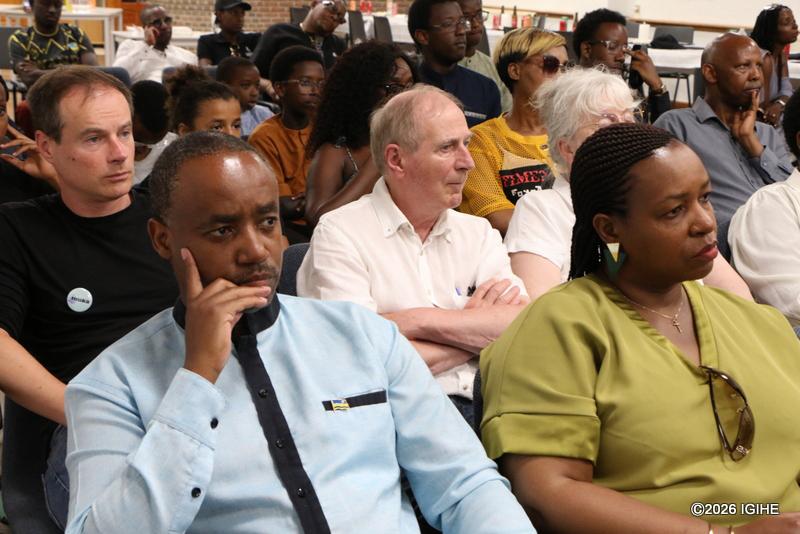
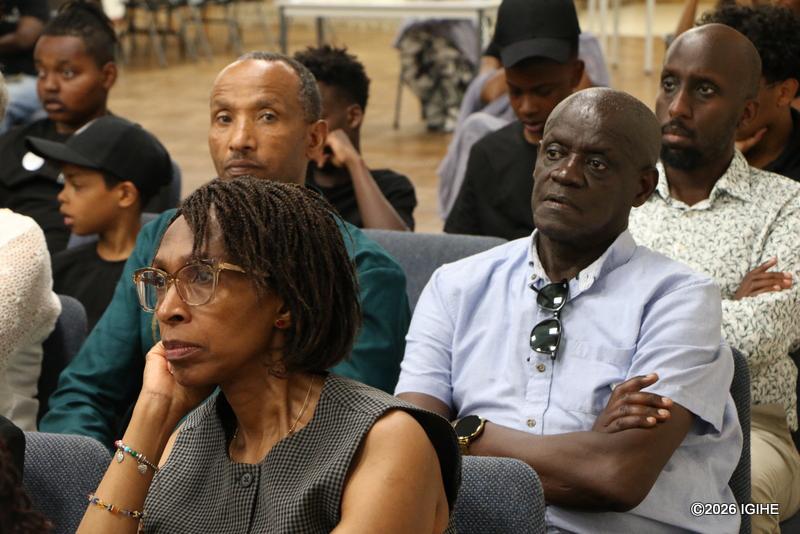
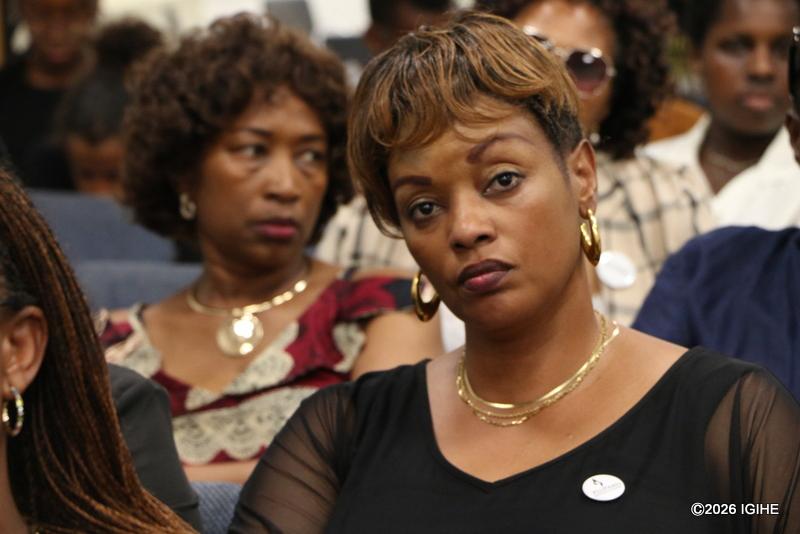
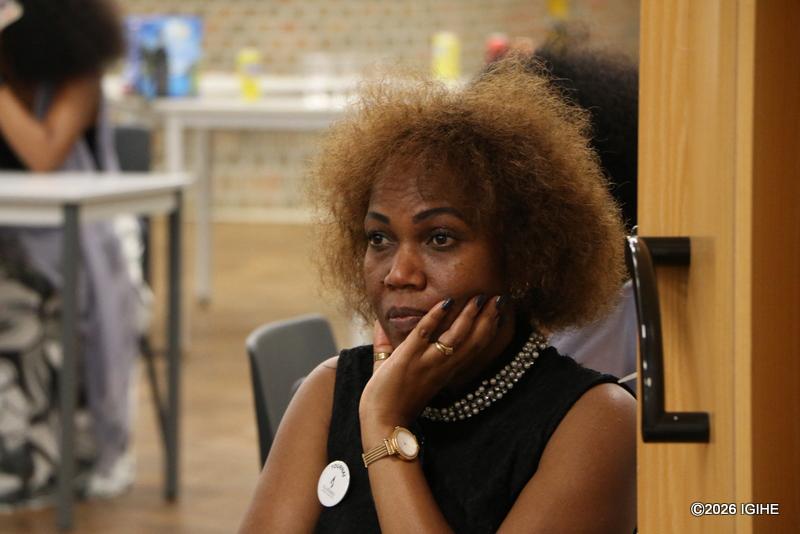
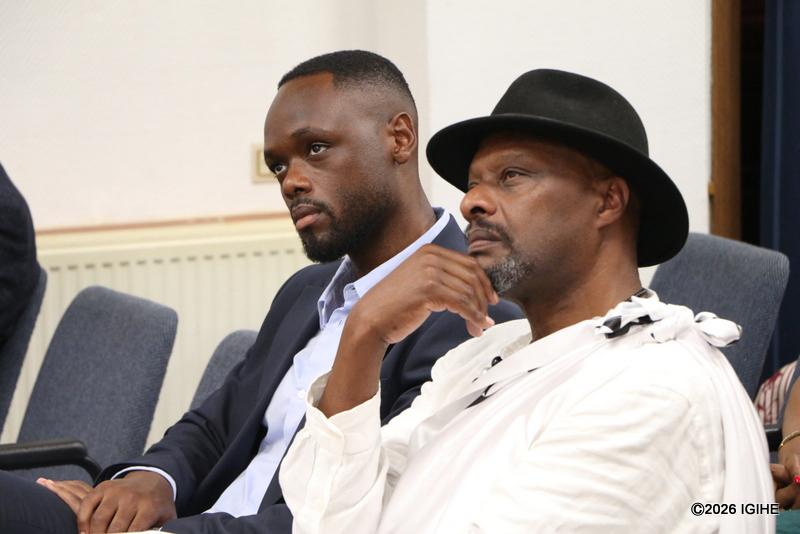
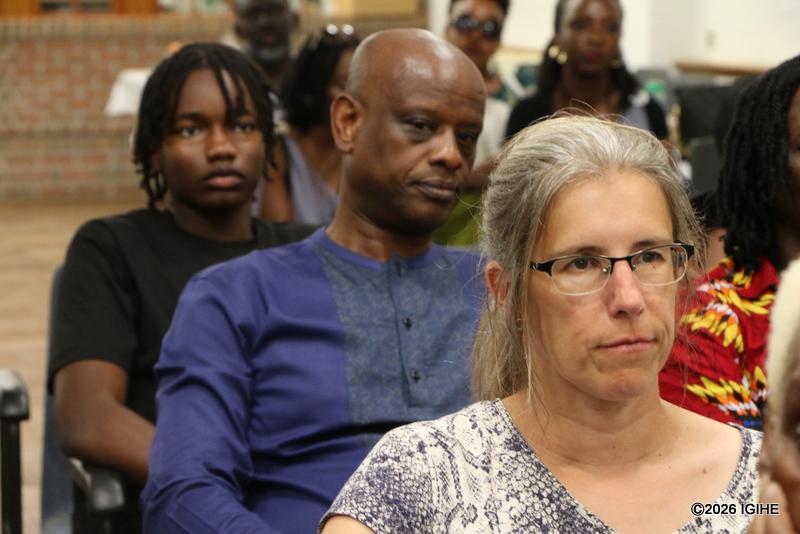
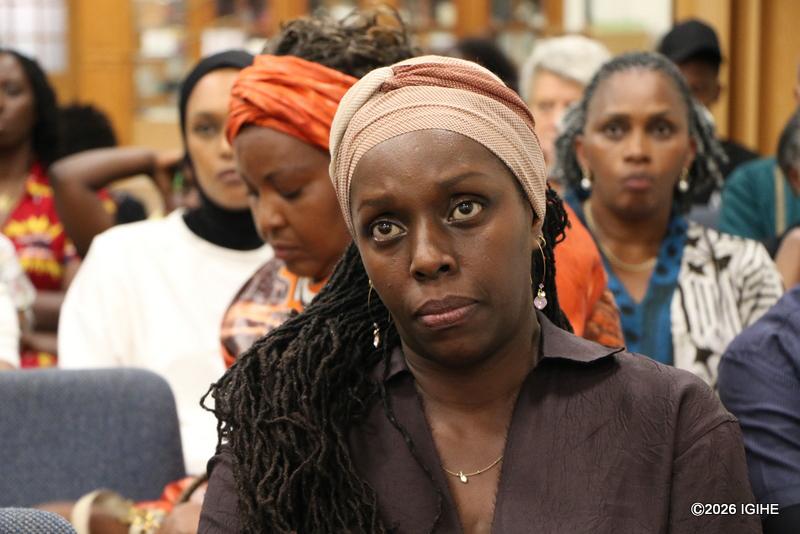
Among the participants were many young people who were reminded of the importance of preserving the memory of the victims of the Genocide against the Tutsi. They were encouraged to continue learning about the history that led Rwanda to this tragedy so that it may never happen again and so they can defend the truth against genocide denial and revisionism.
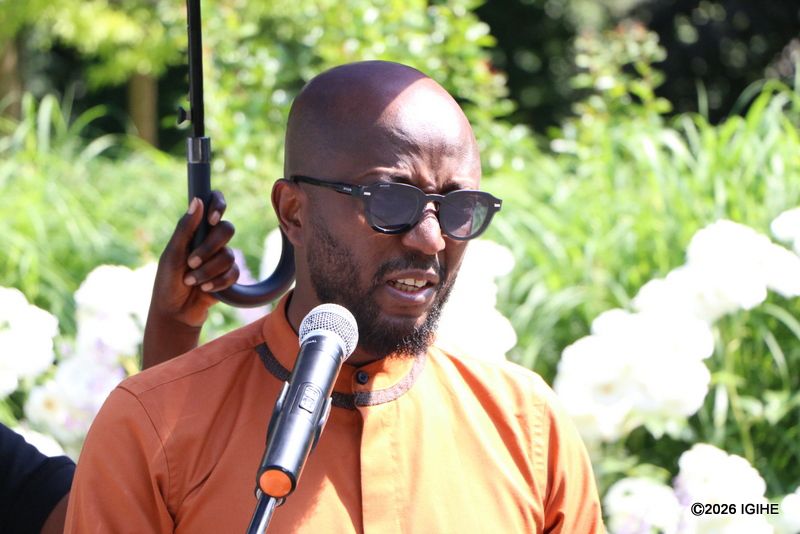
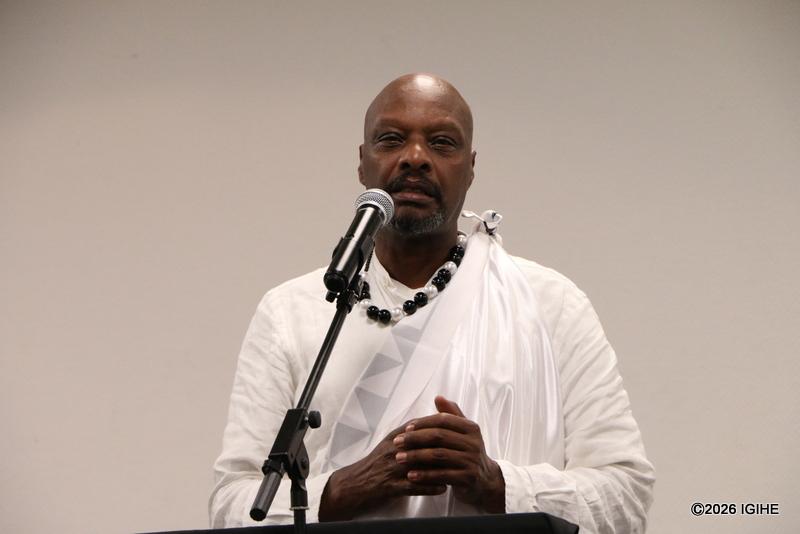
The President of the Rwandan Diaspora in the cities of Mons and Tournai, Arnold Turagara, recalled the dark periods Rwanda went through, emphasizing that the people of this city, as well as Europe in general, have also experienced difficult times marked by wars.
He stated: “Tournai is a city that has gone through difficult periods, including wars throughout its history. However, its residents managed to rebuild themselves after those painful moments.”
He also reminded participants that the 1994 Genocide against the Tutsi was carefully planned and carried out with extreme cruelty, leading to the killing of more than one million people in just one hundred days solely because of who they were.
“Commemorating today is not only about looking back at the past, but also about preserving this memory so that we are not trapped by it and can continue moving forward with life,” he added.
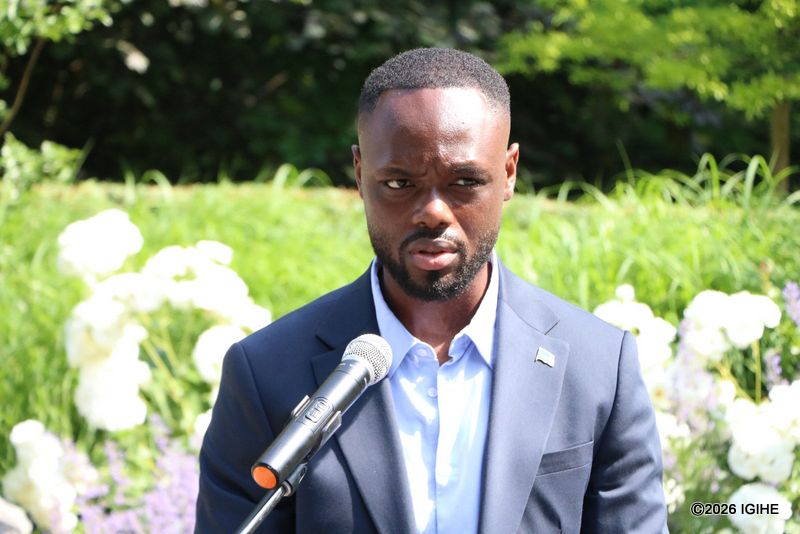
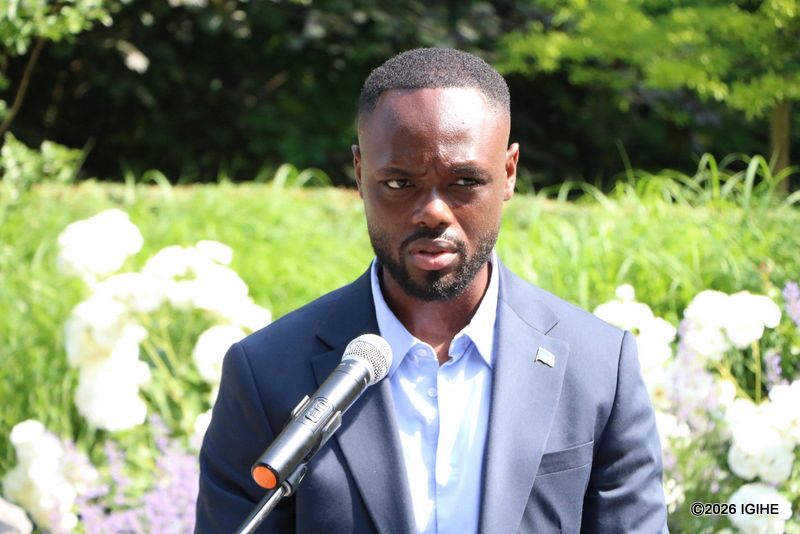
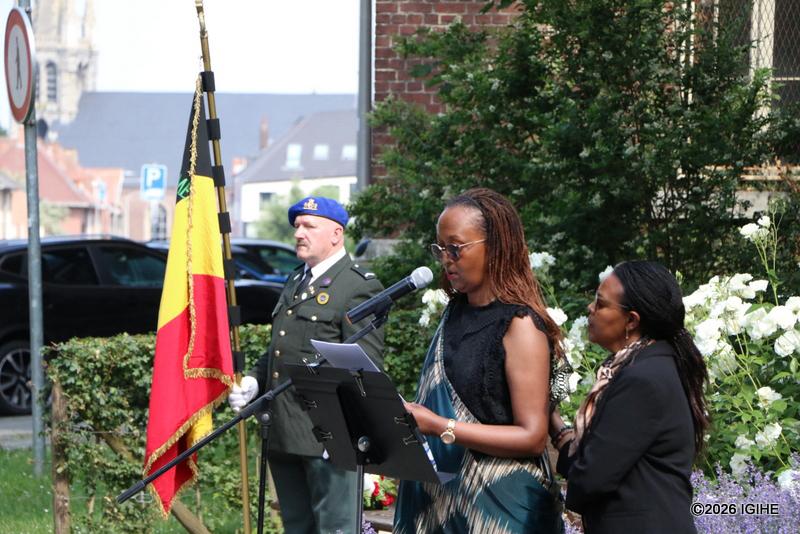
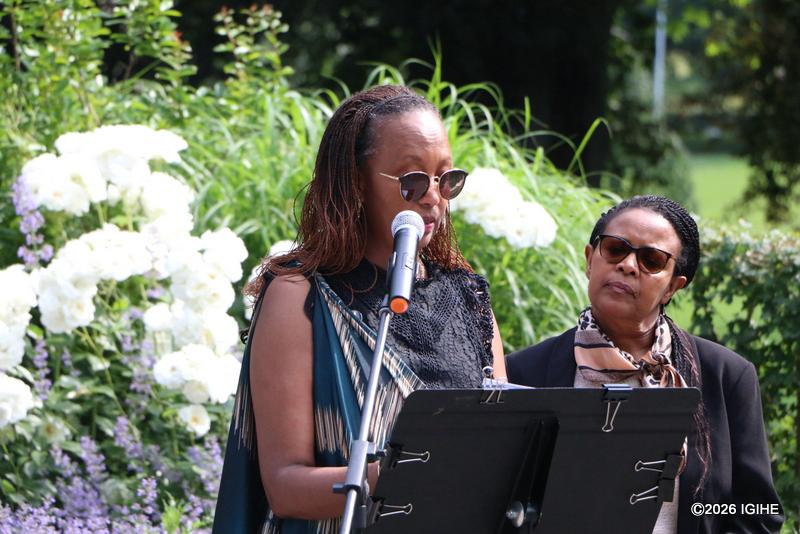
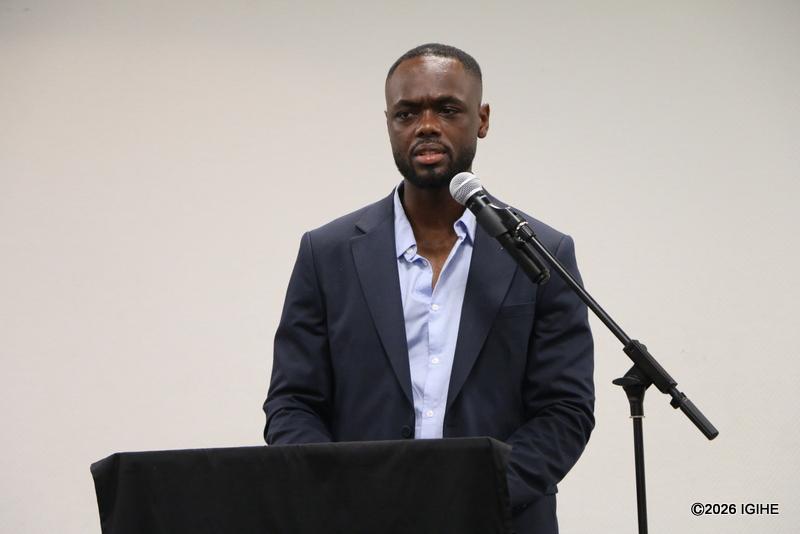
The President of the Rwandan Diaspora in Belgium at the national level, Gakuba Ernest, condemned those who continue to falsify the history of the Genocide against the Tutsi by spreading false information.
He said: “Distorting history is unacceptable because doing so indirectly supports those who planned and executed the Genocide against the Tutsi.”
He reminded attendees that the genocide did not happen by accident, but was the result of long-term preparation marked by hate propaganda spread by leaders of the time and by the dehumanization of Tutsi.
Representing Ibuka Mémoire et Justice Belgique, emphasized thatmore than one million Tutsi killed during the genocide reflects the reality of what happened.
He praised the courage and resilience of genocide survivors, who endured extremely difficult periods of persecution because of their identity.
Gakuba also criticized certain European countries for not doing enough to arrest individuals involved in the Genocide against the Tutsi who were convicted by Rwandan courts yet continue to live freely in Europe.
According to him, some of them actively contribute to spreading genocide ideology and denying the genocide.
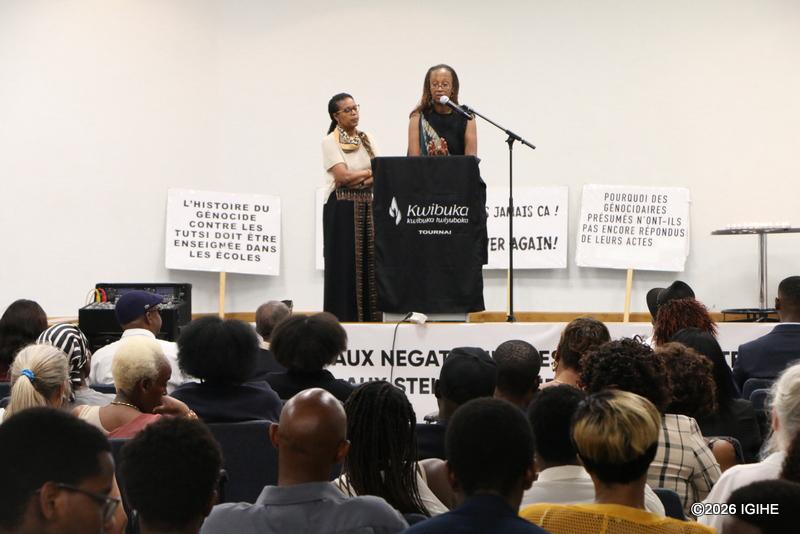
He insisted: “This history must be taught in schools so that younger generations can learn about it from an early age.”
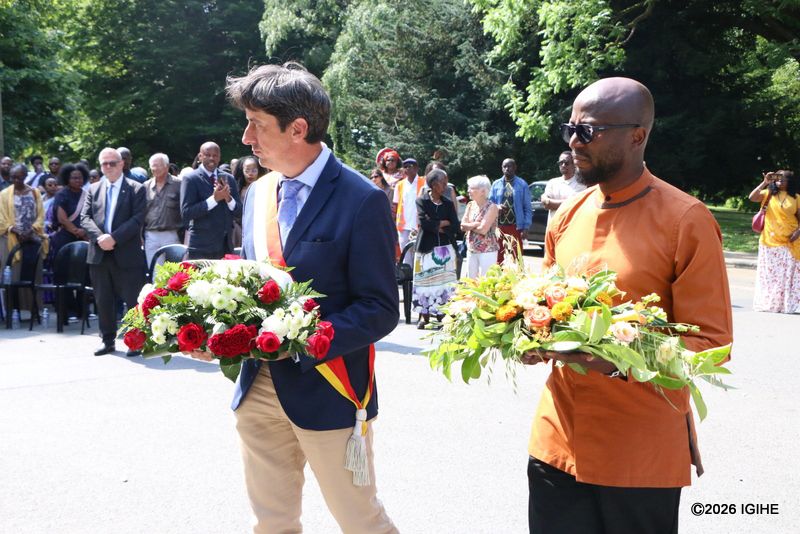
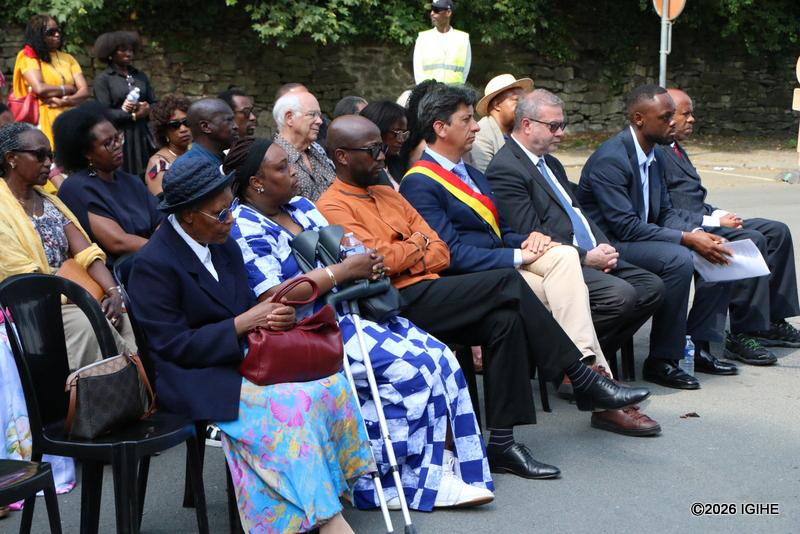
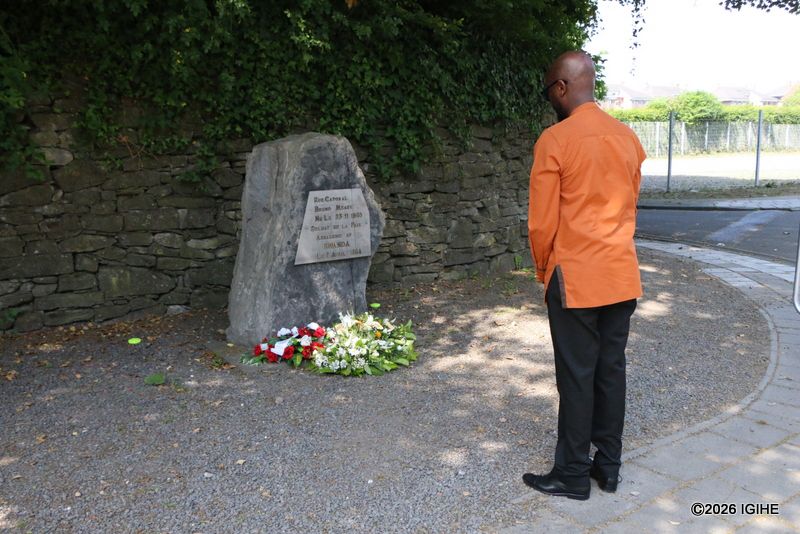
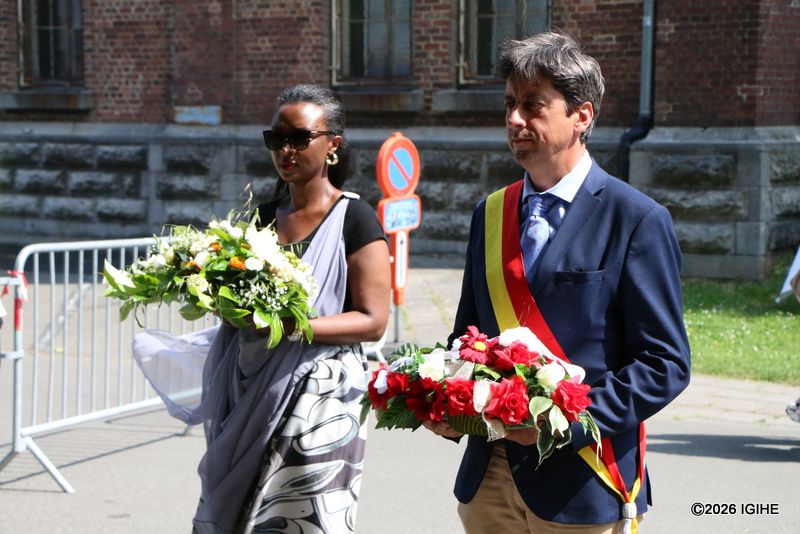
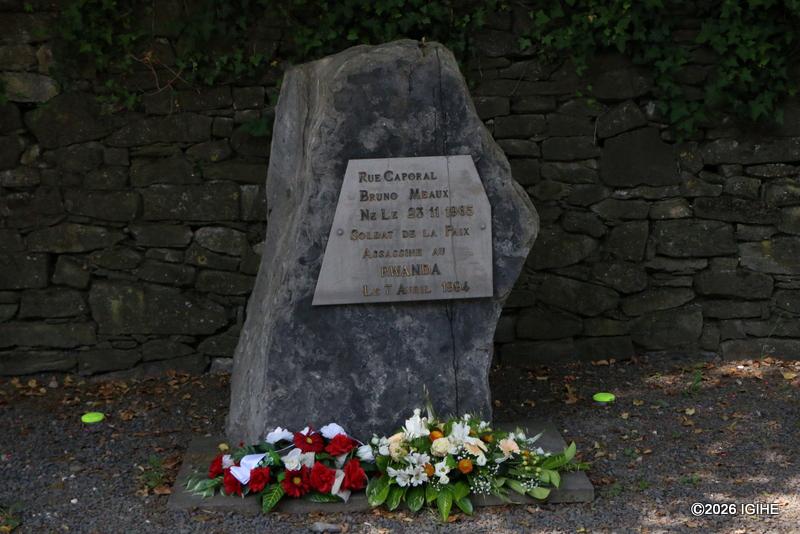
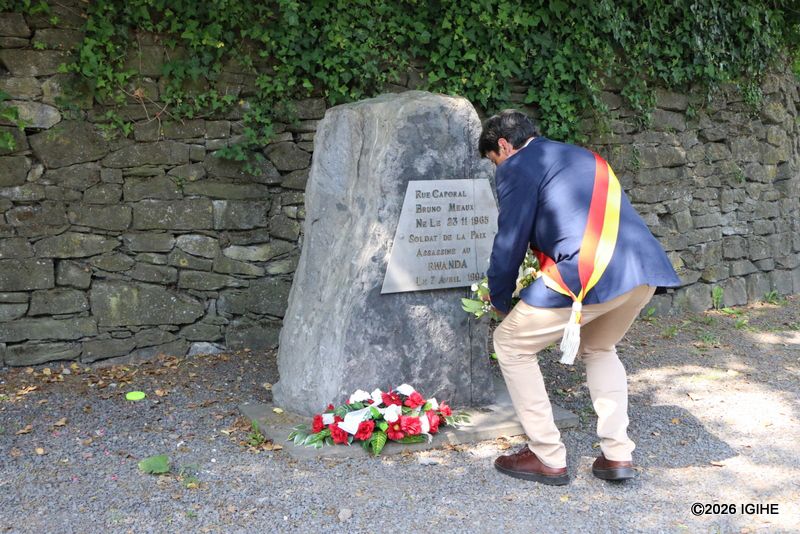
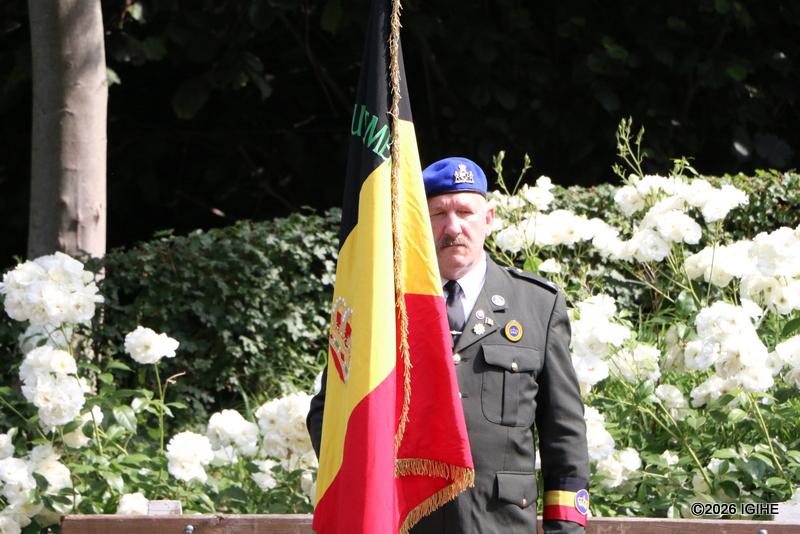
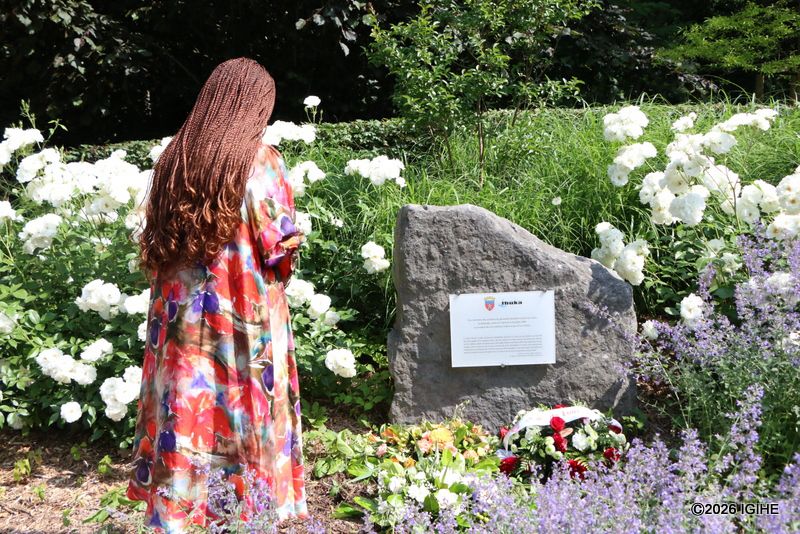
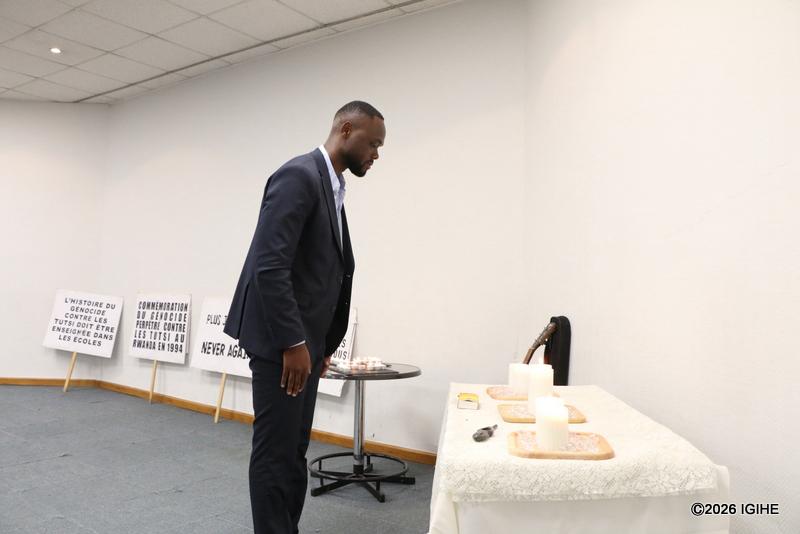
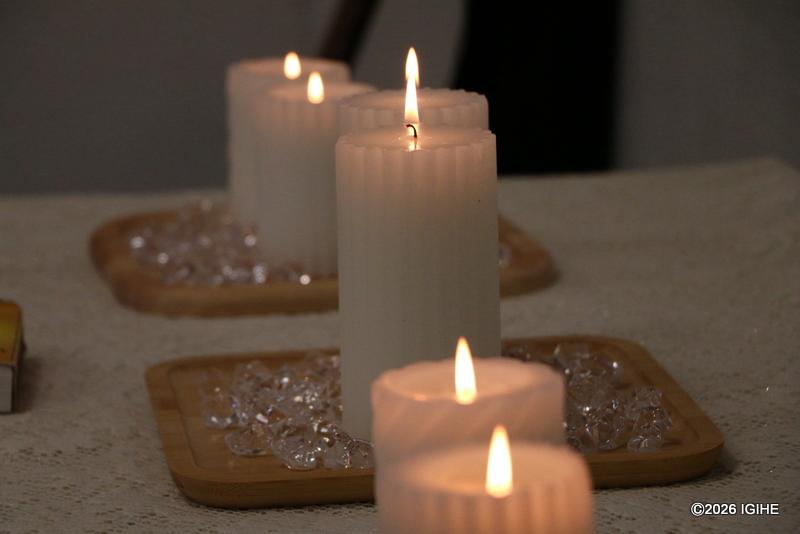
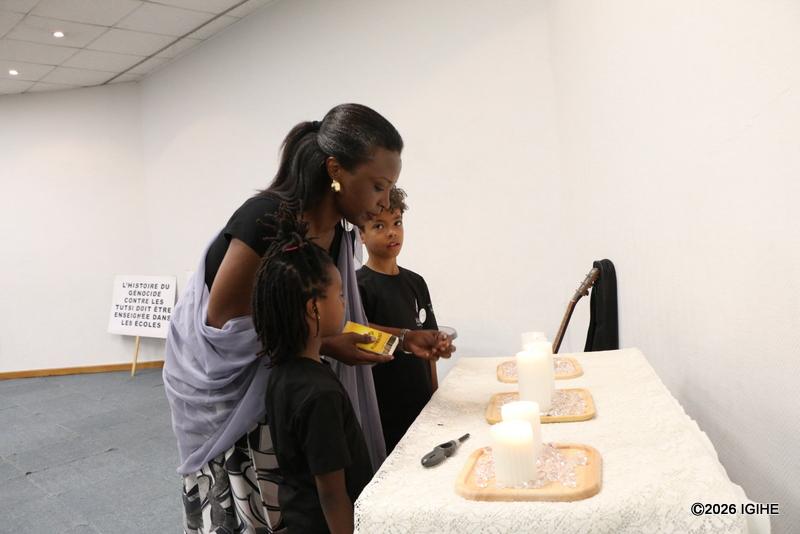
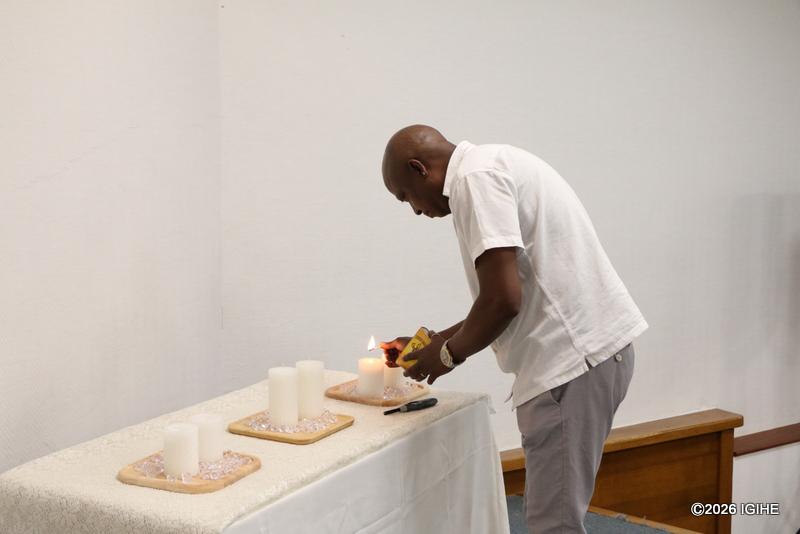
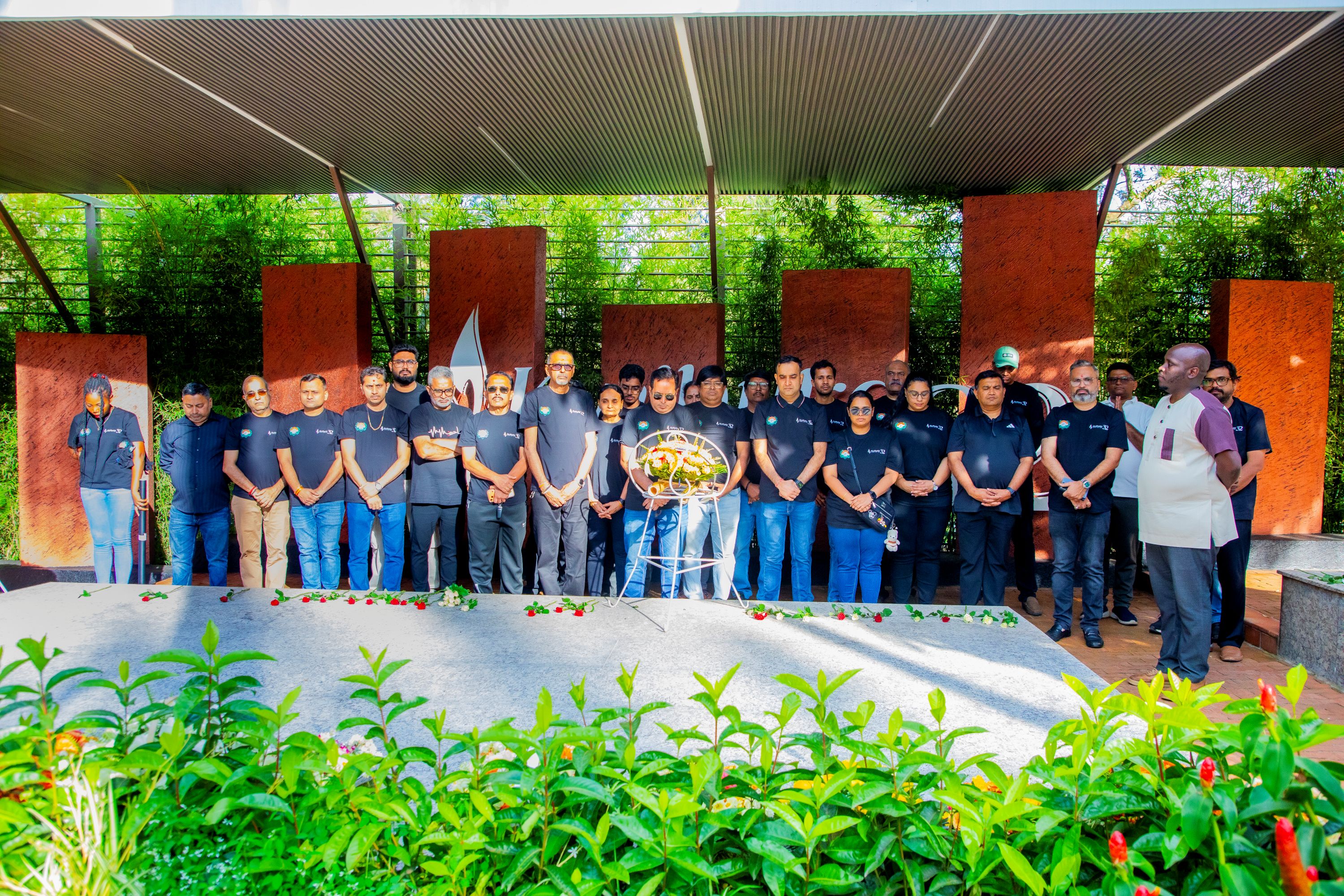
The first part of the commemoration took place near the memorial located close to the Saint-Jean Military School on Rue du Caporal Bruno Méaux in Tournai. The ceremony included wreath laying, speeches from various leaders, and tributes to the victims of the Genocide against the Tutsi.
The memorial also honors Belgian soldiers killed in Rwanda, some of whom were originally from Tournai.
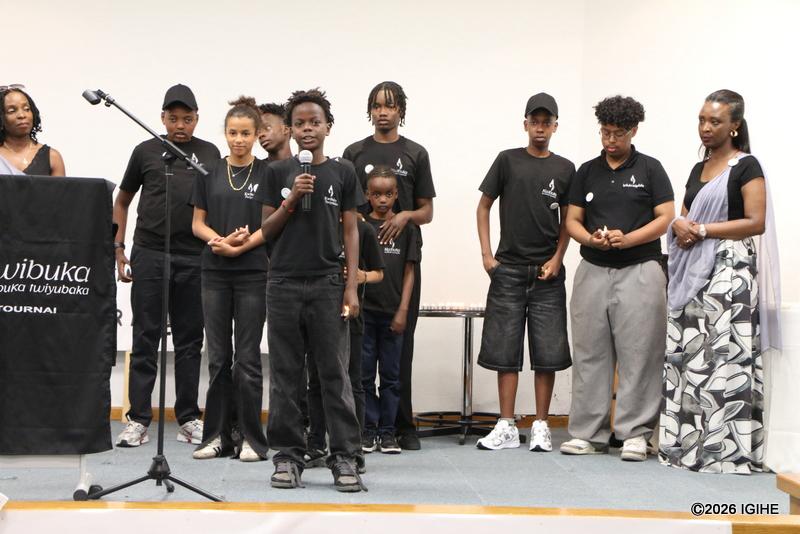
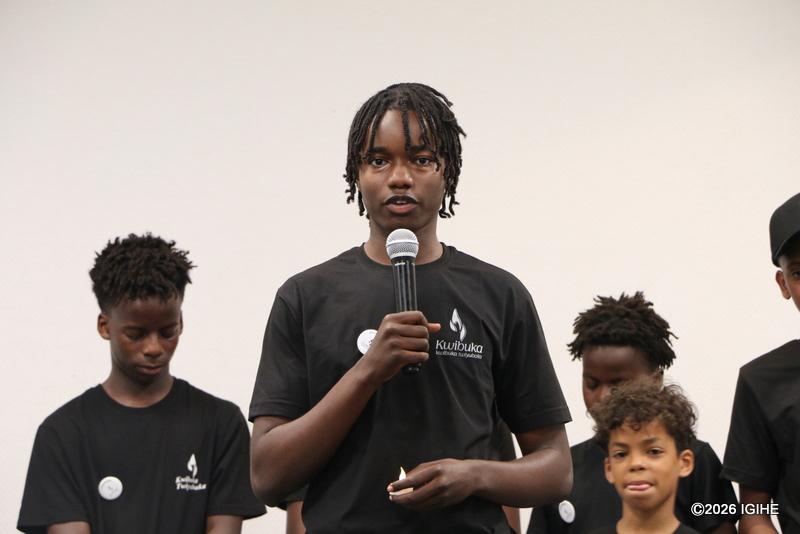
The second part of the day featured testimonies, discussions, and memorial songs aimed at strengthening messages of peace and unity.
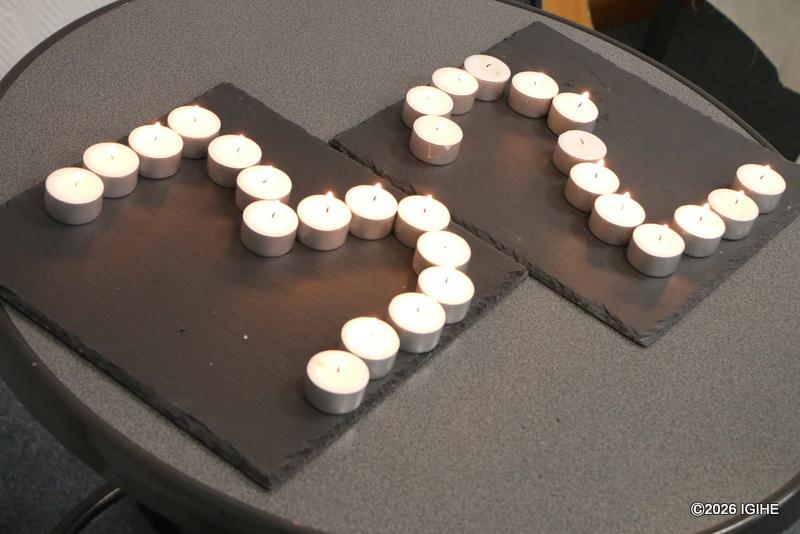
Since April 7, 2026, activities marking the 32nd commemoration of the Genocide against the Tutsi in Belgium have taken place successively in Brussels, Liège, Bruges, Namur, Louvain-la-Neuve, Mons, Charleroi, and Tournai.
The next event will take place in the city of Louvain on June 6, which will also mark the conclusion of the symbolic 100 days of commemoration in Belgium.
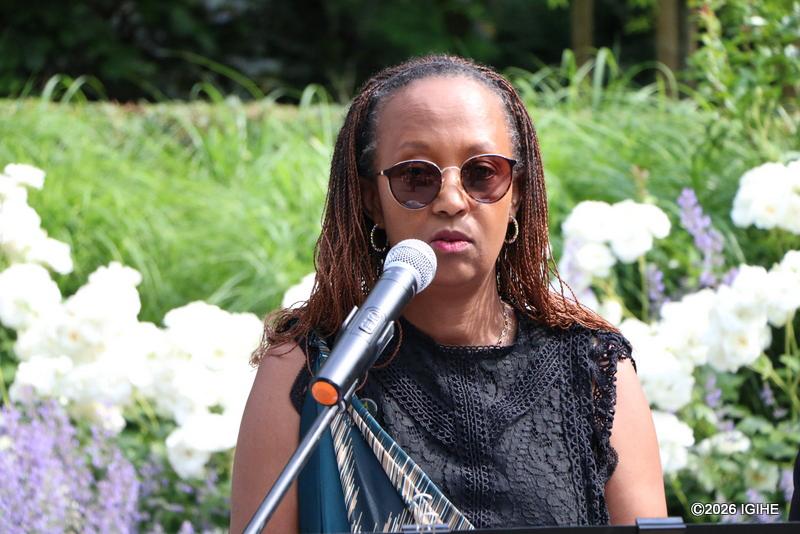
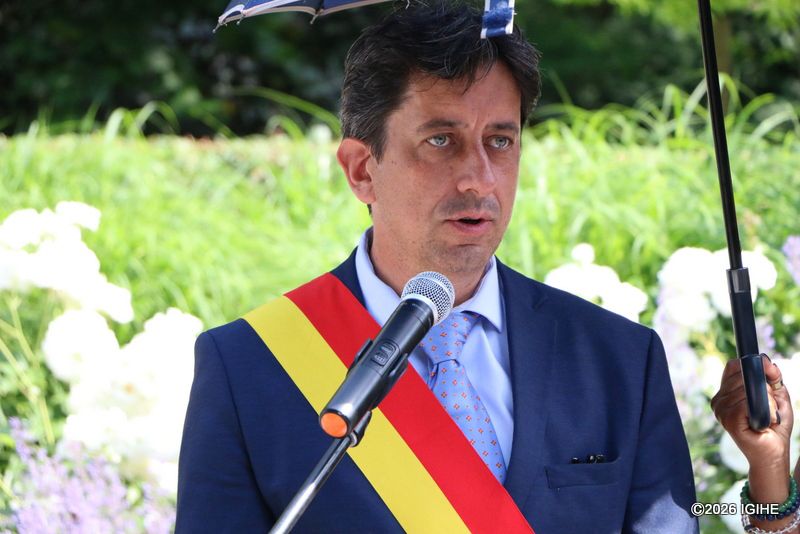
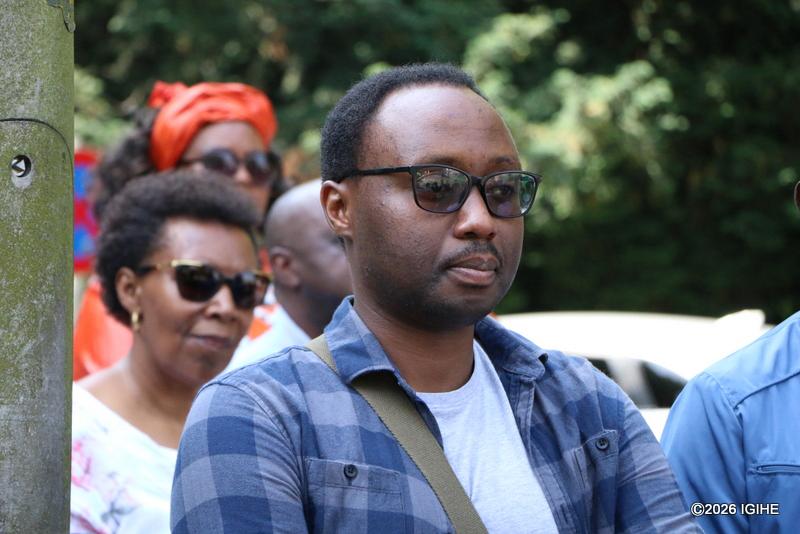
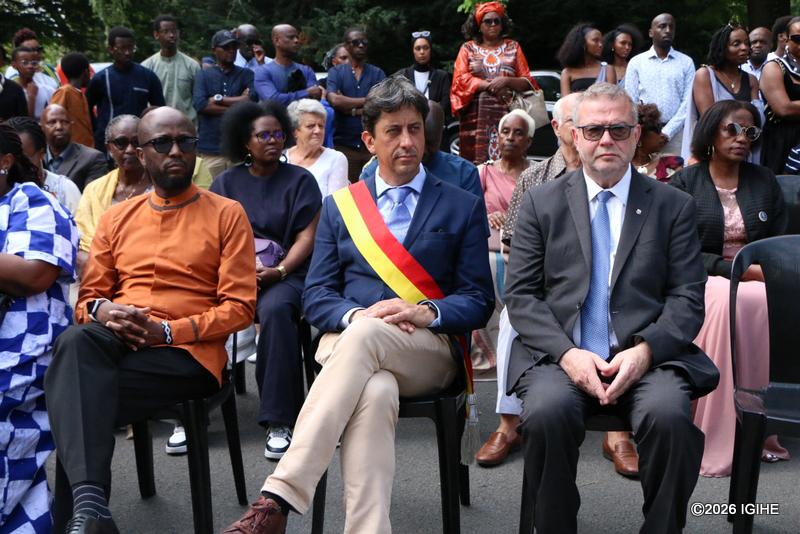
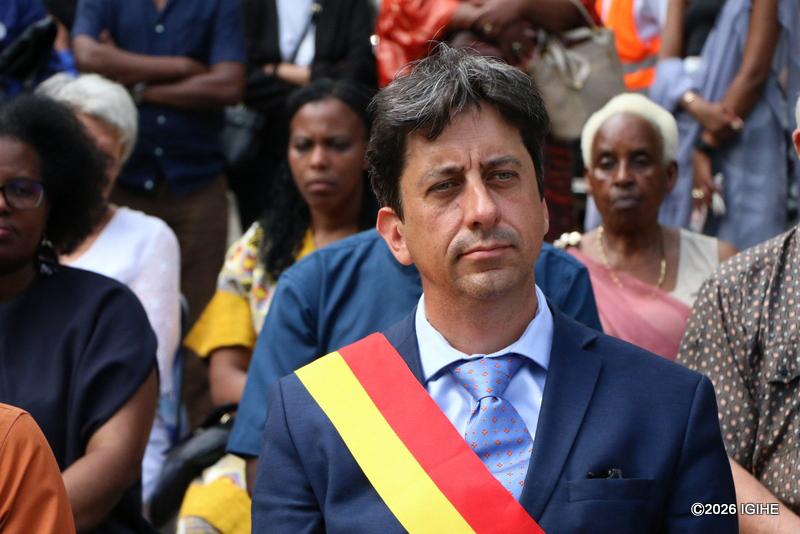
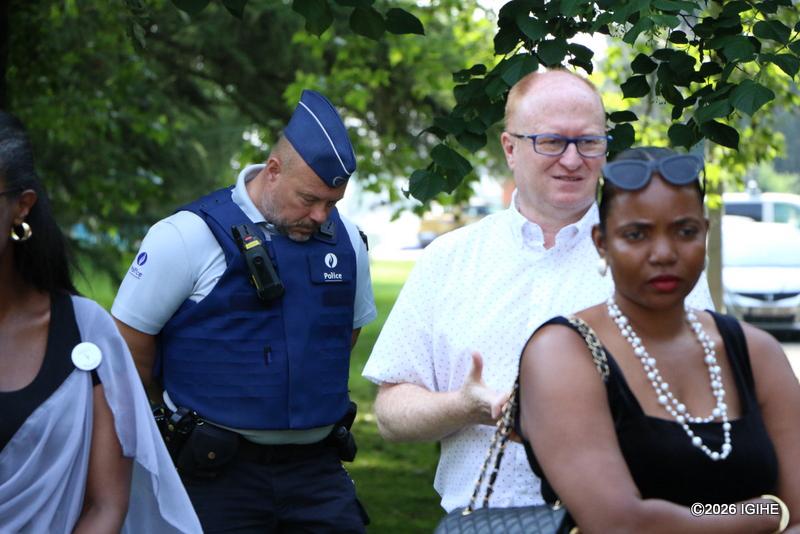
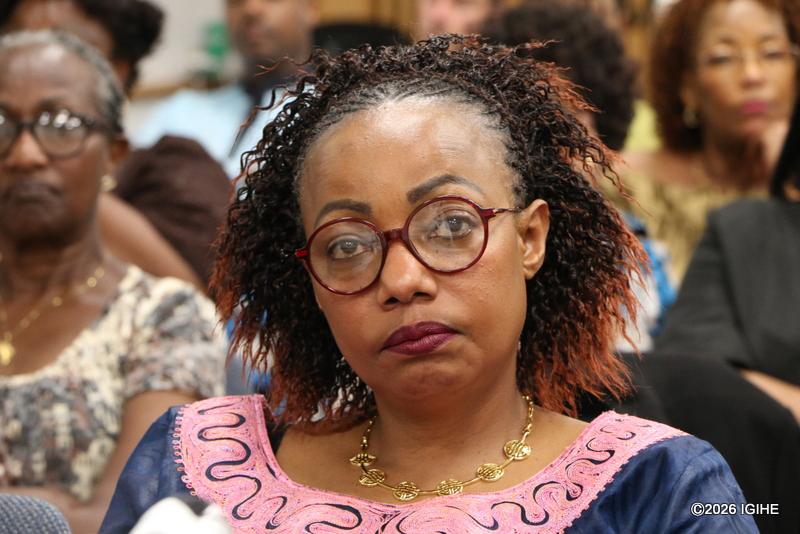
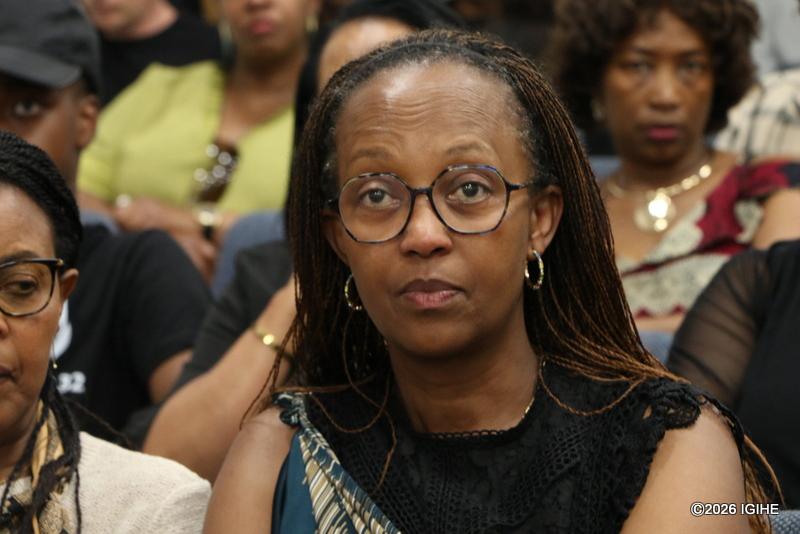
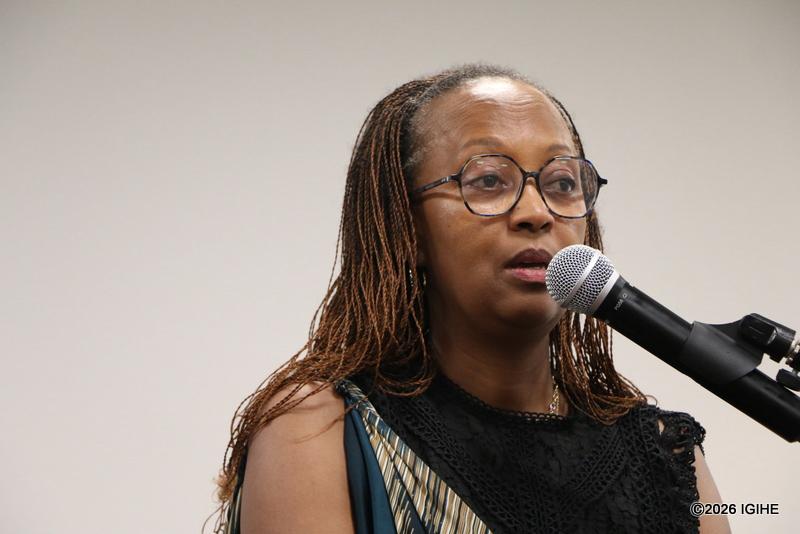
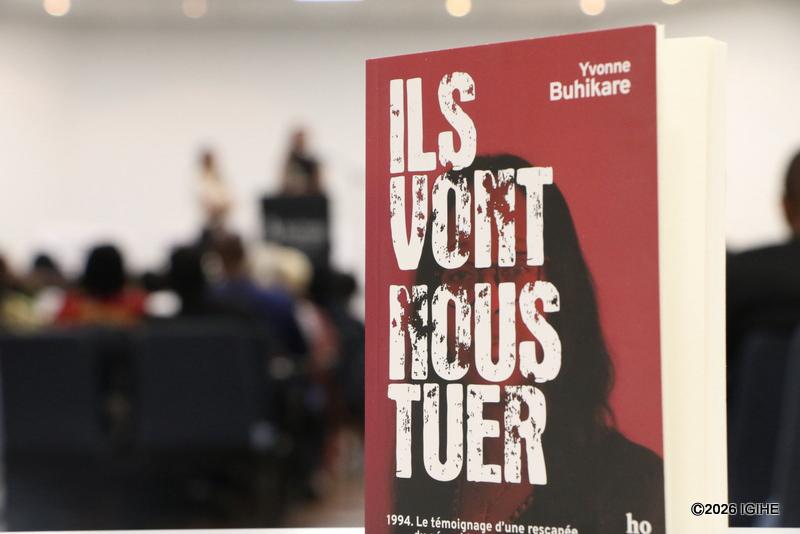
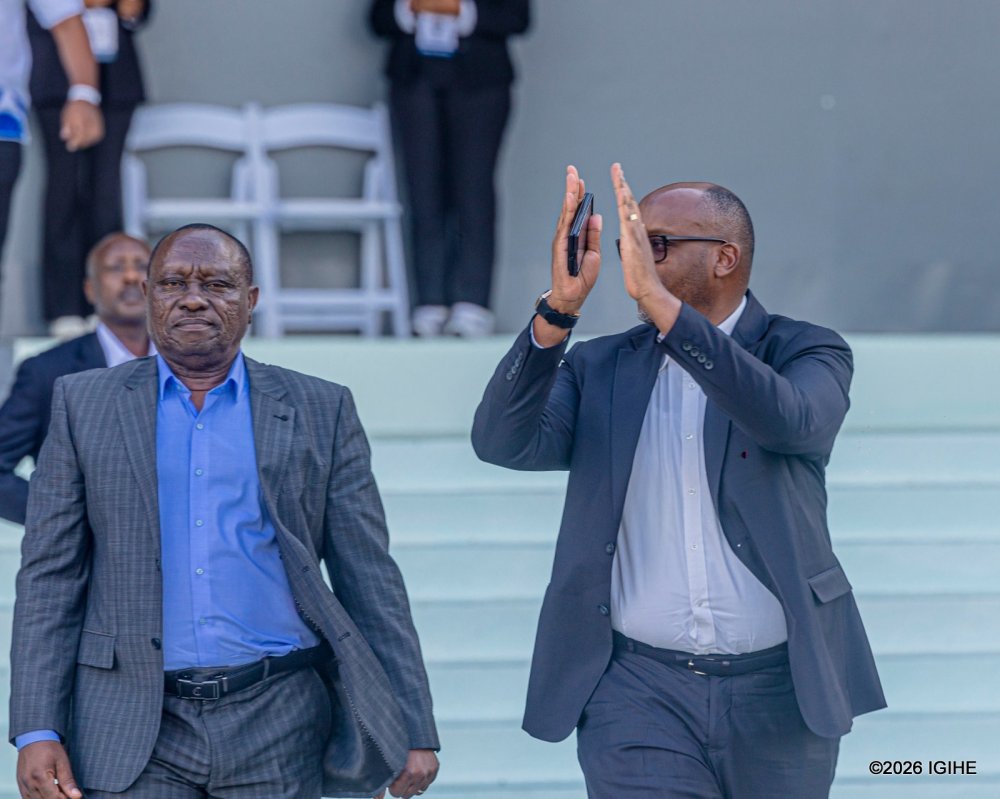
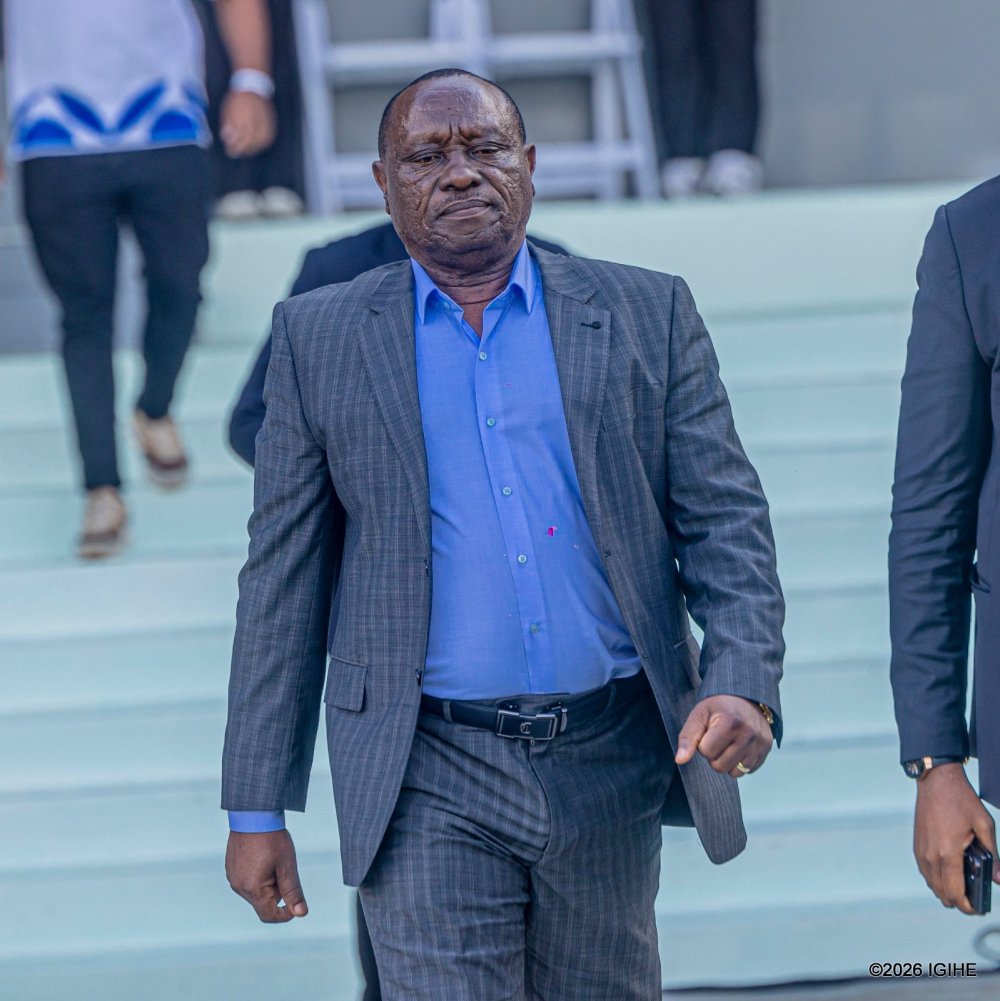
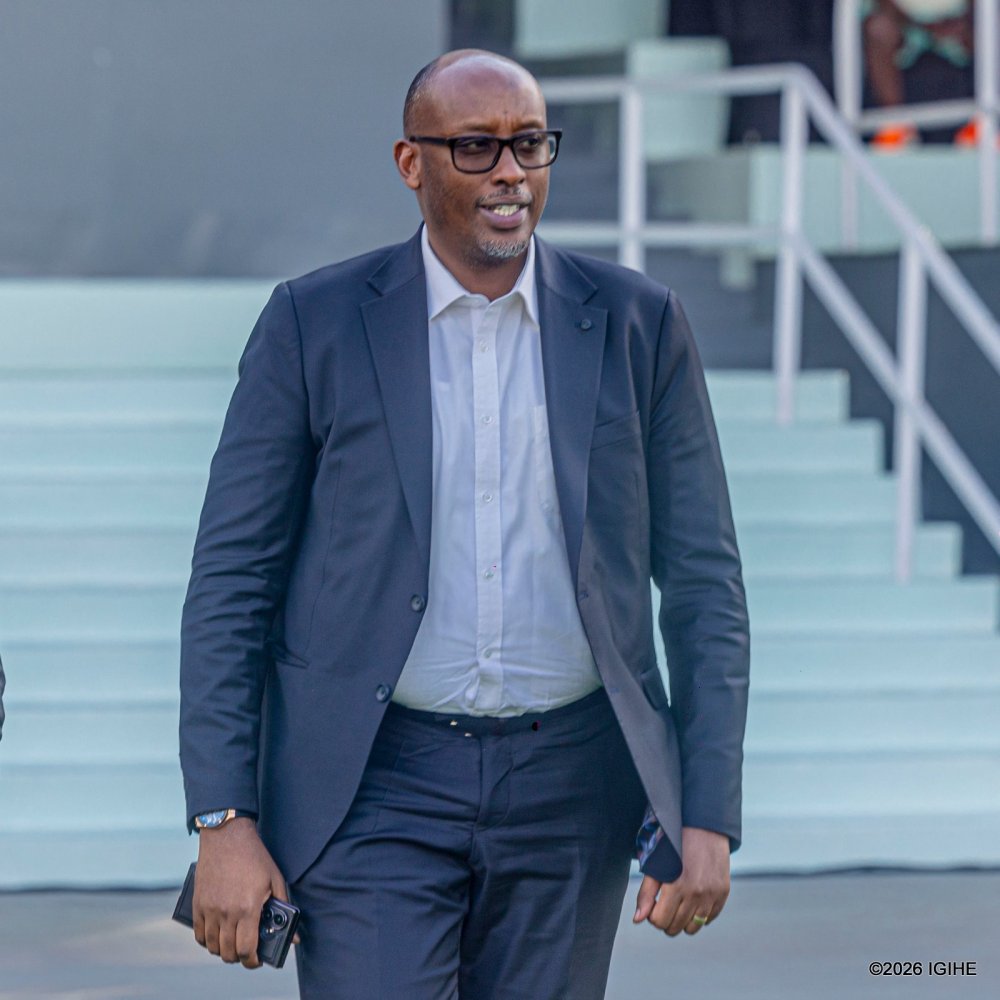
Yvonne Buhikare shared her testimony, which she also documented in a book titled “Ils vont nous tuer” Benjamin Brotcorn, an alderman of the city of Tournai, attended the 32nd commemoration of the victims of the 1994 Genocide against the Tutsi in Rwanda.Gakuba Ernest, President of the Rwandan Diaspora in BelgiumArnold Turagara, President of the Rwandan Diaspora in the cities of Mons and Tournai.
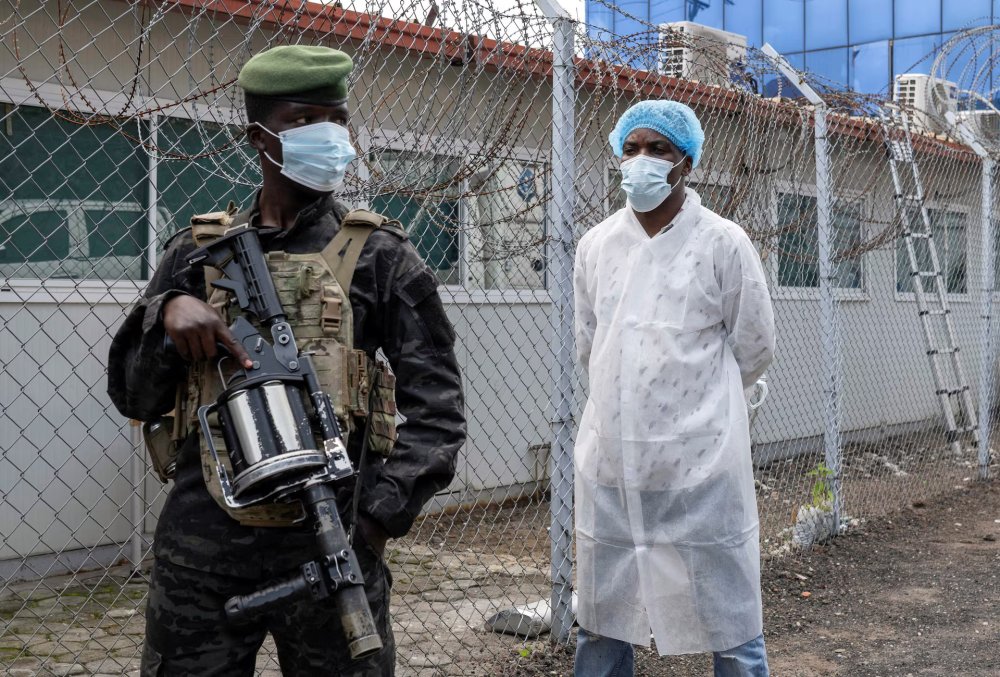
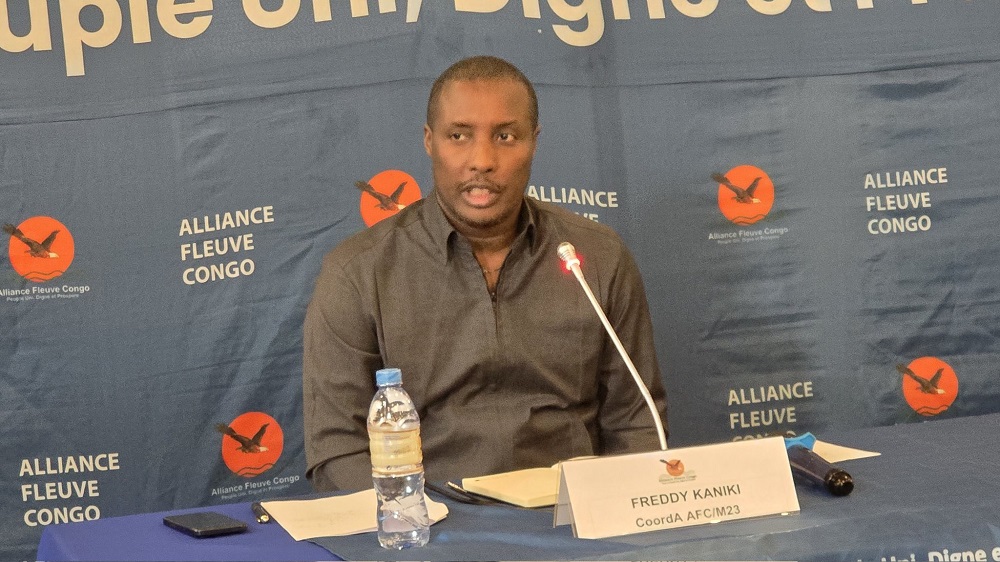
Dr. Freddy Kaniki Rukema, who heads the AFC/M23 Ebola response team, said the situation in the city of Goma remains stable, with no new confirmed infections reported since the first case was detected on May 17. However, health authorities are investigating one suspected case.
According to Dr. Kaniki, health teams have identified 255 people who came into contact with the confirmed Ebola patient in Goma. Of these, 217 were classified as high-risk contacts and have been placed under a mandatory 21-day quarantine period in line with public health protocols, while the remaining 38 are being monitored through routine surveillance.
Three additional Ebola cases were reported in Murhesa, an area located in Kabare Territory in South Kivu Province. Dr. Kaniki said the outbreak was traced to a 26-year-old man who had recently travelled from Ituri Province and subsequently transmitted the virus to his wife and brother-in-law.
Health officials have so far identified 152 contacts linked to the Murhesa cases. Among them, 96 were deemed high-risk and placed in quarantine, while 56 others remain under observation.
AFC/M23 said laboratories capable of diagnosing Ebola are now operational in both Goma and Bukavu, adding that plans are underway to expand testing services to other areas under its administration.
“In the last 24 hours, we have tested 12 samples, with results available within six hours of collection,” Dr. Kaniki said. “This rapid turnaround supports early detection, timely patient management, and effective outbreak containment measures.”
The World Health Organization (WHO) has indicated that the strain currently circulating in the DRC belongs to the Bundibugyo species of the Ebola virus. While no licensed vaccine or specific treatment currently exists for this strain, supportive care can significantly improve patient outcomes.
Dr. Kaniki said AFC/M23 has opted to administer Remdesivir to both confirmed patients and high-risk contacts, citing research conducted on Ebola, COVID-19 and other infectious diseases. The antiviral drug is expected to help reduce the risk of severe illness and death.
The coalition further announced that it has secured 500 doses of Remdesivir, which are set to be deployed in hospitals in Goma and Bukavu, where Ebola cases have been recorded.
Dr. Freddy Kaniki Rukema, who heads the AFC/M23 Ebola response team, said the situation in the city of Goma remains stable, with no new confirmed infections reported since the first case was detected on May 17. AFC/M23 has intensified its Ebola response efforts since the virus was detected in areas under its control.
The announcement is part of a broader global rollout making PYUSD available across 70 markets worldwide, spanning Africa, Asia-Pacific, Europe, Latin America, the Middle East, and North America. In Africa, PYUSD is being introduced in 27 countries, with Rwanda listed alongside regional markets including Uganda, Senegal, Côte d’Ivoire, Mozambique, and Zambia.
According to PayPal, the expansion targets regions where international cross-border payments are traditionally restricted by legacy financial infrastructure, high fees, or lengthy transaction times.
“Consumers and businesses around the world are looking for faster, more seamless ways to transact globally, and the current system still charges too much, takes too long, and settles on timelines that were designed for a different era,” said May Zabaneh, Senior Vice President and General Manager of Crypto at PayPal.
“Enabling PYUSD in users’ accounts across 70 markets gives people faster access to their funds, lower-cost ways to send money across borders, and a more direct path to participating in the global economy.”
For years, PayPal accounts registered in Rwanda have operated under a strict “Send-Only” structural model. While local users could link Rwandan bank cards to legally make outward payments or purchases online, they were entirely blocked from receiving international transfers, holding an in-app currency balance, or executing direct local withdrawals.
The introduction of PYUSD alters this technical dynamic by using blockchain-based infrastructure. Because stablecoins exist as digital tokens rather than traditional banking deposits, local users can bypass the traditional legacy clearinghouses that historically restricted regional accounts. This enables local freelancers and businesses to receive international payments and maintain a digital dollar balance directly within the interface for the first time.
Key features and settlement speed
PYUSD is a U.S. dollar-backed digital asset issued by Paxos Trust Company and fully backed by U.S. dollar deposits, short-term Treasuries, and similar cash equivalents. Within eligible PayPal accounts, users can buy, hold, send, and receive the token, as well as earn rewards directly on their stablecoin balances.
A primary operational feature highlighted by PayPal is internal settlement velocity. Merchants accepting PYUSD can access transaction proceeds within minutes rather than waiting days or weeks for traditional banking clearing cycles to complete.
This immediate internal availability of funds is expected to be highly relevant for digital freelancers, e-commerce entities, and exporters across East Africa who routinely face cash flow bottlenecks due to slow incoming international wire transfers.
Transaction and withdrawal mechanics
In responses to questions from IGIHE, PayPal senior executive Otto Williams, who oversees the Middle East and Africa region, clarified the practical operational and financial boundaries governing how local users will interact with the digital currency.
Williams emphasised that the expansion is aimed at injecting efficiency directly into the continent’s most active economic sectors:
“Bringing PYUSD to Africa is about delivering tangible value to the people and businesses driving growth in these dynamic markets,” Williams stated.
“Consumers gain a flexible, stable way to move funds faster, while businesses can streamline cross-border payments, improve settlement times, and unlock new opportunities for growth. By increasing access to a regulated, USD-backed digital currency, we’re breaking down barriers and helping reduce friction in global commerce across the region.”
For peer-to-peer (P2P) transfers, Williams explained that moving PYUSD directly between standard PayPal accounts carries no internal platform transaction fees. However, he emphasised that standard commercial transaction terms apply for business payments, and foreign exchange (FX) rates remain applicable whenever a currency conversion takes place. Local users also retain the option to transfer their stablecoin holdings out of PayPal to external, third-party cryptocurrency wallets, subject to standard blockchain network fees.
Crucially, Williams outlined a multi-step currency chain for converting digital balances into domestic fiat currency, clarifying that there is no native integration with local mobile money platforms. When a user liquidates PYUSD within the app, the asset is first converted into the default fiat currency assigned to their PayPal account (such as USD or EUR).
Moving those funds into the domestic banking system requires a standard external withdrawal. The final conversion into Rwandan Francs (RWF) occurs at that withdrawal endpoint and remains subject to local banking availability and traditional PayPal foreign exchange conversion fees.
Regulatory realities and competitive landscape
PayPal noted that while it operates across approximately 200 markets globally and adheres to a policy of compliance with regional jurisdictions, the local financial infrastructure and changing domestic regulatory frameworks mean that user experiences and specific feature availability will vary by country.
For Rwanda, which is actively positioning itself as a regional technology and innovation hub, this rollout provides a new asset-management pathway for a growing population of software developers, content creators, and remote workers billing international clients.
However, the launch also positions PayPal inside a highly competitive African digital asset market already heavily occupied by established crypto payment gateways and homegrown stablecoin platforms. PayPal aims to leverage its existing brand familiarity and established compliance architecture to differentiate its utility.
Ultimately, the domestic success of the rollout will depend on how efficiently local merchants and digital service providers can navigate the final cross-currency conversion steps required to transition their digital dollar balances into usable domestic liquidity.
The announcement is part of a broader global rollout making PYUSD available across 70 markets worldwide, spanning Africa, Asia-Pacific, Europe, Latin America, the Middle East, and North America.
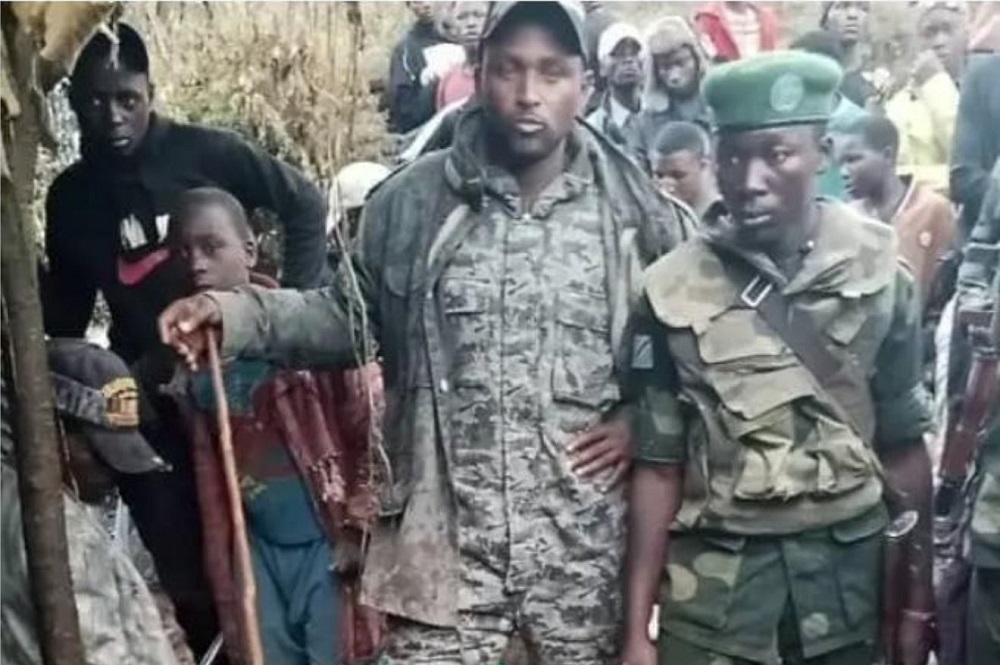
Mutayomba, who operates within the FDLR’s Nyatura faction in North Kivu, was injured during intense clashes around Rubaya, a strategically important mining area that has repeatedly been the scene of heavy fighting between AFC/M23, Congolese government forces, and allied armed groups.
Initial reports had indicated that the commander had been killed, but subsequent information confirmed that he survived and was evacuated to Kinshasa, where he is currently receiving medical treatment.
The circumstances surrounding the fighting remain fluid, but Rubaya has become a focal point of military operations in recent months due to its mineral wealth and strategic location. The area has seen escalating violence involving multiple armed actors competing for control.
Mutayomba is said to have played a key role in operations targeting Banyamulenge and other Congolese Tutsi communities in eastern DR Congo, accusations that have long been associated with FDLR-linked activities in the region.
The FDLR, formed by individuals linked to the perpetrators of the 1994 Genocide against the Tutsi in Rwanda, has operated in eastern DR Congo for decades. It has repeatedly been accused of cross-border attacks into Rwanda and of promoting anti-Tutsi ideology and violence in the region.
Reports further indicate that Mutayomba is a Rwandan national who fled to DR Congo after the genocide and later rose through the ranks of armed groups active in North Kivu. His brother, Nzima, who reportedly fought alongside him, was killed earlier in January 2025.
Reacting to the reports, North Kivu Vice Governor Willy Manzi described Mutayomba as a commander whose activities had caused widespread suffering. He accused him of overseeing killings, looting, and destruction of property in Masisi, including the burning of villages and displacement of civilians.
“Mutayomba’s legacy is one of destruction. He killed civilians, looted communities, slaughtered livestock belonging to the people of Masisi, and reduced homes and entire villages to ashes,” Manzi wrote in a post on X, on Sunday.
Manzi also criticized what he called the continued protection and support allegedly extended to the militia leader, adding that Mutayomba was not a trained military officer but had risen from mining areas to become a self-styled commander within the FDLR structure.
Mutayomba (centre), who operates within the FDLR’s Nyatura faction in North Kivu, was injured during intense clashes around Rubaya.
The promotion, Fly to the Home of Champions with SKOL Malt, invites football lovers aged 18 and above to predict the four teams they believe will reach the semi-finals of the upcoming global football tournament for a chance to win a fully paid trip to the home country of the tournament winner.
The campaign is built around the shared excitement of football, bringing together fans in bars, social spaces, and viewing experiences while rewarding them with prizes throughout the tournament period, SKOL indicated.
How the promotion works
To participate in the challenge, consumers are required to purchase a SKOL Malt, select the four teams they believe will qualify for the semi-finals, collect the bottle back labels corresponding to those teams, and upload a clear photo of the four labels on the campaign platform, www.skolfootball.rw.
Participants must also register their details and submit their predictions through the platform. Each entry must contain exactly four different teams, and the uploaded labels must match the selected teams.
Consumers can participate once per day, with multiple entries increasing their chances of qualifying for the grand prize draw if all four predicted teams reach the semi-finals.
According to the campaign organisers, the winner of the grand prize will receive a fully paid trip to the country of the tournament winner. If more than one participant correctly predicts the four semi-finalists, the final winner will be selected through a random draw by a bailiff.
Eligibility and prize conditions
Participation in the promotion is open strictly to individuals aged 18 and above, and all participants must agree to the campaign terms and conditions. Eligibility to travel and possession of a valid passport will also be required for the grand prize winner.
The organisers further pointed out that all entries must contain accurate participant information, as incomplete or incorrect details may lead to disqualification.
The campaign platform can be accessed via smartphone at www.skolfootball.rw, although consumers without smartphones can still participate with assistance from hostesses at participating bars and receive confirmations through SMS.
SKOLFootballVillageto host live screenings, fan activities
As part of the campaign, SKOL Malt will also host the SKOL Football Village at Camp Kigali from June 11 to July 19, where football fans will be able to watch all tournament matches through live screenings.
The Football Village will also feature several fan engagement activities, including sitting football, kicker games, PS5 gaming, and other entertainment experiences designed to bring supporters together throughout the tournament.
With football excitement continuing to build globally, the campaign seeks to combine fan engagement, entertainment, live match experiences, and rewards through a shared celebration of the game.
Globally, an estimated 60% of people who died between 2023 and 2026 were cremated. Japan and South Korea lead the practice, with more than 90% of deaths resulting in cremation, while Sweden, Denmark and Slovenia report rates of around 87%.
The method is gaining popularity largely because it requires far less land than traditional burials.
A grave occupies significantly more space than an urn containing cremated remains, allowing cremation to reduce cemetery land use by up to 95%.
In countries such as Rwanda, where burial grounds may remain unused for up to 20 years and the population continues to grow, this presents a practical advantage.
Rwanda established a legal framework for cremation in 2015 through a ministerial order. Despite its benefits and growing global use, however, cremation remains an emotional subject for many people.
A new step for cremation in Rwanda
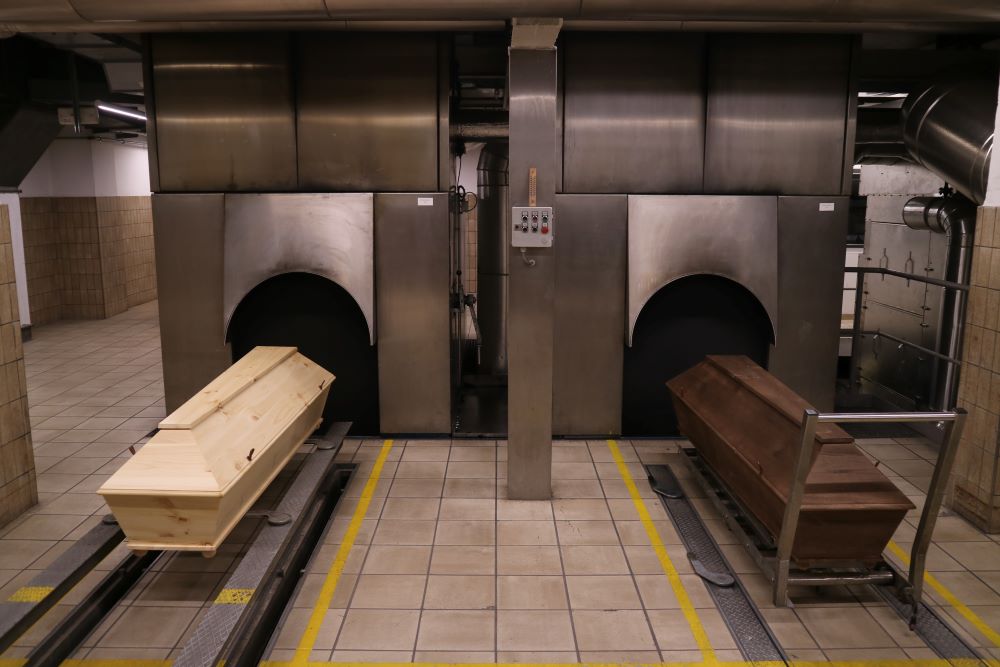
Rwanda may soon take another step by introducing electricity-powered cremation and establishing standard charges for the service. If all goes according to plan, the change could take effect in 2026.
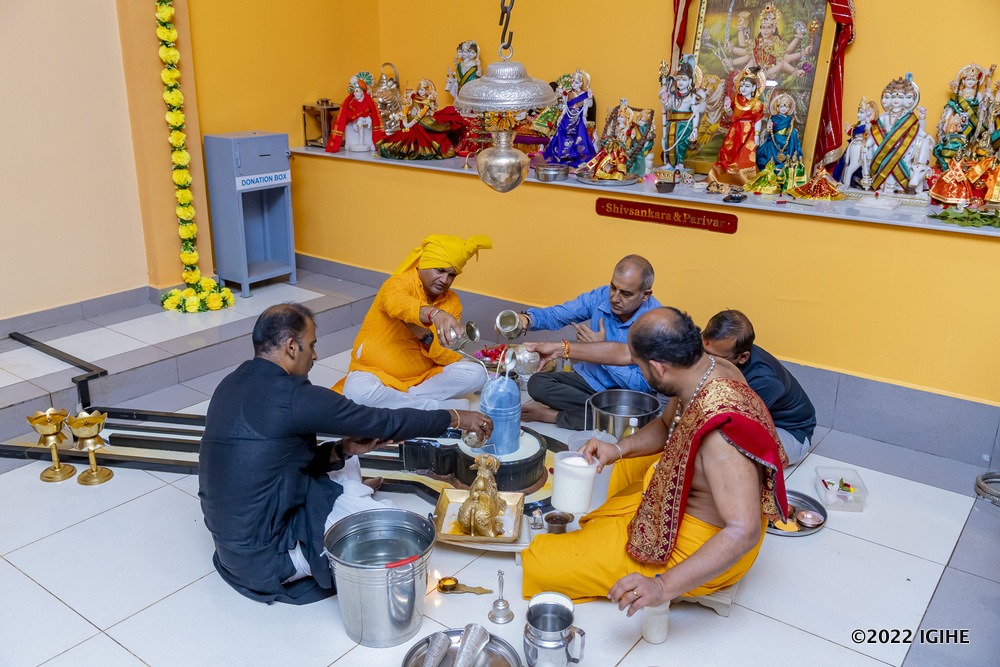
Since Rwanda legalized cremation, members of the Hindu community, under Hindu Mandal, have been the primary providers of the service, mainly cremating the bodies of their fellow worshippers living or working in Rwanda.
The Government of Rwanda later reached an agreement with the Hindu community allowing their cremation facility to continue offering the service to all Rwandans who may wish to use it, especially since cremation has not yet become common among the local population.
The Hindu community, which has a temple in Kigali, originally operated a cremation site in the city. However, as Kigali expanded, the government requested that the facility be relocated from the city center to an area away from growing residential and development zones.
In 2009, the community moved the cremation site to Murama Cell in Nyamata Sector, Bugesera District.
However, a major challenge emerged: electricity had not yet reached the area, a situation that remains unchanged today. As a result, cremations have continued to be carried out using firewood rather than modern equipment.
Since the relocation, more than 200 bodies have been cremated at the site, including those of seven Rwandans. Most of the Rwandans cremated were married to foreigners from countries where cremation is a common practice.
Since January 2026 alone, the facility has cremated the remains of 20 foreign nationals, including several people who died in the same accident.
Officials responsible for managing the Hindu cremation site say preparations to introduce modern electric cremation services are at an advanced stage. The transition will also allow authorities to establish standard pricing for the service.
Until now, the service has largely been provided as assistance to those seeking cremation rather than as a commercial operation.
One official involved in managing the facility told IGIHE: “The installations have already been completed; what remains is the machinery. That is when the actual prices will be determined. Let electricity arrive first, then we will go to China to bring the cremation machines because the order has already been placed.”
The official declined to provide a specific timeline for the launch of electric cremation services but emphasized that preparations on their side are nearly complete.
The main remaining requirement is the extension of electricity to the area.
Bodies in Rwanda are set to be cremated using electricity.
Electricity expected by the end of June
Valens Nzamurambaho, the official in charge of electricity matters in Bugesera District, told IGIHE that if everything proceeds as planned, electricity should reach several areas of the district that currently lack power, including the location of the cremation site, by the end of June 2026.
He said: “The project to extend electricity there is not limited to that area alone but also covers other sectors across Bugesera District. The contract between the Energy Development Corporation Limited [EDCL] and TBA in Nyamata Sector is, according to the information I have, expected to end in June.”
Nzamurambaho explained that the contract was originally expected to conclude only after electricity had already been supplied to the targeted areas.
He added: “The contract was supposed to be completed by the end of June, which also meant that electricity should already have reached those areas. Although there are still some challenges, not only in that location but also in other places as well, I do not foresee any problem for that area. Electricity could be available there by the end of June. If nothing changes, it should be by June 30.”
Members of the Hindu community have a temple in Kigali where they conduct their religious ceremonies.
A practice with ancient roots
Historians note that the exact origins of cremation are not known. However, some records suggest that it was practiced in China as early as 8,000 years before Christ, while it became more widespread around the world by approximately 3,000 BC.
It is believed that cremation first spread through Europe before moving eastward into Asia and eventually reaching other regions.
Before cremation takes place, farewell ceremonies may be conducted depending on the beliefs of the deceased or their family.
The body is also inspected to ensure that it does not contain metal objects such as necklaces, rings or other items that could explode or be damaged during the cremation process. Such items are removed beforehand.
Under Rwanda’s ministerial regulations, a request for cremation may be made by the deceased before death or by a person authorized by them.
The request can be made either in writing or verbally in the presence of at least two adult witnesses.
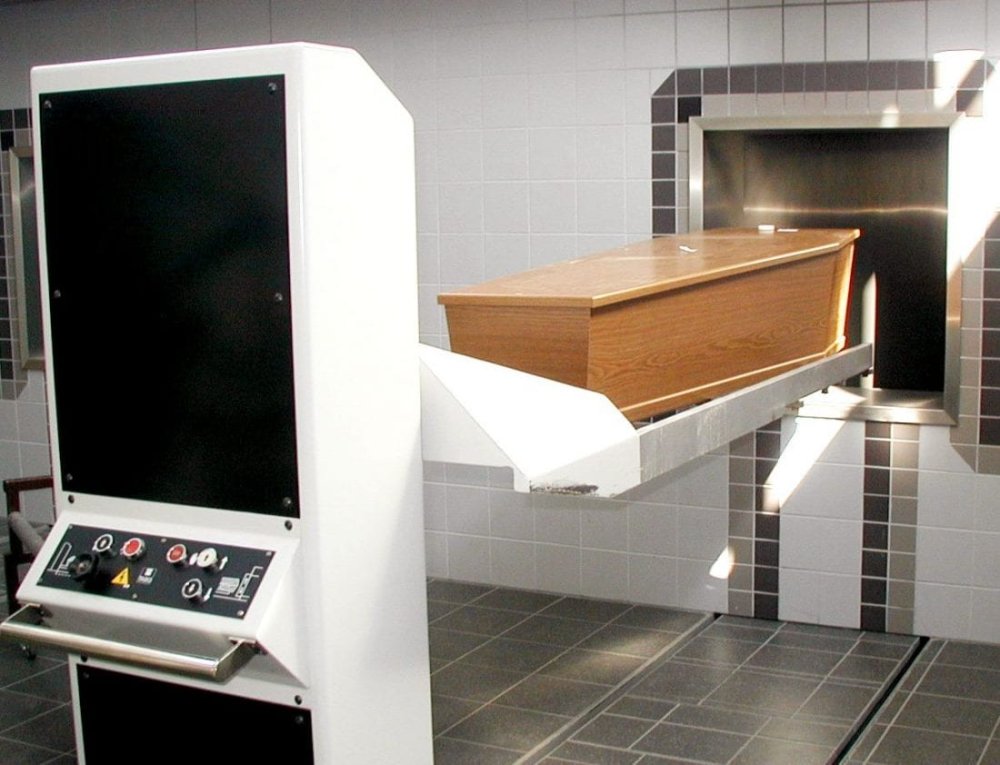
The regulations further state that cremation must be carried out in a specially designed furnace powered by electricity and equipped with a continuous heat source. A backup generator must also be available to ensure operations continue during power outages.
The mayor of the district where a body is to be buried may authorize cremation if no individual comes forward to claim it.
After all required checks are completed, the body is placed in a cremation chamber or furnace. Regulations prohibit placing more than one body in the chamber at the same time.
The chamber operates at temperatures ranging between 600°C and 1,000°C, where the cremation process begins.
The entire process takes about three hours. What remains afterward is often referred to as ashes, although the remains are actually bone fragments. These fragments are passed through another machine that grinds them into a fine powder.
The cremated remains of a man typically weigh about 2.7 kilograms, while those of a woman average around 1.8 kilograms.
Rwanda’s ministerial regulations state that cremated remains are considered the property of the deceased’s family or, in some cases, the state.
Family members may agree to keep the ashes in a single urn or divide them among themselves as they wish.
The ashes may then be buried in a public cemetery, a private cemetery, at a family home, or in another location designated by the family. In cases where the deceased has no family, the state determines where the ashes will be placed.
The infrastructure used for cremation in Rwanda is located in Bugesera.
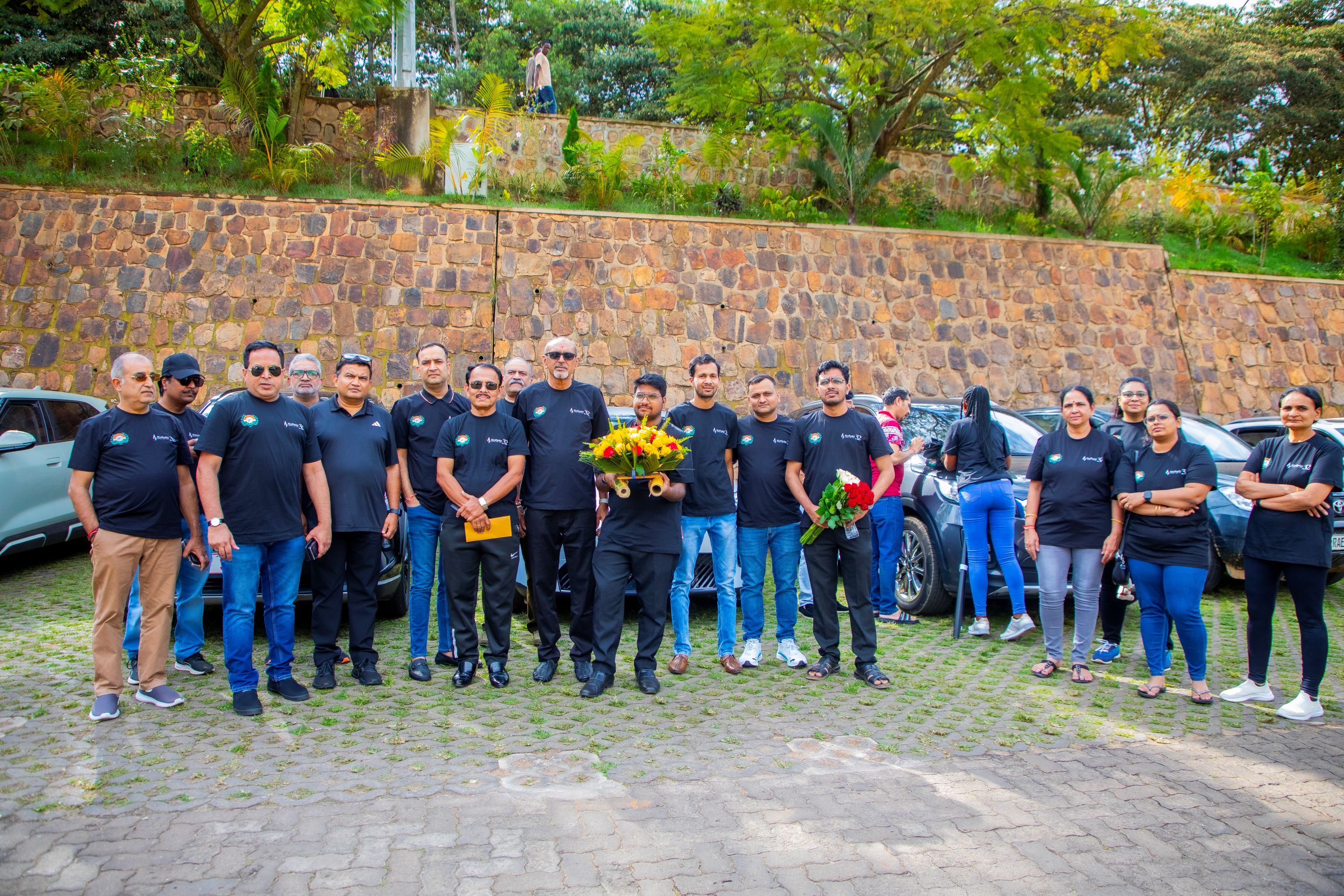
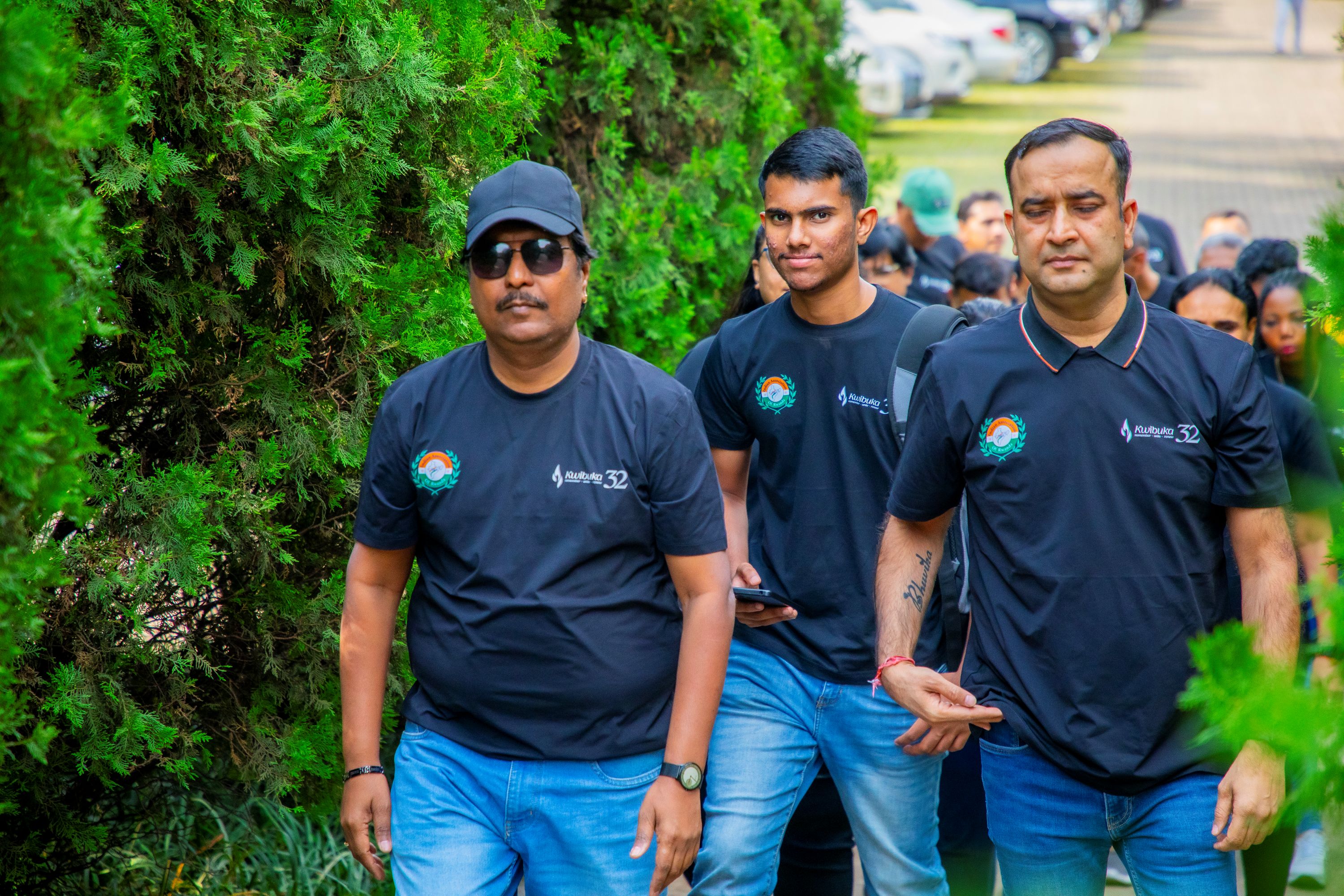
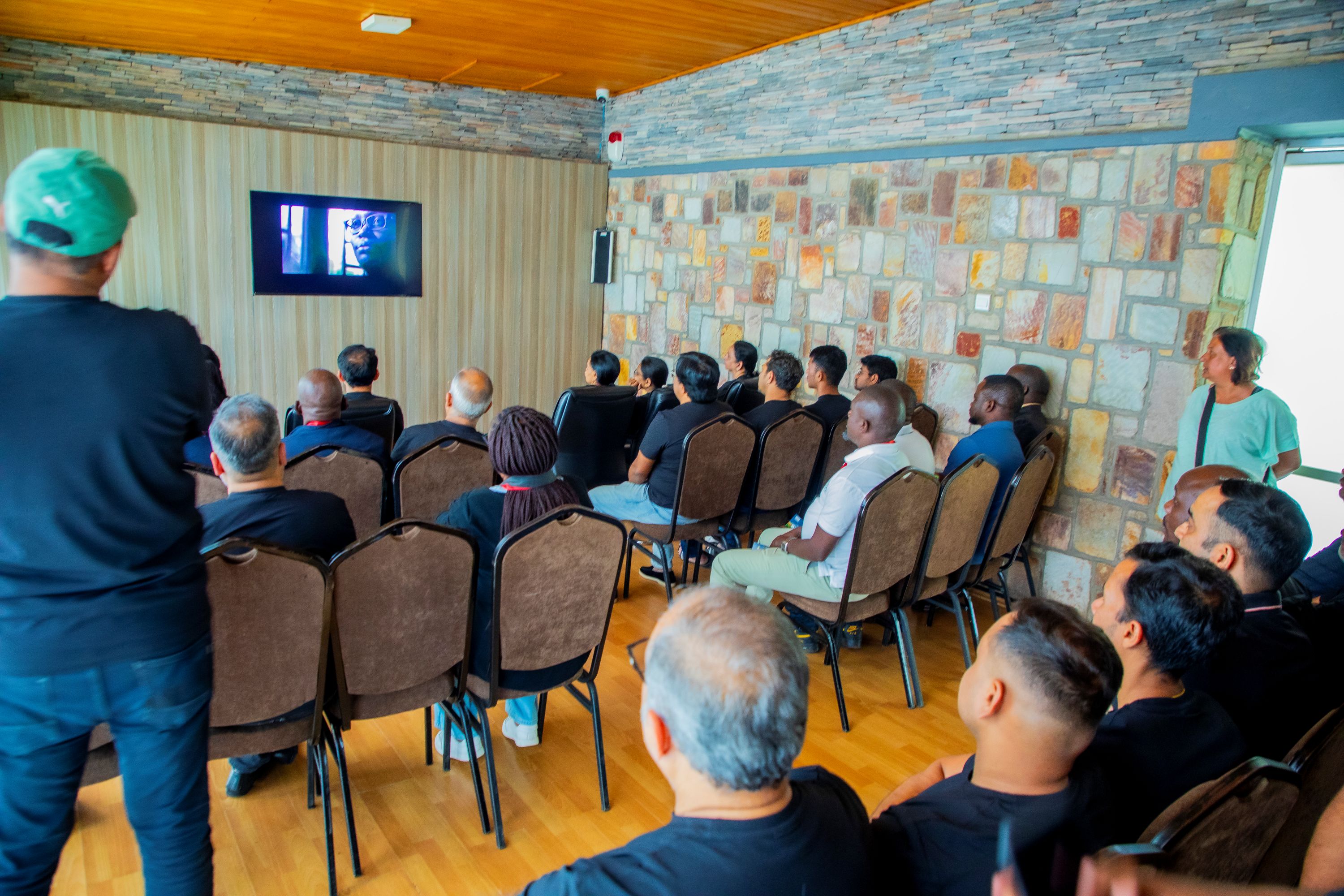
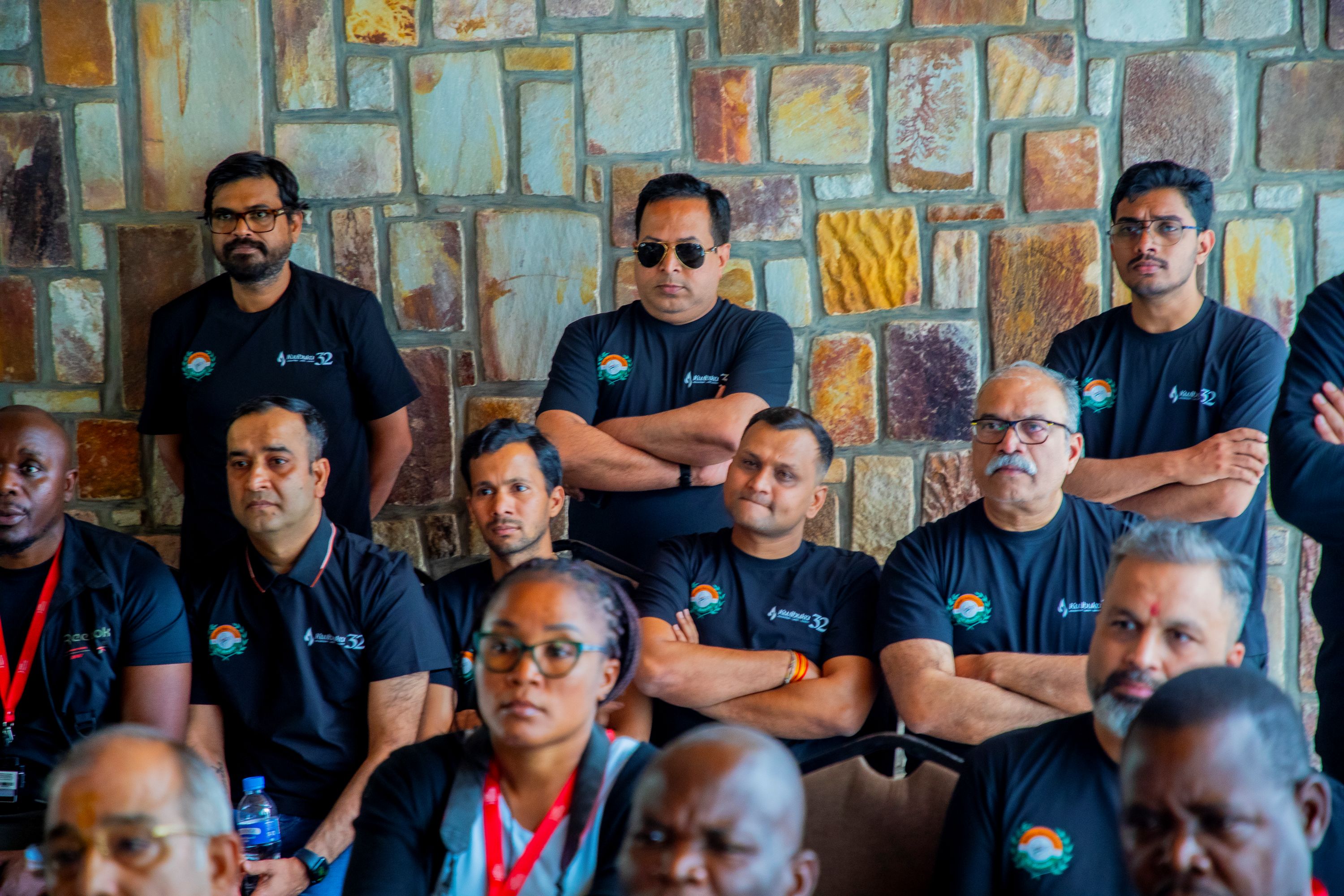
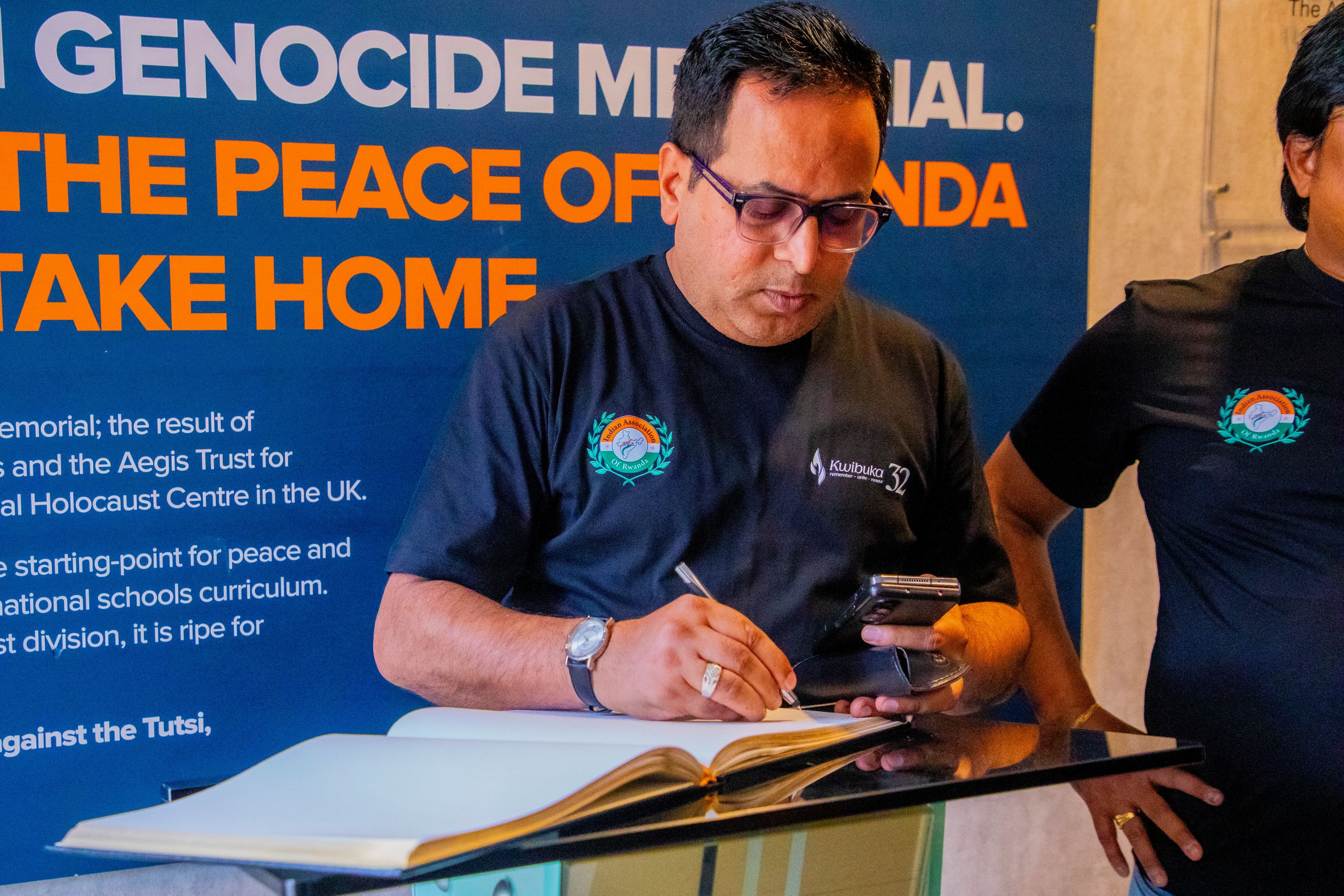
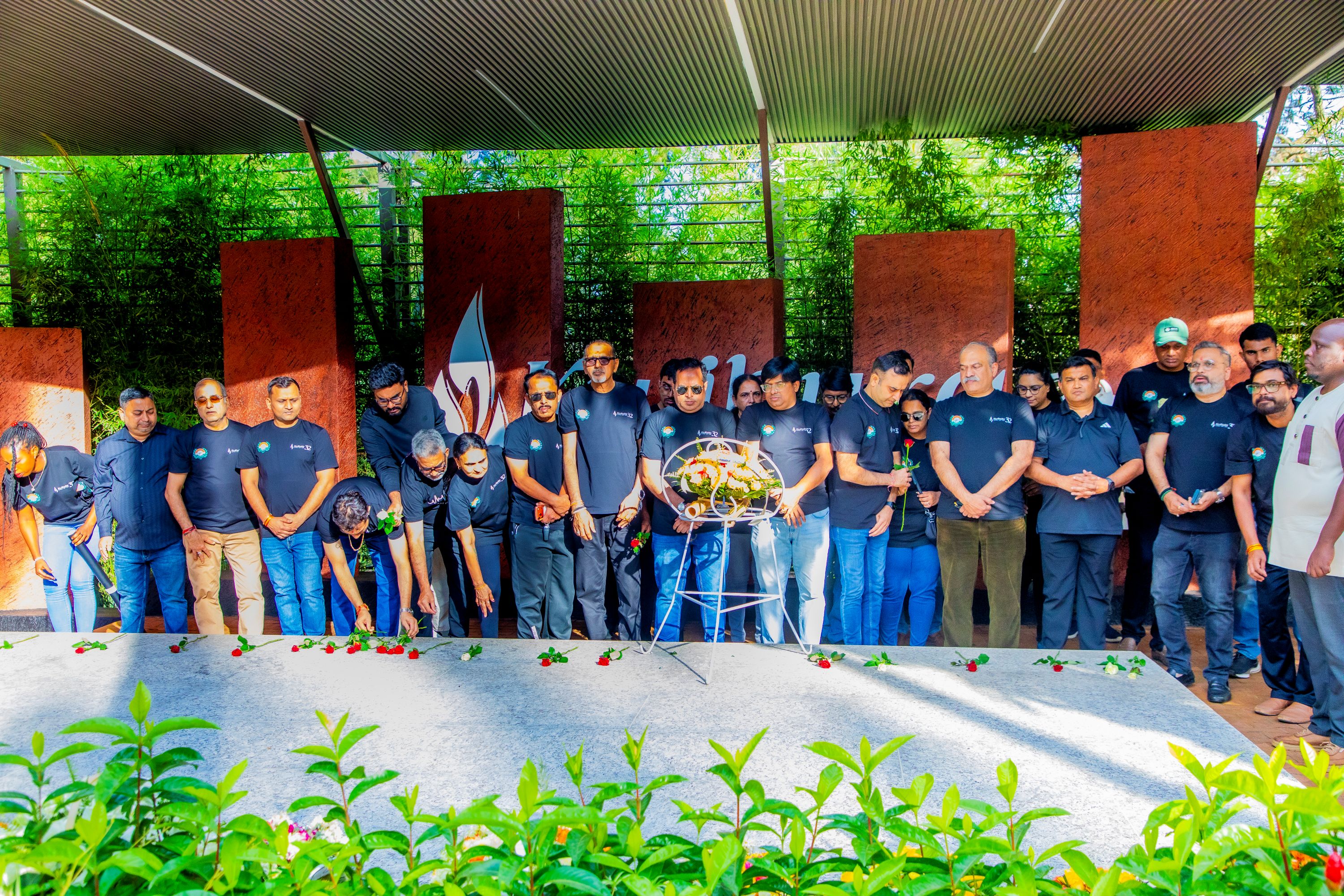
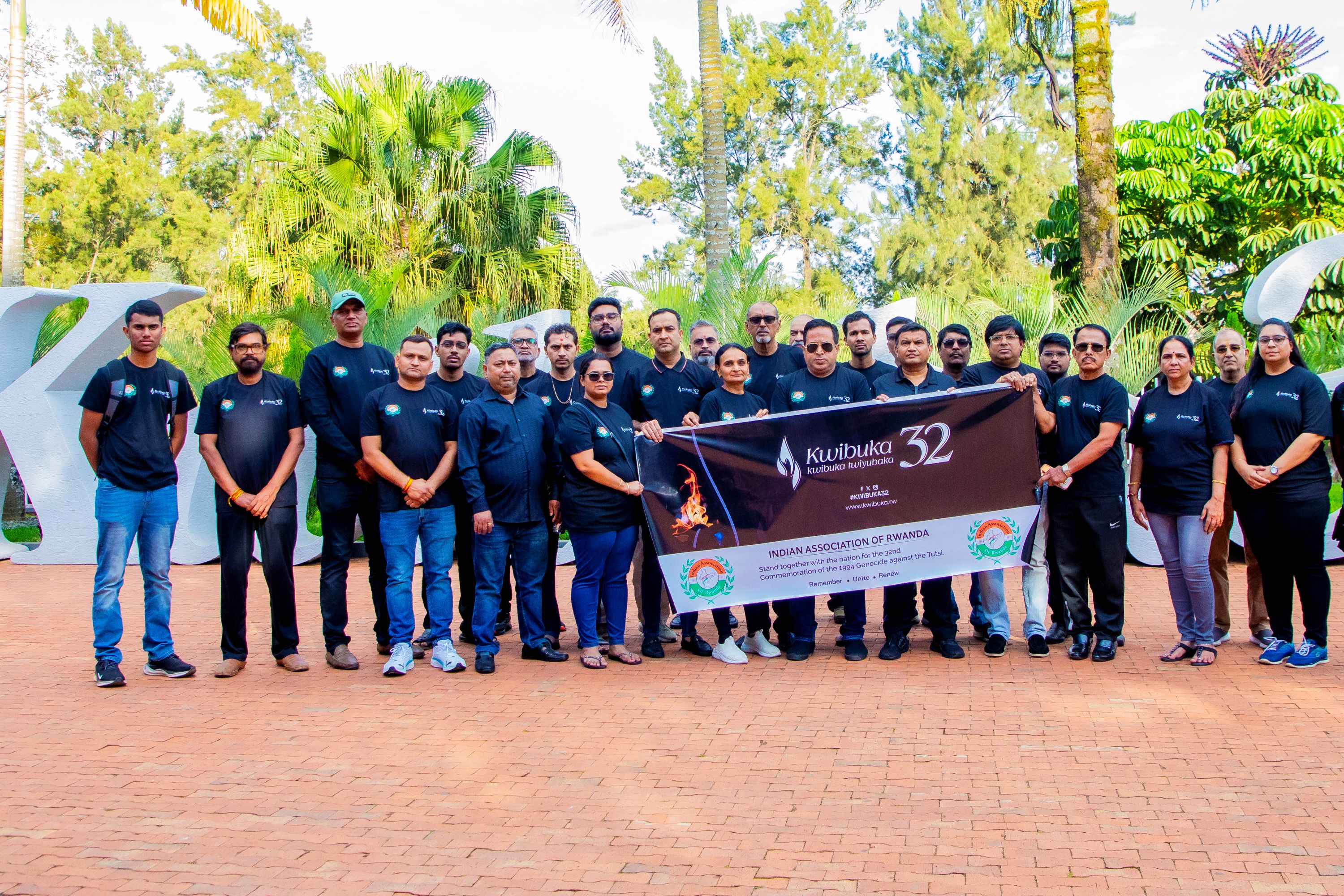
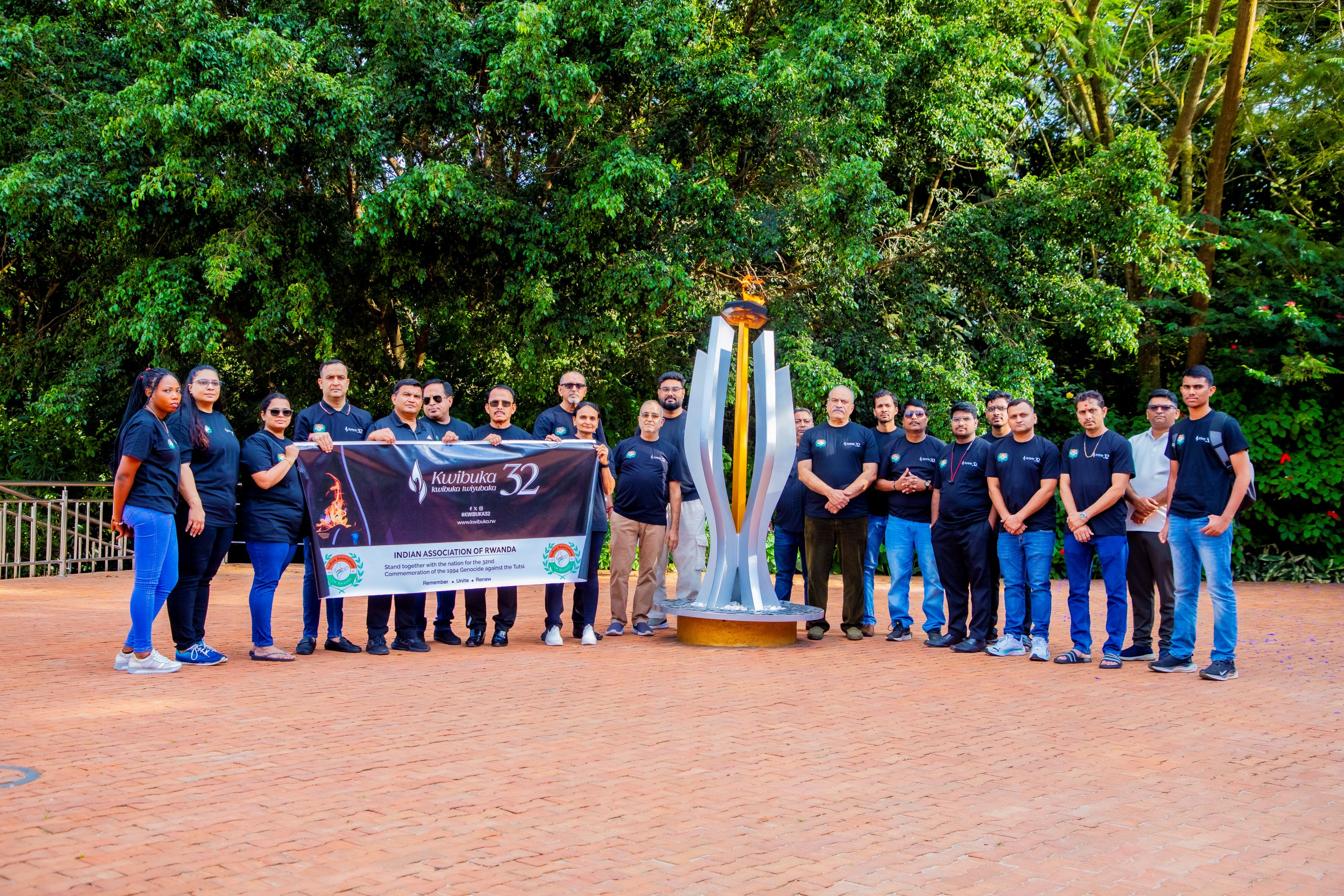
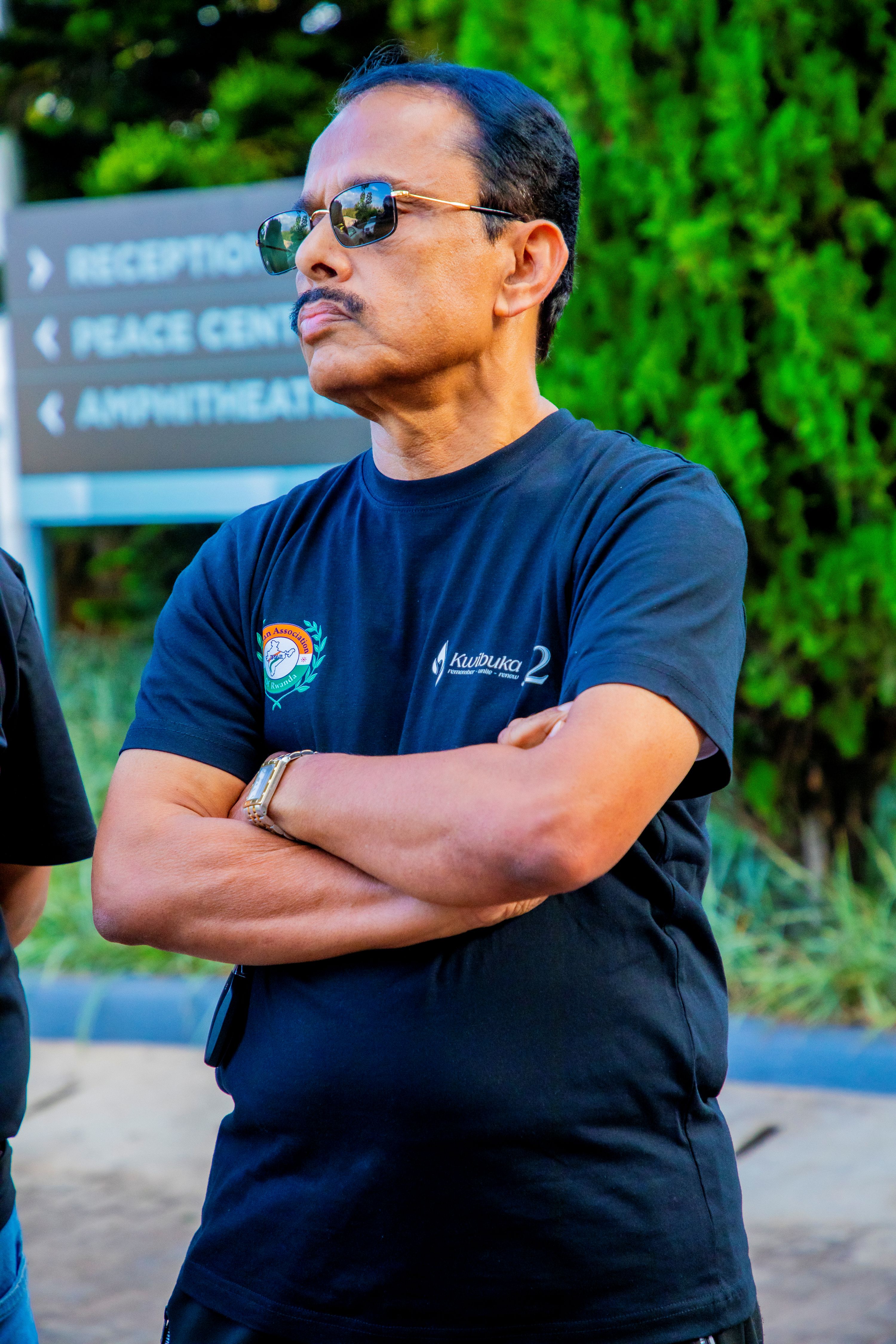
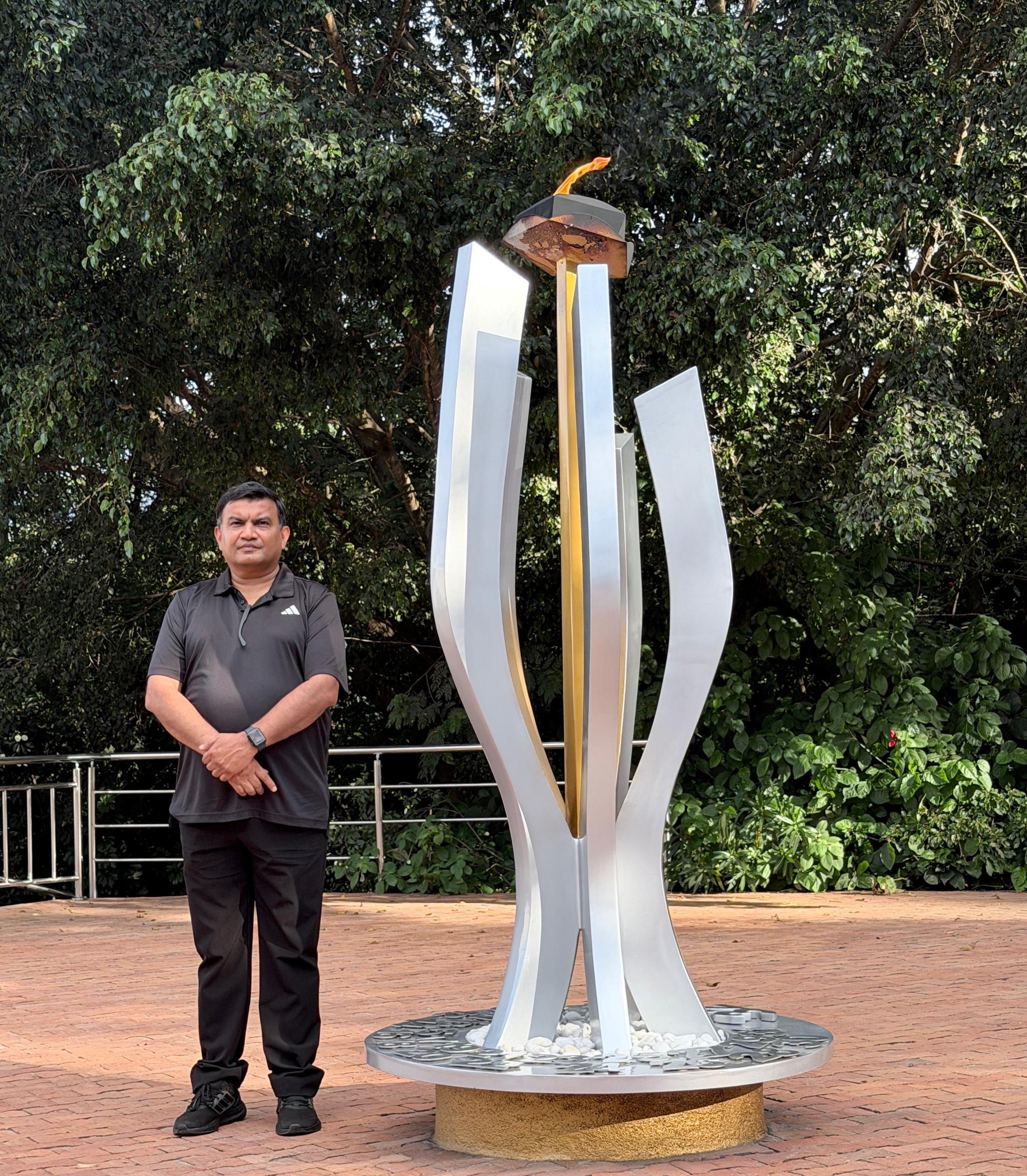
The visit formed part of commemorations marking the 32nd anniversary of the Genocide against the Tutsi. It offered participants a detailed educational tour on the history of the 1994 tragedy, from its origins to its aftermath and Rwanda’s recovery journey.
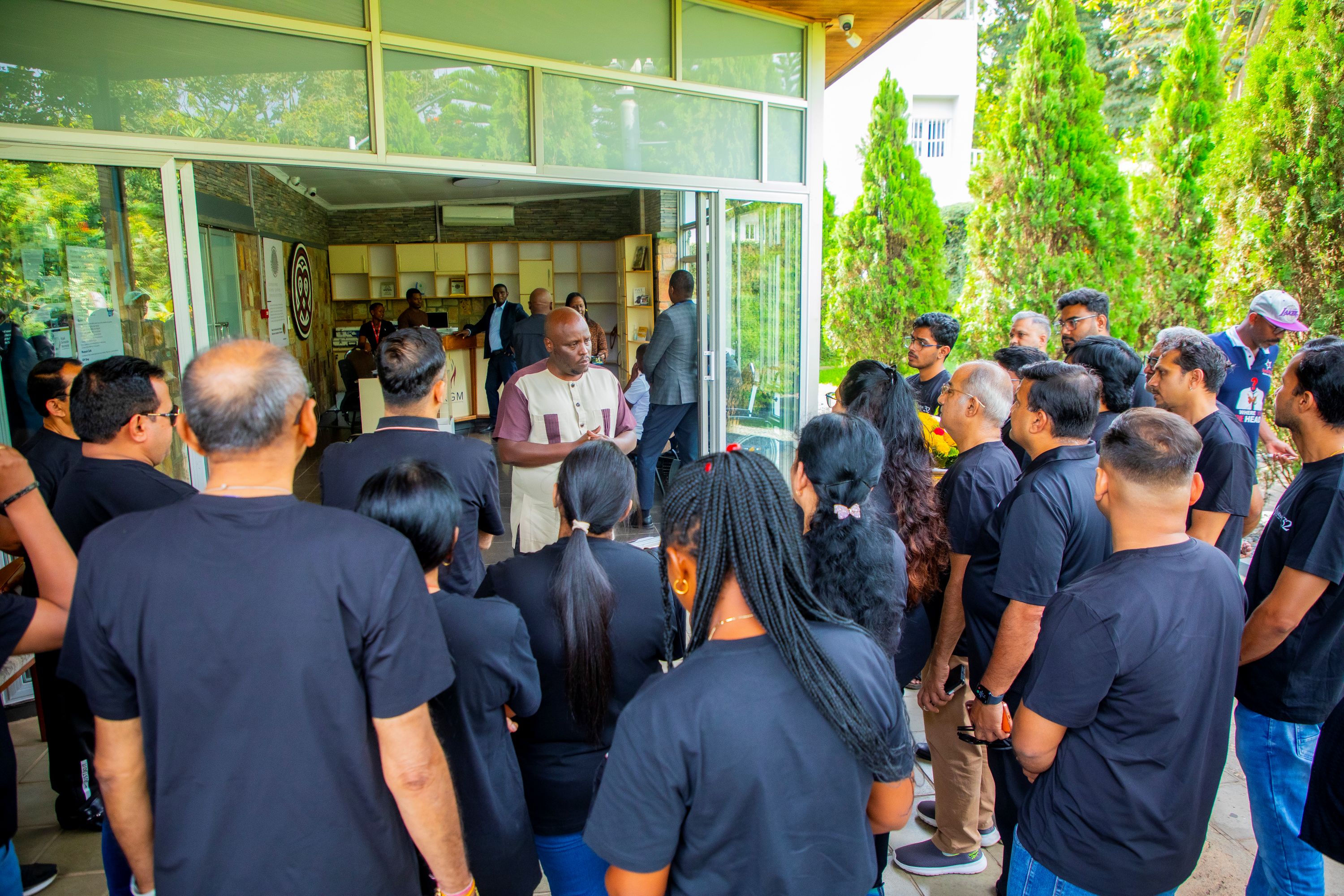
During the guided tour, members were taken through key historical elements, including the colonial roots that contributed to divisions, the role of propaganda and hate media such as Kangura newspaper and Radio Télévision Libre des Mille Collines (RTLM), and the systematic planning and execution of the genocide.
Participants also watched a short film featuring survivor testimonies that highlighted the human impact of the atrocities. The tour further examined the role of Gacaca courts in post-genocide justice, reconciliation, and the foundation of national healing.
The Genocide against the Tutsi claimed the lives of more than one million people in just 100 days before it was halted by the Rwanda Patriotic Army (RPA).
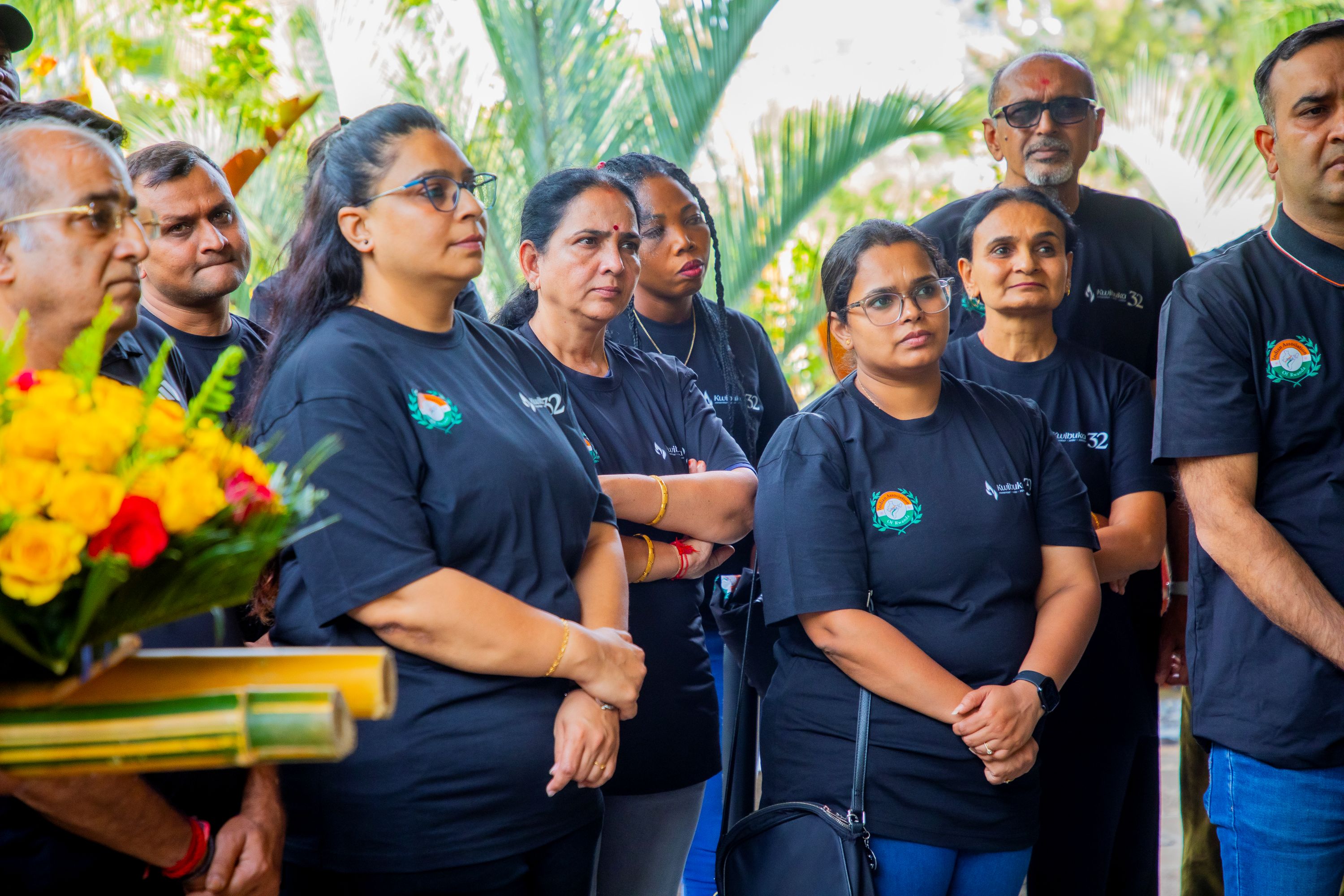
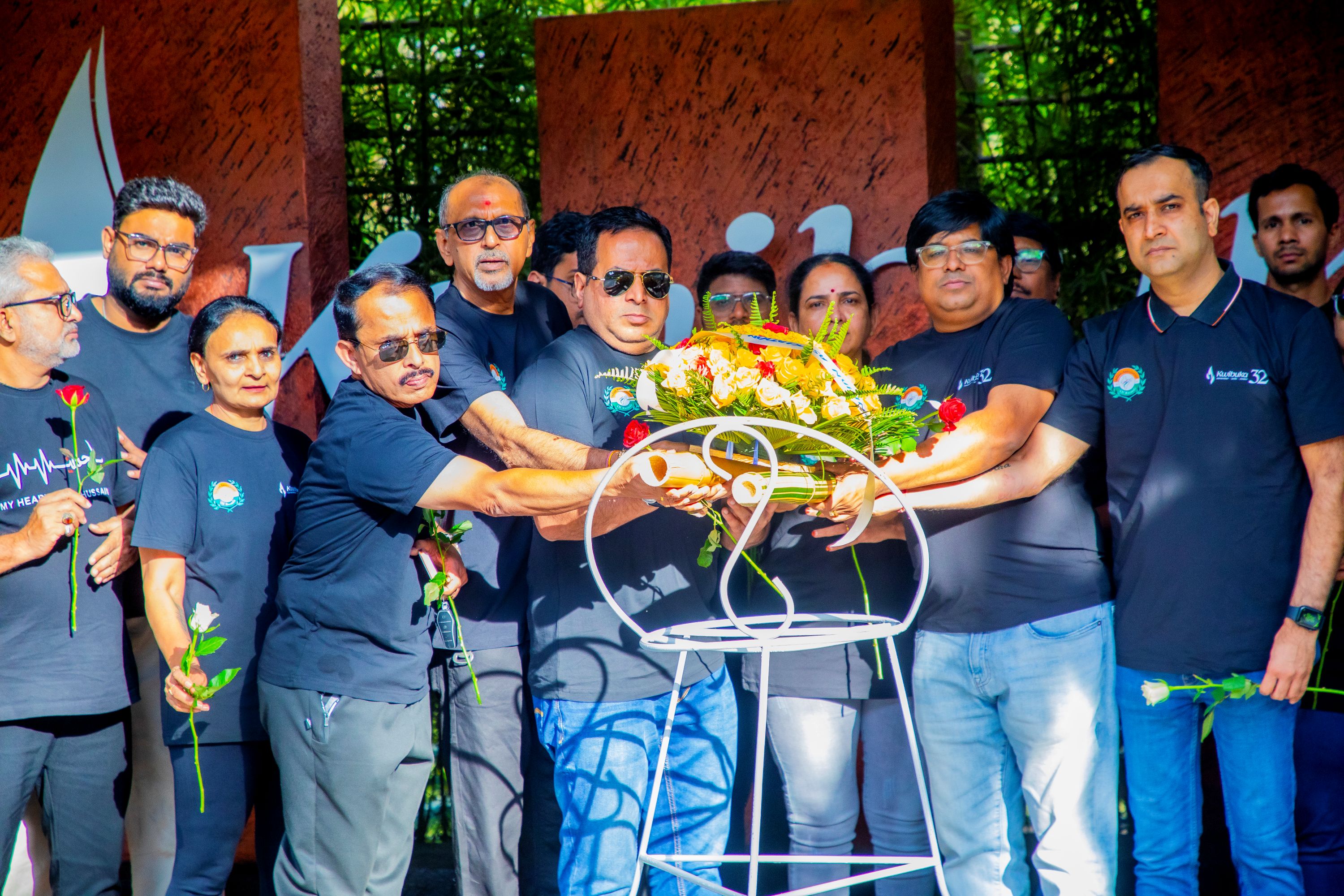
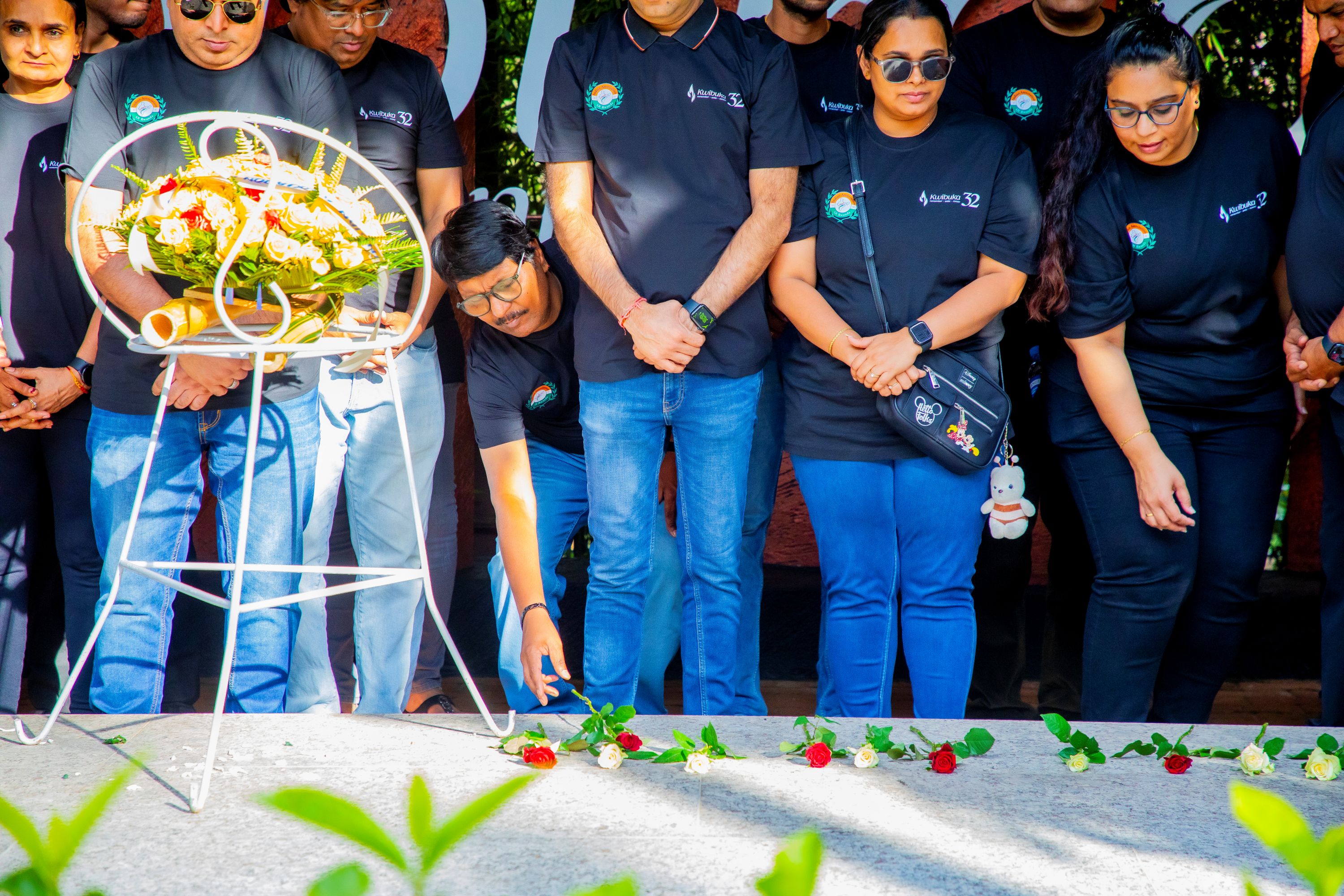
At the memorial, visitors paid their respects by laying wreaths at mass graves where over 250,000 victims are buried.
Speaking after the visit, members of the Indian Association of Rwanda reflected on the lessons drawn from the visit, stressing the importance of remembrance and global prevention of atrocities.
Mukri Hussain, Vice Chairperson of the Indian Association of Rwanda, said the experience carried a strong message of humanity.
“What happened here is really against humanity, and it should never happen again. That is the main lesson we have learned, not only for Rwanda, but for the entire world. Such events should never happen anywhere in the world,” he stated.
He noted that for many members, Rwanda has become a second home due to the country’s transformation over the years.
Namita Machchhar, an executive member of the association, said the visit strengthened their responsibility as residents of Rwanda to learn from history and contribute to preventing similar tragedies.
“As residents of this country, we strongly believe in brotherhood and sisterhood. It is our duty to take initiatives to prevent such tragedies,” she quipped, adding that “saving one life is like saving the entire universe.”
She also commended Rwanda’s progress and leadership led by President Paul Kagame, describing the country’s development journey as remarkable.
Jagan PK, a founding member and former treasurer of the association who lived in Rwanda before and during the 1994 genocide, noted that his experience reinforced the need for global vigilance.
“Such things should never happen to mankind. Never again,” he stressed, recalling the painful events he witnessed and Rwanda’s subsequent recovery.
He described Rwanda’s transformation as a “tremendous success story,” noting that the country has become a respected example of resilience and rebuilding.
Jwala Vijay Kumar, General Secretary of INAR, also reflected on the importance of remembrance and collective responsibility, saying, “We must always remember and learn from history to ensure it is never repeated.”
Dr. Saurabh Singhal, an executive committee member, said it is a “solemn duty” of the Indian community to stand with Rwandans in honouring the victims.
“This memorial stands as a powerful tribute, not only to the intense tragedies of the past, but to the extraordinary resilience and dignity of the Rwandan people,” he remarked.
The visit formed part of commemorations marking the 32nd anniversary of the Genocide against the Tutsi.The visit offered participants a detailed educational tour on the history of the 1994 tragedy, from its origins to its aftermath and Rwanda’s recovery journey.Participants also watched a short film featuring survivor testimonies that highlighted the human impact of the atrocities.Mukri Hussain, Vice Chairperson of the Indian Association of Rwanda, said the experience carried a strong message of humanity.At the memorial, the Indian association members paid their respects by laying wreaths at mass graves where over 250,000 victims are buried.Jagan PK, a founding member and former treasurer of the association who lived in Rwanda before and during the 1994 genocide, noted that his experience reinforced the need for global vigilance.Dr. Saurabh Singhal, an executive committee member, said it is a “solemn duty” of the Indian community to stand with Rwandans in honouring the victims.Namita Machchhar, an executive member of the association, said the visit strengthened their responsibility as residents of Rwanda to learn from history and contribute to preventing similar tragedies.
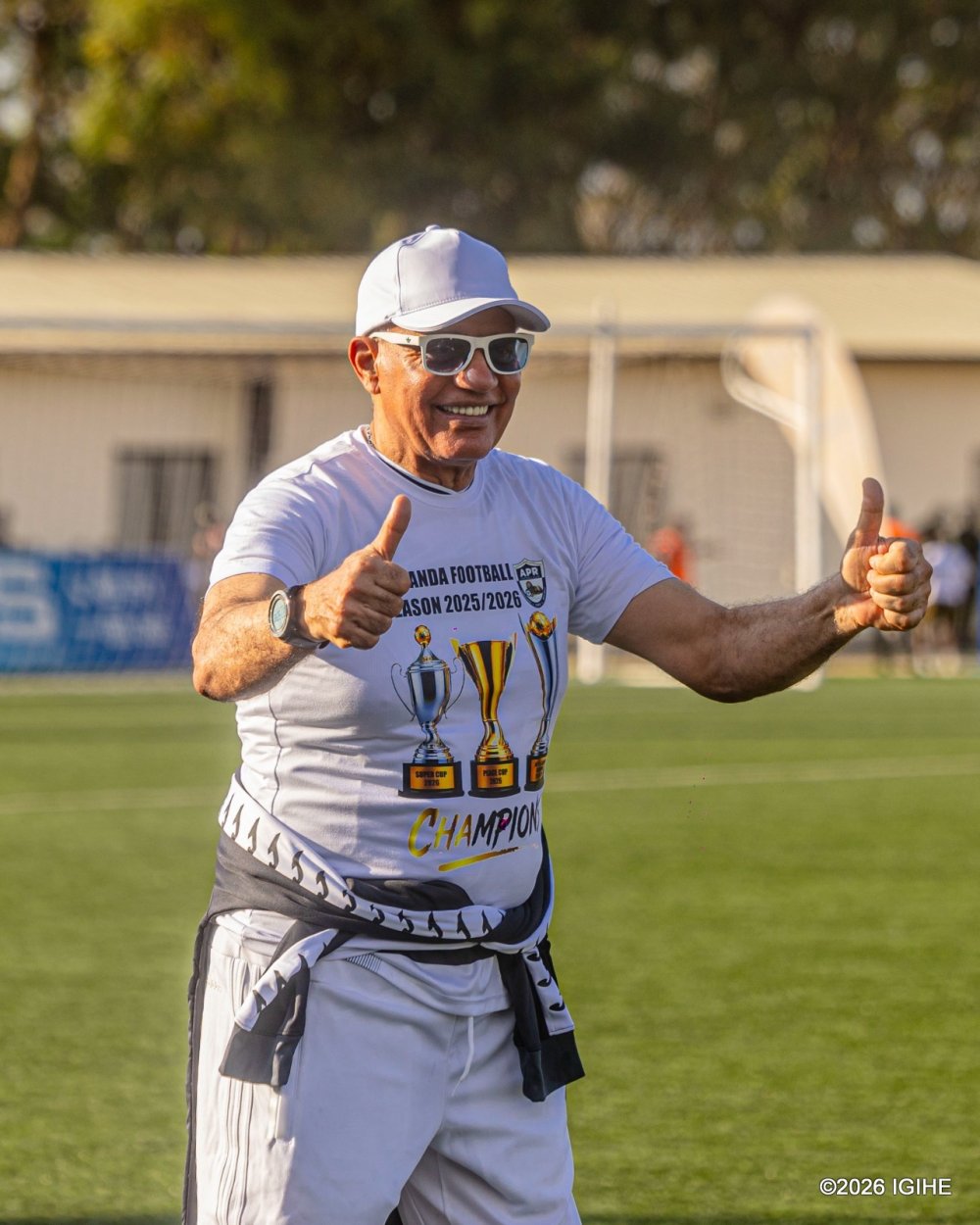
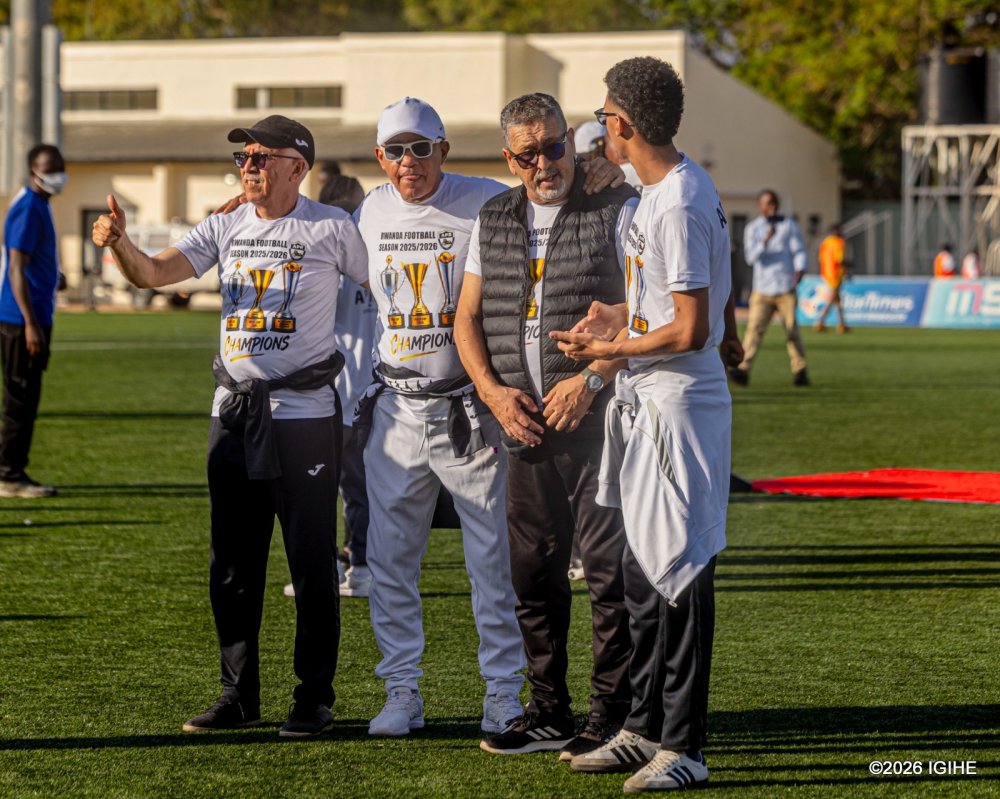
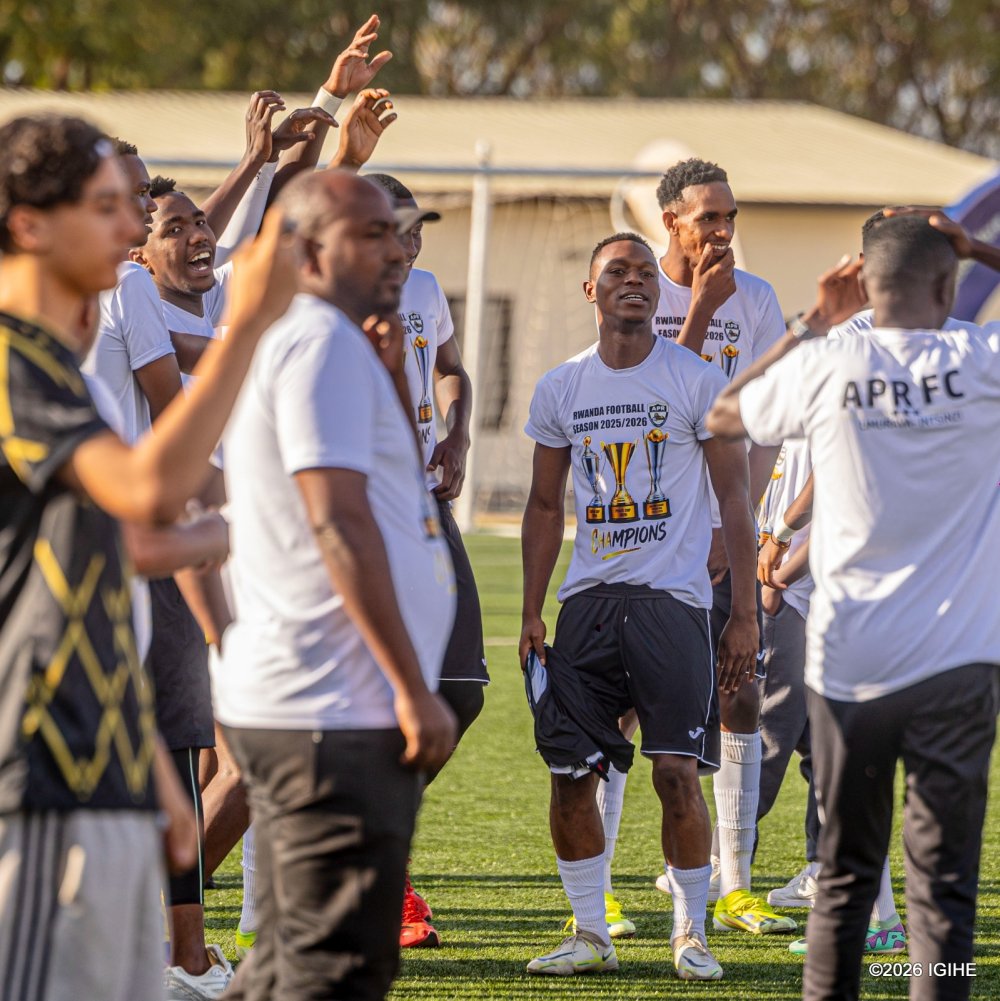
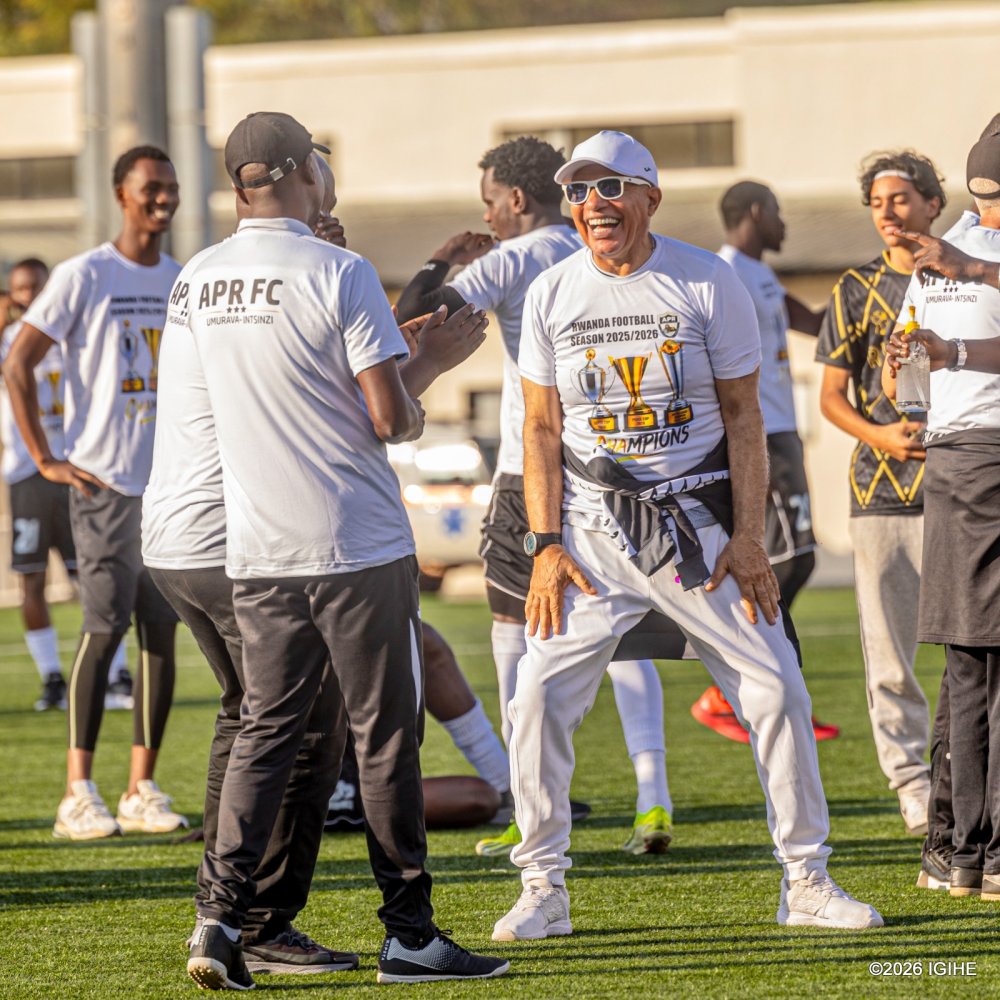
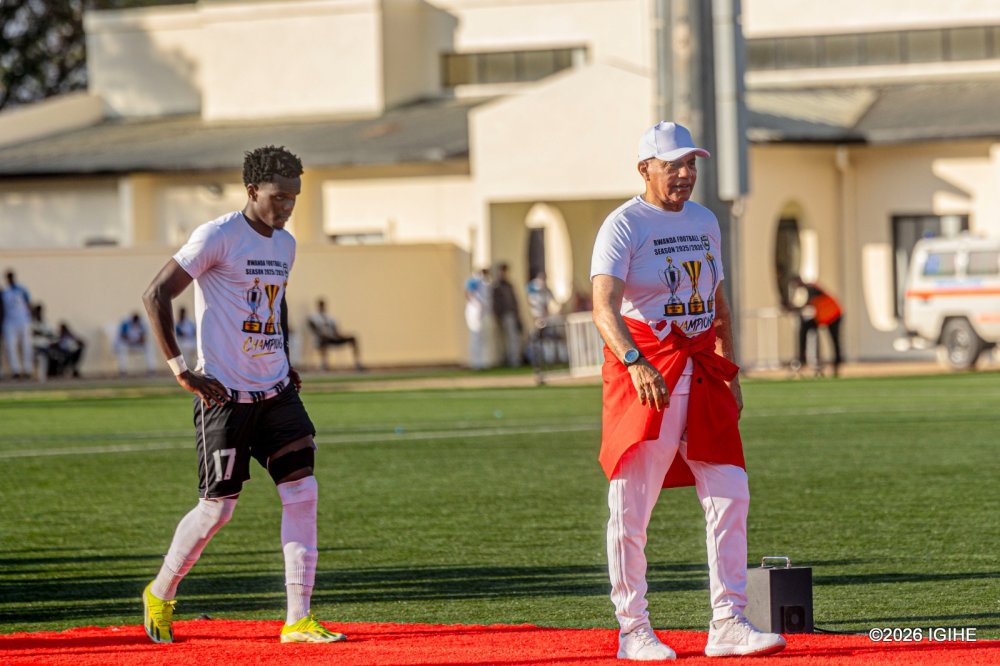
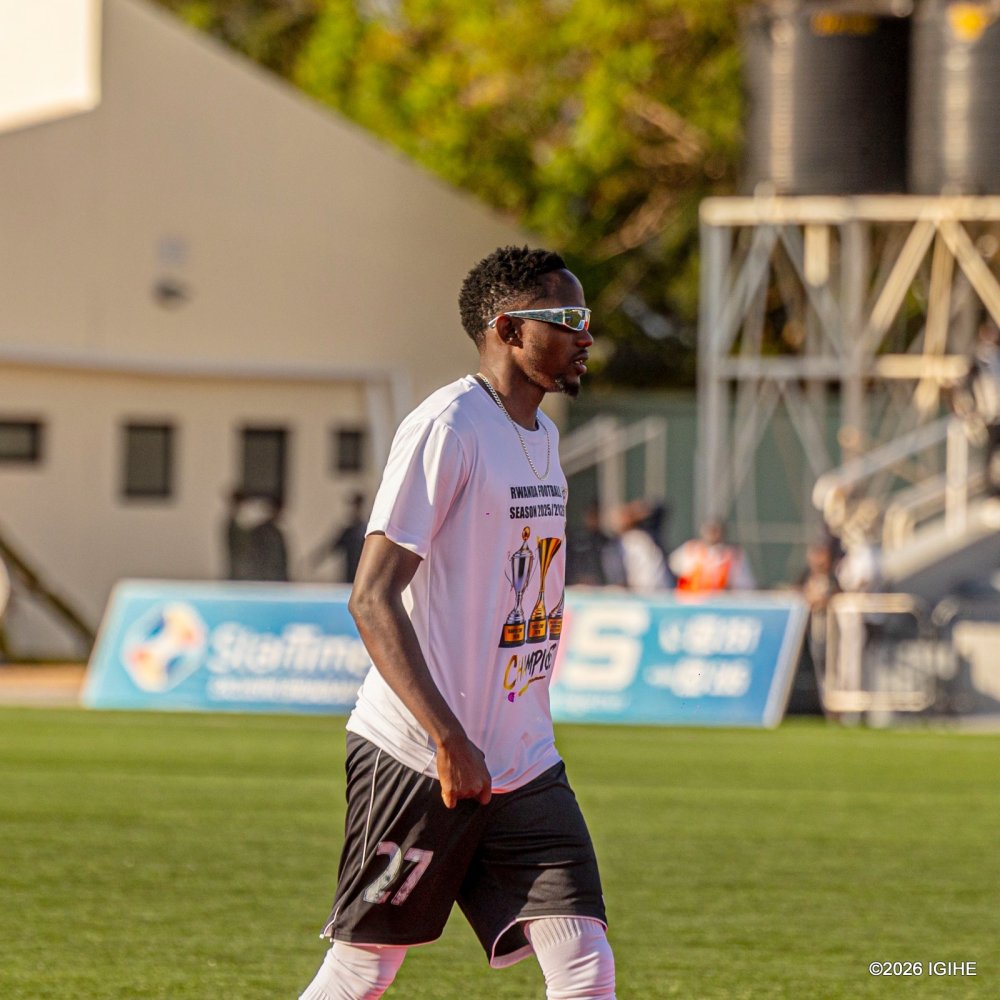
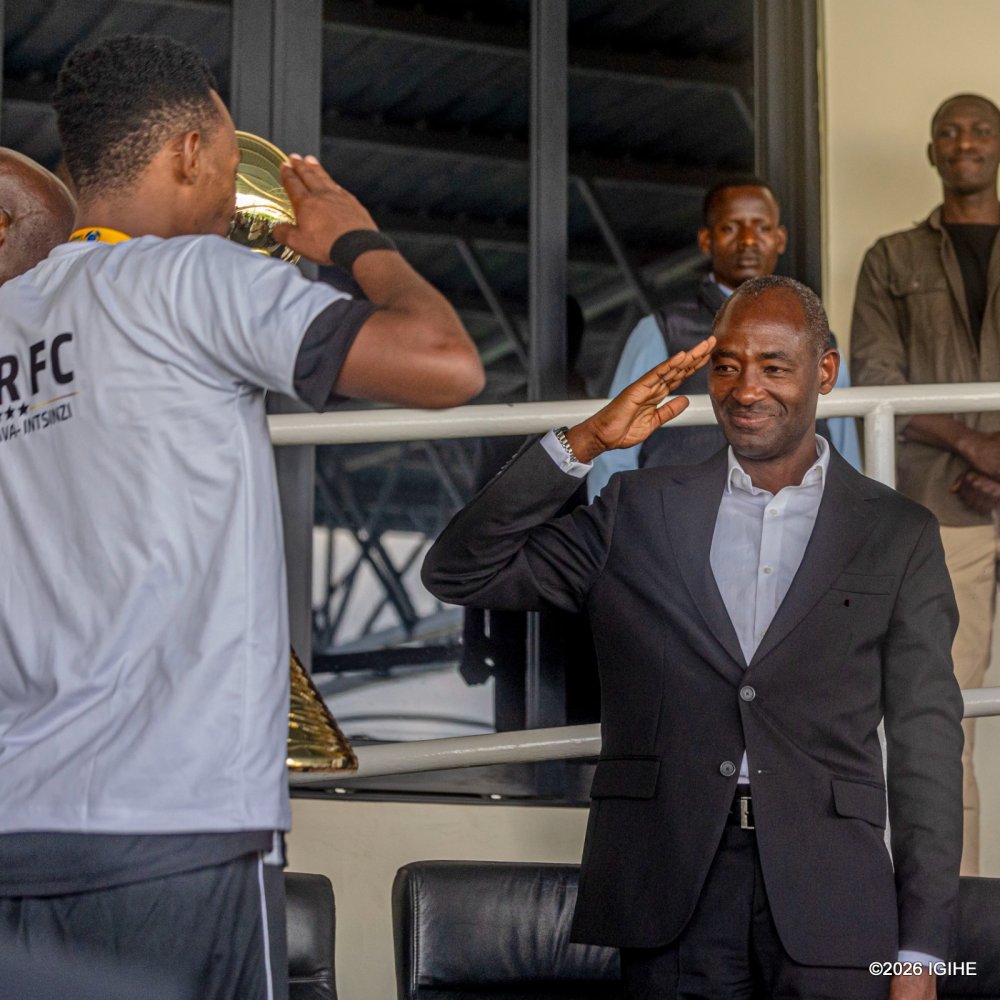
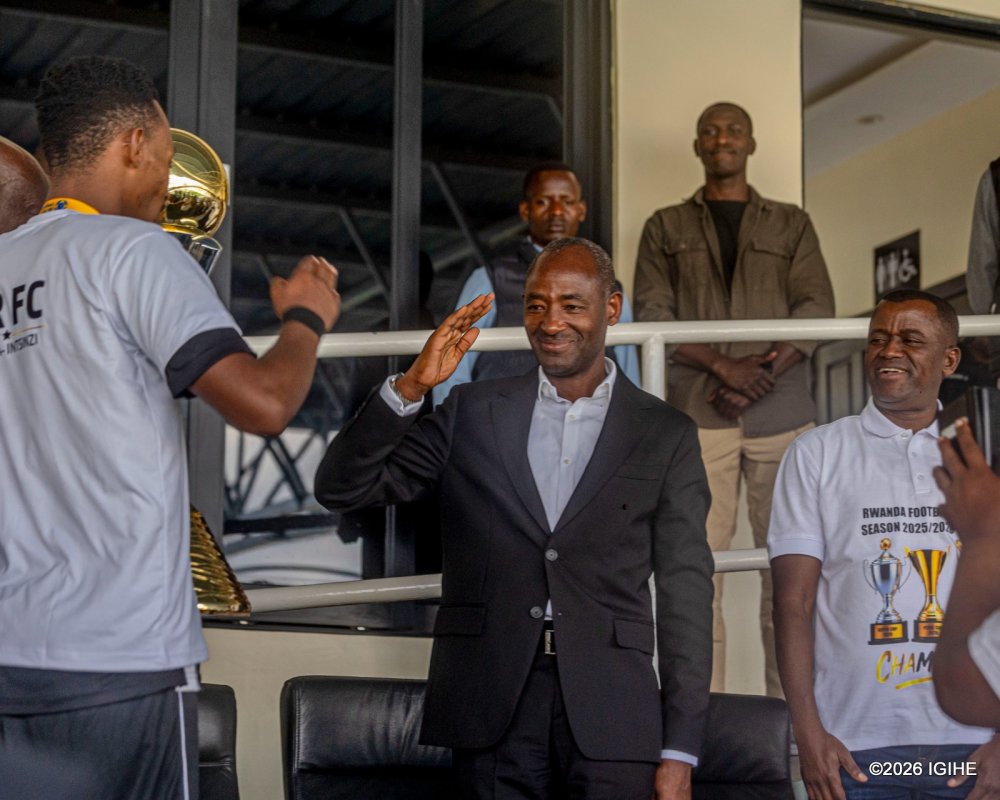
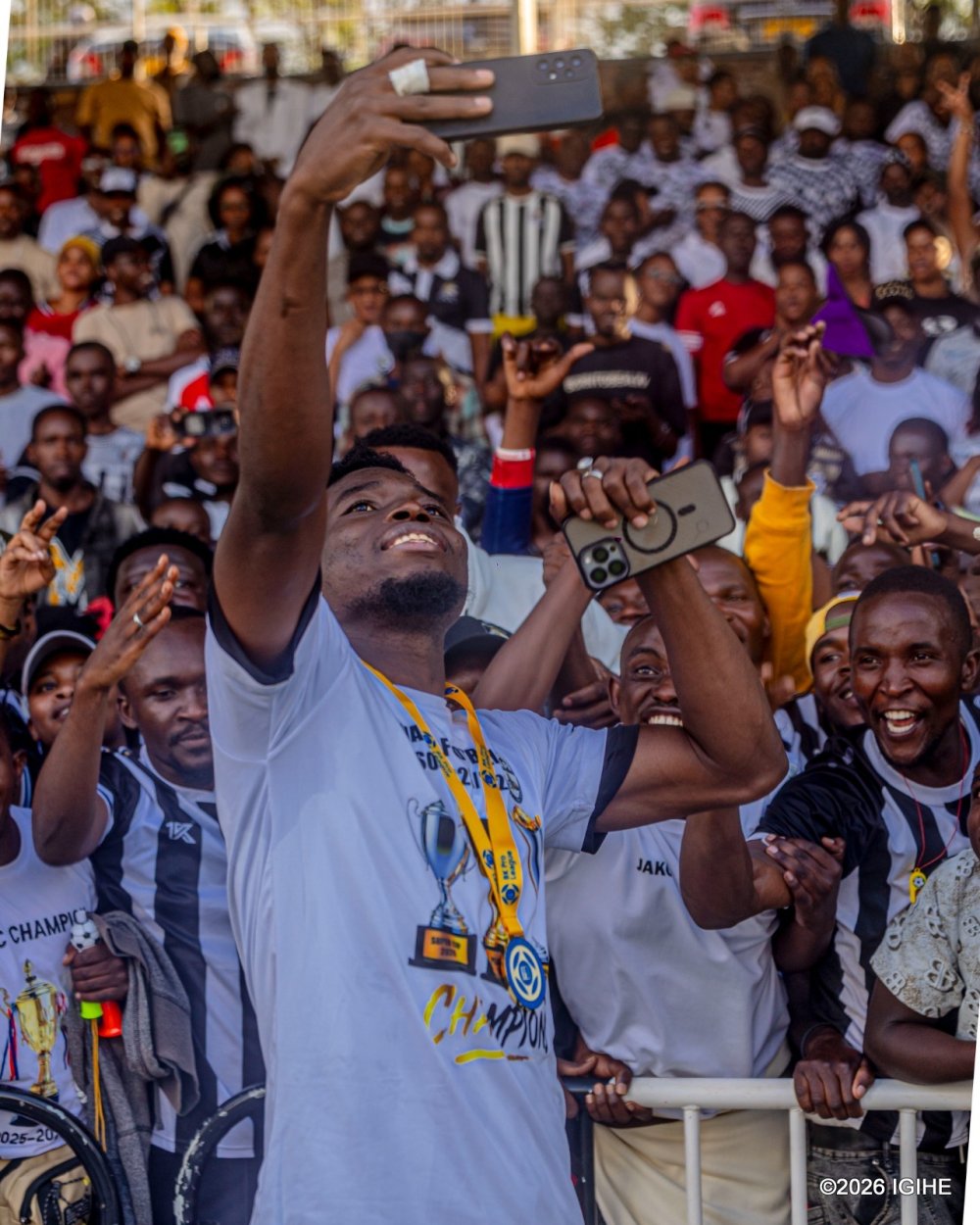
Supporters dressed in shirts bearing seven stars in tribute to the club’s record run of seven consecutive league titles, while players and coaches wore commemorative outfits featuring the three trophies won this season.
The military side capped off the 2025/26 campaign by winning the Rwanda Premier League, the Peace Cup and the FERWAFA Super Cup, completing a domestic treble and extending its grip on local football.
The latest triumph also marked a historic milestone, as APR FC became the first club in Rwanda to win seven league titles in a row. The club’s previous best run had been three consecutive championships.
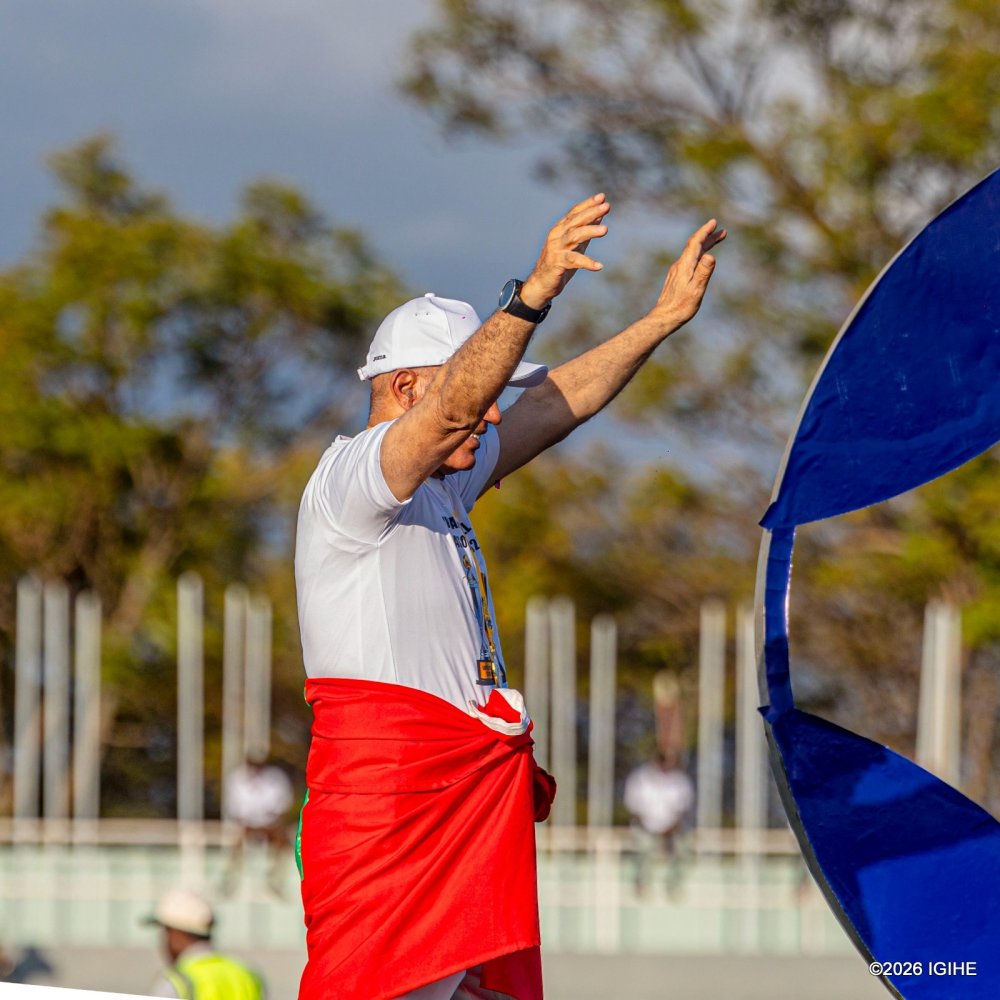
Speaking during the celebrations, APR FC Honorary Chairman and Chief of Defence Staff, Gen Mubarakh Muganga, said the club’s ambitions remain unchanged despite its recent success.
“Now the trophies are going to keep coming; others should be prepared. APR will always compete for trophies and in large numbers. Winning trophies is what makes us happy, and we will continue striving for more,” he said.
The celebrations followed APR FC’s 2-0 victory over Gicumbi FC at Kigali Pele Stadium, where the champions were officially presented with their 24th league title since joining the top flight in 1995.
Goals from William Mel Togui and league top scorer Djibril Ouattara sealed the win, providing a fitting conclusion to another successful campaign.
Ouattara, who finished the season with 18 league goals, added to his impressive tally with a second-half header, while Togui opened the scoring in the first half from a tight angle.
APR supporters also welcomed the sight of Andrew Buteera carrying the newly designed Rwanda Premier League trophy onto the pitch before the presentation ceremony. Buteera has now won seven league titles with APR FC, matching the club’s remarkable streak of seven consecutive championships.
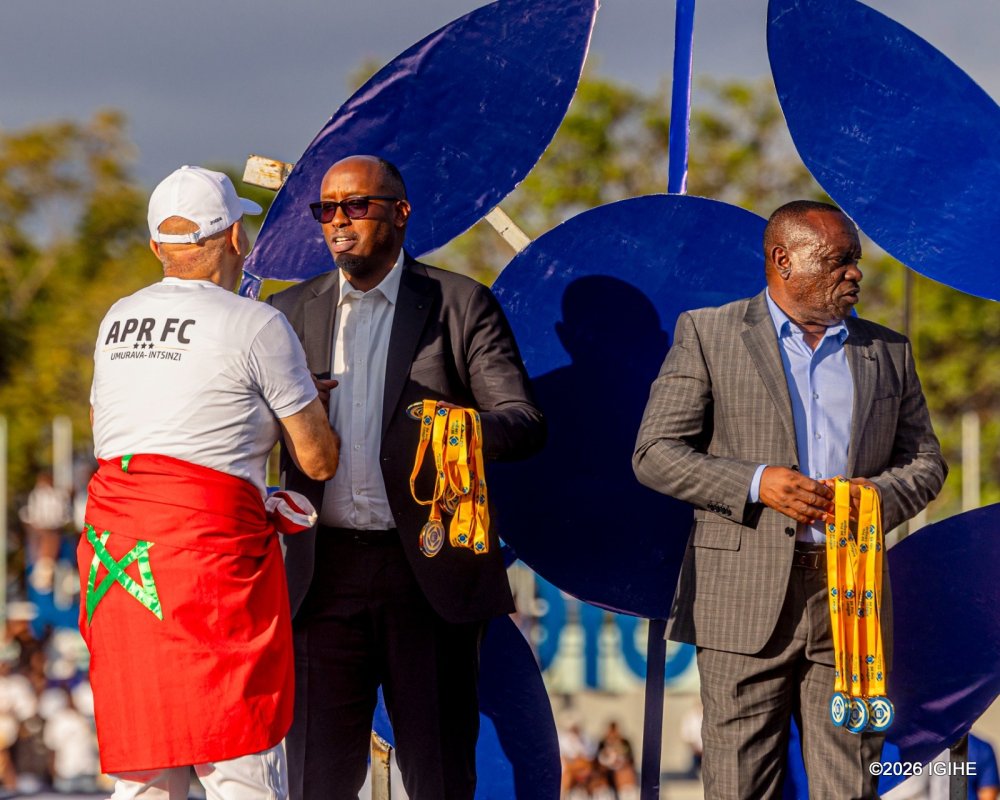
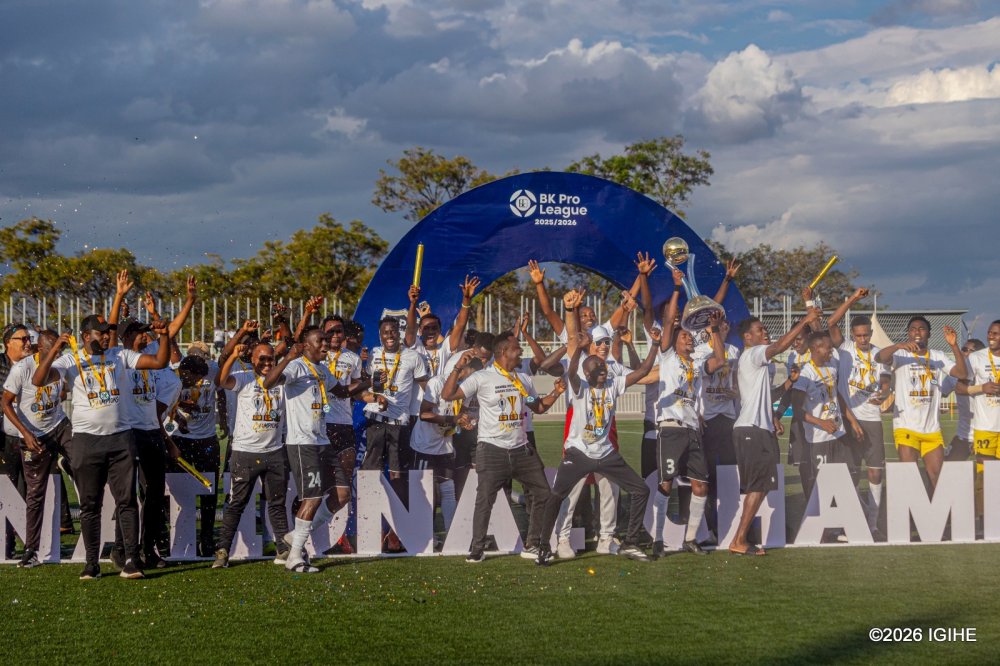
Club captain Claude Niyomugabo received the trophy from FERWAFA President Fabrice Shema Ngoga and Rwanda Premier League Chairman Youssouf Mudaheranwa before lifting it alongside teammates and club officials in front of jubilant supporters.
The celebrations later moved to the Senior Officers’ Mess in Kimihurura, where military leadership hosted players, coaches and fans in recognition of a season that delivered three trophies.
During the event, Gen Muganga outlined the club’s next objectives, including winning the 2026 CECAFA Kagame Cup, which will be hosted in Rwanda from July 18 to August 8.
He also expressed a desire to see President Paul Kagame return to watch APR FC matches and proposed free entry for children aged 15 and below at all APR FC home games, provided they wear the club’s colours.
APR FC management rewarded players and members of the technical staff with cash bonuses in appreciation of their achievements throughout the season.
Supporters’ group APR Diaspora Fan Club also recognized the club’s standout performers, awarding Rwf500,000 each to top scorer Djibril Ouattara and defender Jean Gilbert Byiringiro for their contributions during the campaign.
Having completed a domestic treble and extended their record league-winning streak, APR FC now turns its attention to regional competition as it seeks to add more silverware to an already memorable season.
Defender Clément Niyigena poses for a photo with fans after the match.Niyigena, whose contract with APR FC expires this season, was among the club’s standout performers and has reportedly attracted interest from Sudanese giants Al-Hilal SC.
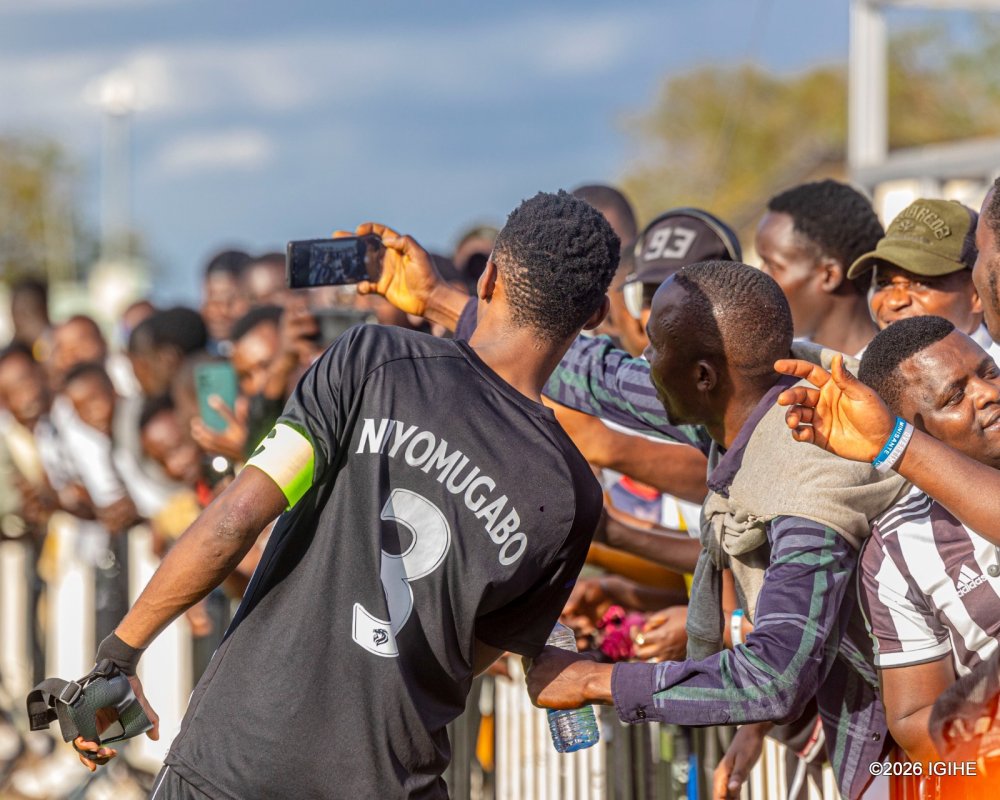
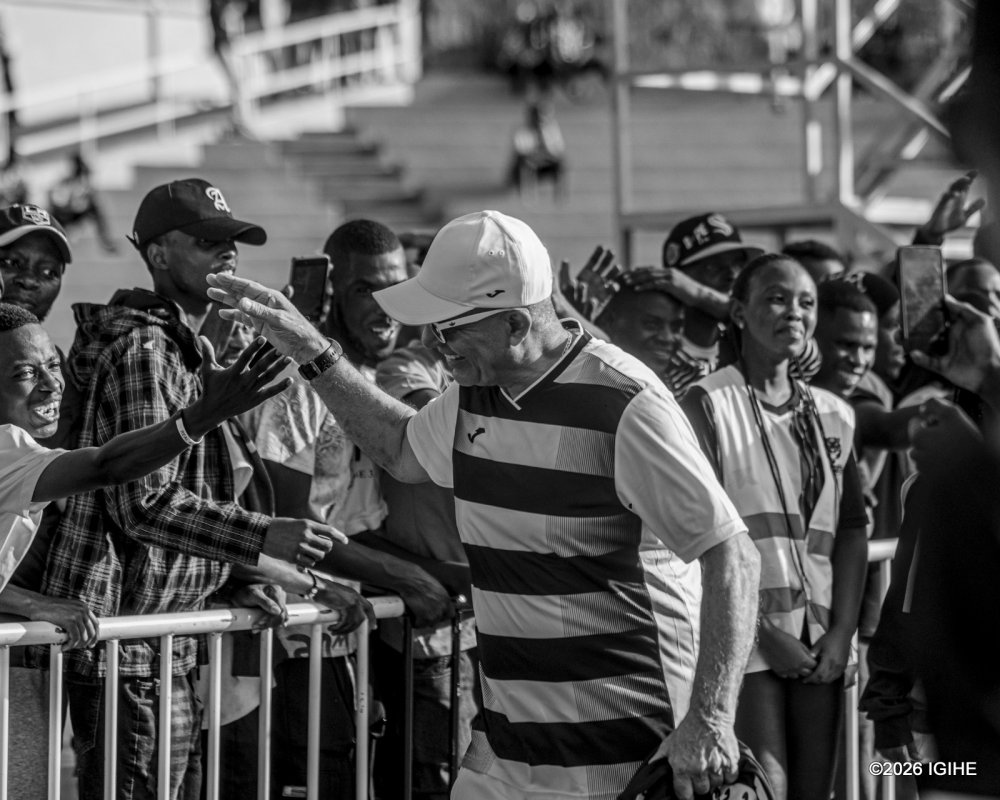
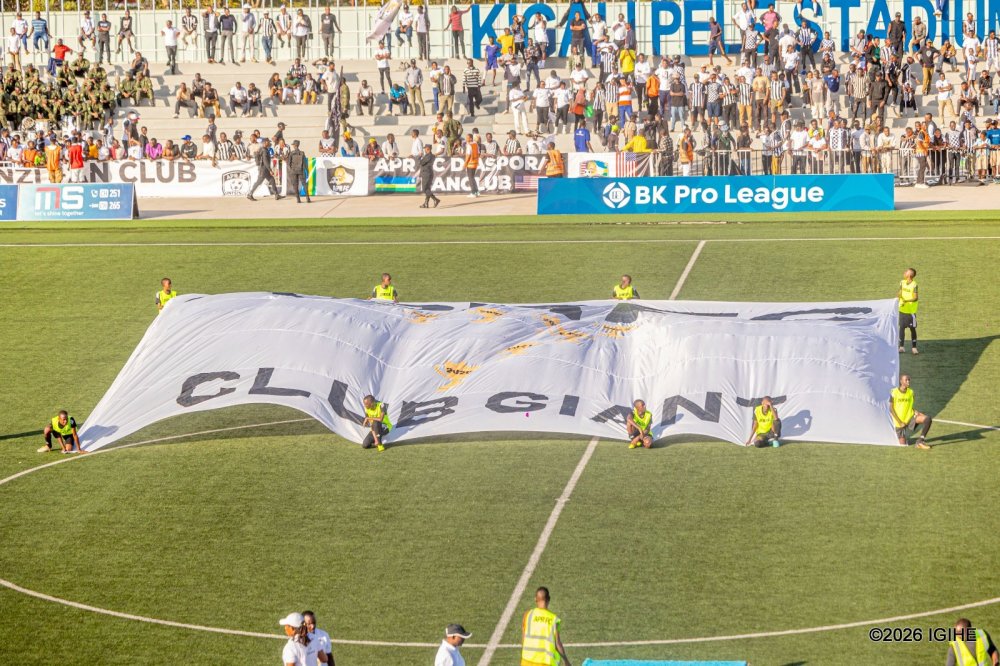
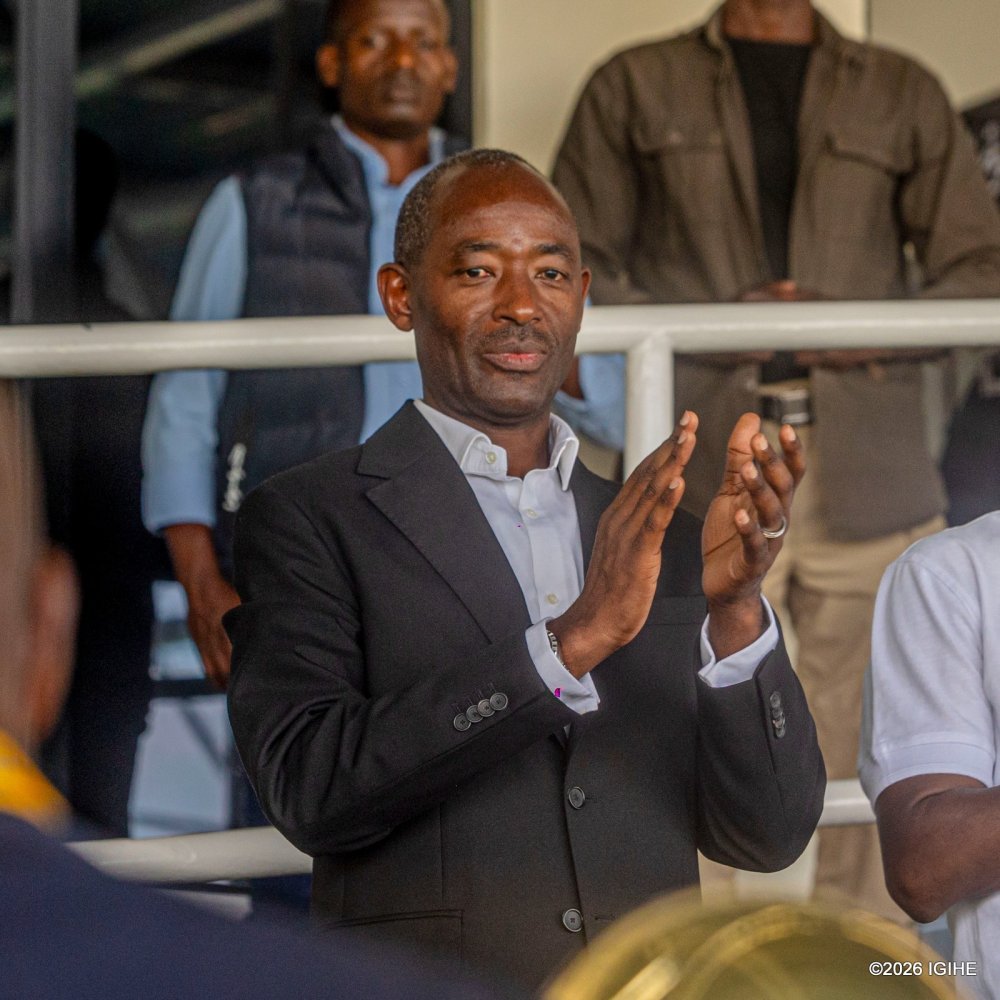
APR FC head coach Abderrahim Taleb made his way around the entire stadium, greeting supporters following the match.An APR FC supporter takes a selfie with the club’s captain, Claude Niyomugabo.Moroccan coach Abderrahim Taleb has completed one year in charge of APR FC.It was a joyful moment for APR FC fans, who had the opportunity to take photos with the players.APR FC supporters’ spokesperson Mugisha Frank, also known as “Jangwani,” hands a microphone to a young fan of the club.After the match, a large banner reading “Club Giant” was displayed at the center of the pitch, symbolizing APR FC’s status as a football powerhouse.Mauritanian striker Mamadou Sy also requested a camera and took photos himself.A visibly delighted coach Taleb paused to pose for photographs.APR FC coaching staff pose for a group photograph.Iraguha Hadji (center, front) and Ishimwe Abdul (rear) celebrate winning the league title for the first time in their careers.Rwanda Defence Force Chief of Defence Staff and APR FC Honorary Chairman Gen Mubarakh Muganga applauds the team.APR FC Secretary General Col (Rtd) Vincent Mugisha, Rwanda Defence Force Chief of Defence Staff Gen Mubarakh Muganga, Land Forces Chief Maj Gen Vincent Nyakarundi, and Reserve Force Chief Maj Gen Alex Kagame jointly lift the Rwanda Premier League trophy won by APR FC.
APR FC players and coaching staff celebrate winning the league title.
Concluding on Sunday, the four-day expo brought together more than 700 exhibitors, showcasing cutting-edge technologies, products and application scenarios in the field of artificial intelligence (AI).
Industry insiders at the venue said AI is accelerating its integration into education, public services, manufacturing and daily life, improving efficiency in traditional industries while creating new business models and growth opportunities.
At the booth of iFLYTEK Co., Ltd., a leading Chinese AI company specializing in intelligent speech and AI technologies, a smart blackboard named iFLYTEK AI Board drew widespread attention.
Combining a traditional chalkboard with an electronic display, the device digitizes handwritten equations the moment they are written, turning abstract mathematical concepts into vivid visual representations.
Similar AI-powered applications are already making their way into classrooms.
During a physical education class at Tianjin Second Xinhua High School, students squat, jump and land in response to instructions from an electronic announcer. Their jump distances are instantly broadcast by a voice system and uploaded in real time to the teacher’s device, enabling immediate analysis of physical performance and fitness indicators.
“AI is transforming education in unprecedented ways,” said Dong Bin, deputy general manager of the brand marketing center at iFLYTEK.
“It frees teachers from repetitive tasks so they can focus on educational research, while helping students spend less time on excessive drills and concentrate on meaningful self-improvement.”
According to the company, iFLYTEK has provided smart education products and solutions to more than 50,000 schools across China, benefiting over 130 million teachers and students.
In the expo’s embodied intelligence zone, robots of various types demonstrated their capabilities in real-life scenarios, including cooking, massage services, vehicle refueling and musical performances.
Among them was the Aimoga Smart Police Robot, a wheeled traffic-police robot that waved its arms with the precision of a seasoned officer while demonstrating its ability to direct traffic in real-world conditions.
The robot has already been deployed in several Chinese cities, including Hefei, Wuhu and Changzhou, serving as an intelligent assistant to traffic police officers.
“Equipped with lidar and 360-degree cameras, the robot is capable of autonomous navigation, environmental perception and human-machine interaction,” said Chen Gaoyuan, a staff member at AiMOGA Robotics Technology Co., Ltd.
“It can assist with traffic direction and road patrols, and help discourage traffic violations, while also taking on repetitive and labor-intensive tasks during major events and holiday traffic peaks,” Chen added.
Focusing on the development and commercial application of embodied intelligent robots, the company is accelerating the transition of robotics from technology demonstrations to real-world deployment.
Its humanoid robots, traffic-police robots and medical-service robots have been exported to more than 50 countries and regions, finding applications in automobile dealerships, exhibition halls, public-service venues, hospitals and traffic management.
Such popularity is also evident at the nearby booth of PaXini Technology. Specializing in multidimensional tactile-sensing technology and humanoid robot development, the company has already deployed its products on a large scale in precision manufacturing, automotive production lines and medical rehabilitation.
Its TORA-series humanoid robots can perform a wide range of tasks, including food preparation and delivery, coffee making, table cleaning, household tasks and other service functions, said Lin Tong, a senior executive at PaXini Technology (Tianjin) Co., Ltd.
Lin added that the company has established partnerships with several leading international firms, with its products and solutions serving markets across North America, Europe and Asia-Pacific.
“China’s embodied intelligence industry enjoys clear advantages in deployment speed, scenario diversity and supply-chain coordination,” Lin said.
“With the world’s richest manufacturing scenarios, comprehensive supply chains and extensive robot application environments, China provides a natural real-world training ground for embodied intelligence,” Lin added.
Behind these increasingly rich application scenarios lies sustained policy support.
China issued a new generation AI development plan as early as 2017, and unveiled guidelines on further implementing the “AI Plus” initiative last year. The country’s 15th Five-Year Plan (2026-2030) also calls for fully implementing the initiative to foster AI-driven development, fueling the burgeoning growth of its AI innovations.
According to the National Data Administration, China has become the world’s largest holder of AI patents, accounting for about 60 percent of the global total, while the scale of its core AI industry has exceeded 1.2 trillion yuan (about 176 billion U.S. dollars).
“AI is accelerating its deep integration with a wide range of industries, upgrading traditional sectors, and driving breakthroughs in productivity and efficiency,” said Chen Jiachang, vice minister of China’s Ministry of Science and Technology.
Chen expects technologies such as embodied intelligence, brain-inspired AI and brain-computer interfaces to create new growth areas and business models, heralding China’s leap toward an AI powerhouse.
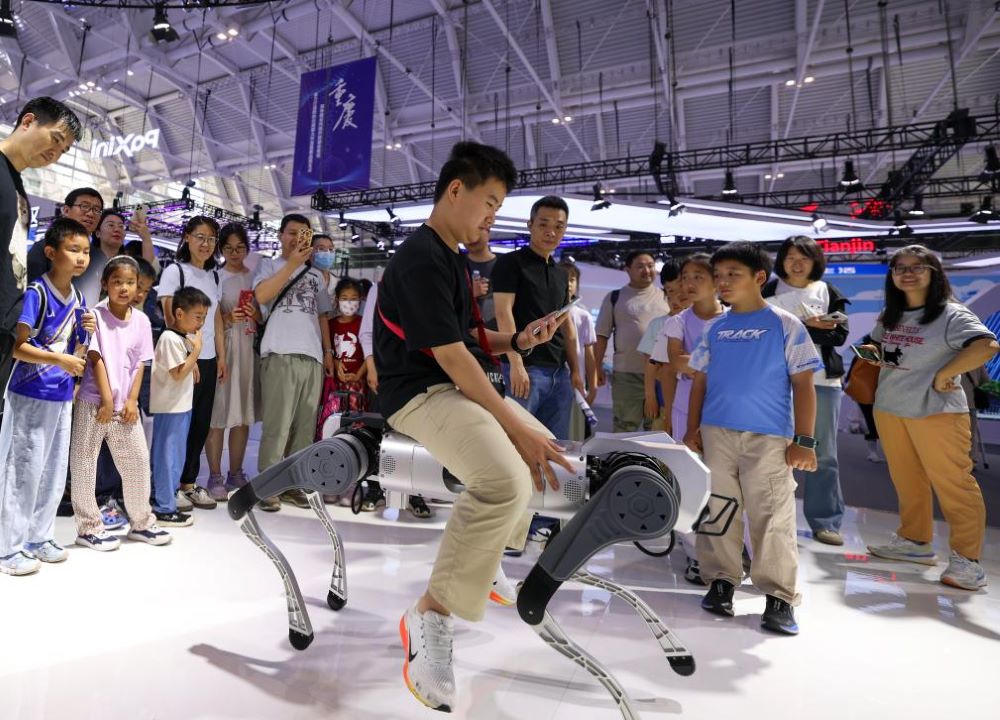
A visitor tries the load-bearing capability of a quadruped robot at the World Intelligence Expo 2026 in Tianjin, north China, May 30, 2026. (Xinhua/Sun Fanyue)
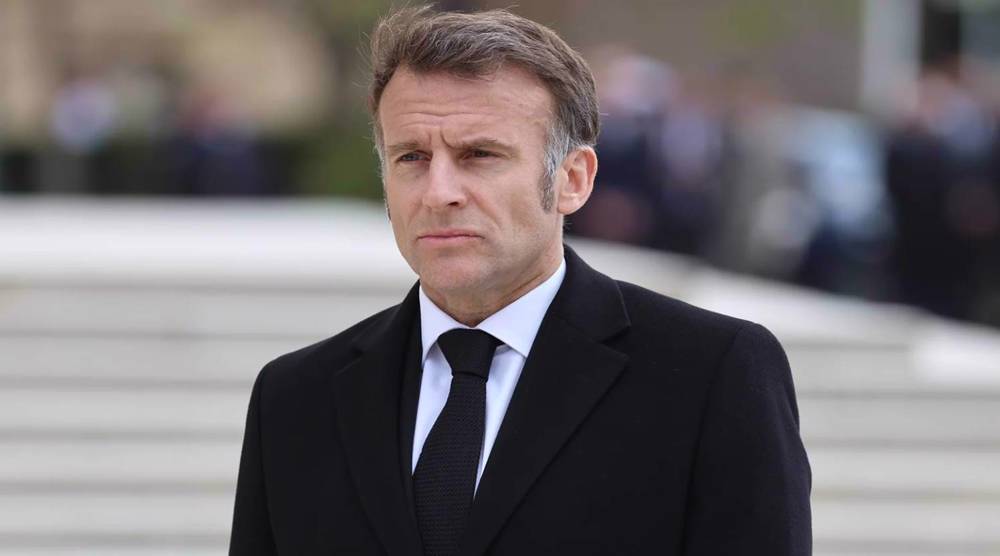
Macron said on social media that he has spoken with Saudi Arabia’s Crown Prince and Prime Minister Mohammed bin Salman bin Abdulaziz Al Saud, Oman’s Sultan Haitham bin Tariq, United Arab Emirates President Sheikh Mohamed bin Zayed Al Nahyan and Egyptian President Abdel-Fattah al-Sisi.
He said he delivers the same message to all these leaders, stressing that it is essential for the United States and Iran to reach an agreement quickly.
According to Macron, the priority is to secure a ceasefire and reopen the Strait of Hormuz without any conditions and in accordance with international law. Discussions should then continue with a view to reaching a comprehensive and robust agreement on other issues, particularly Iran’s nuclear and ballistic missile programs and regional stability.
Macron said France stands ready to play its part, including through a multinational initiative jointly led with Britain to help safeguard maritime traffic through the Strait of Hormuz.
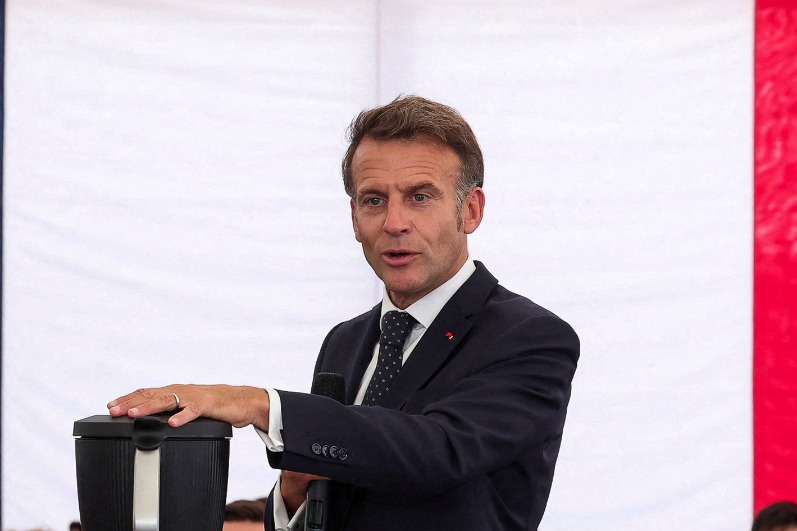
Macron said regional stability must begin with Lebanon and called on all parties to cease hostilities. He added that France will continue supporting Lebanon’s efforts to restore state sovereignty and territorial integrity.
According to Lebanon’s Public Health Emergency Operations Center, an Israeli airstrike on Sunday struck an area adjacent to Hiram Hospital in the southern city of Tyre, injuring 13 hospital staff members and causing extensive damage to the facility.
Macron said regional stability must begin with Lebanon and called on all parties to cease hostilities. He added that France will continue supporting Lebanon’s efforts to restore state sovereignty and territorial integrity.