“The Russian Embassy in France has demanded that Paris provide full details of the circumstances surrounding the detention and is taking comprehensive steps to protect the Russian nationals among the crew,” she said, calling the detention another example of European legal nihilism and the rewriting of international legal norms to suit themselves.
The French authorities misinterpreted Article 110 of the 1982 United Nations Convention on the Law of the Sea, which allows a warship to inspect a foreign ship in international waters if it is stateless, but does not authorize its escort to the port of the warship’s state, she said.
On May 31, a French warship stopped Tagor 400 km from the French coastline in international waters, alleging that the vessel was sailing from Russia’s Murmansk under a false flag.
France’s actions in detaining the Russian vessel Tagor violate international law, and Moscow demands that Paris provide full information about its move, Russian Foreign Ministry spokeswoman Maria Zakharova said on Tuesday.
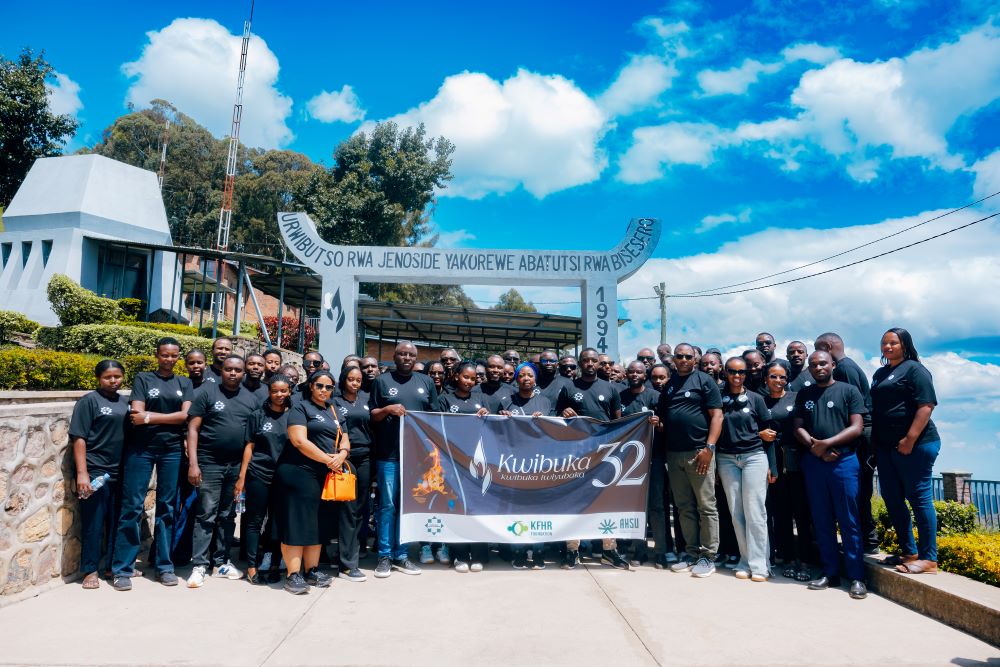
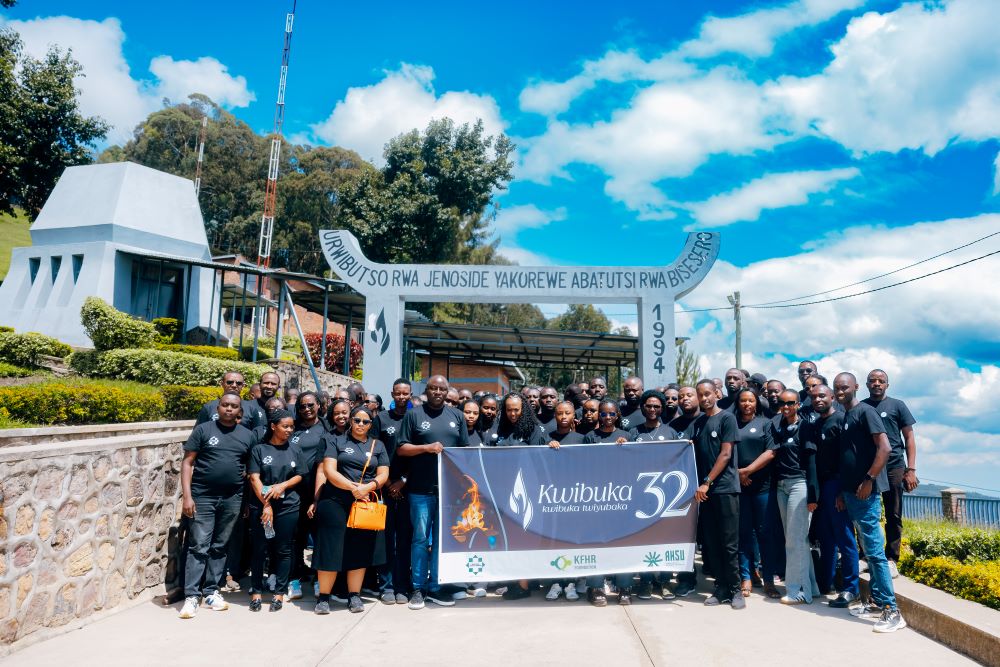
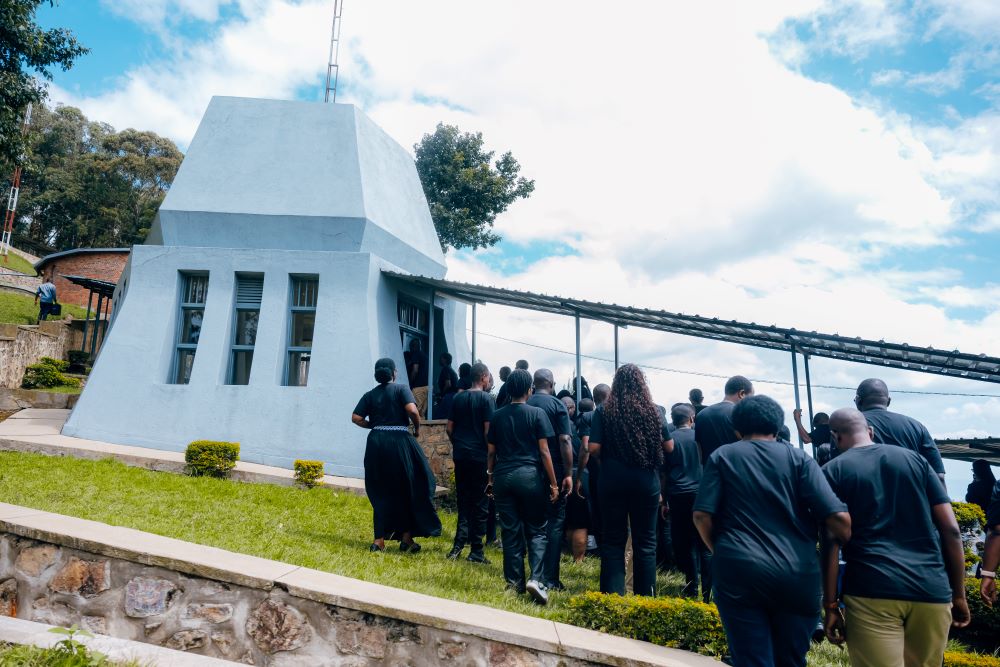
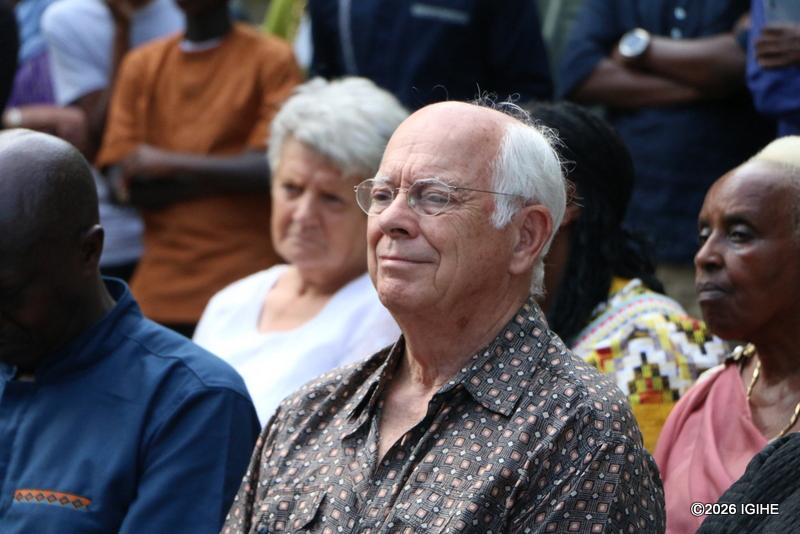
The visit brought together members of the broader King Faisal family of institutions, reflecting a shared commitment to remembrance, unity, and the preservation of Rwanda’s history for future generations.
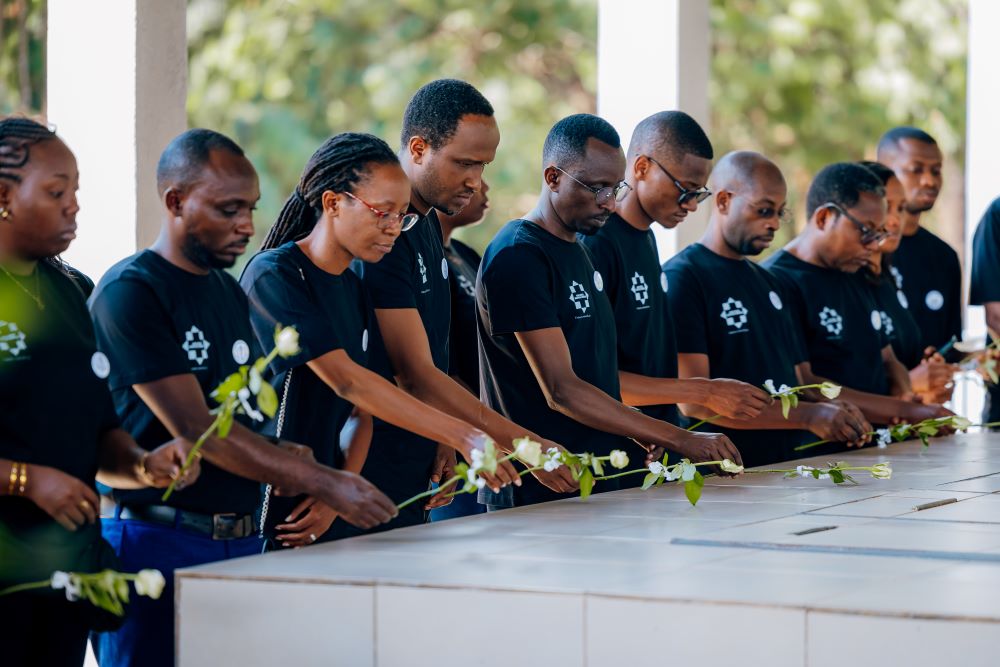
The visit, organized as part of the ongoing Kwibuka 32 commemoration activities, marked a significant milestone, as employees from the three institutions had jointly participated in a memorial activity of this nature.
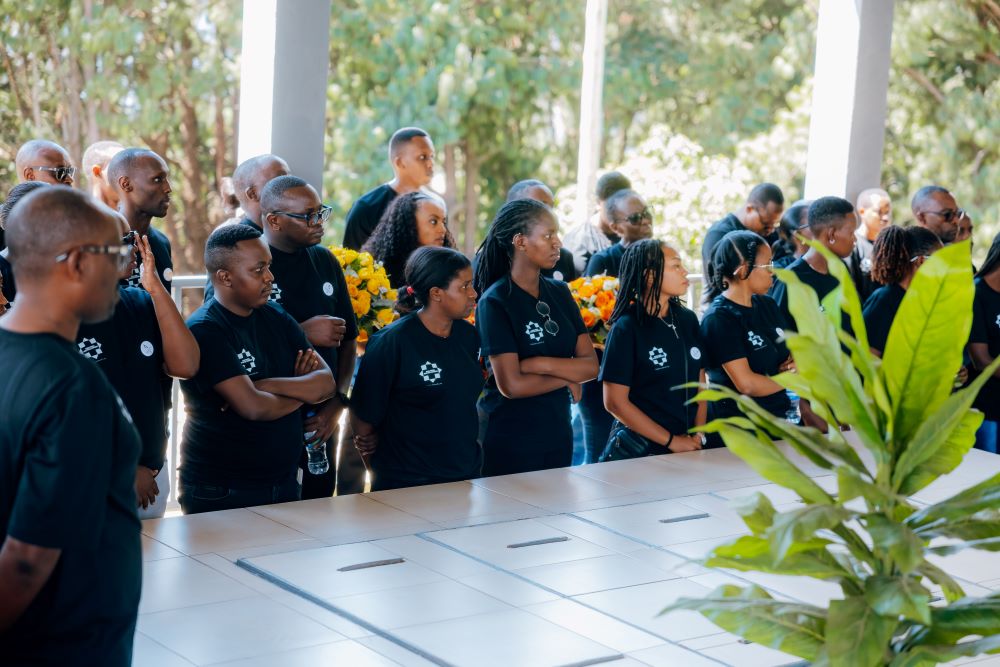
The initiative brought together staff members from different generations and professional backgrounds, reinforcing a shared commitment to remembrance, unity, and the prevention of genocide.
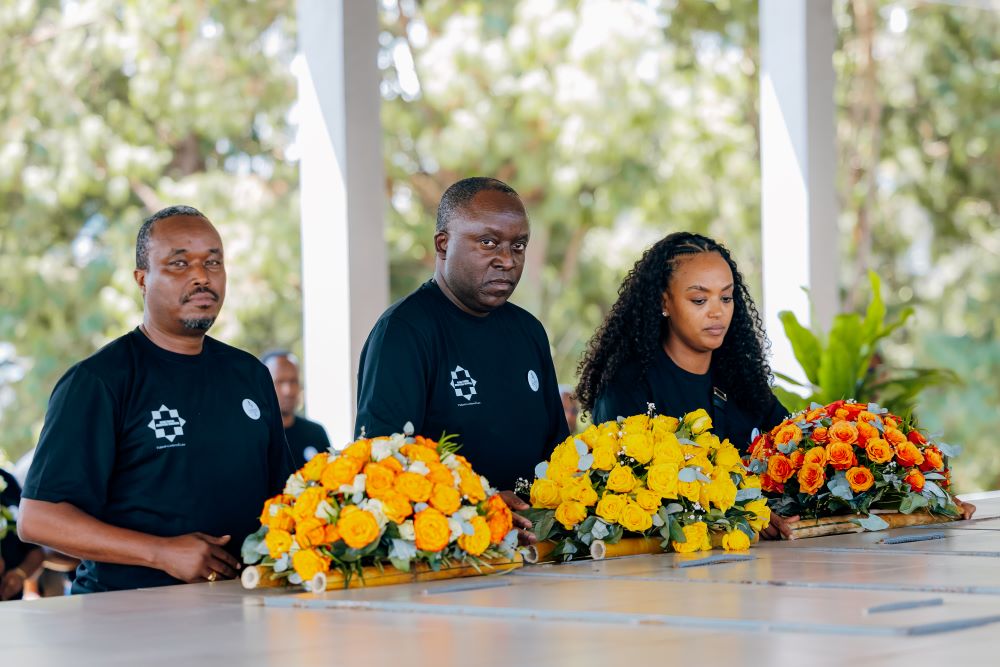
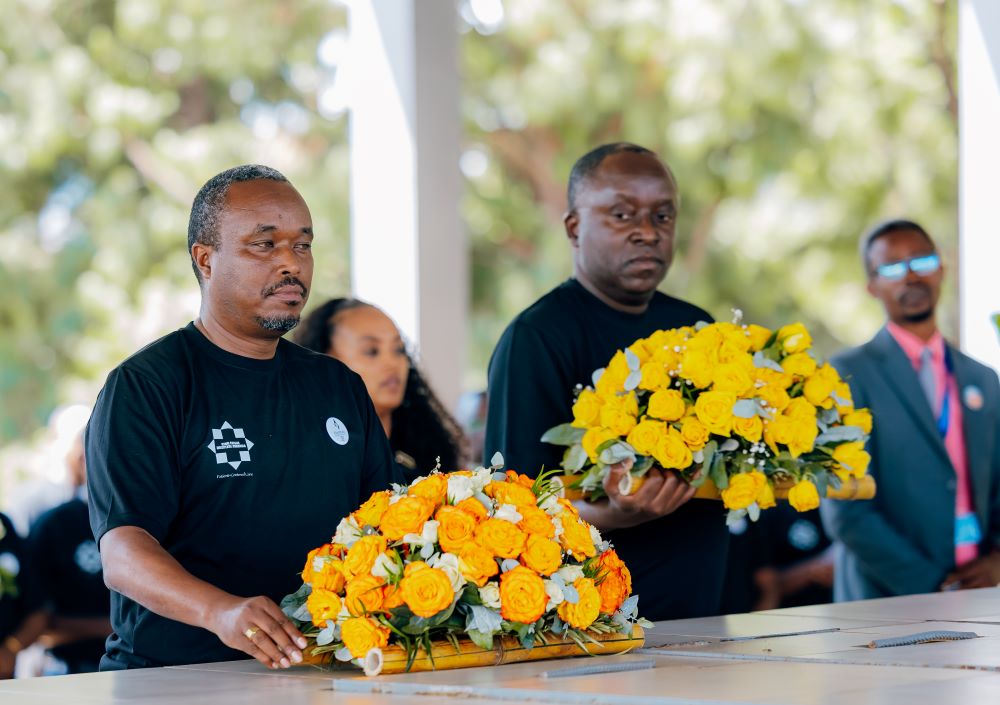
While King Faisal Hospital Rwanda has consistently participated in genocide commemoration activities over the years, this year’s visit marked a significant milestone as it brought together staff from KFH, the KFH Foundation, and AHSU, reflecting the shared values that unite the King Faisal family of institutions.
Their participation underscored a collective commitment to remembrance, education, healing, and nation-building while honoring the victims of the 1994 Genocide Against the Tutsi.
Why the visit matters
The Bisesero Genocide Memorial Site stands as one of Rwanda’s most important historical landmarks, preserving the memory of thousands of victims who were killed during the 1994 Genocide Against the Tutsi.
It serves not only as a place of mourning and remembrance but also as a center for education and reflection on the devastating consequences of hatred, division, and poor leadership.
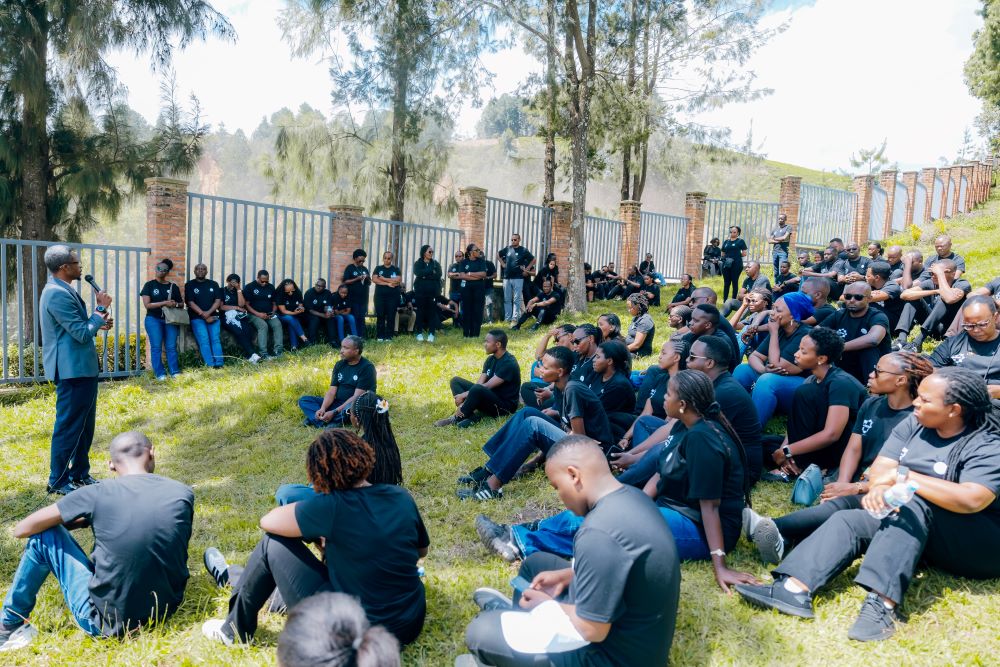
During the visit, participants toured various sections of the memorial and historical accounts and engaged in discussions about the importance of preserving collective memory and promoting peace.
Honoring victims and learning from history
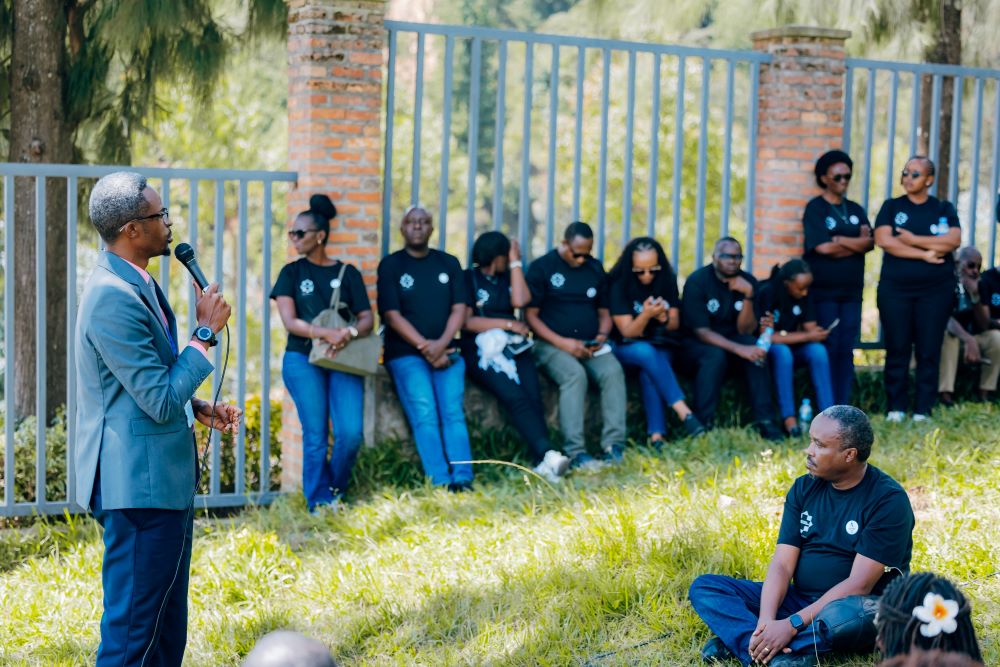
Speaking during the visit, King Faisal Hospital Rwanda’s Deputy Chief Executive Officer, Mr. Frederic Ngirabacu, paid tribute to all Rwandans affected by the Genocide Against the Tutsi and expressed appreciation to the Government of Rwanda for preserving memorial sites that safeguard the country’s history for current and future generations.
He emphasized that memorials are more than historical landmarks; they are living testimonies and tangible evidence of what occurred during one of the darkest periods in Rwanda’s history.
“It is important that history is never forgotten,” he said. “Our purpose for coming here is not only to honor the victims but also to ensure that such atrocities never happen again. We have a responsibility to ourselves and to future generations to continue learning, healing, and transmitting these lessons.”
Mr. Ngirabacu also recognized the courage and sacrifice of those who stopped the genocide, noting that the tragedy ended because Rwandans took responsibility and stood against the perpetrators.
“We must not only remember the victims, but also appreciate those who stopped the genocide. We honor both those who are still living and those who have passed away. Peace and freedom do not come by chance or by miracle; they are achieved through courage, sacrifice, and responsible leadership,” he stated.
Lessons on leadership and responsibility
A key message highlighted during the visit was the role leadership plays in shaping society. Participants reflected on how destructive leadership and extremist ideologies contributed to the genocide, while responsible and courageous leadership helped restore peace and rebuild the nation.
The visit served as a reminder that understanding history is essential to preventing future atrocities and fostering values of unity, inclusion, accountability, and respect for human dignity.
The role of youth in preserving memory
Mr. Ngirabacu further stressed the critical role of young people in ensuring that the history and lessons of the Genocide Against the Tutsi remain alive.
He noted that many of the perpetrators and organizers of the genocide were young people who had been influenced by divisive ideologies, while many young people also played a vital role in stopping the killings and rebuilding the country.
“Young people are at the center of both the present and the future of every nation,” he said. “Many of today’s youth were born after the genocide and did not experience it firsthand. It is therefore our responsibility to educate them, share these lessons, and ensure they understand the consequences of hatred and the importance of protecting humanity.”
A shared commitment to ‘Never Again’
The joint visit by KFH, the KFH Foundation, and AHSU demonstrated the institutions’ collective commitment to remembrance, healing, and education.
By coming together at Bisesero, participants reaffirmed their dedication to preserving the memory of the victims, honoring the heroes who stopped the genocide, and promoting a future founded on unity, peace, and responsible citizenship.
As Rwanda continues its journey of remembrance and resilience, such initiatives remain vital in ensuring that the lessons of the past are passed on to future generations and that the pledge of “Never Again” remains a living commitment for all.
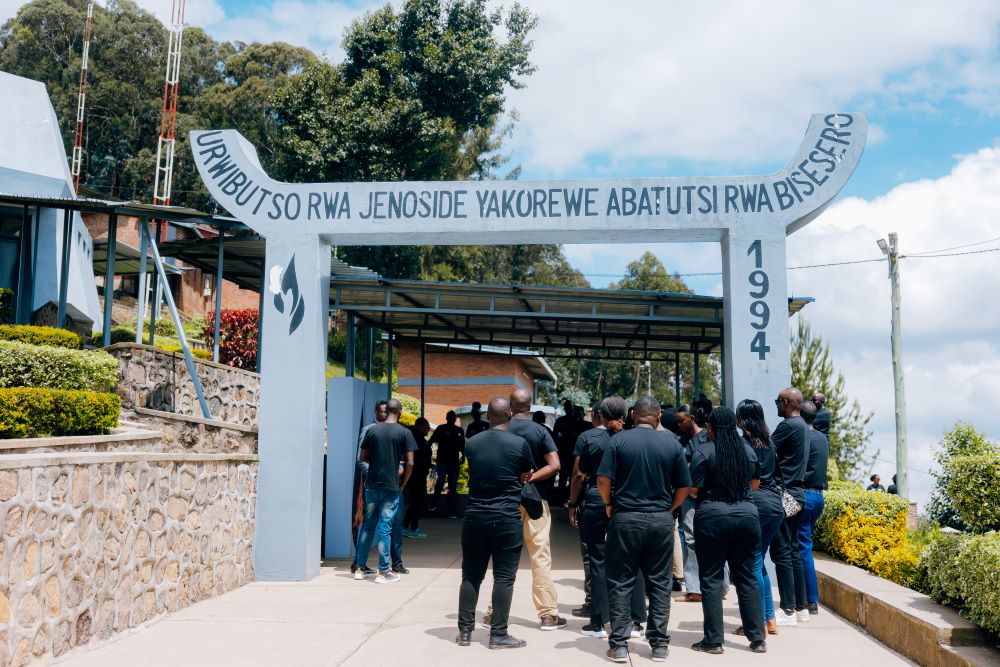
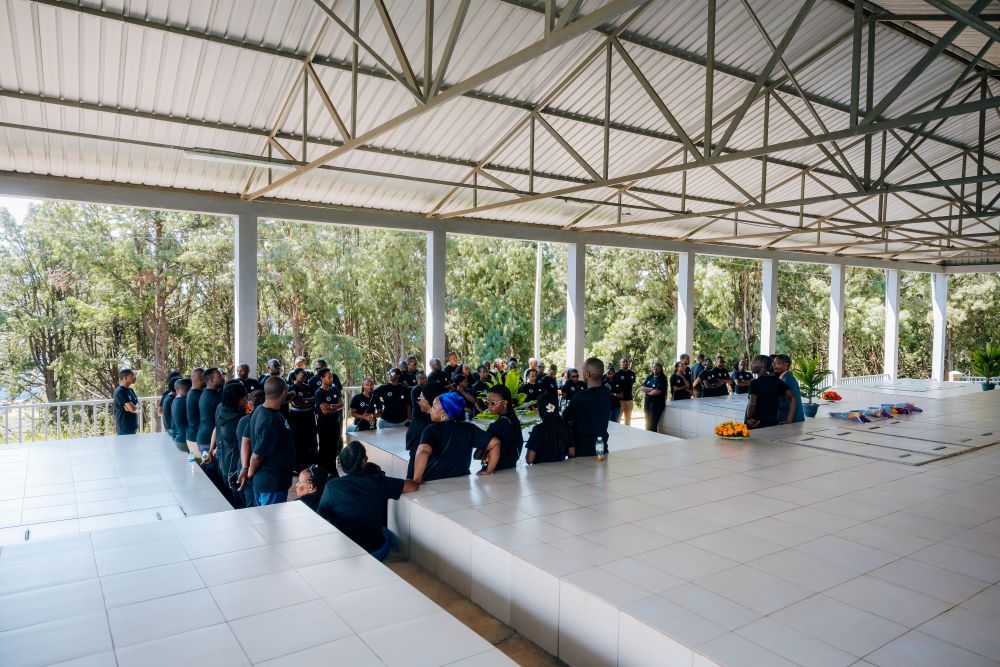
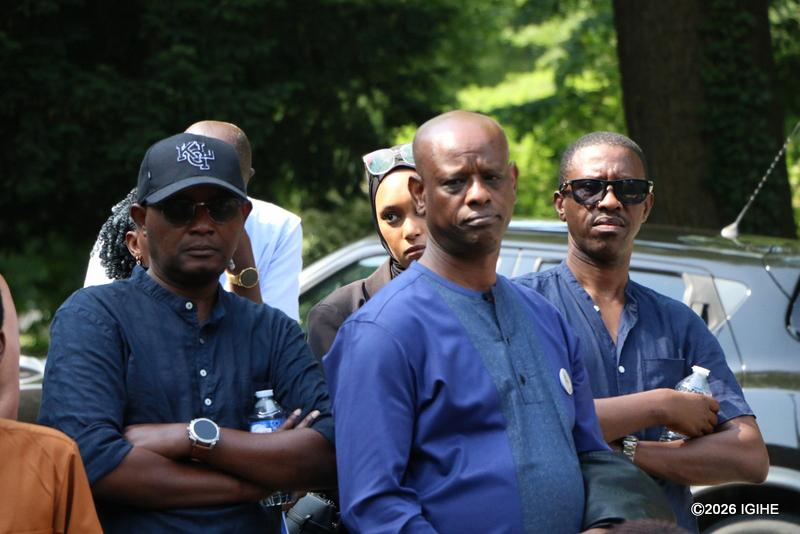
Participants toured the Bisesero Genocide Memorial and reflected on lessons from Rwanda’s history. Employees from the King Faisal family of institutions paid tribute to victims of Genocide against the Tutsi during a commemorative visit to Bisesero.The delegation reflected on the importance of preserving collective memory for future generations.The visit served as a reminder of the devastating consequences of hatred and division. The Bisesero memorial visit brought together professionals from different generations and backgrounds.The visit to Bisesero brought together staff from three institutions in a shared act of remembrance and reflection.Staff from King Faisal Hospital Rwanda (KFHR), the King Faisal Hospital Rwanda Foundation (KFHRF), and the African Health Sciences University (AHSU) also laid wreaths at mass graves of the memorial. The joint visit highlighted the King Faisal institutions’ collective pledge of ‘Never Again’.Staff from King Faisal Hospital Rwanda, the KFH Foundation and AHSU have visited Bisesero Genocide Memorial to honor victims of the 1994 Genocide against the Tutsi. Bisesero Genocide Memorial is located in Karongi District. Staff members gathered at Bisesero to reaffirm their commitment to unity, remembrance and peace.The memorial visit formed part of Kwibuka 32 activities aimed at preserving the memory of genocide victims.
In a statement following the publication of the award by the Permanent Court of Arbitration (PCA) on June 1, Government Spokesperson Yolande Makolo said Rwanda respects the tribunal’s decision and considers the matter closed.
“While Rwanda respects the Tribunal’s award and considers the matter concluded, we note that the dissenting and separate opinion by Professor Mohamed Abdel Wahab shows that the issues before the Tribunal were complex and open to different legal conclusions, including that the November 2024 exchanges relied on by the UK did not validly change the financial arrangements between the two countries,” Makolo said.
She added that Rwanda would continue to engage constructively with international partners in accordance with international norms and the principles of mutually beneficial cooperation.
The arbitration stemmed from a dispute over the Asylum Partnership Agreement signed between Rwanda and the United Kingdom. Rwanda argued that the UK had failed to honour financial and other obligations after the new British government abandoned the migration partnership in 2024.
At the heart of the dispute was Rwanda’s position that it remained entitled to a £50 million payment due in April 2025 under financial arrangements agreed between the two countries in June 2024. Rwanda also sought compensation related to other obligations under the agreement.
However, in an award issued on May 15, 2026, the three-member tribunal rejected Rwanda’s claims. By majority, the tribunal dismissed Rwanda’s request for the £50 million Year 2 payment, while unanimously rejecting claims relating to Year 3 funding, alleged breaches of Articles 18 and 19 of the agreement, and requests for compensation. The tribunal also ruled that each party should bear its own legal costs and share arbitration expenses equally.
Yet the decision was not unanimous on every point.
Professor Mohamed Abdel Wahab, one of the tribunal’s members, issued a
dissenting and separate opinion arguing that Rwanda’s central claim regarding the Year 2 payment should have succeeded.
According to Abdel Wahab, the November 2024 diplomatic exchanges cited by the UK did not constitute a legally binding amendment to the financial arrangements because the mutual consent required under international treaty law was absent. He concluded that the £50 million payment for Year 2 “remains due and payable to Rwanda.”
The dissent has attracted attention because it underscores that the dispute involved contested legal interpretations rather than a straightforward rejection of Rwanda’s position.
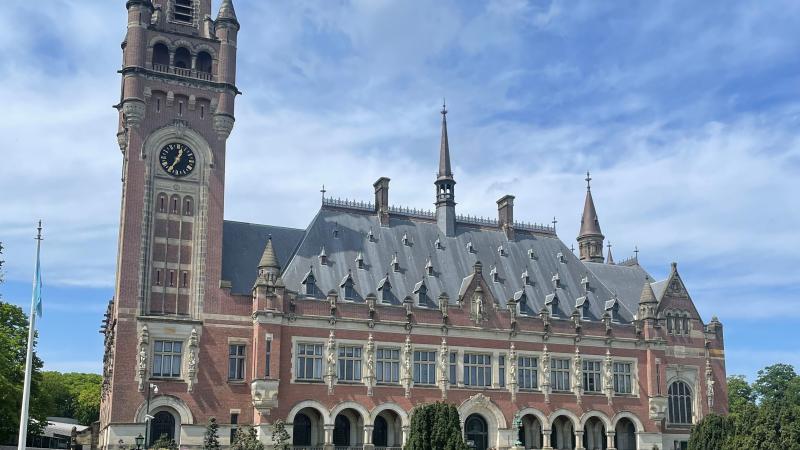
The tribunal’s findings contrast with arguments presented by Rwanda during hearings held at the Peace Palace in The Hague in March.
Appearing before the tribunal, Minister of Justice and Attorney General Dr. Emmanuel Ugirashebuja argued that Rwanda had fulfilled its obligations under the Migration and Economic Development Partnership (MEDP) and had acted in good faith throughout the process.
Rwanda maintained that it undertook significant legal and institutional reforms to implement the agreement, including constitutional amendments, new legislation, the establishment of an appeals mechanism, and the development of reception facilities for migrants and asylum seekers.
The government also stressed Rwanda’s broader record on refugee protection. During the hearings, Dr. Ugirashebuja highlighted that Rwanda hosts more than 130,000 refugees and asylum seekers and has welcomed displaced people from countries including the Democratic Republic of Congo, Burundi, Afghanistan, Libya and Sudan.
He argued that Rwanda’s approach is rooted in its own history of displacement and a belief that refugees can contribute economically and socially when given opportunities for integration.
Rwanda further contended that the UK failed to properly honour commitments made under the partnership after the election of Prime Minister Keir Starmer’s government, which quickly moved to abandon the controversial “Rwanda scheme.”
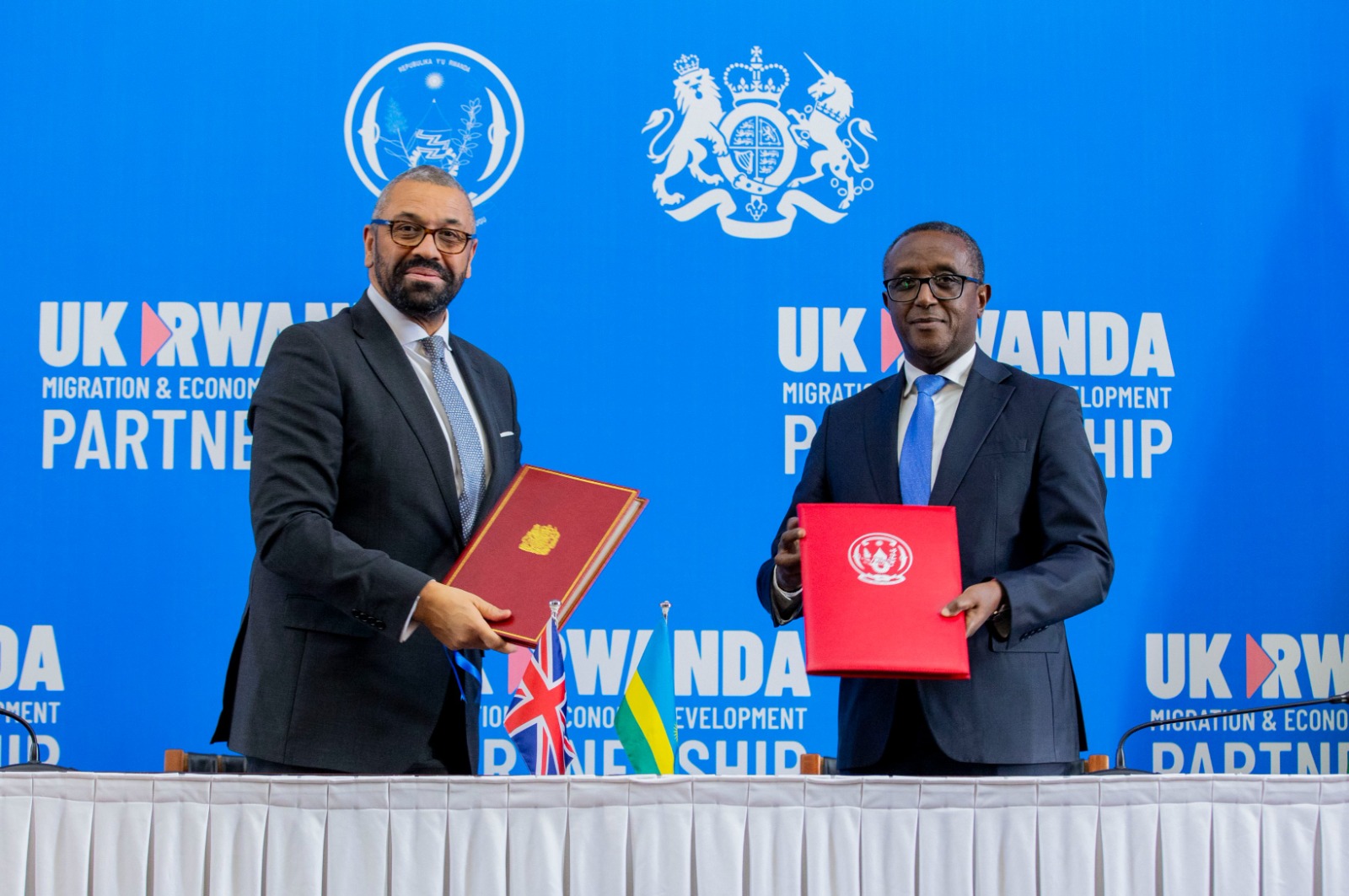
Rwanda has acknowledged an international arbitration ruling that rejected its claims against the United Kingdom over their abandoned asylum partnership, while emphasising that a dissenting opinion from one of the tribunal’s arbitrators demonstrates that Kigali’s position rested on credible legal foundations.The Migration and Economic Development Partnership between Rwanda and UK had been signed in April 2022, before unilateral cancellation.
Building on the support of long- standing institutional partners such as FEDA, Spiro’s latest equity round draws global capital from Europe and Africa, confirming growing global confidence in scalable infrastructure-led business models across emerging markets.
Following years of optimization across its product portfolio, technology and energy ecosystem, Spiro has moved past the proof-of-concept phase and stands ready to execute its next chapter of pan-African expansion.
This investment will support the expansion of Spiro’s battery- swapping network, strengthen its industrial and assembly footprint, accelerate technology development and support the company’s entry into new high-growth African markets.
Global investors back Africa’s fast-growing mobility and energy transition
As Africa’s urban population and mobility needs continue to surge, electric vehicles and battery-swapping ecosystems are rapidly emerging as one of the continent’s most promising infrastructure and energy investment opportunities.
Reducing dependence on imported fuel, strengthening energy and industrial sovereignty and modernizing urban transport systems are becoming strategic priorities across the continent, positioning EV infrastructure as a key pillar of Africa’s economic resilience and industrial development.
Driven by rising fuel costs, increasing demand for affordable transportation and growing policy support for clean energy solutions, investors are increasingly backing scalable EV platforms capable of supporting Africa’s next phase of urban and industrial growth.
For riders, the economic impact is immediate as operating a Spiro electric vehicle can reduce daily mobility costs by up to 40%, generating savings of up to $2 per day compared to fossil- fuel motorcycles.
A recent third-party verified lifecycle assessment of Spiro’s operations in Kenya found that the company’s electric motorcycles reduce climate impact by 72% compared to fossil-fuel bikes, preventing an estimated 19 tonnes of CO₂ emissions over a vehicle’s lifetime.
The study also recorded an 80% reduction in ozone depletion potential and a 20% decrease in particulate matter emissions, highlighting the potential of electric mobility to improve air quality and reduce public health risks in rapidly growing African cities.
Spiro’s industrial footprint includes flagship manufacturing plants in countries including Kenya, Rwanda and Uganda.
Powering Africa’s mobility revolution at scale
With operations across 7 African markets (Kenya, Rwanda, Uganda, Togo, Benin, Nigeria, Cameroon) and further plans to expand local production and enter new markets such as DRC and Ethiopia, Spiro is building one of Africa’s most advanced EV and battery-swapping ecosystems.
Spiro’s industrial footprint includes flagship manufacturing plants in Kenya, Rwanda and Uganda, alongside a state-of-the-art battery recycling facility in Nigeria.
Combining locally adapted vehicle design, affordable battery-swapping infrastructure and integrated maintenance ecosystems, Spiro is making electric mobility commercially viable at scale for African riders.
Spiro’s technology platform is supported by its R&D center, 150+ engineers and 30+ proprietary patents.
The company is actively expanding beyond urban transport into a distributed clean-energy utility network that supports national renewable energy goals while reducing dependence on imported fossil fuels.
Its innovations include IoT-enabled, solar- powered swap stations, alongside secondary-life battery applications designed for stationary renewable energy storage.
“This past year marked a defining strategic milestone for Spiro. Across seven active markets, our deployment of 100,000 electric vehicles and 2,500 smart-swap stations has turned sustainable mobility into an affordable, everyday reality.
“Spiro has become a major driver of local industrialization, value creation and manufacturing across African markets with 6,000 sustainable direct and indirect jobs. Supported by our global pool of investors, we are entering our next growth chapter to deliver clean, cost-effective energy and transport alternatives to millions of riders across the continent”, stated Gagan Gupta, Founder of Spiro and Chairman of Equitane.
“We are investing in Spiro and bringing Danish pension capital into one of Africa’s most promising growth markets because we see potential for significant commercial growth in Spiro and electric mobility across Africa, as well as measurable climate impact. That is exactly the type of investment we want to make,” said Lars Bo Bertram, CEO of Impact Fund Denmark.
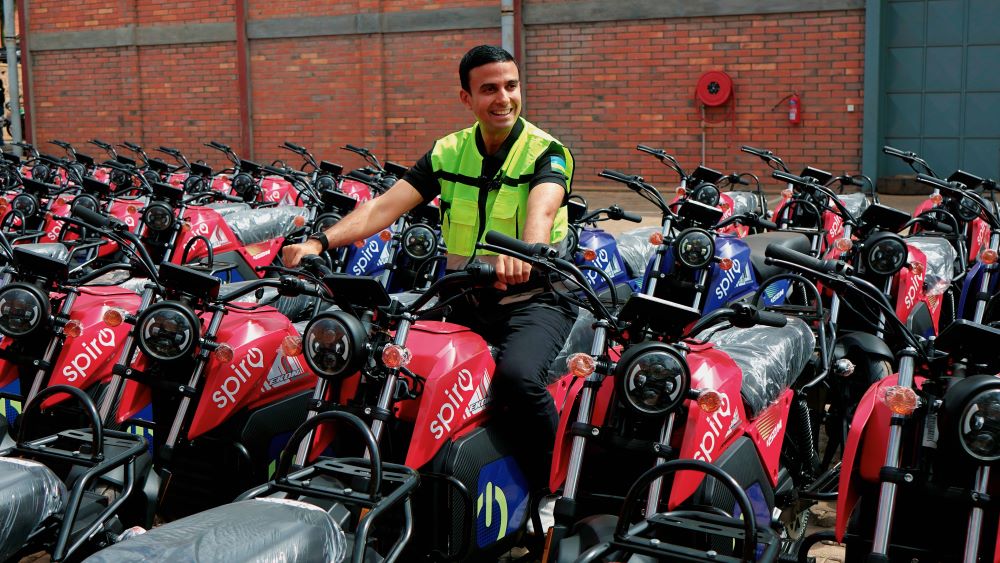
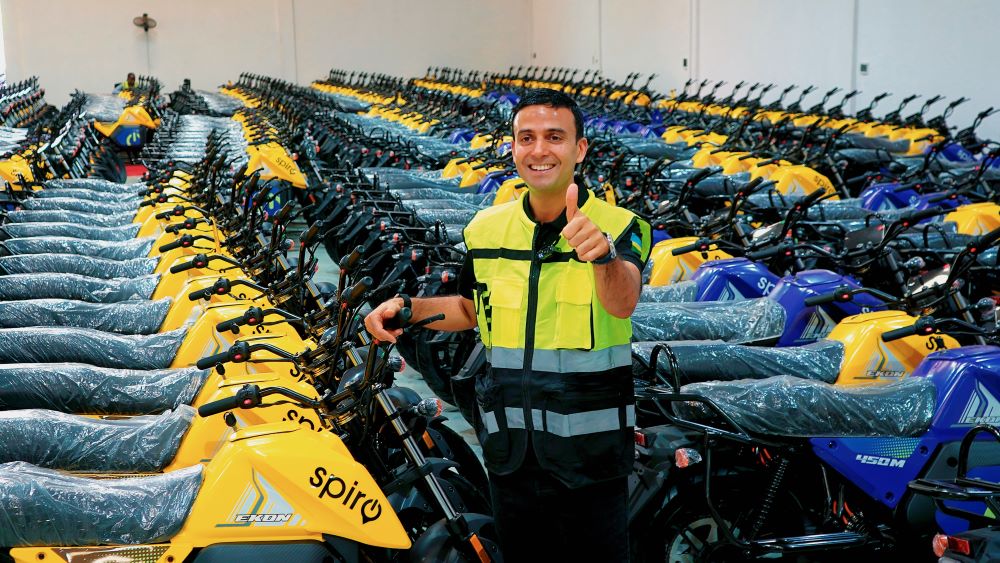
Spiro has announced a $215M investment round to accelerate the deployment of its electric mobility and battery-swapping infrastructure across Africa.
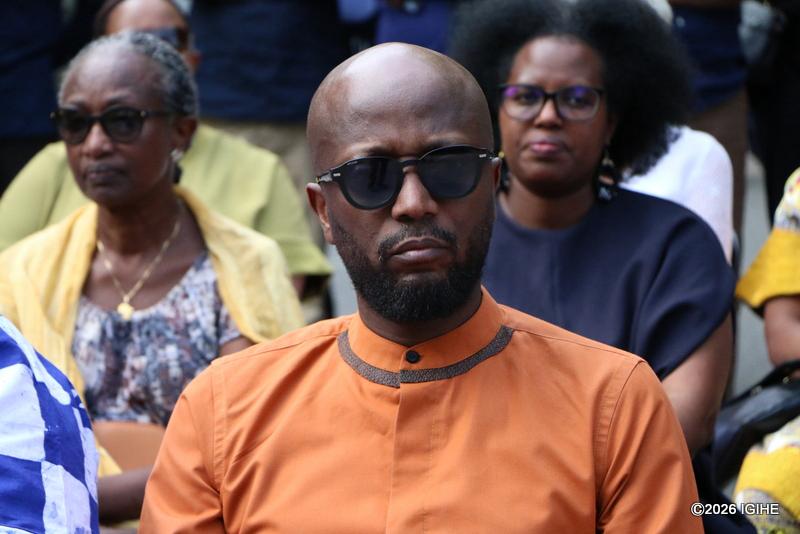
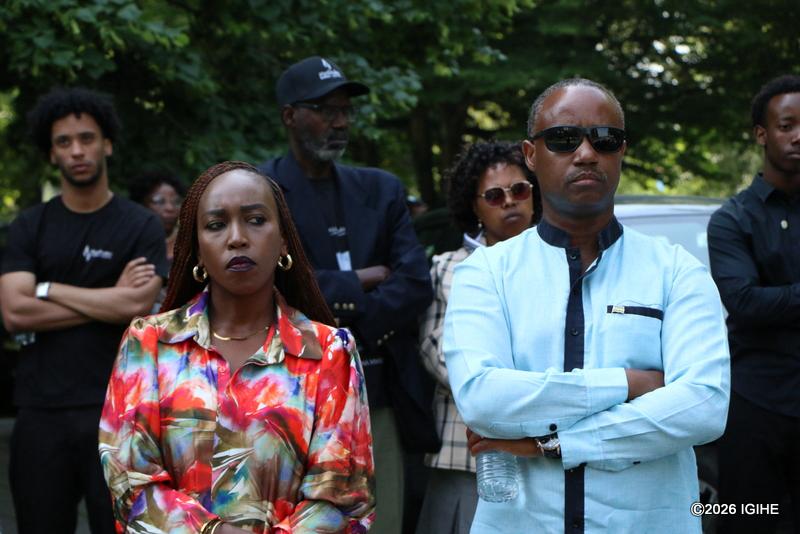
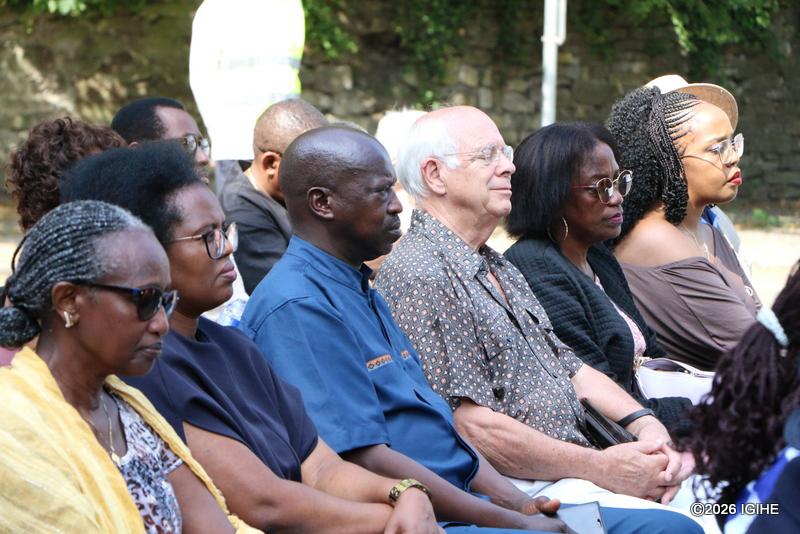
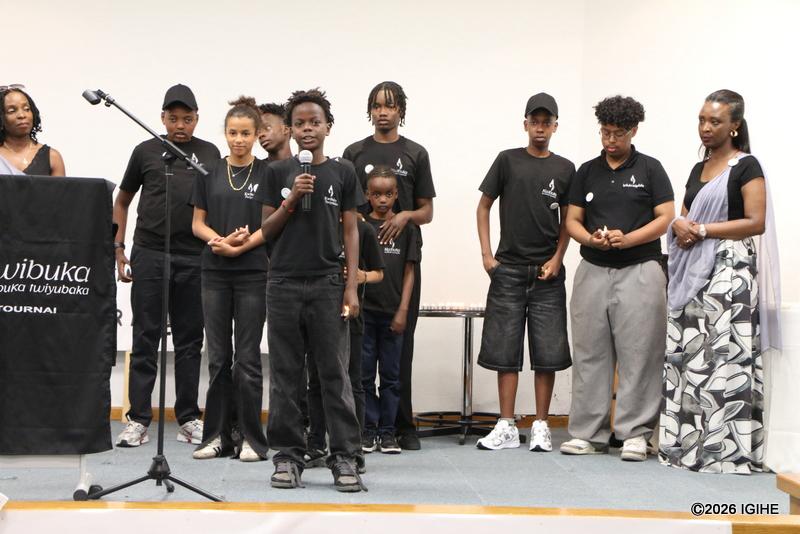
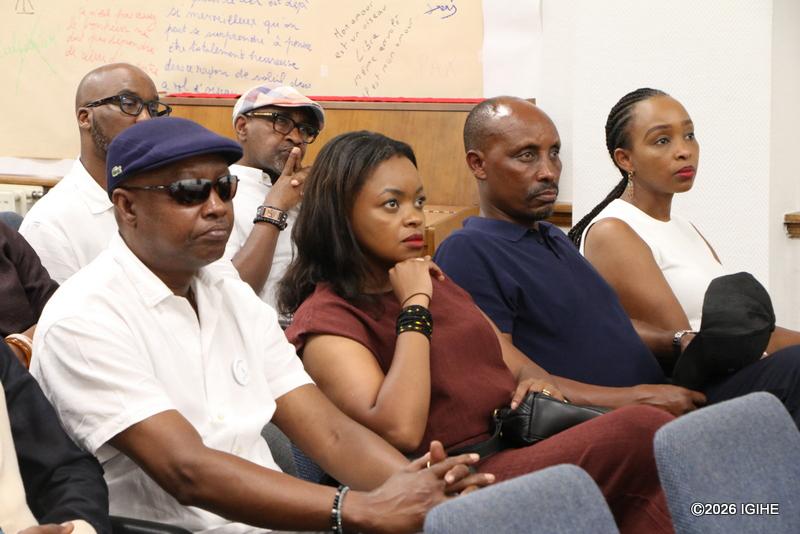
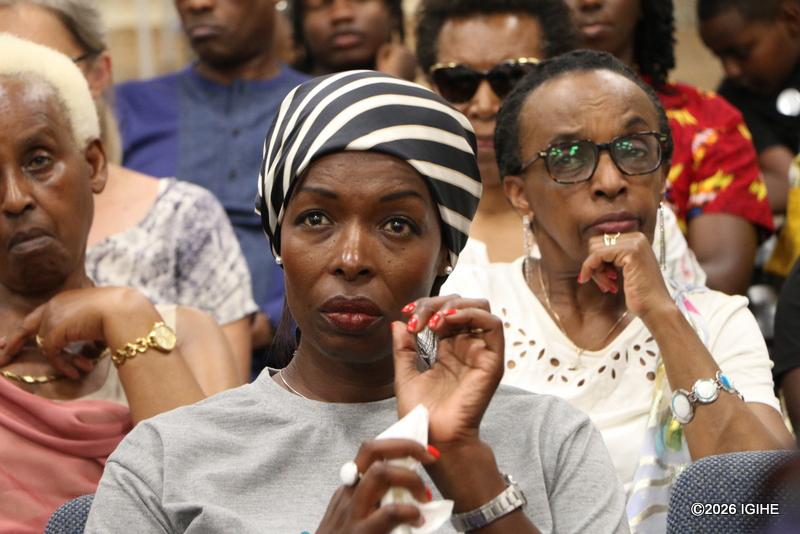
On this occasion, they were called upon to confront those who deliberately seek to distort the tragic history Rwanda experienced.
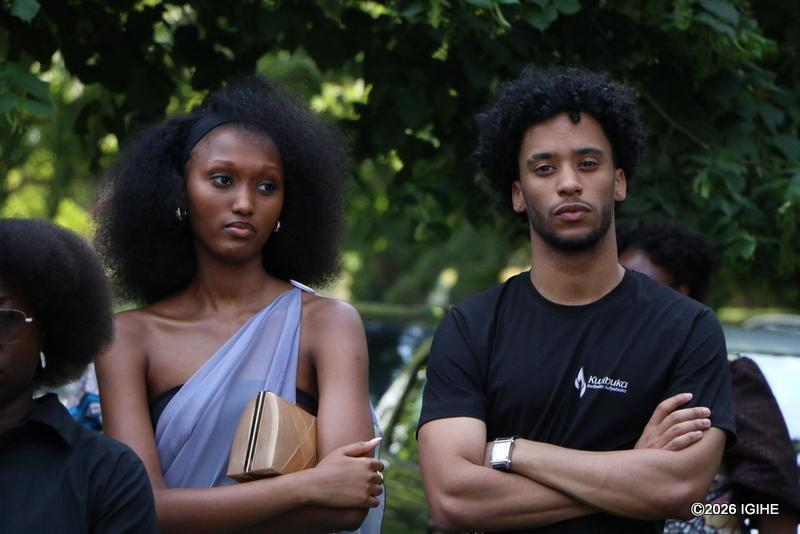
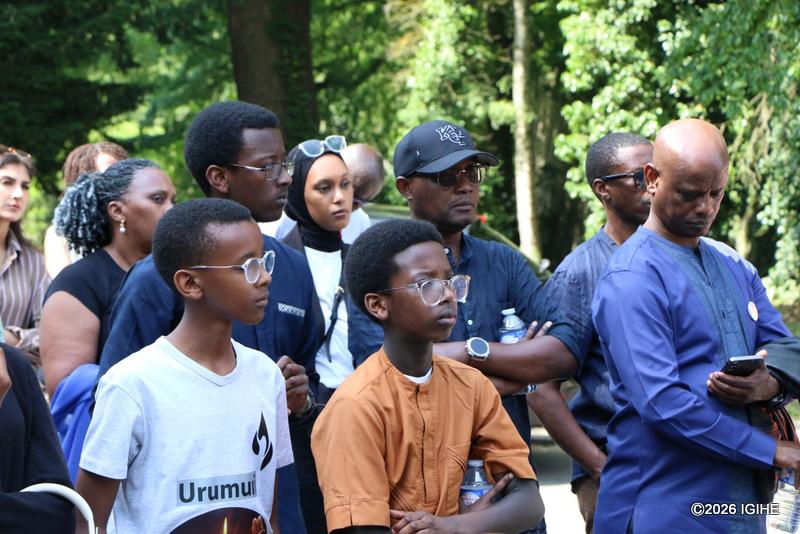
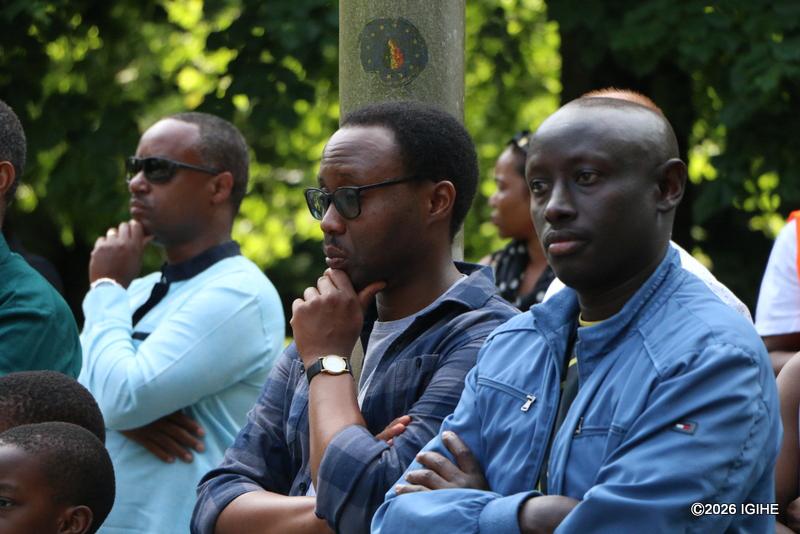
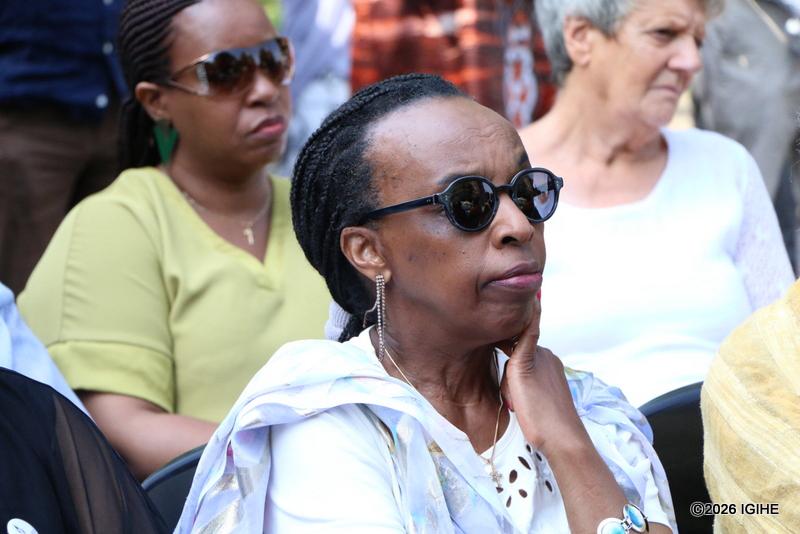
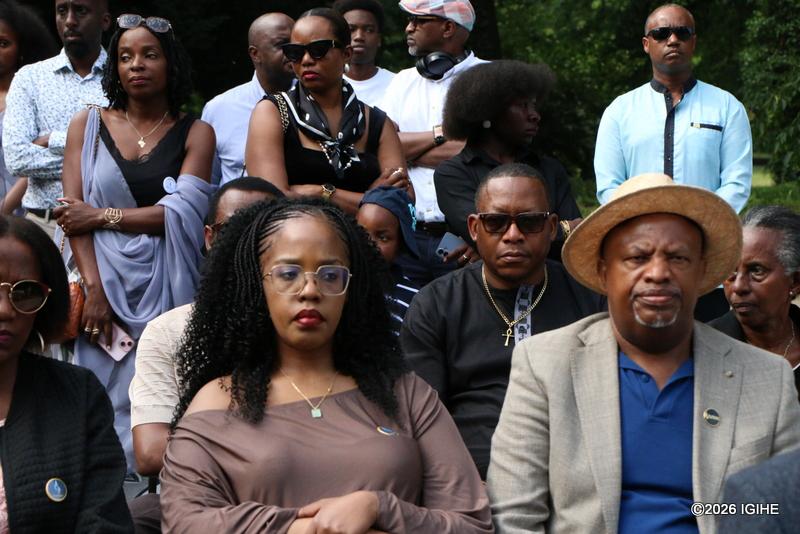
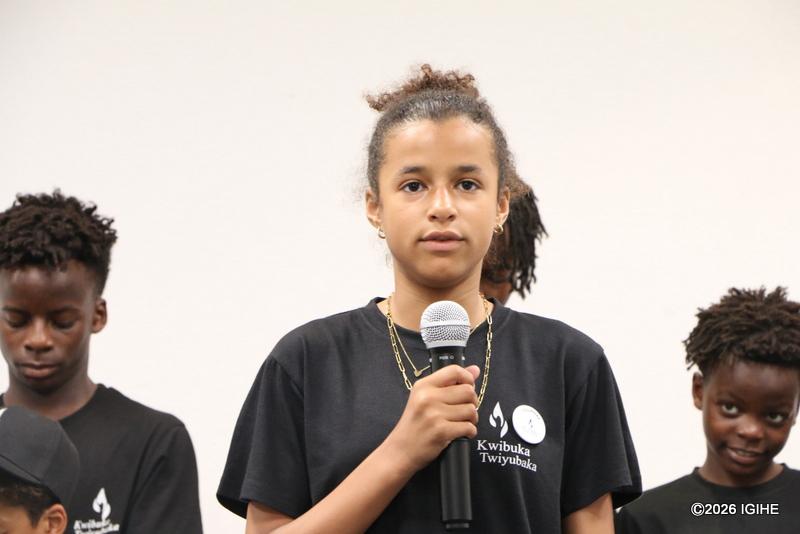
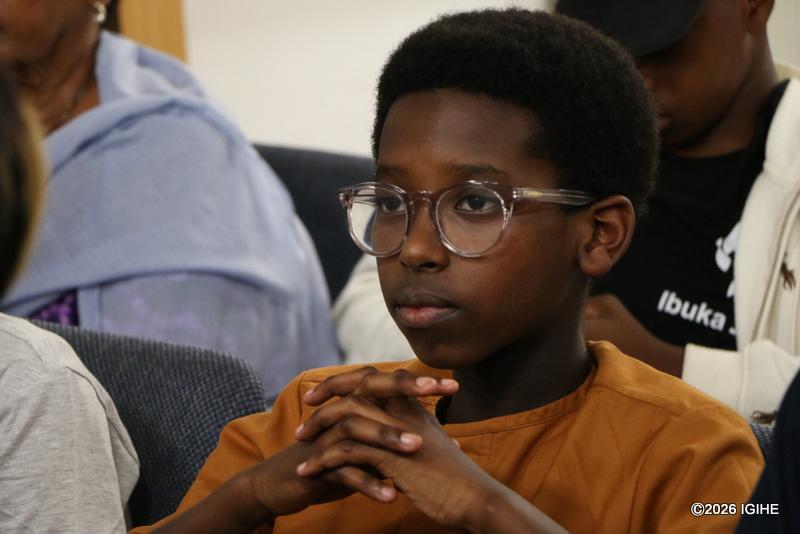
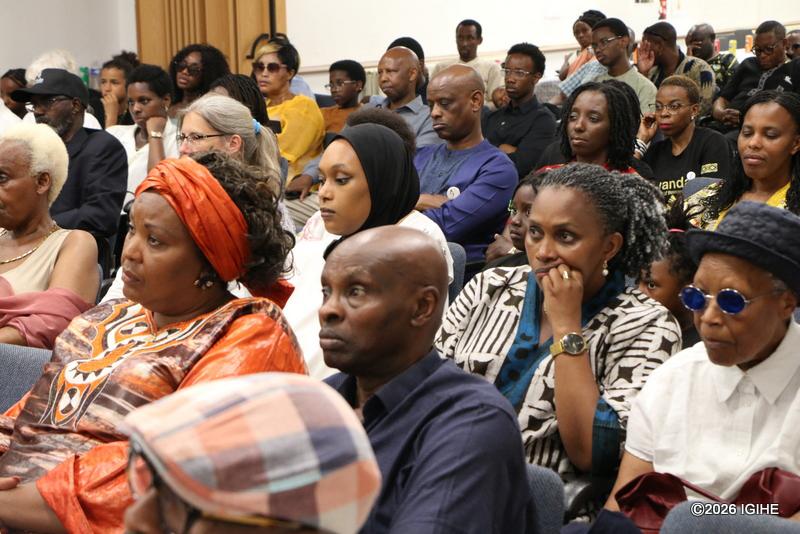
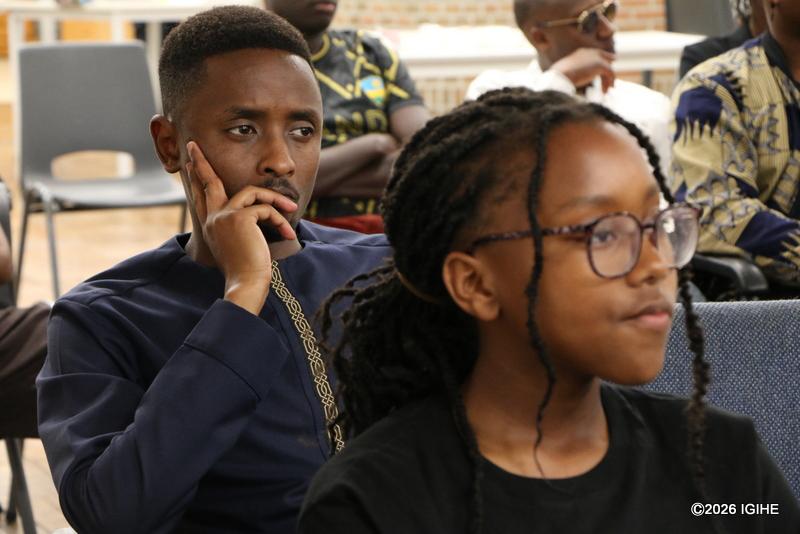
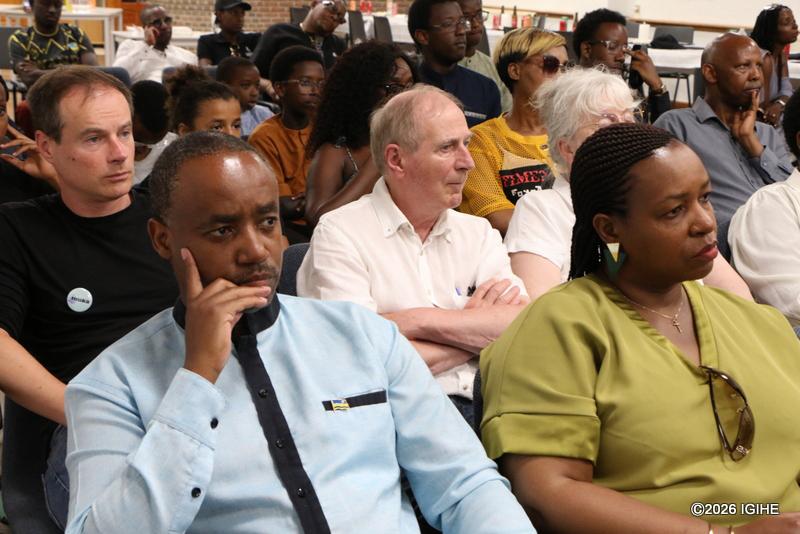
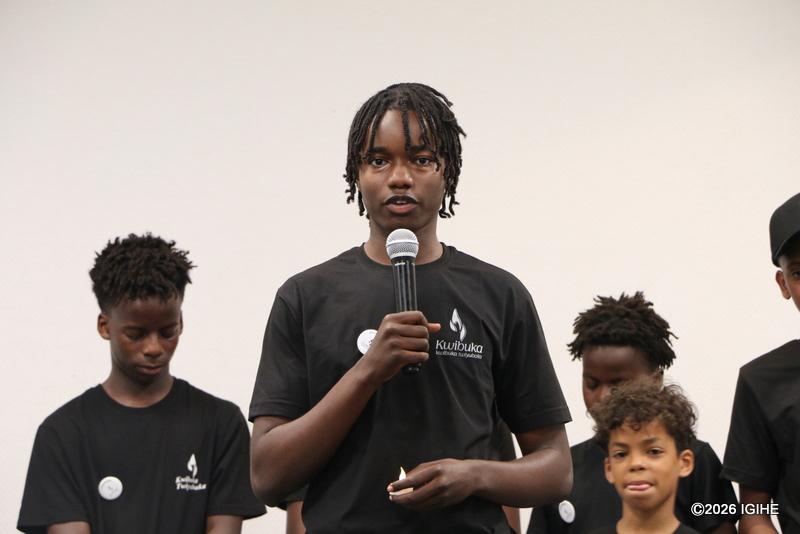
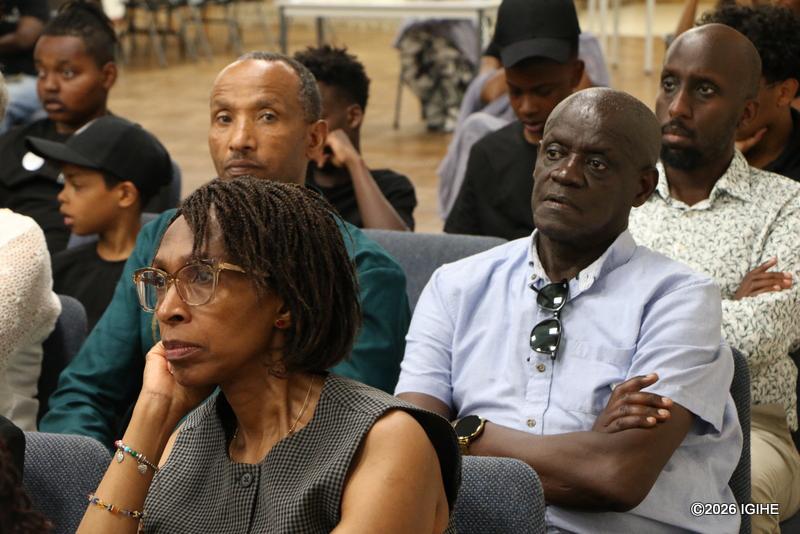
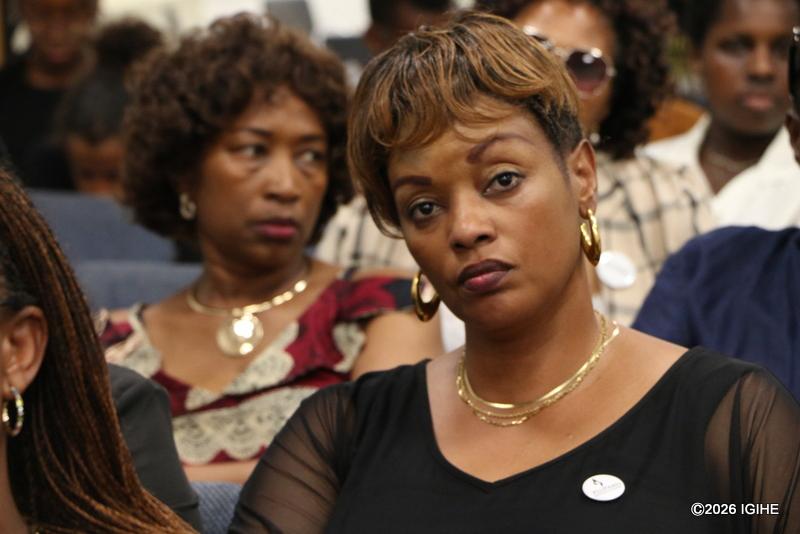
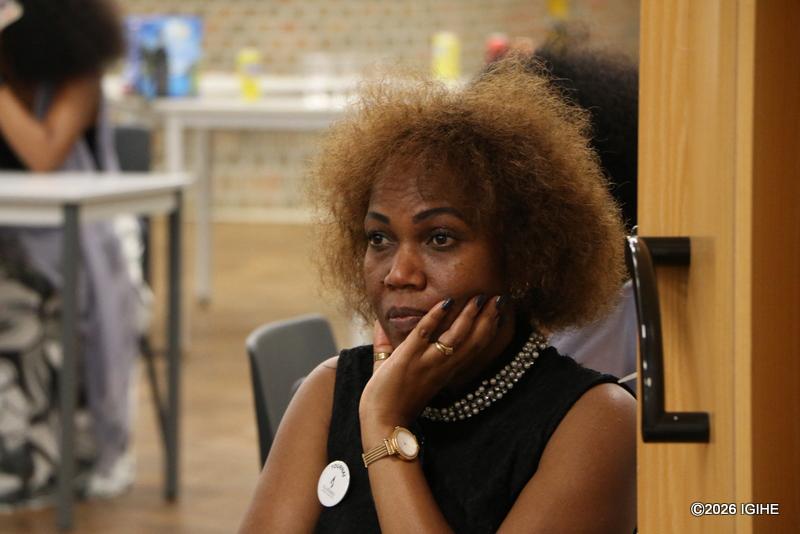
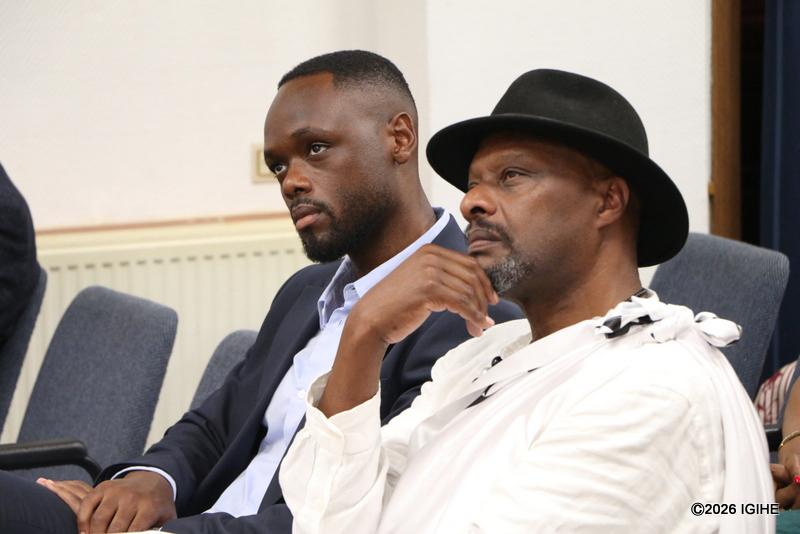
Among the participants were many young people who were reminded of the importance of preserving the memory of the victims of the Genocide against the Tutsi. They were encouraged to continue learning about the history that led Rwanda to this tragedy so that it may never happen again and so they can defend the truth against genocide denial and revisionism.
The President of the Rwandan Diaspora in the cities of Mons and Tournai, Arnold Turagara, recalled the dark periods Rwanda went through, emphasizing that the people of this city, as well as Europe in general, have also experienced difficult times marked by wars.
He stated: “Tournai is a city that has gone through difficult periods, including wars throughout its history. However, its residents managed to rebuild themselves after those painful moments.”
He also reminded participants that the 1994 Genocide against the Tutsi was carefully planned and carried out with extreme cruelty, leading to the killing of more than one million people in just one hundred days solely because of who they were.
“Commemorating today is not only about looking back at the past, but also about preserving this memory so that we are not trapped by it and can continue moving forward with life,” he added.
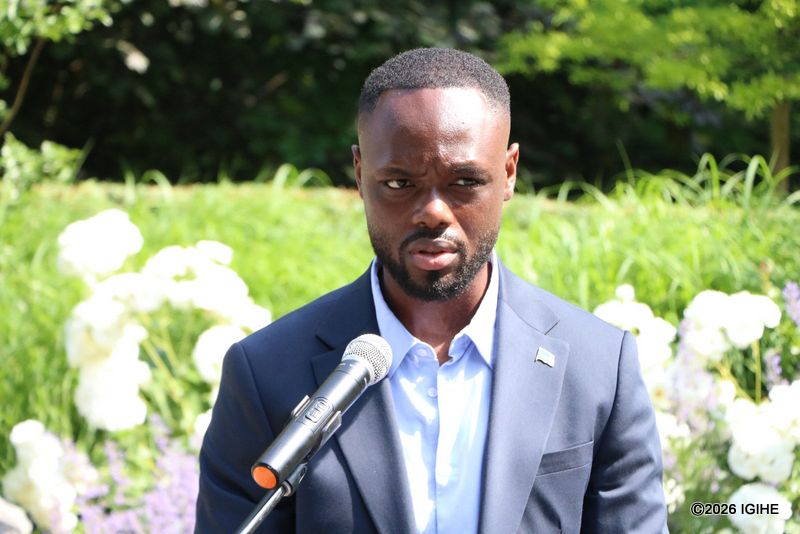
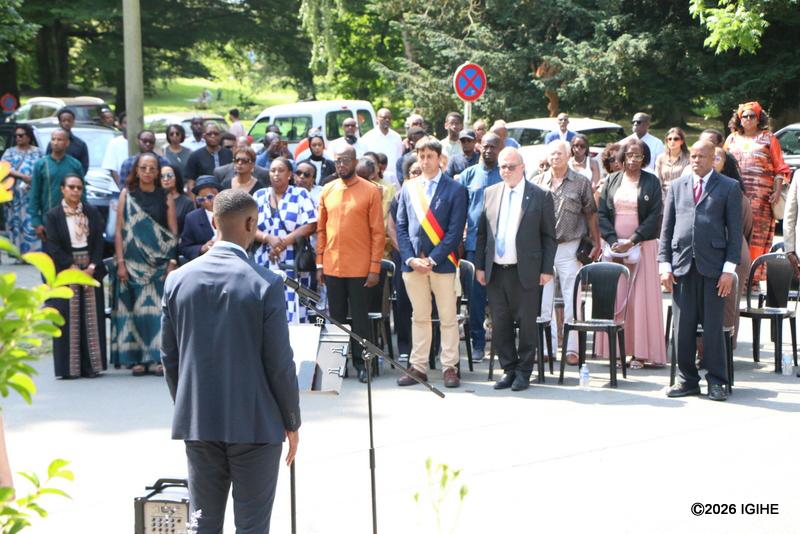
The President of the Rwandan Diaspora in Belgium at the national level, Gakuba Ernest, condemned those who continue to falsify the history of the Genocide against the Tutsi by spreading false information.
He said: “Distorting history is unacceptable because doing so indirectly supports those who planned and executed the Genocide against the Tutsi.”
He reminded attendees that the genocide did not happen by accident, but was the result of long-term preparation marked by hate propaganda spread by leaders of the time and by the dehumanization of Tutsi.
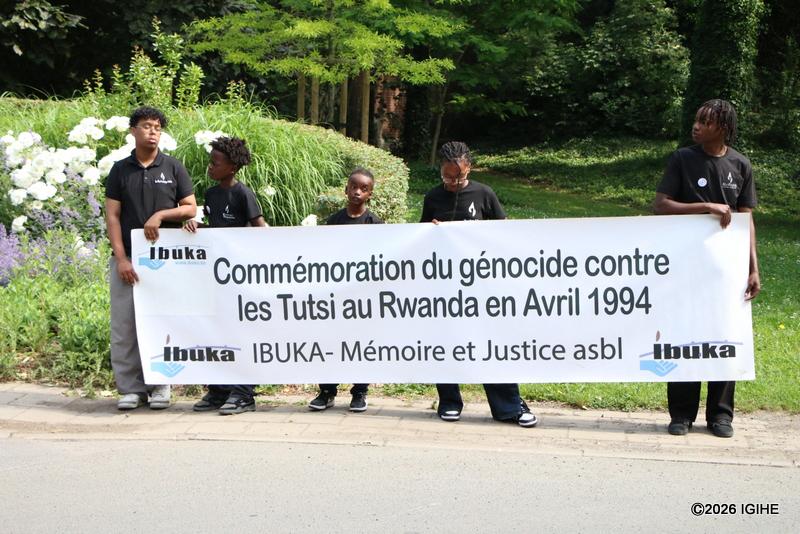
Representing Ibuka Mémoire et Justice Belgique, emphasized thatmore than one million Tutsi killed during the genocide reflects the reality of what happened.
He praised the courage and resilience of genocide survivors, who endured extremely difficult periods of persecution because of their identity.
Gakuba also criticized certain European countries for not doing enough to arrest individuals involved in the Genocide against the Tutsi who were convicted by Rwandan courts yet continue to live freely in Europe.
According to him, some of them actively contribute to spreading genocide ideology and denying the genocide.
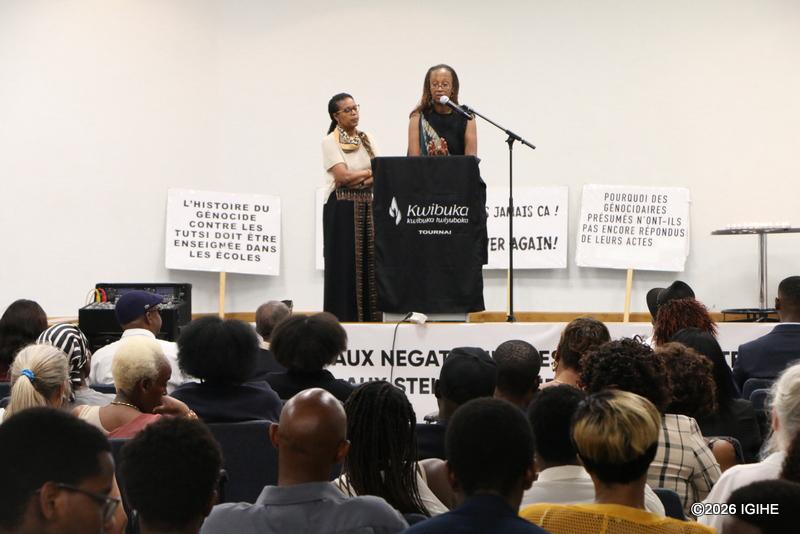
He insisted: “This history must be taught in schools so that younger generations can learn about it from an early age.”
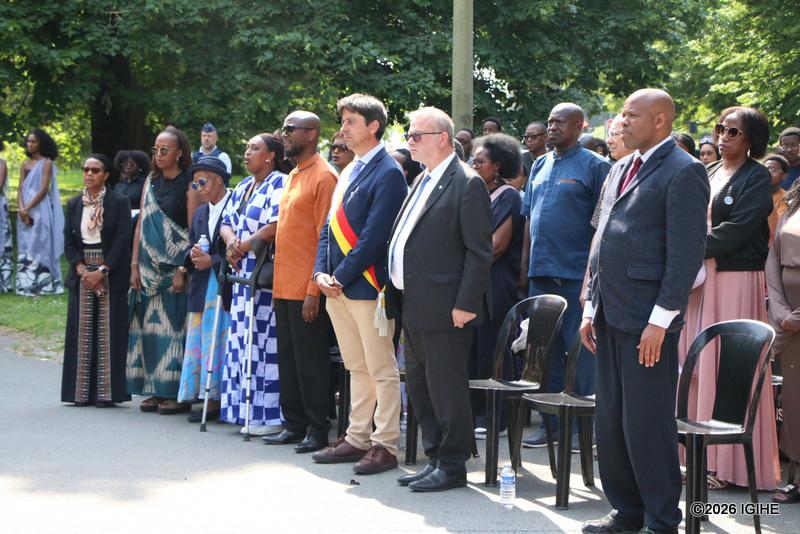
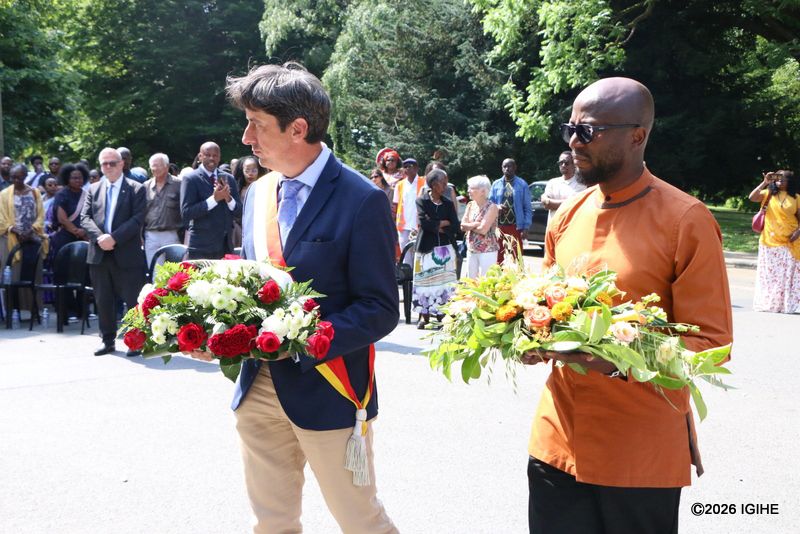
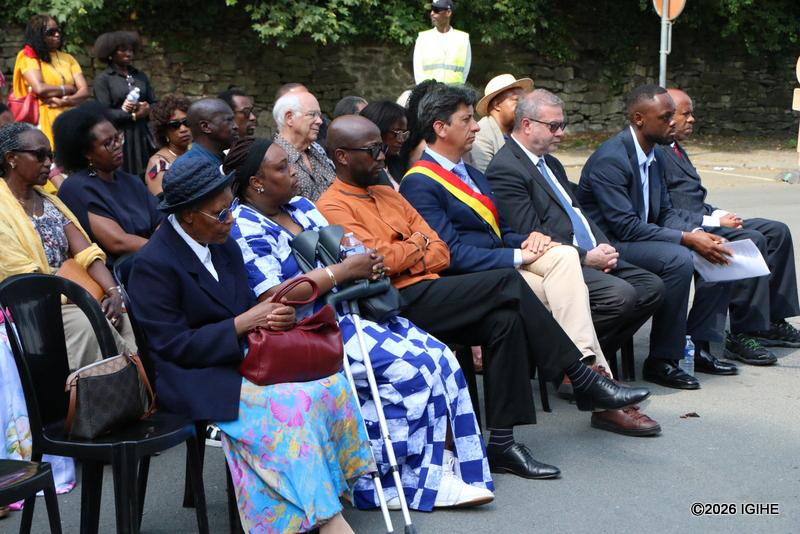
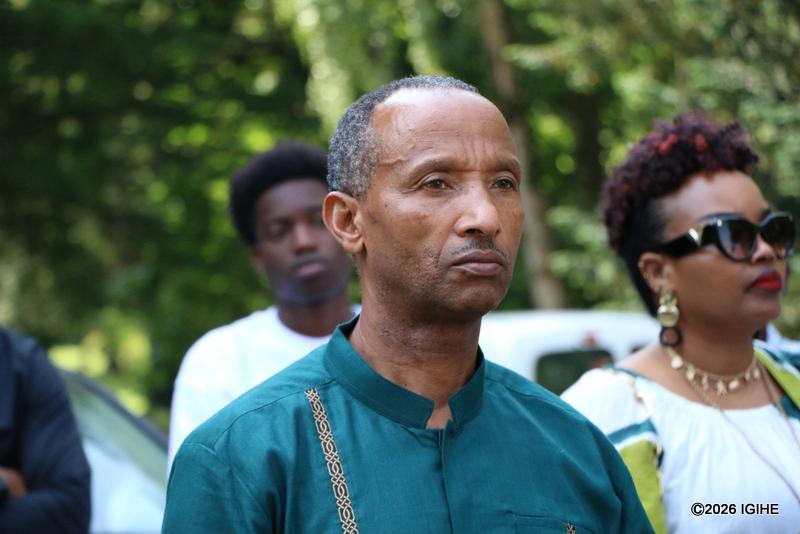
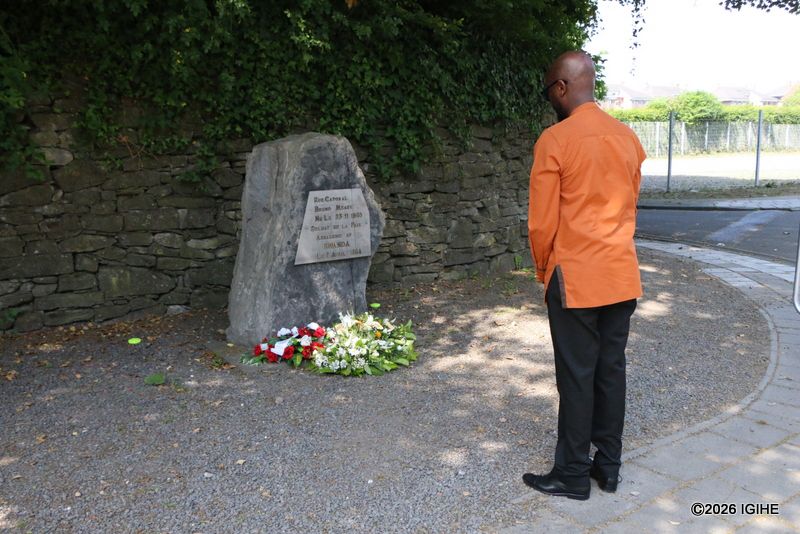
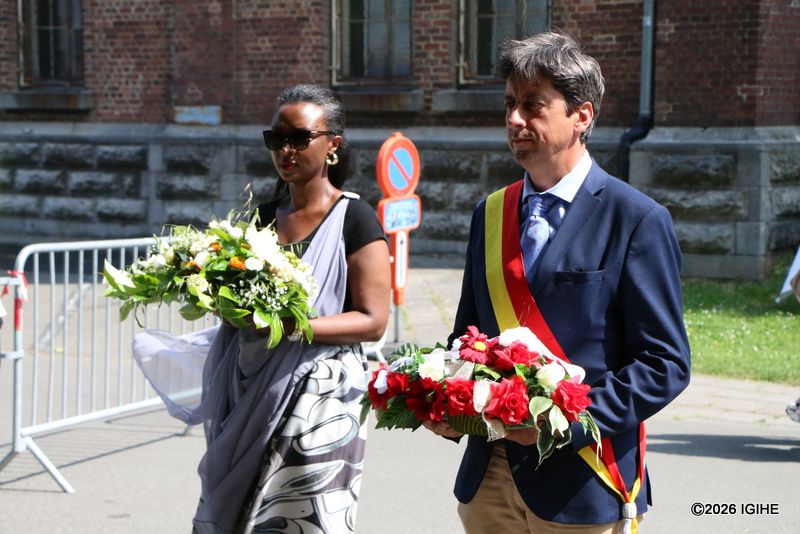
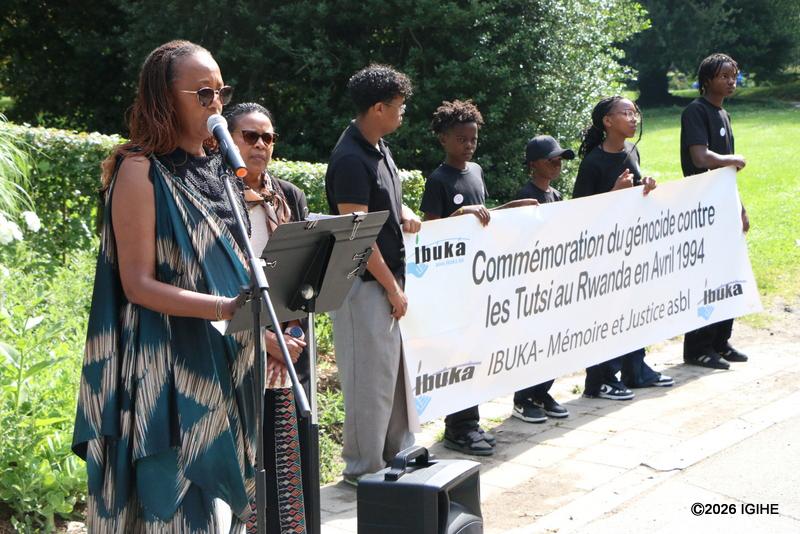
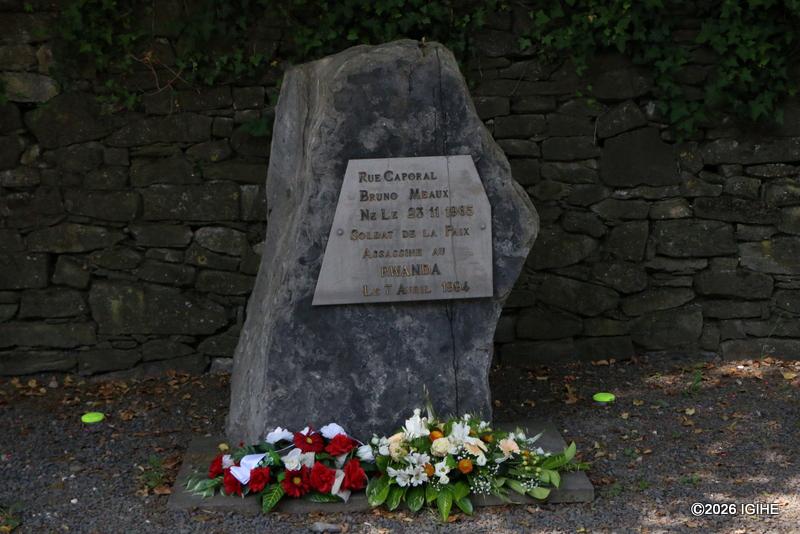
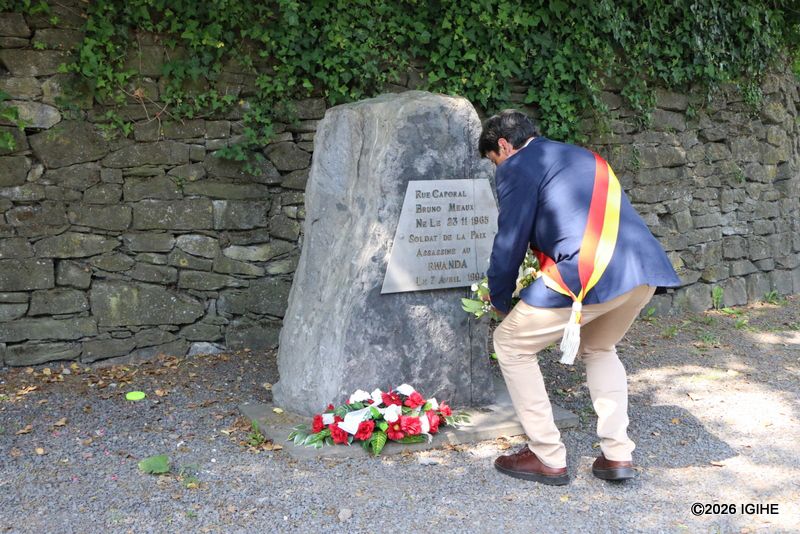
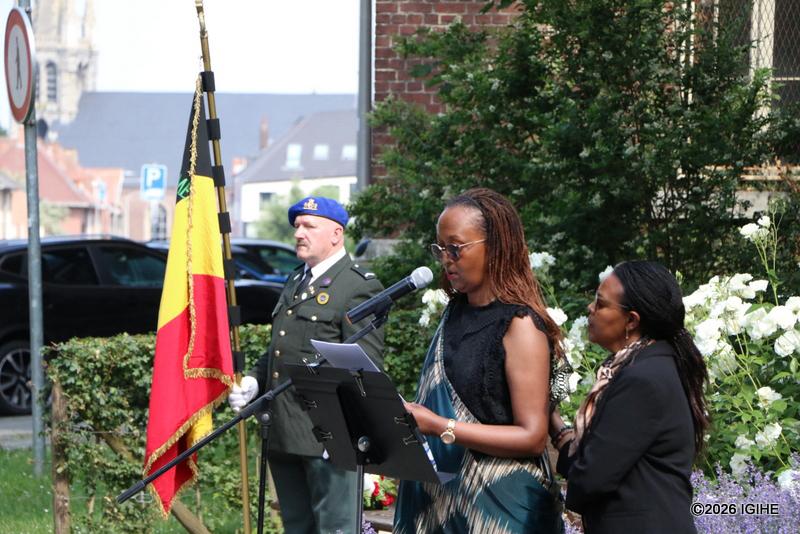
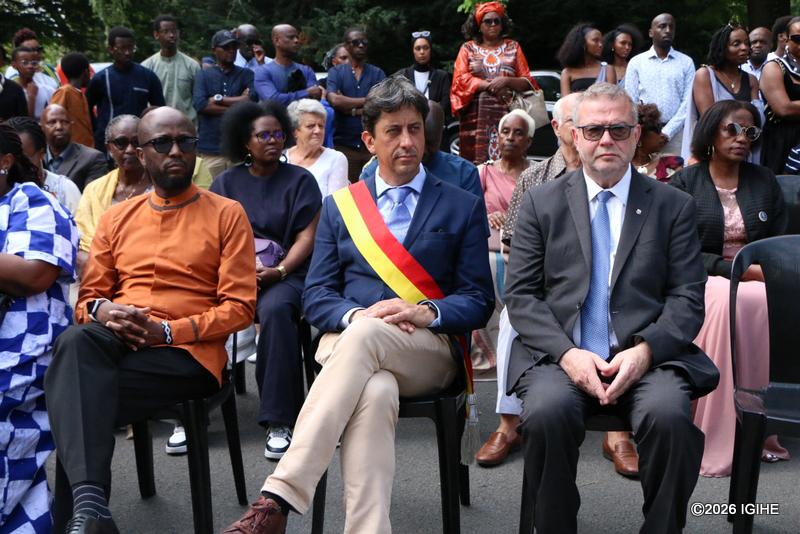
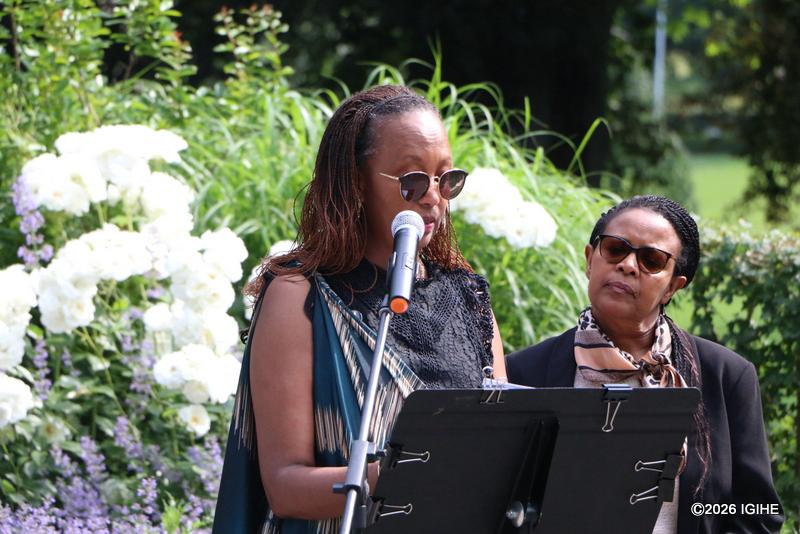
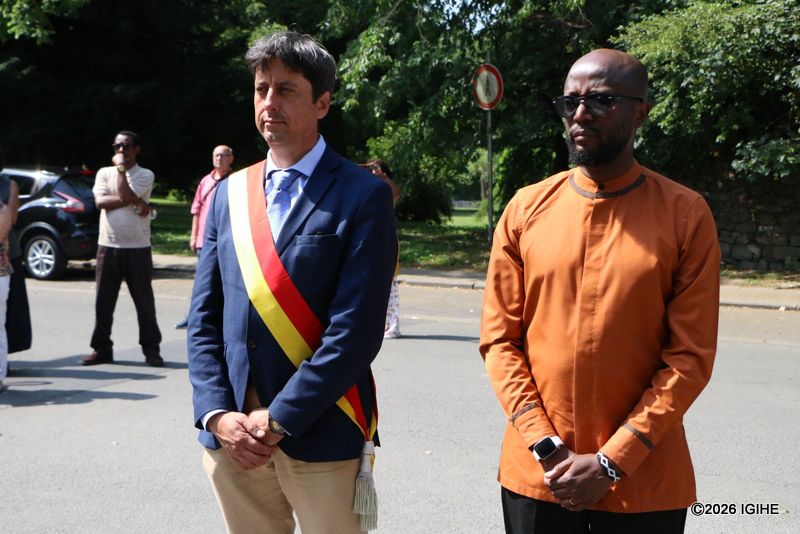
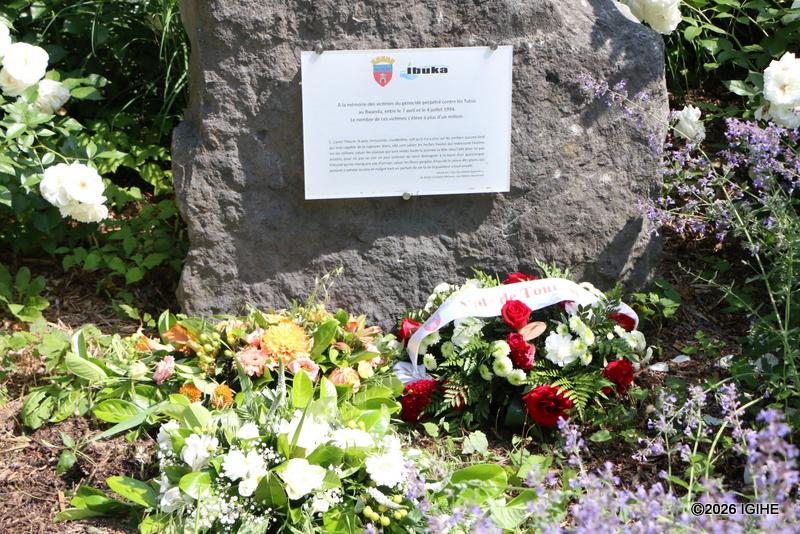
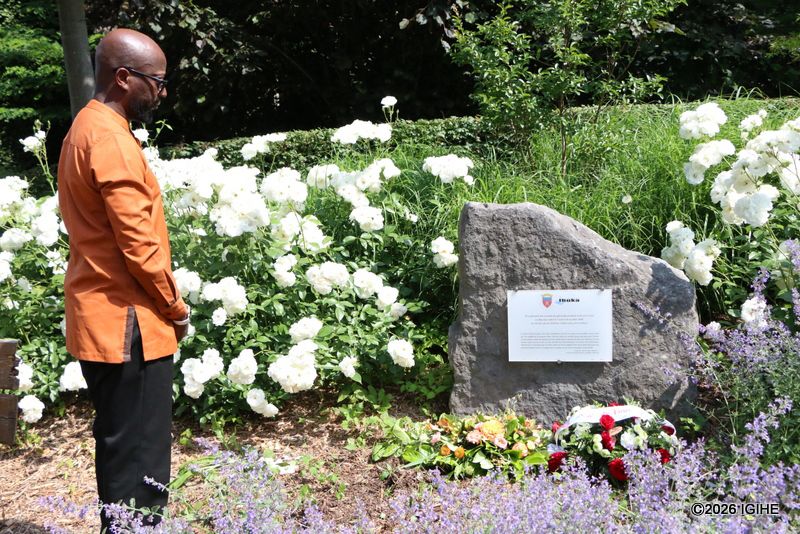
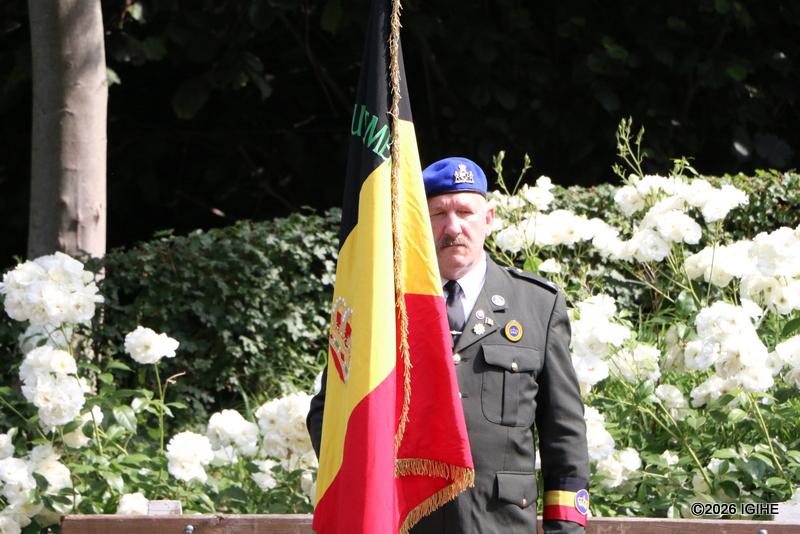
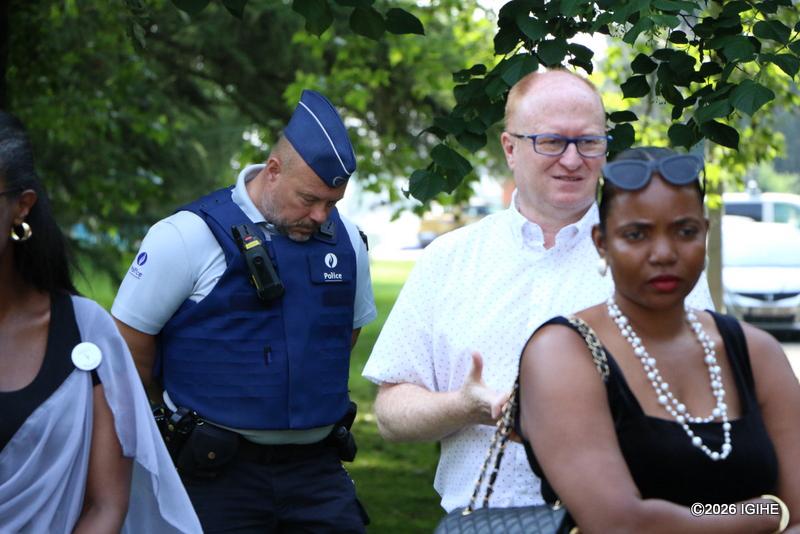
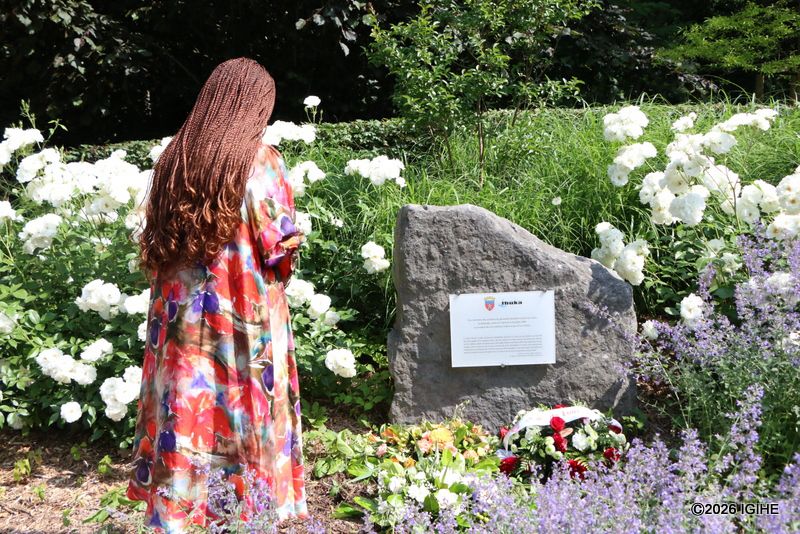
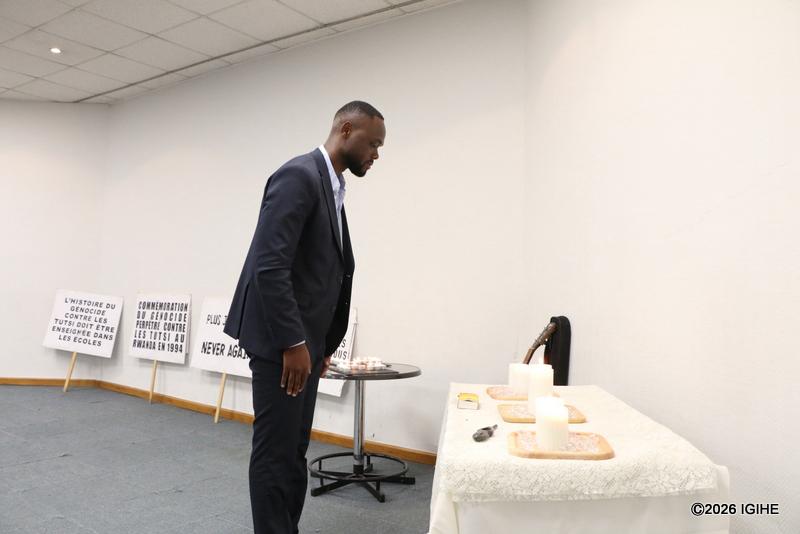
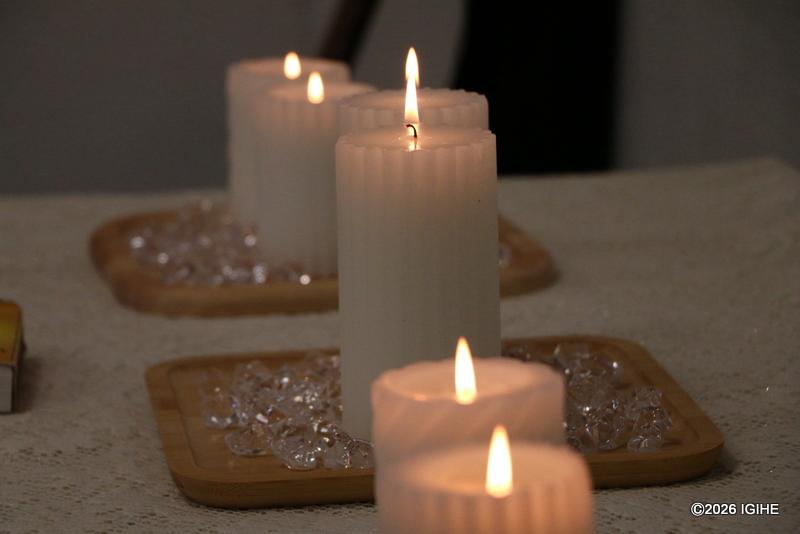
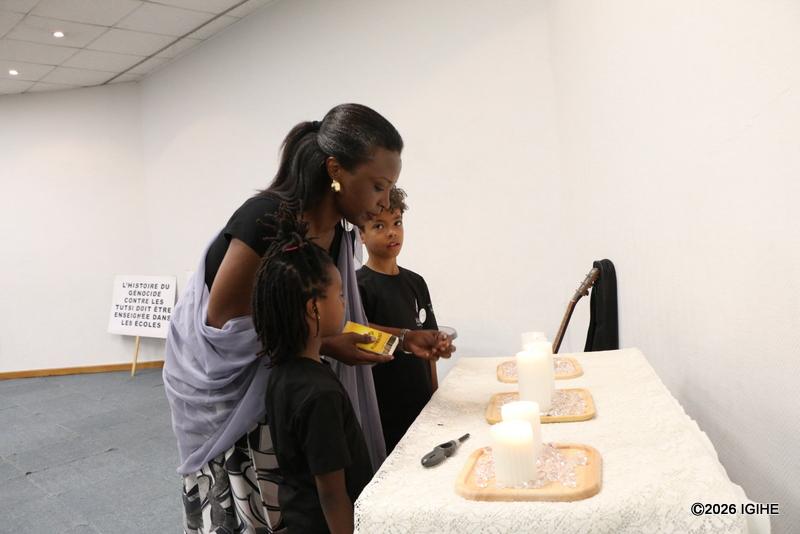
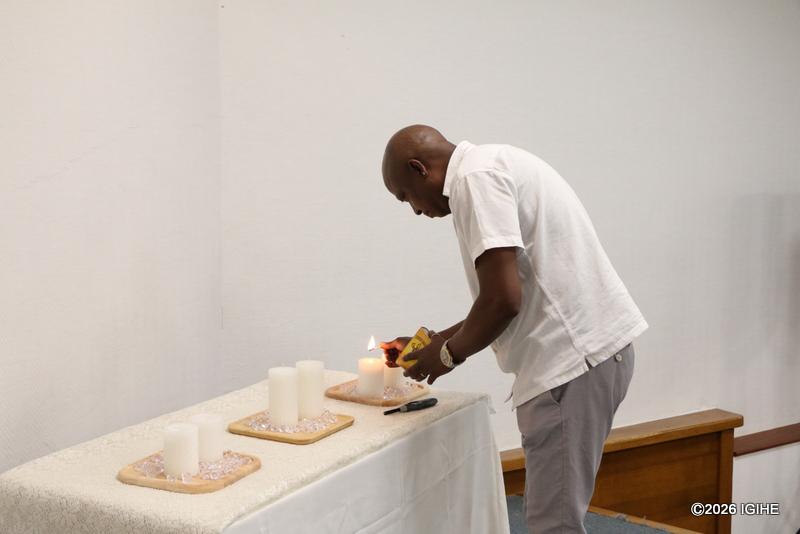
The first part of the commemoration took place near the memorial located close to the Saint-Jean Military School on Rue du Caporal Bruno Méaux in Tournai. The ceremony included wreath laying, speeches from various leaders, and tributes to the victims of the Genocide against the Tutsi.
The memorial also honors Belgian soldiers killed in Rwanda, some of whom were originally from Tournai.
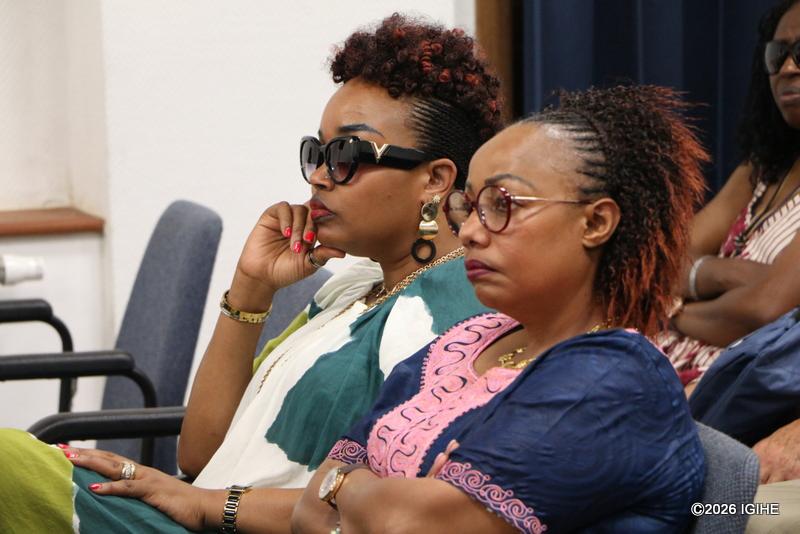
The second part of the day featured testimonies, discussions, and memorial songs aimed at strengthening messages of peace and unity.
Since April 7, 2026, activities marking the 32nd commemoration of the Genocide against the Tutsi in Belgium have taken place successively in Brussels, Liège, Bruges, Namur, Louvain-la-Neuve, Mons, Charleroi, and Tournai.
The next event will take place in the city of Louvain on June 6, which will also mark the conclusion of the symbolic 100 days of commemoration in Belgium.
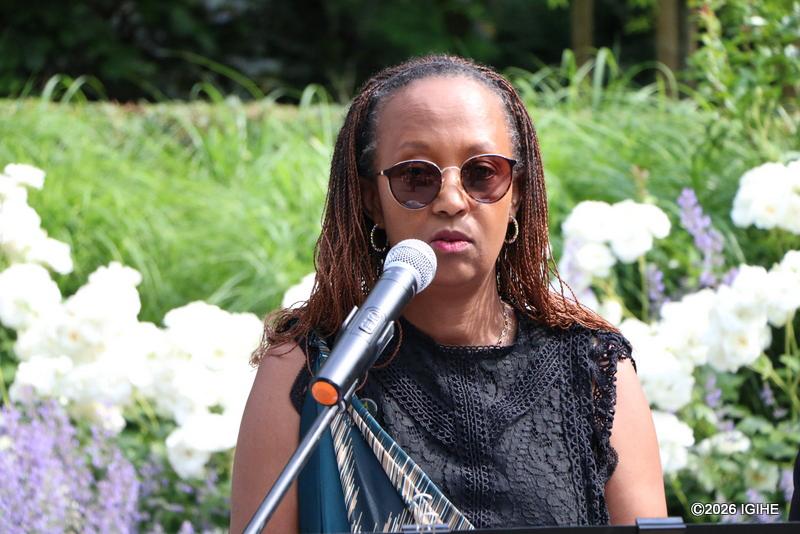
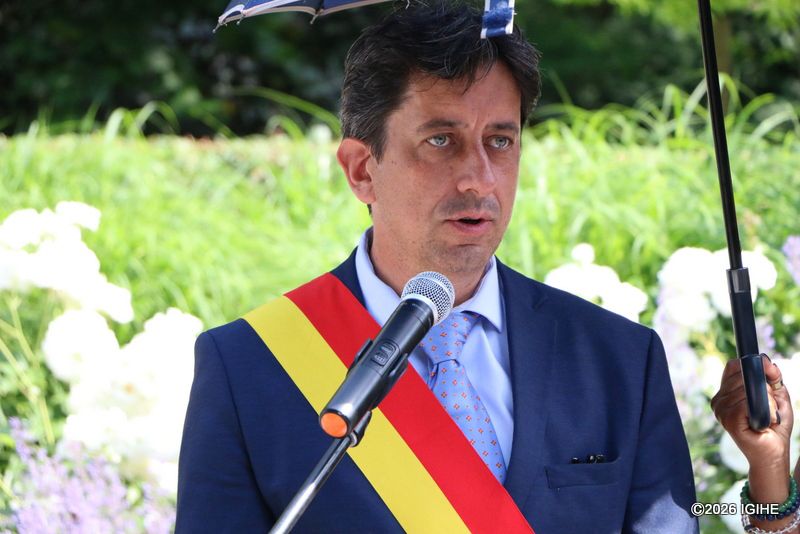
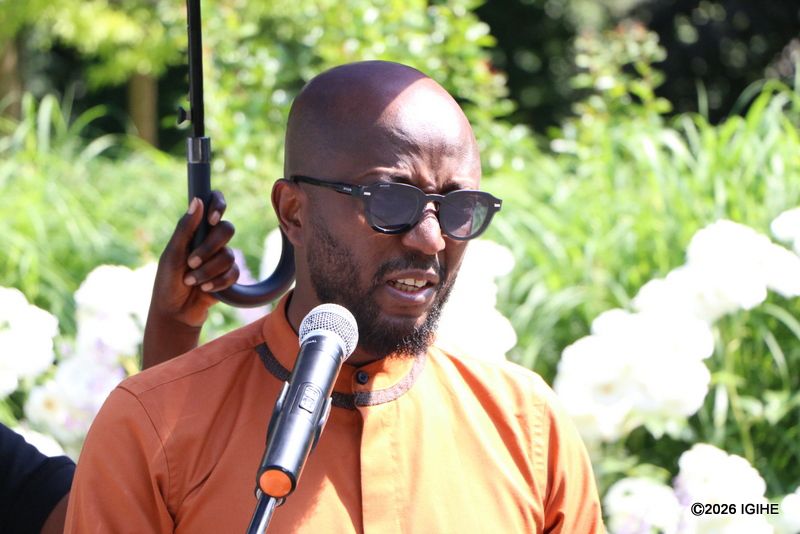
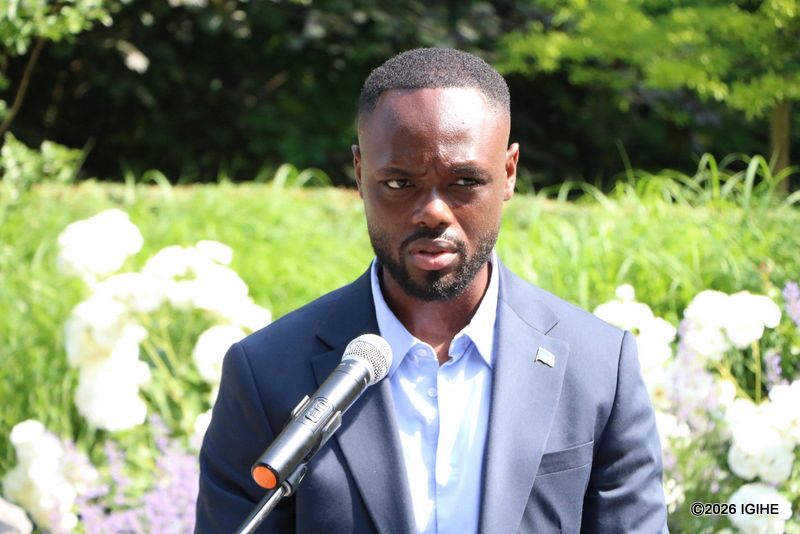
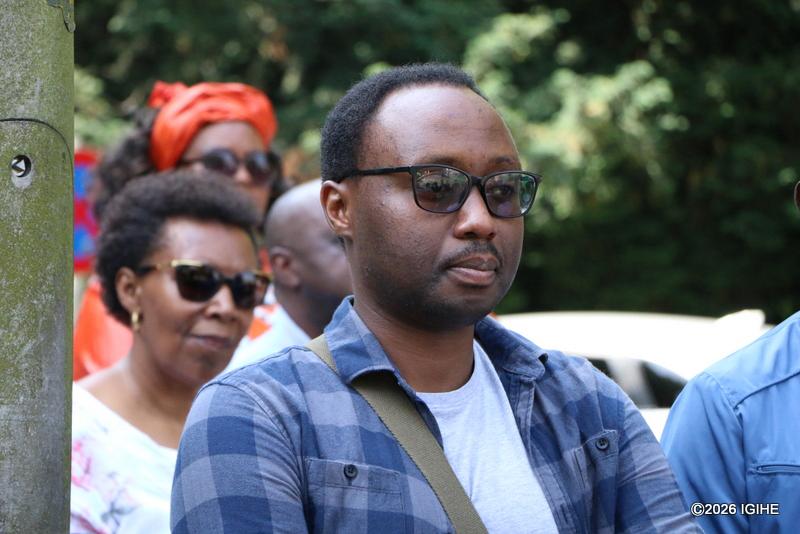
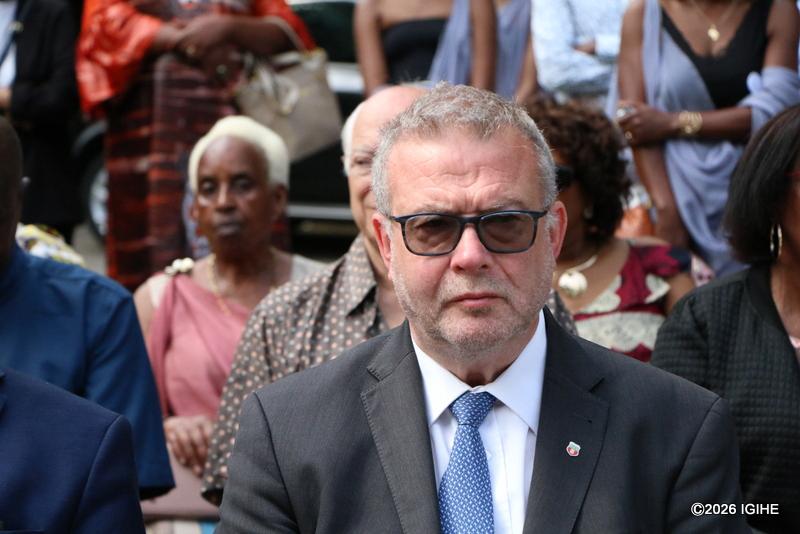
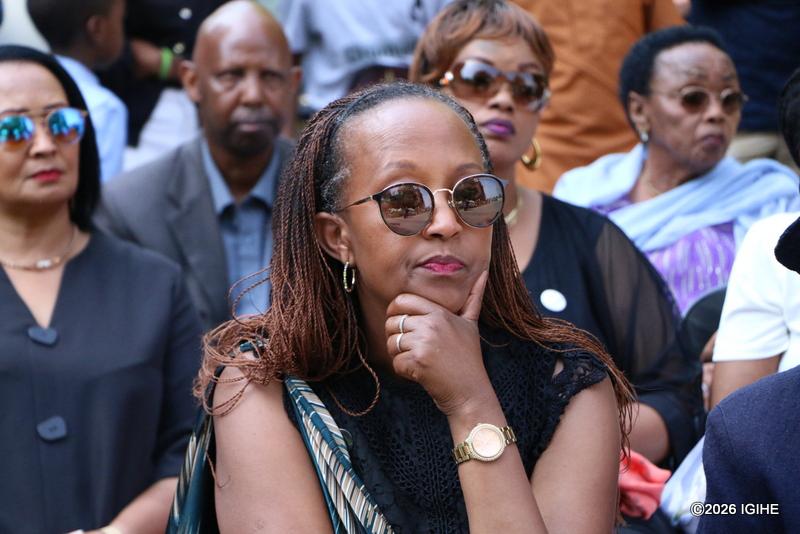
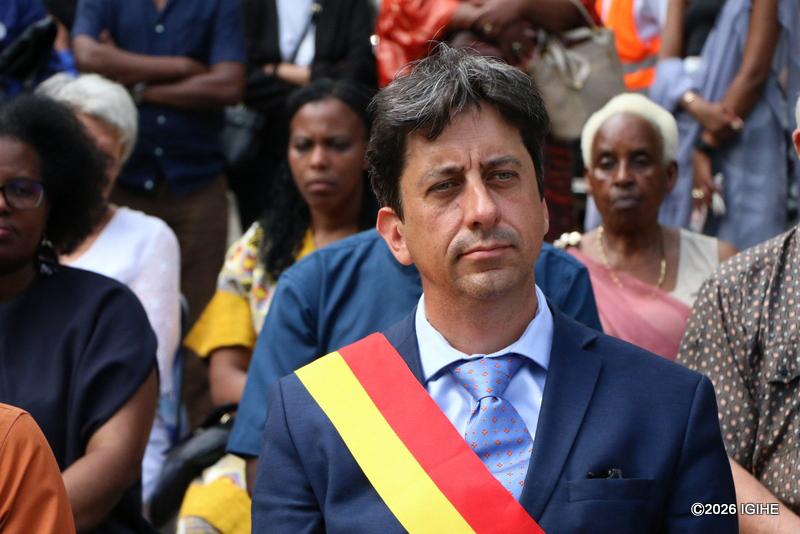
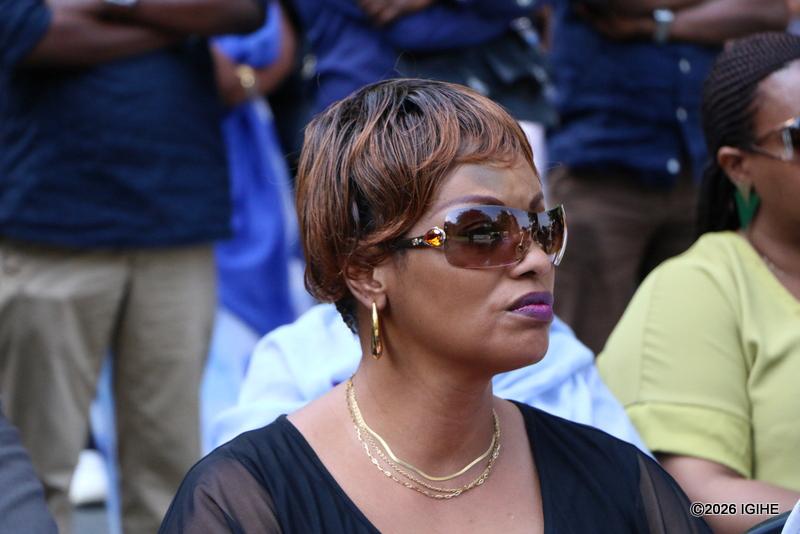
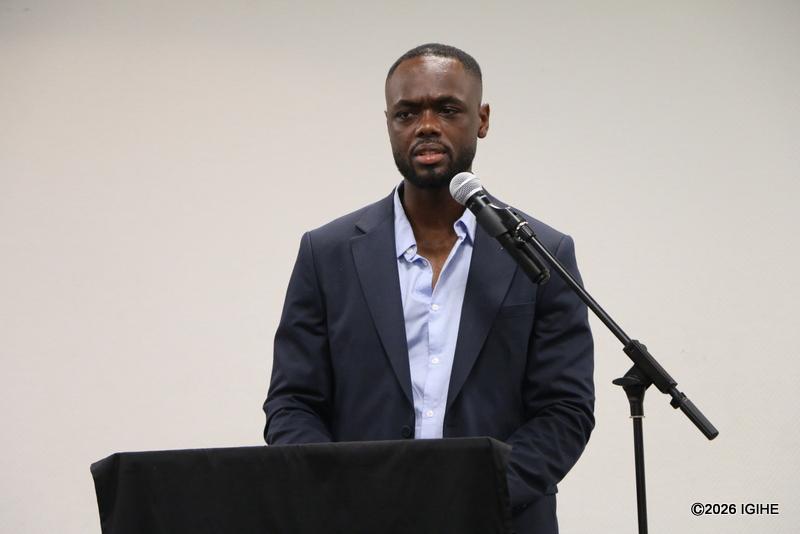
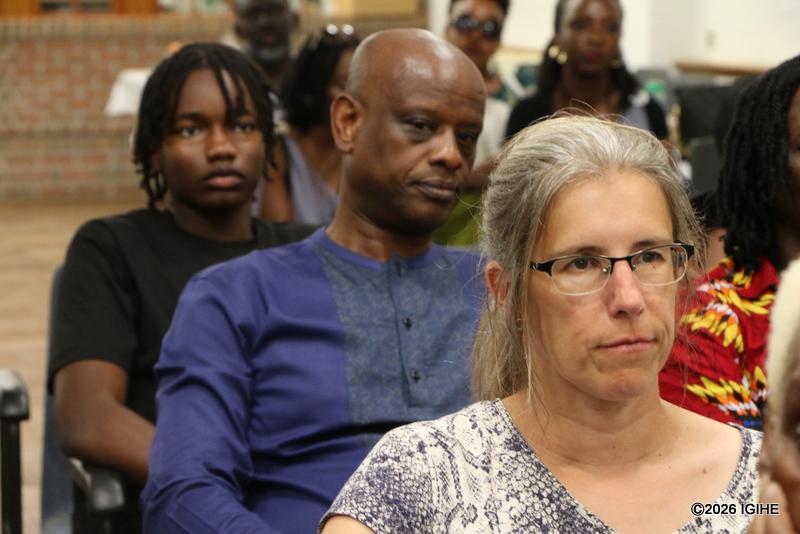
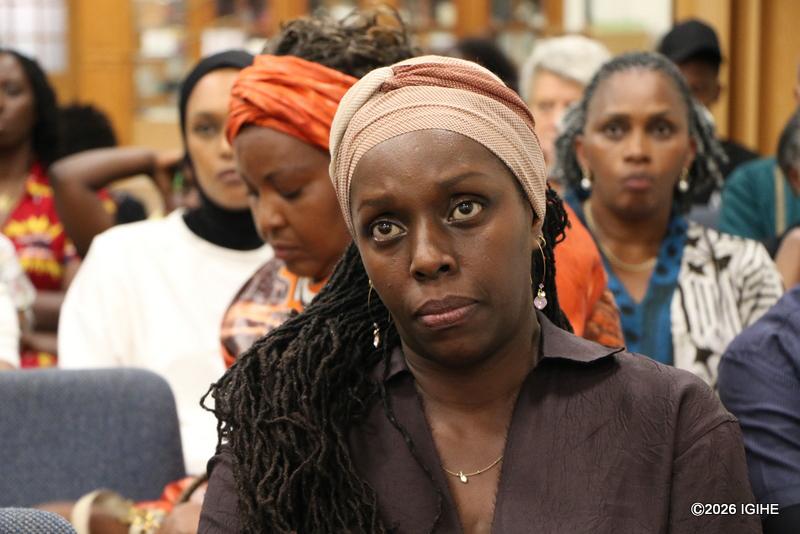
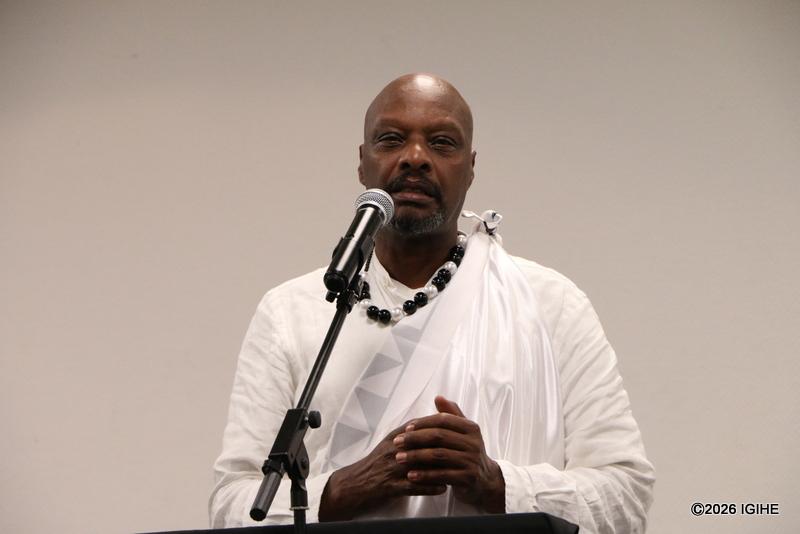
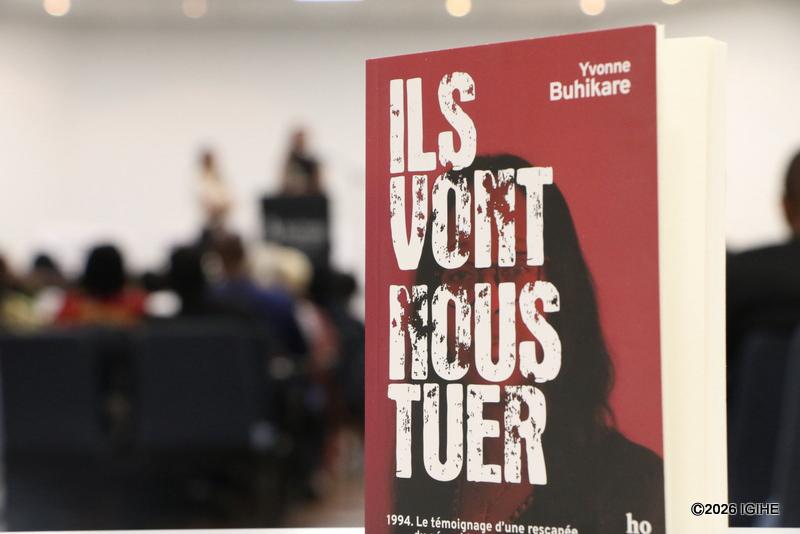
Yvonne Buhikare shared her testimony, which she also documented in a book titled “Ils vont nous tuer” Benjamin Brotcorn, an alderman of the city of Tournai, attended the 32nd commemoration of the victims of the 1994 Genocide against the Tutsi in Rwanda.Gakuba Ernest, President of the Rwandan Diaspora in BelgiumArnold Turagara, President of the Rwandan Diaspora in the cities of Mons and Tournai.
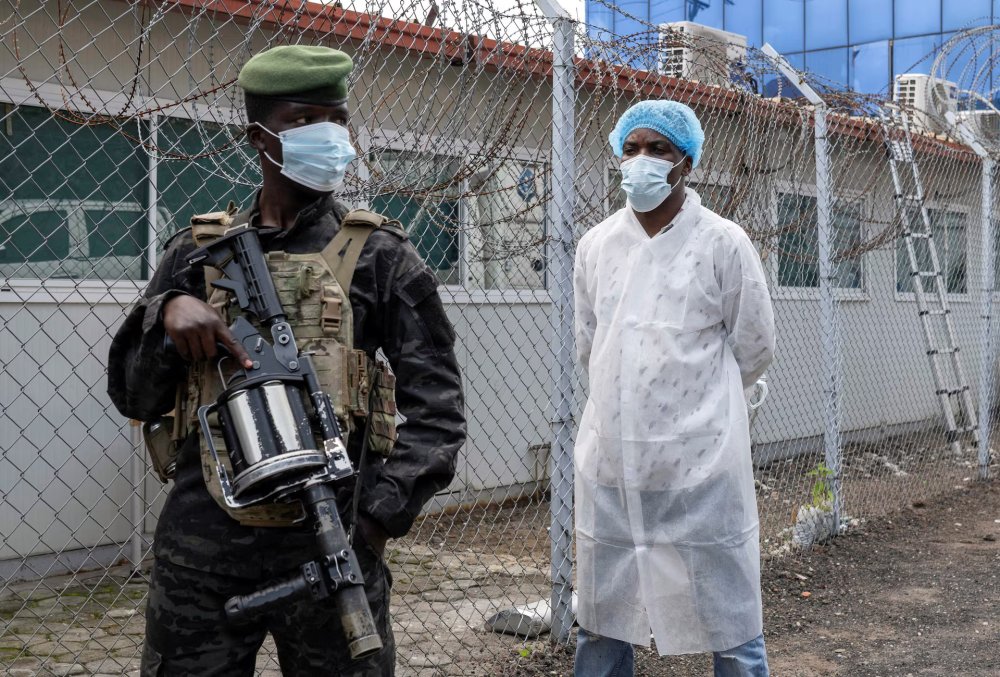
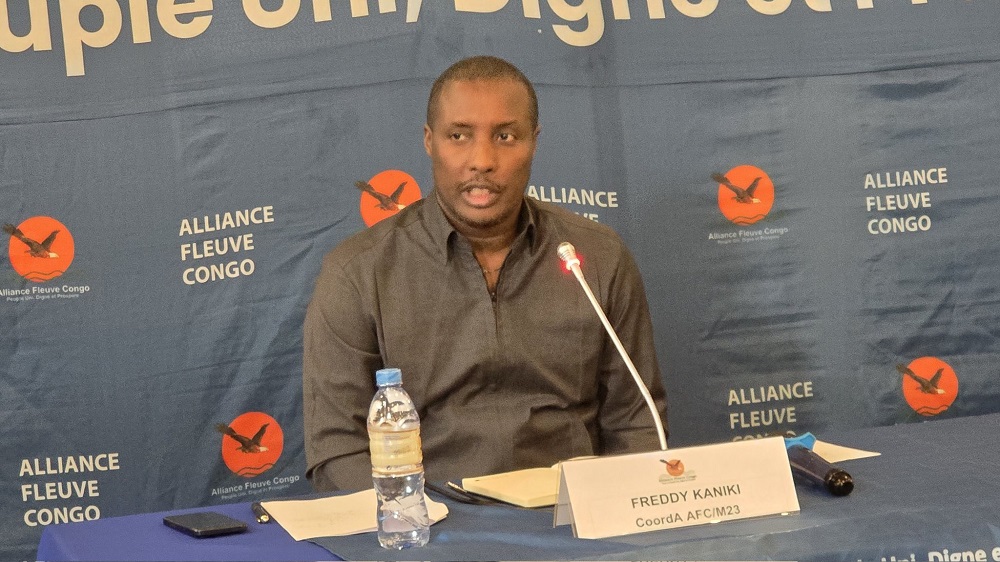
Dr. Freddy Kaniki Rukema, who heads the AFC/M23 Ebola response team, said the situation in the city of Goma remains stable, with no new confirmed infections reported since the first case was detected on May 17. However, health authorities are investigating one suspected case.
According to Dr. Kaniki, health teams have identified 255 people who came into contact with the confirmed Ebola patient in Goma. Of these, 217 were classified as high-risk contacts and have been placed under a mandatory 21-day quarantine period in line with public health protocols, while the remaining 38 are being monitored through routine surveillance.
Three additional Ebola cases were reported in Murhesa, an area located in Kabare Territory in South Kivu Province. Dr. Kaniki said the outbreak was traced to a 26-year-old man who had recently travelled from Ituri Province and subsequently transmitted the virus to his wife and brother-in-law.
Health officials have so far identified 152 contacts linked to the Murhesa cases. Among them, 96 were deemed high-risk and placed in quarantine, while 56 others remain under observation.
AFC/M23 said laboratories capable of diagnosing Ebola are now operational in both Goma and Bukavu, adding that plans are underway to expand testing services to other areas under its administration.
“In the last 24 hours, we have tested 12 samples, with results available within six hours of collection,” Dr. Kaniki said. “This rapid turnaround supports early detection, timely patient management, and effective outbreak containment measures.”
The World Health Organization (WHO) has indicated that the strain currently circulating in the DRC belongs to the Bundibugyo species of the Ebola virus. While no licensed vaccine or specific treatment currently exists for this strain, supportive care can significantly improve patient outcomes.
Dr. Kaniki said AFC/M23 has opted to administer Remdesivir to both confirmed patients and high-risk contacts, citing research conducted on Ebola, COVID-19 and other infectious diseases. The antiviral drug is expected to help reduce the risk of severe illness and death.
The coalition further announced that it has secured 500 doses of Remdesivir, which are set to be deployed in hospitals in Goma and Bukavu, where Ebola cases have been recorded.
Dr. Freddy Kaniki Rukema, who heads the AFC/M23 Ebola response team, said the situation in the city of Goma remains stable, with no new confirmed infections reported since the first case was detected on May 17. AFC/M23 has intensified its Ebola response efforts since the virus was detected in areas under its control.
The announcement is part of a broader global rollout making PYUSD available across 70 markets worldwide, spanning Africa, Asia-Pacific, Europe, Latin America, the Middle East, and North America. In Africa, PYUSD is being introduced in 27 countries, with Rwanda listed alongside regional markets including Uganda, Senegal, Côte d’Ivoire, Mozambique, and Zambia.
According to PayPal, the expansion targets regions where international cross-border payments are traditionally restricted by legacy financial infrastructure, high fees, or lengthy transaction times.
“Consumers and businesses around the world are looking for faster, more seamless ways to transact globally, and the current system still charges too much, takes too long, and settles on timelines that were designed for a different era,” said May Zabaneh, Senior Vice President and General Manager of Crypto at PayPal.
“Enabling PYUSD in users’ accounts across 70 markets gives people faster access to their funds, lower-cost ways to send money across borders, and a more direct path to participating in the global economy.”
For years, PayPal accounts registered in Rwanda have operated under a strict “Send-Only” structural model. While local users could link Rwandan bank cards to legally make outward payments or purchases online, they were entirely blocked from receiving international transfers, holding an in-app currency balance, or executing direct local withdrawals.
The introduction of PYUSD alters this technical dynamic by using blockchain-based infrastructure. Because stablecoins exist as digital tokens rather than traditional banking deposits, local users can bypass the traditional legacy clearinghouses that historically restricted regional accounts. This enables local freelancers and businesses to receive international payments and maintain a digital dollar balance directly within the interface for the first time.
Key features and settlement speed
PYUSD is a U.S. dollar-backed digital asset issued by Paxos Trust Company and fully backed by U.S. dollar deposits, short-term Treasuries, and similar cash equivalents. Within eligible PayPal accounts, users can buy, hold, send, and receive the token, as well as earn rewards directly on their stablecoin balances.
A primary operational feature highlighted by PayPal is internal settlement velocity. Merchants accepting PYUSD can access transaction proceeds within minutes rather than waiting days or weeks for traditional banking clearing cycles to complete.
This immediate internal availability of funds is expected to be highly relevant for digital freelancers, e-commerce entities, and exporters across East Africa who routinely face cash flow bottlenecks due to slow incoming international wire transfers.
Transaction and withdrawal mechanics
In responses to questions from IGIHE, PayPal senior executive Otto Williams, who oversees the Middle East and Africa region, clarified the practical operational and financial boundaries governing how local users will interact with the digital currency.
Williams emphasised that the expansion is aimed at injecting efficiency directly into the continent’s most active economic sectors:
“Bringing PYUSD to Africa is about delivering tangible value to the people and businesses driving growth in these dynamic markets,” Williams stated.
“Consumers gain a flexible, stable way to move funds faster, while businesses can streamline cross-border payments, improve settlement times, and unlock new opportunities for growth. By increasing access to a regulated, USD-backed digital currency, we’re breaking down barriers and helping reduce friction in global commerce across the region.”
For peer-to-peer (P2P) transfers, Williams explained that moving PYUSD directly between standard PayPal accounts carries no internal platform transaction fees. However, he emphasised that standard commercial transaction terms apply for business payments, and foreign exchange (FX) rates remain applicable whenever a currency conversion takes place. Local users also retain the option to transfer their stablecoin holdings out of PayPal to external, third-party cryptocurrency wallets, subject to standard blockchain network fees.
Crucially, Williams outlined a multi-step currency chain for converting digital balances into domestic fiat currency, clarifying that there is no native integration with local mobile money platforms. When a user liquidates PYUSD within the app, the asset is first converted into the default fiat currency assigned to their PayPal account (such as USD or EUR).
Moving those funds into the domestic banking system requires a standard external withdrawal. The final conversion into Rwandan Francs (RWF) occurs at that withdrawal endpoint and remains subject to local banking availability and traditional PayPal foreign exchange conversion fees.
Regulatory realities and competitive landscape
PayPal noted that while it operates across approximately 200 markets globally and adheres to a policy of compliance with regional jurisdictions, the local financial infrastructure and changing domestic regulatory frameworks mean that user experiences and specific feature availability will vary by country.
For Rwanda, which is actively positioning itself as a regional technology and innovation hub, this rollout provides a new asset-management pathway for a growing population of software developers, content creators, and remote workers billing international clients.
However, the launch also positions PayPal inside a highly competitive African digital asset market already heavily occupied by established crypto payment gateways and homegrown stablecoin platforms. PayPal aims to leverage its existing brand familiarity and established compliance architecture to differentiate its utility.
Ultimately, the domestic success of the rollout will depend on how efficiently local merchants and digital service providers can navigate the final cross-currency conversion steps required to transition their digital dollar balances into usable domestic liquidity.
The announcement is part of a broader global rollout making PYUSD available across 70 markets worldwide, spanning Africa, Asia-Pacific, Europe, Latin America, the Middle East, and North America.
Mutayomba, who operates within the FDLR’s Nyatura faction in North Kivu, was injured during intense clashes around Rubaya, a strategically important mining area that has repeatedly been the scene of heavy fighting between AFC/M23, Congolese government forces, and allied armed groups.
Initial reports had indicated that the commander had been killed, but subsequent information confirmed that he survived and was evacuated to Kinshasa, where he is currently receiving medical treatment.
The circumstances surrounding the fighting remain fluid, but Rubaya has become a focal point of military operations in recent months due to its mineral wealth and strategic location. The area has seen escalating violence involving multiple armed actors competing for control.
Mutayomba is said to have played a key role in operations targeting Banyamulenge and other Congolese Tutsi communities in eastern DR Congo, accusations that have long been associated with FDLR-linked activities in the region.
The FDLR, formed by individuals linked to the perpetrators of the 1994 Genocide against the Tutsi in Rwanda, has operated in eastern DR Congo for decades. It has repeatedly been accused of cross-border attacks into Rwanda and of promoting anti-Tutsi ideology and violence in the region.
Reports further indicate that Mutayomba is a Rwandan national who fled to DR Congo after the genocide and later rose through the ranks of armed groups active in North Kivu. His brother, Nzima, who reportedly fought alongside him, was killed earlier in January 2025.
Reacting to the reports, North Kivu Vice Governor Willy Manzi described Mutayomba as a commander whose activities had caused widespread suffering. He accused him of overseeing killings, looting, and destruction of property in Masisi, including the burning of villages and displacement of civilians.
“Mutayomba’s legacy is one of destruction. He killed civilians, looted communities, slaughtered livestock belonging to the people of Masisi, and reduced homes and entire villages to ashes,” Manzi wrote in a post on X, on Sunday.
Manzi also criticized what he called the continued protection and support allegedly extended to the militia leader, adding that Mutayomba was not a trained military officer but had risen from mining areas to become a self-styled commander within the FDLR structure.
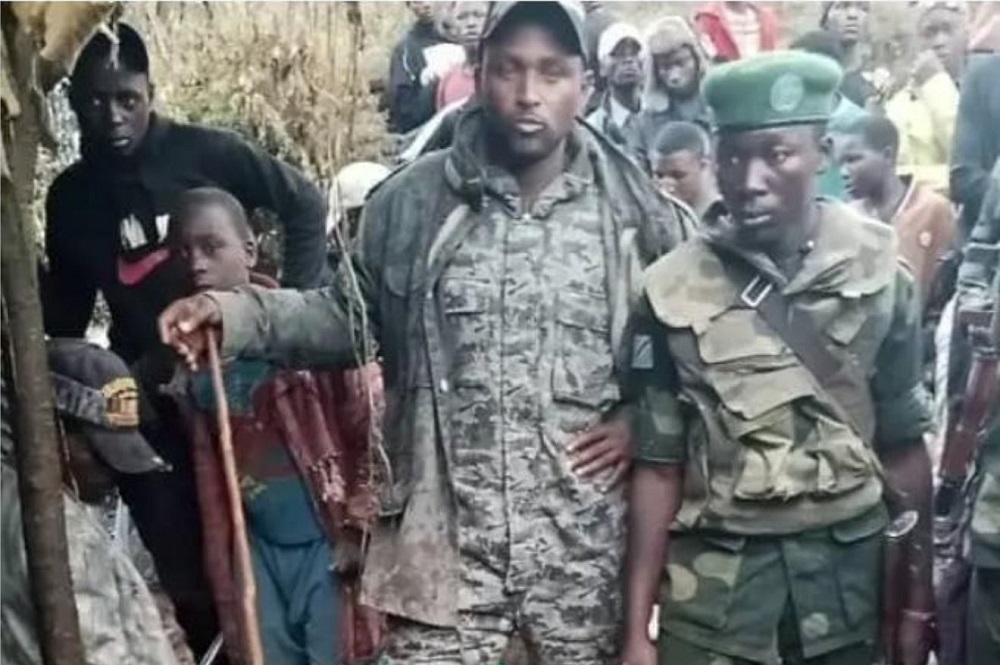
Mutayomba (centre), who operates within the FDLR’s Nyatura faction in North Kivu, was injured during intense clashes around Rubaya.
The promotion, Fly to the Home of Champions with SKOL Malt, invites football lovers aged 18 and above to predict the four teams they believe will reach the semi-finals of the upcoming global football tournament for a chance to win a fully paid trip to the home country of the tournament winner.
The campaign is built around the shared excitement of football, bringing together fans in bars, social spaces, and viewing experiences while rewarding them with prizes throughout the tournament period, SKOL indicated.
How the promotion works
To participate in the challenge, consumers are required to purchase a SKOL Malt, select the four teams they believe will qualify for the semi-finals, collect the bottle back labels corresponding to those teams, and upload a clear photo of the four labels on the campaign platform, www.skolfootball.rw.
Participants must also register their details and submit their predictions through the platform. Each entry must contain exactly four different teams, and the uploaded labels must match the selected teams.
Consumers can participate once per day, with multiple entries increasing their chances of qualifying for the grand prize draw if all four predicted teams reach the semi-finals.
According to the campaign organisers, the winner of the grand prize will receive a fully paid trip to the country of the tournament winner. If more than one participant correctly predicts the four semi-finalists, the final winner will be selected through a random draw by a bailiff.
Eligibility and prize conditions
Participation in the promotion is open strictly to individuals aged 18 and above, and all participants must agree to the campaign terms and conditions. Eligibility to travel and possession of a valid passport will also be required for the grand prize winner.
The organisers further pointed out that all entries must contain accurate participant information, as incomplete or incorrect details may lead to disqualification.
The campaign platform can be accessed via smartphone at www.skolfootball.rw, although consumers without smartphones can still participate with assistance from hostesses at participating bars and receive confirmations through SMS.
SKOLFootballVillageto host live screenings, fan activities
As part of the campaign, SKOL Malt will also host the SKOL Football Village at Camp Kigali from June 11 to July 19, where football fans will be able to watch all tournament matches through live screenings.
The Football Village will also feature several fan engagement activities, including sitting football, kicker games, PS5 gaming, and other entertainment experiences designed to bring supporters together throughout the tournament.
With football excitement continuing to build globally, the campaign seeks to combine fan engagement, entertainment, live match experiences, and rewards through a shared celebration of the game.
Globally, an estimated 60% of people who died between 2023 and 2026 were cremated. Japan and South Korea lead the practice, with more than 90% of deaths resulting in cremation, while Sweden, Denmark and Slovenia report rates of around 87%.
The method is gaining popularity largely because it requires far less land than traditional burials.
A grave occupies significantly more space than an urn containing cremated remains, allowing cremation to reduce cemetery land use by up to 95%.
In countries such as Rwanda, where burial grounds may remain unused for up to 20 years and the population continues to grow, this presents a practical advantage.
Rwanda established a legal framework for cremation in 2015 through a ministerial order. Despite its benefits and growing global use, however, cremation remains an emotional subject for many people.
A new step for cremation in Rwanda
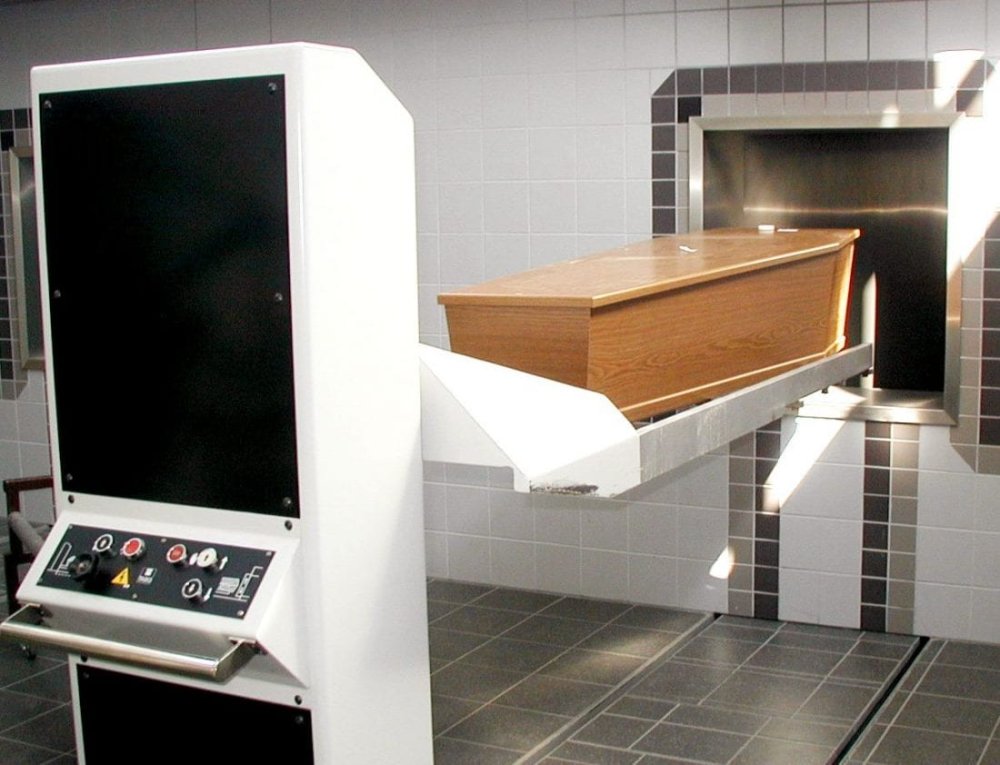
Rwanda may soon take another step by introducing electricity-powered cremation and establishing standard charges for the service. If all goes according to plan, the change could take effect in 2026.
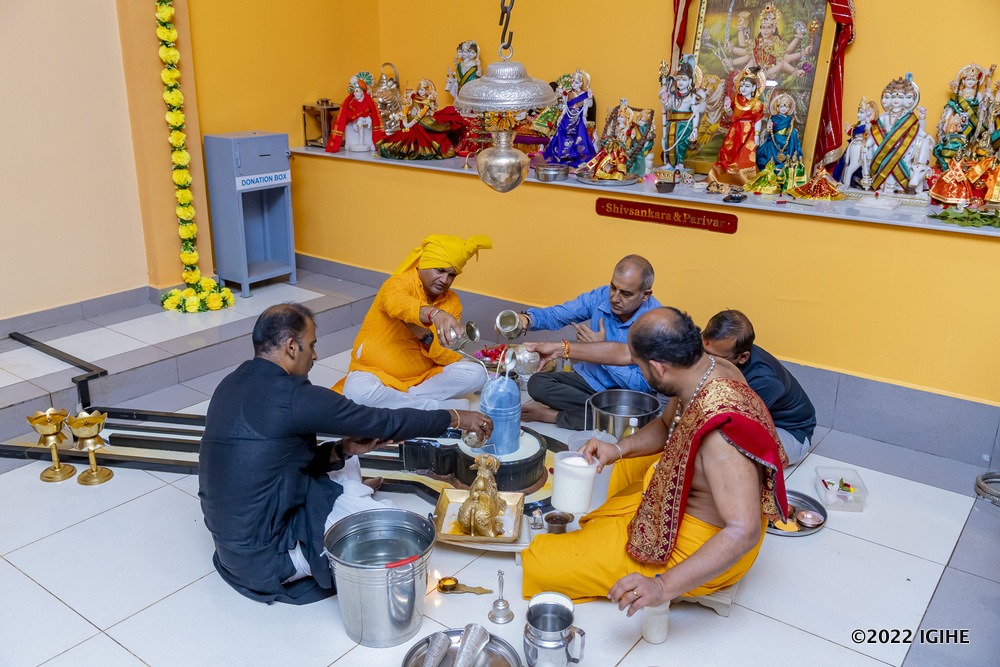
Since Rwanda legalized cremation, members of the Hindu community, under Hindu Mandal, have been the primary providers of the service, mainly cremating the bodies of their fellow worshippers living or working in Rwanda.
The Government of Rwanda later reached an agreement with the Hindu community allowing their cremation facility to continue offering the service to all Rwandans who may wish to use it, especially since cremation has not yet become common among the local population.
The Hindu community, which has a temple in Kigali, originally operated a cremation site in the city. However, as Kigali expanded, the government requested that the facility be relocated from the city center to an area away from growing residential and development zones.
In 2009, the community moved the cremation site to Murama Cell in Nyamata Sector, Bugesera District.
However, a major challenge emerged: electricity had not yet reached the area, a situation that remains unchanged today. As a result, cremations have continued to be carried out using firewood rather than modern equipment.
Since the relocation, more than 200 bodies have been cremated at the site, including those of seven Rwandans. Most of the Rwandans cremated were married to foreigners from countries where cremation is a common practice.
Since January 2026 alone, the facility has cremated the remains of 20 foreign nationals, including several people who died in the same accident.
Officials responsible for managing the Hindu cremation site say preparations to introduce modern electric cremation services are at an advanced stage. The transition will also allow authorities to establish standard pricing for the service.
Until now, the service has largely been provided as assistance to those seeking cremation rather than as a commercial operation.
One official involved in managing the facility told IGIHE: “The installations have already been completed; what remains is the machinery. That is when the actual prices will be determined. Let electricity arrive first, then we will go to China to bring the cremation machines because the order has already been placed.”
The official declined to provide a specific timeline for the launch of electric cremation services but emphasized that preparations on their side are nearly complete.
The main remaining requirement is the extension of electricity to the area.
Bodies in Rwanda are set to be cremated using electricity.
Electricity expected by the end of June
Valens Nzamurambaho, the official in charge of electricity matters in Bugesera District, told IGIHE that if everything proceeds as planned, electricity should reach several areas of the district that currently lack power, including the location of the cremation site, by the end of June 2026.
He said: “The project to extend electricity there is not limited to that area alone but also covers other sectors across Bugesera District. The contract between the Energy Development Corporation Limited [EDCL] and TBA in Nyamata Sector is, according to the information I have, expected to end in June.”
Nzamurambaho explained that the contract was originally expected to conclude only after electricity had already been supplied to the targeted areas.
He added: “The contract was supposed to be completed by the end of June, which also meant that electricity should already have reached those areas. Although there are still some challenges, not only in that location but also in other places as well, I do not foresee any problem for that area. Electricity could be available there by the end of June. If nothing changes, it should be by June 30.”
Members of the Hindu community have a temple in Kigali where they conduct their religious ceremonies.
A practice with ancient roots
Historians note that the exact origins of cremation are not known. However, some records suggest that it was practiced in China as early as 8,000 years before Christ, while it became more widespread around the world by approximately 3,000 BC.
It is believed that cremation first spread through Europe before moving eastward into Asia and eventually reaching other regions.
Before cremation takes place, farewell ceremonies may be conducted depending on the beliefs of the deceased or their family.
The body is also inspected to ensure that it does not contain metal objects such as necklaces, rings or other items that could explode or be damaged during the cremation process. Such items are removed beforehand.
Under Rwanda’s ministerial regulations, a request for cremation may be made by the deceased before death or by a person authorized by them.
The request can be made either in writing or verbally in the presence of at least two adult witnesses.
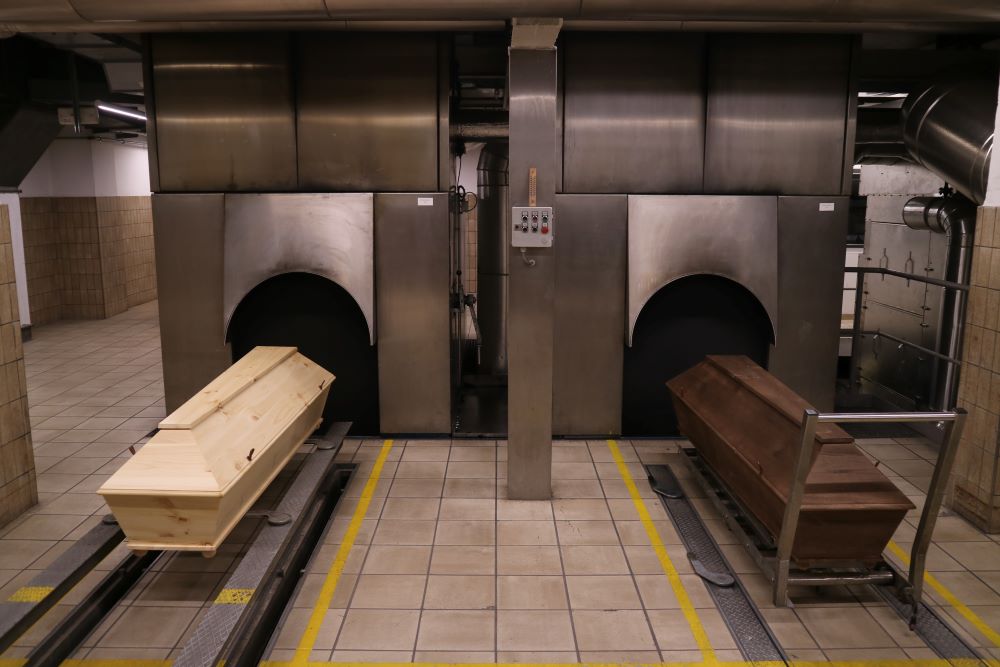
The regulations further state that cremation must be carried out in a specially designed furnace powered by electricity and equipped with a continuous heat source. A backup generator must also be available to ensure operations continue during power outages.
The mayor of the district where a body is to be buried may authorize cremation if no individual comes forward to claim it.
After all required checks are completed, the body is placed in a cremation chamber or furnace. Regulations prohibit placing more than one body in the chamber at the same time.
The chamber operates at temperatures ranging between 600°C and 1,000°C, where the cremation process begins.
The entire process takes about three hours. What remains afterward is often referred to as ashes, although the remains are actually bone fragments. These fragments are passed through another machine that grinds them into a fine powder.
The cremated remains of a man typically weigh about 2.7 kilograms, while those of a woman average around 1.8 kilograms.
Rwanda’s ministerial regulations state that cremated remains are considered the property of the deceased’s family or, in some cases, the state.
Family members may agree to keep the ashes in a single urn or divide them among themselves as they wish.
The ashes may then be buried in a public cemetery, a private cemetery, at a family home, or in another location designated by the family. In cases where the deceased has no family, the state determines where the ashes will be placed.
The infrastructure used for cremation in Rwanda is located in Bugesera.