The ceremony comes as Rwanda continues the commemoration of the 32nd anniversary of the Genocide Against the Tutsi, a period marked by remembrance, reflection, and renewed commitments to preserving the memory of more than one million lives lost during the 100-day genocide.
The unveiling will bring together senior government officials from Rwanda and France, members of the diplomatic corps, academics, researchers, and other distinguished guests.
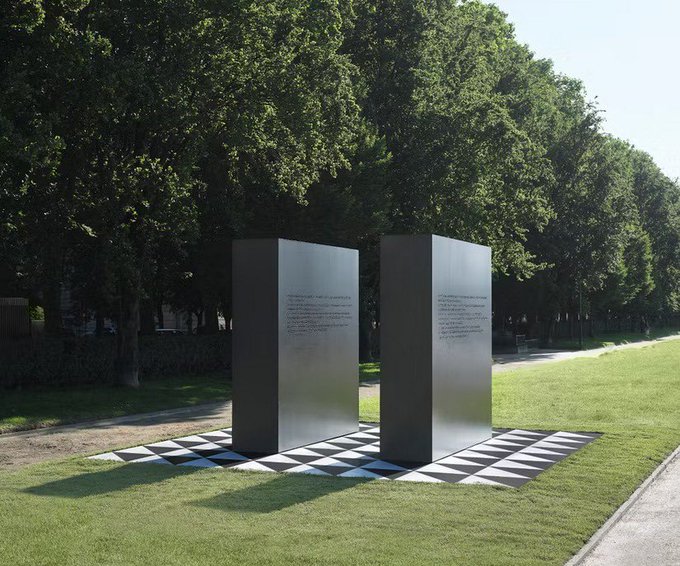
The monument, titled Les Archives, was commissioned by the French State in partnership with the City of Paris and Ibuka France. It was created by Portuguese-born artist Grada Kilomba and is intended to serve as a permanent place of remembrance and reflection.
Located along the Esplanade Habib-Bourguiba in the heart of Paris, Les Archives consists of two large-scale rectangular structures designed to honour the victims of the Genocide Against the Tutsi and provide a space for contemplation and tribute.
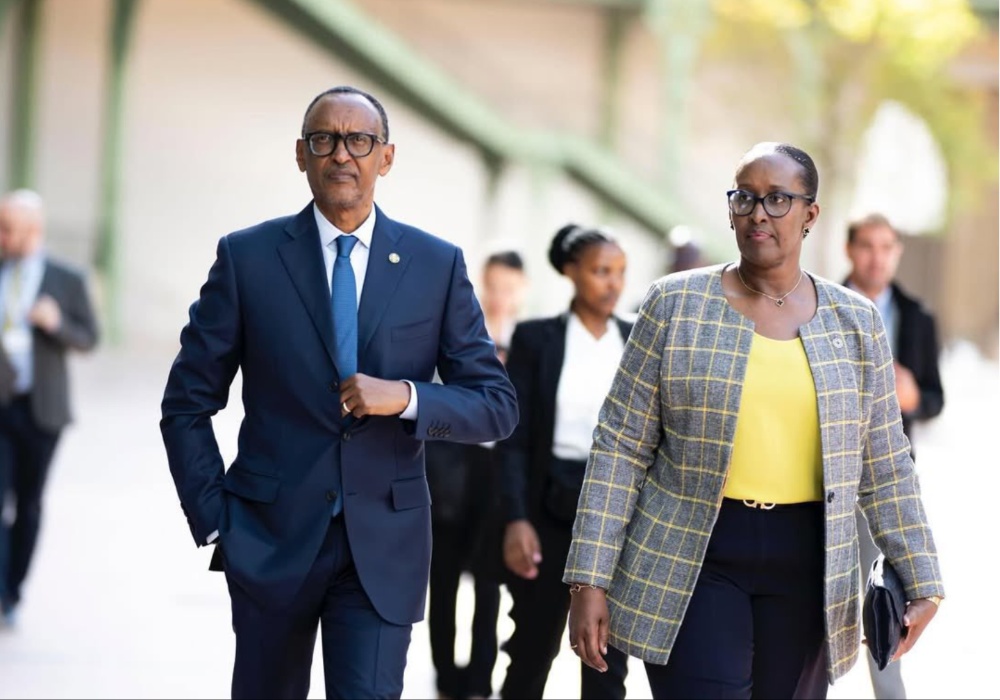
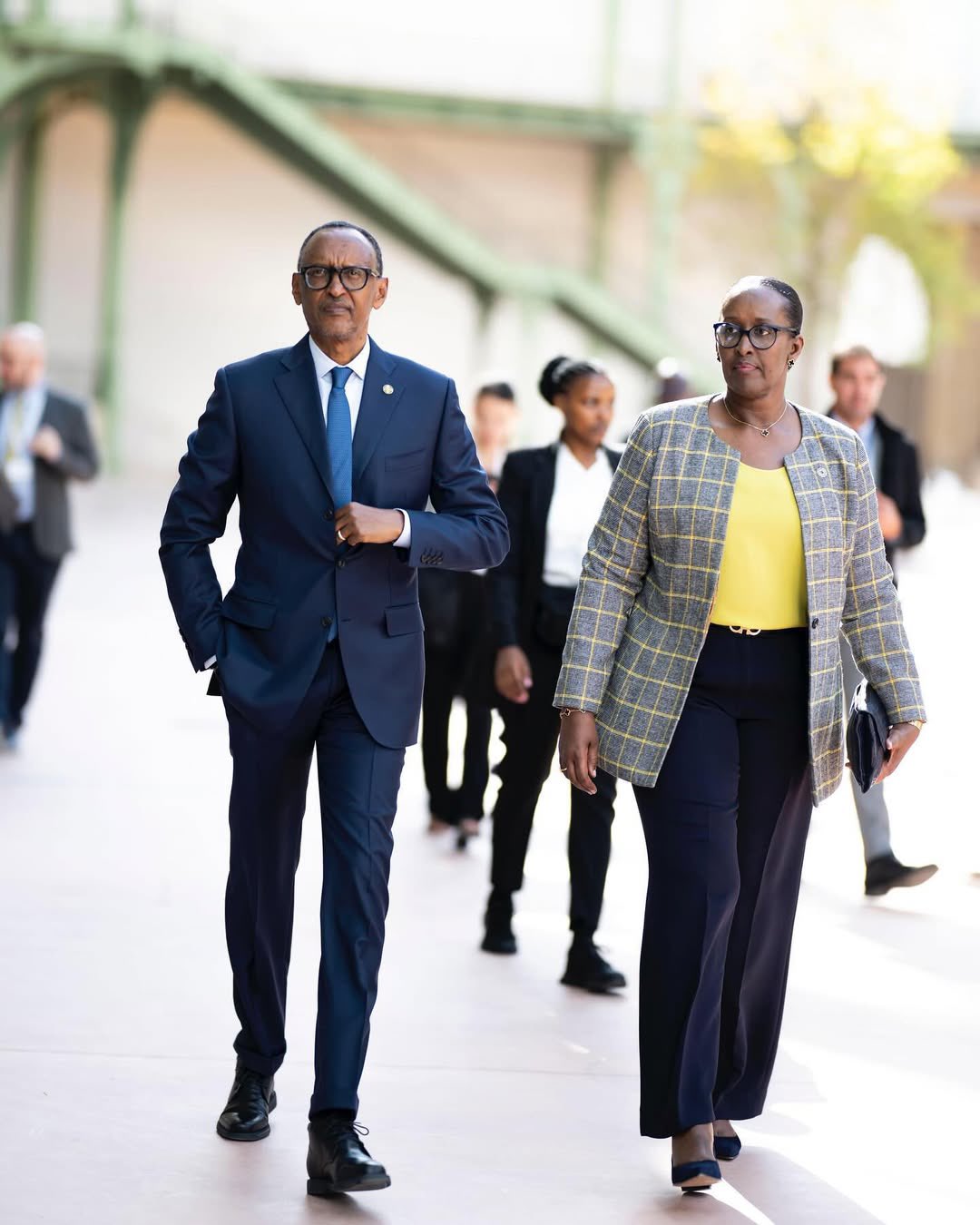
Following the ceremony, President Kagame and First Lady Jeannette Kagame will attend a dinner at the Palais de l’Élysée hosted by President Macron and First Lady Brigitte Macron.
The unveiling of Les Archives is expected to stand as a lasting symbol of remembrance in one of Europe’s most prominent capitals, ensuring that the memory of the victims of the 1994 Genocide Against the Tutsi continues to endure for generations to come.
President Paul Kagame and First Lady Jeannette Kagame are in Paris, France, where they will join French President Emmanuel Macron for the unveiling of a monument honouring the victims of the 1994 Genocide Against the Tutsi.The monument, titled Les Archives, was commissioned by the French State in partnership with the City of Paris and Ibuka France. It was created by Portuguese-born artist Grada Kilomba and is intended to serve as a permanent place of remembrance and reflection.
The announcement marks the official confirmation from Maputo following concerns over the future financing of the mission after the European Union signalled reluctance to continue supporting the deployment through the European Peace Facility (EPF).
Speaking to reporters in Maputo on Friday, government spokesperson and Minister of State Administration Inocêncio Impissa said the presence of Rwandan troops remains essential as Mozambique continues to strengthen its own security capabilities.
“I do not know the costs or how long they will stay, but the agreements will strictly clarify this matter in the near future, but having this reinforcement allows us to continue to build our country’s capacity,” Impissa said.
He added that the continued support of Rwandan forces gives Mozambique time to reorganise and modernise its armed forces.
“This gives us time to continue reorganising our forces in terms of capacity, equipment, and technology, among others, while we also benefit from the support of friendly forces who secure the region,” he said.
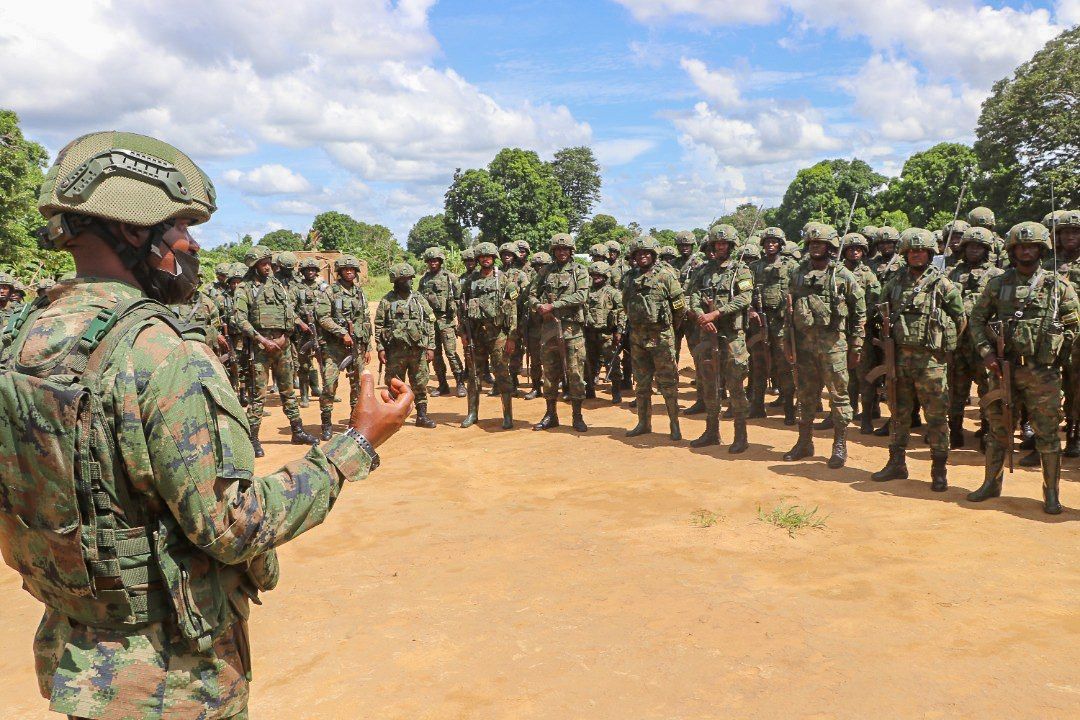
Rwandan forces were deployed to Cabo Delgado in July 2021 at the request of the Mozambican government to help contain an Islamist insurgency that has plagued the province since 2017. Their intervention has been widely credited with helping recapture key towns, restoring stability in strategic districts such as Palma and Mocímboa da Praia, and enabling displaced residents to return home.
The confirmation from Maputo follows remarks made in March by Rwanda’s Minister of Foreign Affairs and International Cooperation, Olivier Nduhungirehe, who said the Government of Mozambique had committed to directly financing the mission after some European Union member states became reluctant to continue funding support.
“Rwanda came back to the basics and decided to deal exclusively with the Government of Mozambique,” Nduhungirehe said at the time, stressing that the partnership between Kigali and Maputo remained strong and effective.
He noted that the mission had delivered significant results over the past several years, including improved security, the reopening of businesses and schools, and the return of displaced families.
Nduhungirehe also argued that the intervention created the conditions necessary for major international energy investments to resume, including an estimated $50 billion in liquefied natural gas (LNG) projects led by European and American companies.
The EU has provided approximately €20 million in support for the Rwandan deployment through the EPF. However, Kigali has consistently maintained that the contribution covered only a fraction of the actual costs incurred by Rwanda, which it says has spent at least ten times more on the mission.
The funding question gained prominence after Rwandan authorities warned earlier this year that the deployment could be reconsidered if sustainable financing was not secured.
In August last year, Rwanda and Mozambique renewed their Status of Forces Agreement on Support to the Fight Against Terrorism during a visit by Mozambican President Daniel Chapo to Kigali. The agreement extended Rwanda’s military support in Cabo Delgado, with Chapo praising the partnership for helping restore peace in the region.
The security gains achieved by Mozambican and Rwandan forces have also helped revive confidence in Cabo Delgado’s economic prospects. The insurgency had forced French energy giant TotalEnergies to suspend construction of its LNG project and declare force majeure in 2021. Following improvements in security, the company lifted the declaration and, in January this year, agreed with the Mozambican government to resume construction activities.
As Mozambique continues efforts to build the capacity of its own security forces, officials say the presence of Rwandan troops remains a critical component of maintaining stability and preventing a resurgence of insurgent activity in Cabo Delgado.
The Mozambican government has confirmed that it will secure the necessary funding to ensure the continued deployment of Rwandan security forces in Cabo Delgado, reinforcing a security partnership that has played a key role in combating insurgency in the country’s northern region.
According to an internal State Department memo obtained by the Associated Press, the number of US diplomatic missions in Africa handling visa applications is set to be cut from nearly 50 to just 20 in the coming weeks.
Although no official implementation date has been announced, the changes are expected to take effect before the end of June.
The move forms part of the Trump administration’s broader efforts to tighten immigration controls, including stricter scrutiny of both immigrant and non-immigrant visa applications and measures aimed at reducing visa overstays.
Under the proposed restructuring, only a limited number of US embassies in Africa will continue processing visa applications. In East Africa, the embassies in Rwanda, Kenya, Uganda, Tanzania and the Democratic Republic of Congo are expected to retain visa services.
The US embassies in Burundi, Somalia and South Sudan are among those likely to lose the authority to process routine visa applications.
Other countries expected to continue offering visa services include Senegal, Djibouti, South Africa, Nigeria, Togo, Angola, Equatorial Guinea, Liberia, Mauritius, Cape Verde and Cameroon.
If the plan is implemented, applicants from countries where visa services are discontinued will have to travel to designated regional hubs to submit their applications.
The change is expected to increase costs for many travelers, who may need to cover additional expenses for transport, accommodation and other logistics.
Embassies that no longer process regular visa applications will continue to provide consular services such as passport renewals for US citizens, emergency assistance and the handling of diplomatic visa requests.
According to US officials cited by the Associated Press, American diplomats and consular officers were informed during a conference call last week that visa operations across Africa would be consolidated as part of the restructuring.
U.S. is set to scale back visa services at dozens of embassies in Africa with Kigali among visa processing hubs to be retained.
Patrick Nkurunziza, who was born in the neighboring DRC, is among those who lived a life they did not choose. At a very young age, he was recruited into the armed ranks of the FDLR militia group while still a child.
The FDLR is an armed group founded by individuals who participated in the 1994 Genocide against the Tutsi and who have, over time, maintained an agenda aimed at destabilizing the Government of Rwanda.
The group has continued to operate despite concerns over its genocidal ideology and its frequent collaboration with Congolese forces.
As some of its founding members aged and others chose to return to Rwanda, the group increasingly turned to recruiting children born in the DRC into its ranks. It also expanded its activities to include the training of Congolese youth and the creation of allied militias such as Nyatura, alongside other groups influenced by divisive ideology.
Recruitment into the group has largely targeted children born in areas where it operates, particularly Congolese nationals.
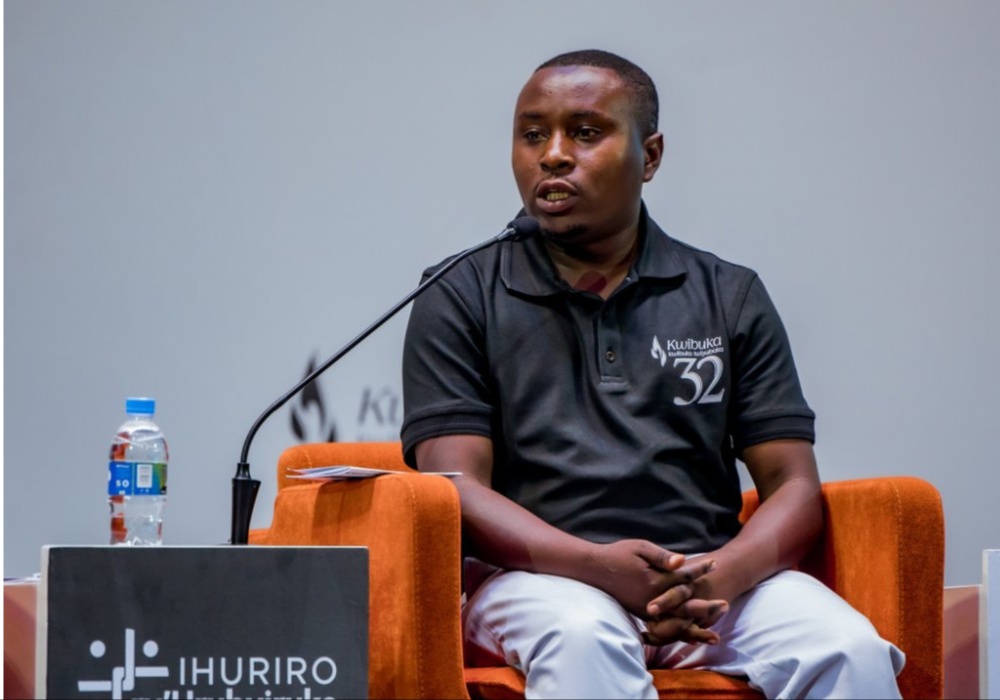
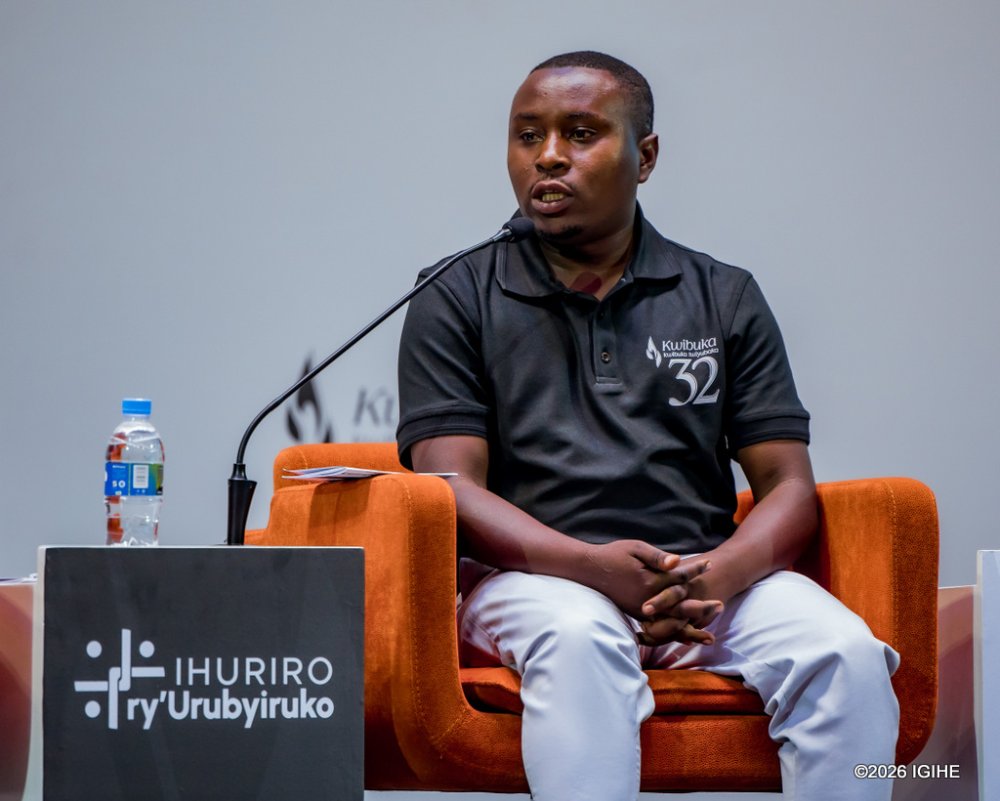
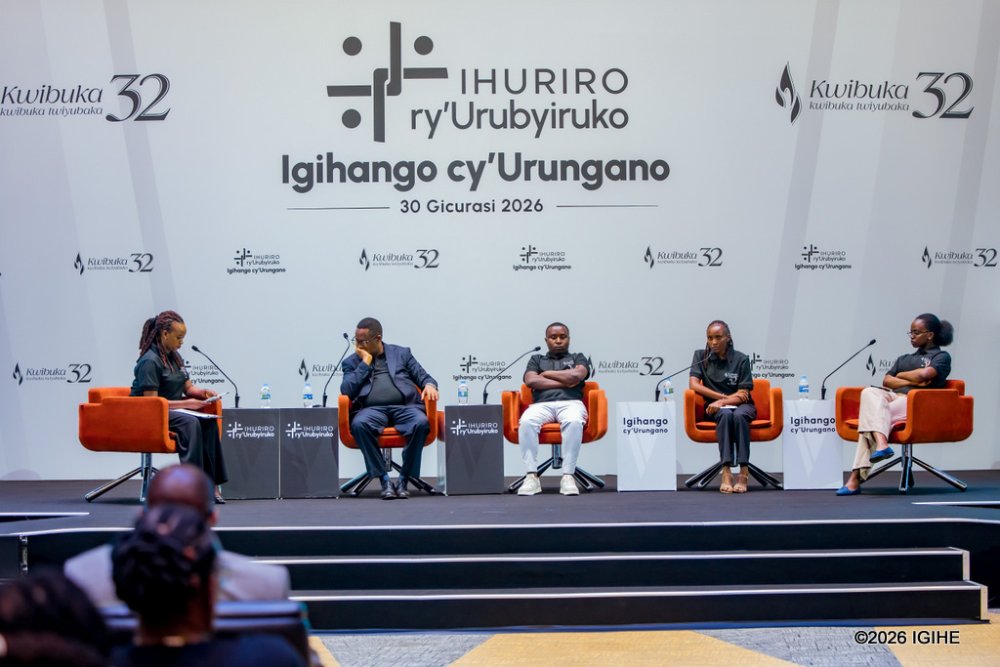
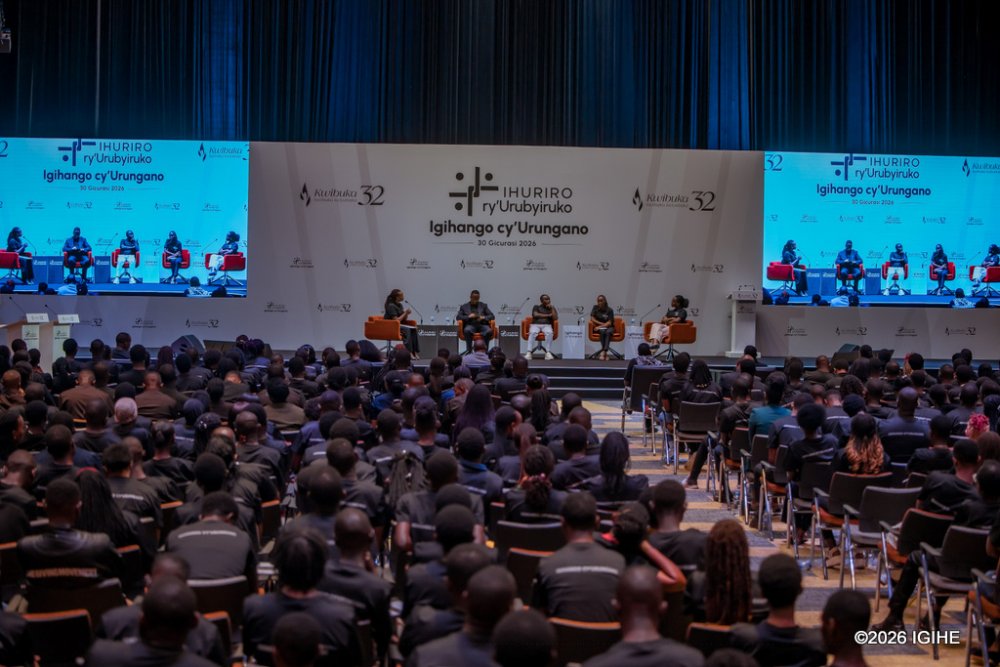
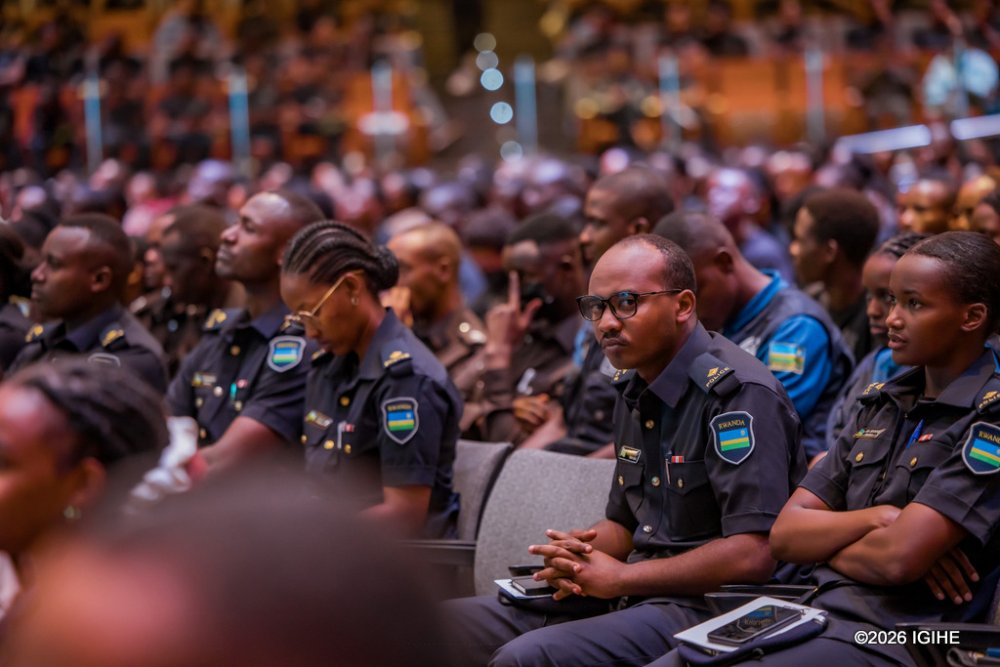
Nkurunziza shared his testimony during an “Igihango cy’Urungano” youth dialogue forum, which brings together young people from across Rwanda to reflect on the country’s history and to honor the memory of youth who were killed during the Genocide against the Tutsi.
He explained that he was born in 1997 and was forcibly recruited into the FDLR at a very young age, beginning to handle a firearm at just 14 years old.
He also noted that his father had resisted joining the FDLR despite living in the DRC, but the group attempted to pressure him by forcibly recruiting his child.
“They captured me and another boy called John, blindfolded us, and took us to Rutshuru, into the forests of Walikale. The second aspect was constant psychological pressure, torture, indoctrination, training, and forced participation in harmful narratives aimed at denying the Genocide against the Tutsi,” he recounted.
“We were beaten daily and forced into activities such as stealing, carrying heavy loads, and transporting ammunition. I was a 14-year-old child, but they did not care. I was made to carry loads of up to 60 kilograms. I had no option to refuse; I had to comply until they decided otherwise.”
After this period, he was subjected to military training. He underwent a three-month training program and was issued a firearm at the age of 14, despite lacking the physical or technical ability to use it.
“I was given a gun at 14. They did not care whether I could use it or not. I held it until I learned how to use it, and I became a soldier like others. At that time, we were trained to say: ‘Work hard, we want to attack Rwanda, we want to destroy the Tutsi completely,’” he said.
He further explained that access to food within the group often depended on looting civilians, and in some cases, this involved violence and killings.
Patrick Nkurunziza, who was born in the neighboring DRC, is among those who lived a life they did not choose. At a very young age, he was recruited into the armed ranks of the FDLR militia group while still a child.
While the FDLR is often perceived as being composed mainly of older fighters due to its long history, Nkurunziza emphasized that the group also includes many young recruits, some of whom are his age or even younger, and who live under extremely difficult conditions.
After approximately six months, he began contemplating escape, despite the significant risks faced by a 15-year-old in such an environment.
He eventually approached a soldier he knew and expressed his desire to leave, stating that he no longer wished to remain in the forest due to exhaustion and continuous abuse.
“Even within the military I saw, there was no strength or hope that they would ever take Rwanda. I had no confidence in them at all,” he explained.
In 2010, he made the decision to flee the forest, embarking on a dangerous and uncertain journey.
Reaching peacekeeping MONUSCO forces proved extremely difficult for the 15-year-old and his companion. Along the way, they encountered individuals who attempted to stop them and force them back, with the intention that they be killed as a warning to others considering escape.
Despite these dangers, they managed to persevere and eventually reached MONUSCO protection after days of struggle.
Fearing capture and torture, they continued to move day and night until they reached safety.
While in Bukavu on his way home, Nkurunziza received devastating news that his parents had been killed by the FDLR in retaliation for his escape. The news was deeply distressing, but he continued his journey back to Rwanda.
“When I reached Rusizi at the border, I saw Rwandan citizens happy, healthy, and welcoming. The leaders received me with great warmth, and I heard people speaking Kinyarwanda,” he recounted.
Shock at the absence of heavy security around leaders
Nkurunziza explained that upon returning to Rwanda, he initially believed he might be killed, as he had previously been told that anyone who returned would be eliminated and used in staged recordings to discourage others from coming back.
“I told myself I might as well die like others. If they record me, so be it. In reality, I was already expecting death.”
After crossing the border, he was taken to the Nyarushishi transit center before being transferred to the Mutobo Reintegration Centre in Musanze District, a facility that supports former combatants in returning to civilian life.
At Mutobo, although he initially remained cautious and fearful, he encountered individuals he had previously seen in the DRC, including some with senior ranks, who were alive and well. This reassured him that he had indeed entered a safe environment.
He frequently recounts his experiences with a mix of humor and reflection, describing both the trauma he endured and the choices he made during that period.
During a graduation ceremony for trainees at the centre, he was surprised to see that the Mayor of Musanze District and the Governor of the Northern Province were not accompanied by armed escorts.
“In Congo, I was used to seeing mayors surrounded by soldiers and police. I wondered how there could be peace in a country we were told was full of killers, and that Tutsi were snakes who would be exterminated,” he narrated.
“Then I saw senior generals arriving with only a few soldiers. I immediately realized I had come to a peaceful country. From that moment, life began to feel different.”
Afterwards, the leadership at Mutobo sent him to the Nyarubande centre, which supports children and young people in learning Rwandan cultural values and taboos.
He later enrolled in a six-month hotel management course.
Upon completing his studies, he and other graduates were encouraged to identify and develop their talents. Having never had the opportunity to explore his own abilities due to life in the forest, he discovered his talent for singing.
He was supported and mentored, and went on to record 12 songs in both audio and video formats, marking the beginning of a new chapter in his life.
He used his music to encourage others still in the forests of eastern DRC to return home and participate in national development.
Nkurunziza also secured employment, which further helped him rebuild his life.
In 2023, after rebuilding stability, he got married and started a family. He is now a husband and father of one child.
He expressed appreciation for the Government of Rwanda, security institutions, and citizens whose efforts contributed to building a peaceful and prosperous Rwanda where movement is free and life continues without disruption.
Speakers at the “Igihango cy’Urungano” dialogue urged young people to take part in rejecting and combating genocide ideology.
Speaking at the opening session, Monica Juma, executive director of the United Nations Office on Drugs and Crime (UNODC), said that the foundations of multilateralism are being tested while criminal networks continue to adapt and evolve.
She stressed that the CCPCJ remains an essential platform for governments, practitioners and civil society to work together in tackling shared challenges in crime prevention and criminal justice.
In a video message, President of the UN Economic and Social Council Lok Bahadur Thapa underscored the importance of combating organized crime, corruption, cybercrime and terrorism, saying such efforts are critical to advancing sustainable development and achieving the UN Sustainable Development Goals.
During the five-day session, delegates are expected to consider three draft resolutions addressing emerging criminal justice challenges: preventing and combating the transnational sextortion of children, countering trafficking in persons for the purpose of forced criminality, and strengthening crime prevention and criminal justice responses to combat fraud.
The proposed measures reflect growing concern over the increasingly digital, transnational and interconnected nature of crime, as well as the need for innovative, coordinated and victim-centred approaches to law enforcement and justice.
As the United Nations’ principal policymaking body on crime prevention and criminal justice, the CCPCJ brings together member states and experts to shape international responses to evolving criminal threats.
The session runs through June 5 and will feature plenary discussions, more than 100 side events and 16 exhibitions.
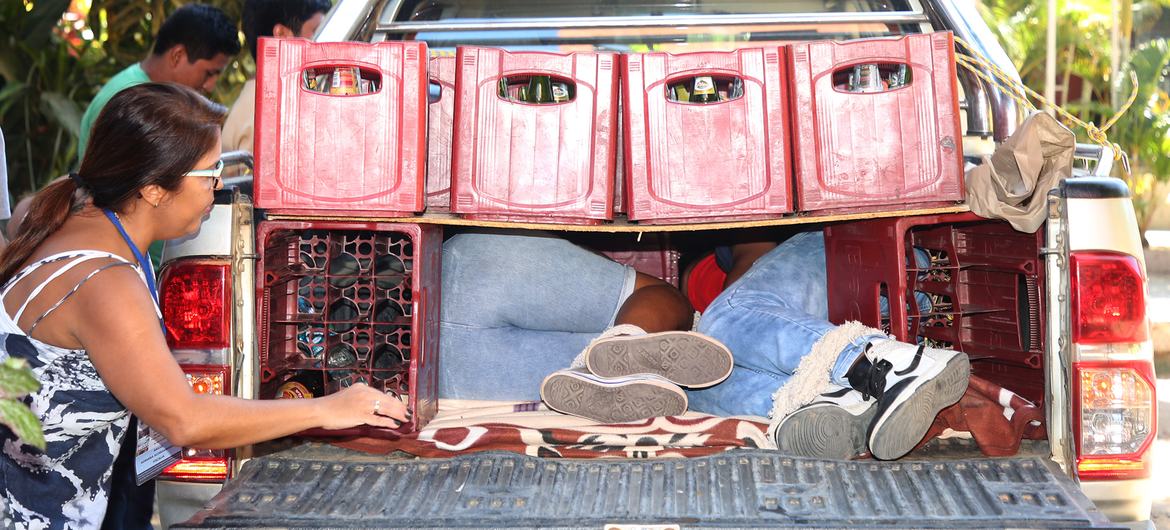
UNODC Perú/Coral Estudio Adriana Scordamaglia, a labour prosecutor from Brazil, during a simulated rescue exercise of the STARSOM project in Peru, an initiative to fight organized crime groups involved in migrant smuggling (file).
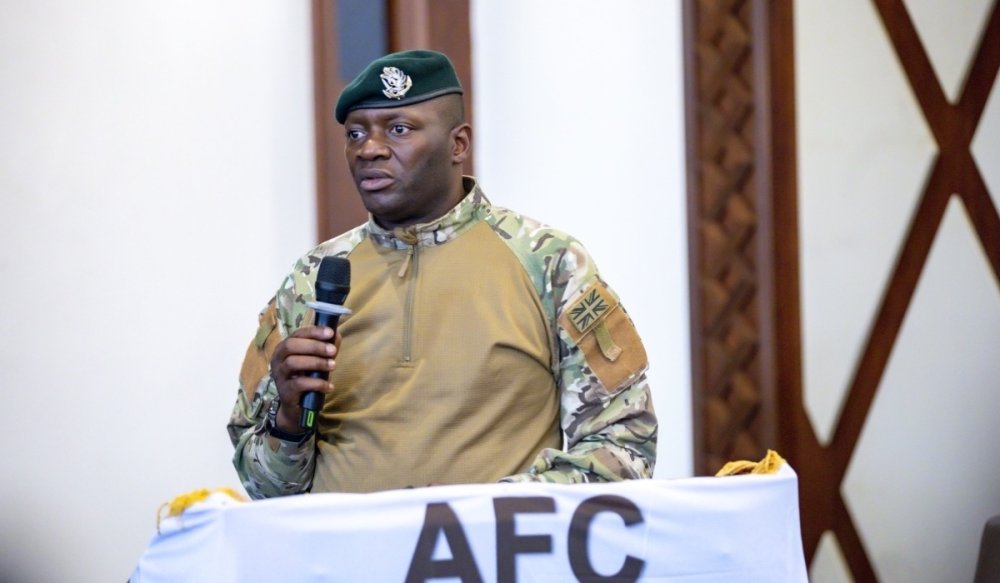
In a statement released on June 1, AFC/M23 spokesperson Lawrence Kanyuka accused the Congolese army and allied armed groups of carrying out repeated attacks throughout May in several areas, including Masisi, Minembwe, Numbi and Walikale.
Kanyuka claimed that the DRC government is continuing to deploy troops, weapons and military equipment, particularly in South Kivu Province, in what he described as preparations for large-scale operations targeting both civilian-populated areas and AFC/M23-controlled territory.
He said any new offensive against the group’s positions would be met with a strong response.
According to Kanyuka, AFC/M23 would not only defend areas under its control but would also seek to push back government forces from locations used to launch attacks. He argued that such a move would help create a buffer zone aimed at protecting civilians and their property from future hostilities.
The warning comes days after AFC/M23 reported clashes with Congolese army troops and Wazalendo militia fighters in Masisi Territory.
The group said it had repelled advancing forces and pushed them away from the strategic mining hub of Rubaya after attempts to move closer to the area.
AFC/M23 also sought to reassure residents of Rubaya and neighbouring localities, including Kinigi, saying it remained prepared to protect communities under its control. The group urged residents to continue their daily activities despite the security concerns.
Kanyuka said AFC/M23 would not only defend areas under its control but would also seek to push back government forces from locations used to launch attacks. AFC/M23 has reassured residents , saying it remained prepared to protect communities under its control.
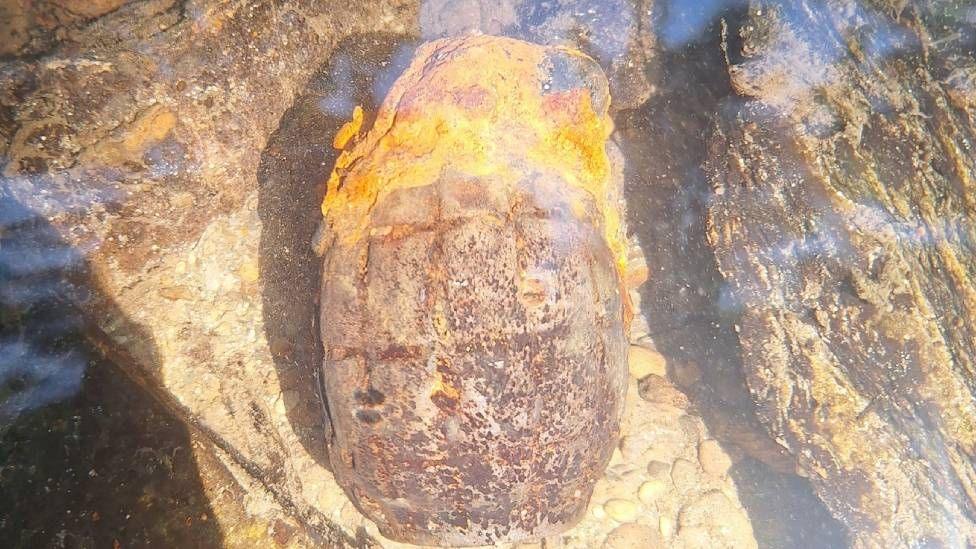
Biak Numfor Police Chief Ari Trestiawan said the grenade was found at the blast site and safely detonated by a bomb disposal unit at around 6:00 p.m. local time.
Residents have been warned to stay away from the area until it is declared free of explosive materials.
Police have not yet begun a formal crime scene investigation pending the completion of site sterilization efforts.
The explosion occurred at a fishery complex in Biak Kota district on Sunday afternoon, killing five people, including two children. Three others remain missing, and 19 people were injured.
The blast also damaged nine houses occupied by 10 families, displacing 55 residents who are currently being sheltered by local authorities.
The Mills bomb was first developed during World War One
The crisis severely impacted international transport routes, particularly flights to and from the Middle East. As security concerns escalated following U.S. military strikes on Iran late February 2026, airlines suspended numerous routes to destinations such as Qatar and the United Arab Emirates (UAE).
Early March, more than 21,000 flights to and from the Middle East were reportedly canceled. Major hubs, including Dubai International Airport, reduced operations significantly, while Rwanda’s national carrier, RwandAir, also suspended flights to the region.
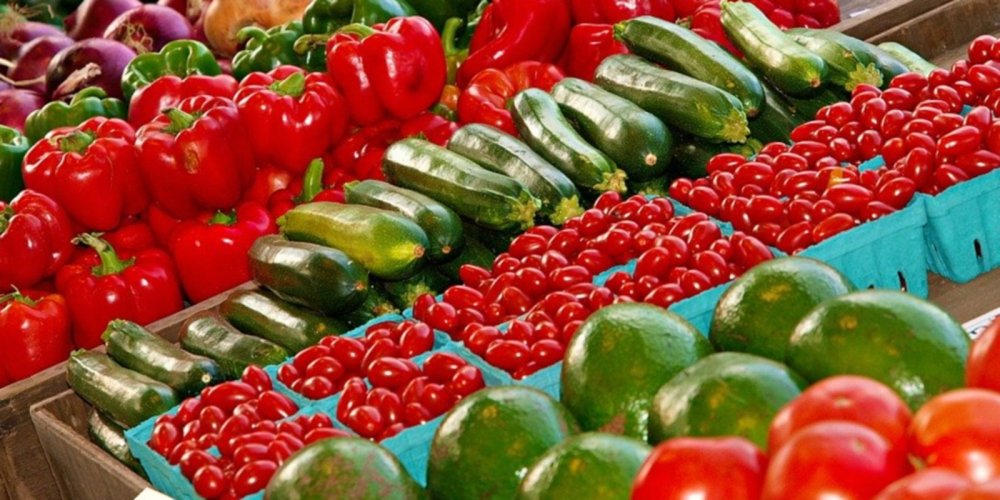
The disruptions hit Rwanda’s horticulture sector hard. According to the Horticultural Exporters Association of Rwanda (HEAR), around 80 percent of exporters temporarily halted their activities as access to major markets such as Dubai and Abu Dhabi became difficult.
Association president Robert Rukundo said the suspension of flights created major challenges for exporters who depend on air transport, particularly RwandAir, to move fresh produce.
“The situation became very difficult. Air travel was suspended, maritime trade was also affected because the Strait of Hormuz was closed. Trade became complicated, and transportation costs increased as businesses searched for alternatives,” he explained.
Rukundo noted that some exporters attempted to redirect produce to neighboring countries or local processing industries, but many were unable to find viable alternatives.
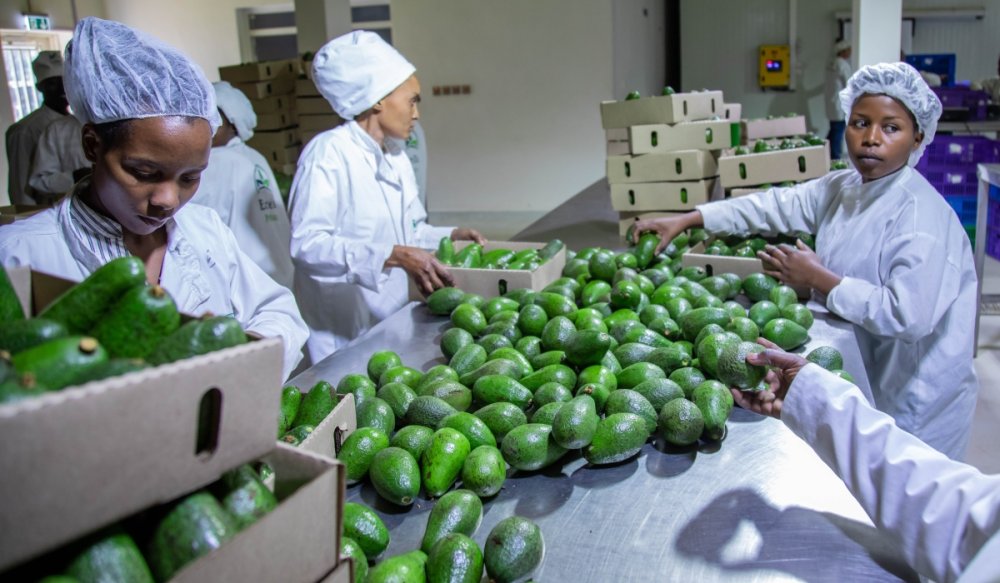
The impact extended throughout the value chain, from exporters to farmers. Products such as avocados, one of Rwanda’s most important agricultural exports, were particularly affected.
Data from the sector shows that before the conflict, Rwanda regularly exported between 20 and 25 tonnes of fresh produce per flight, with exports taking place several times a week. However, volumes declined sharply once transport links were disrupted.
Between March 24 and 28, 2026, Rwanda exported 173 tonnes of fruits worth Rwf 235 million and 290 tonnes of vegetables worth Rwf 853 million. Some of these exports were destined for the UAE.
By comparison, during the week of February 16–20, before the conflict began, Rwanda exported 376 tonnes of fruits worth Rwf 471.7 million and 437 tonnes of vegetables valued at Rwf 569 million.
Rukundo said the crisis highlighted the country’s limited capacity to process and preserve agricultural products when export markets become inaccessible.
“When produce cannot reach the market, it becomes a major problem. We still lack sufficient facilities to add value, process products, and store them until market conditions improve,” he said.
Although Rwanda has some processing facilities capable of producing avocado oil, guacamole, soap, and other products, Rukundo said their capacity remains limited.
He added that, just as the COVID-19 pandemic exposed vulnerabilities in supply chains, the Iran conflict has shown the need for greater investment in value-addition industries.
RwandAir flights resume
In a positive development for exporters, RwandAir announced on May 29, 2026, that it would resume flights to Qatar and the UAE from June 1.
Rukundo welcomed the decision, saying it would help restore trade links, even though the peak avocado harvest season is nearing its end.
“We are very happy that the flights have resumed. This will help reconnect us with our markets and bring back customers. We hope it will also contribute to better prices,” he said.
However, he cautioned that higher fuel prices and increased transport costs could continue to affect profitability.
Avocados: Rwanda’s “green gold”
Avocados have emerged as one of Rwanda’s most promising export crops, driven by growing demand in the Middle East, Europe, and other international markets.
Rukundo described avocados as “green gold,” saying the crop creates opportunities across the entire value chain—from farmers and transporters to cold-storage operators, processors, and exporters.
“It is a crop that can transform livelihoods and create jobs at every stage of production and distribution,” he said.
The crop’s export potential continues to grow. Rwanda exported fewer than 1,000 tonnes of avocados in the 2018/19 season, earning just over $400,000. By 2024, exports had risen to 4,200 tonnes, generating more than $8 million in revenue.
Rwanda currently sells around 80 percent of its avocado exports to Arab countries, while also supplying European and regional markets.
The country recently signed agreements that will allow avocado exports to enter the Chinese market as well.
Figures released in November 2025 showed that Rwanda had more than 550,000 avocado trees.
Since most of these trees are still relatively young, production is expected to increase significantly in the coming years, strengthening the crop’s role in the country’s export sector.
Rwanda currently sells around 80 percent of its avocado exports to Arab countries, while also supplying European and regional markets. Middle East conflict has disrupted Rwanda’s horticulture export trade.
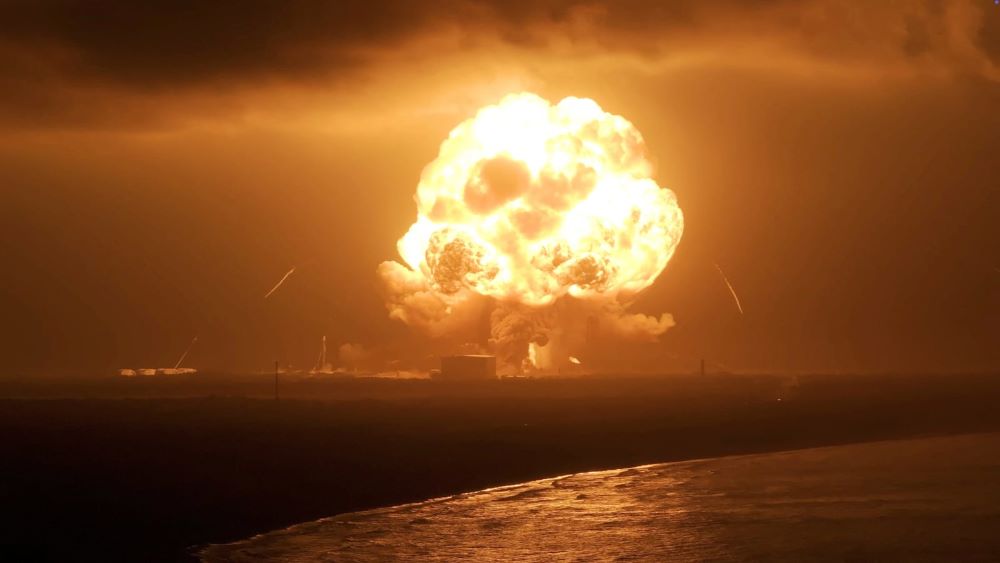
The explosion occurred at about 9 p.m. Eastern Time on Thursday (0100 GMT on Friday) at Launch Complex 36, located at the Cape Canaveral Space Force Station in Florida. The facility is currently the only operational launchpad capable of supporting Blue Origin’s New Glenn rocket.
In an interview with CNBC, Isaacman said a 2028 timeframe was “within the realm” of a possible recovery for the damaged launchpad.
“We’re all getting organized generally around the idea that we certainly want to see Blue Origin be very successful,” Isaacman said. “So recovering, getting the pad recovered, providing subject matter expertise, root cause analysis for sure. Let’s figure out what’s broken, and then we got to keep moving forward.”
Blue Origin CEO Dave Limp said on social media platform X that the company has regained limited access to Launch Complex 36 and is actively investigating the anomaly that occurred during the hot-fire test.
“We will start clearing the pad soon and have a good rebuild plan in place,” Limp said.
The explosion could delay future New Glenn missions and may affect the schedule of some NASA lunar exploration missions, as Blue Origin is a key commercial partner in the agency’s Artemis moon program.
Fire during an explosion of the uncrewed Blue Origin’s New Glenn rocket during a test on a launchpad in Cape Canaveral, Florida, U.S., May 28, 2026, in this screengrab obtained from a handout video.
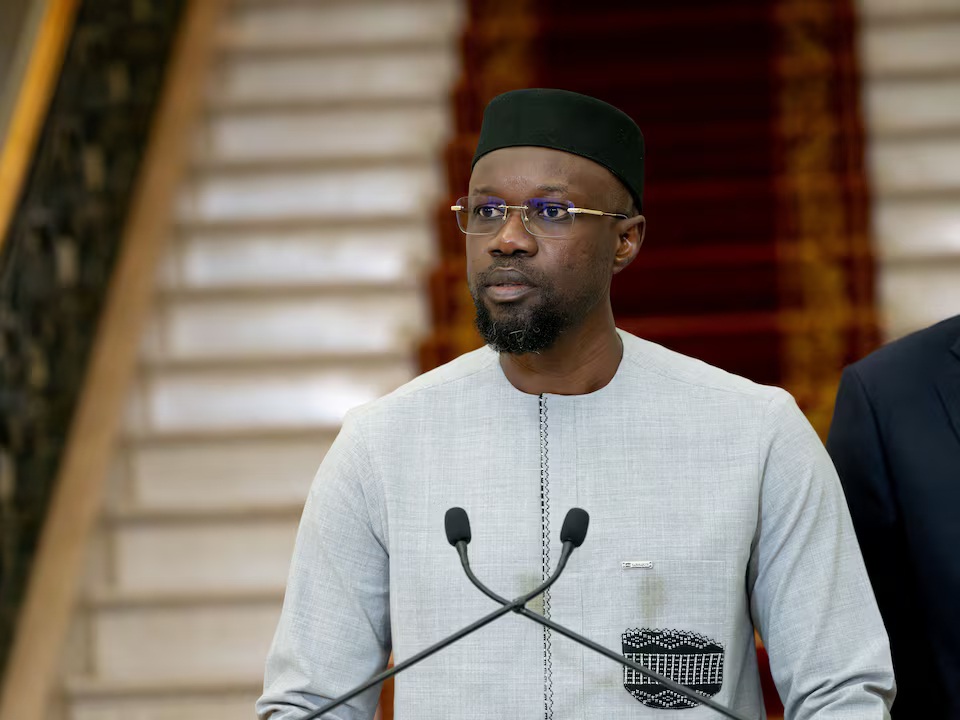
In a statement posted on social media, Sonko said he met President Faye earlier in the day to discuss the formation of the new administration. While the two leaders confirmed areas of agreement, “points of disagreement” emerged, particularly over the role of the parliamentary majority within the executive framework.
“As a result, PASTEF will not participate in the next government and will not be represented by any ministers,” Sonko said, adding that the party wished the new administration “full success.”
The announcement came shortly before new Prime Minister Ahmadou Al Aminou Lo unveiled a 30-member cabinet. The new lineup retained Cheikh Diba as finance minister, with his portfolio expanded to include the economy ministry in a bid to improve policy “coherence,” according to the government.
However, the roster of ministers appointed by Lo included at least three prominent members of PASTEF, revealing a direct political challenge to Sonko’s attempt to pull the party completely out of the executive branch. The inclusion of these figures, despite the party leader’s public directive, highlights a growing internal division between Faye’s administration and Sonko’s legislative bloc.
The political rift unfolds against the backdrop of mounting economic pressure in Senegal, which is grappling with a debt crisis triggered by the revelation in 2024 of previously misreported liabilities by the former administration. The International Monetary Fund subsequently froze a $1.8 billion lending programme, pushing Senegal’s debt burden to around 132% of GDP.
Finance Minister Cheikh Diba told parliament in May that talks with the IMF were expected to resume in June, with hopes of reaching agreement on key issues by the end of the month.
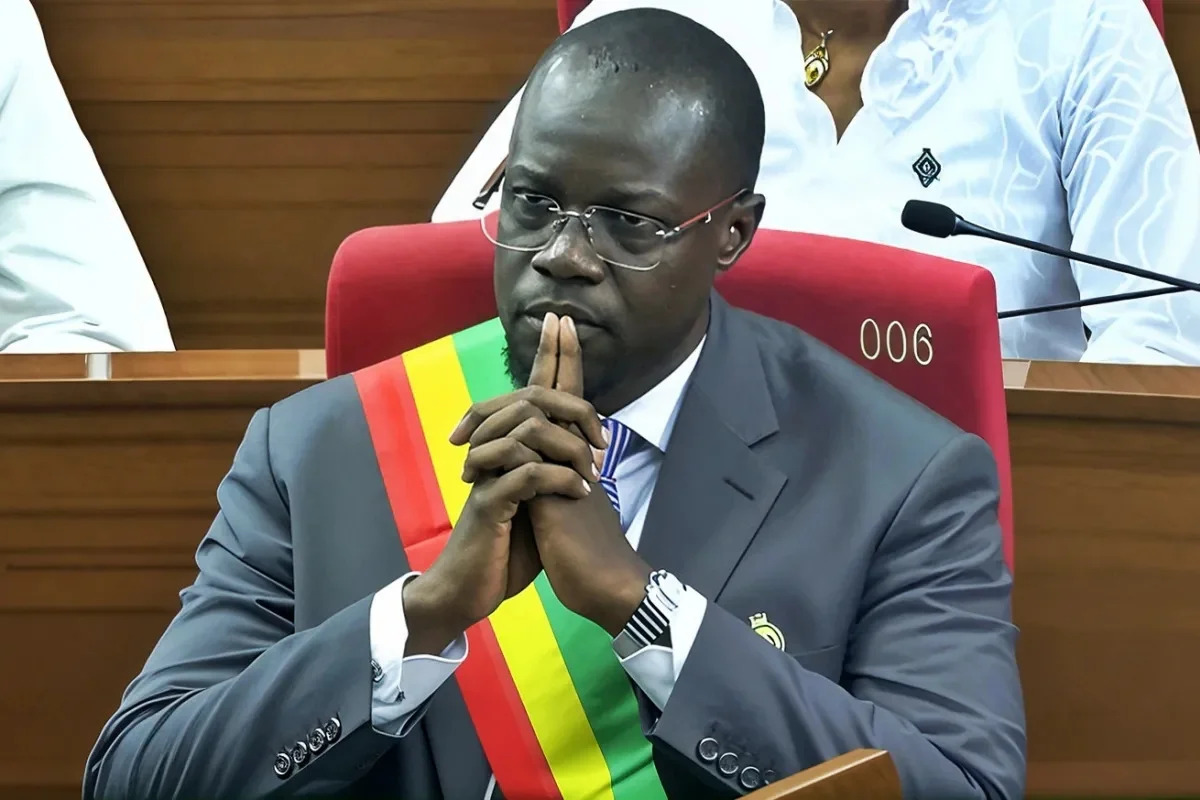
The latest tensions also follow a broader political reshuffle. President Faye recently dissolved the government and dismissed Sonko from his post, prompting the formation of the new cabinet under Prime Minister Lo. Despite this, lawmakers later reinstated Sonko to parliament and backed him as speaker, reinforcing his continued political influence.
Analysts say Sonko’s position could still shape the political landscape, given PASTEF’s large parliamentary majority and his strong opposition to IMF-backed reforms, including debt restructuring proposals.
President Faye recently dissolved the government and dismissed Sonko from his post, prompting the formation of the new cabinet under Prime Minister Lo. Despite this, lawmakers later reinstated Sonko to parliament and backed him as speaker, reinforcing his continued political influence.