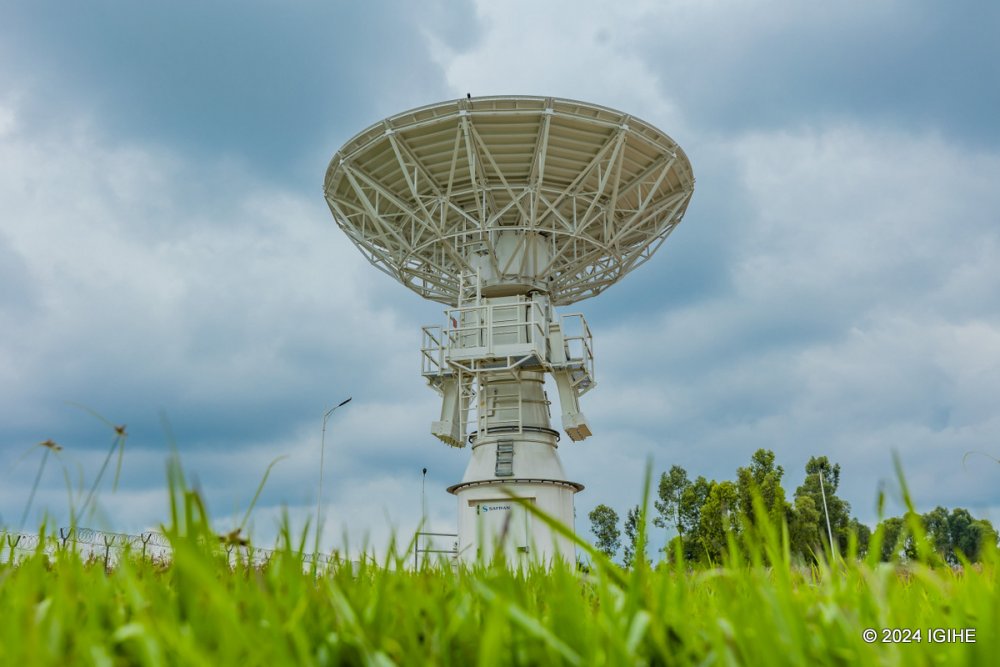
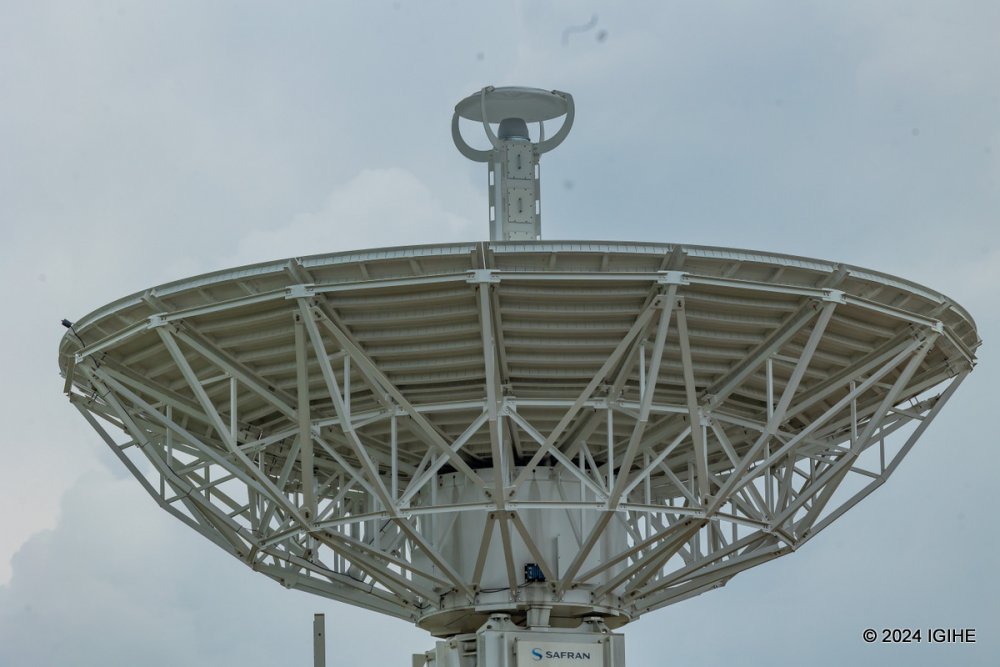
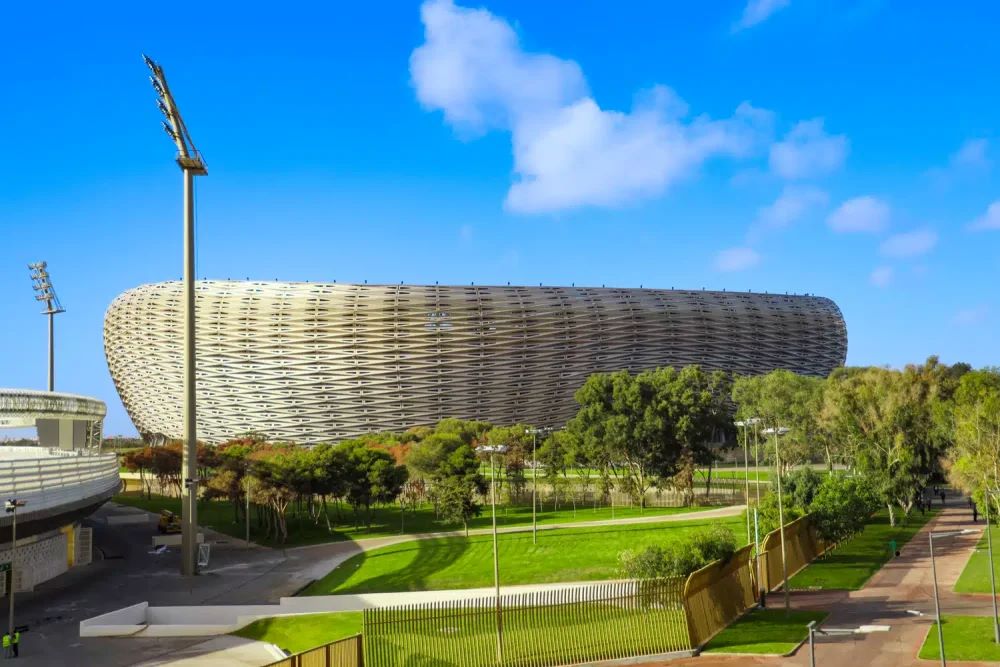
The certification makes Rwanda’s teleport located in Rwamagana the second fully certified teleport in Africa and the first space agency-operated teleport globally to receive WTA certification.
Announcing the achievement, the Rwanda Space Agency described it as “a milestone for Rwanda’s space sector and a recognition of the country’s growing capabilities in satellite communications infrastructure.”
A teleport is a ground-based facility that connects satellites in space with users and networks on Earth. It serves as a key part of satellite communications infrastructure, enabling satellites to transmit data and communications services back to Earth.
According to the Rwanda Space Agency, the certification is significant because the teleport supports a range of satellite-enabled services that contribute to national and regional development.
“Rwanda’s teleport contributes to strengthening satellite-enabled services, which are supporting broadband connectivity, climate monitoring, smart urbanisation, and disaster management across the region,” the agency said.
The agency added that the certification provides assurance that the facility meets internationally recognized standards.
“This certification provides confidence that the teleport’s services meet global benchmarks, and strengthens Rwanda’s role as a regional hub for space services.”
Rwanda’s national teleport has achieved Tier 3 Certification from the World Teleport Association (WTA), marking an important development for the country’s space sector and satellite communications infrastructure.
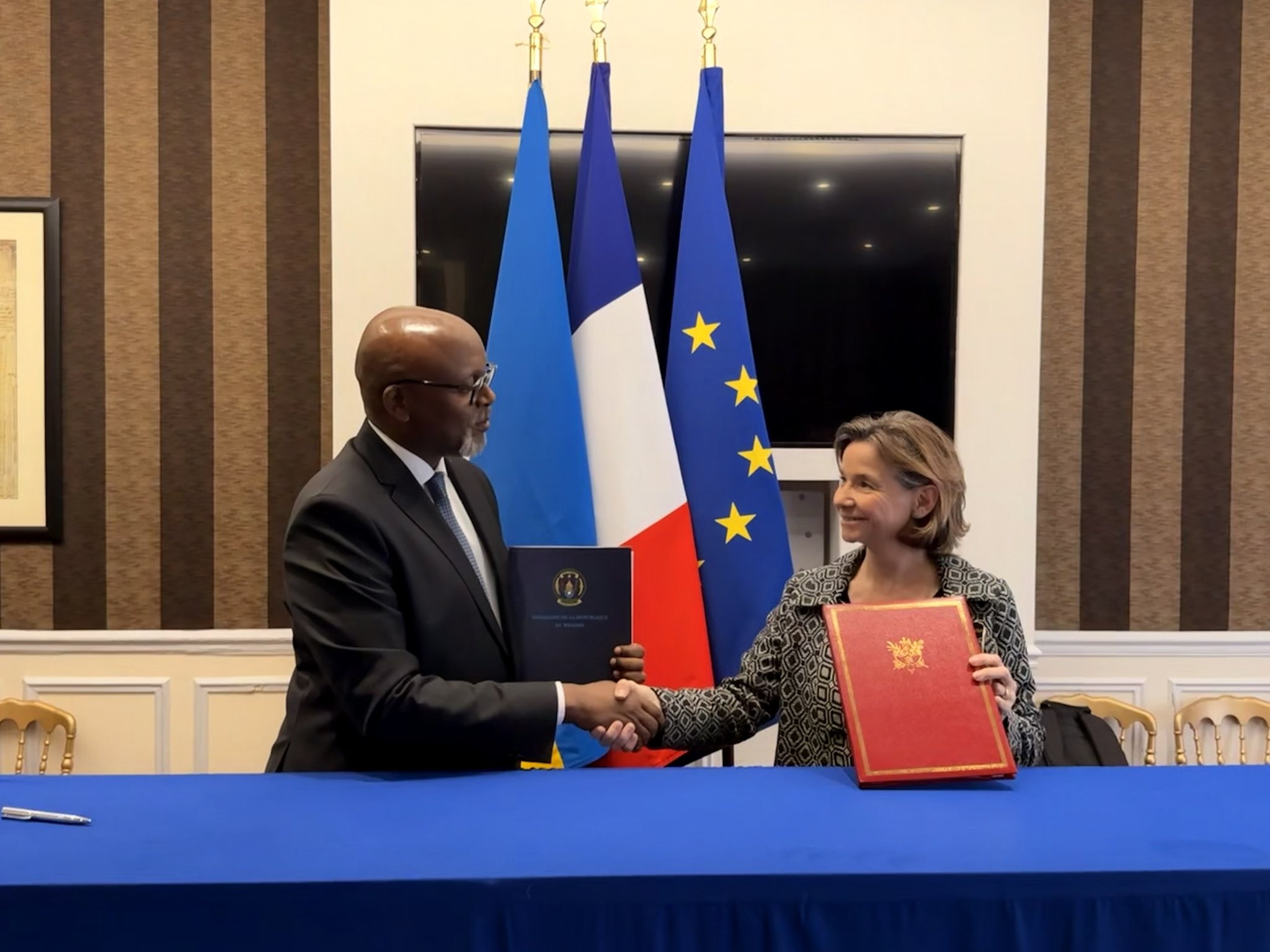
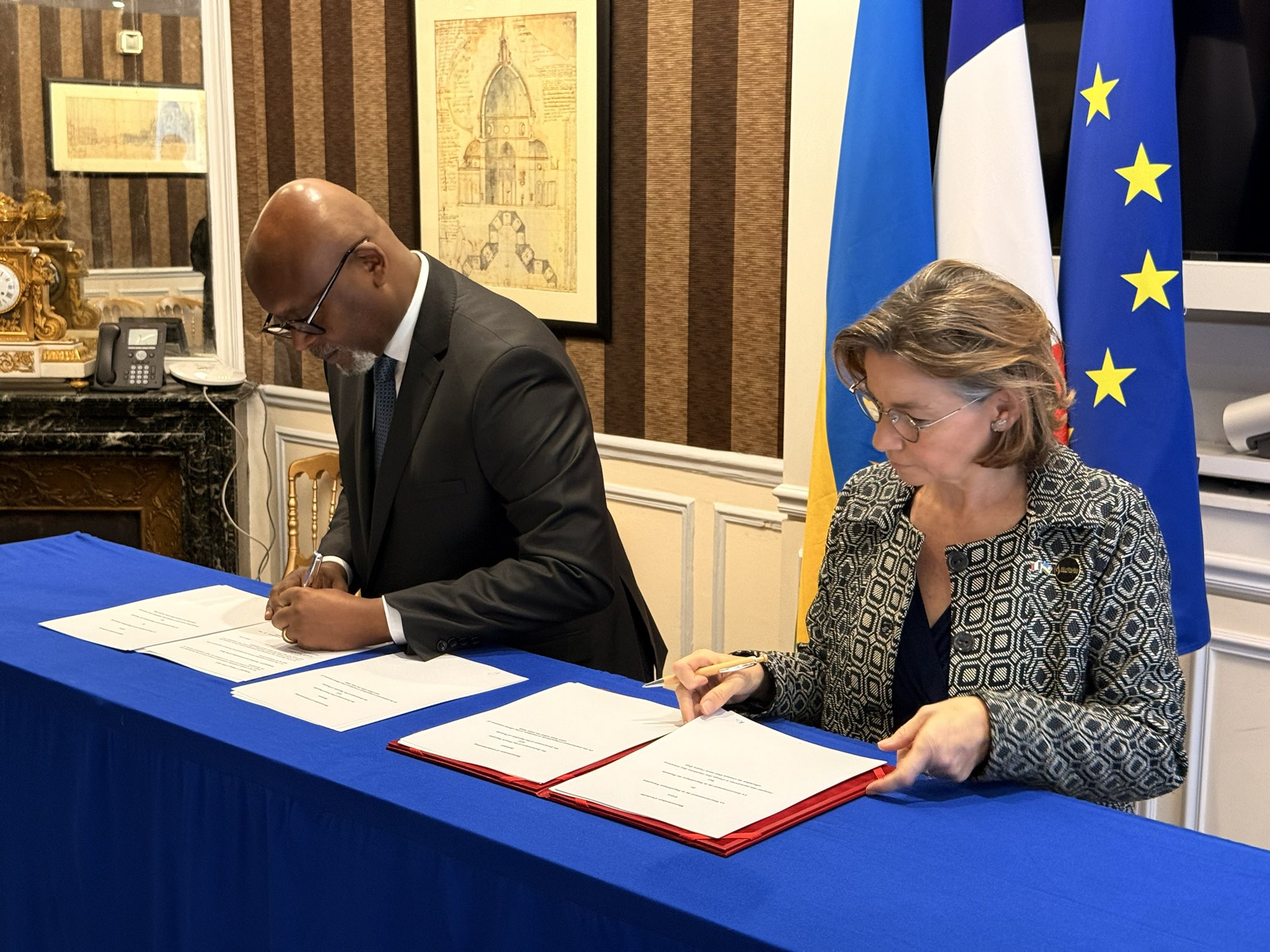
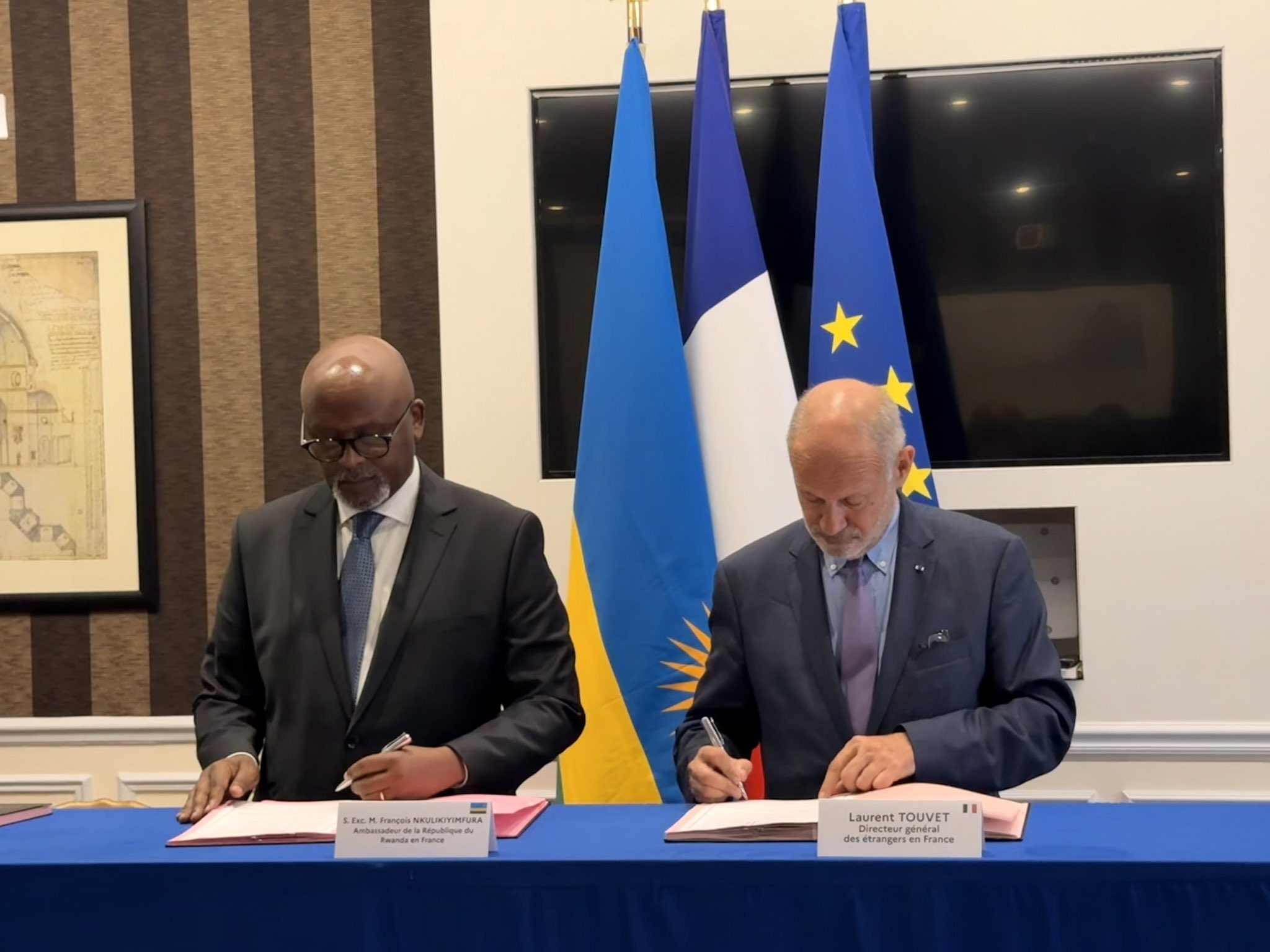
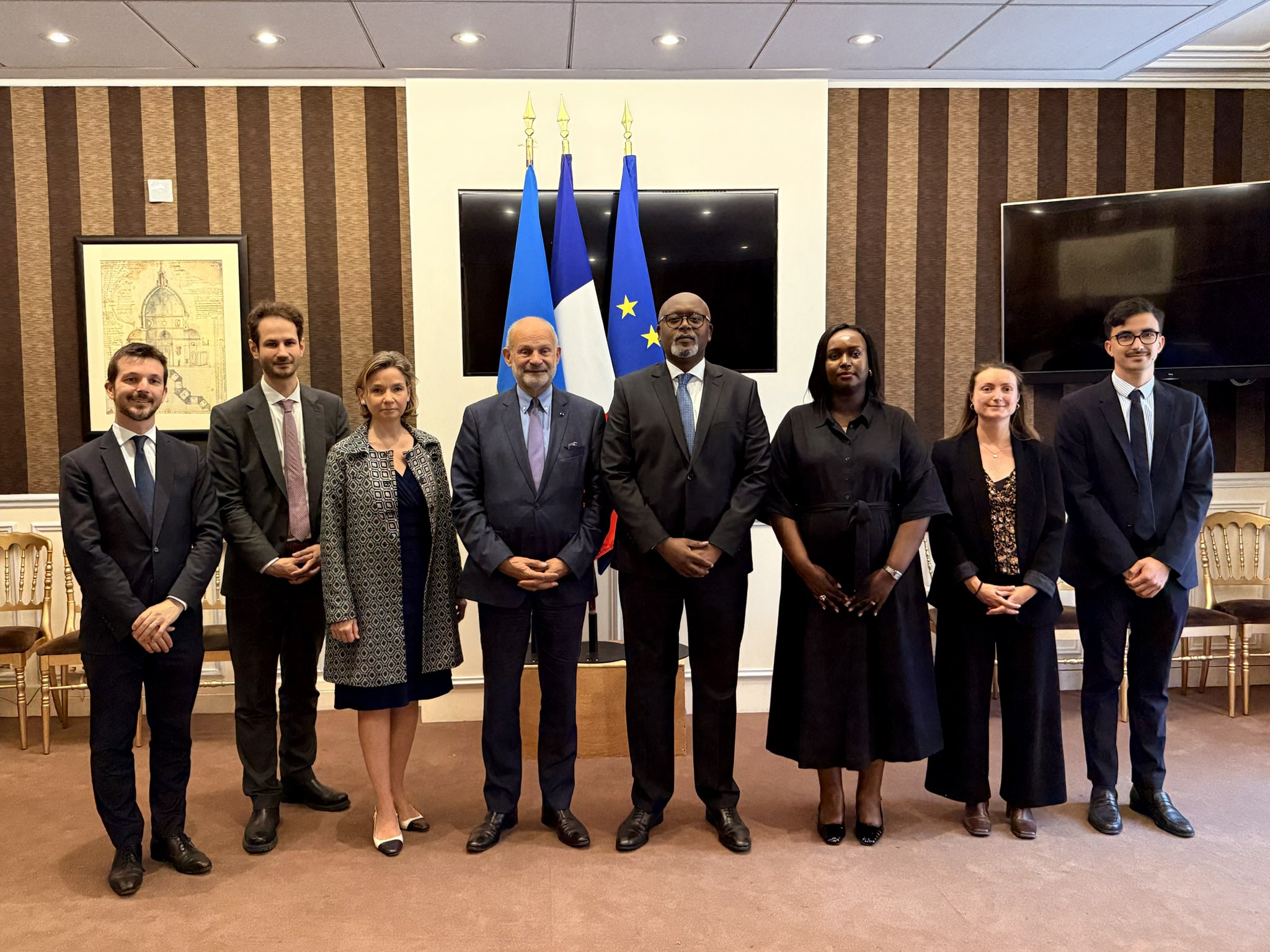
The agreements were formalised during a signing ceremony in Paris. Rwanda was represented by its Ambassador to France, François Nkulikiyimfura, while the French delegation was led by Ambassador to Rwanda, Aurélie Royet-Gounin, alongside Laurent Touvet, the Director General for Foreigners at the French Ministry of the Interior.
The newly signed MoUs are expected to deepen bilateral ties, enhance administrative efficiency, and foster closer cooperation between Kigali and Paris.
The diplomatic milestone closely follows the historic inauguration on June 2, 2026, of “L’Archive”, a permanent memorial in Paris dedicated to the victims of the 1994 Genocide against the Tutsi.
The unveiling of the monument on the Habib-Bourguiba Esplanade was presided over by President Paul Kagame and First Lady Jeannette Kagame, alongside French President Emmanuel Macron, who described the memorial as a significant milestone in the ongoing reconciliation between the two countries.
Rwanda and France sign MoUs on migration and employment of diplomatic dependents.The newly signed MoUs are expected to deepen bilateral ties, enhance administrative efficiency, and foster closer cooperation between Kigali and Paris.Rwanda and France have signed two Memorandums of Understanding (MoUs) aimed at streamlining migration management and easing employment restrictions for families of diplomatic staff serving in both nations.
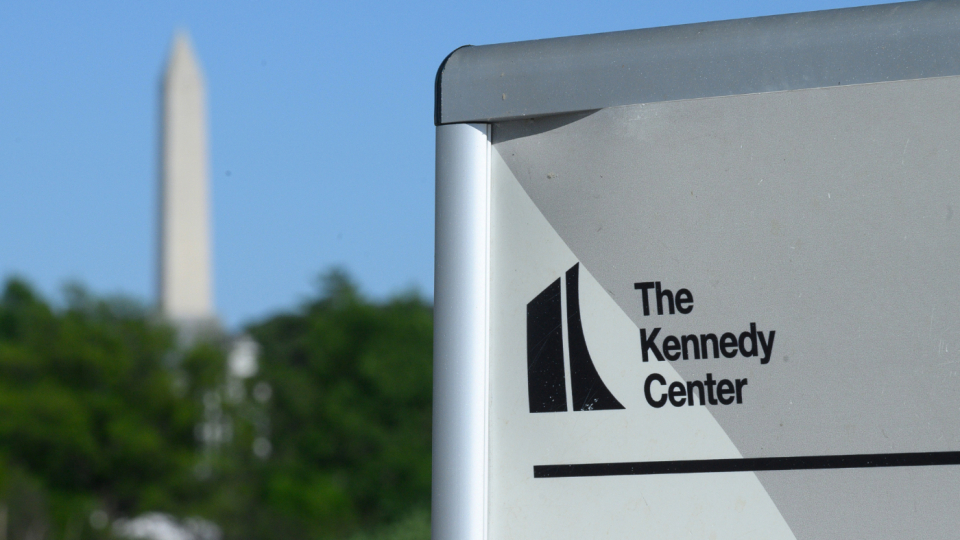
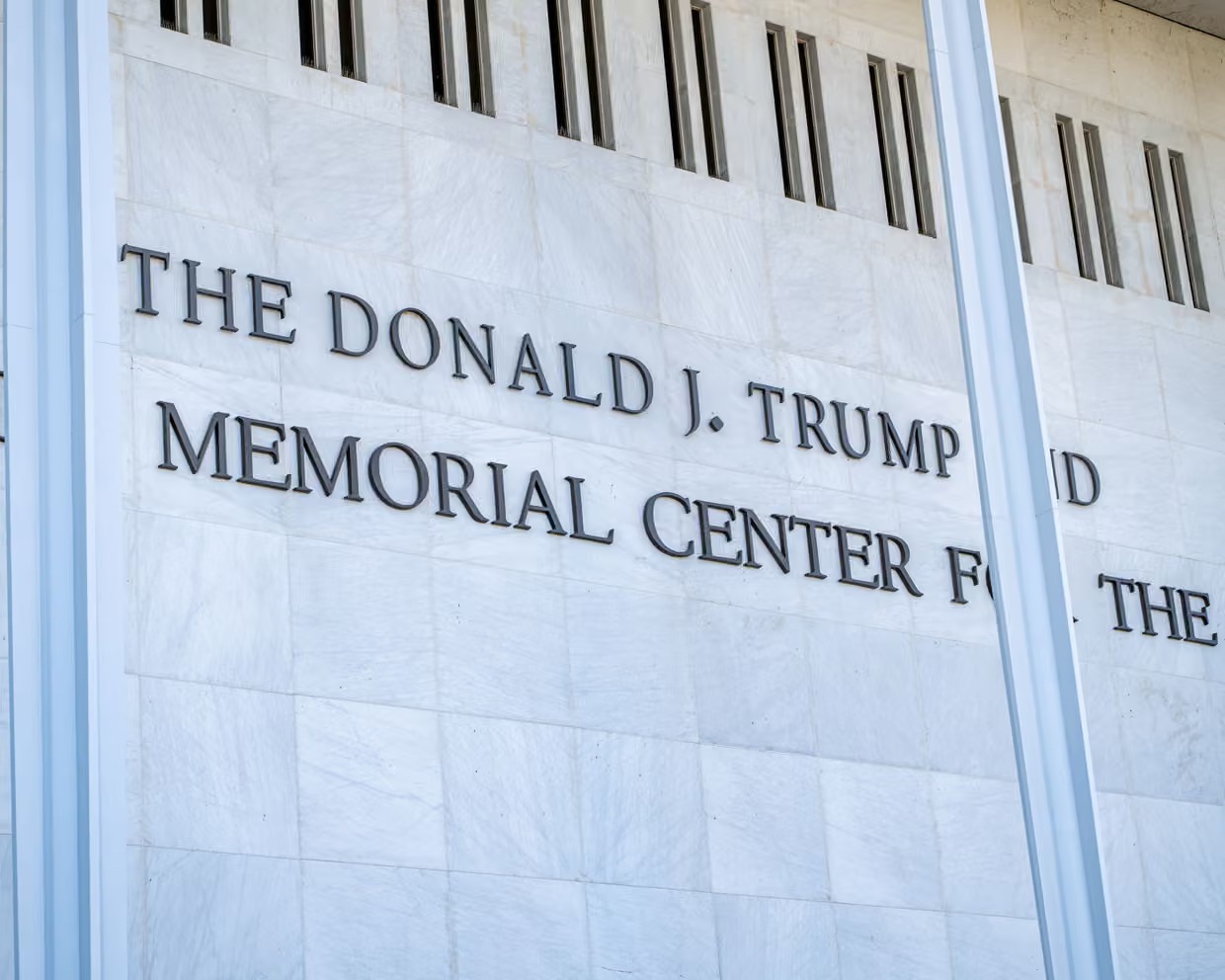
At the center of the case is a decision by the Kennedy Center’s board to add Trump’s name to the building’s facade and official branding after he assumed a leadership role within the institution. The move was quickly challenged in court, with critics arguing that the change violated the original congressional mandate establishing the center as a memorial to President John F. Kennedy.
A federal judge ultimately ruled that the addition of Trump’s name was not legally valid. The court emphasized that the Kennedy Center was created by Congress in 1964 with a specific naming purpose, and any alteration to that designation would require congressional approval rather than a board-level decision. As a result, the judge ordered that Trump’s name be removed from the building and related branding materials. In his ruling, he stated: “Congress gave the Kennedy Center its name, and only Congress can change it.”
Beyond the naming issue, the ruling also scrutinized the broader decision-making process within the institution. The court found that the board had not fully considered the operational and legal implications of its recent restructuring and renovation plans, including a controversial proposal to temporarily close the center for major upgrades. While the judge did not immediately block all renovation efforts, the decision signaled that future actions could face stricter review if proper procedures and documentation were not followed.
The case emerged amid growing tensions within the Kennedy Center’s leadership, where shifts in governance have coincided with political controversy and internal restructuring. Supporters of the board’s decisions argued that changes were necessary to modernize the facility and secure funding for long-delayed repairs. Critics, however, viewed the actions as politicizing a historically nonpartisan cultural institution.
Following the ruling, representatives for the Kennedy Center indicated that they would appeal the decision, maintaining that the board acted within its authority. They also reaffirmed their commitment to continuing renovation plans, though likely under closer legal scrutiny moving forward.
The court’s decision does not permanently resolve the dispute but instead sets new boundaries for how far institutional leadership can go in reshaping the Kennedy Center’s identity. As legal proceedings continue, the case highlights broader questions about governance, cultural heritage, and the limits of executive influence over national institutions.
A view of Donald Trump’s name added to the Kennedy Center in Washington DC.
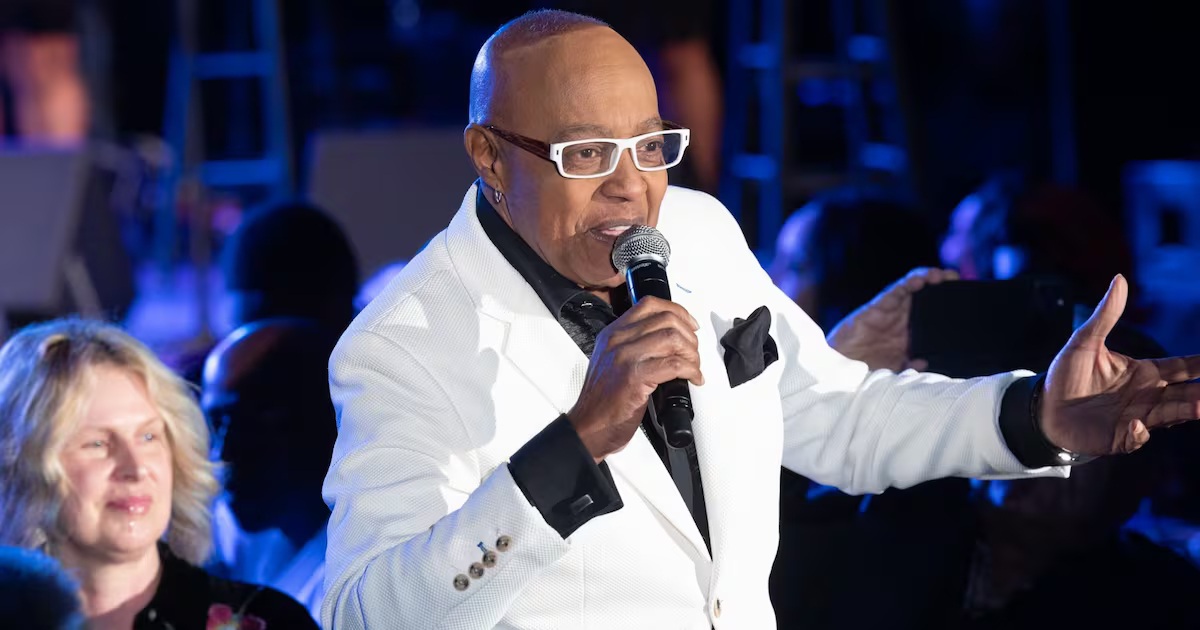
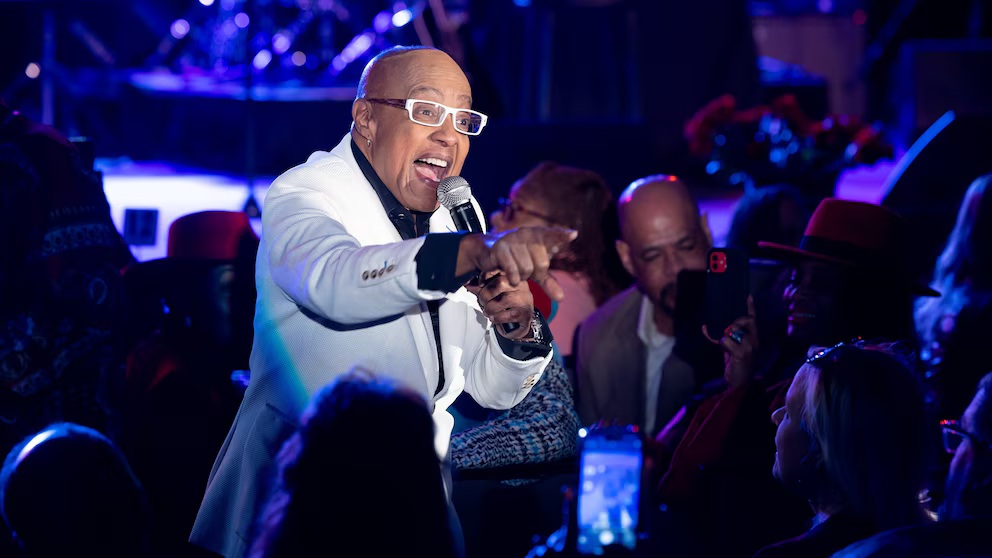
According to a family statement, Bryson passed away on Tuesday evening “surrounded by the love of his family and those closest to him.” He had recently suffered a stroke and was hospitalised earlier in May 2026. The singer also previously survived a heart attack in 2019.
Born Robert Peapo Bryson in 1951 in Greenville, South Carolina, he began performing professionally as a teenager, first singing backup for local acts before launching a solo career in the mid-1970s. His smooth tenor voice and emotional delivery quickly made him a standout in R&B music.
Bryson rose to prominence with hits such as “Reaching for the Sky,” “Feel the Fire,” and “Can You Stop the Rain,” becoming a regular presence on R&B radio and earning a reputation for romantic ballads and powerful duets.
He became especially well known for his collaborations with female vocalists. Among his most celebrated partnerships was with Roberta Flack, producing hits including “Tonight, I Celebrate My Love,” which became one of his signature songs.
Bryson later achieved global fame through his contributions to Disney soundtracks. His duet with Céline Dion on “Beauty and the Beast,” from Beauty and the Beast, became a worldwide hit and won a Grammy Award. The song also won the Academy Award for Best Original Song.
He went on to record another iconic duet, “A Whole New World,” with Regina Belle for Aladdin. The song became a defining moment in Disney music history and also earned Grammy recognition, cementing Bryson’s status as one of the most recognisable voices in film soundtracks.
Over his career, Bryson released around 20 studio albums and received multiple Grammy nominations. His voice became synonymous with romantic storytelling in both R&B and cinematic music.
In a statement, his family said they were deeply moved by the global outpouring of love, adding that while they are grieving, they find comfort in the legacy he leaves behind. “His voice and his generous spirit touched countless lives,” the statement read.
Bryson is survived by his wife, Tanya Boniface, and his children. His music, especially his Disney classics, is expected to continue resonating with audiences for generations.
Born Robert Peapo Bryson in 1951 in Greenville, South Carolina, he began performing professionally as a teenager, first singing backup for local acts before launching a solo career in the mid-1970s.
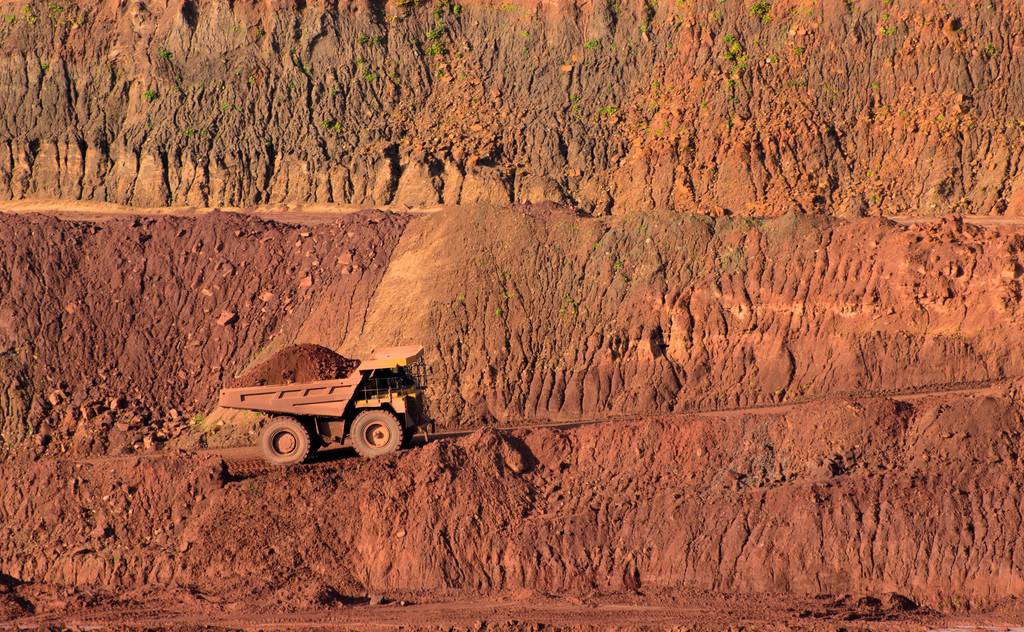
Preliminary investigations revealed that the victims were working at night when the landslide occurred, which made rescue efforts harder, Gabin Razafindrakoto, commander of Vatomandry gendarmerie brigade, told Xinhua.
The mayor of the city has ordered the immediate closure of the site to prevent any further mining activities and reduce the risk of additional incidents, he said.
Authorities are trying to determine the exact circumstances of the landslide.
Event attendees toured the development projects, each of which was designed and implemented by residents of Gatovu IDP model village and Gataraga Sector.
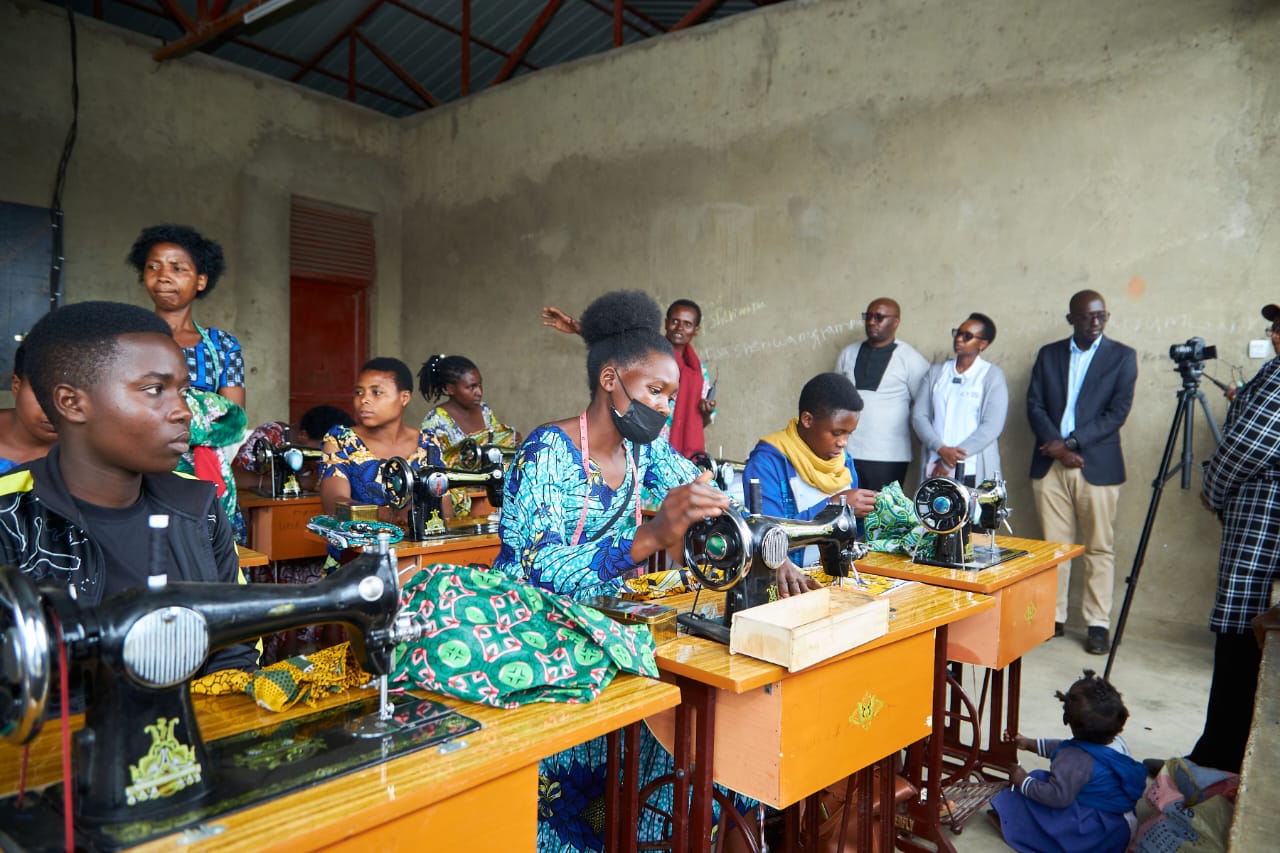
The projects included a computer laboratory, a girls’ hygiene room and a nursing teachers’ room for Groupe Scolaire Gatovu, a volleyball and basketball court at Group Scolaire Ruhehe, latrines for 50 households, businesses in furniture-making, handicraft-making, soap-making, and tailoring, a savings and lending group, a sheep farming project, Irish potato farming, and new market infrastructure for vendors and customers.
Provincial Executive Secretary for the Northern Province, Pascal Ngendahimana, who presided over the ceremony together with representatives of Musanze District and Gataraga Sector noted that many of these development projects provide ongoing benefits to the whole community.
He said, “For example, when a community group makes furniture to sell, they not only earn themselves income, they also make those products available locally – so residents here do not have to travel far to obtain them.”
Following a memorandum of understanding signed with the Ministry of Local Government (MINALOC), World Connect Rwanda invested Rwf 135,980,665 to launch the 12 projects. Residents of Gatovu IDP model and Gataraga Sector contributed Rwf 88,254,900 in their own cash, labour and other resources as a co-investment into these initiatives.
Executive Director of World Connect Rwanda, Rhoda Kanyesigye, told the attendees, “We do not see communities as beneficiaries of development aid, but as investment partners. This is because our partner communities co-invest with us. And we value their investment enormously; without it, success is not durable.”
In a unique partnership, University of Rwanda students studying rural development and agribusiness were paired with community members in Gataraga Sector and Gatovu IDP model village. The students are supporting the implementation of these development projects with technical guidance, monitoring, and evaluation.
“World Connect Rwanda helped us apply what we learned in class to real life situations, showing us that community work teaches lessons that cannot be fully learned from textbooks,” explained University of Rwanda student Winny Abera.
Since 2012, World Connect Rwanda has invested grant funding in nearly 200 projects that have been designed and led by Rwandan communities, improving health, education, and economic opportunity for over 256,000 Rwandans.
A major focus of World Connect Rwanda for the next 5 years (2026-2030) is to scale up and support 10 IDP model villages, reaching and impacting an additional 100,000 Rwandans. Key partnerships with local government, the private sector, and funding partners will play a great role in this aspiration.
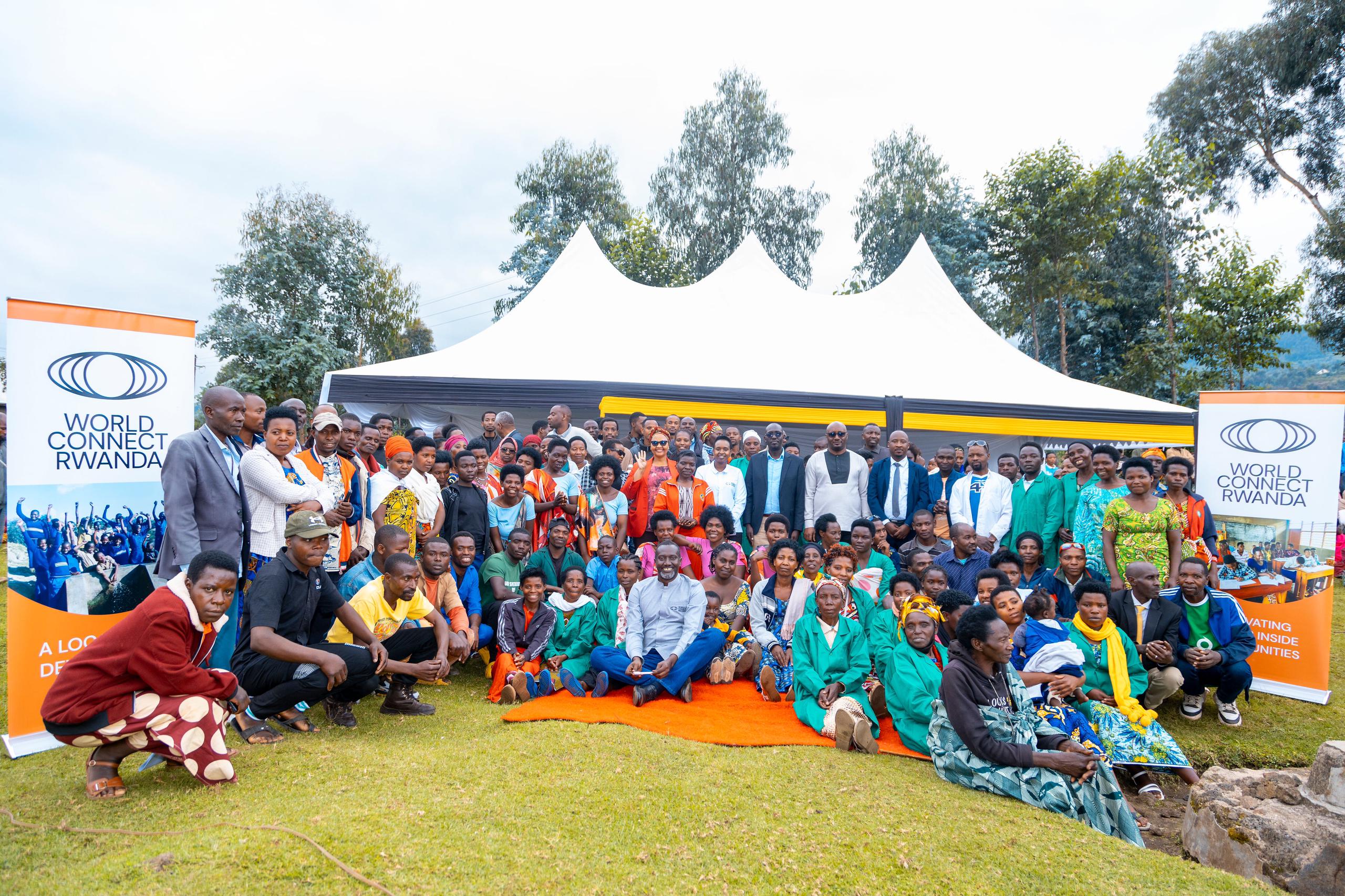
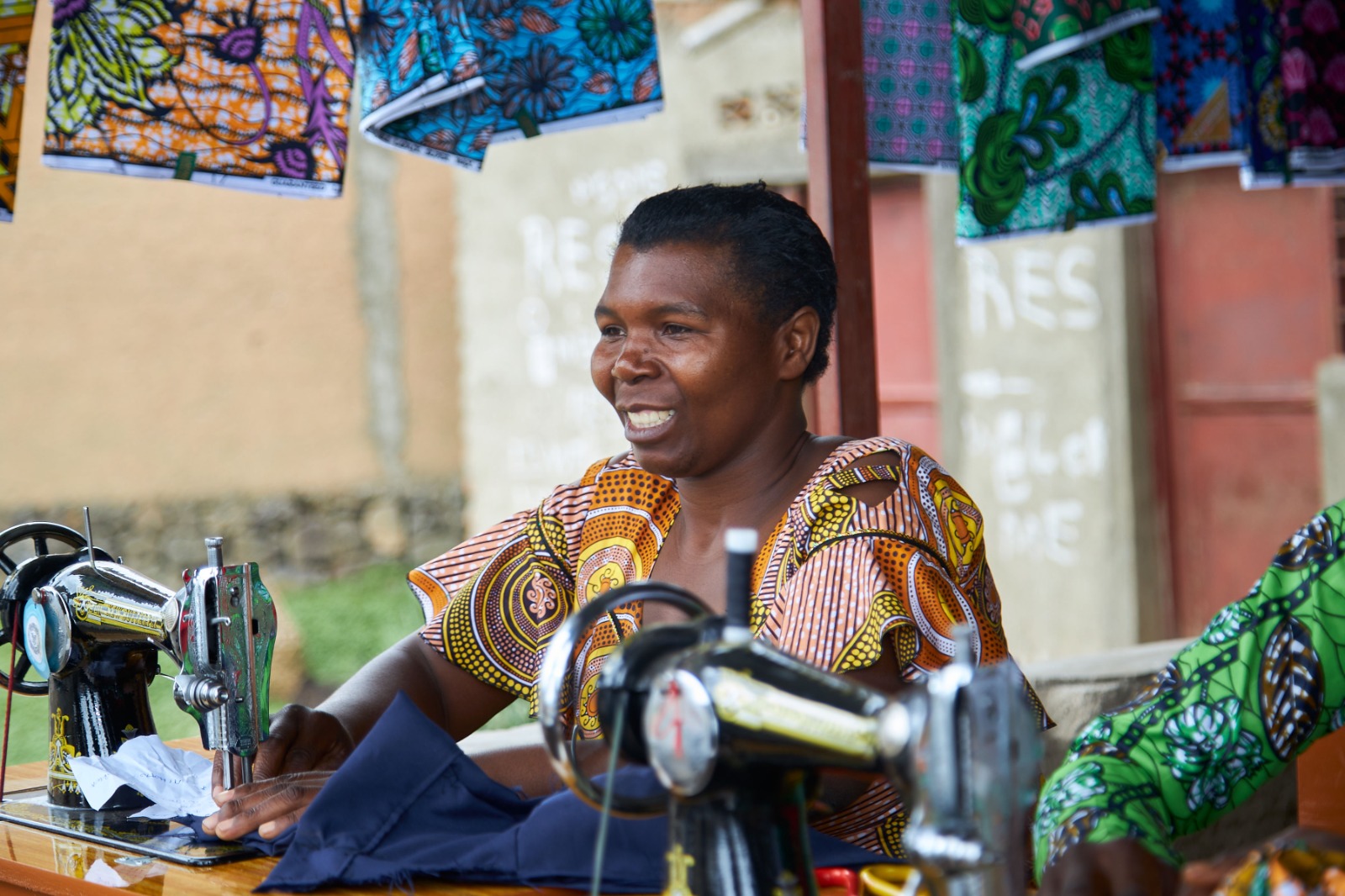
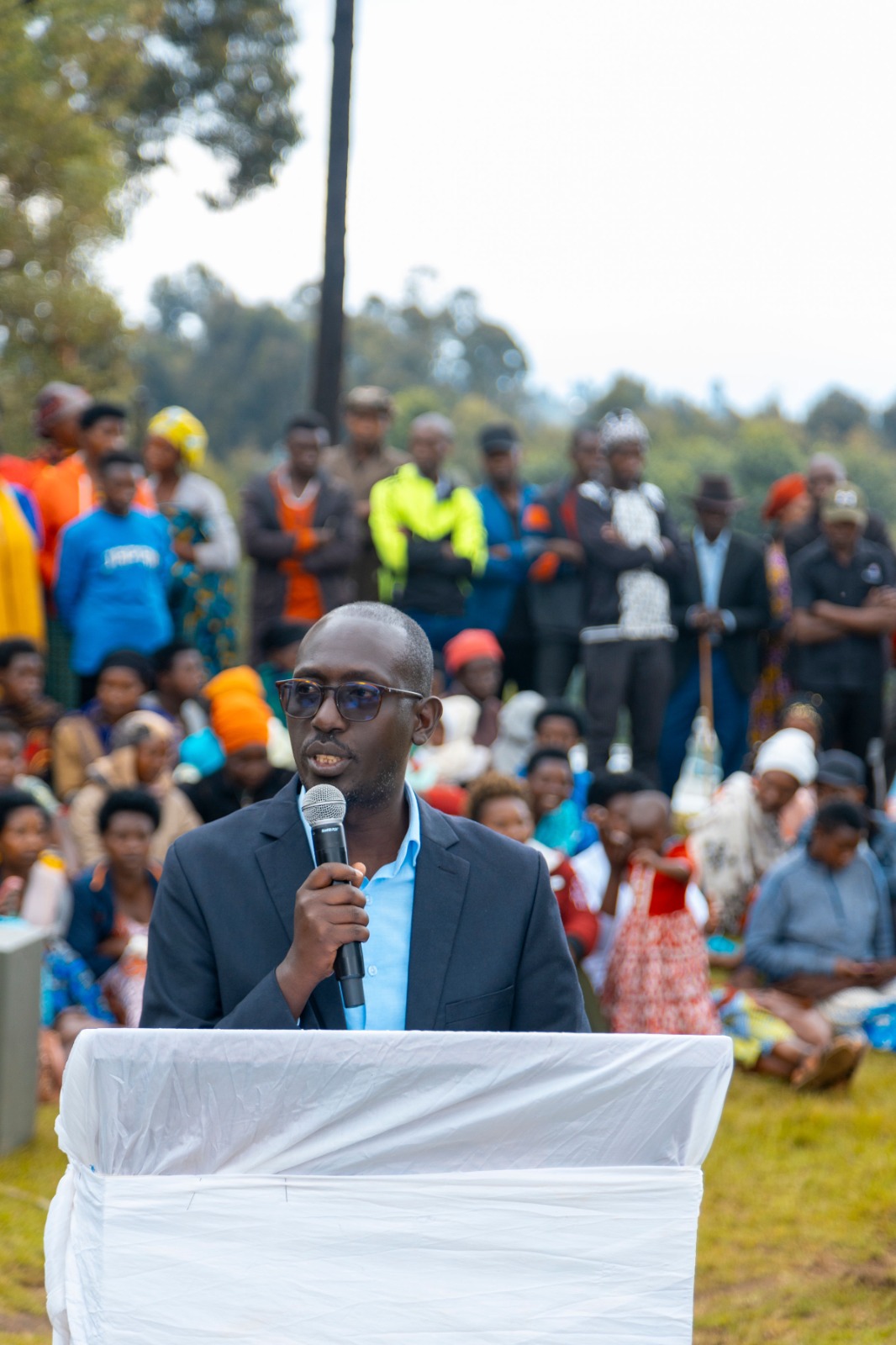
Attendees pose for a group photo with the Northern Province Executive Secretary. Pascaline Nirere, a resident of Gatovu IDP model village, is earning income through the tailoring and fashion design workshop established with funding from World Connect Rwanda. This tailoring and fashion design project at Gatovu IDP model village, was funded by World Connect Rwanda. Provincial Executive Secretary for the Northern Province, Mr. Ngendahimana Pascal, gave keynote remarks at the inauguration, congratulating the work of the communities in Gatovu IDP model village and Gataraga Sector, World Connect Rwanda, and the University of Rwanda.
The decision comes as Rwanda’s national team, Amavubi, is already in Morocco, having arrived in Marrakech on Tuesday evening to begin preparations for two friendlies against Comoros and Tanzania on June 6 and June 9, 2026.
Several media outlets report that Moroccan authorities have introduced precautionary health measures that have disrupted a series of fixtures involving African national teams.
The FRMF said the move is aimed at safeguarding players, coaching staff, officials, and supporters as fears over the spread of Ebola continue to grow across the continent.
Reports from Africasoccer and Africatopsports indicate that among the affected fixtures are Tanzania vs Uganda scheduled for June 5, Rwanda vs Comoros on June 6, Uganda vs Madagascar on June 8, and Tanzania vs Rwanda on June 9.
The Rwanda Football Federation (FERWAFA) had not yet issued an official response by press time.
Some matches are still under review, with organizers expected to take final decisions in the coming days.
These include Burundi vs Equatorial Guinea on June 4 and Comoros vs Guinea on June 9.
Despite the uncertainty, Amavubi’s full squad of 24 players is already in camp in Marrakech. The group includes Noam Fritz Emeran, the Netherlands-based player who has earned his first call-up to the national team.
The Royal Moroccan Football Federation (FRMF) has called off a number of international friendly matches scheduled to be played in the country in June.
Officials say the city requires about 210,000 cubic metres of water daily, while current production stands at around 145,000 cubic metres. The resulting shortfall has sustained intermittent water distribution in several parts of the capital.
Residents in areas including Kanombe, Busanza and Karembure say water shortages have recently become more noticeable, even before the onset of the dry season.
In some neighbourhoods, water sold at public standpipes has become increasingly expensive, with vendors reportedly purchasing a jerrycan at the regulated price of 20 Rwandan francs and reselling it for between 300 francs and above, depending on demand.
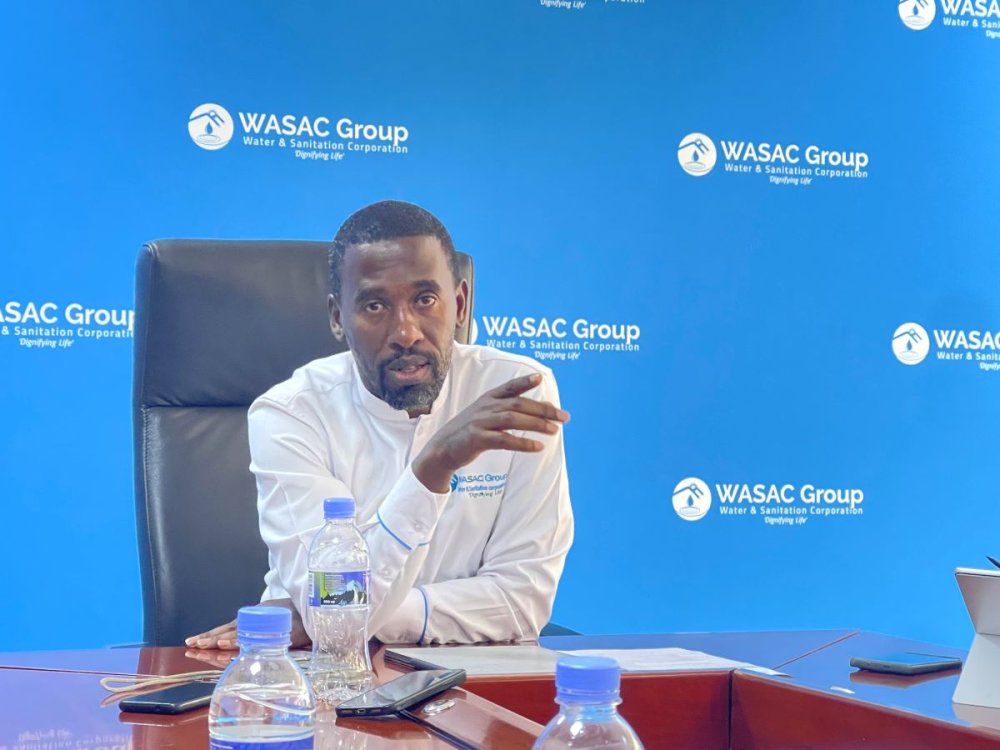
WASAC Group CEO Dr Asaph Kabaasha told IGIHE that the price increases by some vendors are linked to ongoing rationing caused by insufficient supply across the city.
He said several short-term and long-term infrastructure projects are underway to eliminate the shortages and ensure uninterrupted water supply.
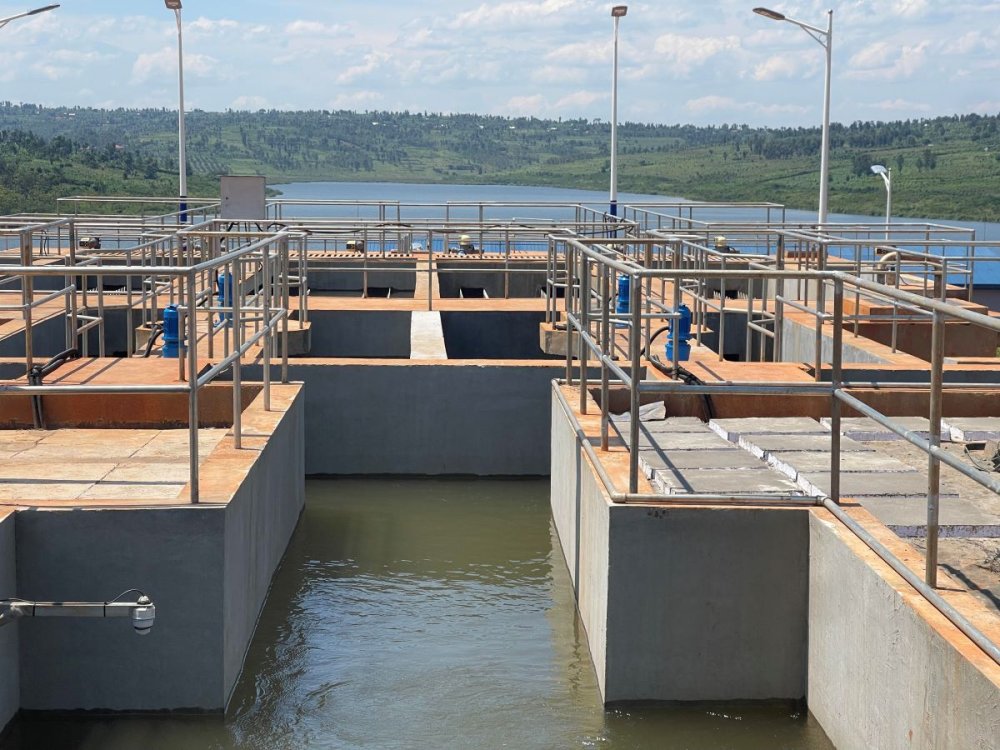
“There are very short-term projects in Kigali that we aim to complete by September. For example, we are upgrading the Nzove water treatment plant, and we plan to add 20,000 cubic metres by September. The preparations are at an advanced stage, and we have already signed agreements with the contractor,” he said.
Dr Kabaasha also pointed to a major long-term expansion plan expected to add 400,000 cubic metres of water per day, aimed at meeting demand up to 2035. The project will draw water from the Nyabarongo II dam, which will also generate electricity alongside water supply.
In addition, he said the Karenge water treatment plant is being expanded from its current capacity of 12,000 cubic metres to 48,000 cubic metres, with 36,000 cubic metres expected to be supplied to Kigali.
“These developments mean that in the near future, water rationing will be a thing of the past in Kigali City,” he said.
Dr Kabaasha urged residents to use water responsibly, avoid wastage, protect water infrastructure, and report theft or vandalism, while assuring the public that efforts are ongoing to ensure universal access to clean water.
The Water and Sanitation Corporation (WASAC Group) has said it is implementing a range of ongoing projects aimed at resolving water rationing in the City of Kigali, as demand continues to outstrip supply by an estimated 65,000 cubic metres per day.WASAC Group CEO Dr Asaph Kabaasha told IGIHE that the price increases by some vendors are linked to ongoing rationing caused by insufficient supply across the city.
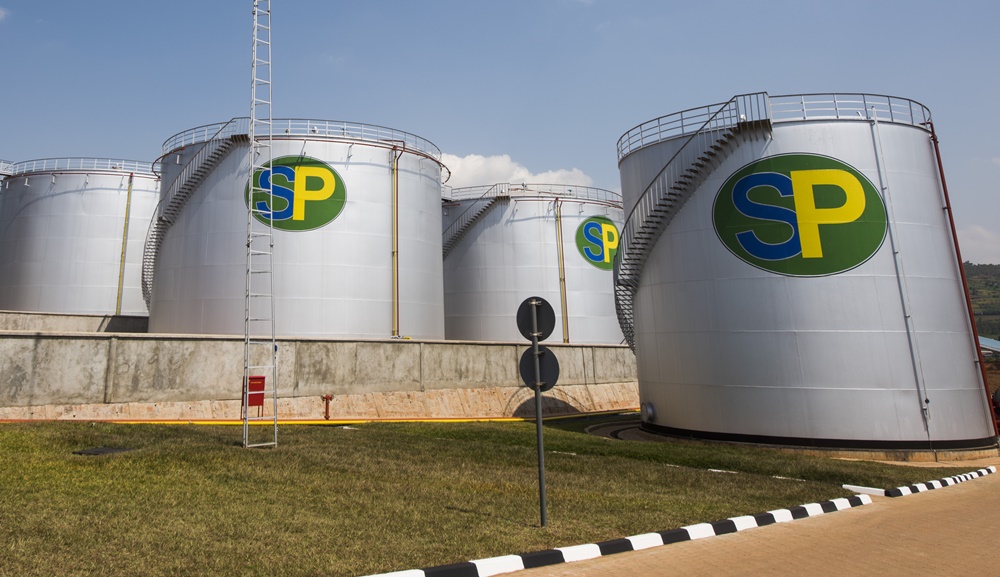
According to a notice issued by RRA, the products in question include 1,993,750 litres of fuel currently stored in bonded facilities operated by Yussa in Kabuye, Rubis Energy in Gatsata, and Oilcom in Jabana.
Diesel accounts for the largest share of the stock, with approximately 1.35 million litres. The remaining volume includes 641,055 litres of petrol and 5,065 litres of kerosene.
RRA said the fuel has exceeded the maximum storage period permitted under customs regulations and must therefore be processed and released onto the market.
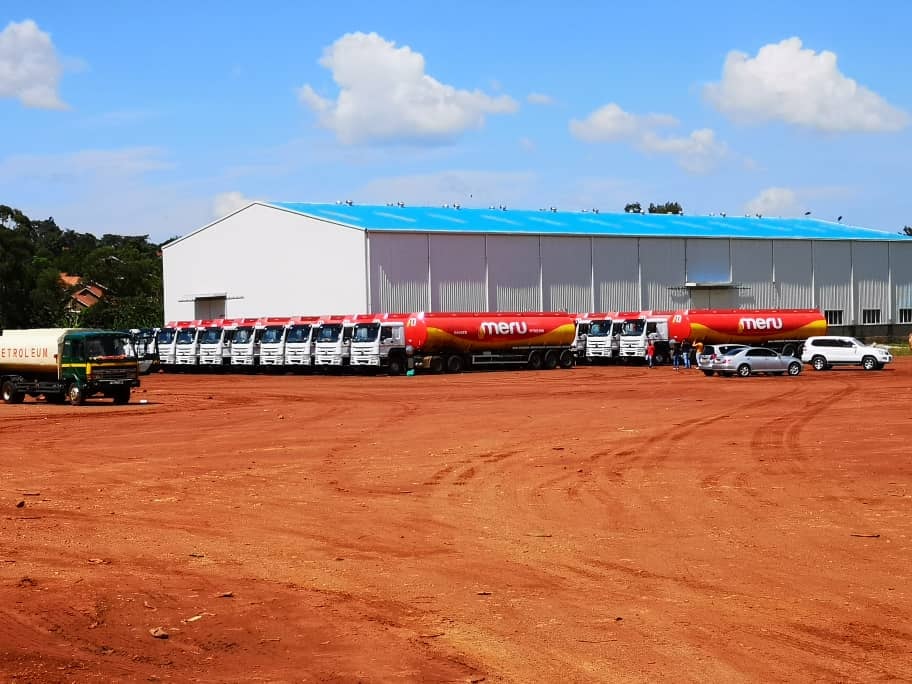
The published list shows that the ownership of 791,832 litres of the fuel has not been identified. Among the companies holding the largest volumes are Mount Meru Petroleum with 368,998 litres, Kivu Energy Ltd with 120,361 litres, and Socit Sarl with 65,404 litres.
Other firms on the list include Ukod Oil Rwanda Ltd, Hashi Energy, China Road, Gulf Energy, Hunan Road and Job Petroleum, each holding varying quantities of fuel and diesel.
Bonded warehouses are used to store imported goods before taxes and duties are paid or before customs clearance is completed.
A source familiar with petroleum storage operations explained that fuel sometimes remains in storage after smaller companies cease operations.
Because warehouse operators do not own the products, they cannot place them on the market without authorization. In such situations, government intervention is required to facilitate their release.
RRA’s notice also lists several individual owners with fuel products in storage. The smallest quantity recorded belongs to an owner holding just three litres.
A source familiar with petroleum storage operations explained that fuel sometimes remains in storage after smaller companies cease operations.
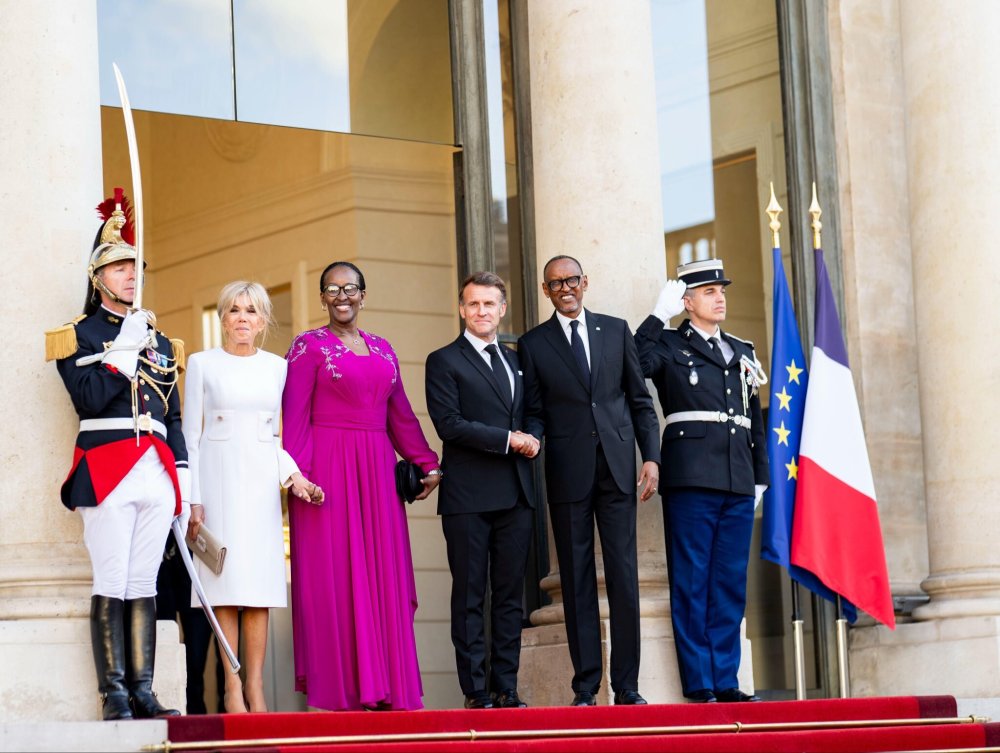
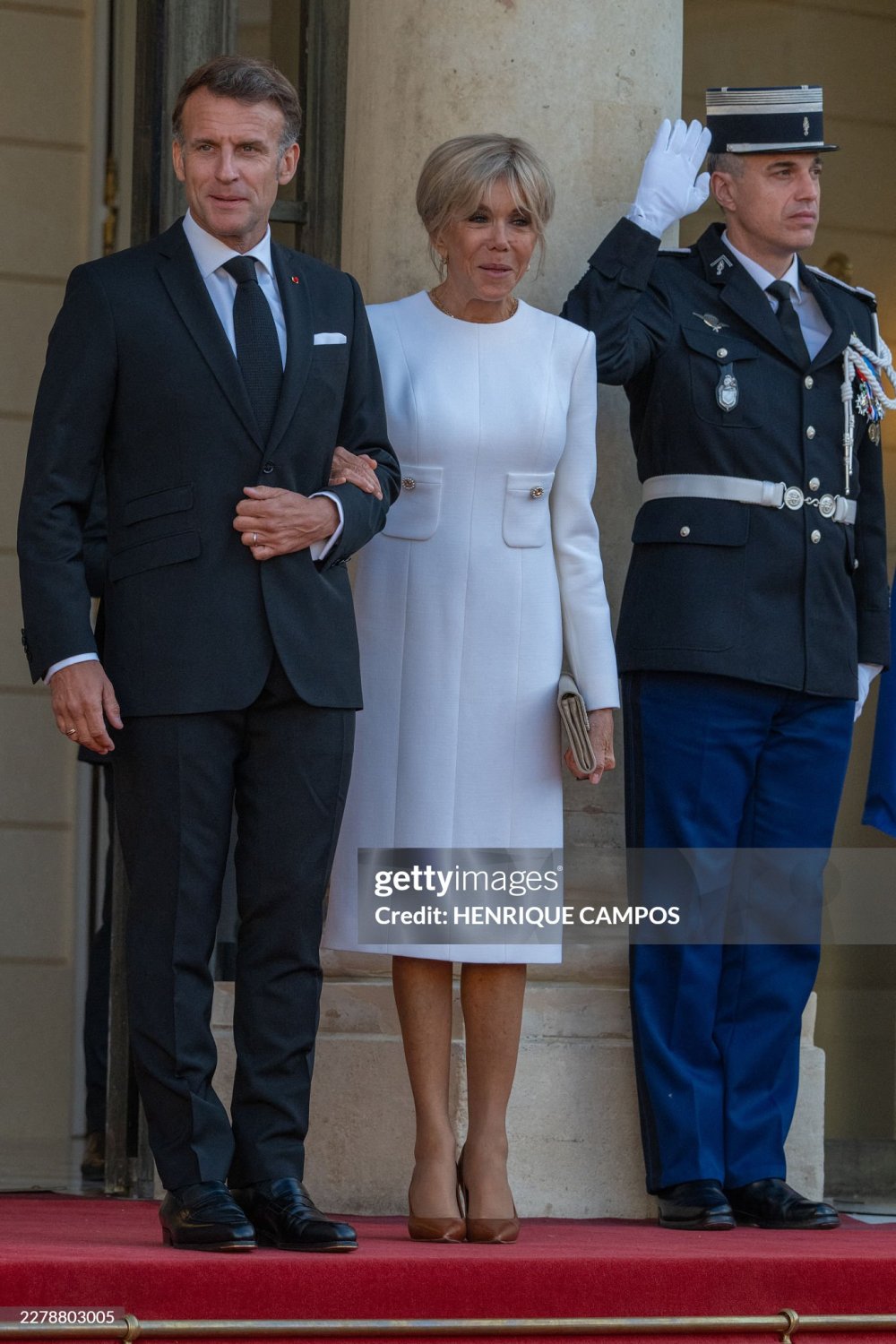
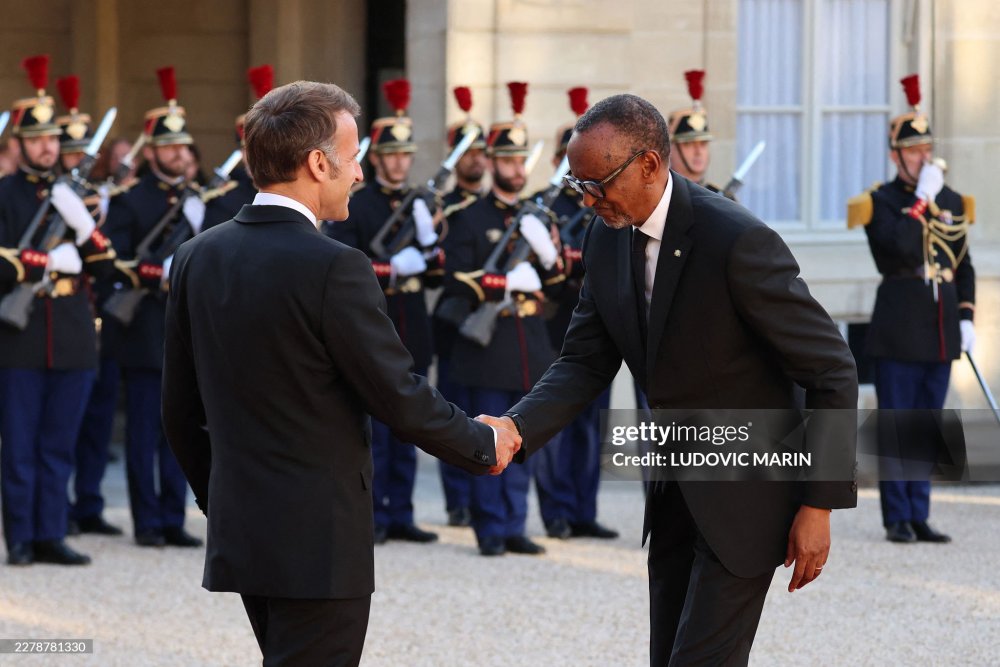
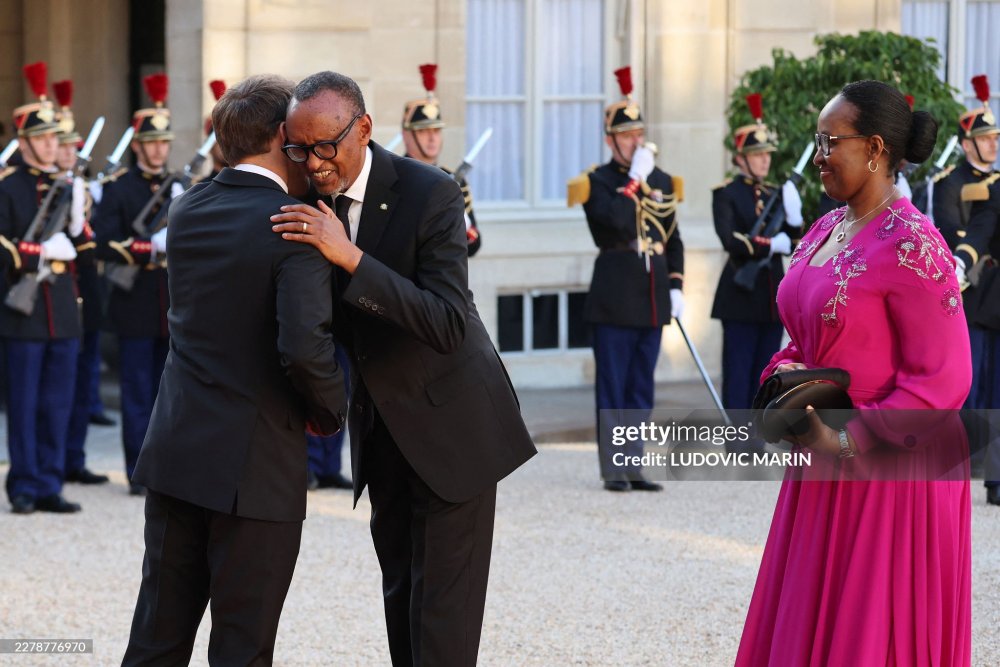
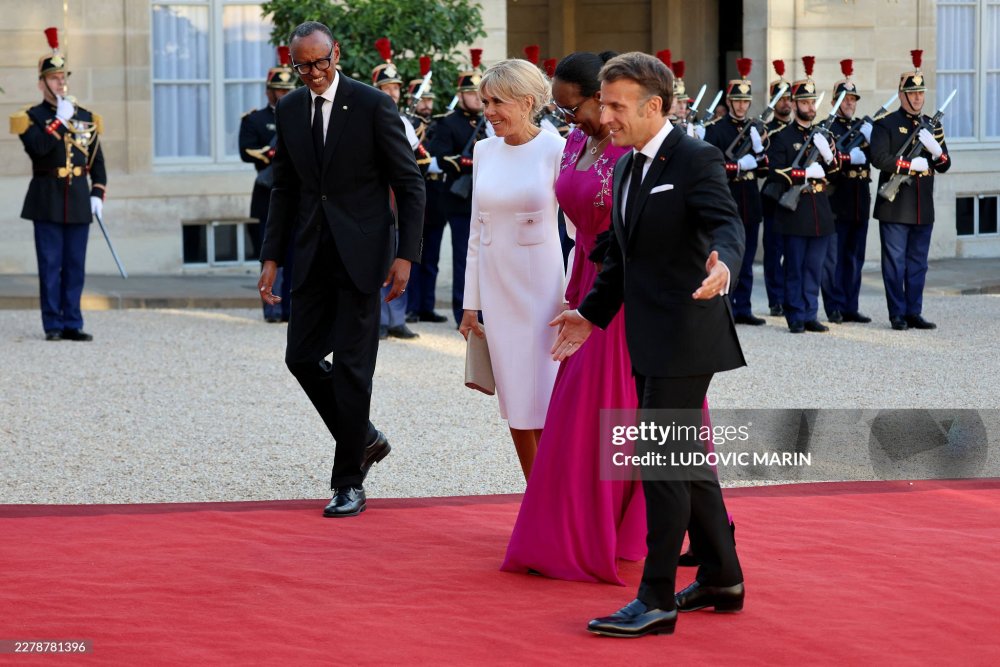
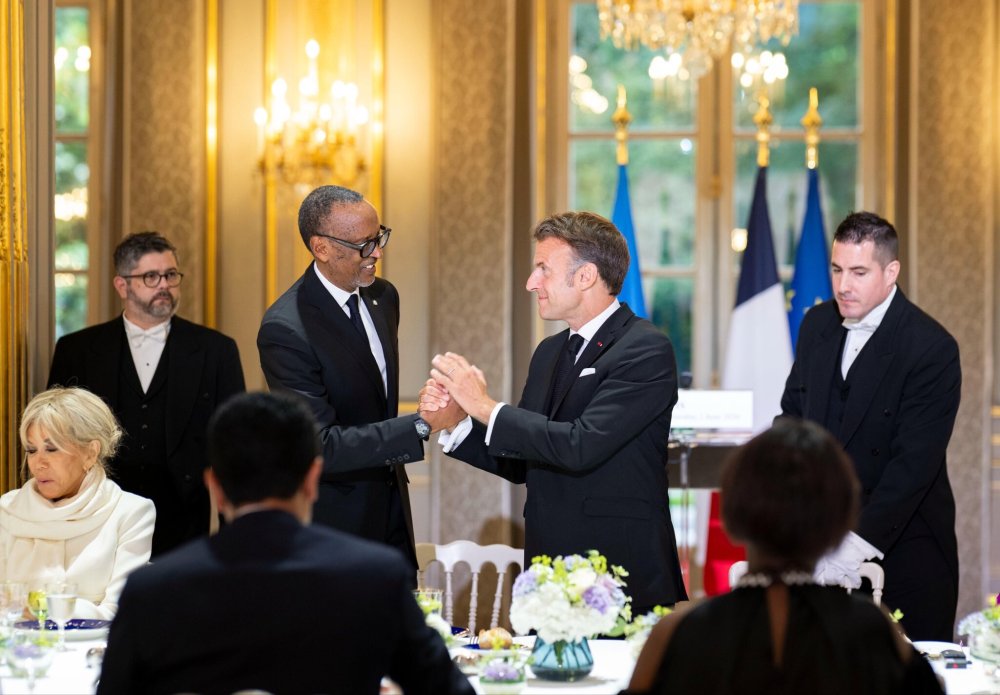
The dinner followed the inauguration of the memorial dedicated to the 1994 Genocide against the Tutsi, known as “Les Archives.”
The event forms part of President Macron’s broader efforts since taking office to rebuild and strengthen bilateral relations between Rwanda and France. In 2021, he visited Rwanda, where he joined Rwandans in commemorating the Genocide against the Tutsi and acknowledged France’s role in the events that led to the genocide, issuing an apology for the country’s past failures.
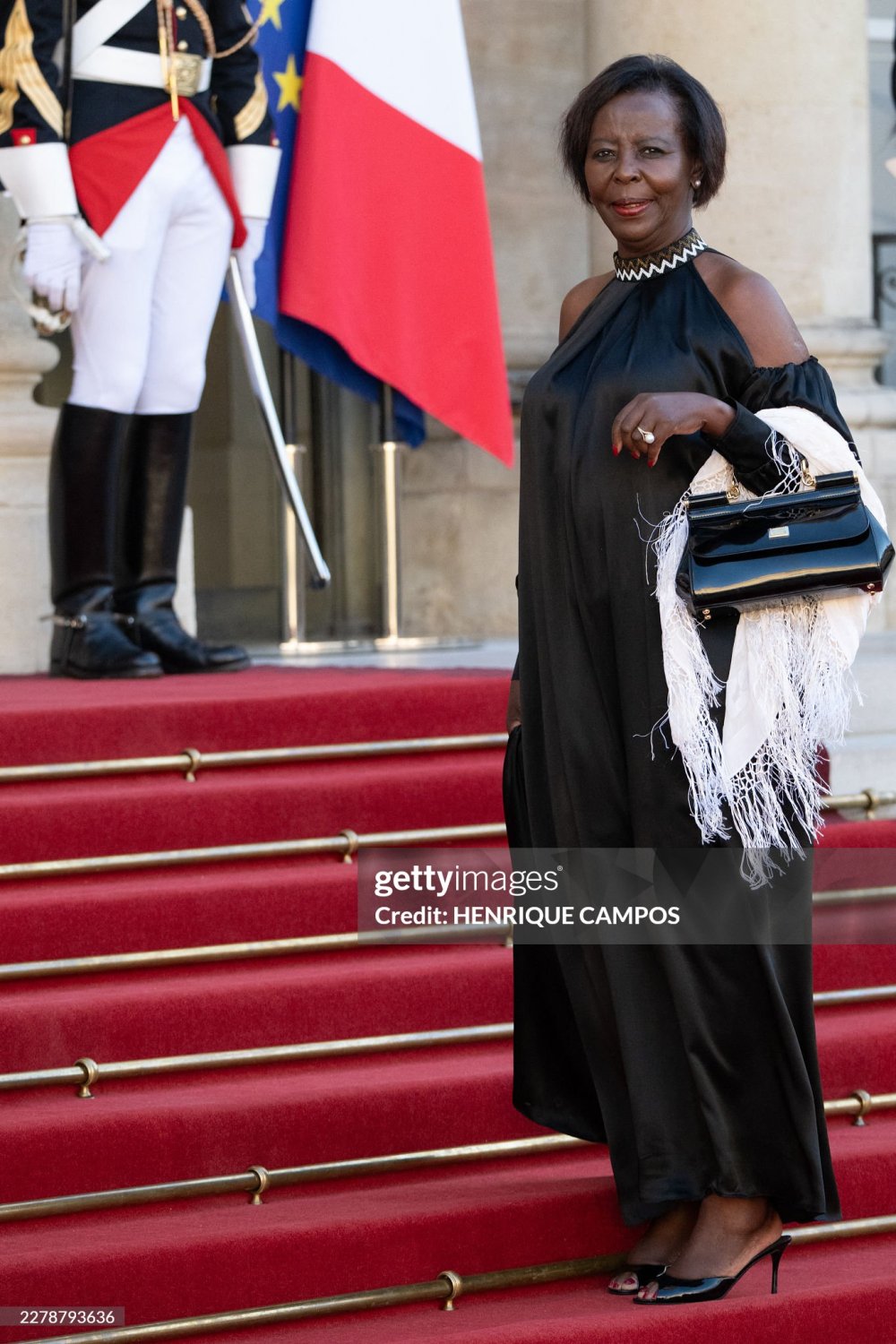
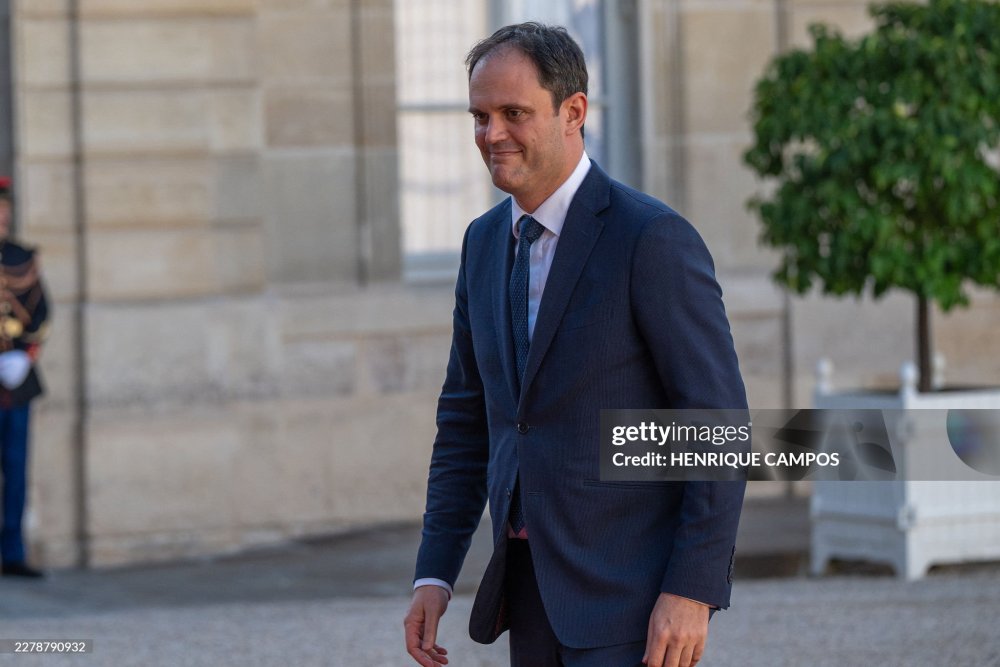
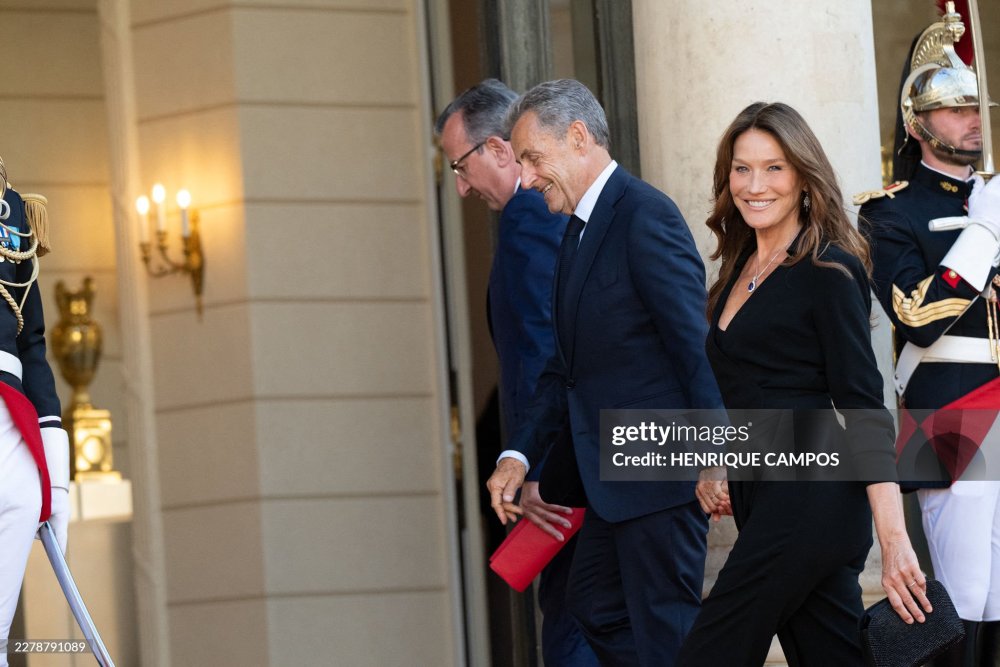
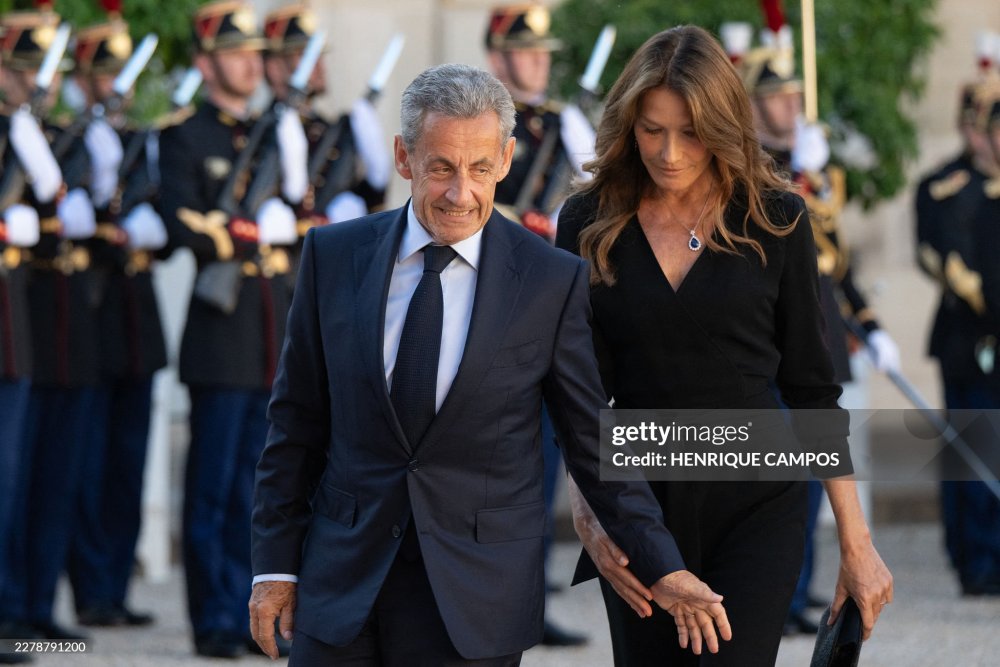
The dinner was attended by several high-profile figures, including Louise Mushikiwabo, Secretary General of the Organisation internationale de la Francophonie (OIF), and former French President Nicolas Sarkozy. Also present was Yonathan Arfi, President of the Representative Council of Jewish Institutions of France.
The dinner followed the inauguration of the memorial dedicated to the 1994 Genocide against the Tutsi, known as “Les Archives.”President Kagame as he was received by his French counterpart, Emmanuel Macron.The dinner was attended by several high-profile figures.Louise Mushikiwabo, Secretary General of the Organisation internationale de la Francophonie (OIF, attended the dinner.Yonathan Arfi, President of the Representative Council of Jewish Institutions of France, as he arrived at the Élysée Palace to attend the ceremony.