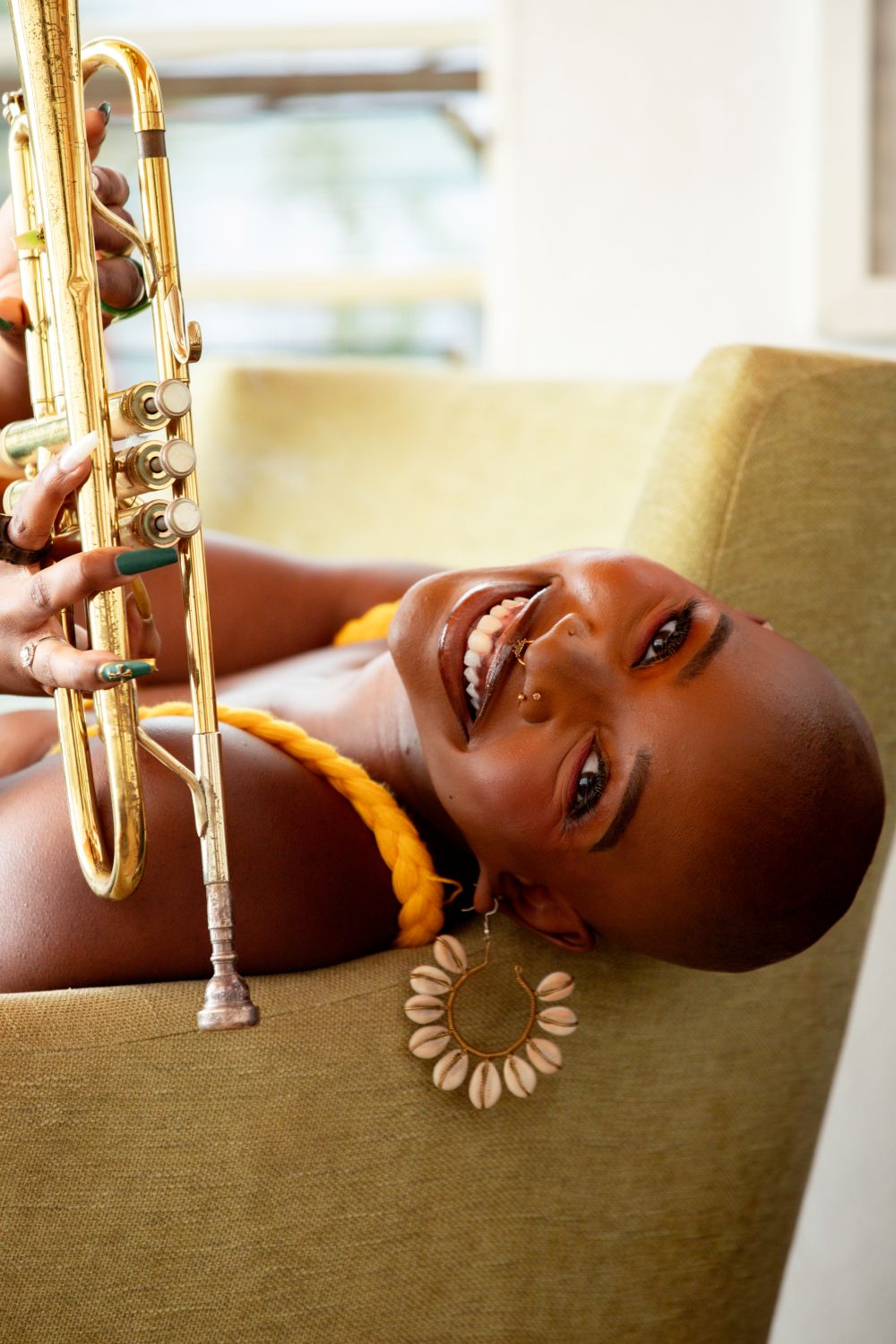
Meaning “to rise” in Latin, Orior is both a title and a philosophy. It reflects Dube’s ongoing exploration of identity, African womanhood, and self-actualisation through a lens shaped by theatre, poetry, performance, and design. The EP follows a steady stream of singles, including Oasis and Uthando, but it arrives as her most complete artistic statement to date, one that extends far beyond music into a fully realised audiovisual experience.
At its core, Orior is a meditation on becoming rather than arriving.
“Orior is the conversation I needed to have with myself before I could have it with anyone else,” Dube explains. “It’s about what it means to become—not arriving, but the rising itself. I wanted to make something that felt true to where I’m from, who I am, and who African women are: creators, dreamers, and doers.”
For Dube, the EP is not just a project but a reflection of process, a way of organising thought, memory, and intention into form.
“I wanted something to reflect and contemplate on,” she says. “A project I can dedicate my time and resources to, where my subconscious meets my conscious mind. It becomes an investment into my future, and a part of my identity.”
Beyond the roles assigned
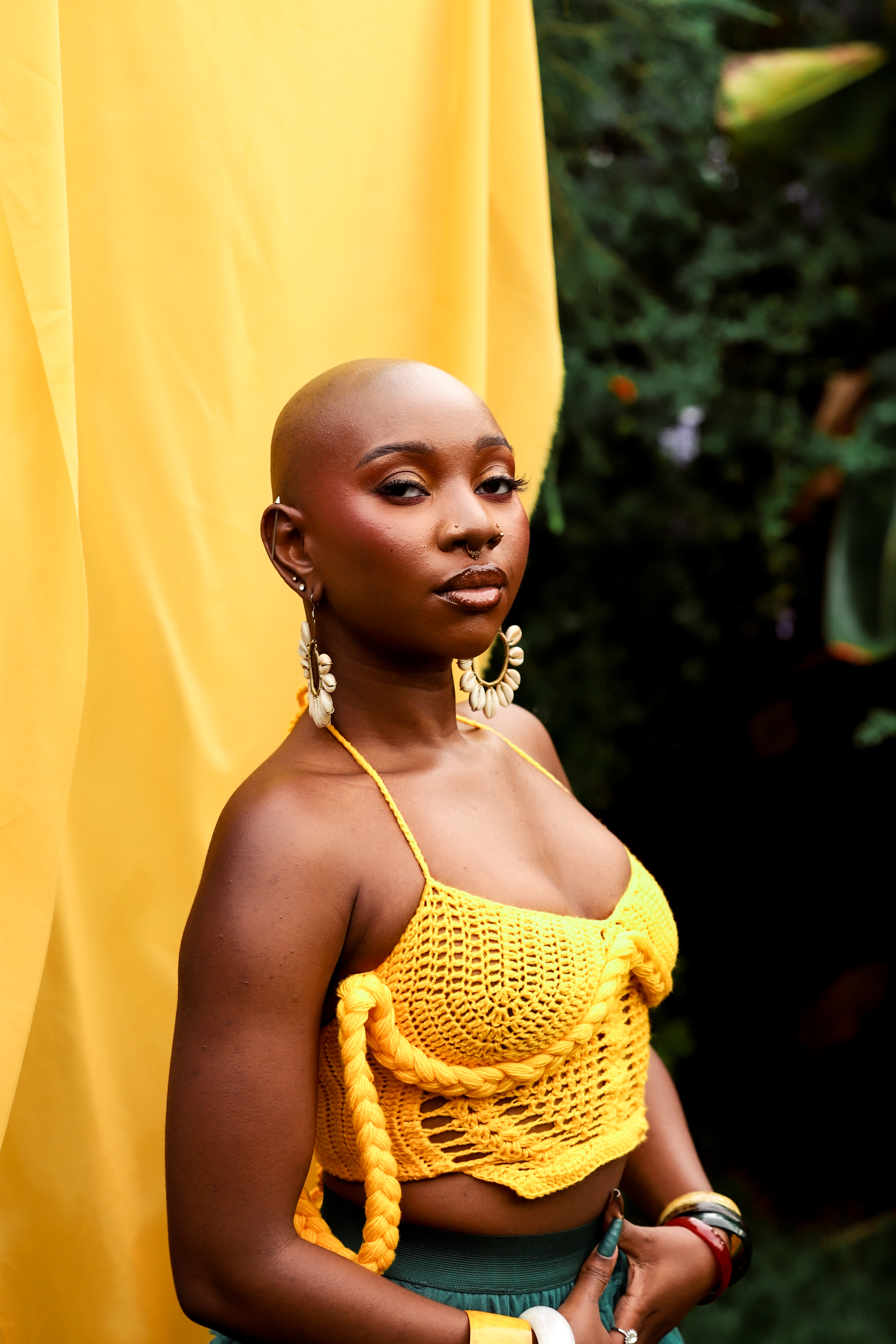
That sense of intentional self-definition runs through Orior, which challenges the inherited expectations placed on African women and asks what happens when those roles are questioned or refused.
Across its five tracks, Dube explores fear, desire, self-worth, lineage, and emotional honesty. But the underlying thread is clear: the pressure to perform identities that were never self-chosen, and the courage it takes to step outside them.
“The title translates to ‘to rise’, and the first track feels like my womanifesto,” she says. “We’re often playing roles that we didn’t choose. The question is: how do we break free from that?”
That opening track, Hinc Orior, sets the tone. An Afrofuturist blend of spoken word, broken disco, and EDM influences, it positions African women at the center of cultural creation and not as subjects, but as origin points.
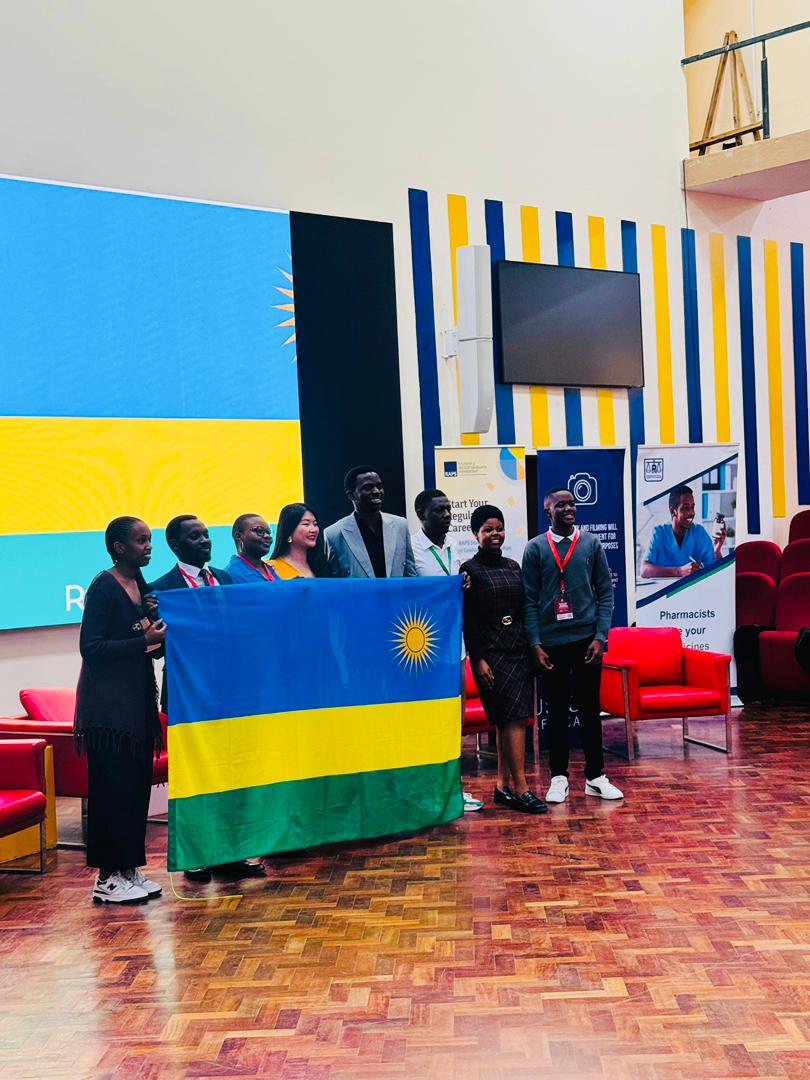
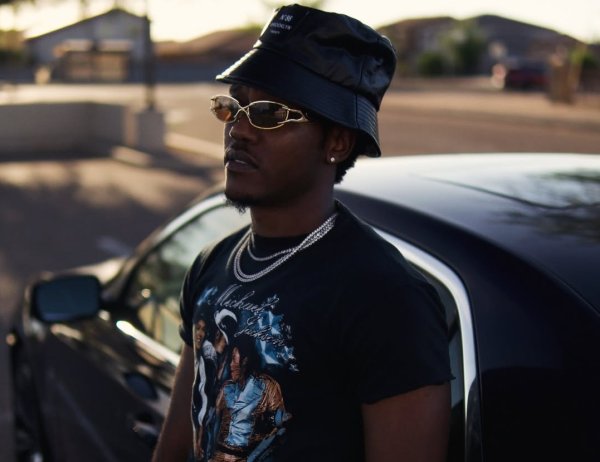
From there, Kairos, featuring Rwandan artist Chacha Imfurekeye, reflects on timing and self-trust, confronting the anxiety of comparison and the illusion of being “behind” in life. The collaboration also signals the EP’s broader pan-African dialogue, connecting Zimbabwean and Rwandan creative perspectives through a shared sonic language.
A growing voice on major stages
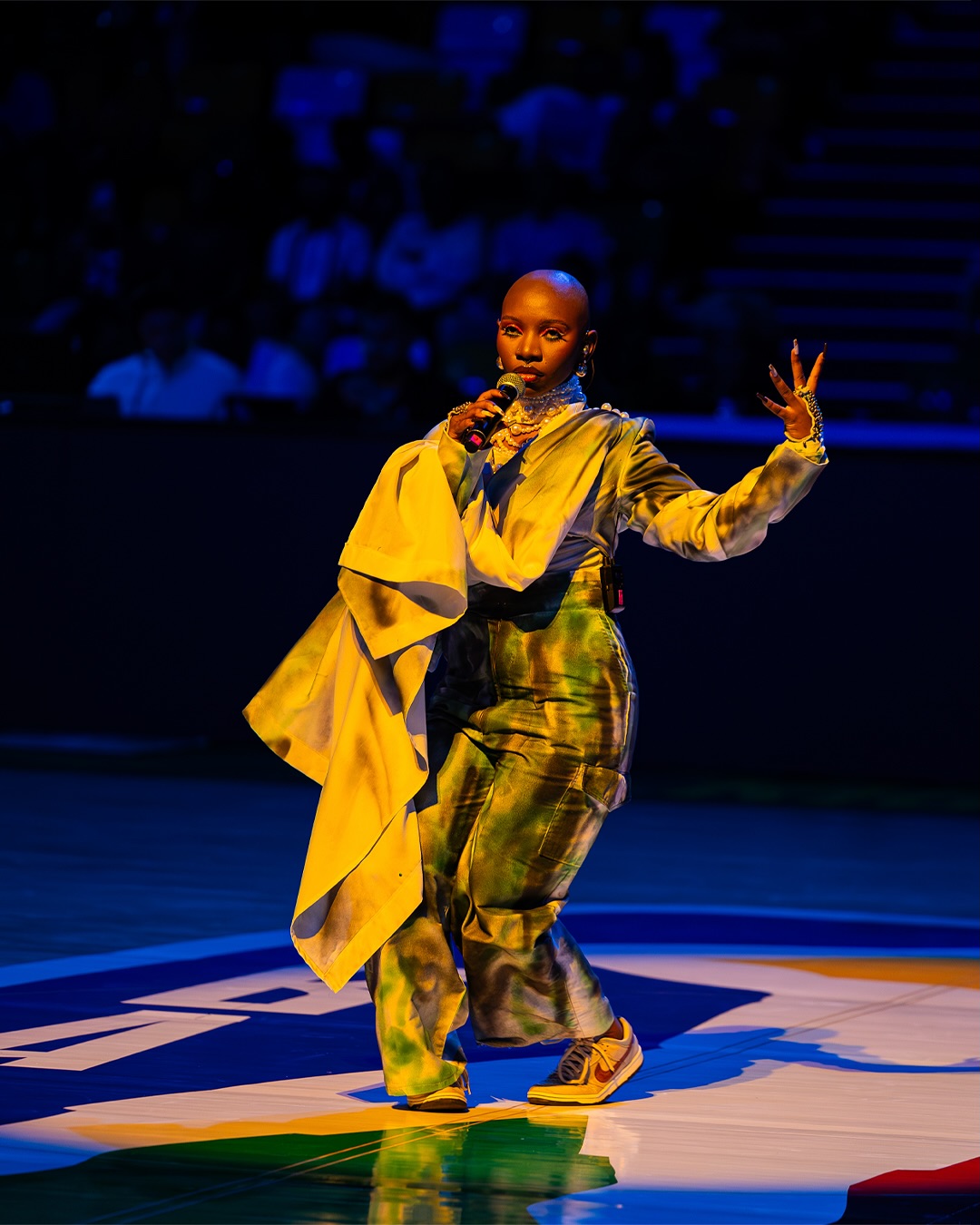
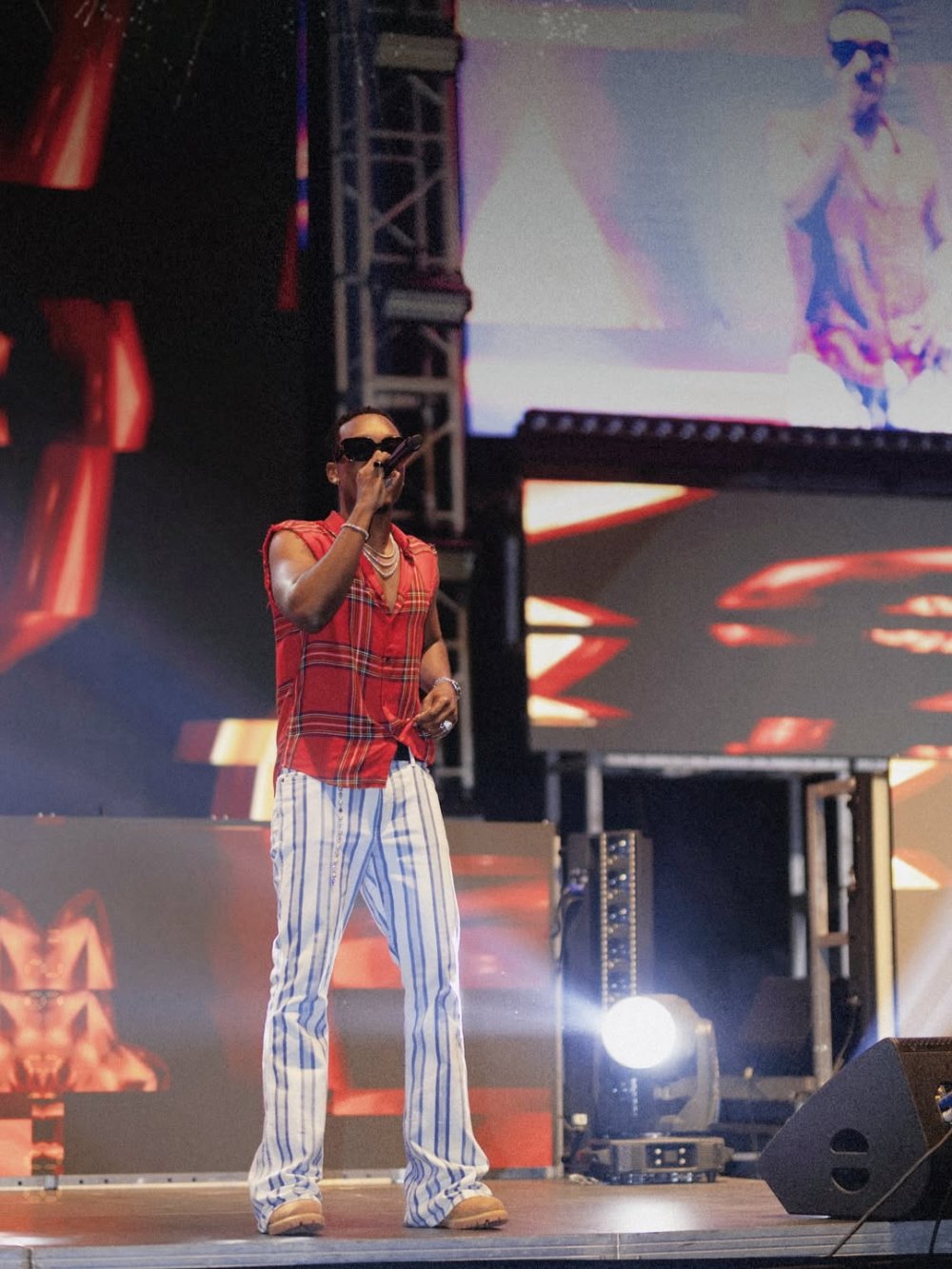
Dube’s emergence is not limited to studio recordings. She carried immense momentum into 2026 following her standout milestone appearance at the 2025 Basketball Africa League (BAL) opening ceremony. At the BK Arena, she delivered a striking multidisciplinary performance that fused spoken word, Afro-soul, and intense choreography.
She returned to BAL stage for this 6th season with Mashirika Performing Arts to co-create and perform a song under this year’s theme, “Rise with The Game”. Performing alongside a large ensemble of contemporary dancers and contortionists, she transformed the arena into an immersive theatrical space, a live extension of the same thematic principles that define Orior.
The performance established her presence within some of the continent’s most visible cultural platforms, reinforcing her reputation as a boundary-crossing performer who treats live stages and recorded tracks as part of the same continuum. For Dube, such moments are a commitment to art as a lived experience rather than isolated output.
Sound, language and intimacy
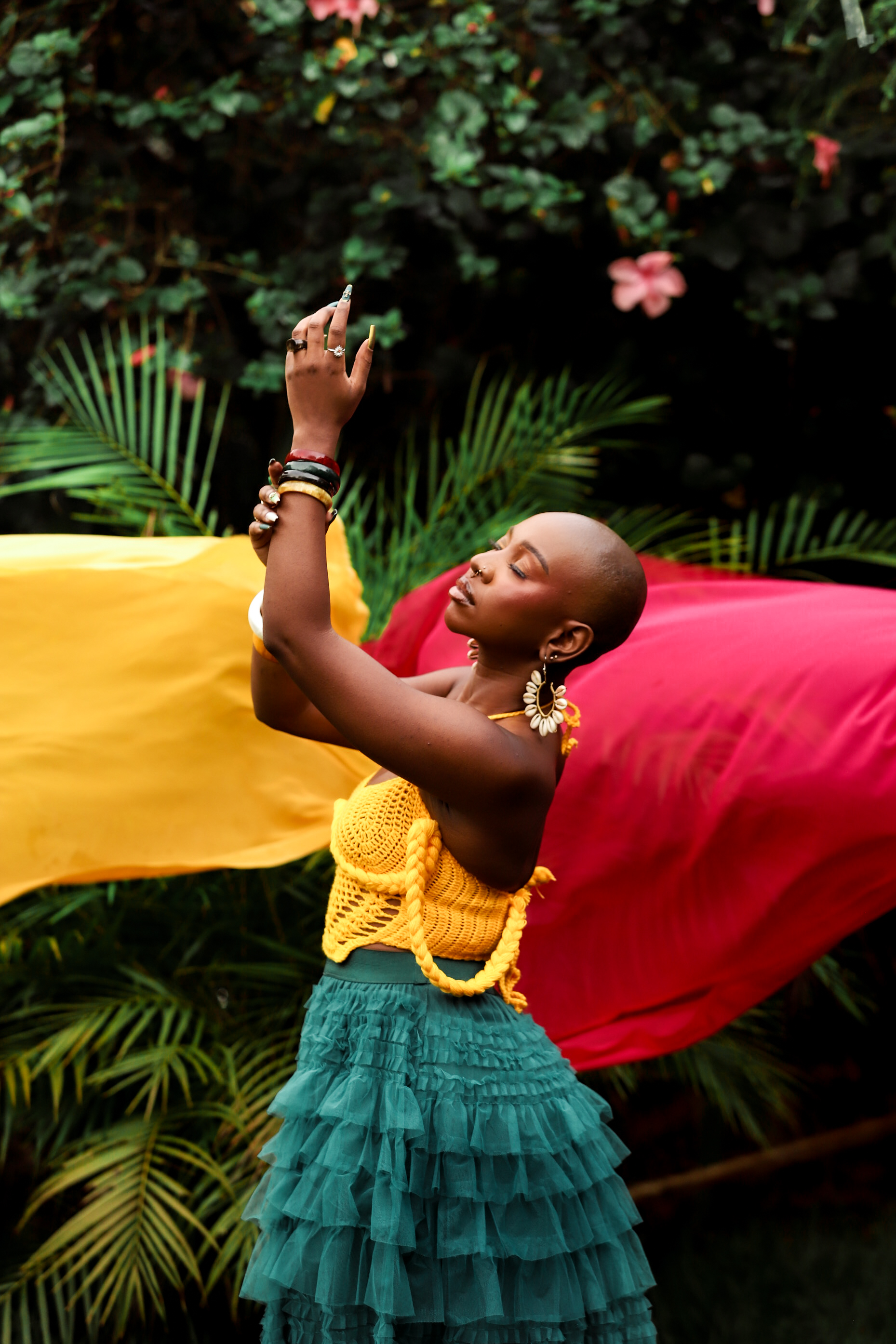
Elsewhere on Orior, Dube shifts between intimacy and assertion. Songbird, performed in Ndebele, is one of the EP’s most personal moments, a spoken-word infused reflection rooted in ancestral memory and linguistic identity.
In contrast, DioR, featuring Rwandan rapper thedicekid, delivers sharp alt-R&B and hip-hop energy. Built on a proven collaborative chemistry forged across past joint projects, the track centres on self-worth, boundaries, and emotional sovereignty, presenting a woman fully aware of her value and unwilling to negotiate it away.
The EP closes with Roleplay, a darker, more vulnerable track that confronts people-pleasing and emotional self-erasure. It is here that Orior reaches its emotional core: the recognition that survival often involves shrinking, and that liberation begins with refusing to do so.
“It’s about recognising patterns, naming them, and choosing to restrict access rather than play small,” Dube says.
Kigali, collaboration and creative expansion
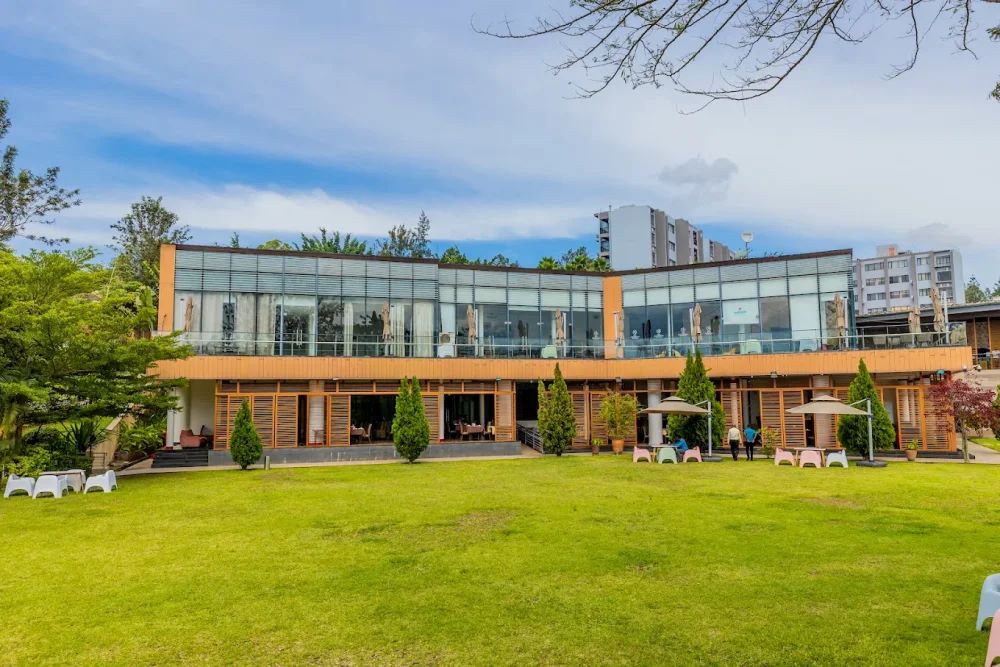
While Orior is deeply personal, it is also shaped by place. Dube credits Kigali’s evolving creative ecosystem with expanding her understanding of collaboration and artistic community.
“Rwanda’s creative scene is growing into a hub for collectives,” she says. “It has opened me up to believe in art as a communal practice.”
Her work with groups such as Mashirika Performing Arts and The Circle Kigali, which she co-founded as an artists’ healing space, reflects her belief that creativity can function as both expression and repair.
That philosophy extends into her conceptual framework, which she calls “The Afrosensual”, a practice rooted in intuition, sensory awareness, and African indigenous knowledge systems. It is an approach that heavy-hitting tracks like Roleplay and Songbird translate directly into raw sonic energy.
“It explores returning to our senses in an overstimulating world,” she explains. “It’s about learning to trust the body again, what triggers it, what soothes it, and what it knows before language intervenes.”
A debut built on becoming
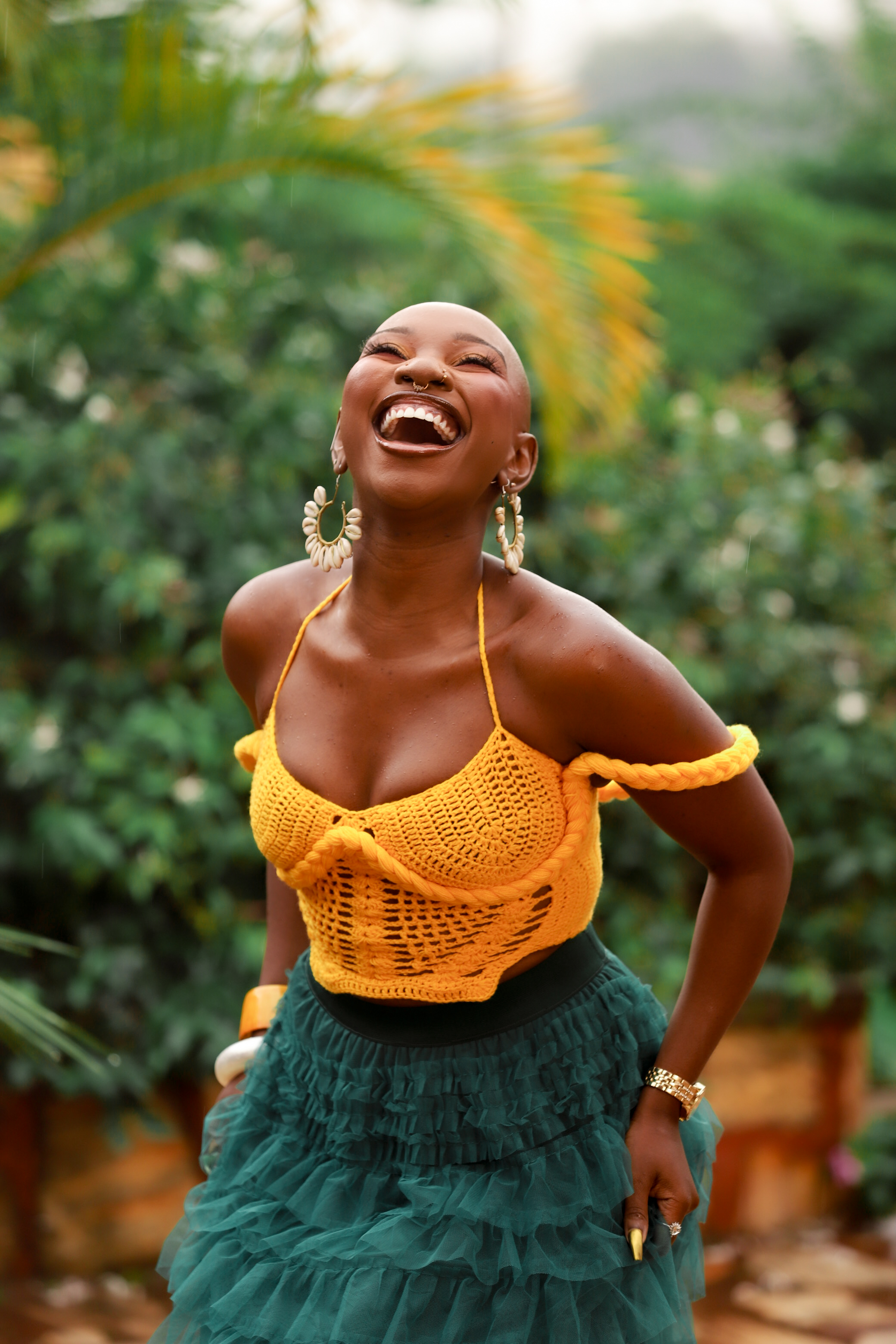
Orior resists the framing of a traditional debut. Rather than signalling arrival, it reflects an ongoing process of self-discovery and artistic formation. Dube, who serves as writer, executive producer, and co-producer across the EP, describes the experience as both grounding and revealing.
“Seeing the ideas come to life made me realise how much I believe in myself,” she says. “Whether the world liked it or not, I was going to be proud of what I created.”
For her, success is not measured by numbers or immediate recognition, but by resonance, whether listeners can see fragments of their own experiences within the music.
“I hope people genuinely connect with the subject matter and the musicality,” she says. “I want it to inspire people to build their dreams too.”
As Orior prepares for release, it positions itself as both an invitation and an interruption, a reminder that African women are not waiting to become anything. They are already rising, continuously, beyond the roles assigned to them.