A statement issued by the military said Harb was killed in an airstrike carried out last week.
The military said Harb oversaw the assembly and deployment of explosive devices intended to target Israeli soldiers in southern Lebanon, accusing him of involvement in attacks against Israeli forces dating back to the 2006 war with Israel.
It added that the Israeli Air Force struck and destroyed a rocket launcher overnight that had been used by Hezbollah militants to fire rockets toward Israeli troops operating in southern Lebanon.
Hezbollah has not commented on the Israeli claims.
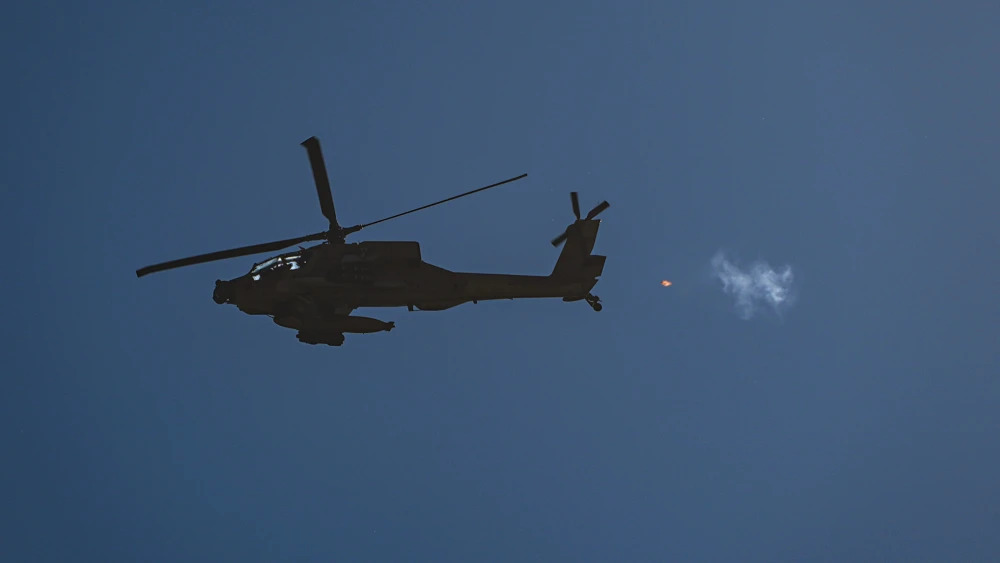
An Israeli Air Force Apache attack helicopter flies above the Lebanon border during an IDF operation on June 4, 2026. The Israel Defense Forces said Friday that it had killed the head of Hezbollah’s engineering unit, Abed Harb.
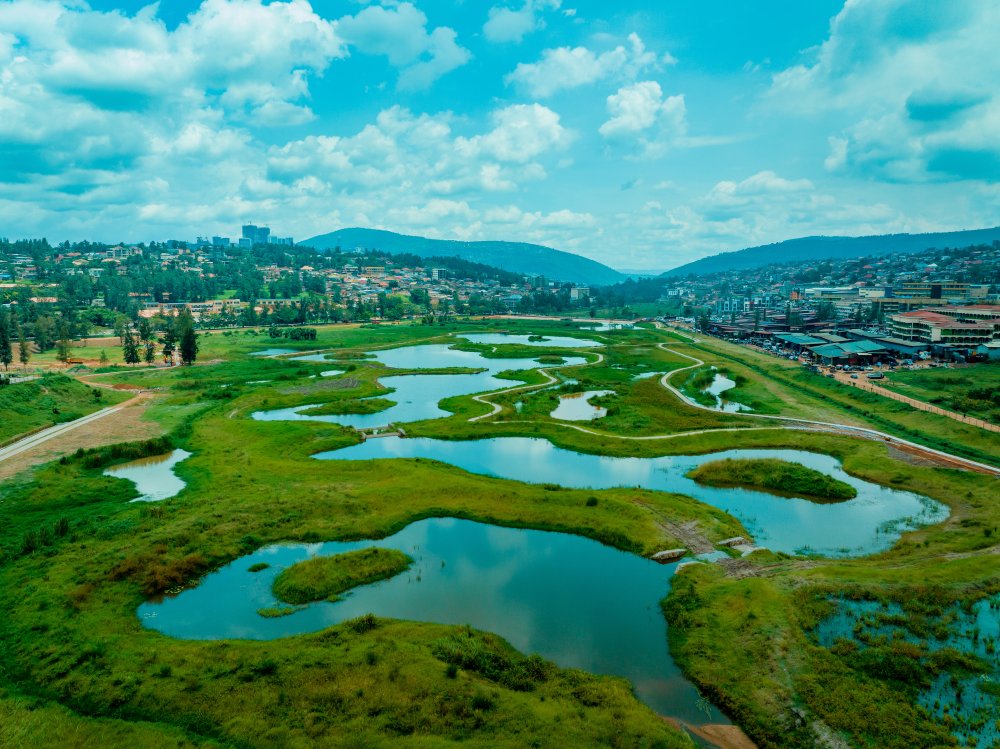
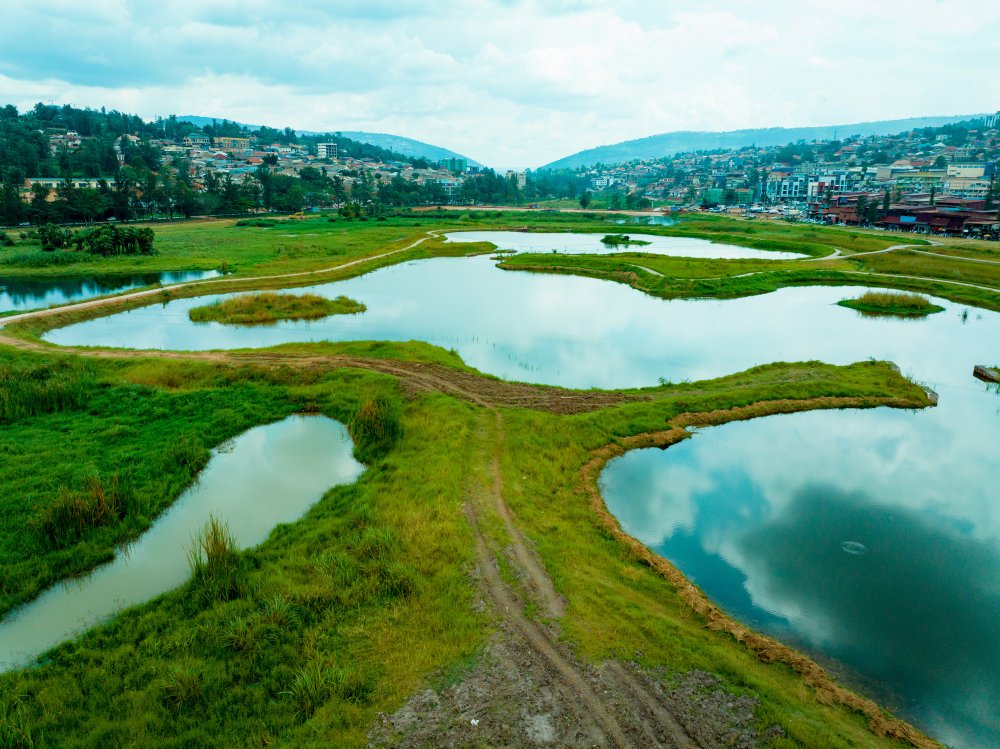
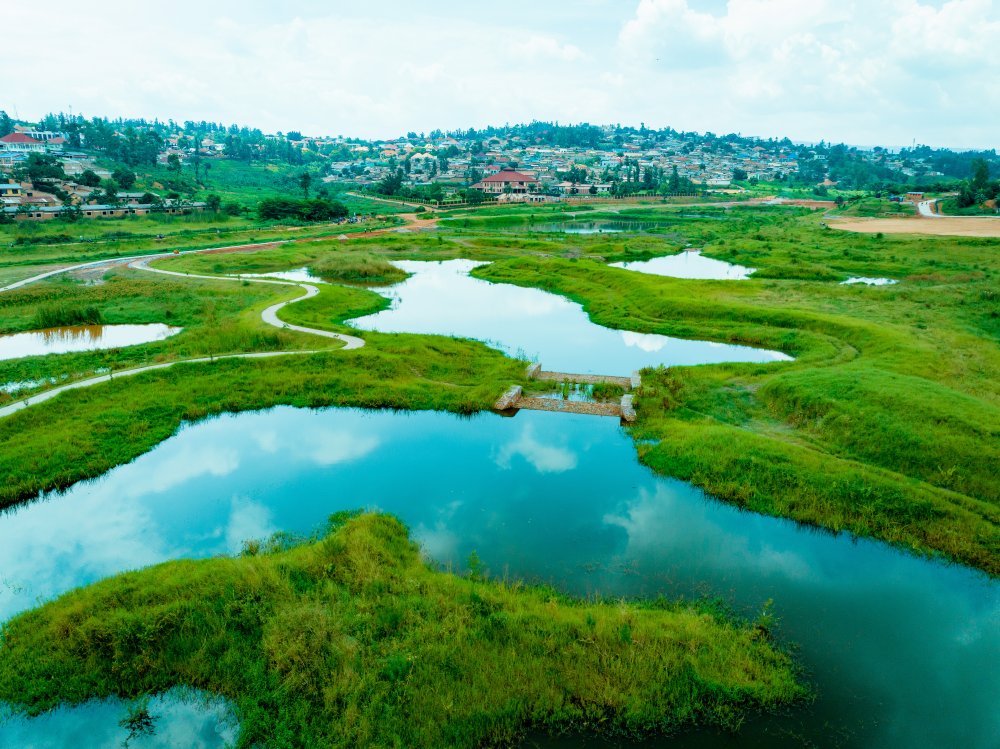
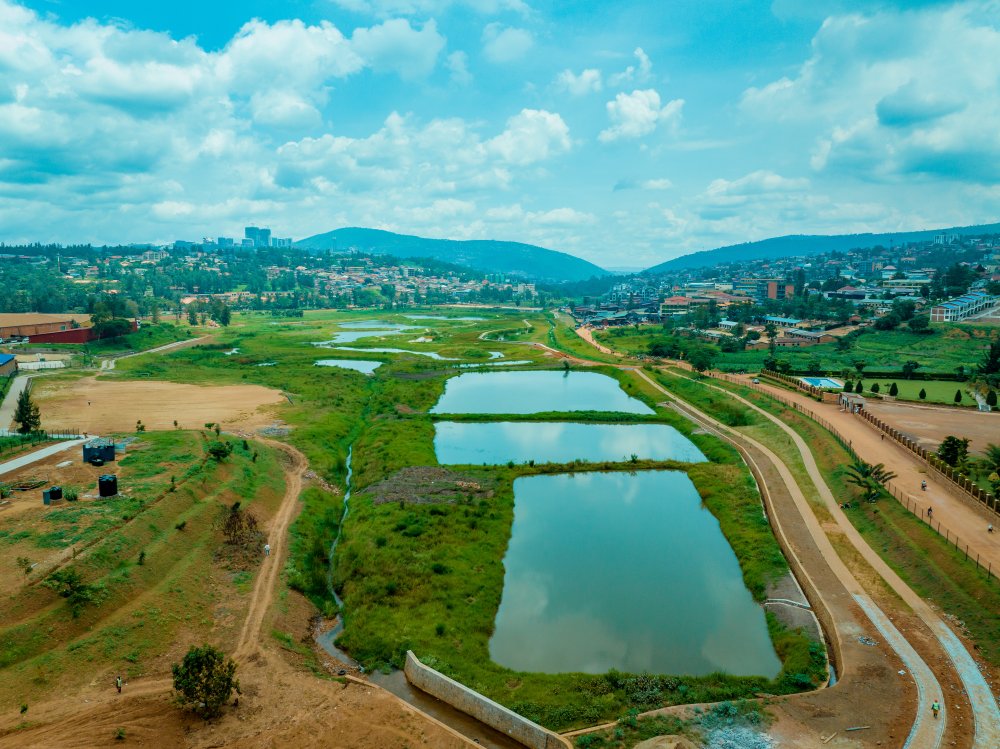
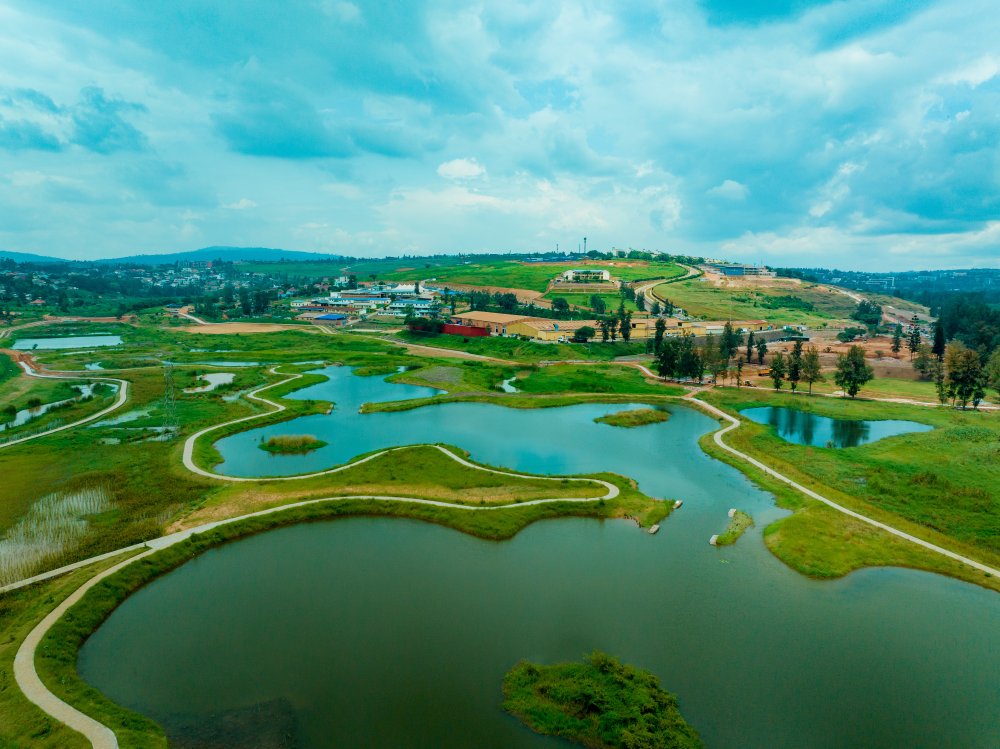
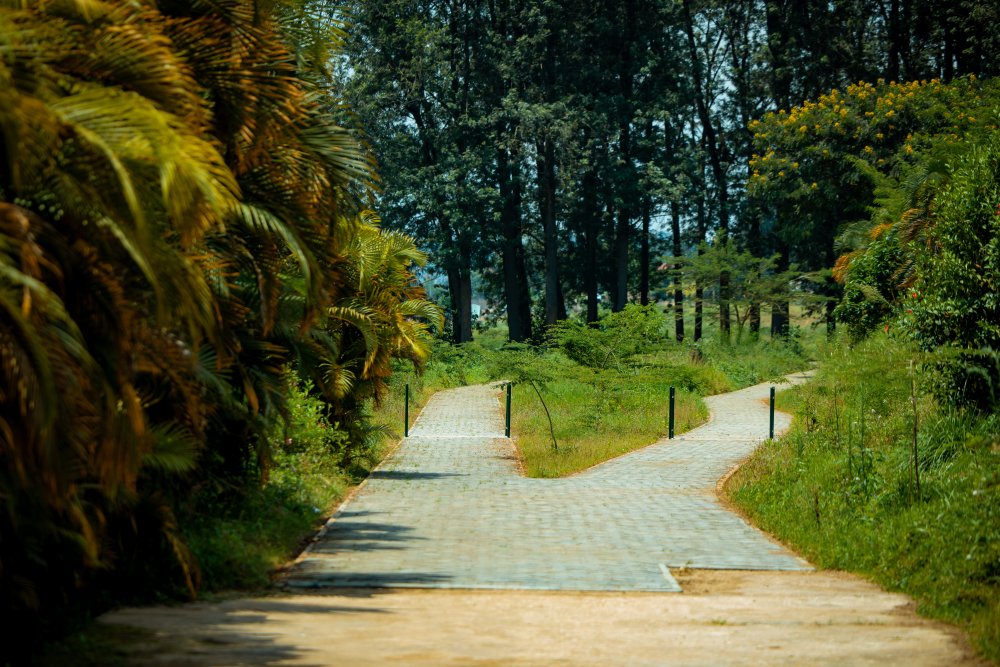
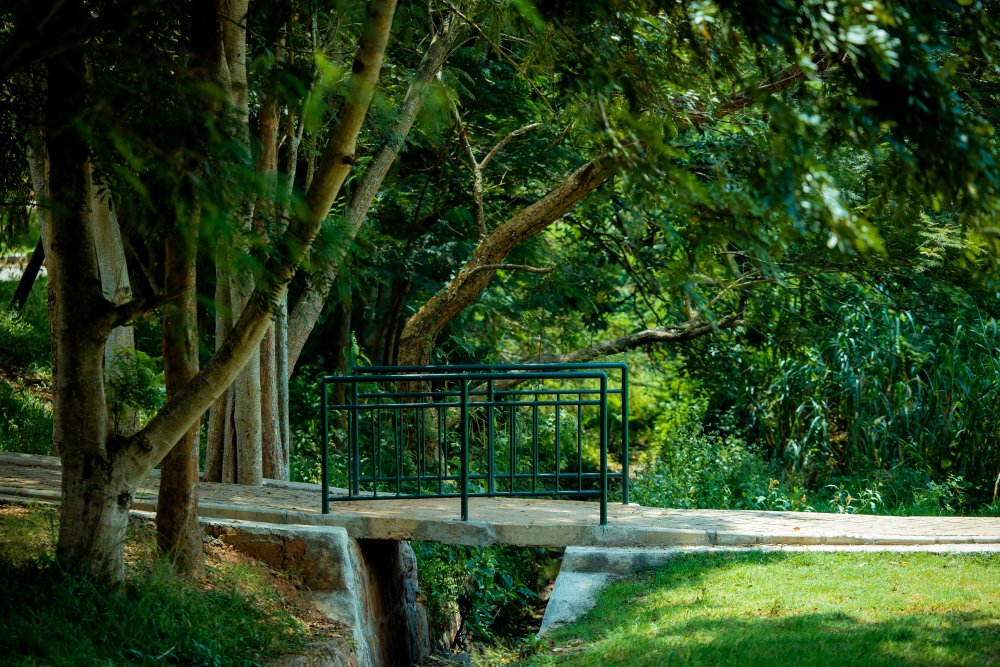
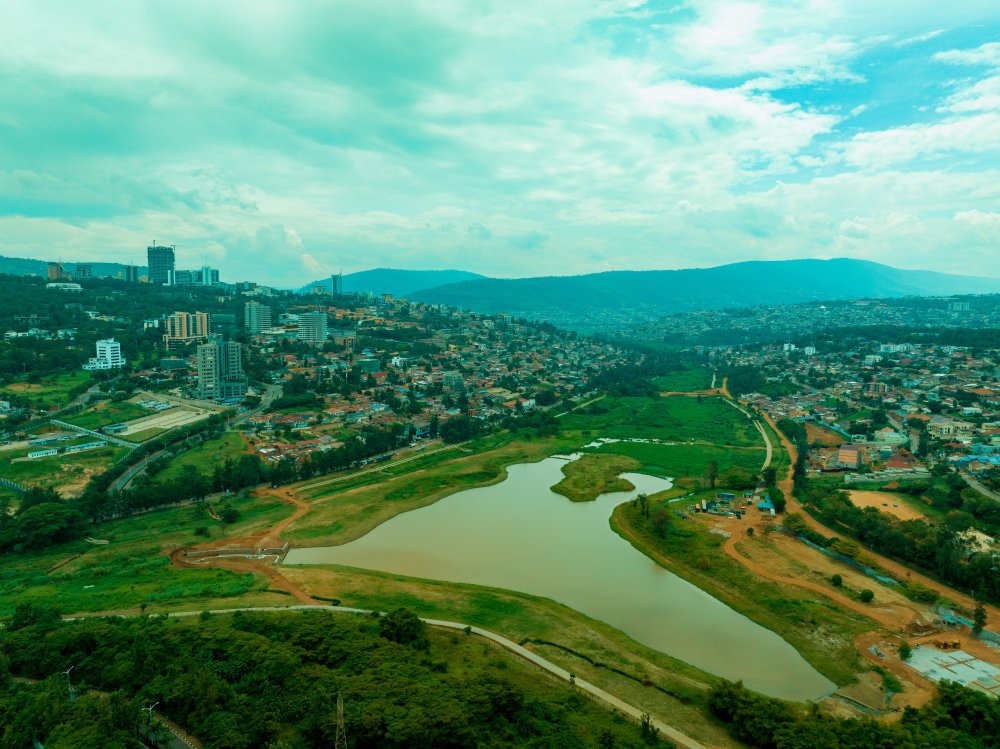
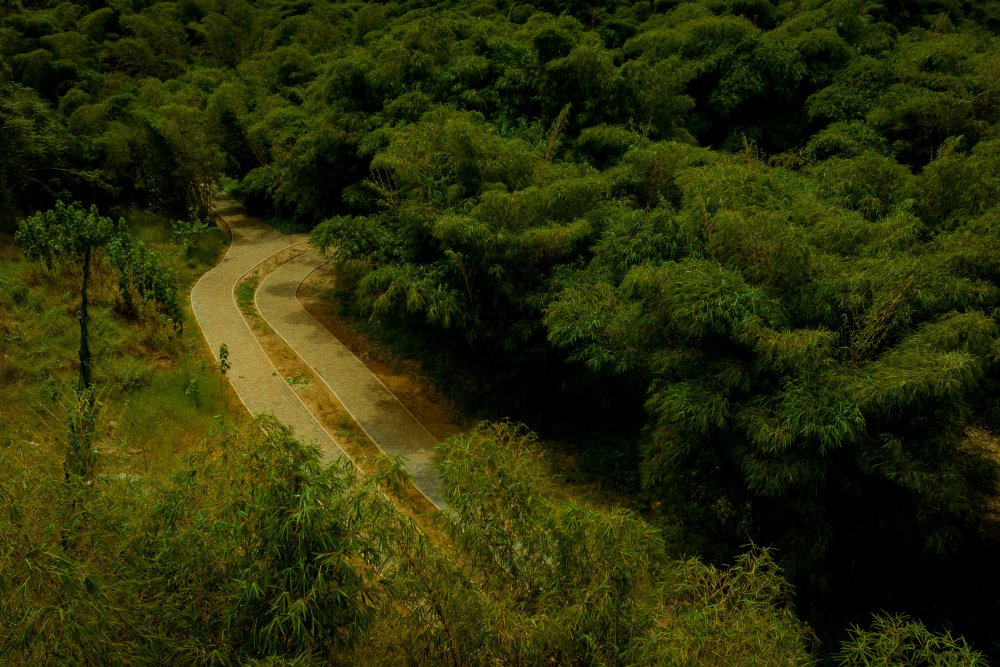
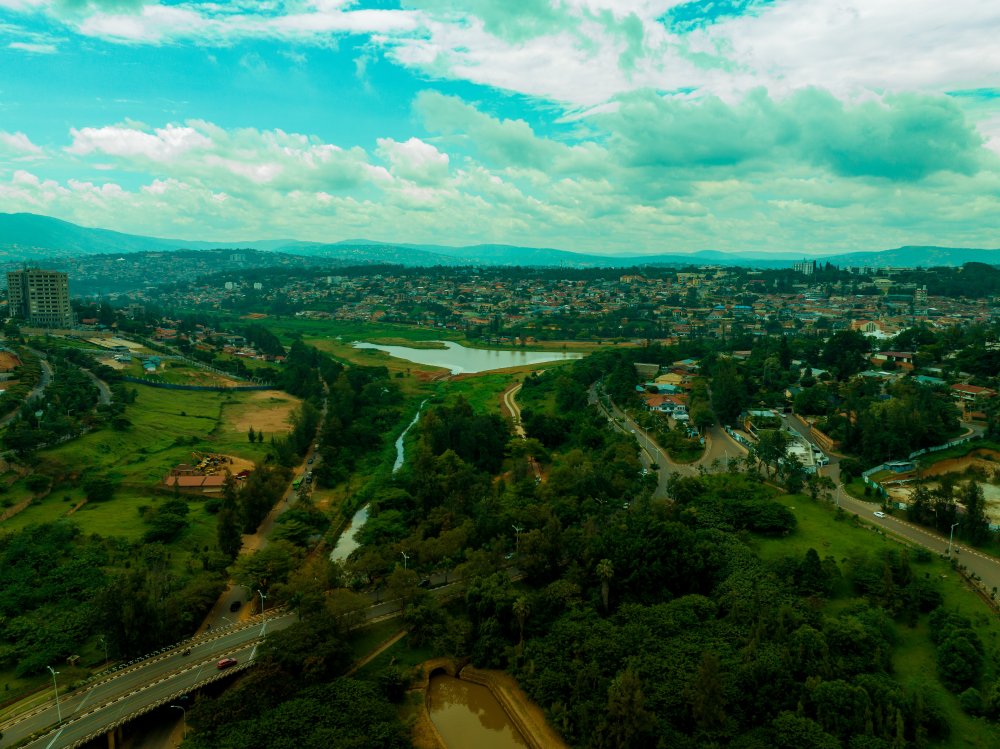
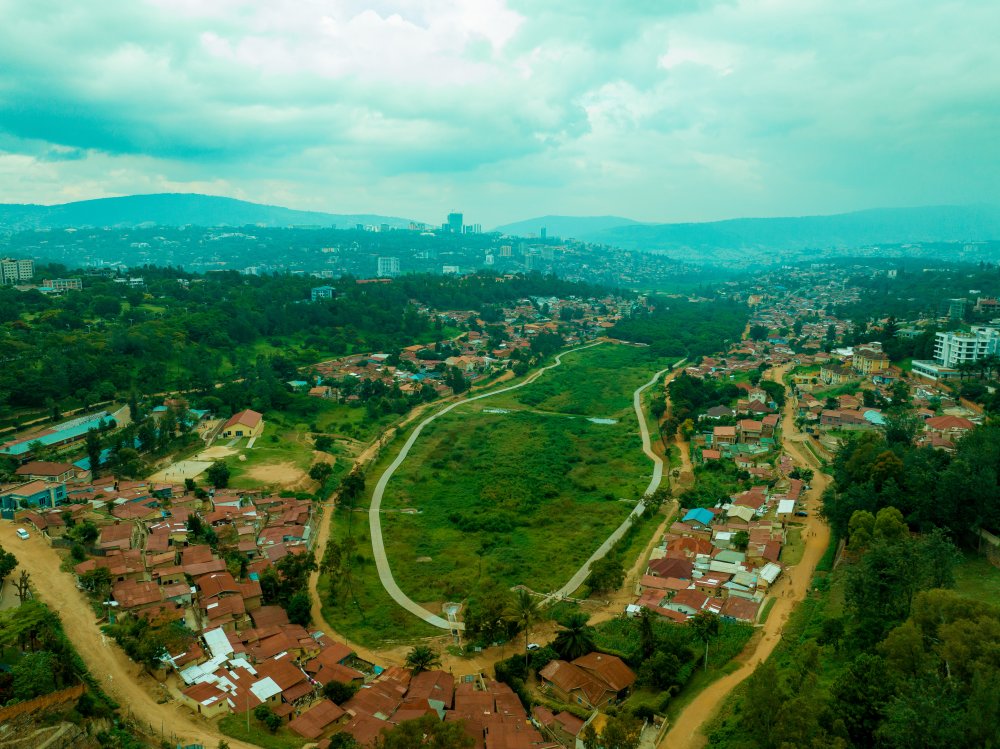
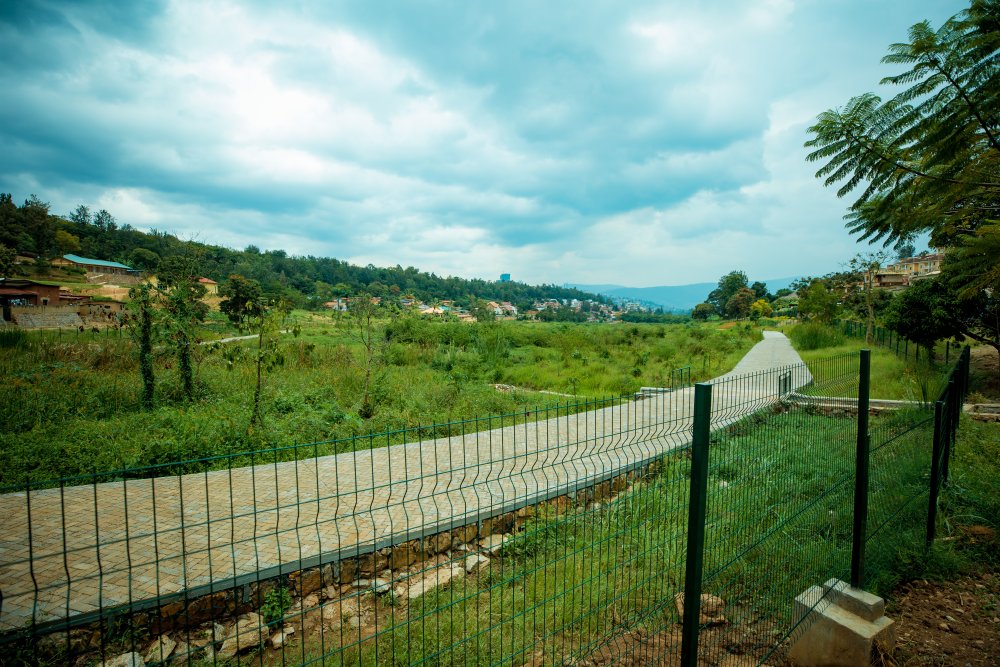
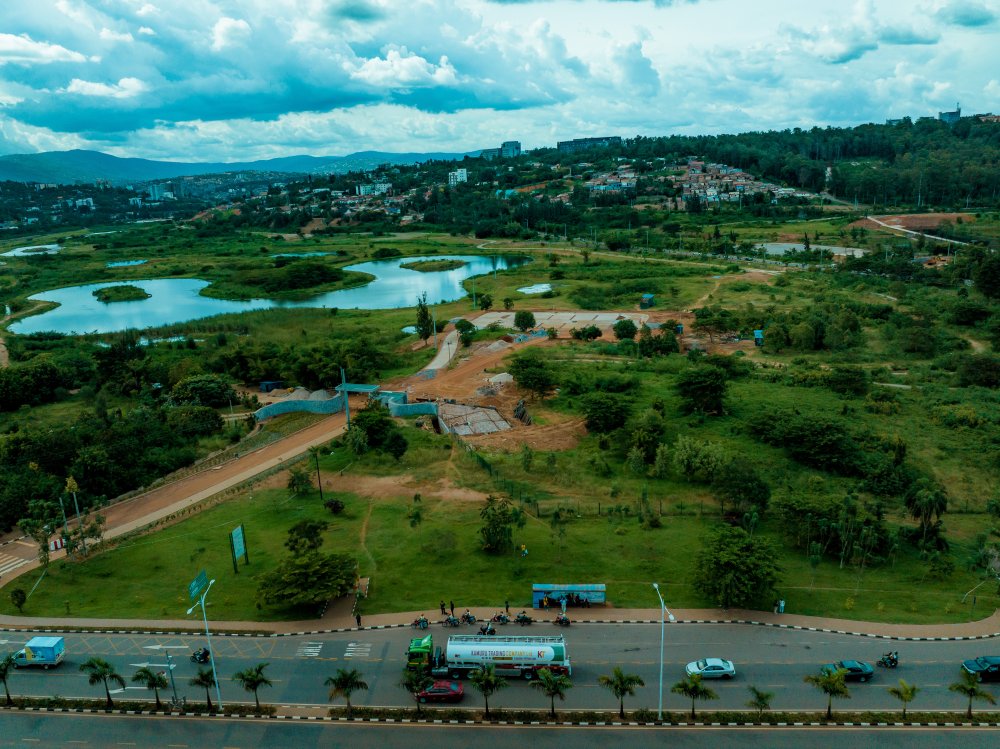
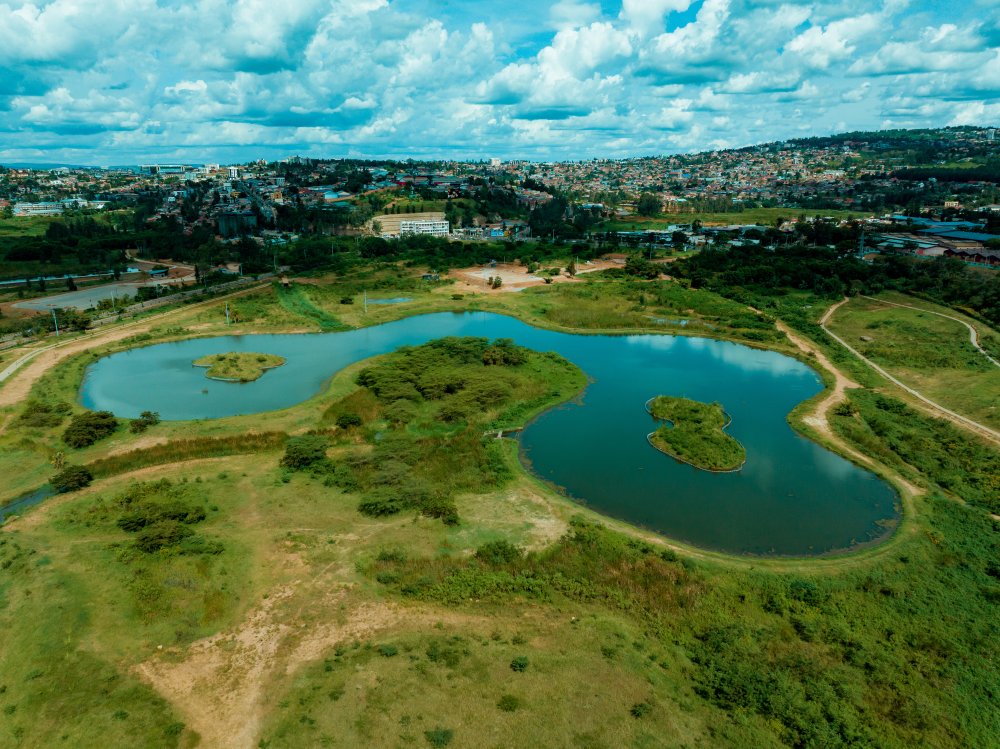
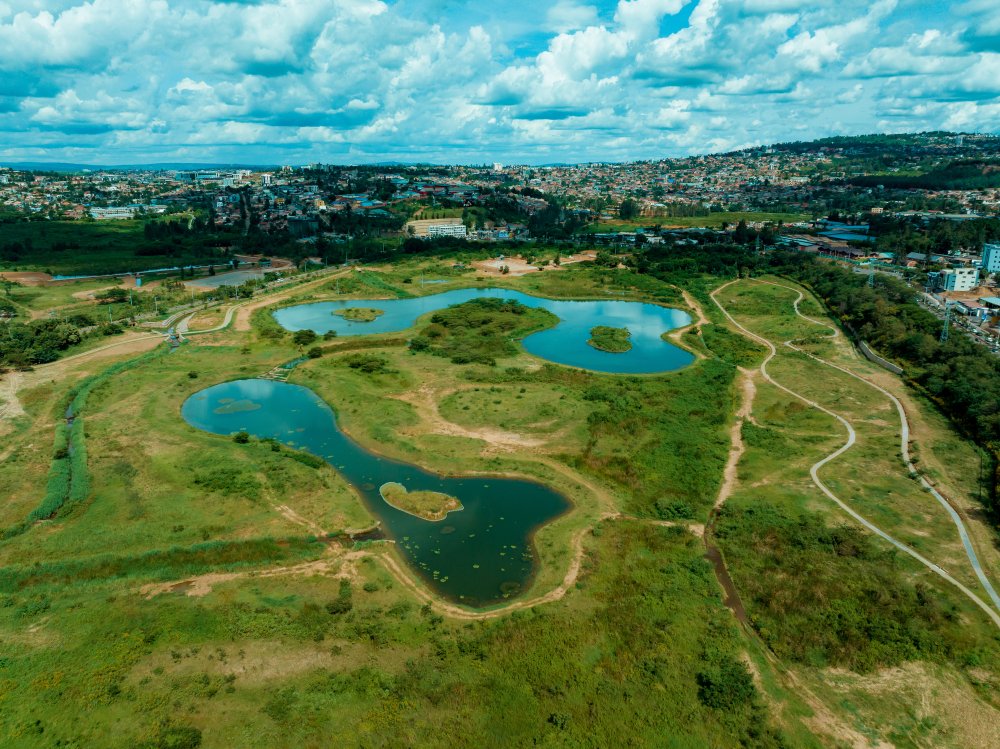
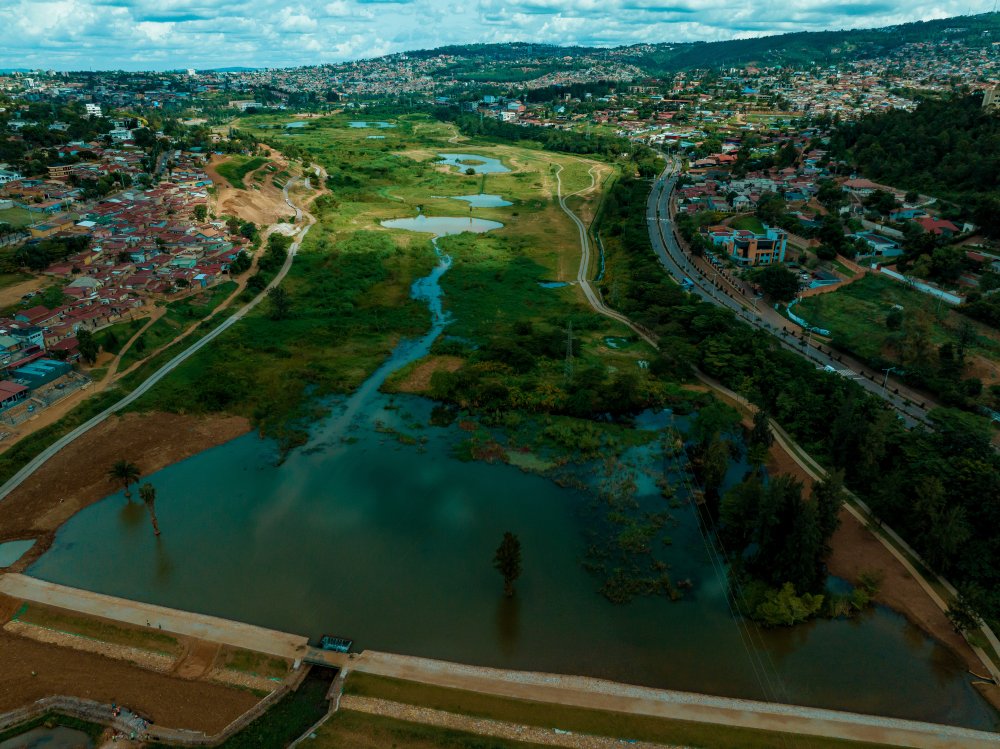
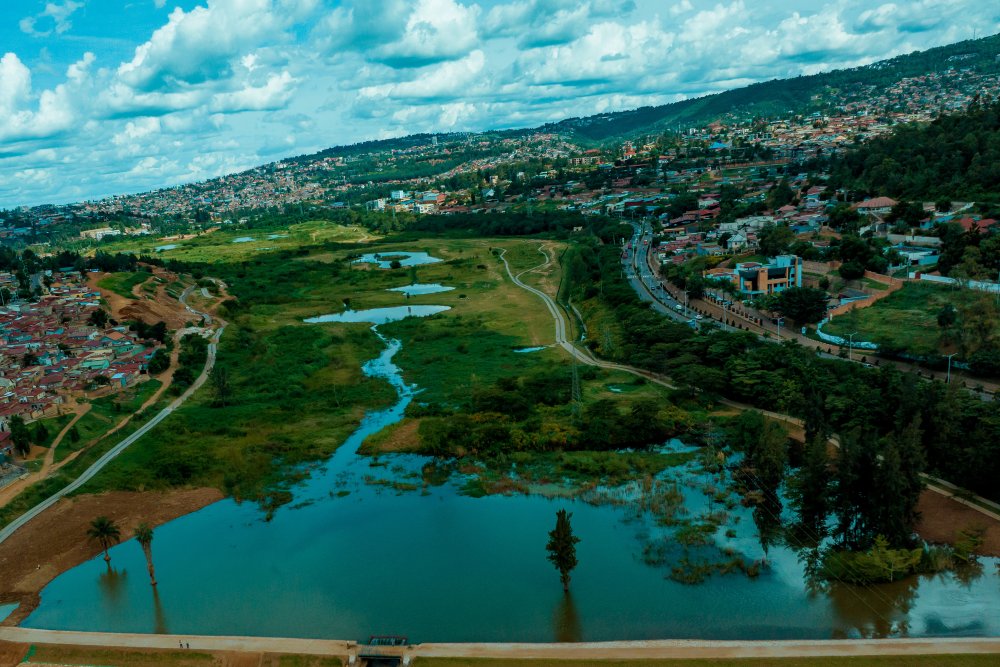
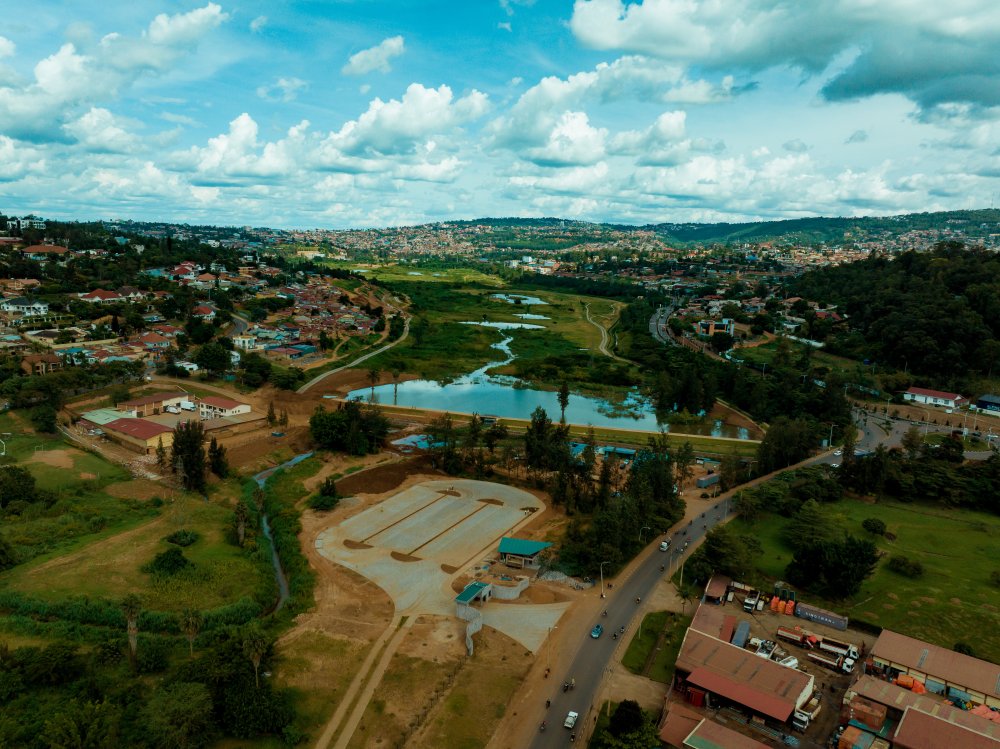
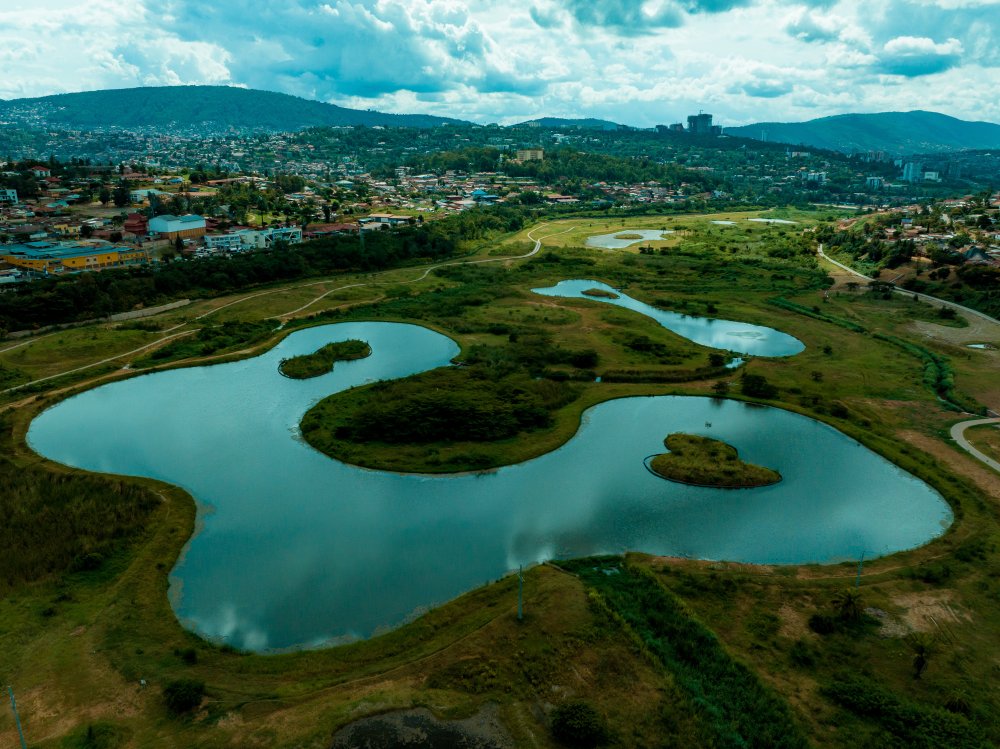
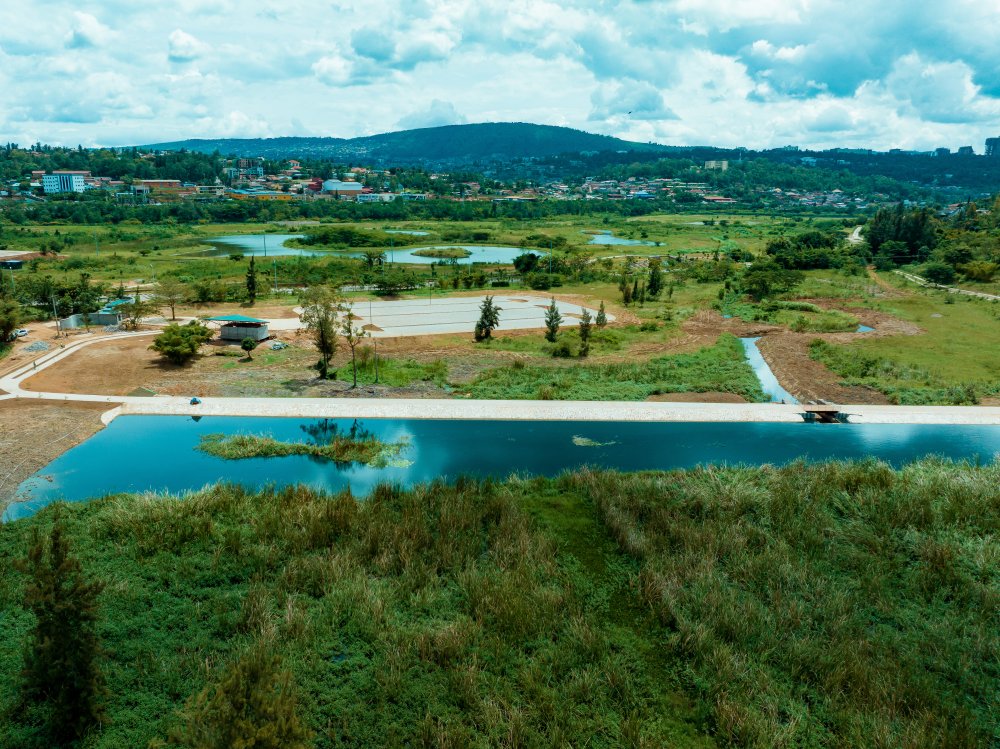
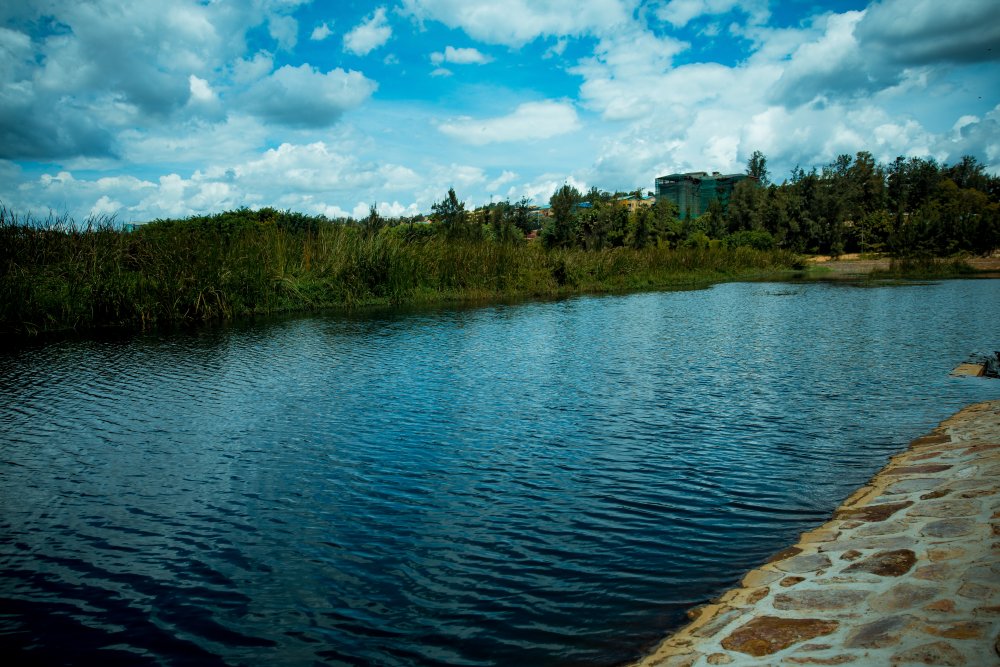
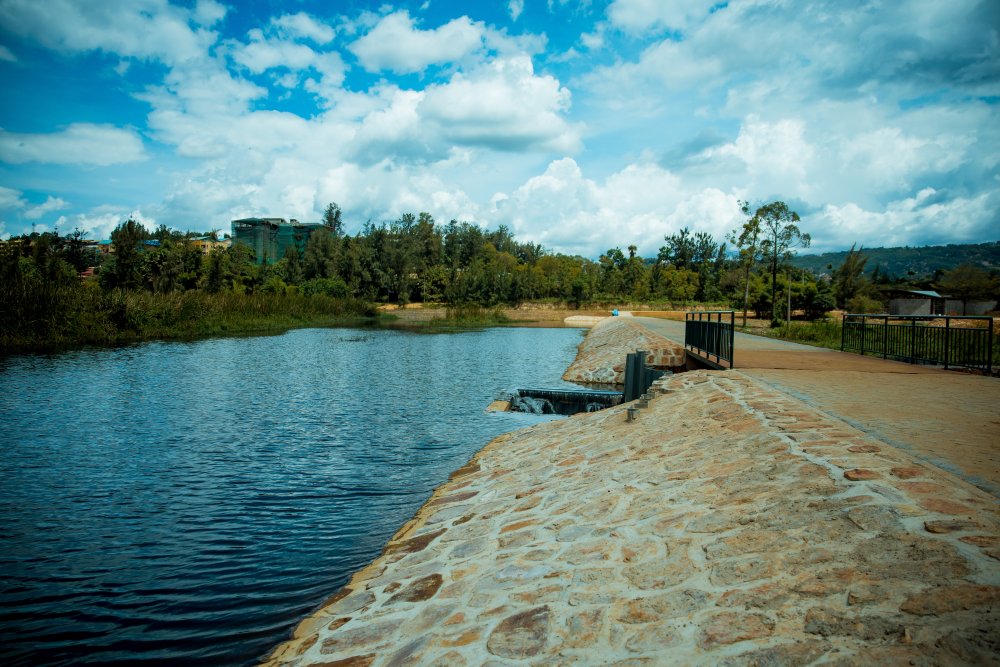
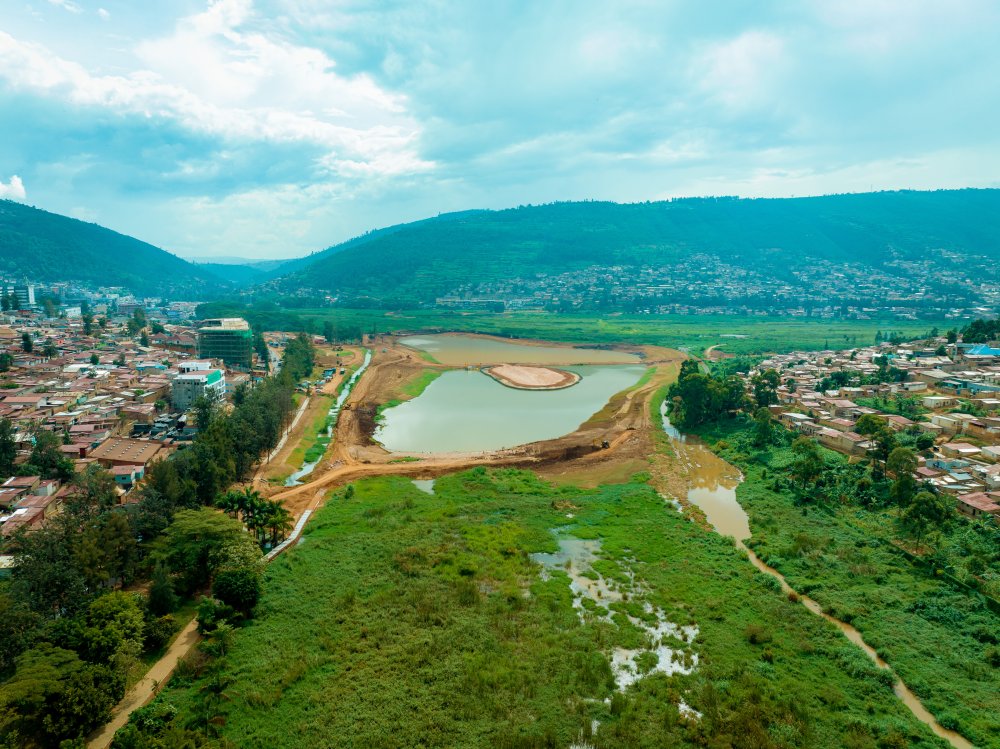
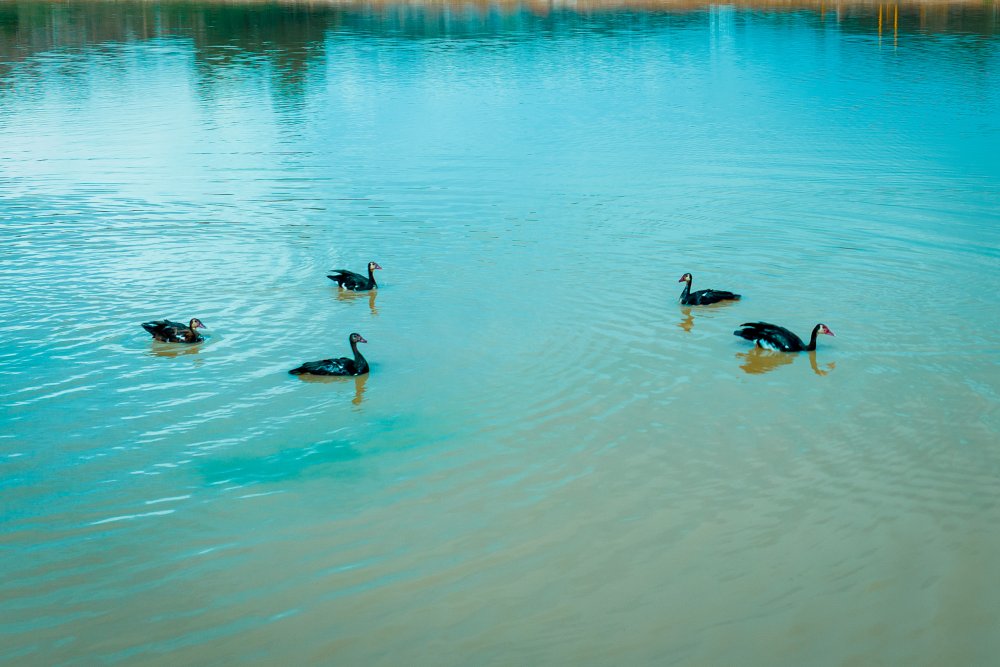
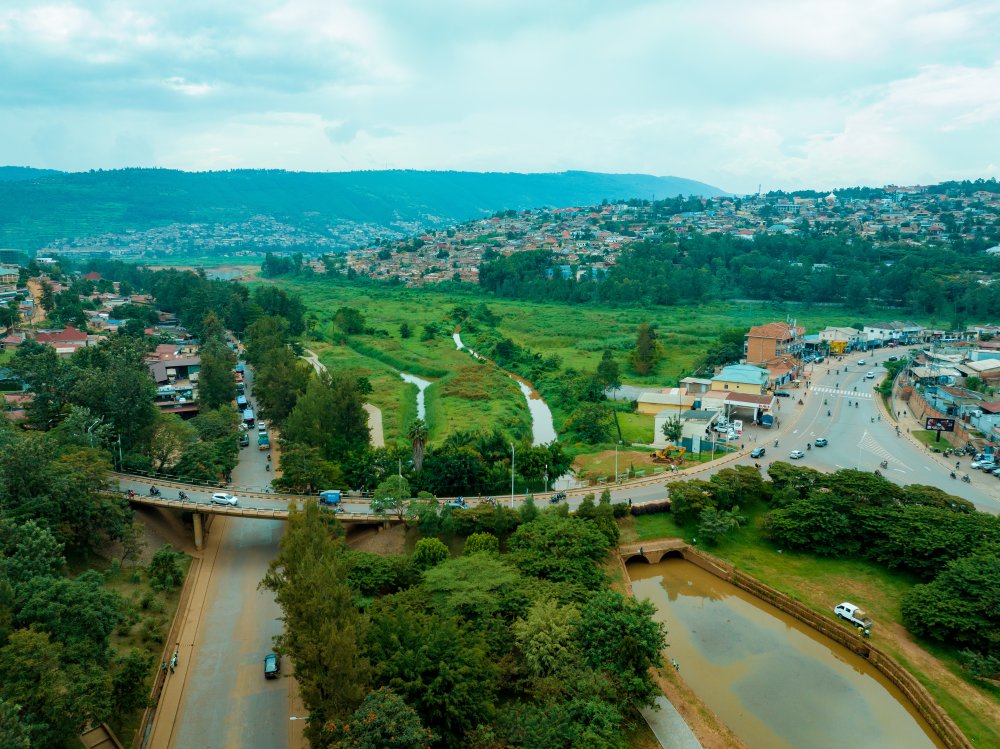
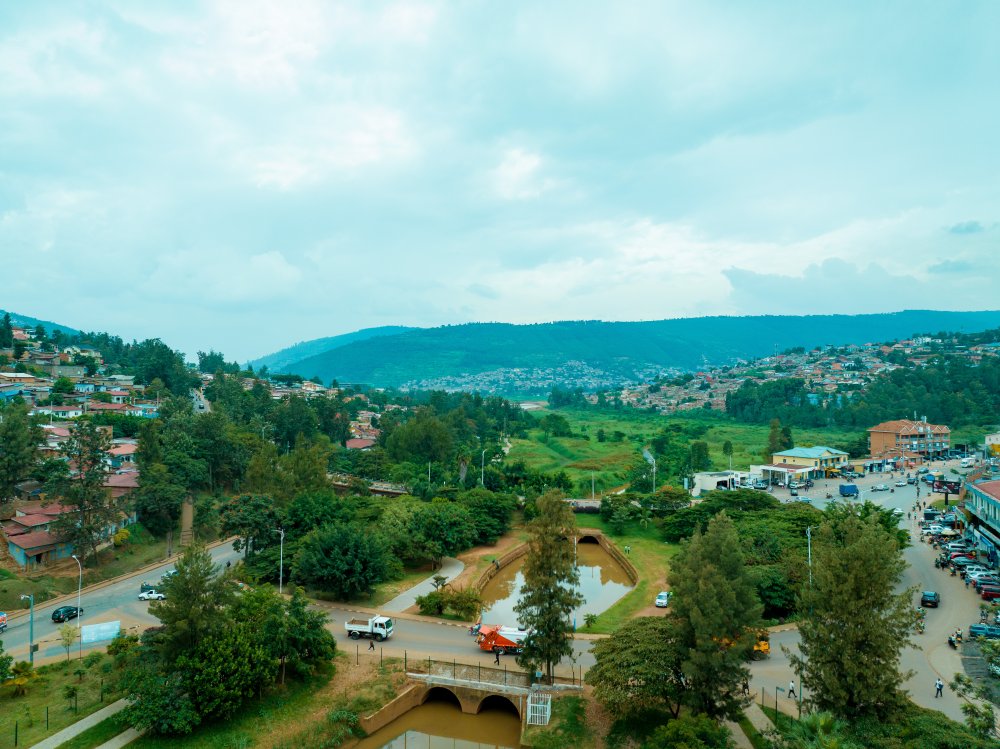
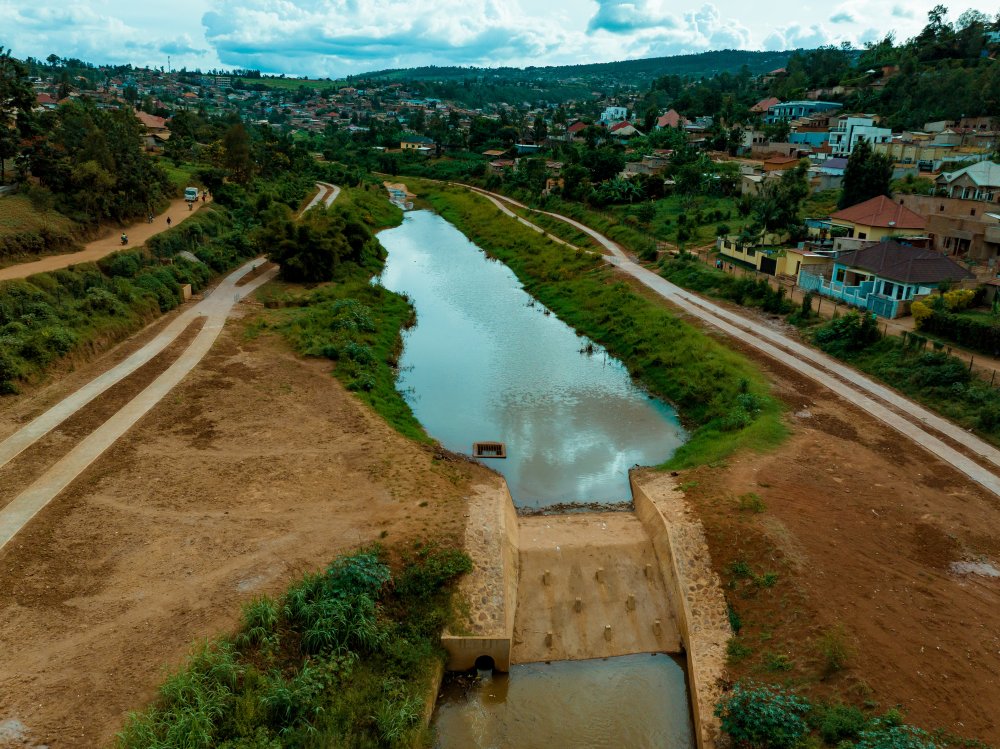
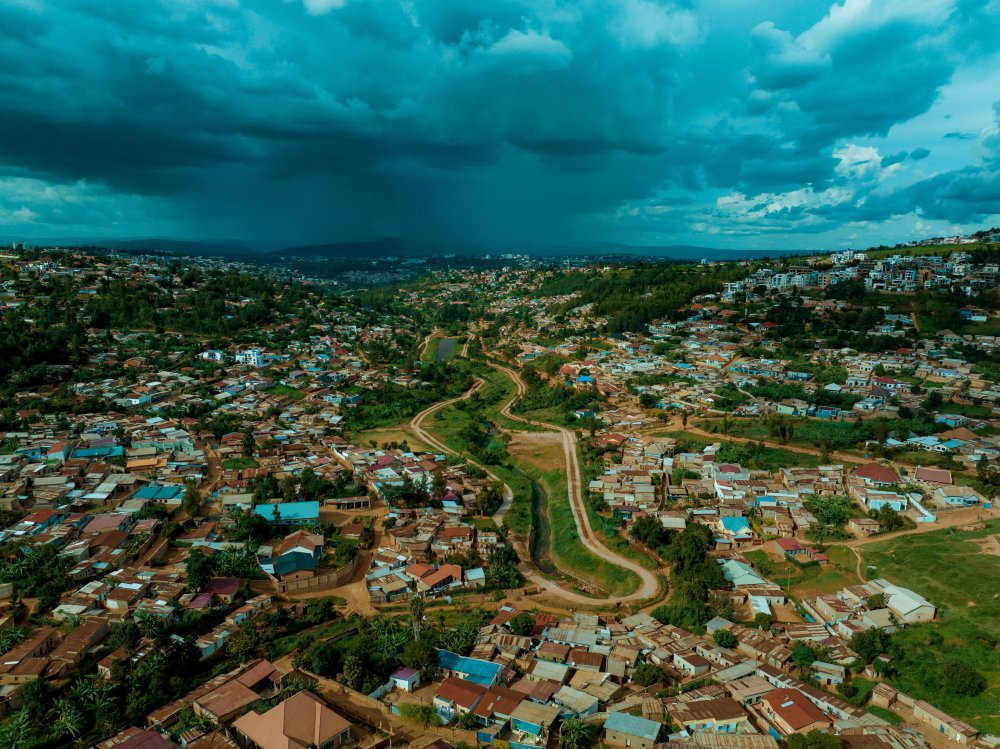
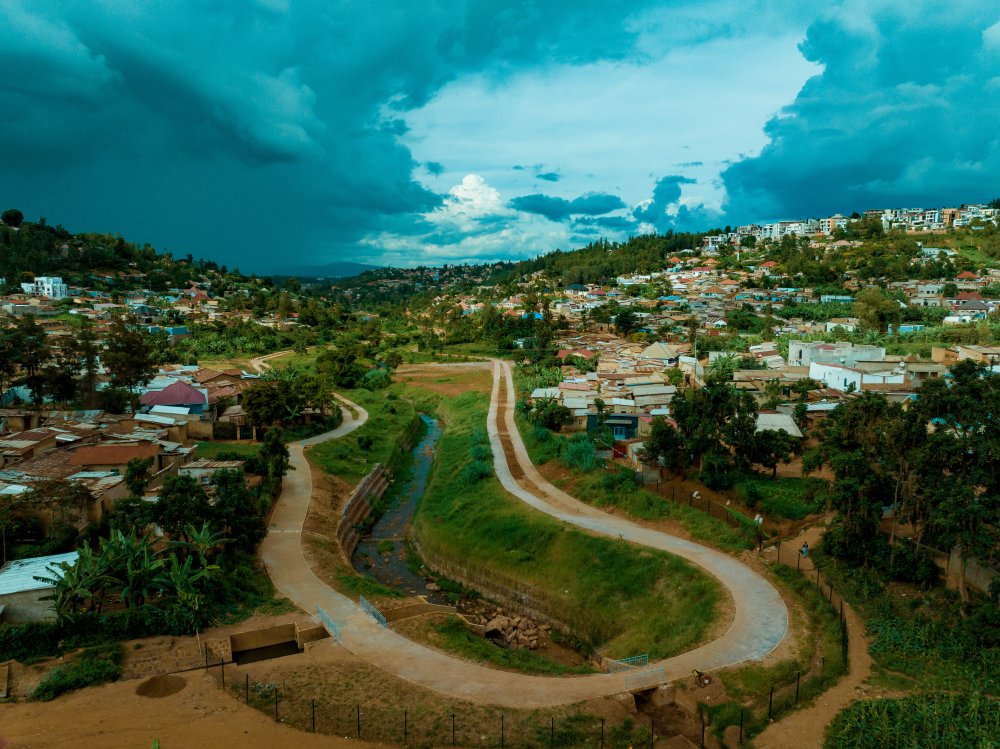
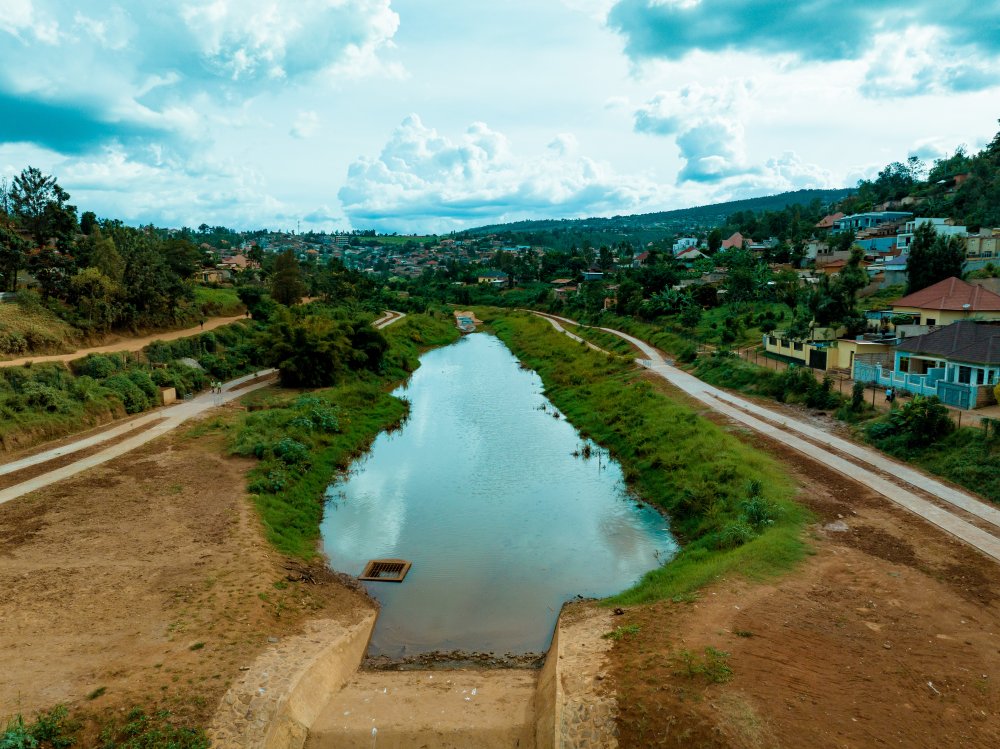
The initiative is expected to play a key role in environmental protection, flood mitigation, biodiversity conservation, improving air quality, and creating new recreational spaces for residents.
The wetlands under restoration include Gikondo (162 hectares), Nyabugogo (131 hectares), Kibumba (68 hectares), Rwampara (65 hectares), and Rugenge-Rwintare (65 hectares). Together, they cover a total area of 491 hectares and are expected to significantly transform Kigali’s urban landscape.
In a statement issued on Thursday, MININFRA announced that implementation of the first phase of the project had reached 94 percent.
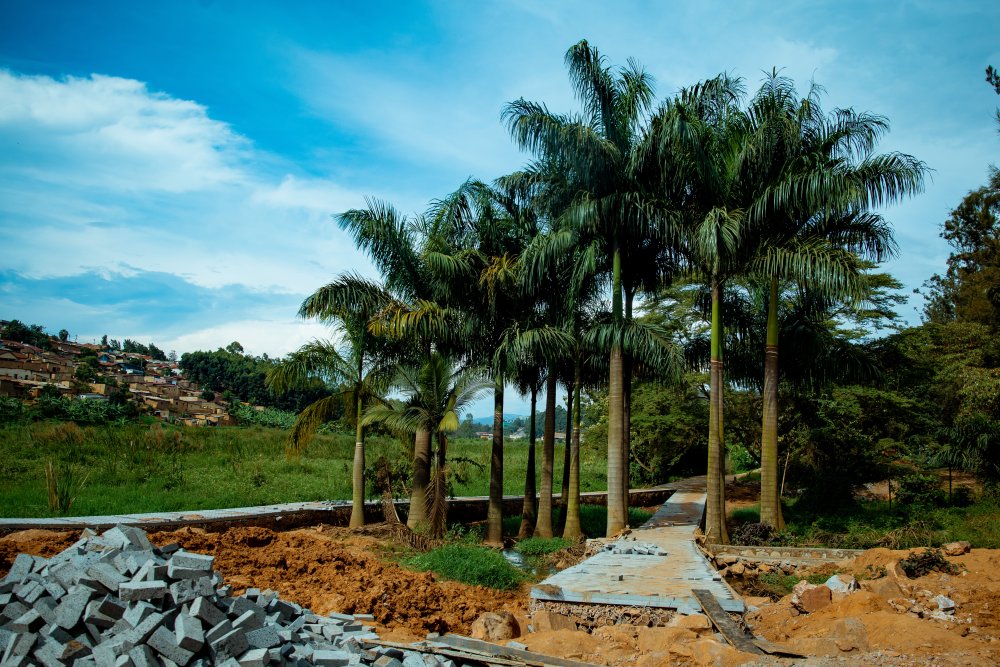
Information obtained by IGIHE indicates that the remaining six percent of the work includes the construction of visitor information facilities that will be used by staff assisting tourists and visitors, as well as final landscaping and beautification activities.
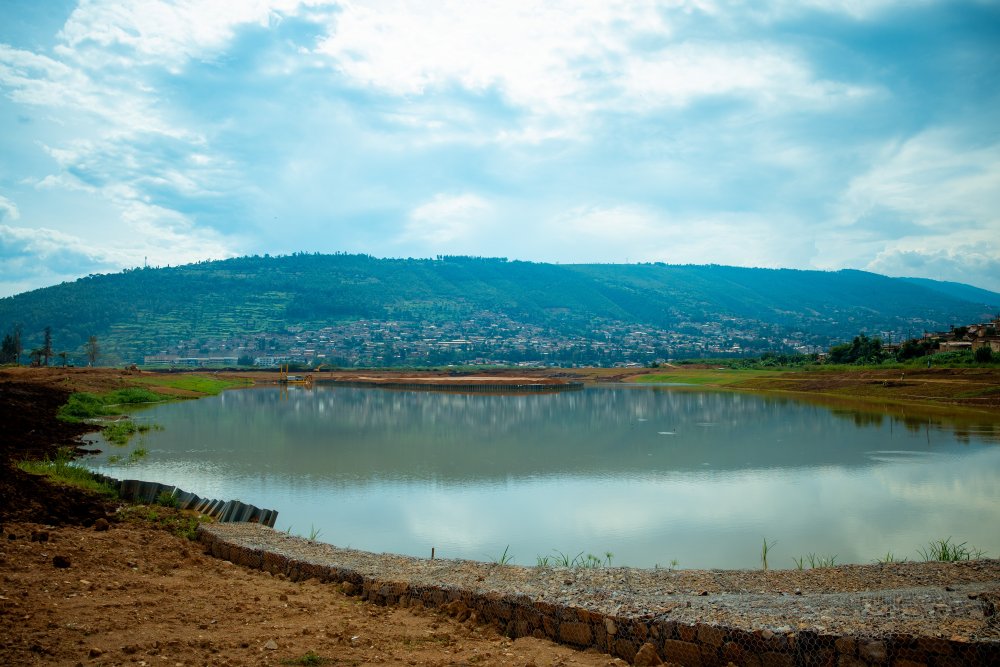
While overall progress stands at 94 percent, implementation levels vary across the five wetlands. Rwampara is closest to completion, while Nyabugogo remains the least advanced due to ongoing works related to the development of lakefront areas.
Construction of sports facilities planned within some of the wetlands has also advanced considerably.
The entire project is expected to be completed by August 2026.
The restoration works are being carried out by Real Contractors Limited in partnership with NPD, another construction company operating in Rwanda.
Distinct identities for each wetland
Each wetland has been assigned a unique theme and purpose.
Gikondo Wetland is being developed as a tourism and leisure destination, showcasing Rwanda’s natural attractions. The site will feature libraries, restaurants, and dedicated relaxation areas.
Rugenge-Rwintare Wetland will host a five-hectare water reservoir that collects runoff from the Rwampara and Gikondo wetlands. The site is intended to highlight Rwanda’s progress in environmental conservation.
Kibumba Wetland is being developed around fisheries and aquatic ecosystems. It will include a series of ponds, flower gardens, and an exhibition facility dedicated to Rwanda’s fishing sector.
Meanwhile, Nyabugogo Wetland is being positioned as a center for research and education on biodiversity conservation and ecosystem protection.
Supporting climate resilience and urban well-being
Beyond their environmental role, the wetlands are expected to help address flooding in Kigali, preserve biodiversity, and naturally filter water flowing into the ecosystem.
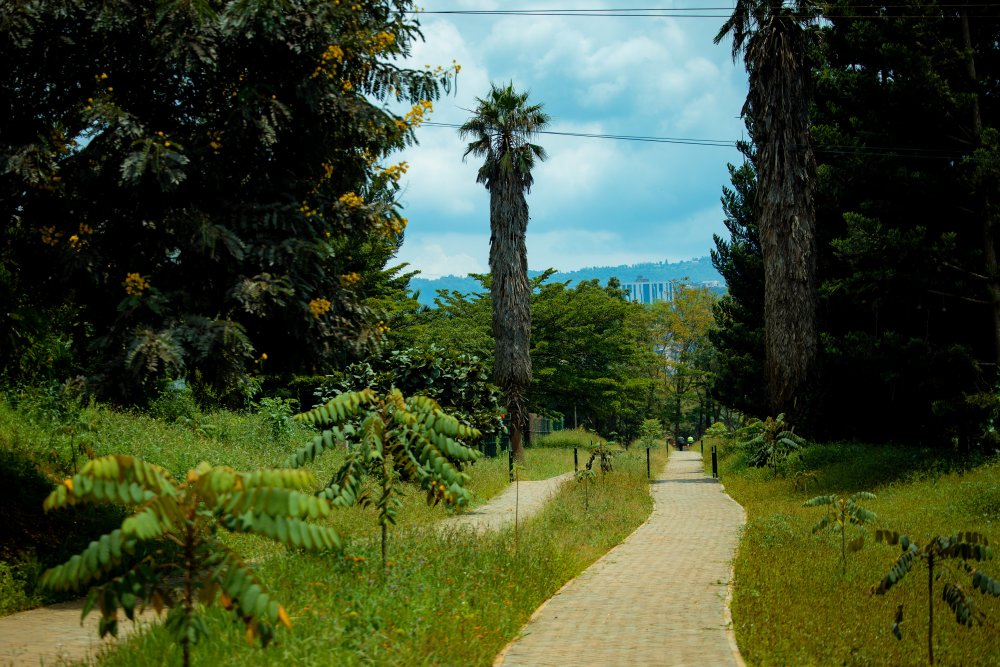
Once completed, the wetlands will feature a combined 61.5 kilometres of pedestrian and cycling paths. Gikondo will have 16.9 kilometres of trails, Rugenge-Rwintare 15.5 kilometres, and Rwampara 10 kilometres.
The sites are also being designed as recreational and sports hubs to provide residents with spaces for leisure and physical activity.
Planned sports facilities
Kibumba Wetland will accommodate two football pitches, while Gikondo will have one and Rwampara two.
Basketball facilities will include two courts at Kibumba, one at Gikondo, and one at Rugenge-Rwintare.
Volleyball infrastructure will comprise two courts at Kibumba, one at Gikondo, and one at Rugenge-Rwintare.
Handball courts will be established at both Gikondo and Rwampara, with one court at each site.
With completion targeted for August 2026, the restored wetlands are expected to become key environmental, educational, tourism, and recreational assets for Kigali.
To address these challenges, the Rwanda Internet Community and Technology Alliance (RICTA), in partnership with the Internet Society (ISOC) Rwanda Chapter, NetFella, and the Internet Society Foundation, has launched an Online Trust and Safety Training programme aimed at equipping women entrepreneurs with the skills needed to navigate the digital space safely.
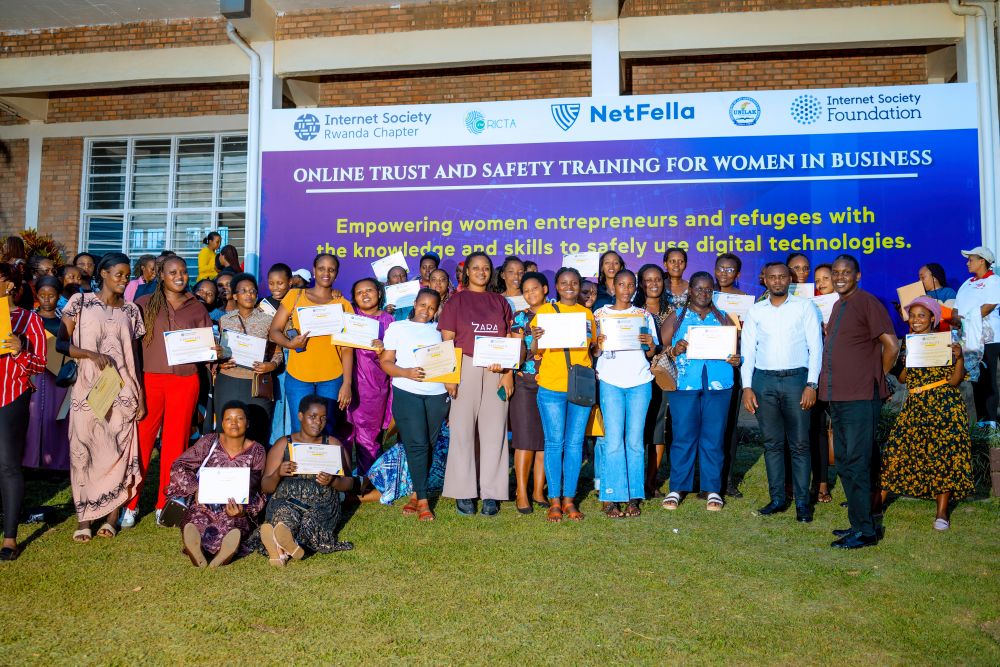
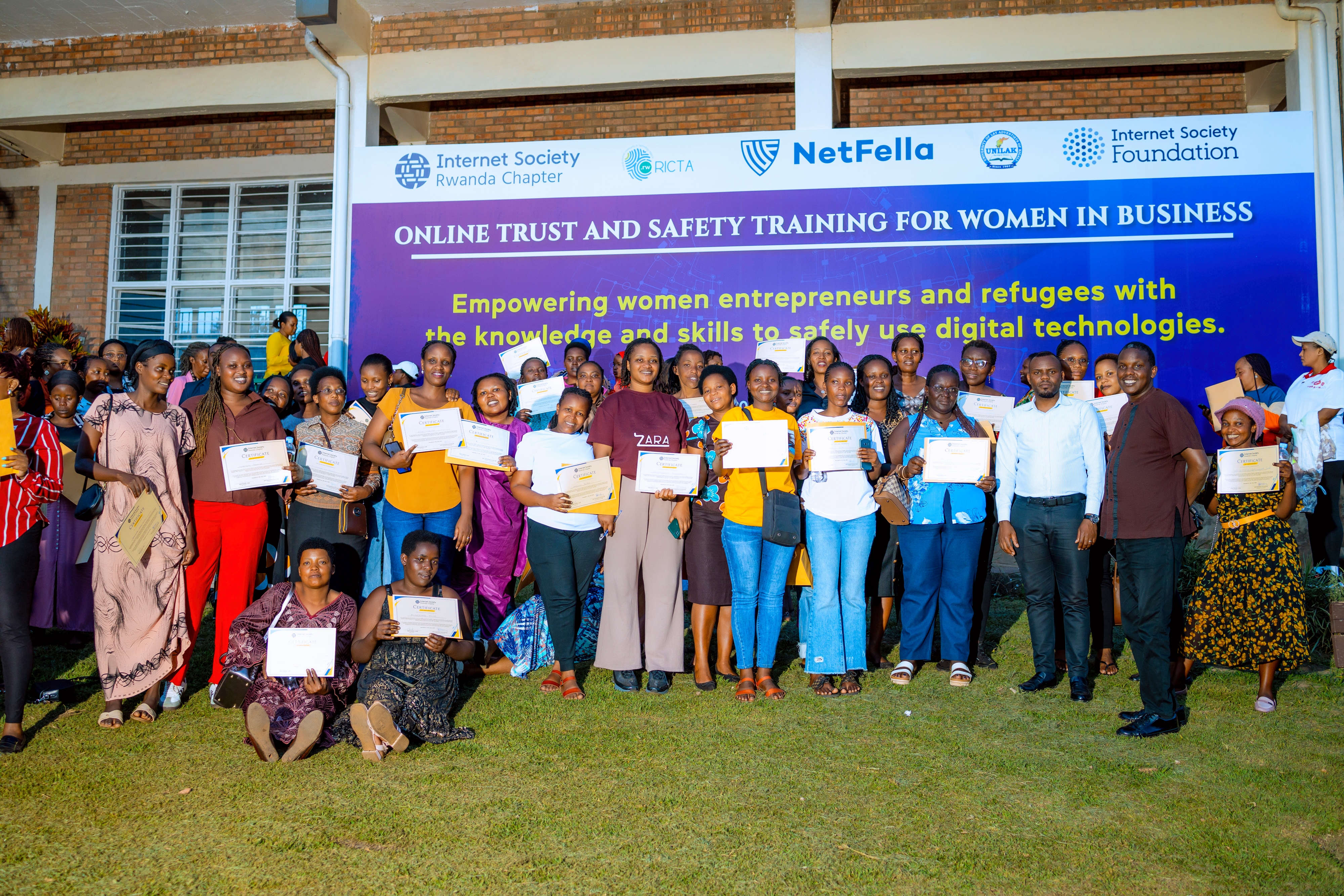
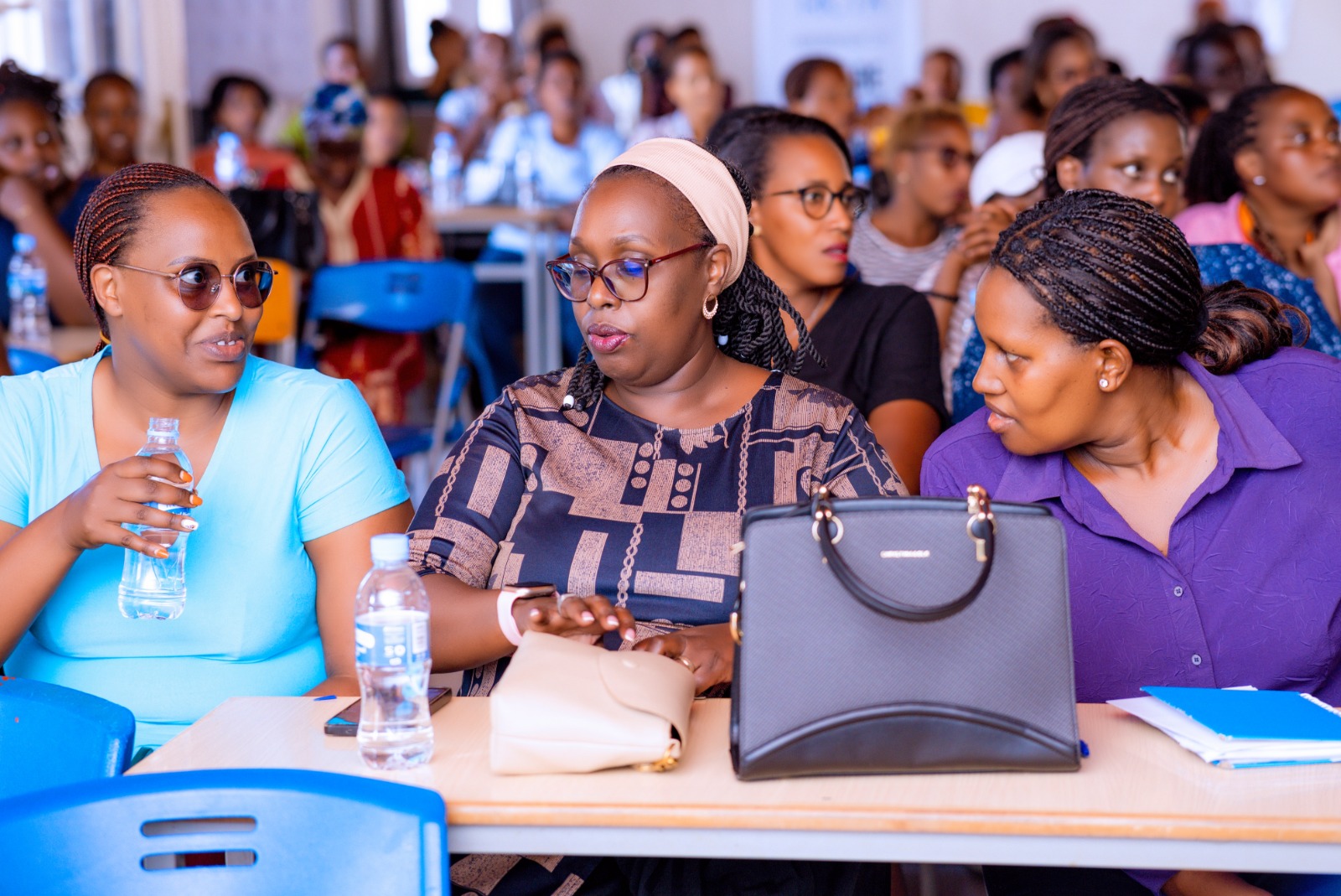
The first cohort of the programme graduated on Thursday, June 4, at the University of Lay Adventists of Kigali (UNILAK), having received practical training on online safety, data protection, cybersecurity, responsible use of social media, and identifying online scams.
The four-day training forms part of a broader initiative targeting 500 beneficiaries, including women entrepreneurs and refugees in Mahama Refugee Camp, as Rwanda continues its journey towards a digital economy.
Speaking during the event, Geoffrey Karegeya, Business Development and Partnership Manager at RICTA, said the programme responds to the growing need for online safety among business owners who increasingly rely on digital platforms for commerce.
“We have trained more than 500 women through our digital marketing programme since 2022. We realised that as more women move their businesses online, they also become more exposed to cyber risks. This training equips them with the skills to identify scammers, protect themselves, and conduct online transactions safely,” he said.
RICTA is the official registry responsible for managing and administering the .rw country-code top-level domain (ccTLD). Formed in 2005, RICTA operates as a not-for-profit organisation representing the Rwandan internet community, with a mandate granted by the Rwanda Utilities Regulatory Authority (RURA).
Karegeya noted that many participants had previously experienced online fraud or encountered suspicious transactions, highlighting the importance of strengthening digital trust and safety skills among internet users.
The initiative builds on efforts that began in 2020 under the Internet Society Rwanda Chapter, initially targeting young people before expanding to women entrepreneurs. RICTA joined the effort in 2022 through its digital marketing programme for women in business.
According to Emmanuel Mfitumukiza, Chairperson of the Internet Society Rwanda Chapter, the training comes at a critical time as more people gain internet access and increasingly depend on digital services.
“With the rise of artificial intelligence, social media use, and online commerce, new risks continue to emerge. We are seeing cases of financial fraud, identity theft, misinformation, disinformation, and data breaches. Women entrepreneurs are among the groups most exposed because of the multiple responsibilities they balance while running businesses,” he said.
Participants were trained on how to verify the authenticity of websites, protect personal and financial information, identify phishing attempts, and understand Rwanda’s legal framework on data protection and online security.
Among the graduates was Delphine Nkusi, owner of Rwanda Blossom Ltd, an online trading business dealing in coffee, fresh vegetables, and other agricultural products.
Nkusi said the training provided practical knowledge that will help her safeguard both her business and personal information online.
“I learned about online safety, cyberbullying prevention, privacy and data protection, and how to identify scams and fraud. Before this training, I was not aware of some of the laws that protect internet users in Rwanda,” she said.
She also shared her experience of being targeted through a fraudulent bank transaction, an incident that reinforced the importance of cybersecurity awareness.
“Fortunately, the money was recovered, but the experience showed me how vulnerable we can be online. This training has given me skills that will help me avoid similar situations in the future,” she added.
The broader programme will now move to Mahama Refugee Camp in Kirehe District from 8-11 June and Karongi District from 15-18 June, where additional participants will receive training through a community-based approach supported by trained facilitators.
Organisers expect to complete the training of all 500 beneficiaries by October, coinciding with Cyber Security Awareness Month.
Beyond improving digital literacy, the programme aims to foster a culture of responsible internet use, enabling participants to confidently leverage digital technologies while protecting themselves from online threats.
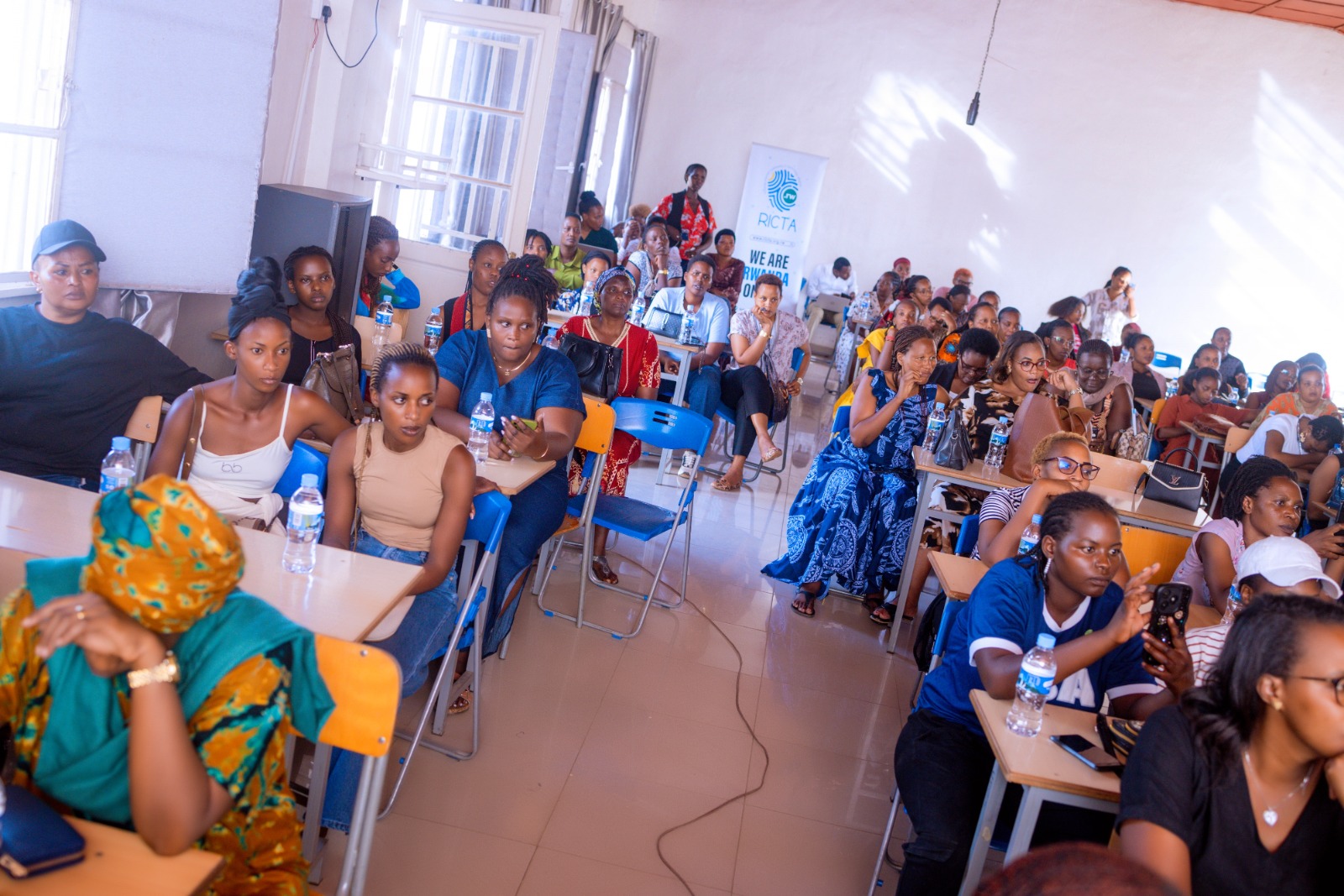
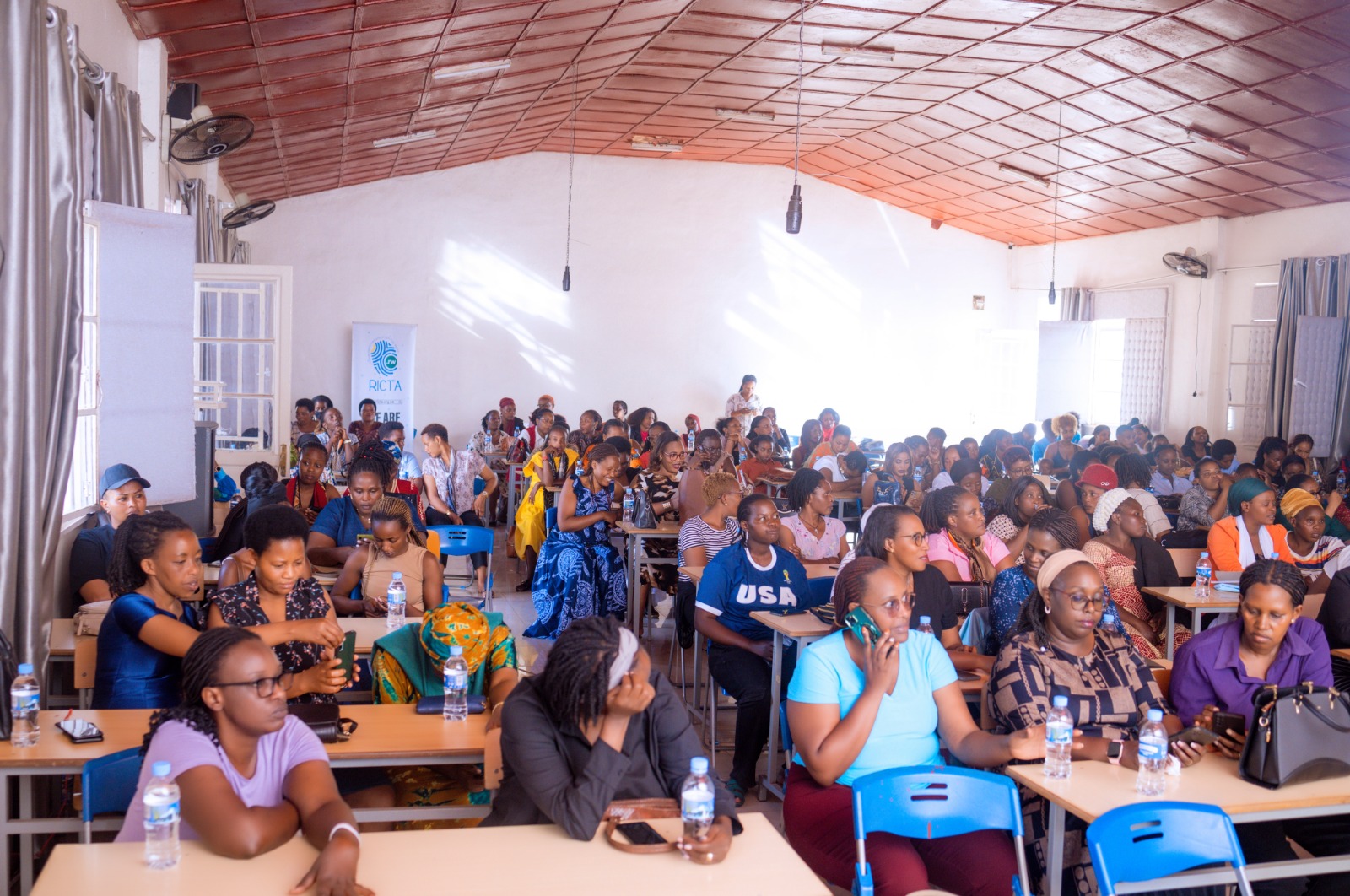
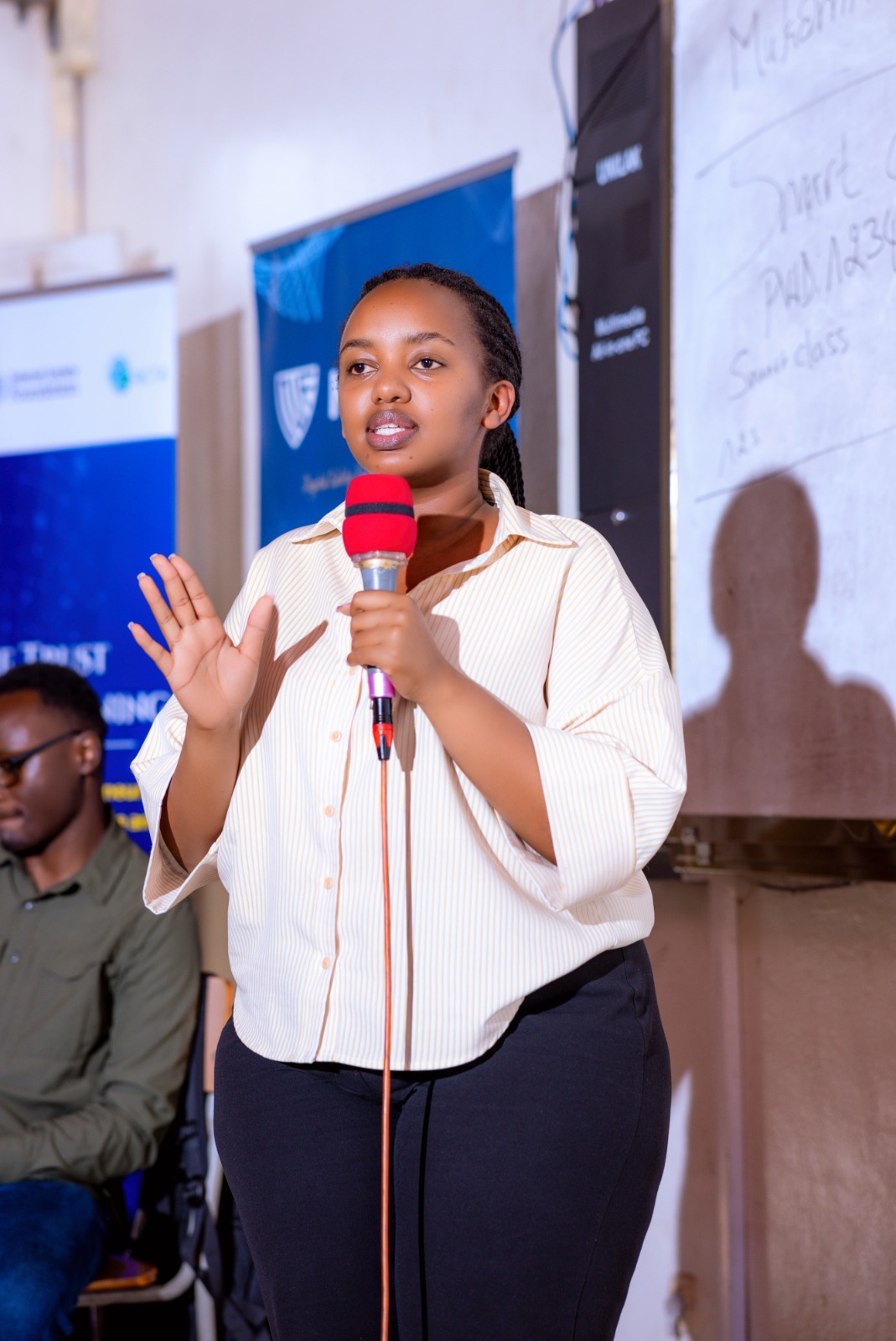
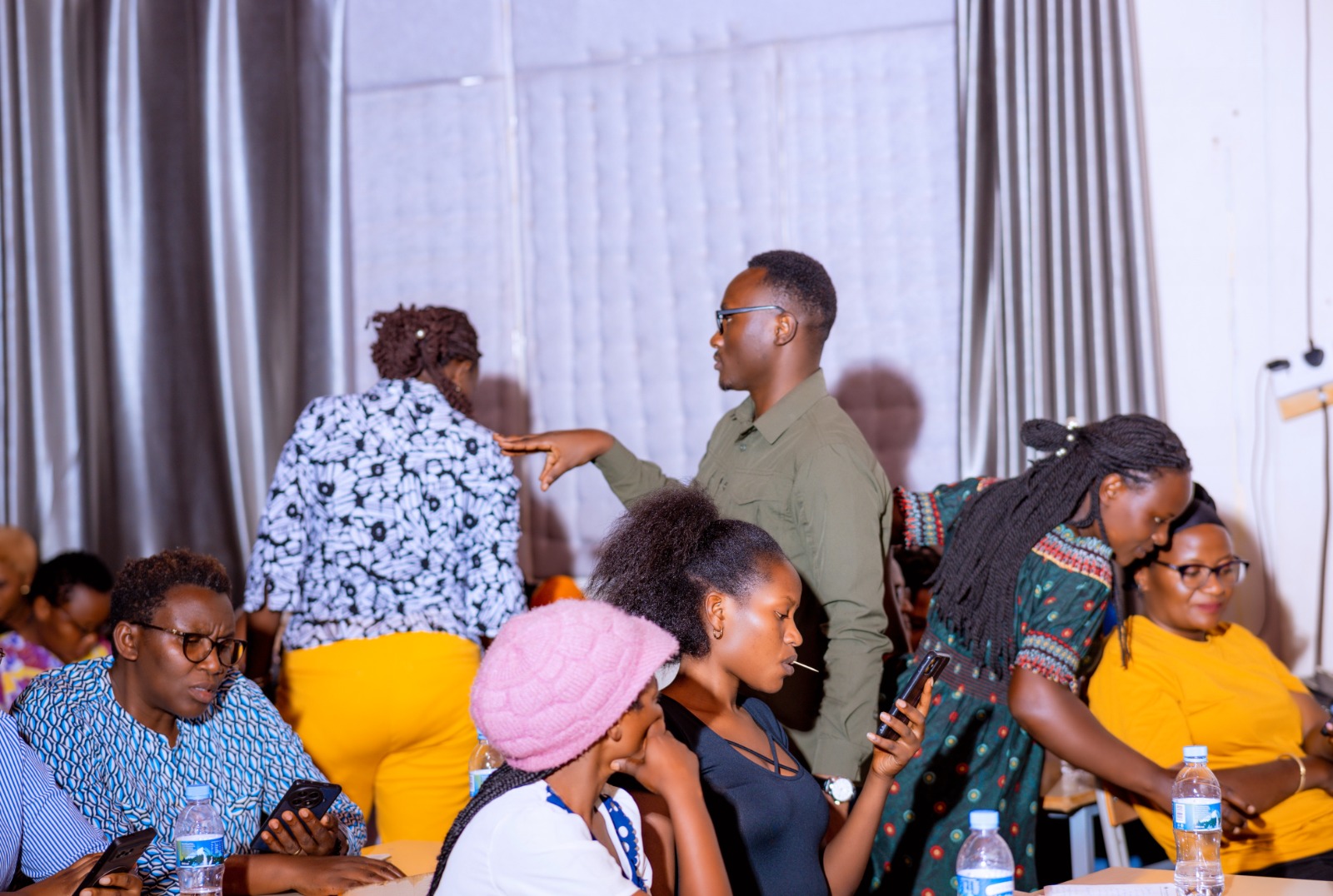
The first cohort received certificates on Thursday, June 4, at the University of Lay Adventists of Kigali (UNILAK) after concluding a four-day training programme on online safety, data protection, cybersecurity, responsible use of social media, and identifying online scams. The four-day training forms part of a broader initiative targeting 500 beneficiaries, including women entrepreneurs and refugees in Mahama Refugee Camp, as Rwanda continues its journey towards a digital economy.Participants were trained on how to verify the authenticity of websites, protect personal and financial information, identify phishing attempts, and understand Rwanda’s legal framework on data protection and online security.Organisers expect to complete the training of all 500 beneficiaries by October, coinciding with Cyber Security Awareness Month.Benie Umwari from RICTA explains the importance of maintaining an online presence and conducting business safely in the digital space. Jules Nizeyimana, the lead instructor, engages participants in hands-on exercises.
The six-month strategy, spanning June to November 2026, aims to mobilise 518 million U.S. dollars to scale up rapid detection, cross-border surveillance, and containment measures across the region.
The intervention follows the declaration of the outbreak as a Public Health Emergency of International Concern by the WHO on May 16, 2026, a day after both the Democratic Republic of the Congo and Uganda confirmed localised transmission.
Currently, there are no licensed vaccines or approved therapeutics specifically targeting the Bundibugyo species of the virus, making rigorous public health infrastructure and early symptomatic care the primary lines of defence.
In the Democratic Republic of the Congo, health authorities have documented 381 confirmed cases and 64 deaths across 25 health zones in three provinces. The vast majority of the caseload is concentrated in Ituri province, which accounts for 359 cases and 50 deaths, while North Kivu has recorded 19 cases and South Kivu has registered three.
Frontline teams in the country are currently monitoring more than 4,000 active contacts alongside 116 suspected cases under investigation.
The virus has also crossed international borders into neighbouring Uganda, where 15 confirmed cases and one death have been reported, primarily concentrated within urban pockets of Kampala and Wakiso. At least 12 individuals remain hospitalised under strict isolation protocols, while response teams track 668 identified contacts.
Operational challenges in the field remain high, particularly in eastern DRC, where response efforts are consistently complicated by localised insecurity, population displacement, and dense informal mining networks.
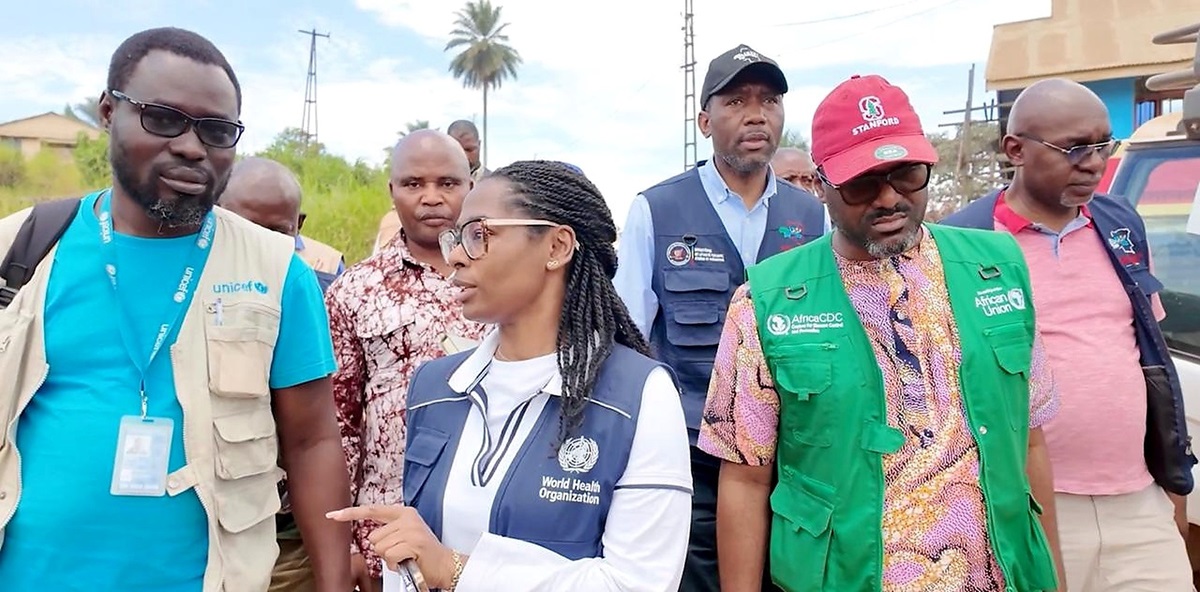
Addressing a joint press conference, WHO Director-General Dr. Tedros Adhanom Ghebreyesus emphasised that control depends entirely on a unified mechanism.
He noted that the only way to beat this outbreak is through close partnership under the leadership of the affected nations, guided by a single plan, budget, and team.
He added that containing Ebola relies heavily on political commitment, sustained financing, and community trust, warning that without active local participation, contact tracing falters and transmission continues.
The operational framework coordinates efforts under a unified “One Response” approach. Resources from the budget will be utilised to strengthen emergency coordination, improve diagnostic laboratory capacities, secure local clinic infection controls, and optimise logistics.
To prevent a wider regional fallout, international partners have already begun accelerating regional logistics, including a 45-ton delivery of emergency medical cargo, diagnostics, and personal protective equipment mobilised via regional coordinating channels.
Africa CDC Director-General Dr. Jean Kaseya noted that because Ebola moves fast, the continent must move faster.
He stated that the joint plan provides a clear framework to act with speed and unity to save lives, support affected states, and shield neighbouring communities. The strategy also outlines critical readiness protocols for 10 adjacent, high-risk priority countries to ensure early detection if the virus spreads further.
While health officials have urged member states to increase screening and public health measures at points of entry, the WHO currently assesses the global risk as low. The agency maintains a high alert status at national and regional levels but continues to advise against any international travel or trade restrictions.
The operational framework coordinates efforts under a unified “One Response” approach. Resources from the budget will be utilised to strengthen emergency coordination, improve diagnostic laboratory capacities, secure local clinic infection controls, and optimise logistics.
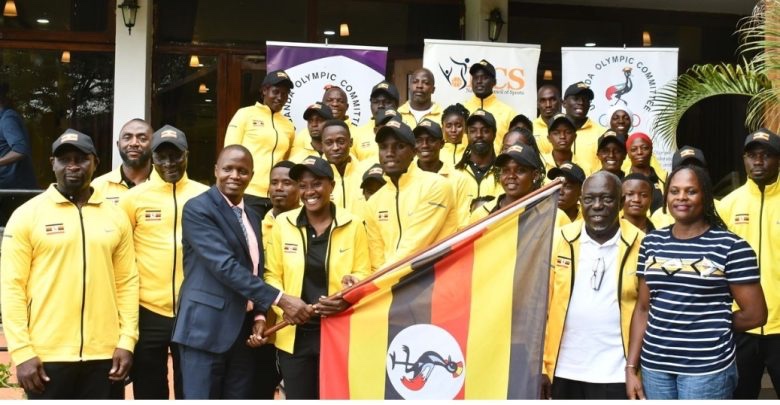
The announcement was made during an Extraordinary Session of the African Union Specialized Technical Committee on Youth, Culture and Sports, held virtually, according to Bernard Patrick Ogwel, general secretary of Uganda’s National Council of Sports (NCS).
“We are very excited about this development because this means that Uganda will once again have the opportunity to showcase her abilities in hosting an international event,” Ogwel told Xinhua on Friday.
Uganda beat Nigeria in the bidding process to earn the right to host the Games. Kenya is the only other East African nation to have previously staged the event.
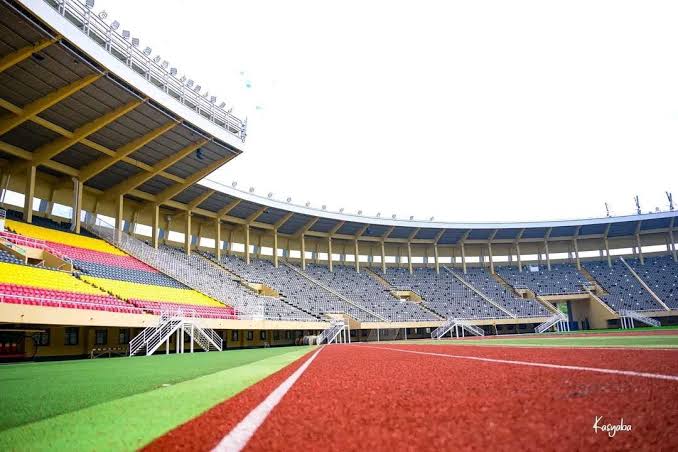
Uganda’s bid was spearheaded by State Minister for Sports Peter Ogwang and centered on the newly built Hoima City Stadium and the Mandela National Stadium in Kampala.
“This is very good news that we have won the bid to host the 2031 African Games. I want to thank the President of Uganda Yoweri Kaguta Museveni and the government for the support that enabled us to put in a strong bid and win the hosting rights,” Ogwang said.
The announcement comes as Uganda, together with Kenya and Tanzania, is preparing to co-host the 2027 CAF Africa Cup of Nations (AFCON), the first time the three East African countries will jointly stage Africa’s flagship football tournament.
The African Games, formerly known as the All-Africa Games, are held every four years and are organized by the African Union in collaboration with the Association of National Olympic Committees of Africa and the Association of African Sports Confederations.
The 15th edition of the Games in Uganda is expected to bring together athletes from across the continent to compete in a wide range of disciplines.
Uganda beat Nigeria in the bidding process to earn the right to host the Games. Kenya is the only other East African nation to have previously staged the event.
As Rwanda continues its journey towards a digital and knowledge-based economy, the need for graduates who possess both academic knowledge and practical workplace experience has never been greater. Through these partnerships, MTN Rwanda is reaffirming its commitment to developing future-ready talent by creating pathways that connect learning with meaningful career opportunities.
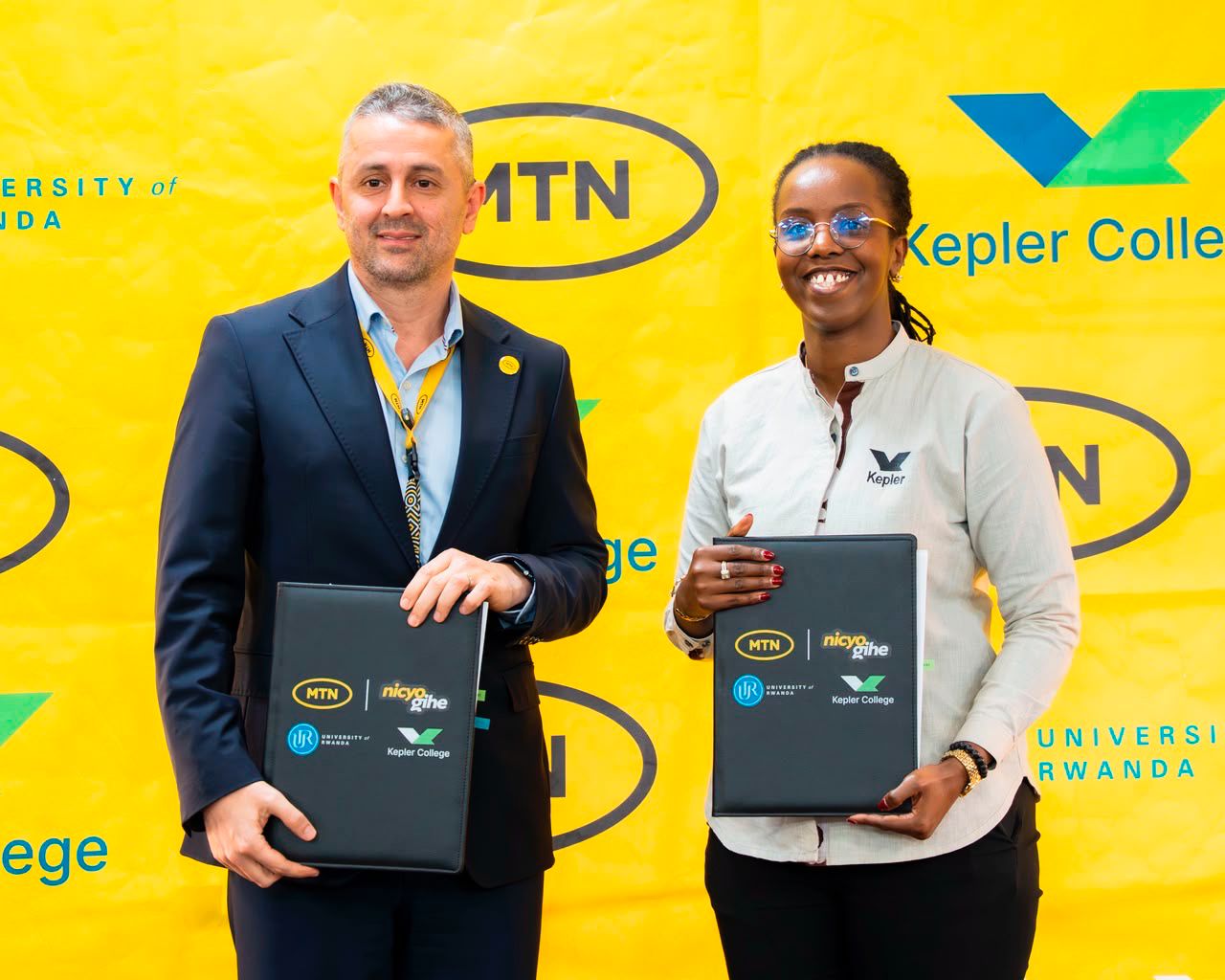
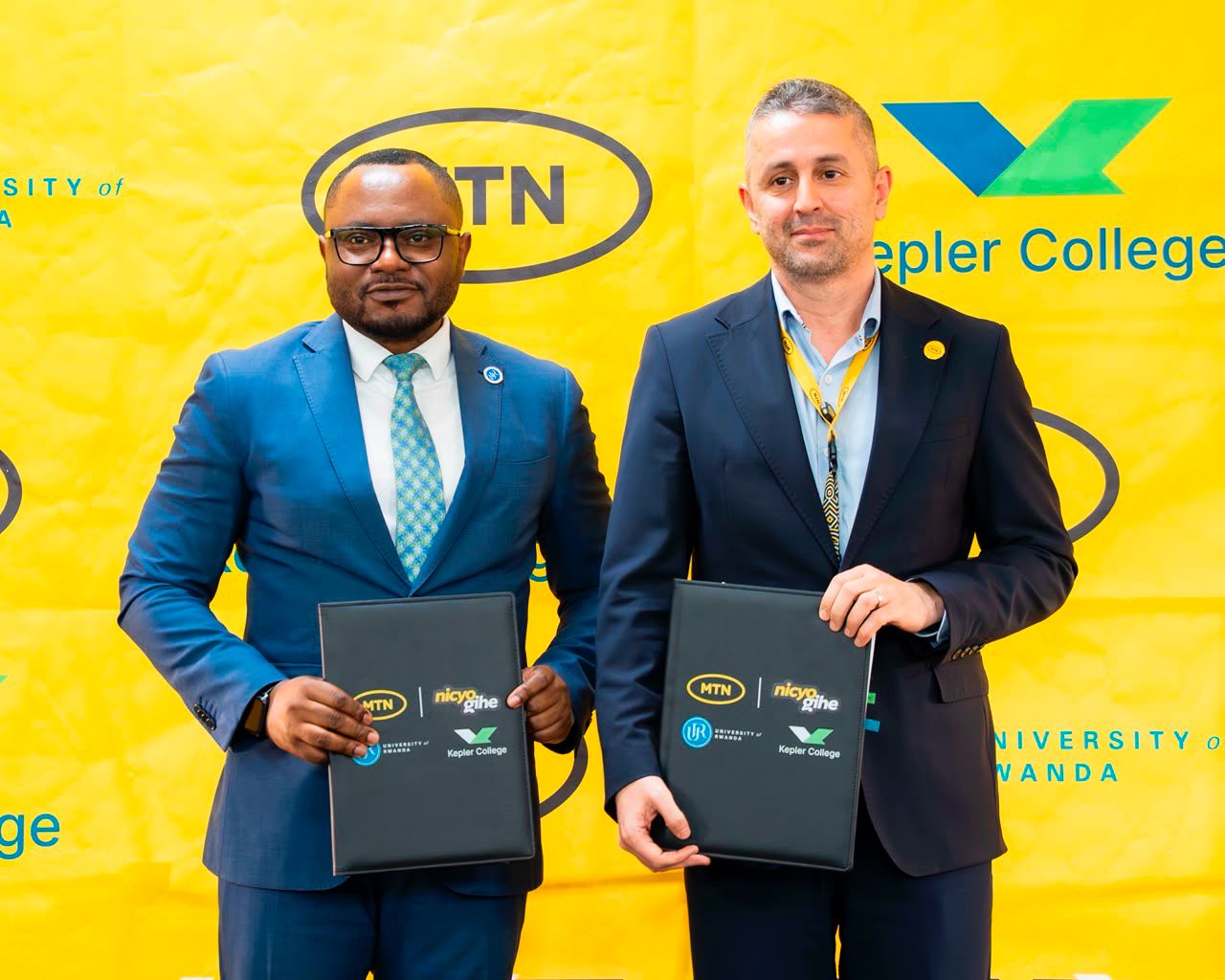
The partnerships, signed on Thursday, June 4, 2026, establish a framework for cooperation focused on career readiness, workplace learning opportunities, talent development, and skills enhancement. Through this collaboration, students and graduates from the University of Rwanda and Kepler College will gain increased exposure to industry experiences while MTN Rwanda supports young people with the skills, knowledge, and practical experience needed to contribute to Rwanda’s digital and economic transformation.
“At MTN, we believe that Rwanda’s future depends on investing in its young people. These partnerships with the University of Rwanda and Kepler College reflect our commitment to developing the next generation of leaders, innovators, and professionals by creating meaningful pathways from education into the workplace,” stated Monzer Ali, Chief Executive Officer of MTN Rwanda.
“We aim to equip young talent with the practical skills and experiences needed to thrive in a rapidly evolving digital economy, and this may be done through internships, mentorship programmes, industry engagements, and mainly through our Global Graduate Programme, which is a Group-wide initiative designed to accelerate the development of high-potential young professionals through structured rotations, mentorship, and hands-on exposure across different business functions.”
Under the agreements, the institutions will collaborate on a range of initiatives, including career readiness programmes, guest lectures, mentorship sessions, workplace exposure opportunities, internships, industrial attachments, graduate placements, and targeted skills development interventions. The partnerships will also facilitate the sharing of labour market insights to help ensure academic programmes remain responsive to industry needs and evolving workforce demands.
Speaking on behalf of the University of Rwanda, Dr. Ndikumana Raymond, Deputy Vice Chancellor for Strategic Planning and Administration, said:
“The University of Rwanda is committed to producing graduates who are not only academically competent but also equipped with the practical skills required by today’s labour market. Our partnership with MTN Rwanda provides an important platform for students to gain industry exposure, strengthen their professional capabilities, and better position themselves for success in Rwanda’s growing digital economy. Together, we are helping to build a workforce that can drive innovation and national development.”
The partnerships have been designed to also support MTN Rwanda’s commitment to talent inclusion by creating equitable opportunities for young women and persons with disabilities to access workplace learning, mentorship, internships, and career development programmes. By intentionally promoting diverse participation and reducing barriers to employment, the collaboration seeks to contribute to a more inclusive workforce that reflects Rwanda’s diversity and unlocks the full potential of its talent pool.
“Through this partnership with MTN Rwanda, we are investing in the next generation of innovators, leaders, and problem-solvers who will create value, drive economic transformation, and strengthen Rwanda’s competitiveness on the continent and beyond. This is the kind of collaboration that turns potential into progress,” said Prof. Baylie Damtie Yeshita, Vice-Chancellor of Kepler College.
MTN Rwandacell Plc (MTN Rwanda), the country’s leading mobile telecommunications provider, has been operating in Rwanda since 1998. Over the years, the company has consistently invested in expanding and upgrading its network infrastructure while driving the rollout of innovative digital solutions that support national development.
As Rwanda’s number one network, MTN Rwanda offers a wide range of services to both individual and corporate customers, including tailored voice and data packages. The company says it remains committed to delivering a modern, connected experience for all users, guided by its ambition to lead the advancement of a dynamic digital future where everyone can benefit from inclusive connectivity.
The partnerships establish a framework for cooperation focused on career readiness, workplace learning opportunities, talent development, and skills enhancement. Through the collaboration, students and graduates from the University of Rwanda and Kepler College will gain increased exposure to industry experiences while MTN Rwanda supports young people with the skills, knowledge, and practical experience needed to contribute to Rwanda’s digital and economic transformation.
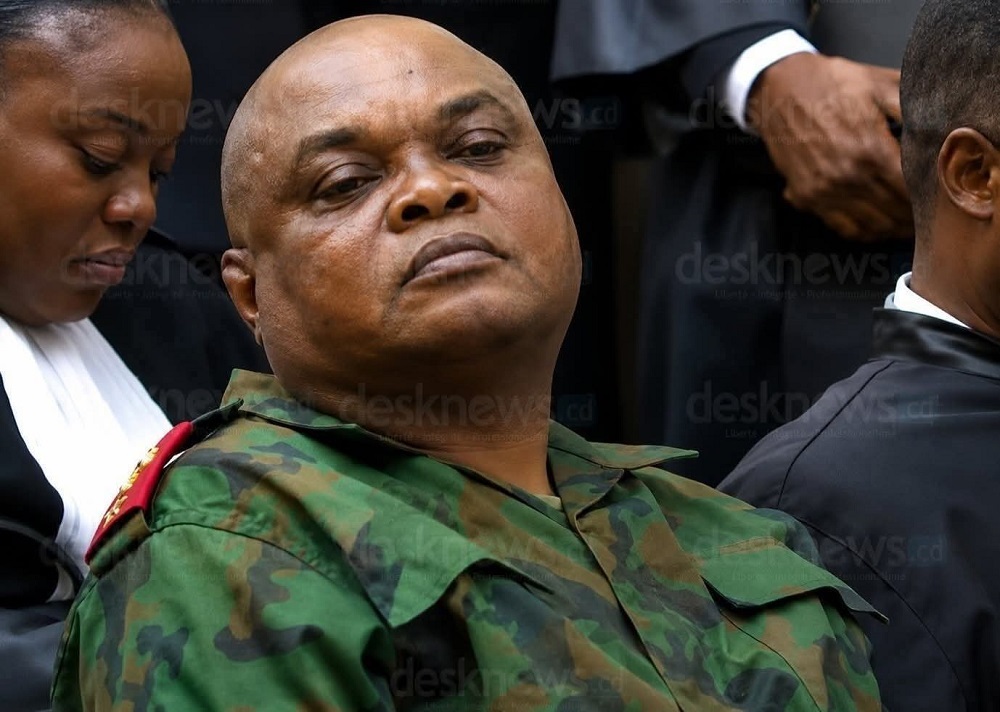
Gen Tshiwewe was arrested in early July 2025, seven months after serving as military advisor to President Félix Tshisekedi. He had been appointed to that position following his removal as Chief of Staff in December 2024.
He was detained alongside Gen Maj Maurice Nyembo, his former chief of staff, and several other officers, including Lt Col Adelart Mwiza, who was responsible for his personal security. The reasons for their arrest were not initially disclosed.
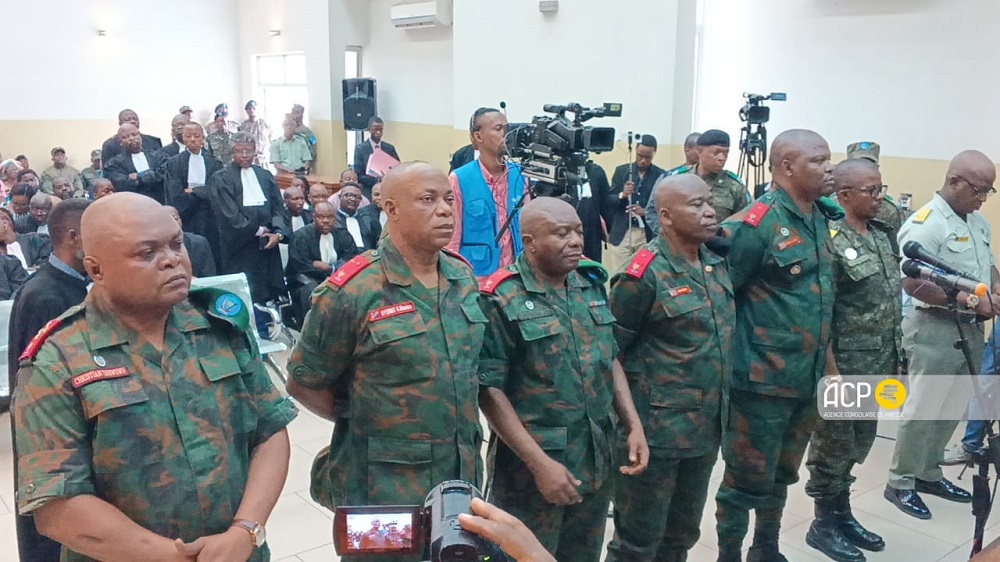
When Gen Tshiwewe was brought before the court, the military prosecution, led by Lt Gen Lucien René Likulia Bakumi, confirmed that his case file includes eight other senior officers and one civilian, Pascal Nyembo Muyumba.
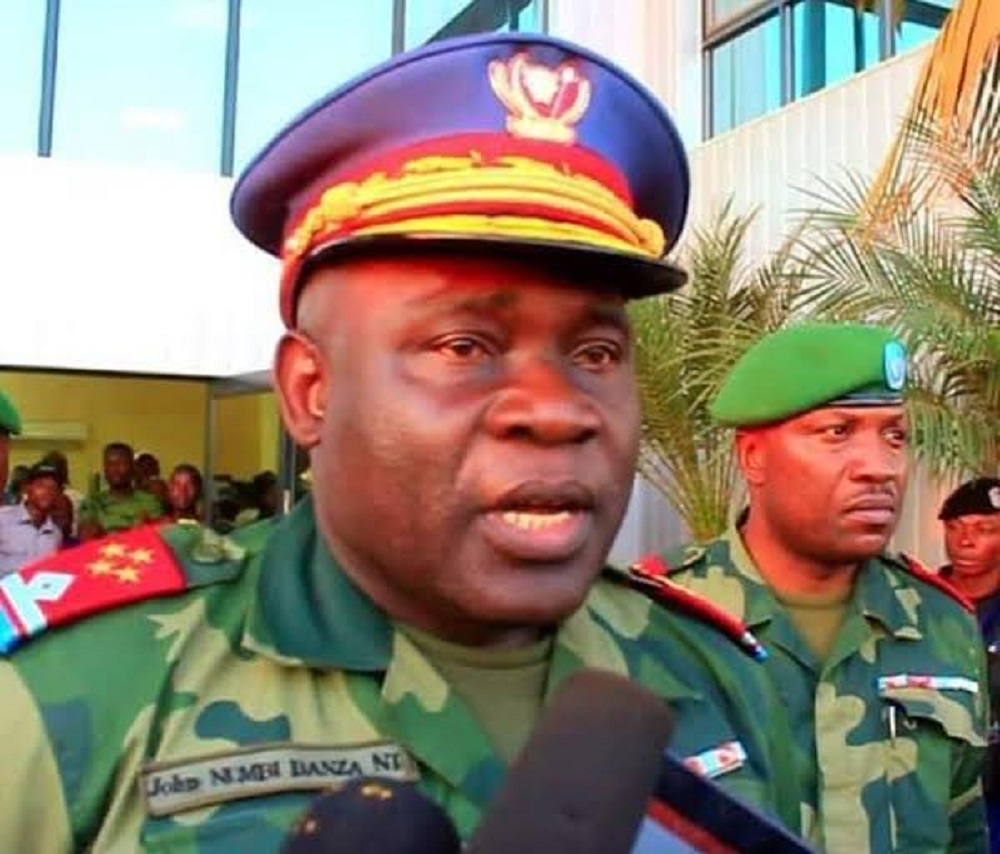
The co-accused officers include Gen John Numbi; Brig Gen Chinyabuuma Pascal Kamukinde, both currently in exile; Gen Maj Nyembo; Brig Gen John Ngoy Kabila; Brig Gen John Sangwa Muhemedi; Col Guy Mukombozi Zahinda; Col Pathy Sangwa Lumbu; and Col Christophe Tshibangu Kenge.
The prosecution alleges that Gen Tshiwewe, alongside the senior officers and the civilian suspect, was involved in a coordinated plan to overthrow President Félix Tshisekedi’s government. The charges include treason, incitement of soldiers to disobey lawful orders, and illegal possession of firearms.
According to the prosecution, the alleged plot to remove President Tshisekedi from power was developed between 2020 and July 2025, when the suspects were arrested.
Gen Tshiwewe is said to have been recruited into the alleged scheme by Gen Maj Maurice Nyembo, a close associate since 2018. The two are reported to have held frequent nighttime meetings, allegedly attended by other FARDC officers opposed to the current administration.
As the alleged plan evolved, Gen Tshiwewe is accused of relying on several senior officers, including one Brigadier General and two Colonels, to advance its objectives.
On July 9, 2025, security forces searched Gen Tshiwewe’s residence in the Gombe commune of Kinshasa, where they reportedly discovered a significant cache of weapons, including AK-47 rifles, RPG launchers, PKM machine guns, more than 4,300 rounds of ammunition, and grenades.
The prosecution argues that the quantity and nature of the weapons indicate they were not intended for personal protection, but were instead linked to the alleged plan to overthrow the government.
Pascal Nyembo, who is currently in exile, is accused of coordinating the alleged network, issuing instructions to participants, and providing financial support.
Gen John Numbi, a former Inspector General of the FARDC and former national police chief, is accused of inciting soldiers and police officers to disobey President Tshisekedi and support efforts to remove him from power, including through the use of social media platforms.
The prosecution further alleges that Gen Numbi recruited Brig Gen Sangwa into the scheme and provided substantial funding for its execution, including a reported USD 842,320 transferred to Gen Maj Nyembo’s account.
Regarding Brig Gen John Ngoy Kabila, prosecutors state that he acted as a liaison between networks linked to former President Joseph Kabila, who led the DRC from 2001 to 2019, and individuals allegedly involved in the plot.
The case further alleges that Brig Gen Ngoy received instructions from Pascal Nyembo to assist senior officers, including Lt Gen Philémon Yav Irung, Gen Zelwa Katanga, and former senior police officer Christian Kenga Kenga, in escaping detention so they could join the alleged network.
Brig Gen Ngoy is also accused of participating in discussions in which he allegedly expressed sympathy for Joseph Kabila and supported the idea of overthrowing the government, drawing parallels with the 2021 coup in Guinea-Conakry.
Gen Tshiwewe was arrested in early July 2025, seven months after serving as military advisor to President Félix Tshisekedi. Gen Maj Nyembo is accused of recruiting Gen Tshiwewe into a plot to remove President Tshisekedi from power.Gen John Numbi, who fled the country in 2021, is accused of sending funds to support the plan.Among those brought before the court, Gen Numbi, Brig Gen Chinyabuuma, and Pascal Nyembo were absent as they are in exile.
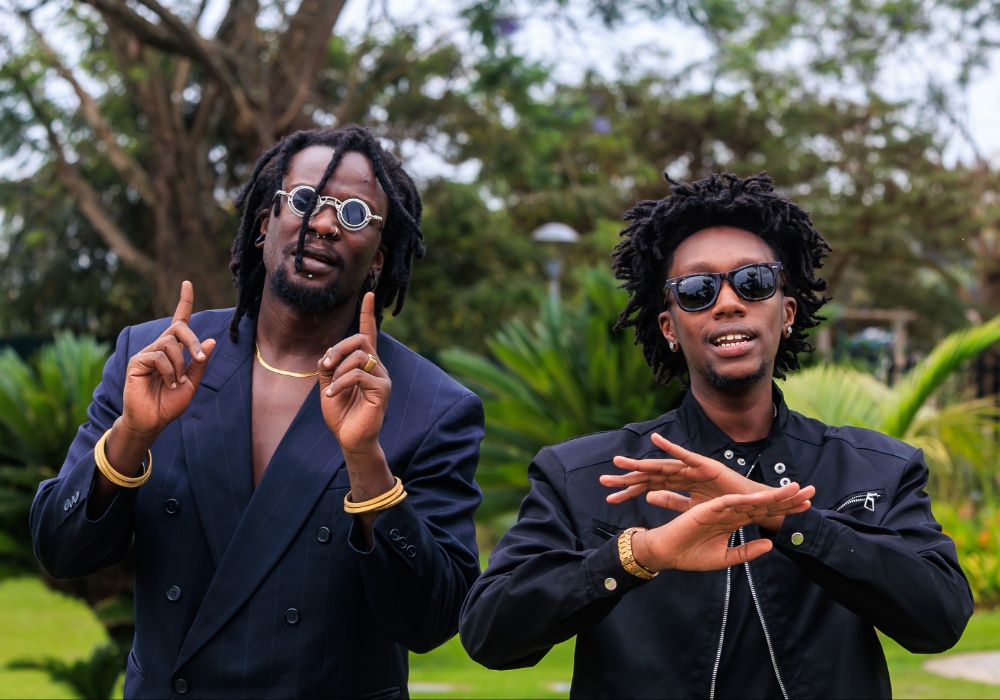
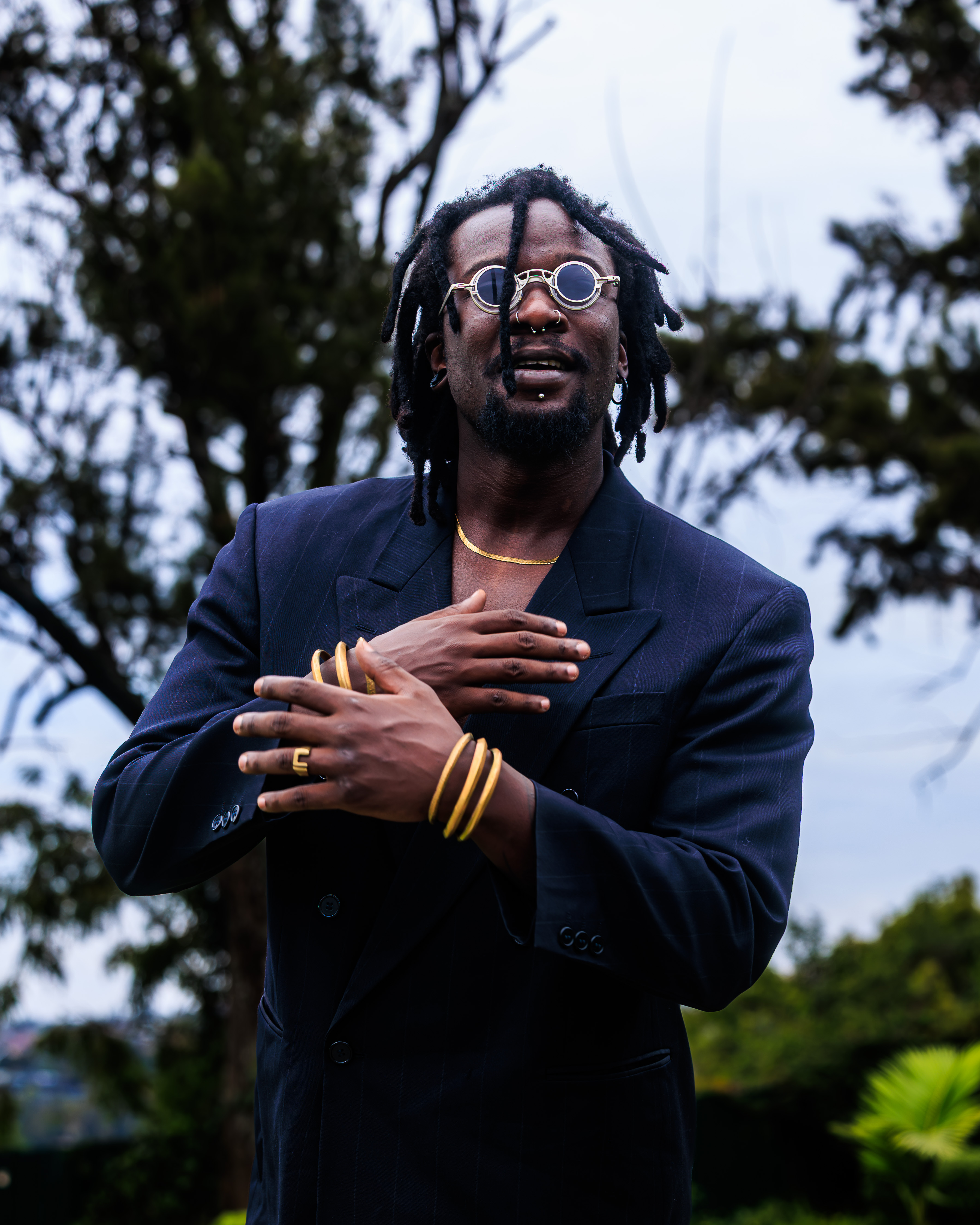
Known for his versatility as a singer, songwriter, producer, and accomplished drummer, Kitaka is signed to Uganda’s Swangz Avenue and has built a reputation for blending Afro-fusion, soul, reggae, and dancehall with a distinctive live-instrument feel shaped by his early background in church bands and live sessions.
Speaking in an exclusive interview with IGIHE, Kitaka said his frequent visits to Kigali, this being his fourth time, have made the city a place that naturally inspires calm and creativity.
“Kigali is a calm place… every time I come here I want to be calm. I have so many friends here, and I feel like I’m also here for the music, to collaborate and join forces so we can push music from Uganda to Rwanda and Rwanda to Uganda,” he said.
Known for his versatility as a singer, songwriter, producer, and accomplished drummer, Kitaka is signed to Uganda’s Swangz Avenue.
Beyond music, the artist also expressed admiration for Kigali’s environment, praising its cleanliness, quiet atmosphere, and scenic hills.
At the centre of his Kigali visit is “Masterpiece,” a collaboration with Nel Ngabo that Kitaka says came together naturally from the moment the two artists met.
The track, whose official video premiered on Friday, June 5, was born after Nel brought the initial idea and invited Kitaka to add his verse.
“Nel wrote the song and brought it to me to put the verse. He thought I was the best person to have a vision about the masterpiece he had created,” Kitaka explained.
He added that their first meeting sparked immediate creative chemistry.
“The first time I met Nel, he came where I was staying with Clement and the energy just flowed by itself. It was like two kings meeting, and our way forward was the masterpiece we created.”
A song inspired by admiration and beauty
According to Kitaka, “Masterpiece” is not just a title, but a concept inspired by admiration for a special person.
“Masterpiece is a song we wrote for that one special person who is a masterpiece, who is above everything,” he said.
He revealed that the song celebrates beauty and uniqueness, while the accompanying video continues that theme.
“The video concept is more of us singing for this woman who is the masterpiece —beautiful, extraordinary, above everything.”
Shot in Rwanda, the video is described by Kitaka as simple and family-friendly, aligning with his preference for authentic and uncluttered visual storytelling.
Building East African musical bridges
Beyond the single, Kitaka emphasised the importance of cross-border collaborations in shaping a stronger East African music industry.
“Collaborations make artists travel places and voices travel places. If I’m only doing well in Uganda, I’ve made it in Uganda. But when I cross the border and collaborate with a voice like Nel’s, we build a fan base together,” he said.
He noted that such partnerships allow audiences to discover new artists across borders, strengthening regional unity through music.
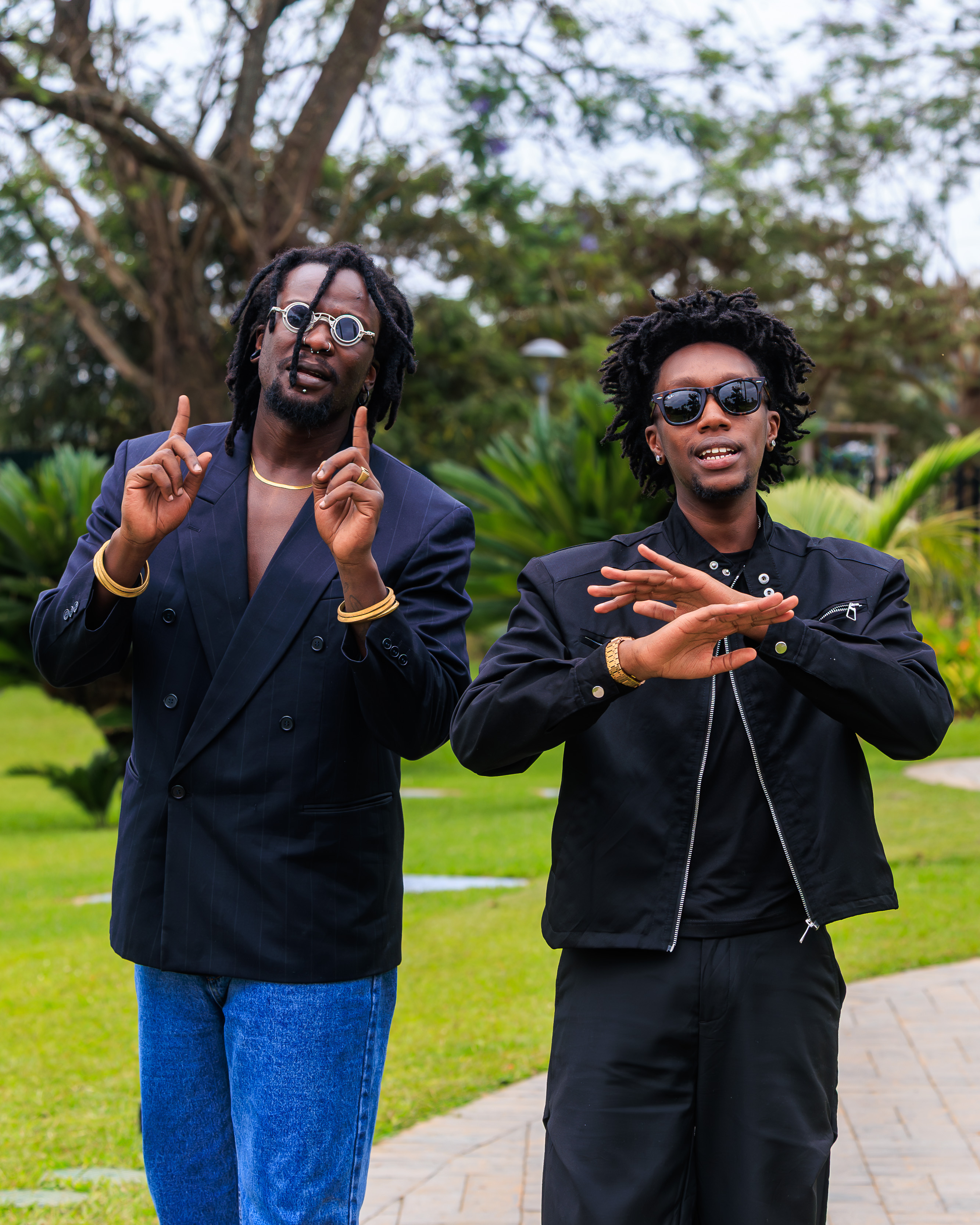
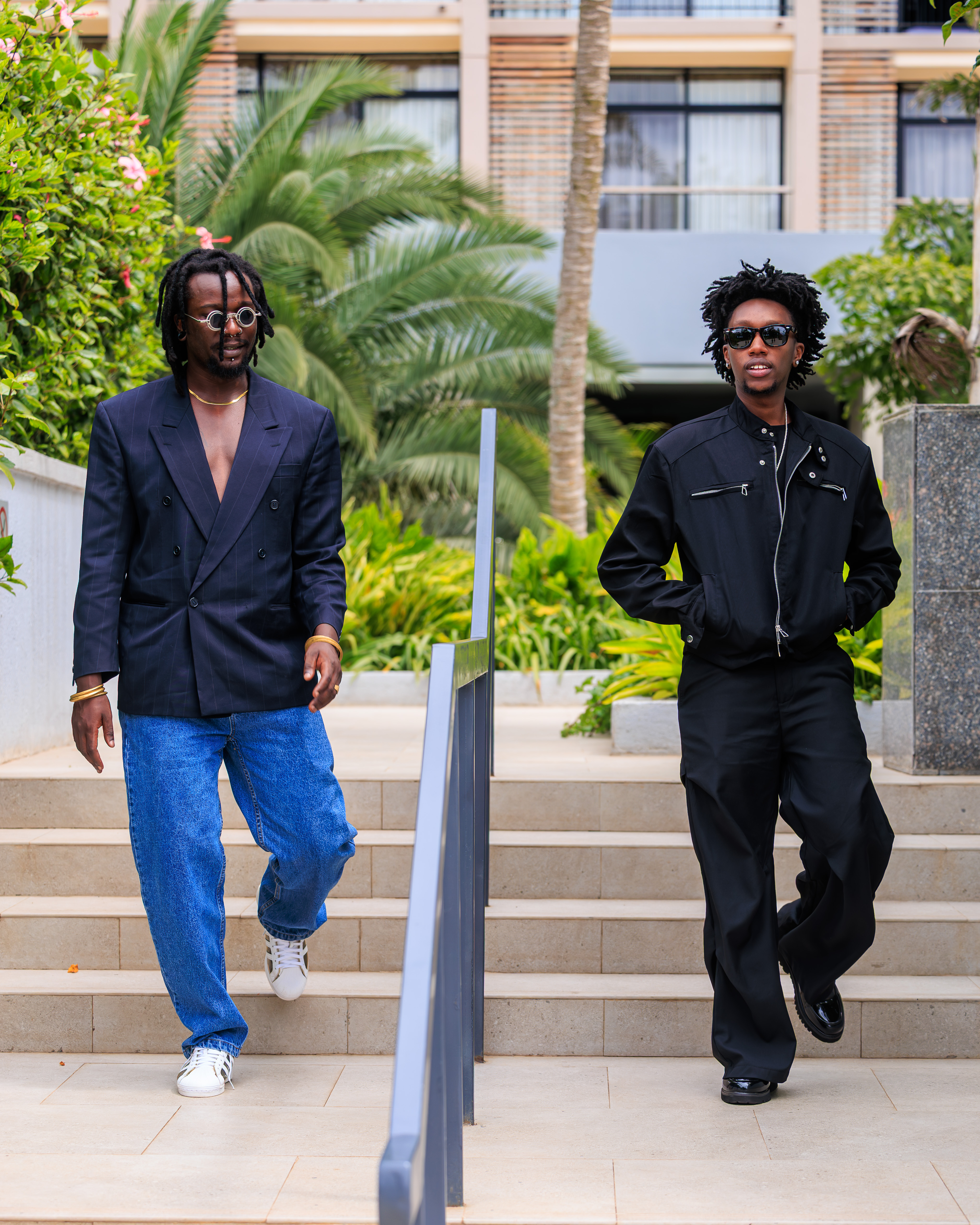
Elijah Kitaka and Nel Ngabo dropped their Masterpiece official video on Friday, June 5, 2026.
Kitaka also hinted at upcoming projects with several East African artists, including Rwandan and Kenyan acts.
He mentioned collaborations with celebrated Rwandan artists Kivumbi and Mike Kayihura, as well as a broader regional project.
“With Mike, we have an EP we’re trying to do, along with some artists in Kenya like Ben Soul. It’s going to be a big project called East African Boys. It has different sounds and different energies,” he said.
From church drums to international stages
Reflecting on his journey, Kitaka traced his musical foundation back to church, where he first learned drums and other instruments. Before fully transitioning into music, he also built a career in IT and technology, balancing his passion for music with his professional path.
“Drumming was the foundation. I was one of the best drummers in Uganda around 2015 up to COVID. Even then, I was writing music and directing bands,” he said.
He later transitioned into singing and production, expanding his career into multiple creative roles while maintaining his instrumental roots.
Today, Kitaka is not only known for studio hits such as “Dawa,” “Nothing,” and “Tutu Mama” featuring Vinka, but also for his strong live performance presence across Africa, including festivals such as Blankets and Wine (Uganda), Amani Festival (DRC), Ongala Festival (Tanzania), and Visa for Music (Morocco).
To emerging talents, Kitaka encouraged consistency, humility, and resilience.
“Be humble, be ambitious, respect one another. Practice makes perfect. There will be challenges, but they show if you’re really serious. Use social media, push yourself. The day will come when someone notices you,” he advised.
As “Masterpiece” takes over the airwaves, Kitaka says fans should expect a vibrant East African collaboration driven by chemistry, simplicity, and emotion.
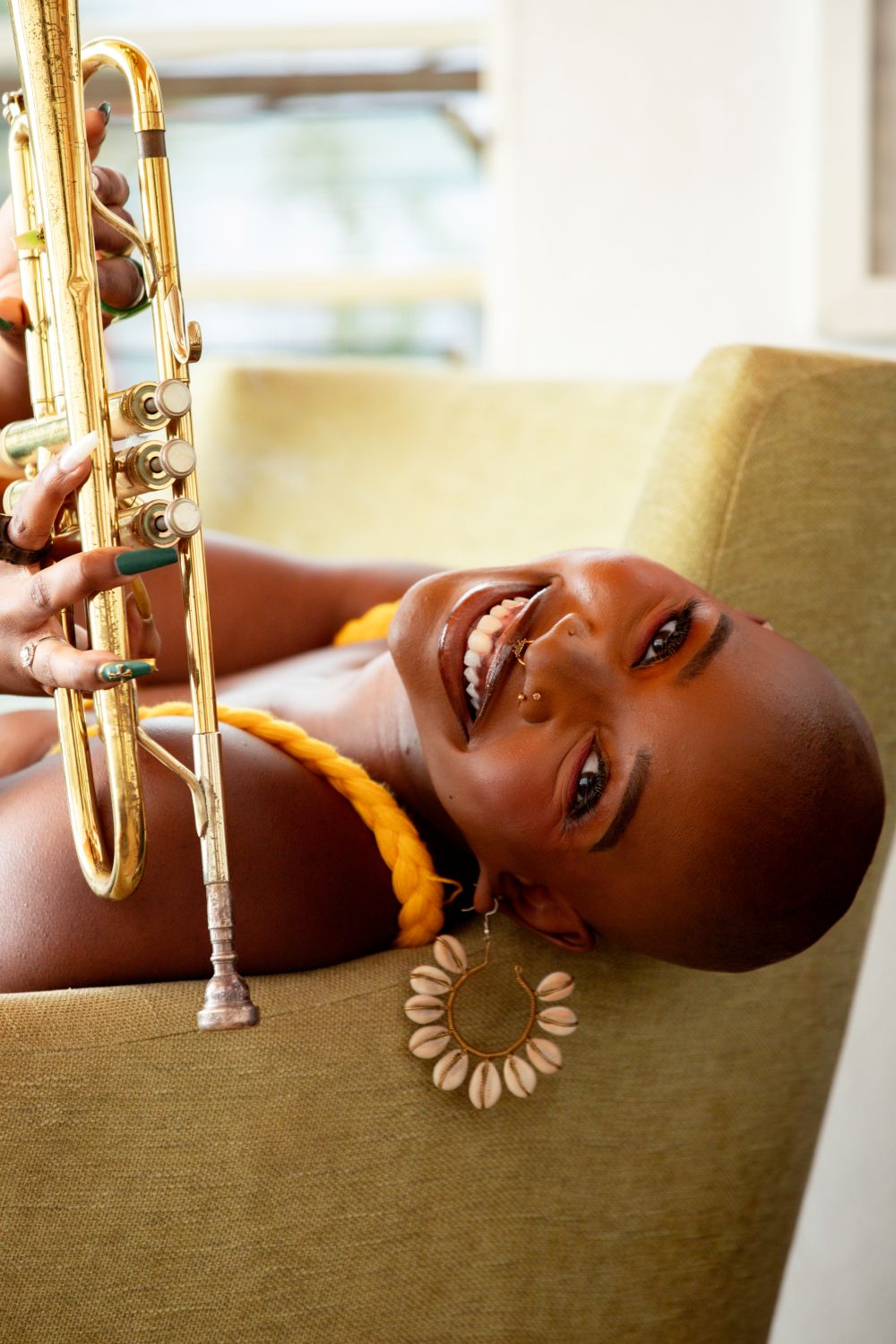
Meaning “to rise” in Latin, Orior is both a title and a philosophy. It reflects Dube’s ongoing exploration of identity, African womanhood, and self-actualisation through a lens shaped by theatre, poetry, performance, and design. The EP follows a steady stream of singles, including Oasis and Uthando, but it arrives as her most complete artistic statement to date, one that extends far beyond music into a fully realised audiovisual experience.
At its core, Orior is a meditation on becoming rather than arriving.
“Orior is the conversation I needed to have with myself before I could have it with anyone else,” Dube explains. “It’s about what it means to become—not arriving, but the rising itself. I wanted to make something that felt true to where I’m from, who I am, and who African women are: creators, dreamers, and doers.”
For Dube, the EP is not just a project but a reflection of process, a way of organising thought, memory, and intention into form.
“I wanted something to reflect and contemplate on,” she says. “A project I can dedicate my time and resources to, where my subconscious meets my conscious mind. It becomes an investment into my future, and a part of my identity.”
Beyond the roles assigned
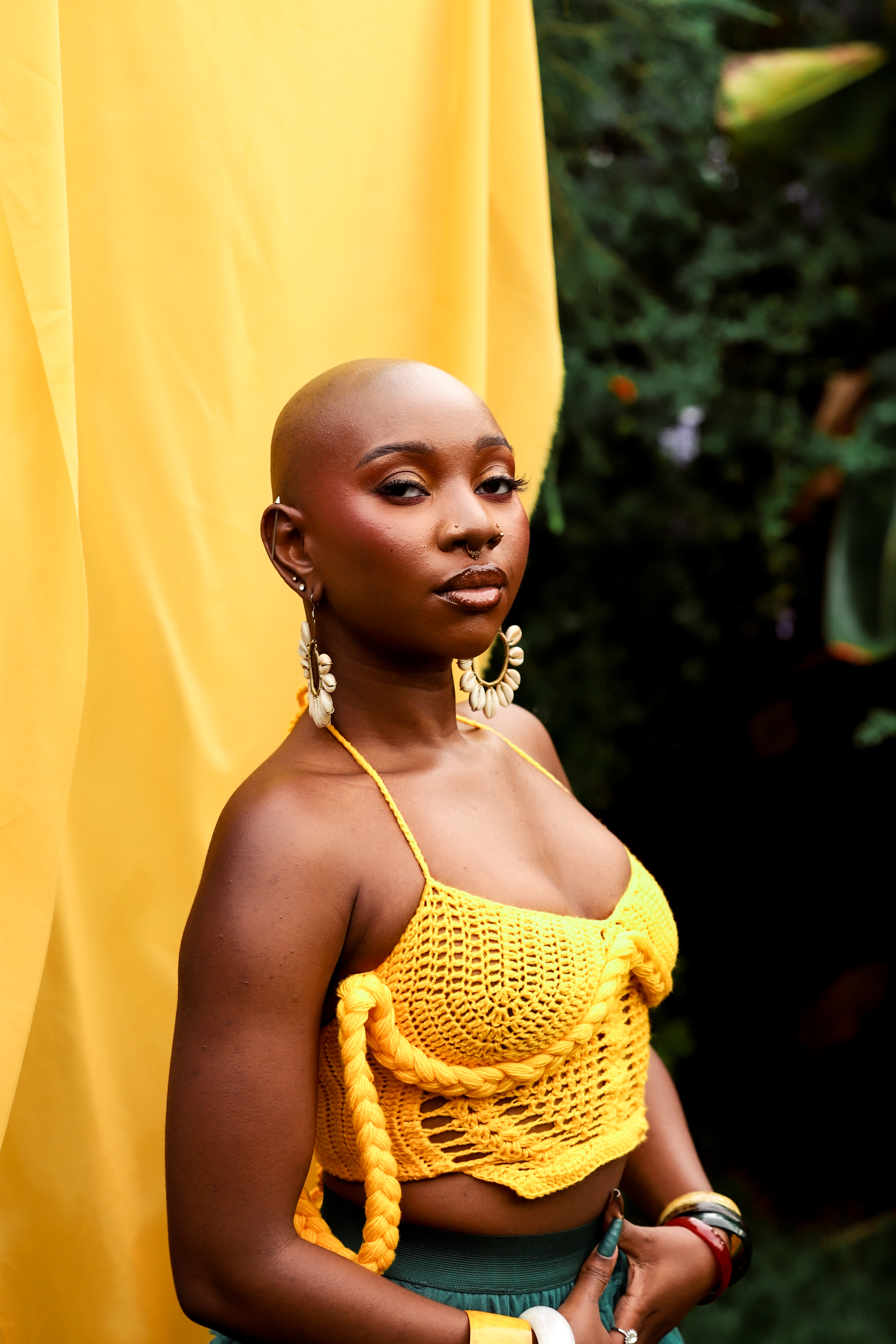
Delah Dube is set to drop her debut EP Orior on June 16, 2026. Photo credit: Jonagraphe
That sense of intentional self-definition runs through Orior, which challenges the inherited expectations placed on African women and asks what happens when those roles are questioned or refused.
Across its five tracks, Dube explores fear, desire, self-worth, lineage, and emotional honesty. But the underlying thread is clear: the pressure to perform identities that were never self-chosen, and the courage it takes to step outside them.
“The title translates to ‘to rise’, and the first track feels like my womanifesto,” she says. “We’re often playing roles that we didn’t choose. The question is: how do we break free from that?”
That opening track, Hinc Orior, sets the tone. An Afrofuturist blend of spoken word, broken disco, and EDM influences, it positions African women at the center of cultural creation and not as subjects, but as origin points.
From there, Kairos, featuring Rwandan artist Chacha Imfurekeye, reflects on timing and self-trust, confronting the anxiety of comparison and the illusion of being “behind” in life. The collaboration also signals the EP’s broader pan-African dialogue, connecting Zimbabwean and Rwandan creative perspectives through a shared sonic language.
A growing voice on major stages
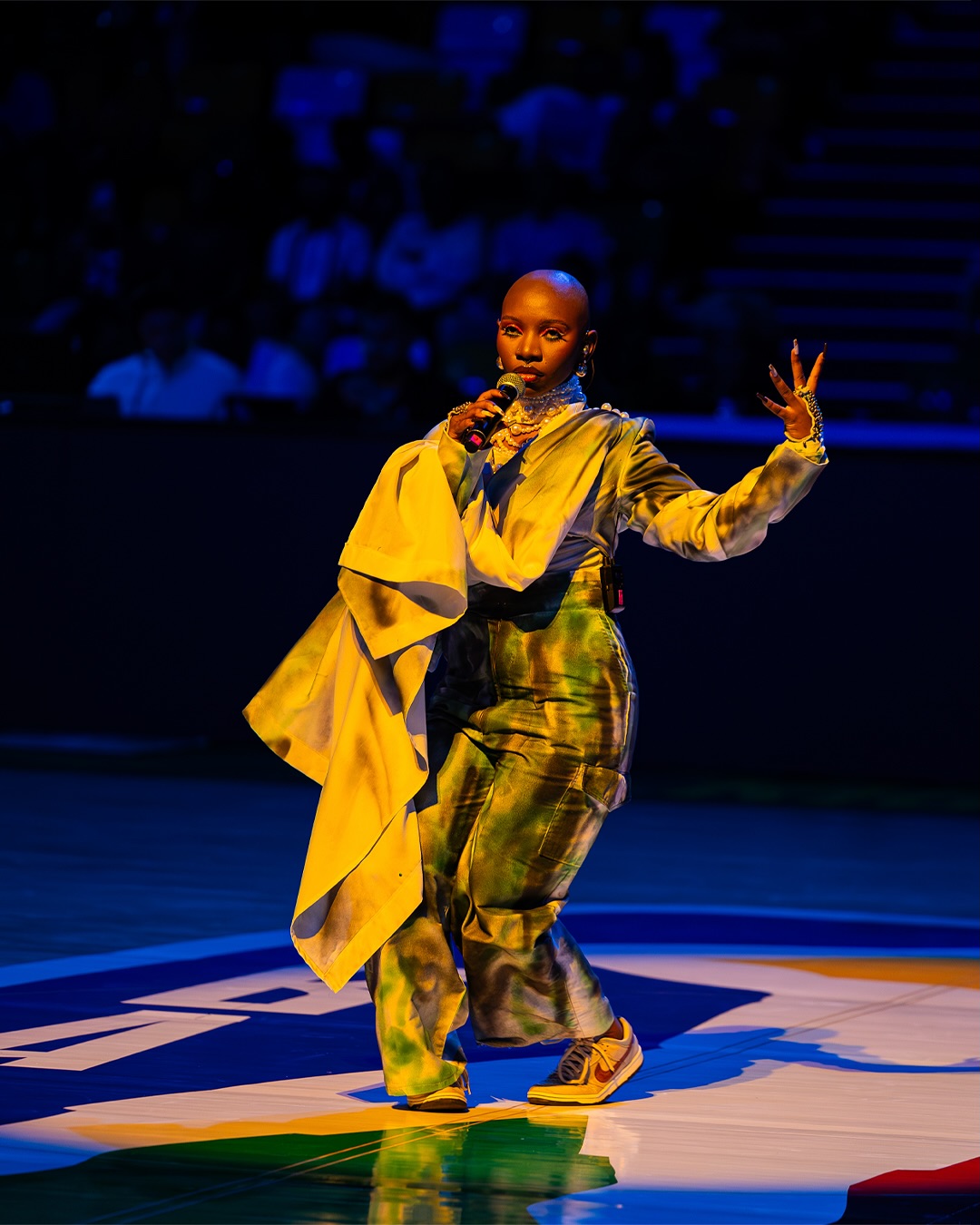
Delah Dube performs at BAL competitions. Photo credit: Jonagraphe
Dube’s emergence is not limited to studio recordings. She carried immense momentum into 2026 following her standout milestone appearance at the 2025 Basketball Africa League (BAL) opening ceremony. At the BK Arena, she delivered a striking multidisciplinary performance that fused spoken word, Afro-soul, and intense choreography.
She returned to BAL stage for this 6th season with Mashirika Performing Arts to co-create and perform a song under this year’s theme, “Rise with The Game”. Performing alongside a large ensemble of contemporary dancers and contortionists, she transformed the arena into an immersive theatrical space, a live extension of the same thematic principles that define Orior.
The performance established her presence within some of the continent’s most visible cultural platforms, reinforcing her reputation as a boundary-crossing performer who treats live stages and recorded tracks as part of the same continuum. For Dube, such moments are a commitment to art as a lived experience rather than isolated output.
Sound, language and intimacy
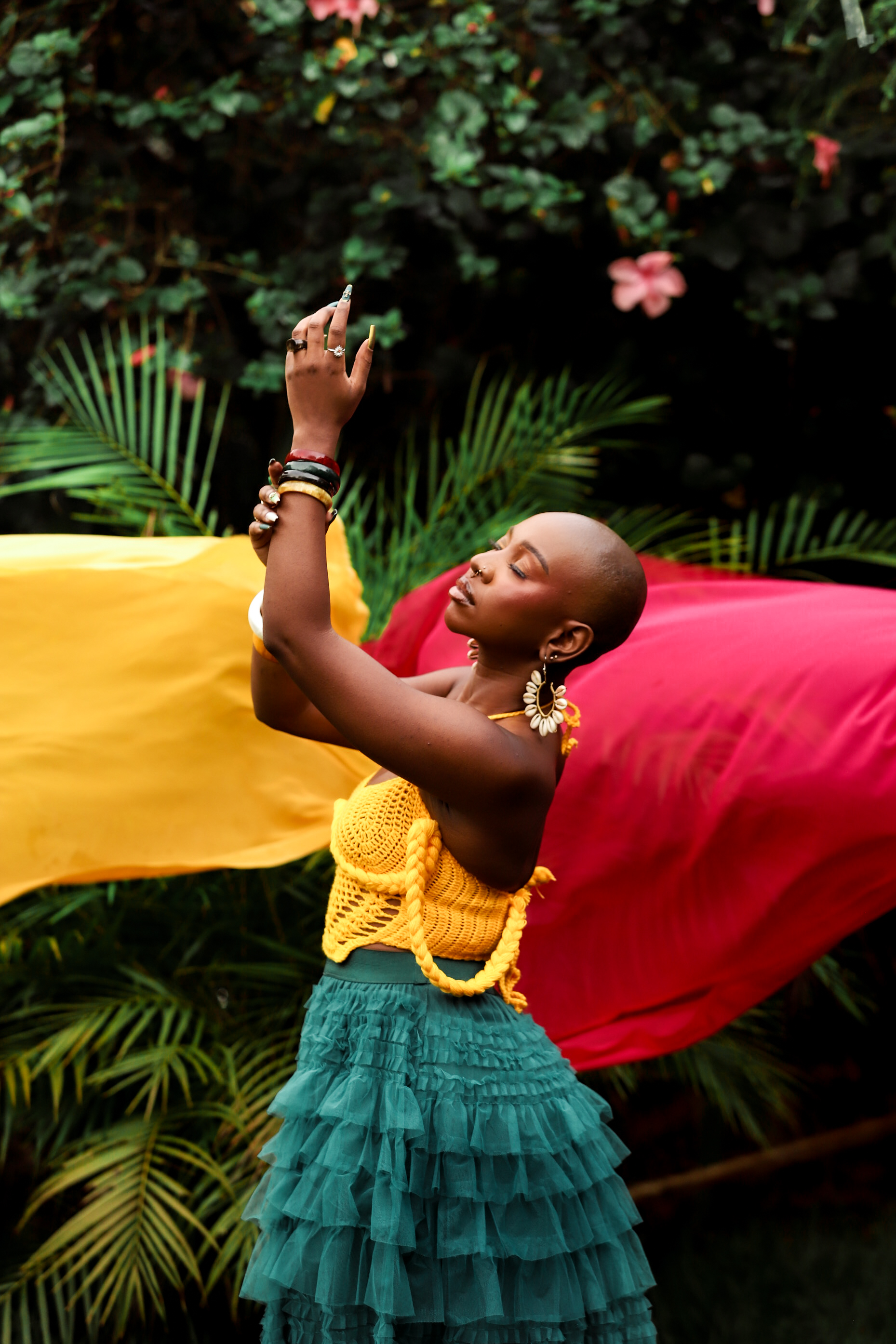
A Zimbabwean interdisciplinary artist based in Kigali describes the upcoming EP as a soundtrack to feminine evolution. Photo credit: Jonagraphe
Elsewhere on Orior, Dube shifts between intimacy and assertion. Songbird, performed in Ndebele, is one of the EP’s most personal moments, a spoken-word infused reflection rooted in ancestral memory and linguistic identity.
In contrast, DioR, featuring Rwandan rapper thedicekid, delivers sharp alt-R&B and hip-hop energy. Built on a proven collaborative chemistry forged across past joint projects, the track centres on self-worth, boundaries, and emotional sovereignty, presenting a woman fully aware of her value and unwilling to negotiate it away.
The EP closes with Roleplay, a darker, more vulnerable track that confronts people-pleasing and emotional self-erasure. It is here that Orior reaches its emotional core: the recognition that survival often involves shrinking, and that liberation begins with refusing to do so.
“It’s about recognising patterns, naming them, and choosing to restrict access rather than play small,” Dube says.
Kigali, collaboration and creative expansion
While Orior is deeply personal, it is also shaped by place. Dube credits Kigali’s evolving creative ecosystem with expanding her understanding of collaboration and artistic community.
“Rwanda’s creative scene is growing into a hub for collectives,” she says. “It has opened me up to believe in art as a communal practice.”
Her work with groups such as Mashirika Performing Arts and The Circle Kigali, which she co-founded as an artists’ healing space, reflects her belief that creativity can function as both expression and repair.
That philosophy extends into her conceptual framework, which she calls “The Afrosensual”, a practice rooted in intuition, sensory awareness, and African indigenous knowledge systems. It is an approach that heavy-hitting tracks like Roleplay and Songbird translate directly into raw sonic energy.
“It explores returning to our senses in an overstimulating world,” she explains. “It’s about learning to trust the body again, what triggers it, what soothes it, and what it knows before language intervenes.”
A debut built on becoming
For Dube, the EP is not just a project but a reflection of process, a way of organising thought, memory, and intention into form. Photo credit: Jonagraphe
Orior resists the framing of a traditional debut. Rather than signalling arrival, it reflects an ongoing process of self-discovery and artistic formation. Dube, who serves as writer, executive producer, and co-producer across the EP, describes the experience as both grounding and revealing.
“Seeing the ideas come to life made me realise how much I believe in myself,” she says. “Whether the world liked it or not, I was going to be proud of what I created.”
For her, success is not measured by numbers or immediate recognition, but by resonance, whether listeners can see fragments of their own experiences within the music.
“I hope people genuinely connect with the subject matter and the musicality,” she says. “I want it to inspire people to build their dreams too.”
As Orior prepares for release, it positions itself as both an invitation and an interruption, a reminder that African women are not waiting to become anything. They are already rising, continuously, beyond the roles assigned to them.
Delah Dube’s debut EP Orior drops on June 16, 2026.
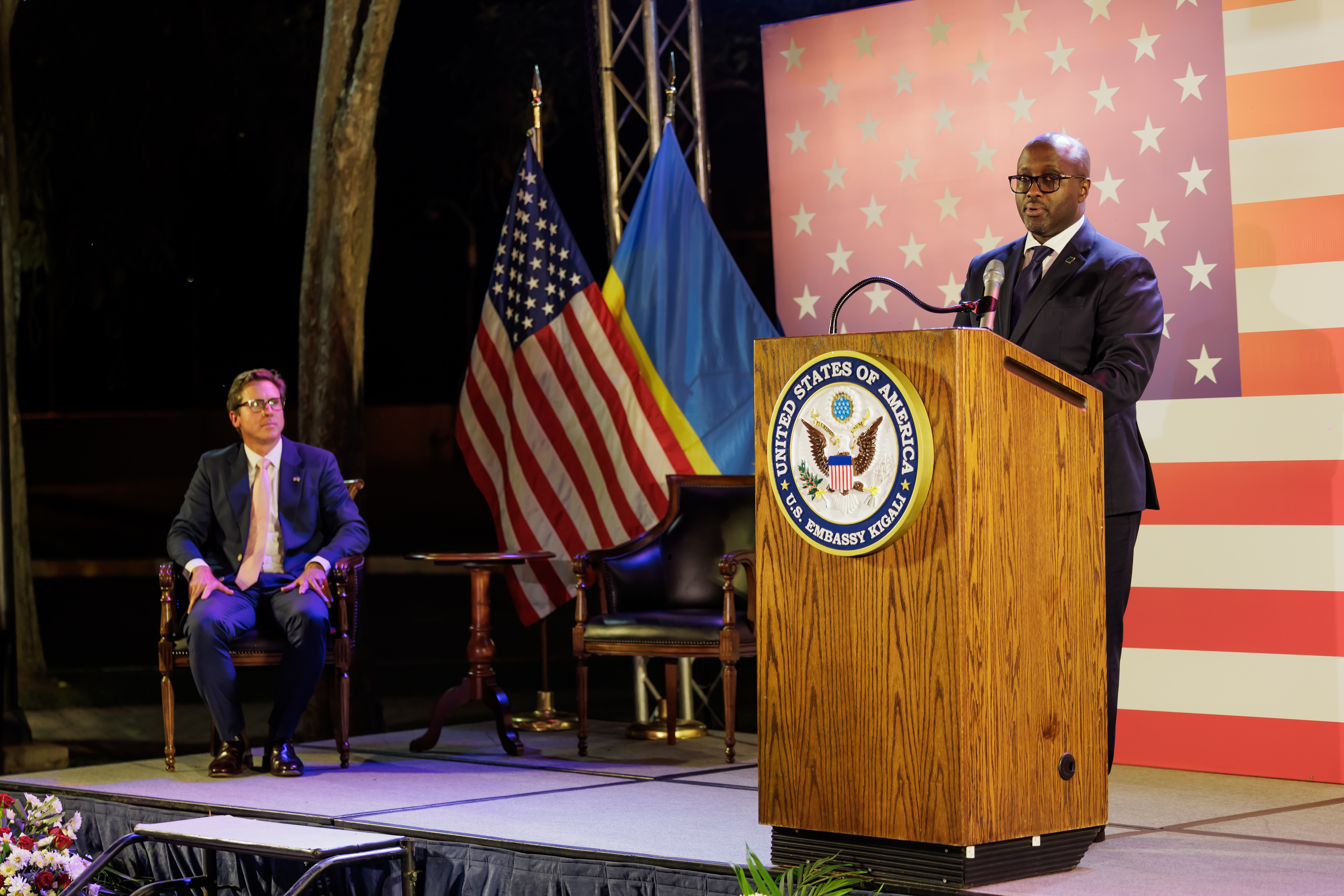
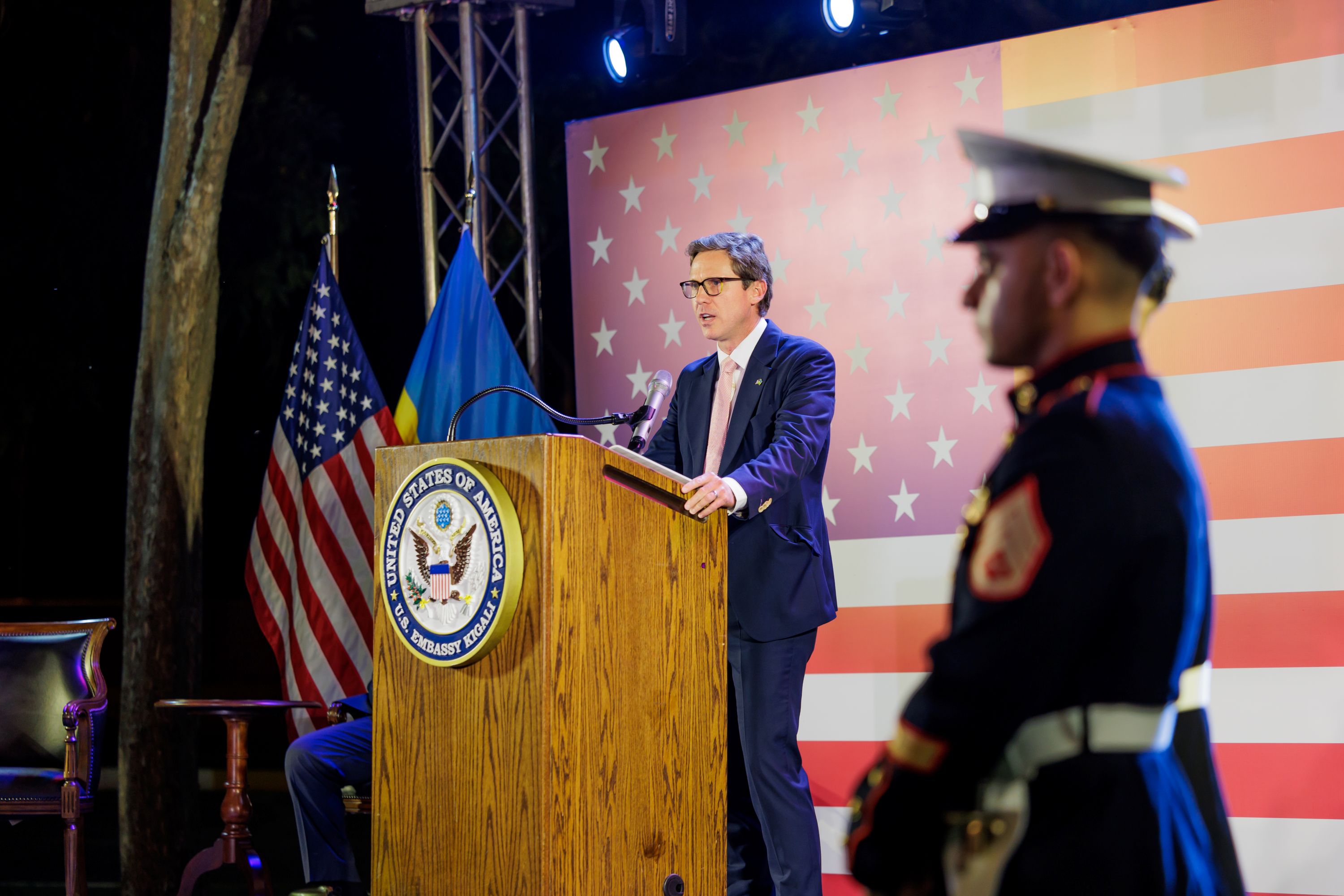
Speaking during celebrations marking the 250th anniversary of U.S. independence at the U.S. Embassy in Kigali on Thursday, June 5, 2026, Rwanda’s Minister of Foreign Affairs and International Cooperation, Olivier Nduhungirehe, said Kigali is keen to transform existing diplomatic commitments on space cooperation into practical initiatives that support scientific advancement, skills development and economic growth.
“As a member of the Artemis Accord community, Rwanda remains keen to explore practical avenues of collaboration with NASA and looks forward to identifying mutually beneficial initiatives that can contribute to scientific advancement, capacity building, and economic development,” Nduhungirehe said.
The remarks come at a time of massive momentum for the global space program. Just two months ago, in April, NASA successfully completed its historic Artemis II mission, sending a crew of four astronauts around the Moon and back in humanity’s first crewed lunar flight in over 50 years.
With NASA now actively planning its upcoming Artemis III surface landing and laying the groundwork for a permanent lunar base, signed partners like Rwanda are looking to secure their footing in the emerging lunar economy.
For Rwanda, these developments align with efforts to position itself as a regional hub for emerging technologies and innovation. Space cooperation was highlighted alongside other strategic sectors where Rwanda and the United States are expanding engagement, including critical minerals, advanced technologies and civil nuclear energy.
Rwanda became the first African country, alongside Nigeria, to sign the Artemis Accords during the first-ever U.S.-Africa Space Forum held on the sidelines of the U.S.-Africa Leaders Summit in late 2022.
The Accords establish principles for responsible and peaceful exploration of outer space. Signatories commit to measures including the public release of scientific data, responsible debris mitigation, registration of space objects and the adoption of interoperability standards.
As NASA transitions from test flights to building long-term infrastructure on the Moon, current bilateral discussions are focused on translating this framework into tangible cooperation, particularly in areas such as technical training, capacity building, and the development of local space-related technologies.
The planned collaboration reflects the broader evolution of Rwanda-U.S. relations. Last year, the two countries launched the first Rwanda-U.S. Strategic Bilateral Dialogue, creating a platform for cooperation across health, trade, security, education, technology and investment.
Nduhungirehe noted that both countries are increasingly looking toward sectors that will shape future economic growth and innovation. He also pointed to recent progress in civil nuclear energy cooperation following the signing of a Memorandum of Understanding on Strategic Civil Nuclear Energy Cooperation during the Nuclear Energy Innovation Summit for Africa held in Kigali in May.
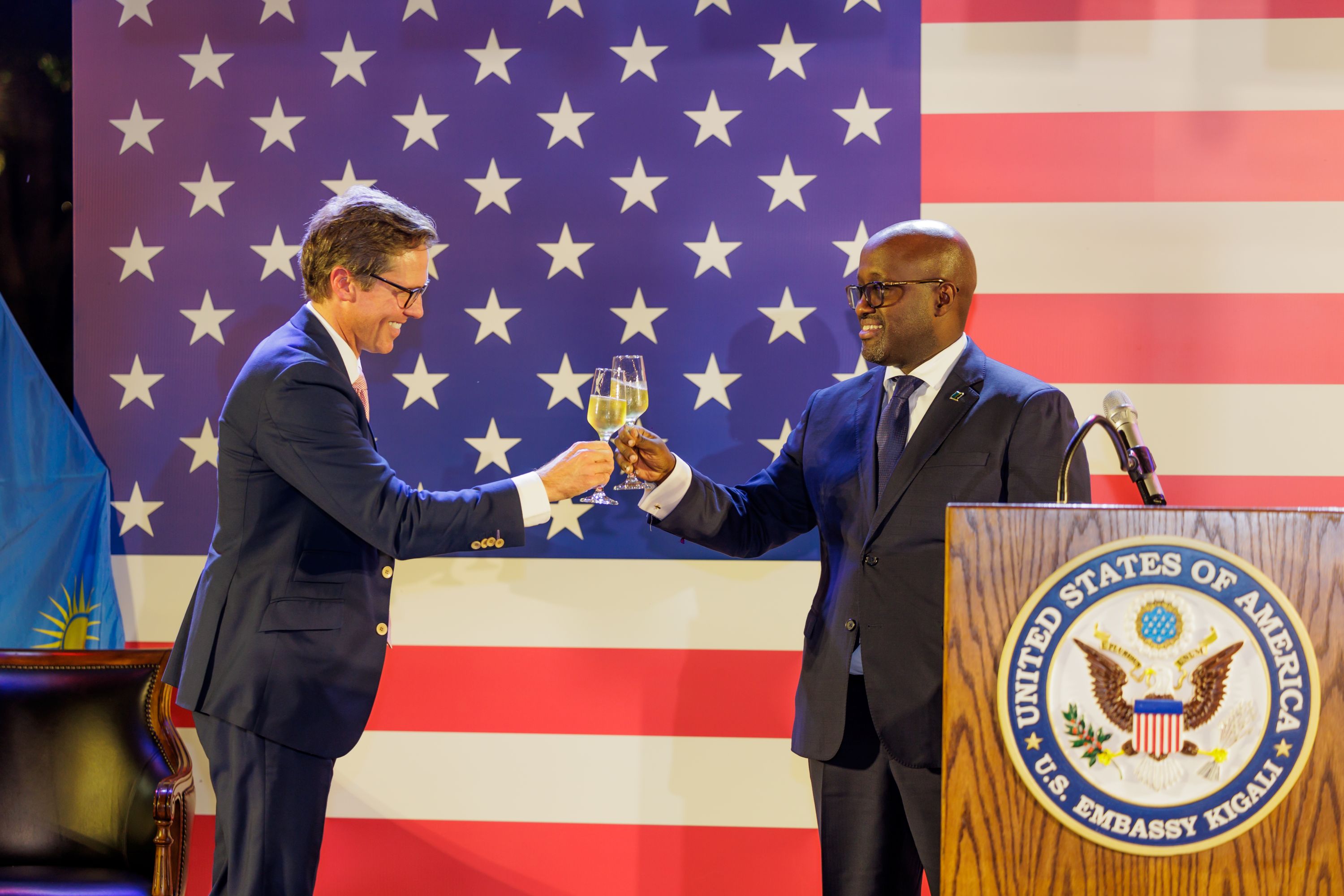
The United States’ Chargé d’Affaires ad interim to Rwanda, John Armiger, said the partnership between the two nations continues to evolve and deepen, describing Rwanda as a valued partner as both countries work toward a “peaceful and prosperous future.”
For Rwanda, closer engagement with NASA would mark another step in its efforts to leverage science and technology as drivers of development, while strengthening ties with one of its key strategic partners.
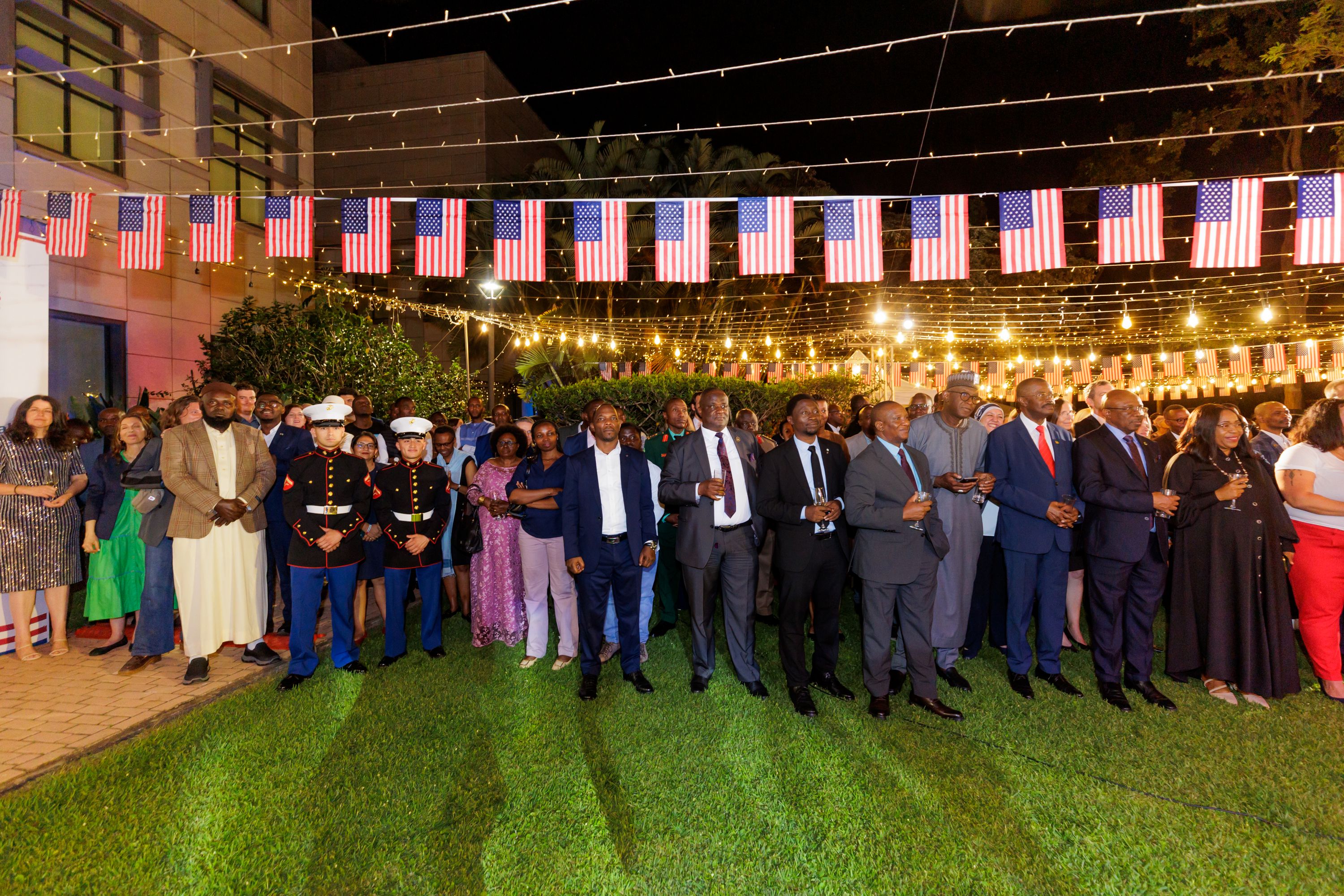
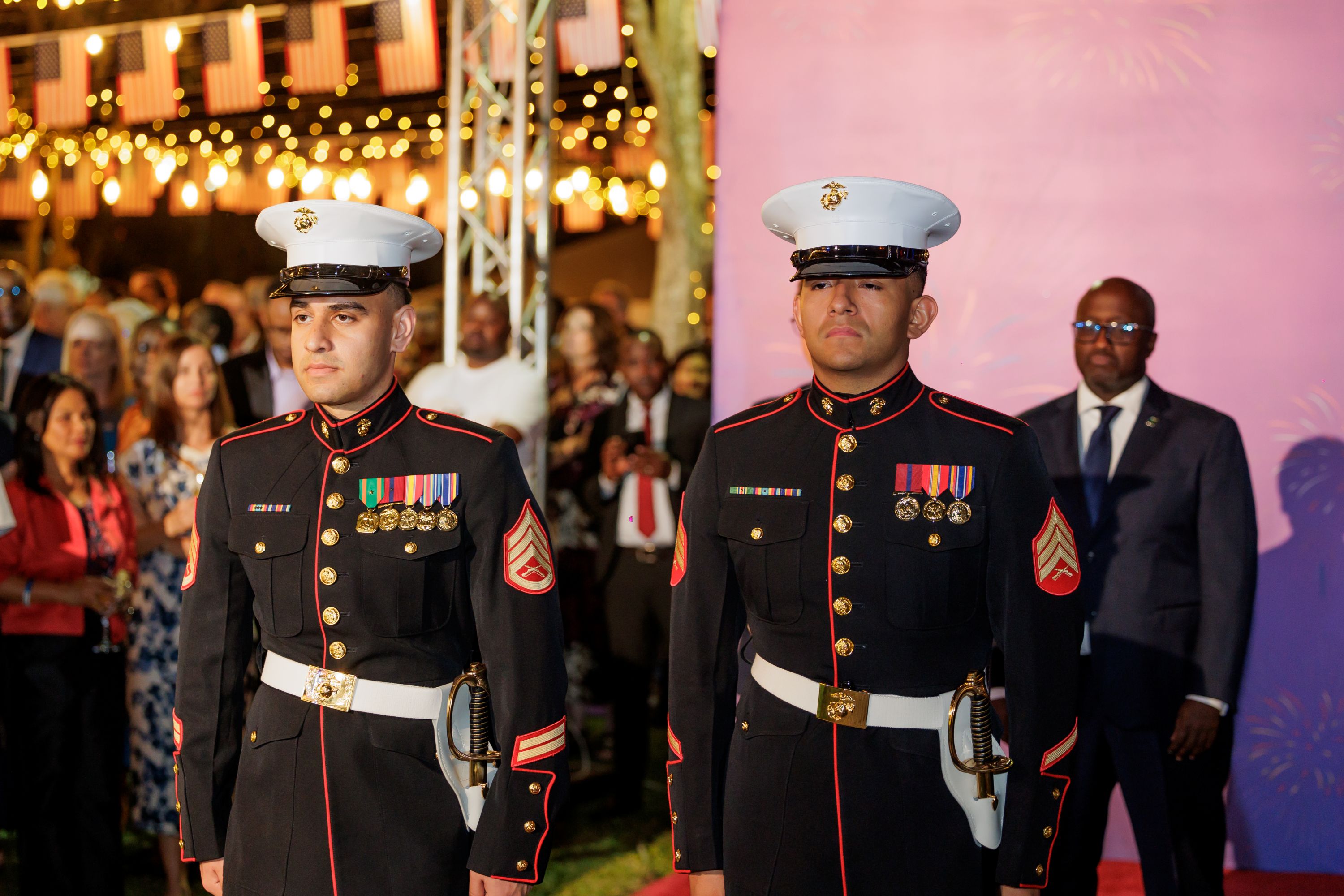
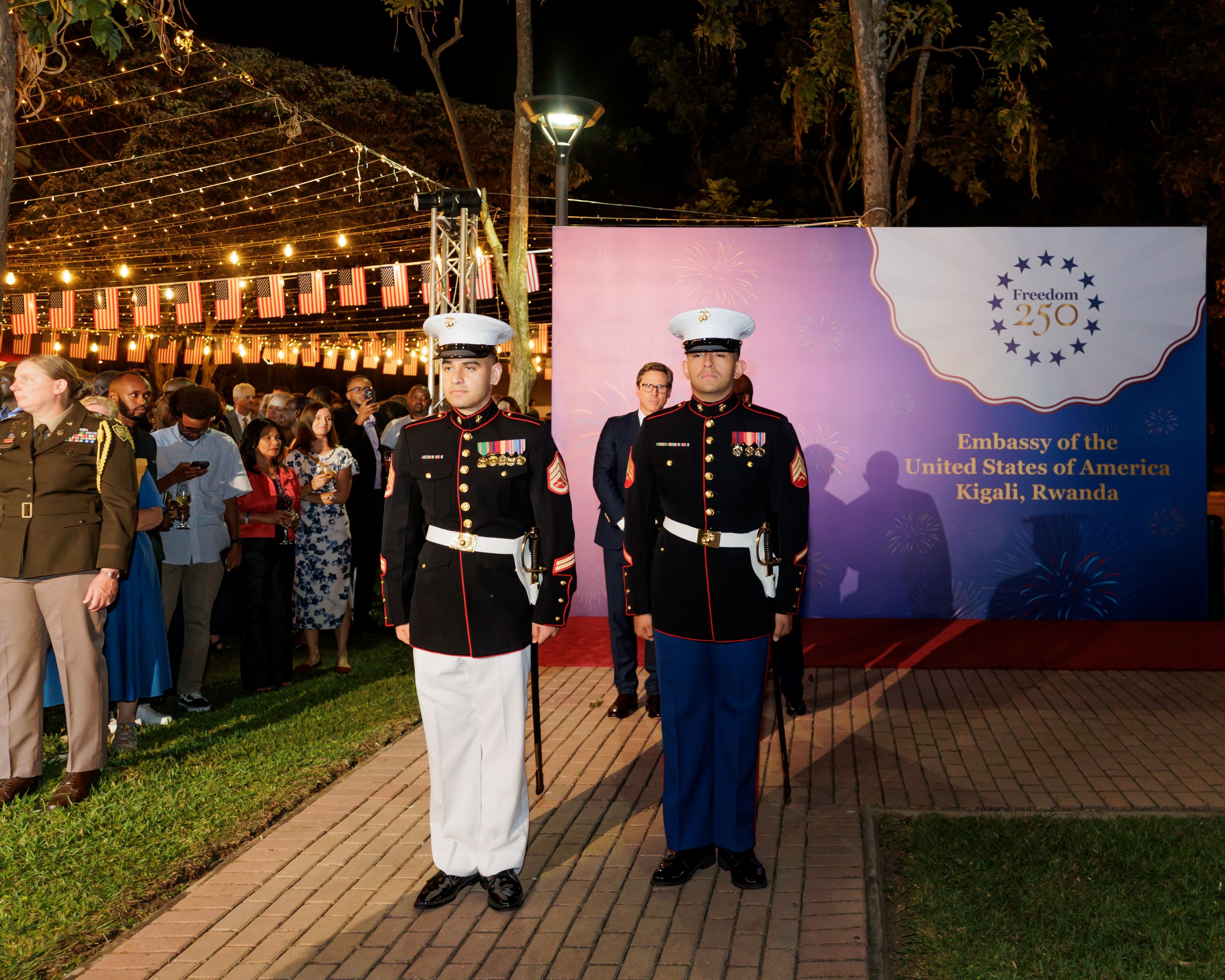
Rwanda’s Minister of Foreign Affairs and International Cooperation, Olivier Nduhungirehe, said Kigali is keen to transform existing diplomatic commitments on space cooperation into practical initiatives that support scientific advancement, skills development and economic growth.The anniversary celebration marked not only 250 years of American independence but also more than six decades of diplomatic relations between Rwanda and the United States, with both sides expressing strong optimism about future cooperation and regional stability. The celebrations brought together diplomats, government officials, members of the international community, and guests from both Rwanda and the United States to mark 250 years of U.S. independence and the enduring partnership between the two countries.The United States’ Chargé d’Affaires ad interim to Rwanda, John Armiger, said the partnership between the two nations continues to evolve and deepen, describing Rwanda as a valued partner as both countries work toward a “peaceful and prosperous future.”