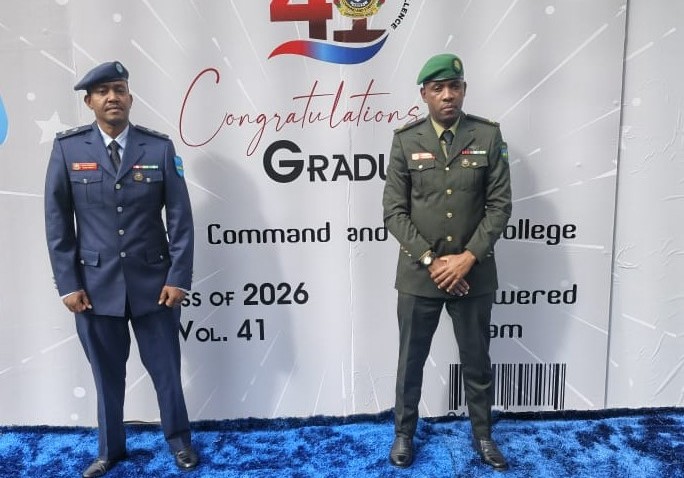
The officers, Lt Col Pacifique Kanyandekwe and Maj John Muhikira, graduated on June 4, 2026, after completing their programme in military leadership and joint command studies.
According to the Ministry of Defence, their graduation reflects dedication, professionalism, and a strong commitment to military excellence, highlighting Rwanda’s continued focus on strengthening professional military education and regional security cooperation.
The graduation ceremony brought together senior military officials and representatives from regional defence institutions.
Among those present were Brig Gen Ronald Rwivanga, Director of the Eastern Africa Standby Force (EASF), Brig Gen Andrew Nyamvumba, Commandant of the RDF Senior Command and Staff College, and Col Celestin Kamanda, Defence Attaché of Rwanda to Kenya.
Brig Gen Ronald Rwivanga, Director of the Eastern Africa Standby Force (EASF), Brig Gen Andrew Nyamvumba, Commandant of the RDF Senior Command and Staff College, and Col Celestin Kamanda, Defence Attaché of Rwanda to Kenya were among those present at the ceremony. The officers, Lt Col Pacifique Kanyandekwe and Maj John Muhikira, graduated on June 5, 2026.
Zelensky published a letter on Thursday proposing a face-to-face meeting with Putin, with the participation of Europe and the United States, to discuss the peace process.
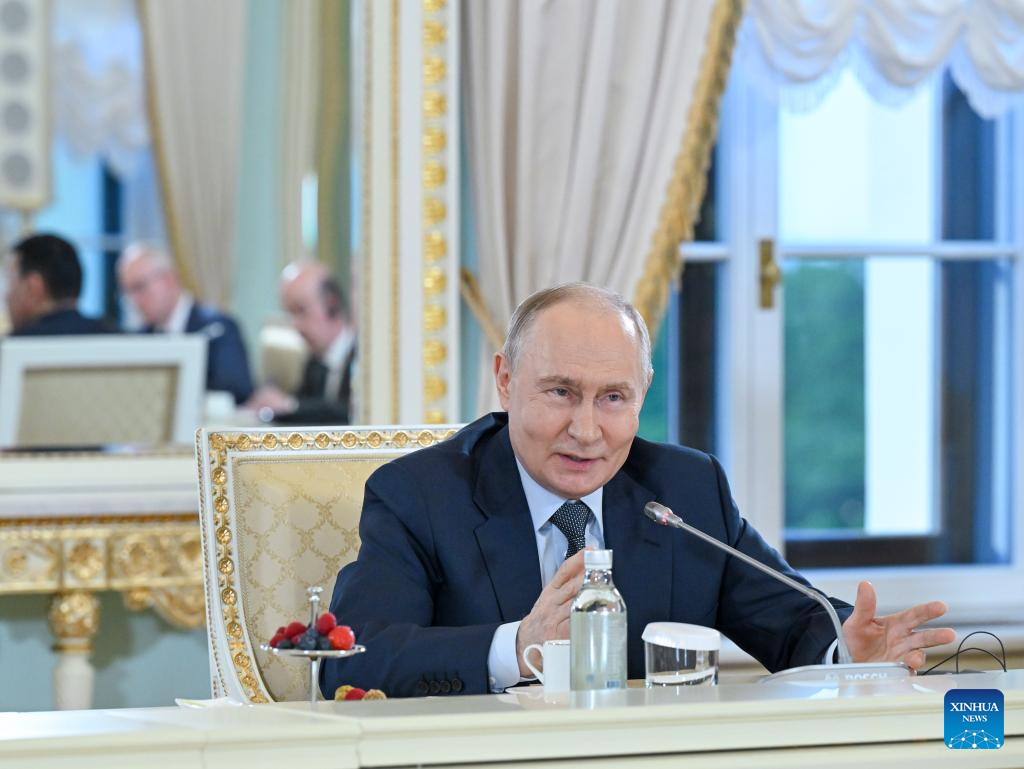
“I don’t see the point yet,” Putin said, answering a question about whether he would meet with the author of the “open letter.”
He added that he never refused to meet with Zelensky, but is against “beating around the bush.”
Putin said Russia does not need short-term agreements, but rather ones “for a long historical perspective” and solutions in place before such a meeting can take place.
Kremlin spokesman Dmitry Peskov said Thursday that Zelensky can come to Moscow any time if he wishes to hold talks with Putin.
Russian President Vladimir Putin is pictured at a meeting with heads of major international news agencies attending the 29th St. Petersburg International Economic Forum (SPIEF), in St. Petersburg, Russia, on June 4, 2026. Photo by Xinhua/Hao Jianwei
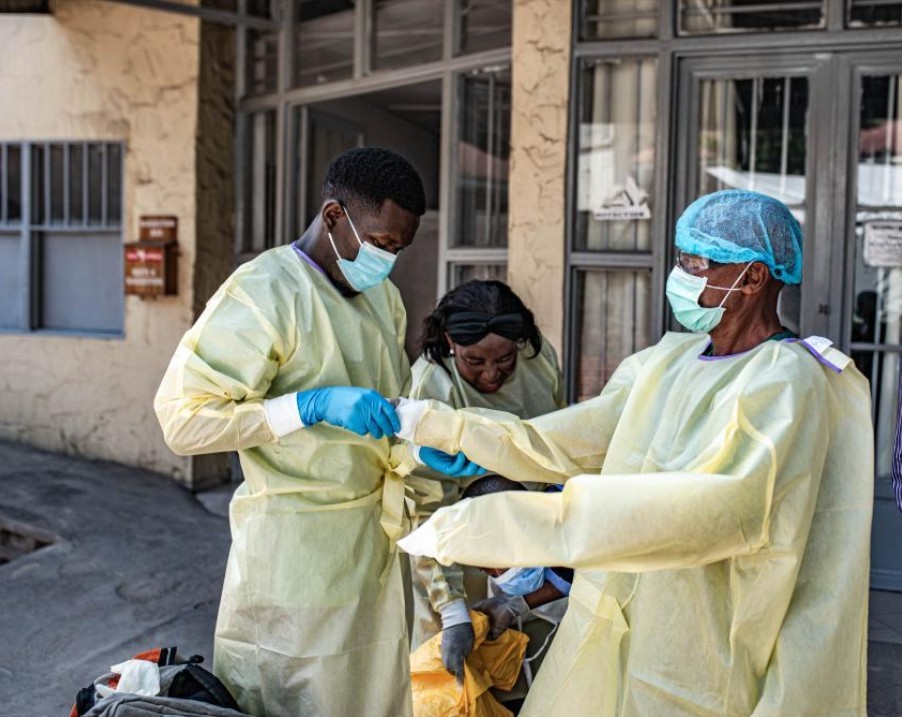
According to the report, health authorities reported 71 new confirmed cases on June 4, including 21 deaths, in Ituri and North Kivu provinces, a sign of rapid and continuing community transmission amid the outbreak caused by the Bundibugyo strain of the virus.
A total of 258 patients are in isolation or hospital care, while eight people have recovered.
Contact tracing remains a major gap, the report said, noting that of 4,766 contacts under follow-up across the three provinces, only 2,755 have been seen, representing an overall follow-up rate of 57.8 percent.
The DRC health authorities listed the main challenges facing the response, including resistance to post-mortem swabbing, insufficient standardized Ebola treatment capacity, weak contact tracing, shortages of essential medicines, inadequate infection-prevention supplies in North Kivu, poor alert reporting and a 21.5-million-U.S.-dollar funding gap.
Uganda has also confirmed three new Ebola cases, bringing the cumulative number of infections to 19, the Ugandan Ministry of Health said on Friday.
The Africa Centers for Disease Control and Prevention and the World Health Organization on Friday launched a continental Ebola outbreak preparedness and response plan, aiming to raise 518 million U.S. dollars to support African countries to prepare for, rapidly detect and respond to the outbreak for the period between June and November.
The number of confirmed Ebola cases in the Democratic Republic of the Congo (DRC) has risen to 452
The flight sets the stage for demonstrating the aircraft’s quiet supersonic capabilities later this year, NASA said in a release published on its official website.
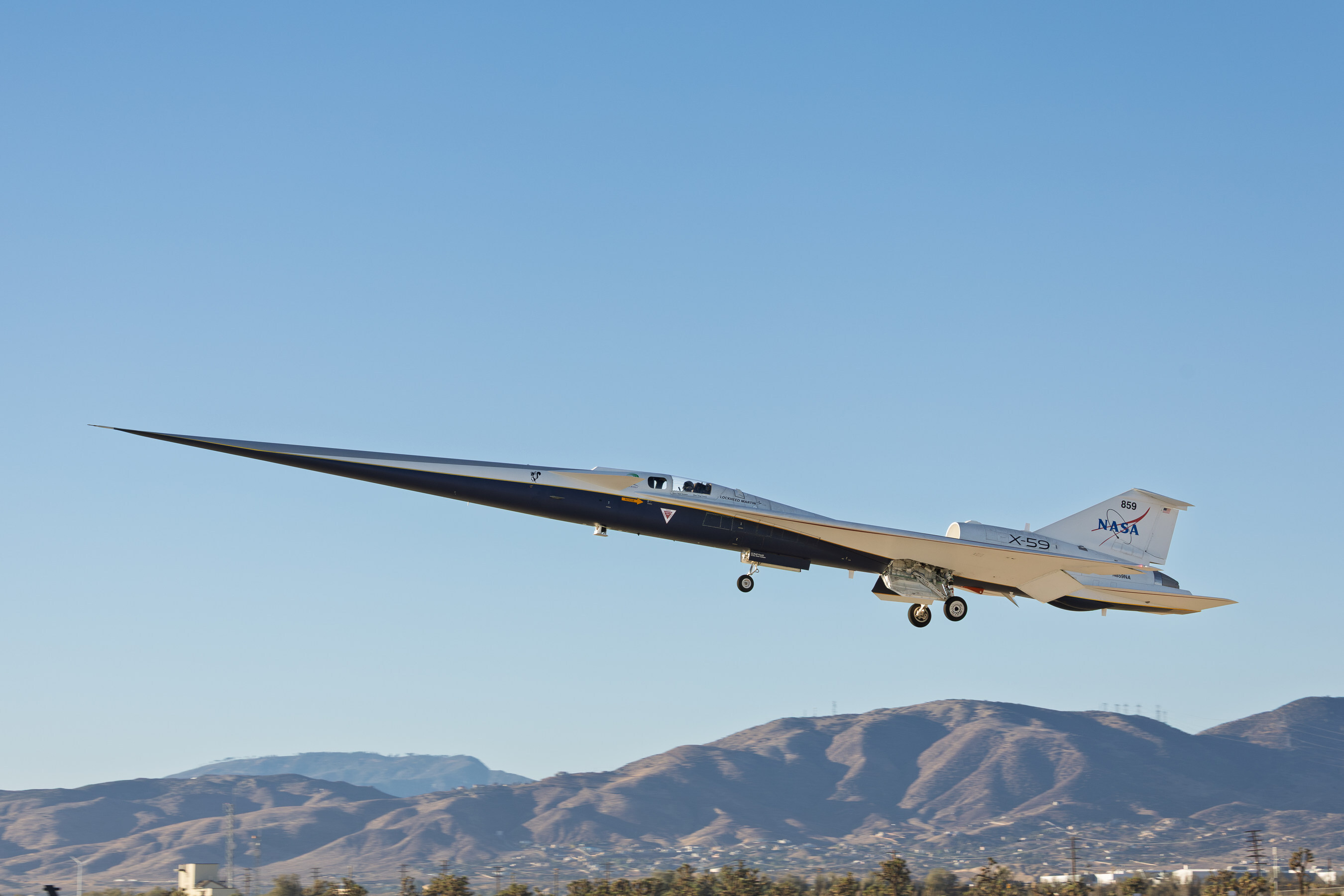
NASA test pilot Jim “Clue” Less took off and landed at Edwards Air Force Base in California, reaching a top speed of approximately Mach 1.1 (over 1,300 kph) and an altitude of 43,400 feet (about 13.2 kilometers). The flight began at 11:08 a.m. Pacific Time and lasted 81 minutes, according to the release.
“X-59 is getting ready for its quiet supersonic debut. Since the aircraft’s first flight on Oct. 28, 2025, the team has made tremendous progress, flying 16 times in the last 90 days and getting into a steady test rhythm. In the coming days, we expect to take the next step and push to Mach 1.4,” NASA Administrator Jared Isaacman said.
Over the last several months, the X-59 has been undergoing a series of flight tests at a wide range of speeds and altitudes, which represents the first phase of the aircraft’s flight-test program that focuses on performance evaluation and involves chase plane monitoring, said the release.
The next phase of testing will focus on the X-59’s sound profile to verify its quiet thump capability, it said.
The X-59 aircraft is designed to fly at supersonic speeds while creating only a quiet thump instead of a loud sonic boom. It is the centerpiece of NASA’s Quesst mission, which aims to demonstrate quiet supersonic flight and help enable commercial supersonic flight over land worldwide, said the release.
NASA’s experimental X-59 aircraft completed its first supersonic flight on Friday.
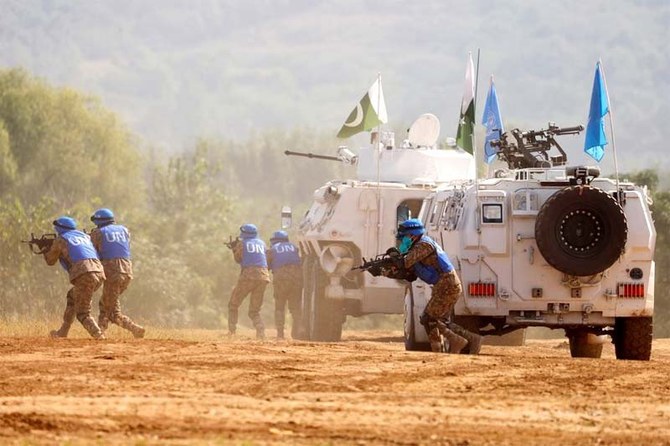
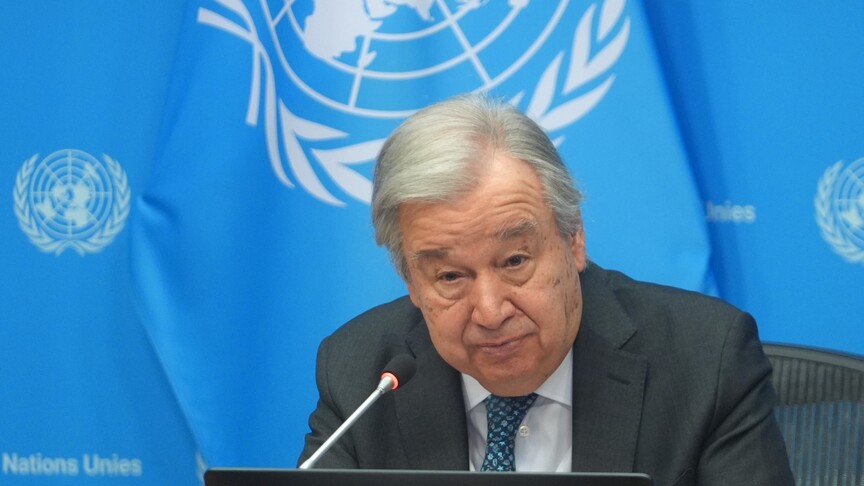
“Across the globe, the UN Blue Helmet is a symbol of hope for communities in their darkest hour,” UN Secretary-General Antonio Guterres said in remarks at the ceremonies to present the Dag Hammarskjöld Medal, the Captain Mbaye Diagne Medal for Exceptional Courage, and the UN Woman Police Officer of the Year and UN Military Gender Advocate of the Year awards, after laying a wreath at the Peacekeepers Memorial on the North Lawn of the UN headquarters in New York.
Underscoring that UN peacekeeping has proven to be one of the international community’s most effective responses to conflict, Guterres said the peacekeepers “are curbing violence, enabling political solutions, supporting elections, delivering humanitarian assistance, clearing landmines, and so much more.”
“They do so in the face of acute danger, displaying levels of bravery and initiative that stir the heart,” said the UN chief, adding that “we pay the highest tribute to their service and sacrifice.”
The secretary-general bestowed the Dag Hammarskjöld Medal on 68 peacekeepers from 33 nations, including 59 killed last year. “They represent the best of humanity — people prepared to risk everything to keep others safe,” he said.
Two peacekeepers were honored for their bravery, receiving the Captain Mbaye Diagne Medal for Exceptional Courage — the late Sergii Prykhodko of Ukraine, and Matias Reyes of Uruguay.
Abhilasha Barak of India, deployed with the UN Interim Force in Lebanon, received the UN Military Gender Advocate of the Year award, and Stephanie Königs of Germany, who served at the UN Mission in South Sudan, received the UN Woman Police Officer of the Year award.
According to the United Nations, currently more than 51,000 civilians, military and police personnel are employed across the globe in 11 UN peacekeeping missions, and over the 78 years since the United Nations began its peacekeeping work, more than 2 million peacekeepers have served in 71 peacekeeping missions on four continents.
The UN General Assembly adopted a resolution in 2003 to designate May 29 as the International Day of UN Peacekeepers.
Guterres said the peacekeepers “are curbing violence, enabling political solutions, supporting elections, delivering humanitarian assistance, clearing landmines, and so much more.”
In a statement issued on June 5, Rwanda responded to remarks made by U.S. Secretary of State Marco Rubio during a hearing before the House Foreign Affairs Committee on June 4.
Kigali noted Rubio’s acknowledgment that Rwanda is meeting its commitments and welcomed the continued engagement of the United States in efforts to address insecurity in eastern DRC.
According to the statement, the Washington Accords remain the key framework for tackling the root causes of conflict in the region.
However, Rwanda emphasized that the agreement places obligations on both parties and cannot be implemented selectively.
“The Accords cannot be implemented selectively, nor can obligations to be fulfilled by one party be separated from those to be fulfilled by the other,” the statement said, adding that regional challenges cannot be resolved through partial approaches.
Rwanda maintained that it is implementing its commitments under the agreement while accusing the DRC of violating its own obligations.
The government cited what it described as continued state support by the DRC for the FDLR terrorist group linked to perpetrators of the 1994 Genocide against the Tutsi. Rwanda said the militia has operated from Congolese territory for three decades and continues to pose a direct threat to its security.
Kigali also raised concerns over what it described as the continued use of armed drones in civilian areas.
Despite the concerns, Rwanda reiterated its commitment to the Washington Accords and said it remains ready to work with the United States, regional partners and other stakeholders to promote peace, security and economic development in the Great Lakes region.
The statement comes amid ongoing diplomatic efforts led by the United States and regional actors to ease tensions and support lasting stability in eastern DRC.
The agreements signed by both parties include provisions for the dismantling of the terrorist FDLR group by the Armed Forces of the Democratic Republic of Congo (FARDC). Once this is achieved, Rwanda is expected to lift its defensive measures. The accord also includes the repatriation of refugees.
In terms of infrastructure, Rwanda and the DRC are expected to strengthen cooperation in the construction of the Rusizi III hydropower dam, which is projected to generate 206 megawatts of electricity and supply power to more than 300,000 people. The project is expected to be completed by 2030 at a cost of $800 million.
The agreement also covers the mining sector, where Rwanda and the DRC are expected to move beyond extraction toward local processing, in order to maximize benefits for citizens in the region. It further provides for the establishment of harmonized regulations governing the security of mineral trade.
The Washington Accords also stipulate that the two countries will collaborate in the extraction and processing of methane gas from Lake Kivu for electricity generation.
The Government of Rwanda maintains that both countries have significant opportunities for economic gain that could help prevent future conflicts.
The Government of Rwanda has reaffirmed its commitment to the Washington Accords and condemned DRC’s continued support to FDLR.
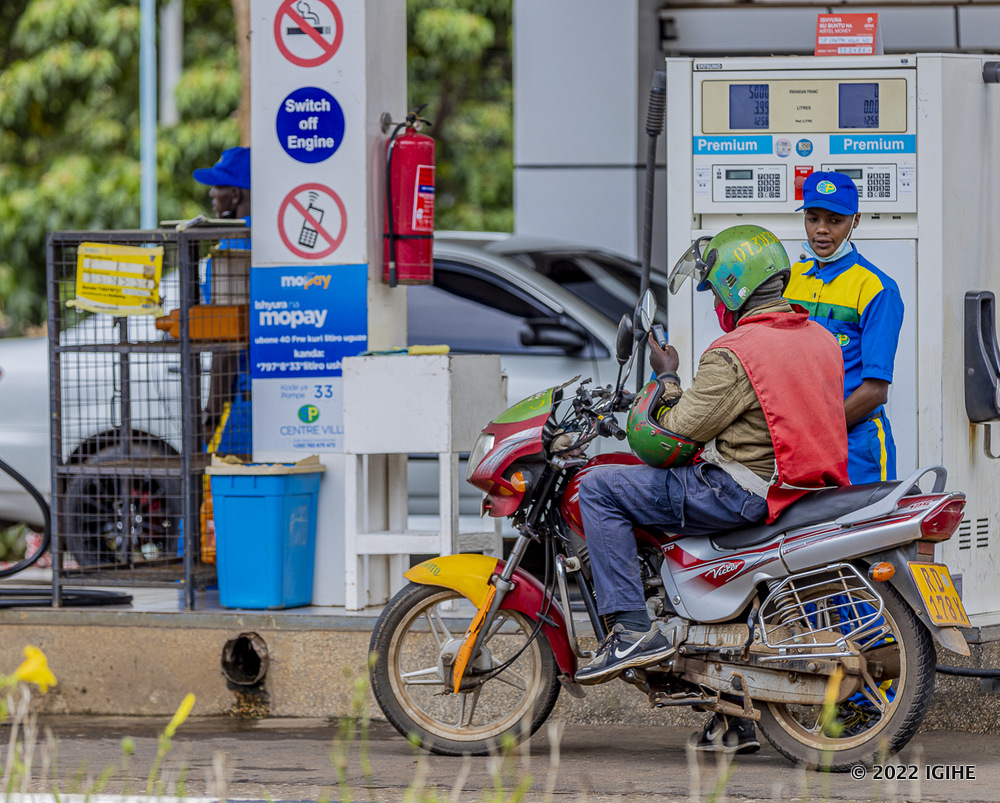
Under the revised prices, a litre of petrol will continue to retail at Rwf2,938, while a litre of diesel has increased from Rwf2,205 to Rwf2,927, representing a rise of Rwf722 per litre.
The new prices were announced on June 5 and will take effect from June 6, 2026, at midnight. The previous fuel price adjustment was made on April 16, 2026.
In a statement, RURA said the latest revision reflects developments on the international market while taking into account government measures aimed at maintaining stability in the petroleum sector and limiting the impact on the economy and consumers.
” Government interventions have helped moderate the increase in pump prices, keeping them below the level that would result from market conditions alone. This support is intended to cushion transport and freight services and reduces broader economic impact,” the statement reads.
The regulator also confirmed that fares for public transport services will remain unchanged.
“Public transport fares will remain unchanged. Government support measures will continue to assist public transport operators in managing high fuel costs and ensure affordable transport services for commuters,” RURA stated.
The authority added that it will continue monitoring developments in international and regional petroleum markets, while ensuring the reliable supply and distribution of fuel across the country.
The sharp increase in global fuel prices has largely been attributed to the ongoing conflict involving the United States, Israel and Iran, which began three months ago.
The conflict has disrupted traffic through the Strait of Hormuz, a critical shipping route through which about 20 percent of the world’s daily petroleum supply passes.
As of June 5, 2026, a barrel of crude oil was reportedly trading between $94 and $95.
A statement issued by the military said Harb was killed in an airstrike carried out last week.
The military said Harb oversaw the assembly and deployment of explosive devices intended to target Israeli soldiers in southern Lebanon, accusing him of involvement in attacks against Israeli forces dating back to the 2006 war with Israel.
It added that the Israeli Air Force struck and destroyed a rocket launcher overnight that had been used by Hezbollah militants to fire rockets toward Israeli troops operating in southern Lebanon.
Hezbollah has not commented on the Israeli claims.
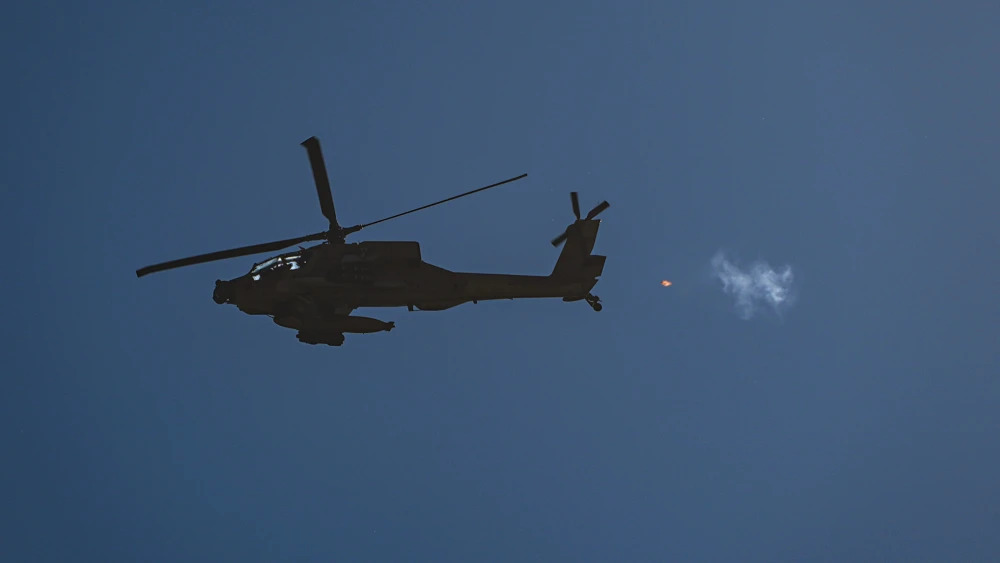
An Israeli Air Force Apache attack helicopter flies above the Lebanon border during an IDF operation on June 4, 2026. The Israel Defense Forces said Friday that it had killed the head of Hezbollah’s engineering unit, Abed Harb.
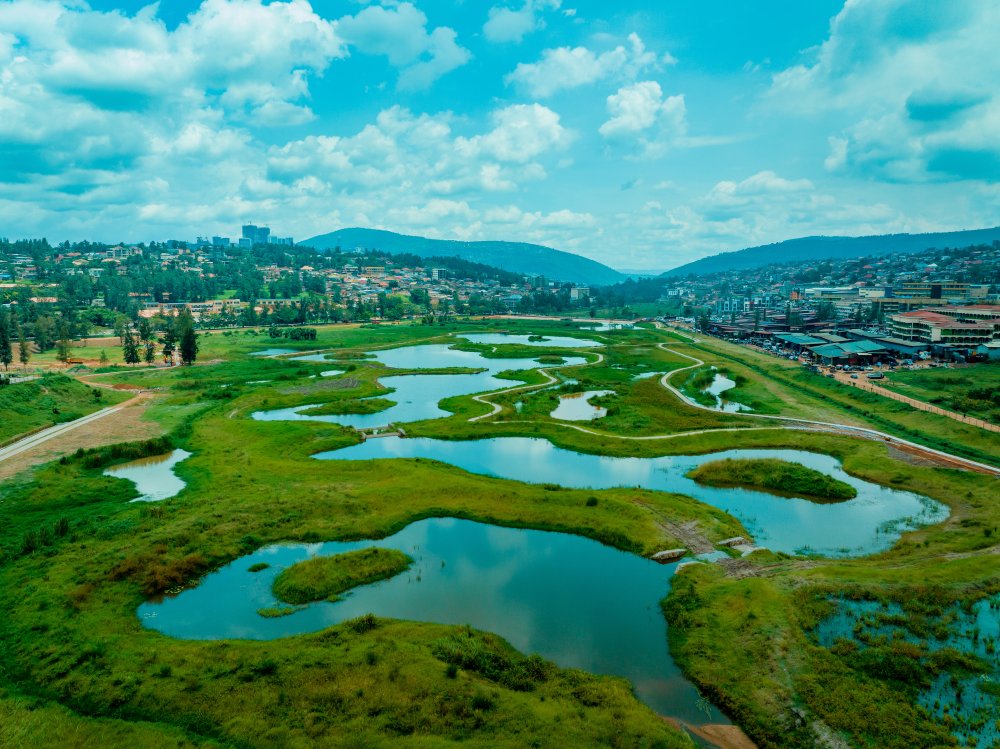
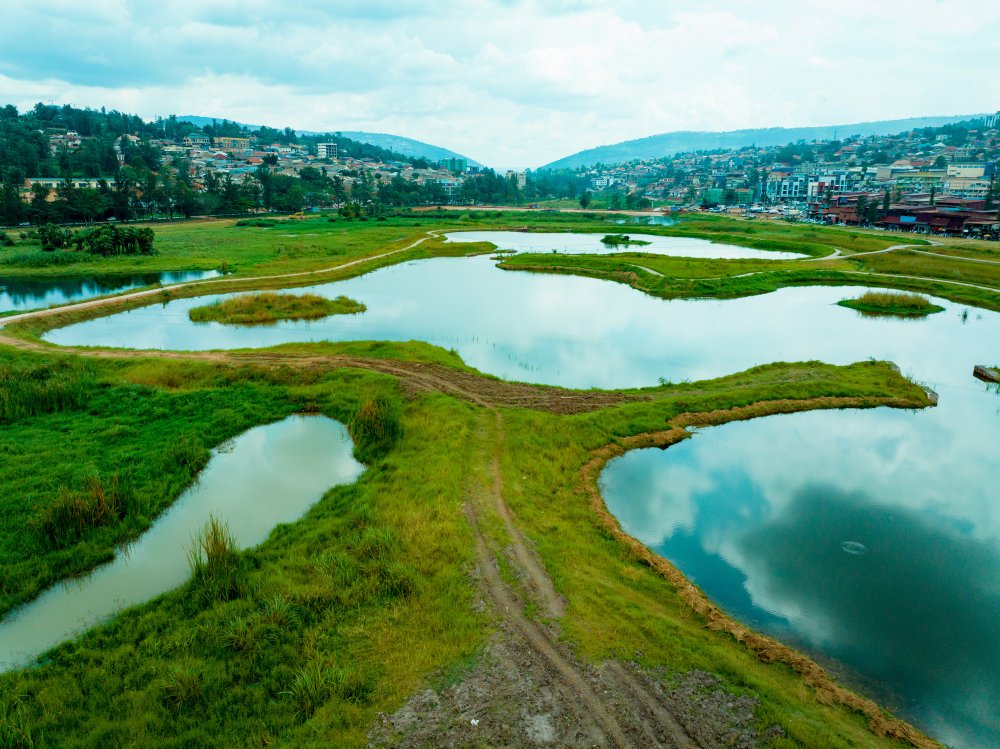
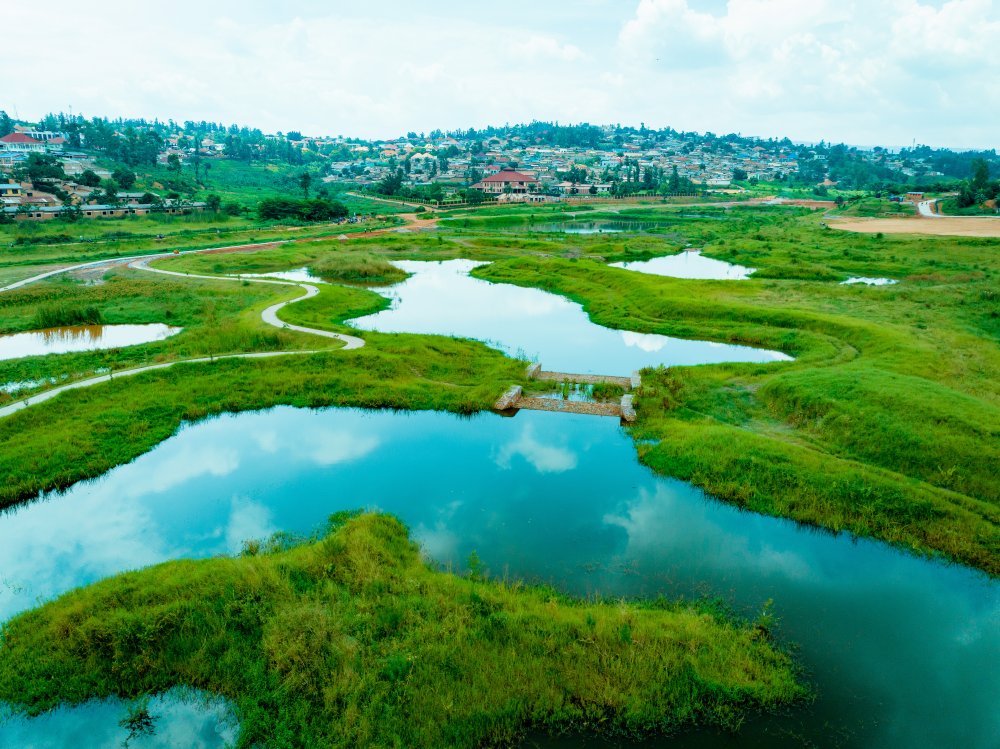
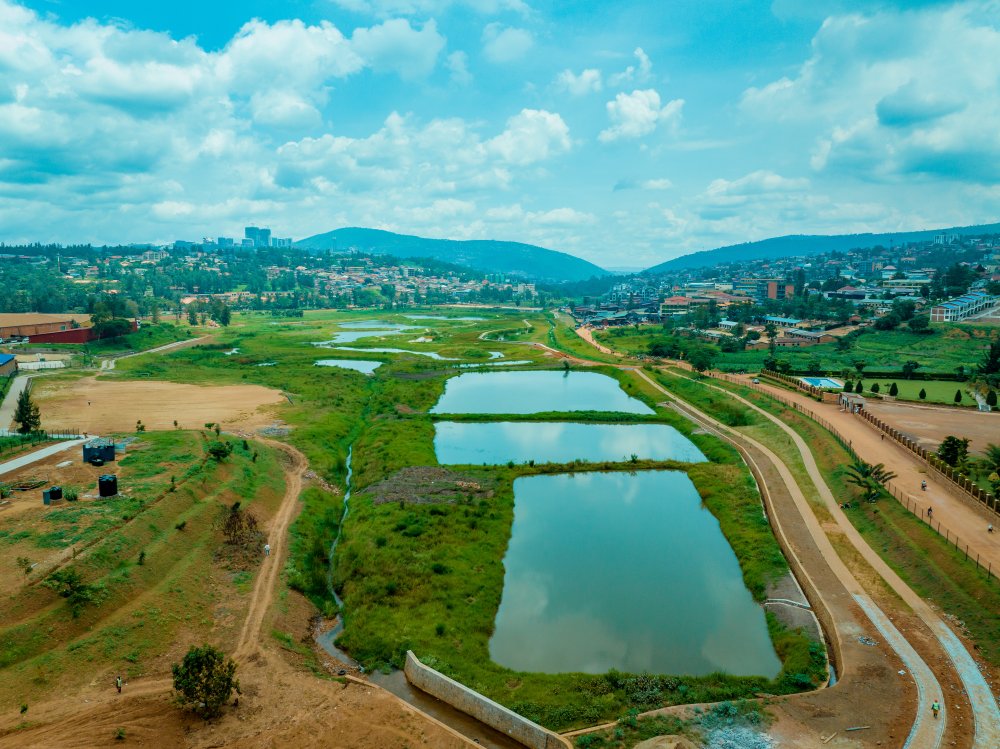
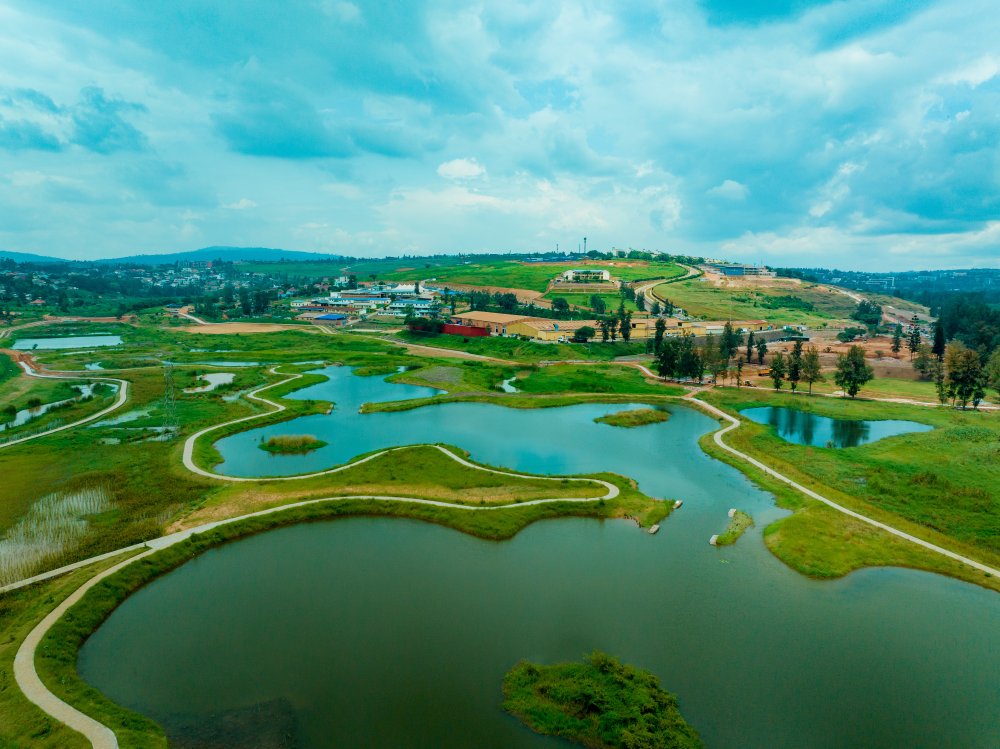
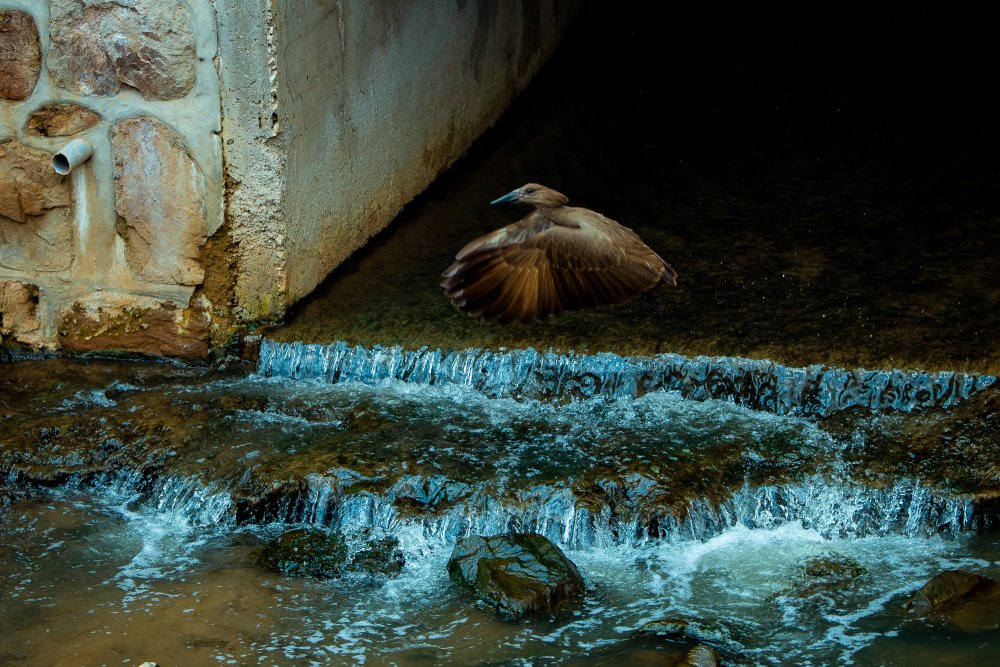
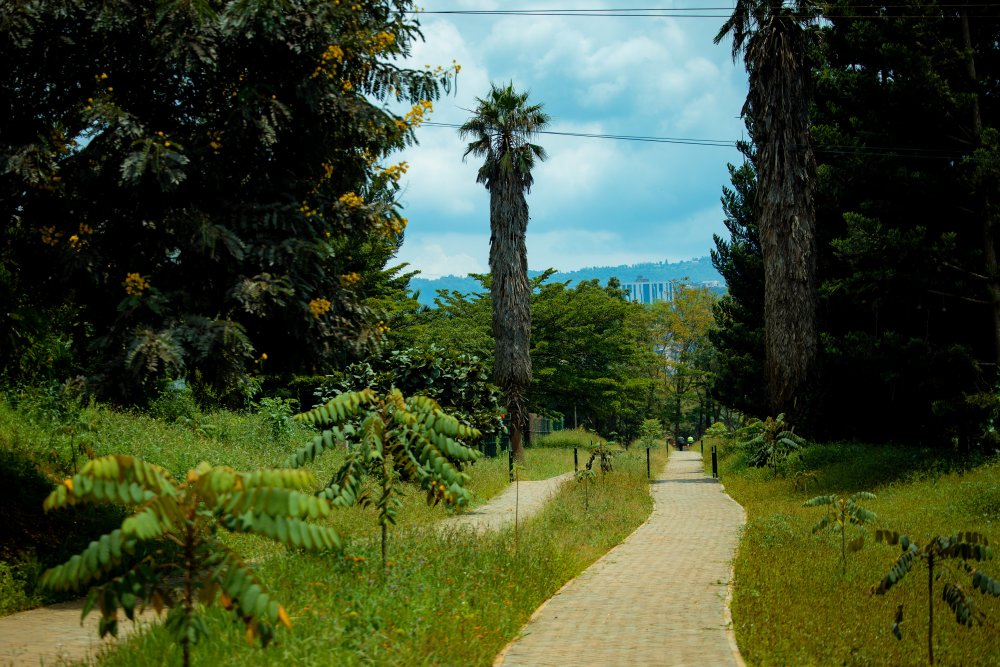
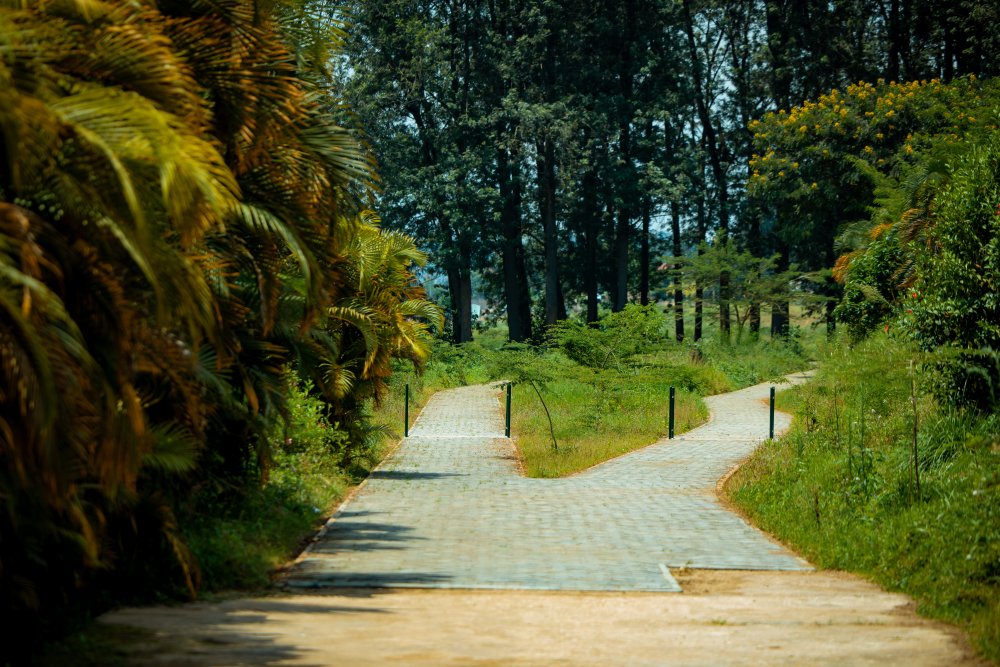
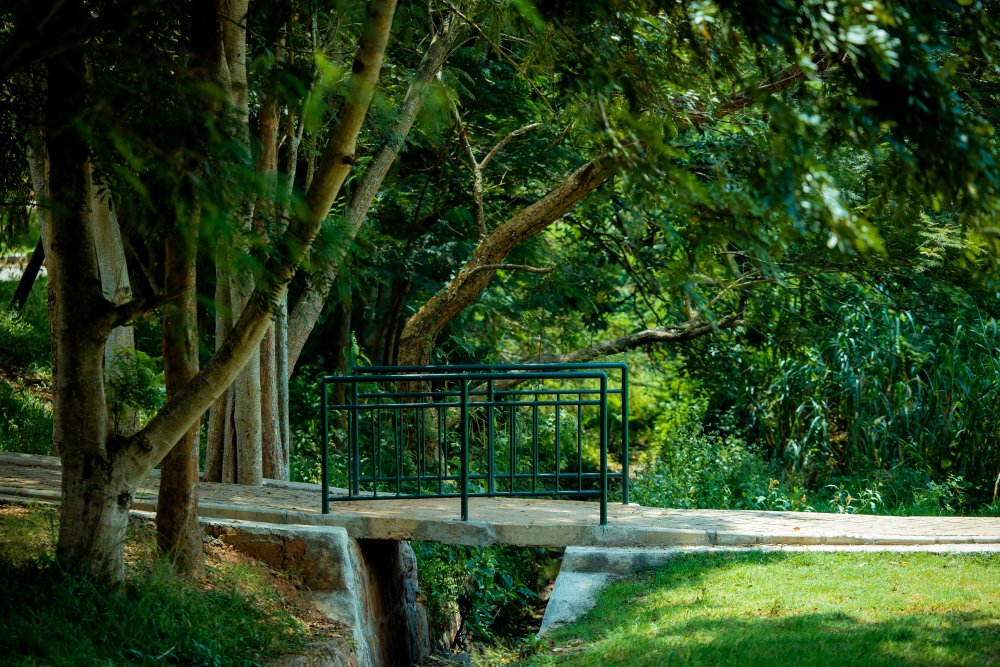
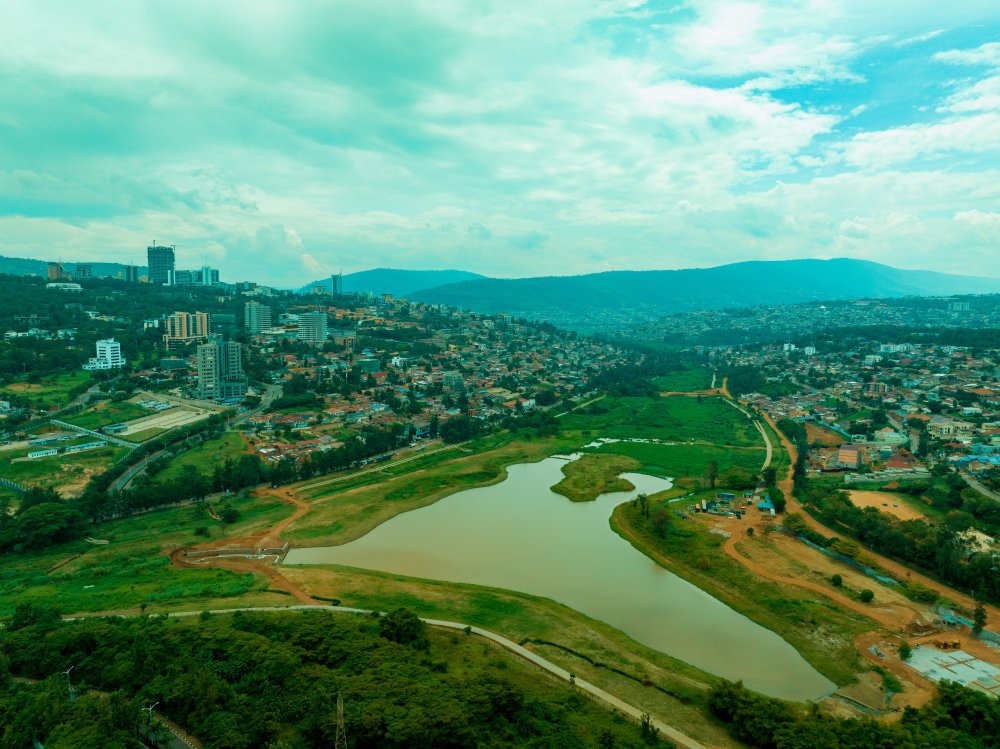
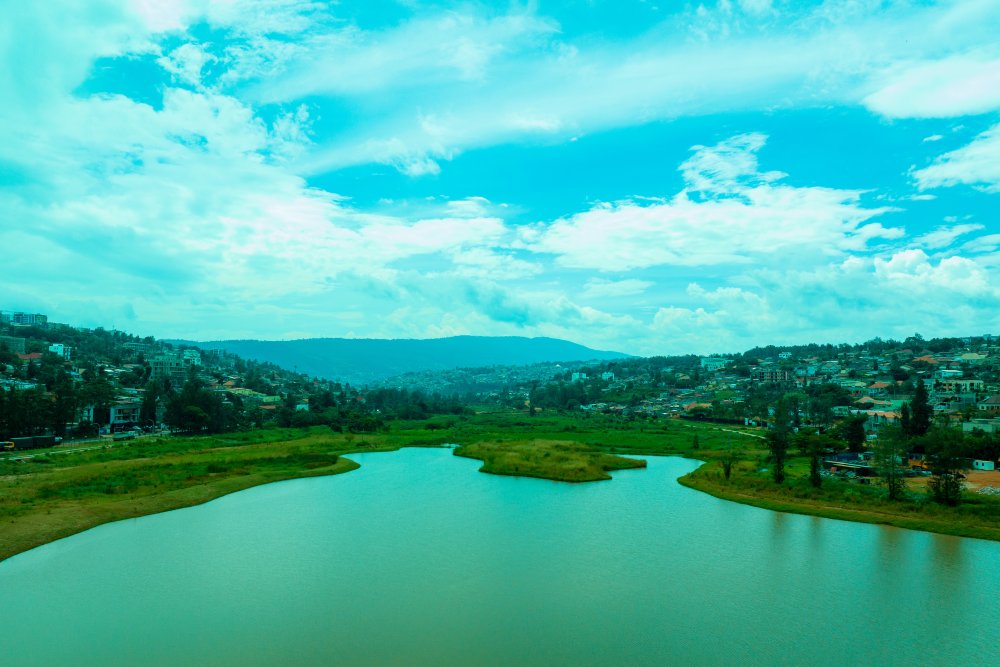
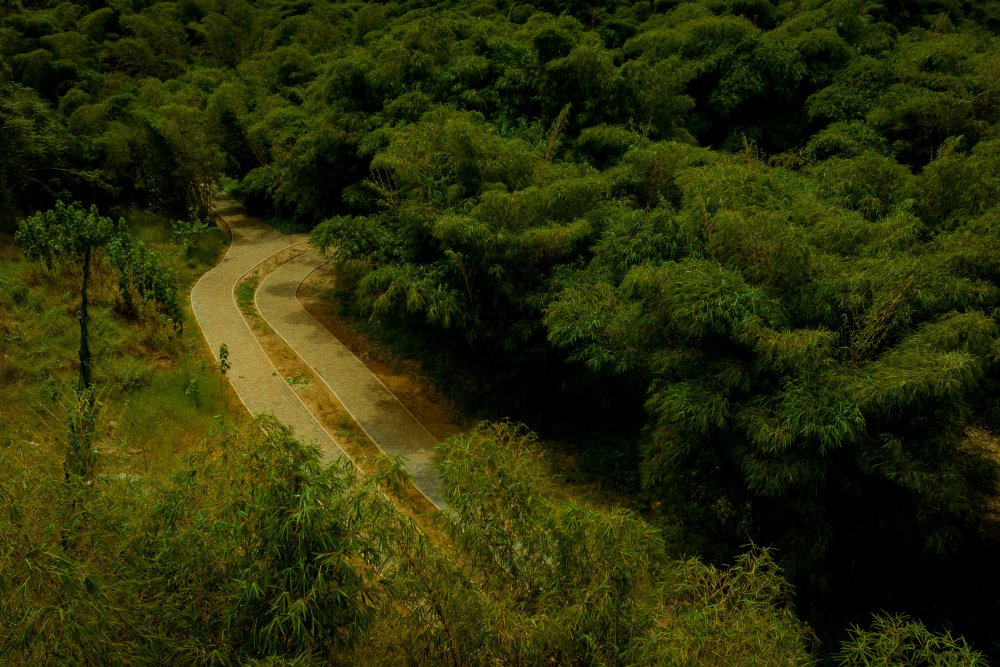
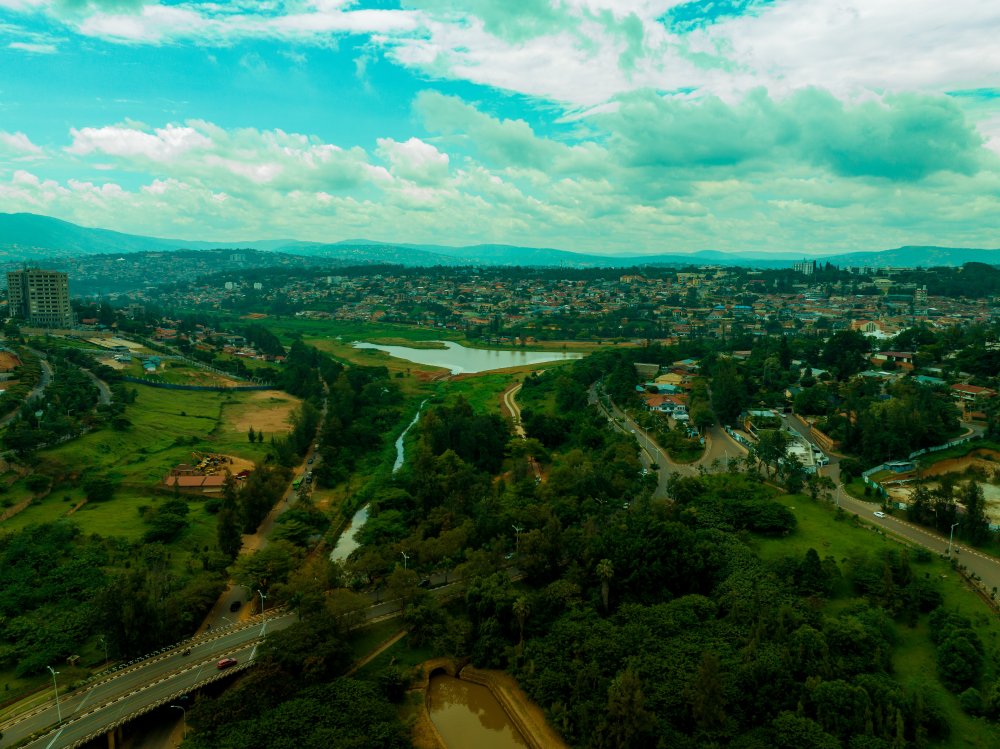
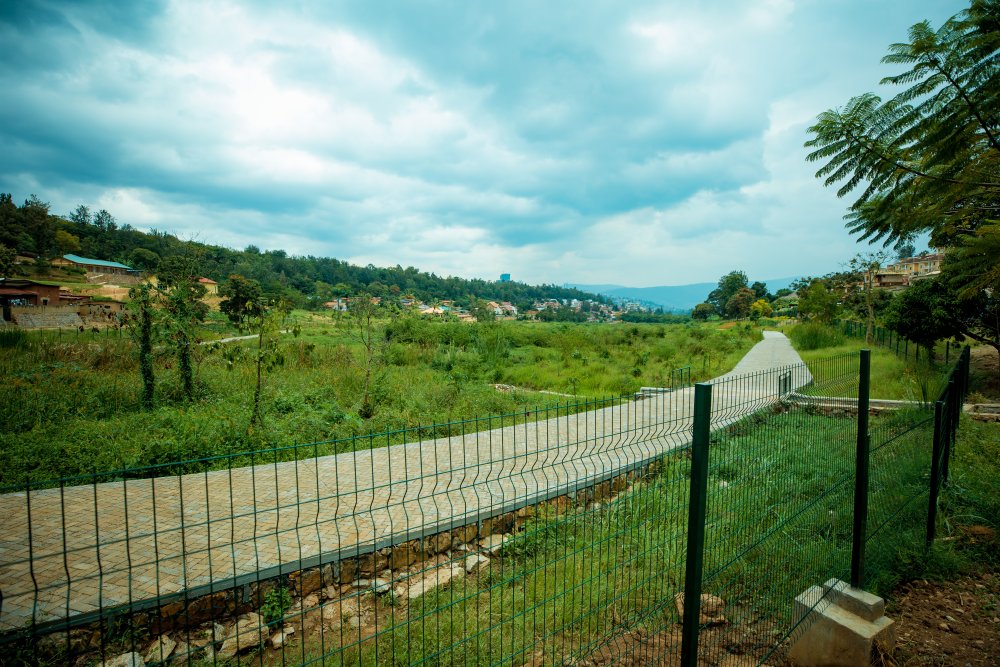
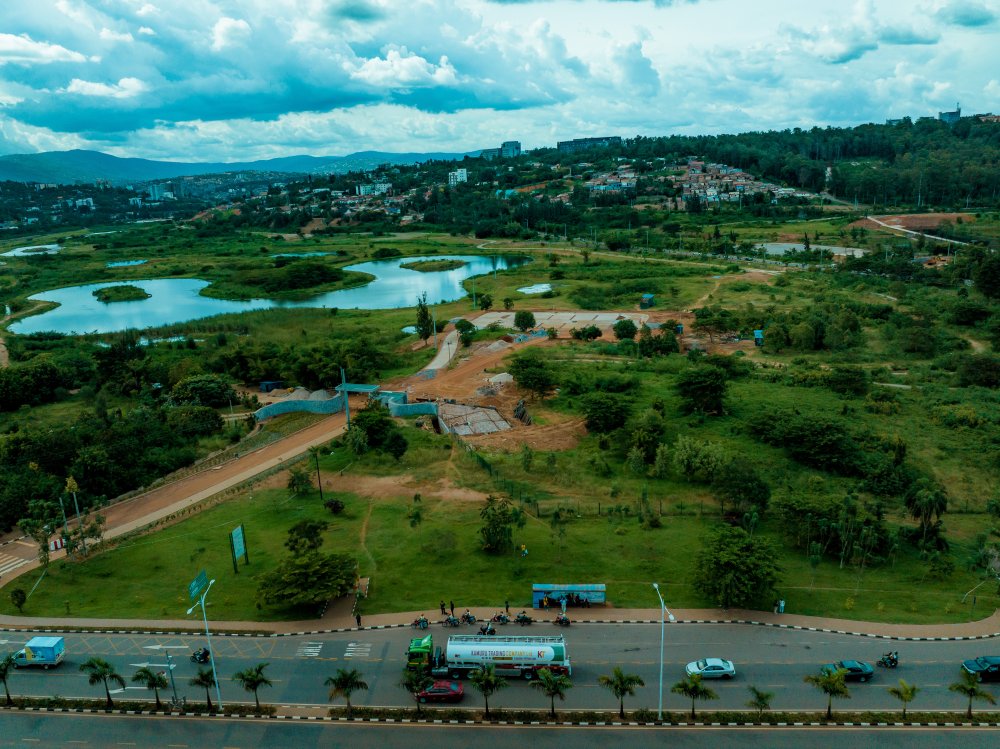
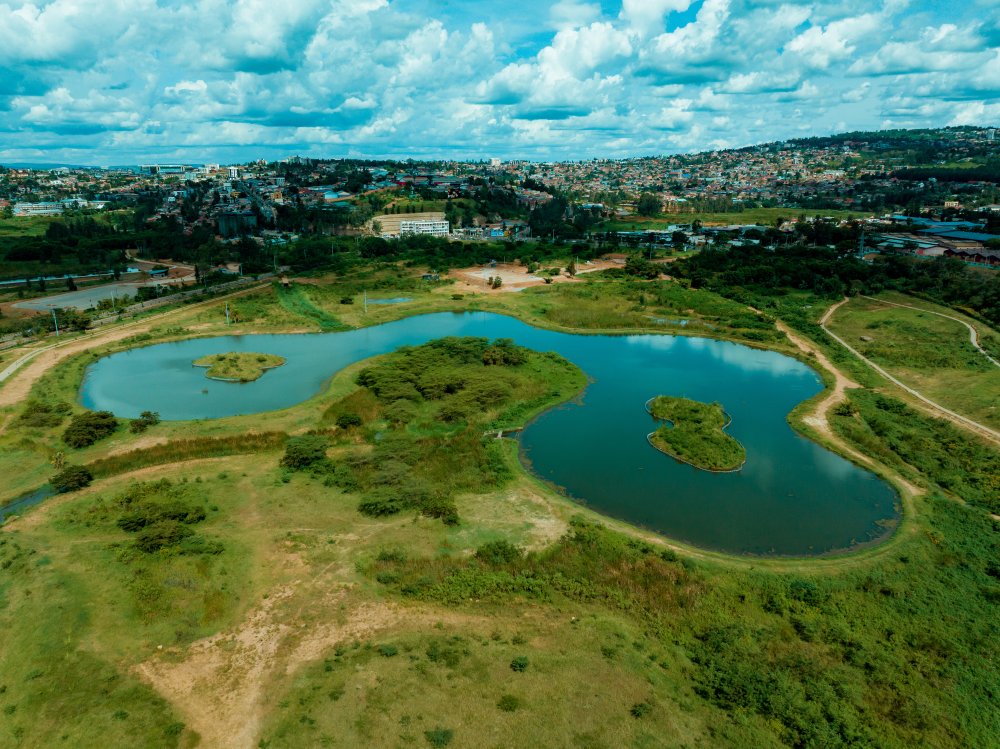
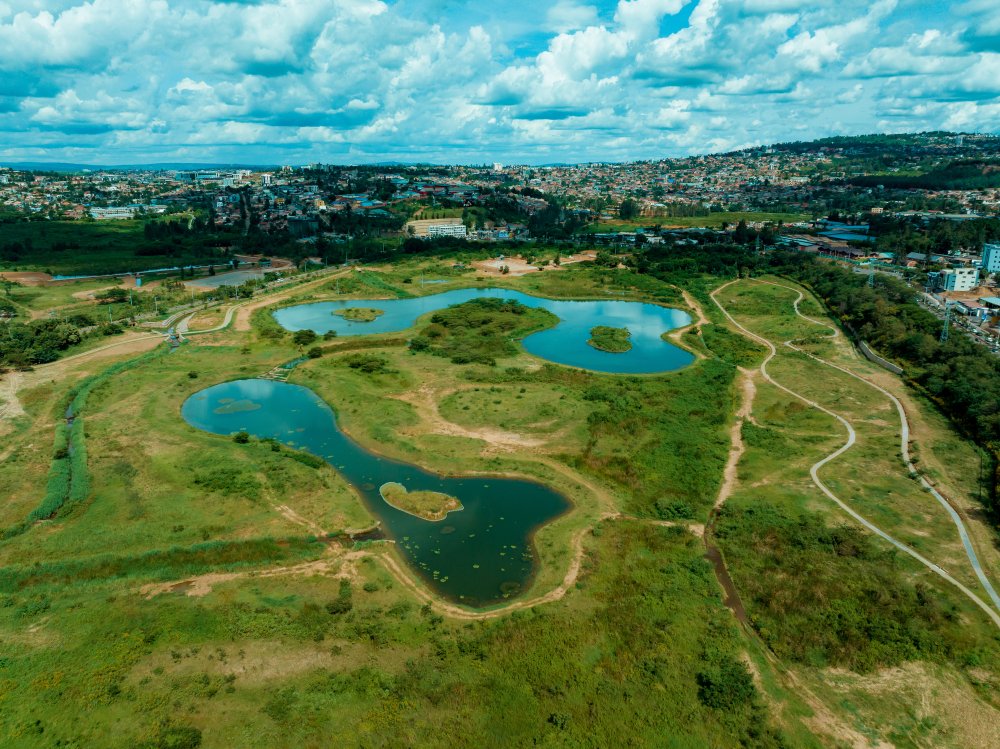
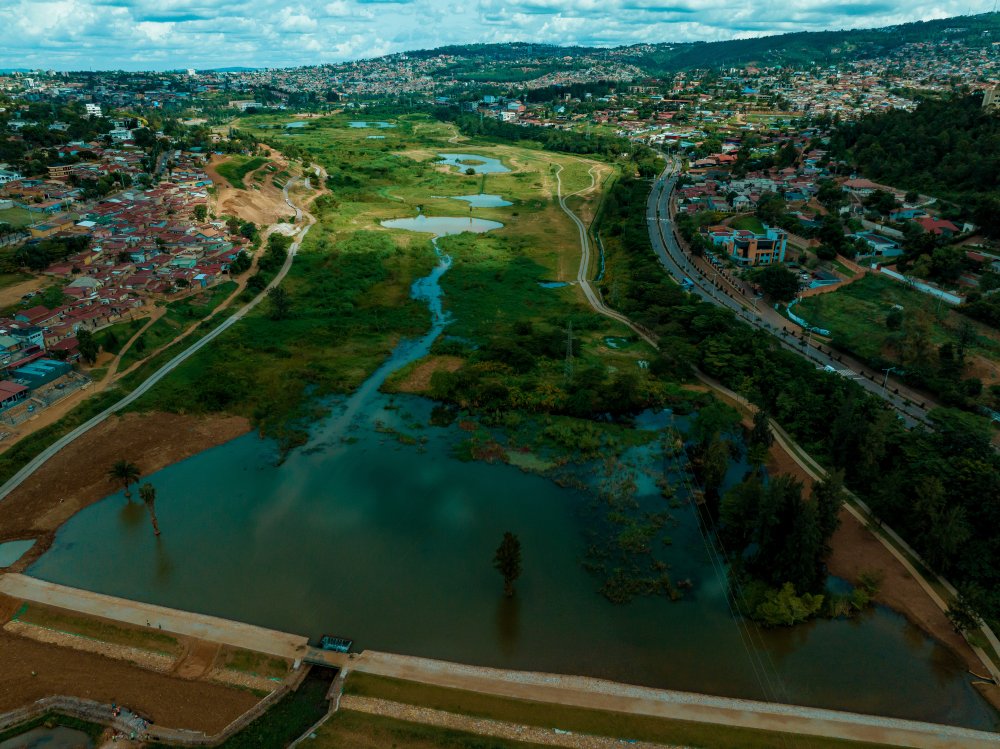
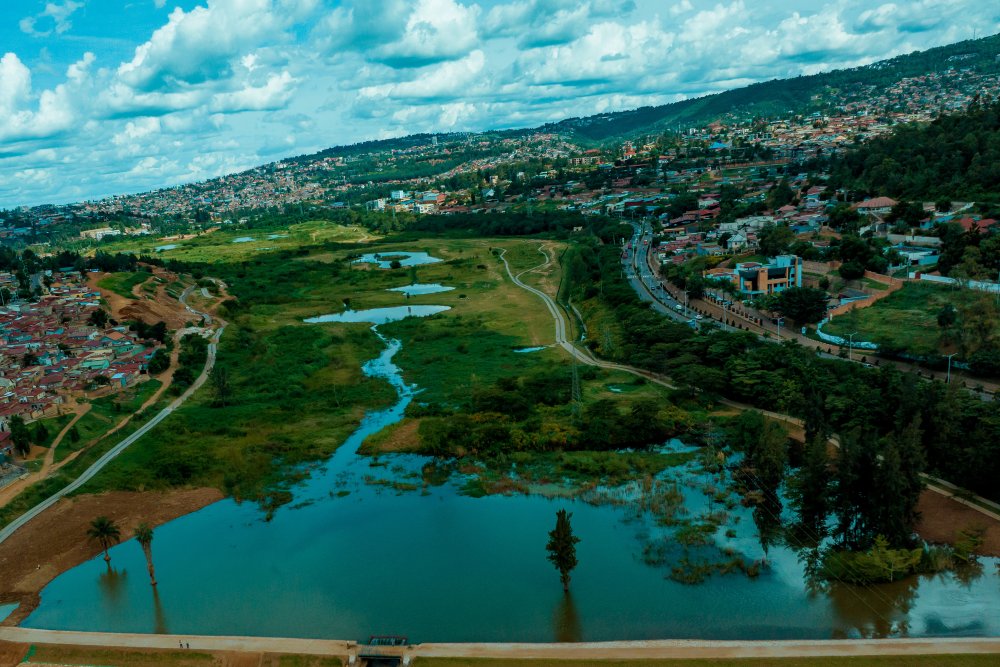
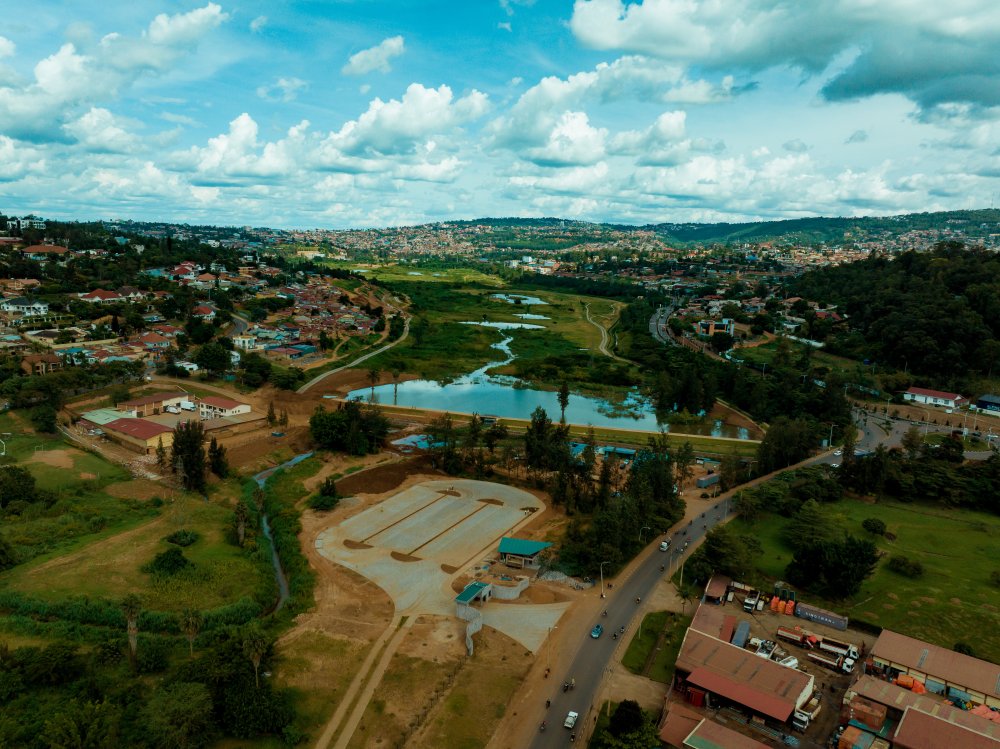
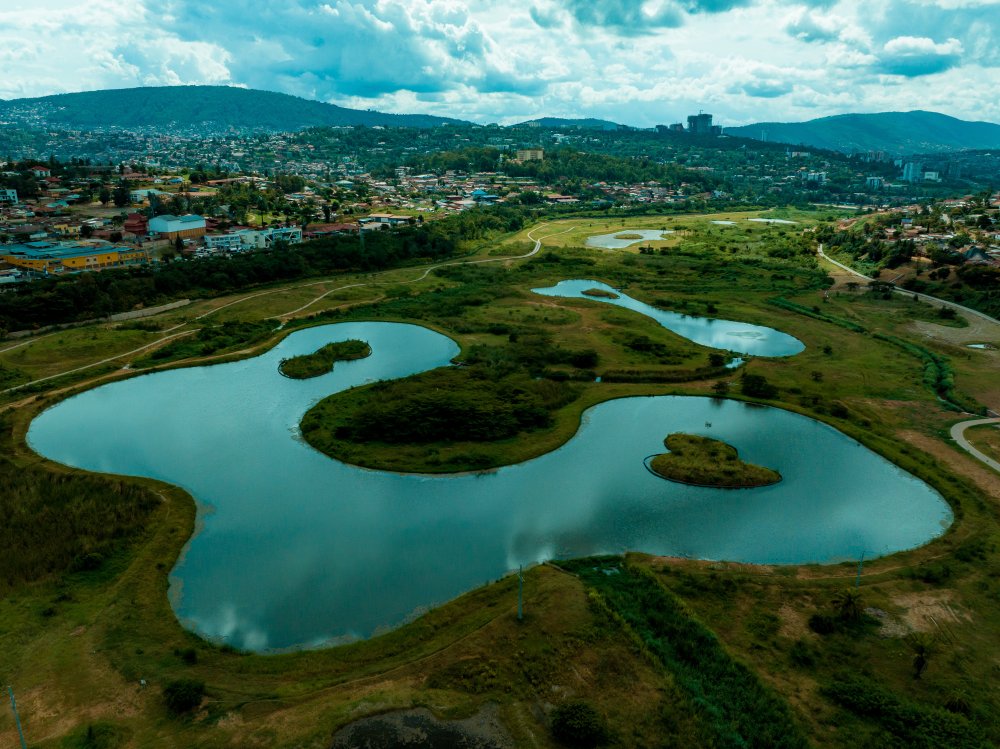
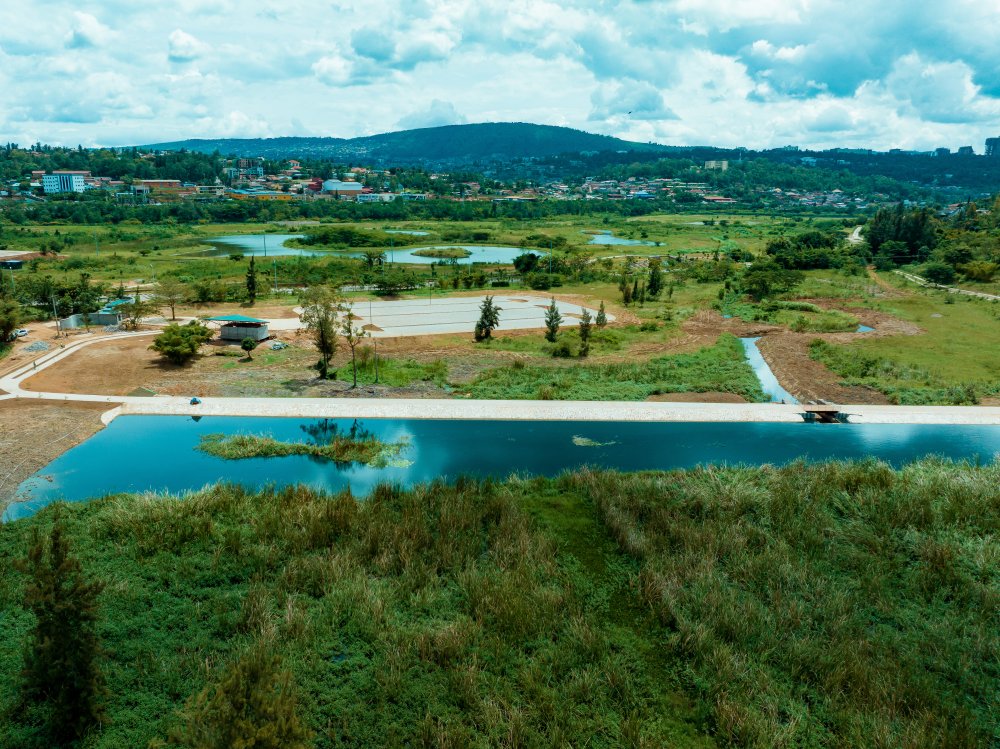
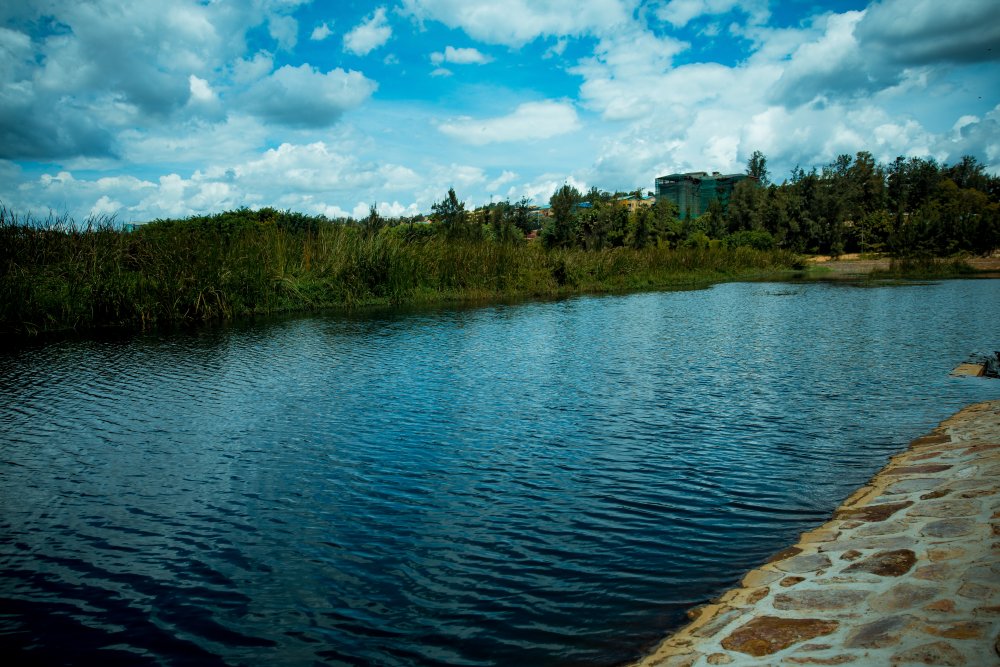
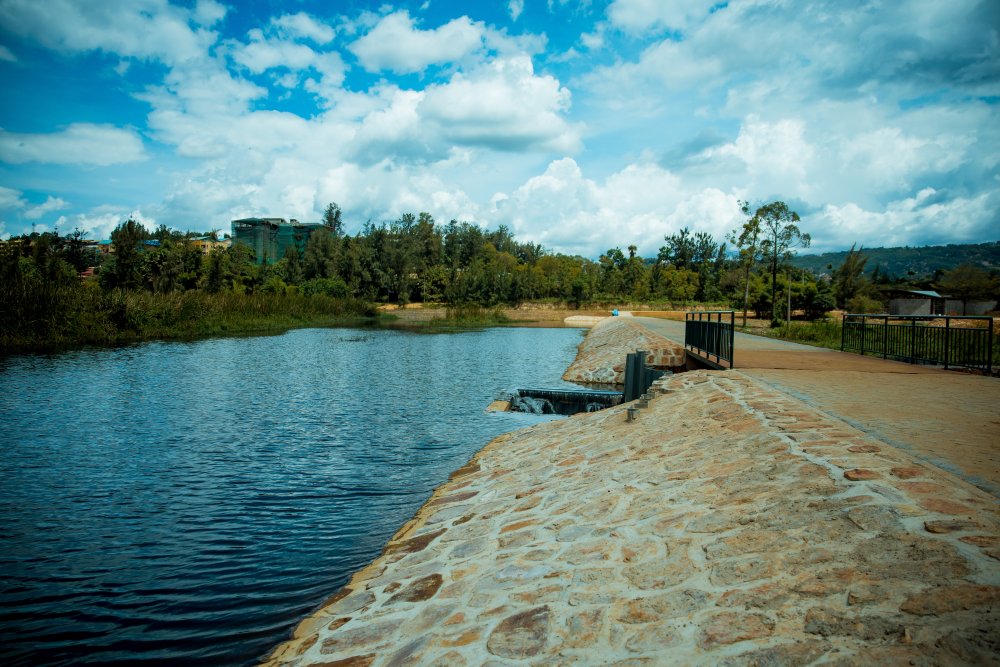
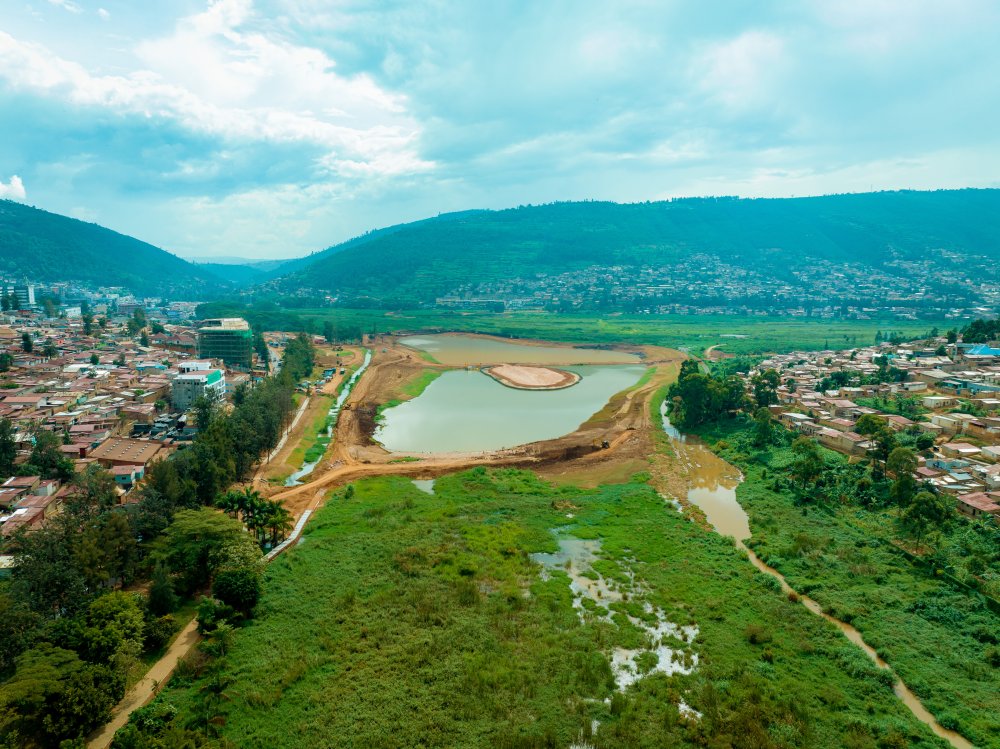
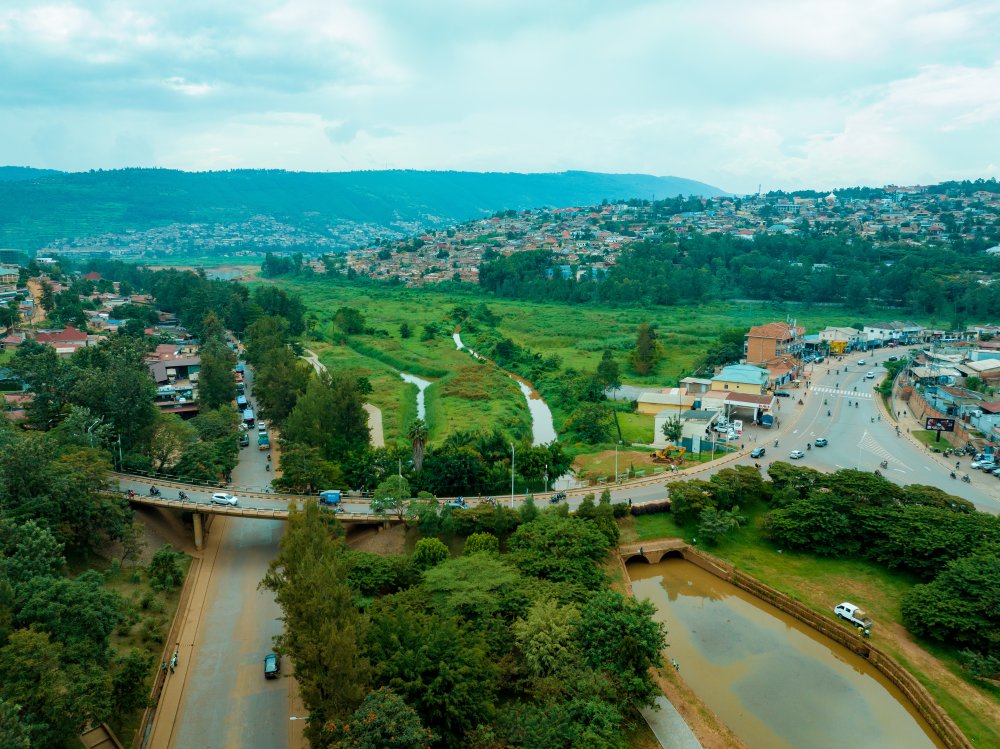
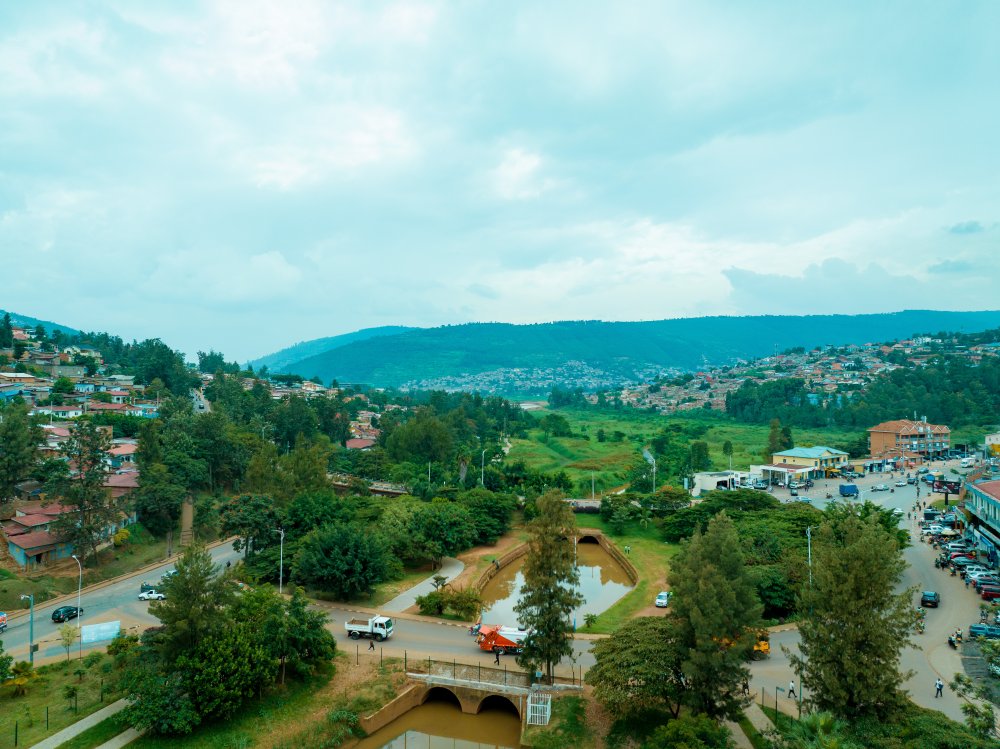
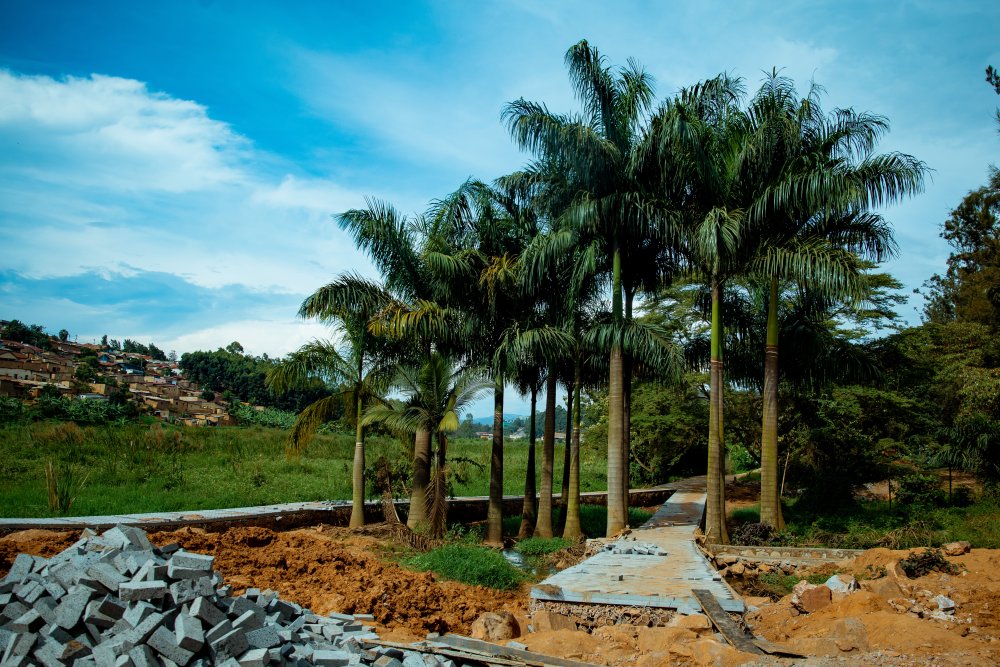
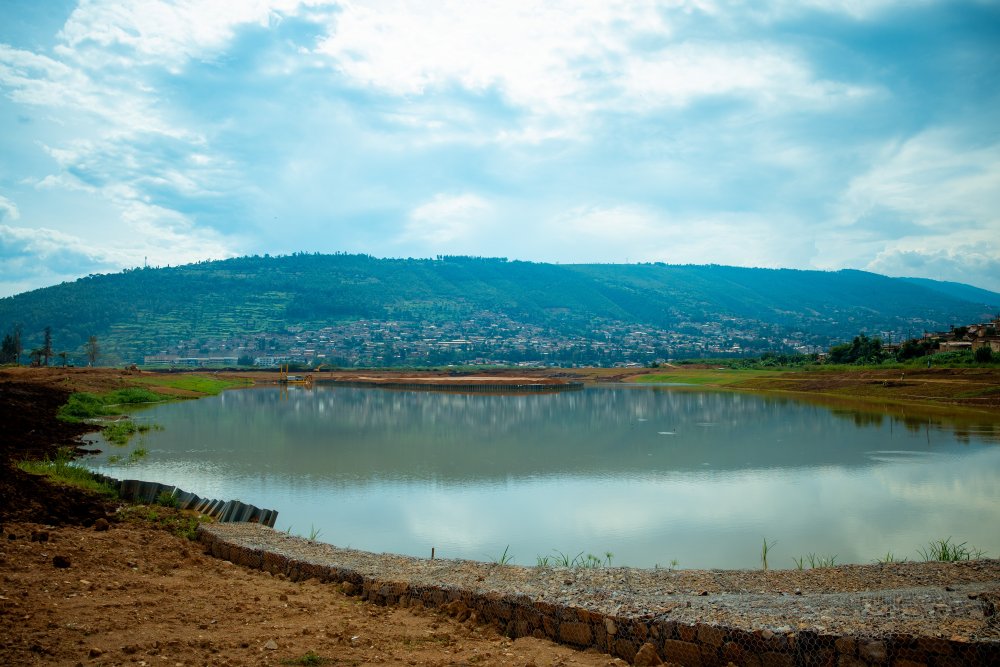
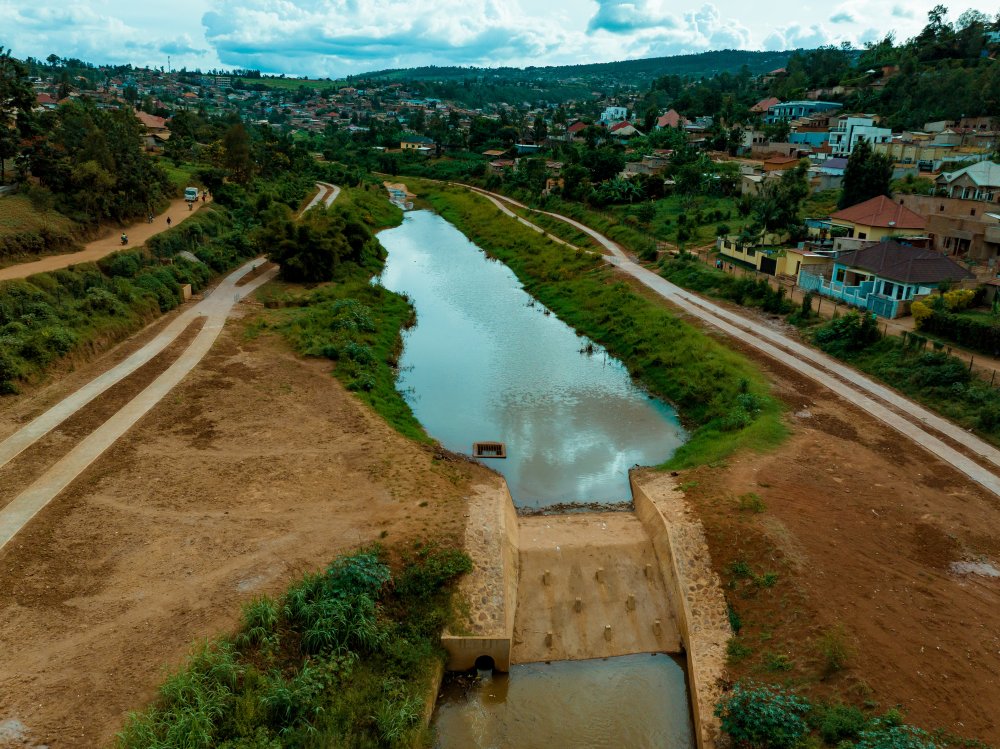
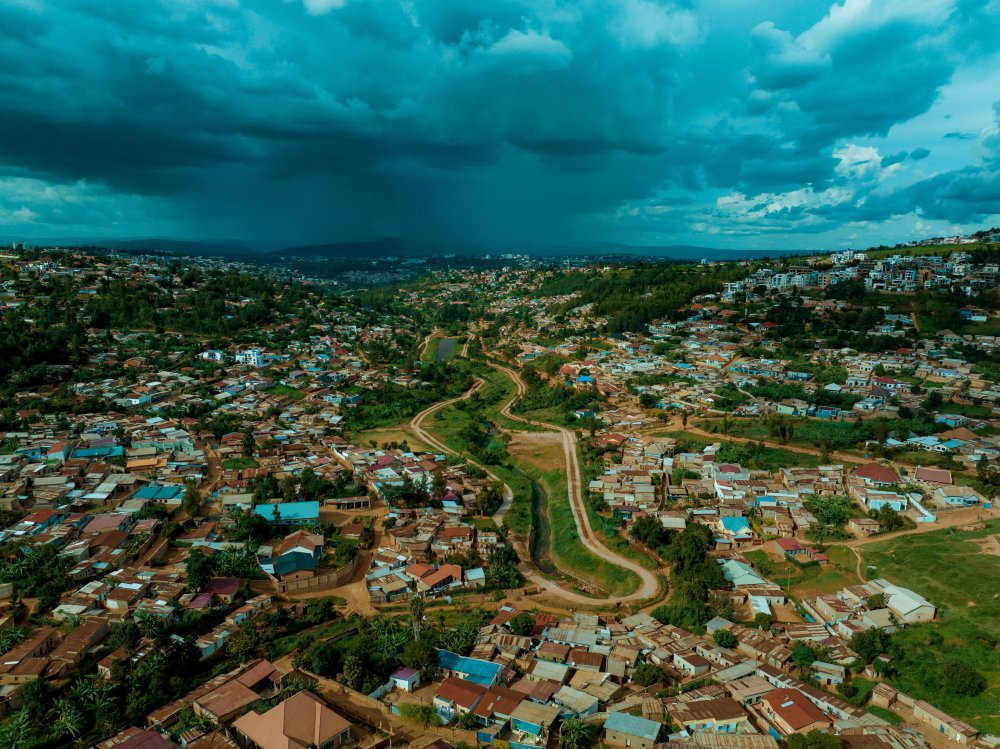
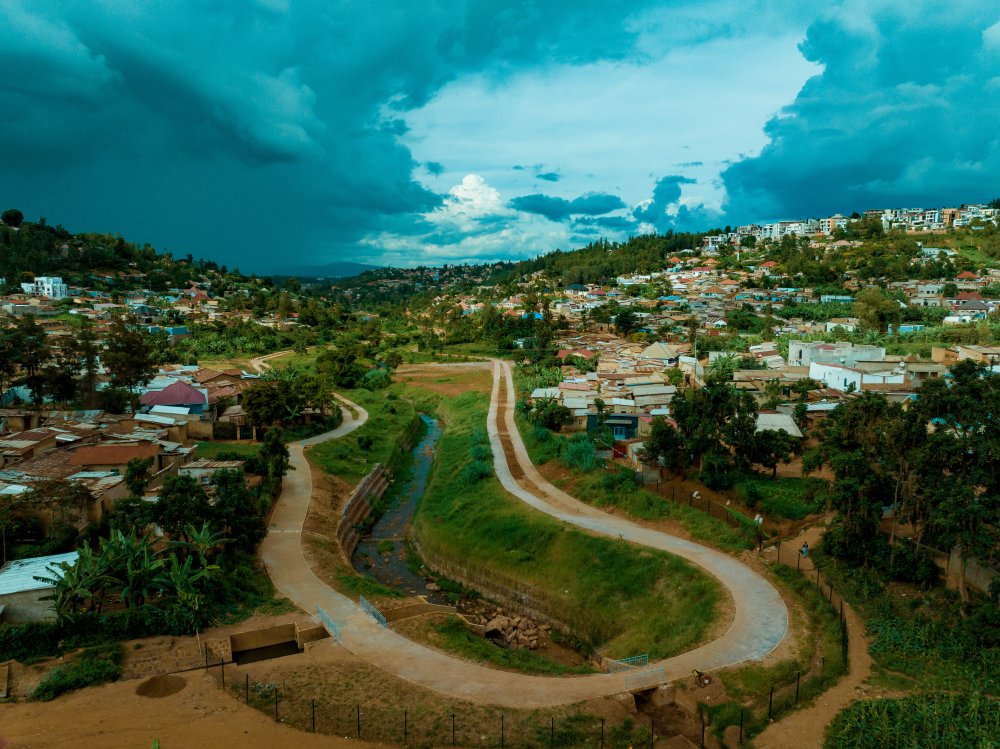
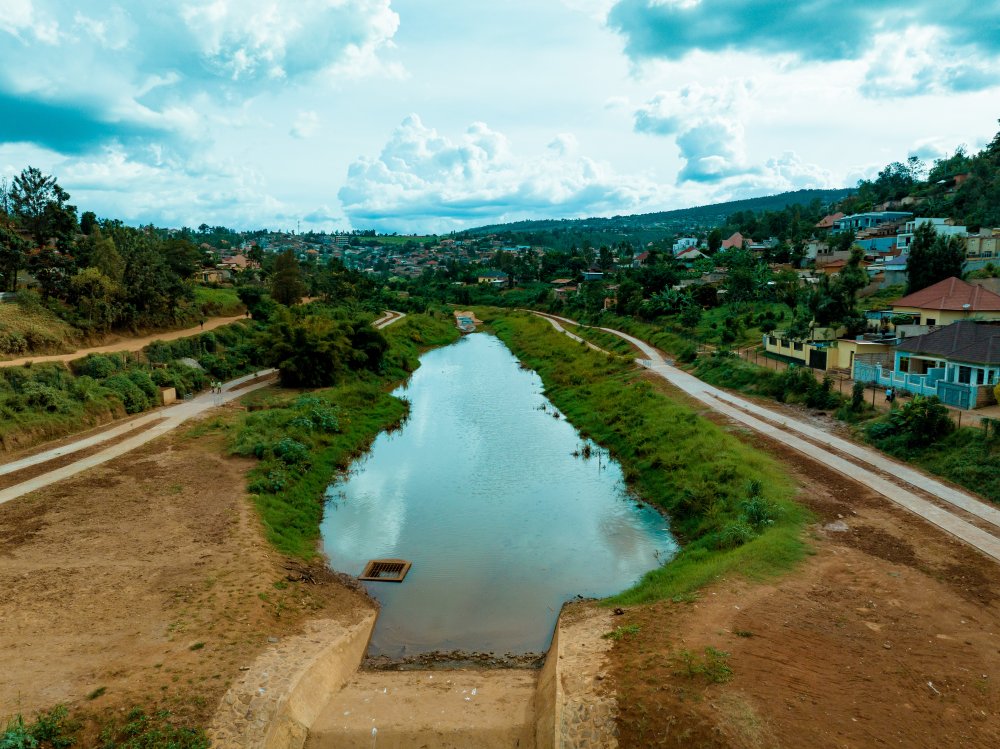
The initiative is expected to play a key role in environmental protection, flood mitigation, biodiversity conservation, improving air quality, and creating new recreational spaces for residents.
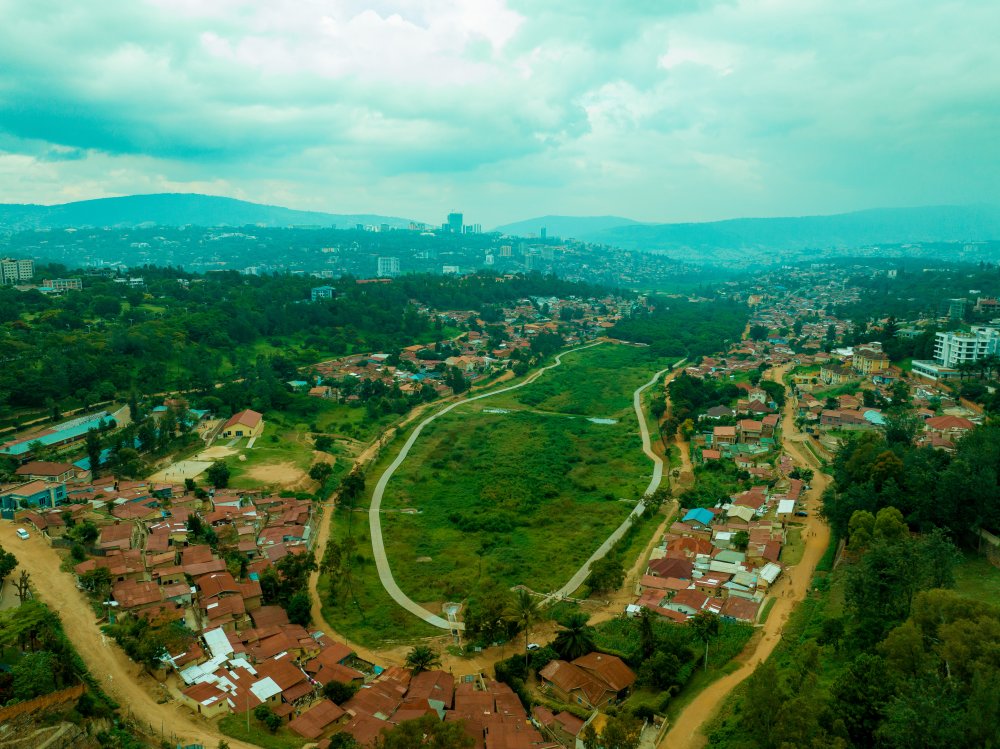
The wetlands under restoration include Gikondo (162 hectares), Nyabugogo (131 hectares), Kibumba (68 hectares), Rwampara (65 hectares), and Rugenge-Rwintare (65 hectares). Together, they cover a total area of 491 hectares and are expected to significantly transform Kigali’s urban landscape.
In a statement issued on Thursday, MININFRA announced that implementation of the first phase of the project had reached 94 percent.
Information obtained by IGIHE indicates that the remaining six percent of the work includes the construction of visitor information facilities that will be used by staff assisting tourists and visitors, as well as final landscaping and beautification activities.
While overall progress stands at 94 percent, implementation levels vary across the five wetlands. Rwampara is closest to completion, while Nyabugogo remains the least advanced due to ongoing works related to the development of lakefront areas.
Construction of sports facilities planned within some of the wetlands has also advanced considerably.
The entire project is expected to be completed by August 2026.
The restoration works are being carried out by Real Contractors Limited in partnership with NPD, another construction company operating in Rwanda.
Distinct identities for each wetland
Each wetland has been assigned a unique theme and purpose.
Gikondo Wetland is being developed as a tourism and leisure destination, showcasing Rwanda’s natural attractions. The site will feature libraries, restaurants, and dedicated relaxation areas.
Rugenge-Rwintare Wetland will host a five-hectare water reservoir that collects runoff from the Rwampara and Gikondo wetlands. The site is intended to highlight Rwanda’s progress in environmental conservation.
Kibumba Wetland is being developed around fisheries and aquatic ecosystems. It will include a series of ponds, flower gardens, and an exhibition facility dedicated to Rwanda’s fishing sector.
Meanwhile, Nyabugogo Wetland is being positioned as a center for research and education on biodiversity conservation and ecosystem protection.
Supporting climate resilience and urban well-being
Beyond their environmental role, the wetlands are expected to help address flooding in Kigali, preserve biodiversity, and naturally filter water flowing into the ecosystem.
Once completed, the wetlands will feature a combined 61.5 kilometres of pedestrian and cycling paths. Gikondo will have 16.9 kilometres of trails, Rugenge-Rwintare 15.5 kilometres, and Rwampara 10 kilometres.
The sites are also being designed as recreational and sports hubs to provide residents with spaces for leisure and physical activity.
Planned sports facilities
Kibumba Wetland will accommodate two football pitches, while Gikondo will have one and Rwampara two.
Basketball facilities will include two courts at Kibumba, one at Gikondo, and one at Rugenge-Rwintare.
Volleyball infrastructure will comprise two courts at Kibumba, one at Gikondo, and one at Rugenge-Rwintare.
Handball courts will be established at both Gikondo and Rwampara, with one court at each site.
With completion targeted for August 2026, the restored wetlands are expected to become key environmental, educational, tourism, and recreational assets for Kigali.
To address these challenges, the Rwanda Internet Community and Technology Alliance (RICTA), in partnership with the Internet Society (ISOC) Rwanda Chapter, NetFella, and the Internet Society Foundation, has launched an Online Trust and Safety Training programme aimed at equipping women entrepreneurs with the skills needed to navigate the digital space safely.
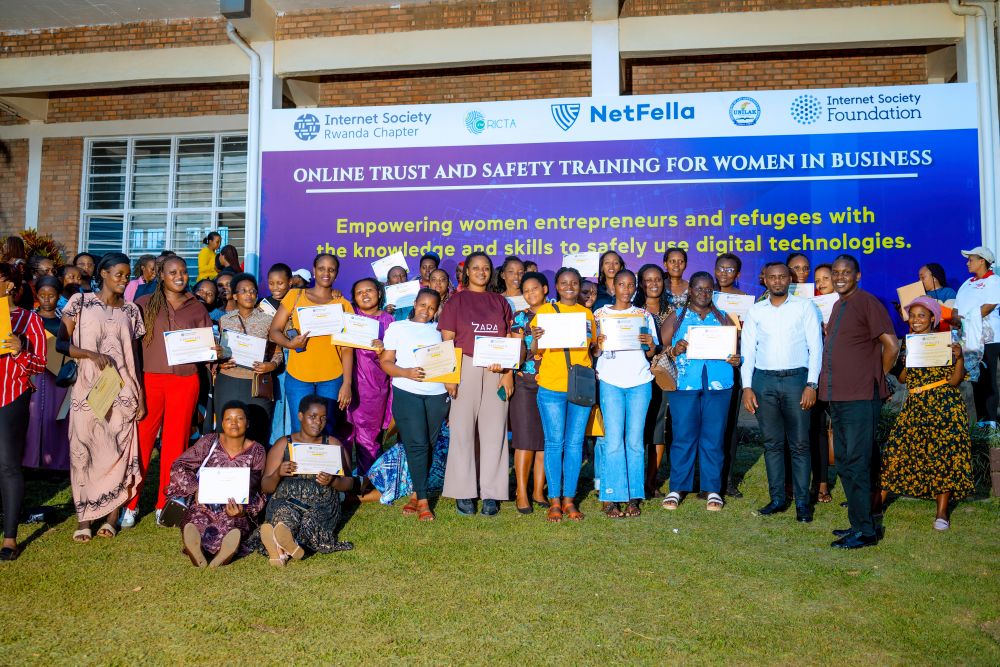
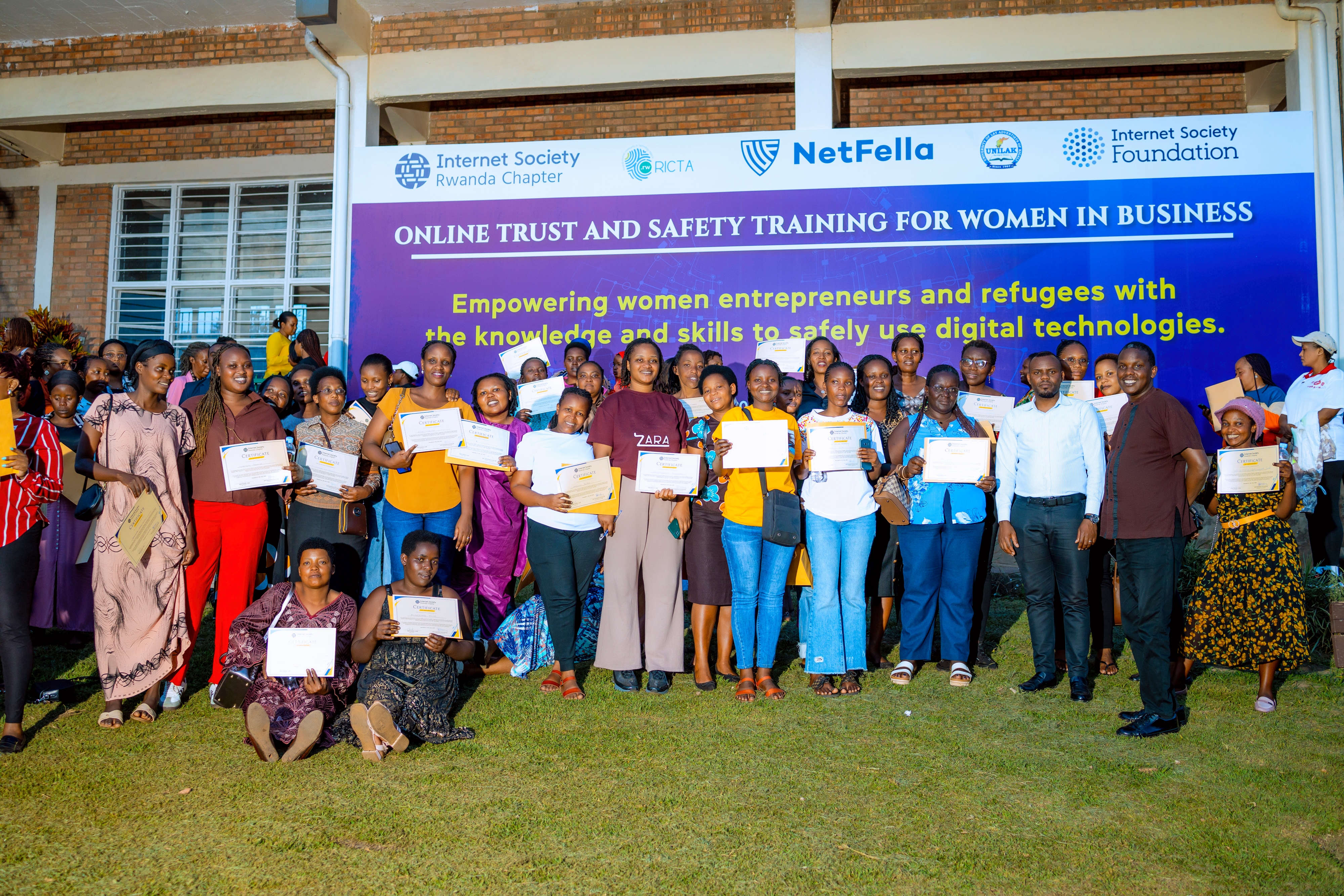
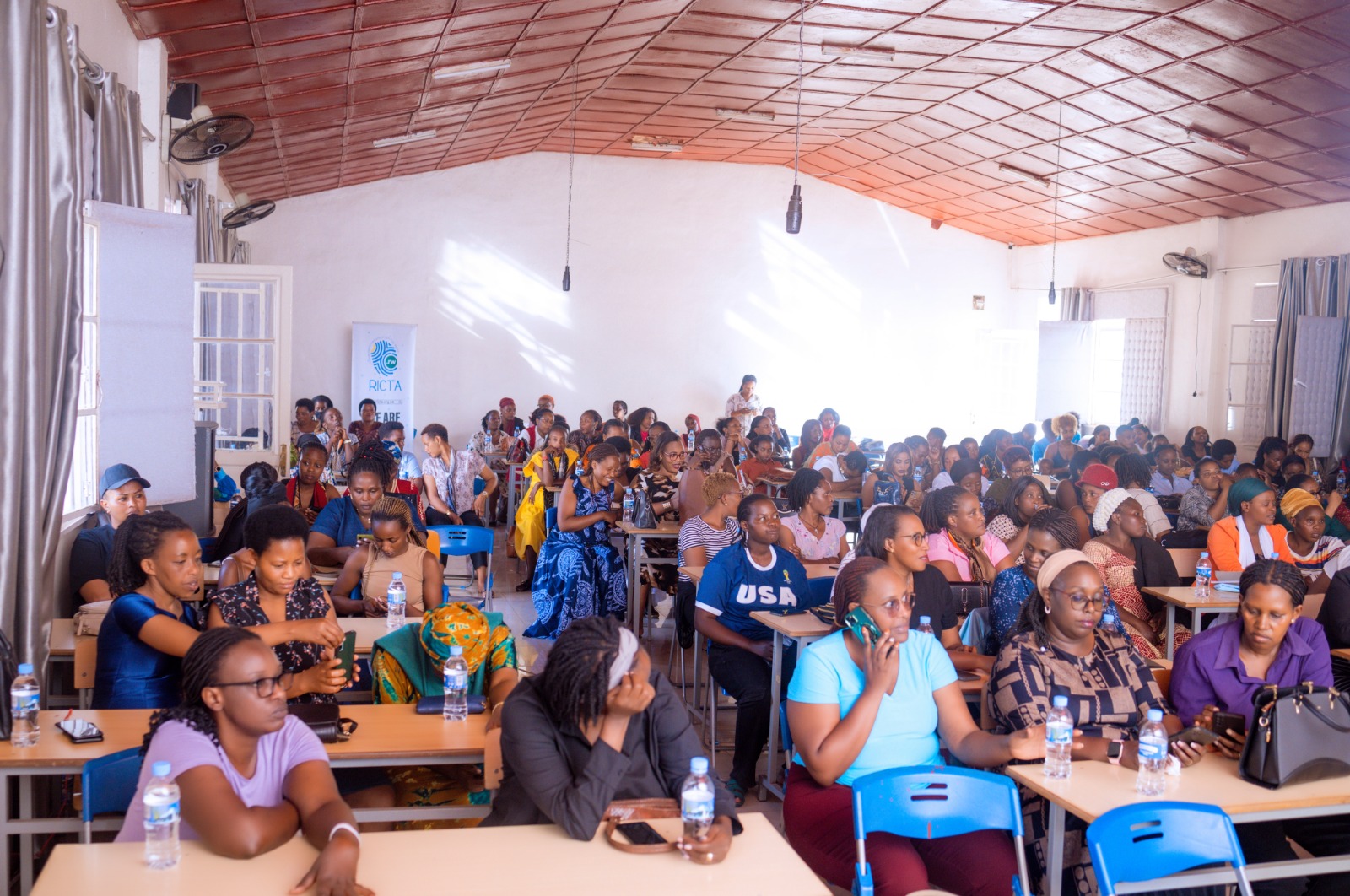
The first cohort of the programme graduated on Thursday, June 4, at the University of Lay Adventists of Kigali (UNILAK), having received practical training on online safety, data protection, cybersecurity, responsible use of social media, and identifying online scams.
The four-day training forms part of a broader initiative targeting 500 beneficiaries, including women entrepreneurs and refugees in Mahama Refugee Camp, as Rwanda continues its journey towards a digital economy.
Speaking during the event, Geoffrey Karegeya, Business Development and Partnership Manager at RICTA, said the programme responds to the growing need for online safety among business owners who increasingly rely on digital platforms for commerce.
“We have trained more than 500 women through our digital marketing programme since 2022. We realised that as more women move their businesses online, they also become more exposed to cyber risks. This training equips them with the skills to identify scammers, protect themselves, and conduct online transactions safely,” he said.
RICTA is the official registry responsible for managing and administering the .rw country-code top-level domain (ccTLD). Formed in 2005, RICTA operates as a not-for-profit organisation representing the Rwandan internet community, with a mandate granted by the Rwanda Utilities Regulatory Authority (RURA).
Karegeya noted that many participants had previously experienced online fraud or encountered suspicious transactions, highlighting the importance of strengthening digital trust and safety skills among internet users.
The initiative builds on efforts that began in 2020 under the Internet Society Rwanda Chapter, initially targeting young people before expanding to women entrepreneurs. RICTA joined the effort in 2022 through its digital marketing programme for women in business.
According to Emmanuel Mfitumukiza, Chairperson of the Internet Society Rwanda Chapter, the training comes at a critical time as more people gain internet access and increasingly depend on digital services.
“With the rise of artificial intelligence, social media use, and online commerce, new risks continue to emerge. We are seeing cases of financial fraud, identity theft, misinformation, disinformation, and data breaches. Women entrepreneurs are among the groups most exposed because of the multiple responsibilities they balance while running businesses,” he said.
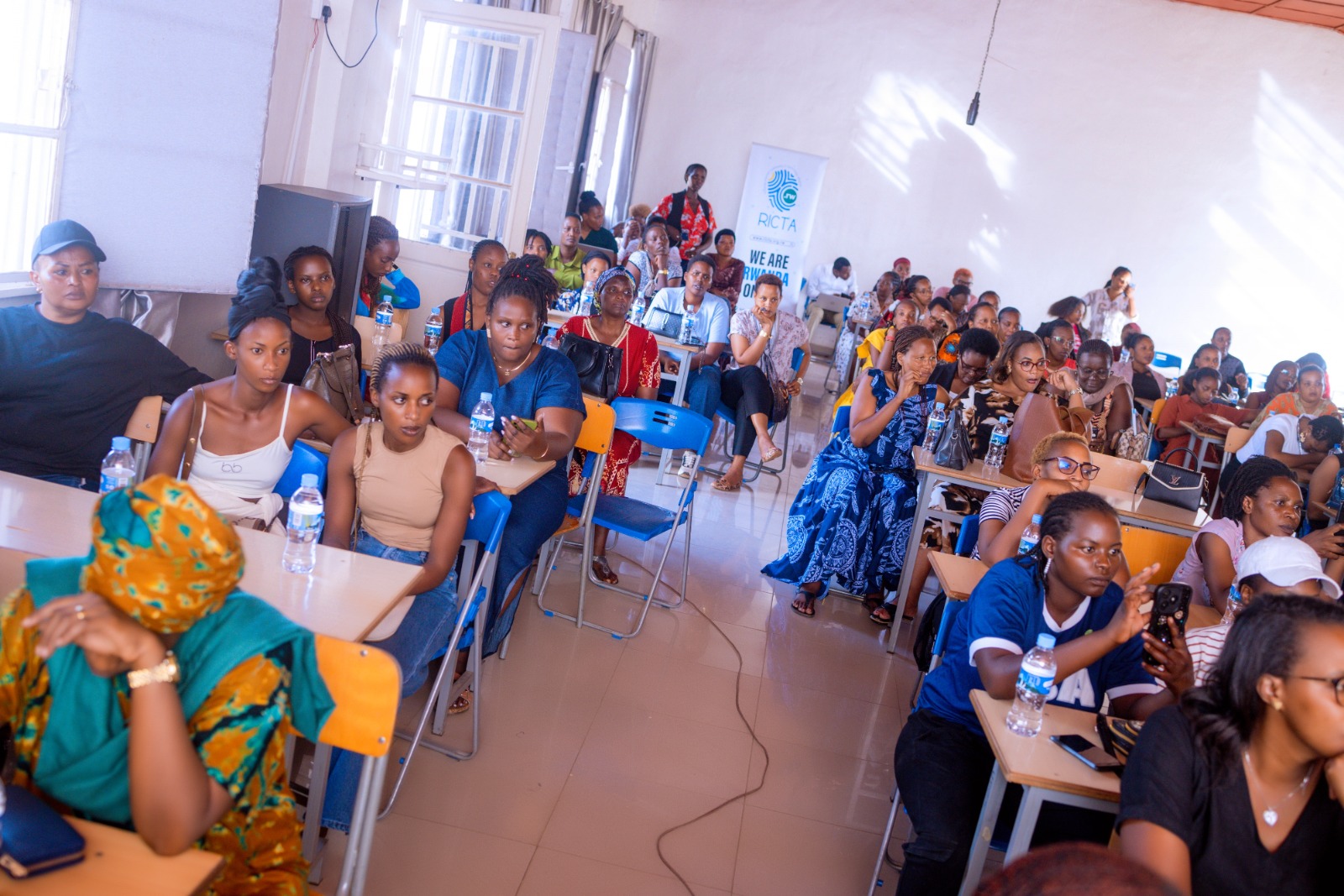
Participants were trained on how to verify the authenticity of websites, protect personal and financial information, identify phishing attempts, and understand Rwanda’s legal framework on data protection and online security.
Among the graduates was Delphine Nkusi, owner of Rwanda Blossom Ltd, an online trading business dealing in coffee, fresh vegetables, and other agricultural products.
Nkusi said the training provided practical knowledge that will help her safeguard both her business and personal information online.
“I learned about online safety, cyberbullying prevention, privacy and data protection, and how to identify scams and fraud. Before this training, I was not aware of some of the laws that protect internet users in Rwanda,” she said.
She also shared her experience of being targeted through a fraudulent bank transaction, an incident that reinforced the importance of cybersecurity awareness.
“Fortunately, the money was recovered, but the experience showed me how vulnerable we can be online. This training has given me skills that will help me avoid similar situations in the future,” she added.
The broader programme will now move to Mahama Refugee Camp in Kirehe District from 8-11 June and Karongi District from 15-18 June, where additional participants will receive training through a community-based approach supported by trained facilitators.
Organisers expect to complete the training of all 500 beneficiaries by October, coinciding with Cyber Security Awareness Month.
Beyond improving digital literacy, the programme aims to foster a culture of responsible internet use, enabling participants to confidently leverage digital technologies while protecting themselves from online threats.
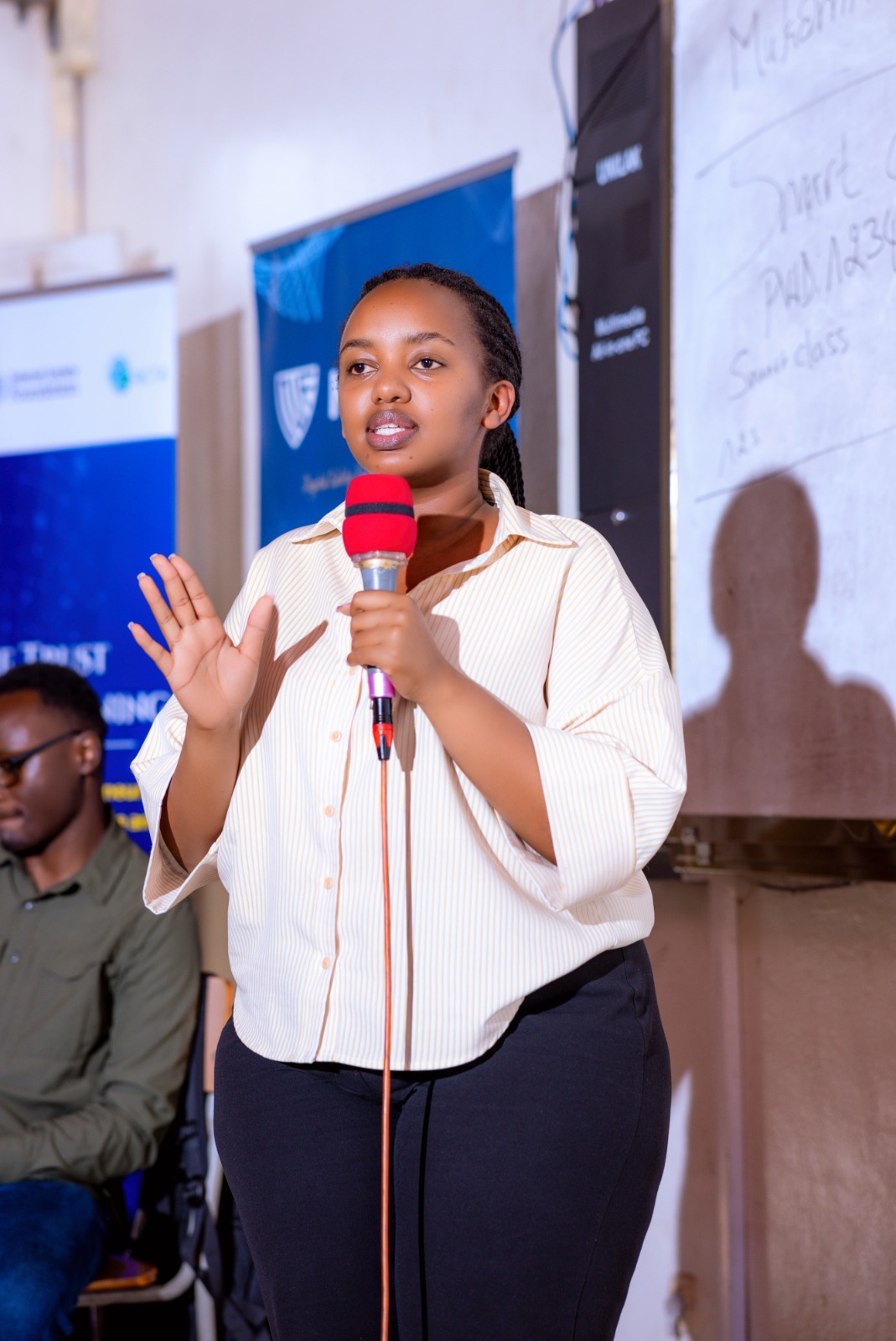
The first cohort received certificates on Thursday, June 4, at the University of Lay Adventists of Kigali (UNILAK) after concluding a four-day training programme on online safety, data protection, cybersecurity, responsible use of social media, and identifying online scams. The four-day training forms part of a broader initiative targeting 500 beneficiaries, including women entrepreneurs and refugees in Mahama Refugee Camp, as Rwanda continues its journey towards a digital economy.Participants were trained on how to verify the authenticity of websites, protect personal and financial information, identify phishing attempts, and understand Rwanda’s legal framework on data protection and online security.Organisers expect to complete the training of all 500 beneficiaries by October, coinciding with Cyber Security Awareness Month.Benie Umwari from RICTA explains the importance of maintaining an online presence and conducting business safely in the digital space. Jules Nizeyimana, the lead instructor, engages participants in hands-on exercises.