In a national address in Pretoria, the country’s administrative capital, the president said the cabinet had adopted a Comprehensive Approach for Migration Management designed to strengthen immigration enforcement, secure borders, combat corruption, and improve the immigration system and policies.
Under the new approach, Ramaphosa said the government will beef up efforts to identify and deport undocumented migrants, establish dedicated immigration courts to expedite deportation processes, strengthen border security, and impose tougher penalties on employers who knowingly hire undocumented foreign nationals.
The measures come as concerns over illegal immigration have featured prominently in public discourse in recent months, with some community groups staging demonstrations in several cities, including Johannesburg, Durban, Pretoria, and Cape Town.
Ramaphosa said many South Africans have expressed concerns about pressure on public services, unemployment, crime and competition for economic opportunities.
The president cautioned against blaming migrants for all the country’s socio-economic challenges. “Illegal immigration is not the cause of all our economic challenges,” he said, adding that faster economic growth, investment and job creation remain essential to addressing the country’s broader problems.
However, Ramaphosa warned that irregular migration poses security and governance challenges if left unchecked, noting that illegal migration routes often overlap with organized criminal activities, including human trafficking, extortion, illegal mining, drug trafficking, and money laundering.
He also stressed that enforcement of immigration laws remains the responsibility of the state and urged citizens not to take the law into their own hands.
“We will act against forces who are exploiting the concerns of our people about illegal immigration to further their own political, personal or criminal agendas,” he said.
Ramaphosa called on South Africans to tackle the challenge through unity, determination, and respect for the rule of law, and reiterated that South Africa would continue to uphold its constitutional values and international obligations, while ensuring that everyone living and working in the country does so legally.
According to Statistics South Africa, the country is home to an estimated 3.3 million foreign-born residents, with nearly two-thirds originating from southern African countries.
South African President Cyril Ramaphosa on Sunday night announced a series of measures aimed at tackling illegal immigration amid growing public concern over the issue.
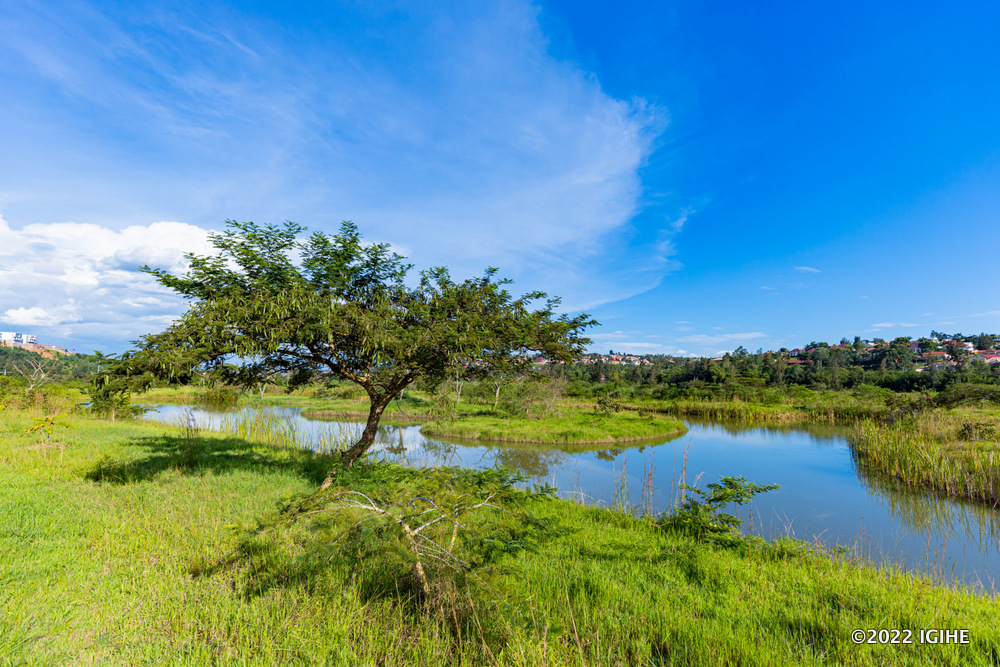
The development was announced on June 7, 2026, during the launch of Disc Golf, a sport being introduced in Rwanda for the first time and which is commonly played in natural settings with trees and open grasslands.
Speaking to IGIHE, Nyandungu Eco-Park Manager, Ildephonse Kambongo, said the new attraction forms part of a broader strategy to diversify the park’s offerings and enhance visitors’ experiences.
He explained that the planned zipline will give visitors a unique perspective of the park’s ecosystems, allowing them to appreciate its natural beauty from above.
“We are working on an aerial route that will enable visitors to experience the park from a different angle and enjoy its scenery while suspended above the ground. We expect the facility to be ready by the end of this year or early next year,” he said.
Kambongo noted that discussions with the companies involved in the project are at an advanced stage and that construction is expected to begin soon.
The zipline is among several new attractions planned for the park. Construction is already underway on a four-kilometre walking trail, while dedicated birdwatching areas are being developed near the park’s lakes to allow visitors to observe birdlife more closely.
Management is also considering the introduction of recreational fishing activities as part of efforts to broaden the range of experiences available to visitors.
The park currently charges an entrance fee of Rwf 2,000 for Rwandans and citizens of the East African Community. Additional activities, including bicycle rentals, electric cart rides and children’s recreational facilities, are charged separately.
Officials believe that expanding the range of attractions will encourage more visitors to spend time at the park and contribute to its growing revenue.
Opened in 2022 following the restoration of the Nyandungu Wetland, the park has seen a steady increase in visitor numbers over the years.
The numbers rose from 67,222 visitors in 2023 to 76,754 in 2024. Growth accelerated in 2025, when the park welcomed more than 100,000 visitors by November, representing an increase of over 30% compared to the previous year and the strongest growth recorded since its establishment.
Revenue has followed a similar upward trend, rising from Rwf 158 million in 2024 to more than Rwf 200 million in 2025.
Spanning 121 hectares, Nyandungu Eco-Park includes 70 hectares of wetland and 50 hectares of forest. It is home to more than 60 plant species and over 200 species of birds, making it one of Kigali’s leading urban nature destinations.
Nyandungu Eco-Park Manager, Ildephonse Kambongo, said the new attraction forms part of a broader strategy to diversify the park’s offerings and enhance visitors’ experiences. Nyandungu Eco-Park includes 70 hectares of wetland and 50 hectares of forest.
The revelation comes as Rwanda continues efforts to cushion consumers from rising global petroleum prices through fuel subsidies.
On June 5, 2026, the government announced that the retail price of petrol would remain capped at Rwf2,938 per litre, while diesel would retail at no more than Rwf2,927 per litre, up from Rwf2,205 in the previous review.
Despite the increase, the government maintained a subsidy on diesel. Officials said that without the intervention, diesel would have sold at Rwf3,581 per litre.
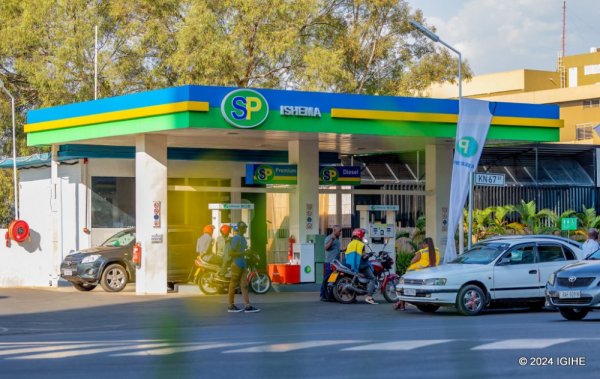
Speaking during a media briefing on June 7, Minister of Trade and Industry Prudence Sebahizi said Rwanda’s comparatively lower fuel prices attracted buyers from neighbouring countries, resulting in a sharp increase in domestic fuel consumption.
Trade Minister Prudence Sebahizi said Rwanda’s lower fuel prices attracted buyers from neighbouring countries, sharply increasing fuel consumption.
Under normal conditions, Rwanda consumes between 1.2 million and 1.5 million litres of diesel per day, alongside 800,000 to 900,000 litres of petrol.
However, during periods of heightened regional price disparities, daily diesel consumption surged to between 2.5 million and 3 million litres.
“The situation showed that we were effectively subsidising fuel for people beyond our borders when our objective was to support Rwandans,” Sebahizi said.
The increased demand was particularly evident at fuel stations near Rwanda’s borders, where supplies were depleted shortly after opening.
“For about a week, some stations located near border areas ran out of fuel within the first two hours of operation because of customers coming from neighbouring countries,” he said.
According to the minister, consumption levels have since normalised following monitoring and corrective measures.
Data from early June indicate that diesel consumption has returned to pre-crisis levels, while petrol consumption has fallen as consumers adapt to higher prices.
Public transport shift cuts petrol demand
Government officials attributed part of the decline in petrol consumption to growing use of public transport.
Passenger numbers on public buses have increased by approximately 15 percent as more commuters opt to leave private vehicles at home.
Rwanda currently operates 390 buses in its public transport network. The fleet is expected to expand with the addition of 100 buses by the end of 2026 and a further 200 in 2027, bringing the total to nearly 700 buses.
State Minister for Infrastructure Jean de Dieu Uwihanganye said the long-term goal is to expand the fleet to between 1,000 and 1,500 buses while continuing to improve supporting road infrastructure.
“We want public transport to become the preferred mobility option for more people,” Uwihanganye said.
State Minister for Infrastructure Jean de Dieu Uwihanganye said the long-term goal is to expand the fleet to between 1,000 and 1,500 buses.
Current petrol consumption has fallen to between 600,000 and 700,000 litres per day, compared with previous levels of up to 900,000 litres. On some days, consumption falls as low as 400,000 litres.
Officials say the trend demonstrates that Rwandans are responding to calls for more efficient fuel use.
Fuel imports remain a major foreign exchange burden
The government also highlighted the broader economic implications of fuel consumption, noting that petroleum imports account for one of the country’s largest foreign currency expenditures.
According to Sebahizi, Rwanda spends more than $700 million annually on petroleum imports, a figure roughly equivalent to the country’s earnings from tourism.
Tourism revenues reached $685 million in 2025, up from $647 million in 2024.
“The foreign currency generated through tourism is almost equal to what we spend on petroleum products each year,” Sebahizi said. “Reducing unnecessary fuel consumption is therefore important for protecting the country’s foreign exchange reserves.”
Sebahizi also addressed concerns over low industrial capacity utilisation, noting that some factories are operating at only about 30 percent of their potential output.
The government is working with manufacturers to increase production and reduce reliance on imported goods, he said.
Officials argue that expanding domestic production and encouraging more efficient energy use will help strengthen Rwanda’s economic resilience amid global market uncertainties.
To improve preparedness for future fuel supply disruptions, Rwanda plans to double its strategic petroleum storage capacity.
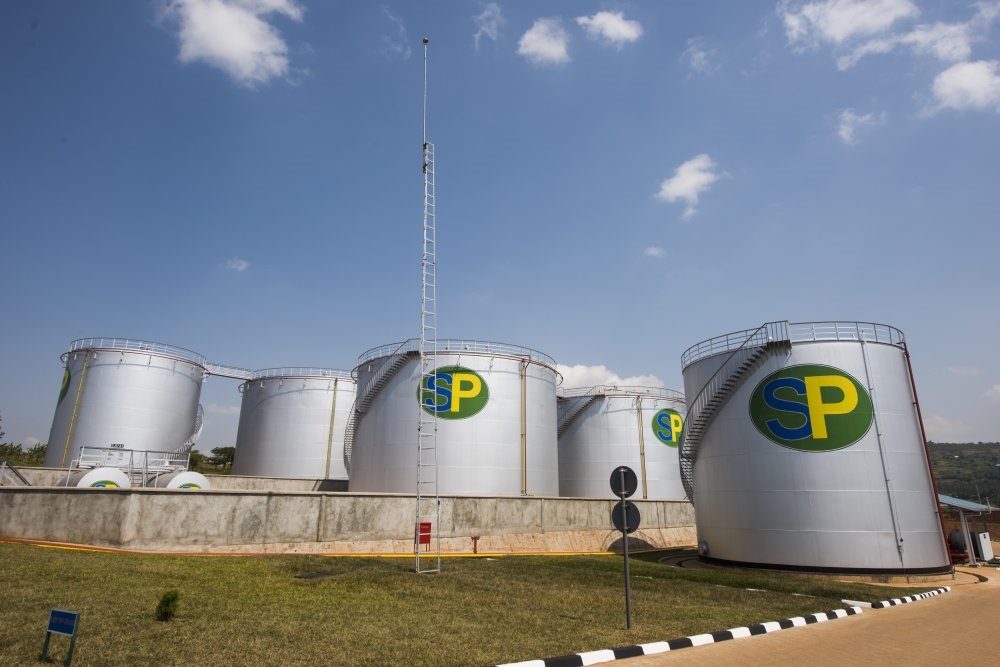
The country currently has storage facilities capable of holding 117 million litres of petroleum products. Increasing that capacity would allow Rwanda to maintain fuel supplies for at least six months during periods of severe market volatility, officials said.
Rwanda plans to double its petroleum storage capacity.
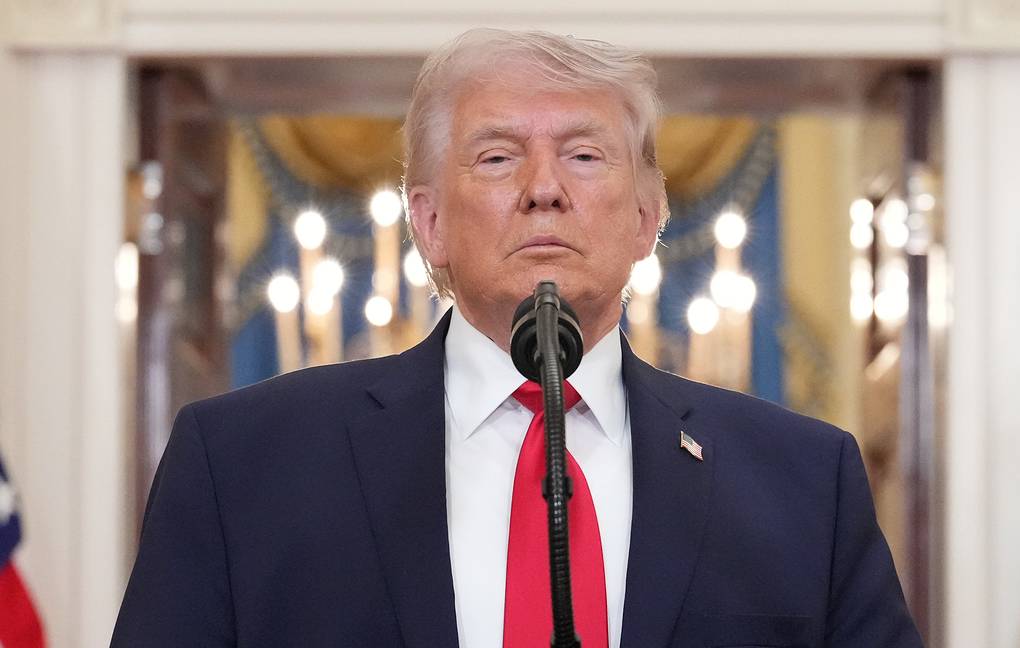
Washington, not Israel, would determine the outcome of negotiations with Tehran, Trump said during a telephone interview with the British daily shortly after Iran launched a salvo of ballistic missiles at Israel.
“He won’t have any choice,” Trump was quoted as saying. “I call the shots. I call all the shots. He doesn’t call the shots.”
Asked whether Iran’s missile strikes on Israel would affect Washington’s willingness to continue negotiations with Tehran, Trump said the attacks would have no impact on a potential agreement.
“I think the deal is going on. We’ll see what happens,” he said, adding that any agreement would succeed or fail on its own merits and that the strikes would not alter his calculations.
Trump also downplayed the attacks, saying they “did not kick at all,” and described the conflict between Iran and Israel as “one of those things that’s been going for 3,000 years, or 47 years, depending on how you count.”
When asked what would happen if negotiations ultimately failed, Trump outlined two possible options. One would involve military action to address what he described as unfinished objectives in Iran, and the other would be to maintain a blockade on the country.
“The blockade has been probably more powerful than any attack that was ever made on that country,” he said.
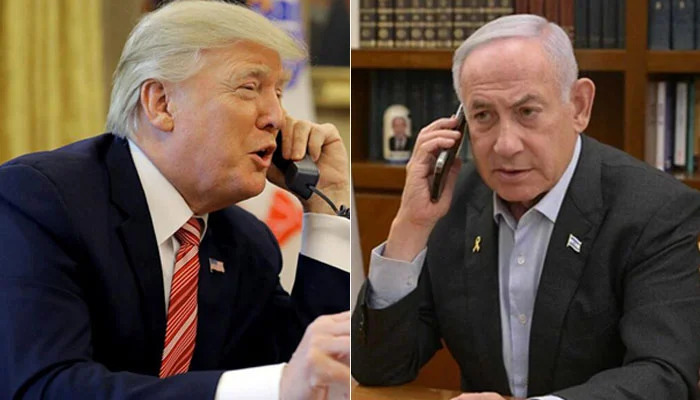
Trump’s remarks came after U.S. media outlet Axios reported details last week of a heated telephone conversation between Trump and Netanyahu.
According to a U.S. official cited in the report, Trump told the Israeli leader: “You’d be in prison if it weren’t for me. Everybody hates you now. Everybody hates Israel because of this.”
Trump confirmed to the Financial Times that the call had taken place and did not challenge the characterization of the exchange.
Despite several U.S.-brokered ceasefires between Israel and Lebanon, Washington has been unable to prevent Israel from carrying out near-daily strikes inside Lebanon. Israel on Sunday launched another strike on a Hezbollah stronghold in Beirut.
Iran said its latest missile attacks on Israel were carried out in retaliation for that strike.
U.S. President Donald Trump has said Israeli Prime Minister Benjamin Netanyahu would have “no choice” but to accept any agreement reached between the United States and Iran, the Financial Times reported late Sunday.
The update, published Sunday by the health ministry, said that three more patients were declared recovered, bringing the count of recoveries to 12 as of June 6.
The report said 117 suspected cases were recorded, while 283 patients remained in isolation or hospitalization.
The report said a large number of confirmed patients developed symptoms between May 14 and May 23, suggesting “increased contamination from a probable common source”, with a peak observed on May 18. It said another group of confirmed patients developed symptoms between May 25 and June 3, “demonstrating the spread of the disease” and possibly forming “an important reservoir.”
“An increase in cases may be recorded if adequate measures are not put in place very quickly,” it said.
The response remains hampered by weak contact tracing, community resistance to post-mortem testing, insufficient capacity at standardized Ebola treatment centers, shortages of infection prevention and control materials, and limited funding, according to the report.
The report said the overall contact follow-up rate in three affected provinces was 50.3 percent, far below the target of 95 percent.
Laboratory capacity also remains under pressure, with 193 test results still pending due to a reagent shortage in North Kivu province.
The current outbreak, caused by the Bundibugyo strain of the Ebola virus, was officially declared by the health ministry on May 15.
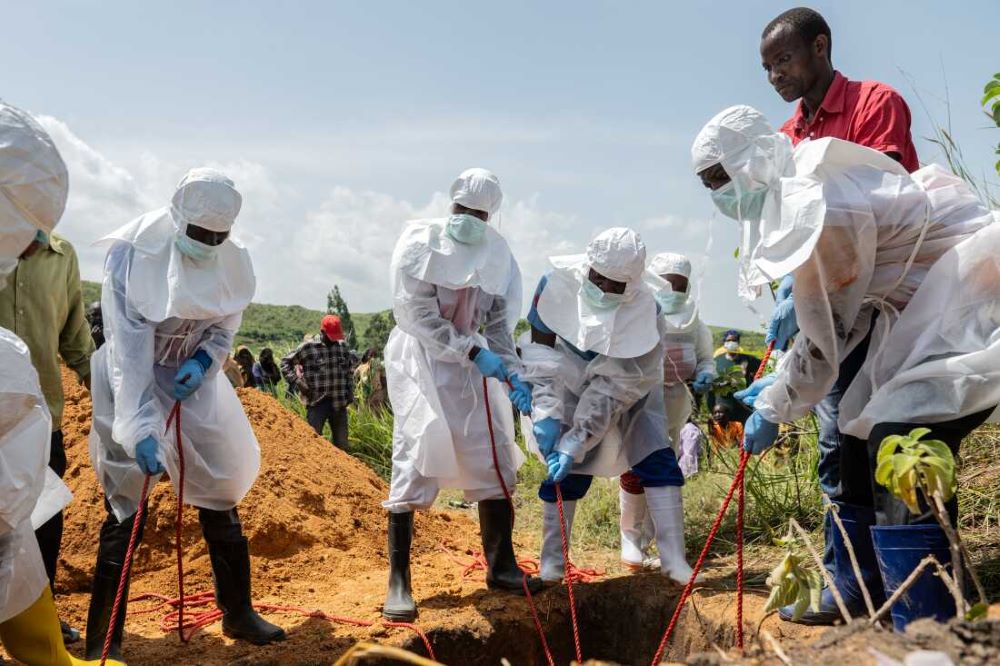
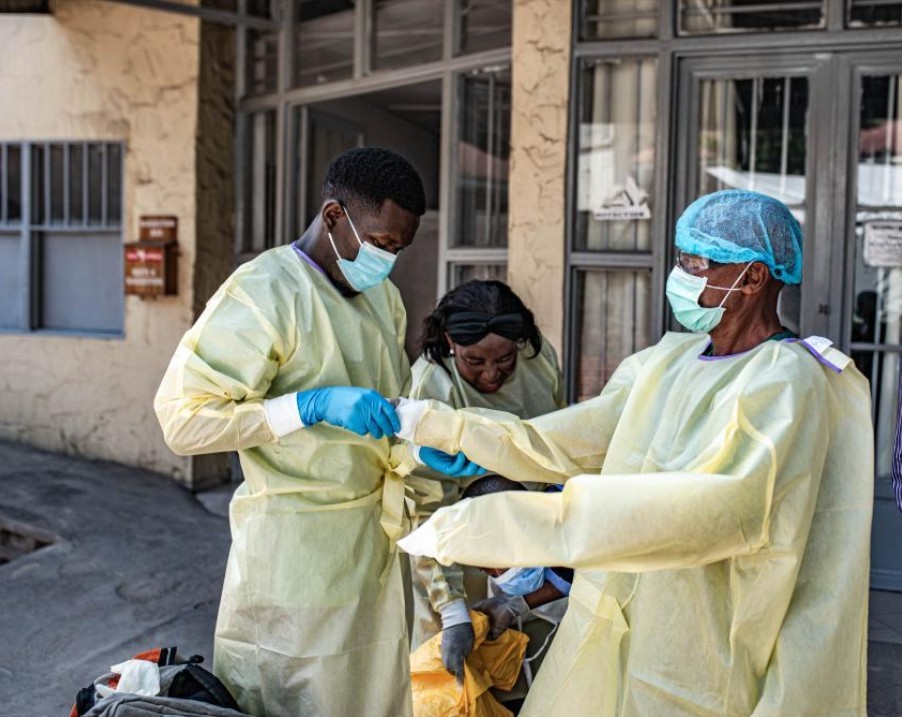
Red Cross workers bury an Ebola victim at the Rwampara Cemetery, in Rwampara, Congo, May 23, 2026.
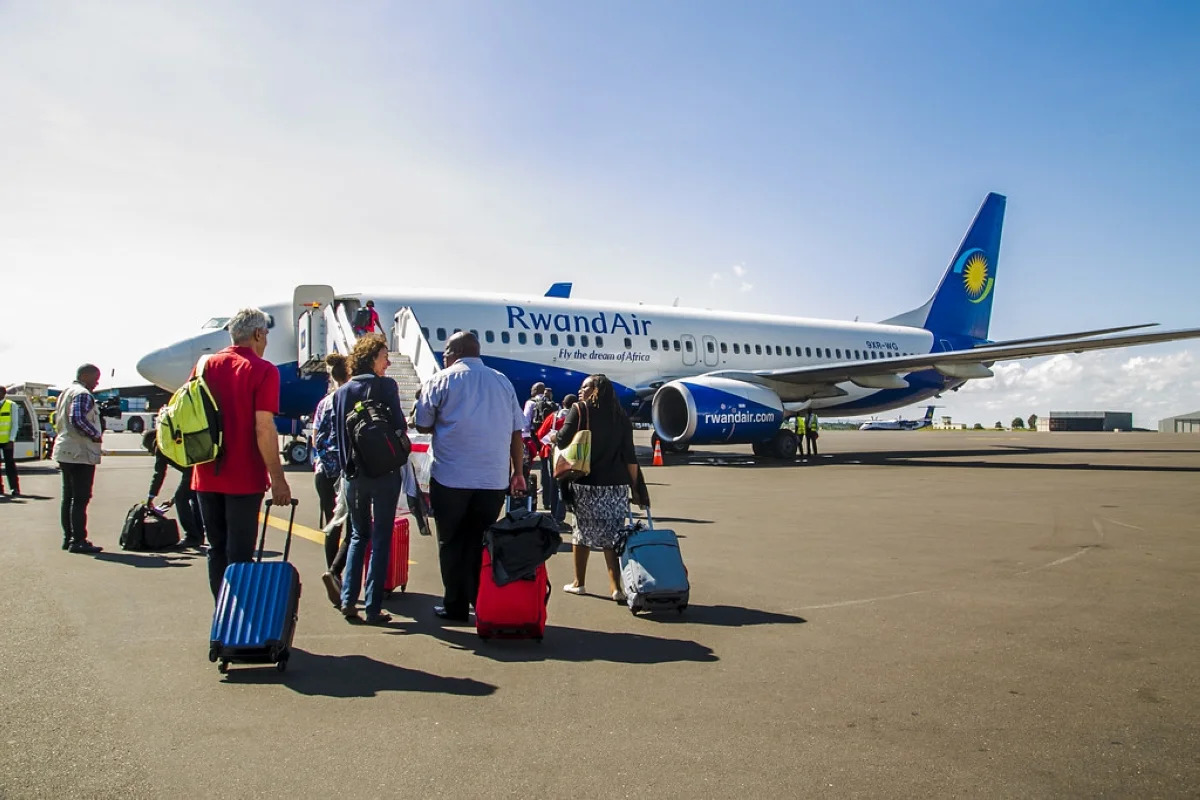
According to the advisory, passengers will not be permitted to board RwandAir flights to the UAE if they are travelling directly from the Democratic Republic of Congo (DRC), Uganda, or South Sudan. The restriction also applies to passengers who have originated from or transited through any of these three countries, even if they are connecting via another destination.
However, the advisory notes exemptions for UAE citizens and holders of diplomatic passports, who will still be allowed to travel under the current arrangements.
The airline has not indicated how long the restrictions will remain in place, as measures are subject to change depending on the evolving public health situation on the ground.
The current outbreak involves the Bundibugyo strain of Ebola, a particularly concerning variant for which there is no approved vaccine or specific antiviral treatment. Health authorities warn that this makes surveillance, early detection, and rapid containment critical to preventing further spread across the region.
Recent health data indicates that the Democratic Republic of Congo has reported 452 confirmed cases and at least 82 deaths, while Uganda has recorded 19 confirmed cases and 2 deaths. In Uganda, infections have been reported in Kampala, Wakiso, and western border areas, underscoring continued transmission risks in the region.
South Sudan, while not yet reporting confirmed Ebola cases, is included in the UAE restrictions due to its geographic proximity to the active outbreak zone in Ituri province, DRC, which borders the country, raising concerns about potential cross-border transmission.
Recent health data indicates that the Democratic Republic of Congo has reported 452 confirmed cases and at least 82 deaths, while Uganda has recorded 19 confirmed cases and 2 deaths.
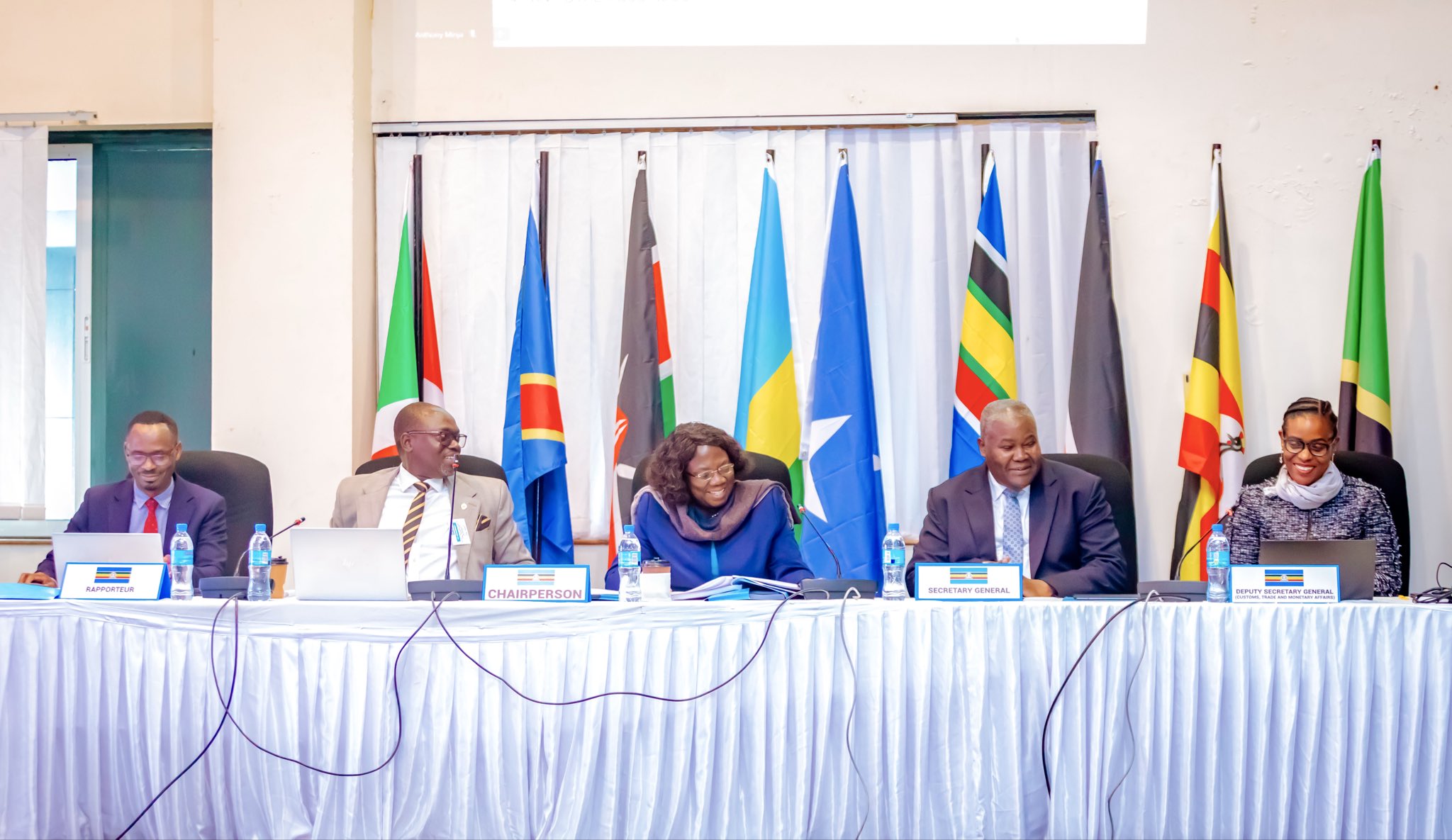
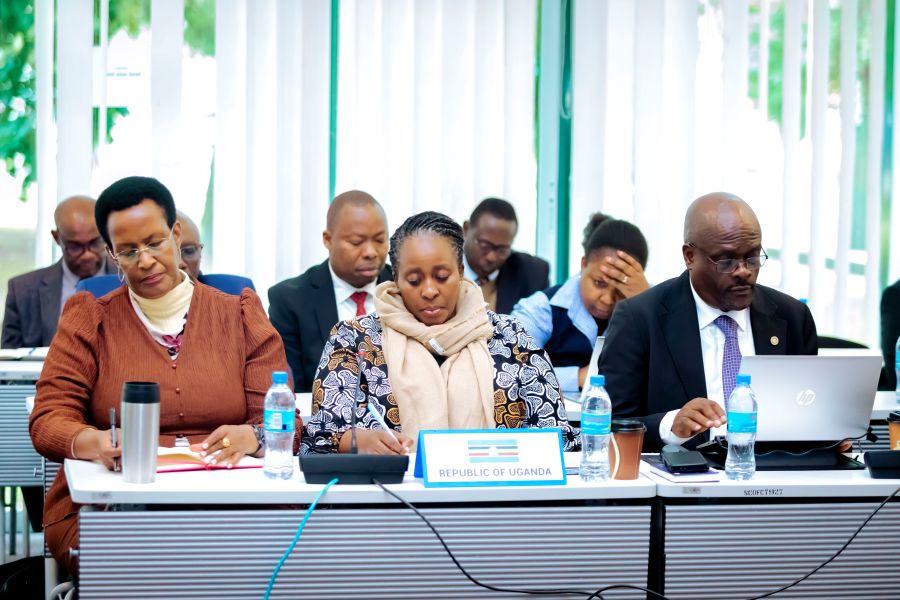
The decisions were reached during the 48th Meeting of the Sectoral Council on Trade, Industry, Finance and Investment (SCTIFI), which concluded in Arusha, Tanzania, this week.
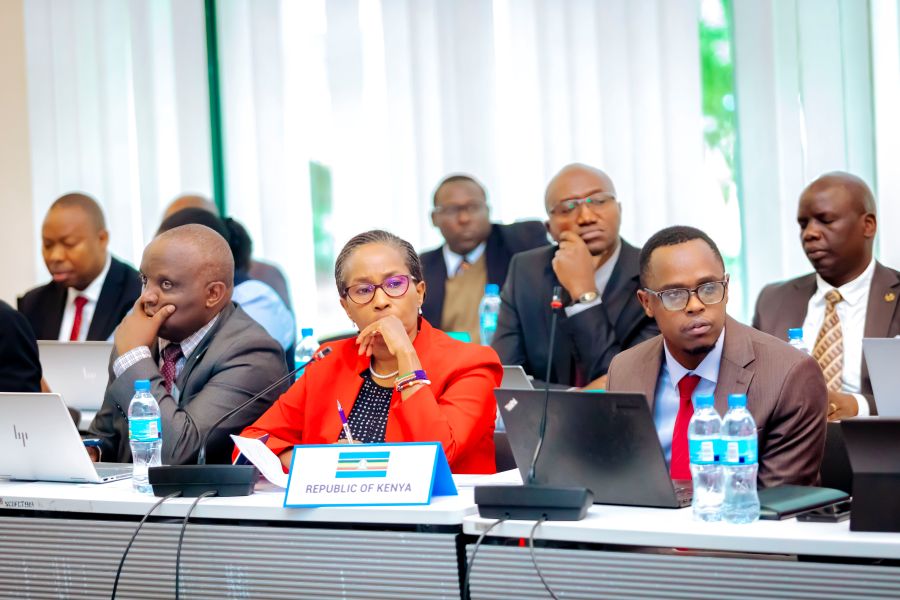
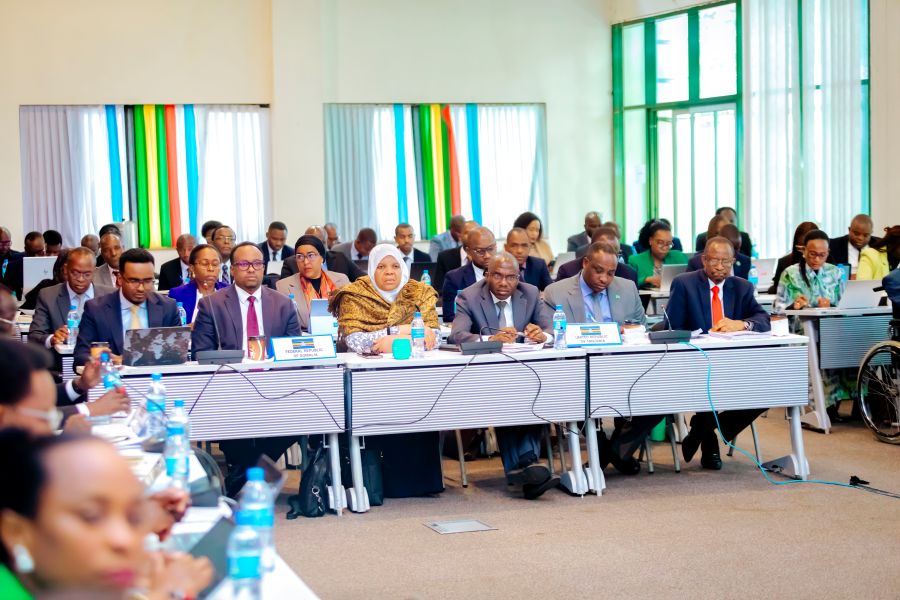
The meeting brought together ministers responsible for trade, industry, finance and EAC affairs, alongside senior government officials and technical experts from across the region.
Opening the meeting, EAC Secretary General Amb. Stephen P. Mbundi said the region is facing a challenging global environment marked by geopolitical tensions, disruptions to maritime trade routes, growing protectionism, and supply chain vulnerabilities.
He stressed the need for a stronger regional market, lower costs of doing business, and faster implementation of regional integration commitments, including the elimination of non-tariff barriers (NTBs).
The meeting brought together ministers responsible for trade, industry, finance and EAC affairs, alongside senior government officials and technical experts from across the region.
Customs and trade reforms
Among the key decisions, ministers endorsed the completion of Time Release Studies for the Northern and Central Corridors. The studies assess cargo clearance times and identify ways to simplify and harmonise customs procedures.
The findings showed that closer cooperation among customs authorities, border agencies, and the private sector has improved the efficiency of regional supply chains. However, they also highlighted areas requiring further reforms.
The council also adopted a framework to monitor implementation of the EAC Customs Union Protocol. The mechanism will help assess compliance by partner states with regional obligations.
In addition, ministers approved measures to integrate South Sudan into regional customs data-sharing systems.
Tackling non-tariff barriers
The council reaffirmed its commitment to eliminating non-tariff barriers, which continue to affect trade within the region.
Ministers reviewed proposals aimed at strengthening the legal framework for addressing NTBs, including possible sanctions and compensation mechanisms for traders who suffer losses due to illegal taxes or unauthorised trade restrictions.
The proposals will undergo further technical and legal review before being considered for adoption.
Supporting industrialisation
The meeting also approved a comprehensive review of the EAC Rules of Origin 2015 following extensive consultations among member states.
The Rules of Origin determine which products qualify for preferential tariff treatment within the EAC Customs Union and are considered a key instrument for promoting regional manufacturing and value addition.
Legal review of the updated rules is ongoing before implementation. Potential trade deal with Singapore
Ministers also discussed growing international interest in trade partnerships with the EAC.
Among the countries seeking closer economic ties is Singapore, which has formally proposed negotiations for an EAC-Singapore Free Trade Agreement. The council endorsed continued engagement with Singapore and instructed the EAC Secretariat to begin technical preparations, including developing an initial negotiation framework.
Ministers emphasised that any future negotiations should reflect the collective interests of all partner states and align with existing and planned trade agreements.
The council further endorsed fiscal measures agreed during the 2026/27 pre-budget consultations of finance ministers under the Common External Tariff framework.
The measures are currently being gazetted and are expected to take effect on July 1, 2026.
Implementation timelines
To ensure timely implementation of the decisions, ministers agreed on several deadlines.
Technical analysis of outstanding customs and trade facilitation matters is expected to be completed by August 30, 2026, while the Regional Steering Committee will conclude ongoing trade facilitation workstreams by September 30.
Partner states are also expected to submit recommendations on the regional duty remission framework by September 30, while approved fiscal measures should be gazetted by June 30.
The ministers said effective implementation of the agreed measures, timely payment of partner states’ contributions, and continued collaboration among regional institutions will be critical to achieving a more prosperous, competitive, and integrated East Africa.
The EAC is a regional intergovernmental organization comprising Rwanda, Democratic Republic of Congo, Somalia, Burundi, Kenya, South Sudan, Uganda and Tanzania.
The EAC aims to expand and deepen economic, political, social, and cultural integration to improve the quality of life of the people of East Africa through increased competitiveness, value-added production, trade, and investment.
The meeting brought together ministers responsible for trade, industry, finance and EAC affairs, alongside senior government officials and technical experts from across the region.
Alicia appears in a Bruce Melodie production for the second time, following her earlier feature in “Kuba nisindiye”, a collaboration between the singer and Real Roddy. These remain the only music video appearances she has made so far.
Best known for her acting career, Kamikazi Alicia has earned recognition for her beauty and on-screen presence, particularly through her role in the popular Rwandan series “Bamenya”, one of the country’s most-watched television dramas.
The audio for “Detail” had been released earlier, produced by Loader, while the video was directed, shot, and edited by John Elarts.
Bruce Melodie released the visuals just hours after hosting a press conference to launch his upcoming “Summer Country Tour” on Friday, where he is set to share the stage with artists including The Ben, Kitoko Bibarwa, and Bwiza.
The tour is scheduled to kick off in Musanze District on June 13, 2026, before heading to Nyagatare on June 20, Bugesera on June 27, and concluding in Rubavu on July 4, 2026.
The release marks Bruce Melodie’s second song of the year, following “Pom Pom”, a collaboration with Diamond and Brown Joel.
Earlier this year, the singer also attended The Ben’s “The New Year Groove” concert.
Alicia appears in a Bruce Melodie production for the second time, following her earlier feature in “Kuba nisindiye”, a collaboration between the singer and Real Roddy. Kamikazi Alicia has earned recognition for her beauty and on-screen presence.Alicia Kamikazi is a film actress, best known for her role in the popular series “Bamenya”.She is a familiar face Rwanda’s film industry.Alicia Kamikazi last appeared in the music video for “Kuba nisindiye”.Alicia Kamikazi has so far featured in only two music videos, both by Bruce Melodie.
He made the remarks on June 6, 2026, during a press conference.
Rwanda’s current minimum wage was set in 1974 at Rwf100 per day for employees working in the formal sector.
The issue is frequently debated in public discourse, with concerns often linked to rising living costs, while incomes for many workers remain relatively unchanged.
Dr. Nsengiyumva noted that while workers naturally expect higher pay, employers view wage increases in relation to production costs and business sustainability.
“For workers, when the minimum wage is increased above prevailing market levels, it is seen as positive because they earn more. However, from the employer’s perspective, it increases the cost of producing goods and services,” he said.
He illustrated the impact with an example of a business currently paying Rwf50,000 per worker. If a minimum wage of Rwf80,000 were imposed, he said, the employer would have to significantly adjust operational costs.
“An employer who previously hired 10 workers may find it difficult to sustain all of them and may reduce the workforce to seven. As a country, we must ask whether we have truly benefited if three people lose their jobs,” he said.
According to him, while the remaining employees may earn more, the increase could simply reflect the redistribution of wages from those who were laid off.
He cautioned against focusing solely on nominal wage figures without considering broader economic dynamics.
“Increasing wages on paper while prices also rise achieves little. What matters is how we help workers become more productive. The key question is: how much value are we generating from the work being done? Employees should not rely on guaranteed wages alone while delivering low productivity, just as employers should not expect high output without fair compensation,” he said.
Dr. Nsengiyumva emphasised that productivity growth is the foundation for sustainable wage increases.
“If productivity increases, wage growth will follow naturally. Employers do not need to be reminded to increase wages when workers are generating higher value,” he added.
He also highlighted persistent productivity gaps in key sectors, particularly agriculture, where yields remain below potential. For instance, maize production may average around two tonnes per hectare, despite the capacity to produce significantly more under improved practices.
The government, he said, continues to prioritise investment in skills development and capacity building to enhance workforce productivity. He further noted that Rwanda is focusing on creating higher-quality jobs that require specialised skills and offer improved remuneration.
According to the National Institute of Statistics of Rwanda (NISR), 238,491 non-agricultural jobs were created in 2025, marking an 8.9% increase compared to the previous year.
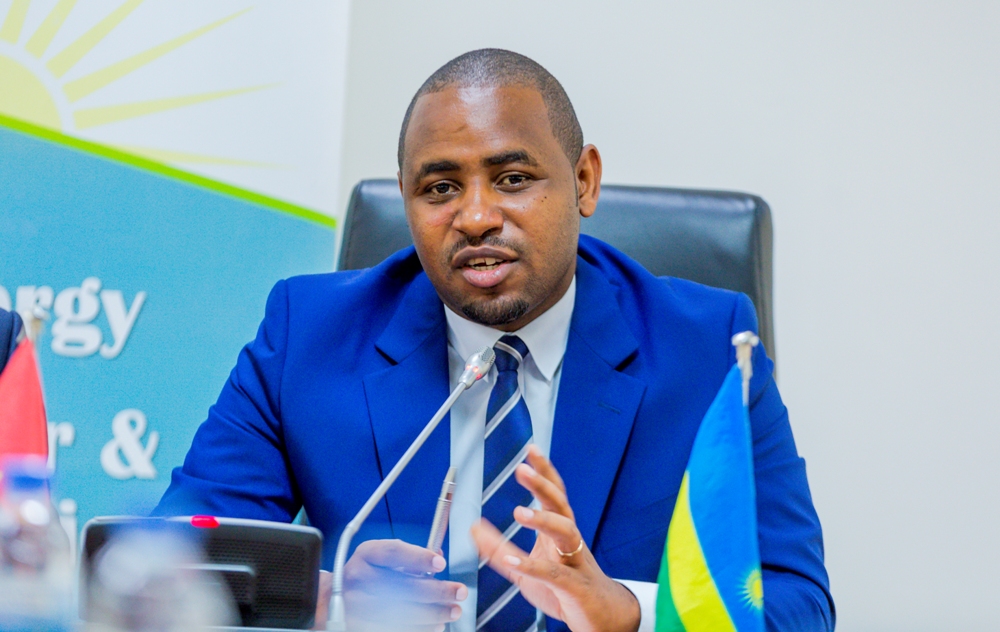
Prime Minister Dr. Justin Nsengiyumva has said that discussions on the minimum wage should not be the primary focus, arguing instead that raising productivity is the sustainable path to higher incomes, as employers are more likely to increase wages when output improves.The PM made the remarks on June 6, 2026, during a press conference.
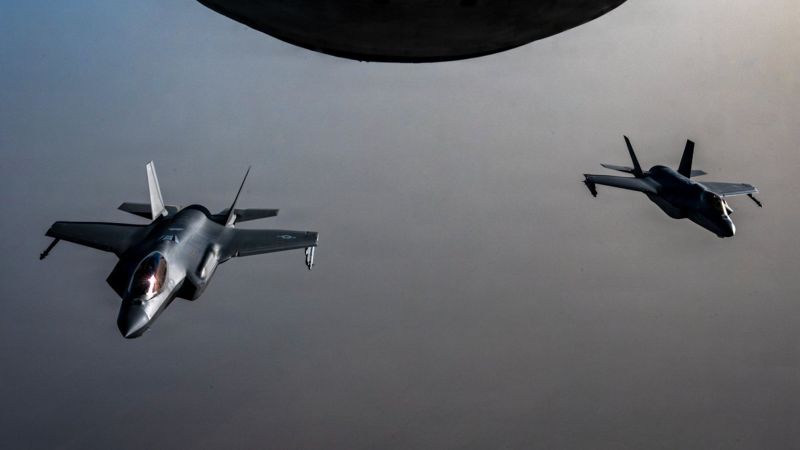
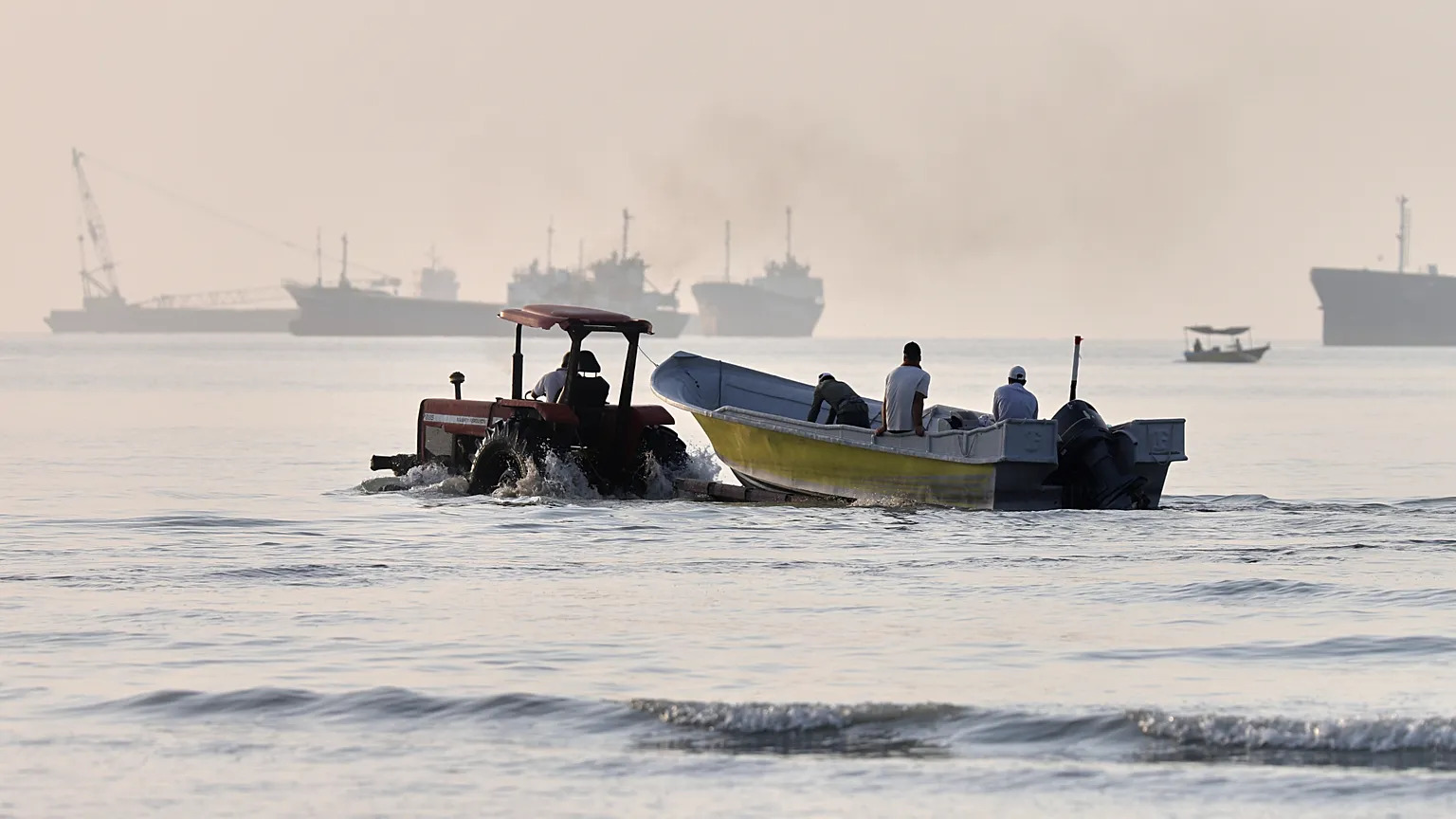
“Earlier today, U.S. forces in the Middle East shot down two Iranian one-way attack drones that threatened international maritime traffic in the Strait of Hormuz,” the U.S. Central Command (CENTCOM) said on X.
Shipping traffic through the Strait of Hormuz has been largely blocked by Iran since February 28 2026, when the United States and Israel launched air strikes against Iran. In retaliation, Iran launched missile and drone attacks on Israel, U.S. military bases in the region, and U.S.-allied Gulf states. The Iranian Revolutionary Guard Corps issued warnings forbidding passage through the strait, boarded and attacked merchant ships, and laid sea mines in the waterway.
The collapse in traffic has been swift and severe. As of March 10, the number of ships transiting the strait dropped from 129 per day to just 4, a fall of 97%. As of May, more than 1,550 commercial vessels were stranded and 22,500 mariners trapped in and around the strait. All major carriers, including Maersk, CMA CGM, MSC, and Hapag-Lloyd, have suspended transits. As of June 6, the strait remains effectively closed.
The war has produced the largest disruption to the global oil market in history, according to the IEA. Cumulative oil supply losses from Middle East producers now exceed one billion barrels, with more than 14 million barrels per day of oil production shut in. LNG supplies from Qatar and the UAE have been reduced by over 300 million cubic metres per day since March 1, and the Ras Laffan facility in Qatar, the largest liquefaction facility in the world, has been offline since it was attacked on March 2.
The cost to Rwanda
Rwanda is feeling the crisis directly. Diesel prices in Rwanda were revised upward by Rwf 722 on Friday to retail at Rwf 2,927 per litre in the latest review. Petrol remains unchanged at Rwf 2,938.
Prime Minister Justin Nsengiyumva told the media on Saturday that Rwanda is subsidising 18% of diesel costs to cushion consumers against global shocks. Without this support, pump prices would hit Rwf 3,581 instead of the Rwf 2,927 recently set by the Rwanda Utilities Regulatory Agency (RURA).
The pain extends beyond the fuel pump. One third of global seaborne trade in fertilisers passes through the Strait of Hormuz, and several African countries are heavily dependent on those imports. Energy-importing economies in Africa are feeling the strain from higher import bills on top of already limited fiscal space, and low-income countries are especially at risk of food insecurity.
The latest drone incident underlines how far the crisis is from resolution. The two countries have been engaged in indirect talks, but those negotiations have yet to halt military exchanges. While Saudi Arabia and the UAE have successfully redirected some exports to terminals outside the strait, mounting supply losses are depleting global oil inventories at a record pace.
Shipping traffic through the Strait of Hormuz has been largely blocked by Iran since February 28 2026, when the United States and Israel launched air strikes against Iran.