The support was extended on June 5, 2026, as part of activities marking the 32nd commemoration of the Genocide against the Tutsi.
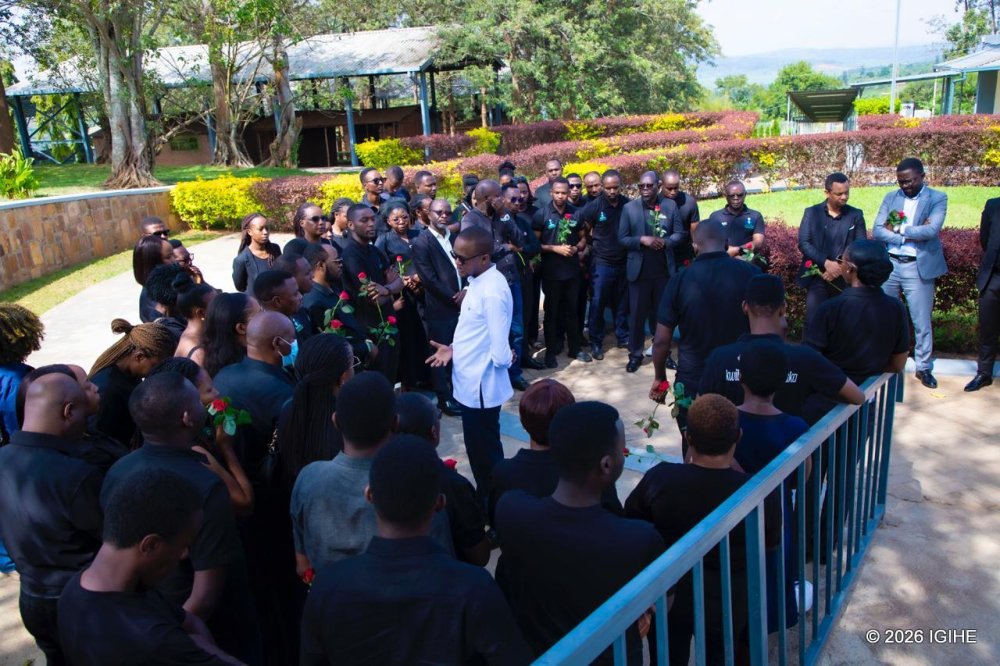
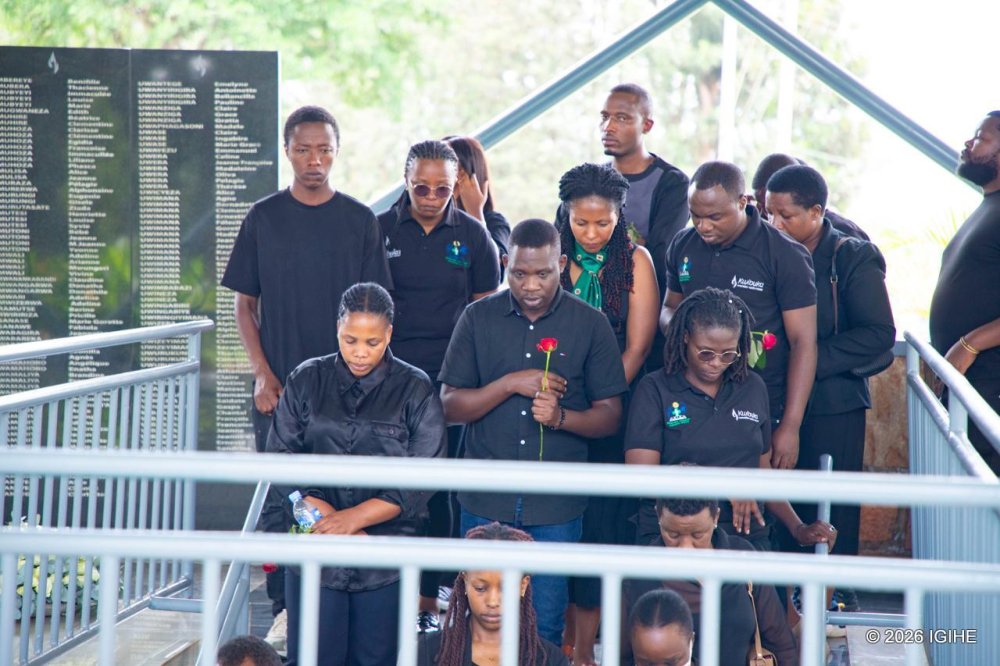
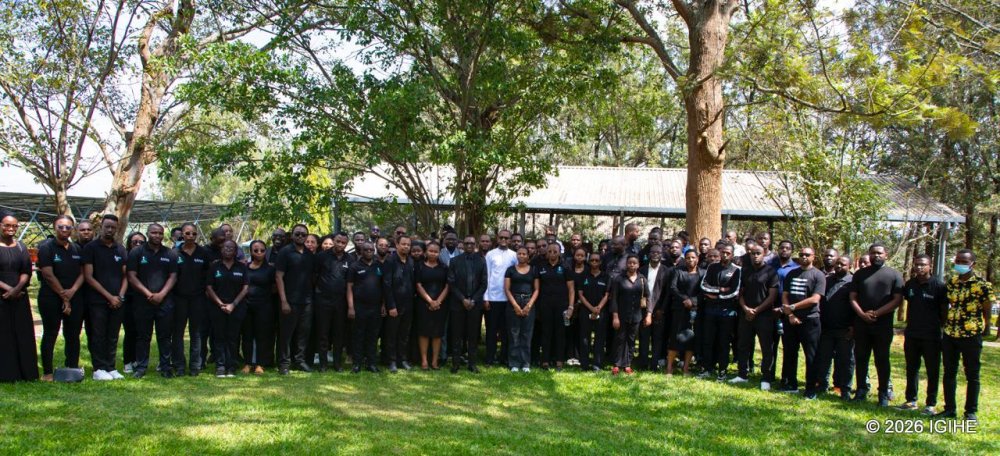
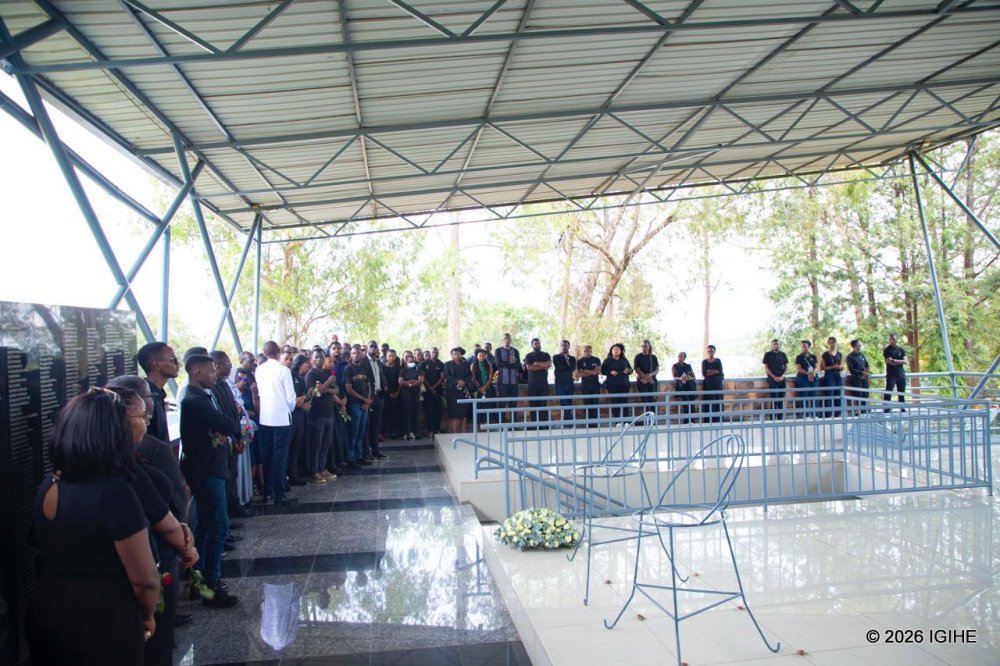
The initiative began with a visit by the hospital’s staff and leadership to the Ntarama Genocide Memorial in Bugesera District, where they were briefed on the history of the genocide in the area and toured a recently opened historical exhibition.
They paid tribute to more than 5,000 victims laid to rest at the memorial and laid wreaths on the graves in their honour.
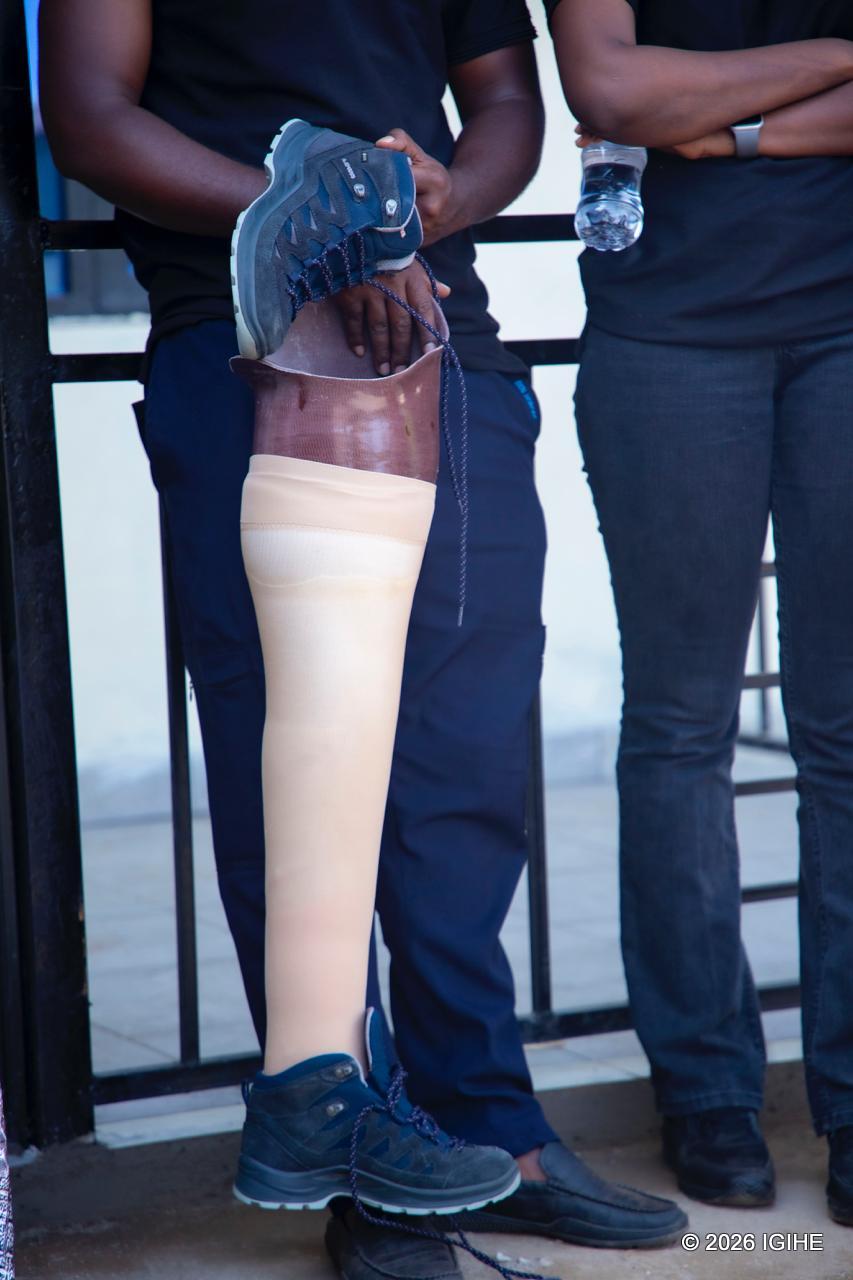
Following the visit, the team travelled to Musabende’s residence, where they handed over a new prosthetic leg valued at Rwf4 million.
They also unveiled a fully renovated house that had previously fallen into severe disrepair and was at risk of collapsing. The home was upgraded to provide safer and more dignified living conditions, and plans are underway to furnish it.
Musabende expressed her gratitude, saying the support had transformed her life after years of hardship.
She explained that she had been struggling to live in a deteriorating house because she lacked the financial means to repair it.
“I am very happy,” she said. “I was living in isolation, unable to do much on my own, while watching the house gradually fall apart. The walls had begun separating, and visitors would often tell me to leave the room because it could collapse at any moment. I would simply tell them that if it happened, I would go the same way others had gone before me.”
Musabende said she initially doubted that the promised renovations would materialise, having previously received visitors who documented her situation but never returned with assistance.
“I thought they were making promises that would never be fulfilled,” she said. “But when I saw construction materials arriving, I realised it was really happening.”
She also welcomed the new prosthetic leg, noting that the one she had been using was worn out and missing some parts, while financial constraints had prevented her from replacing it.
The Director General of Inkuru Nziza Hospital, Dr. Mpatswenumugabo Bosco, said supporting survivors of the Genocide against the Tutsi is one of the ways the institution contributes to remembrance and recovery.
“This mother was living in difficult conditions, and we felt compelled to help her secure decent housing so that she can live with dignity,” he said. “As a hospital that specialises in prosthetic and orthotic services, we also decided to provide her with a new prosthetic leg. In a way, it is like extending a helping hand and encouraging her to stand up and move forward.”
Dr. Mpatswenumugabo noted that such initiatives are carried out annually, particularly in Kicukiro District, where the hospital regularly supports Genocide survivors. He added that there are plans to expand the programme to benefit survivors in other parts of the country.
He said the visit to the Ntarama Genocide Memorial was intended to draw lessons from one of the darkest chapters in Rwanda’s history, where people who sought refuge in a church were instead massacred.
“Churches and hospitals are places meant to protect and preserve life, yet those who fled to Ntarama were killed there,” he said. “As a faith-based hospital, this is something we must continue to remember and teach so that such atrocities never happen again.”
Inkuru Nziza Hospital operates under the Inkuru Nziza Church in Rwanda and is known for providing specialised orthopaedic care, rehabilitation services, prosthetics, orthotics and support for people living with disabilities.