Spencer made the remarks on September 29 during an on-stage conversation with royal biographer Tina Brown at St. Peter’s Chelsea in New York City.
The discussion focused partly on his new memoir, Swan Song: Diana, My Sister, which examines his sister’s life and her experience as a member of the royal family.
During the conversation, Brown asked Spencer whether it was possible for a modern person to remain themselves while living within what she described as the restrictive environment of the monarchy.
Spencer responded that while some people are able to endure life within the institution, others can find it difficult.
He said growing up in a royal family could make the experience easier because a person would become familiar with its particular traditions and way of thinking from an early age.
“If you grow up in a royal family, it’s a lot easier than marrying into it,” Spencer said, according to PEOPLE.
He added that the experience can be particularly difficult for spouses who enter the family from outside the institution, saying that the wives of people who have married into the royal family face a challenging adjustment to a very specific way of life.
Neither Meghan Markle nor Catherine, Princess of Wales, was mentioned by name during the exchange.
However, the comments came amid continuing public interest in the experiences of women who have married into the British royal family.
Spencer’s sister, Diana, married then-Prince Charles in 1981. Her marriage and subsequent life as a senior member of the royal family attracted intense media attention before the couple separated in 1992 and divorced in 1996.
Spencer has previously drawn comparisons between the media scrutiny faced by Diana and that experienced by Prince Harry and Meghan.
In an earlier interview with BBC News, he said the treatment of the Duke and Duchess of Sussex in some tabloid coverage echoed what his sister experienced.
He urged people to learn from Diana’s experience, particularly when it comes to the impact of intense media attention on members of the royal family.
Spencer is currently promoting Swan Song: Diana, My Sister, a memoir in which he revisits aspects of his sister’s life and death.
The book has attracted attention because of his recollections about conversations involving members of the royal family and his account of events surrounding Diana’s death in 1997.
Buckingham Palace has pushed back on some of Spencer’s recollections.
Following reports about claims in the book, a palace spokesperson said that grief can affect memory, judgment and the way past events are remembered. Spencer has continued to defend his recollections.
His latest comments provide another perspective on the difficulties of becoming part of the British monarchy, particularly for people who enter the institution through marriage rather than being born into it.
Charles Spencer, brother of the late Princess Diana, speaks during a conversation with royal biographer Tina Brown in New York .
The research examined how children’s attention to emotional expressions changes alongside depressive symptoms over time.
Scientists found that the relationship was different depending on whether the children’s mothers had a history of major depressive disorder.
Researchers from Binghamton University’s Mood Disorders Institute followed 242 children and their mothers for two years.
The participants were assessed every six months, allowing the researchers to examine whether changes in children’s attention to emotional faces were connected to later changes in depressive symptoms.
During the assessments, children viewed pairs of faces on a computer screen.
One face had a neutral expression while the other showed happiness, sadness or anger. Eye-tracking technology was used to measure which face attracted the children’s attention and how long they looked at it.
Previous research has linked depression with greater attention to sad faces, but scientists have not been certain about the direction of the relationship.
It has remained unclear whether paying more attention to negative emotional information contributes to depression or whether depressive symptoms cause changes in attention.
The new study attempted to examine both possibilities by looking at how attention patterns and depressive symptoms predicted each other across different time points.
Researchers described this two-way relationship as an important part of the study.
Among children whose mothers had a history of major depressive disorder, increasing depressive symptoms were associated with greater attention to sad faces.
As their symptoms increased, these children appeared to have more difficulty shifting their attention away from expressions of sadness.
Researchers suggested that children who already have a higher familial risk of depression may become particularly sensitive to sadness when they experience depressive symptoms themselves.
A different pattern appeared among children whose mothers had no history of major depression.
When depressive symptoms increased in this group, the children did not show greater attention to sad faces. Instead, they paid less attention to happy expressions.
The researchers said this may indicate that depression can affect emotional attention through different pathways depending on a child’s underlying level of familial risk.
The team is continuing to follow the children as they enter adolescence, a period when the risk of depression increases.
The researchers hope to determine whether the attention patterns identified in childhood are associated with depression diagnoses later in life.
Researchers used eye-tracking technology to study how children’s attention to happy, sad and neutral faces changes alongside depressive symptoms.
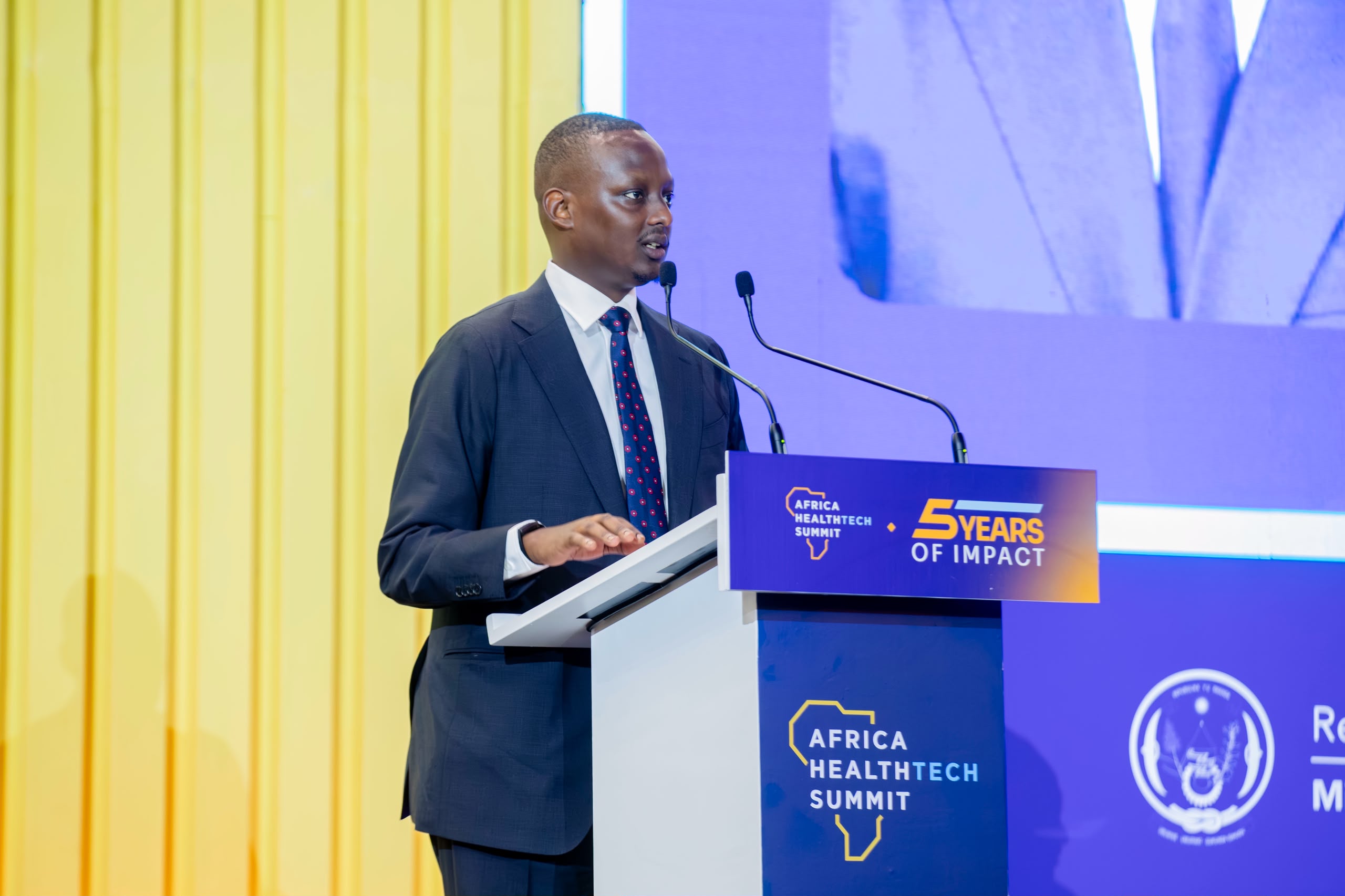
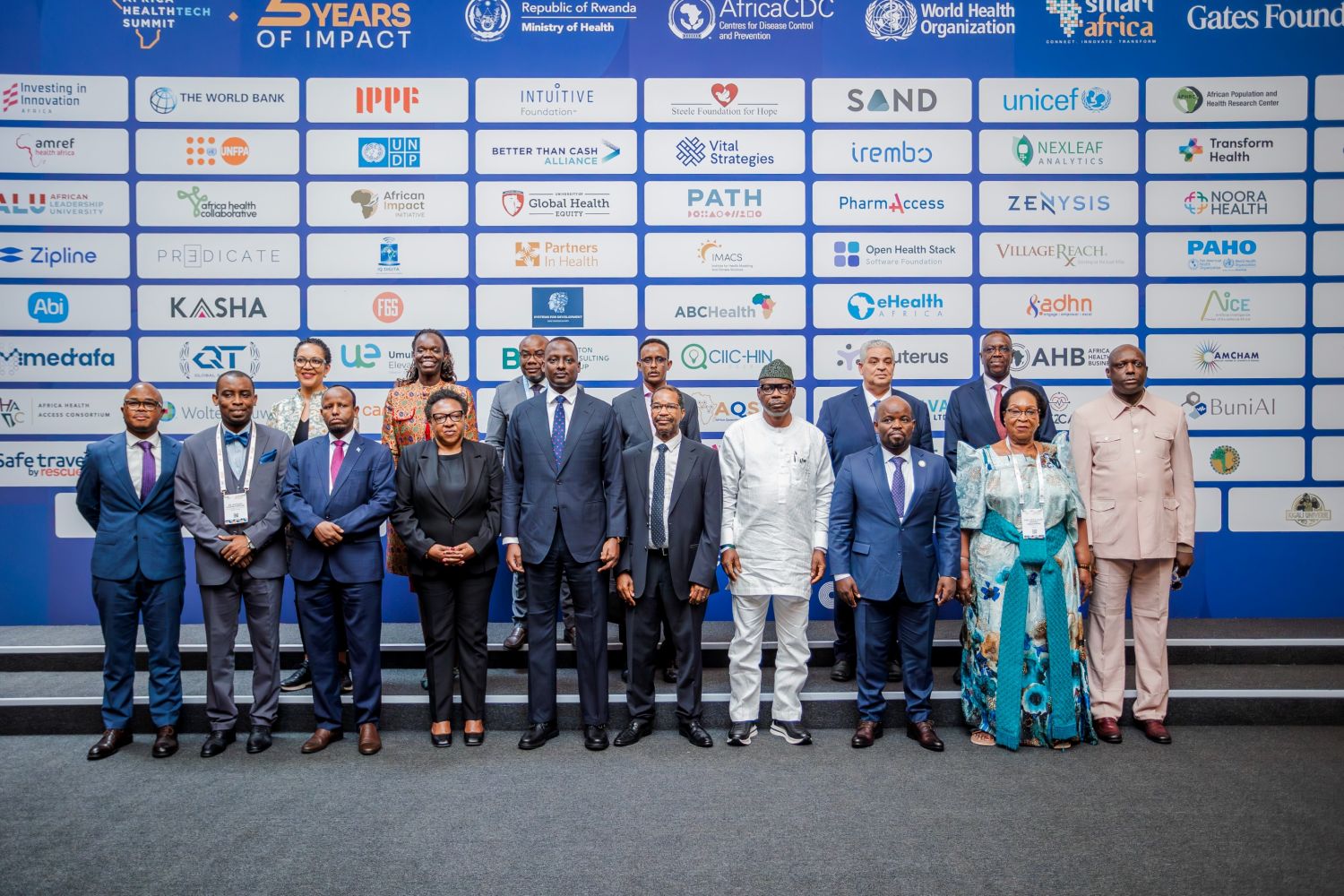
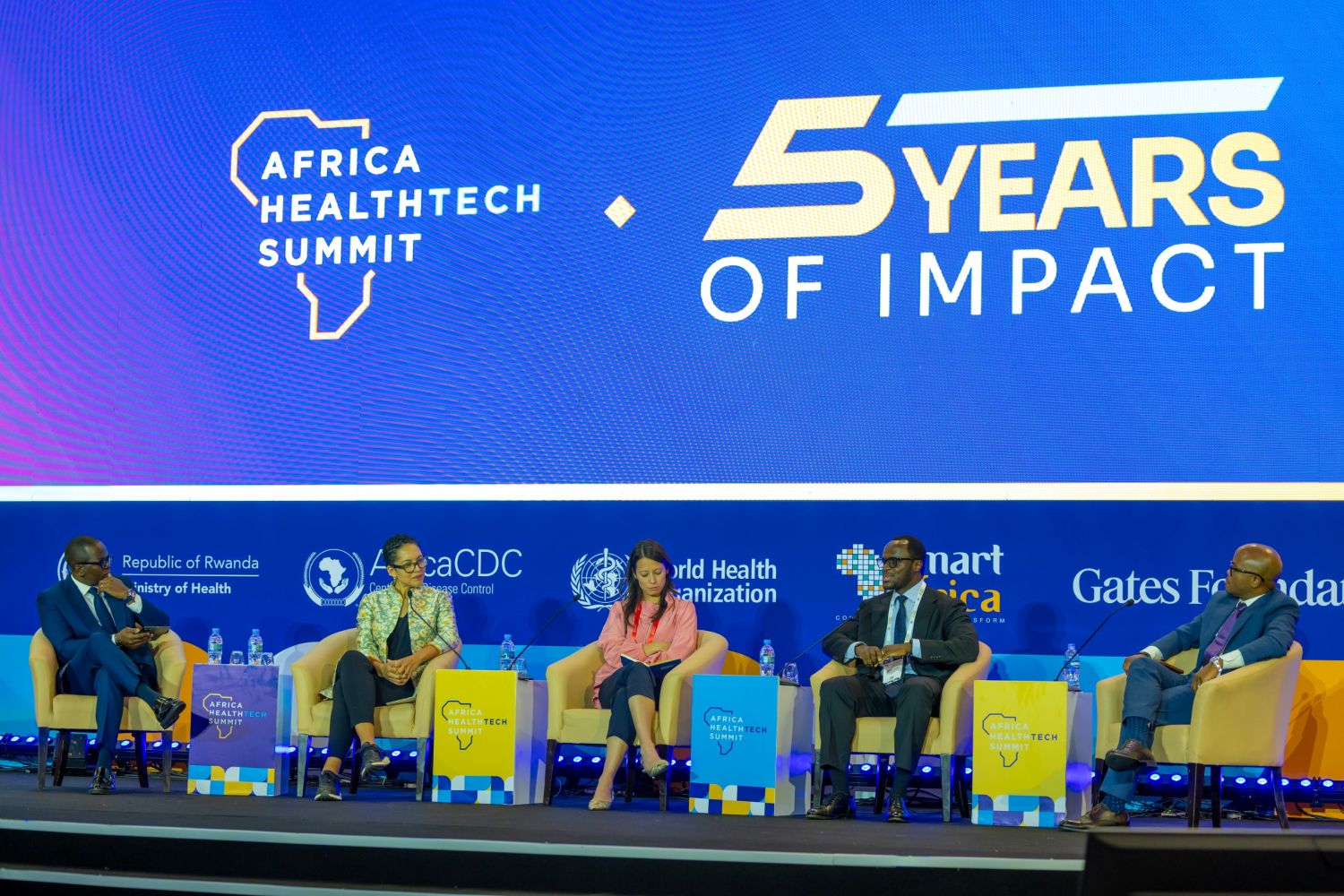
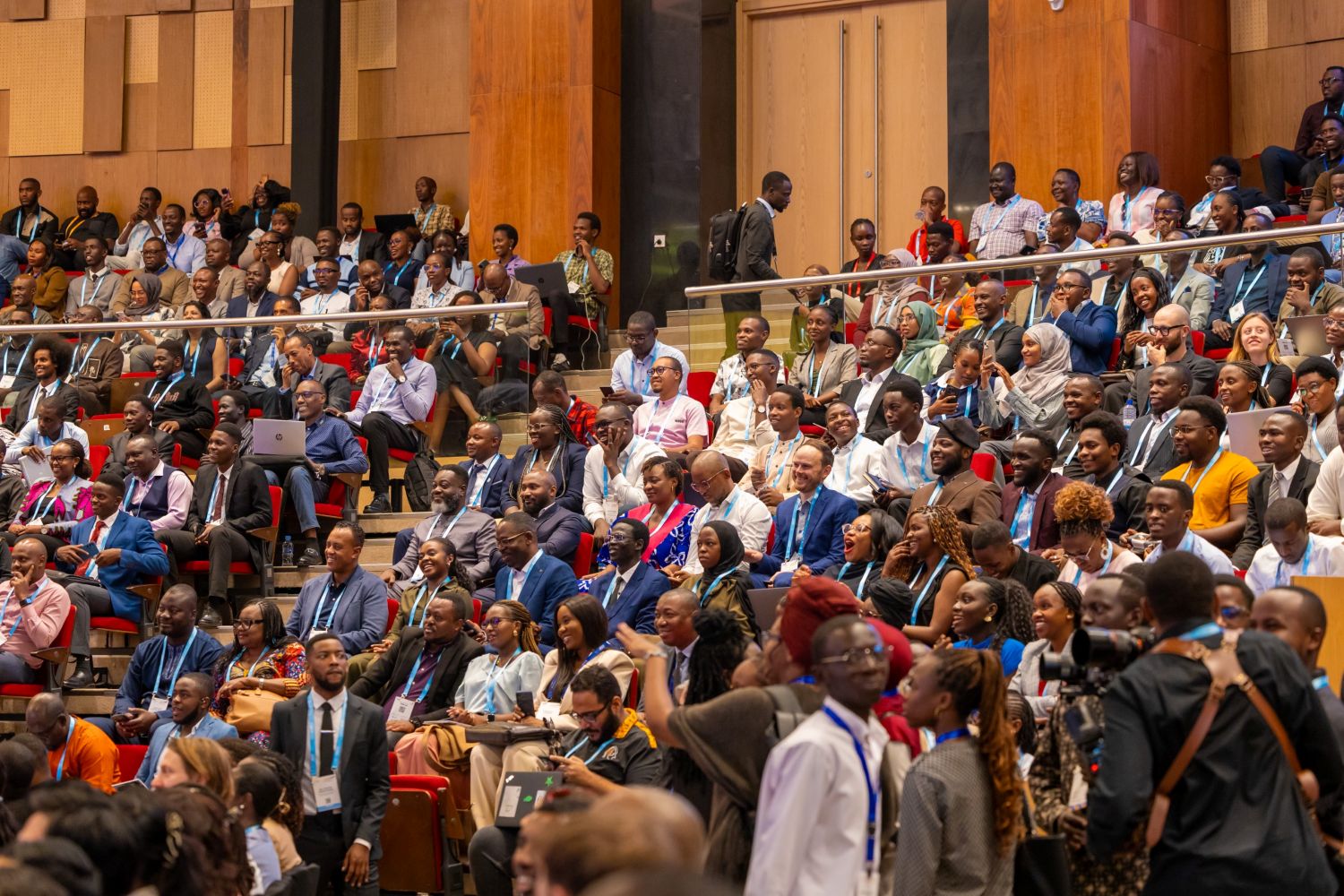
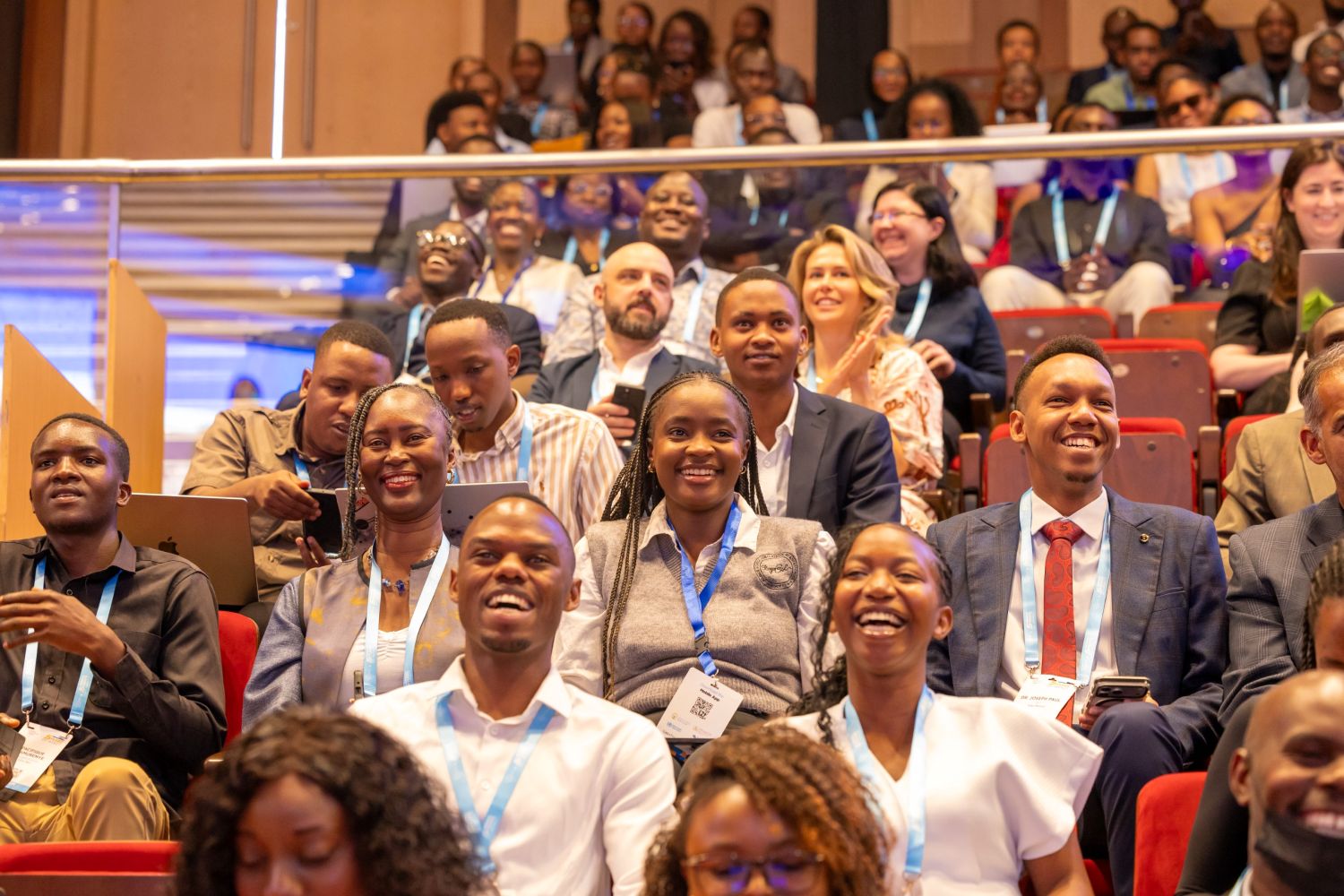
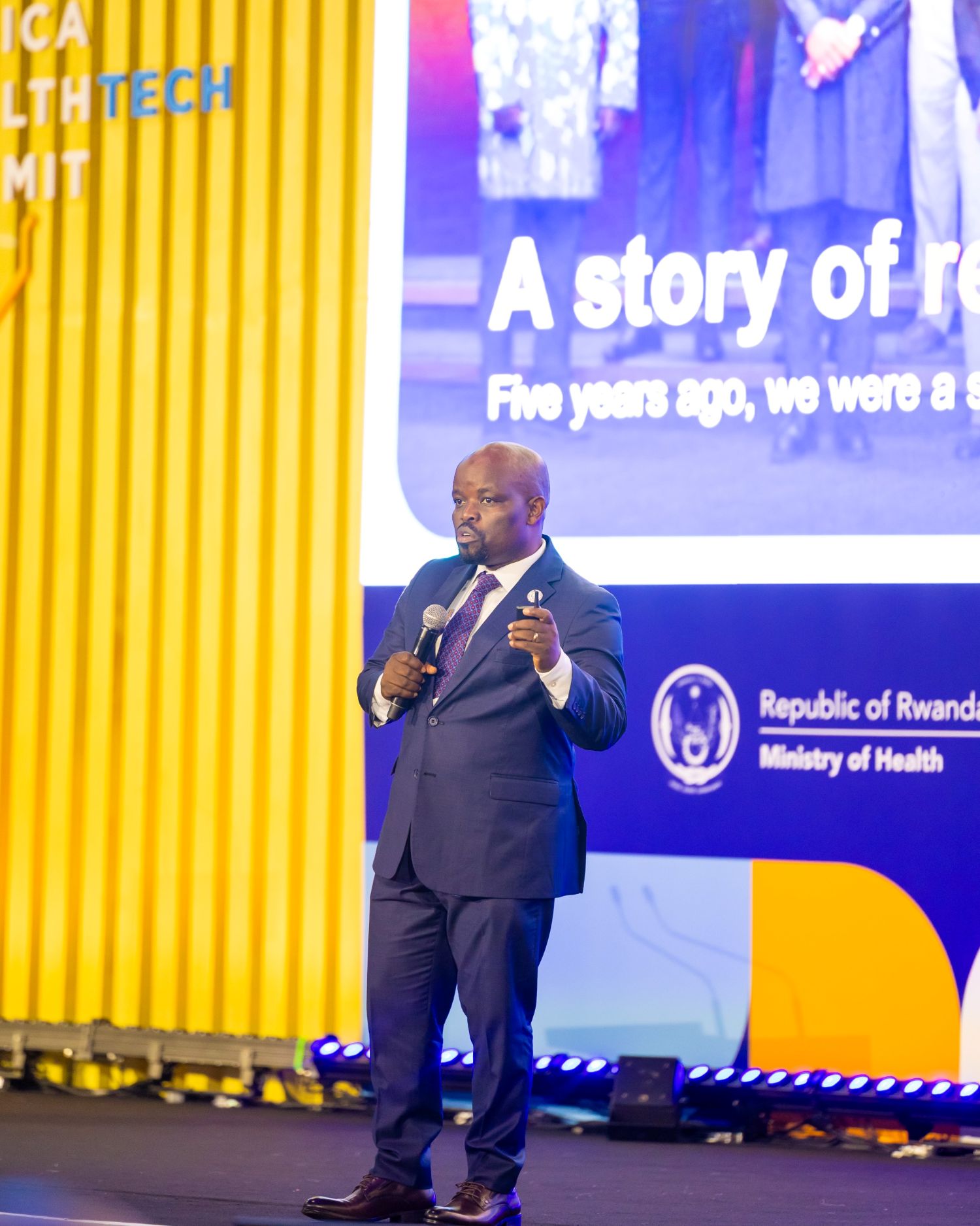
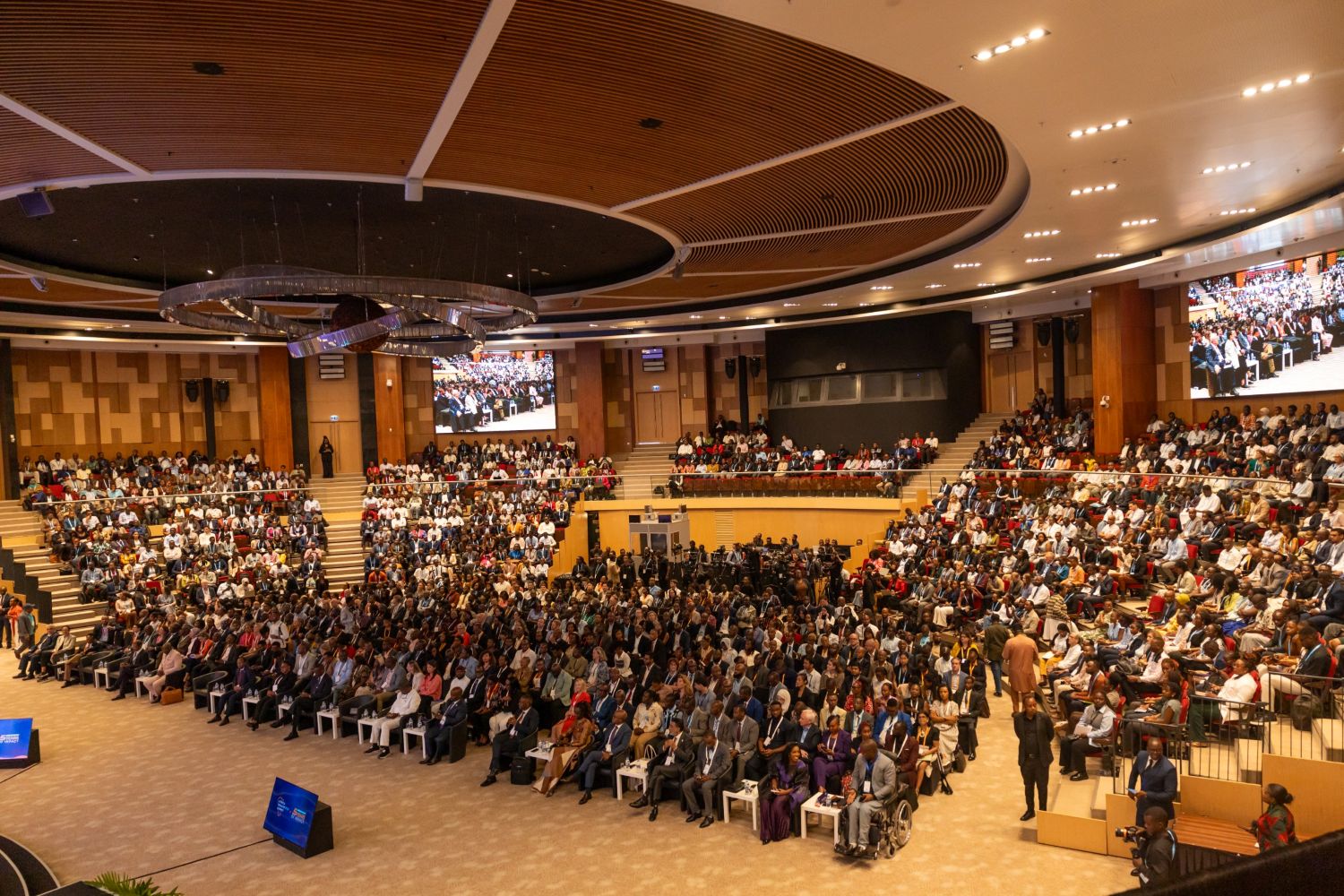
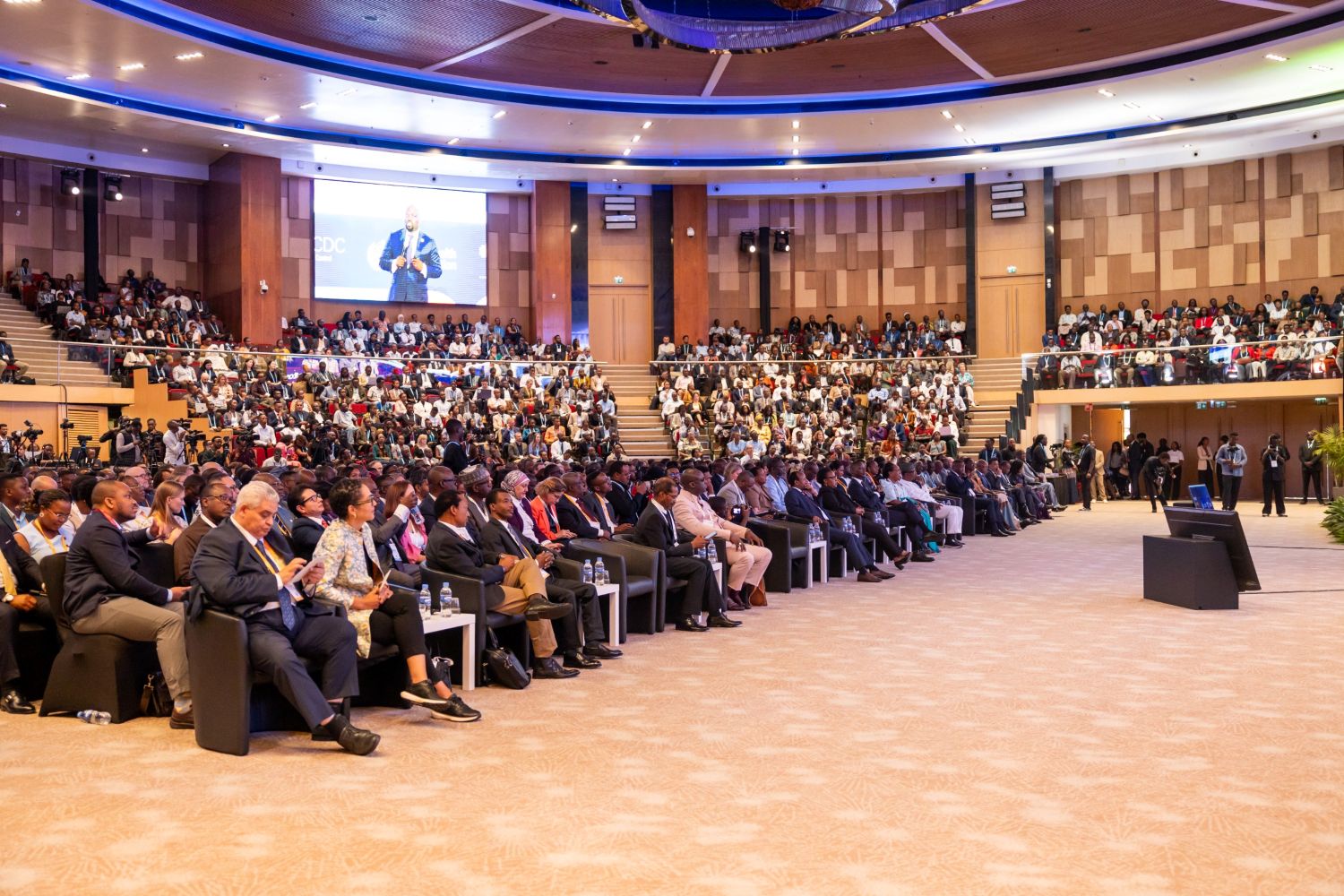
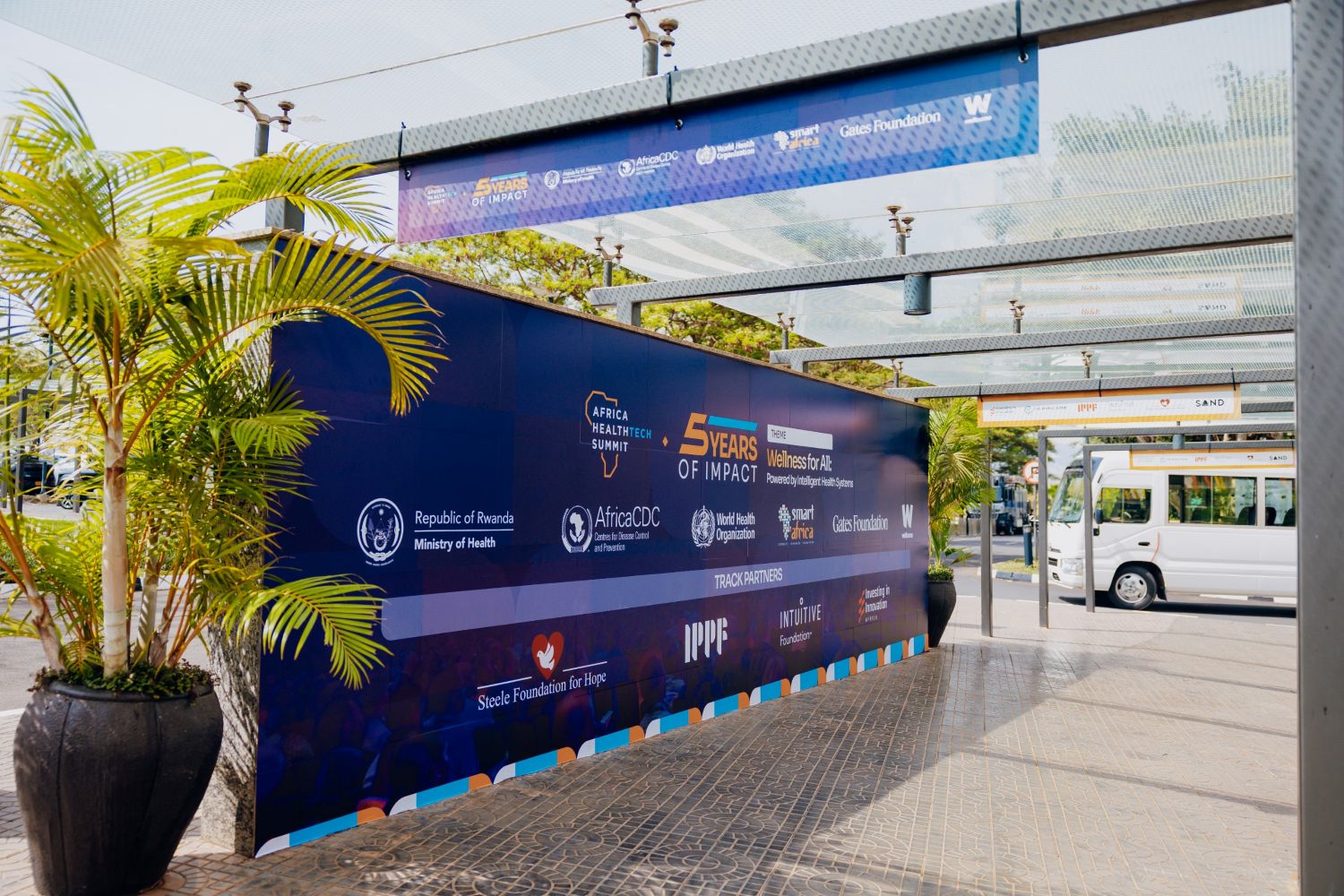
Butera made the disclosure on September 30 as the fifth Africa HealthTech Summit (AHTS) opened at the Kigali Convention Centre, bringing together more than 4,000 delegates from over 150 organisations to discuss how technology, data and innovation can strengthen health systems across Africa.
The three-day summit is bringing together health leaders, policymakers, technology experts, investors and innovators to explore artificial intelligence, digital health, primary healthcare, health data and the scaling of African health technologies.
Butera noted that Rwanda had already made major gains in maternal health, with maternal mortality falling by about 85% over the past two decades.
Data from the National Institute of Statistics of Rwanda (NISR) shows the scale of the longer-term progress. The maternal mortality ratio fell from 1,071 deaths per 100,000 live births in 2000 to 203 in 2020, before declining further to 149 in 2025.
That represents an 86.1% reduction between 2000 and 2025, according to the NISR’s latest Rwanda Demographic and Health Survey.
The latest gains come as Rwanda increasingly relies on digital systems to detect risks earlier and coordinate care across different levels of the health system.
Butera explained that the country has developed a tailored community electronic medical record used by more than 54,000 community health workers.
The workers use smartphones to record patient information, follow up on cases and identify people at risk, particularly in maternal and child health.
The system connects information gathered at community level with health centres, hospitals and specialists, allowing healthcare providers to identify high-risk pregnancies and prepare for possible complications.
“Since we have our electronic medical records that are interconnected,” Butera noted, health centres can access information from community health workers, while hospitals and specialists can identify high-risk pregnancies.
The system has also given health authorities a broader view of health trends across the country.
From his office, Butera explained, officials can monitor issues such as medicine stock-outs and identify patterns involving conditions such as high blood pressure.
He stressed that the focus has shifted towards identifying women at risk much earlier in pregnancy.
For high-risk pregnancies, early detection allows health facilities to prepare for complications before delivery, he added.
Health centres have also been equipped with ultrasound machines, enabling nurses to identify pregnancies that may carry risks. Information on conditions such as blood pressure and diabetes can then be used to plan care.
Virtual hospital expands specialist care
Rwanda has also introduced a virtual hospital to extend specialist expertise to district hospitals.
The system connects district hospitals with specialist doctors who can provide support around the clock, allowing general practitioners to work with specialists during complex procedures.
Using virtual reality equipment, specialists can remotely observe procedures and guide doctors working in district hospitals.
Butera revealed that the programme has helped save about 15 mothers who were considered “near misses” since it was introduced.
The government expects the virtual hospital, combined with other interventions across the health system, to contribute to another 30% reduction in maternal mortality over the next year.
The minister emphasised that the broader objective is to use technology to make healthcare more responsive by identifying risks earlier, bringing specialist expertise closer to patients and enabling health authorities to make decisions using real-time information.
“We want impact so that people’s lives are saved, are changed, they live longer and healthier,” he added.
Rwanda builds health intelligence system
The maternal health gains form part of a wider effort to build an interconnected digital health system in Rwanda.
Eric Remera, Director of Rwanda’s National Health Intelligence Centre, highlighted the country’s transition from paper-based systems towards digital health services, including electronic medical records, connected health facilities and laboratories.
The National Health Intelligence Centre, established a year ago, brings together health data to generate insights that support decision-making from national leadership to frontline healthcare providers.
Remera explained that the goal is not simply to collect more data but to ensure that information also reaches healthcare providers, giving them better tools and helping them make decisions at the right time.
“As we embrace artificial intelligence, our principle is clear: Rwanda’s data must serve Rwanda’s people, under Rwanda’s governance,” he stressed.
The use of technology in healthcare must, however, remain focused on improving outcomes for patients, Dr Brian Chirombo, WHO Representative and Head of Mission in Rwanda, told delegates.
Speaking on behalf of the United Nations Resident Coordinator, Chirombo highlighted equity, trust and impact as key principles that should guide digital transformation.
He pointed to UN-supported initiatives in Rwanda, including the Kigali Health Tech Hub, the National Health Intelligence Centre, telemedicine, digital surveillance and the expansion of community electronic medical records.
Chirombo also called for African countries to move beyond small-scale pilots and disconnected projects and focus on taking proven health innovations to scale.
Summit seeks to turn innovation into investment
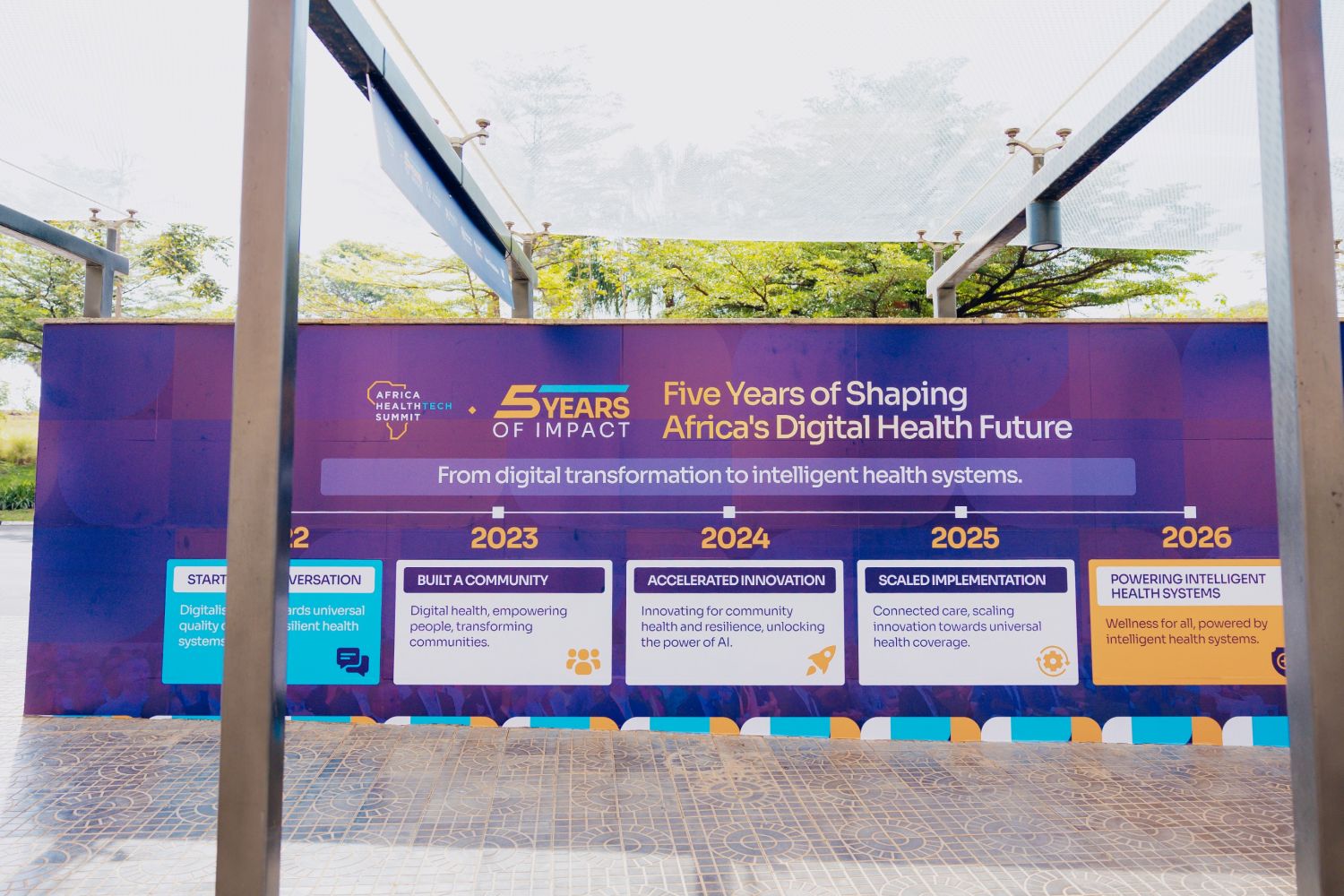
Jean-Philbert Nsengimana, Chairman of the Africa HealthTech Summit and Chief Digital Advisor for Africa CDC, highlighted the growth of the forum since its launch.
The 2026 edition has 4,300 registered delegates, compared with about 600 participants when the summit began in 2022.
The summit has also expanded its focus from discussions around digital health to creating opportunities for investment and implementation.
Nsengimana announced a Deal Room designed to connect health technology companies seeking capital with investors. This year’s programme includes 22 scale-ups, 13 confirmed investors and 31 meetings.
He pointed to a deal that emerged from the previous summit, where an investor met a South African health technology innovator, leading to a $3.1 million investment in an AI diagnostics company and a subsequent $6 million funding round.
Nsengimana argued that African health technology companies need access to the continent’s wider market if the sector is to achieve greater scale.
The summit chairman also outlined plans to strengthen collaboration between African innovators and international health technology markets, including through Africa-Canada, Africa-US and Africa-India healthcare collaboration platforms.
As the fifth edition continues through October 2, discussions are expected to focus on how governments, investors, innovators and development partners can turn digital health solutions into systems that improve healthcare delivery across the continent.
Butera made the disclosure on September 30 as the fifth Africa HealthTech Summit (AHTS) opened at the Kigali Convention Centre, bringing together more than 4,000 delegates from over 150 organisations to discuss how technology, data and innovation can strengthen health systems across Africa.Butera noted that Rwanda had already made major gains in maternal health, with maternal mortality falling by about 85% over the past two decades.The 2026 edition has 4,300 registered delegates, compared with about 600 participants when the summit began in 2022.
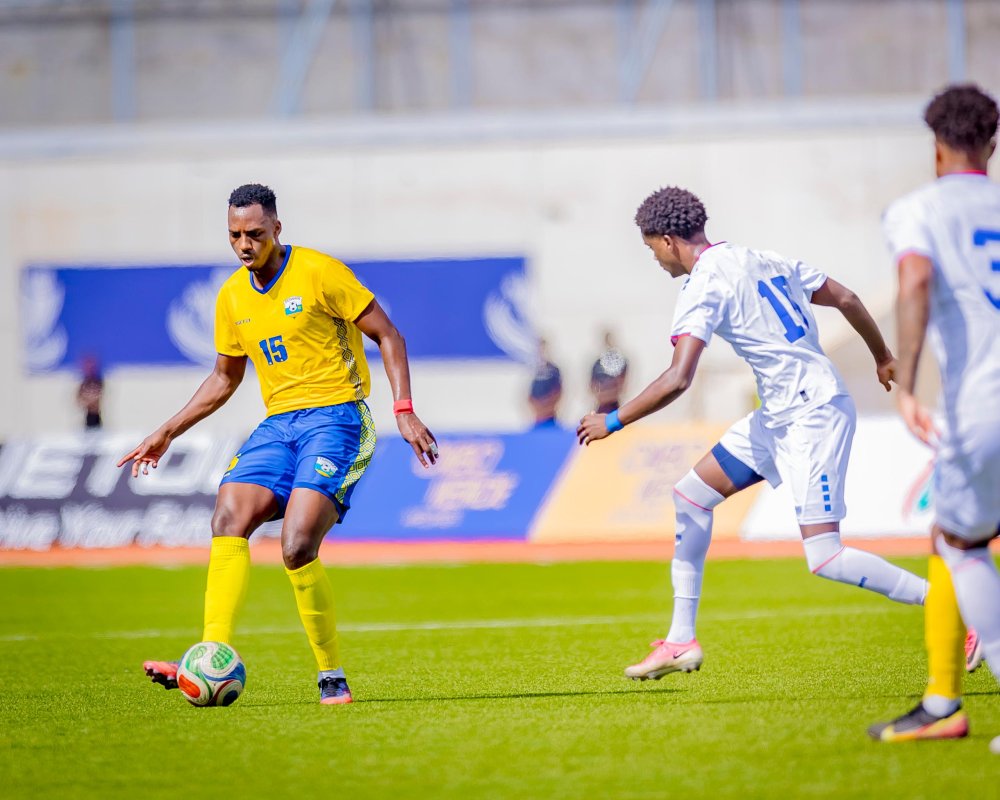
The Amavubi secured a hard-fought 2-1 victory in Praia, Cape Verde, on the evening of September 29, with few expecting Rwanda to overcome the hosts in their first home match since the 2026 FIFA World Cup.
Goalkeeper Fiacre Ntwari, who put in a strong performance despite appearing to suffer a thigh injury during the match, said the victory reflected the team’s determination to qualify for AFCON.
“We have a goal as players. What I feel is that we have to qualify for this AFCON. If we have started by winning away from home, it is a sign that we can do it. Rwandans should continue supporting us, and we will do it.”
Claude Niyomugabo, who scored Rwanda’s opening goal, thanked God for helping the team secure the victory.
“We were helped by listening to the coach’s tactics. He gave us confidence and told us that everything was possible, including getting three points here. God has helped us, and we are going home with the victory.”
Rwanda forward Leroy-Jacques Mickels, who has quickly won the affection of Rwandan fans, said the victory demonstrated what the team can achieve despite expectations that Cape Verde would have the advantage.
“We knew we had to win because everyone was saying that Rwanda is small, but we showed that Rwanda is a big country and that we are a big team. This is just the beginning. Thank you for supporting us. Wait until we get to Kigali and have a big celebration.”
Amavubi head coach Stephen Constantine also reiterated his determination to lead Rwanda to AFCON, a goal he said he had wanted to achieve when he previously coached the national team between 2014 and 2015.
“I want to thank the Ministry of Sports and FERWAFA because they have helped me do what I have to do, because I cannot do this alone. I don’t accept that Rwanda has gone 22 years without qualifying for the Africa Cup of Nations, because when I was last here 11 years ago, we qualified, but it was taken away for reasons that did not make sense.”
He added: “Six months ago, I told Rwandans that I had unfinished business. Now look where we are. We have won two games.”
The victory marked a historic achievement for Amavubi, as it was the first time Rwanda had won two consecutive matches in an AFCON qualifying campaign.
In Group K, Rwanda currently sit at the top of the table, level with Mali on points and goal difference. Liberia and Cape Verde occupy the bottom positions, with neither side having collected a point.
Rwanda will face Mali twice in November 2026.
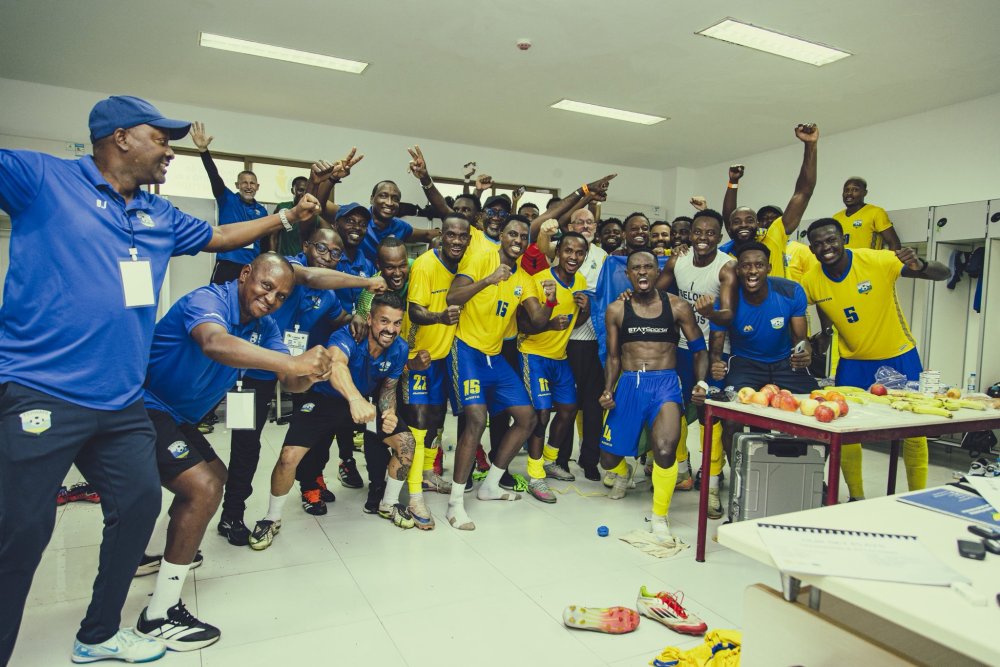
Rwanda national football team players have expressed their joy after defeating Cape Verde.Claude Niyomugabo has thanked God for being with Amavubi as they secured a victory in Cape Verde.Amavubi players have expressed their joy after making a strong start to their AFCON qualifying campaign.Amavubi players have set their sights on qualifying for the Africa Cup of Nations.
The findings come from an international study that combined genetic data from living bats with evidence from fossils.
The research involved 137 scientists from 64 countries and was conducted through the Bat1K consortium, an international initiative seeking to sequence the genomes of all living bat species.
For many years, scientists have debated where bats originated. Africa, Asia and North America have all been proposed as possible locations.
The new study, published in the journal Nature, points to Europe as the most likely birthplace of bats during the late Paleocene, roughly 65 to 60 million years ago.
Researchers analysed 103 bat genomes, including 42 newly produced chromosome-level genome assemblies representing all 21 recognised bat families.
They also examined 44 fossil bats to help reconstruct the animals’ evolutionary history and track how they spread across different regions.
The researchers found evidence that the earliest bats evolved in Europe before their descendants expanded into Africa.
From there, different bat groups eventually reached the Americas, Asia and Australia, contributing to the remarkable diversity of bats found today.
The study also offers clues about the early development of some of the characteristics that make bats unique.
Bats are the only mammals capable of sustained powered flight, while most bat species use echolocation to navigate and locate food in darkness.
The researchers found evidence suggesting that both abilities emerged very early in bat evolution.
The team also examined Vielasia, an ancient bat fossil considered to be close to the earliest branches of the bat family tree.
Its position in the evolutionary record supports the idea that echolocation was already present near the beginning of bat evolution.
Scientists additionally reconstructed the genome of the ancient common ancestor of living bats using computational methods.
They say the reconstruction could help researchers investigate the genetic basis of traits such as flight, echolocation, long lifespans and resistance to some diseases.
Bats represent about one fifth of all living mammal species and play important ecological roles.
Many species help control insect populations, while others pollinate plants and disperse seeds.
The researchers say combining genetic and fossil evidence has provided a clearer picture of how bats evolved and spread around the world, helping resolve some long-standing questions about the history of one of the most distinctive groups of mammals.
New genetic and fossil evidence suggests that bats may have originated in Europe about 65 to 60 million years ago before spreading across the world.
The Dots agents were introduced on September 29, 2026, during OpenAI’s annual developer conference in San Francisco.
Unlike traditional chatbots that mainly respond to individual prompts, Dots are designed to pursue tasks on their own and continue working with limited supervision.
OpenAI is targeting businesses and professionals that increasingly want AI systems capable of handling routine work.
The company says Dots can manage projects as they develop, including updating a sales proposal when a customer’s requirements change or creating a working demonstration for review.
The agents can be used through workplace platforms including Slack and Microsoft Teams.
They can also use OpenAI’s Codex and ChatGPT Work tools to conduct research, analyse information, prepare documents and develop software, according to Reuters.
The launch places OpenAI in direct competition with Meta, which recently attracted significant attention with its own autonomous AI agent, Muse.
Interest in AI agents has increased as technology companies seek to move beyond systems that simply generate responses and toward software that can independently carry out tasks for users.
OpenAI said Dots are powered by its GPT-6 Astra model, which CEO Sam Altman described as the company’s model that most closely follows human instructions.
The company said the agents had undergone safety testing before their release.
Safety and privacy are important parts of the new system because autonomous AI agents can take actions on behalf of users.
OpenAI said users can establish rules determining what Dots are allowed to do and when they must ask for permission. Sensitive actions, including changing passwords and permanently deleting data, require explicit user approval.
The company also said Dots operate on their own cloud computers and that it is introducing private intelligence tools to identify potential safety risks without retaining business customers’ data.
OpenAI reiterated that business customers’ data is not used to train its AI models by default.
The launch comes at a time when OpenAI is facing increased scrutiny over the safety of autonomous AI systems.
Reuters reported that the company has been examining incidents involving rogue AI agents, including activity connected to Hugging Face and an Australian government health website.
The company also recently decided not to release a more powerful version of its Astra model after it raised concerns about the model’s willingness to mislead users about its actions.
OpenAI is also expanding its business offerings as it competes with companies such as Meta and Anthropic.
The company said weekly users of Codex and ChatGPT Work had surpassed 35 million, compared with about five million Codex users in June.
Consumer-focused ChatGPT, meanwhile, has more than 1.2 billion weekly users, according to figures announced by the company.
The company is rolling out other products alongside Dots, including a shared workspace for business teams called ChatGPT Space, the lower-cost GPT-6.1 Sol model and a $500 Pro subscription offering higher usage limits and faster performance.
With Dots, OpenAI is seeking to make AI systems more capable of carrying out tasks rather than simply answering questions.
The move reflects a broader shift in the technology industry toward AI agents that can operate across workplace applications and take action on behalf of their users.
OpenAI unveiled Dots, a new AI agent designed to work continuously on tasks for users and businesses, as the company expands its push into enterprise artificial intelligence.
“The fourth round of straw polls has taken place,” said Jerome Bonnafont, the UN ambassador of France, whose country holds the rotating presidency of the Security Council for the month of September.
“Each candidate will be informed of the results through the respective permanent representatives of nominating member states. The president of the (UN) General Assembly will also be informed that the straw poll has been conducted,” he told reporters after the conclusion of the secret vote.
Security Council straw polls on secretary-general candidates are informal closed-door ballots used to determine the viability of the candidates. Their results are not officially released.
Seven candidates remain in the race for the next UN secretary-general following the withdrawal of former Chilean President Michelle Bachelet earlier this month.
The seven candidates are: Rebeca Grynspan, a former vice president of Costa Rica and current secretary-general of the UN Conference on Trade and Development; Carolyn Rodrigues-Birkett, Guyana’s permanent representative to the United Nations; Ivonne A-Baki, a former Ecuadoran minister and a diplomat; Maria Fernanda Espinosa, a former UN General Assembly president and former foreign minister and defense minister of Ecuador; Rafael Grossi of Argentina, current director general of the International Atomic Energy Agency; Olara Otunnu of Uganda, a former UN under-secretary-general; Macky Sall, a former president of Senegal.
Current UN Secretary-General Antonio Guterres’s term of office expires at the end of this year. The next secretary-general will assume office on Jan. 1, 2027.
Seven candidates remain in the race for the next UN secretary-general following the withdrawal of former Chilean President Michelle Bachelet earlier this month.
Qu made the remarks at a joint FAO-UN Environment Programme (UNEP) event at FAO headquarters in Rome marking the seventh International Day of Awareness of Food Loss and Waste.
According to FAO, 13.4 percent of food produced globally is lost after harvest and before reaching retail, while 19 percent of food available to consumers is wasted at the retail, food service and household levels.
Food loss and waste also means a waste of the land, water and other resources used to produce food. FAO estimates that about 1.4 billion hectares of land are used to produce food that is ultimately never consumed.
As agricultural expansion remains the leading driver of deforestation globally, reducing food loss and waste could help make better use of existing agricultural land and reduce pressure on forests, FAO said.
“To protect forests, we must transform agrifood systems; to transform agrifood systems, we must reduce food loss and waste, and by reducing food loss and waste, we help safeguard forests,” Qu said.
Food loss and waste account for around 10 percent of global greenhouse gas emissions. When discarded food decomposes, particularly in landfills under anaerobic conditions, it also produces methane, a potent greenhouse gas.
Despite international commitments, the world has made no apparent progress in reducing food losses since 2015 and remains off track to meet Sustainable Development Goal target 12.3, which aims to halve per capita food waste at retail and consumer levels and reduce food losses along production and supply chains by 2030.
At the event, FAO also released an interactive Food Loss Index data map, presenting food loss estimates for 2024 at the subregional and regional levels.
FAO said the tool will improve access to food loss data and support evidence-based policies and efforts to reduce losses across agrifood systems.
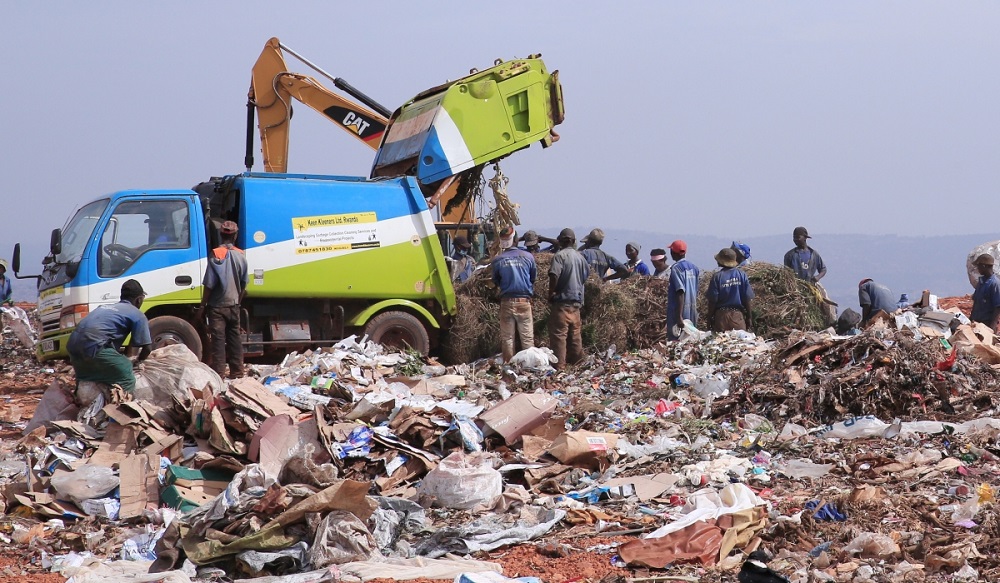
Nduba landfill accumulates over 500 tons of waste materials are dumped on daily basis.
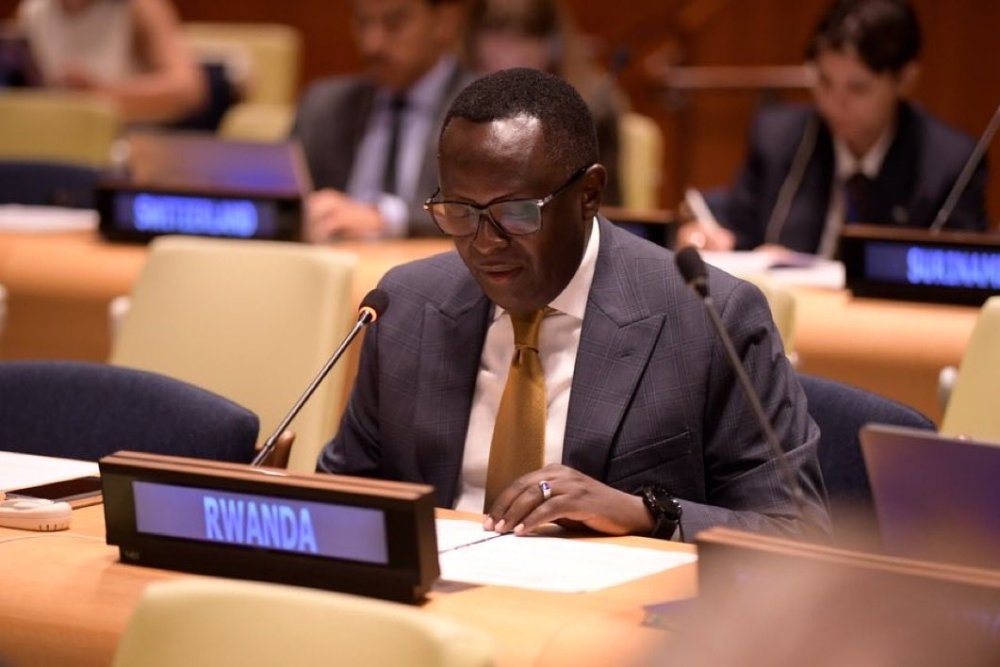
Amb. Ngoga made the remarks on September 29, 2026, during a UN Security Council briefing on the activities of the UN Organization Stabilization Mission in the Democratic Republic of the Congo (MONUSCO).
He said Rwanda remains committed to the Washington Accords and the ongoing Doha process, but stressed that agreements would only have an impact if their commitments are implemented and verified.
“Rwanda has taken steps to lift its defensive measures and has reported those steps through the Washington mechanisms. We have also proposed a tripartite verification mechanism comprising Rwanda, the DRC and the United States as a mediator.
“This points to one central proposition. Claims should be verified, commitments should be measured, and all parties should be held to the same standard,” Amb. Ngoga said.
Rwanda cites continued FDLR activity and FARDC collaboration
Amb. Ngoga said the FDLR remains operational in Rutshuru, Masisi, Nyiragongo and Walikale, citing the UN Secretary-General’s report.
He further said that information available to Rwanda indicated continued operational collaboration involving the FARDC, FDLR, Wazalendo and other allied forces throughout 2026.
He cited several incidents as examples. According to the information presented by Rwanda, FARDC helicopters and military trucks transported ammunition and supplies to locations where some of the material was subsequently distributed to FDLR and other armed-group commanders.
Amb. Ngoga referred to alleged deliveries in February and March, including 13 tonnes of small-calibre ammunition transported to Pinga and Kibua, 12 tonnes of ammunition and food rations taken to Ntoto, and a later delivery involving 693 rifles, six tonnes of ammunition and cash incentives.
He said the alleged pattern continued through April, June and July and cited August 15 as the most recent example presented to the Council.
“The significance is not any single incident. It is the continuity of the pattern from January to August, during the very period in which the neutralization of the FDLR was supposed to be advancing,” he said.
Rwanda, Amb. Ngoga added, had shared the information through the Joint Oversight Committee and Joint Security Coordination Mechanism.
The ambassador also criticised what he described as a separate arrangement being advanced between the DRC Government and the FDLR, arguing that it should not replace commitments already made under the Washington process.
He said the two sides had already identified and mapped FDLR positions, including its political and military command structures, through the Joint Security Coordination Mechanism.
Amb. Ngoga also said the DRC Government had concluded protocols with FDLR leaders and affiliated armed groups on several occasions, most recently on August 29, 2026.
“The obligation is clear: the FDLR must be neutralized, and that neutralization must be effective, complete and verifiable,” he said.
He described the continued presence of the FDLR and what he called its collaboration and support from the DRC Government as “a direct and existential security threat to Rwanda.”
Rwanda raises concerns over Rwandophone communities
Amb. Ngoga also used the Security Council platform to raise Rwanda’s concerns over violence against Banyamulenge and other Congolese Rwandophone communities.
He cited information in the public domain indicating that more than 650 villages had been destroyed or burned in the South Kivu Highlands since 2017, while more than 700,000 cattle had been looted and at least 147 schools and 57 health facilities destroyed.
He said more than 80% of the Banyamulenge and other Rwandophone population had been forced into exile through successive waves of violence.
Amb. Ngoga also referred to restrictions around Minembwe and what he described as a prolonged blockade affecting civilians.
He questioned the reported reinstatement of Major General Sylvain Ekenge as FARDC spokesperson, saying his return following a suspension over remarks targeting Kinyarwanda-speaking Congolese raised questions about accountability for ethnic incitement.
The Rwandan envoy also challenged the description of some armed groups fighting alongside the FARDC as “self-defence groups”. He said UN reporting had attributed 143 human rights abuses to Wazalendo groups and documented children associated with Wazalendo-affiliated armed groups.
He argued that armed groups should be assessed using consistent, evidence-based criteria, including Twirwaneho in the context of Minembwe.
Concluding his remarks, Amb. Ngoga said the Washington and Doha processes presented an opportunity to change the course of the conflict but stressed that implementation remained essential.
“Agreements alone will not bring peace. Implementation will,” he said.
He added that Rwanda was implementing its commitments and was ready for its actions to be verified, while calling for the same standard to be applied to all parties.
Rwanda’s Ambassador to the UN Martin Ngoga has said the continued presence of the FDLR in DR Congo remains a security concern for Rwanda and the region.
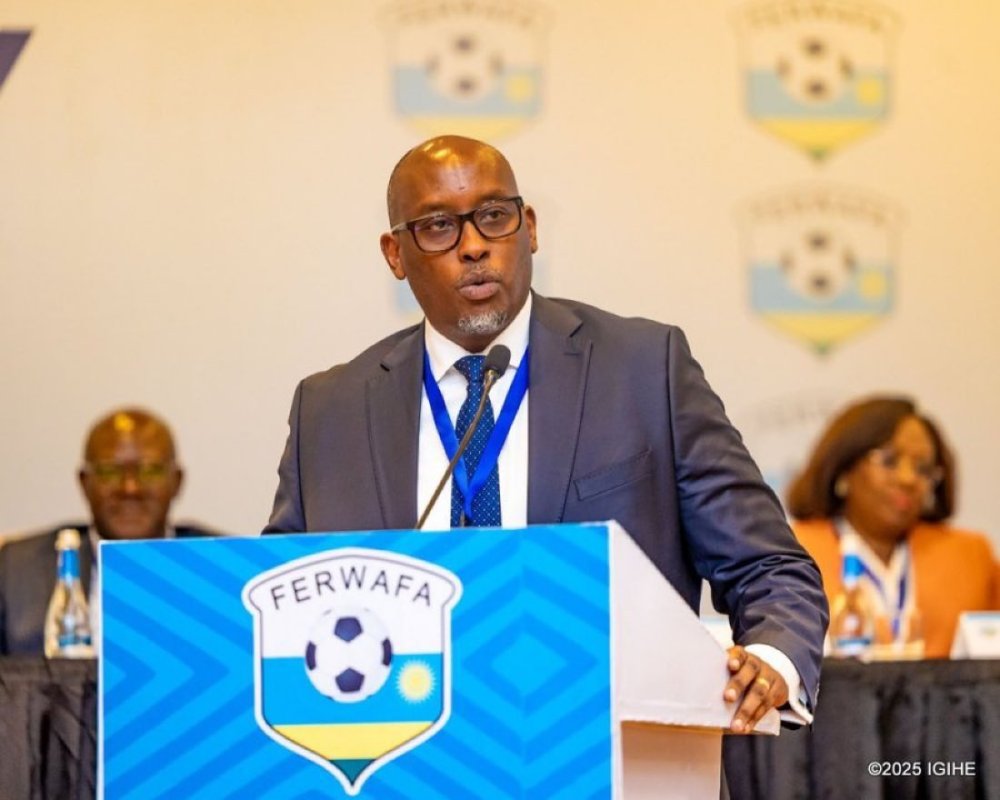
On Tuesday, September 29, 2026, Shema wrote to the FERWAFA General Assembly informing it that he would no longer lead the federation, with his resignation taking immediate effect.
“I have submitted my resignation as President of the Rwanda Football Federation, effective immediately. This decision has been made with integrity and is linked to my personal conduct,” he said.
“I believe stepping down is the most important action to protect the integrity of the federation, maintain public confidence in it and allow other activities to continue smoothly without any damage.”
Shema added that following his resignation, he wished Rwandan football leadership that operates transparently and said he was ready to facilitate the handover process to ensure a smooth continuation of the federation’s activities.
He thanked the FERWAFA General Assembly that elected him, the Executive Committee he worked with, other federation officials, partners, the national team, fans and everyone who had placed their trust in him.
Shema resigned about a month and a half after becoming involved in a court case related to his business activities outside football. He had been charged with issuing bounced cheques and obtaining another person’s property through fraud. The offences were related to his medical equipment business operated through his company, Africa Medical Supplier.
On September 22, 2026, Nyarugenge Primary Court ordered his release after he accepted a plea agreement reached with the prosecution.
Under the agreement presented to the court, the prosecution said he had made the required payment and requested a six-month suspended sentence for one year, as well as a fine of Rwf3 million.
FERWAFA regulations and the requirements for candidates seeking to lead the federation state that a candidate must “not have been convicted of an offence and sentenced to imprisonment for more than six months.”
Shema had started his tenure with an emphasis on improving the financial resources available to football clubs and helping them become more self-sustaining. One of his early initiatives was to increase prize money for teams that performed well.
The winner of the men’s top-flight league received Rwf80 million, while eight teams received prize money, with the eighth-placed team taking home Rwf10 million. In total, Rwf484 million was distributed in prizes during his first year.
During his year in office, Shema also contributed to efforts to recruit talented Rwandan players based abroad to strengthen the national team, Amavubi, and helped facilitate a training camp for the team in Egypt.
He leaves office without achieving his stated ambitions of guiding Amavubi to the 2027 Africa Cup of Nations, a tournament Rwanda last reached in 2004, and qualifying for the 2030 FIFA World Cup.
FERWAFA is currently headed on an interim basis by lawyer Claudine Gasarabwe, who previously served as First Vice President in charge of Finance and Administration.
Shema resigned about a month and a half after becoming involved in a court case related to his business activities outside football.