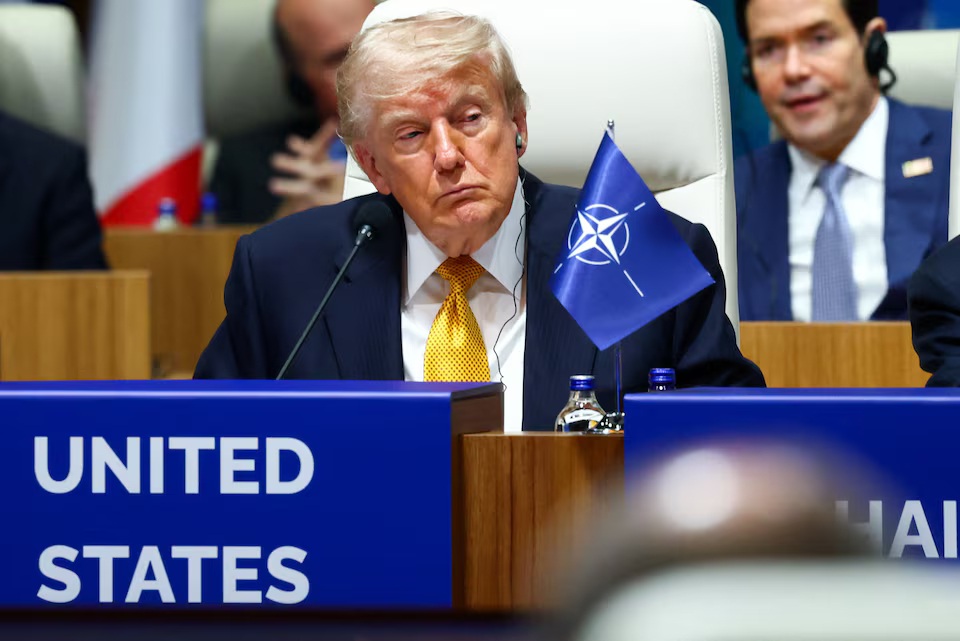
Speaking at the NATO summit in Ankara, Trump described Spain as a “terrible partner” and instructed Treasury Secretary Scott Bessent to stop all trade with the country, escalating a dispute over Madrid’s opposition to NATO’s new defence spending target of 5% of gross domestic product (GDP).
“I don’t want to do any trade with them, alright?” Trump said before turning to Bessent, who replied, “Yes, sir.”
Trump then added: “Take it immediately. Don’t even talk to them. They’re hopeless. They’re bad people … They make so much money with us, and we’re going to see that they make a lot less.”
The comments marked the second time Trump has publicly directed Bessent to halt trade with Spain. He made a similar threat in March after Madrid rejected higher military spending targets, although trade between the two countries continued uninterrupted.
European leaders had hoped the summit would showcase NATO unity, stronger support for Ukraine and increased defence commitments. Instead, Trump’s remarks reignited tensions within the alliance over military spending, the Iran conflict and broader transatlantic relations.
Trump has repeatedly criticized Spain after Prime Minister Pedro Sanchez refused to allow the United States to use Spanish airspace and military bases during the Iran war. Washington and Madrid jointly operate two major military bases in southern Spain that support U.S. naval and air operations.
“Spain doesn’t agree to anything, and you shouldn’t carry them,” Trump told NATO Secretary General Mark Rutte during the summit.
Rutte sought to ease tensions, noting that Spain had increased defence spending to 2% of GDP last year but acknowledged “there are still issues we have to solve.”
Spain dismissed Trump’s latest comments, with Sanchez’s office describing them as “business as usual” and insisting bilateral relations with Washington remained “excellent.”
The Spanish government also noted that Spain runs a trade deficit with the United States and stressed that, as part of the European Union’s customs and trade union, individual member states cannot negotiate separate trade arrangements with Washington.
Spanish Health Minister Monica Garcia was more critical, writing on X that Spain was “a sovereign, democratic country that defends multilateralism and peace.”
“What’s terrible is confusing diplomacy with bullying,” she said.
Trump also widened divisions within NATO by renewing his demand that the United States should control Greenland, the semi-autonomous Danish territory that has become a recurring point of contention with Copenhagen.
“Greenland is very important for the United States, but it’s not important for Denmark,” Trump said, arguing that Washington should have retained control of the island after World War II.
Danish Prime Minister Mette Frederiksen rejected the suggestion, saying: “We are ready to defend every inch of NATO, including our own territory.”
Trump’s remarks extended beyond Europe, with the U.S. president declaring that a fragile ceasefire with Iran was effectively over following fresh American strikes and accusing Tehran of violating the truce.
“It’s over. I don’t want to deal with them,” Trump said. “They’re scum. They’re sick people. They’re led by sick people.”
Rutte defended the U.S. military response against Iran and praised Trump for pushing European allies to spend more on defence.
“I think what you did last night was absolutely necessary. It was a very strong response,” Rutte said, adding that Trump’s pressure had helped European countries “raise their game” on military spending.
Despite Trump’s threats, analysts say it would be difficult for the United States to single out Spain for trade restrictions because trade policy with EU member states is negotiated collectively by Brussels rather than individual governments.
Meanwhile, major U.S. investors continue to view Spain positively. BlackRock recently identified Spain as its preferred market for equity exposure, citing stronger economic growth than most developed economies, even as overall U.S. investment in Spain declined during the first quarter of 2026.
Spain exports products including olive oil, auto parts, steel, chemicals and wine to the United States, although economists say its economy is less exposed to potential U.S. trade retaliation than several other European countries.
Speaking at the NATO summit in Ankara, Trump described Spain as a “terrible partner” and instructed Treasury Secretary Scott Bessent to stop all trade with the country.
The annual compliance strategy, unveiled on Wednesday, July 8, is aimed at strengthening voluntary tax compliance, expanding the tax base and mobilising more domestic revenue to support Rwanda’s development agenda.
The launch comes after RRA recorded a 27.7% increase in tax collections compared to the previous fiscal year. Revenue collected on behalf of local governments also exceeded target, reaching Rwf 137.9 billion, or 102.3% of the planned collection before reconciliation.
RRA Commissioner General Ronald Niwenshuti attributed the strong performance to “favourable macroeconomic conditions, effective tax administration, successful implementation of tax policy measures, and sustained improvements in taxpayer compliance.“
Strong economic growth boosts tax collections
According to RRA, Rwanda’s economy expanded by 11% during the first three quarters of the fiscal year (July 2025 to March 2026), outperforming the projected 8.1%, with growth driven largely by the industrial and services sectors.
The stronger economic activity translated into improved tax performance across major revenue streams.
Business turnover increased by 23.7%, while the proportion of VAT-taxable sales rose from 52.3% to 59.2%, broadening the country’s Value Added Tax (VAT) base.
Corporate taxable income grew by 22.9%, compared to 1.9% in the previous fiscal year, while taxable employment income rose by 14.6%, resulting in a 16% increase in Pay As You Earn (PAYE) revenue.
The value of taxable imports also increased by 29.6%, contributing to stronger customs revenue.
Meanwhile, tax policy reforms introduced during the year generated Rwf 286.7 billion, exceeding the projected Rwf 259.2 billion and achieving 110.6% of the target.
Beyond economic growth, RRA credited a series of compliance initiatives for boosting domestic revenue.
During the year, the authority registered 126,282 new taxpayers, who contributed Rwf 15.4 billion in tax revenue, while Rwf 277.1 billion in outstanding domestic tax arrears was recovered through strengthened enforcement.
The adoption of Electronic Billing Machines (EBMs) also continued to expand, with 43,243 additional taxpayers joining the system to improve VAT compliance and transaction traceability.
RRA completed 1,883 tax audits, resulting in Rwf 9.3 billion in additional tax assessments and payments, while enhanced monitoring of unsupported business expenses helped improve corporate income tax compliance and reduce underreporting.
The authority also credited continued taxpayer education, risk-based compliance management and collaboration with stakeholders for improving voluntary compliance.
Participation in the Tengamara na TVA and Tenga Promo VAT reward schemes grew significantly during the year, with registered participants increasing from 74,964 in June 2025 to 1.09 million by the end of June 2026.
The scheme generated invoices accounting for Rwf 105.8 billion in VAT output, while consumers received Rwf 4.2 billion in VAT rewards.
On the enforcement front, RRA completed 163 tax investigation cases, leading to assessments worth Rwf 21.4 billion, while 1,542 anti-smuggling operations resulted in assessments totalling Rwf 29 billion.
Joint EBM compliance campaigns conducted with the Rwanda National Police across Kigali and five districts outside the capital led to more than 12,000 taxpayers adopting EBMs and the recovery of Rwf 3 billion in penalties.
Using data analytics, the authority also identified and blacklisted fictitious invoices, preventing fraudulent VAT refund claims worth Rwf 28 billion.
New strategy targets higher voluntary compliance
Building on the gains made in 2025/26, RRA has been assigned a revenue target of Rwf4.640 trillion for the central government and Rwf165.9 billion for local governments during the 2026/27 fiscal year.
The collections are expected to finance approximately 61.6% of Rwanda’s Rwf7.796 trillion national budget.
Under the new Compliance Improvement Plan, RRA will focus on strengthening taxpayer registration, encouraging timely filing and payment of taxes, improving the accuracy of tax declarations, expanding the use of Electronic Billing Machines, accelerating digital transformation, enhancing taxpayer education and applying risk-based compliance management.
The strategy also calls for closer collaboration with stakeholders and law enforcement agencies to combat tax crimes.
Priority sectors include manufacturing, transport and storage, information and communication, professional services, education, real estate and construction, where the authority intends to strengthen compliance while promoting fair taxation.
Niwenshuti said continued collaboration between taxpayers, stakeholders and the tax authority will be key to achieving the new revenue target.
“While significant progress has been made, much remains to be done to achieve even higher levels of compliance and domestic revenue mobilisation. I remain confident that, through continued collaboration, mutual trust and the shared commitment of taxpayers, stakeholders and RRA staff, we will successfully achieve our revenue and compliance objectives for FY 2026/2027,” he said.
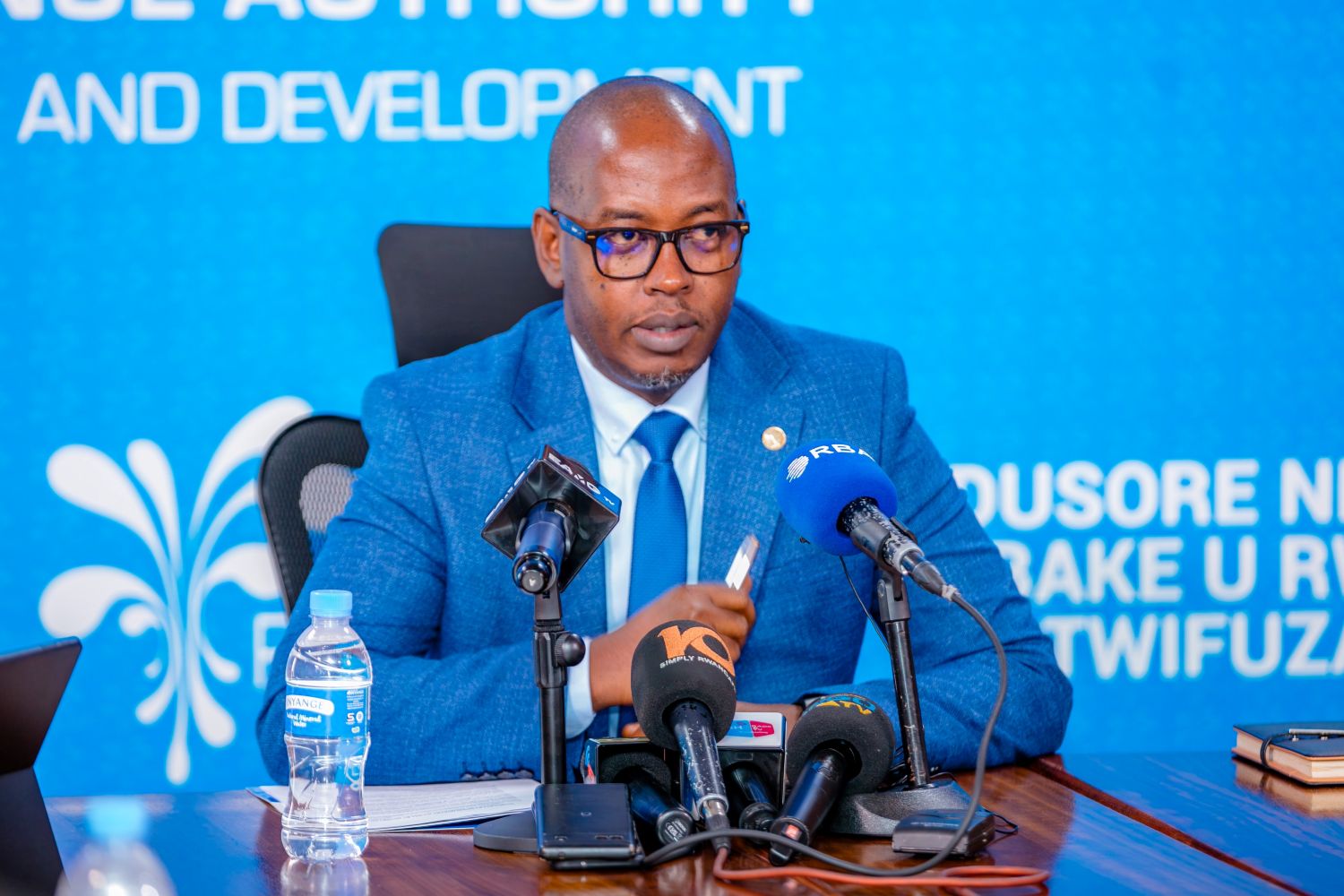
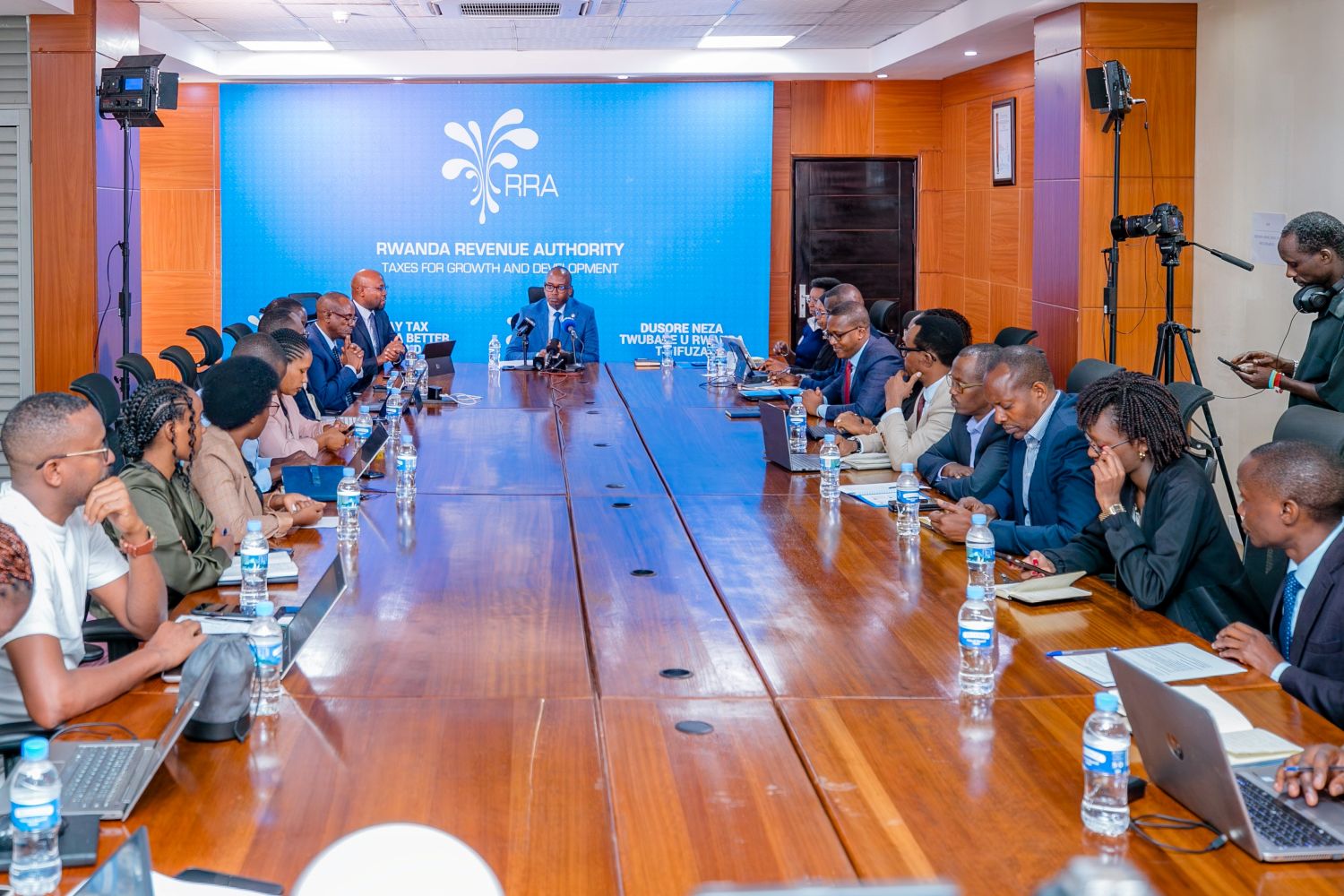
The performance was announced by RRA Commissioner General Ronald Niwenshuti during a press briefing on Wednesday, July 8.Niwenshuti said tax revenue increased by 27.7% compared to the previous fiscal year, attributing the growth to improved voluntary tax compliance, sustained economic expansion, and the implementation of new tax measures.
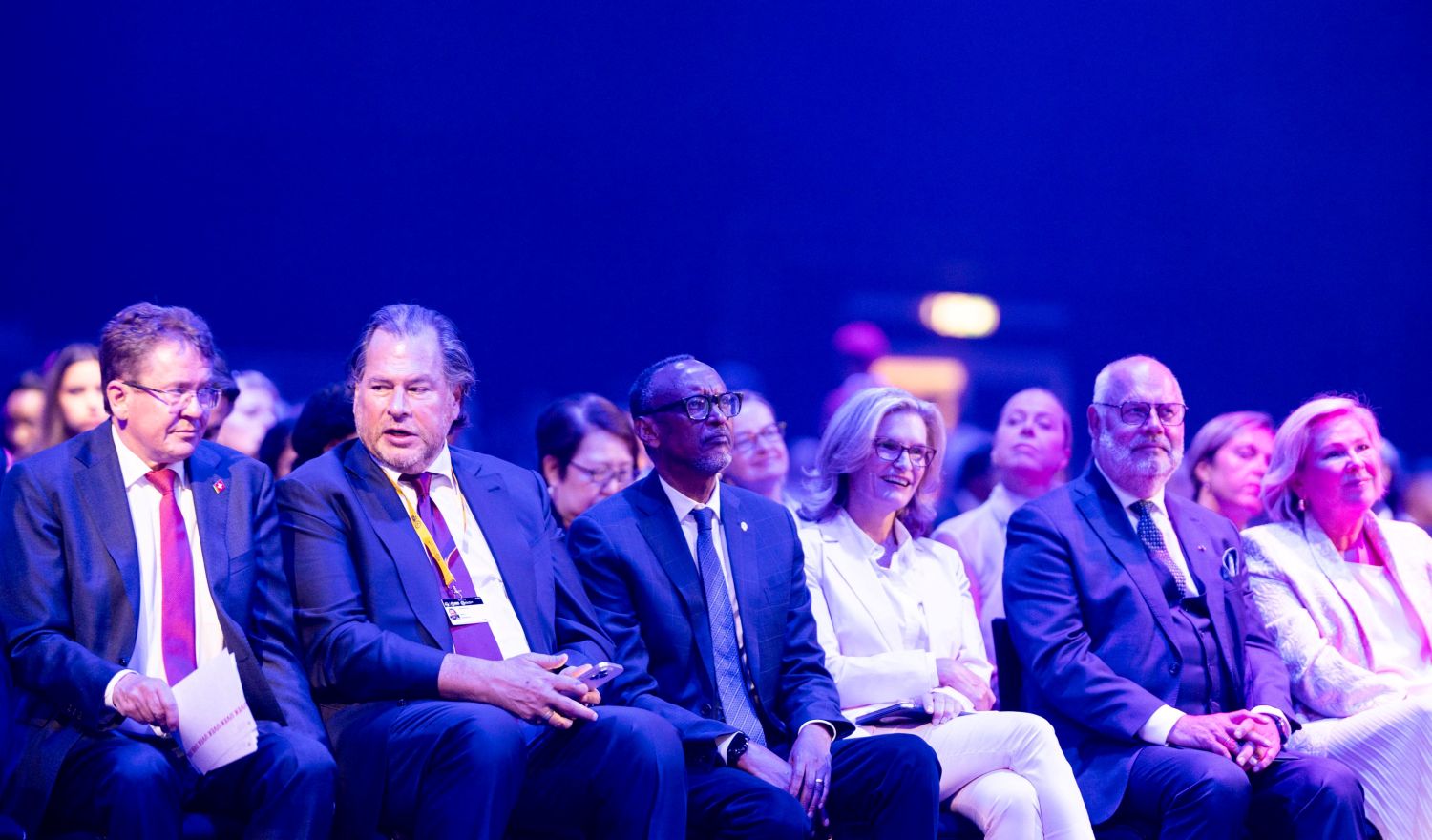
Kagame, who is co-chairing the Commission, will be joined by co-chair Marc Benioff, CEO and Co-Founder of Salesforce, and vice-chair Doreen Bogdan-Martin, Secretary-General of the International Telecommunication Union (ITU), amongst others.
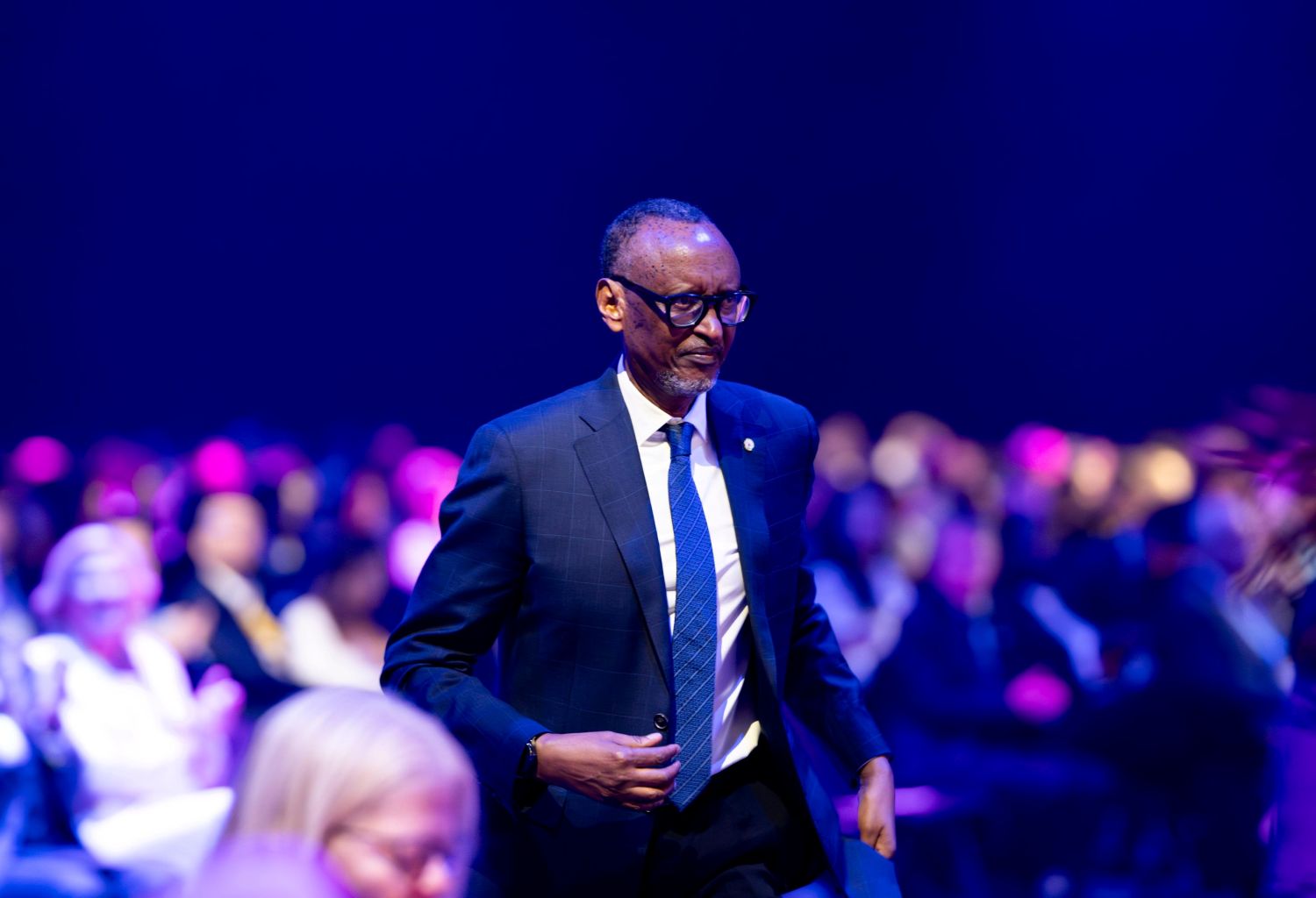
Kagame was appointed co-chair of the newly launched AI for Good Global Commission on July 2, 2026, alongside Marc Benioff.
The initiative brings together global leaders to promote responsible artificial intelligence development.
The Summit, co-convened by the ITU and Switzerland, brings together Heads of State and Government, industry leaders, policymakers, researchers, innovators and civil society representatives from across the globe, to explore AI’s potential, develop standards leading to more inclusive opportunities, and examine the evolving role of AI in supporting innovation.
This year’s Summit is being held under the theme, “Unlocking AI’s potential to serve humanity”.
Kagame will deliver remarks during the opening of the AI for Good Global Summit and participate in a fireside chat during the official launch of the AI for Good Global Commission. The head of state will also co-chair the inaugural meeting of the AI for Good Global Commission.
The AI for Good Global Commission is a high-level initiative uniting leaders from government, business, and international institutions to address the technical, socio-economic, and policy questions surrounding AI.
Its mandate is to define practical pathways to strengthen trust, expand access, build infrastructure and reduce inequalities, positioning AI as a tool for solving global challenges.
The initiative brings together global leaders to promote responsible artificial intelligence development.President Paul Kagame was appointed co-chair of the newly launched AI for Good Global Commission on July 2, 2026, alongside Marc Benioff.
As of Monday, the DRC had reported 1,708 confirmed cases, including 580 deaths, said authorities late Tuesday.
According to a WHO Regional Office for Africa report released Tuesday, the outbreak in the DRC “continues to intensify,” driven by sustained transmission in hotspot health zones of Ituri and North Kivu provinces, growing numbers of community deaths and the spread of infection into previously unaffected health zones.
The public health risk in the DRC remains “very high,” the WHO said, warning that sustained and widespread transmission continued to outpace the current response capacity.
“The true scale has not yet been fully established,” Anne Ancia, WHO’s representative to the DRC, told reporters in Bunia, capital of Ituri province, epicenter of the outbreak.
“We would like to say it is stabilizing, but frankly, we cannot say it yet,” she said.
Hidden chains of transmission
The WHO report said deaths before admission to treatment facilities remain a major concern in the country, suggesting delays in case detection, referral and isolation.
Among 430 confirmed deaths investigated as of Sunday, 397, or 92.3 percent, occurred in the community or before admission to a treatment facility, according to the report.
For health workers, community deaths are a critical warning sign, which suggests that surveillance, referral and isolation systems are still lagging behind the virus, allowing transmission to continue before patients reach care, it said.
Contact tracing has improved but remains insufficient to quickly interrupt transmission. As of Monday, 12,412 contacts were under follow-up in the DRC.
However, only 32.4 percent of confirmed cases had been detected through contact follow-up, indicating many infections outside known contact lists and “ongoing gaps in surveillance.”
In support of the government-led response, WHO teams are working to reconstruct the history of each infection “so that we can really understand the chain of transmission” and isolate every contact case, Ancia said.
The outbreak, declared on May 15, is unfolding in areas already marked by armed conflicts, mass displacement and overstretched health services. It has mainly affected Ituri, North Kivu and South Kivu provinces in eastern DRC.
Jean Kaseya, director-general of the Africa Centers for Disease Control and Prevention (CDC), said compared with previous Ebola outbreaks in Africa at the same stage, the current outbreak ranked first in terms of the number of cases and deaths.
Healthcare nearing saturation
The surge in cases is placing growing pressure on Ebola treatment and isolation facilities.
The DRC has about 700 treatment and isolation beds across more than 22 Ebola treatment centers and care facilities. As of Sunday, 646 patients were in isolation nationwide, with official isolation occupancy standing at about 94.2 percent, according to the WHO report.
Ancia said that treatment centers were “at saturation point” and that not all needs in Ituri province could currently be met.
Still, WHO officials pointed to some gains in the response. Testing capacity has risen sharply from about 30 tests per day in Kinshasa to more than 2,000 per day, thanks to 10 decentralized laboratories established in affected provinces, including the latest one opened in Bunia, Ancia said.
The response is also complicated by the wider humanitarian emergency in eastern DRC, where insecurity, displacement, poor water access and weak health infrastructure have increased vulnerability to diseases.
Kaseya said the Ebola response could not be separated from the broader humanitarian crisis in eastern DRC.
He said that Africa CDC and partners had expanded their funding appeal from an initial request focused on Ebola response to a wider package covering health and humanitarian needs, and that addressing displacement, sanitation and insecurity would help contain multiple crises at once.
“If we resolve these humanitarian aspects, we will defeat not only Ebola, but also measles and cholera, and also fight insecurity and give opportunities to young people,” Kaseya said.
Search for treatment
The current outbreak is caused by the Bundibugyo Ebola virus, for which there is no approved vaccine or specific treatment, unlike the better-known Zaire species.
The WHO-sponsored PARTNERS clinical trial was officially launched in the DRC on Thursday, becoming the first clinical trial specifically evaluating therapeutics for the disease caused by the Bundibugyo species.
The trial is assessing the monoclonal antibody MBP134 and the antiviral remdesivir, individually and in combination.
“These drugs will be administered alone or in combination to assess their potential to improve survival among people with the Bundibugyo virus disease,” Ancia said, adding that more than 1,200 treatment doses were available, and that additional therapies could be incorporated as new evidence emerges.
Kaseya said clinical trials had come “very late,” nearly two decades after the Bundibugyo species was first identified.
He said Africa CDC was pushing to ensure that vaccines and treatment options could be available “before the end of the year.”
A mixed regional picture
Uganda has reported no new Ebola cases during the past two weeks. As of Sunday, the country had recorded 20 confirmed cases, including two deaths. Sixteen patients had recovered and two remained hospitalized. All contacts under follow-up in Uganda had completed the required 21-day monitoring period without new linked cases being detected, the WHO reported.
In France, the imported laboratory-confirmed case reported to WHO on June 24 had recovered and was discharged from hospital on Saturday after two consecutive negative laboratory tests. Five passengers who had traveled on the same flight as the patient were quarantined and remained asymptomatic.
The WHO said Uganda still faced a high risk of importation due to population movement from eastern DRC, while the imported case in France underscored the need for sustained surveillance, traveler awareness and cross-border preparedness.
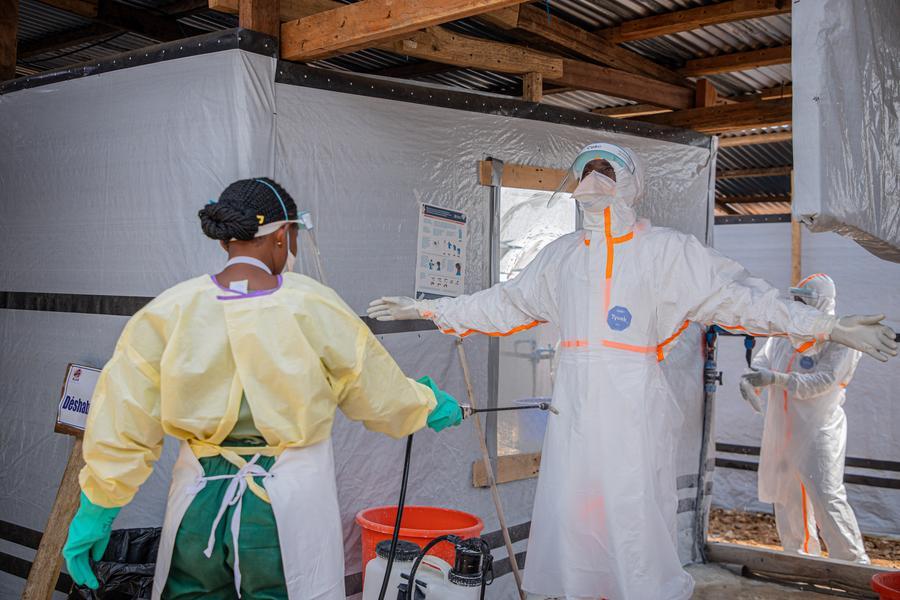
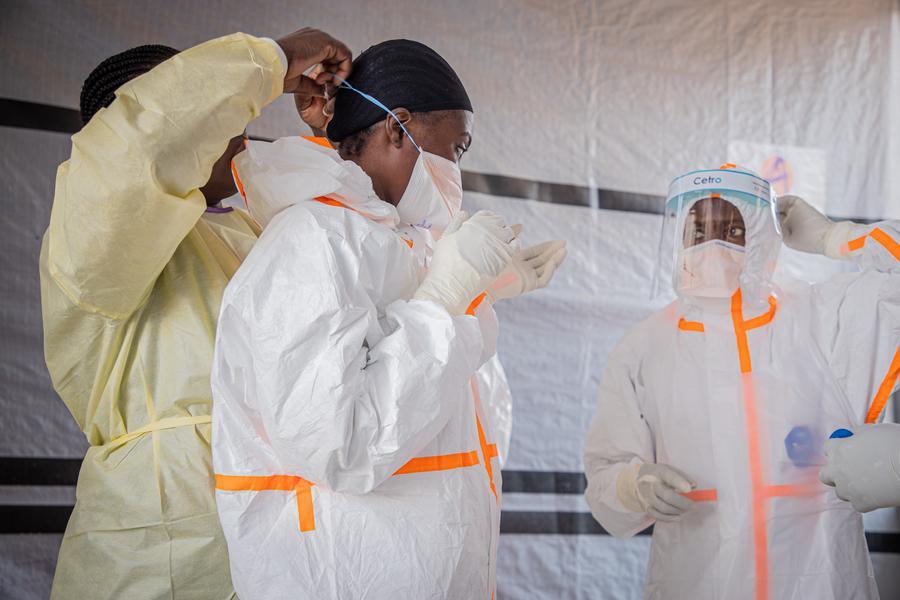
Medical workers put on protective suits at an Ebola treatment center in Bunia, the capital of Ituri Province in the Democratic Republic of the Congo, July 6, 2026. (Xinhua)Medical workers carry out disinfection work at an Ebola treatment center in Bunia, the capital of Ituri Province in the Democratic Republic of the Congo, July 6, 2026. (Xinhua)
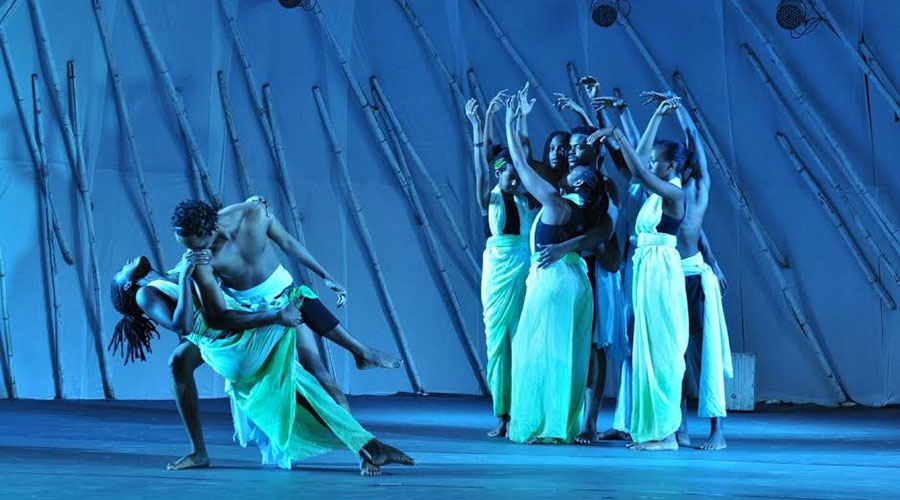
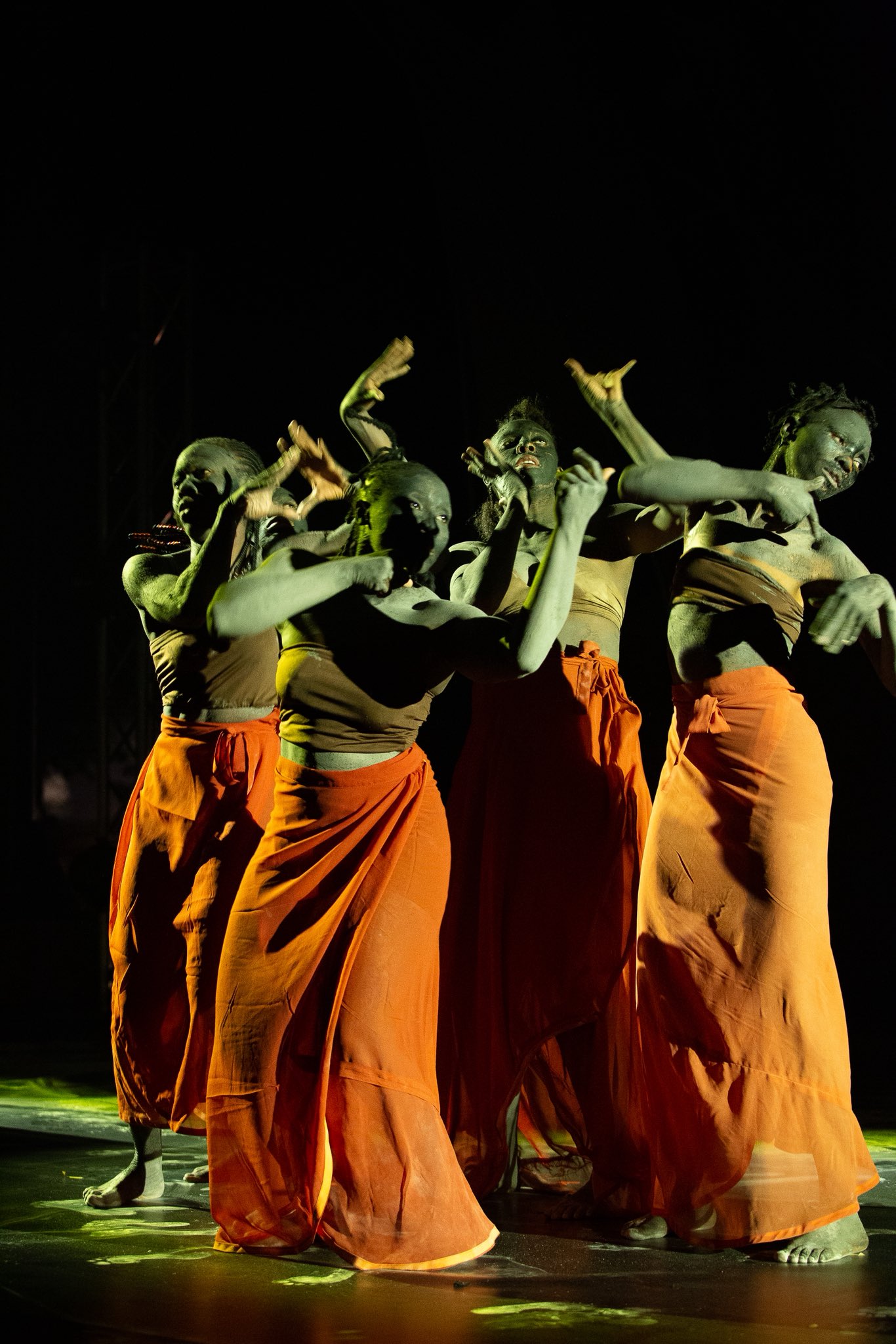
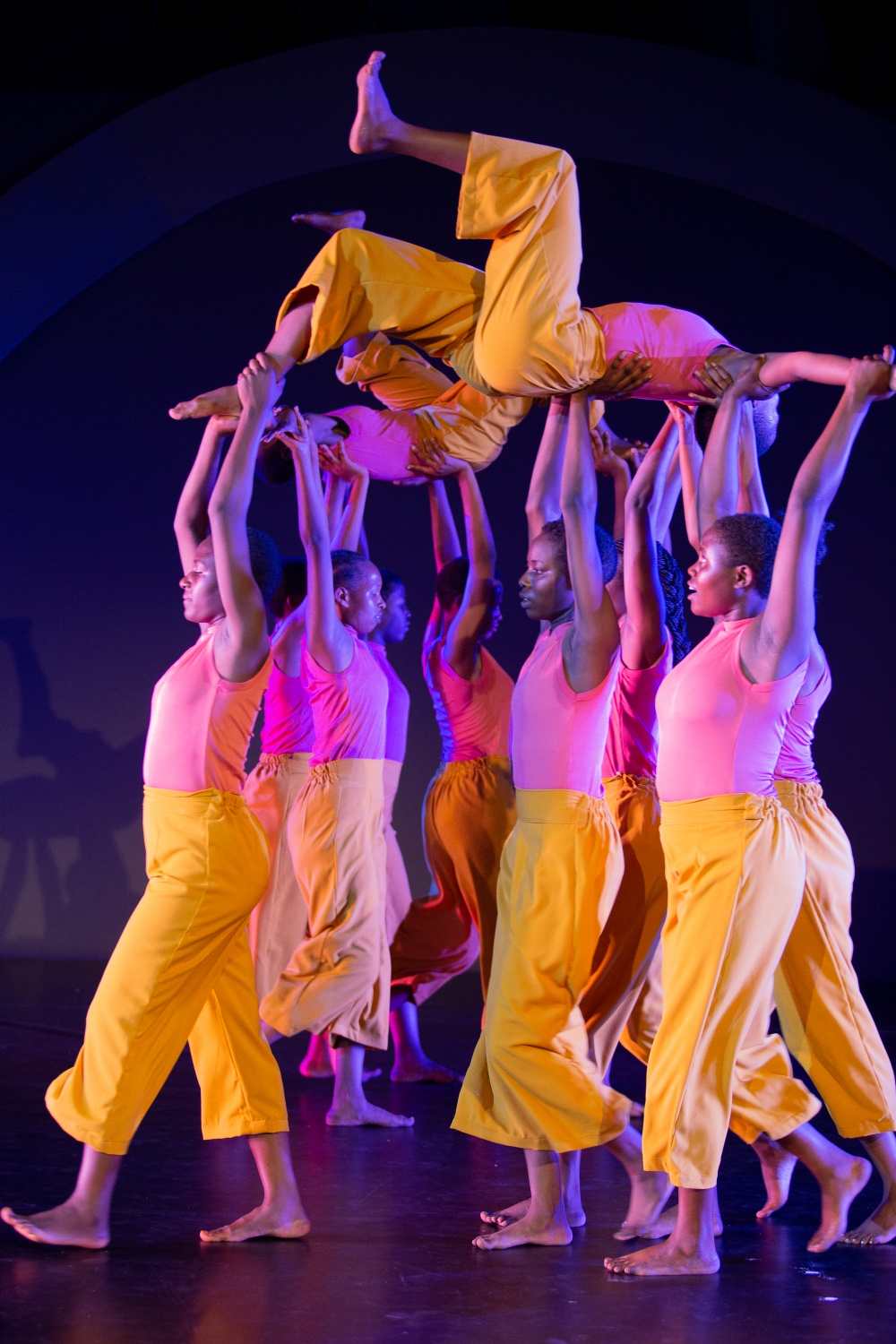
Held under the theme “Embracing Time: Holding On. Holding Together,” this year’s festival will feature a week-long programme of performances, discussions and creative engagements exploring healing, memory, resilience and human connection.
Organisers say the festival aims to highlight the role of art in transforming personal and collective struggles into shared strength while creating spaces for reflection, dialogue and renewed hope.
“This year’s theme speaks to where we are as people, as communities, and as a world still learning how to carry memory, pain, hope and possibility at the same time,” said Hope Azeda, Founder and Artistic Director of the Ubumuntu Arts Festival.
“Ubumuntu has always been about the power of art to remind us of our shared humanity. Through theatre, dance, music, literature and conversation, we are creating a space where people can pause, feel, remember, heal and imagine together,” she added.
Ubumuntu Arts Festival returns to Kigali for its 12th edition from July 13 to 19, 2026.
Founded in 2015 by Azeda, the Ubumuntu Arts Festival has grown into one of Rwanda’s leading international cultural events. Held annually after the 100-day commemoration of the 1994 Genocide against the Tutsi, the festival provides a platform for artists and audiences to engage with themes of memory, reconciliation, peace and social transformation.
The festival takes its name from the Kinyarwanda word “Ubumuntu,” meaning “being human,” reflecting its belief that art can unite people from diverse backgrounds through shared experiences and values.
The 2026 edition will begin on July 13 with Mental Health Day at Inzira Creative, focusing on the connection between artistic expression and mental well-being through workshops, discussions and interactive sessions.
Literature Day will follow on July 14, bringing together writers, poets and storytellers from Rwanda and beyond for readings, performances and conversations celebrating the written word.
Founded in 2015 by Azeda, the Ubumuntu Arts Festival has grown into one of Rwanda’s leading international cultural events.
On July 16, audiences will gather at Camp Kigali for Ikaze Night & Music Is Humanity, an evening of live performances centred on welcome, cultural exchange and unity.
The festival will conclude with the signature Ubumuntu Classic performances from July 17 to 19 at the Kigali Genocide Memorial, featuring nightly productions from 6:00 p.m. to 10:00 p.m.
The 12th edition will feature local and international artists and performing groups, including Afritheatre Collective, MindLeaps, Orly Portal Dance Company, World Pulse Ensemble, Atsushi Suzuki Crew, Agahozo Shalom, Beyond The Mainstream Storytellers, Ariel Rikka Dance, Backyard Stories, Inzozi Dance Company, Khalaha, Matthew Westerby Company, Teatro Azul, Playwright Playhouse, Lumina Dance Company and Millaz x Faiz Art Hub Foundation.
Ubumuntu Festival is set to return with stories of hope, healing and humanity.
Their performances will explore themes of identity, remembrance, resilience, belonging and hope.
Over the years, the festival has gained recognition as a platform where art intersects with healing and social change, bringing together voices from different continents to reflect on dignity, reconciliation and the shared human experience.
Its timing in Rwanda following the national commemoration period gives the festival a symbolic role in encouraging conversations on how creativity can contribute to building peaceful and inclusive societies.
The 2026 edition is supported by venue partners Inzira Creative, MÖVENPICK Hotel, Camp Kigali and the Kigali Genocide Memorial.
All activities are open to the public free of charge, with organisers inviting artists, students, cultural practitioners, families, media and visitors to Kigali to take part in the week-long celebration.
Held under the theme “Embracing Time: Holding On. Holding Together,” this year’s festival will feature a week-long programme of performances, discussions and creative engagements exploring healing, memory, resilience and human connection.
Instead, the first military operation led by President Paul Kagame after his return from the United States became the turning point that ultimately secured victory.
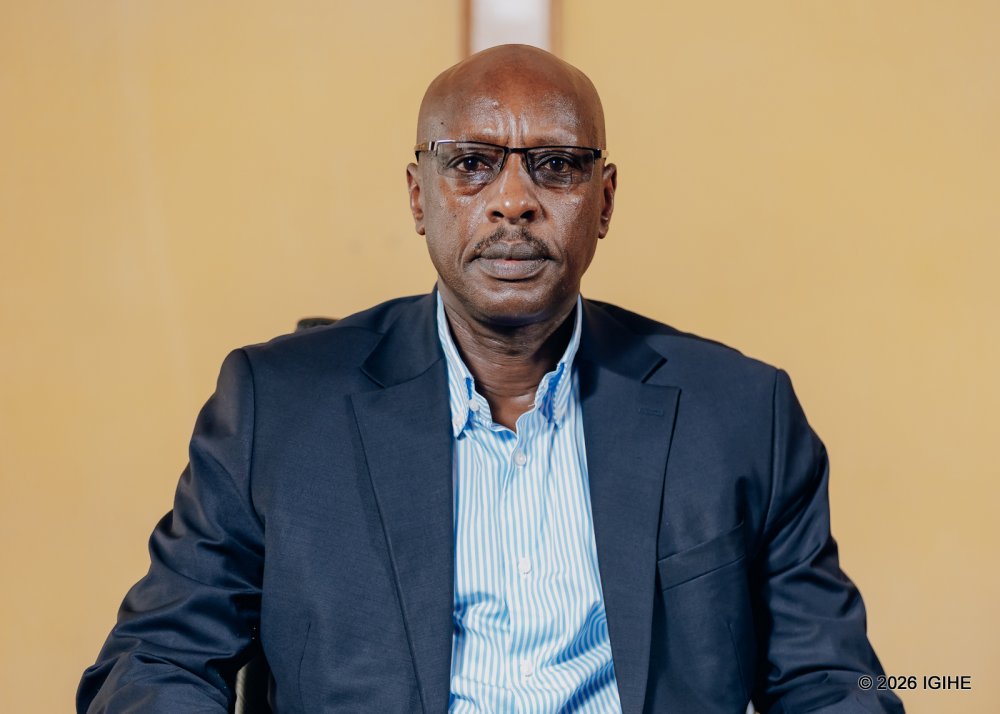
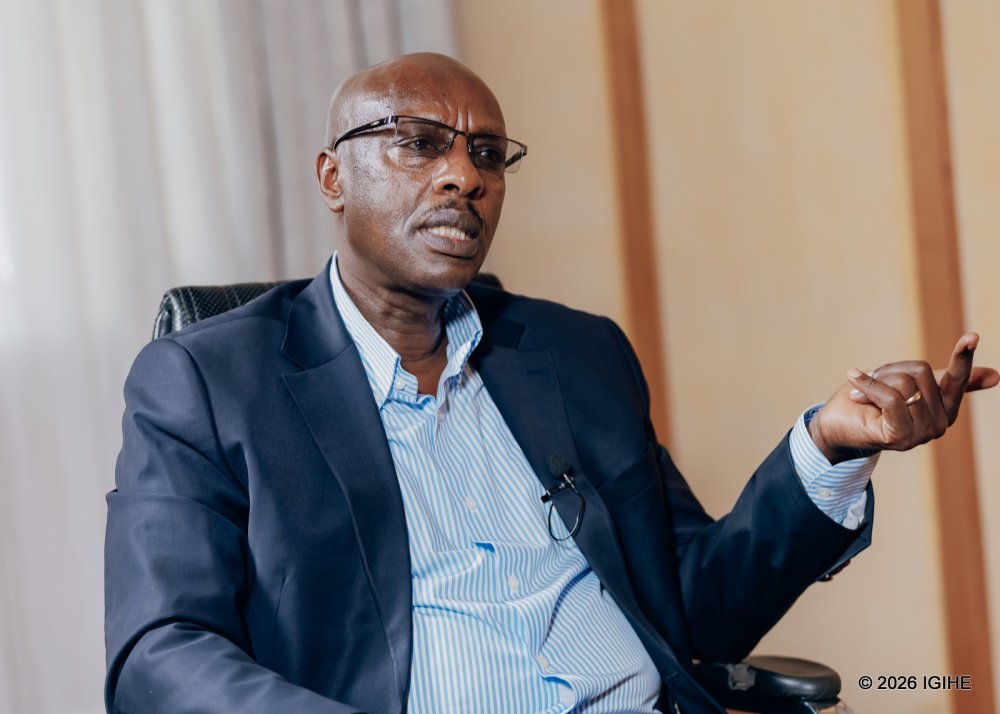
Speaking in IGIHE’s Ingingo Nkuru programme as Rwanda commemorates the 32nd anniversary of the country’s liberation and the end of the 1994 Genocide against the Tutsi, Col (Rtd) Mugisha reflected on some of the defining moments of the liberation war.
Capturing Gatuna
Col (Rtd) Mugisha served in the battalion commanded by Col (Rtd) Dodo Twahirwa, the unit that captured Gatuna.
After securing Gatuna, the battalion remained in the hills of Byumba, where it was reinforced by two additional battalions.
“We stayed in the Byumba hills until two other battalions joined us, making three battalions in total. From there we continued fighting in Byumba, Kivuye, Bungwe and all the way to Butaro,” he recalled.
He described the battles at Kaniga and Kivuye as some of the most difficult during the early stages of the war.
“We fought at Kivuye and Kaniga II, particularly in Kivuye Commune. On the first day, we defeated the enemy and captured their positions. But on the second day, they received reinforcements from Byumba, Butaro and Ruhengeri. They launched a strong counterattack, forcing us to retreat.”
The fighting continued at Gatuna.
He said, “From there we moved to Gatuna II. We fought there as well, but the enemy had superior strength. We would capture part of the area, only for them to drive us out again. We adopted guerrilla tactics because if we stayed in one position for too long, we suffered heavy casualties. We would attack, hold the area for a day, then move on the next day.”
Col (Rtd) Vincent Mugisha shares memories of his years as an RPA soldier, highlighting the challenges, sacrifices and determination that shaped the liberation campaign.
One of the things he admires most, he said, is President Kagame’s leadership during the liberation struggle and his ability to plan military operations that defeated the enemy in ways many people still find remarkable today.
“The Commander-in-Chief planned our operations exceptionally well. After the battles at Kivuye and Kaniga II, he devised another strategy. I wasn’t involved in the planning because I was still a junior soldier, but he organized an operation to attack Ruhengeri again. We marched on foot through the Virunga Mountains, attacked Ruhengeri and freed prisoners. That operation shocked the enemy and convinced them that we had far greater strength than they had imagined.”
He continued: “After we left the Virunga Mountains, he quickly organized two battalions and ordered them to return to the park. Since almost all the enemy’s forces had been deployed in Ruhengeri, he knew only a small number of troops remained elsewhere. He instructed them to move through the park and advance as far as Rusumo.”
“As we moved, the enemy detected us when we reached the Kayange area, just beyond Namuhemura. They pursued us through Nyarupfubire toward Rwimiyaga. We engaged them effectively. They had underestimated us, thinking we were only a small force, but after the battle, their morale was badly shaken.”
Another decisive battle took place at Gikoba, where RPA troops refused to surrender ground.
“Our soldiers stayed in trenches. Whenever they attacked, we’d repel them. They would return a week later, and we would push them back again.”
Trenches dramatically reduced casualties
According to Col (Rtd) Mugisha, one of President Kagame’s most important military directives required every soldier to dig a trench for protection.
“He taught us that every soldier had to fight from a trench. Inspection teams were even established to verify that every battalion had properly dug them. I clearly remember senior officers coming to inspect.”
The trenches significantly reduced casualties.
“The enemy would bombard our positions thinking they had killed us all. When they advanced to finish us off, they found us alive and ready to fight back. That completely changed the nature of the war. Eventually they became afraid of attacking us, and it greatly boosted our soldiers’ morale.”
Arriving in Kigali after the Genocide began
Col (Rtd) Mugisha arrived in Kigali on April 10, 1994, after his battalion was ordered south from the Mulindi area to rescue civilians as the Genocide against the Tutsi unfolded.
“We left on April 8 and reached Kigali on April 10, entering through Kagugu.”
The journey exposed them to scenes that remain unforgettable.
“From Mugambazi through Rutongo, there were bodies everywhere.”
He explained that displaced people from Byumba who had settled around Nyacyonga had already begun killing Tutsi civilians, leaving bodies scattered along the roads.
“It was heartbreaking. Those who did not witness the Genocide cannot fully understand its cruelty. Even soldiers were deeply affected by what we saw. When I think about what happened to the Tutsi, it still pains me.”
The horrifying discovery at Musha Parish
After several days fighting in Kigali, Mugisha’s battalion received new orders under the command of Maj Gen Caesar Kayizari to rescue Tutsi civilians in eastern Rwanda.
At Musha in present-day Rwamagana District, he encountered the largest number of victims he had ever seen.
“At Musha Parish, around the priest’s residence near the cathedral, there were more than 5,000 bodies. There were many more inside the parish. They had been killed in horrific ways.”
He recalled seeing victims who had been beaten to death and stripped naked. One memory has never left him.
“A fellow soldier came from Musha. When we arrived, he said, ‘This is my home.’ We told him to check whether any of his relatives had survived. As soon as he entered the compound, he collapsed over the bodies of his family members. He cried uncontrollably until we had to carry him away.”
As they advanced further, they discovered that the killings were still ongoing. “We even found a truck transporting bodies from the church to dumping sites. The entire church was covered in blood.”
The liberation of Kigali brought mixed emotions
By July 4, 1994, Col (Rtd) Mugisha was stationed in Kimihurura when Kigali was finally liberated.
Despite the military victory, he says there was little celebration among the soldiers.
“The capture of Kigali did not bring us the joy many people imagine. You celebrate when the people you came to save are alive. Instead, we found bodies everywhere.”
Months of continuous fighting had also taken a heavy physical toll.
“We had been fighting nonstop from April to July. The troops were exhausted.” He added that civilians, who would normally celebrate alongside liberating forces, were either dead or had fled.
“It was a mixture of emotions that is difficult to explain. We were happy to have achieved victory, but overwhelmed by the tragedy we witnessed.”
Col (Rtd) Vincent Mugisha recounts key moments from his time in the Rwanda Patriotic Army (RPA), including the capture of Gatuna and other decisive battles.
Confident in Rwanda’s youth
Col (Rtd) Mugisha expressed strong confidence in today’s young generation, saying they are fully capable of serving Rwanda in different fields.
“People often criticise today’s youth, but every generation has heard older people say, ‘Children these days.’”
He said it is unfair to judge an entire generation because of the mistakes of a few individuals.
“If one young person uses drugs or another gets drunk, people assume they are all the same. I don’t believe that. Our children will achieve even more than we did because they have opportunities we never had. They are educated, they understand technology, and today’s battles are battles of development.”
He added that Rwanda’s young people have already demonstrated responsibility.
“I’ve been away from home for three years and nothing has happened. Our young people are capable. Heroes produce heroes. A lion gives birth to another lion, not a dog.”
A message to detractors
Reflecting on his years in the Rwanda Defence Force, Col (Rtd) Mugisha described it as a family built on solidarity, mutual respect and shared values.
“I’ve lived well because you never go hungry in the army, and you’re never abandoned when you’re sick. The RDF is a family that supports its members, and I love it.”
He also had a message for those who continue to seek to destabilise Rwanda.
“Those who failed in 1994, 1995, 1996, 2000 and all the years since should give up. They should return home and help build the country because they will never achieve their objective.”
He said Rwanda’s unity makes attempts to destabilise the country futile.
“Rwanda is stable because its people are united. Where would anyone even find a way to divide it? They should abandon the idea of capturing Rwanda. The country has moved far beyond that.”
Col (Rtd) Vincent Mugisha, is one of the soldiers who took part in the liberation struggle.
Years later, that curiosity has evolved into a bigger mission: building artificial intelligence solutions from Africa with the ambition of creating a billion-dollar technology company.
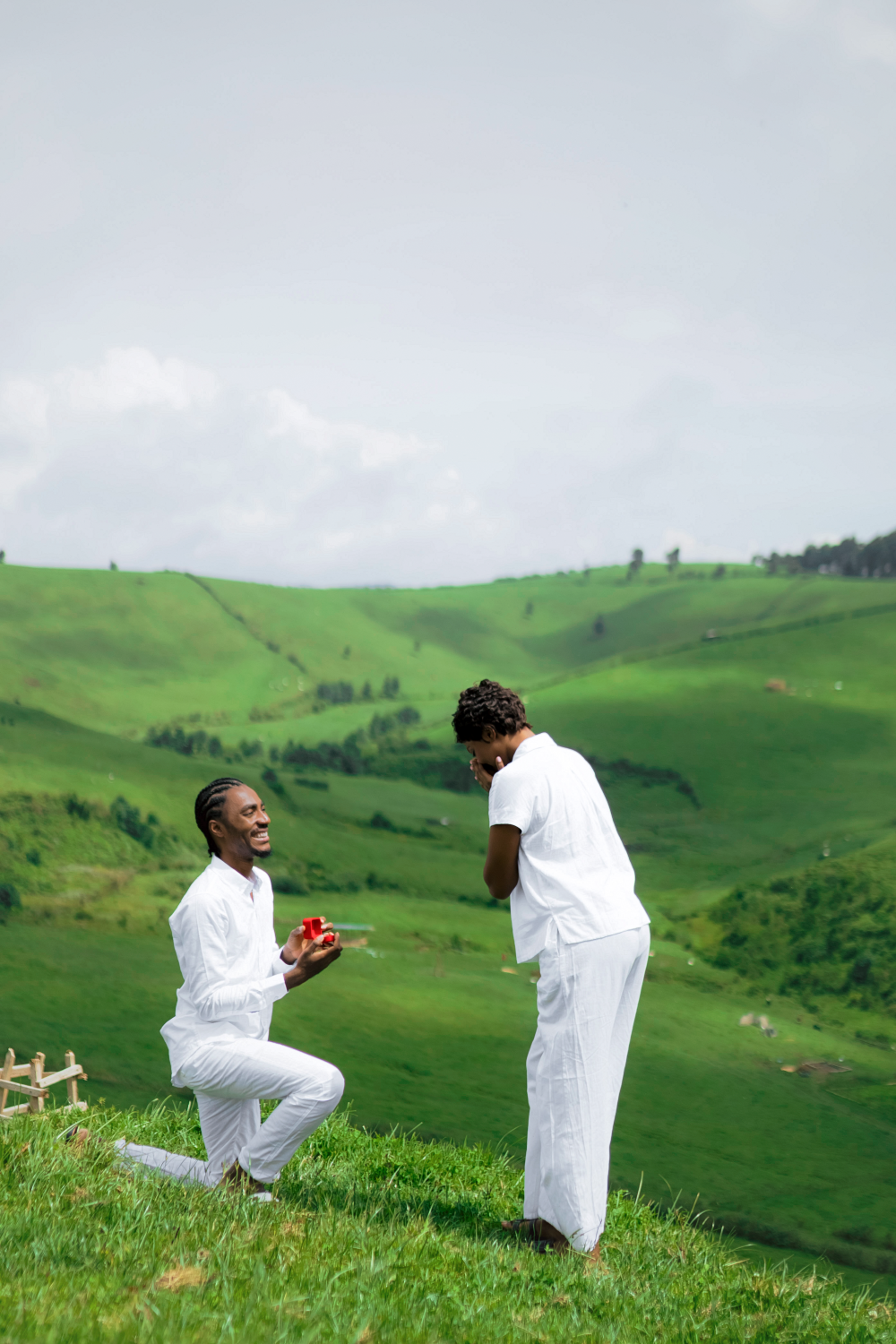
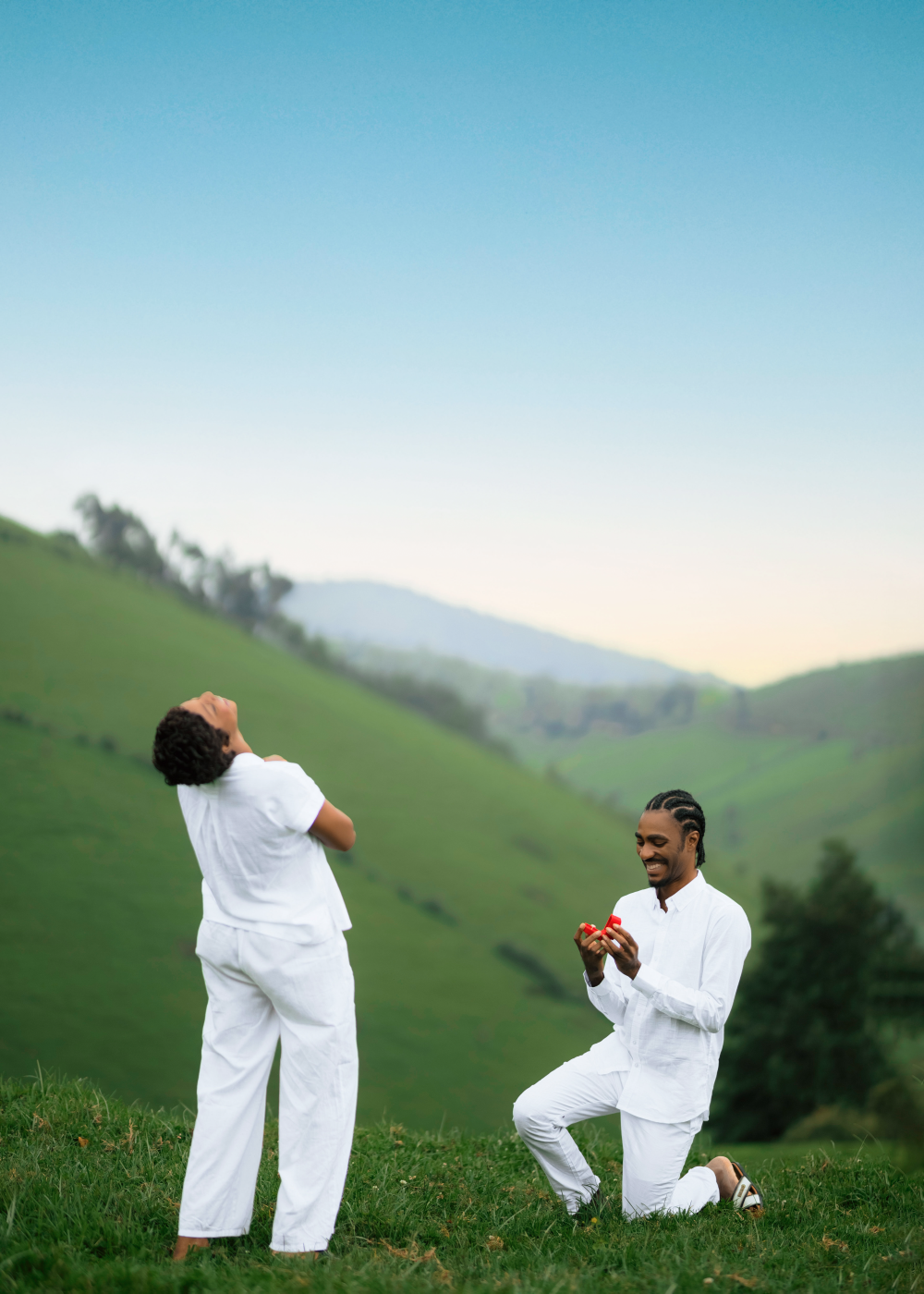
Together with his partner, Sarah Oba, a product manager turned software developer and tech entrepreneur, Yerins is building an AI startup in Rwanda while beginning a new chapter of their personal lives, including their engagement story that unfolded against the backdrop of the country’s scenic landscapes in Bigogwe, Western Province.
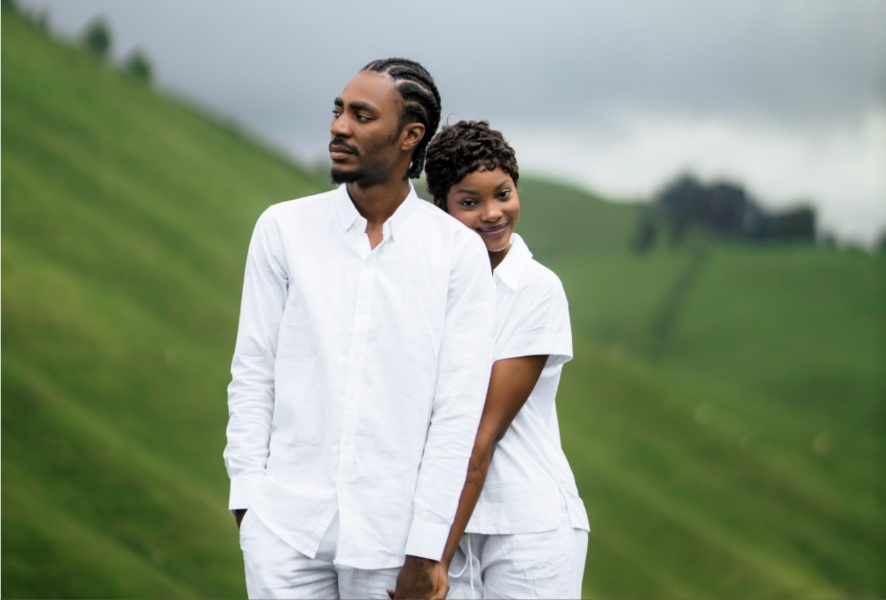
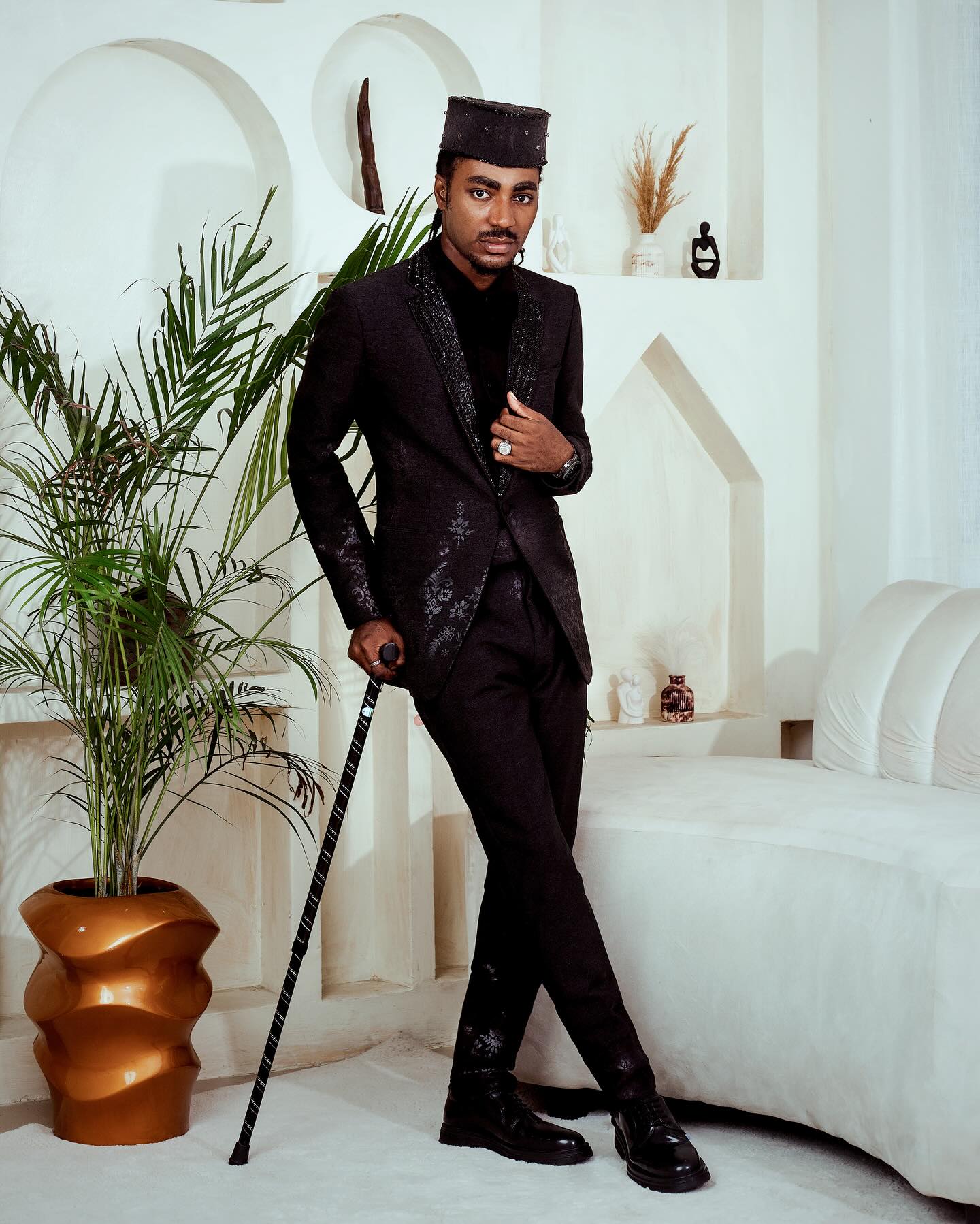
Yerins Abraham proposed to Sarah Oba in the beautiful landscape of Bigogwe. The engagement that made headlines in Nigeria.
IGIHE caught up with the couple at Noorsken House Kigali, where they are building their products. The couple spoke about their journey, their decision to move to Rwanda, their vision for AI, and how they are combining love and entrepreneurship.
Settling in Rwanda
For Sarah, the idea of moving to Rwanda started with conversations about the country’s growing reputation as a destination for technology and innovation.
She recalled being inspired after attending a conference where she met a Canadian friend who spoke highly of Kigali.
“He kept talking about how beautiful Kigali is,” she said, adding that he told her Nigeria was great but that Rwanda was a place he would consider moving his family to.
Her interest grew after attending the Inclusive Fintech Forum held in March, where she encountered more conversations about entrepreneurs building businesses in Kigali.
“I wanted something different, a place where I could grow my startups and businesses,” she said.
After sharing the idea with Yerins, the couple decided to take the leap.
Sarah was inspired to settle in Rwanda after attending a conference where she met a Canadian friend who spoke highly of Kigali.
For Yerins, Rwanda quickly exceeded expectations.
“We’ve been here since and have never regretted it. Not even once,” he said.
He praised Kigali’s cleanliness, organisation, security, and the welcoming nature of its people.
“Everything feels organised. Security is excellent. There’s also a strong sense of community and oneness here,” he added.
A Rwanda engagement story
Beyond business opportunities, Rwanda became the setting for one of the couple’s most memorable moments.
Yerins had always imagined proposing to the love of his life in a nature-filled location, perhaps somewhere in Europe. But after experiencing Rwanda’s landscapes, Lake Kivu, wildlife, and the beauty of Bigogwe, he felt the country was the perfect place.
“I knew this was where I wanted it to happen,” he noted.
While Sarah organised a birthday photoshoot for Yerins at Lake Kivu, he secretly worked behind the scenes to make the moment special, coordinating with photographers and locals while keeping the plan hidden.
The weather did not make things easy, with rain affecting the original plans, but the team worked to make the day memorable.
When Sarah turned around during what she thought was a birthday photoshoot, Yerins was on one knee.
“It was perfect,” she recalled.
Yerins said the support from Rwandans made the experience even more special.
“The people of Rwanda were amazing throughout the planning. They were eager to help,” he said.
The romantic mountaintop proposal occurred around Yerins’ birthday.
From mentorship to partnership
The couple’s relationship started before Rwanda, after they met at Nigeria Fintech Week.
Sarah initially approached Yerins for mentorship, but their conversations gradually developed into something deeper.
“I fell in love with his mindset, personality, and authenticity,” she revealed.
She saw a future where they could build, work, and achieve goals together.
Today, that partnership extends beyond their personal lives into business.
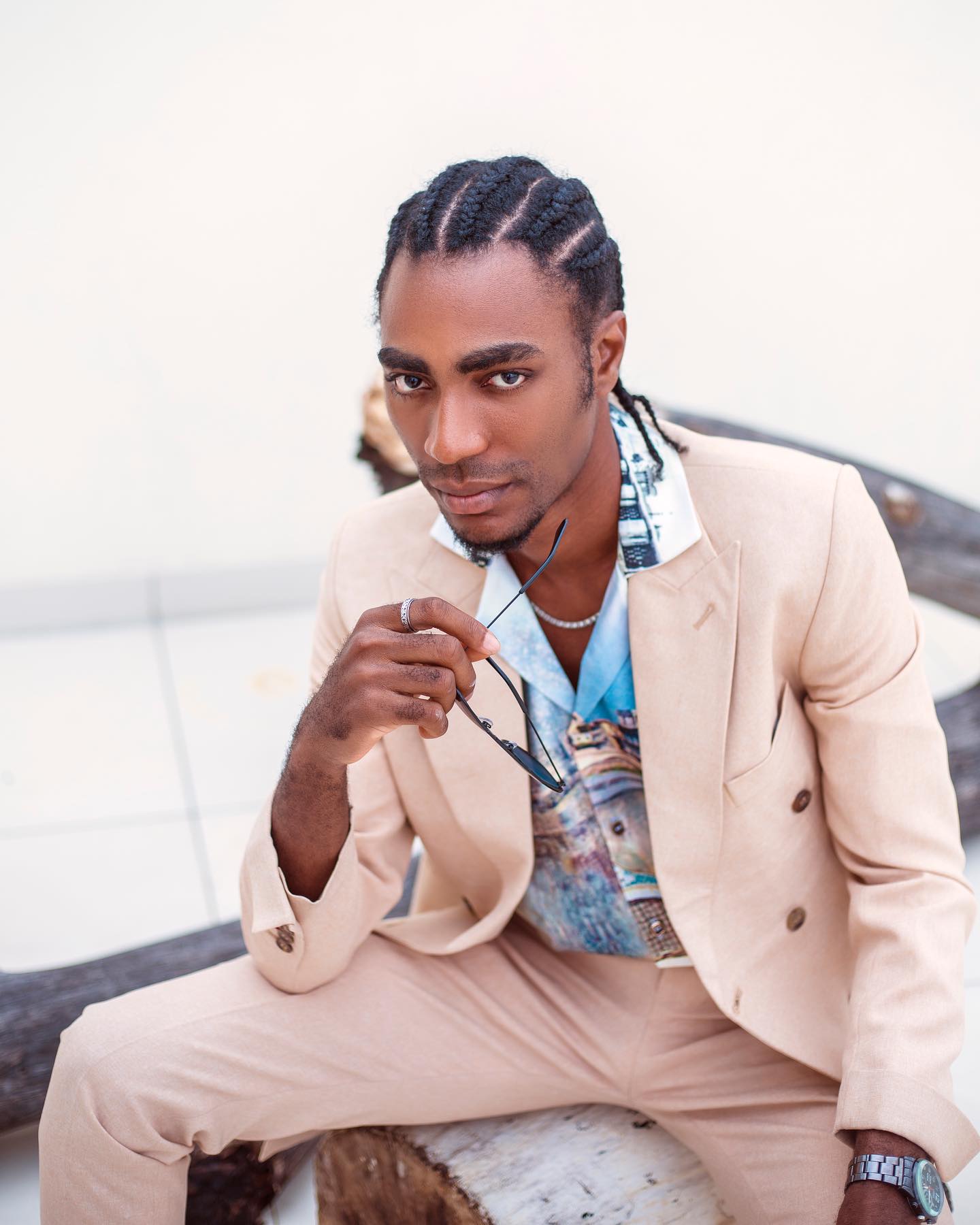
Yerins Abraham competed on Big Brother Naija Season 6, which aired in 2021.
Building Africa’s next AI unicorn?
The couple’s biggest professional ambition is rooted in artificial intelligence.
Through their company Creovine, they are developing AI-powered tools designed to help businesses automate processes and improve efficiency.
Their products include Lyra, an AI customer support solution, and Brydg, an AI recruitment platform.
Yerins believes Africa should not only consume technology created elsewhere but should also develop solutions that reflect the continent’s realities.
“We’re not just adopting foreign tools, we’re building our own,” he said.
Their goal is ambitious: to build a globally competitive technology company and potentially Africa’s next billion-dollar AI unicorn.
“We want to create globally used products built by Africans for African realities, culture, data, and context,” Yerins said.
Yerins is a trained medical doctor, but he says his curiosity led him toward technology.
The polymath journey
Yerins’ journey into technology is shaped by his diverse background.
Although he trained as a medical doctor, his curiosity pushed him toward technology, where he began exploring areas such as blockchain, fintech, and digital innovation.
For him, medicine, technology, and art are connected by one common goal: solving problems.
“I’m a very curious person,” he said, explaining that his identity as a polymath allows him to explore different fields without limiting himself.
His appearance on Big Brother Naija helped introduce that mindset to a wider audience.
After leaving the show, he said people remembered him less for reality TV drama and more for his curiosity and knowledge-driven personality.
The experience opened doors to speaking engagements, meetings with business leaders, and opportunities to share his ideas.
Sarah’s journey into tech
Sarah’s path into technology began while she was still at university.
She gained experience managing products, teams, and marketing before moving deeper into software development.
She later launched an AI marketing agency in her early twenties. Although the venture did not succeed, she described it as a valuable learning experience that eventually led her to build her first software product, Uncut AI.
Today, she combines her experience in product management and software development to build AI solutions through Creovine.
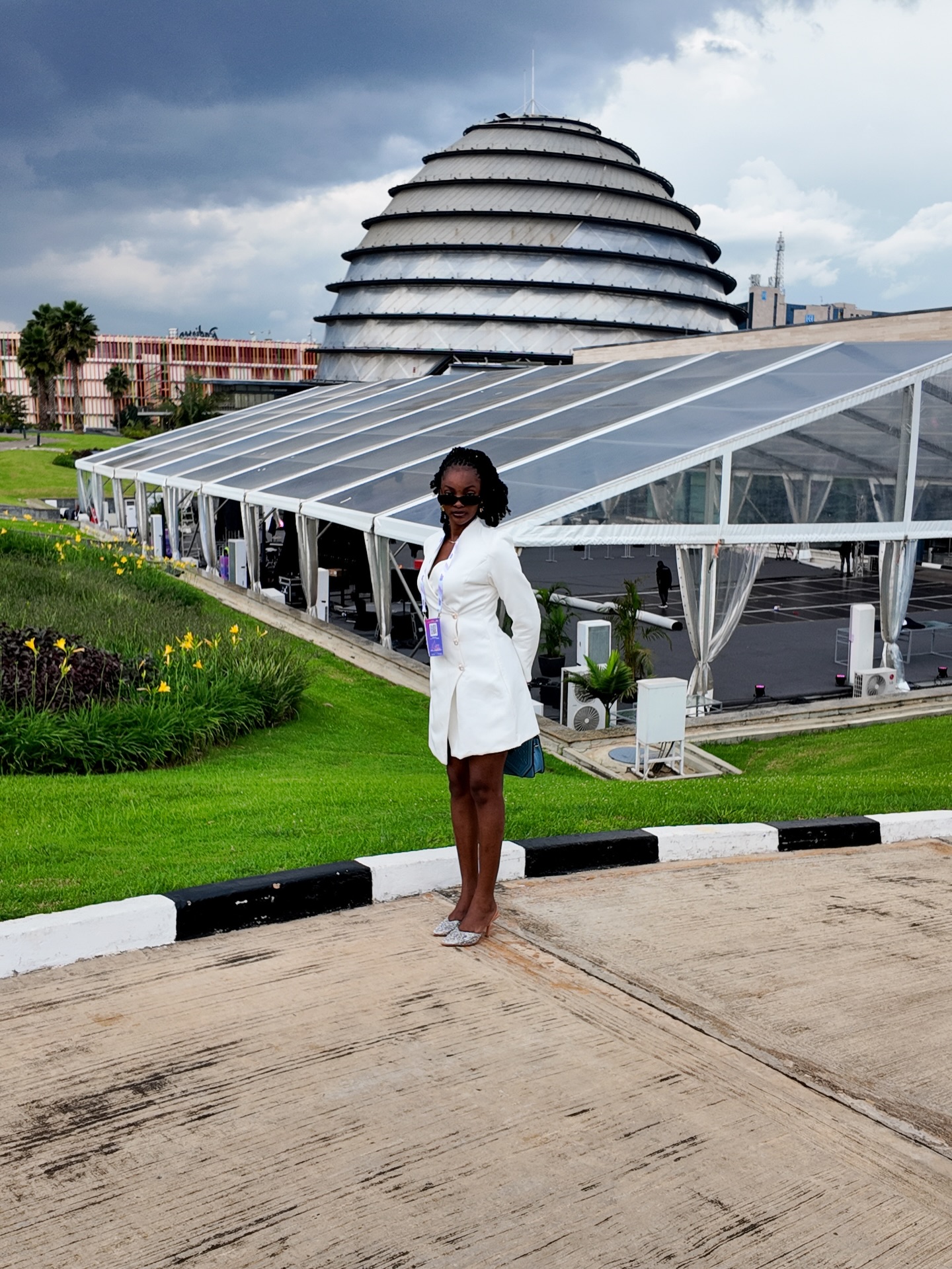
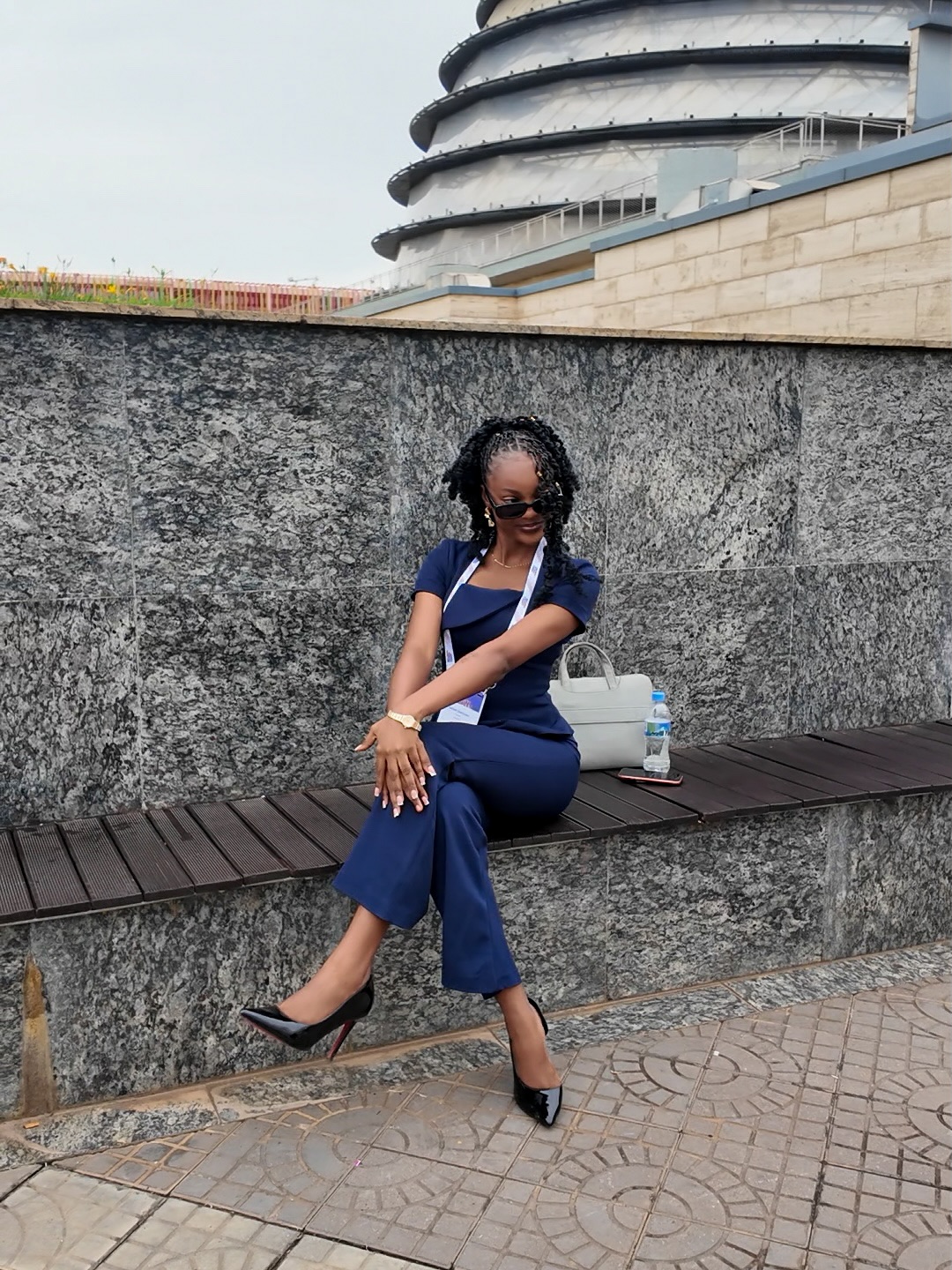
Sarah poses for a photo at Kigali Convention Centre, a major venue for meetings, conferences and exhibitions.
Building together
Running a company as a couple comes with challenges, but Yerins and Sarah say a shared vision keeps them focused.
They approach disagreements by prioritising the bigger mission over personal egos.
“We treat it as an ‘us’ thing,” they said, highlighting communication, respect, and openness as important parts of working together.
As they continue building their company in Rwanda, the couple believes the country’s innovation ecosystem offers a strong environment for young entrepreneurs.
They see Rwanda not only as a place where they can build their lives together but also as a launchpad for technology solutions that can reach the world.
Watch the full conversation below to learn more about the couple’s journey.
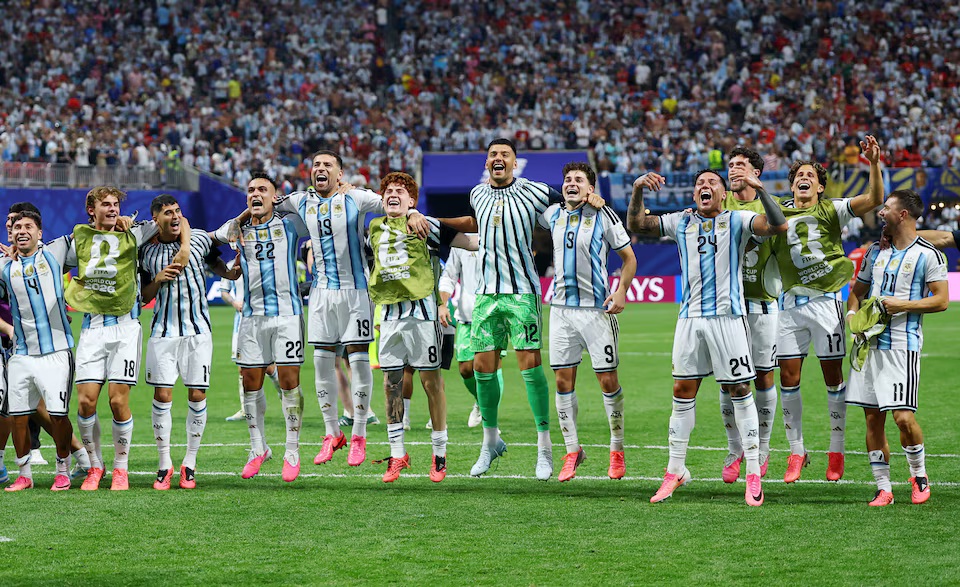
The reigning champions looked destined for a shock exit after falling 2-0 behind before scoring three goals in the final 13 minutes to book a quarterfinal meeting with either Colombia or Switzerland.
Egypt stunned the holders after 15 minutes when Yasser Ibrahim rose highest to head home Marwan Attia’s inviting cross and silence the crowd at Atlanta Stadium.
Argentina had an immediate opportunity to respond after Nicolas Tagliafico was fouled inside the penalty area, but Lionel Messi’s tame spot-kick was comfortably saved by goalkeeper Mostafa Shobeir. The save marked Messi’s second penalty miss of the tournament, making him the first player to fail from the spot twice at a single World Cup after also missing against Austria in the group stage.
Shobeir continued his inspired display by producing a string of outstanding saves, denying Alexis Mac Allister from point-blank range, stretching to keep out Julian Alvarez’s effort and watching Messi strike a free-kick against the post.
Egypt thought they had doubled their advantage in the 62nd minute when Mostafa Ziko finished off a sweeping move after being set up by Mohamed Salah. The forward celebrated wildly, even taking off his shirt, only for VAR to intervene and rule out the goal after determining Marwan Attia had fouled Lisandro Martinez in the build-up.
The decision immediately sparked debate, with television commentators questioning whether the incident fell within VAR’s remit. However, under the International Football Association Board’s (IFAB) Laws of the Game, VAR is permitted to review attacking offences, including fouls, handballs and offsides, in the build-up to a goal.
Ziko was not to be denied for long. Five minutes later, he capped another flowing Egyptian counterattack after Salah released Haissem Hassan down the flank before the winger squared the ball for the forward to make it 2-0.
With less than a third of the match remaining, Egypt appeared on course for one of the greatest upsets in World Cup history.
Instead, Argentina mounted a remarkable revival.
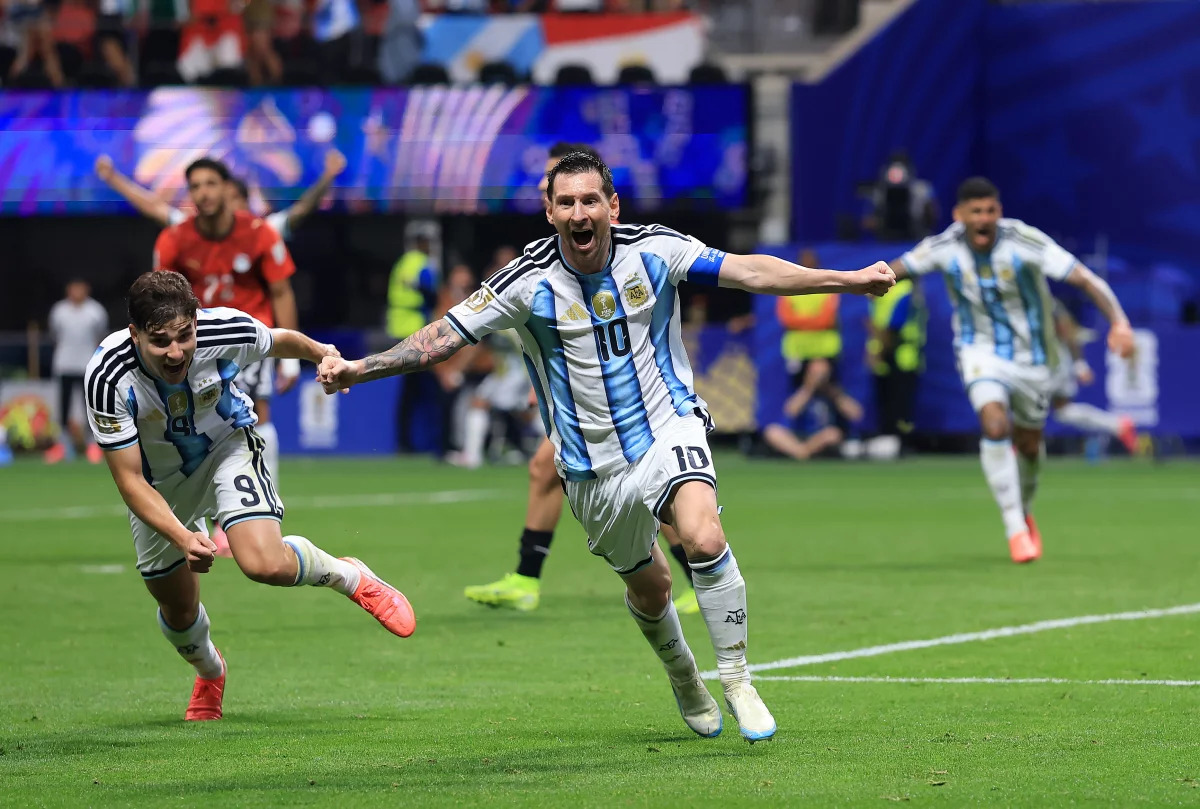
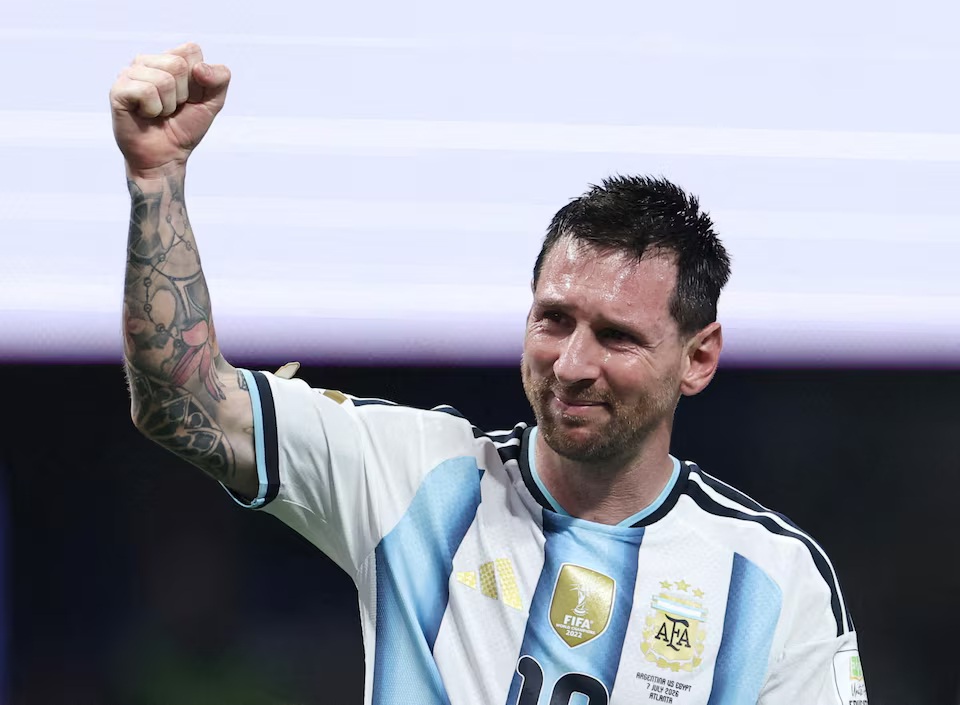
Cristian Romero headed home Messi’s cross in the 79th minute to halve the deficit before the captain redeemed his earlier penalty miss four minutes later, smashing home the equaliser after Lautaro Martinez and Gonzalo Montiel kept the attack alive.
Enzo Fernandez then completed the turnaround in the third minute of stoppage time, cushioning a back-post header into the bottom corner from Lautaro Martinez’s cross to seal a dramatic victory for the South Americans.
The closing moments were engulfed in further controversy.
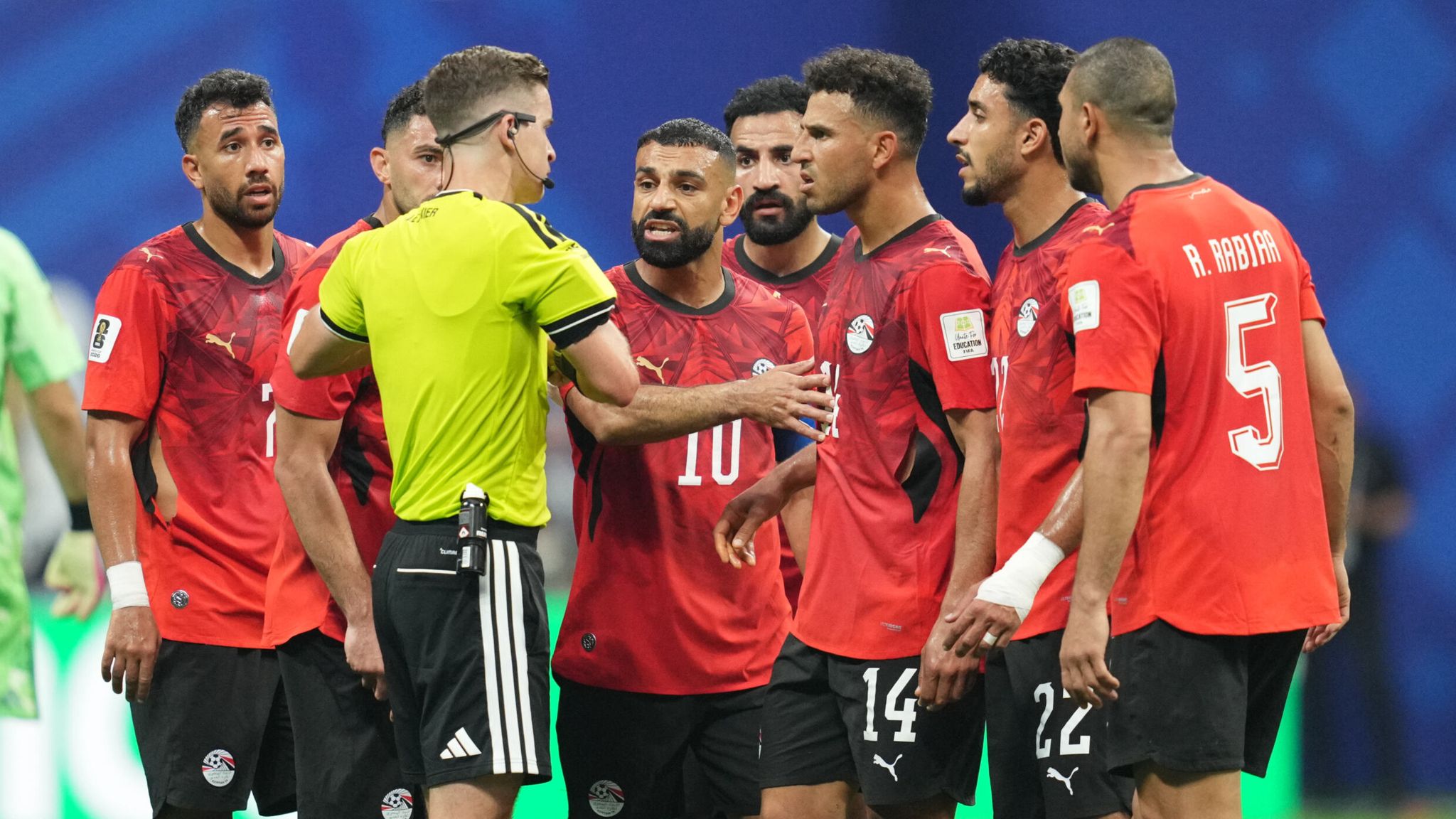
Egypt believed they should have been awarded a penalty moments before Argentina launched the counterattack that led to Fernandez’s winner after Julian Alvarez appeared to catch Mohamed Salah inside the box before winning the ball. The Egyptians also felt Alexis Mac Allister had pulled Hamdi Fathy’s shirt in the same passage of play, but neither incident resulted in a VAR review.
As tempers flared, goalkeeper Mostafa Shobeir, Hamdi Fathy and Marwan Attia were all shown yellow cards, while Egypt head coach Hossam Hassan was also booked for protesting the referee’s decisions as Salah tried to calm the heated exchanges.
Following the match, Hassan launched a scathing attack on the officiating, insisting his side had been denied a fair chance to progress.
“Life is unfair. The world is unfair. Okay, but why isn’t there any fairness in sports? I’m not convinced by this outcome and by the way things unfolded in this match,” Hassan said.
“The referee is unfair. He’s wasting the effort of an entire nation. The cup is directed towards Argentina.”
The Egypt coach also questioned why his team’s penalty appeals were not reviewed.
“A penalty for us was ruled out, it was not even checked by the VAR and our second goal was, for whatever reason, disallowed,” he said.
“We have all seen the shirt pulled back and not even a VAR check. There seems to have been pressure on the Argentine side on the referee that has brought about this outcome.”
The final whistle brought contrasting emotions for the two captains.
Messi, who had endured one of the most difficult matches of his tournament before inspiring Argentina’s comeback, was reduced to tears after helping keep his country’s title defence alive.
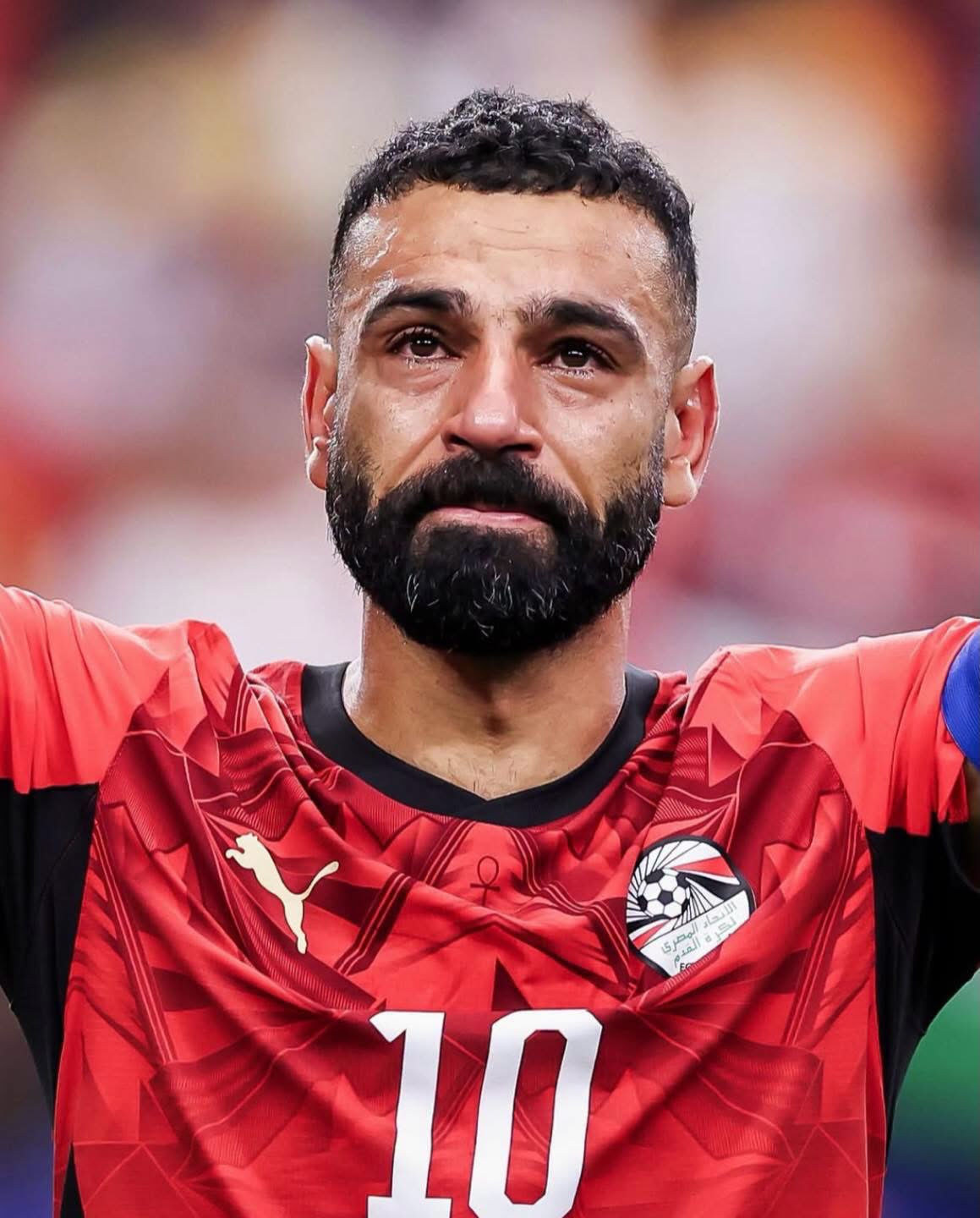
At the other end, Salah and his teammates were left devastated after seeing a famous victory slip away. Egypt exited the tournament with widespread admiration for pushing the defending champions to the brink, but also with a lingering sense of injustice over the officiating that overshadowed an unforgettable contest.
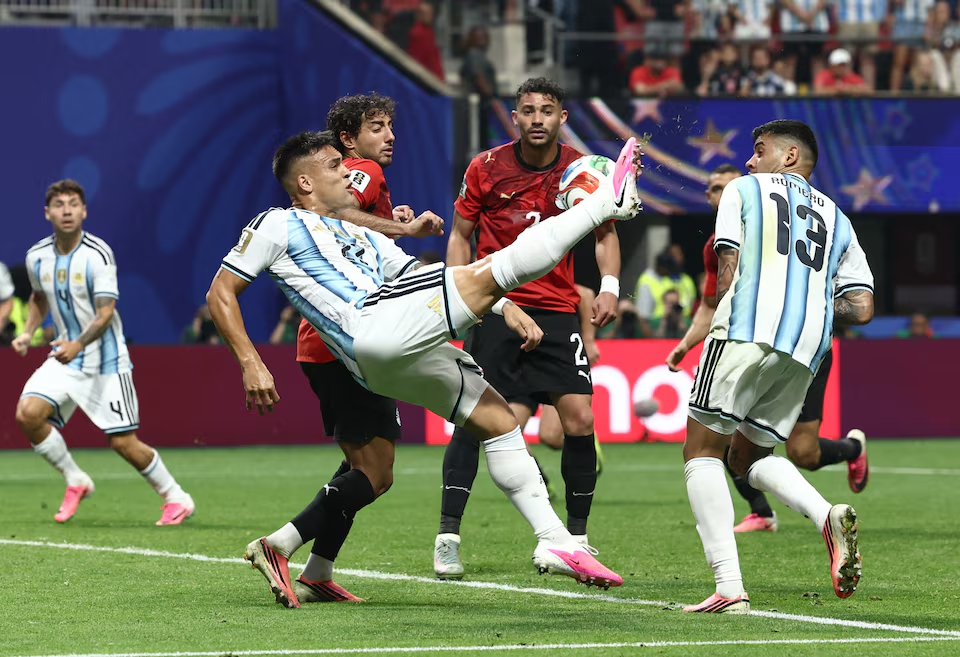
Argentina’s Lautaro Martinez shoots at goal.Argentina’s Enzo Fernandez scores their third goalMessi celebrates after scoring an equalising goal against Egypt. Argentina players celebrate after victory over Egypt. Messi, who had endured one of the most difficult matches of his tournament before inspiring Argentina’s comeback, was reduced to tears of joy after helping keep his country’s title defence alive.Tuesday’s last-16 clash was overshadowed by controversial refereeing decisions that left the Pharaohs feeling aggrieved.Salah was among Egypt’s players who deemed the referee’s decisions unfair.
Since the 2030 Agenda for Sustainable Development was adopted in 2015, sustained investment, sound policies and international cooperation have improved the lives of billions of people worldwide with measurable gains across the SDGs, says The Sustainable Development Goals Report 2026.
Nearly 1 billion people gained access to safely managed drinking water and 1.2 billion people to safely managed sanitation. New HIV infections fell by 30 percent between 2015 and 2024, and AIDS-related deaths by 35 percent. Electricity now reaches 92 percent of the world’s population. Internet access has surged from 40 percent to 74 percent. Social protection covers more than half the global population for the first time in history, according to the report.
“Guided by the data in this report, our vision of the 2030 Agenda remains within reach,” said UN Secretary-General Antonio Guterres in the report. “Together, let us make a decisive final push to achieve the Sustainable Development Goals and build a healthy, prosperous future for all.”
Despite the progress, major challenges persist, the report shows.
One in 10 people still lives in extreme poverty. Around 2.3 billion people face moderate or severe food insecurity. More than 150 million children remain stunted. Maternal mortality stands at nearly three times the global target. The number of people affected by climate-related disasters has more than doubled since 2015, according to the report.
Escalating conflicts, climate change, slowing economic growth, rising debt, and a record decline in official development assistance are compounding the shortfall and disproportionately affecting the world’s most vulnerable people, it added.
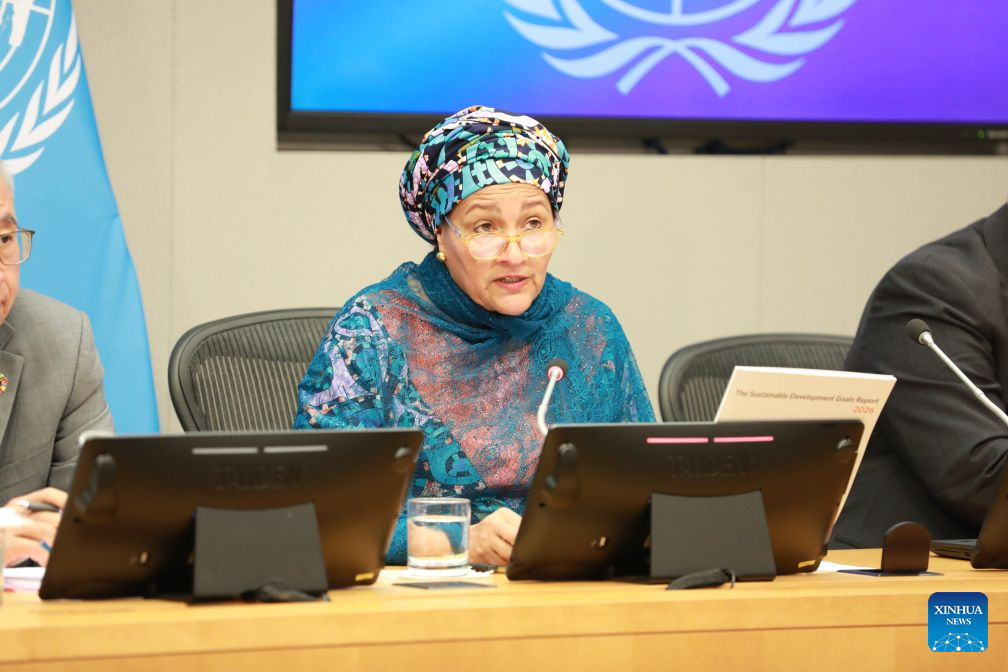
At the press conference during which the report was released, UN Deputy Secretary-General Amina Mohammed said that the SDGs are sound. “Where they have been backed by political will and resources, they do deliver,” she said, warning of the existence of a deepening crisis in the means of implementation.
She called for three commitments: advancing gender equality as an enabler of every goal, accelerating the transition to renewable energy, and putting peace first by investing in the instruments of development rather than ever-rising military spending.
“None of today’s defining challenges can be solved by countries acting alone. The evidence presented in this report makes one thing unmistakably clear: the Sustainable Development Goals remain achievable if we choose to act together with greater urgency, scale, solidarity and resolve,” said Mohammed. “But that choice must be made now. It must be made with four years to go for a decisive final push to change the trajectory that we are currently on.”
UN Under-Secretary-General for Economic and Social Affairs Li Junhua said the 2030 Agenda recognizes that sustainable development is a shared endeavor, not a zero-sum game.
Recent milestones, such as legally protecting the high seas, or the surge in renewable electricity-generating capacity in developing countries, prove that ambitious, coordinated action delivers, Li said in the report.
“The next four years will test our momentum. The choices we make now regarding financing, global cooperation and collective crisis management will echo for generations,” he said. “The evidence in this report proves the goals we set in 2015 were never beyond us. We must now summon the resolve to finish what we began.”
UN Deputy Secretary-General Amina Mohammed speaks at the press briefing to launch The Sustainable Development Goals Report 2026 at the UN headquarters in New York, July 7, 2026. With four years to go, only 36 percent of the assessable targets of the Sustainable Development Goals (SDGs) are on track, with nearly half stalling, and 15 percent have regressed, according to a UN report released Tuesday. (Xinhua/Xie E)
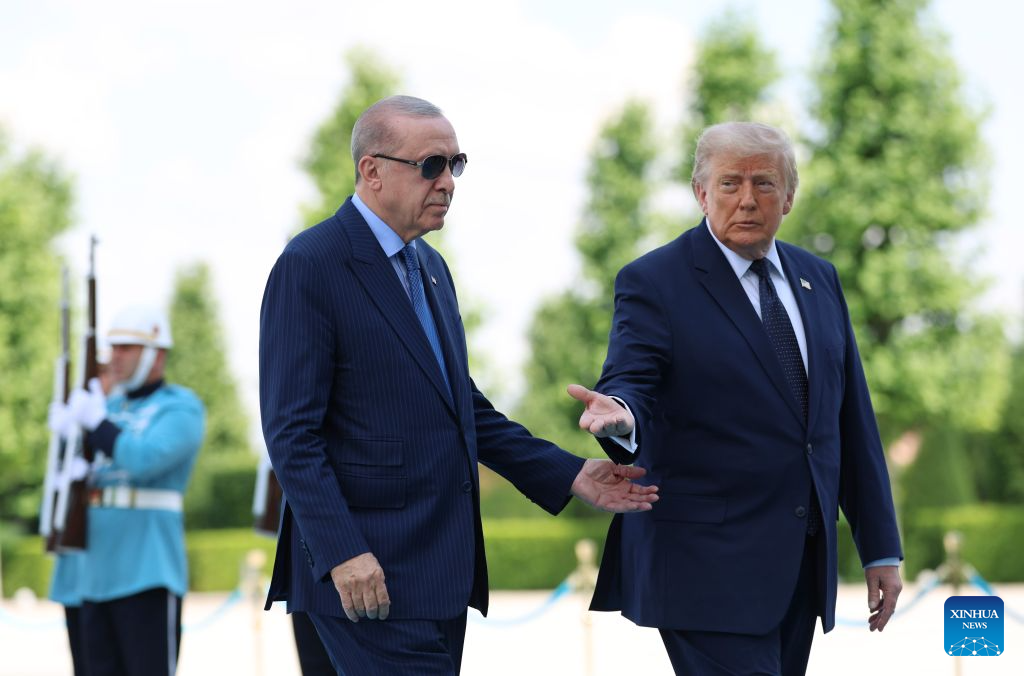
Answering journalists’ questions before a meeting with Turkish President Recep Tayyip Erdogan at the Presidential Complex, Trump sharply criticized European allies.
Stating that Italy, France, and Germany “let us down,” Trump asked, “So why are we spending hundreds of thousands of dollars, and they didn’t come to our aid?”
Erdogan said during the meeting that Türkiye was making every effort to stabilize Iran-U.S. relations.
The reluctance of European countries to send warships to support U.S. efforts to “reopen” the Strait of Hormuz had prompted criticism from Trump, who harshly accused European allies of benefiting from U.S. security guarantees while refusing to offer help in the Iran war.
Turkish President Recep Tayyip Erdogan (L) meets with U.S. President Donald Trump at the Presidential Complex in Ankara, Türkiye, July 7, 2026. (Mustafa Kaya/Handout via Xinhua)