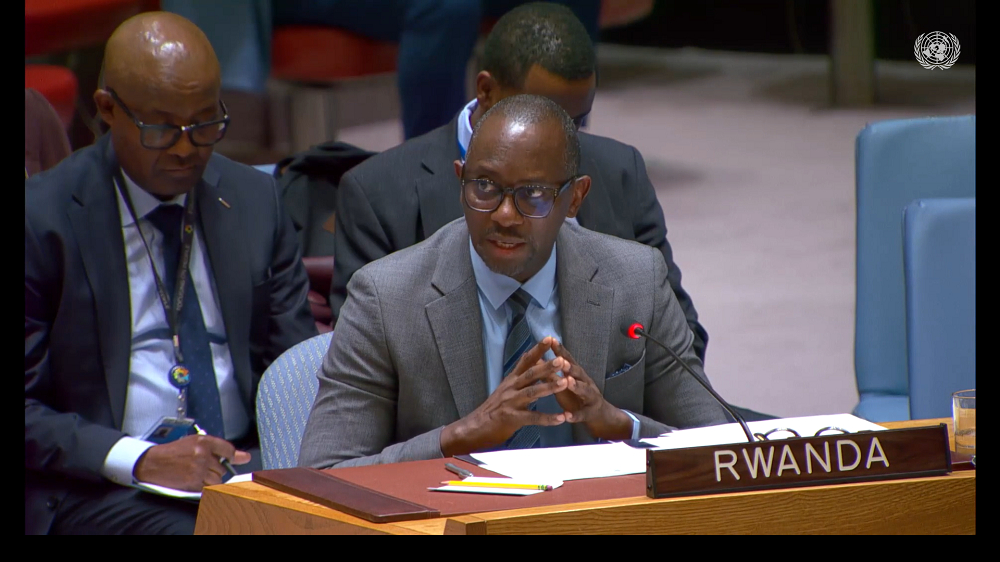
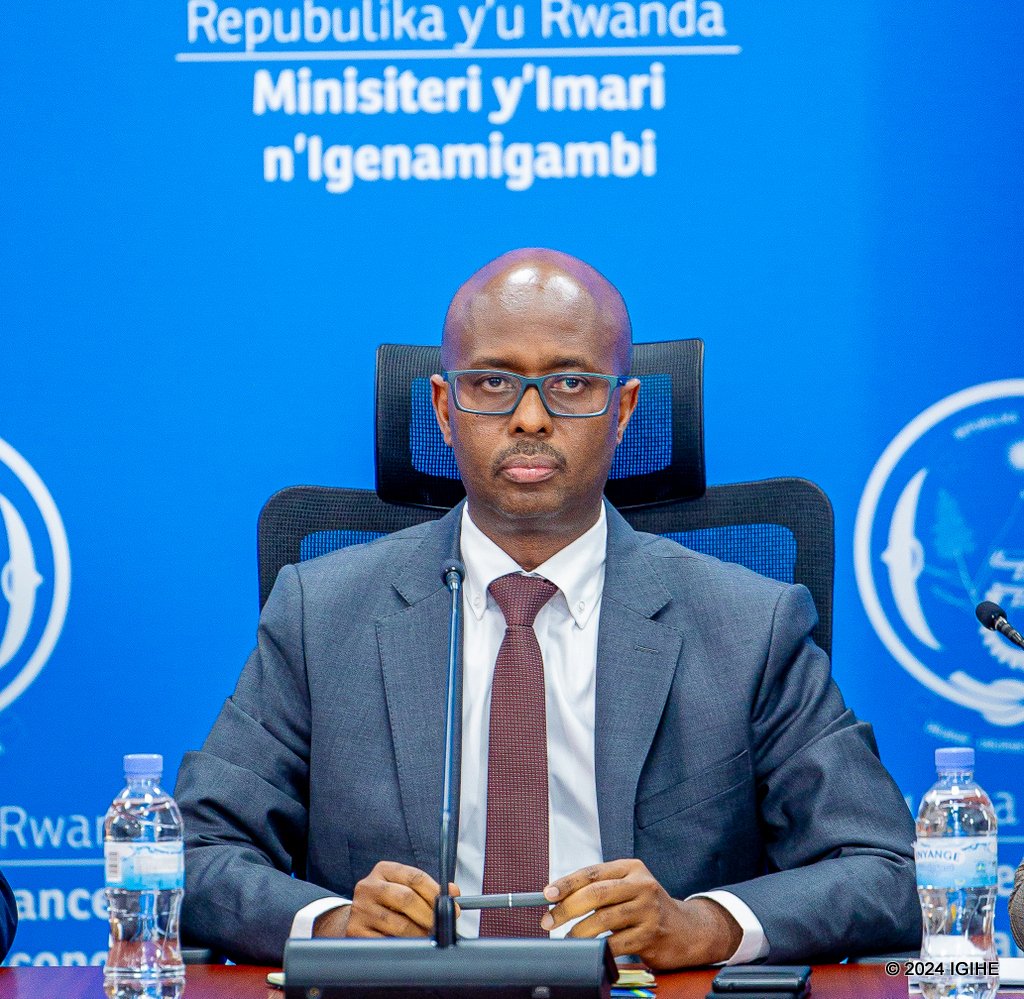
Speaking at a Council briefing on the Peace, Security and Cooperation Framework for the DRC and the Great Lakes region on Wednesday, Rwanda’s Deputy Permanent Representative, Robert Kayinamura, said the continued presence of the FDLR in eastern DRC constitutes an “existential threat” to Rwanda and a major obstacle to peace efforts in the region.
“There can be no credible path to peace without its effective and irreversible neutralisation,” he told Council members, reiterating Kigali’s long-standing position on the armed group.
The meeting came a week after Rwanda commemorated the 32nd anniversary of the Genocide against the Tutsi at the UN General Assembly Hall. Kayinamura noted that some of those responsible for the genocide fled into the DRC and remain active today, a factor he said partly motivated the establishment of the regional Peace, Security and Cooperation Framework in 2013.
Rwanda maintained that it has consistently upheld its commitments under the Framework over the past decade, but argued that key drivers of instability have not been addressed. According to Kayinamura, this reflects “a failure of implementation” rather than a weakness in the agreement itself.
He stressed that the FDLR issue has remained unresolved despite repeated engagement with UN officials, regional mediators, and successive Special Envoys.
Rwanda also expressed concern over what it described as escalating hate speech, ethnic targeting, and violence against Rwandophone communities in eastern DRC, including the Banyamulenge. Kayinamura said the continued portrayal of these communities as foreigners undermines the objectives of the Framework.
“These realities point to deep-rooted challenges that must be addressed directly. Sustainable peace cannot be built on avoidance,” he said.
The Rwandan envoy emphasised that peace in the DRC and stability in the broader Great Lakes region are inseparable, warning that selective implementation and accountability would not produce meaningful results.
While reaffirming support for ongoing diplomatic efforts, including ceasefire arrangements and processes in Washington and Doha, Rwanda also backed interim security measures such as a buffer or interposition force to help stabilise the situation as political negotiations continue.
Kayinamura posed two recurring questions Rwanda has raised in implementation discussions: how the root causes of the conflict remain unresolved after 13 years of the Framework’s existence, and why hate speech and persecution of communities continue unabated.
“If these issues remain unresolved, what basis do we have to expect a different outcome?” he asked Council members.
He concluded that after more than a decade, the path forward is clear and requires full and consistent implementation of agreed commitments. Rwanda, he said, remains engaged in good faith but stressed that success depends on all parties meeting their obligations.
“There is no military solution to this crisis,” he said. “Only a genuine return to the principles of accountability, cooperation, and mutual respect will deliver sustainable peace for our region.”
Speaking at a Council briefing on the Peace, Security and Cooperation Framework for the DRC and the Great Lakes region on Wednesday, Rwanda’s Deputy Permanent Representative, Ambassador Robert Kayinamura, said the continued presence of the FDLR in eastern DRC constitutes an “existential threat” to Rwanda and a major obstacle to peace efforts in the region.
Zimbabwean President Emmerson Mnangagwa presided over the handover ceremony at State House, attended by South African Minister of Sport, Arts and Culture Gayton McKenzie, and Zimbabwean government officials.
Mnangagwa hailed the repatriation as a triumph of Pan-African solidarity and a decisive step toward addressing historical colonial injustices. He emphasized that reclaiming such artifacts is essential for restoring the nation’s cultural identity and rectifying the “salient testament” of past plunder.
“For far too long, this vital piece of our national soul and dignity resided in a foreign land… My government will continue to ensure that Zimbabwe’s rich heritage is freed from the hostage in foreign museums, public spaces and private galleries,” the president said.
For his part, McKenzie described the return as a significant historical milestone, expressing his hope that the eight ancestors would finally find peace in their native soil and that the day’s events would help in the long journey of restoring Zimbabwe’s national wholeness.
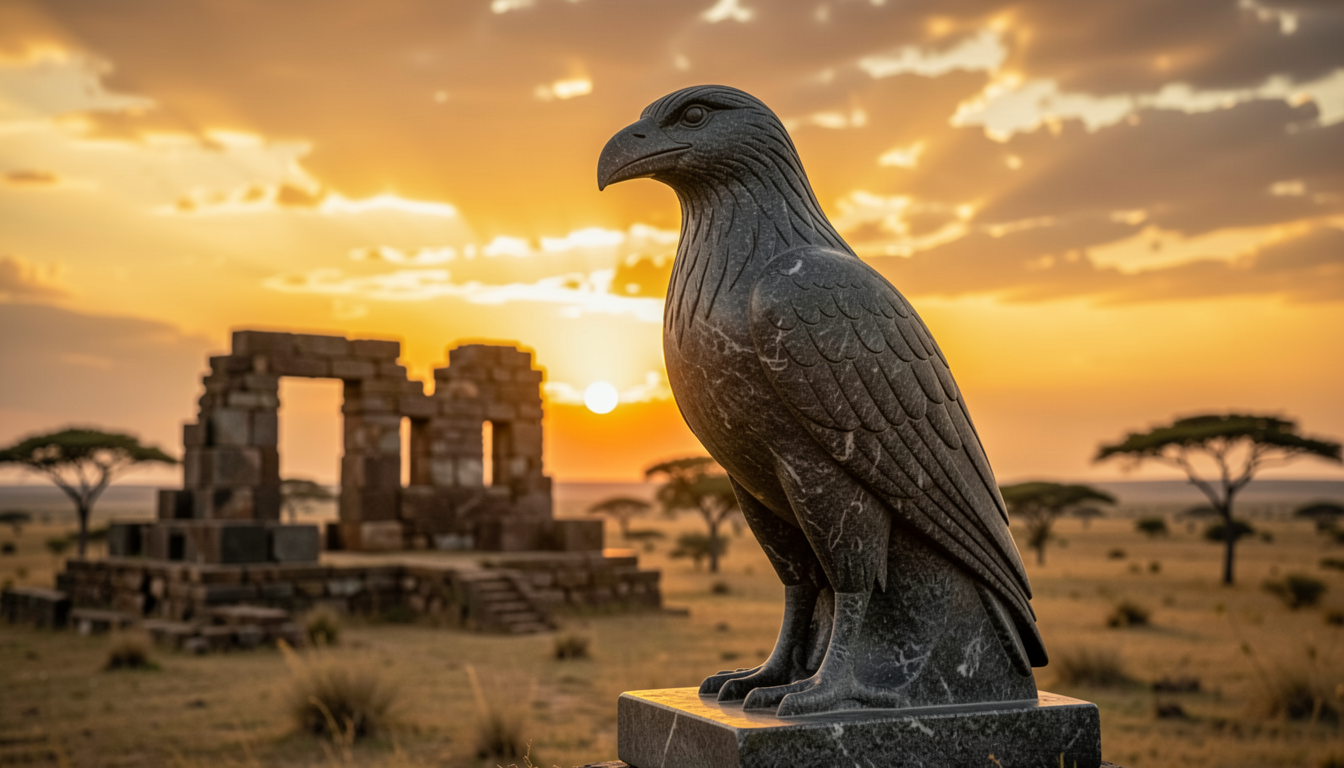
The Zimbabwe Bird, known in the Shona language as Chapungu, is a national emblem and symbol associated with the country’s cultural and historical identity, and is featured in the national flag, coat of arms and currency.
Carved from soapstone, this specific artifact was the first of eight carvings looted from the ruins of Great Zimbabwe — the Iron Age capital located in the country’s southeast — and later sold to Cecil John Rhodes, then the prime minister of the Cape Colony, in the 1890s.
The eight ancestral human remains were collected from Zimbabwe — then known as Southern Rhodesia — during the late 19th and early 20th centuries. They were acquired by colonial officials, medical practitioners and researchers, and donated to what became the Iziko South African Museum as scientific specimens.
Zimbabwe on Wednesday welcomed the return of a centuries-old “Zimbabwe Bird” stone sculpture and eight ancestral remains from South Africa.
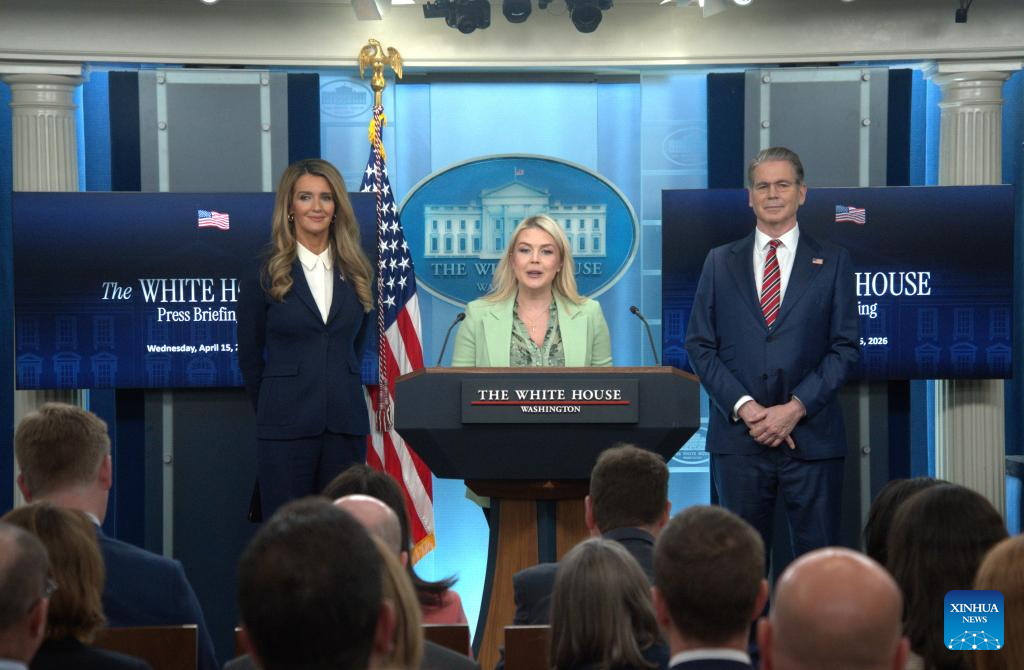
Leavitt said at a White House press briefing that the Trump administration is optimistic the continued negotiations could yield a deal to end the weeks-long war.
“We feel good about the prospects of a deal,” she said.
Leavitt also did not confirm when talks with Iran would resume, but said if there were talks, they would continue to be held in Pakistan following stalled talks in Islamabad over the weekend.
U.S. President Donald Trump said Tuesday that fresh U.S.-Iran talks “could be happening over next two days” in Pakistan. Also, he said earlier on Wednesday that the U.S.-Israeli war with Iran is “very close to being over,” without providing a clear timeline.
The two-week ceasefire is set to expire next week.
White House Press Secretary Karoline Leavitt speaks during a White House press briefing in Washington, D.C., the United States, April 15, 2026. Leavitt said Wednesday an extension of the current U.S. ceasefire with Iran is “not true at this moment.”
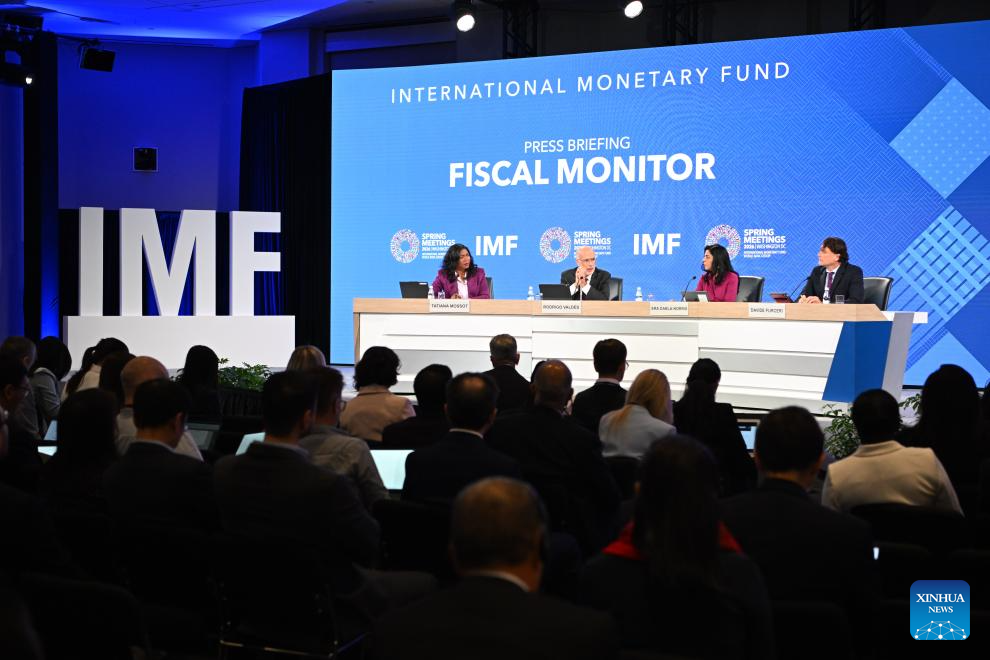
In its latest Fiscal Monitor report released Wednesday, the IMF said fiscal management is becoming increasingly challenging against a backdrop of trade fragmentation, intensifying geopolitical tensions, evolving sovereign debt markets and the buildup of structural vulnerabilities.
While global public debt dynamics showed no improvement in 2025, the outbreak of conflict in the Middle East has added a new source of fiscal pressure to an already fragile global landscape, the report noted. Global gross government debt rose to nearly 94 percent of GDP in 2025 and, on current trajectories, is projected to reach 100 percent by 2029 — a level previously reached only in the aftermath of World War II.
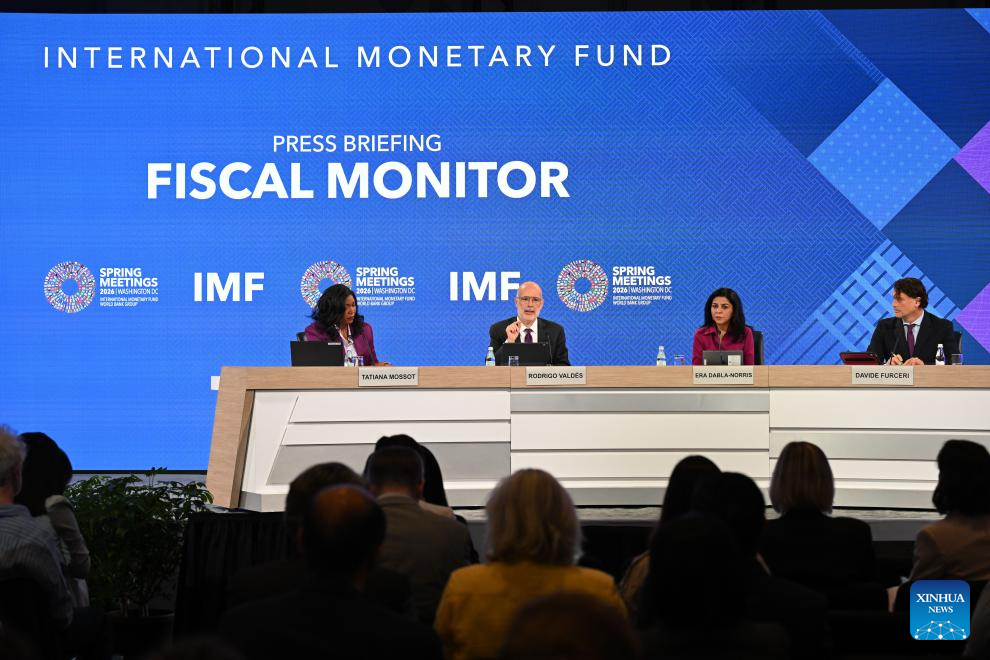
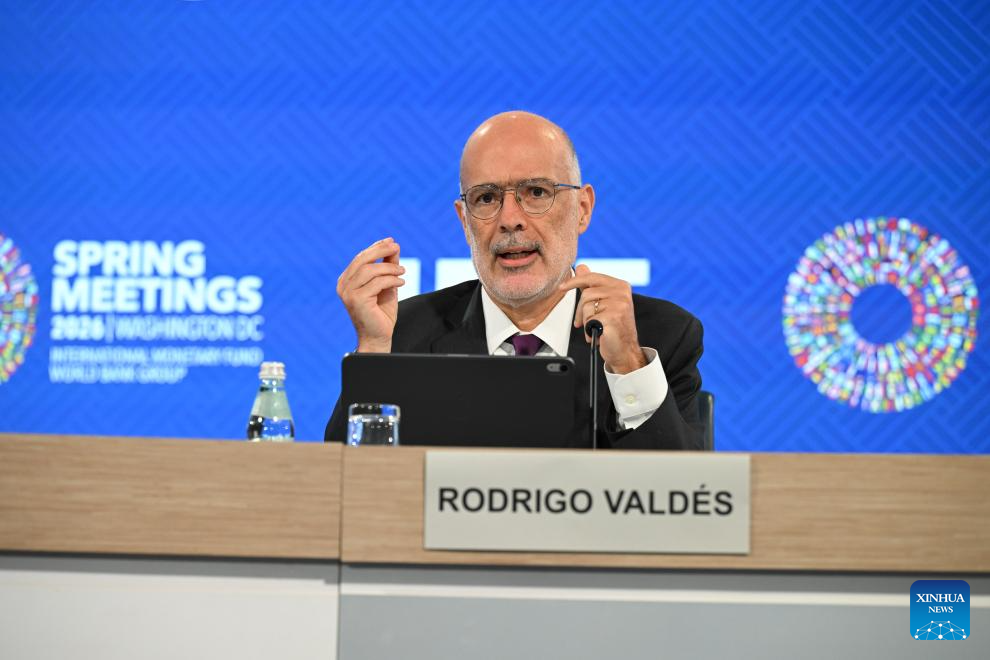
Rodrigo Valdes (C), director of the IMF’s fiscal affairs department, speaks at a press briefing on Fiscal Monitor in Washington, D.C., the United States, on April 15, 2026. The International Monetary Fund (IMF) has warned that global fiscal policy is coming under mounting pressure amid elevated debt levels and growing risks.
Concerns extend beyond the sheer scale of global debt to the shrinking fiscal space under current policy settings. The global fiscal buffer has effectively vanished, falling from more than 1 percent of GDP a decade ago to near zero today.
In addition, interest payments have risen sharply in just four years, from about 2 percent to nearly 3 percent of global GDP.
The IMF said the fiscal outlook has deteriorated further since its April 2025 Fiscal Monitor, with global debt-at-risk three years ahead now approaching 117 percent of GDP, underscoring heightened downside risks.
The Middle East conflict could further strain public finances through higher food and energy prices, tighter financial conditions, weaker economic activity, and rising defense outlays. In a scenario of prolonged conflict, global debt-at-risk could increase by an additional 4 percentage points, the IMF warned.
In the United States, the general government deficit currently stands at between 7 and 8 percent of GDP, with no debt consolidation plan in sight. Gross debt is projected to reach 142 percent of GDP by 2031.
The conflict also risks reinforcing adverse financial and commodity price dynamics, adding to macroeconomic pressures in emerging market and developing economies.
With the window for orderly fiscal adjustment narrowing, the IMF urged countries to adopt more forward-looking and structurally anchored fiscal policies as they cope with the effects of energy price shocks.
It called on the United States to stabilize its debt trajectory through measures on both revenue and expenditure, urged European governments to reconcile rising defense commitments with aging-related spending pressures by reprioritizing expenditures, and advised emerging markets to address contingent liabilities, phase out costly fuel subsidies and broaden their tax bases.
Rodrigo Valdes, director of the IMF’s fiscal affairs department, speaks at a press briefing on Fiscal Monitor in Washington, D.C., the United States, on April 15, 2026.
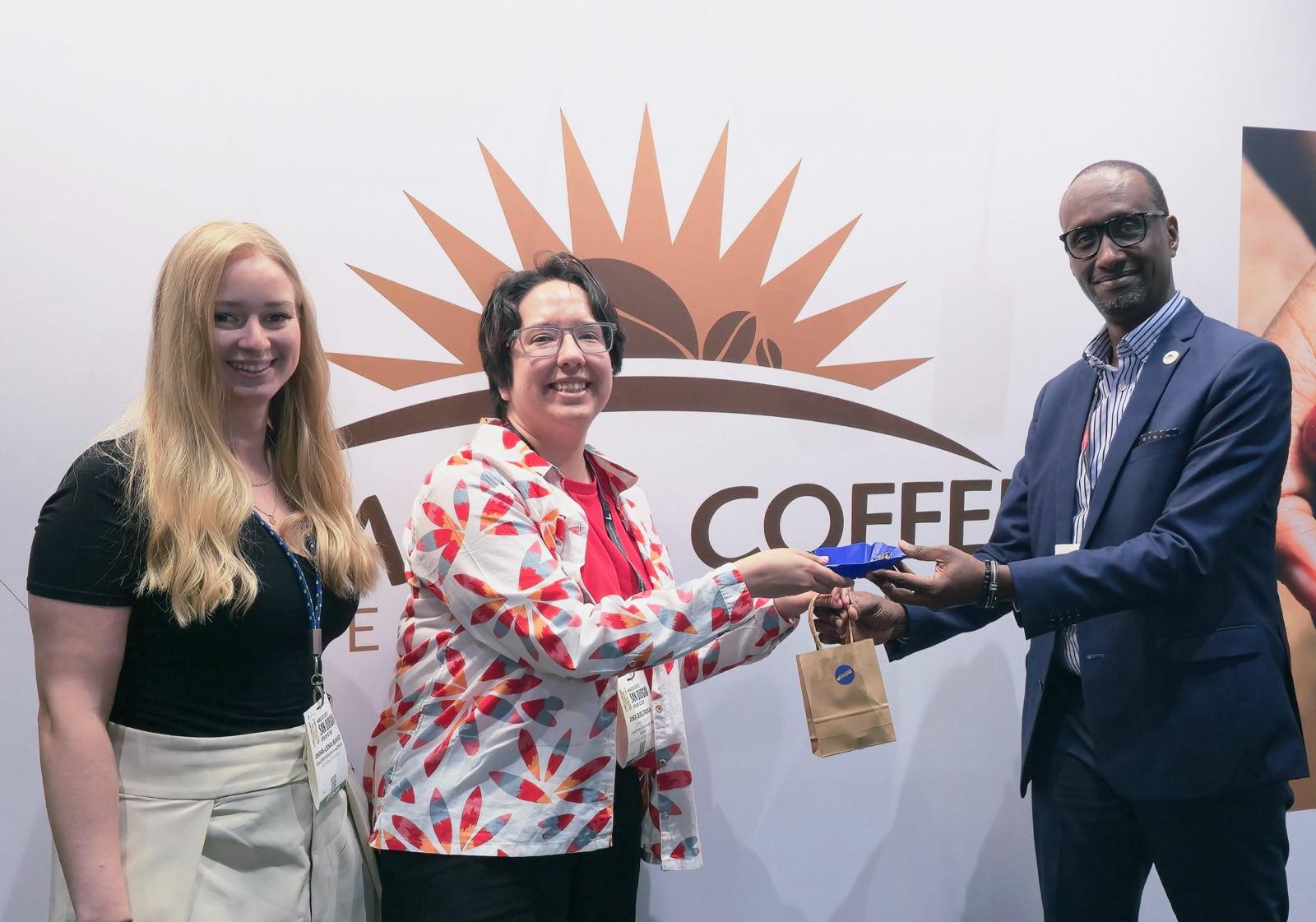
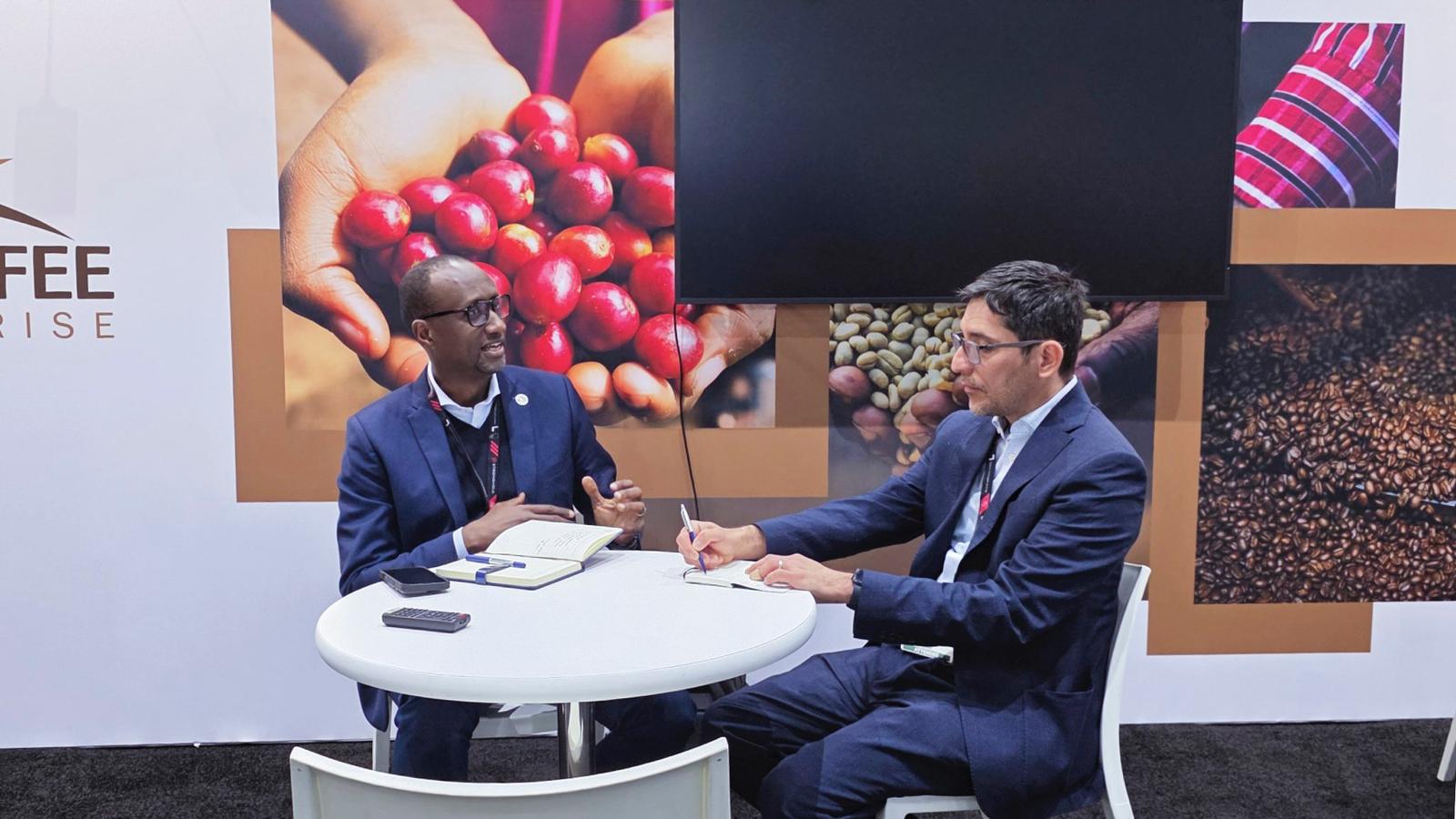
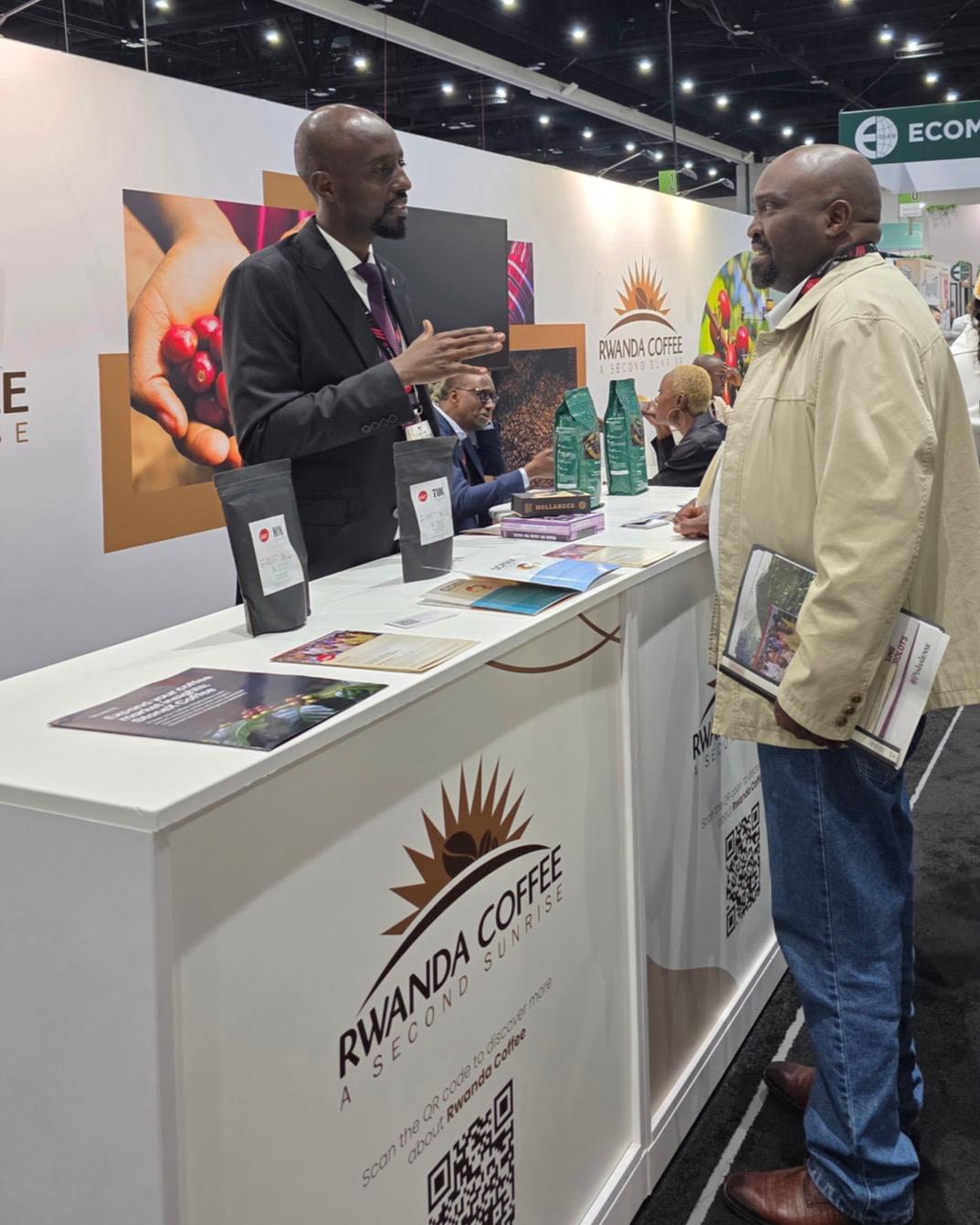
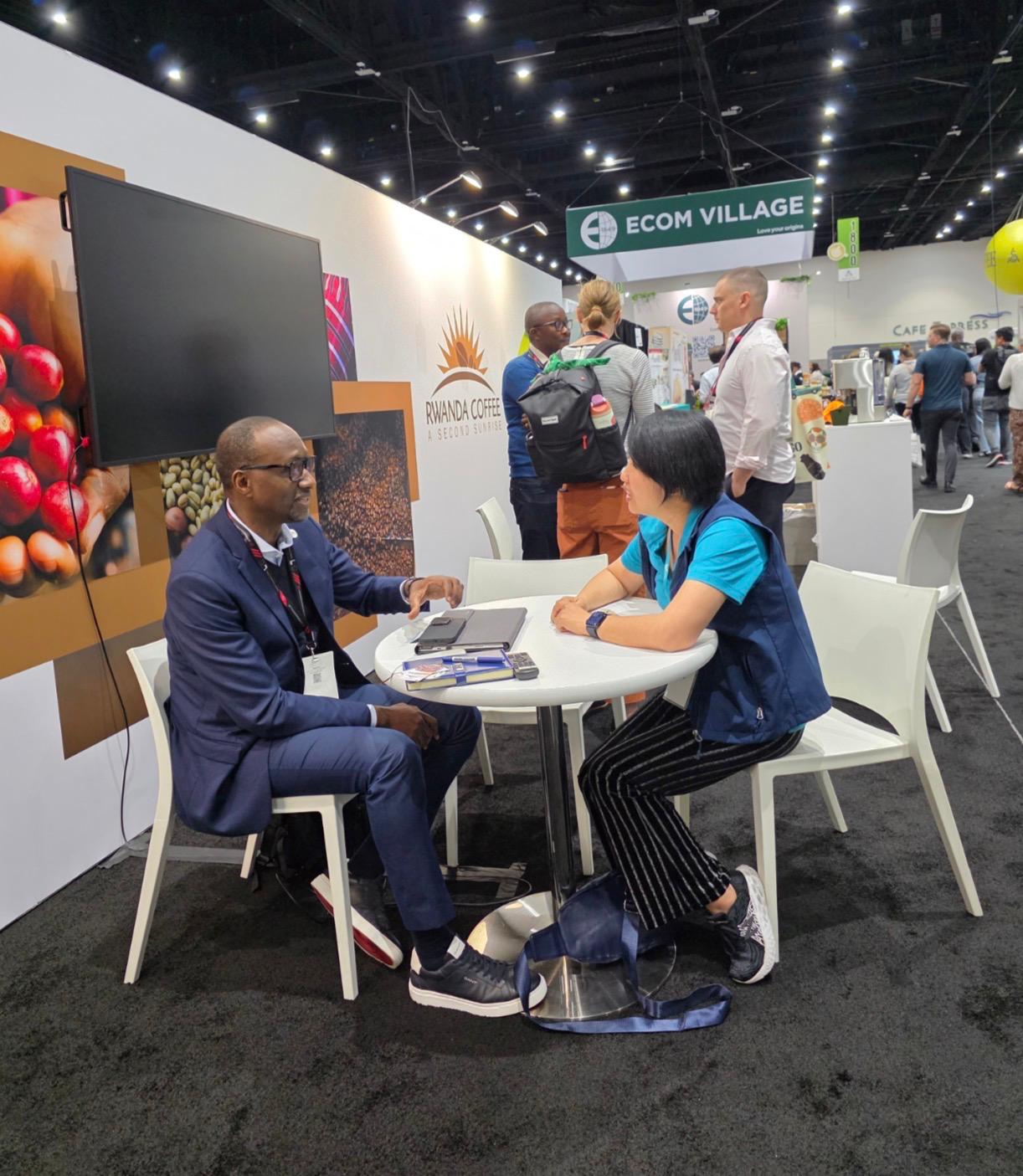
Held over three days, the exhibition provided a strategic platform for participants to strengthen their position in the U.S. market, the world’s largest coffee importer. Rwandan exporters engaged directly with buyers, roasters, and importers, reinforcing existing partnerships while exploring new business opportunities.
Rwanda’s participation stood out during cupping sessions, where its coffees received strong recognition. Notably, an anaerobic natural-processed Rwandan coffee ranked among the top five out of 48 lots, highlighting the country’s exceptional quality and growing competitiveness in the specialty coffee segment.
The U.S. coffee market, valued at over $23 billion in 2025, continues to expand, particularly within the speciality segment. Rwandan coffees, renowned for their premium quality, traceability, and distinctive flavour profiles, align well with evolving consumer preferences for high-quality, sustainably sourced products.
Although the event has concluded, its impact is already evident through increased visibility and new commercial prospects. Strengthening Rwanda’s presence in the U.S. market could translate into higher export revenues and improved incomes for coffee producers.
Rwanda’s participation at World of Coffee San Diego reinforces its strategic approach to market diversification and positioning in high-value markets, underscoring the importance of global platforms in elevating the country’s coffee profile worldwide.
karirima@igihe.com
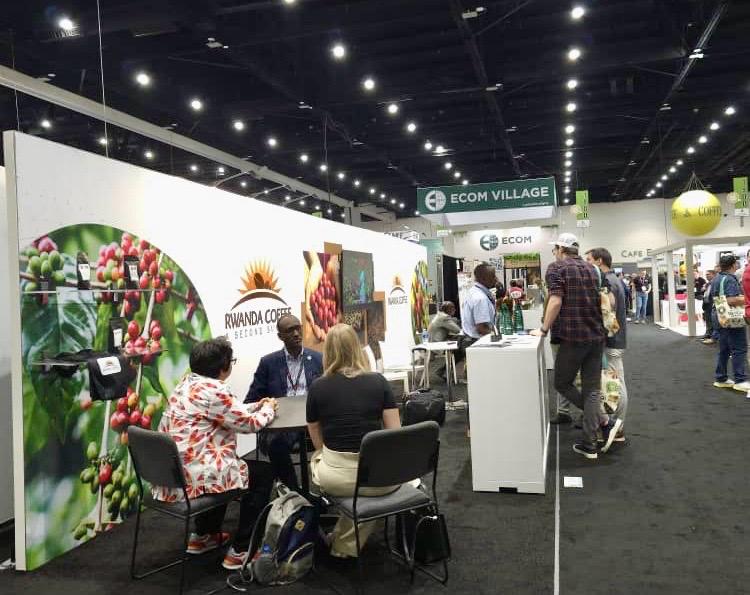
Rwanda reaffirmed its presence on the global coffee stage last week at the World of Coffee San Diego, held in the United States.The National Agricultural Export Development Board (NAEB), represented by its Chief Executive Officer, Bizimana Claude, led a delegation of Rwandan coffee exporters to the premier industry event.Rwandan exporters engaged directly with buyers, roasters, and importers, reinforcing existing partnerships while exploring new business opportunities.Rwanda’s participation stood out during cupping sessions, where its coffees received strong recognition.The cupping competition evaluates coffee through blind tasting by professional cuppers who assess aroma, acidity, body, and flavour complexity. NAEB CEO Bizimana Claude engages in one-on-one discussions with coffee buyers and stakeholders during the World of Coffee San Diego exhibition, strengthening trade connections and exploring new market opportunities.
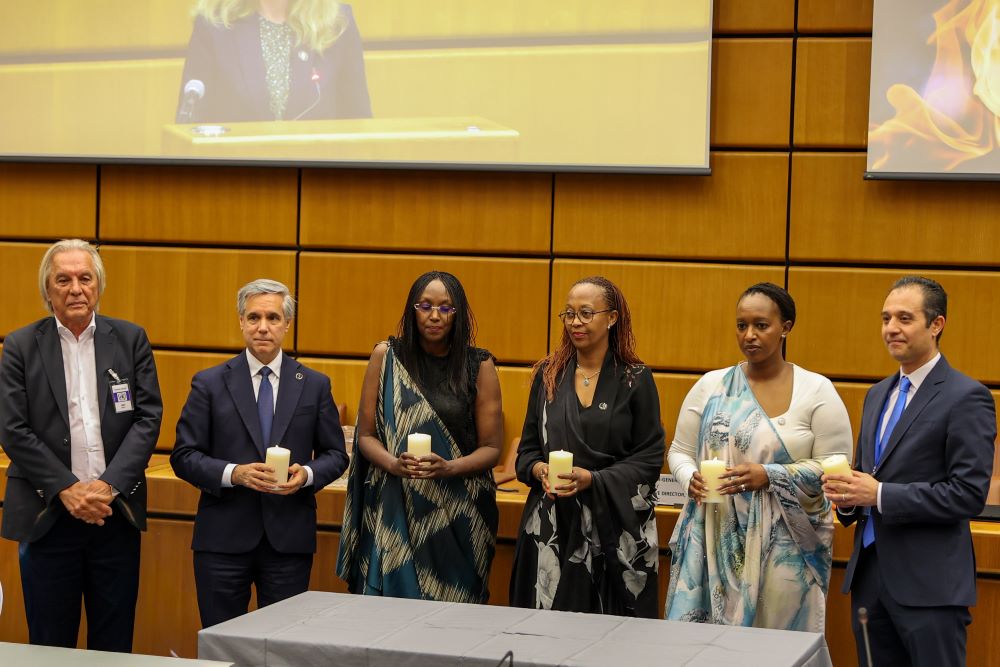
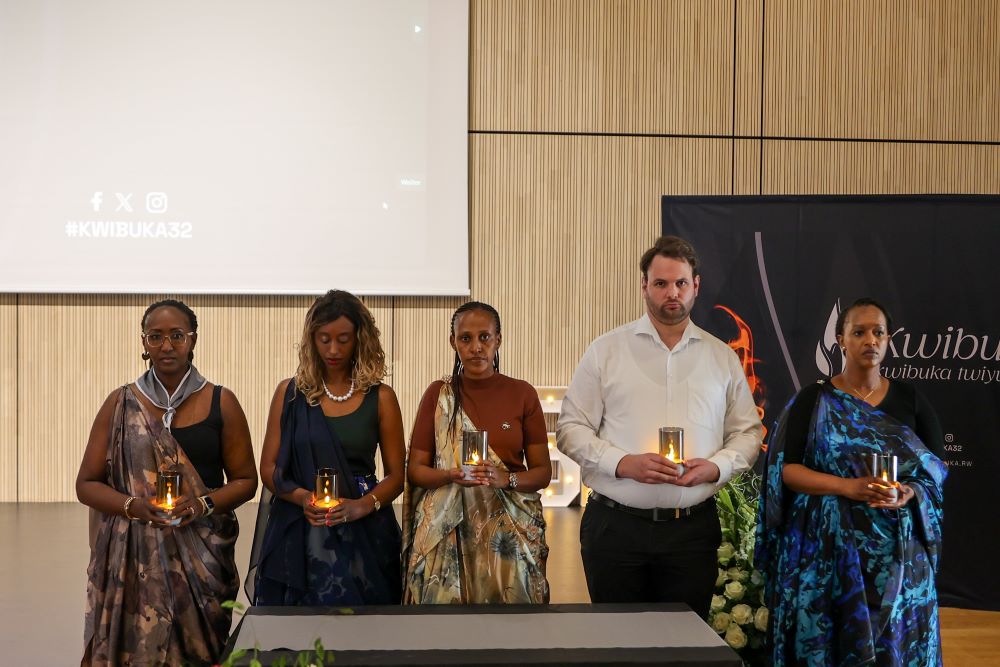
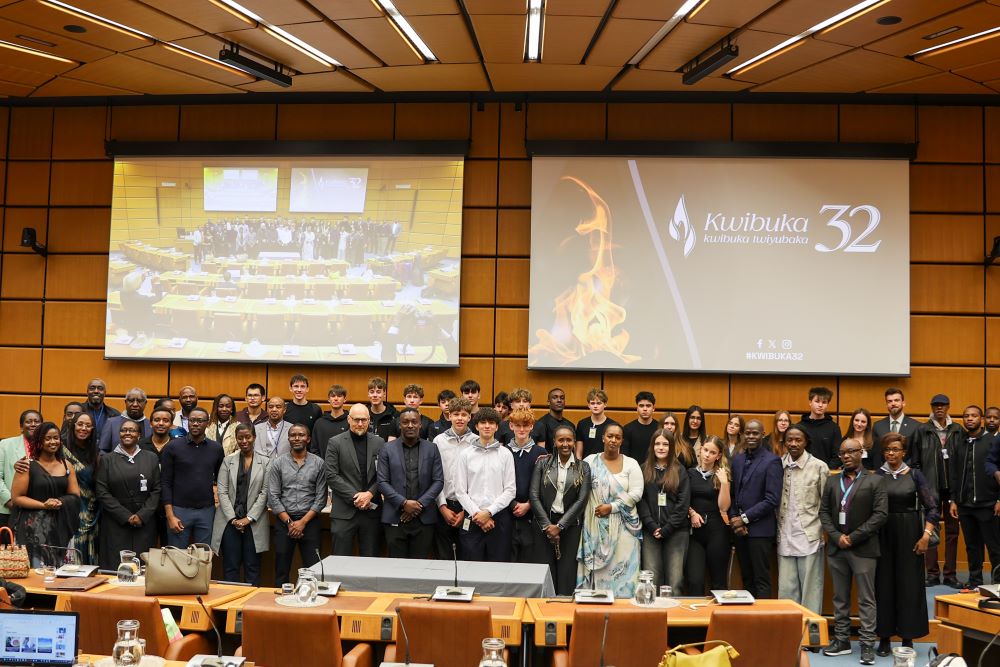
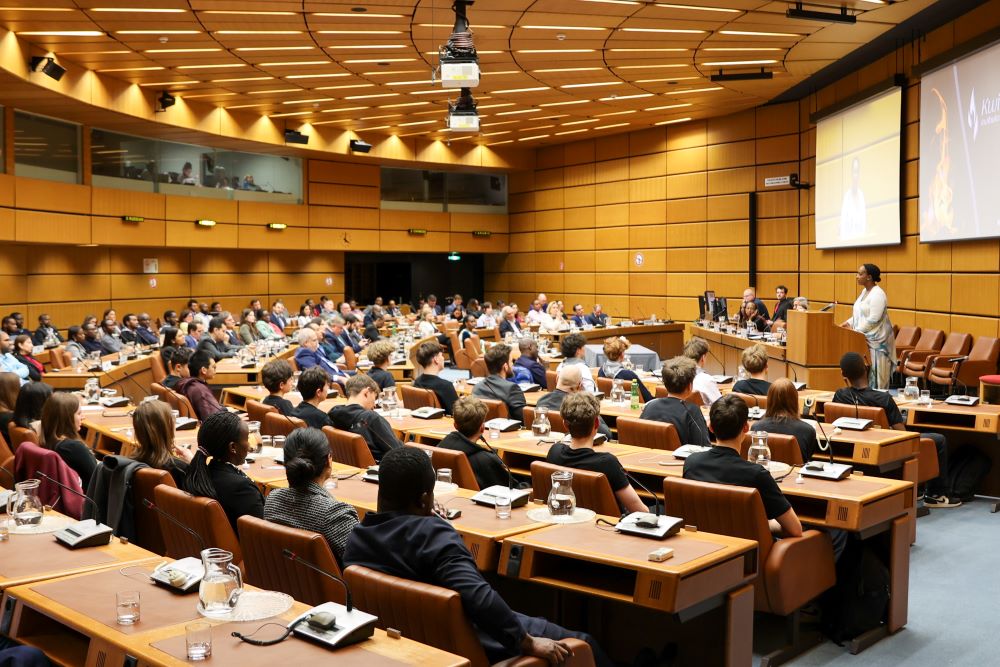
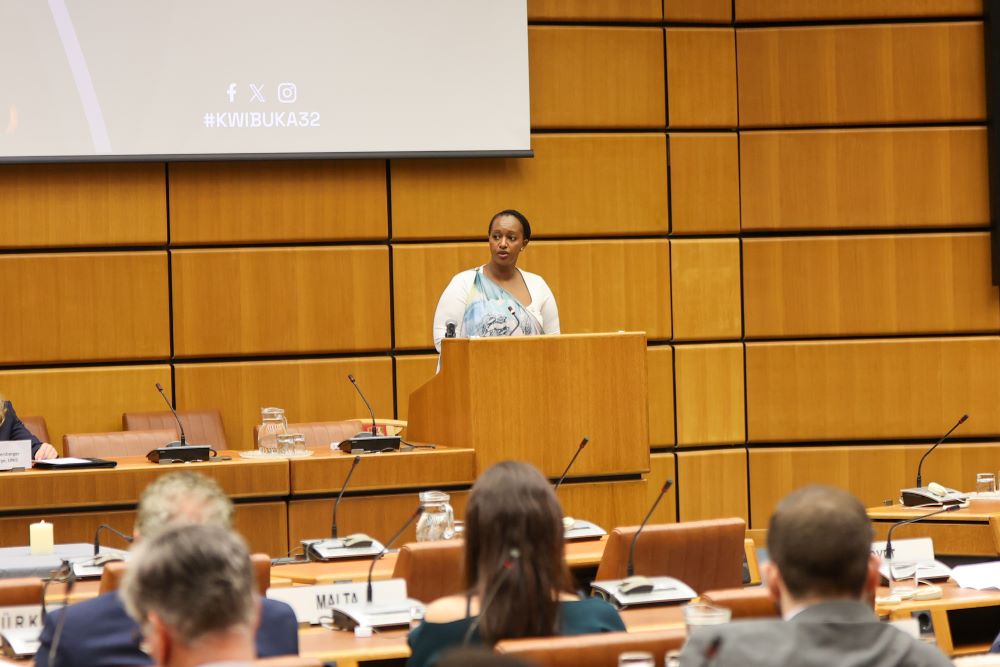
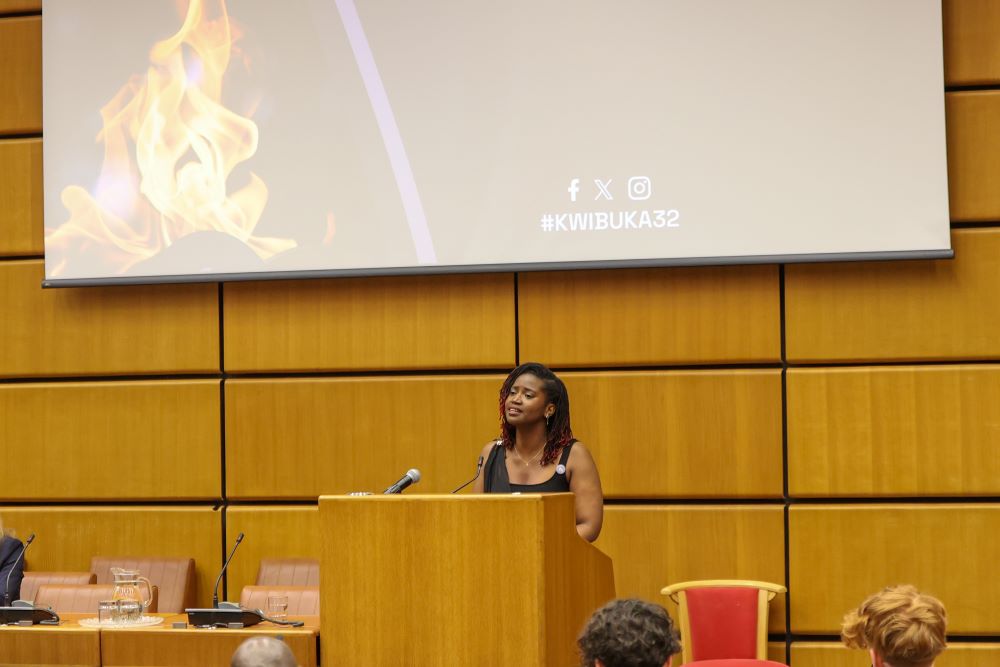
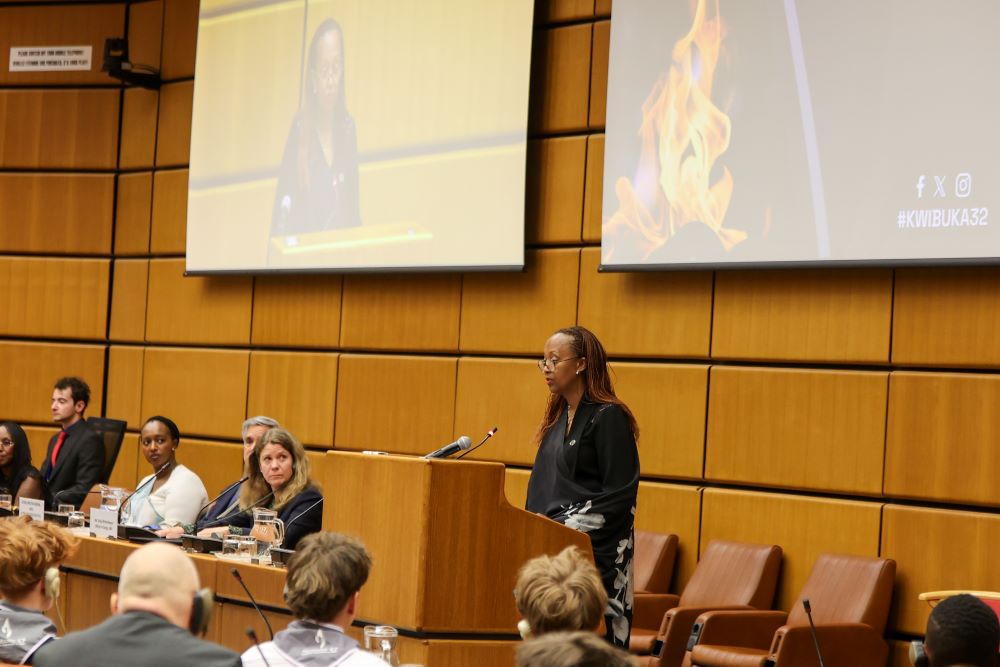
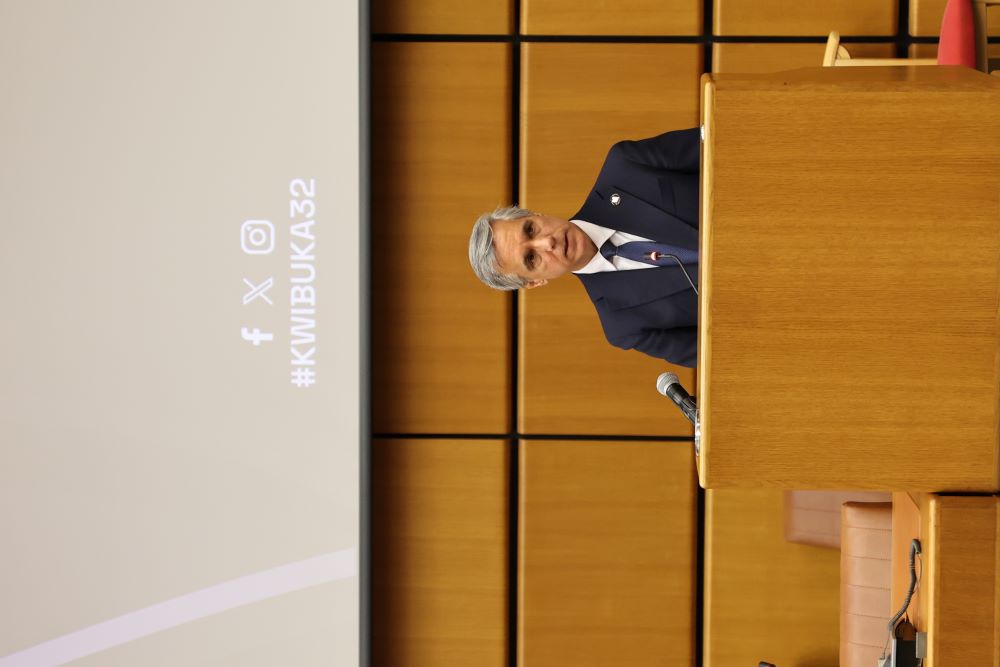
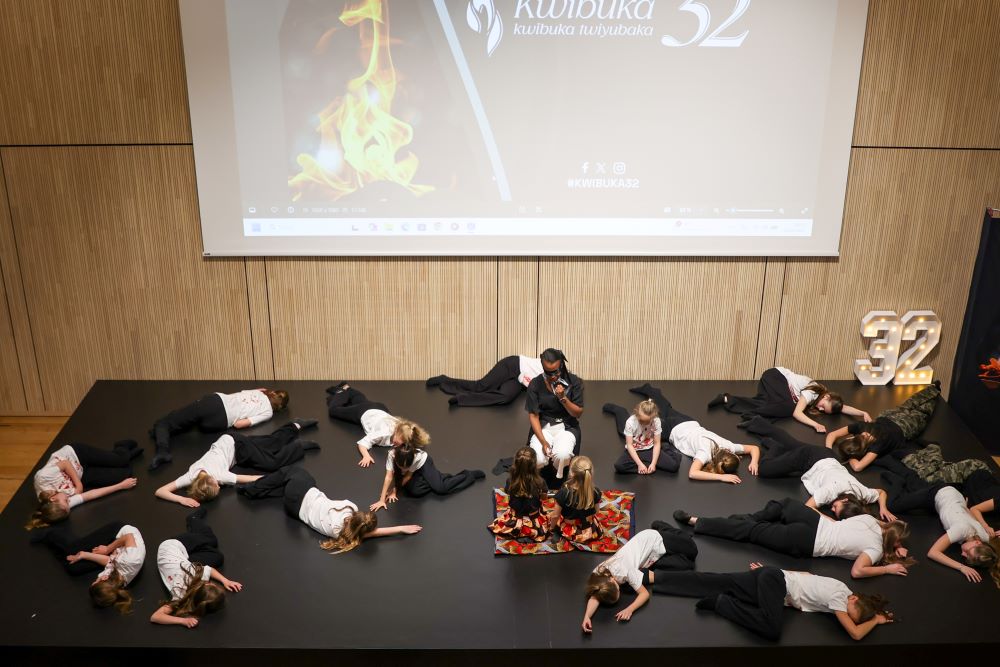
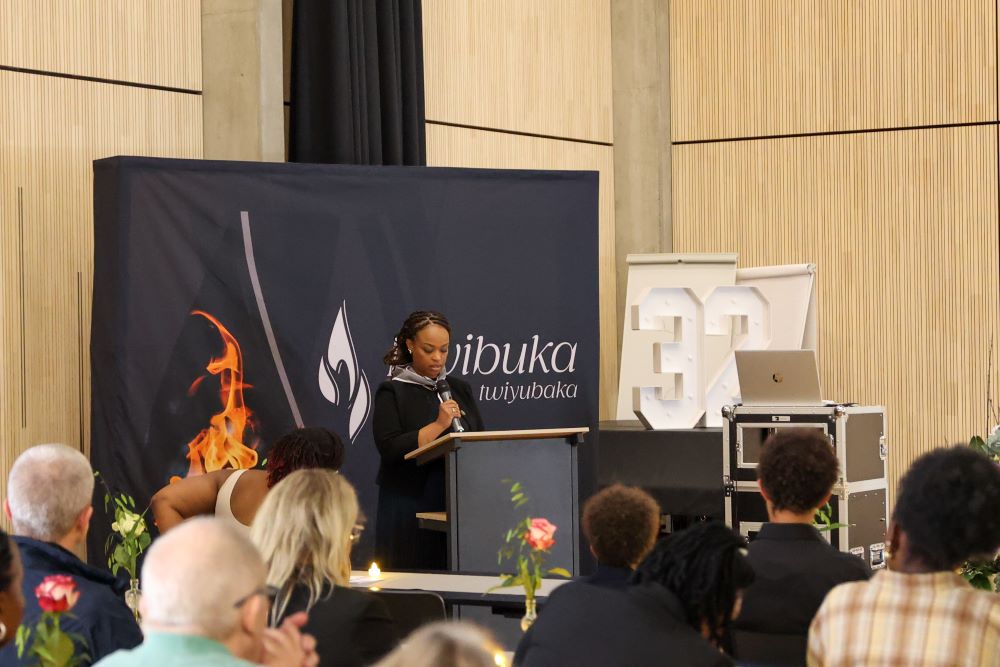
The commemoration began on April 9 at the United Nations Office at Vienna, where the message of the UN Secretary-General was delivered, emphasizing the need to strengthen shared values and institutions to prevent future atrocities.
A key moment of the ceremony was the testimony of genocide survivor Yvonne Buhikare, whose account drawn from her book “Ils vont nous tuer” highlighted the importance of preserving memory and confronting historical truth.
Rwanda’s Ambassador to Austria, Urujeni Bakuramutsa, stressed that the genocide was not spontaneous but carefully planned, warning that such crimes begin with hate speech, dehumanization and the normalization of violence.
The commemoration continued on April 11 in Innsbruck, Tyrol, in an event organized by the Rwandan community in Austria, with participation from local authorities and residents.
The event featured remarks from community leaders, representatives of survivors and local officials, reaffirming a shared commitment to remembrance and prevention.
A powerful testimony by survivor Marie Kresbach Kabera, underscored resilience and the importance of ensuring that such atrocities never happen again.
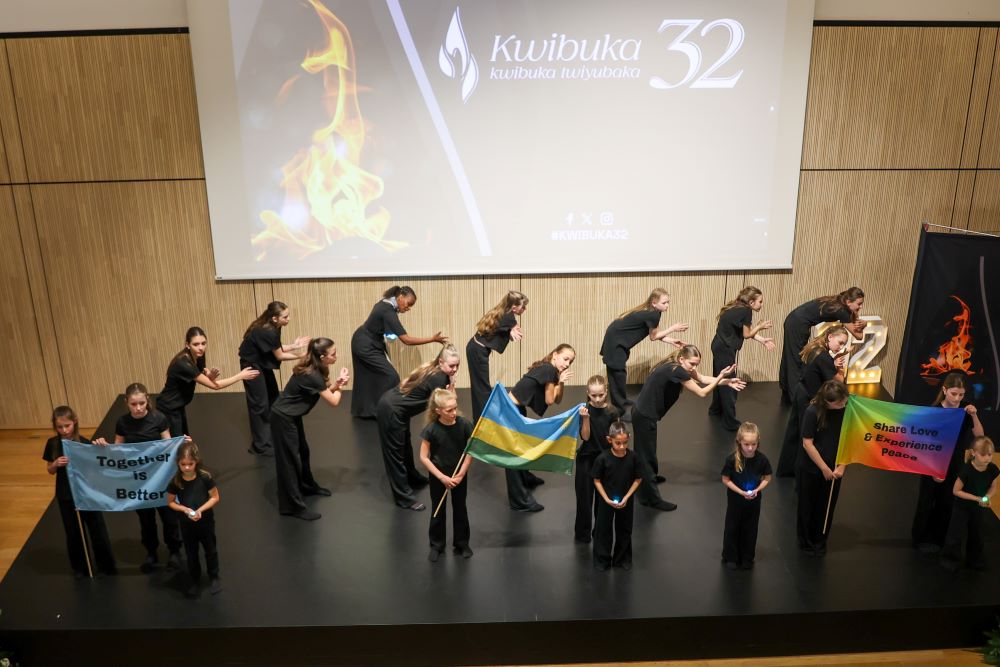
The programme also included performances by children, poetry and musical tributes, reflecting intergenerational engagement in preserving memory.
Amb. Bakuramutsa welcomed the first-ever commemoration of Genocide against the Tutsi in Tyrol and commended the City of Innsbruck’s initiative to establish a memorial in honour of the victims.
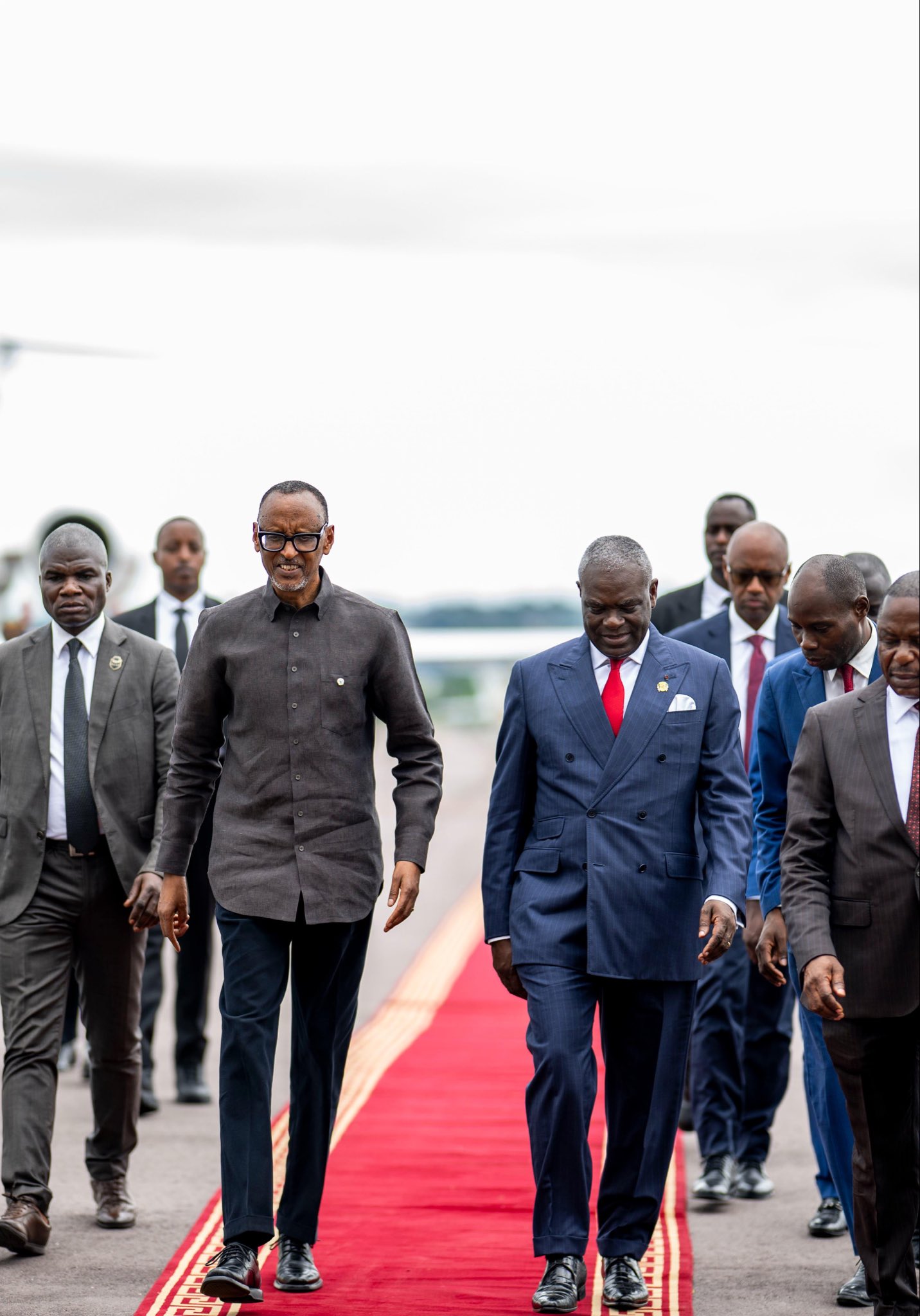
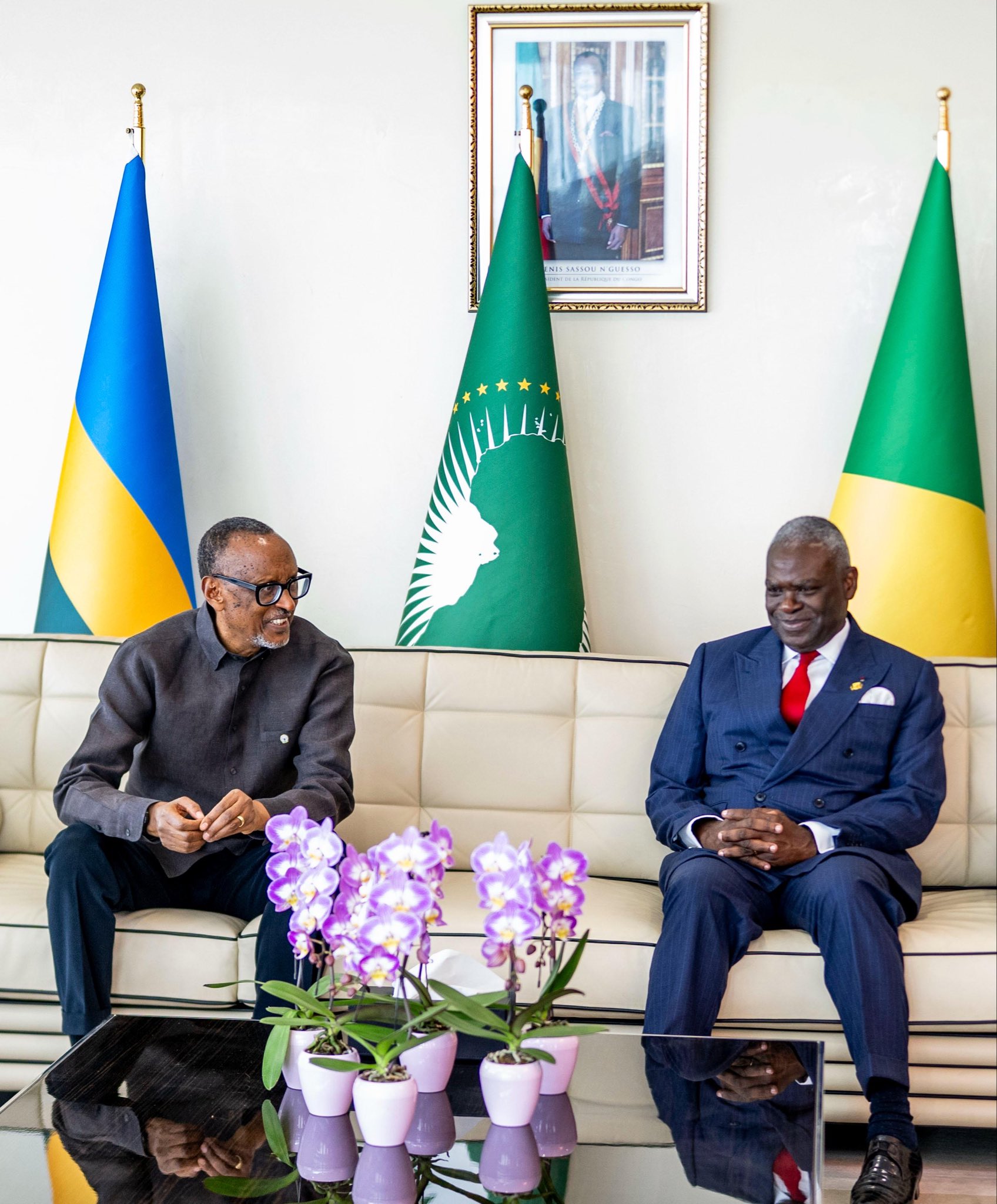
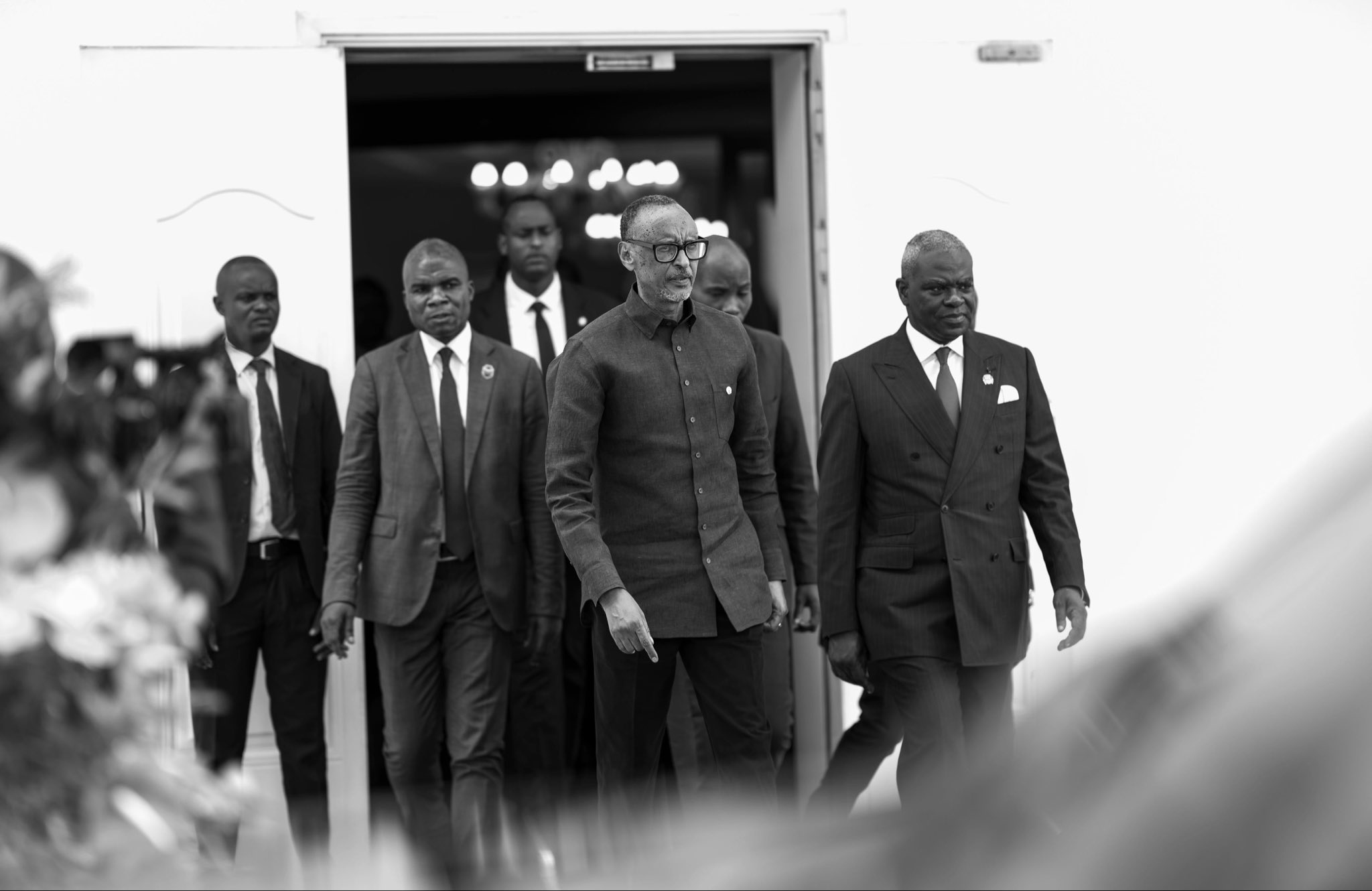
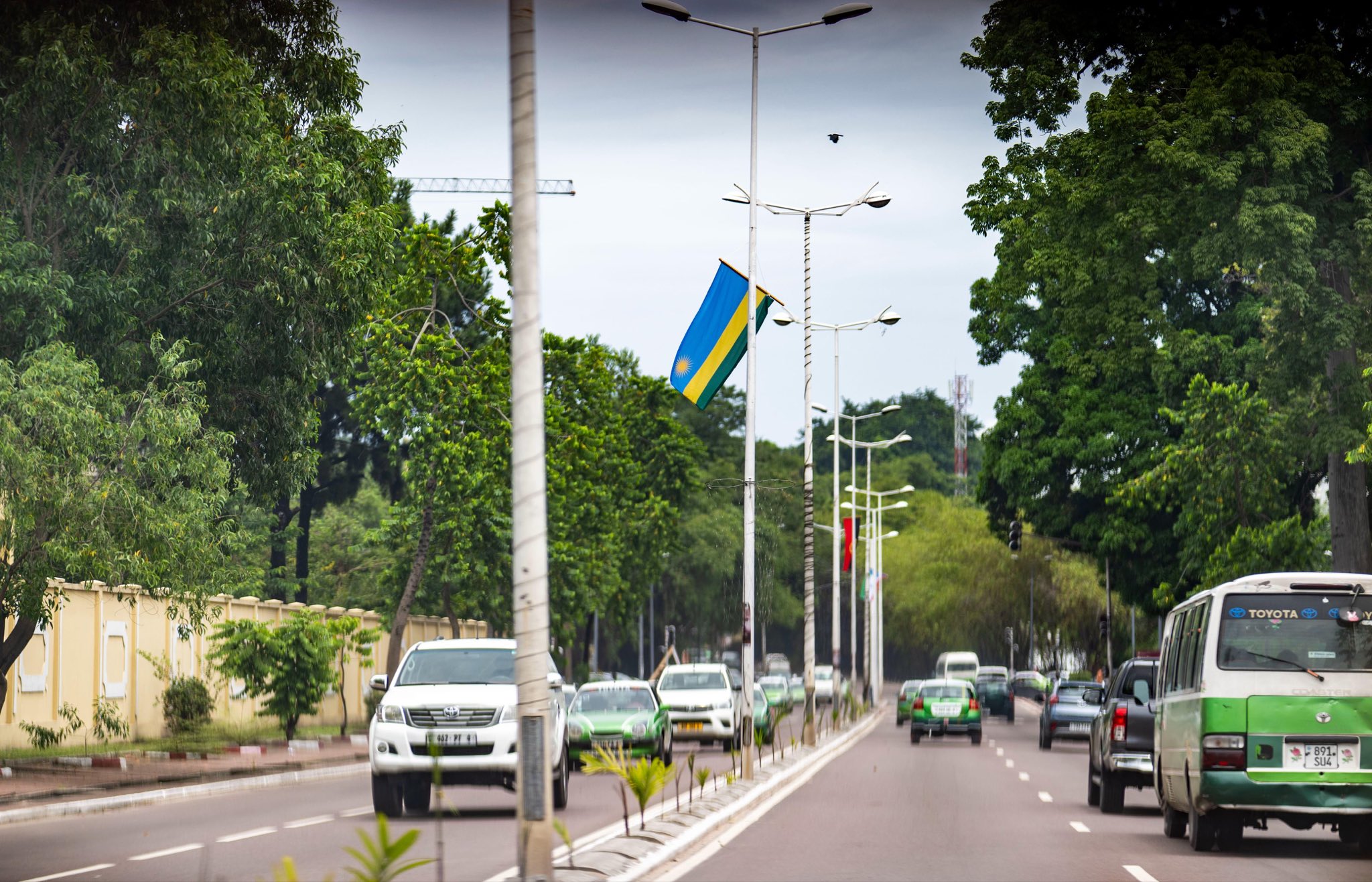
Kagame was received at Maya-Maya International Airport by Republic of the Congo Prime Minister Anatole Collinet Makosso.
The inauguration ceremony is scheduled for Thursday at Unity Stadium, also known as the La Concorde Multipurpose Sports Complex, in Kintélé. The event is expected to bring together heads of state and senior government officials from across Africa.
President Sassou Nguesso was re-elected in mid-March for a five-year term, winning 94.82 percent of the vote according to the Interior Ministry. The election recorded an 84.64 percent turnout, with seven candidates contesting the presidency.
Following the results, President Kagame congratulated Sassou Nguesso on his re-election, reaffirming Rwanda’s commitment to strengthening bilateral relations and cooperation between the two countries.
“Rwanda welcomes the strong quality of our bilateral relations and looks forward to continuing close cooperation in support of our shared priorities and the prosperity of our peoples,” Kagame said in a message posted on X.
Rwanda and the Republic of the Congo have maintained a longstanding partnership marked by cooperation across multiple sectors, including diplomacy, trade, and security. In August 2016, Rwanda opened its embassy in Brazzaville, further strengthening diplomatic engagement.
The two countries signed a series of agreements in 2011 covering trade, air transport, tourism promotion, energy, security, environmental protection, and fisheries. Air connectivity has also been reinforced, with RwandAir operating flights between Kigali and Brazzaville since that year.
Cooperation expanded further in November 2021, when both nations signed agreements on military collaboration, higher education, land management, sustainable development, and trade promotion. Additional deals focused on environmental protection and expanding air transport links.
In the same year, Rwanda’s Housing Authority and Congo-Brazzaville’s SOPRIM entered into a partnership to promote housing development and the construction of affordable, modern homes.
Relations between the two leaders have remained cordial over the years. During a visit to Rwanda in 2023, Sassou Nguesso was awarded the Agaciro Medal by President Kagame in recognition of his contribution to Africa’s development.
President Kagame was received at Maya-Maya International Airport by Republic of the Congo Prime Minister Anatole Collinet Makosso.Rwanda and the Republic of the Congo have maintained a longstanding partnership marked by cooperation across multiple sectors, including diplomacy, trade, and security.
In a statement issued on Tuesday, April 14, the Ministry of Finance and Economic Planning said the commercial loan carries a 15-year maturity and a six-year grace period, positioning it as a cornerstone of the government’s strategy to lower borrowing costs and manage debt sustainably.
The ministry described the transaction as part of a “prudent and proactive approach to sovereign debt management,” adding that Rwanda intends to systematically favour blended finance solutions to secure a low cost of debt, a smooth repayment profile and enhanced access to stable sources of funding.
A key feature of the deal is its backing by two major arms of the World Bank Group: the International Development Association (IDA) and the Multilateral Investment Guarantee Agency (MIGA). The structure combines an IDA Policy-Based Guarantee, which provides first-loss coverage, with a MIGA guarantee acting as second-loss protection. This layered guarantee mechanism reduces risk for lenders and enables Rwanda to secure more competitive financing terms.
Notably, Rwanda becomes the first country to benefit from MIGA’s revised policy allowing second-loss guarantees in cases where IDA provides first-loss coverage, highlighting the deal’s significance as a pioneering model in sovereign financing.
The deal was executed against a backdrop of heightened geopolitical tensions and tightening conditions in emerging market credit, yet Rwanda secured what it described as highly favorable terms, reflecting strong international investor confidence in its credit profile.
In line with its debt management strategy, the government negotiated a six-year grace period to ensure that principal repayments begin only after the maturity of its outstanding Eurobond. This approach aims to avoid refinancing pressures and maintain a stable debt servicing trajectory.
The ministry noted that the combination of a long maturity, an extended grace period, and exceptionally competitive pricing illustrates how the blended finance approach directly translates into tangible benefits for Rwanda.
Proceeds from the facility will be used for general budget support, aligned with a World Bank-supported development programme targeting inclusive growth and job creation across sectors such as infrastructure, health, education, agriculture, and industry.
The transaction builds on Rwanda’s previous €200 million ESG-linked loan completed in 2024 and comes amid improving credit sentiment. Recent actions by Fitch Ratings and Moody’s affirming stable outlooks point to strengthening fiscal metrics and continued structural reforms.
Finance Minister Yusuf Murangwa said the deal highlights the government’s continued focus on innovative financing.
“This landmark financing demonstrates Rwanda’s unwavering commitment to innovative and prudent debt management,” Murangwa said. “Blended finance is at the heart of our borrowing strategy, enabling us to secure long-term funding at an exceptionally competitive cost, while maintaining a smooth repayment profile and safeguarding our debt sustainability.”
He added that the guarantee structure “is a testament to the strength of our partnership with the World Bank Group and a model for future transactions.”
Finance Minister Yusuf Murangwa said the deal highlights the government’s continued focus on innovative financing.
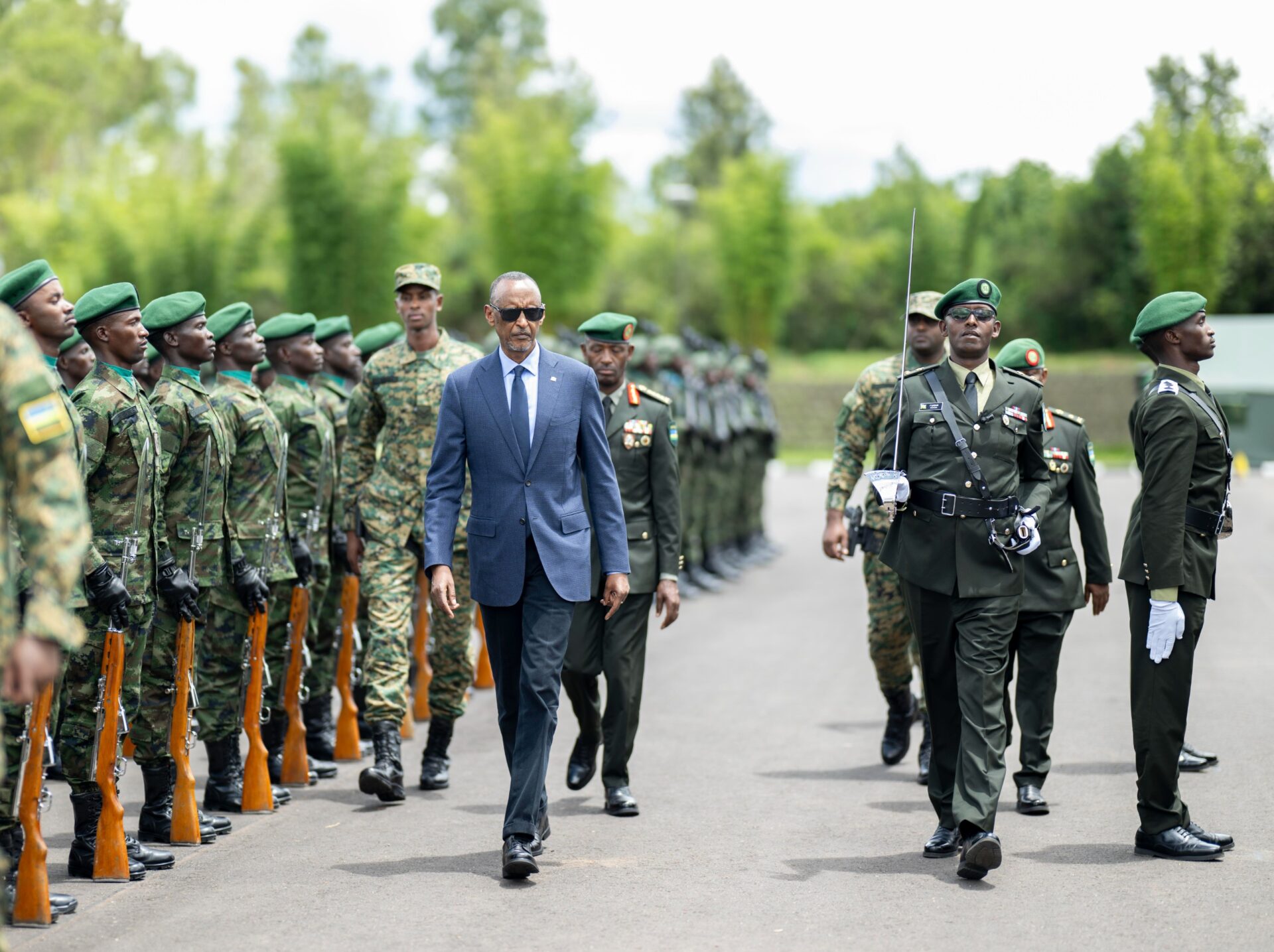
The law provides that the President of the Republic, who is also the Commander-in-Chief of the Rwanda Defence Force, is the Chancellor of the university.
NDU-R brings together military colleges, police training institutions, and academies of the National Intelligence and Security Service (NISS) under one integrated system. The university is jointly overseen by the Ministry of Defence and the Ministry of Education.
It is headquartered in Kigali, although a presidential order may relocate it elsewhere in the country if necessary.
Integrated defence and security institution
The National Defence University–Rwanda includes several constituent institutions such as the National Defence College–Rwanda (NDC-R), Defence College of Health Sciences (DCHS), Defence Institute of Sciences and Technology (DIST), and the Institute for Defence and Strategic Studies (IDSS), all based in Kigali.
Other institutions include the National Intelligence Academy (NIA) in Bugesera District, the Rwanda Defence Force Command and Staff College (RDFCSC) in Musanze District, the National Police College (NPC) in Musanze, and the Rwanda Military Academy (RMA) in Bugesera.
The university is mandated to provide advanced education, training, and research for personnel in defence and security organs, senior government officials involved in national security, and international partners, with the aim of strengthening strategic thinking through high-level academic instruction and research.
Governance structure
The law states that the Chancellor of NDU-R is the President of the Republic and Commander-in-Chief of the Rwanda Defence Force. In this role, the Chancellor provides broad strategic guidance to ensure the university fulfills its mission and presides over graduation ceremonies for the conferment of degrees, certificates, medals, and honorary distinctions, or may designate a representative to perform these duties.
The governance structure also includes a Board of Governors composed of seven external members appointed by presidential order, including a Chairperson and Vice-Chairperson. Members are required to have expertise in national defence and security, higher education teaching and management, institutional administration, research and innovation, or other fields relevant to national development.
The Board further includes the Vice-Chancellor of NDU-R, who serves as rapporteur; the Commandant of the National Defence College–Rwanda; one representative of teaching and research staff elected by peers; one dean elected by peers; the head of quality assurance; and one student representative from the National Defence College–Rwanda.
At least 30% of the Board members must be women, and except for ex officio members, others serve a four-year term renewable once.
Executive and academic leadership
The Executive Organ responsible for daily operations is led by the Vice-Chancellor, assisted by deputy vice-chancellors in charge of academic affairs and research, as well as planning, administration, and finance. A further deputy vice-chancellor may be appointed by presidential order if necessary. Members of the Executive Organ serve five-year renewable terms, with at least 30% female representation.
The university also has an academic governance structure that includes institutional leaders, deans, heads of departments, research and innovation coordinators, quality assurance officers, and student representatives.
Except for ex officio members, other members serve renewable two-year terms, while student representatives serve one academic year.
A student of NDU-R is defined as any person formally admitted and registered to pursue studies under regular or specialized programmes offered by the university, with admission requirements determined by internal regulations.
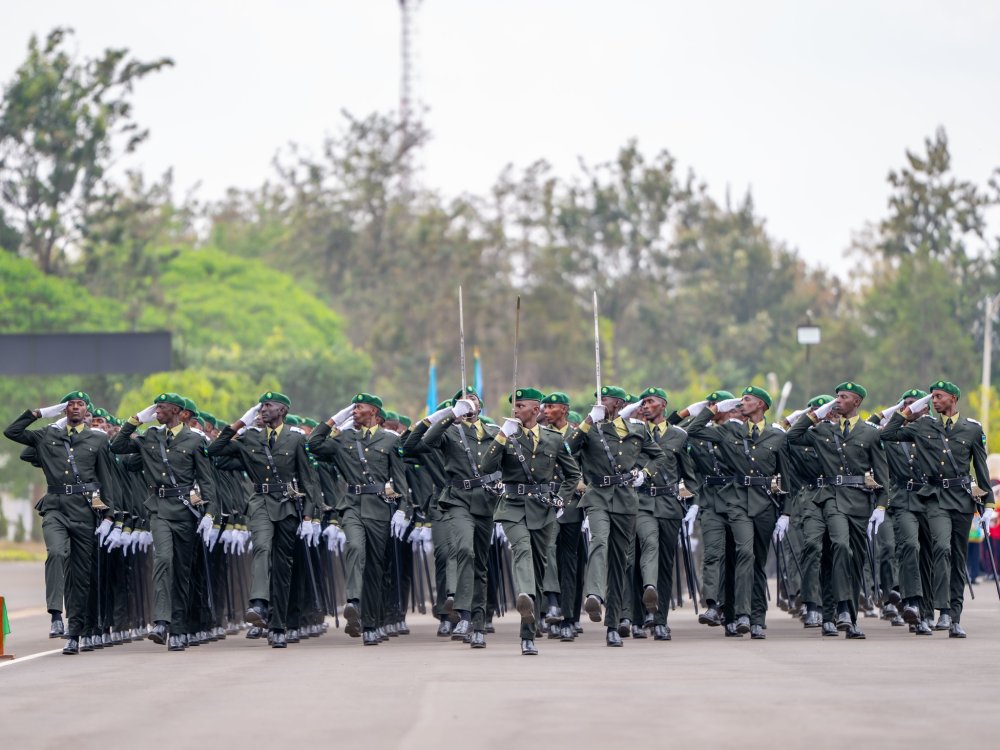
The university is mandated to provide advanced education, training, and research for personnel in defence and security organs.The law provides that the President of the Republic, who is also the Commander-in-Chief of the Rwanda Defence Force, is the Chancellor of the National Defence University–Rwanda (NDU-R).
The announcement by the Taiwan Work Office of the Communist Party of China (CPC) Central Committee followed a meeting on Friday between Xi Jinping, general secretary of the CPC Central Committee, and Cheng Li-wun, chairwoman of the Chinese Kuomintang (KMT) party, the first such top-level meeting between the two political parties across the Taiwan Strait in a decade.
Invited by the CPC Central Committee and Xi, Cheng led a KMT delegation on a six-day visit to mainland cities including Nanjing, Shanghai and Beijing, which concluded on Sunday.
Atop the 10 initiatives announced by the mainland on Sunday is a proposal to explore a regular communication mechanism between the CPC and the KMT.
The CPC and the KMT will, on the common political foundation of adhering to the 1992 Consensus and opposing “Taiwan independence,” take “stronger measures” to promote cross-Strait exchanges, interaction and integration, the CPC’s Taiwan work office said in a statement.
The Taiwan question is a scar left over by a full-blown civil war fought between the forces led by the CPC and the KMT about eight decades ago. In 1949, the remnants of the defeated KMT retreated to Taiwan, and the People’s Republic of China was founded under the leadership of the CPC.
The unresolved civil war and foreign interference have left the two sides of the Strait in a prolonged state of political confrontation.
However, the fact that Taiwan is an inalienable part of China’s territory has never changed.
The latest policies and measures, according to the statement, aim to advance the peaceful development of cross-Strait relations and enhance the kinship and well-being of compatriots across the Strait.
The policy package demonstrates the mainland’s sincerity, goodwill and firm resolve in promoting the peaceful and integrated development of cross-Strait relations, said Wang Yingjin, director of the cross-Strait relations research center of the Renmin University of China. “The measures will inject fresh momentum into efforts to sustain the steady improvement of cross-Strait relations.”
Infrastructure, travel and trade
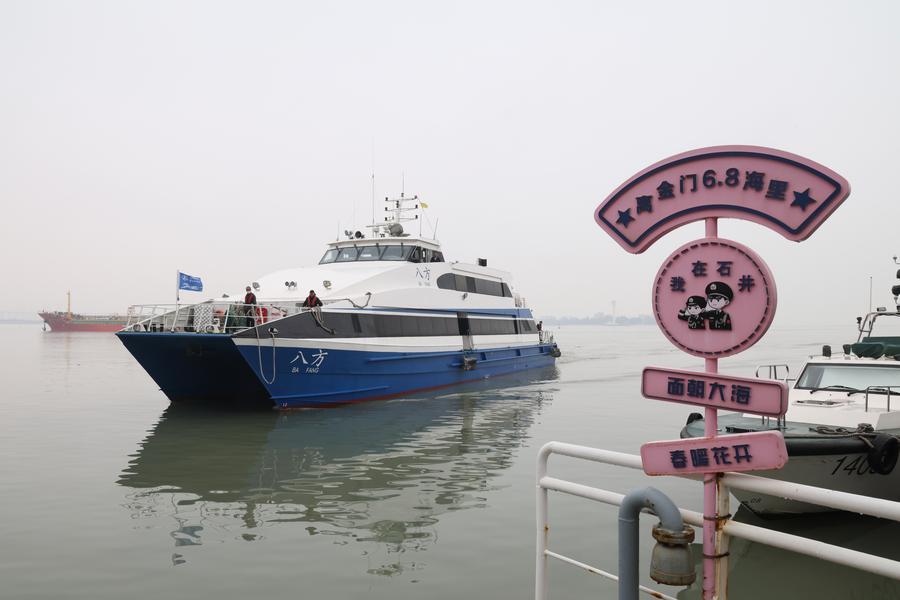
According to the statement, efforts will be made to support the coastal areas of Fujian Province — the mainland region closest to Taiwan — in sharing water, electricity and gas supplies with the offshore islands of Kinmen and Matsu, and to promote construction of sea-crossing bridges linking them, when conditions permit.
The mainland will also move to resume regular direct passenger flights across the Strait, including routes to and from Urumqi, Xi’an, Harbin, Kunming and Lanzhou.
Kinmen will be supported to use a new airport under construction in the nearby mainland city of Xiamen, expected to begin operations by the end of 2026.
Lee Chou-hsi, a Tsinghua University graduate student from Taiwan, welcomed the new measures. “During my undergraduate study in Changsha, I had to transfer flights to and from Taiwan, which was very inconvenient at the time,” said Lee. “More direct flights between mainland cities and Taiwan will surely benefit students and tourists.”
A communication mechanism will be set up on the common political foundation of adhering to the 1992 Consensus and opposing “Taiwan independence” to facilitate the entry of Taiwan’s agricultural and fishery products that meet the quarantine standards into the mainland.
Efforts will also be made to help Taiwan’s agricultural and fishery products gain access to various mainland trade fairs to expand their sales channels.
The mainland will explore building wharves and berths in regions where conditions permit for distant-water fishing vessels from the Taiwan region, and mull providing convenience for the sales of their fish catch on the mainland.
It will also facilitate registration procedures for qualified Taiwan food manufacturers and the entry of their food products into the mainland market.
The mainland will explore the establishment of more trading markets for small-ticket items with Taiwan and support micro, small and medium-sized enterprises from Taiwan to expand business on the mainland.
Mainland cities such as Fuzhou and Xiamen have long established such markets, allowing small businesses from Taiwan to directly sell specialty commodities to mainland buyers.
Wu Chia-ying, executive vice president of the Association of Taiwan Investment Enterprises on the Mainland, said that the measures respond to the practical needs of business development such as reducing operating costs and improving access to the mainland market.
“We hope these measures will be implemented as soon as possible,” Wu said, adding that the association will play a bridging role to help Taiwan businesses better seize opportunities and participate in the country’s modernization drive, contributing to a stronger Chinese economy.
Youth, culture
The statement said that an institutionalized platform will be set up to promote two-way exchanges between young people on both sides of the Strait. The All-China Youth Federation and other relevant mainland institutions will invite 20 youth groups from Taiwan to visit the mainland for exchanges every year.
Fan Chiang-feng, a young Taiwan entrepreneur based on the mainland, said that the establishment of a regular platform for young people on both sides of the Strait would help break down information barriers. “Our generation on both sides of the Strait should move forward together,” he said.
To boost cultural ties, the mainland will allow qualified TV shows, documentaries and animations from Taiwan to be aired, and permit Taiwan residents to take part in the mainland’s fast-growing micro-drama industry.
Working in youth services in Xiamen, Wu Ping-chang from Taiwan was encouraged by the policies. “With more opportunities and confidence, I hope to take cross-Strait stories into the drama production in the future, enabling audiences on both sides to see more authentic and warm exchanges,” Wu said.
The statement also noted that the mainland will promote the resumption of individual tours for Shanghai and Fujian residents to Taiwan.
A pilot scheme allowing mainland individuals to tour Taiwan was introduced in 2011, but was suspended in 2019 — a few years after the secessionist Democratic Progressive Party came to power in Taiwan and stepped up plots to seek “Taiwan independence.”
Sheng Jiuyuan, director of the center for Taiwan studies at Shanghai Jiao Tong University, told Xinhua that the cumulative effect of these measures may reshape the pattern of cross-Strait exchanges.
“The two-way integration across the Strait, grounded in tangible improvements to people’s livelihoods, will lay a broad and durable foundation of public support and foster profound mutual trust,” Sheng said.
An aerial drone photo taken on Jan. 20, 2026 shows a night view of the Xiamen Xiang’an International Airport in Xiamen, southeast China’s Fujian Province.A ferry linking Fujian Province on the mainland with Kinmen approaches a passenger terminal in Quanzhou, southeast China’s Fujian Province, April 3, 2026.