UN Under-Secretary-General for Humanitarian Affairs and Emergency Relief Coordinator Tom Fletcher said Sudan remains the world’s largest humanitarian crisis.
“Nearly 34 million people in Sudan — or almost two out of every three people — need humanitarian assistance, as hunger tightens its grip, children face acute malnutrition and women and girls are subjected to widespread and brutal violence,” Fletcher said.
The UN relief chief called for urgent action to stop the fighting, protect civilians, ensure safe and unimpeded humanitarian access, and mobilize the funding needed to sustain life-saving operations.
UN Women said the number of women and girls requiring support after experiencing gender-based violence nearly doubled in two years and quadrupled since the start of the war.
“Women and girls are being raped and killed in their homes, and as they flee, seek food, water and medical care,” said UN Women Regional Director for East and Southern Africa Anna Mutavati. “The use of sexual violence has been embedded in the blueprint of Sudan’s war.”
UN Women cited a new Gender Alert on the war, published Tuesday, as saying that more than 4.3 million women and girls have been displaced in Sudan, while 17.1 million require humanitarian assistance. For many, there is limited or no access to food, shelter or medical care.
Eva Hinds, UN Children’s Fund (UNICEF) chief of communication in Sudan, said that at least 245 children were reportedly killed or injured in just the first three months of this year.
“This is a sharp increase compared to the same period last year. Most of these children killed or injured were in Darfur and the Kordofan states, where violence has become a constant part of daily life,” Hinds told a press briefing in Geneva.
She said that “since the war began, the United Nations has verified more than 5,700 grave violations against children across Sudan. More than 4,300 children have been killed or maimed, with Darfur and Kordofan states again accounting for the highest numbers.”
Humanitarian access remains a major challenge, since large parts of the country are still cut off because of fighting, damaged infrastructure, and administrative obstacles. The constraints are especially severe in Darfur, Kordofan and parts of Blue Nile state, leaving many of the most vulnerable children beyond reach, said Hinds.
UNICEF Executive Director Catherine Russell said: “For three years, children across Sudan have been killed, injured, and displaced at staggering levels. Their homes, schools and hospitals continue to come under attack. There is no justification for violence against children. It reflects a collective failure by parties to the conflict to protect the most basic rights of children.”
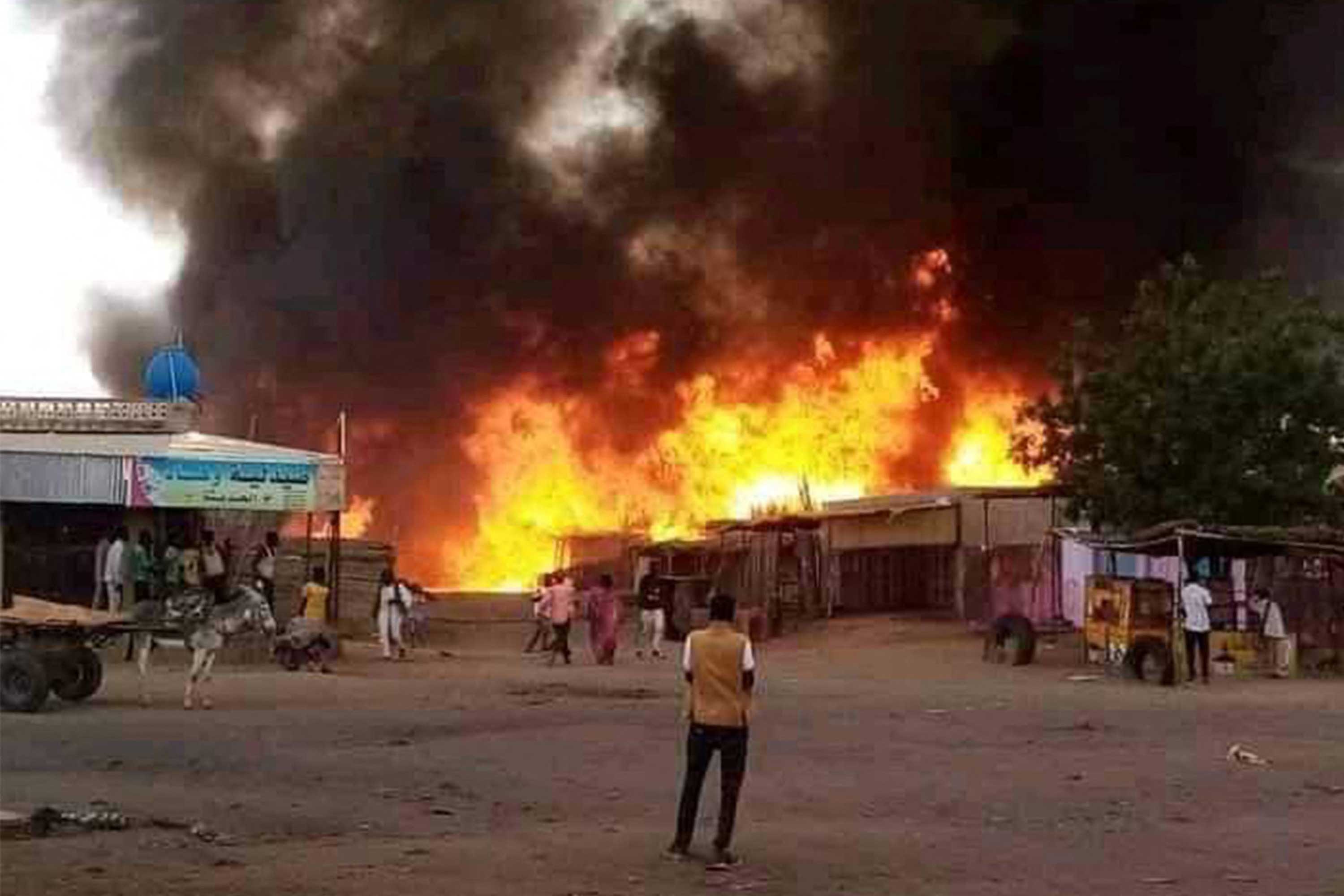
The UN Office for the Coordination of Humanitarian Affairs (OCHA) said that drone strikes have reportedly killed nearly 700 civilians in the first three months of this year. On Monday, a drone strike in Ed Daein, East Darfur state, reportedly killed nine civilians and injured 27 others, including a child and health-affiliated workers.
OCHA reiterated that the violence must stop.
“Civilians and civilian infrastructure must be protected in line with international humanitarian law,” said the office. “Humanitarian access must be rapid, safe, unimpeded and sustained, and the response must be fully funded to save lives.”
Fletcher also said the grim and chastening anniversary marks another year when the world has failed to meet the test of Sudan.
The UN relief chief has called for urgent action to stop the fighting in Sudan, protect civilians, ensure safe and unimpeded humanitarian access, and mobilize the funding needed to sustain life-saving operations.
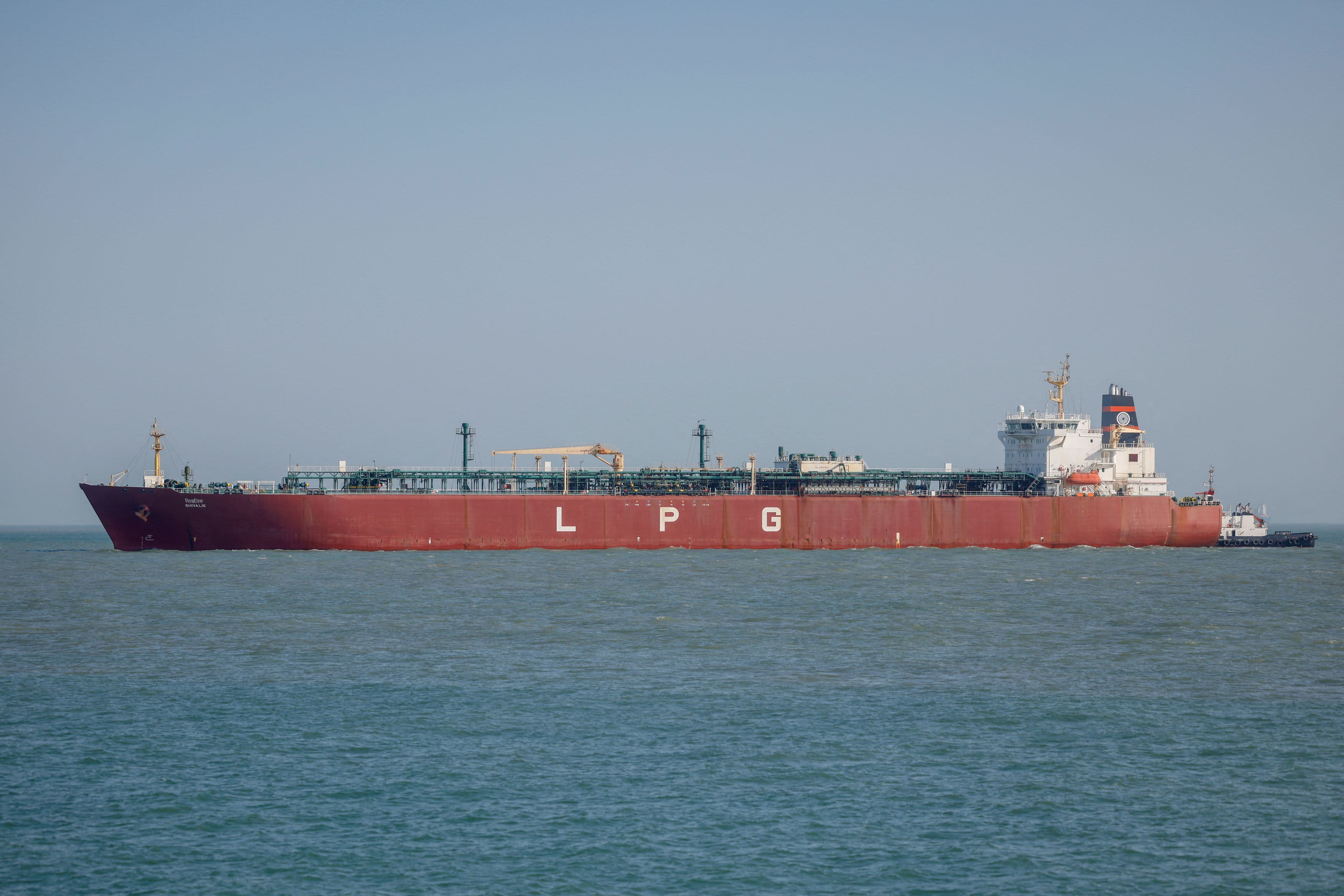
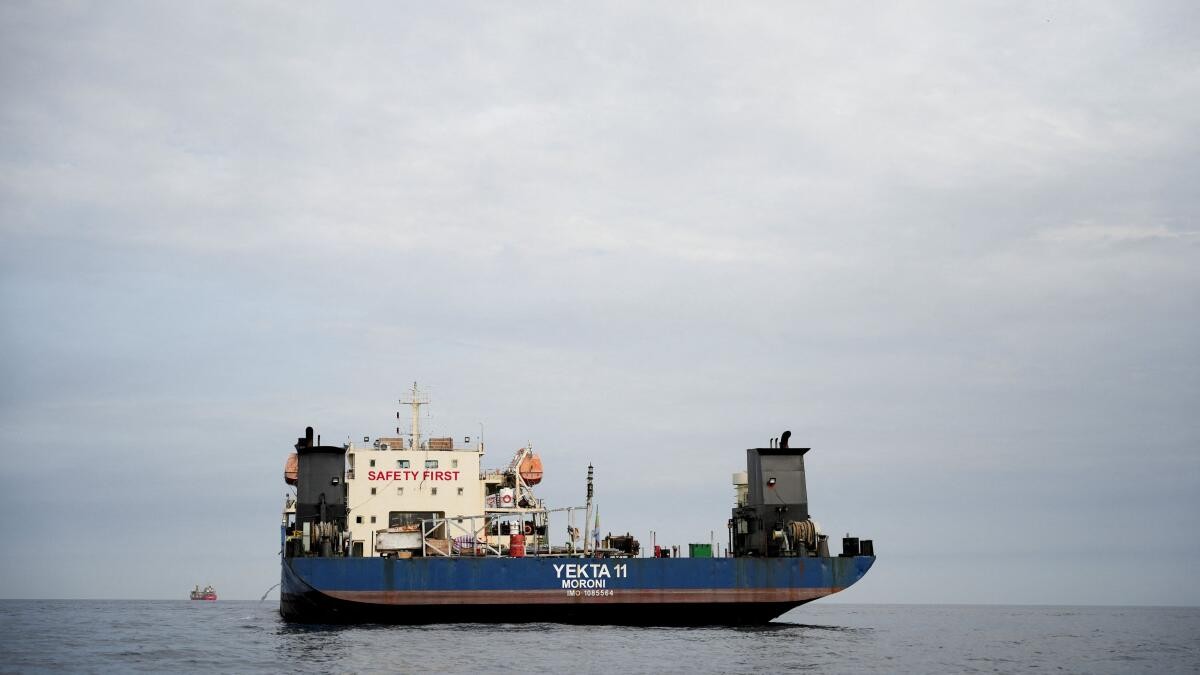
The report said that following the enforcement of the blockade, some vessels with intended calls at Iranian ports were observed adjusting their AIS destination signals while passing through the Strait of Hormuz.
According to the report, shortly after the blockade took effect, at least two Iran-flagged container ships previously indicating sailing to the southern Iranian port of Bandar Abbas changed their AIS messages to the more general designation of “PG Ports,” meaning “Persian Gulf ports.”
After successfully passing through the Strait, they continued their journey toward Bandar Abbas on Tuesday, said the report.
Citing analysts, the report said such actions could complicate the intelligence collection phase of the U.S. blockade and require additional resources to track and identify vessels involved in maritime traffic to Iranian ports.
The U.S. Central Command said Tuesday that more than 10,000 troops are executing the mission to blockade ships entering and departing Iranian ports, targeting vessels of all nationalities without discrimination.
At least two vessels transited through the Strait of Hormuz en route to Iranian ports after altering their Automatic Identification System (AIS) destination data.
“The global financial system is confronting the ongoing war in the Middle East, potential inflationary pressures, rising risks of further tightening in financial conditions, and several channels through which market turmoil could escalate into financial instability,” the report said.
The longer the conflict continues, the greater the risk that global financial conditions could tighten further and more abruptly, it suggested.
The report listed several channels that could test the financial system’s resilience and lead to financial stability risks.
First, greater bond market volatility could tighten funding markets, as rising debt-to-GDP levels have led to larger bond yield gyrations.
Second, emerging markets may face currency and capital outflow pressures as carry trades unwind and terms of trade worsen.
Third, an abrupt tightening of financial conditions can lead to forced selling by hedge funds, option sellers, leveraged exchange-traded funds and other nonbank financial intermediaries (NBFIs) that have expanded through leverage.
Fourth, signs of more borrower defaults in private credit could cascade into broader concerns about corporate credit, particularly for highly leveraged borrowers subject to the artificial intelligence (AI) disruption.
Also, booming investments in AI may slow significantly if the Middle East conflict were to persist.
The IMF urged policymakers to act decisively to bolster resilience amid the Middle East conflict, suggesting that monetary policy preserve price stability and be attuned to spillovers from actual inflation to inflation expectations, while remaining data dependent.
It also recommended a fiscal stance shift toward appropriately tight settings to place public debt on a stable path, with new spending focused on protecting vulnerable groups from the inflation shock.
Closing data gaps, improving cross-jurisdictional data sharing, and enhancing oversight are critical, as NBFIs grow more leveraged and more connected to banks, the report said.
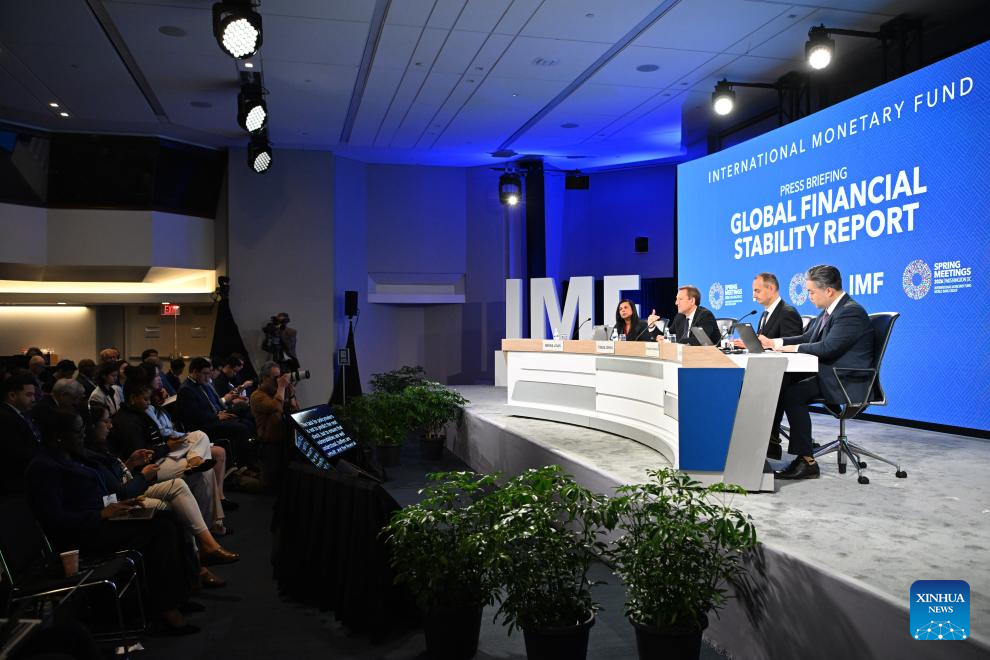
Tobias Adrian (3rd R), director of the International Monetary Fund’s (IMF’s) Monetary and Capital Markets Department, speaks at a press briefing on Global Financial Stability Report in Washington, D.C., the United States, on April 14, 2026. IMF on Tuesday released its Global Financial Stability Report, warning that risks to global financial stability are rising amid the current situation in the Middle East. (Xinhua/Li Rui)
The meeting followed a two-week ceasefire that paused nearly 40 days of intense hostilities and briefly opened a narrow window for diplomacy.
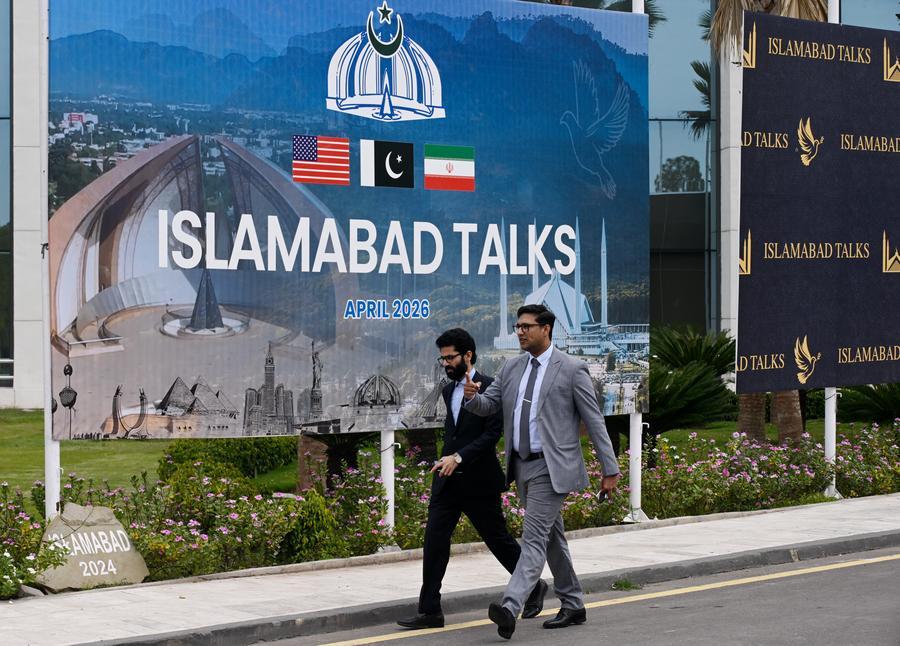
Held in Pakistan, a key regional mediator, the talks marked the highest-level face-to-face engagement between the United States and Iran since 1979, a relationship long defined by decades of sanctions, periodic confrontation, and deep mistrust.
Analysts said the failure to reach an agreement underscores entrenched structural divisions between the two sides, while noting that the very fact that the talks took place signals limited but meaningful diplomatic progress.
They added that domestic political pressures, economic risks linked to potential instability in the Middle East, and signs of growing war fatigue may continue to encourage both sides to keep diplomatic channels open despite the current deadlock.
No deal reached
Speaking at a press conference in Islamabad on Sunday, U.S. Vice President JD Vance said he was returning “without an agreement,” adding that Iran had not accepted U.S. terms despite what he described as “a good-faith engagement.”
Vance said the Iranian nuclear program remained at the center of the dispute, reiterating that Washington requires an “affirmative commitment” from Tehran not to pursue nuclear weapons or the capability to rapidly develop them. Iran, however, has consistently maintained that its uranium enrichment activities are a sovereign right and has rejected externally imposed restrictions.
Iranian officials, in turn, blamed the impasse on what they described as “excessive and unreasonable demands” from the United States, arguing that Washington’s conditions failed to respect Iran’s “legitimate rights,” including enrichment activities and meaningful sanctions relief.
Iranian Foreign Ministry spokesman Esmail Baghaei said that while the two sides had reached understandings on several issues, they remained far apart on two to three key points, preventing a final agreement.
Despite the lack of a breakthrough, Tehran signaled that dialogue could continue. Quoted by Iran’s Mehr News Agency, Baghaei said it would be unrealistic to expect a deal in a single round of talks, adding that Tehran remained “confident that contacts between us and Pakistan and our other friends in the region will continue.”
Pakistani security analyst Tughral Yamin noted that Pakistan had provided a platform for dialogue rather than a venue for a final settlement, suggesting the Islamabad talks may represent only an initial step in a longer diplomatic process.
For Pakistan, which facilitated the negotiations, officials indicated their role was far from over. Deputy Prime Minister and Foreign Minister Mohammad Ishaq Dar said Islamabad would continue to play a constructive role in supporting engagement between Iran and the United States in the days ahead.
Testing red lines
In the early hours of Saturday, a 71-member Iranian delegation led by Parliament Speaker Mohammad Bagher Ghalibaf and Foreign Minister Abbas Araghchi arrived in Islamabad. Later that day, a much larger U.S. delegation headed by Vance also reached the Pakistani capital, with the American side numbering around 300 people.
Before formal negotiations began, Pakistani Prime Minister Shehbaz Sharif held a meeting with the Iranian side, during which Tehran laid out several preconditions for engaging with Washington, including the unfreezing of all Iranian overseas assets and accounts and an immediate halt to all attacks, particularly those targeting Lebanon. Iranian officials have repeatedly stressed that stopping strikes on Lebanon is an integral component of any broader ceasefire arrangement.
However, the fragile ceasefire between the United States and Iran has been further complicated by continued Israeli strikes against Hezbollah, the Iran-backed group in Lebanon.
On Saturday evening, Israeli Prime Minister Benjamin Netanyahu said in a statement that the elimination of Hezbollah was a precondition for any ceasefire agreement between Israel and Lebanon.
Tensions also flared during more than 20 hours of negotiations over developments in the Strait of Hormuz.
The United States announced on Saturday that two U.S. Navy destroyers had passed through the strategic waterway, a claim Iran denied, saying its forces had forced the vessels to withdraw.
Entrenching deadlock
Analysts believed that the unsuccessful talks highlight the persistence of deep strategic divisions between the two sides, stressing that the gap is not merely tactical but structural.
The positions of both countries are highly divergent, with maximalist demands that remain far apart and are further complicated by deep-rooted mistrust, former Pakistani diplomat Masood Khalid said.
This divergence is reflected across multiple core issues. According to another former Pakistani diplomat, Naghmana Hashmi, the impasse centers on several key areas: the control of the Strait of Hormuz, the nuclear issue where both sides maintain hardline positions, military arrangements including Iran’s demand for a U.S. withdrawal from the region, compensation claims for damages suffered by Iran, sanctions relief — particularly frozen assets — and the situation in Lebanon.
Addressing these complexities remains a formidable challenge, as Mohamed Benaya, an expert on Iranian and Gulf affairs at Al-Azhar University in Egypt, said that “bridging these gaps will be difficult without phased, reciprocal concessions.”
Glimmers of hope
Despite these significant hurdles, analysts believe that the mere occurrence of these talks signifies progress.
Hashmi observed that both parties’ willingness to remain at the negotiating table indicates a “positive mindset” focused on finding a solution, adding that the priority now is to maintain diplomatic momentum.
Khalid echoed this sentiment, suggesting that in the current high-tension climate, the fact that dialogue happened at all is an achievement in itself.
Looking ahead, analysts said that a combination of domestic and global pressures may push the dialogue to continue despite the deadlock.
Aizaz Ahmad Chaudhry, former Pakistani ambassador to the United States, noted that for U.S. President Donald Trump, the risks of a prolonged military confrontation and its potential fallout on upcoming midterm elections create a strong incentive for diplomacy.
Furthermore, experts said long-term economic risks, specifically the threat of instability in the Middle East disrupting global energy markets and trade flows, have strengthened international calls for de-escalation.
Battlefield dynamics may also be shaping diplomatic calculations. Said Nazir, a Pakistani defense analyst, pointed to growing “war fatigue” on both sides after weeks of confrontation and demonstrations of military capability, saying this could push Washington and Tehran to avoid a costly, open-ended conflict by keeping diplomatic channels open.
People walk past the press center for the talks between the United States and Iran in Islamabad, Pakistan, April 11, 2026.
According to a presidential order issued on April 10, 2026, the other individuals pardoned are Dilan Berat Mete, Emmanuel Kanamugire, and Mujawamariya. Mete had been convicted as an accomplice in the misuse of public property and was sentenced to one year in prison along with a fine of Rwf 1 million.
Kanamugire and Mujawamariya were convicted of issuing bounced cheques and fined Rwf 154.8 million and Rwf 84 million respectively.
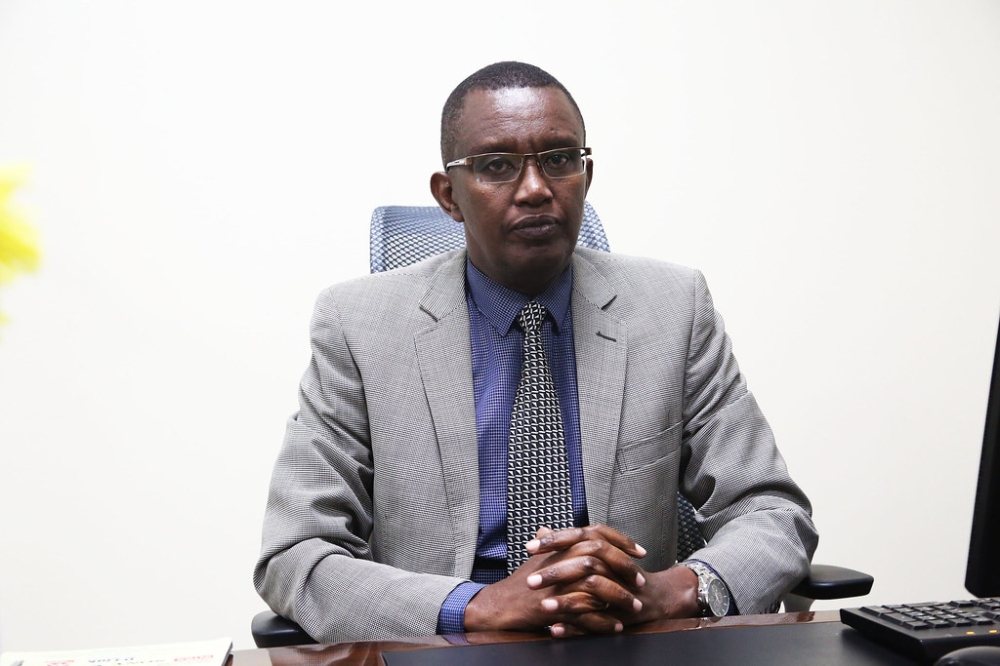
Lt Col (Rtd) Nkusi had also been found guilty as an accomplice in the misuse of public property and was sentenced to one year and six months in prison, in addition to a fine of Rwf 1 million. Brig Gen (Rtd) Muziraguharara had been convicted on similar charges of complicity in the misuse of public property, as well as failure to report a serious offense, and was sentenced to one year in prison.
Throughout his military career, Brig Gen (Rtd) Muziraguharara served in several key roles within the RDF. Between 1998 and 2000, he was in charge of research. From 2005 to 2006, he served as Chief Instructor at the Gako Military Academy, among other roles.
He later served in a United Nations peacekeeping mission in Darfur, Sudan, where he was responsible for planning. From 2010 to 2012, he worked as Director of Planning in the RDF before representing the force at the International Conference on the Great Lakes Region (ICGLR).
From 2013 to 2018, he served as Director General in charge of administration and finance at the National Intelligence and Security Service (NISS). On July 29, 2025, Brig Gen (Rtd) Muziraguharara was among more than 1,000 soldiers who were officially retired from military service.
Brig Gen (Rtd) Muziraguharara is among five individuals that have been granted presidential clemency.
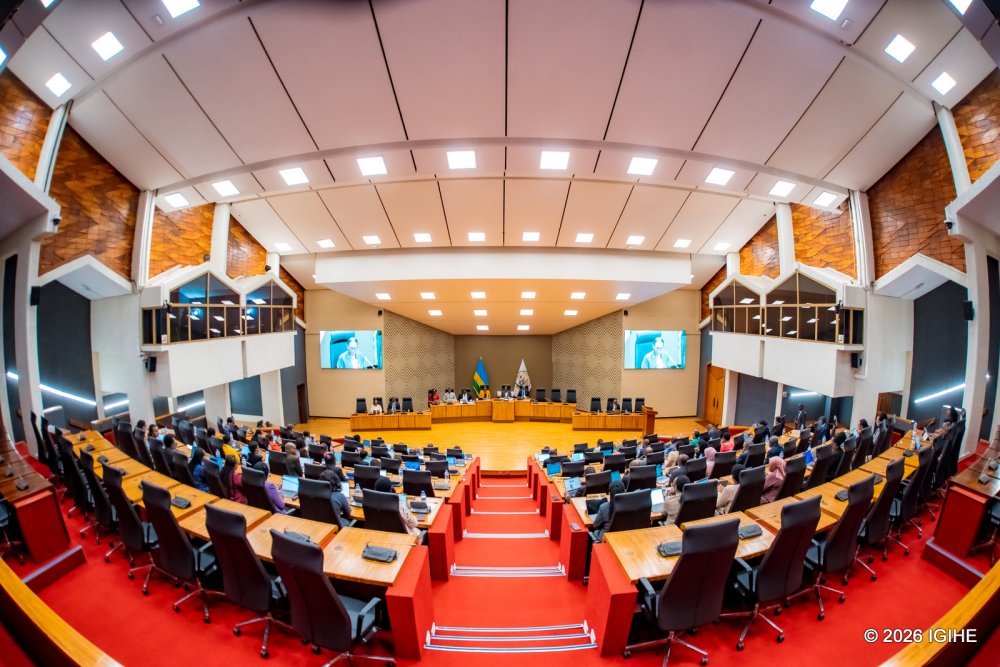
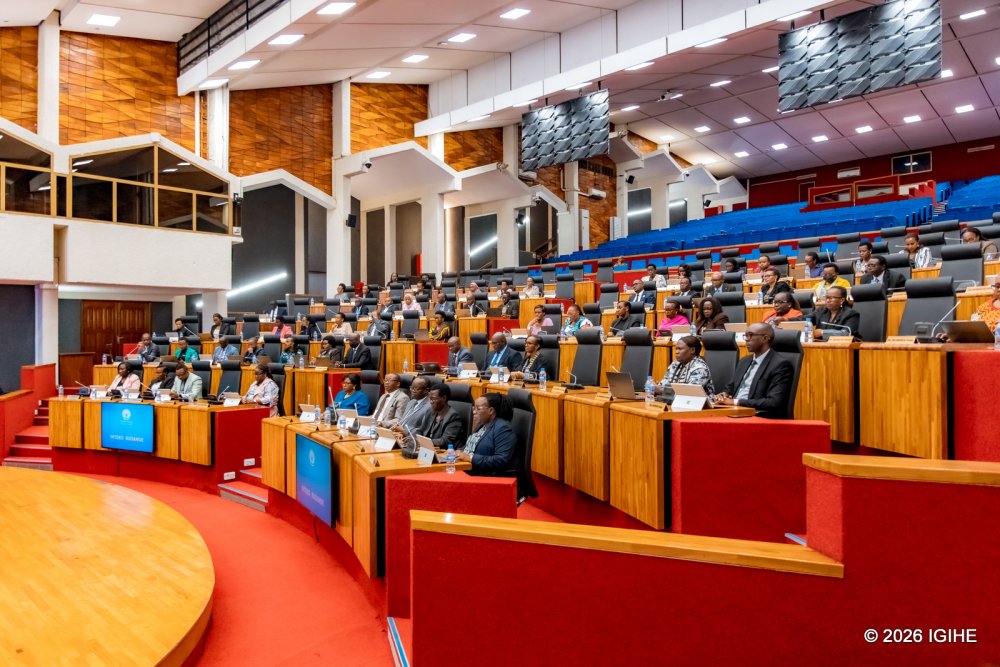
The approval was made on April 13, 2026, following a majority vote by Members of Parliament after the Government presented the financing proposals.
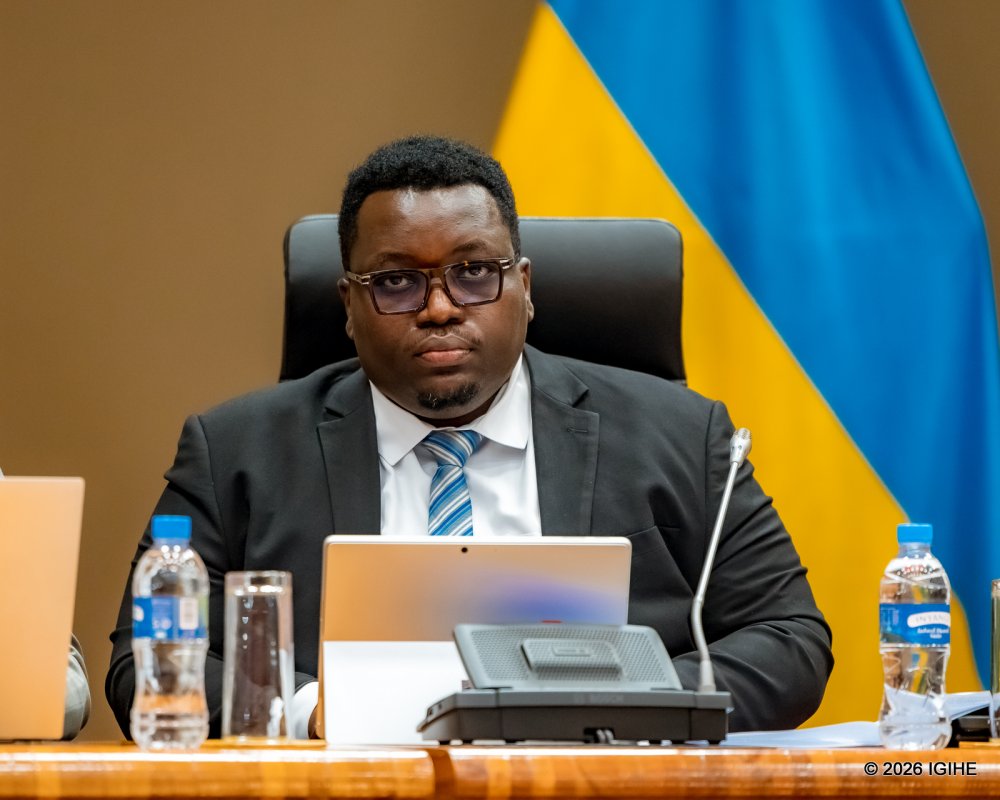
The agreements were tabled before the House by the Minister of State for National Treasury in the Ministry of Finance and Economic Planning, Godfrey Kabera, who outlined how the funds will be allocated across priority development areas.
The largest share of the financing is a loan of over €213 million to be provided by Standard Chartered Bank in partnership with Société Générale, and backed by an international development fund. The facility will be repaid over 15 years, including a six-year grace period before repayment begins.
A second loan of 15.3 billion Japanese yen has been secured from an international development fund to support policies promoting inclusive and sustainable employment in Rwanda. It carries a 31-year repayment period, with an eight-year grace period.
In addition, the Asian Infrastructure Investment Bank will provide a loan of 14.8 billion Japanese yen to support development initiatives. This facility will be repaid over 29 years, with a five-year grace period.
According to Kabera, the financing package is expected to significantly strengthen Rwanda’s economy by supporting key national priorities, including job creation, digital connectivity, and productivity improvements in agriculture.
He noted that part of the funds will be used to expand inclusive and sustainable employment opportunities, strengthen collaboration between public and private sector actors, improve access to high-speed internet, and promote the adoption of modern technologies in agriculture and livestock farming.
A portion of the financing will also go toward the energy sector, with a strong focus on clean and sustainable solutions.
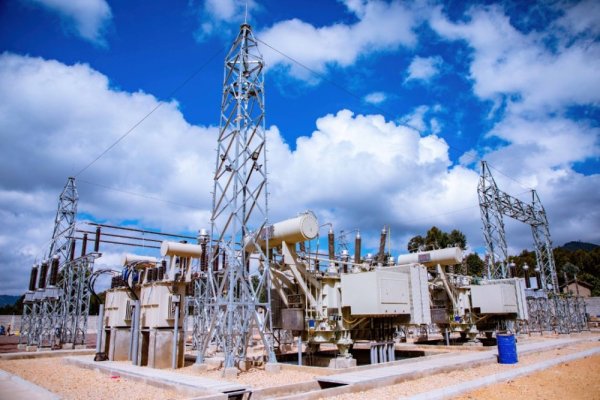
“These funds will support a project aimed at expanding and strengthening electricity transmission networks to improve power distribution in densely populated areas. The project will also increase access to electricity for both on-grid and off-grid users, while promoting clean cooking solutions in rural communities,” Kabera said.
The project is expected to provide electricity to around 200,000 households, as well as 850 businesses and industries. It will also extend off-grid electricity access to 50,000 people, enable 100,000 households to access clean cooking equipment, and supply such equipment to 310 schools and health facilities.
Additionally, about 200 kilometres of street lighting will be installed in secondary cities surrounding Kigali.
Other components of the financing will support improvements in public financial management, expansion of essential infrastructure, and investments aimed at positioning Rwanda as a regional hub for transport and tourism.
The funds will also support agricultural and livestock development, including improved access to inputs and enhanced productivity in areas such as fish farming.
Minister of State for National Treasury in the Ministry of Finance and Economic Planning, Godfrey Kabera, who outlined how the funds will be allocated across priority development areas.The approval was made on April 13, 2026, following a majority vote by Members of Parliament after the Government presented the financing proposals.
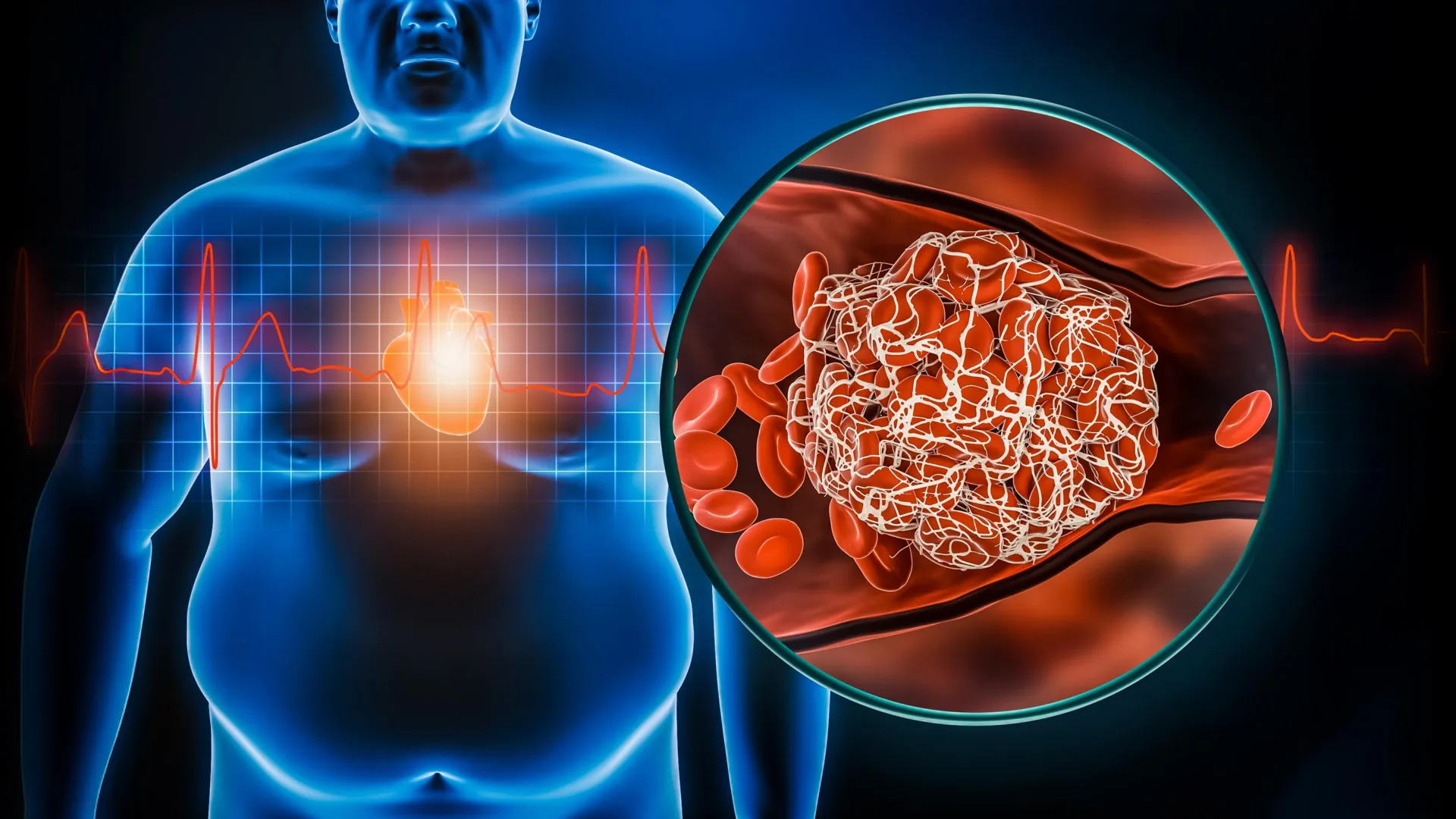
New research presented at the European Congress on Obesity in Istanbul, Turkey, has revealed that obesity affects men and women in different ways. This study challenges the traditional view that obesity impacts everyone similarly. By understanding these differences, healthcare providers may be able to tailor treatments more effectively for each gender in the future.
The research, conducted by scientists from Dokuz Eylul University in Turkey, analyzed health data from 248 men and 886 women with obesity. Their findings highlighted significant gender-based variations in the effects of obesity. Both men and women face considerable health risks due to obesity, but the type of risks they encounter differs.
Men are more likely to accumulate abdominal fat, particularly around vital organs. This visceral fat is closely associated with increased risks of heart disease, diabetes, and other metabolic issues. Furthermore, men with obesity tend to have higher liver enzyme levels, indicating added stress on the liver.
For women, the impact of obesity manifests differently. Women with obesity are more prone to higher total cholesterol and LDL (“bad”) cholesterol levels, both of which increase the risk of cardiovascular disease.
“These differences are likely influenced by biological factors such as hormones, immune responses, and fat distribution,” noted lead researcher Dr. Zeynep Pekel. “Our next steps are to validate these findings in larger populations, better understand the biological processes behind these differences, and explore how these patterns relate to clinical risk.”
Additionally, women tend to have elevated inflammation markers, such as C-reactive protein, which suggests a greater risk of chronic health conditions. These findings imply that women with obesity may face a higher burden of inflammation-related health issues compared to men.
Researchers believe that these gender differences are primarily due to biological and hormonal factors. Women typically store fat under the skin, while men tend to store fat around internal organs, particularly in the abdominal region.
Although the study provides valuable insights, it is important to note that it was cross-sectional, meaning it captured data at only one point in time. Additionally, the study participants were primarily from a single ethnic background, which may limit the broader applicability of the results. Further research, particularly involving more diverse populations, is needed to confirm these findings and explore them in greater detail.
The new study, conducted by scientists from Dokuz Eylul University in Turkey, offers insights into how obesity affects men and women differently.
The findings were published in Monthly Notices of the Royal Astronomical Society and are based on observations from highly sensitive radio instruments.
Using advanced radio telescopes like the Low Frequency Array (LOFAR) in the Netherlands and India’s upgraded Giant Metrewave Radio Telescope (uGMRT), scientists captured detailed images of this eruption. The images reveal new jets of energy bursting out from the galaxy’s center, twisting and turning under the extreme pressure of surrounding hot gas. This is just one example of how these enormous cosmic entities continue to shape their environments in ways we are still learning about.
What makes this discovery particularly interesting is that the black hole has shown signs of being active in cycles, switching between periods of quiet and powerful eruptions over millions of years. In fact, the black hole’s jets appear to have erupted multiple times, with layers of older, faded plasma surrounding the new jets. This suggests that the black hole has experienced repeated bursts of activity over its long history, making it an exceptional case study for astronomers.
The surrounding gas is not just a passive background, either. It actively interacts with the black hole’s jets, shaping their direction and structure. The jets bend and compress as they move, creating intricate patterns in the radio images. Some regions of the gas show signs of having aged and lost energy, revealing the long, complex history of the black hole’s relationship with its galaxy.
This discovery gives scientists new insights into the life cycles of black holes and their role in shaping the galaxies they reside in. By studying how black holes cycle through active and dormant phases, astronomers can better understand the processes that drive galaxy evolution across the universe.
In the future, researchers plan to use even more advanced telescopes to observe this black hole and others like it, aiming to uncover even more about how black holes influence their galaxies and the cosmos as a whole.
Black Hole Awakens After 100 Million Years, Erupts Like a Cosmic Volcano.
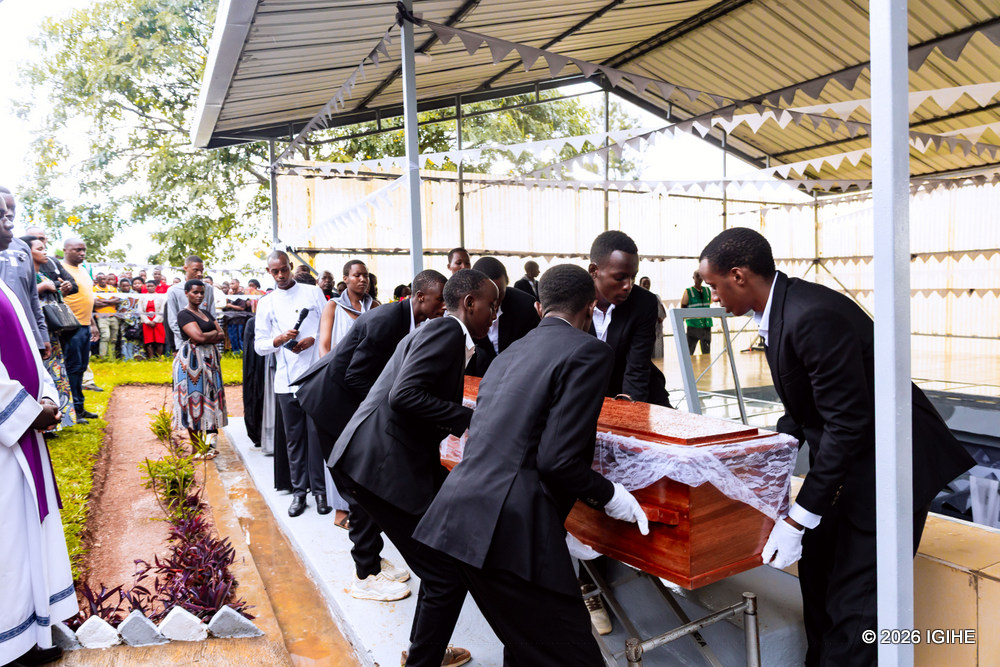
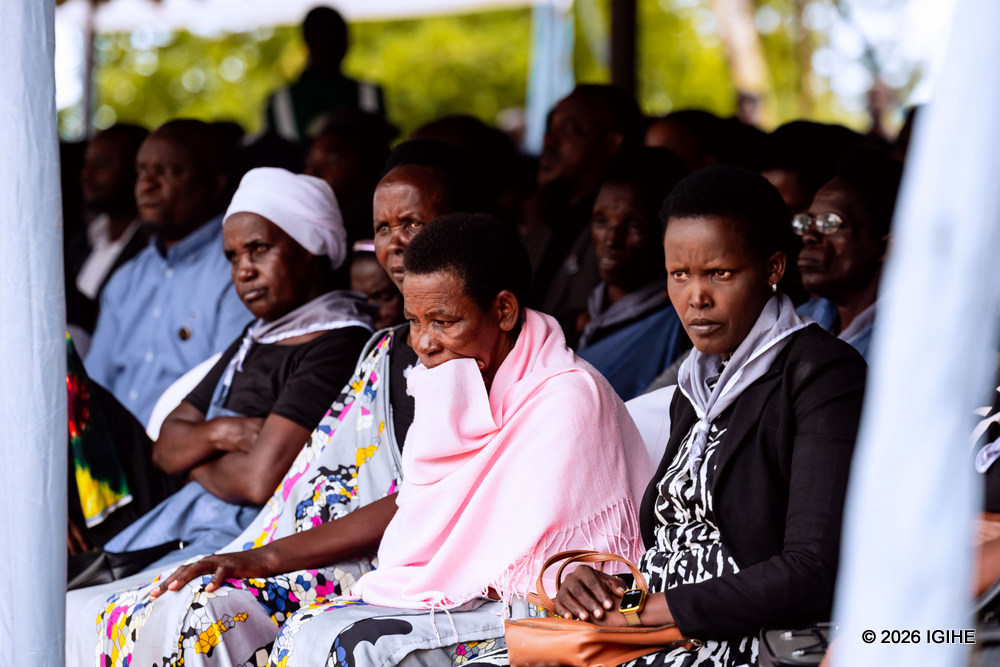
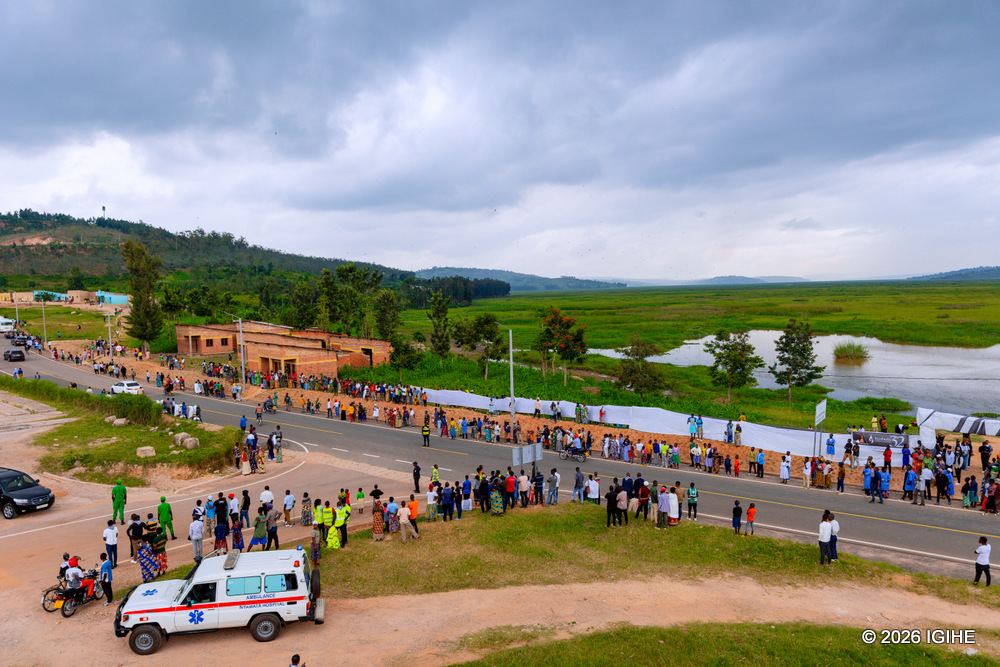
The commemoration ceremony took place at the Ruhuha Genocide Memorial. It was preceded by a wreath-laying ceremony at the Akanyaru River, followed by a moment of silence in honour of Tutsi victims who were thrown into the river and the Rwabusoro swamp.
The remains laid to rest belong to a mother and three siblings of Mukasine Speciose. They were exhumed in Nyarugenge Sector from a farm owned by a resident who had purchased the land from a Genocide perpetrator who fled the country.
Speaking during the ceremony, Mukasine said the discovery of her relatives’ remains brought her long-awaited relief, after years of anguish caused by not knowing their whereabouts or being able to bury them with dignity.
“It had left me with deep emotional wounds to the extent that I never joined IBUKA associations. I would think about how others commemorate their loved ones because they were able to bury them, while I did not know where mine were and sometimes wondered if they might still be alive. When I was informed that my relatives had been found, I thanked God and felt a sense of peace in my heart,” she said.
The Mayor of Bugesera District, Richard Mutabazi, said the act of dumping victims into water bodies underscores the extreme cruelty with which the Genocide was carried out.
“These waters, once a source of life, were turned into instruments of death. At the same time, they remain silent witnesses to the atrocities committed against those killed during the Genocide against the Tutsi,” he said.
Mutabazi added that the continued discovery and burial of victims more than three decades later, despite perpetrators knowing where bodies were disposed of, continues to reopen wounds for survivors who have made significant strides in rebuilding their lives.
Jean Claude Rugero, the Coordinator of Dukundane Family, called for the installation of memorial markers at rivers and wetlands where many victims were killed, to support remembrance and preserve historical memory.
“We have worked with local authorities to establish memorial markers in several locations, including Cyome in Ngororero, Kirinda in Karongi, along the Akanyaru River in Nyaruguru, on the Nyabarongo in Nyarugenge, and at the confluence of the Nyabarongo and Akagera rivers. We are requesting that a similar marker be installed here so that residents can also have a place to remember,” he said.
In recent weeks, Bugesera District has also witnessed the dignified burial of 52 other Genocide victims, as the recovery of remains continues to bring long-awaited closure to bereaved families across the district.
Residents of the former Ngenda Commune paid tribute to the victims laid to rest at the Ruhuha Genocide Memorial. Four bodies of victims of the Genocide against the Tutsi were accorded a dignified burial at the Ruhuha Genocide Memorial.Mukasine Speciose, who laid her relatives to rest 32 years after the Genocide against the Tutsi, said she felt a deep sense of relief in her heart.The Mayor of Bugesera District, Richard Mutabazi, said the act of dumping victims into water bodies underscores the extreme cruelty with which the Genocide was carried out.Jean Claude Rugero, the Coordinator of Dukundane Family, called for the installation of memorial markers at rivers and wetlands where many victims were killed, to support remembrance and preserve historical memory.
The 63-year-old, known as the “Oslo patient,” is now among roughly 10 people globally who have entered long-term remission from HIV following transplants initially intended to treat serious blood cancers.
The breakthrough hinged on a rare genetic mutation carried by the patient’s brother, which prevents HIV from entering human cells. The mutation affects the CCR5 gene and is found in only about one percent of people in northern Europe.
The patient had been living with HIV since 2006 before being diagnosed in 2017 with myelodysplastic syndrome, a life-threatening blood cancer. His doctors sought a donor who could help treat both conditions, but after failing to find a match, they opted for his elder brother.
In a remarkable twist, doctors only discovered on the day of the 2020 transplant that the brother carried the crucial mutation.
“We had no idea… That was amazing,” said Anders Eivind Myhre of Oslo University Hospital.
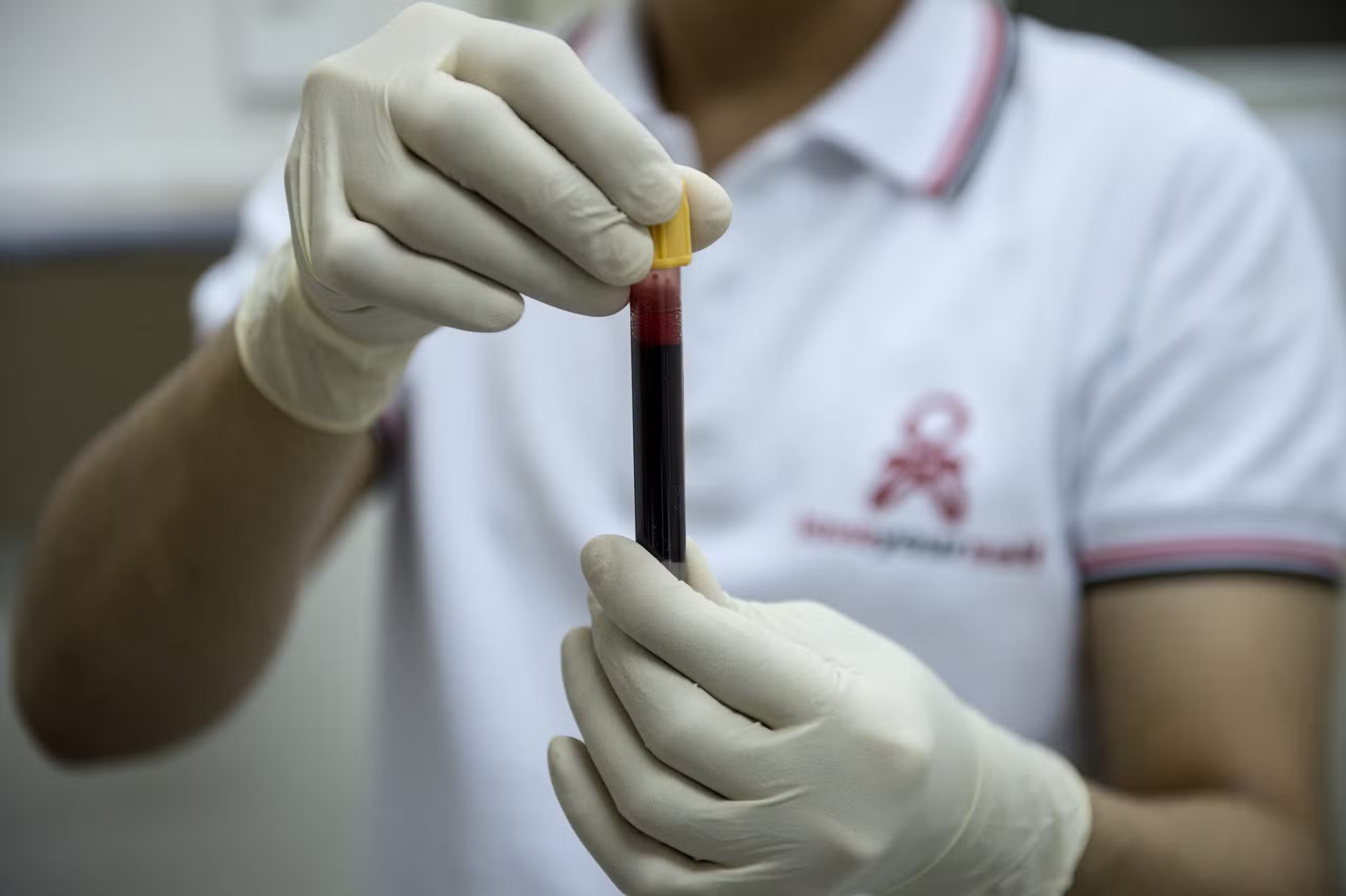
Two years after the transplant, the patient stopped taking antiretroviral therapy. Subsequent tests found no trace of HIV in his blood, gut, or bone marrow.
“For all practical purposes, we are quite certain that he is cured,” Myhre said.
The patient himself described the outcome as “like winning the lottery twice,” according to the researchers, whose findings were published in Nature Microbiology.
Doctors say the man is now in excellent health and has regained high energy levels.
While the case represents a significant scientific milestone, experts caution that the procedure itself is not a practical solution for most people living with HIV. Stem cell transplants are complex, high-risk, and typically reserved for patients with life-threatening cancers.
Still, researchers believe such rare cases are crucial to understanding how HIV can be eliminated from the body, potentially guiding future treatments. Notably, the Oslo patient is the first known case of an HIV cure following a transplant from a family member.
According to Marius Troseid of the University of Oslo, the patient’s immune system was “completely replaced” by the donor’s—an outcome observed for the first time in both bone marrow and gut tissues of a cured patient.
The case also builds on earlier breakthroughs, including that of Timothy Ray Brown, the first person declared cured of HIV in 2008, as well as subsequent patients in cities such as London, New York, and Geneva.
Given his recovery, researchers suggest the man’s nickname may no longer apply.
“The Oslo patient is perhaps no longer a patient,” Troseid said. “At least he doesn’t feel like it.”
The 63-year-old, known as the “Oslo patient,” is now among roughly 10 people globally who have entered long-term remission from HIV following transplants initially intended to treat serious blood cancers.