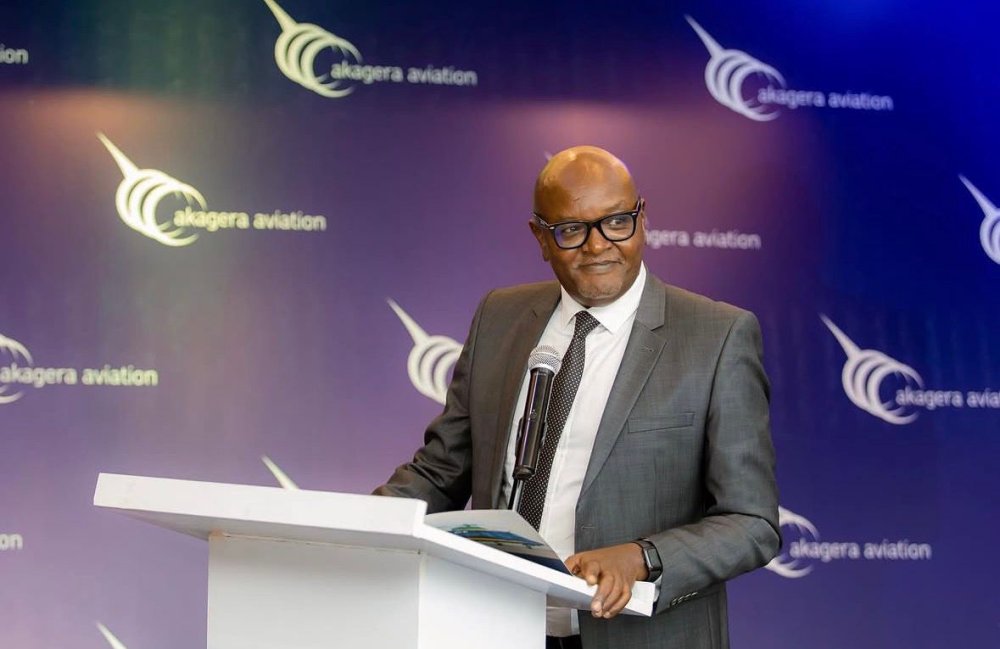
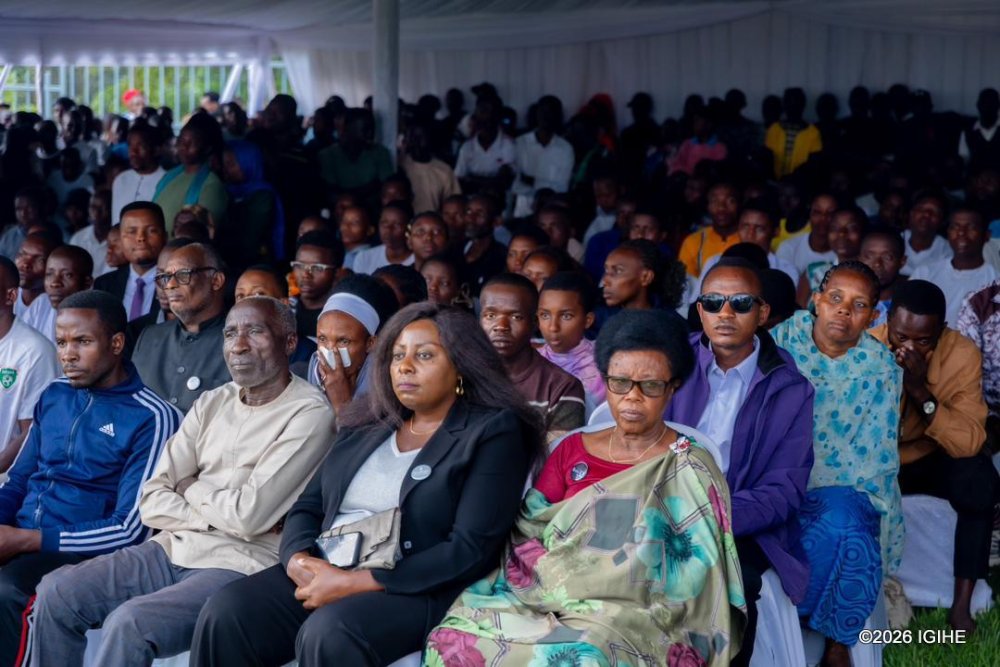
The sad news was confirmed by his family noting that the mourning is taking place in Kabuga.
Nkulikiyimfura had served for many years as the head of Akagera Aviation. Prior to that, he worked at RwandAir, where he held the position of Head of Operations.
In a statement, Akagera Aviation described him as a visionary and leader who contributed significantly to the company and to the development of Rwanda’s aviation sector since 2010.
“We are deeply saddened by the passing of our Managing Director, Mr. Patrick Nkulikiyimfura, on 12th April 2026. A visionary leader, his impact on Akagera Aviation and Rwanda’s aviation industry was profound. Our thoughts are with his family. May he rest in peace,” the statement read.
Patrick Nkulikiyimfura, who had long served as the Managing Director of Akagera Aviation died on Sunday, April 12, at the age of 57.
This is not a routine diplomatic stop; it is a calculated recognition of a continent that has become the new center of gravity for the world’s most pressing conversations on faith, diplomacy, and unity.
The 11-day itinerary, spanning Algeria, Cameroon, Angola, and Equatorial Guinea, is a grueling schedule involving 18 flights and 11 cities. In practice, it represents a bold pivot toward the Global South, moving Africa from the periphery of international discourse to its vital center.
A strategic opening in Algiers
The decision to launch the tour in Algeria is a significant diplomatic statement. As a nation where Islam is the bedrock of social life, Algeria has never before hosted a Catholic Pope. By beginning his journey here, Leo XIV is prioritizing interfaith dialogue over traditional denominational strongholds.
Pope Leo is the first pope to visit Algeria.
The symbolism is profound: the Pontiff’s schedule includes a historic visit to the Great Mosque of Algiers, one of the world’s largest, followed by a meeting with the local Christian community at the Basilica of Our Lady of Africa. These visits are an active demonstration of how divergent faiths can occupy the same intellectual and physical space.
Furthermore, the visit serves as a historical homecoming. On April 14, the Pope travels to Annaba, the ancient Hippo Regius, to pray at the ruins where Saint Augustine, a foundational architect of Western thought, lived and ministered. For Leo XIV, an Augustinian himself, this is a nod to the African roots of Christian philosophy, a reminder that the continent’s contribution to global thought is as ancient as it is essential.
The new heart of global Catholicism
Beyond the symbolism lies a demographic reality: Africa is now the primary engine of the Catholic Church’s growth. The continent is home to over 256 million Catholics, representing roughly one-fifth of the global total. While participation in the West plateaus, African congregations are expanding at a rate that has fundamentally inverted the old “missionary” narrative.
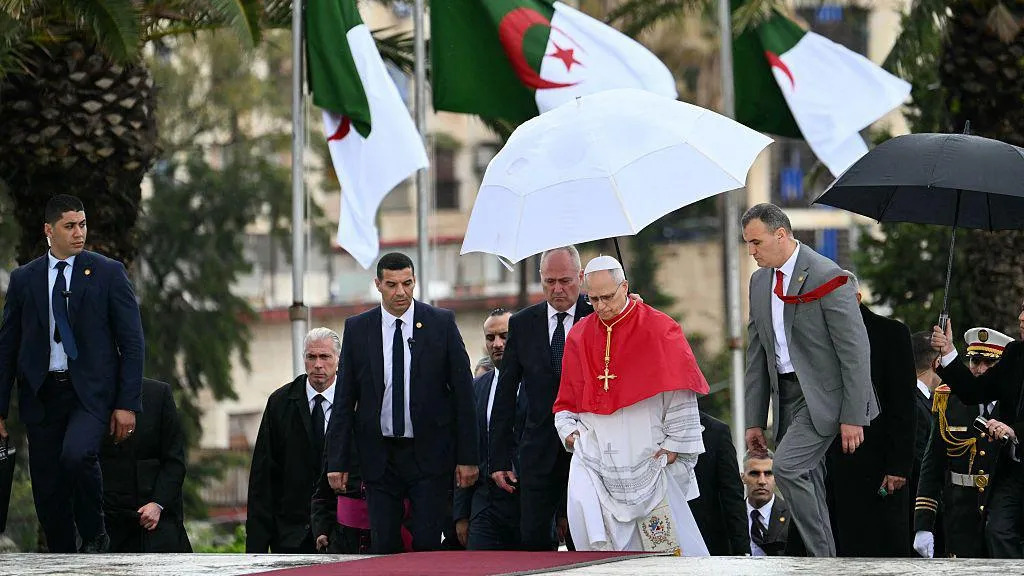
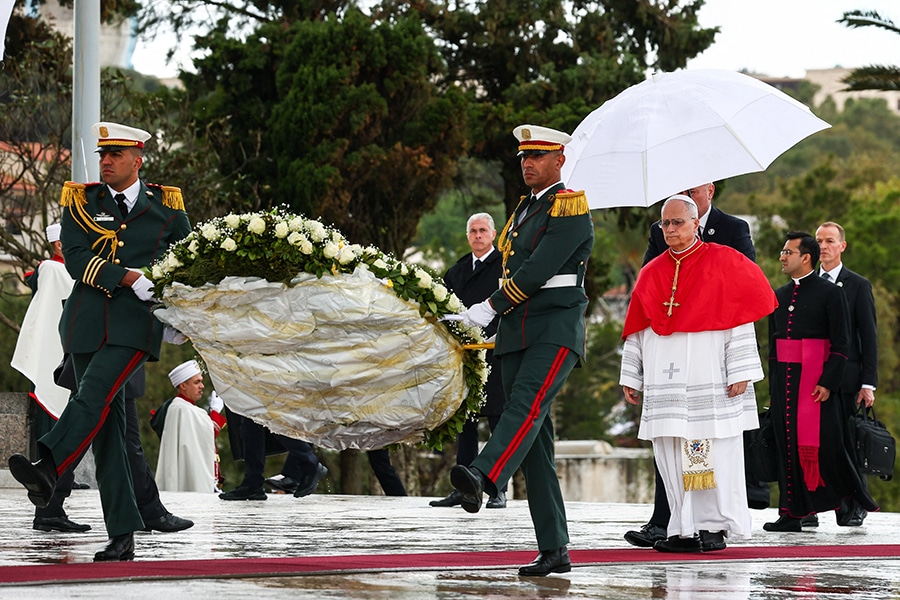
Pope Leo XIV visits Maqam Echahid (Martyrs’ Memorial) monument in El Madania, Algiers, Algeria, April 13, 2026, to begin his apostolic journey to Algeria, Angola, Cameroon and Equatorial Guinea.
Today, Africa no longer just receives the faith; it exports it. African priests and lay leaders are increasingly filling the administrative and spiritual voids of the Global North. By visiting Cameroon and Angola, Leo XIV is engaging with the very people who will dictate the future trajectory of the institution.
Navigating high-stakes realities
Each stop on the itinerary is strategically calibrated to address specific regional or global tensions, moving the journey beyond simple ritual into the realm of high-stakes diplomacy.
From Wednesday, April 15, to Saturday, April 18, the Pope will visit Cameroon, a nation of 30 million people, where he will venture into Bamenda. This region has been marked by years of socio-political tension, making his “Meeting for Peace” at St. Joseph’s Cathedral a high-stakes effort toward national reconciliation.
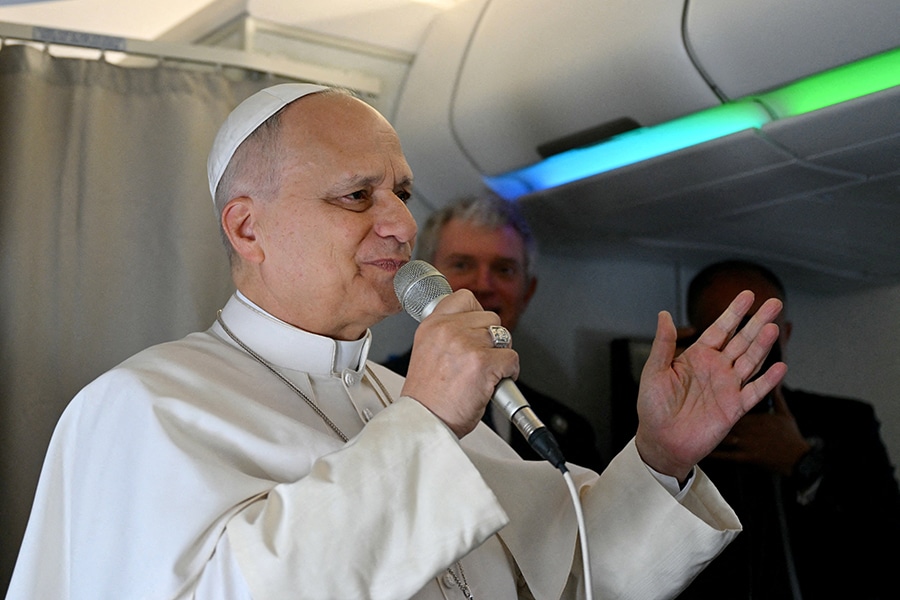
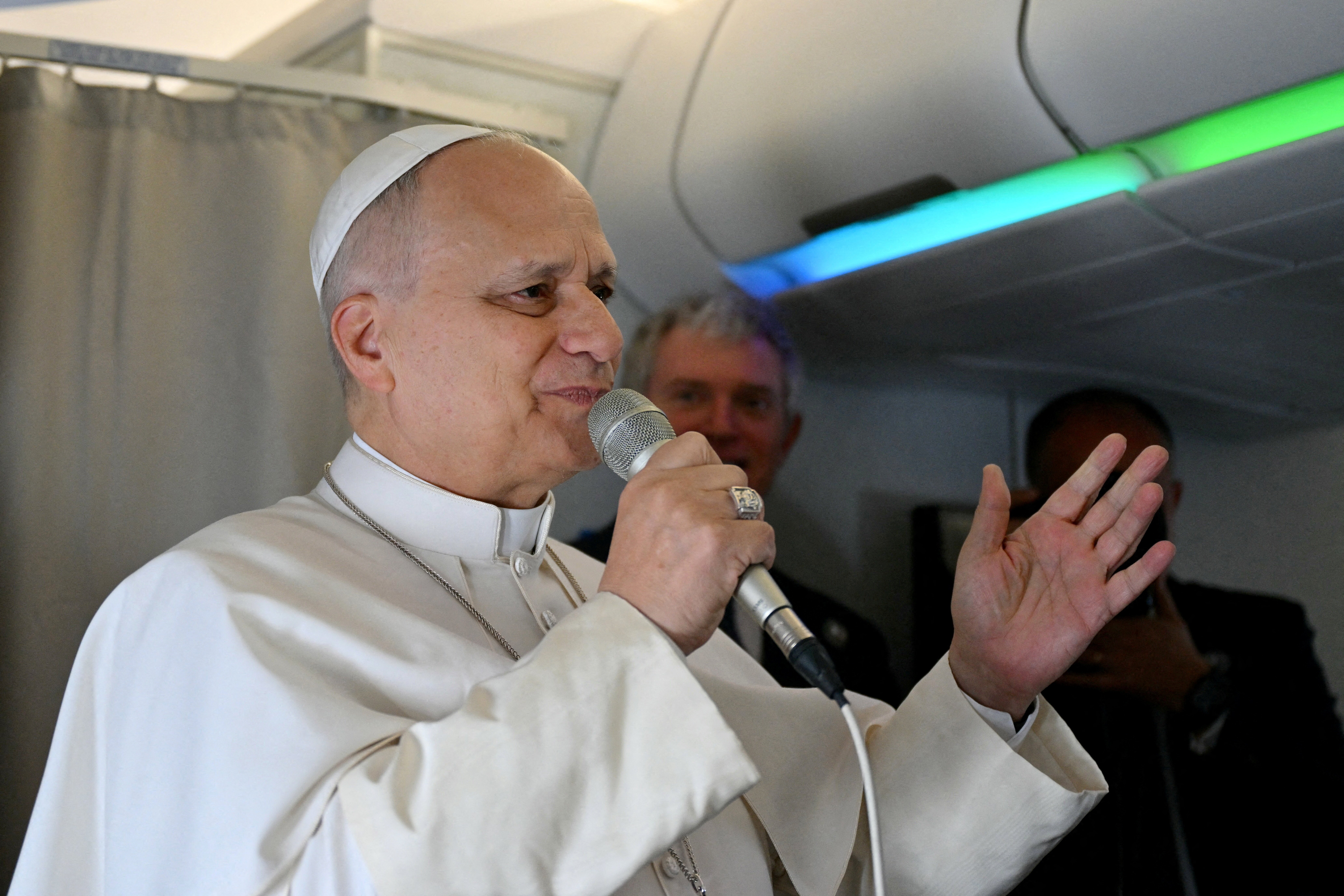
Pope Leo XIV addresses journalists during the flight heading to Algiers on April 13, 2026. Pope Leo XIV embarks on April 13 on an 11-day visit to Algeria, Cameroon, Angola and Equatorial Guinea for his first major international trip since becoming pontiff in May 2025.
This serious diplomatic mission will be balanced by a massive show of faith in Douala, where an estimated 600,000 faithful are expected to gather at Japoma Stadium for a landmark Eucharistic celebration.
The journey then shifts to Angola from Saturday, April 18, to Tuesday, April 21. During this leg, the Pontiff will travel to the Marian shrine of Mama Muxima, a site of profound cultural and spiritual devotion, to pray for peace in a nation still navigating the scars of its civil war history.
His itinerary also includes a visit to Saurimo, a hub of the diamond industry, where he intends to highlight the human dignity and ethical stakes involved in Africa’s vast natural resource wealth.
The tour concludes in Equatorial Guinea from Tuesday, April 21, to Thursday, April 23, with a final focus on “works of mercy.” In the capital and beyond, Leo XIV will visit the Jean Pierre Olie Psychiatric Hospital and engage with academics at the National University’s León XIV Campus, a sequence of events designed to bridge the gap between grassroots social care and the continent’s growing intellectual influence.
The sheer scale of the mission, covering nearly 18,000 kilometers, underscores its urgency. For a 70-year-old leader, the pace is demanding, but the objective is clear: visibility. By visiting coastal hubs, diamond centers, and conflict-affected regions, the tour brings a global spotlight to areas frequently overlooked by the Western media apparatus.
Ultimately, this tour is an exercise in recognition. It acknowledges a continent that is no longer “in waiting,” but is actively leading global conversations. Over these 11 days, Pope Leo XIV is not merely visiting four nations; he is engaging with a continent that is currently writing the next chapter of global history. In a world defined by fragmentation, this move to center Africa may well be the most important diplomatic statement of his papacy.
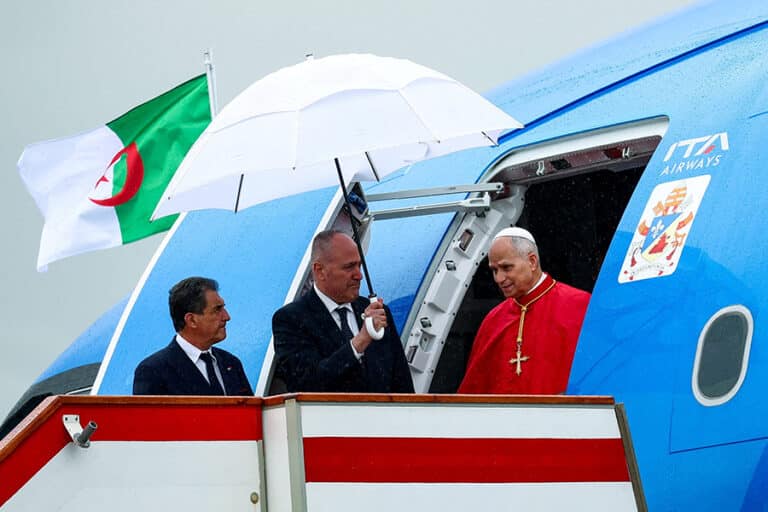
Pope Leo XIV disembarks the papal plane upon his arrival at Houari Boumediene International Airport to begin his apostolic journey to Algeria, Angola, Cameroon and Equatorial Guinea, in Dar El Beida, Algiers, Algeria, April 13, 2026.
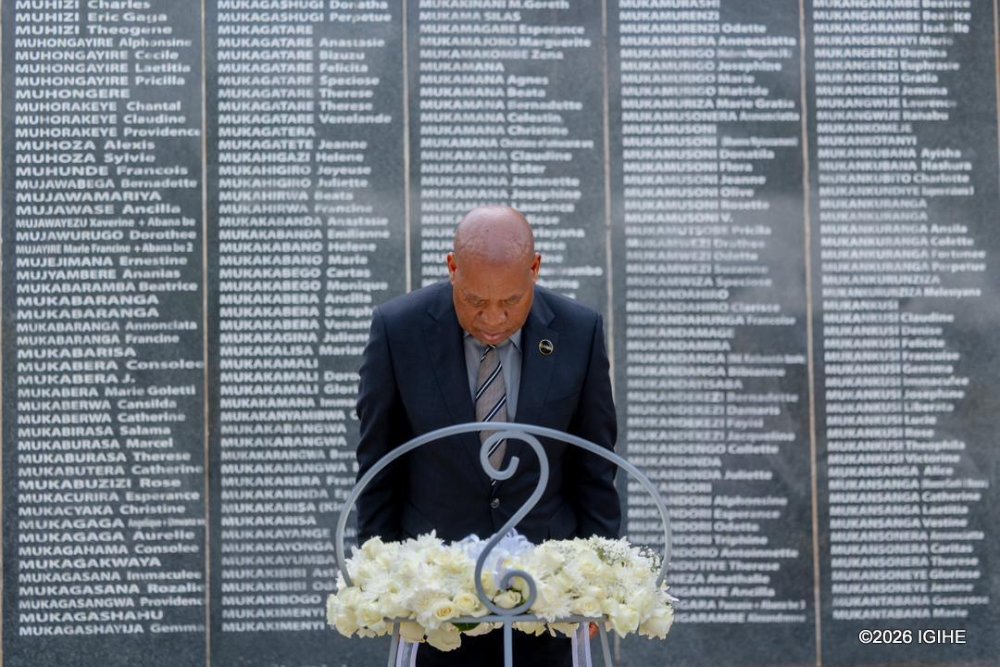
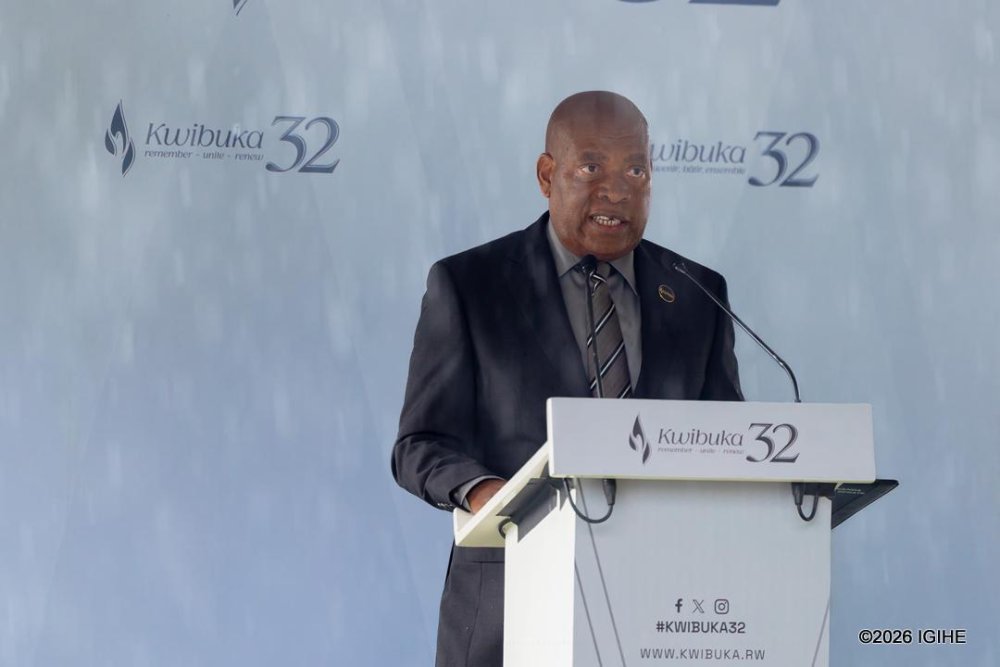
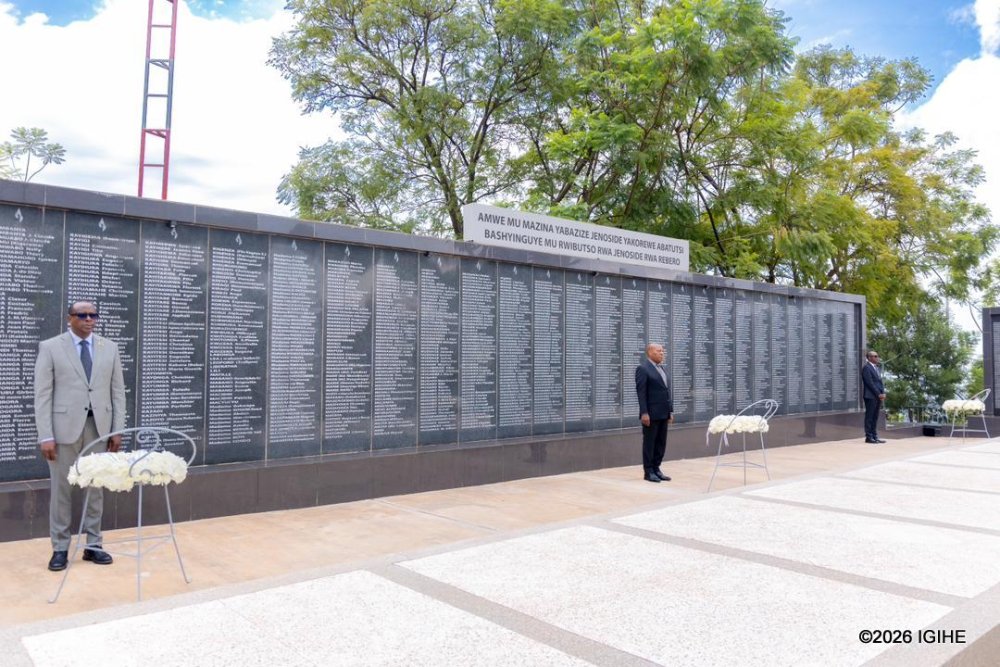
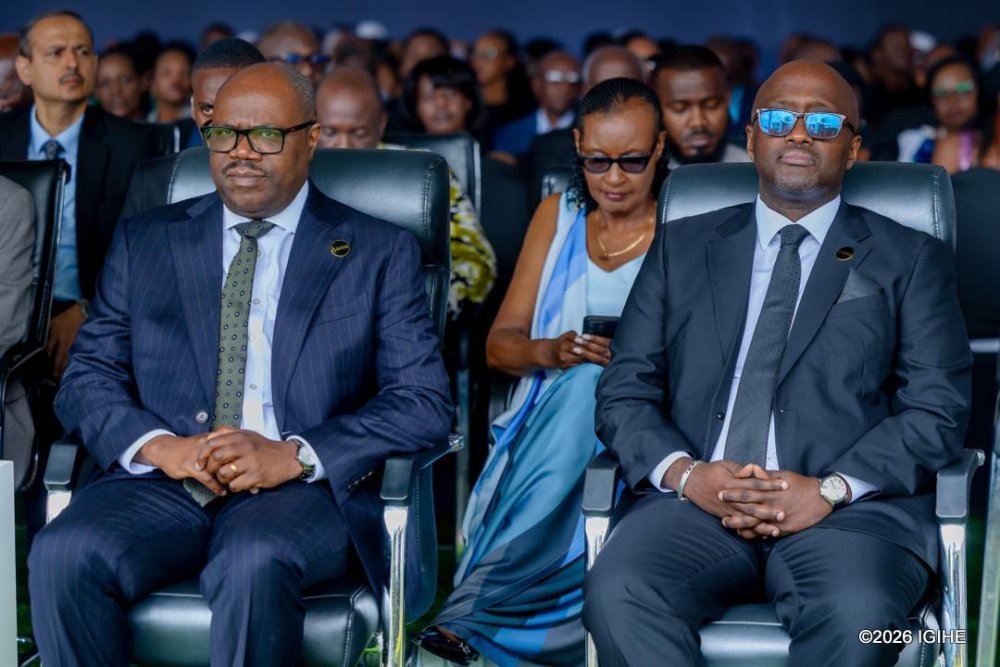
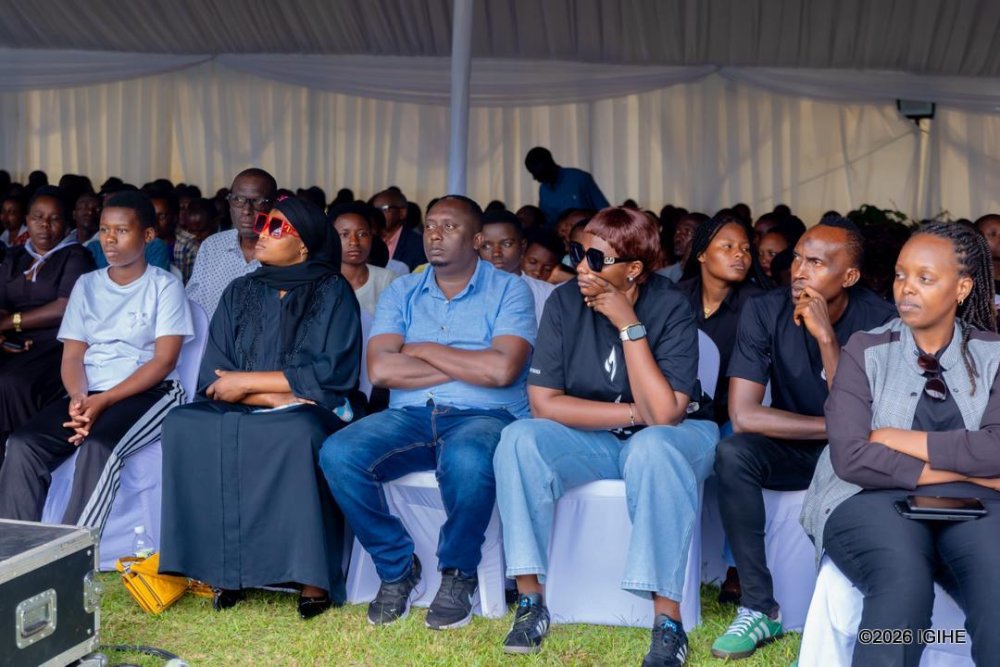
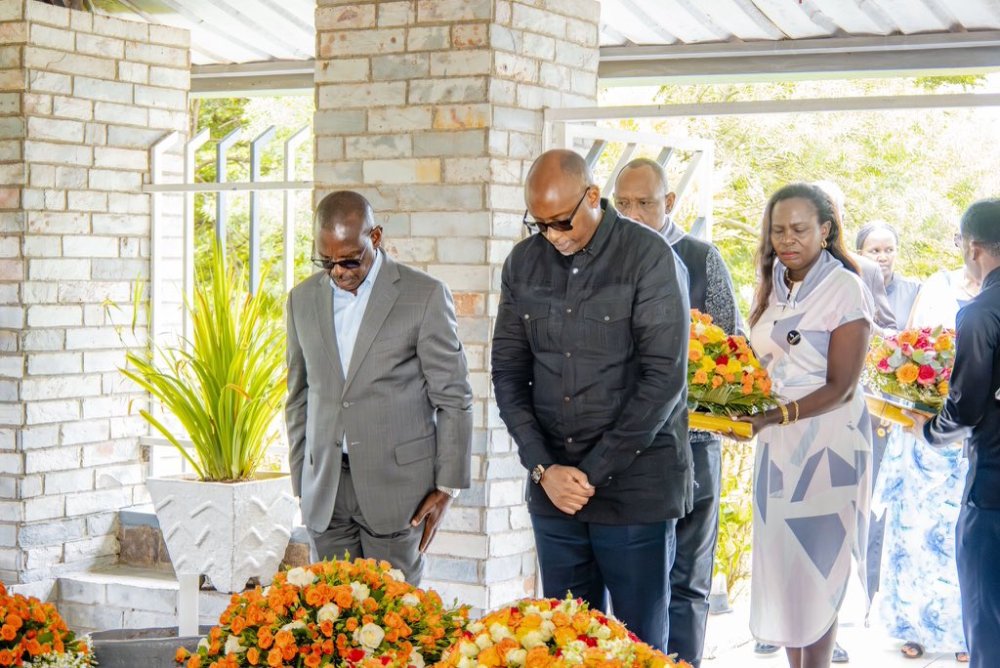
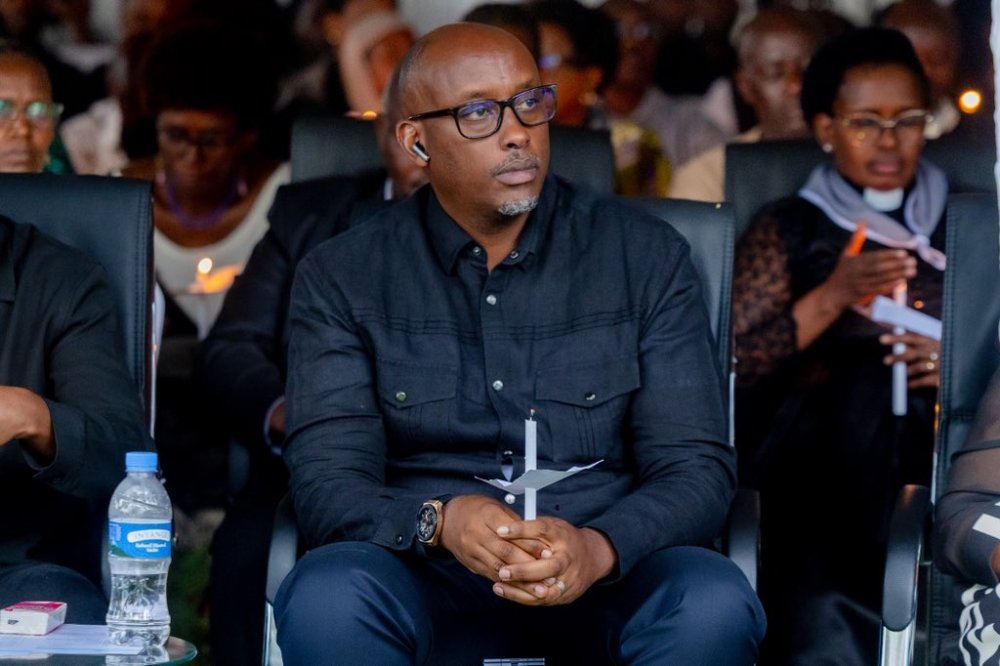
He made the remarks on April 13, 2026, during the closing of the Commemoration Week at national level, as politicians and leaders gathered to honor fellow politicians who were killed during the Genocide against the Tutsi for opposing the extermination campaign.
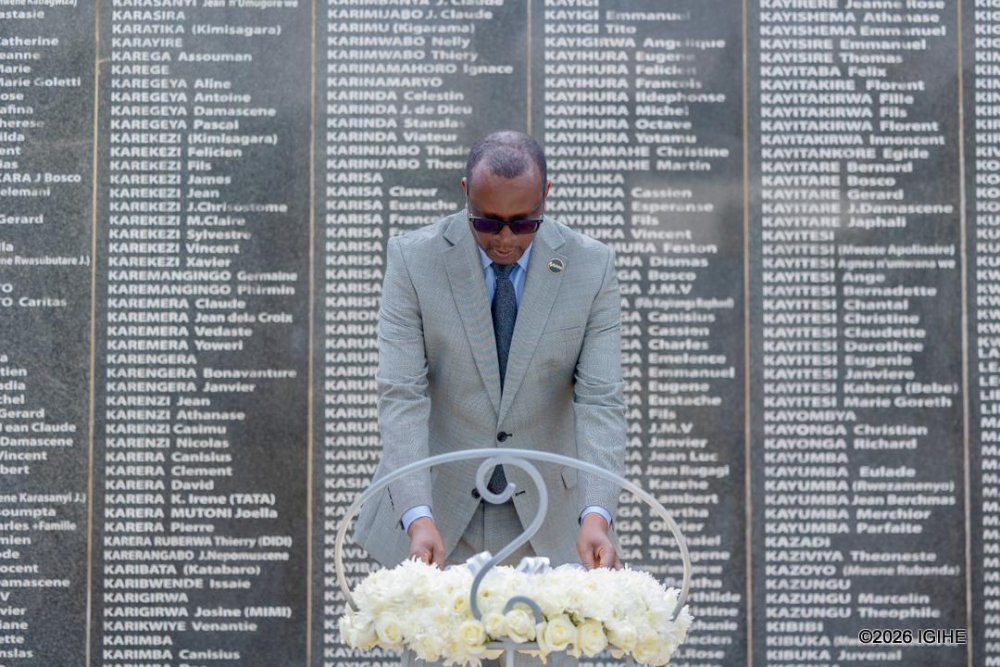
The commemoration took place at the Rebero Genocide Memorial, a site dedicated to preserving the memory of politicians who stood against injustice and resisted divisionism.
Kalinda explained that discriminatory politics rooted in ethnic division played a central role in leading Rwanda to genocide, stressing the need for vigilance among current political actors.
“The Genocide against the Tutsi was the outcome of a series of poor leadership decisions, starting with colonial rule that fractured Rwandan unity and institutionalized ethnic divisions, followed by the First and Second Republics which entrenched discrimination against Tutsis as state policy,” he said.
He emphasized that remembrance is essential in preserving truth and countering genocide denial.
“Remembering is crucial to uphold the truth about the Genocide against the Tutsi, to show that it was planned, and to fight against denial and minimization while preventing its recurrence in Rwanda and elsewhere,” he added.
Kalinda noted that, in the aftermath of the genocide, Rwandans chose a path of unity, building a nation free from discrimination as enshrined in the Constitution.
“Good governance that prioritizes unity and equal opportunities for all Rwandans is the path we chose. The progress made over the past 32 years is remarkable and gives hope for the future of our country,” he said.
He, however, warned that elements of genocide ideology, denial, and minimization still exist and must be actively confronted. He called on politicians to take the lead in combating such tendencies and in educating the youth about the country’s history.
Kalinda also reminded attendees that although the Commemoration Week has concluded, the 100-day commemoration period of Kwibuka32 continues.
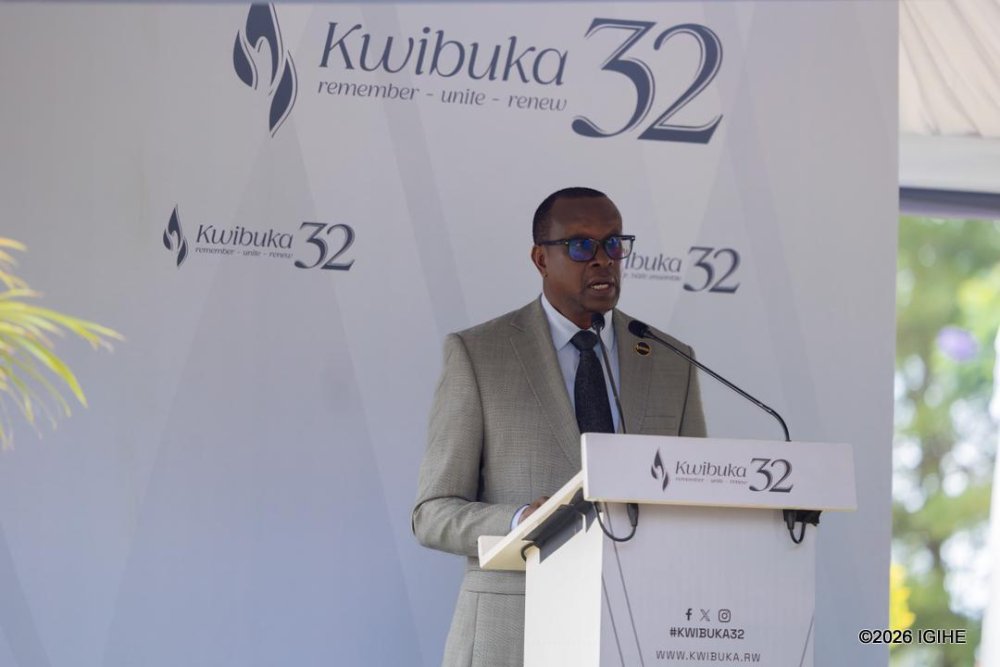
Frank Habineza, spokesperson for the National Consultative Forum of Political Organizations (NFPO), said the politicians being remembered were killed for their courage in rejecting injustice and authoritarian rule.
“The politicians we honor today were killed because of their bravery in resisting oppression and injustice. They stood for a country governed with dignity and equality for all,” he said.
He highlighted that Rwanda’s 11 registered political parties currently work together toward national development, stressing that differing opinions should not be equated with conflict.
“Having different views is not fighting or undermining the achievements made over the past 32 years. Our role is to contribute ideas and solutions while remembering the painful history that led to the Genocide against the Tutsi,” he noted.
Habineza urged political party members to reject any attempts to reintroduce divisive politics.
“We will not accept anyone who seeks to take the country backward under any pretext,” he said.
Minister of National Unity and Civic Engagement, Dr. Jean-Damascène Bizimana, outlined how politics of hatred were institutionalized under former leaders such as Juvénal Habyarimana and Grégoire Kayibanda.
He explained that although Habyarimana initially justified his rise to power by citing injustices, including discrimination in education, his regime went on to reinforce ethnic division and exclusion.
Dr. Bizimana noted that refugees who had been persecuted were denied the right to return and reclaim their property.
“Even those who attempted to secretly visit their families were chased away,” he said.
He also criticized ongoing efforts by some individuals, including Jean-Luc Habyarimana, to sanitize the legacy of the former regime, insisting that evidence of its role in persecuting Tutsis remains overwhelming.
Dr. Bizimana called on political leaders to prioritize educating young people about Rwanda’s history to prevent them from being misled.
“It is essential to properly educate the youth within political parties so they understand this history and engage in politics that unites Rwandans, supports national cohesion, and prevents the country from falling back into division,” he said.
He further urged young people to reject hate speech still propagated by some politicians influenced by past discriminatory ideologies.
“Hate speech persists among some politicians shaped by ethnic-based politics that deny the country’s inclusiveness. This ideology continues to influence them,” he said.
The minister stressed that unity cannot be built without understanding what destroyed it.
“We cannot build unity without first understanding what broke it and those responsible. That is what helps protect it and prevents the country from returning to divisive ideologies like those that characterized the regime which planned the Genocide against the Tutsi,” he said.
He concluded by urging today’s politicians to learn from Rwanda’s history and from past leaders who upheld integrity, emphasizing the need to safeguard national unity through truth and shared values.
François-Xavier Kalinda, President of the Senate, has warned that the 1994 Genocide against the Tutsi was the result of a long history of bad governance.Minister of National Unity and Civic Engagement, Dr. Jean-Damascène Bizimana, outlined how politics of hatred were institutionalized under former leaders such as Juvénal Habyarimana and Grégoire Kayibanda.Habineza urged political party members to reject any attempts to reintroduce divisive politics.The commemoration took place at the Rebero Genocide Memorial.Senior officials including Prime Minister Dr. Justin Nsengiyumva and Foreign Minister Olivier Nduhungirehe attended the event.
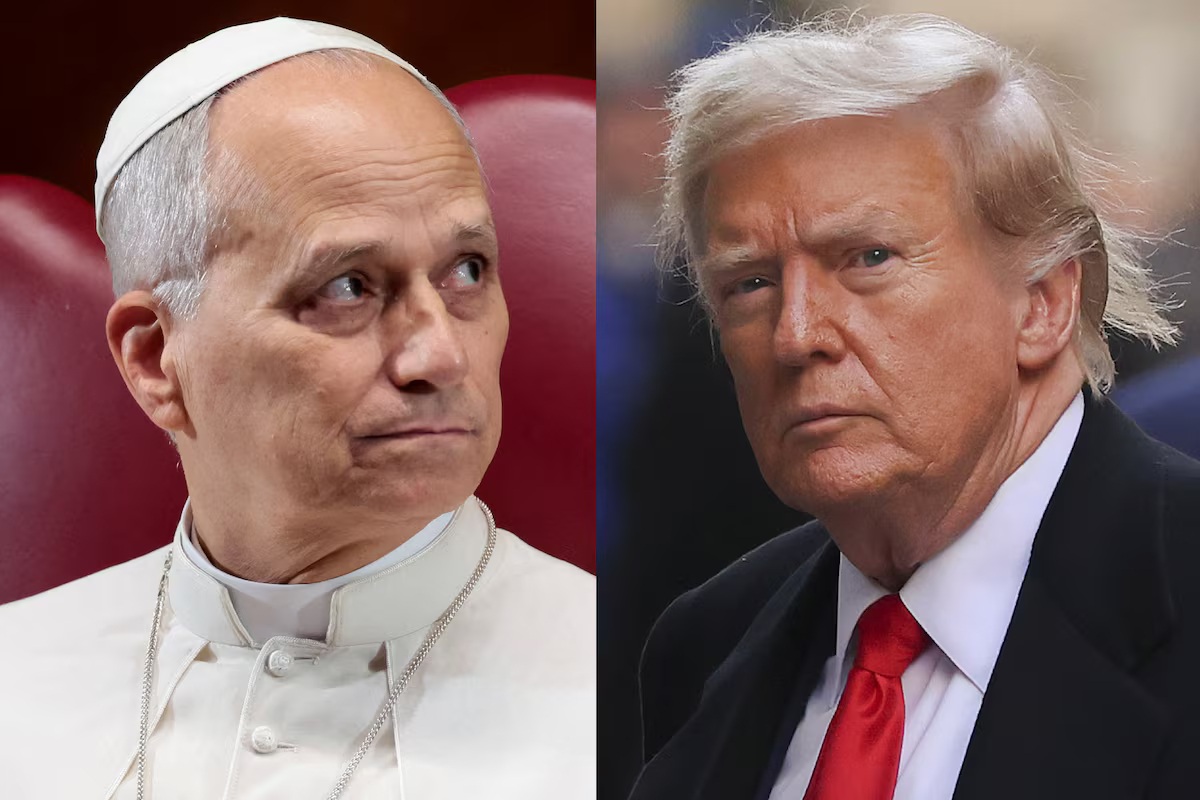
Speaking to reporters aboard the papal aircraft on Monday, the U.S.-born pontiff responded to Trump’s recent criticism by insisting that his messages should not be interpreted through a political lens.
“To put my message on the same plane as what the president has attempted to do here, I think is not understanding what the message of the Gospel is,” Leo said. “And I’m sorry to hear that, but I will continue on what I believe is the mission of the Church in the world today.”
The pope, the first American to lead the Catholic Church, stressed that his appeals for peace and reconciliation are not directed at any individual leader. He said his repeated warnings against what he called a “delusion of omnipotence” driving global conflicts were meant as a moral, not political, critique.
“I will not enter into debate. The things that I say are certainly not meant as attacks on anyone,” he said. “The message of the Gospel is very clear: ‘Blessed are the peacemakers.’”
In remarks to other reporters, Leo added plainly: “I have no fear of the Trump administration.”
The exchange comes after Trump launched a forceful attack on the pope over the weekend, criticizing Leo’s comments on the Iran war and accusing him of being “very liberal” and “weak on crime.” The president also suggested the pontiff should “stop catering to the Radical Left” and condemned his opposition to aspects of U.S. foreign policy.
“I’m not a fan of Pope Leo,” Trump said while traveling back from Florida to Washington, escalating his criticism in both social media posts and comments to reporters.
In his posts, Trump also objected to the pope’s earlier remarks suggesting that talk of overwhelming military force in Iran reflected dangerous thinking, arguing that Leo had overstepped by commenting on geopolitical strategy. He further claimed the pope should avoid political issues altogether.
The White House’s criticism followed a period of heightened tensions between Washington and the Vatican, as Leo increasingly warned against escalating rhetoric around the Iran conflict. The pope has previously described threats of large-scale destruction as “truly unacceptable” and cautioned against what he sees as the religious justification of war.
Archbishop Paul S. Coakley, president of the U.S. Conference of Catholic Bishops, later said he was “disheartened” by the tone of the president’s remarks, stressing that the pope speaks as “the Vicar of Christ who speaks from the truth of the Gospel.”
Trump, however, doubled down on his criticism, reiterating that he was elected “in a landslide” to carry out his foreign policy agenda and suggesting the pope had been elevated in part due to his American nationality.
“If I wasn’t in the White House, Leo wouldn’t be in the Vatican,” Trump said.
Despite the escalating rhetoric, Pope Leo emphasized that he would continue his global tour of Africa, which began Monday with a visit to Algeria, where he is expected to meet civil authorities and later travel to Cameroon, Angola and Equatorial Guinea.
“I will not shy away from announcing the message of the Gospel,” he said. “And inviting all people to look for ways of building bridges of peace and reconciliation, and looking for ways to avoid war any time that’s possible.”
Pope Leo XIV addresses journalists during the flight heading to Algiers on April 13, 2026. Pope Leo XIV embarks on April 13 on an 11-day visit to Algeria, Cameroon, Angola and Equatorial Guinea for his first major international trip since becoming pontiff in May 2025.
He made the remarks on April 13, 2026, during the 32nd commemoration ceremony for politicians who were killed in the Genocide against the Tutsi.
The event marked the closure of the Commemoration Week and was held in Rebero, Kigali City, at Rebero Genocide Memorial, where the remains of 21 politicians are interred. The politicians were killed for opposing discrimination that culminated in the 1994 Genocide against the Tutsi.
Senator Dr. Habineza emphasised that Rwanda has 11 political parties, each guided by its own ideology. He noted that while their ideas may differ, they all operate peacefully within the national governance framework, and each maintains its own independent political stance.
“All 11 political parties are represented in Parliament and in other leadership institutions of the country. It should be clearly understood that meeting and sharing views on national issues does not remove the independence of each political party,” he said.
He further explained that this independence naturally includes differing political opinions, commonly referred to as “opposition.”
“It does not prevent each political party from having different views from others, what some call ‘opposition.’ Opposition to the government in Rwanda is not about fighting or destroying what has been achieved in the 32 years since the 1994 Genocide against the Tutsi. Our opposition is about presenting ideas and proposing solutions to existing challenges, while keeping in mind Rwanda’s difficult history,” he said.
Dr. Habineza added that such political differences should always align with the principles the country has adopted to promote unity among Rwandans.
He also criticised politicians based abroad, whom he accused of misleading the public about governance in Rwanda, stating that their actions should not be tolerated.
“We support our leadership, led by the President of the Republic. We will not allow anyone who seeks to take us backwards, regardless of the means they use,” he said.
Referring to the ongoing period of commemoration, Dr. Habineza noted that some Rwandans remain abroad, including exiles and individuals who were involved in the 1994 destruction of the country, among them members of the FDLR. He reiterated that Rwanda’s policy is that no Rwandan should remain in exile indefinitely.
“Rwanda’s policy is that no Rwandan should remain in exile forever. The Forum of Political Organizations calls on Rwandans still in the forests of the Democratic Republic of Congo and elsewhere in the world to distance themselves from those who hold them hostage and return home, especially given the crimes they committed in Rwanda, including the 1994 Genocide against the Tutsi. Let them come home in peace […]. We have chosen to pursue a constructive, inclusive form of politics that values all Rwandans,” he said.
On the closing day of the Commemoration Week, tributes were paid to politicians who opposed the plans for the Genocide against the Tutsi, up to the point of losing their lives.Senator Dr. Habineza said Rwanda has 11 political parties with different ideologies, all operating peacefully within the national governance framework while maintaining independent positions.
These are the words of Grégoire Nyirimanzi, 57, a former local official, expressing deep remorse.
Once entrusted with the responsibility of protecting civilians, he instead violated that duty and actively participated in their extermination during the 1994 Genocide against the Tutsi.
Born in Nyakabanda Sector, Nyarugenge District, Nyirimanzi served as a sector executive secretary during the genocide.
He participated in meetings with senior leaders, including former President Juvénal Habyarimana, where a consistent agenda was promoted: the systematic extermination of Tutsis based solely on their identity.
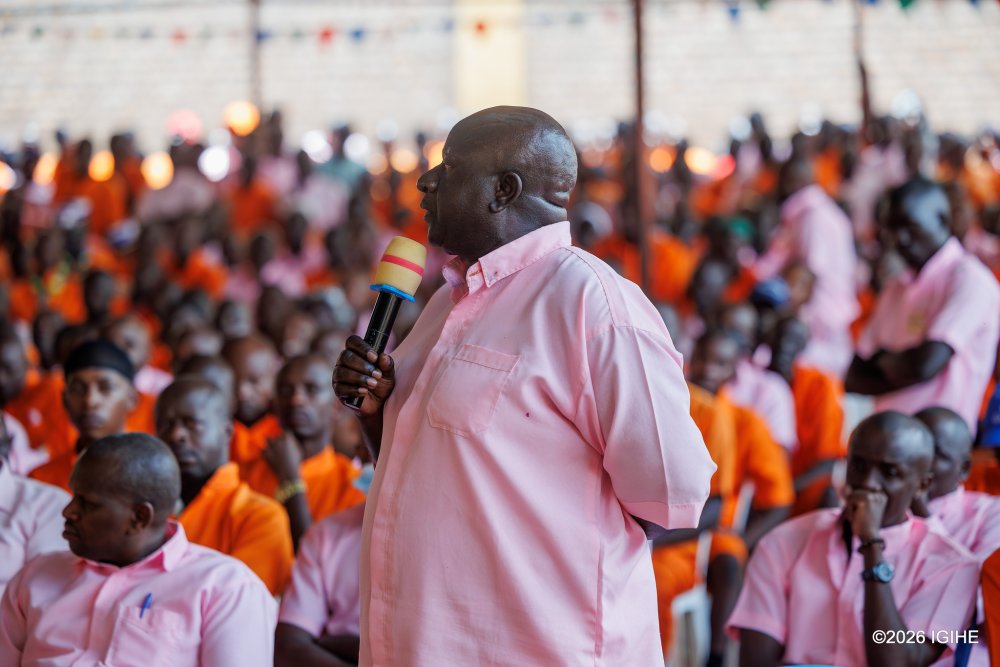
Nyirimanzi is currently serving a 30-year prison sentence at Nyarugenge Prison in Mageragere, following his conviction for genocide-related crimes.
He was arrested in Gabon, where he had fled, and was repatriated to Rwanda in 1997. He was subsequently tried and imprisoned that same year, with his sentence expected to conclude in 2027.
Reflecting on his actions, he stated: “I incited Hutus to kill Tutsis. I distributed firearms that were used in these killings. I also sent young people for weapons training and encouraged them to participate in the atrocities committed against the Tutsis in 1994.”
He recalls distributing approximately ten firearms, which he had received from the former Nyarugenge Commune, to local administrative leaders at the cell and village levels. These weapons were later used in attacks against Tutsis in his area.
One of the most distressing incidents, he recounts, is the attack on Pastor Amoni Iyamuremye: “He was burned alive in his home while I was leading the attack. This act has deeply affected me. That image continues to haunt me, even after I sought and received forgiveness from his son.
“I led numerous attacks, including those at Collège Saint André, at Iyamuremye’s residence, and at the homes of Laetitia and Jean Baptiste. There were many others I cannot even count. Many lives were lost in these attacks.”
Addressing common narratives that attempt to minimize or deny the Genocide against the Tutsi such as claims that it was unplanned or triggered solely by the downing of President Habyarimana’s plane Nyirimanzi firmly rejects such assertions. He emphasizes that genocidal ideology was systematically instilled long before the violence erupted.
“We were taught nothing of value except genocide ideology. I remember seeing the bodies of Tutsis lying everywhere and questioning how I could still be alive. Today, I receive medical care and support, yet I feel unworthy of such treatment.”
He further reflects on the organized nature of the genocide, questioning why some continue to deny its occurrence: “Tutsis were shot, burned, and brutally killed in broad daylight. Denial is a deliberate act, often motivated by personal interests. The genocide devastated our country, leaving it in ruins. Those of us who took part now live with deep regret. Anyone who doubts this should come and see the evidence.”
As evidence of premeditation, he points to the preparation of lists identifying Tutsis to be targeted. He personally compiled such lists in Nyakabanda, while other leaders in districts such as Rusizi did the same independently, without direct coordination.
He also describes how authorities required lists of young men to be sent for military training at the Gabiro Military Camp, where they received instruction from French trainers.
“The youth who underwent this training were later encouraged to continue to Bugesera to join earlier attacks against Tutsis. These events did take place. Rwambuka Fidèle, who was the mayor of Commune Kanzenze at the time, played a role in those initial phases of the violence.”
Participation in high-level meetings to coordinate the extermination of Tutsis
Nyirimanzi further substantiates claims that the Genocide against the Tutsi was systematically planned by describing his involvement in high-level meetings with political leaders and influential figures.
Among those he encountered were former President Juvénal Habyarimana and prominent businessman Félicien Kabuga, who has been widely associated with financing the procurement of machetes used during the killings.
He recalls a significant meeting held in Rebero and chaired by President Habyarimana. The gathering brought together leaders from various administrative levels, ranging from local cell authorities to senior government officials and high-ranking military officers.
According to Nyirimanzi, the purpose of the meeting was made explicit.
He recounts that Habyarimana declared that the country had been attacked by an enemy and emphasized that immediate action was required. Participants were urged not to remain passive but to mobilize and confront the identified enemy whom he explicitly defined as the Tutsi population.
During the meeting, a local official raised concerns about the lack of necessary equipment. In response, Habyarimana assured attendees that weapons would be provided, stating that firearms were available and that those without guns would be supplied with grenades or machetes. He emphasized that all available means should be used to carry out the objective.
Nyirimanzi also describes attending meetings involving influential civilian actors, including Félicien Kabuga. While Kabuga’s involvement has been contested by some, Nyirimanzi asserts that he played a direct and active role. He specifically recalls a meeting held at Kabuga’s residence in Muhima, where Kabuga pledged material and logistical support for the killings.
According to Nyirimanzi, Kabuga assured participants that they would face no shortages, stating that weapons including guns and machetes were readily available.
He further committed to providing logistical support, including food supplies for those carrying out the attacks. Nyirimanzi insists that any denial of Kabuga’s involvement is deliberate and unfounded, noting that he clearly remembers both the meeting and Kabuga’s presence.
The meeting was attended by several prominent figures, including senior members of the ruling MRND party and leaders associated with the Interahamwe militia, further underscoring the coordinated nature of the planning.
Efforts to uncover the truth within the prison system
More than three decades after the Genocide against the Tutsi was halted, challenges remain in uncovering the full truth particularly regarding the locations where victims’ bodies were dumped.
Nyirimanzi notes that some perpetrators, including those already convicted and imprisoned, continue to withhold such information.
He explains that significant efforts have been undertaken within the prison system to encourage transparency and accountability.
However, these efforts have faced resistance from a group of former leaders who still wield influence, both within correctional facilities and beyond.
According to him, this group actively discourages others from cooperating, urging them to remain silent and avoid disclosing any information.
Despite this resistance, Nyirimanzi expresses confidence that truth will ultimately prevail.
He highlights his own role in revealing information that led to the discovery of human remains at the Rwezamenyo bus station information that had remained undisclosed for nearly 25 years, despite the presence of individuals living nearby who had never come forward.
Grégoire Nyirimanzi, a former executive secretary of Nyakabanda Sector in Kigali, is currently imprisoned for his role in the Genocide.
Nyirimanzi recounts that when survivors of the Genocide against the Tutsi approached him seeking reconciliation or asking him to reveal the locations where their relatives’ bodies had been buried, he initially felt deep fear.
Given the severity of the crimes he had committed, his hesitation was significant. However, the survivors reassured him, demonstrating forgiveness and encouraging him to speak openly.
This support enabled him to overcome his fear and disclose the locations of mass graves, allowing families to recover the remains of their loved ones and provide them with dignified burials.
He explained that he identified several burial sites, including one near the Nyamirambo Brigade and another in a place known as Ku Ryanyuma’ near the stadium.
He noted that, although local residents had long been aware of these sites, many had chosen not to speak. His testimony ultimately contributed to meaningful outcomes, as families were able to locate and properly bury their relatives.
Nyirimanzi conveyed a message of reassurance to survivors, expressing his intention to contribute positively to society upon completing his sentence. He emphasized his willingness to take part in rebuilding what he had helped destroy.
On the issue of seeking forgiveness, he stated that many inmates at Nyarugenge Prison are eager to apologize to those they wronged. He called for structured initiatives to facilitate dialogue and reconciliation across communities.
He noted that many individuals complete their sentences while still burdened by fear and uncertainty about facing their victims.
He believes that creating opportunities for reconciliation before release would allow them to seek forgiveness and reintegrate into society with a sense of emotional relief and responsibility.
Testimony before the International Criminal Tribunal for Rwanda (ICTR)
Nyirimanzi also revealed that he provided testimony to investigators and appeared before the International Criminal Tribunal for Rwanda (ICTR), where he gave evidence regarding the role of senior military officials in the genocide.
He testified in cases involving high-ranking officers, including Gratien Kabiligi, Théoneste Bagosora, Aloys Ntabakuze, and Lieutenant-Colonel Anatole Nsengiyumva.
According to his account, these individuals played a key role in distributing weapons to civilians and organizing meetings that encouraged participation in the killings.
He stated that they not only facilitated the widespread distribution of weapons but also used meetings to persuade participants that the violence was justified, framing it as a necessary act of retaliation against an alleged enemy.
In subsequent ICTR rulings, Gratien Kabiligi was acquitted, while Théoneste Bagosora and Aloys Ntabakuze were each sentenced to 35 years in prison. Anatole Nsengiyumva received a sentence of 15 years.
Nyirimanzi expressed a profound sense of regret that he did not live under Rwanda’s current leadership during that period. He spoke positively about the country’s governance, emphasizing the promotion of national unity and the absence of division.
He highlighted the progress made in ensuring equal opportunities, noting that access to education and employment is no longer influenced by family background or past associations.
As a personal example, he pointed out that his own child is able to study and work without discrimination, despite his past actions.
He expressed appreciation for what he described as inclusive leadership, which prioritizes unity and does not punish children for the crimes committed by their parents.
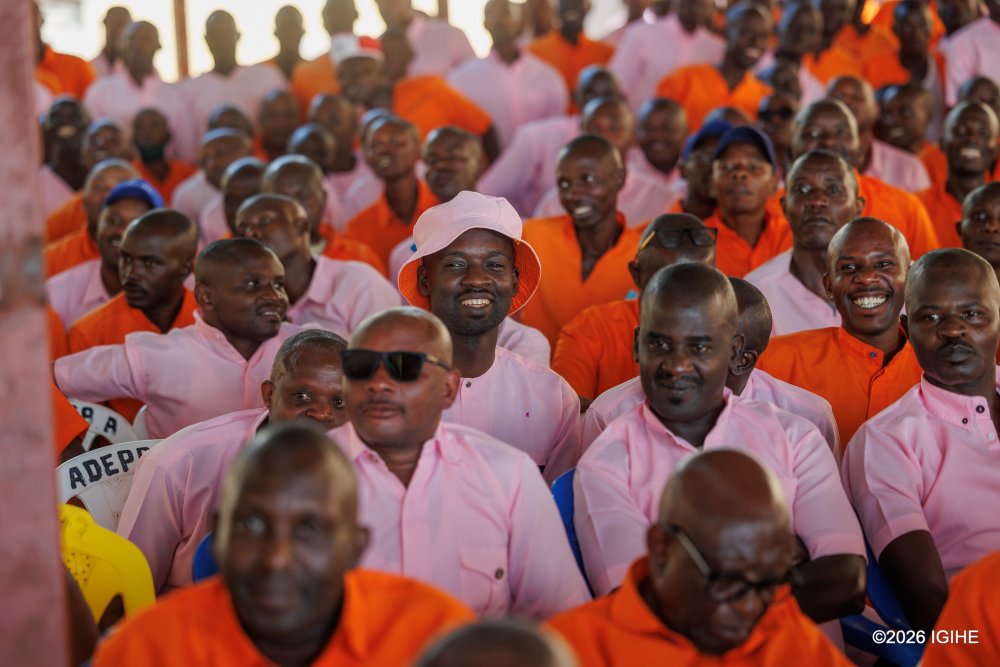
Inmates at Mageragere Correctional Facility were recently provided with a book written by Yolande Mukagasana titled ‘Umurage w’Urubyiruko’ Part One.
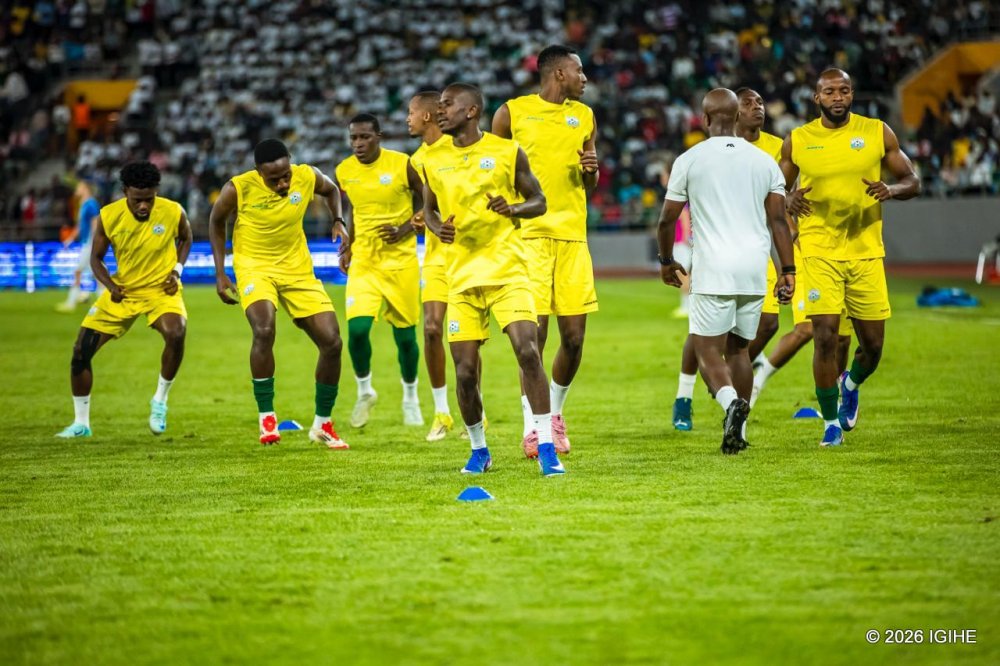
On Sunday, April 12, 2026, FERWAFA officials joined residents of Remera Sector in commemorating the 32nd anniversary of the Genocide against the Tutsi. The event formed part of the nationwide Kwibuka32 remembrance activities.
Following the commemoration, FERWAFA shared a message from national team players, both those playing locally and abroad, reflecting on the importance of remembrance.
Kwizera Jojea, who plays for Rhode Island in the United States, said: “As a player of Rwanda’s national team, we take this moment to remember the 1994 Genocide against the Tutsi.”
Striker Biramahire Abeddy of Assabah FC in Libya and Bayisenge Emery of Rayon Sports directed their message to the youth, urging them to uphold unity and national values.
“As young people, the more we remember, the more we commit ourselves to preserving unity, peace, and development. We are the future of Rwanda, and it is our responsibility to contribute to building a country free from division.”
Nshuti Innocent, who plays for Al Wafaq Ajdabia in Libya, together with FERWAFA’s Commissioner for Women’s Football, Gicanda Nikita Valverde, stressed that it is the responsibility of every Rwandan to fight against genocide denial and ideology.
FERWAFA President, Shema Ngoga Fabrice, noted that remembrance plays a crucial role in strengthening national unity.
“Remembrance is a shared responsibility among all Rwandans, because a society that does not remember fades away. As sportspeople, we choose to be a pillar of reconciliation and development.”
In the message, which also featured FERWAFA’s Commissioner for Development, Kanamugire Fidèle, participants highlighted that making the right choices in life includes contributing to the continued building of a united Rwanda.
FERWAFA President, Shema Ngoga Fabrice, joined Remera residents to honor victims of Genocide against the Tutsi. FERWAFA President, Shema Ngoga Fabrice, noted that remembrance plays a crucial role in strengthening national unity.Amavubi players have urged the youth to remember as a way to honor victims of Genocide against the Tutsi.
In a post shared on X, Musk claimed that Starlink had repeatedly been encouraged to present a Black South African as the head of its local operations in order to secure regulatory approval. He said the company refused to participate.
“We were offered many times the opportunity to bribe our way to a license,” Musk wrote on Sunday, adding that he declined “on principle.” He further argued that Starlink has been unable to launch in South Africa because of ownership rules linked to race.
Musk’s remarks mark his latest criticism of South Africa’s Broad-Based Black Economic Empowerment (B-BBEE) framework, a policy designed to address historical inequalities by promoting economic participation among previously disadvantaged groups. In sectors such as telecommunications, companies are often required to meet local ownership thresholds to obtain operating licences.
The billionaire entrepreneur, who was born in Pretoria, has increasingly framed these requirements as discriminatory. His latest comments also included sharp criticism of South African officials, whom he accused of promoting racism through regulatory policy.
The claims have not been independently verified, and South African authorities have not issued an official response to the allegations.
The dispute intensified following an online exchange with Clayson Monyela, a senior official in the Department of International Relations and Cooperation. Monyela mocked Musk in a social media post, pointing out that hundreds of American companies operate successfully in South Africa while complying with local laws.
Critics of Musk’s claims have also pushed back. Michael de Villiers described the allegations as misleading, noting that many foreign firms, including those led by non-Black executives, continue to operate in the country without facing similar barriers.
Despite Musk’s public stance, Starlink’s regulatory team has maintained that the company supports South Africa’s transformation goals. The company, a subsidiary of SpaceX, has argued that existing telecom regulations enforced by the Independent Communications Authority of South Africa (ICASA) do not fully align with broader empowerment frameworks.
Starlink has proposed using Equity Equivalent Investment Programmes (EEIPs) as an alternative to equity ownership requirements. These programmes allow foreign companies to contribute to economic transformation by investing in local initiatives such as skills development, infrastructure, and education.
According to the company, EEIPs are recognised across several sectors but are not currently accommodated within telecom licensing rules. Starlink has described this as a regulatory inconsistency and has called for reforms.
As part of its proposed entry into South Africa, Starlink has pledged to invest in connectivity initiatives, including providing free hardware and internet services to thousands of rural schools. It has also committed to working with local partners to support rollout and job creation.
Recent developments suggest possible movement on the policy front. Communications Minister Solly Malatsi has directed ICASA to consider incorporating EEIPs into telecom licensing regulations following a public consultation process that drew significant support.
Starlink has expanded its satellite internet footprint across multiple African countries, including Rwanda, targeting underserved regions with limited broadband infrastructure. However, South Africa, one of the continent’s largest economies, remains outside its current coverage.
Musk’s allegations are likely to intensify debate over the balance between economic transformation policies and the need to attract foreign investment, particularly in critical sectors such as telecommunications.
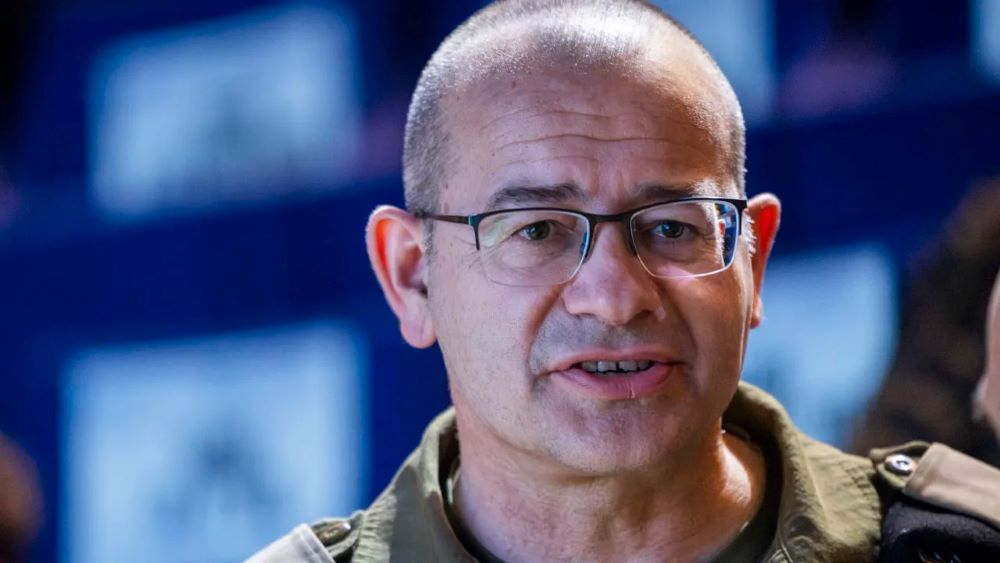
The office said Netanyahu signed the appointment letter following approval by an advisory committee.
Gofman is set to assume the role on June 2 for a five-year term, after current director David Barnea completes his tenure.
The appointment has drawn criticism, including from current and former Mossad officials who raised concerns over Gofman’s lack of intelligence experience.
The advisory committee, which reviews senior government appointments in Israel, voted 3-1 in favor of the appointment, with its chairman, former Supreme Court president Asher Grunis, voting against.
“In light of the integrity-related shortcomings for which Maj. Gen. Gofman is responsible, it is not appropriate to appoint him to the position of head of the Mossad,” Grunis wrote in an appendix to the decision.
Israeli Prime Minister Benjamin Netanyahu has appointed his military secretary, Roman Gofman, as the next head of the Mossad intelligence agency
“After all, we want a sustainable peace. And sustainable peace can only be achieved once we have safeguarded our interests and attained the objectives that have been in place since the very beginning,” he said.
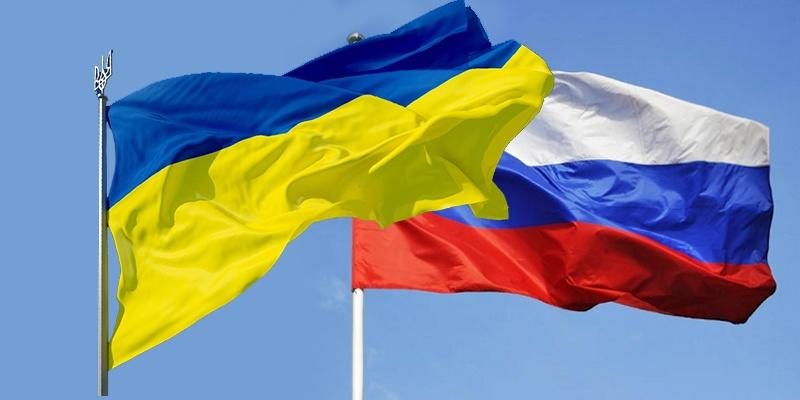
Peskov noted that the key point of disagreement in the Russian-Ukrainian negotiation process is a small area of the Donetsk People’s Republic currently controlled by the Ukrainian army.
He said that substantive talks on resolving the conflict can only begin after Russian troops reach the administrative borders of Russia’s new regions.
“In any case, we are talking about very complex, meticulous, and not quick negotiations,” Peskov said.