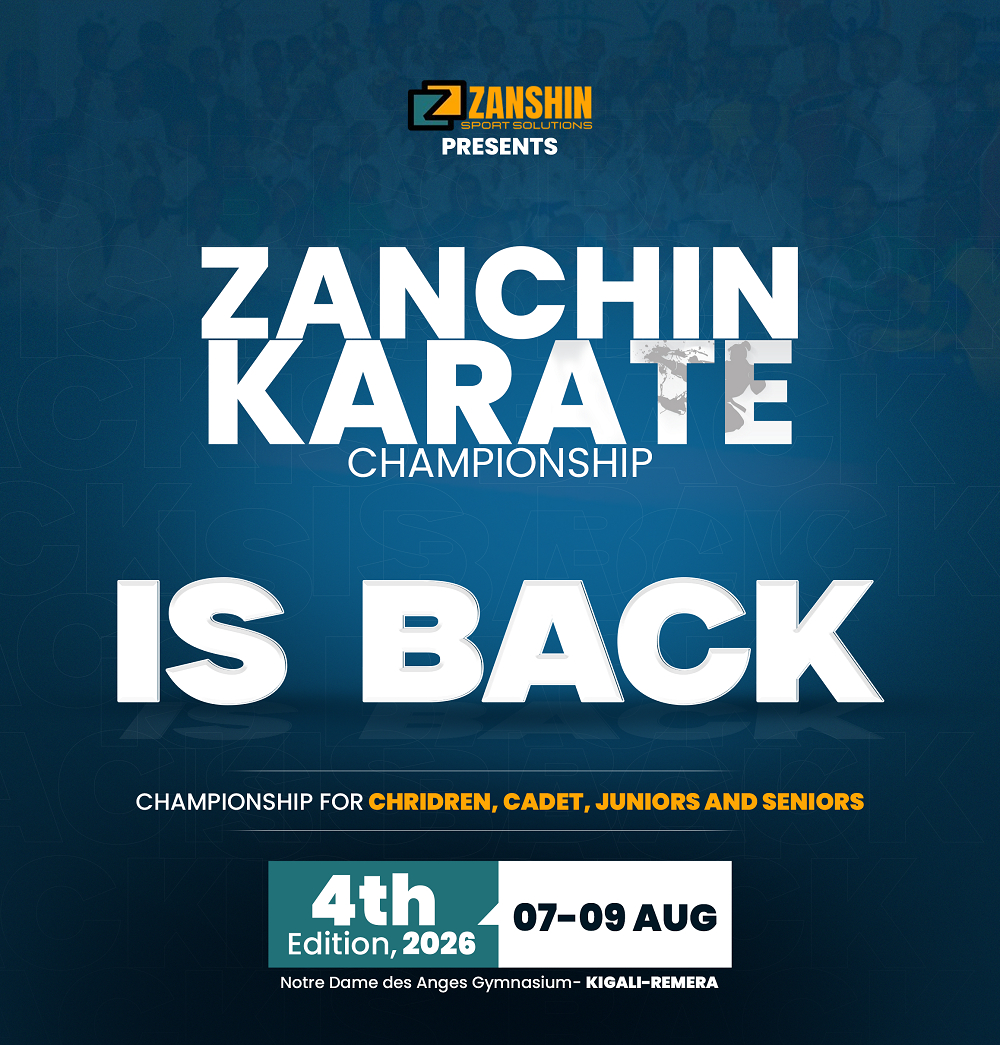
The international karate tournament will be held at the indoor sports and entertainment hall of Ecole Notre Dame des Anges in Remera, bringing together children, cadet, juniors, and senior athletes from Rwanda and beyond.
Previously staged in Huye, the championship features both male and female competitors aged six years and above, competing across different age and weight categories.
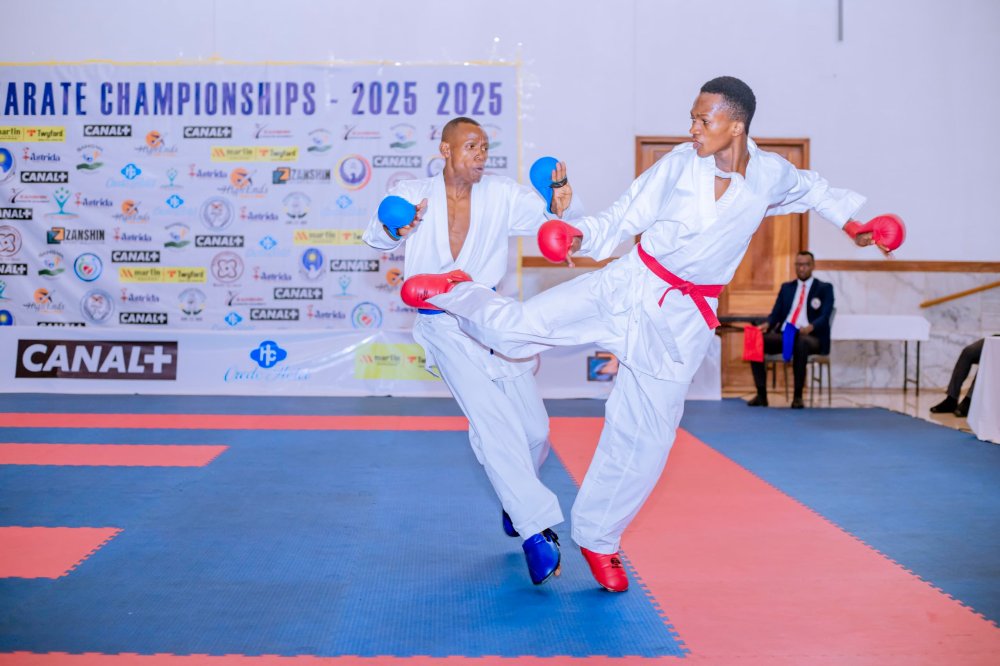
Young participants will compete in Kata (forms demonstration) and Kumite (sparring) based on age groups, while senior athletes will contest Kumite bouts according to weight divisions, in line with World Karate Federation regulations.
One of the tournament’s distinguishing features is the use of advanced Video Review (VAR) technology in scoring, allowing coaches to challenge refereeing decisions when they believe their athletes were denied deserved points.
The championship is also officiated by international referees and experts drawn from across the African continent.
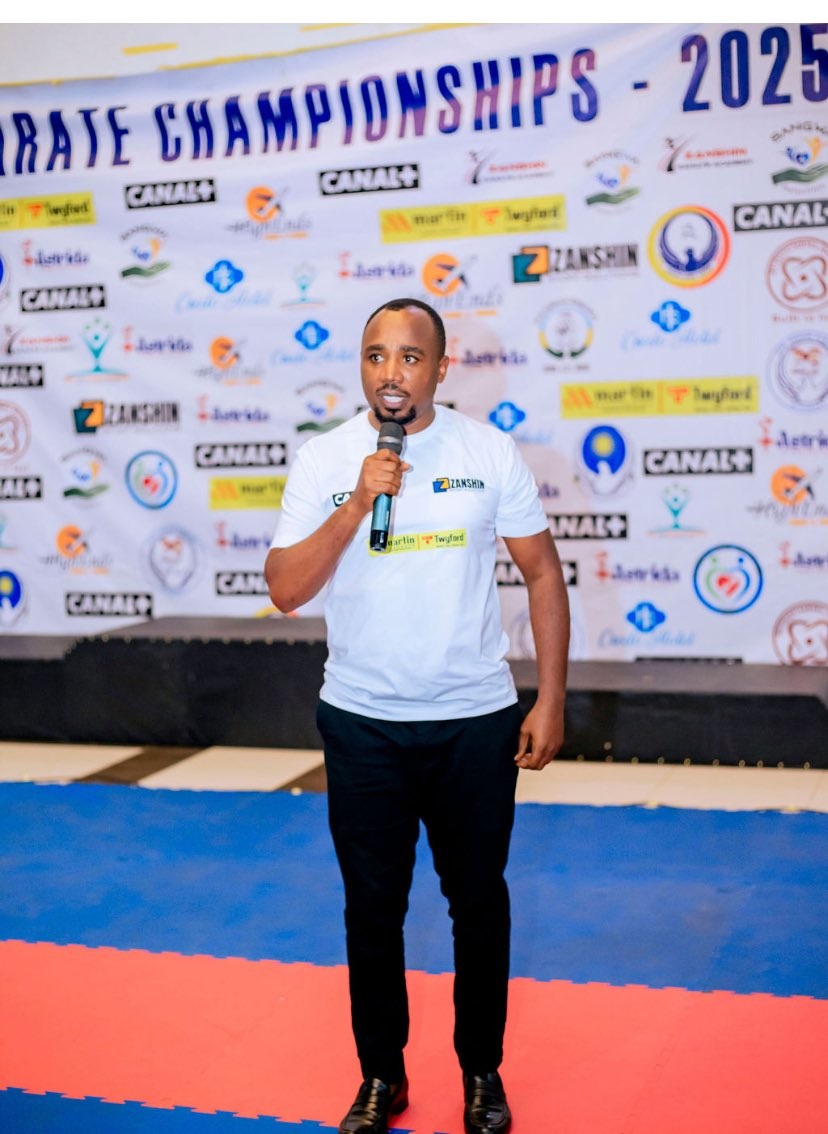
Dieudonné Mwizerwa, Director of Zanshin Sport Solutions and the tournament organiser, said registration will open in June and run until the end of July 2026.
“This year, all preparations are well in place. We expect top international athletes to participate, and international referees from different African countries will officiate the matches,” he said.
Mwizerwa urged teams to register their athletes early and in large numbers, while also calling on supporters to attend and cheer on the competitors.
He also thanked FERWAKA and Martin Hardware & Twyford Rwanda, the main sponsor of the tournament, for their continued support.
He further encouraged other partners to collaborate with Zanshin in promoting karate development and nurturing young talent.
In the 2025 edition, Flying Eagles Karate Club won the Zanshin Karate Championship for Children, Cadets and Juniors (3rd Edition).
APR Karate-Do claimed the Zanshin Seniors Open Karate Championships (2nd Edition), which brought together senior athletes and was held at Hotel Credo in Huye District.
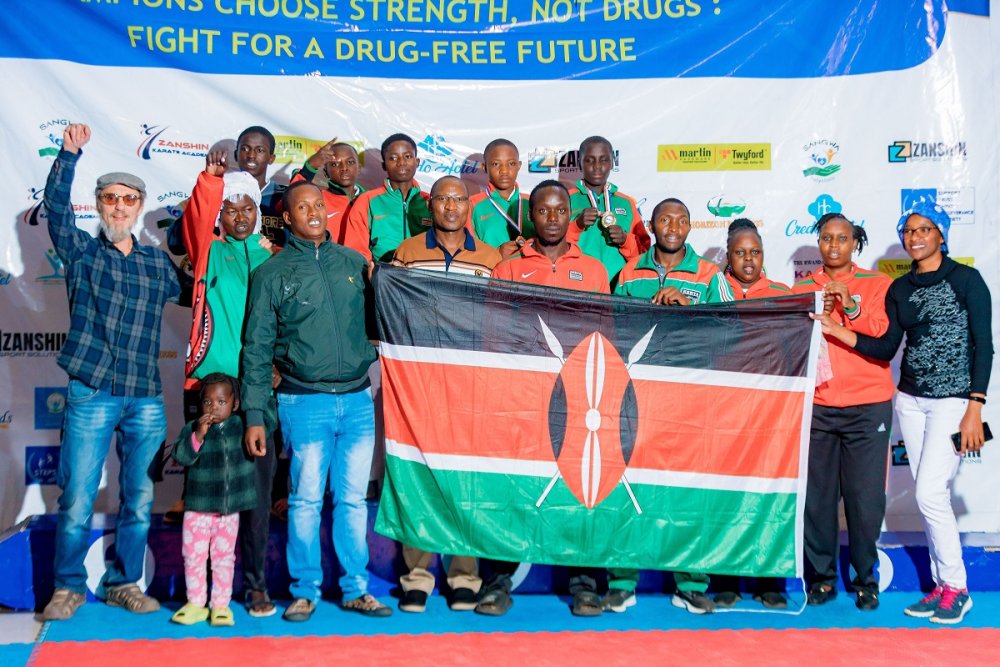
Participating teams included clubs from Rwanda and Kenya, as well as individual athletes from Gabon and the Democratic Republic of Congo.
The “Zanshin Karate Championship 2026” tournament will take place in Kigali from August 7–9. The karate tournament features both junior and senior categories.Dieudonné Mwizerwa, Director of Zanshin Sport Solutions and the tournament organiser, said registration will open in June and run until the end of July 2026.Teams from Kenya were among those that participated in the tournament during its most recent edition in 2025, which was held in Huye.
In a wide-ranging discussion with the German newspaper WELT AM SONNTAG, Rutte stated he does not foresee a future where the United States abandons its post-war security commitments. However, he balanced this reassurance with a stern call for a “stronger Europe within a stronger alliance,” suggesting that the burden of Western defense must be more equitably shared.
The remarks serve as a direct response to recent escalations from U.S. President Donald Trump. The President has intensified his “America First” stance, labeling NATO a “paper tiger” and expressing visible frustration over European involvement, or lack thereof, in Middle Eastern tensions, specifically regarding Iran. Trump’s repeated suggestions that he is “considering” a withdrawal have sent ripples of anxiety through Baltic and Eastern European capitals.
Rutte acknowledged that the U.S. commander-in-chief’s disappointment is not without merit.
“The President is visibly frustrated with certain members,” Rutte noted, acknowledging the long-standing U.S. grievance regarding defense spending. Currently, while more nations are hitting the 2% GDP spending target, several key European economies still fall short.
Despite the friction, Rutte emphasized that the structural foundations of the alliance remain indispensable. He reaffirmed that the U.S. nuclear umbrella continues to serve as the “ultimate guarantor” of European security, a deterrent that no individual European nation can currently replicate.
To ensure the alliance remains viable, Rutte argued that Europe must move beyond “rhetorical support” and invest in tangible military capabilities. Analysts suggest that by framing the issue as an opportunity for European growth, Rutte is attempting to bridge the gap between Trump’s isolationist leanings and Europe’s security requirements.
As the next NATO summit approaches, the focus will likely remain on these two pillars: maintaining the U.S. commitment while rapidly accelerating European defense autonomy to satisfy a frustrated Washington.
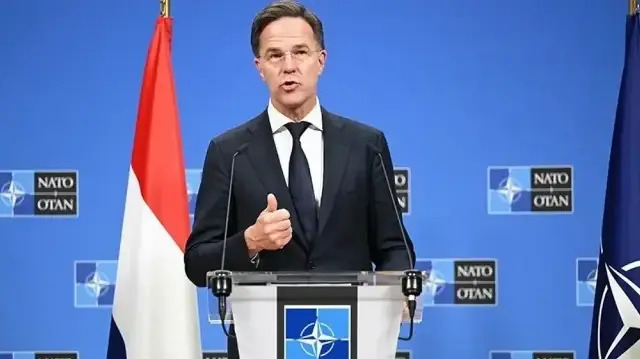
NATO Secretary General Mark Rutte dismissed growing concerns over a potential U.S. withdrawal from the alliance in an interview published Saturday.
The agreement also includes a Memorandum of Understanding (MoU) establishing regular political consultations, signalling a structured framework for deepening bilateral engagement between Kigali and Tashkent.
As both countries explore new areas of cooperation in trade, investment, and innovation, here are 10 key things to know about Uzbekistan.
Doubly landlocked, but strategically connected
Uzbekistan is one of only two doubly landlocked countries in the world, the other being Liechtenstein, meaning it is surrounded entirely by other landlocked states. This unique geography makes it highly dependent on regional transit routes and cross-border cooperation, particularly through Kazakhstan and other Central Asian corridors.
Like Rwanda, which has long focused on overcoming geographical limitations through regional integration, Uzbekistan views connectivity as a core development priority under its South–South cooperation agenda.
A parallel growth story
Uzbekistan is often cited alongside Rwanda as an example of rapid, state-led economic transformation. Since reforms began in 2016, the country has transitioned from a relatively closed economy to one increasingly integrated into global markets.
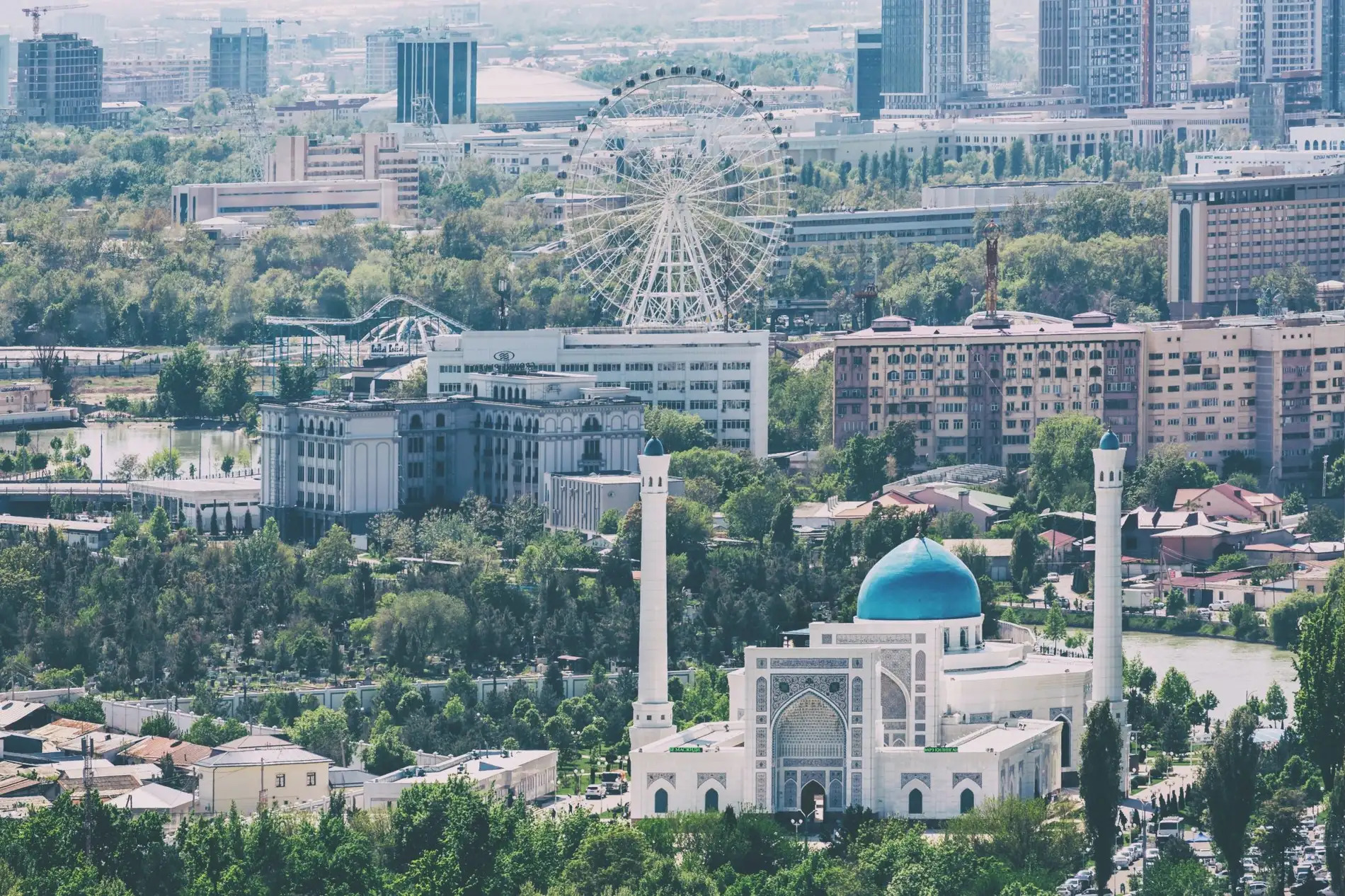
Tashkent is the capital of Uzbekistan.
In 2026, Uzbekistan is maintaining strong growth of around 6.7%, driven by privatisation, infrastructure expansion, and industrial modernisation, part of one of the fastest post-Soviet economic reform trajectories in recent years.
A multi-billion-dollar tech ambition
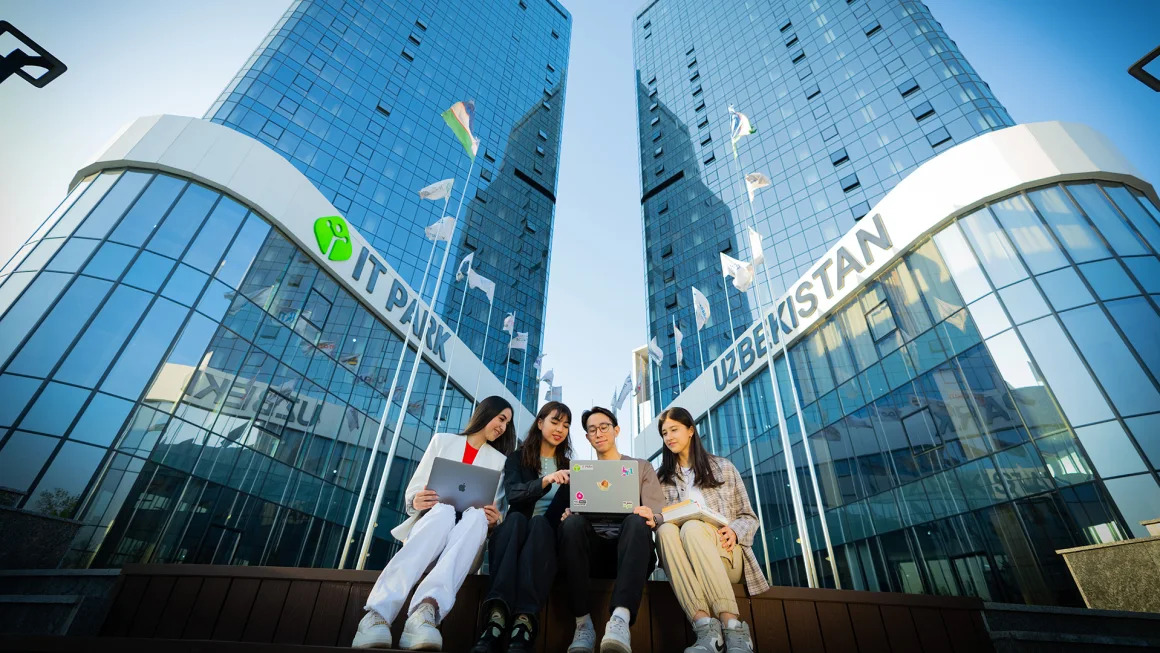
Uzbekistan is investing heavily in digital transformation through initiatives such as the IT Park Uzbekistan, a government-backed tech zone offering tax incentives for technology firms.
Uzbekistan is investing heavily in digital transformation through initiatives such as the IT Park Uzbekistan.
The country aims to reach $5 billion in IT exports by 2030, positioning itself as a regional digital hub. The model draws parallels with Rwanda’s innovation ecosystem, including Kigali Innovation City, creating potential for collaboration between African and Central Asian tech startups.
Silk Road heritage meets modern infrastructure
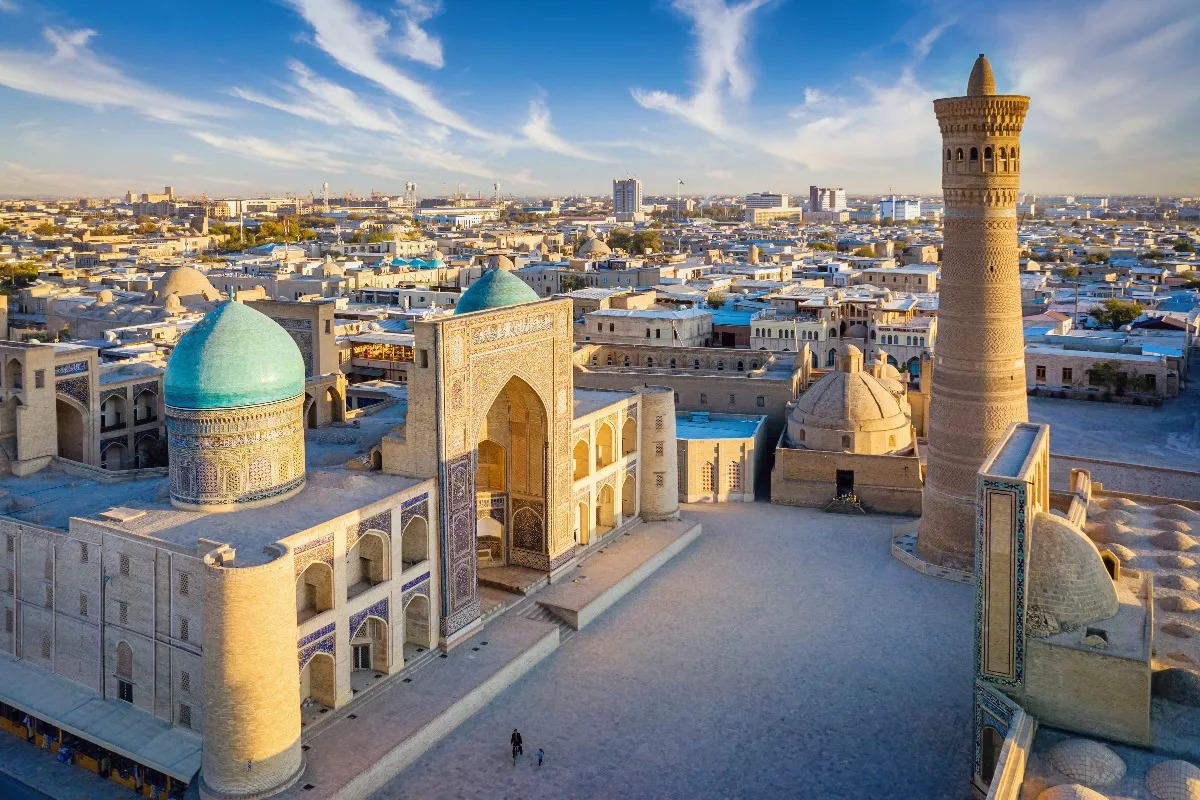
Uzbekistan was a major centre of the ancient Silk Road, with cities such as Samarkand playing a key role in global trade and cultural exchange for over two millennia.
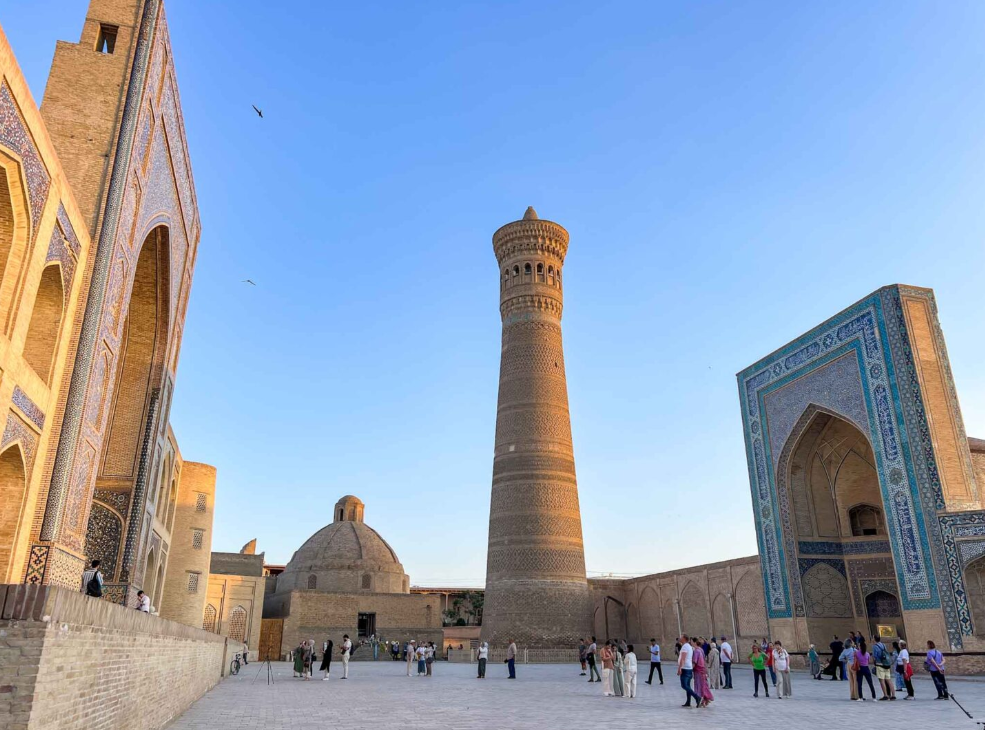
Po-i-Kalyan complex in Bukhara, Uzbekistan, is one of the most iconic landmarks along the ancient Silk Road.
Today, this heritage coexists with modern infrastructure. The Afrosiyob high-speed rail network connects Samarkand, Bukhara, and Tashkent, linking UNESCO-listed historical cities with fast-growing urban centres and reflecting the country’s push to modernise connectivity.
A mining and textile transformation economy
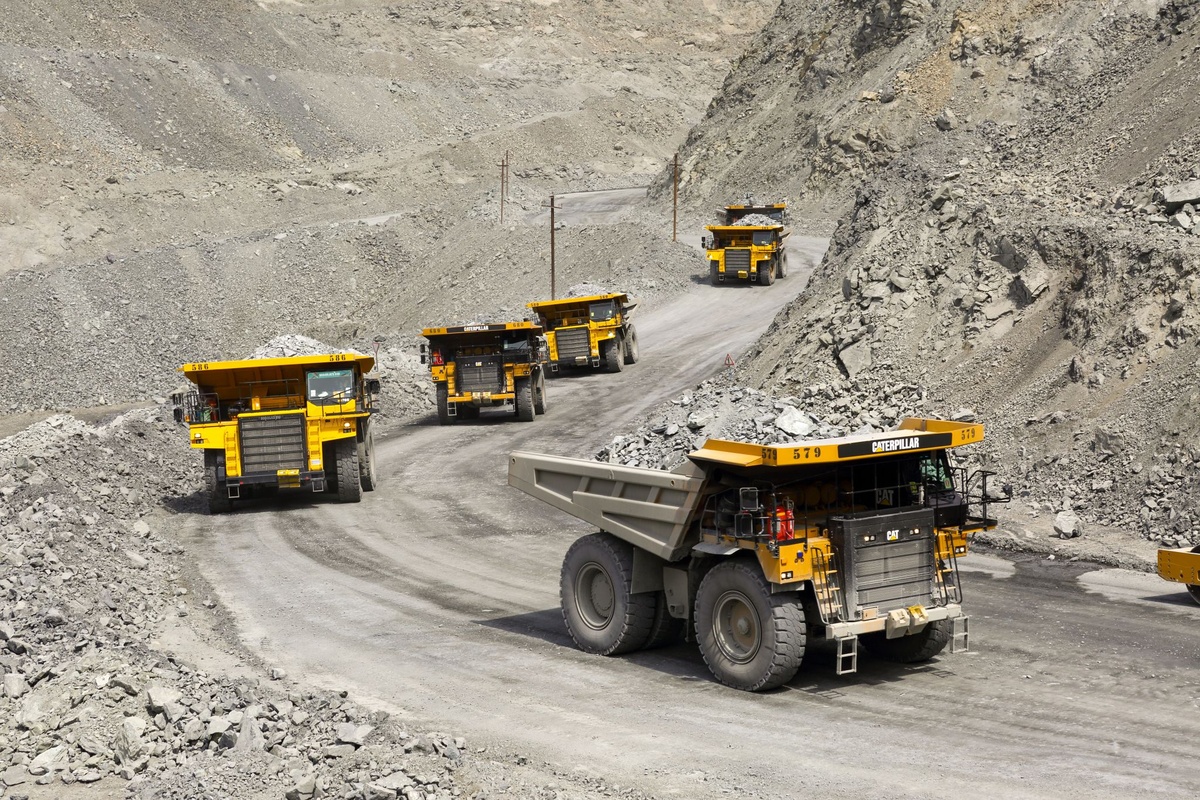
Uzbekistan is among the world’s leading gold producers, home to the Muruntau mine, one of the largest open-pit gold mines globally.
Muruntau produced 2.68 million ounces of gold in 2024, second only to the Nevada mine in the world.
While natural resources remain central, the country is gradually shifting toward value addition, particularly in textiles. It has developed a growing manufacturing base for products such as Ikat and Suzani fabrics, reflecting a broader strategy to move from raw exports to industrial production.
The Tashkent metro
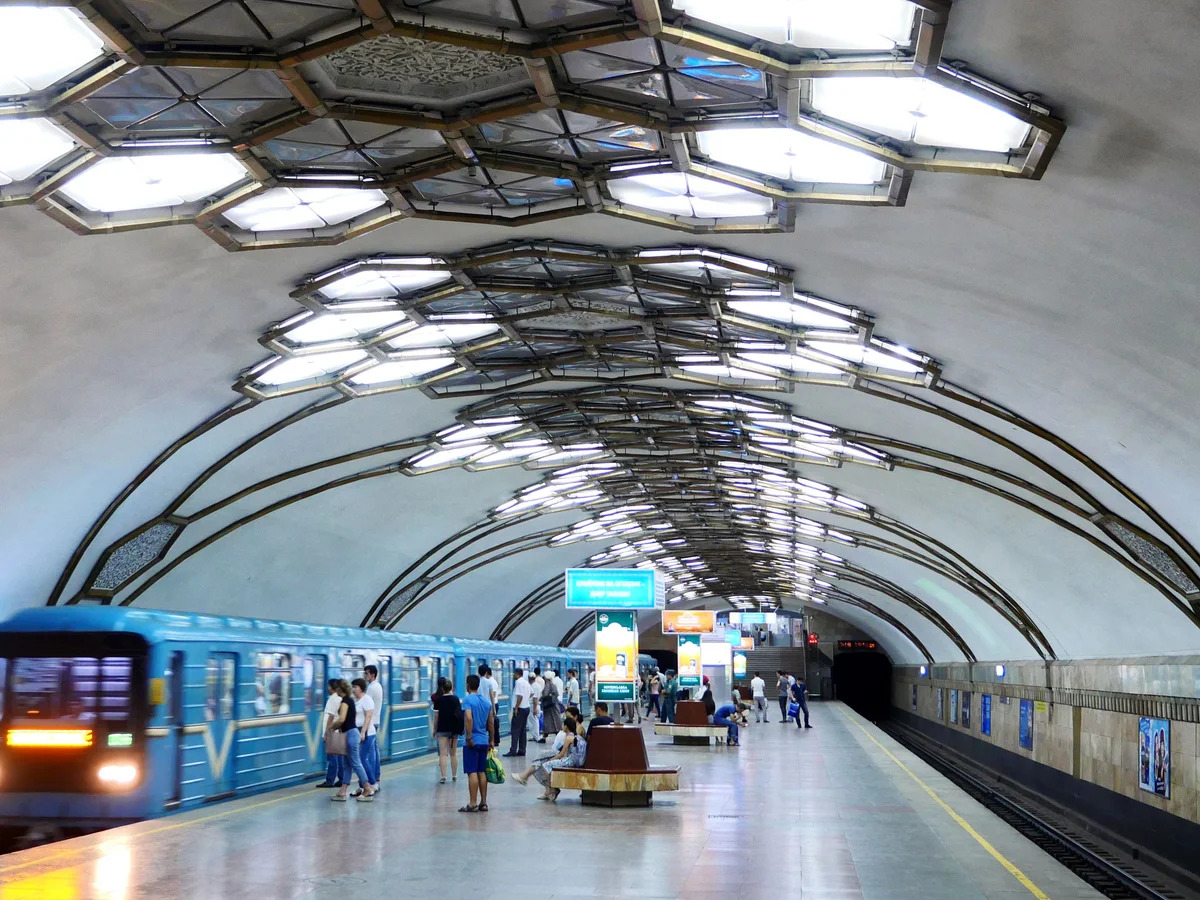
The capital, Tashkent, boasts a metro system that is widely considered a subterranean art gallery. Once a secret nuclear bunker where photography was banned, the stations now feature ornate marble, chandeliers, and murals. It serves as a reminder of how functional urban infrastructure can also be a point of national cultural pride.
The city of Tashkent boasts a metro system that is widely considered a subterranean art gallery.
Increasingly accessible for international visitors
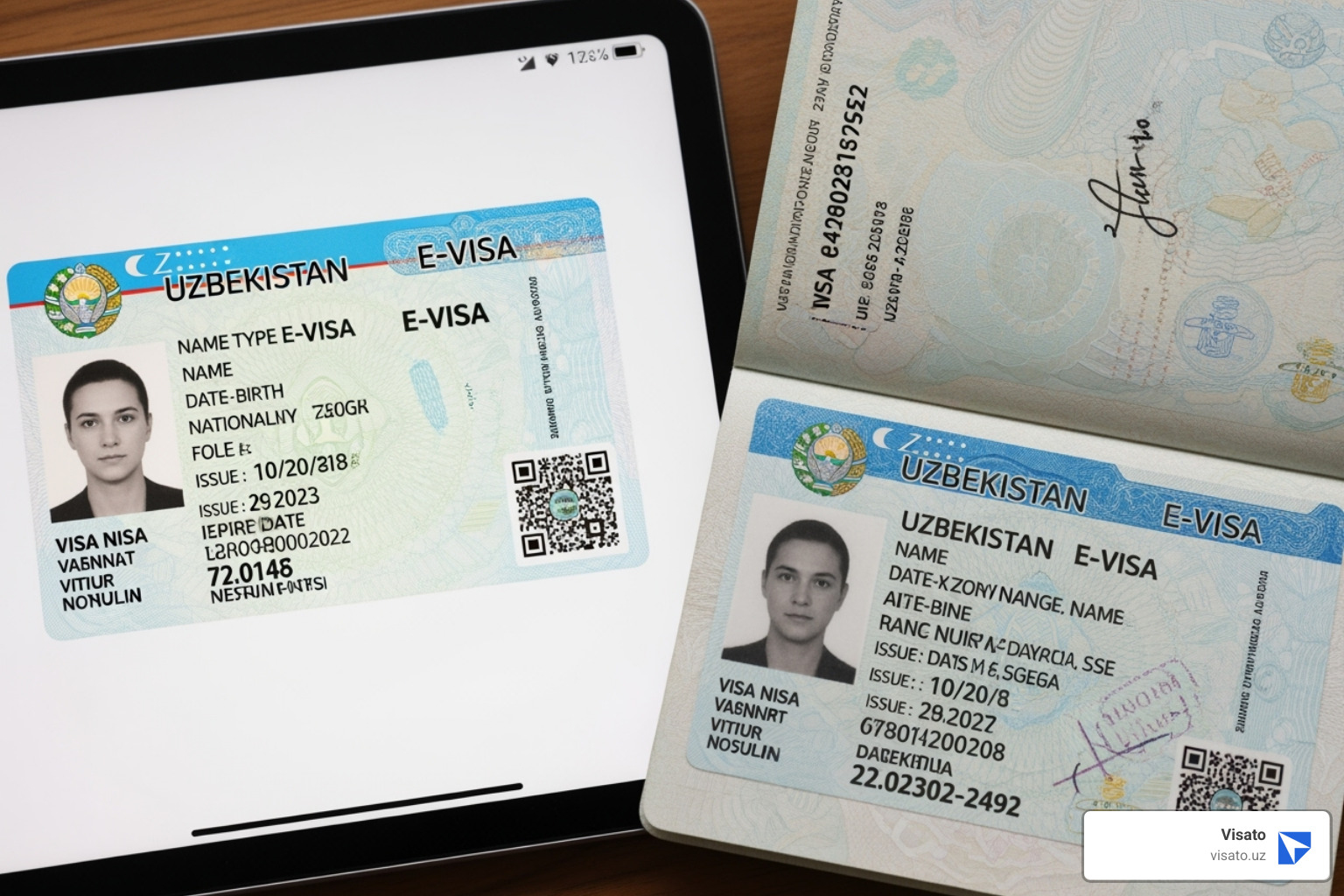
Uzbekistan has significantly liberalised its visa regime in recent years, introducing streamlined e-visa systems for many nationalities.
Visitors can typically obtain a 30-day stay permit online, reflecting the country’s broader efforts to open up to tourism, investment, and international exchange.
A young and growing population
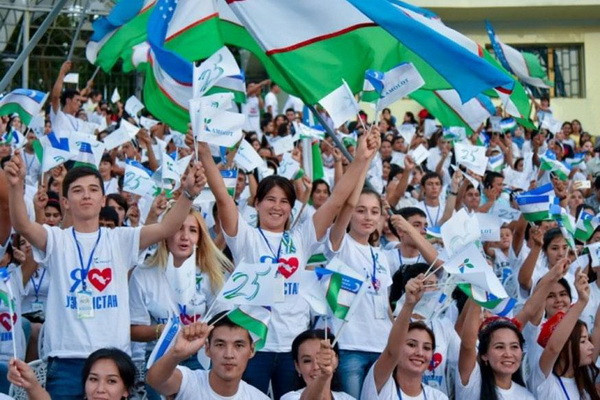
With a population of over 36 million people, Uzbekistan has a demographic structure similar to many African countries, with approximately 60% of its population under the age of 30.
Approximately 60% of the population of Uzbekistan is under the age of 30.
This “youth bulge” is shaping national priorities around education, skills development, and vocational training. International universities, including partnerships with institutions from the UK and Singapore, have established campuses in Tashkent to support workforce development.
A hub for “Halal Tourism”
Uzbekistan is increasingly positioning itself as a destination for cultural and Halal tourism, leveraging its Islamic architectural heritage and historic Silk Road cities.
Uzbekistan is increasingly positioning itself as a destination for cultural and Halal tourism.
Destinations such as Bukhara and Samarkand are attracting growing international attention, combining historical preservation with modern hospitality infrastructure.
Shared environmental advocacy
Uzbekistan faces significant environmental challenges, most notably the shrinking of the Aral Sea, one of the world’s most severe ecological crises.
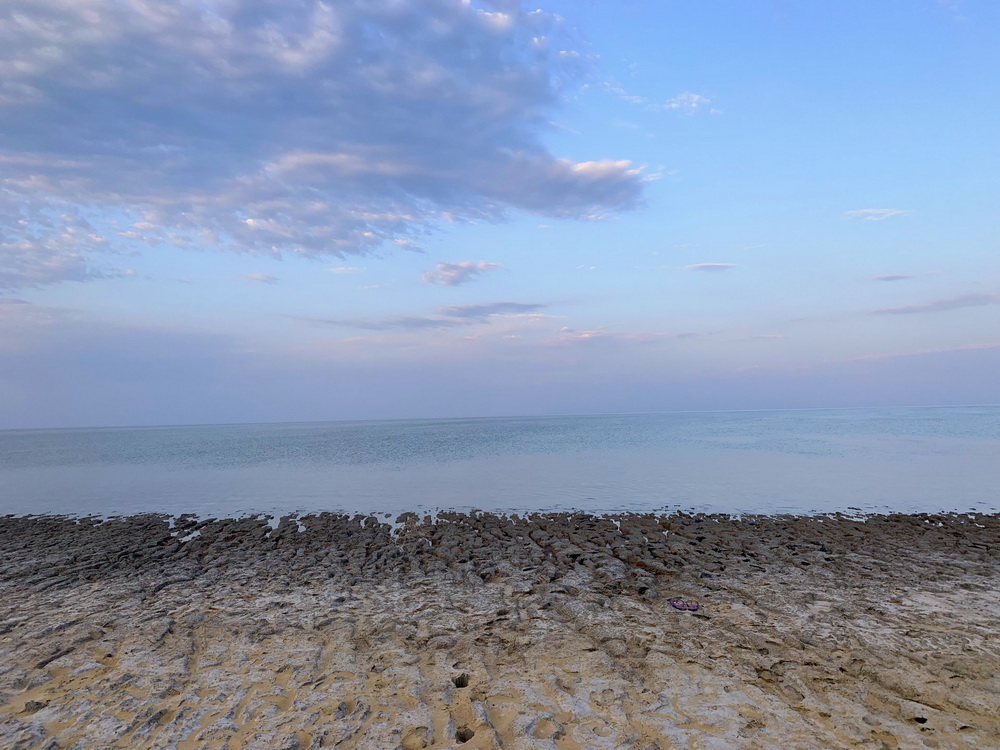
Aral Sea.
This experience has driven national focus on water management, climate adaptation, and sustainable irrigation. These priorities align with Rwanda’s own environmental conservation agenda, particularly in wetland protection and ecosystem restoration, creating potential for future collaboration in climate resilience research.
As Rwanda and Uzbekistan formalise diplomatic relations, both countries are positioning themselves for expanded cooperation in trade, technology, education, and environmental sustainability. Despite being geographically distant, they share striking similarities in reform-driven development, youthful populations, and ambitions for global integration, laying the foundation for a potentially dynamic new partnership.
Germany, through GIZ Rwanda and DSKI, supports Duterimbere IMF Plc in training women to strengthen their financial management skills while also providing them with low-interest loans.
Among the loan products offered is “Aguka Mugore,” which provides up to Rwf 5 million without requiring collateral such as land or property.
Another product, “Kungahara Mugore,” offers up to Rwf 30 million, with only 25% collateral required, while the remaining amount is guaranteed by Development Bank of Rwanda (BRD).
Beneficiaries say these initiatives have significantly transformed their businesses. Uwitonze Jeannette, a trader in auto parts, motorcycles, and milling machines, said she has worked with Duterimbere IMF Plc for 15 years, starting with a loan of Rwf 5 million and gradually expanding her business.
She later secured a Rwf 15 million loan, followed by Rwf 47 million in 2020, which she is close to completing. She now plans to apply for a Rwf 100 million loan at a low interest rate.
“All the progress I have made is thanks to Duterimbere IMF Plc,” she said. “We recently attended training by GIZ, where we were encouraged to improve our businesses and promised access to low-interest loans. That motivated us greatly.” Another beneficiary, Musabyimana Jeanne, who began working with the institution in 2015 selling clothes, has grown her business into a large shop dealing in a variety of garments and footwear.
She explained that her growth was supported by a series of loans—from Rwf 5 million to Rwf 7 million, then Rwf 9 million, and now Rwf 15 million.
Musabyimana noted that one of the biggest challenges facing women entrepreneurs in Rwanda is access to capital. She credited Duterimbere IMF Plc for bridging that gap, adding that the training and affordable loans have renewed hope among many women.
Ambassador Dettmann praised the institution’s commitment to supporting women, describing it as a strategic investment in families and the country’s future.
“I am very pleased to meet women running profitable businesses, and I am impressed by how Duterimbere IMF Plc works closely with its clients,” she said. “They made the right choice by focusing on women, because empowering women strengthens families, the country, and its future.”
The Managing Director of Duterimbere IMF Plc, Ngabonziza M. Alphonse, welcomed the ambassador’s visit and appreciation of their work.
“We are happy that she was satisfied with what we do, especially in helping women gain confidence to work and generate income, which aligns with Rwanda’s vision of putting citizens at the center of development,” he said.
He added that the positive partnership with German institutions through GIZ could open doors for further collaboration with other organizations to continue advancing women’s economic empowerment.
Established in 2004 and licensed by the National Bank of Rwanda in 2005, Duterimbere IMF Plc has grown into a key player in financial inclusion, particularly for women.
The institution offers a range of savings products, including the “Intego Account,” which provides competitive annual returns paid monthly, with customers allowed up to two withdrawals per month, alongside other tailored accounts.
Currently, Duterimbere IMF Plc operates 19 branches across the country—five in Kigali, four in the Southern Province, two in the Western Province, one in the Northern Province, and six in the Eastern Province—continuing to expand its reach and impact.
Uwitonze Jeannette (center, wearing a red jacket) praised the role of Duterimbere IMF Plc in her business growth.The Managing Director of Duterimbere IMF Plc Ngabonziza M. Alphonse speaks with Ambassador Heike Uta Dettmann.Duterimbere IMF Plc and the Government of Germany partner to train women.Ambassador Heike Uta Dettmann commended Duterimbere IMF Plc for helping women access financial services.. Ambassador Heike also visited some of the women-led projects supported by Duterimbere IMF Plc, including a clothing shop owned by Musabyimana Jeanne (right). Women working with Duterimbere IMF Plc praised it for transforming their businesses and driving their progress.
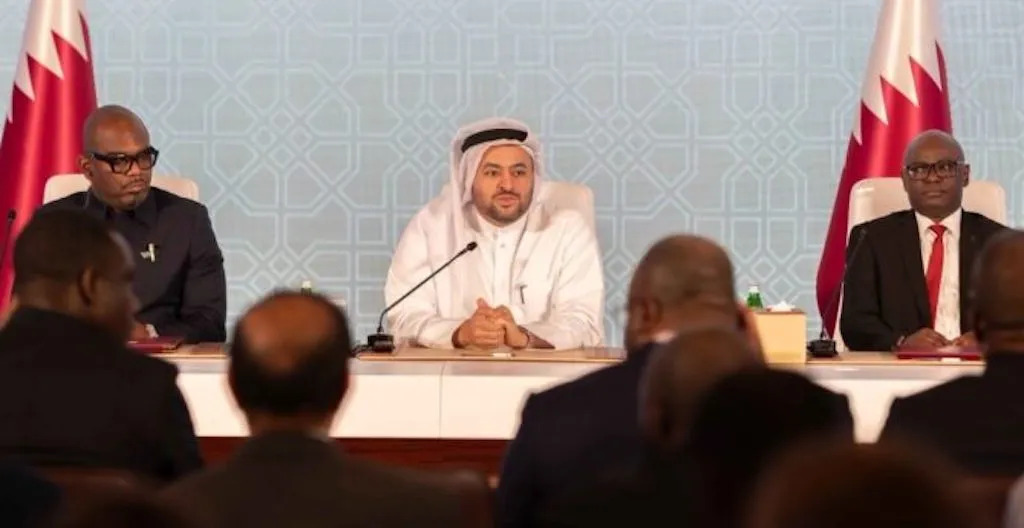
The discussions were facilitated by Qatar, the United States, Switzerland, the African Union Commission, and Togo in its role as African Union mediator, with participation from the International Conference on the Great Lakes Region (ICGLR).
The talks focused on strengthening humanitarian access, establishing mechanisms to monitor a ceasefire, and advancing confidence-building measures, including the release of detainees.
Humanitarian access and civilian protection
The two sides made substantial progress toward a protocol on Humanitarian Access and Judicial Protection, agreeing on the urgent need to ensure life-saving assistance for civilians in eastern DRC.
Both parties committed to comply with international humanitarian law, international human rights law, and international refugee law, as well as constitutional principles of the DRC.
They further agreed to prohibit attacks on or destruction of essential civilian infrastructure, including food supplies, agricultural areas, water systems, energy networks, telecommunications infrastructure, and health and education facilities.
The agreement also emphasises the protection of humanitarian workers and the guarantee of safe, rapid, and unimpeded access for aid delivery. Humanitarian assistance will be provided based on need, without discrimination on political, ethnic, religious, or social grounds.
“The Parties undertake to facilitate the transport of medical and humanitarian relief supplies by impartial humanitarian organisations to support the functioning of healthcare facilities and other medical units in areas affected by armed conflict,” a joint statement released by the parties reads.
Ceasefire monitoring mechanism activated
In a significant step toward implementing the ceasefire under the Doha Framework, the parties, together with ICGLR, signed a memorandum of understanding operationalising the Expanded Joint Verification Mechanism Plus (EJVM+).
This mechanism enables the Ceasefire Oversight and Verification Mechanism (COVM) to begin surveillance, monitoring, verification, and reporting on compliance with the permanent ceasefire.
Initial verification missions are expected to be planned within a week, with logistical support from the United Nations Organisation Stabilisation Mission in the DRC (MONUSCO).
Prisoner release within 10 days
As part of confidence-building measures, the parties also agreed to release prisoners within ten days, in line with a previously established detainee release mechanism signed in September 2025.
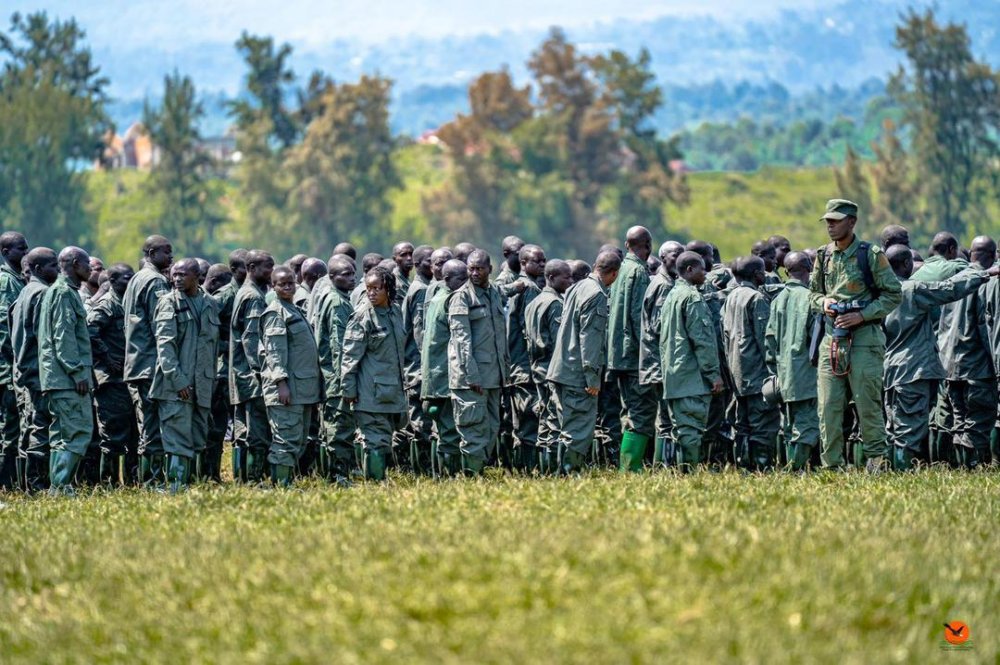
Under the agreement, the DRC government is expected to release 311 prisoners linked to AFC/M23, while the rebel group will free 166 individuals held from the government side.
The International Committee of the Red Cross (ICRC) provided the relevant detainee lists to facilitate the process under agreed procedures.
The parties reaffirmed their commitment to sustaining momentum in the peace process and advancing remaining protocols under the Doha Framework. They also agreed to submit proposals for next steps to the mediation team to expedite negotiations.
After repeated setbacks in the implementation of the ceasefire, including accusations by AFC/M23 that Kinshasa forces have continued to carry out drone strikes on civilian populations, questions remain over whether the latest commitments will succeed in breaking the cycle of mistrust and restoring stability on the ground.
As part of confidence-building measures, the parties also agreed to release prisoners within ten days, in line with a previously established detainee release mechanism signed in September 2025.
The U.S. “will actively pursue any Iranian-flagged vessel or any vessel attempting to provide material support to Iran,” Dan Caine, chairman of the Joint Chiefs of Staff, said Thursday.
The move will enable the U.S. to take control of Iran-linked vessels around the world, including ships carrying Iranian oil that are already sailing outside the Persian Gulf and those carrying arms that could support Tehran, the report said.
The operation would be carried out in part by the U.S. Indo-Pacific Command, according to Caine.
It marks a new phase of the U.S. pressure campaign against Tehran, dubbed “Economic Fury” by the Trump administration, aiming to maximize economic pressure on the Middle Eastern country as a temporary ceasefire between the two sides is set to expire next week.
U.S. President Donald Trump is optimistic that the naval blockade, combined with measures imposed under “Economic Fury,” “will help facilitate a peace deal,” White House spokeswoman Anna Kelly was quoted as saying.
The U.S. “will actively pursue any Iranian-flagged vessel or any vessel attempting to provide material support to Iran,” Dan Caine, chairman of the Joint Chiefs of Staff, said Thursday.
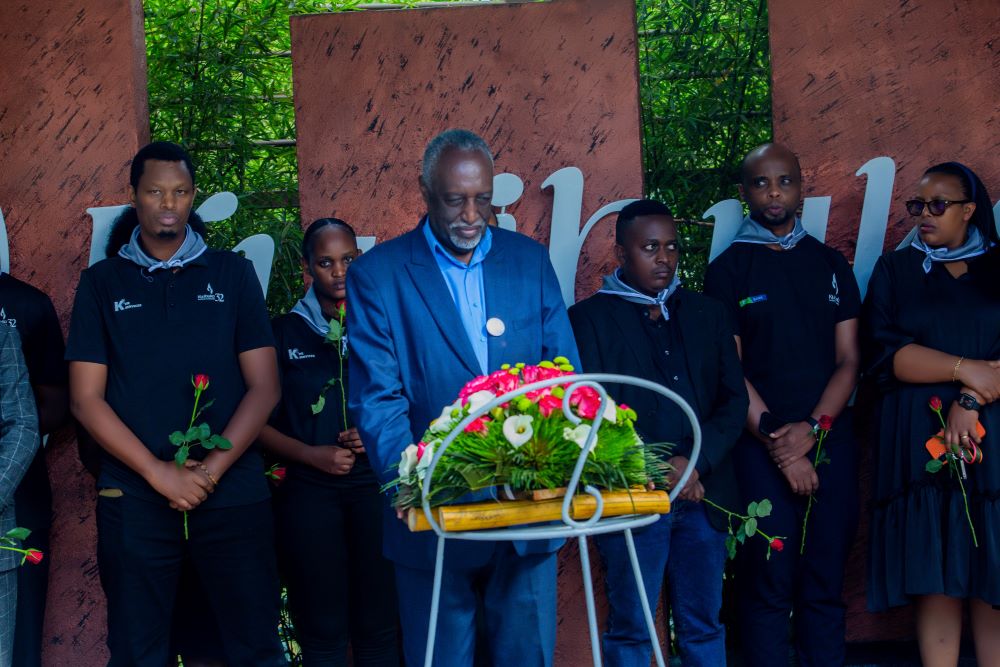
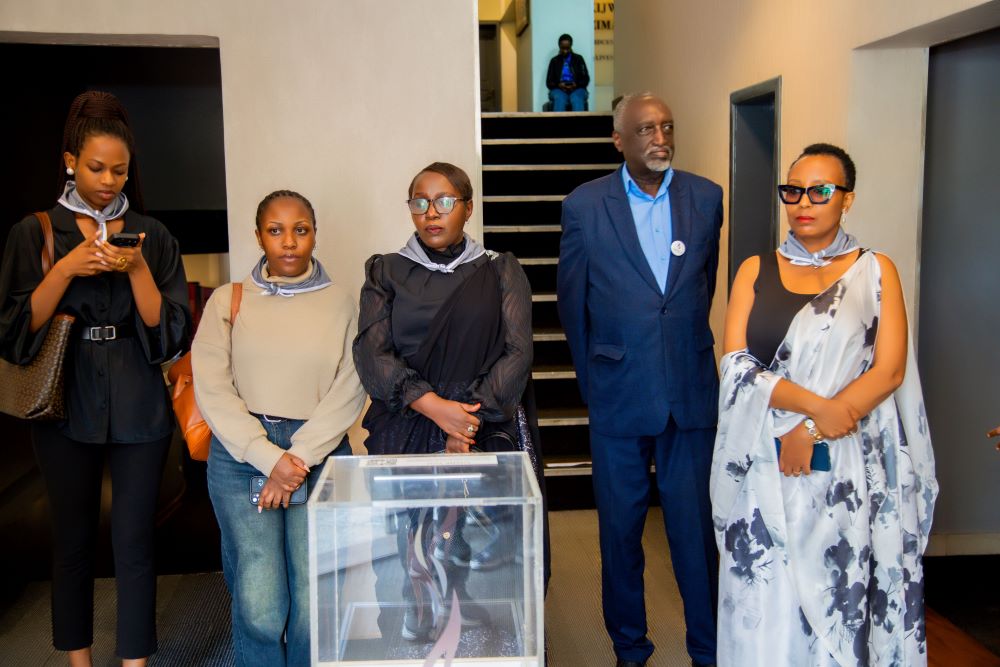
The commemoration which took place from 2:00 PM to 5:00 PM, brought together Human Resource practitioners, leaders, and stakeholders from across Rwanda.
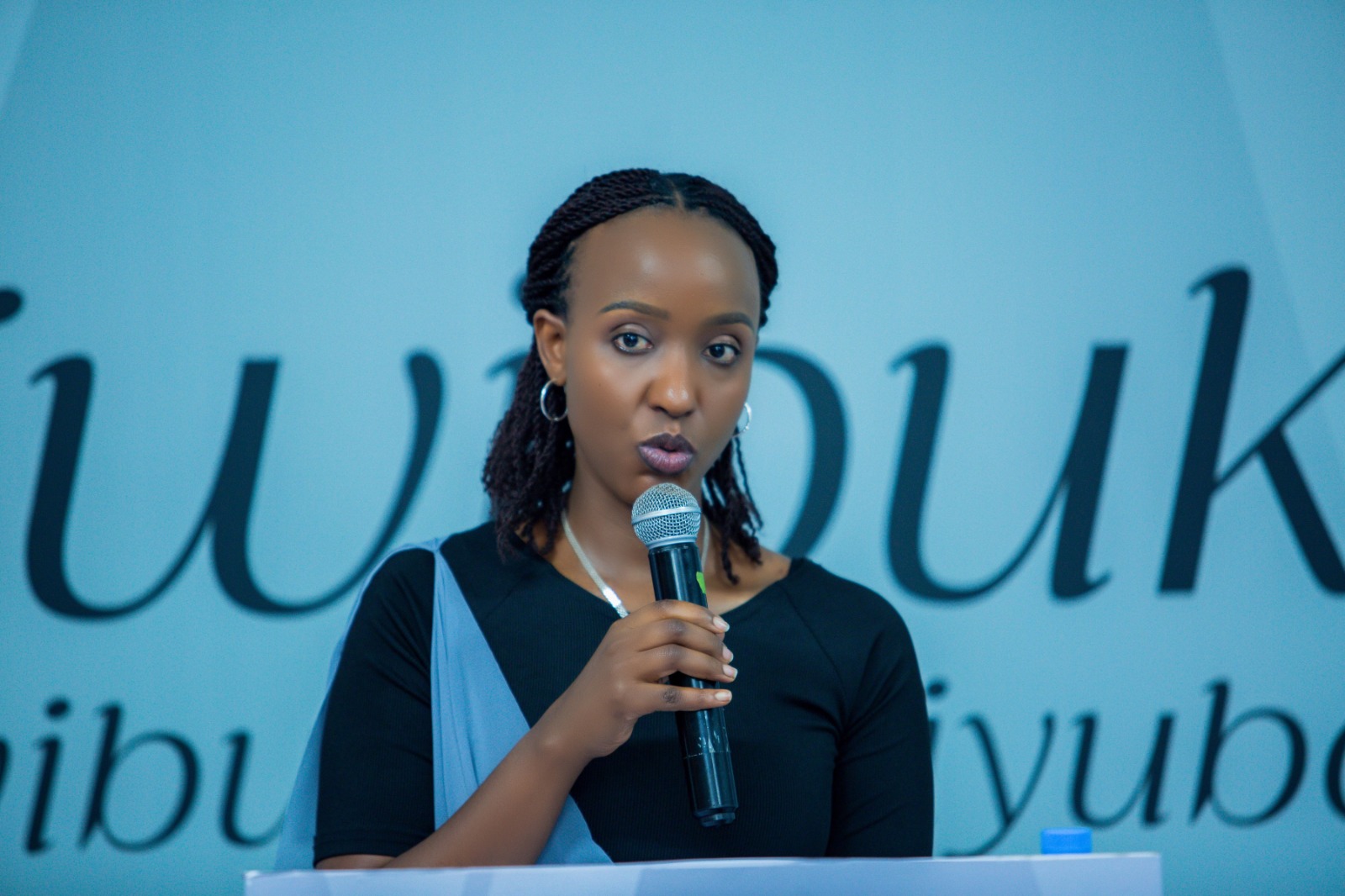
In her remarks, Jocelyn Uwamahoro, Chairperson of RHRMO, welcomed participants and emphasized the critical role of HR professionals in fostering ethical and inclusive workplaces.
She urged practitioners to reflect on the past and clearly distinguish themselves from individuals who misused positions of authority during the genocide to harm employees.
She called on all HR professionals to uphold values of integrity, fairness, and humanity, while honoring the victims by committing to the principle of “Never Again.”
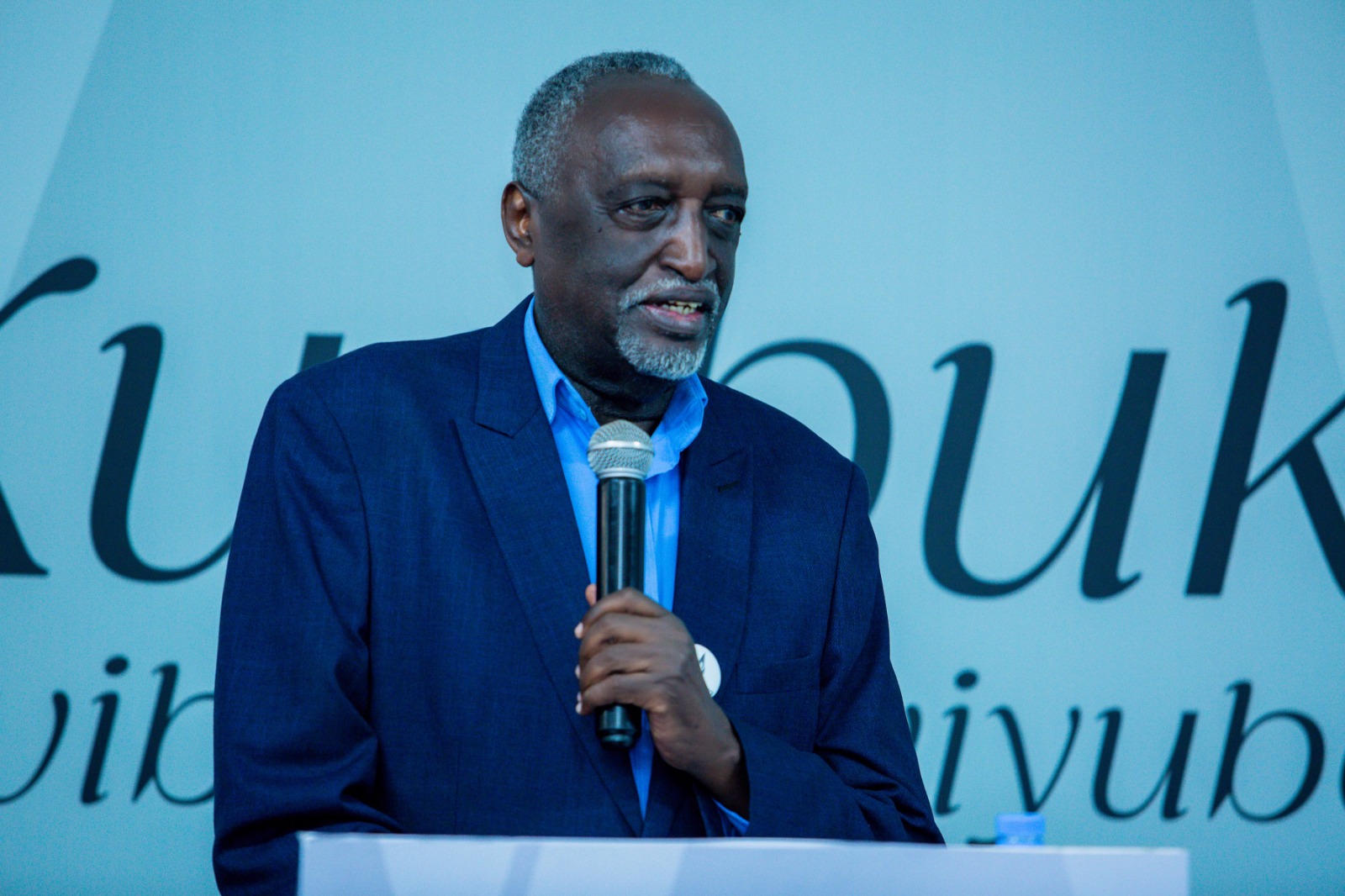
The event also featured a keynote address by Tito Rutaremara, Chairperson of the Rwanda Elders’ Advisory Forum.
He shared a historical account of how the Genocide against the Tutsi was systematically prepared and executed, warning against the dangers of divisionism and hate.
Rutaremara encouraged HR practitioners to actively promote unity, equality, and respect within workplaces.
A moving testimony was delivered by Agnes Nyiragabiro, a retired employee, who shared her personal experience during the genocide.
She recounted how the genocide took the life of her husband and reflected on the discrimination and mistreatment she faced from HR structures prior to 1994.
Her testimony highlighted how workplace discrimination and hate contributed to a broader environment that enabled injustice, and she urged HR professionals to ensure such failures are never repeated.
Participants were also encouraged to act as ambassadors of peace, ensuring that workplaces remain free from discrimination, division, and hatred.
The RHRMO reaffirmed its commitment to promoting ethical human resource practices and contributing to national efforts toward unity, reconciliation, and sustainable peace.
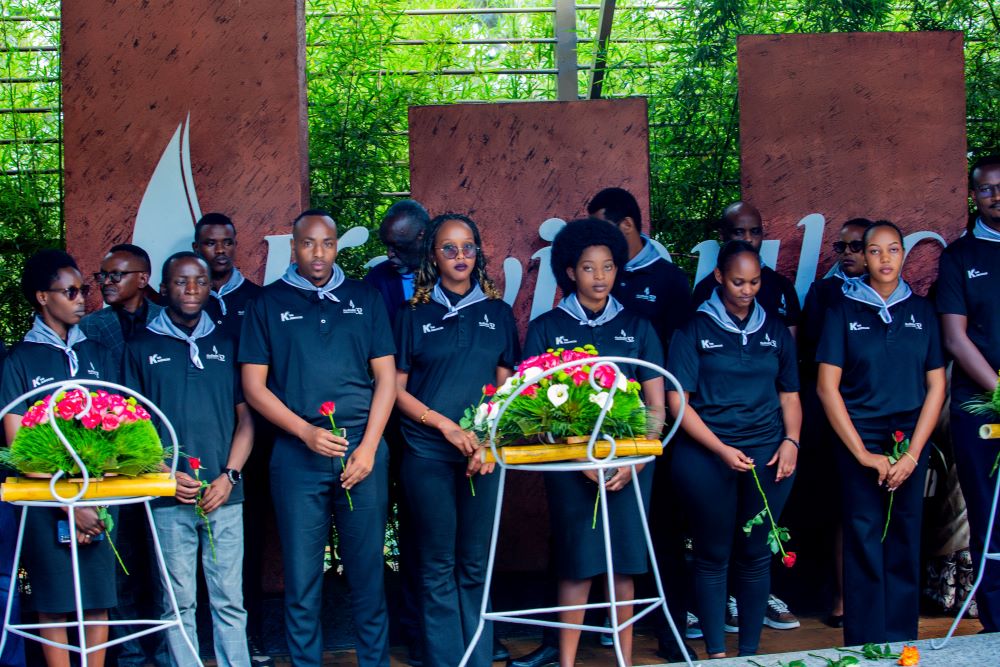
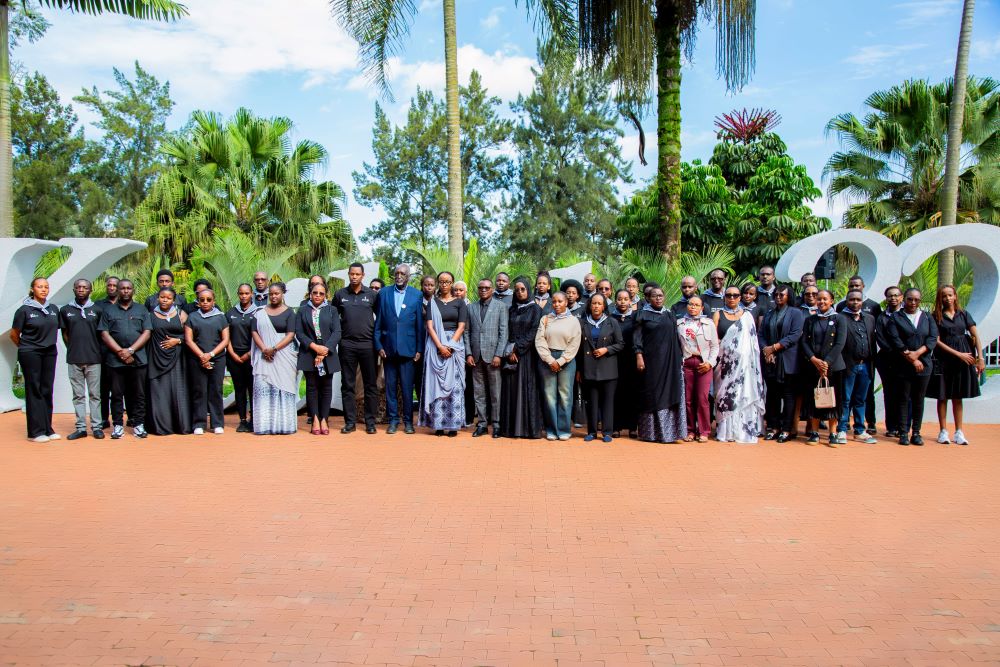
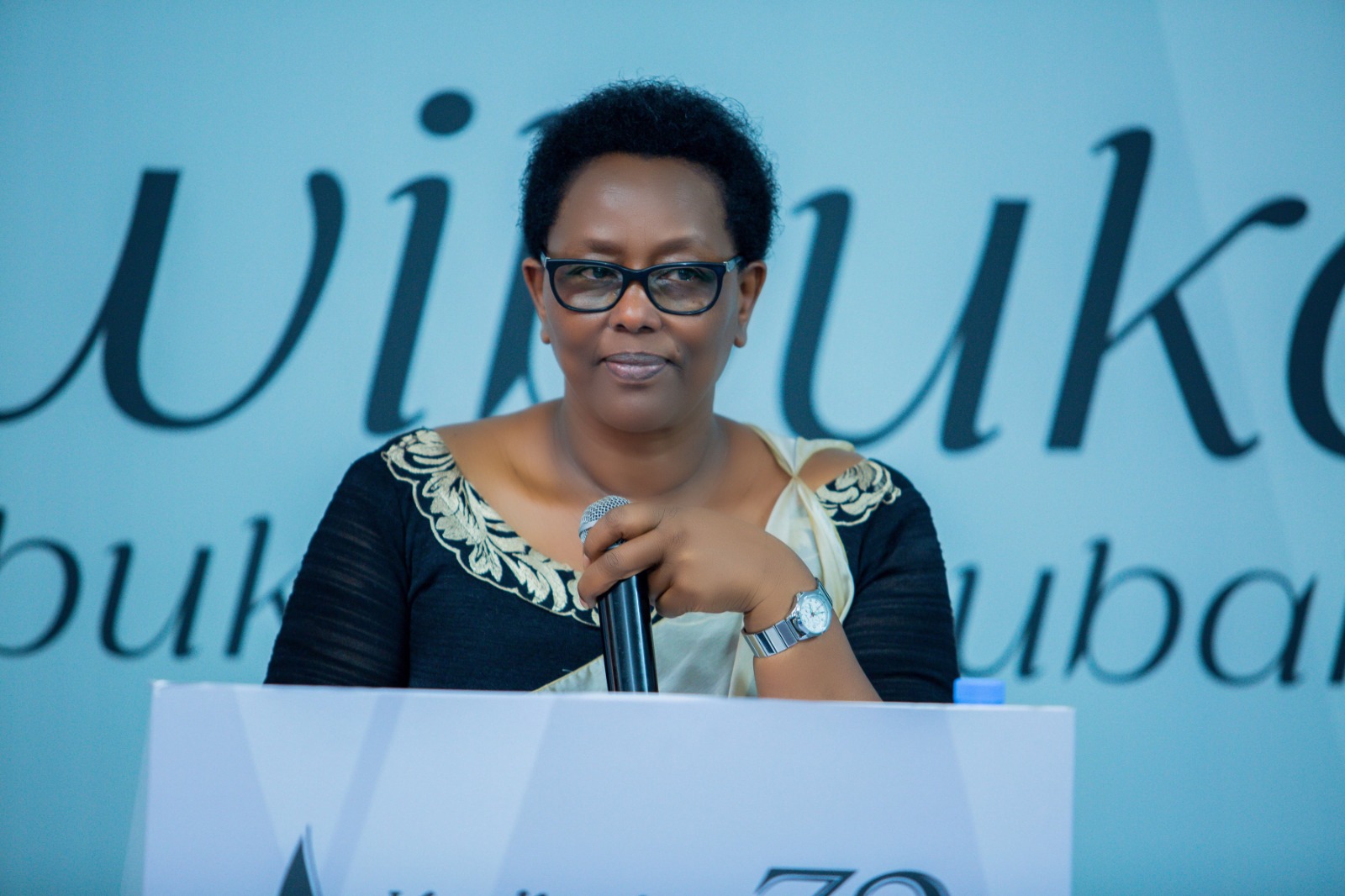
HR professionals have been urged to act as ambassadors of peace. Rutaremara encouraged HR practitioners to actively promote unity, equality, and respect within workplaces.HR professionals laying wreaths at Kigali Genocide Memorial. Tito Rutaremara, Chairperson of the Rwanda Elders’ Advisory Forum laying wreaths at the mass grave at Kigali Genocide Memorial. Jocelyn Uwamahoro, Chairperson of RHRMO, welcomed participants and emphasized the critical role of HR professionals in fostering inclusive workplaces. Agnes Nyiragabiro, a retired employee shared her personal experience during the Genocide against the Tutsi.
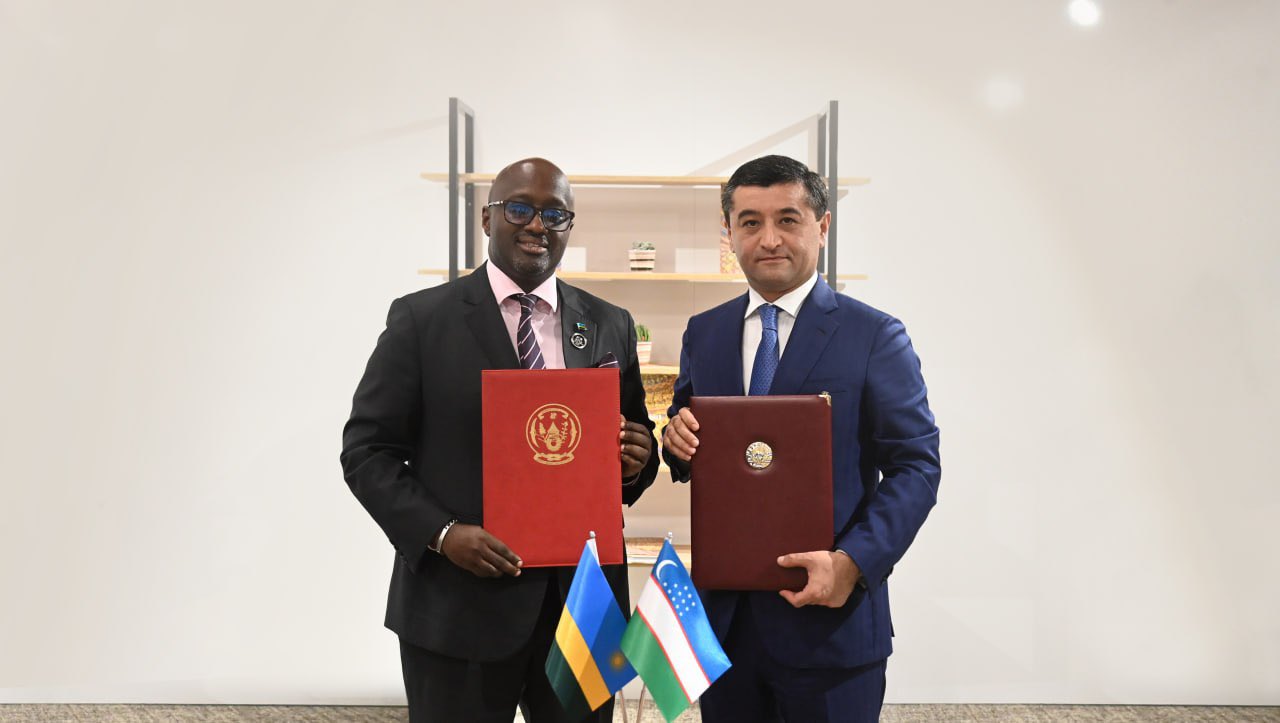
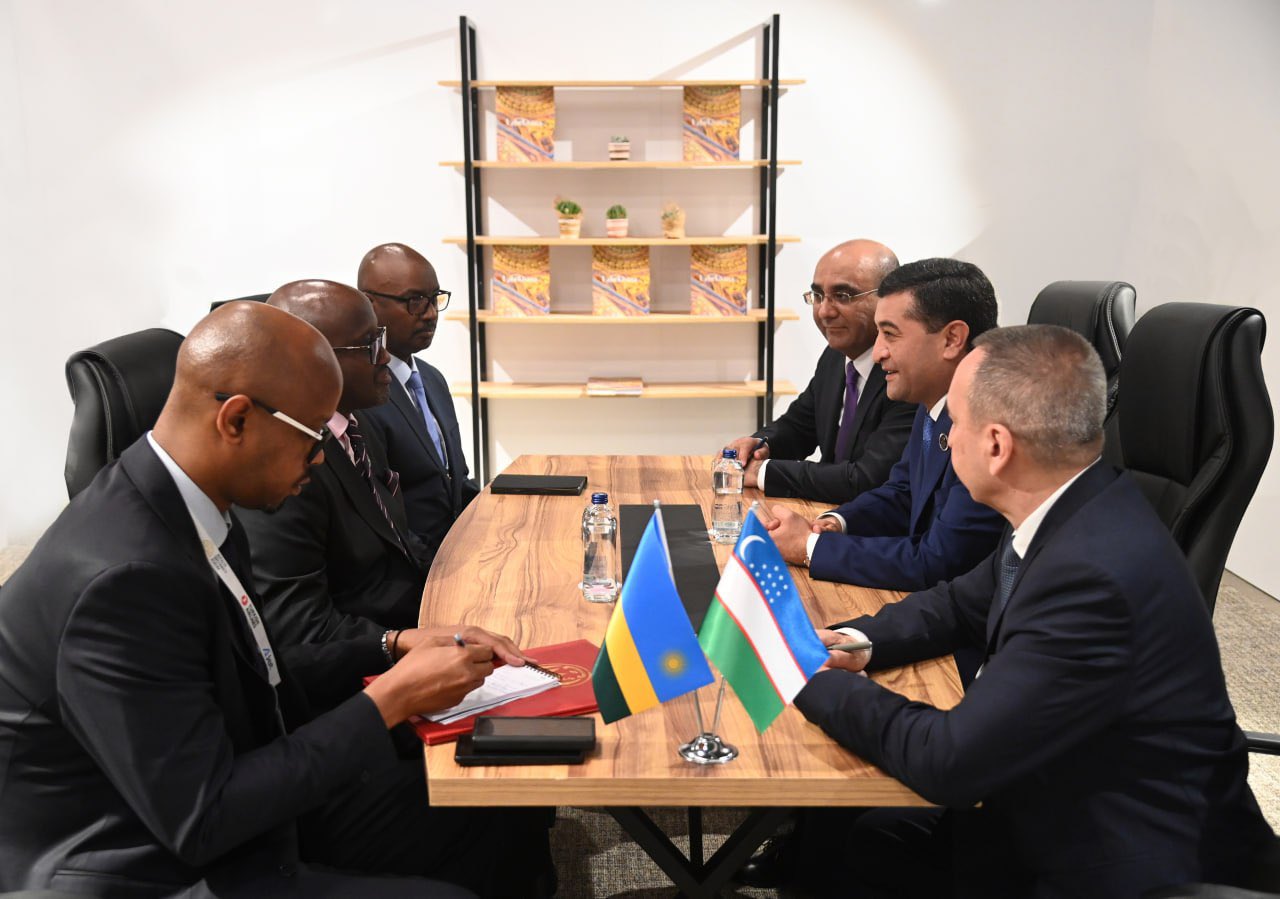
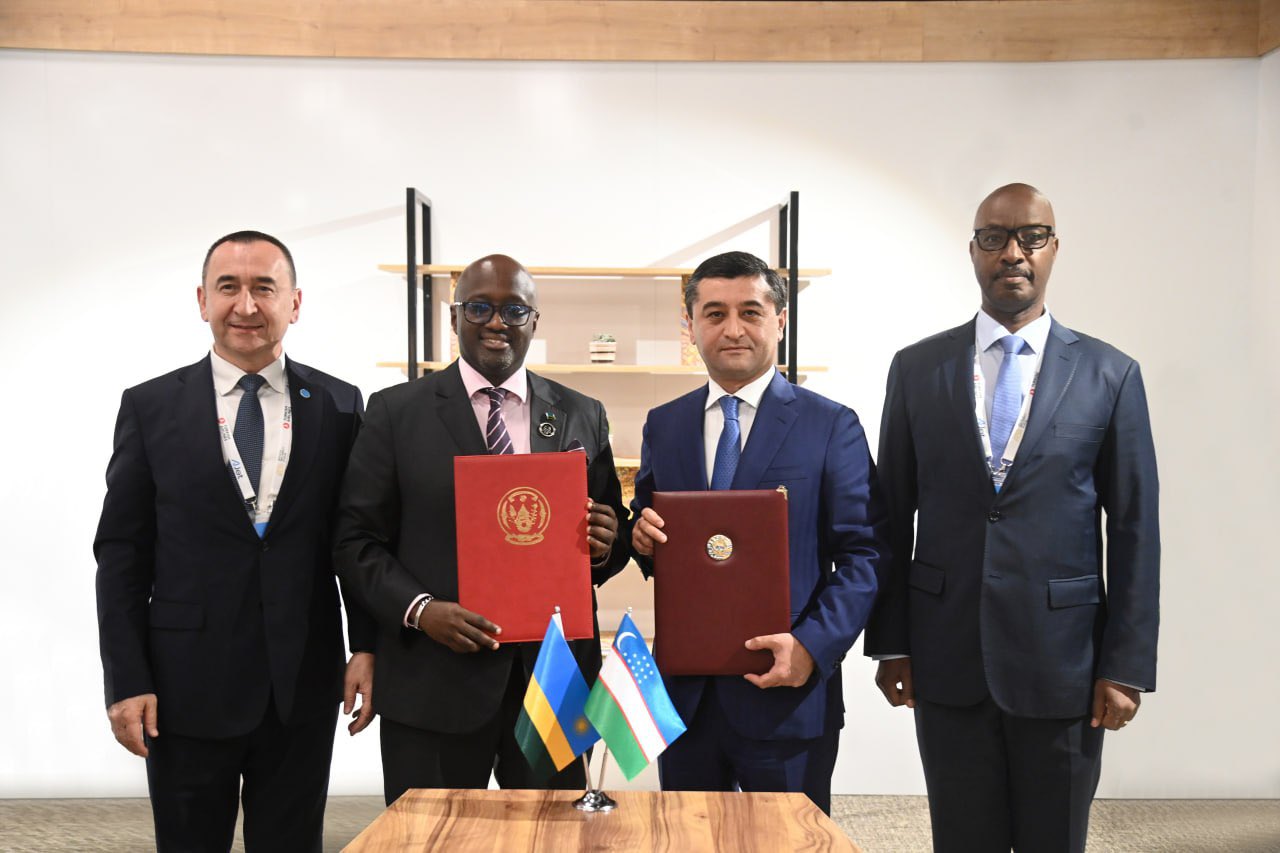
The establishment of diplomatic relations was finalised during a meeting between Uzbekistan’s Minister of Foreign Affairs, Bakhtiyor Saidov, and his Rwandan counterpart, Olivier Nduhungirehe. Speaking on Saturday, Saidov said Rwanda becomes the 167th country to establish diplomatic relations with Uzbekistan.
“Rwanda has become the 167th country with which Uzbekistan has established diplomatic relations. Together with the Minister of Foreign Affairs and International Cooperation of Rwanda H.E. @onduhungirehe, we signed a Joint Communiqué on the establishment of diplomatic relations,” Saidov wrote on X.
Key officials from Rwanda and Uzbekistan attended the meeting.
As part of the agreement, the two countries also signed a Memorandum of Understanding between their Ministries of Foreign Affairs. The MoU establishes a mechanism for regular political consultations aimed at enhancing dialogue and cooperation between Kigali and Tashkent.
According to Saidov, the signing of the documents represents an important step toward expanding Uzbekistan’s engagement with countries across the African continent.
The establishment of diplomatic relations was finalised during a meeting between Uzbekistan’s Minister of Foreign Affairs, Bakhtiyor Saidov, and his Rwandan counterpart, Olivier Nduhungirehe.
The establishment of diplomatic relations is expected to open new avenues for cooperation between Rwanda and Uzbekistan in areas of mutual interest, including political dialogue and broader international engagement.
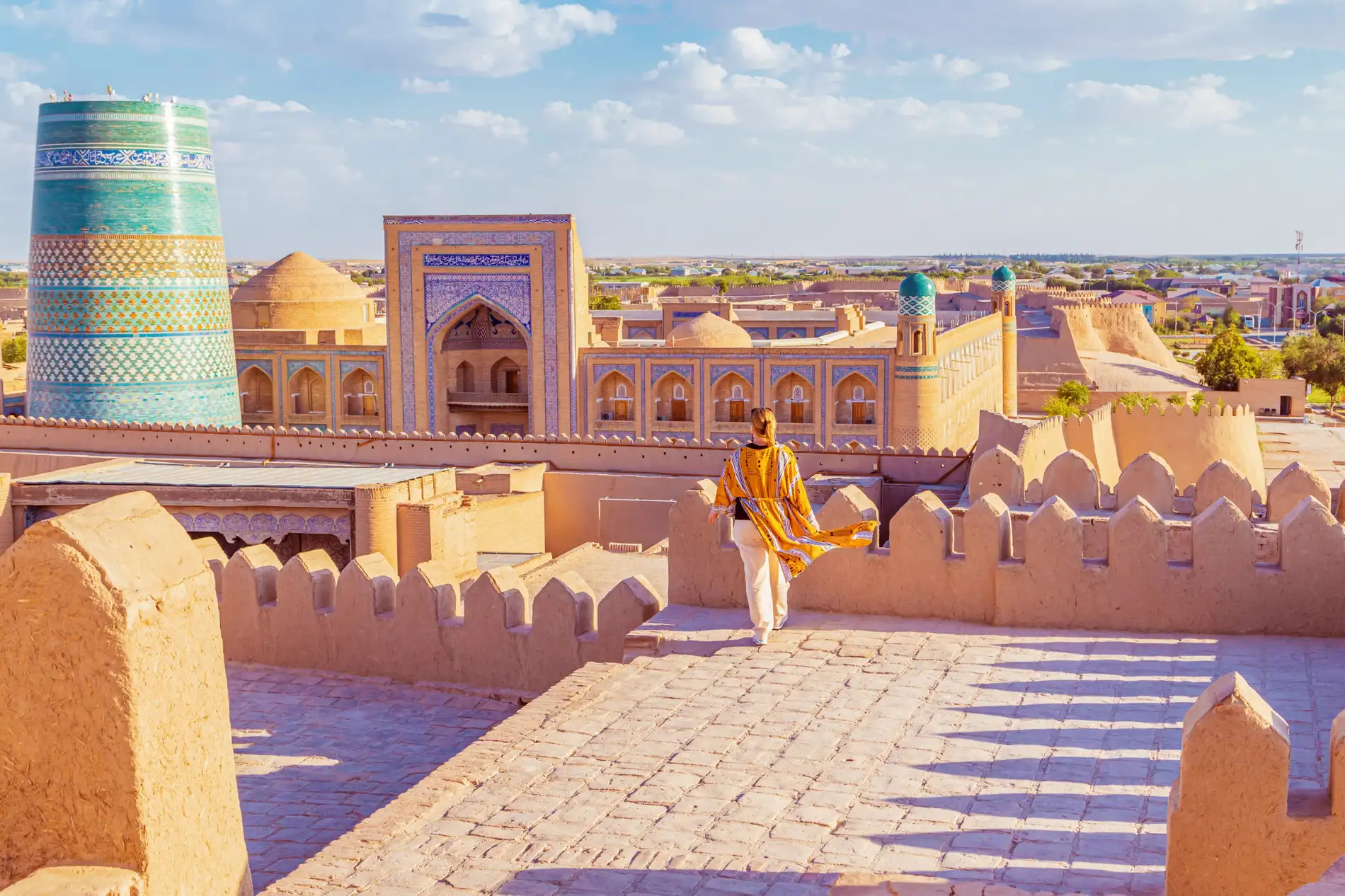
Uzbekistan is a doubly landlocked country in Central Asia, a distinction it shares only with Liechtenstein. Historically, it lay at the heart of the ancient Silk Road and has since evolved from a former Soviet republic into a rapidly modernising state. It is also uniquely positioned as the only Central Asian country bordering all four of its regional neighbours, as well as Afghanistan.
Tashkent is the capital and largest city of Uzbekistan.
In recent years, Uzbekistan has emerged as one of the fastest-growing economies in the region, underpinned by its Development Strategy 2022–2026. The country recorded real GDP growth of 7.7% in 2025, with projections of 6.8% in 2026, supported by strong investment inflows and favorable global commodity prices, particularly for gold.
Its economy is anchored in key sectors such as natural resources, where it is a major global producer of gold and natural gas, and agriculture, which is gradually diversifying beyond its traditional reliance on cotton into higher-value exports. Uzbekistan is also advancing an ambitious green energy agenda, targeting 25% renewable energy generation by the end of 2026, with solar power playing a central role.
Registan Square, a historical landmark in Samarkand, Uzbekistan.
Tourism has become a fast-growing sector, with the country aiming to attract 12 million visitors by 2026, bolstered by new cultural and heritage investments, including the Silk Road Museum in Samarkand and expanded cultural infrastructure.
According to the National Statistics Committee, Uzbekistan’s permanent population stood at 38,382,685 as of April 1, 2026.
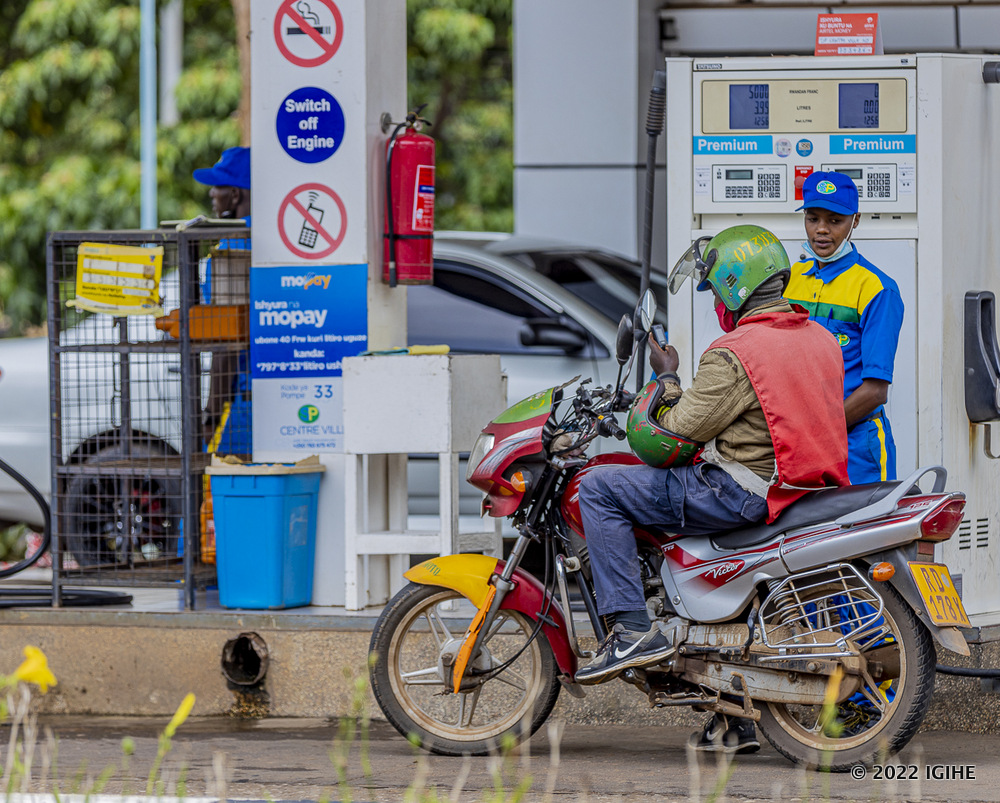
Another notable change is the unusually frequent revision of fuel prices. For the first time, prices were adjusted after only two weeks. Traditionally, fuel prices in Rwanda were revised every two months, but in early April, the cycle was shortened to one month, and later to just two weeks.
According to RURA’s pricing mechanism, fuel prices can technically be reviewed daily depending on market conditions and their impact on supply and costs.
Global supply disruptions as the main driver
Petrol imported into Rwanda passes through ports in Dar es Salaam (Tanzania) and Mombasa (Kenya). However, before reaching these ports, it is sourced from various global suppliers.
Currently, about 27% of fuel entering the region passes through the Strait of Hormuz. Other supplies come from India and Saudi Arabia, often transported through routes near Yemen, particularly the Bab el-Mandeb Strait.
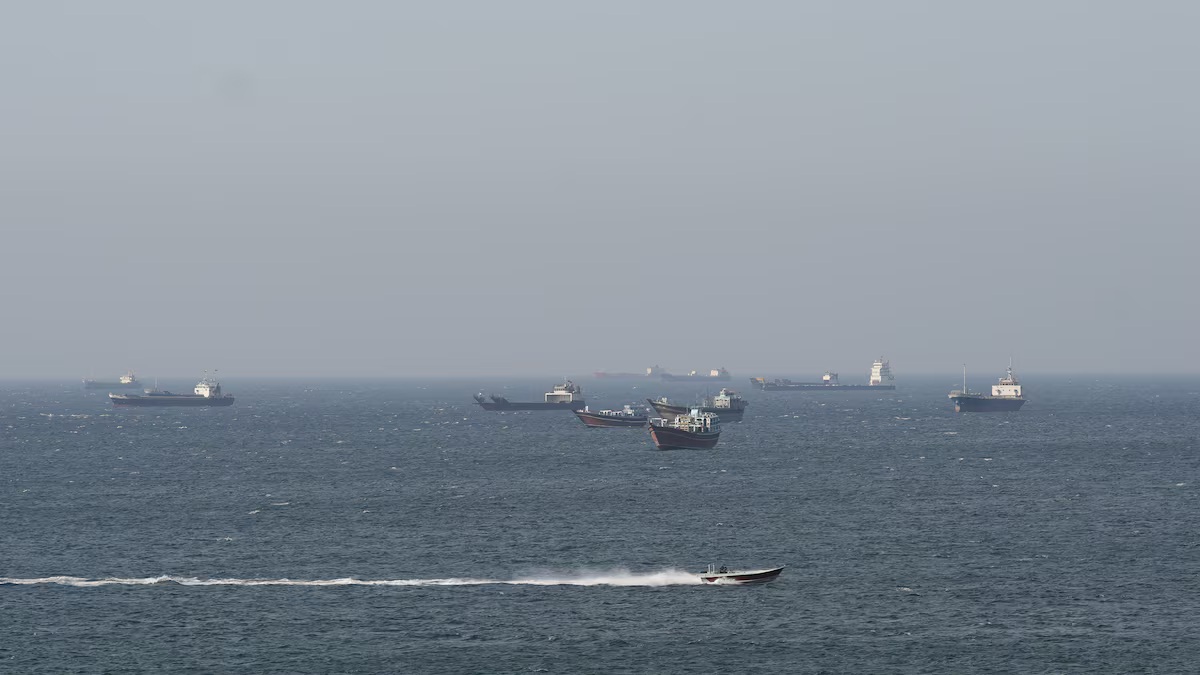
Due to the Iran–US conflict, tensions in the Strait of Hormuz have disrupted shipping routes, with some vessels being blocked or delayed.
This has reduced the flow of fuel to Tanzania and Kenya, forcing suppliers to seek alternative and often more expensive routes. As a result, transportation costs have increased, which has directly pushed up fuel prices.
In Kenya and Tanzania, fuel prices are also adjusted monthly. Currently, petrol in Kenya costs about Rwf 2,342 per litre, while diesel is around Rwf 2,341.
Before Rwanda adjusted its prices, fuel in the country was relatively cheaper compared to neighbouring markets. This allowed some international truck drivers to refuel in Rwanda.
However, this situation created distortions in the market, prompting a price adjustment to align Rwanda with regional pricing trends, where profit margins had shifted unfavourably.
Storage owners have significantly increased prices
In Rwanda, fuel pricing is calculated based on importers who bring petroleum products through international supply chains, mainly via shipping routes in the region. These importers account for about 60% of Rwanda’s fuel supply.
The remaining 40% is supplied through traders who purchase fuel from Tanzania and Kenya, negotiate prices, transport it by trucks, and sell it in Rwanda. Due to rising global prices and regional shortages, these traders face higher procurement costs.
In simple terms, storage owners tend to delay selling in anticipation of higher future profits. Some storage operators in Tanzania have sharply increased their prices, which has affected the 40% of traders who rely on them. As a result, many truckers are now unable to sell fuel competitively in the Rwandan market.
If this segment of 40% were left unregulated, the 60% of formal importers would continue supplying fuel, but at a level insufficient to meet national demand, potentially leading to shortages.
This situation forced Rwanda to take early action to stabilise the market and ensure continued supply. Typically, a fuel truck takes at least five days to travel from Tanzania to Rwanda.
Government absorbs diesel cost increases
According to RURA’s latest pricing statement, the price of diesel has remained unchanged. This decision was made to continue supporting public transport, goods transportation, and the broader economy.
This is a critical intervention, as an increase in diesel prices would have significantly raised the cost of living across all sectors. Transport fares would have increased, and the prices of goods would have risen sharply.
In practical terms, maintaining diesel prices means the government is effectively absorbing part of the cost, likely through tax adjustments. Without this intervention, diesel prices could have exceeded Rwf 3,000 per litre.
Future outlook
If current trends continue, petrol prices in Rwanda could exceed Rwf 3,200 per litre by May, reflecting ongoing global market pressures.
On the international market, a barrel of crude oil is currently trading between $98.5 and $113 in some regions.
In March, crude oil prices fluctuated significantly: on March 4 it stood at $74.6 per barrel, rose to $97 on March 19, reached $98.7 on March 13, and climbed to about $108 in early April.
These global fluctuations continue to strongly influence fuel prices in Rwanda and the wider region.
Fuel prices in Rwanda have increased significantly due to the impact of the Iran–United States conflict.
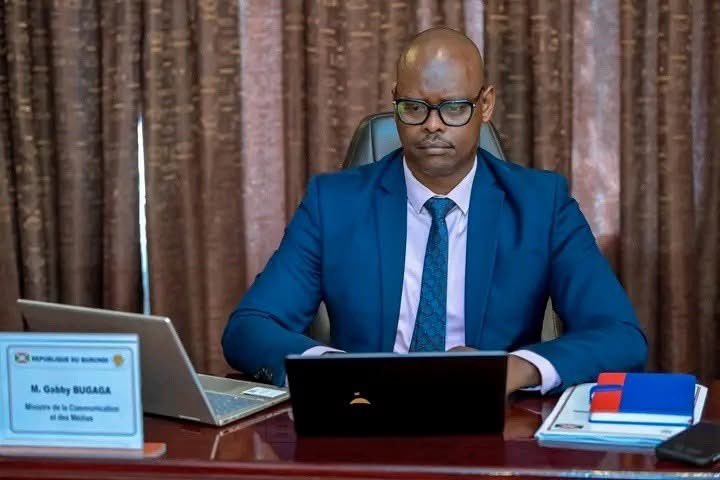
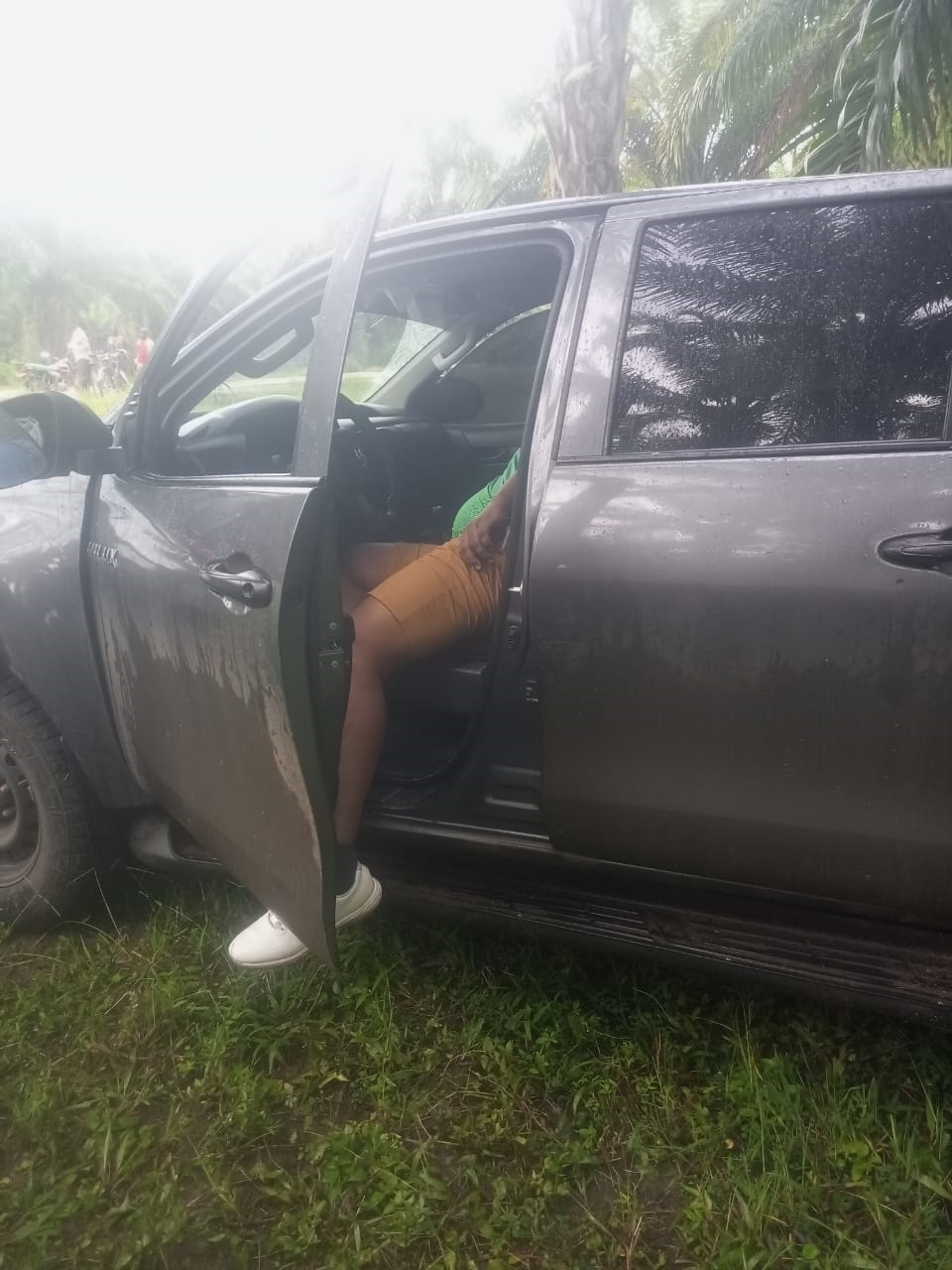
On the morning of April 16, Bugaga’s vehicle was found parked in a palm plantation in Kivoga, near the Bujumbura–Bubanza road. His body was discovered in the front seat, with one leg hanging out through the left window.
Reports indicate that when people later accessed the scene, the body had been repositioned, placing Minister Bugaga in a seated position inside the vehicle in a way that would make it difficult for a casual observer to immediately realize he had died inside the car.
One of the first elements that raised suspicion was the absence of his security detail. In Burundi, a government official of his rank is normally accompanied by security personnel at all times, making their absence unusual.
A close friend of the late minister said that before his death, Bugaga had expressed fear, although he did not clearly explain what he was afraid of. The same friend said he had been planning to leave Burundi for Canada, but later changed his mind.
The friend, who is based in Europe, added that Bugaga had asked for assistance in preparing for relocation, saying, “One day before his death, he urged me to speed up the plan.”
Other accounts suggest that amid growing fears, Bugaga had consulted friends about the possibility of resigning, but they advised him against it, warning that it could create political tension with the government of President Évariste Ndayishimiye.
Human rights activist Pacifique Nininahazwe also questioned the official version of events. He stated that Bugaga’s Toyota Hilux was found in Kivoga without a rear license plate and that no visible signs of a nearby accident scene were present, raising questions about whether the incident actually occurred there.
He further noted unusual details, saying: “The first strange thing is that the car key was not inside the vehicle but was found in Gabby Bugaga’s bag. Did he drive without a key? Or did he park the car, remove the key, lie down, and place his leg out of the window while waiting for death?”
In an official statement, the Secretary-General and government spokesperson of Burundi, Jérôme Niyonzima, insisted that there is no doubt Bugaga died in a road accident and stated that no investigation is necessary.
However, the president of the Ligue Iteka human rights organization, Anschaire Nikoyagize, warned against rushing to conclusions. He called for an independent investigation to establish the truth.
Nikoyagize noted that since President Ndayishimiye came to power in June 2020, 2,248 bodies of people who died under unclear circumstances have been recorded in Burundi, suggesting that Bugaga’s death should also be thoroughly examined rather than automatically classified as an accident.