The systems, installed by HomeBiogas Ltd with support from the United Nations Development Programme (UNDP), serve households in Rwamagana, Ngoma and Gatsibo districts.
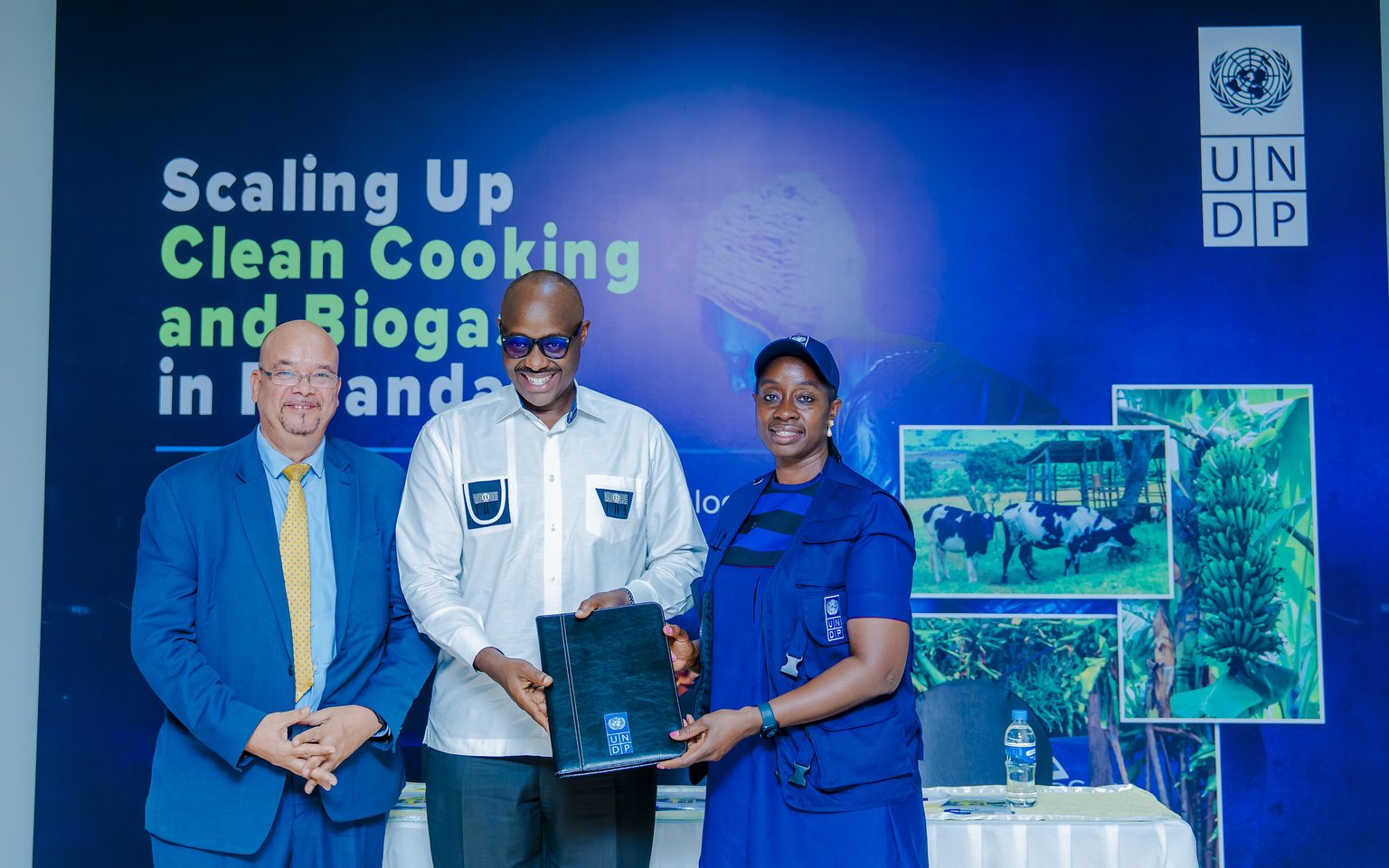
UNDP handed over the systems to provincial authorities on October 20, 2026, at a ceremony in Rwamagana District. Of the beneficiaries, 500 households are in Rwamagana and Ngoma, while 437 are in Gatsibo.
The technology converts cow dung into gas for cooking, while the residue can be used as organic fertiliser.
For beneficiaries, the change has brought practical savings and reduced dependence on firewood.
Nyirantura Saverina, who lives in Muhazi Sector, Rwamagana District, said her children previously spent long hours collecting firewood, despite being in school.
“Before I got biogas, my children, who were in school, often spent the whole day looking for firewood. I did not have a forest where I could send them to collect it,” she said.
Nyirantura was selected for the programme after project representatives visited her home and found that she kept two cows in a clean, well-built shed and fed them properly.
She said the system had made it easier for her children to prepare breakfast before school without being exposed to smoke from traditional cooking methods.
“In the morning, a child wakes up, puts water on the gas stove while sweeping, and prepares tea or porridge. They drink it and go to school without smelling of smoke,” she said.
She added that the technology had also eased household chores.
In Gatsibo District, Kamanzi Johnson said biogas had substantially reduced his family’s expenditure on firewood. His household previously spent about Rwf10,000 a month buying it.
“Since we got biogas, the amount of firewood we use has decreased significantly. I would say we now use only between 10% and 20% of what we used before,” said Kamanzi, who also helps other residents learn how to use the systems.
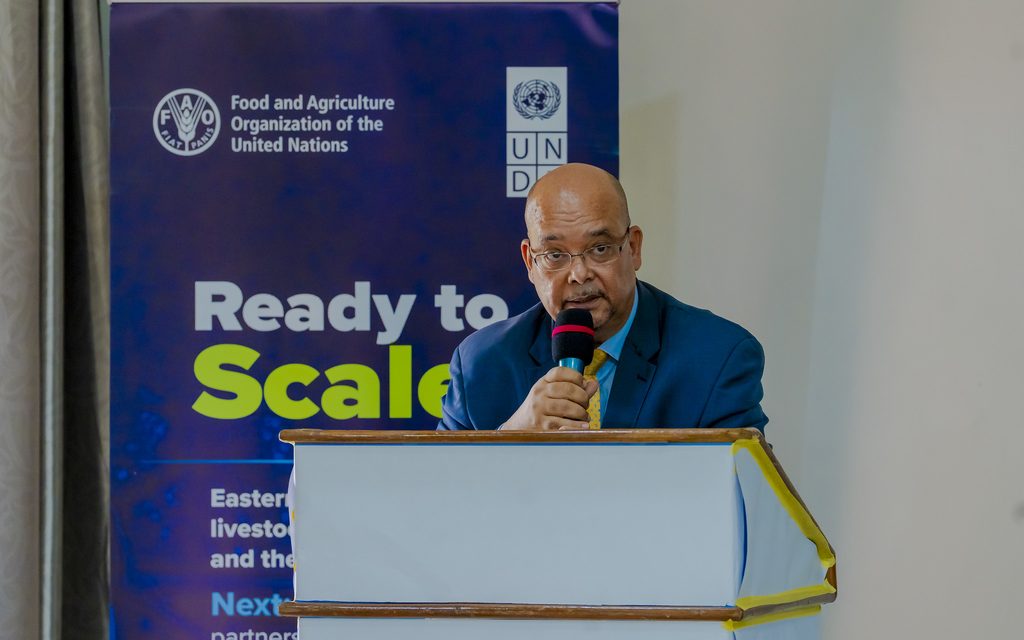
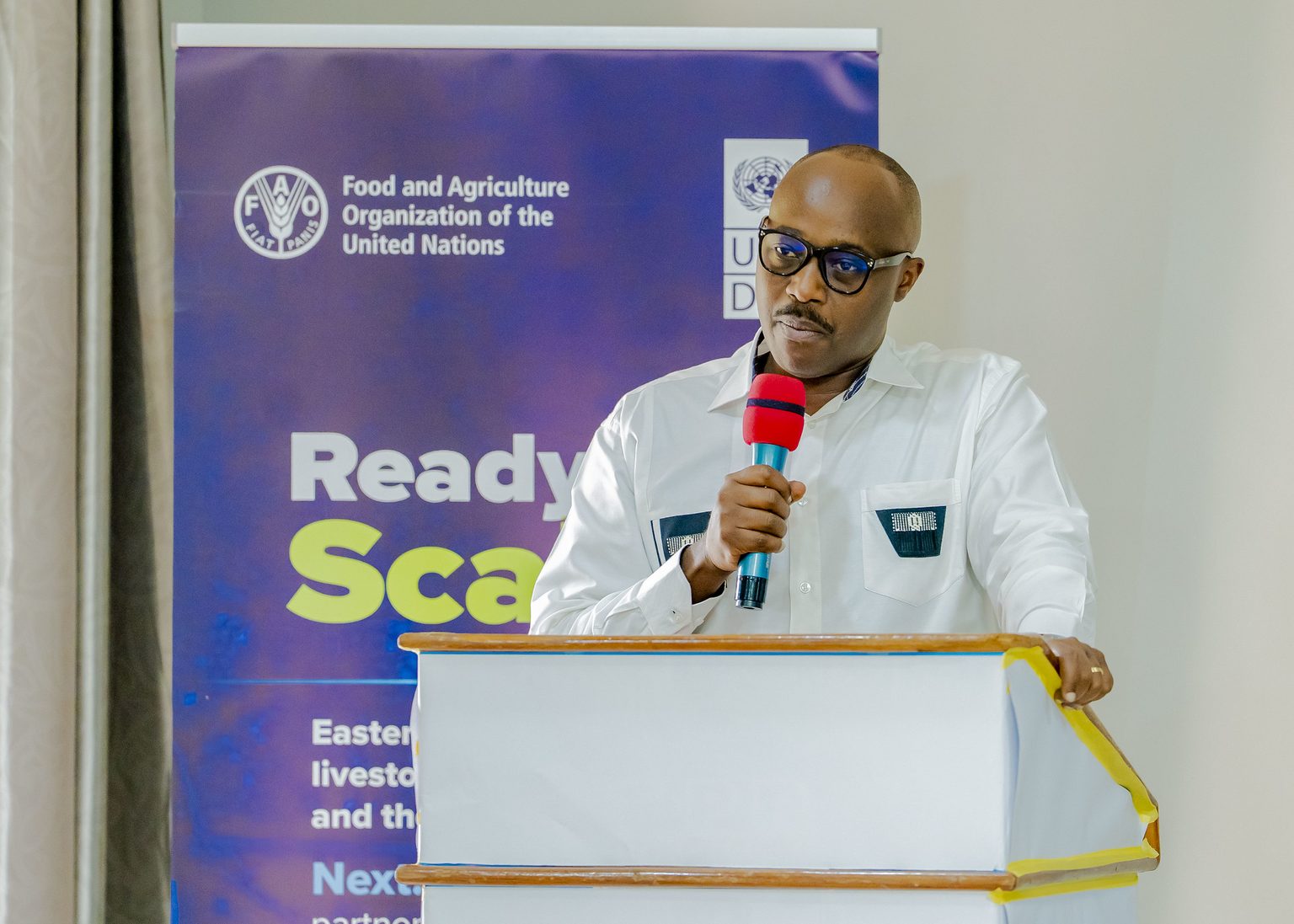
Eastern Province Governor Pudence Rubingisa, who received the systems on behalf of the three districts, said the programme offered a practical way to expand access to clean cooking energy while making productive use of animal waste.
He called for proper maintenance of the systems and further expansion to reach more households.
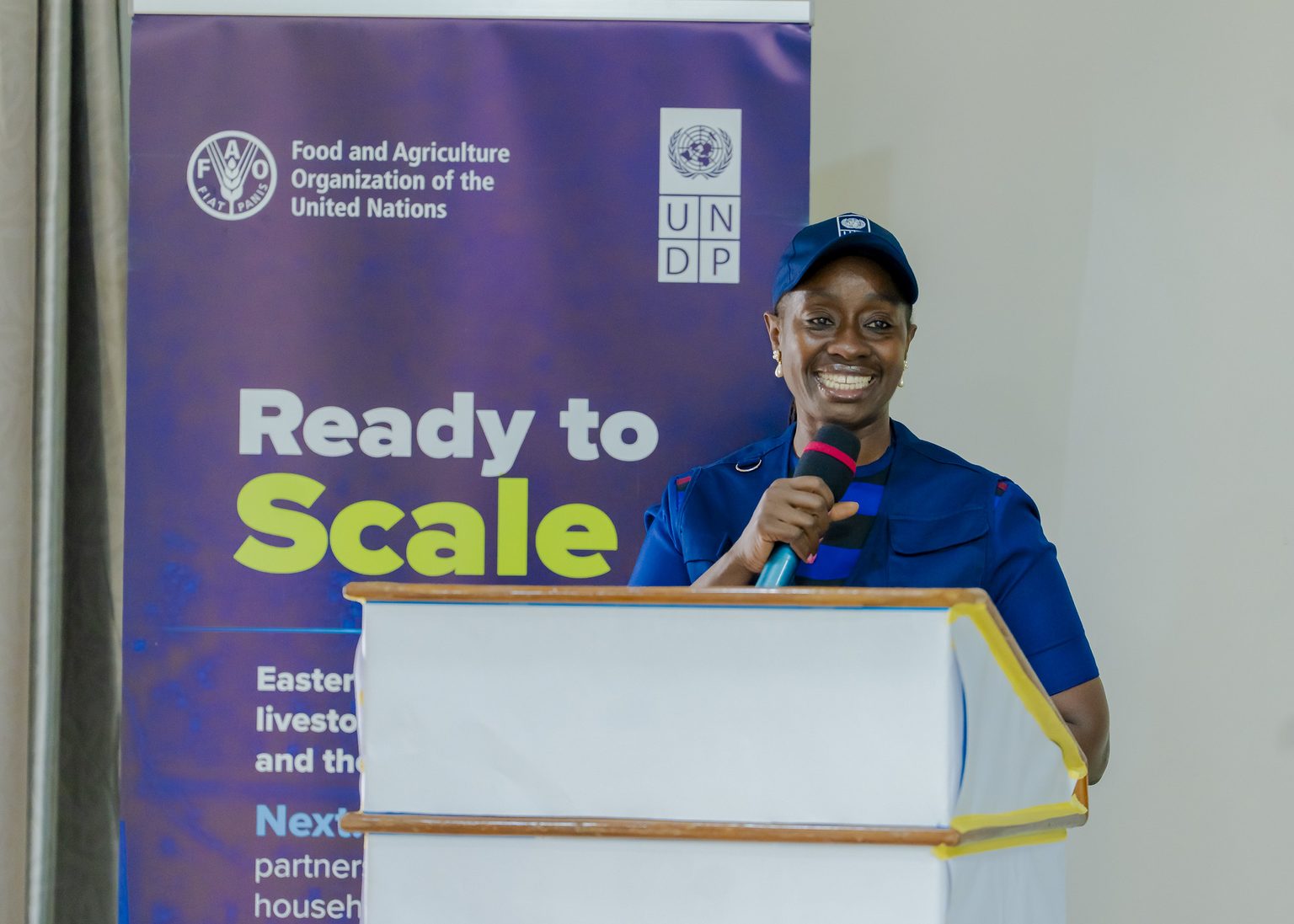
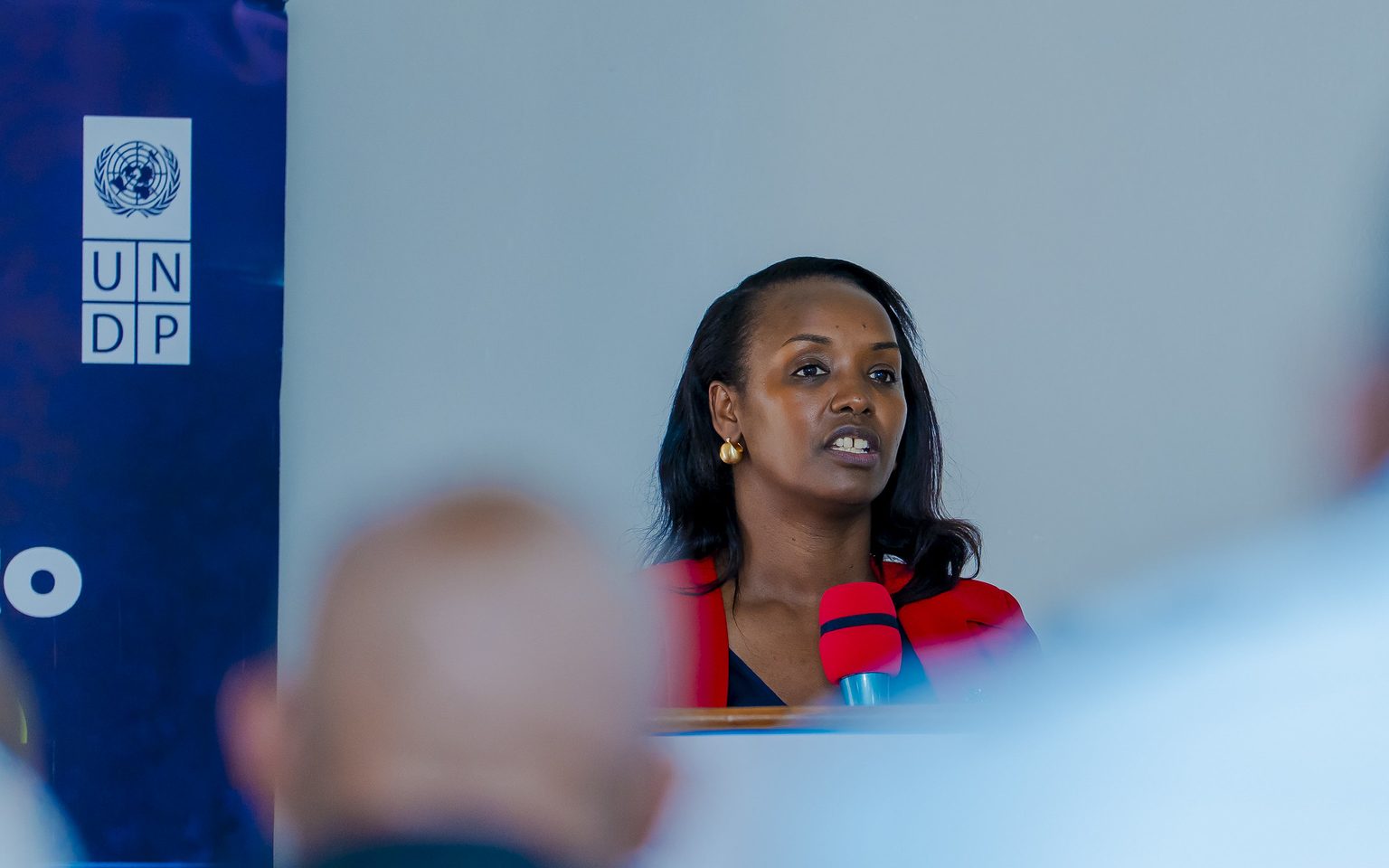
UNDP Resident Representative in Rwanda, Fatmata Lovetta Sesay, said the programme was designed to improve household welfare alongside expanding access to clean energy.
She noted that biogas could reduce exposure to harmful cooking smoke, ease the burden of firewood collection on women and girls, and enable farmers to use livestock waste as fertiliser.
Sesay said the project had demonstrated the potential of biogas as a sustainable cooking energy source, but stressed the need to extend its benefits to more households.
Senior Technical Adviser at the Ministry of Infrastructure, Gen. B. Cesar, said the project’s success would depend on more than the number of systems installed. Their continued functionality, households’ ability to use them properly and the durability of the benefits would also be important measures of progress.
Project partners agreed on a plan to provide ongoing support to beneficiaries, including repairs, monitoring and maintenance of the systems.
The ceremony also featured findings from a study examining biogas’s role in reducing methane emissions. The study was conducted in collaboration with the United Nations Food and Agriculture Organization (FAO) and the Rwanda Environment Management Authority (REMA).
Equity Bank and other private-sector partners participated in discussions on financing mechanisms to extend clean cooking solutions to more households.
Eastern Province has Rwanda’s largest livestock population but is also frequently affected by drought. Converting animal waste into cooking fuel offers an opportunity to make productive use of locally available resources while reducing reliance on firewood.
The programme forms part of Rwanda’s broader efforts to expand access to clean cooking energy, reduce greenhouse gas emissions and address climate change.
Leave a Reply