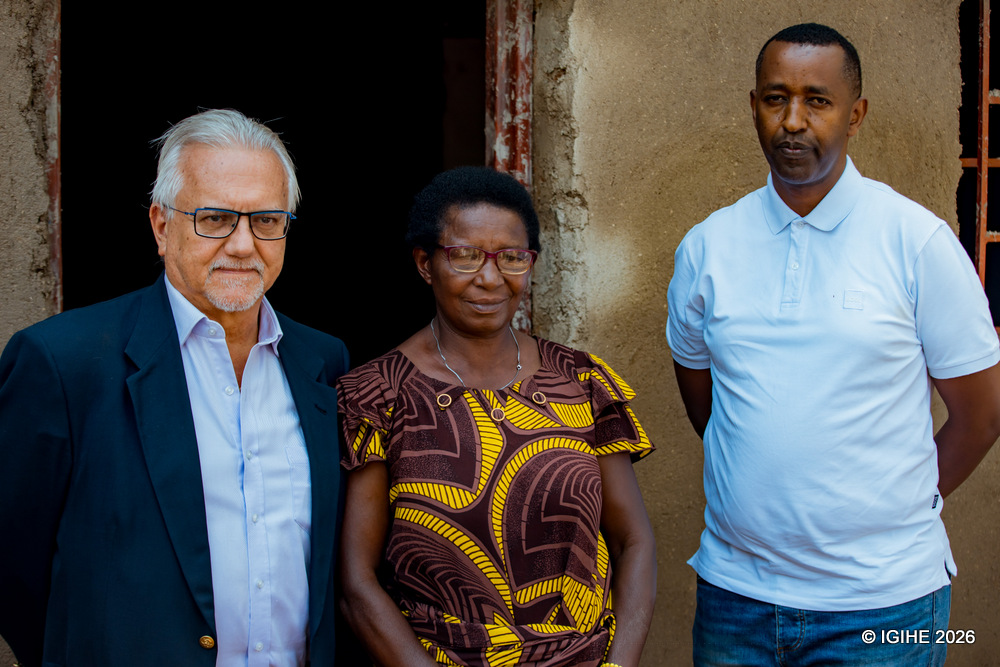
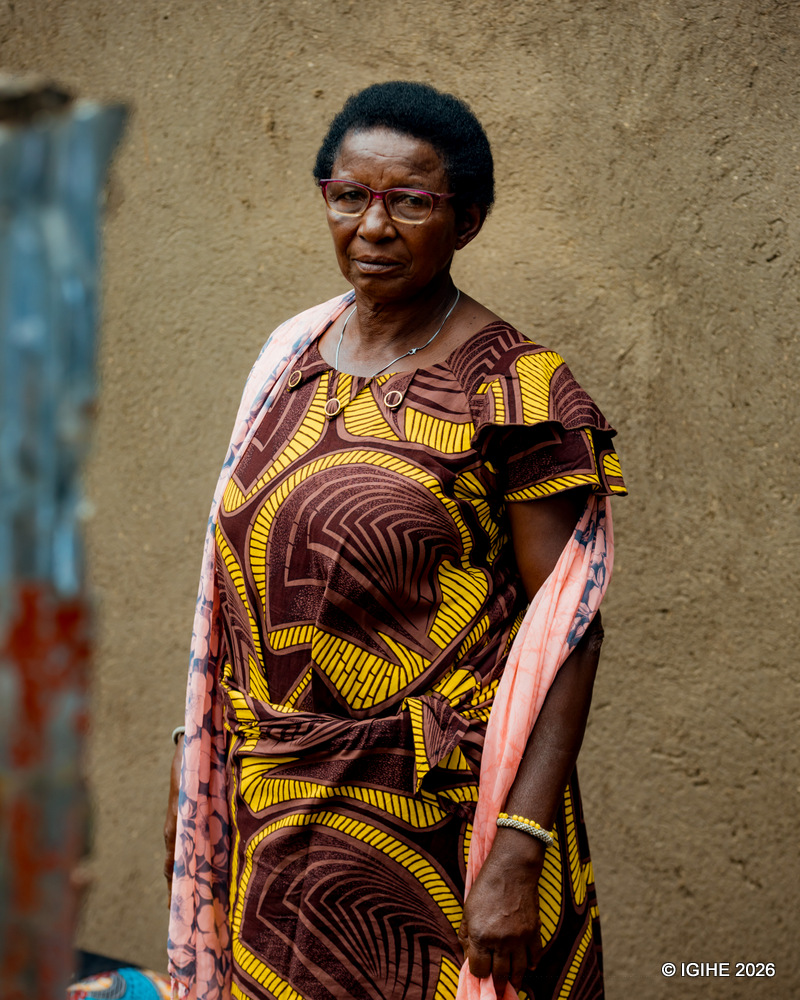
The commemoration activities began with a visit to Kangabe, a 68-year-old survivor living in Kanyinya Sector, Nyarugenge District.
Kangabe lost her husband, two children, and several relatives during the Genocide against the Tutsi in 1994. After the genocide was stopped, she returned with her four surviving children to their family property in Kanyinya, only to find their home destroyed. She was later assisted with a temporary shelter built from wood and iron sheets, but she continued to live in difficult conditions.
In recent years, her situation became even more challenging after she developed a serious illness involving a tumour in her head, leaving her struggling physically and emotionally.
Speaking during the visit, Kangabe expressed gratitude for the support she has received from Kipharma and its partners, saying the assistance had restored her hope for the future.
“Today my happiness is beyond words. I had reached a point where I had lost hope and thought I would simply die, but now I believe I still have a reason to live,” she said.
Construction of her new home is still ongoing, with final works yet to be completed. Kipharma Executive Director Giovanni Davite said the company would continue exploring additional ways to improve her welfare, including facilitating access to clean water closer to her residence.
Davite noted that commemorating the Genocide against the Tutsi should go hand in hand with supporting survivors who continue to face trauma and economic hardship.
“It is our responsibility not only to remember those who were killed during the Genocide against the Tutsi, but also to stand with survivors who are still carrying the burden of what happened. Many continue to suffer from trauma and poverty, and supporting them is a collective duty,” he said.
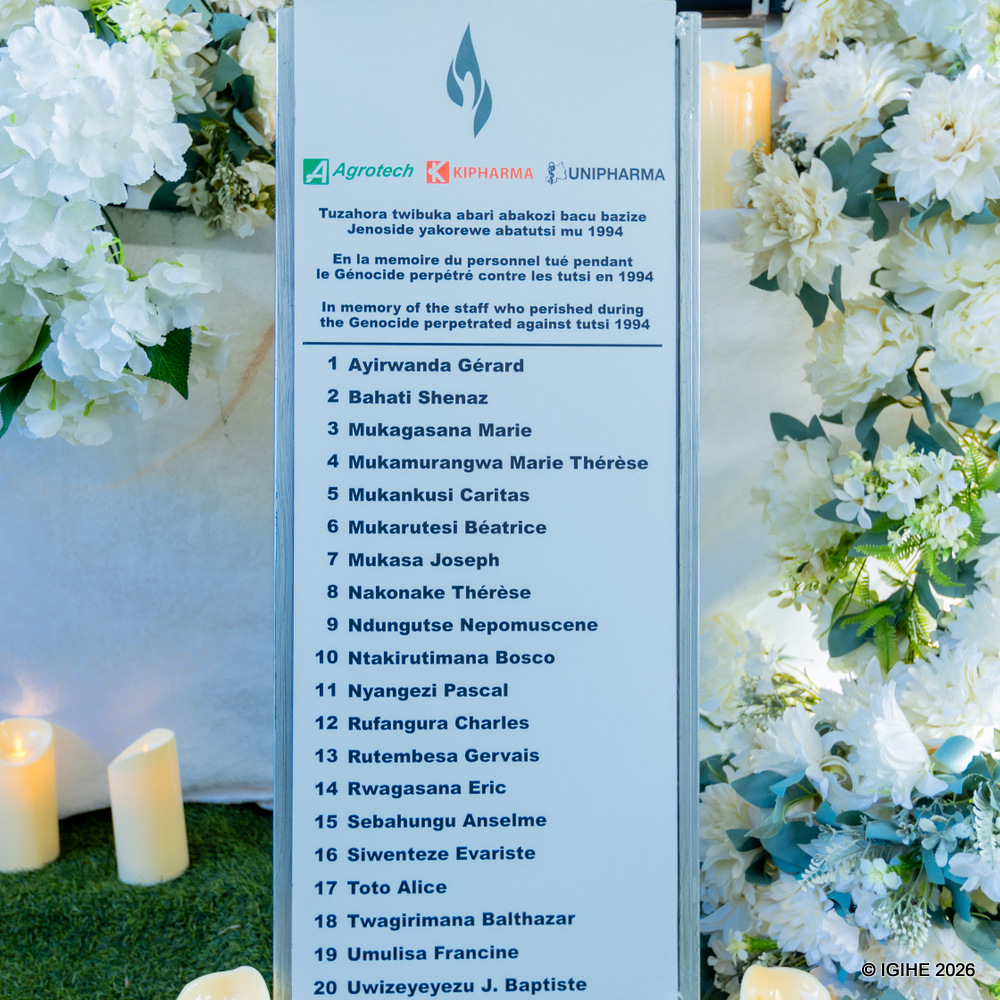
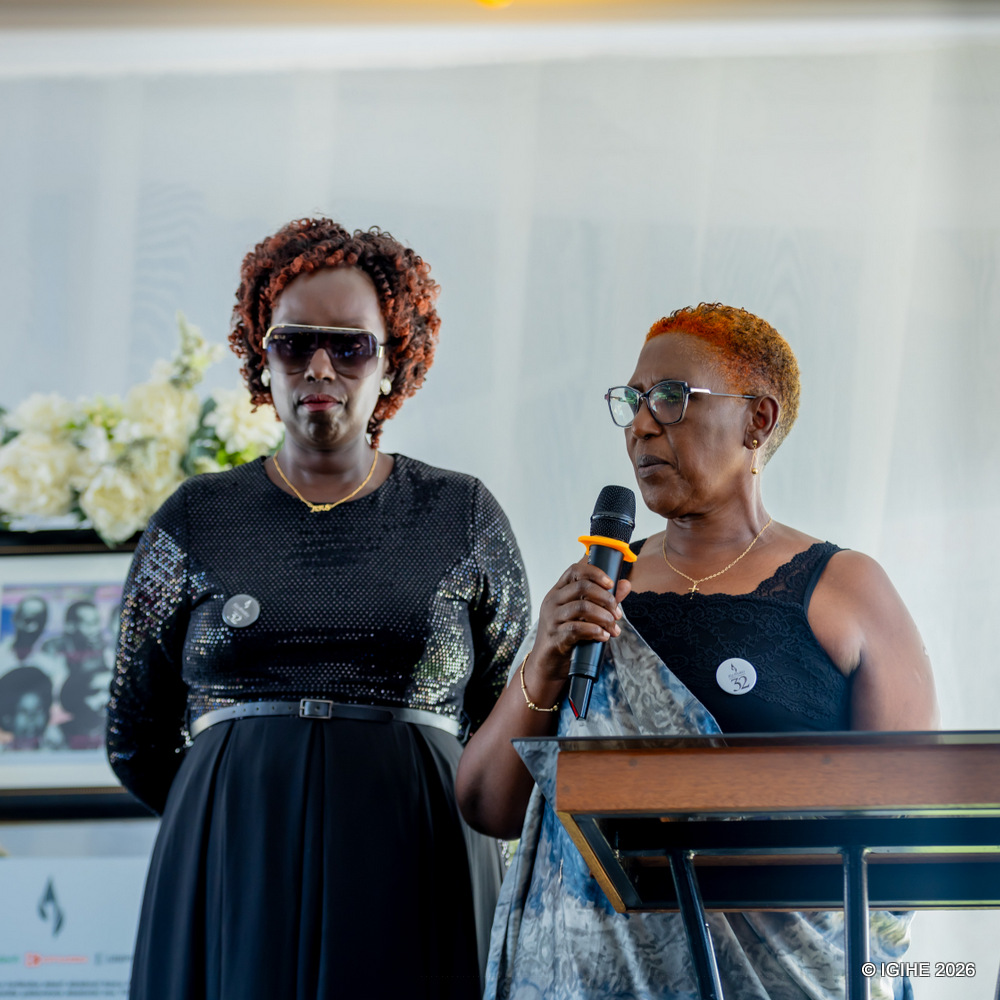
During the event, Mukandahigwa Gemma, an employee of Kipharma since 1995, shared testimony about discrimination she experienced before the genocide while working at the Ministry of Infrastructure.
She recounted that the ministry’s then director-general, who was related to former President Juvénal Habyarimana, openly targeted Tutsi employees and demanded their removal from the workplace.
“He would tell the secretary that he did not want to keep seeing Tutsi women at the office every morning, at noon, and in the evening. Eventually, we were transferred to Gikondo,” she recalled.
Mukandahigwa also paid tribute to the Rwandan Patriotic Army (RPA) fighters for stopping the genocide and thanked Kipharma for the opportunities and support the company has provided her over the years.
She said the company had become more than just a workplace, helping her educate her children and rebuild her life after the tragedy.





Leave a Reply